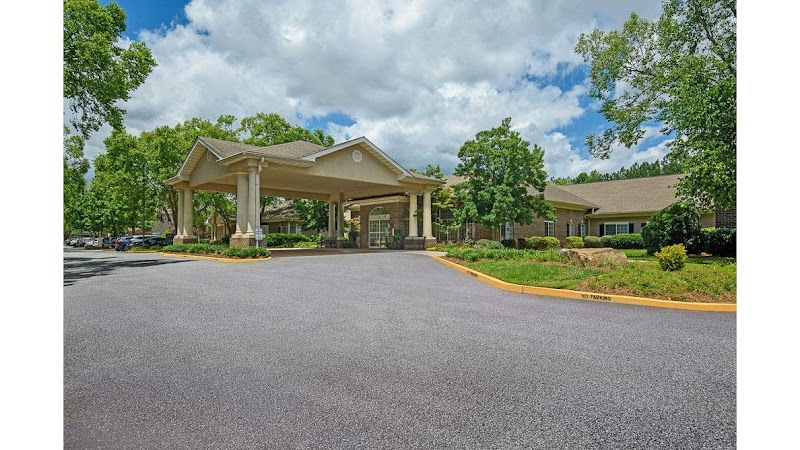
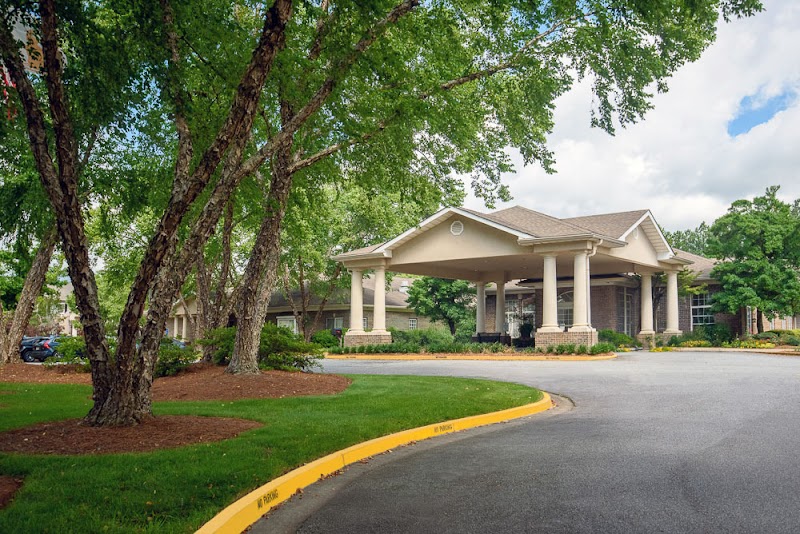
LIFE CARE CTR OF LAWRENCEVILLE

210 COLLINS INDUSTRIAL WAY, LAWRENCEVILLE, GA 30045 (678) 442-0777
For profit - Corporation 125 Beds LIFE CARE CENTERS OF AMERICA Data: November 2025 3 Immediate Jeopardy citations
Trust Grade
4/100
#201 of 353 in GA
Last Inspection: January 2025

Within standard 12-15 month inspection cycle. Federal law requires annual inspections.

Overview

Life Care Center of Lawrenceville has a Trust Grade of F, indicating significant concerns about its care quality, which is poor compared to many other facilities. It ranks #201 out of 353 in Georgia, placing it in the bottom half of nursing homes in the state, and #7 out of 11 in Gwinnett County, meaning only a few local options are worse. The facility appears to be improving, as issues decreased from six in 2023 to five in 2025. Staffing levels are rated average with a turnover rate of 48%, consistent with the state average, but the facility faces serious concerns with $167,336 in fines, which is higher than 96% of Georgia nursing homes. Specific incidents raised during inspections include the failure to adequately implement infection control measures during a COVID-19 outbreak, which resulted in 28 residents and eight staff testing positive, leading to three hospitalizations and one death. While the facility provides excellent quality measures, these critical issues highlight substantial weaknesses that families should consider carefully.

Trust Score
F
4/100
In Georgia
#201/353
Bottom 44%
Safety Record
High Risk
Review needed
Inspections
Getting Better
6 → 5 violations
Staff Stability
⚠ Watch
48% turnover. Above average. Higher turnover means staff may not know residents' routines.
Penalties
⚠ Watch
$167,336 in fines. Higher than 79% of Georgia facilities, suggesting repeated compliance issues.
Skilled Nurses
○ Average
Each resident gets 35 minutes of Registered Nurse (RN) attention daily — about average for Georgia. RNs are the most trained staff who monitor for health changes.
Violations
⚠ Watch
15 deficiencies on record. Higher than average. Multiple issues found across inspections.
★★☆☆☆
2.0
Overall Rating
★★★☆☆
3.0
Staff Levels
★★★★★
5.0
Care Quality
★☆☆☆☆
1.0
Inspection Score
Stable
2023: 6 issues
2025: 5 issues

The Good

  • 5-Star Quality Measures · Strong clinical quality outcomes
  • Full Sprinkler Coverage · Fire safety systems throughout facility
  • No fines on record

Facility shows strength in quality measures, fire safety.

The Bad

2-Star Overall Rating

Below Georgia average (2.6)

Below average - review inspection findings carefully

Staff Turnover: 48%

Near Georgia avg (46%)

Higher turnover may affect care consistency

Federal Fines: $167,336

Well above median ($33,413)

Significant penalties indicating serious issues

Chain: LIFE CARE CENTERS OF AMERICA

Part of a multi-facility chain

Ask about local staffing decisions and management

The Ugly 15 deficiencies on record

3 life-threatening
Jan 2025 5 deficiencies
CONCERN (D) 📢 Someone Reported This

A family member, employee, or ombudsman was alarmed enough to file a formal complaint

Potential for Harm - no one hurt, but risky conditions existed

PASARR Coordination (Tag F0644)

Could have caused harm · This affected 1 resident

**NOTE- TERMS IN BRACKETS HAVE BEEN EDITED TO PROTECT CONFIDENTIALITY** Based on staff interviews, record review, and review of the facility's policy titled, Pre-admission Screening and Resident Revie...

Read full inspector narrative →
**NOTE- TERMS IN BRACKETS HAVE BEEN EDITED TO PROTECT CONFIDENTIALITY** Based on staff interviews, record review, and review of the facility's policy titled, Pre-admission Screening and Resident Review (PASARR), the facility failed to ensure that one of one resident (R) (R13) reviewed for PASARR was evaluated by the state designated authority for a PASARR Level II. This deficient practice had the potential to affect the appropriate level of care and services provided for R13. Findings include: Review of the facility's policy titled Pre-admission Screening and Resident Review (PASARR), with dated 9/26/2024 under Policy revealed, The facility will ensure that potential admissions are to be screened for possible serious mental disorders or intellectual disabilities and related conditions. This initial pre-screening is referred to as PASARR Level I and is completed prior to admission to a nursing facility. A negative Level I screen permits admission to proceed and ends the PASARR process unless a possible serious mental disorder or intellectual disability arises later. A positive Level I screen necessitates an in-depth evaluation of the individual by the state designated authority, known as PASARR Level II, which must be conducted prior to admission to a nursing facility Review of the Electronic Medical Record (EMR) revealed R13 was admitted to the facility on [DATE] with diagnoses that included but not limited to, bipolar disorder, depression, and anxiety. Review of R13's most recent entry tracking Minimum Data Set (MDS) assessment with an assessment reference date (ARD) of 11/20/2024 revealed, Section A (Identification Information) documented the resident had not been evaluated by Level II PASARR and determined to have a serious mental illness and/or mental retardation or related condition; Section I (Active Diagnoses) revealed, no neurological diagnoses, Section N (Medications) revealed, antipsychotic, antidepressant, and antianxiety medication use. Review of R13's physician orders revealed, buspirone HCL 15 mg (milligram) oral tablet with start date of 1/5/2025 (anti-anxiety medication), escitalopram oxalate 5 mg oral tablet with start date of 1/21/2025 (anti-depressant medication), olanzapine 20 mg oral tablet with start date of 5/18/2024 (anti-psychotic medication). Review of R13's PASRR Level I assessment dated [DATE] revealed, R13 did not have a Primary diagnosis of a Serious Mental illness that included bipolar disorder, depressive disorder, and anxiety disorder which were all marked No. Further review of R13's EMR revealed no submissions for a PASARR Level II to include diagnoses of bipolar disorder, depression, and anxiety. Interview on 1/29/2025 at 3:50 pm with the Social Services Assistant (SSA) KK, confirmed R13 did not have a PASARR Level II. She stated that she had not been trained on who should have a PASARR Level II. She stated that the facility does not have any resident that has a primary diagnosis for a PASARR Level II. She stated that the old Social Services Director (SSD) told her that if it is not the first diagnosis (primary) then the resident did not need a PASARR Level II. She acknowledged that R13 had diagnosis of bipolar disorder, depression, and anxiety; however, they were not the primary diagnosis. Interview on 1/29/2025 at 4:03 pm with the Admissions Director (AD) revealed, that the SSD was a new hire, and she did not complete the PASARR Level II's. She stated that PASSR Level II's and DMA 6's are typically completed at the local hospital if the resident's stay was not going to be beyond 30 days of admission. She revealed, if the residents stay was beyond 30 days that Business Office Manager (BOM) MM and medical records personnel at the facility were responsible for completing the PASARR Level II's. Interview on 1/29/2025 at 4:10 pm with Business Office Manager (BOM) MM confirmed that the diagnoses of bipolar disorder, depressive disorder, and anxiety disorder would warrant a PASARR Level II however, she did not have a clinical background to complete a PASARR II on a resident. During an interview on 1/30/2025 at 10:57 with the (Health Information Management Director) HIMD Director and the HIMD Assistant, the HIMD Director revealed that the PASARRs were requested by the Director of Nursing (DON). He stated that he inputs the coding, and the clinical management goes through the DON (who was responsible for the PASSRs). He stated that he doesn't know the requirements for the PASARRs. The HMID Assistant stated that the HIMD department is learning something new, because she didn't know it was the responsibility of their department to have PASARR II completed on the residents. HIMD Director stated that he extracts information from the resident's records that come from the local hospital, and he uploads them. He stated that the resident's diagnosis comes from the hospital when they are discharged . He stated that R13's PASARR I was completed by the hospital. Interview on 1/30/2025 at 11:33 am with the SSD and SSA NN revealed they were not too familiar with PASARRs because their office did not deal with PASARRs. SSD checked R13's chart and confirmed that R13's has a diagnosis of bipolar, which is a major mental health issue. Interview on 1/30/2024 at 12:02 pm with the Administrator revealed her expectation for PASARR was for the Business Office Manager to ensure that the PASARR II and correct coding were completed on the PASARR form. She further stated she expect residents with a new diagnosis of mental illness to have a new PASARR Level II completed at the time of the diagnosis.
CONCERN (D) 📢 Someone Reported This

A family member, employee, or ombudsman was alarmed enough to file a formal complaint

Potential for Harm - no one hurt, but risky conditions existed

Comprehensive Care Plan (Tag F0656)

Could have caused harm · This affected 1 resident

Based on observations, staff and resident interviews, record review, and review of the facility's policy titled, Comprehensive Care Plans and Revisions, the facility failed to develop a person-centere...

Read full inspector narrative →
Based on observations, staff and resident interviews, record review, and review of the facility's policy titled, Comprehensive Care Plans and Revisions, the facility failed to develop a person-centered, comprehensive care plan related to providing oxygen therapy as ordered for one of 19 Residents (R) (R41) reviewed for oxygen administration. The deficient practice had the potential to place the resident at risk for medical complications, unmet needs and a diminished quality of life. Findings include: Review of the facility policy titled Comprehensive Care Plans and Revisions, dated 9/11/2024 under the section Policy revealed, The facility will ensure the timeliness of each resident's person-centered, comprehensive care plan, and to ensure that the comprehensive care plan is reviewed and revised by an interdisciplinary team composed of individuals who have knowledge of the resident and his/her needs . Review of the clinical electronic record for R41 revealed, diagnoses that included but not limited to acute and chronic respiratory failure, unspecified whether with hypoxia or hypercapnia, hypertensive heart and chronic kidney disease with heart failure and stage 1 through stage 4 chronic kidney disease, or unspecified chronic kidney disease. Review of R41's physician orders dated 1/7/2025 revealed, oxygen therapy-nasal cannula (N/C) at rate of 1(one) liter. Review of the care plan with date initiated on 1/7/2025 and target date 4/7/2025 revealed, there was no care plan developed related to providing oxygen therapy as ordered. Interview on 1/30/2025 pm at 3:54 pm with the Regional Coordinator of Clinical Services (RCCS) EE office confirmed that the resident did not have a care plan for oxygen therapy. Observation and interview on 1/30/2025 pm at 3:59 pm with the Unit Care coordinator LPN UU confirmed during admission a care plan should have been developed for oxygen but was not. Cross Reference F695
CONCERN (D) 📢 Someone Reported This

A family member, employee, or ombudsman was alarmed enough to file a formal complaint

Potential for Harm - no one hurt, but risky conditions existed

Respiratory Care (Tag F0695)

Could have caused harm · This affected 1 resident

**NOTE- TERMS IN BRACKETS HAVE BEEN EDITED TO PROTECT CONFIDENTIALITY** Based on observations, staff and resident interviews, record review, and review of the facility's policy titled, Oxygen Administ...

Read full inspector narrative →
**NOTE- TERMS IN BRACKETS HAVE BEEN EDITED TO PROTECT CONFIDENTIALITY** Based on observations, staff and resident interviews, record review, and review of the facility's policy titled, Oxygen Administration (Safety, Storage, Maintenance),the facility failed to ensure that one out of 19 residents (R) R41 receiving oxygen therapy was administered the therapy in accordance with the physician orders. This deficient practice had the potential to put R41 at risk for medical complications, respiratory depression, and potentially life-threatening complications. Findings include: Review of the facility's policy titled Oxygen Administration (Safety, Storage, Maintenance), dated 10/11/2024, under the section Procedure - Oxygen Administration, outlines the following procedures: 1. Oxygen order should be written for specific liter flow required by the resident. Review of the clinical electronic record for R41 revealed, she was admitted with diagnoses that included but not limited to acute and chronic respiratory failure, unspecified whether with hypoxia or hypercapnia, hypertensive heart and chronic kidney disease with heart failure and stage 1 through stage 4 chronic kidney disease, or unspecified chronic kidney disease. Review of the most recent Minimum Data Set (MDS) dated [DATE] for R41, revealed a Brief Interview for Mental Status (BIMS) was coded as 8, indicating the resident had moderate impaired cognition. Review of Physician orders revealed, oxygen therapy-nasal cannula (N/C) at rate of 1(one) liter, date initiated 1/7/2025. Observation on 1/28/2025 at 12:57 pm revealed, R41's wall mounted oxygen flow meter rate set on 1.5 (one and a half) liters via (by way) N/C. Observation on 1/29/2025 at 11:00 am revealed, R41's wall mounted oxygen flow meter rate set on 2 (two) liters via N/C. Observation on 1/30/205 at 1:37 pm revealed, R41's wall mounted oxygen flow meter rate set on 2 (two) liters via N/C. Observation and interview on 1/30/2025 at 3:40 pm with Licensed Practical Nurse (LPN) TT confirmed that resident's oxygen tank setting was on two liters. LPN TT checked resident's physician orders and confirmed that oxygen flow meter rate should be set on one liter. Cross Reference F656
CONCERN (E) 📢 Someone Reported This

A family member, employee, or ombudsman was alarmed enough to file a formal complaint

Potential for Harm - no one hurt, but risky conditions existed

Accident Prevention (Tag F0689)

Could have caused harm · This affected multiple residents

**NOTE- TERMS IN BRACKETS HAVE BEEN EDITED TO PROTECT CONFIDENTIALITY** Based on observations, staff interviews, record review and review the facility document titled, [Name of Company] TELS (The Equi...

Read full inspector narrative →
**NOTE- TERMS IN BRACKETS HAVE BEEN EDITED TO PROTECT CONFIDENTIALITY** Based on observations, staff interviews, record review and review the facility document titled, [Name of Company] TELS (The Equipment Lifecycle System): Instructions, the facility failed to keep the residents free of accident hazards as evidenced by water temperatures above 110 degrees Fahrenheit (F) in four out of 68 resident rooms (room [ROOM NUMBER], room [ROOM NUMBER], room [ROOM NUMBER], and room [ROOM NUMBER]). The deficient practices had the potential to cause injury to residents residing in these rooms. Findings include: Review of the facility document titled, [Name of Company] TELS: Instructions, under the section titled Steps revealed, 1. For burn prevention, federal guidelines advise that you keep domestic water temperatures below 120 degrees Fahrenheit, although this temperature can still cause burns if exposure reaches five minutes. Many states have even stricter standards that set maximum temperatures lower than 120 degrees Fahrenheit, although 100 degrees Fahrenheit is considered a safe water temperature for bathing. Observations on 1/28/2025 from 1:15 pm to 1:20 pm of water temperature checks on 226 - 232 corridor with the Assistant of Maintenance Director (AMD) using the facility's digital thermometer revealed, water temperature measurements in room [ROOM NUMBER] at 127.8 degrees F, room [ROOM NUMBER] at 127.2 degrees F, room [ROOM NUMBER] at 127 degrees F and room [ROOM NUMBER] at 126.7 degrees F. No other residents' rooms were affected. Interview on 1/28/2025 at 1:25 pm with the AMD revealed, that maintenance department conducted weekly water temperatures in 10 rooms, in rotation. Interview on 1/28/2025 at 1:30 pm with the Administrator and Maintenance Director (MD) to inform them about the hot water test result. The Administrator stated that the MD would adjust the temperature promptly. Follow-up Observation on 1/28/2025 at 5:40 pm of water temperature checks revealed, room [ROOM NUMBER] at 106.3 degrees F, room [ROOM NUMBER] at 105.9 degrees F, room [ROOM NUMBER] at 105.9 degrees F, and room [ROOM NUMBER] at 105.6 degrees F. Review of facility water temperature log revealed that water temperature checks were completed on 1/2/2025, 1/8/2025, 1/16/2025, and 1/23/2025 with temperatures ranges between 106 degrees F and 106.9 degrees F. Review of the facility's records revealed, no residents sustained burns injuries related to hot water temperatures. Interview on 1/28/2025 at 5:50 pm with the Maintenance Director (MD) confirmed, that when he went to adjust the water temperature, the water heater thermostat was showing 130 degrees Fahrenheit. The MD revealed that he had conducted weekly check of the thermostat to ensure the water temperature remained under 110 degrees however he was unsure why the temperature had gone up.
CONCERN (E) 📢 Someone Reported This

A family member, employee, or ombudsman was alarmed enough to file a formal complaint

Potential for Harm - no one hurt, but risky conditions existed

Infection Control (Tag F0880)

Could have caused harm · This affected multiple residents

Based on observations, interviews, review of the facility's policies titled Oxygen Administration (Safety, Storage, Maintenance), Cleaning and Disinfection of Non-Critical Patient Care Equipment, and ...

Read full inspector narrative →
Based on observations, interviews, review of the facility's policies titled Oxygen Administration (Safety, Storage, Maintenance), Cleaning and Disinfection of Non-Critical Patient Care Equipment, and Hand Hygiene, the facility failed to maintain sanitary conditions for storing respiratory supplies for one of 19 residents that received respiratory treatments. In addition, the facility failed to sanitize shared medical equipment between residents' use during two of four medication pass observations and follow proper hand hygiene practices when providing residents' care during one of four medication pass observation. The deficient practices increased the risk to spread infection, equipment contamination, and other health complications. The sample size was 24 residents. Findings include: Review of the facility's policy titled Oxygen Administration (Safety, Storage, Maintenance) revised on 10/11/2024 revealed the Policy section included 4: Store oxygen and respiratory supplies in bag labeled with resident's name when not in use. Review of the facility's policy titled Hand Hygiene revised 6/3/2024, revealed the Policy section included 2. Associates perform hand hygiene (even if gloves are used) in the following situations: a) Before and after contact with the resident; c) After contact with objects and surfaces in the resident's environment) After removing personal protective equipment. 1. Review of R47's Electronic Medical Records (EMR) revealed, R47 was admitted to the facility with diagnoses including, but not limited to chronic pulmonary edema, acute and chronic respiratory failure with hypoxia, post Covid 19, heart failure, and stroke. Review of the Physician Orders for R47 revealed an order dated 1/2/2025 for Ipratropium-Albuterol Solution (nebulizer to treat chronic obstructive pulmonary disease) 0.5-2.5 (3) MG (milligram) /3ML (milliliters) 3 ml inhale orally via nebulizer four times a day for shortness of breath (SOB). During an observation on 1/28/2025 at 12:04 pm in the resident's room, R47's respiratory supplies (nebulizer mask and tubing) were laying on the nightstand tangled and touching the floor. The respiratory supplies were unbagged and not in use. During an observation on 1/29/2025 at 9:00 am, R47's nebulizer mask and tubing were laying on the nightstand tangled, unbagged, and not in use. Observation and Interview on 1/29/2025 at 12:00 pm in R47's room with RN AA revealed, the nebulizer masks and tubing were unbagged while not in use. She opened the nightstand drawer, revealing a labeled bag designated for the respiratory supplies. RN AA placed the nebulizer mask in the bag and confirmed that it should have been stored in the bag when not in use. In an interview on 1/29/2025 at 3:20 pm with the Staff Development Coordinator, Intern Infection Control Preventionist (ICP), RN FF, she stated that she expected oxygen supplies and respiratory masks to be kept in a labeled bag when not in use. Interview on 1/30/2025 at 9:20 am with the facility's corporate nurses, Registered Nurse (RN) EE and RN DD revealed, that they expected staff to keep oxygen supplies and respiratory masks in labeled bags when not in use. 2. Observation and Interview during medication pass on 1/29/2025 at 11:35 am revealed, RN AA was observed performing a blood sugar check on a resident. RN AA approached the medication cart and gathered the necessary supplies; however, she did not wash or sanitize her hands before collecting the supplies or upon entering the room nor did she clean and disinfect the glucose glucometer before use. RN AA revealed, someone had removed the sanitizer from her cart, and she had forgotten to do so when questioned about not sanitizing or washing her hands before preparing for the glucose check or upon entering the room. RN AA confirmed she should have sanitized her hands in both instances and cleaned the glucometer before use. During an interview on 1/29/2025 at 3:00 pm with RN FF Staff Development Coordinator/Interim Infection Control Preventionist (SDC/ICP) revealed that she expects her staff to perform hand hygiene before and after any contact with each resident. RN FF SDC/ICP revealed, staff members should either sanitize with an alcohol-based hand sanitizer or, after three consecutive uses, wash their hands with soap and water. During the interview on 1/30/2025 at 9:20 am with RN EE and RN DD stated, that they expected staff to perform hand hygiene using either soap and water or an alcohol-based hand sanitizer before and after contact with each resident and to clean the glucometer before and after use.
Aug 2023 6 deficiencies 3 IJ (3 facility-wide)
CRITICAL (L) 📢 Someone Reported This

A family member, employee, or ombudsman was alarmed enough to file a formal complaint

Immediate Jeopardy (IJ) - the most serious Medicare violation

Administration (Tag F0835)

Someone could have died · This affected most or all residents

⚠️ Facility-wide issue

Based on record review, staff interviews, review of the Centers for Disease Control and Prevention (CDC) Interim Infection Prevention and Control Recommendations for Healthcare Personnel (HCP) During ...

Read full inspector narrative →
Based on record review, staff interviews, review of the Centers for Disease Control and Prevention (CDC) Interim Infection Prevention and Control Recommendations for Healthcare Personnel (HCP) During the Coronavirus Disease 2019 (COVID-19) Pandemic, and review of the job description for the Executive Director (ED), facility Administration failed to ensure the health and safety of the residents by not maintaining an effective Infection Prevention Control Program (IPCP) that would identify and investigate an infection outbreak to prevent or reduce the spread of Covid-19 by not following current guidelines for resident and staff testing (contact tracing or broad based testing). This failure resulted in a total of 28 residents and eight staff members tested positive for COVID-19, three COVID related hospitalizations, and one COVID related death. The census was 99. On August 15, 2023, a determination was made that a situation in which the facility's non-compliance with one or more requirements of participation had caused or had the likelihood to cause serious injury, harm, impairment, or death to residents. The facility Executive Director, Regional Director of Clinical Services, Regional [NAME] President, and the Division Director of Clinical Services were notified on August 15, 2023, at 2:30 p.m. of the Immediate Jeopardy. The IJ situation was ongoing at the time of exit on August 17, 2023. Findings include: Review of the Centers for Disease Control and Prevention (CDC) Interim Infection Prevention and Control Recommendations for Healthcare Personnel (HCP) During the Coronavirus Disease 2019 (COVID-19) Pandemic updated May 8, 2023, revealed when performing an outbreak response to a known case, facilities should always defer to the recommendations of the jurisdiction's public health authority. The approach to an outbreak investigation could involve either contact tracing or a broad-based approach; however, a broad-based (e.g., unit, floor, or other specific area(s) of the facility) approach is preferred if all potential contacts cannot be identified or managed with contact tracing or if contact tracing fails to halt transmission. Perform testing for all residents and HCP identified as close contacts or on the affected units, if using a broad-based approach, regardless of vaccination status. If additional cases are identified, strong consideration should be given to shifting to the broad-based approach if not already being performed and implementing quarantine for residents in affected areas of the facility. As part of the broad-based approach, testing should continue for the affected unit(s) or facility-wide every 3-7 days until there are no new cases for 14 days. Review of the document title Executive Director Job Description - Corporate Primary revised January 8, 2021, revealed the position summary is the Executive Director provides leadership and direction for overall facility operations to provide quality patient care in accordance with all laws, regulations, and Life Care standards. Provides oversight of key areas including clinical operations. Implements policies pertaining to patient care, caregiving, and support staff. Reports to Regional [NAME] President. Specific Requirements include knowledge of administration practices and procedures as well as the laws, regulations, and guidelines governing administrative functions in the post-acute care facility, must have the ability to implement and interpret program goals, objectives, policies, and procedures of the administration department, and must perform proficiently in all competency areas including but not limited to: daily leadership responsibilities, supervisory responsibilities, financial responsibilities, regulatory compliance, patient rights, and safety sanitation. The job description was signed by the current Administrator and dated April 25, 2022. Interview on 8/16/2023 at 12: 40 p.m. with the Admissions Department Head, stated it is concerning that the COVID positive numbers are rising. She revealed the facility has a morning meeting with the Administrator with the Infection Control Preventionist (ICP) present and concerns with each department are discussed in the meeting. She revealed the ICP discusses newly identified Covid-19 positive residents, but stated testing is not necessarily covered as it relates to contact tracing or broad-based testing. Interview on 8/16/2023 at 12:45 p.m. with the Physical Therapy Director, revealed the Administrator and ICP are present during all morning meetings. She revealed the rising number of COVID positive residents is increasing in the building, but stated there has been no discussion regarding contact tracing or broad-based testing. During continued interview, she stated facility was only testing residents and staff if they had signs and symptoms. She stated all the therapists are going in and out of resident rooms; and residents are coming to the Therapy Department if they are not COVID positive. She revealed the number of positives is continuing to rise and indicated is a concern. Interview on 8/16/2023 at 1:00 p.m. with the Minimum Data Set (MDS) Director revealed the facility has a morning meeting and confirmed that the Administrator and the ICP are part of the morning meeting. She stated they discuss isolation and the number of COVID cases, but added she cannot recall if they have discussed the testing process in the morning meetings. She stated despite the MDS staff going in and out of resident rooms to perform assessments, while maintaining six feet apart, the number of positive residents is rising. Interview on 8/16/2023 at 2:16 p.m. with the backup IC RN FF, revealed that they have conversations and meetings with the Administrator related to the current outbreak and the increase in COVID cases. They revealed there has not been discussions related to when to do contact trace testing and/or broad-based testing. The ICP revealed they speak with the local Health Department keeping them informed of the cases of COVID in the building and receive guidance that they pass along to the staff. Interview on 8/16/2023 at 2:43 p.m. with the Regional [NAME] President of Operations revealed the Administrator made him aware of number of positive Covid-19 cases in the facility, but it was never discussed what type of testing was being done, if it was contact tracing testing or broad-based testing. He revealed the Administrator is responsible for keeping up to date with both State and Federal Regulatory Guidance and that she is responsible for every department in the facility. Interview on 8/16/2023 at 2:51 p.m. with the Administrator revealed she meets daily with the Department Head staff. She revealed during the morning meeting, she and the ICP discuss residents who have tested positive, their room numbers, and what/if anything was done. The Administrator revealed the facility is following the guidance from the local Health Department related to testing, and monitoring for signs and symptoms. She stated she had discussions with the ICP regarding the COVID positive resident and staff numbers increasing, and revealed local Health Department had not recommended they do broad-based testing during the current outbreak until August 15th. During further interview, the Administrator confirmed she is responsible for all that goes on within the facility. Telephone interview on 8/15/2023 at 12:15 p.m. with the Epidemiology Assistant with the local Health Department confirmed the correspondence with the facility regarding the current outbreak that began on 8/2/2023. She revealed the facility has been doing contact tracing, but when there is more than one positive case in a facility, she recommends doing the broad-based testing. The Epidemiology Assistant revealed during the facility's previous outbreak several months ago, she informed them with more than one positive case, they need to do broad-based testing. She stated she does not know why they did not do the broad-based testing with this current outbreak. During further interview, she revealed she has spoken with the ICP a couple of times, but most of her communications have been with a Licensed Practical Nurse (LPN) who works in Human Resources. She confirmed at this time that she has not spoken with the Administrator related to the current outbreak in the facility. Cross Refer F880, F882
CRITICAL (L) 📢 Someone Reported This

A family member, employee, or ombudsman was alarmed enough to file a formal complaint

Immediate Jeopardy (IJ) - the most serious Medicare violation

Infection Control (Tag F0880)

Someone could have died · This affected most or all residents

⚠️ Facility-wide issue

**NOTE- TERMS IN BRACKETS HAVE BEEN EDITED TO PROTECT CONFIDENTIALITY** Based on record review, staff interviews, review of the Centers for Disease Control and Prevention (CDC) Interim Infection Preve...

Read full inspector narrative →
**NOTE- TERMS IN BRACKETS HAVE BEEN EDITED TO PROTECT CONFIDENTIALITY** Based on record review, staff interviews, review of the Centers for Disease Control and Prevention (CDC) Interim Infection Prevention and Control Recommendations for Healthcare Personnel (HCP) During the Coronavirus Disease 2019 (COVID-19) Pandemic, and review of the facility policies, the facility failed to implement initial and ongoing testing of residents and staff as recommended by Center for Disease Control and Prevention (CDC) and the Georgia Department of Public Health (GDPH) to lessen the exposure of Covid-19 during an outbreak and failed to obtain Physician's Orders for Covid-19 testing for 21 of 28 residents (R#'s 59, 2, 114, 80, 322, 113, 46, 112, 74, 13, 27, 324, 222, 51, 469, 323, 119, 10, 58, 120, and 21) reviewed that were positive for Covid-19. In addition, the facility failed to maintain documentation of negative test results of residents and staff. On [DATE], a determination was made that a situation in which the facility's non-compliance with one or more requirements of participation had caused or had the likelihood to cause serious injury, harm, impairment, or death to residents. The facility Executive Director, Regional Director of Clinical Services, Regional [NAME] President, and the Division Director of Clinical Services were notified on [DATE] at 2:30 p.m. of the Immediate Jeopardy. The IJ situation was ongoing at the time of exit on [DATE]. Findings include: Review of the Centers for Disease Control and Prevention (CDC) Interim Infection Prevention and Control Recommendations for Healthcare Personnel (HCP) During the Coronavirus Disease 2019 (COVID-19) Pandemic updated [DATE], revealed when performing an outbreak response to a known case, facilities should always defer to the recommendations of the jurisdiction's public health authority. A single new case of SARS-CoV-2 infection in any Healthcare Provider (HCP) or resident should be evaluated to determine if others in the facility could have been exposed. The approach to an outbreak investigation could involve either contact tracing or a broad-based approach; however, a broad-based (e.g., unit, floor, or other specific area(s) of the facility) approach is preferred if all potential contacts cannot be identified or managed with contact tracing or if contact tracing fails to halt transmission. Perform testing for all residents and HCP identified as close contacts or on the affected units) if using a broad-based approach, regardless of vaccination status. If additional cases are identified, strong consideration should be given to shifting to the broad-based approach if not already being performed and implementing quarantine for residents in affected areas of the facility. As part of the broad-based approach, testing should continue on affected unit(s) or facility-wide every three to seven days until there are no new cases for 14 days. Review of the facility policy titled Covid-19 Outbreak Investigation revised [DATE] revealed the policy statement is the facility will perform COVID-19 outbreak investigations in accordance with local, state, and federal regulations to mitigate the spread of COVID-19 within the facility. Procedure number 1. An outbreak investigation is initiated when a single new case of Covid-19 occurs among residents or staff to determine if others have been exposed. Number 2. In an outbreak investigation, rapid identification and isolation of new cases is critical in stopping further viral transmission. Number 3. Upon identification of a single new case of Covid-19 infection in any associate or residents, testing should begin immediately (but not earlier than 24 hours after the exposure, if known). Number 4. The facility has the option to perform outbreak testing through two approaches, contact tracing or broad-based (facility wide) testing. Number 5. If the facility can identify close contacts of the individual with Covid-19, they could choose to conduct focused testing (contact tracing) based on known close contacts. Number 6. If a facility does not have the expertise, resources, or ability to identify all close contacts, they should instead investigate the outbreak at a facility-wide level broad-based) or group level (unit, floor, or other specific area(s) of the facility). Number 7. The use of broad-based testing might also be required if the facility is directed to do so by the jurisdiction's public health authority, or in situations where all potential contacts are unable to be identified, are too numerous to manage, or when contact tracing fails to halt the transmission. Number 8. Perform testing for all residents and associates identified as close contacts or on the affected unit(s) if using a broad-based approach, regardless of vaccination status. Number 9. If additional cases are identified, strong consideration should be given to shifting to the broad-based approach if not already being performed and implementing quarantine for residents in affected areas of the facility. As part of broad-based approach, testing should continue on affected unit(s) or facility-wide every three to seven days until there are no new cases for 14 days. Review of the facility policy titled Covid-19 (SARS-CoV-2) Resident Testing revised [DATE] revealed the facility should plan to test in accordance with accepted national standards such as the CDC, unless ordered more stringently by the local and state officials. Procedure: Conducting Testing number 1. Obtain an order from a physician, physician assistant, nurse practitioner, or clinical nurse specialist in accordance with the State law, including scope of practice laws to provide or obtain laboratory services for a resident, which includes Covid-19 testing. 2. Rapid Point of Care (POC) testing devices are prescription use tests under the Emergency Use Authorization and must be ordered by a healthcare professional licensed under the applicable state law or a pharmacist under U.S. Department of Health and Human Services (HHS) guidance. Accordingly, the facility must have an order from a healthcare professional or pharmacist, as previously described, to perform a rapid POC Covid-19 test on an individual. Facilities must document compliance with the testing requirements. To do so, facilities should do the following: 1. For symptomatic residents, document the date(s) and time(s) of the identification of signs or symptoms, when testing was conducted, when results were obtained, and the actions the facility took based on the results. 2. Upon identification of a new Covid-19 case in the facility (i.e., outbreak), document the date the case was identified, the date that all other residents are tested, the dates that residents who tested negative are retested, and the results of all tests. 5. For residents, the facility must document testing results in the medical record. The following 21 residents were positive for COVID-19 and reviewed related to the ongoing outbreak in the facility: 1. Review of the admission Minimum Data Set (MDS) Assessment for R#59 dated [DATE] revealed a Brief Interview for Mental Status (BIMS) score of 15 indicating intact cognition. A Nurse's Note dated [DATE] documented resident had symptoms of runny nose and nausea. A Covid test was performed, and the result was positive. A Nurse's Note dated [DATE] revealed the resident began complaining of severe abdominal pain and was transferred to the hospital. Review of the [DATE] Physician Orders revealed an order for isolation on [DATE]. There was no physician order for Covid-19 testing. 2. Review of the Quarterly MDS Assessment for R#2 dated [DATE] revealed a BIMS of 15 indicating intact cognition. A Nurse's Note dated [DATE] documented symptoms of malaise and cough. A Covid test was performed, and result was positive. Contact and droplet isolation initiated. Review of the [DATE] Physician Orders revealed there was not an order for Covid-19 testing or isolation. 3. Review of the admission MDS Assessment for R#114 dated [DATE] revealed a BIMS of 15 indicating intact cognition. A Nurse's Note dated [DATE] documented that resident complained of a sore throat and cough. A Covid test was administered, and the result was positive. Review of the [DATE] Physician Orders revealed Covid-19 testing ordered on [DATE], [DATE] and [DATE]. Droplet and Contact Precautions ordered on [DATE]. 4. Review of the admission MDS Assessment for R#80 dated [DATE] revealed a BIMS score of six, indicating severely impaired cognition. A Nurse's Note dated [DATE] documented resident tested positive for Covid on [DATE]. Resident was placed on isolation per facility protocol. Review of the [DATE] Physician Orders revealed there was not an order for Covid-19 testing. 5. Review of the admission MDS Assessment for R#322 dated [DATE] revealed a BIMS score of 13, indicating intact cognition. A Nurse's Note dated [DATE] documented resident with symptoms of upper respiratory infection (cough, congestion, and scratchy throat). A Covid test was performed, and the result was positive. Review of the [DATE] Physician Orders revealed an order on [DATE] for isolation. There were no orders for Covid-19 testing. 6. Review of the admission MDS Assessment for R#113 dated [DATE] revealed a BIMS score of 12, indicating moderately impaired cognition. A Nurse's Note dated [DATE] documented staff spoke with resident's son regarding residents Covid positive diagnosis and the initiation of contact and droplet isolation. Review of the [DATE] Physician Orders revealed an order for isolation dated [DATE]. There was an order for a Covid test dated [DATE] (11 days after the resident was diagnosed with Covid-19). 7. Review of the Quarterly MDS Assessment for R#46 dated [DATE] revealed a BIMS score of 13, indicating intact cognition. A Nurse's Note dated [DATE] documented resident was tested for Covid, and test result was positive. Resident was placed on isolation per facility policy. Review of the [DATE] Physician Orders revealed an order for Covid-19 testing per state and federal guidelines dated [DATE], and an order for isolation on [DATE]. 8. Review of the admission MDS Assessment for R#112 dated [DATE] revealed a BIMS score of nine, indicating moderate cognitive impairment. A Nurse's Note dated [DATE] documented resident had symptoms of cough. Resident was tested for COVID-19 and confirmed positive. Resident placed on isolation. Review of the [DATE] Physician Orders did not reveal an order for Covid-19 testing. 9. Review of the Quarterly MDS Assessment for R#74 dated [DATE] revealed a BIMS score of 13, indicating intact cognition. A Nurse's Note dated [DATE] documented resident tested positive for Covid-19 and isolation precautions were in place. Review of the [DATE] Physician Orders revealed there was not an order for Covid-19 testing. 10. Review of the Quarterly MDS Assessment for R#13 dated [DATE] revealed a BIMs of 15, indicating intact cognition. A Nurse's Note dated [DATE] documented the nurse spoke with resident regarding her Covid positive diagnosis and the initiation of contact and droplet isolation. Review of the Nurse's Note dated [DATE] documented resident observed with no vital signs. Respiration ceased and skin was still warm and cooling fast. The DON, Medical Doctor (MD)/Nurse Practitioner (NP), and family were notified. On [DATE] R#13 tested positive for Covid-19 but there was no documented evidence indicating why she was tested, no mention of signs or symptoms or if she had a roommate that was positive that indicated the need for her to be tested. An [DATE] Nurse's Note documented she had no acute changes and there were no other notes related to her health status until she was found deceased on [DATE]. Review of the [DATE] Physician Orders revealed there was not a physician order for Covid-19 testing. 11. Review of the Quarterly MDS Assessment for R#27 dated [DATE] revealed a BIMS of 14 indicating intact cognition. A Nurse's Note dated [DATE] documented resident complained of feeling sick in the stomach and nauseous, resident tested for Covid and was placed on isolation per protocol. Review of the [DATE] Physician Orders revealed an order for Covid-19 test as needed per State and Federal Guidelines on [DATE] with no end date, but it was not listed on the current Medication Administration Record (MAR). 12. Review of the admission MDS Assessment for R#324 dated [DATE] revealed a BIMS score of 10, indicating moderately impaired cognition. A Nurse's Note dated [DATE] documented due to resident roommate with symptoms, resident and roommate were both tested for Covid. Resident result was positive. MD (medical doctor) made aware. Review of the [DATE] Physician Orders revealed an order for isolation on [DATE] and there was not an order for Covid-19 testing. 13. Review of the Entry MDS Assessment for R#222 dated [DATE] revealed it was in progress and no information was documented. A Nurse's Note dated [DATE] documented resident with symptoms of Covid, was tested and result came back positive for Covid. NP (Nurse Practitioner) made aware. Review of the [DATE] Physician Orders revealed an order for isolation on [DATE]. There was a physician order for Covid testing on [DATE] (five days after testing positive). 14. Review of the Quarterly MDS Assessment for R#51 dated [DATE] revealed a BIMS score of 13 indicating intact cognition. A Nurse's Note dated [DATE] documented resident complained of feeling cold and general malaise. Resident swab for Covid test and was positive. MD notified. Isolation precautions in place. Review of [DATE] Physician Orders revealed an order for Covid-19 testing per state and federal regulations dated [DATE] and an order for isolation dated [DATE]. 15. Review of the admission MDS Assessment for R#469 dated [DATE] revealed a BIMS score of three, indicating severe cognitive impairment. A Nurse's Note dated [DATE] documented resident tested positive for Covid via rapid test. Patient had one episode of vomiting before lunch. Patient stated that he just didn't feel well and had a runny nose. NP has been notified. Orders to monitor and treat symptoms if they occur. Review of the [DATE] Physician Orders revealed an order for isolation on [DATE]. There was no order for Covid-19 testing. 16. Review of the admission MDS Assessment for R#323 dated [DATE] revealed a BIMS score of 12, indicating intact cognition. A Nurse's Note dated [DATE] documented resident with complaint of weakness, chills, and body aches. Covid test noted positive. Isolation precaution started. The physician was made aware. Review of the [DATE] Physician Orders revealed an order for isolation on [DATE]. There was no evidence of an order for Covid-19 testing. 17. Review of the admission MDS Assessment for R#119 dated [DATE] revealed a BIMS score of 15 indicating intact cognition. A Nurse's Note dated [DATE] documented all patient care done in room per contact and droplet precautions due to Covid-19. There was no documentation in the nurse's notes of a Covid-19 test result. Review of the [DATE] Physician Orders revealed there was not an order for Covid-19 testing. 18. Review of the MDS admission Assessment for R#10 dated [DATE] revealed a BIMS score of 12, indicating intact cognition. A Nurse's Note dated [DATE] revealed resident tested positive for Covid. NP notified. Orders received to encourage fluids. Isolation Precautions initiated. Review of the [DATE] Physician Orders revealed an order for isolation on [DATE]. Review of the Nurse's Note dated [DATE] documented the resident was found unresponsive by nurse around 8:00 a.m., with respiratory distress and shortness of breath. Resident regained consciousness, 911 was called and resident was then transferred to the hospital for further evaluation and treatment. NP was made aware. Review of the [DATE] Physician Orders revealed an order for isolation on [DATE]. There were no orders for Covid-19 testing. 19. Review of the MDS admission Assessment for R#58 dated [DATE] revealed a BIMS score of seven, indicating severely impaired cognition. A Nurse's Note dated [DATE] documented received orders from the physician for a one-time COVID test. Resident tested positive with symptoms of increased coughing. Review of the [DATE] Physician Orders revealed an order for isolation on [DATE]. There was no documented physician order for Covid-19 testing. 20. Review of the MDS admission Assessment for R#120 dated [DATE] revealed a BIMS score of 13, indicating resident was cognitively intact. A Nurse's Note dated [DATE] documented the nurse spoke with the physician and received a one-time order for a COVID test due to resident having an increased runny nose. Resident tested positive for Covid and was put on isolation. Review of the [DATE] Physician Orders revealed an order for isolation on [DATE]. There was no documented physician order for Covid-19 testing. 21. Review of the MDS admission Assessment for R#21 dated [DATE] revealed a BIMS score of 13, indicating resident was cognitively intact. A Nurse's Note dated [DATE] documented resident had tested positive for Covid, and the physician was notified. Review of the [DATE] Physician Orders revealed an order for isolation on [DATE]. There were no orders for Covid-19 testing. Even with the Covid increasing in the facility as described above, the facility was unable to demonstrate contact tracing or broad-based testing of staff for Covid-19. Review of facility documents and infection control surveillance documentation revealed from [DATE] through [DATE], there was no documented evidence of staff testing for close contacts or facility wide. Staff members QQ, RR, SS, TT, UU, VV, WW, YY were tested due to having symptoms. No other staff were tested. In addition, there was no documented evidence of resident or staff testing negative for Covid-19. Interview on [DATE] at 10:35 a.m. with Registered Nurse (RN) Infection Preventionist (IP) FF stated she was the back-up RN IP. She stated that RN GG was the full time IP. She stated on [DATE] there were 14 residents and two staff members that were positive for Covid-19. She stated the outbreak began on [DATE] when two residents (R) (R#59 and R#2) and one staff member (QQ) tested positive for Covid-19. She stated the Covid positive residents were currently in Transmission Based Precaution (TBP) rooms without roommates. She stated when a resident tested positive for Covid, the roommate was moved to an empty room on the same unit, monitored for symptoms of Covid and tested on days 1, 3, and 5. She stated if the roommate tested positive, the residents remained in the same room on TBP. Interview on [DATE] at 11:55 a.m. with the Administrator and RN IP FF confirmed the Covid-19 outbreak began on [DATE] with R#59 testing positive after exhibiting symptoms of cough, body aches and nausea. It was reported a staff member tested positive on [DATE] after exhibiting symptoms of headache, body aches, and cough, but the staff member was not at work on the day of the positive test. The Administrator stated staff identified as a close contact of a Covid positive resident or staff with symptoms of Covid were tested. The Administrator stated the facility had been in communication with the local Georgia Department of Public Health (GDPH) to report Covid positive residents and staff. Review of the e-mail documentation provided by the Administrator revealed guidance was provided on [DATE] from GDPH that included the document Centers for Disease Control and Prevention (CDC) Interim Infection Prevention and Control Recommendations for Healthcare Personnel (HCP) During the Coronavirus Disease 2019 (COVID-19) Pandemic, updated [DATE]. Interview on [DATE] at 3:40 p.m. with the Assistant Director of Therapy stated she could not recall the last time she had had a Covid test performed. She stated she was aware that staff should report signs or symptoms of Covid to the RN IP and have a Covid test if symptomatic. Interview on [DATE] at 3:49 p.m. with Physical Therapy (PT) Assistant HH stated she had provided PT services to R#59 on [DATE] and [DATE] in the resident's room for a total of 40 minutes each day. She stated she wore full Personal Protective Equipment (PPE) consisting of gloves, gown, and face shield after learning resident tested positive Covid test on [DATE]. She stated she would provide therapy services to the residents on TBP as her last residents of each day. Interview on [DATE] at 5:55 p.m. with RN IP FF stated she did not know where to find the documentation of staff testing. She stated she was the back-up RN IP, and the full time RN IP would be in the facility on [DATE]. RN IP FF stated both positive and negative results for residents were documented on the MAR in the electronic medical record (EMR). Interview on [DATE] at 9:55 a.m. with Certified Nursing Assistant (CNA) II stated she had a Covid-19 test on [DATE] due to the facility outbreak. She confirmed she provided resident care to residents on TBP who tested positive for Covid. Interview on [DATE] at 10:07 a.m. with Housekeeping Staff JJ stated she had worked at the facility for two to three weeks. She stated her last Covid test was about one year ago, and she had not had a Covid test while employed at this facility. She stated during orientation she was educated to have a Covid test if she had symptoms of covid. She stated she did clean rooms of residents on TBP due to a positive Covid test. Interview on [DATE] at 10:11 a.m. with RN KK stated he had received recent education to have a Covid test if he had symptoms. He stated if a resident exhibited symptoms, he would notify the physician and obtain a physician's order for testing prior to testing and document the physician's order in the EMR. He further stated he would document the physician's order and document the test results in the progress notes. Interview on [DATE] at 10:21 a.m. with Licensed Practical Nurse (LPN) LL stated she had not received Covid testing education since [DATE] and the only guidance provided by the facility was to test if she was symptomatic. She stated she was aware to monitor residents for symptoms of Covid and if symptoms were present, she would notify the physician and obtain a verbal order to perform a Covid test. She stated the physicians order would be documented in the physician order section of the EMR and the Covid test results should be documented in the nurses' progress notes. Interview on [DATE] at 12:35 p.m. with LPN MM stated she was tested for Covid on [DATE] due to an exposure at the facility. She stated the facility began testing staff every three days on [DATE] due to the outbreak and she was unaware if all staff were tested. She stated prior to [DATE], the facility recommended testing only if staff had symptoms of Covid. She stated if a resident had symptoms of Covid, she would notify the physician to obtain a verbal order for a Covid test, document the order in the physicians' order tab of the EMR, and document the test results in the nurses' progress notes. Interview on [DATE] at 12:56 p.m. with CNA NN stated prior to [DATE], the facility only required Covid testing if staff was symptomatic. Interview on [DATE] at 1:00 p.m. with CNA OO stated the facility required Covid testing for symptomatic staff. Interview on [DATE] at 1:25 p.m. with RN IP GG and RN IP FF revealed the covid outbreak began on [DATE] with two residents and one staff testing positive. They stated the residents were placed on contact and droplet isolation, the physician and family were notified. They were unable to provide names of staff identified as close contacts or documentation of the testing results for staff tested. They stated if staff were in close proximity to a resident with a positive Covid test, the staff member would be tested the following day and results would be documented on a log; if the results were negative, the staff member would be tested again on days three and five and results documented on a log, but they were unable to provide any documentation of staff testing. During further interview it was revealed if a resident exhibited symptoms of covid, the nurse would notify the physician and obtain an order for a covid test and document the results in the nurse's notes, notify the IP and resident representative. They stated the nurses should monitor for symptoms of covid each shift and should document the monitoring each shift. During continued interview, it was reported there were confirmed 17 residents and six staff members to test positive for covid from [DATE] to [DATE], one resident death (R#13) and two resident hospitalizations (R#10 and R#59). They were unable to provide the number of residents or staff with a negative Covid test, and stated the staff Covid test log that contained both positive and negative test results was in the Administrator's office. Interview on [DATE] at 2:10 p.m. with the Administrator stated the only logs she could provide were resident and staff logs of Covid positive results. She verified she could not provide a Covid testing log for staff or residents with negative test results and further verified she was unsure how many staff or residents had been tested or had a negative test. Telephone interview on [DATE] at 12:15 p.m. with the Epidemiology Assistant with the local Health Department revealed on [DATE] she provided guidance to the facility that once there was one Covid positive resident, and the spread of Covid continued with contact tracing, she recommended broad-based testing. During further interview, she stated the facility had an outbreak in [DATE], and she recommended then to conduct broad-based testing when it was identified that contact trace testing did not contain the spread of Covid. Interview on [DATE] at 4:23 p.m. with the Administrator revealed her expectations were for the RN IPs to follow the facility Covid-19 Policies, CDC Guidelines, and GDPH Guidelines. She stated the RN IP attended the morning meetings to report any newly identified infectious disease. She stated her expectations was for the RN IP to keep her informed of any concerns of Covid-19. Review of the line listing dated [DATE], that included dates of [DATE], through [DATE], documented there were 28 residents and eight staff members with Covid-19 positive test results.
CRITICAL (L) 📢 Someone Reported This

A family member, employee, or ombudsman was alarmed enough to file a formal complaint

Immediate Jeopardy (IJ) - the most serious Medicare violation

Deficiency F0882 (Tag F0882)

Someone could have died · This affected most or all residents

⚠️ Facility-wide issue

**NOTE- TERMS IN BRACKETS HAVE BEEN EDITED TO PROTECT CONFIDENTIALITY** Based on record review, staff interviews, and review of the Registered Nurse (RN) Infection Preventionist (IP) job description, ...

Read full inspector narrative →
**NOTE- TERMS IN BRACKETS HAVE BEEN EDITED TO PROTECT CONFIDENTIALITY** Based on record review, staff interviews, and review of the Registered Nurse (RN) Infection Preventionist (IP) job description, the facility failed to ensure that the person in the role of (IP) adequately assessed, developed, implemented, monitored, and managed the Infection Control and Prevention (IPCP) program, to prevent and control the spread of infections. Specifically, a Covid-19 outbreak began on August 2, 2023, and the facility's failure to implement the Centers for Disease Control (CDC) and the Georgia Department of Public Health's (GDPH) recommended practices for contact tracing or broad-based testing, resulted in 28 residents and eight staff members testing positive, three Covid-19 related hospitalizations, and one Covid related death during this outbreak of Covid-19. The census was 99. On August 15, 2023, a determination was made that a situation in which the facility's non-compliance with one or more requirements of participation had caused or had the likelihood to cause serious injury, harm, impairment, or death to residents. The facility Executive Director, Regional Director of Clinical Services, Regional [NAME] President, and the Division Director of Clinical Services were notified on August 15, 2023, at 2:30 p.m. of the Immediate Jeopardy. The IJ situation was ongoing at the time of exit on August 17, 2023. Findings include: 1. Review of the Centers for Disease Control and Prevention (CDC) Interim Infection Prevention and Control Recommendations for Healthcare Personnel (HCP) During the Coronavirus Disease 2019 (COVID-19) Pandemic updated May 8, 2023, revealed when performing an outbreak response to a known case, facilities should always defer to the recommendations of the jurisdiction's public health authority. The approach to an outbreak investigation could involve either contact tracing or a broad-based approach; however, a broad-based (e.g., unit, floor, or other specific area(s) of the facility) approach is preferred if all potential contacts cannot be identified or managed with contact tracing or if contact tracing fails to halt transmission. Perform testing for all residents and HCP identified as close contacts or on the affected units) if using a broad-based approach, regardless of vaccination status. If additional cases are identified, strong consideration should be given to shifting to the broad-based approach if not already being performed and implementing quarantine for residents in affected areas of the facility. As part of the broad-based approach, testing should continue for affected unit(s) or facility-wide every 3-7 days until there are no new cases for 14 days. 2. Review of the document titled RN Infection Preventionist (IP), revised September 2, 2022, revealed the position summary for the Registered Nurse (RN) IP is to evaluates the quality of resident care and outcomes as they relate to Healthcare Acquired Infections (HAI) and Community Acquired Infections (CAI) in accordance with all applicable laws, regulations, and {provider}standards. Collects, prepares, and analyzes HAI data. Presents infection data and makes recommendations for actions. Monitors associate compliance with infection control standards through the use of barriers and infection prevention measures. Prepares and presents education for the staff, residents, and families. Serves as a resource to all departments and personnel. Reports to the Director of Nursing. Specific Requirements: include: Serves as designated associate responsible for monitoring Public Health Advisories from local, state, and federal agencies including the CDC. Serves as the on-site IPC for Covid-19 prevention and response activities, in accordance with current CDC recommendations. Maintains a current knowledge of infection control trends, methodologies, and employee health practices. Must be knowledgeable of Infection Prevention and Control practices and procedures as well as the laws, regulations and guidelines governing nursing functions in the post-acute care facility. Must have the ability to implement and interpret the programs, goals, objectives, policies, and procedures of the Infection Prevention and Control Program. Essential Functions include: Must be able to plan, develop, organize, implement, and evaluate facility-wide systems for the prevention, identification, investigation, and control of infections of residents, staff, and visitors. Must be able to plan develop, organize, implement, and evaluate a high-quality infection prevention and control program (ICPC) to prevent, recognize, and control the onset and spread of infection to the extent possible. Must be able to regularly review CDC and State Health websites for Infection Control Guidance for Healthcare Professionals for current information and ensure associates and residents are updated when guidance changes. Must be able to complete on-going monitoring of HAIs and CAIs including antibiotic use, micro report, line listings, and trending of infections. Must be able to conduct outbreak tracking, symptom monitoring, investigation, and reporting in accordance with local health and state agency as required by law. Must be able to initiate follow-up on associate/resident exposure to communicable diseases. Interview on 8/12/2023 at 10:35 a.m. with RN IC FF stated she was the back-up ICP. She confirmed the Covid outbreak began when two residents tested positive for Covid on 8/2/2023. She stated contact tracing was performed and the two residents' roommates were either placed on Transmissions Based Precautions (TBP) in the same room if tested positive or moved to a single resident room on TBP if tested negative. She stated if the roommate tested negative, they would remain on TBP and be retested on days three and five. Interview on 8/14/2023 at 5:55 p.m. with RN IC FF stated she was unsure if staff or other residents were tested on [DATE] when the two residents tested positive for Covid. She stated she did not know where to find documentation of staff testing, but stated if residents were tested, it would be documented in the electronic medical record (EMR). She revealed the full-time RN IC would be in the facility on 8/15/2023. Interview on 8/15/2023 at 1:25 p.m. with RN IC GG confirmed she worked full-time as the RN IC and RN IC FF was the back-up RN IC. They confirmed the Covid outbreak began on 8/2/2023 with two residents and two staff tested positive. She stated the two residents were placed on contact and droplet isolation, and contact tracing was performed. She explained the contact tracing was done by identifying staff who worked on the units where the two residents resided and tested anyone identified as a close contact. The staff identified to have been near the two Covid residents would be tested the following day and results would be documented on a log; if the results were negative, then the staff member would be tested again on days three and five. RN IC GG was unable to provide documentation of staff names identified as close contacts or provide documentation of the testing and/or test results. Interview on 8/15/2023 at 2:10 p.m. with the Administrator stated the only documentation she could provide were resident and staff logs that contained covid positive results. She verified she could not provide a covid testing log of staff or residents that contained documentation of negative test results. Telephone interview on 8/16/2023 at 12:15 p.m. with the Epidemiology Assistant with local Health Department revealed she had been in communication with the facility to provide guidance for Covid-19 testing. She stated she was aware the facility was in Covid outbreak status because the facility made her aware of all new positive Covid cases daily. During further interview, she revealed she informed the facility that once a facility was in Covid outbreak, she recommended broad-based testing. She further stated the facility was in Covid-19 outbreak in May 2023 and she had provided guidance to the facility at that time to implement broad-based testing if contact tracing did not prevent the spread of Covid-19. Interview on 8/16/2023 at 4:23 p.m. the Administrator stated the RN IC attended the morning meetings to report any newly identified infectious disease cases. She stated her expectation was for the RN IC to follow all Covid-19 Infection Control Policies, CDC Guidelines, and the GDPH Guidelines for broad-based testing. She revealed her expectations were for the RN IC to keep her informed of all concerns related to the Infection Control program. The Director of Nursing (DON) was unavailable for interview. Cross reference F880
CONCERN (D) 📢 Someone Reported This

A family member, employee, or ombudsman was alarmed enough to file a formal complaint

Potential for Harm - no one hurt, but risky conditions existed

Assessment Accuracy (Tag F0641)

Could have caused harm · This affected 1 resident

**NOTE- TERMS IN BRACKETS HAVE BEEN EDITED TO PROTECT CONFIDENTIALITY** Based on observation, interviews, and record review, the facility failed to ensure an accurate comprehensive assessment for dent...

Read full inspector narrative →
**NOTE- TERMS IN BRACKETS HAVE BEEN EDITED TO PROTECT CONFIDENTIALITY** Based on observation, interviews, and record review, the facility failed to ensure an accurate comprehensive assessment for dental status for one of 62 sampled residents (R) (R#26). Findings included: Review of the electronic medical record (EMR) revealed that R#26 was admitted to the facility on [DATE] with diagnose including but not limited to hypertensive heart disease with heart failure, paroxysmal atrial fibrillation, dementia, bipolar disorder, diabetes, Bell's Palsy, hyperlipidemia, hypothyroidism, oral phase dysphagia, need for assistance with personal care, and anxiety disorder. Review of the admission Minimum Data Set (MDS) assessment dated [DATE] and a review of the Quarterly MDS assessment of 5/8/2023 revealed a Brief Interview for Mental Status (BIMS) score of five, indicating severe cognitive impairment. Section L revealed no dental concerns (obvious or likely cavity or broken natural teeth was not checked). Continued review of the EMR revealed that there were no dental assessments from a dental provider and no dental care plan found. Observation on 8/11/2023 at 10:57 a.m. R#26 was observed in bed. She was alert with confusion and determined to be family interview candidate. Her natural teeth were observed to be decayed and broken. Phone interview on 8/12/2023 at 10:45 a.m. with family/responsible party of R#26 revealed the resident had not seen the dentist since she has been at the facility, and it had been a while before that because the resident was not mobile. She stated that the resident was admitted to the facility with broken and decaying natural teeth and stated that dental care was never discussed in the care plan meetings. She confirmed that the last care plan meeting was this week, and she was present via phone. Interview on 8/12/2023 at 11:27 a.m. with MDS Coordinator EE, stated that she has worked at the facility for six years and that she is a Registered Nurse (RN). She stated she goes to look at the residents to determine their dental status. She confirmed that she was the MDS Coordinator who evaluated R#26 for the admission MDS dated [DATE]. During an observation of the resident at this time with MDS Coordinator EE, she was observed asking R#26 if she had any pain in her mouth and if she could open her mouth so that she could see her teeth. The resident stated, I can hardly eat. They broken off at the root on the top. She opened her mouth and showed that her teeth were decayed and broken. MDS Coordinator EE confirmed that the resident had broken and decayed teeth and stated that the assessment should have reflected that so that a care plan could be created.
CONCERN (D) 📢 Someone Reported This

A family member, employee, or ombudsman was alarmed enough to file a formal complaint

Potential for Harm - no one hurt, but risky conditions existed

Quality of Care (Tag F0684)

Could have caused harm · This affected 1 resident

**NOTE- TERMS IN BRACKETS HAVE BEEN EDITED TO PROTECT CONFIDENTIALITY** Based on observations, record review, and staff interviews, and review of the policy titled Wound Care Management Program, the f...

Read full inspector narrative →
**NOTE- TERMS IN BRACKETS HAVE BEEN EDITED TO PROTECT CONFIDENTIALITY** Based on observations, record review, and staff interviews, and review of the policy titled Wound Care Management Program, the facility failed to ensure care was provided in accordance with professional standards of practice related to maintaining skin integrity under geri-sleeves and clean geri-sleeves and boot heel protector for one resident (R) (R#23). The sample size was 63 Residents. Findings include: Review of the facility policy Wound Care Management Program reviewed 3/3/2023 revealed the skin care program is interdisciplinary and implemented using a team approach. Members of the team include the following: Nursing (nursing and Certified Nursing Assistants (CNA), Rehab, the resident, the resident's physician, and or the Medical Director, Registered Dietician, Others as deemed appropriate. Communication is vital and should occur daily at the stand-up meeting, and in Grand Grounds, then weekly at the Resident at Risk (RAR) meeting, and monthly at the Quality Assurance and Performance Improvement (QAPI) Committee meeting. Review of the clinical record for R#23 revealed she was admitted to the facility on [DATE] with diagnoses including Parkinson's disease, venous insufficiency, cellulitis of left lower extremity, dementia, anxiety, diverticulitis, urinary tract infection, hypotension, and gastro-esophageal reflux disease (GERD). Review of the 6/12/23 Significant Change Minimum Data Set (MDS) assessment dated [DATE] revealed a Brief Interview for Mental Status (BIMS) score of three indicating severe cognitive impairment. Section G revealed resident required extensive assistance with Activities of Daily Living (ADLs). Section M revealed resident has one stage four pressure ulcer and no skin tears. Care Area Assessment (CAAs) revealed a care plan in place for pressure ulcers. Review of the care plan initiated 5/30/2023 revealed she has a break in skin integrity. Interventions to care include right hand palm protector up to eight hours per day, follow policy/procedures for treatment/prevention of skin breakdown, weekly treatment documentation to include measurement of each area of skin breakdown, and weekly skin checks. Interview on 8/12/2023 at 10:20 a.m. with the Wound Care Nurse (WCN) revealed the geri-sleeves to bilateral lower arms were to protect the resident's fragile skin. She confirmed both geri-sleeves were soiled. The WCN pulled the geri-sleeve on the left arm down toward the wrist and revealed a soiled bandage without a date or staff initials. The WCN left the room and stated she was going to get the Unit Manager (UM). Interview on 8/12/2023 at 10:30 a.m. with Unit Manager (AA), confirmed that R#23 geri-sleeves on both arms were soiled. She revealed she was not aware the resident had a bandage on the left arm. She confirmed on the inside of the left geri-sleeve there were areas of dried, brown substance that appeared to have been there a while. UM AA revealed it is her expectation when a resident has soiled Geri sleeves, they should be changed with clean Geri sleeves. She applied a clean pair of Geri sleeves at this time. She stated the staff should notify the nurse, wound care nurse, and the Unit Manager for changes in skin condition. Interview and observation on 8/12/2023 at 11:45 a.m. the WCN removed the left boot heel protector from R#23 and confirmed there was a dried brown substance on the calf side on the inside of the boot. She confirmed the resident's left calf had a healing skin tear with a dried brown substance noted on the calf area. During this time UM AA revealed when skin assessments are done and there are soiled items discovered, she expects staff to replace those items with clean items immediately and clean any soiled areas on the skin. Review of the medical record for R#23 revealed there was no documentation of a skin tear to the left arm, there were no assessments completed related to the skin tear, and no documentation that indicated anyone was made aware of the skin tear.
CONCERN (D) 📢 Someone Reported This

A family member, employee, or ombudsman was alarmed enough to file a formal complaint

Potential for Harm - no one hurt, but risky conditions existed

Respiratory Care (Tag F0695)

Could have caused harm · This affected 1 resident

**NOTE- TERMS IN BRACKETS HAVE BEEN EDITED TO PROTECT CONFIDENTIALITY** Based on observations, record review, interviews, and review of the facility policy titled Oxygen Administration/Safety/Storage/...

Read full inspector narrative →
**NOTE- TERMS IN BRACKETS HAVE BEEN EDITED TO PROTECT CONFIDENTIALITY** Based on observations, record review, interviews, and review of the facility policy titled Oxygen Administration/Safety/Storage/Maintenance, the facility failed to follow Physician Orders for one resident (R) (R#35) to change Oxygen tubing, nebulizer circuit, and to clean concentrator filter weekly for one of eight residents (R) (R#35) receiving respiratory care. Findings include: Review of the policy titled Oxygen Administration/Safety/Storage/Maintenance revised 8/2/2021, revealed the policy was that oxygen will be administered in accordance with physician orders and current standards of practice. Infection Control number 1. Change oxygen supplies weekly and when visibly soiled. Equipment should be dated when setup or changed out. 3. Store oxygen and respiratory supplies in bag labeled with residents' name when not in use. 4. Clean exterior of concentrator weekly with an Environmental Protection Agency (EPA) registered hospital disinfectant. b. External filter should be checked daily, and all dust should be removed. Filters should be washed with soap and water once each week and as needed (PRN). Dry with a towel and reinsert. Discard and replace when damaged. Review of the clinical record for R#35 revealed resident was admitted to the facility on [DATE] with diagnoses including but not limited to fractured sacrum, gastroesophageal reflux disease (GERD), congested heart failure (CHF), chronic obstructive pulmonary disease (COPD), chronic kidney disease (CKD), hyperlipidemia, and atrial fibrillation (A-fib). Review of the quarterly Minimum Data Set (MDS) dated [DATE], revealed a Brief Interview for Mental Status (BIMS) score of 13 which indicated no cognitive impairment. Section G revealed resident required extensive assistance of one person with care. Section O revealed resident received oxygen therapy. Review of care plan revised 6/12/2023 revealed resident has COPD and requires oxygen therapy as ordered. Interventions to care include observe and report increased difficulty breathing, increased wheezing, and oxygen via nasal cannula per physician orders. Review of August Physician Orders (PO) revealed orders dated 7/27/2023 for oxygen via nasal cannula (N/C) at three liters continuously. Further review revealed to change oxygen tubing and nebulizer circuit and clean oxygen concentrator filter with soap and water weekly on Sundays. Observation on 8/11/2023 at 2:29 p.m. oxygen concentrator flow rate was set on 3.5 liters. The filter on the concentrator was dirty with grey material. The storage bag was hanging on the concentrator and was dated 7/30/2023. Resident's nebulizer mask was lying on the bedside table, unbagged. Observation on 8/12/2023 at 9:03 a.m. revealed resident in bed with oxygen in use via N/C at 3 liters. The oxygen tubing had a date of 7/30/2023. The nebulizer mask was laying on bedside table, in protective storage bag. The date on the bag exterior of the bag was 7/30/2023; however, there was no date on the mask or tubing. The filter on the back of the concentrator was noted to have a large amount of gray fuzzy material on it. Interview on 8/12/2023 at 9:03 a.m. with R#35, revealed she wears the oxygen every day and gets a breathing treatment every night at bedtime. Interview on 8/12/2023 at 9:36 a.m. with Registered Nurse (RN) DD stated the tubing and protective bags for respiratory masks are to be changed according to the schedule on the physician's orders. She stated the oxygen filter was cleaned when the tubing was changed. She confirmed the order was for the oxygen tubing, nebulizer tubing and mask to be changed every Sunday night, and those tasks are documented on the Treatment Administration Record (TARS). RN DD observed the N/C tubing, protective storage bag, nebulizer mask and tubing, and oxygen concentrator filter and verified the respiratory equipment was dated 7/30/2023, and the filter on the concentrator had a large amount of grey fuzzy material on it. Review of the August 2023 TAR with RN DD, confirmed the 8/6/2023 section was incomplete and did not show documentation that the tubing or mask had been changed. She stated if there was no documentation, the respiratory supplies had not been changed. Interview on 8/12/2023 at 12:06 p.m. with the Regional Nurse revealed her expectations were for physician's orders to be followed and documented when tasks are completed. She stated if there was no documentation for the task being completed, it was considered to not have been done. The Regional Nurse verified the physician orders were to change oxygen tubing and nebulizer circuit and to clean the concentrator filter weekly on Sundays. She reviewed the TARS with the surveyor and verified there was no documentation of the tubing and nebulizer circuit being changed or documentation of the concentrator filter being cleaned on 8/6/2023 as scheduled. During continued interview, the Regional Nurse stated R#35 was hospitalized on [DATE] and returned to the facility on 8/7/2023. She stated upon the residents return to the facility, the staff should have changed the oxygen tubing, nebulizer circuit, and the concentrator filter should have been checked and cleaned.
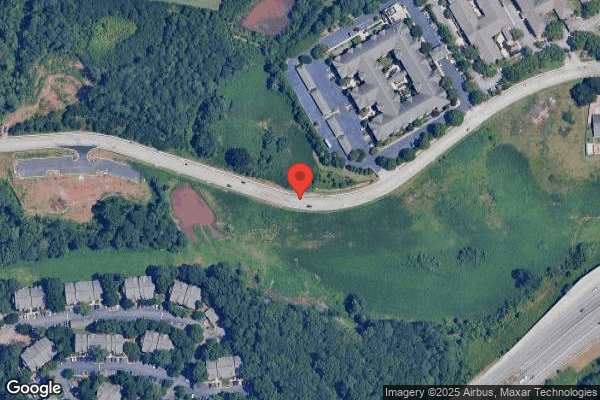
Feb 2022 4 deficiencies
CONCERN (D)

Potential for Harm - no one hurt, but risky conditions existed

Deficiency F0578 (Tag F0578)

Could have caused harm · This affected 1 resident

**NOTE- TERMS IN BRACKETS HAVE BEEN EDITED TO PROTECT CONFIDENTIALITY** Based on record review, resident and staff interviews, review of the facility's admission packet, and facility policy review, th...

Read full inspector narrative →
**NOTE- TERMS IN BRACKETS HAVE BEEN EDITED TO PROTECT CONFIDENTIALITY** Based on record review, resident and staff interviews, review of the facility's admission packet, and facility policy review, the facility failed to ensure resident wishes were correctly entered into orders to reflect the residents preferred code status, failed to ensure a copy of the resident's advance directives were obtained and filed in the medical record, and/or were provided advance directive education material as well as a written description of the facility's advance directive policy for four of six (Residents (R)19, R23, R29, R38) sampled residents reviewed for advance directives. Findings include: 1. Review of R29's Profile in the electronic medical record (EMR) under the Profile tab revealed R29 was admitted to the facility on [DATE] for rehabilitation on the skilled nursing unit. R29 signed a document on [DATE] that acknowledged R29 had an advance directive prior to admission. This document included prior to admission, I have executed an Advance Directive and will provide the facility with a copy. Review of R29's admission Minimum Data Set (MDS) located in the EMR under the MDS tab with an Assessment Reference Date (ARD) of [DATE] revealed a Brief Interview for Mental Status (BIMS) score of 15 out of 15, indicating the resident was cognitively intact. Review of R29's Social Services notes located in the EMR from [DATE] to [DATE] under the Progress Notes tab revealed no documentation of any discussion about R29's advance directives or code status. During an interview on [DATE] at 10:24 AM, the Social Services Director (SSD) stated during the admission process the admission director will obtain a copy of code status and/or advance directives or ask if they want one. The SSD stated she only gave advance directive information, which included a booklet explaining what advance directives were and the applicable state laws, at admission if the resident or family asked for it. Otherwise, it was not provided. On [DATE] at 5:03 PM during an interview, R29 stated she was a full code, but didn't want heroic measures should her health change. She stated she had an advance director and her brother, who lived locally, kept a copy for her. She went on to say no one had asked her for a copy of her advance directives or about her code status. She stated no one had provided her educational materials about advance directives when she was admitted or during her stay at the facility. During a subsequent interview on [DATE] at 8:45 AM, R29 stated she called her brother to ask if the facility had provided advance directive information or had asked him for a copy of her advance directive and he told her No. Interview on [DATE] at about 5:20 PM, the admission Director confirmed R29 was marked as having an advance directive in her admission paperwork but stated R29 did not provide a copy of her advance directives at the time of admission. In a subsequent interview on [DATE] at 9:00 AM, the admission Director stated during the admission process if the resident had an advance directive, she would request for a copy, but she did not document such requests. She stated if the resident or responsible party did not give her a copy, she did not follow-up on it and she wasn't sure what happened from there. She went on to say copies that are provided are scanned into the EMR and a written copy is placed on the hard chart. 2. Review of R38's Profile in the EMR under the Profile tab revealed the resident was re-admitted to the facility on [DATE] for rehabilitation on the skilled nursing unit. R38's original admission date was [DATE]. Review of R38's admission MDS located in the EMR under the MDS tab with an ARD of [DATE] revealed a BIMS score of 15 out of 15, indicating the resident was cognitively intact. Review of R38's [DATE] Care Plan under the Care Plan tab located in the EMR revealed a focus area for a full code status that included an intervention of Code Status will be reviewed on a quarterly basis and PRN (as needed). During an interview on [DATE] at 9:23 AM, R38 revealed she wanted to be a Do not Resuscitate (DNR) because chest compressions would crush her bones. However, she and her daughter hadn't completed the paperwork for the code and no one at the facility had revisited the topic since she came back from her last hospitalization. She went on to say she had an advance directive. Review of R38's admission paperwork revealed R38's daughter signed a document on [DATE] that acknowledge R38 had an advance directive prior to admission. This document revealed, prior to admission, I have executed an Advance Directive and will provide the facility with a copy. Review of R38's Social Services notes dated [DATE] through [DATE] in the EMR under the Progress Notes tab revealed no documentation of any discussion about R38's advance directives, only that R38 prefers to be a Full Code. During an interview on [DATE] at 10:24 AM, the SSD stated R38 was a Full Code. She stated R38 may have an advance directive, but she was told upon admission R38 wanted to be a Full Code. The SSD admitted she hadn't revisited the topic since R38 had come back from the hospital. 3. Review of R23's admission Record located under the Profile tab of the EMR revealed R23 was admitted to the facility on [DATE]. Review of R23's admission MDS located in the EMR under the MDS tab with an ARD of [DATE] revealed a BIMS score of 15 out of 15, indicating the resident was cognitively intact. Since this time, R23 has had a significant change and according to her quarterly MDS with an ARD of [DATE] revealed a BIMS of seven out of 15, indicating the resident was severely cognitively impaired. Upon admission, R23 provided the facility with her living will dated, [DATE], in which the resident chose a Do Not Resuscitate (DNR) status. Additionally, R23 had a Physician Orders for Life-Sustaining Treatment (POLST) dated [DATE] and another POLST dated [DATE] in which R23 chose a DNR status. Review of R23's EMR and hard chart had the resident listed as Full Code status. During an interview on [DATE] at 10:31 AM with the SSD, she revealed that she speaks with the family upon admission to find out the code status. The SSD further stated that she is very familiar with R23 and knows that she is a Full Code. When presented with the R23's living will and POLST, the SSD was unable to explain the discrepancy. During an interview on [DATE] at 10:36 AM with the Director of Nursing (DON), revealed if a resident is found unresponsive, she would look in the EMR for the code status. Specifically, for R23, the DON stated that according to R23's chart, the resident is a Full Code and the DON stated Cardiopulmonary resuscitation (CPR) would be started for this resident. During an interview on [DATE] at 10:42 AM with Licensed Practical Nurse (LPN) 1, she stated if R23 was found unresponsive, she would begin CPR due to R23 being listed as a full code. During an interview on [DATE] at 11:00 AM, R23's son/healthcare surrogate stated that R23 wishes to be a DNR, and he respects her wishes. He also stated he expects the facility to follow R23's preference to be a DNR. During a second interview on [DATE] at 11:13 AM with the DON, she stated R23's code status should have been updated to reflect R23's wishes and that it was the nursing department responsibility to update the record accordingly. 4. Review of R19's admission Record located in the Profile tab in the EMR revealed R19 was admitted to the facility on [DATE] and readmitted on [DATE]. Review of the admission MDS with an ARD of [DATE] and [DATE] revealed R19 had a BIMS score of 13 that indicated the resident had intact cognitive status. Review of Physician Orders in the Orders tab in the EMR dated [DATE] revealed R19 had a physician's order for DNR; however, there were no advance directives in R19's EMR or hard copy chart. Review of nursing Progress Notes in the Progress Notes tab in the EMR revealed R19 was discharged to the community on [DATE] and readmitted on [DATE] with physician orders for a Full Code; however, there were no advance directives in R19's EMR or hard copy chart. During an interview on [DATE], R19 stated he has been a DNR for a long time and he did not want any life sustaining treatment and that he formulated advance directives a long time ago. During an interview on [DATE] at 11:46 AM, the admission Coordinator (AC) obtained files from the business office that documented on [DATE], per the admission Agreement the resident had advance directives and the resident's living will was in the file, not in the resident's medical record. The admission Coordinator acknowledged that she does not provide any education or written material regarding advance directives, the Social Services Department does that. Review of Attachment H of R19's admission Agreement provided by the admission Coordinator and obtained from the business office dated [DATE] documented Advance Directives Prior to admission, I have executed an Advance Directive and will provide the facility with a copy. Review of R19's Living Will dated [DATE] and obtained from the admission Coordinator from the [DATE] admission file maintained in the business office directs that my life shall not be prolonged under the circumstances set forth below: 1. If at any time I should .have a terminal condition .become in a coma with no reasonable expectation of regaining consciousness, or .become in a persistent and vegetative state with no reasonable expectation of regaining significant cognitive function . I direct that the application of life-sustaining procedures to my body .including nourishment and hydration .be withheld and I be permitted to die; In the absence of my ability to give directions regarding the use of such life sustaining procedures, it is my intention that this living will be honored by my family and physician(s) as the final expression of my legal right to refuse medical and surgical treatment I understand I may revoke this living will at any time. There was no copy of this Living Will in the resident's EMR of hard chart. Review of Attachment H of R19's admission Agreement provided by the admission Coordinator and obtained from the business office dated [DATE] documented Advance Directives Prior to admission, I have executed an Advance Directive and will provide the facility with a copy. During an interview on [DATE] at 1:30 PM the SSD acknowledged that the resident was a DNR during the [DATE] admission and was a Full Code upon readmission on [DATE] based on an interview with the resident when he indicated he wanted to be a Full Code including CPR. The SSD acknowledged that if a resident or family requests information on Advance Directives she will provide them with a pamphlet titled Georgia Advance Directives; however, she does not routinely do that. During an interview on [DATE] at 2:00 PM the DON acknowledged that residents should receive written information on Advance Directives upon admission and that Advance Directives are a part of the resident's permanent medical record. Review of the facility's policy titled Advance Directives dated [DATE] defines a Living Will - A document that specifies the kind of medical care the resident wants (or doesn't want) regarding measures to prolonged life if he or she became unable to make his/her own decisions in a terminal condition or persistent vegetative state and directs that All residents or their responsible parties receive materials concerning their rights under applicable laws to make decisions regarding their medical care, including the right to accept or refuse medical care, the right to accept or refuse medical or surgical treatment, organ donation requests, and the formation of advance directives upon admission. A written description of the facility's policies regarding advance directives and applicable State law is provided to the resident or resident representative. Information is provided in a manner easily understood by the resident or resident representative . If the resident has an advance directive, the social worker will request a copy of the directive so that it may become part of the medical record. Documentation of such directives are placed in the Social Services progress notes. The resident's attending physician is made aware of such, and the appropriate orders are incorporated into the resident's care plan Note: The advance directive copy should always remain in the resident's record, protected in a plastic cover, even if the chart is thinned . Each time the resident is admitted to the facility, quarterly, and when a change in condition is noted in the resident condition, the facility should review the advance directive and advance care planning information . This review should focus on if the existing advance directives and ACP [advance care plan] match the current goals of care for the resident. The social services director or designee should document this conversion in the medical record and assist as needed with updating the documents that need revision in accordance with state and federal requirements. Review of facility's policy titled, Cardiopulmonary Resuscitation (CPR) Guidelines, revised [DATE] indicated, Facilities must address how resident preferences and physician orders related to CPR and other advance directive issues are communicated throughout the facility so that staff know immediately what action to take or not take when an emergency arises. Review of the facility's Resident admission Agreement packet revealed no advance directive education literature or a description of the facility's advance directive policy. The only reference to advance directives revealed on page 10 You or your Representative have been given written material about your right to accept or refuse medical treatments as provided by state law and has been informed of the Resident's right to formulate Advance Directives.
CONCERN (D)

Potential for Harm - no one hurt, but risky conditions existed

Pressure Ulcer Prevention (Tag F0686)

Could have caused harm · This affected 1 resident

**NOTE- TERMS IN BRACKETS HAVE BEEN EDITED TO PROTECT CONFIDENTIALITY** Based on observation, record review, interview, and facility policy review, the facility failed to ensure that a resident who en...

Read full inspector narrative →
**NOTE- TERMS IN BRACKETS HAVE BEEN EDITED TO PROTECT CONFIDENTIALITY** Based on observation, record review, interview, and facility policy review, the facility failed to ensure that a resident who entered the facility with a pressure ulcer received care and services to promote healing and that wound care staff performed complete evaluations to ensure wound treatment was appropriate for one (Resident (R) 36) of four residents reviewed for pressure ulcers. This deficient practice had the potential to compromise the healing of R36's pressure ulcers. Findings include: Review of the facility's policy titled Documentation & Assessment of Wounds revised 08/23/21 documented that Certain risk factors have been identified that increase a patient's susceptibility to develop or impair healing of pressure ulcers. Examples include - but are not limited to .under nutrition, malnutrition, and hydration deficits and directs A wound assessment/documentation is required to occur at a minimum 'weekly' .A staging tool such as the classification system developed by the National Pressure Injury Advisory panel (NPIAP), found at https://npiap.com/page/PressurelnjuryStages https://npiap.com/page/PressurelnjuryStages, should be used to describe pressure injuries .Pressure injury management calls for a multidisciplinary team approach. A nurse specially trained in wound care typically leads the team. A certified nursing assistant implements measures to prevent pressure injury formation and reports signs of skin breakdown to the nurse. A dietitian provides a dietary plan that promotes wound healing. A wound care practitioner may be needed to debride wounds. The director of nursing oversees the pressure injury program and provides staff members with performance improvement measures so that they can gauge the quality of their care and improve as needed .Complications of pressure injuries include infection, pain, osteomyelitis, and social isolation .Document the size, location, depth, and stage of the pressure injury. Also, note the presence or absence of necrosis, slough, tunneling, and exudate. [19] Document the condition of the wound bed (including such evidence of healing as granulation), presence of eschar, and status of the periwound area. Record the presence of signs of infection and pain. Document wound care provided and the resident's response to those interventions. Document teaching provided to (the resident and family (if applicable), their understanding of that teaching, and any need for follow-up teaching. Review of R36's Profile located in the Profile tab in the electronic medical record (EMR) revealed R36 was admitted to the facility on [DATE] with diagnoses that included cancer, anemia, hypertension, and diabetes mellitus. Review of the Minimum Data Set (MDS) with an Assessment Reference Date (ARD) of 12/28/21 revealed the resident had a Brief Interview for Mental Status Score (BIMS) of 15 out of 15, which indicates the resident is cognitively intact and entered the facility with a Stage three unhealed pressure ulcer, unstageable ulcer(s) and one venous/arterial ulcer. Review of R 36's Care Plan located in the Care Plan tab in the EMR revealed on 12/28/21 documentation of a problem resident has pressure ulcer to coccyx and right buttock r/t [related to] Immobility with planned interventions to Assess wound healing weekly Measure length, width and depth where possible. Assess and document status of wound perimeter, wound bed and healing progress. Report improvements and declines to the MD [Medical Doctor]. On 12/30/21 the Care Plan was revised and included an identified problem is at risk for pressure ulcer development due to impaired bed mobility and frequent bowel incontinence with planned interventions to Clean and dry skin after each incontinent episode .Encourage good nutrition and hydration in order to promote healthier skin .Follow facility protocols for treatment of injury .Weekly skin assessment by LN [licensed nurse]. Review of the 12/22/21 Buttock NRSG [Nursing]: Wound Observation Tool located in the Assessments tab in the EMR documented that R36 had an unstageable pressure injury of the right buttock that measured 4.0 centimeters (cm.) length (L) x 7.5 cm width (W) with no drainage, no pain and no signs of infection; however, no depth was documented and no comments were entered to describe the periwound and margins of the wound. Review of additional Buttock NRSG: Wound Observation Tool evaluations dated 12/29/21, and 01/27/22 reviewed they also did not evaluate the depth of the resident's wound. During an interview on 02/03/22 at 1:30 PM Registered Nurse (RN)10 acknowledged some of the nursing documentation did not contain depth measurements and stated they should be there even if the value is none rather than blank. Review of the 12/22/21 Coccyx NRSG: Wound Observation Tool located in the Assessments tab in the EMR documented that R 36 had a Stage 3 Pressure Ulcer of the coccyx that measured 2.0 cm. L x 3.0 cm W with epithelial tissue, no drainage, no pain, and no signs of infection; however, no depth was measured, and no comments were entered to describe the periwound and margins of the wound. Review of additional Coccyx NRSG: Wound Observation Tool evaluations dated 12/29/21, and 01/27/22 reviewed they also did not evaluate the depth or the periwound for R36's wound. During an interview on 02/03/22 at 1:38 PM, the Director of Nursing (DON) acknowledged the resident's wounds had depth based on the Wound Medical Doctor's (Wound MD) documentation and nursing staff should be documenting it along with all wound characteristics. Review of the 01/02/22 initial NUTRITION: Assessment Nutritional Data Collection by the Registered Dietician (RD) located in the Assessments tab of the EMR revealed R36 weighed 276 pounds (lb.) (obese) and the resident requested small portions of a regular diet. Resident stating, he has painful swallowing. The RD documented the 12/22/21 labs TP (Total Protein) 5.6 (normal 6.2-8.2) g/dl Alb (albumin) 2.7 (normal 3.5-5.7) g/dl; however, no prealbumin value (indicator of malnutrition) was noted. Resident is consuming less than 25% of all his meals, which does not meet his needs. Review of the Wound MD Notes provided by the Medical Record Director (MRD) revealed the following: On 01/06/22 R36's coccyx deteriorated, unstageable and measured 3.3 cm. L x 1.4 cm. W x 0.2 cm. Depth (D) with 100% necrotic tissue. Surgical debridement with benzocaine anesthesia was performed on the coccyx to remove necrotic tissue and establish viable margins. The Right buttock measured 7.0 cm. L x 5.0 cm. W x 0.1 cm. D with 20% necrosis, 80 % granulation. The wound MD documented My goal for this wound is healing as evidenced by a decrease in surface area of the wound and/or a decrease in the percentage of necrotic tissue within the wound bed. The best medical estimate of the time required for this wound to heal with continued physician evaluation and intervention is 58 days. This estimate is made with an 80% degree of certainty. The Wound Physician recommended a dietary consultation for an abnormal BMI and to obtain a prealbumin level. Review of the EMR and hard copy chart revealed the prealbumin level was never ordered and obtained. On 01/22/22 R36's coccyx wound deteriorated and was unstageable due to necrosis and measured 3 cm. L x 1.5 cm. W x 0.2 cm. D with light serous exudate and an Unstageable right buttock that measured 9.8 cm. L x 4.5 cm. W x 0.1 cm. depth with 20 % necrotic, 80% granulation. Surgical debridement with benzocaine anesthesia was performed on the coccyx to remove necrotic tissue and establish viable margins. New treatment for Santyl (topical medicine helps remove dead skin tissue and aid in wound healing) and ¼ strength Dakins (antiseptic solution for the treatment of wounds) solution covered with gauze island with border dressing. Factors complicating healing diabetes mellitus, however there was no documentation of R36's poor nutritional intake. Review of the 01/26/22 Nutrition Note located in Progress Note tab in the EMR revealed R36's plan of care was discussed at the resident at risk (RAR) meeting on 01/18/22 that revealed R36 continued to consume 25% of a mechanical soft diet and had a significant weight loss of 9.8% (27 lb.) in one month. The RD documented Resident with fluid issues and noted that the resident had no added sugar shake (supplement) BID (twice a day) and 30 ml. ProSource plus (protein supplement) TID (three times a day) which provides additional 700 calories and 63 grams of protein; there was no evaluation of his actual supplement intake. Resident continues to have painful swallowing but does not want puree texture meals tolerates his supplements. MD and resident aware of weight loss. Review of R36's Eating-ADL meal consumption from 01/05/22 to 01/26/22 located in the Tasks tab in the EMR revealed on 15 days R36 ate 0-25% for all meals, on five days R36 ate 0-50% for all meals and only ate 100% for one meal. Review of the January Medication Administration Record (MAR) located in the reports in the Orders tab of the EMR revealed R36 consumed the ProSource; however, the house shakes were not consumed for 35 of 44 opportunities, 25% was consumed for two of 44 opportunities, 50% was consumed for 2 of 44 opportunities, 75% was consumed for one of 44 opportunities and 100% was consumed for four of 44 opportunities. During concurrent review of wound documentation and interview on 02/03/22 at 9:46 AM, the Wound MD acknowledged that he initially evaluated the residents wound on 01/06/21 because he was on vacation and that was the earliest time he could get into the facility. The Wound MD stated that the facility staff were competent to perform wound evaluations and routinely contact him for pressure sores. Upon initial evaluation he assesses the buttock and coccyx wounds, provided treatment orders, conferred with staff, and performed debridement when required. The Wound MD stated the coccyx wound remained unchanged and the right buttock wound deteriorated since his first evaluation on 01/06/22. The Wound MD acknowledged that he did not evaluate the wound since 01/22/22 because he was on vacation last week; however, the facility wound nurse evaluated the wounds. The wound MD stated all wounds should be measured to provide a full assessment of length, width, depth, exudate, odor, periwound, and the presence/absence of pain. The Wound MD stated that the nutritional aspects of R36's wound healing should be managed by the dietician and acknowledged that R36's nutritional needs required monitoring for proper wound healing. During a concurrent record review and interview on 02/03/22 at 2:08 PM, the Registered Dietician (RD) acknowledged that upon her initial evaluation she determined the resident was not eating and his intake was suboptimal to meet his nutritional needs including wound healing and she recommended a pureed diet because the resident had painful swallowing. She added supplements and Vitamin C. The RD acknowledged the resident was monitored with weekly weights, continued to lose weight, consume 25% or less and said he had edema, so it was okay. The RD stated that during that time the facility did not have formal resident at risk (RAR) meetings, described as interdisciplinary team meetings to discuss nutrition problems and other resident issues that require interdisciplinary review, because of a COVID outbreak so the interdisciplinary communication was informal. When R36 was admitted he was on a full liquid diet, the next day he was changed to regular meals, on 01/03/22 he was changed to pureed, then on 01/14/22 he did not want pureed and requested mechanical soft and Occupational Therapy (OT) changed him from an assist with meals and added a curved spoon so he could feed himself. I think I need to recommend meds [medications] to stimulate his appetite. The RD acknowledged that although his meal intake was poor, she did not obtain a prealbumin and was unaware of the recommendations made by the Wound MD. R36 informed her that in the past, he had taken ensure supplements; however, it's not a supplement the facility has, and the family stated they would bring some in. The RD confirmed she did not confer with the physician; she was trusting other professional to reach out to the physician and assumed the nurses talked to the physician(s). During an interview on 02/03/22 at 4:05 PM, R36's attending Medical Doctor (MD) 1 acknowledged that R36's wound were unavoidable due to his functional quadriparesis, and he did not want to move. In addition, MD1 acknowledged that R36 had poor meal intake with protein calorie malnutrition and despite continual nutritional counseling, the resident's nutritional status had not improved, and his wounds have not improved. MD1 acknowledged that the resident's nutritional status is important for wound healing and stated that some of the resident's weight loss was desirable due to edema, then acknowledged that the small diuretic dose of Lasix 20 mg administered three times a week would not totally account for the resident's significant weight loss.
CONCERN (D)

Potential for Harm - no one hurt, but risky conditions existed

Deficiency F0697 (Tag F0697)

Could have caused harm · This affected 1 resident

**NOTE- TERMS IN BRACKETS HAVE BEEN EDITED TO PROTECT CONFIDENTIALITY** Based on record review, review of hospital records, interviews, and facility policy review, the facility failed to develop an in...

Read full inspector narrative →
**NOTE- TERMS IN BRACKETS HAVE BEEN EDITED TO PROTECT CONFIDENTIALITY** Based on record review, review of hospital records, interviews, and facility policy review, the facility failed to develop an interdisciplinary and resident-centered plan of care to manage chronic pain for one of two (R36) reviewed for pain. Findings include: Review of the facility's policy titled Pain Assessment and Management dated 07/17/21 directs All resident will be assessed for pain indicators upon admission/re-admission, quarterly, and with any change of condition .An individualized pain management care plan will be developed an initiated when pain indicators are identified .The facility will utilize the Lippincott procedure: Pain assessment, long-term care. Review of the Lippincott procedure dated 05/21/21 provided by the Director of Nursing revealed directs Utilize a numerical pain scale (0-10) for residents who are able to self-report their level of pain .Assess pain every shift and record on MAR [medication administration record] .When performing a pain assessment, assess the following specifics: Location .Intensity .Quality . Onset and duration .Previous treatments .Associated symptoms .Effects on mobility and function .Expectations about pain and pain relief .Objective report about resident's mood and behavior .Effect of pain on functioning and quality of life .The entire health care team is responsible for communicating a resident's report or signs of pain. Review of R36's Profile located in the Profile tab in the electronic medical record (EMR) revealed R36 was admitted to the facility on [DATE]. Review of the admission Minimum Data Set (MDS) with an Assessment Reference Date (ARD) of 12/28/21 located in the MDS tab of the EMR revealed R36 had a Brief Interview for Mental Status (BIMS) score of 15 out of 15 that indicated the resident was cognitively intact. Review of the Physical Therapy Summary from the hospital located in the hard chart dated 12/20/21 documented R36 was diagnosed with cervical myelopathy [compression of the spinal cord in the neck] with incomplete quadriplegia [weakness and/or loss of movement of all four limbs]. In addition, R36's goals revealed patient delayed in progression towards goals due to (decreased cognition, unresolved medical issues, and pain). Clinical Impression Pt's [patient's]progression is limited by his pain and decreased cognition. Max [maximum] A[assist] x 2 [staff] with PT [Physical Therapy] to roll in bed to either side. Very poor limb control. PT recs [recommendations] LTAC [Long Term Acute Care] consideration as the patient has many current co-morbidities that need managing including BLE [bilateral lower extremity] wounds, systemic, swelling and is being followed by HMS [health monitoring system]. He is also too low level to tolerate Acute Rehab and to low level to tolerate sub-acute rehab. He needs more medical management with rehab care in an LTAC environment. Review of the Physician Encounter SOAP[Subjective Objective Assessment Plan] note provided by the Medical Records Director (MRD) dated 12/22/21 documented Pain management: May use Oxycodone and tramadol (narcotic pain medication) and that The patient's medication was adjusted and scheduled for optimizing pain management. Review of R36's Care Plan in the Care Plan tab in the EMR documented R36 expresses pain r/t [related to] recent C3 [Cervical 3], C4 anterior cervical discectomy [neck surgery to remove damaged disc] on 12/21/21 with a goal for The resident will express pain relief with planned interventions to Evaluate the effectiveness of pain medication once given. Additional interventions added on 12/30/21 included Anticipate the resident's need for pain relief and respond immediately to any complaint of pain .Observe and report changes in usual routine, sleep patterns, decrease in functional abilities, decrease ROM [Range of Motion], withdrawal or resistance to care .Observe and report to Nurse any s/sx [signs and symptoms] of non-verbal pain .Report to Nurse any change in usual activity attendance patterns or refusal to attend activities related to s/sx or c/o [complaints of] pain or discomfort .Report to nurse loss of appetite, refusal to eat and weight loss. Review of Physician Orders in the Orders tab in the EMR revealed R36 had the following orders related to pain management and therapy: Orders dated 12/21/21 Assess for pain on a scale of 0-10 every shift, 0 to 3 equals mild pain, 4 to 6 equals moderate pain, and 7 to 10 equals severe pain, and gabapentin capsule 300 mg give one capsule by mouth three times a day for neuropathy scheduled at 9:00 AM, 1:00 PM, and 5:00 PM. On 12/22/21 an order was received for Oxycodone HCl tablet five mg, give one tablet by mouth every six hours as needed for severe pain. On 12/24/21 an order was received for cyclobenzaprine HCl table five mg, give one tablet by mouth every eight hours as needed for Muscle Spasm. On 12/27/21 an order was received for Oxycodone HCl table five mg give one tablet by mouth every six hours for Moderate to Severe Pain. On 12/28/21 an order was received for tramadol HCl table 50 mg, give one tablet by mouth four times a day for Moderate Pain (Review of the Medication Administration Record (MAR) revealed the medication was scheduled and administered at 3:00 AM, 9:00 AM, 3:00 PM and 9:00 PM) On 01/19/22 an order was received for Oxycodone HCl tablet five mg, give one tablet by mouth as needed for moderate to severe pain, three times a day. On 02/02/22 an order was received for Oxycodone HCl tablet five mg, give one tablet by mouth one time a day for pain. Review of the Physician Encounter SOAP note provided by the MRD revealed the following documentation related to pain and therapy: On 12/27/21 Muscle spasms: Initiate Flexeril (muscle relaxant) and schedule pain medication. Monitor for sedation or confusion. On 12/29/21 He is tolerating rehab. Although exercise is minimal. He states pain is now well controlled. Denies spasms. Pain management: Well controlled. On 12/31/21 We will review medication and give Oxycodone without the Tylenol for pain management. The patient counseled on pain management use and risk of liver failure with current regimen and insistence of use. The patient also counseled on addictive and abuse of opioids. On 01/19/22 The patient is tolerating rehab and is more active. Describes pain as reduced. On 01/20/22 pain management: Reducing dose of Oxycodone to three times a day. Previously, he was receiving Oxycodone along with tramadol alternating every three hours. We will monitor for pain. On 01/24/22 pain management is adequate. Review of January 2022 MAR located in the Report tab within the Orders tab of the EMR revealed that five of 93 shifts documented R36 had pain scored at a level 3, one of 93 shifts he had pain scored at a level 5, one of 93 shifts had pain scored at a level 6, and 86 of 93 shifts had pain scored at a level 0. Review of Nursing Progress Notes located in the Progress Notes tab in the EMR revealed that the documentation from 12/22/21 to current documented occasionally that pain meds were administered per orders and was effective; however there were no specifics documented that describe location, intensity, quality, onset and duration, previous treatments, associated symptoms, effects on mobility and function, expectations about pain and pain relief, objective report about resident's mood and behavior, and/or effect of pain on functioning and quality of life in accordance with facility policy. During a concurrent interview on 01/31/22 at 10:47 AM, R36 stated he has chronic pain due to surgery for spinal stenosis and has leg spasms that is being treated with muscle relaxer medication, and he was currently waiting for medication from staff Review of the Orders-Administration Note located in the Progress Notes tab in the EMR by LPN7 dated 01/31/22 12:52 noted that the muscle spasm medication as effective; however, there was no progress note stating the location, duration, exacerbating /alleviating factor and severity of the pain the resident experienced. During a concurrent record review and interview on 02/03/22 at 3:35 PM, LPN 7 stated R36 asked for a muscle relaxer not pain medication on the morning of 01/31/22 and she didn't ask him his pain level because he told me what was going on with him and when she checked the MAR, she determined his pain pill was due around 1:00 PM. LPN7 acknowledged she did not document R36's pain level, nor the source of his discomfort in the progress notes nor the exacerbating or alleviating factors because she knew what was going on with him. LPN7 stated on 01/31/22 she did go back to determine if the medication administration was effective, and it was which she documented at 12:52 PM. LPN 7 stated the source of R36's pain is his legs and his bottom and added that he is always uncomfortable with care. During an interview on 02/03/22 at 4:52 PM, the Assistant Director of Rehabilitation Services (ADOR) stated R36 is scheduled for Physical Therapy (PT) and Occupational Therapy (OT) five days per week. The ADOR stated that typically therapy staff will ask nursing staff to medicate the resident prior to therapy. The ADOR revealed the last time the resident got out of bed was 01/24/22 because his bottom was too sore to get in the wheelchair. When R36 refuses to get out of bed therapy staff work on passive range of motion exercises; however, he has refused left lower extremity exercises due to pain and positioning, so staff have provided some soft tissue massage recently. During an interview on 02/03/22 at 5:07 PM Physical Therapy Assistant (PTA)12 stated staff usually gave R36 tramadol prior to therapy and his therapy was around noon, generally R36 does not want to move. PTA12 acknowledged that the resident has not participated in therapy since 01/25/22 because he is in too much pain from his bottom and legs. During an interview on 02/03/22 at 4:05 PM, R36's attending Medical Doctor (MD) 1 acknowledged that R36's pain management related to his functional quadriplegia is problematic and stated, he wants more and more narcotic pain medication and stated he abuses opiates. MD1 stated R36 remains in bed all day and nursing staff are doing the best they can. During an interview on 02/03/22 at 5:40 PM, the DON acknowledged that nursing staff are required to evaluate the resident's pain using the numeric scale and facility policy and reevaluate the effectiveness of the interventions.
CONCERN (D)

Potential for Harm - no one hurt, but risky conditions existed

Infection Control (Tag F0880)

Could have caused harm · This affected 1 resident

**NOTE- TERMS IN BRACKETS HAVE BEEN EDITED TO PROTECT CONFIDENTIALITY** Based on observation, interviews, record review and policy review, the facility failed to ensure that staff followed transmissio...

Read full inspector narrative →
**NOTE- TERMS IN BRACKETS HAVE BEEN EDITED TO PROTECT CONFIDENTIALITY** Based on observation, interviews, record review and policy review, the facility failed to ensure that staff followed transmission-based precautions for COVID-19 for two (Resident (R) 122 and R123) of three newly admitted residents on quarantine. In addition, the facility failed to ensure that multiuse glucometers were cleaned and disinfected according to manufacture's instructions and the facility's policy on two (Gateway 1 and Gateway 2) of four medication carts observed for glucometer cleaning and disinfection. Findings include: 1. Review of the facility's policy titled Coronavirus (COVID 19) (SARS-CoV-2) revised 01/22/22 directs Ensure everyone is aware of recommended Infection Control Preventionist (IPC) practices in the facility . Post signs, or posters at the entrance and in strategic places (e.g., waiting areas, elevators) with instructions about current IPC recommendations (e.g., when to use source control and perform hand hygiene) .In general, all nonvaccinated residents who are new admissions and readmissions should be placed in a 14-day quarantine, even if they have a negative test upon admission. All recommended COVID-19 PPE [Personal Protective Equipment] should be worn during care of residents under quarantine, which includes use of an N95 or higher-level respirator (or facemask if a respirator is not available), eye protection (i.e., goggles or a disposable face shield that covers the front and sides of the face), gloves, and gown. Review of the Centers for Medicare and Medicaid Services (CMS) COVID-19 Nursing Home Data dated 01/16/22 located at https://data.cms.gov/covid-19/covid-19-nursing-home-data revealed that Gwinnet County, Georgia had a county positivity rate of 27.88% with a high positivity rate. During an interview on 01/31/22 at 9:26 AM, the Administrator stated that the facility had four to five COVID positive residents residing on a designated COVID Unit and several residents on quarantine who were unvaccinated new admissions, and the staff were wearing N95 masks and eye protection throughout the building. A. Review of R 122's admission Record located in the profile tab in the electronic medical record (EMR) revealed the resident was admitted to the facility on [DATE]. During an observation on 1/31/22 at 12:50 PM Occupational Therapist (OT)8 was instructing R122 to perform arm exercises using a dowel bar in the resident's room. Outside R122's door there was Centers for Disease control and Prevention (CDC) laminated 8-12 x 11 signs that posted Contact Precautions that posted that staff must put on gloves, gown prior to entry into the room and an 8-12 x 11 laminated CDC Droplet Precautions sign that instructed staff to fully cover their eyes, nose, and mouth. OT8 was wearing a N95 mask, a face shield and gloves; however, she was not wearing a gown and was seated in a stationary chair that was three feet away from the resident who was seated in a wheelchair and not wearing a mask. Continued observation of the therapy session revealed at 12:56 PM OT8 adjusted the blanket on R122's lap. At 12:59 PM OT8 instructed the resident to stand up with a walker and contact guard assistance was provided by OT8. R122 ambulated back and forth in her room three times. At 1:03 PM R122 sat back in her wheelchair and the OTR assisted the resident to cleanse her hands with ABHR [alcohol based hand rub]. At 1:07 PM OT8 exited the room after doffing her gloves and using ABHR. During an interview on 01/31/22 at 1:08 PM, OT8 stated that R122 was on observation for 14 days and she did not have to don a gown while she was in the room because R122 did not have any signs and symptoms of COVID. OT8 stated she was last trained on PPE usage in June 2021. The surveyor asked OT8 to read the signs posted outside the R122's room and OT8 acknowledged that she should have worn a gown during the resident's therapy session after reading the signs. B. Review of R 123's admission Record located in the profile tab in the electronic medical record (EMR) revealed the resident was admitted to the facility on [DATE]. During an observation on 01/31/22 at 12:56 PM Certified Occupational Therapy Aide (COTA) 5 went into R123's with no gloves and gown to deliver a glass to the resident. Outside R123's door there was CDC laminated 8-12 x 11 signs that posted Contact Precautions that posted that staff must put on gloves, gown prior to entry into the room and an 8-12 x 11 laminated CDC Droplet Precautions sign that instructed staff to fully cover their eyes, nose, and mouth. R123 was in bed sitting in high fowlers, was wearing oxygen and no mask and coughed several times. COTA5 left the room and used ABHR, During an interview on 01/31/22 at 12:58 PM COTA5 acknowledged that he was not wearing a gown in R123's room because there was no isolation set up outside the door and he was just bringing the resident a cup of ice. When asked if he saw the signage posted outside the resident's room, he acknowledged that the signage stated everyone that enters the room must don a gown prior to entry and doff a gown upon leaving and there were gowns available in the hall near the resident's room. 2. Review of the facility's policy titled Blood glucose Monitoring dated 08/03/21 directs Associates who obtain capillary blood glucose specimens will do so in accordance with their scope of practice and in accordance with all applicable local, state, and federal guidelines. Specimens will be collected in a manner that adheres to current standards of practice and infection control standards . This facility will utilize the Lippincott procedure. Review of the undated Lippincott procedure provided by the Director of Nursing (DON) from the electronic link contained in the Blood Glucose Monitoring policy dated 08/03/21 directs The CDC recommends refraining from sharing blood glucose monitors among residents whenever possible. If one device must be used to monitor several residents, it must be cleaned and disinfected after every use following the manufacturer's instructions to prevent carryover of blood and infectious agents. Single-use, auto-disabling fingerstick devices should also be used to prevent the spread of bloodborne pathogens. Review of the User Instruction Manual for the Assure Prism Multi Blood Glucose Monitoring System, revised 02/2020, revealed the device manufacturer, . Validated Clorox Healthcare Bleach Germicidal Wipes .and Super Sani-cloth Germicidal Disposable Wipe [sic] for disinfecting the Assure Prism multi meter. Review of the Special Instructions for Cleaning and Decontamination Against HIV-1, Hepatitis B Virus (HBV) and Hepatitis C Virus (HCV) of Surfaces/Objects Soiled with Blood/Body Fluids information on an undated back label of a canister of a PDI Super Sani-Cloth Germicidal Disposable Wipes, revealed that one wipe must first be used to thoroughly clean the surface of all blood and other body fluids. The instructions then directed, Use [a] second germicidal wipe to thoroughly wet [the] surface. Allow to remain wet two (2) minutes, let air dry. During an observation on 02/01/22 at 4:46 PM Licensed Practical Nurse (LPN) 7, who was working on the Gateway 2 Medication Cart, obtained an Assure Prism Glucometer, entered R 56's room, and obtained a blood glucose reading on R56 using the glucometer. Continued observation and interview on 02/01/22 at 5:05 PM LPN7 returned to the medication cart with the meter, acknowledged that this was the last resident of six blood glucose checks that evening, and proceeded to wipe the glucometer with one PDI Saniwipe for five seconds and placed it on the medication cart without a barrier. LPN7 acknowledged that the glucometer was dry within one minute and stated she was taught to clean the meter for one minute by the Infection Control Preventionist (ICP). She acknowledged she only used one wipe on the glucometer. B. During an observation on 02/02/22 at 11:12 AM LPN3 who was working on the Gateway1 Medication Cart, obtained an Assure Prism glucometer that still had the plastic shield on the face, entered R33's room, and obtained a blood glucose reading using the glucometer. Continued observation revealed when LPN3 was done at 02/02/22 11:21 AM, she placed the glucometer on a barrier on the cart after wiping it for 15 seconds with one PDI wipe. LPN3 acknowledged that the glucose meter was dry within one minute and she only used one wipe. Continued concurrent observation and interview on 02/02/22 at 11:23 AM revealed LPN3 used the same glucometer, entered room [ROOM NUMBER]'s room, and performed blood glucose reading using the glucometer. When LPN 3 was finished at 11:27 AM she used one PDI Saniwipe for eight seconds wiping all surfaces, placed the glucometer on a barrier and stated the glucometer needs to dry within two minutes. Continued observation revealed the glucometer was dried at 11:28 AM. LPN3 acknowledged, while looking at the glucometer that it was dry within one minute and noted that the plastic shield was still on the face of the meter. LPN3 removed the shield and wiped the meter for eight seconds with one wipe, acknowledged that this was the only glucometer on the cart for the two residents, and acknowledged that the meter again dried within one minute. LPN 3 stated it was ready for use and stored it in the medication cart. During an interview on 02/03/22 at 03:50 PM, the ICP acknowledged that the facility used the Assure Prism glucometers for multiple residents since none of the diabetic residents have any bloodborne pathogens. When questioned how staff are required to clean and disinfect the glucometers between resident use, the ICP stated for cleaning the glucose meter the facility uses purple top PDI Sani wipes and the glucometers dry within two minutes, then it's ready for use. Upon questioning the cleansing method while reading the directions for use on the product label, the ICP stated that the dry time is two minutes and acknowledged that that is the training she provided to facility staff. During an interview on 02/03/22 at 4:02 PM, the DON acknowledged that staff are supposed to follow facility policy and the manufacturer's instructions and let the glucometer remain wet for two minutes and let it air dry.
Understanding Severity Codes (click to expand)
Life-Threatening (Immediate Jeopardy)
J - Isolated K - Pattern L - Widespread
Actual Harm
G - Isolated H - Pattern I - Widespread
Potential for Harm
D - Isolated E - Pattern F - Widespread
No Harm (Minor)
A - Isolated B - Pattern C - Widespread

Questions to Ask on Your Visit

  • "What changes have you made since the serious inspection findings?"
  • "Can I speak with families of current residents?"
  • "What's your RN coverage like on weekends and overnight?"

Our Honest Assessment

Strengths
  • • Licensed and certified facility. Meets minimum state requirements.
Concerns
  • • Multiple safety concerns identified: 3 life-threatening violation(s), $167,336 in fines, Payment denial on record. Review inspection reports carefully.
  • • 15 deficiencies on record, including 3 critical (life-threatening) violations. These warrant careful review before choosing this facility.
  • • $167,336 in fines. Extremely high, among the most fined facilities in Georgia. Major compliance failures.
  • • Grade F (4/100). Below average facility with significant concerns.
Bottom line: This facility has 3 Immediate Jeopardy findings. Serious concerns require careful evaluation.

About This Facility

What is Life Care Ctr Of Lawrenceville's CMS Rating?

CMS assigns LIFE CARE CTR OF LAWRENCEVILLE an overall rating of 2 out of 5 stars, which is considered below average nationally. Within Georgia, this rating places the facility higher than 0% of the state's 100 nursing homes. A rating at this level reflects concerns identified through health inspections, staffing assessments, or quality measures that families should carefully consider.

How is Life Care Ctr Of Lawrenceville Staffed?

CMS rates LIFE CARE CTR OF LAWRENCEVILLE's staffing level at 3 out of 5 stars, which is average compared to other nursing homes. Staff turnover is 48%, compared to the Georgia average of 46%.

What Have Inspectors Found at Life Care Ctr Of Lawrenceville?

State health inspectors documented 15 deficiencies at LIFE CARE CTR OF LAWRENCEVILLE during 2022 to 2025. These included: 3 Immediate Jeopardy (the most serious level, indicating potential for serious harm or death) and 12 with potential for harm. Immediate Jeopardy findings are rare and represent the most serious regulatory concerns. They require immediate corrective action.

Who Owns and Operates Life Care Ctr Of Lawrenceville?

LIFE CARE CTR OF LAWRENCEVILLE is owned by a for-profit company. For-profit facilities operate as businesses with obligations to shareholders or private owners. The facility is operated by LIFE CARE CENTERS OF AMERICA, a chain that manages multiple nursing homes. With 125 certified beds and approximately 80 residents (about 64% occupancy), it is a mid-sized facility located in LAWRENCEVILLE, Georgia.

How Does Life Care Ctr Of Lawrenceville Compare to Other Georgia Nursing Homes?

Compared to the 100 nursing homes in Georgia, LIFE CARE CTR OF LAWRENCEVILLE's overall rating (2 stars) is below the state average of 2.6, staff turnover (48%) is near the state average of 46%, and health inspection rating (1 stars) is much below the national benchmark.

What Should Families Ask When Visiting Life Care Ctr Of Lawrenceville?

Based on this facility's data, families visiting should ask: "What changes have been made since the serious inspection findings, and how are you preventing similar issues?" "Can I visit during a mealtime to observe dining assistance and food quality?" "How do you handle medical emergencies, and what is your hospital transfer rate?" "Can I speak with family members of current residents about their experience?" These questions are particularly relevant given the facility's Immediate Jeopardy citations.

Is Life Care Ctr Of Lawrenceville Safe?

Based on CMS inspection data, LIFE CARE CTR OF LAWRENCEVILLE has documented safety concerns. Inspectors have issued 3 Immediate Jeopardy citations (the most serious violation level indicating risk of serious injury or death). The facility has a 2-star overall rating and ranks #100 of 100 nursing homes in Georgia. Families considering this facility should ask detailed questions about what corrective actions have been taken since these incidents.

Do Nurses at Life Care Ctr Of Lawrenceville Stick Around?

LIFE CARE CTR OF LAWRENCEVILLE has a staff turnover rate of 48%, which is about average for Georgia nursing homes (state average: 46%). Moderate turnover is common in nursing homes, but families should still ask about staff tenure and how the facility maintains care continuity when employees leave.

Was Life Care Ctr Of Lawrenceville Ever Fined?

LIFE CARE CTR OF LAWRENCEVILLE has been fined $167,336 across 1 penalty action. This is 4.8x the Georgia average of $34,752. Fines at this level are uncommon and typically indicate a pattern of serious deficiencies, repeated violations, or failure to correct problems promptly. CMS reserves penalties of this magnitude for facilities that pose significant, documented risk to resident health or safety. Families should request specific documentation of what issues led to these fines and what systemic changes have been implemented.

Is Life Care Ctr Of Lawrenceville on Any Federal Watch List?

LIFE CARE CTR OF LAWRENCEVILLE is not on any federal watch list. The most significant is the Special Focus Facility (SFF) program, which identifies the bottom 1% of nursing homes nationally based on persistent, serious quality problems. Not being on this list means the facility has avoided the pattern of deficiencies that triggers enhanced federal oversight. This is a positive indicator, though families should still review the facility's inspection history directly.