ROSELANE HEALTH CENTER BY HARBORVIEW
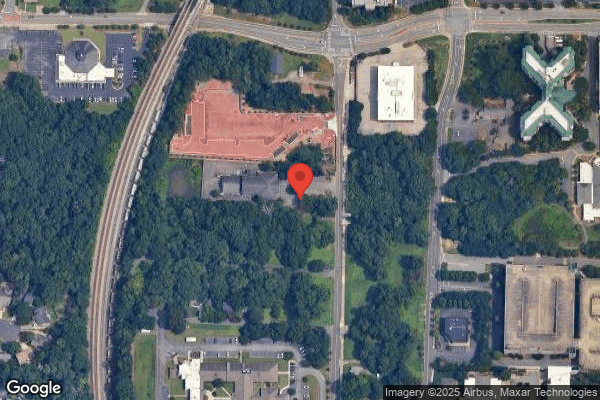
613 ROSELANE STREET, MARIETTA, GA 30060 (770) 792-9800
For profit - Individual 137 Beds HARBORVIEW HEALTH SYSTEMS Data: November 2025
Trust Grade
15/100
#329 of 353 in GA
Last Inspection: December 2024

Within standard 12-15 month inspection cycle. Federal law requires annual inspections.

Overview

Roselane Health Center by Harborview has received a Trust Grade of F, indicating significant concerns about the quality of care provided. Ranking #329 out of 353 facilities in Georgia places it in the bottom half of nursing homes, and #12 out of 13 in Cobb County, meaning there is only one other local option that is better. The facility's situation is worsening, with issues increasing from 8 in 2023 to 9 in 2024. Staffing is a weak point, receiving only 1 out of 5 stars, and a turnover rate of 54% is close to the state average but still concerning. Additionally, the center has faced $86,242 in fines, which is higher than 92% of Georgia facilities, suggesting ongoing compliance issues. Specific incidents noted in inspections include a failure to provide adequate pain management and a delay in addressing a resident's fractured femur, which resulted in two days of uncontrolled pain. Another incident involved a resident falling from bed due to a lack of proper assistance as outlined in their care plan, highlighting serious lapses in following safety protocols. While there is average RN coverage, the overall environment raises considerable red flags for families considering this facility for their loved ones.

Trust Score
F
15/100
In Georgia
#329/353
Bottom 7%
Safety Record
High Risk
Review needed
Inspections
Getting Worse
8 → 9 violations
Staff Stability
⚠ Watch
54% turnover. Above average. Higher turnover means staff may not know residents' routines.
Penalties
⚠ Watch
$86,242 in fines. Higher than 80% of Georgia facilities, suggesting repeated compliance issues.
Skilled Nurses
○ Average
Each resident gets 35 minutes of Registered Nurse (RN) attention daily — about average for Georgia. RNs are the most trained staff who monitor for health changes.
Violations
⚠ Watch
20 deficiencies on record. Higher than average. Multiple issues found across inspections.
★☆☆☆☆
1.0
Overall Rating
★☆☆☆☆
1.0
Staff Levels
★★☆☆☆
2.0
Care Quality
★★☆☆☆
2.0
Inspection Score
Stable
2023: 8 issues
2024: 9 issues

The Good

  • Full Sprinkler Coverage · Fire safety systems throughout facility
  • No fines on record

Facility shows strength in fire safety.

The Bad

1-Star Overall Rating

Below Georgia average (2.6)

Significant quality concerns identified by CMS

Staff Turnover: 54%

Near Georgia avg (46%)

Higher turnover may affect care consistency

Federal Fines: $86,242

Well above median ($33,413)

Moderate penalties - review what triggered them

Chain: HARBORVIEW HEALTH SYSTEMS

Part of a multi-facility chain

Ask about local staffing decisions and management

The Ugly 20 deficiencies on record

4 actual harm
Dec 2024 9 deficiencies
CONCERN (D)

Potential for Harm - no one hurt, but risky conditions existed

Assessment Accuracy (Tag F0641)

Could have caused harm · This affected 1 resident

**NOTE- TERMS IN BRACKETS HAVE BEEN EDITED TO PROTECT CONFIDENTIALITY** 3. Review of R11's quarterly MDS located in the MDS tab of the EMR with an ARD of 10/08/24 revealed an original admission date o...

Read full inspector narrative →
**NOTE- TERMS IN BRACKETS HAVE BEEN EDITED TO PROTECT CONFIDENTIALITY** 3. Review of R11's quarterly MDS located in the MDS tab of the EMR with an ARD of 10/08/24 revealed an original admission date of 12/09/21 R11 had a BIMS score of 15 out of 15, which indicated she was cognitively intact. In addition, the assessment revealed the resident had diagnoses of anxiety disorder, depression, bipolar disorder, and morbid severe obesity due to excess calories received. The resident received insulin for only one day and antianxiety medication during the seven-day observation period. Review of the physician orders located under the Orders tab of the EMR revealed that R11 received an order for trazodone 50 milligram (mg) by mouth every twelve hours for generalized anxiety disorder, dated 11/22/24 and an order for Ozempic 1mg dose subcutaneous one time a day every Saturday related to severe morbid obesity due to excess calories, dated 03/18/24. During an interview on 12/04/24 at 10:15 AM, the MDSC was asked why she coded trazodone as an antianxiety and the Ozempic as an insulin. The MDSC stated the trazodone was used to help with anxiety and the Ozempic was an antidiabetic medication. 2. Review of the undated admission Record located in the Profile tab of the EMR revealed, R114 was admitted to the facility on [DATE] with diagnoses that included a stroke and spondylolisthesis (a condition where a vertebra in the spine slips out of place and onto the bone below it.) Review of the admission MDS located in the MDS tab of the EMR with an ARD of 09/22/24 revealed R114 had a BIMS score of 15 out of 15, which indicated she was cognitively intact. In addition, the assessment revealed R114 had received occupational therapy for only one day and physical therapy for only one day during the seven-day observation period. During an interview on 12/05/24 at 7:36 AM, the Certified Occupational Therapy Assistant (COTA) was asked if R114 had received therapy during the seven-day observation period when she was admitted to the facility. The COTA stated, She received occupational therapy for six out of seven days. During an interview on 12/05/24 at 7:37 AM, the Physical Therapy Assistant (PTA) was asked how many days R114 received physical therapy after admission. The PTA stated, R114 received five days of physical therapy during the seven-day observation period. During an interview on 12/05/24 at 8:38 AM, the MDSC was asked why she coded only one day of occupational therapy and one day of physical therapy for R114 on the admission MDS. The MDSC stated, The therapy notes auto populate into the system daily and I am supposed to update it daily. I coded this section inaccurately as she has more than four days of therapy during the seven-day observation period. Based on record review, staff interviews, and review of the Resident Assessment Instrument (RAI) Manual, the facility failed to ensure residents had an accurate Minimum Data Set (MDS) assessment for three of 36 sample residents (Resident (R) 24, R114, and R11) reviewed for MDS. Specifically, R24's Ozempic was coded as insulin, R114's therapy was not coded, and R11's insulin and antidepressant were coded incorrectly. These failures did not accurately represent the resident's health status. Findings include: Review of the RAI Manual, dated 10/01/19 and provided by the facility, indicated, .It is important to note here that information obtained should cover the same observation period as specified by the Minimum Data Set (MDS) items on the assessment and should be validated for accuracy (what the resident's actual status was during that observation period) by the IDT [Interdisciplinary Team] completing the assessment . 1. Review of R24's electronic medical record (EMR) admission Record under the MDS tab revealed R24 was admitted to the facility on [DATE]. Review of the EMR quarterly MDS with an Assessment Reference Date (ARD) of 09/24/24 indicated R24 received insulin once a week. During an interview on 12/03/24 at 4:50 PM, the MDS Coordinator (MDSC), stated R24's diabetes was controlled by diet and did not receive insulin. The MDSC stated Ozempic should not have been coded as insulin. The MDSC confirmed the R24 did not have orders for insulin. During an interview on 12/04/24 at 2:01 PM, the Director of Nursing (DON) stated her expectation was for the MDS to be accurate.
CONCERN (D)

Potential for Harm - no one hurt, but risky conditions existed

Deficiency F0645 (Tag F0645)

Could have caused harm · This affected 1 resident

**NOTE- TERMS IN BRACKETS HAVE BEEN EDITED TO PROTECT CONFIDENTIALITY** Based on interview, record review, and facility policy review, the facility failed to ensure one of five residents (Resident (R)...

Read full inspector narrative →
**NOTE- TERMS IN BRACKETS HAVE BEEN EDITED TO PROTECT CONFIDENTIALITY** Based on interview, record review, and facility policy review, the facility failed to ensure one of five residents (Resident (R) 70) had an updated Level I Preadmission admission Screening and Resident Review (PASARR) based on a newly acquired diagnosis of major depression of 36 sample residents. This failure has the potential to cause a negative psychosocial outcome for R70 by not receiving the treatment necessary for an individual with a diagnosis of major depressive disorder. Findings include: Review of facility's policy, titled, Resident Assessment-Coordination with PASARR Program implemented 03/01/22, revealed This facility coordinates assessments with the preadmission screening and resident review (PASARR) program under Medicaid to ensure that individuals with a mental disorder, intellectual disability, or a related condition receives care and services in the most integrated setting appropriate to their needs . The Social Services Director shall be responsible for keeping track of each resident's PASARR screening status. Review of R70's electronic medical record (EMR) admission Record located under the Profile tab revealed the resident was admitted to the facility on [DATE]. R70 had a diagnosis that included major depressive disorder. Review of R70's EMR quarterly Minimum Data Set (MDS) with an Assessment Reference Date (ARD) of 09/21/24 indicated the resident had a Brief Interview for Mental Status (BIMS) score of 14 out of 15, which revealed the resident was cognitively intact. The assessment did not identify the resident with a depression diagnosis. Review of a document provided by the facility titled, Preadmission Screening and Resident Review (PASARR) Level I Assessment (Form: DMA-613), dated 01/08/24, indicated R70 did not have a diagnosis of major depressive disorder. Review of a document provided by the facility titled, Psychiatric Diagnostic Evaluation, dated 01/16/24, indicated the psychiatric provider diagnosed R70 with major depressive disorder. During an interview on 12/05/24 at 3:41 PM, the Social Services Director (SSD) and the Administrator said if a resident had a diagnosis change, the PASARR should be updated. Upon review, the Administrator confirmed the PASARR should have been updated.
CONCERN (D)

Potential for Harm - no one hurt, but risky conditions existed

Comprehensive Care Plan (Tag F0656)

Could have caused harm · This affected 1 resident

**NOTE- TERMS IN BRACKETS HAVE BEEN EDITED TO PROTECT CONFIDENTIALITY** 2. Review of R97's admission Record located in the Profile tab of the EMR revealed R97 was admitted to the facility on [DATE] wi...

Read full inspector narrative →
**NOTE- TERMS IN BRACKETS HAVE BEEN EDITED TO PROTECT CONFIDENTIALITY** 2. Review of R97's admission Record located in the Profile tab of the EMR revealed R97 was admitted to the facility on [DATE] with diagnoses that included a stroke and osteoarthritis. Review of the admission MDS located in the MDS tab of the EMR with an ARD of 08/03/24 revealed, R97 had a BIMS score of 15 out 15, which indicated she was cognitively intact. In addition, the assessment revealed R97 required substantial assistance with most activities of daily living (ADLs). Review of Section V Care Area Assessment (CAA) on the admission MDS revealed that Functional Abilities (self-care and mobility) triggered as care area and a care plan would be developed. Review of R97's 07/29/24 ADL Care Plan located in the Care Plan tab of the EMR revealed, ADL assistance r/t [related to] decreased/impaired mobility, new environment. Interventions included the following: Assist with bath/shower as needed; Assist with dressing and choosing appropriate clothes for the season, if needed; Assist with mobility devices as needed; and Enhanced Barrier Precautions as ordered. During an interview on 12/05/24 at 9:52 AM, the MDS Coordinator (MDSC) was asked if she was responsible for developing the Care Plan. The MDSC stated, for R97, the person who developed her 'Care Plan' is no longer here. She does have an ADL Care Plan dated 07/29/24. The MDSC was asked what the interventions listed on the ADL Care Plan were regarding needing assistance and how do staff know how to care for her when it did not list information regarding toileting assistance, transfers etc. The MDSC stated, You will have to ask the DON about that information. During an interview on 12/05/24 at 1:00 PM, the DON stated, When a resident is admitted , the unit manager will do a huddle with staff regarding what they need as far as assistance. The DON further stated, The ADL Care Plan needs to be more specific as to the needs of the residents so staff are aware of transfer status, if the resident is given showers or bed baths and on what days, including how many staff should be assisting her. The DON confirmed R97's ADL Care Plan was not fully developed. Based on interviews, record review, and review of the facility policy titled Comprehensive Care Plan, the facility failed to ensure a comprehensive care plan was developed for two of 36 sampled residents (Resident (R) 65 and R97) reviewed for care plans. The failure had the potential to lead to unmet care needs. Findings include: Review of the facility's policy titled, Comprehensive Care Plan reviewed 01/01/23, revealed It is the policy of this facility to develop and implement a comprehensive person-centered care plan for each resident, consistent with resident rights, that includes measurable objectives and timeframes to meet a resident's medical, nursing, and mental and psychosocial needs that are identified in the resident's comprehensive assessment. 1.Review of R65's electronic medical record (EMR) admission Record under the Profile tab, revealed R65 was originally admitted to the facility on [DATE] and readmitted on [DATE] with diagnoses of quadriplegia and type two diabetes mellitus. Review of R65's EMR quarterly Minimum Data Set (MDS) with Assessment Reference Date (ARD) of 08/24/24 revealed a Brief Interview for Mental Status (BIMS) score of 15 out of 15, which indicated that R65 was cognitively intact. The MDS revealed R65 received insulin seven of the last seven days prior to the ARD. Review of R65's EMR Care Plan under the Care Plan tab, revealed the Diabetes Mellitus Management Care Plan had been initiated on 10/20/21 and most recently revised on 02/21/24. There was nothing on the care plan that indicated the doctor should be notified if R65 did not receive his physician ordered insulin or if blood sugars were not obtained. Review of the EMR Medication Administration Record (MAR) under the Orders tab, dated 10/24, revealed R65 was ordered Humalog Solution 100 Unit/mL (insulin Lispro) Injects as per sliding scale if 0-200 = 0 units; 201 - 250 = 4 Units; 251 - 300 = 6 Units; 301 - 350 = 8 Units; 351 - 400 = 10 Units; 401+ = 12 Units, Call MD (Medical Director) . call MD/NP (Medical Doctor/Nurse Practitioner) if BBG (Bedside Blood Glucose) > (greater than) with a start date of 09/26/24. Review of R65's Progress Notes located in the EMR, under the progress notes tab revealed the physician was not notified anytime the facility failed to provide the medication. Review of the EMR MAR under the Orders tab, dated 11/2024, revealed R65 was ordered Humalog Solution 100 Unit/mL (insulin Lispro) Injects as per sliding scale if 0-200 = 0 units; 201 - 250 = 4 Units; 251 - 300 = 6 Units; 301 - 350 = 8 Units; 351 - 400 = 10 Units; 401+ = 12 Units, Call MD, call MD/NP if BBG > (greater than) with a start date of 09/26/24. Review of R65's Progress Notes located in the EMR, under the progress notes tab revealed the physician was not notified anytime the facility failed to provide the medication. During an interview on 12/05/24 at 8:00 AM, the Staff Development Coordinator (SDC) said R65's physician should be notified anytime the resident did not receive their medication or the resident's blood sugars were not obtained. During an interview on 12/05/24 at 1:20 PM, the Director of Nursing (DON) said that notifying the physician should also be included in the resident's care plan.
CONCERN (D) 📢 Someone Reported This

A family member, employee, or ombudsman was alarmed enough to file a formal complaint

Potential for Harm - no one hurt, but risky conditions existed

Quality of Care (Tag F0684)

Could have caused harm · This affected 1 resident

**NOTE- TERMS IN BRACKETS HAVE BEEN EDITED TO PROTECT CONFIDENTIALITY** Based on interviews, record review, and review of the facility policy titled, Change in Resident's Condition or Status, the faci...

Read full inspector narrative →
**NOTE- TERMS IN BRACKETS HAVE BEEN EDITED TO PROTECT CONFIDENTIALITY** Based on interviews, record review, and review of the facility policy titled, Change in Resident's Condition or Status, the facility failed to identify a resident's need to transfer to the hospital for one of five residents (Residents (R) 171) reviewed of 36 sampled residents, who had experienced a change in condition with altered mental status. This failure placed the residents at risk for increased complications and unmet care needs. Findings include: Review of a facility's policy titled, Change in Resident's Condition or Status, revised May 2022, revealed .The nurse will notify the resident's Attending Physician or physician on call when there has been a(an) accident or incident involving the resident .Significant change in the resident's physical/emotional/mental condition .Need to alter the resident's medical treatment significantly .Need to transfer the resident to a hospital/treatment center . In addition, the facility policy revealed, .A 'significant change' of condition is a major decline or improvement in the resident's status that .Will not normally resolve itself without intervention by staff or by implementing standard disease related clinical interventions . Review of the admission Record located in the Profile tab of the electronic medical record (EMR) revealed, R171 was originally admitted on [DATE] and readmitted to the facility on [DATE] with diagnoses that included metabolic encephalopathy (a change in how the brain works due to an underlying condition), chronic pain, end-stage renal disease (ESRD), and dependence on hemodialysis. Review of the quarterly Minimum Data Set (MDS) located in the MDS tab of the EMR with an Assessment Reference Date (ARD) of 10/05/24 revealed R171 had a Brief Interview for Mental Status (BIMS) score of six out of 15, which indicated R171 was severely impaired in cognition and received dialysis during the seven-day observation period. Review of the Care Plan, dated 09/11/24 and located in the Care Plan tab of the EMR revealed, Diagnosis of ESRD- receives dialysis and is at risk for complications and potential for occlusion of shunt [a passage that is made to allow blood to move from one part of the body to another.] Signs/Symptoms of complications of renal failure will be identified and appropriate interventions initiated on an ongoing basis. Review of a Nursing Progress Note, dated 10/15/24 at 7:41 PM and located in the Progress Notes tab of the EMR, revealed .[R171] readmitted from [name withheld] hospital. He was admitted to the hospital with AMS [altered mental status.] Review of a Nursing Progress Note, dated 10/16/24 at 3:02 PM and located in the Progress Notes tab of the EMR, revealed Received resident alert and responsive able to make needs known. Resident refused dialysis, stating I am not feeling well. Review of a Medical Practitioner Note, 10/17/24 at 3:12 PM and located in the Progress Notes tab of the EMR, revealed [R171] was seen for routine f/u [follow up] for rehab services 2/2 [secondary to] debility. He is laying in bed at time of rounds. Awake, alert, talkative. He refused HD [hemodialysis] yesterday r/t [related to] 'not feeling well.' He is able to report that he is experiencing pain. He has a h/o [history of] chronic pain, has been followed by physiatry [a medical specialty that deals with the treatment of people who have a disability, chronic pain, or some other physical problem] at the facility .Educated on importance of going to HD. He shares that he will go to his next HD session as scheduled. Support given .Reviewed chronic conditions and POC [plan of care]. No acute issues reported by staff. Review of an eMAR [electronic Medication Administration Record] note, dated 10/18/24 at 5:55 PM and located in the Progress Notes tab of the EMR, revealed R171 went to dialysis. Review of a Medical Practitioner Note, dated 10/19/24 at 10:29 AM and located in the Progress Notes tab of the EMR, revealed .admitted from [name withheld] 2/2 to AMS [altered mental status]. He had initially been hospitalized in August. He had been at HD clinic when he had decreased responsiveness. Upon EMS [emergency medical support] arrival his GCS [Glasgow coma scale-a clinical scale that measures a person's level of consciousness] was 7 [the highest score is 15 and the lowest is 3. A score of 15 means you're fully awake, responsive and have no problems with thinking ability or memory. Having a score of 8 or fewer means you're in a coma] and had a temp of 102.1. At that time, EMS witnessed seizure activity. He was intubated [tube inserted into trachea] for airway protection and hypoxemia [low levels of oxygen in the blood] .He (sic) medically stabilized and transferred . Review of a SBAR (situation, background, assessment, and recommendation) for Providers dated 10/21/24 at 12:00 PM and located in the Progress Notes tab of the EMR, revealed Situation: The Change In Condition/s reported on the CIC [change in condition] evaluation are/were: Altered mental status Edema (swelling) Pain (uncontrolled) .Vital signs at 8:20 AM were: Blood Pressure: 108/62, Pulse 83 regular, Respirations 20, Temperature 97.8 and pulse ox (measure the amount of oxygen in the blood) at 92% on room air. Review of a Nurses Progress Note, dated 10/21/24 at 3:31 PM and located in the Progress Note tab of the EMR, revealed Resident noted with edema and pain to left upper extremity, 3x3 (cm) blister noted. Provider aware, new order confirmed for Xray and venous doppler, both complete. Negative results of Xray. Awaiting on results from doppler. Resident declining, unable to feed self. Unable to verbalize pain scale, however resident was moaning and noted with facial grimacing while being turned and repositioned. Staff will continue to monitor resident for distress and further decline. Provider is aware and will assess. Review of a Nursing Progress Note, dated 10/21/24 at 3:39 PM and located in the Progress Notes tab of the EMR, revealed Resident left facility to attend dialysis. Resident left via stretch accompanied by transport and CNA [Certified Nurse Aide]. Resident alert visibly seen groaning facial grimacing present. Review of a Nursing Progress Note, dated 10/21/24 at 4:01 PM and located in the Progress Notes tab of the EMR, revealed Spoke with [name withheld] and it was reported that resident arrived at the dialysis center unresponsive. [name withheld] explained that she was not going to call 911 for [R171] because that is the way he arrived, and she did not want to assume responsibility. I informed transportation driver to take resident to ER [emergency room] for eval and treatment .Provider is aware. Review of the discharge MDS located in the MDS tab of the EMR with an ARD of 10/21/24 revealed, R171 had a staff assessed BIMS score of moderately impaired, was on opioid pain medications and had received hemodialysis. During an interview on 12/04/24 at 12:04 PM, Unit Manager (UM) 1 stated, [R171] was responding but he wasn't himself that day. When he arrived at dialysis, they called and told me he was unresponsive. UM1 was asked if the facility had taken vital signs prior to leaving for dialysis. She stated, Yes, they were taken at 1:30 PM. UM1 reviewed the vital signs and stated, His blood pressure was 171/91, temperature was 97.1, pulse was 72, respirations were 20 and his oxygen saturation level was 92%. UM1 was asked if the provider had been made aware of R171's condition prior to leaving the facility. She stated, I did contact the physician, but the Nurse Practitioner (NP) was aware of everything. UM1 further stated, It was [R171's] norm to go in and out of mental status changes and after dialysis he would return to baseline. It was a progressive change in him, but the NP wanted to monitor him. UM1 was asked if she had communicated with dialysis regarding R171's condition when he left the facility to ensure continuity of care. UM1 stated, To be honest with you, there is probably not a note. The van driver did voice concerns about him, and I told him (the driver) that the NP was aware and wanted him to go to dialysis. During an interview on 12/04/24 at 12:39 PM, the NP was asked about R171's change in condition. The NP stated, I saw him last on 10/17/24. At that time, he was awake, alert and talkative. The NP was asked if refusing dialysis was a common issue for R171. She stated, I don't recall. He was not feeling well, he has chronic pain at baseline. The NP further stated, I would have put a note in if I was aware of the situation. The NP was asked, per the Nursing Progress Notes you were notified. The NP stated, They must have notified the physician. During an interview on 12/04/24 at 12:54 PM, the Director of Nursing (DON) stated, The order to go ahead and send R171 to dialysis on 10/12/24 at 3:31 PM was the from the NP. She was here at the facility. The DON further stated, If the NP was in the building and was aware of the situation, then the physician would not have been made aware. During a follow-up interview on 12/04/24 at 1:09 PM, the NP was asked if she had been aware of R171's decline and went ahead and sent him to dialysis. The NP stated, I don't recall this, it was October. During an interview on 12/04/24 at 5:29 PM, the Medical Director was asked if he had been made aware of R171's decline by either the nursing staff or the NP. The Medical Director stated, If anything is going on at the facility before 5:00 PM, then it would have been the NP, during the week. They notify me if after 5:00 PM and on weekends. The Medical Director further stated, The mental status changes are the main concern with him, the nurses were concerned also. I saw him over the weekend, and he was fine. He goes back and forth to the ER. When he showed up his mental status improved, they would send him back. When you see him one time, he is fine and the next time it will change. The Medical Director was given the information regarding the change in condition for R171 from the nurses' notes. The Medical Director stated, I did not know about this issue.
CONCERN (D)

Potential for Harm - no one hurt, but risky conditions existed

Pharmacy Services (Tag F0755)

Could have caused harm · This affected 1 resident

Based on resident and staff interviews, record review, and facility policy review, the facility failed to ensure that narcotics were signed out for one of 36 sampled residents (Resident (R) 99). The d...

Read full inspector narrative →
Based on resident and staff interviews, record review, and facility policy review, the facility failed to ensure that narcotics were signed out for one of 36 sampled residents (Resident (R) 99). The deficient practice had the potential for drug diversion. Findings include: Review of the facility's policy titled, Pharmacy Services, reviewed 03/01/24, revealed The facility will provide pharmaceutical services to include procedures that assure the accurate acquiring, receiving, dispensing, and administering of all routine and emergency drugs and biologicals to meet the needs of each resident, are consistent with state and federal requirements . The pharmacist is responsible for helping the facility obtain and maintain timely and appropriate pharmaceutical services that support residents' healthcare needs, goals and quality of life that are consistent with current standards of practice and meet state and federal requirements reflect current standards of practice. Review of the facility's policy titled, Controlled Substance Administration and Accountability, dated 08/01/23 revealed, .The Controlled Drug Record (or other specified form) serves the dual purpose of recording both narcotic disposition and patient administration .The Controlled Drug Record is a permanent medical record document and in conjunction with the MAR [Medication Administration Record] is the source for documenting any patient-specific narcotic dispensed from the pharmacy . During a medication administration observation on 12/04/24 at 7:44 AM LPN1 obtained pregabalin oxycodone (a narcotic pain medication) from the locked controlled substance lock box from the Unit Medication Cart. LPN1 placed the medications in a medication cup with the remainder of R99's scheduled medications. LPN1 then closed the lid on the control substance lock box, locked it, and then proceeded to enter R99's room to administer the medications. LPN1 was not observed to have verified the remaining amount of the pregabalin on the medication card against the controlled substance book or sign the medications out prior to administering the medications to indicate the count was correct and to document she was the nurse who had obtained the controlled medication from the control substance lock box. During an interview on 12/04/24 at 7:44 AM, LPN1 was asked why she did not sign out the narcotic medication she obtained from the controlled substance lock box prior to administering the medication to R99. LPN1 stated, I give the medications first and then come back to the cart and sign them out. I do this because if she refuses them, I can then destroy them. I don't sign them out until after I give the medication. During a medication administration observation on 12/04/24 at 9:34 AM, on the 400 Hall Medication Cart, LPN2 opened the controlled substance lock box and removed pregabalin, oxycodone and trazadone (an antidepressant medication). LPN2 was not observed to have signed out the medications after obtaining them from the controlled substance lock box, nor verified the number of medications left in the medication cards, prior to entering R11's room. During an interview on 10/04/24 at 9:36 AM, LPN2 was asked why she did not sign out the medications at the time she removed them from the medication cart and controlled substance lock box to verify that the count was correct. LPN2 stated, I give the medications first and then come back, so if she refuses, I can destroy them. During an interview on 12/04/24 at 9:56 AM, the DON was asked what her expectation was regarding signing out narcotic and controlled substance medications. The DON stated, They are to look at the MAR and the label to ensure it is the right drug and the right patient. When they punch out the medication, they are to sign the narcotic book [controlled substance logbook], at the same time. This is a standard of nursing practice.
CONCERN (D)

Potential for Harm - no one hurt, but risky conditions existed

Deficiency F0760 (Tag F0760)

Could have caused harm · This affected 1 resident

**NOTE- TERMS IN BRACKETS HAVE BEEN EDITED TO PROTECT CONFIDENTIALITY** Based on record review, resident and staff interviews, and facility policy review, the facility failed to administer physician o...

Read full inspector narrative →
**NOTE- TERMS IN BRACKETS HAVE BEEN EDITED TO PROTECT CONFIDENTIALITY** Based on record review, resident and staff interviews, and facility policy review, the facility failed to administer physician ordered insulin for one resident (Resident (R) 65) reviewed for insulin administration of 36 sample residents. This failure had the potential to cause hyperglycemia episodes in insulin dependent residents. Findings include: Review of the facility's policy titled, Medication Administration, reviewed 06/01/24, revealed Medications are administered by licensed nurses, or other staff who are legally authorized to do so in this state, as ordered by the physician and in accordance with professional standards of practice. Review of the facility's policy titled, Medication Errors, reviewed 03/01/24, revealed Significant medication error means one which causes the resident discomfort or jeopardizes his/her health and safety. Review of R65's electronic medical record (EMR) admission Record under the Profile tab, revealed R65 was originally admitted to the facility on [DATE] and readmitted on [DATE] with diagnoses of quadriplegia and type two diabetes mellitus. Review of R65's EMR quarterly Minimum Data Set (MDS) with Assessment Reference Date (ARD) of 08/24/24 revealed a Brief Interview for Mental Status (BIMS) score of 15 out of 15, which indicated that R65 was cognitively intact. The MDS revealed R65 received insulin seven of the last seven days prior to the ARD. Review of R65's EMR Care Plan under the Care Plan tab, revealed the Diabetes Mellitus Management Care Plan had been initiated on 10/20/21 and most recently revised on 02/21/24. The goal for R65 was to not have complications related to diabetes through the review date. Interventions included R65 was to receive diabetes medications as ordered, obtain blood sugar as ordered, and monitor for any signs and symptoms of hyperglycemia and/or hypoglycemia. There was nothing on the care plan that indicated the doctor should be notified if R65 did not receive his physician ordered insulin or if blood sugars were not obtained. Review of the EMR Medication Administration Record (MAR) under the Orders tab, dated 10/24, revealed R65 was ordered Humulin 70/30 Kwik Pen Subcutaneous Suspension Pen-Injector (70-30) 100 Unit/milliliters (mL) Inject 45 Units Subcutaneously two times a day related to Type 2 Diabetes Mellitus with mild Non-proliferative diabetic retinopathy without macular edema, bilateral with a start date of 07/09/24 and discontinued on 10/29/24. Review of the MAR revealed the resident did not receive the 5:00 PM medication on 10/04/24, 10/09/24, 10/22/24, 10/26/24, and 10/28/24. Review of R65's Progress Notes located in the EMR, under the Progress Notes tab revealed the physician was not notified anytime the facility failed to provide the medication. Review of the EMR MAR under the Orders tab, dated 10/24, revealed R65 was ordered Humalog Solution 100 Unit/mL (insulin Lispro) Injects as per sliding scale if 0-200 = 0 units; 201 - 250 = 4 Units; 251 - 300 = 6 Units; 301 - 350 = 8 Units; 351 - 400 = 10 Units; 401+ = 12 Units, Call MD (Medical Director), Subcutaneously before meals and at bedtime related to Type 2 Diabetes Mellitus with mild Non-proliferative diabetic retinopathy without macular edema, bilateral, call MD/NP (nurse practitioner) if BBG (Bedside Blood Glucose) >(greater than) with a start date of 09/26/24. Review of the MAR revealed R65 did not receive the medication on 10/04/24, 10/09/24, 10/22/24, and 10/26/24 at 4:30 PM and his blood sugars were not obtained. Review of R65's Progress Notes located in the EMR, under the Progress Notes tab revealed the physician was not notified anytime the facility failed to provide the medication. Review of R65's EMR MAR under the Orders tab, dated 11/24, revealed R65 was ordered Humulin 70/30 Kwik Pen Subcutaneous Suspension Pen-Injector (70-30) 100 Unit/milliliters (mL) Inject 47 Units Subcutaneously two times a day related to Type 2 Diabetes Mellitus with mile Non-proliferative diabetic retinopathy without macular edema, bilateral with a start date of 11/01/24. Review of the MAR revealed the resident did not receive the medication on 11/15/24 at 9:00 AM or 5:00 PM. Review of R65's Progress Notes located in the EMR, under the Progress Notes tab revealed the physician was not notified anytime the facility failed to provide the medication. Review of the EMR MAR under the Orders tab, dated 11/24, revealed R65 was ordered Humalog Solution 100 Unit/mL (insulin Lispro) Injects as per sliding scale if 0-200 = 0 units; 201 - 250 = 4 Units; 251 - 300 = 6 Units; 301 - 350 = 8 Units; 351 - 400 = 10 Units; 401+ = 12 Units, Call MD (Medical Director), Subcutaneously before meals and at bedtime related to Type 2 Diabetes Mellitus with mild Non-proliferative diabetic retinopathy without macular edema, bilateral, call MD/NP (nurse practitioner) if BBG (Bedside Blood Glucose) >(greater than) with a start date of 09/26/24. Review of the MAR revealed R65 did not receive the medication on 11/13/24 at 9:00 PM, 11/15/24 at 7:40 AM or 4:30 PM, and 11/30/24 at 9:00 PM. Review of R65's Progress Notes located in the EMR, under the Progress Notes tab revealed the physician was not notified anytime the facility failed to provide the medication. During an interview on 12/02/24 08:30 AM, R65 stated the facility ran out of insulin because they don't order meds (medications), and insulin is a problem. He stated the nurses know he used two or three pens a week but no one orders, and no one cares. During an interview on 12/05/24 at 8:00 AM, Licensed Practical Nurse (LPN) 1 and Staff Development Coordinator (SDC) said if the medication the resident needed was not available, they would call the pharmacy to order more. They said that R65 would run out of insulin occasionally because of the amount he received every day. The SDC said that in the insulin pen there was only 100 mL, and he required 47 units twice per day, so it wasn't uncommon to run out.
CONCERN (D)

Potential for Harm - no one hurt, but risky conditions existed

Infection Control (Tag F0880)

Could have caused harm · This affected 1 resident

**NOTE- TERMS IN BRACKETS HAVE BEEN EDITED TO PROTECT CONFIDENTIALITY** Based on observations, interviews and review of facility policy, the facility failed to ensure that a glucometer was cleaned pro...

Read full inspector narrative →
**NOTE- TERMS IN BRACKETS HAVE BEEN EDITED TO PROTECT CONFIDENTIALITY** Based on observations, interviews and review of facility policy, the facility failed to ensure that a glucometer was cleaned properly after blood glucose testing for one of three residents (R) 39) observed for glucometer use of 36 sample residents. This had the potential for cross contamination. Findings include: Review of the facility's policy titled, Blood Glucose Monitoring, dated 11/22/24, revealed Clean and disinfect the glucometer as per manufacturer's instructions . Review of the undated glucometer handbook provided by the facility, revealed .To disinfect your meter, clean the meter surface with one of the approved disinfecting wipes. Other EPA [Environmental Protection Agency] registered wipes may be used for disinfecting the glucometer system, however, these wipes have not been validated and could affect the performance of the meter. Allow the surface of the meter to remain wet at room temperature for the contact time listed on the wipe's directions for use. Review of the facility's germicidal wipes on 12/05/24 at 10:05 AM with the Director of Nursing (DON) revealed the facility used germicidal wipes to disinfect glucometers that met the EPA standards for the glucometer. Observation and interview on 12/02/24 at 4:14 PM revealed R39 receiving blood glucose monitoring by Licensed Practical Nurse (LPN) 4. LPN4 stated, Every diabetic resident has their own glucometer that is kept in the medication cart. After completing the blood glucose monitoring, LPN4 stated, I do not have the wipes on my cart to clean the glucometer and I will use an alcohol wipe. When asked what type of wipe was to be used, LPN4 stated, The purple top, but I would have to go to Central Supply to get them. Review of the electronic medical record (EMR) admission Record under the admission Record tab revealed R39 was admitted to the facility on [DATE]. Review of the EMR Orders Record under the Orders Record tab, dated 11/19/24, revealed R39 was to receive Fiasp Flex Touch 100 UNIT/ML (milliliters) Solution pen-injector Insulin per sliding scale subcutaneously before meals and at bedtime related to type two diabetes mellitus without complications. Interview with Unit Manager (UM) 1 on 12/02/24 at 4:25 PM revealed Each diabetic resident has their own glucometer. Alcohol wipes cannot be used. Germicidal wipes (purple top) are to be used according to manufacturer instructions. [LPN4] should have had the wipes on her cart. During an interview on 12/05/24 at 9:54 AM, the DON revealed I heard about the incident, and we educated immediately. All medication carts are to have the proper cleaning supplies. Nurses should notify their managers if they do not have what is needed and carts can be restocked.
CONCERN (E)

Potential for Harm - no one hurt, but risky conditions existed

Garbage Disposal (Tag F0814)

Could have caused harm · This affected multiple residents

Based on observations and staff interview, the facility failed to ensure garbage was properly disposed of for two out of three facility dumpsters. This had the potential for pests and rodents to enter...

Read full inspector narrative →
Based on observations and staff interview, the facility failed to ensure garbage was properly disposed of for two out of three facility dumpsters. This had the potential for pests and rodents to enter the dumpsters. Findings include: During observation of the dumpster area behind the kitchen with the Dietary Manager (DM) on 12/02/24 at 10:20 AM, a small amount of trash was revealed on the ground by the first of three dumpsters. Dumpster number one's side door was open, and dumpster number two did not have a drain plug to close off the opening. During an interview on 12/02/24 at 10:20 AM, the DM revealed, I did not know that the plug was missing from the dumpster and that the door was open. I understand that pests can get into these dumpsters, and we do not want that.
CONCERN (F)

Potential for Harm - no one hurt, but risky conditions existed

Food Safety (Tag F0812)

Could have caused harm · This affected most or all residents

Based on observation, staff interviews , and review of the facility policy, the facility failed to ensure all food in the freezer, refrigerator, and dry storage was labeled, dated, and not expired. Th...

Read full inspector narrative →
Based on observation, staff interviews , and review of the facility policy, the facility failed to ensure all food in the freezer, refrigerator, and dry storage was labeled, dated, and not expired. These failures had the potential to affect all 116 residents in the facility who consumed food from the kitchen. Findings include: Review of the facility's policy titled, Date Marking for Food Safety, dated 04/01/23, revealed The individual opening or preparing a food shall be responsible for date marking the food at the time the food is opened or prepared. The marking system shall consist of a color-coded label, the day/date of opening, and the day/date the item must be consumed or discarded. The discard day or date may not exceed the manufacturer's use-by-date, or four days, whichever is earliest. The date of opening of preparation counts as day one. The head cook, or designee, shall be responsible for checking the refrigerator daily for food items that are expiring, and shall discard accordingly. The dietary manager, or designee, shall spot check refrigerators weekly for compliance . During an observation on 12/02/24 at 9:43 AM, the following observations in the kitchen were identified and verified by the Dietary Manager (DM). 1. The walk-in freezer contained one bag of turkey that had been opened on 11/29/24 with no use-by-date. It also contained one bag of hot dogs opened on 11/19/24 with no use-by-date. 2. The walk-in refrigerator contained one bag of pork that had an expiration date of 11/27/24. 3. The dry Storage room contained two bowls of cereal covered with cellophane with no labeling or dating. There was also one bag of cake mix that had been opened with no labeling or dating. An opened bag of Jell-O had an expiration date of 10/05/24. During an interview on 12/02/24 at 9:43 AM, the DM revealed, These things should have been caught. They were just overlooked. During an interview on 12/05/24 at 10:06 AM, the Administrator revealed, My expectation for the kitchen is that all items in the kitchen need to be labeled and dated and not expired.
Jun 2023 6 deficiencies 2 Harm
SERIOUS (G) 📢 Someone Reported This

A family member, employee, or ombudsman was alarmed enough to file a formal complaint

Actual Harm - a resident was hurt due to facility failures

Deficiency F0658 (Tag F0658)

A resident was harmed · This affected 1 resident

Based on interviews, review of facility policy, and record reviews, it was determined the facility failed to provide services as outlined by the comprehensive care plan and that met professional stand...

Read full inspector narrative →
Based on interviews, review of facility policy, and record reviews, it was determined the facility failed to provide services as outlined by the comprehensive care plan and that met professional standards of quality for one of 24 sampled residents (R) (R#26) related to thoroughly assessing the resident after a significant change in condition and ensuring pain management. Harm was identified to have occurred on 4/23/23, when staff were returning R#26 to their room after a shower and the resident's right foot hit a door frame. The resident immediately complained of pain and stated the pain radiated from their foot upward to the hip. The resident continued to complain of pain after the incident and requested an x-ray of the leg. Nursing staff assessed the resident's right foot but did not address the resident's continued complaints of pain to the right leg and thigh area or requests for an x-ray until 4/25/23 On 4/24/23 an x-ray was ordered, and R#26 had a fractured femur (bone in the upper part of the leg). This failure resulted in the delay of obtaining an x-ray which was positive for a fractured femur and ultimately resulted in R#26 having uncontrolled pain for approximately two days. Findings included: A review of the facility policy titled Pain Management, with an implementation date of 3/1/23, revealed The facility must ensure that pain management is provided to residents who require such services, consistent with professional standards of practice, the comprehensive person-centered care plan, and the residents' goals and preferences. A review of the facility policy titled, Change in a Resident's Condition or Status, with a revised date of May 2022, indicated, The nurse will notify the resident's Attending Physician or physician on call when there has been a(an): significant change in the resident's physical/emotional/mental condition; specific instruction to notify the Physician of changes in the resident's condition. The policy further indicated The nurse will record in the resident's medical record information relative to changes in the resident's medical/mental condition or status. A review of the admission Record indicated the facility admitted R#26 on 3/2/18 with diagnoses that included multiple sclerosis, obesity, depression, hypertension, chronic pain, and diabetes. The admission Record also indicated on 5/21/23 a diagnosis of fracture of the right femur had been added. A review of the significant change in status Minimum Data Set (MDS), with an Assessment Reference Date (ARD) of 5/6/23, indicated R#26 was cognitively intact, with a Brief Interview for Mental Status (BIMS) score of 15. The MDS revealed R#26 required extensive to total assistance for all activities of daily living (ADLs) and required supervision with eating. Active diagnoses included a fracture. The MDS indicated the resident had not had pain in the last five days but had received non-medication interventions for pain. A review of the Care Plan for R#26, initiated on 3/3/18, with a revision date of 5/24/23, indicated R#26 was at risk for pain related to decreased mobility, weakness, and multiple sclerosis. The facility developed interventions that directed staff to administer pain medications per orders, notify the physician if interventions were unsuccessful or if a current complaint was a significant change from the resident's past experience with pain; observe and report changes in usual routine, sleep patterns, decrease in functional abilities, decrease in range of motion, or withdrawal/resistance to care; observe/document side effects of pain medication; report complaints of pain or requests for pain medication to the nurse; provide non-pharmacological interventions. A review of Progress Notes, dated 4/23/23 at 1:05 p.m. and designated as a late entry, indicated the nurse had been notified by the certified nursing assistant (CNA) that R#26 had hit their right foot, and the resident had complained of pain from the right foot radiating upward. The note indicated as needed (PRN) medication was given as ordered. A review of Progress Notes, dated 4/23/23 at 7:21 p.m., indicated R#26 was returning to the resident's room when the resident's foot struck the room door. The note indicated R#26 complained of pain, and a PRN medication was given. The note further indicated the physician was notified and a message was left. The note did not contain documentation that outlined any injury the resident may have sustained and did not include the quality and quantity of pain experienced by R#26. A review of the April 2023 Medication Administration Record (MAR) indicated the nurse gave acetaminophen 500 milligrams (mg), two tablets, on 4/23/23 at 3:00 p.m., or approximately two hours after the incident. There was a U under the time, and the key on the MAR indicated that meant the effectiveness of the medication was unknown. A review of an incident report, initiated on 4/23/23 at 2:16 p.m., indicated R#26 complained of pain to the right leg. The incident report indicated the resident's description of the incident was that the resident's foot dropped and hit the door when returning to their room. Per the resident's description, I felt a lot of pain shooting from the foot up the hip. The nurse documented no injuries were observed at the time of the incident. The incident report indicated the resident's level of pain on a 0-10 scale was a nine at the time of the incident. The incident report further indicated the resident had no observed injuries post incident and the resident's pain was rated as a four on a 0-10 scale. The incident report indicated pain medication was administered. The incident report indicated the physician was notified on 4/23/23 at 4:43 p.m. There was a note on the incident report dated 4/26/23 (no time documented), that indicated the CNA informed the nurse that while taking the resident in the shower chair back to the resident's room after a shower, the resident hit their right foot. The note indicated the nurse assessed the resident, the resident complained of pain to the right foot radiating upward, PRN pain medication was administered as ordered, and the physician was notified. The note further indicated on 4/25/23 the resident voiced that PRN acetaminophen was not relieving the pain and the physician was notified. The physician ordered an x-ray of the right lower extremity. The note indicated the x-ray was positive for a right femur (bone in the upper part of the leg) fracture. The note indicated the resident was transferred to the hospital in stable condition. A review of Progress Notes revealed no assessments were completed to determine any injuries or determine R#26's pain level on Monday, 4/24/23 or Tuesday, 4/25/23. A review of the April 2023 MAR revealed R#26 received no pain medication on 4/24/23, 4/25/23, or 4/26/23. A review of Progress Notes revealed on 4/25/23 at 3:19 p.m., LPN #22 completed a SBAR (an acronym for Situation, Background, Assessment, and Recommendations. The SBAR is a form used to gather data prior to calling a physician for a change in a resident's condition). The SBAR indicated R#26 had uncontrolled pain. On 4/25/22 at 3:50 p.m., the nurse documented R#26 had pain in the right leg from the hip going to the knee and informed the nurse the Tylenol was not relieving the pain. The physician ordered an X-ray of the right leg. A review of a Progress Note, dated 4/25/23 at 7:44 p.m., indicated R#26's physician went to the facility, evaluated R#26, and ordered transfer to the hospital. A review of a radiology report, dated 4/25/23, indicated R#26 had sustained an overlapping, separated fracture through the proximal third of the femur. An interview was held with R#26 on 6/1/23 at 8:30 a.m. R#26 stated that on Sunday, 4/23/23, before lunch, CNA #9 had given the resident a shower. On the way back into the resident's room, R#26's foot struck the door frame. R#26 stated that when the foot struck the door frame, the resident yelled and had immediate pain, described as horrendous, extending from the foot to the thigh. R#26 stated the nurse looked at the foot, and although the resident stated they kept telling the nurse the pain went to the thigh, the nurse only looked at the foot. R#26 stated they asked for an x-ray, and the nurse stated she would recommend an x-ray. R#26 stated that every time the resident was moved, they experienced horrible pain in the thigh. The resident added they did not receive an x-ray on Sunday or Monday and finally, because they continued to ask about an x-ray, the resident stated that on Tuesday, an x-ray was done. R#26 stated that later on Tuesday, 4/25/23, the Director of Nursing (DON) reported the resident had sustained a femur fracture. R#26 stated they had a hard time sleeping after the incident and had to lie very still to avoid pain. R#26 stated they had to keep requesting the x-ray, and they felt that was why it took two days to have the x-ray completed and added they were not sure they would have ever gotten an x-ray if they had not continued to ask staff for an x-ray on a daily basis. R#26 stated that on Monday, 4/24/23, and on Tuesday, 4/25/23, there was no nurse that looked at the resident's leg. R#26 stated the CNA was the only one that seemed to care the resident was in pain. The resident stated the pain was so bad they almost cried and used deep breathing to help control the pain. Resident #26 described the pain as dull pain to sharp, intense pain and added they rated the least amount of pain felt from 4/23/223 to the time of transfer to the hospital on 4/26/23 was an eight on a 0-10 scale. R#26 stated CNA #9 continued to ask about pain and report to the nurses, and the resident felt it was the nurses and the facility that had not followed up as they should have. During an interview with CNA #9 on 6/1/23 at 9:00 a.m., she stated R#26 immediately yelled out when their foot struck the doorway. CNA #9 stated R#26 asked her to report to the nurse that their side was hurting due to the foot striking the doorway, and the CNA confirmed she had reported to LPN #10. The CNA stated LPN #10 went to speak with R#26. CNA #9 stated that by the end of the shift, R#26 stated they felt a little better. The CNA stated she told the nurses the Tylenol was not working for R#26. During an interview with LPN #10 was interviewed on 6/1/23 at 12:19 p.m. she stated CNA #9 reported R#26's incident to her. The LPN stated she had only examined the resident's foot and found no redness or open areas. LPN #10 stated R#26 had complained only of mild pain. LPN #10 stated she reported the incident to the physician, who ordered Tylenol for pain and to continue to monitor the resident. LPN #10 stated the results of the monitoring and assessment should be documented in the progress notes and on the 24-hour report to let the on-coming nurse know. The nurse stated she was unsure if the resident required pain medication on the day of the incident, but if she had given pain medication, it would have been documented. LPN #10 stated she had reported the incident to the nurse supervisor who completed the incident report and stated she had expected the supervisor to write a note in the progress notes. The nurse stated she did not remember receiving a report from the CNA that it was not the resident's foot hurting but the thigh. LPN #10 stated the facility policy for documentation after an incident or change in resident's condition was for nurses to document every shift for 72 hours. During a telephone interview held with LPN #22 on 6/1/23 at 1:12 p.m. she stated that when she came to work for the 7:00 a.m. to 7:00 p.m. shift on Monday, 4/24/23, she had not been informed about R#26's incident by staff and added it was R#26 that told her they had incurred an accident after their shower. LPN #22 stated that on Monday (4/24/23) R#26 described the pain as shooting from knee to hip. The nurse stated she did not ask the resident to rate the pain and just checked the spot to confirm a pain assessment had been completed. The nurse stated she gave the resident Tylenol but returned to R#26 and asked if the pain had been relieved and had no explanation why the Tylenol was not documented as given. LPN #22 confirmed that she was supposed to ask the residents if the Tylenol had been effective. The nurse stated that after an incident or a change in condition, the policy was to assess and document every four hours. She stated she had not assessed the resident on Monday, 4/24/23, and was unable to tell if the resident's leg was swollen or bruised and had no reason for the lack of assessment or documentation. She stated on Tuesday (4/25/23) she had not assessed R#26's leg and hip but knew the resident's pain was uncontrolled. The nurse was unable to give a reason why there was no documentation that the resident was provided acetaminophen as ordered for pain on 4/25/23. During an interview with LPN #17, who was the Unit Manager, on 6/1/23 at 2:57 p.m. they stated that when a resident experienced a change in condition, the expectation was for nurses to document every shift for 72 hours or until resolution of the problem. LPN #17 stated that for the incident involving R#26, the nurses were expected to assess the injured area and assess the resident's pain level every shift. LPN #17 stated it was not the responsibility of the resident to remind staff about the incident and continue to request an x-ray. LPN #17 stated the expectation was for each nurse to document their assessment findings in the progress notes. During an interview with LPN #21, who functioned as the Staff Development Coordinator, on 6/1/23 at 3:24 p.m. she stated that for an incident or a change in condition, nurses were expected to assess the resident and document every shift for 72 hours and added the documentation should be found in the progress notes. LPN #21 stated that for R#26, documentation was expected to include the resident's pain level, signs of redness or bruising to the area that struck the door, or any new complaints the resident had. During an interview with the DON on 6/1/23 at 4:30 p.m., she stated nurses were taught to assess and document every shift for 72 hours for any incident that occurred. The DON stated she had reviewed R#26's medical record and found assessments and documentation were limited after the incident involving R#26 on 4/23/23. She stated she found that nurses had not assessed the resident daily and had not asked the resident about their pain level daily. The DON stated that when the incident occurred, the nurse was expected to complete a head-to-toe assessment for R#26, look for signs and symptoms of pain, ask other staff what had happened, and notify the physician of the incident and assessment findings. The DON stated she expected the nurse to have checked on the resident again before the end of the shift. The DON stated the nurse that had requested the one-time dose of Tylenol on 4/23/23 should have asked for an x-ray at that time, since the Tylenol ordered for the resident had not relieved the pain. The DON stated that from what staff told her, R#26's pain was controlled but added R#26 had told her the pain had not been controlled. The DON stated the nurse that worked Monday from 7:00 a.m. to 7:00 p.m. should have assessed R#26 and should have given the resident acetaminophen, called the physician, reminded the physician about the incident, told the physician about the shooting pain, informed the physician the acetaminophen was not relieving the pain, and requested an x-ray. During an interview with R#26 again on 6/223 at 12:04 p.m., they indicated the pain had decreased their appetite and added that after the incident, they ate almost nothing for lunch and only small amounts for dinner on 4/23/23. R#26 stated they tried to place the bed in a higher position to eat and immediately felt pain and added the focus was on trying to avoid the pain. R#26 added that when staff provided baths or incontinence care, no matter how careful staff tried to be, the pain was a 10 on a 0-10 scale. During an interview with the Administrator on 6/2/23 at 1:47 p.m., she stated that when a resident had an incident, she expected the nurses to assess the resident's condition, including pain, and provide documentation on the resident's condition. During an interview with the physician (MD) for R#26 by telephone on 6/2/23 at 2:35 p.m., she stated staff had called her on Sunday, 4/23/23, and told her R#26 had an incident that involved hitting the resident's foot against the door frame. The MD stated she was not informed R#26's pain extended from the knee to the hip and had not been told the pain was severe. The MD stated she had ordered acetaminophen 1000 mg to be given every eight hours and had ordered that staff monitor the resident. The MD stated had she been made aware of R#26's pain level and the location of the pain, from the knee to the hip, she would have ordered the x-ray before 4/25/23.
SERIOUS (G) 📢 Someone Reported This

A family member, employee, or ombudsman was alarmed enough to file a formal complaint

Actual Harm - a resident was hurt due to facility failures

Deficiency F0697 (Tag F0697)

A resident was harmed · This affected 1 resident

**NOTE- TERMS IN BRACKETS HAVE BEEN EDITED TO PROTECT CONFIDENTIALITY** Based on interviews, review of facility policy, and record reviews, it was determined the facility failed to provide effective p...

Read full inspector narrative →
**NOTE- TERMS IN BRACKETS HAVE BEEN EDITED TO PROTECT CONFIDENTIALITY** Based on interviews, review of facility policy, and record reviews, it was determined the facility failed to provide effective pain management for one of 24 sampled residents (R) (R#26). Harm was identified to have occurred on 4/23/23, when staff were returning R#26 to their room after a shower and the resident's right foot hit a door frame. The resident immediately complained of pain and stated the pain radiated from their foot upward to the hip. The resident continued to complain of pain after the incident and requested an x-ray of the leg. Nursing staff assessed the resident's right foot but did not address the resident's continued complaints of pain to the right leg and thigh area or requests for an x-ray until 4/25/23 On 4/24/23 an x-ray was ordered, and R#26 had a fractured femur (bone in the upper part of the leg). This failure resulted in the delay of obtaining an x-ray which was positive for a fractured femur and ultimately resulted in R#26 having uncontrolled pain for approximately two days. Findings included: A review of the facility policy titled Pain Management, with an implementation date of 3/1/23, revealed The facility must ensure that pain management is provided to residents who require such services, consistent with professional standards of practice, the comprehensive person-centered care plan, and the residents' goals and preferences. A review of the admission Record indicated the facility admitted R#26 on 3/2/18 with diagnoses that included multiple sclerosis, obesity, depression, hypertension, chronic pain, and diabetes. The admission Record also indicated on 5/21/23 a diagnosis of fracture of the right femur had been added. A review of the significant change in status Minimum Data Set (MDS), with an Assessment Reference Date (ARD) of 5/6/23, indicated R#26 was cognitively intact, with a Brief Interview for Mental Status (BIMS) score of 15. The MDS revealed R#26 required extensive to total assistance for all activities of daily living (ADLs). Active diagnoses included a fracture. A review of the Care Plan for R#26, initiated on 3/3/18, with a revision date of 5/24/23, indicated R#26 was at risk for pain related to decreased mobility, weakness, and multiple sclerosis. The facility developed interventions that directed staff to administer pain medications per orders, notify the physician if interventions were unsuccessful or if a current complaint was a significant change from the resident's past experience with pain; observe and report changes in usual routine, sleep patterns, decrease in functional abilities, decrease in range of motion, or withdrawal/resistance to care; observe/document side effects of pain medication; report complaints of pain or requests for pain medication to the nurse; provide non-pharmacological interventions. A review of Progress Notes, dated 4/23/23 at 1:05 p.m. and designated as a late entry, indicated the nurse had been notified by the certified nursing assistant (CNA) that R#26 had hit their right foot, and the resident had complained of pain from the right foot radiating upward. The note indicated as needed (PRN) medication was given as ordered. A review of Progress Notes, dated 4/23/23 at 7:21 p.m., indicated R#26 was returning to the resident's room when the resident's foot struck the room door. The note indicated R#26 complained of pain, and a PRN medication was given. The note further indicated the physician was notified and a message was left. The note did not contain documentation that outlined any injury the resident may have sustained and did not include the quality and quantity of pain experienced by R#26. A review of the April 2023 Medication Administration Record (MAR) indicated the nurse gave acetaminophen 500 milligrams (mg), two tablets, on 4/23/23 at 3:00 p.m., or approximately two hours after the incident. There was a U under the time, and the key on the MAR indicated that meant the effectiveness of the medication was unknown. A review of an incident report, initiated on 4/23/23 at 2:16 p.m., indicated R#26 complained of pain to the right leg. The incident report indicated the resident's description of the incident was that the resident's foot dropped and hit the door when returning to their room. Per the resident's description, I felt a lot of pain shooting from the foot up the hip. The nurse documented no injuries were observed at the time of the incident. The incident report indicated the resident's level of pain on a 0-10 scale was a nine at the time of the incident. The incident report further indicated the resident had no observed injuries post incident and the resident's pain was rated as a four on a 0-10 scale. The incident report indicated pain medication was administered. The incident report indicated the physician was notified on 4/23/23 at 4:43 p.m. There was a note on the incident report dated 4/26/23 (no time documented), that indicated the CNA informed the nurse that while taking the resident in the shower chair back to the resident's room after a shower, the resident hit their right foot. The note indicated the nurse assessed the resident, the resident complained of pain to the right foot radiating upward, PRN pain medication was administered as ordered, and the physician was notified. The note further indicated on 4/25/23 the resident voiced that PRN acetaminophen was not relieving the pain and the physician was notified. The physician ordered an x-ray of the right lower extremity. The note indicated the x-ray was positive for a right femur (bone in the upper part of the leg) fracture. The note indicated the resident was transferred to the hospital in stable condition. A review of the April 2023 Medication Administration Record (MAR) revealed that on 4/23/23 at 3:00 p.m., R#26 was given acetaminophen 500 mg, two tablets for pain that was rated as three on a 0-10 scale. The MAR further indicated R#26 was given acetaminophen 500 mg, two tablets again at 9:01 p.m. on 4/23/23. The MAR indicated the dose given at 9:01 p.m. on 4/23/23 was a one time dose. The April 2023 MAR indicated there was no further pain-relieving medications provided to R#26 after 4/23/23 at 9:01 p.m. A review of the Progress Notes revealed an SBAR (an acronym that stands for Situation, Background, Assessment, Recommendation. This is a form used to collect data to call the physician and provide a complete recapitulation of a change in condition) was completed on 4/25/23 at 3:19 p.m. The SBAR indicated R#26 had uncontrolled pain. At 3:50 p.m., the resident complained of pain in the right leg from the hip going to the knee and stated Tylenol was not helping. A review of the April 2023 MAR revealed no evidence R#26 was provided pain medication even though documentation in the progress notes indicated the resident had uncontrolled pain. A review of Progress Notes indicated Resident #26 was transferred to the hospital for further evaluation on 04/26/2023. A review of a Discharge Summary from the hospital dated 5/1/23, indicated R#26 was admitted to the hospital on [DATE] with a diagnosis of fracture of the shaft of the right femur. The documentation indicated orthopedic surgery, pain control, and supportive care were provided. During an interview with R#26 on 6/1/23 at 8:30 a.m. R#26 stated that on Sunday, 4/23/23, before lunch, CNA #9 had given the resident a shower. On the way back into the resident's room, R#26's foot struck the door frame. R#26 stated that when the foot struck the door frame, the resident yelled and had immediate pain, described as horrendous, extending from the foot to the thigh. R#26 stated the nurse looked at the foot, and although the resident stated they kept telling the nurse the pain went to the thigh, the nurse only looked at the foot. R#26 stated they asked for an x-ray, and the nurse stated she would recommend an x-ray. R#26 stated that every time the resident was moved, they experienced horrible pain in the thigh. The resident added they did not receive an x-ray on Sunday or Monday and finally, because they continued to ask about an x-ray, the resident stated that on Tuesday, an x-ray was done. R#26 stated that later on Tuesday, 4/25/23, the Director of Nursing (DON) reported the resident had sustained a femur fracture. R#26 stated they had a hard time sleeping after the incident and had to lie very still to avoid pain. R#26 stated they had to keep requesting the x-ray, and they felt that was why it took two days to have the x-ray completed and added they were not sure they would have ever gotten an x-ray if they had not continued to ask staff for an x-ray on a daily basis. R#26 stated that on Monday, 4/24/23, and on Tuesday, 4/25/23, there was no nurse that looked at the resident's leg. R#26 stated the CNA was the only one that seemed to care the resident was in pain. The resident stated the pain was so bad they almost cried and used deep breathing to help control the pain. R#26 described the pain as dull pain to sharp, intense pain and added they rated the least amount of pain felt from 4/23/23 to the time of transfer to the hospital on 4/26/23 was an eight on a 0-10 scale. R#26 stated CNA #9 continued to ask about pain and report to the nurses, and the resident felt it was the nurses and the facility that had not followed up as they should have. During an interview with CNA #9 on 6/1/23 at 9:00 a.m., she stated R#26 immediately yelled out when their foot struck the doorway. CNA #9 stated R#26 asked her to report to the nurse that their side was hurting due to the foot striking the doorway, and the CNA confirmed she had reported to LPN #10. The CNA stated LPN #10 went to speak with R#26. The CNA stated she told the nurses the Tylenol was not working for R#26. During an interview with LPN #10 was interviewed on 6/1/23 at 12:19 p.m. she stated CNA #9 reported R#26's incident to her. The LPN stated she had only examined the resident's foot and found no redness or open areas. LPN #10 stated R#26 had complained only of mild pain. LPN #10 stated she reported the incident to the physician, who ordered Tylenol for pain and to continue to monitor the resident. LPN #10 stated the results of the monitoring and assessment should be documented in the progress notes and on the 24-hour report to let the on-coming nurse know. The nurse stated she was unsure if the resident required pain medication on the day of the incident, but if she had given pain medication, it would have been documented. LPN #10 stated she had reported the incident to the nurse supervisor who completed the incident report and stated she had expected the supervisor to write a note in the progress notes. The nurse stated she did not remember receiving a report from the CNA that it was not the resident's foot hurting but the thigh. LPN #10 stated the facility policy for documentation after an incident or change in resident's condition was for nurses to document every shift for 72 hours. During a telephone interview held with LPN #22 on 6/1/23 at 1:12 p.m. she stated that when she came to work for the 7:00 a.m. to 7:00 p.m. shift on Monday, 4/24/23, she had not been informed about R#26's incident by staff and added it was R#26 that told her they had incurred an accident after their shower. LPN #22 stated that on Monday (4/24/23) R#26 described the pain as shooting from knee to hip. The nurse stated she did not ask the resident to rate the pain and just checked the spot to confirm a pain assessment had been completed. The nurse stated she gave the resident Tylenol but returned to R#26 and asked if the pain had been relieved and had no explanation why the Tylenol was not documented as given. LPN #22 confirmed that she was supposed to ask the residents if the Tylenol had been effective. The nurse stated that after an incident or a change in condition, the policy was to assess and document every four hours. She stated she had not assessed the resident on Monday, 4/24/23, and was unable to tell if the resident's leg was swollen or bruised and had no reason for the lack of assessment or documentation. She stated on Tuesday (4/25/23) she had not assessed R#26's leg and hip but knew the resident's pain was uncontrolled. The nurse was unable to give a reason why there was no documentation that the resident was provided acetaminophen as ordered for pain on 4/25/23. During an interview with LPN #17, who was the Unit Manager, on 6/1/23 at 2:57 p.m. they stated that for the incident involving R#26, the nurses were expected to assess the injured area and assess the resident's pain level every shift. LPN #17 stated it was not the responsibility of the resident to remind staff about the incident and continue to request an x-ray. LPN #17 stated the expectation was for each nurse to document their assessment findings in the progress notes. During an interview with LPN #21, who functioned as the Staff Development Coordinator, on 6/1/23 at 3:24 p.m. she stated that for R#26, documentation was expected to include the resident's pain level, signs of redness or bruising to the area that struck the door, or any new complaints the resident had. During an interview with the DON on 6/1/23 at 4:30 p.m., she stated nurses were taught to assess and document every shift for 72 hours for any incident that occurred. The DON stated she had reviewed R#26's medical record and found assessments and documentation were limited after the incident involving R#26 on 4/23/23. She stated she found that nurses had not assessed the resident daily and had not asked the resident about their pain level daily. The DON stated that when the incident occurred, the nurse was expected to complete a head-to-toe assessment for R#26, look for signs and symptoms of pain, ask other staff what had happened, and notify the physician of the incident and assessment findings. The DON stated she expected the nurse to have checked on the resident again before the end of the shift. The DON stated the nurse that had requested the one-time dose of Tylenol on 4/23/23 should have asked for an x-ray at that time, since the Tylenol ordered for the resident had not relieved the pain. The DON stated that from what staff told her, R#26's pain was controlled but added R#26 had told her the pain had not been controlled. The DON stated the nurse that worked Monday from 7:00 a.m. to 7:00 p.m. should have assessed R#26 and should have given the resident acetaminophen, called the physician, reminded the physician about the incident, told the physician about the shooting pain, informed the physician the acetaminophen was not relieving the pain, and requested an x-ray. During an interview with R#26 again on 6/2/23 at 12:04 p.m., they indicated the pain had decreased their appetite and added that after the incident, they ate almost nothing for lunch and only small amounts for dinner on 4/23/23. R#26 stated they tried to place the bed in a higher position to eat and immediately felt pain and added the focus was on trying to avoid the pain. R#26 added that when staff provided baths or incontinence care, no matter how careful staff tried to be, the pain was a 10 on a 0-10 scale. During an interview with the physician (MD) for R#26 by telephone on 6/2/23 at 2:35 p.m., she stated staff had called her on Sunday, 4/23/23, and told her R#26 had an incident that involved hitting the resident's foot against the door frame. The MD stated she was not informed R#26's pain extended from the knee to the hip and had not been told the pain was severe. The MD stated she had ordered acetaminophen 1000 mg to be given every eight hours and had ordered that staff monitor the resident. The MD stated had she been made aware of R#26's pain level and the location of the pain, from the knee to the hip, she would have ordered the x-ray before 4/25/23.
CONCERN (D) 📢 Someone Reported This

A family member, employee, or ombudsman was alarmed enough to file a formal complaint

Potential for Harm - no one hurt, but risky conditions existed

Assessment Accuracy (Tag F0641)

Could have caused harm · This affected 1 resident

Based on observation, interview, record review, and facility policy review, it was determined the facility failed to ensure Minimum Data Set (MDS) assessments were accurate for two of 24 sampled resid...

Read full inspector narrative →
Based on observation, interview, record review, and facility policy review, it was determined the facility failed to ensure Minimum Data Set (MDS) assessments were accurate for two of 24 sampled residents (R) (R#93 and R#39). Findings included: A review of a facility policy titled, Maintaining Minimum Data Set (MDS) Assessments, implemented on 3/1/23, revealed, MDS information will be made available to all professional staff members who need to review the information to provide care to the resident. The policy did not address ensuring residents' MDS information was accurate. 1. A review of the admission Record indicated the facility admitted R#93 on 3/17/23 with diagnoses including major depressive disorder, legal blindness, adult failure to thrive, history of traumatic brain injury, and routine healing of a fracture of left humerus. The quarterly MDS, with an Assessment Reference Date (ARD) of 3/28/23, indicated R#93 had a Brief Interview of Mental Status (BIMS) score of nine, which indicated the resident had moderately impaired cognition. The assessment revealed the resident required extensive assistance with bed mobility, dressing, eating, toilet use, and personal hygiene. The assessment indicated the resident was totally dependent for transferring between surfaces, and walking had not occurred over the seven-day look back period. Further review revealed the resident had limited range of motion to both lower extremities and did not utilize a mobility device. Further review of the assessment indicated the facility utilized a physical restraint, a chair to prevent rising, less than daily. A review of R#93 Care Plan, revised on 3/17/23, revealed the resident was a fall risk related to decreased mobility, a new environment, being legally blind, and being unable to walk. The Care Plan did not indicate the resident utilized a restraint. On 5/31/23 at 7:58 a.m., R#93 was observed sitting up in bed eating breakfast independently. A high-back wheelchair was observed sitting at the foot of the resident's bed. On 6/1/23 at 9:12 a.m., R#93 was observed sitting near the nurses' station, in a high-back wheelchair with anti-tippers on the back of the chair. The resident stated he/she always sat in that wheelchair. On 6/1/23 at 11:14 a.m., Certified Nursing Assistant (CNA) #1 was interviewed. The CNA reported R#93 had been in the same wheelchair for about a month, and that it did not restrain the resident or keep the resident from getting up. The CNA reported the only time the resident tried to get up was if the resident had a urinary tract infection. On 6/1/23 at 1:11 p.m., Registered Nurse (RN) #1 was interviewed. RN #1 indicated the MDS for R#93 was inaccurate. The RN revealed the resident did not have a restraint. The resident was in a regular wheelchair, and the resident did not utilize any other wheelchair. On 6/1/23 at 1:07 p.m., the Director of Nursing (DON) stated they had never known R#93 to have a restraint. On 6/2/23 at 12:03 p.m., the Administrator stated the facility does not utilize restraints. 2. A review of an admission Record indicated the facility admitted R#39 on 3/10/16 with a diagnosis that included rheumatoid arthritis. The quarterly MDS, with an ARD of 5/4/23, revealed R#39 had a BIMS score of nine, which indicated the resident had moderate cognitive impairment. The MDS indicated the resident had no impairment in functional limitation in range of motion (ROM) in their upper extremities. On 5/30/23 at 3:10 p.m., R#39 was observed to have bilateral hand contractures. During an interview on 6/1/23 at 11:36 a.m. with the Assistant Director of Nursing (ADON), who was also the Restorative Program Nurse (RPN), revealed the MDS nurse did the evaluation for contractures. During an interview on 6/1/23 at 3:51 p.m., RN#1, the MDS nurse, stated they were responsible for completion of the section of the MDS that included contractures. They stated the restorative nurse gave them a list of residents who had contractures. The most recent list they had was from 4/11/23. RN#1 stated the restorative nurse was responsible for assessing for contractures. During an interview on 6/2/23 at 9:30 a.m., the DON stated the RPN was responsible for evaluating contractures on a quarterly basis. The DON stated the RPN should have given the MDS nurse the information related to the assessments for contractures. During a concurrent interview on 6/2/23 at 9:45 a.m., the Administrator and the [NAME] President of Operations (VPO) stated residents were evaluated quarterly and when there was a change in condition. They stated nursing or therapy was responsible to assess for contractures.
CONCERN (D) 📢 Someone Reported This

A family member, employee, or ombudsman was alarmed enough to file a formal complaint

Potential for Harm - no one hurt, but risky conditions existed

Comprehensive Care Plan (Tag F0656)

Could have caused harm · This affected 1 resident

Based on record review, observation, interview, and facility policy review, it was determined the facility failed to develop comprehensive care plans for one of 24 sampled residents (R) (R#66) related...

Read full inspector narrative →
Based on record review, observation, interview, and facility policy review, it was determined the facility failed to develop comprehensive care plans for one of 24 sampled residents (R) (R#66) related to dialysis care and treatment. Findings included: A review of the facility policy titled, Comprehensive Care Plans, dated 1/1/23, indicated, It is the policy of this facility to develop and implement a comprehensive person-centered care plan for each resident, consistent with resident rights, that includes measurable objectives and timeframes to meet a resident's medical, nursing, and mental and psychosocial needs that are identified in the resident's comprehensive assessment. The policy revealed, 3. The comprehensive care plan will describe, at a minimum, the following: a. The services that are to be furnished to attain or maintain the resident's highest practical physical, mental, and psychosocial well-being. A review of an admission Record indicated the facility admitted R#66 on 4/1/23 with diagnoses including type 2 diabetes mellitus and end stage renal disease. An admission Minimum Data Set (MDS), with an Assessment Reference Date (ARD) of 4/19/23, revealed R#66 had a Brief Interview of Mental Status (BIMS) score of 14, which indicated the resident was cognitively intact. The MDS revealed the resident received dialysis. A review of the physician Order Summary Report, for the month of May 2023, indicated R#66 had an Arteriovenous Fistula (an AV fistula is a surgical connection of an artery and a vein for dialysis), and received dialysis on Monday, Wednesday, and Friday at 11:00 a.m. The physician orders indicated the facility was to check the AV fistula access site for bleeding and check the shunt for bruit/thrill every shift. The orders indicated the fistula was in the left arm, and to not take blood pressures in that arm. A review of the comprehensive care plan for R#66 for the admission date of 4/1/23 revealed no documented evidence the facility developed a care plan regarding dialysis care and needs, including monitoring the resident's condition and for complications, nor monitoring or care of the shunt/fistula cite. On 5/31/23 at 7:53 a.m., R#66 was observed in bed eating breakfast. The resident reported they would have dialysis at 11:30 a.m. On 6/1/23 at 1:19 p.m., Registered Nurse (RN) #1, the MDS nurse, was interviewed. The RN reviewed R#66's care plan and reported the care plan did not include dialysis nor the monitoring of the shunt. The RN reported the resident's care plan should have included dialysis and monitoring of the resident's shunt. On 6/2/23 at 11:55 a.m., the Director of Nursing was interviewed. The Director of Nursing indicated it was her expectation that care plans be accurate and stated dialysis should have been included in R#66's care plan. On 6/2/23 at 12:03 p.m., the Administrator was interviewed. The Administrator indicated R#66's care plan should be accurate.
CONCERN (D) 📢 Someone Reported This

A family member, employee, or ombudsman was alarmed enough to file a formal complaint

Potential for Harm - no one hurt, but risky conditions existed

Incontinence Care (Tag F0690)

Could have caused harm · This affected 1 resident

Based on observations, interviews, record review, and facility policy review, the facility failed to ensure one of 24 sampled residents (R) (R#90) received appropriate care and services to prevent pot...

Read full inspector narrative →
Based on observations, interviews, record review, and facility policy review, the facility failed to ensure one of 24 sampled residents (R) (R#90) received appropriate care and services to prevent potential urinary tract infections related to an indwelling urinary catheter. Observations revealed staff failed to keep R#90's urinary catheter drainage bag below the level of the bladder and failed to ensure the tubing was not placed in an area that could contribute to contamination. Findings included: A review of a facility policy titled, Catheter Care, dated 1/1/23, indicated, Ensure drainage bag is located below the level of the bladder to discourage backflow of urine. A review of an admission Record indicated the facility admitted R#90 on 1/13/23 with diagnoses of quadriplegia and neuromuscular dysfunction of the bladder. A review of the quarterly Minimum Data Set (MDS), with an Assessment Reference Date (ARD) of 4/4/23, revealed R#90 had a Brief Interview for Mental Status (BIMS) score of 15, which indicated the resident was cognitively intact. The MDS further indicated R#90 had an indwelling catheter. A review of R#90's care plan, revised on 1/23/23, revealed the resident had an indwelling catheter. Interventions directed staff to check catheter tubing for proper drainage and positioning (initiated on 1/17/23) and keep drainage bag of catheter below the level of the bladder and off the floor (initiated 1/17/23). A review of R#90's Order Summary Report revealed the following orders: Catheter is secured properly for proper drainage every shift and as needed, dated 5/30/23. On 5/30/23 at 11:43 a.m., R#90 was observed in bed with their catheter drainage bag on the bed. Certified Nursing Assistant (CNA) #19 assisted R#90 out of bed and placed the catheter bag on the handle of the mechanical lift, by the resident's arm at chest level. CNA #19 stated they were supposed to keep the bag down lower. During an interview on 5/30/23 at 11:48 a.m., R#90 stated there had been a couple of instances where someone who put them to bed left the catheter drainage bag on the bed instead of placing it on the side of the bed, and they had to put the call light on to have someone move it. On 6/2/23 at 8:35 a.m., CNA #9 and CNA #20 assisted R#90 to prepare for a shower. The catheter bag was clipped near R#90's legs on the chair. The catheter tubing was under the resident's foot, touching the bottom of the resident's shoes. On 6/2/23 at 8:59 a.m., Licensed Practical Nurse (LPN) #21, the Staff Development Coordinator (SDC), stated that if a resident was in bed, the catheter drainage bag should have been connected to the bottom of the bed. LPN #21 stated CNAs were trained on keeping the catheter bag below the resident's bladder, and the tubing should not touch the floor. During an interview on 6/2/23 at 9:06 a.m., Unit Manager (UM) #17 stated the CNAs knew to keep catheter bags below bladder level. During an interview on 6/2/23 at 9:10 a.m., CNA #9 stated catheter tubing should not touch the bottom of a resident's shoes. During an interview on 6/2/23 at 9:35 a.m., the Director of Nursing (DON) stated CNAs were supposed to make sure catheter drainage bags were below the level of the bladder. The Administrator and [NAME] President of Operations (VPO) were concurrently interviewed on 6/2/23 at 9:50 a.m. The Administrator and VPO stated that when CNAs were hired, they completed online, and in-person training related to catheter care. They stated CNAs were educated on infection control and for the catheter and bag to not be placed in an area where it could be contaminated and put the patient at risk for infection. On 6/2/23 at 1:38 p.m., LPN #21, the SDC, stated catheter care training was just completed for all staff in February 2023. The LPN stated CNAs received computerized training on catheter care upon hire.
CONCERN (D) 📢 Someone Reported This

A family member, employee, or ombudsman was alarmed enough to file a formal complaint

Potential for Harm - no one hurt, but risky conditions existed

Deficiency F0847 (Tag F0847)

Could have caused harm · This affected 1 resident

Based on interviews, record review, facility document review, and facility policy review, it was determined that the facility failed to ensure a binding arbitration agreement was explained in a form t...

Read full inspector narrative →
Based on interviews, record review, facility document review, and facility policy review, it was determined that the facility failed to ensure a binding arbitration agreement was explained in a form that the resident understood for one of six residents (R) (R#90) reviewed for binding arbitration agreements. Findings included: A review of a facility policy titled, Binding Arbitration Agreements, dated 1/1/23, indicated, This facility asks all residents to enter into an agreement for binding arbitration. The policy further indicated, when explaining the arbitration agreement, the facility shall, Explain to the resident and his or her representative in a form and manner that he or she understands, including in a language the resident and his or her representative understands. A review of an admission Record indicated the facility admitted R#90 on 1/13/23 with a diagnosis of quadriplegia. The admission Record further indicated the client was their own responsible party. A review of the quarterly Minimum Data Set (MDS), with an Assessment Reference Date (ARD) of 4/4/23, revealed R#90 had a Brief Interview for Mental Status (BIMS) score of 15, which indicated the resident was cognitively intact. A review of an Alternative Dispute Resolution Agreement, undated, revealed R#90 entered into the agreement with the facility. The document indicated, The parties understand, acknowledge, and agree that they are selecting a method of resolving disputes without resorting to lawsuits or the courts, and that by entering into this agreement, they are giving up their constitutional right to have their disputes decided by a court of law by judge or jury, the opportunity to present their claims as a class action and/or to appeal any decision or award of damages resulting from the ADR [Alternative Dispute Resolution] process except as provided herein. During an interview on 6/1/23 at 8:43 a.m., R#90 stated the purpose of the ADR was that if they wanted to sue the facility, they would need to go through arbitration first. R#90 said they did not understand the resident was giving up their right to litigation in a court proceeding. R#90 stated the resident was not told they could withdraw the agreement within 30 days of signing. The resident stated they would have liked to have known they would not be able to bring a lawsuit even though they did not plan on it. The resident did not feel the agreement was explained in a way they understood. The Admissions Director (AD) was interviewed on 6/1/23 at 9:19 a.m. The AD stated they ensured residents understood the ADR agreement by explaining it to them. The AD stated the purpose of the ADR was for the facility and the resident to see if they could come to an agreement before going to court. The AD said they thought residents still had the option to go to court even if they signed it. The AD said they were trained on the ADR by the regional admission coordinator, and they felt they had a good understanding of the agreement. During an interview on 6/1/23 at 3:08 p.m., the Director of Nursing (DON) stated they were not familiar with the process for ADRs. The Administrator was interviewed on 6/1/23 at 4:32 p.m. The Administrator stated the AD was trained on completing ADRs in January or February of this year (2023).
Jan 2023 2 deficiencies
CONCERN (D) 📢 Someone Reported This

A family member, employee, or ombudsman was alarmed enough to file a formal complaint

Potential for Harm - no one hurt, but risky conditions existed

Deficiency F0572 (Tag F0572)

Could have caused harm · This affected 1 resident

**NOTE- TERMS IN BRACKETS HAVE BEEN EDITED TO PROTECT CONFIDENTIALITY** Based on staff interview and record review, the facility failed to ensure residents and their responsible party (RP) had the rig...

Read full inspector narrative →
**NOTE- TERMS IN BRACKETS HAVE BEEN EDITED TO PROTECT CONFIDENTIALITY** Based on staff interview and record review, the facility failed to ensure residents and their responsible party (RP) had the right to be informed of all rules and regulations governing resident conduct and responsibilities during his or her stay in the facility prior to or upon admission and during the resident's stay, and receipt of that information acknowledged in writing for 2 of 20 residents (R) (R#9 and R#10) reviewed for notices. This failure could place residents and their RP admitted to the facility at risk for decreased awareness of their rights. Findings include: Record review of the facility's admission Packet provided on 1/04/2023 did not reveal any information that is present to the resident and/or RP on the facility's rules for visitation, mask usage, if can have a personal sitter and/or food that can be brought in by visitor. However, the admission packet did include information on banned items, resident rights, laundry services, bed hold agreements, photography, transfer and discharges, the complaint and grievance process and items services covered under private pay and Medicare. 1. Record review of record for R#9 revealed she was admitted on [DATE] and re-admitted [DATE] and discharged on 12/01/2022. Diagnoses: dementia, hypertension, major depressive disorder, and anxiety. Review of the discharge Minimum Data Sheet (MDS), dated [DATE] for R#9 revealed the resident was discharged with discharge anticipated to an acute hospital on [DATE]. Review of the electronic health record (EHR) for R#9 revealed the admission packet was listed in the status of in progress. Further review revealed none of the documents had been electronically signed by the RP for R#9. 2. Review of the EHR for R#10 revealed they were admitted to the facility on [DATE] and discharged on 6/28/2022. The record also revealed R#10 was admitted with diagnoses that included: Alzheimer's dementia, encephalopathy, and cerebral infarction. Review of the discharge MDS dated [DATE] for R#10 indicated return was not anticipated with a discharge to community, Cognitive Skills for Daily Decision Making= 3 for severely impaired. During an interview on 1/05/2023 at 9:50 a.m., the Director of admission Marketing HH reported that she completes the admission process with incoming residents and their families. She reported that she sends the admission packet to the families through the EHR system, or they complete the admission packet in person. She reported for R#10 that the RP was sent the admission packet through the email process in the EHR. She looked into R#10's electronic record and stated the resident's admission packet was listed as in process and was not completed. The Director of admission Marketing HH confirmed the admission packet should have been completed but it must have been an oversight. She also confirmed to her knowledge there were not any of the facility's rules listed in the admission packet, but she believes they are in the facility's handbook. A copy of the handbook was requested. The Director of admission Marketing HH reported she would have had to email R#10 or their RP the handbook separately or they could ask her, and she would provide it to them. She stated that if a family is new to the long-term care system, she thinks they would be aware to ask for the rule information. She confirmed they probably would not know to ask. She reported that she was not able provide any record/documentation that the family was sent or received a copy of the handbook. The Director of admission Marketing HH could also not remember if she had given them one. Review of the EHR revealed the admission packet for R#10 was listed in the status of in progress. Further review revealed none of the documents had been electronically signed by the RP for R#10. During an interview on 1/05/2023 at 12:52 p.m., the Executive Director DD stated the admission Coordinator calls the families to go over the admission packet and rules. The Administrator confirmed the admission documents for R#9 and R#10 were incomplete. She stated she would talk with Corporate to see if they could pull up the information but confirmed the admission packets should be complete. She reported that in March of 2022 the facility was taken over by new ownership.
CONCERN (D) 📢 Someone Reported This

A family member, employee, or ombudsman was alarmed enough to file a formal complaint

Potential for Harm - no one hurt, but risky conditions existed

Report Alleged Abuse (Tag F0609)

Could have caused harm · This affected 1 resident

**NOTE- TERMS IN BRACKETS HAVE BEEN EDITED TO PROTECT CONFIDENTIALITY** Based on staff interview, record review, and review of the facility policies titled, Abuse Investigation and Reporting and Abuse...

Read full inspector narrative →
**NOTE- TERMS IN BRACKETS HAVE BEEN EDITED TO PROTECT CONFIDENTIALITY** Based on staff interview, record review, and review of the facility policies titled, Abuse Investigation and Reporting and Abuse, Neglect, Exploitation and Misappropriation Prevention Program, the facility failed to ensure that all alleged violations involving abuse or mistreatment, were reported immediately, but not later than 2 hours after the allegation was made, if the events that caused the allegation involved abuse or resulted in serious bodily injury, or not later than 24 hours if the events that caused the allegation did not involve abuse and did not result in serious bodily injury, to the administrator of the facility and to other officials, including the State Agency, in accordance with State law through established procedures for 1 of 20 residents (R) #11 reviewed for abuse. The facility failed to report family member's allegation of mistreatment of R#11 to the State Agency. These failures could place all the residents, who resided in the facility, at risk for mistreatment. Findings include:: Review of the facility policy titled, Abuse Investigation and Reporting, dated revised July 2017, revealed all reports of resident abuse, neglect, exploitation, misappropriation of resident property, mistreatment and/or injuries of unknown source (abuse) shall be promptly reported to local, state and federal agencies (as defined by current regulations) and thoroughly investigated by facility management. Review the facility policy titled, Abuse, Neglect, Exploitation and Misappropriation Prevention Program, revised April 2021, revealed 8. Identify and investigate all possible incidents of abuse, neglect, mistreatment, or misappropriation of resident's property. 9. Investigate and report any allegations within timeframes required by federal requirements. Review of the face sheet for R#11, reviewed on 1/5/2023, revealed R#11 was admitted to the facility on [DATE] with diagnoses that included fracture of the right patella, dementia, delirium and anxiety disorder. Review of the quarterly Minimum Data Set (MDS) dated [DATE] for R#11, revealed the resident had a Brief Interview of Mental Status (BIMS) score of five, which indicated the resident was severely cognitively impaired. Review of the progress notes for R#11 revealed: A Nurses' Note dated 09/21/2022 which stated Resident's granddaughter visited with resident today and has visited the facility a couple of times has accused staff of mistreating her grandmother and has taken photos and videotaping staff. Writer, [Executive Director DD], and [DON AA] arrived in resident's room to deescalate the situation. Resident's son was called and voicemail left to discuss the matter. Resident's granddaughter is not listed on factsheet as a contact. Resident's granddaughter was politely asked to vacate premises and refused, called 911 and [Police] came and investigated situation police gave her an order of not trespassing facility. Police did not have or see any indication that resident was abused. A Social Services Note dated 9/21/2022 for R#11 which stated Resident granddaughter, whose name is not listed in resident face sheets, continue to come to the facility assaulting the staff and recording them while they are talking. Today, she was very rude, cursing at the staff and the [Executive Director DD]. Resident [sic] son said this granddaughter, should not be coming at [sic] the facility. He said all their family does not speak with her because she is mental [sic]. The facility had to call 911 to escorted [sic] her out. The [name] Police Department given her a warning not to trespass near the facility up to 1/15/2033. The Case ID number: GA 052679719. A copy of the Criminal Trespass warning were given to the facility as well as to the granddaughter. No miss treating [sic] toward the residents were found by the Police. Interview on 1/5/2023 at 1:40 p.m. with the DON, revealed that she reviewed the nurses' progress notes monthly. During an interview on 1/5/2023 at 2:46 p.m. with the DON, confirmed that if an allegation of abuse, neglect, mistreatment or exploitation was expressed by a resident or a family member they (the facility) would report to the state. The surveyor showed the DON the nurses' progress note on 9/21/2022 in the clinical record for R#11 that indicated that the resident's family member alleged R#11 was being mistreated. She confirmed the reading of the note dated 9/21/2022 which documented that the granddaughter alleged the facility was mistreating her grandmother. The DON was asked if the facility had called in a facility related incident and she said she would find out. In an interview on 1/6/2023 at 3:10 p.m. with the DON and the Executive Director, they reported that their understanding of the event on 9/21/2022 was that the granddaughter was accosting and interfering with R#11's care, not that there was any mistreatment alleged. The DON and Executive Director confirmed that the police were called by the family member. The Executive Director and DON reported they did not call this allegation into the State Agency because they didn't understand that there was an allegation of mistreatment. However, they confirmed that the nursing progress note, verbatim, stated the word mistreatment. They confirmed that their policy stated if there was any accusation of mistreatment then they would report. They said they have reported other incidents so it's not that they do not report. The Executive Director and the DON agreed that it should be called in per their policy and said they would call in the allegation.
Jan 2022 3 deficiencies 2 Harm
SERIOUS (G)

Actual Harm - a resident was hurt due to facility failures

Comprehensive Care Plan (Tag F0656)

A resident was harmed · This affected 1 resident

**NOTE- TERMS IN BRACKETS HAVE BEEN EDITED TO PROTECT CONFIDENTIALITY** Based on observations, record review, staff interviews, and policy review, the facility failed to follow the care plan for one o...

Read full inspector narrative →
**NOTE- TERMS IN BRACKETS HAVE BEEN EDITED TO PROTECT CONFIDENTIALITY** Based on observations, record review, staff interviews, and policy review, the facility failed to follow the care plan for one of 39 residents (R#76), who suffered harm during a fall from the bed when staff failed to provide two-person assistance for care. The facility failed to follow the care plan for one of 39 residents (R#71) by failing to apply a right hand splint. In addition, the facility also failed to develop a care plan for R#76 for the use of a low air loss mattress. Findings include: Review of the policy titled, Comprehensive Care Plan, revised May 2021, revealed the center will develop a comprehensive person-centered care plan that identifies each resident's medical, nursing, mental, and psychosocial needs. The comprehensive care plan must ensure that the resident maintains the highest practical physical, mental, and psychosocial well-being. 1. Review of the clinical record for R#76 revealed she was admitted to the facility on [DATE] with diagnoses including but not limited to osteoarthritis, hypertension (HTN), anxiety, agitation, pseudobulbar affect, and dementia. The resident's Annual Minimum Data Set (MDS) dated [DATE], revealed a Brief Interview for Mental Status (BIMS) was coded as zero, which indicated severe cognitive impairment. Section G revealed R#76 required extensive assistance of two people with bed mobility and transfers. Review of care plan initiated on 4/10/2019 and revised on 10/6/2021 revealed resident was at risk for falls. Interventions for care include provide assistance as required for completion of activities of daily living (ADL) tasks via two-person assistance. Further review of the residents care plans revealed there was no evidence that a care plan was developed for the use of an air mattress. Review of R#76's Physician Orders revealed an order for an air mattress dated 1/20/2020. Interview on 1/13/2022 at 10:07 a.m. with Minimum Data Set (MDS) Coordinator SS stated the RCS's utilize the task section on the computer to know what care each resident required. MDS Coordinator SS stated the Unit Managers (UM's) were responsible for ensuring the care plan was followed. Interview on 1/13/2022 at 10:18 a.m. with RCS TT stated the task section on the computer would direct the care the resident required. Interview on 1/13/2022 at 10:31 a.m. with UM FF revealed the charge nurse was responsible for ensuring that care was provided per the care plan. During further interview, she stated the UM had the overall responsibility to ensure the care was provided as care planned. Interview on 1/13/2022 at 1:31 p.m. with the Director of Nursing (DON) confirmed the air mattress was not on R#76 care plan at the time of the October 13, 2021 fall. She further stated the intervention for two staff members to perform ADLs as indicated on the care plan, does not always happen. Interview on 1/14/2022 at 9:56 a.m. with RCS PP stated on the day of the fall she was giving R#76 a bed bath around 4:00 a.m. She stated she put the side rail down and turned the resident towards her. She stated when she went to put the sheet on the bottom of the bed, the resident began to slide down and fell to the floor. During further interview, RCS PP stated prior to this incident, she had not received any training regarding putting the air mattress on hold when providing care. Cross Refer F689 2. Review of the clinical record for R#71 revealed resident was admitted to the facility on [DATE] with diagnoses of but not limited to diabetes, hypertension, depression, and hemiplegia affecting the right side. The resident's most recent Quarterly Minimum Data Set (MDS) dated [DATE] revealed a Brief Interview for Mental Status (BIMS) was coded as eight, which indicated moderate cognitive impairment. Section G revealed the resident had limitation in range of motion (ROM) on one side of the upper extremities and limitation in ROM on both sides of the lower extremity. The resident was not currently receiving therapy services or restorative services. Review of the resident's care plan initiated on 4/23/2020 and revised on 2/11/2021 documented the resident requires assistance with ADL's related to spastic hemiplegia. Interventions to care include carrot to right hand at all times to prevent further contractures and remove for hygiene, practice passive range of motion (PROM) to right hand and hygiene to both hands during morning care. Apply carrots to right hand. Observation on 1/11/2022 at 9:21 a.m. revealed R#71 was lying in bed and without a splint device in the right hand. Observation on 1/12/2022 at 11:58 a.m. revealed R#71 sitting in her wheelchair and without a splint device in the right hand and the right hand was closed tightly. Observation on 1/13/2022 at 9:17 a.m. revealed R#71 lying in her bed. The resident's right hand was clenched shut and there was no splint device in the right hand. Interview on 1/13/2022 at 9:39 a.m. with the Rehab Director revealed the Resident Care Specialists (RCS's) should put a splint in R#71's hand daily. Cross Refer F688
SERIOUS (G)

Actual Harm - a resident was hurt due to facility failures

Accident Prevention (Tag F0689)

A resident was harmed · This affected 1 resident

**NOTE- TERMS IN BRACKETS HAVE BEEN EDITED TO PROTECT CONFIDENTIALITY** Based on observations, record review, staff interviews and policy review, the facility failed to provide supervision and care to...

Read full inspector narrative →
**NOTE- TERMS IN BRACKETS HAVE BEEN EDITED TO PROTECT CONFIDENTIALITY** Based on observations, record review, staff interviews and policy review, the facility failed to provide supervision and care to prevent a fall from the bed for one of one residents (R) R#76 reviewed for falls that had a low air loss mattress in use. Actual harm occurred on October 13, 2021, when R#76 had a fall from the bed during the provision of care that resulted in a laceration to the forehead requiring 11 sutures. Findings include: Review of the facility policy titled, Sava Senior Care Low-Air-Loss Therapy Bed Use date 5/21/2021, documented the low-air-loss therapy bed consists of segmented air-filled cushions that provide surface area for pressure relief. To turn and reposition the resident, use the turn-assist feature or maximum-inflate feature to fully inflate the bed. Review of the facility policy titled, Fall Management dated 7/2017, documented the facility would assist each resident in attaining/maintaining his or her highest practicable level of function by providing the resident adequate supervision, assistive devices and/or functional programs, as appropriate, to minimize the risk for falls. Review of the User-Service Manual Joerns Support Surface DermaFloat LAL (low air loss) Model (mattress in use at time of fall) dated 2015 documented, The Therapy Control Unit Features an autofirm mode which provides maximum air inflation designed to assist both residents and caregivers during resident transfer and treatment. Review of the clinical record for R#76 revealed she was admitted to the facility on [DATE] with diagnoses including but not limited to osteoarthritis, hypertension (HTN), anxiety, agitation, pseudobulbar affect, and dementia. The resident's Annual Minimum Data Set (MDS) dated [DATE], revealed a Brief Interview for Mental Status (BIMS) was coded as zero, which indicated severe cognitive impairment. Section G revealed R#76 required extensive assistance of two people with bed mobility and transfers and had decreased range of motion on one side of her upper extremities. Review of care plan initiated on 4/10/2019 and revised on 10/6/2021 revealed resident is at risk for falls. Interventions to care include provide assistance as required for completion of activities of daily living (ADL) tasks via two-person assistance. There was no evidence on the care plan to indicate the use of an air mattress. Review of R#76's Physician Orders revealed an order for an air mattress dated 1/20/2020. Review of the facility's October 2021 Task List Report which directs the Resident Care Specialist (RCS's) care for each resident, did not indicate that R#76 required two staff assistance with ADLs or identify the use of an air mattress. Review of the Fall Risk Assessment dated 9/2/2021 revealed the resident to be a high risk for falls. Review of the emergency room (ER) documentation dated 10/13/2021 at 7:25 a.m. revealed patient presents with a fall from the bed this morning while getting a bed bath, hit head and has a 10 centimeter (cm) linear laceration to the right forehead and scalp with placement of 11 sutures. Review of the facility's investigation dated 10/13/2021 at 6:40 a.m. revealed the nurse was called to R#76's room by the Resident Care Specialist (RCS) during morning care to observe the resident on the floor. RCS PP stated the resident flip [sic] out of bed when she turned her over. Resident noted to be lying on her right side on the floor with a head injury with excessive bleeding. The air mattress was not put on hold during care. Review of the Director of Nursing's (DON) summary dated 10/13/2021 documented, per Night Supervisor CC, RCS PP was giving morning care and did not place the air mattress on hold. Upon interviewing RCS PP, she stated the resident was on her side and the weight of the resident along with the movement of the air mattress was forceful enough to cause the resident to roll out of the bed onto the floor causing her to hit her head. Observation on 1/11/2022 at 9:09 a.m. revealed R#76 lying in a low bed and floor mats on both sides of the bed. Further observation revealed air mattress had been removed from the bed. Observation on 1/13/2022 at 9:20 a.m. revealed R#76 lying in a low bed with floor mats on both sides of the bed. One-quarter siderails raised on the top portion of the bed. Interview on 1/12/2022 at 1:35 p.m. with the DON revealed RCS PP was providing morning care to R#76 on the day of the fall. She stated RCS PP turned the resident to her side and the air mattress rolled the resident out of the bed and onto the floor. During further interview, DON stated that the resident was sent to the hospital to get stitches in her head. Interview on 1/13/2022 at 1:31 p.m. with the DON confirmed the air mattress was not on the care plan at the time of the fall. She stated, if staff could have two people to do the turn it would be great but in reality, it does not always happen. During further interview, the DON stated the quarter rails were in the raised position when the resident fell. Interview on 1/13/2022 at 4:10 p.m. with the DON stated there was no policy on how to provide care for a resident lying on an air mattress. Interview on 1/14/2022 at 8:59 a.m. with the DON, stated each unit had the [NAME] Book that the Nurses and RCS's could reference for guidelines to care, including the use of an air mattress. Interview on 1/14/2022 at 9:08 a.m. with Night Supervisor CC, revealed on 10/13/2021 the nurse reported to her that R#76 was on the floor. Night Supervisor CC stated that RCS PP was providing care and the air mattress was not on hold per RCS PP. When RCS PP began to turn R#76, the resident fell to the floor on the window side of the room and received a head laceration. She further stated the siderails were raised but did not remember the height of the bed. During further interview, Night Supervisor CC stated if staff think they need help, they need to get another staff member and always turn the resident towards themselves. Interview with RCS PP on 1/14/2022 at 9:56 a.m. stated on the day of the fall she was giving R#76 a bed bath around 4:00 a.m. RCS PP stated she put the side rail down and turned the resident towards her. When I went to put the sheet on the bottom of the bed the resident began to slide down and fell to the floor. During further interview, she stated after the fall we had an in-service and were told that anybody with an air mattress needs to have two people present for any care and staff should place the air mattress on standby. She further stated prior to this incident she had not received any training about putting the air mattress on hold when providing care.
CONCERN (D)

Potential for Harm - no one hurt, but risky conditions existed

Deficiency F0688 (Tag F0688)

Could have caused harm · This affected 1 resident

**NOTE- TERMS IN BRACKETS HAVE BEEN EDITED TO PROTECT CONFIDENTIALITY** Based on observations, record review, staff interviews and review of the facility policy, the facility failed to provide a splin...

Read full inspector narrative →
**NOTE- TERMS IN BRACKETS HAVE BEEN EDITED TO PROTECT CONFIDENTIALITY** Based on observations, record review, staff interviews and review of the facility policy, the facility failed to provide a splint device to prevent further contractures for one of three residents (R) R#71 reviewed for decrease in ROM. Findings include: Review of the facility policy titled, Contracture Management, Physical Therapy dated 2/19/2021 revealed wrist and hand splints help achieve neutral joint alignment and provide a prolonged, gentle stretch. Interventions to prevent contractures include using hand rolls to prevent the fingers from curling into the palm and splinting to maintain or encourage an elongated or neutral muscle position. Review of the clinical record for R#71 revealed resident was admitted to the facility on [DATE] with diagnoses of but not limited to diabetes, hypertension, depression, and hemiplegia affecting the right dominant side. The resident's most recent Quarterly Minimum Data Set (MDS) dated [DATE], revealed a Brief Interview for Mental Status (BIMS) was coded as eight, which indicated moderate cognitive impairment. Section G revealed the resident had limitation in range of motion (ROM) on one side of the upper extremities and limitation in ROM on both sides of the lower extremities. Observation on 1/11/2022 at 9:21 a.m. revealed R#71 lying in bed and without splint device in her right hand. Observation on 1/12/2022 at 11:58 a.m. revealed R#71 sitting in a wheelchair in her room with right hand closed tightly and no splint device noted in the right hand. Observation on 1/13/2022 at 9:17 a.m. revealed the resident lying in bed with her right hand clenched shut and no splint device noted in the right hand. Observation on 1/13/2022 at 3:44 p.m. with Licensed Practical Nurse (LPN) GG and Unit Manager (UM) FF revealed a rolled washcloth in R#71's right hand. UM FF removed the rolled washcloth and was able to partially open R#71's right hand. UM FF identified the resident had dirt in the crease of the hand. The UM placed the rolled washcloth back in the resident's right hand. Interview on 1/13/2022 at 9:39 a.m. with the Rehab Director revealed the Resident Care Specialists (RCS's) should maintain a splint in R#71's hand. Interview on 1/13/2022 at 10:31 a.m. with UM FF, stated the charge nurses were responsible for making sure the care plan was being followed for the splint device. UM FF further stated the staff should put a carrot in the resident's hand daily. Interview on 1/14/2022 at 10:06 a.m. with RCS PP confirmed R#71's right hand was contracted and stated that staff should try to put a rolled washcloth in it. Interview on 1/14/2022 at 10:25 a.m. with Restorative Aide (RA) RR stated that restorative nursing instructed the RCS to apply a rolled washcloth in R#71's right hand if she would not leave the carrot in place.
Understanding Severity Codes (click to expand)
Life-Threatening (Immediate Jeopardy)
J - Isolated K - Pattern L - Widespread
Actual Harm
G - Isolated H - Pattern I - Widespread
Potential for Harm
D - Isolated E - Pattern F - Widespread
No Harm (Minor)
A - Isolated B - Pattern C - Widespread

Questions to Ask on Your Visit

  • "Can I speak with families of current residents?"
  • "What's your RN coverage like on weekends and overnight?"

Our Honest Assessment

Strengths
  • • Licensed and certified facility. Meets minimum state requirements.
Concerns
  • • Multiple safety concerns identified: 4 harm violation(s), $86,242 in fines, Payment denial on record. Review inspection reports carefully.
  • • 20 deficiencies on record, including 4 serious (caused harm) violations. Ask about corrective actions taken.
  • • $86,242 in fines. Extremely high, among the most fined facilities in Georgia. Major compliance failures.
  • • Grade F (15/100). Below average facility with significant concerns.
Bottom line: Trust Score of 15/100 indicates significant concerns. Thoroughly evaluate alternatives.

About This Facility

What is Roselane By Harborview's CMS Rating?

CMS assigns ROSELANE HEALTH CENTER BY HARBORVIEW an overall rating of 1 out of 5 stars, which is considered much below average nationally. Within Georgia, this rating places the facility higher than 0% of the state's 100 nursing homes. A rating at this level reflects concerns identified through health inspections, staffing assessments, or quality measures that families should carefully consider.

How is Roselane By Harborview Staffed?

CMS rates ROSELANE HEALTH CENTER BY HARBORVIEW's staffing level at 1 out of 5 stars, which is much below average compared to other nursing homes. Staff turnover is 54%, compared to the Georgia average of 46%.

What Have Inspectors Found at Roselane By Harborview?

State health inspectors documented 20 deficiencies at ROSELANE HEALTH CENTER BY HARBORVIEW during 2022 to 2024. These included: 4 that caused actual resident harm and 16 with potential for harm. Deficiencies causing actual harm indicate documented cases where residents experienced negative health consequences.
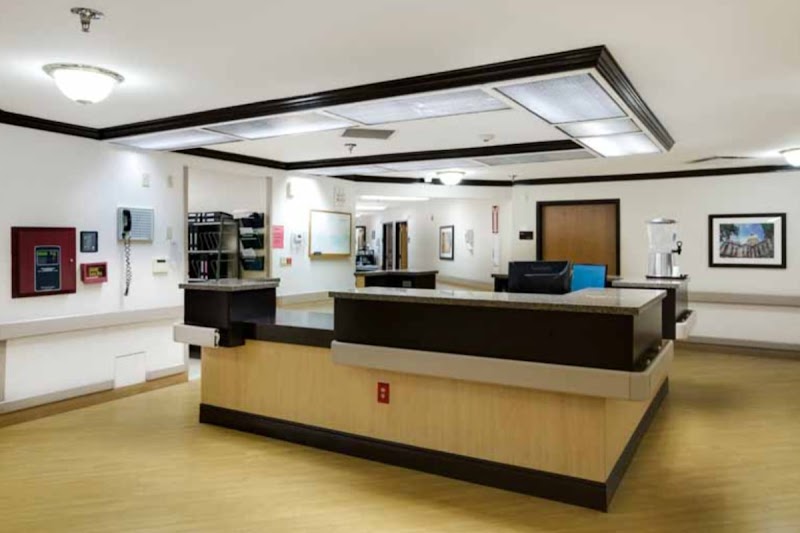
Who Owns and Operates Roselane By Harborview?

ROSELANE HEALTH CENTER BY HARBORVIEW is owned by a for-profit company. For-profit facilities operate as businesses with obligations to shareholders or private owners. The facility is operated by HARBORVIEW HEALTH SYSTEMS, a chain that manages multiple nursing homes. With 137 certified beds and approximately 119 residents (about 87% occupancy), it is a mid-sized facility located in MARIETTA, Georgia.
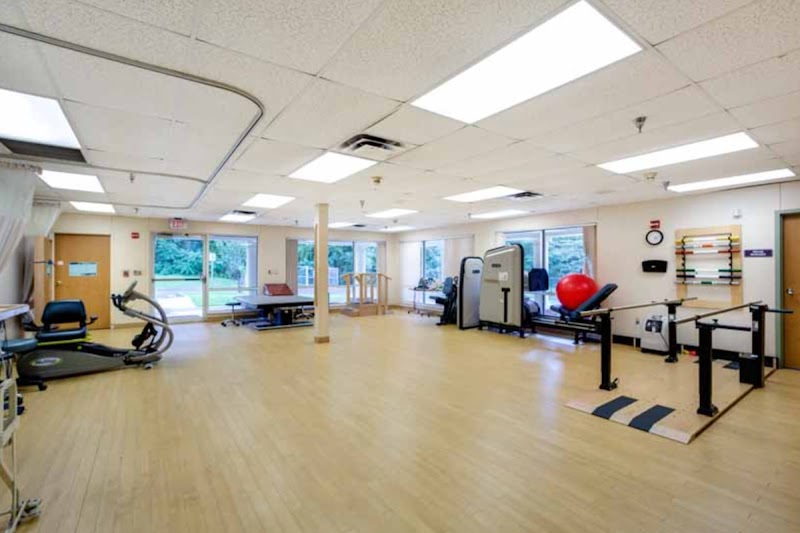
How Does Roselane By Harborview Compare to Other Georgia Nursing Homes?

Compared to the 100 nursing homes in Georgia, ROSELANE HEALTH CENTER BY HARBORVIEW's overall rating (1 stars) is below the state average of 2.6, staff turnover (54%) is near the state average of 46%, and health inspection rating (2 stars) is below the national benchmark.

What Should Families Ask When Visiting Roselane By Harborview?

Based on this facility's data, families visiting should ask: "Can you walk me through typical staffing levels on day, evening, and night shifts?" "Can I visit during a mealtime to observe dining assistance and food quality?" "How do you handle medical emergencies, and what is your hospital transfer rate?" "Can I speak with family members of current residents about their experience?" These questions are particularly relevant given the below-average staffing rating.

Is Roselane By Harborview Safe?

Based on CMS inspection data, ROSELANE HEALTH CENTER BY HARBORVIEW has a clean safety record: no substantiated abuse findings (meaning no confirmed cases of resident harm), no Immediate Jeopardy citations (the most serious violation level indicating risk of serious injury or death), and is not on the Special Focus Facility watch list (a federal program monitoring the lowest-performing 1% of nursing homes). The facility has a 1-star overall rating and ranks #100 of 100 nursing homes in Georgia. While no facility is perfect, families should still ask about staff-to-resident ratios and recent inspection results during their visit.

Do Nurses at Roselane By Harborview Stick Around?

ROSELANE HEALTH CENTER BY HARBORVIEW has a staff turnover rate of 54%, which is 8 percentage points above the Georgia average of 46%. Moderate turnover is common in nursing homes, but families should still ask about staff tenure and how the facility maintains care continuity when employees leave.

Was Roselane By Harborview Ever Fined?

ROSELANE HEALTH CENTER BY HARBORVIEW has been fined $86,242 across 2 penalty actions. This is above the Georgia average of $33,941. Fines in this range indicate compliance issues significant enough for CMS to impose meaningful financial consequences. Common causes include delayed correction of deficiencies, repeat violations, or care failures affecting resident safety. Families should ask facility leadership what changes have been made since these penalties.

Is Roselane By Harborview on Any Federal Watch List?

ROSELANE HEALTH CENTER BY HARBORVIEW is not on any federal watch list. The most significant is the Special Focus Facility (SFF) program, which identifies the bottom 1% of nursing homes nationally based on persistent, serious quality problems. Not being on this list means the facility has avoided the pattern of deficiencies that triggers enhanced federal oversight. This is a positive indicator, though families should still review the facility's inspection history directly.