TOWER ROAD POST ACUTE, LLC

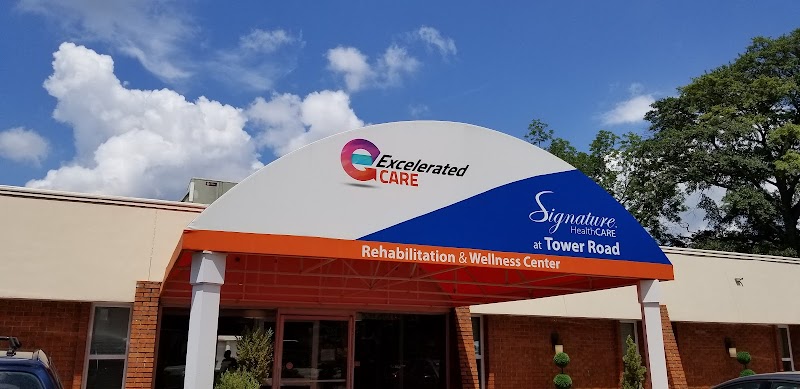
26 TOWER RD, MARIETTA, GA 30060 (770) 422-8913
For profit - Limited Liability company 138 Beds ELEVATION HEALTHCARE Data: November 2025 1 Immediate Jeopardy citation
Trust Grade
11/100
#343 of 353 in GA
Last Inspection: September 2024

Within standard 12-15 month inspection cycle. Federal law requires annual inspections.

Overview

Tower Road Post Acute, LLC in Marietta, Georgia has a Trust Grade of F, indicating poor performance with significant concerns regarding resident care. It ranks #343 out of 353 facilities in Georgia, placing it in the bottom half, and #13 out of 13 in Cobb County, meaning there are no better local options. Although the facility is improving, having reduced issues from 20 to 2 over the past year, it still faces serious challenges, with a staffing rating of 1 out of 5 stars and a high turnover rate of 60%, which is concerning as it is above the state average of 47%. The facility has a troubling history, including a critical incident where a resident suffered a significant medication error and was hospitalized, and a serious incident where a resident fell unsupervised and sustained a head injury, highlighting both staff oversight issues and care plan failures. While the quality measures rating is good at 4 out of 5 stars, these serious deficiencies need to be weighed carefully against the facility's strengths.

Trust Score
F
11/100
In Georgia
#343/353
Bottom 3%
Safety Record
High Risk
Review needed
Inspections
Getting Better
20 → 2 violations
Staff Stability
⚠ Watch
60% turnover. Above average. Higher turnover means staff may not know residents' routines.
Penalties
✓ Good
$15,593 in fines. Lower than most Georgia facilities. Relatively clean record.
Skilled Nurses
⚠ Watch
Each resident gets only 24 minutes of Registered Nurse (RN) attention daily — below average for Georgia. Fewer RN minutes means fewer trained eyes watching for problems.
Violations
⚠ Watch
33 deficiencies on record. Higher than average. Multiple issues found across inspections.
★☆☆☆☆
1.0
Overall Rating
★☆☆☆☆
1.0
Staff Levels
★★★★☆
4.0
Care Quality
★★☆☆☆
2.0
Inspection Score
Stable
2024: 20 issues
2025: 2 issues

The Good

  • 4-Star Quality Measures · Strong clinical quality outcomes
  • Full Sprinkler Coverage · Fire safety systems throughout facility
  • No fines on record

Facility shows strength in quality measures, fire safety.

The Bad

1-Star Overall Rating

Below Georgia average (2.6)

Significant quality concerns identified by CMS

Staff Turnover: 60%

13pts above Georgia avg (46%)

Frequent staff changes - ask about care continuity

Federal Fines: $15,593

Below median ($33,413)

Minor penalties assessed

Chain: ELEVATION HEALTHCARE

Part of a multi-facility chain

Ask about local staffing decisions and management

Staff turnover is elevated (60%)

12 points above Georgia average of 48%

The Ugly 33 deficiencies on record

1 life-threatening 2 actual harm
Jul 2025 2 deficiencies
CONCERN (D) 📢 Someone Reported This

A family member, employee, or ombudsman was alarmed enough to file a formal complaint

Potential for Harm - no one hurt, but risky conditions existed

Notification of Changes (Tag F0580)

Could have caused harm · This affected 1 resident

**NOTE- TERMS IN BRACKETS HAVE BEEN EDITED TO PROTECT CONFIDENTIALITY** Based on staff interviews, record review, and facility policy review, the facility failed to ensure the resident or responsible ...

Read full inspector narrative →
**NOTE- TERMS IN BRACKETS HAVE BEEN EDITED TO PROTECT CONFIDENTIALITY** Based on staff interviews, record review, and facility policy review, the facility failed to ensure the resident or responsible party (RP) was notified of a change in condition related to intravenous fluid and antibiotic use for one of nine sample residents (Resident (R) 4) reviewed for change in condition. This failure had the potential of R4 receiving treatments not aligned with the residents' or the responsible party's wishes for the residents' care. Findings include: Review of the facility's policy titled, Clinical Change in Condition Management, dated 2/1/2024, revealed The Interdisciplinary team strives to identify and manage all residents that are experiencing a change in condition .Clinical care management includes routine assessment, evaluation, response to changes in clinical condition and communication with residents and/or families/responsible parties .7. Verify that family/responsible party has been notified. Review of R4's undated admission Record located in the electronic medical record (EMR) under the Profile tab, indicated R4 was admitted to the facility on [DATE] with diagnoses including but not limited to acute respiratory failure with hypoxia, pneumonitis due to inhalation of food and vomit, and dementia. Review of R4's Physician Orders, dated 2/26/2025 located in the EMR under the Orders tab, revealed an order for Sodium Chloride Intravenous [IV] Solution 09% (percent), use 75 milliliters (ml) /hour intravenously every shift for volume depletion- Normal Saline IV Fluids at 75ml/hr [hour] times two liters for two administrations until finished .Levaquin (antibiotic) by mouth for pneumonia. Review of R4's Progress Notes, dated 2/8/2025, located in the EMR under Progress Notes, Licensed Practical Nurse (LPN) 2 documented Resident on IV fluids Sodium Chloride running at 75 milliliters (ml)/hour times two liters every shift for volume depletion .Also on oral antibiotic, levofloxacin for pneumonia. Further review of R4's EMR revealed no documentation of R4's RP ever being notified of R4's change in condition by the facility. During an interview on 7/1/2025 at 5:07 PM LPN1 (Unit Manager) was asked what was considered a change of condition with residents and when did you notify the family/RP. LPN1 responded Normally if there is any change in medications and/or clinical condition it is considered a change in condition and family would be notified. During an interview on 7/1/2025 at 5:19 PM, LPN2 was questioned if she recalled R4 starting his antibiotics and IV fluids. LPN2 responded that yes, she recalled the resident. LPN2 was questioned if she had notified R4's family or RP concerning R4's change in condition. LPN2 responded that if the family was in the building she would have notified them verbally, if not she would call them. LPN2 stated she couldn't recall if she had or not and did not believe she documented notifying them. During an interview on 7/2/2025 at 2:21 PM, the Director of Nursing (DON) was questioned if she was aware of LPN2 not notifying R4's family/RP, concerning him receiving IV Fluids and antibiotics. The DON responded that LPN2 had not notified the family, R4's family filed a grievance, and LPN2 and facility staff were given training in response.
CONCERN (D) 📢 Someone Reported This

A family member, employee, or ombudsman was alarmed enough to file a formal complaint

Potential for Harm - no one hurt, but risky conditions existed

Deficiency F0582 (Tag F0582)

Could have caused harm · This affected 1 resident

Based on staff interviews and record review, the facility failed to provide an accurate Skilled Nursing Facility Advanced Beneficiary Notice of Non-coverage (SNF ABN) as required for one of three resi...

Read full inspector narrative →
Based on staff interviews and record review, the facility failed to provide an accurate Skilled Nursing Facility Advanced Beneficiary Notice of Non-coverage (SNF ABN) as required for one of three residents (Resident (R) 8) reviewed for beneficiary notices of nine sample residents. This failure could result in the residents not being informed of the residents' responsibility related to facility costs. Findings include: Review of R8's undated admission Record located in the electronic medical record (EMR) under the Profile tab indicated the resident was admitted to the facility with diagnoses including but not limited to hypertension, dementia, and hyperlipidemia. Review of R8's unsigned Notice of Medicare Non-Coverage (NOMNC), provided by facility, revealed R8's skilled nursing and therapy services would end 6/7/2025. Review of documentation provided by the facility, representing the SNF ABN, dated 6/5/2025 and signed by the Business Office Manager (BOM) revealed the following documentation Please sign below to indicate you received and understood this notice, or nursing home representative sign acknowledging last covered day given to representative by phone. I have been notified that coverage of my services will end on the effective date indicated on this notice and that I may appeal this decision by contacting my Quality Improvement Organization (QIO) Program. SNF ABN issued to resident's responsible party (RP), on 06/5/2025, informed last covered day 6/7/2025, financial liability as of 6/8/2025. Appeal must be filed no later than noon 6/6/2025 with name of filing agency. Patient's (family name) is RP and handles all affairs at this time due to cognitive deficit issues. During an interview on 7/2/2025 at 11:07 AM, the BOM confirmed that she had no evidence that she provided the SNF ABN to R8's RP but had read it to the RP by telephone. BOM confirmed that there was no documentation of BOM providing the information, or the financial responsibility of residents for continued services. BOM confirmed R8 remained in the facility after notice was provided. During an interview on 7/2/2025 at 2:25 PM, the Director of Nursing (DON) was questioned what her expectations were related to R8's SNF ABN form. DON explained she thought there was a miscommunication related to BOM understanding of the SNF ABN form. The DON stated she expected the BOM to use the SNF ABN form.
Sept 2024 20 deficiencies
CONCERN (D) 📢 Someone Reported This

A family member, employee, or ombudsman was alarmed enough to file a formal complaint

Potential for Harm - no one hurt, but risky conditions existed

Resident Rights (Tag F0550)

Could have caused harm · This affected 1 resident

**NOTE- TERMS IN BRACKETS HAVE BEEN EDITED TO PROTECT CONFIDENTIALITY** Based on observations, resident and staff interviews, record review, and review of the facility policy titled, Resident Rights, ...

Read full inspector narrative →
**NOTE- TERMS IN BRACKETS HAVE BEEN EDITED TO PROTECT CONFIDENTIALITY** Based on observations, resident and staff interviews, record review, and review of the facility policy titled, Resident Rights, the facility failed to maintain the dignity and privacy for one of five residents (R) (R50) with a Foley catheter. Specifically, the urinary catheter bag was left uncovered and visible while R50 was out in the hallway. Additionally, R50 was wearing a shirt on with her full name visible across her chest in thick black marker. Findings include: Review of facility's policy titled Resident Rights dated 2/1/2024 revealed under Preparation in section 1. Prior to having direct-care responsibilities for residents, staff must have appropriate in-service training on resident rights, including . b. Resident dignity and respect. Review of the electronic medical record (EMR) revealed R50 was admitted to the facility with pertinent diagnoses including but was not limited to dementia, depressive disorder, and anxiety. Review of R50's quarterly Minimum Data Set (MDS) assessment dated [DATE] revealed a Brief Interview for Mental Status (BIMS) of 00, which indicates R50 was identified with severe cognitive impairment. Section GG, functional status, revealed R50 required partial/moderate assistance for activities of daily living (ADLs). Review of R50's care plan dated 4/17/2024 indicated a problem of risk for social isolation or significant changes to daily routine due to unspecified dementia, cognitive communication deficit, anxiety, major depressive disorder, and ataxia. R50 engages in both individual and group activities such as church service, bingo, coloring, and spending time with her friends and family. Goals included but not limited to express satisfaction with type of activities and level of activity involvement when asked through the review date. Interventions included but not limited to Establish and record resident's prior level of activity involvement and interests by talking with the resident, caregivers, and family on admission and as necessary. Explain to the resident the importance of social interaction, leisure activity time. Encourage the resident's participation. Invite/encourage the resident's family members to attend activities with resident in order to support participation. Review of the Physician's Orders for R50 included but was not limited to an order for a urinary catheter dated 2/2/2024. Observation and interview on 9/19/2024 9:56 am revealed R50 sitting in the hallway in a wheelchair, dressed, with shoes on, shirt with name, first and last written in large black marker across front of the shirt and slacks. R50's Foley catheter bag was hanging on the right side of the wheelchair with no dignity bag in place. R50 stated staff picked out her clothes and helped her get out of bed. R50 stated she will be moved back to her room today and that was home. Interview on 9/19/2024 at 12:00 pm with Unit Manager Licensed Practical Nurse (LPN) EE revealed staff labels clothing upon admission, and this was done inside clothing near the label. Unit Manager LPN EE added that sometimes families label items of clothing and they were told to use the same area near the label. If they saw inappropriate labeling, they notified the family that those clothes were not able to be used. Foley catheters were to be covered with a dignity bag or leg bag per policy, especially when out of room in a wheelchair. Interview with Unit Manager LPN AA on 9/19/2024 at 12:00 pm confirmed the processes for labeling clothing and the Foley catheter dignity bag were the same on the unit he managed as the unit LPN EE managed. Interview on 9/19/2024 at 2:32 pm with the Director of Nursing (DON) revealed expectations regarding labeling of clothing that the Certified Nursing Assistants (CNAs) document inventory of clothing and label them with a permanent marker in area near the label so that it is not visible and for additional clothing the same process applied. The DON added that staff who observed this would notify the CNA to ensure the change of clothing was done. The DON stated expectations for Foley catheter bags were that staff should attempt to use a leg bag which provided a higher level of dignity. If not possible, at minimum, place a privacy bag over the drainage bag.
CONCERN (D) 📢 Someone Reported This

A family member, employee, or ombudsman was alarmed enough to file a formal complaint

Potential for Harm - no one hurt, but risky conditions existed

Deficiency F0554 (Tag F0554)

Could have caused harm · This affected 1 resident

**NOTE- TERMS IN BRACKETS HAVE BEEN EDITED TO PROTECT CONFIDENTIALITY** Based on observations, record review, resident and staff interviews, and review of the facility's policy titled, Self-Administra...

Read full inspector narrative →
**NOTE- TERMS IN BRACKETS HAVE BEEN EDITED TO PROTECT CONFIDENTIALITY** Based on observations, record review, resident and staff interviews, and review of the facility's policy titled, Self-Administration of Medications by Patients/Residents, the facility failed to ensure one of 59 sampled residents (R) (R13) was assessed for self-administration of medication prior to leaving medications at the bedside. The deficient practice had the potential to allow unauthorized access to unsecured medications to residents and visitors at the facility. Findings include: A review of the facility's policy titled Self-Administration of Medications by Patients/Residents revised on 2/1/2024 revealed under Policy Statement: Each resident who desires to self-administer medication is permitted to do so if the healthcare center's Licensed Nurse/Registered Nurse and physician have determined that the practice would be safe for the resident and other residents of the healthcare center. Medication self-administration also applies to family members who wish to administer medication. Procedure: 1. The opportunity to self-administer medications is reviewed during the routine assessment by the healthcare center's interdisciplinary team utilizing the Electronic Health Record Observation tool, Medication Self - Administration assessment. 2. If the resident or family member desires to self-administer medications, an assessment is conducted by the head Nurse to assess the individual's cognitive, physical, and visual ability to carry out responsibility. Also, the resident or family member should in conjunction with the facility Nurse utilize the Electronic Medical Record assessment tool, Medication Self - Administration assessment to complete the administration of the medication. 3. If the Licensed Nurse determines the resident or family member to be capable of self-administration of medications, the attending physician must write an order to that effect that includes the specific medications based off the Self-Administration Medication assessment. 4. If the resident or family member demonstrates the ability to safely self-administer medications, a further assessment of the safety of bedside medication storage is conducted. 5. Bedside Storage of Medications is permitted only when it does not present a risk to confused residents who wander into the rooms of, or room with, residents who self-administer. The following conditions are met for bedside storage to occur: The manner of storage prevents access by other residents. Locking drawers or cabinets are required only if unlocked storage is ineffective. The medications provided to the resident for bedside storage are kept in the packaged as dispensed by the provider pharmacy. The Electronic Health Record Medication Administration Record form is printed off and maintained at bedside and is reviewed on each nursing shift, and the administration information is transferred to the electronic medication record. Notation of each dose self-administered is made by placing a Licensed Nurse initials in the appropriate space and noting in the nursing comments resident/patient self-administered the medications). Only one signature per shift is required by the nurse documenting the resident's report of self-administration. All nurses and aides are required to report to the Charge Nurse on duty any medications found at the bedside not authorized for bedside storage and to give unauthorized medications to the Charge Nurse for return to the family or responsible party. A review of the electronic health record (EHR) for R13 revealed diagnoses of but not limited to dysphagia following cerebral infarction, dysphagia oral phase, depression and cerebral infarction. A review of R13's quarterly Minimum Data Set (MDS) dated [DATE] revealed in section C (Cognitive Patterns) a Brief Interview for Mental Status (BIMS) score of 13, indicating cognitively intact. Further review of R13's MDS revealed section N (Medications) documented R13 is receiving antidepressants. Review of R13's care plan on 9/18/2024, revised on 4/17/2024, revealed a focus of drug regimen review will have no clinically significant medication issues identified. Furthermore R13's care plan revealed an intervention of conducting a medication reconciliation upon admission for all medications and new medications orders will be reviewed daily for any actual or potential clinically significant medication issues. During an observation on 9/16/2024 at 11:15 pm in R13's room revealed a tube of diclofenac sodium topical gel of 1 percent (%) on her bedside table. Review of R13's EHR on 9/18/2024 revealed no physician orders or assessment to be found for self-administration of medication. During an interview on 9/18/2024 at 12:40 pm with Certified Nursing Assistant (CNA) DD revealed R13 was not supposed to have medication by the bedside table. CNA DD confirmed she had seen the medication by the bedside table before. Furthermore, CNA DD revealed she had received in-service training on medications by the bedside table. During an Interview on 9/18/2024 at 12:42 pm with Licensed Nurse Practitioner (LPN) EE revealed residents were not supposed to have medications by the bedside table. LPN EE revealed it was her expectations that all CNA's must follow protocol regarding medications by the bedside table. LPN EE stated in-service training was provided for CNAs regarding medications by the bedside. LPN EE further stated a possible negative outcome was that it was not something positive for the resident and other residents might get a hold of the medication. During an interview on 9/18/2024 at 1:15 pm with the Director of Nursing (DON), it was clarified that medications should not be stored by the bedside unless a resident was assessed and deemed capable of self-administering. The DON stated in such cases, medications would typically be kept in a locked box, or nurses would bring the medications in for residents. The DON emphasized the importance of assessing residents' ability to self-administer medications. Furthermore, the DON noted potential negative outcomes if residents take medications outside the prescribed times, which could lead to side effects or adverse reactions. During an interview on 9/19/24 at 3:30 pm with the Administrator revealed his expectations were that residents were not to have any medications by their bedside table.
CONCERN (D) 📢 Someone Reported This

A family member, employee, or ombudsman was alarmed enough to file a formal complaint

Potential for Harm - no one hurt, but risky conditions existed

Deficiency F0558 (Tag F0558)

Could have caused harm · This affected 1 resident

**NOTE- TERMS IN BRACKETS HAVE BEEN EDITED TO PROTECT CONFIDENTIALITY** Based on observations, staff interviews, and review of the facility policy titled, Residents Rights Accommodation of Needs and P...

Read full inspector narrative →
**NOTE- TERMS IN BRACKETS HAVE BEEN EDITED TO PROTECT CONFIDENTIALITY** Based on observations, staff interviews, and review of the facility policy titled, Residents Rights Accommodation of Needs and Preference and Homelike Environment, the facility failed to accommodate the needs of one of 14 residents (R) (R112) reviewed for environmental concerns. Specifically, the facility did not ensure call light was within reach. This failure had the potential to prevent R112 from receiving care or service when needed. Findings include: Review of the facility policy titled Residents Rights Accommodation of Needs and Preference and Homelike Environment effective date 2/1/2024 states under 1. The facility will assess and interview residents for the need to make reasonable accommodations. Call light in reach for room and bathroom and the correct type for resident use to meet the resident need. Review of R112's admission Minimum Data Set (MDS) dated [DATE] revealed the resident had a Brief Interview of Mental Status (BIMS) score of five, indicating severe cognitive impairment. The resident required a manual wheelchair and two-person assistance. Observation on 9/16/2024 at 12:00 pm revealed R112 sitting in her wheelchair screaming for help while the door was closed. Upon entering R112's room, her call light device was wrapped around her bed rail, out of reach. Observation on 9/18/2024 at 3:00 pm revealed R112 sitting up in wheelchair watching her television, with her call light device out of reach. During an interview on 9/19/2024 at 2:47 pm with the Director of Nursing (DON), she stated her expectation for her staff was to ensure the residents needs and preferences and provide a homelike environment. She revealed she had given her nursing staff in-service education on resident accommodation and policy.
CONCERN (D) 📢 Someone Reported This

A family member, employee, or ombudsman was alarmed enough to file a formal complaint

Potential for Harm - no one hurt, but risky conditions existed

Deficiency F0563 (Tag F0563)

Could have caused harm · This affected 1 resident

Based on observations, staff interviews, and review of the facility policy, Visitation, the facility failed to have a system in place which allows visitors into the facility after hours. Findings incl...

Read full inspector narrative →
Based on observations, staff interviews, and review of the facility policy, Visitation, the facility failed to have a system in place which allows visitors into the facility after hours. Findings include: The policy titled, Visitation revealed in the Policy Statement: The facility permits residents to receive visitors whom he or she designates, and the resident has the right to withdraw or deny such consent at any time. Under Guideline . 3. The facility will provide immediate access for residents receiving visits from the following: a. Any representative of CMS or State representatives such as Surveyors. g. The resident's legal representative, immediate family or relatives, and any other person visiting with the resident's consent, subject to limitations outlined in this policy. Observation on 9/18/2024 at 6:00 am from the outside of the front of the facility revealed a very dark entrance. Lights were all off with the exception of security lights in the front. There was a small posting on the front door which read, call 770 422 8913 for after hours. When the number was called, three times, the phone continuously rang with no voicemail. In attempts to get into the building, surveyors walked around to the side of the building at the west hall entrance and knocked on the door, where staff let the survey team in. Interview on 9/18/2024 at 6:32 am with Licensed Practical Nurse (LPN) VV revealed the phone did not ring over here (on west wing), it must have rung on east wing. Interview on 9/18/2024 at 6:35 am with LPN EE, East Unit manager revealed the phone did not ring. Interview on 9/18/2024 at 12:10 pm with the Director of Nursing (DON), she revealed that after 8:00 pm, the front door was normally not used because it was for the visitors. Normally, everyone comes to the side door near the back. If visitors come, the number should have picked up. What happens at night is that reception turns the phone over and it should go to the nurses' station, but I would need to find out what happened. Her expectation after hours was for visitors to have the number to call. The negative effect for the phone not being picked up after hours was a visitor could be upset or a visitor could be worried if they cannot get a hold of their family members. During business hours, if someone is calling in, multiple calls (three maximum) can only go through and can only be freed up when one of the lines is answered. The DON revealed visiting hours are from 8:00 am to 8:00 pm as the standard, but if someone would like to be here after that, they are not stopped if they want to come. Interview on 9/18/2024 at 12:20 with the Administrator revealed family members and visitors were supposed to visit during visiting hours from 8:00 am to 8:00 pm. If they wanted to visit after or before visiting hours, they could call the facility and then the nature of the visit would be decided among administration. The Administrator revealed most of the family members understood the visiting hours. It was not the expectation for the phones to not transfer if they were put on transfer. He stated the expectation was for the phone to be picked up. Most families will call during business hours.
CONCERN (D) 📢 Someone Reported This

A family member, employee, or ombudsman was alarmed enough to file a formal complaint

Potential for Harm - no one hurt, but risky conditions existed

Deficiency F0582 (Tag F0582)

Could have caused harm · This affected 1 resident

**NOTE- TERMS IN BRACKETS HAVE BEEN EDITED TO PROTECT CONFIDENTIALITY** Based on record review, staff interviews, and review of the facility policy titled, Review of the Beneficiary Notice, the facili...

Read full inspector narrative →
**NOTE- TERMS IN BRACKETS HAVE BEEN EDITED TO PROTECT CONFIDENTIALITY** Based on record review, staff interviews, and review of the facility policy titled, Review of the Beneficiary Notice, the facility failed to provide the Notice of Medicare Non-Coverage (NOMNC) (Form CMS-10123) to two of two residents (R) (R29 and R36) who remained in the facility and were discharged from Medicare Part A services. Findings include: Review of the facility policy titled Review of the Beneficiary Notice revealed under Procedure, 3. If the resident is unable to sign, and the SNF (skilled nursing facility) is working with a legally authorized representative who is unable to be present at the facility that day, the SNF may issue the NOMNC by telephone. g. The facility must confirm the telephone contact by sending written notice to the authorized representative on the same day the call was made. 4. Copies of the completed NOMNC are: a. Given to the resident or the authorized representative who signed the NOMNC. Review of the Beneficiary Notice for R21 revealed no evidence that a NOMNC form was provided. The only notice that was provided to R29 was the Skilled Nursing Facility Advance Beneficiary Notice of Non-coverage (SNF ABN). The SNF ABN form revealed R29 was discharged from Medicare Part A services on 8/3/2024. Review of R29's Minimum Data Set (MDS) (End of Part A Stay) assessment dated [DATE] revealed in section A: (Identification Information) the Medicare stay documented start date of 7/19/2024 and end of Medicare stay was on 8/30/2024. Review of Beneficiary Notice for R36 revealed no evidence that a NOMNC form was provided. The only notice that was provided to R36 was the SNF ABN. The SNF ABN form revealed R36 was discharged from Medicare Part A services on 8/7/2024. Review of R36's MDS (End of PPS (Prospected Payment System) Part A Stay) assessment dated [DATE] revealed in section A: (Identification Information) the assessment was a SNF Part A PPS ( discharge assessment. The start date of the Medicare stay was 6/25/2024 and the end date of most recent Medicare stay start date was 6/25/2024 and the end date was 8/7/2024. An interview on 9/18/24 at 11:34 am with Business Office Manager (BOM) CCC revealed she was initially trained upon hire regarding ABN and NOMNC notifications. She confirmed and verified R29 and R36 were discharged from Medicare part A services with benefit days remaining, the discharge was initiated by therapy, and they both continued to live in the facility. She stated NOMNC's were for residents who were discharged from the facility and going home, and the ABN is for residents who are discharged from Medicare part A services but remaining in the facility. An interview on 9/18/2024 at 11:53 am with Physical Therapist (PT) AAA and Regional Consultant (RC) BBB for Quality risk Management (QRM) in-house rehab support, R36 was discharged from PT (physical therapy) on 7/12/2024 because he met his maximal potential for therapy. They also revealed R36 was discharged from speech therapy on 8/7/2024 and the therapist documented he achieved projected outcomes and predicted that he would be able to maintain function and he was discharged to a regular diet. R29 was discharged from OT on 8/15/2024 and the therapist documented she met maximal potential for therapy and was referred to the restorative nursing program. The stated R36 was discharged from PT on 8/30/2024 and the therapist documented she had achieved the highest practical level at discharge. An interview on 9/18/2024 at 12:14 pm with the Administrator revealed his expectation was for the staff to provide the correct notification at time of discharge from Medicare Part A. He stated the outcome of not providing correct notification could lead to the resident becoming confused, not being informed correctly, or incurring fees for their stay.
CONCERN (D) 📢 Someone Reported This

A family member, employee, or ombudsman was alarmed enough to file a formal complaint

Potential for Harm - no one hurt, but risky conditions existed

Assessment Accuracy (Tag F0641)

Could have caused harm · This affected 1 resident

**NOTE- TERMS IN BRACKETS HAVE BEEN EDITED TO PROTECT CONFIDENTIALITY** Based on observations and record review, the facility failed to accurately document the dental status in the annual Minimal Data...

Read full inspector narrative →
**NOTE- TERMS IN BRACKETS HAVE BEEN EDITED TO PROTECT CONFIDENTIALITY** Based on observations and record review, the facility failed to accurately document the dental status in the annual Minimal Data Set (MDS) assessment for one of 59 sampled residents (R) (R72). This failure had the potential to prevent R72 from receiving necessary dental care. Findings include: Review of the clinical record for R72 revealed they were admitted to the facility with diagnoses to include but not limited to cognitive communication deficit, unspecified dementia, unspecified neurocognitive disorder with Lewy bodies, depression, and Parkinson's disease. Review of the annual MDS assessment dated [DATE], Section L (Oral and Dental Status Issues) 0200 listed options for the dental assessment to include no natural teeth or tooth fragments (edentulous), obvious or likely cavity or broken natural teeth, and none of the above were present. The assessment documented none of the above indicating no dental concerns. Observation on 9/16/2024 at 2:58 pm of R72 revealed she was missing all but one of her upper teeth. Review of the dental exam dated 7/1/2024 documented multiple missing teeth; would like upper and lower partials. Will take partials at the next dental visit. In an interview on 9/19/24 at 5:13 pm with the Chief Clinical Officer (CCO), she reviewed the most recent annual MDS assessment and confirmed R72 was incorrectly documented for oral/dental status as having none of the concerns listed. She confirmed R72 was missing most of her upper teeth. She stated she expected the MDS Coordinator to accurately assess the residents. The MDS Coordinator was not available for interview.
CONCERN (D) 📢 Someone Reported This

A family member, employee, or ombudsman was alarmed enough to file a formal complaint

Potential for Harm - no one hurt, but risky conditions existed

Deficiency F0645 (Tag F0645)

Could have caused harm · This affected 1 resident

**NOTE- TERMS IN BRACKETS HAVE BEEN EDITED TO PROTECT CONFIDENTIALITY** Based on staff interviews, record review, and review of the facility policy titled, PASRR, the facility failed to ensure that th...

Read full inspector narrative →
**NOTE- TERMS IN BRACKETS HAVE BEEN EDITED TO PROTECT CONFIDENTIALITY** Based on staff interviews, record review, and review of the facility policy titled, PASRR, the facility failed to ensure that the Preadmission Screening and Resident Review (PASARR) Level II was completed for one of 59 sampled residents (R) (R92). The deficient practice had the potential for R92 to not receive specialized care to treat mental illness. Findings include: Review of the facility policy titled PASRR with an effective date of 2/1/2024, revealed that it is the policy of the facility to screen all potential admissions on an individualized basis. As a part of the preadmission process, the facility participates in the Preadmission Screening and Resident Review (PASRR) screening process (Level 1) for all new and readmissions to determine if the individual meets the criterion for mental disorder, intellectual disability or related condition. Based on the Level 1 screen, the facility will not admit an individual with a mental disorder or intellectual disability until the Level II screening process has been completed and the recommendations allow for a nursing facility admission and the facility's ability to provide the specialized services determined in the Level II screen. Review of the electronic medical record (EMR) for R92 revealed that she was admitted to the facility with diagnoses that included but were not limited to encephalopathy, depression, altered mental status, cognitive communication deficit, alcohol dependence, cannabis abuse, and post-traumatic stress disorder (PTSD). Review of the quarterly [NAME] Data Set (MDS) dated [DATE] revealed a Brief Interview for Mental Status (BIMS) score of 14, which indicates the resident is cognitively intact. Review of the care plan for R92 revealed that she is dependent on staff for meeting emotional, intellectual, physical, and social needs related to cognitive deficits and disease process. It revealed that she experiences loneliness and/or isolation. An intervention for this situation is consult with appropriate services. Review of the progress notes from the primary physician revealed that the resident has depression and PTSD. The resident was being seen by psychiatric services for diagnosis of depression. All progress notes reviewed from psychiatric services revealed that R92 was being seen for depression and no notes indicating that the resident had a diagnosis of PTSD. An interview with the Social Services Director on 9/17/2024 at 2:54pm revealed that she does not do Level II for residents. She stated that they are completed by the hospital prior to admission. She stated that she does not have a Level II for R92. She stated that she will send in the required documents to complete the Level II.
CONCERN (D) 📢 Someone Reported This

A family member, employee, or ombudsman was alarmed enough to file a formal complaint

Potential for Harm - no one hurt, but risky conditions existed

Deficiency F0655 (Tag F0655)

Could have caused harm · This affected 1 resident

**NOTE- TERMS IN BRACKETS HAVE BEEN EDITED TO PROTECT CONFIDENTIALITY** Based on resident, resident family, and staff interviews, record review, and review of the facility policy titled, Minimum Data ...

Read full inspector narrative →
**NOTE- TERMS IN BRACKETS HAVE BEEN EDITED TO PROTECT CONFIDENTIALITY** Based on resident, resident family, and staff interviews, record review, and review of the facility policy titled, Minimum Data Set (MDS) / Care Plans, the facility failed to develop and implement a baseline care plan within 48 hours of admission for five of 59 sampled residents (R) (R49, R22, R113, R15 and R70). The deficient practice had the potential to affect the appropriate level of care and services provided for R49, R22, R113, R15 and R70. Findings include: Review of the facility policy titled Minimum Data Set (MDS) / Care Plans revised 2/1/2024 revealed in the Policy Statement: Each resident will have an individualized interdisciplinary plan of care in place. The baseline care plan will be completed within 48 hours of admission. The Interdisciplinary Team will continue to develop the care plan in conjunction with the Resident Assessment Instrument (RAI), Minimum Data Set (MDS 3.0), and Care Area Assessment (CAAS), completing and conducting Certified Compliance Professional (CCP) meeting by Day 21 post admission. The Comprehensive Care Plan will be reviewed and revised on a quarterly basis, with a significant change in condition, on re-admission from inpatient hospital stay, and as requested by the Resident/Representative. The Comprehensive Care Plan will be resident centered having the individual resident as the locus of control. The Comprehensive Care Plan will be ongoing, focusing on each individual resident as a unitary being. Residents and their representatives will play an active role in the development of goals and implementation of the residents' Comprehensive Care Plan. Under Procedure: 1. The admitting Registered Nurse will complete baseline care plan on admission within 48 hours to address the following areas: Resident/Resident Representative's initial Goals, Skin Prevention, Fall Prevention, Pain Management, Advanced Directives, Psychosocial Mood State/Adjustment to Placement/PASSR Needs as indicated, Specific Care Plan on the main reason for admission to facility. The most current MDS dated [DATE] revealed in Section C (Cognitive Patterns) a Brief Interview for Mental Status (BIMS) score of 13, indicated intact cognition. Section GG (Functional Abilities and Goals)-independent (impairment on one side/wheelchair), Section H (Bladder and Bowel)-always incontinent, Section M (Skin Conditions)-assessment/risk pressure ulcer. Review of electronic medical records (EMR) revealed R49 did not have a baseline care plan. Review of the EMR revealed R49 was admitted with diagnoses of, but not limited to urinary tract infection (UTI). Observation/ Interview on 9/16/2024 at 2:13 pm revealed R49 to be alert and oriented. R49 stated she had several UTIs and staph infections. Family stated R49 was having a difficult time healing. Family stated they cannot figure out what's causing R49 slow healing progress. R49 was currently placed at the facility short term. Interview on 9/18/2024 at 10:32 am with MDS Coordinator II revealed It was her responsibility to complete the resident's assessment upon admission, short term and long term. MDS Coordinator II inputs all information in the system. MDS Coordinator II confirmed R49 was admitted on [DATE] and she started the assessment but did not complete all care area listed on the MDS. Observation on 9/19/2024 at 11:19 am revealed R49 lying in the bed relaxing. She was observed to be alert and oriented with no concerns. Interview on 9/19/2024 at 4:22 PM with Director of Nursing (DON) revealed nurses are expected to complete baseline care plans within 48 hours upon resident admission. The most current MDS for R22 dated 8/17/2024 revealed in Section A (Identification Information) Medicaid/Medicare Certified, Section C (Cognitive Patterns) revealed a BIMS score of 9, indicating moderate cognitive impairment, Section I (Active Diagnoses) revealed atrial fibrillation and other dysrhythmias, hypertension, acid reflux, renal insufficiency, renal failure, end stage renal disease (ESRD), multi-drug resistant organism (MDRO), diabetes mellitus, UTI, hyperlipidemia, thyroid disorder, arthritis and malnutrition, Section N (Medications)-injections, insulin, antidepressant, hypnotic, anticoagulant, opioid, antibiotic and hypoglycemic, Section O (Special Treatments, Procedures, and Programs)-None. Interview on 9/17/2024 at 3:02 pm with R22 revealed R22 to be alert and oriented, she had been at the facility six weeks. R22 wants to return home as she is waiting on a discharge date . Interview on 9/18/2024 at 1:49 pm with MDS Coordinator YY revealed she reviewed R49's EMR and confirmed there was no baseline care plan. MDS Coordinator YY stated social services works with the residents and family on baseline care plans upon admission. Interview on 9/19/2024 at 4:22 PM with DON revealed nurses are expected to completed baseline care plans within 48 hours upon resident admission. 3. Review of the EMR for R70 revealed that he was admitted with diagnoses that included but were not limited to acute kidney failure, mild protein calorie malnutrition, cerebrovascular disease, depression, and type 2 diabetes. Review of the 5-day admission MDS dated [DATE] revealed that he had a BIMS score of 15, indicating he is cognitively intact. Section GG, which describes functional limitations, revealed that he has impairment on both sides of his lower extremities and needs at least substantial assistance for some of his activities of daily living (ADL's) and has total dependence for toileting. Section I (Active Diagnoses) lists that he has bilateral below the knee amputations and has prosthetics on both lower extremities. Review of the care plan revealed that R70 was a high risk for falls related to gait and balance problems, bilateral below the knee amputations and incontinence. An intervention for this risk was to anticipate and meet the resident's needs, which was initiated on 9/3/2024. His admission date was 8/23/2024. Base line care plan should be completed with 72 hours of admission. Review of the admission assessment for R70 dated on 8/23/2024, revealed that the resident was a high risk for falls. The EMR also revealed that the next fall assessment was completed on 9/17/2024, after a fall. An observation of R70 on 9/16/2024 at 10:55am, revealed that he was sitting up in his wheelchair, dressed. During an interview during this time, he stated that he had fallen, because he used the call light when he had to use the restroom, and no one came to help him. He then stated that he got up and took himself to the bathroom and when he got up to pull him pants up, he had to let go of the railing and fell. An interview on 9/19/2024 at 1:24 pm with Licensed Practical Nurse (LPN) Unit Manager revealed that when an unwitnessed fall occurs, nurses are to assess the resident and make sure they were safe to move. Then they were to be transferred to the bed. Nurses were then to do a skin assessment and a pain assessment and to take a set of vital signs. They would then medicate for pain if they were complaining of pain and then notify the provider and the family. Then the nurse would then do the fall assessment in the computer, chart the pain assessment and neurological checks as directed. Then a progress note would need to be completed three days post fall. The DON was interviewed on 9/19/2024 at 2:45pm. She stated that the nurse would assess the resident and then evaluate what happened. They would need to do a root cause analyses and then come up with interventions and then put them in place. The nurse would then need to call the provider and then the family. Documentation would need to include a nurses note, an order written for interventions that would require an order, and an incident report. The fall risk assessment should be completed on admission, which is part of the admission, and residents with high risk for falls need to be care planned within 48 hours. 2. A review of the EMR for R113 revealed there was no baseline care plan completed for the resident. A review of the EMR for R15 revealed there was no baseline care plan completed. A review of the record for R15 revealed a baseline care plan that was not completed within 48 hours. During a phone Interview with R15's family member, it was revealed that R15 had not had a care plan, and the family was not aware of her having a care plan at all. Interview on 9/17/2024 at 2:51 pm with the Registered MDS Nurse TT revealed she does not attend the care plan meetings. She revealed only the resident will attend and Social Services will usually set that up with the residents and their families. She further revealed the care plan was started on day one, developing upon admission and completed by day 14, usually done before day 14. RN TT revealed the regulations state the comprehensive assessment had to be done by day 14. Interview on 9/17/2024 at 3:00 pm with the Social Services Director did quarterly and annual care plan set up while Medical Records sets up admission care plans. Interview on 9/19/2024 at 4:22 pm with the Director of Nursing (DON) revealed nurses were expected to complete baseline care plans within 48 hours upon resident admission.
CONCERN (D) 📢 Someone Reported This

A family member, employee, or ombudsman was alarmed enough to file a formal complaint

Potential for Harm - no one hurt, but risky conditions existed

Comprehensive Care Plan (Tag F0656)

Could have caused harm · This affected 1 resident

**NOTE- TERMS IN BRACKETS HAVE BEEN EDITED TO PROTECT CONFIDENTIALITY** 2. A review of the HER for R111 revealed diagnoses of but not limited to chest pain, unspecified and atherosclerotic heart disea...

Read full inspector narrative →
**NOTE- TERMS IN BRACKETS HAVE BEEN EDITED TO PROTECT CONFIDENTIALITY** 2. A review of the HER for R111 revealed diagnoses of but not limited to chest pain, unspecified and atherosclerotic heart disease of native coronary artery without angina pectoris. A review of R111's quarterly MDS dated [DATE] revealed in section C (Cognitive Patterns) a BIMS score of 15, indicating cognitively intact. Further review of R111's MDS revealed section O (Treatments) documented R111 is receiving oxygen treatment, R111 has shortness of breath with exertion and has shortness of breath or trouble breathing when lying flat. Review of the EMR of R111's physicians orders revealed an order for oxygen (O2) at 2 liters per minute via nasal cannula continuously for hypoxia. Oxygen saturation to maintain ninety percent (90%) or above every shift for shortness of breath. Review of R111's care plan revealed that there were no specific care plan interventions documented for O2 therapy. During an interview on 9/19/2024 at 9:40 am with the Director of Nursing (DON) revealed it is her expectations that all residents on O2 therapy were to be care planned and revealed nurses were expected to complete baseline care plans within 48 hours upon resident admission. During an interview on 9/19/2024 at 3:58 pm with the Administrator revealed his expectations are that all residents that are on O2 therapy are to be care planned accordingly. Based on staff interviews, record review, and review of the facility policy titled, Minimum Data Set (MDS) / Care Plans, the facility failed to develop and implement a comprehensive person-centered care plan that includes measurable objectives and timeframes to meet a resident's medical, nursing, mental and psychosocial needs for three of 59 sampled residents (R) (R49, R111 and R92). The deficient practice had the potential to affect the care and services provided to R49, R111, and R92. Findings include: Review of the facility policy titled Minimum Data Set (MDS) / Care Plans revised 2/1/2024 revealed in the Policy Statement: Each resident will have an individualized interdisciplinary plan of care in place. The baseline care plan will be completed within 48 hours of admission. The Interdisciplinary Team will continue to develop the care plan in conjunction with the Resident Assessment Instrument (RAI), Minimum Data Set (MDS 3.0), and Care Area Assessment (CAAS), completing and conducting Certified Compliance Professional (CCP) meeting by Day 21 post admission. The Comprehensive Care Plan will be reviewed and revised on a quarterly basis, with a significant change in condition, on re-admission from inpatient hospital stay, and as requested by the Resident/Representative. The Comprehensive Care Plan will be resident centered having the individual resident as the locus of control. The Comprehensive Care Plan will be ongoing, focusing on each individual resident as a unitary being. Residents and their representatives will play an active role in the development of goals and implementation of the residents' Comprehensive Care Plan. Under Procedure: 1. The admitting Registered Nurse will complete baseline care plan on admission within 48 hours to address the following areas: Resident/Resident Representative's initial Goals, Skin Prevention, Fall Prevention, Pain Management, Advanced Directives, Psychosocial Mood State/Adjustment to Placement/PASSR Needs as indicated, Specific Care Plan on the main reason for admission to facility. 1. Review of electronic medical records (EMR) revealed R49 was admitted with diagnoses of, but not limited to urinary tract infection (UTI). Review of the most current Minimum Data Set (MDS) dated [DATE] revealed in Section C (Cognitive Patterns) a Brief Interview for Mental Status (BIMS) score of 13, indicating intact cognition, Section GG (Functional Abilities and Goals)-independent (impairment on one side/wheelchair), Section H (Bladder and Bowel)-always incontinent, Section M (Skin Conditions)-assessment/risk pressure ulcer. Review of the EMR revealed R49 did not have a baseline care plan or a care area to address UTI. Observation on 9/19/2024 at 11:19 am revealed R 49 lying in the bed relaxing, she was observed to be alert and oriented with no concerns. Interview on 9/18/2024 at 10:48 am with Registered Nurse (RN) ZZ verify R49 did not have a baseline care in the EMR or a care plan to address R49's UTI Infections. RN ZZ stated it was everyone responsibility to ensure R49 was care planned for a UTI. Interview on 9/18/2024 at 1:49 pm with MDS Coordinator YY revealed she reviewed R22's EMR and confirmed there was no baseline care plan. Interview on 9/19/2024 at 4:22 PM with Director of Nursing (DON) revealed nurses are expected to completed baseline care plans within 48 hours upon resident admission. 3. Review of the EMR for R92 revealed that she was admitted to the facility with diagnoses that included but were not limited to encephalopathy, depression, altered mental status, cognitive communication deficit, alcohol dependence, cannabis abuse and Post-Traumatic Stress Disorder (PTSD). Review of the quarterly MDS) dated [DATE] revealed a BIMS score of 14, which indicates the resident is cognitively intact. Section I (Active Diagnoses) review indicates that the resident has depression, encephalopathy, cognitive communication disorder and post-traumatic stress disorder. Review of the care plan for R92 revealed that she is dependent on staff for meeting emotional, intellectual, physical, and social needs related to cognitive deficits and disease process. It revealed that she experiences loneliness and/or isolation. An intervention for this situation is consult with appropriate services. The resident having Post Traumatic Stress Disorder as a problem and any interventions for the care of the resident and this problem is not on the care plan. Review of the progress notes from the primary physician revealed that the resident has depression and post-traumatic stress disorder. The resident was being seen by psychiatric services for diagnosis of depression. All progress notes reviewed from psychiatric services revealed that R92 was being seen for depression and no notes indicating that the resident had a diagnosis of PTSD.
CONCERN (D) 📢 Someone Reported This

A family member, employee, or ombudsman was alarmed enough to file a formal complaint

Potential for Harm - no one hurt, but risky conditions existed

Deficiency F0657 (Tag F0657)

Could have caused harm · This affected 1 resident

Based on staff interviews, record review, and review of the facility policy titled, Minimum Data Set (MDS/Care Plans, the facility failed to include the resident (R), family, or family representative ...

Read full inspector narrative →
Based on staff interviews, record review, and review of the facility policy titled, Minimum Data Set (MDS/Care Plans, the facility failed to include the resident (R), family, or family representative attended baseline care plan meetings and care plan meetings for one of 59 sampled residents (R) (R15). Findings include: A review of the facility policy titled Minimum Data Set (MDS)/Care Plans revealed under Policy Statement: The Interdisciplinary Team (IDT) will continue to develop the care plan in conjunction with the RAI (Resident Assessment Instrument) (MDS 3.0) and CAAS (care area assessments) completing and conducting CCP (Comprehensive Care Plan) meeting by Day 21 post admission.The Comprehensive Care Plan will be ongoing, focusing on each individual resident as a unitary being. Resident and their representatives will play an active role in the development of goals and implementation of the residents' Comprehensive Car Plan. Under procedure number 5. The resident and/or representative will be offered a Care Plan Summary during the Admission, Annual, and/or Significant Change Care Plan review meetings and upon request. 7. The IDT will review the Care Plan Summary with the resident/representative and provide any needed education/clarification. The IDT will provide the resident/representative a Current Care Plan Summary at any time as per their request. A review of the electronic medical record (EMR) for R15 revealed no baseline care plan note which documented who attended the care plan meeting. During a phone interview with R15's family member, it was revealed that R15 had not had a care plan, and the family was not aware of her having a care plan at all. Interview on 9/17/2024 at 2:51 pm with MDS Registered Nurse (RN) TT revealed that usually only the resident will attend care plan meetings and Social Services would usually set that up with the residents and their families. Interview on 9/17/2024 at 3:00 pm with the Social Services Director QQ revealed that quarterly they will get a calendar from MDS, at least by the 15th, and [Social Services] would call the families to let them know there was a letter coming for the care plan meeting and can be by phone or in person, in hopes for them to attend the care plan meetings. Social services will go and speak directly to the residents about the meeting. Upon informing the resident of the care plan meeting coming up, Social Services would ask if there was family they would like to invite. If there was a significant change or changes in the care plan, nursing would normally notify the resident. Social Services QQ further revealed there was a form used to check off who was there from different departments, and it would go in their notes, either the same day or the next day after the care plan meeting. She further revealed they try to go to every resident to let them know they have a care plan meeting ahead of time for the quarterly care plan meetings. Interview on 9/17/2024 at 3:12 pm with the Director of Medical Records (DMR) UU revealed she did rounds with the nursing units, scanned in medications to the EMR, labwork, consents, dialysis trips, new admissions, admission records, and scheduled care plans (new admission). She would share with Social Services, Business Office, Rehab, the family member or the residents themselves depending on the BIMS score, and if they were able to communicate. She scanned in anything from the Social Security office and make sure it was in the EMR. For new admissions, the admission person scanned in the admission packet and uploaded it in the system. She would call either the first contact to set up the care plan meetings and what was a good time for them to have the meeting. She revealed it was the responsibility of Social Services to upload the care plans whether it was an admission care plan or a quarterly care plan but was unable to verbalize a timeframe on when that should be put in the system. There would be documentation of who attended a care plan meeting in the care plan note, which should be under miscellaneous in the EMR system. Interview on 9/19/2024 at 4:22 pm with the Director of Nursing (DON) revealed nurses were expected to completed baseline care plans within 48 hours upon resident admission.
CONCERN (D) 📢 Someone Reported This

A family member, employee, or ombudsman was alarmed enough to file a formal complaint

Potential for Harm - no one hurt, but risky conditions existed

Deficiency F0660 (Tag F0660)

Could have caused harm · This affected 1 resident

**NOTE- TERMS IN BRACKETS HAVE BEEN EDITED TO PROTECT CONFIDENTIALITY** Based on responsible party and staff interviews, record review, and review of the facility policy titled, Discharge Planning, th...

Read full inspector narrative →
**NOTE- TERMS IN BRACKETS HAVE BEEN EDITED TO PROTECT CONFIDENTIALITY** Based on responsible party and staff interviews, record review, and review of the facility policy titled, Discharge Planning, the facility failed to provide discharge instructions to the responsible party (RP) of one of 59 sampled residents (R) (R366) at discharge. The deficient practice had the potential for the RP of the discharging resident to not have the knowledge of the medications and therapy needs to properly care for the resident at home. Findings include: Review of the facility policy titled Discharge Planning with a revision date of 7/19/2024 revealed that guideline 5 states: The discharge plan will include at least the following: location resident plans to discharge, anticipated referrals, and anticipated durable medical equipment (DME). Guideline 7 states: The stakeholder will give a copy of the discharge plan to the resident and/or representative. A copy will be retained in the resident medical record. Review of the electronic medical record (EMR) for R366 revealed that she was admitted with diagnoses that included but were not limited to cerebral infarction, atrial fibrillation, cognitive communication deficit, type 2 diabetes, and hypertension. Further review of the medical record revealed that the son was the resident's representative. A phone interview with R366 responsible party on 9/17/2024 at 6:30 pm revealed that he was notified that his mother was to be discharged after The Notice of Medicare Non-Coverage (NOMNC) was received. He stated that he worked, and that he was going to come to the facility and transport her home after he finished work. He then stated that his mother was not dressed, clean, or packed up, ready to go home. He then ended the conversation stating that the facility knew she was to go home, and that she needed equipment to use at home. He then stated that her medications, or therapy instructions were not reviewed with him, and he transported her home to his residence. Review of the discharge instructions that were provided by the facility for review revealed that R366's son was not present at the facility for notification of discharge. A note attached to the unsigned discharge instructions revealed that instructions were discussed over the phone with the son, and that is why there is no signature by the resident or the representative. Review of the discharge instructions revealed that dietary/nutrition instructions and therapy special instructions were not addressed in the discharge instructions. The medical equipment that would be delivered for the resident was a wheelchair and the name of the providing company and the phone number were addressed in the instructions. The diagnoses for the resident, the most recent blood sugar results, vaccination status, and care plan goals were listed on the discharge instructions. The medications that the resident was to receive at home were not listed. There was no signature of the resident, or the RP noted on the discharge summary/instructions. Review of the progress notes for R366 with a date of 12/7/2023 at 4:30 pm revealed that the insurance required a statement that was signed by the physician. It also revealed that the resident required a standard wheelchair for home use. A progress note dated 12/7/2024 at 7:59 pm revealed that the resident was discharged to home around 5:30 pm with all personal belongings and medication. Resident was transported to home by son. An interview on 9/19/2024 at 1:24 pm with Licensed Practical Nurse (LPN) AA revealed that the discharge process started with Social Services obtaining the order for discharge from the physician. He then stated that the family would be notified. The resident needs to be clean and dry for the transportation home, and the skin is assessed at that point and the vitals are taken and may sure the resident is stable. When the family arrives, the discharge instructions, the medication [NAME],t and education on the equipment to be used by the resident at home is reviewed with the responsible party. The responsible party will then sign a copy of the instructions and medication list, and a copy is placed in the resident's chart and then the responsible party will get a copy. An interview on 9/19/2024 at 3:05 pm with the Director of Nurses revealed that when a resident is to be discharged , an order is obtained and that is when Social Services will create the discharge summary. The summary will include the medications, the equipment and any home health agencies that are be used or ant referrals made. She stated that it was her expectation that discharge instructions were reviewed with the resident and/or family and to make sure that it was documented that they understood care instructions. She then stated that the planning process was started and continued the entire week of the planned discharge date . The day of discharge, she expected that staff would assist the resident to get a shower and pack up all the belongings of the resident. She then stated that they should be dressed and to remember that care would continue until the resident left the facility.
CONCERN (D) 📢 Someone Reported This

A family member, employee, or ombudsman was alarmed enough to file a formal complaint

Potential for Harm - no one hurt, but risky conditions existed

ADL Care (Tag F0677)

Could have caused harm · This affected 1 resident

**NOTE- TERMS IN BRACKETS HAVE BEEN EDITED TO PROTECT CONFIDENTIALITY** Based on observations, interviews, record review, and review of the facility's policy titled, AM Care, the facility failed to pr...

Read full inspector narrative →
**NOTE- TERMS IN BRACKETS HAVE BEEN EDITED TO PROTECT CONFIDENTIALITY** Based on observations, interviews, record review, and review of the facility's policy titled, AM Care, the facility failed to provide fingernail care for one dependent Resident (R) (R80). The sample size was 59. Findings include: Review of the facility's policy titled, AM Care, dated 2/1/2024, states under the section titled Policy, Morning Activity of Daily Living (ADL) care will be provided to all residents. In subsection titled Procedure, number 12 states to Provide nail care. R80 was admitted to the facility with diagnoses that included but not limited to type 2 diabetes, cerebral infarction (stroke). Review of the most recent quarterly Minimum Data Set (MDS) dated [DATE] documented that R80 had a Brief Interview for Mental Status (BIMS) score of 2, indicating R80 had severely impaired cognition. Section GG (Functional Status) documented that R80 is dependent on a helper for personal hygiene. Review of R80's care plan dated 4/18/2024 documented focus related to ADLs requiring full staff assistance with self-care ADLs for R80. Review of the physician orders for R80 dated 4/11/2024 documented Physical Therapy and Occupational Therapy to evaluate and treat for upper extremity strengthening and functional mobility. During an observation on 9/16/2024 at 12:14 pm in the resident's room, R80 was observed to be asleep and slouched to the left side. She had long fingernails about half an inch long, appearing sharp and dirty. During an observation on 9/18/2024 at 8:37 am in the resident's room, R80 was observed to be lying in bed clearly uncomfortable. Her fingernails were observed to be long with brown underneath. During an observation on 9/19/2024 at 9:44 am in the resident's room, R80 was observed to be wincing in pain while lying in bed. Her fingernails were observed to be long, about half an inch. Interview with Certified Nursing Assistant (CNA) BB on 9/19/2024 at 9:44 am in the resident's room revealed R80 required total assistance with ADLs. When asked how often CNA BB provided nail care, the CNA stated she performed it as needed. During this time, CNA BB confirmed that R80's nails looked too long. During an interview on 9/19/2024 at 3:22 pm, Unit Manager AA stated that residents were provided nail care as needed. During an interview on 9/19/2024 at 12:09 pm, the Director of Nursing (DON) stated that she expected for all residents' nails to be cleaned and groomed. She added that if her staff saw that nails were not groomed, she expected them to make them clean.
CONCERN (D) 📢 Someone Reported This

A family member, employee, or ombudsman was alarmed enough to file a formal complaint

Potential for Harm - no one hurt, but risky conditions existed

Quality of Care (Tag F0684)

Could have caused harm · This affected 1 resident

Based on responsible party (RP) and staff interviews, and record review, the facility failed to make follow up appointments with physicians and transportation to physicians' appointments after dischar...

Read full inspector narrative →
Based on responsible party (RP) and staff interviews, and record review, the facility failed to make follow up appointments with physicians and transportation to physicians' appointments after discharge from the hospital for one of 59 sampled residents (R) (R366). The deficient practice had the potential to cause the resident to become unstable and possibly have to return to the hospital. Findings include: Review of the electronic medical record (EMR) for R366 revealed that she was admitted to the facility with diagnoses that included but were not limited to cerebral infarction, atrial fibrillation, cognitive communication deficit, type 2 diabetes, and hypertension. A review of the admission Minimum Data Set (MDS) for R366 from 5/1/2024 revealed a Brief Interview for Mental Status (BIMS) score of 7, indicating moderate cognitive impairment. R366 was dependent on staff for activities of daily living (ADLs). Review of the discharge instructions from the hospital dated 12/15/2023 from the resident's admission on to the facility revealed that the resident was to follow up with the hematologist, the neurologist, and the cardiologist for hospital follow up and for a wound check. A phone interview with on 9/17/2024 at 6:30 pm R366's responsible party revealed that he was concerned that the facility failed to make appointments and failed to transport his mother to physician follow up appointments that were supposed to occur after his mother was discharged from the hospital and admitted to the facility. On 9/18/2024 at 12:45 pm, the Administrator was asked to provide documentation that R366 was transported to follow up appointments. The facility did not provide documentation that the resident was transported to follow up appointments with the hematologist and neurologist that were mentioned in the resident discharge instructions from the hospital.
CONCERN (D) 📢 Someone Reported This

A family member, employee, or ombudsman was alarmed enough to file a formal complaint

Potential for Harm - no one hurt, but risky conditions existed

Respiratory Care (Tag F0695)

Could have caused harm · This affected 1 resident

**NOTE- TERMS IN BRACKETS HAVE BEEN EDITED TO PROTECT CONFIDENTIALITY** Based on observations, record review, resident and staff interviews, and review of the facility's policy titled, Oxygen Administ...

Read full inspector narrative →
**NOTE- TERMS IN BRACKETS HAVE BEEN EDITED TO PROTECT CONFIDENTIALITY** Based on observations, record review, resident and staff interviews, and review of the facility's policy titled, Oxygen Administration, the facility failed to follow physician orders for oxygen therapy for one of 15 residents (R) (R111) on oxygen therapy. The deficient practice posed significant risks, including potential medical complications, unmet needs, and a diminished quality of life. Findings include: A review of the facility's policy titled Oxygen (O2) Administration with an effective date of 2/1/2024 revealed under section titled Policy Statement, the purpose of this procedure is to provide guidelines for safe oxygen administration. Under section titled Preparation, the facility stated to verify that there is a physician's order for this procedure. Review the physician's orders or facility protocol for oxygen administration. Furthermore, the Policy stated: adjust the oxygen delivery device so that it is comfortable for the resident and the proper flow of oxygen is being administered. A review of the electronic health record (EHR) for R111 revealed diagnoses of but not limited to chest pain, unspecified and atherosclerotic heart disease of native coronary artery without angina pectoris. A review of R111's quarterly Minimum Data Set (MDS) dated [DATE] section C (Cognitive Patterns) documented a Brief Interview for Mental Status (BIMS) score of 15, indicating cognitively intact. Further review of R111's MDS revealed in section O (Treatments) R111 is receiving oxygen treatment, R111 has shortness of breath with exertion, and has shortness of breath or trouble breathing when lying flat. During an observation and interview on 9/16/2024 at 11:37 am, R111's O2 levels were observed to be at 1 liter per minute (LPM). R111 stated her O2 level was supposed to be at 2 LPM from what she can remember. R111 stated she felt like she was receiving enough O2. Record review on 9/18/2024 of R111's physicians orders revealed an order for oxygen at 2 liters per minute via nasal cannula (NC) continuously for hypoxia. Oxygen (O2) saturation to maintain ninety percent (90%) or above every shift for shortness of breath. A follow-up observation on 9/18/2024 revealed R111's O2 was set at 1 LPM, which did not align with the physician's order for 2 LPM via NC. During an observation and interview on 9/18/2024 at 2:18 pm with Licensed Practical Nurse (LPN) CC confirmed R111's O2 orders to be at 2 LPM. Upon entering R111's room, LPN CC confirmed R111's O2 orders to be at 1 LPM and immediately fixed the O2. LPN CC stated she checked residents' O2 LPM every day and was not aware her O2 LPM were below 2 LPM. During an interview on 9/19/2024 at 9:40 am with the Director of Nursing (DON), she revealed her expectations were that all nursing staff adhere strictly to physician orders regarding O2 therapy. The DON further stated that failure to follow these orders could lead a resident to experience respiratory complications. During an interview on 9/19/2024 at 3:58 pm with the Administrator, he revealed his expectations to be that all nursing staff were to monitor residents who were on O2 therapy to ensure they were receiving proper O2 therapy.
CONCERN (D) 📢 Someone Reported This

A family member, employee, or ombudsman was alarmed enough to file a formal complaint

Potential for Harm - no one hurt, but risky conditions existed

Deficiency F0761 (Tag F0761)

Could have caused harm · This affected 1 resident

**NOTE- TERMS IN BRACKETS HAVE BEEN EDITED TO PROTECT CONFIDENTIALITY** Based on observations, staff interviews, and a review of the facility's policy titled Medication Storage, the facility failed to...

Read full inspector narrative →
**NOTE- TERMS IN BRACKETS HAVE BEEN EDITED TO PROTECT CONFIDENTIALITY** Based on observations, staff interviews, and a review of the facility's policy titled Medication Storage, the facility failed to ensure medications and biologicals were discarded on or after the expiration date in two of three medication rooms. This deficient practice placed residents at risk of receiving medications or biologicals with altered effectiveness. The facility census was 118 residents. Findings include: A review of the facility's policy titled Medication Storage, dated 1/2023, revealed the Policy included Medications and biologicals are stored properly, following manufacturers or provider pharmacy recommendations, to maintain their integrity and to support safe, effective drug administration . The Procedures section included . 14. Outdated, contaminated, discontinued or deteriorated medications and those in containers that are cracked, soiled, or without secure closures are immediately removed from stock, disposed of according to procedures for medication disposal. Observation on [DATE] at 3:34 pm revealed one emergency kit (E-kit) in the [NAME] medication room refrigerator with an expiration date of [DATE]. The E-kit included insulin vials, insulin pens, Tylenol suppositories, aspirin suppositories, Phenergan, and lorazepam. An interview with Unit Manager AA at the time confirmed the expiration date was [DATE]. During an interview on [DATE] at 1:15 pm with the Director of Nursing (DON) revealed her expectations are that medications should not be expired.
CONCERN (D) 📢 Someone Reported This

A family member, employee, or ombudsman was alarmed enough to file a formal complaint

Potential for Harm - no one hurt, but risky conditions existed

Deficiency F0849 (Tag F0849)

Could have caused harm · This affected 1 resident

**NOTE- TERMS IN BRACKETS HAVE BEEN EDITED TO PROTECT CONFIDENTIALITY** Based on staff interviews, record review, and policy titled Hospice Program, the facility failed to ensure one of two residents ...

Read full inspector narrative →
**NOTE- TERMS IN BRACKETS HAVE BEEN EDITED TO PROTECT CONFIDENTIALITY** Based on staff interviews, record review, and policy titled Hospice Program, the facility failed to ensure one of two residents (R) (R45) reviewed for hospice had a physician's order for hospice services. Findings include: A review of the facility policy titled Hospice Program, last reviewed 9/15/2023, revealed the Policy Statement of Facility contracts for hospice services for residents who wish to participate in such programs. The Guidelines section included . 4. The Interdisciplinary Team (IDT) will coordinate care by the facility staff and the hospice staff. The IDT will be responsible for the following: d.Hospice physician and applicable attending physician orders for the resident. A review of R45's clinical record revealed diagnoses included but was not limited to peripheral vascular disease and Alzheimer's disease with late onset. A review of the Quarterly Minimum Data Set (MDS) dated [DATE] revealed Section O (Special Treatments and Programs) documented that R45 received hospice care. A review of the care plan revealed a Focus of Weights d/cd [discontinued] as patient is in hospice care . A review of the current Physician's Orders revealed no orders for hospice services. Record review revealed the facility has a hospice contract with the agency providing services to R45. In an interview on 9/19/2024 at 11:08 am, Registered Nurse (RN) ZZ stated R45 should have a physician's orders for hospice. In an interview on 9/19/2024 at 4:18 pm, the Director of Nursing (DON) confirmed R45 should have a physician order for hospice.
CONCERN (D) 📢 Someone Reported This

A family member, employee, or ombudsman was alarmed enough to file a formal complaint

Potential for Harm - no one hurt, but risky conditions existed

Infection Control (Tag F0880)

Could have caused harm · This affected 1 resident

**NOTE- TERMS IN BRACKETS HAVE BEEN EDITED TO PROTECT CONFIDENTIALITY** 3. A review of the clinical record revealed R39's diagnoses included, but were not limited to, tracheostomy status. A review of...

Read full inspector narrative →
**NOTE- TERMS IN BRACKETS HAVE BEEN EDITED TO PROTECT CONFIDENTIALITY** 3. A review of the clinical record revealed R39's diagnoses included, but were not limited to, tracheostomy status. A review of R39's Quarterly MDS dated [DATE] revealed Section O (Special Treatments and Programs) documented the resident received tracheostomy care. Observation on 9/17/2024 at 10:45 am revealed LPN AA provided tracheostomy care for R39. Observation revealed LPN AA set up a sterile field, donned (put on) one sterile glove, and touched his bare hand with the first glove while donning the second glove. Further observation revealed LPN AA turned his back to the sterile field and walked away to the restroom. In an interview, LPN AA verified he did not follow sterile technique while providing tracheostomy care to R39. In an interview on 9/17/2024 at 5:15 am, Respiratory Therapist (RT) RR and RT SS both stated staff should follow sterile technique while providing tracheostomy care. 2. A review of R50's electronic medical record (EMR) revealed that R50 had diagnoses including, but not limited to, neuromuscular dysfunction of the bladder. A review of R50's Quarterly MDS assessment dated [DATE] revealed Section GG (Functional Abilities and Goals) documented R50 required partial to moderate assistance for activities of daily living (ADLs), and Section H (Bladder and Bowel) documented R50 had an indwelling catheter. Observation 9/17/2024 at 2:02 pm revealed CNA BB performing incontinent care and indwelling urinary catheter care. CNA BB was observed to cleanse the perineal area with a cleaning wipe, fold the wipe and clean the perineal area, fold it a second time, and use it to clean the perineal area. In an interview, CNA BB confirmed she reused the wipe and should have used a clean wipe with each swipe while providing perineal care. In an interview on 9/17/2024 at 2:20, LPN EE stated CNA BB should have used a clean wipe with each swipe. 4. Observations on 9/16/2024 between 11:32 am and 1:15 pm revealed empty hand sanitizer dispensers in the hallway between resident rooms [ROOM NUMBERS], 217 and 219, and outside of the spa room across from resident room [ROOM NUMBER]. In an interview on 9/16/2024 at 11:32 am, Floor Technician (FT) FF revealed he was responsible for filling hand sanitizer dispensers. FL FF further stated he normally filled hand sanitizer dispensers every Monday, Wednesday, Friday, and as needed. FL FF verified the dispensers were empty. Observation on 9/16/2024 at 1:18 pm revealed CNA GG exited room [ROOM NUMBER] and attempted to obtain hand sanitizer from the wall dispenser. Observation revealed no hand sanitizer could be dispensed. In an interview with CNA GG, she stated the dispensers were often empty. Based on observations, staff interviews, record review, and review of facility policy titled Infection Prevention and Control, the facility failed to ensure proper infection control practices were followed during medication administration via a gastrostomy tube (G-tube) for one of one resident (R) (R39) reviewed with a G-tube, during perineal care for one of 59 sampled R (R50), and during tracheostomy care for one of one R (R39) reviewed with a tracheostomy. In addition, the facility failed to properly clean or disinfect shared medical equipment between residents and failed to ensure hand sanitizer dispensers were filled for staff use. These failures had the potential of exposing residents to infections due to cross-contamination. Findings include: A review of the facility's policy titled Infection Prevention and Control, dated 2/1/2024, revealed the Policy Statement included The facility strives to prevent transmission of infections and communicable diseases, development of nosocomial infections, and effectively treat and manage nosocomial and community-acquired infections. The Procedure section included . 7. Follow current infection prevention standards and procedures for aseptic, precautionary, and sanitation techniques as written. A policy for Enhanced Barrier Precautions (EBP) was requested and not provided by the facility. 1. A review of R39's electronic medical record (EMR) revealed diagnoses including, but not limited to, cerebral infarction and dysphagia. A policy for the disinfecting of shared equipment was requested and not provided by the facility. A review of the Quarterly Minimum Data Set (MDS) dated [DATE] revealed Section GG (Functional Abilities and Goals) documented R39 required assistance with activities of daily living (ADLs), and Section K (Swallowing/Nutritional Status) documented R39 had a feeding tube and received 501 cubic centimeter (cc) per day or more of the fluid intake by the tube feeding. A review of R39's Physician's Orders revealed that medications are to be administered via PEG tube and to place resident in EBP related to having a G-tube. Observation on 9/18/2024 at 10:15 am revealed Licensed Practical Nurse (LPN) administered R39's medications via a PEG tube and failed to wear a gown during the procedure. In an interview on 9/18/2024 at 11:02 am, LPN OO confirmed R39 was on EBPs, and she did not wear a gown during the administration of medications via the PEG tube. She further stated she had not received education to wear a gown during the administration of medications via a PEG tube. Observation on 9/18/2024 at 10:00 am revealed Certified Nursing Assistant (CNA) VV exited resident room [ROOM NUMBER] with an electronic blood pressure machine and entered resident room [ROOM NUMBER]. Further observation revealed CNA VV exited resident room [ROOM NUMBER] with the blood pressure machine and left it in the hallway. Observations revealed she did not clean or sanitize the blood pressure cuff or machine. In an interview, CNA VV stated the blood pressure cuff should be cleaned between residents. She confirmed she did not clean or sanitize the blood pressure cuff between resident use.
CONCERN (D) 📢 Someone Reported This

A family member, employee, or ombudsman was alarmed enough to file a formal complaint

Potential for Harm - no one hurt, but risky conditions existed

Deficiency F0919 (Tag F0919)

Could have caused harm · This affected 1 resident

**NOTE- TERMS IN BRACKETS HAVE BEEN EDITED TO PROTECT CONFIDENTIALITY** Based on observations and staff interviews, the facility failed to ensure the resident call light system was maintained in worki...

Read full inspector narrative →
**NOTE- TERMS IN BRACKETS HAVE BEEN EDITED TO PROTECT CONFIDENTIALITY** Based on observations and staff interviews, the facility failed to ensure the resident call light system was maintained in working order for one of two hallways (West Hall). This deficient practice had the potential to cause delays in response to resident needs. Findings include: 1. Observation on 9/17/2024 at 1:16 pm revealed four call lights on the [NAME] Hall nursing unit call light board were flashing and there was no sound from the system. In an interview on 9/17/2024 at 1:27 pm, Certified Nursing Assistant (CNA) KK stated she was unsure which rooms the activated call lights were for and notified the Maintenance Director. She stated when a call light was activated, it should make a sound and light up. She further stated if the call light was flashing, it indicated a high alert. In an interview on 9/17/2024 at 1:32 pm, the Maintenance Director stated the call lights had been repaired. 2. Observation on 9/16/2024 at 11:34 am revealed the call device in resident room [ROOM NUMBER]A failed to activate the light in the hallway when activated by the resident. During an observation and interview on 9/16/2024, Registered Nurse (RN) PP verified the call light for 206A failed to activate the light in the hallway when activated in the room. Observation on 9/16/2024 at 11:52 am revealed the Maintenance Director replaced the call light cord in room [ROOM NUMBER]A and ensured it activated the light in the hallway.
CONCERN (E) 📢 Someone Reported This

A family member, employee, or ombudsman was alarmed enough to file a formal complaint

Potential for Harm - no one hurt, but risky conditions existed

Safe Environment (Tag F0584)

Could have caused harm · This affected multiple residents

**NOTE- TERMS IN BRACKETS HAVE BEEN EDITED TO PROTECT CONFIDENTIALITY** 3. During an observation on 9/16/2024 on East Hall in room [ROOM NUMBER] B, it was observed that the string light above the bed ...

Read full inspector narrative →
**NOTE- TERMS IN BRACKETS HAVE BEEN EDITED TO PROTECT CONFIDENTIALITY** 3. During an observation on 9/16/2024 on East Hall in room [ROOM NUMBER] B, it was observed that the string light above the bed in room [ROOM NUMBER] B was broken. To compensate for this issue, grocery bags were used to extend the string light, indicating a makeshift solution to inadequate lighting. Additionally, the bathroom floor was found to be uneven and raised, creating potential safety hazards. During an observation on 9/16/2024 on East Hall in room [ROOM NUMBER] A, it was observed that the wall socket located behind the right side of the bed was coming out of the wall, exposing the wiring and posing a significant electrical hazard. Furthermore, the lamp string light above the bed was observed to be broken. During an observation on 9/16/2024 on East Hall in room [ROOM NUMBER] B it was observed that in room [ROOM NUMBER] B, the bathroom showed notable concerns, including a missing ceiling vent covering. Additionally, a crack was observed on the floor, suggesting possible structural damage. There was also a visible gap between the floor and the baseboard. During an observation on 9/16/2024 on East Hall in room [ROOM NUMBER] it was observed the vent located on the ceiling in the shared bathroom was not properly secured to the ceiling. Furthermore, cracks were also observed on the floor near the sink. 2. An observation on 9/16/2024 at 1:18 pm revealed room [ROOM NUMBER]B to have peeling paint, holes in the wall in the bathroom, as well as a missing air vent cover. An observation on 09/16/2024 at 1:02 pm revealed room [ROOM NUMBER]B water temperature to be 125 degrees Fahrenheit (F) in the bathroom, as well as holes in the wall, missing air vent cover in the bedroom, and bent/broken blinds. An observation round on 9/19/2024 at 3:40 pm with the MD confirmed needed repairs. Based on observations, resident and staff interviews, and review of relevant facility documentation, the facility failed to maintain a safe, comfortable, homelike environment in resident rooms on three of three halls. Specifically, surveyor observations included peeling paint, missing air vent covers, holes in walls, bent/broken blinds, a broken light fixture pull cord, a loose electrical wall socket, and cracked floors. The sample size was 59 residents. Findings include: 1. Initial observation of the facility on 9/15/2024 beginning at 10:45 am revealed the following concerns: room [ROOM NUMBER]: paint peeling behind the wall of bed two and in the bathroom. room [ROOM NUMBER]: a towel was wrapped around the toilet piping. room [ROOM NUMBER]: missing air vent cover in the bathroom; chipped and missing paint on the wall of the bathroom. room [ROOM NUMBER]: the toilet was leaking on to the floor and there was a puddle of clear substance on the floor behind the toilet; the sink was very slow draining. During an observation/interview with the Maintenance Director (MD) on 9/19/2024 beginning at 3:40 pm, he confirmed the following surveyor observations: room [ROOM NUMBER]-A: bathroom light did not come on when both light switches were engaged. The MD stated the light fixture likely needed a new bulb. room [ROOM NUMBER]-B: paint peeling off the wall behind bed 2 and in the bathroom. room [ROOM NUMBER]: leaking toilet around the base; slow draining sink; the MD found the pipe underneath the sink was kinked. room [ROOM NUMBER]-B: wall socket was repaired during the survey room [ROOM NUMBER]: broken piece from left bottom blade of the blinds The MD stated there was an informal decision with the corporate office and facility administration to begin facility repairs with the painting of resident rooms and bathrooms. He stated he was a one-man operation but would ask for help for more extensive repairs while he also tended to the routine maintenance duties. He stated he was not aware of the aforementioned concerns identified by the survey team. He stated he used the electronic maintenance system to perform routine duties such as checking water temperatures throughout the facility. However, he did not produce the checklist from the electronic maintenance system or a maintenance policy. He stated staff report maintenance concerns to him directly when they see him and enter concerns into a logbook kept at each nurse's station which he checks several times per day.
CONCERN (E) 📢 Someone Reported This

A family member, employee, or ombudsman was alarmed enough to file a formal complaint

Potential for Harm - no one hurt, but risky conditions existed

Accident Prevention (Tag F0689)

Could have caused harm · This affected multiple residents

**NOTE- TERMS IN BRACKETS HAVE BEEN EDITED TO PROTECT CONFIDENTIALITY** Based on observations, resident and staff interviews, and record review, the facility failed to maintain safe water temperatures...

Read full inspector narrative →
**NOTE- TERMS IN BRACKETS HAVE BEEN EDITED TO PROTECT CONFIDENTIALITY** Based on observations, resident and staff interviews, and record review, the facility failed to maintain safe water temperatures below 120 degrees Fahrenheit (F) in 17 of 22 bathrooms sampled for water temperatures on three of three halls. This failure had the potential to cause serious injury to affected residents. The facility census was 118 residents. Findings include: Initial observation of the facility on 9/16/2024 beginning at 12:15 pm revealed the water from the bathroom sinks was too hot to touch on three of three halls. Observation and interview with the Maintenance Director (MD) on 9/16/2024 beginning at 12:15 pm revealed the following: 1. room [ROOM NUMBER]=110 degrees F 2. room [ROOM NUMBER]=111 degrees F 3. room [ROOM NUMBER]=120 degrees F 4. room [ROOM NUMBER]=120 degrees F 5. room [ROOM NUMBER]=120 degrees F 6. room [ROOM NUMBER]=120 degrees F 7. room [ROOM NUMBER]=118 degrees F 8. room [ROOM NUMBER]=109 degrees F 9. room [ROOM NUMBER]=122 degrees F 10. room [ROOM NUMBER]=123 degrees F 11. room [ROOM NUMBER]=108 degrees F In an interview with R12 in room [ROOM NUMBER] on 9/16/2024 at 12:30 pm, he described the water as very hot but stated he had not suffered any burns. In an interview with R25 in room [ROOM NUMBER] on 9/16/2024 at 12:55 pm, she described the water as hot, hot but stated she had not suffered any burns. In an interview with the MD on 9/16/2024 at 1:30 pm, he stated he set the water heater at 122 degrees F. He stated the water heater was located on the 200 Hall (East) in order to provide enough hot water to the kitchen and laundry as well as the residential units. He stated that he randomly monitored the water temperatures throughout the facility at least weekly but did not keep a log for them. He stated he had not received any complaints of the water being too hot nor had he received any reports of burns to the skin. Continued observation and interview with the MD on 9/16/2024 beginning at 3:18 pm revealed the following water temperatures: 12. room [ROOM NUMBER]=107 degrees F 13. room [ROOM NUMBER]=110 degrees F 14. room [ROOM NUMBER]=115 degrees F 15. room [ROOM NUMBER]=112 degrees F 16. room [ROOM NUMBER]=113 degrees F 17. room [ROOM NUMBER]=120 degrees F 18. room [ROOM NUMBER]=116 degrees F 19. room [ROOM NUMBER]=117 degrees F 20. room [ROOM NUMBER]=121 degrees F 21. room [ROOM NUMBER]=118 degrees F 22. room [ROOM NUMBER]=118 degrees F In an interview with the MD on 9/16/2024 at 5:00 pm, he stated he had decreased the temperature of the water heater to 110 degrees F. Observation of water temperatures in the identified resident rooms measured 110 degrees F or less. He stated there was no policy related to water temperatures. Follow-up review of the water temperatures collected in the identified rooms every four hours from 5:00 pm on 9/16/2024 until 8:00 am on 9/17/2024 revealed temperatures at 110 degrees F or less. Reviews of the Grievance Log, Resident Council Minutes, and Incident Reports for the last 12 months, revealed no concerns related to the hot water.
Jan 2023 1 deficiency 1 IJ
CRITICAL (J) 📢 Someone Reported This

A family member, employee, or ombudsman was alarmed enough to file a formal complaint

Immediate Jeopardy (IJ) - the most serious Medicare violation

Deficiency F0760 (Tag F0760)

Someone could have died · This affected 1 resident

**NOTE- TERMS IN BRACKETS HAVE BEEN EDITED TO PROTECT CONFIDENTIALITY** Based on interviews, record review, and review of facility policies, the facility failed to ensure that one of 31 sampled reside...

Read full inspector narrative →
**NOTE- TERMS IN BRACKETS HAVE BEEN EDITED TO PROTECT CONFIDENTIALITY** Based on interviews, record review, and review of facility policies, the facility failed to ensure that one of 31 sampled residents (R) (R#3) was free on a significant medication error, causing the resident to be transferred out to the emergency room and admitted to the hospital. On 1/17/2023 a determination was made that a situation in which the facility's noncompliance with one or more requirements of participation caused or had the likelihood to cause serious injury, harm, impairment, or death to residents. The facility's Administrator and Director of Nursing were informed of the Immediate Jeopardy for F760 on 1/17/2023 at 9:32 a.m. The noncompliance related to the Immediate Jeopardy was identified to have existed on 12/11/2022. An Acceptable IJ Removal Plan was received on 1/18/2023 related to483.45(f)(2), Free from Significant Medication Errors. Based on observations, record reviews, interviews and review of the facility's policies as outlined in the Credible Allegation of Compliance, it was validated that the corrective plans and the immediacy of the deficient practice was removed on 12/15/2022. Findings included: A review of the Medication Administration Policy dated September 2018, Medication Administration General Guidelines section 7.1 #17 indicated that during administration of medications, the medication cart is kept closed and locked when out of site of the medication nurse. No medications are kept on top of the cart. The cart must be clearly visible to the personnel administering medications when unlocked. A review of the clinical record revealed that R#3 was admitted to the facility on [DATE] with diagnosis of Arthritis, cognitive communication deficit, unsteady feet, Acute Bronchitis, Atrial Fibrillation, Anxiety Disorder, Dizziness and Giddiness, Disorientation, Morbid Obesity, Hypertension, Testicular Hypofunction, Influenza, and repeated falls. A review of the clinical record revealed that R#2 was admitted to the facility on [DATE]. A review of the Medication Administration Record (MAR) dated December 2022 revealed he was ordered Methadone 140mg (14 tabs 10 mg tabs) by mouth per day due to diagnosis of pain with a start order date of 11/25/2022 and an end date of 1/26/2023. During an interview on 1/9/2023 at 5:00 p.m. with the Director of Nursing (DON), she stated that on 12/11/2022, she received a call that R#3 was being sent out to the hospital for unresponsiveness and that the resident's family notified the facility that the resident had tested positive for Methadone. She stated that Licensed Practical Nurse (LPN) AA was interviewed and that she had explained to her that she had got the medication (Methadone 140 mg- fourteen 10 mg tablets, out for another resident (R#2, who had a physician order for 140 mg Methadone). She stated that the nurse informed her that she was called was from the medication cart to help staff with another resident. LPN AA further told the DON that she left or put the medication (Methadone 140 mg) on top of her medication cart and covered it with a drinking cup. LPN AA stated that when she returned to her cart, the medication (Methadone 140 mg) was missing. She stated that she had looked in R#2's room and did not find the medication. LPN AA stated that she pulled the Methadone again and administered the medication to R#2 and signed the other Methadone out as wasted. The DON stated that all nurses had medication administration training. During an interview on 1/10/2023 at 11:20 a.m. with the family of R#3, they stated that R#3 did not take Methadone and had never taken the medication. They stated that R#3 had never been prescribed Methadone but that when he went to the hospital, they informed them that he had tested positive for Methadone. During interview on 1/10/2023 at 5:00 p.m. with the DON, she stated that she was notified around 5:00 p.m. or 5:30 p.m. that the emergency room physician had called the facility about R#3 having a positive lab result for the drug Methadone and notified that the family member came to the facility at about the same time to find out why R#3 labs were positive for Methadone. During an interview on 1/11/2023 at 10:15 a.m. with the North and South Hall Unit Manager (UM) BB revealed that she was told that a resident was sent to the hospital for respiratory arrest. She revealed that later she was told that the hospital that R#3 had tested positive for Methadone. Unit Manager BB stated that she received a phone call from LPN AA telling her that R#3 went to hospital in respiratory distress. Unit Manager BB stated that LPN AA mentioned some Methadone was missing and that she had placed the medication on top of the medication cart with a cover and when she returned, it was missing. Unit Manager BB stated that she told LPN AA she needed to figure out where the Methadone was and report it the nurse supervisor. A review of written statement for LPN AA indicated: Towards the beginning of the shift (R#3) was administered his medication. After dealing with (R#3), this nurse was in the process of preparing (R#2) medications of fourteen tablets, 10 mg each of Methadone (140 mg). Another staff member asked for some assistance with another patient which took about 2-3 minutes total. (LPN AA) set (R#2) medication (Methadone 140 mg) on top of the cart and covered with a few drinking cups. After returning to the cart to administer (R#2's) medication, the medication (Methadone 140 mg) was unaccounted for. Around 11:15 a.m. when passing by (R#3) room, (LPN AA) heard (R#3) snoring loudly and went to check on (R#3), however (R#3) did not wake up. Made several attempts to wake (R#3) to no avail. A review of hospital notes for R#3 dated 12/11/2022 indicated chief complaint: Altered Mental Status. Presenting symptoms: disorientation and partial responsiveness. Severity: Severe. Progression: Worsening. Rapid drug screen urine for: Methadone, U- Presumptive Positive (A). Medical Decision Making: Patient obtunded on arrival. Administered Narcan and patient's mentation improved. Patient required multiple doses of Narcan for bradypnea. Initiated Narcan infusion. Rapid drug screen positive for methadone. Patient has no history of methadone use. Concerned he received another resident's medication at facility. The facility implemented the following corrective action in response the deficient practice which occurred on 12/11/2022: During an interview on 1/9/2023 at 5:00 p.m. with the DON, she revealed that LPN AA was suspended per facility policy during investigation on 12/11/2022 and was terminated on 12/13/2022 after investigation. A review of a Couching and Counseling Session form dated 12/11/2022 indicated a separation notice by phone. A review of personnel file for LPN AA indicated she was terminated on 12/13/2022. A confirmation from the Board of Nursing was provided related to the report made. A review of the form (Coaching and Counseling Session) dated 12/13/2022 noted that Stakeholder has violated Conduct and Behavior Policy. A serious med administration issue was discovered on 12/11/2022. A review of controlled medication reconciliation revealed that this was completed on 12/11/2022. A review of medical records of residents provided indicated no problems with care provided by LPN AA. A review of the Progress Notes dated 12/11/22 indicated 15 residents (R#2, R#18, R#19, R#20, R#21, R#22, R#23, R#24, R#25, R#26, R#27, R#28, R#29, R#30, and R#31) were assessed with no concerns. A review of the written statements provided by residents on 12/11/22 indicated no problems with LPN AA. On 12/11/2022 the facility obtained written statement by all staff working on day shift. Staff were educated about following medication administration processes and procedures including rights of medication pass, review of medication administration policy, lock cart, and do not store medication on top of cart. A review of in-service sign in sheets dated 12/11/2022 and 12/12/2022 revealed all licensed nursing staff received the education in-service in person or by phone. The education was verified as provided through staff interviews conducted: 1/9/23 at 10:20 a.m. - 11:32 a.m. with LPN DD, LPN EE, RN CC, and RN KK; and interview on 1/10/23 at 1:50 p.m. with LPN RR; Interview on 1/11/23 at 9:25 a.m. - 9:50 with LPN JJ, LPN UU, and LPN VV. A review of audit sheets dated 12/13/22 at 7:00 a.m. and 11:00 a.m. indicated an audit completed with no errors noted. A medication pass was conducted on 1/9/2023 with five different residents on the East and [NAME] Hall, revealed no errors noted, no medication left on top of the cart. A medication pass conducted on 1/11/2023 by surveyor with three different residents on the North and South Halls revealed no medication errors. No medications left on top of cart. A sign in sheet dated 12/14/2022 of an Ad hoc QAPI meeting was reviewed: MD, DON, Administrator, North Unit Manager, MDS, and Physical Therapist signed as being in attendance. The topic was noted as: Medication Administration, Medication Policy and Procedure, Actions taken place on 12/11/22 and prevention for further incidents. During an interview on 1/9/2023 with the DON, ADON, and Administrator revealed that an emergency QAPI was done on 12/14/2022. Interview on 1/18/2023 with the Medical Director revealed corrective Plan to prevent further medication errors was discussed with QAPI team and this plan was implemented. During an interview on 1/18/2023 with the Medical Director revealed corrective Plan to prevent further medication errors was discussed with QAPI team and this plan was implemented.
Sept 2022 4 deficiencies
CONCERN (D)

Potential for Harm - no one hurt, but risky conditions existed

Transfer Notice (Tag F0623)

Could have caused harm · This affected 1 resident

**NOTE- TERMS IN BRACKETS HAVE BEEN EDITED TO PROTECT CONFIDENTIALITY** Based on record review and interviews, the facility failed to provide a written notice of transfer for one of two residents (R) ...

Read full inspector narrative →
**NOTE- TERMS IN BRACKETS HAVE BEEN EDITED TO PROTECT CONFIDENTIALITY** Based on record review and interviews, the facility failed to provide a written notice of transfer for one of two residents (R) (R#20) reviewed for hospitalization out of a total sample of 31 residents. The failure to provide a written notice of transfer increased the risk that the residents and/or representatives would not know the specifics of the transfer or the right to appeal. Findings include: Review of the electronic medical record (EMR) Face Sheet, revealed R#20 was admitted to the facility on [DATE] with congestive heart failure (CHF-the weakened muscles of the heart leading to the inability to properly circulate blood) and Atrial fibrillation (A. fib-irregular heartbeat). Review of the EMR Resident Assessment Instrument (RAI) tab revealed a quarterly Minimum Data Set (MDS) with an Assessment Reference Date (ARD) of 6/3/22 with a Brief Interview for Mental Status (BIMS) score of one out of 15 indicating R#20 was severely impaired cognitively. Review of the EMR Progress Notes revealed the following hospital transfers: On 5/26/22, R#20 was transferred to the ER (emergency room) for increased heart rate and chest pain. R#20 was readmitted to the facility on [DATE]. On 06/23/22, R#20 was transferred to the ER from a cardiology appointment with CHF and A. fib and was readmitted to the facility on [DATE]. Further review of the EMR Progress Notes including nursing notes and social services notes and the Document tab revealed no documentation that a written transfer was provided to the resident and/or the resident representative. During an interview on 9/22/22 at 9:20 a.m., the Social Services Director (SSD) verified that no written transfer was provided to the resident and/or the resident representative. The SSD stated that the facility process is that the nursing staff call the resident representative and verbally provides the transfer information.
CONCERN (D)

Potential for Harm - no one hurt, but risky conditions existed

Deficiency F0625 (Tag F0625)

Could have caused harm · This affected 1 resident

**NOTE- TERMS IN BRACKETS HAVE BEEN EDITED TO PROTECT CONFIDENTIALITY** Based on record review, interviews, and policy review, the facility failed to provide a written bed hold notice for one of two r...

Read full inspector narrative →
**NOTE- TERMS IN BRACKETS HAVE BEEN EDITED TO PROTECT CONFIDENTIALITY** Based on record review, interviews, and policy review, the facility failed to provide a written bed hold notice for one of two residents (R) (R#20) reviewed for hospitalization out of a total sample of 31 residents. The failure to provide a written bed hold notice increased the risk that the residents and/or representatives would not know to request a bed hold and/or the cost of the bed hold. Findings include: A policy for bed hold notices was requested. The Business Office Manager (BOM) provided a copy of the admission packet, revised 8/1/21, that included the following concerning bed holds: If you go to the hospital or out for an overnight leave you must tell ask [sic] Facility in writing to hold or not assign your bed to another resident. When you are ready to leave, we will give you a copy of our policy with instructions and the bed hold election form for you to complete. Note! There is a fee to hold your bed, and your insurance may or may not cover it: Private Pay . you will be charged and must pay the daily room rate for each day the bed is held . Medicare . you will be charged and must pay the daily room rate for each day the bed is held . Medicaid . Medicaid will pay to hold your bed as per limits set under the Medicaid State Plan . Other Insurance-May or may not pay for your bed hold request. If not, please see Private Pay above, making your [sic] responsible for payment. Further review of the policy revealed no indication of the cost of the daily room rate. Review of the electronic medical record (EMR) Face Sheet, revealed R#20 was admitted to the facility on [DATE] with congestive heart failure (CHF-the weakened muscles of the heart leading to the inability to properly circulate blood) and Atrial fibrillation (A. fib-irregular heartbeat). Review of the EMR Resident Assessment Instrument (RAI) tab revealed a quarterly Minimum Data Set (MDS) with an Assessment Reference Date (ARD) of 6/3/22 with a Brief Interview for Mental Status (BIMS) score of one out of 15 indicating R#20 was severely impaired cognitively. Review of the EMR Progress Notes revealed the following hospital transfers: On 5/26/22, R#20 was transferred to the ER (emergency room) for increased heart rate and chest pain. R20 was readmitted to the facility on [DATE]. On 6/23/22, R#20 was transferred to the ER from a cardiology appointment with CHF and A. fib and was readmitted to the facility on [DATE]. Further review of the EMR Progress Notes including nursing notes and social services notes and the Document tab revealed no documentation that a bed hold was provided to the resident and/or the resident representative. During an interview on 9/22/22 at 9:46 a.m., the BOM stated that the bed hold policy was explained during admission to the facility and was in the admission packet. The BOM, who was responsible for the bed hold notices, verified that no written bed hold notices were provided to the resident and/or representative at the time of transfer from the facility.
CONCERN (D)

Potential for Harm - no one hurt, but risky conditions existed

Drug Regimen Review (Tag F0756)

Could have caused harm · This affected 1 resident

**NOTE- TERMS IN BRACKETS HAVE BEEN EDITED TO PROTECT CONFIDENTIALITY** Based on record review, interviews, and policy review, the facility failed to respond to pharmacy recommendations for a written ...

Read full inspector narrative →
**NOTE- TERMS IN BRACKETS HAVE BEEN EDITED TO PROTECT CONFIDENTIALITY** Based on record review, interviews, and policy review, the facility failed to respond to pharmacy recommendations for a written rationale for continuing a PRN (as needed) order for Ativan (antianxiety medication) beyond 14 days and to include a duration date in one of four residents (R) (R#88) reviewed for psychotropic medications in a total sample of 31 residents. This failure increased the risk of R#88 receiving an excessive amount of antianxiety medication. Findings include: Review of the policy titled, Psychotropic Medications Policy, revised 6/22/22, revealed Psychotropic medications will be used appropriately for residents with mental illness and/or related disorders . These drugs include, but are not limited to, drugs in the following categories: anti-psychotic, anti-depressant, anti-anxiety, and hypnotic . PRN orders for psychotropic drugs are limited to 14 days. With the exception of, the attending physician or prescribing practitioner believes that it is appropriate for the PRN order to be extended beyond 14 days, he or she should document their rationale in the resident's medical record and indicate the duration for the PRN order .PRN orders for psychotropic medications are only used when the medication is necessary and PRN use is limited. Review of the electronic medical record (EMR) Face Sheet revealed R#88 was admitted to the facility on [DATE] with diagnoses which included diabetes, depression, and bipolar disorder. Review of the EMR RAI tab revealed R#88 had a significant change Minimum Data Set (MDS) with an Assessment Reference Date (ARD) of 12/20/21 which included a diagnosis of Parkinson's and anxiety disorder. Review of the EMR RAI tab revealed a quarterly MDS with an ARD of 8/24/22 and a Brief Interview for Mental Status (BIMS) score of 15 out of 15 indicating R#88 was cognitively intact, however an interview was not obtained due to R88 receiving hospice care. Review of the EMR Orders tab revealed R#88 had a physician's order, dated 12/12/21, for 0.5 mg of Ativan q [every] 6 hours prn diagnosis anxiety disorder due to known physiological condition. Further review of this order revealed an Open Ended end date. Review of the EMR Orders tab revealed R#88 had a physician's order, dated 2/17/22, that discontinued the original order for Ativan (two months later) and reordered Ativan 0.5 mg every six hours prn with an Open Ended end date. Review of the Consultant Pharmacist's Medication Regimen Review, dated 5/12/22 and 6/8/22 and provided by the facility, revealed This resident [R88] is currently on PRN Ativan (lorazepam). PRN psychotropic orders cannot exceed 14 days with the exception that the prescriber documents in the residents [sic] medical record and indicate the duration for the PRN order. CMS [Center for Medicare and Medicaid Services] has No Exceptions to this Regulation including Hospice. Nurses are NOT allowed to administer after 14 days without a duration added. Please consider . The box was marked and dated 6/15/22 for New order for PRN: x [times] 14 days anxiety d/o [disorder]. Review of the EMR Orders tab revealed R#88 had a physician's order, dated 6/20/22, that discontinued the 2/17/22 Ativan order (four months later) and reordered Ativan 0.5 mg every six hours prn with an Open Ended end date. The new order did not have a duration date. Review of the EMR Orders tab revealed R#88 had a physician's order, dated 8/8/22, that discontinued the 6/20/22 Ativan order (two months later) and reordered Ativan 0.5 mg every six hours prn with an Open Ended end date. Review of the Consultant Pharmacist's Medication Regimen Review, dated 9/13/22 and provided by the facility, revealed This resident [R#88] is currently on PRN Ativan (lorazepam). PRN psychotropic orders cannot exceed 14 days with the exception that the prescriber documents in the residents [sic] medical record and indicate the duration for the PRN order. CMS [Center for Medicare and Medicaid Services] has No Exceptions to this Regulation including Hospice. Nurses are NOT allowed to administer after 14 days without a duration added. Please consider . The box was marked and dated 9/18/22 to discontinue PRN Ativan (lorazepam): used 1 time in July 2022. Handwritten above the box was ordered by Hospice and signed by the prescribing physician. Review of the EMR Orders tab revealed no physician's order to discontinue the PRN Ativan. Review of the Medication Administrator Record (MAR), dated 12/1/21 through 9/22/22 and provided by the facility, revealed R#88 received 0.5mg of Ativan on the following dates: 12/19/21, 2/20/22, 2/28/22, 4/4/22, 7/25/22, 8/11/22, and 9/21/22. During a telephone interview on 9/21/22 at 3:42 PM, the Consultant Pharmacist verified that the physician responses to the recommendations had not included a rationale for continuing the PRN Ativan beyond 14 days and did not include a duration date but were open ended. During a telephone interview on 9/22/22 at 2:15 PM, the Medical Director, who was also the prescribing physician, had no rationale for the prn Ativan being ordered for more than 14 days other than the resident was receiving hospice services.
CONCERN (D)

Potential for Harm - no one hurt, but risky conditions existed

Medication Errors (Tag F0758)

Could have caused harm · This affected 1 resident

**NOTE- TERMS IN BRACKETS HAVE BEEN EDITED TO PROTECT CONFIDENTIALITY** Based on record review, observations, interviews, and policy review, the facility failed to: 1. Identify and implement resident ...

Read full inspector narrative →
**NOTE- TERMS IN BRACKETS HAVE BEEN EDITED TO PROTECT CONFIDENTIALITY** Based on record review, observations, interviews, and policy review, the facility failed to: 1. Identify and implement resident specific nonpharmacological interventions for yelling out prior to prescribing Seroquel (an antipsychotic medication) and administered Seroquel without documented behaviors for one resident (R) (R#99); and 2. Prescribe PRN (as needed) Ativan (an antianxiety medication) for a limited time of 14 days and failed to provide a written rationale for extending the medication beyond 14 days for one of four residents (R#88) reviewed for unnecessary psychotropic medications out of a total sample of 31 residents. This failure increased the risk of adverse side effects from the use of psychotropic medications. Findings include: Review of the policy titled, Psychotropic Medications Policy, revised 6/22/22, revealed Psychotropic medications will be used appropriately for residents with mental illness and/or related disorders . These drugs include, but are not limited to, drugs in the following categories: anti-psychotic, anti-depressant, anti-anxiety, and hypnotic . PRN orders for psychotropic drugs are limited to 14 days. With the exception of, the attending physician or prescribing practitioner believes that it is appropriate for the PRN order to be extended beyond 14 days, he or she should document their rationale in the resident's medical record and indicate the duration for the PRN order . The facility recognizes the importance of implementing individualized, non-pharmacological approaches to care prior to the use of medications . The facility supports the goal of determining the underlying cause of behavioral symptoms so the appropriate treatment of environmental, medical, and/or behavioral interventions, as well as psychotropic medications can be utilized to meet the needs of the individual resident . 1. Review of the electronic medical record (EMR) Face Sheet revealed R#99 was admitted to the facility on [DATE] with diagnoses which included dementia. Review of the Resident Assessment Instrument (RAI) tab revealed the following Minimum Data Set (MDS) assessments: An admission MDS with an Assessment Reference Date (ARD) of 12/13/19 revealed a Brief Interview for Mental Status (BIMS) score of 00 indicating R#99 was severely cognitively impaired, had verbal behaviors 1-3 days, had no hallucinations (seeing, hearing, feeling, tasting, smelling things not real) or delusions (untrue firmly held beliefs), had a diagnosis of dementia but no psychiatric diagnoses, and received no antipsychotic medication during the assessment period. A quarterly MDS with an ARD of 3/29/22 revealed a BIMS of seven out of 15 indicating R#99 was severely cognitively impaired, no behaviors, no hallucinations or delusions, a diagnosis of dementia but no psychiatric diagnoses and received no antipsychotic medication during the assessment period. An annual MDS with an ARD of 6/22/22 revealed a BIMS of six out of 15 indicating R#99 was severely cognitively impaired, no behaviors, no hallucinations or delusions, a dementia diagnosis but no psychiatric diagnoses and received antipsychotic medication seven out of seven days during the assessment period. A quarterly MDS with an ARD of 9/2/22 revealed a BIMS score of eight out of 15 indicating R#99 was severely cognitively impaired, no behaviors, no hallucinations or delusions, a dementia diagnosis but no psychiatric diagnosis, and received antipsychotic medication seven out of seven days during the assessment period. Review of the EMR RAI tab revealed a Care Plan, with a start date of 12/16/19 and a revised date of 8/10/22, for behavioral symptoms directed toward others. The goal was that R#99 would accept assistance for Activities of Daily Living (bathing, dressing, toileting, eating, etc.) without yelling out. The approaches were to maintain a calm, slow, understandable approach, avoid over stimulation, and to maintain a calm environment. Further review of this Care Plan revealed no individualized approaches specific to R#99. Review of the EMR Documents tab revealed the following psychiatric notes: 4/21/22 follow up visit for Major Neurocognitive d/o [dementia] with late onset with behavioral disturbances . some problem behaviors but is verbally redirectable . 6/14/22 . Since last seen, the patient continues to do well, up out of the room, interacts with peers. No problem behaviors . Cooperative with care . no psychosis . Dementia, late onset, Alzheimer's with moderate behavioral disturbances. Continue with Aricept [dementia medication] 10mg [milligrams] and Namenda [dementia medication] 10mg bid [twice a day] . The psychiatric note did not indicate the need for an antipsychotic medication for behaviors. Review of the EMR Progress Notes, dated 6/14/22, revealed New order received for Seroquel (quetiapine) tablet; 25 mg; amt: 1 tablet; oral Twice A Day. 07:00 - 11:00, 19:00 - 23:00. Order noted and faxed to pharmacy. Seroquel is an antipsychotic medication used to treat severe mental illness such as schizophrenia and bipolar disorder. Seroquel is not approved for use in psychotic conditions related to dementia and may increase the risk of death in older adults with dementia-related psychosis (symptoms of hallucinations, delusions, agitation). Drugs.com Review of the EMR Progress Notes, dated 6/1/22 through 9/22/22 revealed no documentation of behaviors for R#99. Review of the EMR Orders tab, dated 6/14/22, revealed a physician's order for 25mg of Seroquel to be given twice a day for dementia with behaviors. Review of the EMR Medication Administration Record (MAR) dated 6/25/22 through 9/22/22 and provided by the facility, revealed R#99 received 25mg of Seroquel twice a day as ordered by the physician. Further review of the MAR, dated 6/25/22 through 9/22/22 revealed behavior monitoring records that did not specify a target behavior. Review of these MARs revealed R#99 displayed no behaviors. During an interview on 9/22/22 at 3:15 p.m., the Director of Nursing (DON) verified that behaviors would be documented in the progress notes and/or the MAR. During an interview on 9/22/22 at 10:10 a.m., when asked what behaviors R#99 displayed, Registered Nurse (RN) 1 stated that R#99 would yell out at staff. During an interview on 9/22/22 at 10:15 a.m., Licensed Practical Nurse (LPN) 1 stated that R#99 would yell at the staff to help other residents that R#99 thought were family members. During an interview on 9/22/22 at 10:17 a.m., LPN2 stated that R#99 will think another resident is a family member and will yell at the staff to help that family member. On 9/19/22 at 11:34 a.m., R#99 was observed watching on tv in an activity with four other residents. R#99 displayed no behaviors. On 9/20/22 at 1:00 p.m., R#99 was observed in a wheelchair self-propelling down the hallway of her unit. R#99 displayed no behaviors. On 9/21/22 at 10:30 a.m., R#99 was observed self-propelling in wheelchair down the hallway. R#99 displayed no behaviors. During a telephone interview on 9/22/22 at 2:10 p.m., the Medical Director stated that R#99's attending physician had been a physician for a long time and treated the resident and not [follow] the guidelines [of the warnings of administering an antipsychotic to a resident with dementia]. A telephone interview was attempted on 9/22/22 at 2:30 p.m. however R#99's attending physician was unavailable. 2. Review of the EMR Face Sheet revealed R#88 was admitted to the facility on [DATE] with diagnoses which included diabetes, depression, and bipolar disorder. Review of the EMR RAI tab revealed a significant change MDS with an ARD of 12/20/21 which included a diagnosis of Parkinson's and anxiety disorder. Review of the EMR RAI tab revealed a quarterly MDS with an ARD of 8/24/22 and a BIMS score of 15 out of 15 indicating R#88 was cognitively intact, however an interview was not obtained due to R88 receiving hospice care. Review of the EMR Orders tab revealed a physician's order, dated 12/12/21, for 0.5 mg of Ativan q [every] 6 hours prn diagnosis anxiety disorder due to known physiological condition. Further review of this order revealed an Open Ended end date. Review of the EMR Orders tab revealed a physician's order, dated 2/17/22, that discontinued the original order for Ativan (two months later) and reordered Ativan 0.5mg every six hours prn with an Open Ended end date. Review of the EMR Orders tab revealed a physician's order, dated 6/20/22, that discontinued the 2/17/22 Ativan order (four months later) and reordered Ativan 0.5mg every six hours prn with an Open Ended end date. Review of the EMR Orders tab revealed a physician's order, dated 8/8/22, that discontinued the 6/20/22 Ativan order (two months later) and reordered Ativan 0.5mg every six hours prn with an Open Ended end date. Review of the MAR, dated 12/1/21 through 9/22/22 and provided by the facility, revealed R#88 received 0.5mg of Ativan on the following dates: 12/19/21, 2/20/22, 2/28/22, 4/4/22, 7/25/22, 8/11/22, and 9/21/22. During a telephone interview on 9/22/22 at 2:15 p.m., the Medical Director, who was also the prescribing physician, had no rationale for the prn Ativan being ordered for more than 14 days other than the resident was receiving hospice services.
Jan 2019 6 deficiencies 2 Harm
SERIOUS (G)

Actual Harm - a resident was hurt due to facility failures

Comprehensive Care Plan (Tag F0656)

A resident was harmed · This affected 1 resident

Based on interview, record review, and policy review, the facility failed to implement a comprehensive person-centered care plan for falls for one resident (R#4). Failure to follow the care plan contr...

Read full inspector narrative →
Based on interview, record review, and policy review, the facility failed to implement a comprehensive person-centered care plan for falls for one resident (R#4). Failure to follow the care plan contributed to the resident sustaining harm. The sample size was 44 residents. Findings include: Record review of the policy and procedure titled Comprehensive Care Plans dated 9/21/16 revealed a person-centered comprehensive care plan meets the resident's medical, nursing, mental needs. The care plan will include how the facility will assist the resident to meet their needs, goals, and preferences. Review of the Fall Risk Evaluation dated 8/24/18 revealed the facility had assessed the resident as a 13 which indicated the resident was at risk for falls. Review of the Significant Change in Status Minimum Data Set (MDS) signed and dated 8/7/18 revealed the facility admitted R#4 with diagnoses of anemia, hypertension, benign prostatic hyperplasia, hip fracture, aphasia, cerebrovascular accident (CVA), Non-Alzheimer's Dementia, depression, respiratory failure, gastrostomy status, and the presence of cerebrospinal fluid drainage device. Continued review of the MDS revealed the resident to sometimes make self-understood and usually understands others, moderately impaired vision, short-term and long-term memory problems. The facility assessed the resident not to have displayed behaviors. Continued review of the MDS revealed R#4 required extensive assistance of two staff with bed mobility and personal hygiene, extensive assistance of one staff for dressing, toilet use, and was totally dependent on one staff for bathing. The resident was always incontinent of bowel and bladder. Review of the Care Area Assessment (CAA) Summary revealed the resident had triggered for falls. Review of R#4's care plan dated 8/7/18 revealed, Problem- resident is at risk for fall as he is dependent on staff for all are related to impaired mobility, CVA, feeding tube and dementia. Goal- Resident will not sustain a fall or fall related injury through next review date. Approach- Staff to provide assistance to meet resident's needs for all activities of daily living. Review of the Fall-Fall with Injury-Major Investigation dated 9/24/18 at 10:50 a.m. stated, Certified Nursing Assistant OO (CNA) was giving R#4 a bed bath, turned away to the closet to retrieve clothes and towels from the chair when the CNA heard the resident scream, patient noted lying on his right side on the floor beside the resident's bed. Small amount of bright red blood noted draining from the resident's right forehead, hematoma noted. Continued review of the fall investigation revealed the resident was not able to state what had happened and continued to moan out in pain. Interview on 1/31/18 8:45 a.m. with CNA MM on the 100 Hallway revealed she was R#4's caregiver for the day. She stated she was familiar with the resident's care needs. She stated the correct way to give the resident, or any resident a bed bath would be to first gather all needed supplies then raise the bed to waist level. She stated she was aware R#4 was a fall risk and could roll out of the bed an injure himself/herself if he was not supervised during bath time. She stated she learned how to give a bed bath and prevent falls in CNA school and various in-services presented at the facility. She stated she received report from the nurses and the off going CNA on how to care for each resident during shift report and did walking rounds with the off going CNA. Interview on 1/31/18 at 2:40 p.m. with MDS Director revealed it was common sense for a staff member not to turn away from a resident while the bed is elevated. A care plan is individualized to provide specific care to each resident. He stated following the care plan is an expectation not an option.
SERIOUS (G)

Actual Harm - a resident was hurt due to facility failures

Accident Prevention (Tag F0689)

A resident was harmed · This affected 1 resident

Based on interviews, record review and policy review, the facility failed to ensure each resident received adequate supervision to prevent accidents. Harm was identified when one Resident (R), #4, sus...

Read full inspector narrative →
Based on interviews, record review and policy review, the facility failed to ensure each resident received adequate supervision to prevent accidents. Harm was identified when one Resident (R), #4, sustained a head laceration which required sutures after they fell out of the bed during a bath, unsupervised by staff. The sample size was 44 residents. Review of the policy titled, Fall Prevention dated 6/1/15 revealed it was the intent of the facility to provide residents with assistance and supervision to minimize the risk of falls and fall related injuries. Review of the Fall Risk Evaluation dated 8/24/18 revealed the facility had assessed the resident as a 13 which indicated the resident was at risk for falls. Review of the Significant Change in Status Minimum Data Set (MDS) signed and dated 8/7/18 revealed the facility admitted R#4 with diagnoses of anemia, hypertension, benign prostatic hyperplasia, hip fracture, aphasia, cerebrovascular accident (CVA), Non-Alzheimer's Dementia, depression, respiratory failure, gastrostomy status, and the presence of cerebrospinal fluid drainage device. Continued review of the MDS revealed the resident to sometimes make self-understood and usually understands others, moderately impaired vision, short-term and long-term memory problems. The facility assessed the resident not to have displayed behaviors. Continued review of the MDS revealed R#4 required extensive assistance of two staff with bed mobility and personal hygiene, extensive assistance of one staff for dressing, toilet use, and was totally dependent on one staff for bathing. The resident was always incontinent of bowel and bladder. Review of the Care Area Assessment (CAA) Summary revealed the resident had triggered for falls. Review of the Fall-Fall with Injury-Major Investigation dated 9/24/18 at 10:50 a.m. stated, Certified Nursing Assistant (CNA) OO was giving R#4 a bed bath, turned away to the closet to retrieve clothes and towels from the chair when the CNA heard the resident scream, patient noted lying on his right side on the floor beside the resident's bed. Small amount of bright red blood noted draining from the resident's right forehead, hematoma noted. Continued review of the fall investigation revealed the resident was not able to state what had happened and continued to moan out in pain. Review of CNA OO statement dated 9/24/18 stated, As I turned around to retrieve resident's clothes from the closet, I heard him/her scream. R#4 was lying on the floor on his/her right side. Right forehead was bleeding and a hematoma was noted. Review of the Infection Control Nurse LL statement dated and signed 9/24/18 at 11:45 a.m. revealed .Hematoma to right temporal frontal aspect of skull measuring approximately three inches across with serosanguinous drainage .Emergency Medical Services to bedside at 12:00 p.m. Review of the Emergency Department Notes signed and dated 9/24/18 at 1:08 p.m. by a Registered Nurse (RN) revealed the resident arrived from the facility after staff reported he/she was found on the floor at 11:25 a.m. Patient presented with a laceration and a hematoma to the right anterior forehead. Review of the Emergency Department Provider Notes signed and dated 9/24/18 at 2:36 p.m. by a Physician Assistant (PA) revealed R#4 required six sutures to close a three-centimeter laceration on the forehead. Review of R#4's care plan dated 8/7/18 revealed, Problem- resident is at risk for fall as he is dependent on staff for all are related to impaired mobility, CVA, feeding tube and dementia. Goal- Resident will not sustain a fall or fall related injury through next review date. Approach- Staff to provide assistance to meet resident's needs for all activities of daily living. Telephone interview on 1/31/18 at 10:30 a.m. with CNA OO revealed she was with R#4 to provide direct care on 9/24/18. She stated she did not feel she did anything wrong when she turned her back on the resident or left the bed elevated to waist level. She stated she did not see R#4 fall out of the bed, however, when she turned around from the closet and faced the resident, the resident was on the floor. She stated she did have the bed raised to her waist, and it might have been a good idea to put the bed in the lowest position prior to turning her back on him. She stated she did not see an injury to the resident at that time. Interview on 1/30/19 at 12:40 p.m. with CNA JJ revealed anytime care was provided to a resident in the bed you should first gather all needed supplies, then raise the bed to your waist level. She stated if you had to leave the resident unattended the bed should be put back down to the lowest position. She stated you should never turn your back on a resident when providing care as the resident could fall out of the bed and sustain an injury. The CNA stated she had learned this in CNA school, and it was important to know. Interview on 1/31/18 8:45 a.m. with CNA MM revealed she was R#4's caregiver for the day. She stated she was familiar with the resident's care needs. She stated the correct way to give the resident, or any resident a bed bath would be to first gather all needed supplies then raise the bed to waist level. She stated she was aware R#4 was a fall risk and could roll out of the bed an injure himself/herself if he was not supervised during bath time. She stated she learned how to give a bed bath and prevent falls in CNA school and various in-services presented at the facility. Interview with Licensed Practical Nurse (LPN) HH on 1/30/19 at 12:35 p.m. revealed to give safe care during a bed bath you should gather all your supplies first, raise the resident's bed up to waist level, and never turn your back on the resident. She stated your eyes should remain on the resident throughout the delivered care or else the resident could roll out of the bed and sustain an injury. Interview on 1/31/19 at 8:35 a.m. with the Infection Control Nurse revealed as he was doing his infection control rounds on 9/24/18 he saw the nurses putting R#4 back into the bed from the floor. He stated the resident had a large hematoma on the forehead. He revealed in the monthly clinical meetings, the facility required the clinical staff to attend because it was an opportunity to discuss clinical expectations. He went onto state it was an expectation staff have all their supplies prior to starting a resident bath and focus only on the resident during the task. He revealed R#4's fall with contusion could have been avoided. Interview with the Unit Manager of the 200 Hallway on 1/30/19 at 11:14 a.m. in the Administrator's Office revealed during the investigation it was determined CNA OO raised R#4's bed up to give a bed bath. The CNA then turned away from the resident and did not reposition the bed to the lowest level and the resident fell out of the bed onto the floor. She stated the CNA should not have turned away from the resident. Interview with the Director of Nursing Services (DNS) on 1/31/19 at 4:00 p.m. revealed it was everyone's job and a facility goal to keep the resident's safe. She stated prior to this incident, the facility had offered education on safe care and how to prevent falls. The DNS stated the CNA should not have turned away from the resident to gather supplies. Interview with the Administrator on 1/31/19 at 3:00 p.m. revealed she expected staff to do all they can do to protect the residents. She revealed the CNA had made an error when she delivered care to R#4. She stated she was ultimately in charge of the facility and maintaining resident safety was the responsibility of the entire staff. Record review revealed the facility had provided staff education regarding activities of daily living care (ADL) as well as fall prevention monthly.
CONCERN (D)

Potential for Harm - no one hurt, but risky conditions existed

Deficiency F0561 (Tag F0561)

Could have caused harm · This affected 1 resident

**NOTE- TERMS IN BRACKETS HAVE BEEN EDITED TO PROTECT CONFIDENTIALITY** Based on observation, interview, and record review, the facility failed to ensure one resident (R#11) out of 44 sampled resident...

Read full inspector narrative →
**NOTE- TERMS IN BRACKETS HAVE BEEN EDITED TO PROTECT CONFIDENTIALITY** Based on observation, interview, and record review, the facility failed to ensure one resident (R#11) out of 44 sampled residents was provided with a choice regarding showers/baths. R#11 preferred showers; she received bed baths. Findings include: R#11 was admitted to the facility on [DATE]. Review of a Physician's Note dated 11/9/18 revealed the resident was [AGE] years old. The resident's medical history and diagnoses included in pertinent part: macroglossia (enlargement of the tongue), malignant hypertension, stroke, cerebral aneurysm rupture, acute respiratory failure, seizures, and debility. Surgical history included a tracheostomy (surgically created hole in the windpipe that provided an alternative airway for breathing). The Physician's Note indicated, The patient is oriented to person, place, and time. Speech is fluent and words are clear. Thought processes are coherent, insight is good. There are no obsessive, compulsive, phobic or delusional thoughts; there are no illusions or hallucinations .recent and remote memory intact. The patient's fund of knowledge: awareness of current events and past history is appropriate for age. The patient's higher cognitive functions are intact . Review of the Annual Minimum Data Set (MDS) dated [DATE] under the section for Customary Routines and Activities revealed it was very important for the resident to be able to choose between a bed bath, sponge bath, tub bath or shower. Review of the Quarterly MDS dated [DATE] Cognitive Patterns section revealed R#11 was intact in cognition with a Brief Interview for Mental Status (BIMS) score of 15 out of a total of 15. The Behavior and Mood sections revealed no behavioral or mood concerns. The Hearing, Speech, and Vision section revealed the resident was unable to speak. The Functional Status section revealed the resident was totally dependent on staff for transfers, locomotion on and off the unit, dressing, toilet use, hygiene, and baths. The resident was impaired in range of motion on one side in both her upper and lower extremities. The care plan dated 8/21/18 to address the resident's impairment in activities of daily living (ADLs) related to history of a stroke, left sided weakness, respiratory failure, and debility revealed staff were to provide total care with a goal of the resident being clean, groomed and dressed. Approaches included in pertinent part, using the Hoyer lift for transfers, providing care, dressing the resident, provision of personal hygiene, and bathing the resident. Review of the Shower Schedule -West Wing Effective 12/9/17 revealed R#11 was to receive showers on Wednesdays and Saturdays during the 7:00 a.m. - 3:00 p.m. shift. R#11's schedule was based on her room and bed number. The Shower Schedules for the East and [NAME] wings were both reviewed and revealed every resident on these units was scheduled for two showers a week with the day and shift for baths being based on their room number. No individualized shower schedules were documented (i.e. more frequent baths or preferences such as shower versus tub bath being noted). Review of the Bathing Report from 11/1/18 - 1/31/19 revealed no showers were given to R#11. The Bathing Report indicated the resident received baths only. The documentation did not indicate whether the bath was a tub bath or a bed bath; however, staff and the resident confirmed in interviews, R#11 received bed baths only (see interviews below). Review of the C.N.A. Skin Care Alerts (documentation completed by Certified Nurse Assistants of the resident's skin, whether he/she was shaved, hair shampooed, and whether nails were trimmed when showers/baths were provided) completed from 11/1/18 - 1/31/19 did not indicate the resident received any showers during this time frame. Twenty six C.N.A. Skin Care Alerts were completed during this three-month period, which staff indicated were bed baths and not tub baths (see interviews below). On 1/28/19 at 10:52 a.m. in R#11's room, R#11 was interviewed using an alphabet on a piece of paper the resident kept within reach while lying in bed. R#11 pointed to the corresponding letters of the alphabet to spell out words. R#11 stated she did not take showers or tub baths. R#11 stated she received bed baths only. R#11 stated she wanted to be showered and this was very important to her. R#11 stated the facility did not have a shower bed which was needed for her to be able to take a shower. R#11 stated there was a shower chair, but it was difficult and painful to her leg when sitting in the shower chair. The resident was observed lying in bed during the interview with use of her right hand only (left hand paralyzed), which she had used to spell words. The resident had a trach in place with oxygen being administered. In an interview on 1/30/19 at 10:08 a.m. in the dining room, Certified Nurse Assistant (CNA) YY stated the CNAs provided tub baths or showers to the residents to whom they were assigned on the designated bath days. CNA YY stated residents received two tub baths/showers a week. CNA YY stated there was a shower list which documented when residents were to be showered/bathed. CNA YY stated, She (R#11) gets a bed bath. We tried to take her to the shower, but she refused. It was because of her leg pain. CNA YY stated there was only one shower chair and there was no shower bed available. CNA YY stated R#11 remained in bed most of the time; however, staff got her up occasionally and she sat in a Geri chair in a semi-reclined position. CNA YY stated the shower chair did not recline; residents had to be able to sit upright to use the shower chair. CNA YY stated there was no shower bed available, which could be used as an alternative to the shower chair. CNA YY stated R#11 got bed baths at least twice a week. CNA YY stated R#11 was totally dependent on staff for ADLs; however, could operate her cell phone with her good hand and communicated using the alphabet. CNA YY stated R#11's left leg was painful when moved/touched and she had to be careful with repositioning and providing care to R#11. Restorative Aide (RA) CC and RA DD were interviewed together on 1/30/19 at 10:35 a.m. in the dining room. The RAs stated R#11 received restorative services such as the provision of range of motion exercises and application of a brace to the resident's affected leg and splint to her affected hand. The RAs stated R#11 could not sit upright in a chair independently, and when she was up, she sat in a semi-reclined position in a Geri chair. An interview on 1/31/19 at 10:22 a.m. with the Assistant Director of Nursing (ADON) stated R#11 stayed in bed most of the time per her preference. The ADON stated the resident had a stroke which impacted her left side, she had a trach, used oxygen and stated when the resident got out of bed, she sat in a reclined position in a Geri chair. The ADON stated, She (R#11) leans back . She does not sit erect. The ADON stated R#11 would have to sit in an erect position to use the shower chair, to receive a shower versus a bed bath. The ADON stated the facility did not have a shower bed which would enable the staff to shower R#11. The ADON stated she had mentioned this to the Director of Nursing (DON) about a week ago. The ADON stated, There are people who need it (shower bed) . Other residents could benefit. The ADON stated R#11 got bed baths and not showers or tub baths. The ADON stated baths/showers were scheduled according to a resident's room number and verified the schedule did not deviate from two showers/baths per week based on room number for any of the residents on the [NAME] unit. The ADON stated, We tell them (new residents) the bath schedule upon admission. On 1/31/19 at 3:30 p.m. the DON and Unit Manager East Wing were interviewed together. The DON stated the ADON said something last week about needing a shower bed. The DON stated the facility used to have a shower bed available in the building, but it was not being used. The DON stated the shower bed was moved into a storage shed due to storage problems in the building. The DON stated the shower bed took up a lot of space in the shower room. The DON stated the facility retrieved the shower bed from storage and it was now available for use. The DON stated R#11 had not voiced a concern about not receiving showers. The DON stated the staff asked residents on admission about bathing preferences; she verified there was no documentation of this and the shower schedule for the East and [NAME] wings did not reflect any individualized bathing/shower schedules (all residents were scheduled for two baths per week based on their room number). The DON stated R#11 could be showered now using the shower bed. In a follow up interview with R#11 in her room on 1/31/19 at 4:14 p.m., she stated the staff had never asked her what her preference was for showers/baths. R#11 stated the facility had a shower chair in which she had been showered previously, but it was painful to her leg. R#11 stated she had not requested a shower after her previous experience in the shower chair, knowing use of the shower chair was her only option. R#11 stated she had been told there was no shower bed available. The resident stated it was very important to her to take a shower and stated she was excited at the prospect of taking a shower in the future using the shower bed.
CONCERN (D)

Potential for Harm - no one hurt, but risky conditions existed

Deficiency F0578 (Tag F0578)

Could have caused harm · This affected 1 resident

**NOTE- TERMS IN BRACKETS HAVE BEEN EDITED TO PROTECT CONFIDENTIALITY** Based on resident record review and staff and family interviews the facility failed to properly execute the advance directive wi...

Read full inspector narrative →
**NOTE- TERMS IN BRACKETS HAVE BEEN EDITED TO PROTECT CONFIDENTIALITY** Based on resident record review and staff and family interviews the facility failed to properly execute the advance directive wishes for one Resident (R), #18 of three residents reviewed for advance directives. Findings include: On [DATE] review of the medical record for R#18 revealed the front page had a large red sticker with the letters DNR (do not resuscitate). In the medical record behind the tab labeled Advance Directives were documents related to the code status and wishes of R#18. The first page was a document titled Specialty Care of [NAME] Advance Directive Checklist. This document was signed by R#18 on [DATE] indicating he wished to have the code status of Do Not Resuscitate. The second page is a facility document titled, DNR Face Sheet. This document is checked for R#18 to have the code status of DNR. Additional documents in this section of the medical record are the POLST (Physician Orders for Life-Sustaining Treatment). In Section A of the POLST the code status is marked to Allow Natural Death (AND)-Do Not Attempt Resuscitation. The POLST is signed by the physician on [DATE] at 1:00 p.m. A fourth document titled Official Code of Georgia Annotated Title 31. Health Chapter 39, Cardiopulmonary Resuscitation Section A states DO NOT RESUSCITATE and is signed by the attending physician. Section B of the same document also states, DO NOT RESUSCITATE (name of R#18) and is dated [DATE]. Review of the care plan for R#18 revealed there is a care plan in place with the identified concern as being a code status of DNR with Advanced Directives on record. The goal is listed as if the resident's heart stops, or if they stop breathing, CPR (cardiopulmonary resuscitation) will not be initiated in honor with their DNR wishes ongoing through next review date. Identified interventions include: 1. Discuss Advanced Directives with the resident and/or appointed health care representative. 2. Staff to follow Advance Directive for DO NOT RESUSCITATE. 3. Refer to Social Services as needed. This care plan was formulated [DATE] and updated on [DATE], [DATE] and [DATE], each time to continue the current plan of care. Review of the monthly POS (physician's order sheets) for R#18, revealed an order with an order date of [DATE], order type is advanced directive, order is FULL CODE. Review of the monthly POS for the past 6 months revealed the same order each month, from the physician regarding the code status of R#18. On [DATE] an interview with the ADON (Assistant Director of Nursing), at 1:13 p.m., confirmed information in the medical record indicated R#18 had Advanced Directives to be a DNR. She also confirmed the physician's orders each month indicated R#18 contained an order for Full Code. The ADON confirmed the monthly POS for full code, do not match R#18's Advanced Directive for DNR. On [DATE] at 3:42 p.m. during an interview with the DON (Director of Nursing) in her office, she stated R#18 was here previously and was a DNR at that time. In February 2017, he was hospitalized and when he returned from the hospital the order became a full code and his Advanced Directive was not confirmed with the physician. On [DATE] at 4:02 p.m. during an interview with the Administrator and SS (Social Services), the Administrator reported SS had completed an audit of the Advanced Directives. SS stated she did complete an audit, but the audit was only to ensure the Advanced Directive wishes for each resident were in the medical record and it did not include making sure the Advanced Directive wishes were confirmed by a physician order. On [DATE] at 4:15 p.m. during an interview with the DON, she stated the facility procedure is for admissions or social services to obtain signature of resident or family on the appropriate Advanced Directive documents. Once the documents are signed, SS will place them in the physician mailbox for him to review and sign. The physician will then place the signed document in the chart and flag it for new orders. The nurse will then send the order to pharmacy who will then include it on each monthly POS. The DON confirmed this process had not been followed when R#18 was readmitted to the facility on [DATE]. She stated she would confirm the code status of R#18 with the physician. The DON confirmed the monthly POS for full code, do not match R#18's Advanced Directive for DNR. During the care plan meeting on [DATE], the daughter was present during the meeting. During this meeting, documentation noted, she confirmed her father's wishes were to be a DNR. A phone call to the daughter on [DATE], had no answer with no return phone call as of [DATE]. Review of an undated facility policy titled, Advance Directive Procedure revealed it does not address how to make the physician aware of resident wishes, nor does it address how advanced directive/code status orders will be transcribed to be maintained in the medical record of any resident. By failing to ensure physician's orders were consistent with Advanced Directive wishes of R#18, this could have resulted in R#18 being resuscitated against his wishes if he had experienced cardiac or respiratory arrest.
CONCERN (D)

Potential for Harm - no one hurt, but risky conditions existed

Quality of Care (Tag F0684)

Could have caused harm · This affected 1 resident

**NOTE- TERMS IN BRACKETS HAVE BEEN EDITED TO PROTECT CONFIDENTIALITY** Based on observation, interview, record review and policy review, one resident (R), #R156 out of 44 sampled residents failed to ...

Read full inspector narrative →
**NOTE- TERMS IN BRACKETS HAVE BEEN EDITED TO PROTECT CONFIDENTIALITY** Based on observation, interview, record review and policy review, one resident (R), #R156 out of 44 sampled residents failed to be positioned appropriately in bed. This created the potential for discomfort and impaired breathing. Findings include: R#156 was admitted to the facility on [DATE]; her diagnoses included Alzheimer's disease, chronic kidney disease, dysphagia (swallowing disorder), muscle weakness Parkinson's disease, dementia and osteoarthritis. Review of the 11/14/18 Quarterly Minimum Data Set (MDS) revealed the resident was severely impaired in cognition with a Brief Interview for Mental Status (BIMS) score of zero out of 15. The MDS indicated R#156 had no mood or behavior indicators. The MDS indicated the resident required extensive assistance with activities of daily living (ADLs) including bed mobility, transfers, dressing, toilet use and hygiene. The resident was impaired in range of motion (ROM) on one side of the upper extremities and both sides of the lower extremities. The Nurse' Note 1/12/19 revealed the resident was transferred to the hospital on this date for possible feeding tube placement due to the resident not eating or drinking. A feeding tube was not placed in the hospital and the resident was readmitted back to the facility on the same day Review of a Physicians Note dated 1/12/19 revealed the resident was a [AGE] year old female who went to the hospital due to increased fatigue, dysphasia and poor intake. The note indicated the resident had a urinary tract infection, was unable to express her needs, was incontinent of bowel and bladder, and needed total care with ADLs. The Physician recommended hospice/comfort care. Review of a Nurse's Note dated 1/17/19 revealed the resident was admitted to hospice on this date. The note indicated the resident required maximum to total assistance with activities of daily living that had to be attended to and met by staff. The head of the resident's bed was to be kept elevated 30 to 45 degrees as tolerated and the resident was to be repositioned frequently. Review of the care plan dated 1/23/19 revealed the resident was at risk for falls related to decreased weakness, decreased balance and decreased safety awareness. The resident required assistance with transfers; she had a history of a left ankle fracture, left-sided weakness, Parkinson's disease, tremors and dementia. Approaches to address fall risk included transferring the resident with a Hoyer lift. Review of the care plan dated 1/23/19 to address pain to the lower extremities, history of an ankle fracture and stroke included a goal for the resident to experience pain relief. Approaches included providing comfort measures such as repositioning as needed. Review of the care plan dated 1/23/19 to address the residents need for assistance with ADLs included a goal for the resident to be clean, groomed, bathed and dressed. Approaches included staff assistance with dressing, toileting, personal hygiene, feeding, bathing, and assisting with turning and positioning on rounds and as needed. Observations revealed the resident was not positioned appropriately in the bed as follows: -On 1/28/19 at 11:15 a.m. the resident was lying in bed on her back with her eyes closed with part of her left shoulder and the left side of her head off the side of the mattress. The resident's torso was positioned in an awkward angle leaning to the left while her legs lay straight on the middle of the bed. The head of the bed was elevated at 45 degrees. The resident's pillow was on top of her head. The resident's head and shoulders were on the elevated part of the bed; the rest of her body was on the flat portion of the bed. -On 1/28/19 at 12:14 p.m. the resident had been positioned so her head and shoulder were fully on the mattress; however, the head of the bed continued to be at approximately 45 degrees and her torso, shoulders and head continued to lean to the left side with her legs straight down the middle of the bed. The resident's head and shoulders were on the elevated part of the bed; the rest of her body was on the flat portion of the bed. -On 1/28/19 at 1:02 p.m. the resident was in the same position as previously noted at 12:14 p.m. -On 01/29/19 at 2:09 p.m. the resident was lying in bed on her back with her eyes closed with her torso, shoulders and had positioned in an awkward angle leaning to the left while her legs lay straight on the middle of the bed. The head of the bed was elevated approximately 45 degrees. The resident's head and shoulders were on the elevated part of the bed; the rest of her body was on the flat portion of the bed. -On 01/30/19 at 8:35 a.m. the resident was lying on her back in bed with the head of the bed elevated at approximately 30 degrees. The resident's torso, shoulders and head were leaning to the left side. -On 1/30/19 at 9:45 a.m. the resident was lying in bed on her back with the head of the bed elevated at approximately 45 degrees. The resident's torso, shoulders and head were leaning to the left. The resident's head was off the pillow with her head near the edge of the mattress. The resident's head and shoulders were on the elevated part of the bed; the rest of her body was on the flat portion of the bed. -On 1/30/19 at 11:04 a.m. the resident was in the same position as at 9:45 a.m. except her head was cocked further to the left at the edge of the mattress. The resident's head was next to the pillow. The resident's head and shoulders were on the elevated part of the bed; the rest of her body was on the flat portion of the bed. In an interview on 1/30/19 at 11:30 a.m. Certified Nurse Assistant (CNA) VV stated R#156 required total care and she did everything for the resident. CNA VV stated the resident was hospitalized a couple weeks ago and her condition had been declining, resulting in her sleeping most of the time. She stated the resident's positioning in the bed had been problematic because R#156 tended to lean or slide down in the bed to the left side with her torso and head. CNA VV stated R#156 slid down in the bed and verified the head of the bed was elevated significantly. CNA VV stated she kept the head of the bed elevated because the resident made a noise as if there was something in her throat. CNA VV stated she tried to reposition the resident every 45 minutes or so. An interview on 1/31/19 at 10:17 a.m. with the Assistant Director of Nursing (ADON) revealed R#156 had a stroke and multiple hospitalizations. The ADON stated the resident was dependent on staff for all care and was now on hospice care. The ADON stated the resident was not able to reposition herself. The ADON stated the head of the bed should be elevated when the resident was being fed at around 45 degrees, but otherwise it should be lowered so the resident would not slide down in the bed. The resident's posture in the bed was conveyed to the ADON; she stated she was not aware of the resident's positioning. In an interview on 1/31/19 at 3:10 p.m., the Director of Nursing (DON) stated the staff tried to keep the bed slightly elevated due to swallowing issues, but it should not be elevated too much. The Restorative Nursing Policy and Procedure Manual, dated July 2010, under the heading of Positioning revealed, Positioning is probably the most important element to ensure the prevention of pressure ulcers and is invaluable and preventing hypostatic pneumonia as well as preventing the development of contractures. The purpose was to instruct restorative nursing staff in the general principles and techniques of positioning residents in the bed, chair, and wheelchair to prevent decubitus, contractures, and pneumonia. The policy stated the restorative nursing staff would provide positioning in accordance with the restorative plan of care utilizing proper body mechanics and general principles of positioning. the policy was dated July 2010
CONCERN (D)

Potential for Harm - no one hurt, but risky conditions existed

Infection Control (Tag F0880)

Could have caused harm · This affected 1 resident

**NOTE- TERMS IN BRACKETS HAVE BEEN EDITED TO PROTECT CONFIDENTIALITY** Based on observation, interviews, review of Infection Control Reports and the policy titled Clostridium Difficile it was determi...

Read full inspector narrative →
**NOTE- TERMS IN BRACKETS HAVE BEEN EDITED TO PROTECT CONFIDENTIALITY** Based on observation, interviews, review of Infection Control Reports and the policy titled Clostridium Difficile it was determined that the facility failed to ensure infection control procedures were followed to prevent the spread of infection for one Resident (R#106) with a diagnosis of Clostridium Difficile. Findings include: Review of the facility policy titled Clostridium Difficile revised in 2014 indicated preventive measures would be taken to prevent the occurrence of clostridium difficile infections among residents and precautions would be taken while caring for residents with clostridium difficile to prevent transmission. The policy documented in pertinent part, reservoirs for clostridium difficile included infected people and surfaces. The policy indicated spores could persist on resident care items and surfaces for several months and were resistant to common cleaning and disinfection methods. Steps towards prevention and early intervention included increasing awareness of risk factors, frequent hand washing with soap and water, wearing gloves, disinfectant of items with a disinfecting agent recommended for clostridium difficile (c-diff), household bleach or an EPA (Environmental Protection Agency) registered germicidal agent effective against clostridium difficile. The policy directed staff to wear gloves when caring for residents, washing hands with soap and water upon exiting the room of a resident and strict adherence to hand hygiene. The policy indicated contact isolation gloves and a gown must be worn by staff. Personal protective equipment (PPE) was to be utilized by all staff and visitors. The policy indicated for disposing of used PPE, staff where to place the dirty PPE in the red biohazard bags in the resident's room. PPE should be removed right away if it got soaked with blood or other body fluids and staff were to make sure the bags were not overfilled. The monthly Quality Assurance Performance Improvement (QAPI) infection Control Reports were reviewed for the period from September 2018 - January 2019 and revealed the following: -The September 2018 Infection Control QAPI Report revealed four c-diff infections for the month; two were acquired in the facility. -The October 2018 Infection Control QAPI Report revealed two c-diff infections; neither were acquired in the facility. -The November 2018 Infection Control QAPI Report revealed one c-diff infection; it was acquired in the facility. -The December 2018 Infection Control QAPI Report revealed five c-diff infections; none were acquired in the facility. -The January 2019 Infection Control QAPI Report revealed two c-diff infections; neither were acquired in the facility. R#106 was admitted to the facility on [DATE]. A Minimum Data Set (MDS) had not yet been completed. Review of the facility document titled Infection Preventionist Form dated 1/24/19 revealed the resident was admitted to the facility from the hospital with a diagnosis of clostridium difficile which required R#106 to be on contact isolation precautions. According to the Center for Disease Control website, under Healthcare Associated Infections, (https://www.cdc.gov/hai/organisms/cdiff/cdiff_infect.html) c-diff is bacteria that causes life-threatening diarrhea. It is usually a side-effect of taking antibiotics. Symptoms include: diarrhea: loose, watery stools for several days, fever, stomach tenderness, loss of appetite, and nausea. C-diff can easily spread from person to person. Review of R#106's baseline care plan dated 1/25/19 revealed R#106 had a c-diff infection and was prescribed vancomycin (an antibiotic) for eight days which ended on 2/1/19. According to the care plan, nursing staff were to administer medications per physician's orders; observe for signs and symptoms of adverse reaction to medications; and to report signs and symptoms of worsening infection to resident's physician. The care plan indicated the resident had diagnoses of renal failure and diabetes mellitus; went out of the facility for hemodialysis three days a week; had respiratory complications; used oxygen ; and was at risk for falls. Observations revealed the following: -On 1/28/19 at 1:03 p.m. a Certified Nurse Assistant (CNA) member entered R#106's room without donning a gown or gloves in response to the call light that had been activated. The staff member spoke with the resident, turned off the call light, left the room and applied hand sanitizer in the hallway right after leaving the room. There was a sign on the door indicating contact isolation procedures were in effect. The sign on the door for contact precautions indicated everyone had to clean their hands when entering and leaving the room. The sign also directed doctors and the staff to gown and glove at the door. There were supplies such as gloves and gowns hanging on the door into the room (in a fabric dispenser). -On 1/29/19 at 2:51 p.m. the door to the resident's room was open. A garbage can with a red bag was visible from the hallway. The garbage can was overflowing with used yellow gowns; the gowns were not all contained in the garbage can. In an interview on 1/30/19 at 10:01 a.m., Housekeeper XX stated her regular assignment of rooms to clean included R#106's room. Housekeeper XX verified R#126 was on contact precautions which was posted on the door into the room. Housekeeper XX also stated she was responsible for cleaning the surfaces within the room as well as the floor. Housekeeper XX reported she used a disinfectant to clean the surfaces in the room, bathroom and the floor. Housekeeper XX produced a spray bottle of Virex 11 256 from the housekeeping cart, indicating this was the product she used. The label of Virex 11 256 indicated the chemical was ammonia chloride. The label did not indicate the product included bleach or was appropriate to use for c-diff infection. Housekeeper XX further stated, I use it (Virex 11 256) for everything in the room including the bathroom, especially for isolation. An interview on 1/30/19 11:14 a.m. with CNA VV revealed R#106 was part of her resident care assignment. CNA VV stated when she entered the resident's room, she would put on a yellow gown and gloves from the supply located on the door into the resident's room. CNA VV stated the resident did a lot of her own care; however, needed help with personal hygiene and dressing. CNA VV stated R#106 walked in the room and transferred herself. CNA VV stated she encouraged the resident not to go to the toilet by herself, stating the resident wore a brief and had some incontinent episodes. CNA VV stated there were red bags in the resident's room for disposing of gowns, gloves, and any soiled items such as briefs. CNA VV stated if a soiled brief was placed into a red bag, the appropriate protocol was to tie it up, take it to the laundry and dispose of it immediately. CNA VV further stated there was an incident this morning in which she discovered stuff everywhere in the resident's room. CNA VV stated there was a soiled brief in the garbage can, a wet towel in bathroom, a basin full of soapy water and a gown on the floor when she entered the room. CNA VV stated she used a baby wipe or rag with hot water to clean the room, I don't use chemicals. CNA VV stated the appropriate protocol for hand washing was to wash her hands before entering the room and after she left the room. CNA VV stated she removed the gown and gloves and placed them into the trash can prior to exiting the room and then proceeded to the pantry near the nursing station to wash her hands (rather than washing before leaving the room as directed in the facility policy). In an interview on 1/31/19 at 10:10 a.m. the Assistant Director of Nursing (ADON) stated R#106 was on contact isolation for clostridium difficile. The ADON stated staff should put on gloves and a gown when entering the resident's room. The ADON stated red bags were used for garbage that was handled separately from regular trash due to it being a bio hazard. The ADON stated the CNAs should use a bleach product when cleaning in the resident's room. The ADON also stated, Bleach will kill c-diff. It (c-diff) can live a long time on surfaces. Licensed Practical Nurse (LPN) ZZ was the resident's nurse and was at the nurse's station during the interview with the ADON. LPN ZZ stated the resident was no longer having diarrhea; however, she was still receiving antibiotics. LPN ZZ stated she washed her hands before providing care and again before she left the room. LPN ZZ also stated she disposed of the gown and gloves in the red bag prior to leaving the resident's room. An interview on 1/31/19 10:29 a.m. with the Infection Control Nurse LL revealed contact isolation required staff to wear gloves and a gown when entering the resident's room. Infection Control Nurse LL stated staff could use hand sanitizer in addition to washing hands, but washing hands was mandatory. Infection Control Nurse LL stated gloves should be worn for handling any items such as picking up a tray or turning off call light. Infection Control Nurse LL stated staff should wash their hands before and after providing care and staff should not walk out of the room to wash their hands elsewhere as in the case of CNA VV according to her interview. Infection Control Nurse LL stated staff should use a bleach-based wipe for cleaning in the room and stated housekeeping staff should also use a bleach solution. In an interview on 1/31/19 at 11:03 a.m., the Housekeeping Manager stated housekeeping staff should use a product called Virasept or use bleach-based wipes for cleaning in the room. The Housekeeping Manager stated the Virex disinfectant solution used by Housekeeper XX for cleaning in rooms was not the right product for c-diff. The Housekeeping Manager stated he was not aware of Housekeeper XX using the incorrect product Virex to clean in the resident's room. In an interview on 1/31/19 at 3:23 p.m., the Director of Nursing (DON) stated a gown should be worn when contact isolation precautions were in place, when going in the room and touching things. The DON stated if answering a call light, gloves should be worn for turning off the call light. The DON stated staff should follow the contact precaution parameters that were posted on the door. The DON stated bleach wipes should be used for cleaning things up, or for cleaning equipment. Review of the facility's training record for infecction control dated 12/27/18 revealed the purpose of the in-service was to review the process of cleaning, isolation procedures and preventing the spread of c-diff. The in-service record indicated when staff went into the room, they were to dress in isolation clothing provided by the nursing staff outside of the isolation room including gloves and gown. Approved solutions for cleaning in the room were Clorox bleach germicidal wipes, disinfectant cleaner with bleach and Microdot bleach wipes. The in-service record revealed Virex solution was not to be used for cleaning c-diff. Inservice records revealed Housekeeper XX attended this in-service.
Understanding Severity Codes (click to expand)
Life-Threatening (Immediate Jeopardy)
J - Isolated K - Pattern L - Widespread
Actual Harm
G - Isolated H - Pattern I - Widespread
Potential for Harm
D - Isolated E - Pattern F - Widespread
No Harm (Minor)
A - Isolated B - Pattern C - Widespread

Questions to Ask on Your Visit

  • "What changes have you made since the serious inspection findings?"
  • "Why is there high staff turnover? How do you retain staff?"
  • "Can I speak with families of current residents?"
  • "What's your RN coverage like on weekends and overnight?"

Our Honest Assessment

Strengths
  • • Licensed and certified facility. Meets minimum state requirements.
Concerns
  • • Multiple safety concerns identified: 1 life-threatening violation(s), 2 harm violation(s). Review inspection reports carefully.
  • • 33 deficiencies on record, including 1 critical (life-threatening) violation. These warrant careful review before choosing this facility.
  • • $15,593 in fines. Above average for Georgia. Some compliance problems on record.
  • • Grade F (11/100). Below average facility with significant concerns.
Bottom line: Trust Score of 11/100 indicates significant concerns. Thoroughly evaluate alternatives.

About This Facility

What is Tower Road Post Acute, Llc's CMS Rating?

CMS assigns TOWER ROAD POST ACUTE, LLC an overall rating of 1 out of 5 stars, which is considered much below average nationally. Within Georgia, this rating places the facility higher than 0% of the state's 100 nursing homes. A rating at this level reflects concerns identified through health inspections, staffing assessments, or quality measures that families should carefully consider.

How is Tower Road Post Acute, Llc Staffed?

CMS rates TOWER ROAD POST ACUTE, LLC's staffing level at 1 out of 5 stars, which is much below average compared to other nursing homes. Staff turnover is 60%, which is 13 percentage points above the Georgia average of 46%. High turnover can affect care consistency as new staff learn residents' individual needs.

What Have Inspectors Found at Tower Road Post Acute, Llc?

State health inspectors documented 33 deficiencies at TOWER ROAD POST ACUTE, LLC during 2019 to 2025. These included: 1 Immediate Jeopardy (the most serious level, indicating potential for serious harm or death), 2 that caused actual resident harm, and 30 with potential for harm. Immediate Jeopardy findings are rare and represent the most serious regulatory concerns. They require immediate corrective action.

Who Owns and Operates Tower Road Post Acute, Llc?

TOWER ROAD POST ACUTE, LLC is owned by a for-profit company. For-profit facilities operate as businesses with obligations to shareholders or private owners. The facility is operated by ELEVATION HEALTHCARE, a chain that manages multiple nursing homes. With 138 certified beds and approximately 121 residents (about 88% occupancy), it is a mid-sized facility located in MARIETTA, Georgia.

How Does Tower Road Post Acute, Llc Compare to Other Georgia Nursing Homes?

Compared to the 100 nursing homes in Georgia, TOWER ROAD POST ACUTE, LLC's overall rating (1 stars) is below the state average of 2.6, staff turnover (60%) is significantly higher than the state average of 46%, and health inspection rating (2 stars) is below the national benchmark.

What Should Families Ask When Visiting Tower Road Post Acute, Llc?

Based on this facility's data, families visiting should ask: "What changes have been made since the serious inspection findings, and how are you preventing similar issues?" "How do you ensure continuity of care given staff turnover, and what is your staff retention strategy?" "Can you walk me through typical staffing levels on day, evening, and night shifts?" "Can I visit during a mealtime to observe dining assistance and food quality?" These questions are particularly relevant given the facility's Immediate Jeopardy citations, the facility's high staff turnover rate, and the below-average staffing rating.

Is Tower Road Post Acute, Llc Safe?

Based on CMS inspection data, TOWER ROAD POST ACUTE, LLC has documented safety concerns. Inspectors have issued 1 Immediate Jeopardy citation (the most serious violation level indicating risk of serious injury or death). The facility has a 1-star overall rating and ranks #100 of 100 nursing homes in Georgia. Families considering this facility should ask detailed questions about what corrective actions have been taken since these incidents.

Do Nurses at Tower Road Post Acute, Llc Stick Around?

Staff turnover at TOWER ROAD POST ACUTE, LLC is high. At 60%, the facility is 13 percentage points above the Georgia average of 46%. High turnover means new staff may not know residents' individual needs, medications, or preferences. It can also be disorienting for residents, especially those with dementia who rely on familiar faces. Families should ask: What is causing the turnover? What retention programs are in place? How do you ensure care continuity during staff transitions?

Was Tower Road Post Acute, Llc Ever Fined?

TOWER ROAD POST ACUTE, LLC has been fined $15,593 across 1 penalty action. This is below the Georgia average of $33,235. While any fine indicates a compliance issue, fines under $50,000 are relatively common and typically reflect isolated problems that were subsequently corrected. Families should ask what specific issues led to these fines and confirm they've been resolved.

Is Tower Road Post Acute, Llc on Any Federal Watch List?

TOWER ROAD POST ACUTE, LLC is not on any federal watch list. The most significant is the Special Focus Facility (SFF) program, which identifies the bottom 1% of nursing homes nationally based on persistent, serious quality problems. Not being on this list means the facility has avoided the pattern of deficiencies that triggers enhanced federal oversight. This is a positive indicator, though families should still review the facility's inspection history directly.