SUMMERHILL ELDERLIVING HOME & CARE
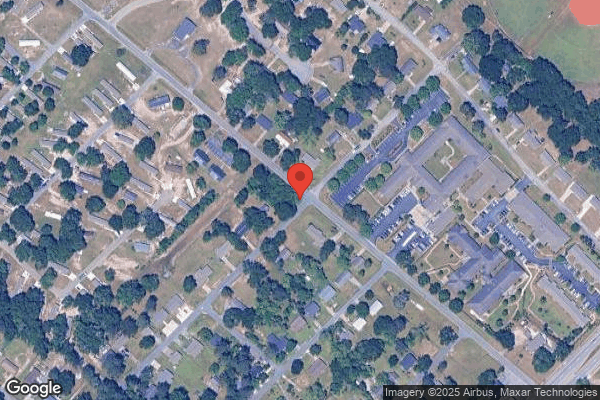

500 STANLEY STREET, PERRY, GA 31069 (478) 987-3100
For profit - Limited Liability company 160 Beds CROSSROADS MEDICAL MANAGEMENT Data: November 2025
Trust Grade
0/100
#339 of 353 in GA
Last Inspection: September 2024

Within standard 12-15 month inspection cycle. Federal law requires annual inspections.

Overview

Summerhill ElderLiving Home & Care in Perry, Georgia has received a Trust Grade of F, indicating significant concerns about the quality of care provided. It ranks #339 out of 353 facilities in Georgia and #5 out of 5 in Houston County, placing it in the bottom half overall. The facility's situation is worsening, with the number of serious issues increasing from 1 in 2024 to 8 in 2025. Staffing is a relative strength, rated at 4 out of 5 stars, but the turnover rate of 53% is average for the state. However, the facility has incurred $105,686 in fines, which is concerning and suggests ongoing compliance problems. Specific incidents include a staff member physically abusing a resident, resulting in bruising, and the failure to report this abuse to law enforcement. Additionally, staff did not provide adequate assistance for a resident's daily care, leading to a fall and injury, and a nurse administered the wrong medication to another resident, causing hospitalization. While there are some strengths in staffing, the serious deficiencies and overall poor rating highlight significant risks for potential residents.

Trust Score
F
0/100
In Georgia
#339/353
Bottom 4%
Safety Record
High Risk
Review needed
Inspections
Getting Worse
1 → 8 violations
Staff Stability
⚠ Watch
53% turnover. Above average. Higher turnover means staff may not know residents' routines.
Penalties
✓ Good
$105,686 in fines. Lower than most Georgia facilities. Relatively clean record.
Skilled Nurses
○ Average
Each resident gets 40 minutes of Registered Nurse (RN) attention daily — about average for Georgia. RNs are the most trained staff who monitor for health changes.
Violations
⚠ Watch
18 deficiencies on record. Higher than average. Multiple issues found across inspections.
★☆☆☆☆
1.0
Overall Rating
★★★★☆
4.0
Staff Levels
★☆☆☆☆
1.0
Care Quality
★☆☆☆☆
1.0
Inspection Score
Stable
2024: 1 issues
2025: 8 issues

The Good

  • 4-Star Staffing Rating · Above-average nurse staffing levels
  • Full Sprinkler Coverage · Fire safety systems throughout facility
  • No fines on record

Facility shows strength in staffing levels, fire safety.

The Bad

1-Star Overall Rating

Below Georgia average (2.6)

Significant quality concerns identified by CMS

Staff Turnover: 53%

Near Georgia avg (46%)

Higher turnover may affect care consistency

Federal Fines: $105,686

Well above median ($33,413)

Significant penalties indicating serious issues

Chain: CROSSROADS MEDICAL MANAGEMENT

Part of a multi-facility chain

Ask about local staffing decisions and management

The Ugly 18 deficiencies on record

7 actual harm
Jan 2025 8 deficiencies 5 Harm
SERIOUS (G) 📢 Someone Reported This

A family member, employee, or ombudsman was alarmed enough to file a formal complaint

Actual Harm - a resident was hurt due to facility failures

Free from Abuse/Neglect (Tag F0600)

A resident was harmed · This affected 1 resident

Based on observation, staff and resident interviews, record reviews, and a review of the policy titled Abuse Prohibition Policy and Procedures, the facility failed to protect the resident's right to b...

Read full inspector narrative →
Based on observation, staff and resident interviews, record reviews, and a review of the policy titled Abuse Prohibition Policy and Procedures, the facility failed to protect the resident's right to be free from physical abuse by Certified Nursing Assistant (CNA) FF for one of 11 residents (R) (R3), from a total sample. Actual harm was identified to have occurred on 12/17/2024, (CNA FF) grabbed R3's hand tight and took her call light out of her hand resulting in bruises and discoloration on the first three fingers on the right hand of R3. Findings include: The facility had an Abuse Prohibition Policy and Procedures, dated January 2017. The policy's statement documented that it was the intent of the facility to actively preserve each resident's right to be free from mistreatment, neglect, abuse or misappropriation of resident property. The policy included definitions of abuse and physical abuse. Abuse was defined as the willful infliction of injury, unreasonable confinement, intimidation, or punishment with resulting physical harm or pain or mental anguish. Physical abuse was defined as including hitting, slapping, pinching, and kicking. It also included controlling behavior through corporal punishment. Review of R3's clinical record revealed a diagnosis that included, but were not limited to, Parkinson's disease, polyneuropathy, adjustment disorder with mixed anxiety and depression, and dementia. Review of the 11/12/2024 Quarterly Minimum Data Set (MDS) assessment revealed that R3 was assessed as needing assistance from staff for Activities of Daily Living (ADL) care. Review of the 1/11/2025 Brief Interview for Mental Status (BIMS) form revealed that R3 was assessed as being cognitively intact with a score of 15 out of 15. A review of facility reported incidents revealed a Facility Incident Report Form, dated 12/18/2024, that documented an allegation of staff to resident abuse that had occurred on 12/17/2024 around 1:00 am. The form included that R3 reported to Registered Nurse (RN) LL on 12/18/2024 at 12:30 pm that she had bruises on her right hand because the CNA from the previous night (CNA FF) grabbed her hand tight and took her call light out of her hand. The form included that R3 had bruises on the first three fingers on the right hand. Further review of the form revealed that CNA FF had been removed from the schedule until an investigation was complete. The physician, responsible party, and ombudsman were notified. Review of the accompanying investigation information that included clinical record information, personnel file information, an assessment of the injury, and a follow-up summary revealed evidence that the allegation had occurred. The investigation revealed that CNA FF grabbed R3's hand on 12/17/2024 while in her room. CNA FF was terminated from employment. Review of CNA documentation on R3, dated 12/18/2024, revealed a new discoloration to the right hand was noted. Review of an incident report for R3, dated 12/18/2024, revealed that bruises were noted to the right hand, three middle fingers, towards the base of each finger. The bruises were dark purple and blue in color. Review of the facility's follow-up summary revealed that R3 was interviewed by different staff members, three separate times, on 12/18/2024 by RN Supervisor LL, the Assistant Director of Nursing (ADON), and the Social Services Director and again on 12/19/2024 by the Social Services Director. R3's statements remained consistent. R3 reported during the interviews that CNA FF had come into her room to answer the call light, grabbed her right hand and squeezed it tight, and took her call light, telling her she did not need the call light. R3 was asking for water, which she did not receive. Review of CNA FF's written statement, dated 12/18/2024, revealed she did not recall seeing any bruising and denied squeezing R3's hand. During an observation and interview on 1/13/2024 at 2:48 pm, when R3 was asked about bruising to her hand, she responded by pointing (with her left hand) to the base of the first three fingers on her right hand (to indicate where the bruises had been). During an interview on 1/14/2025 at 2:00 pm, the Director of Nursing (DON) confirmed that CNA FF was taken off the schedule during the investigation and then terminated. Review of the Employee Consultation form, dated 12/23/2024, and the Payroll Change Form, dated 12/23/2024, revealed that CNA FF was terminated on 12/23/2024. The Employee Consultation form included the nature of the incident as mistreating/abuse/neglect of a resident. The Payroll Change form included CNA FF, which was terminated for resident neglect. Following the incident, in-service education on abuse was provided to facility staff on 12/20/2024.
SERIOUS (G) 📢 Someone Reported This

A family member, employee, or ombudsman was alarmed enough to file a formal complaint

Actual Harm - a resident was hurt due to facility failures

Report Alleged Abuse (Tag F0609)

A resident was harmed · This affected 1 resident

**NOTE- TERMS IN BRACKETS HAVE BEEN EDITED TO PROTECT CONFIDENTIALITY** Based on observation, staff and resident interviews, record reviews, and review of the policy titled Abuse Prohibition Policy an...

Read full inspector narrative →
**NOTE- TERMS IN BRACKETS HAVE BEEN EDITED TO PROTECT CONFIDENTIALITY** Based on observation, staff and resident interviews, record reviews, and review of the policy titled Abuse Prohibition Policy and Procedures, the facility failed to ensure that an allegation of abuse was reported to law enforcement for one of 11 residents (R) (R3), from a total sampled. Findings include: The facility had an Abuse Prohibition Policy and Procedures, dated January 2017. The policy included a section titled Reporting. The reporting section included that regarding reasonable suspicion of a crime, it would be reported to the State Agency and one or more law enforcement entities for the location in which the facility is located. Review of R3's clinical record revealed that she was admitted to the facility on [DATE] and had diagnoses that included, but were not limited to, Parkinson's disease, polyneuropathy, adjustment disorder with mixed anxiety and depression, and dementia. A review of facility reported incidents revealed a Facility Incident Report Form, dated 12/18/2024, that documented an allegation of staff to resident abuse that had occurred on 12/17/2024 around 1:00 am. The physician, responsible party, and ombudsman were notified. Review of an incident report for R3, dated 12/18/2024, revealed that bruises were noted to the right hand, three middle fingers, towards the base of each finger. The bruises were dark purple and blue in color. Although the facility's investigation information revealed that the physician, responsible party, and ombudsman were notified, there was no evidence that law enforcement was notified of the allegation of abuse with bruising. During an interview on 1/14/2025 at 2:40 pm, the Director of Nursing (DON) confirmed that law enforcement was not notified. During an interview on 1/24/2025 at 3:35 pm with the Administrator, when questioned why law enforcement was not notified, the Administrator responded that the situation was, and the police were not notified because the resident R3 did not sustain serious bodily injury. The Administrator also stated that the facility had reported allegations in the past but did not feel this incident warranted notifying the police. R3 said the CNA grabbed her hand, and the CNA denied it, and the resident did not sustain serious bodily injury. After surveyor inquiry, the facility contacted law enforcement. A review of the local police department's Incident/Investigation Report, dated 1/14/2025, revealed that the allegation of abuse of R3 by CNA FF was reported. The crime incident was listed as Abuse of Elderly. Cross reference to F600
SERIOUS (G) 📢 Someone Reported This

A family member, employee, or ombudsman was alarmed enough to file a formal complaint

Actual Harm - a resident was hurt due to facility failures

Comprehensive Care Plan (Tag F0656)

A resident was harmed · This affected 1 resident

**NOTE- TERMS IN BRACKETS HAVE BEEN EDITED TO PROTECT CONFIDENTIALITY** Based on interviews and record reviews, the facility failed to ensure that Activities of Daily Living (ADL) care was provided by...

Read full inspector narrative →
**NOTE- TERMS IN BRACKETS HAVE BEEN EDITED TO PROTECT CONFIDENTIALITY** Based on interviews and record reviews, the facility failed to ensure that Activities of Daily Living (ADL) care was provided by the appropriate number of staff as care planned for one resident (R1), and medications were administered as care planned and ordered for one resident (R2), from a total sample of 11 residents. Actual harm was identified to have occurred on 12/21/2024, when Certified Nursing Assistant (CNA) AA provided ADL care to R1 by herself, instead of with the required two-person assistance. R1 fell from the bed and sustained a laceration to the right side of the forehead. Actual harm was also identified to have occurred on 12/19/2024 when Licensed Practical Nurse (LPN) CC administered the wrong resident's medications to R2. R2 was sent to the hospital and admitted for monitoring for potential side effects. Findings include: 1. Review of the care plan revealed that R1 had impaired cognition, a self-care deficit, was at risk for falls, and received hospice services. The fall risk care plan problem included an intervention, dated 1/22/2024, for padded bolsters to bilateral sides of the bed to define the bed parameters and bring a sense of security related to fear of falling from the bed. The ADL self-care performance deficit care plan problem included an intervention, dated 1/25/2022, that documented R1 required total assistance from two staff persons to turn and reposition in bed. There was also an intervention, dated 1/25/2022, that indicated R1 was not toileted. She was incontinent of bowel and bladder, wore adult briefs, and was checked and changed. Review of progress notes revealed a 12/21/2024 6:28 am nurse's note entry that documented Licensed Practical Nurse (LPN) HH was notified by staff that R1 was observed on the floor. R1 was observed to be on the floor beside the bed with blood on the floor. R1 was responding normally to verbal and physical stimuli. The nurse's note documented that R1 had a cut above the right eyebrow and a scrape to the right knee with noticeable bleeding in both areas. Hospice services, R1's family, and the physician were notified, and R1 was sent to the hospital emergency room for evaluation. A review of the 12/21/2024 hospital emergency department physician documentation revealed that R1 sustained a 3-centimeter (cm) laceration to the right forehead and received three sutures to close the wound. A 12/21/2024 nurse's note at 2:47 pm documented that R1 had returned to the facility. The resident had three sutures to the right side of the forehead and a dressing wrapped around her head. A review of facility investigation information including a 12/21/2024 Facility Incident Report Form, staff written statements from 12/21/2024, and a 12/23/2024 conclusion summary revealed that R1 fell out of bed during the provision of ADL care by one staff person, CNA AA. During an interview on 1/6/2025 at 2:00 pm, the Director of Nursing (DON) confirmed that CNA AA did not follow R1's care plan. During the interview, a detailed view of R1's ADL self-care performance deficit care plan problem was reviewed. The care plan problem specified the interventions that were included on the [NAME], which was for the CNAs to reference for resident care needs. The interventions included that R1 required total assistance from two staff persons to turn and reposition in bed. The DON stated that the information on the [NAME] was generated directly from the care plan. During an interview on 1/7/2025 at 2:16 pm, CNA AA stated that on 12/21/2024, she was in R1's room providing care by herself. When questioned how she knows what to do for a resident and how to care for them, CNA AA stated she gets a report from the previous shift CNA and goes on the (electronic) chart system and clicks on the [NAME] to see what they need. She did not recall how many people were required to provide bed mobility for R1. Cross reference to F689 2. Review of clinical record for R2 revealed that he was admitted to the facility on [DATE] and had diagnoses that included, but were not limited to, hemiplegia and hemiparesis following cerebral infarction, aphasia, dysphagia, cerebral atherosclerosis, atherosclerotic heart disease, hypertension, hyperlipidemia, major depressive disorder, chronic obstructive pulmonary disease, gastro-esophageal reflux disease, and vitamin D deficiency. A review of the care plan dated 10/30/2020 revealed that R2 had a communication problem related to aphasia following cerebral infarction. Further review of the care plan dated 1/16/2020 revealed interventions in place for licensed nursing staff to administer medications as ordered for cardiac prophylaxis, altered cardiovascular status, gastro-esophageal reflux disease, hyperlipidemia, depression, history of cerebral vascular accident and vitamin D deficiency. However, on 12/19/2024, Licensed Practical Nurse (LPN) CC failed to administer the correct medications to R2 as care planned and ordered. A review of facility investigation information including a 12/19/2024 Facility Incident Report Form, staff written statements, and a 12/23/2024 conclusion summary, revealed that R2 received oral medications that were ordered for R6 on 12/19/2024 around 9:03 am. R2 was subsequently admitted for observation due to polypharmacy and a syncopial episode. LPN CC documented in a written statement that on 12/19/2024, R2 was pushed (in his wheelchair) to the medication cart. LPN CC asked R2 if his name was R2 or R6's last name. R2 incorrectly stated R6's last name. LPN CC looked at the picture on the Medication Administration Record (MAR) (for R6), which she documented resembled R2. Her statement included that she administered R6's oral medications (to R2). During an interview on 1/9/2025 at 4:05 pm, which included RN Supervisor EE and the Director of Nursing (DON), RN Supervisor EE stated that she was coming out of a meeting (on 12/19/2024) when LPN CC told her about the medication error. RN EE went to put her paperwork down on her desk and said she was going to call the Nurse Practitioner and check on R2. As RN EE rounded the corner to go that way, the CNA called out about R2 being on the floor. When questioned why LPN CC asked R2 if his name was the last name of R2 or R6 (instead of just asking him what his name was), the DON stated that she did not know why LPN CC asked the question that way. The DON stated that R2 jokes and can be silly. RN Supervisor EE stated that R2 was probably joking when he told LPN CC his name was R6. Review of the 12/19/2024 hospital Emergency Department (ED) Physician Documentation revealed that it was determined that R2 had a vasovagal syncope (fainting) episode while having a bowel movement. Additional differential diagnoses included medication error, polypharmacy, and chronic obstructive pulmonary disease exacerbation. Poison control was contacted about the medication error and recommended baseline laboratory tests, an electrocardiogram (EKG), monitoring vital signs and 24-hour observation. R2 was subsequently admitted to the hospital. Cross reference to F760
SERIOUS (G) 📢 Someone Reported This

A family member, employee, or ombudsman was alarmed enough to file a formal complaint

Actual Harm - a resident was hurt due to facility failures

Deficiency F0657 (Tag F0657)

A resident was harmed · This affected 1 resident

Based on observation, interviews, record reviews, and a review of the policy titled Care Plans - Comprehensive, the facility failed to revise the care plan to include actual skin impairment (bruising)...

Read full inspector narrative →
Based on observation, interviews, record reviews, and a review of the policy titled Care Plans - Comprehensive, the facility failed to revise the care plan to include actual skin impairment (bruising) for one resident (R) (R3), from a total sample of 11 residents. Findings include: The facility had a policy titled Care Plans - Comprehensive. The policy documented that assessments of residents are ongoing, and care plans are revised as information about the resident and the resident's condition change. Review of the care plan revealed that R3 was at risk for impairment to skin integrity. However, further review of the care plan revealed no evidence that the care plan had been revised to include actual skin impairment of bruising to the right hand, which was identified on 12/18/2024. A review of facility reported incidents revealed a Facility Incident Report Form, dated 12/18/2024, that documented an allegation of staff to resident abuse that had occurred on 12/17/2024 around 1:00 am. The form included that R3 had bruises to the first three fingers on the right hand. During an observation and interview on 1/13/2024 at 2:48 pm, when R3 was asked about bruising to her hand, she responded by pointing (with her left hand) to the base of the first three fingers on her right hand (to indicate where the bruises had been). During an interview on 1/9/2025 at 4:05 pm, when the MDS Coordinator was questioned if the bruising to R3 hand that was identified on 12/18/2024 would be information included on the care plan, she responded yes. The MDS Coordinator stated that the treatment nurse or RN supervisor would be responsible for adding the bruising information to the care plan. Cross reference to F600
SERIOUS (G) 📢 Someone Reported This

A family member, employee, or ombudsman was alarmed enough to file a formal complaint

Actual Harm - a resident was hurt due to facility failures

Accident Prevention (Tag F0689)

A resident was harmed · This affected 1 resident

**NOTE- TERMS IN BRACKETS HAVE BEEN EDITED TO PROTECT CONFIDENTIALITY** Based on interviews and record reviews, the facility failed to ensure that bed bolsters were secured, and that Activities of Dai...

Read full inspector narrative →
**NOTE- TERMS IN BRACKETS HAVE BEEN EDITED TO PROTECT CONFIDENTIALITY** Based on interviews and record reviews, the facility failed to ensure that bed bolsters were secured, and that Activities of Daily Living (ADL) care was provided by the appropriate number of staff, to prevent accidents for one of 11 residents (R) (R1) sampled for ADL care. Actual harm was identified to have occurred on 12/21/2024, when a Certified Nursing Assistant (CNA) AA provided ADL care to R1 by herself, instead of with the required two-person assistance. R1 fell from the bed and sustained a laceration to the right side of the forehead. Findings include: Review of the clinical record for R1 revealed that she was admitted to the facility on [DATE] and had diagnoses that included, but were not limited to, Alzheimer's disease, fibromyalgia, dementia, and adult failure to thrive. Review of the 10/11/2024 Quarterly Minimum Data Set (MDS) assessment revealed that R1 was cognitively impaired and dependent on staff for ADL, including bed mobility. Review of physician's orders revealed a corresponding physician's order, dated 1/22/2024, for padded bolsters to bilateral sides of the bed to define the bed parameters and bring a sense of security related to fear of falling from the bed. The ADL self-care performance deficit care plan problem included an intervention, dated 1/25/2022, that documented R1 required total assistance from two staff to turn and reposition in bed. There was also an intervention, dated 1/25/2022, that indicated R1 was not toileted. She was incontinent of bowel and bladder, wore adult briefs, and was checked and changed. Review of the Fall Risk Evaluation form, dated 10/9/2024, revealed that R1 was assessed as being at moderate risk for falls. Review of progress notes revealed a 12/21/2024 6:28 am nurse's note entry that documented Licensed Practical Nurse (LPN) HH was notified by staff that R1 was observed on the floor. R1 was observed to be on the floor beside the bed with blood on the floor. R1 was responding normally to verbal and physical stimuli. The nurse's note documented that R1 had a cut above the right eyebrow and a scrape to the right knee with noticeable bleeding in both areas. Hospice services, R1's family, and the physician were notified, and R1 was sent to the hospital emergency room for evaluation. Review of the 12/21/2024 hospital emergency department physician documentation revealed that R1 sustained a 3-centimeter (cm) laceration to the right forehead and received three sutures to close the wound. A 12/21/2024 nurse's note at 2:47 pm documented that R1 had returned to the facility. The resident had three sutures to the right side of the forehead and a dressing wrapped around her head. A review of facility investigation information, including a 12/21/2024 Facility Incident Report Form, staff written statements from 12/21/2024, and a 12/23/2024 conclusion summary, revealed that R1 fell out of bed during the provision of ADL care by one staff person, CNA AA. CNA AA documented in a 12/21/2024 statement that she went to R1's room on her rounds to perform care. As she had the resident turned on her right side (in bed) to get changed, the sheet and the bolster started sliding off, causing the resident to fall off the bed. During an interview on 1/6/2025 at 2:00 pm, the Director of Nursing (DON) stated that from what she determined, the bolsters were not secured to the bed, and R1 rolled off onto the floor. The DON also confirmed that CNA AA did not follow R1's care plan. During an interview on 1/7/2025 at 2:16 pm, CNA AA stated that on 12/21/2024, she had positioned R1 on her side (in the bed) to change her because she had a bowel movement. CNA AA stated that the bolster slid off really fast, and R1 fell (on the floor) and hurt herself. CNA AA confirmed that she was alone in R1's room providing care. After R1's fall out of bed with head injury sustained on 12/21/2024, in-service education was provided to nursing staff on following the care plan and [NAME] and checking bolsters on the bed on 12/21/2024. CNA AA was also removed from the schedule and then terminated on 12/23/2024. Review of the Payroll Change Form, dated 12/23/2024, revealed that CNA AA was terminated. In addition, a 30 Day Resolution plan was developed on 12/23/2024 to address the CNA's failure to follow the care plan.
CONCERN (D) 📢 Someone Reported This

A family member, employee, or ombudsman was alarmed enough to file a formal complaint

Potential for Harm - no one hurt, but risky conditions existed

Notification of Changes (Tag F0580)

Could have caused harm · This affected 1 resident

Based on interviews, record reviews, and a review of the policy titled Adverse Consequences and Medication Errors, the facility failed to ensure that the physician or nurse practitioner was notified o...

Read full inspector narrative →
Based on interviews, record reviews, and a review of the policy titled Adverse Consequences and Medication Errors, the facility failed to ensure that the physician or nurse practitioner was notified of a significant medication error in a timely manner for one resident (R) (R2), from a total sample of 11 residents. Actual harm was identified to have occurred on 12/19/2024 when a Licensed Practical Nurse (LPN) CC administered the wrong resident's medications to R2. R2 was sent to the hospital and admitted for monitoring of potential side effects. Findings include: The facility also had an Adverse Consequences and Medication Errors policy, dated 3/22/2017. The policy documented in the event of a significant medication-related error or adverse consequence, immediate action is taken, as necessary, to protect the resident's safety and welfare. Significant was defined to include, but not limited to, requiring hospitalization. The policy also documented that the Attending Physician is notified promptly of any significant medication error or adverse consequence. Review of the 9/19/2024 Annual Minimum Data Set (MDS) assessment revealed that R2 was assessed as being cognitively intact with a Brief Interview of Mental Status (BIMS) score of 15 out of 15. A review of facility investigation information including a 12/19/2024 Facility Incident Report Form, staff written statements, and a 12/23/24 conclusion summary revealed that R2 received oral medications that were ordered for R6 on 12/19/2024 around 9:03 am. LPN CC identified her error around 10:15 am and notified the Registered Nurse (RN) Supervisor EE around 11:00 am and the Nurse Practitioner (who was onsite). There was no evidence that LPN CC notified R2's physician or Nurse Practitioner of the medication error when she identified it at 10:15 am. Review of R2's physician ordered medications and review of R6's physician ordered medications, and December 2024 Medication Administration Record (MAR) revealed that on 12/19/2024, medications were signed out by LPN CC and administered in error to R2 at 9:02 am - 9:03 am to include a total of 14 medications. During an interview on 1/9/2025 at 4:05 pm, which included RN Supervisor EE and the Director of Nursing (DON), RN Supervisor EE stated that she would have expected LPN CC to report the medication error right away to nursing management, even if unable to locate RN Supervisor EE, the DON responded that LPN CC should have found the RN Supervisor and called the physician right away. During an interview on 1/16/2025 at 2:44 pm, the Medical Director confirmed that LPN CC should have notified him or the Nurse Practitioner of the medication error right away. When questioned if 45 minutes (from 10:15 am when the medication error was identified to 11:00 am when RN Supervisor EE was notified and subsequently the Nurse Practitioner) was considered prompt notification, the physician said no, he considered five to ten minutes prompt. He was in agreement with LPN CC to check on R2 and obtain vital signs, but she should have called him or the nurse practitioner. Cross reference to F760
CONCERN (D) 📢 Someone Reported This

A family member, employee, or ombudsman was alarmed enough to file a formal complaint

Potential for Harm - no one hurt, but risky conditions existed

Deficiency F0658 (Tag F0658)

Could have caused harm · This affected 1 resident

**NOTE- TERMS IN BRACKETS HAVE BEEN EDITED TO PROTECT CONFIDENTIALITY** Based on interviews, record review, review of the facility's policy titled Documentation of Medication Administration, and revie...

Read full inspector narrative →
**NOTE- TERMS IN BRACKETS HAVE BEEN EDITED TO PROTECT CONFIDENTIALITY** Based on interviews, record review, review of the facility's policy titled Documentation of Medication Administration, and review of the Licensed Practical Nurse (LPN) job description, the facility failed to ensure that services being provided by a licensed nurse met professional standards of quality including inaccurate documentation of medication administration for one resident (R2), from a total sample of 11 residents. Actual harm was identified to have occurred on 12/19/2024 when a Licensed Practical Nurse (LPN) CC administered the wrong resident's medications to R2. R2 was sent to the hospital and admitted for monitoring of potential side effects. Findings include: The facility had a Documentation of Medication Administration policy, dated 3/22/2017. The policy documented that the nurse shall document all medications administered to each resident on the resident's electronic Medication Administration Record (eMAR). The policy included that administration of medication must be documented immediately as medications administration is being done per individual resident. Review of LPN CC's personnel file revealed a Licensed Practical Nurse Job Description. The job description documented a position summary of an LPN which included that the LPN provides direct patient care under the supervision of a registered nurse. The LPN contributes to patient care, provides a therapeutic environment, and is expected to abide by the standards, the job description, policies and procedures of the nursing department and hospital. The job description also documented that one of the principle duties and responsibilities included administering medications and treatments utilizing the five Rights of Medication Administration and two patient identifiers. Further review of LPN CC's personnel file revealed a Clinical Competency Testing evaluation. The evaluation included that LPN CC had between mid-level and advanced-level experience with medication administration and advanced-level experience in a nursing home setting. On 12/19/2024, a significant medication error occurred when LPN CC incorrectly administered another resident's medications to R2. Further review revealed R2 was sent to the hospital emergency room for evaluation and admitted for observation due to polypharmacy and syncopial episode. LPN CC documented in a written statement that on 12/19/2024, that she asked R2 if his name was R2 or R6's last name. R2 incorrectly stated R6's last name. LPN CC looked at the picture on the Medication Administration Record (MAR) (for R6), which she documented resembled R2. Her statement included that she administered R6's oral medications (to R2). When she arrived at R6's room to administer medication to his roommate, she realized her error when R6 was lying in his bed and was wearing different clothing. Further review of the facility's conclusion summary revealed that following the medication error on 12/19/2024, LPN CC was relieved of her medication cart at 11:50 am and subsequently sent home. However, after being relieved of her medication cart on 12/19/2024 at 11:50 am, LPN CC then documented administering medications to R2, who was no longer in the facility. Review of R2's MAR revealed that LPN CC signed off administering 10 medications at 12:44 pm- 12:45 pm, that were scheduled for 9:00 am. The medications signed off as administered included docusate sodium 100 milligrams (mg), GlycoLax powder, Linzess 72 micrograms (mcg), probiotic oral capsule, Zetia 10 mg, Klor-Con 20 milliequivalents (mEq), Lasix 40 mg, metoprolol succinate extended release 25 mg, amlodipine besylate 2.5 mg, and a chewable aspirin 81 mg. However, review of the hospital Emergency Department (ED) Physician Documentation revealed that R2 was seen by the physician at the hospital on [DATE] at 12:15 pm. During an interview on 1/9/2025 at 4:05 pm, that included RN Supervisor EE and the Director of Nursing (DON), RN Supervisor EE stated that the Education Nurse took the keys to the medication cart before 11:30 am (on 12/19/2024) and LPN CC was off of the hall but could still document. The DON stated that when she spoke with LPN CC (over the phone, after the medication error), LPN CC did not indicate she gave R2 his own medications. The DON stated that she thought LPN CC signed items off on the MAR before she left the facility because the items were signed off after 12:00 pm. During an interview on 1/13/2025 at 11:05 am, the Education Nurse confirmed she took over the medication cart for LPN CC on 12/19/2024. Cross reference to F760
CONCERN (D) 📢 Someone Reported This

A family member, employee, or ombudsman was alarmed enough to file a formal complaint

Potential for Harm - no one hurt, but risky conditions existed

Deficiency F0760 (Tag F0760)

Could have caused harm · This affected 1 resident

**NOTE- TERMS IN BRACKETS HAVE BEEN EDITED TO PROTECT CONFIDENTIALITY** Based on interviews, record reviews, and review of the facility policies titled Administering Medications and Adverse Consequenc...

Read full inspector narrative →
**NOTE- TERMS IN BRACKETS HAVE BEEN EDITED TO PROTECT CONFIDENTIALITY** Based on interviews, record reviews, and review of the facility policies titled Administering Medications and Adverse Consequences and Medication Errors, the facility failed to ensure that one resident (R2) was free from significant medication errors, from a total sample of 11 residents. Actual harm was identified to have occurred on 12/19/2024 when a Licensed Practical Nurse (LPN) CC administered the wrong resident's medications to R2. R2 was sent to the hospital and admitted for monitoring of potential side effects. Findings include: The facility had an Administering Medications policy, dated 4/7/2023. The policy statement documented that medications shall be administered in a safe and timely manner, and as prescribed. The policy interpretation and implementation section included that the individual administering medications must verify the resident's identity before giving the resident his/her medications. Methods of identifying the resident included verbally asking the resident their name, checking the photograph attached to the medical record, and if necessary, verifying resident identification with other facility personnel. The facility also had an Adverse Consequences and Medication Errors policy, dated 3/22/2017. The policy included a definition of medication error. A medication error was defined as the preparation or administration of drugs or biological which is not in accordance with physician's orders, manufacturer specifications, or accepted professional standards and principles of the professional providing services. Examples of medication errors included omission, unauthorized drug, wrong dose, wrong route, wrong dosage form, wrong drug and wrong time and/or failure to follow manufacturer instructions or accepted professional standards. However, LPN CC failed to accurately verify the correct resident prior to administering medications to R2 on 12/19/2024. Review of clinical record for R2 revealed that he was admitted to the facility on [DATE] and had diagnoses that included, but were not limited to, hemiplegia and hemiparesis following cerebral infarction, aphasia, dysphagia, cerebral atherosclerosis, atherosclerotic heart disease, hypertension, hyperlipidemia, major depressive disorder, chronic obstructive pulmonary disease, gastro-esophageal reflux disease, and vitamin D deficiency. A review of facility investigation information, including a 12/19/2024 Facility Incident Report Form, staff written statements, and a 12/23/2024 conclusion summary, revealed that R2 received oral medications that were ordered for R6 on 12/19/2024 around 9:03 am. At 11:00 am Registered Nurse (RN) Supervisor EE was notified by Certified Nursing Assistant (CNA) KK that R2 had fallen in the bathroom. R2 was assisted back to bed and assessed. The Nurse Practitioner (NP) (who was onsite) at the same time was notified and evaluated R2, and he was sent to the hospital emergency room for further evaluation. R2 was subsequently admitted for observation due to polypharmacy and a syncopial episode. LPN CC documented in a written statement that on 12/19/2024, R2 was pushed (in his wheelchair) to the medication cart. LPN CC asked R2 if his name was R2 or R6's last name. R2 incorrectly stated R6's last name. LPN CC looked at the picture on the Medication Administration Record (MAR) (for R6), which she documented resembled R2. Her statement included that she administered R6's oral medications (to R2). LPN CC continued to administer medications to other residents. When she arrived at R6's room to administer medication to his roommate, she realized her error when R6 was lying in his bed and was wearing clothing different from the resident who had identified himself as R6 earlier at the medication cart. She documented that she immediately located R2 and took his vital signs, which were within normal limits. LPN CC included in her statement that she proceeded to look for the Nurse Manager, but was unable to locate her, so she continued to check on R2 until she was able to speak to the Nurse Manager. Minutes later, a CNA reported that R2 fell. LPN CC documented that she, several CNA's, the Nurse Manager, and the NP went to R2's room. During an interview on 1/9/2025 at 4:05 pm, which included RN Supervisor EE and the Director of Nursing (DON), RN Supervisor EE stated that she was coming out of a meeting (on 12/19/2024) when LPN CC told her about the medication error. RN EE went to put her paperwork down on her desk and said she was going to call the Nurse Practitioner and check on R2. As RN EE rounded the corner to go that way, the CNA called out about R2 being on the floor. When questioned why LPN CC asked R2 if his name was the last name of R2 or R6 (instead of just asking him what his name was), the DON stated that she did not know why LPN CC asked the question that way. The DON stated that R2 jokes and can be silly. RN Supervisor EE stated that R2 was probably joking when he told LPN CC his name was R6. Review of R2's physician ordered medications and review of R6's physician ordered medications and December 2024 Medication Administration Record (MAR) revealed that on 12/19/2024 the medications signed out by LPN CC and administered in error to R2 at 9:02 am - 9:03 am included allopurinol 300 milligrams (mg), amiodarone 200 mg, aspirin 325 mg, escitalopram 20 mg, Flomax 0.4 mg, Integra supplement, Linzess 145 micrograms (mcg), Potassium Chloride extended release 10 milliequivalents (mEq), carvedilol 3.125 mg, Eliquis 2.5 mg, hydralazine 50 mg, Magox 400 mg, dicyclomine 10 mg, and gabapentin 300 mg. Review of the 12/19/2024 hospital Emergency Department (ED) Physician Documentation revealed that it was determined that R2 had a vasovagal syncope (fainting) episode while having a bowel movement. Additional differential diagnoses included medication error, polypharmacy, and chronic obstructive pulmonary disease exacerbation. Poison control was contacted about the medication error and recommended baseline laboratory tests, an electrocardiogram (EKG), monitoring vital signs and 24-hour observation. R2 was subsequently admitted to the hospital. Review of additional hospital documentation including the History and Physical and Discharge Instructions and Summary revealed that while hospitalized , R2 tested positive for influenza and remained hospitalized until 12/24/2024, at which time he was discharged back to the facility. During an interview on 1/16/2025 at 2:44 pm, the Medical Director confirmed that the medication error was significant, and could be for someone else, but not harmful or life threatening for R2. When questioned if the vasovagal syncope episode was caused by the medication error, the physician responded no, that they were separate issues. The Medical Director stated that R2 had a remote history of having a vasovagal episode.
Sept 2024 1 deficiency
CONCERN (D) 📢 Someone Reported This

A family member, employee, or ombudsman was alarmed enough to file a formal complaint

Potential for Harm - no one hurt, but risky conditions existed

Deficiency F0554 (Tag F0554)

Could have caused harm · This affected 1 resident

**NOTE- TERMS IN BRACKETS HAVE BEEN EDITED TO PROTECT CONFIDENTIALITY** Based on observations, staff interviews, record review, and review of the facility policy titled, Drugs Brought to the Facility ...

Read full inspector narrative →
**NOTE- TERMS IN BRACKETS HAVE BEEN EDITED TO PROTECT CONFIDENTIALITY** Based on observations, staff interviews, record review, and review of the facility policy titled, Drugs Brought to the Facility by the Resident/Family, the facility failed to ensure one of 39 sampled residents (R) (R7) was assessed for self-administration of medication prior to leaving medications at the bedside. This deficient practice had the potential to allow unauthorized access to unsecured medications to residents and visitors in the facility. Findings include: A review of the facility policy titled, Drugs Brought to the Facility by the Resident/Family, dated 2008, revealed the Policy Statement was, Drugs brought into the facility by the resident or family shall be verified before use. The Policy Interpretation and Implementation section included 1. Drugs brought into the facility may not be administered until the following conditions have been met: 1. State law and regulations allow such use; 2. Drugs must have been ordered by the resident's admitting/attending physician; 3. Drugs must have been entered on the admitting physician's drug order form; 4. The contents of each container must be labeled in accordance with established policies; 5. The contents of each container must have been positively identified by a licensed physician or pharmacist. Review of R7's Quarterly Minimum Data Set (MDS) assessment dated [DATE] revealed section C (Cognitive Patterns) documented a Brief Interview for Mental Status (BIMS) of 12 (indicating little to no cognitive impairment), section GG (Functional Abilities and Goals) documented R7 required set-up to maximal assistance with activities of daily living (ADLs). Review of R7's current Physician's Orders orders revealed no orders for self-administration of medication. Observations on 9/3/2024 at 12:12 pm and 9/4/2024 at 10:44 am revealed one container of topical pain relief medication and one container of Capzasin (a topical medication used to treat muscle and joint pain) at the bedside. In an interview on 9/4/2024 at 11:03 am, Licensed Practical (LPN) FF reviewed R7's physician orders and confirmed there were no orders for self-administration of medications. Observation of R7's room with LPN FF confirmed there was one container of Capzasin, one container of Voltaren Gel (a topical medication used to treat joint pain), and one container of topical pain relief cream at the bedside. LPN FF removed the items from the room. In an interview on 9/5/2024 at 1:02 pm, LPN EE stated residents should not have medications at the bedside without an assessment and physician orders for self-administration. LPN EE further stated if medications were found in a resident's room, she would talk with the resident, report to the supervisor, and contact the responsible party and physician. In an interview on 9/5/2024 at 1:10 pm, Registered Nurse (RN) DD confirmed that residents should not have medication at their bedside unless they have orders for medication self-administration. RN DD stated rounds were completed daily and periodically during the day, and medications at the bedside should have been noticed.
Aug 2023 4 deficiencies 2 Harm
SERIOUS (G) 📢 Someone Reported This

A family member, employee, or ombudsman was alarmed enough to file a formal complaint

Actual Harm - a resident was hurt due to facility failures

Comprehensive Care Plan (Tag F0656)

A resident was harmed · This affected 1 resident

**NOTE- TERMS IN BRACKETS HAVE BEEN EDITED TO PROTECT CONFIDENTIALITY** Based on record review and staff interview, the facility failed to ensure staff followed care plan interventions to ensure that ...

Read full inspector narrative →
**NOTE- TERMS IN BRACKETS HAVE BEEN EDITED TO PROTECT CONFIDENTIALITY** Based on record review and staff interview, the facility failed to ensure staff followed care plan interventions to ensure that a two-person assist was provided for one resident (R) (R#1) during a bed bath which resulted in actual harm when the resident fell out of the bed and sustained a fracture of the right femur. The sample size was six residents. Findings include: R#1 was admitted to the facility on [DATE] with the following but not limited to diagnoses: Alzheimer's disease, low back pain, age related osteoporosis and vitamin D deficiency. Review of the 9/1/22 admission Minimum Data Set revealed the resident was assessed as requiring a two-person physical assist with bed mobility and bathing. The resident had a care plan since 9/14/22 for activities of daily living self-care performance deficit related to impaired balance with the following interventions: resident is totally dependent on two staff to provide a shower three times a week and totally dependent on two staff for repositioning and turning in bed. The resident also had a [NAME] Report with interventions for assist x 2 during bed baths. Review of the 12/1/22 Nurse's Notes revealed at 9:40 p.m. the nurse was summoned to the resident's room and noted resident on the floor on the left side. The staff member stated that she was bathing the resident and as she turned the resident towards the door, she was coming around the side of the bed, heard a bang and resident fell on the floor. The resident was transferred to the emergency room (ER) for evaluation. Review of the 12/3/22 hospital History and Physical revealed the resident had an intra-articular, comminuted fracture extending from the distal femoral metadiaphysis into the femoral component of the knee arthroplasty. During an interview with the Director of Nursing and the Assistant Director of Nursing on 8/24/23 at 11:50 a.m., they confirmed the agency Certified Nursing Assistant (CNA AA) was providing care alone and should have had another staff person to assist her with the bed bath for R#1, as care planned. They stated the resident has always been a two person assist. Cross refer to F689.
SERIOUS (G) 📢 Someone Reported This

A family member, employee, or ombudsman was alarmed enough to file a formal complaint

Actual Harm - a resident was hurt due to facility failures

Accident Prevention (Tag F0689)

A resident was harmed · This affected 1 resident

**NOTE- TERMS IN BRACKETS HAVE BEEN EDITED TO PROTECT CONFIDENTIALITY** Based on record review and staff interviews, the facility failed to provide adequate supervision during a bed bath to prevent an...

Read full inspector narrative →
**NOTE- TERMS IN BRACKETS HAVE BEEN EDITED TO PROTECT CONFIDENTIALITY** Based on record review and staff interviews, the facility failed to provide adequate supervision during a bed bath to prevent an avoidable fall for one of six sampled residents (R) (#1). Actual harm occurred on 12/1/22 when R#1 fell from her bed during care and sustained a right femur fracture. Findings include: Review of the policy titled, Fall Management dated 5/17/17 indicated it is the policy of this facility that the administration and staff provide a safe environment for all residents. The facility will assess residents for fall risk, will evaluate each resident individually and provide, to the best of the facility's ability, interventions to decrease the likelihood of falls. R#1 was admitted to the facility on [DATE] with the following but not limited to diagnoses: Alzheimer's disease, low back pain, age related osteoporosis and vitamin D deficiency. Review of the 9/1/22 admission Minimum Data Set revealed the resident was assessed as requiring a two-person physical assist with bed mobility and bathing. Review of the 12/1/22 Nurse's Notes revealed at 9:40 p.m. the nurse was summoned to the resident's room and noted resident on the floor on the left side. The staff member stated that she was bathing the resident and as she turned the resident towards the door, she was coming around the side of the bed, heard a bang and resident fell on the floor. The resident was transferred to the emergency room (ER) for evaluation. On 12/2/22 at 5:04 a.m. the resident returned from the ER with no new orders. Review of the 12/2/22 Fall Follow Up Note indicated the resident's right knee was swollen with no pain. The writer was concerned about swelling in the knee and investigated if there were any diagnostic observations completed. X-Rays were completed at the ER, but the resident was discharged back to the facility before the results were read. The X-Ray results showed a right femur fracture. The physician ordered for the resident to be sent back to the ER. Review of the 12/3/22 hospital History and Physical revealed the resident had an intra-articular, comminuted fracture extending from the distal femoral metadiaphysis into the femoral component of the knee arthroplasty. The 12/6/22 hospital Discharge Summary indicated the resident was Status Post right open reduction internal fixation surgery to the right hip. In review of the facility's investigation and five-day follow-up report sent to the State Survey Agency on 12/7/22, indicated in the resident's care plan she was to be a two person assist to the shower three times a week, she was a Hoyer lift which also requires a two person assist. It also indicated she was totally dependent and was a two person assist with bed mobility as well. It further documented the CNA (CNA AA) was neglectful in providing care to the resident as evidenced by the fact that the CNA did not follow the resident's care plan and she caused harm to her. She was an agency CNA and will no longer be allowed to return to the facility and the agency has been made aware of this. Review of the staffing agency's Complaint Report that was completed by the facility revealed the CNA (CNA AA) was bathing the resident and when she completed the bath and was changing the linen, she rolled the resident to the right side away from her toward the door. The CNA made her way to the foot of the bed and the resident fell out of the bed to the floor. The resident was sent to the ER and had a contusion to her right knee, right femur fracture. The resident was care planned to have a shower, not a bed bath, she is also care planned as a two person assist for transfers, showers and bed mobility. The CNA did not have anyone assisting her with the bath or turning the resident. During an interview with the Director of Nursing and the Assistant Director of Nursing on 8/24/23 at 11:50 a.m., they confirmed the agency Certified Nursing Assistant (CNA AA) should have another staff person to assist her with the bed bath. They stated the resident has always been a two person assist. They stated that the staffing agency was notified of the incident and told the agency that CNA is not to return to the facility.
CONCERN (D) 📢 Someone Reported This

A family member, employee, or ombudsman was alarmed enough to file a formal complaint

Potential for Harm - no one hurt, but risky conditions existed

Notification of Changes (Tag F0580)

Could have caused harm · This affected 1 resident

**NOTE- TERMS IN BRACKETS HAVE BEEN EDITED TO PROTECT CONFIDENTIALITY** Based on record review and staff interview, the facility failed to notify the physician timely of one resident (R) (#2) ingestin...

Read full inspector narrative →
**NOTE- TERMS IN BRACKETS HAVE BEEN EDITED TO PROTECT CONFIDENTIALITY** Based on record review and staff interview, the facility failed to notify the physician timely of one resident (R) (#2) ingesting skin and hair cleanser from a sample of six residents. Findings include: R#2 was admitted to the facility on [DATE] with the following but not limited to diagnoses: moderate dementia with mood disturbance, unspecified mood disorder, and altered mental status. The resident was assessed and coded on the 6/17/23 Quarterly Minimum Data Set as having severely impaired cognition, inattention, and disorganized thinking. Review of the 6/1/23 Incident Progress Note revealed that at 11:45 p.m. the nurse was informed that the resident possibly ingested skin and hair cleanser. The Certified Nursing Assistant (CNA) stated she saw the resident in the dining room with a skin and hair cleanser bottle with no top in her hand with most of the cleanser gone out of the bottle. Per the CNA, the resident vomited about eight times and the vomit appeared soapy. The resident's vitals were stable, and Poison Control was contacted at 11:56 p.m. The Registered Nurse (RN) informed the cleanser does not contain any harmful ingredients and instructed to make sure the resident stays hydrated. Review of the Safety Data Sheet (SDS) for Derma Vera Skin and Hair Cleanser indicated the cleanser had no hazardous components. The toxicological information indicated if ingested drink large amounts of water and call physician. Review of the 6/2/23 Incident Progress Note revealed the Nurse Practitioner was not notified until 6/2/23 at 8:50 a.m. During an interview with the Administrator and the Director of Nursing on 8/24/23 at 12:30 p.m., they stated the Nurse Practitioner was not immediately notified because the staff called and spoke to the RN at poison control.
CONCERN (D) 📢 Someone Reported This

A family member, employee, or ombudsman was alarmed enough to file a formal complaint

Potential for Harm - no one hurt, but risky conditions existed

Incontinence Care (Tag F0690)

Could have caused harm · This affected 1 resident

**NOTE- TERMS IN BRACKETS HAVE BEEN EDITED TO PROTECT CONFIDENTIALITY** Based on record review and staff interviews, the facility failed to obtain a Urinalysis with a Culture and Sensitivity and faile...

Read full inspector narrative →
**NOTE- TERMS IN BRACKETS HAVE BEEN EDITED TO PROTECT CONFIDENTIALITY** Based on record review and staff interviews, the facility failed to obtain a Urinalysis with a Culture and Sensitivity and failed to change an indwelling catheter as ordered by the physician for one resident (R) (#4) from a sample of six residents. Findings include: Review of the facility policy titled, Urinary Tract Infections (Catheter-Associated), Guidelines for Preventing dated 8/30/22 indicated the following CAUTI prevention strategies have been adopted and are to be followed by clinical staff: After aseptic insertion, maintain a sterile closed drainage system. b) Follow physician orders for changing catheters. Report signs and symptoms of urinary tract infection to the Infection Preventionist and to the physician. Follow orders given after reporting and document those orders. R#4 was admitted to the facility on [DATE] with the following but not limited to diagnoses: Ogilvie syndrome, chronic ulcerative proctitis, hydronephrosis, unspecified dementia without behavioral disturbance, cognitive communication deficit and COVID-19. The resident was also admitted to the facility with an indwelling catheter with a 4/25/22 Physician's Order to change the catheter every month. However, review of the May 2022 Treatment Administration Record revealed the indwelling catheter was scheduled to be changed on 5/22/22 but there was no documentation it had been done as ordered by the physician. Review of the 6/19/23 Nurse's Notes revealed the resident was lethargic but arousal with calling his name, his vital signs were normal, and the urine was thick and cloudy. The Nurse Practitioner was notified. The 6/21/22 Patient at Risk Note documented the resident tested positive for COVID-19 on 6/10/22 and has had an increase in weakness. Has been more lethargic but arousable when name stated. Antibiotic Stewardship started 6/20/22 by Nurse Practitioner (NP) related to writer notifying NP of cloudy thick urine in Foley catheter. Fluids are being encouraged and resident being observed for signs and symptoms of urinary tract infection (UTI). The resident had an appointment with urologist on 6/13/22 but appointment had to be canceled due to positive status. The resident will continue to be observed on PAR and started on antibiotics if necessary. Review of the 6/21/22 NP Progress Note revealed the resident was seen for discolored urine and lethargic. The NP documented the staff stated the resident had been more withdrawn and lethargic at times and noticed his urine had a lot of sediment in it. The NP noted would obtain urine sample for urinalysis and culture. Review of the 6/24/22 NP Progress Note revealed the resident was seen for discolored urine and altered mental status. The NP noted the staff stated the resident is lethargic and having trouble taking food and medicine by mouth. He has a Foley catheter that has urine with sediment. Twenty-four hour UTI screen was initiated at last visit but no urine collected to be analyzed. Will send to ED for evaluation. Review of the 6/24/22 Nurse's Note documented the resident was admitted to the hospital with a diagnosis of UTI, acute kidney injury and dehydration. Review of the 6/24/22 ED Physician Documentation revealed the resident was admitted with diagnoses of UTI and acute kidney injury. Review of the 6/28/22 Hospital Discharge Summary indicated the resident was discharged to Hospice care with discharge diagnosis of sepsis, acute kidney injury, COVID-19, catheter associated urinary tract infection. During an interview with the Nurse Practitioner on 2/24/23 at 1:00 p.m. she stated staff notified her on 6/19/22 of the resident having thick and cloudy urine and she instructed them to start the infection screen. When she saw the resident on 6/21/22 he was lethargic and had discolored urine and sediment. She gave an order to the nurse to do a UA with a culture. She stated when she visited on 6/24/22 he was lethargic with worsening mental status, got worse and they sent the resident out because she was suspicious of sepsis. She confirmed the UA had not been done as ordered. She also stated they send the urine samples to a local hospital and results can take up to two days before they are available. Therefore, the resident was already in the hospital by the time the facility would have received the results. She also stated the resident's indwelling catheter not being changed in May 2022 most likely did not contribute to the resident's UTI.
Dec 2022 4 deficiencies
CONCERN (D) 📢 Someone Reported This

A family member, employee, or ombudsman was alarmed enough to file a formal complaint

Potential for Harm - no one hurt, but risky conditions existed

Notification of Changes (Tag F0580)

Could have caused harm · This affected 1 resident

Based on observations, staff interviews, and record review, the facility failed to notify the physician or nurse practitioner of abnormal toenails for one of 53 sampled residents (R) (R#91). This fail...

Read full inspector narrative →
Based on observations, staff interviews, and record review, the facility failed to notify the physician or nurse practitioner of abnormal toenails for one of 53 sampled residents (R) (R#91). This failure had the potential to delay or prevent treatment for one resident in the facility. Findings include: Record review of the physician's Order for R#91 located in the electronic medical record (EMR) under the Orders tab included an order dated 9/14/2021 for Podiatry Care consults as needed. An interview with R#91 on 11/30/2022 at 10:38 a.m. revealed that she would like for her toenails to be trimmed, but no one has been in to trim them for a long time. The resident further stated that she does not recall ever seeing a physician or podiatrist regarding the condition of her feet/toenails. Interview on 11/30/2022 at 12:48 p.m. with Restorative Nursing Assistant (RNA) AA the podiatrist comes out every few months to clip residents' toenails. RNA AA further stated that the nurses and CNAs inform the social worker of residents who need to be seen by the podiatrist, and the social worker is responsible for arranging this service for the residents. Interview on 12/01/2022 at 9:27 a.m. with Social Worker (SW) CC revealed the facility offers Podiatry services quarterly. The SW CC further stated that the podiatry schedule has not been consistent, but they still do come into the facility. The SW CC stated that a resident or family can request Podiatry services, and they are signed up/added on the next scheduled visit and go onto a rotation. The SW CC further revealed that the nursing staff informs them of residents needing podiatry services. The SW CC further stated that all residents in the facility can receive podiatry services if needed, regardless of the payor source. An interview on 12/01/2022 at 10:16 a.m. with Licensed Practical Nurse (LPN) DD revealed that if a resident needs foot care/ podiatry care, the nurses are responsible for informing the RN Supervisor, who in turn informs the social worker of the needed service. LPN DD further revealed that the CNAs also inform the social worker of the need for residents to be seen by the podiatrist. An interview and observation on 12/01/2022 at 10:27 a.m. with Registered Nurse (RN) EE revealed that the facility does offer podiatry care for the residents in the facility, and sometimes residents or their families request for the resident to be seen by an outside foot care provider. The RN EE further revealed that the social worker is responsible for ensuring the residents names are added to the list to be seen by the podiatrist at the facility. RN EE observed and verified that the toenails for R#91 were (long, thick, and yellow) and agreed that the resident needs podiatry care. She further stated that the nurse or CNA had not informed her that the resident's toenails were in that condition. An interview and observation on 12/01/2022 at 10:35 a.m. with the Nurse Practitioner revealed that she believed R#91 was being seen by the podiatrist for foot care. The nurse practitioner stated that she is at the facility every day, Monday through Friday, and no one had informed her of the condition of the resident's feet. An interview with the Director of Nursing (DON) on 12/01/2022 at 11:02 a.m. revealed she was unaware that R#91 needed treatment for her feet. The DON stated that it is her expectation that the nurses address areas of concern, including foot care, with the weekly skin assessments and the identified issues than should be communicated with the RN Supervisor or DON. Record review of the document listing the residents seen by the podiatrist during their last visit to the facility on 9/2/2022 and 9/9/2022. The record revealed that R#91 was not seen by the podiatrist. Cross refer 687
CONCERN (D) 📢 Someone Reported This

A family member, employee, or ombudsman was alarmed enough to file a formal complaint

Potential for Harm - no one hurt, but risky conditions existed

Deficiency F0657 (Tag F0657)

Could have caused harm · This affected 1 resident

**NOTE- TERMS IN BRACKETS HAVE BEEN EDITED TO PROTECT CONFIDENTIALITY** Based on staff interviews, record review, and review of the facility policy titled, Care Plan-Comprehensive, the facility failed...

Read full inspector narrative →
**NOTE- TERMS IN BRACKETS HAVE BEEN EDITED TO PROTECT CONFIDENTIALITY** Based on staff interviews, record review, and review of the facility policy titled, Care Plan-Comprehensive, the facility failed to revise the care plan and implement interventions for one of 53 sampled residents (R) (R#111) with a new diagnosis of Post-Traumatic Stress Disorder (PTSD). This failure had the potential for residents to not receive care and/or culturally competent care. Findings include: Review of the policy, Care Plan-Comprehensive revised 4/18/2017 revealed, the resident's comprehensive care plan will be developed within seven days of completion of the resident's comprehensive Minimum Data Set (MDS) assessment. Care plans are revised as information about the resident's condition changes, interventions are designed after careful consideration of problem areas and causes. The Care Planning/Interdisciplinary Team (IDT) is responsible for reviewing and updating care plans when there has been a significant change in the resident's condition; when the resident has been readmitted to the facility from a hospital stay; and at least quarterly. Record review of the electronic medical record (EMR) revealed that R#111 was admitted to the facility on [DATE], and the most recent reentry was 7/1/2022 after an inpatient stay at a behavioral health facility. Record review of medical diagnosis tab for R#111 had a primary admitting diagnosis of Spondylosis without myelopathy. Additional diagnoses (Dx) included but were not limited to, schizoaffective disorder bipolar type, sleep disorder current episode manic severe with psychotic features, anxiety disorder, major depressive disorder recurrent. Record review of medical diagnosis tab for R#91 revealed Chronic Post-Traumatic Stress Disorder (PTSD) was added at readmission dated 7/1/2022. Review of the most recent quarterly Minimum Data Set (MDS) assessment dated [DATE] revealed a Brief Mental Status Score (BIMS) of 11 which indicated moderate cognitive impairment; Section I Active Dx- other orthopedic conditions, psychiatric/mood disorders included anxiety, depression, bipolar disorder, schizophrenia, Post Traumatic Stress Disorder (PTSD); Section N Medications-Received antidepressant and hypnotic seven of seven days in the look-back period. Record review of resident care plans for R#111 revealed the facility did not have a care plan for PTSD. Record review of Pre-admission screening for R#111, revealed a (PASRR) Level 2 with a start date of 5/19/2022. Interview on 12/01/2022 at 12:03 p.m. with Certified Nursing Assistant (CNA) FF revealed she was not aware R#111 had PTSD or any problems or symptoms of trauma or fear. Interview on 12/1/2022 at 12:25 p.m. with Certified Nursing Assistant (CNA) GG revealed if she witnessed a resident with mental/psych issues she would report to her supervising nurse. She revealed she was not aware that R#111 had PTSD or any distress, fear, or trauma. Interview on 12/1/2022 at 12:35 p.m. with Licensed Practical Nurse (LPN) HH revealed she did not know if R#111 had PTSD. After a review of the electronic medical record (EMR), LPN HH confirmed R#111 did have a diagnosis of PTSD dated 7/1/2022 but was not sure why. The interview further revealed that R#111 received psychiatric behavioral health services but had not shown any signs of fear, trauma, or distress that she was aware of. Interview on 12/1/2022 at 3:15 p.m. with Nurse Supervisor, Registered Nurse (RN) II confirmed R#111 had a diagnosis of PTSD but did not know why she had the PTSD diagnosis. A review of the EMR revealed that R#111 was sent to a behavioral health (BH) facility for psychiatric evaluation from 6/16/2022 to 7/1/2022, when she returned, she had a new diagnosis of PTSD; BH gave her the Dx. After a review of the current care plan, RN II confirmed R#111 was not care planned for PTSD, with no goal, and no interventions. RN II confirmed PTSD should be care planned and was not, she didn't know why they missed it other than when R#111 returned with the new diagnosis it was overlooked.
CONCERN (D) 📢 Someone Reported This

A family member, employee, or ombudsman was alarmed enough to file a formal complaint

Potential for Harm - no one hurt, but risky conditions existed

Deficiency F0687 (Tag F0687)

Could have caused harm · This affected 1 resident

**NOTE- TERMS IN BRACKETS HAVE BEEN EDITED TO PROTECT CONFIDENTIALITY** Based on observations, staff and resident interviews, record review, and the facility policy titled, Care of Fingernail/Toenails...

Read full inspector narrative →
**NOTE- TERMS IN BRACKETS HAVE BEEN EDITED TO PROTECT CONFIDENTIALITY** Based on observations, staff and resident interviews, record review, and the facility policy titled, Care of Fingernail/Toenails, the facility failed to ensure that residents received toenail care timely for one of 53 sampled residents (R) (R#91). This failure had the potential to affect one resident's bilateral foot health. Findings include: Review of a policy provided by the facility titled Care of Fingernails/Toenails, revised December 11, 2017, revealed, Purpose .are to clean the nail bed, to keep nails trimmed, and to prevent infection .The following information should be recorded in the resident's medical record: 1. The date and time that nail care was given. 2. The name and title of the individual (s) who administered the nail care. 3. The condition of the resident's nails and nail bed, including a. redness or irritation of skin of hands and feet. B. Breaks or cracks in skin, especially between toes. C. Pale, bluish, or gray discoloration of feet. D. Bluish or dark color of nailbeds. E. Corns or calluses. F. Ingrown nails. G. Bleeding; and/or H. Pain. 4. Any difficulties in cutting the resident's nails. 5. Any problems or complaints made by the resident with his/her hands or feet, or any complaints related to the procedure. 6. If the resident refused the treatment, the reason (s) why and the intervention taken. R#91 was admitted with a diagnosis to include but not limited to unspecified dementia, major depressive disorder, and the presence of an unspecified artificial knee joint. Record review of the physician's Order for R#91 located in the electronic medical record (EMR) under the Orders tab included an order dated 9/14/2021 for Podiatry Care consults as needed. Record review of the most recent annual Minimum Data Set (MDS) dated [DATE] for R#91 revealed section C-Cognition: Brief Interview of Mental Status (BIMS) score of 13, indicating little to no cognitive impairment. Record review of the care plan for R#91, revised on 10/5/2022, included an intervention to check nail length and trim as necessary during bathing/showers. Record review of skin assessments dated 9/13/2022, 9/26/2022, 10/4/2022, 10/18/2022, 10/25/2022, and 11/22/2022 revealed documentation Section I - Feet and Heels as Dry. Skin Assessments dated 10/11/2022, 11/01/2022, 11/08/2022, and 11/29/2022 revealed documentation Section I - Feet and Heels as Normal. Skin assessment dated [DATE] revealed documentation Section I - Feet and Heels as Dry and Normal. All Skin assessments were reviewed under section 9. Document any concerns-It was noted in this section to be blank for documentation. An observation and interview with R#91 on 11/29/2022 at 10:46 a.m. revealed that the resident's toenails on both feet are long, yellow/discolored, darkened at the nail base, and thick. The resident denied pain or discomfort in toes/feet. An observation on 11/30/2022 at 10:38 a.m. revealed that R#91 was sitting up in bed. R#91 had both feet uncovered, and the following was observed: On the right foot, the big toe, and the second, third, and fifth toenails were long, thick, and yellow. The nail on the big toe extended one inch from the tip of the toe. There is a darkened area at the base of each of the toenails. The nail on the fourth toe is long and yellow. On the left foot, the big toe, second, and third toenails are long, thick, and yellow, and a dark discoloration at the base of the toenails. Interview on 11/30/2022 at 12:48 p.m. with the Restorative Nursing Assistant (RNA) AA revealed that the CNAs clip and file the resident's fingernails. Interview on 12/01/2022 at 10:16 a.m. with Licensed Practical Nurse (LPN) DD revealed that she had applied lotion to the feet of R#91 for dry scaly skin. However, she has not applied any lotion after the order was changed to PRN (as needed) on 10/30/20222. LPN DD observed the resident's feet previously being long, thick, and yellow when applying lotion and notified RN EE. LPN DD further revealed she did not notify the physician or nurse practitioner of R#91 having long, thick, and yellow toenails while applying lotion. Interview and observation on 12/01/2022 at 10:27 a.m. with Registered Nurse (RN) EE revealed that she observed and verified that the toenails for R#91 were (long, thick, and yellow) and agreed that the resident needs podiatry care. An interview and observation on 12/01/2022 at 10:35 a.m. with the Nurse Practitioner revealed that R#91 has a fungal infection to the toenails, and the yellow dry skin on her feet looks fungal and is hard to treat.
CONCERN (D) 📢 Someone Reported This

A family member, employee, or ombudsman was alarmed enough to file a formal complaint

Potential for Harm - no one hurt, but risky conditions existed

Tube Feeding (Tag F0693)

Could have caused harm · This affected 1 resident

**NOTE- TERMS IN BRACKETS HAVE BEEN EDITED TO PROTECT CONFIDENTIALITY** Based on observations, staff interviews, record review, and review of the facility policy titled, Enteral Nutrition, the facilit...

Read full inspector narrative →
**NOTE- TERMS IN BRACKETS HAVE BEEN EDITED TO PROTECT CONFIDENTIALITY** Based on observations, staff interviews, record review, and review of the facility policy titled, Enteral Nutrition, the facility failed to date and time nutritional enteral feedings, flush bags, and piston syringes for one of nine residents (R) (R#142) receiving tube feeding in the facility. This failure had the potential for tube feeding to exceed the expiration date and time while administering an incorrect formula. Findings include: Review of the facility's policy titled Enteral Nutrition, revised 2/23/2020, General Guidelines: 7. Syringes used to administer medications and water flushes should be stored in a plastic bag or sleeve with the plunger separated from the syringe when not in use. The bag should be dated and labeled with the patient's name. Continuous Feedings: 2. Label the feeding bag with the patient's name, date, time, rate, administration, amount of product added to the bag, and the name of the product. Record review of the electronic medical record (EMR) for R#142, revealed the resident was admitted into the facility on [DATE] with diagnoses that include Parkinson's Disease, cerebrovascular disease, unspecified dementia, and generalized muscle weakness. Record review of the admission Minimum Data Set (MDS), dated [DATE] for R#142, revealed the resident required total assistance with all activities of daily living and received tube feeding. Review of Physician's order for R#142 dated 11/4/2022, change enteral irrigation kit every night shift. 35cc (cubic centimeters) & 60 cc syringe with syringe & plunger separated in a plastic bag labeled with the date and resident name. Further record review revealed a physician's order on 11/28/22 for Isosource 1.5 60ml/hr by pump and automatic flush of the pump with 100mL purified water every three hours. Order entry on 11/28/2022 revealed, in the afternoon for lsosource 1.5 60mL/hr and H2O (water) flush 100mL/q3hr (every three hours). Change enteral set-up once daily: tubing, bags/containers, formula, purified water, and label feeding bag with resident's name, date, time, product name, rate to be administered, and the amount added to bag. Record review of the care plan for R#142 revised on 11/15/2022, revealed that R#142 requires a feeding tube to maintain nutritional support related to CVA (Cerebral Vascular Accident), and bowel obstruction. Observation on 11/29/2022 at 10:11 a.m. revealed that R#142 was out of the bed sitting in a wheelchair in a room with tube feeding infusing at 60ml/hr. The bag of tube feeding had the following information written on the label: resident's name, date, time (0600) room #. The area on the label for the formula, rate, and volume was blank. In addition, there was a clear liquid in the flush bag unlabeled not identifying the contents, amount, date, or time hung. The piston syringe was not labeled with a name, date, or time. There was no indication of what tube feeding or hydration R#142 was receiving. Observation on 11/30/2022 at 10:17 a.m. revealed R#142 was lying in bed with the head of the bed elevated, and a dated feeding bag containing Isosource 1.5 was infusing at 60ml/hr. The feeding pump also revealed a flush rate of 100ml every three hours. Observation of the feeding bag revealed that Isosource 1.5 formula was added to the bag on 11/30/22 at 5:00 a.m. at a rate of 50cc/hr. The flush bag containing a clear liquid was not labeled to indicate the contents, the amount added, or the time it was added. Observation on 12/01/2022 at 9:51 a.m. revealed R#142 lying in bed with both eyes closed. The feeding pump was infusing the tube feeding at 60ml/hr. Observation of the feeding bag revealed that the feeding was not labeled with the type of feeding in the bag or the volume of feeding hung. The date on the feeding bag was 12/01/2022, and the time of 6:00 a.m. In addition, there is a clear liquid hanging in the flush bag which was not labeled with the contents in the flush bag or the amount of the liquid which was added. The piston syringe does not have a date at the time of the observation. During an interview on 12/01/22 at 10:16 a.m. Licensed Practical Nurse (LPN) DD revealed that residents who receive tube feed diets are required to have the feeding and flush bags labeled to determine what is inside the bags. LPN DD further stated that she checks the tube feeding at the beginning of each shift to ensure that the feeding bags have the resident's name, the date and time it was hung, and the name of the feeding with the amount hung. LPN DD further stated that the tube feeding bag, the flush bag, and the piston syringes should always be labeled. During an interview and observation on 12/01/2022 at 10:27 a.m. (Registered Nurse) RN Supervisor EE stated that she makes rounds each morning to make sure the tube feedings are properly labeled. RN EE revealed that she did not check the tube feeding bag for R#142 today. RN EE verified that the piston syringe, flush bag, and feeding bags were not labeled. RN EE further verified the tube feeding infusing for R#142 was not labeled with the type of feeding being administered. She acknowledged that there is no way to identify what is in the feeding or flush bags if the bags are not properly labeled. The RN EE revealed that without labeling the feeding bags, there is no way to determine when the bags are hung or how much was hung to infuse in the pump. The RN EE further stated that there is a physician's order for the 11 p.m.-7 a.m. nurse to change out the feeding tubing, bags, and piston syringes. During an interview on 12/01/2022 at 11:02 a.m. with, the Director of Nursing (DON) revealed that she would expect the piston syringes, nutritional enteral feeding bags, and hydration bag to be dated with the date, time, and content. The DON further reported that the 11 p.m.-7 a.m. nurse is responsible for hanging the new bags and putting out the syringes.
Jul 2021 1 deficiency
CONCERN (F)

Potential for Harm - no one hurt, but risky conditions existed

Food Safety (Tag F0812)

Could have caused harm · This affected most or all residents

Based on interview and observations, the facility failed to discard expired items in one refrigerator and cooler and failed to label and date items in the kitchen dry storage area. This had the potent...

Read full inspector narrative →
Based on interview and observations, the facility failed to discard expired items in one refrigerator and cooler and failed to label and date items in the kitchen dry storage area. This had the potential to affect 129 out of 136 residents receiving an oral diet. Findings include: Observation on 6/28/2021 at 11:03 a.m. during a brief kitchen tour with the Kitchen Manager revealed the following: Refrigerator #1 and cooler: 1. 16- half pint carton of milk (expired on 6/27/2021). 2. 3- 1 gallon containers of milk (expired on 6/27/2021). Kitchen Dry Storage Area 1. 1- 8 gallon container of sugar in original package (opened and unlabeled). 2. 1- 8 gallon container of flour in original package (opened and unlabeled). 3. 1- 8 gallon container of cornmeal in original package (opened and unlabeled). An interview on 6/28/2021 at 11:19 a.m. with the Dietary Manager (DM) revealed these items should have been labeled and it is a responsibility that everyone in the kitchen shares. All items are to be observed for expired dates prior to being served. If an expired date is observed that item is to be discarded immediately. Further interview on 6/29/2021 at 11:09 a.m. with the DM revealed that she does routine audits related to checking the refrigerator and pantry for expired items. The DM reported that the cooks are also responsible for making sure expired items are removed from the refrigerators and pantry as well as labeled properly. The DM revealed that her expectation is that items in the refrigerator and pantry are checked daily for expiration dates as well as properly labeled. An interview on 6/30/2021 at 10:17 a.m. with the Administrator revealed the facility does not have a policy on the labeling of food and expired foods. The facility usually follows the county's health guidelines as it relates to discarding of expired items and labeling of food. The Administrator revealed this should be a shared responsibility by everyone in the kitchen.
Understanding Severity Codes (click to expand)
Life-Threatening (Immediate Jeopardy)
J - Isolated K - Pattern L - Widespread
Actual Harm
G - Isolated H - Pattern I - Widespread
Potential for Harm
D - Isolated E - Pattern F - Widespread
No Harm (Minor)
A - Isolated B - Pattern C - Widespread

Questions to Ask on Your Visit

  • "What safeguards are in place to prevent abuse and neglect?"
  • "Can I speak with families of current residents?"
  • "What's your RN coverage like on weekends and overnight?"

Our Honest Assessment

Strengths
  • • Licensed and certified facility. Meets minimum state requirements.
Concerns
  • • Multiple safety concerns identified: Federal abuse finding, 7 harm violation(s), $105,686 in fines. Review inspection reports carefully.
  • • 18 deficiencies on record, including 7 serious (caused harm) violations. Ask about corrective actions taken.
  • • $105,686 in fines. Extremely high, among the most fined facilities in Georgia. Major compliance failures.
  • • Grade F (0/100). Below average facility with significant concerns.
Bottom line: This facility has a substantiated abuse finding. Extreme caution advised. Explore alternatives.

About This Facility

What is Summerhill Elderliving Home & Care's CMS Rating?

CMS assigns SUMMERHILL ELDERLIVING HOME & CARE an overall rating of 1 out of 5 stars, which is considered much below average nationally. Within Georgia, this rating places the facility higher than 0% of the state's 100 nursing homes. A rating at this level reflects concerns identified through health inspections, staffing assessments, or quality measures that families should carefully consider.

How is Summerhill Elderliving Home & Care Staffed?

CMS rates SUMMERHILL ELDERLIVING HOME & CARE's staffing level at 4 out of 5 stars, which is above average compared to other nursing homes. Staff turnover is 53%, compared to the Georgia average of 46%.

What Have Inspectors Found at Summerhill Elderliving Home & Care?

State health inspectors documented 18 deficiencies at SUMMERHILL ELDERLIVING HOME & CARE during 2021 to 2025. These included: 7 that caused actual resident harm and 11 with potential for harm. Deficiencies causing actual harm indicate documented cases where residents experienced negative health consequences.

Who Owns and Operates Summerhill Elderliving Home & Care?

SUMMERHILL ELDERLIVING HOME & CARE is owned by a for-profit company. For-profit facilities operate as businesses with obligations to shareholders or private owners. The facility is operated by CROSSROADS MEDICAL MANAGEMENT, a chain that manages multiple nursing homes. With 160 certified beds and approximately 129 residents (about 81% occupancy), it is a mid-sized facility located in PERRY, Georgia.
How Does Summerhill Elderliving Home & Care Compare to Other Georgia Nursing Homes?

Compared to the 100 nursing homes in Georgia, SUMMERHILL ELDERLIVING HOME & CARE's overall rating (1 stars) is below the state average of 2.6, staff turnover (53%) is near the state average of 46%, and health inspection rating (1 stars) is much below the national benchmark.

What Should Families Ask When Visiting Summerhill Elderliving Home & Care?

Based on this facility's data, families visiting should ask: "What safeguards and monitoring systems are in place to protect residents from abuse or neglect?" "Can I visit during a mealtime to observe dining assistance and food quality?" "How do you handle medical emergencies, and what is your hospital transfer rate?" "Can I speak with family members of current residents about their experience?" These questions are particularly relevant given the substantiated abuse finding on record.

Is Summerhill Elderliving Home & Care Safe?

Based on CMS inspection data, SUMMERHILL ELDERLIVING HOME & CARE has documented safety concerns. The facility has 1 substantiated abuse finding (meaning confirmed case of resident harm by staff or other residents). The facility has a 1-star overall rating and ranks #100 of 100 nursing homes in Georgia. Families considering this facility should ask detailed questions about what corrective actions have been taken since these incidents.

Do Nurses at Summerhill Elderliving Home & Care Stick Around?

SUMMERHILL ELDERLIVING HOME & CARE has a staff turnover rate of 53%, which is 7 percentage points above the Georgia average of 46%. Moderate turnover is common in nursing homes, but families should still ask about staff tenure and how the facility maintains care continuity when employees leave.

Was Summerhill Elderliving Home & Care Ever Fined?

SUMMERHILL ELDERLIVING HOME & CARE has been fined $105,686 across 3 penalty actions. This is 3.1x the Georgia average of $34,136. Fines at this level are uncommon and typically indicate a pattern of serious deficiencies, repeated violations, or failure to correct problems promptly. CMS reserves penalties of this magnitude for facilities that pose significant, documented risk to resident health or safety. Families should request specific documentation of what issues led to these fines and what systemic changes have been implemented.

Is Summerhill Elderliving Home & Care on Any Federal Watch List?

SUMMERHILL ELDERLIVING HOME & CARE is not on any federal watch list. The most significant is the Special Focus Facility (SFF) program, which identifies the bottom 1% of nursing homes nationally based on persistent, serious quality problems. Not being on this list means the facility has avoided the pattern of deficiencies that triggers enhanced federal oversight. This is a positive indicator, though families should still review the facility's inspection history directly.