POWDER SPRINGS CENTER FOR NURSING & HEALING
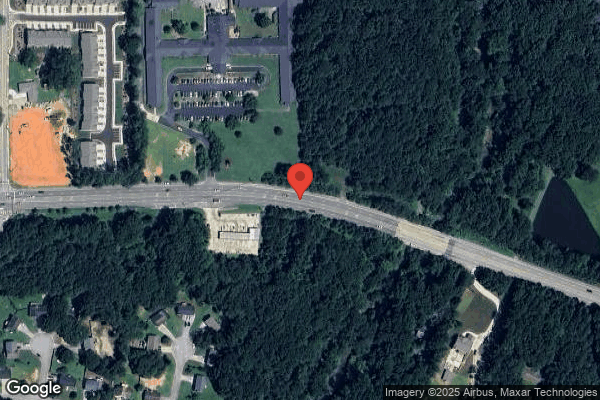
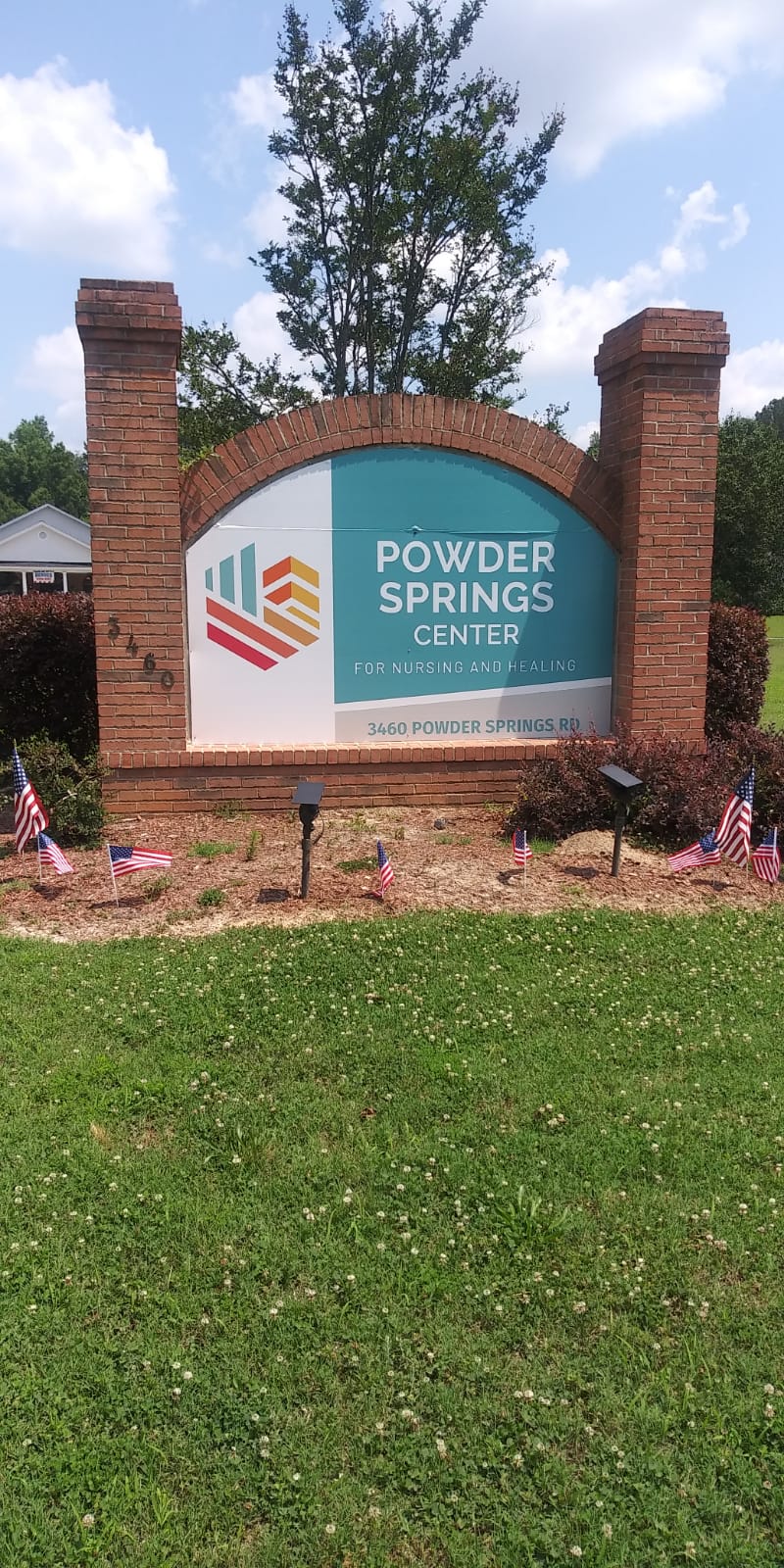
3460 POWDER SPRINGS ROAD, POWDER SPRINGS, GA 30127 (770) 439-9199
For profit - Limited Liability company 208 Beds EMPIRE CARE CENTERS Data: November 2025 2 Immediate Jeopardy citations
Trust Grade
14/100
#309 of 353 in GA
Last Inspection: June 2024

Within standard 12-15 month inspection cycle. Federal law requires annual inspections.

Overview

The Powder Springs Center for Nursing & Healing has received a Trust Grade of F, indicating significant concerns about the quality of care provided. They rank #309 out of 353 facilities in Georgia, placing them in the bottom half, and #11 out of 13 in Cobb County, suggesting there are only two better options nearby. The facility's situation is worsening, with issues increasing from 7 in 2022 to 15 in 2024. Staffing is a relative strength, with a turnover rate of 32%, which is better than the state average of 47%, but the overall staffing rating is low at 1 out of 5 stars. The facility has faced serious incidents, including a failure to prevent a urinary tract infection that led to a resident's hospitalization and eventual death, highlighting critical care deficiencies. Additionally, there were concerns about food safety practices, as the dietary manager was observed not wearing a hair net, which could compromise hygiene.

Trust Score
F
14/100
In Georgia
#309/353
Bottom 13%
Safety Record
High Risk
Review needed
Inspections
Getting Worse
7 → 15 violations
Staff Stability
○ Average
32% turnover. Near Georgia's 48% average. Typical for the industry.
Penalties
○ Average
$16,802 in fines. Higher than 53% of Georgia facilities. Some compliance issues.
Skilled Nurses
⚠ Watch
Each resident gets only 23 minutes of Registered Nurse (RN) attention daily — below average for Georgia. Fewer RN minutes means fewer trained eyes watching for problems.
Violations
⚠ Watch
22 deficiencies on record. Higher than average. Multiple issues found across inspections.
★☆☆☆☆
1.0
Overall Rating
★☆☆☆☆
1.0
Staff Levels
★★★☆☆
3.0
Care Quality
★★☆☆☆
2.0
Inspection Score
Stable
2022: 7 issues
2024: 15 issues

The Good

  • Full Sprinkler Coverage · Fire safety systems throughout facility
  • No fines on record
  • Staff turnover below average (32%)

    16 points below Georgia average of 48%

Facility shows strength in fire safety.

The Bad

1-Star Overall Rating

Below Georgia average (2.6)

Significant quality concerns identified by CMS

Staff Turnover: 32%

14pts below Georgia avg (46%)

Typical for the industry

Federal Fines: $16,802

Below median ($33,413)

Minor penalties assessed

Chain: EMPIRE CARE CENTERS

Part of a multi-facility chain

Ask about local staffing decisions and management

The Ugly 22 deficiencies on record

2 life-threatening
Jun 2024 1 deficiency
CONCERN (E)

Potential for Harm - no one hurt, but risky conditions existed

Infection Control (Tag F0880)

Could have caused harm · This affected multiple residents

2. During an observation on 6/27/2024 at 11:24 am, Housekeeper FF was observed entering a room where the residents were on Droplet Precautions. She was wearing a gown, gloves, and a KN95 mask, but did...

Read full inspector narrative →
2. During an observation on 6/27/2024 at 11:24 am, Housekeeper FF was observed entering a room where the residents were on Droplet Precautions. She was wearing a gown, gloves, and a KN95 mask, but did not use a face shield. Upon exiting the room, Housekeeper FF failed to discard her gown and gloves inside the room as required. Instead, she removed them in the hallway, discarding them into a trash bin on her cart outside the room. During an interview on 6/27/2024 at 2:37 pm with the DON the proper protocol for PPE disposal was discussed. The DON stated that the behavior observed was unacceptable and confirmed that under no circumstances should staff exit a room without properly discarding their PPE in the designated trash receptacles inside the room. Based on observations, staff interviews, record review, and review of the facility policy titled, Personal Protective Equipment (PPE), the facility failed to follow infection control protocol related to disposal of PPE in two out of five rooms with residents on Droplet Precautions (infection control measures used to prevent the spread of respiratory infections). The census was 183. Findings include: 1. Review of the facility policy titled Personal Protective Equipment date reviewed/revised January 2024, revealed under Policy: This facility promotes appropriate use of personal protective equipment to prevent the transmission of pathogens to residents, visitors, and other staff. Under the section Policy Explanation and Guidelines revealed: Wear a mask to protect the face from contamination with blood, body fluids, and other potentially infectious materials during tasks that generate splashes or sprays. Do not reuse. Under the section Respiratory Protection: Wear a NIOSH [National Institute for Occupational Safety and Health]-approved N95 or higher-level respirator to prevent inhalation of pathogens transmitted by the airborne route. Do not reuse single-use-only respirators. Review of the education roster revealed the in-service on 6/17/2024 titled, Symptoms of COVID-19, Activities Director BB attended the class. The class was taught by Registered Nurse (RN) AA. The overview of the class included to provide a review of COVID-19 symptoms, report change in condition, and Employees - Stay home away from others if symptomatic. During an observation on 6/25/2024 at 12:15 pm, Activities Director BB entered a room where the Residents were on Droplet Precautions. The Activities Director put on a gown, gloves, and face shield; she already had on a KN95 mask. When Activity Director BB exited the room, she discarded the gown and gloves in the room. She came out in the hall with the mask and face shield on. She took the face shield off, cleaned it, and took it with her off the floor. She did not take off her mask and she began passing trays to other residents. During an interview on 6/26/2024 at 2:15 pm with Registered Nurse (RN) AA revealed staff would put on a gown, gloves, mask, and face shield, before entering a resident's room who was on Droplet Precautions. She stated the mask and face shield can be re-used. If the face shield was re-used, it would be cleaned with sanitizer and put in a clean bag. The staff could re-use the N95 mask and would keep it in a clean bag. During an interview on 6/27/2024 at 10:28 am with Activities Director BB revealed they had recent in-services on COVID-19. When she goes into a room and the resident has COVID, she will put on a face mask, gloves, gown, and face shield. Once finished in the room, she will take off the face shield, gown, and gloves, sanitize the face shield, and re-use it. She keeps the face shield in her office. She stated she can keep using the KN95 and discard it at the end of the day. If she uses an N95 mask she will not throw it away but keep it in a bag and use for a few days, unless she starts to sweat and it is soiled. During an interview on 6/27/2024 at 11:20 am with Certified Nursing Assistant (CNA), the CNA stated she will wear a gown, gloves, face mask, and face shield in the room with residents who have COVID-19. Once finished in the room, she will discard all PPE before leaving the room. She stated the PPE cannot be re-used. She believes there was enough PPE for staff. During an interview on 6/27/2024 at 11:42 am with Licensed Practical Nurse (LPN) DD revealed if taking care of a resident with COVID-19 or who was on Droplet Precautions, she would wear a gown, gloves, mask, and face shield into the room. Once she completed care, LPN DD would discard the PPE in the room. She does not re-use any of the PPE. She believes there was enough PPE to take care of the residents. During an interview on 6/27/2024 at 12:45 pm with Central Supply EE revealed she replenishes the PPE on the floor about three times a week. She stated there was enough PPE for the staff to take care of the residents. During an interview on 6/27/2024 at 1:14 pm with the Director of Nursing (DON) revealed the staff would wear a mask, gown, gloves, and face shield into an isolation room. Once finished in the room, they would doff (remove) all PPE and dispose of it in the room. They would not re-use any of the PPE. She stated there was enough PPE for staff to use.
Apr 2024 14 deficiencies 2 IJ
CRITICAL (J) 📢 Someone Reported This

A family member, employee, or ombudsman was alarmed enough to file a formal complaint

Immediate Jeopardy (IJ) - the most serious Medicare violation

Incontinence Care (Tag F0690)

Someone could have died · This affected 1 resident

**NOTE- TERMS IN BRACKETS HAVE BEEN EDITED TO PROTECT CONFIDENTIALITY** Based on record review, interviews, and review of the facility policy titled Urinary Tract Infections/Bacteriuria-Clinical Proto...

Read full inspector narrative →
**NOTE- TERMS IN BRACKETS HAVE BEEN EDITED TO PROTECT CONFIDENTIALITY** Based on record review, interviews, and review of the facility policy titled Urinary Tract Infections/Bacteriuria-Clinical Protocol, the facility failed to provide appropriate treatment and services to prevent a catheter associated urinary tract infection from worsening for one of 57 sampled residents (R) (R10). The failure caused R10 to be sent to an acute care hospital with the diagnosis of shock, sepsis, and metabolic crisis (including acute kidney injury and acute renal failure). R10 expired in the hospital on [DATE]. On [DATE], a determination was made that a situation in which the facility's noncompliance with one or more requirements of participation caused or had the likelihood to cause serious injury, harm, impairment, or death to residents. The facility's Administrator was informed of the Immediate Jeopardy (IJ) for F690 and F770 on [DATE] at 10:08 a.m. The noncompliance related to the Immediate Jeopardy was identified to have existed on [DATE]. An Acceptable IJ Removal Plan was received on [DATE] related to 483.25(e)(2) Bowel/Bladder Incontinence, Catheter, UTI (F690) and 483.50(a), Laboratory Services (F770). Findings included: A review of the facility's policy titled Urinary Tract Infections/Bacteriuria-Clinical Protocol/ Assessment and Recognition dated [DATE] revealed the staff and practitioner will identify individuals with signs and symptoms suggesting a possible UTI (urinary tract infection); and nurses should observe, document, and report signs and symptoms in detail. A review of the Electronic Medical Record (EMR) revealed that R10 was admitted to the facility on [DATE] with diagnosis including cerebral infarction, cerebrovascular disease, dementia, benign prostatic hypertrophy with lower urinary tract symptoms, neuromuscular dysfunction of bladder, and cystostomy. A review of the quarterly Minimum Data Set (MDS) assessment dated [DATE], revealed that R10 presented with a Brief Interview for Mental Status (BIMS) score of 15, indicating the resident was cognitively intact, and had a urinary catheter. A record review of the Physician Orders dated [DATE] instructed the facility to document output from the urinary catheter every shift related to neuromuscular dysfunction. A review of the Nursing Progress Notes dated [DATE] at 4:22 pm, revealed that the Nurse Practitioner CC documented the chief complaint for R10 was increased confusion and ordered an UA and CS to rule out acute urinary tract infection. A review of the Medication Administration Record (MAR)/Treatment Administration Records (TAR) for [DATE] revealed that R10's urine output ranged from 250 cubic capacity (cc) (on [DATE]) to 600 cc (on [DATE]) per shift. There was no method to monitor if urine output was greater or lesser than normal to see if the catheter was draining properly, and there was no documentation in the medical record of urine color or odor. A review of Nursing Progress Notes dated [DATE] at 12:03 pm, revealed R10 was found to be lethargic, was not eating, and expressed complaints of headache. The notes revealed that the resident's family was worried, and the physician was made aware. A new order was received by the physician to transfer R10 to the emergency room for further evaluation and treatment. A review of the Nurse Practitioner encounter notes dated [DATE] at 3:55 pm, Nurse Practitioner CC noted R10 presented with altered mental status and lethargy. A review of the hospital emergency department provider note dated [DATE] at 12:56 pm, revealed that critical care was necessary to treat or prevent imminent or life-threatening deterioration of the following conditions: shock (sudden drop in blood flow through the body), sepsis, and metabolic crisis (severe hyperkalemia, acute kidney injury/acute renal failure). Purulent (containing pus) urine, very little urine in the bag despite two liters of intervenous fluid bolus. On further assessment, [R10] was found to have so much purulent sediment in the bladder that the indwelling urinary catheter was not draining; the indwelling urinary catheter was not wide enough to drain pus. Removed the urinary catheter, copious drainage of thick green malodorous (odor) pus from the bladder via the urinary catheter site. [R10] was placed in hospice on [DATE] for sepsis. A record review of R10's death certificate revealed R10 died in the hospital on [DATE]. During an interview on [DATE] at 2:16 pm, Licensed Practical Nurse (LPN) AA stated she went to assess R10 on [DATE] and he wasn't looking good. She stated that the resident was too sleepy, so she called Nurse Practitioner CC and informed him that R10 was not how he usually looks. LPN CC further stated that she looked at R10's urinary catheter and it was cloudy. She confirmed the observation of cloudy urine was not documented in R10's medical record. During an interview on [DATE] at 5:25 pm, Nurse Practitioner CC stated that he left the facility in [DATE] and refused to answer questions related to R10. During an interview on [DATE] at 1:43 pm, Physician PPPP remembered R10. He stated, He was the guy who had a UTI and went to the hospital and died. He stated that had the facility done good catheter care and prevented the infection, there may have been a different outcome for R10 and that R10 might not have died. He revealed that he was the Medical Director at the facility at that time R10 was sent out to the hospital, but he left the facility in [DATE]. The facility implemented the following actions to remove the IJ: R10 no longer resides at the facility. On [DATE], the Regional Director of Operations, Regional Director of Clinical Services, and the Administrator reviewed the center policy Catheter Care, Urinary. No policy changes or recommendations were made because of this review. On [DATE], the facility's Director of Nursing (DON) identified one resident with catheters on the center resident roster. On [DATE], the facility's DON reviewed orders for residents with catheters to validate that no lab had been missed. On [DATE], licensed nurses to include MDS Nurse and nurse managers were educated by the DON on the importance of reviewing and addressing residents with catheters for lab orders on [DATE]. Employees on leave of absence, vacation, and agency staff will be re-educated prior to returning to duty and will not be given an assignment until they are given additional on-site education (87 percent (%)). The DON will review orders for lab reports from the previous day during daily clinical meetings and will verify care plans are developed and revised as needed, to address interventions to prevent urinary tract infections. The Administrator reviewed the results of the audits and shared the findings with the Ad Hoc Quality Assurance Performance Improvement (QAPI) Committee on [DATE]. The State Survey Agency (SSA) validated the facility's written IJ Removal Plan as follows: A review of the census list revealed R10 was discharged to the hospital on [DATE] and did not return. During an interview on [DATE] at 10:16 am, the Administrator confirmed R10 was no longer residing in the facility. A review of the policy titled Catheter: Urinary - Justification for Use and signed as reviewed on [DATE] by the Regional Director of Operations, Regional Director of Clinical Services, and Administrator. An interview on [DATE] at 1:30 pm with the DON revealed she reviewed the residents' orders and labs from the previous day and addressed them in the daily clinical meetings. A review of the facility's catheter list dated [DATE] revealed one resident (R49) with an indwelling catheter. On [DATE] at 12:53 pm, a sample of four residents were selected to review their lab orders and subsequent results. All labs were ordered, and results were received. A review of the in-service titled Lab/Diagnostic Orders and Other Orders dated [DATE], revealed that 76 staff members were educated and in-service on labs, diagnostic orders, and other orders. To certify that staff were educated, the survey team interviewed a sample of staff within each department and all shifts. Interviews were conducted on [DATE] through [DATE] with following employees revealed they received and understood the education: [DATE] at 6:26 am LPN UU; [DATE] 6:39 am LPN VV; [DATE] at 6:51 am Registered Nurse (RN) ZZ and MM; [DATE] at 6:55 am LPN YY; [DATE] at 7:14 am Certified Nursing Assistant (CNA) WW; [DATE] at 7:22 am CNA XX; [DATE] at 8:18 am LPN AAA; [DATE] at 9:39 am LPN BBB; [DATE] at 8:17 am Lead Housekeeper CCC; [DATE] at 8:37 am Housekeeping DDD; [DATE] at 8:48 am Housekeeping EEE; [DATE] at 3:32 pm [NAME] FFF; [DATE] at 3:39 pm [NAME] GGG; [DATE] at 3:47 pm [NAME] HHH, [DATE] at 3:57 pm Business Office Manager III; [DATE] at 4:09 pm Receptionist JJJ; [DATE] at 4:37 pm Assistant Administrator KKK; [DATE] at 10:44 am Director of Maintenance; [DATE] at 9:25 am MDS Coordinator/LPN MMM; [DATE] at 9:54 am MDS Coordinator/LPN NNN; [DATE] at 10:15 am Physical Therapy Assistant OOO; [DATE] at 10:31 am Speech Language Pathologist PPP; [DATE] at 10:54 am Maintenance Assistant RRR; [DATE] at 11:18 am with Social Service Assistant SSS; [DATE] at 12:04 pm CNA TTT; [DATE] at 12:19 pm CNA NN; [DATE] at 12:40 pm CNA UUU; [DATE] at 12:45 pm Certified Medication Assistant (CMA) QQ; and [DATE] at 1:04 pm CNA VVV. A review of the facility Plan of Correction book revealed the center reviewed the lab orders, (for residents with catheters) and verified no other labs were missing. A review on [DATE] of the QAPI Committee minutes revealed the minutes were prepared by the Administrator and dated [DATE]. The QAPI topics reviewed were physicians orders, lab requisitions, catheter care, and neglect reporting. The QAPI minutes revealed catheter care education would be conducted by the Staff Development Coordinator and would be on-going. It was verified that the facility demonstrated that the immediate jeopardy was removed on [DATE].
CRITICAL (J) 📢 Someone Reported This

A family member, employee, or ombudsman was alarmed enough to file a formal complaint

Immediate Jeopardy (IJ) - the most serious Medicare violation

Laboratory Services (Tag F0770)

Someone could have died · This affected 1 resident

**NOTE- TERMS IN BRACKETS HAVE BEEN EDITED TO PROTECT CONFIDENTIALITY** Based on record review, interviews, and review of the facility's policy titled Laboratory Services and Reporting, the facility f...

Read full inspector narrative →
**NOTE- TERMS IN BRACKETS HAVE BEEN EDITED TO PROTECT CONFIDENTIALITY** Based on record review, interviews, and review of the facility's policy titled Laboratory Services and Reporting, the facility failed to provide critical laboratory tests for one of 57 sampled residents (R) (R10). The Nurse Practitioner ordered urine culture sensitivity (UA and CS) tests on [DATE]. The failure caused R10 to be sent to an acute care hospital with the diagnosis of shock, sepsis, and metabolic crisis (including acute kidney injury and acute renal failure). R10 expired in the hospital on [DATE]. On [DATE], a determination was made that a situation in which the facility's noncompliance with one or more requirements of participation caused or had the likelihood to cause serious injury, harm, impairment, or death to residents. The facility's administrator was informed of the Immediate Jeopardy (IJ) for F690 and F770 on [DATE] at 10:08 a.m. The noncompliance related to the Immediate Jeopardy was identified to have existed on [DATE]. An Acceptable IJ Removal Plan was received on [DATE] related to 483.25(e)(2) Bowel/Bladder Incontinence, Catheter, UTI (F690) and 483.50(a), Laboratory Services (F770). Findings included: A review of the undated facility's policy titled Laboratory Services and Reporting revealed that the facility must provide or obtain laboratory services when ordered by a physician, physician assistant, nurse practitioner, or clinical nurse specialist in accordance with state law. The Policy Explanation and Compliance Guidelines revealed that the facility must provide or obtain laboratory services to meet the needs of its residents; and the facility is responsible for the timeliness of the services. On [DATE] at 3:07 pm, the Administrator said they did not have a policy for laboratory collections. A review of the Electronic Medical Record (EMR) revealed R10 was admitted to the facility on [DATE] with diagnosis including benign prostatic hypertrophy with lower urinary tract symptoms, neuromuscular dysfunction of bladder, and cystostomy. A review of the nurse practitioner encounter note dated [DATE] identified R10 as having the chief complaint of increased confusion (a common sign/symptom of a urinary tract infection). Nurse Practitioner CC ordered UA and CS tests to rule out an acute urinary tract infection. There was no documentation in the medical record that this laboratory specimen was collected or that staff acted on the order for R10 written by Nurse Practitioner CC. A review of the EMR revealed that a second order for UA and CS tests and an order for a comprehensive metabolic panel (CMP) test was written on [DATE]. There was no documentation in the medical record that this second laboratory specimen was collected or that staff acted on the second order written for R10. A review of the nurse practitioner encounter notes dated [DATE] at 3:55 pm, Nurse Practitioner CC noted R10 presented with altered mental status and lethargy. A review of the hospital emergency department provider note dated [DATE] at 12:56 pm, revealed that critical care was necessary to treat or prevent imminent or life-threatening deterioration of the following conditions: shock (sudden drop in blood flow through the body), sepsis, and metabolic crisis (severe hyperkalemia, acute kidney injury/acute renal failure). Purulent (containing pus) urine, very little urine in the bag despite two liters of intervenous fluid bolus. On further assessment, [R10] was found to have so much purulent sediment in the bladder that the indwelling urinary catheter was not draining; the indwelling urinary catheter was not wide enough to drain pus. Removed the urinary catheter, copious drainage of thick green malodorous (odor) pus from the bladder via the urinary catheter site. [R10] was placed in hospice on [DATE] for sepsis. A record review of R10's death certificate revealed R10 died in the hospital on [DATE]. During an interview on [DATE] at 5:25 pm, Nurse Practitioner CC stated that he left the facility in [DATE] and refused to answer questions related to R10. During an interview on [DATE] at 1:43 pm, Physician PPPP remembered R10. He stated, He was the guy who had a UTI and went to the hospital and died. He stated that had the facility done good catheter care and prevented the infection, there may have been a different outcome for R10 and that R10 might not have died. He revealed that he was the Medical Director at the facility at that time R10 was sent out to the hospital, but he left the facility in [DATE]. During an interview on [DATE] at 5:56 pm, Medical Director QQQQ confirmed that when he came on as the Medical Director in 2022, he was aware the facility was having problems getting physicians orders and lab orders transferred and completed timely. He said his expectation was that laboratory orders be acted upon within 24 hours of the order date. The facility implemented the following actions to remove the IJ: R10 no longer resides at the facility. On [DATE], the facility's Director of Nursing (DON) identified one resident with catheters on the facility's resident roster. On [DATE], the facility's DON reviewed orders for residents with catheters to validate if any UA and CS lab had been missed. On [DATE], all licensed nurses were educated by the DON on the importance of reviewing and addressing residents with catheters for UA and CS lab orders. Employees on leave of absence, vacation, and agency staff will be re-educated prior to returning to duty and will not be given an assignment until they are given additional on-site education (87 percent (%)). The DON will review orders for lab requests and 24 hour reports from the previous day during daily clinical meetings and will verify that labs orders were drawn as ordered by the nurse practitioner or physician to prevent urinary tract infections. The Administrator reviewed the results of the audits and shared the findings with the Ad Hoc Quality Assurance Performance Improvement (QAPI) Committee on [DATE]. The State Survey Agency (SSA) validated the facility's written IJ Removal Plan as follows: A review of the census list revealed R10 was discharged ot to the hospital on [DATE] and did not return. During an interview on [DATE] at 10:16 am, the Administrator confirmed R10 was no longer residing in the facility. A review of the facility's catheter list dated [DATE] revealed one resident with an indwelling catheter. On [DATE] at 12:53 pm, a sample of four residents were selected to review their lab orders and subsequent results. All labs were ordered, and results were received. Interviews were conducted on [DATE] through [DATE] with following employees revealed they received and understood the education: [DATE] at 6:26 am with Licensed Practical Nurse (LPN) UU; [DATE] at 6:39 am with LPN VV; [DATE] at 6:51 am with Registered Nurse (RN) ZZ; [DATE] at 6:55 am LPN YY; [DATE] at 8:18 am LPN AAA; [DATE] at 9:39 am LPN BBB; [DATE] at 9:57 am LPN LL; [DATE] at 11:38 am LPN EE; [DATE] at 12:08 pm LPN BB; [DATE] at 9:25 am MDS Coordinator LPN MMM; and [DATE] at 9:54 am MDS Coordinator LPN NNN. The facility conducted an audit of residents that had lab orders. A total of 29 labs were audited. On [DATE] at 12:53 pm, a sample of five labs for four residents were selected to review their lab orders and subsequent results. All labs were ordered, and results were received. A review of the sign in sheet dated [DATE] revealed that a QAPI monthly meeting was held. It was verified that the facility demonstrated that the immediate jeopardy was removed on [DATE].
CONCERN (D) 📢 Someone Reported This

A family member, employee, or ombudsman was alarmed enough to file a formal complaint

Potential for Harm - no one hurt, but risky conditions existed

Deficiency F0557 (Tag F0557)

Could have caused harm · This affected 1 resident

**NOTE- TERMS IN BRACKETS HAVE BEEN EDITED TO PROTECT CONFIDENTIALITY** Based on record reviews, observations, staff and resident interviews, and a review of the facility's policy titled Activities of...

Read full inspector narrative →
**NOTE- TERMS IN BRACKETS HAVE BEEN EDITED TO PROTECT CONFIDENTIALITY** Based on record reviews, observations, staff and resident interviews, and a review of the facility's policy titled Activities of Daily Living (ADLs), the facility failed to promote dignity and independence for one of ten sampled residents (R) (R20) related to providing incontinence pull ups. Findings included: A review of the Activities of Daily Living (ADLs) policy with a date reviewed/revised of January 2024 revealed that the policy stated, The facility will, based on the resident's comprehensive assessment and consistent with the resident's needs for choices, ensure a resident's abilities in ADLs do not deteriorate unless deterioration is unavoidable. A review of the admission records for R20 revealed that the resident was originally admitted to the facility on [DATE] with diagnoses of gastrointestinal hemorrhage, unspecified, Rhabdomyolysis, unilateral inguinal hernia, repeated falls, personal history of other diseases of the nervous system and sense organs, and cerebral palsy. A review of the care plan for R20 revealed that the resident had an Activities of Daily Living (ADL) self-care performance and mobility deficit related to cerebral palsy. An intervention included that R20 required one person staff limited assistance for toileting. The plan of care related to R20's diagnosis of cerebral palsy included interventions of encouraging the resident to do as much for self as possible, checking resident for bowel and bladder incontinence, and assisting with toileting as needed. A review of the most recent comprehensive Minimum Data Set (MDS) assessment dated [DATE] revealed that R20 had a Brief Interview for Mental Status (BIMS) score of 15, indicating that the resident has no cognitive impairment. A review of the quarterly MDS assessment dated [DATE] revealed that R20 required limited assistance of one staff for toileting. During an interview on 3/12/2024 at 10:32 pm, R20 stated that the facility stopped supplying the pull-ups a few months before and now only provided the residents with briefs. He also stated that the briefs are too hard for him to manage. R20 stated that he could change himself without staff if he had the pull-ups and that having to wear a brief takes away his independence when he is not able to change himself. He stated that he now must wait on staff if he wears briefs, and it is not a good feeling, so he started purchasing his own briefs with the $70 he gets a month. R20 stated that it takes all his money to purchase the pull-ups monthly. During an interview on 4/11/2024 at 3:13 pm, the Administrator revealed that the facility stopped ordering pull-ups before she started working at this facility. The Administrator stated she was not here when the current corporation took over. The Administrator further stated that each time the Ombudsman tells the residents that the facility provides pull-ups, she must go back and tell them that the facility does not provide them. The Administrator stated that the family members of the residents who would prefer pull-ups, have provided pull-ups. The Administrator further stated that residents who used to change their own pull-up, now must wait for staff to do it, and they may be left wet/soiled, but they have options to buy their own.
CONCERN (D) 📢 Someone Reported This

A family member, employee, or ombudsman was alarmed enough to file a formal complaint

Potential for Harm - no one hurt, but risky conditions existed

Grievances (Tag F0585)

Could have caused harm · This affected 1 resident

**NOTE- TERMS IN BRACKETS HAVE BEEN EDITED TO PROTECT CONFIDENTIALITY** Based on record reviews, staff interviews, and a review of the facility policy titled Resident and Family Grievances the facilit...

Read full inspector narrative →
**NOTE- TERMS IN BRACKETS HAVE BEEN EDITED TO PROTECT CONFIDENTIALITY** Based on record reviews, staff interviews, and a review of the facility policy titled Resident and Family Grievances the facility failed to resolve a grievance related to missing glass for one of six sampled residents (R) (R17). Findings included: The facility's policy titled, Resident and Family Grievances documented that prompt efforts to resolve' include facility acknowledgement of a complaint/grievance and actively working toward resolution of that complaint/grievance and that the staff member receiving the grievance will record the nature and specifics of the grievance on the designated grievance form or assist the resident or family member to complete the form. A review of the Electronic Medical Record (EMR) for R17 revealed an original admission date of 6/26/2023. A review of the admission Minimum Data Set (MDS) assessment dated [DATE], revealed R17 had a Brief Interview for Mental Status (BIMS) score of three, indicating severely impaired cognition. A review of facility documents revealed that it was reported that R17 was missing a pair of glasses and that Licensed Practical Nurse (LPN) KK, who was also the [NAME] Wing Unit Manager, had notified R17's responsible party (RP) about the missing glasses on 8/16/2023. A review of the facility's filed grievances for the period of August 2023 revealed that there were no grievances filed on behalf of the R17 to locate the missing glasses. During an interview on 4/1/2024 at 3:29 pm, LPN KK revealed s/he did remember the R17 but did not remember being told about any missing glasses. LPN KK stated that if R17's RP reported missing glasses to LPN KK, it would have been reported to the Administrator. LPN KK revealed that when a resident or their family member reports an item missing, the staff would first search for it in the resident's room and then search in the facility's laundry. If the item wasn't found, then the staff would report it to the Administrator and file a grievance. If someone else found the glasses later, the staff would give the item to the Administrator or take it to the front desk. After reviewing the documentation dated 8/16/2023, LPN KK confirmed s/he wrote that statement and that a lot was going on with R17 the night they were sent to the hospital. S/he confirmed that they didn't file a grievance to locate R17's glasses.
CONCERN (D) 📢 Someone Reported This

A family member, employee, or ombudsman was alarmed enough to file a formal complaint

Potential for Harm - no one hurt, but risky conditions existed

Comprehensive Care Plan (Tag F0656)

Could have caused harm · This affected 1 resident

Deficiency Text Not Available

Read full inspector narrative →
Deficiency Text Not Available
CONCERN (D) 📢 Someone Reported This

A family member, employee, or ombudsman was alarmed enough to file a formal complaint

Potential for Harm - no one hurt, but risky conditions existed

Quality of Care (Tag F0684)

Could have caused harm · This affected 1 resident

**NOTE- TERMS IN BRACKETS HAVE BEEN EDITED TO PROTECT CONFIDENTIALITY** Based on record review, staff interview, and review of the facility's policy titled Medication Administration, the facility fail...

Read full inspector narrative →
**NOTE- TERMS IN BRACKETS HAVE BEEN EDITED TO PROTECT CONFIDENTIALITY** Based on record review, staff interview, and review of the facility's policy titled Medication Administration, the facility failed to follow the physician orders to administer medications for one of three sampled residents (R) (R41). Findings included: A review of the facility policy titled Medication Administration with a review date of January 2024 revealed that medications are administered by licensed nurses, or other staff who are legally authorized to do so in this state, as ordered by the physician and in accordance with professional standards of practice, in a manner to prevent contamination or infection. Policy Explanation and Compliance Guidelines included obtaining and recording vital signs, when applicable or per physician orders; when applicable, hold medication for those vital signs outside the physician's prescribed parameters. A review of R41's quarterly Minimum Set Data (MDS) assessment dated [DATE] revealed the resident was admitted to the facility on [DATE] with diagnoses, including but not limited to, hypertension, cardiomyopathy, and congestive heart failure. The MDS further revealed R41 that had a Brief Interview for Mental Status (BIMS) score of 12 (moderately impaired). A review of the Medication Administration Record (MAR) dated March 2024 for R41 revealed the following: * R41 was ordered carvedilol 6.25 milligrams (mg) twice per day and hold if the blood pressure is less than 110/60. * R41 was administered carvedilol 6.25 mg on 3/17/2024; her blood pressure was documented as 103/75 by Licensed Practical Nurse (LPN) CCCC. * R41 was administered carvedilol 6.25 mg on 3/31/3024; her blood pressure was documented as 108/79 by LPN EEEE. A review of the MAR dated February 2024 for R41 revealed the following: * R41 was ordered carvedilol 6.25 mg twice per day and hold if the blood pressure is less than 110/60. * R41 was administered carvedilol 6.25 mg on 2/3/2024; her blood pressure was documented as 101/72. * R41 was administered carvedilol 6.25 mg on 2/7/2024; her blood pressure was documented as 109/56 by LPN EEEE. * R41 was administered carvedilol 6.25 mg on 2/8/2024 on the day shift; her blood pressure was documented as 108/66 by LPN CCCC. * R41 was administered carvedilol 6.25 mg on 2/8/2024 on the evening shift; her blood pressure was documented as 108/66 by LPN DDDD. * R41 was ordered lisinopril 10 mg once per day and hold if the blood pressure is less than 110/60. * R41 was administered lisinopril 10 mg on 2/3/2024; her blood pressure was documented as 101/72 by LPN DDDD. * R41 was administered lisinopril 10 mg on 2/7/2024; her blood pressure was documented as 109/62 by LPN EEEE * R41 was administered lisinopril 10 mg on 2/8/2024; her blood pressure was documented as 108/66 by LPN CCCC. * R41 was administered lisinopril 10 mg on 2/11/2024; her blood pressure was documented as 109/62 by LPN HHHH. A review of the December 2023 MAR revealed: * R41 was ordered lisinopril 10 mg once per day and hold if the blood pressure is less than 110/60. * R41 was administered lisinopril 10 mg on 12/1/2023; her blood pressure was documented as 108/67 by LPN CCCC. * R41 was ordered carvedilol 6.25 mg twice per day and hold if the blood pressure is less than 110/60. * R41 was administered carvedilol 6.25 mg on 12/1/2023; her blood pressure was documented as 108/67 by LPN CCCC. A review of the clinical records for R41 revealed the facility had not reported the medication errors to the physician. During an interview on 4/11/2024 at 11:22 am, the Director of Nursing (DON) revealed nurses are to administer blood pressure medication according to the physician's order.
CONCERN (D) 📢 Someone Reported This

A family member, employee, or ombudsman was alarmed enough to file a formal complaint

Potential for Harm - no one hurt, but risky conditions existed

Accident Prevention (Tag F0689)

Could have caused harm · This affected 1 resident

**NOTE- TERMS IN BRACKETS HAVE BEEN EDITED TO PROTECT CONFIDENTIALITY** Based on record review, interviews, and review of the facility's policies titled, Fall Prevention Program and High Risk Medicati...

Read full inspector narrative →
**NOTE- TERMS IN BRACKETS HAVE BEEN EDITED TO PROTECT CONFIDENTIALITY** Based on record review, interviews, and review of the facility's policies titled, Fall Prevention Program and High Risk Medications- Anticoagulants, the facility failed to ensure that residents were supervised, fall incidents were documented, and neuro checks were completed for unwitnessed fall incidents for two of four sampled residents (R) (R4, and R17). Findings included: A review of the undated facility's policy titled, Fall Prevention Program documented that when any resident experiences a fall, the facility will assess the resident; complete a post - fall assessment; complete an incident report; notify physician and family; review the resident's care plan and update as indicted; document all assessment and actions and obtain witness statements in the case of injury. A review of the facility's policy titled High Risk Medications- Anticoagulants documented that anticoagulants refers to a class of medication that are used to prevent clot extension and formation. Examples include warfarin, heparin, Lovenox, Xarelto, Pradaxa and Eliquis. 1. A review of the Electronic Medical Record (EMR) revealed R4 was originally admitted to the facility on [DATE] and was discharged on 6/3/2022 with diagnoses including, but not limited to unspecified sequelae of cerebral infarction, hemiplegia and hemiparesis following cerebral infarction affecting left non-dominant side, dysphagia following cerebral infarction, moderate protein-calorie malnutrition, [NAME] Syndrome, Ileus, history of falling, and difficulty walking. A review of the admission Minimum Data Set (MDS) assessment dated [DATE] revealed that R4 had a Brief Interview for Mental Status (BIMS) score of 15, indicating no cognitive impairment. A review of the Medication Administration Record (MAR) dated April 2022 showed that resident was ordered and administered Plavix at 75 milligrams (mg) at 9:00 am daily beginning on 4/23/2022. A review of the progress note dated 4/23/2022 at 1:00 am revealed that R4 was found on the floor on 4/22/2022 at 11:30 pm. The note stated that R4 climbed out of bed to the floor. It was documented that R4 denied any injury or pain and was returned to bed by a transfer lift. A review of the EMR revealed no documentation that neurological checks were completed. During an interview on 4/9/2024 at 1:08 pm, the Director of Nursing (DON) confirmed that there was no documentation of any neurological checks completed after the fall on 4/22/2022. She confirmed that the incident was not witnessed, but R4 was alert and was able to tell how he got on the floor, and no neuro checks were completed because R4 was able to give details. During an interview on 4/9/2024 at 4:58 pm, Registered Nurse (RN) RRRR stated that if there were no neurological checks documented, then that meant that there were no neurological checks done. RN RRRR stated that the protocol is if a resident falls and hits their head, then n neurological checks would be completed, but since the resident was able to tell her that he did not hit his head, then there was no need for neurological checks. 2. A review of the EMR revealed R17 was originally admitted to the facility on [DATE] with diagnosis of but not limited malignant neoplasm of the brain, hydrocephalus, dysphagia, hypo-osmolality and hypernatremia, gastroesophageal reflux disease without esophagitis, and Anemia. A review of the admission MDS assessment dated [DATE] revealed R17 had a BIMS of three, indicating severe cognitive impairment. A review of R17's MAR indicated that R17 received heparin sodium injection solution 10000 unit/milliliters (ml). Inject 0.5 ml subcutaneously every eight hours for deep vein thrombosis (DVT). The medication start date was 6/26/2023 and discontinued on 8/15/2023. R17 was then ordered heparin sodium (porcine) injection solution 10000 unit/ml inject 0.5 ml subcutaneously every eight hours for DVT. The start date was 8/15/2023 with a discontinued date of 9/7/2023. A review of R17's progress notes revealed R17 fell on 7/29/23, 8/3/2023, 8/14/2023, and 8/16/2023. The progress note dated 8/16/2023 at 1:28 pm documented that R17 was noted sitting up in his wheelchair at the nursing station; attempting to stand without assistance; the nurse asked the resident not to stand without assistance; and the resident still stood up by himself and fell to the floor before the nurse could get to him. It was documented that no visible injuries were noted, no bruising noted, resident did not hit his head he fell onto his left side. There were no documented assessments found in the residents clinical record. During an interview on 3/27/2024 at 12:23 pm, the DON stated that all interventions should be time stamped in the resident's care plan. The DON confirmed that there were no documented incident reports or post fall intervention found for R17. The DON stated there should have been an incident report completed after a fall, and unwitnessed falls require that neurological checks be completed and documented. During an interview on 3/27/2024 at 3:00 pm, the Licensed Practical Nurse (LPN) MMMM stated when a fall occurs a visual check on the resident is completed. LPN MMMM stated that the staff would perform a skin assessment, pain assessment, change of condition, notify the doctor, DON, Administrator, and family member. LPN MMMM stated s/he had only been at the facility a month prior to R17's fall that occurred on 8/16/2023. LPN MMMM stated s/he had not been familiar with the process until the DON notified them about the missing incident report. LPN MMMM did not know that R17 was on blood thinners.
CONCERN (D) 📢 Someone Reported This

A family member, employee, or ombudsman was alarmed enough to file a formal complaint

Potential for Harm - no one hurt, but risky conditions existed

Medical Records (Tag F0842)

Could have caused harm · This affected 1 resident

**NOTE- TERMS IN BRACKETS HAVE BEEN EDITED TO PROTECT CONFIDENTIALITY** Based on interviews and record review, the facility failed to keep accurate medical record of health status for one of 57 sample...

Read full inspector narrative →
**NOTE- TERMS IN BRACKETS HAVE BEEN EDITED TO PROTECT CONFIDENTIALITY** Based on interviews and record review, the facility failed to keep accurate medical record of health status for one of 57 sampled residents (R) (R17). Findings included: A review of the Electronic Medical Record (EMR) for R17 revealed an original admission date of [DATE] with diagnosis of, but not limited to, malignant neoplasm of the brain, hydrocephalus, dysphagia, hypo-osmolality and hypernatremia, gastroesophageal reflux disease without esophagitis and anemia. A review of the admission Minimum Data Set (MDS) assessment dated [DATE] revealed R17 had a Brief Interview for Mental Status (BIMS) score of three, indicating severely impaired cognition. A review of R17's comprehensive progress notes which includes their Medication Administration Record (MAR) indicated the following events: A nursing note dated [DATE] documented that R17 was out of the building and was unable to receive intervenous (IV) hydration. An administration note documented by Licensed Practical Nurse (LPN) HH and dated [DATE] documented that R17 was deceased . An administration note dated [DATE] documented that R17 was hospitalized . An administration note documented by LPN JJJJ and dated [DATE] documented that R17 was deceased . An administration note dated [DATE] documented that R17 was hospitalized . An administration note dated [DATE] documented that R17 was out. An administration note dated [DATE] documented that R17 was at the hospital. An administration note dated [DATE] documented that R17 was at the hospital. An administration note dated [DATE] documented that R17 remained on LOA (leave of absence). An administration note dated [DATE] documented that R17 remained on LOA during that shift. During an interview on [DATE] at 5:38 pm, the Administrator revealed that R17 was not deceased until [DATE]. The Administrator stated R17 was at the hospital until [DATE] and did not return to the facility. A review of R17's death certificate revealed that R17 was deceased on [DATE]. During an interview on [DATE] at 3:29 pm, LPN HH revealed that s/he received the health status of R17 from another nurse. She confirmed that the documentation error wasn't corrected using a strikethrough after finding out that R17 was not deceased because s/he couldn't do anything due to R17 already being discharged from the facility. During an interview on [DATE] at 3:55 pm, the Director of Nursing (DON) stated upon review of R17's progress notes on [DATE], the DON noted that R17 progress note documented that s/he was deceased on [DATE] and [DATE], then the notes afterwards document R17 was still at the hospital, not deceased . The DON stated s/he is unsure why staff did not do a follow-up note. The DON stated that LPN HH didn't know if R17 was deceased or in the hospital and that LPN JJJJ made the documentation error because s/he was PRN and rarely at the facility.
CONCERN (D) 📢 Someone Reported This

A family member, employee, or ombudsman was alarmed enough to file a formal complaint

Potential for Harm - no one hurt, but risky conditions existed

Deficiency F0919 (Tag F0919)

Could have caused harm · This affected 1 resident

**NOTE- TERMS IN BRACKETS HAVE BEEN EDITED TO PROTECT CONFIDENTIALITY** Based on observations, interviews, and record review, the facility failed to ensure that the nursing call system was functional ...

Read full inspector narrative →
**NOTE- TERMS IN BRACKETS HAVE BEEN EDITED TO PROTECT CONFIDENTIALITY** Based on observations, interviews, and record review, the facility failed to ensure that the nursing call system was functional for one of three sampled residents (R) (R37). Findings included: 1. A review of the Electronic Medical Record (EMR) for R37 revealed the resident was originally admitted to the facility on [DATE] and readmitted on [DATE] with diagnosis of, but not limited to, multiple fractures of ribs, end stage renal disease, dependence on renal dialysis, muscle weakness, anemia, and diplopia. A review of the admission Minimum Data Set (MDS) assessment dated [DATE] revealed R37 had a Brief Interview for Mental Status (BIMS) score of 15; indicating that R37 was cognitively intact. 2. A review of the EMR for R30 revealed the resident was originally admitted to the facility on [DATE] with diagnosis of, but not limited to, end stage renal disease, type 1 diabetes, dependence on renal dialysis, morbid obesity, hyperlipidemia, hypertension, hypoxia, acquired absence of the right [NAME] below the knee, and visual loss. A review of the admission MDS assessment dated [DATE] revealed R30 had a BIMS score of 14; indicating that R30 was cognitively intact. During an interview on 3/18/2024 at 3:48 pm, R30 stated that her roommate's (R37) call light was not working. R30 stated that R37 moved into her room in March 2024 and the call light was not working then. R30 stated when R37 would attempt to use the call light to call for staff assistance, they could not hear that sound to alert staff that the resident needed assistance. R30 stated she was blind, but her hearing was more sensitive due to the loss of vision. At this time, R37's call light was tested and was found to not be functioning when pressed. R30's was observed to press her call light, which was functional and Certified Nursing Assistant (CNA) GGGG entered the room. CNA GGGG was asked if she knew that R37's call light wasn't working. CNA GGGG stated, Oh, I don't normally work this side of the unit. CNA GGGG was observed to press the call light on R37's side of the room and noted there was no audible sound. She further confirmed that the light outside the resident's room did not turn on. R37 was out of the building at an appointment during these interviews and observations. During an interview on 3/18/2024 at 4:05 pm, the Administrator revealed that when a new resident is admitted , the room readiness steps are initiated by the Housekeeping Department, Nursing Department, and Maintenance Department. She stated that each department has a working checklist to complete prior to a resident being admitted to the facility and subsequently, placed in that room. The Administrator provided a blank checklist that each department was responsible for completing. When asked for a copy of R37's completed checklist, the Administrator stated the checklists are not kept once they are completed. The Administrator stated the checklists are merely a guide to complete the room check. A review of the black check list revealed that it is the responsibility of the Maintenance Department to ensure that the call light is attached and functioning. During an observation on 3/18/2024 at 5:22 pm, the Director of Nursing (DON) tested R37's call light and confirmed that it was not working. During an interview on 3/20/2024 at 3:25 pm, the Maintenance Assistant RRR revealed that s/he did not recall any issues with R37's call light while performing the room readiness checklist. During an interview on 3/21/2024 at 10:39 am, Licensed Practical Nurse (LPN) LL confirmed that CNA GGGG did not report to her that the call light was not working. She stated that overheard the conversation and notified Maintenance that the call light was not functioning. During an interview on 3/26/2024 at 9:01 am, the DON stated it was the expectation that the staff notify someone and/or put the work order if the call light is found to not be functional. She stated that all staff have access to put in a work order and that in the interim, the facility had bells that can be used until maintenance can fix the call light.
CONCERN (E) 📢 Someone Reported This

A family member, employee, or ombudsman was alarmed enough to file a formal complaint

Potential for Harm - no one hurt, but risky conditions existed

Deficiency F0761 (Tag F0761)

Could have caused harm · This affected multiple residents

Based on observations, staff interviews, record review, and review of the facility policies titled, Medication Storage and Medication Administration, the facility failed to ensure medications securely...

Read full inspector narrative →
Based on observations, staff interviews, record review, and review of the facility policies titled, Medication Storage and Medication Administration, the facility failed to ensure medications securely stored and ensure expired medications were discarded appropriately on two of three Units (East Unit and Secured Memory Unit). Findings included: A review of the facility policy titled Medication Administration last updated January 2024 revealed that medications are administered by licensed nurses, or other staff who are legally authorized to do so in this state, as ordered by the physician and in accordance with professional standards of practice, in a manner to prevent contamination or infection. The policy explanation and compliance guidelines noted to identify expiration date and if expired, notify nurse manager. A review of the facility policy titled Medication Storage last updated June 2023 revealed that it is the policy of this facility to ensure all medications housed on our premises will be stored in the pharmacy and/or medication rooms according to the manufacture's recommendations and sufficient to ensure proper sanitation, temperature, light, ventilation, moisture control segregation, and security. During a medication pass, medications must be under the direct observation of the person administering medications or locked in the medication storage area/cart. 1. During an observation on the East Unit on 3/18/2024 at 10:00 am, Licensed Practical Nurse (LPN) DD was observed to administer medication to Resident (R)2. LPN DD was observed to pull R2's medications and placed them in a cup, locked the medication cart, and left the medication blister packets on top of the medication cart. LPN DD entered the R2's room with the cup of medications and had her back turned away from the medication cart. The medication that was left on top of the medication cart was Atorvastatin Calcium 40 milligrams (mg), Empagliflozin 10 mg, Metoprolol Succinate extended release (ER) 25 mg, Propranolol hydrochloric acid (HCI) 10 mg, Sertraline HCl 25 mg, Vitamin D3 125 micrograms (mcg), Keppra 500 mg, Torsemide 10 mg, and Gabapentin 300 mg. During an interview on 3/18/2024 at 10:22 am, LPN DD stated there had not been any problem with leaving the medication packets on top of the cart and that the packets were able to be left on top of the cart while she was in the resident's room. During an interview on 3/18/2024 at 6:16 pm, LPN EE stated that medication packets were never to be left unattended. LPN EE stated she would not leave any kind of medication on top of the cart, while in the cart was unattended. She stated the medication should always be secured in the medication cart with the cart locked whenever the nurse stepped away. During an interview on 3/26/2024 at 9:02 am, the Director of Nursing (DON) stated that during medication administration, after the medications have been pulled, the nurse should place the medication blister packets back in the cart and locked the cart. The DON stated that all medications are required to be secured under lock and key. The DON further stated that it had never been the facility's practice to leave the medication blister packets on top of the medication cart. 2. During an observation with the DON of the Secure Memory Unit's Medication Room on 3/26/2024 at 9:09 am, the DON confirmed that the following medications were expired: Vitamin D 10 mg had an expiration date of February 2024 and Aspirin 325 mg had an expiration date of January 2024. During an interview on 3/26/2024 at 9:20 am, LPN PP stated that the medications had been checked for expiration dates, but the Vitamin D 10 mg and the Aspirin 325 mg must have been overlooked.
CONCERN (F) 📢 Someone Reported This

A family member, employee, or ombudsman was alarmed enough to file a formal complaint

Potential for Harm - no one hurt, but risky conditions existed

Food Safety (Tag F0812)

Could have caused harm · This affected most or all residents

Based on observation, interviews, and review of the facility's policy titled, Food Receiving and Storage, the facility failed to ensure the vents directly over the steam table were free from dirt and ...

Read full inspector narrative →
Based on observation, interviews, and review of the facility's policy titled, Food Receiving and Storage, the facility failed to ensure the vents directly over the steam table were free from dirt and debris, a fan used in the kitchen area was clean, the frozen food items are kept off the freezer floor, and that hair nets were worn in the kitchen. The census was 178 residents. Findings included: A review of the undated facility's policy titled, Food Receiving and Storage documented that the refrigerated foods will be stored in such a way that promotes adequate air circulation around food storage containers. Refrigerators/walk-ins will not be overcrowded. During an observation on 3/18/2024 at 6:41 pm, the Dietary Manager was observed in the kitchen and was not wearing a hair net. During an interview on 3/19/2024 at 7:50 am, the Dietary Manager confirmed not wearing a hair net during the dinner service on 3/18/2024. The Dietary Manager stated that her hair net was on their desk in the office. During an observation on 3/19/2024 at 8:01 am, there were three vents over the steam table, where meals were being actively plated for residents. The vents were filled with dirt and debris and a fan by the kitchen sink was filled with dirt and debris. During an interview on 3/19/2024 at 9:33 am, the morning cook, [NAME] KKKK stated that when the kitchen gets hot, the staff does turn on the fan. [NAME] KKKK confirmed that they were uncertain about the last time the fan was cleaned. During an interview on 4/11/2024 at 2:18 pm, the Dietary Manager stated that the maintenance department is responsible for cleaning the air conditioning vents but the kitchen staff needed to notify the receptionist in order to put in a work order. During an observation on 3/19/2024 at 7:36 am, the freezer was observed to have one box of frozen shrimp and two boxes of frozen bacon on the freezer floor. The Dietary Manager confirmed leaving one box of frozen shrimp and two boxes of frozen bacon on the floor.
CONCERN (F) 📢 Someone Reported This

A family member, employee, or ombudsman was alarmed enough to file a formal complaint

Potential for Harm - no one hurt, but risky conditions existed

Garbage Disposal (Tag F0814)

Could have caused harm · This affected most or all residents

Based on observation, interviews, and review of the facility policy titled, Food-Related Garbage and Rubbish Disposal, the facility failed to ensure that the facility's outside garbage disposal area w...

Read full inspector narrative →
Based on observation, interviews, and review of the facility policy titled, Food-Related Garbage and Rubbish Disposal, the facility failed to ensure that the facility's outside garbage disposal area was free from trash and debris. The census was 178 residents. Findings included: A review of the undated facility's policy titled Food-Related Garbage and Rubbish Disposal, documented that all garbage and rubbish containing food waste should be kept in containers; all garbage and rubbish containers shall be provided with tight-fitting lids or covers and must be kept covered when stored or not in continuous use; and outside dumpsters provided by garbage pickup services will be kept closed and free of surrounding litter. On 3/19/2024 at 7:46 am, a kitchen tour was conducted with the Dietary Manager. Two trash compactors were observed outside and had several bags of trash on the ground, including gloves and several plastic bags of trash. The lid of one of the trash compactors was opened. The Dietary Manager confirmed that the lids should have been closed and stated that the cleaning of the garbage dumpster was a joint effort between the dietary staff and housekeeping staff to keep the trash areas clean. The Dietary Manager stated that the outside garbage area should have been kept clean, that the staff was informed that all trash goes in the bin, and they must pick up anything that is dropped.
CONCERN (F) 📢 Someone Reported This

A family member, employee, or ombudsman was alarmed enough to file a formal complaint

Potential for Harm - no one hurt, but risky conditions existed

Infection Control (Tag F0880)

Could have caused harm · This affected most or all residents

Based on record review, policy review, and interviews, the facility failed to maintain the tracking and trending of the Infection Control Program. The census was 178 residents. Findings included: A ...

Read full inspector narrative →
Based on record review, policy review, and interviews, the facility failed to maintain the tracking and trending of the Infection Control Program. The census was 178 residents. Findings included: A review of the policy entitled, Infection Prevention and Control Program with a reviewed/revision date of May 2023 revealed that the designated Infection Preventionist is responsible for oversight of the program and serves as a consultant to our staff on infectious diseases, resident room placement, implementing isolation precautions, staff and resident exposures, surveillance, and epidemiological investigations of exposures of infectious diseases; a system of surveillance is utilized for prevention, identifying, reporting, investigating, and controlling infections and communicable disease for all residents, staff, volunteers, visitors, and other individuals providing services under a contractual arrangement based upon a facility assessment and accepted national standards; and the Infection Preventionist serves as the leader in surveillance activities, maintains documentation of incidents, findings, and any corrective actions made by the facility and reports surveillance findings to the facility's Quality Assessment and Assurance Committee. A review of the Infection Control Program from October 2023 thru March 2024 revealed during the month of October 2023 the facility's tracking and trending for the facility for Upper Respiratory Infection (URI) tracked only one infection for the month, but nine infections were documented. In the area of Urinary Tract Infection (UTI) the facility had tracked no UTIs, but thirteen infections were documented. Under Gastrointestinal Infections (GI), there were no infections tracked, but one was documented for the month. Under skin conditions, no skin issues were tracked, but four skin conditions were documented for the month. A review of the November 2023 tracking and trending revealed under URIs, one infection was tracked, but eight infections were documented. Under UTIs, there were three tracked for the month, but 15 were documented for the month. Under skin conditions, there were no skin conditions tracked for the month, but seven were documented for the month. A review of the December 2023 tracking and trending revealed that URIs, the facility tracked only one, but 12 were documented. Under UTIs for the month, there was no UTI tracked, but 12 were documented. Under GIs for the month there were no GI issues tracked, but one was documented. Under skin conditions only three were tracked, but six were documented. A review of the January 2024 tracking and trending revealed that in the area of URIs, one issue was tracked but 10 were documented. Under the area of UTIs only one was tracked, but 11 were documented. Under the area of skin conditions only four skin conditions were tracked, but nine were documented. A review of the February 2024 tracking and trending revealed that under URIs only five were tracked, but six URIs were documented. Under UTIs only nine were tracked, but 11 were documented. Under skin conditions only three were tracked, but four were documented. A review of the Infection Control Program for the month of March 2024 to present revealed no documentation for the month of March or April. An attempt was made to interview Infection Preventionist (IP) NNNN, but there was no answer, a voice mail message was left, but there was no call back. During an interview on 3/14/2024 at 11:27 am with DON/IP confirmed that she was the designated IP for the facility. During an interview on 4/8/2024 at 11:02 am, the Administrator stated that IP NNNN is staff as an Infection Preventionist, but she works as needed. During an interview on 4/11/2024 at 1:37 pm with the DON who confirmed that she had not done any work with the infection control program for the past few weeks. She stated that other staff had been spending from 16 to 20 hours per week on the program. She confirmed that the person who was designated to work with the program had not done any work with the program since January 2024. The DON stated that her expectation of the tracking and trending for the previous month should be that it be completed by the 15th of the current month.
CONCERN (F) 📢 Someone Reported This

A family member, employee, or ombudsman was alarmed enough to file a formal complaint

Potential for Harm - no one hurt, but risky conditions existed

Deficiency F0883 (Tag F0883)

Could have caused harm · This affected most or all residents

**NOTE- TERMS IN BRACKETS HAVE BEEN EDITED TO PROTECT CONFIDENTIALITY** Based on record review, policy review, and interviews, the facility failed to ensure that residents were offered and/or consente...

Read full inspector narrative →
**NOTE- TERMS IN BRACKETS HAVE BEEN EDITED TO PROTECT CONFIDENTIALITY** Based on record review, policy review, and interviews, the facility failed to ensure that residents were offered and/or consented to the pneumoccal vaccination for three of six residents (R) (R25, R44, and R46) reviewed for immunizations. Findings included: A review of the Pneumococcal Vaccine (Series) Policy with a date of reviewed/revised of December 2023 revealed that it is the facility's policy to offer residents and staff immunization against pneumococcal disease in accordance with current (infection control) guidelines and recommendations. Further review of the Pneumococcal policy under the Policy Explanation and Compliance Guidelines revealed that, Each resident will be assessed for pneumococcal immunization upon admission. Self-report of immunization shall be accepted; the resident/representative retains the right to refuse the immunization. The facility will document in the clinical record the reason for refusal or the medical contraindication of the immunization. 1. A review of the clinical record revealed that R25 was admitted to the facility on [DATE] with diagnoses of peripheral vascular disease, pressure ulcer of sacral region, osteomyelitis of vertebra, sacral and sacrococcygeal region, other spondylosis, sacral and sacrococcygeal region, heart failure, cognitive communication deficit, muscle weakness, cirrhosis of liver, asthma with (acute) exacerbation, atrial fibrillation, acquired absence of right leg below knee, acquired absence of left leg below knee, insomnia, and gastro-esophageal reflux disease without esophagitis. A review of the quarterly Minimum Data Set (MDS) assessment dated [DATE] revealed that R25 presented with a Brief Interview for Mental Status (BIMS) score of 14, indicating that resident was cognitively intact. A review of the immunization records for R25 revealed under the tab Pneumovax was a date of 11/2/2018. There was no other documentation related to Pneumovax being offered or refused. A review of the Immunization Audit Report for R25 revealed that Pneumovax was administered on 11/2/2018. There was no other documentation related to Pneumovax being offered or refused. A review of the Medication Administration Record (MAR) for R25 dated September 2022 through March 2023 revealed no vaccination of the Pneumococcal vaccination. A review of the MAR for R25 dated September 2023 through March 2024 revealed no vaccination of the Pneumococcal vaccination. A review of the progress notes for R25 dated September 2022 through March 2024 revealed no vaccination of the Pneumococcal vaccination. 2. A review of the clinical record revealed that R44 was originally admitted to the facility on [DATE] with diagnoses of chronic systolic (congestive) heart failure, cardiomyopathy, hypertension, long-term use of anticoagulants, personal history of pulmonary embolism, and presence of artificial knee joint. A review of the quarterly MDS assessment dated [DATE] for R44 revealed that the resident presented with a BIMS score of 10, indicating moderate cognitive impairment. A review of the Pneumococcal Vaccine Consent Form dated 10/23/2023 revealed that the family representative signed consent for the Pneumococcal vaccination. A review of the progress notes for R44 dated 10/23/2023 revealed no documentation of the Pneumococcal vaccination being administered. Further review of the progress notes dated September 2022 through March 2023 revealed no documentation of Pneumococcal vaccination being administered. A review of the Immunization Audit Report for R44 revealed that the resident refused to give consent to receive the Pneumococcal vaccination on 5/11/2017. There was no other documentation that the Pneumococcal vaccination was offered or refused after 5/11/2017. A review of the MAR for R44 dated September 2022 through March 2023 revealed no documentation that the Pneumococcal vaccination was administered. A review of the MAR for R44 dated September 2023 through March 2024 revealed no documentation that the Pneumococcal vaccination was administered. 3. A review of the clinical record revealed that R46 was admitted to the facility on [DATE] with diagnoses of cerebral infarction due to embolism of unspecified cerebral artery, acquired absence of right leg above knee, complete traumatic amputation at knee level, left lower leg, hyperlipidemia, essential (primary) hypertension, polyneuropathy, specified peripheral vascular diseases, atherosclerosis of native arteries of extremities with gangrene left leg, seizures, retention of urine, muscle weakness, and abnormal posture. A review of the quarterly MDS assessment dated [DATE] revealed that R46 presented with a BIMS score of 13, indicating that resident was cognitively intact. A review of the immunization records for R46 revealed that the Pneumococcal vaccination was refused. There was no refusal date documented. A review of the Immunization Audit Report for R46 revealed that the resident's family refused the Pneumococcal vaccination on 6/7/2018. There was no documentation if the vaccine was offered or refused after 6/7/2018. A review of the MAR for R46 dated September 2022 through March 2023 revealed no documentation that the Pneumococcal vaccination was administered. A review of the MAR for R46 dated September 2023 through March 2024 revealed no documentation that the Pneumococcal vaccination was administered. A review of the progress notes for R46 dated September 2022 through March 2024 revealed no vaccination of the Pneumococcal vaccination. During an interview on 4/3/24 at 2:33 pm, the Director of Nursing (DON) stated that the primary care doctor or the DON/Infection Preventionist (IPC) is responsible for making sure the vaccinations are offered and/or provided. She stated that Influenza and Pneumococcal vaccinations are offered to the residents every five years, and this should be documented in the clinical record.
Apr 2022 7 deficiencies
CONCERN (D)

Potential for Harm - no one hurt, but risky conditions existed

Deficiency F0561 (Tag F0561)

Could have caused harm · This affected 1 resident

**NOTE- TERMS IN BRACKETS HAVE BEEN EDITED TO PROTECT CONFIDENTIALITY** Based on record review, interviews, and review of the facility Policy (name) Automated Medication Cabinet Services, the facility...

Read full inspector narrative →
**NOTE- TERMS IN BRACKETS HAVE BEEN EDITED TO PROTECT CONFIDENTIALITY** Based on record review, interviews, and review of the facility Policy (name) Automated Medication Cabinet Services, the facility failed to ensure one of 50 sampled residents (R) (R#228) received his pain medication as ordered. Findings include: Review of the facility policy (name) Automated Medication Cabinet Services dated September 2018 revealed the program is an automated medication cabinet and software program (the Cabinet) that provides immediate access to emergency and first-dose medications. Client's Responsibilities: Process and obtain all first-dose, (immediate) and emergency eligible prescriptions fills through the Cabinet. For those medications available through the Cabinet at the time of an order, any request for a (immediate) or other special delivery not a part of the regularly scheduled delivery for Client shall, at Pharmacy's sole discretion, incur a charge . plus the cost of the medication at the contracted rate. A review of the Automated Medication Cabinet Services inventory sheets revealed Oxycodone 5mg tablets are stocked with a minimum amount of 10 tablets and a max of 20 tablets. Review of the clinical medical record for R#228 revealed he was admitted to the facility on [DATE] with diagnoses that include but are not limited to chronic pain syndrome and opioid use. He was transferred to the hospital on 3/20/22 after he called 911 due to the facility not giving him his requested, ordered, pain medication. R#228 never returned to the facility and discharged Against Medical Advice (AMA). Nurses note for R#228 dated 3/20/22 at 6:52 a.m. by Licensed Practical Nurse (LPN) PP reads: Resident had requested for his pain medication. Writer explained to resident that we are expecting delivery from the pharmacy soon but offered to give resident Tylenol. He refused stating that he has been on Oxycodone for years. Resident called 911 that they will take him to the hospital to go get his medication. Resident was transferred to the hospital Review of the Physician orders dated 3/19/22 revealed an order for oxycodone 30mg one by mouth every 6 hours as needed (PRN) for pain. There was no order for Tylenol in the Physician orders noted. Review of the Pain Assessment for R#228 dated 3/19/22 revealed he experiences pain frequently and the pain effects function and day-to day activities. R#228 stated his pain intensity was rated as eight on numeric rating scale of 0-10, indicating intense pain. Verbal Descriptor Scale (VDS) Indicated R#228 experienced severe pain [NAME], and receives PRN pain medication. During an interview on 4/21/22 at 3:25 p.m. with facility Nurse Practitioner (NP) DD, she stated that the Physician should have been contacted regarding not having the medication in stock. She stated since the Oxycodone was available in the Pyxis, as referred to by staff for the Cabinet, as 5 mg tablets the resident could have received six tablets to equal ethe 30mg tablet ordered by the Physician. NP DD revealed if the physician had been notified, the pharmacy could have provided a code so the medication could be accessed. During an interview on 4/20/22 at 3:56 p.m. with the Director of Nursing (DON) she stated she did not know much about the incident but that the resident was here less than 24 hours. She stated LPN PP, who was assigned to the resident, is no longer an employee of the facility and stated her expectation is for the nurse to call the Physician if a medication isn't available and the resident is requesting or needing a medication. DON confirmed the medication was available in the Pyxis system in 5mg tablets. During an interview on 4/22/22 at 5:10 p.m. with the DON revealed if a medication has not been received from the pharmacy an inquiry should be made to the pharmacy to see when it is expected to be delivered. She stated if the medication will not be delivered timely the backup pharmacy could be contacted. DON stated if the medication is not available in the Pyxis the nurse should call the physician for an alternative medication until the ordered medication is available.
CONCERN (D)

Potential for Harm - no one hurt, but risky conditions existed

Respiratory Care (Tag F0695)

Could have caused harm · This affected 1 resident

**NOTE- TERMS IN BRACKETS HAVE BEEN EDITED TO PROTECT CONFIDENTIALITY** Based on observations, record review, staff interviews, and review of the policy titled Oxygen Administration, the facility fail...

Read full inspector narrative →
**NOTE- TERMS IN BRACKETS HAVE BEEN EDITED TO PROTECT CONFIDENTIALITY** Based on observations, record review, staff interviews, and review of the policy titled Oxygen Administration, the facility failed to provide respiratory care consistent with professional standards of practice for two of 35 sampled residents (R) (R#573, R#585) related to ensuring humidification was provided and ensuring that humidification bottles and oxygen tubing were dated. Findings include: A review of the facility policy titled Oxygen Administration with revision date of 12/12/2020, revealed: Date and initial tubing and humidifiers when started each week. Pre-filled humidifier bottle need only be changed weekly or when empty if this is before week has been completed. 1. A review of the clinical record for R#573 revealed he was admitted to the facility with diagnoses including but not limited to chronic respiratory failure with hypoxia, chronic obstructive pulmonary disease (COPD), dyspnea, and obstructive sleep apnea. A review of an admission Minimum Data Set (MDS) assessment dated [DATE], revealed R#573 had a Brief Interview for Mental Status (BIMS) of 15, which indicated no cognitive impairment. An observation on 4/19/2022 at 10:22 a.m. of R#573 revealed the oxygen concentrator was set on three liters being delivered via nasal cannula. There was no date noted on the oxygen tubing. The water humidification bottle on concentrator was empty and there was no date on the bottle. An observation on 4/20/2022 at 9:50 a.m. of R#573 revealed the oxygen in use was set at three liters via concentrator. There was no date on tubing and water humiliation bottle was dry. 2. A review of the clinical record for R#585 revealed she was admitted to the facility with diagnoses including but not limited to anemia, pleural effusion, and hypertension. A review of an admission Minimum Data Set (MDS) assessment dated [DATE], revealed R#585 had a BIMS of 10, which indicated mild cognitive impairment. AN observation on 4/19/2022 at 10:12 a.m. revealed R#585's oxygen concentrator was set on three liters being delivered via nasal cannula. There was no date observed on the oxygen tubing and there was no water humidification bottle on the concentrator. An observation on 4/20/2022 at 9:54 a.m. revealed R#585's oxygen was in use, set at three liters via concentrator. There was no date observed on tubing and no water humiliation bottle observed. During an interview on 4/20/2022 at 10:19 a.m. with Licensed Practical Nurse (LPN) II, they confirmed that R#573 had no date on the oxygen tubing and the humidification bottle was empty. LPN II also confirmed R#585 had no date on the oxygen tubing and no humidification on concentrator. LPN II stated that it is the nurse's responsibility to check oxygen tubing, humidification bottles and to ensure that physician's orders are being followed.
CONCERN (D)

Potential for Harm - no one hurt, but risky conditions existed

Unnecessary Medications (Tag F0759)

Could have caused harm · This affected 1 resident

Based on observation, record review, review of facility policy titled Medication Administration, and staff interviews, the facility failed to ensure the medication error rate was less than five percen...

Read full inspector narrative →
Based on observation, record review, review of facility policy titled Medication Administration, and staff interviews, the facility failed to ensure the medication error rate was less than five percent (5%). A total number of 27 medication opportunities were observed, and there were three errors for three of five residents (R) (R#90, R#31, and R#96) for an error rate of 11.11%. Findings include: Review of a policy titled Medication Administration revealed A licensed nurse, medication technician, or medication aide, per state regulations, will administer medications to patients. Accepted standards of practice will be followed. Medications will not be borrowed from another patient. Doses will be administered within one hour of the prescribed time unless otherwise indicated by the prescriber. If medication(s) is not available, the nurse will: Coordinate with the pharmacy to procure the medication(s) as soon as possible and discuss possible substitution options with the pharmacist, if applicable; Notify the physician/APP of the unavailability of the medication(s); Discuss substitution options for ordered medication(s) with physician/APP, if applicable; If unable to provide the medication(s) or substitution(s) within one hour of prescribed time, consider medication error situation. 1. On 4/19/22 at 8:31 a.m. a medication administration was observed with Registered Nurse (RN) BB administering medications to residents. RN BB administered multiple medications to R#90. The following observations were made: Lexapro (an antidepressant) 20 milligrams (mg) tablet was administered. Ferrous sulfate (an iron supplement) 325 mg tablet was administered. Eliquis (an anticoagulant) 5 mg tablet was administered. Lisinopril (medication given to treat high blood pressure) 10 mg was administered. Potassium extended release (ER) (a potassium supplement) 20 milliequivalents (meq) was administered. Senna (a laxative) 8.5 mg was administered. Magnesium oxide (a magnesium supplement) 400 mg was administered. Torsemide (a diuretic) 20 mg, two tablets were administered. Aspirin (nonsteroidal anti-inflammatory drug) (NSAID) 81 mg chewable was administered. Colace (a stool softener) 100 mg was administered. Med Pass (a protein supplement) 30 milliliters (ml) was administered. On 4/19/22 at 8:42 a.m. during an observation of RN BB revealed that while passing medications, R# 90 did not have Carvedilol 25 mg. RN BB borrowed medication from another resident, R#576 whom had been discharged , carvedilol 25 mg, split the medication and gave the R#90 one half carvedilol and discarded the other half. Review of the April 2022 monthly Physician's orders in the medical record of R#90 revealed the following orders: Carvedilol tablet 12.5 mg give 0.5 tablet by mouth two times a day for heart failure, take one-half tablet by mouth twice daily. Review of the April 2022 monthly Physician's orders in the medical record of R#576 revealed the following orders: Coreg tablet 25 mg (carvedilol) give 1 tablet by mouth every 12 hours for hypertension. On 4/19/22 at 8:49 a.m. interview with RN BB revealed that she did administer medication to R#90 that she borrowed from R#576. Further interview revealed RN BB should have retrieved R#90s medication from the Pyxis that is in the medication storage room. RN BB continued to reveal that she did not have access to the Pyxis and doesn't know anyone other than the unit manager who has access. RN BB further revealed that she has worked at the facility for about eight months. 2. On 4/19/22 at 9:01 a.m. a medication administration was observed with Licensed Practical Nurse (LPN)CC administering medications to residents. LPN CC administered multiple medications to R#31. The following observations were made: Losartan (a medication used to treat hypertension) 25 mg was administered. Carvedilol (a medication used to treat hypertension) 3.125 mg was administered. Lasix (a diuretic) 40 mg was administered. Potassium ER (a potassium supplement) 20 meq, LPN CC broke the tablet in half and was administered. An interview on 4/19/22 at 9:03 a.m. with LPN CC revealed that the potassium tablet is broken in half for the resident because she is having trouble swallowing this big pill. Further interview with LPN CC revealed that an ER pill should not be broken or crushed. LPN CC revealed that she should have contacted the physician to change the medication to a different form. In an interview on 4/21/22 at 3:52 p.m. with Nurse Practitioner (NP) DD revealed that extended-release medications should never be broken or crushed. NP DD was notified that Potassium ER medication was given to R#31 and was broken in half because LPN CC said that R#31 was having trouble swallowing. NP DD stated that he was not aware of R#31 having trouble swallowing and that liquid potassium or potassium sprinkles could be ordered in place of the ER pill. On 4/21/22 at 9:27 a.m. a medication administration was observed with LPN KK administering medication to residents. LPN KK revealed she was waiting for the x-ray results due to the line was placed yesterday evening and a chest x-ray was done. LPN KK further revealed that R#96 missed a dose of Vancomycin awaiting x-ray results. On 4/21/22 at 12:22 p.m. an interview with LPN KK revealed she was told by the physician she did not need an x-ray to verify placement. 3. On 4/21/22 at 12:24 p.m. a medication administration was observed with LPN KK administering medications to residents. LPN KK administered an intravenous antibiotic medication to R#96. The following observations were made: Vancomycin solution (an antibiotic) 1250 mg/250 ml was administered via midline central venous catheter. Review of R#96 MAR revealed that medication is scheduled to be given at 9:00 a.m. and 9:00 p.m. Further review of MAR revealed that Vancomycin was ordered to start on 4/13/22 and discontinue on 4/29/22. On 4/13/22 at 9:00 a.m., on 4/14/22 at 9:00 p.m., on 4/15/22 at 9:00 a.m., 4/20/22 at 9:00 a.m. has a hole in the MAR, on 4/20/22 at 9:00 p.m. medication was held, coded as 9 and reference chart 9=Other/see progress notes awaiting placement from x-ray results. On 4/18/22 at 9:00 a.m. revealed that medication not given and is coded as 8 and reference chart 8=Nauseated/vomiting. On 4/21/22 at 2:57 p.m. Interview with NP EE relating to be notified about midline catheter being out of place or non-usable and NP EE revealed On 3/14/22 I followed up with him and his PICC line was kindly out, and the dressing was loose, and the nurse was aware it was out and the nurse assessed it but it was too far out, so she had to take it out. The nurse called the PICC line team to come in and replace the PICC line. She stated the PICC line was supposed to be in and by the next time she saw him on April 19th the PICC line was in the upper right arm She stated she was not made aware yesterday the PICC line was not working but noted his labs (Vancomycin peak and trough) yesterday was lower. She stated she did not know R#96 had missed a total of six doses but knew he was not getting it consistently due to the PICC line being out. During this time the missed doses were reviewed with NP EE and she verified there were six missed doses. Staff did not notify her that he had missed six does just that he did not have them readily available. He had a culture related to back surgery while at the Veteran's Administration (VA) hospital and found infection and he came to the facility on IV antibiotics. With missing six doses she doesn't feel like she can answer if that would be a negative outcome. I would want to know if he had missed six doses. Consulted with NP DD yesterday and concerns about vancomycin level being low. Discussed PICC line out and that would have affected his numbers being low. She stated the culture confirmed negative staff but there was not a culture report noted on the chart from the VA hospital. An interview on 4/21/22 at 3:18 p.m. with NP DD revealed that he was made aware Tuesday this week his PICC line came out. Every three to four days he dislodges it. This about the fourth time he has dislodged it. One of the nurses told him, RN BB, around 7:30 a.m. it had come out. Not aware he missed six doses of Vancomycin. Staff should have let him know because missing six doses can have a negative impact. Sees infectious disease doctor. He has osteomyelitis so po meds would not do much he needs to be on IV medications. Magnetic resonance imaging (MRI) images show inflammation so even though the culture was negative they felt he needs to be on IV antibiotics. He is not a confused resident but wants to be up and around and sometimes dislodges the PICC line. He is on Vancomycin presumed infection and inflammation of the spine. Inflammation can cause infection, so he was placed on Vancomycin prophylactically because of the potential for osteomyelitis. NP DD revealed there is no need for x-ray if midline because a midline doesn't go all the way into the heart and stated the nurse last night should have called the provider and asked and then that would determine if acceptable to start antibiotics. PICC line came out originally on the 13th then replaced again on 15th and then again on the 20th. NP DD stated it came out again on the 18th if he is not mistaken. During an interview on 4/21/22 at 4:45 p.m. with NP DD he revealed the resident not receiving his antibiotic as it is ordered, if the infection is really bad, he can become septic. He stated it can also cause a shift in the bacteria and cause the resident to become resistant to the antibiotic which would not be good. An interview on 4/22/22 at 8:27 a.m. with the Director of Nursing (DON) revealed that her expectation that the nurse will notify the physician or retrieve the medication from the Pyxis. She further revealed that if a nurse does not have a medication, they are expected to retrieve the medication from the Pyxis and if it is not in the Pyxis, then notify the physician to see if the order can be changed or substituted and then call the pharmacy to order the medication. Further interview with the DON revealed that the process for a nurse to get access to the Pyxis, the nurse would fill out a form and is given to the DON and then is sent to pharmacy and then pharmacy will approve this. The DON further revealed that each nurse can get access to the Pyxis. The DON further revealed that nursing staff attend annual skills check off is completed and is supposed to be done annually but the pharmacy comes about every four months to observe medication pass. Agency nurses are expected to know how to do the medication pass, the only information that is given to agency nurses is the electronic chart, the building layout and is given access to point click care. The DON states agency nurses should know proper procedure because they are nurses.
CONCERN (E)

Potential for Harm - no one hurt, but risky conditions existed

Deficiency F0725 (Tag F0725)

Could have caused harm · This affected multiple residents

**NOTE- TERMS IN BRACKETS HAVE BEEN EDITED TO PROTECT CONFIDENTIALITY** Based on observation, interview, and record review the facility failed to ensure all components of the nurse call system was fun...

Read full inspector narrative →
**NOTE- TERMS IN BRACKETS HAVE BEEN EDITED TO PROTECT CONFIDENTIALITY** Based on observation, interview, and record review the facility failed to ensure all components of the nurse call system was functional for one of two wings (West Wing). Findings include: During an observation on 4/20/22 at 9:20 a.m. on the [NAME] Wing, it was observed that the call light panel board behind the nursing station and the call lights above the room doors were not lighting up, but the sound could be heard for call lights being activated. Facility staff, including the Administrator was observed searching rooms to see which room needed assistance. After eight minutes, the staff was observed to locate the room that needed assistance. During an observation on 4/20/22 at 11:50 a.m. on the [NAME] Wing in room [ROOM NUMBER] was pressed by the resident and was observed to immite sound but the light above the door and at the nursing station panel was not activated. During an interview with Certified Nursing Assistant (CNA) NN, at that time, they confirmed the call light was not functional. An observation was conducted on 4/20/22 at 12:49 p.m. of the [NAME] Wing Nurses Station call light system panel mounted at the nurses' station. The call light system panel emitted a beeping sound but did not display any rooms lighting up. A visual view down the hallway of the [NAME] Wing revealed no rooms with lights over the doors of resident's rooms. During an interview with the Administrator, at that time, he confirmed no rooms on the panel was lighting up to show where the need was and stated he would have maintenance come look at the panel and complete an audit of each room. Licensed Practical Nurse (LPN) MM found the room after approximately six minutes of observation and responded to the resident's needs. Record review of the Monthly Call Light Audit forms revealed that call lights were checked off as being audited by maintenance staff on 11/16/22, 12/8/21, 1/6/22, 2/2/22, 3/7/22. Further review of the Monthly Call Light Audit form revealed that there was no evidence of call light panels at each nurse's station checked for functionality and no documentation of any performed maintenance. Review of Resident Council Meeting Minutes dated 2/17/22 at 11:15 a.m. noted under new business: Residents aware staff is implementing ongoing observation to resolve for call light issues and concerns. Call lights has been going on concern stated by residents. During an interview on 4/20/22 with LPN MM, she revealed at different times the call light panel does not light up to show which room is needs assistance. She confirmed that the staff has to walk in the direction of where the sound is coming from and find in which room a resident needs assistance. An interview on 4/22/22 at 9:42 a.m. with the Administrator revealed the maintenance technician employed prior to the survey date was not following protocol by not using the facilities maintenance system for reporting and receiving maintenance request.
CONCERN (E)

Potential for Harm - no one hurt, but risky conditions existed

Infection Control (Tag F0880)

Could have caused harm · This affected multiple residents

**NOTE- TERMS IN BRACKETS HAVE BEEN EDITED TO PROTECT CONFIDENTIALITY** Based on a review of the facility policies, employee records, resident records and staff interviews, the facility failed to ensu...

Read full inspector narrative →
**NOTE- TERMS IN BRACKETS HAVE BEEN EDITED TO PROTECT CONFIDENTIALITY** Based on a review of the facility policies, employee records, resident records and staff interviews, the facility failed to ensure all staff reporting for duty were screened for Coronavirus (COVID)-19 prior to working their shift and failed to ensure residents were screened daily for signs and symptoms of Covid-19 for five of 50 sampled residents (R) (R#582, R#577, R#623, R#580, R#625). Findings include: Review of the facility policy titled, Coronavirus (COVID19) (SARS-CoV-2) revised December 2021 indicated all associates will be actively screened at the beginning of their shift in accordance with current guidance from local and state health departments. This screening will include questions about COVID-19 symptoms, and if they are working another location where COVID-19 has been identified. The associate must also have their temperature actively taken to rule out fever. Associates who screen positive with a fever or symptoms consistent for COVID-19, should be excluded from work, and tested for COVID-19. The associate would not return to work until test results are received. Infection Control recommendations include the following actively screen all residents daily for fever t2(100.0 Fahrenheit) and symptoms consistent with Covid-19, ideally to include oxygen via pulse oximetry, (i.e., shortness of breath, difficulty breathing, new or change in cough, sore throat, or new loss of taste or smell, to a lesser extent symptoms have included new sputum production, rhinorrhea, of hemoptysis). Older adults with COVID-19 may not show typical symptoms such as fever or respiratory symptoms. Atypical symptoms may include new or worsening malaise, new dizziness, nausea, vomiting or diarrhea. Identification of these symptoms should prompt isolation and further evaluation for COVID-19. Additionally, more than two temperatures> 99.0 F might also be a sign of fever in the facility population. If fever or symptoms consistent with COVID-19 are present, immediately isolate and implement appropriate Transmission-Based Precautions. Review of the facility policy titled, Infection Control Policy and Procedure revised September 2020 indicated upon the identification of an individual with symptoms consistent with COVID-19, or who test positive for COVID-19, take actions to prevent the transmission of COVID-19. Review of daily staffing, time clock punch and electronic screening data revealed numerous missed screenings as evidenced by: On 4/19/22, 98 staff members clocked in with 58 failing to screen resulting in 59% of staff not being screened. On 4/20/22, 70 staff members clocked in with 18 failing to screen resulting in 13% of staff not screened. On 4/21/22, 114 staff members clocked in with 37 failing to screen resulting in 32% of staff not screened. On 4/22/22, 94 staff members clocked in 40 failed to screen resulting in 43% of staff not screened. A review of resident Covid-19 evaluations revealed: R#582 was admitted on [DATE] (in Covid- Observation unit) and was not screened on 4/21/22. R#577 was admitted on [DATE] with no screenings documented for the first five days. R#623 was admitted on [DATE] on Transmission based precautions due to new admit and C-Diff and was not screened for seven days between 4/15/22 - 4/22/22. R#580 was admitted on [DATE] (in observation unit) with no documented screening upon admission screened and eight days without documented screenings from 4/15/22-4/22/22. R#625 was admitted on [DATE] with no documentation of screening for the first two days of admission, no screening on 4/15/22, and no screening from 4/21/22 - 4/22/22. An interview on 4/19/22 at 4:50 p.m. with the Infection Control Preventionist (ICP) revealed if a resident has signs/ symptoms of Covid -19 they are tested or should be and if positive moved to the COVID unit If the test is negative, they would retest later in the week and notify the physician. Continued interview revealed residents are assessed for Covid signs and symptoms and documented on the Medication Administration Record (MAR) three times daily including Pulse Check Respirations, Temperature and Blood pressure. In addition, Pulse O2 (Oxygen) saturation is checked and recorded. Further revealed the following signs and symptoms are assessed. An interview 4/21/22 at 11:45 with the Administrator revealed at this point no one specific is responsible for double checking the punch clock and screening log for compliance. Further interview revealed the staff has been trained several times to not clock in before screening and if an employee is observed to have missed screening someone from Administration will give one on one training and reminders to screen, and if a staff member becomes habitual violator they will be written up and further disciplined. Continued interview revealed during day shift a receptionist is on duty to remind staff and visitors to screen. An interview 4/21/22 at 12:05p.m. with Certified Nursing Assistant (CNA) AA revealed she has been in-serviced about screening before clocking in and starting her shift. Further interview revealed if she had a fever or symptoms or developed symptoms, she is to immediately leave the building, notify the DON or ICP and get tested before returning to work. Continued interview revealed if she accidentally forgets to screen, she is given one on one education and reminded about the importance of screening. An interview 4/21/22 at 2:30 p.m. with Licensed Practical Nurse (LPN) CC revealed she has had education regarding the importance of screening upon entering the building prior to going onto the floor. Further revealed residents should be assessed every shift for signs and symptoms of Covid with vital sign checks including temp and pulse Ox, assessments including cough, nausea and if anything, abnormal is discovered the doctor is to be notified and the resident tested immediately. Continued interview revealed it is easy to chart the Covid assessment it is a check list in the EMR (electronic medical record). An interview on 4/22/22 at 12:10 p.m. with the Director of Nursing (DON) and the Infection Control Preventionist (ICP) revealed they were unsure as to how often residents are to be monitored for Covid signs and symptoms. The DON revealed it was once per day but is placed on the MAR and [NAME] to be done every shift in case it gets missed one of the other shifts will catch and do. The ICP revealed she understood the screenings were to be done every shift and she was unaware they had not been being done. Both denied knowing residents in observation had gone days without documented screenings. The DON revealed it is her expectation that the residents be screened daily and for all screenings to be documented in the medical record. An interview on 4/22/22 at 1:34 p.m. with the DON revealed if she discovers someone from the nursing department is observed or flagged for not screening, she does one on one education and repeated missed screenings would be subject to further training and being written up.
CONCERN (F)

Potential for Harm - no one hurt, but risky conditions existed

Antibiotic Stewardship (Tag F0881)

Could have caused harm · This affected most or all residents

Based on record review, interviews and review of policy titled, Antibiotic Stewardship Program, the facility failed to provide evidence of a monitoring system to track and trend antibiotic use for sev...

Read full inspector narrative →
Based on record review, interviews and review of policy titled, Antibiotic Stewardship Program, the facility failed to provide evidence of a monitoring system to track and trend antibiotic use for seven months (September 2021 through March 2022) or the past 12 months reviewed. Findings include: Review of the facility policy titled Antibiotic Stewardship Program dated August 19, 2019, revised March 2020 revealed the Antibiotic Stewardship Program's (ASP) action is to improve antibiotic use adverse events, prevent emergence of resistance, and lead to better outcomes for patients and residents in this setting. The ASP is based on The Core Elements of Antibiotic Stewardship for nursing Homes, which include Leadership, Accountability, Drug Expertise, Action, Tracking, Reporting and Education. Core element 5. Tracking-monitor measures of antibiotic use by auditing available reports and patient medical records for adherence to: Clinical. Evaluation documentation, i.e., signs / symptoms., vital signs physical exam findings. Prescribing documentation (dose, duration, indication). Genesis-specific algorithms for assessing and treating patients, including optimizing diagnostic tests for specific infections. Monitor if cultures obtained before antibiotics initiated, if indicated, and if antibiotics changed during course of treatment, monitor rates of new antibiotic starts/1,000 resident-days through use of EOM and/or pharmacy reports or line lists, monitor antibiotic days of therapy/1,000 resident-days through use of pharmacy reports, monitoring outcomes of antibiotic use, monitor rates of Clostridium difficile infection through use of line listings and monthly infection control report, monitor rates of antibiotic-resistant organisms through use of monthly infection control report and multi-drug resistant organisms (MDRO) specific line listings and monitor rates of adverse drug events due to antibiotics, through use of RMS. Further review of the facility policy titled Antibiotic Stewardship Program revealed the Infection Preventionist monitors and supports antibiotic stewardship activities through rounds, review of provider orders, PCC documentation and available PCC/ Pharmacy /Lab reports tracks antibiotic starts through the use of line listing and pharmacy reports. Reviews antibiotic resistant patterns. Monitors HAI. MDROs on monthly line listing and infection control report looking for increased rates and our trends compares with center algorithm to look for commonalities monitors cohorting immunization status for COVID. A review of the policy titled, Infection Control Policy and Procedure revised September 2020 indicated Procedure including Infection Prevention and Control Program. The Facility shall establish an IPCP that will follow national standards and guidelines and will include, at a minimum, the following elements one of which is an antibiotic stewardship program that includes antibiotic protocols and a system to monitor antibiotic use. Review of the facility's Infection Control Tracking log/book dated January 2021 through September 2021 revealed the facility did not have evidence that the ASP usage, tracking, or reporting had been completed. An Interview on 4/19/2022 at 10:03 a.m. with the Infection Control Preventionist (ICP), she stated she has been employed at the facility for one month. Continued interview revealed she was the ICP for two and a half months in the fall but resigned in November. Further interview revealed the former Assistant Director of Nursing had been assigned the role of ICP from September 2021 until March 2022. The ICP provided documentation for the antibiotic stewardship program from January 2021 through September 2021 and stated she was unable to locate any documentation regarding the antibiotic stewardship program for September to the current date. She also revealed she was not in the process of preparing the report of antibiotic usage, trending or tracking for this month. Interview on 4/21/2022 at 2:30 p.m. with the Regional Registered Nurse Consultant and Director of Nursing revealed the facility had no additional information to provide regarding their antibiotic stewardship program.
CONCERN (F)

Potential for Harm - no one hurt, but risky conditions existed

Deficiency F0886 (Tag F0886)

Could have caused harm · This affected most or all residents

Based on a review of the facility policy titled, Empire Care Centers Testing Plan/Policy, facility policy titled, Facility Testing Requirements for Staff and Residents, testing records and interviews,...

Read full inspector narrative →
Based on a review of the facility policy titled, Empire Care Centers Testing Plan/Policy, facility policy titled, Facility Testing Requirements for Staff and Residents, testing records and interviews, the facility failed to ensure consistent testing throughout the facility for residents and staff as required by the Center for Medicare and Medicaid (CMS) while the facility was experiencing an outbreak of COVID-19. Findings include: Review of the facility policy titled, Empire Care Centers Testing Plan/Policy Reviewed/revised 6/24/21, revealed Empire Care Centers monitor the local county positivity rates, and best testing frequency on the thresholds set forth, Further Empire Care Centers test associates and/or residents in the event of an identified outbreak, meaning one positive tested associate and/or one positive tested resident in the center. At which time, the center will test 100% of the residents' and/or associates who have not tested positive within the last 90 days of the outbreak. The center will continue to follow guidance of breakout testing as recommended by CDC and supported by DPH. Review of the facility policy titled, Facility testing Requirements for Staff and Residents Revised February 2022 revealed under the section Testing of Staff and Residents During an Outbreak Investigation A new COVID-19 infection in any staff or residents triggers an outbreak investigation. In an outbreak investigation, rapid identification and isolation of new cases is critical in stopping further viral transmission. Upon identification of a single new case of COVID-19 infection in any staff or residents testing should begin immediately. The Facility was unable to produce a testing log for the dates of the last outbreak or a log of testing through the date of the Survey. The lack of testing logs or proof testing had been conducted was verified by the Infection Control Preventionist (ICP), Director of Nursing (DON) and Administrator. The DON and Administrator could not provide documentation that the facility implemented outbreak testing of all residents and staff when a staff member who had worked in the facility within week of testing positive for COVID-19 on 2/17/22. The only documentation presented were forms identified as COVID-19 testing Verification Form and Results. Interviews with DON and ICP confirmed this was the only documentation that could be found. Only seven staff were tested and approx. One-third of the residents, according to the documentation, presented during the last outbreak and verified by the ICP. The staff were unable to present documents to verify all the residents and staff were tested and confirmed that the results of testing were not entered into the resident Electronic Medical Records. (EMR). An interview with the Administrator on 4/19/22 at 11:00 a.m. revealed that there are no confirmed COVID-19 positive residents in the building and the facility has had no positive COVID-19 cases since an 2/18/22 when an employee was positive, and they are no longer in Outbreak Status. An interview with the ICP and DON on 4/19/22 at 12:00 p.m. revealed the last outbreak occurred on 2/18/22 when an employee from housekeeping called the DON and notified her that he had tested positive on 2/17/22 at a physician's office. Further interview revealed the employee never returned to the facility after the diagnosis and has since resigned. An interview on 4/19/22 at 1:00 p.m. with the ICP revealed she has been employed at the facility less than one month. Further interview revealed during the week of 2/18/22 the county transmission rate was in the red which is high risk for transmission and the previous report was red as well. Further interview revealed at that time testing should have been conducted two times weekly but there was no evidence it had been being performed. An interview on 4/21/22 at 10:35 a.m. with the Administrator, DON, ICP and Regional [NAME] -President of Empire Clinical Services revealed the last outbreak was on 2/18/22 when an employee of the housekeeping department tested positive outside the facility. The DON revealed she was notified the evening of Friday 2/18/22 of the positive result by the employee but had not documented the conversation. Further interview of the DON revealed she questioned the employee about the last time he worked in the facility and in what areas, the employee revealed he was symptomatic. The DON revealed she notified the facility of the outbreak 2/18/22 at approximately 8:00 p.m. and told them to begin testing. The DON revealed outbreak testing did not start until the following day 2/19/22 when a total of seven staff were tested. No evidence of additional staff testing could be produced by the facility. Continued interview and review of documentation revealed the testing of residents did not start until 2/26/22, eight days after the outbreak started. The ICP revealed the results of the test were not entered into the residents' electronic medical records and she was unaware they needed to be. The DON revealed no other staff or residents experienced symptoms or tested positive as a result of the last outbreak in the facility. The DON revealed there was no line listing of testing, or a log maintained. The only documentation of staff and resident testing of the outbreak was on individual paper forms kept in notebooks in the DON's office. There was no documentation of any further testing of staff or residents after one initial test. The Administrator, DON and ICP all revealed the definition of an outbreak was one positive resident or staff member and that outbreak testing should begin immediately of all staff and residents. At the conclusion of the interview The ICP and DON revealed they were unaware a testing log or line listing including positive and negative results should be completed and maintained.
Understanding Severity Codes (click to expand)
Life-Threatening (Immediate Jeopardy)
J - Isolated K - Pattern L - Widespread
Actual Harm
G - Isolated H - Pattern I - Widespread
Potential for Harm
D - Isolated E - Pattern F - Widespread
No Harm (Minor)
A - Isolated B - Pattern C - Widespread

Questions to Ask on Your Visit

  • "What changes have you made since the serious inspection findings?"
  • "Can I speak with families of current residents?"
  • "What's your RN coverage like on weekends and overnight?"

Our Honest Assessment

Strengths
  • • 32% turnover. Below Georgia's 48% average. Good staff retention means consistent care.
Concerns
  • • Multiple safety concerns identified: 2 life-threatening violation(s), Payment denial on record. Review inspection reports carefully.
  • • 22 deficiencies on record, including 2 critical (life-threatening) violations. These warrant careful review before choosing this facility.
  • • $16,802 in fines. Above average for Georgia. Some compliance problems on record.
  • • Grade F (14/100). Below average facility with significant concerns.
Bottom line: Trust Score of 14/100 indicates significant concerns. Thoroughly evaluate alternatives.

About This Facility

What is Powder Springs Center For Nursing & Healing's CMS Rating?

CMS assigns POWDER SPRINGS CENTER FOR NURSING & HEALING an overall rating of 1 out of 5 stars, which is considered much below average nationally. Within Georgia, this rating places the facility higher than 0% of the state's 100 nursing homes. A rating at this level reflects concerns identified through health inspections, staffing assessments, or quality measures that families should carefully consider.
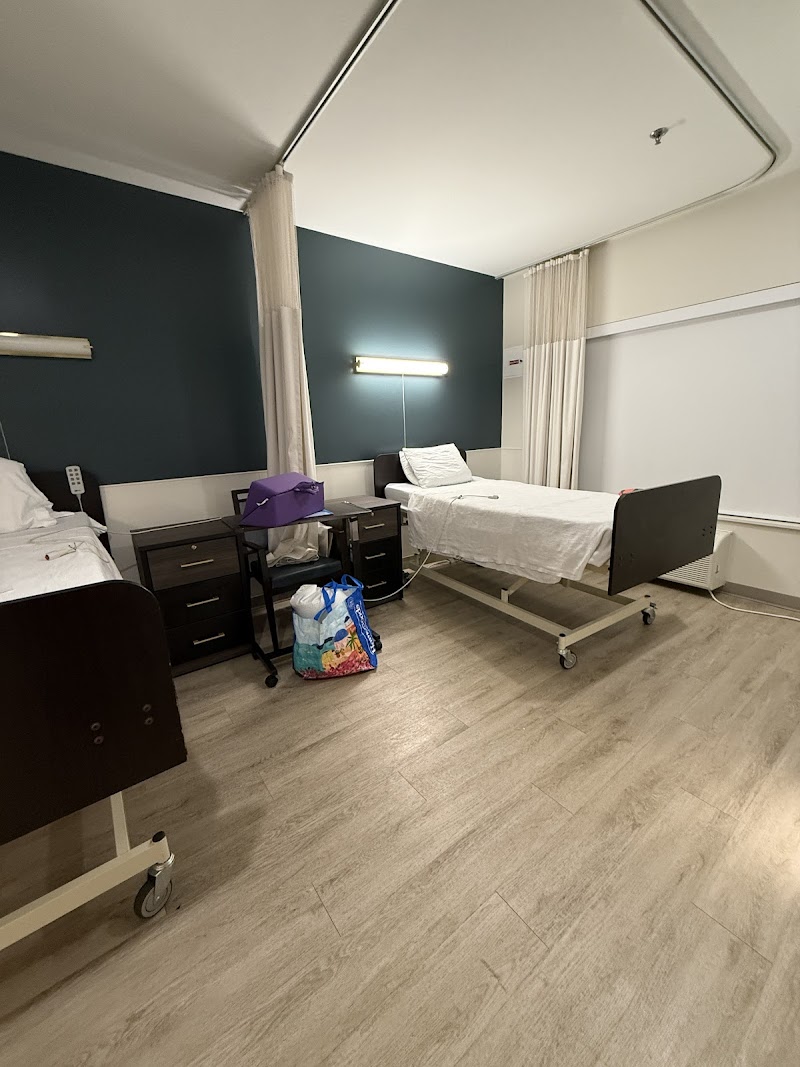
How is Powder Springs Center For Nursing & Healing Staffed?

CMS rates POWDER SPRINGS CENTER FOR NURSING & HEALING's staffing level at 1 out of 5 stars, which is much below average compared to other nursing homes. Staff turnover is 32%, compared to the Georgia average of 46%. This relatively stable workforce can support continuity of care.

What Have Inspectors Found at Powder Springs Center For Nursing & Healing?

State health inspectors documented 22 deficiencies at POWDER SPRINGS CENTER FOR NURSING & HEALING during 2022 to 2024. These included: 2 Immediate Jeopardy (the most serious level, indicating potential for serious harm or death) and 20 with potential for harm. Immediate Jeopardy findings are rare and represent the most serious regulatory concerns. They require immediate corrective action.
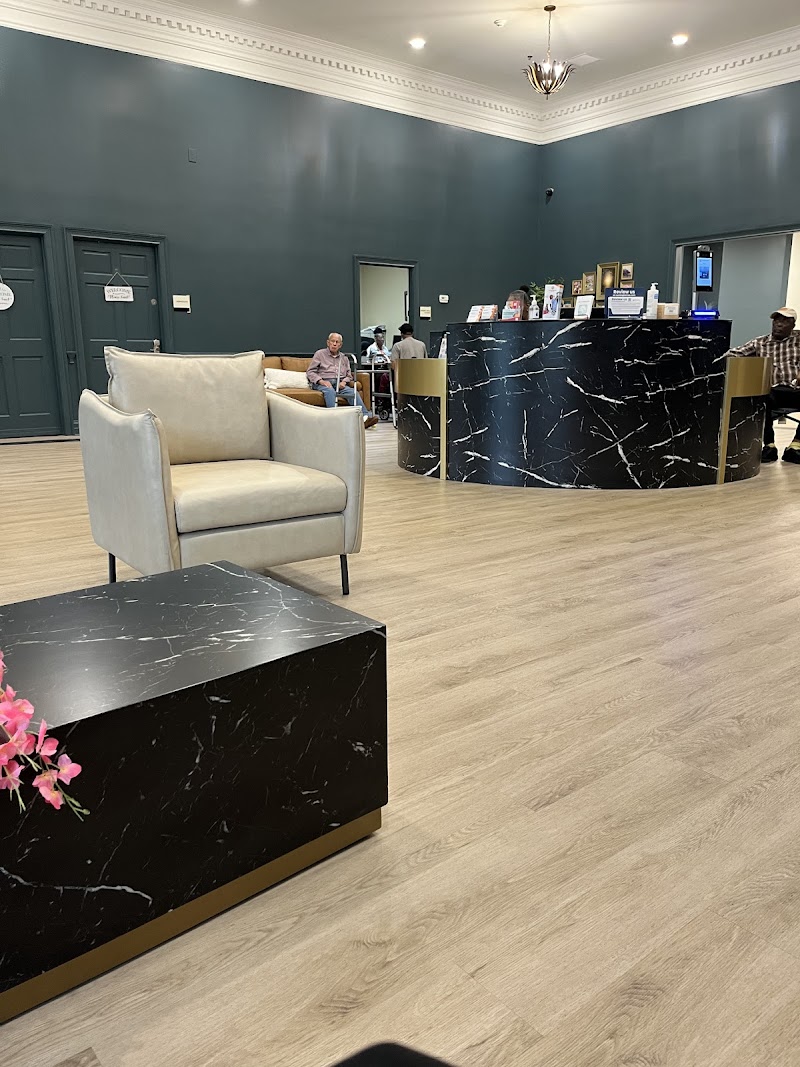
Who Owns and Operates Powder Springs Center For Nursing & Healing?

POWDER SPRINGS CENTER FOR NURSING & HEALING is owned by a for-profit company. For-profit facilities operate as businesses with obligations to shareholders or private owners. The facility is operated by EMPIRE CARE CENTERS, a chain that manages multiple nursing homes. With 208 certified beds and approximately 189 residents (about 91% occupancy), it is a large facility located in POWDER SPRINGS, Georgia.
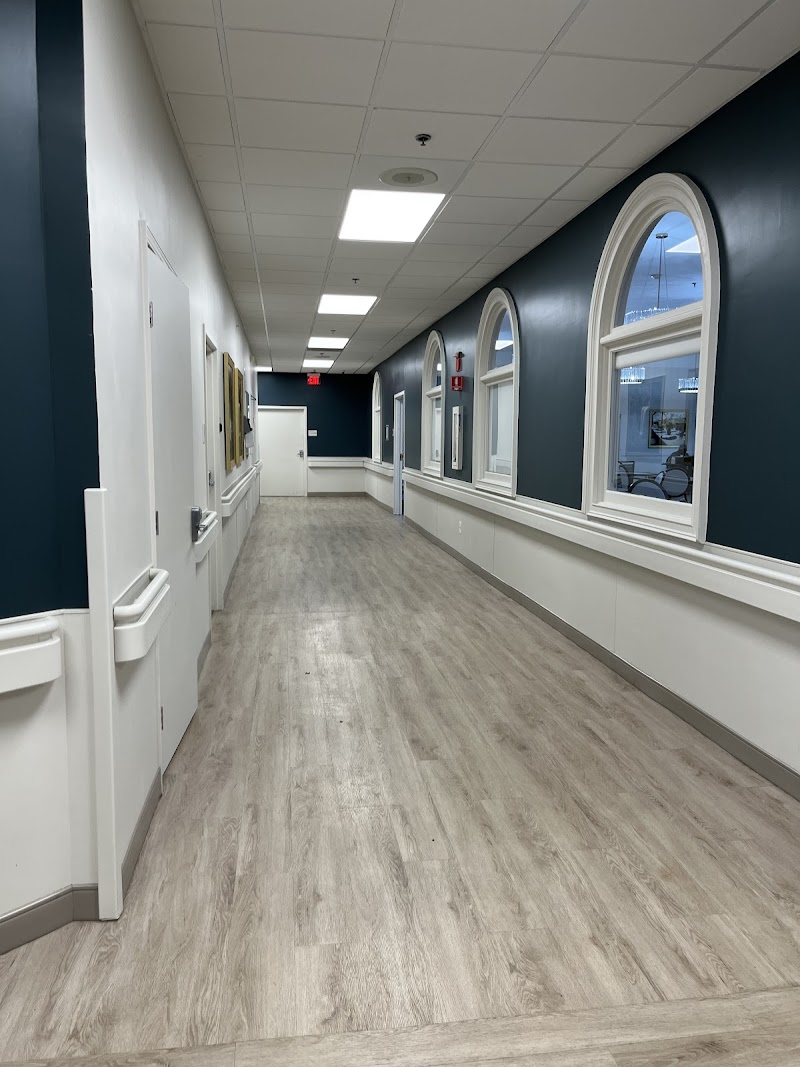
How Does Powder Springs Center For Nursing & Healing Compare to Other Georgia Nursing Homes?

Compared to the 100 nursing homes in Georgia, POWDER SPRINGS CENTER FOR NURSING & HEALING's overall rating (1 stars) is below the state average of 2.6, staff turnover (32%) is significantly lower than the state average of 46%, and health inspection rating (2 stars) is below the national benchmark.

What Should Families Ask When Visiting Powder Springs Center For Nursing & Healing?

Based on this facility's data, families visiting should ask: "What changes have been made since the serious inspection findings, and how are you preventing similar issues?" "Can you walk me through typical staffing levels on day, evening, and night shifts?" "Can I visit during a mealtime to observe dining assistance and food quality?" "How do you handle medical emergencies, and what is your hospital transfer rate?" These questions are particularly relevant given the facility's Immediate Jeopardy citations and the below-average staffing rating.

Is Powder Springs Center For Nursing & Healing Safe?

Based on CMS inspection data, POWDER SPRINGS CENTER FOR NURSING & HEALING has documented safety concerns. Inspectors have issued 2 Immediate Jeopardy citations (the most serious violation level indicating risk of serious injury or death). The facility has a 1-star overall rating and ranks #100 of 100 nursing homes in Georgia. Families considering this facility should ask detailed questions about what corrective actions have been taken since these incidents.

Do Nurses at Powder Springs Center For Nursing & Healing Stick Around?

POWDER SPRINGS CENTER FOR NURSING & HEALING has a staff turnover rate of 32%, which is about average for Georgia nursing homes (state average: 46%). Moderate turnover is common in nursing homes, but families should still ask about staff tenure and how the facility maintains care continuity when employees leave.

Was Powder Springs Center For Nursing & Healing Ever Fined?

POWDER SPRINGS CENTER FOR NURSING & HEALING has been fined $16,802 across 3 penalty actions. This is below the Georgia average of $33,247. While any fine indicates a compliance issue, fines under $50,000 are relatively common and typically reflect isolated problems that were subsequently corrected. Families should ask what specific issues led to these fines and confirm they've been resolved.

Is Powder Springs Center For Nursing & Healing on Any Federal Watch List?

POWDER SPRINGS CENTER FOR NURSING & HEALING is not on any federal watch list. The most significant is the Special Focus Facility (SFF) program, which identifies the bottom 1% of nursing homes nationally based on persistent, serious quality problems. Not being on this list means the facility has avoided the pattern of deficiencies that triggers enhanced federal oversight. This is a positive indicator, though families should still review the facility's inspection history directly.