ROSWELL CENTER FOR NURSING AND HEALING LLC
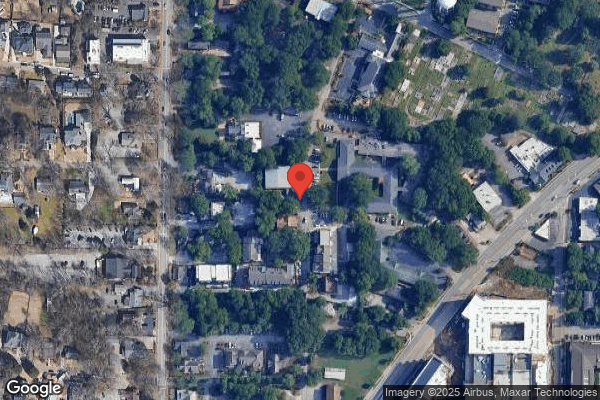
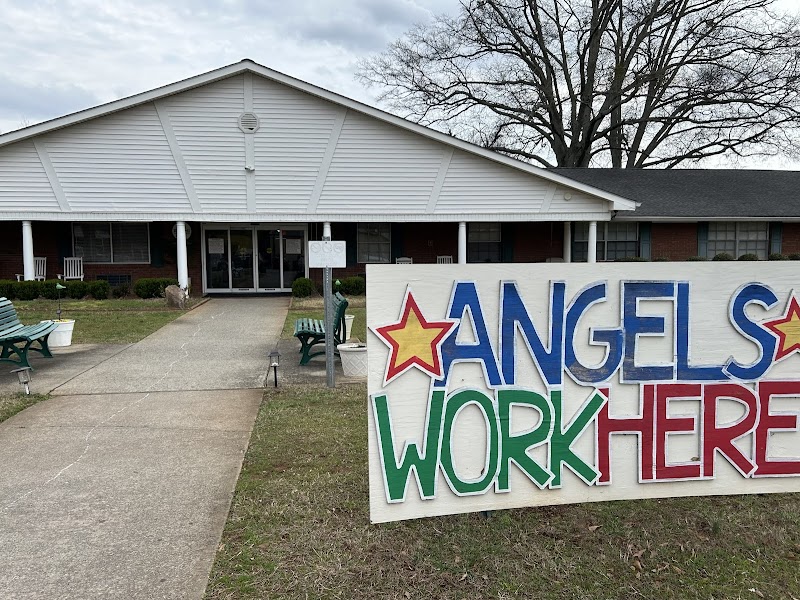
1109 GREEN STREET, ROSWELL, GA 30075 (770) 998-1802
For profit - Limited Liability company 268 Beds CYPRESS SKILLED NURSING Data: November 2025 3 Immediate Jeopardy citations
Trust Grade
0/100
#330 of 353 in GA
Last Inspection: February 2025

Within standard 12-15 month inspection cycle. Federal law requires annual inspections.

Overview

Roswell Center for Nursing and Healing LLC has received a Trust Grade of F, indicating serious concerns about the care and services provided. Ranking #330 out of 353 facilities in Georgia places this nursing home in the bottom half, and #17 out of 18 in Fulton County means there is only one local option that is better. The facility's situation is worsening; issues have increased from 9 in 2023 to 13 in 2025. Staffing is a significant concern, with a rating of 1/5 stars and a troubling turnover rate of 81%, which is much higher than the state average of 47%. Additionally, the facility has faced $216,236 in fines, indicating compliance problems more severe than 95% of Georgia facilities, and there is less RN coverage than 84% of other nursing homes, which can impact the quality of care. Critical incidents include a resident's death by choking due to inadequate supervision during meals and failures in providing necessary care plans, highlighting significant lapses in safety and care standards. Overall, while staffing and RN coverage are areas of concern, the facility's critical incidents raise serious alarms about resident safety and care quality.

Trust Score
F
0/100
In Georgia
#330/353
Bottom 7%
Safety Record
High Risk
Review needed
Inspections
Getting Worse
9 → 13 violations
Staff Stability
⚠ Watch
81% turnover. Very high, 33 points above average. Constant new faces learning your loved one's needs.
Penalties
✓ Good
$216,236 in fines. Lower than most Georgia facilities. Relatively clean record.
Skilled Nurses
⚠ Watch
Each resident gets only 14 minutes of Registered Nurse (RN) attention daily — below average for Georgia. Fewer RN minutes means fewer trained eyes watching for problems.
Violations
⚠ Watch
29 deficiencies on record. Higher than average. Multiple issues found across inspections.
★☆☆☆☆
1.0
Overall Rating
★☆☆☆☆
1.0
Staff Levels
★☆☆☆☆
1.0
Care Quality
★☆☆☆☆
1.0
Inspection Score
Stable
2023: 9 issues
2025: 13 issues

The Good

  • Full Sprinkler Coverage · Fire safety systems throughout facility
  • No fines on record

Facility shows strength in fire safety.

The Bad

1-Star Overall Rating

Below Georgia average (2.6)

Significant quality concerns identified by CMS

Staff Turnover: 81%

34pts above Georgia avg (46%)

Frequent staff changes - ask about care continuity

Federal Fines: $216,236

Well above median ($33,413)

Significant penalties indicating serious issues

Chain: CYPRESS SKILLED NURSING

Part of a multi-facility chain

Ask about local staffing decisions and management

Staff turnover is very high (81%)

33 points above Georgia average of 48%

The Ugly 29 deficiencies on record

3 life-threatening 2 actual harm
Jul 2025 2 deficiencies
CONCERN (D) 📢 Someone Reported This

A family member, employee, or ombudsman was alarmed enough to file a formal complaint

Potential for Harm - no one hurt, but risky conditions existed

ADL Care (Tag F0677)

Could have caused harm · This affected 1 resident

**NOTE- TERMS IN BRACKETS HAVE BEEN EDITED TO PROTECT CONFIDENTIALITY** Based on record review, resident and staff interviews, and facility policy review, the facility failed to ensure residents who w...

Read full inspector narrative →
**NOTE- TERMS IN BRACKETS HAVE BEEN EDITED TO PROTECT CONFIDENTIALITY** Based on record review, resident and staff interviews, and facility policy review, the facility failed to ensure residents who were dependent on staff for activities of daily living (ADLs) received showers as scheduled and requested for one of three residents (Resident (R) 2) reviewed for ADLs out of 30 sample residents. This failure placed the residents at risk of a diminished quality of life.Findings include: Review of the facility's policy Activities of Daily Living (ADLs) dated January 2024, The facility will, based on the resident's comprehensive assessment and consistent with the resident's needs and choices, ensure a resident's abilities in ADLs do not deteriorate unless deterioration is unavoidable. Care and services will be provided for the following activities of daily living: 1. Bathing .The facility will provide a maintenance and restorative program to assist the resident in achieving and maintaining the highest practicable outcome based on the comprehensive assessment .A resident who is unable to carry out activities of daily living will receive the necessary services to maintain good nutrition, grooming, and personal and oral hygiene .The facility will maintain individual objectives of the care plan and periodic review and evaluation.Review of R2's Face Sheet, located in the resident's EMR under the Face Sheet tab revealed the resident was admitted to the facility on [DATE] with diagnoses that included but not limited to hemiplegia and hemiparesis following cerebral infarction affecting left non-dominant side, acquired absence of right leg below knee, acquired absence of left leg above knee, polyneuropathy, and chronic pain.Review of R2's five day Minimum Data Set (MDS) located in the MDS tab in the EMR with an Assessment Reference Date (ARD) of 6/5/2025, revealed a Brief Interview for Mental Status (BIMS) score of 15 out of 15, which indicated no cognitive impairment. According to the MDS R2 had limitation in range of motion to upper extremities on both sides. He required substantial/maximal assistance for showering/bathing. Review of R2's Care Plan in the EMR under the Care Plan tab, initiated 2/27/2024 and revised 12/12/2025, revealed R2 had a self-care deficit related to experiencing difficulty in performing tasks of daily living such as dressing, bathing, toileting .as evidenced by neuromuscular impairment. Interventions included to assist with bathing as needed.Record review of R2's April 2025 Documentation Survey Report, under the EMR Tasks tab, revealed the resident was to receive bed bath/shower every Monday and Thursday on the 3:00 PM through 11:00 PM shift. Documentation revealed the resident was not documented for bed bath nor shower on 4/15/2025, 4/18/2025, 4/22/2025, or 4/25/25 (where documentation was reserved for ADL charting). The resident was documented as refused on 4/29/2025 at 10:59 PM, without any documentation to indicate when the resident was offered a shower, why they refused, or if they were offered an alternate time. The resident did not receive showers on four of five opportunities, not including the documented refusal.Record review of R2's May 2025 Documentation Survey Report, under the EMR Tasks tab, revealed the resident was to receive bed bath/shower every Monday and Thursday on the 3:00 PM through 11 PM shift. Documentation revealed the resident was not documented for bed bath nor shower on 5/26/2025 (where documentation was reserved for ADL charting). The resident was documented as NA or Not Applicable on 5/2/2025,5/9/2025, and 5/19/2025. There was documentation to indicate why the resident was not provided with a bed bath/shower on NA days. The resident did not receive showers on four of eight opportunities.Record review of R2's June 2025 Documentation Survey Report, under the EMR Tasks tab, revealed the resident was to receive bed bath/shower every Monday and Thursday on the 3:00 PM through 11 PM shift. Documentation revealed the resident was not documented for bed bath nor shower on 6/9/2025, 6/16/2025, and 6/23/2025 (where documentation was reserved for ADL charting). The resident was documented as NA or Not Applicable on 6/12/2025 and 6/26/2025. There was documentation to indicate why the resident was not provided with a bed bath/shower on NA days. The resident did not receive showers on five of eight opportunities.During an interview on 7/2/2025 at 1:45 PM, R2 stated that the facility staff did not provide him with the showers that he was supposed to receive. He stated that the staff told him that they were short-staffed. He stated he believed the reason must be because of the lack of staff or that the staff just did not want to come back in and offer him his showers. R2 said that he had gone two weeks without showers on more than one occasion. He stated it was still a current problem, and that he did not refuse showers if they were offered to him. R2 stated that he was supposed to receive them twice a week on Mondays and Thursdays, but that did not always happen.During an interview on 7/2/2025 at 3:30 PM, Certified Nursing Aide (CNA) 1 stated that she believed residents were supposed to get three showers a week, but confirmed she was not sure. CNA1 said that the aides were assigned certain residents to shower, and that they documented on paper shower sheets and also on the kiosk, which documented the showers into the EMR. Although she stated she provided R2 showers and bed baths, she stated she was not sure how often he was provided or was offered the showers. She was not sure why the resident was documented with NA on numerous shower days, except that she was aware that it meant Not Applicable.During an interview on 7/2/2025 at 3:33 PM, Licensed Practical Nurse (LPN) 1 said that residents were offered showers twice a week. She said the aides were assigned residents. LPN1 stated that the aides would complete shower sheets, and they would also chart in the EMR. At the end of the month, she stated the shower sheets would be picked up by management. She confirmed R2 was supposed to be provided with showers by using a portable bed bath that would take him to the shower room.During an interview on 7/2/2025 at 3:38 PM, Clinical Manager (CM) 2 stated that the aides should chart on shower sheets, which would then get put into a binder. CM2 said that at the end of the month the sheets would go to management, but they were not kept permanently. She said that the shower sheets were not kept for the resident record and were currently all discarded up to and including June 2025. CM2 confirmed upon review of R2's bed bath/shower documentation in the Documentation Survey Report for April 2025, May 2025, and June 2025 that there were many gaps in the charting of twice weekly showers without explanation. She stated that this documentation was the only available charting of R2's provided showers. During an interview on 7/2/2025 at 3:50 PM, the Director of Nursing stated that residents would be provided two showers a week. She stated that the CNAs were assigned to provide the showers to the residents and would chart into the EMR, which would be noted in the Documentation Survey Report. The Director of Nursing confirmed that this charting in the EMR was the comprehensive and accurate accounting of the resident's shower documentation.During an interview on07/2/2025 at 3:55 PM, the Administrator stated that she expected the EMR documentation to be the accurate record of resident care. Upon review of the April 2025, May 2025, and June 2025 Documentation Survey Report of bed bath/showers for R2 she confirmed that the charting showed numerous gaps in the provision of twice weekly showers. She confirmed that if this was the only shower documentation, there would be a noted lack of showering for R2.
CONCERN (E) 📢 Someone Reported This

A family member, employee, or ombudsman was alarmed enough to file a formal complaint

Potential for Harm - no one hurt, but risky conditions existed

Deficiency F0761 (Tag F0761)

Could have caused harm · This affected multiple residents

**NOTE- TERMS IN BRACKETS HAVE BEEN EDITED TO PROTECT CONFIDENTIALITY** Based on observations, staff interviews, record review, and facility policy review, the facility failed to ensure that medicatio...

Read full inspector narrative →
**NOTE- TERMS IN BRACKETS HAVE BEEN EDITED TO PROTECT CONFIDENTIALITY** Based on observations, staff interviews, record review, and facility policy review, the facility failed to ensure that medications delivered by pharmacy were properly secured. This deficient practice had the potential to cause medication diversion, medication administration errors, and adverse effects. Findings include: Review of the facility's policy titled, Medication Storage dated 12/2022 revealed, It is the policy of this facility to ensure a medications housed on our premises will be stored in the pharmacy and/or medication rooms according to the manufacturer's recommendations and sufficient to ensure proper sanitation, temperature, light, ventilation, moisture control, segregation, and security. Additionally, under section, Policy Explanation and Compliance Guidelines, it revealed, 1. General Guidelines: a. All drugs and biologicals will be stored in locked compartments (i.e. medication carts, cabinets, drawers, refrigerators, medication rooms). b. Only authorized personnel will have access to the keys to locked compartments.During an observation on the secured unit on 7/1/2025 at 6:33 AM, an unopened box of lidocaine patches and a purple pharmacy bag containing medication patches and blister packs of pills inside of it were sitting on desk at nurse's station unattended medication cart. An unknown male resident was walking up to the nurse's station when surveyors observed the unsecured medications. Approximately a minute later, Licensed Practical Nurse (LPN) 2 arrived at the nurse's station. LPN2 confirmed the medications were left unsecured and unattended.During a walk-through of the facility on 7/1/2025 from 6:30 AM - 6:53 AM, three unknown partial pills were found on the floor in the hallway on the secured unit, two additional unknown pills were found on the floor in the hallway of the adjacent unit. Two more pills were found on the floor in the hallway on a unit on the second floor. Both night shift staff and day shift staff were present due to a change of shift at 7:00 AM. Different staff members were picking the pills up off the floor stating they weren't supposed to be on the floor and not knowing where they came from or who they were for. Review of the following resident medications were found unlocked at the desk at nurse's station unattended medication cart:Review of R24's Face Sheet, located in the Resident tab of the electronic medical record (EMR) revealed R24 was admitted to the facility on [DATE] with diagnoses that included but was not limited to Alzheimer's disease, late onset and dementia.Review of R24's EMR titled quarterly Minimum Data Set (MDS) with an Assessment Reference Date (ARD) of 5/14/2025 revealed a Brief Interview for Mental Status (BIMS) score of six out of 15, which indicated the resident had severe cognitive impairment. Review of R24's EMR titled Physician Orders located under the Resident tab and dated 11/23/2022 indicated [R24] Exelon transdermal patch 24 hour 13.3 MG/24 HR for Alzheimer's . apply to intact skin for 24 hours, rotating site, and allow 14 days before reapplying to same sight.Review of R25's Face Sheet, located in the Resident tab of the electronic EMR revealed R25 was admitted to the facility with diagnoses that included but not limited to neurocognitive disorder with Lewy bodies and dementia with psychotic disturbance.Review of R25's EMR titled annual MDS with an ARD of 5/15/2025, revealed a BIMS score of five out of 15, which indicated the resident had severe cognitive impairment. Review of R25's EMR titled Physician Orders located under the Resident tab and dated 4/30/2025 indicated [R25] Buspar 5 MG Tablet for anxiety .give every 12 hours.'Review of R26's Face Sheet, located in the Resident tab of the electronic EMR revealed R26 was admitted to the facility with diagnoses that included but not limited to Alzheimer's disease, late onset and dementia with psychotic disturbance.Review of R26's EMR titled quarterly MDS with an ARD of 5/16/2025, revealed a BIMS score of three out of 15, which indicated the resident had severe cognitive impairment. Review of R26's EMR titled Physician Orders located under the Resident tab and dated 5/4/2025 indicated [R26] Buspar 5 MG Tablet for anxiety .give every 12 hours.Review of R27's Face Sheet, located in the Resident tab of the electronic EMR revealed R27 was admitted to the facility with diagnoses that included but not limited to Alzheimer's disease, early onset and dementia with behavioral disturbance. Review of R27's EMR titled quarterly MDS with an ARD of 6/16/2025, revealed a BIMS score of ten out of 15, which indicated the resident had moderate cognitive impairment. Review of R27's EMR titled Physician Orders located under the Resident tab and dated 5/15/2025 indicated [R27 Lovastatin 20 MG tablet for high cholesterol .give at bedtimeReview of R28's Face Sheet, located in the Resident tab of the electronic EMR revealed R28 was admitted to the facility with diagnoses that included but not limited to vascular dementia moderate, with psychotic disturbance and alcohol abuse with alcohol-induced psychotic disorder.Review of R28's EMR titled quarterly MDS with an ARD of 6/14/2025, revealed a BIMS score of ten out of 15, which indicated the resident had moderate cognitive impairment. Review of R28's EMR titled Physician Orders located under the Resident tab and dated 6/1/2025 indicated [R28] Pantoprazole delayed release 40 MG tablet .give twice daily for gastroesophageal reflux disease.Review of R29's Face Sheet, located in the Resident tab of the electronic EMR revealed R29 was admitted to the facility with diagnoses that included but not limited to Parkinson's disease without dyskinesia and vascular dementia.Review of R29's EMR titled annual MDS with an ARD of 6/19/2025, revealed a BIMS score of two out of 15, which indicated the resident had severe cognitive impairment. Review of R29's EMR titled Physician Orders located under the Resident tab and dated 5/6/2025 indicated [R29] pain relief pad Lidoderm 5% (percent) .apply to neck for twelve hours, then remove for twelve hours .Review of R30's Face Sheet, located in the Resident tab of the electronic EMR revealed R30 was admitted to the facility with diagnoses that included but not limited to bipolar disorder, current episode mixed, mild and borderline personality disorder.Review of R30's EMR titled annual MDS with an ARD of 6/15/2025, revealed a BIMS score of two out of 15, which indicated the resident had severe cognitive impairment. Review of R30's EMR titled Physician Orders located under the Resident tab and dated 6/13/2025 indicated [R30] Vraylar 3 MG capsule for bipolar disorder . give once daily in the morning.During an interview on 7/1/2025 at 6:33 AM, LPN2 stated, I don't know how long these meds have been here at the nurse's station on the desk. Somebody has to sign for them when pharmacy delivers them. I took the meds that were mine and locked them up. LPN2 looks at the stack of blister packs and realized they are for her residents and stated, These are actually mine. I don't know when they were delivered because we get deliveries multiple times, but I will go lock these up right now.During an interview on 7/3/2025 at 3:42 PM, the Administrator stated, Finding those pills on the floor was unacceptable. It's also unacceptable to leave medications unsecured and unattended. When pharmacy delivers them, the nurses should check them in, count them, and make sure they match what's supposed to be in the bag and then secure them behind a lock, and two locks if they are a narcotic. The nurses know leaving them at the nurses and then walking away is not the procedure we do.
Feb 2025 11 deficiencies 3 IJ
CRITICAL (J) 📢 Someone Reported This

A family member, employee, or ombudsman was alarmed enough to file a formal complaint

Immediate Jeopardy (IJ) - the most serious Medicare violation

Comprehensive Care Plan (Tag F0656)

Someone could have died · This affected 1 resident

**NOTE- TERMS IN BRACKETS HAVE BEEN EDITED TO PROTECT CONFIDENTIALITY** Based on interviews and record review, the facility failed to develop and implement a comprehensive care plan for one of 45 resi...

Read full inspector narrative →
**NOTE- TERMS IN BRACKETS HAVE BEEN EDITED TO PROTECT CONFIDENTIALITY** Based on interviews and record review, the facility failed to develop and implement a comprehensive care plan for one of 45 residents (R200) related to a diagnosis of dysphagia (difficulty swallowing) and supervision with meals, resulting in R200's death by choking on a sandwich. On 2/3/2025, a determination was made that a situation in which the facility's noncompliance with one or more requirements of participation had caused or had the likelihood to cause, serious injury, harm, impairment, or death to residents. The facility's Administrator and Director of Nursing (DON) were informed of the Immediate Jeopardy (IJ) on 2/3/2025, at 10:25 am. The noncompliance related to the IJ was identified to have existed on 8/6/2024. An Acceptable Removal Plan was received on 2/5/2025. Based on observation, record review, a review of facility policies as outlined in the Removal Plan, and staff interviews, it was validated that the corrective plans and the immediacy of the deficient practice were removed on 2/5/2025. The facility remained out of compliance while the facility continued management-level staff oversight as well as continuing to develop and implement a Plan of Correction (POC). This oversight process includes an analysis of the facility staff's conformance with the facility's policies and procedures governing providing Activities of Daily Living (ADL) care and supervision with meals. Finding included: A facility policy titled, Care Plans, Comprehensive Person-Centered updated December 2022 indicated, 9. Areas of concern that are identified during the resident assessment will be evaluated for interventions are added to the care plan. 10. Identifying problem areas and their causes and developing interventions that are targeted and meaningful to the resident, or the endpoint of an interdisciplinary process . 13. Assessments of residents are ongoing, and care plans are revised as information about the residents and the residents' conditions change. An admission Record revealed R200 was a [AGE] year-old male admitted to the facility on [DATE] with a medical history of gastroesophageal reflux disease without esophagitis, urinary tract infection, site not specified, cerebral palsy, congenital malformation syndromes predominantly involving limbs, functional quadriplegia, asthma, seizures, malaise, mood disorder. A Speech Therapy Transitional Evaluation and Plan of Treatment Record revealed that R200 had poor visual acuity (right eye retinal detachment) and was non-verbal. An initial Minimum Data Set (MDS), with an Assessment Reference Date (ARD) of 7/8/2024, revealed R200 had a Brief Interview for Mental Status (BIMS) score of 99, which indicated the resident is severely impaired. The resident requires total dependence on all ADL care. Speech Therapy Transitional Evaluation and Plan of Treatment, dated 8/1/2024 performed treatment for dysphagia, oropharyngeal phase by the facility Speech and Language Pathologist (SLP) revealed R200 prior level of function (PLOF) (before onset), Patient was previously consuming 75 - 100% of low residue diet (LRD) of regular texture solids with thin liquids, in a home environment with caregiver supervision, with history of one episode of choking on a chicken bone, per caregiver report. Baseline (8/1/2024), Patient currently demonstrating oral/pharyngeal swallowing ability within functional limits for consumption of regular texture diet with thin liquids; however, patient demonstrates risk of choking/aspiration due to decreased visual acuity and per os (PO) (by mouth) efficiency. The assessment indicated Precautions/Contraindications are as follows: nonverbal, falls, left foot wound, communicate via vocalizations/gestures/facial expressions; poor visual acuity; follow aspiration/choking precautions - upright during PO intake, set up and orient resident to items on meal tray, supervision during meals. The most recent MDS dated [DATE] indicated in section GG the resident required Setup or clean-up assistance with eating. Section K Swallowing Disorder indicated in C. Coughing or choking during meals or when swallowing medications. No. Swallow Therapy (ST) notes outlined that R200 received Daily ST with a start date of 7/3/2024 through 8/6/2024. A review of R200's 'ST Daily Treatment Note', dated 7/8/2024 revealed R200 was unable to self-feed today's noon meal. Physical Therapy Review of Therapy notes dated 7/29/2024 revealed: PT required one-to-one assistance with feeding today due to the nature of the breakfast meal. A review of the physician orders with the last review date of 8/3/2024 revealed that R200 was full code, and had special instructions of up 90 degrees to eat sit up 30 minutes after eating alternate liquids and solids slowly . The Physician orders further included: Rehab ST orders: skilled therapy for 5 times a week x 12 weeks for dysphagia (start date 7/2/2024 end date 9/24/2024. Aspiration Precautions Maintained: Up 90 degrees to eat sit up 30 minutes after eating alternate liquids and solids slowly every shift with the start date of 6/15/2024. Regular diet regular texture and regular consistency with a start date of 6/15/2024. On 8/6/2024, R200's assigned feeding assistant Certified Nursing Assistant (CNA) EE received the late dinner trays for his assigned hall at approximately 6:40 pm, approximately 20 minutes before his shift ended. CNA EE notified the nurse that he would not have time to feed R200, but he could drop off R200's tray in his room before his time to clock out by 7:00 pm. Surveillance footage provided by PPP shows CNA EE entering R200's room with his food tray at 6:43 pm. The feeding assistants assignment was reassigned to CNA FF at 6:45 pm. Surveillance footage shows CNA FF initially entering R200's room at 7:15 pm and exiting at 7:21 pm with R200's food tray. CNA FF reported at approximately 7:15 pm that R200 was found to be unresponsive. The facility provided R200 a sandwich to consume for 32 minutes without the required one-to-one supervision when eating or drinking on 8/6/2024. R200 had a banner alert in his electronic medical records (EMR) chart with orders/special instructions for the following, UP 90 DEGREES TO EAT SIT UP 30 MINUTES AFTER EATING ALTERNATE LIQUIDS AND SOLIDS SLOWLY. A record review of R200's Care Plan revealed the facility failed to customize R200's care plan to include one-to-one assistance while eating and drinking as an intervention for complication risks of dysphagia. A record review of the Medical Examiner's report and photos of the scene (a half-eaten slice of bread on R200's pillow and a half-eaten slice of bread on the floor next to the resident's bed) revealed the cause of death was R200 choked on a sandwich. In an interview and record review with the facility DON on 1/29/2025 at 9:30 am she did not understand why the MDS nurse did not include the dysphagia diagnosis in the R200's chart and care plan. When asked about who is responsible for auditing the MDS and care plans for accuracy, the DON stated the facility has had many transfers of ownership and leadership in the last year and audit processes are not perfect right now, but they are working on it. In an interview and record review on 1/29/2025 at 12:05 pm with the facility SLP, Director of Rehabilitation, she remembered prescribing R200 one-on-one assistance while he was eating to make sure that he was eating at a proper pace and not eating too fast or drinking. In an interview and record review on 1/29/2025 at 12:19 pm with MDS Nurse, Registered Nurse (RN) NNN she stated that they do not always enter therapy diagnosis with the medical diagnosis. She stated that the doctor could have changed it. When shown the medical records list a diagnosis of oral pharyngeal impairment, which is dysphagia, and the resident required a specialized diet and close supervision to prevent an incident of aspiration. She replied, I don't remember it's been too long ago but if the doctor saw the person when they got here. He didn't include it. It may have been that he didn't feel they had dysphasia anymore. The RN NNN was reminded that the evaluation was concluded the day before the R200 admission to the facility. She stated, I don't know. I don't remember. I mean it's been so long ago, and we just do hundreds and hundreds of assessments. A review of the facility's dysphagia care plan audit compared with the residents currently assigned feeding assistance during meals revealed 30 of 45 residents diagnosed with dysphagia who require assistance with meals care plans had not been reviewed/customized/ or revised for this individualized intervention for complication risks of dysphagia. Record review revealed that the facility updated the 30 dysphagia residents' care plans on 2/5/2025 and assigned caregivers and in-serviced all active nursing staff of their responsibilities and expectations of their duties when providing the various levels of feeding assistance. The facility implemented the following actions to remove the IJ: R200 expired at the center on 8/6/2024. On 2/3/2025, the policy for comprehensive care plans was reviewed and/or revised by the Administrator and Regional Director of Clinical Operations without a recommendation for revisions. On 3/4/2025, the MDS Nurse reviewed care plans for 45 of 45 in-house residents identified with a diagnosis of dysphagia. Thirty care plans were updated to include a diagnosis of dysphagia current and active care plans for dysphagia and appropriate levels of meal supervision. On 2/4/2025, the DON in-serviced the MDS team and licensed nurses on the Center's Comprehensive Care Plan policy and development/implementation and adherence of care plans. (RNs nine of nine equaling 100%; LPNs 42 of 43 equaling 97.7%; OVERALL 98%). Employees on leave of absence, vacation, agency staff, or new hires will be re-educated by the Staff Development Coordinator, DON, or Nursing Supervisor prior to returning to duty, and will not be given an assignment until they are given additional on-site education. On 2/4/2025, the DON and Regional Director of Clinical Operations reviewed residents in the past thirty (30) days with a new diagnosis of dysphagia to ensure that care plans were updated as appropriate. Two (2) residents were identified with a new diagnosis of dysphagia for this review period. The Administrator reviewed the results of the audits and shared the findings with the Ad Hoc Quality Assurance Performance Improvement Committee on 2/4/2025. All corrective actions were completed on 2/4/2025 and the IJ was removed on 2/5/2025. The State Survey Agency (SSA) validated the facility's written IJ Removal Plan as follows: A review of the facility census list revealed that the facility stopped billing R200 on 8/6/2024 with an action code of DE - deceased Date (Facility). A review of the Care Plans and Comprehensive Person-Centered policy statement updated in December 2022 and signed by the Administrator, DON, Regional Director of Clinical Operations, Regional Director of Operations, and Medical Director via phone on 2/2/2025 without revisions. Review of the diagnosis report after the facility audited the residents diagnosed with dysphagia on 2/4/2025 they discovered that 30 of 45 needed updates to their care plan interventions for feeding assistance. There were 23 residents assigned meal supervision on 2/4/2025, the assignments were revised on 2/5/2025 to 45 residents assigned meal supervision as an intervention for their individualized risk. On 2/4/2025 at 9:08 pm, the facility provided via email a revised list of in-serviced staff due to recent terminations, suspensions, and agency staffing. This consisted of 43 LPNs and nine RNs. There were two new diagnoses of dysphagia identified in the last 30-day review of the diagnosis report after the facility audited the residents diagnosed with dysphagia on 2/4/2025 and updates to their care plans were updated as appropriate. Dated (1/23/2025 and 1/28/2025) An Ad hoc meeting was held on 2/4/2025 to address the concerns described in the IJ called on 2/3/2025 during the annual recertification survey that began on 1/13/2025. Topics reviewed F677 - ADL Care Provided for Dependent Residents, F656 - Develop/Implement Comprehensive Care Plan, and F835 - Administration. The POCs and related performance improvement plans were initiated for abatement. The root causes and contributing factors were discussed. A review of the sign-in sheet for QAPI revealed that the Medical Director attended via phone. All corrective actions were determined to be completed on 2/4/2025 and the IJ was removed on 2/5/2025.
CRITICAL (J) 📢 Someone Reported This

A family member, employee, or ombudsman was alarmed enough to file a formal complaint

Immediate Jeopardy (IJ) - the most serious Medicare violation

ADL Care (Tag F0677)

Someone could have died · This affected 1 resident

**NOTE- TERMS IN BRACKETS HAVE BEEN EDITED TO PROTECT CONFIDENTIALITY** Based on interviews, record review, and the review of the facility policies titled Activities of Daily Living (ADL) and Assistan...

Read full inspector narrative →
**NOTE- TERMS IN BRACKETS HAVE BEEN EDITED TO PROTECT CONFIDENTIALITY** Based on interviews, record review, and the review of the facility policies titled Activities of Daily Living (ADL) and Assistance with Meals, the facility failed to provide supervision and assistance with Activities of Daily Living (ADL) care during meals for one of 45 residents (R) (R200) related to a diagnosis of dysphagia (difficulty swallowing). On 8/6/2024, this failure resulted in R200's death by choking on a sandwich. On 2/3/2025, a determination was made that a situation in which the facility's noncompliance with one or more requirements of participation had caused or had the likelihood to cause, serious injury, harm, impairment, or death to residents. The facility's Administrator and Director of Nursing (DON) were informed of the Immediate Jeopardy (IJ) on 2/3/2025, at 10:25 am. The noncompliance related to the IJ was identified to have existed on 8/6/2024. An Acceptable Removal Plan was received on 2/5/2025. Based on observation, record review, a review of facility policies as outlined in the Removal Plan, and staff interviews, it was validated that the corrective plans and the immediacy of the deficient practice were removed on 2/5/2025. The facility remained out of compliance while the facility continued management-level staff oversight as well as continuing to develop and implement a Plan of Correction (POC). This oversight process includes an analysis of the facility staff's conformance with the facility's policies and procedures governing providing Activities of Daily Living (ADL) care and supervision with meals. Finding included: A facility policy titled, Activities of Daily Living (ADL) updated December 2024 indicated, The facility will, based on the resident's comprehensive assessment and consistent with the resident's needs and choices, ensure a resident's abilities in ADL's do not deteriorate unless deterioration is unavoidable. Care and services will be provided for the following activities of daily living: 4. Eating to include meals and snacks . A review of the facility policy titled Assistance with Meals issued in April 2024, revealed that Residents shall receive assistance with meals in a manner that meets the individual needs of each resident. 3. Residents Requiring Full Assistance: Residents who cannot feed themselves will be fed with attention to safety, comfort, and dignity . Keeping interactions with other staff to a minimum while assisting residents with meals. A review of the admission Record in the Electronic Medical Record (EMR) revealed R200 was a [AGE] year-old male admitted to the facility on [DATE] with a medical history of gastroesophageal reflux disease without esophagitis, urinary tract infection, cerebral palsy, congenital malformation syndromes predominantly involving limbs, functional quadriplegia, asthma, seizures, malaise, and mood disorder. A Speech Therapy Transitional Evaluation and Plan of Treatment Record revealed that R200 had poor visual acuity (right eye retinal detachment) and was non-verbal. A review of the admission Minimum Data Set (MDS) assessment, with an Assessment Reference Date of 7/8/2024, revealed R200 had a Brief Interview for Mental Status (BIMS) score of 99, which indicated the resident was severely impaired and required total dependence with ADL care. A review of the Speech Therapy Transitional Evaluation and Plan of Treatment dated 8/1/2024 revealed that R200 received treatment for dysphagia and oropharyngeal phase by the facility Speech and Language Pathologist (SLP). It was revealed that R200's prior level of function (PLOF) (prior to onset), Patient was previously consuming 75 - 100% of low residue diet (LRD) of regular texture solids with thin liquids, in a home environment with caregiver supervision, with history of one episode of choking on a chicken bone, per caregiver report. Baseline (8/1/2024), Patient currently demonstrating oral/pharyngeal swallowing ability within functional limits for consumption of regular texture diet with thin liquids; however, the patient demonstrates the risk of choking/aspiration due to decreased visual acuity and per os (PO) (by mouth) efficiency. The assessment indicated precautions/ contraindications are as follows: nonverbal, falls, left foot wound, communicate via vocalizations/gestures/facial expressions; poor visual acuity; follow aspiration/choking precautions - upright during PO intake, set up and orient resident to items on meal tray, supervision during meals. The most recent MDS assessment dated [DATE] indicated that the resident required Setup or clean-up assistance with eating. Section K Swallowing Disorder indicated in C. Coughing or choking during meals or when swallowing medications. No. Speech Therapy (ST) notes outlined that R200 received Daily ST with a start date of 7/3/2024 through 8/6/2024. A review of R200's 'ST Daily Treatment Note', dated 7/8/2024 revealed R200 was unable to self-feed today's noon meal. The Physical Therapy review notes dated 7/29/2024 revealed: PT required one-on-one assistance with feeding today due to the nature of the breakfast meal. A review of the physician orders with the last review date of 8/3/2024 revealed that R200 was full-code, and had special instructions of up 90 degrees to eat sit up 30 minutes after eating alternate liquids and solids slowly . The Physician orders further included: Rehab ST orders: skilled therapy for five times a week x 12 weeks for dysphagia (start date 7/2/2024 end date 9/24/2024). Aspiration Precautions Maintained: Up 90 degrees to eat sit up 30 minutes after eating alternate liquids and solids slowly every shift with the start date of 6/15/2024. Regular diet regular texture and regular consistency with a start date of 6/15/2024. During an interview on 1/30/2025 at 7:49 pm, Certified Nursing Assistant (CNA) EE stated he was assigned to feed R200 during the 7:00 am to 7:00 pm shift on 8/6/2024. CNA EE stated he fed R200 breakfast around 8:00 am. He stated that lunch arrived late, and he fed R200 after 1:00 pm. CNA EE stated the dinner service was running late as well that evening. The dinner trays came to his hall between 6:40 pm and 7:00 pm. He stated as an Agency CNA, they were not paid for working past the scheduled time. CNA EE stated, R200 can't feed himself because of his condition. It's like he cannot grip a spoon to feed himself with it, so he needed to be fed by staff. CNA EE stated a female CNA (Couldn't remember her name) would help him with positioning R200 to 90 degrees for feeding. CNA EE stated, You have to be patient feeding him and watch him . make sure he swallows before giving the resident the next bite. I would give R200 a bite and intermittently give him fluids to drink in between bites. CNA EE stated he notified the night nurse that he would not have time to feed R200 after distributing trays to other residents on the floor, but he could drop off R200's tray in his room before his clock-out time of 7:00 pm. CNA EE left the facility in the resident's room at 7:05 pm. A review of posted dining times for meals delivered to R200's hall revealed that breakfast was served at 7:40 am, lunch was served at 11:40 am, and dinner was served at 4:40 pm. A review of the timesheet for 8/6/2024 revealed that CNA HH clocked in at 6:45 pm for her 7:00 pm through 7:00 am shift. During an interview on 1/30/2025 at 8:25 pm, CNA HH reported that she was assigned to care for R200 via assignment sheet and was assigned to feed R200 at the shift change meeting. A review of the video surveillance footage and documentation of the video footage the facility provided dated 8/6/2024 revealed CNA EE entered R200's room with his food tray at 6:43 pm. The feeding assistance assignment was reassigned to CNA FF at 6:45 pm. Surveillance footage revealed that CNA FF entered R200's room at 7:15 pm and exited at 7:21 pm with R200's food tray. CNA FF reported that at approximately 7:15 pm, R200 was found to be unresponsive. A review of the EMR revealed that R200 had a banner alert in his chart with orders/special instructions for the following: UP 90 DEGREES TO EAT; SIT UP 30 MINUTES AFTER EATING; ALTERNATE LIQUIDS AND SOLIDS SLOWLY. It was revealed that R200 was provided with a meal, including a sandwich, to consume independently for 32 minutes without the required one-on-one supervision when eating or drinking on 8/6/2024. A review of R200's Care Plan revealed his care plan was not updated to include one-on-one assistance while eating and drinking as an intervention for complication risks of dysphagia. A review of the Medical Examiner's report and photos of the scene revealed a half-eaten slice of bread on R200's pillow and a half-eaten slice of bread on the floor next to the resident's bed. It was documented that the cause of death was R200 choked on a sandwich on 8/6/2024. During an interview on 1/29/2025 at 9:30 am, the DON stated that she did not understand why the MDS nurse failed to include the dysphagia diagnosis on the care plan. The DON stated that the facility has had many transfers of ownership and leadership in the last year and that audit processes are not perfect right now in relation to the MDS assessments and care plans. During an interview on 1/29/2025 at 12:05 p.m., the SLP, who is the Director of Rehabilitation, stated that s/he remembered prescribing R200 one-on-one assistance during meals to ensure that R200 was eating at a proper pace and not eating or drinking too fast. During an interview on 1/29/2025 at 12:19 pm, the MDS Nurse, Registered Nurse (RN) NNN, stated that they do not always enter therapy diagnosis with the medical diagnosis. She confirmed that R200's medical record listed a diagnosis of oral pharyngeal impairment (dysphagia) and that R200 required a specialized diet and close supervision to prevent an incident of aspiration. She stated that she did not remember the specifics because it had been too long ago. She stated, If the doctor saw the person when they got here and he didn't include it in the diagnosis list, it may have been that he didn't feel they had dysphasia anymore. The facility implemented the following actions to remove the IJ: R200 expired at the center on 8/62024. The Regional Director of Operations (RDO) and the Administrator reviewed the dining assistance policies to ensure alliance with CMS/State regulation, on 2/3/2025, without recommendation for changes/revisions. On 2/4/2025, the Administrator, DON, and the Regional Director of Clinical Operation (RDCO) conducted mandatory retraining for nurses on supervision of ADL care including feeding/dining assistance assignments: nine of nine RNs; 42 of 43 LPNs; and 64 of 64 CNAs). Employees on leave of absence, vacation, agency staff, and/or new hires will be re-educated by the Staff Development Coordinator (SDC), DON, or Nursing Supervisor prior to returning to duty and will not be given an assignment until they are given additional on-site education. On 2/3/2025, the DON and/or Administrator retrained nursing staff that ADL care/meal assistance must continue uninterrupted and cannot be halted or delayed due to a shift change. On 2/32025, the Administrator and DON assessed staffing levels during meal service to ensure adequate assistance. On 2/4/2025, an emergency Quality Assurance and Performance Improvement (QAPI) Ad Hoc meeting was conducted with the Administrator, DON, RDO, RDCO, and Medical Director to review the removal plan and root cause analysis. All corrective actions were alleged to be completed on 2/4/2025 and the lJ was alleged to be removed on 2/5/2025. The State Survey Agency (SSA) validated the facility's written IJ Removal Plan as follows: A review of the facility's census list revealed that R200 expired at the facility with an effective stop billing date of 8/6/2024 at 8:00 pm. A review of the facility policy titled Assistance with Meals dated April 2024, revealed that the following individuals reviewed the policy for accuracy: The administrator signed on 2/3/2035; RDO signed on 2/3/2025; RDCO signed on 2/3/2025; the DON signed on 2/3/2025; and the Medical Director was documented as attending via the phone on 2/3/2025. A review of the facility's education/in-service record revealed the following: The presenters of in-service were the clinical leadership that was composed of the DON, Unit Manager (UM), and RDCO. The date of the education was 2/3/2025. The subject matter of the education was Nursing education-IJ POC and related policies. The overview of the education included a review of the comprehensive care plan policy (including development/implementation and adherence) and the ADL policy (including supervision of dependent residents during meal assistance, ADL care, and meal assistance). A review of the facility's active employee list below was the breakdown of direct care staff (CNAs) and Nurses (LPNs and RNs). During an interview on 2/4/2025 at 2:49 pm, the count for the active employees matched the number provided by the administrator. Per the RDCO, there were several employees who were crossed off the list, and they were terminated. Additionally, there was an in-service with staff names on the list with an R next to their name indicating they had refused in-service. On 2/4/2025 at 3:19 pm, the Administrator was asked to provide an active list of employees and include an updated list of staff that received the in-serving. On 2/4/2025 at 9:08 pm, the Director of Regulatory Compliance (DRC) provided an updated Active Employee list. During an interview on 2/5/2025 at 7:55 am, the Administrator revealed the list that was provided by the DRC was on the active employee list and reflected on all the staff that were interviewed. This list included both active employees and staff that were reeducated/in-serviced. Some CNAs do work multiple shifts; UMs primarily work 7:00 am through 3:00 pm with one-weekend day shift per month. The following staff were interviewed on 2/5/2025 to 2/6/2025 to certify the education/in-services: 2/5/2025 at 7:42 am (CNA JJ); 2/5/2025 at 7:45 am (CNA KK); 2/5/2025 at 10:53 am (CNA LL); 2/5/2025 at 11:02 am (LPN MM); 2/5/2025 at 11:15 am (LPN NN); 2/5/2025 at 11:23 am (CNA OO); 2/5/2025 at 11:23 am (CNA PP); 2/5/2025 at 11:41 am (UM/LPN QQ); 2/5/2025 at 11:51 am (CNA RR); 2/5/2025 at 12:01 pm (CNA SS); 2/5/2025 at 12:09 pm (UM/LPN TT); 2/5/2025 at 12:18 pm (CNA UU); 2/5/2025 at 12:23 pm (CNA VV); 2/5/2025 at 12:34 pm (CNA WW); 2/6/2025 at 5:45 am (RN YY); 2/6/2025 at 5:58 am (CNA ZZ); 2/6/2025 at 6:13 am (CNA AAA); 2/6/2025 at 6:30 am (RN BBB); 2/6/2025 at 6:50 am (LPN CCC); 2/6/2025 at 7:07 am (LPN DDD); 2/6/2025 at 7:15 am (CNA EEE); and 2/6/2025 at 7:21 am (CNA FFF). A review of the facility's education/in-service record revealed the following: The presenters of the in-service were the Clinical leadership that was composed of the (DON, UM, and RDCO). The date of the education was 2/3/2025. The subject matter of the education was Nursing education-IJ POC and related policies. The overview of the education included: Comprehensive care plan policy (including development/implementation and adherence); ADL policy including supervision of dependent residents during meal assistance; reeducation related to meal assistance must continue uninterrupted until individual service is complete; assistance with meals policy; assignment of assisted diners (ensure orders match tray card and care plan/[NAME]). Interviews were conducted on 2/5/2025 from 7:42 am through 2/6/2025 with no concerns. Several interviews were conducted with nursing staff (CNAs and nurses) to determine what happens when food is delivered late. Staff confirmed that they are to finish feeding/providing assistance to residents even if that means they will be staying past their scheduled time. During an interview on 2/5/2025 at 11:23 am, CNA OO revealed they must stay and complete feeding a resident even if meals are served late due to kitchen staff shortage. During an interview on 2/5/2025 at 12:09 pm, UM/LPN TT stated that staff must have the resident's meal tray when they leave the rooms. They enter the room with the tray and exit the room with the tray in hand. During an interview on 2/5/2025 at 12:34 pm, CNA WW stated one of the re-educations was to ensure the proper meal tray delivery processes. The Administrator and the DON completed a review of staffing levels to ensure adequate assistance availability during mealtimes. They had no concerns identified. A daily assignment sheet will be used to identify residents who require assistance with ADL dining to ensure staff assistance is available. The Administrator and DON reviewed the assignments sheets daily to monitor compliance. Both the Administrator and DON signed off on the acknowledgment. A review of the facility's daily assignment sheets included the following: The staff who are scheduled, residents who are identified as 'need to feed' residents identified as NPO, and snack times. Residents were identified by room and bed numbers that needed to be fed. The monthly QAPI meeting was conducted on 2/3/2025. The presenter/facilitator was the facility Administrator. The duration of the meeting was 30 minutes. The team members included DON, Medical Director, UM, Assistant DON, Scheduler, RDO, VP of Clinical Services, Social Service Directors, MDS, Maintenance Director, Activities Director, Business Office Manager, and the RDCO. Per the attendance sign-in sheet, the following individuals were in attendance: The administrator, RDO, RDCO, Assistant DON, DON, Director of Regulatory Compliance (RDC), Staffing Coordinator, three Unit Managers, Infection Control Preventionist, Social Services, Dietary Manager, Registered Dietician, Director of Therapy, Central Supply, Medical Records, Maintenance Director, MDS, Business Office Manager/Human Resources, Director of Housekeeping, Staff Development Coordinator, and Assistant Administrator. The meeting overview was to review the IJ concerns. A brief narrative description of the QAPI meeting was documented. An updated get-up list for nursing was created. Each root cause had its corresponding corrective action, responsible individual(s) have been identified with a timeline determined to be ongoing, All corrective actions were completed on 2/4/2025 and the lJ was removed on 2/5/2025.
CRITICAL (J) 📢 Someone Reported This

A family member, employee, or ombudsman was alarmed enough to file a formal complaint

Immediate Jeopardy (IJ) - the most serious Medicare violation

Administration (Tag F0835)

Someone could have died · This affected 1 resident

Based on interviews and record review, the facility's Administration failed to provide protective oversight of the facility ensuring that staff followed appropriate policies and procedures to prevent ...

Read full inspector narrative →
Based on interviews and record review, the facility's Administration failed to provide protective oversight of the facility ensuring that staff followed appropriate policies and procedures to prevent accidents and hazards resulting in Immediate Jeopardy for resident (R) R200 and Harm for R46, R206, and R204. On 2/3/2025, a determination was made that a situation in which the facility's noncompliance with one or more requirements of participation had caused or had the likelihood to cause, serious injury, harm, impairment, or death to residents. The facility's Administrator and Director of Nursing (DON) were informed of the Immediate Jeopardy (IJ) on 2/3/2025 at 10:25 am. The noncompliance related to the IJ was identified to have existed on 8/6/2024. An Acceptable Removal Plan was received on 2/5/2025. Based on observation, record review, a review of facility policies as outlined in the Removal Plan, and staff interviews, it was validated that the corrective plans and the immediacy of the deficient practice were removed on 2/5/2025. The facility remained out of compliance while the facility continued management-level staff oversight as well as continuing to develop and implement a Plan of Correction (POC). This oversight process includes an analysis of the facility staff's conformance with the facility's policies and procedures governing providing Activities of Daily Living (ADL) care and supervision with meals. Findings included: 1. On 8/6/2024, R200 was found unresponsive in his bed after a Certified Nursing Assistant (CNA) EE dropped off the resident's food tray, leaving R200 unsupervised with food for 30 minutes. R200 expired in the facility, with the cause of death documented as choking. Cross Refer F677 2. The facility failed to develop a comprehensive care plan for R200 related to a diagnosis of dysphagia and supervision with meals. Cross Refer F656 3. Harm was identified on 9/25/2023 when R46 sustained a fall resulting in a right femur fracture with possible patella fracture; on 6/4/2023, R206 sustained a second-degree burn to bilateral glutes from sitting in spilled hot coffee; and on 8/27/2024, R204 experienced pain and swelling from an infiltrated intravenous site, resulting in R204 being sent to the emergency room (ER) for treatment and observation. Cross Refer F689 and F694 During an interview and record review with the facility Director of Nursing (DON) on 1/29/2025 at 9:30 am she did not understand why the Minimum Data Set (MDS) nurse did not include the dysphagia diagnosis in the R200's chart and care plan. When asked about who is responsible for auditing the MDS and care plans for accuracy, the DON stated the facility has had many transfers of ownership and leadership in the last year and audit processes are not perfect right now, but they are working on it. During an interview on 1/29/2025 at 9:50 am, the DON confirmed that her expectations were that nurses were supposed to be rounding at least every couple of hours when a resident has a continuous IV. During an interview on 1/29/2025 at 12:05 pm, the Director of Rehabilitation remembered prescribing R200 one-on-one assistance while he was eating to make sure that he was eating at a proper pace so he and not eat too fast or drink. During an interview on 1/29/2025 at 12:19 pm, the MDS Nurse, Registered Nurse (RN) NNN, stated that they do not always enter therapy diagnosis with the medical diagnosis. She confirmed that R200's medical record listed a diagnosis of oral pharyngeal impairment (dysphagia) and that R200 required a specialized diet and close supervision to prevent an incident of aspiration. She stated that she did not remember the specifics because it had been too long ago. During an interview with the facility DON on 1/30/2025 at 5:50 pm she stated she could not remember if R200's dysphagia or incidents related to dysphagia were discussed in Quality Assurance Performance Improvement (QAPI) meetings. The DON stated, I would have to review my QAPI notes. During an interview on 2/19/2025 at 3:21 pm, the DON confirmed R46 required two-person assistance. The DON stated that that two people were required to transfer the resident and an in-service was also completed to ensure all staff understood that a mechanical lift required two staff to transfer a resident. The DON confirmed that the CNA does not work at the facility anymore and that she was a contract employee. The facility implemented the following actions to remove the IJ: On 2/3/2025, a Root Cause Analysis (RCA) of the Care plans for residents with a diagnosis of dysphagia and ADL care for dependent residents who require assistance with dining system breakdown was completed by the Regional Director of Operation (RDC), Regional Director of Clinical Operations (RDCO), Administrator, and DON. Documentation of analysis was put on the RCA Tool and was included in the Ad Hoc meeting. The administrator hosted an Ad Hoc QAPI meeting on 2/3/2025, with the Medical Director, DON, RDCO, and Director of Operations to review the center's ADL Care for Dependent Residents and Care Plan performance improvement measures outlined in this document. The Regional Director of Operations (RDO), RDCO, Medical Director, Administrator, and DON reviewed residents receiving swallow therapy in the past thirty (30) days to identify residents with a diagnosis of dysphagia to ensure that care plans were updated as appropriate, on 2/3/2025. Findings were shared at the next scheduled QAPI Meeting. The Administrator identified Improvement Activities and Performance Improvement Projects (PIP) based on trends and identified potential opportunities upon completion of the care plan and swallowing therapy audit reviewed on 2/3/2025. PIP plans and RCA documents were maintained as part of the QAPI process. A review of the residents receiving swallow therapy audit was reviewed by the IDT members on 2/3/2025, to validate care plans were updated appropriately to identify the level of dining assistance required. The MDS Nurse (s) reviewed and updated care plans on residents identified with a diagnosis of dysphagia as of 2/3/2025. Recommendations were reviewed at the next scheduled regular QAPI meeting. The RDCO provided re-education on 2/3/2025 to the Administrator and DON on the policies and procedures related to ADL Care for Dependent Residents and Comprehensive Care Plans. The DON will assign Nurse Managers daily to each unit to provide supervision during meal service for those residents diagnosed with dysphagia, including those who are non-verbal or visually impaired. The Administrator reviewed the results of the audits and shared the findings with the Ad Hoc QAPI Committee in February 2025. All corrective actions were completed on 2/4/2025 and the IJ was removed on 2/5/2025. The State Survey Agency (SSA) validated the facility's written IJ Removal Plan as follows: A review of the diagnosis report after the facility audited the residents diagnosed with dysphagia on 2/4/2025 discovered that 30 of 45 needed updates to their care plan interventions for feeding assistance. There were 23 residents assigned meal supervision on 2/4/2025, the assignments were revised on 2/5/2025 to 45 residents assigned meal supervision as an intervention for their individualized risk. A review of the IJ Removal Plan showed that there were QAPI Meeting Minutes that occurred on 2/3/2025. The signature includes the Administrator, DON, RDO, RDCO, Dietary, Social Services, and the Medical Director. The topic included an annual survey and IJ citations that were issued. Also, performance improvement plans were included. There were two new diagnoses of dysphagia identified in the last 30-day review of the diagnosis report after the facility audited the residents diagnosed with dysphagia on 2/4/2025 and updates to their care plans were updated as appropriate. Dated (1/23/2025 and 1/28/2025) A review of the RCA PIP template that was started on 2/3/2025 was completed. The Root Cause and Contributing Factors included staffing challenges in the kitchen and nursing staff to prepare and deliver meals on time; updating the get-up list for nursing staff to collaborate; poor coordination and communication between dietary staff and nursing staff related to meal readiness, delivery, and resident needs; inadequate coordination of get-ups times with meal delivery schedules; meal service workflow, review serving line efficiency in the kitchen. The plan further included the root cause, the corrective action, the responsible individual/group, and the completion deadline. A review of the diagnosis report after the facility audited the residents diagnosed with dysphagia on 2/4/2025 discovered that 30 of 45 needed updates to their care plan interventions for feeding assistance. There were 23 residents assigned meal supervision on 2/4/2025, the assignments were revised on 2/5/2025 to 45 residents assigned meal supervision as an intervention for their individualized risk. A review of the diagnosis report after the facility audited the residents diagnosed with dysphagia on 2/4/2025 discovered that 30 of 45 needed updates to their care plan interventions for feeding assistance. There were 23 residents assigned meal supervision on 2/4/2025, the assignments were revised on 2/5/2025 to 45 residents assigned meal supervision as an intervention for their individualized risk. A review of the diagnosis report after the facility audited the residents diagnosed with dysphagia on 2/4/2025 discovered that 30 of 45 needed updates to their care plan interventions for feeding assistance. There were 23 residents assigned meal supervision on 2/4/2025, the assignments were revised on 2/5/2025 to 45 residents assigned meal supervision as an intervention for their individualized risk. A review of the facility's education/in-service record revealed the following: The presenters of in-service were the Clinical leadership that was composed of the (DON, Unit Manager (UMs), and RDCO). The date of the education was 2/3/2025. The Administrator and the DON completed a review of staffing levels to ensure adequate assistance availability during mealtimes. They had no concerns identified. A daily assignment sheet will be used to identify residents who require assistance with ADLs, specifically dining to ensure availability of assistance, as appropriate. The Administrator and DON will review assignment sheets daily to monitor compliance. Both the Administrator and DON signed off on the acknowledgment. A review of the Facility's daily assignment sheets included the following: The staff that is scheduled, residents that are identified as 'need to feed; Residents that are NPO, Snack times; Pass Ice; residents with scheduled showers, residents who are on the get-up list and residents who have appointments/visit time his section identified the residents by room and bed number that need to be fed. NPO residents are identified. Interviews were conducted with staff to ensure that staff were in-serviced and were knowledgeable of where to retrieve assignments on a daily basis, but to additionally ensure that staff understood requirements for supervision, one-on-one assistance and tray set-up for residents. During an interview on 2/5/2025 at 11:23 am, CNA OO revealed they must stay and complete feeding a resident even if meals are served late due to kitchen staff shortage. During an interview on 2/5/2025 at 12:09 pm UM/ Licensed Practical Nurse (LPN) TT stated that a staff is required to have the resident's meal tray when they leave the rooms. They enter the room with the tray and exit the room with the tray in hand. During an interview on 2/5/2025 at 12:34 pm, CNA WW stated one of the re-educations was to ensure the trays go in the resident room when they are ready to leave, and the tray goes out with the CNA when they leave the resident rooms A new Dining Time for Meal Delivered to Units was implemented during the week of 1/26/2025. New dining times for breakfast range from 7:30 am to 8:30 am; lunch from 11:30 am to 12:30 pm and dinner from 4:30 pm to 5:30 pm. Meal carts have been monitored since the new implementation and are ongoing and noted to have improvements. All corrective actions were completed on 2/4/2025 and the IJ was removed on 2/5/2025.
SERIOUS (G) 📢 Someone Reported This

A family member, employee, or ombudsman was alarmed enough to file a formal complaint

Actual Harm - a resident was hurt due to facility failures

Accident Prevention (Tag F0689)

A resident was harmed · This affected 1 resident

**NOTE- TERMS IN BRACKETS HAVE BEEN EDITED TO PROTECT CONFIDENTIALITY** Based on resident and staff interviews, record review, and review of the facility's policy titled Incidents and Accidents, the f...

Read full inspector narrative →
**NOTE- TERMS IN BRACKETS HAVE BEEN EDITED TO PROTECT CONFIDENTIALITY** Based on resident and staff interviews, record review, and review of the facility's policy titled Incidents and Accidents, the facility failed to provide adequate supervision to prevent accidents for two of four sampled residents (R) (R46 and R206) reviewed for accidents hazards. Harm was identified to have occurred (1) on 9/25/2023 when R46 sustained a fall resulting in a right femur fracture with possible patella fracture, and (2) on 6/4/2023 when R206 sustained a second-degree burn to bilateral glutes from sitting in spilled hot coffee. Findings included: 1. A review of the Electronic Medical Record (EMR) revealed that R46 was admitted to the facility on [DATE] with multiple diagnoses including multiple sclerosis, insomnia, restless legs syndrome, dependence on a wheelchair, overactive bladder, other muscle spasms, major depressive disorder, bipolar disorder, hyperlipidemia, and urinary tract infection. A review of the Quarterly Minimum Data Set (MDS) assessment dated [DATE] revealed that R46 had a Brief Interview for Mental Status (BIMS) score of 15, indicating R46 was cognitively intact. A review of the R46's quarterly MDS assessment dated [DATE] revealed that for transfers, R46 required extensive assistance with two persons' physical assistance. A review of R46's nursing progress note dated 9/25/2023 revealed that R46 was telling the officer that she had fallen earlier in the day and injured her knee. It was noted that the resident stated, I have complained of pain all day. The day shift nurse was passing along to (the writer) while doing room-to-room walking report that the resident had been lowered to the floor earlier on the day shift due to losing her balance with the Certified Nursing Assistant (CNA) and was lowered the resident to the floor. A review of R46's hospital record dated 9/25/2023 revealed R46's X-ray of the right knee with findings to include an acute intra-articular fracture of the distal femur with apparent extension to the patellofemoral joint. A review of the facility's policy titled Incidents and Accidents revised January 2024 revealed that an 'Accident' refers to any unexpected or unintentional incident, which results or may result in injury or illness to a resident. During an interview on 1/15/2025 at 1:56 pm, R46 revealed that she was dropped by a CNA during a transfer and broke he right leg. R46 explained that she told the CNA there should be two staff transferring her however, the CNA didn't ask for assistance from another staff. During an interview on 2/19/2025 at 3:21 pm, the DON confirmed R46 required two-person assistance. The DON continued that the facility had included the intervention of a mechanical lift in the incident report to ensure that two people were required to transfer the resident and an in-service was also completed to ensure all staff understood that a mechanical lift required two staff to transfer a resident. The DON confirmed that the CNA does not work at the facility anymore and that she was a contract employee. 2. A review of the EMR revealed that R206 was admitted to the facility on [DATE] with multiple diagnoses including dementia, encephalopathy, hypertension, chronic kidney disease, unspecified abnormalities of gait and mobility, anemia, and acute kidney failure. A review of the admission MDS assessment dated [DATE] revealed that R206 had a BIMS score of 13, indicating R206 was cognitively intact. A review of R206's progress notes dated 6/4/2023 revealed that the CNA notified the nurse that R206 was complaining of pain in the buttocks area; the nurse assessed R206's buttocks and noticed skin breakdown; and a skin protectant was applied. Later, R206 came to the nurse asking for help with his leg where he had spilled coffee. It was noted that R206 specifically told the nurse he spilled coffee on the left side of his leg. The nurse assisted R206 to his room and assessed the resident's left side. The nurse observed burns and blisters on the left side of his leg. A review of R206's progress notes dated 6/5/2023 revealed that the Unit Manager requested for the resident's buttock to be assessed related to coffee burn. The buttocks assessment noted the resident had three burn wounds. When the resident was asked how he burned himself he stated, I spilled the damn hot coffee . and it hurts. The wound measurements were documented as: Right buttock, 17.0 x 6.5 x 0.1 cm, 100% Dermis, no exudate; Left buttock, 16.5 x 26.5 x 0.1 cm, 90% Dermis & 10% Skin, no exudate; Left hip, 8.0 x 7.0 x 0.1 cm, 100% Dermis, no exudate. A review of the EMR revealed that R206 was sent to the nearest hospital on 6/5/2023 to be treated for the coffee burn and did not return to the facility. A review of the EMR revealed that R206 sustained second-degree burns to the bilateral buttock and the left hip and that R206 refused to return to the facility. During an interview on 1/27/2025 at 11:35 am, the Dietary Manager stated that the hydration cart is provided during the meal service and confirmed that the temperature of the coffee is not monitored. During an interview on 2/6/2025 at 3:10 pm, the Dietary Manager stated she heard about the resident who sustained the coffee burn. According to the Dietary Manager, two dietary aides were giving the resident coffee in his mug straight from the coffee machine. The Dietary Manager continued that the Director of Regulatory Compliance (DRC) notified the kitchen staff to start taking the temperature of the coffee on 2/5/2025. During an observation on 2/6/2025 at 3:12 pm, the temperature of the coffee for breakfast and lunch on 2/6/2025 was not taken. During an interview on 2/12/2025 at 10:33 am, Former Administrator CC revealed that R206 had received coffee from an agency aide. R206 then complained to staff he had spilled the hot coffee on himself, and it was burning. The CNA reported the concerns to the nurse who was also an agency nurse. The Former Administrator CC stated that he found out about the incident approximately 24 hours later and that the staff was reeducated. The corrective action included that the dietary manager should monitor the temperature of the coffee and that it should be documented before serving the residents. The Former Administrator CC further added that the other corrective action was that the kitchen staff would pour the coffee in the facility's cups, not in residents' mugs.
SERIOUS (G) 📢 Someone Reported This

A family member, employee, or ombudsman was alarmed enough to file a formal complaint

Actual Harm - a resident was hurt due to facility failures

Deficiency F0694 (Tag F0694)

A resident was harmed · This affected 1 resident

**NOTE- TERMS IN BRACKETS HAVE BEEN EDITED TO PROTECT CONFIDENTIALITY** Based on interviews, record review, and review of the facility policy titled Infusion Therapy, the facility failed to monitor on...

Read full inspector narrative →
**NOTE- TERMS IN BRACKETS HAVE BEEN EDITED TO PROTECT CONFIDENTIALITY** Based on interviews, record review, and review of the facility policy titled Infusion Therapy, the facility failed to monitor one of 19 sampled residents (R) (R204) for complications related to intravenous (IV) therapy, resulting in infiltration of the IV. Harm was identified to have occurred on 8/27/2024 when this failure caused R204 to experience pain and swelling, resulting in R204 being sent to the emergency room (ER) for treatment and observation per family request. Findings included: A review of the undated facility policy titled, Infusion Therapy, revealed that the facility . will have qualified nursing staff present on all shifts to manage the care of patients receiving infusion therapy or maintain access devices. Additional training will be provided as needed for specific therapies. A review of the admission Record revealed R204 was an [AGE] year-old female admitted to the facility on [DATE] with a medical history of normal pressure hydrocephalus, essential hypertension, cerebrospinal fluid drainage device, adult failure to thrive, hyperlipidemia, hypomagnesemia, hypokalemia, anxiety disorder, paroxysmal atrial fibrillation, polyneuropathy, muscle weakness. A review of the admission Minimum Data Set (MDS) assessment, with an Assessment Reference Date of 8/29/2024, revealed R200 had a Brief Interview for Mental Status (BIMS) score of 13, which indicated the resident was mildly impaired and that the resident requires substantial assistance with all Activities of Daily Living (ADL) care. A review of the care plan dated 7/14/2024 revealed that R204 was at risk for dehydration or potential fluid deficit related to poor intake. Interventions included that directed staff was to encourage resident to drink fluids of choice, ensure access to cold water whenever possible, monitor vital signs as ordered and as needed (PRN), notify physician (MD) of significant abnormalities, observe/report PRN any signs/symptoms of dehydration, decreased or no urine output, concentrated urine, strong odor, tenting skin, cracked lips, furrowed tongue, new onset confusion, dizziness on sitting/standing, increased pulse, headache, fatigue/weakness, dizziness, fever, thirst, recent/sudden weight loss, dry/sunken eyes (initiated 7/15/2024), obtain and monitor lab/diagnostic work as ordered, report results to MD and followup as indicated (initiated 7/15/2024). A review of the physician orders dated 8/26/2024 revealed that R204 was ordered Dextrose 5 1/2 normal saline at 60 ml hour x 2-liter one time only for Nausea and Vomiting until 8/26/2024 at 11:59 pm. A review of the Infection Note on 8/26/2024 at 6:16 pm by the Assistant Director of Nursing (DON)/Infection Prevention Coordinator (IPC) revealed that R204 had recently been re-admitted with diagnoses of acute metabolic encephalopathy, altered mental status, recurrent urinary tract infection (UTI), failure to thrive, and was currently being treated for pneumonia, on antibiotics Cefpodoxime 10 milliliters (ml) every 12 hours x 5 days. A line is inserted for IV fluids. A review of the nursing assignments revealed that Licensed Practical Nurse (LPN) DD was assigned to manage R204's IV therapy on the 7:00 pm through 7:00 am shift. Per the DON, LPN DD also attended an in-service for IV Management prior to her shift. A review of R204's vitals taken by LPN DD on 8/26/2024 at 9:30 pm revealed that her blood pressure was 140/73 mmHg; lying left arm. (Note: LPN DD took blood pressure on the same arm the IV was implanted. Potential complications: The application of a blood pressure cuff on an arm with an IV can cause blood to flow back into the IV line, potentially disrupting the infusion or creating clots). LPN DD documented a pain score for R204 as 0 out of 10. During an interview on 1/29/2025 at 9:50 am, the DON confirmed that her expectations were that nurses were supposed to be rounding at least every couple of hours when a resident has a continuous IV. A review of the 24-hour nurse logs and progress notes revealed no evidence that LPN DD monitored or documented R204's infusion rate amounts every two hours throughout the 7:00 pm through 7:00 am shift. A review of the police investigation report revealed that a family member called the emergency line on 8/27/2024 at 2:52 am with complaints that R204 was in pain and her nursing call light was being ignored at the facility. A review of the Health Status Note dated 8/27/2024 at 2:50 am and documented by LPN DD on the status of R204's IV revealed, (R204's) IV site to right (left) arm noted swollen, IV fluids stopped, arm elevated on pillow. Provider made aware. No orders to transfer to the hospital for further evaluation and treat. A review of the Physician's orders dated 8/26/2024 at 11:59 pm called for the IV to be discontinued. A review of Health Status Note dated 8/27/2024 at 3:30 am, revealed that LPN DD documented the status of the R204's IV revealed, R204 transported via stretcher x 2 EMT personnel to preferred hospital. No complaints, no distress noted. LPN DD did not respond to attempts to be interviewed via phone or while on-site at the facility about the incident. LPN DD later resigned from employment at the facility. A review of the police report dated 8/27/2024 revealed that Paramedic RRR and EMT SSS arrived and were shocked by how much the arm had swollen. Paramedic RRR stated that the IV gauge used was the smallest possible, normally used on infants and that caregivers should have noticed that it was blown immediately. Paramedic RRR stated that it was extremely out of the ordinary given that it would have taken several hours for the arm to swell to the level that it had. During an interview on 1/24/2025 at 10:42 am, LPN III, the night shift supervisor on 8/27/2024, stated that nurses are on two-hour rotations where they check on each patient in their care. LPN III stated, The Police Department was already walking through the building when I got up there, and they did call EMS. You know, I can't answer for what LPN DD did, you will have to ask her. A review of emergency room records dated 8/27/2024 revealed that R204 arrived with weakness, IV infiltration, left arm pain, and left arm swelling. R204 was administered hydrocodone dash acetaminophen (Norco 10 milligrams - 325 milligrams oral tablet) for pain, Clonidine 0.1 milligrams, and ondansetron (Zofran) 4 milligrams. R204's ultrasound result of the left arm was negative for blot clots. R204 was later discharged from the hospital on 8/27/2024 and admitted back to the facility.
CONCERN (D) 📢 Someone Reported This

A family member, employee, or ombudsman was alarmed enough to file a formal complaint

Potential for Harm - no one hurt, but risky conditions existed

Deficiency F0578 (Tag F0578)

Could have caused harm · This affected 1 resident

**NOTE- TERMS IN BRACKETS HAVE BEEN EDITED TO PROTECT CONFIDENTIALITY** Based on resident and staff interviews, and record review the facility failed to ensure the advanced directive was documented ac...

Read full inspector narrative →
**NOTE- TERMS IN BRACKETS HAVE BEEN EDITED TO PROTECT CONFIDENTIALITY** Based on resident and staff interviews, and record review the facility failed to ensure the advanced directive was documented accurately throughout the Electronic Medical Record (EMR) for one of 43 residents (R) (R68) reviewed for advanced directives. Findings included: A review of the EMR revealed R68 was originally admitted to the facility on [DATE] with multiple diagnoses including hypertension, presence of a cardiac pacemaker, seizures, intraocular lens, polyneuropathy, depressive disorder, poly osteoarthritis, Alzheimer's disease, vascular dementia, alternating exotropia, cerebral infarction due to unspecified occlusion or stenosis of other cerebral arteries, dysphasia following cerebral infarction, chronic kidney disease, and encounter for palliative care. A review of the Quarterly Minimum Data Set (MDS) assessment dated [DATE] revealed that R68 had a Brief Interview for Mental Status (BIMS) score of 12, indicating R68 had moderate cognitive impairment. A review of the EMR dashboard revealed: Code Status: (Advance Directives) DNR (Do Not Resuscitate), FULL CODE. A review of R68's Physician Orders documented a Full Code status with a revision date of [DATE] and was documented as active. Further review of the Physician Orders revealed a DNR status with a revision date of [DATE] also documented as active. A review of R68's Care Plan initiated on [DATE] documented, I am DNR status per me and my family wishes. A review of the Physician Order for Life-sustaining Treatment (POLST) form dated [DATE] revealed R68's code status as Allow Natural Death - Do Not Attempt Resuscitation. The POLST code was signed by R68, the Medical Director, and an additional facility physician. During an interview on [DATE] at 11:36 am, Licensed Practical Nurse (LPN) XX revealed that to find the code status of a resident; if it's during medication pass LPN XX stated the code status of that resident would appear right under the resident's picture under their dashboard of the resident's profile. Another place the staff could find the code status is under the resident's orders. LPN XX had never seen a resident coded for both DNR and Full code simultaneously. LPN XX revealed that she initially just noticed the full code status on R68's dashboard so she would have treated R68 as a Full Code. LPN XX will talk to her manager right away. During an interview on [DATE] at 12:09 pm, Unit Manager/LPN LLL revealed she updated the code status based on the residents most recent orders. During an interview on [DATE] at 12:38 pm the Director of Nursing (DON) revealed that they have new owners so the switchover may have caused a glitch in the system. Upon admission, all residents are coded as full code until the POLST form is completed. Residents' families are also notified about coding appropriately. The DON is unsure how both DNR and full code could have been reflected on the code status at the same time. During an interview on [DATE] at 2:46 pm, R68 revealed no one spoke to her today about her code status. R68 was asked if she knew what her code status was, and R68 stated no. When asked if something was to happen to her and CPR needed to be done would she want them to do that, R68 stated yes, she would.
CONCERN (D) 📢 Someone Reported This

A family member, employee, or ombudsman was alarmed enough to file a formal complaint

Potential for Harm - no one hurt, but risky conditions existed

Deficiency F0679 (Tag F0679)

Could have caused harm · This affected 1 resident

**NOTE- TERMS IN BRACKETS HAVE BEEN EDITED TO PROTECT CONFIDENTIALITY** Based on staff and resident interviews, record review, and review of the facility policy titled, Activities, the facility failed...

Read full inspector narrative →
**NOTE- TERMS IN BRACKETS HAVE BEEN EDITED TO PROTECT CONFIDENTIALITY** Based on staff and resident interviews, record review, and review of the facility policy titled, Activities, the facility failed to ensure an ongoing program of activities based on preferences for one of one resident (R) (R59) reviewed for activities. The resident was not provided with person-centered activities that would meet their individual needs and preferences. Findings included: A review of the policy titled Activities revised January 2024, the policy revealed that each resident's interest and needs will be assessed on a routine basis. The assessment shall include but is not limited to: Activity assessment to include resident's interests, preferences, and needed adaptation. A review of the Electronic Medical Record (EMR) revealed that R59 was originally admitted to the facility on [DATE] with multiple diagnoses including, Peripheral Vascular Disease, Hypertension, Hypothyroidism, Cerebral Infarction, Hemiplegia and Hemiparesis Following Cerebral Infarction Affecting Right Dominant Side, Anorexia, Dysphagia and Gout. A review of the Annual Minimum Data Set (MDS) assessment dated [DATE] revealed that R59 had a Brief Interview for Mental Status (BIMS) score of 10, indicating R59 had moderate cognitive impairment. During an interview on 1/13/2025 at 12:58 pm, R59 revealed she would like to be outside in the summer and winter, loves to read, and would like books to read. R59 went to her dresser behind her; however, there were no books. A review of R59's Activities Care Plan, dated 1/21/2025 revealed R59's goal was to attend/participate in activities of choice 3-5 times weekly by next review date. Additionally, R59's preferred activities included watching TV and reading books. During an interview on 2/13/2025 at 12:28 pm, the Interim Activities Director (IAD) revealed that R59 had shown an interest in religious services and had received a Bible. The IAD added that the facility has someone come every Friday to read to the residents. The IAD also offers the residents books, paper, and magazines. The IAD has a 1:1 list that she utilizes for residents who require or prefer 1:1 activity. A review of the list of residents that require 1:1 activity provided by the IAD revealed that R59 is on the list. During an interview on 2/18/2025 at 10:25 am, R59 stated she still hasn't received any books to read. She has a reader but no books. R59 also noted that the IAD will visit with her sometimes but maybe someone else must tell her to bring her some books. During an interview on 2/18/2025 at 11:39 am, the IAD and the surveyor went to the R59's room to ascertain the request for books. It was determined that the R59 owns a tablet, and she needed to have books downloaded to it. The IAD stated this was the first time she had heard about this from the R59. When asked what the IAD does during the 1:1 activity visit, IAD stated she just visits and talks to the residents on the list.
CONCERN (D) 📢 Someone Reported This

A family member, employee, or ombudsman was alarmed enough to file a formal complaint

Potential for Harm - no one hurt, but risky conditions existed

Deficiency F0806 (Tag F0806)

Could have caused harm · This affected 1 resident

**NOTE- TERMS IN BRACKETS HAVE BEEN EDITED TO PROTECT CONFIDENTIALITY** Based on observations, interviews, record review, and a review of the facility policy titled, Menu Policy, the facility failed t...

Read full inspector narrative →
**NOTE- TERMS IN BRACKETS HAVE BEEN EDITED TO PROTECT CONFIDENTIALITY** Based on observations, interviews, record review, and a review of the facility policy titled, Menu Policy, the facility failed to offer one of 19 sampled residents (R) (R5) a diet that suits her pescatarian diet (a diet that includes plant-based foods and fish and other seafood) preferences. Findings included: A review of the facility's undated policy titled, Menu Policy revealed that menus are developed and prepared to meet resident choices including religious, cultural, and ethnic needs while following established national guidelines for nutritional adequacy. Menu items and available snacks reflect the religious, cultural, and ethnic preferences of the residents. A review of the admission Record revealed R5 was an [AGE] year-old female that was admitted to the facility on [DATE] with diagnosis of parkinsonism, anemia, essential hypertension, type 2 diabetes, hyperlipidemia, dementia, anxiety disorder, major depressive disorder, coronary artery disease, acute kidney failure, bipolar disorder, obsessive-compulsive disorder, suicidal ideations, paraplegia, gastroesophageal reflux disease, rheumatoid arthritis, pruritus, and glaucoma. A review of the Significant Change Minimum Data Set (MDS) assessment dated [DATE] revealed that R5 presented with a Brief Interview for Mental Status (BIMS) score of 12, indicating mild to moderate cognitive impairment and that R5 required supervision with eating. A review of the Care Plan for R5 dated 2/12/2025 revealed resident R5 was at nutritional risk related to having a fair appetite, history of weight fluctuations, history of poor appetite, history of wounds, edentulous, vegetarian preference (fish ok), and mechanically altered diet. Interventions to care include administering medications as ordered, observing/reporting any signs/symptoms of dysphagia, observing/reporting to the medical doctor (MD) signs/symptoms of malnutrition, emaciation (cachexia), muscle wasting, significant weight loss: 3 pounds in one week, >5% in one month, >7.5% in three months, >10% in six months, obtain lab/diagnostic work as ordered. Report results to MD and follow up as indicated. Provide and serve supplements as ordered. Provide and serve diet as ordered. Registered Dietician (RD) to evaluate and make diet change recommendations as needed (PRN). Observation During an interview with R5 on 1/14/2025 at 10:46 am it was noted R5 had some hearing impairment. She stated that she was unhappy with her food choices. She does not eat meat, pork, beef, or chicken. She prefers fish, cottage cheese, peas, and potato salad. She would like fish to be a daily option. During an interview and observation on 2/12/2025 at 12:52 pm during lunch observation R5 expressed she did not like the food, she ate the mixed vegetables and pudding dessert. R5 stated, The vegetables were too hard, I could not eat them. She requested to speak with the dietitian about her food preferences. Observation of R5's plate had roasted zucchini and carrots (firm texture), mixed vegetables (yellow carrots, orange carrots, green beans, onions, green and red bell peppers) (mostly eaten), and uneaten rice. R5 is prescribed a mechanical soft diet with regular liquids. During an interview and observation on 2/12/2025 at 1:30 pm, Kitchen Manager UUU assessed R5's lunch plate and meal ticket to confirm the accuracy of a vegetarian mechanical soft diet. She admitted that the zucchini and carrots were undercooked, and the rice had hard bits in it; too hard for the resident to consume. A review of the facility's October 2024 through February 2025 posted monthly menu revealed fish being offered only four times for four meals of the month. R5's pescatarian diet requires a fish option for all three meals of the day, daily. During an interview on 2/12/2025 at 5:37 pm, the Registered Dietician (RD) stated that she would observe food preparation in the kitchen and assess R5 at dinner service, as R5's quarterly assessment was due that day. She stated that R5 could have fish daily. A review of the updated care plan dated 2/12/2025 revealed no dietary interventions to provide R5 with fish daily. During an interview and observation on 2/13/2025 at 3:18 pm with UUU, the Kitchen Manager stated that the nurses are supposed to inform them of what the resident wanted to eat. She confirmed they do have alternates and that every nursing station had a menu, and the nurses were responsible for making sure the residents who were bedbound chose the meal. The only fish I have access to are tuna, flounder, breaded cod, and catfish nuggets. I won't buy the catfish nuggets that are trash fish covered in batter. Especially if you're not cutting the filets yourself. But I can't order regular catfish, it's not on my order guide. We have restricted order guides.
CONCERN (E) 📢 Someone Reported This

A family member, employee, or ombudsman was alarmed enough to file a formal complaint

Potential for Harm - no one hurt, but risky conditions existed

Garbage Disposal (Tag F0814)

Could have caused harm · This affected multiple residents

Based on observations, staff interviews, and a review of the facility's policy titled, Disposal of Garbage Refuse, the facility failed to ensure areas around the garbage dumpsters were kept free from ...

Read full inspector narrative →
Based on observations, staff interviews, and a review of the facility's policy titled, Disposal of Garbage Refuse, the facility failed to ensure areas around the garbage dumpsters were kept free from dirt and debris. In addition, the facility failed to ensure the sliding door was kept closed when not in use. The facility census was 189 residents. Findings included: A review of the facility's policy titled Disposal of Garbage Refuse, revised April 2024, documented that Surrounding area should be kept clean so that accumulation of debris and insect/rodent attraction are minimized. During an initial tour of the kitchen accompanied by the facility's Dietary Manager (DM) on 1/13/2025 at 9:44 am, it was revealed that there was one garbage dumpster. The garbage dumpster had a lid that was left open while not in use and there was debris underneath the dumpster and an open blue trash can. During an Interview on 1/13/2025 at 9:44 am, the DM revealed that the garbage dumpster was used by the whole facility. She stated that she had brought concerns to the housekeeping manager about the cleanliness of the dumpster's surrounding areas was a concern. She confirmed that there was debris underneath the dumpster and an open blue trash can. She confirmed that she did not know where the debris and trashcan came from.
CONCERN (E) 📢 Someone Reported This

A family member, employee, or ombudsman was alarmed enough to file a formal complaint

Potential for Harm - no one hurt, but risky conditions existed

Infection Control (Tag F0880)

Could have caused harm · This affected multiple residents

**NOTE- TERMS IN BRACKETS HAVE BEEN EDITED TO PROTECT CONFIDENTIALITY** Based on observations, staff interviews, record reviews, and review of the facility's policies titled Handwashing/Hand Hygiene a...

Read full inspector narrative →
**NOTE- TERMS IN BRACKETS HAVE BEEN EDITED TO PROTECT CONFIDENTIALITY** Based on observations, staff interviews, record reviews, and review of the facility's policies titled Handwashing/Hand Hygiene and Activities of Daily Living (ADLs), the facility failed to follow infection control protocols related to hand hygiene during ADL care for four of five residents (R) (R91, R9, R83, R16) reviewed for incontinent care. Findings included: A review of the facility's undated policy titled, Handwashing/Hand Hygiene, dated section Policy Interpretation and Implementation under number 2. All personnel shall follow the handwashing/hand hygiene procedures to help prevent the spread of infections to other personnel, residents, and visitors. Number 7. Use an alcohol-based hand rub containing at least 62% alcohol; alternatively, soap (antimicrobial or non-antimicrobial) and water for the following situations: H. Before moving from a contaminated body site to a clean body site during resident care. A review of the policy titled, Activities of Daily Living (ADLs), revised August 2023 revealed that a resident who is unable to carry out activities of daily living will receive the necessary services to maintain good nutrition, groom, and personal and oral hygiene. 1. A review of the Electronic Medical Record (EMR) revealed that R91 was admitted into the facility on [DATE] with diagnoses of but not limited to cutaneous abscess of the chest wall, anoxic brain damage, and chronic obstructive pulmonary disease. A review of the Annual Minimum Data Set (MDS) assessment dated [DATE] revealed that R91 presented with a Brief Interview for Mental Status (BIMS) score of 12, indicating moderate impairment. The MDS also indicated R91 had impairment to bilateral lower extremities and required assistance with ADLs. During an interview on 2/10/2025 at 10:40 am, Licensed Practical Nurse (LPN) LPN III revealed two Certified Nursing Assistants (CNAs) CNA RR and CNA KKK would provide incontinent care for R91. During an observation on 2/10/2025 at 10:59 am, incontinence care for R91 revealed CNA RR provided incontinent care for R91 while CNA KKK positioned R91 in place. CNA RR completed the incontinent care without washing hands or using hand sanitizer between dirty and clean. CNA RR provided incontinent care, removed the soiled brief, and cleaned R91's peri area. CNA RR neglected to wash hands or use hand sanitizer before applying the barrier cream and clean brief to R91. During an interview on 2/10/2025 at 11:08 am, LPN III revealed the CNAs should have washed or sanitized their hands after cleansing R91 and before applying barrier cream and the clean brief. During an interview on 2/10/2025 at 11:10 am, CNA RR revealed the only time the hands should be washed was before and after incontinent care. CNA RR stated she did not wash or sanitize her hands after cleansing R91 and before applying barrier cream and a clean brief. A record review of R91's care plan revealed that R91 was at risk for skin breakdown related to decreased mobility and incontinence. The care plan interventions included but were not limited to providing residents with incontinence care after incontinence episodes, and applying moisture barrier as needed (PRN). R91's care plan also revealed that R91 was at risk for urinary tract infection (UTI) due to incontinence of the bladder and bowel. The interventions included but were not limited to increased fluid intake and observation of the color and characteristics of urine. 2. A review of the EMR revealed R9 was originally admitted to the facility on [DATE] with multiple diagnoses including cerebral infarction due to thrombosis of left anterior cerebral, hypertension, gastroesophageal reflux disease, cerebral infarction, hemiplegia, and hemiparesis following cerebral infarction affecting right dominant side and dementia. A review of the Quarterly MDS assessment dated [DATE] revealed that R68 had a BIMS score of 99, indicating R9 is severely cognitively impaired. During an observation on 2/17/2025 at 4:44 am, CNA MMM entered R9's room to provide incontinent care. CNA MMM completed the incontinent care without washing hands or using hand sanitizer between handling dirty and clean wipes and between handling dirty and clean briefs. Additionally, CNA MMM neglected to wash hands or use hand sanitizer before applying the barrier cream and clean brief to R9. 3. A review of the EMR revealed R83 was originally admitted to the facility on [DATE] with multiple diagnoses including end-stage renal disease, anemia, heart failure, hypertension, Gastro-Esophageal Reflux Disease, sleep apnea, muscle weakness, and bilateral primary osteoarthritis of the knee. A review of the Annual Minimum Data Set (MDS) assessment dated [DATE] revealed that R83 had a Brief Interview for Mental Status (BIMS) score of 15, indicating R83 is cognitively intact. In an observation on 2/17/2025 from 5:04 am to 5:20 am, CNA MMM completed the incontinent for R83. R83 had a bowel movement, and the CNA MMM did not change the gloves after wiping the resident and putting on new clean briefs. 4. A review of the EMR revealed R16 was originally admitted to the facility on [DATE] with multiple diagnoses including, Type II diabetes with hyperglycemia, End stage renal disease, hypertension, insomnia, sleep apnea, chronic obstructive pulmonary disease, neuromuscular dysfunction of bladder, and left and right above knee amputee. A review of the Annual MDS assessment dated [DATE] revealed that R16 had a BIMS score of 15, indicating R16 is cognitively intact. An observation on 2/17/2025 at 6:25 am, CNA MMM enters R16's room to provide incontinent care. CNA MMM provided incontinent care and applied Vaseline to R16's peri area with the same contaminated gloves. During an Interview on 2/17/2025 at 7:05 am CNA MMM revealed she was not washing or sanitizing her hands in between taking off the dirty briefs and putting on the new one. CNA stated, I'm going to tell the truth and shame the devil. She didn't change gloves and sanitize between the dirty and clean briefs. During an Interview on 2/17/2025 at 8:25 am, the Director of Nursing (DON) revealed the staff should be changing gloves in between changing a resident's diaper. A new set of gloves should be worn after the resident is wiped down after having a bowel movement. The last In-service about incontinent care was done a week ago. The DON stated another Inservice will be done.
CONCERN (E) 📢 Someone Reported This

A family member, employee, or ombudsman was alarmed enough to file a formal complaint

Potential for Harm - no one hurt, but risky conditions existed

Deficiency F0919 (Tag F0919)

Could have caused harm · This affected multiple residents

**NOTE- TERMS IN BRACKETS HAVE BEEN EDITED TO PROTECT CONFIDENTIALITY** Based on observations, interviews, and a review of the facility's policy titled, Call Lights: Accessibility and Timely Response,...

Read full inspector narrative →
**NOTE- TERMS IN BRACKETS HAVE BEEN EDITED TO PROTECT CONFIDENTIALITY** Based on observations, interviews, and a review of the facility's policy titled, Call Lights: Accessibility and Timely Response, the facility failed to ensure that the call light communication system was functioning adequately on one of five units (Jasmine Unit) to allow residents to call for staff assistance. Findings included: A review of the facility's policy titled, Call Lights: Accessibility and Timely Response, revised [DATE] Under Policy Explanation and Compliance number 1. All staff will be educated on the proper use of the resident call system, including how the system works and ensuring residents access to the call light. 8. Staff will report problems with a call light or the call system immediately to the supervisor and/or maintenance director and will provide immediate or alternative solutions until the problem can be remedied. A review of the Electronic Medical Record (EMR) revealed R160 was originally admitted to the facility on [DATE] with multiple diagnoses including lymphedema, essential (primary) hypertension, poly osteoarthritis, hyperlipidemia, morbid obesity, and chronic sinusitis. A review of the Quarterly Minimum Data Set (MDS) assessment dated [DATE] revealed that R160 had a Brief Interview for Mental Status (BIMS) score of 15, indicating R160 was cognitively intact. During an interview on [DATE] at 11:20 am, R160 revealed that none of the call lights work on the [NAME] Unit. R160 continued that the call light had been out of order since the weekend. R160 was asked how she would get help from staff since the call lights were not functioning, R160 revealed that she would wait till someone walks down the hall and then yell for help. R160 was asked to press the call light, but the call light did not light up. During observations on the [NAME] Unit, the following was observed: Observation on [DATE] at 11:45 am, room [ROOM NUMBER]A's call device was not working. Observation on [DATE] at 11:46 am, room [ROOM NUMBER]B's call light was not working. Observation on [DATE] at 12:50 pm, Licensed Practical Nurse (LPN) XX was observed passing out bells and placing them in various rooms on the [NAME] unit as the call light functionality testing ensued. Observation on [DATE] at 12:55 pm, room [ROOM NUMBER]A's call light was not functioning. Observation on [DATE] at 1:49 pm, room [ROOM NUMBER]A's call device was not working. Observation on [DATE] at 12:31 pm, room [ROOM NUMBER]A's call light was not working. During an interview on [DATE] at 12:31 pm, the Maintenance Assistant revealed, It needed a new battery. Observation on [DATE] at 12:33 pm, room [ROOM NUMBER]B's Call light was not working. In an Interview on [DATE] at 12:33 pm, the Maintenance Assistant revealed, This may need a new light bulb. Observation on [DATE] at 12:37 pm, room [ROOM NUMBER]B's call light was not working Observation on Room [DATE] at 12:37 pm, room [ROOM NUMBER]C's call light was still not working In an Interview on [DATE] at 12:38 pm, the Maintenance Assistant revealed that these call lights may need a light bulb change. Observation on [DATE] at 3:05 pm, room [ROOM NUMBER]B's call light was not working. Observation on [DATE] at 3:28 pm, the Maintenance Assistant was outside room [ROOM NUMBER]B's, working on the call light. During an interview on [DATE] at 1:05 pm, LPN XX revealed she saw that the call lights were not working so she decided to go get the bells for the residents. When asked if LPN XX was aware the call devices were not working, LPN XX stated no. She confirmed that it wasn't until the surveyor was going to each room to check the lights that she noticed they were not working. On [DATE] at 12:29 PM, the Maintenance Assistant accompanied the surveyor to the [NAME] Unit to test the call devices' functionality. During an interview on [DATE] at 12:29 pm, the Maintenance Assistant revealed they check the call light functionality once to twice a week. The Maintenance Assistant continued that sometimes it just needs to be a new light bulb, or the call light needs to be reset. During an interview on [DATE] at 3:55 pm, the Maintenance Director (MD) stated since the new operating company, they don't test the call lights weekly they test them once a month.
Mar 2023 9 deficiencies
CONCERN (D) 📢 Someone Reported This

A family member, employee, or ombudsman was alarmed enough to file a formal complaint

Potential for Harm - no one hurt, but risky conditions existed

Deficiency F0578 (Tag F0578)

Could have caused harm · This affected 1 resident

**NOTE- TERMS IN BRACKETS HAVE BEEN EDITED TO PROTECT CONFIDENTIALITY** Based on clinical record review, staff interviews, review of the facility's policy Advanced Directives the facility failed to en...

Read full inspector narrative →
**NOTE- TERMS IN BRACKETS HAVE BEEN EDITED TO PROTECT CONFIDENTIALITY** Based on clinical record review, staff interviews, review of the facility's policy Advanced Directives the facility failed to ensure that the Do Not Resuscitate document was signed by a concurring physician for one of 63 sampled residents (R) (R#55). Findings included: A review of the policy titled Advanced Directives revised date December 2016 revealed: The Director of Nursing Services (DON) of designee will notify the Attending Physician of advance directives so that appropriate orders can be documented in the resident's medical record and plan of care. The Attending Physician will not be required to write orders to which he or she has an ethical or conscientious objection. A review of the electronic medical record (EMR) for R#55 revealed she was admitted to the facility on [DATE] with diagnoses that included but not limited to Alzheimer's, hypertension, osteoarthritis, low back pain, anemia, and abnormal glucose. Review of the minimum data set (MDS) assessment revealed R#55 had a Brief Interview for Mental Status (BIMS) of 00, which indicates resident has severe cognitive impairment. A review of the EMR revealed the resident's responsible party signed a document titled .Code Status on 10/5/22 and the physician's signature was dated 10/5/22 and there was not a concurring physician signature indicated on the form. The line labeled 'Reason patient is unable to sign' was written 'poor medical conditions.' A review of the physician's order dated 1/11/23 revealed an order for do not resuscitate (DNR). During an interview with Social Worker (SW) on 3/8/23 at 2:00 p.m. she stated that she has heard conflicting reports of physicians needing two signatures on DNR's. She stated the verbiage behind the report stated it wasn't necessary. The SW stated she would bring us the updated POLST/DNR for the resident, however no additional documentation was presented by the SW. During an interview with administrator on 3/9/23 at 10:43 a.m., it was revealed that she knew that for any resident with dementia there should be two physicians signature for the DNR document. She stated she did not see any other documentation for the resident's DNR in her electronic medical record.
CONCERN (D) 📢 Someone Reported This

A family member, employee, or ombudsman was alarmed enough to file a formal complaint

Potential for Harm - no one hurt, but risky conditions existed

Comprehensive Care Plan (Tag F0656)

Could have caused harm · This affected 1 resident

**NOTE- TERMS IN BRACKETS HAVE BEEN EDITED TO PROTECT CONFIDENTIALITY** Based on observations, interviews, record reviews and policy reviews, the facility failed to implement interventions in place fo...

Read full inspector narrative →
**NOTE- TERMS IN BRACKETS HAVE BEEN EDITED TO PROTECT CONFIDENTIALITY** Based on observations, interviews, record reviews and policy reviews, the facility failed to implement interventions in place for oxygen use, COVID-19 symptom, and vital sign monitoring for one of 63 sampled residents (R) (R#99). Findings included: A review of the electronic medical record for resident R#99, revealed that resident was admitted on [DATE], with diagnoses that included but are not limited to the following: dysphagia following cerebral infarction, cerebral infarction due to unspecified occlusion or stenosis, type 2 diabetes, epilepsy, gastrostomy tube, hypertension, anxiety, aphasia, and gastroparesis. A review of care plan for R#99 dated 7/10/20, and was revised on 2/21/23, the resident tested positive for COVID-19 on 2/20/23. The interventions in place include the following: 1). Follow protocol for COVID-19 screening and precautions, 2). Monitor temperature and signs and symptoms of respiratory issues daily, 3). Oxygen as ordered. A review of physician orders for R#99, as of 3/9/23, revealed that oxygen was ordered as follows: oxygen six liters to keep oxygen above 92% (percent). There were no orders for oxygen saturation checks. During an interview with the Registered Respiratory Therapist, on 3/9/23 at 5:35 p.m., revealed that she was not aware that R#99 needed oxygen therapy. During an interview with the registered nurse/Assistant Director of Nursing at 5:40 p.m. on 3/9/23, revealed that the resident had a change in condition on 2/16/23, where she had symptoms that included a low oxygen saturation. The physician was notified, and the nurse was given an order for oxygen and a chest x-ray. A review of the change of condition report dated on 2/16/23, revealed that resident had an oxygen saturation of 79%, (normal should be greater than 90%), and a temperature of 102.4 (Fahrenheit), a heart rate of 114 (beats per minute) and a decrease in the level of consciousness, that was noted to be different for this resident. A review of the Care Plan Policy, with a revision date of 12/12/17, revealed that each resident will have a plan of care to identify problems, needs, and strengths that will identify how the facility staff will provide services to attain or maintain the residents highest practicable physical, mental, and psychosocial well-being. A review of the electronic medication administration record revealed that that there were no signs and symptoms, and no record of vital signs being recorded that would include oxygen saturation. A review of progress notes revealed that vital signs were not being recorded. During an observation of the resident occurred on 3/7/23 at 11:20 a.m., R #99 was noted to have no oxygen in place. No signs of distress noted. On 3/8/23 at 11:55 a.m., the resident was observed to have no oxygen on, and no signs of distress noted. A review of the policy titled Oxygen Administration, revealed that the purpose of the procedure is to provide guidelines for safe oxygen administration. It also states that in preparation of oxygen administration, the staff person is to verify that there is a physician's order for this procedure. Review of the orders or the facility protocol for oxygen administration should also be completed.
CONCERN (D) 📢 Someone Reported This

A family member, employee, or ombudsman was alarmed enough to file a formal complaint

Potential for Harm - no one hurt, but risky conditions existed

ADL Care (Tag F0677)

Could have caused harm · This affected 1 resident

**NOTE- TERMS IN BRACKETS HAVE BEEN EDITED TO PROTECT CONFIDENTIALITY** Based on interviews, observations, record reviews and policy titled Activities of Daily Living (ADLs), Supporting, the facility ...

Read full inspector narrative →
**NOTE- TERMS IN BRACKETS HAVE BEEN EDITED TO PROTECT CONFIDENTIALITY** Based on interviews, observations, record reviews and policy titled Activities of Daily Living (ADLs), Supporting, the facility failed to provide activities of daily living assistance as evidenced by an adequate number of showers provided for one of 63 sampled residents (R) (R#50). Findings included: During an interview with R#50 on 3/7/23 at 12:12 p.m., she stated that she had not had a shower in so long that she stunk. On 3/8/23 at 1:46 p.m., she stated that it was her shower day. At 4:04 p.m., the same day, she stated that she had not yet had her shower but normally has it after dinner. On 3/9/23, 8:57 a.m., the resident was up in her chair, eating breakfast. Her hair was combed and styled. She stated that she did have her shower last night and stated that she was thankful for this surveyor for being at the facility because it had been so long since she had received her shower. A review of the electronic medical record of resident R#50, revealed that the resident was admitted to the facility on [DATE], with diagnoses that included but not limited to the flowing: transient cerebral ischemic attack (TIA), hypertension, vascular dementia, anxiety, hemiplegia affecting left side, chronic atrial fibrillation, type 2 diabetes, muscle weakness, peripheral vascular disease, and depression. A review of minimum data set (MDS) assessment dated [DATE] revealed that R#50 presented with Brief Interview for Mental Status (BIMS) score of 13, which suggests that resident is cognitively intact. The MDS further revealed that the resident needed extensive assistance with personal hygiene. A review of the shower list revealed that R#50 was scheduled for a shower on Wednesday and Saturday, during the 3:00 p.m.- 11:00 p.m. shift. A review of completed shower sheets for R#50 revealed that a shower was completed on the resident on 2/4/23, 2/16/23, and 3/8/23. The shower for 2/8/23 was refused by the resident. During an interview with certified nursing assistant (CNA) EE on 3/9/23 at 11:25a.m., revealed that a bed bath is a complete bath that is given in the bed and perineal care is perineal care and is charted/documented as such. The interview also revealed that she is an agency CNA and has worked at the facility for two years and is usually here six days a week. During an interview with Licensed Practical Nurse (LPN) GG on 3/9/23 at 11:26 a.m. she revealed that if a resident refuses a shower or bed bath, she would first talk with the resident and make sure the resident understands the benefits of getting a shower and then would try to get family involved. If the resident still refuses, then if the resident can, the resident will sign the shower sheet confirming the refusal and then the CNA and the nurse would sign. During an interview with the Assistant Director of Nursing on 3/9/23 at 11:30 a.m., it was revealed that she expects the staff to chart if they gave a bed bath or a shower. She also expects that if the resident refuses a bed bath or shower, that the refusal is charted in plan of care (POC) and written on the shower sheet. During an interview on 3/9/23 at 11:45 a.m. with CNA #FF, she stated that she has been at the facility 16 years. She stated that she gives all the residents in her care a bed bath in the mornings. She stated that a bed bath was not meant to replace the scheduled shower. She revealed that if the resident refused a shower, she would still give them a bed bath on their scheduled shower day. A review of the care plan for R#50 dated 10/2/18, revealed that the resident has an ADL self-care performance deficit related to TIA. Interventions for this problem that were noted to include but were not limited to: 1). The resident is able to assist with her bathing but requires extensive assistance of one staff to provide help with back and lower extremities, 2) I require limited to extensive assistance of one staff with personal hygiene and oral care. A review of the policy titled Activities of Daily Living (ADLs), Supporting, residents will be provided with care, treatment and services as appropriate to maintain or improve their ability to carry out activities of daily living. Residents who are unable to carry out activities of daily living independently will receive the services necessary to maintain good nutrition, grooming and personal and oral hygiene.
CONCERN (D) 📢 Someone Reported This

A family member, employee, or ombudsman was alarmed enough to file a formal complaint

Potential for Harm - no one hurt, but risky conditions existed

Deficiency F0688 (Tag F0688)

Could have caused harm · This affected 1 resident

**NOTE- TERMS IN BRACKETS HAVE BEEN EDITED TO PROTECT CONFIDENTIALITY** Based on observation, record review, staff interview and facility policy review, the facility failed to provide care and service...

Read full inspector narrative →
**NOTE- TERMS IN BRACKETS HAVE BEEN EDITED TO PROTECT CONFIDENTIALITY** Based on observation, record review, staff interview and facility policy review, the facility failed to provide care and services related to contracture management and range of motion (ROM) for one one of 63 sampled residents (R) (R#110). Findings included: Review of the facility policy titled Transitioning to Functional Maintenance Care from Restorative Nursing Program dated 2/22/21 revealed the center shall continue to observe residents and provide nursing care interventions to decrease the risks of decline in functional abilities. 4. Residents with splint orders will be reviewed by Rehab Therapy and make recommendations as to continue with maintenance care or if skilled therapy for splinting is needed. A. Resident can be evaluated if he/she has the cognitive and physical ability to apply the splint by himself/herself with proper resident education/training. B. Designated staff member(s) will monitor and document splinting status monthly. C. Rehab Therapy shall screen residents with splints monthly. D. nursing or Rehab will obtain MD order for splint application. A review of the clinical record revealed that R#110 was admitted on [DATE] with diagnoses of hemiplegia and hemiparesis following cerebral infarction affecting right dominant side, cerebral infarction due to thrombosis of left middle cerebral artery and essential primary hypertension. A review of the quarterly Minimum Data Set (MDS) assessment dated [DATE] revealed R#110 had a Brief Interview of Mental Status (BIMS) score of three, which indicated resident was severely cognitively impaired. The resident had limitations in ROM on one side of his upper and lower extremities. A review of the medical record revealed R#110 received skilled Occupational Therapy services from 3/16/22 through 6/1/22. The therapy end of goal status was met - the patient will wear right hand positional splint for up to four hours with good tolerance and skin integrity indicated according to wear schedule with 96% accuracy as applied by trained caregivers. A review of the medical record revealed no documented evidence that R#110 was receiving care and services for contracture management. During multiple observations on 3/7/23 at 10:48 a.m. and on 3/8/23 at 10:11 a.m. and at 1:32 p.m. revealed R#110 was out of bed sitting in a wheelchair. The resident had right-hand contractures but there was not a device in place to prevent further contractures. During an interview on 3/7/23 at 10:48 a.m. with R#110, he stated that his right hand is stiff due to having a stoke. He stated that he is only able to lift his right hand with the use of his left hand. R#110 shook his head no when asked if he could fully open his partially closed right hand. When asked if he had a splint, R#110 pointed at the bedside dresser while opening the door to reveal a blue hand splint lying inside. R#110 informed surveyor no one has been applying the splint. During an interview on 3/8/23 at 11:57 a.m. with Certified Nursing Assistants (CNA) BB and CNA CC, it was revealed that R#110's right hand does have a contracture. CNA's BB and CNA CC stated they have worked with R#110 but they have never provided any type of range of motion exercises or splinting for resident. CNA BB further stated that those tasks are completed by the Restorative Team. During an interview on 3/8/23 at 12:39 p.m. with Functional Maintenance Supervisor, LPN AA she stated that she oversees the program and has four CNAs that assist with passive range of motion, splinting, weights and feeding assistance for residents if needed. LPN AA stated that her list for the program is generated as residents are discharged from therapy. LPN AA provided surveyor with residents currently on the caseload and verified R#110 is not currently on the Functional Maintenance Program. LPN AA stated that the Therapy Department makes the decision as to if residents are discharged to the Functional Maintenance Program or if CNAs on the floor are responsible for the Maintenance Plan. She further stated that she does not recall receiving a plan on R#110 so the CNAs on the unit are responsible for the range of motion and the splinting. During an interview on 3/8/23 at 1:40 p.m., the Therapy Manager revealed R#110 was discharged from Occupational Therapy caseload on 6/1/23. She stated that the therapy department provided residents with a right-hand splint and made progress with splint tolerance. They switched the residents from Restorative to a Functional Maintenance Program which is essentially what restorative once did. She further stated there was a period of time where the team was max out with the number of residents on the program so the therapy department was asked to carry people on skilled therapy plan because the restorative was not available. She stated that they were told that they could only give a limited number of plans to the Functional Maintenance Team. Therapy Manager further stated it is the responsibility of the therapist to educate staff on the discharge plan of care for residents when they are discharged from therapy. She said that when they tried to get the signatures for the Functional Maintenance Team and the CNAs on the floor, they refused to sign acknowledging the education/training. The Therapy Manager stated that her concerns were communicated to the current Administrator even though these changes occurred prior to the Administrator coming to the facility. During an interview on 3/8/23 at 2:02 p.m. with Occupational Therapist (OT) DD, she stated that normally they would range the right hand and apply the splint. She stated that she addressed the splint with the nurses. During an interview on 3/9/23 at 11:05 a.m., the Assistant Director of Nursing (ADON) revealed when residents are discharged from skilled therapy, the follow up care should be provided by the Functional Maintenance Team or the CNAs on the unit are responsible for the range of motion exercises and the splinting. The ADON further stated there should not be a time when a resident was not receiving care from either entity. During an interview on 3/9/23 at 12:04 p.m. the Administrator revealed that the Restorative Program/Team was dismantled and replaced with the Functional Maintenance Program/Team. She further stated the Therapy Manager had informed her of issues of concern with the current program and she is aware of there are problems with continuity of care after residents discharges from skilled therapy services. The Administrator stated she would like to reinstate the Restorative Program.
CONCERN (D) 📢 Someone Reported This

A family member, employee, or ombudsman was alarmed enough to file a formal complaint

Potential for Harm - no one hurt, but risky conditions existed

Deficiency F0804 (Tag F0804)

Could have caused harm · This affected 1 resident

Based on resident and staff interviews, and an observation of the test meal tray, the facility failed to serve meals that were palatable and attractive for two of 63 sampled residents (R) (R#95 and R#...

Read full inspector narrative →
Based on resident and staff interviews, and an observation of the test meal tray, the facility failed to serve meals that were palatable and attractive for two of 63 sampled residents (R) (R#95 and R#244). Findings included: During an interview with R#95 on 3/7/23 at 4:45 p.m., she stated the food is often too salty and the best meal is usually breakfast. She stated, this past Sunday for dinner, the kitchen served a ham sandwich and yesterday she sent the lunch meal back which was beef and noodles. She stated she keeps plenty of snacks and nutritious items to eat if all else fails. During an observation/interview with R#244 and her family member on 3/7/23 at 12:50 p.m., she was eating lunch which her family had brought from the outside. She stated the food was not good at the facility and was difficult for her to eat. Her family member stated he brings the resident three meals every day. He stated she was just there for rehab services and they did not plan on a long-term stay. The Food Service Manager (FSM) came in with the lunch tray during the interview and introduced himself to R#244 and her family. He stated he had only been at this facility for about three weeks and had not completed assessment of likes/dislikes for all the residents but would return to address her food concerns at his earliest convenience. During an interview with the Regional Food Service Director (FSD) on 3/8/23 at 11:00 a.m., he stated he is permitted to change the resident's menu quarterly and present it to the Resident Council for approval. During a meal test tray observation on 3/8/23 at 12:30 p.m., Certified Nursing Assistant (CNA) was asked to perform a taste test on the lunch menu items. She stated all the food was warm enough to eat. She stated the fried chicken was too hard to cut with a knife which indicated to her that some residents would find it difficult to chew. The greens had no real flavor; the chicken/rice casserole was not appetizing to look at and had very little chicken but did taste good; the green beans had no flavor; the mashed potatoes tasted like they came from a box; and the puree foods were not appetizing to look at.
CONCERN (D) 📢 Someone Reported This

A family member, employee, or ombudsman was alarmed enough to file a formal complaint

Potential for Harm - no one hurt, but risky conditions existed

Deficiency F0887 (Tag F0887)

Could have caused harm · This affected 1 resident

**NOTE- TERMS IN BRACKETS HAVE BEEN EDITED TO PROTECT CONFIDENTIALITY** Based on interviews and record reviews, the facility failed to obtain vaccination consent prior to administering COVID-19 vaccin...

Read full inspector narrative →
**NOTE- TERMS IN BRACKETS HAVE BEEN EDITED TO PROTECT CONFIDENTIALITY** Based on interviews and record reviews, the facility failed to obtain vaccination consent prior to administering COVID-19 vaccines on four of five residents (R) (R#18, R#36, R#62, and R#99) reviewed for vaccination status. Findings included: 1. A review of the electronic medical record (EMR) for R#18 revealed that the resident was admitted on [DATE], with diagnoses that included, but not limited to hemiplegia following cerebrovascular disease affecting right dominant side, hypertensive chronic kidney disease, type 2 diabetes, vascular dementia, and cerebral infarction. Further review revealed that R#18 received the COVID-19 vaccines on 1/4/21 and 1/25/21, during a vaccine clinic. The date of consent was 6/29/21 for both vaccines. The resident received COVID-19 boosters on 12/9/21, 6/14/22, and 11/14/22. The consents were confirmed 12/14/21 (for the booster administered on 12/9/21), 7/10/22 (for the booster administered on 6/14/22), and 11/15/22 (for the booster administered on 11/14/22). 2. A review of EMR for R#36 revealed that resident was admitted on [DATE] with diagnoses that included, but are not limited to cerebral infarction, hemiplegia affecting the left side, convulsions, chronic obstructive pulmonary disease, and peripheral vascular disease. Further review revealed that R#36 received COVID-19 vaccine on 1/25/21 and 2/16/21. Consent was confirmed on 6/9/21 (for the vaccine administered on 1/25/21) and 1/26/21 (for the vaccine administered on 2/16/21). The resident received boosters on 11/11/21 and 8/17/22. Consents were confirmed for 11/19/21 (for the booster administered on 11/11/21) and 8/23/22 (for the booster administered on 8/17/22). 3. A review of the EMR for R#62 revealed that she was admitted on [DATE] with diagnoses that included but not limited to chronic obstructive pulmonary disease, atrial fibrillation and oxygen dependence. Further review revealed that R#62 received the COVID-19 vaccines on 6/3/21 (for the vaccine administered on 6/14/21), and 7/22/21 (consented 7/22/21) during a vaccine clinic. Resident received boosters on 11/11/21 (for the booster administered on 3/3/22) and 11/14/22 (for the booster administered on 11/15/22). 4. Review of EMR for resident R#99, revealed that she was admitted on [DATE] with diagnoses that include but not limited to dysphagia following cerebral infarction, type 2 diabetes, epilepsy, and gastrostomy tube. Further review revealed that R#99 received one COVID-19 vaccine on 1/4/21. It was consented on 6/14/21. A review of the policy titled Facility COVID-19 Vaccination Mandate Policy which was last updated on 1/31/22, revealed that the facility Infection Preventionists (IP) or Director of Nurses (DON) will administer the vaccine if and when residents consent to the vaccines. An interview with IP was conducted on 3/9/23 at 10:37 a.m. He stated that vaccines clinics were done by an outside source and that it was the job of several people to obtain consents for the clinics. He also revealed that the facility was responsible for obtaining the consents for the vaccine clinics. He did state that it is normal practice to obtain consents from enough residents prior to the clinic.
CONCERN (E) 📢 Someone Reported This

A family member, employee, or ombudsman was alarmed enough to file a formal complaint

Potential for Harm - no one hurt, but risky conditions existed

Food Safety (Tag F0812)

Could have caused harm · This affected multiple residents

Based on observation, interviews, and review of the undated facility policies titled Ice Machine Sanitation Policy and Dietary Cleaning Policy, the facility failed to maintain the dry storage room in ...

Read full inspector narrative →
Based on observation, interviews, and review of the undated facility policies titled Ice Machine Sanitation Policy and Dietary Cleaning Policy, the facility failed to maintain the dry storage room in the kitchen and the basement ice maker in a sanitary manner. The facility census was 196 residents. Findings included: A review of the facility policy titled Dietary Cleaning Policy revealed under Policy: Cleaning duties are to be performed on a daily [basis]; Manager will perform daily walk-through of the kitchen. A review of the undated facility policy titled, Ice Machine Sanitation Policy, documented the Procedure for Large Ice Bin Kitchen Machines as a monthly cleaning procedure. During an observation of the kitchen with the Certified Food Manager (CFM) on 3/7/23 at 9:35 a.m., revealed a large amount of a light brown substance on the floor underneath one of the metal racks in the dry storage area. The CFM could not distinguish what the substance was. He stated each staff member was responsible for cleaning up their own mess. The basement ice maker revealed a black substance across the lower portion of the ice chute through which ice is deposited into the bin. The CFM stated he had only been employed at the facility for three weeks and did not know when the ice maker was last cleaned. He stated the ice maker in the kitchen was not in use and had been serviced by an outside company twice already but was still not functioning properly. He stated he was not sure if housekeeping or maintenance was responsible for cleaning the ice maker, but he would attend to it right away. During an interview with the CFM on 3/8/23 at 10:10 a.m., he stated the maintenance staff was responsible for cleaning the ice maker monthly. In an interview with the Maintenance Director on 3/9/23 at 1:40 p.m., he confirmed the Maintenance Department was responsible for monthly cleaning of the large ice makers in the kitchen and basement.
CONCERN (E) 📢 Someone Reported This

A family member, employee, or ombudsman was alarmed enough to file a formal complaint

Potential for Harm - no one hurt, but risky conditions existed

Infection Control (Tag F0880)

Could have caused harm · This affected multiple residents

Based on observations, interviews, record review, and review of policy titled Interim Infection Prevention and Control Recommendations to Prevent SARS-CoV-2 Spread in the Facility, the facility failed...

Read full inspector narrative →
Based on observations, interviews, record review, and review of policy titled Interim Infection Prevention and Control Recommendations to Prevent SARS-CoV-2 Spread in the Facility, the facility failed to (1) provide proper source control as evidenced by not providing receptacles for containing doffed personal protective equipment (PPE) for seven of nine residents (R)( R#113, R#75, R#165, R#91, R#69, R#169, and R#126) residents on transmission based precautions (TBP); (2) properly managing COVID-19 positive residents by cohorting with COVID-19 negative (but exposed) residents without proper symptom monitoring for seven of nine residents (R) (R#113, R#75, R#165, R#91, R#69, R#169, and R#126) in isolation for TBP; and (3) properly have a water management program that would monitor measures in place for preventing growth of Legionella and other opportunistic waterborne pathogens. Findings included: 1. During the initial screening of R#113 and R#75, it was observed on 3/7/23 at 10:30 a.m., the surveyor donned PPE to enter the residents room. The signage noted that the residents were in isolation for TBP. Resident #130 was laying in the bed and stated that she did not feel good, she was sick and had cramps in her legs. Resident #75 was laying in the bed, had no difficulties noted and had no complaints. She stated that she had been in isolation for what seemed like three weeks. After the screening of these two residents was completed, the surveyor went to doff the used PPE and observed that there was no trash can or bin by or around the door to discard used PPE. During an interview with the Infection Preventionist (IP) on 3/7/23 at 3:00 p.m., he stated that R#165 tested positive for COVID-19 on 2/23/23; R#91 and R#69 had both tested negative for COVID-19 on 2/23/23. Resident #69 tested positive for COVID-19 on 2/27/23 and R#91 had remained negative for COVID-19. He further confirmed that there was no bin in the residents rooms for doffed PPE and the door to the room was open and should be closed. He stated that there was bin in the room last week, and that someone must have removed it. On 3/7/23 at 3:10 p.m., R#169 and R#126 were in a shared room. There was signage observed on the door for droplet and contact isolation. The IP confirmed that R#126 had tested positive for extended-spectrum beta-lactamases (ESBL) in his urine and was on contact for that. When asked why the droplet precautions sign was used, he revealed that it was not needed, and it should have been taken down. It was also confirmed that the were no bin at the door for the doffing of PPE. On 3/7/23 at 3:15 p.m., R#113 and R#75 were in a shared room. It was confirmed by the IP that there was no bin next to door for the doffing of PPE, and that R#113 had tested positive for COVID-19 and was on isolation for TBP. It was also revealed that the R#75 tested positive for COVID-19 on 2/23/23, and resident in R#113 tested positive for COVID-19 on 2/27/23. On 3/7/23 at 3:25 p.m. an interview was conducted with Licensed Practical Nurse (LPN) # GG. She revealed that there was no bin of any kind in R#113 and R#75's room. She stated that after providing direct care to those residents, she would remove the PPE and place it in a bag, then leave the room and place the bagged PPE into the trash in the soiled utility room. She also verified that the door to R#165 and R#91, another TBP room, was open and should be closed. On 3/7/23 at 3:37 p.m., an interview was conducted with Certified Nursing Assistant (CNA) BB. She stated that there was no bin in R#113 and R#75's room and that when she would doff PPE, she would remove and place in a bag. Then she would take the bag to the trash in the soiled utility room. During an interview with the Environmental Services Department Manager (EVS) on 3/8/23 at 2:00 p.m., he revealed that he was not notified that there were bins needed for the TBP rooms. He stated that he would put a plan in place to allow for communication between EVS and the IP to provide the needed equipment. 2. During an interview with the IP on 3/8/23 at 10:30 a.m., he provided the facility's Interim Infection Prevention and Control Recommendations to Prevent SARS-CoV-2 Spread in the Facility, which was last revised on 10/3/22. It is recommended that for COVID-19 Positive Residents: ideally, residents shall be placed in a single -person room and a dedicated bathroom, i. If a limited single room are available or if numerous residents are simultaneously identified to have known SARS-CoV-2 exposures or symptoms for COVID-19, residents should remain in their current location. ii. If cohorting, residents with the same respiratory pathogen should be housed in the same room, if feasible. It also recommends that door shall remain closed to reduce transmission. During an observation on 3/9/23 at 4:00 p.m., it was observed that R#130 and R#43 had a shared room. During an interview with R#130 at that time, she stated that she has had COPD (chronic obstructive pulmonary disease) and emphysema for several years and always has a cough. She stated she coughed up some phlegm about a week ago, but she feels fine and has no fever or feelings of nausea, headache, or shortness of breath (SOB). During an interview with R#43 at that time, she stated she had a headache that has been on and off for the last day. She confirmed that she did not have a cough, no SOB, no fever, and no feelings of nausea. A review of New COVID-19 Positive Resident list of 2023 revealed that R#130 tested positive for COVID-19 on 2/23/23.There is no information in the record to indicate if the resident had symptoms prior to testing positive for COVID-19. A review of the clinical record revealed that R#43, tested positive for COVID-19 on 2/27/23.There is no information in the record to indicate if resident had symptoms prior to testing positive for COVID-19. During an observation on 3/9/23 at 4:10 p.m., it was observed that R#165, R#91, and R#69 had a shared room. During an interview with R#165 at that time, she stated that she was sick a while ago but now she is better. Resident's #91 and R#69 were also observation at this time and they both voiced no concerns. A review of the clinical record revealed that R#165 tested positive for COVID-19 on 2/23/23. There is no information in the record to indicate if resident had symptoms prior to testing positive for COVID-19. A review of the clinical record revealed that R#169 tested positive for COVID-19 on 2/27/23. There is no information in the record to indicate if resident had symptoms prior to testing positive for COVID-19. A review of the clinical record revealed that R#91 tested negative for COVID-19 on 1/23/23 and 2/27/23. During an observation on 3/7/23 at 10:35 a.m., it was observed that R#113 and R#75 had a shared room. During an interview with R#113 at this time, she stated that she didn't feel good. She was emotional and tearing up. She stated that she had muscle pain. A review of the clinical record revealed that there was no information to indicated that resident had any symptoms or was experiencing symptoms since testing positive. During an interview with R#75 on 3/9/23 at 4:05 p.m. she stated that she had a cough when she tested positive for COVID-19. There is no information in the record to indicate if resident had symptoms prior to testing positive for COVID-19. During an interview with LPN GG on 3/9/23 at 3:50 p.m., they revealed that once a resident has tested COVID-19 positive at any point in the past, then nurses no longer check vital signs or symptoms. During an interview with the IP on 3/9/23 at 4:03 p.m., he revealed that COVID-19 symptom monitoring should be completed and documented on all residents. During an interview with the Assistant Director of Nursing (ADON) on 3/9/23 at 5:30 p.m. she stated that all residents are supposed to be monitored for symptoms each shift and that it is the responsibility of the nurses to make sure they are monitoring residents for symptoms. She stated that when she was the Director of Nursing (DON), they conducted an audit but could not remember exactly when, to make sure that symptom monitoring was on the EMAR. She then stated that now, once a resident tests COVID positive, symptoms are monitored and the nurse only has to chart in progress notes if symptoms are present. The facility provided an attendance record of an in-service (not dated) with the subject noted as COVID Symptoms. It was noted that symptoms should be monitored while a resident is COVID positive or exposed for worsening symptoms. 3. An interview with the Maintenance Director on 3/9/23 at 2:15 p.m. was conducted he revealed that the facility does not test for Legionella and has not for two or three years. He stated that he flushes the hot water lines once a month, and it was last completed on 3/1/23. The Water Management Program was requested several times from the facility, and it was never provided.
CONCERN (E) 📢 Someone Reported This

A family member, employee, or ombudsman was alarmed enough to file a formal complaint

Potential for Harm - no one hurt, but risky conditions existed

Safe Environment (Tag F0921)

Could have caused harm · This affected multiple residents

**NOTE- TERMS IN BRACKETS HAVE BEEN EDITED TO PROTECT CONFIDENTIALITY** Based on observation, staff interviews, and review of the Housekeeper/Room Attendant Job Description, the facility failed to mai...

Read full inspector narrative →
**NOTE- TERMS IN BRACKETS HAVE BEEN EDITED TO PROTECT CONFIDENTIALITY** Based on observation, staff interviews, and review of the Housekeeper/Room Attendant Job Description, the facility failed to maintain clean resident rooms on three of four units (Magnolia Way Unit, [NAME] Place Unit, and Emerald Court Unit). Findings included: A review of the undated job description for the Housekeeper/Room Attendant revealed: Essential Functions: The Housekeeper is the focal point of our environmental service staff. He/she is responsible for the cleaning and sanitation of the facility on a daily basis. During an observation of room [ROOM NUMBER]B on the Magnolia Way Unit on 3/7/23 at 4:43 p.m., revealed a layer of dust on the bed rails. During an observation of room [ROOM NUMBER] on the [NAME] Place Unit on 3/7/23 at 4:47 p.m., revealed spillage on the heating/air unit. During an observation in room [ROOM NUMBER] on the Emerald Court Unit on 3/8/23 at 1:20 p.m., the floor was dirty with debris and stains, particularly along the baseboards behind the beds, and call light and bed cords from the unoccupied bed were strewn on the floor. In an interview with Unit Clerk (UC) FF on 3/8/23 at 1:30 p.m., she stated the resident rooms on the Emerald Court Unit were not cleaned daily. She stated there was at least one housekeeper on the unit on the day shift on a daily basis but even when there were two housekeepers, they did not clean all the resident rooms or clean them thoroughly. In an interview with the Licensed Practical Nurse (LPN) HH on 3/8/23 at 11:00 a.m., she stated she had only been with the facility for a short time, but she had challenges with housekeeping from the start on the Emerald Court Unit. She stated the housekeepers don't clean all the rooms on the unit every day. She stated she even cleaned some rooms herself when she first started, including cleaning horrible debris in the closets. She stated her residents deserved better service and she was committed to seeing that they received it. In an observation/interview with the Housekeeping Supervisor on 3/9/23 at 4:00 p.m., he confirmed room the observations in rooms 47B, 68, and 106. He confirmed all the rooms on the Emerald Court Unit on the lower level were not cleaned daily due to his inability to staff the housekeeping team as he would like.
Feb 2020 7 deficiencies
CONCERN (D)

Potential for Harm - no one hurt, but risky conditions existed

Deficiency F0554 (Tag F0554)

Could have caused harm · This affected 1 resident

**NOTE- TERMS IN BRACKETS HAVE BEEN EDITED TO PROTECT CONFIDENTIALITY** Based on observation, interview, record review, and policy review, the facility's interdisciplinary team failed to determine if ...

Read full inspector narrative →
**NOTE- TERMS IN BRACKETS HAVE BEEN EDITED TO PROTECT CONFIDENTIALITY** Based on observation, interview, record review, and policy review, the facility's interdisciplinary team failed to determine if the practice of self-administration of eye drops would be safe for the resident to perform for one of 39 sampled residents (Resident (R) 19). As a result of this deficient practice the R19 did not store the eye drops safely and securely. This deficient practice had the potential for the resident to not administer the eye drops as ordered by the physician, not follow infection control practices and safely or securely store the medications. Findings include: Review of R19's Face Sheet indicated was admitted to the facility on [DATE] and readmitted on [DATE], with a diagnosis of open angle glaucoma. Review of R19's quarterly Minimum Data Set (MDS) with Assessment Reference Date (ARD) date of 11/18/19 indicated that R19's Brief Interview for Mental Status (BIMS) score was 14 out of 15 which indicates the resident is cognitively intact. On 02/24/20 at 3:12 PM, four bottles of eye drops (one bottle of Lumigan, one bottle of Dorzolamide, and two bottles of Brimonidine) were on the edge of the over the bed table in R19's room. The resident explained they were the eye drops he used for his glaucoma and he had them in the room to administer the drops himself. R19 confirmed he had been self-administering the three eyedrops at the facility for a long time. Review of R19's Physician Orders lacked documented evidence of an order for self-administration of the Lumigan, Dorzolamide and Brimonidine eye drops. Review of R19's Interdisciplinary Care Plan Conference Records dated 04/16/19, 07/23/19, 08/20/19, 10/01/19 and 12/31/19, lacked documented evidence the resident was evaluated for safe self-administration of eye drops. Review of R19's Care Plan lacked documented evidence of interventions for self-administration of eye drops. Review of R19's Medication Administration Record (MAR) for February 2020 documented that R19's Lumigan, Dorzolamide and Brimonidine eye drops were administered by the nursing staff. On 02/26/20 at 10:04 AM, the Registered Nurse (RN) confirmed eye drops were administered by the nursing staff and the residents do not self-administer the eye drops. On 02/26/20 at 1:08 PM, the Nurse Manager explained R19 wanted his eye drops by his bedside and had been administering them himself in the facility. The Nurse Manager thought an evaluation for him to self-administer was done and was unable to provide documented evidence the evaluation had occurred. On 02/27/20 at 11:37 AM, the Nurse Manager verified R19's care plan did not address self-administration of eye drop medications and the MAR appeared to document nursing had been administering the eye drops when they had not been doing the administration, the resident was self-administering the eye drops. On 02/27/20 at 2:12 PM, the Director of Nursing (DON) confirmed R19 had been self-administering his eye drops without the facility evaluating his ability, obtaining a physician's order for self-administration or creating a care plan for self-administration of medication. Review of the facility's policy titled, Resident Self-Administration of Medication, dated 11/17, indicated, .each resident who desires to self-administer medication may be permitted to do so if the center's interdisciplinary team had determined that the practice would be safe for the resident and other residents of the facility, medications may be stored in a storage that is secure and the resident care plan shall reflect resident self-administration.
CONCERN (D)

Potential for Harm - no one hurt, but risky conditions existed

Comprehensive Care Plan (Tag F0656)

Could have caused harm · This affected 1 resident

**NOTE- TERMS IN BRACKETS HAVE BEEN EDITED TO PROTECT CONFIDENTIALITY** Based on observation, interview, medical record review, and policy review the facility failed to develop a comprehensive care pl...

Read full inspector narrative →
**NOTE- TERMS IN BRACKETS HAVE BEEN EDITED TO PROTECT CONFIDENTIALITY** Based on observation, interview, medical record review, and policy review the facility failed to develop a comprehensive care plan for self-administration of medications for one of 39 residents (Resident (R) 19), selected for review. This deficient practice had the potential to effect other residents in the facility who have specific needs not identified and documented in the care plan for care. Findings include: Review of R19's Face Sheet indicated was admitted to the facility on [DATE] and readmitted on [DATE], with diagnosis of open angle glaucoma. On 02/24/20 at 3:12 PM, four bottles of eye drops(one bottle of Lumigan, one bottle of Dorzolamide and two bottles of Brimonidine) were on the edge of the over the bed table in R19's room. The resident explained they were the eye drops for glaucoma and he had them in the room to administer himself. R19 confirmed he had been self-administering the three eyedrops at the facility for a long time. Review of R19's Interdisciplinary Care Plan Conference Records dated 04/16/19, 07/23/19, 08/20/19, 10/01/19 and 12/31/19, lacked documented evidence the resident was evaluated for safe self-administration of eye drops. Review of R19's Care Plan lacked documented evidence of interventions for self-administration of eye drops. On 02/26/20 at 1:08 PM, the Nurse Manager explained R19 wanted his eye drops by his bedside and had been administering them himself in the facility. On 02/27/20 at 11:37 AM, the Nurse Manager verified R19's care plan did not address self-administration of eye drop medications. and confirmed that the resident was self-administering the three eye drops. On 02/27/20 at 2:12 PM, the Director of Nursing (DON) confirmed R19 had been self-administering his eye drops without the creating a care plan for self-administration of medication. Review of the facility's policy titled, Care Planning-Resident Participation, dated 12/17, indicated the center will encourage and assist the resident to participate in choosing care and treatment including initial decisions about treatment. Review of the facility's policy titled, Administering Medications, with no date, included residents may self-administer their own medications only if the Attending Physician, in conjunction with the Interdisciplinary Care Planning Team has determined that they have the decision-making capacity to do so safely.
CONCERN (D)

Potential for Harm - no one hurt, but risky conditions existed

Deficiency F0657 (Tag F0657)

Could have caused harm · This affected 1 resident

**NOTE- TERMS IN BRACKETS HAVE BEEN EDITED TO PROTECT CONFIDENTIALITY** Based on interview, medical record review, and policy review the facility failed to update resident care plans for fall risk int...

Read full inspector narrative →
**NOTE- TERMS IN BRACKETS HAVE BEEN EDITED TO PROTECT CONFIDENTIALITY** Based on interview, medical record review, and policy review the facility failed to update resident care plans for fall risk interventions for two of 39 residents (Resident (R) 134 and 151) reviewed for falls As a result of this deficient practice R134 had inappropriate interventions and R151 did not have new interventions after two falls in February 2020. This deficient practice had the potential to effect other residents identified by the facility as being at risk for falls. Findings include: 1. Review of R134's Face Sheet indicted was admitted to the facility on [DATE] with diagnoses to include nontraumatic intracerebral hemorrhage in the brain stem and aphasia following nontraumatic intracerebral hemorrhage. Review of R134's quarterly Minimum Data Set (MDS) with an Assessment Reference Date (ADR) of 01/21/20, documented the resident's functional status for bed mobility as totally dependent and required full staff performance every time in the seven day look back period. Review of R134's Fall Risk Evaluation, dated 12/10/19, identified a score of 19. If the total score is 10 or greater HIGH RISK for potential falls. The evaluation documented R134 was disoriented x [times] 3 at all times and unable to stand or walk. Review of R134's care plan titled, I am at risk for falls related to cognitive and physical impairment documented an intervention to be sure the call light is within reach and encourage use for assistance as needed. On 02/26/20 at 2:17 PM, the Registered Nurse (RN)1 confirmed R134 does not move in bed and does not use the call light to ask for help. On 02/26/20 at 2:21 PM, the Nurse Manager explained for a resident with a high risk for falls and totally dependent on nursing care there should be interventions in the care plan for rounds every two hours, place close to the nursing station and in bed A-close to the door in the resident room. After reviewing R134's care plan for fall risk, the Nurse Manager verified the intervention for placing the call light within reach was inappropriate and stated that the care plan should have been updated to include more resident specific interventions. 2. Review of R151's Face Sheet indicated was admitted to the facility on [DATE], with diagnoses including unspecified abnormalities of gait and mobility, difficulty in walking, and history of falling. Review of R151's Progress Notes dated 02/05/20 at 20:04, documented, client noted on floor between bed and chair. Assist to bed x4. Client slipped while transfer to bed. c/o [complaint of] left knee pain, patient complaints of generalized pain. No injury at this time . Review of R151's Progress Note dated 02/08/20, documented, at 1:55 (sic) resident was found lying on his back between his bed and chair. He stated that he was trying to transfer in bed when he lost his grip. No c/o pain. No injuries. Review of R151's quarterly Minimum Data Set (MDS) with an Assessment Reference Date (ADR) of 01/27/20, documented the resident's functional status for transfers as extensive assistance-resident involved in activity staff provide weight bearing support. Review of R151's Fall Risk Evaluation, dated 05/01/19, identified a score of 20 which indicated, If the total score is 10 or greater (>10), the resident is considered HIGH RISK for potential falls. The evaluation documented R151 had intermittent confusion .1-2 falls in the past month .balance problems while standing and requires use of assistive devices. Review of R151's care plan titled, I have had an actual fall related to poor balance, documented actual falls on 08/19/19, 09/14/19, 10/02/19, 01/16/20, 02/05/20 and 02/08/20. Review of R151's Situation Background Assessment Recommendation (SBAR) reports provided by Risk Management documented the fall, follow up and interventions added to the care plan for falls on 08/19/19, 09/14/19, 10/02/19, and 01/16/20. The Risk Manager was unable to provide SBAR reports for the falls on 02/05/20 and 02/08/20. On 02/26/20 at 12:54 PM, the Nurse Manager explained when someone falls an SBAR report is completed and the care plan is updated with new interventions after each fall. The Nurse Manager confirmed that R151's care plan was not updated after his last two falls in February 2020. On 02/27/20 at 12:13 PM, the Risk Manager confirmed there was no SBAR report or updated interventions added to the Care Plan for the falls on 02/05/20 and 02/08/20 and there should have been. The Risk Manager confirmed no interventions were added to the care plan, and agreed additional steps needed to be taken to keep the resident safe, even if he is resistant. Review of the facility's policy titled, Accidents and Supervision, dated 10/17, indicated monitoring is the process of evaluating the effectiveness of care plan interventions. Modification is the process of adjusting interventions as needed to make them more effective. The policy indicated, develop interim safety measures if intervention cannot immediately be implemented fully. Review of the facility's policy titled, Care Plan-Resident Participation, dated 12/17, the care planning process will include an assessment of the resident's strengths and needs.
CONCERN (D)

Potential for Harm - no one hurt, but risky conditions existed

Accident Prevention (Tag F0689)

Could have caused harm · This affected 1 resident

Based on observation, resident interview, staff interview and review of facility's policy, the facility failed to secure using a rack/holder/stand for three of three portable oxygen tanks in Resident ...

Read full inspector narrative →
Based on observation, resident interview, staff interview and review of facility's policy, the facility failed to secure using a rack/holder/stand for three of three portable oxygen tanks in Resident (R)100's room. The unsecured supplemental oxygen tanks could fall over with a risk of injury to R100. Findings include: Observation of R100's room on 02/27/20 at 8:15 AM revealed three green oxygen tanks standing without support. Interview on 02/27/20 at 8:15 AM, R100 stated he was told the tanks were empty and did not require to be secured. Interview with the Staff Development Coordinator/ RN on 02/27/20 at 2:30 PM confirmed the oxygen tanks are to be stored in a holder/rack/stand for safety and should not be left standing without support. Review of the facility's undated policy titled, Oxygen Administration revealed, Equipment and Supplies .#1. Portable oxygen cylinder (strapped to the stand).
CONCERN (D)

Potential for Harm - no one hurt, but risky conditions existed

Deficiency F0757 (Tag F0757)

Could have caused harm · This affected 1 resident

Based on observation, record review, and staff interview, the facility failed to ensure one (Resident (R) 129) of six residents reviewed for unnecessary medications, received duplicate medications. Fi...

Read full inspector narrative →
Based on observation, record review, and staff interview, the facility failed to ensure one (Resident (R) 129) of six residents reviewed for unnecessary medications, received duplicate medications. Findings include: Review of the face sheet for R129 revealed a re-admission date of 9/17/14 with diagnoses including iron-deficiency anemia and kidney disease. Observation of medication pass for R129 on 2/25/20 at 9:00 AM revealed Registered Nurse (RN) 2 administered one table of a multivitamin with minerals (a dietary supplement) and one tablet of a multivitamin with iron (a dietary supplement). Review of R129's Medication Administration Record (MAR) for February 2020 revealed Multivitamin Women tablet one tablet daily was ordered on 12/26/19. The multivitamin with iron one table daily was also ordered on 12/26/19. The consulting Pharmacist, interviewed by telephone on 2/27/20 at 3:04 PM, acknowledged a multivitamin with iron and a multivitamin with minerals is duplicate therapy and could cause an overdose of some of the vitamins. The Pharmacist confirmed assessing residents for duplicate therapy is part of a medication regimen review.
CONCERN (D)

Potential for Harm - no one hurt, but risky conditions existed

Medication Errors (Tag F0758)

Could have caused harm · This affected 1 resident

**NOTE- TERMS IN BRACKETS HAVE BEEN EDITED TO PROTECT CONFIDENTIALITY** Based on interview, record review and policy review, the facility failed to ensure monitoring for behaviors and side effects for...

Read full inspector narrative →
**NOTE- TERMS IN BRACKETS HAVE BEEN EDITED TO PROTECT CONFIDENTIALITY** Based on interview, record review and policy review, the facility failed to ensure monitoring for behaviors and side effects for a resident on an anti-depressant medication for one of five residents (Resident (R) 167), selected for review. As a result of this deficient practice the resident was not monitored for behaviors or side effects of the administered anti-depressant medication. This deficient practice had the potential for overmedication due to not noticing the behaviors or side effects the resident was experiencing. Findings include: Review of R167's Face Sheet indicated was admitted to the facility on [DATE], with a diagnosis of major depressive disorder. Review of R167's Physician Orders dated 08/08/19, indicated citalopram hydrobromide (an anti-depressant) tablet 20 milligrams (mg),one tablet one time a day related to major depressive disorder. Review of R167's Medication Administration Record for February 2020 documented daily dosing of citalopram hydrobromide 20 mg and lacked documented evidence of monitoring of behaviors or side effects for administering an anti-depressant medication. Review of R167's care plan titled, I am on an antidepressant medication dated 11/19/19, indicated interventions to include, administer antidepressant medications as ordered by the physician and monitor/document side effects and effectiveness. Also, an intervention to observe and report adverse reactions to antidepressant therapy including change in behavior/mood/cognition. On 02/26/20 at 12:31 PM, the Nurse Manager confirmed the monitoring of behaviors and side effects of antidepressants were to be documented in the MAR and that R167's MAR lacked documented evidence of monitoring of behavior and side effects. Review of the facility's policy titled, Use of Psychotropic Drugs, dated 10/17, lacked documented evidence of the need for monitoring of behaviors and side effects for psychotropic medications. On 02/27/20 at 12:13 PM the Risk Manager verified the facility's policy titled, Use of Psychotropic Drugs, lacked documentation for monitoring of behaviors and side effects for psychotropic medications and it should be part of the policy.
CONCERN (D)

Potential for Harm - no one hurt, but risky conditions existed

Antibiotic Stewardship (Tag F0881)

Could have caused harm · This affected 1 resident

**NOTE- TERMS IN BRACKETS HAVE BEEN EDITED TO PROTECT CONFIDENTIALITY** Based on record review, document review and staff interview, the facility failed to develop and implement a comprehensive plan t...

Read full inspector narrative →
**NOTE- TERMS IN BRACKETS HAVE BEEN EDITED TO PROTECT CONFIDENTIALITY** Based on record review, document review and staff interview, the facility failed to develop and implement a comprehensive plan to monitor the use of antibiotics for one (Resident (R)84) of six residents reviewed for unnecessary medications. Findings include: Review of R84's face sheet revealed R84 was readmitted on [DATE] with diagnoses including liver cirrhosis (a chronic liver disease) and pneumonia. Review of the hospital's Discharge Document indicated that Rifaximin (an antibiotic used to decrease the viral load in certain illnesses/diseases) 550 mg (milligrams) through a gastrostomy tube (a tube placed to administer medications and nutrition directly into the stomach) twice a day. The hospital discharge document lacked documentation of an indication for the use of the medication Rifaximin. Upon re-admission to the facility, review of the monthly physician orders dated 1/2020 revealed that the medication Rifaximin had an indication for use of to treat urinary tract infection. Interviewed on 2/27/20 at 2:15 PM, the Director of Nursing (DON) stated the medication Rifaximin is given to treat R84's liver disease and is not for the treatment of urinary tract infection as listed on the facility's infection control logs. The DON stated that staff selected the wrong diagnosis for the use of the medication without verifying the indication for use with R84's physician. Review of the facility's infection logs dated December 2019 and January 2020 revealed R84 was reviewed by Infection Preventionist/LPN. The diagnosis listed on the log for R84 for the use of the Rifaximin medication was documented pneumonia. Interview with the Infection Preventionist/LPN on 2/27/20 at 12:46 PM confirmed R84 was given Rifaximin prior to hospital admission and since the resident returned for the hospital. The Infection Preventionist/LPN stated R84 was receiving the Rifaximin for the treatment of pneumonia, not the urinary tract infection as listed on R84's January 2020 Medication Administration Record (MAR). The Infection Preventionist/LPN stated they had knowledge the diagnosis of urinary tract infection was an incorrect indication for the use of the medication, confirmed they did not seek clarification from the physician as to why the resident was taking the antibiotic, failed to obtain a stop date for the medication or if R84 was to continue on the antibiotic.
Understanding Severity Codes (click to expand)
Life-Threatening (Immediate Jeopardy)
J - Isolated K - Pattern L - Widespread
Actual Harm
G - Isolated H - Pattern I - Widespread
Potential for Harm
D - Isolated E - Pattern F - Widespread
No Harm (Minor)
A - Isolated B - Pattern C - Widespread

Questions to Ask on Your Visit

  • "What changes have you made since the serious inspection findings?"
  • "Why is there high staff turnover? How do you retain staff?"
  • "Can I speak with families of current residents?"
  • "What's your RN coverage like on weekends and overnight?"

Our Honest Assessment

Strengths
  • • Licensed and certified facility. Meets minimum state requirements.
Concerns
  • • Multiple safety concerns identified: 3 life-threatening violation(s), 2 harm violation(s), $216,236 in fines. Review inspection reports carefully.
  • • 29 deficiencies on record, including 3 critical (life-threatening) violations. These warrant careful review before choosing this facility.
  • • $216,236 in fines. Extremely high, among the most fined facilities in Georgia. Major compliance failures.
  • • Grade F (0/100). Below average facility with significant concerns.
Bottom line: This facility has 3 Immediate Jeopardy findings. Serious concerns require careful evaluation.

About This Facility

What is Roswell Center For Nursing And Healing Llc's CMS Rating?

CMS assigns ROSWELL CENTER FOR NURSING AND HEALING LLC an overall rating of 1 out of 5 stars, which is considered much below average nationally. Within Georgia, this rating places the facility higher than 0% of the state's 100 nursing homes. A rating at this level reflects concerns identified through health inspections, staffing assessments, or quality measures that families should carefully consider.
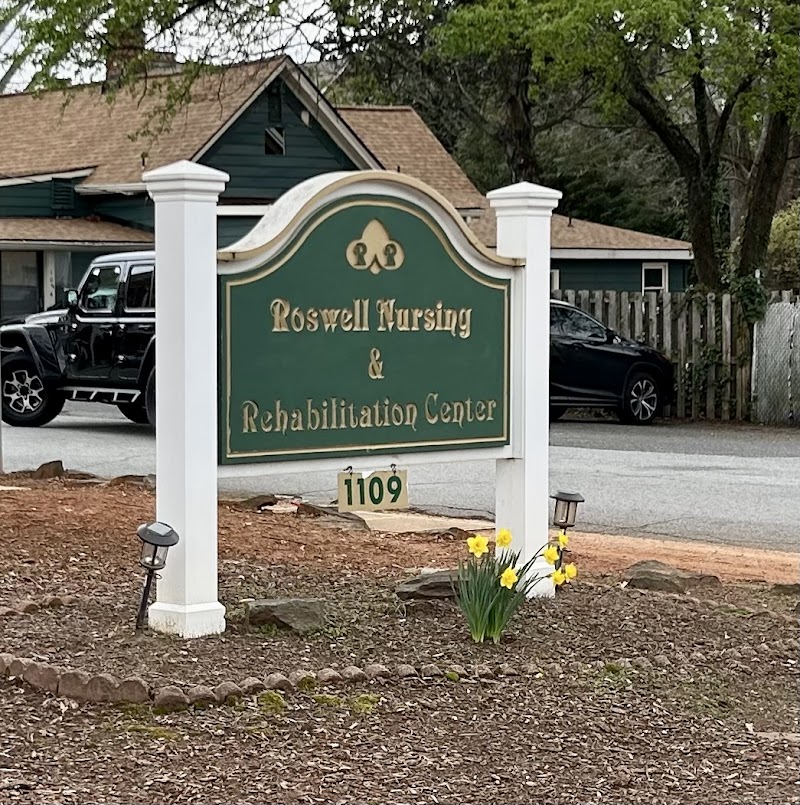
How is Roswell Center For Nursing And Healing Llc Staffed?

CMS rates ROSWELL CENTER FOR NURSING AND HEALING LLC's staffing level at 1 out of 5 stars, which is much below average compared to other nursing homes. Staff turnover is 81%, which is 34 percentage points above the Georgia average of 46%. High turnover can affect care consistency as new staff learn residents' individual needs. RN turnover specifically is 71%, which is notably high. RNs provide skilled clinical oversight, so turnover in this role can affect medical care quality.

What Have Inspectors Found at Roswell Center For Nursing And Healing Llc?

State health inspectors documented 29 deficiencies at ROSWELL CENTER FOR NURSING AND HEALING LLC during 2020 to 2025. These included: 3 Immediate Jeopardy (the most serious level, indicating potential for serious harm or death), 2 that caused actual resident harm, and 24 with potential for harm. Immediate Jeopardy findings are rare and represent the most serious regulatory concerns. They require immediate corrective action.
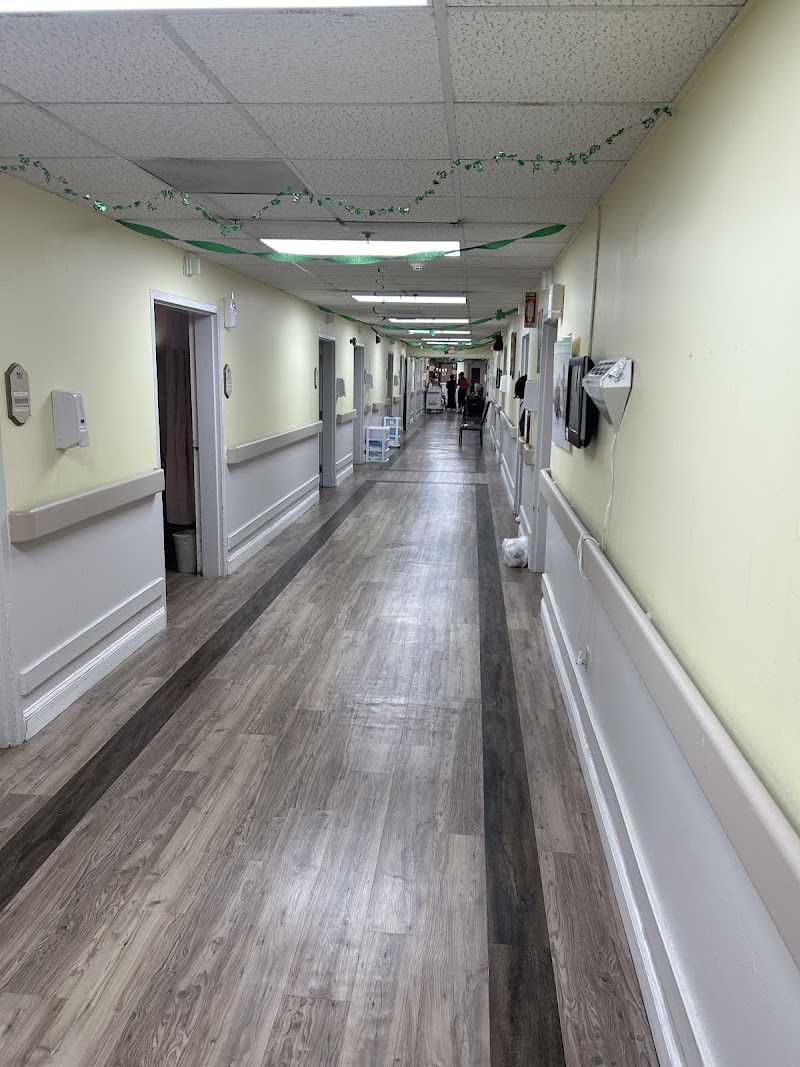
Who Owns and Operates Roswell Center For Nursing And Healing Llc?

ROSWELL CENTER FOR NURSING AND HEALING LLC is owned by a for-profit company. For-profit facilities operate as businesses with obligations to shareholders or private owners. The facility is operated by CYPRESS SKILLED NURSING, a chain that manages multiple nursing homes. With 268 certified beds and approximately 189 residents (about 71% occupancy), it is a large facility located in ROSWELL, Georgia.
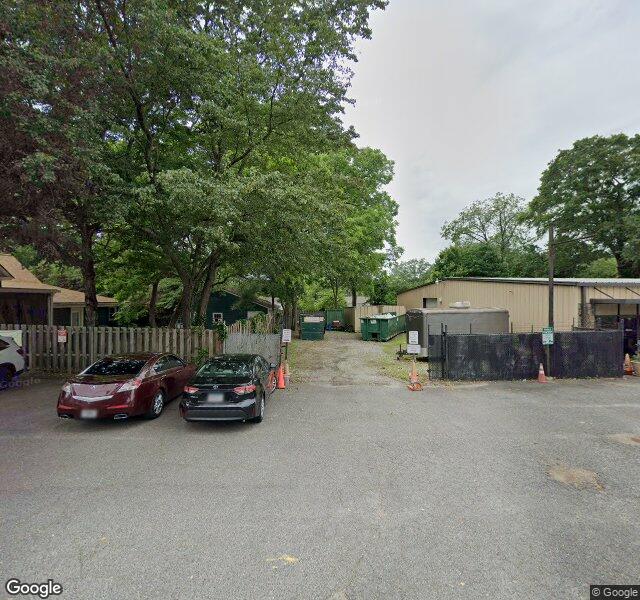
How Does Roswell Center For Nursing And Healing Llc Compare to Other Georgia Nursing Homes?

Compared to the 100 nursing homes in Georgia, ROSWELL CENTER FOR NURSING AND HEALING LLC's overall rating (1 stars) is below the state average of 2.6, staff turnover (81%) is significantly higher than the state average of 46%, and health inspection rating (1 stars) is much below the national benchmark.

What Should Families Ask When Visiting Roswell Center For Nursing And Healing Llc?

Based on this facility's data, families visiting should ask: "What changes have been made since the serious inspection findings, and how are you preventing similar issues?" "How do you ensure continuity of care given staff turnover, and what is your staff retention strategy?" "Can you walk me through typical staffing levels on day, evening, and night shifts?" "Can I visit during a mealtime to observe dining assistance and food quality?" These questions are particularly relevant given the facility's Immediate Jeopardy citations, the facility's high staff turnover rate, and the below-average staffing rating.

Is Roswell Center For Nursing And Healing Llc Safe?

Based on CMS inspection data, ROSWELL CENTER FOR NURSING AND HEALING LLC has documented safety concerns. Inspectors have issued 3 Immediate Jeopardy citations (the most serious violation level indicating risk of serious injury or death). The facility has a 1-star overall rating and ranks #100 of 100 nursing homes in Georgia. Families considering this facility should ask detailed questions about what corrective actions have been taken since these incidents.

Do Nurses at Roswell Center For Nursing And Healing Llc Stick Around?

Staff turnover at ROSWELL CENTER FOR NURSING AND HEALING LLC is high. At 81%, the facility is 34 percentage points above the Georgia average of 46%. Registered Nurse turnover is particularly concerning at 71%. RNs handle complex medical decisions and coordinate care — frequent RN changes can directly impact care quality. High turnover means new staff may not know residents' individual needs, medications, or preferences. It can also be disorienting for residents, especially those with dementia who rely on familiar faces. Families should ask: What is causing the turnover? What retention programs are in place? How do you ensure care continuity during staff transitions?

Was Roswell Center For Nursing And Healing Llc Ever Fined?

ROSWELL CENTER FOR NURSING AND HEALING LLC has been fined $216,236 across 2 penalty actions. This is 6.1x the Georgia average of $35,241. Fines at this level are uncommon and typically indicate a pattern of serious deficiencies, repeated violations, or failure to correct problems promptly. CMS reserves penalties of this magnitude for facilities that pose significant, documented risk to resident health or safety. Families should request specific documentation of what issues led to these fines and what systemic changes have been implemented.

Is Roswell Center For Nursing And Healing Llc on Any Federal Watch List?

ROSWELL CENTER FOR NURSING AND HEALING LLC is not on any federal watch list. The most significant is the Special Focus Facility (SFF) program, which identifies the bottom 1% of nursing homes nationally based on persistent, serious quality problems. Not being on this list means the facility has avoided the pattern of deficiencies that triggers enhanced federal oversight. This is a positive indicator, though families should still review the facility's inspection history directly.