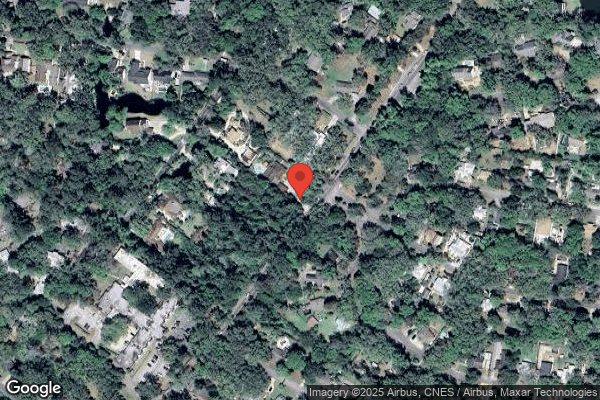
HERITAGE OAKS

2255 FREDERICA ROAD, SAINT SIMONS ISLAND, GA 31522 (912) 638-9988
Non profit - Other 125 Beds MAGNOLIA MANOR SENIOR LIVING Data: November 2025
Trust Grade
80/100
#68 of 353 in GA
Last Inspection: April 2025

Within standard 12-15 month inspection cycle. Federal law requires annual inspections.

Overview

Heritage Oaks nursing home in Saint Simons Island, Georgia, has a Trust Grade of B+, indicating it is above average and recommended for families seeking care. It ranks #68 out of 353 facilities in Georgia, placing it in the top half, and #2 out of 5 in Glynn County, suggesting only one local option is better. The facility is improving, with the number of issues decreasing from 5 in 2023 to 2 in 2025. Staffing is a strength with a 4/5 star rating and a turnover rate of 32%, which is well below the state average, indicating a stable workforce that knows the residents' needs. However, there are concerns about food safety; for example, inspections revealed expired food items and unsanitary kitchen conditions, which could pose health risks to residents. Overall, while there are notable strengths, families should consider these issues when making their decision.

Trust Score
B+
80/100
In Georgia
#68/353
Top 19%
Safety Record
Low Risk
No red flags
Inspections
Getting Better
5 → 2 violations
Staff Stability
○ Average
32% turnover. Near Georgia's 48% average. Typical for the industry.
Penalties
✓ Good
No fines on record. Clean compliance history, better than most Georgia facilities.
Skilled Nurses
✓ Good
Each resident gets 42 minutes of Registered Nurse (RN) attention daily — more than average for Georgia. RNs are trained to catch health problems early.
Violations
○ Average
10 deficiencies on record. Average for a facility this size. Mostly minor or procedural issues.
★★★★☆
4.0
Overall Rating
★★★★☆
4.0
Staff Levels
★★★★☆
4.0
Care Quality
★★★★☆
4.0
Inspection Score
Stable
2023: 5 issues
2025: 2 issues

The Good

  • 4-Star Staffing Rating · Above-average nurse staffing levels
  • 4-Star Quality Measures · Strong clinical quality outcomes
  • Full Sprinkler Coverage · Fire safety systems throughout facility
  • No fines on record
  • Staff turnover below average (32%)

    16 points below Georgia average of 48%

Facility shows strength in staffing levels, quality measures, fire safety.

The Bad

Staff Turnover: 32%

14pts below Georgia avg (46%)

Typical for the industry

Chain: MAGNOLIA MANOR SENIOR LIVING

Part of a multi-facility chain

Ask about local staffing decisions and management

The Ugly 10 deficiencies on record

Apr 2025 2 deficiencies
CONCERN (D)

Potential for Harm - no one hurt, but risky conditions existed

Quality of Care (Tag F0684)

Could have caused harm · This affected 1 resident

**NOTE- TERMS IN BRACKETS HAVE BEEN EDITED TO PROTECT CONFIDENTIALITY** Based on observations, interviews, record review, and review of the facility policy titled, Skilled Nursing Services, Validation...

Read full inspector narrative →
**NOTE- TERMS IN BRACKETS HAVE BEEN EDITED TO PROTECT CONFIDENTIALITY** Based on observations, interviews, record review, and review of the facility policy titled, Skilled Nursing Services, Validation of Record Entries/Legal Documentation, the facility failed to apply a physician ordered neck brace displayed on the Treatment Administration Record (TAR) for one of one resident (Resident (R) 48) of 22 sample residents. This failure to apply R48's neck brace could result in further damage to her neck. Findings include: Review of facility's policy titled, Skilled Nursing Services, Validation of Record Entries/Legal Documentation, dated 12/27/2024, revealed It is the intent of this center to maintain accurate, complete and organized clinical information that is accessible for resident care .documentation will follow standards of practice for clinical and legal documentation. Review of R48's electronic medical record (EMR) titled Face Sheet located under the Resident tab, indicated the resident was admitted to the facility on [DATE] with unspecified fracture of T11-T12 [thoracic] vertebra, unspecified displaced fracture of fourth cervical vertebra, and unspecified fracture of first thoracic vertebra. Review of R48's EMR titled Quarterly Minimum Data Set (MDS) with an Assessment Reference Date (ARD) of 3/6/2025, revealed a Brief Interview for Mental Status (BIMS) score of three out of 15, which indicated the resident was severely cognitively impaired. The assessment indicated the residents required extensive assistance from two staff members for bed mobility and transfers. Review of R48's EMR titled Physician Orders located under the Resident tab and dated 12/4/2024, indicated [R48] is to wear neck brace when out of bed. During an observation on 3/30/2025 at 11:30 am, R48 was sitting in the dining room waiting for lunch to be served. R48 did not have on her neck brace. During an observation on 3/30/2025 at 2:30 pm, R48 was observed in the facility entrance area sitting in her wheelchair with no neck brace on. Review of R48's TAR located under the Facility tab of the EMR, dated March 2025, indicated R48 neck brace was applied as ordered during the day and night shifts. Further review of the TAR for 3/30/2025 revealed R48 neck brace was applied. Review of R48's EMR titled Care Plan located under the Resident Assessment Instrument (RAI) tab and dated 12/16/2024, revealed [R48] has complaints of acute pain R/T [related to] has fracture T11-T12 vertebra. During an interview on 3/31/2025 at 11:20 am, Certified Nurse Aide (CNA) 1 stated R48 was supposed to have a neck brace on anytime she was out of bed. CNA1 stated it has been a while since I have seen her wearing it.
CONCERN (F)

Potential for Harm - no one hurt, but risky conditions existed

Food Safety (Tag F0812)

Could have caused harm · This affected most or all residents

**NOTE- TERMS IN BRACKETS HAVE BEEN EDITED TO PROTECT CONFIDENTIALITY** Based on observations, interviews, and review of the facility policy titled, Storage Areas, the facility failed to ensure food w...

Read full inspector narrative →
**NOTE- TERMS IN BRACKETS HAVE BEEN EDITED TO PROTECT CONFIDENTIALITY** Based on observations, interviews, and review of the facility policy titled, Storage Areas, the facility failed to ensure food was not expired, were properly labeled and dated, and were properly sealed in accordance with professional standards for food service safety as required for 52 census residents who received an oral diet. These failures had the potential to lead to food-borne illness among all facility residents. Findings include: Review of a facility's policy titled, Storage Areas, dated 12/27/2024, revealed It is the intent of this center to store food in a manner that maintains quality and safety .Items should be covered, sealed, labeled, and dated appropriately .Food should be properly stored to prevent cross contamination .Food codes and internal tools may be used as a reference for proper dating .Freezer .Area should be kept in good working condition. During an initial kitchen observation on 3/30/2025 at 7:43 am, it was revealed: In the walk-in refrigerator: -An open five-pound carton of cottage cheese with a Best by 1/24/2025. -An open ten-pound carton of Peeled Hard Cooked Eggs with a Use by 6 [DATE] on the side. There was a sticker on the side of the carton that revealed 2/20/2025 exp 3-30-2025. -Two opened metal trays of shredded cooked meat covered in plastic wrap. Neither was dated or labeled. -A large container of soup was opened and covered with aluminum foil. It was not dated or labeled. In the walk-in freezer: -A large plastic container of frozen chicken pieces. The container had a sticker that had Prepared Date 3-20 and Use By 3-27 on the side of the carton. An undated poster was observed on the wall that revealed Labeling and Dating-Receive Date, Expiration Date, Open Date, Use by Date, and First in First Out. During an interview on 3/30/2025 at 8:07 am, Cook1 stated that cooks and dietary aides had checklists that they were all responsible to follow. Cook1 said that they were all responsible for checking dates and labels on food items. During an additional kitchen observation on 3/30/2025 at 8:30 am, the Dietary Manager (DM) stated that she was responsible for making sure food items were dated and labeled, and that she did that regularly. Upon reviewing the food items in the walk-in refrigerator, she confirmed the meat and soup items should have been dated and labeled. She confirmed the expired food items should have been thrown away. Upon review of the frozen food items, she believed the chicken may have had the wrong dates posted on the carton. The DM removed these food items. During an additional kitchen observation on 4/02/2025 at 12:30 pm with DM, the walk-in freezer was observed to have a leak under the compressor, along the back wall. Ice was observed frozen in a baseball-size chunk along the pipe. Water was observed to have frozen along the tops of cardboard boxes of food below the leak, approximately 18 inches below. An approximate 20-pound cardboard box of garlic knot bread rolls was also observed below the compressor, with the lid ajar. Ice was visible on the top of the cardboard box lid where water from the compressor leak had frozen. The bread rolls were not secured tightly in the plastic bag inside the box, exposing them to the air and the water leak above. During a concurrent interview on 4/2/2025 at 12:35 pm, the DM and Registered Dietitian (RD) were not aware the bread rolls were not properly secured inside the plastic bag in the walk-in freezer, below the water leak. They confirmed the food should have been properly sealed. The DM and RD confirmed that the walk-in freezer had a leak and caused a buildup of ice where food had been stored. They stated they would move items away from the leak until the walk-in freezer was repaired. The RD and DM both confirmed expired food items should have been tossed, and food should always be dated and labeled.
Feb 2023 5 deficiencies
CONCERN (D)

Potential for Harm - no one hurt, but risky conditions existed

Assessment Accuracy (Tag F0641)

Could have caused harm · This affected 1 resident

**NOTE- TERMS IN BRACKETS HAVE BEEN EDITED TO PROTECT CONFIDENTIALITY** Based on record review, and staff interviews the facility failed to ensure Minimum Data Set (MDS) assessments were accurate for ...

Read full inspector narrative →
**NOTE- TERMS IN BRACKETS HAVE BEEN EDITED TO PROTECT CONFIDENTIALITY** Based on record review, and staff interviews the facility failed to ensure Minimum Data Set (MDS) assessments were accurate for one of 22 sampled residents (R) (R#15). Specifically, the facility failed to ensure that quarterly assessment dated [DATE] accurately captured residents' use of a Foley catheter. Findings include: Review of R#15 Care plan dated 9/13/2022 revealed R#15 has indwelling 18 French Foley catheter with 10 milliliters (ml) bulb in place. She is at risk for urinary complications related to long term catheter use. Review of MDS Quarterly assessment dated [DATE] Section C (Cognitive Pattern) revealed Brief Interview for Mental Status (BIMS) score was 10 indicating that resident did have some cognitive impairment. Section H (Bladder and Bowel) H0100 Appliances there was no indication on assessment of resident having an indwelling catheter in use. Interview on 2/4/2023 at 9:30 a.m., the Assistant Director of Nursing (ADON) revealed that R#15 came into the facility under hospice care and with Foley catheter from home. Further interview also revealed that there was only one resident in the facility with a catheter and the use of the catheter should be indicated on the residents' care plan and the MDS as well. Interview on 2/4/2023 at 10:05 a.m. with MDS Coordinator revealed that R#15 was admitted to the facility under hospice with the Foley catheter. Further interview also revealed that R#15 use of catheter should have been indicated on the Quarterly MDS that was completed on 12/5/2022 and was not due to an oversite. During interview it was determined that the process for the MDS assessments is to assess the resident quarterly and then annually to capture the residents care needs. The Resident Assessment Instrument (RAI) manual is followed for this process.
CONCERN (D)

Potential for Harm - no one hurt, but risky conditions existed

Deficiency F0645 (Tag F0645)

Could have caused harm · This affected 1 resident

**NOTE- TERMS IN BRACKETS HAVE BEEN EDITED TO PROTECT CONFIDENTIALITY** Based on record review, observations, staff interviews and review of the facility policy titled Admissions/Transfer/Discharge, t...

Read full inspector narrative →
**NOTE- TERMS IN BRACKETS HAVE BEEN EDITED TO PROTECT CONFIDENTIALITY** Based on record review, observations, staff interviews and review of the facility policy titled Admissions/Transfer/Discharge, the facility failed to apply for Level two (2) PASRR (Preadmission Screening and Resident Review) for evaluation and determination of specialized services for one of nine residents (R) (R#36) that had a positive Level I PASRR for mental illness and diagnoses of bipolar disorder, prior to and on admission to the facility. The deficient practice had the potential to affect R#36 psychological overall health by not providing warranted psychological services. Findings include: Review of facility policy titled, Admissions/Transfer/Discharge reviewed and updated on October 2016 Intent statement revealed: It is the intent of Magnolia Manor facilities to ensure that all residents and/or potential residents are treated fairly and consistently regarding Admissions, Transfers and Discharges and to comply with all State and Federal regulations. The facility policy detailed admission Procedural Guidelines: 3. Residents admitted from a hospital, other health care facilities or community sources, the following data should be furnished to the facility prior to or upon admission: B. Admitting diagnosis; I. PASSRR MI/MR prescreening documentation (Level I) J. Level II if applicable Review of the record revealed R#36 was admitted with diagnoses that included, but not limited to, bipolar disorder. R#36 had a PASRR Level 1 (one) submitted with status approved, effective date of 7/15/2020. Review of the PASRR Level I application indicated the resident did not have a mental illness, mental retardation, development disability or related condition. R#36 had no Axis 1 diagnosis of dementia, no physical reason that the resident could not benefit from specialized services and no diagnosis of terminal illness. Further review revealed that there was no PASRR Level 2 (two) on the chart, and no application for a PASRR Level 2. Review of the admission Minimum Data Set (MDS) assessment dated [DATE] revealed Section A- (PASARR and conditions) indicated resident was not evaluated by PASRR and had no Serious Mental Illness. Section C (Cognitive Patterns) - Brief Interview for Mental Status (BIMS) summary score of 15, indicating no severe cognitive impairment. Section E (Behaviors)-indicated no rejection of care and Section I (Diagnosis)- revealed diagnosis but not limited to bipolar disorder. Review of the behavior care plans dated 4/7/2021, 2/1/2022, and 3/7/2022 revealed R#36 has had an increase in behaviors of making false statements and refusing care; demonstrated behaviors towards staff as evidence by being rude, demanding and her unwillingness to help assist with her Activities of Daily Living (ADL) care. Interview on 2/5/2023 at 8:35 a.m. the Social Service Director (SSD) verified that R#36 did not have a PASRR Level 2 and had not been screened for one while at the facility. She revealed their process for PASRR Level 2 screening was If a resident had a PASRR Level One (1) with a mental illness condition but no diagnosis of dementia or Alzheimer disease, they should be screened, or referred for a PASRR level 2 screening, evaluation and services. As soon as they receive the results and get an outcome, if warranted, they schedule the appropriate psych services for the resident. She confirmed that R#36 was a candidate and should have been screened for PASRR level2 related to her psych diagnoses and not having dementia or Alzheimer's diagnoses. She reported services were offered but R#36 refused. Interview on 2/5/2023 at 8:40 a.m. the Director of Nursing (DON) revealed her expectation was that policy and procedures were followed for all residents.
CONCERN (D)

Potential for Harm - no one hurt, but risky conditions existed

Accident Prevention (Tag F0689)

Could have caused harm · This affected 1 resident

**NOTE- TERMS IN BRACKETS HAVE BEEN EDITED TO PROTECT CONFIDENTIALITY** Based on observation, and resident and staff interviews, the facility failed to ensure that one of four residents (R) (R#49) was...

Read full inspector narrative →
**NOTE- TERMS IN BRACKETS HAVE BEEN EDITED TO PROTECT CONFIDENTIALITY** Based on observation, and resident and staff interviews, the facility failed to ensure that one of four residents (R) (R#49) was supervised by licensed staff while consuming medications prescribed by physician. Specifically, R#49 had two white round pills, one pink oblong capsule, and one small round pink pill on the overbed table consuming them independently without licensed staff supervision. Findings include: Record review for R#49 revealed resident was admitted to the facility with diagnoses of Osteoarthritis left shoulder, osteoporosis, osteoarthritis of bilateral knees, urinary tract infection, Pressure ulcer of the sacral region, low back pain, hypercholesterolemia, Benign prostatic hyperplasia, Transient ischemic attack (TIA), Artificial hip joint, generalized muscle weakness, difficulty walking. Medications included Ascorbic acid (vitamin C) 500 Milligrams (mg), Tylenol 325 mg 2 tablets, Zinc 220 mg, Tamsulosin 0.4mg, B complex capsule, Multivitamin with minerals, Saw Palmetto 450 mg. Minimum Data set (MDS) Quarterly assessment dated [DATE] revealed section C (Cognitive pattern) a Brief Interview for Mental Status (BIMS) score of 15 indicating resident is cognitively intact. Continued review of Section G (Functional Status) revealed resident requires extensive assistance with one-person physical assistance with bed mobility, transfers, dressing and personal hygiene. Observation on 2/3/2023 at 9:17 a.m., R#49 was observed to have medication laying on bedside table that had not been consumed which included two white round pills, one pink oblong capsule, and one small round pink pill. Interview on 2/3/2023 at 9:21 a.m., R#49 revealed that the nurse brought the medication to him in a medication cup, and he poured them on the table to take them one at a time. Continued interview with R#49 also revealed that he did not have any knowledge of being assessed to self-administer medications. Interview on 2/3/2023 at 9:27 a.m., Licensed Practical Nurse (LPN) BB stated she thought the resident had already taken the medication before she left the room, and that she usually watches the resident take all of his medications before exiting the room but did not in this instance. Further interview also revealed that there was one zinc tablet, two Tylenols, and a B-12 tablet that was on the residents' bed side table. LPN BB also revealed that there are currently no residents in the facility that self-medicate at this time. Interview on 2/3/2023 at 11:27 a.m., Assistant Director of Nursing (ADON) revealed that currently there are no residents in the facility that are self-medicating and that the nurse should administer the medications to the residents and ensure that the medications are taken before they exit the residents' room. Further interview also revealed that for a resident to self- medicate they must be able to read and complete a medication Administration Record (MAR) that is given to them along with securing their medications in the lock box that is provided to them.
CONCERN (D)

Potential for Harm - no one hurt, but risky conditions existed

Incontinence Care (Tag F0690)

Could have caused harm · This affected 1 resident

**NOTE- TERMS IN BRACKETS HAVE BEEN EDITED TO PROTECT CONFIDENTIALITY** Based on record review, observations, staff interviews, and review of the facility policy titled, Indwelling Catheter Insertion/...

Read full inspector narrative →
**NOTE- TERMS IN BRACKETS HAVE BEEN EDITED TO PROTECT CONFIDENTIALITY** Based on record review, observations, staff interviews, and review of the facility policy titled, Indwelling Catheter Insertion/Removal the failed to ensure that one of one resident (R) (R#15), Foley catheter was placed in a privacy bag and not visible to visitors and residents. The facility also failed to ensure that R#15 had a medical diagnosis for use of catheter and that the physicians order accurately identified the catheter size for use. The deficient practice had the potential to affect the adequate bladder functioning and elimination for R#15. Findings include: Review of the facility policy titled, Indwelling Catheter Insertion/Removal dated March 2014 revealed under Key points: Indwelling catheters shall have appropriate diagnosis warranting use. Procedure guidelines revealed: The following information should be documented in the Nurses; Notes and/or Treatment record: * Size * Type * Volume of sterile water in the balloon * Drainage system used and reasons for choice Review of the record for R#15 revealed that the resident was admitted to the facility with the diagnoses of Atherosclerotic heart disease, hypertensive heart disease, hyperlipidemia, hypo-osmolality, unilateral primary osteoarthritis, anxiety disorder, constipation, Insomnia, Major Depressive disorder, essential hypertension, urinary tract infection, epigastric pain, shortness of breath. Review of R#15 Care plan dated 9/13/2022 revealed R#15 has indwelling 18 French Foley catheter with 10 milliliters (ml) bulb in place. She is at risk for urinary complications related to long term catheter use. Review of Minimum Data Set (MDS) Quarterly assessment dated [DATE] Section C (Cognitive Pattern), revealed Brief Interview for Mental Status (BIMS) score was 10 indicating that resident did have some cognitive impairment. Section H (Bladder and Bowel) H0100 Appliances there was no indication on assessment of resident having an indwelling catheter in use. Observation on 2/3/2023 at 9:48 a.m. revealed Foley catheter noted to bedside drainage facing the door and not stored in a privacy bag. Observation on 2/4/2023 at 8:11 a.m. revealed a second observation of R#15 Foley catheter to bedside drainage and not stored in privacy bag. Observation on 2/4/2023 at 9:00 a.m. revealed a third observation of R#15 Foley catheter to bedside drainage and not stored in privacy bag and not positioned below the level of the bladder. Interview on 2/4/2023 at 9:05 a.m., Certified Nurse Aide (CNA) AA revealed that R#15 catheter should be stored in the privacy bag and always positioned below the level of the bladder. CNA AA confirmed that catheter was not stored properly and should have been. Further interview revealed that the catheter is checked every morning to ensure that the catheter is positioned properly below the bladder and stored in a privacy bag. She continued to state that R#15 catheter was not checked this shift. Interview on 2/4/2023 at 9:15 a.m., Licensed Practical Nurse (LPN) BB revealed that R#15 was admitted to the facility with a Foley catheter from home under hospice care. Further interview revealed that residents' order for catheter did not have the size of the catheter or diagnosis indicated on the physicians' order. LPN BB was unaware of what size catheter R#15 was using. She stated that the hospice nurse is the one that changes the residents catheter monthly as well as if the catheter becomes dislodged. LPN BB checked residents' catheter and it was determined that resident currently had a 16 French (fr.) with 10 cc bulb in use. Interview on 2/4/2023 at 9:30 a.m., Assistant Director of Nursing (ADON) revealed that R#15 came into the facility under hospice care and with Foley catheter from home. Further interview also confirmed that resident did not have a diagnosis for use of the catheter and the hospice provider had been notified of resident not having this diagnosis, however they had not provided the reason for the catheter information to the facility. The ADON also revealed that the size of the catheter was not indicated on the order for R#15, and that it should have been part of the physicians' order.
CONCERN (F)

Potential for Harm - no one hurt, but risky conditions existed

Food Safety (Tag F0812)

Could have caused harm · This affected most or all residents

Based on observations, staff interviews, and review of facility policies titled, Food and Nutrition, and Cleaning and Sanitizing the facility failed to maintain a clean and sanitary kitchen. The facil...

Read full inspector narrative →
Based on observations, staff interviews, and review of facility policies titled, Food and Nutrition, and Cleaning and Sanitizing the facility failed to maintain a clean and sanitary kitchen. The facility also failed to ensure that the ice machine in the main kitchen was clean and sanitized. Specifically, the facility failed to ensure that the deep fryer, floor, stainless steel counter, and oven were clean and sanitized on a routine basis. The deficient practice had the potential to affect 58 out of 58 residents receiving an oral diet. Findings Include: Review of facility policy titled, Food & Nutrition dated November 2016 under; Sanitary Conditions four (4). store, prepare, distribute, and serve food under sanitary conditions. Review of undated facility policy titled, Cleaning and Sanitizing under Procedures: b. cleaning logs/schedules are available for all areas of the kitchen and retail areas. (Dish room, tray line, production, dry storage, walk-ins, freezers, refrigerators, offices, beverage dispensers, cafeteria, etc.) d. cleaning logs/schedules document dates to clean, position that cleans, position that monitors and dates evidencing cleaning. Observation on 2/3/2023 at 7:46 a.m., the initial tour of the main kitchen revealed an observation of the stove top with buildup and debris around burners of gas burning stove. Continued observation of stove revealed the oven door had large amount of brown dried substance from the rim of the door to the middle aspect of the door. Further observation also revealed that the edge of the oven door had a thick layer of black crusted substance noted as well on both doors. Further observation of the oven also revealed on the second oven door there was a thick buildup of a dark brown substance on the left top inside of the door. As well as a thick black substance noted to the base of the oven. The floor to the right of the fryer had a white watery substance noted on the floor that was near a drain cover that was not secured to the floor, the area also had a black substance that was built up around the edges of the drain. The deep fryer was covered in a thick layer of grease in the bottom casing area where the oil is drained. Observation on 2/3/2023 at 7:55 a.m. of the ice machine stored in main kitchen revealed there was a black substance that was noted on the inside of the machine along the bottom and top lip where ice is dispensed. Outside of machine had thick white chalk like substance around the rim of the machine by the hinges as well as to the bottom of the machine along the bottom edge. There was also white chalk like streaks running down the side of the machine on both sides. Observation on 2/3/2023 at 8:00 a.m. of double oven located on the opposite side of the main stove revealed that there was black debris noted on both doors at the top of the doors and the glass portion of the oven doors were covered in a dark brown film with dark brown steaks noted running down the inside of the glass. There was also noted a large baking pan on the base of the oven with black substance in the base of the pan as well as to the base of the oven floor. The outer rim of the oven was covered with a brown greasy substance as well. Observation on 2/3/2023 at 8:05 a.m. of the coffee station revealed there was a white chalky substance noted on the stainless-steel table the coffee dispenser was stored on. During observation it was also noted that the plexiglass (sneeze guard) on the steam table was covered in dried food particles and debris. Observation on 2/3/2023 at 8:10 a.m. of cart stored to the right of the steam table revealed that there were clean plate lids stored on the cart that was covered in debris and dust particles. Dietary staff confirmed that those were the plate warmers that were being used for the residents' food and that they were clean. Interview on 2/3/2023 at 7:55 a.m. with [NAME] CC revealed that the dietary staff wipes the ice machine down daily and the inside is cleaned monthly as well. [NAME] CC was unable to disclose when the last time the ice machine bin was cleaned and confirmed observations of ice machine condition at the time of the observation. Further interview with [NAME] CC also revealed that the deep fryer is cleaned every week by the cook and confirmed the under carriage was not cleaned. Interview on 2/3/2023 at 8:00 a.m. with [NAME] CC revealed that the main stove oven is not used and had not been used for some time. Further interview also revealed that the double oven located on the other side of the main stove was what the staff used to cook the food. [NAME] CC also confirmed observations made to the double oven which had a black substance that was built up on the doors of the oven and on the base of the oven floor. Continued interview revealed that the ovens are cleaned monthly, but [NAME] CC was not able to disclose the last time this oven had been cleaned. Interview on 2/4/2023 at 8:16 a.m. with the Administrator revealed that the expectation for the cleanliness of the main kitchen is that the kitchen should always be kept clean and sanitary. The Administrator was taken to the kitchen and confirmed all observations that were noted during kitchen tours. Further interview also revealed that there are no cleaning schedules that are utilized in the dietary department for staff to follow at this time and will be put in place. The Administrator was unaware of the condition of the main kitchen as well as the status of the ice machine. Further interview revealed that maintenance is responsible for ensuring that the ice machine is clean and in good working condition. Interview on 2/5/2023 at 8:38 a.m., the Maintenance Director revealed that he has been employed at the facility for five months and has not cleaned out the ice machines since being at facility. Further interview revealed that he was not aware that he was responsible for cleaning the ice machine other than the checking the filters and cleaning the machine coils. He also revealed that the machine was scheduled to be cleaned the first part of January 2023. Interview on 2/5/2023 at 8:40 a.m., Certified Dietary Manager (CDM) DD revealed that there was not a cleaning schedule in place for the dietary staff to follow for cleaning of the kitchen at this time. There were sheets that are on the wall in the kitchen that tells each dietary staff member what they are responsible for cleaning, but there was not a sign off sheet to ensure that the task was completed. Further interview also revealed that the dietary staff is to clean the ice machine monthly by removing the ice and cleaning out the bin but there is no sign off sheet that verifies that the machine has been cleaned.
Jun 2021 3 deficiencies
CONCERN (F)

Potential for Harm - no one hurt, but risky conditions existed

Deficiency F0801 (Tag F0801)

Could have caused harm · This affected most or all residents

Based on interviews, record reviews, and review of facility policy titled Food & Nutrition, the facility failed to employ a qualified dietitian to conduct nutritional assessments on residents. This ha...

Read full inspector narrative →
Based on interviews, record reviews, and review of facility policy titled Food & Nutrition, the facility failed to employ a qualified dietitian to conduct nutritional assessments on residents. This had the potential to affect 54 of 54 residents residing at the facility. Findings include: Review of facility policy titled Food & Nutrition, dated November 2016 revealed Intent: It is the intent of (company name) facilities to meet the daily nutritional and special dietary needs of each resident. Procedural Guidelines: 1. The facility employs a qualified dietician full time, part time, or on a consultant basis. A qualified dietician is defined as a person registered by the Commission of Dietetic Registration or recognized as licensed or certified in the State of Georgia as a dietician or clinically qualified nutritional professional. Review of facility Clinical Dietitian Position Description revealed Principle Duties and Responsibilities include but are not limited to the following: Patient Care; Nutrition Assessment; -Conducts a nutrition assessment when warranted by a patient's needs or conditions. Nutrition screening is completed within 24 hours of inpatient admission according to facility/state/accreditation requirements; Reviews dietary intake for factors that affect health conditions and nutritional risk; Supervises dietetic technicians screening and data collection activities; Evaluates health and disease condition for nutrition related consequences. Additional duties and responsibilities include areas under Nutrition and Diagnosis, Nutrition Intervention, Nutrition Monitoring and Evaluation, Documentation, Communication and Continuation of Care, Compliance, Community Outreach, Business/Supervisory Functions, Performance Improvement and Professional Development. Review of R#49s medical record revealed there is no evidence of a nutritional assessment being completed. A review of R# 3's medical record revealed a 10.70% weight loss in three months with no evidence of a nutritional assessment being completed between March 2021 and June 2021. A review of R# 6's medical record revealed a 11.11% weight loss in six months with no evidence of a nutritional assessment being completed between December 2020 and June 2021. Review of the facility's Dietitian Visit Tracking Log revealed she was last at the facility on 3/6/2020. An interview on 6/16/2021 at 3:00 p.m. with the Dietary Manager, revealed the facility did not currently have a Registered Dietitian (RD). She indicated the Director of Nursing (DON) was currently doing the nutritional assessments. She further reported they have not had a RD since COVID hit in March of 2020. An interview on 6/16/2021 at 3:21 p.m. with the DON confirmed that the facility does not currently have a dietitian and they have contracted with their dietary services vendor to provide RD services. She reported the vendor had someone who was starting in May 2021 but resigned prior to starting. The DON confirmed that the facility has been without a RD since the first week of March 2020 when COVID hit, and that she has not been completing the nutritional assessments for the residents. An interview on 6/16/2021 at 3:51 p.m. with the dietary services vendor's regional dietitian revealed they are working on recruiting a RD for this facility. She reported she is currently working with an agency to secure a RD. It was further reported that the Administrator reached out to them about eight or nine months ago to help the facility obtain a RD. Prior to this the facility had contracted RD services themselves but they have not had one since COVID hit, and they did not allow them in the facility. She indicated it was her understanding that the DON and Nurse Practitioner were doing the nutritional assessments. She confirmed she is a RD but is unable to take over this facility as she is currently documenting on two buildings and is responsible for overseeing six buildings. She further reported it is difficult to assess while not in the building because the facility has not gone fully electronic, and they are required to be physically in the building to perform a proper assessment. An interview on 6/16/2021 at 4:43 p.m. with the Administrator and DON confirmed they have not had a dietitian since the pandemic hit in March 2020. The Administrator confirmed she contacted the regional dietitian of their dietary services vendor to request assistance with obtaining a RD for the facility. She indicated it has been a challenge to have RD services. She confirmed the Dietary Managers do the nutritional assessments. She further reported if they are having difficulty with a nutrition issue they can reach out to the regional dietitian. She indicated they were going to share a RD with another facility, but she resigned in May prior to coming to the facility. She further reported the need for a RD had been identified in their Quality Assurance/Performance Improvement (QAPI) program in August of 2020. An interview on 6/17/2021 at 11:42 a.m. with the Administrator and DON revealed they shut the building down on 3/14/2020. She indicated while they were shut down, the RD was not someone who would come into the building at that time. She indicated she was unable to identify discussions with the Senior [NAME] President (VP) of Operations because they were just trying to survive COVID. She reported they started working on this in August 2020 because they knew they had to get the service back in place, and once they came through COVID and re-evaluated the facility they determined they had to get the RD in place. She indicated they contacted sister facilities to see if they could help but could not recall when she did this. She reported they did not advertise on any job search platform for the position, they only asked around at different facilities. She reported they know they are to have the services on a RD, and they have focused on these areas. She further reported the regional dietitian was always a phone call away if they felt they could not manage someone, however, she and the DON indicated they have not felt the need to contact her. They further indicated they did not feel it was necessary to contact her for the residents with enteral feeds and wounds. A message was left on 6/17/2021 at 12:28 p.m. for the Senior [NAME] President of Operations requesting a return call without success.
CONCERN (F)

Potential for Harm - no one hurt, but risky conditions existed

Food Safety (Tag F0812)

Could have caused harm · This affected most or all residents

Based on observation, interview and review of facility policy titled Food Storage the facility failed to appropriately label and date food items in the pantry and walk-in freezer, failed to maintain a...

Read full inspector narrative →
Based on observation, interview and review of facility policy titled Food Storage the facility failed to appropriately label and date food items in the pantry and walk-in freezer, failed to maintain a clean toaster, failed to properly seal an opened package in the walk-in freezer, and failed to discard food by expiration date. This had the potential to affect 53 of 54 residents receiving an oral diet in the facility. Findings include: Review of policy titled Food Storage dated 2008 revealed 8c. food should be dated as it is placed on the shelves. 8d. Date marking to indicate the date or day by which a ready-to-eat, potentially hazardous food should be consumed, sold, or discarded will be visible on all high-risk food. 13. Leftover food is stored in covered containers or wrapped carefully and securely. Each item is clearly labeled and dated before being refrigerated. Leftover food is used within three days or discarded. Observation on 6/14/2021 at 11:05 a.m. in the kitchen revealed a heavily soiled toaster. The Production Manager confirmed that the toaster had not yet been cleaned for the day. Observation on 6/14/2021 at 11:07 a.m. of the pantry revealed an open container of pancake mix in a bag without label or date. Observation on 6/14/2021 at 11:10 a.m. of the walk-in freezer revealed two bags of potato wedges, a blue bag with what appears to be peas, a bag of fruit, meat sausages, meat patties, roast, sliced yellow squash, and an unidentifiable meat all without labels and/or dates. Additionally, there was an open bag of potato wedges (hole in the bag), and a piece of cake on a paper plate, wrapped in clear plastic wrap with an expiration date of 6/9/2021. An interview on 6/14/2021 at 11:15 a.m. with the Production Manager who confirmed the items were not labeled or dated and reported the staff are not labeling or dating the food items when they take them out of the boxes. An interview on 6/16/2021 at 3:00 p.m. with the Dietary Manager, confirmed that the products identified were not labeled. She indicated the staff are aware they are supposed to label and date everything that goes in the pantry, refrigerator or freezer. She further reported there is a posted list of different products with their shelf life, and they know to reference this list when putting food items away. She indicated she has instructed them if they are ever in doubt to put three days on it.
CONCERN (F)

Potential for Harm - no one hurt, but risky conditions existed

Deficiency F0865 (Tag F0865)

Could have caused harm · This affected most or all residents

Based on staff interviews and review of facility policy titled, Quality Assurance Performance Improvement (QAPI) Plan the facility failed to ensure that the services of a Registered Dietitian (RD) wer...

Read full inspector narrative →
Based on staff interviews and review of facility policy titled, Quality Assurance Performance Improvement (QAPI) Plan the facility failed to ensure that the services of a Registered Dietitian (RD) were in place over the past 15 months. The QAPI Committee failed to identify appropriate interventions to secure a Registered Dietitian. The QAPI Committee further failed to evaluate the effectiveness/ineffectiveness of the Performance Improvement Plan (PIP). Additionally, the facility failed to have an effective QAPI Performance Improvement Plan (PIP) in place to ensure the facility had a Registered Dietitian for the facility. The facility census was 54 Residents. Findings include: Review of the facility's Quality Assurance Performance Improvement Q.A.P.I. Plan last reviewed on June 26, 2020, revealed Purpose of our QAPI Plan: All decisions made will be in an effort to improve our core competencies of providing the highest quality of care to our long-term care and sub-acute rehab residents. We will utilize key performance measures such as Quality Indicators/Quality Measures, Five Star reports and ratings, customer-focused resident and family satisfaction surveys, census goals and accounts receivable to gauge the success of our efforts. Addressing Improvement Issues: The Performance Improvement Plan (PIP) are reported to the QAPI Committee adopts the practice into the facilities processes. If the action plan is not successful, the PIP must evaluate their action plan and make changes to reach their established goal(s). Guidelines for Governance and Leadership: Our Administrator ultimately has responsibility for ensuring our QAPI Committee and Plan are in place. The Administrator and/or Director of Nursing will lead the facilities QAPI Committee and QAPI Plan. The Administrator and/or Director of Nursing will report to the Corporate QAPI Steering Committee, VP of Clinical Services and Sr. VP of Operations. QAPI Committee Activities: The QAPI Committee will have responsibility for the following; a. developing and approving the QAPI Plan, that includes measurable objectives based upon the opportunities identified through the review of established criteria for quality assurance; b. documentation will be maintained to support evidence of ongoing program; c. indicators of quality on a priority basis will be developed, reviewed and revised as committee determines; e. assessing information based on indicators established, taking action by PIPs to address opportunities to improve quality. Review of the facility QAPI Agendas from October 2020 through May 2021 indicated a dietary agenda item to focus on weight loss, hydration, and RD Services. However, there was no evidence to show what efforts were being made to fill the RD position. An interview on 6/16/2021 at 4:43 p.m. with the Administrator and DON revealed the need for a RD for the facility is in their Quality Assurance/Performance Improvement (QAPI) plan. The Administrator reported this was added in August of 2020. She indicated this was entered into their QAPI minutes in October of 2020. An interview on 6/17/2021 at 11:42 a.m. with the Administrator and DON revealed while they were in shut down for COVID 19 the RD position was not one that was allowed into the building at that time. She reported they started working on this in August 2020 because they knew they had to get the service back in place. She indicated when they came through COVID and re-evaluated the facility they determined they had to do get the RD in place. She reported they contacted sister facilities to see if they could help but does not remember when she did this. She further reported they did not advertise on any on-line job search platform for the position, or any other advertising method. She indicated they were asking around at different facilities. She reported they know they are to have the services of an RD for the facility. The Administrator reported they have a focused QAPI plan and review of what they look at frequently but did not have any additional documentation related to the RD Performance Improvement Plan (PIP), interventions or efforts to secure a RD for the facility. An interview on 6/17/2021 at 1:30 p.m. with the Medical Director indicated he knew they were looking for a RD, but he did not have any active part in recruiting. He indicated he attends the QAPI meetings, and is at the facility one day per week, and available 24/7. He reported there are not many residents with wounds and tube feeding. They have the standard diets, and the facility depends on the local hospital if needed. He indicated the hospital has a RD and perhaps that person may be interested in moonlighting at the facility. He indicated he had not shared this suggestion with the Administrator. Cross reference F801
Understanding Severity Codes (click to expand)
Life-Threatening (Immediate Jeopardy)
J - Isolated K - Pattern L - Widespread
Actual Harm
G - Isolated H - Pattern I - Widespread
Potential for Harm
D - Isolated E - Pattern F - Widespread
No Harm (Minor)
A - Isolated B - Pattern C - Widespread

Questions to Ask on Your Visit

  • "Can I speak with families of current residents?"
  • "What's your RN coverage like on weekends and overnight?"

Our Honest Assessment

Strengths
  • • Grade B+ (80/100). Above average facility, better than most options in Georgia.
  • • No major safety red flags. No abuse findings, life-threatening violations, or SFF status.
  • • No fines on record. Clean compliance history, better than most Georgia facilities.
  • • 32% turnover. Below Georgia's 48% average. Good staff retention means consistent care.
Concerns
  • • No significant concerns identified. This facility shows no red flags across CMS ratings, staff turnover, or federal penalties.
Bottom line: Generally positive indicators. Standard due diligence and a personal visit recommended.

About This Facility

What is Heritage Oaks's CMS Rating?

CMS assigns HERITAGE OAKS an overall rating of 4 out of 5 stars, which is considered above average nationally. Within Georgia, this rating places the facility higher than 99% of the state's 100 nursing homes. This rating reflects solid performance across the metrics CMS uses to evaluate nursing home quality.

How is Heritage Oaks Staffed?

CMS rates HERITAGE OAKS's staffing level at 4 out of 5 stars, which is above average compared to other nursing homes. Staff turnover is 32%, compared to the Georgia average of 46%. This relatively stable workforce can support continuity of care.

What Have Inspectors Found at Heritage Oaks?

State health inspectors documented 10 deficiencies at HERITAGE OAKS during 2021 to 2025. These included: 10 with potential for harm.

Who Owns and Operates Heritage Oaks?

HERITAGE OAKS is owned by a non-profit organization. Non-profit facilities reinvest revenue into operations rather than distributing to shareholders. The facility is operated by MAGNOLIA MANOR SENIOR LIVING, a chain that manages multiple nursing homes. With 125 certified beds and approximately 53 residents (about 42% occupancy), it is a mid-sized facility located in SAINT SIMONS ISLAND, Georgia.

How Does Heritage Oaks Compare to Other Georgia Nursing Homes?

Compared to the 100 nursing homes in Georgia, HERITAGE OAKS's overall rating (4 stars) is above the state average of 2.6, staff turnover (32%) is significantly lower than the state average of 46%, and health inspection rating (4 stars) is above the national benchmark.

What Should Families Ask When Visiting Heritage Oaks?

Based on this facility's data, families visiting should ask: "Can I visit during a mealtime to observe dining assistance and food quality?" "How do you handle medical emergencies, and what is your hospital transfer rate?" "Can I speak with family members of current residents about their experience?"

Is Heritage Oaks Safe?

Based on CMS inspection data, HERITAGE OAKS has a clean safety record: no substantiated abuse findings (meaning no confirmed cases of resident harm), no Immediate Jeopardy citations (the most serious violation level indicating risk of serious injury or death), and is not on the Special Focus Facility watch list (a federal program monitoring the lowest-performing 1% of nursing homes). The facility has a 4-star overall rating and ranks #1 of 100 nursing homes in Georgia. While no facility is perfect, families should still ask about staff-to-resident ratios and recent inspection results during their visit.

Do Nurses at Heritage Oaks Stick Around?

HERITAGE OAKS has a staff turnover rate of 32%, which is about average for Georgia nursing homes (state average: 46%). Moderate turnover is common in nursing homes, but families should still ask about staff tenure and how the facility maintains care continuity when employees leave.

Was Heritage Oaks Ever Fined?

HERITAGE OAKS has no federal fines on record. CMS issues fines when nursing homes fail to meet care standards or don't correct problems found during inspections. The absence of fines suggests the facility has either maintained compliance or corrected any issues before penalties were assessed. This is a positive indicator, though families should still review recent inspection reports for the full picture.

Is Heritage Oaks on Any Federal Watch List?

HERITAGE OAKS is not on any federal watch list. The most significant is the Special Focus Facility (SFF) program, which identifies the bottom 1% of nursing homes nationally based on persistent, serious quality problems. Not being on this list means the facility has avoided the pattern of deficiencies that triggers enhanced federal oversight. This is a positive indicator, though families should still review the facility's inspection history directly.