DELMAR GARDENS OF SMYRNA
404 KING SPRINGS VILLAGE PKWY, SMYRNA, GA 30082 (770) 432-4444
For profit - Corporation 120 Beds DELMAR GARDENS Data: November 2025
Trust Grade
43/100
#185 of 353 in GA
Last Inspection: December 2024

Within standard 12-15 month inspection cycle. Federal law requires annual inspections.

Overview

Delmar Gardens of Smyrna has a Trust Grade of D, indicating below-average performance and some concerning issues. It ranks #185 out of 353 nursing homes in Georgia, placing it in the bottom half of facilities in the state, and #4 out of 13 in Cobb County, meaning there are only three local options that perform better. The facility is improving, with reported issues decreasing from 12 in 2024 to just 2 in 2025. Staffing is a relative strength with a rating of 4 out of 5 stars and a turnover rate of 44%, slightly below the state average, suggesting that staff are more stable and familiar with residents. However, there are some significant concerns, including $23,537 in fines, which is higher than 82% of facilities statewide, and serious incidents such as failing to thoroughly investigate a resident's verbal abuse allegation, leaving the resident feeling unsafe. Additionally, there were concerns about proper hand hygiene practices and food safety protocols not being followed, which could pose risks to residents.

Trust Score
D
43/100
In Georgia
#185/353
Bottom 48%
Safety Record
Moderate
Needs review
Inspections
Getting Better
12 → 2 violations
Staff Stability
○ Average
44% turnover. Near Georgia's 48% average. Typical for the industry.
Penalties
✓ Good
$23,537 in fines. Lower than most Georgia facilities. Relatively clean record.
Skilled Nurses
⚠ Watch
Each resident gets only 29 minutes of Registered Nurse (RN) attention daily — below average for Georgia. Fewer RN minutes means fewer trained eyes watching for problems.
Violations
⚠ Watch
22 deficiencies on record. Higher than average. Multiple issues found across inspections.
★★☆☆☆
2.0
Overall Rating
★★★★☆
4.0
Staff Levels
★★★★☆
4.0
Care Quality
★★☆☆☆
2.0
Inspection Score
Stable
2024: 12 issues
2025: 2 issues

The Good

  • 4-Star Staffing Rating · Above-average nurse staffing levels
  • 4-Star Quality Measures · Strong clinical quality outcomes
  • Full Sprinkler Coverage · Fire safety systems throughout facility
  • No fines on record
  • Staff turnover below average (44%)

    4 points below Georgia average of 48%

Facility shows strength in staffing levels, quality measures, fire safety.

The Bad

2-Star Overall Rating

Below Georgia average (2.6)

Below average - review inspection findings carefully

Staff Turnover: 44%

Near Georgia avg (46%)

Typical for the industry

Federal Fines: $23,537

Below median ($33,413)

Minor penalties assessed

Chain: DELMAR GARDENS

Part of a multi-facility chain

Ask about local staffing decisions and management

The Ugly 22 deficiencies on record

1 actual harm
Aug 2025 2 deficiencies
CONCERN (D) 📢 Someone Reported This

A family member, employee, or ombudsman was alarmed enough to file a formal complaint

Potential for Harm - no one hurt, but risky conditions existed

Deficiency F0602 (Tag F0602)

Could have caused harm · This affected 1 resident

**NOTE- TERMS IN BRACKETS HAVE BEEN EDITED TO PROTECT CONFIDENTIALITY** Based on staff interviews, record review, and review of the facility policy titled, Abuse, Neglect, and Exploitation, Freedom Fr...

Read full inspector narrative →
**NOTE- TERMS IN BRACKETS HAVE BEEN EDITED TO PROTECT CONFIDENTIALITY** Based on staff interviews, record review, and review of the facility policy titled, Abuse, Neglect, and Exploitation, Freedom From, the facility failed to protect the residents' right to be free from misappropriation of property for one of eight sampled residents (R ) (R1). Specifically, R1 had her bank card stolen from her handbag stored in her closet.Findings include:Review of the facility policy titled Abuse, Neglect, and Exploitation, Freedom From revised January 2019, Revised June 2021, July 2022, and September, 2022 revealed under Facility Safety Position Statement: it is the policy of [NAME] Gardens to maintain a work and living environment that is professional and residents are free from threat or occurrence of harassment , abuse (verbal, physical, mental or sexual), neglect, corporal punishment, involuntary seclusion and misappropriation of property. Under Definitions: Exploitation Exploitation means taking advantage of a resident for personal gain through the use of manipulation, intimidation, threats , or coercion . Misappropriation of resident property means the deliberate misplacement , exploitation or wrongful, temporary or permanent use of a residents belonging or money without the residents' consent.Review of the clinical record revealed R1 was admitted to the facility with the diagnoses of but not limited to acute respiratory failure with hypoxia, rhabdomyolysis, polyneuropathy, unspecified, unspecified toxic encephalopathy, essential (primary) hypertension, major depressive disorder, recurrent, unspecified, primary osteoarthritis, other specified site, muscle wasting and atrophy, not elsewhere classified, right lower leg, type 2 diabetes mellitus with diabetic neuropathy, unspecified, displaced intertrochanteric fracture of right femur, sequela, dysphagia, oral phase, gastro-esophageal reflux disease without esophagitis , muscle weakness (generalized), rash and other nonspecific skin eruption, unspecified fall, subsequent encounter. Review of the Quarterly Minimum Data Set (MDS) dated [DATE] revealed R1 had a Brief Interview for Mental Status (BIMS) score of 15, indicating no cognitive impairment. Review of Section GG (Functional Abilities and Goals) indicates use of wheelchair, eating /oral hygiene-setup or clean-up assistance, toileting hygiene/Shower/bathe self-substantial/maximal assistance. Upper body dressing-supervision or touching assistance. Lower body dressing-partial/moderate assistance.Interview on 8/4/2025 at 12:15 pm with R1 regarding her bank card that was charged outside the facility revealed she didn't know who took the card or when it was taken. She stated that the card was in her wallet in her hand bag and the hand bag was in her closet. She stated that the card was charged in a convenience store down the road from the facility and that she has never been to that convenience store. R1 stated that she stayed in her room and did not participate in facility activities because they had nothing that interested her. She stated that she watched TV in her room. R1 revealed that the Administrator conducted an investigation and could not find out who took the card.During an interview with Administrator on 8/6/2025 at 12:22 pm, he revealed that he conducted an investigation and staff interviews which were inconclusive. He stated that the convenience store clerk provided the time and date of the purchase but could not provide the video, stating that management were the only ones that could access the video. He stated that he was waiting for management to retrieve the video from the gas station to be able to identify who took the card. When asked how he planned to protect residents from loss of their property, he stated that upon admission they informed residents to keep valuables at home and if they had cash money, they had the option to open up a resident fund. He stated that the residents also had the option to place their valuable in a safe in the business office. He revealed they were waiting for the convenience store management to get the video footage regarding R1's stolen card. During the exit conference the Administrator stated that R1's card was found by a staff member in another resident's room.Findings included:Review of the facility policy titled, , Abuse, Neglect, and Exploitation, Freedom From , dated January, Revised June 2021,July, 2022 and September , 2022 revealed it is the policy of [NAME] Gardens to maintain a work and living environment that is professional and residents are free from threat or occurrence of harassment , abuse (verbal, physical, mental or sexual), neglect, corporal punishment , involuntary seclusion and misappropriation of property. Under Definitions Exploitation Exploitation means taking advantage of a resident for personal gain through the use of manipulation, intimidation, threats , or coercion . Misappropriation of resident property means the deliberate misplacement , exploitation or wrongful, temporary or permanent use of a residents belonging or money without the residents' consent . Review of the clinical record revealed R1 was admitted to the facility with the diagnoses of but not limited to Acute respiratory failure with hypoxia, Rhabdomyolysis, Polyneuropathy, unspecified Unspecified toxic encephalopathy, Essential (primary) hypertension, Major depressive disorder, recurrent, unspecified, Primary osteoarthritis, other specified site, Muscle wasting and atrophy, not elsewhere classified, right lower leg, Type 2 diabetes mellitus with diabetic neuropathy, unspecified, Displaced intertrochanteric fracture of right femur, sequela, Dysphagia, oral phase, Gastro-esophageal reflux disease without esophagitis , Muscle weakness (generalized), Rash and other nonspecific skin eruption, Unspecified fall, subsequent encounter Review of the Quarterly Minimum Data Set (MDS) dated [DATE] revealed R1 had a Brief Interview for Mental Status (BIMS) score of 15, indicating no cognitive impairment. Review of Section GG indicates -use of wheelchair , Eating /Oral hygiene-Setup or clean-up assistance, Toileting hygiene/Shower/bathe self-Substantial/maximal assistance. Upper body dressing-Supervision or touching assistance. Lower body dressing-Partial/moderate assistance. During an interview on 8/4/2025 at 12:15 pm with R1 regarding her bank card that was charged outside the facility. Resident revealed that she doesn't know who took the card or when it was taken. she stated that the card was in her wallet in her hand bag and the hand bag was in her closet. She stated that the card was charged in a Quick trip down the road from the facility and that she has never been to that quick trip. R1 stated that she stays in her room and does not participate in facility activities because they have nothing that interest her . she stated that she watches TV in her room. R1 stated that the administrator conducted an investigation and could not find out who took the cardDuring an interview with Administrator on 8/6/2025 at 12:22 pm he revealed that he conducted an investigation and staff interview which is inconclusive. He stated that the quick trip clerk provided the time and date of the purchase but could provide the video stating that LE are the only ones that can assess the video . He stated that he is waiting for LE to retrieve the video from the gas station to be able to identify who took the card. when asked how he plans to protect residents from loss of their property . He stated that upon admission they inform residents to keep valuable at home and if they have cash money, they have the option to open up a resident fund . He stated that the residents also have an option to place their valuable in a safe in business office. He stated that they are waiting for LE to get the footage from Quick trip regarding R1's misappropriate fund. During the exit conference the administrator stated that R1's card was found by a staff member in another resident's room.
CONCERN (D) 📢 Someone Reported This

A family member, employee, or ombudsman was alarmed enough to file a formal complaint

Potential for Harm - no one hurt, but risky conditions existed

Report Alleged Abuse (Tag F0609)

Could have caused harm · This affected 1 resident

**NOTE- TERMS IN BRACKETS HAVE BEEN EDITED TO PROTECT CONFIDENTIALITY** Based on record review, staff interviews, and review of the facility policy tilted, Abuse, Neglect, and Exploitation, Free From,...

Read full inspector narrative →
**NOTE- TERMS IN BRACKETS HAVE BEEN EDITED TO PROTECT CONFIDENTIALITY** Based on record review, staff interviews, and review of the facility policy tilted, Abuse, Neglect, and Exploitation, Free From, the facility failed to protect residents from sexual abuse by another resident by not immediately reporting nonconsensual sexual abuse between two resident (R) (R2) and (R3).The deficient practice diminished the facility's potential to protect R2 from possible future abuse and ensure a safe environment for other residents.Findings include:A review of the facility's policy titled Abuse, Neglect, and Exploitation, Free From revealed under Facility Safety Position Statement: It is the policy of [NAME] Gardens to maintain a work and living environment that is professional and residents are free from threat or occurrence of harassment, abuse, (verbal, physical, mental or sexual), neglect, corporal punishment, involuntary seclusion and misappropriation of property. Under Definitions: Sexual abuse is nonconsensual sexual contact of any type with a resident which includes, but not limited to, sexual harassment, sexual coercion or sexual assault. Sexual contact is considered nonconsensual when the resident appears to want the contact but does not have the cognitive ability to consent, the resident does not want the contact and the resident is sedated or unconscious. Immediately-CMS (Centers For Medicare and Medicaid Services) believes reporting immediately means not later than 2 hours after the allegation is made, if the events that cause the allegation involve abuse or result in serious bodily injury, or not later than 24 hours if the events that cause the allegation do not involve abuse and do not result in serious bodily injury, to the Administrator of the facility and to other officials (including to the State Agency and Adult Protective Services where state law provides for jurisdiction in long-term care facilities) in accordance with State law through established procedures.Review of R2's Face Sheet located under the Profile tab of the electronic medical record (EMR) revealed she was admitted to the facility with diagnoses which included but not limited to Alzheimer's disease with late onset, displaced intertrochanteric fracture of left femur, sequela, dementia in other diseases classified elsewhere, unspecified severity, without behavioral disturbance, psychotic disturbance, mood disturbance, and anxiety, type 2 diabetes mellitus with hyperglycemia, generalized anxiety disorder, essential (primary) hypertension, fall on same level, unspecified, subsequent encounter, need for assistance with personal care, enterocolitis due to Clostridium difficile, not specified as recurrent.Review of R2's quarterly Minimum Data Set (MDS) with an Assessment Reference Date (ARD) of [DATE] located in the MDS tab of the EMR, revealed a Brief Interview for Mental Status (BIMS) score of 9, which indicated the resident has moderate cognitive impairment.A review of Nursing Notes found under the Notes tab of the EMR dated [DATE] at 10:12 pm revealed, Full body assessment completed on R2, noted redness to the groin area and buttocks, protected with barrier cream. No other findings recorded.During an interview on [DATE] at 2:10 am with R2 regarding the concern of inappropriate touch in the complaint, R2 revealed that she did not remember the incident and did not remember if she was receiving any services. R2 could not remember what she had for lunch. She came back from lunch before the interview.Review of R3 s Face Sheet located under the Profile tab of EMR revealed she was admitted to the facility with diagnoses which included but not limited to chronic obstructive pulmonary disease, unspecified, Alzheimer's disease with late onset, encounter for palliative care, pneumonia, unspecified organism, atherosclerotic heart disease of native coronary artery without angina pectoris, dementia in other diseases classified elsewhere, unspecified severity, without behavioral disturbance, psychotic disturbance, mood disturbance, and anxiety, acute respiratory failure with hypoxia, dysphagia, oropharyngeal phase, unspecified conjunctivitis, poly osteoarthritis, unspecified, metabolic encephalopathy, major depressive disorder, single episode, unspecified.Review of R3's quarterly MDS with an ARD of [DATE]-significant change assessment located in the MDS tab of the EMR, revealed a BIMS score of 3, which indicated the resident has severe cognitive impairment.A review of Nursing Notes found under the Notes tab of the EMR dated [DATE] at 10:44 pm revealed Observed patient (R3) touching a female resident( R2) inappropriately in her groin area. Separated resident (R3) from the female resident and implemented Psych/social monitoring for 3 days for each shift. Patients' daughter [NAME] was notified of incident. Psych PA (physician's assistant) notified as well. Completed hourly charting for 1 week and two hours charting for the second week on patient's behavior. During an interview with the Administrator on [DATE] at 12:22 pm, he revealed the facility process in reporting abuse was that staff had 2 hours to report abuse to the Administrator or any departmental head if he was not available and they would report it to him. He stated that he consulted the area [NAME] President and they made the decision if the abuse was going to be reportable. He stated that they should report abuse immediately to the state or within 2 hours of occurrence. He stated that sexual abuse between R2 and R3 occurred on [DATE]. He stated that he reported the abuse to the State on [DATE].During an interview on [DATE] at 12:45 pm with the Director of Nursing (DON), she stated that as soon as staff reported abuse to her, she reported to the Administrator and then identified what type of abuse, if the abuse was mental, emotional, or physical, and she would put in psychosocial monitoring and notify the psych Nurse Practitioner (NP), Nurse Practitioner (NP) , and Medical Director (MD), and waited for further orders. She further stated that if it was /sexual physical abuse they would complete a full body assessment. She stated staff were expected to report any kind of abuse immediately to the DON or Administrator. She stated that the facility had only a 2 hour window to report to the State. She stated that R2 ‘s BIM score was too low for her to receive therapy.Findings include:A review of the facility's policy titled Abuse, Neglect, and Exploitation , Free From It is the policy of [NAME] Gardens to maintain a work and living environment that is professional and residents are free from threat or occurrence of harassment , abuse, (verbal, physical, mental or sexual ), neglect, corporal punishment involuntary seclusion and misappropriation of property. Under Definition: Sexual abuse is non consensual sexual contact of any type with a resident which includes, but not limited to, sexual harassment, sexual coercion or sexual assault . Sexual contact is considered non consensual when the resident appears to want the contact but does not have the cognitive ability to consent , the resident does not want the contact and the is sedated or unconscious . Immediately-CMS believes reporting immediately : means not later than 2 hours after the allegation is made, if the events that cause the allegation involve abuse or result in serious bodily injury , or not later than 24 hours if the even that cause the allegation do not involve abuse and do not result in serious bodily injury , to the administrator of the facility and to other officials ( including to the State Agency and Adult protective services where state law provides for jurisdiction in long-term care facilities ) in accordance with State law through established procedures . Review of R2 s Face Sheet located under the Profile tab of the electronic medical record (EMR) revealed she was admitted to the facility initially on Initial admission [DATE] with diagnoses which included but not limited to Alzheimer's disease with late onset, Displaced intertrochanteric fracture of left femur, sequela, Dementia in other diseases classified elsewhere, unspecified severity, without behavioral disturbance, psychotic disturbance, mood disturbance, and anxiety, Type 2 diabetes mellitus with hyperglycemia, Generalized anxiety disorder, Essential (primary) hypertension, Insomnia, unspecified, Muscle weakness (generalized), Hyperlipidemia, unspecified, Vitamin D deficiency, unspecified, Constipation, unspecified, Fall on same level, unspecified, subsequent encounter, Personal history of urinary (tract) infections, Need for assistance with personal care, Enterocolitis due to Clostridium difficile, not specified as recurrent Review of R2's quarterly Minimum Data Set (MDS) with an Assessment Reference Date (ARD) of [DATE] located in the MDS tab of the EMR, revealed a Brief Interview for Mental Status (BIMS)of 9 which indicated the resident had moderate cognitive impairment. A review of Nursing Notes, found under Notes tab of EMR, [DATE] 10:12 PM revealed Full body assessment completed on R2, noted redness to the groin area and buttocks, protected with barrier cream. No other findings recorded. During an interview on [DATE] at 2:10 am with R2 regarding the concern of inappropriate touch in the complaint, R2 revealed that she does not remember the incident and does not remember if she is receiving any services . R2 could not remember what she had for lunch as she came back from lunch before the interview. Review of R3 s Face Sheet located under the Profile tab of the electronic medical record (EMR) revealed she was admitted to the facility initially on [DATE]. Status: Expired - [DATE] with diagnoses which included but not limited to Chronic obstructive pulmonary disease, unspecified, Alzheimer's disease with late onset, Encounter for palliative care, Pneumonia, unspecified organism, Atherosclerotic heart disease of native coronary artery without angina pectoris, Dementia in other diseases classified elsewhere, unspecified severity, without behavioral disturbance, psychotic disturbance, mood disturbance, and anxiety, Acute respiratory failure with hypoxia, Rhabdomyolysis, Dysphagia, oropharyngeal phase, Unspecified conjunctivitis, Poly osteoarthritis, unspecified, Metabolic encephalopathy, Major depressive disorder, single episode, unspecified Review of R3's quarterly Minimum Data Set (MDS) with an Assessment Reference Date (ARD) of [DATE]-significant change assessment located in the MDS tab of the EMR, revealed a Brief Interview for Mental Status (BIMS)of 3 which indicated the resident has cognitive impairment. A review of Nursing Notes, found under Notes tab of EMR, [DATE] 10:44 PM revealed observed patient (R3) touching a female resident( R2) inappropriately in her groin area. Separated resident from the female resident and implemented Psych/social monitoring for 3 days for each shift. Patients' daughter [NAME] was notified of incident. [NAME] Psych PA notified as well. Completed hourly charting for 1 week and two hours charting for the second week on patient's behavior. During an interview with Administrator on [DATE] at 12:22 pm he revealed the facility process in reporting abuse is that staff has 2 hrs to report abuse to the administrator or any departmental head if he is not available and they report to him. He stated that he consults the area vice president and they make decision if the abuse is going to be reportable. He stated that they should report abuse immediately to the state or within 2 hrs of occurrence . He stated that sexual abuse between R2 and R3 occurred in [DATE] . He stated that he reported the abuse to the state on [DATE] . During an interview on [DATE] at 12:45 pm with Director of Nursing ( DON). she stated that as soon as staff report abuse to her, she reports to the administration and then identify what type abuse and if the abuse is mental/emotional /physical that she will put in psycho social monitoring and notify the psych Nurse Practitioner ( (NP), Nurse Practitioner (NP) , and Medical Director (MD) and wait for further orders and if its /sexual physical abuse they will complete a full body assessment . she stated staff are expected to report any kind of abuse immediately to the DON or Administrator . she stated that the facility has only 2 hrs window to report to the state. She stated that R2 ‘s BIM is too low for her to receive therapy .
Dec 2024 12 deficiencies
CONCERN (D) 📢 Someone Reported This

A family member, employee, or ombudsman was alarmed enough to file a formal complaint

Potential for Harm - no one hurt, but risky conditions existed

Resident Rights (Tag F0550)

Could have caused harm · This affected 1 resident

Based on observation, staff and resident interviews, record review, and review of the facility-provided document titled, Residents' Rights, the facility failed to maintain dignity by ensuring a dignit...

Read full inspector narrative →
Based on observation, staff and resident interviews, record review, and review of the facility-provided document titled, Residents' Rights, the facility failed to maintain dignity by ensuring a dignity bag was provided for one of five residents (R) (R48) who had an indwelling urinary catheter. This deficient practice had the potential to diminish the resident's quality of life in an environment that promotes the maintenance or enhancement of each resident's quality of life. Findings include: A review of the undated facility-provided document titled Residents' Rights included Your right to be treated with dignity and respect is the foundation on which all other resident rights and responsibilities are based. A review of R48's Face Sheet revealed diagnoses included benign prostatic hyperplasia with lower urinary tract symptoms. A review of R48's Quarterly Minimum Data Set (MDS) Assessment, dated 11/20/2024, revealed section C (Cognitive Patterns) documented a Brief Interview for Mental Status (BIMS) score of 14 (indicating little to no cognitive impairment) and Section H (Bowel and Bladder) documented R48 had an indwelling urinary catheter. Observations on 12/17/2024 at 9:49 am and 12/18/2024 at 10:39 am revealed R48 was in bed, and a urinary catheter drainage bag was secured to the resident's bed, uncovered and visible from the hallway. During an observation on 12/18/2024 at 10:37 am, License Practical Nurse (LPN) HH confirmed R48's urinary catheter drainage bag was uncovered and visible from the hallway. In an interview on 12/18/2024 at 10:47 am, LPN HH stated urinary catheter drainage bags should always be in a privacy bag when visible to other residents, staff, and visitors. In an interview on 12/19/2024 at 1:39 pm, the Director of Nursing (DON) stated she expected staff to ensure urinary catheter drainage bags were covered in a privacy bag after each urinary catheter care incident.
CONCERN (D) 📢 Someone Reported This

A family member, employee, or ombudsman was alarmed enough to file a formal complaint

Potential for Harm - no one hurt, but risky conditions existed

Deficiency F0554 (Tag F0554)

Could have caused harm · This affected 1 resident

**NOTE- TERMS IN BRACKETS HAVE BEEN EDITED TO PROTECT CONFIDENTIALITY** Based on observations, staff interviews, record review, and review of the facility policy titled, Medications, Self-Administrati...

Read full inspector narrative →
**NOTE- TERMS IN BRACKETS HAVE BEEN EDITED TO PROTECT CONFIDENTIALITY** Based on observations, staff interviews, record review, and review of the facility policy titled, Medications, Self-Administration of, the facility failed to ensure unauthorized medications were not stored at the bedside for one of 28 sampled residents (R) (R85). This deficient practice had the potential to allow unauthorized access to unsecured medications to R85, other residents, and visitors. Findings include: Review of the facility's policy titled, Medications, Self-Administration of, reviewed 6/2021, revealed the Procedure section included 1. Before a resident is considered for self-administration of medications, an assessment will be performed by the charge nurse and reviewed by the interdisciplinary care plan team for approval. 2. Following approval of the assessment, the charge nurse will obtain a physician's order for the resident to self-administer medications, noting which medications may be self-administered. Review of R85's electronic medical record (EMR) revealed diagnoses included, but were not limited to, chronic obstructive pulmonary disease (COPD), respiratory failure, heart failure, dysphagia, and major depression. Review of R85's Quarterly Minimum Data Set (MDS) assessment dated [DATE] revealed Section C (Cognitive Patterns) documented a Brief Interview for Mental Status (BIMS) of 9 (indicating moderate cognitive impairment). Section GG (Functional Abilities and Goals) documented R85 was dependent on a helper for toileting, bathing, lower body dressing, and transfers. Review of R85's care plan revealed no care plan area for self-administration of medications. Review of R85's Physician's Orders revealed an order dated 9/19/2024 for fluticasone furoate-vilanterol (a medication used to treat asthma and COPD) blister with device 100-25 micrograms (mcg)/dose, one puff inhalation once a day. Further review revealed no order for self-administration of medications. Review of R85's EMR revealed no assessment for self-administration of medications. Observation on 12/18/2024 at 9:38 am in R85's room revealed a fluticasone furoate and vilanterol inhaler on R85's bedside dresser. In an interview on 12/18/2024 at 9:46 am, Licensed Practical Nurse (LPN) EE confirmed the inhaler was on R85's bedside dresser and should not be. LPN EE further confirmed that R85 was not assessed for medication self-administration. In an interview on 12/19/2024 at 1:06 pm, the Director of Nursing (DON) stated that medications should not be kept at residents' bedside unless there was a physician's order for medication self-administration. She further stated she expected that the nurse should be administering medications for residents who are not assessed for medication self-administration.
CONCERN (D) 📢 Someone Reported This

A family member, employee, or ombudsman was alarmed enough to file a formal complaint

Potential for Harm - no one hurt, but risky conditions existed

Deficiency F0558 (Tag F0558)

Could have caused harm · This affected 1 resident

**NOTE- TERMS IN BRACKETS HAVE BEEN EDITED TO PROTECT CONFIDENTIALITY** Based on observations, staff interviews, records review, and review of the facility policy titled, Care Management, the facility...

Read full inspector narrative →
**NOTE- TERMS IN BRACKETS HAVE BEEN EDITED TO PROTECT CONFIDENTIALITY** Based on observations, staff interviews, records review, and review of the facility policy titled, Care Management, the facility failed to ensure reasonable accommodation of needs was provided for one of 28 sampled residents (R) (R62) related to providing a wheelchair to accommodate a physician's order to elevate both feet at all times. The deficient practice had the potential to place R62 at risk for medical complications, unmet needs, and a diminished quality of life. Findings Include 1. Review of the facility policy titled, Care Management, revised 5/2021, revealed the Policy section included A. All Resident care is designed to meet a resident's individual needs and is directed toward conservation and restoration of an optimal physical and emotional state. Review of R62's electronic medical record (EMR) revealed diagnoses including impaired mobility and reperfusion edema. Review of R62's admission Minimum Data Set (MDS) assessment dated [DATE] revealed Section GG (Functional Abilities and Goals) documented that R62 had an impaired range of motion of upper and lower extremities on one side, used a wheelchair, required substantial/maximal assistance with mobility, was dependent on transfers, and was non-ambulatory. Review of R62's Physician's Orders revealed an order dated 12/2/2024 of Elevate legs above heart level all the time to reduce reperfusion edema. Review of R62's care plan dated 12/6/2024 revealed a Problem area of ADL (activities of daily living)/Mobility. Approaches included keeping the resident's legs elevated above heart level at all times. Observation on 12/17/2024 at 8:49 am of R62 in her room revealed her in a wheelchair with both feet on the floor. Observation on 12/17/2024 at 2:22 pm of R62 in the dining room revealed her in a wheelchair with her left foot on the floor. In an interview on 12/18/2024 at 10:25 am, Registered Nurse (RN) JJ stated R62's physician's orders included elevating her feet at all times. She confirmed R62's feet were not elevated and stated the facility didn't have an appropriate wheelchair available to elevate both of her feet. In an interview on 12/19/2024 at 12:41 pm, Unit Manager License Practical Nurse (LPN) II confirmed an order to keep R62's feet elevated at all times. She acknowledged compliance with the order was inconsistent and stated it may have been due to the facility not having the proper wheelchair equipment to ensure her feet remained elevated. In an interview on 12/19/2024 at 1:39 pm, the Director of Nursing (DON) confirmed R62's feet were not consistently elevated and stated the lack of proper wheelchair equipment contributed to this issue. She stated there was a delay in equipment availability.
CONCERN (D) 📢 Someone Reported This

A family member, employee, or ombudsman was alarmed enough to file a formal complaint

Potential for Harm - no one hurt, but risky conditions existed

Notification of Changes (Tag F0580)

Could have caused harm · This affected 1 resident

**NOTE- TERMS IN BRACKETS HAVE BEEN EDITED TO PROTECT CONFIDENTIALITY** Based on observations, staff and family interviews, record review, and a review of the facility policy titled, Condition Change ...

Read full inspector narrative →
**NOTE- TERMS IN BRACKETS HAVE BEEN EDITED TO PROTECT CONFIDENTIALITY** Based on observations, staff and family interviews, record review, and a review of the facility policy titled, Condition Change of the Resident, the facility failed to promptly notify the responsible party of a change in condition for one of 19 residents (R) (R62) reviewed for change in condition related to a deep tissue injury. Findings include: A review of the policy titled, Condition Change of the Resident, revised 7/2012, revealed the Procedure section included . 5. Notify resident's responsible party . Review of R62's Face Sheet revealed diagnoses included pressure-induced deep tissue damage of left 1st toe, non-pressure chronic ulcer of other part of left foot with fat layer exposed - left distal foot and left 2nd toe, vascular dementia, and hemiplegia ad hemiparesis right dominant side. Review of R62's admission Minimum Data Set (MDS) assessment dated [DATE] revealed Section GG (Functional Abilities and Goals) documented R62 required substantial/maximal assistance with bed mobility. Section M (Skin Conditions) documented no pressure ulcers or other skin conditions. Review of the care plan revealed a Problem area of the resident was at risk for skin breakdown. 10/30/2024: Left great toe discoloration and assessed as unstageable deep tissue injury pressure ulcer. The Approach section included treatment as ordered with a start date of 11/14/2024. Review of R62's Progress Notes revealed an entry dated 11/26/2024 of Resident returned from vascular appointment with new treatment order to paint left toes with and in between toes with Betadine and keep left foot dry. Further review revealed an entry dated 12/2/2024 of Resident returned from vascular appointment, post angiogram left foot. Dressing dry and intact, instruction to elevate leg above heart 24/7 as much as possible to reduce reperfusion edema. Review of R62's clinical record revealed no documentation of resident representative notification of R62's change in condition or treatment orders on 11/26/2024 or 12/2/2024. In an interview on 12/19/2024 at 12:22 pm, R62's resident representative stated she was not informed of the worsening of R62's toe or treatment plan. In an interview on 12/19/2024 at 1:22 pm, Unit Manager (UM) II confirmed there was no documentation to indicate when or how the resident representative was initially informed of the resident's toe condition. In an interview on 3/6/2020 at 1:26 pm, the Director of Nursing (DON) revealed that she expected the resident representative to be notified when the resident's condition or treatment plan changed.
CONCERN (D) 📢 Someone Reported This

A family member, employee, or ombudsman was alarmed enough to file a formal complaint

Potential for Harm - no one hurt, but risky conditions existed

Assessment Accuracy (Tag F0641)

Could have caused harm · This affected 1 resident

**NOTE- TERMS IN BRACKETS HAVE BEEN EDITED TO PROTECT CONFIDENTIALITY** Based on observations, staff and resident interviews, and record review, the facility failed to provide accurate Minimum Data Se...

Read full inspector narrative →
**NOTE- TERMS IN BRACKETS HAVE BEEN EDITED TO PROTECT CONFIDENTIALITY** Based on observations, staff and resident interviews, and record review, the facility failed to provide accurate Minimum Data Set (MDS) assessment data for two of 28 sampled residents (R) (R26 and R40). This deficient practice had the potential to affect the assessment of R26 and R40's care needs. Findings include: A facility policy for resident assessments was requested but not provided. 1. Review of R26's Face Sheet revealed diagnoses including, but not limited to, unspecified bilateral hearing loss. Review of R26's admission MDS assessment dated [DATE] revealed Section B (Hearing, Speech, and Vision) documented R26's ability to hear was highly impaired, and speech clarity was coded as no speech-absence of spoken words. Section C (Cognitive Patterns) documented a Brief Interview for Mental Status (BIMS) of 14 (indicating little to no cognitive impairment). Review of R26's care plan dated 10/18/2024 revealed a Problem area of bilateral hearing loss. Goals included the resident will compensate for hearing loss by reading. Approaches included utilizing a communication board and providing a quiet, non-hurried environment, free of background noises and distractions. Review of R26's Physician's Orders revealed an order dated 10/18/2024 of Resident is deaf, please communicate with whiteboard. In an interview on 12/17/2024 at 10:46 am, a conversation was held with R26 by this surveyor writing on the whiteboard, and R26 responded verbally. 2. Review of R40's Face Sheet revealed diagnoses including, but not limited to, unspecified dementia. Review of R40's Quarterly MDS assessment dated [DATE] revealed Section C (Cognitive Patterns) documented a Brief Interview for Mental Status (BIMS) of 7 (indicating severe cognitive impairment). Section I (Active Diagnoses) did not document a diagnosis of dementia. Review of R40's care plan dated 10/8/2020 indicated a Problem of Cognitive Loss/Dementia. Approaches included approaching resident in a calm manner. Review of R40's Physician's Orders revealed an order dated 9/18/2024 for memantine (a medication used to treat dementia) tablet 5 milligrams (mg) once a day. In an interview on 12/19/2024 at 10:39 am, the MDS Coordinator revealed she was responsible for the MDS assessments. She confirmed that R26 could speak verbally and was hard of hearing. She further confirmed that Section B of R26's MDS assessment inaccurately stated that R26 had no speech and should be revised. She confirmed R40's active diagnoses included dementia, and Section I of R40's MDS assessment was inaccurate, stating it should include a diagnosis of dementia. She stated the importance of accurate MDS assessments was to provide an adequate picture of the individual and what care should be provided.
CONCERN (D) 📢 Someone Reported This

A family member, employee, or ombudsman was alarmed enough to file a formal complaint

Potential for Harm - no one hurt, but risky conditions existed

Deficiency F0655 (Tag F0655)

Could have caused harm · This affected 1 resident

**NOTE- TERMS IN BRACKETS HAVE BEEN EDITED TO PROTECT CONFIDENTIALITY** Based on observations, staff interviews, record review, and review of the facility policy titled, Care Plan Conference Interdisc...

Read full inspector narrative →
**NOTE- TERMS IN BRACKETS HAVE BEEN EDITED TO PROTECT CONFIDENTIALITY** Based on observations, staff interviews, record review, and review of the facility policy titled, Care Plan Conference Interdisciplinary, the facility failed to develop a baseline care plan for enteral tube feeding for one of three residents (R) (R502) who received enteral tube feeding, within 48 hours of admission. This deficient practice had the potential to place R502 at risk for not receiving treatment and/or care according to their needs. Findings include: 1. Review of the facility policy titled, Care Plan Conference Interdisciplinary, revised May 2021, revealed the Standard section included An Interdisciplinary Care Plan Conference identifies resident needs and establishes obtainable goals. An appropriate plan of action is designed to ensure optimal levels of activity and independence for all residents . Documentation is done in the care conference action of the EHR [electronic health record]. The Purpose section included . 6. Initial care plan should be completed in (electronic health record) within 48 hours. Review of R502's clinical record revealed admission date of 12/12/2024. Diagnoses included cerebral infarction due to unspecified occlusion or stenosis of right middle cerebral artery and pneumonitis due to inhalation of food and vomit. Review of R502's Entry Tracking Record Minimum Data Set (MDS) dated [DATE] revealed it was in process and all care areas not completed . Review of R502's Physician's Orders revealed an order dated 12/12/2024 of Enteral Feeding: Formula (Nepro) 50 milliliters (ml) per hour. Review of R502's care plan dated 12/12/2024 revealed there was no care plan for enteral tube feeding. During initial screening on 12/17/2024 at 2:23 pm, observation revealed R502 was receiving enteral feeding via a feeding tube. Observation on 12/18/2024 at 12:49 pm revealed R502 lying in bed receiving enteral feeding via a feeding tube. During an interview on 12/19/2024 at 11:00 am, the Director of Nursing (DON ) stated she expected an accurate care plan to be created for residents upon admission. During an interview on 12/19/2024 at 11:10 am, the MDS Director acknowledged that there was no baseline care plan created for enteral tube feeding for R502 and there should be one.
CONCERN (D) 📢 Someone Reported This

A family member, employee, or ombudsman was alarmed enough to file a formal complaint

Potential for Harm - no one hurt, but risky conditions existed

Comprehensive Care Plan (Tag F0656)

Could have caused harm · This affected 1 resident

**NOTE- TERMS IN BRACKETS HAVE BEEN EDITED TO PROTECT CONFIDENTIALITY** Based on observations, resident and staff interviews, record review, and review of the facility policy titled, Care Plan Confere...

Read full inspector narrative →
**NOTE- TERMS IN BRACKETS HAVE BEEN EDITED TO PROTECT CONFIDENTIALITY** Based on observations, resident and staff interviews, record review, and review of the facility policy titled, Care Plan Conference Interdisciplinary, the facility failed to ensure a comprehensive person-centered care plan was developed for one of seven residents (R) (R26) reviewed for the use of unnecessary medications. This deficient practice had the potential to place R26 at risk for not receiving treatment and/or care according to their needs. Findings include: Review of the facility's policy titled, Care Management, revised 5/2021, revealed the Policy section included A. All resident care is designed to meet a resident's individual needs and is directed toward conservation and restoration of an optimal physical and emotional state. B. Coordination of the plan of care is the responsibility of nursing. However, planning, implementation, and evaluation requires joint participation by each discipline rendering service. C. 5. The plan of care is reviewed and revised to reflect the current needs of the resident. Review of R26's electronic medical record (EMR) revealed R26 was admitted to the facility on [DATE] with diagnoses including spinal stenosis, sacroiliitis, and generalized anxiety disorder. Review of R26's Quarterly Minimum Data Set (MDS) assessment dated [DATE] revealed Section M (Medications) documented R26 received an antipsychotic, an antianxiety, and an antidepressant. Review of R26's care plan revealed no care plan areas for the use of antidepressants, antipsychotics, or antianxiety. Review of R26's Physician's Orders revealed orders dated 10/18/2024 for amitriptyline (a medication used to treat depression) tablet 10 milligram (mg) oral at bedtime, 10/18/2024 for lorazepam (a medication used to treat anxiety) tablet 0.5mg oral twice a day, 10/18/2024 mirtazapine (a medication used to treat depression) disintegrating tablet 15 mg oral at bedtime, quetiapine (an antipsychotic medication) tablet 50 mg oral at bedtime, and trazodone (a medication used to treat depression) tablet 50mg oral at bedtime. In an interview on 12/19/2024 at 10:48 am, the MDS Coordinator (MDSC) verified she was involved with care plan development. She confirmed R26 received antipsychotic, antidepressant, and antianxiety medications. She further confirmed that there was no care plan areas for the medications and stated there should be. The MDSC stated that the importance of having care plan areas and interventions was to inform staff of the resident's care needs.
CONCERN (D) 📢 Someone Reported This

A family member, employee, or ombudsman was alarmed enough to file a formal complaint

Potential for Harm - no one hurt, but risky conditions existed

ADL Care (Tag F0677)

Could have caused harm · This affected 1 resident

**NOTE- TERMS IN BRACKETS HAVE BEEN EDITED TO PROTECT CONFIDENTIALITY** Based on observations, staff and resident interviews, record review, and review of the facility's policy titled, Shaving, the fa...

Read full inspector narrative →
**NOTE- TERMS IN BRACKETS HAVE BEEN EDITED TO PROTECT CONFIDENTIALITY** Based on observations, staff and resident interviews, record review, and review of the facility's policy titled, Shaving, the facility failed to provide Activities of Daily Living (ADL) care for one of 28 sampled residents (R) (R21). Specifically, the facility failed to remove excessive facial hair for R21. This deficient practice placed R21 at risk for unmet needs and a diminished quality of life. Findings include: Review of the facility's policy titled, Shaving, reviewed 5/2021, revealed the Purpose section included To remove excessive hair from the face. To promote cleanliness. To improve resident morale and appearance. Review of R21's Face Sheet revealed diagnoses including, but not limited to, cerebral infarction, hemiplegia and hemiparesis following cerebral infarction affecting right dominant side, vascular dementia, and muscle weakness. Review of R21's Annual Minimum Data Set (MDS) assessment dated [DATE] revealed Section GG (Functional Abilities and Goals) documented R21 had impairment on one side for upper and lower extremities, was dependent for bathing, and required substantial/maximal assistance for personal hygiene. Review of R21's care plan dated 11/1/2023 revealed a Problem of ADL/Mobility with a deficit in ADL functioning and impaired mobility related to weakness and a history of cerebral Infarction with residual. Approaches included assisting with ADLs as needed or requested. Observations on 12/17/2024 at 11:33 am in R21's room revealed R21 with an excessive mustache and chin hair. Observation made on 12/18/2024 at 9:18 am in R21's room revealed R21 with an excessive mustache and chin hair. This observation was made the morning after R21's scheduled shower. In an interview on 12/19/2024 at 11:43 am, Certified Nursing Assistant (CNA) DD revealed she provided shaving assistance as she noticed facial hair growing. CNA DD stated that R21 never refused bathing or grooming. CNA DD confirmed that R21's facial hair was excessive and needed shaving. In an interview on 12/19/2024 at 12:37 pm, the Director of Nursing (DON) stated her expectations for ADL care for dependent residents included face washing and grooming. The DON stated her expectations for shaving female residents were that if the female resident would allow staff to shave, then staff should assist.
CONCERN (D) 📢 Someone Reported This

A family member, employee, or ombudsman was alarmed enough to file a formal complaint

Potential for Harm - no one hurt, but risky conditions existed

Deficiency F0698 (Tag F0698)

Could have caused harm · This affected 1 resident

**NOTE- TERMS IN BRACKETS HAVE BEEN EDITED TO PROTECT CONFIDENTIALITY** Based on staff interviews, record review, and review of the facility's policy titled, Hemodialysis, the facility failed to ensur...

Read full inspector narrative →
**NOTE- TERMS IN BRACKETS HAVE BEEN EDITED TO PROTECT CONFIDENTIALITY** Based on staff interviews, record review, and review of the facility's policy titled, Hemodialysis, the facility failed to ensure communication between the facility and dialysis center was documented after each dialysis session for one of one resident (R) (R85) reviewed for dialysis care. The deficient practice had the potential to place the resident at risk for medical complications, unmet needs, and a diminished quality of life. The sample size was 25. Findings include: Review of the facility's policy titled, Hemodialysis, revised 1/2021, revealed the Policy section stated, To ensure effective communication and collaboration between the community and the resident's dialysis center. The Procedure section included 1. Nurse staff must complete the Dialysis Communication Form (DGE108) on days the resident attends dialysis. 2. Nursing staff must fax and/or send the Dialysis Communication Form to the dialysis. 5. Scan/drop completed Dialysis Communication Form received from dialysis center into the resident HER (electronic health record). Review of R85's electronic medical record (EMR) revealed diagnoses included, but were not limited to, end-stage renal disease and dependence on renal dialysis. Review of R85's Quarterly Minimum Data Set (MDS) assessment dated [DATE] revealed Section O (Special Treatments, Procedures, and Programs) documented R85 received dialysis. Review of R85's care plan dated 9/10/2024 indicated a Problem area of dialysis. Approaches included Obtain and document pre and post-dialysis vital signs. Review of R85's Physician's Orders included an order dated 11/14/2024 for 11-7 to complete dialysis communication form and send to dialysis with patient. Once A Day on Mon, Wed, Fri. In an interview on 12/18/2024 at 9:46 am, Licensed Practical Nurse (LPN) EE stated the facility kept the dialysis communication forms for R85 in a binder at the nurse's station. In an interview on 12/18/2024 at 10:11 am, LPN EE confirmed R85 started dialysis on her admission date of 9/7/2024, but the first documented communication form was dated 11/20/2024. LPN EE stated the communication forms should have been completed since the first day of R85's dialysis sessions. LPN EE further stated the importance of maintaining communication between the facility and the dialysis center to provide continuity of care. In an interview on 12/19/2024 at 1:04 pm, the Director of Nursing (DON) stated she expected the dialysis communication form to be sent to the dialysis center with the resident and received back from the dialysis clinic. She confirmed there should be a communication form for each visit. She stated that maintaining communication between the facility and the dialysis center was important to monitor for side effects of dialysis.
CONCERN (D) 📢 Someone Reported This

A family member, employee, or ombudsman was alarmed enough to file a formal complaint

Potential for Harm - no one hurt, but risky conditions existed

Deficiency F0700 (Tag F0700)

Could have caused harm · This affected 1 resident

**NOTE- TERMS IN BRACKETS HAVE BEEN EDITED TO PROTECT CONFIDENTIALITY** Based on observations, resident and staff interviews, record review, and review of the facility policy titled, Bed Mobility Assi...

Read full inspector narrative →
**NOTE- TERMS IN BRACKETS HAVE BEEN EDITED TO PROTECT CONFIDENTIALITY** Based on observations, resident and staff interviews, record review, and review of the facility policy titled, Bed Mobility Assist Devices, the facility failed to ensure one of six residents (R) (R63) reviewed had the necessary consent, physician's order and completed assessment for the use of bilateral half-side rails on their bed. This deficient practice had the potential to place R63 at risk of physical injury and entrapment. Findings include: Review of the facility policy titled, Bed Mobility Assist Devices, dated 2/2021, revealed the Procedure section included, . 3. Once appropriate alternatives have been trialed and failed, a physician's order for an assist device should be obtained if the need for an assist device for bed mobility and transfer still exists. 4. A Bed Mobility Device Evaluation should be completed by the nurse upon the assessed need, quarterly, annually, and with significant change thereafter. 5. Bed Mobility Assist Device Informed Consent and Release form should be reviewed and signed by the resident and /or their representative upon the application of the assist device and yearly thereafter. Scan for in the EHR [electronic health record]. Review of R63's electronic medical record (EMR) revealed diagnoses included, but were not limited to, dementia, muscle weakness, and a history of falls. Review of the Quarterly Minimum Data Set (MDS) dated [DATE] revealed Section C (Cognitive Patterns) documented a BIMS score of 12 (indicating moderate cognitive impairment). Section P (Restraints and Alarms) documented bed rails were not used. Review of R63's Physician Orders revealed no order for the use of bed rails. Review of the EMR revealed no bed rail assessment was conducted. Review of R63's care plan dated 9/20/2024 documented that the resident was at risk for falls. Review of the Quarterly Risk Assessment dated 6/19/2024 indicated that the resident was at medium fall risk, with a Morse Fall Scale score of 40. Observations on 12/17/2024 at 10:08 am, 12/18/2024 at 9:30 am, 10:30 am, 1:05 pm, and 2:15 pm revealed R63 in bed with bilateral half-side rails in the up position. In an interview on 12/17/2024 at 10:08 am, R63 stated he did not know why the side rails were up. During an interview on 12/18/2024 at 1:10 pm, Licensed Practical Nurse (LPN) BB stated R63 was considered a fall risk, and the family requested side rails. She verified there was no physician's order, consent, or assessment for the use of side rails for R63. During an interview on 12/18/2024 at 1:30 pm, the Director of Nursing (DON) stated the steps required for using side rails were obtaining consent from the resident or responsible party, completing an observational assessment, and obtaining a physician's order. The DON confirmed that none of these steps were documented for R63. During an interview on 12/18/2024 at 1:45 pm, the MDS Coordinator stated a consent must be obtained prior to using side rails.
CONCERN (D) 📢 Someone Reported This

A family member, employee, or ombudsman was alarmed enough to file a formal complaint

Potential for Harm - no one hurt, but risky conditions existed

Medication Errors (Tag F0758)

Could have caused harm · This affected 1 resident

**NOTE- TERMS IN BRACKETS HAVE BEEN EDITED TO PROTECT CONFIDENTIALITY** Based on interviews, record review, and review of the facility's policy titled, Behaviors Using Person-Centered Care, Accommodat...

Read full inspector narrative →
**NOTE- TERMS IN BRACKETS HAVE BEEN EDITED TO PROTECT CONFIDENTIALITY** Based on interviews, record review, and review of the facility's policy titled, Behaviors Using Person-Centered Care, Accommodating, the facility failed to ensure psychotropic medications were not ordered as needed (PRN) for more than 14 days unless clinically indicated for one of seven residents (R) (R31) reviewed for the use of unnecessary medications. This deficient practice had the potential to affect R31's highest practicable mental, physical, and psychosocial well-being. Findings include: Review of the facility's policy titled, Behaviors Using Person-Centered Care, Accommodating, revised 2/2021, revealed the Overview section included, VI. A PRN order for psychotropic medications should only be limited to 14 days. Review of R31's electronic medical record (EMR) revealed diagnoses including anxiety. Review of R31's Annual Minimum Data Set (MDS) assessment dated [DATE] revealed Section N (Medications) documented R31 received an antianxiety medication. Review of R31's Physician's Orders included an order dated 12/18/2023 for Ativan (lorazepam) [a psychotropic medication used to treat anxiety] tablet 0.5 milligrams (mg) for anxiety every 4 hours PRN. The end date was open-ended. In an interview on 12/19/2024 at 12:46 pm, the Director of Nursing (DON) confirmed there was no stop date for the physician's order of lorazepam 0.5 mg every four hours PRN. She further stated the order should have a definitive stop date.
CONCERN (F) 📢 Someone Reported This

A family member, employee, or ombudsman was alarmed enough to file a formal complaint

Potential for Harm - no one hurt, but risky conditions existed

Infection Control (Tag F0880)

Could have caused harm · This affected most or all residents

**NOTE- TERMS IN BRACKETS HAVE BEEN EDITED TO PROTECT CONFIDENTIALITY** 4. Review of the facility policy titled, Hand Washing, revised 2/2024, revealed the When to use Alcohol Hand Sanitizer section i...

Read full inspector narrative →
**NOTE- TERMS IN BRACKETS HAVE BEEN EDITED TO PROTECT CONFIDENTIALITY** 4. Review of the facility policy titled, Hand Washing, revised 2/2024, revealed the When to use Alcohol Hand Sanitizer section included . Before entering the resident's room. Before exiting the resident's room. Review of the facility's undated policy titled, Cleaning Guidelines for Resident Care Equipment, revealed the Policy section included, It is the policy of this facility that all resident care equipment will be cleaned after use and will be prepared for reuse by the same or another resident. The Procedure section included, 1. Resident equipment which is shared between residents must be cleaned after each use with an approved EPA [Environmental Protection Agency] disinfectant .The following items are recommended but not limited to: Blood pressure cuffs, Stethoscopes, Electronic thermometers, Glucometers . During observation of medication pass on 12/18/2024 at 8:25 am, observation revealed LPN BB checked a resident's blood pressure without cleaning the blood pressure equipment before or after use and returned the equipment to the medication cart without cleaning it. Further observation revealed LPN BB entered a resident's room for medication administration without sanitizing her hands. In an interview on 12/18/2024 at 8:35 am, LPN BB confirmed she failed to clean the blood pressure equipment before or after using it to check a resident's blood pressure and stated she should have cleaned it. She further confirmed she failed to sanitize her hands before entering the resident's room and stated she should have. In an interview on 12/18/2024 at 1:18 pm, the DON stated she expected staff to always perform hand hygiene before entering and upon leaving a resident's room. She further stated that shared medical equipment, such as blood pressure equipment and glucometers, should be cleaned between residents. Based on observations, staff interviews, record review, and review of the facility's policies titled, Handling of Soiled Linen and Resident Clothing, Isolation Precautions/Transmission Based Precautions, Hand Washing, and Cleaning Guidelines for Resident Care Equipment, the facility failed to ensure infection control procedures were followed. Specifically, the facility failed to ensure clean linen was covered during transport on one of five halls, failed to ensure Transmission Based Precautions (TBP) were followed for one resident (R) (R40) on TBP, failed to ensure a continuous positive airway pressure (CPAP) mask was properly stored when not in use for one R (R85), failed to ensure proper hand hygiene during medication pass, and failed to ensure shared medical equipment was cleaned between resident use. The deficient practices created the potential for cross-contamination and the spread of infections to the residents. The facility's census was 90 residents. Findings included: 1. Review of the facility's policy titled, Handling of Soiled Linen and Resident Clothing, dated 2/2024, revealed the Purpose section stated, The community is required to provide clean linen and must clean resident's clothing. Personnel must handle, store, process, and transport linen to prevent the spread of infection. The Linen Transport section included, Clean linen must be transported in clean covered carts. Observation on 12/17/2024 at 11:58 am in the hallway revealed housekeeping staff transporting residents' hanging laundry uncovered. Observation on 12/18/2024 at 9:23 am revealed Housekeeper MM transporting a clean laundry cart on the 9200 Hall with clean linen on it. The cover for the cart was draped over the side of the cart, and the linen was uncovered. After filling up the floor cart, she left the cart unattended and uncovered in the hallway. In an interview on 12/18/2024 at 9:23 am, Housekeeper MM stated the clean linen laundry cart should be covered when being pushed throughout the building. Housekeeper MM verified that the clean linen was not covered. In an interview on 12/18/2024 at 10:46 am, the Housekeeping Director stated he expected clean laundry being transported in carts and hanging racks to be covered using a blanket during transport. In an interview on 12/18/2024 at 2:14 pm, the Infection Preventionist (IP) stated she expected clean linen and laundry to be covered during transport. 2. Review of the facility's policy titled, Isolation Precautions/Transmission Based Precautions, revised 2/2024, revealed the Purpose section stated, It is the policy of this community to, when necessary; prevent the transmission of infections within the community through the use of Isolation Precautions. The Transmission-Based Precautions section included 3. Contact Precautions: In addition to Standard Precautions, use Contact Precautions for residents known or suspected to be infected with microorganisms that can be easily transmitted by direct or indirect contact, such as handling environmental surfaces or resident-care items. The above includes epidemiologically important organisms (multidrug-resistant organisms) such as methicillin-resistant Staphylococcus aureus (MRSA). Review of R40's electronic medical record (EMR) revealed diagnoses including, but not limited to, MRSA infection, neurogenic bladder, pressure ulcer of sacral region stage four, and a pressure ulcer of right heel stage four. Review of R40's Quarterly Minimum Data Set (MDS) assessment dated [DATE] revealed Section C (Cognitive Patterns) documented a Brief Interview for Mental Status (BIMS) of 7 (indicating severe cognitive impairment). Section GG (Functional Abilities and Goals) documented R40 was dependent on staff for activities of daily living (ADLs) and mobility. Section H (Bladder and Bowel) documented R40 had an indwelling catheter and ostomy bag. Review of R40's care plan, dated 12/17/2024, indicated a Problem area of Infection and documented Resident has a multi-drug resistant organism MRSA that required the use of personal protective equipment during high contact activities. Goals included but were not limited to Resident will not exhibit complications to MDRO. Approaches included Resident is on Enhanced Barrier Precautions (EBP), staff must perform hand hygiene before and after providing care . Review of R40's Physician's Orders revealed an order dated 12/16/2024 for Bactrim DS (sulfamethoxazole-trimethoprim double strength) (a medication used to treat bacterial infections) 800-160 milligram (mg), one tablet by mouth twice a day for 10 days for MRSA. Observation on 12/17/2024 at 12:41 pm of R40's door revealed an EBP sign on the door and personal protective equipment (PPE) hanging inside the room on R40's closet door. Observation made on 12/18/2024 at 8:59 am of R40's door revealed no Transmission Based Precautions (TBP) sign on the door. Further observation revealed Certified Nursing Assistant (CNA) FF providing ADL care for R40 with gloves on but no gown. In an interview on 12/18/2024 at 9:08 am, CNA FF revealed she was cleaning R40's hands, washing her face, and removing nail polish from her nails. She confirmed she was wearing gloves and no gown. In an interview on 12/18/2024 at 1:57 pm, the IP confirmed that R40 was being treated for MRSA and should be on TBP. The IP stated there should be a sign on R40's door indicating TBP use. She confirmed staff should wear gloves and gowns while providing care to residents on EBP and TBP. In an interview on 12/19/2024 at 1:14 pm, the Director of Nursing (DON) stated TBP and contact precautions should be used for residents with MRSA. She further stated TBP signage should be on a resident's door to alert staff of the required PPE. 3. Review of R85's EMR revealed diagnoses including, but not limited to, chronic respiratory failure with hypoxia, chronic obstructive pulmonary disease (COPD), history of pneumonia, and chronic combined systolic and diastolic heart failure (CHF). Review of R85's Quarterly MDS assessment dated [DATE] revealed Section O (Special Treatments, Procedures, and Programs) documented R85 received oxygen therapy and a non-invasive mechanical ventilator. Review of R85's care plan dated 9/10/2024 revealed a Problem area of Respiratory and documented R85 required oxygen and a CPAP machine related to a history of COPD, CHF, and respiratory failure. Approaches included CPAP settings as ordered. Review of R85's Physician's Orders included an order dated 9/19/2024 for CPAP with home setting at 8 to 12 centimeters of water pressure (cm H20) at bedtime. Observation on 12/17/2024 at 11:48 am in R85's room revealed a CPAP mask at the bedside, not in use or placed in a bag. Observation made on 12/18/2024 at 9:38 am in R85's room revealed a CPAP mask at the bedside not being used, not in a bag, hanging from a bedside table, and lying on the floor. In an interview on 12/18/2024 at 9:46 am, Licensed Practical Nurse (LPN) EE confirmed the CPAP machine mask was not in use, unbagged, and lying on the floor. She stated the mask should be placed in a bag when not in use. In an interview on 12/18/2024 at 2:12 pm, the IP stated CPAP masks should be wiped down between uses and placed in a plastic bag by the bedside when not in use. In an interview on 12/19/2024 at 1:07 pm, the DON stated CPAP masks should be kept in a bag on the dresser and not lying on the floor when not in use.
Aug 2023 7 deficiencies 1 Harm
SERIOUS (G) 📢 Someone Reported This

A family member, employee, or ombudsman was alarmed enough to file a formal complaint

Actual Harm - a resident was hurt due to facility failures

Investigate Abuse (Tag F0610)

A resident was harmed · This affected 1 resident

**NOTE- TERMS IN BRACKETS HAVE BEEN EDITED TO PROTECT CONFIDENTIALITY** AMENDED 8/31/23 Based on record review, family and staff interviews, and review of the policy titled Abuse, Neglect and Exploita...

Read full inspector narrative →
**NOTE- TERMS IN BRACKETS HAVE BEEN EDITED TO PROTECT CONFIDENTIALITY** AMENDED 8/31/23 Based on record review, family and staff interviews, and review of the policy titled Abuse, Neglect and Exploitation, Freedom From, the facility failed to thoroughly investigate and follow-up on an allegation of verbal abuse for one of 32 sampled residents (R) (R#53). Actual harm was identified to have occurred on 8/2/23 when Administrations was made aware that R#53 made an alligation of abuse and failed to complete a though investigation. During an interview on 8/9/23 2:54 p.m. with R#53 revealed she is still scared for her life. Findings included: A review of the facility's policy titled, Abuse, Neglect and Exploitation, Freedom From last revised September 2022 indicated, I. Procedure for investigation 1. Administrator or designee on duty will assess the resident (including the size, location, etc. of any injury), and assure proper documentation of the date, time, and location of the reported or suspected incident. 2. The supervisor will do everything possible to protect the resident's welfare and safety from harm during the investigations. 3. An incident report will be completed. 4. The physician and family will be notified as soon as possible. 5. The Administrator or Director of Nursing is responsible to notify their Regional Nursing Supervisor to report alleged violation of the resident safety policy to assure prompt investigation and corrective action are in place. 6. Any employee suspected of violation of these resident safety policies, may be suspended pending investigation. A review of the clinical record revealed R#53 was admitted to the facility on [DATE] with diagnosis including but not limited to hemiplegia and hemiparesis following cerebral infarction affecting left non-dominant side, major depressive disorder, diabetes mellitus, hypertension, contracture, left ankle, atherosclerotic heart disease of native coronary artery without angina pectoris, secondary osteoarthritis, and difficulty in walking. A review of R#53's most recent Minimum Data Set (MDS) dated [DATE] revealed a Brief Interview for Mental Status (BIMS) score was coded as 15, which indicated no cognitive impairment; Section D and E - Psychosocial Well-Being revealed resident never or one day with feeling down, depressed, hopeless, and no behavior exhibited toward others to reject care; and Section G - ADL Functional/Rehabilitation Potential revealed resident requires extensive assistance with one person assistance. A review of care plan revised 6/18/23 revealed R#53 has problem of verbal behavioral symptoms directed toward others of screaming at others, cursing at others. Continues with verbal aggression toward others. There are reports that she is cursing at staff. Resident claims that she is not usually the aggressor but responds to defend herself. Interventions approaches are keeping resident involved in the altercation at separate table during meals. Instruct resident to refrain from becoming physically aggressive to other residents. Social service intervention as appropriate. Instruct resident to refrain from becoming physically aggressive (hitting, grabbing, pushing etc.). toward other residents. Praise resident when behavior is appropriate. Problem of resident has history of suicidal attempt. History of depression. Interventions approaches are medication as ordered, psych eval as needed, restrict access to potentially harmful items (e.g., glass, scissors, needles, razors, lighters, knives, medications, etc.)., convey an attitude of acceptance toward the resident, assess past effective and ineffective coping mechanisms, and assess if depression endangers the resident by intervening if necessary. A review of the facility's grievance book revealed a hand-written statement, 8/7/23 - Certified Nursing Assistant (CNA) NN said she was going to throw me across the street. Resident told admission staff that everybody wants to beat her up. I went up to her and ask her who. She said, CNA NN. A review of Nurses Progress Note dated 6/1/23 at 9:57 a.m. revealed, Resident continues to verbalize that she believes staff is against her. She will only allow certain staff to provide her care. Attempted to redirect in AM (morning). Resident has spoken to Social Services and DON (Director of Nursing). Will continue to monitor behaviors closely. During an interview on 8/8/23 at 12:39 p.m. with R#53 mentioned she had experienced verbal abuse from CNA NN. She revealed CNA NN threatened that she would put her in her wheelchair and push her down the main ramp and let her roll into the parking lot or main street to fall if she continues to complain to the Administrator about her care. During an interview on 8/8/23 at 4:34 p.m. with Administrator and DON confirmed they did not report the incident to the state agency or suspend the CNA NN because the resident changed her story of making a joke when asked about the allegations she filed in the grievance. During an interview on 8/9/23 2:54 p.m. with R#53 revealed she is still scared for her life. She said the Administrator and DON lied on her about changing her story and saying she was joking about the abuse that is mentioned in the grievance logbook. During an interview on 8/10/23 at 9:08 a.m. with Administrator revealed she filed a state reportable on the incident on 8/9/23. She further mentioned the alleged abusive employee, CNA NN was suspended effectively on 8/10/23 because she was scheduled yesterday but did not come in due to her being sick. During an interview on 8/10/23 at 11:05 a.m. with CNA GG, mentioned she has been employed for 3 months at the facility. She further mentioned she has had in-service education training on abuse during new employee orientation. She normally immediately informs the DON if she has a resident that reports abuse. During an interview on 8/10/23 at 11:15 a.m. with Certified Medical Assistant (CMA) HH mentioned she has been employed since October 2022. She further mentioned she received several in-service education trainings on abuse. She stated that normally if she has a resident that reports abuse, she immediately informs the DON and the Abuse Director, who is their Administrator. During an interview on 8/10/23 at 11:55 a.m. over the phone with family of R#53 revealed he received a call from R#53 on 8/2/23 regarding CNA NN verbally abusing her with threats to harm her. He further mentioned the CNA NN told R#53, She would put her in her wheelchair and push her down to the side ramp so she can fall over and injure herself. He stated that he called 8/3/23 and 8/8/23 to speak to the Administrator about R#53 fearing for her life and safety but still had not heard back from her or any other facility representative to address the severity of concern for her safety. He stated for weeks, he had received multiple incidents of verbal abuse or threats from R#53 about the same CNA NN threatening to hurt her family members if anybody called the state to complain. He further mentioned the facility has not responded in a timely manner on this level of abuse or any other complaints regarding her care and safety. During an interview on 8/10/23 at 1:35 p.m. with Assistant Director of Nursing (ADON), mentioned they have in-service education training on abuse once a week and some months, once every two weeks. She further mentioned that new staff are educated during orientation every other Thursday and Friday about how to discuss and handle abuse. She stated they have a nursing go to book at each nursing station as a quick reference guide refresher on abuse. During an interview on 8/10/23 at 2:30 p.m. with Administrator and DON revealed their procedure with the staff on reporting abuse is to report it immediately to either one of them. DON stated they have signs at each nursing station how to report. Administrator mentioned that during new staff orientation, they are informed that she is the Abuse Director so they can effectively report it. Administrator verified any abuse should be reported within two hours and timeline to follow-up on alleged abuse is five days. During an interview on 8/10/23 at 4:30 p.m. with R#53 revealed she first notified Administrator and DON on 8/2/23 around 10:45 a.m. about being verbally abused by CNA NN. She further mentioned that she requested to them for her not to be on or around her hall because of the verbal abuse and threats made towards her family members that she reported the abuse to. During an interview on 8/10/23 at 4:40 p.m. with Social Services Director (SSD) revealed she was first made aware of the resident's alleged abuse on 8/7/2023 from Licensed Practical Nurse (LPN) Unit Manager (UM) CC assigned to R#53's hall. SSD immediately went to the resident for her to properly file a grievance statement. During an interview on 8/10/23 at 4:50 p.m. with LPN UM CC revealed while R#53 was seating in her wheelchair visiting others in the corridor area, she overheard the resident openly discussing a conversation about receiving an abusive threat from CNA NN. She decided to inform the SSD about the alleged threat from the staff member. During an interview on 8/10/23 at 4:55 p.m. with Administrator verified she was first made aware of the abuse on 8/2/23. She further revealed the CNA was removed from her hall assignment near R#53's room but continued working without a suspension. She further verified she did not notify R#53's family member. She revealed she did not report the abuse on the day the resident originally made her aware of it on 8/2/2023. She revealed on 8/7/23, the SSD informed her that R#53 filed a grievance about the incident again and then informed the DON.
CONCERN (D) 📢 Someone Reported This

A family member, employee, or ombudsman was alarmed enough to file a formal complaint

Potential for Harm - no one hurt, but risky conditions existed

Comprehensive Care Plan (Tag F0656)

Could have caused harm · This affected 1 resident

**NOTE- TERMS IN BRACKETS HAVE BEEN EDITED TO PROTECT CONFIDENTIALITY** Based on observations, record review, resident and staff interviews and review of the facility policy titled Fall Risk/Preventio...

Read full inspector narrative →
**NOTE- TERMS IN BRACKETS HAVE BEEN EDITED TO PROTECT CONFIDENTIALITY** Based on observations, record review, resident and staff interviews and review of the facility policy titled Fall Risk/Prevention Program, the facility failed to follow the care plan related to fall prevention interventions for one of 32 residents (R) (R#77). Findings included: A review of the policy titled Fall Risk/Prevention Program with a review date of April 2021, revealed the purpose is to identify residents at risk for falls and implement fall prevention interventions. To also ensure appropriate and prompt follow up of residents falls. The policy states that if a resident scores 51 or higher on the Morse Fall Scale Assessment, the resident will be identified as a High Fall Risk by activating the High Fall Risk physician order in the admission order set, implement resident specific fall interventions based on the reason why the resident is at high risk on the care plan, add this identification to the CNA profile, and add the Fall Risk banner flag to the residents face sheet. A review of the electronic medical record of R#77 revealed that R#77 was admitted to the facility on [DATE] with diagnoses that included, but were not limited to acute respiratory failure, chronic obstructive pulmonary disease (COPD), COVID- 19 acute respiratory disease, and history of falls. A review of the physician orders for R#77 revealed that staff is to toilet resident before and after meals, upon rising and before bedtime, and as needed. Staff is to also transfer resident with one person assist with a gait belt. A review of the Quarterly [NAME] Data Set (MDS), with a date of 5/6/23, revealed that R#77 presented with a Brief Interview of Mental Status (BIMS) score of nine, which means resident has moderate cognitive impairment; Section G revealed that R#77 requires limited to extensive assistance for Activities of Daily Living (ADLs); and Section H revealed that R#77 is occasionally incontinent of bladder and frequently incontinent of bowel. A review of the Morse Fall Scale assessment for R#77 dated on 5/5/23 revealed that R#77 had a fall risk score of 65, that the resident is a high risk for falls. A review of the care plan for R#77 revealed that R#77 is at risk for recurrent falls related to weakness, impaired balance, unfamiliar surroundings, history of falls and COPD. It also revealed that #77 had actual falls on 11/17/22, 1/31/23, 2/27/23, 3/31/23, 4/1/23, 4/3/23, 4/15/23, 4/27/23, 5/11/23, 6/15/23, 6/20/23, 6/23/23, 7/12/23, and 7/17/23. Further review of the care plan revealed that interventions included but were not limited to frequent monitoring, keep bed in lowest position and brakes locked, Call Don't Fall signage placed in resident's room as a reminder to ask for help, and toilet resident upon arising before/after meals, at bedtime, and as needed. On 8/8/23 at 10:55 a.m., resident was observed in his wheelchair, dressed. It was also noted that Call Don't Fall signage was not in the resident's room. On 8/9/23 at 1:09 p.m., an observation in R#77's room revealed that the Call Don't Fall signage was not in the resident's room. The Director of Nursing (DON) was interviewed on 8/10/23 at 11:28 a.m. She revealed that the clinical team will discuss residents that have frequent falls. She also revealed that at that time interventions are reviewed and then the team will decide if the interventions will need to be changed. She continued by revealing that she expects that the interventions be in place, according to the care plan. An interview with Licensed Practical Nurse (LPN) CC on 8/10/23 at 11:49 a.m., she confirmed that the Call Don't Fall signage was not in R#77 room. She stated that there was a sign in the room at one point.
CONCERN (D) 📢 Someone Reported This

A family member, employee, or ombudsman was alarmed enough to file a formal complaint

Potential for Harm - no one hurt, but risky conditions existed

ADL Care (Tag F0677)

Could have caused harm · This affected 1 resident

**NOTE- TERMS IN BRACKETS HAVE BEEN EDITED TO PROTECT CONFIDENTIALITY** Based on observations, record review, and interviews, the facility failed to ensure that Activities of Daily Living (ADL) care w...

Read full inspector narrative →
**NOTE- TERMS IN BRACKETS HAVE BEEN EDITED TO PROTECT CONFIDENTIALITY** Based on observations, record review, and interviews, the facility failed to ensure that Activities of Daily Living (ADL) care was provided for dependent residents for two of 32 sampled residents (R) (R#31 and R#68) related to nail care for R#31 and shower assistance for R#68. Findings included: 1. A review of the policy titled Nails, Care of (Finger and Toe) with a review date of May 2021, revealed that the purpose of nail care was to provide cleanliness, to prevent spread of infection, for comfort and to prevent skin problems. Further review revealed a note that stated that fingernails of diabetic residents are to be cut by the nurse. A review of the electronic medical record revealed that R#31 was admitted to the facility on [DATE] with diagnoses that included but were not limited to hypertension, chronic diastolic congestive heart failure, and type 2 diabetes. A review of the Annual [NAME] Data Set (MDS) assessment dated [DATE] revealed that R#31 has a Basic Interview for Mental Status (BIMS) score of nine, which means the resident has moderate cognitive impairment and Section G revealed that R#31 requires extensive assistance to total dependence on staff for ADL care. During an observation on 8/9/23 at 1:09 p.m., R#31 was observed laying in the bed. Her fingernails were long. She stated that she does not like her fingernails that long and has asked for them to be clipped. During an observation on 8/10/23 at 11:24 a.m., R#31 was observed laying in the bed. Her fingernails were still not clipped. During an interview with Certified Nursing Assistant (CNA) KK on 8/10/23 at 10:40 a.m., she stated that she has worked at the facility for six years. She revealed that nail care should be completed with showers on the residents scheduled shower days. During an interview with CNA JJ on 8/10/23 at 11:15 a.m., she revealed that she is the Restorative Nursing Assistant and has worked at the facility for 10 years. She stated that nail care should be done when a resident gets a shower but if the resident is diabetic, the CNA's do not clip fingernails and that it is the responsibility of the nurse. An interview was conducted with the Director of Nursing (DON) on 8/10/23 at 11:28 a.m. She revealed that fingernail care should be done on shower days, or whenever the resident wants that task completed. She also revealed that the activities department would also have a spa day or that task could be done in the beauty salon. She stated that if the resident refuses, the staff is expected to approach the resident later. If they still refuse, it should be documented on the shower sheets. During an interview with Licensed Practical Nurse (LPN) CC on 8/10/23 at 11:49 a.m., she stated that fingernail care is part of personal care and should be completed with showers. If the resident is diabetic, then the CNAs cannot clip fingernails and it is the responsibility of the charge nurses. During an interview and observation on 8/10/23 at 1:40 p.m. LPN CC verified that R#31 were long and since the resident was diabetic, clipping her nails was the responsibility of the nurse. 2. A review of the policy and procedure of Bathing revealed that the purpose of bathing is to cleanse the skin of micro-organisms thus preventing infections and preserving the integrity of the skin. It is to also provides comfort and relaxation, stimulates circulation, encourages passive and active range of motion (ROM), and improves self-esteem through improved appearance. It also states that if a resident is ambulatory, then staff is to assist resident to the shower as needed. If the resident is non-ambulatory, take a shower or bath and explain to the resident what you will be doing. A review of the clinical record revealed that R#68 was admitted to the facility on [DATE] with diagnoses that included but were not limited to chronic systolic heart failure, chronic obstructive pulmonary disease (COPD), Type 2 diabetes, difficulty walking, and muscle weakness. A review of R#68 Quarterly MDS assessment dated [DATE] revealed that R#68 presented with a BIMS score of 14, which means that R#68 is cognitively intact; and Section G revealed that R#68 requires extensive assistance to total dependence with ADL care. A review of R#68 care plan revealed that she has self-care deficits related to weakness, pain, impaired mobility, functional limitations due to history of COPD/asthma/CHF/DM with the need for supplemental oxygen. Interventions for R#68 self-care deficits include but were not limited to shower resident three times a week, monitor for cleaning, grooming, and toileting needs daily, encourage participation in self-care, assume unhurried manner and allow ample time for tasks, and assist of one with ADL care. A review of the ADL charting for R#68 revealed that the resident received showers on 7/4/23, 7/8/23, 7/11/23, 7/13/23, 7/15/23, 7/18/23, 7/25/23, with refusals charted for 7/6/23 and 7/20/23. During an interview with R#68 on 8/8/23 at 11:25 a.m. revealed that her showers are on the second shift and the CNAs that take her to the shower just stand there and that she must do it herself. She stated that it is very hard for her to wash her private area. She said, When I ask for help, they act like they do not want to get wet. I have constantly asked to be moved to day shift showers days, and confirmed that it has not happened. During an interview with CNA II on 8/10/23 at 5:20 p.m. revealed that when R#68 receives her shower, she will help just a little bit by helping with her feet.
CONCERN (D) 📢 Someone Reported This

A family member, employee, or ombudsman was alarmed enough to file a formal complaint

Potential for Harm - no one hurt, but risky conditions existed

Respiratory Care (Tag F0695)

Could have caused harm · This affected 1 resident

**NOTE- TERMS IN BRACKETS HAVE BEEN EDITED TO PROTECT CONFIDENTIALITY** Based on observations, interviews and record review, the facility failed to follow physician orders and store oxygen equipment p...

Read full inspector narrative →
**NOTE- TERMS IN BRACKETS HAVE BEEN EDITED TO PROTECT CONFIDENTIALITY** Based on observations, interviews and record review, the facility failed to follow physician orders and store oxygen equipment properly for one of 32 sampled residents (R) (R#77). Findings included: A review of the Oxygen Administration policy dated July 2016 and revised on May 2021, revealed that the purpose of the policy is to provide higher concentration of oxygen than is available in room air. It also revealed that you must have a physician's order to apply oxygen. If administrating over three liters, attach humidifier. A review of the electronic medical record revealed that R#77 was admitted to the facility on [DATE] with diagnoses that included but were not limited to chronic obstructive pulmonary disease (COPD), Acute respiratory failure with hypoxia, dementia, anxiety, and depression. A review of the physician orders for R#77 revealed that he was to have oxygen administered at two liters per nasal cannula as needed and that staff was to change oxygen tubing weekly and as needed. A review of the care plan for R#77 revealed that the resident is at risk for decline in respiratory function related to history of pneumonia and respiratory failure. An intervention that was added for this problem was to administer oxygen per the physician order. A review of the Minimum Data Set (MDS) assessment for R#77 dated 5/6/23 revealed a Brief Interview Mental Status (BIMS) score of nine, which means resident is moderately cognitively impaired; Section G revealed that he required limited to extensive assistance with activities of daily living. During an observation on 8/8/23 at 11:48 a.m. R#77 was sitting in his wheelchair, dressed. Oxygen tubing was on the floor, and the tubing was labeled with a date of 7/31/23. The oxygen was connected to a concentrator that was set to deliver four (4) liters of oxygen. There was no humidification for the oxygen. On 8/9/23 1:09 p.m. R#77 was not in his room. The resident's oxygen tubing was observed unbagged and laying on the bed. The tubing was labeled with a date of 7/31/23. There was no humidification on the concentrator, and the concentrator was set to administer four (4) liters of oxygen. During an observation on observed on 8/10/23 at 11:24 a.m., up in his wheelchair. Oxygen was set at two (2) liters and labeled with a date of 7/31/23. During an interview with R#77 on 8/9/23 at 2:25 p.m. he stated that he uses oxygen all the time. He also stated that the staff has never added a bottle of water to his oxygen. During an interview with the Director of Nursing (DON) on 8/10/23 at 11:28 a.m., she revealed that the oxygen tubing is supposed to be changed weekly, and the humidity should be added depending on how much oxygen the resident is ordered. If the resident is on four liters, they are required to have humidity added. If the resident refuses the oxygen, it should be documented in the progress note and it should be care planned. During an interview with Licensed Practical Nurse (LPN) CC, who is also the Unit Manager, on 8/10/23 at 11:49 a.m., she revealed that R#77 refuses his oxygen at times but was unsure why he did not have a humidity for his oxygen. During an interview and observation with LPN CC on 8/10/23 at 1:40 p.m., she verified that the oxygen tubing was dated for 7/31/23 and that the tubing should be changed weekly. She stated that R#77's family would fiddle around with knobs and will set oxygen at higher liters. She did verify that R#77 is ordered to receive oxygen therapy at two liters and that, at this setting, would not require humidification.
CONCERN (E) 📢 Someone Reported This

A family member, employee, or ombudsman was alarmed enough to file a formal complaint

Potential for Harm - no one hurt, but risky conditions existed

Safe Environment (Tag F0584)

Could have caused harm · This affected multiple residents

**NOTE- TERMS IN BRACKETS HAVE BEEN EDITED TO PROTECT CONFIDENTIALITY** Based on observations, record review, staff interviews, the facility failed: (1) to ensure that comfortable water temperatures w...

Read full inspector narrative →
**NOTE- TERMS IN BRACKETS HAVE BEEN EDITED TO PROTECT CONFIDENTIALITY** Based on observations, record review, staff interviews, the facility failed: (1) to ensure that comfortable water temperatures were maintained for 11 of 66 resident rooms (Rooms 9222, 9224, 9225, 9226, 9227, 9228, 9229, 9230, 9231, 9232, and 9233); (2) to ensure that the facility was maintained in a safe, clean, and comfortable home-like environment for three of 66 resident rooms (rooms [ROOM NUMBER]) related to unlabeled and unbagged contoured bedpan, fracture bedpan, graduated urinal containers, specimen collector pans, wash basins, and a dirty bedside toilet commode. Findings included: 1. A review of the policy titled, Monitoring Water Temperatures revised November 2022 indicated, This facility will safeguard residents who cannot fully guard themselves from environmental hazards to which they are likely to be exposed, including, but not limited to being exposed to water that is too hot. Purpose: Hot water can cause scalding, i.e., second and third degree burns in which the skin blisters and swells. This facility believes in the necessity for checking the temperature of the hot water at the sinks, tubs, and showers used by residents. The water temperature shall not exceed 110 degrees Fahrenheit (F) according to regulation. During an observation on 8/8/23 at 10:25 a.m., the water in multiple residents rooms felt hot to touch. The Maintenance Director confirmed that the water felt hot. During environmental rounds on 8/8/23 at 12:34 p.m. with the Maintenance Director, the following was observed and confirmed by the Maintenance Director: In room [ROOM NUMBER], the water temperature measured at 114.4 degrees F. In room [ROOM NUMBER], the water temperature measured at 115.0 degrees F. In room [ROOM NUMBER], the water temperature measured at 116.0 degrees F. In room [ROOM NUMBER], the water temperature measured at 115.0 degrees F. In room [ROOM NUMBER], the water temperature measured at 116.0 degrees F. In room [ROOM NUMBER], the water temperature measured at 115.0 degrees F. In room [ROOM NUMBER], the water temperature measured at 115.7 degrees F. In room [ROOM NUMBER], the water temperature measured at 114.0 degrees F. In room [ROOM NUMBER], the water temperature measured at 115.6 degrees F. In room [ROOM NUMBER], the water temperature measured at 115.0 degrees F. In room [ROOM NUMBER], the water temperature measured at 114.4 degrees F. During an interview on 8/9/23 at 9:34 a.m. with the Maintenance Director, he revealed that on 8/3/23 and 8/4/23 the water heaters went out for the residents and parts of the kitchen. He stated that he was notified and called the water heater company to come out. They came out and indicated they would need to order a part. He indicated the part came in and the water heater was fixed and began to run again on 8/7/23. He has been adjusting the water to bring it back up to temperature as soon as possible. He was checking the temperature in all areas of the facility. He indicated all temperatures have been below 110 degrees F and that he checks the water temperatures daily on a scheduled basis. 2. During an observation on 8/8/23 at 10:32 a.m. in the shared bathroom of room [ROOM NUMBER], a specimen collector pan stored on the floor, bedpan hanging on a wall hook unlabeled and unbagged. During an observation on 8/8/23 at 10:41 a.m. in the shared bathroom of room [ROOM NUMBER], one graduated urinal container turned down on a paper towel resting on back of toilet commode top unlabeled and unbagged. Contoured bedpan, graduated urinal container, and fracture bedpan nested together on the floor not secured in a bag. One more additional fracture bedpan on floor uncovered labeled with a resident's name that does not reside in that room. During an observation on 8/8/23 at 11:11 a.m. in the shared bathroom of room [ROOM NUMBER], wash basin resting on the top of the toilet commode tank unbagged and unlabeled. One wash basin on the floor unbagged and unlabeled. Dirty dark brown substance on the top of bedside toilet commode lid. During an interview on 8/9/23 with Administrator and Director of Nursing (DON) stated that all bedpans, graduated urinal containers, fracture pans, specimen collector pans, and wash basins, should have been properly labeled and covered with a bag. During an interview on 8/9/23 at 4:45 p.m. with Infection Preventionist revealed their policy titled, Administration of Bedpan or Urinal, does not state the residents' containers for elimination need to be covered with a bag. She further revealed the staff quick reference guide does not instruct them to train on labeling and storing multiple elimination containers in a bag, even if the residents are sharing a bathroom.
CONCERN (E) 📢 Someone Reported This

A family member, employee, or ombudsman was alarmed enough to file a formal complaint

Potential for Harm - no one hurt, but risky conditions existed

Report Alleged Abuse (Tag F0609)

Could have caused harm · This affected multiple residents

**NOTE- TERMS IN BRACKETS HAVE BEEN EDITED TO PROTECT CONFIDENTIALITY** Based on record review, family and staff interviews, and review of the policy titled Abuse, Neglect and Exploitation, Freedom Fr...

Read full inspector narrative →
**NOTE- TERMS IN BRACKETS HAVE BEEN EDITED TO PROTECT CONFIDENTIALITY** Based on record review, family and staff interviews, and review of the policy titled Abuse, Neglect and Exploitation, Freedom From, the facility failed to ensure that an allegation of verbal abuse was reported to the State Agency (SA) for one of 32 sampled residents (R) (R#53) in a timely manner of within the required two hours of discovery. Findings included: A review of the facility's policy titled, Abuse, Neglect and Exploitation, Freedom From last revised September 2022 indicated, H. Reporting suspected violations 3. The administrator or designee will be responsible to ensure that all alleged violations involving mistreatment, neglect, or abuse, including injuries of unknown source, and misappropriation of resident property are reported immediately, not later than 2 hours after the allegation is made, to other officials in accordance with state law including to the state survey and certification agency. I. Procedure for investigation 6. Any employee suspected of violation of these resident safety policies, may be suspended pending investigation. A review of the Electronic Medical Record (EMR) revealed R#53 was admitted to the facility on [DATE] with diagnosis including but not limited to hemiplegia and hemiparesis following cerebral infarction affecting left non-dominant side, major depressive disorder, diabetes mellitus, hypertension, contracture, left ankle, atherosclerotic heart disease of native coronary artery without angina pectoris, secondary osteoarthritis, and difficulty walking. A review of R#53's most recent Minimum Data Set (MDS) dated [DATE] revealed a Brief Interview for Mental Status (BIMS) score was coded as 15, which indicated no cognitive impairment; Psychosocial Well-Being revealed resident never or one day with feeling down, depressed, hopeless, and no behavior exhibited toward others to reject care; and that R#53 requires extensive assistance with one person assistance for Activities of Daily Living (ADL) care. A review of the facility's grievance book revealed a hand-written statement, 8/7/23 - Certified Nursing Assistant (CNA) NN said she was going to throw me across the street. (R#53) told admission staff that everybody wants to beat her up. I went up to her and ask her who. She said, CNA NN. A review of Facility Incident Report (FRI) revealed Administrator filed the form regarding R#53's allegation of verbal abuse threat on 8/9/23. Further review of the FRIs revealed a pattern of other incidents not being reported in a timely manner. FRIs not filed on time: 1. Original date filed: 7/31/23 Follow-Up report date: 8/7/23 2. Original date filed: 5/3/23 Follow-Up report date: 5/10/23 3. Original date filed: 4/14/23 Follow-Up report date: 4/21/23 4. Original date filed: 4/6/23 Follow-Up report date: 4/14/23 5. Original date filed: 11/17/22 Follow-Up report date: 11/28/22 During an interview on 8/8/23 at 12:39 p.m. with R#53 mentioned she had experienced verbal abuse from CNA NN. She revealed CNA NN threatened that she would put her in her wheelchair and push her down the main ramp and let her roll into the parking lot or main street to fall if she continues to complain to the Administrator about her care. During an interview on 8/10/23 at 2:30 p.m., the Administrator verified any abuse should be reported within two hours and timeline to follow-up on alleged abuse is five days. During an interview on 8/10/2023 at 4:30 p.m. with R#53 she stated that she first notified Administrator and DON on 8/2/23 around 10:45 a.m. about being verbally abused by CNA NN. During an interview on 8/10/23 at 4:40 p.m. with Social Services Director (SSD) she stated that she was first made aware of R#53's allegation of abuse on 8/7/23 from the Unit Manager, Licensed Practical Nurse (LPN) CC, who was assigned to R#53's hall. The SSD stated that she immediately went to the resident for her to properly file a grievance statement. During an interview on 8/10/23 at 4:55 p.m. with Administrator she verified she was first made aware of the allegation of abuse for R#53 on 8/2/23 but had not reported the incident to the state until 8/9/23 because when questioned about the incident, the resident stated that she was just joking.
CONCERN (F) 📢 Someone Reported This

A family member, employee, or ombudsman was alarmed enough to file a formal complaint

Potential for Harm - no one hurt, but risky conditions existed

Food Safety (Tag F0812)

Could have caused harm · This affected most or all residents

Based on observations, staff interviews, and review of the facility policy titled, All foods stored will be properly labeled according to the following guidelines the facility failed to ensure opened ...

Read full inspector narrative →
Based on observations, staff interviews, and review of the facility policy titled, All foods stored will be properly labeled according to the following guidelines the facility failed to ensure opened food items in the refrigerator and the dry storage room were properly labeled and dated; and failed to dry cleaned dishes appropriately. This deficient practice affects 98 of 100 residents. Findings included: During an initial kitchen tour with the Dietary [NAME] AA on 8/8/23 at 9:40 a.m., the following was identified: observation of the refrigerator revealed one medium size clear container of various chopped and shredded vegetable was not dated; one half empty 5-pound container of pimento cheese to was not labeled with an opened date; one opened 2-pound butter was not labeled with an opened date; and one opened 5-pound Blue Cheese was not labeled with an opened date. These observations were verified by the Dietary [NAME] AA. Further observation revealed three stacks of steam table serving pans stacked on the storage rack with visible moisture between the pans; four sheet pans stacked on top of each other with visible moisture between the pans; and four stacks of plastic plate covers stacked on a rolling cart with visible moisture between the plate covers. Dietary [NAME] AA verified they did not have enough space on the drying rack so they would just wash the items and stack them for storage instead of allowing the items to dry properly. During an observation in the kitchen on 8/9/23 8:35 a.m., the dry storage area was observed with the Dietary Manager. This observation revealed two food containers with rice and flour that were not labeled or dated. Further observation revealed the fryer had debris of food and the oil in the fryer appeared old. The Dietary Manager revealed that the fryer is drained on Saturdays. Further observation of the oven revealed burnt scrapes and debris in the oven. The dietary manager revealed that the oven needs to be cleaned. A review of the facility policy titled, All foods stored will be properly labeled according to the following guidelines, dated September 2014, Under Policy revealed once a case is opened, the individual refrigerated food items are dated with the date the item was received into the facility and placed in/on the proper storage location utilizing the the first in-first out method of rotation. Further review of policy revealed Once a case is opened, the individual food items from the case are dated with the date the item was received into the facility and placed in/on the proper storage unit utilizing the first in-first out method of rotation. Further review revealed that fryer will be cleaned on a routine basis and ovens should be cleaned after each use. During an interview on 8/8/23 at 9:12 a.m. with Dietary [NAME] AA revealed food item should be labeled with an open date when opened. She revealed all dietary staff were responsible for ensuring food items were labeled with an open date when opened and stored. Interview on 8/8/23 at 9:15 a.m. with Dietary Aide BB revealed that he had stacked that dishes without allowing them to dry properly and that he was aware that dishes should be dried properly prior to storage to prevent bacteria growth. He revealed the items were stacked together to dry due to lack of space to dry them. During an interview on 8/10/23 at 8:30 a.m. with the Administrator, she revealed her expectation of the dietary staff is to date and label all opened food items and to throw away opened food items that are not labeled and dated. She further revealed that dietary staff should maintain a cleaning schedule for the oven and the fryer, as well as other kitchen equipment. During an interview on 8/10/23 at 9:40 a.m. with the Dietary Manager revealed her expectation of the dietary staff is to follow the cleaning schedule to ensure kitchen equipment are cleaned properly and to ensure food items are properly labeled and dated.
Feb 2022 1 deficiency
CONCERN (D)

Potential for Harm - no one hurt, but risky conditions existed

Deficiency F0554 (Tag F0554)

Could have caused harm · This affected 1 resident

**NOTE- TERMS IN BRACKETS HAVE BEEN EDITED TO PROTECT CONFIDENTIALITY** Based on observations, staff interviews, record review, and review of the facility policy titled Self-Administration of Medicati...

Read full inspector narrative →
**NOTE- TERMS IN BRACKETS HAVE BEEN EDITED TO PROTECT CONFIDENTIALITY** Based on observations, staff interviews, record review, and review of the facility policy titled Self-Administration of Medication, the facility failed to assess one resident (R) (R#28) of 23 sampled residents, for the ability to safely self-administer over-the-counter medications. Findings include: Review of the facility policy titled Self-Administration of Medication dated June 2021, revealed the purpose is to allow the greatest independence in medication management and to maintain resident dignity and self-esteem while ensuring safety and effectiveness of prescribed medication. Procedure 1. Before a resident is considered for self-administration of medication an assessment will be performed by the charge nurse and reviewed by the interdisciplinary care team for approval. Procedure 2. Following approval of the assessment the charge nurse will obtain a physician's order for the resident to self-administer medications noting which medications may be self-administered. Procedure 4. Over the counter (OTC) medications will be in the original container, sealed and labeled with the resident's name. If OTC medications are brought to the facility by family or the resident, they must be approved by the charge nurse before giving them to the resident for administration. Procedure 6. The resident's electronic medication administration record (EMAR) will indicate that the resident may self-administer their medication. The Certified Med Tech (CMT) or charge nurse is to initial the EMAR after questioning the resident during medication pass if they have taken their prescribed medication. Procedure 8. Self-administration of medications is to be addressed in the care plan by the interdisciplinary team and reviewed quarterly, annually and with any significant change of status. Appropriate documentation on the care plan will include storage, administration documentation and location of the drug administration. A review of the clinical record revealed resident was admitted to the facility on [DATE] with diagnoses of but not limited to chronic kidney disease, diabetes, anxiety, depression, epigastric pain, and fibromyalgia. The resident's Annual Minimum Data Set (MDS) dated [DATE], revealed a Brief Interview for Mental Status (BIMS) was coded as 13, which indicated no cognitive impairment. Section E revealed verbal behaviors toward others one to three days; other behavioral symptoms not directed toward others one to three days per week; and refusal to take medications one to three days. Section G revealed extensive one-person assist with bed mobility, transfers, locomotion on unit, dressing, and toileting. Observation on 2/1/2022 at 11:03 a.m. in R#28's room, revealed two medication cups and one albuterol inhaler sitting on the bedside table. Review of nurse progress note dated 12/14/2021 at 1:25 a.m. completed by Licensed Practical Nurse (LPN) EE, revealed resident noted calling for sleeping and restless medicine. Nurse noted that R#28 was holding her medicine in the medicine cup at her bedside. Nurse redirect resident to take her medicine that the previous nurse had given her. Review of the medical record for R#28 revealed there was no evidence that an assessment for self-administration of medications was completed. Review of the resident's current care plan revealed there was no evidence that resident had a care plan to self-administer medications. Interview on 2/1/2022 at 11:03 a.m. with R#28 revealed she always keeps her inhaler with her due to having asthma. She stated the cup with the two large white pills were TUMS and was given to her two days prior, and the cup with the two small white pills were Tylenol, given to her yesterday. During further interview, she stated there are times the nurse will leave her medications with her because she has been experiencing difficulties swallowing. Interview on 2/2/2022 at 12:10 p.m. with Administrator, revealed there has not been any education provided to the nursing staff, prior to this survey, related to the policy and procedure for resident self-administration of medications. Interview on 2/2/2022 at 4:32 p.m. with the Director of Nursing (DON) confirmed there is no assessment for R#28 for self-administration of medication or a physician order for resident to self-administer medications. Interview on 2/3/2022 at 12:10 p.m. with the DON, verified the 12/14/2021 nurses note indicated a nurse left medications at bedside for R#28. During further interview, she stated medications should not be left with a resident who has not had a self-administration assessment and a physician's order. Interview on 2/3/2022 at 12:45 p.m. with LPN AA, revealed she is aware of facility policy for self-administration of medications. She stated unless the resident had an order, she would not leave medications with any resident. During further interview LPN AA revealed she has not seen any medications left at residents' bedside. Interview on 2/3/2022 at 12:50 p.m. with LPN BB, an Agency nurse who has worked in the facility for two days, revealed leaving medications at the bedside is not permitted.
Understanding Severity Codes (click to expand)
Life-Threatening (Immediate Jeopardy)
J - Isolated K - Pattern L - Widespread
Actual Harm
G - Isolated H - Pattern I - Widespread
Potential for Harm
D - Isolated E - Pattern F - Widespread
No Harm (Minor)
A - Isolated B - Pattern C - Widespread

Questions to Ask on Your Visit

  • "Can I speak with families of current residents?"
  • "What's your RN coverage like on weekends and overnight?"

Our Honest Assessment

Strengths
  • • 44% turnover. Below Georgia's 48% average. Good staff retention means consistent care.
Concerns
  • • 22 deficiencies on record, including 1 serious (caused harm) violation. Ask about corrective actions taken.
  • • $23,537 in fines. Higher than 94% of Georgia facilities, suggesting repeated compliance issues.
  • • Grade D (43/100). Below average facility with significant concerns.
Bottom line: Trust Score of 43/100 indicates significant concerns. Thoroughly evaluate alternatives.

About This Facility

What is Delmar Gardens Of Smyrna's CMS Rating?

CMS assigns DELMAR GARDENS OF SMYRNA an overall rating of 2 out of 5 stars, which is considered below average nationally. Within Georgia, this rating places the facility higher than 0% of the state's 100 nursing homes. A rating at this level reflects concerns identified through health inspections, staffing assessments, or quality measures that families should carefully consider.
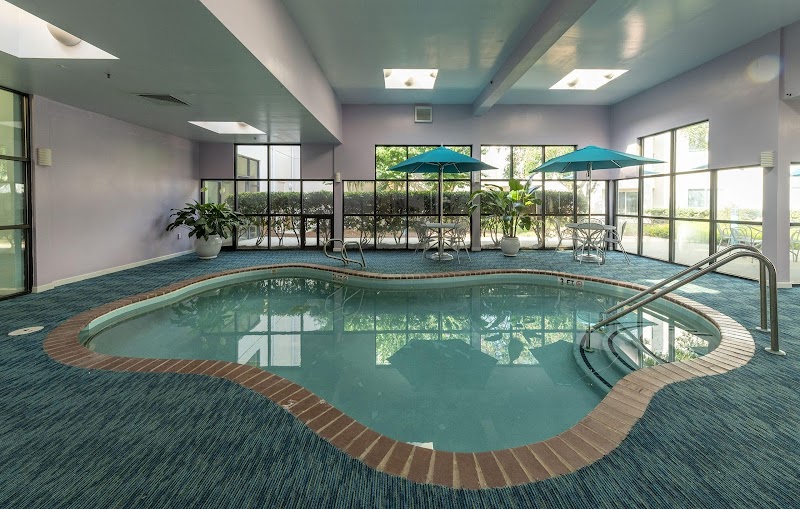
How is Delmar Gardens Of Smyrna Staffed?

CMS rates DELMAR GARDENS OF SMYRNA's staffing level at 4 out of 5 stars, which is above average compared to other nursing homes. Staff turnover is 44%, compared to the Georgia average of 46%. This relatively stable workforce can support continuity of care.

What Have Inspectors Found at Delmar Gardens Of Smyrna?

State health inspectors documented 22 deficiencies at DELMAR GARDENS OF SMYRNA during 2022 to 2025. These included: 1 that caused actual resident harm and 21 with potential for harm. Deficiencies causing actual harm indicate documented cases where residents experienced negative health consequences.

Who Owns and Operates Delmar Gardens Of Smyrna?

DELMAR GARDENS OF SMYRNA is owned by a for-profit company. For-profit facilities operate as businesses with obligations to shareholders or private owners. The facility is operated by DELMAR GARDENS, a chain that manages multiple nursing homes. With 120 certified beds and approximately 90 residents (about 75% occupancy), it is a mid-sized facility located in SMYRNA, Georgia.
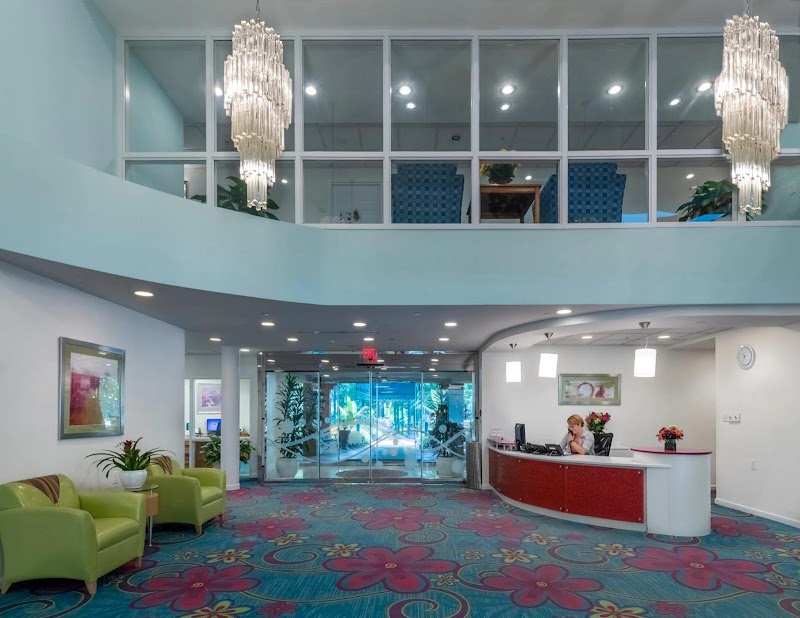
How Does Delmar Gardens Of Smyrna Compare to Other Georgia Nursing Homes?

Compared to the 100 nursing homes in Georgia, DELMAR GARDENS OF SMYRNA's overall rating (2 stars) is below the state average of 2.6, staff turnover (44%) is near the state average of 46%, and health inspection rating (2 stars) is below the national benchmark.

What Should Families Ask When Visiting Delmar Gardens Of Smyrna?

Based on this facility's data, families visiting should ask: "Can I visit during a mealtime to observe dining assistance and food quality?" "How do you handle medical emergencies, and what is your hospital transfer rate?" "Can I speak with family members of current residents about their experience?"

Is Delmar Gardens Of Smyrna Safe?

Based on CMS inspection data, DELMAR GARDENS OF SMYRNA has a clean safety record: no substantiated abuse findings (meaning no confirmed cases of resident harm), no Immediate Jeopardy citations (the most serious violation level indicating risk of serious injury or death), and is not on the Special Focus Facility watch list (a federal program monitoring the lowest-performing 1% of nursing homes). The facility has a 2-star overall rating and ranks #100 of 100 nursing homes in Georgia. While no facility is perfect, families should still ask about staff-to-resident ratios and recent inspection results during their visit.

Do Nurses at Delmar Gardens Of Smyrna Stick Around?

DELMAR GARDENS OF SMYRNA has a staff turnover rate of 44%, which is about average for Georgia nursing homes (state average: 46%). Moderate turnover is common in nursing homes, but families should still ask about staff tenure and how the facility maintains care continuity when employees leave.

Was Delmar Gardens Of Smyrna Ever Fined?

DELMAR GARDENS OF SMYRNA has been fined $23,537 across 1 penalty action. This is below the Georgia average of $33,314. While any fine indicates a compliance issue, fines under $50,000 are relatively common and typically reflect isolated problems that were subsequently corrected. Families should ask what specific issues led to these fines and confirm they've been resolved.

Is Delmar Gardens Of Smyrna on Any Federal Watch List?

DELMAR GARDENS OF SMYRNA is not on any federal watch list. The most significant is the Special Focus Facility (SFF) program, which identifies the bottom 1% of nursing homes nationally based on persistent, serious quality problems. Not being on this list means the facility has avoided the pattern of deficiencies that triggers enhanced federal oversight. This is a positive indicator, though families should still review the facility's inspection history directly.