CAMBRIDGE POST ACUTE CARE CENTER
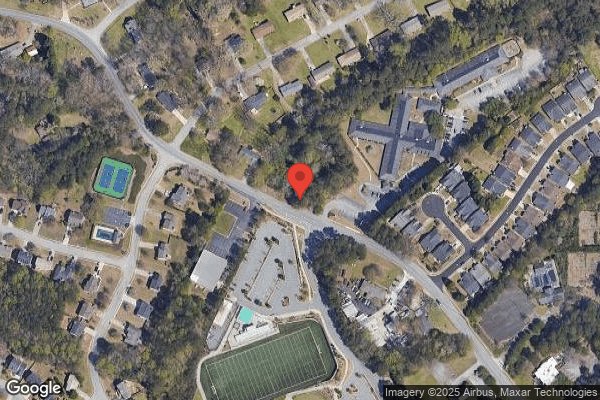
2020 MCGEE ROAD, SNELLVILLE, GA 30078 (770) 978-7250
For profit - Partnership 144 Beds WELLINGTON HEALTH CARE SERVICES Data: November 2025
Trust Grade
38/100
#256 of 353 in GA
Last Inspection: February 2025

Within standard 12-15 month inspection cycle. Federal law requires annual inspections.

Overview

Cambridge Post Acute Care Center has received a Trust Grade of F, indicating significant concerns about the quality of care provided. Ranked #256 out of 353 facilities in Georgia places it in the bottom half of the state, and #8 out of 11 in Gwinnett County means only a few local options are better. Although the facility is showing signs of improvement, decreasing from 13 issues in 2024 to 5 in 2025, it still faces serious challenges, including 22 reported concerns related to care practices. Staffing is a mixed bag, with a turnover rate of 44%, which is slightly better than the state average, but still indicates some instability. Specific incidents raised by inspectors included the failure to provide residents written information about bed-hold policies upon hospital transfer, inadequate monitoring of antibiotic use, and lapses in the infection control program, all of which could potentially put residents at risk.

Trust Score
F
38/100
In Georgia
#256/353
Bottom 28%
Safety Record
Low Risk
No red flags
Inspections
Getting Better
13 → 5 violations
Staff Stability
○ Average
44% turnover. Near Georgia's 48% average. Typical for the industry.
Penalties
⚠ Watch
$24,162 in fines. Higher than 98% of Georgia facilities. Major compliance failures.
Skilled Nurses
⚠ Watch
Each resident gets only 23 minutes of Registered Nurse (RN) attention daily — below average for Georgia. Fewer RN minutes means fewer trained eyes watching for problems.
Violations
⚠ Watch
22 deficiencies on record. Higher than average. Multiple issues found across inspections.
★☆☆☆☆
1.0
Overall Rating
★★☆☆☆
2.0
Staff Levels
★☆☆☆☆
1.0
Care Quality
★★☆☆☆
2.0
Inspection Score
Stable
2024: 13 issues
2025: 5 issues

The Good

  • Full Sprinkler Coverage · Fire safety systems throughout facility
  • No fines on record
  • Staff turnover below average (44%)

    4 points below Georgia average of 48%

Facility shows strength in fire safety.

The Bad

1-Star Overall Rating

Below Georgia average (2.6)

Significant quality concerns identified by CMS

Staff Turnover: 44%

Near Georgia avg (46%)

Typical for the industry

Federal Fines: $24,162

Below median ($33,413)

Minor penalties assessed

Chain: WELLINGTON HEALTH CARE SERVICES

Part of a multi-facility chain

Ask about local staffing decisions and management

The Ugly 22 deficiencies on record

Feb 2025 5 deficiencies
CONCERN (D) 📢 Someone Reported This

A family member, employee, or ombudsman was alarmed enough to file a formal complaint

Potential for Harm - no one hurt, but risky conditions existed

Deficiency F0554 (Tag F0554)

Could have caused harm · This affected 1 resident

**NOTE- TERMS IN BRACKETS HAVE BEEN EDITED TO PROTECT CONFIDENTIALITY** Based on observations, staff and resident interviews, record review, and review of the facility's policy titled Self-Administrat...

Read full inspector narrative →
**NOTE- TERMS IN BRACKETS HAVE BEEN EDITED TO PROTECT CONFIDENTIALITY** Based on observations, staff and resident interviews, record review, and review of the facility's policy titled Self-Administration of Medication Program, the facility failed to ensure that three of 56 residents (R) (R45, R113, and R432) did not have unauthorized and unsecured medications at the bedside. This failure created the potential for medication errors and unauthorized access to medications by other residents. Findings include: Review of the facility's undated policy titled, Self-Administration of Medication Program, revealed under the Policy statement, It is the policy of the facility to allow the resident and or legal representative of that resident the right to self-administer medication when it has been deemed by the interdisciplinary team (IDT) that it is clinically appropriate. Under the section titled Procedure revealed, (5) If a resident request to self-administer drugs, it is the responsibility of the IDT to determine it is safe for the resident to self-administer drugs, before the resident may exercise that right. (6) When determining if self-administration is clinically appropriate for a resident, the IDT will at a minimum consider the following .(c)The resident's cognitive status, including the ability to correctly name medications and know what conditions they are taken for (7) The admitting nurse or designee will complete the Self-Administration of Medication Evaluation and report the findings to the Unit Manager or designee. (8) The interdisciplinary team must also determine: (a) Who will be responsible (the resident or the nursing staff) for storage; if medications are stored at the resident's bedside, a lockbox or locked drawer must be used to store the medications 1.Review of R45's Face Sheet indicated the resident was admitted with diagnoses that included but not limited to essential (primary) hypertension, hyperlipidemia, type 2 diabetes mellitus without complications, peripheral vascular disease, and gastroesophageal reflux disease without esophagitis. Review of R45's Quarterly Minimum Data Set (MDS) assessment dated [DATE] revealed for Section C (Cognitive Pattern) a Brief Interview for Mental Status (BIMS) score of 6 (six), which indicated moderate cognitive impairment. Review of R45's care plan dated 3/29/2023 revealed, the resident has an HX (history) of alteration in gastro-intestinal status r/t (related to) infectious, gastroenteritis and colitis, GI (gastrointestinal) bleeding, abd (abdominal) pain. There was no documented evidence of interventions for self-administration of medications. Further review of the care plans lacked a care plan for self-administration of medications. Review of R45's Orders Summary Report dated 2/9/2025 lacked orders permitting the resident to self-administer medication. Review of the Self Administration of Medication assessment dated [DATE] revealed, R45 was not capable for self-administration of medication. Observation on 2/8/2025 at 10:39 am in R45's room revealed [Name] fast melts tablets (OTC medication used to treat indigestion) on the resident's bedside table. The resident stated she was unaware that she was not allowed to have medications at the bedside. Observation on 2/8/2025 at 12:34 pm revealed Certified Nursing Assistant (CNA) GG exiting R45's room. Upon inquiry, CNA GG stated she was unaware of whether R45 could self-medicate and would verify. Observation on 2/8/2025 at 12:42 pm with the Assistant Director of Nursing (ADON) revealed, R45's [Name] fast melts tablets were observed on the bedside table. ADON informed the resident that she was not permitted to self-medicate and removed the medication. R45 stated she was unaware of this rule and that her son had provided the medication. 2. Review of R113's Face Sheet indicated the resident was admitted with diagnoses that included but not limited to type 2 diabetes mellitus, cognitive communication deficit, anxiety disorder, hyperlipidemia, benign prostatic hyperplasia, insomnia, and depression. Review of R113's Quarterly MDS assessment dated [DATE] revealed for Section C (Cognitive Pattern) a BIMS score of 6, which indicated moderate cognitive impairment. Review of R113's care plan dated 9/19/2024 revealed, At Risk for Decreased Cardiac Output r/t HTN (hypertension), hyperlipidemia, DM 2 (diabetes melilites). There was no documented evidence of interventions for self-administration of medications. Further review of the care plans lacked a care plan for self-administration of medications. Review of R113's Order Summary Report dated 2/8/2025 lacked orders permitting the resident to self-administer medication. The EMR also lacked documentation that the resident had been evaluated for self-administration of medications. Observation on 2/8/2025 at 9:23 am in R113's room revealed a pill on the resident's bedside table. The resident stated he was unsure of the purpose of the pill and would not take it until he confirmed its use. Interview on 2/8/2025 at 9:30 am with Licensed Practical Nurse (LPN) HH confirmed that R113 was not assessed for self-administration of medications. LPN HH observed the pill on the bedside table, retrieved gloves, and picked up the pill, noting that it appeared dirty. LPN HH identified the pill as [Name], a blood pressure medication and stated that R113 should have received it during the 6:00 am medication pass. LPN HH further explained that R113 was unable to self-medicate, and staff were required to remain with him until he takes his medication. During an interview on 2/9/2025 at 2:22 pm with the Director of Nursing (DON) and Assistant Director of Nursing (ADON), they confirmed the facility does not allow self-administration medication as a general rule. If someone has a request for self-administration, they will need permission, and an assessment will have to take place. DON further revealed if a resident has medication in their possession, it was typically a family member who brought in the medicines without their knowledge. The DON revealed, if there were concerns related to medications at the bedside, it should be removed, and education provided. 3. R432 was admitted to the facility with a diagnosis that included but not limited to unspecified glaucoma (eye disease). Review of R432's Annual MDS dated [DATE] revealed for Section C (Cognitive Pattern), a BIMS score of 15 which indicated her cognition was intact. Review of the care plan dated 8/21/2024 documented R432 had impaired visual function related to glaucoma. There was no documented evidence of interventions for self-administration of medications. Further review of the care plans lacked a care plan for self-administration of medications. Review of R432's physicians orders revealed, [name] ophthalmic solution 0.5% (percent), Instill one drop in both eyes every 12 hours for glaucoma. Review of the Self Administration of Medication assessment dated [DATE] revealed, R432 was not capable for self-administration of medication. During an observation on 2/8/2025 at 8:44 am in R432's room revealed there was an eye drop medication ([name] ophthalmic solution) sitting on her bedside table position next to her. During an interview on 2/8/2025 at 12:17 pm with LPN DD confirmed the eyedrop medication on R432's bedside table. She stated R432 was a new admission and was not aware that her family had brought the eyedrops in from the hospital.
CONCERN (D) 📢 Someone Reported This

A family member, employee, or ombudsman was alarmed enough to file a formal complaint

Potential for Harm - no one hurt, but risky conditions existed

Comprehensive Care Plan (Tag F0656)

Could have caused harm · This affected 1 resident

**NOTE- TERMS IN BRACKETS HAVE BEEN EDITED TO PROTECT CONFIDENTIALITY** Based on staff interview, record review, and review of the facility's policy titled, Care Plan-Comprehensive, the facility faile...

Read full inspector narrative →
**NOTE- TERMS IN BRACKETS HAVE BEEN EDITED TO PROTECT CONFIDENTIALITY** Based on staff interview, record review, and review of the facility's policy titled, Care Plan-Comprehensive, the facility failed to develop a comprehensive person-centered care plan for two out of 56 residents (R) (R35 and R6). Specifically, the facility failed to develop a comprehensive person-centered care plan for R35 related to Methicillin-resistant Staphylococcus aures (MRSA) and R6 related to oxygen therapy. Findings include: A review of the facility's policy titled Care Plan-Comprehensive, dated January 2023 under the section titled Policy Interpretation and Implementation revealed, 1. An interdisciplinary team, in coordination with the resident, his/her family or representative, would develop and maintain a Comprehensive Care Plan for each resident. 2. The Comprehensive Care Plan has been designed to: (a) Incorporate identified problem areas; (b) Incorporate risk factors associated with the identified problems .4. Care plans are revised as changes in the resident's condition dictate. Reviews are made at least quarterly. 1. A review of the admission Record revealed R35 had a diagnosis of Methicillin-resistant Staphylococcus aures infection as the cause of diseases classified elsewhere dated 12/20/2024. A review of the Entry Tracking Record Minimum Data Set (MDS) assessment dated [DATE] for R35 revealed, Section A-Identification Information, documented R35 was readmitted to the facility on [DATE]. A review of the Quarterly MDS assessment dated [DATE] for R35 revealed, Section I-Active Diagnoses, documented R35 had a Multidrug-Resistant Organism (MDRO). A review of R35's progress notes dated 12/30/2024 revealed that R35 was readmitted to the facility with a diagnosis of (MRSA). A review of R35's comprehensive care plans revealed there was no care plan for MRSA. During an interview with Licensed Practical Nurse (LPN)/MDS Coordinator BB on 2/9/2025 at 10:50 am, she stated that when a resident was newly admitted or readmitted with a condition or diagnosis related to infection, the Infection Preventionist (IP) would add the care area to the resident's care plan. LPN/MDS Coordinator BB acknowledged R35 triggered in the MDS for MDRO after being diagnosed during a hospitalization, and the resident should have been care planned for the infection. She added it was an oversight. During an interview with the Director of Nursing (DON) on 2/9/2025 at 1:34 pm, she stated that if a resident had any infection, including a diagnosis of MRSA or any MDRO, she would expect the care plan to reflect that care area. 2. Review of the clinical record revealed R6 was admitted to the facility with diagnoses including asthma, dependence of supplemental oxygen, and malignant neoplasm of unspecified part of unspecified bronchus or lung. Review of R6's medical records revealed a physician order for continuous oxygen (O2) at 2 LPM (liters per minute) via nasal cannula with a start date of 10/26/2024. Review of R6's Quarterly MDS dated [DATE] revealed, Section C-Cognitive Patterns, a Brief Interview for Mental Status (BIMS) of three, which indicated significant cognitive decline; Section O-Special Treatments and Programs, documented R6 received oxygen therapy while a resident. Review of R6's clinical records revealed a physician order for continuous oxygen (O2) at 2 (two) LPM (liters per minute) via nasal cannula with a start date of 10/26/2024. A review of R6's comprehensive care plans revealed that it did not include an oxygen therapy plan. Interview with LPN/MDS Coordinator BB on 2/10/2025 at 10:30 am confirmed that R6 did not have a care plan for oxygen therapy. During an interview with the DON on 2/10/2025 at 10:40 am, she stated if a resident was receiving oxygen continuously and depends on oxygen therapy, she would expect the care plan to reflect oxygen therapy. Cross Reference F695
CONCERN (D) 📢 Someone Reported This

A family member, employee, or ombudsman was alarmed enough to file a formal complaint

Potential for Harm - no one hurt, but risky conditions existed

Respiratory Care (Tag F0695)

Could have caused harm · This affected 1 resident

4. Review of the clinical records for R105 revealed she was admitted to the facility with diagnoses that included but not limited to other asthma and cough variant asthma. Observation on 2/8/2025 at ...

Read full inspector narrative →
4. Review of the clinical records for R105 revealed she was admitted to the facility with diagnoses that included but not limited to other asthma and cough variant asthma. Observation on 2/8/2025 at 8:32 am revealed R105's oxygen concentrator's built-in filter was dirty with a thick dark brown substance. Observation on 2/9/2025 at 8:03 am revealed R105's oxygen concentrator's built-in filter was dirty with a thick dark brown substance. Interview on 2/9/2025 at 10:10 am with the Director of Nursing (DON) stated on every Sunday night shift, the nurse assigned to that resident's hall was responsible for the maintenance and cleaning of the oxygen machine filter, ensuring the nebulizer machine was stored properly when not in use and oxygen tubing was stored in a bag when not in use. She stated, it is my expectation for all my unit nursing manager staff to make rounds on Monday morning to make sure all the maintenance and cleaning of the oxygen equipment were properly done on that Sunday night. Observation and interview on 2/9/2025 at 10:18 am with DON and Licensed Practical Nurse (LPN) CC both confirmed that R6's oxygen concentrator's built-in filter was dirty with a thick dark brown substance and tank setting was on three liters. LPN CC checked R6's physician orders in the facility's electronic records and confirmed that physician order was two liters. Observation and interview on 2/9/2025 at 10:30 am with LPN DD confirmed the Sunday night shift nurses were responsible for the respiratory maintenance cleaning of equipment weekly which includes the oxygen concentrators' filters. She stated she does her round every Monday morning to ensure staff cleaned all the equipment. She confirmed R98 and R64 oxygen concentrators' spongy-foam filter was dirty with a thick fuzzy gray substance. She also confirmed that R105's oxygen concentrator's built-in filter was dirty with a thick dark brown substance. Based on observations, staff and resident interviews, record review, and review of the facility's policy titled, Oxygen Safety, the facility failed to ensure one resident (R) (R6) was administered oxygen therapy in accordance with the physician order and to ensure that the oxygen concentrators' filters remained clean for three residents (R98, R64, and R105) out of 19 residents receiving respiratory treatments. This deficient practice had the potential to put residents at risk for increased respiratory infections, medical complications and potentially life-threatening complications. Findings include: Review of the facility's policy titled, Oxygen Safety, dated April 2022 under the section titled Oxygen Administration revealed, 1. Oxygen therapy is administered to the resident only upon the written order of a licensed physician. 1. Review of the clinical records revealed R6 admitted to the facility with diagnoses that included but not limited to asthma, dependence of supplemental oxygen, and malignant neoplasm of unspecified bronchus or lung. Review of R6's clinical records revealed a physician order for continuous oxygen (O2) at 2 (two) LPM (liters per minute) via nasal cannula with a start date of 10/26/2024. Observations on 2/8/2025 at 10:58 a.m. and 2/9/2025 at 8:45 a.m. revealed R6 receiving oxygen therapy via nasal cannula at 3 (three) LPM. Cross reference to F656 2. Review of the clinical records revealed R98 was admitted to the facility with diagnoses that included but not limited to chronic obstructive pulmonary disease with acute exacerbation (COPD) (reduction of lung function). Review of R98's physician's order revealed, oxygen at 2 liters per minute (lpm) via nasal cannula to keep O2 saturation greater than 90 percent. Review of R98's physician's order revealed, change and date all respiratory supplies and tubing weekly. If oxygen concentrator is present, clean filter. During an observation on 2/8/2025 at 10:10 am revealed the filter on the oxygen concentrator contained a thick gray fuzzy substance. During an observation on 2/9/2025 at 7:59 am revealed the filter on the oxygen concentrator contained a thick gray fuzzy substance. 3. Review of the clinical records revealed R64 was admitted to the facility with a diagnosis that included but not limited to asthma. Review of R64's physician's order revealed, O2 at 2 liters (l) via nasal cannula prn to keep oxygen saturation above 90 percent. Review of R64's physician's order revealed, R64 has asthma, please monitor and report to nurse or physician if resident has shortness of breath with activities of daily living care or while lying flat. During an observation on 2/8/2025 at 9:03 am revealed the filter on the oxygen concentrator contains a thick layer of gray fuzzy substance. During an observation on 2/9/2025 at 7:57 am revealed the filer on the oxygen concentrator contains a thick layer of gray fuzzy substance.
CONCERN (D) 📢 Someone Reported This

A family member, employee, or ombudsman was alarmed enough to file a formal complaint

Potential for Harm - no one hurt, but risky conditions existed

Unnecessary Medications (Tag F0759)

Could have caused harm · This affected 1 resident

Based on observations, staff interviews, record review, and review of the facility's policy titled Administering Medications, the facility failed to ensure the medication error rate was less than five...

Read full inspector narrative →
Based on observations, staff interviews, record review, and review of the facility's policy titled Administering Medications, the facility failed to ensure the medication error rate was less than five percent. There were two errors with 26 opportunities for one of five residents R (R35) for a medication error rate of 7.69 percent. These failures had the potential to place R35 at risk of medical complications and decreased therapeutic effects of medications. Findings include: Review of the facility policy titled Administering Medications, revised April 2019, revealed the Policy Heading section stated, Medications are to be administered in a safe and timely manner, and as prescribed. The Policy Interpretation and Implementation section included . 10. The individual administering the medication checks the label THREE (3) times to verify the right resident, right medication, right dosage, right time, and right method (route) of administration before giving the medication. Review of R35's Electronic Medical Record (EMR) under admission Record revealed diagnoses including, but not limited to, type 2 diabetes and irritable bowel syndrome (IBS). Review of R35's EMR under Clinical Physician's Orders revealed an order dated 12/21/2024 for Linzess oral capsule 145 micrograms (mcg), two capsules one time a day for IBS. Further review revealed an order dated 12/26/2024 for NovoLog Flex Pen subcutaneous solution pen-injector 100 unit/milliliter (ml) (insulin aspart) [a medication used to treat diabetes] inject per sliding scale. The sliding scale order included administering four units of insulin if the resident's finger-stick blood sugar (FSBS) was 206 to 235. During medication pass observation on 2/8/2025 at 10:35 am, Licensed Practical Nurse (LPN) AA was observed administering medications to R35. The medications administered included Linzess oral capsule 290 mg two capsules. Further observation revealed she checked R35's FSBS and determined, based on the physician's order for sliding scale insulin, that R35 required four units of insulin. Observation revealed LPN AA to dial the dose of four units on the NovoLog Flex Pen and administer the insulin to R35. She was not observed to prime the insulin pen needle with two units of insulin before dialing the dose on the pen. In an interview on 2/8/2025 at 10:45 am, LPN AA verified the container of Linzess was labeled as 290 mg per capsule and confirmed she administered Linzess 290 mg two capsules to R35. She verified the physician's order was for Linzess 145 mg capsules, two capsules one time a day. She stated she was unaware the label on the Linzess stated it was 290 mg capsules. She further stated she should have looked at the dosage on the medication bottle before administering the medication and would notify the provider for further instruction. During a continued interview, LPN AA confirmed she did not prime the NovoLog insulin pen needle with two units of insulin before dialing the dosage on the pen to four units and administering it to R35. She stated she was unaware she should prime the needle before dialing the dose on the pen. In an interview on 2/9/2025 at 10:45 am, the Director of Nursing (DON) stated her expectations were for nurses to follow the five rights of medication administration and ensure medications were administered according to physician orders. She stated the nurse should ensure the correct medication and dosage was administered to the correct resident at the correct time and by the correct route. She further stated that administering an incorrect medication dosage could potentially cause adverse effects for the resident. During further interview, the DON stated she expected nurses to follow the manufacturer's guidelines for the administration of insulin via an insulin pen. She stated insulin pen needles should be primed with two units of insulin before dialing the ordered dosage on the pen to ensure the resident received the ordered insulin dose. She further stated that if the pen was not primed, the resident could receive a decreased insulin dose, potentially resulting in an adverse outcome. She stated the Nurse Practitioner had recently provided education on insulin administration and she planned further education on medication administration.
CONCERN (E) 📢 Someone Reported This

A family member, employee, or ombudsman was alarmed enough to file a formal complaint

Potential for Harm - no one hurt, but risky conditions existed

Infection Control (Tag F0880)

Could have caused harm · This affected multiple residents

Based on observation, staff interview, and review of the facility's policy titled Giving a Bed bath, the facility failed to ensure residents' basins, urinals, and bedpans were labeled and covered for ...

Read full inspector narrative →
Based on observation, staff interview, and review of the facility's policy titled Giving a Bed bath, the facility failed to ensure residents' basins, urinals, and bedpans were labeled and covered for 11 of 69 shared rooms (D2, D5, D18, D16, C9, C15, B16, B5, A15, A5, and A11). These failures had the potential to expose patients to infections due to cross-contamination. Findings include: A review of the facility policy, Giving a Bed bath, dated April 2022 under the section titled Steps in the Procedure revealed, 23. Clean washbasins, be sure the resident's name is written on the wash basin, place in a clean plastic bag and store it in the resident's bathroom, closet or nightstand and return any other supplies to designated storage areas. Observation of rooms on halls A, B, C, and D with the Infection Control Preventionist (ICP) on 2/9/2024 from 4:40 pm through 5:05 pm revealed the following: Room D2, bathroom, shared by two residents, revealed two basins in a clear plastic bag. Neither of the basins was labeled with a resident name. Room D5, a bathroom shared by two residents, revealed one basin on the floor, which was unbagged and unlabeled with a resident name. Additionally, two bedpans in a clear plastic bag and two basins in a clear plastic bag were observed. None of the items were labeled with a resident's name. Room D18, a bathroom shared by two residents, revealed two bedpans in a clear plastic bag and one basin in a clear plastic bag. None of the items were labeled with a resident name. Room D16 bathroom, shared by two residents, revealed one urinal attached to the toilet assistance bar. The urinal was not labeled with a resident name. Additionally, a clear plastic bag contained one bedpan and one basin. Neither of the items was labeled with a resident name. Room C9, a bathroom shared by two residents, revealed two bedpans in a clear plastic bag. Neither of the items was labeled with a resident name. Room C15, a bathroom shared by two residents, revealed one basin on the floor. The basin was not bagged or labeled with the resident's names. Room B16 bathroom, shared by two residents, revealed three unlabeled and unbagged urinals. Room B5, a bathroom shared by two residents, revealed two basins and one bedpan. The items were labeled with the resident's names and placed together in one clear plastic bag. Room A15 bathroom, shared by two residents, revealed one unlabeled and unbagged basin sitting on the floor. One basin and one bedpan were also observed in a clear plastic bag. Neither item was labeled with a resident name. Room A5, a bathroom shared by two residents, revealed two basins in a clear plastic bag, which were not labeled with a resident name. Room A11, a bathroom shared by two residents, revealed two basins in a clear plastic bag, which were not labeled with a resident name. During an interview with the Infection Control Preventionist (ICP) on 2/9/2025 at 4:48 pm, she stated the Certified Nursing Assistants (CNAs) were supposed to check all the resident's rooms to ensure all basins, urinals, and bedpans were off the floor. All items were to be bagged in a clear bag and labeled with the resident name. The ICP confirmed that numerous bathrooms contained unlabeled and unbagged items. She acknowledged several items sitting directly on the floor, unbagged and unlabeled.
Jul 2024 13 deficiencies
CONCERN (D) 📢 Someone Reported This

A family member, employee, or ombudsman was alarmed enough to file a formal complaint

Potential for Harm - no one hurt, but risky conditions existed

Deficiency F0657 (Tag F0657)

Could have caused harm · This affected 1 resident

**NOTE- TERMS IN BRACKETS HAVE BEEN EDITED TO PROTECT CONFIDENTIALITY** Based on record review, interviews, and review of the policy titled Care Plan-Goals and Objectives, the facility failed to ensur...

Read full inspector narrative →
**NOTE- TERMS IN BRACKETS HAVE BEEN EDITED TO PROTECT CONFIDENTIALITY** Based on record review, interviews, and review of the policy titled Care Plan-Goals and Objectives, the facility failed to ensure the person-centered comprehensive care plan was revised related to interventions for a sacral pressure ulcer for one resident (R)(R19) of three residents reviewed for pressure ulcers. This failure placed the resident at risk for unmet care needs. Findings included: A review of the policy titled Care Plan-Goals and Objectives dated January 2024, documented that the policy is care plans shall incorporate resident-centered/trauma-informed goals and objectives that lead to the resident's goals for admission and desired outcomes. Policy Interpretation and Implementation: Number 3. Goals and objectives are entered on the resident's care plan so that all disciplines have access to such information. Number 4. Goals and objectives are reviewed/revised: a. when there has been a significant change in the resident's condition c. at least quarterly A review of the clinical record revealed that R19 was readmitted to the facility on [DATE] with diagnoses including cerebral vascular accident (CVA) with right-sided paralysis, seizures, and vascular dementia. A review of the 5/2/2024 Wound Evaluation and Management Summary revealed R19 had an unstageable (fully or partially covered with eschar-dead tissue) sacral pressure ulcer of greater than one-day duration. A review of the significant change Minimum Data Set (MDS) with an Assessment Reference Date (ARD) of 5/14/2024 revealed that R19 had one unstageable pressure ulcer. A review of the care plan initiated on 3/26/2020 and revised on 4/29/2024 revealed a focus on new wounds to the right and left leg and right heel. Interventions to care include treatments as ordered and followed by the wound care physician, notify the nurse of any new skin breakdown, pressure relieving devices for bed/chair, monitor nutritional status. There was no evidence that an update/revision had been made to the care plan regarding the unstageable sacral pressure ulcer. Interview on 7/3/2024 at 10:30 am, MDS Coordinator (MDSC) stated that she updates resident care plans quarterly and annually. During further interview, she confirmed that R19's care plan for skin impairment had not been updated/revised to include the unstageable sacral wound and should have been.
CONCERN (D) 📢 Someone Reported This

A family member, employee, or ombudsman was alarmed enough to file a formal complaint

Potential for Harm - no one hurt, but risky conditions existed

Deficiency F0761 (Tag F0761)

Could have caused harm · This affected 1 resident

Based on observations, interviews, and review of the policy titled Pharmacy Services, the facility failed to ensure expired insulin vials were removed from two of five medication carts. This failure p...

Read full inspector narrative →
Based on observations, interviews, and review of the policy titled Pharmacy Services, the facility failed to ensure expired insulin vials were removed from two of five medication carts. This failure placed the residents at risk of being administered ineffective medications. The census was 136. Findings included. Review of the undated policy titled Pharmacy Services, revealed it is the policy of the facility to provide Pharmacy Services in accordance with State and Federal regulations. Procedure: Number 10. Drugs and biologicals used in the facility will be labeled in accordance with currently accepted professional principals, and include the appropriate accessory and cautionary instructions, and the expiration date when applicable. 1. Observation and interview on 7/5/2024 at 4:35 am, the B-Hall medication cart was inspected with Licensed Practical Nurse (LPN) JJ and revealed one opened and used vial of Lantus (long-acting) insulin with an open date of 6/1/2024. LPN JJ was asked when Lantus insulin expires, and she replied, after 28 days. LPN JJ confirmed that the insulin vial had been used after the 28-day expiration date. 2. Observation and interview on 7/5/2024 at 5:01 am, the C-Hall medication cart was inspected with LPN II and revealed one opened and used vial of Novolog (short-acting) insulin without an open or use by date. LPN II confirmed that the insulin vial did not contain an open date and therefore, she did not know when the medication would expire. LPN II confirmed that the insulin had been administered to the resident. Interview on 7/9/2024 at 1:56 pm, the pharmacist stated, I do cart monitoring monthly, checking to see if any insulins have expired. This has been an ongoing problem at this facility. The pharmacist further stated, The nurses' are supposed to check the medication carts for the expired medications. Interview on 7/9/2024 at 2:20 pm, the DON stated expired medications should not be available for use on medication carts. She stated they should be removed immediately.
CONCERN (D) 📢 Someone Reported This

A family member, employee, or ombudsman was alarmed enough to file a formal complaint

Potential for Harm - no one hurt, but risky conditions existed

Deficiency F0883 (Tag F0883)

Could have caused harm · This affected 1 resident

**NOTE- TERMS IN BRACKETS HAVE BEEN EDITED TO PROTECT CONFIDENTIALITY** Based on record review, interviews, and review of the policy titled Infection Control-Influenza, Pneumococcal and SARS-CoV-2 Imm...

Read full inspector narrative →
**NOTE- TERMS IN BRACKETS HAVE BEEN EDITED TO PROTECT CONFIDENTIALITY** Based on record review, interviews, and review of the policy titled Infection Control-Influenza, Pneumococcal and SARS-CoV-2 Immunizations for Residents, the facility failed to provide education, offer, or provide the pneumonia vaccination for one of five sampled residents (R) (R18) reviewed for pneumonia vaccinations. This deficient practice had the potential to increase the spread of pneumonia among unvaccinated residents. Findings included. Review of the policy titled, Infection Control-Influenza, Pneumococcal and SARS-CoV-2 Immunizations for Residents, dated 8/2022 revealed it is the policy of the facility to ensure that the residents receive Influenza, Pneumococcal, and SARS-CoV-2 immunizations, in accordance with state and federal regulations, and national guidelines. Pneumococcal Immunization: Number 1. Pneumococcal immunization status will be determined and documented for each resident upon admission. Number 5. The resident's medical record includes documentation that indicates, at a minimum, the following: i. That the resident or resident representative was provided education regarding the benefits and potential side effects of pneumococcal immunization ii. That the resident either received the pneumococcal immunization or did not receive the pneumococcal immunization due to medical contraindications or refusal. Review of the clinical record revealed R18 was admitted to the facility on [DATE] with a diagnosis of Alzheimer's disease and dementia. Review of the annual Minimum Data Set (MDS) assessment dated with an Assessment Reference Date (ARD) of 4/2/2024 revealed R18 had a Brief Interview of Mental Status (BIMS) score of 0. Review of the Immunizations tab in the electronic medical record (EMR) revealed no documentation that R18 was administered the pneumonia vaccine since admission. Review of the Miscellaneous tab in the EMR revealed no documentation that a refusal to consent to the pneumonia vaccine was filed in the EMR. Interview on 7/1/2024 at 12:40 pm, the Infection Control Preventionist (ICP) revealed information regarding resident immunizations is the responsibility of the Unit Managers (UM). The ICP stated, I don't do anything with this, it's the Unit Managers responsibility. During further interview, the ICP stated the UM's ensure the residents vaccination status is determined and documented in the medical record. Interview on 7/1/2024 at 12:46 pm, the Licensed Practical Nurse (LPN) Unit Manager (UM) HH stated she did not know anything about R18's pneumonia vaccination. During further interview, she stated she would check with her daughter regarding the pneumonia vaccine. The UM confirmed that there was no documentation of a pneumonia vaccine administered or refused, in the EMR since admission for R18. Interview on 7/1/2024 at 1:36 pm, the Administrator stated, I knew we had some issues, but did not know the extent.
CONCERN (D) 📢 Someone Reported This

A family member, employee, or ombudsman was alarmed enough to file a formal complaint

Potential for Harm - no one hurt, but risky conditions existed

Deficiency F0887 (Tag F0887)

Could have caused harm · This affected 1 resident

**NOTE- TERMS IN BRACKETS HAVE BEEN EDITED TO PROTECT CONFIDENTIALITY** Based on record review, interviews, and review of policy titled Infection Control-Influenza, Pneumococcal and SARS-CoV-2 Immuniz...

Read full inspector narrative →
**NOTE- TERMS IN BRACKETS HAVE BEEN EDITED TO PROTECT CONFIDENTIALITY** Based on record review, interviews, and review of policy titled Infection Control-Influenza, Pneumococcal and SARS-CoV-2 Immunizations for Residents, the facility failed to ensure one of five sampled residents (R) (R19) reviewed for Covid-19 immunizations, was provided education regarding the benefits, risks, potential side effects associated with the vaccine, was offered the Covid-19 vaccine, or declined the vaccine. This failure had the potential to place the resident at risk of acquiring and/or transmitting Covid-19. Findings included. Review of the facility policy titled, Infection Control-Influenza, Pneumococcal and SARS-CoV-2 Immunizations for Residents, dated 8/2022 revealed it is the policy of the facility to ensure that the residents receive Influenza, Pneumococcal, and SARS-CoV-2 immunizations, in accordance with state and federal regulations, and national guidelines. SARS-CoV-2. Number 1. Before offering the SARs-CoV-2 immunization, each resident and/or resident representative receives education regarding the benefits, risks, and potential side effects of the immunization. Number 2. Each resident is offered SARS-CoV-2 immunization, unless the immunization is medically contraindicated, or the resident as already been immunized. Number 4. The resident and/or resident representative has the opportunity to accept or refuse a SARS-CoV-2 vaccine and change their decision. Number 5. The resident's medical record includes documentation that indicates, at a minimum, the following: a. The resident or resident representative was provided education regarding the benefits and potential risks associated with SARS-CoV-2 vaccine. b. If the resident did not receive the SARS-CoV-2 vaccine due to medical contraindications or refusal. Review of the clinical record revealed R19 was admitted to the facility on [DATE] with diagnoses that included cerebral vascular accident and vascular dementia. Review of the Significant Change Minimum Data Set (MDS) assessment with an Assessment Reference Date (ARD) of 5/14/2024 revealed R19 had a Brief Interview of Mental Status (BIMS) score of 14, indicating no cognitive impairment. Review of the Immunizations tab in the electronic medical record (EMR) revealed no documentation of the SARS-CoV-2 (Covid) vaccine having been offered or administered. Review of the Miscellaneous' tab in the EMR revealed no documentation of a consent refusal for the Covid vaccine or boosters. Interview on 7/1/2024 at 12:40 pm, the Infection Control Preventionist (ICP) was asked who was responsible for ensuring residents immunizations are identified and documented in the EMR. The ICP stated, I don't do anything with this, it's the unit managers who do this. Interview on 7/1/2024 at 12:46 pm, the Licensed Practical Nurse (LPN) Unit Manager (UM) HH, was asked about R19's Covid vaccine information. The UM stated, I don't remember anything about Covid vaccines, so I am guessing he did not receive the vaccine. I don't know why. Interview on 7/1/2024 at 1:36 pm, the Administrator stated, I knew we had some issues, but did not know the extent. Interview on 7/1/2024 at 2:12 pm, the Director of Nursing (DON) provided a list of vaccination refusals, and she confirmed R19 had not been administered the Covid-19 vaccine or signed a declination.
CONCERN (E) 📢 Someone Reported This

A family member, employee, or ombudsman was alarmed enough to file a formal complaint

Potential for Harm - no one hurt, but risky conditions existed

Comprehensive Care Plan (Tag F0656)

Could have caused harm · This affected multiple residents

**NOTE- TERMS IN BRACKETS HAVE BEEN EDITED TO PROTECT CONFIDENTIALITY** Based on record review, interview, and review of the policy titled Care Plan-Goals and Objectives, the facility failed to develo...

Read full inspector narrative →
**NOTE- TERMS IN BRACKETS HAVE BEEN EDITED TO PROTECT CONFIDENTIALITY** Based on record review, interview, and review of the policy titled Care Plan-Goals and Objectives, the facility failed to develop a comprehensive person-centered plan of care which included a focus, goal, and interventions related to communication for four of four residents (R) (R4, R18, R26, and R27) reviewed for communication needs. Specifically, the facility failed to develop a care plan related to hearing loss for R4 and failed to develop a care plan for R18, R26, and R17 related to language barrier for non-English speaking residents. Findings included. Review of the policy titled Care Plan-Goals and Objectives dated January 2024, documented the policy is care plans shall incorporate resident-centered/trauma informed goals and objectives that lead to the resident's goals for admission and desired outcomes. Policy Interpretation and Implementation: Number 1. Goals and objectives are defined as the desired outcome for a specific resident problem. Number 2. Goals and objectives are: a. Resident-centered and individualized c. Measurable e. Be culturally competent and trauma informed 1. Review of the clinical record revealed R4 was admitted to the facility on [DATE] and had a Cochlear Implant (an electric device that is implanted in the inner ear that allow severely deaf people to hear sounds.) R4 was discharged on 7/28/2022. Review of the admission Minimum Data Set (MDS) with an Assessment Reference Date (ARD) of 7/20/2022 revealed that R4 had moderate difficulty hearing, and did not wear hearing aids. Review of the comprehensive care plan dated 7/14/2022 revealed there was no evidence of a focus problem, goal, or interventions related to R4's hearing loss or cochlear implant. 2. Review of the clinical record revealed R18 was admitted to the facility on [DATE] with a diagnosis of Alzheimer's disease and dementia. Review of the annual MDS with an ARD of 4/2/2024 revealed R18 had a Brief Interview of Mental Status (BIMS) score of zero out of 15 which indicated R18 was severely impaired in cognition. R18's preferred language is Korean. She would like an interpreter to communicate with staff. Review of the comprehensive care plan dated 1/21/2024 revealed there was no evidence of a focus problem, goal, or interventions related to R18's inability to speak English. Interview on 7/1/2024 at 8:20 am, Certified Nurse Aide (CNA) NN stated that she tends to R18 and confirmed that she did not speak or understand English. She stated that staff use hand gestures to communicate with the resident. 3. Review of the clinical record revealed R26 was admitted to the facility on [DATE] with diagnoses including muscle atrophy, hypertension (HTN), and fracture right hip. Review of the admission MDS with an ARD of 5/31/2024 revealed R26 had a BIMS score of nine out of 15 which indicated moderate cognitive impairment. R26's preferred language is Spanish. Review of the comprehensive care plan dated 5/31/2024 revealed no focus, goal, or interventions related to his inability to speak English. Interview on 7/2/2024 at 10:15 am, during a group resident council meeting, R26 was accompanied by a staff interpreter. The interpreter asked R26 how he is able to make his needs known to the staff. R26 replied I point and use gestures. The staff interpreter, who is the Activity Assistant (AA) AA, was asked if there were communication boards available for the residents, who did not speak English? The Activity Assistant AA stated No, I don't know anything about that. 4. Review of the clinical record revealed R27 was admitted to the facility on [DATE] with diagnoses including gastro-esophageal reflux disease (GERD), HTN, and Alzheimer's disease. Review of the admission MDS with an ARD of 2/14/2024 revealed R27 had a BIMS score of 13 out of 15 which indicated no cognitive impairment. R27's preferred language is Vietnamese. She would like an interpreter to communicate with staff. Review of the 5/16/2024 comprehensive care plan revealed no focus, goal, or interventions related to his inability to speak English. Interview on 7/2/2024 at 10:15 am, during a group resident council meeting, R27 revealed she was able to speak and understand very little English. During further interview, she indicated that she was not able to consistently communicate and understand the English language, in order to have her needs met. She stated she didn't understand the staff's English as they come from other countries. Interview on 7/9/2024 at 11:08 am, MDS Coordinator (MDSC) was asked about communication focus on resident care plans, and she confirmed that the comprehensive care plans were not person-centered to reflect the residents communication needs. The MDSC stated, I don't see them, but they definitely should have been developed.
CONCERN (E) 📢 Someone Reported This

A family member, employee, or ombudsman was alarmed enough to file a formal complaint

Potential for Harm - no one hurt, but risky conditions existed

Deficiency F0726 (Tag F0726)

Could have caused harm · This affected multiple residents

Based on observations, interviews, and a review of the policy titled Certification Medication Aide Program, the facility failed to ensure that services provided by Certified Medication Technicians (CM...

Read full inspector narrative →
Based on observations, interviews, and a review of the policy titled Certification Medication Aide Program, the facility failed to ensure that services provided by Certified Medication Technicians (CMTs) met professional standards of quality. Specifically, the facility failed to provide evidence that three of five CMTs (CMT MM, CMT LL, and CMT FF) were competent with skills and knowledge to provide insulin administration, before being allowed to administer insulin to residents. This failure had the potential to result in adverse outcomes for residents related to medication administration. Findings included: A review of the policy titled Certification Medication Aide Program, dated May 1, 2022, documented the policy is the intent of this facility to utilize individuals certified as medication aide who are listed on the Georgia Medication Aide Registry in the role of administering technical aspects with certain medications to nursing home residents. Procedure: Step 2. The nursing home shall conduct a comprehensive clinical skills competency review of each certified medication aide employed by the facility upon hire and annually by a licensed pharmacist or Registered Profession Nurse. Step 3. A Certified Medication Aide who meets the criteria established by the Georgia Code Section 31-7-12.2 shall be permitted to perform the following tasks in a nursing home in accordance with written instructions of a physician. b) Administer insulin .pursuant to the physician's direction and protocol and will validate medication dose with a licensed nurse prior to administration. Further review of the policy indicated that a signed copy of the policy and procedure will be maintained in the employee record. 1. A review of the employee file for CMT MM revealed a hire date of 3/8/2024. During an interview on 7/3/2024 at 1:15 pm, CMT MM was asked if she was able to perform accu-checks and insulin administration for diabetic residents. She replied, Yes. She was asked if she had skills competencies completed to ensure she could safely and correctly perform this task. CMT MM replied, No, not here, but in my last job I did. There was not a Medication Administration - Subcutaneous Injection checklist for CMT MM completed. 2. A review of the employee file for CMT LL revealed a hire date of 8/22/2022. During an interview on 7/9/2024 at 11:08 am, CMT LL was asked what the process is when obtaining an FBS (fasting blood sugar) sample that resulted in the need for a resident to be administered insulin. She stated that she would administer the insulin that was prescribed by the doctor. She was asked about whether or not she needed to have the insulin dosage verified by a licensed nurse, and she replied, Not here I don't. During further interview, she stated that at her previous job, she had to get a nurse to verify the dosage of insulin before administering it, but not at this job. CMT LL was shown the Georgia State Certification Medication Aide policy and procedure and shown the paragraph which states that insulin was to be verified by a licensed nurse. CMT LL stated, Oh, I was not aware of needing to have insulin verified. Review of the Medication Administration - Subcutaneous Injection checklist for CMT LL, dated 4/8/2024 was not signed by CMT LL. 3. A review of the employee file for CMT FF revealed a hire date of 11/11/2020. During an interview on 7/9/2024 at 11:33 am, CMT FF was asked if she had yearly competencies related to obtaining FBS and administering insulin. CMT FF stated, I think so, but I am not sure. A review of the Medication Administration - Subcutaneous Injection checklist for CMT FF, dated 3/7/2024 was not signed by CMT FF. Interview on 7/9/2024 at 12:27 pm, the Staff Development Coordinator (SDC) was asked to provide competency documentation for the CMTs regarding obtaining FBSs and administration of insulin to the residents. The SDC stated there are five CMTs employed by the facility, and replied No, I don't have anything. The SDC provided documentation that the five CMT's could administer subcutaneous injections only, not specific to insulin administration. Cross Refer F760
CONCERN (E) 📢 Someone Reported This

A family member, employee, or ombudsman was alarmed enough to file a formal complaint

Potential for Harm - no one hurt, but risky conditions existed

Pharmacy Services (Tag F0755)

Could have caused harm · This affected multiple residents

**NOTE- TERMS IN BRACKETS HAVE BEEN EDITED TO PROTECT CONFIDENTIALITY** Based on record review, interviews, and review of the policy titled Pharmacy Services, the facility failed to ensure medications...

Read full inspector narrative →
**NOTE- TERMS IN BRACKETS HAVE BEEN EDITED TO PROTECT CONFIDENTIALITY** Based on record review, interviews, and review of the policy titled Pharmacy Services, the facility failed to ensure medications were administered as ordered for two of three residents (R) (R17 and R25) reviewed for medication administration. Specifically, R17 missed 20 doses of her inhaler (Xopenex) and Atorvastatin 13 times, as ordered; and R25 missed seven doses of Pregabalin (Lyrica-can be used for nerve pain). The deficient practice had the potential for adverse consequences and events due to not receiving ordered and scheduled medications timely. Findings included: A review of the undated policy titled Pharmacy Services, revealed the facility will provide Pharmacy Services in accordance with state and federal regulations. Procedure: Number 5. The facility will provide pharmaceutical services including procedures that assure the accurate acquiring, receiving, dispensing, and administration of all drugs and biological to meet the needs of each resident. Review of the policy titled Medication Delivery Expectations dated April 2022, revealed the policy is to ensure all residents will receive their medications as ordered and to ensure if medications are not received, center immediately intervenes, and medications received within 4 hours. Protocol: A. Notify the pharmacy of medication that has not been received. Pharmacy has someone on call 24 hours a day, so it is never acceptable to document that a medication is 'not available.' It is the center's responsibility to ensure medications are administered. D. If medication is not available, call the pharmacy and request medication to be delivered STAT [as soon as possible] either from your facility pharmacy or community back-up pharmacy. H. Notify the physician if medication will be given late or obtain an order for different start times, if appropriate. 1. A review of the clinical record revealed R17 was admitted to the facility on [DATE] with diagnoses including chronic obstructive pulmonary disease (COPD), diastolic congestive heart failure (CHF) and asthma. A review of the annual Minimum Data Set (MDS) with an Assessment Reference Date (ARD) of 4/10/2024, revealed a Brief Interview of Mental Status (BIMS) score of 15 which indicated she was cognitively intact. A review of the June 2024 Medication Administration Record (MAR) revealed the following medication orders: 1. Xopenex Inhaler two puffs every six hours related to COPD ordered 5/11/2024. According to the June 2024 MAR, the inhaler was not administered (as indicated by the code 13) eight times, and on two occasions, at 6:00 pm, the documentation was left blank. 2. Atorvastatin 40 milligrams (mg) one tablet at bedtime for elevated cholesterol ordered 3/1/2024. According to the June 2024 MAR, the Atorvastatin was coded as 13 which indicated not administered eight times. A review of the May 2024 MAR revealed: 1. Xopenex Inhaler - was not administered (as indicated by the code 13) 10 times. 2. Atorvastatin - was not administered five times. During a group resident council meeting on 7/2/2024 at 10:15 am, the residents were asked if they received their medications on time. R17 stated, They run out of my medications. They don't care if they are missing pills. 2. A review of the clinical record revealed R25 was admitted to the facility on [DATE] with diagnoses including diabetes and neuralgia (intense, intermittent pain in the nerves.) A review of the quarterly MDS assessment with an ARD of 4/18/2024 revealed R25 had a BIMS score of 12 out of 15, which indicated she was moderately impaired in cognition. A review of the June 2024 MAR revealed the following medication order: 1. Pregabalin (Lyrica-used for nerve pain) 50 mg one capsule every 12 hours ordered 4/24/2024. According to the June 2024 MAR, the Lyrica was coded as 13-not administered seven times; however, on 6/5/2024, the documentation showed that the medication was not administered due to surgery. During a group resident council meeting on 7/2/2024 at 10:15 am, R25 stated, The nurse brings me my pills and I don't even know what they are for. It takes two to three days to get medications when they reorder. Interview on 7/8/2024 at 1:13 pm, the Nurse Practitioner (NP) was asked whether of not she knew if medications were not being administered on time to residents. The NP stated, Yes, I am sorry to say it is true. Interview on 7/8/2024 at 3:30 pm, the Director of Nursing (DON) stated the insurance companies are asking for prior authorizations for some medications, and we keep signing them 100 times over. It's been a struggle. Interview on 7/9/2024 at 1:56 pm, the Pharmacy Consultant stated, The nurses should be able to call the pharmacy and get the medication they need. They can go onto the website and order medication there also. The Pharmacy Consultant was asked if he was aware of medications not being available due to prior authorizations by insurance companies or Medicare. The Pharmacy Consultant stated, No, I have not.
CONCERN (E) 📢 Someone Reported This

A family member, employee, or ombudsman was alarmed enough to file a formal complaint

Potential for Harm - no one hurt, but risky conditions existed

Deficiency F0760 (Tag F0760)

Could have caused harm · This affected multiple residents

**NOTE- TERMS IN BRACKETS HAVE BEEN EDITED TO PROTECT CONFIDENTIALITY** Based on record review, interviews, and review of the policy titled, Diabetes Care-Insulin Administration and Administration of ...

Read full inspector narrative →
**NOTE- TERMS IN BRACKETS HAVE BEEN EDITED TO PROTECT CONFIDENTIALITY** Based on record review, interviews, and review of the policy titled, Diabetes Care-Insulin Administration and Administration of Drugs, the facility failed to ensure staff administered insulin as ordered for three of five residents (R) (R15, R11, R5) reviewed for insulin administration. Specifically, there were multiple discrepancies in the blood sugar (BS) documentation and insulin sliding scale orders, as well as multiple days and times with no documentation that insulin was administered. This failure placed the residents at risk of hypoglycemia, hyperglycemia, and a diminished quality of life. Findings included. Review of the policy titled Diabetes Care-Insulin Administration, dated April 2022, revealed the policy is that special precautions should be followed in the administration of insulin. Policy Interpretation and Implementation: Number 2. Insulin dosage should be drawn only by personnel licensed to administer such drug and must be administered by the person drawing the injection. Number 3. The type of insulin, dosage requirements, strength, and method of administration should be verified to assure that it corresponds with the order on the medication sheet and the physician's order. Number 4. Any discrepancies should be reported to the Charge Nurse or designee. Number 5. The resident's physician should be notified of any discrepancies or adverse drug reactions. Review of the policy titled, Administration of Drugs, dated April 2022 revealed Policy Interpretation and Implementation: Number 2. Drugs must be administered in accordance with the written orders of the attending physician. Number 9. The nurse administering the drug must record such information on the resident's eMAR (electronic medication administration record) immediately after administration. Number 12. Should a drug be withheld, refused, or given other than at the scheduled time, the nurse should give the appropriate chart code inside the eMAR that states the reason for not administering that drug. Number 13. The nurse should enter an explanatory note in the progress notes for eMAR when drugs are withheld, refused, or given other than at scheduled times. The physician should be notified of drugs that are withheld and/or repeated refusal of drugs. 1. Review of the clinical record revealed R15 was admitted to the facility on [DATE] with a diagnosis of diabetes. Review of the annual Minimum Data Set (MDS) with an Assessment Reference Date (ARD) of 6/10/2024 revealed R15 had a Brief Interview of Mental Status (BIMS) score of 15, which indicated he was cognitively intact. Section N documented resident was administered insulin seven of seven days of the look back period. Review of R15's care plan revised on 6/27/2024 revealed resident has a diagnosis of diabetes. Interventions to care include administer diabetes medication as ordered and monitor/document for side effects and effectiveness. Review of the June 2024 Medication Administration Record (MAR) revealed an order for Novolog (short-acting) insulin via sliding scale, .Inject as per sliding scaled .0-160 = 1 unit; 161-200 = 2 units; 201-240 = 3 units; 241-280 = 4 units; 281-300 = 5 units; 301-340 = 6 units before meals and at bedtime . The order was dated 6/4/2023. Review of the June 2024 MAR revealed that the blood sugar (BS) was documented between 0-160 and the insulin was not administered per the sliding scale a total of 16 times. According to the sliding scale orders, the resident should have been administered one unit of insulin for blood sugar level of 0-160; it was documented as not administered/BS within parameters. Further review revealed blood sugar (BS) was greater than 160 on three occasions, but no insulin was administered - documented as not administered/BS within parameters. On 6/14/2024 at 11:30 am, BS was recorded as 363, but no insulin was given - documented as not administered/BS within parameters. On 6/26/2024 at 9:00 pm, the BS was documented as 347 however, there was no documentation that insulin was administered, per the sliding scale. Review of the July 2024 MAR from 7/1/2024 to 7/3/2024 revealed, the BS indicated insulin should have been administered four times (7/1/2024 at 11:30 am and 4:30 pm, 7/2/2024 at 6:30 am and 11:30 am) but was not documented as administered. 2. Review of the clinical record revealed R11 was admitted to the facility on [DATE] and discharged on 1/5/2024. R11 had a diagnosis of diabetes. Review of the admission MDS with an ARD of 10/11/2023 revealed R11 had a BIMS score of nine out of 15 which indicated she was moderately impaired in cognition. Section N documented resident was administered insulin four of seven days of the look back period. Review of the November 2023 MAR revealed the following orders: 1. Accu check AC [before meals] QID [four times daily] before meals and at bedtime with order date of 10/11/2023. 2. Novolog (Insulin Aspart) inject per sliding scale: 0-250 = 0 units; 251-280 = 4 units; 281-320 = 5 units; 321-360 = 6 units; 361-400 = 7 units; [PHONE NUMBER] = 0 units. less than 60 = 0 units give glucose gel, greater than 400 call MD, NP [nurse practitioner] for further orders. Order date was 10/6/2023 and discontinued on 11/17/2023. 3. Humalog (Insulin Lispro) inject per sliding scale: 0-200 = 0 units; 201-240 = 3 units; 241-280 = 4 units; 281-320 = 5 units; 321-360 = 6 units; 361- 400 = 7 units; [PHONE NUMBER] = 0 units and notify MD for further orders. Order date was 11/17/2023. Review of the November 2023 MAR revealed the following discrepancies in the BS amount from the accu check number documented and the sliding scale on 11/1/2023 - accu check recorded as 232, sliding scale BS documented as 234; NA [not applicable] was used on the sliding scale 28 times but documented on the accu check section; the accu check documentation identified that insulin needed to be administered but was not documented as administered on the sliding scale for 11/3/2023 at 9:00 pm BS was 319, should have received five units and 11/17/2023 at 9:00 pm BS was 243, should have received four units; the BS on 11/25/2023 at 11:30 am, showed a BS of 261, however, on the sliding scale, the BS was documented as 231 and three units of insulin was administered. There was no documentation that the BS was obtained or insulin administered on 11/21/2023 at 6:30 am or 11/30/2023 at 4:30 pm. Review of the December 2023 MAR revealed the following orders: 1. Accu check AC [before meals] QID [four times daily] before meals and at bedtime with order date of 10/11/2023. 2. Humalog (Insulin Lispro) inject per sliding scale: 0-200 = 0 units; 201-240 = 3 units; 241-280 = 4 units; 281-320 = 5 units; 321-360 = 6 units; 361- 400 = 7 units; [PHONE NUMBER] = 0 units and notify MD for further orders. Order date was 11/17/2023. Review of the December 2023 MAR revealed the following discrepancies: The BS documentation differed between the accu check and the sliding scale five times (12/2/2023 at 9:00 pm, 12/9/2023 at 9:00 pm, 12/13/2023 at 6:30 am, 12/18/2023 at 4:30 pm, 12/26/2023 at 4:30 pm); there was no documentation that the BS was obtained or insulin administered, five times (12/13/2023 at 4:30 pm, 12/15/2023 at 4:30 pm, 12/19/2023 at 11:30 am and 4:30 pm, 12/29/2023 at 4:30 pm); the accu check documentation showed one number and the sliding scale showed another number and insulin was administered per the sliding scale, two times (12/16/2023 accu check at 9:00 pm BS was documented as 210, sliding scale revealed BS documented as 341 and six units insulin administered; 12/26/2023 accu check BS at 4:30 pm was documented as 220, sliding scale revealed BS documented as 307 and five units insulin administered); accu check showed one number and the sliding scale showed another number and no insulin was administered one time (12/2/2023); the accu check documentation and the sliding scale documentation showed that insulin should have been administered, but was not, one time (12/25/2024 at 4:30 pm). 3. Review of the clinical record revealed R5 was originally admitted to the facility on [DATE] and discharged on 8/2/2023 and had a diagnosis of diabetes. Review of the admission MDS with an ARD of 7/5/2023 revealed R5 had a BIMS score of 15, which indicated he was cognitively intact. Section N documented resident was administered insulin seven of seven days of the look back period. Review of R5's care plan revised on 6/21/2023 revealed resident has a diagnosis of diabetes. Interventions to care include administer diabetes medication as ordered and monitor/document for side effects and effectiveness; Fasting Serum Blood Sugar/accu checks as ordered by the doctor; monitor/document/report to doctor signs/symptoms of hypoglycemia such as sweating, tremors, increased heart rate, slurred speech, lack of coordination and staggering gait. Review of the January 2023 MAR revealed the following orders: 1. Novolog insulin, inject per sliding scale: 0-250 = 0 units; 251-280 = 4 units; 281-320 = 5 units; 321-360 = 6 units; 361-400 = 7 units; [PHONE NUMBER] = 0 units call MD, NP for further orders. Order date 11/16/2022 and discontinued on 8/2/2023. Review of the January 2023 MAR revealed the following discrepancies: The BS documentation on 1/4/2023 at 11:30 am was 253, there is no evidence insulin was administered according to the sliding scale orders; on 1/28/2023 the BS was documented as 397 and there was no documentation of insulin having been administered-documented as not administered/BS within parameters. Review of the February 2023 MAR revealed the following discrepancies: There was no documentation of an accu check documented or insulin administered three times (2/12/2023 at 6:30 am, 2/13/2024 at 6:30 am, 2/26/2023 at 6:30 am). On 2/9/2023 at 9:00 pm, the BS was documented as 40 however, there was no documentation in the medical record to indicate the physician was notified or the condition of the resident. Interview on 7/8/2024 at 1:18 pm, the Nurse Practitioner (NP) revealed she has taken care these residents and stated, it's been a struggle for me also. My expectation would be that insulin is given for the amount needed based on the blood sugar reading on the machine, and they are to call me if it's over 400, and document correctly. Interview on 7/8/2024 at 3:30 pm, the Director of Nursing (DON) stated, I was not aware of the extent of the insulin administration problems. This information has surprised me. The DON further stated, My expectation is that insulin is documented and administered according to the physician orders.
CONCERN (E) 📢 Someone Reported This

A family member, employee, or ombudsman was alarmed enough to file a formal complaint

Potential for Harm - no one hurt, but risky conditions existed

Infection Control (Tag F0880)

Could have caused harm · This affected multiple residents

**NOTE- TERMS IN BRACKETS HAVE BEEN EDITED TO PROTECT CONFIDENTIALITY** Based on observations, record review, interviews, and review of the policy titled Enhanced Barrier Precautions, the facility fai...

Read full inspector narrative →
**NOTE- TERMS IN BRACKETS HAVE BEEN EDITED TO PROTECT CONFIDENTIALITY** Based on observations, record review, interviews, and review of the policy titled Enhanced Barrier Precautions, the facility failed to ensure enhanced barrier precautions (EBP) and transmission-based precautions (TBP) were implemented for two residents (R) (R19 and R20) of four residents reviewed for infection control. Specifically, the facility failed to have personal protective equipment (PPE) supplies readily available and accessible for use by staff when providing high-contact care. This failure had the potential to expose residents to infections due to cross-contamination. Findings include: Review of the policy titled Enhanced Barrier Precautions revised March 30, 2024, documented Enhanced Barrier Precautions (EBP) are infection control interventions designed to reduce transmission of resistant organisms. Procedure: Number 1. EBP are used in conjunction with standard precautions and expand the use of PPE to donning of gown and gloves during high-contact resident care activities that provide opportunities for transfer of (Multi Drug Resistant Organisms (MDRO) to staff hands and clothing. Number 4. For residents for whom EBP are indicated, EBP is employed when performing the following high-contact resident care activities: a. Dressing b. Bathing/showering c. Transferring d. Providing hygiene e. Changing linens f. Changing briefs or assisting with toileting g. Device care or use: central line, urinary catheter, feeding tube, tracheostomy h. Wound care: any skin opening requiring a dressing 1. Review of the clinical record revealed R19 was readmitted to the facility on [DATE] with diagnoses including cerebral vascular accident (CVA) with right-sided paralysis, seizures, and vascular dementia. Review of the significant change Minimum Data Set (MDS) with an Assessment Reference Date (ARD) of 5/14/2024 documented R19 had a Brief Interview of Mental Status (BIMS) score of 14, which indicated he was cognitively intact for daily decision-making. Section M documented that R19 had one unstageable pressure ulcer (a pressure ulcer that had full or partial thickness of dead tissue). Review of the Wound Evaluation and Management Summary dated 5/2/2024 revealed R19 had three pressure sores: left lower extremity, right lower extremity, and right sacrum. R19 is being followed by wound physician weekly. Observation on 7/1/2024 at 8:15 am, Licensed Practical Nurse (LPN) CC was observed providing wound care to R19. LPN CC was not observed to be wearing a gown. The signage for EBP was located on the floor, behind the door and was not readily visible for staff/visitors. In addition, there was no trash receptacle near the door to place the soiled gowns and gloves in before leaving the room. Interview on 7/1/2024 at 8:25 am, LPN CC stated I saw the enhanced barrier precaution sign on the floor, but did not know the precautions were for R19 or his roommate. She further stated that she did not know R19 required EBP when providing wound care. 2. Review of the clinical record revealed R20 was admitted to the facility on [DATE] with diagnoses including pneumonia, open wounds, and multiple rib fractures. Observation on 7/1/2024 at 10:30 am, Certified Nurse Aide (CNA) FF was placing PPE and a TBP sign for contact precautions, on the door for R20. CNA FF was asked why R20 needed to have TBP. She stated, I think he has MRSA (Methicillin-Resistant Staph Aureus-a bacteria that is resistant to most antibiotics and can spread by touching people with unclean hands or unclean surfaces). Interview on 7/1/2024 at 4:03 pm, Unit Manager (UM) was questioned about CNA FF placing the PPE/door signage for R20 seven days after he was admitted to the facility. The UM stated resident was admitted from the hospital with a PICC (Peripherally inserted central catheter-used to give intravenous medications) line. During further interview, the UM revealed resident was not placed on EBP precautions at the time of admission and should have been, due to his wounds and PICC line access. She stated she was not aware that R20 had MRSA until she reviewed his discharge paperwork. She replied, I was not told this by the hospital, when he transferred. Interview on 7/2/2024 at 7:47 am, R20 revealed the staff started wearing gowns and gloves yesterday. He stated when he was admitted to the facility last Monday, they were not wearing using any protective equipment. Interview on 7/2/2024 at 10:35 am, the Infection Control Preventionist (ICP) was asked regarding there not being EBP signage on the residents' doors, to alert staff of the requirements when caring for them. The ICP stated, I was told to put the signage inside the room, by the sharps container. The ICP was informed about the observation of the signage for R19 having been on the floor and behind the door, and LPN CC revealing she did not know if the requirements were for R19 or his roommate. The ICP stated, I was out last week. During further interview, she revealed that the UM was responsible for ensuring EBP and TBP signage is readily visible and PPE was accessible for the staff/visitors.
CONCERN (F) 📢 Someone Reported This

A family member, employee, or ombudsman was alarmed enough to file a formal complaint

Potential for Harm - no one hurt, but risky conditions existed

Deficiency F0625 (Tag F0625)

Could have caused harm · This affected most or all residents

**NOTE- TERMS IN BRACKETS HAVE BEEN EDITED TO PROTECT CONFIDENTIALITY** Based on observation, record review, interviews, and review of the policy titled Bed Hold Policy, the facility failed to provide...

Read full inspector narrative →
**NOTE- TERMS IN BRACKETS HAVE BEEN EDITED TO PROTECT CONFIDENTIALITY** Based on observation, record review, interviews, and review of the policy titled Bed Hold Policy, the facility failed to provide written information about the facility's bed-hold policy to the resident or resident representative when the facility transfers a resident to the hospital for three of three residents (R) (R3, R14, R17) reviewed for Bed Hold. This failure had the potential to contribute to possible denial of re-admission following hospitalization for residents discharged emergently to the hospital. Findings included: A review of the Bed-Hold Policy revised January 2011 revealed it is necessary for the facility to explain the policies concerning reserving beds for residents that must be in the hospital for an undetermined number of days. 1. An approved Medicaid resident is allowed to receive seven days of bed hold and eight days for therapeutic leave per year (paid by the State) while confined to a hospital or on leave from this Healthcare facility. The patient's liability will continue to be paid to the Healthcare facility during this time. To continue holding the resident's bed at the facility beyond this defined period, the facility's Bed Hold Rate must be paid by the resident/legal representative. 2. All other payer types (Private Pay, Insurance, and HMO) must pay the 'Private Pay Bed Hold Rate' to hold the bed. This begins on the first day the Resident is admitted to the hospital and ends the day the Resident is admitted to the hospital and ends the day the Resident returns to the Healthcare facility. 1. A review of the clinical record revealed R3 was admitted to the facility on [DATE] with diagnoses including rectal adenocarcinoma and colostomy. R3 was transferred to the hospital on [DATE] due to ear infection. The resident did not return to the facility. Phone interview on 7/3/2024 at 3:45 pm, the family of R3 received a phone call from the facility telling them to go to the facility to remove R3's belongings as she no longer had a bed at the facility. The Family was very upset as she had no warning of this happening. The family of R3 stated she did not receive any information regarding the Bed Hold for R3 at the time of transfer to the hospital on [DATE]. During further interview, she stated she thought there must be a mistake, but was informed that R3's bed hold was only for 7 days when out of the facility for hospitalization. The family member stated that R3 had been in that place since 2015. The family member stated, It was like they just threw us out. The social worker at the hospital helped to get R3 in another nursing home. 2. A review of the clinical record revealed R14 was admitted to the facility on [DATE] with diagnoses including diabetes, right shoulder pain, and Gastroesophageal reflux disease (GERD). Interview on 7/3/2024 at 2:30 pm, R14 stated she was transferred to the hospital on 6/17/2024 due to edema and pain. She stated she did not recall receiving anything in writing, or anyone with her receiving a document regarding the bed-hold policy. During further interview, R14 stated, Thank God I didn't have to stay that long and lose my bed here. 3. A review of the clinical record revealed R17 was admitted to the facility on [DATE] with diagnoses including diastolic congestive heart failure (CHF) and asthma. R17 was transferred to the hospital on 2/23/2024 due to respiratory distress. R17 returned to the facility on 3/1/2024. Interview on 7/1/2024 at 10:30 am, the family of R17 revealed that she was transferred to the hospital on 2/23/2024 at 3:50 pm due to respiratory distress and oxygen saturation level at 85%. The family member stated the facility did not give anybody a form or rules about a Bed-Hold. During further interview, R17's family member stated, I didn't realize I could have lost my bed. Interview on 7/8/2024 at 2:00 pm, the Minimum Data Set (MDS) Coordinator GG stated when residents are sent to the hospital, the facility should send a list of medications and e-Interact regarding the resident's condition. During a continued interview, MDS GG stated We don't give or send anything to a resident or the family regarding Bed Hold at that time. Interview on 7/9/2024 at 2:00 pm, the Director of Nursing (DON) confirmed the residents, nor their families are advised of the facility's Bed Hold on transfer to the hospital.
CONCERN (F) 📢 Someone Reported This

A family member, employee, or ombudsman was alarmed enough to file a formal complaint

Potential for Harm - no one hurt, but risky conditions existed

Antibiotic Stewardship (Tag F0881)

Could have caused harm · This affected most or all residents

**NOTE- TERMS IN BRACKETS HAVE BEEN EDITED TO PROTECT CONFIDENTIALITY** Based on record review, interviews, and review of the policy titled Antibiotic Stewardship, the facility failed to assess and de...

Read full inspector narrative →
**NOTE- TERMS IN BRACKETS HAVE BEEN EDITED TO PROTECT CONFIDENTIALITY** Based on record review, interviews, and review of the policy titled Antibiotic Stewardship, the facility failed to assess and determine clinical indications for use of antibiotics utilizing the McGreer Criteria, failed to implement systematic protocols to monitor, decrease use, and measure effectiveness of antibiotics and create an action plan to lower the use of antibiotics for two of three sampled residents (R) (R16 and R17). Findings included. Review of the policy titled Antibiotic Stewardship, dated April 2022, revealed the policy is the center will develop an Antibiotic Stewardship program to monitor antibiotics and determine true infections as part of the Infection Prevention and Control Program. Procedure: Program Overview: Number 1. The center will establish a multidisciplinary Antibiotic Stewardship Program that defines optimal antibiotic use and provides guidance for optimal antibiotics prescribed. Number 4. The members of the antibiotic stewardship committee should develop, endorse or adopt established guidelines for use by center staff for appropriate identification and observation of infections and treatment guidelines. Number 5. Essential data to be reviewed by the committee should include: a. Antibiotic orders b. Clinical documentation supporting resident condition and observation c. Supplemental information from: i. Infection surveillance logs ii. Microbiology testing iii. Other tests used to confirm infection, such as imaging iv. Trends in infections v. Trends by prescriber Number 8. Resident Assessment and Communication of Change in Condition. When the center staff suspects a resident has an infection, the nurse should complete an evaluation of the resident to determine if the resident's status meets minimum criteria for initiating antibiotics such as: the McGeer criteria. 1. Review of the clinical revealed R16 was admitted to the facility on [DATE] with diagnoses including diabetes, osteoarthritis, osteophyte of the right shoulder, and cellulitis. Review of the document provided by the facility titled Infection Control Log for reporting period December 2023, revealed line listing R16 was identified to have a positive urine culture for Escherichia coli and ESBL and was started on oral antibiotic from 12/14/2023 through 12/21/2023. There is no evidence of a McGreer criteria to determine clinical indications for antibiotic use. Review of the Lab Results Report dated 12/13/2023 revealed a urinalysis specimen was collected on 12/12/2023 for R16 and documented microscopic urinalysis results with white blood cells (WBC) too numerous to count and trace bacteria. A culture and sensitivity was performed and results reported on 12/15/2023 with >100,000 colony-forming unit per milliliter (cfmu/ml) escherichia coli. Review of the Progress Note dated 12/14/2023 revealed documentation of a Physician Order for Macrobid 100 mg every 12 hours for UTI for seven days. Review of the Infection Control Resident Tracking Note dated 12/14/2023 documented R16 had a healthcare acquired UTI. 2. Review of the clinical record revealed R17 was admitted to the facility on [DATE] with diagnoses including diastolic congestive heart failure (CHF) and asthma. Review of the document provided by the facility titled Infection Control Log for reporting period May 2024, revealed line listing R17 was identified to have a positive urine culture for Escherichia coli and ESBL and was started on oral antibiotic from 5/9/2024 through 5/14/2024. There is no evidence of a McGreer criteria to determine clinical indications for antibiotic use. Review of the Physician Visit Note dated 5/6/2024 indicated R17 had symptoms of urinary tract infection (UTI) including burning, difficulty urinating, and frequency. Review of the Lab Results Report dated 5/7/2024 revealed a urinalysis specimen was collected on 5/6/2024 for R17 and documented microscopic urinalysis results without abnormalities; however, culture results reported on 5/9/2024 revealed >100,000 colony-forming unit per milliliter (cfmu/ml) escherichia coli and proteus mirabilis. Review of the Progress Note dated 5/9/2024 revealed documentation of a Physician Order for Nitrofurantoin Capsules 100 milligrams (mg) one capsule every 12 hours for UTI for five days. Review of the Infection Control Resident Tracking Note dated 5/9/2024 documented R17 was confused, had burning upon urination, and retention. Review of R17's May 2024 Medication Administration Record (MAR) revealed an order date of 5/9/2024 for Nitrofurantoin Macrocrystal 100 milligrams (mg) capsule every 12 hours for UTI for five days. Interview on 7/9/2024 at 11:05 am, the Infection Control Preventionist (ICP) was asked for documentation for signs and symptoms and the McGreer criteria worksheet R16 and R17. She provided a line listing that documented the name of the resident, what antibiotic they were on and dates. There was no documentation of the signs/symptoms the residents were having when prescribed antibiotics. The ICP stated, I don't know anything about that. The ICP further stated, If there was a problem, then the nurses are supposed to document it and call the doctor to get an antibiotic. I am not doing any infection surveillance as I didn't get any training. The ICP was asked how long she had worked at the facility. She stated, One and half years.
CONCERN (F) 📢 Someone Reported This

A family member, employee, or ombudsman was alarmed enough to file a formal complaint

Potential for Harm - no one hurt, but risky conditions existed

Deficiency F0882 (Tag F0882)

Could have caused harm · This affected most or all residents

Based on record review, interviews, and review of the policy titled Infection Control -Infection Preventionist, the facility failed to ensure that the person in the role of the Infection Control Preve...

Read full inspector narrative →
Based on record review, interviews, and review of the policy titled Infection Control -Infection Preventionist, the facility failed to ensure that the person in the role of the Infection Control Preventionist (ICP) adequately assessed, developed, implemented, monitored, and managed the Infection Control and Prevention (IPCP) program, to prevent and control the spread of infections. This failure created the potential for an ineffective infection control program that placed residents at risk for the potential transmission of infections and communicable diseases. The facility census was 136. Findings included. Review of the undated policy titled Infection Control-Infection Preventionist, indicated it is the policy of the facility to employ an appropriate qualified professional to establish and maintain an infection control and prevention program designed to prevent the development and transmission of communicable diseases and infections. Procedure: Number 1. The facility will designate a qualified individual as the Infection Preventionist whose primary role is to coordinate and be actively accountable for the facility's infection prevention and control and antibiotic stewardship programs. Number 4. Responsibilities of the Infection Preventionist include but are not limited to: a. Implementing a system for preventing, identifying, reporting, investigating, and controlling infections and communicable diseases for all residents, staff, volunteers, visitors, and other individuals providing services under a contractual arrangement based on the facility assessment. b. Ensuring written standards, policies, and procedures for the program, which must include, but not limited to. i. A system of surveillance designed to identify possible communicable diseases or infection before they can spread to other persons in the facility. iii. Standard and transmission-based precautions to be followed to prevent spread of infections. f. Ensuring the implementation of an antibiotic stewardship program consistent with the requirements. Review of the CDC (Center for Disease Control) Nursing Home Infection Preventionist Training Course revealed the facility's ICP completed the course on 11/7/2022. The training course included, but not limited to, the following modules: ~ Infection Prevention and Control Program. ~ Infection Surveillance. ~ Principles of Transmission-Based Precautions. ~ Outbreaks. ~ Infection Prevention and Antibiotic Stewardship Considerations During Care Transitions. Review of the facility's Antibiotic Stewardship Program (ASP) documents, Immunization documents, and Infection Control program documents, revealed the ICP was not adequately assessing, implementing, monitoring, or managing the Infection Control and Prevention (IPCP) program, to prevent and control the spread of infections. Interview on 7/1/2024 at 2:55 pm, the ICP revealed she had not obtained any updated infection control trainings or education since 11/2022. Interview on 7/1/2024 at 3:36 pm, the Administrator stated I knew we had some issues but didn't know the extent. Cross Refer F880, F881, F883, F887
CONCERN (F) 📢 Someone Reported This

A family member, employee, or ombudsman was alarmed enough to file a formal complaint

Potential for Harm - no one hurt, but risky conditions existed

Safe Environment (Tag F0921)

Could have caused harm · This affected most or all residents

Based on observations, interviews, and review of the policy titled Maintenance Service, the facility failed to provide a safe, functional, sanitary, and comfortable environment for residents, staff, a...

Read full inspector narrative →
Based on observations, interviews, and review of the policy titled Maintenance Service, the facility failed to provide a safe, functional, sanitary, and comfortable environment for residents, staff, and visitors. Specifically, the facility failed to address and remove bulking wallpaper and water-stained ceiling tiles from room C14. In addition, the facility failed to maintain the aesthetic appeal of the exterior of the facility and a clean and safe porch area at the entrance of the facility. The census was 136. Findings included: Review of the policy titled Maintenance Service dated April 2022 documented Maintenance service shall be provided to all areas of the building, grounds, and equipment. Policy Interpretation and Implementation: Number 1. The Maintenance Department is responsible for maintaining the buildings, grounds, and equipment in a safe and operable manner at all times. Number 2. The following functions are performed by maintenance, but not limited to: a. Maintaining the building in compliance with current federal, state, and local laws, regulations and guidelines. b. Maintaining the building in good repair and free from hazards h. Maintaining the grounds, sidewalks, parking lots, etc. in good order i. Providing routinely scheduled maintenance service to all areas. Observation and interview on 7/1/2024 at 10:30 am, R16 revealed that she and her sister used to sit out on the porch area, but there's cat hair all over the place and a strong odor that smells like pee. Interview on 7/1/2024 at 10:45 am, R17 stated I don't go outside anymore. I would like to but there's so many cats. I don't like cats. Observation on 7/1/2024 at 4:08 pm, revealed the front entrance to the facility, obvious cat hair on the cushions of the outdoor furniture under the porch area. There was also a strong odor of car urine. Observation and interview on 7/1/2024 at 4:10 pm, with Activity Assistant AA, revealed two cats jumped out from behind the bushes near the front entrance and scurried away. The Activity Assistant AA was informed that cats are a common allergy to many people, especially when the hair sheds often and freely. She stated that one particular resident enjoys feeding the cats, but there are other residents that don't sit outside because of the cat hair and the urine odor. During further interview, she revealed she would have the resident feed the cats at a less used entrance, and would ask for staff to pressure wash or find some other way to reduce the cat hair and urine odor from the outdoor sitting area. Observation and interview on7/3/2024 at 2:30 pm, with R14 stated, I would love to go outside, but now it's too hot and the stench is horrible. There are cats all over there and people just throw their trash down anywhere. Observation on 7/3/2024 at 3:30 pm, in room C14, revealed on the outer wall of the bathroom, an area of wallpaper peeling away from the wall, with dark detaching edging on the bottom of the wallpaper. There are large brown, water spots in various places on the ceiling tiles in the resident's room. Observation on 7/5/2024 at 7:30 am, upon arrival at facility, there was garbage and debris including tissues, paper, disposable cups, and a disposable face mask in the parking lot, on the sidewalk, and inside the covered porch at the front entrance of the facility, despite there being a trash bin near the front door. These observations were in common areas that are frequented by the residents, staff and visitors. Interview on 7/5/2024 at 8:30 am with the Administrator, confirmed the environmental concerns identified during the survey. The Administrator stated the new Maintenance employee usually picks up all the outdoor trash in the morning. Observation and interview at 8:40 am, with the Environmental Director (ED) of the front outside areas of the facility were confirmed, and he stated the area and trash is unsightly to the facility and stated that's why a staff member comes around in the early morning hours to remove the trash. During further interview, the ED stated that the most frequented time of day by visitors is early in the morning, and after people get off work in the afternoons. He agreed that the trash needed to be cleaned from the exterior.
Dec 2022 3 deficiencies
CONCERN (D) 📢 Someone Reported This

A family member, employee, or ombudsman was alarmed enough to file a formal complaint

Potential for Harm - no one hurt, but risky conditions existed

Assessment Accuracy (Tag F0641)

Could have caused harm · This affected 1 resident

**NOTE- TERMS IN BRACKETS HAVE BEEN EDITED TO PROTECT CONFIDENTIALITY** Based on record review and staff interview, the facility failed to ensure that Minimum Data Set (MDS) assessments were accurate ...

Read full inspector narrative →
**NOTE- TERMS IN BRACKETS HAVE BEEN EDITED TO PROTECT CONFIDENTIALITY** Based on record review and staff interview, the facility failed to ensure that Minimum Data Set (MDS) assessments were accurate for weight loss for one resident (R) of 39 residents, R#54. Specifically, the facility failed to accurately code Section K of the MDS assessment for R#54 which reflected that the resident was on a prescribed weight loss program. Findings Include: Record review revealed R#54 was admitted to the facility on [DATE] with diagnoses that included but not limited to fluid overload, morbid (severe) obesity, dependence on renal dialysis, end stage renal disease (ESRD), anemia in chronic kidney disease and heart failure. Review of Registered Dietician (RD) Nutritional assessment dated [DATE], revealed R#54 was on a Renal, Regular texture, thins; Large Portions diet with plan/recommendations to provide additional nutrients and preventing further weight loss, Review of a care plan revised on 11/11/2022, revealed R#54 was at risk for altered nutrition and/or weight fluctuations related to diagnoses requiring a therapeutic diet, and additional nutrients for weight, and disease management. The resident's most recent MDS dated [DATE], revealed Brief Interview for Mental Status (BIMS) was coded as 15, which indicates cognition intact. Section K-Swallowing/Nutritional Status (K0300 Weight loss) indicated a Loss of 5% or more in the last month or loss of 10% or more in last 6 months and on a prescribed weight loss regimen. Interview on 12/8/2022 at 9:40 a.m. the MDS Coordinator AA confirmed there was a coding error for Section K. She stated that R#54 was not on a prescribed weight loss regimen. Interview on 12/8/2022 1:05 p.m. the Director of Nursing (DON) stated that the expectations of staff were to code all MDS sections accurately.
CONCERN (D) 📢 Someone Reported This

A family member, employee, or ombudsman was alarmed enough to file a formal complaint

Potential for Harm - no one hurt, but risky conditions existed

PASARR Coordination (Tag F0644)

Could have caused harm · This affected 1 resident

**NOTE- TERMS IN BRACKETS HAVE BEEN EDITED TO PROTECT CONFIDENTIALITY** Based on record review and staff interviews, the facility failed to ensure that one resident (R) of 39 residents, (R#30), was as...

Read full inspector narrative →
**NOTE- TERMS IN BRACKETS HAVE BEEN EDITED TO PROTECT CONFIDENTIALITY** Based on record review and staff interviews, the facility failed to ensure that one resident (R) of 39 residents, (R#30), was assessed for level two Preadmission Screening/Resident Review (PASRR). This deficient practice had the potential to affect the appropriate level of care and services provided for R#30. Findings include: Review of the electronic medical record (EMR) for R#30 revealed an initial admit date of 6/18/2020, with a recent admission date 2/15/2021. His initial admitting diagnoses included but not limited to toxic encephalopathy, morbid obesity, aphasia, adult failure to thrive, cardiomyopathy, gout, and unspecified diastolic congestive heart failure. Review of a diagnosis report dated 12/8/2022, indicated a diagnosis of major depressive disorder with onset date of 7/21/2020 and bipolar disorder with onset date of 2/15/2021. Review of the annual Minimum Data Set (MDS) dated [DATE] indicated for Sections A (PASRR) (A1500) that R#30 had not currently been considered by the state level II PASRR process to have serious mental illness and/or intellectual disability or a related condition however, Section I Psychiatric Mood Disorder (I5800 and I5900) indicated resident had diagnoses of depression and bipolar. Review of care plans indicated R#30 uses psychotropic medications related to behavior management and was initiated on 6/25/2020; uses antidepressant medication related to depression and insomnia and was initiated on 7/23/2020; and takes medications for bipolar disorder that was initiated on 2/18/2021. Review of active physician orders (PO) revealed R#30 was prescribed Divalproex Sodium Extended Release (ER) 500 milligram (mg) at bedtime for Bipolar Disorder, Risperdal 1 mg every 4 hours as needed, Trazadone 50 mg at bedtime for bedtime for Insomnia, and Depakote 250 mg Delayed Release (DR) for behaviors. Review of the PASRR Level 1 assessment for R#30 dated 6/18/2020, revealed that level one documentation was negative for Mental Illness. There was no evidence in the EMR that Level 2 PASRR assessment was completed. Interview on 12/8/2022 at 11:45 a.m. the Social Services Director (SSD) reported she is not responsible for completing (PASRR) applications. She reported the admission Director (AD) would complete them when a resident is admitted . SSD revealed she looked in the Georgia Medicaid Management Information System (GAMMIS) and that only one prior authorization number for a PASRR submission had been made on 6/5/2020. Interview on 12/8/22 at 12:00 p.m. the AD revealed that PASRR Level 1 Applications are completed by the hospital prior to a resident's admission to the facility. She reported she only uploads them in the system. She confirmed there was only one PASRR Level 1 application in the system dated 6/5/2020. Interview on 12/8/2022 at 12:15 p.m. the Director of Nursing (DON) revealed her expectations of staff are to ensure a new PASRR Level 1 application has been completed prior to admitting residents with a serious mental illness diagnosis.
CONCERN (D) 📢 Someone Reported This

A family member, employee, or ombudsman was alarmed enough to file a formal complaint

Potential for Harm - no one hurt, but risky conditions existed

Medical Records (Tag F0842)

Could have caused harm · This affected 1 resident

**NOTE- TERMS IN BRACKETS HAVE BEEN EDITED TO PROTECT CONFIDENTIALITY** Based on record review, observations, staff interview, and review of the facility policy titled Medication and Treatment Orders ...

Read full inspector narrative →
**NOTE- TERMS IN BRACKETS HAVE BEEN EDITED TO PROTECT CONFIDENTIALITY** Based on record review, observations, staff interview, and review of the facility policy titled Medication and Treatment Orders the facility failed to ensure that licensed nursing staff accurately documented the medication administration record for one resident (R) of three residents (R#25) reviewed for intravenous (IV) fluids/medications. Specifically, the facility failed to document that R#25 received the IV fluids as per the active physician's order (PO). Findings include: Review of the facility policy titled Medication and Treatment Orders dated 10/19/2017 revealed: Orders for medications and treatments will be consistent with principles of safe and effective order writing. Review of the electronic medical record (EMR) revealed that R#25 was admitted to the facility on [DATE], with diagnoses that included but not limited to urinary tract infection, falls, osteoarthritis, diabetes, failure to thrive, and dementia. Review of R#25's admission Minimum Data Set (MDS) dated [DATE] revealed Section C-Cognition: Brief Interview of Mental Status (BIMS) score of five indicating poor cognitive status; Section K-Nutrition: resident received IV fluids. Review of R#25's Care Plans (partial list) revealed: Resident was receiving fluids intravenously for hydration. Date initiated: 12/3/2022. Resident was at an increased risk of altered nutritional status related to diagnoses of diabetes, dehydration, failure to thrive, acute kidney injury, and dementia. Date initiated 11/1/2022. Review of a PO written by the Nurse Practitioner (NP) dated 12/2/2022 revealed an order to start IV fluids Normal Saline (NS) 0.9% at 50 milliliters (ML) per hour for hydration, give two liters (L) one time only for hydration for 3 days. Review of R#25's Medication Administration Record (MAR) for December 2022 revealed no documentation R#25 received the IV fluids. Review of R#25's Progress Notes dated 12/5/2022 revealed resident received in bed alert and responsive with some forgetfulness. Fell at home and fractured her ankle recently and no surgery was done. Able to communicate some needs. Resident receiving IV fluids for rehydration. Second bag infusing .Call light within reach. Resident went out on leave with family on 11/24/2022 for Thanksgiving, had a fall at home and fractured her right distal femur. Observation on 12/6/2022 at 12:31 p.m. revealed R#25 was receiving fluids via peripheral IV for hydration via top of right hand. Observation on 12/7/2022 at 2:15 p.m. revealed R#25's IV was removed. Interview on 12/7/2022 at 2:00 p.m. the Director of Nursing (DON) revealed the NP ordered the resident to have 2 L of fluids on 12/2/2022. She indicated the nurse received the order but did not enter the PO, so it was not pulled over to the MAR. She indicated the nurse was a new hire and she counseled the employee. Her expectations would be when a nurse receives an order, she should put it on the MAR as ordered. She indicated the IV has been discontinued and the peripheral IV has been removed.
Jul 2021 1 deficiency
CONCERN (D)

Potential for Harm - no one hurt, but risky conditions existed

Deficiency F0700 (Tag F0700)

Could have caused harm · This affected 1 resident

**NOTE- TERMS IN BRACKETS HAVE BEEN EDITED TO PROTECT CONFIDENTIALITY** Based on observation, resident and staff interviews, clinical record review, and review of the Bed Rail Safety Policy, revised D...

Read full inspector narrative →
**NOTE- TERMS IN BRACKETS HAVE BEEN EDITED TO PROTECT CONFIDENTIALITY** Based on observation, resident and staff interviews, clinical record review, and review of the Bed Rail Safety Policy, revised December 5, 2017, the facility failed to obtain a Physician's Order for the use of bed rails for one of three sampled residents, Resident (R)#52. Findings include: Review of the Bed Rail Safety Policy, revised December 5, 2017, revealed .Obtain physician order for medical symptom assessed for need for bed rail use. Review of the electronic medical record (EMR) for R#52 revealed was admitted to the facility on [DATE]; readmitted on [DATE] with diagnoses to include morbid obesity, cervicalgia, dementia with behavioral disturbance, bipolar disorder, major depressive disorder, obstructive sleep apnea, and low back pain. Review of the Quarterly Minimum Data Set (MDS) assessment dated [DATE] revealed a Brief Interview for Mental Status (BIMS) score of 15, indicating she was cognitively intact; a Mood score of 2, indicating no depression, and exhibited no behaviors. Assessment of her functional status revealed R#52 required extensive assistance for all activities of daily living (ADLs) except eating for which she only required supervision. An observation and interview with R#52 on 6/28/2021 at 11:40 a.m. in her room, revealed the resident was alert, oriented, and pleasant; dressed and groomed, positioned upright in her bed with quarter bed rails in place. She stated she had recently been readmitted to the facility after a nine (9)-day stay in the hospital. An observation and interview with R#52 on 6/30/2021 at 11:00 a.m. in her room, revealed that she was positioned upright in her bed with one quarter bed rails in place. She stated she did not know why she had bed rails in place. An interview with the Certified Occupational Therapy Assistant (COTA) on 6/30/2021 at 11:05 a.m. in R#52's room, revealed that this visit was her first time working with R#52 and she was not aware of previous bed rail assessments but she would evaluate R#52 during this visit. An interview with the COTA on 6/30/2021 at 12:06 p.m., revealed that the resident was evaluated for bed rail need and safety. The COTA revealed that the resident felt safer with quarter bed rails in place for bed mobility and a history of falling out of bed. She stated with the bed rails in the up position, R#52 was unable to reach backwards and grab the bars for positioning, however, with the bed rails in position, R#52 was able to reach forward to use the bed rails as grab bars. Review of the EMR for R#52 revealed there was no Physician Order for the bed rails to be used for positioning. During a joint interview with the Administrator and Director of Nursing (DON) on 7/1/2021 at 3:45 p.m., each stated they were unaware of the missing Physician Order but were aware of the facility policy requirement.
Understanding Severity Codes (click to expand)
Life-Threatening (Immediate Jeopardy)
J - Isolated K - Pattern L - Widespread
Actual Harm
G - Isolated H - Pattern I - Widespread
Potential for Harm
D - Isolated E - Pattern F - Widespread
No Harm (Minor)
A - Isolated B - Pattern C - Widespread

Questions to Ask on Your Visit

  • "Can I speak with families of current residents?"
  • "What's your RN coverage like on weekends and overnight?"

Our Honest Assessment

Strengths
  • • No major safety red flags. No abuse findings, life-threatening violations, or SFF status.
  • • 44% turnover. Below Georgia's 48% average. Good staff retention means consistent care.
Concerns
  • • 22 deficiencies on record. Higher than average. Multiple issues found across inspections.
  • • $24,162 in fines. Higher than 94% of Georgia facilities, suggesting repeated compliance issues.
  • • Grade F (38/100). Below average facility with significant concerns.
Bottom line: Trust Score of 38/100 indicates significant concerns. Thoroughly evaluate alternatives.

About This Facility

What is Cambridge Post Acute's CMS Rating?

CMS assigns CAMBRIDGE POST ACUTE CARE CENTER an overall rating of 1 out of 5 stars, which is considered much below average nationally. Within Georgia, this rating places the facility higher than 0% of the state's 100 nursing homes. A rating at this level reflects concerns identified through health inspections, staffing assessments, or quality measures that families should carefully consider.

How is Cambridge Post Acute Staffed?

CMS rates CAMBRIDGE POST ACUTE CARE CENTER's staffing level at 2 out of 5 stars, which is below average compared to other nursing homes. Staff turnover is 44%, compared to the Georgia average of 46%. This relatively stable workforce can support continuity of care.

What Have Inspectors Found at Cambridge Post Acute?

State health inspectors documented 22 deficiencies at CAMBRIDGE POST ACUTE CARE CENTER during 2021 to 2025. These included: 22 with potential for harm.

Who Owns and Operates Cambridge Post Acute?

CAMBRIDGE POST ACUTE CARE CENTER is owned by a for-profit company. For-profit facilities operate as businesses with obligations to shareholders or private owners. The facility is operated by WELLINGTON HEALTH CARE SERVICES, a chain that manages multiple nursing homes. With 144 certified beds and approximately 138 residents (about 96% occupancy), it is a mid-sized facility located in SNELLVILLE, Georgia.

How Does Cambridge Post Acute Compare to Other Georgia Nursing Homes?

Compared to the 100 nursing homes in Georgia, CAMBRIDGE POST ACUTE CARE CENTER's overall rating (1 stars) is below the state average of 2.6, staff turnover (44%) is near the state average of 46%, and health inspection rating (2 stars) is below the national benchmark.

What Should Families Ask When Visiting Cambridge Post Acute?

Based on this facility's data, families visiting should ask: "Can you walk me through typical staffing levels on day, evening, and night shifts?" "Can I visit during a mealtime to observe dining assistance and food quality?" "How do you handle medical emergencies, and what is your hospital transfer rate?" "Can I speak with family members of current residents about their experience?" These questions are particularly relevant given the below-average staffing rating.

Is Cambridge Post Acute Safe?

Based on CMS inspection data, CAMBRIDGE POST ACUTE CARE CENTER has a clean safety record: no substantiated abuse findings (meaning no confirmed cases of resident harm), no Immediate Jeopardy citations (the most serious violation level indicating risk of serious injury or death), and is not on the Special Focus Facility watch list (a federal program monitoring the lowest-performing 1% of nursing homes). The facility has a 1-star overall rating and ranks #100 of 100 nursing homes in Georgia. While no facility is perfect, families should still ask about staff-to-resident ratios and recent inspection results during their visit.

Do Nurses at Cambridge Post Acute Stick Around?

CAMBRIDGE POST ACUTE CARE CENTER has a staff turnover rate of 44%, which is about average for Georgia nursing homes (state average: 46%). Moderate turnover is common in nursing homes, but families should still ask about staff tenure and how the facility maintains care continuity when employees leave.

Was Cambridge Post Acute Ever Fined?

CAMBRIDGE POST ACUTE CARE CENTER has been fined $24,162 across 5 penalty actions. This is below the Georgia average of $33,320. While any fine indicates a compliance issue, fines under $50,000 are relatively common and typically reflect isolated problems that were subsequently corrected. Families should ask what specific issues led to these fines and confirm they've been resolved.

Is Cambridge Post Acute on Any Federal Watch List?

CAMBRIDGE POST ACUTE CARE CENTER is not on any federal watch list. The most significant is the Special Focus Facility (SFF) program, which identifies the bottom 1% of nursing homes nationally based on persistent, serious quality problems. Not being on this list means the facility has avoided the pattern of deficiencies that triggers enhanced federal oversight. This is a positive indicator, though families should still review the facility's inspection history directly.