Brown's Health and Rehabilitation
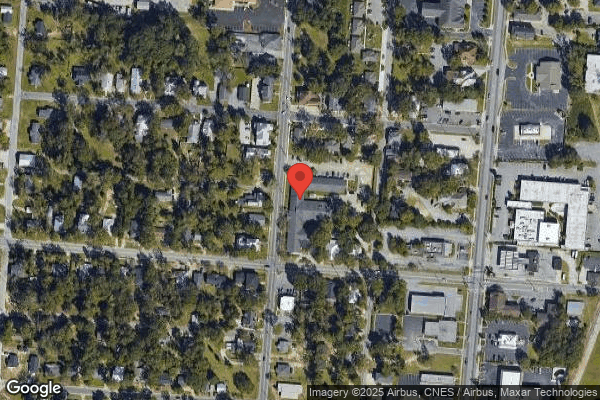
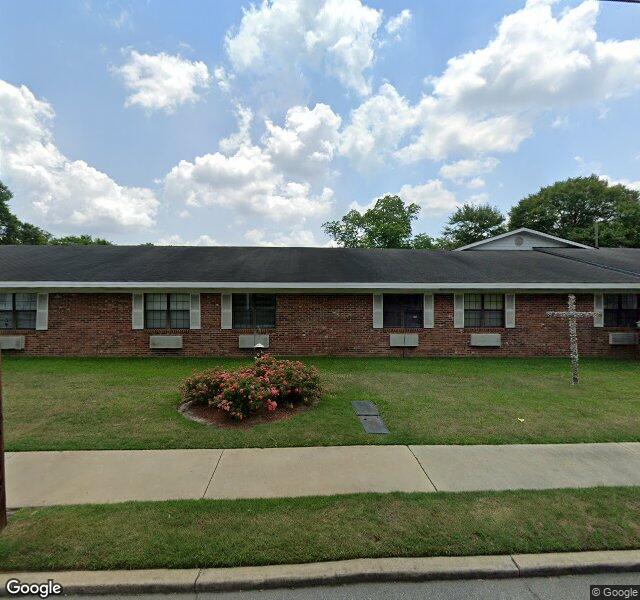
226 SOUTH COLLEGE STREET, STATESBORO, GA 30458 (912) 764-9631
For profit - Limited Liability company 63 Beds BEACON HEALTH MANAGEMENT Data: November 2025
Trust Grade
38/100
#254 of 353 in GA
Last Inspection: November 2024

Within standard 12-15 month inspection cycle. Federal law requires annual inspections.

Overview

Brown's Health and Rehabilitation in Statesboro, Georgia, has received a Trust Grade of F, indicating significant concerns about the facility's quality and care. It ranks #254 out of 353 facilities in the state, placing it in the bottom half, and is the lowest-ranked facility in Bulloch County. The facility's trend is worsening, with the number of issues increasing from 5 in 2022 to 6 in 2024. Staffing is rated poorly with a 1/5 star rating and a turnover of 52%, which is around the state average, suggesting that staff may not remain long enough to build strong relationships with residents. Notably, there have been serious incidents, including a medication error where two residents received pain medication that caused lethargy, requiring emergency treatment. Additionally, the facility has received fines totaling $8,678, which is concerning as it is higher than 76% of Georgia facilities, indicating possible compliance issues. Overall, while there are some areas of average performance, such as RN coverage, the facility faces significant challenges that families should carefully consider.

Trust Score
F
38/100
In Georgia
#254/353
Bottom 29%
Safety Record
Moderate
Needs review
Inspections
Getting Worse
5 → 6 violations
Staff Stability
⚠ Watch
52% turnover. Above average. Higher turnover means staff may not know residents' routines.
Penalties
○ Average
$8,678 in fines. Higher than 68% of Georgia facilities. Some compliance issues.
Skilled Nurses
⚠ Watch
Each resident gets only 20 minutes of Registered Nurse (RN) attention daily — below average for Georgia. Fewer RN minutes means fewer trained eyes watching for problems.
Violations
⚠ Watch
12 deficiencies on record. Higher than average. Multiple issues found across inspections.
★☆☆☆☆
1.0
Overall Rating
★☆☆☆☆
1.0
Staff Levels
★☆☆☆☆
1.0
Care Quality
★★★☆☆
3.0
Inspection Score
Stable
2022: 5 issues
2024: 6 issues

The Good

  • Full Sprinkler Coverage · Fire safety systems throughout facility
  • No fines on record

Facility shows strength in fire safety.

The Bad

1-Star Overall Rating

Below Georgia average (2.6)

Significant quality concerns identified by CMS

Staff Turnover: 52%

Near Georgia avg (46%)

Higher turnover may affect care consistency

Federal Fines: $8,678

Below median ($33,413)

Minor penalties assessed

Chain: BEACON HEALTH MANAGEMENT

Part of a multi-facility chain

Ask about local staffing decisions and management

The Ugly 12 deficiencies on record

2 actual harm
Nov 2024 4 deficiencies
CONCERN (D) 📢 Someone Reported This

A family member, employee, or ombudsman was alarmed enough to file a formal complaint

Potential for Harm - no one hurt, but risky conditions existed

Deficiency F0578 (Tag F0578)

Could have caused harm · This affected 1 resident

**NOTE- TERMS IN BRACKETS HAVE BEEN EDITED TO PROTECT CONFIDENTIALITY** Based on resident and staff interviews, record reviews, review of the facility's policy titled Advance Directive, and review of ...

Read full inspector narrative →
**NOTE- TERMS IN BRACKETS HAVE BEEN EDITED TO PROTECT CONFIDENTIALITY** Based on resident and staff interviews, record reviews, review of the facility's policy titled Advance Directive, and review of the facility's admission Packet, the facility failed to provide residents or resident representatives written information regarding the right to accept or refuse medical or surgical treatment for four of 19 sampled residents (R) (R19, R28, R29, and R7). This deficient practice had the potential to affect R19, R28, R29, and R7's ability to make informed decisions about their care. Findings included: Review of the facility's policy titled Advance Directive, revised 10/2023, revealed the Purpose section stated, The facility must inform and provide written information to all adult residents concerning the right to accept or refuse medical or surgical treatment and formulate an advance directive. The Process section included, Upon admission/readmission, the facility Social Services Director will inform and educate the resident, or POA [Power of Attorney] in writing about the right to refuse medical and surgical treatment and their right to an advance directive. Review of the facility-provided document titled admission Packet revealed it did not contain language that pertained to the facility's provision of written information about the resident/representative's right to accept or refuse medical or surgical treatment. 1. Record review revealed R19 was admitted to the facility on [DATE] and readmitted on [DATE] with diagnoses that include, but not limited to, multiple sclerosis, bipolar disorder current episode depressed severe with psychotic features, major depressive disorder, recurrent, moderate, and cerebral palsy unspecified. Review of the Quarterly Minimum Data Set (MDS) dated [DATE] revealed R19's cognition was intact with a Brief Interview for Mental Status (BIMS) score of 15. Review of R19's medical records revealed no signed acknowledgment or evidence the resident or the resident's representative was provided written information about the right to accept or refuse medical or surgical treatment. In an interview on 11/6/2024 at 9:18 am, R19 revealed no one from the facility had discussed anything about her right to accept or refuse treatment. She stated the facility did not provide her any written information about these rights, and that she did not sign anything regarding these rights. 2. Record review revealed R28 was admitted to the facility on [DATE] with diagnoses that include, but not limited to, paroxysmal atrial fibrillation chronic respiratory failure with hypoxia, generalized anxiety disorder, major depressive disorder, recurrent, mild. Review of R28's Annual MDS dated [DATE] revealed R28's cognition was intact with a BIMS score of 15. In an interview on 11/6/2024 at 12:32 pm, R28 revealed no one from the facility had discussed anything about her right to accept or refuse treatment. She stated the facility did not provide her any written information about these rights, and that she did not sign anything regarding these rights. 3. Record review revealed R29 was admitted to the facility on [DATE] with diagnoses that include but are not limited to multiple sclerosis and muscle weakness. Review of the Annual MDS dated [DATE] revealed R29's cognition was intact with a BIMS score of 15. In an interview on 11/6/2024 at 12:54 pm, R29 revealed no one from the facility had discussed anything about her right to accept or refuse treatment. She stated the facility did not provide her any written information about these rights, and revealed she did not sign anything regarding these rights. 4. Record review revealed R7 was admitted to the facility on [DATE], with the most recent readmit after hospitalization on 9/19/2024. Active diagnoses included but were not limited to acute kidney failure, hemorrhage of anus and rectum, acute respiratory failure with hypoxia, acute pulmonary edema, essential primary hypertension, muscle weakness. Review of the admission Minimum Data Set (MDS) assessment dated [DATE] revealed a Brief Interview for Mental Status (BIMS) score of 15, indicating intact cognition. Review of the clinical record revealed a Physician Order for Life-Sustaining Treatment (POLST) form. Review of R7's admission Packet revealed it did not contain an advance directive checklist or written information, and the POLST did not contain certain language informing the resident or their representative or responsible party of the right to accept or refuse an advanced directive, medical or surgical treatment. In an interview on 11/6/2024 at 10:43 am, R7 revealed she did not recall anyone at the facility speaking with her about medical or surgical treatment options or refusing care. In an interview on 11/6/2024 at 3:30 pm, the Social Services Director revealed the facility did not provide residents or resident representatives information about the resident or resident representative's right to accept or refuse medical or surgical treatment. She provided a newly developed document and stated they planned to implement providing the information. In an interview on 11/7/2024 at 11:23 am, the [NAME] President of Regulatory Compliance confirmed no evidence was found to support R19, R28, R29, R7 or their resident representatives had been advised of or were provided written information related to their right to accept or refuse medical or surgical treatment, on or after admission to the facility.
CONCERN (D) 📢 Someone Reported This

A family member, employee, or ombudsman was alarmed enough to file a formal complaint

Potential for Harm - no one hurt, but risky conditions existed

Transfer Notice (Tag F0623)

Could have caused harm · This affected 1 resident

**NOTE- TERMS IN BRACKETS HAVE BEEN EDITED TO PROTECT CONFIDENTIALITY** Based on resident and staff interviews and record reviews, the facility failed to provide a written notice of transfer to reside...

Read full inspector narrative →
**NOTE- TERMS IN BRACKETS HAVE BEEN EDITED TO PROTECT CONFIDENTIALITY** Based on resident and staff interviews and record reviews, the facility failed to provide a written notice of transfer to residents or their representatives for one of one resident (R) (R19) reviewed for hospitalization. This failure created the potential for R19 to be uninformed about their rights related to the hospital transfer. The sample size was 19 residents. Findings include: A policy was requested and the [NAME] President of Regulatory Compliance stated the facility did not have one. R19 was admitted to the facility on [DATE] and readmitted on [DATE] with diagnoses that include but are not limited to, multiple sclerosis, bipolar disorder current episode depressed severe with psychotic features, major depressive disorder, recurrent, moderate, and cerebral palsy unspecified. Review of R19's Quarterly Minimum Data Set (MDS) dated [DATE] revealed a Brief Interview for Mental Status (BIMS) score of 15 (indicating little to no cognitive impairment). Review of R19's medical records revealed R19 was transferred from the facility to the hospital on 8/9/2024 and readmitted to the facility on [DATE]. Further review revealed no evidence of a transfer/discharge notice provided to R19. In an interview on 11/6/2024 at 9:18 am, R19 revealed she did not receive anything in writing from the facility regarding the transfer to the hospital before or after the transfer. In an interview on 11/7/2024 at 9:04 am, Licensed Practical Nurse (LPN) DD revealed nurses complete a transfer form in the electronic medical record (EMR) and it goes to the physician for his review. LPN DD stated no written information was given to the residents about transfers. In an interview on 11/7/2024 at 9:08 am, Registered Nurse (RN) BB revealed the notice of transfer was sent to the hospital via fax or with Emergency Medical Services and was not provided to the resident. RN BB stated the information on the transfer document included medications, code status, and insurance information, and did not state the reason for transfer. She stated most residents were demented and had low BIMS scores, so they did not give residents notices of transfer. In an interview on 11/7/2024 at 11:27 am, the [NAME] President of Regulatory Compliance revealed nothing in writing was given to the residents upon transfer from the facility. She stated the staff completed a transfer form in the EMR and it was printed and sent to the hospital. The [NAME] President of Regulatory Compliance further stated the residents should be verbally informed of the reason they were transferred to the hospital.
CONCERN (D) 📢 Someone Reported This

A family member, employee, or ombudsman was alarmed enough to file a formal complaint

Potential for Harm - no one hurt, but risky conditions existed

Deficiency F0625 (Tag F0625)

Could have caused harm · This affected 1 resident

**NOTE- TERMS IN BRACKETS HAVE BEEN EDITED TO PROTECT CONFIDENTIALITY** Based on resident and staff interviews, record review, and review of the facility's policy titled Bed Hold, the facility failed ...

Read full inspector narrative →
**NOTE- TERMS IN BRACKETS HAVE BEEN EDITED TO PROTECT CONFIDENTIALITY** Based on resident and staff interviews, record review, and review of the facility's policy titled Bed Hold, the facility failed to provide notice of bed hold, in writing, at the time of transfer or within 24 hours, for one of one resident (R) (R19) reviewed for hospitalization. This failure had the potential to contribute to possible denial of re-admission and loss of the resident's room following hospitalization for residents transferred to the hospital. The sample size was 19 residents. Findings include: Review of the facility policy titled Bed Hold, dated 3/3/2020, revealed Policy: All residents are given the option of reserving their bed when leaving the facility with the intent to return. This temporary absence may be for hospitalization or therapeutic leave. All residents or their Responsible party are informed in writing about the facility's bed hold policy at the time of admission. A copy of the bed hold agreement is also provided to the Resident or Responsible party prior to a resident's transfer to a hospital or start of a therapeutic leave. The bed hold policy provides written information detailing bed hold regulations for specific payers including Medicare regulations, the duration of the bed hold policy under the specific State's Medicaid plan, if any, and private bed hold rules. Review of the medical record revealed R19 was admitted to the facility on [DATE] and readmitted on [DATE] with diagnoses that include but are not limited to multiple sclerosis, bipolar disorder current episode depressed severe with psychotic features, major depressive disorder, recurrent, moderate, and cerebral palsy unspecified. Review of R19's Quarterly Minimum Data Set (MDS) dated [DATE] revealed a Brief Interview for Mental Status (BIMS) score of 15 (indicating little to no cognitive impairment). Review of medical records revealed R19 was transferred from the facility to the hospital on 8/9/2024 and readmitted to the facility on [DATE]. Further review revealed no evidence a bed hold notification was provided to R19. In an interview on 11/6/2024 at 9:18 am, R19 revealed she did not receive a notice of the facility's bed hold policy when she was transferred to the hospital on 8/9/2024. In an interview on 11/7/2024 at 9:13 am, Medical Records Clerk CC revealed she was responsible for uploading notifications of bed holds into the medical record after they were given to the resident or resident's representative. She stated if the bed hold notification was not located in the electronic medical record (EMR), the notice was not completed and not given to the resident or the resident's representative. Medical Record Clerk CC confirmed there was no bed hold notice provided to R19 when she was transferred to the hospital on 8/9/2024. In an interview on 11/7/2024 at 9:52 am, the Director of Nursing (DON) and Registered Nurse (RN) Unit Manager AA revealed that when residents were transferred to the hospital, they were given a notice of the bed hold policy. RN AA confirmed no bed hold policy was provided or given to R19 upon her transfer to the hospital on 8/9/2024. In an interview on 11/7/2024 at 11:27 am, the [NAME] President of Regulatory Compliance confirmed the facility did not provide a notice of the facility's bed hold policy to R19 or the resident's representative upon the resident's transfer to the hospital on 8/9/2024.
CONCERN (D) 📢 Someone Reported This

A family member, employee, or ombudsman was alarmed enough to file a formal complaint

Potential for Harm - no one hurt, but risky conditions existed

Comprehensive Care Plan (Tag F0656)

Could have caused harm · This affected 1 resident

**NOTE- TERMS IN BRACKETS HAVE BEEN EDITED TO PROTECT CONFIDENTIALITY** Based on observations, resident and staff interviews, record review, and review of the facility's policy titled RAI [Resident As...

Read full inspector narrative →
**NOTE- TERMS IN BRACKETS HAVE BEEN EDITED TO PROTECT CONFIDENTIALITY** Based on observations, resident and staff interviews, record review, and review of the facility's policy titled RAI [Resident Assessment Instrument]/Care Planning Management, the facility failed to develop and implement a care plan for smoking one of four residents (R) (R24) who smoked. This failure increased the potential for R24 to not receive treatment and/or care according to their needs. Findings included: Review of the policy titled RAI/Care Planning Management, revised August 2017, revealed the The Care Plan section included, The Comprehensive Care Plan is completed within seven days after the MDS [Minimum Data Set] is completed (at no time will this time frame exceed 21 days) and reviewed quarterly thereafter. If modifications, deletions, additions are necessary, changes should be made at the time of occurrence. Record review revealed R24 was admitted on [DATE], with diagnoses that included but were not limited to chronic obstructive pulmonary disease (COPD), depression, type 2 diabetes mellitus without complications, unspecified dementia, unspecified severity with anxiety, and other behavioral disturbance. Review of R24's Physician Orders included an order dated 4/11/2204 of May smoke supervised. Review of the Quarterly MDS assessment dated [DATE] revealed Section C (Cognitive Patterns) documented a Brief Interview for Mental Status (BIMS) score of 7 (indicating moderate cognitive impairment), Section GG (Functional Abilities and Goals) documented R24 required assistance for activities of daily living (ADLs), Section J (Health Conditions) documented the Current Tobacco Use section was unmarked. Review of R24's care plan revealed no care plan area or interventions for smoking. Review of R24's Assessments revealed smoking assessments were completed on 4/5/2024 and 4/11/2024 that documented the resident used tobacco and had poor vision. The smoking assessment dated [DATE] documented the resident used tobacco, had poor vision, and was a supervised smoker. Review of a List of Smokers provided by the facility revealed R24 was included on the list. Observation on 11/6/2024 at 11:00 am revealed R24 being escorted to the smoking area by Certified Nursing Assistant (CNA) GG. In an interview on 11/6/2024 at 11:06 am, CNA GG confirmed R24 usually went out to smoke at the residents' smoke breaks. In an interview on 11/7/2024 at 11:28 am, the Administrator and the Regional [NAME] President of Regulatory Compliance confirmed R24 smoked. They further confirmed R24's care plan did not contain a care area for smoking and stated smoking should be included in the care plan.
Apr 2024 2 deficiencies 2 Harm
SERIOUS (G) 📢 Someone Reported This

A family member, employee, or ombudsman was alarmed enough to file a formal complaint

Actual Harm - a resident was hurt due to facility failures

Quality of Care (Tag F0684)

A resident was harmed · This affected 1 resident

Based on observations, staff interviews, record review, and review of the facility's policy titled Medication Administration Guidelines, the facility failed to ensure that two residents (R) (R1 and R2...

Read full inspector narrative →
Based on observations, staff interviews, record review, and review of the facility's policy titled Medication Administration Guidelines, the facility failed to ensure that two residents (R) (R1 and R2) were protected from not following physician orders. Actual harm occurred when pain medication with sedative effects was administered to R1 and R2, which caused them to become lethargic and hard to arouse on 3/6/2024, resulting in both residents being transferred to the emergency room (ER) and treatment with Narcan (reverses an opioid overdose). R1 was admitted with a diagnosis of somnolence (drowsiness), and R2 returned to the facility, declining admission to the hospital. Findings include: A review of the Medication Administration Guidelines, dated January 2018, Purpose: The purpose of these guidelines is to promote the health and safety of the residents we serve by ensuring the safe assistance and administration of medications and treatments. Monitoring: Assessing and evaluating the resident's responses to medication therapy and monitoring residents for adverse drug reactions. A. General procedures completed before administering medication by any route: a. The resident's Medication Administration Record (MAR) is reviewed to determine what medications are to be administered, and then staff removes those medications from the medication cart. c. Staff will compare the MAR with the label of each medication for the following: i. Right Person, ii. Right Medication, iii. Right Date, iv. Right Time, v. Right Route, vi. Right Dose, vii. Expiration Date. 1. Record review of the most recent Medicare -5 Day Minimum Data Set (MDS) for R1, dated 3/5/2024, revealed a Brief Interview for Mental Status (BIMS) score of 7 (a BIMS score between 0 and 7 indicated severe cognitive impairment). Record review revealed R1 had a physician order with a start date of 3/4/2024 for oxycodone (treats moderate to severe pain) hydrochloride (HCl) 5 (milligrams) mg to be administered by mouth every six hours as needed (PRN) for severe pain. Record review of the Medication Administration Record (MAR) for R1 dated 3/5/2024, documented the following: oxycodone 5 mg was administered at 4:05 pm. A review of R1's Controlled Substance Proof of Use Form revealed the following documentation: oxycodone HCL 5 mg was signed out and administered on 3/5/2024 at 4:00 pm by the 6 am-6 pm nurse. And then signed out by Licensed Practical Nurse (LPN) AA, the 6 pm-6 am nurse, at 6:00 pm. The 6 pm dose was administered two hours after the 4:00 pm dose was administered. A review of R1's Progress Notes dated 3/6/2024 at 9:28 am revealed the resident received multiple doses of oxycodone 5 mg for pain to left hip. Medical Director (MD) was notified. A new order is to administer Narcan 4 mg nasal spray; after 5 minutes, if not effective, administer 2nd dose and send to hospital for evaluation. 1st dose administered at 9:30 am, and a 2nd dose administered at 9:37 am; R1 was sent to the hospital. 2. Record review of the most recent Medicare - 5 Day MDS for R2 dated 3/8/2024 revealed a BIMS score of 14 (a BIMS score between 13 and 15 indicated cognition is intact). Record review revealed R2 had a physician order with a start date of 3/4/2024 for oxycodone HCL 10 mg to be administered by mouth every six hours as needed for pain. A review of the MAR for R2 dated 3/5/2024 documented the following: oxycodone 10 mg was administered at 3:08 pm. A review of R2's Controlled Substance Proof of Use Form revealed the following documentation: oxycodone HCL 10 mg was signed out and administered on 3/5/2024 at 3:00 pm by the 6 am-6 pm nurse. And then signed out by LPN AA, the 6 pm-6 am nurse, at 6:00 pm. The 6 pm dose was administered three hours after the 3:00 pm dose was administered. A review of R2's Progress Notes dated 3/6/2024 at 9:29 am revealed the resident received multiple doses of oxycodone 10 mg for generalized body pain. MD was notified, and a new order was to administer Narcan Nasal Spray 4 mg. The first dose of Narcan at 9:29 am in the left nostril. A review of R2's Progress Notes dated 3/6/2024 at 10:55 am revealed the resident had a fall, the MD was notified, and the resident was sent to the hospital for evaluation. Interview on 3/12/2024 at 8:30 am with the Director of Nursing (DON) revealed that on the morning of 3/6/2024 a Registered Nurse (RN) was making rounds on A Hall and noted that two residents were more lethargic than usual. She then reported what she had observed to the DON and the Unit Managers, they proceeded to assess the two residents in question (R1 and R2) by completing vital signs and assessing pupil reaction, which was sluggish for both residents. When the DON reviewed the narcotic sheets for the residents, it was noted that both residents had been given oxycodone within two-three hours of their last dose and then two more times during LPN AA's 6 pm - 6 am shift. The resident's physician was notified and orders to administer Narcan to the residents were received. R1 was given one dose and was aroused and R2 received two doses two hours apart. R1 was sent to the hospital, where she was admitted for somnolence (drowsiness) and did not return to the facility. R2 had a fall later that morning after the two doses of Narcan, was sent to the ER, and returned to the facility. Further interview with the DON revealed that LPN AA was suspended pending an investigation, and a report to the State Agency was completed. LPN AA was terminated and did not return any phone calls to the DON regarding this incident. Interview on 4/8/2024 at 12:57 pm with the DON revealed that LPN AA was the only nurse signing off on PRN pain medication and stated that she educated LPN AA regarding medication administration. The DON stated that pain assessments are done every shift. The DON revealed that the LPN AA was not documenting effectiveness from pain medication. She stated that she wasn't consistently signing off on the MAR, but she did sign out on the narcotic sheet. During the continued interview, the DON revealed that after the in-service, LPN AA continued to be inconsistent signing out narcotics on the MAR. The DON stated that she did not specifically meet with her again and re-educate her. The DON stated that LPN AA, who worked the night shift went home and refused to talk over the phone and refused to come in and discuss the incident.
SERIOUS (G) 📢 Someone Reported This

A family member, employee, or ombudsman was alarmed enough to file a formal complaint

Actual Harm - a resident was hurt due to facility failures

Deficiency F0760 (Tag F0760)

A resident was harmed · This affected 1 resident

**NOTE- TERMS IN BRACKETS HAVE BEEN EDITED TO PROTECT CONFIDENTIALITY** Based on observations, staff interviews, record review, and review of the facility's policy titled Medication Administration Gui...

Read full inspector narrative →
**NOTE- TERMS IN BRACKETS HAVE BEEN EDITED TO PROTECT CONFIDENTIALITY** Based on observations, staff interviews, record review, and review of the facility's policy titled Medication Administration Guidelines, the facility failed to ensure that two residents (R) (R1 and R2) were free of a significant medication error. Actual harm occurred when pain medication with sedative effects was administered to R1 and R2, which caused them to become lethargic and hard to arouse on 3/6/2024, resulting in both residents being transferred to the emergency room (ER) and treatment with Narcan (reverses an opioid overdose). R1 was admitted with a diagnosis of somnolence (drowsiness), and R2 returned to the facility, declining admission to the hospital. Findings include: A review of the Medication Administration Guidelines, dated January 2018, revealed the Purpose: The purpose of these guidelines is to promote the health and safety of the residents we serve by ensuring the safe assistance and administration of medications and treatments. Definitions: Transcribing: Ensuring accurate transcription and documentation of medications from physician telephone orders, faxed orders, etc. Dispensing: Communicating with pharmacy to ensure accurate and timely delivery of medications. Administering: safe administration of large volumes of medications within time constraints. Monitoring: Assessing and evaluating the resident's responses to medications therapy and monitoring residents for adverse drug reactions. The resident's Medication Administration Record (MAR) is reviewed to determine what medications are to be administered, and then staff removes those medications from the medication cart. c. Staff will compare the MAR with the label of each medication for the following: i. Right Person, ii. Right Medication, iii. Right Date, iv. Right Time, v. Right Route, vi. Right Dose, vii. Expiration Date. 1. Record review of the Electronic Medical Record (EMR) revealed R1 was admitted to the facility on [DATE] with diagnoses of cellulitis of the groin, urinary tract infections, pain unspecified. Record review revealed R1 had a physician order with a start date of 3/4/2024 for oxycodone (treats moderate to severe pain) hydrochloride (HCl) 5 (milligrams) mg to be administered by mouth every six hours as needed (PRN) for severe pain. A review of R1's Controlled Substance Proof of Use Form revealed the following documentation: oxycodone HCL 5 mg was signed out and administered on 3/5/2024 at 4:00 pm by the 6 am-6 pm nurse. And then signed out and administered by Licensed Practical Nurse (LPN) AA, the 6 pm-6 am nurse, at 6:00 pm. The 6 pm dose was administered two hours after the 4:00 pm dose was administered. Record review of Progress Notes dated 3/6/2024 at 9:28 am for R1 revealed resident noted with decreased responsiveness. VS (vital signs) 118/60, 89, 97.1, 24, 92% on O2 (oxygen) @ 2LPM (liters per minute) via NC (nasal cannula). Pupils constricted with decreased responsiveness. The resident received multiple doses of oxycodone 5mg for the pain in the left hip. MD (Medical Director) notified. New order to administer Narcan 4mg nasal spray, after 5 minutes if not effective administer 2nd dose and send to ER (Emergency Room) for evaluation. 1st dose administered at 9:30 am, resident aroused for a few minutes but was still noted to be drowsy. 2nd dose administered at 9:37 am, and EMS (Emergency Medical System) called. 2. Record review of the EMR revealed R2 was admitted to the facility on [DATE] with diagnosis of fracture of unspecified part of neck of left femur, subsequent encounter for closed fracture with routine healing. Record review revealed R2 had a physician order with a start date of 3/4/2024 for oxycodone HCL 10 mg to be administered by mouth every six hours as needed for pain. A review of R2's Controlled Substance Proof of Use Form revealed the following documentation: oxycodone HCL 10 mg was signed out and administered on 3/5/2024 at 3:00 pm by the 6 am-6 pm nurse. And then signed out by LPN AA, the 6 pm-6 am nurse, at 6:00 pm. The 6 pm dose was administered three hours after the 3:00 pm dose was administered. Record review of Progress Notes dated 3/6/2024 at 9:29 am revealed R2 observed to have decreased responsiveness and increased drowsiness. VS 123/48, 99.0, 85, 92% RA, 14. Tremors noted to bilateral upper extremities. The resident received multiple doses of oxycodone 10 mg for generalized body pain. MD notified and new order to administer Narcan Nasal Spray 4 mg. If non-effective after 5 minutes, administer second dose. Send to ER if ineffective. Administered first dose of Narcan at 9:29 am in left nostril. Resident observed with increased responsiveness. Able to tell nurse what her name is and where she is located. Remains with increased drowsiness but is able to answer questions when asked. MD notified and states to monitor resident for decrease in responsiveness. VS 104/53, 96% RA, 85, 98.7. Record review of Progress Notes dated 3/6/2024 at 10:55 am for R2 revealed Certified Nursing Assistant (CNA) reported the resident rolled out of bed. Upon entering the room, Resident was observed laying on the floor on her L side, back up against the ptac [sic] unit. CNA reported the resident attempted three times to get up and she was able to prevent but this time she was unable to get to her before she rolled off the bed. Resident is currently on a low air loss mattress due to wounds. Head to toe assessment completed, new area to the R lower calf, blister previously documented open with top layer of skin gone. Redness noted to [sic] the back of the neck. MD notified, new order to send to ER for evaluation. Staff assisted Resident up to sitting position and with EMS help lifted her onto stretcher. Resident sent to ER for evaluation. Director of Nursing (DON) notified. Record review of Progress Notes dated 3/6/2024 at 10:55 am R2 returned to the facility from the hospital via EMS. Hospital paperwork sent back with patient with discharge diagnoses sepsis and rhabdomyolysis. ER MD noted that she needed to be hospitalized but resident declined hospitalization at this time. Interview on 3/12/2024 at 8:30 am with the DON revealed an incident with Licensed Practical Nurse (LPN) AA administering pain medications for two residents (R1 and R2) without reviewing the Medication Administration Record (MAR) before giving medication to see if the residents were previously medicated. As a result, one of the residents was sent immediately to the hospital. Further interview also revealed that LPN AA had worked the night shift at the facility full time since November or December of 2023. During this time, two other disciplinary actions were conducted for LPN AA, which included not completing wound care for assigned residents and administering (PRN) pain medication to residents routinely without a pain assessment. It was also determined that the DON did report to the State Agency and reported LPN AA to the Nursing Board, and confirmation verified. Interview on 4/8/2024 at 12:57 pm with DON revealed LPN AA was not a new nurse but new to the facility. She stated that LPN AA stated that if residents had prn pain medications or complained of pain, she just gave them pain medications. She stated LPN AA works 6 pm-6 am shift. The DON revealed LPN AA clocked in at 6:15 pm and signed the narcotic sheet for 6 pm on 3/5/2024. The DON stated that she was not doing a documented narcotic audit. The DON revealed since the March 5, 2024 incident; she has been doing daily narcotic audits of the PRN meds with no discrepancies. DON also stated that R2's Narcan was effective, and later that morning, she had a fall, was sent to the ER, and returned. She stated that R1 was still drowsy after she received Narcan, and she was sent to the hospital for evaluation. She did not return to the facility per family choice after admission to the hospital. The DON further revealed that the nursing staff had been educated on medication administration.
Jul 2022 5 deficiencies
CONCERN (D)

Potential for Harm - no one hurt, but risky conditions existed

Deficiency F0657 (Tag F0657)

Could have caused harm · This affected 1 resident

**NOTE- TERMS IN BRACKETS HAVE BEEN EDITED TO PROTECT CONFIDENTIALITY** Based on interviews and record review, the facility failed to evaluate and revise the care plan interventions and/or determine t...

Read full inspector narrative →
**NOTE- TERMS IN BRACKETS HAVE BEEN EDITED TO PROTECT CONFIDENTIALITY** Based on interviews and record review, the facility failed to evaluate and revise the care plan interventions and/or determine the need to identify additional interventions for fall prevention for one resident (R) (#17) who had been assessed to be at risk for falls and who sustained additional falls. The sample size was 31 residents. Findings include: Review of the facility policy titled RAI /Care Planning Management with a revision date of 08/21 reads: The Care Plan: If modifications, deletions, additions are necessary, changes should be made at the time of occurrence. A review of the clinical record for R#17 revealed resident was admitted to the facility on [DATE] with diagnoses of but not limited to cerebral infarction with right side hemiparesis, history of falling, weakness, unsteadiness on feet, difficulty in walking, other lack of coordination, acquired absence of right great toe. The resident's most recent Minimum Data Set (MDS) dated [DATE], revealed a Brief Interview for Mental Status (BIMS) was coded as 15, which indicated cognitively intact. Section G revealed resident requires extensive assistance with transfers. Review of the care plan revised 5/13/22 revealed that R#17 had a history of falls prior to admission and remains at risk for falls due to right side weakness due to history of CVA (cerebrovascular accident). R# 17 has had several actual falls since admission to the facility. Interventions include ambulates via wheelchair, call light within reach and therapy to evaluated and treat as needed. Further review revealed that there was not any evidence that new interventions were put in place to prevent any future falls after R#17 experienced falls and there was not any evidence that previously implemented interventions were evaluated for effectiveness. Interview on 7/17/22 at 8:41a.m. with LPN MDS Coordinator. She stated that she is responsible for updating residents care plans with appropriate interventions to reduce the risk of a fall reoccurring. She looked at the interventions listed on R#17's fall care plan for the falls on 1/10/22 and 7/03/22. She verified that the interventions on the care plan would not likely reduce the risk of R#17 falling again. MDS Coordinator also verified that the intervention care planned for the fall on 7/03/22 regarding physical therapy continued use with the leg brace is not new intervention as R#17 had been working on this prior to the fall. She reviewed the record and verified that the nurses on duty at the time of the falls did not put an immediate intervention in post fall. Interview with DON and Administrator on 7/17/22 at 9:02 a.m., DON stated that it her expectation that the nurses who are caring for the resident at the time of the fall put in an immediate intervention to reduce the risk of anther fall at the time of the fall. Cross refer to F689.
CONCERN (D)

Potential for Harm - no one hurt, but risky conditions existed

Accident Prevention (Tag F0689)

Could have caused harm · This affected 1 resident

**NOTE- TERMS IN BRACKETS HAVE BEEN EDITED TO PROTECT CONFIDENTIALITY** Based on record review, interviews, and review of the facility policy, the facility failed to implement appropriate new measures...

Read full inspector narrative →
**NOTE- TERMS IN BRACKETS HAVE BEEN EDITED TO PROTECT CONFIDENTIALITY** Based on record review, interviews, and review of the facility policy, the facility failed to implement appropriate new measures to prevent additional falls for one resident (R) (#17) reviewed for falls. The sampled size was 31 residents. Findings include: Review of the facility policy titled Fall Standard with a revision date of 08/22 reads: Standard of Practice: The facility strives to reduce the risks for falls and injuries by promoting the implementation of the Risk Reduction: Falls and Injuries Program. The interdisciplinary teams work with the residents and family to identify and implement appropriate interventions to reduce the risk of fall or injuries while maximizing dignity and independence. A review of the clinical record for R#17 revealed resident was admitted to the facility on [DATE] with diagnoses of but not limited to cerebral infarction with right side hemiparesis, history of falling, weakness, unsteadiness on feet, difficulty in walking, other lack of coordination, and acquired absence of right great toe. The resident's most recent Minimum Data Set (MDS) dated [DATE], revealed a Brief Interview for Mental Status (BIMS) was coded as 15, which indicated cognitively intact. Section G revealed resident requires extensive assistance with transfers. Review of the care plan revised 5/13/22 revealed that R#17 had a history of falls prior to admission and remains at risk for falls due to right side weakness due to history of CVA (cerebrovascular disease). R# 17 has had several actual falls since admission to the facility. Interventions include ambulates via wheelchair, call light within reach, therapy to evaluated and treat as needed. Review of Nurses Note dated 1/10/22 at 5:10 a.m. revealed writer was down the hall, with another resident and heard R#17 calling out. Upon entering room, R#17 was noted lying on the floor at the bathroom door entrance. R#17 stated he slipped in urine and fell. R#17 was going to the bathroom but urinated on himself before he made it to the toilet and slipped in his urine. Small laceration noted to the top right area of his head. Bleeding easily controlled; dry dressing applied. Physician notified of fall with laceration. New order given to send resident to the ER (Emergency Room) for evaluation. Interventions put in place during the morning meeting: Resident sent to the ER for evaluation, resident tested positive for COVID in ER. Upon reentry into facility: Move resident to COVID Unit, Medications as ordered, treatment to laceration on head as ordered. Therapy to evaluate on 1/29/22. The clinical record did not reflect a new intervention added at the time of the fall or an appropriate new intervention to reduce the risk of a repeated fall. The Interact SBAR (Situation Background Assessment Recommendation) form for the fall in the electronic record did not list an intervention for the fall. The new intervention section is left blank. Review of Nurses Note dated 7/03/22 at 2:30 p.m. revealed R#17 was coming back from being on a leave of absence with family. R#17 fell in doorway. The fall was witnessed by housekeeping. The family member stated R#17 attempted to sit down in wheelchair, the wheels were unlocked, and the wheelchair rolled from under him. Interventions put in place during the morning meeting: Physical Therapy to continue working with brace to left leg, neuro-checks as indicated, observe and report as needed x 72 hours to physician for signs and symptoms: pain, bruises, change in mental status, new onset: confusion, sleepiness, inability to maintain posture, agitation. The clinical record did not reflect a new intervention added at the time of the fall or an appropriate new intervention to reduce the risk of a repeated fall. The Interact SBAR form for the fall in the electronic record did not list an intervention for the fall. The new intervention section is left blank. Interview on 7/17/2022 at 8:19 a.m. with Licensed Practical Nurse (LPN) AA revealed that after a fall, the nurses are required to complete an Interact SBAR Change in Condition Form and a Fall Risk Assessment/ Risk Management Assessment. LPN AA stated that nurses are required to implement a new intervention on the care plan and in the Risk Management assessment for the fall. Interview on 7/17/22 at 8:31 a.m. with the Unit Manager LPN DD revealed that she is responsible for tracking the falls in the facility. She stated that the nurse should assess the resident and vital signs are obtained. If the fall is unwitnessed, neuro checks are initiated. If the resident hit their head, it is the policy that the resident is sent to the ER for a CT scan. The family and physician are informed of the fall. The nurse is responsible to document all falls in the electronic record on the Risk Management Report, on an Interact SBAR Change in Condition Form, on a Fall Assessment Post Fall Assessment and in the progress note. The Unit Manager further stated that the nurse is responsible for initiating an immediate intervention after the fall. She also stated that the nursing administration team discusses all falls the next day in the morning meeting. Interview with DON and Administrator on 7/17/22 at 9:02 a.m. DON stated that it her expectation that the nurses who are caring for the resident at the time of the fall put in an immediate intervention to reduce the risk of anther fall at the time of the fall.
CONCERN (D)

Potential for Harm - no one hurt, but risky conditions existed

Respiratory Care (Tag F0695)

Could have caused harm · This affected 1 resident

**NOTE- TERMS IN BRACKETS HAVE BEEN EDITED TO PROTECT CONFIDENTIALITY** Based on observations, record review, staff interviews, and review of the policy titled Respiratory System Management, the facil...

Read full inspector narrative →
**NOTE- TERMS IN BRACKETS HAVE BEEN EDITED TO PROTECT CONFIDENTIALITY** Based on observations, record review, staff interviews, and review of the policy titled Respiratory System Management, the facility failed to provide respiratory care consistent with professional standards of practice for two of five residents (R) (R# 8 and R#49) receiving oxygen therapy related to ensuring oxygen filters were cleaned and oxygen nasal cannula are stored in plastic bag when not in use. Findings include: 1. A review of the clinical record for R#8 revealed she was admitted to the facility with diagnoses including but not limited to dependence on supplemental oxygen, seasonal allergic rhinitis, and acute respiratory failure with hypoxia. A review of a Minimum Data Set (MDS) assessment dated [DATE], revealed R#8 had a Brief Interview for Mental Status (BIMS) of 15, which indicated no cognitive impairment. Observation on 07/15/22 at 8:59 a.m. during initial screening, resident observed lying in bed oxygen tubing and nasal cannula is lying on the floor. The oxygen concentrator is on with the settings at 4 liters. The filter on the oxygen concentrator has a white fuzzy substance over the entire filter. Interview with R#8 on 7/15/22 at 11:01 a.m. R#8 stated that she does not wear her oxygen during the day, she only wears it at night. Observation 7/16/22 at 8:44 a.m. revealed resident lying in bed. Resident is not wearing her oxygen; the oxygen nasal cannula is lying on the oxygen concentrator not bagged. The oxygen filter on the back of the concentrator continues to be completely covered with a white/ light grey fuzzy substance. Surveyor observed staff member enter residents' room at 8:49 a.m. and exit the room at 8:56 a.m. Surveyor re-entered resident's room to find the nasal cannula still lying across the concentrator not bagged. Observation on 7/16/22 at 12:08 p.m. revealed the oxygen nasal cannula lying on the concentrator, oxygen filter continues to have a white/light grey fuzzy substance on the entire filter. Concentrator is on while not in use. 2. A review of the clinical record for R#49 revealed she was admitted to the facility with diagnoses including but not limited to dysphagia following other cerebrovascular disease. A review of an admission Minimum Data Set (MDS) assessment dated [DATE], revealed R#49 had a BIMS of 0, which indicated severe cognitive impairment. Observation on 7/16/22 at 10:24 a.m. and 1:15 p.m. revealed R#49 lying in bed with oxygen via nasal cannula intact. Observation of the oxygen filter has an accumulation of a white/light grey fuzzy substance on the filter. During interview with LPN CC on 7/16/22 at 1:56 p.m., she confirmed that R#8's oxygen nasal cannula was not in use, off, and was not properly bagged. LPN CC also confirmed that the filter on the concentrator was dirty and was completely covered with a white/light grey substance. Interview with the DON on 7/16/2022 at 2:08 p.m. revealed that R#8 tends to remove her oxygen and is care planned for self-removing oxygen. DON stated that she expects the staff to turn off the concentrator and properly store/bag the oxygen nasal cannula when it is not in use. DON also stated that the oxygen concentrators filters are to be cleaned weekly every Tuesday night and the Wound Nurse is responsible for checking the oxygen filters to ensure that the filters have been cleaned. When looking at the substance build up on the concentrator's filter, DON acknowledged that the oxygen concentrator filters are not being cleaned weekly. DON removed the cover of R#49 oxygen concentrator, the filter is completely covered with a large amount of white/light grey fuzzy substance. DON verified that the filter was dirty, and she stated that the filter had not been cleaned as required. Review of facility's policy titled Respiratory System Management Standard dated August 2021, page 10, #15 reads; Attach a clean, dated plastic bag to the oxygen source to be used to store the equipment when not in use. Plastic bags are replaced weekly and as needed. Administrator told surveyor that the facility does not have a policy regarding cleaning of the oxygen concentrator's filter, but the filters should be cleaned per the manufactures recommendations. The Administrator provide surveyor with the oxygen concentrators cleaning recommendations that reads: 7.3 Cleaning the Cabinet.1. Remove the filter and clean as needed. Environmental conditions that may require more frequent inspection and cleaning of the filter include, but are not limited to high dust, air pollutants, etc. 2. Clean the cabinet filter with a vacuum cleaner or wash with a mild liquid detergent (such as Dawn) and water. Rinse thoroughly.
CONCERN (D)

Potential for Harm - no one hurt, but risky conditions existed

Infection Control (Tag F0880)

Could have caused harm · This affected 1 resident

Based on observation and staff interviews, the facility failed to wash/sanitize hands and change gloves during wound treatment for one resident (R) (#48) and failed to practice acceptable infection co...

Read full inspector narrative →
Based on observation and staff interviews, the facility failed to wash/sanitize hands and change gloves during wound treatment for one resident (R) (#48) and failed to practice acceptable infection control practices to prevent possible cross-contamination, by one of one licensed nurse observed, as evidenced by not cleaning/sanitizing a glucometer during a routine fasting blood sugar check on one resident (R) (#24). The sample size was 31 residents. Findings include: 1. Review of the Infection Control Manual Policy with an original date of 2/2016 revealed the following - 7. For glucometer and (name) machines, clean the outside of the machines with virucidal/antifungal approved disinfectant wipe. Follow virucidal/antifungal wipe recommendations for wait time (typically 2-5 minutes) before reuse of the machine. Do not clean the battery compartment, code chip port or test strip port unless contamination occurs noting that excessive fluid in the wipe used on these critical areas may cause the machine to malfunction. During an observation on 7/16/22 at 7:45 a.m., Licensed Practical Nurse (LPN) AA, on the100 hall, performed a fasting blood sugar check for R#24. LPN AA removed the glucometer from the top drawer of her medication (med) cart and placed it on top of the med cart without cleaning or sanitizing the med cart or placing a barrier between the med cart and the glucometer. LPN AA entered R#24's room and placed the glucometer on his bedside table without cleaning or sanitizing it or placing a barrier between the bedside table and the glucometer. LPN AA performed a blood sugar check, picked up the glucometer exited the room and place the glucometer on top of her med cart and then placed the glucometer in the top drawer of the med cart without cleaning or sanitizing it. During an interview with LPN AA on 7/16/22 at 7:45 a.m., LPN AA stated this is her third week and she did receive education on glucometer cleaning when she started. LPN AA stated she should have put a barrier down and disinfect the glucometer after using it, and before she put it back in the cart. Further interview with LPN AA on revealed that she usually cleans and sanitizes the glucometer before and after use. LPN AA stated she was nervous. Interview with the Director of Nursing (DON) on 7/16/22 at 10:36 a.m. revealed the treatment nurse is on vacation. She stated that she and the treatment nurse are in the process of doing individual training with each nurse. DON stated that LPN AA has been in-serviced on infection control related to glucometers. DON stated LPN AA has not had the individual training. She stated she has regular in-services on infection control and competencies are done on hire and annually. DON stated her expectation is for nurses to sanitize and clean glucometers before and after each use and between residents. 2. Observation of wound care for R#48 on 7/16/22 at 10:30 a.m. revealed Licensed Practical Nurse (LPN) BB placed a red biohazard bag on R#48's bed. LPN BB washed her hands, donned gloves, and turned R#48 over to her left side. LPN BB removed gloves and donned gloves without sanitizing or washing hands. LPN BB removed the old dressing from sacrum. She cleaned the wound with a normal saline soaked gauze and patted dry with a clean gauze. She then applied calcium alginate to wound base and covered with a dry dressing. LPN BB did not wash/sanitize hands or change gloves after removing the dressing, cleaning the wound or before applying the calcium alginate. LPN BB then removed the red biohazard bag from off R#48's bed and placed the bag in the trash can on the treatment cart located outside of R#48's room door. LPN BB then removed her gloves at the treatment cart. LPN BB returned to R#48's bathroom and washed her hands. During an interview on 7/16/22 at 10:30 a.m., LPN BB stated she has been in-serviced on hand hygiene and infection control. LPN BB stated she guesses she just forgot to sanitize her hands. LPN BB stated she is in RN (Registered Nurses) school, and she will graduate next month. LPN BB further stated her professor would not be happy with her forgetting to sanitize her hands. Interview with the DON on 7/16/22 at 10:36 a.m. revealed the treatment nurse is on vacation. She stated that she and the treatment nurse are in the process of doing individual training with each nurse. DON stated that LPN BB has been in-serviced on infection control related to wound care. DON stated LPN BB have not had the individual training. She stated she has regular in-services on infection control and competencies are done on hire and annually. Further interview with the DON revealed that she expects the nurses to sanitize/wash hands and apply clean gloves after removing the dressing and after cleaning the wound.
CONCERN (E)

Potential for Harm - no one hurt, but risky conditions existed

Safe Environment (Tag F0584)

Could have caused harm · This affected multiple residents

**NOTE- TERMS IN BRACKETS HAVE BEEN EDITED TO PROTECT CONFIDENTIALITY** Based on observations, interviews, and review of facility document titled Plant Operation Manager the facility failed to ensure ...

Read full inspector narrative →
**NOTE- TERMS IN BRACKETS HAVE BEEN EDITED TO PROTECT CONFIDENTIALITY** Based on observations, interviews, and review of facility document titled Plant Operation Manager the facility failed to ensure that the facility was in good repair as evidence by chipped/peeling paint on handrails on two of four halls (100 hall and 200 hall). The facility also failed to ensure three residents' rooms of nine reviewed (room [ROOM NUMBER], 3, and 9), were in good repair, specifically all three rooms had chipped/peeling paint on the walls. Findings include: Initial observation on 7/15/22 at 8:59 a.m., room nine revealed air vent loose from wall, paint on wall by vent chipped with sheet rock showing, paint peeling and bulging on the wall above bed A. Initial observations on 7/15/22 at 9:28 a.m. revealed side rail all along the 100-hall had chipped/peeling paint all the way down the hall starting from room [ROOM NUMBER] through 22 on both sides of the hallway. Initial observation on 7/15/22 at 9:41 a.m. revealed side rail by station 2 had noted chipped/peeling paint on both sides of the hall starting from area by the Director of Nursing office to room [ROOM NUMBER] through 29. Initial observation on 7/15/22 at 11:18 a.m. revealed room [ROOM NUMBER] had paint missing on board behind head of the bed with wood splinters noted protruding out of board, sheet rock showing on the wall by the fourth drawer coming out of the residents' room on both sides between the drawers, paint spots missing on wall between the closet and bathroom. There was also a large area on the wall by the window that had paint that had peeled off down to the sheet rock. In bathroom of room [ROOM NUMBER] there was a large area to the right of the paper towel holder with missing paint down to the paper porting of the sheet rock on the wall. Initial observation on 7/15/22 at 11:27 a.m. room [ROOM NUMBER] had paint peeling behind head of residents' bed, blinds missing slats at the top and middle of the blind to the outside window, bathroom has a two by four with the tissue holder attached that was detaching from the wall with nails protruding out of the wall. Chipped paint on the wall going out of door by dresser next to the fourth drawer. Observation on 7/16/22 at 10:50 a.m., handrails at the corner of 100 Hall and 200 hall had chipped paint as well as a hole in wall by the base board of 200 - Hall. On 7/16/22 at 2:21 p.m., environmental rounds were conducted with Administrator. All observations were confirmed during rounding. Interview with the Administrator regarding observed concerns revealed that the Maintenance Director is out. There is one other director that comes and assists from another facility as needed. Further interview also revealed that when there are any maintenance issues the staff can address them by filling out an maintenance request form and placing it in the maintenance book and one in his box located on his door. During interview it was also disclosed that the building should always be in good repair. Review of undated facility job description for Maintenance Director titled Plant Operations Manager revealed under Facility Maintenance Functions : Paint walls, ceilings, doors, window and door frames, closets, tables, chairs, shelves, racks and parking space stripes.
May 2019 1 deficiency
CONCERN (E)

Potential for Harm - no one hurt, but risky conditions existed

Deficiency F0761 (Tag F0761)

Could have caused harm · This affected multiple residents

Based on observations, review of the facility's policy titled Medication Administration Guidelines: July 2018 Safe Medication Administration, and interviews, the facility failed to discard expired bio...

Read full inspector narrative →
Based on observations, review of the facility's policy titled Medication Administration Guidelines: July 2018 Safe Medication Administration, and interviews, the facility failed to discard expired biologicals prior to the expiration dates in two out of two medication storage rooms. The facility census was 59 residents. Finding include: An observation made of the Unit Two's medication room with Licensed Pracital Nurse (LPN) FF on 5/07/19 at 9:10 a.m. revealed an opened vial of Tuberculin solution with an opened date of 2/28/19 written on the vial. According to the package insert the solution expires 30 days after opening (3/30/19). Two Heparin flush syringes had an expiration date of 4/30/19 for resident R#54. The resident was on intravenous antibiotics with a scheduled Heparin flush. An observation made of the Unit One's medication room with LPN BB on 5/07/19 at 3:00 p.m. revealed a bottle of Thera Vital multivitamins that had an expiration date of 4/2019 and a bottle of calcium+vitamin D 600 milligram (mg) that had an expiration date of 4/2019. Review of the facility policy titled Medication Administration Guidelines: July 2018 Safe Medication Administration revealed medications are to be stored appropriately as per manufacturer instructions. All expired non-controlled medications or medications to be destroyed are to be taken off the medication cart and properly destroyed per the Environmental Protection Agency guidelines. Controlled medications stay secured on double locked medication cart. An interview with LPN FF on 5/07/19 at 9:10 a.m. verified the expired medications in the Unit Two medication room. She revealed when a medication is expired it should be removed and put in the destruction box located in the medication room. An interview made with LPN BB on 5/07/19 at 3:00 p.m. verified the expired medications in the Unit One medication room. She revealed when a medication is expired it is removed from stock and put in the box for destruction. An interview held on 5/08/19 at 11:48 a.m. with the Director of Nursing (DON) revealed her expectations are to have the medications rooms checked daily on the night shift. She expects the nurses to remove medications on or before the expiration date.
Understanding Severity Codes (click to expand)
Life-Threatening (Immediate Jeopardy)
J - Isolated K - Pattern L - Widespread
Actual Harm
G - Isolated H - Pattern I - Widespread
Potential for Harm
D - Isolated E - Pattern F - Widespread
No Harm (Minor)
A - Isolated B - Pattern C - Widespread

Questions to Ask on Your Visit

  • "Can I speak with families of current residents?"
  • "What's your RN coverage like on weekends and overnight?"

Our Honest Assessment

Strengths
  • • Licensed and certified facility. Meets minimum state requirements.
Concerns
  • • 12 deficiencies on record, including 2 serious (caused harm) violations. Ask about corrective actions taken.
  • • Grade F (38/100). Below average facility with significant concerns.
Bottom line: Trust Score of 38/100 indicates significant concerns. Thoroughly evaluate alternatives.

About This Facility

What is Brown'S Health And Rehabilitation's CMS Rating?

CMS assigns Brown's Health and Rehabilitation an overall rating of 1 out of 5 stars, which is considered much below average nationally. Within Georgia, this rating places the facility higher than 0% of the state's 100 nursing homes. A rating at this level reflects concerns identified through health inspections, staffing assessments, or quality measures that families should carefully consider.

How is Brown'S Health And Rehabilitation Staffed?

CMS rates Brown's Health and Rehabilitation's staffing level at 1 out of 5 stars, which is much below average compared to other nursing homes. Staff turnover is 52%, compared to the Georgia average of 46%. RN turnover specifically is 83%, which is notably high. RNs provide skilled clinical oversight, so turnover in this role can affect medical care quality.

What Have Inspectors Found at Brown'S Health And Rehabilitation?

State health inspectors documented 12 deficiencies at Brown's Health and Rehabilitation during 2019 to 2024. These included: 2 that caused actual resident harm and 10 with potential for harm. Deficiencies causing actual harm indicate documented cases where residents experienced negative health consequences.

Who Owns and Operates Brown'S Health And Rehabilitation?

Brown's Health and Rehabilitation is owned by a for-profit company. For-profit facilities operate as businesses with obligations to shareholders or private owners. The facility is operated by BEACON HEALTH MANAGEMENT, a chain that manages multiple nursing homes. With 63 certified beds and approximately 53 residents (about 84% occupancy), it is a smaller facility located in STATESBORO, Georgia.

How Does Brown'S Health And Rehabilitation Compare to Other Georgia Nursing Homes?

Compared to the 100 nursing homes in Georgia, Brown's Health and Rehabilitation's overall rating (1 stars) is below the state average of 2.6, staff turnover (52%) is near the state average of 46%, and health inspection rating (3 stars) is at the national benchmark.

What Should Families Ask When Visiting Brown'S Health And Rehabilitation?

Based on this facility's data, families visiting should ask: "Can you walk me through typical staffing levels on day, evening, and night shifts?" "Can I visit during a mealtime to observe dining assistance and food quality?" "How do you handle medical emergencies, and what is your hospital transfer rate?" "Can I speak with family members of current residents about their experience?" These questions are particularly relevant given the below-average staffing rating.

Is Brown'S Health And Rehabilitation Safe?

Based on CMS inspection data, Brown's Health and Rehabilitation has a clean safety record: no substantiated abuse findings (meaning no confirmed cases of resident harm), no Immediate Jeopardy citations (the most serious violation level indicating risk of serious injury or death), and is not on the Special Focus Facility watch list (a federal program monitoring the lowest-performing 1% of nursing homes). The facility has a 1-star overall rating and ranks #100 of 100 nursing homes in Georgia. While no facility is perfect, families should still ask about staff-to-resident ratios and recent inspection results during their visit.

Do Nurses at Brown'S Health And Rehabilitation Stick Around?

Brown's Health and Rehabilitation has a staff turnover rate of 52%, which is 6 percentage points above the Georgia average of 46%. Moderate turnover is common in nursing homes, but families should still ask about staff tenure and how the facility maintains care continuity when employees leave.

Was Brown'S Health And Rehabilitation Ever Fined?

Brown's Health and Rehabilitation has been fined $8,678 across 2 penalty actions. This is below the Georgia average of $33,166. While any fine indicates a compliance issue, fines under $50,000 are relatively common and typically reflect isolated problems that were subsequently corrected. Families should ask what specific issues led to these fines and confirm they've been resolved.

Is Brown'S Health And Rehabilitation on Any Federal Watch List?

Brown's Health and Rehabilitation is not on any federal watch list. The most significant is the Special Focus Facility (SFF) program, which identifies the bottom 1% of nursing homes nationally based on persistent, serious quality problems. Not being on this list means the facility has avoided the pattern of deficiencies that triggers enhanced federal oversight. This is a positive indicator, though families should still review the facility's inspection history directly.