EAGLE HEALTH & REHABILITATION
405 S COLLEGE ST, STATESBORO, GA 30458 (912) 764-6108
Non profit - Other 99 Beds Independent Data: November 2025
Trust Grade
65/100
#124 of 353 in GA
Last Inspection: April 2025

Within standard 12-15 month inspection cycle. Federal law requires annual inspections.

Overview

Eagle Health & Rehabilitation has a Trust Grade of C+, which indicates that the facility is decent and slightly above average. It ranks #124 out of 353 nursing homes in Georgia, placing it in the top half of facilities in the state, and it is #2 of 3 in Bulloch County, meaning there is only one local option that is better. The facility is improving, with issues decreasing from 7 in 2023 to 4 in 2025. Staffing is average with a turnover rate of 45%, which is below the state average, suggesting that staff are relatively stable and familiar with the residents. While there have been no fines reported, which is a positive sign, there are concerning incidents noted in inspections. For example, the facility failed to properly store and prepare food, which could affect nearly all residents, and there were issues with providing appropriate pureed diets for residents who needed them. Additionally, the facility did not adequately protect residents from potential sexual abuse by another resident, highlighting a significant area for improvement. Overall, while there are strengths in staffing stability and no fines, the facility has notable weaknesses that families should consider carefully.

Trust Score
C+
65/100
In Georgia
#124/353
Top 35%
Safety Record
Low Risk
No red flags
Inspections
Getting Better
7 → 4 violations
Staff Stability
○ Average
45% turnover. Near Georgia's 48% average. Typical for the industry.
Penalties
✓ Good
No fines on record. Clean compliance history, better than most Georgia facilities.
Skilled Nurses
⚠ Watch
Each resident gets only 29 minutes of Registered Nurse (RN) attention daily — below average for Georgia. Fewer RN minutes means fewer trained eyes watching for problems.
Violations
⚠ Watch
14 deficiencies on record. Higher than average. Multiple issues found across inspections.
★★★☆☆
3.0
Overall Rating
★★★☆☆
3.0
Staff Levels
★★★★☆
4.0
Care Quality
★★★☆☆
3.0
Inspection Score
Stable
2023: 7 issues
2025: 4 issues

The Good

  • 4-Star Quality Measures · Strong clinical quality outcomes
  • Full Sprinkler Coverage · Fire safety systems throughout facility
  • No fines on record
  • Staff turnover below average (45%)

    3 points below Georgia average of 48%

Facility shows strength in quality measures, fire safety.

The Bad

3-Star Overall Rating

Near Georgia average (2.6)

Meets federal standards, typical of most facilities

Staff Turnover: 45%

Near Georgia avg (46%)

Typical for the industry

The Ugly 14 deficiencies on record

Apr 2025 2 deficiencies
CONCERN (D)

Potential for Harm - no one hurt, but risky conditions existed

Deficiency F0810 (Tag F0810)

Could have caused harm · This affected 1 resident

**NOTE- TERMS IN BRACKETS HAVE BEEN EDITED TO PROTECT CONFIDENTIALITY** Based on observations, staff interviews, and record review, the facility failed to provide special eating equipment and utensils...

Read full inspector narrative →
**NOTE- TERMS IN BRACKETS HAVE BEEN EDITED TO PROTECT CONFIDENTIALITY** Based on observations, staff interviews, and record review, the facility failed to provide special eating equipment and utensils and assistance for one of one resident (R) (6) reviewed for the use of adaptive equipment. Specifically, the facility failed to identify the correct position of a plate guard and who was responsible for the correct position of the plate guard on the resident's plate during meals. Findings included; R6 was admitted to the facility on [DATE] with diagnoses that included spastic hemiplegic cerebral palsy, lack of coordination, severe intellectual disabilities, and general weakness. Review of the Quarterly Minimum Data Set (MDS) dated [DATE], which contained a Brief Interview for Mental Status (BIMS) assessment that the staff completed, identified that the resident had long and short-term memory problems and was severely cognitively impaired and never or rarely made decisions. The resident required setup and/or clean-up assistance with meals, in which a helper set up and/or cleaned up; and the helper assisted only prior to or following the activity. The resident's height was 66 inches (5 feet 6 inches), and weight was 185 pounds. There were no therapies during the assessment period. Review of the care plan, which was reviewed by facility staff on 2/11/2025, identified the resident had a self-care deficit and required assistance with Activities of Daily Living (ADLs), which included the resident needing assistance using utensils and bringing food and liquids to her mouth, as evidenced by an assistive device for meals. The care plan did not identify the assistive device for the problem. The interventions included that the staff were to assist the resident with meals. The interventions did not identify what equipment was needed and did not provide instructions on how or where to position the plate guard on the plate, or who was responsible for ensuring the plate guard was placed properly on the plate. Review of the significant Nutritional Change Assessment dated 5/22/2024, identified the use of a plate guard. The assessment did not provide instructions regarding how or where to position the plate guard, the plate, or who was responsible for ensuring the plate guard was placed properly on the plate. Review of the Nutrition Screen completed by the Dietary Manager dated 1/21/2025, revealed the use of a plate guard. The screen did not provide instructions regarding how or where to position the plate guard, the plate, or who was responsible for ensuring the plate guard was placed properly on the plate. Review of the Occupational Therapy (OT) Discharge Summary dated 4/6/2017 read in part: Pt [patient] is discharged from OT services secondary to pt's treatment plan completed, staff have been consistently securing a plate guard in place during meals, with pt independent during feeding task with minimal to no spillage noted. The summary did not provide instructions regarding how or where to position the plate guard, the plate, or who was responsible for ensuring the plate guard was placed properly on the plate. During an observation on 4/22/2025 at 12:44 pm, R6 was sitting in the dining room at a table with her lunch meal. The plate had a plate guard set from 9:00 to 2:00 (positions on a clock), and the bottom half of the plate was open. The resident had food debris on the table and her clothing that came from her spilling food from the unguarded portion of the plate. No staff were assisting or queuing the resident while she ate. During an observation on 4/23/2025 at 12:12 pm, R6 was sitting in the dining room at a table with her lunch meal. The plate had a plate guard on from 6:00 to 12:00 (positions on a clock), which left the right side of the plate open. R6 was eating independently without staff assistance or queuing. Continued observation revealed R6 ate less than half of the serving of corn, and there was corn in between the plate and the plate guard. During an interview on 4/23/2025 at 1:08 pm, Registered Nurse/MDS (RN/MDS) Coordinator AA stated she was in the dining room daily to assist and to make sure there was a nurse in the dining room. She stated she and the Assistant Director of Nursing (ADON) took turns in the front or the back dining room. She identified R6 as the only resident with a plate guard of which she was aware. She said she was not sure where it was supposed to be positioned. RN/MDS AA stated she did not know if R6 had an order for the plate guard or if it had a specific location (how/where to place on the plate) or who was supposed to put the plate guard on the plate. During an interview on 4/24/2025 at 2:40 pm, Certified Nurse Aide (CNA) BB helped in the dining room as needed. She stated the plate guard should have been in position when they (staff) served the tray; she reiterated that it should be on. CNA BB stated that if the plate guard was not on the plate, she would ask the Dietary Department for the plate guard. CNA BB stated they used to have a chart to show staff how to put the plate guard on. CNA BB stated Resident 6 used a plate guard, and she would put the plate guard on in the 3:00-9:00 position, which left the top of the plate open, because the resident was right-handed. She stated the lunch ticket did not include the position of the plate guard, and the plan of care did not say anything about the position. CNA BB stated it was important to have the plate guard in the right position, so the food did not go outside the plate and helped keep the food on the resident's fork and spoon. During an interview on 4/24/2025 at 4:38 pm, Director of Rehabilitation/Physical Therapist Assistant (DOR/PTA) CC stated she had been in her current position since 12/30/2024. She explained the process when a resident required a plate guard with the following steps: Notification from dietary, nursing, or a therapist (it was a team effort) would occur; if a device was needed, then they sent a referral to OT (Occupational Therapy) or ST (Speech Therapy). She stated that the majority of the referrals went to OT because they provided assistance with feeding. DOR/PTA CC was not sure where the use of a plate guard would be found in the electronic medical record. She was unsure who placed the plate guard on the plate. She stated they did not have a policy for the use of assistive devices for meals. DOR /PTA CC stated R6's plate guard position should have been open at the top. She stated it was also dependent on whether the resident was right or left-handed. DOR/PTA CC stated R6 was right-handed, so the plate guard should be placed at 12:00-6:00 (position on a clock) on the left side of the plate because she is right-handed. DOR/PTA CC stated that if recommended, they would provide education to the staff on where the opening should be. She stated she was unable to find information about the position or who was responsible for placing the plate guard on the plate in the electronic medical record. She reviewed the care plan and was unable to locate the use of the plate guard. She stated she thought it needed to be on the care plan. DOR/PTA CC further stated it was important to know the position of the plate guard and who was responsible for its placement, so when she ate, food did not fall off the plate. The plate guard was used due to visual impairment. During an interview on 4/24/2025 at 4:44 pm, Director of Nursing (DON) DD stated she did not know who was responsible for placing the plate guard on the plate. She stated that during her observations, the plate guard was already on the plate. DON DD stated the plate guard was not listed on the care plan and should have been. She stated the Registered Dietitian told her an order was not needed for a plate guard to be used. DON DD stated it was important to know the correct position to place the plate guard in order to keep the food on the plate, so the resident was able to get the food to her mouth. During an interview on 4/24/2025 at 5:38 pm, Nursing Home Administrator (NHA) GG provided a copy of the plan of care for the physical functioning portion, which included the history of the use of the plate guard beginning on 3/7/2018. The documentation did not include information regarding the positioning of the plate guard.
CONCERN (E)

Potential for Harm - no one hurt, but risky conditions existed

Deficiency F0805 (Tag F0805)

Could have caused harm · This affected multiple residents

**NOTE- TERMS IN BRACKETS HAVE BEEN EDITED TO PROTECT CONFIDENTIALITY** Based on observations, staff interviews, and record review, the facility failed to ensure each resident received food that was p...

Read full inspector narrative →
**NOTE- TERMS IN BRACKETS HAVE BEEN EDITED TO PROTECT CONFIDENTIALITY** Based on observations, staff interviews, and record review, the facility failed to ensure each resident received food that was prepared in a form designed to meet individual needs for two residents (R) (R4 and R20) of six residents who required a pureed diet. Specifically, the facility failed to ensure that the consistency of the pureed diet was appropriate to meet the needs of the residents. Findings included: Review of the IDDSI (International Dysphagia Diet Standardization Initiative) dated 2019 read in part: Level 4 Pureed - Have a smooth with no lumps .not sticky .do not require chewing .Food characteristic to AVOID .tough or fibrous foods .food with skins or outer shell, food with husks, bone or gristle .stringy food .visible lumps. Examples of food to AVOID .steak .peas .corn .meat with gristle .lumps in pureed food. Review of the lunch menu for the week of 4/22/2025 through 4/24/2025 included: 4/22/2025 Beef stew, white rice, green peas, and frosted spice cake. 4/23/2025 BBQ ribs, baked beans, corn, and double chocolate chip cookies. 4/24/2025 Ethica fried chicken, roasted sweet potatoes, Key [NAME] vegetable blend, dinner roll, and bread pudding. 1. R4 was admitted to the facility on [DATE], and diagnoses included unspecified dementia, hemiplegia and hemiparesis, diverticulitis, gastro-esophageal reflux disease (GERD), cognitive communication deficit, Alzheimer's disease, dysphagia oropharyngeal phase, and dysphagia oral phase. Review of the quarterly Minimum Data Set (MDS) assessment dated [DATE] indicated the resident was cognitively impaired and staff identified the resident had short and long-term memory problems, no memory recall, and was severely impaired; never or rarely made decisions. The resident was dependent on staff during meals. She had a mechanically altered diet that required a change in the texture of food or liquids. Review of the care plan, which was reviewed by facility staff on 3/21/2025, identified the resident needed assistance using utensils and bringing food and liquids to her mouth. The interventions included assisting the resident with meals. Further review of the care plan, which was reviewed by facility staff on 3/21/2025, identified the resident was at risk for altered nutrition related to use of daily diuretics, risk of weight fluctuations, edentulous, and history of dysphagia. Interventions included staff was to observe for worsening swallowing and/or chewing problems; staff was to provide diet as prescribed; the resident required total assistance with feeding; and the resident was on a pureed diet. Review of the current physician orders included: Puree 4 for the diagnosis of dysphagia, oropharyngeal phase. The order was entered on 5/15/2024. Review of the annual nutrition assessment dated [DATE] included the diet order of Puree 4. Review of the nutritional screen dated 3/12/2025 included the diet order of Puree 4. Review of R4's meal tickets from 4/22/2025 to 4/24/2025 identified the resident received a pureed diet. During an observation and interview on 4/22/2025 at 12:33 pm, Certified Medication Aide (CMA) HH was feeding R4 her lunch. The CMA stated the meal was beef stew, rice, and mixed vegetables of peas and carrots. She stated the food was not smooth, but was moderately smooth. She stated the resident was supposed to have a pureed diet, which was smoother. CMA HH stated she was able to feed the resident the consistency and give her drinks in between bites of food. The beef stew appeared stringy, the rice looked like mini tapioca pudding beads, and there was the skin from the peas, and the carrots were in small chunks. CMA HH returned the plate to the kitchen and returned at 12:48 pm with another plate. The consistency was not pureed. CMA HH stated it was smoother, to help the resident swallow more easily, but it still was not the consistency of the dessert, which was pudding consistency. During an observation and interview on 4/23/2025 at 12:16 pm, Registered Nurse, MDS (RN/MDS) Coordinator AA sat down to assist R4. She stated the resident's meal consisted of corn, which had a husk, and the BBQ meat was stringy; neither of the two items was smooth or pudding consistency. 2. R20 was admitted to the facility on [DATE] with diagnoses that included dementia and dysphagia, oropharyngeal phase. Review of the quarterly MDS dated [DATE] included the resident's Brief Interview for Mental Status (BIMS) score was seven out of 15, indicating the resident was severely cognitively impaired. The resident was dependent on staff during meals. She had a mechanically altered diet that required a change in the texture of food or liquids. Review of the care plan, which was reviewed by facility staff on 2/24/2025, identified the resident needed assistance using utensils and bringing food and liquids to her mouth. The interventions included assisting the resident with meals. Further review of the care plan, which was reviewed by facility staff on 3/21/2025, identified the resident was at risk for altered nutrition. Interventions included the resident required total assistance with meals; staff was to provide the diet as prescribed; and the resident was on a pureed diet. Review of the current physician orders included: Puree 4 for the diagnosis of infection and inflammatory reaction due to an indwelling urethral catheter. The order was entered on 10/3/2024. Review of R20's meal tickets from 4/22/2025 to 4/24/2025 identified the resident received a pureed diet. During an observation on 4/22/2025 at 12:59 pm, R20 was in her room being assisted with her meal by CNA II. She stated the resident was supposed to have a pureed diet and provided the meal ticket that identified Puree-4. CNA II stated the resident had to have foods softened, and this was not a pudding or mashed potato consistency. She stated the dessert was a pureed consistency. CNA II stated the food should not have stringy pieces in the meat, the rice was not mashed potato consistency, and it was supposed to be pureed. She stated this was not smooth, the peas and carrots should be smooth, and there were pea skins and little chunks of peas and carrots being served. She further stated the rice was ground and not like the dessert, which was a pudding consistency. During an interview on 4/23/2025 at 1:29 pm, CNA BB stated she assisted R20 at about 12:30 pm for the lunch meal. She stated the resident was on a pureed diet, which should be smooth and not lumpy. She stated the meal was not smooth, and she saw the husks from the corn in the food. During an observation and interview on 4/24/2025 at 12:55 pm, R20 was in her room, and her meal was on a tray on her bedside table. CNA BB was assisting the resident, and she stated the lunch meal looked different today, it's thicker and smoother than yesterday and the day before; there are no lumps. During an interview on 4/23/2025 at 12:26 pm, Registered Dietitian (RD) EE stated they followed the IDDSI. She stated they used the spoon test, which included the placement of the pureed product on a spoon and flicking it. She stated they wanted it to come off easily and not leave a lot of residual on the spoon. She stated that as long as it met the test, then it was okay. RD EE stated she could not supply a copy of the IDDSI and stated, You can search it. She stated, I can only give you a copy of the policy. A copy of the policy was requested. The RD left the building at approximately 12:45 pm and did not provide a copy of the policy, as requested. An email was sent to the Administrator to request a copy of the policy for alternate diet textures, which was not received by the time of the exit. During an interview on 4/23/2025 at 1:08 pm, the RN/MDS AA stated she was in the dining room daily to assist and to make sure there was a nurse in the dining room. She stated she and the Assistant Director of Nursing (ADON) took turns in the front or the back of the dining room. She further stated the pureed diets today were different, and it was normally pretty smooth. During an interview on 4/23/2025 at approximately 3:00 pm, the Nursing Home Administrator (NHA) GG stated they did not have a policy for food that was mechanically altered. He stated it was because they followed the IDDSI. NHA GG stated they had not had a negative outcome with the food not being smooth. During an interview on 4/24/2025 at 1:02 pm, with the Dietary Manager (DM) FF and the RD EE present, DM FF stated that on the first day (of the survey), the pureed food was not right. She stated the cook did not puree the food long enough. She stated she felt the meal was smooth enough on the second day because the cook followed protocol, with the spoon test. DM FF stated she could not disagree that the meat was stringy both days, the rice was not smooth, and the vegetables were not smooth enough. She stated it was important to ensure the food was the proper consistency for the safety of the residents. She further stated they did not want the residents to choke, and to make sure they ate properly and comfortably. RD EE would not describe the food. She stated she glanced at it and it was supposed to be smooth, and that it should not have had lumps or clumps.
Apr 2025 2 deficiencies
CONCERN (E) 📢 Someone Reported This

A family member, employee, or ombudsman was alarmed enough to file a formal complaint

Potential for Harm - no one hurt, but risky conditions existed

Free from Abuse/Neglect (Tag F0600)

Could have caused harm · This affected multiple residents

Based on observation, staff interview, record review, review of the facility's policy titled, Abuse Prohibition, the facility failed to protect the residents' right to be free from sexual abuse by ano...

Read full inspector narrative →
Based on observation, staff interview, record review, review of the facility's policy titled, Abuse Prohibition, the facility failed to protect the residents' right to be free from sexual abuse by another resident for two of three residents (R) (R1 and R4) reviewed for abuse prohibition. Specifically, the facility failed to develop or implement interventions to address R2's sexual behavior to protect R1 and R4 from sexual abuse. Findings included: Review of the facility's policy titled, Abuse Prohibition, dated 12/27/2024, revealed the Intent section included, It is the intent of this center to actively preserve each patient's right to be free from mistreatment, neglect, abuse, or misappropriation of patient property. We believe that each patient has the right to be free from verbal, sexual, physical, and mental abuse, corporal punishment, and involuntary seclusion. The Guideline section included, . Identification of patients whose behavior is abusive to other patients. If a patient is identified in one of the following categories, a thorough assessment will be completed to include any identified situations or factors that trigger abusive behavior. Patients who have displayed or attempted to display abusive behavior toward other patients. ii. From the assessment, intervention strategies will be developed on the care plan or behavior management plan to prevent occurrences including monitoring for factors that trigger abusive behavior for this patient. iii. The care plan, including interventions, will be evaluated on a regular basis and revised as necessary. The Prevention section included, The center will identify, correct, and intervene in situations in which abuse, neglect, and/or misappropriation of patient property is more likely to occur. This will include an analysis of . The deployment of staff on each shift in sufficient numbers to meet the needs of the patients, and assure that the staff assigned has knowledge of the individual patients' care needs. 1. Review of R2's Face Sheet indicated the facility admitted the resident on 8/4/2023, and diagnoses included acute kidney failure, essential primary hypertension, moderate protein-calorie malnutrition, adult failure to thrive, muscle weakness, difficulty walking, lack of coordination, and unsteadiness. Review of R2's quarterly Minimum Data Set (MDS), with an Assessment Reference Date (ARD) of 3/5/2024, revealed R2 had a Brief Interview for Mental Status (BIMS) score of 6, which indicated the resident had severe cognitive impairment. The MDS indicated the resident did not have any behaviors during the seven-day look-back assessment period. Review of R2's Care Plan included care area/problem, with an onset date of 4/30/2024, that indicated the resident had inappropriate sexual behaviors of touching themself in public areas. Interventions instructed staff to administer medications for a clearly defined goal aimed at a specific target for which the drug was effective, assess patterns of behavior with a behavior monitoring tool, communicate face to face with simple descriptive statements, identify self with each contact, involve the person in activities based on their preferences and cognitive functioning, maintain a tolerant, calm manner, make sure the resident had adequate personal space and safe space to move about, provide privacy appropriate to maintain self-esteem, reward and reinforce positive behaviors, and to talk with the person, not at the person. There was no documented evidence that the facility developed/implemented a care plan for R2's potential for sexual abuse and/or sexually inappropriate behaviors toward other residents, with interventions to protect other residents from further potential sexual abuse. Review of R2's Nurses Note, dated 2/28/2024, indicated a day shift certified nursing assistant (CNA) stated she was attempting to assist R2 with getting changed into a clean incontinence brief, when the resident started rubbing the CNA's leg and became aroused, making the CNA uncomfortable. Review of a facility's 24-Hour Report log dated 4/1/2024 indicated that, during the night shift, R2 displayed inappropriate sexual behavior toward staff. Review of R2's 2's April 2024 electronic medication administration record (eMAR) revealed that medroxyprogesterone acetate (a medication used to decrease testosterone production, which may decrease sexual urges) 5 milligrams (mg) one tablet by mouth one time a day was ordered on 4/1/2024 for sexual dysfunction not due to a substance or known psychological condition. The eMAR revealed that staff documented the medication was administered to R2 beginning 4/2/2024 and was administered daily in the month of April 2024. Review of R2's Behavior Monitoring from 4/1/2024 through 4/30/2024 revealed the facility was monitoring the resident for inappropriate sexual behaviors daily. According to the monitoring: -R2 had two episodes of inappropriate sexual behaviors during the day shift on 4/6/2024, where the resident was redirected with no change. -R2 had two episodes of inappropriate sexual behaviors during the day shift on 4/7/2024, where the resident was redirected with a positive outcome. -R2 had two episodes of inappropriate sexual behaviors during the night shift on 4/7/2024, where the resident was redirected with no change. -R2 had two episodes of inappropriate sexual behaviors during the night shift on 4/11/2024, where the resident was redirected with no change. Review of a Social Note dated 4/15/2024 indicated a referral for psychiatric services was made. Review of R2's Nurses Note, dated 4/22/2024 at 11:30 am, indicated Licensed Practical Nurse (LPN) 4 documented that another resident observed R2 masturbating while rubbing R1's leg while in a day room with several residents present. The note indicated that the resident who observed the incident got the attention of a staff member, who also witnessed the incident. The note indicated R2 was redirected and taken to their room. Review of a Nurse Practitioner (NP) Progress Note dated 4/25/2024 indicated nursing staff and other residents reported R2 was masturbating in multiple common areas. The note indicated the resident started medroxyprogesterone on 4/1/2024, with a plan for as-needed Ativan and scheduled Seroquel with a new diagnosis of dementia with behavioral disturbances. The note revealed that R2's behavior typically started occurring at 3:00 pm, and the plan was to schedule Seroquel 25 mg at 3:00 pm. Review of a Psychiatric Diagnostic Evaluation dated 5/2/2024 revealed R2 received a psychiatric evaluation with medication and monitoring recommendations and a follow-up in one to three months. Review of a Behavior Health Evaluation document dated 5/7/2024 revealed R2 received a psychological services evaluation. Observation of R2's Resident's Consolidated Order revealed a physician's order dated 10/26/2024 for medroxyprogesterone 150 mg per milliliter (mg/mL) intramuscular (IM) every month on the 26th at bedtime. Review of R2's November 2024 eMAR revealed the end date for the order for medroxyprogesterone 5 mg by mouth was 11/14/2024. Review of R2's November 2024 and December 2024 eMAR indicated the diagnosis for the use of medroxyprogesterone was sexual dysfunction not due to a substance or known physiological condition; however, there was no documented evidence that staff administered medroxyprogesterone in November 2024 or December 2024. Review of a Patient Education note, dated 1/28/2025, indicated a social services director, accompanied by a CNA, spoke with R2 regarding inappropriate sexual behaviors. The note revealed R2 was educated that there was nothing wrong with exposing their privates in the privacy of their room; however, a public place, such as the living room and dining area, was not the place to expose themself. The note revealed R2 stated, I can not say I didn't do that, but I promise I will not do it again. The note revealed that the social service director expressed to the resident that if anyone felt they were being approached or harassed inappropriately as a result of the resident's actions, it would warrant calling the police. Per the note, the social service director conversed with a nurse who noted that the resident was placed on medication for inappropriate sexual behavior. Review of R2's clinical record revealed a document dated Every 15-minute Check Sheet dated 2/13/2025 to 2/16/2025, documenting no behaviors. Observation on 4/3/2025 at 2:29 pm revealed R2 sat in a wheelchair in their room. No inappropriate behaviors were observed. Observation on 4/4/2025 at 10:55 am revealed R2 sat in a wheelchair in the hallway outside their room. The resident provided non-sensical answers to questions that were posed. No inappropriate behaviors were observed. Observation on 4/5/2025 at 11:56 am revealed R2 sat in a wheelchair by the nurses' station. During the observation, no other residents were in the area, and no inappropriate behaviors were observed. 2. Review of R1's Face Sheet indicated the facility admitted the resident on 2/11/2022, and diagnoses included diagnoses of Rett's syndrome (a genetic brain disorder), idiopathic scoliosis (curve of the spine from an unknown cause), and cognitive communication deficit. Review of R1's annual MDS, with an ARD of 2/6/2024, revealed R1 had severe impairment in cognitive skills for daily decision-making per a staff assessment of mental status (SAMS). Review of R1's Care Plan included a care area/problem dated 2/10/2025 of limited mobility as evidenced by decreased range of motion and contractures. Review of a handwritten note included with the facility's investigation revealed that a social visit was completed with Resident 1 on 5/8/2024, 5/23/2024, and 6/4/2024, and the resident displayed no signs of distress. Observation of R1 on 4/3/2025 at 2:27 pm revealed the resident was in a geriatric chair in a living room with other residents. The resident's eyes were closed, and the resident did not respond when spoken to. Observation of R1 on 4/4/2025 at 10:48 am revealed the resident sat in a geriatric chair in a living area with other residents. R1 opened their eyes when their name was vocalized, but did not answer any questions. Observation of R1 on 4/5/2025 at 11:27 am revealed the resident sat in a geriatric in a living area. The resident was not able to answer any questions. 3. Review of R4's Face Sheet revealed the facility admitted the resident on 12/06/2024, and diagnoses included need for assistance with personal care, cognitive communication deficit, muscle weakness, and Alzheimer's disease. Review of R4's admission MDS, with an ARD of 12/12/2024, revealed the resident had a BIMS score of 3, which indicated severe cognitive impairment. Per the MDS, R4 understood others and was usually understood (difficulty communicating some words or finishing thoughts, but was able if prompted or given time). Review of R4's Care Plan revealed a care area/problem dated 1/3/2025 that indicated the resident had cognitive impairment as evidenced by short- and long-term memory problems, severely impaired decision making, and poor decision making/need for cues. Review of the facility's investigation summary report dated 5/7/2024 indicated a resident of the facility reported to a staff member that they observed R2 with their hand down their pants in the facility's living room, apparently masturbating while rubbing the leg of R1. The report revealed the staff member proceeded immediately to the living room and found R2 had their hand down their pants and was sitting next to R1, but did not see the resident rubbing R1's leg. Further review of the report revealed that interviews with other residents and staff revealed R2 had been observed touching himself in his room and in shared areas, but had not been observed touching other residents. Review of a handwritten witness statement by Scheduling Coordinator (SC) 5, with a corrected date of 4/22/2024, revealed SC5 was traveling a hallway when R5 called her into a living room area. The statement revealed that R5 stated that R2 was masturbating as the resident was rubbing up and down on R1's leg. The statement indicated that when SC5 got into the living room, R2 had their hand in their pants. Per the statement, the staff member took the resident to the nurses' station and reported the incident to a charge nurse. Review of a facility investigation summary report dated 2/20/2025 revealed that on 2/13/2025, a staff member observed R2 rubbing R4's upper, inner thigh while the residents were in a living room. The report revealed that staff separated the residents. Further review revealed that staff assessed both residents for signs of distress, including skin assessments, and there were no concerns. The Administrator notified local law enforcement. The investigation documented that resident-to-resident abuse was unsubstantiated. During an interview on 4/3/2025 at 4:14 pm, SC5 stated R5 summoned her and told her that R2 had their hand in their pants, masturbating while touching R1. She stated she went into the living room and saw R2 sitting next to R1 with their hand in their pants, but she did not see R2 touching R1. She stated she immediately removed R2 from the living area and took them to their room. During an interview on 4/4/2025 at 2:39 pm, LPN14 stated she walked into a television room to check on the residents and saw that R2 had their hand rubbing the other resident's inner upper thigh. She stated she separated the residents, assessed R4 physically and mentally, notified the physician, and received an order for Paxil for R2. She stated R2 was also placed on every 15-minute checks. She stated staff continued to monitor R2 if the resident was out of their room and tried to keep the resident by the nurses' station, noting if R2 was in the television room, she checked on them every 15 minutes and kept R2 at a distance from other residents. During a phone interview on 4/5/2025 at 9:58 am, CNA11 stated she had witnessed R2 touching a female resident's feet while the resident slept on the couch, and she reported the incident to a charge nurse. She stated she had not been told to do anything specific for R2, but when she saw the resident in a public place, she kept her eyes on the resident and kept a distance between R2 and other residents. During a phone interview on 4/5/2025 at 10:07 am, CNA12 stated she had witnessed R2 moaning while their hands were in their pants, but it was not in public. She stated the facility told her that when the resident was not in their room, they were to be monitored. During an interview on 4/5/2025 at 11:11 am, Certified Medication Aide (CMA)8 stated he had seen R2 with their hands in their pants in their room, but not in public. He stated he was told that R2 should not be alone with other residents. He stated he watched R2 whenever they were out of their room. During an interview on 4/5/2025 at 11:18 am, CNA10 stated she had seen R2 touching another resident's feet and told them to stop, but then saw the resident do it again, so she moved R2 away from any other residents in the common areas. She stated the facility had told her not to isolate R2, but to keep them several feet away from other residents, noting the resident had to be in an area in their line of sight. During an interview on 4/5/2025 at 11:30 am, CNA 9 stated she had never witnessed an actual incident, but the facility told her to keep an eye on R2 frequently when the resident was out of bed and in a common area. She stated that staff made sure that R2 was not close to another resident and was kept at a safe distance away. During an interview on 4/5/2025 at 1:53 pm, the Social Service Assistant (SSA) stated she did not witness any of the incidents involving R2. She stated she conducted post-incident resident interviews, referred the residents for psychiatric services, and did well checks afterwards. She stated that the facility discussed all the incidents during a morning meeting. The SSA stated staff should monitor R2 and redirect them, and those interventions should be care-planned. During an interview on 4/5/2025 at 2:48 pm, the DON stated LPN14 met her in the hallway and said R2 was touching R4 inappropriately. She stated she called the Administrator to let him know, then went to determine what interventions they could put in place. She further stated she wanted to send R2 out for stabilization, but the PCP spoke with the psychiatric nurse practitioner, and they decided to start Paxil, so she put the resident on every-15-minute checks. The DON stated that staff had been instructed to separate R2 from other residents if the resident was close to them and that staff knew they should keep an eye on R2 whenever the resident was in a common area. In a continued interview, the DON stated she was aware that R2 did not receive the medroxyprogesterone injection in November 2024 but thought that the December 2024 dose was administered. During an interview on 4/5/2025 at 3:11 pm, the Administrator stated another resident alerted a staff member and told them what they witnessed. Per the Administrator, the staff member saw R2 with their hands down their pants, but the resident was not touching R1. The Administrator stated R1 was not a reliable historian, noting the facility conducted a head-to-toe assessment of R1 and assessed for any changes in behavior. The Administrator stated the facility initiated a behavior assessment, updated R2's care plan, and R2 was seen by psychiatric services on 5/3/2024. The Administrator stated that the primary care provider (PCP) conducted a medication review and gave new orders, and the facility was monitoring behaviors. He stated that social services also spoke with R2 about appropriate places in the facility for masturbating. Further, the Administrator stated they instructed staff to observe R2 when in public places to prevent a recurrence. During the continued interview, the Administrator stated LPN14 identified R2 in the living room rubbing R4's thighs. He stated LPN14 redirected R2 out of the room, assessed R4 for physical and mental distress, notified the DON and the physician, and placed R2 on every 15-minute checks for 72 hours. He stated R2's care plan was reviewed, and they assessed environmental factors, but no new interventions were initiated that he was able to see. He stated was unaware that R2's medroxyprogesterone was not administered in November or December of 2024. Per the Administrator, R2 was able to be up and about and could go wherever they wanted, but when R2 was mobile, they tried to make frequent observations, especially in common areas. He stated they could not tell the resident that they could not go to a common area, but they monitored the resident, including where they were and what they were doing, and redirected if needed. During an interview on 4/6/2025 at 10:45 am, the Medical Director (MD) stated R2 was started on medroxyprogesterone due to having inappropriate behaviors with the staff. He stated he was aware that the IM medroxyprogesterone was not administered in November 2024. He stated he believed that the symptoms were well controlled, and he did not want the medication given too close to the next dose. The MD stated he was not aware that the resident did not get the dose in December of 2024. He stated he spoke with the psychiatric NP, and they decided together that the IM medroxyprogesterone was not completely effective, and the resident needed something more, so they added Paxil.
CONCERN (E) 📢 Someone Reported This

A family member, employee, or ombudsman was alarmed enough to file a formal complaint

Potential for Harm - no one hurt, but risky conditions existed

Report Alleged Abuse (Tag F0609)

Could have caused harm · This affected multiple residents

Based on staff interviews, record review, and facility document review, and review of the facility's policy titled, Abuse Prohibition-Reporting and Investigating, the facility failed to ensure allegat...

Read full inspector narrative →
Based on staff interviews, record review, and facility document review, and review of the facility's policy titled, Abuse Prohibition-Reporting and Investigating, the facility failed to ensure allegations of sexual abuse for three of three residents (R) (R1, R3, and R4) reviewed for abuse prohibition were reported to the state survey agency (SSA) no later than two hours after the allegations were made. Findings included: Review of the facility's policy titled, Abuse Prohibition-Reporting and Investigating, dated 12/27/2024, revealed the Guidelines section included, Any person hearing a complaint of abuse, corporal punishment, involuntary seclusion, neglect, mistreatment, misappropriation of patient property, or exploitation must immediately tell the Administrator, the Director of Nursing, the Social Services Director, any specific department leader, or the nurse in charge. Any person identifying any signs and symptoms of abuse as listed in the Abuse Prohibition policy related to a specific patient is responsible to immediately inform the Administrator, the Director of Nursing, the Social Services Director, any specific department leader, or the nurse in charge. All allegations of abuse or allegations involving serious bodily injury must be reported immediately, but no later than 2 hours. The Administrator or designee will notify the Complaint Investigation Intake and Referral Unit and the legal representative and/or responsible party of the incident and the pending investigation. 1. Review of a handwritten witness statement by Scheduling Coordinator (SC) 5, with a corrected date of 4/22/2024, revealed SC5 was traveling a hallway when R5 called her into a living room area. The statement revealed that R5 stated that R2 was masturbating as the resident was rubbing up and down on R1's leg. The statement indicated that when SC5 got into the living room, R2 had their hand in their pants. Per the statement, the staff member took the resident to the nurses' station and reported the incident to a charge nurse. Review of R2's Nurses Note, dated 4/22/2024 at 11:30 am, indicated Licensed Practical Nurse (LPN) 4 documented that another resident observed R2 masturbating while rubbing R1's leg while in a day room with several residents present. The note indicated that the resident who observed the incident got the attention of a staff member, who also witnessed the incident. The note indicated R2 was redirected and taken to their room. During an interview on 4/03/2025 at 4:07 pm, LPN4 stated that she was notified of the incident with R2 and documented the incident in nursing notes. Per LPN4, she also notified the Administrator of the incident. Review of a Facility Incident Report Form, dated 4/30/2024, indicated R2 was observed touching another resident on the leg in a potentially unwanted manner. Further review of the report revealed the number was Not available at this time and no other agencies [were] involved. During an interview on 4/4/2025 at 12:43 pm, the Administrator stated he found out about the incident on 4/30/2024 while reviewing R2's chart for something unrelated. He stated he saw the note that LPN 4 had written. According to the Administrator, staff did not tell him about the incident. Per the Administrator, after speaking with LPN4 and SC5, each staff member thought the other was going to report the incident. During an interview on 4/5/2025 at 3:11 pm, the Administrator stated he reported the incident to the SSA on 4/30/2025. 2. Review of the Concern Manager Grievance Intake Form, dated 1/16/2025 and written by the Healthcare Navigator for Skilled Nursing Services (HNSNS), indicated that at approximately 12:00 pm, she observed R3 and R2 alone in a community room. The form indicated R3 was in distress and calling out for assistance. The form revealed that when the HNSNS went in to speak to R3, the resident was pointing to their genital area. Review of the Facility Incident Report Form, dated 1/16/2025, indicated R3 expressed to staff that R2 touched them without permission. According to the report form, the time of the incident was 2:50 pm, not approximately 12:00 pm as documented on the Concern Manager Grievance Intake Form. Review of an email from the SSA to the facility Administrator, dated 1/16/2025 at 4:50 pm, revealed the SSA had received the facility's incident report. During an interview on 4/4/2025 at 11:37 am, the HNSNS stated she reported the incident to a nurse on duty. She stated the Administrator was not in the building, so she called him to inform him about the incident. The HNSNS stated the Administrator asked LPN13 to interview R3 and write a statement. During an interview on 4/05/2025 at 11:00 am, the HNSNS stated she did not see anything happen with R3, but knew that something was not right because of how upset the resident was, which was not their normal behavior. She stated she took the resident to Certified Nursing Assistant (CNA) 9, and CNA 9 told her she needed to report it to the Administrator right away, so she called him. She stated the Administrator thanked her for letting him know, but did not give her any instructions. During an interview on 4/4/2025 at 11:39 am, LPN 13 stated that the HNSNS witnessed the incident and removed R2, then told the Administrator. She stated the Administrator and Director of Nursing (DON) were not in the building at that time, and the Administrator called her and told her to start conducting interviews. A follow-up interview on 4/5/2025 at 11:25 am, LPN 13 revealed that the Administrator had notified her of the incident via phone, but she did not remember what time she had spoken with the Administrator. During an interview on 4/5/2025 at 11:49 am, the SC revealed she was present when LPN 13 was interviewing R3, noting the resident stated that they were being touched while in the living room. She stated the incident occurred between 12:00 pm and 12:15 pm. During an interview on 4/5/2025 at 2:48 pm, the DON stated she and the Administrator were at training, and she was not involved with the associated investigation. She stated staff should report any suspected abuse to the supervisor immediately, and they had two hours from the time it was observed or reported to report the incident to the SSA. During an interview on 4/5/2025 at 3:25 pm, the Administrator stated he received a call from the HNSNS at lunchtime. Per the Administrator, the HNSNS reported that she saw R3 and R2 in the living room, and R3 was upset. He stated R3 was in distress for some reason, and the HNSNS removed R2 from the area. He stated nothing immediately struck him as suspicious because the resident got upset at times for reasons like the television being too loud. The Administrator stated he had asked a nurse to talk to R3. He stated that when LPN13 spoke with the resident, they called him back, and he reported the allegation to the SSA. He stated he considered the event to have occurred when R3 communicated to LPN13 that something had happened. The Administrator also stated that he documented in the report the time that the incident was reported to him. 3. Review of a handwritten witness statement by LPN14, dated 2/13/2025, indicated that at 11:35 am, she observed R2 rubbing between R4's thighs. The statement indicated that the Director of Nursing (DON) and the physician were notified. Review of a Facility Incident Report Form, dated 2/13/2025, indicated staff observed R2 touching R4 in a potentially unwanted manner. Further review of the report indicated the incident occurred on 2/13/2025 at 1:00 pm. The report did not have the date and time the SSA was notified of the allegation. However, an email from the SSA to the facility administrator dated 2/14/2025 at 2:40 pm indicated the SSA received the facility's incident report. During an interview on 4/4/2025 at 2:39 pm, LPN14 stated she walked into a television room to check on the residents and saw that R2 had their hand rubbing another resident's inner, upper thigh. LPN14 stated she reported to the DON right after it happened. During an interview on 4/5/2025 at 2:48 pm, the DON stated LPN14 met her in the hallway and reported that R2 was touching R4 inappropriately. She stated she had notified the Administrator by telephone call immediately. The DON stated staff should report any suspected abuse to the supervisor immediately, noting they had two hours from the time it was observed or reported to report the incident to the SSA. During an interview on 4/5/2025 at 3:52 pm, the Administrator stated LPN14 identified R2 in the living room rubbing R4's thighs. He stated the nurse notified the DON and the physician. He stated he thought it was the DON that called him at 12:37 pm to notify him. He further stated that once he was notified, he contacted his clinical consultant to see if it should be reported. He stated he had asked the DON to get more information, and she had LPN14 document a detailed statement. He stated he found out later that the incident needed to be investigated and reported. He stated he documented that the incident occurred at 1:00 pm on the incident form because he was trying to do the report while he was mobile. He agreed that the witness statement indicated the event happened at 11:35 am. The Administrator confirmed that once he was notified of an allegation, he had two hours to report to the SSA.
Mar 2023 7 deficiencies
CONCERN (D)

Potential for Harm - no one hurt, but risky conditions existed

Deficiency F0645 (Tag F0645)

Could have caused harm · This affected 1 resident

**NOTE- TERMS IN BRACKETS HAVE BEEN EDITED TO PROTECT CONFIDENTIALITY** Based on staff interviews and record reviews, the facility failed to ensure Level 1 Preadmission Screening and Resident Reviews ...

Read full inspector narrative →
**NOTE- TERMS IN BRACKETS HAVE BEEN EDITED TO PROTECT CONFIDENTIALITY** Based on staff interviews and record reviews, the facility failed to ensure Level 1 Preadmission Screening and Resident Reviews (PASARR) were accurate to ensure provision of the appropriate level of services for 2 of 3 residents (#8 and #35) whose PASARRs were reviewed. This failure had the potential to increase the risk for a resident with a mental illness diagnosis from not receiving specialized services. Findings included: Review of a Face Sheet indicated R#8 was admitted to the facility on [DATE] with diagnoses that included dementia without behavioral disturbance, psychotic disturbance, mood disturbance, anxiety, and schizophrenia. Review of the Nurses Note, dated 03/28/2022, revealed R#8 was admitted to the facility on this date. The note indicated R#8 had a history of schizophrenia. Review of the Care Plan, with an onset date of 03/30/2022, revealed R#8 was taking a psychotropic drug related to schizophrenia. The most recent admission Minimum Data Set (MDS), dated [DATE], for R#8 was severely impaired in cognitive skills for daily decision making per a Staff Assessment for Mental Status. Per the MDS, R#8 had a diagnosis of schizophrenia. A review of a Preadmission Screening/Resident Review (PASRR) Level I Assessment (Form: DMA-613), dated 03/24/2022, revealed R#8 did not have a diagnosis of schizophrenia and did not have any diagnoses of a serious mental illness. Interview on 03/01/2023 at 8:06 a.m. the Administrator stated the facility did not have any written policies related to PASARR. Review of the Face Sheet indicated for R#35 was admitted to the facility on [DATE] with a diagnosis that included bipolar disorder. The most recent admission Minimum Data Set (MDS) dated [DATE] for R#35 had a Brief Interview for Mental Status (BIMS) score of 12, which indicated the resident had moderate cognitive impairment. The R#35 had an active diagnosis of bipolar disorder. Review of the Care Plan, dated 02/15/2023, indicated R#35 had a PASARR diagnosis and had received services. The goal of the Care Plan was for the resident to demonstrate positive coping skills. The intervention was to observe the resident and provide psychosocial support as needed. The Care Plan did not address the resident's diagnosis of bipolar disorder. Review of a PASRR Level I Application (DMA-613) Resident Identification Screening Instrument, dated 05/02/2022, indicated the resident did not have a diagnosis of bipolar disorder and did not have any diagnoses of a serious mental illness. Interview on 03/01/2023 at 8:23 a.m., the Social Services Coordinator (SSC) stated admission PASARRs were put in the system by the Business Office Manager (BM). The SSC added she would make sure they were accurate. If they were not accurate, they should be resubmitted with the accurate information. Interview on 03/01/2023 at 12:07 p.m., the Director of Nursing (DON) stated admission PASARRs were reviewed by Social Services to ensure they were accurate. The applicable diagnoses that were listed in the medical record should be noted on the PASARR. If it was not correct it should be resubmitted with the correct information. Interview on 03/01/2023 at 2:12 p.m., the Administrator stated the current diagnoses should be on the PASARR. He added if there was a discrepancy, then the PASARR needed to be updated and resubmitted.
CONCERN (D)

Potential for Harm - no one hurt, but risky conditions existed

Comprehensive Care Plan (Tag F0656)

Could have caused harm · This affected 1 resident

Based on observations, staff interviews, record review, and a review of the facility's policy titled, Patient's Plan of Care, the facility failed to follow residents' individualized care plans directi...

Read full inspector narrative →
Based on observations, staff interviews, record review, and a review of the facility's policy titled, Patient's Plan of Care, the facility failed to follow residents' individualized care plans directing staff to apply barrier cream after an incontinence episode for 2 of 3 residents (#24 and #31) who received incontinence care. This failure had the potential for residents to not receive treatment and/or care according to their needs and may cause adverse consequences. Findings included: The facility's policy titled, Patient's Plan of Care, with a review date of 12/04/2021, indicated, Each patient will have a person-centered comprehensive care plan developed and implemented to meet his other preferences and goals, and address the patient's medical, physical, mental and psychosocial needs. A review of R#24's Face Sheet revealed the facility admitted R#24 with a diagnosis of anoxic brain injury. The care plan revised on 11/22/2022 indicated R#24 was at risk for skin breakdown. Interventions included using barrier cream after each incontinent episode to protect the resident's skin. Observation on 03/01/2023 at 9:40 a.m., Certified Nursing Assistant (CNA) #2 removed R#24's brief and removed a bowel movement using a disposable wipe. After cleaning up the bowel movement, the CNA#2 placed a clean brief on the resident without applying a moisture barrier on the resident's skin. Interview on 03/01/2023 at 9:55 a.m., CNA#2 acknowledged she had not applied any moisture barrier, although she said she typically placed barrier cream on a resident after she bathed a resident if the resident's skin was red. CNA#2 stated she had not put any barrier cream on R#24 because she had no barrier cream with her in the room but added that barrier cream was kept on the cart in the hall. She stated she had been helping with R#24. Interview on 03/01/2023 at 10:00 a.m., CNA#3 stated barrier cream was used for any resident who wore briefs and had a risk of skin breakdown. Interview on 03/01/2023 at 10:50 a.m. with Licensed Practical Nurse (LPN) #1 stated interventions to prevent skin breakdown included applying a moisture barrier after each incontinent episode. The LPN#1 stated R#24 was at risk for skin breakdown due to incontinence and would need moisture barrier applied after incontinence care. The LPN#1 stated if the care plan directed staff to apply moisture barrier the expectation would be for staff to follow the care plan. Interview on 03/01/2023 at 12:17 p.m. with CNA#5 stated she was assigned to care for R#24 for the shift. The CNA#5 stated that when she provided incontinence care for R#24, she did not routinely apply barrier cream after an incontinence episode. Interview on 03/01/2023 at 12:19 p.m. with Director of Nursing (DON) stated she expected staff to use barrier cream after incontinence episodes and expected staff to follow the care plan for the residents. Interview on 03/10/2023 at 2:30 p.m. the Administrator stated he expected staff to follow the care plans for the residents. The facility's policy titled, Patient's Plan of Care, with a review date of 12/04/2021, indicated, Each patient will have a person-centered comprehensive care plan developed and implemented to meet his other preferences and goals, and address the patient's medical, physical, mental and psychosocial needs. A review of a Face Sheet revealed the facility admitted R#31 with hemiplegia (limited movement) following a stroke affecting the left non-dominant side, heart failure, and chronic obstructive pulmonary disease. A review of R#31's care plan, with a revision date of 01/25/2023, revealed the resident was at risk of developing further skin breakdown. Interventions included applying a barrier cream after incontinence episodes. An observation was made on 03/01/2023 at 9:00 a.m. with the Clinical Care Coordinator (CCC) providing wound care. The resident's brief was wet and soiled. The CCC removed the resident's bowel movement using a disposable wipe without applying barrier cream to the resident's skin. Interview on 03/01/2023 at 10:50 a.m. with Licensed Practical Nurse (LPN) #1 The LPN#1 stated interventions to prevent skin breakdown included applying a moisture barrier after each incontinence episode. The LPN#1 stated R#31 was at risk for skin breakdown due to incontinence and would need moisture barrier applied after incontinence care. The LPN#1 stated if the care plan directed staff to apply moisture barrier, the expectation would be for staff to follow the care plan. Interview on 03/01/2023 at 12:54 p.m. with the CCC stated there had been no reason she had not applied moisture barrier to R#31's skin, but would have applied the barrier if the resident's skin had been red. The CCC stated the care plan should be followed. Interview on 03/01/2023 at 12:19 p.m. with the DON stated she expected staff to use the barrier cream after incontinence episodes and expected staff to follow the care plan for the residents. Interview on 03/10/2023 at 2:30 p.m. with Administrator stated he expected staff to follow the care plans for the residents.
CONCERN (D)

Potential for Harm - no one hurt, but risky conditions existed

ADL Care (Tag F0677)

Could have caused harm · This affected 1 resident

Based on observations, staff interviews, and record review, the facility failed to ensure activities of daily living (ADLs) care were provided to maintain good grooming related to facial hair for 1 of...

Read full inspector narrative →
Based on observations, staff interviews, and record review, the facility failed to ensure activities of daily living (ADLs) care were provided to maintain good grooming related to facial hair for 1 of 3 residents (R) (#22) reviewed for ADL care. Findings included: Multiple requests were made for a policy that addressed the intent for shaving for residents. On 03/01/2023 at 10:00 a.m. The Administrator presented a shaving procedure guide that only explained how to shave a resident. A review of the Face Sheet for R#22 revealed the facility admitted the resident with a diagnosis that included hemiparesis (lack of movement) on the dominant right side following a stroke. A review of the most recent quarterly Minimum Data Set (MDS), for R#22 dated 02/10/2023, indicated had a Brief Interview for Mental Status (BIMS) score of 15 indicating the resident was cognitively intact. The MDS indicated the resident had no behaviors or rejection of care. The MDS indicated R#22 required extensive assistance with personal hygiene and had impairment in functional range of motion on one side of the upper extremities and one side of the lower extremities. The Care Plan, last revised on 02/27/2023, indicated the resident had a self-care deficit related to decreased range of motion and hemiplegia. Interventions included assisting R#22 with ADLs as needed. The care plan did not indicate R#22 refused care. Observation on 02/27/2023 at 9:35 a.m. R#22 was lying in bed. The resident was observed with chin hair that was approximately one to two inches long. The resident stated staff had to assist with the removal of the chin hair and the resident added they would like for the hair to be removed. R#22 was unable to recall the last time a shave had been received. Observations on 02/28/2023 and 03/01/2023 revealed R#22's chin hair was still present. Interview on 03/01/2023 at 11:02 a.m. with Licensed Practical Nurse (LPN) #1 stated the Certified Nursing Assistant (CNA) #6, who was also the scheduler, usually shaved residents. She stated the CNAs on the hall also shaved residents. Interview on 03/01/2023 at 11:06 a.m. with Certified Nursing Assistant (CNA) #3 stated the CNAs on the hall were responsible for shaving residents and shaving should be done daily if needed. The CNA stated she was assigned to care for R#22 on 03/01/2023 but had not given the resident a bath yet and added this was the first day she had worked with the resident this week. The CNA #3 observed R#22 and agreed the resident should have been shaved. CNA #3 stated R#22 had not refused care with her. On 03/01/2023 at 11:15 a.m. LPN #1 observed R#22 and agreed the resident needed to be shaved. At the time of the observation, R#22 stated day shift staff never thought about shaving them. Interview on 03/01/2023 at 11:39 a.m. CNA #6 acknowledged she shaved most of the residents and stated she had tried to shave R#22, but the resident refused. She stated she had reported the refusals, but could not name anyone she had told. The CAN #6 stated she had not documented the refusals. Interview on 03/01/2023 at 12:19 p.m. with Director of Nursing (DON) stated if a resident refused care, she expected the staff member to ask again, then get another staff member to try. The CNA was to then report the refusal to the nurse and if the refusal continued, the nurse should document the refusal. The DON stated that R#22 refused care at times, but she expected the refusals to be documented by the nurse. Interview on 03/01/2023 at 2:30 p.m. with Administrator stated he expected staff to follow the standard of practice for ADL care as outlined in Lippincott's manual (manual for nursing services). He added he expected the residents to be clean shaven and well groomed.
CONCERN (D)

Potential for Harm - no one hurt, but risky conditions existed

Quality of Care (Tag F0684)

Could have caused harm · This affected 1 resident

**NOTE- TERMS IN BRACKETS HAVE BEEN EDITED TO PROTECT CONFIDENTIALITY** Based on observations, staff interviews, record review, and a review of the facility's policy titled, Perineal care, the facilit...

Read full inspector narrative →
**NOTE- TERMS IN BRACKETS HAVE BEEN EDITED TO PROTECT CONFIDENTIALITY** Based on observations, staff interviews, record review, and a review of the facility's policy titled, Perineal care, the facility failed to provide proper incontinent care by not thoroughly removing urine from the resident's skin for 2 of 3 residents (R) (#24 and #31) reviewed for incontinent care. Findings included: The facility's policy titled, Perineal care, with a review date of 12/30/2022, indicated perineal care was to ensure adequate skin care, control odor, prevent skin damage, preserve dignity, and prevent urinary tract infections to the extent possible. Review of the most recent quarterly Minimum Data Sheet (MDS), for R#24 dated 12/20/2022, indicated R#24 was sometimes understood and rarely/never understood others. The staff assessed the resident as having short-term and long-term memory impairment. The resident was dependent on staff for all activities of daily living. The MDS indicated R#24 was always incontinent of bowel and bladder. Observation on 03/01/2023 at 9:40 a.m. Certified Nursing Assistant (CNA) #2 removed R#24's brief and the CNA placed a clean brief on the resident without wiping the urine from the resident's perineal area. On 03/01/2023 at 9:45 AM, CNA #2 was interviewed. She acknowledged she had only removed the bowel movement from the resident and had not removed the urine from the resident's skin. CNA #2 stated she had forgotten to wipe the resident's skin and added there were no more disposable wipes in the room. Interview on 03/01/2023 at 12:19 p.m. with Director of Nursing (DON) stated incontinent care should be provided according to facility policy and that procedures outlined in the Lippincott Manual of Nursing Practice should be followed as well. She added this included wiping the urine off of the resident and cleaning around the urethra. Interview on 03/10/2023 at 2:30 p.m. with Administrator stated he expected staff to follow the standard of practice for activities of daily living care as outlined in the [NAME] manual. Review of the most recent admission Minimum Data Set (MDS), for R#31 dated 10/03/2022, indicated the resident scored 4 on the Brief Interview for Mental Status (BIMS), which indicated R#31 was severely cognitively impaired. The MDS indicated R#31 required extensive assistance for activities of daily living and was always incontinent of bowel and bladder. Observation on 03/01/2023 at 9:00 a.m. with the Clinical Care Coordinator (CCC) providing wound care. Resident #31 had soiled their brief and been incontinent of bowel and bladder. The CCC placed a clean brief on R#31 without cleaning the urine from the resident's perineal area. The CCC was interviewed on 03/01/2023 at 12:54 PM. The CCC stated she forgot to wipe down the middle of the resident's perineum and stated she knew she should have cleaned the urine completely from R#31's body. The Director of Nursing (DON) was interviewed on 03/01/2023 at 12:19 PM. The DON stated incontinent care should be provided according to facility policy and that procedures outlined in the Lippincott Manual of Nursing Practice should be followed as well. She added this included wiping the urine off of the resident and cleaning around the urethra. Interview on 03/10/2023 at 2:30 p.m. with Administrator stated he expected staff to follow the standard of practice for activities of daily living care as outlined in the [NAME] manual.
CONCERN (D)

Potential for Harm - no one hurt, but risky conditions existed

Deficiency F0757 (Tag F0757)

Could have caused harm · This affected 1 resident

Based on staff interviews and record review the facility failed to ensure 1 of 5 residents (R) (#30) was free from unnecessary medications. Specifically, the facility failed to discontinue buspirone (...

Read full inspector narrative →
Based on staff interviews and record review the facility failed to ensure 1 of 5 residents (R) (#30) was free from unnecessary medications. Specifically, the facility failed to discontinue buspirone (an anxiety medication) for R#30 as ordered by the resident's physician on 01/25/2023. As of 02/28/2023, the facility continued to administer the medication to the resident. Findings included: Interview on 03/01/2023 at 2:53 p.m. with the Director of Nursing (DON) revealed the facility had no policy related to unnecessary medications or following physician orders. Review of R#30's Face Sheet revealed the resident was admitted to the facility with a diagnosis including unspecified dementia with anxiety. Review of the most recent admission Minimum Data Set (MDS), for R#30 dated 11/10/2022, revealed R#30 had a Brief Interview for Mental Status (BIMS) score of 7, which indicated severely impaired cognition. Review of the electronic medication administration record (eMAR) indicated R#30 was started on buspirone (anti-anxiety medication) 10 milligram (mg) tablet, once daily by mouth on 01/09/2023. Review of a Psychiatric Diagnostic Evaluation note, dated 01/18/2023, revealed a recommendation to discontinue buspirone 10 mg every day for anxiety due to increased risk of serotonin syndrome (a potentially life-threatening drug reaction that results from too much serotonin in the body). Further review revealed the resident's physician acknowledged the recommendation on 01/25/2023 and documented to discontinue the buspirone. Review of the eMAR for January 2023 and February 2023 revealed R#30 received buspirone 10 mg tablet once daily at 9:00 a.m. every day from 01/25/2023 through 02/28/2023. Interview on 03/01/2023 at 11:11 a.m. with the Pharmacy Consultant revealed she wrote a recommendation in January 2023 related to the buspirone for R#30, and the physician responded. However, in doing a pharmacy review on 02/10/2023, she saw the R#30 was still receiving the buspirone and wrote a clarification note to see if the medication could be discontinued. She stated she had not received a response as of this date (03/01/2023). Interview on 03/01/2023 at 9:26 a.m., the DON stated she did not know why the order was not carried out; it could have been an oversight. She further stated she expected if a physician ordered a medication to be discontinued, it should have been stopped. Follow-up interview with the DON on 03/01/2023 at 10:07 a.m., she stated the nurse who reviewed the 01/25/2023 orders did not document the buspirone order onto a physician's order. She stated she did not know why the order was not entered. She further stated the nurse who reviewed the order was no longer working in the facility and there was no contact information for the nurse. Interview on 03/01/2023 at 2:23 p.m. with the Administrator revealed he would expect the physician's orders to be followed, and the resident would not receive any unnecessary medication.
CONCERN (D)

Potential for Harm - no one hurt, but risky conditions existed

Laboratory Services (Tag F0770)

Could have caused harm · This affected 1 resident

Based on staff interviews and record review the facility failed to ensure laboratory testing was performed timely and as ordered by the physician for 1 (Resident #35) of 5 residents (R) (#35). Findin...

Read full inspector narrative →
Based on staff interviews and record review the facility failed to ensure laboratory testing was performed timely and as ordered by the physician for 1 (Resident #35) of 5 residents (R) (#35). Findings included: During an interview with the Administrator on 03/01/2023 at 2:23 p.m., he stated there were no policies related to laboratory testing. Review of the Face Sheet for R#35 revealed the resident was admitted with diagnoses including bipolar disorder and iron deficiency anemia. Review of the physician's orders Summary Report for R#35 revealed an order dated 08/17/2022 for a complete blood count (CBC) every six months. Further review revealed orders, dated 08/15/2022, to start ferrous sulfate (iron) 325 milligrams, one tablet by mouth twice daily for anemia and valproic acid 250 mg by mouth three times daily for bipolar disorder. In addition, R#35 had a physician order dated 08/19/2022 to obtain a valproic acid level every three months related to bipolar disorder. Review of a Note to Attending Physician/Prescriber, for R#35 dated 10/11/2022, revealed the pharmacist had conducted a medication review related to the ferrous sulfate medication and recommended checking the resident's iron level, ferritin (a blood test that helps determine how much iron your body stores), and total iron binding calcium (TIBC is a blood test to see how much iron you have in your blood) to determine the continued need for medication therapy. The physician signed the response on 10/17/2022. However, there was no documented evidence that the laboratory tests were obtained at that time. Review of the pharmacy Past Due Lab [laboratory] Orders, dated 12/09/2022, revealed R#35 had a CBC due 11/30/2022. Review of the pharmacy Past Due Lab [laboratory] Orders, for R#35 dated 01/13/2023, revealed R#35 had a valproic acid level due 11/30/2022. There was no documented evidence the facility had obtained the laboratory test for the resident. Review of a Note to Attending Physician/Prescriber, dated 01/13/2023, revealed the pharmacist made another recommendation for laboratory tests (iron, ferritin, and TIBC) to be performed related to R#35 receiving ferrous sulfate for anemia. The physician signed the note on 01/26/2023 and a nurse noted the order on 01/30/2023. Review of R#35's laboratory results, dated 01/31/2023, revealed the resident's total iron level was low at 55 micrograms per deciliter (ug/dL) (normal range is 65-175ug/dL), total iron-binding capacity (TIBC) was within normal limits at 326 ug/dL (normal range is 240-450 ug/dL), transferrin saturation was low at 17 percent (%) (normal range is 20-50% and a low percentage indicates iron deficiency), transferrin was normal at 233 milligrams per deciliter (mg/dL) (normal range is 202-362), and ferritin was normal at 36 nanograms per deciliter ng/dL (normal range is 24-366). Interview on 03/01/2023 at 9:17 a.m. with the Director of Nursing (DON) revealed she normally printed pharmacy recommendations and put them in a physician book. The physician then reviewed and agreed or disagreed with the recommendations. According to the DON, the nurses and the DON should have seen the physician's comments. She stated if there were any new orders, the staff should have noted the orders and the recommendations and orders should have been given to medical records staff to be scanned into the electronic health record. The DON stated the facility obtained R#35's iron levels on 01/31/2023. However, during a follow-up interview with the DON on 03/01/2023 at 10:45 a.m., she stated she was unable to locate a valproic acid level completed for R#35. Interview on 03/01/2023 at 11:11 a.m. with the Pharmacy Consultant revealed it was important to monitor the valproic acid levels for toxicity and therapeutic range. She stated for R#35, the monitoring was more for toxicity. The Pharmacy Consultant further revealed she left a list of overdue laboratory tests at the facility each month following pharmacy reviews. She further stated that generally, when she asked the facility about why laboratory tests were not being done, the facility stated they had a plan in place, but laboratory tests were still late. Interview on 03/01/2023 at 2:23 p.m. with the Administrator, he stated he expected physician orders to be followed, and resident laboratory testing to be completed as ordered.
CONCERN (F)

Potential for Harm - no one hurt, but risky conditions existed

Food Safety (Tag F0812)

Could have caused harm · This affected most or all residents

Based on observations, staff interviews, record review, and a review of the facility's policy titled, Food Preparation and Distribution and Storage Areas, the facility failed to store and prepare food...

Read full inspector narrative →
Based on observations, staff interviews, record review, and a review of the facility's policy titled, Food Preparation and Distribution and Storage Areas, the facility failed to store and prepare food in accordance with professional standards for food service safety. Specifically, the facility failed to ensure meal temperatures were documented and failed to ensure dented cans were removed from the dry storage area and were not available for use. This failure had the potential to affect 37 of 39 residents who received meals from the kitchen. Findings included: A review of the Food Preparation and Distribution policy, dated 10/11/2022, revealed It is the intent of the center to prepare and distribute food in a manner that minimizes the risk of food borne illness and promotes safe food handling practices. The policy also revealed, Tray line: A temperature monitoring log should be maintained throughout meal service. Temperatures should be monitored frequently throughout meal service to ensure food quality and safety. A review of facility documents titled Hot/Cold Temperature Log from 01/01/2023 through 02/28/2023 revealed incomplete or missing meal temperature documentation for 40 of 59 days. The missing or incomplete information included: - The meal temperature documentation was missing for 01/11/2023, 01/28/2023, 01/31/2023, 02/03/2023, 02/04/2023, 02/06/2023, 02/08/2023, 02/11/2023, 02/12/2023, 02/13/2023, 02/19/2023, 02/24/2023, 02/25/2023, and 02/26/2023. - The breakfast temperature logs were missing for 02/01/2023. - The lunch temperature logs were missing for 01/27/2023 and 02/17/2023. - The breakfast and lunch logs were missing for 01/14/2023, 01/17/2023, 02/15/2023, 02/16/2023, and 02/23/2023. - The dinner temperature logs were missing for 01/06/2023, 01/07/2023, 01/08/2023, 01/09/2023, 01/10/2023, 01/12/2023, 01/13/2023, 01/18/2023, 01/20/2023, 01/22/2023, 01/24/2023, 01/29/2023, 01/30/2023, 02/02/2023, 02/05/2023, 02/07/2023, 02/09/2023, 02/10/2023, 02/20/2023, and 02/21/2023. Interview on 02/28/2023 at 11:58 a.m. with Dietary [NAME] #8 stated food temperatures should be taken and recorded for every meal and should be documented. She stated temperature logs were important for food safety and resident food satisfaction. Interview on 02/28/2023 at 12:10 p.m. with Certified Dietary Manager (CDM) stated meal temperature logs should be filled out daily at each meal. He stated his former assistant CDM was checking the logs, and he should have been checking them behind her. He stated most of the dates in the log should be complete, but a few could be missing. He was unaware of how many mealtime temperature documentations were missing from the logs. Interview on 03/01/2023 at 12:06 p.m. with the Director of Nursing (DON) stated she expected temperatures to be recorded during mealtimes per policy and procedure. She stated tracking of meal temperatures were important for food safety and food served at unsafe temperatures could cause bacterial growth and develop food born illnesses. Interview on 02/28/2023 at 2:12 p.m. with the Administrator stated meal temperatures should be logged and filled out at every meal. A review of the facility policy titled, Storage Areas, dated 12/04/2021, revealed It is the intent of this center to store food in a manner that maintains quality and safety. The policy also revealed, Dry Storage. Dented cans should be stored separately in a clearly labeled area. Interview on 02/27/2023 at 9:19 a.m. with the Certified Dietary Manager (CDM) stated dented cans were stored in an outside closet where the emergency food was stored. He stated canned goods were screened for dents and if discovered, should be pulled and the intact cans would get placed onto the rack. He stated he would use cans with minor dents first and cans with major dents would be thrown out right away. Observations on 02/27/2023 at 9:34 a.m. of the dry storage area during the initial kitchen tour on revealed three dented cans of tomato soup, each weighing three pounds. Interview on 02/28/2023 at 11:58 a.m. with Dietary [NAME] #8 revealed she assisted with putting orders away and dented cans were to be removed to the dented can rack. She stated dented cans could introduce bacteria into the food. Interview on 03/01/2023 at 12:06 p.m. with DON revealed she expected dented cans to be removed as the dent could impact the food's integrity. Interview on 02/28/2023 at 2:12 p.m. with Administrator stated canned goods should be checked upon arrival. He stated cans should be screened and returned if unsafe for use. He stated no dented cans should be in the kitchen.
Aug 2021 3 deficiencies
CONCERN (D)

Potential for Harm - no one hurt, but risky conditions existed

Deficiency F0557 (Tag F0557)

Could have caused harm · This affected 1 resident

**NOTE- TERMS IN BRACKETS HAVE BEEN EDITED TO PROTECT CONFIDENTIALITY** Based on observations, record review, and resident/staff interviews, the facility failed to ensure the right of one resident (R)...

Read full inspector narrative →
**NOTE- TERMS IN BRACKETS HAVE BEEN EDITED TO PROTECT CONFIDENTIALITY** Based on observations, record review, and resident/staff interviews, the facility failed to ensure the right of one resident (R) (#1) to maintain personal property within her possession. The sample size was 22 residents. Findings include: Review of the clinical record for R#1 revealed she was a [AGE] year-old female originally admitted to the facility on [DATE] and readmitted on [DATE] with diagnoses to include morbid obesity, anxiety disorder, and depression. Review of the admission Minimum Data Set (MDS) assessment dated [DATE] documented R#1 possessed adequate hearing, impaired vision, clear speech, was understood and understandable. The Brief Interview for Mental Status (BIMS) score was documented at 12, indicating moderate cognitive impairment. During an interview on 8/15/21 at 5:01 p.m. in her room, R#1 stated she was moved from B-Hall to the A-Hall and her belongings have not been moved into her new room. During an interview with the Social Services Director (SSD) on 8/18/21 at 12:42 p.m., she stated residents were moved from the B-Hall to the A-Hall. During that move, the managers were assigned groups of residents to facilitate the moves. She stated R#1 was moved on 7/7/21 but all her belongings were not moved with her. She stated R#1 asked specifically for a shelf to be moved to her new room which staff moved for her. She stated all the residents' belongings should have gone with them when they were moved. She did not know why all belongings for R#1 were not taken with her. Observation of R#1's old room (B-15) with the SSD on 8/18/21 at 12:51 p.m. revealed a dresser with clothes piled on top and coins, jewelry, and remote control strewn on the floor in front of it. The SSD stated that was inappropriate and she would gather R#1's belongings and take them to her current room. During an observation of R#1's old room (B-15) with the Administrator on 8/18/21 at 1:10 p.m., she stated she did not know why all belongings for R#1 were not moved to her new room.
CONCERN (D)

Potential for Harm - no one hurt, but risky conditions existed

Safe Environment (Tag F0584)

Could have caused harm · This affected 1 resident

Based on observations and staff interviews, the facility failed to maintain a clean environment related to dirt buildup in six shared resident bathrooms (A14, A18, A19, A20, A30, and A34) of 33 rooms....

Read full inspector narrative →
Based on observations and staff interviews, the facility failed to maintain a clean environment related to dirt buildup in six shared resident bathrooms (A14, A18, A19, A20, A30, and A34) of 33 rooms. Findings include: Observations of room A19 shared bathroom on 8/15/21 at 1:20 p.m. and 8/16/21 at 8:45 a.m. revealed brown/black stains in the base of the toilet and a large black stain on the floor around the bottom of the toilet. Observations of room A20 shared bathroom on 8/15/21 at 1:30 p.m. and 8/16/21 at 9:06 a.m. revealed a brown ring around the inside base of the toilet. Grime and buildup were noted to the base of toilet on the floor. Observations on 8/15/21 starting at 2:00 p.m. and 8/16/21 starting at 1:23 p.m. revealed the following: In the shared bathroom of room A14, dust buildup was observed in the vent in bathroom and missing wall tile by the toilet paper holder. In the shared bathroom of room A18, dark colored buildup was observed inside the toilet and dust on the vent in the bathroom. In the shared bathroom of room A30, dust buildup was observed on the bathroom vent. In the shared bathroom of room A34(empty), a dark ring build up was observed in the toilet, dirt buildup on floor in the bathroom, and a missing tile behind the toilet. During observation and interview on 8/16/21 at 3:50 p.m., environmental concerns identified during the survey were confirmed with the Administrator and Maintenance Supervisor. Further interview with Administrator on 8/16/21 at 4:23 p.m. revealed that the facility currently does not have a Housekeeping Supervisor in place. Housekeeping is overseen by herself and maintenance.
CONCERN (D)

Potential for Harm - no one hurt, but risky conditions existed

Comprehensive Care Plan (Tag F0656)

Could have caused harm · This affected 1 resident

**NOTE- TERMS IN BRACKETS HAVE BEEN EDITED TO PROTECT CONFIDENTIALITY** Based on observations, record review, and staff interviews, the facility failed to develop a care plan to address the behavioral...

Read full inspector narrative →
**NOTE- TERMS IN BRACKETS HAVE BEEN EDITED TO PROTECT CONFIDENTIALITY** Based on observations, record review, and staff interviews, the facility failed to develop a care plan to address the behavioral needs of one resident (R) (#31) who removes his clothing. The sample size was 22 residents. Findings include: Observations on 8/15/21 at 1:40 p.m. and 8/16/21 at 10:44 a.m. revealed R#31 was observed with no pants on and brief exposed. During an interview on 8/17/21 at 2:10 p.m., Licensed Practical Nurse (LPN) AA stated that R#31 requires extensive assistance with care needs and does have some behaviors such as crawling on the floor and taking off his clothes at times, which is why staff usually dress the resident early. Interview on 8/17/21 at 2:20 p.m. with Certified Nursing Assistant (CNA) CC revealed that she works with R#31 frequently and he does require assistance with dressing. CNA CC stated that the resident does have pajamas to wear to bed and they are usually on him when she comes in in the mornings. Continued interview revealed that the resident will sometimes crawl around on the floor on the mat at the bedside and remove his clothing. Interview on 8/17/21 at 3:45 p.m. with Training Nursing Assistant (TNA) BB revealed that she usually works with R#31 on the evening shift and before putting resident in the bed for the night she generally changes his adult brief and puts on his pajamas before bed. She stated that sometimes the resident will take his pants off himself or ask for them to be removed. Review of the Annual Minimum Data Set (MDS) assessment dated [DATE] revealed R#31 did not complete the Brief Interview of Mental Status (BIMS) Assessment and was rarely/never understood. Review of the care plan for R#31 revised 7/20/2021 revealed no problem or interventions to address the behavior that the resident removes his clothing. Interview with Administrator on 8/18/21 at 1:03 p.m. revealed she has been employed with facility since July 2020 and usually make rounds on the halls at least twice daily. After first arriving to facility, she observed R#31 uncovered with brief exposed and was told by staff that the resident removing his clothes was a behavior of the resident. She stated she spoke with the care plan team in reference to the behavior but failed to follow up to ensure that a care plan was developed. Behaviors of residents are discussed during Patient at Risk (PAR), care plan, and clinical meetings. During the meetings, appropriate disciplines should address the issue and implement appropriate interventions for the resident's care needs.
Understanding Severity Codes (click to expand)
Life-Threatening (Immediate Jeopardy)
J - Isolated K - Pattern L - Widespread
Actual Harm
G - Isolated H - Pattern I - Widespread
Potential for Harm
D - Isolated E - Pattern F - Widespread
No Harm (Minor)
A - Isolated B - Pattern C - Widespread

Questions to Ask on Your Visit

  • "Can I speak with families of current residents?"
  • "What's your RN coverage like on weekends and overnight?"

Our Honest Assessment

Strengths
  • • No major safety red flags. No abuse findings, life-threatening violations, or SFF status.
  • • No fines on record. Clean compliance history, better than most Georgia facilities.
  • • 45% turnover. Below Georgia's 48% average. Good staff retention means consistent care.
Concerns
  • • 14 deficiencies on record. Higher than average. Multiple issues found across inspections.
Bottom line: Mixed indicators with Trust Score of 65/100. Visit in person and ask pointed questions.

About This Facility

What is Eagle Health & Rehabilitation's CMS Rating?

CMS assigns EAGLE HEALTH & REHABILITATION an overall rating of 3 out of 5 stars, which is considered average nationally. Within Georgia, this rating places the facility higher than 99% of the state's 100 nursing homes. This mid-range rating indicates the facility meets federal standards but may have areas for improvement.
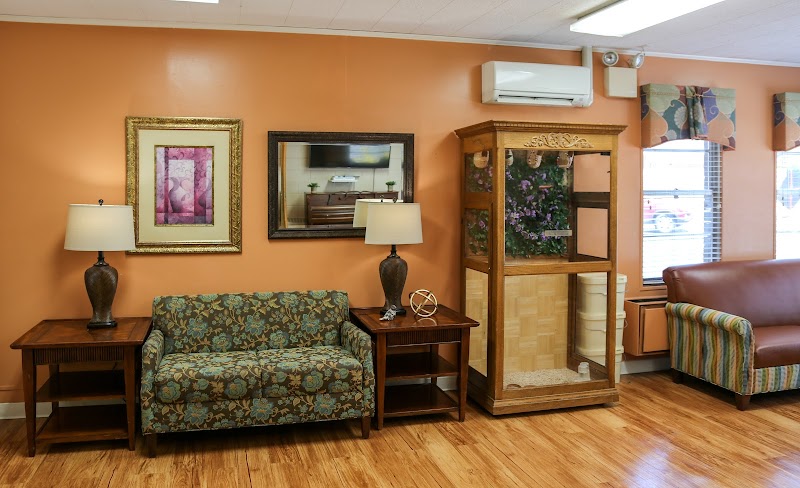
How is Eagle Health & Rehabilitation Staffed?

CMS rates EAGLE HEALTH & REHABILITATION's staffing level at 3 out of 5 stars, which is average compared to other nursing homes. Staff turnover is 45%, compared to the Georgia average of 46%. This relatively stable workforce can support continuity of care.

What Have Inspectors Found at Eagle Health & Rehabilitation?

State health inspectors documented 14 deficiencies at EAGLE HEALTH & REHABILITATION during 2021 to 2025. These included: 14 with potential for harm.
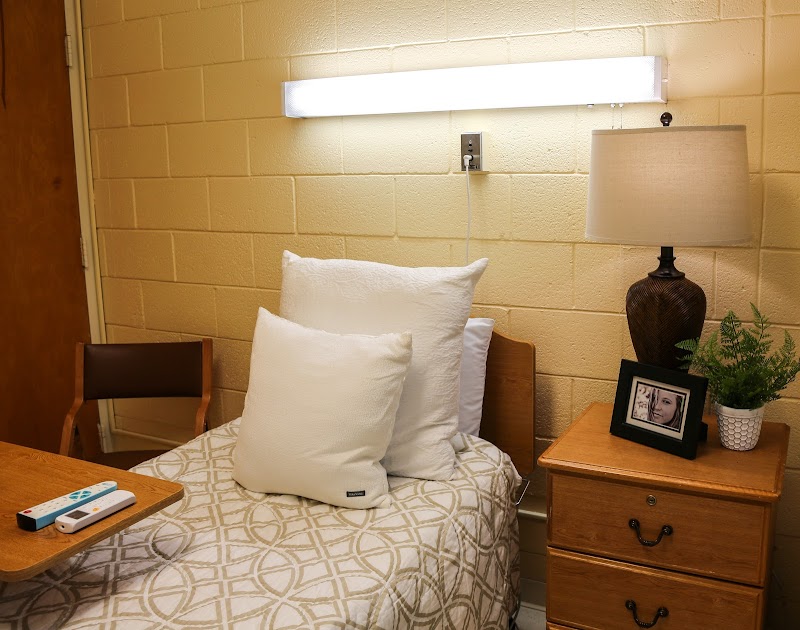
Who Owns and Operates Eagle Health & Rehabilitation?

EAGLE HEALTH & REHABILITATION is owned by a non-profit organization. Non-profit facilities reinvest revenue into operations rather than distributing to shareholders. The facility operates independently rather than as part of a larger chain. With 99 certified beds and approximately 40 residents (about 40% occupancy), it is a smaller facility located in STATESBORO, Georgia.
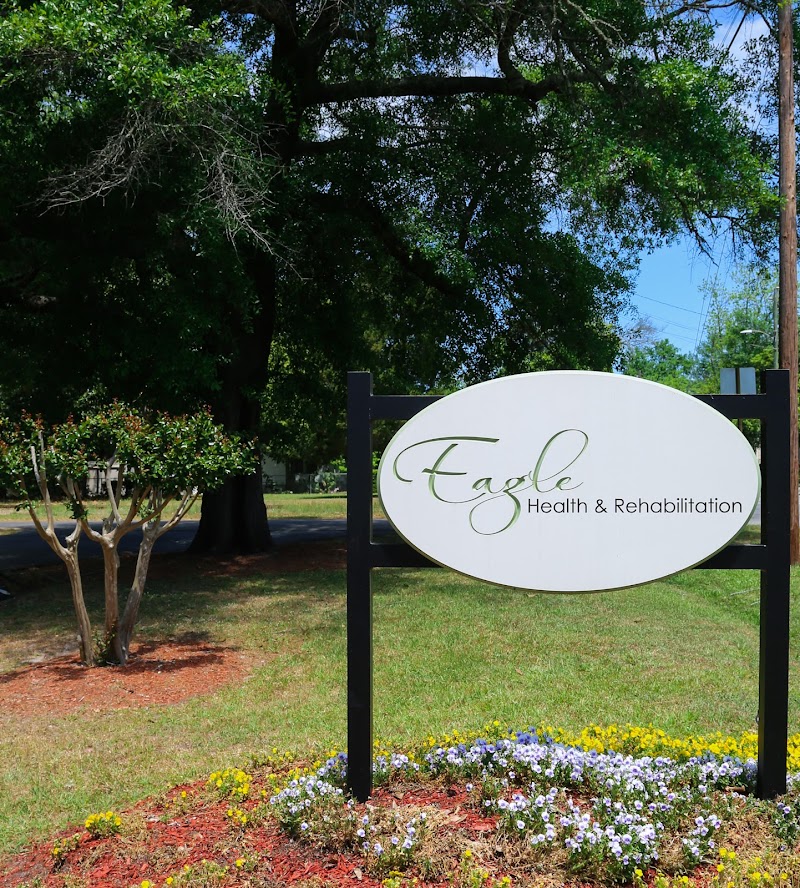
How Does Eagle Health & Rehabilitation Compare to Other Georgia Nursing Homes?

Compared to the 100 nursing homes in Georgia, EAGLE HEALTH & REHABILITATION's overall rating (3 stars) is above the state average of 2.6, staff turnover (45%) is near the state average of 46%, and health inspection rating (3 stars) is at the national benchmark.

What Should Families Ask When Visiting Eagle Health & Rehabilitation?

Based on this facility's data, families visiting should ask: "Can I visit during a mealtime to observe dining assistance and food quality?" "How do you handle medical emergencies, and what is your hospital transfer rate?" "Can I speak with family members of current residents about their experience?"

Is Eagle Health & Rehabilitation Safe?

Based on CMS inspection data, EAGLE HEALTH & REHABILITATION has a clean safety record: no substantiated abuse findings (meaning no confirmed cases of resident harm), no Immediate Jeopardy citations (the most serious violation level indicating risk of serious injury or death), and is not on the Special Focus Facility watch list (a federal program monitoring the lowest-performing 1% of nursing homes). The facility has a 3-star overall rating and ranks #1 of 100 nursing homes in Georgia. While no facility is perfect, families should still ask about staff-to-resident ratios and recent inspection results during their visit.

Do Nurses at Eagle Health & Rehabilitation Stick Around?

EAGLE HEALTH & REHABILITATION has a staff turnover rate of 45%, which is about average for Georgia nursing homes (state average: 46%). Moderate turnover is common in nursing homes, but families should still ask about staff tenure and how the facility maintains care continuity when employees leave.

Was Eagle Health & Rehabilitation Ever Fined?

EAGLE HEALTH & REHABILITATION has no federal fines on record. CMS issues fines when nursing homes fail to meet care standards or don't correct problems found during inspections. The absence of fines suggests the facility has either maintained compliance or corrected any issues before penalties were assessed. This is a positive indicator, though families should still review recent inspection reports for the full picture.

Is Eagle Health & Rehabilitation on Any Federal Watch List?

EAGLE HEALTH & REHABILITATION is not on any federal watch list. The most significant is the Special Focus Facility (SFF) program, which identifies the bottom 1% of nursing homes nationally based on persistent, serious quality problems. Not being on this list means the facility has avoided the pattern of deficiencies that triggers enhanced federal oversight. This is a positive indicator, though families should still review the facility's inspection history directly.