D SCOTT HUDGENS CENTER FOR SKILLED NURSING, THE
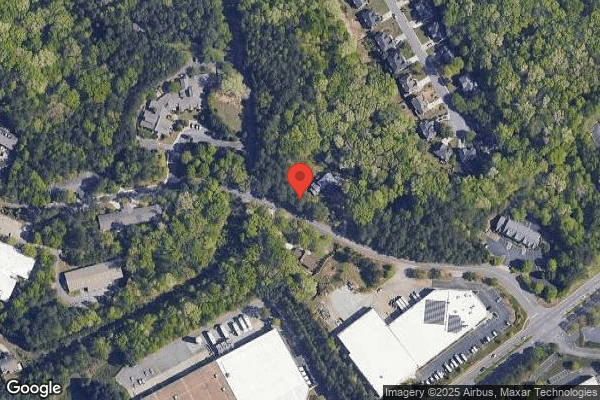
3500 ANNANDALE LANE, SUWANEE, GA 30024 (770) 932-3472
Non profit - Corporation 32 Beds Independent Data: November 2025
Trust Grade
61/100
#182 of 353 in GA
Last Inspection: June 2024

Within standard 12-15 month inspection cycle. Federal law requires annual inspections.

Overview

The D Scott Hudgens Center for Skilled Nursing has a Trust Grade of C+, which means it is considered decent and slightly above average compared to other facilities. It ranks #182 out of 353 nursing homes in Georgia, placing it in the bottom half, and #5 out of 11 in Gwinnett County, indicating that only four local options are better. The facility is improving, having reduced issues from 8 in 2023 to 3 in 2024. Staffing is a strong point with a rating of 4 out of 5 stars and a low turnover rate of 29%, much better than the state's average. However, there are concerning issues as well, including a lack of RN coverage on several occasions, inadequate infection control measures due to the absence of a qualified Infection Preventionist, and lapses in updating care plans that could affect residents' end-of-life decisions. It's important to weigh these strengths and weaknesses carefully when considering this facility for your loved one.

Trust Score
C+
61/100
In Georgia
#182/353
Bottom 49%
Safety Record
Low Risk
No red flags
Inspections
Getting Better
8 → 3 violations
Staff Stability
✓ Good
29% annual turnover. Excellent stability, 19 points below Georgia's 48% average. Staff who stay learn residents' needs.
Penalties
⚠ Watch
$4,017 in fines. Higher than 87% of Georgia facilities, suggesting repeated compliance issues.
Skilled Nurses
⚠ Watch
Each resident gets only 21 minutes of Registered Nurse (RN) attention daily — below average for Georgia. Fewer RN minutes means fewer trained eyes watching for problems.
Violations
⚠ Watch
12 deficiencies on record. Higher than average. Multiple issues found across inspections.
★★☆☆☆
2.0
Overall Rating
★★★★☆
4.0
Staff Levels
★☆☆☆☆
1.0
Care Quality
★★★☆☆
3.0
Inspection Score
Stable
2023: 8 issues
2024: 3 issues

The Good

  • 4-Star Staffing Rating · Above-average nurse staffing levels
  • Low Staff Turnover (29%) · Staff stability means consistent care
  • Full Sprinkler Coverage · Fire safety systems throughout facility
  • No fines on record
  • Staff turnover is low (29%)

    19 points below Georgia average of 48%

Facility shows strength in staffing levels, staff retention, fire safety.

The Bad

2-Star Overall Rating

Below Georgia average (2.6)

Below average - review inspection findings carefully

Federal Fines: $4,017

Below median ($33,413)

Minor penalties assessed

The Ugly 12 deficiencies on record

Jun 2024 3 deficiencies
CONCERN (D)

Potential for Harm - no one hurt, but risky conditions existed

Comprehensive Care Plan (Tag F0656)

Could have caused harm · This affected 1 resident

**NOTE- TERMS IN BRACKETS HAVE BEEN EDITED TO PROTECT CONFIDENTIALITY** 2. Review of R29's Quarterly MDS dated [DATE] revealed Section E (Behaviors) documented hallucinations and delusions, Section I ...

Read full inspector narrative →
**NOTE- TERMS IN BRACKETS HAVE BEEN EDITED TO PROTECT CONFIDENTIALITY** 2. Review of R29's Quarterly MDS dated [DATE] revealed Section E (Behaviors) documented hallucinations and delusions, Section I (Active Diagnoses) documented schizophrenia, and Section N (Medications) documented she received an antipsychotic medication. Review of R29's physician orders revealed an order dated 4/17/2024 for clozapine (an antipsychotic medication used to treat schizophrenia) 25 mg one tablet by mouth two times a day related to schizoaffective disorder and an order dated 4/17/2024 for Risperdal (an antipsychotic medication used to treat schizophrenia) 0.5 mg one tablet by mouth two times a day related to schizoaffective disorder. Review of R29's care plan revealed there was no focus area, goals, or interventions for the use of antipsychotic medications. Review of t R29's Medication Administration Records (MARs) dated 4/2024, 5/2024, and 6/2024 revealed R29's medications were administered as ordered by the physician. Interview on 6/16/2024 at 9:30 am, the MDS Coordinator stated she was responsible for ensuring the care plans were accurate and up to date according to the MDS assessments. She verified that R29 received an antipsychotic, which was ordered on 4/17/2024, and that there was no focus area, goals, or interventions on R29's care plan for the use of antipsychotic medication. She stated she developed care plan focus areas based on the MDS assessments, and once the care plan was developed, a nurse manager reviewed the care plan to check for accuracy. She confirmed the use of antipsychotic medication should be included in R29's care plan and stated it was just overlooked. Interview on 6/16/2024 at 9:40 am, the DON stated the MDS Coordinator was responsible for ensuring care plans were accurate at each MDS assessment. She stated she or another Registered Nurse (RN) at the facility also reviewed completed care plans to check for accuracy. She further stated since R29 received antipsychotic medication, her care plan should have a focus area, goal, and intervention related to the use of the medication and it was an oversight that it was not developed. Based on record review, staff interviews, and review of the facility's policy titled, Comprehensive Care Plans, the facility failed to develop a comprehensive person-centered care plan for two of 18 sampled residents (R) (R13 and R29). This deficient practice had the potential for the residents not to receive treatment and/or care according to their needs. Findings include: Review of the facility's policy titled, Comprehensive Care Plans, dated 10/23/2023, under the section titled, Policy revealed, It is the policy of this facility to develop and implement a comprehensive person-centered care plan for each resident, consistent with resident rights, that include measurable objectives and timeframes to meet a resident's medical, nursing, and mental and psychosocial needs that are identified in the resident's comprehensive assessment. Under the section titled, Policy Explanation and Compliance Guidelines for Number two revealed, The comprehensive care plan will be developed within seven days after rhe completion of the comprehensive Minimum Data Set (MDS) assessment. All Care Assessment Areas (CAAs) triggered by the MDA will be considered in developing a plan of care. Other factors identified by the interdisciplinary team, or in accordance with the resident's preferences, will also be addressed in the plan of care. Number five revealed, The comprehensive care plan would be reviewed and revised by the interdisciplinary team after each comprehensive and quarterly MDS Assessment. 1. Review of R13's clinical record revealed diagnoses that included dementia, Rhett's Syndrome, anxiety disorder, major depressive disorder, and profound intellectual disabilities. Review of R13's Quarterly MDS dated [DATE] revealed Section N (Medications) indicated she received antipsychotic and antidepressant medications during the assessment period. Review of R13's Annual MDS dated [DATE] revealed that cognitive deficit/dementia was triggered in the CAAs with the decision to develop a care plan. Review of R13's Physician's Orders revealed that she was received olanzapine five mg (milligrams) QAM (every morning) and olanzapine 15 mg QHS (every night) for behaviors related to Rhett's Syndrome; and paroxetine HCL 20 mg QD (every day) for Major Depressive Disorder (MMD). Review of R13's care plans revealed that she had care plans developed for the use of antidepressant medications related to depression, the use of psych medications to adjust behavior management, and Rhett's Syndrome for assistance required due to constantly hitting her head with her right hand. Further review of R13's Rhett's Syndrome care plan revealed a documented intervention was to see the care plan for cognitive function, which was not developed for R13's current care plan. A continued review revealed that no individualized interventions were present in R13's care plan to address cognitive concerns related to dementia or cognitive deficit, nor to monitor progress towards a therapeutic goal. Interview on 6/15/2024 at 10:11 am with the MDS Coordinator revealed she would sometimes incorporate resident cognitive deficit interventions into other care areas within a resident's care plan. She added that R13 also had a diagnosis of Rhett's Syndrome and dementia, which caused cognitive issues, and she believed the care plan for Rhett's Syndrome addressed cognitive impairments. She confirmed that on review of R13's care plan, there were no interventions for cognitive deficits/dementia, and the Rhett's Syndrome care plan had a documented intervention to refer to the care plan for cognitive impairment, which she had not developed for R13. The MDS Coordinator confirmed that interventions for cognitive deficits/dementia should have been developed for R13. During an interview on 6/16/2024 at 10:43 am with the Director of Nursing (DON) revealed, that it was her expectation that the MDS Coordinator would update and develop care plans for each resident based on the resident's individual needs. The DON stated that due to the nature of the resident population in the facility, most of the residents were considered cognitively impaired, so a resident that had a cognitive impairment might have interventions for cognitive impairment/dementia under other care areas; however, the DON stated she expected that individualized interventions related cognitive issues should be listed in the care plan, even if they were documented in other areas. The DON confirmed that R13 had cognitive impairment that required specialized interventions for certain behaviors, which she expected the MDS Coordinator to document within the care plan.
CONCERN (F)

Potential for Harm - no one hurt, but risky conditions existed

Staffing Data (Tag F0851)

Could have caused harm · This affected most or all residents

Based on staff interviews, record review, and review of the PBJ (Payroll Based Journal) [NAME] Report for First Quarter (Q1) of fiscal year 2024 (October 1-December 31), the facility failed to accurat...

Read full inspector narrative →
Based on staff interviews, record review, and review of the PBJ (Payroll Based Journal) [NAME] Report for First Quarter (Q1) of fiscal year 2024 (October 1-December 31), the facility failed to accurately report its staffing data to the Centers for Medicare and Medicaid (CMS) related to Registered Nurse (RN) coverage and Licensed Nursing Coverage 24 hours a day. The facility census was 31 residents. Findings include: Review of the PBJ [NAME] Report for Q1 2021, October 1 through December 31, revealed the facility reported data, which declared there was no coverage by a RN for at least eight hours for the following dates: 1. October 7, October 8, October 21, and October 22. 2. December 2, December 3, December 30, and December 31. Review of the PBJ [NAME] Report for Q1 2021, October 1 through December 31, revealed the facility reported data, which declared there was no coverage by Licensed Nursing Coverage 24 hours a day for the following dates: 1. December 27, December 28, December 29, December 30, and December 31. Review of the facility's staffing hours and payroll verification revealed a RN was in the facility on 10/7/2023, 10/8/2023, 10/21/2023, 10/22/2023, 12/2/2023, 12/3/2023, 12/30/2023, and 12/31/2023. A further review revealed licensed staff was present in the facility for 24 hours a day on 12/27/2023, 12/28/2023, 12/29/2023, 12/30/2023, and 12/31/2023. During an interview on 6/15/2024 at 1:30 pm with the Accounting Assistant (AA) revealed, she received the staffing hours from the facility's Payroll Specialist (PS), who was currently out of the county and unavailable for an interview. The AA stated, the facility utilized an electronic payroll reporting system, and she used that information to create a spreadsheet that listed all the staff's hours. She stated she would then manually upload the hours into CMS's PJ&J reporting system online. The AA stated she does not know why there would have been a discrepancy in the hours unless she had not been provided accurate information from the PS. During an interview on 6/15/2024 at 1:54 pm with the Administrator revealed, the scheduler makes the schedule to ensure enough RN and licensed staff coverage in the facility. If there are any callouts, the scheduler would adjust the schedule. The scheduler would then report the hours to the PS, and then the PS and AA would use the electronic payroll system to document and verify the hours worked by the staff. The AA would ensure the hours are sent to CMS. The Administrator explained that salaried staff, which included some of their licensed staff, did not clock in, and that may have been the cause of the discrepancy. The Administrator stated that moving forward, the facility would ensure that salaried hours were also included in the reported hours.
CONCERN (F)

Potential for Harm - no one hurt, but risky conditions existed

Deficiency F0882 (Tag F0882)

Could have caused harm · This affected most or all residents

Based on staff interviews and review of the facility's policies titled, Infection Prevention and Control Program and [Name of the Facility] Position Description, the facility failed to have a qualifie...

Read full inspector narrative →
Based on staff interviews and review of the facility's policies titled, Infection Prevention and Control Program and [Name of the Facility] Position Description, the facility failed to have a qualified Infection Preventionist who had completed the required specialized training in infection prevention and control. This failure placed all residents at risk for the potential transmission of infections and communicable diseases. The facility census was 31 residents. Findings include: Review of the facility's policy titled, Infection Prevention and Control Program dated 10/23/2023 under the section titled, Policy Explanation and Compliance Guidelines: revealed, Number one, The designated Infection Preventionist (IP) is responsible for oversight of the program and serves as a consultant to our staff on infectious diseases, resident room placement, implementing isolation precautions, staff and resident exposures, surveillance, and epidemiological investigations of exposures of infectious diseases Number 16. Staff Education: (a.) All staff shall receive training, relevant to their specific roles and responsibilities, regarding the facility's infection prevention and control program, including policies and procedures related to their job function. Review of the facility's policy titled, [Name of Facility] Position Description undated, under the section titled Qualifications revealed The IP must be qualified by education, training, experience or certification An IP must have obtained specialized IPC training beyond initial professional training or education prior to assuming the role. Training can occur through more than one course, but the IP must provide evidence of training through a certificate of completion or equivalent documentation. During an interview on 6/15/2024 at 8:52 am with the Director of Nursing (DON) revealed, she had not completed any specialized training in infection prevention and control. The DON revealed she had completed one module in the training and the facility currently did not have anyone employed at the facility certified as an IP. During an interview on 6/16/2024 at 9:15 am with the Administrator identified the DON as the person responsible for coordinating the implementation and updating the facility's infection control practices. The administrator confirmed there was no other staff member at the facility certified as an IP.
May 2023 5 deficiencies
CONCERN (D)

Potential for Harm - no one hurt, but risky conditions existed

Transfer Requirements (Tag F0622)

Could have caused harm · This affected 1 resident

Based on staff interviews, record review, and a review of the facility's policy titled Transfer and Discharge (including AMA), the facility failed to document in the resident's medical record the basi...

Read full inspector narrative →
Based on staff interviews, record review, and a review of the facility's policy titled Transfer and Discharge (including AMA), the facility failed to document in the resident's medical record the basis for transfer to the assisted living facility. Findings include: Review of the policy titled Transfer and Discharge (including AMA) not dated, under the section titled Policy Explanation and Compliance Guidelines number six sub-titled Non-Emergency Transfers or Discharges sub-section j revealed the physician shall document medial reasons for transfer/discharge in the medial record and a copy of the physician order for discharge should be attached to the discharge notice. Record review of the Electronic Medical Record (EMR) for R#29 under physician orders revealed there was not an order for discharge from the facility. Record review of the progress notes for R#29 revealed a discharge note entered by the nurse on 2/14/2023 at 2:50 p.m. There was no entry made by the physician related to a discharge summary found in the record. There was no entry found in the EMR regarding discharge planning. Interview on 5/11/2023 at 9:30 a.m. with the interim Director of Nursing (DON) confirmed there was not an order for discharge or transfer for R#29 to assisted living. She stated there should be a discharge order from the physician on the chart. Interview on 5/11/2023 at 10:00 a.m. with Registered Nurse Supervisor (RN) AA revealed the facility did not view R#29's transfer to assisted living as a discharge but as a continuation of care within the community as she was being moved from one area on the property to another. She stated they had meetings every two weeks related to the resident's needs and transfer of care for residents who have had changes in the care they require. She stated that the Administrator and Director of Nursing (DON) from assisted living and long-term care were all involved in these meetings, she revealed that the physician was not involved in these meetings. Interview on 5/11/2023 at 10:00 a.m. with the Interim DON revealed the facility does not have a policy for the transfer of residents from one area of care to another within the community, but if a resident moves between the care areas, it is treated as a discharge from one area and admission or readmission to the other area. She revealed that they do have a general transfer/discharge policy. Interview on 5/11/2023 at 10:32 a.m. with Social Worker (SW) BB revealed that R#29's transfer back to assisted living was completed by the Administrator and someone in admissions. She was not sure of the person's name in admissions. She stated that for a resident to leave the skilled nursing unit and return to the assisted living unit, there should be a physician's order on the resident's chart/EMR. A telephone interview on 5/11/2023 at 11:00 a.m. with the Minimum Data Set (MDS) Coordinator revealed she does not care plan discharge planning, nor does she have any duties related to discharge planning. She stated that social services should be coordinating discharge and discharge planning.
CONCERN (D)

Potential for Harm - no one hurt, but risky conditions existed

Assessment Accuracy (Tag F0641)

Could have caused harm · This affected 1 resident

**NOTE- TERMS IN BRACKETS HAVE BEEN EDITED TO PROTECT CONFIDENTIALITY** Based on staff interviews and record review, the facility failed to ensure that Minimum Data Set (MDS) assessments were accurate...

Read full inspector narrative →
**NOTE- TERMS IN BRACKETS HAVE BEEN EDITED TO PROTECT CONFIDENTIALITY** Based on staff interviews and record review, the facility failed to ensure that Minimum Data Set (MDS) assessments were accurate for one of 13 residents (R) (#22) for the presence of facility-acquired pressure ulcers. Findings Include: Record review of the most recent Minimum Data Set (MDS) for R#22 dated 4/24/2023 revealed in section M that the resident did not have any unhealed or any wounds present. Record review of the Treatment Administration Record (TAR) for April 2023 revealed that the orders for dressing changes for sacral and right buttocks wound were ordered on 4/12/2023 and was started on 4/13/2023. The orders for treatment and dressing changes for the left elbow were started on 4/17/2023. Interview on 5/11/2023 at 10:41 a.m. with Director of Nursing (DON) revealed that the facility does have a nurse that works remotely for the assessments, but all the nurses are responsible for care plans. A phone interview on 5/11/2023 at 11:31 a.m. with Licensed Practical Nurse (LPN) Minimum Data Set (MDS) Coordinator revealed that she has several ways to get information about residents that would need to be added to assessments and/or care plans. She stated that there is a clinical meeting every Friday via ZOOM, and residents are discussed. The DON would relay any information of needs or changes, or she would have to read in Point Click Care, communications in the resident's charts, or in progress notes. The LPN MDS Coordinator further stated that as soon as she finds out about significant changes, she has 14 days to complete the assessment. The LPN MDS Coordinator confirmed R#22 had two facility-acquired wounds. She stated the wounds for R#22 were discovered and addressed on 4/12/2023 for the sacral wound and 4/17/2023 for the left elbow wound. The LPN MDS Coordinator verified that she had locked the responses for section M of R#22 having no wounds on May 4, 2023. She then stated that is why she opened the significant change assessment for 5/16/2023. A review of the opened significant change assessment dated [DATE] revealed that section M has not been opened.
CONCERN (D)

Potential for Harm - no one hurt, but risky conditions existed

ADL Care (Tag F0677)

Could have caused harm · This affected 1 resident

Based on observations, resident and staff interviews, record reviews, and a review of the facility's policy titled Resident Personal Care, the facility failed to provide activities of daily living (AD...

Read full inspector narrative →
Based on observations, resident and staff interviews, record reviews, and a review of the facility's policy titled Resident Personal Care, the facility failed to provide activities of daily living (ADL) care related to dependent residents for two of 13 residents (R) (#21 and #180) sampled. Findings include: Review of the policy titled Resident Personal Care revealed multiple policies are included. The policy titled Bed Bath, giving a, stated the purpose of the bed bath is to provide comfort, stimulate circulation, provide mild form of exercise, observation of skin condition, and relax muscles. This policy gives step by step instruction of how to give a bed bath and when to call for nurse to assess the resident. The section titled Shower/Tub Bath revealed the purpose was to promote cleanliness, comfort, relaxation, stimulate circulation, and observe skin condition. This policy also gives step by step instruction of how to give a shower/tub bath, when to notify the charge nurse, and how to transport the resident to the shower/bathtub. The policy titled Hair Care, assistance with revealed residents' hair must be combed daily and be clean and odor free. Hair may be shampooed on scheduled bath/shower days. If residents wish to have their hair done at the beauty shop weekly appointments will be arranged and if the resident requires transportation, then transportation will be arranged. 1. Record review of the most recent quarterly Minimum Data Set (MDS) for R#21 dated 3/25/2023 revealed a Brief Interview for Mental Status (BIMS) of 12, which indicates a cognitive function was moderately impaired. Section E revealed that R#21 had no behaviors exhibited. Section G revealed that her functional status was independent with set-up help only. Record review of the care plan for R#21 revised on 3/24/2023 indicated a focus on assistance with activities of daily living (ADLs). Goals included but were not limited to maintaining the current level of function in ADLs with an intervention of showers on Tuesday, Thursday, and Saturday with limited assistance. Record review of the Electronic Medical Record (EMR) bathing documentation revealed that in January 2023, staff documented R#21 was bathed a total of nine times, and one entry was marked non-applicable. In February 2023, the staff documented five baths. In March 2023, the staff documented six baths. In April 2023, the staff documented two baths. In May 2023, there were three baths documented as of 5/10/2023. Observations on 5/9/2023 at 1:01 p.m. of R#21 up in a common area in a chair, hair appeared uncombed and oily. Interview on 5/9/2023 at 1:01 p.m. with R#21 reported she had not had a bath/shower in over a week. She reported that her bath days are Tuesday, Thursday, and Saturday and restated that she had not had a shower in over a week. R#21 stated, Look how dirty and oily my hair is. R#21 revealed that the staff will sometimes tell her they don't have time to give her a shower. Observations on 5/10/2023 at 1:45 p.m. of R#21 sitting up in a chair in the common area. She appeared clean, her hair combed, and she was dressed appropriately. Interview on 5/10/2023 at 1:45 p.m. with R#21 stated that she got a shower on 5/9/2023 just before 11:00 p.m. R#21 stated she was getting nervous and thought they had forgotten her when they came to take her to the shower. 2. Record review of a significant change MDS for R#180 dated 3/2/2023 revealed a BIMS of 12, which indicated a cognitive function was moderately impaired. Section G revealed her functional status was one person assist with ADL's and she utilized a walker for ambulation. Record review of the care plan for R#180 revised on 5/2/2023 revealed the focus of care was listed as but not limited to deficit related to ADLs and refusal of care. Goals listed as but not limited to maintaining the current level of function, and cooperation with care. Interventions included the use of a walker to maximize independence, encouraging the use of call light and maintaining call light within reach, allowing the resident to make decisions about treatment, providing a sense of control, encouraging participation in care activities, if refused care reapproach later, promptly respond to all requests for assistance, and ensure appropriate footwear when ambulating. Record review of bath records in R#180's EMR revealed that staff documented a bath/shower nine times since January of 2023 through 3/10/2023. Observation on 5/9/2023 at 12:37 p.m. R#180 was sitting on the side of her bed, she appeared unkempt, and her hair appeared oily and uncombed. Interview on 5/9/2023 at 12:37 p.m. with R#180 revealed that she does not always get a bath on her bath days. She stated that the staff tell her that they do not have time to bathe her. Observation on 5/10/2023 at 10:10 a.m. of R#180 sitting on the side of her bed, a physical therapist was in the room with her. Her hair appeared to be clean but uncombed, and she was dressed appropriately. Interview on 5/10/2023 at 10:10 a.m. with R#180 stated that they were about to start her physical therapy this morning, and she reported that she did get a shower the evening before on 5/9/2023. Interview on 5/10/2023 at 4:15 p.m. with Licensed Practical Nurse (LPN) DD revealed the CNA's document showers in the EMR, and residents should be bathed three times a week unless they refuse to be bathed. LPN DD stated she does a skin assessment on residents weekly, and this usually occurs when they are in the shower. LPN DD revealed that she does not document showers, nor does she verify that CNA document showers are given on any given day. Interview on 5/10/2023 at 2:00 p.m. with Certified Nursing Assistant (CNA) EE revealed she usually works as a private sitter but occasionally works for a staffing agency in the facility. CNA EE stated that when she is working in the facility, she is not sure of how to document showers/baths given while she is working. Interview on 5/10/2023 at 3:20 p.m. with the Interim Director of Nursing (DON) and Registered Nurse (RN) Supervisor AA revealed they were aware of the problems with documentation. The RN Supervisor AA stated they have several agency CNAs who work randomly in the facility. She stated that when they know the CNA has not charted, they attempt to get the agency CNA to chart care given in the EMR. The RN Supervisor AA further revealed that the agency staff gives multiple reasons why they could not document the care they give, ranging from no login credentials to not knowing how to use the system. Both the Interim DON and RN Supervisor AA stated that documentation is nursing 101 and expected staff to document as care is given. Interview on 5/11/2023 at 10:06 a.m. with LPN GG revealed she is the Interim Nurse Manager working in the facility through a staffing agency. She stated she has been working in this facility since 3/12/2023. She stated that CNAs document bathing in the Point of Care (POC) system, and they report any skin issues to the nurse. She revealed that, to her knowledge, no one reviews documentation of bathing daily. The LPN GG clarified this statement by saying that if she has a reason to look at this documentation, she does, but she does not look without a reason. Interview on 5/11/2023 at 10:32 a.m. with Social Worker (SW) BB stated that she helps the CNAs with bathing when they are short-staffed. She stated that bathing is documented in the POC system by the CNAs. The SW BB further revealed that she herself does not document showers/baths she assists with within the POCs system, but she enters a note in the progress note section.
CONCERN (E)

Potential for Harm - no one hurt, but risky conditions existed

Comprehensive Care Plan (Tag F0656)

Could have caused harm · This affected multiple residents

4. Review of the EMR for R#20 revealed that she has a signed POLST dated 1/20/2022, and states that she and her resident representative want her to be allowed a natural death if her heart was to stop ...

Read full inspector narrative →
4. Review of the EMR for R#20 revealed that she has a signed POLST dated 1/20/2022, and states that she and her resident representative want her to be allowed a natural death if her heart was to stop beating and she were to stop breathing. Record review of the physician orders for R#20 revealed that she was ordered to be a DNR on 9/12/2022. Record review of the care plan for R#20 initiated on 2/4/2022 revealed she did not have a DNR code status care planned. A phone interview on 5/11/2023 at 11:19 a.m. with the MDS Coordinator verified that R#20 had an order, signed POLST and is stated on the Point of Care (POC) banner for a DNR. She also verified that the DNR status was not in the care plan. Interview on 5/11/2023 at 12:35p.m. with Director of Nursing (DON) revealed that it is every nurses responsibility to update care plans, but the MDS Coordinator works remotely and will do most of the work and comes into the building to do the assessments. 5. Record review of the care plan for R#27 updated 4/30/2023 did not reveal indicate a focus of care listed but not limited to assistance required for ADLs and risk for falls. Goals included but were not limited to providing assistance with completing ADLs and free of falls. Interventions included but not limited to resident is totally dependent on staff for shower/bathing, assistance with personal hygiene and oral care, dependance on staff for toilet use, encourage use of appropriate footwear, safe environment, bed in low position, and call light within reach. There was not a focus of care related to advanced directive status. Record review of the physician orders in the EMR for R#27 revealed a DNR order for R#27. Record review of the EMR for R#27 included but not limited to the advanced directive section on the electronic medication administration record (E-MAR) was not completed on 5/9/2023. Review of scanned documents revealed a POLST signed on 4/14/2022, indicating the residents advanced directive status as a DNR. Interview on 5/10/2023 at 3:59 p.m. with Certified Nursing Assistant (CNA) CC revealed she can access a residents advanced directive status by looking on the POC system, access the residents record and the advanced directive status is displayed on the banner. She further stated the advanced directive status is also documented in the care plan. Interview on 5/10/2023 at 4:15 p.m. with licensed Practical Nurse (LPN) DD revealed she had been an LPN for 14 years and was employed for the last six years at this facility. She revealed she can review a residents advanced directive status by looking at the resident's E-MAR, the banner found on the home page of the residents EMR, and by reviewing the care plan. Interview on 5/11/2023 at 10:06 a.m. with LPN GG revealed that she can view a residents advanced directive status by accessing the EMR and locating the residents home page, and the information is listed on the banner. LPN CC further revealed that there is a profile sheet in a drawer at the nurse's desk as well and this information. Interview on 5/11/2023 at 10:32 a.m. with Social Worker (SW) BB revealed she keeps a folder for each resident in her office specifically related to residents advanced directives. SW BB stated that she can also locate a copy of the scanned advanced directive document in the residents' EMR. Interview on 5/11/2023 at 11:00 a.m. with MDS Coordinator confirmed and verified that R#27 is not care planned related to the residents advanced directive status. She stated it should have been done at the time the advanced directive was signed. The MDS Coordinator further revealed the advanced directive status on the banner of the home page in the EMR is updated when a specific type of order is entered as well as the section on the E-MAR. Based on observation, staff interviews, record review, and a review of the facility's policies titled Resident Rights and Advance Directive and Do Not Resuscitate (DNR) Policy, the facility failed to develop a Comprehensive Care Plan to address one of 13 residents (#22) that had facility acquired wounds and failed to develop a Comprehensive Care Plan to address the code status for four of 13 residents (#5, #11, #20 and #27). Findings include: Review of the Policy titled Resident Rights: Federal and State Law, last revised on 4/2014, revealed that the resident has the right to be fully informed in advance about care and treatment and of any changes in that care or treatment that may affect the resident's well-being and unless adjudged incompetent or otherwise found to be incapacitated under the laws of the State, participate in planning care and treatment or changes in care and treatment. It also revealed that the resident has the right to formulate an advanced directive. The facility was unable to provide a policy for care planning. Review of the policy titled Advance Directive and Do Not Resuscitate (DNR) Policy, which was revised on 5/2023, revealed that it is every employee's responsibility to be familiar with this policy and to know any residents that has an active DNR order so that they can act appropriately in an emergency. 1. Record review of the most recent Minimum Data Set (MDS) for R#22 dated 4/24/2023 revealed that Section G for bed mobility that the resident needed extensive assistance. Section M revealed that the resident had no wounds. Record review of treatment orders for the month of April 2023 revealed that the staff had received and started treatment on a sacral wound on 4/13/2023 and an elbow wound on 4/17/2023. Record review of the care plan for R#22 revision date of 4/18/2023 revealed that the resident has a potential impairment to skin integrity due to the usage of a blood thinner for history of DVT, Increasing her risk for bruising and bleeding. Further review of the care plan revealed that the resident having wounds could not be identified. A phone interview on 5/11/2023 at 11:20 a.m. with the MDS Coordinator revealed that she works remotely and has several ways that she can get information about changes to the residents. She revealed that she was aware that the resident had wounds and that she had failed to update the care plan to reflect the wounds. 2. Record review of the Electronic Medical Record for R#5 revealed that the resident has a signed Physician Orders for Life-Sustaining Treatment (POLST) dated 2/15/2022. The POLST revealed that the resident has chosen that when he has no pulse or stops breathing, staff to attempt resuscitation. Record review of physician orders for R#5 dated 9/12/2022 revealed that R#5 had an order to be a full code. Record review of the care plan for R #5, with a date of initiation on 5/28/2022, revealed that he has chosen Do Not Resuscitate (DNR) status. A phone interview on 5/11/2023 at 11:20 a.m. with MDS Coordinator revealed that advance directives should be care planned, and she is the one that will care plan the residents either full code or DNR. The MDS Coordinator verified that R #5 does have an order for a full code, it was care planned for DNR. 3. Record review of the EMR for R #11 revealed that she had a signed POLST dated 4/14/2022 and she and her resident representative has chosen to allow a natural death in the case she would stop breathing and/ or no pulse. Record review of the physician orders revealed that she had an order that revealed that she was to be a DNR, on 9/12/2022. Record review of the care plan for R#11 initiated on 3/9/2022 revealed that the resident did not have her code status care planned. A phone interview on 5/11/2023 at 11:20 a.m. with the MDS Coordinator revealed that a resident's code status should be care planned, and she is the one that will care plan if the resident is a full code or a DNR. The MDS Coordinator verified that R#11 is a DNR, but there was no care plan for DNR. She stated that she updated the care plan.
CONCERN (E)

Potential for Harm - no one hurt, but risky conditions existed

Deficiency F0727 (Tag F0727)

Could have caused harm · This affected multiple residents

Based on staff interviews, record review, and a review of the facility's policy titled, Nurse Staffing Sufficiency, the facility failed to provide the services of a Registered Nurse (RN) for at least ...

Read full inspector narrative →
Based on staff interviews, record review, and a review of the facility's policy titled, Nurse Staffing Sufficiency, the facility failed to provide the services of a Registered Nurse (RN) for at least eight consecutive hours a day, for seven days a week for three days (4/1/2023, 4/8/2023 and 4/30/2023) of a 30-day review. Findings include: A review of the policy titled Nurse Staffing Sufficiency, revealed the requirements of a sufficiently nurse-staffed unit. 10. The facility has the services of an RN available eight consecutive hours a day, seven days a week. A review of the past 30 days of Daily Staffing posts revealed there was no RN on duty for a minimum of eight consecutive hours per day on 4/1/2023, 4/8/2023, and 4/30/2023. A review of the Daily Nurse Staffing posted for 4/1/2023, revealed that no RN worked in the building for eight consecutive hours on that date. A review of the Daily Nurse Staffing posted on 4/8/2023, revealed that no RN worked in the building for eight consecutive hours on that date. A review of the Daily Nurse Staffing posted on 4/30/2023, revealed that no RN worked in the building for eight consecutive hours on that date. Interview on 5/11/2023 at 9:35 a.m. with Staffing Coordinator (SC) revealed that when the facility has a call off, they try to find a replacement with either one of their own staff or agency staff. The SC stated that the staff is supposed to call her when someone calls off work. She also revealed that the facility uses three different agencies. The continued interview revealed that most of the time, management will not help, and they have no certified staff in non-clinical roles. She stated that every other weekend they have an RN weekend supervisor, and when the RN supervisor doesn't work, the facility staff's an RN to work night shift. The SC revealed that the RN supervisor will not be on the daily staffing sheet. Interview on 5/11/2023 at 2:50 p.m. with Director of Nursing (DON) revealed that she does not come in on the weekends, but they have an agency RN that comes to perform RN hours. The DON stated there might not have been any RN coverage on the days discussed 4/1/2023, 4/8/2023, and 4/30/3023.
Mar 2023 3 deficiencies
CONCERN (D) 📢 Someone Reported This

A family member, employee, or ombudsman was alarmed enough to file a formal complaint

Potential for Harm - no one hurt, but risky conditions existed

Report Alleged Abuse (Tag F0609)

Could have caused harm · This affected 1 resident

Based on staff interview, record review, and review of the facility policy titled, Abuse, Neglect and Exploitation, the facility failed to report immediately, but not later than two hours after formin...

Read full inspector narrative →
Based on staff interview, record review, and review of the facility policy titled, Abuse, Neglect and Exploitation, the facility failed to report immediately, but not later than two hours after forming the suspicion of an allegation of abuse to the state agency that involved 1 of 3 residents (R) (#1) reviewed for abuse. Specifically, on 10/09/2022, staff were observed to pull a disposable wipe from the rectal area of R#1, who was incontinent of bowel and totally dependent on staff for most activities of living. This allegation of sexual abuse was not reported to the state agency until five days later, on 10/14/2022. Findings included: A review of the facility's policy titled, Abuse, Neglect and Exploitation, with a copyright date of 2021, indicated, VII. Reporting/Response A. The facility will have written procedures that include: 1. Reporting of all alleged violations to the Administrator, state agency, adult protective services and to all other required agencies within specified timeframes: a. Immediately, but not later than 2 hours after the allegation is made if the events that cause the allegation involve abuse or result in serious bodily injury, or b. Not later than 24 hours if the events that cause the allegation do not involve abuse and do not result in serious bodily injury. Review of the facility's five-day summary reported to the State agency dated 10/20/2022, revealed that on 10/14/2022 at approximately 10:15 a.m., the Director of Nursing (DON) reported to the Administrator an allegation of staff to resident abuse. Review of the facility's investigation file revealed a statement from a CNA 7, dated 10/14/2022 and written by the Interim DON, regarding what CNA 7 witnessed on 10/09/2022 at approximately 8:30 p.m. - 9:00 p.m. Review of the facility's investigation file revealed a statement from LPN 3, dated 10/14/2022 and written by the Interim DON, regarding what LPN 3 witnessed on 10/09/2022. Per the statement, LPN 3 reported she was called into R#1's room by CNA 4 and CNA 7 because the CNAs had trouble cleaning the resident's rectal area. LPN 3 stated she saw something sticking out of R#1's rectum, so she pulled on it until it was all the way out. LPN 3 stated that at first, she did not know what it was but determined it was a wipe. According to LPN 3, R#1 was not able to tell her any details about how it happened. Interview on 02/09/2023 at 4:40 p.m. with the Interim Administrator confirmed it was 10/09/2022, not 10/14/2022 when staff first pulled a wipe from R#1's rectal area. Interview on 03/02/2023 at 2:19 p.m. with the previous Administrator revealed that the first incident was reported to her by the former DON. The previous Administrator recalled two similar incidents on 10/09/2022 and 11/12/2022 but said she was not aware of a third incident on 10/23/2022. She further stated that if the former DON knew of a reportable incident, then she should have notified her so the incident could have been submitted to the state agency and an investigation conducted.
CONCERN (E) 📢 Someone Reported This

A family member, employee, or ombudsman was alarmed enough to file a formal complaint

Potential for Harm - no one hurt, but risky conditions existed

Free from Abuse/Neglect (Tag F0600)

Could have caused harm · This affected multiple residents

Based on staff interviews, record review, and review of the facility's policy titled, Abuse, Neglect, and Exploitation, the facility failed to protect the resident's right to be free from neglect by s...

Read full inspector narrative →
Based on staff interviews, record review, and review of the facility's policy titled, Abuse, Neglect, and Exploitation, the facility failed to protect the resident's right to be free from neglect by staff for 1 of 3 residents (R) (#1) reviewed for abuse. Specifically, the facility failed to prevent repeated discoveries of the presence of a disposable, incontinence wipe in R#1's rectum. Findings included: A review of the facility's policy titled, Abuse, Neglect and Exploitation, dated 2021, indicated It is the policy of this facility to provide protections for the health, welfare, and rights of each resident by developing and implementing written policies and procedures that prohibit and prevent abuse, neglect, exploitation and misappropriation of resident property. Per the policy, Neglect means willful failure of the facility, its employees, or service providers to provide goods and services to a resident that are necessary to avoid physical harm, pain, mental anguish, or emotional distress. Review of the admission Record revealed that R#1 was admitted to the facility with diagnoses including spastic quadriplegic cerebral palsy, contracture of the right hand, and muscle weakness. Review of the most recent quarterly Minimum Data Set (MDS) for R#1 dated 09/22/2022, documented a Brief Interview for Mental Status (BIMS) score of 0, which indicated severe cognitive impairment. Activities of Daily Living (ADL) documented totally dependent on staff for bed mobility, transfers, dressing, eating, toilet use, personal hygiene, and bathing, and was always incontinent of bladder and frequently incontinent of bowel. The MDS further indicated that R#1 had functional limitations in the range of motion on both sides in their upper and lower extremities. Review of the care plan for R#1 initiated on 03/03/2022 revealed the resident was incontinent of bowel and bladder. The care plan interventions indicated R#1 wore disposable briefs and staff should clean the resident's perineal area with each incontinent episode. Review of the Nursing Note for R#1 dated 10/23/2022 at 2:37 p.m. revealed that at approximately 2:00 p.m., the writer of the note along with a Certified Nursing Assistant (CNA) was in the resident's room to provide activities of daily living (ADL) care to the resident. While the resident was being cleaned, a long, fibrous string/cloth approximately 5.5 inches long and 0.5 inches wide was noted to be expelled from the resident's rectum, while the resident lay on their left buttock. Interview on 02/09/2023 at 9:50 a.m. with the Interim Administrator stated there was a recent case of a nurse aide who alleged that a staff member had stuck a wipe up a resident's rectum. Per the Interim Administrator, he nor the facility's current Administrator was directly involved in the staff and resident interviews, but he provided oversight of the investigation. According to the Interim Administrator, the Interim DON and previous Administrator conducted the investigation; however, neither of the staff still worked at the facility. Interview on 02/09/2023 at 12:10 p.m., Licensed Practical Nurse (LPN) 1 revealed she would not expect staff to use wipes to prevent a resident from oversaturating their incontinence brief. LPN 1 stated that the wipes were kept on the dresser away from the resident's bed. LPN 1 further stated that R#1 required staff assistance for meals and was physically unable to feed themself independently. Interview on 02/09/2023 at 12:55 p.m. LPN 3 stated she did not remember the exact date and time, but she was called over to assist CNA 4 who was cleaning R#1 but was unable to get the resident completely clean. LPN 3 stated that when she examined the resident, she realized a wipe was stuck in the resident's rectum. LPN 3 stated it took some effort to pull the wipe from R#1's rectum. LPN 3 further revealed that after incontinence care wipes should be thrown away and not left near the resident or in the resident's incontinence brief. Interview on 02/09/2023 at 1:30 p.m. with a CNA 5 stated that all incontinence care items should be thrown away after use, not left near the resident, and wipes should never be used to pad a resident's incontinence brief. Interview on 02/09/2023 at 2:13 p.m. LPN 6 stated that after the first incident that involved wipes being found in R#1's rectum, the nurses started to accompany the aides during care. LPN 6 stated that sometime in November of 2022 she walked into R#1's room with two aides and found a wipe in R#1's stool during the wiping process. LPN 6 described the wipe as intact and totally immersed in the bowel. LPN 6 stated that the facility staff did not use wipes to prevent incontinent episodes and staff were to dispose of all incontinence care supplies once the care had been provided. Interview on 02/09/2023 at 3:29 p.m. with CNA 7 stated she and CNA 4 provided incontinence care to R#1 when CNA 4 found what looked like some paper in the resident's rectal area. CNA 7 revealed that she and CNA 4 asked LPN 3 to look to find out what was stuck in R#1's rectum. According to CNA 7, LPN 3 pulled a disposable wipe out that was stuck in R#1's rectum. CNA 7 stated that after this incident, and because it kept happening, the CNA staff were instructed to always have a nurse with them when care was provided for R#1. CNA 7 stated that a disposable wipe was found a few times stuck in R#1's rectum, which usually happened on the weekends. CNA 7 reported that wipes should be thrown out with the dirty incontinence brief, not left with the resident, and never should a wipe be used to keep a resident from having diarrhea. A telephone interview on 02/09/2023 at 4:19 p.m. with CNA 4 revealed that R#1 always required two CNAs for incontinence care. CNA 4 explained that on 10/09/2022, R#1 had a bowel movement and when she and CNA 7 cleaned the resident up after the bowel movement, they saw something sticking out of the resident's anus (rectum). When neither CNA could determine what it was, they called LPN 3 to assist. CNA 4 further revealed that LPN 3 stated it looked as though something was stuck in the resident's rectum, so LPN 3 pulled it out. LPN 3 took what she pulled out to the bathroom to try and examine it closer, and that was when LPN 3 discovered it was a disposable wipe. CNA 4 stated that wipes should not be left near a resident, especially if the wipes were soiled. CNA 4 stated that everything used during incontinence care should be put in a garbage bag and thrown away after the care was completed. Interview on 02/10/2023 at 10:38 a.m. with CNA 8 stated that back in late October 2022 she started her shift one night and around 12:00 a.m. (midnight), she and a nurse went to change R#1. CNA 8 further revealed that she had the nurse go with her because R#1 required two people for incontinence care and only one CNA was scheduled on the night shift when she worked. CNA 8 explained that she could not get the resident completely clean when she went to clean R#1. CNA 8 stated that the nurse took a closer look and realized a wipe was stuck in the resident's rectum, so the nurse pulled the wipe out from the resident's rectum. CNA 8 stated that wipes should not be left on the bed or near the resident; the wipes should be thrown away with the soiled incontinence brief. In a follow-up interview on 02/09/2023 at 4:40 p.m. with the Interim Administrator stated there was a discussion that a staff person could have tried to stop incontinence by placing the wipe in the resident's rectal area. The Interim Administrator stated the facility did not believe this was a behavior of the resident, there were no eyewitnesses, and the facility was unable to determine a pattern of staff that were scheduled to work during the times the wipes were found stuck in the resident's rectum. The Interim Administrator stated there were interviews done that revealed staff had seen or heard of a wipe being stuck in the resident's rectum before.
CONCERN (E) 📢 Someone Reported This

A family member, employee, or ombudsman was alarmed enough to file a formal complaint

Potential for Harm - no one hurt, but risky conditions existed

Investigate Abuse (Tag F0610)

Could have caused harm · This affected multiple residents

Based on staff interviews, record review, and a review of the facility policy titled, Abuse, Neglect, and Exploitation, the facility failed to thoroughly investigate three allegations of abuse that in...

Read full inspector narrative →
Based on staff interviews, record review, and a review of the facility policy titled, Abuse, Neglect, and Exploitation, the facility failed to thoroughly investigate three allegations of abuse that involved 1 (Resident #1) of 3 residents who were reviewed for abuse. Specifically, on 10/09/2022, staff were observed pulling a disposable wipe from the rectal area of Resident #1, who was incontinent of bowel and totally dependent on staff for most activities of daily living. A second incident occurred on 10/23/2022, and a third incident occurred on 11/12/2022 involving the same resident. The incident on 10/23/2022 was not investigated, and the incidents on 10/09/2022 and 11/12/2022 were not thoroughly investigated. Findings included: A review of the facility's policy titled, Abuse, Neglect and Exploitation, with a copyright date of 2021, indicated, V. Investigation of Alleged Abuse, Neglect and Exploitation A. An immediate investigation is warranted when suspicion of abuse, neglect or exploitation or reports of abuse, neglect or exploitation occur. The policy also indicated, 4. Identifying and interviewing all involved persons, including the alleged victim, alleged perpetrator, witnesses and others who might have knowledge of the allegations. The policy further indicated, 6. Providing complete and thorough documentation of the investigation. Review of the facility's 5-day summary, dated 10/20/2022, revealed this document served as the final investigative report of the staff to resident abuse allegation first reported to the state agency on 10/14/2022. Per the document, on 10/14/2022 at approximately 10:15 a.m., the Director of Nursing (DON) reported to the Administrator an allegation of staff to resident abuse. Specifically, while incontinence care was provided to R#1, a certified nursing assistant (CNA) observed a soiled disposable wipe left in R#1's incontinence brief. The document further revealed that the licensed nurse was summoned to the resident's room to assist. The nurse arrived to assess R#1 and pulled a personal hygiene wipe from the resident's rectum. According to the document, Two [staff] gave a written report that they observed personal hygiene wipes in resident's rectum area; therefore, this report of staff to resident abuse is substantiated. The facility's investigation file contained a statement from CNA #7, dated 10/14/2022, and written by the Interim DON, which revealed the Interim DON spoke with CNA #7 regarding what CNA #7 witnessed on 10/09/2022 at approximately 8:30 p.m.- 9:00 p.m. According to the statement, CNA #7 reported that she and CNA #4 were cleaning R#1's perineal area, and they noticed what looked to be a bowel sticking out of the resident's rectum. CNA #7 explained that she and CNA #4 were unable to wipe away the bowel, so the nurse was called to the room. According to CNA #7, she watched as the nurse pulled a wipe from the resident's rectum. The facility's investigation file contained a statement from Licensed Practical Nurse (LPN) #3, dated 10/14/2022 and written by the Interim DON, which revealed the Interim DON spoke with LPN #3 regarding what LPN #3 witnessed on 10/09/2022. Per the statement, LPN #3 reported she was called into Resident #1's room by CNA #4 and CNA #7 because the CNAs had trouble cleaning the resident's rectal area. LPN #3 stated she saw something sticking out of R#1's rectum, so she pulled on it until it was all the way out. LPN #3 stated that she did not know what it was at first but determined it was a wipe. According to LPN #3, R#1 was not able to tell her any details about how it happened. Also contained within the facility's investigation file were two other statements from staff who provided care for Resident #1 whom both stated they had seen a wipe in the resident's rectum before this incident on 10/09/2023. Neither staff members were a direct witness to the 10/09/2022 allegation. There was no further documentation of staff interviews including several staff who cared for R#1. Record review of the Nurse Note, for Resident #1 dated 10/23/2022 at 2:37 p.m. and written by LPN #14, indicated at approximately 2:00 p.m., LPN #14 along with a CNA was in the resident's room to provide activities of daily living (ADL) care to the resident. While the resident was being cleaned, a long, fibrous string/cloth approximately 5.5 inches long and 0.5 inches wide was noted to be expelled from the resident's rectum, while the resident laid on their left buttock. Review of the facility's 5-day summary, dated 11/18/2022, indicated that on 11/12/2022 at approximately 12:30 p.m., the DON reported to the Administrator that while incontinence care was provided by a CNA, an LPN was called to assist. Per the document, the LPN Charge Nurse removed a soiled wipe from R#1's rectum. According to the Conclusion section of the document, Per Physician assigned to facility the personal hygiene wipe may have been lodged from the incident reported on 10/20/2022. Resident was able to pass the wipe; therefore, this report of staff to resident abuse is unsubstantiated. The facility's investigation file for the 11/12/2022 incident contained a statement from LPN #6, dated 11/12/2022, recounting that she and two CNAs had discovered a soiled wipe in R#1's brief. Contained within the same file was a statement from CNA #12, dated 11/12/2022, recounting the same incident. The only other additional interviews in the file were staff interviews dated 10/24/2022, 10/26/2022, and 11/29/2022, which did not align with the dates of the 11/12/2022 incident. Contained within the same investigation file was a handwritten breakdown of staff who had worked with R#1 between 10/21/2022 and 10/22/2022. The facility's investigation file did not contain any interviews with staff from the handwritten note. A review of nursing care logs from 10/23/2022 through 01/13/2023 revealed Resident #1 was to receive 15-minute checks from 10/23/2022 through 12/02/2022 and was to receive 2-hour checks from 12/03/2022 through 01/13/2023. The nursing care logs indicated staff were to document if care was provided and what type of care. The nurse and the CNA's names were to be documented on the logs as well in the column titled Nurse and CNA Name. Further review of the nursing care logs revealed the logs were missing pertinent information, including names of staff providing care, there were several days of logs missing between 10/23/022 and 01/13/2023, some pages did not contain dates, and there were extended periods of time on the logs that did not have any information documented. In an interview on 02/10/2023 at 9:43 a.m., the DON stated she was aware of only two incidents (10/09/2022 and 11/12/2022) involving R#1. Interview on 03/01/2023 at 10:57 p.m., LPN #14 stated she recalled finding a wipe in R#1's brief on 10/23/2022; it was stuck to the inside part of R#1's buttock, not in the rectum. LPN #14 recalled documenting the finding in a nurse's note. She stated that no one from the facility's administration reached out to her for further information or to ask her to provide a separate written statement and no additional training/in servicing was provided that she was aware of. She stated she would have expected the facility to investigate and report the incident. LPN #14 stated she had informed the incoming shift staff of the findings. Interview on 03/02/2023 at 10:10 a.m., the former DON stated she believed the issue with staff finding wipes in R#1's rectum happened three times, but she was not sure. She indicated they put in place that a nurse had to accompany staff during care for R#1 and a log was also put in place in order to know where R#1 was and to show that the nurse knew what was going on with R#1. She indicated that nurses were supposed to do 15-minute checks and document care. She revealed that the log did not have a way to document who was providing care, such as the CNAs. Both she and the former ADM provided education to staff on the requirements to complete 15-minute checks and document care. She stated she was monitoring the nurse supervision and the log, but she expected the charge nurse to be in charge too. She did not educate staff to document inconsistencies in the log; she would expect staff to document the inconsistency in a progress note. The former DON stated that the nursing care log was aimed at letting staff know that they were being watched. She stated she was aware of the 10/09/2022 and 11/12/2022 incidents and a similar incident on 10/23/2022 but did not remember if the facility reported the 10/23/2022 incident to the state agency. Interview on 03/02/2023 at 12:00 p.m., both the Interim ADM and the DON stated they were unaware of a similar third incident on 10/23/2022. Both acknowledged that the logs were not being completed accurately in terms of missing entries, staff names being left off and that the 10/23/2022 incident was not documented in the log. The DON stated she did not expect the CNAs to be signing the logs, just the nurses, and that the logs were not meant to capture any incidences or to track staff but rather that the log was meant to serve as resident safety checks to be sure R#1 was safe. The DON stated the primary intent was to have something visual, a visual reminder, to indicate that the patient was being monitored. The DON stated the education provided was that if any staff saw something out of the ordinary that they informed the administration. The Interim ADM stated that the purpose of the nursing care log was to ensure the safety of the patient and also the safety of the staff because they would be with a nurse at all times when providing care so no one would be falsely accused. The DON and the Interim ADM stated they did not believe either staff person involved in the 10/23/2022 incident was interviewed as part of an investigation. In regards to the investigation, the Interim ADM stated skin assessments were completed on nonverbal residents throughout the facility to make sure this was an isolated case, resident safety interviews were completed, a head to toe assessment was completed on R#1, interviews were conducted with staff who may know something, frequent checks/log and nurse supervision over the CNA activities with R#1 were instituted, the family and physician were notified, and education/in servicing by the former ADM regarding abuse/abuse reporting and incontinence care was provided. There was no x-ray or ultrasound conducted after the 10/09/2022 incident. In an interview on 03/02/2023 at 2:19 p.m., the former ADM stated that the first incident was reported to her by the former DON. The former ADM revealed they collected witness statements and identified the staff who were assigned to R#1 on that shift when the wipe was found. The nursing care logs were put in place to ensure that two people were providing incontinence care together for R#1 and that both staff were signing off on the log and that the nurse was supervising. She felt the interventions implemented were successful but was unable to explain why disposable incontinent wipes were found in R#1's rectum two more times after the 10/09/2022 incident. The former ADM stated that no one was disciplined or terminated because they were unable to pinpoint anyone who may have been involved. The intent of the logs was to have two initials for the staff working with R#1. The former ADM recalled two similar incidents (10/09/2022 and 11/12/2022) but said she was not aware of a third incident on 10/23/2022. Interview on 03/03/2023 at 1:58 p.m., the Medical Director (MD) stated he recalled two separate incidents related to R#1 and the disposable incontinent wipes but was not aware of a third incident on 10/23/2022. When asked about facility interventions that were implemented, he said he recalled a discussion about using a log to document 15-minute and 2-hour checks and to document the staff who were providing care. He stated he had not received any follow up on the logs from the facility. The physician was instructed that some entries on the log only included the nurse's initials and not the direct care staff, he stated the log should have included all staff providing care, and any unusual findings should have been documented on the log. He added that between the log not being implemented correctly with the proper documentation and the change in administrative staff, he could see how the 10/23/2022 incident may not have been investigated when it should have been.
Jul 2021 1 deficiency
MINOR (B)

Minor Issue - procedural, no safety impact

Deficiency F0582 (Tag F0582)

Minor procedural issue · This affected multiple residents

The facility failed to provide evidence that Advance Beneficiary Protection Notifications were provided to three residents from a sample of five who were receiving Medicare Part A services but remaine...

Read full inspector narrative →
The facility failed to provide evidence that Advance Beneficiary Protection Notifications were provided to three residents from a sample of five who were receiving Medicare Part A services but remained in the facility. FACILITY Review of the Beneficiary Notice - List of residents discharged within the last six months provided by the facility revealed only five residents were discharged from Medicare Part A services and all five remained in the facility. The three residents chosen for review were: R#13 with last covered day of Medicare Part A services: March 4, 2021 R#1 with last covered day of Medicare Part A services: February 7, 2021 R#9 with last covered day of Medicare Part A services: February 7, 2021 On July 28, 2021 Surveyor provided the three Advance Beneficiary Notice (ABN) forms to the Administrator for completion after three residents were chosen who were receiving Medicare Part A services and were discharged from services but remained in the facility. On July 29, 2021 at 11:55 a.m. in an interview with the Administrator who stated the Minimum Data Set (MDS) Coordinator who left in February 2021 was responsible for completing the SNF Beneficiary Protection Notifications to the resident or family. Further stated that she could not find any documentation or copies that the notifications were provided to the resident or the family for the three residents chosen for review. On July 30, 2021 at 1:00 p.m. as the survey team was ready to exit the facility the Administrator furnished the following additional information for R#1 and R#9: R#1 Review of the Memorandum to R#1's responsible party from the facility's Benefits and [NAME] Specialist dated February 4, 2021 revealed the following including but not limited to: Enclosed please find the Liability and Appeal notice that we are required by CMS to issue when a service is about to be discontinued. R#1's Occupational Therapy services will be discontinued because she has returned to baseline function. The service therefore is no longer considered medically necessary and so Medicare will not cover the service. If you should disagree with this decision, the enclosed letter will lay out your appeal options. There is also an option provided to agree to the discontinuation of service. Please mark the appropriate box, sign the forms, and return them in the SASE provided. Review of the Form CMS-R-131 (Exp. 03/2020) Advance Beneficiary Notice of Non-Coverage (ABN) revealed the last covered date of services for R#1 was February 6, 2021 with date notice sent: February 4, 2021. There is no signature or date noted on the form indicating the responsible party had received or reviewed the form. Review of the Memorandum to R#9's responsible party from the facility's Benefits and [NAME] Specialist dated February 4, 2021 revealed the following including but not limited to: Enclosed please find the Liability and Appeal notices that we are required by CMS to issue when a service is about to be discontinued. R#9's Physical and Occupational services will be discontinued because she has returned to her baseline function. The service is no longer considered medically necessary and Medicare will not cover the service. If you should disagree with this decision, the enclosed letter will lay out your appeal options. There is also an option provided to agree to the discontinuation of service. Please mark the appropriate box, sign the forms, and return them in the SASE provided. Review of the Form CMS-R-131 (Exp. 03/2020) ABN revealed the last covered date of services for R#9 was February 6, 2021 with date notice sent: February 4, 2021. There is no signature or date noted on the form indicating the responsible party had received or reviewed the form. There was no evidence that an ABN had been sent to R#13's responsible party to notify of discontinuation of services covered under Medicare Part A.
Understanding Severity Codes (click to expand)
Life-Threatening (Immediate Jeopardy)
J - Isolated K - Pattern L - Widespread
Actual Harm
G - Isolated H - Pattern I - Widespread
Potential for Harm
D - Isolated E - Pattern F - Widespread
No Harm (Minor)
A - Isolated B - Pattern C - Widespread

Questions to Ask on Your Visit

  • "Can I speak with families of current residents?"
  • "What's your RN coverage like on weekends and overnight?"

Our Honest Assessment

Strengths
  • • No major safety red flags. No abuse findings, life-threatening violations, or SFF status.
  • • $4,017 in fines. Lower than most Georgia facilities. Relatively clean record.
  • • 29% annual turnover. Excellent stability, 19 points below Georgia's 48% average. Staff who stay learn residents' needs.
Concerns
  • • 12 deficiencies on record. Higher than average. Multiple issues found across inspections.
Bottom line: Mixed indicators with Trust Score of 61/100. Visit in person and ask pointed questions.

About This Facility

What is D Scott Hudgens Center For Skilled Nursing, The's CMS Rating?

CMS assigns D SCOTT HUDGENS CENTER FOR SKILLED NURSING, THE an overall rating of 2 out of 5 stars, which is considered below average nationally. Within Georgia, this rating places the facility higher than 0% of the state's 100 nursing homes. A rating at this level reflects concerns identified through health inspections, staffing assessments, or quality measures that families should carefully consider.

How is D Scott Hudgens Center For Skilled Nursing, The Staffed?

CMS rates D SCOTT HUDGENS CENTER FOR SKILLED NURSING, THE's staffing level at 4 out of 5 stars, which is above average compared to other nursing homes. Staff turnover is 29%, compared to the Georgia average of 46%. This relatively stable workforce can support continuity of care.

What Have Inspectors Found at D Scott Hudgens Center For Skilled Nursing, The?

State health inspectors documented 12 deficiencies at D SCOTT HUDGENS CENTER FOR SKILLED NURSING, THE during 2021 to 2024. These included: 11 with potential for harm and 1 minor or isolated issues.

Who Owns and Operates D Scott Hudgens Center For Skilled Nursing, The?

D SCOTT HUDGENS CENTER FOR SKILLED NURSING, THE is owned by a non-profit organization. Non-profit facilities reinvest revenue into operations rather than distributing to shareholders. The facility operates independently rather than as part of a larger chain. With 32 certified beds and approximately 29 residents (about 91% occupancy), it is a smaller facility located in SUWANEE, Georgia.

How Does D Scott Hudgens Center For Skilled Nursing, The Compare to Other Georgia Nursing Homes?

Compared to the 100 nursing homes in Georgia, D SCOTT HUDGENS CENTER FOR SKILLED NURSING, THE's overall rating (2 stars) is below the state average of 2.6, staff turnover (29%) is significantly lower than the state average of 46%, and health inspection rating (3 stars) is at the national benchmark.

What Should Families Ask When Visiting D Scott Hudgens Center For Skilled Nursing, The?

Based on this facility's data, families visiting should ask: "Can I visit during a mealtime to observe dining assistance and food quality?" "How do you handle medical emergencies, and what is your hospital transfer rate?" "Can I speak with family members of current residents about their experience?"

Is D Scott Hudgens Center For Skilled Nursing, The Safe?

Based on CMS inspection data, D SCOTT HUDGENS CENTER FOR SKILLED NURSING, THE has a clean safety record: no substantiated abuse findings (meaning no confirmed cases of resident harm), no Immediate Jeopardy citations (the most serious violation level indicating risk of serious injury or death), and is not on the Special Focus Facility watch list (a federal program monitoring the lowest-performing 1% of nursing homes). The facility has a 2-star overall rating and ranks #100 of 100 nursing homes in Georgia. While no facility is perfect, families should still ask about staff-to-resident ratios and recent inspection results during their visit.

Do Nurses at D Scott Hudgens Center For Skilled Nursing, The Stick Around?

Staff at D SCOTT HUDGENS CENTER FOR SKILLED NURSING, THE tend to stick around. With a turnover rate of 29%, the facility is 16 percentage points below the Georgia average of 46%. Low turnover is a positive sign. It means caregivers have time to learn each resident's needs, medications, and personal preferences. Consistent staff also notice subtle changes in a resident's condition more quickly.

Was D Scott Hudgens Center For Skilled Nursing, The Ever Fined?

D SCOTT HUDGENS CENTER FOR SKILLED NURSING, THE has been fined $4,017 across 1 penalty action. This is below the Georgia average of $33,119. While any fine indicates a compliance issue, fines under $50,000 are relatively common and typically reflect isolated problems that were subsequently corrected. Families should ask what specific issues led to these fines and confirm they've been resolved.

Is D Scott Hudgens Center For Skilled Nursing, The on Any Federal Watch List?

D SCOTT HUDGENS CENTER FOR SKILLED NURSING, THE is not on any federal watch list. The most significant is the Special Focus Facility (SFF) program, which identifies the bottom 1% of nursing homes nationally based on persistent, serious quality problems. Not being on this list means the facility has avoided the pattern of deficiencies that triggers enhanced federal oversight. This is a positive indicator, though families should still review the facility's inspection history directly.