TWIN VIEW HEALTH AND REHAB
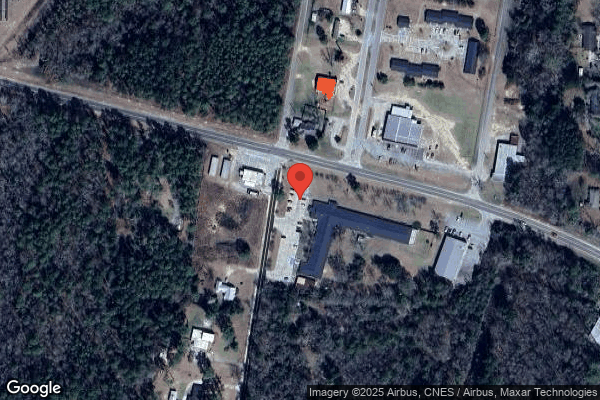

211 MATHIS AVENUE, TWIN CITY, GA 30471 (478) 763-2141
For profit - Corporation 110 Beds MISSION HEALTH COMMUNITIES Data: November 2025
Trust Grade
40/100
#344 of 353 in GA
Last Inspection: June 2024

Within standard 12-15 month inspection cycle. Federal law requires annual inspections.

Overview

Twin View Health and Rehab has a Trust Grade of D, indicating below-average performance with some significant concerns. Ranking #344 out of 353 facilities in Georgia places it in the bottom half, and #3 out of 3 in Emanuel County means there are no better local options available. The facility is worsening, with issues increasing from 4 in 2022 to 6 in 2024. Staffing is rated poorly at 1 out of 5 stars, with a turnover rate of 56%, which is around the state average. Although the facility has not incurred any fines, which is a positive aspect, there are concerning incidents such as improper food storage that could risk foodborne illness for residents, and the kitchen's failure to prevent pests could also jeopardize food safety.

Trust Score
D
40/100
In Georgia
#344/353
Bottom 3%
Safety Record
Low Risk
No red flags
Inspections
Getting Worse
4 → 6 violations
Staff Stability
⚠ Watch
56% turnover. Above average. Higher turnover means staff may not know residents' routines.
Penalties
✓ Good
No fines on record. Clean compliance history, better than most Georgia facilities.
Skilled Nurses
⚠ Watch
Each resident gets only 17 minutes of Registered Nurse (RN) attention daily — below average for Georgia. Fewer RN minutes means fewer trained eyes watching for problems.
Violations
⚠ Watch
13 deficiencies on record. Higher than average. Multiple issues found across inspections.
★☆☆☆☆
1.0
Overall Rating
★☆☆☆☆
1.0
Staff Levels
★★★☆☆
3.0
Care Quality
★★☆☆☆
2.0
Inspection Score
Stable
2022: 4 issues
2024: 6 issues

The Good

  • Full Sprinkler Coverage · Fire safety systems throughout facility
  • No fines on record

Facility shows strength in fire safety.

The Bad

1-Star Overall Rating

Below Georgia average (2.6)

Significant quality concerns identified by CMS

Staff Turnover: 56%

10pts above Georgia avg (46%)

Frequent staff changes - ask about care continuity

Chain: MISSION HEALTH COMMUNITIES

Part of a multi-facility chain

Ask about local staffing decisions and management

Staff turnover is elevated (56%)

8 points above Georgia average of 48%

The Ugly 13 deficiencies on record

Jun 2024 6 deficiencies
CONCERN (D)

Potential for Harm - no one hurt, but risky conditions existed

Deficiency F0558 (Tag F0558)

Could have caused harm · This affected 1 resident

**NOTE- TERMS IN BRACKETS HAVE BEEN EDITED TO PROTECT CONFIDENTIALITY** 3. A review of R70's admission MDS, dated [DATE], revealed section GG (Functional Abilities and Goals) documented the resident w...

Read full inspector narrative →
**NOTE- TERMS IN BRACKETS HAVE BEEN EDITED TO PROTECT CONFIDENTIALITY** 3. A review of R70's admission MDS, dated [DATE], revealed section GG (Functional Abilities and Goals) documented the resident was dependent on staff with Activities of Daily Living (ADLs). During an observation on 6/19/2024 at 9:48 am, R70 was observed lying in bed with the call light hanging under the bed and not within reach of the resident. During an interview on 6/21/2024 at 10:57 am, Certified Nurse Assistant (CNA) EE stated they were to answer call lights immediately. When asked about the call light not being in reach for R70 on 6/19/2024 at 9:47 am, CNA EE stated they kept it in reach and did not know why it was not. Based on observations, staff and resident interviews, record review, and review of the facility policy titled Answering the Call Light, the facility staff failed to ensure resident call lights were within reach for three of 18 sampled residents (R) (R5, R46, R70). This failure placed R5, R46, and R70 at risk of accident, injury, and/or unmet needs related to an inability to call for staff assistance. Findings include: A review of the facility policy titled Answering the Call Light, with a review date of 9/2023, revealed: General Guidelines 5. When a resident is in bed or confined to a chair, be sure the call light is within easy reach of the resident. 1. A review of R5's quarterly Minimum Data Set (MDS), dated [DATE], revealed section C (Cognitive Patterns) documented a Brief Interview for Mental Status (BIMS) of 10 (indicating moderate cognitive impairment), and section GG (Functional Abilities and Goals) documented the resident required supervision with Activities of Daily Living (ADLs). During the initial tour of the facility, on 6/18/2024, at 9:40 am, R5 was observed lying in bed watching television (TV), and her call light was not within sight of the surveyor. During an interview conducted at the time of the observation, R5 stated she was not sure where her call light was. The resident's call light cord was observed draped over the headboard of her bed, with the call light pendant out of reach of the resident. 2. A review of R46's annual MDS, dated [DATE], revealed section GG (Functional Abilities and Goals) documented the resident was dependent on staff with Activities of Daily Living (ADLs). During the initial tour of the facility on 6/18/2024 at 10:10 am, and during an additional tour conducted on 6/19/2024 at 10:20 am, R46 was observed lying in bed resting with eyes closed, and the resident's call light pendant was observed laying on the floor beside the bed, out of sight and out of reach of the resident.
CONCERN (D)

Potential for Harm - no one hurt, but risky conditions existed

Infection Control (Tag F0880)

Could have caused harm · This affected 1 resident

Based on observation, staff interview, record review, and review of the facility policy titled Handwashing/Hand Hygiene F 880, the facility failed to ensure staff administered medications via gastrost...

Read full inspector narrative →
Based on observation, staff interview, record review, and review of the facility policy titled Handwashing/Hand Hygiene F 880, the facility failed to ensure staff administered medications via gastrostomy tube (G-Tube) (a tube surgically placed through the skin into the stomach to provide nutrition, hydration, and medication) to one resident (R) (R46) in a manner to prevent the development and transmission of infections. This deficient practice placed R46 at risk of contracting avoidable infections. Findings include: The facility policy titled Handwashing/Hand Hygiene F 880, effective date 9/2023, stated: Guidelines: . 2. Staff shall follow the handwashing/hand hygiene procedures to help prevent the spread of infections to other personnel, residents, and visitors . 6. In most situations, the preferred method of hand hygiene is with an alcohol-based hand rub [ABHR]. If hands are not visibly soiled, use an alcohol-based hand rub containing 60-95% ethanol or isopropanol for all the following situations: a. Before and after direct contact with residents; b. Before donning sterile gloves; c. Before performing any non-surgical invasive procedures; d. Before preparing or handling medications; e. Before handling clean or soiled dressings, gauze pads, etc.; f. Before moving from a contaminated body site to a clean body site during resident care. g. After contact with a resident's intact skin; h. After handling used dressings, contaminated equipment, etc.; i. After contact with objects (e.g., medical equipment) in the immediate vicinity of the resident; and j. After removing gloves . 8. The use of gloves does not replace handwashing/hand hygiene. Record review revealed R46 had active diagnoses that included dysphagia [difficulty swallowing], gastrostomy status [presence of a feeding tube], and overactive bladder. During an observation of medication administration to R46, beginning at 8:10 am on 6/19/2024, Licensed Practical Nurse (LPN) AA used alcohol-based hand rub (ABHR ) for hand hygiene and prepared R46's medications by expelling each oral tablet into separate 30 milliliters (ml) medication cups. She then placed each cup on top of the cart without first sanitizing or placing a barrier on the top of the cart. Observation of the top of the medication cart found dried, circular rings and light debris on the surface of the cart, which suggested the top of the cart was not clean. LPN AA crushed all tablets separately and placed each crushed tablet in its own 30 ml, graduated medication cup. LPN AA then donned a pair of disposable gloves without performing any hand hygiene, opened four capsules, and poured the contents of each capsule into a 30 ml graduated medication cup. LPN AA also poured two oral medications and liquid protein into separate 30 ml medication cups and measured and poured one capful of a powder medication into a water cup. After preparing all the medications, LPN AA stacked the graduated medication cups containing the medications such that the bottom of each stacked cup came into contact with the contents of the cup beneath it. LPN AA entered the resident's room, carrying in her still gloved hands, the stacked medicine cups, as well as a tongue depressor, and several additional cups, including those cups containing the oral solutions and the powder medication. As LPN AA approached the resident's bed, she picked up a folded towel that had been sitting on the seat of the resident's manual wheelchair, draped the towel across an empty portion of the resident's overbed table, and placed the cups of medication on the towel. LPN AA then walked back to the entrance of the room, doffed her gloves, donned a gown that she had previously hung on a hook by the entrance to the room, used ABHR from a wall-mounted dispenser in the hallway outside the door, re-entered the room, and donned a pair of disposable gloves that she pulled out of the pockets of her uniform. At 8:26 am on 6/19/2024, while wearing the new pair of gloves, LPN AA handled the overbed table to move it closer to the resident's bed and stated the need to obtain water for medication administration. LPN AA carried empty water cups to the closed bathroom door, knocked on the door, turned the doorknob to open the door, turned on the water faucet, filled two cups with water at the sink, turned off the water faucet, and carried the cups of water to the overbed table. Without changing gloves and performing hand hygiene after having touched multiple environmental surfaces (e.g., overbed table, bathroom doorknob, water faucet, etc.), LPN AA removed a piston syringe from an open wrapper that had been stored at the bedside and attached the tip of the syringe to a port on the resident's G-Tube. After verifying the placement of the G-Tube, LPN AA instilled a water flush and then proceeded to administer the medications with additional water flushes between each medication. At 8:36 am on 6/19/2024, after administering a final water flush after the last medication was given, LPN AA detached the syringe and capped the port of the G-Tube. LPN AA used the bed controller to lower the height of the resident's bed to its lowest position before carrying the piston syringe with the plunger to the bathroom. Wearing the same gloves, LPN AA knocked on the closed bathroom door, turned the doorknob to open the door, turned on the water faucet, rinsed the syringe and plunger, turned off the water faucet, and carried the piston syringe back to the resident's bedside. LPN AA placed the still wet syringe and plunger in an open wrapper and walked away from the bed. At 8:42 am on 6/19/2024, observation revealed the inside of the wrapper revealed multiple visible drops of a light, beige-colored liquid consistent with the appearance of an enteral nutritional product, and the tip of the syringe barrel contained a white substance consistent with the appearance of an incompletely dissolved tablet. LPN AA verified that the inside of the wrapper was wet and not clean. During an interview at 8:46 am on 6/19/2024, LPN AA confirmed stacking cups containing medications that had been placed on the top of the medication cart that had not been sanitized could contaminate the contents of the cups. LPN AA also confirmed her gloves should have been changed after contact with environmental surfaces, with hand hygiene performed between glove changes. During an interview with the Director of Nursing, Infection Preventionist, and Advanced Practice Registered Nurse at 9:03 am on 6/19/2024, all parties agreed the medication cups should not have been stacked, the piston syringe should not have been stored wet inside an unclean wrapper, and glove changes with hand hygiene should have occurred when gloves became contaminated from touching environmental surfaces.
CONCERN (E)

Potential for Harm - no one hurt, but risky conditions existed

Safe Environment (Tag F0584)

Could have caused harm · This affected multiple residents

**NOTE- TERMS IN BRACKETS HAVE BEEN EDITED TO PROTECT CONFIDENTIALITY** Based on observations, staff interviews, and review of the facility policy titled Safe, Clean, Comfortable, Homelike Environment...

Read full inspector narrative →
**NOTE- TERMS IN BRACKETS HAVE BEEN EDITED TO PROTECT CONFIDENTIALITY** Based on observations, staff interviews, and review of the facility policy titled Safe, Clean, Comfortable, Homelike Environment F584, the facility failed to ensure that maintenance services necessary to maintain a sanitary, orderly, and comfortable interior environment were provided. Specifically, 11 of 38 resident rooms were found in disrepair. These deficient practices had the potential to place residents at risk for the use of unsanitary and unsafe equipment and a potential for diminished quality of life. Findings include: A review of a facility policy titled Safe, Clean, Comfortable, Homelike Environment F584, dated effective 9/2023, revealed: Policy Statement: F 584 Residents have the right to a safe, clean, comfortable and homelike environment, including but not limited to receiving treatment and supports [sic] for daily living safely. Policy Interpretation and Implementation: 1. Staff shall provide person-centered care that emphasizes the residents' comfort, independence and personal needs and preferences. 5. The facility staff and management shall maximize, to the extent possible, the characteristics of the facility that reflect a personalized, homelike setting. These characteristics include: a. Cleanliness and order; b. Comfortable (minimum glare yet adequate (suitable to the task) lighting; c. Inviting colors and décor; d. Personalized furniture and room arrangements; e. Pleasant, neutral scents; f. Plants and flowers, were appropriate; g. Sufficient individual closet space; h. Comfortable temperatures; and i. Comfortable noise levels. During an observation of room [ROOM NUMBER] on 6/19/2024 at 9:47 am, a 6.5-inch-long by approximately 3-inch-wide hole was observed on the wall next to the left side of Bed 2. The wall near the head of the bed and behind the headboard had plaster missing and scrapes that were approximately 12 inches long and 3.5 inches wide and included multiple scrapes. During an observation of room [ROOM NUMBER] on 6/20/2024, at 11:52 am, observation revealed a white plaster patch was visibly covering most of the hole in the wall, and there were about two inches of wall not covered by plaster. Plaster was pulled up on the top left corner. During an interview on 6/21/2024 at 10:57 am, Certified Nurse Assistant (CNA) EE stated they also saw holes in the wall but were unsure of how long they were present. CNA EE stated they informed the nurse and maintenance verbally but were unsure when they told them. CNA EE then stated they did not use a computerized maintenance reporting system. During an interview on 6/21/2024 at 11:11 am, the Plant Operations Director stated they had fixed the wall in R70's room. When asked about the plaster not covering up the hole after the repair was made on 6/20/2024, the Plant Operations Director stated they would have to repair the wall again and use a board that would cover the entire hole. The Plant Operations Director further stated they were working on repairing walls, painting, patching up spots and tears on walls, repairing window seals and light fixtures, and replacing blinds. The Plant Operations Director stated they also had an assistant to help get some of the tasks completed in a timely manner. On 6/18/2024 at 10:00 am, during the initial tour of the facility, observation of room [ROOM NUMBER] revealed the walls were marred throughout the room. There was exposed sheetrock, peeled/cracked paint around the air vent in the ceiling, missing molding, and areas of unfinished wall repairs/painting. Observation on 6/18/2024 at 10:10 am revealed multiple areas in room [ROOM NUMBER] had unfinished wall repairs. There was exposed sheetrock, missing crown molding, chipped/peeled paint around the air vent in the ceiling surrounding the vent between beds B/C, and the wall was marred. In an interview on 6/19/2024 at 2:00 pm, the Assistant Director of Nursing (ADON) stated that the Maintenance staff was currently at another facility assisting with their facility repairs for an extended period. An observation on 6/18/2024 at 11:16 am of room [ROOM NUMBER] revealed the following: - Behind the headboard of Bed 2 were multiple, vertical scrapes of various depths across the width of the headboard (approximately 36 inches). In places, the scrapes abraded through only the paint. In other places, the scrapes went through the outer paper layer of the drywall, leaving behind shreds/curls of the outer paper. At their greatest depth, the scrapes dug into the gypsum. The largest area of abraded/exposed gypsum was estimated to be approximately 12 inches by 18 inches. - The headboard of Bed 2 had a length of gray, open-cell foam wrapped around the outer edge of the board. The appearance of the length of open-cell foam was consistent with that of pipe insulation. The foam was torn in places. - The wall behind Bed 1 (the bed by the door) was similarly damaged, with vertical scrapes of various depths across the width of the headboard, through the paint, the outer paper layer of the drywall, and/or the gypsum. - The wall behind the headboard of Bed 3 (the bed by the window) was also marred, not patched/repaired, and had been painted over where the scrapes had abraded the outer layer of the drywall paper and had dug into the gypsum. - Between Bed 2 and Bed 3 was a wall-mounted television (TV). The power cord to the TV was plugged into an electrical outlet. A coaxial cable was dangling loosely from the TV and was not long enough to reach a cable outlet. - An observation of the side wall next to Bed 1 found two (2) holes in a vertical line that completely penetrated through the drywall. Each hole was approximately 1 inch in diameter. In an interview on 6/19/2024 at 4:00 pm, the surveyor reported to the Administrator that the TV in room [ROOM NUMBER] room was not working, with the coaxial cable dangling from the TV and unable to be connected to a cable outlet. The Administrator stated that, if it were her, she would like to be able to watch TV in her room. Observations of Rooms 33 through 40 were made between 12:13 pm, and 12:35 pm on 6/20/2024. The observations were made in the company of Licensed Practical Nurse (LPN) CC, who confirmed the findings. The findings included: - Wall marring, including penetrations and scrapes of various depths through the paint, the outer paper layer of the drywall, and/or into the gypsum layer (all rooms observed) - Walls missing the outer paper layer of drywall, especially around wall-mounted soap dispensers and paper towel dispensers in bathrooms (multiple rooms) - Unsealed/unpainted oriented strand board sheathing covering tiled openings similar in size to that of single shower stalls (bathrooms of rooms [ROOM NUMBERS]) - Damage to bathroom doors through the outer layer of veneer, exposing the hardwood layer (multiple rooms, with the most extensively damaged surfaces on both sides of the bathroom door in room [ROOM NUMBER]) - Broken window blinds (multiple rooms) - Broken wooden windowsills (rooms [ROOM NUMBERS]) - Missing wooden baseboard (room [ROOM NUMBER]) - Missing paper towel dispenser (shared bathroom between rooms [ROOM NUMBERS]) - Rusted metal door frames to bathrooms (multiple rooms) - Rusted grab bar (shared bathroom between rooms [ROOM NUMBERS]) - Rusted and/or broken wall-mounted toilet paper holders (bathroom of room [ROOM NUMBER] and shared bathroom between rooms [ROOM NUMBERS]) - Rusted ceiling-mounted tracks for privacy curtains (room [ROOM NUMBER]) - The wall behind the toilet where the exposed, manual flush valve of the toilet was mounted was damaged, with the outer paper layer of the drywall hanging loosely from the wall (shared bathroom between rooms [ROOM NUMBERS]) - Broken nightstand (behind the door to room [ROOM NUMBER]) and a chest of drawers with missing drawer pulls (behind the door in room [ROOM NUMBER]) - Splatters of a beige-colored substance on the ceiling above Bed 2 (the middle bed of a three-bedroom in room [ROOM NUMBER]) - Broken electrical outlet (behind Bed 1 in room [ROOM NUMBER]) - Blue paper painter's tape on walls (room [ROOM NUMBER]) During an interview on 6/21/2024 at 1:35 pm, the Administrator stated she and the Plant Operations Director completed a walk-through on 6/10/2024 and identified rooms that needed to be repaired. The Administrator stated the facility's goal was to complete all repairs by October 2024.
CONCERN (E)

Potential for Harm - no one hurt, but risky conditions existed

Deficiency F0761 (Tag F0761)

Could have caused harm · This affected multiple residents

**NOTE- TERMS IN BRACKETS HAVE BEEN EDITED TO PROTECT CONFIDENTIALITY** Based on observations, staff interviews, review of facility-posted signage and temperature logs, and a review of the facility po...

Read full inspector narrative →
**NOTE- TERMS IN BRACKETS HAVE BEEN EDITED TO PROTECT CONFIDENTIALITY** Based on observations, staff interviews, review of facility-posted signage and temperature logs, and a review of the facility policy titled 5.3 Storage and Expiration Dating of Medications, Biologicals, the facility failed to store vaccines under proper temperature controls with twice daily monitoring and failed to remove from use medications, needles, and laboratory supplies that were kept past their expiration dates in one of one medication storage room and one of two medication carts reviewed. This deficient practice created the potential for residents to receive vaccinations with altered effectiveness and the potential for the use of expired medical and laboratory supplies. Findings include: The facility policy titled 5.3 Storage and Expiration Dating of Medications, Biologicals, revised [DATE], stated: APPLICABILITY: This Policy 5.3 sets forth the procedures related to the storage and expiration dates of medications, biologicals, syringes and needles. PROCEDURE: . 4. Facility should ensure that medications and biologicals that (1) have an expired date on the label; (2) have been retained longer than recommended by manufacturer or supplier guidelines; or (3) have been contaminated or deteriorated, are stored separate from other medications until destroyed or returned to the pharmacy or supplier. 5. Once any medication or biological package is opened, Facility should follow manufacturer/supplier guidelines with respect to expiration dates for opened medications. Facility should record the date opened on the primary medication container (vial, bottle, inhaler) when the medication has a shortened expiration date once opened or opened [sic]. 5.1 Facility staff may record the calculated expiration date based on the date opened on the primary medication container [sic]. 5.2 Medications with a manufacturer's expiration date expressed in month and year (e.g. May, 2022) will expire on the last day of the month . 5.4 When an ophthalmic solution or suspension has a manufacturers [sic] shortened beyond use dated once opened, facility staff should record the date opened and the date to expire on the container . 10. Facility should ensure that medications and biologicals are stored at their appropriate temperatures according to the United States Pharmacopeia guidelines for temperature ranges. Facility Staff should monitor the temperature of vaccines twice daily . 10.3.2 Facility should monitor cold storage containing vaccines two times a day per CDC guidelines. An observation of the medication room for Unit 1 was conducted in the presence of the Director of Nursing (DON), beginning at 9:37 am on [DATE]. Observation found the following stock medications kept past their expiration dates and available for use: - Two 16-ounce bottles of Enulose 10 grams (GM) / 15 milliliters (ML) with expiration dates of 11/2023. - Two 16-ounce bottles of Biotene Dry Mouth Oral Rinse with expiration dates of 2023-10-13. The above were confirmed by the DON at the time of the observations. An observation of the medication refrigerator in the Unit 1 medication room, in the presence of the DON, at 10:01 am on [DATE], found four vials of pneumococcal vaccine polyvalent Pneumovax 23 vaccine, all with an expiration date of [DATE]. Posted on the cabinet door above the refrigerator was a sign that stated: FRIDGE TEMPS ARE TO BE RECORDED TWICE A DAY EVERY DAY. Review of the refrigerator's temperature logs for [DATE] found the following instructions: Completing the temperature long: Check the temperatures in both the freezer and the refrigerator compartments of your vaccine storage units and least twice each working day. Review of the information recorded on the [DATE] temperature logs found that twice daily recordings were not recorded for the following 10 dates: [DATE], [DATE], [DATE], [DATE], [DATE], [DATE], [DATE], [DATE], [DATE], and [DATE]. The above observations were confirmed by the DON at the time of the observations. An observation of the medication cart for Unit 3 was conducted in the presence of Licensed Practical Nurse (LPN) CC, beginning at 10:25 am on [DATE]. Observation found the following prescription medications in the medication cart kept past their expiry or use by dates and which were available for use: - One (1) bottle of Systane Lubricant Eye Drops for Resident (R)38 with an expiration date of 2024/02. - One (1) bottle of Travatan Travoprost Ophthalmic Solution for R30 with an expiration date of 2024-APR. - One (1) bottle of latanoprost ophthalmic solution for R31 marked [DATE] and with a label stating: Discard after 42 days Exp. Date [DATE]. Additionally, the following supplies were found on Unit 3's medication cart and available for use: - One (1) Vacutainer tube with an expiration date of 2022-08-31. - One (1) filter needle with an expiration date of 2023-05031. - One (1) safety needle with an expiration date of 2024-01-17. - One (1) Bluewing Safety Blood Collection Set w/ Luer Adapter with an expiration date of 240505 [[DATE]]. - One (1) Eclipse blood collection needle with an expiration date of 2023-10-31. All the above observations were confirmed by LPN CC at the time of the observations.
CONCERN (F)

Potential for Harm - no one hurt, but risky conditions existed

Food Safety (Tag F0812)

Could have caused harm · This affected most or all residents

Based on observations, staff interviews, and review of the facility policies titled Food Preparation and Service F804 F812 and Refrigerators and Freezers F812, the facility failed to store foods in ac...

Read full inspector narrative →
Based on observations, staff interviews, and review of the facility policies titled Food Preparation and Service F804 F812 and Refrigerators and Freezers F812, the facility failed to store foods in accordance with professional standards for food service safety. Additionally, the facility staff failed to record the daily temperatures of the refrigerator and freezer for two of two observed for temperature logs. The deficient practices had the potential to place 75 residents who received an oral diet from the kitchen at risk of contracting a foodborne illness. Findings include: A review of the facility policy titled Food Preparation and Service F804 F812, last revised 10/23, revealed: Residents are provided with meals that are prepared by methods that conserve value, flavor, and appearance. Residents are provided with food and drink that is palatable, attractive, and at a safe and appetizing temperature. On 6/18/2024, at 9:30 am, during the initial tour of the kitchen with the Dietary Manager (DM), one pack of moldy sub sandwich rolls [six-count] was observed stored with ready-to-eat breads. The DM confirmed the bread was moldy and removed it from the bread rack. On 6/18/2024, at 9:44 am, observation of the temperature logs of the reach-in refrigerator revealed no documentation of the refrigerator temperature for 6/9/2024 and 6/10/2024 for the am shifts or for 6/1/2024, 6/5/2024, 6/10/2024, and 6/11/2024 for the pm shifts. On 6/18/2024, at 9:45 am, observation of the temperature logs of the reach-in freezer revealed no documentation of the freezer temperature for 6/9/2024 and 6/10/2024 for the am shifts or for 6/1/2024, 6/2/2024, 6/3/2024, and 6/5/2024 for the pm shifts. This observation was confirmed by the DM during an interview at the same time the observation occurred. On 6/19/2024 at 12:15 pm, observations of multiple eight-ounce (oz) glasses of juice, tea, and water were observed uncovered. The cups were to be transported to residents in the dining area and to residents who ate in their rooms. The DM stated, in an interview during the observation, that the glasses should have been covered after they were prepared. The DM further stated the dietary aides should not transport the drinks without a lid or cover.
CONCERN (F)

Potential for Harm - no one hurt, but risky conditions existed

Deficiency F0925 (Tag F0925)

Could have caused harm · This affected most or all residents

Based on observations, staff interviews, and review of the facility policy titled Sanitation F812, the facility failed to ensure doors in the main kitchen remained in good repair to prevent pests from...

Read full inspector narrative →
Based on observations, staff interviews, and review of the facility policy titled Sanitation F812, the facility failed to ensure doors in the main kitchen remained in good repair to prevent pests from invading the main kitchen and one of two dining areas. This failure had the potential for pests to transfer harmful microorganisms to food leading to foodborne illness for the 75 residents receiving food from the kitchen. Findings include: A review of the facility's policy titled Sanitation F812, effective 10/23, revealed: 1. All kitchens, kitchen areas and dining areas shall be kept clean, free from litter and rubbish and protected from rodents, roaches, flies and other insects. Observation of the main kitchen on 6/18/2024 at 10:00 am, 6/19/2024 at 11:00 am, and 6/19/2024 at 12:15 pm revealed a substantial number of live flies in the kitchen area. This observation was confirmed in the presence of the Dietary Manager (DM), who was interviewed. On 6/18/2024 at 10:00 am, observation found the back door in the main kitchen was slightly open, with an opening at the top of the door. The DM revealed the door had been broken and had needed a repair for a while. Observation of the main dining hall between Unit 1 and Unit 2 on 6/18/2024 at 12:23 pm revealed multiple live flies around the area while residents were eating lunch. Several unidentified residents were observed swatting the flies away while eating lunch. On 6/19/2024 at 12:15 pm, observations found multiple eight-ounce (oz) glasses of juice, tea, and water were uncovered. Several insects were observed flying over the uncovered glasses. The DM acknowledged the insects during an interview conducted at the time of the observation. The DM further stated in an interview during the observation that the glasses should have been covered after they were prepared. On 6/20/2024 at 2:30 pm, the Maintenance Director (MD) revealed pest control treated the kitchen and dining area at least once a month. The MD stated the cause of the flies was a result of the back kitchen door not being replaced and further stated he was unaware the door needed to be replaced. The MD stated he could put a weather strip to cover the opening of the kitchen door until an order was placed for a new door. The MD revealed the back kitchen door had an air curtain (to prevent insects from coming into contact with the kitchen area and dining area), and he stated that, sometimes, the air curtain was turned off by staff.
Oct 2022 4 deficiencies
CONCERN (E)

Potential for Harm - no one hurt, but risky conditions existed

Deficiency F0804 (Tag F0804)

Could have caused harm · This affected multiple residents

Based on observation, staff interview, and record review, the facility failed to ensure that staff followed recipes for preparing pureed meals to avoid compromising the nutritive value of food items s...

Read full inspector narrative →
Based on observation, staff interview, and record review, the facility failed to ensure that staff followed recipes for preparing pureed meals to avoid compromising the nutritive value of food items served to residents on a pureed diet when compared with items served to residents on a regular diet for 13 residents receiving a pureed diet. Findings include: Review of the lunch menu for 10/13/22 revealed items which included ranch baked chicken. During the preparation of pureed food items on 10/13/22 at 11:12 a.m. [NAME] 'BB' was observed placing approximately six slices of bread into the food processor. [NAME] 'BB' then placed an unmeasured amount of chicken into the food processor with liquid from the bottom of the pan holding the chicken. She turned the food processor on. After approximately 30 seconds, the cook checked the consistency of the bread/chicken mixture and scraped the sides of the food processor. [NAME] 'BB' then placed an additional six slices of bread into the food processor with an unmeasured amount of chicken and liquid from the pan holding the chicken. She then turned on the food processor for approximately one minute. [NAME] 'BB' then placed the mixture in a pan to be placed on the steam table. During interview on 10/13/22 at 11:12 a.m. with [NAME] 'BB' she revealed this is the way she was taught to make pureed meats. States she was unaware of a recipe to follow. During interview on 10/13/22 11:15 a.m. with [NAME] 'AA' revealed she has never seen a menu on how to make puree foods. States she was taught the same way. During phone interview on 10/13/22 at 12:33 p.m. with the Registered Dietician revealed blending chicken with bread is not an acceptable way to puree chicken. States there are recipes for puree foods that the facility has access to. Review of the recipe used by the facility for puree ranch chicken revealed for resident on a puree diet: 1. Measure the number of pureed portions required from the regular recipe. 2. Add to food processor and process to fine consistency. 3. Add hot broth and commercial thickener gradually to creamed chicken. All liquid may not be required. 4. Scare down sides of processor and process for 30 seconds.
CONCERN (F)

Potential for Harm - no one hurt, but risky conditions existed

Deficiency F0801 (Tag F0801)

Could have caused harm · This affected most or all residents

Based on observations, staff interviews, and review of facility policy 'Food Service Staffing', the facility failed to ensure that the staff designated as director of food and nutrition services was a...

Read full inspector narrative →
Based on observations, staff interviews, and review of facility policy 'Food Service Staffing', the facility failed to ensure that the staff designated as director of food and nutrition services was a certified dietary or food service manager or had a similar food service management certification or degree. The deficient practice had the potential to affect 73 of 77 residents that received an oral diet. Findings include: Review of policy titled 'Food Service Staffing' last revised 10/2022 revealed '5. If the Dietician is not full time, then the community will employ another qualified nutritional professional to serve as the Dietary Manager. The person at a minimum must meet-one of the following qualifications: a. A certified dietary manager; b. A certified food service manager; c. Have similar certification in food service management and safety from a national certifying body; d. Has an associates or higher degree in food services management or in hospitality, if the course study includes food service or restaurant management from an accredited institution of higher learning.' During interview on 10/11/22 at 10:17 a.m. with [NAME] 'AA' revealed the facility did not have a dietary manager. States she has been filling in. Stated she was not a certified dietary or food service manager or similar food service management certification or degree. During interview on 10/11/22 at 11:03 a.m. with the Administrator confirmed the facility did not have a certified dietary or food service manager.
CONCERN (F)

Potential for Harm - no one hurt, but risky conditions existed

Food Safety (Tag F0812)

Could have caused harm · This affected most or all residents

Based on observations and interviews, the facility failed to ensure the kitchen was maintained in a sanitary environment free of standing water in the dishwasher room, watering leaking into a plastic ...

Read full inspector narrative →
Based on observations and interviews, the facility failed to ensure the kitchen was maintained in a sanitary environment free of standing water in the dishwasher room, watering leaking into a plastic bin in the refrigerator, standing water under the ice machine with brown colored substance pooled beneath the ice machine, and a vent in the dry storage room with a thick coat of black substance. The facility also failed to maintain the holding temperature of five foods on the steam table above 135 degrees, to prevent the potential for food-borne illnesses. This had potential to affect 73 of 77 residents receiving oral diets. Findings include: 1. During initial tour of kitchen on 10/13/22 at 10:17 a.m. revealed water running under the ice machine from a pipe. The floor under and surrounding the ice machine was wet. Beneath the ice machine had a black substance on the floor running into the floor drain. Refrigerator located in kitchen has water dripping from a vent inside of the refrigerator. The floor in the dishwasher room is unlevel and standing water is noted under a waterproof floor mat. Several floor tiles are missing. A board was noted on the floor beneath the dishwasher with brown and black staining and was wet. [NAME] 'AA' stated the floor is not level, so the board was placed under the dishwasher to level it out. Observation of the dry storage revealed a vent located above barrels of dry foods has a coat of black substance on it, and there is a hole noted on one side. During walk through of the kitchen on 10/11/22 at 11:03 a.m. with the Administrator, the findings above were confirmed. States her expectation is for the dietary staff to report any equipment or environmental issues promptly. During follow-up visit to kitchen on 10/12/22 at 12:12 p.m. revealed the same findings as observed on 10/11/22. 2. During observation of steam table temperatures on 10/13/22 at 11:47 a.m. obtained by [NAME] 'AA' with the facility's calibrated thermometer revealed temperatures were below 135 degrees Fahrenheit (F) for mixed vegetables, which was 120 degrees. Chopped chicken was 119 degrees. Puree chicken was 100 degrees, puree mixed vegetables was 90 degrees. The mashed potatoes were 110 degrees. During interview on 10/13/22 at 11:53 a.m. with [NAME] 'AA' revealed she was not sure what to do when temperatures were below 135 degrees. Stated the temperatures are not always checked before or during meal services. Further revealed a log of steam table temperatures for food is not kept. Cook 'AA' removed food from steam table and placed in the oven until food reached correct temperatures.
CONCERN (F)

Potential for Harm - no one hurt, but risky conditions existed

Room Equipment (Tag F0908)

Could have caused harm · This affected most or all residents

Based on observations and interview, the facility failed to ensure that essential equipment in the kitchen was in working order, specifically the steam table, one of two refrigerators, and one ice mac...

Read full inspector narrative →
Based on observations and interview, the facility failed to ensure that essential equipment in the kitchen was in working order, specifically the steam table, one of two refrigerators, and one ice machine. This had the potential to affect 73 of 77 residents receiving an oral diet. Findings include: During initial tour of kitchen on 10/11/22 at 10:17 a.m. with [NAME] 'AA' revealed water running under the ice machine from one of the pipes. Refrigerator located in kitchen had water dripping from a vent inside the refrigerator into a plastic pan. During walk through of kitchen on 10/11/22 at 11:03 a.m. with Administrator confirmed the findings. Stated her expectation is for the dietary staff to report any equipment or environmental issues promptly. During observation of steam table temperatures on 10/13/22 at 11:53 a.m. with [NAME] 'AA' noted the steam table was not functioning properly. [NAME] 'AA' stuck her hand into one of the water basin and stated the water was tepid to touch. During interview on 10/13/22 at 2:15 p.m. with [NAME] 'AA' she revealed the maintenance director was going to look at the steam table following dinner meal because 'something needed to be repaired'. Cross refer to F812.
Feb 2020 3 deficiencies
CONCERN (D)

Potential for Harm - no one hurt, but risky conditions existed

Assessment Accuracy (Tag F0641)

Could have caused harm · This affected 1 resident

Based on record review, staff interview and review of the facility policy titled Pre-admission Screening and Resident Review (PASARR) the facility failed to ensure each resident received an assessment...

Read full inspector narrative →
Based on record review, staff interview and review of the facility policy titled Pre-admission Screening and Resident Review (PASARR) the facility failed to ensure each resident received an assessment which accurately reflected the resident's status at the time of the assessment for five residents (R) (R#26, R#27, R#54, R#3, and R#9) of 41 residents reviewed for accuracy of assessments related to PASARR. Findings include: Review of the facility policy titled Pre-admission Screening and Resident Review (PASARR), effective 1/2020, indicated: 8. The Interdisciplinary Assessment Team must use the MDS (Minimum Data Set) form currently mandated by Federal and State regulations to conduct the resident assessment. 9. The assessment process will include: a. Incorporating the recommendations from the PASARR level 2 determination and the PASARR evaluation report into the assessment, care planning and transition of care. 1. Review of the MDS Annual Assessment Section A1500 for R#26, dated 9/21/19, revealed it was not coded for PASARR level 2. R#26 had diagnoses of bipolar, schizophrenia, and major depression. She had a PASARR level 2 dated 3/7/14 and received tele-psych services. She had a care plan for mood and behaviors and the use of antipsychotic medications. 2. Review of the MDS Annual Assessment Section A1500 for R#27, dated 3/21/19, revealed it was not coded for PASARR level 2. R#27 had diagnoses of paranoid schizophrenia and major depression. He had a PASARR level 2 dated 4/3/15 and received tele-psych services. He had a care plan for medication complications and antidepressant use. 3. Review of the MDS Annual Assessment Section A1500 for R#54, dated 7/4/19, revealed it was not coded for PASARR level 2. R#54 had diagnoses of nonpsychotic mental disorder, major depression, bipolar depression, and anxiety. He had a PASARR level 2 dated 6/14/04 and received tele-psych services. He had a care plan for drug related complications. 4. Review of the MDS Annual Assessment Section A1500 for R#3 , dated 11/1/19, revealed it was not coded for PASARR level 2. R#3 had diagnoses of schizophrenia and major depression. She had a PASARR level 2 dated 1/14/14 and received tele-psych services. She had a care plan for behaviors and medications. 5. Review of the MDS Annual Assessment Section A1500 for R#9, dated 9/23/19, revealed it was not coded for PASARR level 2. R#9 had diagnoses of delusions, altered mental status and personality disorder. He had a PASARR level 2 dated 1/14/14 and received tele-psych services. He had a care plan for medication effects and behaviors. An interview held on 2/05/20 at 10:00 a.m. with the Director of Nursing (DON) and the MDS Coordinator BB revealed when a resident is receiving PASARR services it should be coded on the MDS under Section A1500. The DON verified R#26, R#27, R#54, R#3, and R#9 were not coded on the Annual MDS Assessments for receiving PASARR services.
CONCERN (D)

Potential for Harm - no one hurt, but risky conditions existed

Deficiency F0761 (Tag F0761)

Could have caused harm · This affected 1 resident

Based on observations, policy review entitled Storage of Medications, and staff interview the facility failed to ensure proper storage of insulin for one of two medication carts. Findings include: Ob...

Read full inspector narrative →
Based on observations, policy review entitled Storage of Medications, and staff interview the facility failed to ensure proper storage of insulin for one of two medication carts. Findings include: Observation of medication cart on station three on 2/04/2020 at 10:00 a.m. revealed the following unopened Lantus 100ml vial. The medication was verified as unopened and improperly stored by Unit Manager EE. Interview with the Unit Manager EE on 2/4/2020 at 11:34 a.m. in reference to expectations for storage of unopened insulin revealed that nurses are expected to store insulin in the refrigerator in the drug room until needed and not on the medication carts. Interview with Administrator on 2/05/2020 at 8:49 a.m. in reference to expectations for storage of insulins revealed that the insulins should be stored according to manufacturing directions if the package instructs to refrigerate, the expectation is for staff to follow those instructions and refrigerate the medication; not store them on the medication cart. Review of the facility policy titled Storage of Medication with an effective date of 1/2020 revealed under Policy Interpretation and Implementation: 9. Medications requiring refrigeration must be stored in a refrigerator located in the drug room at the nurses' station or other secured location. Medications must be stored separately from food and must be labeled accordingly.
CONCERN (F)

Potential for Harm - no one hurt, but risky conditions existed

Food Safety (Tag F0812)

Could have caused harm · This affected most or all residents

Based on observations, review of the facility policy titled, Food Receiving and Storage, and staff interviews, the facility failed to discard expired items in the walk-in cooler; and failed to ensure ...

Read full inspector narrative →
Based on observations, review of the facility policy titled, Food Receiving and Storage, and staff interviews, the facility failed to discard expired items in the walk-in cooler; and failed to ensure that stored food items were secured with date and label in the reach-in freezer. The deficient practice had the potential to affect 88 of 89 residents receiving an oral diet. Findings include: On 2/2/2020 at 11:21 a.m., during the initial tour of the reach-in freezer with the [NAME] CC, the following items were revealed: Five clear plastic bags and two blue plastic bags with unidentified, unlabeled food items. On 2/4/2020 at 7:35 a.m., during a tour of the walk-in cooler with the Dietary Manager (DM), there was a carton of thicken water with an open date of 1/16/2020 and a use by date of 1/29/2020. During an interview with the DM, she stated they usually keep it for seven days after it is opened and then throw it out. She confirmed that the used by date on the carton was 1/29/2020 and it should have been thrown out. Follow up observation on 2/4/2020 at 7:45 a.m., of the reach-in freezer with the DM revealed one clear plastic bag of waffles that had been opened and folded over, not secured. During an interview on 2/5/2020 at 8:50 a.m., the DM and [NAME] DD stated the process for receiving and storing food in the freezer is the responsibility of the person that works 9 a.m. - 3:00 p.m. She also stated that person is to label and date the food when it is open and label what it is. During an interview with the Administrator on 2/5/2020 at 7:50 a.m. she stated the procedure for receiving and storage of foods is to mark when it came in, mark when it is opened and date it. She stated she was unaware of food items in the reach in freezer not labeled or dated. She stated that she expected that the dietary staff would ensure there would be no expired or undated or unlabeled foods in the reach-in freezer. Review of the policy titled, Food Receiving and Storage, under Policy Interpretation and Implementation: 8. All foods stored in the refrigerator or freezer will be covered, labeled and dated (use by date).
Understanding Severity Codes (click to expand)
Life-Threatening (Immediate Jeopardy)
J - Isolated K - Pattern L - Widespread
Actual Harm
G - Isolated H - Pattern I - Widespread
Potential for Harm
D - Isolated E - Pattern F - Widespread
No Harm (Minor)
A - Isolated B - Pattern C - Widespread

Questions to Ask on Your Visit

  • "Why is there high staff turnover? How do you retain staff?"
  • "Can I speak with families of current residents?"
  • "What's your RN coverage like on weekends and overnight?"

Our Honest Assessment

Strengths
  • • No major safety red flags. No abuse findings, life-threatening violations, or SFF status.
  • • No fines on record. Clean compliance history, better than most Georgia facilities.
Concerns
  • • 13 deficiencies on record. Higher than average. Multiple issues found across inspections.
  • • Grade D (40/100). Below average facility with significant concerns.
  • • 56% turnover. Above average. Higher turnover means staff may not know residents' routines.
Bottom line: Trust Score of 40/100 indicates significant concerns. Thoroughly evaluate alternatives.

About This Facility

What is Twin View Health And Rehab's CMS Rating?

CMS assigns TWIN VIEW HEALTH AND REHAB an overall rating of 1 out of 5 stars, which is considered much below average nationally. Within Georgia, this rating places the facility higher than 0% of the state's 100 nursing homes. A rating at this level reflects concerns identified through health inspections, staffing assessments, or quality measures that families should carefully consider.

How is Twin View Health And Rehab Staffed?

CMS rates TWIN VIEW HEALTH AND REHAB's staffing level at 1 out of 5 stars, which is much below average compared to other nursing homes. Staff turnover is 56%, which is 10 percentage points above the Georgia average of 46%. High turnover can affect care consistency as new staff learn residents' individual needs. RN turnover specifically is 71%, which is notably high. RNs provide skilled clinical oversight, so turnover in this role can affect medical care quality.

What Have Inspectors Found at Twin View Health And Rehab?

State health inspectors documented 13 deficiencies at TWIN VIEW HEALTH AND REHAB during 2020 to 2024. These included: 13 with potential for harm.

Who Owns and Operates Twin View Health And Rehab?

TWIN VIEW HEALTH AND REHAB is owned by a for-profit company. For-profit facilities operate as businesses with obligations to shareholders or private owners. The facility is operated by MISSION HEALTH COMMUNITIES, a chain that manages multiple nursing homes. With 110 certified beds and approximately 81 residents (about 74% occupancy), it is a mid-sized facility located in TWIN CITY, Georgia.

How Does Twin View Health And Rehab Compare to Other Georgia Nursing Homes?

Compared to the 100 nursing homes in Georgia, TWIN VIEW HEALTH AND REHAB's overall rating (1 stars) is below the state average of 2.6, staff turnover (56%) is significantly higher than the state average of 46%, and health inspection rating (2 stars) is below the national benchmark.

What Should Families Ask When Visiting Twin View Health And Rehab?

Based on this facility's data, families visiting should ask: "How do you ensure continuity of care given staff turnover, and what is your staff retention strategy?" "Can you walk me through typical staffing levels on day, evening, and night shifts?" "Can I visit during a mealtime to observe dining assistance and food quality?" "How do you handle medical emergencies, and what is your hospital transfer rate?" These questions are particularly relevant given the facility's high staff turnover rate and the below-average staffing rating.

Is Twin View Health And Rehab Safe?

Based on CMS inspection data, TWIN VIEW HEALTH AND REHAB has a clean safety record: no substantiated abuse findings (meaning no confirmed cases of resident harm), no Immediate Jeopardy citations (the most serious violation level indicating risk of serious injury or death), and is not on the Special Focus Facility watch list (a federal program monitoring the lowest-performing 1% of nursing homes). The facility has a 1-star overall rating and ranks #100 of 100 nursing homes in Georgia. While no facility is perfect, families should still ask about staff-to-resident ratios and recent inspection results during their visit.

Do Nurses at Twin View Health And Rehab Stick Around?

Staff turnover at TWIN VIEW HEALTH AND REHAB is high. At 56%, the facility is 10 percentage points above the Georgia average of 46%. Registered Nurse turnover is particularly concerning at 71%. RNs handle complex medical decisions and coordinate care — frequent RN changes can directly impact care quality. High turnover means new staff may not know residents' individual needs, medications, or preferences. It can also be disorienting for residents, especially those with dementia who rely on familiar faces. Families should ask: What is causing the turnover? What retention programs are in place? How do you ensure care continuity during staff transitions?

Was Twin View Health And Rehab Ever Fined?

TWIN VIEW HEALTH AND REHAB has no federal fines on record. CMS issues fines when nursing homes fail to meet care standards or don't correct problems found during inspections. The absence of fines suggests the facility has either maintained compliance or corrected any issues before penalties were assessed. This is a positive indicator, though families should still review recent inspection reports for the full picture.

Is Twin View Health And Rehab on Any Federal Watch List?

TWIN VIEW HEALTH AND REHAB is not on any federal watch list. The most significant is the Special Focus Facility (SFF) program, which identifies the bottom 1% of nursing homes nationally based on persistent, serious quality problems. Not being on this list means the facility has avoided the pattern of deficiencies that triggers enhanced federal oversight. This is a positive indicator, though families should still review the facility's inspection history directly.