PRUITTHEALTH - LAKEHAVEN, LLC


410 EAST NORTHSIDE DRIVE, VALDOSTA, GA 31602 (229) 242-7368
For profit - Corporation 90 Beds PRUITTHEALTH Data: November 2025 4 Immediate Jeopardy citations
Trust Grade
0/100
#315 of 353 in GA
Last Inspection: August 2025

Inspected within the last 6 months. Data reflects current conditions.

Overview

PruittHealth - Lakehaven, LLC has received a Trust Grade of F, indicating poor performance with significant concerns for resident care. Ranking #315 out of 353 facilities in Georgia places it in the bottom half, and it is the lowest-rated option among the four nursing homes in Lowndes County. While the facility is showing an improving trend, with issues decreasing from 11 in 2024 to 2 in 2025, the overall situation remains troubling. Staffing is rated poorly with a 1/5 star rating, and a turnover rate of 56% is concerning, particularly as the state average is 47%. The facility has also accumulated $68,297 in fines, which is higher than 94% of other Georgia facilities, suggesting ongoing compliance issues. Specific incidents of concern include a failure to assess a resident experiencing respiratory decline, which put the resident at risk of serious harm, and nursing staff did not document critical changes in a resident’s condition. Despite some positive aspects, such as average RN coverage, the overall picture reveals significant weaknesses that families should carefully consider.

Trust Score
F
0/100
In Georgia
#315/353
Bottom 11%
Safety Record
High Risk
Review needed
Inspections
Getting Better
11 → 2 violations
Staff Stability
⚠ Watch
56% turnover. Above average. Higher turnover means staff may not know residents' routines.
Penalties
✓ Good
$68,297 in fines. Lower than most Georgia facilities. Relatively clean record.
Skilled Nurses
⚠ Watch
Each resident gets only 29 minutes of Registered Nurse (RN) attention daily — below average for Georgia. Fewer RN minutes means fewer trained eyes watching for problems.
Violations
⚠ Watch
14 deficiencies on record. Higher than average. Multiple issues found across inspections.
★☆☆☆☆
1.0
Overall Rating
★☆☆☆☆
1.0
Staff Levels
★☆☆☆☆
1.0
Care Quality
★☆☆☆☆
1.0
Inspection Score
Stable
2024: 11 issues
2025: 2 issues

The Good

  • Full Sprinkler Coverage · Fire safety systems throughout facility
  • No fines on record

Facility shows strength in fire safety.

The Bad

1-Star Overall Rating

Below Georgia average (2.6)

Significant quality concerns identified by CMS

Staff Turnover: 56%

10pts above Georgia avg (46%)

Frequent staff changes - ask about care continuity

Federal Fines: $68,297

Well above median ($33,413)

Moderate penalties - review what triggered them

Chain: PRUITTHEALTH

Part of a multi-facility chain

Ask about local staffing decisions and management

Staff turnover is elevated (56%)

8 points above Georgia average of 48%

The Ugly 14 deficiencies on record

4 life-threatening
Aug 2025 2 deficiencies
CONCERN (D)

Potential for Harm - no one hurt, but risky conditions existed

Comprehensive Care Plan (Tag F0656)

Could have caused harm · This affected 1 resident

**NOTE- TERMS IN BRACKETS HAVE BEEN EDITED TO PROTECT CONFIDENTIALITY** Based on observations, staff interviews, record review, and review of the facility's policy titled, Care Plans, the facility fai...

Read full inspector narrative →
**NOTE- TERMS IN BRACKETS HAVE BEEN EDITED TO PROTECT CONFIDENTIALITY** Based on observations, staff interviews, record review, and review of the facility's policy titled, Care Plans, the facility failed to ensure dialysis care plan for one of eight residents (R) (R93) was developed to meet the residents' care needs. Specifically, the facility failed to ensure R93 care plan indicated residents' repeated refusal of dialysis treatments. Findings Include:Review of the facility's policy titled, Care Plan, dated 7/27/2023 under the Policy Statement revealed, It is the policy of the health care center for each patient/resident to have a person-centered baseline care plan followed by a comprehensive care plan developed following completion of the Minimum Data Set (MDS) and Care Area Assessment (CAA) portions of the comprehensive assessment according to the Resident Assessment Instrument (RAI) Manual and the patient/resident choice. Under the section titled, Procedure: New admission Baseline Plan of Care revealed, 2. The baseline care plan will be updated to reflect changes to approaches, as necessary, that result from significant changes in condition or needs occurring prior to the development of a comprehensive care plan.Record review for R93 revealed resident was admitted to facility with the diagnoses of but not limited to Type 2 diabetes mellitus with diabetic chronic kidney disease, stage 5. Review of the Annual Minimum Data Set (MDS) assessment dated [DATE], documented a Brief Interview for Mental Status (BIMS) summary score of 15, indicating little to no cognitive impairment. Review of R93s' physician orders with a start date 4/2/2025 and ended on 4/20/2025. Discharge revealed that R93 was receiving dialysis; the access site in the groin was being monitored for signs/ symptoms of bleeding/ infection. Notify MD for any abnormal findings every shift, twice a day: 7:00 am - 7:00 pm, 7:00 pm - 7:00 am. Dialysis 3 times per week on Mondays, Wednesdays, and Fridays.A record review of progress notes dated 4/15/2025 at 8:23 am reveals R93 attends dialysis three times a week. On 10/16/2024, a note indicated that R93 refused to go to dialysis. Further review of the progress note dated 10/16/2024, R93 refused dialysis x 4 times. On 10/17/2024, a note was made indicating that dialysis is encouraged, but R93 will refuse at times. A record review of the care plan revealed the last care plan conference was 10/14/2024. Upon further review of the care plan, R93 did not have a dialysis focus or a refusal to go to dialysis with a goal and interventions.Interview on 8/7/2025 at 9:30 am with Unit Manager FF revealed that when a resident is on dialysis, they should be care planned with interventions so that the nursing staff will have direction on how to care for the resident.Interview on 8/7/2025 at 9:45 am with the MDS/interim DON confirmed that R93 should have had a dialysis care plan of refusal because he refused several times. The nursing staff should be informed about the steps to take if a resident refuses treatment and how to encourage them to attend their dialysis appointments. She explained that she is unsure why R93 lacks a dialysis care plan and a refusal focus.Interview on 8/7/2025 at 10:00 am with the Administrator confirmed that he did not see a care plan for dialysis and interventions for refusals. Education and reeducation will be conducted to ensure residents have a care plan if they receive any special services, such as hospice and dialysis.
CONCERN (F)

Potential for Harm - no one hurt, but risky conditions existed

Food Safety (Tag F0812)

Could have caused harm · This affected most or all residents

Based on observations, interviews, and review of policies titled, Cleaning Procedures: Kitchen Area and Cleaning Schedule Policy, the facility failed to ensure that the ice machine was clean and sanit...

Read full inspector narrative →
Based on observations, interviews, and review of policies titled, Cleaning Procedures: Kitchen Area and Cleaning Schedule Policy, the facility failed to ensure that the ice machine was clean and sanitized. The deficient practice had the potential to affect 64 residents of 70 receiving an oral diet.Findings Include:Review of the facility policy titled, Cleaning Procedures: Kitchen Area, (revised 4/14/2016) revealed Under Policy Statement: It is the policy of (Facility Name) to maintain a clean and sanitary environment to prepare patient/resident meals. Review of the facility policy titled, Cleaning Schedule Policy revised date of 9/29/2022 revealed under Policy Statement: It is the policy of (Facility Name) that the Dietary Manager prepares a list of all cleaning tasks and posts them in the Dietary Department. It is the Dietary Manager's responsibility to develop and enforce the cleaning schedules and to monitor the completion of assigned cleaning tasks to promote a sanitary environment. Observation on 8/4/2025 at 11:06 am revealed the inside of the ice machine where the door opens, in the corners/crevices, on both the left and right side, contained a buildup of a black substance. Observation and interview on 8/4/2025 at 11:07 am with Dietary Manager (DM), confirmed that the ice machine had a black substance when wiped with a white paper towel. She stated that the ice machine had been cleaned, but they must not have gotten in the corner of the ice machine. Continued interview also revealed that the dietary staff responsible for the monthly cleaning of the ice machine is rotated between the dietary staff members who are expected to sign off on the cleaning schedule once completed. During the interview it was disclosed that when the cleaning any surfaces in the kitchen it is expected that all areas are cleaned with no remaining debris left behind.
Jul 2024 4 deficiencies 4 IJ
CRITICAL (J) 📢 Someone Reported This

A family member, employee, or ombudsman was alarmed enough to file a formal complaint

Immediate Jeopardy (IJ) - the most serious Medicare violation

Free from Abuse/Neglect (Tag F0600)

Someone could have died · This affected 1 resident

**NOTE- TERMS IN BRACKETS HAVE BEEN EDITED TO PROTECT CONFIDENTIALITY** Based on record review, interviews, and review of the facility policy titled Prevention of Patient Abuse, Neglect, Exploitation,...

Read full inspector narrative →
**NOTE- TERMS IN BRACKETS HAVE BEEN EDITED TO PROTECT CONFIDENTIALITY** Based on record review, interviews, and review of the facility policy titled Prevention of Patient Abuse, Neglect, Exploitation, Mistreatment, and Misappropriation of Property, the facility failed to protect the resident's(s') right to be free from deprivation of services by Licensed Practical Nurse (LPN) QQ. Specifically, the facility failed to ensure one resident (R) (R1) of four sampled residents, was assessed when experiencing a decline in respiratory status as evidenced by becoming hypoxic and cyanotic. On 7/1/2024, a determination was made that a situation in which the facility's noncompliance with one or more requirements of participation had caused, or had the likelihood to cause, serious injury, harm, impairment, or death to residents. The facility Administrator and the Director of Health Services (DHS) were informed of Immediate Jeopardy on 7/1/2024, at 10:22 am. The noncompliance related to the Immediate Jeopardy was determined to have existed on 6/2/2024. At the time of exit on 7/3/2024, the Immediate Jeopardy remained ongoing. Findings include: Review of the policy titled Prevention of Patient Abuse, Neglect, Exploitation, Mistreatment, and Misappropriation of Property reviewed 1/11/2024 revealed the intent is to preserve each patient's right to be free from verbal, sexual, physical, and mental abuse, corporal punishment, involuntary seclusion, neglect, exploitation, mistreatment, and misappropriation of patient property. Neglect is defined as the failure of the facility, its employees or service providers to provide goods and services to a patient that are necessary to avoid physical harm, mental anguish, emotional distress. The Organization and its partners should assure that best efforts are made to prevent any occurrences of any form of abuse, neglect, and exploitation. 1. Providers are to identify, correct, and intervene in situations in which abuse, neglect, mistreatment or exploitation may occur. This should include an analysis of the following: The deployment of staff on each shift in sufficient numbers to meet the needs of the patients and to see that staff assigned have knowledge of individual patient's care needs. Review of the clinical record revealed R1 was admitted to the facility on [DATE] with diagnoses of but not limited to acute and chronic respiratory failure with hypercapnia, acute respiratory failure with hypoxia, chronic obstructive pulmonary disease, shortness of breath, pleural effusions in other conditions, generalized muscle weakness, acute diastolic (congestive) heart failure, Non-ST elevation (NSTEMI) myocardial infarction, anxiety disorder, and post-traumatic stress disorder. Further review revealed resident was a Full Code. Review of the Discharge Minimum Data Set (MDS) dated [DATE] revealed a Brief Interview of Mental Status (BIMS) score of 15 indicating R1 was cognitively intact. Review of Physician Order History dated 5/22/2024 to 6/27/2024 revealed R1 had orders for multiple medications to aide in her respiratory care to include: levofloxacin 500 milligram (mg) take 1 dose on 5/28/2024 for diagnosis acute respiratory failure with hypoxia, albuterol sulfate HFA aerosol inhaler 90 microgram (mcg) 2 puff inhalation every 4 hours as needed for shortness of breath, alprazolam 0.25 mg 1 tablet by mouth at bedtime as needed for anxiety disorder, benzonatate 100 mg capsule administer 1 by mouth every 8 hours as needed for cough for Dx: chronic obstructive pulmonary disease (COPD), Breztri Aerosphere HFA aerosol inhaler administer 2 puffs every 12 hours for diagnosis of COPD, Lasix 20 mg 1 tablet by mouth twice a day for heart failure, prednisone 20 mg 1 tablet by mouth once a day for acute respiratory failure with hypoxia, ipratropium-albuterol solution for nebulizer administer 3 milliliter (ml) inhalation every 4 hours as needed for wheezing, and oxygen at 3 liters via nasal cannula continuous for COPD. Review of the report provided from Emergency Medical Service (EMS) revealed on 6/2/2024 at 8:31 pm that a crew was dispatched by 911 to the facility for a report of breathing problem, shortness of breath for an emergent (immediate response) call. Upon arrival at the nursing home the resident was found complaining of shortness of breath tripoding in the bedroom. Blood Pressure - 237/119, Pulse - 97, Respirations -30, saturation of peripheral oxygen (SPO2) - 80. Physical exam: Skin - clammy, hot, cyanotic and pale head. Further review of the report stated upon arrival EMS found the patient: Tripoding in her bed, the patient had labored breathing at a fast rate, the patient was sweating and was clammy. The patients' skin was pale and cyanotic. The patient had a home CPAP on, and she stated she had a history of COPD. Patient stated she had been having shortness of breath for about an hour and that she had told the staff multiple times, but they were not listening to her; she had to call 911 herself. The patient stated that this had happened before at the facility. The patient stated that she felt like she could not catch her breath or take a deep breath. The patient's airway was open, but she had decreased lung sounds. EMS took the patient off her home CPAP (Continuous Positive Airway Pressure) and placed patient on a nasal cannula at 6 liters per minute, moved resident to stretcher, once in the unit (ambulance) vital signs were taken and noted to be unstable. The patient was hypertensive and her SPO2 reading on 6 liters of oxygen was 81%. EMS placed the patient on CPAP with a peep of 5 and 15 liters per minute (LPM) of oxygen, placed on a cardiac monitor, intravenous line established in patients left antecubital, and was given a Duo-neb nebulizer treatment. Review of the hospital report from the local hospital dated 6/2/2024 - ED (Emergency Department) to Hospital admission revealed R1 was admitted to the hospital 6/2/2024 and discharged [DATE]. The active hospital problem/diagnosis on admission was COPD with acute exacerbation; acute on chronic hypoxic and hypercapnic respiratory failure; pulmonary emphysema - improved, respiratory distress on admission requiring BIPAP (Bilevel Positive Airway Pressure), Arterial Blood Gas (ABG) initially showed respiratory acidosis with elevated carbon dioxide(CO2) but has since improved to normal. Critical Care was necessary to treat or prevent imminent or life-threatening deterioration of the following conditions: circulatory failure, respiratory failure, metabolic crisis, and cardiac failure. Review of facility progress notes in the electronic record revealed there was not any documentation in the record related to R1 being assessed for respiratory distress or being sent to the hospital on 6/2/2024. Telephone interview on 6/25/2024 at 3:19 pm with R1 revealed that she is now living with a friend who is her caregiver. She further stated that she did not feel comfortable returning to the nursing home after what happened to her. R1 stated the night of 6/2/2024 she was having a very hard time breathing and she asked the nurse working to give her medications and to call 911. R1 stated the nurse ignored her and walked away, therefore she had to call 911 herself. R1 further stated she believed the nurse heard her call 911 because she overheard the nurse on the phone cancelling the 911 call. R1 stated at this point she called 911 again and begged them to please come get her or she was going to die. R1 stated the paramedics did come and they went to work on her immediately. R1 stated she was in bad shape when the paramedics arrived, was taken to the hospital, and admitted to the critical floor. R1 stated she had to be placed on a breathing machine, but not life support. R1 further stated she received great care at the facility during the day, but the night shift nurses were not good and did not take care of her respiratory needs. She also stated that she was afraid to return to the facility because she was not ready to die. Telephone interview on 6/26/2024 at 9:17 a.m. with Registered Nurse (RN) VV who revealed she was the Charge Nurse working in the emergency department (ED) the night of 6/2/2024. RN VV stated she heard a call come in to the dispatcher for a resident at the facility in respiratory distress. She stated the resident sounded very short of breath. She stated shortly afterward a call came over from someone at the nursing home cancelling the call, stating that she was aware and handling the situation. RN VV stated minutes later the resident called again pleading with the dispatcher not to cancel the call and send someone because she was having a hard time breathing. She stated the dispatcher informed EMS and they decided to go to the facility to check on the resident. It was reported that when the EMS arrived at the facility, R1 was in respiratory distress with oxygen saturations initially in the 70s to low 80s. RN VV stated R1 was bent over in tripod position to facilitate breathing and the crew had to implement respiratory interventions prior to arriving at the hospital. RN VV further stated when R1 arrived at the ED, she was very respiratory compromised, was placed in the trauma room, and placed on BIPAP for respiratory support. RN VV stated resident was admitted to the hospital and refused to go back to the nursing home upon discharge. Telephone interview on 6/27/2024 at 9:03 am with Paramedic WW revealed he was a member of the crew that responded to the facility. He stated that the situation was unusual because he had never had a patient to request assistance and the facility staff call to attempt to cancel the call stating they were aware of the situation and could handle it at the facility. He further stated the patient called a 2nd time stating for the ambulance to please come. He stated he and the other paramedic decided to go to the facility to assess the situation, upon arrival at the facility, there was no staff to direct or assist them to the resident. He stated they were able to locate the resident based on the Room number provided by the resident on the 911 call. Paramedic WW stated upon entry into the resident's room, she was sitting on the bed by the window leaning forward trying to breathe. He stated the resident was in obvious respiratory distress, was clammy, and cyanotic. Paramedic WW stated the nurse or no other staff member came into the room to give a report or assist with the care of R1. He further stated after loading R1 onto the stretcher for transport, the other crew member had to go find the nurse. Paramedic WW stated they had to work with R1 to stabilize her while enroute to the hospital and upon arrival at the hospital, respiratory and the nurse began working with R1 immediately to stabilize her. Paramedic WW stated R1 was placed on BIPAP after arriving to the ED. Interview on 6/27/2024 at 9:56 am with LPN UU stated she was one of the nurses working the night of 6/2/2024. LPN UU further stated she was not aware R1 was in respiratory distress or that the nurse assigned to R1 potentially needed help. LPN UU stated the nurse assigned to R1 did not inform her of anything going on with the resident. Telephone interview on 6/27/2024 at 10:14 am with LPN QQ revealed she was the nurse working when R1 called 911 on 6/2/2024. LPN QQ stated R1 was having difficulty breathing and wanted to go the emergency room. She stated she called 911 but did not cancel the ride. LPN QQ further stated she did not have any knowledge of anyone calling to cancel the 911 call and she did not call to cancel the 911 call unless her mind was blown at the time. LPN QQ further stated she witnessed R1 tripoding and turning purple. LPN QQ also stated R1 was sick and needed help, however, she stated she did not assess resident, implement any interventions, document the change in condition, or call the physician. LPN QQ stated the change of condition should have been documented and her respiratory status should have been assessed, but because R1 was of thin frame she could see the resident had to use her accessory muscles to breathe. LPN QQ also stated she did not stay with the resident until emergency personnel arrived and she did not alert the more experienced nurse on the shift that something was going on. LPN QQ further stated she did not greet the emergency medical staff or give them a report when they arrived at the facility. LPN QQ stated a paramedic came to her to let her know they were transporting the R1 to the ED. LPN QQ stated she did not call residents emergency contact to inform him of the transport, because she did not see anyone listed on the medication administration record (MAR) to call. LPN QQ also stated she did not call the physician, DHS, or Administrator to inform them of resident's condition and the situation. LPN QQ also confirmed she was aware R1 had a history of respiratory distress and had several medications to treat her condition, but she did not attempt to administer any medications or treatments. LPN QQ stated to surveyor I made too many mistakes and reacted too late. During an interview on 6/27/2024 at 10:20 am with DHS and Administrator, DHS stated he was aware R1 was admitted to the hospital 6/02/2024 for respiratory distress and panic attack. DHS stated that he was not aware of a staff member attempting to cancel the 911 call for resident. DHS further stated the nurse should have assessed R1 and documented her findings in the clinical record. DHS verified the change in condition was not documented anywhere in R1's record. Administrator stated she did not have any knowledge of the nurse or another staff member attempting to cancel the 911 call. She stated residents with chronic respiratory issues typically would call 911 themselves, so this incident did not throw up a red flag for her. She further stated they were aware the documentation was not in place but were unaware of the issues surrounding the change in condition. Both the Administrator and DHS stated no one from the facility should have attempted to cancel a 911 call initiated by R1. Telephone interview on 6/27/2024 at 11:25 am with Paramedic XX who stated he also was a crew member on duty that responded to the 911 call for R1 on 6/2/2024. He stated R1 called 911 needing help because she was having difficulty breathing. He stated dispatch then called them stating the nursing home staff called to cancel the call, but R1 called back a 2nd time requesting the EMS to come. Paramedic XX stated their protocol is, unless the patient cancels the call, then they go out and assess the situation. Paramedic XX stated upon arrival to the nursing home R1 was bent forward, having a hard time breathing and was very cyanotic. Paramedic XX informed surveyor, I am not exaggerating but that patient appeared to be near death. Paramedic XX stated there was not a staff member in the room with R1, they had to put her on their high flow oxygen and CPAP before they could move her to the stretcher. He stated the nursing home staff did not come to R1's room, or give him a report, and were seemingly surprised that they were transporting the resident to the hospital. Telephone interview on 6/27/2024 at 11:53 am with Clinical Competency Coordinator (CCC), revealed that staff who are newly hired into the facility do not complete a competency checklist. CCC stated that he was aware that LPN QQ was a newly licensed nurse, who previously worked at another facility as a certified nursing assistant (CNA) and transferred to this facility to work as a nurse. He stated that LPN QQ orientated with another nurse for a while prior to being able to work on her own. CCC was not sure how long she orientated with the other nurse. He further stated during orientation there is not a checklist completed to ensure that a nurse is ready to care for the residents in the facility. CCC stated there probably should be something in place but at this time, there was not. CCC further stated that he was supposed to have scheduled a training for 1 or 2 days with LPN QQ to make sure she was knowledgeable on the facility protocols related to documentation and processes related to emergency care, but the training was never scheduled, and he did not have an excuse for not doing it. Interview on 6/27/2024 at 12:17 pm with DHS revealed he has always believed in being transparent and that he had not conducted any training with LPN QQ about the lack of documentation related to the change of condition that was not done for R1. He stated that he verbally spoke with the LPN QQ after speaking with the surveyor about the situation this morning. DHS further stated that LPN QQ should have sought help from the experienced nurse who was working with her on 6/2/2024. DHS stated he was not aware that LPN QQ attempted to cancel the 911 call. Telephone interview on 7/1/2024 at 10:01 am with the Medical Director (MD), who stated there is no question that a resident who is in respiratory distress and who is experiencing a change in condition, the physician should be notified. He further stated that the provider staff is on call 24/7, 365 days and there is a call schedule posted at each nurse's station by the phone system. He said he expects the providers to be notified of all residents change in status. He stated that he knows for a fact he was never notified until now about R1 being in respiratory distress. He stated a resident with a long history of respiratory issues should be considered an emergency when that resident is in distress. He stated if the resident called 911 to go to the hospital, no one should have intervened at a level of opposing the transfer. He stated even if the resident's complaints were subjective the resident's wishes should have been honored. MD further stated the nurse had an obligation to the resident to assess her condition, obtain a set of vital signs, called the provider, and stay with and monitored the resident until emergency personnel arrived, and document everything in the electronic record. Telephone interview on 7/1/2024 at 10:51 am with family member of R1 revealed the facility staff did not notify him that R1 was having an acute respiratory problem until sometime after she was in the hospital. He stated he was not quite sure of the time frame, but he had already spoken with his mother. He stated that his mother did inform him that the facility staff attempted to cancel the 911 call she placed, and she had to call again to get some help. He further stated his mother had voiced concerns to him related to her medications and care on the night shift at the facility.
CRITICAL (J) 📢 Someone Reported This

A family member, employee, or ombudsman was alarmed enough to file a formal complaint

Immediate Jeopardy (IJ) - the most serious Medicare violation

Deficiency F0655 (Tag F0655)

Someone could have died · This affected 1 resident

**NOTE- TERMS IN BRACKETS HAVE BEEN EDITED TO PROTECT CONFIDENTIALITY** Based on staff interviews, record review, and the facility policy titled Care Plans, the facility failed to develop a person-cen...

Read full inspector narrative →
**NOTE- TERMS IN BRACKETS HAVE BEEN EDITED TO PROTECT CONFIDENTIALITY** Based on staff interviews, record review, and the facility policy titled Care Plans, the facility failed to develop a person-centered baseline care plan for one resident (R) (R1) of three residents reviewed for care and treatment of resident with chronic respiratory complications. This deficient practice had the potential to have an adverse effect for the resident. On 7/1/2024, a determination was made that a situation in which the facility's noncompliance with one or more requirements of participation had the likelihood to cause serious injury, harm, impairment, or death to residents. Facility Administrator and Director of Health Services (DHS) were informed of the Immediate Jeopardy (IJ) on 7/1/2024 at 10:22 am. The noncompliance related to the Immediate Jeopardy was identified to have existed on 6/2/2024. At the time of exit on 7/3/2024, the Immediate Jeopardy remained ongoing. Findings include: Record review of the facility policy titled Care Plans review and revised dated 7/27/2023 stated, It is the policy of the health center for each patient/resident to have a person-centered baseline care plan followed by a comprehensive care plan developed following completion of the Minimum Data Set (MDS) and Care Area Assessment (CAA) portions of the comprehensive assessment according to the Resident Assessment Instrument (RAI) Manual and the patient/resident choice. New admission Baseline Plan of Care: 1. Upon a new admission, a baseline care plan will be developed by the admitting nurse/nurses in conjunction with other interdisciplinary team (IDT), the patient/resident and/or patient/resident representative. The baseline care plan should be initiated in 24 hours and will be completed and implemented within 48 hours of admission. 2. The baseline care plan will be updated to reflect changes to approaches, as necessary, that result from significant changes in condition or needs occurring prior to the development of a comprehensive care plan. 3. Within the first few days of admission, a post admission Care Conference will be held for update and review of the baseline care plan. The baseline care plan should be updated to reflect changes since baseline care plan implementation. Record review of R1's Electronic Medical Record (EMR) revealed that the resident had the following diagnoses but not limited to Acute and chronic respiratory failure with hypercapnia, Acute respiratory failure with hypoxia, chronic obstructive pulmonary disease, shortness of breath, pleural effusion in other conditions classified elsewhere, muscle weakness, acute diastolic (congestive) heart failure, Non-ST elevation (NSTEMI) myocardial infarction, Parkinson's disease without dyskinesia, without mention of fluctuations, cerebral infarction, anxiety disorder, and post-traumatic stress disorder. Review of R1's Discharge Minimum Data Set (MDS) assessment dated [DATE] revealed the resident had a Brief Interview for Mental Status (BIMS) score of 15 indicating the resident was cognitively intact. Review of a nurses progress note in R1's electronic record revealed a progress note dated 5/27/2024 at 11:00 am. that indicated resident was readmitted to facility 5/26/2024 with clinical pathway diagnosis acute on chronic respiratory failure, COPD, shortness of breath, pleural effusions, acute diastolic CHF, cerebral infarction, NSTEMI, and chronic kidney disease (CKD). Oxygen noted via nasal cannula. Poor air movement through lung fields. Respirations even and unlabored. Complaints of anxiety due to COPD but is in no visible distress at present. There was no baseline care plan or interventions in place to address the chronic respiratory conditions of R1. Review of an Emergency Medical Services (EMS) report revealed EMS was dispatched to the facility on 6/2/2024 in reference to a [AGE] year old female having shortness of breath. Upon arrival R1 was found tripoding in bed with labored breathing with pale and cyanotic skin. Resident was also noted to be wearing a CPAP. The report stated that the resident had been having shortness of breath for about an hour and this had been reported to the nursing home staff multiple times. EMS removed the CPAP and placed R1 on 6 LPM oxygen. When vitals were taken resident was hypertensive and SPO2 of 81%. Resident was then placed on a CPAP with a peep of 5, 15 LPM of oxygen, and given an inline duo-neb treatment before being transferred to the hospital. Further review of the medical record for R1 did not reveal any documented interventions for R1 while experiencing a respiratory crisis. During a telephone interview on 6/25/2024 at 3:19 pm with R1 she stated that she did not feel comfortable returning to the nursing home after what happened to her. R1 stated the night of 6/2/2024 she was having a very hard time breathing and she asked the nurse working to give her medications and to call 911. R1 stated the nurse ignored her and walked away, therefore she had to call 911 herself. R1 further stated she believed the nurse heard her call 911 because she overheard the nurse on the phone cancelling the 911 call. R1 stated at this point she called 911 again and begged them to please come get her or she was going to die. R1 stated the paramedics did come and they went to work on her immediately. R1 stated she was in bad shape when the paramedics arrived, was taken to the hospital, and admitted to the critical floor. R1 stated she had to be placed on a breathing machine, but not life support. R1 further stated she received great care at the facility during the day, but the night shift nurses were not good and did not take care of her respiratory needs. She also stated that she was afraid to return to the facility because she was not ready to die. Interview with the Director of Health Services (DHS) on 6/27/2024 at 12:17 pm. DHS confirmed a plan of care related to R1's respiratory diagnoses was not listed, and he was not aware until now. DHS reported that a respiratory problem should be done for residents who have a known history of respiratory related illnesses. DHS further reported R1 discharged from the facility prior to a comprehensive care plan was scheduled to be completed, but the baseline care plan should have reflected resident's chronic respiratory issues. Cross refer F695
CRITICAL (J) 📢 Someone Reported This

A family member, employee, or ombudsman was alarmed enough to file a formal complaint

Immediate Jeopardy (IJ) - the most serious Medicare violation

Respiratory Care (Tag F0695)

Someone could have died · This affected 1 resident

**NOTE- TERMS IN BRACKETS HAVE BEEN EDITED TO PROTECT CONFIDENTIALITY** Based on record review and interviews, review of the facility's tools Using SBAR Communication, the facility failed to ensure on...

Read full inspector narrative →
**NOTE- TERMS IN BRACKETS HAVE BEEN EDITED TO PROTECT CONFIDENTIALITY** Based on record review and interviews, review of the facility's tools Using SBAR Communication, the facility failed to ensure one resident (R) (R1) of four sampled residents received necessary respiratory care. Nursing staff did not assess resident during an acute change in condition, did not notify the physician, and attempted to cancel a 911 call which R1 initiated. In addition, facility's nursing staff did not document anything in R1's clinical record related to the change in condition. On July 1, 2024, a determination was made that a situation in which the facility's noncompliance with one or more requirements of participation had caused, or had the likelihood to cause, serious injury, harm, impairment, or death to residents. The facility's Administrator and Director of Health Services (DHS) were informed of the Immediate Jeopardy (IJ) on July 1, 2024, at 10:22 am. The noncompliance related to the immediate jeopardy was identified to have existed on June 2, 2024. At the time of exit on 7/3/2024, the Immediate Jeopardy remained ongoing. Findings Include: Review of the document titled Using SBAR Communication dated 2019, The Situation-Background-Assessment-Recommendation (SBAR) is used by nurses to communicate with other healthcare professionals including other nurses and physicians. SBAR is an effective intervention for patient safety through improved communication. Predictability and consistency are two of the advantages for using SBAR, however SBAR does more than just aid with communication. It promotes critical thinking skills necessary for a thorough assessment, prioritization and collaboration between nurses and physicians. SBAR Techniques: The SBAR prompts nurses on completing a comprehensive assessment and collection of important information prior to calling a doctor to report a change in condition. Summary: Ensuring effective communication between all members of the healthcare team is critical to avoiding errors and misunderstandings that can lead to grave outcomes for healthcare recipients. Review of R1's clinical record revealed an admission date of 5/23/2024 with diagnoses of Acute and chronic respiratory failure with hypercapnia, Acute respiratory failure with hypoxia, chronic obstructive pulmonary disease (COPD), shortness of breath, pleural effusion in other conditions classified elsewhere, muscle weakness, acute diastolic (congestive) heart failure, Non-ST elevation (NSTEMI) myocardial infarction, Parkinson's disease without dyskinesia, without mention of fluctuations, cerebral infarction, anxiety disorder, and post-traumatic stress disorder. Review of R1's Minimum Data Set (MDS) assessment dated [DATE] revealed the resident with a Brief Interview for Mental Status (BIMS) assessment score of 15 indicating the resident was cognitively intact. Review of R1's Physician's Order History (PO) revealed the following: 5/26/2024 - Albuterol Sulfate HFA aerosol inhaler 90 microgram (mcg) /actuation 2 puffs inhalation every 4 hours as needed. 5/27/2024 - Benzonatate capsule 100 milligrams (mg), 1 capsule every eight hours for cough as needed. 5/26/2024 - Breztri Aerosphere (budesonide-glycopyrformoterol) HFA aerosol inhaler 160-9-4.8 mcg/actuation 2 puffs inhalation every 12 hours. 5/26/2024 - Ipratropium-albuterol solution for nebulization 0.5 mg-3 mg/3 ml inhalation every 4 hours. 5/29/2024 - Oxygen at 3 liters per minute (LPM) via nasal cannula continuous for COPD. 5/31/2024 - Alprazolam 0.25 mg 1 tablet by mouth twice daily. 5/26/2024 - Lasix 20 mg 1 tablet by mouth twice a day. 5/26/2024 - Full Code. Review of R1's electronic Medication Administration Record (eMAR) dated 5/23/2024 through 6/4/2024 revealed the PRN Ipratropium-Albuterol solution, scheduled 9 p.m. alprazolam, Breztri Aerosphere HFA aerosol inhaler, and Lasix were not administered to R1 on 6/2/2024 when the resident was observed to be in respiratory distress. Review of R1's Patient Progress Notes electronically signed 5/27/2024 by the nurse Practitioner and 5/29/2024 by the medical director revealed the following: Date of visit at the facility 5/27/2024 revealed a female with a past medical history significant for COPD with chronic hypoxemic respiratory failure on 3 L (liters) home oxygen, mood disorder, CVA, hypertension, dyslipidemia, CAD, PAD, Parkinsons disease and nicotine dependence but quit smoking 2 years ago, who presented from nursing facility for respiratory distress. Patient was discharged from the hospital on 5/23/2024 for COPD acute exacerbation however she was unable to receive her medications after discharge and returned to the hospital for cough with secretions and generalized fatigue. Resident was readmitted to facility R1 reported using Xanax 0.25 mg twice daily for several years to manage her COPD symptoms. Resident uses a nasal cannula but clarifies that she does not use a BiPAP machine for sleep. Review of the Plan Notes revealed the Anxiety Assessment and Treatment Plan: patient has been on Xanax 0.25 mg twice a day for several years, continue current medication regimen and monitor for any changes in anxiety level; COPD Assessment and Treatment Plan: patient uses a nasal cannula for oxygen therapy, encourage patient to continue using prescribed oxygen therapy and monitor for changes in respiratory status: Review of an Emergency Medical Services (EMS) report revealed EMS was dispatched to the facility in reference to a [AGE] year old female having shortness of breath. Upon arrival R1 was found tripoding in bed with labored breathing with pale and cyanotic skin. Resident was also noted to be wearing a CPAP. The report stated that the resident had been having shortness of breath for about an hour and this had been reported to the nursing home staff multiple times. EMS removed the CPAP and placed R1 on 6 LPM oxygen. When vitals were taken resident was hypertensive and SPO2 of 81%. Resident was then placed on a CPAP with a peep of 5, 15 LPM of oxygen, and given an inline duo-neb treatment before being transferred to the hospital. There was no documentation in the medical record indicating R1 had been monitored or assessed during her respiratory distress event on 6/2/2024. Telephone interview on 6/25/2024 at 3:19 pm with R1 revealed that she is now living with a friend who is her caregiver. She further stated that she did not feel comfortable returning to the nursing home after what happened to her. R1 stated the night of 6/2/2024 she was having a very hard time breathing and she asked the nurse working to give her medications and to call 911. R1 stated the nurse ignored her and walked away, therefore she had to call 911 herself. R1 further stated she believed the nurse heard her call 911 because she overheard the nurse on the phone cancelling the 911 call. R1 stated at this point she called 911 again and begged them to please come get her or she was going to die. R1 stated the paramedics did come and they went to work on her immediately. R1 stated she was in bad shape when the paramedics arrived, was taken to the hospital, and admitted to the critical floor. R1 stated she had to be placed on a breathing machine, but not life support. R1 further stated she received great care at the facility during the day, but the night shift nurses were not good and did not take care of her respiratory needs. She also stated that she was afraid to return to the facility because she was not ready to die. Telephone interview on 6/26/2024 at 9:17 am with Registered Nurse (RN) VV revealed that she was the Charge Nurse working in the emergency department (ED) the night of 6/2/2024. RN VV stated she heard a call come in to the dispatcher for a resident at the facility in respiratory distress. She stated the resident sounded very short of breath and shortly afterward a call came over from someone at the nursing home cancelling the call, stating that she was aware and handling the situation. RN VV stated minutes later the resident called again pleading with the dispatcher not to cancel the call and send someone because she was having a hard time breathing. She stated the dispatcher informed EMS and they decided to go to the facility to check on the resident. She stated when the EMS arrived at the facility, R1 was in respiratory distress with oxygen saturations initially in the 70s to low 80s. RN VV stated R1 was bent over tripoded to facilitate breathing and the crew had to implement respiratory interventions prior to arriving at the hospital. RN VV further stated when R1 arrived at the ED, she was very respiratory compromised, was placed in the trauma room, and placed on BIPAP for respiratory support. RN VV stated resident was admitted to the hospital and refused to return to the nursing home upon discharge. Telephone interview on 6/27/2024 at 10:14 am with LPN QQ revealed she was the nurse working when R1 called 911 on 6/2/2024. LPN QQ stated R1 was having difficulty breathing and wanted to go the emergency room. LPN QQ further stated she witnessed R1 tripoding and turning purple. LPN QQ also stated R1 was sick and needed help, however, she stated she did not assess resident, implement any interventions, document the change in condition, or call the physician. LPN QQ stated the change of condition should have been documented and her respiratory status should have been assessed, but because R1 was of thin frame she could see the resident had to use her accessory muscles to breathe. LPN QQ also stated she did not stay with the resident until emergency personnel arrived and she did not alert the more experienced nurse on the shift that something was going on. LPN QQ further stated she did not greet the emergency medical staff or give them a report when they arrived at the facility. LPN QQ also stated she did not call the physician, DHS, or Administrator to inform them of resident's condition and the situation. LPN QQ also confirmed she was aware R1 had a history of respiratory distress and had several medications to treat her condition, but she did not attempt to administer any medications or treatments. LPN QQ stated to surveyor I made too many mistakes and reacted too late. Interview on 6/27/2024 at 10:20 am with DHS and Administrator. DHS stated he was aware R1 was admitted to the hospital 6/2/2024 for respiratory distress and panic attack. DHS further stated the nurse should have assessed R1 and documented her findings in the clinical record. DHS verified the change in condition was not documented anywhere in R1's record. The Administrator stated residents with chronic respiratory issues typically would call 911 themselves, so this incident did not throw up a red flag for her. She further stated they were aware the documentation was not in place but were unaware of the issues surrounding the change in condition. Telephone interview on 7/1/2024 at 10:01 am with the Medical Director (MD), who stated there is no question that a resident who is in respiratory distress and who is experiencing a change in condition, the physician should be notified. He stated a resident with a long history of respiratory issues should be considered an emergency when that resident is in distress. MD further stated the nurse had an obligation to the resident to assess R1's condition, obtain a set of vital signs, call the provider, and stay with and monitor the resident until emergency personnel arrived, and document everything in the electronic record. Interview on 7/2/2024 at 10:04 am with the Administrator who stated the facility does not have a policy related to acute change in conditions or respiratory assessments. She further stated the facility utilizes the SBAR tool to assess and document any acute changes with residents.
CRITICAL (J) 📢 Someone Reported This

A family member, employee, or ombudsman was alarmed enough to file a formal complaint

Immediate Jeopardy (IJ) - the most serious Medicare violation

Administration (Tag F0835)

Someone could have died · This affected 1 resident

Based on interviews, record reviews, and review of the job summaries for the Administrator and Director of Health Service (DHS), the facility Administration failed to effectively oversee an abuse prev...

Read full inspector narrative →
Based on interviews, record reviews, and review of the job summaries for the Administrator and Director of Health Service (DHS), the facility Administration failed to effectively oversee an abuse prevention program to promote, foster, and maintain an abuse-free environment, failed to provide monitoring and oversight for respiratory care, and failed to develop a care plan to address chronic respiratory conditions which were present on admission to the facility for one resident (R) R1. The facility census was 75. On 7/1/2024, a determination was made that a situation in which the facility's noncompliance with one or more requirements of participation had the likelihood to cause serious injury, harm, impairment, or death to residents. Facility Administrator and Director of Health Services (DHS) were informed of the Immediate Jeopardy (IJ) on 7/1/2024 at 10:22 p.m. The noncompliance related to the Immediate Jeopardy was identified to have existed on 6/22/2024. At the time of exit on 7/3/2024, the Immediate Jeopardy remained ongoing. Findings include: Review of job summary for the Administrator revealed, directs the day-to-day functions of the nursing center in accordance with federal, state, and local regulations that govern long-term care centers, and as may be directed by the Area [NAME] President to provide appropriate care for the patients/residents. Overall operation programs and activities of the Long-Term Care Facility, ensuring the delivery of competent and age-appropriate care that encompasses the physiological and psychological needs of the resident. Promote a culture of safety, follow established policies, and adhere to all stated and federal regulatory requirements, Joint commission requirements, and national patient safety standards. The description included key responsibilities: Ability to apply standards of professional practice to operations of nursing facility and to establish criteria to assure that care provided meets established standards of quality, ability to develop and implement administrative policies and procedures that reflect the center's philosophy and mission in compliance with federal and state laws and regulations, demonstrates knowledge of and respect for the rights, dignity and individuality of each patient/resident in all interactions. Demonstrates competency in the protection and promotion of residents rights. Able to act as a role model for center and staff, carries out all duties in accord with the center's mission and philosophy. Knowledge, Skills, Abilities: Honor patient/residents' rights to fair and equitable treatment, self-determination, individuality, privacy, property and civil rights, including the right to wage complaints. Comply with corporate compliance program. Able to foster interdisciplinary cooperation and coordination of quality assurance and quality improvement efforts. Review of job summary for Director of Nursing revealed, plans, organizes, develops, and directs the overall operation of the facility Nursing Services Department in accordance with current federal, state, and local regulations governing the nursing center, and as may be directed by the Administrator and the Medical Director, to provide appropriate care. The description included key responsibilities for: Delivery of medications (setting up, rotating, charting, ordering, giving to patient, etc.), use and delivery of PRN medications, knowledge of procedure for sending a patient to the hospital, maintain knowledge of documentation procedures including appropriate use of forms, timelines, and Medicare documentation, etc.), and maintain a working knowledge of current licensure standards and the survey process. 1.The Administration failed to protect resident (R) 1's right to be free from neglect by not assessing, medicating, and effectively assisting her with emergency care needed for an acute change in condition. Specifically, facility staff attempted to intercept a 911 call made by R1. This deficient practice resulted in R1 receiving a delay in treatment for her chronic respiratory issues while in acute respiratory distress. Cross-reference: F600 2. Administration failed to monitor, assess, document, and effectively address R1's chronic respiratory issues. This deficient practice resulted in R1 being admitted to the hospital on critical care unit and initially being placed on BiPAP. Telephone interview 6/27/2024 at 10:14 am with LPN QQ revealed she was the nurse working when R1 called 911 on 6/2/2024. LPN QQ stated R1 was having difficulty breathing and wanted to go the emergency room. LPN QQ further stated she witnessed R1 tripoding and turning purple. LPN QQ also stated R1 was sick and needed help, however, she stated she did not assess resident, implement any interventions, document the change in condition, or call the physician. LPN QQ stated the change of condition should have been documented and her respiratory status should have been assessed, but because R1 was of thin frame she could see the resident had to use her accessory muscles to breathe. LPN QQ also stated she did not stay with the resident until emergency personnel arrived and she did not alert the more experienced nurse on the shift that something was going on. LPN QQ further stated she did not greet the emergency medical staff or give them a report when they arrived at the facility. LPN QQ also stated she did not call the physician, DHS, or Administrator to inform them of resident's condition and the situation. LPN QQ also confirmed she was aware R1 had a history of respiratory distress and had several medications to treat her condition, but she did not attempt to administer any medications or treatments. LPN QQ stated to surveyor I made too many mistakes and reacted too late. Cross-reference: F695 3.Administration failed to develop and implement person-centered baseline care plans related to risks associated with chronic respiratory problems for resident R1. Interview with the Director of Health Services (DHS) on 6/27/2024 at 12:17 pm. DHS confirmed a baseline plan of care related to R1's respiratory diagnoses was not listed, and he was not aware until now. DHS reported that a respiratory problem should be done for residents who have a known history of respiratory related illnesses. The DHS further reported R1 discharged from the facility prior to a comprehensive care plan was scheduled to be completed, but the baseline care plan should have reflected resident's chronic respiratory issues. Cross-reference: F655
Mar 2024 7 deficiencies
CONCERN (D) 📢 Someone Reported This

A family member, employee, or ombudsman was alarmed enough to file a formal complaint

Potential for Harm - no one hurt, but risky conditions existed

Deficiency F0554 (Tag F0554)

Could have caused harm · This affected 1 resident

**NOTE- TERMS IN BRACKETS HAVE BEEN EDITED TO PROTECT CONFIDENTIALITY** Based on observations, resident and staff interviews, record review, and review of the facility policy titled, Self-Administrati...

Read full inspector narrative →
**NOTE- TERMS IN BRACKETS HAVE BEEN EDITED TO PROTECT CONFIDENTIALITY** Based on observations, resident and staff interviews, record review, and review of the facility policy titled, Self-Administration of Medications by Patients/Residents, the facility failed to ensure two of 34 residents (R) (R23 and R30) did not have unsecured, unauthorized medications stored at the bedside. This deficient practice had the potential to allow unauthorized access of medications to other residents and visitors in the facility. Finding include: Review of the facility policy titled, Self-Administration of Medications by Patients/Residents revised 1/28/2020 under Policy Statement: Each patient /resident who desires to self-administer medication is permitted to do so if the healthcare center's Licensed Nurse and physician have determined that the practice would be safe for the patient/resident and other patients/residents of healthcare center. 3). If the Licensed nurse determines the patient/resident or family member to be capable of self -administration of medications, the attending physician must write an order to that effect that includes the specific medications based off the Self-Administration Medication Observation. (4). If the patient /resident or family member demonstrates the ability to safely, self-administer medications, a further assessment of the safety of bedside medication storage is conducted. Record review of R30's clinical record revealed the following diagnoses but not limited Type 2 diabetes mellitus with diabetic chronic kidney disease, heart failure, and pressure ulcer of left heel, unstageable. The Quarterly Minimum Data Set (MDS) assessment dated [DATE] assessed a Brief Interview for Mental Status Score (BIMS) of 15 indicating resident had little to no cognitive impairment. Observation on 3/19/2024 at 9:59 PM of R30's room revealed over the counter (OTC) medications (bottle) labeled Dyna Hex 4 Antiseptic Skin Cleanser 16 oz (ounce) Skin Cleanser Non-Sterile Bottle 4% Strength CHG (Chlorhexidine Gluconate), miconazole Phyto plex powder 2% powder prescription with R30's name on label, and AD & E cream (jar) at the bedside (positioned on the bedside table) within view. At the time of observation, R30 reported using the medication daily with the assistance of the nursing staff. She could not recall if she brought the item into the facility. Review of R30's clinical record revealed a completed assessment for Self-Administration of Medications. Continued review of Self Administration form dated 2/21/2024 documented that the resident was not assessed to administer this medication. Review of R23's clinical record revealed the following diagnoses but not limited non pressure ulcer/ chronic ulcer of the right foot with bone involvement without necrosis, hypertension, and type 2 diabetes mellitus. The Quarterly MDS assessment dated [DATE] revealed a BIMS score of 15 indicating resident had little to no cognitive impairment. Observation of R23's room on 3/19/2024 at 9:34 AM revealed an OTC medication labeled Destin cream with 40% Zinc Oxide stored on R23's bedside table within view. R23 reported being unaware of which facility staff left the cream in the room. She reported that the CNAs put the cream on her after providing incontinent care. Review of R23's Self -Administration assessment record dated 6/1/2023 revealed a self-administration completed assessment. Continued review revealed that the resident was not assessed to administer medications. During an observation of R30 and R23's rooms with Unit Manager JJ on 3/19/2024 between the hours of 11:30 AM to 11:34AM, confirmed the medications at the resident's bedside. She reported being unaware of medication at the bedside of both residents. She confirmed that neither resident was evaluated/ assessed to self-administer these medications. Interview on 3/20/2024 at 12:39 PM with Licensed Practical Nurse (LPN) GG-reported being unaware of the medications in the resident room during her shift yesterday. She reported that most likely the CNA's left the cream in the room for both residents after applying the cream to the residents' body. Interview on 3/21/2024 at 1:29 PM, with the Director of Nursing (DON) confirmed that both residents were not assessed to administer medications. He reported that staff will receive an in service. He reported that his expectation is that the nursing staff monitor the residents to ensure there are no medications stored at the bedside.
CONCERN (D) 📢 Someone Reported This

A family member, employee, or ombudsman was alarmed enough to file a formal complaint

Potential for Harm - no one hurt, but risky conditions existed

Comprehensive Care Plan (Tag F0656)

Could have caused harm · This affected 1 resident

Based on observations, staff interviews, record review, and review of the facility policy titled, Care Plans, the facility failed to implement the care plan for two of ten Residents (R) (R47, and R48)...

Read full inspector narrative →
Based on observations, staff interviews, record review, and review of the facility policy titled, Care Plans, the facility failed to implement the care plan for two of ten Residents (R) (R47, and R48) receiving oxygen therapy. Specifically, the facility failed to ensure the care plans for R47 and 48 were followed in reference to the oxygen flow rate for each resident. Findings include: Review of the facility policy titled, Care Plans revised 7/27/2023 Under admission Comprehensive Plan of Care number 4. The care plan will contain four main components: Problem, Goal, Approaches and Role or Accountability. The care plan approach serves as instruction for the patient/resident's care and provides continuity of care by all partners. Record review for R47 revealed resident was admitted to the facility with diagnoses of but not limited to Chronic Obstructive pulmonary disease (COPD), dependence on supplemental oxygen, and acute and chronic respiratory failure with hypoxia. Review of the plan of care revealed a problem at risk of respiratory distress r/t (related to) shortness of breath, created 10/11/2023 intervention: administer oxygen at 4 lpm (four liter) via nasal cannula. Observation on 3/19/2024 at 10:01 AM and 4:15 PM revealed oxygen concentrator set on 2 liters via (by) nasal cannula (N/C) for R47. Observation on 3/20/2024 at 9:00 AM to 10:15 AM revealed oxygen concentrator set on 2.5 liters via N/C. Record review for R48 revealed resident was admitted to the facility with diagnoses of but not limited to COPD, dependence on supplemental oxygen, and acute and chronic respiratory failure with hypoxia. Review of the plan of care revealed a problem of Oxygen/BiPAP (Bi-level Positive Airway Pressure) created 11/12/2023 (last revised 2/28/2024) listed an intervention as oxygen at 2 liters as ordered. Observation on 3/19/2024 at 10:19 AM and 4:00 PM, revealed oxygen concentrator set on 3 liters via N/C. Observation on 3/20/2024 at 8:55 AM and 10:30 AM revealed oxygen concentrator set on 2.5 liters via N/C. Interview on 3/21/2024 at 2:24 pm, with the Minimum Data Set (MDS) Coordinator reported that her expectations are that care plan interventions are followed pertaining to oxygen therapy.
CONCERN (D) 📢 Someone Reported This

A family member, employee, or ombudsman was alarmed enough to file a formal complaint

Potential for Harm - no one hurt, but risky conditions existed

Respiratory Care (Tag F0695)

Could have caused harm · This affected 1 resident

**NOTE- TERMS IN BRACKETS HAVE BEEN EDITED TO PROTECT CONFIDENTIALITY** Based on observations, staff and resident interviews, record review, and review of the facility policy titled, Oxygen Administra...

Read full inspector narrative →
**NOTE- TERMS IN BRACKETS HAVE BEEN EDITED TO PROTECT CONFIDENTIALITY** Based on observations, staff and resident interviews, record review, and review of the facility policy titled, Oxygen Administration, the facility failed to ensure one of four residents (R) R30 had a physicians order for continuous oxygen use to include the frequency of use and flow rate, the facility also failed to ensure R47 and R48 were administered oxygen therapy in accordance with physician order. Specifically, the facility failed to ensure R30 had a written physicians order for use of continuous oxygen, and also failed to ensure R47 and R48 were receiving oxygen at the rate as prescribed by the physician. Findings include: Review of the facility policy titled, Oxygen Administration revised 8/2/2023 revealed under Policy Statement: It is the policy of [NAME] Health Hospice and Healthcare Centers /Veteran Homes to provide oxygen safely and accurately to appropriate patients/residents. Record review for R30 revealed the following diagnoses but not limited to dependence on supplemental oxygen, Chronic respiratory failure, and shortness of breath. Review of an admission Nurse's Note dated 3/12/2024 at 4:49 AM documented Resident was readmitted to [facility] from [hospital] with Continuous supplemental O2 (oxygen) at 2LMP (two liters per minute) per NC (nasal cannula). No SOB/ DOB (short of breath/ noted within the shift. Review of R30's Care Plan dated 6/26/2023 revealed under Problem: resident requires oxygen therapy, CPAP related to (r/t) shortness of breath lying flat and on exertion, morbid obesity, heart failure. Goal: resident will not exhibit signs of hypoxia. Approach: Administer oxygen at continuous as order. Review of R30's Physician's Orders for March 2024 and hospital discharge orders (date range of 2/21/2024 through 3/11/2024) revealed that there was no order written for the resident to receive continuous oxygen therapy. Observation on 3/19/2024 at 9:59 AM and 4:00PM revealed R30 was receiving oxygen via oxygen concentrator and nasal cannula at 2 liters per minute. Interview on 3/19/2024 at 10:00 AM with R30 revealed that she uses oxygen nonstop during the day and only uses her CPAP during the night to sleep. Observation on 3/20/2024 at 9:22 AM and 10:45 AM., revealed that R30 was receiving oxygen via an oxygen concentrator and nasal cannula at 2 liters per minute. During an observation and interview on 3/20/2024 at 10:45 AM with Unit Manager JJ revealed that there should be an order for oxygen use, not only for the flow rate but also if the oxygen should be continuous or used as needed. During the continued interview, she verified that there was no order for oxygen on R30's chart. She reported that the resident was using oxygen prior to her hospitalization. After the resident returned from the hospital the oxygen order was an oversight. Record review for R48 revealed resident was admitted with the following diagnoses but not limited Acute and chronic respiratory failure with hypoxia Chronic obstructive pulmonary disease (COPD) with (acute) exacerbation, shortness of breath, and acute and chronic respiratory failure. Record review of March 2024 Physician Order Form (POF) revealed an order dated 2/13/2024 Oxygen at 2 LPM via nasal cannula continuous. Review of the R48's care plan initiated on 11/13/2023 and revised on 2/28/2024 revealed under approach: oxygen at 2 liters as ordered. Observation on 3/19/2024 at 10:19 PM and 4:00 PM revealed oxygen concentrator set on 3 liters and being delivered via nasal cannula (N/C). Observation on 3/20/2024 at 8:55 AM and 10:30 AM revealed oxygen concentrator set on 2.5 liters and being delivered via N/C. During an interview on 3/20/2024 at 10:34 PM, at the time of observation of R48 Unit Manager JJ confirmed that the O2 was set on 2.5 liters instead of 2 liters. Record review for R47 revealed resident was admitted to the facility with diagnoses of but not limited to COPD, dependence on supplemental oxygen, and acute and chronic respiratory failure with hypoxia. Review of the March 2024 Physician Order Form (POF) revealed an order dated 2/13/2024 Open End: Oxygen: Oxygen at 4 LPM via nasal cannula continuous. Review of the R47's care plan revised on 2/28/2024 revealed a problem at risk of respiratory distress r/t (related to) shortness of breath Approach: Administer oxygen at 4 lpm (four liter) via nasal cannula. Observation on 3/19/2024 at 10:01 AM and 4:15 PM revealed oxygen concentrator for R47 was set on 2 liters and being delivered via nasal cannula (N/C). Observation on 3/20/2024 at 9:00 AM to 10:15 AM revealed oxygen concentrator for R47 was set on 2.5 liters being delivered via N/C instead of 4 liters as ordered by the physician. During an interview on 3/20/2024 at 10:34 AM, at the time of observation of R47, Unit Manager JJ confirmed that the oxygen was set on 2.5 liters instead of 4 liters.
CONCERN (D) 📢 Someone Reported This

A family member, employee, or ombudsman was alarmed enough to file a formal complaint

Potential for Harm - no one hurt, but risky conditions existed

Deficiency F0698 (Tag F0698)

Could have caused harm · This affected 1 resident

Based on staff interviews, record review, and review of the facility policy titled, Skilled Nursing Facility (SNF) Outpatient Dialysis Services Agreement the facility failed to have ongoing communicat...

Read full inspector narrative →
Based on staff interviews, record review, and review of the facility policy titled, Skilled Nursing Facility (SNF) Outpatient Dialysis Services Agreement the facility failed to have ongoing communication and collaboration with the dialysis center for one of five Residents (R) (R73) reviewed for dialysis. This failure had the potential to affect all five residents receiving dialysis services. Findings include: Review of the facility's policy titled Skilled Nursing Facility (SNF) Outpatient Dialysis Services Agreement dated 1/16/2018 under Interchange of information: the nursing facility shall provide for the interchange of information useful or necessary for the care of End Stage Renal Disease (ESRD) residents, including a registered nurse as a contact person at the nursing facility whose responsibilities include oversight of provision of services to the ESRD residents. D. Mutual Obligations 1. Collaboration of Care. Both parties shall ensure that there is documented evidence of collaboration of care and communication between the Nursing Facility and ESRD Dialysis Unit. Review of the Electronic Medical Record (EMR) documented R73 had diagnoses that included end stage renal disease, dependence on renal dialysis, Type 2 diabetes Mellitus without complications, and hyperkalemia. Review of the admission Minimum Data Set (MDS) documented a Brief Interview of Mental Status (BIMS) score of eight out of 15 which indicated the resident was moderately cognitively impaired and that resident received dialysis. Review of the physician orders revealed an order dated 2/22/2024 for R73 to receive dialysis three times per week on Monday, Wednesday, and Friday and for staff to monitor and record the blood pressure and pulse before and after dialysis, and that staff were to send a snack with R73 to dialysis. Review of the 10/17/2024 Care Plan documented R73 had the potential for complications related to hemodialysis for ESRD three times a week. Staff were to communicate with the dialysis center regarding medication, diet, and lab results and coordinate care with the dialysis center. Review of R73's medical record revealed from 2/01/2024 through 3/20/2023, there were only 17 Dialysis Communication Sheets from the dialysis center that were completed, out of 23 visits. Review of progress notes from 2/01/2024 through 3/20/2024 lack documentation of missed or refused dialysis appointments. During an interview on 03/21/2024 at 07:39 AM, with the Director of Nursing (DON) revealed that his expectation would be that the facility nurses would know to send the communication sheet with the residents to dialysis and if they did not come back to contact the dialysis center and have them fax it back.
CONCERN (D)

Potential for Harm - no one hurt, but risky conditions existed

Medical Records (Tag F0842)

Could have caused harm · This affected 1 resident

**NOTE- TERMS IN BRACKETS HAVE BEEN EDITED TO PROTECT CONFIDENTIALITY** Based on staff interviews, and record review, the facility failed to provide and complete accurate medical records documenting A...

Read full inspector narrative →
**NOTE- TERMS IN BRACKETS HAVE BEEN EDITED TO PROTECT CONFIDENTIALITY** Based on staff interviews, and record review, the facility failed to provide and complete accurate medical records documenting Activities of Daily Living (ADL) care for one of five residents (R) R64. The deficient practice had the potential to inaccurately depict the care provided for R64 during ADL care. Findings include: Resident 64 was admitted to the facility with diagnoses that included but no limited to dementia, without behavioral disturbance, psychotic disturbance, mood disturbance, and anxiety, Displaced comminuted fracture of shaft of humerus, right arm, subsequent encounter for fracture with routine healing, Stiffness of joint. Review of the Quarterly Minimum Data Set (MDS) dated [DATE] documented R64 had a Brief Interview for Mental Status (BIMS) of 10 which indicated moderate cognitive impairment. Further review revealed R64 is dependent for Toileting hygiene/Shower/bathe and Upper/lower body dressing. Review of R64 shower log from November 1, 2023 to March 20, 2023, revealed R64 missed the following number days for bed bath/shower, 11/17/2023 through 11/22/2023 and 11/24/2023 through 11/30/2023 totaling 12 days in November 2023, 12/2/2023 through 12/3/2023, 12/6/2023, 12/8/2023 through 12/9/2023,12/11/2023 through 12/18/2023, 12/20/2023 through 12/27/2023, and 12/29/2023 through 12/30/2023 totaling 22 days in December 2023, 1/1/2024 through 1/2/2024, 1/4/2024 through 1/19/2024, 1/21/2024, 1/23/2024 through 1/31/2024 totaling 26 days in January 2024, 2/1/2024 through 2/2/2024, 2/4/2024 through 2/15/2024, 2/17/2024 through 2/20/2024, totaling 24 days in February 2024, and 3/2/2024 through 3/16/2024 totaling 9 days in March 2024 with missing documentation. Review of the Nursing progress notes revealed R64 Refused a bed bath/shower on 12/17/2023. That was the only refusal documented. Interview on 3/21/24 at 2:30 pm with Certified Nursing Assistant (CNA) AA regarding the documentation of bed bath/showers and she revealed that they document when they provide bed bath/shower to residents. she stated that they document Activity did not occur if a resident did not receive a bed bath/shower and refused if resident refuses a bed bath/shower. Interview on 3/21/24 at 8:40 am with the Director of Nursing (DON) regarding R64 shower schedule revealed that R64 is scheduled to receive a bed bath/shower three times a week as long as R64 is willing to. DON confirmed there was no documentation to indicate R64 received a shower or bed bath for the months of November 2023, December 2023, January 2024, February 2024, and March 2024. He stated that his expectation of the CNA's is to provide bed bath/shower to residents per their schedule and document that the task had been completed as well as any refusals should be documented on the shower sheet and the charge nurse notified.
CONCERN (D) 📢 Someone Reported This

A family member, employee, or ombudsman was alarmed enough to file a formal complaint

Potential for Harm - no one hurt, but risky conditions existed

Infection Control (Tag F0880)

Could have caused harm · This affected 1 resident

**NOTE- TERMS IN BRACKETS HAVE BEEN EDITED TO PROTECT CONFIDENTIALITY** Based on observations, resident and staff interviews, and record review, the facility failed to store oxygen therapy equipment i...

Read full inspector narrative →
**NOTE- TERMS IN BRACKETS HAVE BEEN EDITED TO PROTECT CONFIDENTIALITY** Based on observations, resident and staff interviews, and record review, the facility failed to store oxygen therapy equipment in a sanitary manner for three of four residents (R30, R47, and R48) receiving oxygen therapy via medical devices Continuous Positive Airway Pressure (CPAP) and Bilevel positive airway pressure (BiPap). The deficient practice increased the probability for R30, R47, and R48 to contract a respiratory infection by not ensuring equipment was properly stored. Findings: Policy requested but not provided by facility. Record review for R30 revealed the following diagnoses but not limited to dependence on supplemental oxygen, Chronic respiratory failure, and shortness of breath. Care Plan dated 6/26/2023 revealed under Problem: resident requires oxygen therapy, CPAP related to (r/t) shortness of breath lying flat and on exertion, morbid obesity, heart failure. Goal: resident will not exhibit signs of hypoxia. Approach: CPAP as ordered. Review of the Quarterly Minimum Data Set (MDS) assessment dated [DATE] indicated a Brief Interview for Mental Status (BIMS) score of 15 indicating little to no cognitive impairment. Observations on 3/19/2024 at 9:40 AM and at 4:00 PM revealed resident CPAP mask was uncovered and lying on the bedside table. Observation and interview on 3/20/2024 at 8:55 AM, and 9:22 AM revealed residents CPAP mask was uncovered and lying on the residents bedside table. Interview on 3/20/2024 at 9:22 AM with R30 revealed that the staff always takes the mask off, and no one cleans it after it is removed. Record review for R47 revealed resident was admitted to the facility with diagnoses of but not limited to COPD, dependence on supplemental oxygen, and acute and chronic respiratory failure with hypoxia. Care plan review revealed resident is at risk for respiratory distress r/t shortness of breath lying flat and on exertion r/t COPD and history of acute respiratory failure. Approach BiPap as ordered at night. Review of the Quarterly MDS assessment dated [DATE] indicated a BIMS score of 13 indicating little to no cognitive impairment. Observation on 3/19/2024 at 10:01 AM ,2:03PM, and 4:15 PM, 3/20/2024 at 9:00 AM and 10:15 AM revealed BiPap mask was uncovered lying on bedside table among multiple items. Interview with resident at the time of observations each day, the resident reported that staff takes the mask off and place the mask on the bedside table each morning. Record review for R48 revealed resident was admitted to the facility with diagnoses of but not limited to COPD, dependence on supplemental oxygen, and acute and chronic respiratory failure with hypoxia. Review of the plan of care revealed a problem of Oxygen/BiPAP (Bi-level Positive Airway Pressure) created 11/12/2023 (last revised 2/28/2024) listed an intervention BiPap as ordered. Review of the Quarterly MDS assessment dated [DATE] indicated a BIMS score of 14 indicating little to no cognitive impairment. Observations of R48's room on 3/19/2024 at 10:05 AM and 4:01PM, 3/20/2024 at 8:55 AM, and 10:30 AM revealed BiPap mask was uncovered and lying on overhead bedside table among multiple items. Interview on 3/20/2024 at 8:55 AM with R48, resident reported that staff always take the mask off and place it on the bedside table. Continued observation of the location of the table from the resident 's bed revealed that the table was not within resident reach (making it impossible for the resident to place the mask on the table). Interview on 3/20/2024 at 9:33AM, with the Unit Manager revealed that her expectation is that the CPAP and BiPaps' are maintained in a sanitary condition. Staff are to bag the mouthpieces and masks after cleaning and labeled the bag with the date of cleaning. Interview on 3/21/2024 at 12:42 PM, with the Director of Nursing (DON) reported that the licensed nursing staff are required to clean the CPAP and BiPap equipment (including the mouthpiece) and to allow the mouthpieces and masks to air dry. The policy is that nursing staff do not have to place them in a plastic bag and label the bag with the date of cleaning. The Unit Manager was incorrect in her statement and was not aware of their policy regarding storage of CPAP and BiPap equipment at resident bedside. However, DON reported that because the equipment (mouthpieces/masks) were positioned among multiple items on the bedside stand, CPAP equipment was not stored in a sanitary condition.
CONCERN (F) 📢 Someone Reported This

A family member, employee, or ombudsman was alarmed enough to file a formal complaint

Potential for Harm - no one hurt, but risky conditions existed

Food Safety (Tag F0812)

Could have caused harm · This affected most or all residents

Based on Observations, staff interviews, and review of the facility policy titled, Foodborne Illnesses, the facility failed to ensure the Main Kitchen was maintained in a clean and sanitary condition....

Read full inspector narrative →
Based on Observations, staff interviews, and review of the facility policy titled, Foodborne Illnesses, the facility failed to ensure the Main Kitchen was maintained in a clean and sanitary condition. Specifically, the facility failed to ensure the main oven was clean and free from debris, the ice machine was clean and free of debris, and that the cooler racks in the walk-in cooler were clean and free of built-up grime and debris. The facility also failed to ensure the steam table was clean and free from food splatter and built-up grime and debris. The deficient practice had the potential to affect 75 of 78 residents receiving an oral diet. Findings: Review of the facility policy titled, Foodborne Illnesses dated 1/8/2021 revealed under Policy Statement: It is the policy of PruittHealth that the Dietary Manager be ServSafe certified in accordance with local, state, and federal regulations. This ensures the proper preparation and serving of foods under safe and sanitary conditions to prevent the spread of bacteria which may lead to food borne illnesses. Under procedure number 3. It is the responsibility of the Dietary Manager to see that dietary employees practice safe and sanitary methods when preparing foods to prevent cross contamination and the spread of bacteria. 6. Hands, equipment, utensils, and work areas must be cleaned and properly sanitized to prevent cross contamination of foods. All equipment must be dismantled, cleaned, and sanitized between uses. Observation on 3/20/2024 at 12:46 PM revealed the stove in the main kitchen had grime and build up that was noted on the knobs of the stove as well as a brown substance that was streaking down the front of the oven door. Continued observation also revealed there was a white substances that was streaming down the sides of the fryer that was located near the main stove, the steam table food splatter guard was visibly covered in food splatter and there was a thick brown substance noted on the top interior support structure of the steam table. Observation on 3/20/2024 at 12:50 PM revealed the ice machine that was located in the main kitchen had brown and black spattered spots on the front of the machine as well as on the sides by the ice scoop holder. Continued observation also revealed the dish room floor had noticeable trash and debris. The dishwasher had a white chalky buildup that covered the base and legs of the machine. The Dish racks that contained clean dishware had a black substance that was noted on the outside of the containers and a chalky white substances noted on the drainage openings throughout the containers that was storing clean dishes. Observation on 3/21/2024 at 1:00 PM of the walk-in cooler revealed the shelves where the food is stored had white chalky buildup on the front and interior racks of the shelves. The wall in which the food racks were stored had black debris and build up observed. Interview on 3/21/2024 at 1:00 PM with the Dietary Manager revealed that there is a cleaning form that is utilized for the cleaning and sanitation of the kitchen and the form had not been completed by the staff. The dietary Manager revealed during the interview that they do not write down or sign off when the cleaning tasks have been completed, that there is only a look behind that is completed to make sure that area is clean. Dietary Manager confirmed all observations during the kitchen tour. Interview on 3/21/2024 at 1:30 PM with the Administrator revealed that the expectation is for the kitchen to be clean and sanitary at all times. The Dietary Manager is responsible for ensuring that the kitchen is clean and sanitary for proper food service for the residents.
Apr 2022 1 deficiency
CONCERN (D)

Potential for Harm - no one hurt, but risky conditions existed

Deficiency F0773 (Tag F0773)

Could have caused harm · This affected 1 resident

**NOTE- TERMS IN BRACKETS HAVE BEEN EDITED TO PROTECT CONFIDENTIALITY** Based on record review, staff interviews, and review of policy titled Diagnostic and Laboratory Services the facility failed to ...

Read full inspector narrative →
**NOTE- TERMS IN BRACKETS HAVE BEEN EDITED TO PROTECT CONFIDENTIALITY** Based on record review, staff interviews, and review of policy titled Diagnostic and Laboratory Services the facility failed to timely follow a Nurse Practitioner's (NP) telephone order to collect a urine specimen to send to the laboratory for a urinalysis for one resident (R)130) in a sample of 24 residents reviewed. Findings include: Review of the facility's policy titled Diagnostic and Laboratory Services dated 10/24/18, revealed .The licensed nurse will date and sign that the specimen was obtained OR note that it was not obtained in the Daily Lab Draw Form .If the lab specimen is unable to be obtained a second time, the provider will be notified and a new order obtained .The licensed nurse will document the above in the clinical record and on the 24 hour report. Review of R130's Electronic Medical Record (EMR) under the Face sheet tab revealed R130 was admitted on [DATE] and discharged home on [DATE]. R130 had diagnosis which included history of Urinary Tract Infections (UTI). Review of R130's quarterly Minimum Data Set (MDS) assessment with an Assessment Reference Date (ARD) of 8/30/21 revealed the resident had a Brief Interview for Mental Status (BIMS) of 4 which indicated R130 had severe cognitive impairment. R130 was also incontinent of bladder and not coded for UTI during the last 30 days. Review of R130's EMR under the Progress Notes tab revealed Nurses Notes and Nurse Practitioner notes that documented the resident experienced behaviors with varying degrees of severity from admission to time of discharge. Review of R130's Physician's Orders, found in the Orders tab of the EMR revealed a telephone order dated 8/18/21 for a urine specimen to be collected and analyzed for a possible UTI due to R130's altered mental status. Continued review of the EMR revealed no documentation related to the collection of urine and results of the urinalysis. Review of a Nurses note dated 9/1/21 located in the Progress Notes tab of the EMR revealed, . Order received last week to obtain a UA [urinalysis] Multiple staff has [sic] attempted .Patient has stool when voiding that contaminates UA. She has been straight cathed and gets aggressive and upset and strains which causes stool to go up the straight cath [catheter] .UA has not been obtained yet. Review of the Physician Orders found in the EMR under the Orders tab revealed on 9/1/21, the order for the UA was discontinued without being collected. An attempt was made to interview Licensed Practical Nurse (LPN4) who had written the nurses note dated 9/1/21 about the inability to collect a urine sample, however, LPN4 no longer was employed at the facility. The Director of Nursing (DON) was interviewed on 4/26/22 at 8:50 AM and stated that his expectation would be that the nurses would try to obtain the specimen and if unable to get a clean specimen, should have asked someone else to assist until the urine specimen was collected, or until the MD [doctor/NP] was notified that the specimen could not be obtained. When asked what a reasonable expectation of time to carry out the order or contact the NP about the inability to collect a sample would be, the DON stated within 24 hours. The DON confirmed that the nursing staff failed to follow the facility's policy of collecting the urine specimen within 24 hours or notified the NP that the urine specimen could not be obtained.
Understanding Severity Codes (click to expand)
Life-Threatening (Immediate Jeopardy)
J - Isolated K - Pattern L - Widespread
Actual Harm
G - Isolated H - Pattern I - Widespread
Potential for Harm
D - Isolated E - Pattern F - Widespread
No Harm (Minor)
A - Isolated B - Pattern C - Widespread

Questions to Ask on Your Visit

  • "What changes have you made since the serious inspection findings?"
  • "Why is there high staff turnover? How do you retain staff?"
  • "Can I speak with families of current residents?"
  • "What's your RN coverage like on weekends and overnight?"

Our Honest Assessment

Strengths
  • • Licensed and certified facility. Meets minimum state requirements.
Concerns
  • • Multiple safety concerns identified: 4 life-threatening violation(s), $68,297 in fines, Payment denial on record. Review inspection reports carefully.
  • • 14 deficiencies on record, including 4 critical (life-threatening) violations. These warrant careful review before choosing this facility.
  • • $68,297 in fines. Extremely high, among the most fined facilities in Georgia. Major compliance failures.
  • • Grade F (0/100). Below average facility with significant concerns.
Bottom line: This facility has 4 Immediate Jeopardy findings. Serious concerns require careful evaluation.

About This Facility

What is Pruitthealth - Lakehaven, Llc's CMS Rating?

CMS assigns PRUITTHEALTH - LAKEHAVEN, LLC an overall rating of 1 out of 5 stars, which is considered much below average nationally. Within Georgia, this rating places the facility higher than 0% of the state's 100 nursing homes. A rating at this level reflects concerns identified through health inspections, staffing assessments, or quality measures that families should carefully consider.
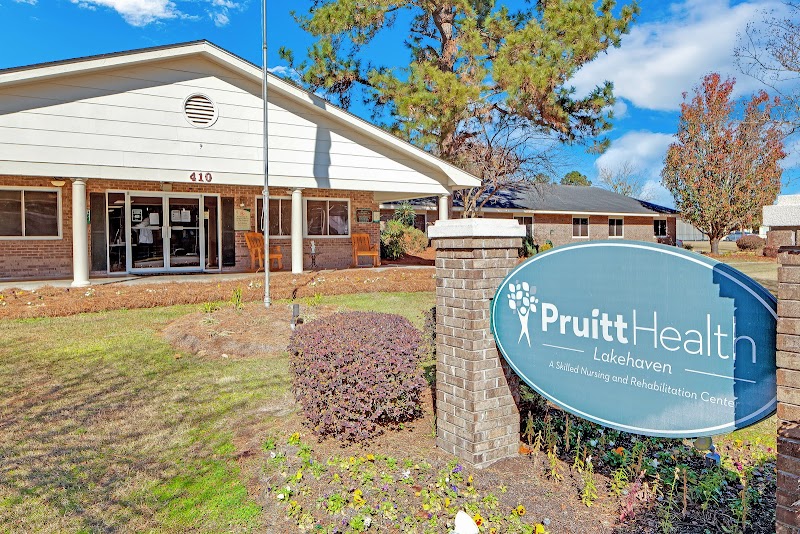
How is Pruitthealth - Lakehaven, Llc Staffed?

CMS rates PRUITTHEALTH - LAKEHAVEN, LLC's staffing level at 1 out of 5 stars, which is much below average compared to other nursing homes. Staff turnover is 56%, which is 10 percentage points above the Georgia average of 46%. High turnover can affect care consistency as new staff learn residents' individual needs. RN turnover specifically is 69%, which is notably high. RNs provide skilled clinical oversight, so turnover in this role can affect medical care quality.

What Have Inspectors Found at Pruitthealth - Lakehaven, Llc?

State health inspectors documented 14 deficiencies at PRUITTHEALTH - LAKEHAVEN, LLC during 2022 to 2025. These included: 4 Immediate Jeopardy (the most serious level, indicating potential for serious harm or death) and 10 with potential for harm. Immediate Jeopardy findings are rare and represent the most serious regulatory concerns. They require immediate corrective action.
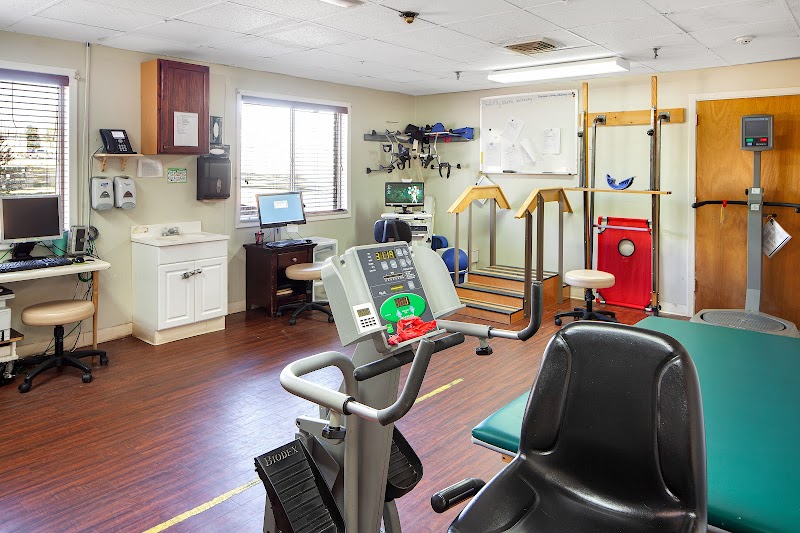
Who Owns and Operates Pruitthealth - Lakehaven, Llc?

PRUITTHEALTH - LAKEHAVEN, LLC is owned by a for-profit company. For-profit facilities operate as businesses with obligations to shareholders or private owners. The facility is operated by PRUITTHEALTH, a chain that manages multiple nursing homes. With 90 certified beds and approximately 79 residents (about 88% occupancy), it is a smaller facility located in VALDOSTA, Georgia.

How Does Pruitthealth - Lakehaven, Llc Compare to Other Georgia Nursing Homes?

Compared to the 100 nursing homes in Georgia, PRUITTHEALTH - LAKEHAVEN, LLC's overall rating (1 stars) is below the state average of 2.6, staff turnover (56%) is significantly higher than the state average of 46%, and health inspection rating (1 stars) is much below the national benchmark.

What Should Families Ask When Visiting Pruitthealth - Lakehaven, Llc?

Based on this facility's data, families visiting should ask: "What changes have been made since the serious inspection findings, and how are you preventing similar issues?" "How do you ensure continuity of care given staff turnover, and what is your staff retention strategy?" "Can you walk me through typical staffing levels on day, evening, and night shifts?" "Can I visit during a mealtime to observe dining assistance and food quality?" These questions are particularly relevant given the facility's Immediate Jeopardy citations, the facility's high staff turnover rate, and the below-average staffing rating.

Is Pruitthealth - Lakehaven, Llc Safe?

Based on CMS inspection data, PRUITTHEALTH - LAKEHAVEN, LLC has documented safety concerns. Inspectors have issued 4 Immediate Jeopardy citations (the most serious violation level indicating risk of serious injury or death). The facility has a 1-star overall rating and ranks #100 of 100 nursing homes in Georgia. Families considering this facility should ask detailed questions about what corrective actions have been taken since these incidents.

Do Nurses at Pruitthealth - Lakehaven, Llc Stick Around?

Staff turnover at PRUITTHEALTH - LAKEHAVEN, LLC is high. At 56%, the facility is 10 percentage points above the Georgia average of 46%. Registered Nurse turnover is particularly concerning at 69%. RNs handle complex medical decisions and coordinate care — frequent RN changes can directly impact care quality. High turnover means new staff may not know residents' individual needs, medications, or preferences. It can also be disorienting for residents, especially those with dementia who rely on familiar faces. Families should ask: What is causing the turnover? What retention programs are in place? How do you ensure care continuity during staff transitions?

Was Pruitthealth - Lakehaven, Llc Ever Fined?

PRUITTHEALTH - LAKEHAVEN, LLC has been fined $68,297 across 1 penalty action. This is above the Georgia average of $33,762. Fines in this range indicate compliance issues significant enough for CMS to impose meaningful financial consequences. Common causes include delayed correction of deficiencies, repeat violations, or care failures affecting resident safety. Families should ask facility leadership what changes have been made since these penalties.

Is Pruitthealth - Lakehaven, Llc on Any Federal Watch List?

PRUITTHEALTH - LAKEHAVEN, LLC is not on any federal watch list. The most significant is the Special Focus Facility (SFF) program, which identifies the bottom 1% of nursing homes nationally based on persistent, serious quality problems. Not being on this list means the facility has avoided the pattern of deficiencies that triggers enhanced federal oversight. This is a positive indicator, though families should still review the facility's inspection history directly.