OAKS - BETHANY SKILLED NURSING, THE
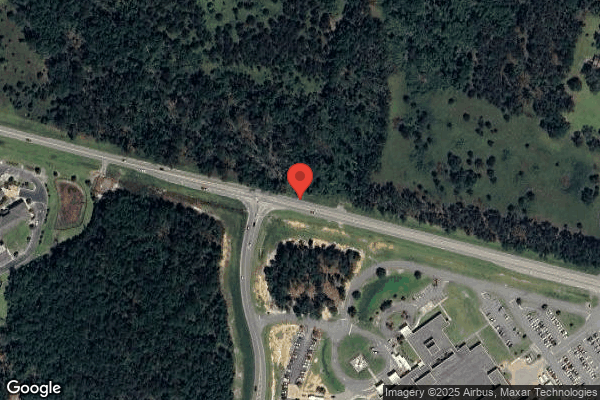

1305 EAST NORTH STREET, VIDALIA, GA 30475 (912) 537-7922
For profit - Limited Liability company 168 Beds PRUITTHEALTH Data: November 2025
Trust Grade
70/100
#141 of 353 in GA
Last Inspection: March 2025

Within standard 12-15 month inspection cycle. Federal law requires annual inspections.

Overview

Oaks - Bethany Skilled Nursing in Vidalia, Georgia, has received a Trust Grade of B, indicating it is a good choice for families, as it represents a solid standard of care. The facility ranks #141 out of 353 nursing homes in Georgia, placing it in the top half, but it is #3 out of 3 in Toombs County, meaning only one local option is better. Unfortunately, the trend is worsening, with issues increasing from 3 in 2023 to 9 in 2025. Staffing is a strength, with a turnover rate of 19%, significantly lower than the state average, allowing staff to develop familiarity with residents. Although there are no fines recorded, recent inspections revealed multiple concerns, including food safety issues such as improperly labeled food items and poor hygiene practices in the kitchen, as well as maintenance problems like clogged sinks and unclean laundry areas, which could impact resident safety and comfort.

Trust Score
B
70/100
In Georgia
#141/353
Top 39%
Safety Record
Low Risk
No red flags
Inspections
Getting Worse
3 → 9 violations
Staff Stability
✓ Good
19% annual turnover. Excellent stability, 29 points below Georgia's 48% average. Staff who stay learn residents' needs.
Penalties
✓ Good
No fines on record. Clean compliance history, better than most Georgia facilities.
Skilled Nurses
○ Average
Each resident gets 32 minutes of Registered Nurse (RN) attention daily — about average for Georgia. RNs are the most trained staff who monitor for health changes.
Violations
⚠ Watch
16 deficiencies on record. Higher than average. Multiple issues found across inspections.
★★★☆☆
3.0
Overall Rating
★★★☆☆
3.0
Staff Levels
★★☆☆☆
2.0
Care Quality
★★★☆☆
3.0
Inspection Score
Stable
2023: 3 issues
2025: 9 issues

The Good

  • Low Staff Turnover (19%) · Staff stability means consistent care
  • Full Sprinkler Coverage · Fire safety systems throughout facility
  • No fines on record
  • Staff turnover is low (19%)

    29 points below Georgia average of 48%

Facility shows strength in staff retention, fire safety.

The Bad

3-Star Overall Rating

Near Georgia average (2.6)

Meets federal standards, typical of most facilities

Chain: PRUITTHEALTH

Part of a multi-facility chain

Ask about local staffing decisions and management

The Ugly 16 deficiencies on record

Aug 2025 3 deficiencies
CONCERN (D) 📢 Someone Reported This

A family member, employee, or ombudsman was alarmed enough to file a formal complaint

Potential for Harm - no one hurt, but risky conditions existed

Deficiency F0554 (Tag F0554)

Could have caused harm · This affected 1 resident

**NOTE- TERMS IN BRACKETS HAVE BEEN EDITED TO PROTECT CONFIDENTIALITY** Based on observations, staff and resident interviews, and record review, the facility failed to ensure one out of 20 sampled Res...

Read full inspector narrative →
**NOTE- TERMS IN BRACKETS HAVE BEEN EDITED TO PROTECT CONFIDENTIALITY** Based on observations, staff and resident interviews, and record review, the facility failed to ensure one out of 20 sampled Residents (R) (RA) was assessed to safely self-administer medications and that unauthorized and unsecured medications were not left at the bedside. This deficient practice placed RA at risk for unsafe medication use and allowed unsecured medications to be accessible to other residents and visitors.Findings include:Review of clinical records revealed RA was admitted to the facility with diagnoses that included, but were not limited to, gastroesophageal reflux disease (GERD), oropharyngeal phase dysphagia, chronic kidney disease, diabetes, hypertension, and atrial fibrillation. Review of the Quarterly MDS assessment dated [DATE] for R14 revealed Section C (Cognitive Patterns), a BIMS score of 12 out of 15 which indicated moderate cognitive impairment.During observations on 7/30/2025 at 10:33 am, 8/6/2025 at 10:46 am and on 8/19/2025 at 12:00 pm, two thick white tablets were observed sitting on RA's overbed table, which was positioned in front of her, while she was lying in bed, in her room. During the observations, RA stated the tablets were for gas relief, and that the nurses had given them to her, and she took them after meals. Review of RA's clinical record revealed a physician's order, dated 6/7/2025, for two, 80 milligram (mg) chewable Gas Relief tablets to be administered four times a day as needed for a diagnosis of GERD.Review of the care plan for RA revealed no evidence that RA was care planned for self-administration of medication or for medications to be kept at bedside.Review of the Self-Administration of Medication evaluation form dated 6/10/2025 revealed that RA was assessed as not wanting to self-administer medications and that staff would give medications.Following the observation on 8/19/2025 at 12:00 pm of medication in RA's room, Licensed Practical Nurse (LPN) BB was interviewed and observed the medication in RA's room at 12:10 pm. She confirmed the medication was Gas Relief tablets and stated that she had not given any Gas Relief tablets to RA that day. LPN BB stated that she only gave them to RA when she asked, and that she did not ever leave any medication in the room.During an interview on 8/19/2025 at 3:00 pm the Director of Health Services (DHS) confirmed that the medication should not have been left in RA's room.
CONCERN (D) 📢 Someone Reported This

A family member, employee, or ombudsman was alarmed enough to file a formal complaint

Potential for Harm - no one hurt, but risky conditions existed

Comprehensive Care Plan (Tag F0656)

Could have caused harm · This affected 1 resident

**NOTE- TERMS IN BRACKETS HAVE BEEN EDITED TO PROTECT CONFIDENTIALITY** Based on observations, staff interviews, and record reviews, the facility failed to ensure that the care plan intervention of a ...

Read full inspector narrative →
**NOTE- TERMS IN BRACKETS HAVE BEEN EDITED TO PROTECT CONFIDENTIALITY** Based on observations, staff interviews, and record reviews, the facility failed to ensure that the care plan intervention of a floor mat at bedside was implemented for one out of 20 sampled residents (R) (R8). The deficient practice placed R8 at risk for safety and injury.Findings include:Review of clinical records revealed R8 was admitted to the facility with diagnoses that included dementia, chronic obstructive pulmonary disease, polyneuropathy, generalized anxiety disorder, and major depressive disorder. Review of the Quarterly Minimum Data Set (MDS) assessment dated [DATE] for R8 revealed Section B (Hearing, Speech, Vision) indicated highly impaired vision, Section C (Cognitive Patterns) a Brief Interview for Mental Status (BIMS) score of 2 out of 15 which indicated severe cognitive impairment and Section GG (Functional Abilities and Goals) indicated the need for assistance with Activities of Daily Living (ADL) care.Review of progress notes for R8 dated 6/25/2025 at 2:43 pm revealed, a nurse note entry that documented R8's roommate reported that the resident was on the floor. R8 was observed lying on her back on the right side of the bed, near the air conditioner unit. An abrasion was noted to her forehead. The nurse note entry also documented that neurological checks were initiated and were within normal limits, with R8 being alert, oriented to person and confused as per usual for the resident. A floor mat was placed on the floor at bedside to prevent further occurrences.Review of the care plan with problem start date of 4/7/2020 revealed R8 was at risk for falls related to impaired mobility, weakness, cognitive deficits, impaired vision, and psychotropic medication use. Following the fall on 6/25/2025, the fall risk care plan was updated to include an intervention of a fall mat to bedside, dated 6/25/2025.During observations on 8/14/2025 at 2:27 pm, 8/18/2025 at 1:18 pm, and 8/19/2025 at 12:15 pm, R8 was lying in bed, in her room. There was no fall mat on the floor on either side of her bed, as care planned.During an interview on 8/19/2025 at 2:10 pm, when questioned about whose responsibility it was to implement a new intervention following a fall, the Administrator responded that it could be any one of the staff, but it would be the unit manager's responsibility. Cross reference to F689
CONCERN (D) 📢 Someone Reported This

A family member, employee, or ombudsman was alarmed enough to file a formal complaint

Potential for Harm - no one hurt, but risky conditions existed

Accident Prevention (Tag F0689)

Could have caused harm · This affected 1 resident

**NOTE- TERMS IN BRACKETS HAVE BEEN EDITED TO PROTECT CONFIDENTIALITY** Based on observations, staff and resident interviews, and record review, the facility failed to ensure that a floor mat was in p...

Read full inspector narrative →
**NOTE- TERMS IN BRACKETS HAVE BEEN EDITED TO PROTECT CONFIDENTIALITY** Based on observations, staff and resident interviews, and record review, the facility failed to ensure that a floor mat was in place for one out of 20 sampled Residents (R) (R8), as a fall intervention. The deficient practice created a potential risk for safety and injury for the resident. Findings include:Review of clinical records revealed R8 was admitted to the facility with diagnoses that included dementia, chronic obstructive pulmonary disease, polyneuropathy, generalized anxiety disorder, and major depressive disorder. Review of the Quarterly Minimum Data Set (MDS) assessment dated [DATE] for R8 revealed Section B (Hearing, Speech, Vision) indicated highly impaired vision, Section C (Cognitive Patterns) a Brief Interview for Mental Status (BIMS) score of 2 out of 15 which indicated severe cognitive impairment and Section GG (Functional Abilities and Goals) indicated the need for assistance with Activities of Daily Living (ADL) care.Review of progress notes for R8 dated 6/25/2025 at 2:43 pm revealed, a nurse note entry that documented R8's roommate reported that the resident was on the floor. R8 was observed lying on her back on the right side of the bed, near the air conditioner unit. An abrasion was noted to her forehead. The nurse note entry also documented that neurological checks were initiated and were within normal limits, with R8 being alert, oriented to person and confused as per usual for the resident. A floor mat was placed on the floor at bedside to prevent further occurrences.Further review of progress notes for R8 dated 6/26/2025 revealed, a Patient at Risk (PAR) note entry that documented the interdisciplinary team (IDT) met and reviewed R8's recent fall. The PAR note included that a fall mat was placed at the bedside to reduce the risk of injury related to falls.However, during observations on 8/14/2025 at 2:27 pm, 8/18/2025 at 1:18 pm, and 8/19/2025 at 12:15 pm, R8 was lying in bed, in her room, with no fall mats on the floor on either side of her bed.During an interview on 8/19/2025 at 2:33 pm, the Director of Health Services (DHS) stated that R8's fall mat was in her room, but it was behind the chair. The DHS stated that the housekeeper may have forgotten to put it back down after she cleaned the room. Cross Reference to F656
Mar 2025 6 deficiencies
CONCERN (D)

Potential for Harm - no one hurt, but risky conditions existed

Resident Rights (Tag F0550)

Could have caused harm · This affected 1 resident

**NOTE- TERMS IN BRACKETS HAVE BEEN EDITED TO PROTECT CONFIDENTIALITY** Based on observations, interviews and record review, the facility failed to promote, maintain, and protect residents' dignity fo...

Read full inspector narrative →
**NOTE- TERMS IN BRACKETS HAVE BEEN EDITED TO PROTECT CONFIDENTIALITY** Based on observations, interviews and record review, the facility failed to promote, maintain, and protect residents' dignity for two of 42 sampled residents (R) (R11 and R67) who required assistance with feeding. Findings include: 1. Review of R11's Face Sheet revealed diagnoses that included but not limited to, Parkinson's disease without dyskinesia, without mention of fluctuations, moderate protein-calorie malnutrition, primary generalized (osteo)arthritis. Review of R11's Significant Change Minimum Data Set (MDS) dated [DATE] revealed, Section C-Cognition: Brief Interview of Mental Status (BIMS) score of two indicating severe cognitive impairment; Section GG-Functional Status: resident requires substantial maximal assistance with feeding. Review of R11's care plans dated 4/24/2020 revealed, R11 is at risk for GI (gastro-intestinal) complications/ altered nutrition. She has contributing Dx (diagnosis) of GERD (gastroesophageal reflux disease) and Malnutrition. She has poor appetite and refuses to allow staff to assist/ feed her, weight loss is anticipated. She receives a mechanically altered diet. She receives an antiulcer med routinely. Observation on 3/4/2025 at 8:45 am of R11 revealed, the Unit Manager FF was standing beside the bed feeding R11. Observation on 3/5/2025 at 9:30 am of R11 revealed, Unit Manager FF, was standing and feeding R11. 2. Review of R67's Face Sheet revealed diagnoses that included but not limited to, cerebral infarction due to thrombosis of right middle cerebral artery, dementia, unspecified protein-calorie malnutrition, Review of R67's Annual MDS dated [DATE] revealed, Section C-Cognition: BIMS score of 00 indicating severe cognitive impairment; Section GG-Functional Status: resident is dependent for eating: Section K-Swallowing/Nutritional status - Resident is on Mechanically altered diet/ Therapeutic diet Review of R67's care plans dated 1/5/2023 revealed, R67 is at risk for GI complications/ altered nutrition. She has contributing Dx of CVA (cerebrovascular accident), dementia and malnutrition. She receives a pureed diet. She has poor dental status and poor appetite. Observation on 3/5/2025 at 9:30 am of R67 revealed, Certified Nursing Assistant (CNA) CNA GG was standing and feeding R67 breakfast. Interview on 3/5/2025 at 9:40 am with CNA GG revealed that when feeding residents, she should be sitting at eye level of the resident. It was revealed that she has had training on how to properly feed residents that need assistance with eating Interview on 3/5/2025 at 10:06 am with the Director of Nursing (DON) HH confirmed that when feeding residents, staff should be sitting at eye level of the resident, and the head of the bed should be elevated. He revealed that he expects staff to follow all policies and procedures when feeding residents. Interview on 3/5/2025 at 10:15 am with Unit Manager FF, revealed that when feeding residents, she makes sure to wash their hands, she raises the bed to her level so that she can feed them, she revealed that she stands while feeding R11 because there is no extra chair in the room. She revealed that she does not know if you are supposed to sit or stand when feeding residents. It was revealed that she was not sure if there have been any in-services on the procedures for feeding residents. Interview on 3/6/2025 at 10:55 am with the Administrator revealed when a staff assists a resident with feeding, they should sit with them, ensure they have the appropriate utensils, converse with them, and ask resident what they would like to eat first. She revealed that sitting with the resident is not required but it's best practice.
CONCERN (D)

Potential for Harm - no one hurt, but risky conditions existed

Deficiency F0554 (Tag F0554)

Could have caused harm · This affected 1 resident

**NOTE- TERMS IN BRACKETS HAVE BEEN EDITED TO PROTECT CONFIDENTIALITY** 2. Record review of R37's EMR revealed diagnoses that included but not limited to acute on chronic combined systolic (congestive...

Read full inspector narrative →
**NOTE- TERMS IN BRACKETS HAVE BEEN EDITED TO PROTECT CONFIDENTIALITY** 2. Record review of R37's EMR revealed diagnoses that included but not limited to acute on chronic combined systolic (congestive) and diastolic (congestive) heart failure, chronic respiratory failure with hypoxia, and morbid (severe) obesity. Review of R37's Quarterly MDS assessment dated [DATE] revealed, a BIMS score of 10 out of 15 which indicates moderate cognitive impairment. Review of R37's self-administration evaluation/assessment form titled Self-Administration Assessment dated 1/8/2025 revealed R37 was not assessed to self-administer medications. Observation on 3/2/20255 at 5:15 pm of R37's room with LPN II revealed the following medications within open view of anyone entering the room, a small bottle of (Name) acetaminophen (capsule) located on a dresser stand, a jar of (Name) medicated chest rub (3.53 oz-ounce) positioned on overhead table, and a tube of diclofenac sodium topical gel 1% (one percent) gel (prescription labeled with resident name) located on a small bedside dresser with open view of anyone entering the room. LPN II confirmed the unauthorized medications with the surveyors and removed the medications from R37's room. 3. Record review of R75's medical record revealed diagnoses that included but not limited to unspecified dementia, unspecified, hypertensive heart disease without heart failure, chronic kidney disease stage 4 (severe), and unspecified atrial fibrillation. Review of R75's Quarterly MDS assessment dated [DATE] revealed, a BIMS score of three out of 15 which indicates severe cognitive impairment. Review of R75's self-administration evaluation/assessment form titled Self-Administration Assessment dated 2/13/2025 revealed R75 was not assessed to self-administer medications. Observation of R75's room on 3/2/2025 at 5:15 pm with LPN II revealed the following medication, a small jar of lidocaine pain medication resting on the overhead table within view of anyone entering the resident room. R75 reported using the medicine to alleviate his tooth pain and gum pain. He reported using it at his free will without staff monitoring him. He could not explain who gave him the medications. LPN II confirmed the unauthorized medications with the surveyors and removed the medications from R75's room. 4.Record review of R82's EMR revealed diagnoses that included but not limited to chronic obstructive pulmonary disease, unspecified and acute respiratory failure with hypoxia. Review of R82's Quarterly MDS assessment dated [DATE] revealed, a BIMS score of 15 out of 15 which indicates little to no cognitive impairment. Review of R82's self-administration evaluation/assessment form titled Self-Administration Assessment dated 2/13/2025 revealed R82 was not assessed to self-administer medications. Observation of R75's room on 3/2/2025 at 5:15 pm with LPN II revealed the following medication fluticasone propionate and (Name) fluticasone, umeclidinium, and vilanterol-200 mcg(micrograms)/62.5mcg/25 mcg oral inhalation powder. LPN II confirmed the unauthorized medications with the surveyors and removed the medications from R75's room. During a later interview on 3/2/2025 at 5:19 pm, LPN II verified that resident R37, R75, and R82 had not been approved by the physician or assessed to self-administer medications. She reported being unaware of the above-mentioned residents having unauthorized medications at their bedside. LPN II reported that the protocol is that any resident who has an approval to self-administer medications need to be evaluated and care planned for self-administration of medication. Based on observations, resident and staff interviews, record review, and review of the facility's policy titled, Self-Administration of Medications by Patients/Residents, the facility failed to assess four of 42 sampled residents (R) (R55, R37, R75, and R82) for the ability to self-administer medications (meds) prior to leaving meds at the bedside. The deficient practice had the potential to allow access to meds not prescribed by a physician for R55, R37, R75, and R82 and to other residents who may wander into the room. Findings include: Review of the facility's policy titled, Self-Administration of Medications by Patients/Residents, revised 1/28/2020 under policy statement revealed, Each patient/resident who desires to self-administer medication is permitted to do so if the healthcare center's Licensed Nurse and physician have determined that the practice would be safe for the patient/resident and other patients/residents of the healthcare center. Further review revealed under, Procedure: 2. If the patient/resident or family member desires to self-administer medications, an assessment is conducted by the Licensed Nurse to assess the individual's cognitive, physical and visual ability to carry out this responsibility . 5. Bedside Storage of Medications is permitted only when it does not present a risk to confused patients/residents who wander . Attending Physician enters an order, on the Electronic Health Record for bedside storage. 1. Review of the Electronic Medical Record (EMR) revealed R55 admitted to facility with diagnoses that included but not limited to type 2 diabetes with chronic kidney disease stage 3, type 2 diabetes mellitus with circulatory complications, congestive heart failure, hypertensive heart disease with heart failure, and epilepsy. Review of R55's Physician orders revealed there was no order for OTC (over the counter) Redness Relief Tetrahydrozoline eye drops and (Name) Lidocaine Pain Relief cream. Further review revealed there was no order for R55 to self-administer meds or have meds at bedside. Review of the Quarterly Minimum Data Set (MDS) assessment dated [DATE] assessed R55 with a Brief Interview for Mental Status (BIMS) score of 11 indicating mild cognitive impairment (a score of 8-12 indicates mild cognitive impairment). Review of the care plan revealed R55 was not care-planned for self-administration of meds. Review of a Self-Administration of Medication assessments for R55 dated 2/14/2025, 10/30/2024, 5/31/2024 and 2/6/2024 revealed the following: Where will self-administered medications be stored? Cart-Not Applicable - Resident won't be self-administering medications. Indicate care plan action taken. Continue current plan of care - Nurse to administer medications. Observation and Interview on 3/2/2025 at 4:43 pm revealed (Name) Tetrahydrozoline eye drops and (Name) Lidocaine Pain Relief cream in a small green basket at R55's bedside. R55 revealed she had arthritis or gout in her hand, it was very painful, and she put the cream on her left hand for pain relief. R55 also revealed her daughter brought the meds to her from home. Observation and interview on 3/2/2025 at 5:15 pm with Licensed Practical Nurse (LPN) LPN II/Nurse Manager confirmed the (Name) Tetrahydrozoline OTC eye drops, and the (Name) Lidocaine Pain Relief cream was at the bedside in a small green basket in R55's room. LPN II also confirmed R55 was not assessed for self-administration of meds, and they should not be there. R55 told the nurse her daughter brought them to her but did not remember how long ago it was. LPN II revealed she was not aware of the meds in the room. LPN II told R55 she was going to take the meds to the nurse station because she was not supposed to have them in her room. LPN II removed the eye drops and pain relief cream from R55's room. Interview on 3/6/2025 at 4:00 pm with the Administrator confirmed residents should not have meds inside their room without having been assessed for self-administration of meds.
CONCERN (D)

Potential for Harm - no one hurt, but risky conditions existed

Deficiency F0692 (Tag F0692)

Could have caused harm · This affected 1 resident

**NOTE- TERMS IN BRACKETS HAVE BEEN EDITED TO PROTECT CONFIDENTIALITY** Based on staff interviews and record reviews, the facility failed to provide evidence that nutrition assessments were completed ...

Read full inspector narrative →
**NOTE- TERMS IN BRACKETS HAVE BEEN EDITED TO PROTECT CONFIDENTIALITY** Based on staff interviews and record reviews, the facility failed to provide evidence that nutrition assessments were completed by the Registered Dietitian (RD) for one of 42 residents (R) (R88). Specifically, the facility failed to complete an admission nutrition assessment for R88. Findings include: 1. Record review revealed, R88 was admitted to the facility on [DATE] with diagnoses that included but not limited to gastro-esophageal reflux disease without esophagitis, chronic obstructive pulmonary disease with (acute) exacerbation, acute and chronic respiratory failure, unspecified whether with hypoxia or hypercapnia, chronic kidney disease, unspecified, and type 2 diabetes mellitus with diabetic nephropathy. Review of R88's Quarterly Minimum Data Set (MDS) assessment dated [DATE] revealed a Brief Interview for Mental Status (BIMS) score of 14, which indicated intact cognitive impairment. Review of R88's Physician Order Form (POF) included an order for regular puree diet, and an order for Glucerna dated 10/11/2024. Review of R88's care plan for nutrition dated 9/2/2024 identified a problem: Resident is at risk for GI (gastro-intestinal) complications/ altered nutrition. He receives a therapeutic diet. He is edentulous. Review of R88's medical records revealed, there was no admission nutrition assessment. Interview on 3/5/2025 at 1:35 pm with the prior Registered Dietician (RD), EE revealed she last worked for the facility in December 2024. She revealed she did not have any information for this surveyor regarding residents because she turned in her computer. She revealed that nine buildings for one RD was too much and things fell between the cracks. She revealed, when she was reassigned to the building in October 2024, she found that some admission assessments were not completed on newly admitted residents. She revealed she was able to see new admissions through the electronic health record via a report. She revealed she played catch up and got nutritional assessments done as timely as possible but some were overdue. Interview on 3/5/2025 at 2:28 pm with the Regional Nurse Consultant DD revealed that newly admitted residents should receive a nutritional assessment within the first 14 days of being admitted . She confirmed that the resident was admitted on [DATE] and the only nutritional assessment completed was on October 31, 2024. Interview on 3/5/2025 at 5:10 pm with the Administrator revealed that all newly admitted residents should have a nutritional assessment within 14 days of admission. She verified that the resident's assessment was not completed within 14 days. She said it was her expectation that the RD completed assessments for new admissions according to policy. A facility policy on nutrition assessments was requested but not provided. Interview on 3/5/2025 at 1:35 pm with the prior Registered Dietician (RD), EE revealed she last worked for the facility in December 2024. She revealed she did not have any information for this surveyor regarding residents because she turned in her computer. She revealed that nine buildings for one RD were too much and things fell between the cracks. She revealed, when she was reassigned to the building in October 2024, she found that some admission assessments were not completed on newly admitted residents. She revealed she was able to see new admissions through the electronic health record via a report. She revealed she played catch up and got nutritional assessments done as timely as possible but some were overdue. Interview on 3/5/2025 at 2:28 pm with the Regional Nurse Consultant DD revealed that newly admitted residents should receive a nutritional assessment within the first 14 days of being admitted . She confirmed that the resident was admitted on [DATE] and the only nutritional assessment completed was on October 31, 2024. Interview on 3/5/2025 at 5:10 pm with the Administrator revealed that all newly admitted residents should have a nutritional assessment within 14 days of admission. She verified that the resident's assessment was not completed within 14 days. She said it was her expectation that the RD completed assessments for new admissions according to policy. A facility policy on nutrition assessments was requested but not provided.
CONCERN (E)

Potential for Harm - no one hurt, but risky conditions existed

Deficiency F0578 (Tag F0578)

Could have caused harm · This affected multiple residents

**NOTE- TERMS IN BRACKETS HAVE BEEN EDITED TO PROTECT CONFIDENTIALITY** 5. Review of medical records revealed R55 was admitted to the facility with primary admitting diagnoses of but not limited to ty...

Read full inspector narrative →
**NOTE- TERMS IN BRACKETS HAVE BEEN EDITED TO PROTECT CONFIDENTIALITY** 5. Review of medical records revealed R55 was admitted to the facility with primary admitting diagnoses of but not limited to type 2 diabetes mellitus with circulatory complications, type 2 diabetes with chronic kidney disease stage 3, congestive heart failure, hypertensive heart disease with heart failure, and epilepsy. Review of Physician orders revealed R55 had an order for DNR (Do Not Resuscitate) code status with start date [DATE]. Further review revealed a POLST (Physician Orders for Life-Sustaining Treatment) dated [DATE] signed by R55. Review of the Quarterly MDS assessment dated [DATE] revealed R55 was assessed with a BIMS score of 11 indicating mild cognitive impairment. Review of R55's admission packet dated [DATE] revealed under the section titled, GA Advance Directive for Healthcare, option C was selected which documented, I have not executed an advance directive, and do not wish to discuss advanced directives further at this time. Further review revealed under the section titled, DNR, option C was selected which documented, I do not have a DNR Order or POLST in place and do not wish to discuss DNR further at this time. The admission packet was signed by R55's daughter, who was listed on file as the #2 primary contact. Review of medical record for R55 revealed no signed acknowledgement or evidence the resident or the resident's representative was provided written information about the right to accept or refuse medical or surgical treatment in the records. 6. Review of medical records revealed R76 had a primary diagnosis of chronic systolic (congestive) heart failure, partial intestinal obstruction, chronic atrial fibrillation, type 2 diabetes mellitus with diabetic peripheral angiopathy, peripheral vascular disease, essential (primary) hypertension, and hyperlipidemia. Review of Physician orders revealed R76 had an order for Full code status with a start date of [DATE]. Review of the Annual MDS assessment dated [DATE] did not assess a BIMS score for R76 related to short and long-term memory loss, and severely impaired decision-making skills. Review of the admission packet with a completion date of [DATE] revealed R76 admitted to the facility on [DATE], and under the section titled, GA Advance Directive for Healthcare, option B was selected which documented, I have not executed an advance directive, but would like to obtain additional information and resources to complete an advance directive. Instructions and forms for completing a Georgia Healthcare Directive were provided to me. Further review revealed under the section titled, DNR, option B was selected which documented, I do not have a DNR Order or POLST in place but would like to obtain additional information and resources on how to have one executed on my behalf. Information regarding Georgia DNR Orders and/or POLST was provided to me. The admission packet had an electronic signature for R76. Review of medical record for R76 revealed no signed acknowledgement or evidence the resident or the resident's representative was provided written information about the right to accept or refuse medical or surgical treatment in the records. Interview on [DATE] at 3:17 pm with the Social Worker revealed information on Advanced Directives would be in the admission packet. Review of the admission packet for R55 and R76 confirmed there was no documentation that information on medical and/or surgical treatment options were provided or explained. Based on record reviews, staff interviews, and review of the facility's policy Advance Directive, the facility failed to provide residents and/or their representatives written information regarding the right to accept or refuse medical or surgical treatment for six out of 42 sampled residents (R) (R53, R48, R88, R94, R55, and R76). Findings include: Review of the facility's Advance Directive policy revised on [DATE] revealed, Prior to, or upon Admission, the patient/resident and/or their responsible party will be asked about the existence of any advance directives. The Advance Directive Checklist, which is in the Georgia admission Packet, will be completed. Review of the facility's admission Packet revealed it did not contain language that pertained to the facility's provision of written information about the resident/representative's right to accept or refuse medical or surgical treatment. 1. Review of medical records revealed, R53 was admitted to the facility on [DATE] with diagnoses that included but not limited to anoxic brain damage, not elsewhere classified and chronic respiratory failure with hypoxia. Review of the Quarterly Minimum Data Set (MDS) dated [DATE] revealed R53's cognition was undetermined due to a Brief Interview for Mental Status (BIMS) score of 99, indicating the interview was unable to be completed. Review of medical record for R53 revealed, no signed acknowledgement or evidence the residents or the resident's representative was provided written information about the right to accept or refuse medical or surgical treatment, in the records. 2. Review of medical records revealed, R48 was admitted to the facility on [DATE] with diagnoses that include but are not limited to hemiplegia and hemiparesis following cerebral infarction affecting left non-dominant side, chronic obstructive pulmonary disease with (acute) exacerbation and unspecified lack of coordination. Review of the Quarterly MDS dated [DATE] revealed R48's BIMS score of 10, indicating moderate cognitive impairment. Review of medical record for R48 revealed no signed acknowledgement or evidence the residents or the resident's representative was provided written information about the right to accept or refuse medical or surgical treatment, in the records. 3. Review of medical records revealed, R88 was admitted to the facility on [DATE] with diagnoses that include but not limited to gastro-esophageal reflux disease without esophagitis, chronic obstructive pulmonary disease with (acute) exacerbation, acute and chronic respiratory failure, unspecified whether with hypoxia or hypercapnia, chronic kidney disease, unspecified, and type 2 diabetes mellitus with diabetic nephropathy. Review of the Quarterly MDS dated [DATE] revealed R88's BIM score of 14, indicating intact cognition. Review of medical record for R88 revealed no signed acknowledgement or evidence the resident or the resident's representative was provided written information about the right to accept or refuse medical or surgical treatment in the records. 4. Review of medical records revealed, revealed that R94 was admitted on [DATE] with acute cystitis with hematuria, heart failure, and malignant neoplasm of prostate. Review of the Quarterly MDS dated [DATE] revealed R94's BIMS score of 13, indicating intact cognition. Review of R94's Admissions Packet revealed, the GA (Georgia) Advanced Directive for Healthcare form dated [DATE] that indicated Cardiopulmonary Resuscitation (CPR) status and Medical Interventions to include full treatment was selected and signed by the R94. Review of medical record for R94 revealed no signed acknowledgement or evidence the resident or the resident's representative was provided written information about the right to accept or refuse medical or surgical treatment in the records. Interview on [DATE] at 9:55 am with the Social Worker revealed the Admissions Coordinator is in charge of getting the advanced directive check list completed at admissions. She revealed the admissions coordinator is not currently working and that she is familiar with the admission packet and advance directives. The Social Worker revealed that she is not aware of any consent in the admission packet where a resident accepts or denies medical and surgical treatment. She printed the admission packet for R53, R48, R88, R94 and confirmed the paperwork did not include a consent for the resident to accept or deny medical or surgical treatment. Interview on [DATE] at 10:10 am with the Administrator revealed she was unfamiliar with the advance directive check list including the residents right to accept or refuse medical and surgical treatment. She revealed she would contact corporate. She contacted corporate and they advised the checklist is being revised and will be sent out to [Name] facilities when it clears legal. She confirmed that all residents in the facility have not been given materials on their rights to accept or refuse medical and surgical treatments.
CONCERN (E)

Potential for Harm - no one hurt, but risky conditions existed

Safe Environment (Tag F0584)

Could have caused harm · This affected multiple residents

**NOTE- TERMS IN BRACKETS HAVE BEEN EDITED TO PROTECT CONFIDENTIALITY** 3. Observation on 3/2/2025 at 2:10 pm revealed water holding in two sinks that were clogged in shared bathrooms for room [ROOM N...

Read full inspector narrative →
**NOTE- TERMS IN BRACKETS HAVE BEEN EDITED TO PROTECT CONFIDENTIALITY** 3. Observation on 3/2/2025 at 2:10 pm revealed water holding in two sinks that were clogged in shared bathrooms for room [ROOM NUMBER] and room [ROOM NUMBER] located on the [NAME] Wing. Observation and Interview on 3/6/2025 at 1:33 pm of the facility laundry room with the Administrator and the Infection Control Preventionist (IP) revealed a ceiling vent coated with dark greyish substances. Below the vent were rack of resident clothes. The Administrator and the IP confirmed that the dark greyish substance could most likely be dust. Continued review of the laundry room entrance revealed a large space observed in between the two double entrance doors preventing the door from closing and allowing rodents, insects, and dust to enter the laundry room and cause contamination of resident clothes. Observation and Interview on 3/6/2025 at 2:10 pm with the Administrator confirmed water holding in two sinks that were clogged in shared bathrooms for room [ROOM NUMBER] and room [ROOM NUMBER] located on the [NAME] Wing. 2. Record review of the Electronic Medical Record (EMR) revealed, R19 admitted to facility with primary diagnosis of malignant neoplasm of the lung. Review of R19's Quarterly Minimum Data Set (MDS) assessment dated [DATE] revealed a Brief Interview of Mental Status (BIMS) score of 8 indicating mild-moderate cognitive impairment. MDS also reported no rejection of care, and a motorized wheelchair (w/c) was used for mobility. Review of the care plan for R19 revealed there was no care plan problem, goal, or approach that addressed cleaning the motorized wheelchair during the survey period from March 2, 2025, through March 6, 2025. However, the care plan was reviewed/revised on 3/6/2025 at 12:27 pm, after it was brought to the facility's attention of the Administrator and confirmed by the Housekeeping (HK) supervisor. Review of the revised care plan revealed the only approach (intervention) was to encourage him to contact his family when his wheelchair needs maintenance or cleaning. [sic] Observation on 3/2/2025 at 2:36 pm during initial tour and screening of residents revealed, the privacy curtain was stained with a brownish substance in R19's room and his motorized wheelchair had a build-up of brownish-black debris on it. Observation on 3/3/2025 at 9:05 am revealed R19 in bed, his motorized wheelchair was parked inside the room and observed to have a build-up of brownish-black debris on it and the privacy curtain was stained with a brownish substance. Observations on 3/3/2025 at 3:45 pm, on 3/4/2025 at 8:55 am, and on 3/6/2025 at 11:40 am of R19 sitting in his motorized wheelchair inside his room revealed the build-up of brownish-black debris on the motorized wheelchair and the privacy curtain was stained with a brownish substance. Observation on 3/4/2025 at 3:30 pm of R19 sitting in his motorized wheelchair in the common area of the facility revealed his motorized wheelchair had a build-up of brownish-black debris on it. Interview on 3/5/2025 at 12:15 pm with Housekeeping (HK) aide NN revealed she cleaned the resident rooms daily, but she was not sure who was supposed to clean the resident wheelchairs. Interview on 3/5/2025 at 12:25 pm with HK aide MM revealed HK cleaned resident's rooms every day. She was not sure who cleaned the wheelchairs. Interview on 3/5/2025 at 2:45 pm with Licensed Practical Nurse (LPN) OO revealed wheelchairs were cleaned per schedule and prn (as needed). Interview on 3/5/2025 at 2:50 pm with LPN PP confirmed wheelchairs were cleaned per schedule and prn. Interview on 3/5/2025 at 3:00 pm with Registered Nurse (RN) (RN HH) /Interim Director of Nursing (DON) revealed the HK supervisor was over HK staff and the floor techs, and wheelchairs were cleaned per schedule and prn by the floor techs. Interview on 3/6/2025 at 11:51 am with Certified Nursing Assistant (CNA) KK revealed the Floor Techs clean the wheelchairs. She was not sure about how often or if they followed a schedule, but she thought they had been cleaned recently. Observation and interview on 3/6/2025 at 11:52 am with the Housekeeping (HK) Supervisor revealed floor techs clean the resident wheelchairs. The manual w/c's are cleaned every two months, electric/motorized wheelchairs are only sanitized. She revealed motorized w/c's could not be washed down but HK staff should clean and sanitize the wheelchair by wiping them off with sanitizing wipes. She revealed they had two residents with a motorized wheelchair, R19 was one of the two and confirmed the motorized wheelchairs were cleaned per schedule. During an observation of R19 in his motorized w/c in the dining room, the HK supervisor confirmed R19's red [Brand name] motorized w/c was very dirty with a buildup of brownish black debris on it and needed to be cleaned. Observation and interview with the HK supervisor also confirmed the privacy curtain was stained with a brown substance in R19's room and it needed to be cleaned. Based on observations, record review, and interviews, the facility failed to maintain a safe and homelike environment on three of seven halls (E3, E4, and [NAME] wing hall) and in the laundry room. Specifically, the shower room on E3 hall had broken wall tiles; Resident (R) (R19) on E4 hall privacy curtain was stained with a brown substance and motorized wheelchair had a build-up of brownish-black debris. Also, the laundry room had a ceiling vent that was coated with a dark greyish substance and the entrance to the laundry room had a large space preventing the door from closing securely. In addition, two sinks were clogged and holding water in shared bathrooms for room [ROOM NUMBER] and room [ROOM NUMBER] located on the [NAME] wing. Findings include: During a tour of the facility on 3/4/2025 at 10:13 am revealed, an observation of the shower room on E3 hall had wall tiles missing or broken with sharp edges that were in hazardous condition. Observations on E4 hall revealed, there was brown substance on the privacy curtain and a build-up of brownish-black debris on the motorized wheelchair for R19, the laundry room ceiling vent was coated with a dark greyish substance, and the entrance had a large space preventing the door from closing; two sinks were clogged and holding water in shared bathrooms for room [ROOM NUMBER] and room [ROOM NUMBER] located on the [NAME] Wing. 1. Review of the facility's Performance Improvement Plan (PIP) on 3/5/2025 at 9:45 am revealed that tile replacement for shower rooms had not been identified. An observation and interview on 3/6/2025 at 9:55 am of the shower room on E3 with the Administrator revealed, shower walls had tiles missing or broken that were in hazardous condition. The Surveyor showed the Administrator the E3 hall shower room, and the Administrator confirmed that all four wall tiles needed to be repaired for the safety of residents. She revealed that staff did not identify the tiles needing replacement in the shower room on the Performance Improvement Plan (PIP), and the Administrator was going to add tile repairs to the PIP today, March 6, 2025.
CONCERN (F)

Potential for Harm - no one hurt, but risky conditions existed

Food Safety (Tag F0812)

Could have caused harm · This affected most or all residents

Based on observations, staff interviews, and review of the facility policies titled, Labeling, dating, and Storage, Dietary Partner Hygiene and Dress Code, and Cleaning Schedule policy, the facility f...

Read full inspector narrative →
Based on observations, staff interviews, and review of the facility policies titled, Labeling, dating, and Storage, Dietary Partner Hygiene and Dress Code, and Cleaning Schedule policy, the facility failed to label and date food items, wear hair coverings appropriately, and ensure fans in the kitchen are free of dust, dirt, and debris. This deficient practice had the potential to effect 89 out of 96 residents receiving an oral diet. Findings include: Review of the facility policy titled Labeling, dating, and storage, revised on 11/11/2022 revealed under Procedure: 1. Food and beverage items will have an identifying label as well as received date and opened date, as applicable; for items prepared onsite, a 'use by' date will also be indicated. Review of facility policy titled Dietary Partner Hygiene and Dress Code revised on 11/10/2020 revealed, Hygiene: 1. Hair is covered with hair net and/or cap. Review of the facility policy titled Cleaning Schedule Policy revised on 9/29/2022 revealed Procedure: Fans: Clean-remove all dust and debris. Observation and Interview on 3/3/2025 at 12:25 pm during the initial kitchen tour with [NAME] AA revealed, the following concerns identified during the tour: -A package of cheese not labeled or dated. -A bag of diced ham not labeled or dated. -Two dietary aids not wearing hair coverings appropriately. Dietary Aid BB was observed to have her scalp covered but her lochs were outside of the hairnet. Dietary Aid CC had her hair tied up into a bun. Only the bun was covered with a hair covering, exposing her entire scalp. -A fan mounted above the dish room that was turned on revealed dirt, dust, and grime on the blades and the fan itself. Interview during this time with [NAME] AA confirmed the bag of diced ham and package of cheese were not labeled or dated. She revealed all staff are responsible for labeling and dating food items. She said if they were not labeled or dated there would be no way of knowing when to discard the item potentially causing illness. Observation on 3/4/2025 at 12:49 pm revealed Dietary Aid CC with her hair tied up into a bun with only the bun covered with a hair cover, exposing her scalp. Interview on 3/4/2025 at 12:50 pm with the Dietary Manager revealed she was aware this surveyor identified a bag of diced ham, and a block of cheese not labeled or dated. She said all staff are responsible for labeling and dating food items. She said her expectations were that staff label and date food items to prevent foodborne illness. Surveyor showed her pictures of her findings, and she verified that they should have been labeled or dated. She also was aware that two dietary aids did not have their heads of hair completely covered with a hair covering and a working fan mounted over the dish room was covered in dirt, dust, and grime. (picture of fan was shown) She revealed she was doing training with all dietary staff about labeling and dating food and wearing hair coverings appropriately. She revealed she had noticed the fan and had just cleaned it. She confirmed hair coverings should be worn over all hair for sanitation purposes and that fans should be clean, so they do not blow dust onto food or dishes.
Oct 2023 3 deficiencies
CONCERN (D) 📢 Someone Reported This

A family member, employee, or ombudsman was alarmed enough to file a formal complaint

Potential for Harm - no one hurt, but risky conditions existed

Grievances (Tag F0585)

Could have caused harm · This affected 1 resident

**NOTE- TERMS IN BRACKETS HAVE BEEN EDITED TO PROTECT CONFIDENTIALITY** Based on record review, resident interview, Family interview, staff interviews, and review of facility policy titled, Grievances...

Read full inspector narrative →
**NOTE- TERMS IN BRACKETS HAVE BEEN EDITED TO PROTECT CONFIDENTIALITY** Based on record review, resident interview, Family interview, staff interviews, and review of facility policy titled, Grievances: Healthcare Centers, the facility failed to ensure prompt efforts were made to resolve grievances related to shower preferences and personal property, for one of 14 residents (R) (R2). Findings include: Review of facility policy titled Grievances: Healthcare Centers, revised 11/21/2022, under Procedures: 3. Once the referral is made to the responsible discipline, the responsible discipline will make prompt efforts to resolve the grievance, in addition to taking immediate action to prevent further potential violation of and patients' rights while the alleged violation is being investigated. 4. The Administrator or designee will be responsible for follow-up with the patient, authorized individual or other representative to determine the grievance has been resolved and to ensure the grievance process is understood. 5. The Grievance/Complaint should be resolved within three business days. Record review for R2 revealed resident was admitted to the facility with the following, but not limited to, diagnoses of Hemiplegia and hemiparesis, diabetes, moderate vascular dementia. Review of a quarterly Minimum Data Set (MDS) assessment dated [DATE] revealed a Brief Interview for Mental Status (BIMS) score of 13 out of 15 indicating R2 was cognitively intact. Review of Grievance Complaint Form dated 2/16/2023 revealed, [Family of R2] came into the SSD (Social Services Director) office and she had some concerns. She stated the following: 'She had a wheelchair, and we cannot find it. The one that is in her room is not hers.' and 'I would like her to be showered more.' Interview on 10/2/2023 at 3:15 p.m., revealed R2 stated she had not been showered by the facility staff any this year. R2 stated her last shower was in June, and it was given by Family of R2. R2 stated, I receive several bed baths during the week but no showers. I don't want a shower every day. Just one or two times a week. Interview on 10/2/2023 at 3:18 p.m., with Family of R2 stated she has told the facility several times about R2's preference to shower. Family of R2 confirmed she showered R2 in June but has not been able to shower R2 since that time. Family of R2 stated she had spoken about the shower preference at care plan meetings and had written grievances about the issue. Interview on 10/4/2023 at 11:00 a.m., the SSD stated she was responsible for following up on grievances and giving the grievances to the correct department, When I got this grievance, I didn't address the wheelchair. With the shower, I passed that along to the nursing department. Interview on 10/5/2023 at 11:20 a.m., Certified Nursing Assistant (CNA) II stated that she was responsible for taking care of R2. CNA II stated, She likes showers and I give her those. When asked the last time she showered R2, CNA II stated, Oh, it has been a while. Maybe three to four weeks ago. Interview on 10/5/2023 at 11:28 a.m., CNA JJ stated she was responsible for taking care of R2. CNA JJ stated, Sometimes she requests showers. It has been more than three months since I showered her. CNA JJ was unable to state when she had last showered R2. Interview on 10/5/2023 at 12:00 p.m., the Director of Health Services (DHS) confirmed her knowledge of the 2/16/2023 grievance. The DHS stated that she was aware that R2 preferred showers but could not state how she had passed this information on to the nursing staff.
CONCERN (D) 📢 Someone Reported This

A family member, employee, or ombudsman was alarmed enough to file a formal complaint

Potential for Harm - no one hurt, but risky conditions existed

Assessment Accuracy (Tag F0641)

Could have caused harm · This affected 1 resident

**NOTE- TERMS IN BRACKETS HAVE BEEN EDITED TO PROTECT CONFIDENTIALITY** Based on record review, and staff interviews, and review of the facility policy titled, MDS Assessment Accuracy, the facility fa...

Read full inspector narrative →
**NOTE- TERMS IN BRACKETS HAVE BEEN EDITED TO PROTECT CONFIDENTIALITY** Based on record review, and staff interviews, and review of the facility policy titled, MDS Assessment Accuracy, the facility failed to ensure the resident assessment accurately reflected a resident's status for one of 14 residents (R) (R1). Specifically, the facility failed to ensure that R1 Minimum Data Set (MDS) was accurately coded to reflect residents documented wandering behavior and risk for elopement. Findings include: Review of the facility policy titled, MDS Assessment Accuracy with revised date of 12/6/2022 revealed under Policy Statement: It is the policy of this healthcare center that each Minimum Data Set (MDS) reflect the acuity and the medical statis of each patient/resident in accordance with acceptable professional standards and practices. The assessment will be scheduled to accurately account for the acuity and complexity of the patient/resident. The Interdisciplinary Team (IDT) is responsible to obtain the input that is needed for clinical decision making that is consistent with relevant clinical standards of practice. R1 was admitted to the facility with the following diagnoses: chronic kidney disease and insomnia. Review of R1's Elopement Risk Observation dated 1/25/2023, revealed an elopement score of 14, indicating high risk for elopement. Review of the admission Minimum Data Set (MDS) assessment dated [DATE] revealed this MDS did not capture R1's wandering and exit seeking behavior. Interview 10/5/2023 at 9:27 a.m., MDS Coordinator (MDSC) GG stated wandering is under the mood and behavior section of the MDS. MDSC GG stated the Social Services Director (SSD) was responsible for that section. Interview 10/5/2023 at 9:44 a.m., MDSC HH stated, If someone wanders that is communicated through nursing and nursing assistants. If a resident has that behavior after admission, we are clued in on it. If they begin to exhibit the behavior, we transfer them to the memory support unit. If someone elopes, we know through the code system. If they have wandered during the lookback period, it should be coded. With the ARD (assessment reference date) being 1/31/2023 and there's a 7-day lookback period and that should have been captured on the MDS. During an interview on 10/5/2023 at 10:00 a.m., the SSD stated, Yes, I am responsible for the mood and behavior section of the MDS. I would have coded it as such if I was aware.
CONCERN (D) 📢 Someone Reported This

A family member, employee, or ombudsman was alarmed enough to file a formal complaint

Potential for Harm - no one hurt, but risky conditions existed

Medical Records (Tag F0842)

Could have caused harm · This affected 1 resident

**NOTE- TERMS IN BRACKETS HAVE BEEN EDITED TO PROTECT CONFIDENTIALITY** Based on record review, and Staff interviews, the facility failed to ensure that Activity of Daily Living (ADL) records were acc...

Read full inspector narrative →
**NOTE- TERMS IN BRACKETS HAVE BEEN EDITED TO PROTECT CONFIDENTIALITY** Based on record review, and Staff interviews, the facility failed to ensure that Activity of Daily Living (ADL) records were accurately documented for one of 14 Residents (R) (R2). Findings include: Record review for R2 revealed resident was admitted to the facility with diagnoses not all inclusive of hemiplegia and hemiparesis, flaccid hemiplegia affecting left nondominant side, and absence of right leg above knee. The quarterly Minimum Data Set (MDS) assessment dated [DATE] revealed a Brief Interview for Mental Status (BIMS) score of 13 out of 15 indicating R2 was cognitively intact. Review of R2's ADL bathing log March 2023 - September, revealed no documented showers. Review of R2's complete medical record revealed no documented refusal of showers. Interview on 10/5/2023 at 11:20 a.m., Certified Nursing Assistant (CNA) II stated that she was responsible for taking care of R2. CNA II stated, She likes showers and I give her those. When asked the last time she showered R2, CNA II stated, Oh, it has been a while. Maybe three to four weeks ago. I document the showers in the tablet. When asked to show her documentation, CNA II stated, I don't document it as a shower, I document it as a bed bath. CNA II was unable to state why she documented showers as bed bath. When asked how she documented showers for other residents, CNA II stated that she documented them as showers, not bed baths. Interview on 10/5/2023 at 12:00 p.m., the Director of Health Services (DHS) stated she was aware of the R2 having a shower as her preference. The DHS confirmed the ADL documentation revealed R2 had not received a shower from March 2023 - September 2023. The DHS stated, The staff said that she doesn't want to get out of bed sometimes. The DHS stated if a resident refuses care, the refusal should be documented in the resident's record.
Dec 2022 1 deficiency
CONCERN (E)

Potential for Harm - no one hurt, but risky conditions existed

Safe Environment (Tag F0584)

Could have caused harm · This affected multiple residents

**NOTE- TERMS IN BRACKETS HAVE BEEN EDITED TO PROTECT CONFIDENTIALITY** Based on observations, staff interviews, and review of facility policy titled, Infection Control-Housekeeping Services, the faci...

Read full inspector narrative →
**NOTE- TERMS IN BRACKETS HAVE BEEN EDITED TO PROTECT CONFIDENTIALITY** Based on observations, staff interviews, and review of facility policy titled, Infection Control-Housekeeping Services, the facility failed to maintain a clean, sanitary environment related to a heavy build-up of dust on the vent covers in nine (9) of 21 adjoining resident bathrooms in rooms (Rms) 3/5, 4/6, 8/10, and 7/9 on [NAME] (W) Hall, and in Rms 12, 14/16, 17/19, 18/20, and 21/22 on the Memory Unit. The deficient practice had the potential to affect the air quality for all the residents residing in resident care areas. Findings include: Review of policy titled, Infection Control-Housekeeping Services, revised dated 1/15/2016 revealed the facility will ensure housekeeping services will be performed on a routine and consistent basis to ensure sanitary environment. A deep cleaning will be performed for each resident room monthly and as needed. Cleaning methods and machines that re-suspend dust from surfaces will be avoided, especially in resident care areas. Observations during initial tour and screening of residents on 12/20/2022 starting at 10:00 a.m., and observations on 12/21/2022 starting at 8:30 a.m., revealed a heavy build-up of dust on the ceiling vent cover in bathrooms 3/5W, 4/6W, 8/10W, 7/9W on [NAME] Hall, and in rooms 12, 14/16, 17/19, 18/20, and room [ROOM NUMBER]/22 on the Memory Unit. Interview on 12/21/2022 at 8:30 a.m. with Housekeeping (HK) Aide FF revealed her duties were to clean surfaces starting up high, that included the lights, windowsills, and dusting with a long handle brush. We work our way down, wipe down surfaces with a Peroxide disinfectant spray, empty trash, sweep, mop, and do the bathrooms last. Interview further revealed one thing HK didn't do was clean the vents, the floor tech is responsible for cleaning the vents. The floor tech takes them outside and clean them when needed. Interview on 12/21/2022 at 10:25 a.m. with Floor Tech HH revealed his duties were to sweep, mop, buff, strip, and wax floors. He revealed it was the maintenance department's primary responsibility to clean the air/intake vents but sometimes they ask housekeeping (HK) to clean them, and HK do have a brush they dust with. During a walk-through on 12/22/2022 with the Assistant Administrator, confirmed the vent covers were dirty with a heavy build-up of dust in bathrooms 3/5W, 4/6W, 8/10W, 7/9W on [NAME] Hall, and in rooms 12, 14/16, 17/19, 18/20, 21/22 on the Memory Unit. Interview on 12/22/2022 at 12:16 p.m. the Administrative Assistant revealed the floor tech is responsible for cleaning the vents and they follow a routine cleaning schedule. He revealed it was because they had done some work on [NAME] Hall that caused an extra build-up of dust, they had staff out sick and were short staffed. Interview further confirmed the dusty vents were unacceptable, and his expectation was that the vents should be clean.
Feb 2020 3 deficiencies
CONCERN (D)

Potential for Harm - no one hurt, but risky conditions existed

Deficiency F0761 (Tag F0761)

Could have caused harm · This affected 1 resident

Based on observation, staff interviews, and review of the facility policy titled, 'Medication Storage in the Healthcare Center the facility failed to ensure that all drugs and biologicals were secured...

Read full inspector narrative →
Based on observation, staff interviews, and review of the facility policy titled, 'Medication Storage in the Healthcare Center the facility failed to ensure that all drugs and biologicals were secured and stored in a locked storage area that permitted only authorized personnel to have access for one of two medication storage areas. Findings include: Review of facility policy titled 'Medication Storage in the Healthcare Center' revised 09/15/17, states 'Only licensed nurses and the pharmacy personnel are allowed access to medications. Respiratory Therapists may access medications used in the provision of respiratory services. Medication rooms, carts, and medication supplies are locked or attended by persons with authorized access.' Observation on 2/12/2020 at 4:43 a.m. revealed unlocked medication cabinets in the East Wing nurse's station. The cabinets contained a supply of over the counter medications including, but not limited to, vitamin D3 supplement, multivitamin with minerals, aspirin, acetaminophen, Ibuprofen, Imodium D, Claritin and TUMS. The nurse's station does not have doors that lock and neither nurse on duty was located in the nurse's station. During an interview with Unit Manager Registered Nurse (RN) BB on 2/12/2020 at 9:20 a.m. confirmed the medication cabinets at the East Wing nurse's station were not locked. RN BB stated the cabinets are to be locked at all times. During an interview with the Director of Nursing (DON) on 2/12/2020 at 10:02 a.m. revealed that she expects the medication cabinets to be locked at all times.
CONCERN (D)

Potential for Harm - no one hurt, but risky conditions existed

Infection Control (Tag F0880)

Could have caused harm · This affected 1 resident

During medication administration on 2/12/2020 at 5:59 a.m., Licensed Practical Nurse (LPN) 'AA' removed the glucometer (a device used to check blood sugar levels) out of the medication cart, sanitized...

Read full inspector narrative →
During medication administration on 2/12/2020 at 5:59 a.m., Licensed Practical Nurse (LPN) 'AA' removed the glucometer (a device used to check blood sugar levels) out of the medication cart, sanitized his hands, donned gloves, laid the glucometer on the resident's bed without a barrier, wiped the right index finger of Resident #120 with alcohol and performed a blood glucose finger-stick. LPN AA then cleaned the glucometer with a germicidal bleach wipe and placed the wet glucometer directly on top of the medication cart to dry without a barrier. On 2/12/2020 at 7:08 a.m., LPN 'DD' removed a glucometer out of the medication cart for Resident #30, placed glucometer on the resident's bedside table without a barrier, sanitized her hands, donned gloves, wiped the resident's right index finger with an alcohol pad and performed a blood glucose finger-stick. LPN DD then cleaned the glucometer with a germicidal bleach wipe and placed it directly on top of the medication cart to dry without a barrier. During an interview on 2/12/2020 at 9:05 a.m., with the Unit Manager BB revealed the nurses were educated on the glucometers recently when the policy was revised within the last month. Unit Manager BB stated she would expect the nurses to provide a barrier on a clean surface while allow the glucometer to dry and prior to using it on the resident. Based on observation, interviews, record review the facility failed to to ensure that glucometers that were cleaned, prior to use, remained clean when checking finger stick blood sugars for two of two residents observed. Findings include:
CONCERN (E)

Potential for Harm - no one hurt, but risky conditions existed

Food Safety (Tag F0812)

Could have caused harm · This affected multiple residents

Based on observations, staff interviews, and review of the facility's policy titled, Receipt and Storage of Food & Supplies and the facility policy titled, Leftovers. The facility failed to ensure tha...

Read full inspector narrative →
Based on observations, staff interviews, and review of the facility's policy titled, Receipt and Storage of Food & Supplies and the facility policy titled, Leftovers. The facility failed to ensure that foods were properly labeled and dated in the dried foods pantry and to failed to discard expired foods in the walk-in cooler in the main kitchen. The deficient practice had the potential to affect 127 of 138 residents receiving an oral diet. Findings include: Review of the facility policy titled, Receipt and Storage of food and Supplies dated 9/01/2001 revealed that in procedure section item number seven; The first in, first out (FIFO) method must be used to ensure proper rotation of all food items to prevent spoilage. Further facility policy review titled Leftovers dated 9/1/2001 revealed under procedure section number five any food that is leftover may be used as follows: leftovers must be used within 72 hours (3 days). Kitchen Observation on 2/12/2020 at 5:39 a.m. revealed during the tour of the dried food storage pantry all foods were labeled with a receive date and no expiration date. Interview with Dietary Manager (DM) at time of observation revealed that staff usually uses up the product that is opened within thirty days. Further interview revealed that food is discarded after the thirty days from the date that the food item is opened. Further observation of the pantry revealed a one-quart size zip lock bag of dried cereal was not labeled or dated which was confirmed by the DM. Observation of the walk-in cooler on 2/12/2020 at 6:00 a.m. revealed a medium size tin pan of cut up fruit unlabeled with no open date observed, a small tin pan of gravy dated for 2/7/20 with no discard date. Further observation revealed a 180 oz container of Pace Enchilada Sauce with an expiration date of May 20, 2019 which was confirmed by DM to be expired. Interview with DM on 2/12/2020 at 6:15 a.m. in reference to when left over food items are to be discarded revealed that food items are to be discarded three days after the date food item was stored in the cooler and that all dietary staff were aware of this facility policy. Further interview with DM confirmed that the tin pan of gravy dated 2/7/20 was stored past the discard date in the walk-in cooler. Interview with Administrator on 2/12/20 at 9:00 a.m. in reference to expectations of discarding expired foods revealed that expired foods should be discarded immediately.
Understanding Severity Codes (click to expand)
Life-Threatening (Immediate Jeopardy)
J - Isolated K - Pattern L - Widespread
Actual Harm
G - Isolated H - Pattern I - Widespread
Potential for Harm
D - Isolated E - Pattern F - Widespread
No Harm (Minor)
A - Isolated B - Pattern C - Widespread

Questions to Ask on Your Visit

  • "Can I speak with families of current residents?"
  • "What's your RN coverage like on weekends and overnight?"

Our Honest Assessment

Strengths
  • • No major safety red flags. No abuse findings, life-threatening violations, or SFF status.
  • • No fines on record. Clean compliance history, better than most Georgia facilities.
  • • 19% annual turnover. Excellent stability, 29 points below Georgia's 48% average. Staff who stay learn residents' needs.
Concerns
  • • 16 deficiencies on record. Higher than average. Multiple issues found across inspections.
Bottom line: Mixed indicators with Trust Score of 70/100. Visit in person and ask pointed questions.

About This Facility

What is Oaks - Bethany Skilled Nursing, The's CMS Rating?

CMS assigns OAKS - BETHANY SKILLED NURSING, THE an overall rating of 3 out of 5 stars, which is considered average nationally. Within Georgia, this rating places the facility higher than 99% of the state's 100 nursing homes. This mid-range rating indicates the facility meets federal standards but may have areas for improvement.

How is Oaks - Bethany Skilled Nursing, The Staffed?

CMS rates OAKS - BETHANY SKILLED NURSING, THE's staffing level at 3 out of 5 stars, which is average compared to other nursing homes. Staff turnover is 19%, compared to the Georgia average of 46%. This relatively stable workforce can support continuity of care.

What Have Inspectors Found at Oaks - Bethany Skilled Nursing, The?

State health inspectors documented 16 deficiencies at OAKS - BETHANY SKILLED NURSING, THE during 2020 to 2025. These included: 16 with potential for harm.

Who Owns and Operates Oaks - Bethany Skilled Nursing, The?

OAKS - BETHANY SKILLED NURSING, THE is owned by a for-profit company. For-profit facilities operate as businesses with obligations to shareholders or private owners. The facility is operated by PRUITTHEALTH, a chain that manages multiple nursing homes. With 168 certified beds and approximately 93 residents (about 55% occupancy), it is a mid-sized facility located in VIDALIA, Georgia.

How Does Oaks - Bethany Skilled Nursing, The Compare to Other Georgia Nursing Homes?

Compared to the 100 nursing homes in Georgia, OAKS - BETHANY SKILLED NURSING, THE's overall rating (3 stars) is above the state average of 2.6, staff turnover (19%) is significantly lower than the state average of 46%, and health inspection rating (3 stars) is at the national benchmark.

What Should Families Ask When Visiting Oaks - Bethany Skilled Nursing, The?

Based on this facility's data, families visiting should ask: "Can I visit during a mealtime to observe dining assistance and food quality?" "How do you handle medical emergencies, and what is your hospital transfer rate?" "Can I speak with family members of current residents about their experience?"

Is Oaks - Bethany Skilled Nursing, The Safe?

Based on CMS inspection data, OAKS - BETHANY SKILLED NURSING, THE has a clean safety record: no substantiated abuse findings (meaning no confirmed cases of resident harm), no Immediate Jeopardy citations (the most serious violation level indicating risk of serious injury or death), and is not on the Special Focus Facility watch list (a federal program monitoring the lowest-performing 1% of nursing homes). The facility has a 3-star overall rating and ranks #1 of 100 nursing homes in Georgia. While no facility is perfect, families should still ask about staff-to-resident ratios and recent inspection results during their visit.

Do Nurses at Oaks - Bethany Skilled Nursing, The Stick Around?

Staff at OAKS - BETHANY SKILLED NURSING, THE tend to stick around. With a turnover rate of 19%, the facility is 27 percentage points below the Georgia average of 46%. Low turnover is a positive sign. It means caregivers have time to learn each resident's needs, medications, and personal preferences. Consistent staff also notice subtle changes in a resident's condition more quickly. Registered Nurse turnover is also low at 15%, meaning experienced RNs are available to handle complex medical needs.

Was Oaks - Bethany Skilled Nursing, The Ever Fined?

OAKS - BETHANY SKILLED NURSING, THE has no federal fines on record. CMS issues fines when nursing homes fail to meet care standards or don't correct problems found during inspections. The absence of fines suggests the facility has either maintained compliance or corrected any issues before penalties were assessed. This is a positive indicator, though families should still review recent inspection reports for the full picture.

Is Oaks - Bethany Skilled Nursing, The on Any Federal Watch List?

OAKS - BETHANY SKILLED NURSING, THE is not on any federal watch list. The most significant is the Special Focus Facility (SFF) program, which identifies the bottom 1% of nursing homes nationally based on persistent, serious quality problems. Not being on this list means the facility has avoided the pattern of deficiencies that triggers enhanced federal oversight. This is a positive indicator, though families should still review the facility's inspection history directly.