LEGACY HILO REHABILITATION & NURSING CENTER
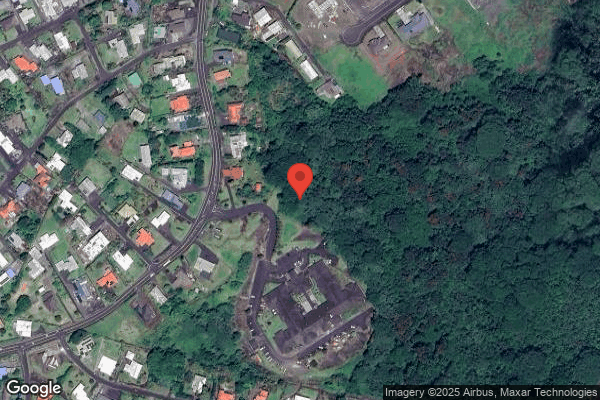
563 KAUMANA DRIVE, HILO, HI 96720 (808) 498-0184
For profit - Corporation 100 Beds OHANA PACIFIC MANAGEMENT CO. Data: November 2025
Trust Grade
55/100
#26 of 41 in HI
Last Inspection: October 2024

Within standard 12-15 month inspection cycle. Federal law requires annual inspections.

Overview

Legacy Hilo Rehabilitation & Nursing Center has a Trust Grade of C, indicating it is average and in the middle of the pack compared to other facilities. It ranks #26 out of 41 in Hawaii, placing it in the bottom half, and #4 out of 7 in Hawaii County, meaning only three local options are better. The facility is currently improving, with a decrease in issues from 14 in 2023 to 10 in 2024. However, staffing is a concern, with a rating of 2 out of 5 stars and a turnover rate of 59%, significantly higher than the state average of 36%. On a positive note, there have been no fines recorded, which is good, but there is less RN coverage than 85% of other facilities in Hawaii, which may impact the quality of care. Recent inspector findings noted that the facility failed to notify the State Long-Term Care Ombudsman of residents' discharges, which raises concerns about communication practices. Additionally, there were issues with not meeting the specific care needs of residents, particularly those with hearing impairments. Overall, while the facility has some strengths, there are important weaknesses that families should consider carefully.

Trust Score
C
55/100
In Hawaii
#26/41
Bottom 37%
Safety Record
Low Risk
No red flags
Inspections
Getting Better
14 → 10 violations
Staff Stability
⚠ Watch
59% turnover. Above average. Higher turnover means staff may not know residents' routines.
Penalties
✓ Good
No fines on record. Clean compliance history, better than most Hawaii facilities.
Skilled Nurses
✓ Good
Each resident gets 51 minutes of Registered Nurse (RN) attention daily — more than average for Hawaii. RNs are trained to catch health problems early.
Violations
⚠ Watch
27 deficiencies on record. Higher than average. Multiple issues found across inspections.
★★★☆☆
3.0
Overall Rating
★★☆☆☆
2.0
Staff Levels
★★★☆☆
3.0
Care Quality
★★★☆☆
3.0
Inspection Score
Stable
2023: 14 issues
2024: 10 issues

The Good

  • Full Sprinkler Coverage · Fire safety systems throughout facility
  • No fines on record

Facility shows strength in fire safety.

The Bad

3-Star Overall Rating

Near Hawaii average (3.4)

Meets federal standards, typical of most facilities

Staff Turnover: 59%

13pts above Hawaii avg (46%)

Frequent staff changes - ask about care continuity

Chain: OHANA PACIFIC MANAGEMENT CO.

Part of a multi-facility chain

Ask about local staffing decisions and management

Staff turnover is elevated (59%)

11 points above Hawaii average of 48%

The Ugly 27 deficiencies on record

Oct 2024 8 deficiencies
CONCERN (D)

Potential for Harm - no one hurt, but risky conditions existed

Deficiency F0558 (Tag F0558)

Could have caused harm · This affected 1 resident

Based on observations, resident interview, staff interview, and review of policy, the facility did not have the call bell in reach for one Resident (R)14 out of six Residents sampled. As a result of t...

Read full inspector narrative →
Based on observations, resident interview, staff interview, and review of policy, the facility did not have the call bell in reach for one Resident (R)14 out of six Residents sampled. As a result of this deficiency, R14s ability to call out for help was limited and the deficient practice has the potential to affect all the residents that uses the call bell for assistance. Findings Include: During observation and interview on 10/22/24 at 10:18 AM, R14's call bell was attached to the bed but was dangling and out of reach. R14 said that he/she had hard time finding the call bell to call out to staff. Observation and interview on 10/23/24 at 02:30 PM, R14's call bell was dangling over head of the bed and out of reach. R14 wanted to call to ask staff a question. Observation on 10/25/24 at 09:22 AM, R14 was sitting in a wheelchair next to the bed and the call bell was out of reach, dangling from the bed rail. R14 was trying to get the attention of staff. Staff interview on 10/23/24 at 02:51 PM, Certified Nurse Assistant (CNA)4 acknowledged that the call bell was out of reach and moved it closer to the resident. Review of policy on Call Light use read; Purpose, to respond promptly to resident's call for assistance, to ensure call system is in proper working order. Procedure, all facility personnel must be aware of call lights at all times . When providing care to guest/resident, be sure to position the call light conveniently for the resident to use, tell the guest/resident where the call light is and show him/her how to use the call light . Be sure all call lights are placed on the bed at all times, never on the floor or bedside stand or clipped to the guest/resident or placed in reach when sitting up .
CONCERN (D)

Potential for Harm - no one hurt, but risky conditions existed

Safe Environment (Tag F0584)

Could have caused harm · This affected 1 resident

Based on interviews and record review, the facility failed to exercise reasonable care for the protection of the property from loss or theft for one out of 22 sampled residents (Resident (R) 9). As a ...

Read full inspector narrative →
Based on interviews and record review, the facility failed to exercise reasonable care for the protection of the property from loss or theft for one out of 22 sampled residents (Resident (R) 9). As a result of this deficiency, R9's psychosocial wellbeing was negatively affected. R9 did not think the facility took his statement seriously. This deficient practice has the potential to affect all the residents whose property is lost or missing. Findings Include: Interview was conducted with R9 on 10/22/24 at 01:45 PM in his room. R9 stated that a couple of months ago, five bottles of supplements went missing after taking just one pill. R9 explained that a family member had ordered the supplements for him and had it delivered to the facility. R9 had informed a couple of the facility staff of the missing items and staff had helped him search for it. R9 was not sure if the staff had taken his statement seriously. R9 did not think the facility had opened an investigation regarding his missing items because no one had spoken to him regarding the missing bottles. Interview was conducted with R9's family member by phone on 10/24/24 at 01:19 PM. R9's family member confirmed that he had ordered 5 bottles of supplements for R9 two months ago and had it delivered to the facility. Interview was conducted with Registered Nurse (RN) 10 on 10/24/24 at 01:27 PM at the nurse's station. RN10 stated that R9 had informed her of his missing supplements a couple of months ago and RN10 searched for it with other staff. RN10 was not sure if the facility social worker was aware of R9's missing items. RN10 did not inform the social worker that R9 was missing his supplements. Interview was conducted with Social Worker (SW) 1 on 10/24/24 at 01:29 PM at the nurse's station. SW1 stated that once a resident's item is reported missing, staff begins a search for it. If the item is not found, the facility fills out a lost item form and begins the investigation process. SW1 confirmed that she was not aware that R9 had missing items a couple of months ago. Therefore, investigation for R9's items was not started. A review of the facility policy titled, Theft and Loss Program, last updated on 01/01/2010, was conducted on 10/25/24. The policy noted, 8. If a resident, responsible party or staff member become aware that an item is missing, they will initiate a theft and loss form and forward immediately to Social Services.
CONCERN (D)

Potential for Harm - no one hurt, but risky conditions existed

Comprehensive Care Plan (Tag F0656)

Could have caused harm · This affected 1 resident

**NOTE- TERMS IN BRACKETS HAVE BEEN EDITED TO PROTECT CONFIDENTIALITY** Based on observation, interview, and record review, the facility failed to develop and implement a comprehensive person-centered...

Read full inspector narrative →
**NOTE- TERMS IN BRACKETS HAVE BEEN EDITED TO PROTECT CONFIDENTIALITY** Based on observation, interview, and record review, the facility failed to develop and implement a comprehensive person-centered care plan for one out of 22 sampled residents (Resident (R) 66). R66 experienced frequent pain and the facility failed to develop a care plan for R66's pain. The deficient practice has the potential to negatively affect R66's wellbeing and has the potential to affect all the residents who experiences pain in the facility. Findings Include: R66 is a [AGE] year-old female admitted to the facility on [DATE]. R66 has medical diagnosis that includes, but not limited to, hemiplegia and hemiparesis following nontraumatic intracerebral hemorrhage affecting left non-dominant side, aphasia, low back pain, and pain. Observation and interview were conducted with R66 on 10/23/24 at 09:53 AM in R66's room. R66 was observed rubbing/massaging her left thigh area. R66 stated that she experiences constant pain in her left thigh area and needs to take medications for it. A review of R66's Minimum Data Set (MDS) dated [DATE] was conducted. Section J in R66's MDS noted that R66 has frequent pain. A review of R66's current care plan was conducted on 10/23/24. R66's care plan did not include a plan of care for her frequent pain. Interview was conducted with the Director of Nursing (DON) on 10/24/24 at 10:35 AM in the DON's office. DON confirmed that R66 had frequent pain and was aware that R66 takes medications to alleviate the pain. DON confirmed that R66 should have had a care plan for pain. A review of the facility policy titled, Pain Management Policy, with a revision date 07/12/2023, was conducted. The policy noted, 3. An individualized Care Plan will be developed to identify a resident's pain and interventions to assist with care of the resident and updated with any changes in interventions.
CONCERN (D)

Potential for Harm - no one hurt, but risky conditions existed

Incontinence Care (Tag F0690)

Could have caused harm · This affected 1 resident

**NOTE- TERMS IN BRACKETS HAVE BEEN EDITED TO PROTECT CONFIDENTIALITY** Based on observation, interview and Record Review (RR) the facility failed to assure one of the sampled residents (Resident (R) ...

Read full inspector narrative →
**NOTE- TERMS IN BRACKETS HAVE BEEN EDITED TO PROTECT CONFIDENTIALITY** Based on observation, interview and Record Review (RR) the facility failed to assure one of the sampled residents (Resident (R) 132) received appropriate treatment and services with care for his urinary indwelling catheter. The deficient practice included R132's urinary catheter tubing being left on the ground, urinary catheter flush for blood in the tubing performed by licensed staff without a physician order, and licensed staff not performing proper hand hygiene before flushing R132's urinary catheter. This deficient practice has the potential to affect all the resident with urinary catheter. Findings Include: Cross-reference to F880 Infection Prevention & Control On 10/22/24 at 11:30 AM R132 was observed sitting in his wheelchair near his bed with his urinary catheter tubing on the ground. Interview was conducted with the Certified Nurse Assistant (CNA) 1 who was working with R132. Inquired if the tubing should be on the ground and she confirmed it is not supposed to be left on the ground and she put on gloves and lifted the tubing off the ground and moved it to the side of R132's wheelchair. On 10/23/24 at 10:01 AM observed R132 sitting in his wheelchair outside of his room and Registered Nurse (RN) 5 was talking with resident. Interview was conducted with RN5 at this time. Inquired about the blood that was observed in the urinary catheter tubing of R132 and RN5 stated she was going to flush the urinary catheter. R132 was transferred into his bed by RN5 and maintenance staff (who is a CNA). RN5 continued using the same gloves as she flushed R132's urinary catheter. Afterwards RN5 was interviewed and asked if she should have taken off the dirty gloves, performed hand hygiene and then put on clean gloves before flushing R132's catheter, and she confirmed that she should have done that. On 10/23/24 a RR was done of R132's Electronic Health Record (EHR) which revealed he is an [AGE] year old male who was admitted to the facility on [DATE] and his diagnoses include, but are not limited to, hemiplegia and hemiparesis following cerebral infarction affecting right dominant side; Type 2 diabetes mellitus; personal history of malignant neoplasm of prostate; chronic kidney disease, stage 3a; and urinary tract infection, site not specified. Continued RR found there was no physician's order for R132 to have his urinary catheter flushed by licensed staff. On 10/24/24 at 03:00 PM interviewed RN6 inquired if nurses are required to have a doctor's order to perform a urinary catheter flush and she confirmed this. On 10/24/24 at 03:05 PM interviewed RN5 and inquired if she had a doctor's order to flush R132's urinary catheter tubing prior to doing this on 10/23/24. RN5 reviewed R132's doctor's orders. RN5 stated she did not find an order to flush R132's urinary catheter tubing. Inquired if nurses need to have the order to be able to do this and RN5 confirmed she needed a doctor's order. RN5 stated she would contact the doctor. RR on 10/25/24 of R132's EHR revealed a doctor's verbal order with a created date of 10/24/25 at 04:12 PM which stated May flush urinary catheter when urine output is bloody or urine output is decreased. Every shift - PRN PRN 1, PRN 2, PRN 3
CONCERN (D)

Potential for Harm - no one hurt, but risky conditions existed

Pharmacy Services (Tag F0755)

Could have caused harm · This affected 1 resident

Based on interviews and record review, the facility failed to ensure controlled medication was reconciled for one of four medication carts sampled. Review of the Controlled Medication Reconciliation L...

Read full inspector narrative →
Based on interviews and record review, the facility failed to ensure controlled medication was reconciled for one of four medication carts sampled. Review of the Controlled Medication Reconciliation Log (CMR Log) documented on 10/02/24, nursing staff did not sign the log with the on-coming evening shift nurse indicating all controlled medications for medication cart was reconciled at change of shift and on 10/24/24 and 10/25/24, nursing staff pre-signed the CMR Log prior to reconciling and verifying the controlled medications count with the on-coming evening shift. As a result of this deficient practice, the facility is at potential risk for diversion of controlled medications. Findings Include: On 10/24/24 at 08:40 AM, conducted an inspection of medication cart # 4 with Nursing Staff (NS)3. Review of the CMR Log documented NS3 had already signed the box which indicated the controlled medication count was completed with the on-coming evening shift nurse which attested the count was accurate, prior to doing the actual count. Inquired with NS3 regarding when the CMR Log should be signed and if NS3 had pre-signed the form. NS3 stated that she was going to work a double shift, so she would be signing for both the off-going and on-coming evening nursing staff and would sign as the off-going nurse with the staff working the night shift. NS3 explained, she would have the keys for medication cart #4 for the entire day and evening shift, then count the controlled medications with the on-coming night shift. On 10/25/24 at 09:40 AM, reviewed the unit schedule which documented NS3 had worked until 06:00 PM on 10/24/24 and not the entire 8 hour evening shift as reported by NS3. On 10/25/24 at 11:15 AM, reviewed the CMR Log on medication cart #4. The CMR Log documented NS3 did not provide an additional signature attesting that the controlled medication was reconciled with the on-coming nurse to ensure all controlled medications for medication cart #4 was correct and there were no missing controlled medication(s). Also, NS23 had pre-signed the CMP Log prior to counting the controlled medications with the on-coming evening nurse. Inquired if NS23 was working the evening shift and NS23 confirmed he/she was not working the evening shift and would be conducting a count of the controlled medication with the on-coming evening nurse at change of shift later in the day. On 10/25/24 at 11:40 AM, conducted a concurrent interview and record review of medication cart #4's CMR Log with Resident Care Manager (RCM)8. Informed RCM8 of this surveyor's conversation and documentation on the CMR Log for 10/24/24 and 10/25/24 which showed both day shift nurses pre-signing the CMR Logs prior to counting the controlled medications with another licensed nursing staff. Inquired with RCM8 regarding the facility's practice for counting controlled medications between shifts and what is expected of the staff conducting the counts. RCM8 stated the CMR Log should be signed in the presence of the other licensed nurse during change of shift, when handing over the keys to the on-coming licensed nursing staff, after confirming the controlled medication count was accurate. RCM8 confirmed NS3 should have signed the CMR Log again and in the presence of the on-coming nurse after both staff confirmed the accuracy of the controlled medication count and NS23 should not have pre-signed the CMR Log. Reviewed the missing signature on the CMR Log for the day shift nurse on 10/02/24. RCM8 confirmed licensed staff should have signed the CMR Log in the presence of the on-coming licensed staff but did not. Review of the facility's Medication Storage, Controlled Medication Storage policy and procedure documented, 6. At each shift change or when the keys are surrendered, a physical inventory of all controlled substances, . is conducted by two licensed or approved individuals per state regulation and is documented on the controlled substances accountability record ore verification of controlled substances count report.
CONCERN (D)

Potential for Harm - no one hurt, but risky conditions existed

Deficiency F0761 (Tag F0761)

Could have caused harm · This affected 1 resident

Based on observations, interview, and facility policy review, the facility failed to ensure drugs and biologicals are stored in a locked compartment. Proper storage of medications is necessary to prom...

Read full inspector narrative →
Based on observations, interview, and facility policy review, the facility failed to ensure drugs and biologicals are stored in a locked compartment. Proper storage of medications is necessary to promote safe administration practices and to decrease the risk for diversion of residents' medications. This deficient practice has the potential to affect all the residents in one of the four units in the facility. Findings Include: Concurrent observation and interview were conducted on 10/22/24 at 11:00 AM. One of the facility's medication carts was observed unlocked and unattended. The cart was assigned to Licensed Practical Nurse (LPN) 10, who was observed in one of the resident's rooms. Once LPN 10 exited the resident's room, she was asked about the unlocked and unattended medication cart. LPN10 confirmed that the medication cart should not have been left unlocked and unattended. Concurrent observation and interview were conducted on 10/23/24 at 03:17 PM. One of the facility's medication carts was observed unlocked and unattended. The cart was assigned to Registered Nurse (RN) 11. Once RN11 came back to the nurse's station, she was questioned about the unlocked and unattended medication cart. RN11 confirmed that the medication cart should not have been left unlocked and unattended. A review of the facility policy titled, Storage of Medication, dated 01/24 was conducted on 10/23/24. The policy noted, 3. In order to limit access to prescription medications, only licensed nurses, pharmacy staff, and those lawfully authorized to administer medications (such as medication aides) are allowed access to medication carts. Medication rooms, cabinets, and medication supplies should remain locked when not in use or attended to by persons with authorized access.
CONCERN (D)

Potential for Harm - no one hurt, but risky conditions existed

Infection Control (Tag F0880)

Could have caused harm · This affected 1 resident

Based on observation, Record Review (RR) of Resident's Electronic Health Record (EHR) and interview, the facility failed to assure one of the sampled resident's (Resident (R) 132) urinary catheter tub...

Read full inspector narrative →
Based on observation, Record Review (RR) of Resident's Electronic Health Record (EHR) and interview, the facility failed to assure one of the sampled resident's (Resident (R) 132) urinary catheter tubing did not rest on the ground, failed to have staff remove dirty gloves, perform hand hygiene and put on clean gloves before flushing R132's urinary catheter, and perform hand hygiene after disposing of dirty gloves before putting on clean gloves during a dressing change for R58. The deficient practice puts the residents at risk for facility acquired infections. Findings Include: 1) On 10/22/24 at 11:30 AM R132 was observed returning to his room in his wheelchair with staff pushing his wheelchair. R132 was observed in his wheelchair near his bed and his urinary catheter tubing was observed resting on the ground. Inquired with Certified Nurse Assistant(CNA) 1, if the tubing should be on the ground and she stated it should not be on the ground. CNA1 put on gloves and moved the tubing so that it was not resting on the ground. On 10/23/24 at 10:01 AM observed R132 sitting in his wheelchair outside of his room. An interview was conducted at this time with Registered Nurse (RN) 5. Inquired with RN 5 about blood that was observed in R132's urinary catheter tubing. RN5 stated she was going to flush it. Observed RN5 push R132 in his wheelchair from the hallway to his bedside. RN5 and Maintenance Staff (MS) 1 (who is also a CNA) transferred R132 from his wheelchair to his bed. During the transfer RN5 was wearing gloves. After transfer RN5 did not dispose of dirty gloves and perform hand hygiene. RN5 proceeded to flush R132's urinary catheter which had blood and urine in the tubing. Resident tolerated it well. Afterwards RN5 changed her gloves, threw away dirty gloves and put on clean gloves and did not perform hand hygiene. RN5 placed a holder (STAT LOCK) on resident's right leg which she stabilized R132's urinary catheter tubing in. Inquired of RN5 if she should have disposed of dirty gloves and perform hand hygiene prior to flushing R132's urinary catheter and RN5 confirmed she had not done hand hygiene and did not change her gloves prior to flushing R132's urinary catheter which she acknowledged she should have done. 2) On 10/24/24 at 10:11 AM observed suprapubic catheter dressing change for R58 done by RN5. R58 was laying in his bed, no distress, was cooperative with dressing change, reported to nurse that he does not have any pain. Site was clean, no drainage and no inflammation. RN5 disposed of old dressing and washed her hands. RN5 donned clean gloves and cleaned site with saline. RN5 took off her gloves and threw them away, no hand hygiene was performed before putting on clean gloves. Ointment was applied to the site with a sterile q-tip and dressing gauze was applied with paper tape. On 10/24/24 at 08:45 AM requested Hand Hygiene policy from Administrator which she provided that day. Review of facility policy titled Handwashing and Hand Hygiene Policy with a revision date of 05/23/23 states Healthcare personnel should use an alcohol-based hand rub or wash with soap and water for the following clinical indications: . c. Before and after direct resident contact (for which hand hygiene is indicated by acceptable professional practice). t. Before donning and after doffing gloves and PPE.
CONCERN (F)

Potential for Harm - no one hurt, but risky conditions existed

Transfer Notice (Tag F0623)

Could have caused harm · This affected most or all residents

**NOTE- TERMS IN BRACKETS HAVE BEEN EDITED TO PROTECT CONFIDENTIALITY** 3) Reviewed R35's EHR which documented the resident was discharged to an acute hospital on [DATE]. R35's EHR did not contain doc...

Read full inspector narrative →
**NOTE- TERMS IN BRACKETS HAVE BEEN EDITED TO PROTECT CONFIDENTIALITY** 3) Reviewed R35's EHR which documented the resident was discharged to an acute hospital on [DATE]. R35's EHR did not contain documentation of the facility's notification to a representative of the Office of the State Long-Term Care Ombudsman of R35's discharge. Requested documentation of the facility's notification to the Ombudsman for R35's discharge. On 10/24/24 at 01:07 PM, the Administrator confirmed a notice of transfer/discharge was not sent to the Ombudsman and a notice should have been sent. 4) Reviewed R56's EHR which documented the resident was discharged to an acute hospital on [DATE]. R56's EHR did not contain documentation of the facility's notification to the Ombudsman of R56's discharge. Requested documentation of the facility's notification to the Ombudsman for R56's discharge. On 10/24/24 at 01:07 PM, the Administrator confirmed a notice of transfer/discharge was not sent to a representative of the Office of the State Long-Term Care Ombudsman and a notice should have been sent. Review of the facility policy Transfer or Discharge Policy (Including AMA) which was last updated 10/22/2022, states Policy Interpretation and Implementation 6. Generally, the notice must be provided at least 30 days prior to a facility- initiated transfer or discharge of the resident. Exceptions to the 30-day requirement apply when the transfer or discharge is effected because: a. The health and/or safety of individuals in the facility would be endangered due to the clinical or behavioral status of the resident; b. The resident's health improves sufficiently to allow a more immediate transfer or discharge; c. An immediate transfer or discharge is required by the resident's urgent medical needs; or d. A resident has not resided in the facility for 30 days. In these exceptional cases, the notice must be provided to the resident, resident's representative if appropriate, and LTC ombudsman as soon as practicable before the transfer or discharge. 7. The facility will maintain evidence that the notice was sent to the Ombudsman as applicable. Based on interview and Record Review (RR), the facility failed to ensure a copy of the notice of transfer or discharge was sent to a representative of the Office of the State Long-Term Care Ombudsman for four residents (Resident (R)41, R57, R35, and R56) sampled. Requested a copy of the sampled resident's transfer or discharge notice that was sent to a representative of the Office of the State Long-Term Care Ombudsman and the Administrator confirmed the facility has not been sending any copies of the notices to the Ombudsman. This deficient practice has the potential to affect all the residents who are transferred or discharged from the facility. Findings Include: 1) On 10/23/24 at 11:04 AM during interview with R41 he stated he went to the hospital this year to have my leg amputated. On 10/23/24 at 3:00 PM requested notice of transfer or discharge, bed hold and ombudsman notification for R41 from Administrator. Administrator provided a copy of the Notice of Transfer/Discharge for R41 on 10/24/24. Two copies were given, one was dated 05/31/24 and 06/24/24 and both included the bed hold policy. 2) On 10/23/24 during RR of R57's Electronic Health Record (EHR) found R57 was sent to the hospital on [DATE] after a fall and admitted to the hospital for a diagnosis of fall with left inferior pubic ramus fracture. On 10/23/24 at 3:35 PM requested notice of transfer or discharge, bed hold and ombudsman notification for R57 from the Administrator. Also requested facility policy for transfer and discharge. On 10/24/24 at 11:07 AM received Notice of Discharge/Transfer and bed hold form that was signed by R57 on 10/23/24. Resident returned to facility on 10/23/24 from the hospital and was re-admitted to the facility. Awaiting copy of notification was given to Ombudsman from Administrator for R41 and 57. Administrator was able to provide a copy of the Transfer or Discharge Policy (Including AMA) which was last updated 10/22/2022. On 10/24/24 at 11:25 AM Administrator came to conference room to notify surveyor that the facility staff have not been sending copies of the notice of resident discharge/transfer to the Ombudsman.
Jul 2024 2 deficiencies
CONCERN (D) 📢 Someone Reported This

A family member, employee, or ombudsman was alarmed enough to file a formal complaint

Potential for Harm - no one hurt, but risky conditions existed

Deficiency F0726 (Tag F0726)

Could have caused harm · This affected 1 resident

**NOTE- TERMS IN BRACKETS HAVE BEEN EDITED TO PROTECT CONFIDENTIALITY** Based on record review and interview, the facility failed to ensure nursing staff had the appropriate competencies and skill set...

Read full inspector narrative →
**NOTE- TERMS IN BRACKETS HAVE BEEN EDITED TO PROTECT CONFIDENTIALITY** Based on record review and interview, the facility failed to ensure nursing staff had the appropriate competencies and skill sets to provide nursing services that assured resident (R) safety for 1 of 6 residents sampled (R1). As a result of this deficient practice, R1 was placed at risk of a decrease in her physical well-being related to receiving morphine sulfate (a strong narcotic most commonly used to treat moderate to severe pain) on a routine basis, scheduled every one hour, as opposed to being used as needed. Findings include: Resident (R)1 was an [AGE] year-old female admitted to the facility on [DATE]. On 05/23/24, R1 was admitted to hospice for end-of-life care. On 05/28/24, R1 passed away at the facility while on hospice. On 06/24/24, the State Agency (SA) received an anonymous complaint (ACTS #11034) regarding the care R1 received at the end of her life. Amongst the allegations made was a concern that R1 had received too much morphine sulfate on 05/26/24. On 07/09/24, a review of R1's electronic health record (EHR) revealed the following progress notes: 05/26/24 Hospice Nurse Progress Note: . On-call Visit . ORDERS: Morphine 10 mg [milligrams] Q1H [every one hour] PRN [as needed] . 05/26/24 02:59 PM Facility Nursing Progress Note: New Orders Hospice nurse . spoke to APRN [advanced practice registered nurse] . from Hospice with the following recommendations: . Roxanol [morphine sulfate] 10 mg Q1H prn for pain/SOB [shortness of breath]. The Roxanol order was updated. Further review of R1's EHR revealed the following physician orders entered for morphine sulfate: 05/24/24: Morphine 20 mg/ml (milligrams per milliliter) 0.25 ml (5 mg) every one to two hours PRN (as needed) for pain and shortness of breath (order was discontinued on 05/26/24 at 02:53 PM). 05/26/24 02:53 PM: Morphine 20 mg/ml 0.5ml (10 mg) every one hour for pain and shortness of breath. 05/26/24 09:39 PM: Morphine 20 mg/ml 0.5ml (10mg) every one hour as needed for pain and shortness of breath. A review of R1's medication administration record (MAR) revealed that on 05/26/24, between 02:53 PM (when R1's morphine sulfate order was doubled from 5 mg to 10 mg and changed from as needed to scheduled every one hour) and 09:39 PM (when the order was clarified and changed to as needed), R1 was given morphine sulfate at 04:32 PM, 05:00 PM, 06:31 PM, and 09:00 PM. The MAR documents that her family declined/refused the 07:00 PM and 08:00 PM doses and requested that the order be clarified. After the order was clarified and changed to as needed (at 09:39 PM), R1 did not receive any further morphine sulfate until the next morning. On 07/10/24 at 11:01 AM, an interview was done in the Conference Room with Resident Care Manager (RCM)1. RCM stated that there was a data entry error made on the 05/26/24 02:53 PM order, and that the order should have reflected that it was PRN and not scheduled every one hour. At a second interview done at 11:25 AM, RCM1 agreed that he would expect a nurse to question/clarify any order scheduled for every one hour, but especially a narcotic. On 07/11/24, a review was done of the Nurse Competency checklists for the Licensed Practical Nurse (LPN)1 who took and incorrectly transcribed the morphine sulfate order on 05/26/24, and the Registered Nurse (RN)1 who administered the morphine sulfate every hour times 3 hours, without clarifying the order until it was questioned by a family member. LPN1, employed at the facility as an LPN since 03/03/24, had been initialed off in every topic area on the checklist, including Documentation of Telephone/verbal orders, by RCM1 on 03/04/24 and 03/05/24. What was noted to be lacking on the checklist, however, was that none of the individual skills within each topic area had been checked off as completed, and neither were the assessment methods (i.e., verbalized understanding, return demonstration, observed in clinical area, documentation review). RN1, employed at the facility as an RN since 04/08/24, had been checked off in every skill area under the topic of Medication Management, by the Staff Development/Educator on 04/10/24, however, the only assessment method checked was Verbalized understanding. On 07/11/24 at 10:27 AM, a phone interview was done with the Staff Development/Educator (SD). During a concurrent review of both Nurse Competency Checklists, SD agreed that neither checklist had been completed as it should be. For LPN1, SD stated, everything should be checked off [with regard to the individual skills within each topic area], and agreed that some type of assessment method should also be checked off. For RN1, SD verified she was the one who checked off every box under each topic area and individual skill, however, she did not provide the one-on-one training, so did not feel comfortable checking off any of the assessment methods. SD agreed that for the topic of medication management, the preferred assessment methods to ensure competency would be observed in clinical area or return demonstration. SD confirmed that the assessment method(s) should have been checked off by her one-on-one trainer. SD could provide no explanation why RN1's one-on-one trainer had not been the one to check her off on each skill, or why she, as the SD, had checked/initialed off on all the individual skills when she was not the one-on-one trainer.
CONCERN (D) 📢 Someone Reported This

A family member, employee, or ombudsman was alarmed enough to file a formal complaint

Potential for Harm - no one hurt, but risky conditions existed

Pharmacy Services (Tag F0755)

Could have caused harm · This affected 1 resident

**NOTE- TERMS IN BRACKETS HAVE BEEN EDITED TO PROTECT CONFIDENTIALITY** Based on record review and interview, the facility failed to ensure pharmacy services included a thorough process to assure accu...

Read full inspector narrative →
**NOTE- TERMS IN BRACKETS HAVE BEEN EDITED TO PROTECT CONFIDENTIALITY** Based on record review and interview, the facility failed to ensure pharmacy services included a thorough process to assure accurate reconciliation and accounting for all controlled medications in order to promptly identify loss or potential diversion. Findings include: Resident (R)1 was an [AGE] year-old female admitted to the facility on [DATE]. On 05/23/24, R1 was admitted to hospice for end-of-life care. On 05/28/24, R1 passed away at the facility while on hospice. On 06/24/24, the State Agency (SA) received an anonymous complaint (ACTS #11034) regarding the care R1 received at the end of her life. Amongst the allegations made was a concern that R1 had received too much morphine sulfate on 05/26/24. On 07/09/24, while investigating the complaint, a review of R1's medication administration record (MAR) and progress notes was done while comparing it to the Controlled Drug Record (log) for the morphine sulfate. Several discrepancies were found while attempting to reconcile the MAR and log. The MAR documents 0.50 milliliters (mls), equivalent to 10 milligrams (mg) of morphine sulfate was administered on 05/26/24 at 09:00 PM, however there is no corresponding sign out on the log between 06:30 PM (administered at 06:32 PM) and 12:55 AM the next morning. Progress notes and the log indicate 0.50 mls (10 mg) was signed out, half the dose was wasted per family request, and 5mg was given on 05/27/24 at 12:55 AM. Review of the MAR reveals the first dose administered on 05/27/24 was documented as given at 07:50 AM, but the charted date [and time] in the comments for that dose is 05/27/24 02:04 AM. No 12:55 AM dose was documented on the MAR. On the back of the log are documentations of refusals of half the ordered dose, requiring a waste of half of what was signed out, three times on 05/27/24 and twice on 05/28/24. The MAR reflects a half dose was administered only once on 05/27/24 and no occurrences on 05/28/24. On 07/10/24 at 11:01 AM, an interview was done with Resident Care Manager (RCM)1 in the Conference Room. When asked what the process was for narcotic reconciliation and accounting, specifically who should be reviewing the narcotic logs, RCM1 stated that it is the responsibility of the RCM to review and reconcile all the narcotic logs at the end of every month. RCM1 confirmed he did not review/reconcile the narcotic log for R1's morphine sulfate and stated that he should have.
Oct 2023 14 deficiencies
CONCERN (D)

Potential for Harm - no one hurt, but risky conditions existed

Deficiency F0558 (Tag F0558)

Could have caused harm · This affected 1 resident

**NOTE- TERMS IN BRACKETS HAVE BEEN EDITED TO PROTECT CONFIDENTIALITY** Based on observation, interview, and record review (RR), the facility failed to accommodate 1 of 3 Residents' (Resident 69) need...

Read full inspector narrative →
**NOTE- TERMS IN BRACKETS HAVE BEEN EDITED TO PROTECT CONFIDENTIALITY** Based on observation, interview, and record review (RR), the facility failed to accommodate 1 of 3 Residents' (Resident 69) needs by not ensuring that his whiteboard (for communication), and remote for the TV, was always placed within his reach on his left side (the mobile side). As a result of this deficient practice, R69 was prevented from achieving independent functioning with regards to the TV, and he was hindered from attaining his highest practicable well-being. This deficient practice has the potential to affect all the residents at the facility with deficits in mobility. Findings include: Resident (R)69 is a [AGE] year-old male admitted to the facility on [DATE] following a stroke with hemiplegia (paralysis of one side of the body) affecting his right side. Other admitting diagnoses include, but are not limited to, dysphagia (swallowing difficulties), adjustment disorder with mixed anxiety and depressed mood, deaf nonspeaking, and cognitive communication deficit (results in difficulty with thinking and how someone uses language). In addition, R69 receives all nutrition, fluids, and medication (except topical) through a gastrostomy tube (G-tube), a tube inserted through the belly that brings nutrition directly to the stomach. On 10/24/23 at 12:22 PM, observations were made at R69's bedside. His bedside table was on his right (immobile) side, and contained a blank whiteboard with no pen in sight, and the TV remote. The TV was off, and the room was silent. R69 was non-verbal but responsive to greetings with a smile. On 10/26/23 at 08:58 AM, observations made at R69's bedside. Bedside table was on his right side with a blank whiteboard with no pen in sight, and the TV remote. The TV was off, and the room was silent. R69 had both hands positioned on his chest. He could not move his right hand, but lifted his left hand to wave when greeted. On 10/26/23 at 09:04 AM, an interview was done with Licensed Practical Nurse (LPN)1 outside R69's room. LPN1 confirmed that R69 cannot move his right side but can move the arm and leg on his left, and can activate the call light and TV remote with his left hand. LPN1 also acknowledged that R69 has a communication problem and stated that there is a communication board [whiteboard] at the side of the bed (currently on the bedside table on his right side). On 10/27/23 at 11:30 AM, observed Resident Care Manager (RCM)2 and LPN1 exiting R69's room after seeing him. Observations at R69's bedside confirmed that the bedside table with the whiteboard and TV remote were still placed on R69's right side. The TV was on with the volume turned very low, and no closed captioning. Followed RCM1 and LPN1 out to the nurses' station and asked about the bedside table with assistive items being placed on R69's right/paralyzed side. Both RCM1 and LPN1 agreed that the bedside table should be on his left. A review of R69's Comprehensive Care Plan (CP) noted no interventions regarding ensuring items (besides the call light) be kept within reach and on his mobile side (left).
CONCERN (D)

Potential for Harm - no one hurt, but risky conditions existed

Notification of Changes (Tag F0580)

Could have caused harm · This affected 1 resident

Based on record review (RR), staff interview and facility policy review, the facility failed to notify the physician when Resident (R)70 became COVID positive and had a significant change in physical ...

Read full inspector narrative →
Based on record review (RR), staff interview and facility policy review, the facility failed to notify the physician when Resident (R)70 became COVID positive and had a significant change in physical condition becoming unresponsive requiring transfer to hospital emergency room. The deficient practice has the potential to affect all residents in the facility that has a significant change in physical condition that could be life threatening. Findings include: During RR of R70's electronic health record (EHR) noted there was no documentation that R70's physician was notified of his COVID positive status on 07/24/2023 or 07/25/2023. RR of R70's EHR found Registered Nurse (RN)6's progress note which included Resident on alert charting for COVID positive. was e-signed, dated and timed on 07/25/2023 at 00:29 AM. There was no documentation by RN6 that R70's physician was notified of his COVID positive status. RR found a progress note e-signed, dated and timed 07/25/2023 at 07:27 AM by Licensed Practical Nurse (LPN)9 that R70 was sent to the hospital emergency room at 05:46 AM via ambulance when found unresponsive that day at 05:10 AM. LPN9's progress note did not include documentation of notification of the physician for R70 after being found unresponsive. On 10/27/2023 at 11:03 AM asked facility administrator for LPN9's contact information (telephone number) for staff interview. Spoke with administrator about R70 and inquired if nurses are expected to notify the doctor if there is a change with resident's status such as becoming COVID positive or becoming unresponsive and she confirmed the nurse did not notify the doctor, stated does not know why the nurse did not notify the doctor because they (facility) have doctors on call 24/7. Inquired if she knew how R70 was exposed to COVID and she stated she did not know exactly how R70 was exposed and acquired COVID, believes the facility had an outbreak at that time and stated three other residents who reside in the same corridor/wing were also COVID positive at the time. On 10/27/2023 at 11:40 AM interviewed LPN9 regarding R70, who she found unresponsive on 07/25/2023 at 05:10 AM. Inquired if she notified the doctor that R70 was COVID positive and she stated the prior shift had done the test and is responsible to notify the doctor. Inquired if R70 presented with COVID symptoms and she stated no. Inquired if LPN9 had notified the doctor that R70 was found unresponsive and was sent to the hospital and she stated she did not notify the doctor but did notify the Director of Nursing (DON). On 10/27/2023 at 11:50 AM interviewed Registered Nurse (RN)6, who reported R70 had complained of an itchy throat on 07/24/2023 and RN6 tested R70 for COVID and he was positive. Inquired if she notified the doctor of the test result and she could not remember if she did. RN6 notified the DON who instructed staff to move roommate out of R70's room since he was not positive for COVID. Requested and received facility's policy on Change in a Resident's Condition or Status which states under Policy Statement Our facility shall promptly notify the resident, his or her Attending Physician, and representative (sponsor) of changes in the resident's medical/mental condition and/or status (e.g., changes in level of care, billing/payments, resident rights, etc.). Policy Interpretation and Implementation 1. The nurse will notify the resident's Attending Physician or physician on call when there has been a(an): a. accident or incident involving the resident; b. discovery of injuries of an unknown source; c. adverse reaction to medications; d. significant change in the resident's physical/emotional/mental condition; e. need to alter the resident's medical treatment significantly; f. refusal of treatment or medication three (3) or more consecutive times); g. need to transfer the resident to a hospital/treatment center; .
CONCERN (D) 📢 Someone Reported This

A family member, employee, or ombudsman was alarmed enough to file a formal complaint

Potential for Harm - no one hurt, but risky conditions existed

Abuse Prevention Policies (Tag F0607)

Could have caused harm · This affected 1 resident

Based on interviews and facility document review, the facility failed to implement their written abuse policy and procedure for an alleged physical abuse of one of the facility residents (Resident (R)...

Read full inspector narrative →
Based on interviews and facility document review, the facility failed to implement their written abuse policy and procedure for an alleged physical abuse of one of the facility residents (Resident (R) 23). This deficient practice had the potential to compromise the safety of the resident and places all residents in the facility at risk for potential physical and psychosocial harm. Findings include: Interview was conducted on 10/24/23 at 02:09 PM with R23's roommate, R66. R66 stated that she witnessed Certified Nurse's Aide (CNA) 35, shove R23's head in the sink and attempted to rip her teeth out of her mouth. R66 stated that the incident occurred three to four months ago and that she had told everyone about the incident. R66 also added that CNA35 was also in the room when the incident occurred. R66 stated that a registered nurse supervisor had come to talk to her immediately after the incident. R66 had informed the nurse supervisor about what she had witnessed but nothing happened after that conversation. A telephone interview was conducted on 10/25/23 at 01:55 PM with CNA35. CNA35 stated that she was a witness to the alleged abuse that had occurred sometime in May. CNA15 was being oriented by CNA35 during the time of the incident and were both by the sink assisting R23 with removal of her dentures. According to CNA15, CNA35 had placed one of her hands on R23's back, while the other hand was attempting to remove R23's dentures. CNA35 had placed R23's head near the sink so that she can rinse R23's mouth after removing her dentures. CNA15 did not believe that CNA35 was rough during the incident. CNA15 stated that R23 thought CNA35 had her hands around R66's neck and started yelling at them. Immediately after exiting the room, both CNA15 and CNA35 reported the incident to one of the nurses on duty. CNA15 did not recall who it was that they reported the incident to. An interview was conducted on 10/25/23 at 02:08 PM with CNA35 in the dining room. CNA35 stated that she was assisting R23 with the removal of her dentures during the incident. CNA35 held R23 on the back area for support while attempting to remove her dentures. CNA35 also positioned R23's face near the sink to rinse out her mouth. CNA35 then heard R66 yelling, Why are you killing the old woman? If that was me, I would punch you. CNA35 did not respond to R66's comments and instead reported the incident to one of the nurses immediately after performing care to R23. The nurse that CNA35 reported the incident to no longer works at the facility. An interview was conducted on 10/26/23 at 10:19 AM with Social Worker (SW) 1. SW1 stated that he was made aware about the alleged abuse on 10/25/23. He added that the alleged incident had occurred in May. SW1 indicated that the normal process for an alleged abuse would be to elevate it to the Director of Nursing (DON) or the Administrator. An interview was conducted on 10/27/23 at 07:30 AM with the Administrator. The Administrator stated that she became aware of the abuse allegation, regarding R23, on 10/26/23. A review of the facility document titled, Comprehensive Abuse Policy and Prevention Program, dated 03/03/21 was conducted. The facility document indicated, Upon receiving an allegation of abuse, committed against a resident, the staff member receiving the allegation must ensure the safety of the resident and immediately notify the supervisor on duty. The supervisor on duty will immediately notify the administrator or designee.
CONCERN (D)

Potential for Harm - no one hurt, but risky conditions existed

Transfer Notice (Tag F0623)

Could have caused harm · This affected 1 resident

**NOTE- TERMS IN BRACKETS HAVE BEEN EDITED TO PROTECT CONFIDENTIALITY** Based on record review, staff interview, and review of policy, the facility failed to provide written notice of discharge for on...

Read full inspector narrative →
**NOTE- TERMS IN BRACKETS HAVE BEEN EDITED TO PROTECT CONFIDENTIALITY** Based on record review, staff interview, and review of policy, the facility failed to provide written notice of discharge for one Resident (R)35 out of two residents sampled. As a result of this deficiency, there was a potential for miscommunication. Findings include: Review of the Electronic Health Record (EHR) indicated that R35 was discharged to the hospital on [DATE]. Further review did not show any written notice of discharge to the resident and/or representative. During staff interview on 10/26/23 at 02:00 PM, Administrator acknowledged that the facility did not provide written notification of discharge for R35. Review of facility policy on Transfer or Discharge read the following: Policy Statement, when a resident/guest is transferred or discharged , details of the transfer or discharge will be documented in the medical record and appropriate information will be communicated to the receiving health care community or provider . When a resident/guest is transferred or discharged from the community, the following information will be documented in the medical record . That an appropriate notice was provided to the resident/guest and/or legal representative, the date and time of the transfer or discharge, the new location of the resident/guest, the mode of transportation, a summary of the resident/guest's overall medical, physical, and mental condition, disposition of medications, others as appropriate or as necessary .
CONCERN (D)

Potential for Harm - no one hurt, but risky conditions existed

Deficiency F0625 (Tag F0625)

Could have caused harm · This affected 1 resident

**NOTE- TERMS IN BRACKETS HAVE BEEN EDITED TO PROTECT CONFIDENTIALITY** Based on record review, staff interview, and review of policy, the facility failed to provide written notice of bed-hold policy ...

Read full inspector narrative →
**NOTE- TERMS IN BRACKETS HAVE BEEN EDITED TO PROTECT CONFIDENTIALITY** Based on record review, staff interview, and review of policy, the facility failed to provide written notice of bed-hold policy for one Resident (R)35 out of two residents sampled. As a result of this deficiency, there was a potential for miscommunication of the bed-hold policy. Findings include: Review of the Electronic Health Record (EHR) indicated that R35 was discharged to the hospital on [DATE]. Further review did not show any written notice of bed-hold policy to the resident and/or representative. During staff interview on 10/26/23 at 02:00 PM, Administrator acknowledged that the facility did not provide written notification of bed-hold policy for R35. Review of facility policy on Bed Holds and Returns read the following: Policy Statement, prior to transfers and therapeutic leaves, resident/guests or resident/guest representative will be informed of the bed-hold and return policy. Policy interpretation and implementation, resident/guests may return to and resume residence in the community after hospitalization or therapeutic leave as outlined in this policy, the community does not exercise a bed-hold option (unless required by contract) for any resident/guests residing in our community and return policy established by the state (if applicable) will apply to resident/guests in the community .
CONCERN (D)

Potential for Harm - no one hurt, but risky conditions existed

Assessment Accuracy (Tag F0641)

Could have caused harm · This affected 1 resident

Based on record review, staff interview and review of the Long-Term Care Facility Resident Assessment Instrument (RAI) 3.0 User's Manual, the facility failed to accurately record that one Resident (R)...

Read full inspector narrative →
Based on record review, staff interview and review of the Long-Term Care Facility Resident Assessment Instrument (RAI) 3.0 User's Manual, the facility failed to accurately record that one Resident (R)65 of two residents sampled was receiving Hospice Services in the RAI, Minimum Data Set (MDS). As a result of this deficiency, the facility put R65 at risk for further RAI, MDS inaccuracy. Findings include: During review of R65's most recent MDS, Assessment Reference Date 07/13/23, there was no indication that R65 was receiving Hospice Services. Review of R65's progress notes showed R65 was admitted to Hospice on 03/30/23. During staff interview on 10/25/23 at 09:20 AM, MDS Coordinator (MDSC1) acknowledged that R65 was not marked as receiving Hospice Services. MDSC1 stated that they would do the necessary correction. Review of the Long-Term Care Facility RAI 3.0 User's Manual read the following: The RAI process has multiple regulatory requirements. Federal regulations at 42 CFR 483.20(b)(1)(xviii), (g), and (h) require that (1) the assessment accurately reflects the resident's status . In addition, an accurate assessment requires collecting information from multiple sources, some of which are mandated by regulations . As such, nursing homes are responsible for ensuring that all participants in the assessment process have the requisite knowledge to complete an accurate assessment.
CONCERN (D)

Potential for Harm - no one hurt, but risky conditions existed

Deficiency F0655 (Tag F0655)

Could have caused harm · This affected 1 resident

Based on observation, interview, and record review, the facility failed to develop and/or implement a baseline care plan that provided effective and person-centered care for 2 of 7 residents (Resident...

Read full inspector narrative →
Based on observation, interview, and record review, the facility failed to develop and/or implement a baseline care plan that provided effective and person-centered care for 2 of 7 residents (Residents 89 and 16) reviewed for falls. As a result of this deficient practice, the facility placed these residents at risk for avoidable declines and injuries. This deficient practice has the potential to affect all the residents at the facility. Findings include: 1) Cross-reference to F689 Accident Hazards. The facility failed to ensure the Baseline Care Plan for Falls was implemented for Resident (R)89. 2) On 10/25/2023 at 11:42 AM during record review (RR) found R16 had a fall with no injury on 10/23/2023. Reviewed R16's care plan and noted there was no care plan for risk for falls. Reviewed R16's assessment for falls and noted she had one filled out on 08/28/2023 when she was admitted , also on 09/13/2023 and on 10/24/2023 the day after she fell. All three fall assessments has resident rated as high risk for falls. On 10/27/2023 at 09:28 AM met with Resident Care Manager (RCM)2 to discuss R16's care plan for risk for falls. RCM2 was able to open up R16's care plan on R16's electronic health record (EHR) and noted the falls care plan was added to her care plan today (10/27/2023). Inquired if there was anything prior to 10/27/2023 and he stated no. Inquired who is responsible to start the baseline care plan for newly admitted residents and he acknowledged it was him for his section of residents. Requested and received facility policy for Fall Prevention and Management with an original effective date of 05/01/21 and no revision date. Policy states The facility will maintain a fall prevention and management program. In as much as it is in the power of the facility, the facility will prevent and/or manage the resident's risk for falls. The elderly are at increased risk for falls related to several different factors. The facility will implement a fall program for residents determined to be at risk for falls in order to better manage these factors and prevent and/or manage as much as is possible the resident from falling and/or sustaining injuries related to falling. Under Details of Key Elements on page 5 of the policy, it states the following B. Dynamic Treatment Plan 1. Specific interventions based on results of fall assessments and individual resident's preference. The interdisciplinary team members must address: a. Resident, staff and family teaching b. Room modifications as needed c. Resident's daily routines d. Mental status/ behaviors e. Physical limitations 1. Activities of daily living (ADL) skills 2. Continence 6. Pain 7. Medication use 8. Non-pharmaceutical interventions in place 9. Consistent appropriate and proper uses of assistive or protective devices, electronic scooter, etc., based on assessments 2. As information is updated, it needs to be communicated to the staff, resident and family. 0. Staff 1. Identify the resident's potential to fall. 2. Summarize assessments and changes needed in services. 3. Individual care plan developed, communicated with staff and implemented .
CONCERN (D)

Potential for Harm - no one hurt, but risky conditions existed

Deficiency F0676 (Tag F0676)

Could have caused harm · This affected 1 resident

**NOTE- TERMS IN BRACKETS HAVE BEEN EDITED TO PROTECT CONFIDENTIALITY** Based on observation, record review, and interview, the facility failed to provide the necessary care and services to meet the a...

Read full inspector narrative →
**NOTE- TERMS IN BRACKETS HAVE BEEN EDITED TO PROTECT CONFIDENTIALITY** Based on observation, record review, and interview, the facility failed to provide the necessary care and services to meet the activities of daily living (ADLs) needs of 2 of 3 residents (Residents 57 and 69) sampled for ADLs. Specifically, the facility did not ensure Resident (R)57's hygiene needs were met, and failed to provide the proper care and treatment to improve or maintain the communication abilities of R69. As a result of this deficient practice, these residents were not having their needs met, and were placed at risk of a decline in their physical well-being, psychosocial well-being, and quality of life. This deficient practice has the potential to affect all residents at the facility with hygiene or communication needs. Findings include: 1) Resident (R)69 is a [AGE] year-old male admitted to the facility on [DATE] following a stroke with hemiplegia (paralysis of one side of the body) affecting his right side. Other admitting diagnoses include, but are not limited to, dysphagia (swallowing difficulties), adjustment disorder with mixed anxiety and depressed mood, deaf nonspeaking, and cognitive communication deficit (results in difficulty with thinking and how someone uses language). In addition, R69 receives all nutrition, fluids, and medication (except topical) through a gastrostomy tube (G-tube), a tube inserted through the belly that brings nutrition directly to the stomach. On 10/24/23 at 12:22 PM, observations were made at R69's bedside. His bedside table was on his right (immobile) side, and contained a blank whiteboard with no pen in sight, and the TV remote. The TV was off, and the room was silent. R69 was non-verbal but responsive to greetings with a smile. On 10/26/23 at 08:58 AM, observations made at R69's bedside. Bedside table was on his right side with a blank whiteboard with no pen in sight, and the TV remote. The TV was off, and the room was silent. R69 had both hands positioned on his chest. He could not move his right hand, but lifted his left hand to wave when greeted. A review of R69's Comprehensive Care Plan for Communication, initiated on 05/10/23, revealed: I am deaf and non-verbal but I am able to read, point and use limited gestures to communicate my basic needs. Interventions include Use communication binder or dry erase board to assist with communication. On 10/26/23 at 09:04 AM, an interview was done with Licensed Practical Nurse (LPN)1 outside R69's room. Asked LPN1 how staff communicated with R69 since he was deaf. LPN1 insisted that R69 was only hard of hearing and not deaf. Was not aware of the admitting diagnosis of deafness, and could not explain it when the diagnosis was pointed out to her by the State Agency (SA) in R69's electronic health record (EHR). LPN1 confirmed that R69 cannot move his right side but can move the arm and leg on his left, and can activate the call light with his left hand. LPN1 also acknowledged that R69 can sign, using American Sign Language (ASL), and does sign at times, but reported that there is no one in the facility that can sign. LPN1 was not aware of the availability of ASL interpreter services. Although LPN1 continued to insist that R69 is not deaf, she did acknowledge that he has a communication deficit and stated that there is a communication board [whiteboard] at the side of the bed. When asked where the pen was for the communication board, LPN1 stated it was next to the whiteboard. Followed LPN1 back into the room where she could not find the whiteboard pen on the bedside table or in the bedside drawer. Asked LPN1 if they had a communication binder for R69. LPN1 dug up the communication binder from under several items on R69's wheelchair. The wheelchair was up against and facing the wall opposite R69's bed. Asked LPN1 how often R69 uses the wheelchair. LPN1 replied that R69 does not get up to the wheelchair too often because he cannot tolerate sitting in it for a prolonged time without being in pain. LPN1 agreed that not having the communication binder and whiteboard pen right at the bedside makes it appear that no one is using it. On 10/27/23 at 11:30 AM, observed Resident Care Manager (RCM)2 and LPN1 exiting R69's room after seeing him. Observations at R69's bedside confirmed that the bedside table with the whiteboard and TV remote were still placed on R69's right side. The TV was on with the volume turned very low, and no closed captioning. Followed RCM1 and LPN1 out to the nurses' station and asked about the closed captioning not being activated on R69's TV, given his deafness, and about the bedside table with assistive items being placed on R69's right/paralyzed side. Regarding the closed captioning on the TV, RCM1 responded do we even know if he can read? Both RCM1 and LPN1 agreed that the bedside table should be on his left, but continued to disagree that R69 was deaf. LPN1 stated that when R69 wants attention, he increases the volume on his TV really loud. LPN1 continued that R69 can also hear the alarm on his tube-feeding pump go off because he always calls when the tube-feeding bag is empty. Both staff members agreed that it was possible R69 increased his TV volume for attention because he had learned that it gets a quicker response from staff than a call light, and that R69 calls when his tube-feeding bag was empty because he could see that it was empty. RCM1 agreed that whether they believed R69 was deaf or not, he should be treated as such until an audiologist evaluation was done, and his diagnosis was changed. An interview with the Administrator on 10/27/23 at 12:30 PM confirmed that the facility did not have ASL interpreter services available. 2) On 10/24/2023, before noon, went into R57's room to greet and interview resident who was laying in her bed watching television. Noted R57 was barely able to open her eyes with which appeared to have clear, sticky discharge, some of which was starting to become dry and crusty. Inquired of R57 if staff had helped her wash her face that morning but resident did not respond. On 10/26/2023 at 8:40 AM observed R57 in her bed leaning to her right side near the edge of the bed and again with clear, sticky discharge on both of her eyes. Surveyor used the call light to ring for staff and facility staff responded. Inquired of Certified Nurse Assistant (CNA)27 if staff had helped R57 with her morning ADLs. CNA27 stated CNA30 was the staff assigned to work with R57 that morning. Inquired why R57's eyes were messy and CNA27 stated it was due to R57's radiation treatment she was receiving in her head. At this time also noted lots of hair loss on R57's pillow which is also due to the radiation treatment. CNA27 was able to help clean resident up with a warm washcloth. On 10/26/2023 at 08:56 AM met with CNA30 who was able to explain what morning ADLs entails. She stated she provides the clean washcloth to R57 to wash herself up. Inquired if she noticed resident's eyes were messy and reported face looked ok, did not notice anything about her eyes this morning, and would encourage her to clean self-up if she were dirty. CNA30 stated there are times R57 refuses to clean self-up but we do our job by offering and encouraging. On 10/27/2023 at 09:12 AM met with RCM2 and inquired how often ADL assistance is being provided for R57 to assure her eyes/face are clean. He confirmed R57's care plan is vague, does not state how often hygiene assistance will be provided to assure R57 is able to have clean eyes that do not impede her vision. Reported to RCM2 that facility staff had stated R57 has weepy messy eyes due to radiation she is receiving. RCM2 reported that R57 had completed her radiation treatment on the 10/13/23.
CONCERN (D)

Potential for Harm - no one hurt, but risky conditions existed

Deficiency F0679 (Tag F0679)

Could have caused harm · This affected 1 resident

**NOTE- TERMS IN BRACKETS HAVE BEEN EDITED TO PROTECT CONFIDENTIALITY** Based on observation, interview, and record review, the facility failed to ensure there was an ongoing resident-centered activit...

Read full inspector narrative →
**NOTE- TERMS IN BRACKETS HAVE BEEN EDITED TO PROTECT CONFIDENTIALITY** Based on observation, interview, and record review, the facility failed to ensure there was an ongoing resident-centered activities program that fully identified and met the resident's needs, for 1 of 3 residents sampled for activities (Resident 69). As a result of this deficient practice, Resident 69 was placed at risk of experiencing a decline in his psychosocial well-being and quality of life. This deficient practice has the potential to affect all residents at the facility. Findings include: Resident (R)69 is a [AGE] year-old male admitted to the facility on [DATE] following a stroke with hemiplegia (paralysis of one side of the body) affecting his right side. Other admitting diagnoses include, but are not limited to, dysphagia (swallowing difficulties), adjustment disorder with mixed anxiety and depressed mood, deaf nonspeaking, and cognitive communication deficit (results in difficulty with thinking and how someone uses language). In addition, R69 receives all nutrition, fluids, and medication (except topical) through a gastrostomy tube (G-tube), a tube inserted through the belly that brings nutrition directly to the stomach. A review of R69's Activities Care Plan on 10/26/23 revealed the following intervention: My activities of current/past interest----I like to watch TV and listen to music. 'General activity preferences' and 'personal history,' where the writer would normally put resident-specific information, were both blank. A review of R69's progress notes in his electronic health record (EHR) noted only the following two progress notes documented by Activities since admission: 05/16/2023 Went to do resident activity assessment this writer had a hard time understanding called . [resident's sister] . waiting for call back. 05/24/2023 called resident emergency contact . on 05/23/2023 and on 05/24/2023 unable to leave voice message. On 10/26/23 at 12:30 PM, a review of R69's Activity Log from the last three months was done. For the month of August, of the 10 times that an activities' staff member had documented a 'visit': 4 of them was the resident watching TV, twice the staff member sat to watch TV with the resident, once the resident was not in the room, once the resident was asleep, and once the 'activity' was dropping off mail or a facility document (i.e., a menu or calendar). For the month of September, of the 20 times that an activities' staff member had documented a 'visit': 5 of them was the resident watching TV with staff member not staying to watch with resident, 5 times the resident was asleep, 8 times the 'activity' was dropping off mail or a facility document, and twice the staff member was responding to R69's call light, turned the call light off, and informed a direct-care staff member. For the month of October, of the 7 times that an activities' staff member had documented a 'visit': twice the resident was asleep, once the resident was observed watching TV, and 4 times the activity was dropping off mail or a facility document. In addition, the review found that the same 'visit' was often documented multiple times under different 'Sub-Categories.' For example, on 09/19/23, the same visit (which took minutes) was documented 3 times under the sub-categories of 'One-on-One,' 'Book Club/Reading,' and 'Movie.' Upon closer review of the documentation, the visit consisted of greeting the resident (who happened to be watching a movie on his TV), delivering a facility document, and informing a direct-care staff member that R69 needed his personal brief changed. On 10/27/23 at 10:51 AM, an interview was done with the Activities Director (AD) in the dining room. The AD stated that he was not made aware that R69 was deaf. He knew R69 could sign and so the AD had been trying to learn ASL, but did not know he was deaf. Reported that the deaf diagnosis had not been shared at any of R69's Care Conferences or Interdisciplinary Team Meetings. The AD agreed that the information impacted his ability to appropriately plan resident-centered activities. When asked how often activity staff visits a resident who is bed-bound, the AD stated that they try to go in 2-3 times a week, but after a concurrent review of the Activity Log for the past 3 months, the AD agreed that it looks like that wasn't happening. Reviewing the Activity Log closer, the AD agreed that many of the items documented as activities were closer to interactions than activities, and should not be logged multiple times for the same visit.
CONCERN (D)

Potential for Harm - no one hurt, but risky conditions existed

Accident Prevention (Tag F0689)

Could have caused harm · This affected 1 resident

**NOTE- TERMS IN BRACKETS HAVE BEEN EDITED TO PROTECT CONFIDENTIALITY** Based on observation, interview, and record review, the facility failed to ensure 1 of 10 residents (Resident 89) sampled for ac...

Read full inspector narrative →
**NOTE- TERMS IN BRACKETS HAVE BEEN EDITED TO PROTECT CONFIDENTIALITY** Based on observation, interview, and record review, the facility failed to ensure 1 of 10 residents (Resident 89) sampled for accidents was free from accident hazards. Specifically, after identifying a newly admitted resident as a Falls Risk, the facility failed to ensure his bed was kept in the lowest position, in alignment with his Baseline Care Plan. As a result of this deficient practice, Resident (R)89 was placed at an increased risk of an avoidable injury, should he suffer a fall out of bed. Findings include: Resident (R)89 is a [AGE] year-old male admitted to the facility on [DATE]. His admitting diagnoses include, but are not limited to, a wedge compression fracture (a fracture which usually occurs in the front of the vertebra, collapsing the bone in the front of the spine and leaving the back of the same bone unchanged, which results in the vertebra taking on a wedge shape) of the first lumbar (lower back) vertebra, following a fall on 10/09/23. On 10/26/23 at 08:43 AM, observations were done of R89 as Licensed Practical Nurse (LPN)1 prepared to give him medications. As LPN1 and the Surveyor entered the room, R89 was observed laying in the bed closest to the door with his bed in what appeared to be the highest position. In order to give R89 his oral medication, LPN1 asked him to sit up in bed. R89 sat up to the side of the bed with his legs dangling over, with at least five inches between the bottom of his feet and the floor. After giving him his medication, LPN1 asked R89 if he could get up out of bed, R89 responded that although he could walk, I'm on shaky ground. LPN1 reminded him to call for help before getting out of bed, and prepared to leave the room. At 08:49 AM, asked LPN1 if R89 was at risk for falls. LPN1 responded that R89 had just been admitted the previous day and this was the first time she had him in her assignment. LPN1 continued on to say that she didn't know if he was a falls risk and that is why she reminded him to call for help before getting out of bed. Asked why his bed was left in the high position if she did not know whether he was at risk for falls. LPN1 responded I can put it down, and returned to the room. LPN1 asked R89 do you want your bed to be lower? R89 stated no, I'm the one that put it like this. It was unclear by the exchange if R89 had been referring to the height of the bed as opposed to the level of the head of the bed, as it had been positioned up at approximately a 75 degree angle. LPN1 left the room a second time with R89's bed left in the high position. On 10/26/23 at 02:37 PM, while reviewing R89's electronic health record (EHR), the following was noted in his Baseline Care Plan (BCP): Problem Start Date: 10/26/23 . [R89] is at risk for falls related to previous hx [history] of fall on 10/9/23 and overall weakness, with one of the planned interventions being, Low bed in place, wheels locked. A review of his progress notes noted 2 Nursing Progress Notes written, with Registered Nurse (RN)7 documenting Fall prevention and safety education provided . Bed low locked position, and LPN5 documenting Fall education given to Resident . Bed in low position.
CONCERN (D)

Potential for Harm - no one hurt, but risky conditions existed

Medication Errors (Tag F0758)

Could have caused harm · This affected 1 resident

**NOTE- TERMS IN BRACKETS HAVE BEEN EDITED TO PROTECT CONFIDENTIALITY** Based on interviews and record review, the facility failed to provide Gradual Dose Reduction (GDR) to one out of five sampled re...

Read full inspector narrative →
**NOTE- TERMS IN BRACKETS HAVE BEEN EDITED TO PROTECT CONFIDENTIALITY** Based on interviews and record review, the facility failed to provide Gradual Dose Reduction (GDR) to one out of five sampled residents (Resident (R) 27) who is currently on a psychotropic medication. This failed practice has the potential to negatively affect all residents on psychotropic medications which may be clinically contraindicated at a higher dose. Findings include: R27 was admitted to the facility on [DATE]. R27 has the diagnosis of but not limited to neurocognitive disorder, Parkinson's disease, dementia, and anxiety disorder. A review of R27's Electronic Health Record (EHR) indicated that R27 has been prescribed Lexapro tablet 10mg/once a day for anxiety disorder since being admitted to the facility on [DATE]. Further review of the R27's EHR showed no indication that a GDR was attempted since 11/29/22. Interview was conducted with Resident Care Manager (RCM) 1 on10/27/23 at 12:35 PM in her office. RCM1 stated that there was no GDR attempt for R27's Lexapro prescription and he has had the same dose since admission. RCM1 also added that there was no pharmacist recommendation for GDR regarding R27's Lexapro prescription. A review of the facility document titled, Psychotropic medication, use of, dated 05/01/21 was conducted. The facility document indicated, Resident who use psychotropic drugs shall receive gradual dose reductions, unless clinically contraindicated, in an effort to discontinue these drugs.
CONCERN (D)

Potential for Harm - no one hurt, but risky conditions existed

Infection Control (Tag F0880)

Could have caused harm · This affected 1 resident

**NOTE- TERMS IN BRACKETS HAVE BEEN EDITED TO PROTECT CONFIDENTIALITY** Based on observations, interviews, and policy review, the facility failed to ensure proper glove use procedures were followed by...

Read full inspector narrative →
**NOTE- TERMS IN BRACKETS HAVE BEEN EDITED TO PROTECT CONFIDENTIALITY** Based on observations, interviews, and policy review, the facility failed to ensure proper glove use procedures were followed by a staff member. This deficient practice places the residents at risk for the development and transmission of communicable diseases and infections. Findings include: Observation was conducted on 10/24/23 at 02:32 PM. Registered Nurse (RN) 8 was observed walking in the hallway from his medication cart parked outside room [ROOM NUMBER] to room [ROOM NUMBER] with gloves on. RN8 then knocked and entered room [ROOM NUMBER] and closed the door. Concurrent observation and interview were conducted on 10/24/23 at 02:51 PM. RN8 was observed leaving room [ROOM NUMBER] with gloves on, walked down the hallway, and removed the gloves at the nurse's station. When asked if he was supposed to have gloves on in the hallway, RN8 answered, no. A review of the facility document titled, Glove Use, dated 10/01/22 was conducted. The document indicated, Used gloves should be discarded into the waste receptacle inside the room.
CONCERN (E)

Potential for Harm - no one hurt, but risky conditions existed

Comprehensive Care Plan (Tag F0656)

Could have caused harm · This affected multiple residents

**NOTE- TERMS IN BRACKETS HAVE BEEN EDITED TO PROTECT CONFIDENTIALITY** 4) Cross-reference to F676 ADLs/Maintain Abilities. The facility failed to implement the interventions in Resident (R)69's Commu...

Read full inspector narrative →
**NOTE- TERMS IN BRACKETS HAVE BEEN EDITED TO PROTECT CONFIDENTIALITY** 4) Cross-reference to F676 ADLs/Maintain Abilities. The facility failed to implement the interventions in Resident (R)69's Communication Care Plan to improve or maintain his ability to communicate his needs related to his diagnosis of Deaf, non-speaking. Cross-reference to F679 Activities Meet Interest/Needs. The facility failed to develop a resident-centered Activities program that fully identified and met R69's needs related to his diagnosis of Deaf, non-speaking. Based on observations, record review (RR) and staff interview the facility failed to develop and implement a comprehensive person-centered care plan for 4 of 19 residents sampled (Residents 8, 57, 68 and 69), to meet and maintain their needs for indwelling catheter care, dementia care, and activities of daily living (ADL). As a result of these deficient practices, these residents were placed at risk for a decline in their quality of life and were prevented from attaining their highest practicable well-being. This deficient practice has the potential to affect all the residents at the facility. Findings include: 1) On 10/24/2023 while rounding with assigned residents, observed Resident (R)68 had an indwelling catheter. The indwelling catheter appeared to be draining and was covered by a privacy bag which was hanging from his bed. Minimum Data Set (MDS) admission assessment completed on 09/14/2023 confirmed resident has an indwelling catheter. RR of R68's care plan found he did not have a care plan for indwelling catheter care. Care plan dated 09/12/2023 for bowel and bladder had short term goal date of 09/26/2023 that Resident will maintain current level of continence. Bladder: Foley catheter. No other interventions were listed to provide indwelling catheter care to prevent and monitor for infection. On 10/26/2023 at 01:38 PM met with Resident Care Manager (RCM)2 to discuss R68's care plan. Inquired if R68 had a care plan for indwelling catheter care. RCM2 was able to look at R68's care plan on the electronic health record (EHR) and stated he was not aware that R68's care plan was incomplete, stated resident was admitted before he started working at the facility on 09/18/2023. R68 was admitted to the facility on [DATE]. Asked RCM2 how he would know if his assigned resident's care plans were incomplete and he stated he would have to review the care plans and confirmed that he had not done that. 2) During RR of R8's EHR did not find a care plan for dementia care. R8 was admitted with a diagnosis of vascular dementia, unspecified severity, with other behavioral disturbance from 06/15/2016 which is listed on his diagnosis page. MDS Annual assessment dated [DATE] also has R8 documented as having dementia (vascular dementia). This resident is also assigned to RCM2. 3) Cross Reference to F676 ADLs/Maintain Abilities. The facility failed to implement ADL (activities of daily living) interventions for R57 to maintain clean eyes to help with her activities such as watching television.
CONCERN (E)

Potential for Harm - no one hurt, but risky conditions existed

Food Safety (Tag F0812)

Could have caused harm · This affected multiple residents

5) Observation was conducted on 10/25/23 at 10:50 AM in the nourishment room. The thermometer reading in the refrigerator was 48 degrees Fahrenheit. The thermometer was observed on the refrigerator do...

Read full inspector narrative →
5) Observation was conducted on 10/25/23 at 10:50 AM in the nourishment room. The thermometer reading in the refrigerator was 48 degrees Fahrenheit. The thermometer was observed on the refrigerator door. Observation was conducted on 10/25/23 at 02:53 PM in the nourishment room. The thermometer reading in the refrigerator was 46 degrees Fahrenheit. The thermometer was observed on the refrigerator door. Observation and interview were conducted on10/25/23 at 02:59 PM in the nourishment room. Food Service Manager (FSM) was queried about the normal temperature for food storage in the refrigerator. FSM replied that the temperature should be around 38-40 Fahrenheit. When the thermometer on the refrigerator door was checked, the reading indicated 45 degrees Fahrenheit. FSM stated that the temperature in the refrigerator was not within the normal range and should be colder. 4) On 10/25/23 at 09:40 AM, inspected the resident refrigerator (fridge) in 1 of 2 nourishment rooms. Observed a bag with 4 unlabeled frozen dinners/snacks in an unlabeled bag in the freezer. Also observed an unlabeled frozen dinner in the freezer door compartment. Both the freezer and the fridge were dirty. The fridge had dried orange liquid droppings, the sandwich bins had crumbs and debris, and underneath the bottom drawers, more debris was visible. The freezer also had dried orange liquid drops. Validated with Certified Nurse Aide (CNA)27 that the fridge and freezer were for residents only, and that all items in the fridge should be labeled. CNA27 also validated the dirty state of the fridge and freezer. Stated that kitchen staff are responsible to check the fridge, restock (with juice and snacks), and wipe it down daily. On the side of the fridge as one enters the nourishment room, observed the following on a Nourishment Schedule Check log (separate from the temperature check logs): 1. Every shift to check all opened juices and food is dated. Any opened juice and not dated need to be tossed. [bullet point] See attached for food storage by the family or visitor policy [no attached policy]. The log had space below that for date, shift, zone, name of person checking. Only 4 checks were documented: 08/23/23, 08/24/23, 08/31/23, 09/03/23. A review of the policy Foods Brought by Family/Visitors, last revised July 2017, noted the following: Perishable foods . in the refrigerator . will be labeled with the resident's/guest's name, the item and used within 3 days. Based on observation, interview, and record review, the facility failed to store and label food in accordance with professional standards for food service safety as evidenced by the following observed practices: the facility failed to maintain a clean standing fan in the kitchen, correctly test the temperatures on the tray line, correctly test the sanitizer level of their three-compartment sink in the kitchen, failed to maintain a clean refrigerator in 1 of 2 resident nourishment rooms, and failed to maintain the proper temperature for food safety in the refrigerator of the other resident nourishment room. Residents (R) risk serious complications from foodborne illness as a result of their compromised health status. Unsafe and/or unsanitary food handling practices represent a potential source of pathogen exposure for all residents at the facility able to consume food orally. Findings include: 1) On 10/24/2023 at 10:23 AM while doing the initial tour of the kitchen noted the standing fan facing the three-compartment sink area was heavily soiled with a thick layer of dust. Inquired about the standing fan with the Food Service Manager (FSM) who stated it is scheduled for a cleaning on Monday (10/30/2023). Inquired if the facility is having a vendor clean the fan and the FSM stated he is the one who will be cleaning it with a pressure washer once it is available for his use. 2) On 10/24/2023 at 11:10 AM observed tray line. Dietary cook (DC)1 started taking temperatures of the food that was on the tray line and noted the time exceeded fifteen seconds. Inquired of DC1 how long she is to test the temperature of the food on the trayline and she stated one minute? Looked at FSM who stated this was how the kitchen staff have been taking it. Notified kitchen staff the tray line food temperature checks are done with a fifteen second hold. 3) On 10/25/2023 at 08:51 AM went to the kitchen to observe testing of the sanitizer of the three compartment sink. Encountered a dietary cook (DC)1 who was at the sink and asked her to check the sanitizer. DC1 left the area to get her supervisor, FSM. Once both staff were present requested the DC1 perform the test on the sanitizer to assess the level of chemicals present. Test strip container was passed to DC1. She stood in front of the sink and looked at FSM who nodded at her. She tore off a piece of test strip and dipped it into the water. During this interaction it did not appear that DC1 knew how to do the sanitizer level checks. A poster with instructions on how to test the sanitizer is posted at the sink that gives step by step instructions on how to do the testing per the manufactures instructions with the safe range that staff compare the dipped strip to. Surveyor checked the expiration date on the sanitizer test strips and noted it was expired with the expiration date of Sep 1, 2020. Inquired with the FSM when he received these test strips and he was not able to answer, stated he did not know the test strips had an expiration date. Inquired if testing the sanitizer is annual training for kitchen staff and FSM stated staff get trained when they first start but he did not believe this was included with annual training. Review of the kitchen logs for sanitizer testing showed three or more different staff initials which the FSM confirmed are staff who do the testing on a regular basis.
Sept 2022 3 deficiencies
CONCERN (D)

Potential for Harm - no one hurt, but risky conditions existed

Deficiency F0582 (Tag F0582)

Could have caused harm · This affected 1 resident

**NOTE- TERMS IN BRACKETS HAVE BEEN EDITED TO PROTECT CONFIDENTIALITY** Based on record review, interviews, and facility policy review, the facility failed to issue a Skilled Nursing Facility Advanced...

Read full inspector narrative →
**NOTE- TERMS IN BRACKETS HAVE BEEN EDITED TO PROTECT CONFIDENTIALITY** Based on record review, interviews, and facility policy review, the facility failed to issue a Skilled Nursing Facility Advanced Beneficiary Notice (SNFABN) and/or Notice of Medicare Non-Coverage (NOMNC) prior to the end of Medicare Part A coverage for 1 (Resident #42) of 3 sampled residents reviewed for advanced beneficiary notices. Findings included: Review of a facility policy titled, Advance Beneficiary Notices, dated 02/01/2022, revealed, It is the policy of this facility to provide timely notices regarding Medicare eligibility and coverage. The policy also indicated the following: - For Part A items and services, the facility shall use the Skilled Nursing Facility Advance Beneficiary Notice (SNFABN), Form CMS [Centers for Medicare and Medicaid Services]-10055. - A Notice of Medicare Non-Coverage (NOMNC), Form CMS-10123, shall be issued to the resident/representative when Medicare covered service(s) are ending, no matter if resident is leaving the facility or remaining in the facility. This informs the resident on how to request an appeal or expedited determination from their Quality Improvement Organization (QIO). - To ensure that the resident, or representative, has enough time to make a decision whether or not to receive the services in question and assume financial responsibility, the notice shall be provided at least two days before the end of a Medicare covered Part A stay. Review of a Resident Face Sheet revealed the facility admitted Resident #42 on 04/21/2022 with diagnoses that included end stage renal disease and type 2 diabetes mellitus. Review of a quarterly Minimum Data Set (MDS), dated [DATE], revealed Resident #42 scored 15 on a Brief Interview for Mental Status (BIMS), which indicated the resident was cognitively intact. The MDS indicated the resident did not receive physical, occupational, or speech therapy in the past seven days. Review of a SNFABN Form CMS-10055, revealed that beginning on 05/20/2022, Resident #42 may have had to pay out of pocket for a continued inpatient skilled nursing facility stay if he/she did not have other insurances to cover the cost. Resident #42 signed the form on 09/13/2022, almost four months after the coverage was to have ended. Review of a NOMNC Form CMS-10123 for Resident #42 revealed coverage for skilled nursing services would end 05/19/2022. Resident #42 signed the form on 09/13/2022, almost four months after the coverage was to have ended. Review of a Care Conference Summary, dated 05/17/2022, revealed confirmation that the resident was downgrading to long-term (non-skilled) care effective 05/20/2022. Review of Resident Census information in the electronic medical record revealed Resident #42 switched from Medicare to Medicaid coverage on 05/20/2022. During an interview on 09/14/2022 at 9:40 AM, the Director of Nursing (DON) stated the NOMNC and ABN for Resident #42 were missing at the time of discharge from Part A services. The DON stated the last covered day was 05/19/2022, and both notices were signed on 09/13/2022. She stated the business office was responsible for issuing notices, and the expectation was that they were issued timely, within 72 hours before discharge. During an interview on 09/14/2022 at 10:37 AM, the Business Office Manager (BOM) stated the notices had to be done three to four days before the discharge date . The BOM stated she could not find the notices for Resident #42 and realized they were not done, so had completed them late. During an interview on 09/14/2022 at 11:03 AM, Resident #42 stated he/she was on therapy when admitted to the facility. Resident #42 stated he/she was not notified when therapy was ending, and that the facility did not make him/her aware of the right to appeal at that time. The resident stated the facility had him/her to sign the forms yesterday (09/13/2022).
CONCERN (D)

Potential for Harm - no one hurt, but risky conditions existed

Report Alleged Abuse (Tag F0609)

Could have caused harm · This affected 1 resident

**NOTE- TERMS IN BRACKETS HAVE BEEN EDITED TO PROTECT CONFIDENTIALITY** Based on interviews, record review, and facility policy review, the facility failed to report an allegation of misappropriation ...

Read full inspector narrative →
**NOTE- TERMS IN BRACKETS HAVE BEEN EDITED TO PROTECT CONFIDENTIALITY** Based on interviews, record review, and facility policy review, the facility failed to report an allegation of misappropriation of resident property to local law enforcement within 24 hours for 1 (Resident #176) of 1 sampled resident reviewed for misappropriation. Findings included: Review of a facility policy titled, Comprehensive Abuse Policy and Prevention, updated 03/03/2021, revealed, 7. Reporting/Responding: Abuse Policy Requirements: The facility must report alleged violations related to mistreatment, exploitation, neglect or abuse: including injuries of unknown source and misappropriation of resident property and report the results of all investigations to the proper authorities within prescribed timeframes. Allegations must be reported to the Administrator/designee immediately. The Administrator/designee will ensure that all alleged violations involving abuse, neglect, exploitation or mistreatment, including injuries of unknown source and misappropriation of resident property are reported no later than 2 hours after the allegation is made, if events that cause the allegation abuse [sic] or result in serious bodily injury; or not later than 24 hours if the events that cause the allegation do not involve abuse and do not result in serious bodily injury, to the state survey agency and others (police, APS [Adult Protective Services], OIG [Office of the Inspector General], AG [Attorney General], etc. [et cetera]) [sic] will be notified as mandated by regulation and/as needed. Review of a Face Sheet revealed the facility admitted Resident #176 with diagnoses which included fracture of the left clavicle, chronic obstructive pulmonary disease, and dementia without behavioral disturbance. Review of an admission Minimum Data Set (MDS), dated [DATE], revealed Resident #176 had a Brief Interview for Mental Status (BIMS) score of 14, indicating the resident was cognitively intact. The MDS indicated the resident had disorganized thinking continuously; felt down, depressed, or hopeless on two to six days during the seven-day assessment period; and rejected care on one to three days during the seven-day assessment period. According to the MDS, Resident #176 required extensive assistance with bed mobility and transfer. Review of a Care Plan, dated as initiated on 05/23/2022, revealed Resident #176 had impaired cognition as evidenced by short-term deficits related to dementia. Interventions included to provide orientation and validation as needed. Review of a Resident Grievance Investigation Report Form, dated 06/02/2022, revealed Resident #176 went into one of two wallets and had $40.00. Resident #176 indicated the other wallet contained $110.00 which was missing. According to the grievance form, Resident #176 believed someone took the money. The resident had a key (to the bedside table drawer) but Social Services (SS) #1 checked the drawer and found it unlocked. The resident reported only having had one visitor, Friend #1, and the resident denied having given Friend #1 the $110.00. Resident #176 stated he/she gave Friend #1 his/her bank card because Friend #1 bought things for him/her. Additionally, the resident indicated he/she was allowing Friend #1 to use the resident's vehicle. Review of an Office of Health Care Assurance Event Report, revealed the facility initially self-reported an allegation of misappropriation of resident property/funds for Resident #176 on 06/03/2022 at 3:20 PM. The date of the incident was documented as 06/02/2022 at 3:29 PM. The report revealed Resident #176 notified Social Services (SS) Employee #1 that he/she was missing $110.00 from his/her wallet. The report indicated there was no inventory of these funds upon admission. The resident still had $40.00 remaining in his/her wallet. According to the report, Social Services interviewed the resident, who stated the money was in one of two wallets he/she had locked in the bedside drawer. The report indicated when SS #1 asked to see the wallets in the locked drawer, Resident#176 opened the drawer without a key. Resident #176 stated he/she had two wallets and had given his/her bank card and vehicle to Friend #1. Only one wallet was found in the drawer. The report indicated Resident #176 then stated that $110.00 was taken out of his/her account. According to the report, the inventory sheet completed upon admission in May 2020 indicated no wallet. The report indicated bank statements were reviewed with the resident and revealed no withdrawals during the resident's time at the facility. The report indicated the resident's physician was notified of the allegation on 06/02/2022, the responsible party was notified on 06/02/2022, and the Administrator was notified on 06/02/2022. The report revealed the police were not notified. Review of an Office of Health Care Assurance Event Report, revealed the facility submitted the completed investigation regarding Resident #176's allegation to the state survey agency on 06/08/2022. The investigation indicated Emergency Contact #1 was contacted and stated he/she brought a wallet with $60.00 to the resident on an unknown date, and the resident was going to give $20.00 to Friend #1. According to the report, the emergency contact stated Resident #176 never had $110.00 in the wallet he/she delivered to the resident. The report indicated Friend #1 had not responded after multiple attempts to reach him/her about the resident's bank card and vehicle. The report indicated, allegations unsubstantiated at facility as funds equal what [Emergency Contact #1's] statement identified. The report indicated Adult Protective Services (APS) was notified; however, the police were not notified. During an interview on 09/15/2022 at 10:13 AM, Licensed Practical Nurse (LPN) #2 revealed she admitted Resident #176 on 05/16/2022 from the hospital. The resident had only four pieces of clothing and no money or wallet. She revealed she received abuse training at least yearly and whenever the facility had a reportable allegation. She stated all types of abuse should be reported immediately. She revealed all allegations of abuse should be reported to the Director of Nursing (DON), Administrator, Ombudsman, and the police. During an interview on 09/15/2022 at 12:02 PM, Social Services (SS) Employee #1 revealed she no longer worked at the facility. She indicated Resident #176 came to her and stated he/she was missing $110.00 from a wallet, then changed his/her story to missing money missing from his/her bank account. She revealed Resident #176 did not have a trust account or any money held by the facility. With Resident #176's permission, SS #1 reached out to the resident's bank and got his/her bank statements, which showed no withdrawals. SS #1 indicated she reached out to Emergency Contact #1, who stated she brought a wallet with $60.00 to the facility after the resident was admitted . According to SS #1, the emergency contact denied having given Resident #176 a wallet with $110.00. SS #1 stated Resident #176 gave Friend #1 his/her personal debit card and cash to buy things and that she had educated Resident #176 many times in the past about giving Friend #1 money, but he/she did not want to hear that and got offended easily. SS #1 indicated that after the allegation, Resident #176 admitted he/she gave $20.00 to Friend #1, then spent $35.00 for a notary. She stated Resident #176 provided a statement on 06/15/2022, in which the resident admitted the money was not stolen or misplaced. She revealed the allegation made by Resident #176 was of missing property, but the resident did not want the police called, and that was why the allegation was not reported to the police. Review of a handwritten statement, dated 06/15/2022 and signed by Resident #176 and SS #1, revealed the resident denied having had money stolen from him/her, I did not have money stolen or misplaced. I gave money to [Friend #1] to buy things for me. The resident's allegation was made 13 days prior to the date of this statement and was not reported to local law enforcement during that timeframe. During an interview on 09/15/2022 at 3:36 PM, the Administrator/Abuse Coordinator revealed Resident #176 notified SS #1 he/she was missing $110.00 from a wallet at first, then stated the money was missing from an account. The Administrator indicated he submitted a report to the state agency and notified the physician, responsible party, and APS. The Administrator indicated Resident #176 admitted on [DATE] per a signed statement that the money was not stolen or misplaced but was given to Friend #1. The Administrator further revealed he did not report the allegation to the police because Resident #176's story changed several times. The Administrator indicated he would have reported the allegation if Resident #176 was more alert and oriented, but Resident #176 had no inventory of the items and the story changed two or three times. He revealed if a resident's allegation involved abuse, then the police were notified. During an interview on 09/15/2022 at 3:57 PM, the Director of Nursing (DON) revealed that Resident #176 reported the allegation to SS #1, who was no longer employed by the facility. She stated her involvement with this investigation were limited. The DON indicated when a resident reported abuse, the alleged perpetrator would be removed from the facility if it was a staff member, ensure the safety of the victim, immediately start an investigation which included interviews and record review, then notify the doctor, family, APS, the state agency, and the police. The DON stated Resident #176 did not want the police called, so that was why the allegation was not reported to them. During a follow-up interview on 09/16/2022 at 10:56 AM, the DON revealed Resident #176's allegation was an allegation of abuse and should have been reported to the police. She stated going forward, the police would be called for allegations of abuse, including misappropriation / exploitation. During an interview on 09/16/2022 at 11:00 AM, the Administrator revealed he was aware of the facility policy that all allegations of abuse must be reported to all the proper authorities. He revealed Resident #176's allegation was a type of abuse. The Administrator revealed his expectations were to effectively stop abuse from occurring, mitigate when it happened, protect the resident from any forms of abuse, and report the allegations.
CONCERN (E)

Potential for Harm - no one hurt, but risky conditions existed

Abuse Prevention Policies (Tag F0607)

Could have caused harm · This affected multiple residents

Based on document review, interviews, and facility policy review, the facility failed to complete pre-employment reference checks in accordance with the facility's abuse prohibition/screening policies...

Read full inspector narrative →
Based on document review, interviews, and facility policy review, the facility failed to complete pre-employment reference checks in accordance with the facility's abuse prohibition/screening policies and procedures for 3 (Registered Nurse [RN] #1, Certified Nursing Assistant [CNA] #7, and CNA #8) of 4 employees whose personnel records were reviewed. Findings included: Review of a facility policy titled, Comprehensive Abuse Policy and Prevention Program, updated 03/03/2021, revealed, Procedures: Employee screening - Before new employees are permitted to work with residents, references will be verified as well as certifications, licenses, credentials and criminal background checks. Review of four facility employees' personnel files, conducted on 09/16/2022, revealed three of the four were missing pre-employment reference checks, as follows: - The file for Registered Nurse (RN) #2, hired 08/29/2022, contained no evidence that pre-employment reference checks were completed. - The file for Certified Nursing Assistant (CNA) #7, hired 05/16/2022, contained no evidence that pre-employment reference checks were completed. - The file for CNA #8, hired on 06/20/2022, contained no evidence that pre-employment reference checks were completed. Review of an email from Human Resources (HR) Employee #1 to the Director of Nursing (DON) and dated 09/16/2022 revealed HR did not conduct reference checks. The HR staff were not present in the building or available for interview. The surveyor sent an email to HR Employee #2 on 09/16/2022 at 10:57 AM and never received a reply. During an interview on 09/16/2022 at 11:25 AM, the DON stated she was not aware reference checks needed to be completed if the criminal background checks were done and the licensure certificate showed no concerns. The DON indicated it was her expectation that HR staff contact the previous employers before employees were hired. During an interview on 09/16/2022 at 11:37 AM, the Administrator indicated it was his expectation that HR conduct reference checks prior to hiring employees and stated they were required to do so.
Understanding Severity Codes (click to expand)
Life-Threatening (Immediate Jeopardy)
J - Isolated K - Pattern L - Widespread
Actual Harm
G - Isolated H - Pattern I - Widespread
Potential for Harm
D - Isolated E - Pattern F - Widespread
No Harm (Minor)
A - Isolated B - Pattern C - Widespread

Questions to Ask on Your Visit

  • "Why is there high staff turnover? How do you retain staff?"
  • "Can I speak with families of current residents?"
  • "What's your RN coverage like on weekends and overnight?"

Our Honest Assessment

Strengths
  • • No major safety red flags. No abuse findings, life-threatening violations, or SFF status.
  • • No fines on record. Clean compliance history, better than most Hawaii facilities.
Concerns
  • • 27 deficiencies on record. Higher than average. Multiple issues found across inspections.
  • • Grade C (55/100). Below average facility with significant concerns.
  • • 59% turnover. Above average. Higher turnover means staff may not know residents' routines.
Bottom line: Mixed indicators with Trust Score of 55/100. Visit in person and ask pointed questions.

About This Facility

What is Legacy Hilo Rehabilitation & Nursing Center's CMS Rating?

CMS assigns LEGACY HILO REHABILITATION & NURSING CENTER an overall rating of 3 out of 5 stars, which is considered average nationally. Within Hawaii, this rating places the facility higher than 0% of the state's 100 nursing homes. This mid-range rating indicates the facility meets federal standards but may have areas for improvement.
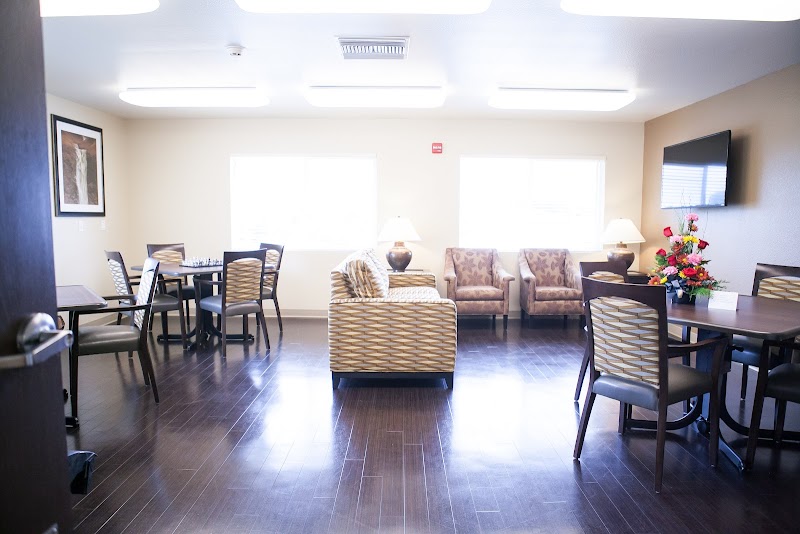
How is Legacy Hilo Rehabilitation & Nursing Center Staffed?

CMS rates LEGACY HILO REHABILITATION & NURSING CENTER's staffing level at 2 out of 5 stars, which is below average compared to other nursing homes. Staff turnover is 59%, which is 13 percentage points above the Hawaii average of 46%. High turnover can affect care consistency as new staff learn residents' individual needs. RN turnover specifically is 56%, which is notably high. RNs provide skilled clinical oversight, so turnover in this role can affect medical care quality.

What Have Inspectors Found at Legacy Hilo Rehabilitation & Nursing Center?

State health inspectors documented 27 deficiencies at LEGACY HILO REHABILITATION & NURSING CENTER during 2022 to 2024. These included: 27 with potential for harm.
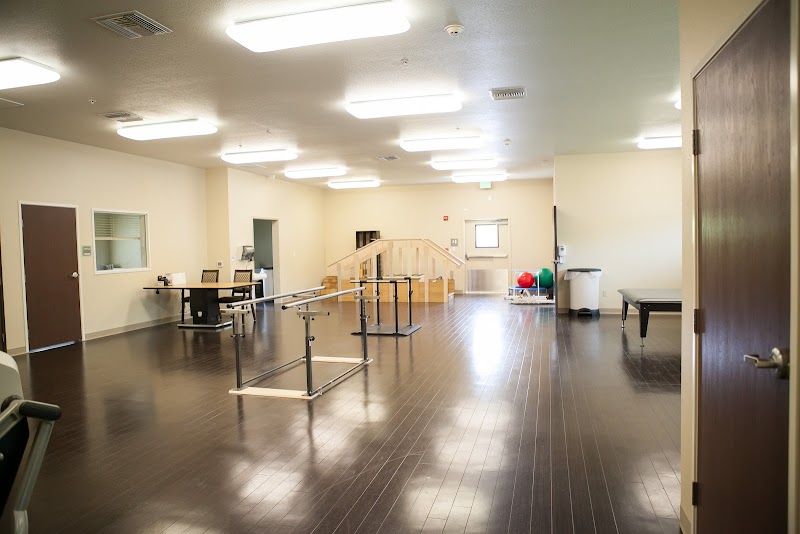
Who Owns and Operates Legacy Hilo Rehabilitation & Nursing Center?

LEGACY HILO REHABILITATION & NURSING CENTER is owned by a for-profit company. For-profit facilities operate as businesses with obligations to shareholders or private owners. The facility is operated by OHANA PACIFIC MANAGEMENT CO., a chain that manages multiple nursing homes. With 100 certified beds and approximately 91 residents (about 91% occupancy), it is a mid-sized facility located in HILO, Hawaii.
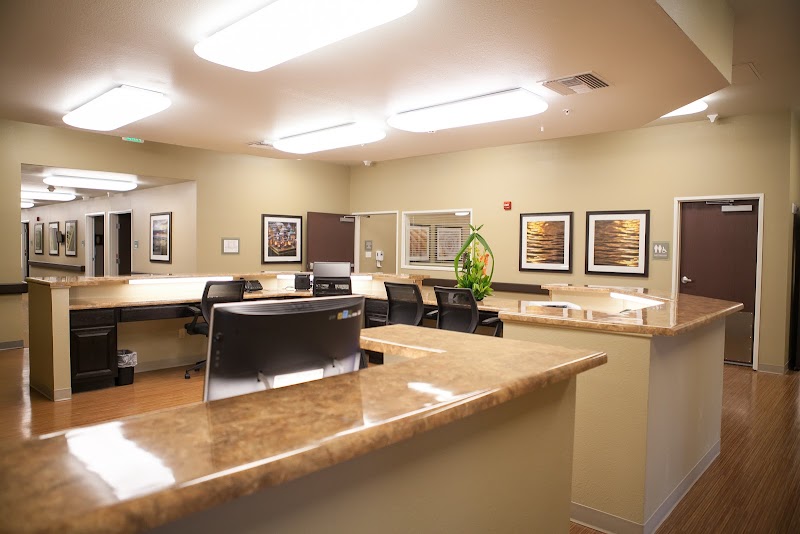
How Does Legacy Hilo Rehabilitation & Nursing Center Compare to Other Hawaii Nursing Homes?

Compared to the 100 nursing homes in Hawaii, LEGACY HILO REHABILITATION & NURSING CENTER's overall rating (3 stars) is below the state average of 3.4, staff turnover (59%) is significantly higher than the state average of 46%, and health inspection rating (3 stars) is at the national benchmark.

What Should Families Ask When Visiting Legacy Hilo Rehabilitation & Nursing Center?

Based on this facility's data, families visiting should ask: "How do you ensure continuity of care given staff turnover, and what is your staff retention strategy?" "Can you walk me through typical staffing levels on day, evening, and night shifts?" "Can I visit during a mealtime to observe dining assistance and food quality?" "How do you handle medical emergencies, and what is your hospital transfer rate?" These questions are particularly relevant given the facility's high staff turnover rate and the below-average staffing rating.

Is Legacy Hilo Rehabilitation & Nursing Center Safe?

Based on CMS inspection data, LEGACY HILO REHABILITATION & NURSING CENTER has a clean safety record: no substantiated abuse findings (meaning no confirmed cases of resident harm), no Immediate Jeopardy citations (the most serious violation level indicating risk of serious injury or death), and is not on the Special Focus Facility watch list (a federal program monitoring the lowest-performing 1% of nursing homes). The facility has a 3-star overall rating and ranks #100 of 100 nursing homes in Hawaii. While no facility is perfect, families should still ask about staff-to-resident ratios and recent inspection results during their visit.

Do Nurses at Legacy Hilo Rehabilitation & Nursing Center Stick Around?

Staff turnover at LEGACY HILO REHABILITATION & NURSING CENTER is high. At 59%, the facility is 13 percentage points above the Hawaii average of 46%. Registered Nurse turnover is particularly concerning at 56%. RNs handle complex medical decisions and coordinate care — frequent RN changes can directly impact care quality. High turnover means new staff may not know residents' individual needs, medications, or preferences. It can also be disorienting for residents, especially those with dementia who rely on familiar faces. Families should ask: What is causing the turnover? What retention programs are in place? How do you ensure care continuity during staff transitions?

Was Legacy Hilo Rehabilitation & Nursing Center Ever Fined?

LEGACY HILO REHABILITATION & NURSING CENTER has no federal fines on record. CMS issues fines when nursing homes fail to meet care standards or don't correct problems found during inspections. The absence of fines suggests the facility has either maintained compliance or corrected any issues before penalties were assessed. This is a positive indicator, though families should still review recent inspection reports for the full picture.

Is Legacy Hilo Rehabilitation & Nursing Center on Any Federal Watch List?

LEGACY HILO REHABILITATION & NURSING CENTER is not on any federal watch list. The most significant is the Special Focus Facility (SFF) program, which identifies the bottom 1% of nursing homes nationally based on persistent, serious quality problems. Not being on this list means the facility has avoided the pattern of deficiencies that triggers enhanced federal oversight. This is a positive indicator, though families should still review the facility's inspection history directly.