LIFE CARE CENTER OF HILO
944 WEST KAWAILANI STREET, HILO, HI 96720 (808) 959-9151
For profit - Corporation 252 Beds LIFE CARE CENTERS OF AMERICA Data: November 2025
Trust Grade
63/100
#27 of 41 in HI
Last Inspection: December 2023

Within standard 12-15 month inspection cycle. Federal law requires annual inspections.

Overview

Life Care Center of Hilo has a Trust Grade of C+, indicating it is slightly above average but still has room for improvement. It ranks #27 out of 41 nursing homes in Hawaii, placing it in the bottom half of facilities in the state, and #5 out of 7 in Hawaii County, meaning only two local options are better. While the facility is showing improvement, with issues decreasing from 12 in 2023 to just 1 in 2025, it still faces challenges in staffing, with reports of residents waiting up to an hour for assistance, indicating insufficient staffing levels. On a positive note, staffing is generally a strength here with a 4/5 star rating and a turnover rate of 27%, which is below the state average. Additionally, the facility has not incurred any fines, which is a good sign, but it does have less RN coverage than 80% of facilities in Hawaii, raising some concerns about the quality of care.

Trust Score
C+
63/100
In Hawaii
#27/41
Bottom 35%
Safety Record
Low Risk
No red flags
Inspections
Getting Better
12 → 1 violations
Staff Stability
✓ Good
27% annual turnover. Excellent stability, 21 points below Hawaii's 48% average. Staff who stay learn residents' needs.
Penalties
✓ Good
No fines on record. Clean compliance history, better than most Hawaii facilities.
Skilled Nurses
✓ Good
Each resident gets 52 minutes of Registered Nurse (RN) attention daily — more than average for Hawaii. RNs are trained to catch health problems early.
Violations
⚠ Watch
41 deficiencies on record. Higher than average. Multiple issues found across inspections.
★★★☆☆
3.0
Overall Rating
★★★★☆
4.0
Staff Levels
★★★★★
5.0
Care Quality
★★☆☆☆
2.0
Inspection Score
Stable
2023: 12 issues
2025: 1 issues

The Good

  • 4-Star Staffing Rating · Above-average nurse staffing levels
  • 5-Star Quality Measures · Strong clinical quality outcomes
  • Low Staff Turnover (27%) · Staff stability means consistent care
  • Full Sprinkler Coverage · Fire safety systems throughout facility
  • No fines on record
  • Staff turnover is low (27%)

    21 points below Hawaii average of 48%

Facility shows strength in staffing levels, quality measures, staff retention, fire safety.

The Bad

3-Star Overall Rating

Near Hawaii average (3.4)

Meets federal standards, typical of most facilities

Chain: LIFE CARE CENTERS OF AMERICA

Part of a multi-facility chain

Ask about local staffing decisions and management

The Ugly 41 deficiencies on record

May 2025 1 deficiency
CONCERN (D) 📢 Someone Reported This

A family member, employee, or ombudsman was alarmed enough to file a formal complaint

Potential for Harm - no one hurt, but risky conditions existed

Accident Prevention (Tag F0689)

Could have caused harm · This affected 1 resident

**NOTE- TERMS IN BRACKETS HAVE BEEN EDITED TO PROTECT CONFIDENTIALITY** Based on observation, interviews, and record/document review, the facility failed to provide supervision to one resident (R)1, o...

Read full inspector narrative →
**NOTE- TERMS IN BRACKETS HAVE BEEN EDITED TO PROTECT CONFIDENTIALITY** Based on observation, interviews, and record/document review, the facility failed to provide supervision to one resident (R)1, of a sample size of three, who was left alone in the facility van for an unknown period of time. As a result of this deficient practice, R1 was left in an unsafe environment with a high potential for negative physical and/or mental health outcomes. This deficient practice could affect any resident that used the transport van. After the event, the facility implemented interventions to reduce the risk of a similar event in the future and met the criteria for past noncompliance. Findings include: 1) R1 was a [AGE] year-old female resident at the facility since her readmission on [DATE]. Her past pertinent medical history included hypertension, Type 2 Diabetes Mellitus, dementia without behavioral disturbance, generalized weakness, and end stage renal disease. P1's BIMS (Brief Interview for Mental Status) on the MDS (Minimum Data Sheet) dated 03/22/2025 was five, which suggest severe cognitive impairment. She required one person assist to extensive assist to transfer and spent the majority of her day in a wheelchair (w/c). R1 was scheduled for dialysis treatments three time a week at an offsite dialysis center. The facility owned two vans and employed drivers/transport staff, who were scheduled to take residents to and from appointments outside the facility. R1 was transported to her dialysis appointments in her wheelchair, by the facility transport van. On 02/19/2025 at approximately 12:00 PM, when R1 returned to her unit after dialysis, she reported to staff when the van returned to the facility, the driver left her alone. 2) The facility encourages Residents/families to share concerns, and utilizes a form titled Concern and Comment Form to forward their concern to leadership. Reviewed the Concern and Comment Form, the Assistant Director of Nursing (ADON) completed for R1 on 02/19/2025 at 12:20 PM. The form included: Please include in detail your concern, comment, or commendation: He left me. I was all alone. I didn't know what to do (handwritten by ADON). Were you unable to report this concern/comment to a staff member? Yes, was checked. Was the staff member able to resolve the concern at the time it was shared? Yes, was checked. The Form included an area to document Facility investigation and response. The Executive Director (ED) handwrote the following on 02/26/2025: Investigation steps, SW (Social Worker) spoke with Family member (FM)1/ Power of attorney regarding setting up meeting in regards to transportation. Meeting scheduled for 2/26/25. Actions taken to resolve/respond to concern, See attached (meeting held with family on 2/26/25). Concerned party's response to the plan/outcome, Family expressed appreciation for meeting and satisfied with solution. 3) Reviewed R1's Pre/Post Dialysis Communication Forms for January 2025 to present. The form documents the resident's vital signs predialysis, at the dialysis center, and again on return to the facility, post dialysis. A total of 17 forms were reviewed. 16 of the 17 times documented for vitals (post dialysis) on return to the facility, ranged from 10:30 AM-11:35 AM. On 02/19/2025, the time post dialysis vital signs time were taken at 12:00 PM, which was the only time outside the range. Reviewed R1's Pre/Post Dialysis Communication Form, dated 02/19/2025, which revealed the following: 05:00 AM Pre-dialysis vitals: temperature (T) 97.1, pulse (P) 59, blood pressure (BP) 164/67, respirations (R) 17, and weight (Wt.) 109.6 lbs. 10:23 AM Dialysis Center vitals: T 90, P 62, BP 179/61, R20 Post-Dia (dialysis), Wt. 48.9 kg 107.8 lbs. 12:00 PM Post dialysis vitals: T 98.1, P 64, BP 182/62, R 22, Wt. 106.2 lbs. 4) Reviewed the Psychosocial notes,which included the following: 02/26/2025: QSW (Social Services), ED (Executive Director), and DON accommodated FM1, FM2, FM3, FM4, and FM5 by having care plan meeting today. Family updated on Resident's concern in regards to transportation. Discussed plan of care, having mental health speak with Resident, 2 man in van at all times. Resident with cell phone. Family providing cell phone. Family expressed appreciation for meeting. 03/04/2025: QSW met with R1 today to provide 1:1 social interaction for psychological well being. Resident displays pleasant affect, smiling, laughing and was able to carry out conversation in Ilocano and some English. Resident was oriented to self, but needed reminders to time and place.During the conversation, Resident express [sic] that she lost her voice and recalled when in the van calling out for assistance. Resident then states the person no longer works here and changed the subject. Resident was thankful of visit and was okay. 5) On 04/28/2025 at 12:00 PM, observed R1 in a w/c in her room. She was able to be understood and answer short questions. R1 confirmed she had just returned from her dialysis treatment, and getting ready to eat lunch. When asked about a previous concern with the van, she became upset, and indicated she did not want to talk about it, shaking her head back and forth. Inquired if she was OK, and she replied yes. 6) On 04/28/2025 at 01:15 PM, interviewed the ADON in the conference room. She said the staff came to get her on 02/19/2025 after finding out R1 didn't immediately come in from the van when it arrived back to the facility. She said usually there would be the van driver and a transporter, but sometimes there was only one. The ADON said she was unsure how long R1 had been alone in the van, but when she saw her shortly after arriving back to the unit, she was alert, verbal and pleasant. She said R1's blood pressure was elevated, which was not unusual for her. When asked about R1's clothes, she said they were dry, and her temperature was normal. On 04/28/2025 at approximately 02:00 PM, interviewed the House Supervisor (HS) that was working on 02/19/2025. She said after she was notified that R1 had been left in the van, she went and saw her on the unit. The HS said that when she saw R1, she was fine. She did not have any details of the event, but said there were two people scheduled that day and one likely had taken another resident back to their unit. On 04/28/25 at 02:35 PM, interviewed the DON and ED in the conference room. The ED said they had a concern (referencing the form) associated with this incident. She said it was brought to her attention that day, an investigation initiated, immediate action taken, and communicated with the family. She said they continued to monitor R1's emotional status, there was no physical harm, and she quickly returned to her routine. Inquired what had changed to prevent another incident from occurring, and she said the standard now is two people on the vans. The ED said they are monitoring the volume of the transports to ensure the correct staffing. She said there were two staff scheduled that day, but were unable to determine the exact location of the second person or the exact amount of time R1 was in the van alone. On 05/01/2025 at 08:29 AM, interviewed the DON again, in the conference room. She said the staffing for the van transport has changed. She explained prior to the event on 02/19/2025, at times they would have only one person, the driver on the van. The DON said although the full-time transporter would start with the van, she would often have to stay with a resident at a scheduled appointment, which left the driver alone. She said when the driver was interviewed, he said when he returned to the facility, he went to the bathroom, then went to get something to eat, when her realized R1 was still in the van. The DON said after this incident, the driver decided to retire from the job, and not return to the facility. On 05/01/2025 at 09:10 AM, interviewed Registered Nurse (RN)1, who often worked with R1. She said the staff get her ready to leave on dialysis days around 05:00 AM, and the pre-dialysis vitals are taken around that time. RN1 explained the transporter will come to the unit and take her to the van, usually leaving the unit about 06:00 AM. She said they work together, and the unit staff will assist with taking resident to and from the van as needed. RN1 said when R1 returns, they check the dialysis access site, and take vitals again. She stated on 02/19/2025, the CNA (certified nurses assistant) told her R1 was late getting back from dialysis. She said she thought maybe the van had to stop somewhere and was delayed. She said when R1 returned to the unit, she made a statement that the driver parked, closed the doors, and left her in the van. RN1 said R1 was flustered and very emotional at the time. After the event, they were able to calm her, and she returned to her routine, with a visit with her son that night. 7) On 04/30/2025 at 11:08 AM, observed the transport van arriving back to the facility. The driver backed into a space in front of the facility, parked, and immediately prepared the ramp to unload Residents. One Resident was ambulatory and accompanied by staff. The other two were in wheelchairs, and taken off the van in a timely, organized manner, each accompanied by staff. No resident was left alone at anytime. 8) The facility provided documentation of corrective actions taken to prevent a similar accident from occurring in the future, which included: Revised the orientation for new schedulers, drivers and transporters to include the transportation staffing policy. On 02/26/2025, a new policy was implemented to always have a minimum of two facility staff, a transporter and driver, on the van at all times. Depending on the type of appointments, three staff may be scheduled. On 02/26/2025, the DON directed the staff scheduler to implement the new policy and provided education as to the importance to ensure compliance. On 02/26/2025, the DON communicated verbally with transport staff, the new policy to have a driver with a transporter for each van and always have two staff to ensure residents are not left unsupervised. 9) Review of the van/transporter work schedule for May 2025, confirmed minimum staffing of one driver and one transporter.
Dec 2023 10 deficiencies
CONCERN (D)

Potential for Harm - no one hurt, but risky conditions existed

Resident Rights (Tag F0550)

Could have caused harm · This affected 1 resident

2) During initial observations on 11/28/23 at 10:40 AM, R43 was lying in bed. R43 could not move his/her extremities, respond verbally or by any other means, or purposefully move. R43 appeared to be t...

Read full inspector narrative →
2) During initial observations on 11/28/23 at 10:40 AM, R43 was lying in bed. R43 could not move his/her extremities, respond verbally or by any other means, or purposefully move. R43 appeared to be totally dependent on staff for care. On 11/28/23 at 12:15 PM, observed CNA48 standing on the left side of R43's bed, between the window and the bed, assisting the resident with lunch. CNA48 was observed scooping and feeding the resident with his/her right hand and in CNA48's left hand, he/she was holding the bowl of food in his/her palm with his/her fingers against R43's forehead, holding the resident's head up from falling to the side. The head of R43's bed was higher than a 45-degree angle. During lunch observations on 11/29/23 at 11:20 AM, a second observation was made of CNA48 assisting R43 with lunch while standing next to the resident's bedside, between the window and the resident's bed. On 11/29/23 at 02:30 PM, conducted a review of R43's EHR. Review of R43's most recent quarterly MDS with an Assessment Reference Date (ARD) of 10/21/23 documented that R43 is unable to eat independently and requires total assistance from staff with eating. On 12/01/23 at 09:13 AM, conducted a concurrent review of R43's EHR and interview with the Director of Nursing (DON). Shared observations of CNA48 standing at the bedside while assisting R43 with lunch on 11/28/23 and 11/29/23 and of CNA48 holding the bowl in the left hand while using his/her fingers on the resident's forehead to prevent the resident's head from falling forward. DON confirmed R43 is totally dependent on staff for assistance with eating and CNA48 did not treat R43 with dignity by standing at the resident's bedside while assisting the resident with lunch, or by holding the resident's head from falling forward with a couple of fingers. DON stated, CNA48 should have been seated next to the resident and should not have been holding the resident's head up by placing a couple of fingers on R43's forehead. Based on observation, interview, and record review, the facility failed to ensure the residents' right to be treated with respect and dignity for 2 of 10 residents (Resident (R)14 and R43) sampled for dignity. R14 was left unattended in his bed with a towel loosely tied around his neck. R14 was left in bed wearing a T-shirt and adult brief uncovered with privacy curtain open while his roommate had a visitor present in the room. Staff did not promote R43's dignity while dining as evidenced by lunch observations on 11/28/23 and 11/29/23 during which Certified Nurse Aide (CNA)48 stood over R43 while assisting the resident lunch. As a result of this deficient practice, resident's are at risk for more than minimal psychosocial harm. Findings include: 1) On 11/28/23 at 11:30 AM while rounding with residents observed R14 alone in his room, laying in bed with a towel tied loosely around his neck. Went to the corridor to find facility staff to inquire about this and found the Assistant Director of Nursing (ADON). Surveyor and ADON walked into R14's room and stood at his bedside, observing resident. Inquired of the ADON if a towel should be tied around a resident's neck such as it was with R14 and she stated this is not supposed to be done. On 11/28/23 after lunch ADON found surveyor to state she interviewed CNA7 who was assigned to R14 and ADON stated the CNA told her she showered the resident and during that time loosely tied the towel around his neck for the resident to use for when he drools. ADON stated this appears to be a comfort measure for the resident. ADON stated the towel should have been draped on his neck and left loose, not tied. ADON stated she did one on one training with staff to prevent this from happening again. On 11/28/23 Record Review (RR) of R14's Electronic Health Record (EHR) found his diagnoses include, but are not limited to, history of traumatic brain injury, muscle spasms, and contractures to the right and left hand. R14's Minimum Data Set (MDS) completed on 07/07/23 has him rated as being dependent on staff for his care. Concurrent observation of R14 found him erratically swinging his arms around as if to hit out at staff and surveyor. He was also observed picking at his towel, moving it around by tugging on it and throwing it onto the ground. On 11/29/23 at 12:22 PM walked into R14's room to observe him and noted he was in his bed without a top sheet or blanket, was only in his T-shirt and adult brief with his privacy curtain open and his roommate had a visitor present in the room with her back to R14. Found R14's blanket on the floor. During this observation the ADON came into R14's room. ADON saw R14's blanket on the ground and stated he threw it on the floor, that he does that with his sheet and blanket. On 11/30/23 at 02:11 PM interviewed CNA7, who stated that she got nervous while giving R14 his shower and forgot and left the towel loosely tied around his neck. CNA7 stated she did not do this before, and thought it would be best to do this since R14 was doing the hand motions with his right hand as if to hit someone. CNA7 stated she forgot and did not take off the towel when she was done showering him. CNA7 also explained ADON educated her right away that she is not supposed to do this and stated she knows this and will not do it again.
CONCERN (D)

Potential for Harm - no one hurt, but risky conditions existed

Safe Environment (Tag F0584)

Could have caused harm · This affected 1 resident

Based on observation and staff interview the facility failed to provide a clean environment for 1 of 35 Residents sampled, as evidenced by a portable fan positioned on the dresser of Resident (R)32 ci...

Read full inspector narrative →
Based on observation and staff interview the facility failed to provide a clean environment for 1 of 35 Residents sampled, as evidenced by a portable fan positioned on the dresser of Resident (R)32 circulating air around his room, with a layer of dust on the front and back covers. In addition, the facility failed to provide a clean environment for the ground floor unit residents with water dripping from air conditioning ducts. Findings include: While doing rounds on the first day of survey, 11/28/23, observed that R32 had a portable fan in his room that was sitting on top of his dresser. Fan appeared dirty with dust noted on the front and back cover. On 11/30/23 at 09:57 AM, went back to R32's room to observe if the portable fan was still in his room. Observed R32's portable fan was on and circulating air around his room. The front and back cover of R32's portable fan had a layer of dust. At this time inquired with housekeeper(H)5 to see who cleans the residents' fans. H5 said the janitors are responsible to clean the fans, and stated that there are two janitors working every day. H5 stated she would take the fan to the janitor and fill out the form to have the fan cleaned. While walking in the corridor with H5 and the dirty fan, the Assistant Director of Nursing (ADON) inquired if we needed any help. Inquired at this time if ADON could explain the facility's process to have items such as a resident's portable fan cleaned. ADON explained facility staff fill out a form, a work order, and submit it to the janitors in one of their folders/box. On 11/30/23 at 01:19 PM, met with Janitor (J)1. J1 was able to explain that facility staff fill out a work order and leave it in their box. J1 also stated this procedure is the same for items such as drapes or privacy curtains. The janitor will then clean the item, such as a resident's fan. J1 was shown R32's portable fan and he said so dusty. Prior to leaving the facility on 12/1/23, requested a facility policy, schedule, or log that housekeeping and the janitors use to do routine cleaning. Facility Administrator provided their Daily Room Cleaning policy which was last reviewed on 07/19/2023. Review of this policy did not find any mention of cleaning resident's fans. 2) Observation was made on the dementia unit on 11/30/23 at 08:39 AM. While walking in hallway, surveyor encountered a drop of water onto forehead. When surveyor looked up, noted that there was water dripping from various places on the air conditioning (AC)ducts. Further observations were noted that there were small puddles of water on the floor from three of the ducts on the dementia unit North. Observation was done on 11/30/23 at 08:40 AM of R42. R42 was walking down the hallway with a walker and socks. R42 walked past the three puddles in the middle of the hallways. Interview was done with Certified Nurse Aide (CNA) 27 on 11/30/23 at 08:45 AM. Queried CNA27 regarding moisture on the floor and the dripping that was occurring from the AC ducts. CNA27 stated that we always get condensation from the AC. Surveyor questioned this reply because on this day, the weather was a major flooding alert as compared to the day before when the sun was shining and there was no flooding. CNA27 responded with an oh. Interview was done 11/30/23 at 09:00 AM with maintenance staff (MS) #3. MS3 stated that it was AC condensation, and it happens all the time. We wipe it up when it does that. Observation done on 11/30/23 at 10:AM on dementia unit South. Observed that there were three puddles in the middle of the hallway. During an interview with the administrator on 11/30/23 at 12:00 PM. Surveyor brought to the attention the observations that were done on the dementia units South and North. Administrator stated that they did not have a protocol for this but would be looking into it. A record review of a facility policy, schedule, or log that housekeeping, and the janitors use to do routine cleaning was requested. Facility Administrator provided their Daily Room Cleaning policy which was last reviewed on 07/19/2023. Review of this policy did not find any mention of cleaning water puddles in the hallways.
CONCERN (D)

Potential for Harm - no one hurt, but risky conditions existed

Assessment Accuracy (Tag F0641)

Could have caused harm · This affected 1 resident

Based on record review and interview, the facility failed to accurately complete a comprehensive assessment of medications for 1 of 35 residents (R) in the sample. Findings include: On 11/29/23 at 01...

Read full inspector narrative →
Based on record review and interview, the facility failed to accurately complete a comprehensive assessment of medications for 1 of 35 residents (R) in the sample. Findings include: On 11/29/23 at 01:42 PM, during a record review of Resident (R)7's electronic health record (EHR), noted that on the Minimum Data Set (MDS) admission Assessment with an Assessment Reference Date (ARD) of 10/19/23, R7 had been documented as having taken insulin 1 day of the 7-day look back period. Further review of R7's EHR revealed no active, discontinued, or completed orders for insulin. On 11/30/23 at 03:43 PM, an interview was done with MDS Coordinator (MDSC)2 in the second-floor Conference Room. MDSC2 confirmed that he had completed R7's admission Assessment. After a concurrent review of R7's EHR, MDSC2 confirmed that R7 had never been on insulin. MDSC2 could not explain why he marked R7 as having taken insulin, but agreed that he probably mistook another medication R7 was taking as insulin.
CONCERN (D)

Potential for Harm - no one hurt, but risky conditions existed

Quality of Care (Tag F0684)

Could have caused harm · This affected 1 resident

**NOTE- TERMS IN BRACKETS HAVE BEEN EDITED TO PROTECT CONFIDENTIALITY** Based on interview and record review, the facility failed to effectively care plan and manage constipation for 1 of 2 residents ...

Read full inspector narrative →
**NOTE- TERMS IN BRACKETS HAVE BEEN EDITED TO PROTECT CONFIDENTIALITY** Based on interview and record review, the facility failed to effectively care plan and manage constipation for 1 of 2 residents (Resident 7) sampled. As a result of this deficient practice, Resident 7 experienced stool impaction(s) that had to be manually removed, causing her pain, distress, and embarrassment. This deficient practice has the potential to affect all the residents at the facility at risk of constipation. Findings include: Resident (R)7 is a [AGE] year-old female admitted to the facility on [DATE] following a urinary tract infection (UTI). Her admitting diagnoses include, but are not limited to, constipation, history of transient ischemic attack [(TIA) a temporary period of symptoms similar to those of a stroke], history of cerebral infarction (an area of tissue death in the brain caused by a blockage of blood vessels), chronic pain syndrome, and a history of falling. Admitting medication orders include: Senna 8.6 mg (milligrams)- One tablet as needed (prn) for no bowel movement (BM) after the second day; with a warning from the pharmacy: The daily dose of 1 tablet is below the usual dose of 1.7441 to 11.6279 tablets. Bisacodyl Suppository- One prn for constipation if no BM after the third day. Soap Suds Enema- Give prn for constipation if no results with the Bisacodyl suppository. Ferrous sulfate 325 mg- One tablet daily (common side effect of constipation). Oxycodone-acetaminophen 10-325 mg- One tablet every six hours as needed for pain (common side effect of constipation). Senna-docusate sodium 8.6-50 mg- One tablet twice a day for constipation. On 10/18/23 the order for Oxycodone-acetaminophen 10-325 mg was changed to one tablet every four hours as needed for pain AND one tablet three times a day for chronic pain. On 11/01/23 the previous Senna-docusate order was increased to two tablets twice a day for constipation. On 11/28/23 Polyethylene Glycol 3350- One packet by mouth once a day for constipation was added. On 11/28/23 at 01:02 PM, an interview was done with R7 at her bedside. R7 explained that she has been having problems with constipation. Reported having to have a digital extraction (manual extraction with a gloved finger) of stool twice yesterday. Tearfully described how she frequently has to be digitally extracted of stool, and explained how humiliating it feels. States that some staff are very kind, but others make her feel like they do not want to help her. On 11/29/23 at 11:50 AM, during an interview with R7 at her bedside, she stated that it has been weeks since she has had a BM normally. Reported the last suppository she had for constipation was two weeks ago and that she was told she could only have one suppository per week. When asked about an enema for constipation, R7 stated that she has never been offered or given an enema. Reports that she has informed the facility that she normally takes 6 Senna tablets a day at home and she has no problems with her BMs, but they won't listen to me. On 12/01/23 at 09:28 AM, a review of R7's electronic health record (EHR) was done. Noted that despite being admitted with a diagnosis of constipation, having at least four documented complaints of constipation to nursing staff, numerous medications prescribed that commonly cause constipation, and being prescribed five medications to address constipation, there was no care plan for constipation developed or implemented in her Comprehensive Care Plan. A review of the Nurse Progress Notes revealed the following: On 10/18/23 07:15 PM- Resident wishes to review the following with MD (physician): . laxative dosing (reports to taking 6 Senna S tablets all at once every day at home) . and . reports symptoms of constipation and that her stools have been hard and more difficult to pass . On 10/19/23 05:40 PM- . reports she continues with symptoms of constipation. She reports no results from PRN Senna yesterday; declined offer of Dulcolax suppository today, will accept PRN Senna . On 10/21/23 03:45 AM- Resident c/o [complaint of] constipation. On 11/28/23 11:39 AM- . resident with c/o constipation, has been needing to have digital extraction of her BM. A review of R7's medication administration records for October and November confirms that she has not been administered an enema since admission, and has not had a Bisacodyl suppository administered since 11/10/23. A review of a Bowel and Bladder Elimination report from 10/13/23 to 12/01/23 revealed the following: No BM 10/13/23-10/14/23 with no corresponding extra Senna tablet for no BM after the second day. No BM 10/16/23-10/20/23 with 1 extra Senna tablet given on 10/18/23, and no Bisacodyl suppositories given. No BM 10/23/23-10/27/23 with an extra Senna tablet given on 10/25/23, 10/26/23, and 10/27/23, and one Bisacodyl suppository given on 10/26/23. No BM 11/02/23-11/03/23 with no extra Senna tablet given. No BM 11/07/23-11/09/23 with an extra Senna tablet given on 11/09/23 and a Bisacodyl suppository given on 11/10/23. No BM 11/17/23-11/18/23 with an extra Senna tablet given on 11/19/23. On 12/01/23 at 10:48 AM, an interview was done with the Director of Nursing (DON) in her office. DON completely unaware that R7 had ever needed digital extraction of stool. Reports that her expectation is that if a nurse is doing that, they would document it in a progress note and notify her. Confirmed that she had not been informed by any staff that this was done.
CONCERN (D) 📢 Someone Reported This

A family member, employee, or ombudsman was alarmed enough to file a formal complaint

Potential for Harm - no one hurt, but risky conditions existed

Accident Prevention (Tag F0689)

Could have caused harm · This affected 1 resident

**NOTE- TERMS IN BRACKETS HAVE BEEN EDITED TO PROTECT CONFIDENTIALITY** 3) Review conducted of the completed Facility Reported Incident (FRI) document retrieved from Aspen Complaints/Incidents Trackin...

Read full inspector narrative →
**NOTE- TERMS IN BRACKETS HAVE BEEN EDITED TO PROTECT CONFIDENTIALITY** 3) Review conducted of the completed Facility Reported Incident (FRI) document retrieved from Aspen Complaints/Incidents Tracking System (ACTS) 10541. Type of incident was listed as Other, Fall. Details of the incident stated that on [DATE] at 08:00 PM, Resident self propelling [sic] wheelchair back onto second floor lanai area and fell. Initially resident was responsive. Staff provided assessment and comfort to resident while awaiting emergency rescue. Resident expired. Investigation initiated. Investigative notes included in the final report stated Certified Nurse Aide (CNA)26 observed R210 in his wheelchair attempting to self-propel back onto the second floor lanai area over a speed bump. CNA26 called out to R210 telling him to wait so he can be assisted but R210 continued to try to maneuver over the speed bump. R210 then fell backwards landing on the asphalt. CNA26 immediately called for help, the licensed nursing staff responded and 911 was called. R210 was trying to talk while the licensed nursing staff assessed him, but later became unresponsive. R210 was a [AGE] year-old resident admitted on [DATE]. Diagnoses included, but are not limited to, unspecified dementia, hypertension (elevated blood pressure), atrial fibrillation (irregular and rapid heart rhythm), hyperlipidemia (elevated cholesterol) and generalized muscle weakness. Review of the assessment tool Minimum Data Set (MDS) dated [DATE] revealed that R210 had moderate difficulty with his hearing, moderate cognitive impairment and requires limited assistance with the use of his wheelchair. R210 had a POLST (Provider Order for Life-Sustaining Treatment) on file and did not want to be resuscitated in the absence of pulse or breathing. On [DATE] at 11:10 AM, an interview was conducted with CNA26 on the third floor South Wing. According to CNA26, she was on her break and was going down the stairs from the third floor. CNA26 then saw R210 in his wheelchair coming from the parking lot and was trying to wheel himself over the speed bump that was separating the parking lot and the second-floor lanai area. R210 was not able to push himself over the speed bump on his first try so CNA26 asked him to stop since he was already tilting backwards. R210 continued to try and push himself over the speed bump and fell backwards. CNA26 said she started yelling for help and the second-floor nurse and the nurse supervisor responded. CNA26 said there were no other facility staff in the lanai area or the parking lot at the time of the incident. On [DATE] at 01:40 PM, an interview was conducted with Licensed Practical Nurse (LPN) 4 in the second-floor conference room. LPN4 said R210 is able to propel himself in his wheelchair and is allowed to wheel himself outside to the lanai area without supervision. When asked if R210 was also allowed to go outside at night, LPN4 said Yes, sometimes he goes outside in the evening. On [DATE] at 03:20 PM, an interview was conducted with LPN2 by the second-floor nurses' station. LPN2 confirmed that R210 goes to the outside lanai in the evening and is able to open the door to let himself out. When asked if there are any staff members outside to monitor R210 when he goes out, LPN2 said the staff in the unit take turns checking on him every 10 to 15 minutes but do not stay outside with him. On [DATE] at 11:19 AM, an interview was conducted with the Director of Nursing (DON) in her office. DON stated that R210 was allowed to wheel himself around in the second-floor lanai and the parking lot. DON was not certain how often R210 goes out at night but said the staff inside the facility do visual checks every 10 to 15 minutes. On [DATE] at 12:49 PM, observed 2 residents in the second-floor lanai area. One of the residents was sitting in one of the chairs fronting the Administrator's office and the other resident was sitting in his wheelchair on the right end side of the lanai away from main entrance. There were no staff members observed on the lanai area. Based on observation, interview, and record review, the facility failed to ensure 3 of 11 residents (Residents 7, 14, and 210) sampled for accidents were free from accident hazards. Specifically, the facility failed to ensure wheelchair footrests were applied before pushing R7 down a long hall to her room following a shower; despite identifying R14 as a High Falls Risk, the facility failed to ensure his bed was kept in the lowest position; and.the facility failed to provide adequate supervision/assistance to prevent an avoidable fall for Resident (R)210. Placing residents at risk of avoidable accidents and injuries by not providing the appropriate planning and monitoring, and/or implementing the interventions to meet their identified needs is a deficient practice that has the potential to affect all the residents at the facility. Findings include: 1) Resident (R)7 is a [AGE] year-old female admitted to the facility on [DATE] following a urinary tract infection (UTI). Her admitting diagnoses include, but are not limited to, constipation, history of transient ischemic attack [(TIA) a temporary period of symptoms similar to those of a stroke], history of cerebral infarction (an area of tissue death in the brain caused by a blockage of blood vessels), chronic pain syndrome, and a history of falling. On [DATE] at 10:27 AM, observed R7 being wheeled back to her room from the shower room with no footrests on her wheelchair and R7 holding both feet barely above the ground. R7's room is positioned at the opposite end of the hall to where the shower room is located. Certified Nurse Aide (CNA)22 was pushing the wheelchair as CNA15 walked behind them. Asked CNA22 and CNA15 where her footrests were and CNA22 answered, I know, they're not here, she slid into the shower unexpectedly. On [DATE] at 10:32 AM, interviewed R7 at her bedside. R7 reported that earlier when CNA26 put her in the wheelchair, she did not offer or ask her if she wanted her footrests and R7 felt like it was too much hassle to ask for it because she has had issues with feeling like CNA26 did not want to help her in the past. Asked R7 if she did not like to use the footrests when she is being wheeled in the hallway. R7 answered that she does like to use the footrests because she often has pain in her knees which make it difficult to hold her feet up on her own. With certain staff however, she feels like she is being difficult whenever she asks for anything, so she doesn't ask. Confirmed with R7 that CNA26 is one of the staff members she was referring to. On [DATE] at 09:41 AM, during a review of R7's Comprehensive Care Plan for Activities of Daily Living (ADLs), noted the following recently added intervention: Resident's personal preference is not to apply footrests to wheelchair prior to and after showers. On [DATE] at 10:30 AM, interviewed R7 at her bedside and asked again if she preferred not using the footrests when she is being pushed for a distance such as to the shower room. R7 answered that she always prefers to use the footrests because of the pain in her legs. R7 stated that if it is offered, she will always say yes to the footrests when she is being pushed somewhere. Feels the only time she doesn't need the footrests applied is when she is sitting in one place (such as when she is waiting at the bedside for staff to change her sheets), because she is tall enough to comfortably rest her feet on the floor. 2) Record Review (RR) of R14's Electronic Health Record (EHR) found his diagnoses include, but are not limited to, history of traumatic brain injury, other muscle spasms, contracture to right and left hand. Fall risk assessments (NRSG: Fall Risk Evaluation) for R14 were completed quarterly on [DATE], [DATE], [DATE] and [DATE] and all have resident rated as a high risk for falls with a score of 14 each time. On the NRSG: Fall Risk Evaluation, a score of 10 or more is considered a high risk for falls. R14's Quarterly Minimum Data Set (MDS) that was dated [DATE] has resident listed as dependent on staff for mobility. R14 is totally dependent on staff for his care. On [DATE] at 11:30 AM, entered R14's room and observed R14 was alone, no staff were present in the room with him. At this time, noted resident's bed was raised off the ground to almost hip height. After requesting the Assistant Director of Nursing (ADON) to come into R14's room, inquired why R14's bed was not left in the lowest position near the ground, and she responded that the lowest position is not care planned for because R14 is not at risk for falling out of his bed. On [DATE] at 12:14 PM, entered R14's room and noted his feet and lower legs hanging over the right side of the edge of his bed and his head was resting on the other side of the bed on the mid to upper left hand side. R14 had slid down in his bed and was becoming perpendicular with his mattress. During this time, R14's tube feeding was being administered by an electric pump. Walked to the corridor to get facility staff to reposition R14. ADON was available and came into R14's room. Once ADON saw R14, she asked if surveyor could stay with R14 while she asked another staff member to help her. Surveyor told ADON they would get staff to assist her. Surveyor walked to corridor and found R14's assigned nurse, Licensed Practical Nurse (LPN)4. ADON paused R14's tube feeding, then ADON and LPN4 were able to reposition R14 by centering him and lifting him up in his bed using the sheet under him. Afterwards, his tube feeding was turned back on. It was also noted upon finding the resident that his bed was not kept at the lowest position near the floor, instead it was raised at almost hip height. Surveyor told ADON R14 was observed yesterday and today unsupervised in his bed that was not left in the lowest position near the ground. Inquired with ADON why this was. ADON stated she had never seen him do anything like this before and stated that she would change his care plan to have his bed kept in the lowest position (when staff are not working with him). On [DATE] at 11:14 AM, RR of R14's care plan did not find any changes made to include bed to be put at lowest position before leaving resident unattended in his room.
CONCERN (D)

Potential for Harm - no one hurt, but risky conditions existed

Pharmacy Services (Tag F0755)

Could have caused harm · This affected 1 resident

Based on observation, interview and record review, the facility failed to ensure that records for controlled medications are in order and that an accurate account is maintained and reconciled. The sta...

Read full inspector narrative →
Based on observation, interview and record review, the facility failed to ensure that records for controlled medications are in order and that an accurate account is maintained and reconciled. The staff did not document the actual amount of medication in the container, and signed off on medications not yet administered. As a result of this deficiency, there is a potential for the diversion of a controlled medication. Findings include: On 11/30/23 at 09:28 AM, inspection of the medication cart in the first-floor South unit was conducted with Licensed Practical Nurse (LPN)11. Review of the controlled medication log revealed that the remaining count for the sedative Lorazepam 0.25 milligrams (mg) was 48. The actual count in the blister pack was observed to be 49. LPN11 confirmed that the physical count and the amount documented in the log did not match. LPN 11 confirmed that he signed off on the medication when he gave it to the resident earlier in the morning but was supposed to give two pills. LPN11 added that he will give the other pill so the resident will get the full dose as ordered.
CONCERN (D)

Potential for Harm - no one hurt, but risky conditions existed

Deficiency F0761 (Tag F0761)

Could have caused harm · This affected 1 resident

**NOTE- TERMS IN BRACKETS HAVE BEEN EDITED TO PROTECT CONFIDENTIALITY** 2) On 11//30/23 at 09:28 AM, medication cart and medication storage for the first-floor South unit was inspected with Licensed P...

Read full inspector narrative →
**NOTE- TERMS IN BRACKETS HAVE BEEN EDITED TO PROTECT CONFIDENTIALITY** 2) On 11//30/23 at 09:28 AM, medication cart and medication storage for the first-floor South unit was inspected with Licensed Practical Nurse (LPN)11. Observed an open box of Glucose Control Solution with an illegible date, specifically the month, written on the box. Asked LPN11 if he could read the month noted on the Glucose Control Solution box. LPN11 said, It looks like a seven, but it can also be a nine. Asked LPN11 how long is the control solution good for from the date it was opened. LPN11 replied, 60 days, I'm not sure. On [DATE] at 11:46 AM, requested a copy of the facility's policy on the glucose meter testing and maintenance from the Director of Nursing (DON). At 12:05 PM, DON provided the staff training documentation for cleaning and disinfecting the Assure Glucometer and included the policy titled, Blood Glucose Monitoring and the cleaning and disinfecting instructions from the ARKRAY Prism Glucometer reference manual. Training records did not include performing control solution tests. Review of the ARKRAY Prism Glucometer reference manual revealed that the Glucose Control Solution is to be discarded three months after the open date. 3) On [DATE] at 08:27 AM, observed Resident (R)460 pacing in the hallway at the first-floor South unit. R460 then sat on the floor and laid down. LPN11 went to assist R460 back to his room and left the medication cart in the hallway unlocked. While the unlocked medication cart was unattended, four different residents walked past it. When LPN11 came out of R460's room, Surveyor pointed out that the medication cart in the hallway was left unlocked. LPN11 said, Yes, I realized I did that as I was walking back to the cart. LPN11 then locked the medication cart and pushed it back to the nurses' station. Based on observation, interview, and record review, the facility failed to ensure the Glucose Control Solutions used in the facility were labeled in accordance with professional standards and facility policy, and failed to ensure all drugs and biologicals are secured in a locked compartment. Proper labeling of Glucose Control Solutions is necessary to ensure the efficacy of the solutions used to test the facility's glucose monitors/test strips for accuracy. This deficient practice has the potential to affect all residents in the facility requiring point-of-care blood glucose tests. Findings include: 1) On [DATE] at 09:15 AM, the 3 South medication cart was inspected with Registered Nurse (RN)27 standing by. Observed an unlabeled box of Glucose Control Solution. RN27 validated that the box should have been labeled with the date it was opened as the solution(s) were considered expired 90 days after opening. RN27 stated he would discard the opened box and put a new one in the cart.
CONCERN (D)

Potential for Harm - no one hurt, but risky conditions existed

Food Safety (Tag F0812)

Could have caused harm · This affected 1 resident

Based on observation, record review and interview, the facility failed to monitor the temperatures to ensure the dishes used to serve food were appropriately sanitized in accordance with professional ...

Read full inspector narrative →
Based on observation, record review and interview, the facility failed to monitor the temperatures to ensure the dishes used to serve food were appropriately sanitized in accordance with professional standards for food service safety. This deficient practice placed all the residents in the facility at risk for possible foodborne illnesses. Findings include: On 11/28/23 at 09:52 AM, initial tour of the kitchen area was conducted with Food Service Director (FSD). Observed clipboards on the wall by the dishwashing machine area. FSD said that was where the staff document the temperatures for the dishwasher. Review of the log titled High Temperature Dish Machine Log was done and noted an entry for 11/13/23 was missing. Below the space where the staff write the month and year for the log, the document stated, Check and record temperatures results before washing dishes. Wash needs to be per manufacturers' specification and rinse at 180 degrees to 194 degrees Fahrenheit. Asked FSD how often the staff record the temperatures on the log. FSD said the staff record it three times a day when the dishwashing machine is in use. FSD confirmed that the dishwasher was used after dinner on 11/13/23. Missing entry was pointed out to FSD and she said, We missed it that day.
CONCERN (D)

Potential for Harm - no one hurt, but risky conditions existed

Deficiency F0847 (Tag F0847)

Could have caused harm · This affected 1 resident

**NOTE- TERMS IN BRACKETS HAVE BEEN EDITED TO PROTECT CONFIDENTIALITY** Based on interview and record review, the facility failed to ensure the Binding Arbitration Agreements ([NAME]) they asked the r...

Read full inspector narrative →
**NOTE- TERMS IN BRACKETS HAVE BEEN EDITED TO PROTECT CONFIDENTIALITY** Based on interview and record review, the facility failed to ensure the Binding Arbitration Agreements ([NAME]) they asked the residents (or their representatives) to enter into, were explained in a form and manner that they could understand, and that the [NAME] explicitly granted the residents/representatives the right to rescind the agreement within 30 calendar days of signing it. This is evidenced by 1 of 3 residents (Resident 7) sampled stating she did not have the BAA explained to her in a way that she understood what it meant, 2 of 3 residents (Residents 7 and 101) sampled could not remember signing it or what it was about, and the Facility BAA granting residents only 10 days to rescind. Findings include: 1). On 11/29/23 at 12:08 PM, an interview was done with Resident (R)7 at her bedside. When asked about the BAA, R7 reported that the Director of Social Services (SSD) had visited her earlier that morning and asked her about the BAA as well, showing her a blank copy of the form. R7 stated that she told SSD that she could not remember signing the form and did not know what it was about. R7 stated the SSD did not explain the BAA to her at that time, despite informing her that she did not know what it was. After the State Agency (SA) explained the BAA to her, R7 stated she would never have agreed to sign a form like that if it had been explained to her. Asked R7 if the SSD had provided her a copy of the signed form after telling the SSD that she could not remember signing it. R7 answered no. 2). On 11/30/23 at 12:17 PM, an interview was done with R101 at her bedside. When asked, R101 confirmed that SSD had visited her the morning of 11/29/23, asked if she remembered the BAA form, and told her that she had signed it. R101 reported to the SA that she did not remember the BAA form, stating I signed so many forms when I got here, I can't remember what they were about. When asked if she was provided a copy of the signed BAA after informing SSD that she did not remember signing it, R101 replied no. A review of the list of residents who had signed [NAME] noted that R101 had declined. On 11/30/23 at 12:23 PM, an interview was done with SSD in the conference room next to the Social Services (SS) Office. When asked to describe SS involvement with [NAME], SSD stated we are not really involved with arbitration agreements at all, Admissions handles that. However, after further questioning, SSD confirmed that SS had assisted the Director of Admissions (ADMD) the previous day by visiting residents who were self-responsible, showing them a sample of the BAA, asking if they remembered signing it, and explaining it to them if they answered no. SSD admitted that most of the residents they asked had responded that they did not remember the form or what it was about. When asked, SSD reported that they did not provide any of the residents they spoke to with a copy of the BAA. SSD agreed that it would have been helpful to provide the residents with a copy of the BAA, either signed or blank, since most of the residents could neither remember signing it nor what it was about. 3). A review of the facility's Voluntary Agreement for Arbitration, last revised 03/18/13, included in the facility admission Packet noted the following: . this Arbitration Agreement may be rescinded by giving written notice to the Facility within 10 days of its execution. An interview with ADMD was done on 11/30/23 at 01:10 PM in her office. The ADMD confirmed that the Facility's agreement should allow residents 30 days after signing to rescind, but only says 10 days. The ADMD stated that she had informed the Administrator that the agreement needed to be updated for that very reason.
CONCERN (E)

Potential for Harm - no one hurt, but risky conditions existed

Deficiency F0725 (Tag F0725)

Could have caused harm · This affected multiple residents

**NOTE- TERMS IN BRACKETS HAVE BEEN EDITED TO PROTECT CONFIDENTIALITY** Based on observations, interviews, and record review, the facility failed to ensure sufficient nursing staff to assure residents...

Read full inspector narrative →
**NOTE- TERMS IN BRACKETS HAVE BEEN EDITED TO PROTECT CONFIDENTIALITY** Based on observations, interviews, and record review, the facility failed to ensure sufficient nursing staff to assure residents attain or maintain the highest practicable physical, mental, and psychosocial well-being during meals times and during Activities of Daily Living (ADLs) for multiple residents on the second floor. Resident (R)203 reported having to wait up to an hour for staff to assist the resident to the bathroom due to insufficient staffing. An Anonymous Resident (AR) complained to Family Member (FM)1 about waiting for approximately 30 minutes for staff to answer the call light for assistance to the toilet, then staff rushing the resident off the toilet due to having to go and assist another resident, and staff not having enough time to assist the resident with meals due to the resident's slow pace of eating. Interviews with four anonymous direct care staff, on the second floor, confirmed there is not sufficient staff to assist residents on the second floor during mealtimes and with ADLs due to the high acuity and the amount of assistance the residents on the second floor require. Observations were made of residents being left unattended in the main dining room and residents having to wait for meals and/or assistance while other residents eat around them. As a result of this deficient practice, residents on the second floor are at an increased risk of not attaining or maintaining their highest practicable physical, mental, and psychosocial well-being and are at potential risk of harm. Findings include: 1) On 11/28/23 at 10:10 AM, observed the light (on the ceiling) directly outside of room [ROOM NUMBER] on (which is part of the call light system that visually alert staff of an activated call light). At this time, there were no staff in the hallway. At 10:14 AM, Certified Nurse Aide (CNA)48 exited room # 206, then entered room [ROOM NUMBER] (which is directly across room [ROOM NUMBER] and had an activated call light). CNA48 did not enter or address any resident in room [ROOM NUMBER] prior to entering or leaving room#202. From the entrance of room [ROOM NUMBER], this surveyor observed R203 seated in a wheelchair. R203 was alert and oriented to person, place, time, and situation during this interview. Inquired with R203 if the resident how long the resident has to wait for staff to address the resident and if the resident considered the wait time to be long, if the resident could recall the amount of time, he/she usually has to wait, and if this happens on any particular shift or the time of day. R203 stated, I know staff are busy and I know there are some residents who need more help than I do, but my room is at the very end of the hall, I have had to wait a long time for help to go to the bathroom, especially if it's around lunch or dinner time. R203 informed this surveyor, the longest he/she has had to wait for staff to respond to the call light was approximately 45 minutes and it was for assistance to go to the toilet. R203 reported if the resident had to wait any longer, the resident was just going to go to the toilet without staff because he/she did not want to have an accident. R203 confirmed every couple of days the resident waits at least 30 minutes for staff to answer his/her call light. During this occasion, R203 waited approximately 15 minutes for staff to assist the resident which was okay with the resident. On 11/28/23 at 11:53 AM, conducted a review of R203's Electronic Health Record (EHR), the resident's admission Minimum Data Set (MDS) with an Assessment Reference Date (ARD) of 11/08/23 documented in Section C., the Brief interview for Mental Status (BIMS) was 13, indicating the resident is cognitive. Section GG. Functional Abilities and Goals documented (GG01115. Functional Limitation in Range of Motion) R203 has impairment of the upper extremity (shoulder, elbow, wrist, hand) and requires partial/moderate assistance for toilet transfer (the ability to safely get on and off a toilet or commode). 2) On 11/29/23 at 11:35 AM, a resident's Family Member (FM)1, requested to be anonymous along with the resident (AR), approached this surveyor and wanted to shared concerns AR has told him/her. FM1 reported AR complained of having to wait a long time for staff to answer the call light. AR activated the call light for assistance to the toilet and reported having to wait approximately 30 minutes. FM1 reported AR was upset about having to wait so long and was afraid of having an accident while in the wheelchair. FM1 reported once AR received assistance onto the toilet, AR reported staff hurried the resident off the toilet and the resident still felt like he/she had to defecate. FM1 reported at home AR need time on the toilet and because the resident is receiving pain medication, AR needs even more time on the toilet. FM1 denied AR being constipated due to the resident having bowel movements. AR informed FM1 staff told the resident, You have to hurry up, I cannot stay here with you too long, I have to go and help someone else. FM1 also stated that during meals which AR's family has been present, they did not feel as if there were enough staff to spend enough time with the resident which requires assistance. Asked FM1 to share observations of incidents which led FM1 to have that concern. FM1 reported AR informed the family that she was still hungry, but staff took away the resident's tray and told the resident other residents need help with their meals also. As a result of AR complaining to FM1, the resident's family attempts to come multiple mealtimes so they can ensure AR has the help he/she needs to eat due to the resident's low weigh. Inquired with FM1 if this concern was brought up to the facility. FM1 confirmed the facility was not made aware due to FM1 not wanting to get staff in trouble because he/she sees how hard staff are working, but there just enough staff to help all the residents who need help. On 11/29/23 at 01:12 PM, conducted a review of AR's EHR. Due to FM1's strong request to remain anonymous along with the resident certain information will be limited for the record review which could be used to identify the resident or FM1. Review of AR's EHR documented the resident requires staff assistance with transferring on/off the toilet. 3) On 11/30/23 at 09:14 AM, conducted a meeting with members of the resident council (R56, R160, R101, and R71). All residents were alert and oriented to person, place, time, and situation. R56, R160, R101, and R71 attend resident council meetings documented by the resident council attendance sheet. Inquired with the residents if they felt staff provided competent care in a timely manner. R56, R160, and R101 confirmed that it is not uncommon to have to wait a minimum of 30 minutes for staff to answer the resident's call light, especially during meal, due to not having enough staff to provide assistance to the resident who need help in addition to the resident who need help with eating their meals, R56 and R101 stated independently, There is just not enough staff during certain times. R160 reported there were several times when the resident had to wait so long that he/she almost didn't make it to the toilet. On 11/30/23 at 09:45 AM, conducted a review of R56, R101, R160, and R71's EHR. Review of R160's care plan documented the resident requires extensive to total assistance by one staff with toileting (last revision on 10/30/23) and requires limited to extensive assistance by one staff for transfers to the toilet. Review of R101's care plan documented the resident requires limited to extensive assistance by one staff for toileting (initiated 09/25/23). 4) During lunch observations on 11/28/23 at 11:02 AM, walked into the main dining room on the second floor and observed 31 residents to be unsupervised. Staff were assisting other residents into the main dining room. It was unclear as to how long the residents had been unsupervised prior to this surveyor entering the room. Approximately four minutes later, staff entered to room pushing a resident in a wheelchair. On 11/28/23 at 11:43 AM, two staff were seated in the main dining room assisting two residents with lunch while the other residents at the table watched and residents through the dining room sat waiting for their meals. The meals were in the dining room, however, there were no staff present to distribute the meals to the residents. At 11:59 AM, three staff entered the dining room and started distributing meals to the residents. Conducted interviews with four direct care staff throughout the second floor (staff requested to remain anonymous). Anonymous Staff (AS)1, AS2, AS3, and AS4 were all interviewed independently and confirmed that majority of the residents on the second floor are high acuity due to the amount of assistance the residents require with ADLs, especially with eating. AS1 reported in addition with requiring a lot of assistance with meals, the facility gets a lot of the residents out of bed and into the main dining room because it is their preference and it creates a homelike atmosphere where they get to see their friends and different faces, however, a lot of the resident require 1-2 staff to get out of bed and into the dining room. AS2 reported there is just not enough staff to be able to spend the amount of time with some of residents which require more time to eat, because it may take them up to 45 minutes to eat and there are other residents which need assistance with toileting also, there just isn't enough hands-on deck to do it all. On 12/01/23 at 09:13 AM, informed the Director of Nursing (DON) of observations and interviews with residents, resident representative, and with staff regarding insufficient staffing during mealtimes. The DON confirmed the level of acuity of the residents on the second floor is higher and the facility does try to ensure the second floor has more staff and explained that the facility is currently attempting to hire hospitality aides to assist with meals and will offer training as a CNA as an incentive. The facility is also offering to pay for CNAs to go to school for training as a licensed practical nurse (LPN), and for LPNs to go back to school to become a registered nurse. The DON confirmed more staff is needed during high care times, with meals and with ADLs, and is attempting to come up with creative way to fill those needs.
May 2023 2 deficiencies
CONCERN (E) 📢 Someone Reported This

A family member, employee, or ombudsman was alarmed enough to file a formal complaint

Potential for Harm - no one hurt, but risky conditions existed

Deficiency F0887 (Tag F0887)

Could have caused harm · This affected multiple residents

Based on observation, interview, and record review the facility failed to implement procedures to ensure that each staff member is offered the COVID -19 vaccine dose as recommended by the Centers for ...

Read full inspector narrative →
Based on observation, interview, and record review the facility failed to implement procedures to ensure that each staff member is offered the COVID -19 vaccine dose as recommended by the Centers for Disease Control and Prevention, (CDC), unless medically contraindicated or has already been immunized. The facility failed to track staff COVID-19 vaccination status including information that was provided on the benefits and potential risks associated with the most current vaccine recommended by the CDC. The deficient practice has the potential to increase the risk for a COVID-19 outbreak in the facility. Findings include: Based on the current CDC COVID-19 guidelines the updated vaccines, called bivalent vaccines protect against both the original virus that causes COVID-19 and the Omicron variant BA.4 and BA.5. The updated vaccines became available on September 2, 2022, for people aged 12 years and older. On 05/16/23 National Healthcare Safety Network (NHSN) weekly data reviewed. As of the week ending 04/30/23, the recent percentage of residents who are up to date with the COVID-19 vaccine was 57.1 (%). The recent % of staff who are up to date with the COVID-19 vaccine was 12.5%. 05/17/23 at 12:00 PM, received and reviewed the facility HCP COVID Vaccine Matrix for staff. Of the 248 total staff 223 were fully vaccinated (89%) and 66 received a booster, (26%). The HSN data was lower than the data provided on the vaccine matrix. On 05/18/23 at 10:30 AM interview with the Infection Preventionist (IP)1 who started in early April 2023 and the IP2. IP1 was not sure if the booster dose data on the vaccine matrix was the bivalent booster. Asked the IP1 to describe the process to ensure all staff are fully vaccinated and what actions did the facility take to provide information about the bivalent booster dose (a tracking system). IP1 stated that the third week we started vaccinating the residents and staff. However, the efforts to vaccinate the staff wasn't very successful. A sign was put upon a table about the bivalent booster vaccine with a sign-up sheet for any staff who wished to get the booster dose. The response wasn't very good. The facility written tracking system was requested. 05/19/23 at 11:00 AM, COVID-19 (SARS-CoV-2) Vaccination Program Policy for Associates Revised 05/16/2023 was reviewed. The facility will ensure that associates have received the appropriate number of doses of the primary vaccine series unless exempted .The facility will educate staff regarding the benefits and potential side effects associated with the COVID-19 vaccine and offer the vaccine unless it is medically contraindicated. The facility must develop and implement a process for tracking and securely documenting the COVID-19 vaccination of any staff who have obtained any booster doses as recommended by the CDC. The facility should track the following for elements related to associate vaccinations: Each staff members vaccination status; Any staff member who has obtained any booster doses; and staff who have been granted an exemption .Staff for whom COVID-19 vaccination must be temporarily delayed. Additionally, facilities tracking mechanism should clearly identify each staff's role, assigned work area, and how they interact with residents. This includes staff who are contracted, volunteers or students. No documentation was received to show that a tracking system was in place to show that staff had been offered the bi-valent booster, who received, or declined the vaccine and were provided with up-to-date information about the bivalent booster dose.
CONCERN (F) 📢 Someone Reported This

A family member, employee, or ombudsman was alarmed enough to file a formal complaint

Potential for Harm - no one hurt, but risky conditions existed

Infection Control (Tag F0880)

Could have caused harm · This affected most or all residents

On survey entry, a request was made for a copy of the facility specific Infection Prevention Control Plan (IPCP) and surveillance policy within one hour. The surveillance policy was provided at the en...

Read full inspector narrative →
On survey entry, a request was made for a copy of the facility specific Infection Prevention Control Plan (IPCP) and surveillance policy within one hour. The surveillance policy was provided at the end of day three after a conference call with Corporate regarding an Immediate Jeopardy. The IPCP, review date 09/2022, was included with abatement documents on survey day four, 05/22/2023. Based on observations, interviews and document review, the facility failed to ensure staff were familiar with and aware the written facility specific IPCP and surveillance policy existed. In addition, 1) visitor policy was interpreted differently by staff, 2) there was no system established for ongoing process monitoring of staff compliance with personal protective equipment (PPE-items worn to protect from cross-transmission), 3) a root cause analysis (RCA) was not completed timely after COVID infection spread to the third unit, and 4) the facility did not have a system to record actions taken to control the spread of infection. These deficiencies resulted in an Immediate Jeopardy as there was a high potential of another outbreak which could result in harm or death. Findings include: 1) The Office of Healthcare Assurance (OHCA) received an anonymous complaint on 04/26/2023 regarding the COVID situation at the facility. The complainant felt the infection spread quickly and did not feel aggressive measures were being taken to minimize the spread. 2) The facility had an outbreak of COVID-19 beginning on 04/09/2023. The infection affected three units and the facility was cleared of COVID infection on 05/19/2023. A total of 76 residents had tested positive and 17 staff. The timeline provided by the infection preventionist (IP)1 was as follows: 04/09/2023: First resident tested COVID-19 positive (+) on one the first floor memory care units (N1). This type of unit creates challenges for infection control because it may be difficult to restrict residents to their room . 04/14/2023: First resident COVID + on the other first floor memory care unit (N2). 04/20/2023: First resident COVID + on a second floor unit (S2). 05/19/2023: Facility cleared of COVID infection. 3) On 05/17/2023 conducted survey entrance at 10:30 AM with the Executive Director (ED) and Director of Nursing (DON). At that time, provided a list and reviewed requested documents for the survey. Documents requested within one hour included, but not limited to, Facility policies for: 1) Infection Prevention and Control Program, include surveillance. The facility had two Infection Preventionists (IP), IP1 was new to the organization and started 04/10/2023, one day after the outbreak, and IP2, who was the Educator, had been in the IP role and was precepting IP1. The ED provided several organization-wide policies and the organization-wide IPCP with review date 06/01/2022. The facility uses an electronic policy management system, with all policies online. Day one, two and three of survey included interviews with both IP's and DON. Each were asked for facility IPCP and surveillance policy. After the ED was informed of an IJ in F880, she asked if the survey team would speak to someone from corporate. The corporate representative was confident there was a written surveillance policy, and again at this time requested it. As the survey team was leaving the facility 05/19/2023, the ED provided the surveillance policy. On 05/22/2023 the facility specific IPCP dated 09/23/2022 was provided with other abatement documents. The facility had not been able to provide the IPCP or surveillance plan after multiple requests. 4) The facility did not have an organized system or written guidelines for investigating, and recording the corrective actions taken by the facility, and did not adequately document their actions during the outbreak. On survey entrance a request was made for all documents related to the investigation of outbreak and timeline of interventions taken to prevent the spread. On 05/17/2023, at 11:56 AM, the ED provided a copy of the Centers for Disease Control and Prevention (CDC) guidance and recommendations for COVID 19-outbreak, and stated, Our interventions were based on these CDC guidelines. Inquired further if there was documentation of what specific actions were taken and when. The ED said she would ask IP1. 05/18/2023, asked IP1 if she had a timeline of actions. She later provided a two page undated document titled COVID-19 Outbreak Timeline. IP1 said she had put it together using other notes and resources. Review of the timeline revealed it did not include documentation of key interventions, i.e. when N95 mask and face shields were implemented on the third unit, or monitoring of staff compliance with PPE use. Inquired if the facility had a Quality Meeting or Infection Committee meeting to discuss the outbreak, conduct root cause analysis/investigate and plan interventions. The ED said they met on 04/10/2023, the day after the first case and did a RCA. She provided a one page undated, titled Root Cause Analysis of Covid-19 Outbreak. The document listed potential contributing factors, and included the summary, Root cause is believed to be an increase of community rates of Covid-19 March through April. Community events resulted in an influx of tourists to the island and Holidays with large group/family gatherings. Since the identified outbreak facility has taken measures to prevent the spread. The facility implemented recommendations from CDC (Center for Disease Control) and Local Health Department. Associate/Family/Visitor education provided. Audits for compliance surrounding infection control/CDC recommendations. There were no actions documented on this document. During an interview with IP1, she said to her knowledge, the facility had not discussed if they would be monitoring community rates after the outbreak and RCA had been completed. Requested documentation of notifications to staff regarding changes (i.e. required PPE, testing, staffing) throughout the outbreak. The ED said the facility sends information to staff via text system, and she would have to see what could be retrieved. The ED provided a one page document titled Communication/Memo's related to COVID. The document listed eight dates she said information had been sent to staff between the 04/17/2023 and 05/17/2023. The document did not include the specific information sent. The ED said she was unable to pull all the information requested retrospectively from the system. 5) The facility visitor screening was passive, with the exception of a few hours during the survey, a staff member was noted to be at the entrance. There were two kiosks for visitors to check in and out of the facility. Each kiosk had masks, hand sanitizers available and an organization-wide sign posted with symptoms of COVID, visitor guidelines, and how to prevent spread of infection. This sign directed visitors to check with the staff on the unit regarding PPE requirements. The entrance kiosk had three additional signs. 1) Please sanitize your hands before and after using the kiosk. 2) .Face masks are required at all times during your visit and are available at the kiosk, and 3) Lastly, change into a provided mask.Face Mask required. The second kiosk, inside the lobby did not have the sign directing visitors to change into provided mask. Observations of visitors presenting to facility on 05/17/2023 included the following: 10:56 AM: visitor checked out at kiosk. Noted to have a black mask on, which is not what is provided by the facility. 11:00 AM: two visitors presented, each put on a facility provided mask. The one who used the kiosk did not sanitize hands before or after using the kiosk. 11:04 AM: two visitors used second kiosk. One put mask facility on, the other had a black mask on and did not change into a facility mask. 11:08 AM: visitor sanitized hands, had mask on when arrived, but did not change into new mask. 11:15 AM: staff with face mask and face shield was posted at the main kiosk. 11:25 AM: visitor presented with black mask on, sanitized hands, used kiosk, sanitized hands after and entered resident unit. Staff at kiosk did not ask to change mask. 11:30 AM: visitor presented with mask, did not sanitize hands prior or after using kiosk and did not change mask. Staff did not ask to change the mask. 11:31 AM: two visitors presented. One sanitized hands, but the one who used the kiosk, did not sanitize after using the kiosk. Both had black masks on and did not change into facility masks. Staff did not ask to change the mask. 11:32 AM: visitor with black mask presented, sanitized hands, but did not change mask. Staff did not ask to change the mask. 11:40 AM: visitor with black mask presented, sanitized prior to using kiosk, did not sanitize after or change mask. Staff did not ask to change the mask. 12:30 PM: visitor presented with black mask, did not sanitize after using kiosk,or change mask Staff did not ask to change the mask or sanitize. 01:49 PM: No staff at kiosk. Three visitors arrived, one female, child and elderly man with a walker. Child and lady put on masks. Elderly man had mask on, but did not change it. 02:41 PM: While Surveyor on the second floor unit, observed visitor approaching the nursing station with no mask. The DON saw the visitor, handed him a mask and informed him he had to wear one. On 05/17/22 at 4:16 PM observed licensed nurse (LN)1 go in to a room to give a resident medication, LN1 did not sanitize hands after leaving the residents room. On 05/19/23 at 09:53 observed a resident sitting with a visitor who was wearing a black mask. On 05/19/2023, the signage on both kiosks were updated and changed to be consistent. On 05/18/2023, during an interview with IP1, she said visitors were to put on a facility mask. On 05/19/2023, during an interview with the DON, she said that visitors were suppose to change into a facility mask. On 05/19/2023, during an interview with IP2, she said visitors could leave their community mask on, but should put a facility mask over it. When asked what she felt the standard for healthcare facilities would be for visitor masking during outbreak, she said they should put our mask on. 6) On 05/18/23 at 09:15 AM, during an interview with IP1, when asked about the surveillance policy and procedures, IP1 talked about the surveillance they were conducting with the staff re monitoring the residents for symptoms. If the Certified Nurse Aide (CNA) sees something, they report to the nurse who assesses the resident and follows up with the physician for orders. We are educating the CNA's regarding the symptoms to look for and when to report. The facility written surveillance plan and CNA training documentation was requested. On 05/18/23 at 09:28 AM interview with LN2 when asked if any of the residents were being monitored for COVID 19 symptoms, responded, I understand they were surveilling the residents who were positive. Now as far as I know there is not any type of surveillance going on. Interviewed LN3 at 09:45 AM asking the same question. LN3 responded that there isn't any surveillance going on right now. The requested surveillance information was not available for review. 7) An Implementation Plan-COVID Outbreak dated 04/20/2023 was developed as a collaborative effort with CMS (Centers for Medicare & Medicaid Services) Quality Improvement Organizations and the facility. The plan included but not limited to 1) Develop audits specific to RCA (e.g. personal protective equipment (PPE) compliance) 2) Determine audit frequency and auditors and provide training. Assign audits to be conducted over 24/7 periods with immediate reeducation for noted violations of practice standards. On 05/18/2023, during an interview with IP1, she said she had been doing PPE compliance observations, but did not document them until recommended to do so after the RCA. She said she was the only one that did the observations and had not yet had time to set up a system for ongoing monitoring that would include 24/7. IP1 provided documentation of 18 observations from the time period 04/19/2023 to 05/03/2023 (first COVID positive on third unit 04/20/2022). Review of the observations revealed the following: All observations were made on the day shift. Nine of the 18 observations were to check the supplies were available. Nine observations were for staff PPE compliance. Five of the nine observations included IP1' s' comments of feedback/education to staff when they did not adhere to the standard.
Nov 2022 25 deficiencies
CONCERN (D)

Potential for Harm - no one hurt, but risky conditions existed

Deficiency F0561 (Tag F0561)

Could have caused harm · This affected 1 resident

Based on interview and record review, the facility failed to identify, support, and honor one Resident's (R) bathing schedule preference. As a result of this deficient practice, R98 did not have her n...

Read full inspector narrative →
Based on interview and record review, the facility failed to identify, support, and honor one Resident's (R) bathing schedule preference. As a result of this deficient practice, R98 did not have her needs met and was placed at risk of not attaining her highest practicable well-being. This deficient practice has the potential to affect all the residents at the facility. Findings include: On 11/14/22 at 2:44 PM, an interview was done with Resident (R)98. When asked about whether she is allowed to make choices that are important to her, R98 replied, no. R98 explained that she can only shower twice a week, it's something I just can't get used to, I like to shower every day. R98 stated she showers on her assigned days, Tuesday, and Saturday, and it is done when staff has the time. R98 also stated that she was never asked how often or what days she would like to shower, and when she does have a shower, she is rushed through it, it feels like they're herding cattle, just in and out. On 11/14/22 at 3:00 PM, a review of R98's Minimum Data Set (MDS) admission Assessment with an Assessment Reference Date (ARD) of 04/18/22 was done. Under Section F- Preferences for Customary Routine and Activities, the facility marked Very important under question F0400D: How important is it to you to choose between a tub bath, shower, bed bath, or sponge bath? On 11/15/22 at 12:19 PM, during a review of R98's Comprehensive Care Plan, it was noted that there was no documentation of R98's preferences with regards to bathing frequency, days, or type of bath.
CONCERN (D)

Potential for Harm - no one hurt, but risky conditions existed

Deficiency F0578 (Tag F0578)

Could have caused harm · This affected 1 resident

Based on interview and record review (RR), the facility failed to ensure valid Advance Health Care Directives were obtained and documented in two residents' medical records. As a result of this defici...

Read full inspector narrative →
Based on interview and record review (RR), the facility failed to ensure valid Advance Health Care Directives were obtained and documented in two residents' medical records. As a result of this deficient practice, both Resident (R)98 and R162 were placed at risk of not having their (or their valid representatives') wishes honored for future health care decisions, should they become (or be determined) with diminished or no capacity. This deficient practice has the potential to affect all the residents at the facility. Findings include: 1) On 11/15/22 at 12:05 PM, during a review of Resident (R)98's electronic health record (EHR) and hard chart, documentation of a General (financial) Power of Attorney (POA) was found, but none for health care. On 11/16/22 at 2:28 PM, an interview was done with the Director of Social Services (DSS) at the 1 South nurses' station. The DSS confirmed that the facility did not have a Durable Power of Attorney (DPOA) for health care on file and she had only just realized that. The DSS stated she was trying to contact R98's POA. On 11/17/22 at 1:20 PM, during a review of R98's Comprehensive Care Plan (CP), the following documentation was noted: . [R98] has the following Advanced Directives on record: - Durable Power of Attorney for health care decisions. On 11/17/22 at 2:50 PM, during an interview with the DSS outside her office, the DSS confirmed that the CP is incorrect and that social services had misidentified the documentation that was on file. 2) On 11/15/22 at 12:37 PM, during a review of R162's EHR and hard chart, documentation of a DPOA for mental health was found, but none for health care. On 11/16/22 at 2:30 PM, during an interview with the DSS at the One South nurses' station, the DSS confirmed that the facility did not have a DPOA for health care on file and she had only just realized that. The DSS stated she was trying to contact R162's DPOA for mental health. On 11/17/22 at 1:24 PM, during a review of R162's CP, the following documentation was noted: . [R162] has the following Advanced Directives on record: - Durable Power of Attorney for health care decisions. On 11/17/22 at 2:52 PM, during an interview with the DSS outside her office, the DSS confirmed that the CP is incorrect and that social services had misidentified the documentation that was on file.
CONCERN (D)

Potential for Harm - no one hurt, but risky conditions existed

Safe Environment (Tag F0584)

Could have caused harm · This affected 1 resident

2) During an observation and interview with Resident (R)5 in her room on 11/15/22 at 09:07 AM, she stated to the state agency (SA), it's so loud and pointed at the roommate's television (TV). The tele...

Read full inspector narrative →
2) During an observation and interview with Resident (R)5 in her room on 11/15/22 at 09:07 AM, she stated to the state agency (SA), it's so loud and pointed at the roommate's television (TV). The television volume was up very loud requiring that SA had to speak louder for R5 to hear. SA stated to R5, oh, her TV is too loud, and R5 shook her head up and down and said its always loud. R5 self-propelled out of the room. SA asked Certified Nurse Aide (CNA)15 if R97's TV is always up this loud and if she is hard of hearing. CNA15 stated, yes and we always ask her to turn it down, but she just turns it right back up. On 11/17/22 at 10:00 AM, an observation was made outside of R5's room. SA noted the TV volume was up loud enough to be heard from the hallway. SA spoke to the Director of Nursing (DON) afterward and explained that the volume from R97's TV is loud enough to be heard outside and the roommate (R5) complained about it to SA on the previous day. The DON concurred that R97 turns the volume up very loud to be able to hear it and that perhaps she can follow up with rehab services for some assistance. Based on observations, the facility failed to assure comfortable sound levels for residents on a locked/secured dementia unit during dining and activities and for one resident (R)5 on another nursing unit. The residents residing on the secured unit are diagnosed with Alzheimer's disease and dementia with/without behavioral disturbances. R5 complained that the roommate's television was too loud. This deficient practice fails to provide a homelike environment and has the potential to affect all residents. Findings include: 1) Observation on 11/14/22 of lunch found residents seated in the multi-purpose room (activity/dining room). Music was being played. The volume was so loud, observed residents weren't talking to one another. The sound of the chairs being pulled out or dragged on the ground was startling loud. Second observation on 11/15/22, observed a resident shouting to another resident over the music. Observations during morning activities on 11/14/22 and 11/15/22 found the volume of the videos being shown on the television was loud. The residents are provided with routine activities in the morning, singing of the national anthem, God Bless America, and Hawaii Pono'i. Then a video of chair stretches and exercises are played. The volume of the music is turned up so that you can't hear residents singing and the music can be heard at the nurses' station and down the hallway (approximately three-quarters down).
CONCERN (D)

Potential for Harm - no one hurt, but risky conditions existed

Deficiency F0604 (Tag F0604)

Could have caused harm · This affected 1 resident

**NOTE- TERMS IN BRACKETS HAVE BEEN EDITED TO PROTECT CONFIDENTIALITY** Based on observations, record review, and interview with staff member, the facility did not ensure one (Resident 82) of one resi...

Read full inspector narrative →
**NOTE- TERMS IN BRACKETS HAVE BEEN EDITED TO PROTECT CONFIDENTIALITY** Based on observations, record review, and interview with staff member, the facility did not ensure one (Resident 82) of one resident sampled was free from physical restraints. This deficient practice has the potential to affect the resident's psychosocial well-being. Findings include: Resident (R)82 was admitted to the facility on [DATE]. Diagnoses include but not limited to, Alzheimer's disease, unspecified; dementia in other diseases classified elsewhere, unspecified severity, with other behavioral disturbance; other seizures; abnormal posture; muscle weakness (generalized); anxiety disorder due to known physiological condition; adjustment disorder with mixed anxiety and depressed mood; and personal history of healed traumatic fracture; and wandering in diseases classified elsewhere. On 11/14/22 at 12:33 PM, observed R82 seated in the multi-purpose room for lunch. R82 was in a wheelchair placed in the corner of the room, the back push handles were up against the wall and the table was placed in the front of the resident. Certified Nurse Aide (CNA)31 was assisting R82 with lunch. R82 remained in the corner and intermittently attempted to use the hand rims to propel herself. R82 was unable to move forward or backwards due to the proximity of the wall and table. Observation at 2:35 PM, R82 was still in the corner and had her head down on the table. Third observation at 2:52 PM, R82 was still seated in the corner. On 11/15/22 from 10:21 AM to 10:36 AM, observed R82 seated in her wheelchair, self-propelling up and down the hallway. On 11/16/22 at 09:53 AM, observed R82 self-propelling up and down the hall on the unit. R82 was observed in her wheelhair that was against the wall and she was unable to dislodge herself. CNA33 came to assist her and commented R82 will get stuck when she runs into the wall or doorways. Review of the annual Minimum Data Set (MDS) with assessment reference date of 10/15/22 notes R82 is not coded for restraints. A review of the care plan notes intervention for being at risk of break in skin integrity (resident experiences recurring bruises due to wandering behaviors, lack of safety awareness as she self-propels wheelchair to/from destinations), and when positioning resident in dining room via wheelchair allow for adequate spacing between wheelchair and other equipment due to resident's continuous movements. On 11/17/22 at 09:24 AM an interview was conducted with Charge Nurse (CN)5. The observation during lunch was shared with CN5. CN5 reported the dining room is small and there is concern of R82 wheeling herself and hitting another resident. CN5 reported R82 is positioned in the corner only for mealtimes. Inquired whether positioning R82 in the corner was assessed as a restraint. CN5 responded no and commented that staff are not supposed to leave R82 in the corner, that is a restraint. CN5 added, at the conclusion of the meal, staff are to let R82 go.
CONCERN (D) 📢 Someone Reported This

A family member, employee, or ombudsman was alarmed enough to file a formal complaint

Potential for Harm - no one hurt, but risky conditions existed

Abuse Prevention Policies (Tag F0607)

Could have caused harm · This affected 1 resident

**NOTE- TERMS IN BRACKETS HAVE BEEN EDITED TO PROTECT CONFIDENTIALITY** Based on observations, interviews, and record reviews, in a sample of three residents (R), R454, R167, and R111, out of six resi...

Read full inspector narrative →
**NOTE- TERMS IN BRACKETS HAVE BEEN EDITED TO PROTECT CONFIDENTIALITY** Based on observations, interviews, and record reviews, in a sample of three residents (R), R454, R167, and R111, out of six residents, the facility failed to implement their abuse prohibition policies and procedures to: 1) screen employees for a history of abuse and, 2) to prevent abuse for two residents (R), R167 and R111, involved in a friendship/relationship. The facility's failure to follow their own abuse prohibition policies and procedures could potentially cause irreparable harm to their residents. Findings include: 1) A request of the facility's policy and procedures on abuse/neglect was done during the entrance interview on [DATE]. With regards to screening, the facility provided a Human Resources policy entitled, Background Screening Policy: Associates, with an effective date of [DATE] and revisions on [DATE], [DATE], [DATE], [DATE], and [DATE]. The Purpose section documents the following, This policy provides . supervisors and managers with the necessary guidance and instructions to conduct background investigations for all corporate and facility employed individuals in accordance with the applicable laws and regulations. The policy defines an Associate as, . any person directly employed . For the purpose of this policy, any and all employed individuals will be called Associate(s). The Scope of the policy documents the following, This policy covers all Associates . The Procedure section documents: In accordance with . regulations, a facility will not employ or engage an individual who . has been found guilty of abuse . On [DATE] at 10:30 AM, while investigating a facility-reported incident (ACTS # 9480), an allegation of staff-to-resident abuse, involving R454, a review of the alleged perpetrator's (AP's) personnel file was done. It was noted that AP had been hired on [DATE] as a Certified Nurse Aide. No documentation was found that a criminal background check was done prior to AP's employment. During an interview with the Administrator at 1:24 PM in the third floor conference room, the Administrator reported that criminal background checks did not begin until 2002 and that everyone who had been hired prior to that date had been grandfathered in, meaning that background checks were not done for existing employees. On [DATE] at 2:05 PM, the facility provided the policy Abuse - Screening of Employees, issued [DATE]. The Policy section documents the following, It is the policy of this facility to screen staff (as defined in this policy) for a history of abuse . The policy defines staff as . includes employees, the medical director, consultants, contractors, volunteers. Staff would also include caregivers who provide care and services to residents on behalf of the facility . The Procedure section documents the following, 1. Screening components include but are not limited to attempting to obtain information from previous employers . and checking with appropriate licensing boards, registries, and background checks. A review of the policy and procedure did not reveal any verbiage excluding existing employees from the screening requirement(s) and/or limiting the screening requirement(s) to new/prospective employees only. A review of the history of the Consolidated Medicare and Medicaid requirements for participation (requirements) for Long Term Care (LTC) facilities (42 CFR part 483, subpart B) noted that language dictating reasonable efforts to uncover information about any past criminal prosecutions in relation to abuse prevention and employee screening were published as early as February 2, 1989 (54 FR 5316) in the Federal Register. The link to the archived document can be found at https://www.federalregister.gov/citation/54-FR-5316. 2) A review of the facility's policy and procedure for Abuse Prevention (issued [DATE]) documents under the heading of Procedure, Establishing a safe environment that supports to the extent possible, a resident's consensual sexual relationship and by establishing policies and protocols for preventing sexual abuse, such as identify when, how, and by whom determinations of capacity to consent to a sexual contact will be made and where this documentation will be recorded; and the resident's right to establish a relationship with another individual, which may include the development of or the presence of an ongoing sexually intimate relations; Refer to the Intimacy Between Residents/Sexual Consent Policy. The policy and procedure of Intimacy Between Residents/Sexual Consent issued [DATE] and revised [DATE] was reviewed. The definition of intimacy is an expression of the natural desire of human persons for connection; a state of reciprocated physical closeness to, and emotional honesty with another. Physical closeness to another includes physical touch as demonstrated by nongenital, nonsexual touching, hugging, and caressing. Intimacy is not a synonym for sex; however, sexual activity frequently occurs with an intimate relationship. The procedure for intimate contact between residents notes it is important for an associate to be aware of different acts of intimacy between residents, subtle contact such as hand holding may progress to kissing and even sexual intercourse. The procedure includes once the facility is aware of the desire of two or more individuals wanting to pursue an intimate relationship (i.e., hand holding, kissing, sexual intercourse), all individuals will be assessed by the Social Services Director, or other clinical manager to determine the ability of the individuals to consent. Upon completion of assessment, the person conducting the assessment will document the findings in each respective resident's medical record. The attending practitioner should be notified, and the interdisciplinary team will meet to discuss the abilities of the residents to consent to sexual activity and the residents' plan of care will be updated to reflect consent and education as well as any specific intervention required. On [DATE] at 11:22 AM observed Resident (R)167 and R111 in R167's room. They were sitting on the bed together talking. Second observation saw them holding hands and walking down the unit hall to the dining room for lunch. R167 and R111 ate lunch together on the same table. At 2:20 PM observed the door to R167's room was closed with the call light on, R167's roommate (R174) was in the room. A staff member went in and both residents emerged from the room together. Throughout the afternoon, R167 and R111 would ambulate in the hall, holding hands going back and forth to R167's room and the multi-purpose room. On [DATE] at 07:59 AM residents were eating breakfast together in the dining room. At 08:39 AM, the door to R167's room was closed. At 09:30 AM they were observed coming out of the room together, holding hands. No staff were available to ask residents to leave the door open. They sat in activities then at 09:49 AM then returned to R167's room. On [DATE] at 09:54 AM, R111 was in R167's room sitting on the bed together, R174 (roommate) was observed laying in his bed. Subsequent observation at 09:58 AM found the three walking together down the hall to the activity room. R111 and R167 were holding hands and R174 stood close to the couple following them up and down the hall. Record review was done on [DATE] at 8:19 PM. R167 was admitted to the facility on [DATE]. Diagnoses include unspecified dementia, unspecified severity, with agitation; depression, unspecified; alcohol abuse, uncomplicated; other stimulant use, unspecified with stimulant-induced psychotic disorder, unspecified; anxiety disorder; sleep disorder; metabolic encephalopathy; personal history of transient ischemic attack (TIA); and cerebral infarction without residual deficits. A review of the quarterly Minimum Data Set (MDS) with assessment reference date (ARD) of [DATE] notes R167 yielded a score of 5 (severe cognitive impairment) on the Brief Interview for Mental Status (BIMS). There was no documentation R167 was assessed to have capacity for consent or a care plan with parameters for this relationship. The care plan for exhibits fluctuating mood, behavior with limited social interaction related to cognitive, hearing, vision, communication deficits, restlessness, and history of rummaging/hoarding includes intervention of Resident prefers to hold hands with another Resident, revision date was [DATE]. R167's family, son, and daughter-in-law act as the resident's representative. There is a progress note entry for [DATE] documenting, R167 was found lying in 125-B bed (male occupants) with only a shirt on. He attempted to use the privacy curtain as a blanket. When staff offered assistance, he became physically aggressive. Staff were able to redirect him. Record review was done on [DATE] at 8:42 PM. R111 was readmitted to the facility on [DATE]. Diagnoses include unspecified dementia, unspecified severity, with other behavioral disturbance; muscle weakness; generalized anxiety disorder; and wandering in diseases classified elsewhere. A review of R111's quarterly MDS with an ARD of [DATE] notes she yielded a score of 4 (severe cognitive impairment) on the BIMS. There was no documentation of an assessment to determine R111's capacity for consent or a care plan with parameters for this relationship. The care plan included a focus area for communication problem related to impaired cognition secondary to dementia and co-morbidities. The intervention includes Resident prefers to hold hands with another Resident, date initiated was [DATE]. Further review found R111 has a public guardian. Review of progress note for [DATE] notes R111 stayed in R167's room for dinner. Also documented, R167 wears one shoe of R111 and one of his own. And R111 wears footwear the same way. On [DATE] at 09:08 AM, an interview was conducted with Charge Nurse (CN)5. CN5 reported R167 and R111 are comfortable with each other and will hold hands while walking in the hall. CN5 reported to separate them may hurt them. Inquired when did R167 and R111's relationship begin. CN5 replied, it may be months. Further queried if the interdisciplinary team discussed this friendship. CN5 is not aware. CN5 was asked if it is acceptable for the friends to spend time in the room together with the door closed, CN5 responded staff will check if they are okay. CN5 confirmed the facility did not develop a care plan for this friendship. CN5 reported R111 had another male friendship, however, this resident has expired. CN5 was asked if it is okay for this couple to enter a sexual relationship, CN5 responded only holding hands is acceptable. CN5 reported she does not think R167 and R111 bothers the roommate, R174. On [DATE] at 09:57 AM an interview was conducted with the Unit Manager (UM)4. UM4 reported the residents have a care plan to hold hands. They are not allowed to close the door to the bedroom so that they can be constantly monitored. UM4 further reported R167's family is aware of the relationship and the public guardian for R111 is aware. On [DATE] at 10:21 AM interviewed Certified Nurse Aide (CNA)18. CNA18 reported residents are only allowed to hold hands and are not to go into the room and close the door. CNA further reported when staff redirect residents and ask R111 to leave, R167 will say it's okay, we are married. R111 reportedly attempts to sleep in the vacant bed in R167's room. On [DATE] at 10:30 AM interviewed the Director of Social Services (DSS). DSS reported awareness of the residents' relationship and that they are holding hands. DSS reported the residents will comment that they are married. DSS also reported R167's family (Power of Attorney) and R111's guardian is aware of their relationship. Further queried if facility determined the residents' capacity for consensual intimacy and if they don't have capacity, what are the parameters for their expressions of intimacy. Also, inquired when did the residents relationship begin. DSS was agreeable to follow-up. On [DATE] at 09:45 AM a follow-up interview was conducted with DSS. DSS reported the residents' POA and guardian are aware of the relationship, however, the conversations with the involved parties were not documented. DSS stated yesterday ([DATE] she contacted the residents' representatives and consulted the Medical Director) which she documented. DSS believes the residents' relationship started in September/October. DSS confirmed the care plan including holding hands was added on [DATE]. Inquired whether the DSS was aware of the facility's policy and procedures titled, Intimacy Between Residents/Sexual Consent? Reviewed the policy and procedure with DSS and asked if the residents' representatives and interdisciplinary team determined the extent of the residents' capacity for consent for intimate contact (i.e., is it okay for them to have sexual intercourse). DSS responded the facility has not made this determination.
CONCERN (D) 📢 Someone Reported This

A family member, employee, or ombudsman was alarmed enough to file a formal complaint

Potential for Harm - no one hurt, but risky conditions existed

Report Alleged Abuse (Tag F0609)

Could have caused harm · This affected 1 resident

2) On 11/18/22 at 08:22 AM, while investigating a facility-reported incident (ACTS #9480), an allegation of staff-to-resident abuse, an interview was done with the Director of Nursing (DON) in her off...

Read full inspector narrative →
2) On 11/18/22 at 08:22 AM, while investigating a facility-reported incident (ACTS #9480), an allegation of staff-to-resident abuse, an interview was done with the Director of Nursing (DON) in her office. During a concurrent review of the completed investigation report and corresponding progress notes, the DON agreed that the abuse allegation was not reported to the Nurse Supervisor and the DON immediately in accordance with facility policy. A Nursing Progress Note documented assessment of the resident injury/alleged abuse occurred at 12:40 AM on 04/27/22, but notification to the Registered Nurse (RN) on call (Nurse Supervisor) and the DON was documented as done at 05:05 AM. When asked about notifying Adult Protective Services (APS), the DON confirmed that APS was not notified about the abuse allegation. The DON stated that she was not aware that it needed to be reported to APS. When asked what types of incidents would be reportable to APS, the DON stated since she took over as the DON in February 2022, she had not been trained of any situations that needed to be reported to APS. When asked about reporting abuse allegations to the State Survey Agency (SA) within 2 hours, the DON acknowledged that because she was notified late, that delayed the SA notification as well. On 11/18/22 at 08:50 AM, during a review of the facility's policy and procedure (P&P) Abuse-Reporting and Response-No Crime Suspected, issued on 10/04/22, the following was noted: Procedure Reporting 2. All alleged or suspected violations involving mistreatment, abuse, neglect, injuries of unknown origin . will be immediately reported to the administrator and/or director of nursing . 3. When an incident of resident abuse is suspected, the incident must be reported to the supervisor regardless of the time lapse since the incident occurred . 4. All alleged violations, whether oral or in writing, must be reported to the administrator of the facility and to other officials in accordance with State law through established procedures (including to the State survey and certification agency and adult protective services .). See reporting timeframes for additional details . Reporting Time Frames Initial Report - a. For alleged violations of abuse . the facility must report the allegation immediately, but no later than 2 hours after the allegation is made . Based on record reviews and interviews, the facility failed to appropriately protect two Residents (R), R199 and R454, out of a sample of three residents, from further abuse by failing to report to Adult Protective Services (APS) incidents that involved alleged staff-to-resident abuse. R454's staff-to-resident abuse incident was not reported to the Administration and state agency (SA) within the prescribed timeframes deemed by federal and state regulations. This deficient practice may result in the failure to identify abuse and can potentially affect all residents. Findings include: 1) On 11/14/22 at 07:30 AM, reviewed from the Aspen Complaints/Incidents Tracking System (ACTS) the completed Office of Health Care Assurance (OHCA) Event Report document dated 10/28/22 for ACTS #9859. The document described an alleged staff-to-resident abuse with an ensuing investigation involving Certified Nurse Aide (CNA)80 who assisted R199 roughly when he helped her to the restroom. R199 sustained a bruise on her left hand. A police report was filed, but no report was made to APS. The facility's internal investigation of the abuse allegation was found to be unsubstantiated. On 11/18/22 at 09:04 AM, the Director of Nursing (DON) was interviewed. DON stated that historically the Social Services (SS) department would notify APS for a facility-initiated discharge and if there was a concern about a visitor causing harm to resident(s). All alleged abuse incidents were reported to the local police department. DON stated that she needed to clarify with the corporate office whether abuse allegations were also reported to APS. Reviewed the facility's Abuse - Reporting and Response - No Crime Suspected policy issued 10/04/22. It stated, . 4. All alleged violations, whether oral or in writing, must be reported to the administrator of the facility and to other officials in accordance with State law through established procedures (including to the State survey and certification agency and adult protective services where State law provides for jurisdiction in long-term care facilities) .
CONCERN (D) 📢 Someone Reported This

A family member, employee, or ombudsman was alarmed enough to file a formal complaint

Potential for Harm - no one hurt, but risky conditions existed

Investigate Abuse (Tag F0610)

Could have caused harm · This affected 1 resident

Based on record reviews and interviews, the facility failed to thoroughly investigate an alleged staff-to-resident abuse incident involving one resident (R), R199, out of a sample of three residents. ...

Read full inspector narrative →
Based on record reviews and interviews, the facility failed to thoroughly investigate an alleged staff-to-resident abuse incident involving one resident (R), R199, out of a sample of three residents. This deficient practice failed to protect R199 from further potential abuse and if this deficient practice is allowed to continued, will fail to protect all residents from possible harm. Finding includes: On 11/14/22 at 07:30 AM, reviewed from the Aspen Complaints/Incidents Tracking System (ACTS) the completed Office of Health Care Assurance (OHCA) Event Report document dated 10/28/22 for ACTS #9859. The document described an alleged staff-to-resident abuse with an ensuing investigation involving Certified Nurse Aide (CNA)80 who assisted R199 roughly when he helped her to the restroom. R199 sustained a bruise on her left hand. A police report was filed, but no report was made to Adult Protective Services (APS). The facility's internal investigation of the staff-to-resident abuse allegation was found to be unsubstantiated. On 11/16/22 at 12:40 PM, reviewed the facility's internal investigation of R199's alleged staff-to-resident abuse that occurred on the night shift of 10/24/22. The night shift staff were interviewed about R199's orientation, behavior, and need for assistance. There were no interviews with staff and residents who have worked with the alleged perpetrator, CNA80. Reviewed the facility's policy, Abuse - Conducting an Investigation, issued on 10/04/22. It stated, .8. The written summary of the investigation should include, but is not limited to: . j. Interviews (sic) other residents who received care or services from the alleged perpetrator. On 11/18/22 at 10:06 AM, the Director of Social Services (DSS) was interviewed. DSS stated that her responsibilities in investigating alleged staff-to-resident abuse incidents included interviewing staff members surrounding the incident. DSS asks the staff questions about the resident's mentation, behavior, and assistance needed. DSS confirmed that residents who received care from CNA80 were not included in R199's alleged staff-to-resident abuse investigation.
CONCERN (D)

Potential for Harm - no one hurt, but risky conditions existed

Deficiency F0655 (Tag F0655)

Could have caused harm · This affected 1 resident

**NOTE- TERMS IN BRACKETS HAVE BEEN EDITED TO PROTECT CONFIDENTIALITY** Based on observations, record reviews, and interviews, the facility failed to develop a care plan that addressed the behavioral ...

Read full inspector narrative →
**NOTE- TERMS IN BRACKETS HAVE BEEN EDITED TO PROTECT CONFIDENTIALITY** Based on observations, record reviews, and interviews, the facility failed to develop a care plan that addressed the behavioral and emotional health needs of one newly admitted resident (R), R406, out of a sample of three residents. This deficient practice fails to provide non-pharmacological interventions for the behavioral and emotional health needs of a newly admitted resident and can potentially affect all incoming residents suffering from behavioral and emotional health issues. Finding includes: On 11/15/22 at 1:23 PM, an observation of R406 was done. R406 lay in bed with his eyes closed wearing a hospital gown and tubing into his nostrils that delivered oxygen from an oxygen compressor next to his bed. R406 opened his eyes when the state agency (SA) approached him. SA tried to initiate a conversation with R406, but his eyelids kept drooping closed. R406 spoke with a flat affect and soft tone. Reviewed R406's electronic health record (EHR). The admission Record document revealed that R406 was admitted on [DATE] for pneumonia. The discharge summary from the acute care facility dated and timed 11/08/22 at 09:02 AM was read. R406 had an extensive medical cardiac history and was found unresponsive following vascular surgery to correct narrowed blood vessels in the leg. R406 was also identified as having depression and was started on an antidepressant on 10/31/22 after he was taken off the ventilator and the breathing tube removed. R406's admission Minimum Data Set (MDS) with an Assessment Reference Date (ARD) of 11/14/22 was reviewed. R406's cognition was assessed with the Brief Interview for Mental Status (BIMS) under Section C, Cognitive Patterns. R406 scored 09, meaning his cognition was moderately impaired. R406's Order showed that he continued the same dose of antidepressant as when he was discharged from the acute care facility. Reviewed R406's care plan. There was no focus to address his depression specifically and no non-pharmacological interventions. On 11/16/22 at 09:10 AM, R406 was interviewed. R406 lay in bed wearing a hospital gown with the television on and his call device in his hand. R406 spoke with a flat affect and soft tone. He infrequently made eye contact with SA during the conversation. R406 stated that he was depressed and that he wanted to go home. He denied any suicidal ideation or self-harm. Both of his feet were elevated on pillows that were covered with a blanket. He complained of 9 out of 10 pain to his left foot. R406 further stated that he would like to go outside. On 11/16/22 at 09:40 AM, licensed nurse (LN)45 was interviewed about R406's depression. LN45 did not confirm R406's depression and stated that R406 had endured a lot medically and is suprisingly getting better after all he has been through. LN45 further stated that R406 is on an antidepressant medication and wants to go home. On 11/18/22 at 10:52 AM, interviewed the Medical Director (MD) about R406's depressive state. MD stated that he just increased his antidepressant medication. Reviewed the facility's policy, Behavioral Health Services, issued on 08/29/22. It stated, .4. The facility must provide necessary behavioral health care and services which include: a. Ensuring that the necessary care and services are person-centered and reflect the resident's goals for care, while maximizing the resident's dignity, autonomy, privacy, socialization, independence, choice, and safety. b. Ensuring direct care staff interact and communicate in a manner that promotes mental and psychological well-being. c. Providing an environment and atmosphere that is conducive to mental and psychosocial well being. d. Providing meaningful activities which promote engagement, and positive meaningful relationships between residents and staff, families, other residents and the community. Meaningful activities are those that address the resident's customary routines, interests, preferences, etc. and enhance the resident's well-being. e. Ensuring that pharmacological interventions are only used when nonpharmacological interventions are ineffective or when clinically indicated.
CONCERN (D)

Potential for Harm - no one hurt, but risky conditions existed

Deficiency F0657 (Tag F0657)

Could have caused harm · This affected 1 resident

Based on observation, interview and record review, the facility failed to update the care plan with treatment of one Resident (R)131 osteoarthritis of the left wrist. The deficient practice increased ...

Read full inspector narrative →
Based on observation, interview and record review, the facility failed to update the care plan with treatment of one Resident (R)131 osteoarthritis of the left wrist. The deficient practice increased the resident's pain and discomfort, and updated interventions improve outcomes of the treatment plan for residents' osteoarthritis. Findings include: On 11/14/2022 at 10:50 AM, surveyor reviewed the completed incident report that was received by the state agency (SA) via fax on 11/03/22 at 4:18 PM. Resident complained of right wrist pain and was noted to have bruising. Resident was taken to acute care for an X-ray. During an observation and interview with R131 on 11/14/22 at 1:30 PM, when asked about her injured wrist, she held up her hand and said, I had a brace for my sore wrist, but it's better now and I don't need it. When asked what happened to cause her sore wrist, she shrugged her shoulders and said she didn't remember. The facility internal investigation report for the unknown injury to the resident's wrist was reviewed on 11/16/22 at 12:38 PM. Report made to Police Department Report # 22-097895. Reviewed the fax report. On November 3, 2022, a reportable incident report was faxed to the state agency for R131. She was complaining of left wrist pain and a portable x-ray done on 11/03/22 showed an acute fracture of the distal radius. A follow up x-ray was done on 11/04/22 at the emergency department (due to concerns of the accuracy related to portable x-ray result) which came back negative for left wrist fracture, with finding of osteoarthritis. Based on these findings a report for injury of unknown source is not required at this time. On 11/17/22 at 09:30 AM electronic health record (EHR) reviewed. On 11/17/22 at 10:30 AM Reviewed the care plan dated 10/29/22: Did not find an update on the care plan after the incident occurred on 11/03/22 with swelling of the wrist. Assistant Director of Nursing (ADON) interviewed on 11/18/22 09:48 AM. When asked if the care plan was updated for R131 after the incident ADON responded that no, the care plan had last been updated on 10/29/22. ADON stated that the physician (MD) diagnosed her with Osteoporosis of the left wrist. When asked if the resident's diagnosis was updated, she replied, R131 was not diagnosed with osteoarthritis of wrist until after the X-ray results, but the MD did not update it yet.
CONCERN (D)

Potential for Harm - no one hurt, but risky conditions existed

Deficiency F0744 (Tag F0744)

Could have caused harm · This affected 1 resident

**NOTE- TERMS IN BRACKETS HAVE BEEN EDITED TO PROTECT CONFIDENTIALITY** Based on record review and interview with staff members, the facility did not assure a resident with dementia received appropria...

Read full inspector narrative →
**NOTE- TERMS IN BRACKETS HAVE BEEN EDITED TO PROTECT CONFIDENTIALITY** Based on record review and interview with staff members, the facility did not assure a resident with dementia received appropriate interventons to attain or maintain her highest practicable psychosocial well-being. Findings include: Resident (R)180 was admitted on [DATE]. Diagnoses include, unspecified dementia, unspecified severity with agitation; depression (06/23/22); psychotic disorder with delusions due to known physiological condition (04/26/22); mood disorder due to known physicaological condition with depressive features (04/26/22); anxiety disorder (04/26/22); and restlessness & agitation (04/26/22). Record review notes R180 is prescribed psychotropic medications (used to treat mental health disorders): alpralozam, 1 mg (miligram), give one tablet three times a day for anxiety disorder; risperdal tablet 0.5 mg, give 0.25 mg by mouth one time time a day for dementia with psychosis; citalopram hydrobromide, 20 mg, give 20 mb by mouth one time a day for depressive disorder secondary to dementia; and mirtazapine tablet 15 mg, give one tablet by mouth at bedtime for mood disorder with anorexia. A review of the admission Minimum Data Set (MDS) with assessment reference date of 05/02/22 notes physical behaviorial symptoms directed toward others, verbal behavioral symptoms directed towards other; and other behavioral sympotoms not directed towards others occurred on to three days during the assessment period. R180 was also coded as receiving antispsychotic, antianxiety and antidepressant medications daily. A review of the behavior note dated 06/19/22 documents, R180 was reviewed at the behavioral enhancement committee meeting with the interdisciplinary team (IDT), Director of Nursing, pharmacist, and physician (MD). Target behaviors identified on behavioral monitoring form includes restlessness, disruptive behavior, tearfulness, irritability, wandering, repetitive statements/questioning, and anxiousness. There were 11 behaviors exhibited from admission [DATE] to 06/16/22. Non-pharmacological interventions includes providing snacks, active listening, positive distraction, help resident become more comfortable, and assess for physical needs. Resident currently on Alprazolam for anxiety disorder, Risperdal for dementia with psychosis, and Bupropion for depression secondary to dementia, Mirtazapine for mood disorder with anorexia. IDT and MD recommending to consider discontinuing Bupropion and initiating Citalopram at this time. Subsequent behavioral enhancement committee meeting dated, 11/04/22 notes . Resident is currently on risperdal for dementia with psychosis. Target behaviors includes repetitive statements/questioning/non-health concerns, and anxiousness. There were 7 behaviors exhibited from 08/05/22 to 11/03/22. Non-pharmacological interventions includes active listening, positive distraction, offering snacks, and assessing resident for physical needs. Review of the care plan does not include the interventions identified by the behavioral enchancement committee. Also, a review of the Certified Nurse Aides' [NAME] (instructions for aides to follow) does not include these interventions. On 11/17/22 at 09:00 AM interview was done with Charge Nurse (CN)5. Inquired what are the identified behaviors she is monitoring for R180. CN5 responded verbal aggression, sarcasm, resists care, and reported there has been a dose reduction of risperdal so she is closely monitoring R180. Inquired what are the interventions utilized to address behaviors. CN5 responded to offer snacks and talk to her, distract her, listen to what she wants to say, encourage her to attend activites (mostly likes to watch news and talk to other residents). On 11/17/22 at 1:17 PM an intereview was conducted with the Director of Nursing (DON). Inquired what are the non-pharmacological interventions to address R180's behaviors. DON responded it should be care planned under social services. Further queried whether the identified target behaviors and non-pharmacological interventions were included in the resident's care plan. DON acknowleged the targeted behaviors and non-pharmacological interventions were not included in the resident's care plan.
CONCERN (D)

Potential for Harm - no one hurt, but risky conditions existed

Deficiency F0757 (Tag F0757)

Could have caused harm · This affected 1 resident

**NOTE- TERMS IN BRACKETS HAVE BEEN EDITED TO PROTECT CONFIDENTIALITY** Based on observation, interview and record review, the facility failed to adequately monitor one resident (R)131 for pain manage...

Read full inspector narrative →
**NOTE- TERMS IN BRACKETS HAVE BEEN EDITED TO PROTECT CONFIDENTIALITY** Based on observation, interview and record review, the facility failed to adequately monitor one resident (R)131 for pain management out of a sample of three residents. R131 was prescribed a stronger form of the medication (opioid) versus acetaminophen without indication for its use and for an excessive duration. The deficient practice potentially increases the likelihood for an adverse medication effect. Findings include: Cross reference to F657 Care Plan Timing and Revision. During record review on 11/17/22 at 9:30 AM, noted in the Physician orders, R131 had Norco Tablet (Hydrocodone-Acetaminophen) 7.5-325 mg (milligram) give 1 tablet by mouth at bedtime for pain. Ace Wrap to left wrist, no directions specified for order, 11/03/2022. Resident is at risk for falls related to (r/t) chronic bilateral knee pain, generalized weakness, etc.administer pain medications as ordered, evaluate pain med's effectiveness. Reviewed MDS quarterly assessment dated [DATE]. Section J. Resident assessed for pain. Ask resident: Have you had pain or hurting at any time in the last 5 days? Answer coded as No. Medication administration record (MAR) reviewed on 11/18/22 at 07:44 AM. MAR dated 10/01/22 - 10/31/2022. Hydrocodone-Acetaminophen, give 1 tablet by mouth at bedtime for knee pain. Pain level noted a 0 indicating no pain on 10/01/22 to 10/30/22 then 5 indicating moderate pain, on 10/31/22. Hydrocodone given nightly 10/01/22 to 10/31/22. Acetaminophen was ordered for R131 although it was not given on any of the dates reviewed. Further review of the MD orders revealed that R131 started taking the Norco-Acetaminophen on 01/2021. Assistant director of nursing (ADON) interviewed on 11/18/22 at 09:52 AM, when asked how is R131's pain being monitored and what are the parameters on the zero to ten pain scale for giving the pain medication? ADON replied they look at her pain scale every shift. Questioned the ADON why the resident was not given acetaminophen instead of the Hydrocodone since she has so many low scores on her pain scale. ADON replied that in the past she was taking the Hydrocodone up to three times per day. Now she only takes it one time per day. She does tend to be somebody who needs to be on the medication.
CONCERN (D)

Potential for Harm - no one hurt, but risky conditions existed

Deficiency F0790 (Tag F0790)

Could have caused harm · This affected 1 resident

**NOTE- TERMS IN BRACKETS HAVE BEEN EDITED TO PROTECT CONFIDENTIALITY** Based on observation, interview, and record review, the facility failed to provide assistance in obtaining emergency dental care...

Read full inspector narrative →
**NOTE- TERMS IN BRACKETS HAVE BEEN EDITED TO PROTECT CONFIDENTIALITY** Based on observation, interview, and record review, the facility failed to provide assistance in obtaining emergency dental care for pain and bleeding gums for one Resident (R)188 of two residents investigated. The deficient practice potentially increases risk of illness due to the severity of R188's gingivitis (inflamation of the gums) and has the potential to affect all residents in the facility. Findings include: During an observation and interview with R188's spouse on 11/14/22 at 12:06 PM when asked if she has any concerns about her husband's care since he was admitted to the facility, responded, he has very bad gingivitis, we have been asking them to take him to the dentist. Sometimes when I come in his gums are bleeding. I had to brush his teeth and clean all around his gums. I asked them a few times if he can get a dental appointment, but they never got back to me. Observed an electric toothbrush on top of R188 dresser. Spouse stated, since my husband has been here, I come in to visit him every day to help feed him and take care of his teeth. Electronic health record (EHR) reviewed on 11/16/22 at 2:44 PM. R188 is a [AGE] year-old resident here for Rehab services following a cardiovascular accident (CVA-stroke). R188 has diagnosis of Hemiplegia and hemiparesis following Cerebral infarction affecting right dominant side. Dysphagia, muscle weakness, anorexia, hx of transient ischemic attacks (mini strokes)with no residual deficits. Reviewed minimum data set (MDS) quarterly assessment dated [DATE] section L oral and dental. A. Broken or loosely fitting full or partial denture (chipped, cracked, uncleanable, or loose) Coded No F. Mouth or facial pain, discomfort, or difficulty with chewing Coded No Certified Nurse Aide, (CNA)21 was interviewed on 11/18/22 at 08:40 AM when asked to describe the personal hygiene routine, stated that she starts care early in the morning. I get the resident up and help them with their oral care. If they can't do it on their own, I provide it for them. If they don't want to brush their teeth, we come back later. Sometimes they don't want to brush their teeth until after lunch. R188 had a problem with his gums bleeding. Last month I noticed that his gums were bleeding and reported to the nurse. Charge Nurse (CN)7 interviewed 11/18/22 08:40 AM. When asked if R188 was having any problems with his teeth or gums? When he first was admitted he had some issues, with dental caries and bleeding, now the plan is he is being discharged to the family today and will follow up with his issues with his own dentist. I remember that we asked the family members if they wanted to see our dentist and they declined. State agency (SA) requested if there was any documentation to show that the facility offered to assist with a dental appointment, CN7 replied I think there was, I'd have to look in the chart to find it. When asked what the process is for assisting a resident with a dental referral once a problem is identified, CN7 explained, when anyone has a report of discomfort we get orders from the doctor, and the unit clerk who does the transport will call to make the appointment. No documentation of a dental referral for R188 was provided by the nursing staff.
CONCERN (D)

Potential for Harm - no one hurt, but risky conditions existed

Medical Records (Tag F0842)

Could have caused harm · This affected 1 resident

Based on record review and interview with staff member, the facility failed to assure a medical record was maintained in accordance with accepted professional standards and practices to ensure accurat...

Read full inspector narrative →
Based on record review and interview with staff member, the facility failed to assure a medical record was maintained in accordance with accepted professional standards and practices to ensure accurate documentation. This deficient practice has the potential to affect all residents in the facility. Findings include: Record review found documentation of a power of attorney document in the misc tab for Resident (R)151. The document was very dark, and the name of the resident and the identified power of attorney (POA) was difficult to read. The left side of the pages were darker, making that information illegible. On 11/16/22 interview and concurrent record review was done with the Assistant Director of Social Services (ADSS). The ADSS reviewed the document and stated this was sent to the facility by the POA and acknowledged the clarity of the document was hindered by the dark shading. We were able to decipher the POA's name. ADSS commented that parts of the document cannot be read as it is too dark.
CONCERN (D)

Potential for Harm - no one hurt, but risky conditions existed

Deficiency F0883 (Tag F0883)

Could have caused harm · This affected 1 resident

Based on record review and interview, the facility failed to ensure one resident (R)131 of five residents in the sample had the pneumococcal vaccine. The deficient practice has the potential to increa...

Read full inspector narrative →
Based on record review and interview, the facility failed to ensure one resident (R)131 of five residents in the sample had the pneumococcal vaccine. The deficient practice has the potential to increase the resident's risk for illness and may potentially affect all residents. Finding includes: On 11/17/22 at 2:58 PM electronic health record reviewed for R131. Vaccine information reviewed. R131received the following vaccines: Influenza vaccine 11/04/2022. SARS-COV-2 (COVID-19) (Dose 1) 01/6/2021 Complete SARS-COV-2 (COVID-19) (Dose 2) 02/3/2021 Complete SARS-COV-2(COVID-19) Moderna Booster 05/18/2022 Complete On 11/17/22 at 3:07 PM, requested the Pneumococcal vaccine information for R131 from the Unit Manager (UM)4, who stated that it is in the hard chart, and she provide the information to the surveyor. At 3:48 PM the Nursing Manager/ Supervisor, informed surveyor there was no documentation that R131 had the Pneumococcal vaccine in her hard chart, and there was no documentation that she had a history of having the pneumococcal vaccine.
CONCERN (D)

Potential for Harm - no one hurt, but risky conditions existed

Deficiency F0920 (Tag F0920)

Could have caused harm · This affected 1 resident

Based on observations, the facility failed to provide one or more rooms designated for resident dining and activities, ensuring enough space is available and adaptable for a variety of uses and meet r...

Read full inspector narrative →
Based on observations, the facility failed to provide one or more rooms designated for resident dining and activities, ensuring enough space is available and adaptable for a variety of uses and meet resident's needs. Findings include: On 11/14/22 during the lunch meal, observed there were 22 residents in the multi-purpose room seated at six tables. The dining area did not allow spaces to walk through the dining room. There were three residents that required assistance with their meals resulting in 25 people seated at the tables (including staff members). There was one set of chairs that were back-to-back with the spacing too small to walk between. There were three tables placed against the wall resulting in three residents seated alongside the wall. On 11/15/22 observed Resident (R)82 self-propelling up and down the hall in a wheelchair. At 10:25 AM, R82 was assisted by Certified Nurse Aide (CNA)33 into the multi-purpose room. R82 started to wheel herself in the room, however, was redirected and removed from the room. CNA stated there is not enough room in there for R82 to wheel around. On 11/16/22 at 09:33 AM observed R180 and R108 in the hall, asking the Assistant Director of Social Services (ADSS) if there was somewhere else they could go, they did not like the music. Residents were re-directed to the multi-purpose room as snacks were going to be served. Residents went into the multi-purpose room and ate their snacks. After R180 consumed her snack and left the room. Observed a door labeled as the day room, however, the door was locked. On 11/17/22 at approximately 09:30 AM, interviewed Charge Nurse (CN)5. CN5 reported the day room was primarily used for family visits. Also, the unit discontinued the use of this room for activities as residents became territorial and did not want to allow other residents to enter. CN5 also commented the multi-purpose room is small and doesn't allow for R82 to propel around the room.
CONCERN (E)

Potential for Harm - no one hurt, but risky conditions existed

Resident Rights (Tag F0550)

Could have caused harm · This affected multiple residents

Based on a Resident Council interview and policy review, the facility failed to protect and promote quality of life for the residents by ensuring they were treated with respect and dignity. Specifical...

Read full inspector narrative →
Based on a Resident Council interview and policy review, the facility failed to protect and promote quality of life for the residents by ensuring they were treated with respect and dignity. Specifically, the facility failed to ensure that English was consistently spoken in all resident care areas, exposing residents to frustrating and awkward situations that impede their ability to attain or maintain their highest practicable well-being. This deficient practice has the potential to affect all residents at the facility. Findings include: On 11/17/22 at 09:20 AM, an interview was done with two regularly-attending members of the Resident Council, and one former member and interested resident. The interview was conducted in the second floor private Dining Room. All three residents complained that numerous kitchen staff, certified nurse aides (CNAs), and housekeepers speak to each other in front of the residents in their native language, a language other than English. It was reported that these staff members speak in their native tongue all the time even though they know they not supposed to. One Resident Council member stated, we don't know if they talking about us or what. All residents present at the interview reported that the deficient practice occurs on both the second and the third floor units. The residents also reported that when they ask staff not to speak in their native language in front of them, that they are reacted to with rudeness and attitude. One of the residents reported that the housekeepers will leave the room in the middle of cleaning it, leaving it dirty, when he/she directs a request to staff to speak English in his/her room. On 11/18/22 at 1:24 PM, in the third floor Conference Room, the Administrator stated that she could not locate and was unaware of an English in the Workplace/Resident Care Areas Policy. However, she had contacted the Corporate Office and was waiting for further information. On 11/21/22 at 2:03 PM, the Administrator provided the State Agency with a copy of the undated corporate policy and procedure (P&P) titled: Language Guidelines, from the Facility Associate Orientation Manual. A review of the P&P revealed the following: . [facility] requires associates to speak English when working with or around a patient . Associates who need to speak with a co-worker in another language for work-related reasons (on occasion) will walk away from the patient who may not understand . it is sometimes helpful for an associate whose primary language is not English (but who does speak English) to talk in the primary language to clarify work-related direction. This communication, however, should be done away from the patient.
CONCERN (E)

Potential for Harm - no one hurt, but risky conditions existed

Deficiency F0575 (Tag F0575)

Could have caused harm · This affected multiple residents

Based on observation and interview, the facility failed to ensure the required postings were placed in a manner accessible to all residents and resident representatives. Specifically, there were no po...

Read full inspector narrative →
Based on observation and interview, the facility failed to ensure the required postings were placed in a manner accessible to all residents and resident representatives. Specifically, there were no postings observed on the first floor listing the contact information for pertinent State agencies and resident advocacy groups, nor were there any postings observed on the first floor regarding a resident's right to file a complaint with the State Survey Agency (SA). In addition, despite the required postings being available on the second and third floor, not all residents residing there are aware where to find them. As a result, residents who have the capacity to comprehend their resident rights potentially are not aware of them, how to exercise them, or where they can find information about them. This deficient practice has the potential to affect all residents in the facility with the functional capacity to exercise their resident rights. Findings include: On 11/14/22 at 12:45 PM, observations were made on the One South unit that there were no postings found regarding resident rights or listing the contact information for any pertinent State agencies and/or resident advocacy groups. A tour of the first floor revealed no postings at the elevator, staircase, hallways, or on the One North unit. On 11/16/22 at 09:39 AM, an interview was done at the One South nurses' station (NS) with the Charge Nurse (CN) on duty, CN8. When asked to direct the SA to the required postings, CN8 could not find them. On 11/16/22 at 10:15 AM, a tour of the second floor revealed a resident rights posting next to the elevator behind a coffee table and two wicker chairs. The posting was printed in a small font and placed at a height unable to be read by a resident in a wheelchair who cannot put their face closer to it (due to the coffee table and wicker chairs in the way). Long-term Care Ombudsman (LTCO) information, and other important phone numbers were observed posted directly outside the elevator on the second and third floors. On 11/17/22 at 09:20 AM, an interview was done with two regularly-attending members of the Resident Council, and one former member and interested resident. Two residents reside on the third floor and one on the second floor. The interview was conducted in the second floor private Dining Room. All three residents stated they have been told that the resident rights is posted on the second floor, but they haven't seen it, nor do they know where to find the phone numbers for the LTCO or the SA.
CONCERN (E)

Potential for Harm - no one hurt, but risky conditions existed

Grievances (Tag F0585)

Could have caused harm · This affected multiple residents

Based on observation and interview, the facility failed to make information on how to file a grievance or complaint available to all residents. Specifically, there were no postings observed on the fir...

Read full inspector narrative →
Based on observation and interview, the facility failed to make information on how to file a grievance or complaint available to all residents. Specifically, there were no postings observed on the first floor providing information on how to file a grievance for the first two days of the survey, nor were there comment cards available on the first floor to assist a resident in filing a written complaint or grievance. As a result, the process of filing a grievance is unclear for residents and resident representatives residing on the first floor. This deficient practice has the potential to affect all residents with the functional capacity to file a grievance. Findings include: On 11/14/22 at 12:45 PM, observations were made on the One South unit that there were no postings found regarding how to file a grievance. A subsequent tour of the remainder of the first floor revealed no postings at the elevator, staircase, hallways, or on the One North unit. Blue comment cards that assist residents in filing a written grievance, available in central areas on the second and third floor, could not be found on the first floor. On 11/16/22 at 09:39 AM, an interview was done at the One South nurses' station (NS) with the Charge Nurse (CN) on duty, CN8. A new sign was observed posted next to the NS regarding resident concerns, blue comment cards, and information on the facility Grievance Officer. Posting was a laminated 2-inch by 4-inch sign with one corner tucked into the top of another sign that was taped to the wall. Queried with CN8 when the sign had been posted as it was not observed the previous two days of survey, CN8 stated it is constantly getting put up because residents keep pulling them down. On 11/16/22 at 2:45 PM, an interview was done with Resident (R)98 at her bedside. When asked if she was aware of how to formally file a complaint or grievance, R98 responded, no. When asked if she had ever seen a blue comment card, or been offered one to voice a concern in writing, R98 responded, no. On 11/16/22 at 2:50 PM, an interview was done with R165 at his bedside. When asked the same questions, R165 also reported that he was unaware of how to file a grievance or what a blue comment card was.
CONCERN (E)

Potential for Harm - no one hurt, but risky conditions existed

Comprehensive Care Plan (Tag F0656)

Could have caused harm · This affected multiple residents

**NOTE- TERMS IN BRACKETS HAVE BEEN EDITED TO PROTECT CONFIDENTIALITY** 5) Cross-reference to F679, Activities Meet Interest/Needs of Each Resident. The facility failed to ensure there was an ongoing ...

Read full inspector narrative →
**NOTE- TERMS IN BRACKETS HAVE BEEN EDITED TO PROTECT CONFIDENTIALITY** 5) Cross-reference to F679, Activities Meet Interest/Needs of Each Resident. The facility failed to ensure there was an ongoing resident-centered activities program that fully identified and met the residents' needs, for three residents in the sample, Resident (R)55, R98, R169. Specifically, the facility failed to act on the residents' need for social engagement, failed to identify activities the residents found meaningful, and failed to develop and/or implement a person-centered activities program. 6) Cross-reference to F689, Accident Hazards. The facility failed to ensure four residents (R) in the sample were free from accident hazards by thoroughly assessing and developing/implementing a plan to keep them safe once they had been identified as elopement risks with wandering and at times aggressive behavior. As a result of this deficient practice, the residents (R55, R169, R26, and R76) were placed at risk of an avoidable accident, interpersonal altercation, and/or injury 2) On 11/15/22 at 07:58 AM, R152 was observed to be sitting up in his wheelchair in his room. R152 stated that he did not eat breakfast yet. Staff was noted to be in the hallways passing out breakfast trays to the residents. On 11/15/22 at 10:19 AM and 11:27 AM, R152 was observed to be sitting up in his wheelchair in his room in the same position. On 11/16/22 at 08:29 AM, observed R152 lying on his back with the head of bed raised at a 45-degree angle. R152 wore a hospital gown, his breakfast tray finished on his bedside table pushed to the side of his bed. On 11/16/22 at 10:19 AM and 11:14 AM, R152 was lying in bed on his back in the same position as 08:29 AM. On 11/16/22 at 1:21 PM, R152 was eating lunch lying in the same position as he was in at 08:29 AM. R152's lunch tray on his bedside table in front of him. On 11/16/22 at 2:30 PM, R152 was lying in bed in the same position he was in since 08:29 AM. Reviewed R152's electronic health record (EHR). admission Record revealed that R152 is a [AGE] year-old resident admitted to the facility on [DATE] for right-sided weakness following a stroke. R152's Minimum Data Set (MDS) admission assessment with Assessment Reference Date (ARD) of 09/08/22 revealed under Section G, Functional Status that R152 needed extensive assistance with two+ [plus] persons physical assist for Bed mobility (how resident moves to and from lying position, turns side to side, and positions body while in bed .) R152's care plan was reviewed. A problem identified included, At risk for break in skin integrity r/t [related to] incontinent episodes, use of suprapubic catheter and co-morbidities. An intervention to be provided by staff included, Reposition resident upon rising, after breakfast, before lunch after lunch before dinner, after dinner and as needed. A review of R152's Bed Mobility task flowsheet for 11/16/22 showed that R152 was provided extensive assistance with one person helping him for bed mobility at 10:25 AM and 6:44 PM. Read the facility's Activities of Daily Living (ADLs) policy and procedure reviewed on 08/22/22. It stated, .Procedure For Bed/Wheelchair Mobility, the following procedure will be followed: 1. Assist residents with bed/wheelchair repositioning as necessary to promote good body alignment and to prevent skin breakdown . Based on observations, interviews, and record reviews, the facility failed to ensure that the care plans for nine residents (R), R131, R152, R151, R180, R55, R98, R169, R26 and R76, out of a sample of 36 residents, were appropriately developed and/or implemented to promote the highest practicable physical, mental, and/or psychosocial well-being of these residents. This deficient practice has the potential to affect all residents. Findings includes: 1) During an observation and interview with R131 on 11/15/22 at 10:33 AM noted resident with right lower extremity swelling and redness. R131 was lying in bed with her right lower leg elevated onto the pillow, her eyes were closed. On 11/15/22 at 10:45 AM, state agency (SA) asked the Charge Nurse (CN)6 why her right lower leg is swollen and red. Per CN6, she scratches her leg, and she would rather be up in her chair watching television, which doesn't help with the swelling of her leg. On 11/16/22 at 08:04 AM, an interview with licensed nurse (LN)5 was done. Asked her to describe why the right leg is swollen and red. LN5 explained that R131's right and left lower extremities have some scabs with some swelling. Her nails are long, and she won't allow the staff to cut them. She scratches the lower legs because the skin is dry and breaks open the scabs. We are rinsing with normal saline, drying, and elevating her legs on pillows while she is in bed. On 11/17/22 at 09:13 AM, reviewed R131's electronic health record (EHR). Physician orders reviewed: Saline Wound Wash Solution 0.9 %. Apply to right lateral lower leg topically every day shift for dry scabs & abrasion to right lower extremity (RLE), until healed. Monitor for pain, drainage, or signs and symptoms (s/s) of infection. AND apply to left calf, topically every day shift for intact blisters two times until healed. Monitor for pain, drainage, or s/s of infection. Notify supervisor if ruptures for further treatment orders. AND apply to bilateral LE topically every day shift for multiple pink dry lesions, until healed. Monitor for pain, drainage, or s/s of infection, start 09/29/22. Diabetic Foot Check. Every day shift for diabetes mellitus (DM) type 2. No directions specified for order. Care plan dated 10/29/2022 reviewed. Noted care plan skin care interventions were generalized and vague. No specific interventions regarding the skin care to the wounds on the right lateral leg nor the treatment interventions. Care plan focus: Resident has actual impairments to her skin integrity related to (r/t) pain, mobility challenges, self-care deficits, diabetes, incontinence, etc. Goal: Resident's skin impairment will resolve/heal and will not show signs of infection through next review. Interventions/ tasks. No intervention for wound treatment to the right lower extremity noted. During an interview with Assistant Director of Nursing (ADON) on 11/18/22 at 09:55 AM SA discussed the problem and wound treatment with the ADON, explained that the care plan interventions for skin impairment prevention do not include the wound treatment to the right lower leg. ADON, acknowledges the skin care interventions, and stated that the resident doesn't want her nails trimmed so it is difficult to keep the skin free of scratches. 3) Cross Reference to F679, Activities Meet Interest/Needs of Each Resident. Resident (R)151 resides on a locked dementia unit. Observations found R151 seated in the multi-purpose room during group activities. R151 was not engaged in the group activity, she was observed with eyes closed. R151 assessment included 1:1 engagement for activities. Observations found no consistency of implementation of R151's care plan or whether R151's activity assessment needs to be updated. 4) Cross Reference to F744, Treatment/Service for Dementia. R180 resides on a locked dementia unit and receives four psychotropic medications. The care plan found the identified behaviors being monitored for the use of the medications and non-pharmacological interventions to address R180's behavior were not included in the R180's care plan.
CONCERN (E)

Potential for Harm - no one hurt, but risky conditions existed

Deficiency F0679 (Tag F0679)

Could have caused harm · This affected multiple residents

**NOTE- TERMS IN BRACKETS HAVE BEEN EDITED TO PROTECT CONFIDENTIALITY** Based on observations, interviews, and record reviews, the facility failed to ensure that there was an ongoing resident-centered...

Read full inspector narrative →
**NOTE- TERMS IN BRACKETS HAVE BEEN EDITED TO PROTECT CONFIDENTIALITY** Based on observations, interviews, and record reviews, the facility failed to ensure that there was an ongoing resident-centered activities program that fully identified and met the residents' needs for four residents, Resident (R)55, R98, R169, and R151, out of a sample of 12 residents, and for over half of the total of 26 residents in a secured dementia unit. Specifically, the facility failed to act on the residents' need for social engagement, failed to identify activities the residents found meaningful, and failed to develop and/or implement a person-centered activities program. Residents on the dementia unit were not engaged in group activities, they were not singing along or exercising and there were residents sitting in the multi-purpose (room for dining and activities) with their eyes closed. As a result of this deficient practice, these residents were placed at risk of experiencing a decline in their psychosocial well-being, self-esteem, and comfort. This deficient practice has the potential to affect all residents at the facility. Findings include: 1) Resident (R)55 is a [AGE] year-old female admitted to the facility on [DATE] and resides in a locked unit with one long hallway. R55's diagnoses include dementia, schizoaffective disorder, bipolar type, wandering, depression, and psychotic disorder with delusions. On 11/14/22 at 10:57 AM, observations were made of R55 in her room. R55 was sitting alone wearing bright lipstick, a head wrap covered by a large hat, a bright pink outfit, pretty socks, and a pair of old shoes that were falling apart. When asked how she was doing, R55 responded that someone got into my moon dress and ruined it. R55 continued on to state that when she finds out who did it, they're going to get it in the neck, that's what happens to people who steal, they always get it in the neck. At 12:15 PM, R55 was observed in the dining room sitting alone. One staff member was observed leading a mealtime activity. No observations were made of staff member attempting to engage or include R55 as she sat alone with her back to the staff member. Consumed 50% of her lunch, then got up and began wandering the hall. On 11/15/22 at 08:35 AM, observed R55 standing by the foot of her bed facing the wall and talking to herself. Throughout the survey period, numerous observations were made of R55 wandering alone in the hallway, or alone in her room. When other residents attempted to approach or engage with her, R55 was observed rolling her eyes and walking away and/or becoming verbally aggressive. No observations were made of staff attempting to engage R55 in any activity or to include her in the group. No residents were observed being offered or assisted on nature strolls. More than 90% of the observations made of R55 wandering, sitting, or standing alone, there were no staff members in sight. On 11/15/22 at 10:48 AM, an interview was done at the One South nurses' station (NS) with the Charge Nurse (CN) on duty, CN8. When asked about how the residents interact with each other, CN8 stated R55 in particular is a challenge because she can and does physically act out towards other residents at times. CN8 acknowledged part of the challenge with R55 is she is very mobile. On 11/17/22 at 2:13 PM, a review of R55's electronic health record (EHR) was done. During a review of her comprehensive care plan (CP), the following was noted in relation to activities' goals: . shall attend an average of 2-4 group programs/activities daily for social contact/interaction . . shall pursue her self initiated [sic] activities such as socializing with staff, relaxing in her room, beautifying her appearance, and exploring the hallway . With regards to planned interventions, the following was noted: Invite and assist to group activities/programs especially beauty bar, group exercises, movie time/you tube videos, musical programs, sing along, and mealtime socials. Offer/provide nature strolls as tolerated. 2) R98 is a [AGE] year old female admitted to the facility on [DATE] with admitting diagnoses that include dementia, epilepsy, history of falling, and anxiety. On 11/14/22 at 2:44 PM, an interview was done with R98 at her bedside. When asked about activities, R98 stated that she preferred to stay in her room writing letters to friends and family, reading, or sometimes coloring. When asked if she was invited to activities outside her room, R98 stated that she did not know why she was in the lockdown [locked/secured unit], and that she had no interest in participating in the activities offered on the unit because they were too simple. Why would I want to sing songs and sit around doing children's puzzles? Several times during the interview, R98 stated her belief that she did not belong on the secured unit with the crazy people. Throughout the survey period, R98 was found to be an alert and oriented, high-functioning, articulate, and cognizant individual. R98 answered all questions asked of her appropriately and intelligently, in a manner that demonstrated linear and logical thought. Several times throughout the survey period, R98 shared portions of the letters she was writing, and her handwriting was clear and legible, writing in complete sentences that also demonstrated linear and logical thought. On 11/15/22 at 12:25 PM, during a review of R98's EHR, an Activity Participation Note from 10/18/22 at 3:55 PM documented the following: Note Text: . was assessed for Quarterly review. She remains the same and continued to be alert, able to engage in simple conversation and make some of her needs known by making eye contact with clear speech. She attended an average of 3-5 group activities for social interaction especially bingo, arts [sic] and craft (coloring) tabletops, movies/videos, group exercises, sing along, music programs and mealtime socials . She had her meals in the dining area 3 times daily for social contact. Care plan was reviewed and updated . Documentation noted to be inconsistent with observations for the survey period. Surveyor observed R98 briefly leave her room only once during the survey period, and that was for a shower the morning of 11/15/22. During a review of her CP, the following revision was noted on 10/20/22 in relation to activities' focus: . has expressed a preference of remaining in her room and has refused group activities. With regards to activities' goals, the following was noted initiated on 10/18/22: . shall receive/accept/respond to an average of 3-5 one to one visits weekly . Initiated on 10/20/22: . shall attend group activities as interested . There was no documentation found on 10/18/22 or 10/20/22 to indicate why R98 had refused group activities, or that an activities assessment had been conducted as a result of the refusal. 3) R169 is a [AGE] year-old male admitted to the facility on [DATE] with admitting diagnoses that include early onset Alzheimer's Disease, unspecified psychosis, and dementia. On 11/14/22 at 11:34 AM, observations were done of R169 as he wandered along the hallway and into the day room. Attempts to interview R169 found him to have unintelligible speech, both eyes very red, no sense of personal space, and as a result, a large, somewhat intimidating presence to this female observer. Over the span of the next hour, observed R169 several times standing in the doorway of other residents' (sometimes female) rooms. On 11/15/22 at 10:00 AM, observed R169 enter a room that was not his own and sit on a male resident's bed. At 10:15 AM, observed R169 enter a female residents' room with one of the females asleep on her bed. At 11:21 AM, observed R169 enter the same room again, this time sitting on a chair and rummaging through the drawers of a nightstand. Throughout the survey period, numerous observations were made of R169 wandering alone. Several observations were made of R169 attempting to interact with other residents, and the residents responding with frustration or indifference due to his close proximity to them and his communication barrier. No observations were made of staff attempting to engage R169 in any activity or to include him in the group. More than 90% of the observations made of R169 wandering, entering other residents' rooms, touching their property, sitting, or standing alone in the quiet, empty day room, there were no staff members in sight. On 11/17/22 at 2:13 PM, a review of R169's EHR was done. During a review of his CP, the following was noted in relation to activities' goals: . shall attend an average of 2-3 group activities daily for social contact/interaction . With regards to planned interventions, the following was noted: Invite, encourage, and assist to group activities such as musical programs, tabletop and movies/videos. Offer/provide nature strolls as tolerated. Monitor if needed his time in the day room. Put on a show/movie of interest while he is relaxing in there. 4) On 11/15/22 at 09:11 AM, residents of the secured/locked dementia unit were observed in the multi-purpose room (dining and activity room). There was one activity staff present. A video of a young child singing Christian music was on the television at the front of the room. At 09:27 AM, the national anthem video was on until the snacks arrived. The next video was of a [NAME], observed two residents were asleep. At 10:12 AM a video of chair exercise was provided. At 10:27 AM there were eleven residents in the room, five of the residents had their eyes closed, seemingly asleep. At 10:32 AM residents were encouraged to sing Que [NAME], three residents were actively singing, and five residents were asleep. R73 was seated under the television and was unable to see the screen. R185 and R151 were asleep. On 11/16/22 at 08:34 AM, there was music playing in the multi-purpose room. There was one activity staff present. R73 was seated under the television, asleep and dropped her false teeth that she was holding in her hand on the floor. R73 was unable to benefit from the visual picture. At 09:20 AM, residents in the room were informed the activity program would begin. R73, R111, and R82 had their eyes closed. R180 entered the room and requested a snack, ate, and left six minutes later. The group activity moved on to singing of Hawaii Pono'i and God Bless America. There were eleven residents in the room and only two residents were engaged, singing. There was a male resident seated toward the back of the room sitting in a chair with both legs hanging over arms of the chair. On 11/16/22 at 09:33 AM, observed R180 with R108 in the hall together. R180 was heard to say, she didn't like that song. R180 asked the Assistant Social Services Director (ASSD) if there was somewhere else they could go. ASSD redirected residents by informing them it was snack time. ASSD was asked whether the unit has another room for residents' activities, ASSD responded there is only one room, and the other room is used for visitors. At 09:50 AM, it was announced that this would be the last song, there were nine residents present and only two residents were engaged (R106 and her tablemate). Subsequently, at 10:34 AM a video of [NAME] Humperdink singing was provided to the group. Observed R167 and R111 continuously walking in and out of the room. On 11/16/22 at 2:12 PM, the residents in the multi-purpose room with music playing, residents were provided with magazines and newspaper. R180 was sitting to the side of the room reading a newspaper. R151 was seated at the back corner of the room asleep. R106 was speaking loudly to another resident, stating I'm a good person, you making trouble to me again? No intervention to this behavior was observed. R13 was observed sitting at a table in the front looking at her baby doll. On 11/17/22 at 09:00 AM an interview was conducted with the Charge Nurse (CN)5 regarding the activity program on the unit. CN5 reported sometimes music/program is loud and will aggravate residents. At times residents don't do table top activities in the multi-purpose room as it is too loud. However, as long as the music is calm the residents are okay. CN5 recognizes some residents have difficulty hearing. CN5 recalled there was an incident when the music was so loud, it was vibrating and it aggravates the residents more. They try to encourage residents to participate but for some, its dependent on their mood. On 11/17/22 at 1:40 PM an interview was conducted with the Activities Director (AD). Observations of the unit were shared with the AD. AD responded she would like to ramp up the activity program downstairs to include more 1:1 group activity, having staff available to go from table to table. AD explained the scheduled activities are repetitive to provide structure for residents with dementia. Inquired whether the activity department is provided with in-service regarding creating an activity program for residents with dementia. AD replied previously they had more in-service and training. AD envisions having more staff on this unit, ability to provide activities for the passive people on one table and more alert on another table and would like to utilize the day room that is not being used. The loud volume of the music and videos were discussed with the AD. Inquired whether loud music/talking would be too much stimulation for residents, causing them to shut down (closing their eyes) or not stay for activities. AD responded the volume is to accommodate residents with hearing deficits. 5) Cross Reference to F656, Develop/Implement Comprehensive Care Plan R151 was admitted to the facility on [DATE]. Diagnoses include, Parkinson's disease, unspecified dementia, unspecified severity, without behavioral disturbance; psychotic disturbance, mood disturbance, and anxiety; dysphagia, oropharyngeal phase; bipolar disorder, unspecified; and wandering in diseases classified elsewhere. On 11/15/22 at 08:02 AM observed R151 seated in a wheelchair in the back right corner of the multi-purpose room. R151 had her eyes closed. At 08:45 AM observed R151 still in the dining room with a magazine in front of her. Subsequent observations at 09:32 AM found R151 with her head hanging down with patriotic sing along activity going on. Observed R151 at 09:54 AM at the table with an activity placed in front of her. There were vertical wooden dowels for R151 to string wooden beads on the dowels. The activity staff came over to assist R151 in activity, providing hand over hand assist. A bead was placed on the dowel and activity staff left. R151 did not continue in activity, the residents head was down, and eyes were closed. At 10:31 AM, Charge Nurse (CN)5 was observed spoon feeding R151 (yogurt). R151 would not open her mouth to accept the yogurt. CN5 tried to rouse R151 but was unsuccessful. Record review on 11/16/22 at 12:56 PM found an admission Minimum Data Set with an assessment reference date of 12/08/21. R151 yielded a score of 4 (severe cognitive impairment). Review of an admission Activities Evaluation dated 12/10/21 documents R151 can make simple conversation with eye contact and clear verbal speech. Past/current activities noted as somewhat important includes, current events, movies, music, reading, and social/parties. Resident coded for 1:1 engagement for these activities. Also noted, R151 exhibits limited social interaction and activity participation related to cognitive deficits. R151 has a care plan for limited social interaction and activity participation. Interventions include, discuss topics of interest such as family, past job, hobbies, religion; invite, assist, and encourage resident to attend group activities especially beauty bar, movie time, trivia, musical programs, socials, and tabletops; during group programs offer one to one attention and companionship; and encourage conversation and ask trivia questions. There were no observations of consistent implementation of R151's care plan. R151 attended group activities, however, was observed not to be engaged (asleep or head down).
CONCERN (E)

Potential for Harm - no one hurt, but risky conditions existed

Accident Prevention (Tag F0689)

Could have caused harm · This affected multiple residents

**NOTE- TERMS IN BRACKETS HAVE BEEN EDITED TO PROTECT CONFIDENTIALITY** Based on observations, interviews, and record reviews, the facility failed to ensure four residents (R), R55, R169, R26, and R76...

Read full inspector narrative →
**NOTE- TERMS IN BRACKETS HAVE BEEN EDITED TO PROTECT CONFIDENTIALITY** Based on observations, interviews, and record reviews, the facility failed to ensure four residents (R), R55, R169, R26, and R76, in a sample of five residents were free from accident hazards by thoroughly assessing and developing a plan to keep them safe once they had been identified as elopement risks with wandering behavior. As a result of this deficient practice, the residents (R55, R169, R26, R76) were placed at risk of an avoidable accident, interpersonal altercation, and/or injury. This deficient practice has the potential to affect all the residents at the facility displaying wandering behavior. Findings include: 1) Cross-reference to F679 Activities Meet Interest/Needs of Each Resident. The facility failed to ensure there was an ongoing resident-centered activities program that fully identified and met the residents' needs, for two residents in the sample, Resident (R)55 and R169. Specifically, the facility failed to act on the residents' need for social engagement and activities despite identifying them with wandering and periodic verbally and/or physically aggressive behavior. 2) R26 is a [AGE] year-old male admitted to the facility on [DATE] with admitting diagnoses that include anxiety disorder, insomnia, history of falling, Alzheimer's disease, wandering, and depression. On 11/14/22 at 10:39 AM, observations were done of R26 wandering in the hallway barefoot. R26 had a severely unsteady, almost waddling gait, with a tall, large, and intimidating stature and a loud, booming voice. At 11:39 AM, observed R26 wander into a female resident's room with one resident asleep on one of the beds. At 12:15 PM, observed R26 staring angrily, yelling at, and scolding a female resident across the dining room who seemed oblivious to him. On 11/17/22 at 1:50 PM, a review of R26's electronic health record (EHR) noted that the facility had identified R26 as a wanderer with aggressive behavior. A review of the Nurse Progress Notes noted numerous documentations of consistently disruptive and aggressive behavior that was resistant to redirection. A review of R26's comprehensive care plan (CP) noted the following four planned interventions for the identified problem of . risk for elopement: 1. Complete Elopement Risk Assessment. 2. MD ordered special care unit. Elder resides on special care unit. 3. Provide escort whenever off unit. 4. When .[R26] exhibits altered sleep pattern, social withdrawal, altered thoughts, restlessness, resistiveness with care, physical/verbal behavior, repetitive health and non-health concerns, validate in actions and words. Assess for basic needs of hunger, thirst, toileting, activity, companionship, touch, comfort. Provide for basic needs. Distract to activity or compatible Elder. Call wife; talk about surfboards. Further review of R26's CP noted that the identified problem of . exhibits altered thoughts. DX [diagnosis]: Dementia with psychosis ., had the following one intervention: When .[R26] exhibits altered sleep pattern, social withdrawal, altered thoughts, restlessness, resistiveness with care, physical/verbal behavior, repetitive health and non-health concerns, validate in actions and words. Assess for basic needs of hunger, thirst, toileting, activity, companionship, touch, comfort. Provide for basic needs. Distract to activity or compatible Elder. Call wife; talk about surfboards. Continued review noted that the identical intervention is used for three other problems identified in R26's CP. In addition, it was noted that R26's CP did not address his wandering behavior or what to do when he is found in other residents' rooms, particularly female. 3) R76 is [AGE] year-old female admitted to the facility on [DATE] with admitting diagnoses that include sleep disorder, anxiety disorder, and restlessness and agitation. On 11/16/22 at 2:58 PM, observed R76 in a male resident's room [R165]. Observed R165 quietly but firmly ask R76 to leave several times while she silently stared at him. R76 eventually turned and left, then entered another male residents' room, got into one of the beds, pulled a male resident's blanket up over her, and closed her eyes. On 11/16/22 at 3:00 PM, an interview was done with R165 at his bedside. R165 stated lots of residents [including R76] walk into his room, sometimes they get cocky and don't want to leave, so he calls the nurse. At times R165 stated he will return to his room and find other residents going through my stuff, and I don't like that. R165 confirmed that R76 is one of the residents he has found touching his property. Approximately five minutes later, R76 returned to R165's room and he had to ask her repeatedly to leave again. R76 was assisted out of R165's room and back to her own room by state agency (SA). On 11/17/22 at 11:47 AM, observed R76 asleep in R149's [a male resident] bed, covered with his blanket. SA called Certified Nurse Aide (CNA)6's attention to R76 as she assisted another resident down the hall. CNA6 stated yeah, that's what she does. CNA6 explained that staff usually let her go unless there are other residents in the room. On 11/18/22 at 11:00 AM, a review of R76's CP noted the following three planned interventions for the identified problem of . risk for elopement . history of wandering: 1. MD ordered special care unit. Elder resides on special care unit. 2. Provide escort whenever off unit. 3. When .[R76] exhibits wandering nvalidate [sic] in action or words. Assess for basic needs of hunger, thirst, toileting, activity, companionship, touch, comfort. Provide for basic needs. Distract to activity or compatible Elder. In addition, it was noted that R76's CP did not specifically identify her wandering behavior as a problem, or what to do when she is found in other residents' rooms and/or touching/using their belongings.
CONCERN (E) 📢 Someone Reported This

A family member, employee, or ombudsman was alarmed enough to file a formal complaint

Potential for Harm - no one hurt, but risky conditions existed

Deficiency F0725 (Tag F0725)

Could have caused harm · This affected multiple residents

Based on observations and interviews, the facility failed to ensure there was sufficient nursing staff to provide nursing and related services to meet the residents' needs safely and in a manner that ...

Read full inspector narrative →
Based on observations and interviews, the facility failed to ensure there was sufficient nursing staff to provide nursing and related services to meet the residents' needs safely and in a manner that promotes each resident's rights, in addition to their physical, mental, and psychosocial well-being. As a result of this deficient practice, the residents experienced a decreased quality of life and were unable to attain their highest practicable well-being. Findings include: 1) Cross-reference to F679 Activities Meet Interest/Needs of Each Resident. The facility failed to provide staff to adequately monitor and redirect residents identified with wandering behavior. 2) On 11/14/22 at nbh2:39 PM, an interview was done with Resident (R)98 at her bedside. When asked about staffing levels, R98 stated that she feels they could do with more staff. R98 explained that staff seem to be rushing all the time, no matter what shift. R98 gave one example about her shower schedule. R98 stated she showers on her assigned days, Tuesday, and Saturday, and it is done when staff has the time. R98 also stated that she was never asked how often or what days she would like to shower, and when she does have a shower, she is rushed through it, it feels like they're herding cattle, just in and out. 3) On 11/17/22 at 09:20 AM, an interview was done with two regularly-attending members of the Resident Council, and one former member and interested resident. Two residents reside on the third floor and one on the second floor. The interview was conducted in the second floor private Dining Room. When asked about staffing on their units, Resident (R)130, who has to be assisted to the restroom and uses a wheelchair, stated she always has to wait a long time for someone to assist her to the bathroom, and that she frequently gets her medications late. R130, who is also on hemodialysis, explained that she has dialysis medications that she knows she is supposed to take before breakfast, but even when she asks for it, the medications are always brought late. This results in R130 frequently eating her breakfast late as well. R130 stated sometimes she is so hungry that she forgets and starts eating breakfast and has to stop and call for her medications. R47 also complained about frequently getting his medications late. R47 stated when he calls and asks for his medications, the nurse gives me attitude and still brings it late. All three residents stated that their food is often cold, not sometimes, like all the time. All three also agreed that the facility is short-staffed on all shifts, and it has affected their care and comfort. In addition, R47 stated that he also waits a long time to be assisted to the bathroom, stating that he sometimes waits half an hour or longer. R47 stated that he also must press his call light for his roommate, who is bed-bound, when his adult brief needs to be changed. R47 complained that if his roommate sits too long in his bowel movement, he will start to play with it and spread it all over his bed. R47 stated he will press his call light as soon as he smells feces, but that staff frequently take so long that he has to leave the room because the smell is so bad. 4) On 11/17/22 at 11:44 AM, a confidential interview was done with a staff member on a secured dementia unit. The staff member stated there should be four Certified Nurse Aides (CNA)s scheduled for the day shift, but frequently (like that particular day), there are only three. 5) On 11/16/22 at 2:30 PM a confidential interview was conducted with a staff member. The staff member reported their unit does not have enough staff members which has an impact on the residents. The staff member clarified due to lack of staff members, there are times residents have to wait for response to call light and staff do not have time to talk with the residents.
CONCERN (E)

Potential for Harm - no one hurt, but risky conditions existed

Staffing Information (Tag F0732)

Could have caused harm · This affected multiple residents

Based on observations and interviews, the facility failed to ensure its nurse staffing information was prominently posted in a clear and visible place accessible to all residents and visitors. Specifi...

Read full inspector narrative →
Based on observations and interviews, the facility failed to ensure its nurse staffing information was prominently posted in a clear and visible place accessible to all residents and visitors. Specifically, the facility posted the nurse staffing information at the central nurses' station (fishbowl) on the second floor only, in a place not readily accessible to residents and visitors of the first and third floors. Moreover, the residents of the first floor reside in secured units, making the second floor posting completely inaccessible to them. This deficient practice has the potential to affect all residents and visitors to the first and third floors. Findings include: 1) On 11/14/22 at 12:45 PM, observations were made on the One South unit that there were no postings found regarding nurse staffing. A subsequent tour of the remainder of the first floor revealed no postings at the elevator, staircase, hallways, or on the One North unit. On 11/16/22 at 09:39 AM, an interview was done at the One South nurses' station (NS) with the Charge Nurse (CN) on duty, CN8. When asked about the nurse staff posting, CN8 stated I think it's only at the fishbowl on the second floor. On 11/16/22 at 02:28 PM, a tour of the second floor confirmed a framed posting, approximately 8-inches by 12-inches in size, propped up in the second floor fishbowl window facing the private dining room. Placement of the staff posting required the viewer to walk around the fishbowl to a side not visible from the entrance to the second floor or from the elevator area. Subsequent tour of the third floor observed no nurse staffing information postings. 3) Observations done on the third floor nursing units during the survey period of 11/14/22 to 11/18/22 revealed no nuse staffing information was posted and/or visible to the state agency (SA). 2) Observations on 11/16/22 and 11/17/22 found no posting of the nurse staffing information on One North unit. On 11/18/22 at 10:45 AM interviewed Charge Nurse (CN)5 to inquire if the nurse staffing information is posted on their unit. CN5 responded, it is not posted on their unit, the posting is on the second floor. Observation of the signage on the second floor found posting was not in a prominent place and readily accessible to all residents and visitors. Visitors to North unit on the first floor would not pass the posting while using the elevators or stairs to go the first floor.
CONCERN (E)

Potential for Harm - no one hurt, but risky conditions existed

Deficiency F0761 (Tag F0761)

Could have caused harm · This affected multiple residents

Based on observations, interviews, and record reviews, the facility failed to ensure all medications and biologicals used in the facility were labeled, stored, and/or disposed of in accordance with pr...

Read full inspector narrative →
Based on observations, interviews, and record reviews, the facility failed to ensure all medications and biologicals used in the facility were labeled, stored, and/or disposed of in accordance with professional standards. Proper labeling and storage of medications and biologicals is necessary to promote safe administration practices and decrease the risk for medication errors. This deficient practice has the potential to affect all residents in the facility receiving medications or biologicals. Findings include: 1) On 11/16/22 at 09:14 AM, an inspection of a medication storage room was done with the Charge Nurse (CN) on duty, CN8. While inspecting the treatment cart, two opened and undated medicated gauze 4x4 packets were found with unused gauze remaining. The first one found, CN8 stated he had just used a portion of it to conduct a dressing change, and he should have thrown it [the unused portion] away. In the opened pack used by CN8, observed three tiny squares, approximately 1-centimeter by 1-centimeter in size, of unused gauze remaining in the foil packet. When asked, CN8 stated that the facility protocol is to date the foil packet when opened and to use it only for a couple days. A copy of the facility protocol was requested from CN8. After being unable to locate the protocol on the unit, CN8 stated it should be available on the second floor in the fishbowl [central nurses' station]. On 11/16/22 at 11:25 AM, an interview was done with the Director of Nursing (DON) near the second floor fishbowl. The DON reported that she could not locate the existing process/protocol being used with regards to the medicated gauze, but the facility had just initiated a process of discarding the opened medicated gauze after one use, until she could find supportive evidence specifying clear usage parameters. The DON agreed that the facility needed to find a process to standardize usage and ensure resident safety. 2) On 11/16/22 at 10:20 AM, an inspection of the a medication cart was done with CN9. An unopened bottle of docusate sodium 100 mg [milligrams] was found with a manufacturer's expiration date of 8/22. CN9 stated that it should have been pulled from the cart and discarded. A bottle, dated as opened on 08/07/22, of calcium 600 mg plus vitamin D 10 mcg [micrograms] was found with six (6) tablets remaining. The manufacturer's expiration date was 10/22. CN9 stated that should have also been pulled from the cart and discarded. An interview was done with CN9 at 10:50 AM in front of the unit's medication cart. CN9 stated she was unsure what the facility protocol was for checking the medication carts as she had only been employed at the facility for not quite a month. CN9 looked in the narcotic logbook for some type of inspection log but could not find one. On 11/16/22 at 11:15 AM, an interview was done with Nurse Supervisor (NS)1 at the second floor nurses' station. NS1 produced a routine nursing task list/log for October 2022 that she located in the second floor nursing unit's narcotic logbook. One of the tasks listed specified that the day shift was responsible to check the medication cart for expired items weekly. There were eight other tasks listed on the log with tasks ranging from daily, weekly, to every shift, with squares to initial in to attest that the task had been completed. Not one square for the entire month had been initialed off for any of the tasks. NS1 could not explain why the October 2022 task list was completely blank. 3) On 11/16/22 at 09:42 AM, an observation and concurrent interview with licensed nurse (LN)45 was done of the medication room on a nursing unit. There were two refrigerators containing medications with a Refrigerator Checklist . for November 2022 on each refrigerator. The dates for November 5, 6, 7, 11, and 14 on both checklists were not checked for refrigerator temperatures to be between 38 to 41 degrees F (Fahrenheit), to be clean and orderly, and to be without any expired medications. LN45 stated that he was unsure of the protocol for checking the refrigerator temperatures and further stated that the night shift is responsible. On 11/17/22 at 10:21 AM, a follow-up observation and concurrent interview with the Director of Nursing (DON) were done of the same two medication refrigerators and checklists. DON confirmed that the refrigerator checklists should be completed daily by the night shift staff. 2) During an observation of medications on 11/15/22 at 08:20 AM, a bottle of Docusate Sodium was affixed with a label dated 11/09/21. The affixed label also read to discard after one year of opening. During staff interview on 11/15/22 at 09:35 AM, the Director of Nursing (DON) acknowledged that the Docusate Sodium medication should have been discarded as labeled. Review of facility policy on Disposal of Medications, Syringes and Needles, copyright 2007 read the following: Disposal of Medications . Procedures 7. Outdated medications contaminated or deteriorated medications, and the contents of containers with no label shall be destroyed according to the above policy. 3) During an observation on 11/15/22 at 08:30 AM of the medication refrigerator on the second-floor nursing unit, the temperature checklist log for the month of November '22 was missing daily checks for the following dates: 11/09/22, 11/11/22, 11/12/22. Two medications were being stored in the refrigerator; Acetaminophen Suppositories and Bisacodyl Suppositories. During staff inquiry on 11/15/22 at 08:30 AM, licensed nurse (LN)5 acknowledged that the temperatures for the medication refrigerator were not being monitored on the dates as previously mentioned. Review of facility policy on Medication Storage, Storage of Medication, copyright 2007 read the following: .Policy, Medications and biologicals are stored properly, following manufacturers or provider pharmacy recommendations, to maintain their integrity and to support safe effective drug administration. The medication supply shall be accessible only to licensed nursing personnel, pharmacy personnel, or staff members lawfully authorized to administer medications. Procedures, 11. Medications requiring refrigeration or temperatures between 2 [degree]C [celcius] (36 [degree] F [Fahrenheit]) and 8 [degree]C (46 [degree] F) are kept in a refrigerator with a thermometer to allow temperature monitoring. Medications requiring storage in a cool place may be refrigerated unless otherwise directed on the label as cool temperatures are those between 8 [degree] C (46 [degree] F) and 15 [degree] C (59 [degree] F). A temperature log or tracking mechanism is maintained to verify that temperature has remained within accepted limits. The temperature of any refrigerator that stores vaccines should be monitored and recorded twice daily . 16. Medication storage conditions are monitored on a regular basis as a random quality assurance (QA) check. As problems are identified, recommendations are made for corrective action to be taken.
CONCERN (E)

Potential for Harm - no one hurt, but risky conditions existed

Food Safety (Tag F0812)

Could have caused harm · This affected multiple residents

Based on observations, interviews with staff members, and review of the facility's policy and procedures, the facility did not assure food was stored under sanitary conditions and did not ensure staff...

Read full inspector narrative →
Based on observations, interviews with staff members, and review of the facility's policy and procedures, the facility did not assure food was stored under sanitary conditions and did not ensure staff members were accurately checking chemical ratio for sanitizing of dishes in the three-compartment sink, the staff member inaccurately identified the parts per million (ppm) of the solution and the new test strips were expired. This deficient practice encourages food-borne illnesses and has the potential to affect all residents, visitors, and staff who receive meals from the kitchen. Findings include: 1) On 11/14/22 at 10:30 AM an initial brief tour of the kitchen was done with the Food Services Director (FSD). Observation of the walk-in refrigerator found an opened bottle of horseradish with a disposal date of 09/30/22, an opened bottle of mustard with no label, six unopened containers of buttermilk with a manufacturer's expiration date to use by 09/09, and there was a clear plastic container of blueberry compote with lid ajar that was labeled 09/28/22. FSD stated the facility's practice is to label when the item is opened. Observed the labels adhered to the food items are marked to document date opened and date to discard. Discard dates were either missing or items were pass the expiry date. Observation of the walk-in freezer found a box of frozen butter croissants and a box of jumbo round cheese ravioli stored on the floor of the freezer. Further observation of the walk-in refrigerator found four stacks of plastic crates containing small cartons of milk (whole and skim). The bottom crates were placed on the floor of the refrigerator. FSD acknowledged food items are not to be stored directly on the floors. Review of the policy and procedures titled Food Safety was provided by the FSD on 11/18/22 at 11:28 AM. The policy and procedures note under subheading of procedure, 1. Food is stored a minimum of six inches off the floor and 2. Pre-packaged food is placed in a leak-proof, pest-proof, non-absorbent, sanitary (NSF) container with a tight fitting lid. The container is labeled with the name of the contents and date (when the item is transferred to the new container). 'Use by Date' is noted on the label or product when applicable. The 'use by date' guide is easily accessible to all associated involved with resident food storage. Under the subheading for receiving, 6. Food is labeled with the date received, if date received is not on the item. 2) On 11/16/22 at 08:13 AM, requested staff to check the sanitizing solution of the three-compartment sink. Dietary Aide (DA)2 began to drain the compartment with the sanitizing solution. Inquired why is the sink being drained. There was no response, DA1 stopped the solution from completely draining. Requested staff check the solution. DA2 brought out a roll of strips from a plastic bin affixed to the wall next to the sink. The strip was dipped for a count of 10 (ten) then compared with the manufacturer's color guide. The strip was observed to be green, however, DA2 placed it on the manufacturer's color guide (yellow) and stated it was 200 ppm. Observed green on the color guide is 400 ppm. Queried DA2 again, stating the strip is green, not yellow so is it 200 ppm or 400 ppm. Again, DA2 stated it is 200 ppm. Reviewed the facility's log and all entries read 200 ppm. Informed FSD that the sanitizing solution was at 400 ppm and inquired whether this is an acceptable ratio. Also, inquired whether the strips were expired. There was no expiration on the container. FSD brought out several unopened containers of test strips. FSD not aware whether the strips have an expiration date. FSD was agreeable to research whether 400 ppm is a safe ratio and follow-up on expiration dates of the strips. On 11/16/22 at 10:57 AM a follow-up interview was done with the FSD. FSD stated the minimum level is 200 ppm. Review of the online manufacturer's instructions found that one brand of strips has an expiration date and the other does not. FSD found the unopened container of strips and noted there was an expiration date of 05/30/16.
Oct 2021 3 deficiencies
CONCERN (D)

Potential for Harm - no one hurt, but risky conditions existed

Deficiency F0688 (Tag F0688)

Could have caused harm · This affected 1 resident

**NOTE- TERMS IN BRACKETS HAVE BEEN EDITED TO PROTECT CONFIDENTIALITY** Based on record review, policy review, observation, and resident and staff interviews, the facility failed to ensure two Residen...

Read full inspector narrative →
**NOTE- TERMS IN BRACKETS HAVE BEEN EDITED TO PROTECT CONFIDENTIALITY** Based on record review, policy review, observation, and resident and staff interviews, the facility failed to ensure two Residents (R) R5 and R6 of three residents who were reviewed for positioning and mobility were provided with restorative services per their plan of care. R5 and R6 did not receive assistance to apply their splints per their plans of care, creating the potential for pain, skin breakdown, or contracture development. Findings include: 1. Review of the facility's Restorative Nursing Policy dated 08/07/21 revealed, The facility is responsible for providing maintenance and restorative programs as indicated by the resident's comprehensive assessment to achieve and maintain the highest practicable outcome; and Restorative Nursing can be within one of the following categories: . Splint or brace assistance. Review of R5's undated Resident Face Sheet, located under the Admissions tab of the Electronic Medical Record (EMR) revealed he was admitted to the facility on [DATE] with diagnoses including personal history of traumatic brain injury. Review of R5's quarterly Minimum Data Set (MDS) assessment with an Assessment Reference Date (ARD) of 07/08/21 revealed R5 was severely cognitively impaired with a Brief Interview for Mental Status (BIMS) score of 99, indicating the assessment could not be completed due to the resident's poor cognition. Further review of the assessment revealed R5 range of motion (ROM) impairment to his upper and lower extremities on one side of his body, and that a splint or brace was not in use. Review of R5's Activities of Daily Living (ADL) Care Plan, dated 10/12/21 and found in the EMR under the Care Plan Tab, revealed the resident had ADL self-care and mobility limitations related to his history of traumatic brain injury and, Please don B-palm guards at beginning of AM shift and doff at end of AM shift for skin integrity and contracture management. Remove all upper extremity splints at end of day shift; and Apply splinting device to affected extremity daily per protocol/physician order: remove splint daily for inspection/cleaning of skin and gentle ROM Review of R5's Order Listing Report, dated 10/2021 and provided by the facility, revealed an order for the resident to have a left elbow/forearm splint and a right [NAME]/wrist splint applied daily for five hours as tolerated. R5 was observed in his bed on 10/19/21 at 10:30 AM. The resident was observed to have bilateral contracted hands. No splinting device was observed on either of the resident's upper extremities. The resident was observed in bed in his room on 10/19/21 at 11:36 AM. The resident was not observed to be wearing any type of splinting device to his upper extremities. R5 was observed in his bed on 10/19/21 at 2:50 PM. The resident was not wearing splints on his upper extremities. The resident was observed on 10/20/21 at 8:57 AM. The resident was in his room in bed. He was not wearing splints on either of his upper extremities. R5 was observed in his bed on 10/20/21 at 1:53 PM. He was not wearing splints on either of his upper extremities. 2. Review of R6's Resident Face Sheet located under the Admissions tab of her EMR revealed she was admitted to the facility on [DATE] with diagnoses including history of stroke and hemiparesis/hemiplegia following the stroke. Review of R6's quarterly MDS with an ARD of 07/08/21, revealed R6 was severely cognitively impaired with a BIMS score of 99, indicating the assessment could not be completed due to her poor cognition. The assessment indicated R6 had both short and long-term memory impairment. The MDS indicated R6 had ROM impairment to her upper and lower extremities on one side of her body, and that a splint or brace was not in use. Review of R6's Activities of Daily Living Care Plan, dated 10/12/21 and found in the EMR under the Care Plan Tab, indicated the resident had ADL self-care and mobility limitations related to her history of stroke and read, Day shift nursing to don right soft palm guard splint at the beginning of shift and doff at the end of shift as tolerated; and Nursing to don right upper extremity splint in the morning and doff right upper extremity splint between lunch and end of day shift. Review of R6's Order Listing Report, dated 10/2021 and provided to the survey team, revealed an order for the resident to wear a right wrist hand orthotic and right elbow pillow splint for six to eight hours daily on the day shift. R6 was observed on 10/19/21 at 10:01 AM while lying in her bed. The resident was observed to have contractures to her upper left extremity. No splint was in place on the resident's right upper extremity. R6 was observed in bed on 10/19/21 at 03:04 PM. The resident was not wearing a splint on her right upper extremity. R6 was observed in bed on 10/20/21 at 9:30 AM. The resident was not wearing a splint on her right upper extremity. The resident was observed in bed on 10/20/21 at 2:04 PM. The resident was not observed to be wearing a splint. During an interview with Licensed Practical Nurse (LPN) 1/Unit Manager on 10/21/21 at 12:25 PM, she stated that R5 and R6 were supposed to be wearing the ordered splints during the day. She stated the splints were to be applied in the morning and removed at the end of the shift, which was at 2:00 PM. LPN1 stated that the Restorative Nursing staff was responsible for applying the splints at the beginning of the day shift. She stated, The splints are supposed to be on. During an interview with the Restorative Nursing Manager/Assistant Director of Nursing (ADON) on 10/21/21 at 1:36 PM, she verified the splinting orders for R5 and R6 and stated nursing staff was responsible for applying and removing the splints. She stated nursing should be applying the splints every day. She stated the facility's restorative program had been on hold temporarily due to the COVID pandemic, however nursing staff was still responsible for ensuring R5 and R6's splints were applied. During an interview with the Director of Nursing (DON) on 10/22/21 at 9:35 AM, she stated her expectation was that splints were to be applied for residents as ordered and per their plan of care.
CONCERN (D)

Potential for Harm - no one hurt, but risky conditions existed

Medication Errors (Tag F0758)

Could have caused harm · This affected 1 resident

**NOTE- TERMS IN BRACKETS HAVE BEEN EDITED TO PROTECT CONFIDENTIALITY** Based on observation, interview, and record review the facility failed to ensure adverse reactions were consistently monitored f...

Read full inspector narrative →
**NOTE- TERMS IN BRACKETS HAVE BEEN EDITED TO PROTECT CONFIDENTIALITY** Based on observation, interview, and record review the facility failed to ensure adverse reactions were consistently monitored for antipsychotic medication use for one of five residents (Resident (R) 87 reviewed for unnecessary medications. This failure created the potential for R87 to experience worsening involuntary muscle movements. Findings include: A review of R87's admission Record, provided on 10/21/21, revealed the resident was initially admitted to the facility on [DATE] and re-admitted on [DATE] with diagnoses that included dementia with behavioral disturbances, paranoid schizophrenia (a mental illness that has symptoms that blur the line between what is real and what isn't, making it difficult for the person to lead a typical life), and subacute dyskinesia (a condition affecting the nervous system, often caused by long-term use of some psychiatric drugs.) Review of R87's annual Minimum Data Set (MDS) assessment with an Assessment Reference Date (ARD) of 08/16/21 revealed the resident was unable to participate in a Brief Interview of Mental Status (BIMS) cognitive assessment but was assessed by staff to have long-term and short-term memory deficits and moderately impaired decision making skills; intermittent difficulty focusing her attention; no hallucinations or delusions; wandering daily in a manner that was intrusive to others and placed the resident at risk of injury; and received antipsychotic and antidepressant medication daily. Review of a physician's progress note located in R87's EMR and dated 09/07/21, revealed R87 had a diagnosis of Tardive Dyskinesia. Review of R87's October 2021 Physician Orders included quetiapine (Seroquel, an antipsychotic) 100 milligrams (mg) twice daily for paranoid schizophrenia. Review of R87's Abnormal Involuntary Movement Scale (AIMS) assessment, provided by the facility and dated 07/11/20, revealed a score of 17. A second AIMS assessment dated [DATE] resulted in a score a 24. Both scores indicated she had severe symptoms associated with long-term use of antipsychotic medications; however, the score of 24 on the later assessment indicated the symptoms had worsened over time. Review of R89's August, September, and October 2021 Medication Administration Record (MAR) revealed an area for nursing staff to document, . Antipsychotic Medication (Quetiapine) .Side Effects .EXRAPYRAMIDAL REACTION (involuntary or uncontrolled movements or tremors) . Tardive Dyskinesia . to be monitored every shift . Review of the corresponding documentation showed that licensed nursing staff documented daily that the resident did not exhibit these symptoms despite the resident having severe side-effects from long-term use of psychotic medications and a diagnosis of Tardive Dyskinesia. Review of R87's Monthly Medication Review located under the Progress Notes tab of her EMR from 03/10/21 to present revealed no concerns or recommendations regarding the worsening AIMS results or the conflicting documentation between the MAR and AIMS results. In an interview on 10/21/21 at 8:49 AM, Licensed Practical Nurse (LPN) 2 confirmed he was familiar with AIMS assessments and completed them as one of his nursing duties. LPN2 confirmed he was a regular caregiver to R87, was familiar with her involuntary movements, and was one of the licensed nurses who had documented on the MAR that the symptoms were not present. LPN2 stated that R87's movements were always present and had gradually worsened over time, but that he would only document her symptoms on the MAR if the resident's interactions and behaviors were different than normal for her, despite the instruction to document each time they were present. An observation on 10/21/21 at 9:01 AM revealed R87 was lying in bed watching television. She had repetitive, uncontrolled tongue thrusting (constant movement of the tongue inside to outside), jaw movements, and uncontrolled arm and leg movements. In an interview on 10/21/21 at 2:21 PM, the Director of Nursing (DON) confirmed incorrect documentation on the monitoring related to R87's use of an antipsychotic medication, and it would be her expectation that the diagnosis and symptoms were monitored accurately.
MINOR (C)

Minor Issue - procedural, no safety impact

Deficiency F0557 (Tag F0557)

Minor procedural issue · This affected most or all residents

Based on observation and interview, the facility failed to post the location of the results of the facility's state inspection results in an area that was readily accessible to residents, families, an...

Read full inspector narrative →
Based on observation and interview, the facility failed to post the location of the results of the facility's state inspection results in an area that was readily accessible to residents, families, and the public, without having to ask staff for assistance. Findings include: On 10/20/21 at 10:30 AM during the group meeting with eight alert and oriented Residents (R) (R47, R72, R108, R141, R144, R147. R148, R172) in attendance. When asked if they were aware of the location of the state inspection survey results were located. All eight residents stated no. On 10/22/21 at 8:42 AM, an observation of the second-floor nurses' station revealed the state inspection survey results binder was located behind a glass window. It was visible but was not accessible without staff assistance. In an interview at 8:43 AM, the Staffing Coordinator (SC) obtained the binder from behind the glass window. When asked if the book was easily accessible without staff assistance, she stated it was not. The SC confirmed that this was the only binder available to residents, families, and visitors. In an observation and interview on 10/22/21 at 8:54 AM, Registered Nurse Care Coordinator (RNCC)1 confirmed the special care unit (SCU) on the first floor had a state survey inspection binder accessible to families and visitors, which she located behind the nurse's station in an alcove within a group of other binders. RNCC1 agreed that the binder was not readily available without staff assistance. The survey team requested, but did not receive, a policy regarding survey posting.
Understanding Severity Codes (click to expand)
Life-Threatening (Immediate Jeopardy)
J - Isolated K - Pattern L - Widespread
Actual Harm
G - Isolated H - Pattern I - Widespread
Potential for Harm
D - Isolated E - Pattern F - Widespread
No Harm (Minor)
A - Isolated B - Pattern C - Widespread

Questions to Ask on Your Visit

  • "Can I speak with families of current residents?"
  • "What's your RN coverage like on weekends and overnight?"

Our Honest Assessment

Strengths
  • • No major safety red flags. No abuse findings, life-threatening violations, or SFF status.
  • • No fines on record. Clean compliance history, better than most Hawaii facilities.
  • • 27% annual turnover. Excellent stability, 21 points below Hawaii's 48% average. Staff who stay learn residents' needs.
Concerns
  • • 41 deficiencies on record. Higher than average. Multiple issues found across inspections.
Bottom line: Mixed indicators with Trust Score of 63/100. Visit in person and ask pointed questions.

About This Facility

What is Life Of Hilo's CMS Rating?

CMS assigns LIFE CARE CENTER OF HILO an overall rating of 3 out of 5 stars, which is considered average nationally. Within Hawaii, this rating places the facility higher than 0% of the state's 100 nursing homes. This mid-range rating indicates the facility meets federal standards but may have areas for improvement.
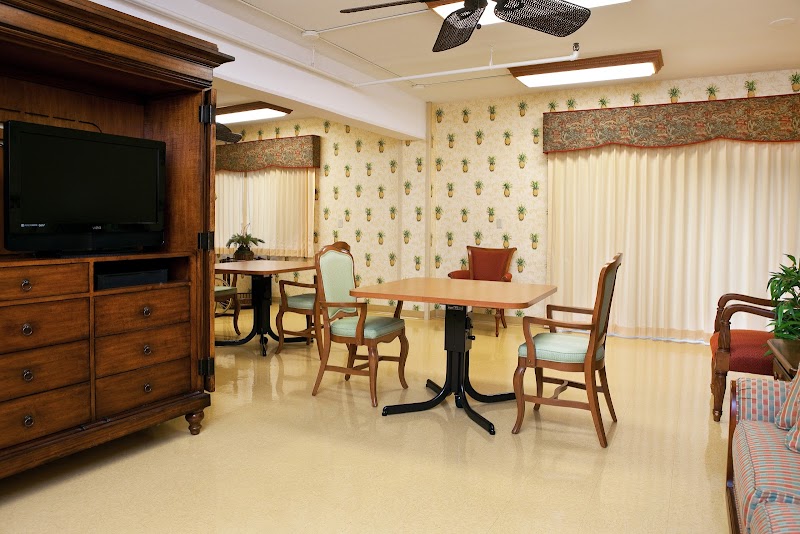
How is Life Of Hilo Staffed?

CMS rates LIFE CARE CENTER OF HILO's staffing level at 4 out of 5 stars, which is above average compared to other nursing homes. Staff turnover is 27%, compared to the Hawaii average of 46%. This relatively stable workforce can support continuity of care.

What Have Inspectors Found at Life Of Hilo?

State health inspectors documented 41 deficiencies at LIFE CARE CENTER OF HILO during 2021 to 2025. These included: 40 with potential for harm and 1 minor or isolated issues.
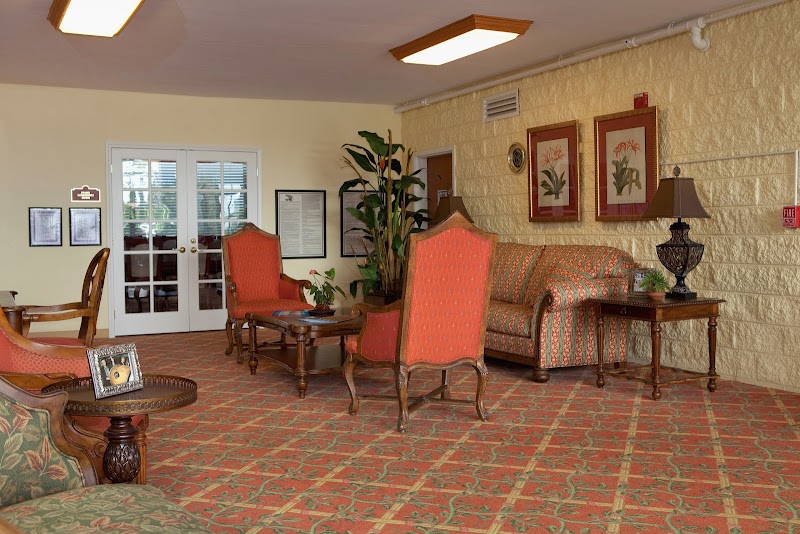
Who Owns and Operates Life Of Hilo?

LIFE CARE CENTER OF HILO is owned by a for-profit company. For-profit facilities operate as businesses with obligations to shareholders or private owners. The facility is operated by LIFE CARE CENTERS OF AMERICA, a chain that manages multiple nursing homes. With 252 certified beds and approximately 221 residents (about 88% occupancy), it is a large facility located in HILO, Hawaii.
How Does Life Of Hilo Compare to Other Hawaii Nursing Homes?

Compared to the 100 nursing homes in Hawaii, LIFE CARE CENTER OF HILO's overall rating (3 stars) is below the state average of 3.4, staff turnover (27%) is significantly lower than the state average of 46%, and health inspection rating (2 stars) is below the national benchmark.

What Should Families Ask When Visiting Life Of Hilo?

Based on this facility's data, families visiting should ask: "Can I visit during a mealtime to observe dining assistance and food quality?" "How do you handle medical emergencies, and what is your hospital transfer rate?" "Can I speak with family members of current residents about their experience?"

Is Life Of Hilo Safe?

Based on CMS inspection data, LIFE CARE CENTER OF HILO has a clean safety record: no substantiated abuse findings (meaning no confirmed cases of resident harm), no Immediate Jeopardy citations (the most serious violation level indicating risk of serious injury or death), and is not on the Special Focus Facility watch list (a federal program monitoring the lowest-performing 1% of nursing homes). The facility has a 3-star overall rating and ranks #100 of 100 nursing homes in Hawaii. While no facility is perfect, families should still ask about staff-to-resident ratios and recent inspection results during their visit.

Do Nurses at Life Of Hilo Stick Around?

Staff at LIFE CARE CENTER OF HILO tend to stick around. With a turnover rate of 27%, the facility is 19 percentage points below the Hawaii average of 46%. Low turnover is a positive sign. It means caregivers have time to learn each resident's needs, medications, and personal preferences. Consistent staff also notice subtle changes in a resident's condition more quickly. Registered Nurse turnover is also low at 23%, meaning experienced RNs are available to handle complex medical needs.

Was Life Of Hilo Ever Fined?

LIFE CARE CENTER OF HILO has no federal fines on record. CMS issues fines when nursing homes fail to meet care standards or don't correct problems found during inspections. The absence of fines suggests the facility has either maintained compliance or corrected any issues before penalties were assessed. This is a positive indicator, though families should still review recent inspection reports for the full picture.

Is Life Of Hilo on Any Federal Watch List?

LIFE CARE CENTER OF HILO is not on any federal watch list. The most significant is the Special Focus Facility (SFF) program, which identifies the bottom 1% of nursing homes nationally based on persistent, serious quality problems. Not being on this list means the facility has avoided the pattern of deficiencies that triggers enhanced federal oversight. This is a positive indicator, though families should still review the facility's inspection history directly.