HALE OLA KINO BY ARCADIA
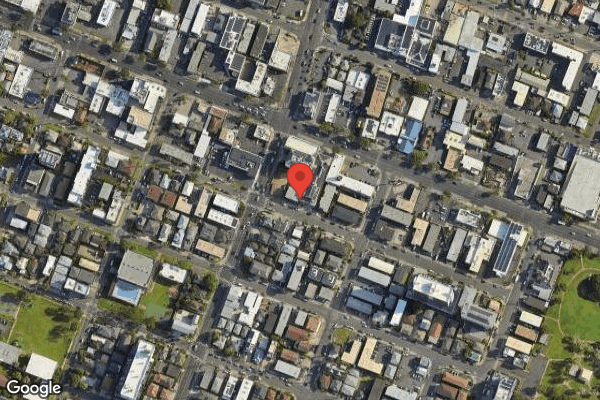
1314 KALAKAUA AVE SECOND FLOOR, HON, HI 96826 (808) 983-4444
For profit - Corporation 32 Beds Independent Data: November 2025
Trust Grade
83/100
#5 of 41 in HI
Last Inspection: February 2025

Within standard 12-15 month inspection cycle. Federal law requires annual inspections.

Overview

Hale Ola Kino by Arcadia has a Trust Grade of B+, meaning it is recommended and performs above average among nursing homes. It ranks #5 out of 41 facilities in Hawaii, placing it in the top half of the state, and #3 out of 26 in Honolulu County, indicating that only two local options are better. The facility is improving, with issues decreasing from nine in 2024 to six in 2025. Staffing is a strong point, with a perfect 5-star rating and a low turnover rate of 9%, well below the Hawaii average, which allows staff to build strong relationships with residents. However, the facility has incurred $12,328 in fines, which is concerning as it is higher than 76% of facilities in Hawaii, indicating some compliance issues. Specific incidents noted in inspections included unsafe staff transfers that put residents at risk for injury, failure to provide adequate hydration and food preferences, and improper food storage in the kitchen. While the facility has strong staffing and is on an upward trend, these issues raise concerns about the quality of care and attention to residents' needs.

Trust Score
B+
83/100
In Hawaii
#5/41
Top 12%
Safety Record
Low Risk
No red flags
Inspections
Getting Better
9 → 6 violations
Staff Stability
✓ Good
9% annual turnover. Excellent stability, 39 points below Hawaii's 48% average. Staff who stay learn residents' needs.
Penalties
⚠ Watch
$12,328 in fines. Higher than 100% of Hawaii facilities. Major compliance failures.
Skilled Nurses
✓ Good
Each resident gets 93 minutes of Registered Nurse (RN) attention daily — more than 97% of Hawaii nursing homes. RNs are the most trained staff who catch health problems before they become serious.
Violations
⚠ Watch
24 deficiencies on record. Higher than average. Multiple issues found across inspections.
★★★★★
5.0
Overall Rating
★★★★★
5.0
Staff Levels
★★★★★
5.0
Care Quality
★★★★☆
4.0
Inspection Score
Stable
2024: 9 issues
2025: 6 issues

The Good

  • 5-Star Staffing Rating · Excellent nurse staffing levels
  • 5-Star Quality Measures · Strong clinical quality outcomes
  • Low Staff Turnover (9%) · Staff stability means consistent care
  • Full Sprinkler Coverage · Fire safety systems throughout facility
  • No fines on record
  • Staff turnover is low (9%)

    39 points below Hawaii average of 48%

Facility shows strength in staffing levels, quality measures, staff retention, fire safety.

The Bad

Federal Fines: $12,328

Below median ($33,413)

Minor penalties assessed

The Ugly 24 deficiencies on record

Feb 2025 6 deficiencies
CONCERN (D)

Potential for Harm - no one hurt, but risky conditions existed

Resident Rights (Tag F0550)

Could have caused harm · This affected 1 resident

Based on observation, interview, and record review, the facility failed to treat each resident with respect and dignity by protecting and promoting the rights of one of one resident (Resident (R) 4) r...

Read full inspector narrative →
Based on observation, interview, and record review, the facility failed to treat each resident with respect and dignity by protecting and promoting the rights of one of one resident (Resident (R) 4) reviewed for resident rights. R4's personal property was taken from his room without his knowledge or proper communication. This deficient practice has the potential to affect R4's dignified existence. Findings include: On 02/19/25 at 12:55 PM, an interview and observation of R4 was done. R4 was lying down in his room on his bed and complained that a friend brought him a bottle of TUMS yesterday morning and he does not know what happened to them. R4 reported he wanted TUMS and even asked the facility to get him a bottle, but no one helped him get it, so he asked his friend who was able to get him some and had put it in his drawer. R4 raised his voice and loudly stated .they took it from me. I don't know what happened .it's my personal property! I got it, someone brought it for me, and it disappeared. Nobody can find it! Should I call the police? It disappeared; they use it for themselves. I'm afraid, people I should be trusting .this is not doing me any good. R4 continued to threaten to call the police because his personal property was stolen and expressed, he did not understand why someone would take it from him. With R4's permission to search his room, TUMS was not found in his room. On 02/20/25 at 02:59 PM, concurrent record review and interview with Registered Nurse (RN) 5 and Licensed Practical Nurse (LPN) 2 was done. Inquired with RN5 if she was aware a visitor brought TUMS for R4, RN5 reported she did not hear anything but can check the medication cart because she would be able to identify if the medication was from the pharmacy or bought over-the-counter. RN5 and LPN2 was observed to find a bottle of opened TUMS in the medication cart with R4's room and bed number written on top of the lid. Concurrent review of R4's physician orders, RN5 confirmed R4 did not have an order for TUMS and the bottle was R4's personal property. RN5 reported if a resident brings an over-the-counter medication, nursing staff should be notified and check if there is an active order for the medication. Inquired if the resident should be notified, explained, and educated about why he cannot keep the medication in his room prior to removing it and documented in the Electronic Health Record (EHR), RN5 stated yes because it is considered his personal item and confirmed the communication between the resident and the facility was not documented in R4's EHR.
CONCERN (D)

Potential for Harm - no one hurt, but risky conditions existed

Comprehensive Care Plan (Tag F0656)

Could have caused harm · This affected 1 resident

**NOTE- TERMS IN BRACKETS HAVE BEEN EDITED TO PROTECT CONFIDENTIALITY** Based on interviews and record reviews, the facility failed to develop and implement the comprehensive person-centered care plan...

Read full inspector narrative →
**NOTE- TERMS IN BRACKETS HAVE BEEN EDITED TO PROTECT CONFIDENTIALITY** Based on interviews and record reviews, the facility failed to develop and implement the comprehensive person-centered care plan for two of 15 residents (Resident (R) 4 and R21) care plan reviewed. The facility did not develop a dietary care plan for R4 and did not implement R21's care plan for edema. This deficient practice has the potential to negatively affect R4 and R21's health and well-being. Findings include: R4 was admitted to the facility on [DATE] with diagnosis of, but not limited to, unspecified severe protein-calorie malnutrition. Review of R4's weight since admission found on 01/14/25, the resident weighed 175.6 pounds (lbs.) and on 02/11/25, a month later, he weighed 166.2lbs. which is a 5.35% weight loss. Review of the initial interdisciplinary team (IDT) care plan meeting notes, dietary services documented PO [by mouth] intake has been poor, eating 25% or less at meals. No c/o [complaints of] food or menu. Likes ice cream and crispy bacon, however, currently on a minced diet. Wt [weight] 165.1# [pounds] is within IBW [ideal body weight] (144-199#). Significant 10.5# wt loss (6.0%) noted since adm [admission], however, his usually wt from ALF [assisted living facility] was 160-170# without edema. Ensure Plus was increased .[to] .120mL [milliliters] TID [three times a day] on 1/28/25 .meets criteria for severe protein calorie malnutrition. He doesn't not like chocolate flavor, only vanilla or strawberry flavored ensure. Will continue tohonor [to honor] food preferences and monitor weekly wts. On 02/21/25 at 08:44 AM, an interview and concurrent record review with Dietician was done. Dietician stated she creates a care plan for residents within the week of admission. Dietician stated she is familiar with R4 from the assistive living he resided in and reported he had a hard time adjusting to the facility. His weights are within range but based on his usual weight was losing and so his plan of care was to honor food preferences, include a protein shake but not chocolate flavor, offer alternative items, constantly encourage him, and for nursing to ensure his pain was managed. Concurrent review of R4's care plan, found R4 did not have a dietary section. Dietician confirmed there should have been a care plan for his nutritional needs. 2) R21 is an [AGE] year-old male admitted to the facility on [DATE]. A review of R21's Electronic Health Record (EHR) noted that R21 had an order for an diuretic medication since 12/31/24 for congestive heart failure and edema (swelling caused by too much fluid trapped in the body's tissue). Concurrent interview and record review were conducted with the Director of Nursing (DON) on 02/21/25 at 07:29 AM in his office. State Agency (SA) reviewed with the DON R21's current care plan which noted a focus that R21 has the potential for fluid imbalance and activity intolerance related to congestive heart failure. One of the interventions listed on the care plan noted, Medication as ordered-Lasix .Monitor/document/report PRN any s/sx of hypokalemia in residents receiving diuretic therapy: Fatigue, muscle, weakness, diminished appetite, nausea and vomiting and dysrhythmias, Monitor potassium levels . DON then searched in R21's EHR and confirmed that R21 did not have any laboratory testing done for potassium level. DON also confirmed that monitoring R21's potassium level should have been implemented, since it is listed in R21's plan of care. A review of the facility policy titled, Comprehensive Assessment and Care Delivery Process, with a reviewed date of 01/21/25 was conducted. The policy noted, Comprehensive assessments, care planning, and the care delivery process involve collecting and analyzing information, choosing, and initiating interventions, and then monitoring results and adjusting interventions.
CONCERN (D)

Potential for Harm - no one hurt, but risky conditions existed

Deficiency F0688 (Tag F0688)

Could have caused harm · This affected 1 resident

**NOTE- TERMS IN BRACKETS HAVE BEEN EDITED TO PROTECT CONFIDENTIALITY** Based on observations, record reviews, and interviews the facility failed to ensure one of two residents (Resident (R) 3) sample...

Read full inspector narrative →
**NOTE- TERMS IN BRACKETS HAVE BEEN EDITED TO PROTECT CONFIDENTIALITY** Based on observations, record reviews, and interviews the facility failed to ensure one of two residents (Resident (R) 3) sampled for limited range of motion received appropriate treatment for left foot contracture. This deficient practice put R3 at risk of further decrease in range of motion. Findings include: R3 was admitted to the facility on [DATE] with diagnoses of dementia, hemarthrosis to right knee, hemiplegia and hemiparesis following cerebral infarction affecting left non-dominate side, cognitive communication deficit, vitamin D deficiency, and osteoarthritis. Review of R3's care plan documented R3 has limited physical mobility related to contractures to left foot. Interventions included Splint as ordered. Review of R3's physician orders for splint one time a day for left foot contracture Apply left foot splint on 4 hours/day; ON at 1200 and OFF at 1600 as tolerated and remove per schedule. On 02/18/25 at 12:37 PM, observed splint for left foot on the chair in R3's room, not being used. At 02:26 PM, R3 was observed sleeping in bed, splint for left foot was on the chair next to her. On 02/19/25 at 12:46 PM, observed splint for left foot in R3's room, on the floor next to her wardrobe. R3 was observed in the activity room with no splint on left foot. On 02/19/25 at 02:07 PM, observation and interview with Certified Nurse Aide (CNA) 5 was done. CNA5 was observed to be in R3's room and R3 was observed sleeping in bed. CNA5 reported R3 has only one splint for left foot and the medication nurse puts it on and takes it off the resident, which was observed to be on R3's wheelchair. CNA5 explained R3 had just taken a shower and had taken the splint off. Inquired what time the resident is supposed to wear the splint, CNA5 stated she did not know and then was observed to put the splint on R3. On 02/20/25 at 12:36 PM, observed splint for left foot in R3's room. R3 was observed in the dining room eating lunch with no splint on left foot. On 02/21/25 at 09:18 AM, an interview with Licensed Practical Nurse (LPN) 1 was done. LPN1 confirmed R3 has a splint for her left foot due to her foot dropping and the assigned medication nurse puts it on at 12:00 PM and takes it off at 04:00 PM. Usually, the CNAs will call the medication nurse to put the splint back on if they need to take it off to provide care. Inquired if R3 ever refuses to put the splint on, LPN1 stated R3 never refuses.
CONCERN (D)

Potential for Harm - no one hurt, but risky conditions existed

Deficiency F0697 (Tag F0697)

Could have caused harm · This affected 1 resident

**NOTE- TERMS IN BRACKETS HAVE BEEN EDITED TO PROTECT CONFIDENTIALITY** Based on observations, interviews, and record review, the facility failed to ensure one of three residents (Resident (R) 84) sam...

Read full inspector narrative →
**NOTE- TERMS IN BRACKETS HAVE BEEN EDITED TO PROTECT CONFIDENTIALITY** Based on observations, interviews, and record review, the facility failed to ensure one of three residents (Resident (R) 84) sampled for pain management was consistent with professional standards of practice. R84's pain management was ineffective and not followed up on which has the potential result of discomfort and continued pain. Findings include: R84 was admitted to the facility on [DATE] with diagnoses of, but not limited to, insomnia, encounter for surgical aftercare following surgery on the nervous system, and chronic pain syndrome. On 02/19/24 at 08:59 AM interviewed R84 in his room. R84 reported he has constant pain and discomfort on his left shoulder. He requests for oxycodone about every four hours, and it helps the pain go from a 9 to a 7 in the pain index scale (a 0-10 scale where 0 represents no pain and 10 represents the worst possible pain). Nursing staff check on him and ask if the medication is effective and he informs them he is at a pain level of 7. Inquired if nursing staff follow up with other interventions or medications to help relieve his pain further, R84 stated no but he had recently asked the physician to increase his oxycodone dosage from 5 milligrams (mg.) to 7.5 mg., the increase helped a little, resulting in the 7-pain level after taking the medication. Review of R84's physician orders for pain include acetaminophen tablet 325 mg. give two tablets by mouth every four hours as needed for mild pain (1-3), oxycodone hcl oral tablet 5 mg. give 5 mg. by mouth every 4 hours as needed for moderate pain 4-6/10), and oxycodone hcl oral tablet 5 mg. give 7.5 mg. by mouth every four hours as needed for severe pain (7-10/10). On 02/19/25, review of R84's Medication Administration Record (MAR) found on 02/14/25 at 03:20 PM and 02/17/25 at 10:52 AM oxycodone 7.5 mg. was administered and documented as ineffective, and on 02/17/25 at 05:43 AM oxycodone 5 mg. was administered and documented as ineffective. R84's most recent pain management medication (oxycodone 7.5 mg.) was administered on 02/19/25 at 11:23 AM with reported initial pain level of 9 and documented after medication was administered, effective. Follow-up codes in the MAR include ineffective (I), effective (E), unknown (U), and on hold by physician (H). On 02/19/25 at 02:10 PM, a second interview with R84 was done. Inquired if he was administered oxycodone 7.5 mg. at approximately 11:30 AM, he stated he was, and his pain level went down to a 7. R84 reported the medication nurse came in and followed up and told them it went down to a 7. R84 further reported the medication nurse did not offer anything else after reporting his current pain level, post-medication. On 02/20/25 at 12:29 PM, an interview with Licensed Practical Nurse (LPN) 2, medication nurse, was done. LPN2 reported when a resident is in pain she will assess where the location is, provide non-pharmacological interventions, such as repositioning, ask for the pain level, and offer pain medication. After the medication is given, she will follow-up by asking what the pain level is and if it is ineffective offer a stronger medication than the first one given if available. Inquired if the pain level started at a 9 and after the medication was given the pain reduced to a 7 would that be considered effective, LPN2 reported no, a 7 is still considered severe pain, the MAR should be charted as ineffective, and the charge nurse should be notified to inform the doctor. On 02/20/25 at 02:32 PM, a concurrent record review and interview with Registered Nurse (RN) 5, a charge nurse, was done. RN5 reported if pain medication is given the medication nurse needs to follow up within an hour of administration, if the medication is ineffective, the provider should be notified. Inquired if the pain level started at a 9 and after the medication was given the pain reduced to a 7 would that be considered effective, RN5 stated that would be ineffective. Concurrent record review of R84's MAR for oxycodone 7.5 mg. on 02/14/25 at 03:20 PM and 02/17/25 at 10:52 AM, RN5 confirmed it was documented as ineffective. RN5 further reviewed R84's record for a nursing note and was not able to find any documentation on what happened or what was done further for R84's pain on 02/14/25 and 02/17/25. RN5 reviewed R84's care plan and found no other documentation on R84's pain management that would explain not getting any further treatment if the oxycodone 7.5 mg is ineffective.
CONCERN (D)

Potential for Harm - no one hurt, but risky conditions existed

Menu Adequacy (Tag F0803)

Could have caused harm · This affected 1 resident

Based on observations, interviews, and record review, the facility failed to ensure resident menus were followed for one of one resident (Resident (R)10) sampled for food and two of 10 residents (R135...

Read full inspector narrative →
Based on observations, interviews, and record review, the facility failed to ensure resident menus were followed for one of one resident (Resident (R)10) sampled for food and two of 10 residents (R135 and R28) food trays and menus sampled in the kitchenette during food tray line. This deficient practice has the potential to put R10 and R135 at risk of not maintaining their weight and R28 at risk of low sodium with history of hospitalization. Findings include: On 02/18/25 at 12:31 PM, an observation of R10 and interview with resident representative (RR) 1 was done. R10 was observed to eat lunch (fresh cantaloup, fish, steamed cauliflower, and mashed potatoes with gravy) with assistance from RR1. RR1 reported R10 is supposed to get half the amount of starch on her plate but depending on who plates the food R10 will get the full amount. RR1 stated today the mashed potato was not half the amount but the full amount. RR1 pointed to the mashed potatoes on her plate and the menu which indicated the mashed potatoes were supposed to be half the amount. On 02/20/25 at 08:09 AM, observed R10 eating breakfast with staff members assistance. The staff member reported R10 was eating mashed potatoes, breakfast sausage and papaya. R10's breakfast menu indicated half the amount for the mashed potatoes written on it. Observed a full scoop of mashed potatoes on her plate. On 02/20/25 at 11:05 AM, during observation of the food tray line for lunch in the kitchenette, observed Dining Room Server (DRS) 3 scoop a full amount of mashed potatoes on R135's plate. R135's menu had half the amount handwritten on the menu. DRS3 finished putting all items from the menu on R135's tray and gave it to another staff member to distribute to the resident. Inquired about the menu and what was written, DRS3 confirmed she was supposed to give R135 half a scoop of mashed potatoes and what she put on the plate was the full scoop. DRS3 was observed to take the tray back and correct the scoop amount to half. Further observed during observations of the food tray line, R28's menu which indicated she was on fluid restrictions of 1500 milliliters (mL.). The menu specified soup to be 60mL Observed DRS3 scoop a full scoop into a bowl and plate it on R28's tray. DRS3 stated the bowl is 120mL. and after reviewing the menu took the bowl back and scooped out half the amount of soup. On 02/21/25 at 08:56 AM, an interview with Dietician was done. Dietician reported that residents with half the amount of starch is usually due to preference or weight control and for R10 and R135 it is for weight control, they are on a controlled carbohydrate diet. Dietician further reported R28 is on fluid restriction of 1500 because of her sodium levels. R28 was hospitalized due to hyponatremia (a condition where the sodium level in the blood is lower than normal) and it is important to keep her on fluid restriction or her sodium level may drop even more. Dietician confirmed the resident menus should be followed.
CONCERN (D)

Potential for Harm - no one hurt, but risky conditions existed

Food Safety (Tag F0812)

Could have caused harm · This affected 1 resident

Based on observations, interviews, and record review, the facility failed to ensure opened food was discarded by the use by date for one of five food items sampled in the walk-in refrigerator. Failure...

Read full inspector narrative →
Based on observations, interviews, and record review, the facility failed to ensure opened food was discarded by the use by date for one of five food items sampled in the walk-in refrigerator. Failure to appropriately label stored food has the potential to affect residents that receive food from the kitchen, and visitors and staff who have meals served by the facility, placing them at risk for serious complications from foodborne illness. Findings include: During the initial tour of the main kitchen at 02/18/25 at 08:03 AM observed contracted facility [NAME] (C) 1 in the walk-in refrigerator gathering food items. C1 stated she is the designated cook for the facility and was gathering food items to make a salad from the top two shelves on the back left of the refrigerator with a little sign HCC. C1 confirmed those two shelves are food items for the facility, as well as a rolling food tray rack to the right. As C1 exited the walk-in refrigerator, this surveyor (Surveyor (S) 1) and S2 found a small metal container of food, covered with saran wrap, labeled Olive HCC S1 and S2 observed the dates on the label to read TODAY'S DATE 2/8 and was not able to distinguish the USE BY date but concurred it read either 2/15 or 2/16. When Dietary Manager (DM) arrived in the walk-in refrigerator inquired what the observed dates for the olives were, DM stated the TODAY'S DATE was 2 .18 and the use by date was 3 .16. DM stated the cook forgot to put a slash between the numbers. DM confirmed the dates should be written clearly and the dates on the label for the olives were not written clearly. Compared other labels with dates and all of them included a dash or slash between the month and day. Inquired if the use by date read 2/15 or 2/16 should it had been discarded, DM stated it should have been discarded. At 08:18 AM observed C1 come out of the walk-in refrigerator with a tray of food items for salad and found the same container of olives on the tray. Inquired what the dates on the label read, C1 confirmed TODAY'S DATE 2/8 and was observed counting forward and stated the use by date was 2/15 (seven days after the opened date) and stated she was going to dump the olives. On 02/20/25 at 09:55 AM, an interview with Dietary Supervisor (DS) was done. DS stated the facility has one cook and she prepares and cooks the food in the main kitchen then brings it up to the facility kitchenette. DS reported opened food items are discarded seven days after opening.
Mar 2024 9 deficiencies
CONCERN (D)

Potential for Harm - no one hurt, but risky conditions existed

Grievances (Tag F0585)

Could have caused harm · This affected 1 resident

**NOTE- TERMS IN BRACKETS HAVE BEEN EDITED TO PROTECT CONFIDENTIALITY** Based on observation, interview, and record review, although informed of concerns regarding an unsafe transfer and poor position...

Read full inspector narrative →
**NOTE- TERMS IN BRACKETS HAVE BEEN EDITED TO PROTECT CONFIDENTIALITY** Based on observation, interview, and record review, although informed of concerns regarding an unsafe transfer and poor positioning in bed, the facility failed to identify and document the verbalized complaint as such, and failed to provide a prompt resolution of the complaint/grievance for one resident (Resident 131) and his family representative(s). As a result of this deficient practice, the resident experienced a decreased quality of life, feeling as if the concerns he and his family representatives voiced were not being taken seriously, or acknowledged. This deficient practice has the potential to affect all the residents at the facility who voice a concern. Findings include: Resident (R)131 is a [AGE] year-old male admitted to the facility on [DATE] with diagnoses that include, but are not limited to, unspecified convulsions, left hemiplegia [paralysis on one side of the body] and left hemiparesis [one-sided muscle weakness] following a stroke, and constipation. On 03/04/24 03:37 PM an interview was done at the bedside with R131 and his family representative (FR)1. Both reported that the first Sunday after being admitted (02/11/24), R131 was transferred from bed to a shower chair for a shower, but it didn't go well. FR1 described how the certified nurse aide (CNA)12 who initially tried to do the mechanical lift transfer alone seemed like he did not have a lot of experience with this type of transfer. He did not prepare R131 for the transfer by explaining the process before or during the procedure, and R131 was very scared. In addition, R131 stated that he felt that CNA12 was rough with him, describing the incident as he [CNA12] likes to push and shove. FR1 stated that the transfer seemed very unsafe, and after the shower was done, CNA12 and another CNA hand carried R131 back into bed in a manner that seemed equally unsafe. Dropping R131 perpendicularly (short-ways) onto the bed before he was properly positioned parallel (long-ways) to the bed. FR1 reported that again, CNA12 seemed inexperienced for this type of transfer. Observation of R131 at this time noted that he is quite tall. FR1 confirmed the observation by stating that R131 is over six feet tall, and his long legs made the transfer(s) even more frightening for them. FR1 continued on to explain that they complained to the Director of Rehab [Rehabilitation] (DOR) about the incident the next day. FR1 also stated that the Minimum Data Set Coordinator (MDSC)1 (who serves as the Admissions Coordinator, and in the absence of a Social Services Designee, acts as the Grievance Officer), spoke to them approximately a week after the incident. When they brought the incident up with him, MDSC1 appeared to blow it off, telling them, Well, we need to review some processes, but offered no apologies, explanations, or assurances that the matter would be looked into. Both FR1 and R131 agreed that they did not feel the incident was properly addressed or resolved, explaining that it felt like the facility had tried to say the incident was their fault for stating upon admission that R131's preference was to shower instead of having a bed bath. On 03/06/24 at 09:30 AM, a review of the Grievance Log for 2024, and a concurrent interview with the Administrator-in-Training (AIT), who also served as the Director of Nursing, confirmed that there was no documentation of R131's or his representative's complaint which had been verbalized and/or discussed with DOR and MDSC1. On 03/06/24 at 12:07 PM, an interview was done in the Therapy Room with DOR. DOR stated that after R131 and his representative(s) complained about the incident to her, she immediately reported it to the Hospitality Coordinator (HC) so that R131 could be taken off of the shower schedule. In addition, DOR reported that she also mentioned it in stand-up [staff meeting], but they [administrative staff and direct care staff] already knew. On 03/07/24 at 07:36 AM, during an interview with MDSC1 in the Breakroom, MDSC1 confirmed that while R131's representatives did bring the incident up with him, he did not document the discussion anywhere. A review of the facility's policy on Grievance Management, revised 1/2023, revealed the following: 1. Any complaint may be directed to any staff member . who will assume responsibility for communicating the complaint to the appropriate individual for timely investigation and resolution. A review of the facility's undated Grievance Management Guidelines noted the following: The administration documents and investigates all grievances/complaints to ensure reasonable satisfaction and accommodation and to improve services where necessary or practical.
CONCERN (D)

Potential for Harm - no one hurt, but risky conditions existed

Comprehensive Care Plan (Tag F0656)

Could have caused harm · This affected 1 resident

**NOTE- TERMS IN BRACKETS HAVE BEEN EDITED TO PROTECT CONFIDENTIALITY** Based on interview and record review, the facility failed to develop and implement a person-centered comprehensive care plan for...

Read full inspector narrative →
**NOTE- TERMS IN BRACKETS HAVE BEEN EDITED TO PROTECT CONFIDENTIALITY** Based on interview and record review, the facility failed to develop and implement a person-centered comprehensive care plan for one Resident (R)82 of four in the sample. R82's care plan was generalized, written as the resident instead of resident's name; the interventions for pain management were not followed as written on the care plan. The deficient practice placed the resident with ineffective pain control, cross reference (cr) to F697 pain management. Findings include: R82 is a [AGE] year-old male admitted to the facility on [DATE] for rehabilitation services after suffering from a fall with a lumbar fracture, cr to F697 pain management. Electronic health record (EHR) reviewed. Minimum data set (MDS) with Assessment reference date (ARD) 02/26/2024 reviewed. Active Diagnoses: Includes musculoskeletal wedge compression fracture of third lumbar vertebrae. Other low back pain and muscle weakness. Section J - Health Conditions: Pain Assessment interview. Pain Presence- Yes. Pain frequency: 2. Occasionally. Pain intensity: 2. Moderate. Care plan reviewed. Focus: Alteration in comfort related to acute Pain/ chronic Pain - wedge compression fracture of lumbar three vertebra. Complaint of generalized pain. Low back pain. Goal: Resident will report satisfactory pain control. The following interventions/tasks were not implemented for R82: -Assist as needed to reposition for comfort .assessment of pain: characteristics of pain; location, severity on a scale of 1-10, type, frequency, precipitating factors, relief factors frequency, including as needed. -Offer analgesics according to physician order. Acetaminophen. Medication administration record (MAR) and pain log reviewed simultaneously, see F697 pain management. Acetaminophen 325 mg Give two tablets by mouth every four hours as needed for generalized pain. Was not documented as given on 03/01/24 to 03/06/24. Review of the pain log revealed that the pain level and non-pharmacological interventions were not documented. Interview with the director of nursing (DON) and MDS Nurse on 03/07/24 at 08:14 AM in the staff break room. The surveyor asked the following questions about pain management: How are the nurses ensuring the residents interventions for pain management are being followed? When are they expected to rate the resident's pain on the pain scale, is it when they encounter the resident, do an assessment, or give medications? The DON stated that the nurses rate the resident's pain when they make their observations with the resident. They look at the resident and if the resident looks like they're in pain, they will document the pain level and can medicate them. They don't normally ask them what their pain level is on the pain scale. The residents who are receiving physical therapy are pre-medicated and the pain level is measured based on how they are able to participate in therapy.
CONCERN (D)

Potential for Harm - no one hurt, but risky conditions existed

Quality of Care (Tag F0684)

Could have caused harm · This affected 1 resident

**NOTE- TERMS IN BRACKETS HAVE BEEN EDITED TO PROTECT CONFIDENTIALITY** Based on interview, and record review, the facility failed to adequately monitor, care plan, and manage, an elevated risk of con...

Read full inspector narrative →
**NOTE- TERMS IN BRACKETS HAVE BEEN EDITED TO PROTECT CONFIDENTIALITY** Based on interview, and record review, the facility failed to adequately monitor, care plan, and manage, an elevated risk of constipation for 1 of 1 resident (R131) sampled. As a result of this deficient practice, Resident (R)131 experienced abdominal discomfort and difficulty defecating. This deficient practice has the potential to affect all the residents at the facility at risk of constipation. Findings include: Resident (R)131 is a [AGE] year-old male admitted to the facility on [DATE] with admitting diagnoses that include, but are not limited to, unspecified convulsions, left hemiplegia [paralysis on one side of the body] and left hemiparesis [one-sided muscle weakness] following a stroke, and constipation. On 03/05/24 at 09:18 AM, during an interview with R131's Family Representative (FR)1, FR1 reported that R131 had hard stools that he has difficulty pushing out every time he goes. FR1 continued on to explain that R131 had felt constipated the other day and had asked for a suppository, but was told that it was only for no bowel movements after three days. A review of R131's nursing progress notes revealed a Clinical admission note from 02/06/24 at 04:05 PM, documenting Constipation noted. Date of last BM [bowel movement]: 02/01/2024. Despite this, and an admitting diagnosis of constipation, review of R131's electronic health records revealed he was not started on a routine medication for constipation until 02/20/24. Stimulant laxative plus [with stool softener] tablet . one tablet . two times a day for constipation . This medication was increased to two tablets two times a day on 02/28/24. Further review of R131's medication orders revealed the following as needed medications for constipation: 02/06/2024 Lactulose Solution, 15 ml (milliliters) as needed for constipation. May administer if no BM [bowel movement] in 3 days. 02/06/2024 Bisacodyl Suppository, 10 MG (milligrams) One suppository rectally for constipation, to be used as needed if Lactulose is ineffective. Review and reconciliation of medication administration record (MAR) and point-of-care log for bowel movements noted Lactulose had been administered on 02/15/24 despite a bowel movement documented on 02/14/24. In addition, although the Lactulose had only been administered once since admission, the Bisacodyl suppository was documented as given on 02/20/24 and 02/27/24 despite bowel movements documented on 02/19/24 and 02/25/24. On 03/06/24 at 09:18 AM, an interview was done with the Director of Nursing (DON) outside her office. When asked about the facility's bowel protocol regarding problems with constipation, the DON stated the facility has no bowel protocol because each doctor has their own treatment preferences. DON continued on to state that staff should be following whatever the doctor's orders are. On 03/07/24 at 09:33 AM, a review of R131's comprehensive care plan noted no care plan initiated specifically for the constipation problem identified on admission. It had been added into an Alteration in Comfort care plan beneath acute pain/chronic pain related to rhabdomyolysis (a condition where muscle tissue breaks down often resulting in muscle aches) and gout (a form of arthritis that causes severe pain), and c/o [complaints of] generalized pain, which listed constipation and abdominal pain. The care plan referenced the as needed medications but was not revised when the routine medication (laxative plus stool softener) was added on 02/20/24 or when it was increased on 02/28/24.
CONCERN (D)

Potential for Harm - no one hurt, but risky conditions existed

Accident Prevention (Tag F0689)

Could have caused harm · This affected 1 resident

**NOTE- TERMS IN BRACKETS HAVE BEEN EDITED TO PROTECT CONFIDENTIALITY** Based on observation, interview, and record review, the facility failed to ensure residents were free from accidents hazards, bo...

Read full inspector narrative →
**NOTE- TERMS IN BRACKETS HAVE BEEN EDITED TO PROTECT CONFIDENTIALITY** Based on observation, interview, and record review, the facility failed to ensure residents were free from accidents hazards, both in the Therapy Room, as evidenced by Resident 23 sustaining an injury on an exposed end of the wooden parallel/balance bars, as well as during transfers for Resident 131. This deficient practice has the potential to affect all residents using the Therapy Room or requiring assistance during transfers. Findings include: 1) Resident (R)23 is a [AGE] year-old female admitted on [DATE] with admitting diagnoses that include, but are not limited to, unspecified convulsions, history of syncope (fainting) and collapse, unspecified pain and shortness of breath, muscle weakness, and difficulty in walking. On 02/08/24, the facility conducted a Brief Interview for Mental Status (BIMS) exam and found R23 to be cognitively intact with a score of 15 out of 15. On 03/04/24 at 09:13 AM, during an interview with R23 at her bedside, observed she was wearing a geri sleeve skin protector on her left forearm. When questioned about it, R23 removed the geri sleeve to reveal a wound, approximately 1.5 inches in diameter, covered with four steri-strips that varied in length. R23 stated that she obtained the wound when she slipped while using the wooden balance bars in the Therapy Room, skinning herself on the exposed end approximately 2 weeks ago. R23 stated it is very dangerous; they need to cover it up. On 03/04/24 at 10:47 AM, observations were done in the Therapy Room. Wooden parallel bars noted in the corner of the small and cluttered room. The parallel bars were made up of two square lengths of wood with edges that were rounded at the lengths but not on the uncovered ends. On 03/06/24 at 11:55 AM, reviewed the injury report for R23's left forearm injury, which occurred on 02/24/24. On the injury report, Registered Nurse (RN)4 documented, Per resident said skin tear is sustained while in the therapy room by the parallel bar . Area is approximately 8x3 cm [centimeters] . On 03/06/24 at 12:06 PM, an interview was done in the Therapy Room with the Director of Rehab (DOR) and Physical Therapist (PT)2. DOR stated that she was not present when R23's injury occurred, but she had heard about it. Believed R23 had injured herself on the length of the bar. PT2 reported that he was the therapist working with R23 at the time, and that R23 had been doing sit-to-stand exercises at the end of the parallel bars when he tried to boost her up in her wheelchair because she was slipping down. PT2 described how he had instructed R23 to let go of the railing/parallel bar, but she didn't listen, so when he boosted her up, she scratched her arm on the bottom corner of the end of the left railing/bar. DOR stated that she was not aware that was how the injury happened. PT2 confirmed that RN4, who had completed the injury report, was not present when the injury occurred, nor did she ask PT2 how it happened. Concurrent observation of the parallel bars at this time noted that the ends remain exposed. On 03/07/24 at 07:15 AM, observations in the Therapy Room confirmed that the ends of the parallel bars remained exposed and unprotected. On 03/07/24 at 07:27 AM, an interview was done in the Break Room with the Director of Nursing (DON) and Minimum Data Set Coordinator (MDSC)1. When asked why R23's injury report was completed by someone who was not a witness to the incident, DON answered that is not part of the process right now [to get an injury report from the staff who witnessed]. Both agreed that in this case, it would have been helpful to know exactly how the injury occurred so that actions could have been taken to ensure further injuries did not occur in a similar fashion. 2) Resident (R)131 is a [AGE] year-old male admitted to the facility on [DATE] with diagnoses that include, but are not limited to, unspecified convulsions, left hemiplegia [paralysis on one side of the body] and left hemiparesis [one-sided muscle weakness] following a stroke, and constipation. On 03/04/24 03:37 PM, an interview was done at the bedside with R131 and his family representative (FR)1. Both reported that the first Sunday after being admitted (02/11/24), R131 was transferred from bed to a shower chair for a shower, but it didn't go well. FR1 described how the certified nurse aide (CNA)12 who initially tried to do the mechanical lift transfer alone seemed like he did not have a lot of experience with this type of transfer. He did not prepare R131 for the transfer by explaining the process before or during the procedure, and R131 was very scared. In addition, R131 stated that he felt that CNA12 was rough with him, describing the incident as he [CNA12] likes to push and shove. FR1 stated that the transfer seemed very unsafe, and after the shower was done, CNA12 and another CNA hand carried R131 back into bed in a manner that seemed equally unsafe. Dropping R131 perpendicularly (short-ways) onto the bed before he was properly positioned parallel (long-ways) to the bed. FR1 reported that again, CNA12 seemed inexperienced for this type of transfer. Observation of R131 at this time noted that he is quite tall. FR1 confirmed the observation by stating that R131 is over six feet tall, and his long legs made the transfer(s) even more frightening for them. A review of R131's Physical Therapy Evaluation, done by PT2 on 02/06/24, revealed that regarding R131's functional mobility assessment for chair-to-bed and bed-to-chair transfers, R131 had been assessed as Dependent, meaning requiring 100% assistance or 2 or more helpers for transfer. A review of R131's Occupational Therapy Evaluation, done by DOR on 02/06/24, revealed that regarding R131's Functional Skills Assessment for transfers, R131 had been assessed as Total Assist, meaning requiring 76-99% assistance. On 03/07/24 at 11:30 AM, an interview with DOR was done in the Therapy Room. When asked about his PT/OT evaluations, DOR agreed that given R131's PT Dependent and OT Total Assist determinations, she would not have recommended any transfers be attempted without therapy staff present. DOR confirmed that there were no therapy staff present when CNA12 transferred R131 out of bed and back on 02/11/24, and they were not consulted about R131's mobility status prior to the transfer attempt. A review of the facility's policy on Safe Lifting and Movement of Residents, revised on 01/26/24, revealed the following: Manual lifting of residents shall be eliminated when feasible. Nursing staff, in conjunction with rehabilitation staff, shall assess individual residents' needs for transfer assistance on an ongoing basis. A review of CNA12's training record for the past year revealed he had not completed the Transferring Safely training component. In addition, it was noted that CNA12's mechanical lift transfer competency was completed on 04/16/23 (almost a year ago), and did not specify which of the 2 very different mechanical lifts the facility used CNA12 had been tested on . On 03/07/24 at 07:36 AM, an interview was done with DON in the Break Room. DON confirmed that CNA12 had not completed all of his required trainings in the past year, including Transferring Safely. When asked about his hours, DON reported that CNA12 only works on the weekends.
CONCERN (D)

Potential for Harm - no one hurt, but risky conditions existed

Deficiency F0697 (Tag F0697)

Could have caused harm · This affected 1 resident

**NOTE- TERMS IN BRACKETS HAVE BEEN EDITED TO PROTECT CONFIDENTIALITY** Based on observation, interview and record review, the facility failed to recognize and evaluate when the resident experienced p...

Read full inspector narrative →
**NOTE- TERMS IN BRACKETS HAVE BEEN EDITED TO PROTECT CONFIDENTIALITY** Based on observation, interview and record review, the facility failed to recognize and evaluate when the resident experienced pain; and manage pain consistent with the comprehensive assessment, the plan of care, current professional standards of practice, and the resident's goals for one resident (R) 82 in the sample. R82's pain level was not consistently evaluated by the nursing staff, and analgesics were not available to the resident as ordered by the physician. The deficient practice resulted in increased pain for R82. Findings include: R82 is a [AGE] year-old male admitted to the facility on [DATE] for rehabilitation services after suffering from a fall that resulted in a lumbar fracture. During an observation on 03/04/24 at 11:05 AM in R82's room who was observed sitting in the Geri chair next to his bed. The surveyor asked him how he was doing today. R82 stated terrible when I was living at home, I slipped and fell on the floor on my tailbone. I have a fracture in my spine and went to the hospital for a while then came over here. I am able to walk with a therapist and walker. I don't think I have the mobility to move on my own, I have a lot of pain. The surveyor asked him if he is getting any medication for his pain. R82 said, when I call them, they bring a pill. They aren't giving it regularly, and only when I request it. When it hurts. I have to request it. I think I'm going to need to go home with more medicine. Random observations of license practice nurse (LPN)4 providing care for R82 on 03/05/24 between 08:45AM and 11:00 AM. Did not observe LPN4 asking R82 what his pain level was. Observation on 03/06/24 at 08:32 AM, observed R82 sitting in his wheelchair in his room at the bedside with the breakfast tray on his table. None of the breakfast on the tray had been eaten except for a few bites of fruit. When asked how you are this morning, with a frown he stated, I'm not very good. Observation on 03/06/24 at 09:36 AM observed licensed practice nurse (LPN)1 take R82's blood pressure and turn to walk out of the room. Noted that LPN1 did not ask R82 about his pain level. The physical therapist (PT) walked into the room with another resident and asked if LPN1 could give R82 his pain medication prior to his PT appointment. Electronic health record (EHR) reviewed. Minimum data set (MDS) with assessment reference date (ARD) 02/26/2024 reviewed. Active Diagnosis: Includes musculoskeletal wedge compression fracture of third lumbar vertebrae. Other low back pain and muscle weakness. Section J - Health Conditions: Pain Assessment interview. Pain Presence- Yes. Pain frequency: 2. Occasionally. Pain intensity: 2. Moderate. Care plan reviewed, cross reference to F656 develop/ implement comprehensive care plan . Focus: Alteration in comfort related to Acute Pain/ Chronic Pain - Wedge compression fracture of third lumbar vertebra. Complaint of low back pain. Registered nurse (RN) Interventions/ Tasks; evaluate pain. Establish a pain management treatment plan. Offer analgesics according to physician order. Acetaminophen. Medication administration record (MAR) and pain log reviewed simultaneously: R82 received the following routine pain medications/ analgesics on the following dates: -Lidocore External Patch to back daily at 0600 on 03/01/24 to 03/06/24. -Oxycodone oral tablet 2.5 milligram (mg) 1 hour prior to therapy on 03/01/24, 03/02/24, -03/03/24,03/06/24. the following as needed analgesics: -Acetaminophen 325 mg Give 2 tablets by mouth every 4 hours as needed for generalized pain was not given on 03/01/24 to 03/06/24. Review of the pain log revealed that the pain level and non-pharmacological interventions were not documented. Interview with the director of nursing (DON) and MDS Nurse on 03/07/24 at 08:14 AM in the staff break room. The surveyor asked the following questions about pain management: How are the nurses ensuring the residents interventions for pain management are being followed? When are they expected to rate the residents pain on the pain scale, is it when they encounter the resident, do an assessment, or give medications? The DON stated that the nurses rate the residents pain when they make their observations with the resident. They look at the resident and if the resident looks like they're in pain, they will document the pain level and can medicate them. They don't normally ask them what their pain level is on the pain scale. The resident's who are receiving physical therapy are pre-medicated and the pain level is measured based on how they are able to participate in therapy. During an interview with the staff development manager/infection preventionist (SDM/IP) on 03/07/24 at 10:47 AM. The surveyor asked how do the nursing staff evaluate and monitor the resident for presence of pain? The SDM/IP responded; they rate the pain level on the pain log. During an interview with LPN4 on 03/07/24 at 2:30PM the surveyor asked how pain management is conducted for residents who have pain. She responded that we ask the resident what the pain level is every shift and give the resident the medication. Normally they won't ask a resident what the pain level is for a routine order. Reviewed the facility pain management guideline (No revision date). General guidelines. The pain management program is based on .commitment to appropriate assessment and treatment of pain, based on professional standards of practice .3. Pain management is a multidisciplinary care process that includes the following: Recognizing the presence of pain .Identifying and using specific strategies for different levels and sources of pain. Monitoring the effectiveness and modifying approaches, as necessary.
CONCERN (D)

Potential for Harm - no one hurt, but risky conditions existed

Deficiency F0699 (Tag F0699)

Could have caused harm · This affected 1 resident

**NOTE- TERMS IN BRACKETS HAVE BEEN EDITED TO PROTECT CONFIDENTIALITY** Based on observation, interview, and record review, the facility failed to adequately assess for and identify past traumas exper...

Read full inspector narrative →
**NOTE- TERMS IN BRACKETS HAVE BEEN EDITED TO PROTECT CONFIDENTIALITY** Based on observation, interview, and record review, the facility failed to adequately assess for and identify past traumas experienced by 1 of 1 residents (Resident 132) sampled for Trauma-Informed Care. As a result of this deficient practice, Resident 132 did not have her triggers identified, placing her at increased risk of re-traumatization, and was hindered from attaining her highest practicable mental and psychosocial well-being. Findings include: Resident (R)132 is a [AGE] year-old female admitted on [DATE] with admitting diagnoses that include, but are not limited to pain, muscle weakness, difficulty in walking, and history of falling. On 02/28/24, the facility conducted a Brief Interview for Mental Status (BIMS) exam and found R132 to be cognitively intact with a score of 15 out of 15. On 03/05/24 at 08:18 AM, during an interview with R132 at her bedside, she described how she was experiencing post-traumatic stress from the incident(s) that took her to the hospital and then here to the skilled nursing home. R132 shared that immediately prior to being hospitalized and subsequently transferred here, she experienced terrifying visual and auditory hallucinations of people cutting her open, and digging around in her insides. As she described the traumatic event, R132 was visibly upset, clenching her eyes tightly closed at some points, her hands shaking, and her voice trembling. After she arrived at the facility, R132 stated that a staff member came in who looked like one of the people who cut her open, and I got so scared I thought I was going to have a heart attack! R132 continued on to state that she finds the background noise on the staff walkie-talkies to be unnerving and startling to her at times as well. She couldn't explain why, but it reminds her of her terrifying dreams. When asked if anyone at the facility had spoken to her about traumatic events in her life before, R132 stated, no. A review of R132's electronic health record (EHR) notes a Trauma Informed Care Assessment completed by Minimum Data Set Coordinator (MDSC)2 on 02/28/24. The assessment consists of two questions. If the resident answers no to question 1, the second question is not asked. R132's assessment has no marked as the answer to question 1. On 03/06/24 at 10:55 AM, an interview was done with MDSC2 in the Break Room. MDSC2 confirmed that in the absence of a social services designee, she usually conducts the trauma-informed care assessment as part of the admission process. Stated that she usually reads question 1 directly off the paper, but does not always read all of the examples given. MDSC reported that she does not remember R132's assessment specifically, but knows that she did it. On 03/06/24 at 01:50 PM, during an interview with R132 at her bedside, R132 repeated that she does not remember any staff member asking her about any traumatic events since she was admitted . Stated that if anyone had, she would have answered yes, because that [the hallucinations] was SO traumatic! On 03/07/24 at 08:39 AM, during an interview at her bedside, R132 stated that she has been having nightmares related to her hallucinations. Reported that she had one last night, not as bad as hallucinations but scary just the same.
CONCERN (E)

Potential for Harm - no one hurt, but risky conditions existed

Deficiency F0726 (Tag F0726)

Could have caused harm · This affected multiple residents

Based on observation, interview, and record review, the facility failed to ensure staff competency in safe transfers and perineal care (peri care) for two residents in the sample (Residents 131 and 13...

Read full inspector narrative →
Based on observation, interview, and record review, the facility failed to ensure staff competency in safe transfers and perineal care (peri care) for two residents in the sample (Residents 131 and 13). This deficient practice placed the residents at risk for avoidable injuries and decreased quality of care, and has the potential to affect all the residents at the facility requiring assistance with transfers and/or peri care. Findings include: 1) Cross-reference to F689 Accident Hazards. Based on interview and record review, the facility failed to ensure staff were trained for safe transfers as evidenced by an unsafe transfer of Resident (R)131 placing him at risk for avoidable injuries. 2) On 03/04/24 at 03:21 PM, observations were done of Certified Nurse Aide (CNA)11 performing perineal care (peri care) on Resident (R)13 after a bowel movement in her adult incontinence brief. After donning a pair of gloves, CNA11 prepared to clean R13 with two dry 4x4 disposable cloths and one 4x4 disposable cloth moistened with water. As he wiped her gluteal fold, CNA11 was observed having difficulty wiping with the dry cloths as they were not moving smoothly across the skin. When asked if R13 had a peri bottle (to be filled with warm water and used for rinsing), CNA11 answered that although the facility did have them, R13 did not. As CNA11 rolled up the dirty brief to move it out from under her, a piece of R13's stool rolled out of it onto the disposable bed pad. CNA11 picked up the feces in his right gloved hand and threw it into the trash can. Wearing the same gloves, and with his right hand, CNA11 proceeded to grab three additional disposable cloths from R13's bedside cabinet, which he used to finish wiping her perineal area. Still wearing the same gloves, CNA11 put a clean brief on R13, positioned a pillow under her knees, grabbed her sheet and blanket, and was about to pull them up over R13 when Surveyor reminded him that he should change gloves when going from dirty to clean, and pointed out that he had transferred feces onto R13's sweatshirt with his dirty gloves. CNA11 apologized, doffed the dirty gloves, and donned a new pair with no hand hygiene in between. CNA11 then proceeded to change R13's dirty sweatshirt. Surveyor asked where the alcohol-based hand rub was located, CNA11 pointed to the dispenser by the door. Surveyor reminded him about hand hygiene between glove changes, CNA11 apologized and stated he forgot. On 03/06/24 at 12:48 PM, an interview was done with the Infection Preventionist (IP) in the Break Room. IP stated that she is also responsible for staff development and does all the training. After sharing the peri care observation with her, IP confirmed that CNA11 should have used only moistened 4x4s to clean up feces, should have changed his gloves when going from dirty to clean, and should have performed hand hygiene before and after the procedure in addition to between glove changes.
CONCERN (E)

Potential for Harm - no one hurt, but risky conditions existed

Deficiency F0806 (Tag F0806)

Could have caused harm · This affected multiple residents

Based on observation, interview, and record review, the facility failed to implement a food and hydration program that recognizes and addresses the preferences of each resident. This is evidenced by a...

Read full inspector narrative →
Based on observation, interview, and record review, the facility failed to implement a food and hydration program that recognizes and addresses the preferences of each resident. This is evidenced by a failure to provide fresh water throughout the day, despite repeated requests, to one resident (Resident 132), and a failure to offer and provide an alternate menu item when residents found their meal tray unappetizing. This deficient practice has the potential to affect all residents at the facility. Findings include: 1) On 03/04/24 at 09:56 AM, a concurrent observation and interview was done with Resident (R)132 at her bedside. R132 eating her breakfast, stated that last week when she went to the bathroom her urine was very dark like that [pointing to color of the brown bedside table] and burned. When she reported it, she was told she needed to drink more water. Water pitcher on the bedside table noted to be completely empty. At 11:36 AM, observation made that R132's water pitcher still completely empty. R132 stated that she did ask for water several times and was told by multiple staff members that they would bring it, but no one has provided it yet. At 12:11 PM, observed R132 eating lunch, her water pitcher still empty. R132 reported that she had one small cup of water on her lunch tray and asked again for her water pitcher to be filled but no one had returned to do that yet. Surveyor went out to the hallway to find staff to provide water. Found Licensed Practical Nurse (LPN)4 across the hall in front of a medication cart. When asked who was able to provide water to the residents, LPN4 responded that the Certified Nurse Aides (CNAs) are responsible to get water for the residents. When asked if they don't have water, how can a resident get water? LPN4 responded, from the pantry. LPN4 did not ask or seem concerned with which resident might need water. When Surveyor returned to the room to speak to R132, she also reported that once she did not like what she was served for her meal, stating, How do I know I won't like it until I get it, and she asked for saimin. Staff member told her that it was too late, she had to pre-order/pre-select the alternate menu items. R132 stated that is not what her understanding was regarding the alternate menu. On 03/06/24 at 09:02 AM, observed R132 eating breakfast with her water pitcher standing empty on her bedside table. R132 reported that it was last filled yesterday afternoon after she specifically asked for it to be filled. On 03/06/24 at 10:04 AM, an interview was done with the Dietary Supervisor (DS) outside the Administrator's office. When asked about the process of ordering from the alternate menu, DS stated that the alternate menu is available at all times, and no resident should be told no or that it was too late to order. On 03/06/24 at 02:00 PM, observed R132's water pitcher standing empty on her bedside table. R132 stated that again, she had asked multiple staff members for water, but no one seemed to have the time to fill her pitcher. On 03/06/24 at 12:55 PM, an interview was done in the Break Room with the Infection Preventionist (IP) who was also responsible for staff development, and conducted all staff trainings. Regarding hydration, IP reported that the residents' water pitchers are filled daily in the afternoon, and also during nourishment rounds conducted at 10:00 AM, 3:00 PM, and 8:00 PM. IP continued on to state that if a resident requests water however, anyone should be able to get them fresh water. On 03/06/24 at 02:00 PM, observed that R132's water pitcher was still empty. R132 confirmed that no one had filled it all morning, despite repeated requests from her. A review of R132's comprehensive care plan revealed under the Pain care plan: Offer/encourage fluids if not contraindicated due to constipating effects of pain medication. Under the Risk for Infection care plan, noted the following goal: Resident will remain hydrated. A review of the facility's undated policy on Hydration Management revealed the following: Fluids are available twenty four [sic] (24) hours per day. All residents have access to fluid stations/hydration carts. Staff assist prn [as needed]. 2) Interviewed three residents (R)4, R14 and R18 at a resident council meeting on 03/06/24 at 12:22 PM. The surveyor asked the residents if the facility provides them with another food choice if they don't like the meal they receive. R14 stated, they usually tell you that you already ordered the food, and you don't get another choice. The surveyor asked the residents how is the food, it is good? Is it kept warm? R4 stated that the food is not so great, the fish is tough, they cook it too long. All three residents agreed the food could be better. Interview with the registered dietician (RD) on 03/06/24 at 1:39 PM. The surveyor asked the RD if the residents don't want the meal they receive, do they have the option of getting something else? The RD explained that yes, the residents have been told that they can have an alternate menu option if they don't like the meal that they receive or want something else. The RD stated that the dietary staff were recently reminded to offer those residents an alternate option and clarified that it doesn't matter if the resident received a meal that they ordered or not. Another option is always available to them. Interview with the head chef (HC) from the kitchen on 03/07/24 at 1:55 PM. The surveyor shared the discussion with residents in the sample and at the resident council meeting who shared who shared a dislike of the food or the way it was cooked. He explained that it is challenging to cook the food downstairs in the kitchen and then keep it hot during transport upstairs without having to reheat the food.
CONCERN (E)

Potential for Harm - no one hurt, but risky conditions existed

Food Safety (Tag F0812)

Could have caused harm · This affected multiple residents

Based on observation and interview, the facility failed to store food in accordance with professional standards. The walk-in refrigerator contained boxes of food sitting on the floor. The deficient pr...

Read full inspector narrative →
Based on observation and interview, the facility failed to store food in accordance with professional standards. The walk-in refrigerator contained boxes of food sitting on the floor. The deficient practice has the potential to affect many residents living in the facility who eat foods prepared in the kitchen. Findings include: During a return visit to the kitchen on 03/06/24 at 12:04 PM, observation in the walk-in refrigerator/ freezer on B1 floor noted several cardboard boxes of food resting on metal trays on the floor in the walk-in refrigerator. Verified with the Dietary supervisor (DS) that the boxes of food are required to be stored off the floor. Verified that the food inside the walk-in fridge is for the residents who dine in the facility (since the main kitchen provides food for the assisted living facility within the building. The DS notified another kitchen staff in the area to move the food off of the floor. The DS also notified the Kitchen manager. Interview with the head chef (HC) from the kitchen on 03/07/24 at 1:55 PM. The surveyor shared survey findings and the walk-in refrigerator/ freezer where boxes of food were found on the floor. HC confirmed that the items had been placed up on the shelves in the cooler and that he wasn't sure why they were placed on the floor. Reviewed the Food Handling Policy. 5. Food must be stored six (6) inches above the floor.
Feb 2023 9 deficiencies
CONCERN (D)

Potential for Harm - no one hurt, but risky conditions existed

Deficiency F0558 (Tag F0558)

Could have caused harm · This affected 1 resident

Based on observation and interview, the facility failed to anticipate the needs for one of three sampled residents (R), R102. R102 was diagnosed with right hemiplegia (right sided paralysis) with the ...

Read full inspector narrative →
Based on observation and interview, the facility failed to anticipate the needs for one of three sampled residents (R), R102. R102 was diagnosed with right hemiplegia (right sided paralysis) with the call device placed on R102's paralyzed side and not within reach of R102's functioning limb. Finding Includes: R102 was admitted with the diagnosis of aneurysm of artery of lower extremity, difficulty in communicating (read, speak, or write) following a stroke with paralysis of the right side. Observation and concurrent interview were made on 02/21/23 at 02:22 PM of R102. Observation revealed R102's call device was on the floor on the right side of the bed, while clipped to the bed sheet. Queried R102 if he could reach his call bell. R102 was able to follow command and move his left hand but could not move his right arm. R102 was able to open and close his left hand by demonstration to state agency (SA). On 02/22/23 at 08:15 AM, observed resident being fed puree breakfast by certified nurse aide (CNA)1. Call device was clipped to right side of bed and dangling from the bed sheet below the bed. SA asked CNA1 about the call device and CNA1 stated, Oh, it's right here. She concurrently pulled the call device to show SA. Queried CNA1 if R102 could use it on his right side because of his paralysis and CNA1 paused, thought about it, and stated, Oh. Observation on 02/22/23 at 10:56 AM was done. Call device on R102's on left side observed to be curled under his left elbow. R102 could not move his right hand to grab it because it was tucked under his left arm/elbow and R102's right upper limb is paralyzed. On 02/22/23 at 11:00 AM, observation and concomitant interview were done with Staff nurse (SN)1 at R102's bedside. SN1 stated, I did his admission, I assessed him, and he can call with the call device. On 02/22/23 at 11:20 AM, interview was done with SN3 at R102's bedside. Queried SN3 about the placement of R102's call device to meet his reasonable accommodations. Observed that R102 was able to move his left hand, squeeze, his hand, open and close his hands while following commands. SN3 stated, Yes, he can use the call device. Emphasis of how placement of the call device is crucial for R102 to use the call device because of his right sided paralysis. Record review of care plan dated 02/16/23 indicated to provide call device and familiarize resident with room/routines. Care plan for the call device was not individualized to meet his condition of right sided paralysis.
CONCERN (D)

Potential for Harm - no one hurt, but risky conditions existed

Deficiency F0561 (Tag F0561)

Could have caused harm · This affected 1 resident

Based on record review, observations and interviews, the facility failed to allow one resident (R), R151, to have the freedom of choice. R151 was not informed of her therapy schedule and therefore was...

Read full inspector narrative →
Based on record review, observations and interviews, the facility failed to allow one resident (R), R151, to have the freedom of choice. R151 was not informed of her therapy schedule and therefore was not able to plan her day because of this hindrance. This deficient practice affects all residents who are cognizant and want to plan their daily activities around their therapy schedule. Finding Includes: Reviewed R151's electronic health record (EHR). Read Minimum Data Set (MDS) admission assessment with Assessment Reference Date (ARD) of 02/10/23. R151's Brief Interview for Mental Status (BIMS) cognition assessment score was 15 or cognitively intact. On 02/21/23 at 1:33 PM, observed R151 sitting up at the edge of the bed in her room doing physical therapy (PT) with physical therapist assistant (PTA)2. On 02/22/23 at 09:30 AM, a concurrent observation and interview were done with R151 in her room. R151 sat up in her recliner watching television. R151 stated that she was unsure at what time she was receiving PT today and that it would be nice to know what time her appointment was. On 02/22/23 at 12:21 PM, interviewed the Director of Therapies (DT) in the rehabilitation gym. DT stated that there is no set schedule made for rehabilitation services. DT stated that if a resident wants a certain time, then they can request a time. On 02/22/23 at 12:28 PM, interviewed PTA2 in the nursing unit hallway. PTA2 stated that he will ask the resident if they are ready for PT, and if they are not ready, he tells them that he will check back with them in an hour. On 02/23/23 at 08:10 AM, interviewed Staff Nurse (SN)3. SN3 stated that the nursing staff do not receive a schedule of resident treatments from the therapies department. The therapist will only coordinate timing with the nursing staff if the resident needs pre-medication with pain medications prior to treatment. On 02/23/23 at 08:19 AM, a concurrent observation and interview were done with R151 in her room. R151 sat in her recliner with her breakfast tray on her bedside table in front of her. R151 stated that she doesn't know what time she will be receiving her therapy treatment today and doesn't like to wait and anticipate her treatment time. R151 further stated that she was never told that she could request a time for her therapy. On 02/24/23 at 10:38 AM, interviewed the Social Services Coordinator (SSC) in SSC's office. SSC agreed that their residents need to be informed of their treatment times as their right to self-determination and had been working with the DT to start this process. Reviewed Resident Self Determination and Participation Policy with no facility identification and date established. It stated, .1. Each resident is allowed to choose activities, and schedule health care and healthcare providers, that are consistent with his or her interests, values, assessments and plans of care, including: .c. health care scheduling, such as times of day for therapies and certain treatments; .
CONCERN (D)

Potential for Harm - no one hurt, but risky conditions existed

Deficiency F0655 (Tag F0655)

Could have caused harm · This affected 1 resident

**NOTE- TERMS IN BRACKETS HAVE BEEN EDITED TO PROTECT CONFIDENTIALITY** Based on record review and interviews, the facility failed to develop an appropriate person-centered baseline care plan that inc...

Read full inspector narrative →
**NOTE- TERMS IN BRACKETS HAVE BEEN EDITED TO PROTECT CONFIDENTIALITY** Based on record review and interviews, the facility failed to develop an appropriate person-centered baseline care plan that included a resident's R 151, goal(s) to be discharged from the facility. This deficient practice fails to identify what the resident needs to strive towards to be appropriately discharged from the facility and can potentially affect all residents admitted to the provider. Finding includes On 02/21/23 at 09:48 AM, interviewed R151 in her room. R151 stated that she does not know what her goals were for her discharge from the facility. Reviewed R151's health records. Read Clinical Notes and documentation on 02/03/23 at 5:26 PM by staff nurse (SN2) revealed that R151 was [AGE] years old discharged from the hospital with respiratory failure and being admitted to the facility for PT [physical therapy]/OT [occupational therapy]/RN [registered nurse] observation. SN2's Clinical Notes also revealed, .Baseline Careplan, medications, and admission consents reviewed with resident . Read BASELINE CAREPLAN with admission date 02/03/23. No resident goals for discharge were identified on the document. Entry Discussed Initial goals with PT was not checked and no date provided. Entry Discussed Initial goals with OT was not checked and date was not documented. On 02/23/23 at 2:26 PM, queried the Director of Nursing (DON). DON stated that while the baseline care plan is reviewed with the resident, no goals are identified yet because they have not been established. On 02/24/23 at 10:54 AM, a concurrent observation of R151's baseline care plan and interview were done with SN2. SN2 stated that R151's initial goals for discharge were not discussed with R151. Reviewed policy and procedure, Care Plans - Baseline with no facility identified and date established. It stated, .1. The baseline care plan includes instructions needed to provide effective, person-centered are of the resident that meet professional standards of quality care and must include the minimum health care information necessary to properly care for the resident including, but not limited to the following: a. Initial goals based on admission orders and discussion with the resident/representative; .
CONCERN (D)

Potential for Harm - no one hurt, but risky conditions existed

Deficiency F0657 (Tag F0657)

Could have caused harm · This affected 1 resident

**NOTE- TERMS IN BRACKETS HAVE BEEN EDITED TO PROTECT CONFIDENTIALITY** 2) On 02/21/23 at 12:23 PM, R159 was being assisted with lunch by Certified Nurse Aide (CNA)2. R159 was sitting in an upright po...

Read full inspector narrative →
**NOTE- TERMS IN BRACKETS HAVE BEEN EDITED TO PROTECT CONFIDENTIALITY** 2) On 02/21/23 at 12:23 PM, R159 was being assisted with lunch by Certified Nurse Aide (CNA)2. R159 was sitting in an upright position in bed and CNA2 sat in a chair next to him. Pureed consistency with thickened liquids was noted on R159's meal ticket. R159 coughed while eating. There was no suction set-up in his room. On 02/22/23 at 07:55 AM, R159 was being assisted with his breakfast by CNA2 in his room. R159 was sitting in an upright position in bed and CNA2 sat in a chair next to him. Pureed consistency with thickened liquids was noted on R159's meal ticket. R159 coughed while eating. No suction set-up was observed in his room. On 02/22/23 at 12:16 PM, a concurrent observation of R159 being assisted with lunch by CNA2 and interview with CNA2 were done. R159 was sitting in an upright position in bed and CNA2 sat in a chair next to him. R159 coughed occasionally while eating. CNA2 stated that his coughing while eating was a normal occurrence for R159. Reviewed R159's electronic health record (EHR). R159's Physician Order revealed Pureed Diet ordered on 08/09/21 and Thickened Liquids - Honey Consistency ordered on 12/31/21. Read Speech Therapy SLP [speech language pathology] Evaluation dated 10/27/22. It revealed that R159 had a previous suspected aspiration event (food going down the wind pipe), a condition he recently received antibiotics (medication to treat infection) for. Under Plan of Treatment, it stated, .given Dementia and age progression and will likely demonstrate swallowing decline in the future. Feeding tube not recommneded [sic] at this time if ever given poor outcomes related to Dementia and advanced age. Recommendations revealed, Swallow Strategies . ALTERNATE LIQUIDS AND SOLIDS and SPOON ONLY. Read Care Plan effective 07/16/21. A problem for coughing while taking anything by mouth was documented with a goal of improving tolerance for chopped or minced solids, active status. The goal achievement date was 04/23/22. The goal and interventions were not updated to reflect R159's current needs. On 02/24/23 at10:04 AM, interviewed SN2 at the nursing station. SN2 stated that R159's care plan should be updated to reflect his current nutritional care needs and should include the SLP therapist's plan of treatment and recommendations. Reviewed policy and procedure, Care Plans, Comprehensive Person-Centered, with no identified facility and date established. It stated, . 7. The comprehensive, person-centered care plan: . b. describes the services that are to be furnished to attain or maintain the resident's highest practicable physical, mental, and psychosocial well-being . and .e. reflects currently recognized standards of practice for problem areas and conditions. Based on observations, interview, and record review, the facility did not individualize the care plans to identify the current treatment for two residents (R) 205 and R159, in a sample of four residents. This deficient practice has the potential for poorly managed care to be given to all residents in the facility. Findings include: 1) R205 is a [AGE] year old female, who was admitted on [DATE] with a foley catheter and diagnosis that include fractured sacrum, paroxysmal atrial fibrillation, hypertension, abnormal glucose, insomnia, pain, and malnutrition. On 02/24/23 at 10:10 AM, conducted an interview with R205. Inquired if the facility had discussed a trail void to discontinue the Foley catheter. R205 stated that Staff Nurse (SN)2 had discussed removing the Foley catheter this on 02/22/24, but she felt her pain level was still high and wanted to wait until next week, that way she will be better able to get up and use the bedside commode. On 02/24/23 at 10:33 AM, conducted a concurrent record review and interview with SN2 regarding the removal of R205's Foley catheter. SN2 stated that she had spoken with R205 about attempting a trial void and removing the Foley catheter this week and the resident's preference was to wait until next week. SN2 stated that she had not communicated the resident's preference to delay the trial void. SN2 navigated through R205's Electronic Health Record (EHR) and could not provide documentation in the progress notes, physician notes, or other documents regarding R205's preference to delay the trial void, communication provided to the physician, or that education on potential risk of delaying the removal of the Foley catheter ensuring the resident could make the most informed decision. Review of the acute hospital discharge note documented R205 developed persistent urinary retention towards the end of her hospital course. Suspect likely due to acute pain and decreased mobility related to her sacral fracture. Consider voiding trail in 7-10 days to allow for adequate recovery from any possible distension injury. Review of R205's care plan documented a care plan had been developed for R205's catheter. SN2 confirmed R205's care plan was not updated to include the trial void, resident's preference to delay the trail void, or any education provided to the resident and should have been.
CONCERN (D)

Potential for Harm - no one hurt, but risky conditions existed

Quality of Care (Tag F0684)

Could have caused harm · This affected 1 resident

**NOTE- TERMS IN BRACKETS HAVE BEEN EDITED TO PROTECT CONFIDENTIALITY** Based on record review and interviews, the facility failed to develop an appropriate person-centered baseline care plan that inc...

Read full inspector narrative →
**NOTE- TERMS IN BRACKETS HAVE BEEN EDITED TO PROTECT CONFIDENTIALITY** Based on record review and interviews, the facility failed to develop an appropriate person-centered baseline care plan that included a resident's R 151, goal(s) to be discharged from the facility. This deficient practice fails to identify what the resident needs to strive towards to be appropriately discharged from the facility and can potentially affect all residents admitted to the provider. Finding includes On 02/21/23 at 09:48 AM, interviewed R151 in her room. R151 stated that she does not know what her goals were for her discharge from the facility. Reviewed R151's health records. Read Clinical Notes and documentation on 02/03/23 at 5:26 PM by staff nurse (SN2) revealed that R151 was [AGE] years old discharged from the hospital with respiratory failure and being admitted to the facility for PT [physical therapy]/OT [occupational therapy]/RN [registered nurse] observation. SN2's Clinical Notes also revealed, .Baseline Care plan, medications, and admission consents reviewed with resident . Read BASELINE CAREPLAN with admission date 02/03/23. No resident goals for discharge were identified on the document. Entry Discussed Initial goals with PT was not checked and no date provided. Entry Discussed Initial goals with OT was not checked and date was not documented. On 02/23/23 at 2:26 PM, queried the Director of Nursing (DON). DON stated that while the baseline care plan is reviewed with the resident, no goals are identified yet because they have not been established. On 02/24/23 at 10:54 AM, a concurrent observation of R151's baseline care plan and interview were done with SN2. SN2 stated that R151's initial goals for discharge were not discussed with R151. Reviewed policy and procedure, Care Plans - Baseline with no facility identified and date established. It stated, .1. The baseline care plan includes instructions needed to provide effective, person-centered are of the resident that meet professional standards of quality care and must include the minimum health care information necessary to properly care for the resident including, but not limited to the following: a. Initial goals based on admission orders and discussion with the resident/representative; .
CONCERN (D)

Potential for Harm - no one hurt, but risky conditions existed

Incontinence Care (Tag F0690)

Could have caused harm · This affected 1 resident

**NOTE- TERMS IN BRACKETS HAVE BEEN EDITED TO PROTECT CONFIDENTIALITY** 2) R207 is an [AGE] year-old female, who was admitted on [DATE] with a foley catheter and diagnosis that include fractured sacru...

Read full inspector narrative →
**NOTE- TERMS IN BRACKETS HAVE BEEN EDITED TO PROTECT CONFIDENTIALITY** 2) R207 is an [AGE] year-old female, who was admitted on [DATE] with a foley catheter and diagnosis that include fractured sacrum, paroxysmal atrial fibrillation, hypertension, abnormal glucose, insomnia, pain, and malnutrition. On 02/21/23 at 10:10 AM, observed an enhanced barrier precaution sign and personal protective supplies at the entrance to R205's room. Entered the room and observed Physical Therapy Staff (PT)2 providing therapy to the resident and R207's Family Member (FM) standing next to the bedside holding the Foley catheter tubing with his/her bare hands. On 02/24/23 at 10:07 AM, entered R205's room and observed R207's FM manipulating the resident's catheter tubing and catchment with bare hands. At 10:11 AM, Certified Nurse Aide (CNA)8 entered the room, donned only gloves (no gown), and put the Foley catchment bag in a cover. On 02/24/23 at 10:33 AM, conducted an interview with the Infection Preventionist (IP), at the nursing station, regarding the enhanced barrier precaution for R207. IP stated that R207 is on enhanced barrier precaution due to the resident's Foley catheter. IP explained that staff should don gloves and a gown when handling any part of the Foley catheter. Shared this surveyor's observation from 02/21/23 at 10:10 AM and 02/24/23 at 10:07 AM with IP. IP confirmed that CNA8 should have donned a gown and although the visitor should not have touched the Foley catheter, gloves and a gown should be worn while handling the foley catheter system. Based on observation, record review (RR), and interview, the facility failed to maintain treatment and services to maintain appropriate services for normal bladder function for two of two sampled residents (R)102 and R207). These deficient practices could have the potential to lead to urinary tract infections (UTI) and urinary incontinence of bladder function. Findings include: 1) On 02/24/23 at 11:02 AM, observation was made. R102 received maintenance of foley catheter (tubing inserted internally to remove urine) care. Observation of Certified Nurse Aide (CNA)1 used warm water to clean the foley tubing and glans penile area. Queried CNA1 what was in her disposable towel to clean catheter, CNA1stated that she just uses warm water. RR on 02/24/23 was done. RR of policy and procedure titled Care of the resident with a urinary catheter, under maintenance (2) for foley care indicated clean with soap and water, rinse well. (3) Retract the foreskin on male adult resident and clean glans, return the foreskin. Interview on 02/24/23 at 12:10 PM was done with the Infection Preventionist (IP) Queried IP regarding in-service training for Foley care. IP described the cleaning process for Foley care is done with soap and water. IP confirmed that the P&P also states to use soap and water. IP was informed that just warm water was used to clean during Foley care on Resident # 102 during observation done at 11:02 AM.
CONCERN (D)

Potential for Harm - no one hurt, but risky conditions existed

Respiratory Care (Tag F0695)

Could have caused harm · This affected 1 resident

**NOTE- TERMS IN BRACKETS HAVE BEEN EDITED TO PROTECT CONFIDENTIALITY** 3) R206 was admitted to the facility on [DATE], with diagnosis that include rheumatoid lung disease, pneumonia, acute respirator...

Read full inspector narrative →
**NOTE- TERMS IN BRACKETS HAVE BEEN EDITED TO PROTECT CONFIDENTIALITY** 3) R206 was admitted to the facility on [DATE], with diagnosis that include rheumatoid lung disease, pneumonia, acute respiratory failure, and shortness of breath. Multiple observations (02/21/23 at 11:44 AM; 02/22/23 at 08:35 AM, 09:13 AM; ) were made of R206's oxygen concentrator humidifier solution and oxygen tubing with no label (date and time). On 02/21/23 at 11:44 AM, conducted an interview with R206. Inquired with R206 regarding when the oxygen tubing and humidifier solution is changed and if he had noticed it labeled. R206 stated that he has two tubing, one for when he is in bed and another for when he is walking with physical therapy. Inquired if the oxygen tubing for both oxygen sources were changed. R206 stated that it is the same tubing since he was admitted . On 02/23/23 at 12:21 PM, conducted a record review of R206's Electronic Health Record (EHR). Review of the physician orders documented an order to change oxygen tubing every one week. Based on observation, interview and record review, the facility failed to ensure that for three of five sampled residents (R)101, R103, R206) received respiratory care consistent with professional standards of practice. Findings include: 1) An observation on 02/21/23 at 10:14 AM was done with R101. R101 was on two liters of oxygen via nasal cannula and tubing. The bottle that held the distilled water and the oxygen tubing were not labeled. The entire oxygen device, oxygen tubing and distilled water was located behind a Geri-chair and could not be easily seen because it was blocked. Observation and concurrent interview were done on 02/21/23 at 10:20 AM with staff nurse (SN)4. Queried SN4 regarding labeling of oxygen tubing. SN4 stated that it is supposed to be labeled and changed every day. Record review (RR) of Policy & Procedure P&P received on 02/23/23 at 12:06 PM indicates for Oxygen Therapy (3) [NAME] bottle of distilled water used to refill humidifiers with date and initials upon opening and discard after twenty-four (24) hours. 2) On 02/21/23 at 10:23 AM observation was made for R103 who was very short of breath and unable to speak. R103 was on 02. The oxygen tubing and humidifier were not labeled.
CONCERN (D)

Potential for Harm - no one hurt, but risky conditions existed

Deficiency F0760 (Tag F0760)

Could have caused harm · This affected 1 resident

**NOTE- TERMS IN BRACKETS HAVE BEEN EDITED TO PROTECT CONFIDENTIALITY** Based on observations, interviews, and record review, the facility failed to ensure residents are free of any medication error f...

Read full inspector narrative →
**NOTE- TERMS IN BRACKETS HAVE BEEN EDITED TO PROTECT CONFIDENTIALITY** Based on observations, interviews, and record review, the facility failed to ensure residents are free of any medication error for one of two residents (R) 103 sampled. As a result of this deficiency, residents are at risk of the potential for harm and adverse effects of medications. Findings include: On 02/23/23 at 08:20 AM, conducted an observation of staff nurse (SN)1 administering medication for R103. SN1 administered: Furosemide 20 milligram (mg) (2 Tab) Sodium Bicarbonate (1 Tab) Pravastatin 20 mg (1 Tab) Amlodipine 10 mg (1 tab) Nebivolol 10 mg (1 Tab) Omeprazole 40 mg (1 Tab) Irbesartan 300 mg (1 tab) Multiple Vitamin (1 Tab) Calcium 600 mg D3 (1 Tab) Allopurinol 100 mg (1 Tab) Gabapentin 100 mg (1 Capsule) On 02/23/23 at 09:16 AM, conducted a review of R103's Electronic Health Record (EHR). R103 is an [AGE] year-old female admitted to the facility on [DATE], with diagnosis that include acute and chronic respiratory failure, hypertension, diabetes mellitus type 2, chronic kidney disease, and chronic obstructive pulmonary disease (COPD). Review of the physician's orders documented an order for Gabapentin 100 mg capsule, oral, Hour of sleep (QHS), start date 02/18/23 at 03:00 PM; Schedule- first schedule time is 02/19/23 at 08:00 AM. On 02/23/23 at 09:25 PM, reviewed the medication label on R103's blister pack of Gabapentin 100 mg. The label documented the time of administration as Hour of Sleep. On 02/23/23 at 09:56 AM, conducted a concurrent record review of R103's EHR and interview with Staff Nurse (SN)3 regarding observation SN1 administering Gabapentin 100 mg during morning medication administration. SN1 reviewed the physician's orders and confirmed the order for Gabapentin 100 mg was supposed to be administered QHS and not in the morning. SN1 stated the resident missed the dose of Gabapentin 100 mg on the day of admission due to supply so the physician wanted to ensure the resident received the medication as soon as it came in (02/19/23 in the morning) and staff just kept administering it in the morning. SN1 confirmed the physician had reviewed and signed the medication order for administration QHS, not in the morning, and staff did not administer the medication as ordered. At a later time, a confidential staff confirmed Gabapentin 100 mg should have been administered QHS and the facility called the physician to change the medication administration time to the morning.
CONCERN (E)

Potential for Harm - no one hurt, but risky conditions existed

Food Safety (Tag F0812)

Could have caused harm · This affected multiple residents

Based on observation, interviews, and record reviews (RR), the facility failed to prepare, distribute, and serve food in accordance with professional standards for food service safety. Finding includ...

Read full inspector narrative →
Based on observation, interviews, and record reviews (RR), the facility failed to prepare, distribute, and serve food in accordance with professional standards for food service safety. Finding includes: On 02/21/23 at 08:22 AM, an initial brief tour of the kitchen was done. Four kitchen staff were preparing food and not wearing hair nets. On a follow-up visit to the kitchen on 02/23/23 at 10:13 AM, noted three staff preparing food and not wearing hair nets On 02/23/23 at 11:12 AM, an interview with dietary supervisor (DS) was done. DS stated that staff stated they had just returned from a break. Explained that SA saw them prepping food and three staff were without hair nets. SA informed DS that, on 02/21/23 at 08:22 AM was the first event seen. The supervisor nodded with acknowledgement. RR of Standard Operating Procedure (SOM) for infection control policy indicates (1) All food service employees shall wear clean outer garments and utilize hair restraints as indicated, maintain a high degree of personal cleanliness, and conform to good hygienic practices while on duty.
Understanding Severity Codes (click to expand)
Life-Threatening (Immediate Jeopardy)
J - Isolated K - Pattern L - Widespread
Actual Harm
G - Isolated H - Pattern I - Widespread
Potential for Harm
D - Isolated E - Pattern F - Widespread
No Harm (Minor)
A - Isolated B - Pattern C - Widespread

Questions to Ask on Your Visit

  • "Can I speak with families of current residents?"
  • "What's your RN coverage like on weekends and overnight?"

Our Honest Assessment

Strengths
  • • Grade B+ (83/100). Above average facility, better than most options in Hawaii.
  • • No major safety red flags. No abuse findings, life-threatening violations, or SFF status.
  • • 9% annual turnover. Excellent stability, 39 points below Hawaii's 48% average. Staff who stay learn residents' needs.
Concerns
  • • 24 deficiencies on record. Higher than average. Multiple issues found across inspections.
  • • $12,328 in fines. Above average for Hawaii. Some compliance problems on record.
Bottom line: Generally positive indicators. Standard due diligence and a personal visit recommended.

About This Facility

What is Hale Ola Kino By Arcadia's CMS Rating?

CMS assigns HALE OLA KINO BY ARCADIA an overall rating of 5 out of 5 stars, which is considered much above average nationally. Within Hawaii, this rating places the facility higher than 99% of the state's 100 nursing homes. This rating reflects solid performance across the metrics CMS uses to evaluate nursing home quality.

How is Hale Ola Kino By Arcadia Staffed?

CMS rates HALE OLA KINO BY ARCADIA's staffing level at 5 out of 5 stars, which is much above average compared to other nursing homes. Staff turnover is 9%, compared to the Hawaii average of 46%. This relatively stable workforce can support continuity of care.

What Have Inspectors Found at Hale Ola Kino By Arcadia?

State health inspectors documented 24 deficiencies at HALE OLA KINO BY ARCADIA during 2023 to 2025. These included: 24 with potential for harm.

Who Owns and Operates Hale Ola Kino By Arcadia?

HALE OLA KINO BY ARCADIA is owned by a for-profit company. For-profit facilities operate as businesses with obligations to shareholders or private owners. The facility operates independently rather than as part of a larger chain. With 32 certified beds and approximately 29 residents (about 91% occupancy), it is a smaller facility located in HON, Hawaii.

How Does Hale Ola Kino By Arcadia Compare to Other Hawaii Nursing Homes?

Compared to the 100 nursing homes in Hawaii, HALE OLA KINO BY ARCADIA's overall rating (5 stars) is above the state average of 3.5, staff turnover (9%) is significantly lower than the state average of 46%, and health inspection rating (4 stars) is above the national benchmark.

What Should Families Ask When Visiting Hale Ola Kino By Arcadia?

Based on this facility's data, families visiting should ask: "Can I visit during a mealtime to observe dining assistance and food quality?" "How do you handle medical emergencies, and what is your hospital transfer rate?" "Can I speak with family members of current residents about their experience?"

Is Hale Ola Kino By Arcadia Safe?

Based on CMS inspection data, HALE OLA KINO BY ARCADIA has a clean safety record: no substantiated abuse findings (meaning no confirmed cases of resident harm), no Immediate Jeopardy citations (the most serious violation level indicating risk of serious injury or death), and is not on the Special Focus Facility watch list (a federal program monitoring the lowest-performing 1% of nursing homes). The facility has a 5-star overall rating and ranks #1 of 100 nursing homes in Hawaii. While no facility is perfect, families should still ask about staff-to-resident ratios and recent inspection results during their visit.

Do Nurses at Hale Ola Kino By Arcadia Stick Around?

Staff at HALE OLA KINO BY ARCADIA tend to stick around. With a turnover rate of 9%, the facility is 37 percentage points below the Hawaii average of 46%. Low turnover is a positive sign. It means caregivers have time to learn each resident's needs, medications, and personal preferences. Consistent staff also notice subtle changes in a resident's condition more quickly. Registered Nurse turnover is also low at 18%, meaning experienced RNs are available to handle complex medical needs.

Was Hale Ola Kino By Arcadia Ever Fined?

HALE OLA KINO BY ARCADIA has been fined $12,328 across 5 penalty actions. This is below the Hawaii average of $33,202. While any fine indicates a compliance issue, fines under $50,000 are relatively common and typically reflect isolated problems that were subsequently corrected. Families should ask what specific issues led to these fines and confirm they've been resolved.

Is Hale Ola Kino By Arcadia on Any Federal Watch List?

HALE OLA KINO BY ARCADIA is not on any federal watch list. The most significant is the Special Focus Facility (SFF) program, which identifies the bottom 1% of nursing homes nationally based on persistent, serious quality problems. Not being on this list means the facility has avoided the pattern of deficiencies that triggers enhanced federal oversight. This is a positive indicator, though families should still review the facility's inspection history directly.