ARCADIA RETIREMENT RESIDENCE
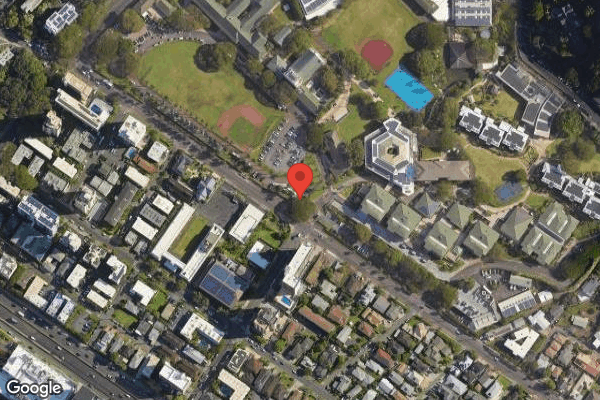
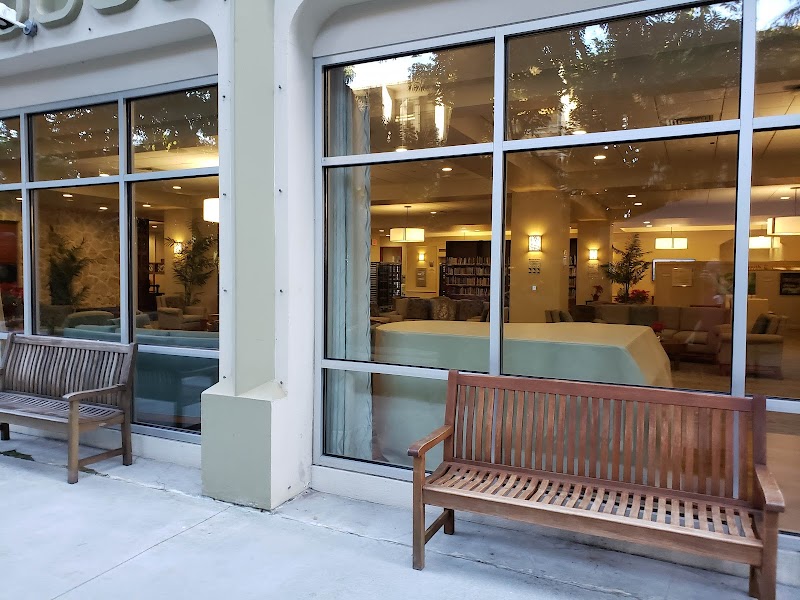
1434 PUNAHOU STREET, HONOLULU, HI 96822 (808) 941-0941
Non profit - Corporation 91 Beds Independent Data: November 2025 1 Immediate Jeopardy citation
Trust Grade
58/100
#2 of 41 in HI
Last Inspection: October 2024

Within standard 12-15 month inspection cycle. Federal law requires annual inspections.

Overview

Arcadia Retirement Residence has a Trust Grade of C, indicating it is average among nursing homes, which means it is neither particularly good nor bad. It ranks #2 out of 41 facilities in Hawaii, placing it in the top half, and also ranks #2 out of 26 in Honolulu County, suggesting that there is only one other local option that is better. The facility is improving, with the number of reported issues decreasing from 13 in 2023 to 10 in 2024. Staffing is a strength, with a 5-star rating and a turnover rate of 39%, which is close to the state average, indicating that staff are relatively stable. However, the facility has faced $33,664 in fines, which is concerning and suggests there may be ongoing compliance issues. The nursing home has better RN coverage than most facilities, which helps catch problems early. However, there have been some serious concerns, including a critical incident where a resident with severe cognitive issues experienced multiple falls, indicating possible lapses in supervision or care. Additionally, a resident reported inadequate pain management, leading to increased discomfort and depression, which highlights a need for better communication and care planning. Lastly, food safety practices were found lacking, with expired condiments observed in the kitchen, raising concerns about hygiene and resident well-being. Overall, while there are strengths in staffing and care, these weaknesses need addressing to improve the quality of life for residents.

Trust Score
C
58/100
In Hawaii
#2/41
Top 4%
Safety Record
High Risk
Review needed
Inspections
Getting Better
13 → 10 violations
Staff Stability
○ Average
39% turnover. Near Hawaii's 48% average. Typical for the industry.
Penalties
✓ Good
$33,664 in fines. Lower than most Hawaii facilities. Relatively clean record.
Skilled Nurses
✓ Good
Each resident gets 96 minutes of Registered Nurse (RN) attention daily — more than 97% of Hawaii nursing homes. RNs are the most trained staff who catch health problems before they become serious.
Violations
⚠ Watch
36 deficiencies on record. Higher than average. Multiple issues found across inspections.
★★★★★
5.0
Overall Rating
★★★★★
5.0
Staff Levels
★★★★★
5.0
Care Quality
★★★☆☆
3.0
Inspection Score
Stable
2023: 13 issues
2024: 10 issues

The Good

  • 5-Star Staffing Rating · Excellent nurse staffing levels
  • 5-Star Quality Measures · Strong clinical quality outcomes
  • Full Sprinkler Coverage · Fire safety systems throughout facility
  • No fines on record
  • Staff turnover below average (39%)

    9 points below Hawaii average of 48%

Facility shows strength in staffing levels, quality measures, fire safety.

The Bad

Staff Turnover: 39%

Near Hawaii avg (46%)

Typical for the industry

Federal Fines: $33,664

Above median ($33,413)

Moderate penalties - review what triggered them

The Ugly 36 deficiencies on record

1 life-threatening 1 actual harm
Oct 2024 6 deficiencies
CONCERN (D)

Potential for Harm - no one hurt, but risky conditions existed

Deficiency F0578 (Tag F0578)

Could have caused harm · This affected 1 resident

**NOTE- TERMS IN BRACKETS HAVE BEEN EDITED TO PROTECT CONFIDENTIALITY** Based on record review, staff interview and review of policy on Advance Health Care Directives (AHCD), the facility failed to en...

Read full inspector narrative →
**NOTE- TERMS IN BRACKETS HAVE BEEN EDITED TO PROTECT CONFIDENTIALITY** Based on record review, staff interview and review of policy on Advance Health Care Directives (AHCD), the facility failed to ensure that the code status was consistent with the AHCD for one Resident (R)51 of two residents sampled. As a result of this deficient practice, there was the potential for R51 to receive unnecessary Cardiopulmonary Resuscitation (CPR). Findings include: Review of the Electronic Health Record (EHR), on [DATE], showed R51 was admitted on [DATE] with diagnosis including Supranuclear Opthalmoplegia (unable to move eyes at will in all directions), Chronic Kidney Disease, Alzheimer's, Dementia, and High Cholesterol. A doctor's order, dated [DATE] read Full Code, Active which was not what R51 wanted according to the AHCD. Review of R51's AHCD instructions for health care, on [DATE] at 10:10 AM, showed the following choice; to not prolong life if the following is present: an incurable and irreversible condition that will result in my death within a relatively short time, I become unconscious and, to a reasonable degree of medical certainty, I will not regain consciousness, the likely risks and burdens of treatment would outweigh the expected benefits. Review of R51's AHCD, Provider Orders for Life-Sustaining Treatment (POLST), on [DATE] at 10:20 AM, also showed the choice; Do Not Attempt Resuscitation (DNAR). On [DATE] at 10:05 AM, Social Worker (SW)1 was queried about R51's current code status and acknowledged that it was not consistent with the AHCD. SW1 stated that they will follow up and make the necessary correction. On [DATE] review of facility policy on Advance Directives and POLST read: Purpose, to encourage all residents to complete an Advance Directive and POLST form. Procedure, upon entry to Arcadia, residents are encouraged to submit an Advance Directive and POLST. Social Services verifies whether the resident would like to change or update the Advance Directive and/or POLST during admission and annually. Assistance will be offered if needed. The POLST form is placed in the resident chart. The Medical Records Department will scan the documents into the resident's electronic medical record. In the event of an emergency, or in case of transfer to the hospital, a copy of the POLST, Advance Directive and other necessary information from the resident's record will be sent with the resident to the acute care facility.
CONCERN (D)

Potential for Harm - no one hurt, but risky conditions existed

Deficiency F0657 (Tag F0657)

Could have caused harm · This affected 1 resident

Based on record review and interview, the facility failed to revise one of 18 sampled residents (Resident (R) 63) care plan after she sustained two falls. This deficient practice places R63 at risk fo...

Read full inspector narrative →
Based on record review and interview, the facility failed to revise one of 18 sampled residents (Resident (R) 63) care plan after she sustained two falls. This deficient practice places R63 at risk for future falls and may affect all the residents in the facility who have fallen. Findings Include: A review of R63's Electronic Health Record (EHR) was conducted on 10/02/24. R63's EHR noted that she had a fall on 07/26/24 and 09/03/24. A review of R63's care plan did not contain new interventions that were implemented after her fall on 07/26/24 and 09/03/24. Interview was conducted with the Director of Nursing (DON) on 10/04/24 at 08:23 AM in his office. DON reviewed R63's care plan and confirmed that new interventions should have been placed in the care plan after R63's two falls. A review of the facility policy titled, Falls, dated 02/08/24 was conducted on 10/03/24. The policy noted, The IDT [Interdisciplinary Team] will meet the next business day to review falls, do a root cause analysis, follow-up actions with further recommendations when indicated and update care plan. A review of the facility policy titled, Fall Charting Protocol, dated 12/04/23 was conducted on 10/03/24. The policy noted, The resident's care plan will be updated with appropriate interventions following each fall including assessment of adequate supervision and measures for prevention of subsequent falls.
CONCERN (D)

Potential for Harm - no one hurt, but risky conditions existed

Medical Records (Tag F0842)

Could have caused harm · This affected 1 resident

Based on observations, record review and interview the facility failed to correctly identify on Resident (R)13's Care Plan (CP) that she would be residing with her husband in a shared room. The defici...

Read full inspector narrative →
Based on observations, record review and interview the facility failed to correctly identify on Resident (R)13's Care Plan (CP) that she would be residing with her husband in a shared room. The deficient practice could affect all residents in the facility who are residing in a shared room with their husband or wife if they are not correctly identified as so. Findings Include: On 10/01/24 at 11:14 AM observed R46 sleeping in his bed and observed R13 resting in her bed in the shared room, each on their own side of the room. On 10/02/24 at 11:25 AM while observing lunch delivery to resident rooms observed R46 in his bed resting and R13 in her bed resting in their shared room. During record review on 10/04/24 found R13 had a CP with a Psychosocial Management/ Well-being problem with the following Resident is pleasant and easy to engage into conversation. Resident may not initiate conversations and seems to be more on the quiet side. Resident husband has also moved into HCC but per resident and family request, they will not be moved in to a shared room together. On 10/04/24 at 02:33 PM interviewed Administrator who stated resident's husband has documented on his CP that he and his wife would be in shared room and provided an email from the Power of Attorney (POA) stating the two residents would be in a shared room. Administrator confirmed R13's CP was not updated to reflect this.
CONCERN (D)

Potential for Harm - no one hurt, but risky conditions existed

Safe Environment (Tag F0921)

Could have caused harm · This affected 1 resident

Based on observations, staff interview and review of policy, the facility failed to secure an electrical panel on the third-floor nursing unit. As a result of this deficiency, the facility put the saf...

Read full inspector narrative →
Based on observations, staff interview and review of policy, the facility failed to secure an electrical panel on the third-floor nursing unit. As a result of this deficiency, the facility put the safety and well-being of the residents as well as the public at risk for accident hazards. Findings include: During an observation of the third-floor nursing unit on 10/02/24 at 09:20 AM, one electrical panel was not secured. The padlock was not latched on and there was no staff in the immediate vicinity to prevent any residents and/or visitors from accessing the panel. Staff interview on 10/02/24 at 09:30 AM, Maint Staff 2 acknowledged that the electrical panel is supposed to be secured and the door should have been locked. Review of policy on Control of Hazardous Energy (Lockout/Tagout) read the following: Policy, company adheres to a strict Control of Hazardous Energy Policy (Lock-Out/Tag-Out). Purpose, to ensure the health and safety of staff and residents in compliance with State and Federal Laws and regulations . Definitions, lockout is the physical placement of a lock on an energy isolating device. The device must physically prevent the release or transmission of energy. The lock must be facility issued, must be uniform for the facility, and must indicate the identity of the person who applied the lock . Procedure, company will ensure that new or overhauled equipment can accommodate locks, lockout/tagout will be placed only by an authorized person of the Environmental Services Department. The Lockout/Tagout can be released only by the same authorized person who locks/tags out the equipment and/or power. Locks or tags must be uniform and standardized, must be durable, must not be used for any other purpose . An annual inspection of the Lockout/Tagout program will be conducted to ensure the procedures are being followed and are effective. The authorized supervisory and management staff will document and confirm that the inspections have been performed . Machinery and equipment covered by the Lockout/Tagout program include but not limited to the following: Any electrical circuit breaker .
CONCERN (E)

Potential for Harm - no one hurt, but risky conditions existed

Deficiency F0552 (Tag F0552)

Could have caused harm · This affected multiple residents

**NOTE- TERMS IN BRACKETS HAVE BEEN EDITED TO PROTECT CONFIDENTIALITY** Based on interview and record review, the facility failed to provide information of the risks and benefits of using psychotropic...

Read full inspector narrative →
**NOTE- TERMS IN BRACKETS HAVE BEEN EDITED TO PROTECT CONFIDENTIALITY** Based on interview and record review, the facility failed to provide information of the risks and benefits of using psychotropic medications to three out of five sampled residents (Resident (R) 29, R63, and R46). This deficient practice has the potential to negatively affect the residents wellbeing and has the potential to affect all the residents in the facility on psychotropic medications. Findings Include: 1) R29 is an [AGE] year-old male admitted to the facility on [DATE]. R29 has a medical history that includes, but not limited to, dementia with psychotic disturbance, Parkinson's disease, and generalized anxiety disorder. On 10/03/24, a review of R29's Electronic Health Record (EHR) noted that R29 had a medication order for antidepressant since 05/30/24. There was no documentation found in R29's EHR that noted a facility consent form was provided to R29 or R29's representative that went over the risks and benefits of using the antidepressant medication. Interview was conducted with the Administrator on 10/04/24 at 11:23 AM. The Administrator stated that the facility usually has the resident or the representative sign a consent form prior to treatment with psychotropic medications. The Administrator confirmed that R29 and or his representative did not sign a consent prior to the use of antidepressant. 2) R63 is a [AGE] year-old female admitted to the facility on [DATE]. R63 has a medical history that includes, but not limited to, Alzheimer's disease, dementia with behavioral disturbances, and generalized anxiety. On 10/03/24, a review of R63's EHR noted that R63 had medication orders for an antipsychotic since 01/04/24 and an antidepressant since 12/23/23. There was no documentation found in R63's EHR that noted a facility consent form was provided to R63 or R63's representative that went over the risks and benefits of using antipsychotic and antidepressant medications. Interview was conducted with the Administrator on 10/04/24 at 11:23 AM. The Administrator stated that the facility usually has the resident or the representative sign a consent form prior to treatment with psychotropic medications. The Administrator confirmed that R63 or her representative did not sign a consent prior to the use of antidepressant and antipsychotic medications. 3) R46 is a [AGE] year old male admitted to the facility on [DATE]. R46 has a medical history that includes, but not limited to, unspecified dementia, unspecified severity, with mood disturbance, and depression, unspecified. On 10/04/24 a review of R46's EHR revealed R46 had a medication order for an antidepressant since 09/06/24 and an antipsychotic since 07/03/24. There was no documentation found for R46's facility consent form for an antipsychotic and an incomplete facility consent form was found for R46's antidepressant. On 10/04/24 at 09:02 AM requested copies of R46's informed consents for his antidepressant and antipsychotic medications from the Administrator. On 10/04/24 at 11:05 AM interviewed Administrator who provided a copy of R46's antidepressant consent form which she confirmed was not fully filled out, it did not include a check mark for the type of medication with the list of side effects and indication for use. Administrator confirmed the resident or their representative should have been given a consent form fully filled out prior to signing and prior to taking the medications.
CONCERN (F)

Potential for Harm - no one hurt, but risky conditions existed

Food Safety (Tag F0812)

Could have caused harm · This affected most or all residents

2)Observation was conducted on 10/03/24 at 07:52 AM in one of the unit kitchens. A metal pan was observed filled with condiments and sauces. The metal pan contained a large container of creamy peanut ...

Read full inspector narrative →
2)Observation was conducted on 10/03/24 at 07:52 AM in one of the unit kitchens. A metal pan was observed filled with condiments and sauces. The metal pan contained a large container of creamy peanut butter labeled, Best if Used by August 31, 2024. The pan also contained yellow mustard labeled, Best by date of July 16, 2024. Interview was conducted with the night shift Licensed Practical Nurse (LPN)10 on 10/03/24 at 07:54 AM in the kitchen. LPN10 was shown the creamy peanut butter and yellow mustard. LPN10 confirmed that the two food items should have been discarded. 3)Observation was conducted on 10/03/24 at 08:23 AM in one of the unit kitchen's refrigerators. The refrigerator contained a bottle of cranberry juice with an expiration date of 08/22/24. Interview was conducted with the night shift LPN11. LPN11 was shown the cranberry juice bottle, and LPN11 confirmed that it should have been discarded. A review of the facility policy titled, Food Brought by Family/Visitors, dated 09/19/2024, was conducted on 10/04/24. The policy noted, The nursing staff is responsible for discarding perishable food on or before the use by date . Based on observations and staff interview, the facility did not follow proper sanitation practices in the kitchen. As a result of this deficiency, there was an increase risk for foodborne illness and an increase risk for hazards such as a fire. Findings include: 1)During observation of the kitchen on 10/01/24 at 08:00 AM, the area between the stoves appeared dirty and not cleaned. The area had crumpled paper, dirty plastic bags, dirty napkins, and dirty paper bowls. Staff interview, on 10/01/24 at 08:05 AM, Kitchen Supervisor (KSupvr) acknowledged that the area previously mentioned was dirty and not cleaned. KSupvr said they will have the area cleaned and addressed for future cleaning services.
Sept 2024 4 deficiencies
CONCERN (D) 📢 Someone Reported This

A family member, employee, or ombudsman was alarmed enough to file a formal complaint

Potential for Harm - no one hurt, but risky conditions existed

Deficiency F0553 (Tag F0553)

Could have caused harm · This affected 1 resident

**NOTE- TERMS IN BRACKETS HAVE BEEN EDITED TO PROTECT CONFIDENTIALITY** Based on interviews and document and medical record review (RR), the facility failed to honor the rights of one Resident (R)1 of...

Read full inspector narrative →
**NOTE- TERMS IN BRACKETS HAVE BEEN EDITED TO PROTECT CONFIDENTIALITY** Based on interviews and document and medical record review (RR), the facility failed to honor the rights of one Resident (R)1 of a sample size of three. Although R1 and a Family Member (FM)1 verbalized to nursing staff they did not want melatonin (sleep aid) administered, the staff did not honor that request, or follow up with the provider to discontinue the medication in a timely manner. As a result of this deficient practice, R1 continued to receive the melatonin, and R1 and FM1 were not included in the treatment plan after expressing concern. This could affect any resident and has the potential to be a barrier for them to obtain their highest level of psychological well being. Findings include: 1) R1 was an [AGE] year old female admitted to the facility on [DATE] for rehabilitation after small bowel resection. She had an abdominal post-op wound with secondary diagnosis that included coronary artery disease, hypertension, acute hypoxic respiratory failure, and dementia. Her records indicated she had late onset Alzheimer's disease. R1 required assistance with activities of daily living, bed mobility and transfer. On 07/31/2024, while a resident in the facility, R1 reported that a male nurse made an inappropriate comment and suggestions to her. On 08/05/2024, facility leadership met with R1's family to discuss the investigation. At that time, the Family Member (FM)1, informed the facility she was upset about two other unrelated issues, 1) R1 received melatonin, after she told the staff she not want R1 to receive the medication, and 2) R1 had a fall on a previous admission, which the FM1 felt was not acknowledged or investigated in a timely manner. 2) The Office of Healthcare Assurance received a report from Adult Protective Services regarding the alleged abuse R1 reported to the facility on [DATE]. The report included the additional concerns: - On 07/30/24, RN1 informed FM1 that she attempted to give AV (alleged victim/R1) melatonin, but AV refused; FM1 questioned if AV needs melatonin because she does not have trouble sleeping. RN1 informed FM1 that it is PROTOCOL. - FM1 informed RN1 that AV does not want melatonin and does not have trouble sleeping so she does not want melatonin given to AV. RN documented to Discontinue Melatonin on 7/30/23. - On 8/5/24, FM1 went to visit AV and observed AV appeared Drugged because she was very groggy and unable to communicate as usual; at baseline AV appears alert/oriented and able to communicate well. - FM1 asked if AV was given melatonin and AP (alleged perpetrator) confirmed that she just gave AV melatonin, FM1 informed AP that RN1 documented that it is discontinued. .- On 8/6/24, FM1 visited AP and she appeared Drugged Out and could not communicate well; AV was very drowsy and not herself. FM1 approached RN1, who checked and stated AV was given melatonin; stated she thought it was strange AV was given melatonin after it was documented on 7/30/2024 to discontinue. melatonin. - On 8/7/24, FM met with Administrator, Nursing Director, Certified Nursing Assistant Director, and Social Worker. FM1 expressed concern that Arcadia continued to administer melatonin to AV after it was documented on 7/30/24 to discontinue melatonin. 3) Review of R1's Medical Record revealed the following entries: 07/29/2024, 04:49 PM Nursing Progress Note: . Alert and Oriented x3, communicated verbally, speech is clear, is able to understand and be understood when speaking. 07/30/2024, 08:50 AM Nursing Progress Note: Received sleeping soundly. 07/30/2024, 09:02 PM Order Administration Note by Registered Nurse (RN)1: Melatonin Oral Tablet by mouth at bedtime for Insomnia Take 1.5 mg (milligram) at bedtime. Resident refused, verbalized not needed, she can sleep without sleeping aid. 07/30/2024, 01:31 AM Nursing Progress Note: .Refused melatonin, resident verbalized she can sleep without taking any sleeping aid. Husband and daughter came to visit this shift. 07/31/2024 08:44 AM Nursing Progress Note: . Per evening shift LN (licensed nurse), resident refused Melatonin t [sic] HS (hour of sleep). Order Recap Report included the order Melatonin (for sleep) Oral Tablet 3 mg. Give 0.5 tablet by mouth at bedtime for Insomnia Take 1.5 mg at bedtime. The order was started on 07/29/2024 and discontinued in the electronic medical record on 08/07/2024. Review of the Medication Administration Record revealed the nursing staff documented melatonin was administered on 07/29/2024, 07/31/2024, and 08/01/2024 through 08/06/2024. The medication was refused by R1 on 07/30/2024. The order was discontinued on 08/07/2024, after the meeting and request made again by FM1. 4) On 09/05/2024 at 02:30 PM, interviewed RN1 in the conference room. She said she took care of R1 on maybe the second or third day of her admission. RN1 said she informed R1's family she had refused the melatonin because she said she didn't need it. RN1 went on to say FM1 questioned why R1 was getting melatonin because she didnt have trouble sleeping, and that she told FM1 it was routine medication. RN1 said FM1 verbalized she did not want R1 to get any more melatonin. She said she did not call the attending physician because it was off hours and not urgent, but endorsed it to the night shift, and noted it on the 24 hour report. RN1 said she expected the day shift would notify the physician and get the order to discontinue the melatonin. She said she waa back on that unit a few days later and talked to the family again. RN1 said FM1 asked if R1 had received melatonin, and she told her she had just given it to R1. She said FM1 was upset. RN1 said the melatonin was still an an active order, so assumed something had changed because she saw in the record R1 had been getting it routinely. She said at that time, FM1 asked please to just get an order to discontinue.
CONCERN (D) 📢 Someone Reported This

A family member, employee, or ombudsman was alarmed enough to file a formal complaint

Potential for Harm - no one hurt, but risky conditions existed

Grievances (Tag F0585)

Could have caused harm · This affected 1 resident

**NOTE- TERMS IN BRACKETS HAVE BEEN EDITED TO PROTECT CONFIDENTIALITY** Based on interviews, document and record review, the facility grievance policy did not include the necessary requirements of 1) ...

Read full inspector narrative →
**NOTE- TERMS IN BRACKETS HAVE BEEN EDITED TO PROTECT CONFIDENTIALITY** Based on interviews, document and record review, the facility grievance policy did not include the necessary requirements of 1) how to file a grievance anonymously, 2) identify and communicate who the grievance official was or how to contact, 3) did not determine a reasonable timeframe that complainant could expect a completed review of the grievance, 4) that they have the right to obtain the review in writing, or 5) ensure written grievance decisions meet documentation requirements. In addition, the facility failed to identify a concern verbalized by one Resident's (R)1 Family Member (FM)1, as a grievance, did not investigate the concern timely or keep FM1 apprised of the resolution. As a result of this deficiency, FM1 did not get the results of the investigation regarding all concerns. Without an efficient process to address grievances, anyone that has a concerns, may not have their issue addressed in a timely manner. Findings include: 1) R1 was an [AGE] year old female, who had two admissions to the facility. The initial admission was on 10/25/2023, when she was admitted to the facility for rehabilitation for a left femur fracture following a car accident. She made good functional progress during her rehabilitation and was discharged home from that admission. R1 was admitted to the facility again on 07/29/2024 for rehabilitation after a surgical procedure. R1's other pertinent medical history included coronary artery disease, hypertension, acute hypoxic respiratory failure, and dementia. On 07/31/2024, R1 reported that a male nurse made an inappropriate comment and sexual suggestions to her. On 08/05/2024, facility leadership met with R1's family to discuss the investigation of this report. At that time, family member (FM)1, informed the facility she was upset about two other unrelated issues, 1) R1 received melatonin (for sleep) after FM1 told staff she and R1 did not want or need the medication, and 2) R1 had a fall during the initial admission [DATE]), which FM1 felt was not acknowledged or investigated by the facility. 2) Cross reference F553 Right to Participate in Planning Care. R1 and FM1 verbalized to nursing staff they did not want melatonin administered, but the staff failed to communicate this request to the provider and did not honor their choice not to receive the medication. As a result, R1 continued to receive the melatonin, until FM1 brought the issue up at a meeting with administration. 3) Reviewed the Unwitnessed Fall Report dated 11/16/2023 at 02:35 PM (incident occurred on 11/06/2023). The report included per resident's daughter's report Mom said she slid a step in the restroom but she grabbed something and stood by herself then backed to bed but has some lt (left) hip pain/sore. Wet floor was checked as being a Predisposing Environmental Factor. Reviewed the Post Fall Evaluation form V7 related to this event, completed on 11/17/2023 at 09:25 PM. The report documented there was an unwitnessed fall when R1 attempted to self toilet in her room. The Provider was notified of the fall on 11/20/2023. At that time a hip x-ray was ordered. The fall details note were 11/06/23 reported by resident's daughter, initial assessment: no pain on lt (left) hip. later reported lt hip pain, then checked x-ray, no fx (fracture), no malalignment noted. The vital signs recorded on the report were noted to have a 12/06/2023 date with time of 09:33 PM. There was no documentation in section A9 Care Planning. Reviewed the Orthopedic Surgeon progress note for 12/08/2023. The note included Tripped and fell at Arcadia, no displacement of fixation. 4) On 09/06/2024 at 12:00 PM during an interview with the Administrator in Training (ADM), inquired who the facility grievance official was, and she said it would probably be the Corporate Compliance person. Asked who kept the grievance log for the long term care facility, and she said anyone can add to it, but it is maintained on site. She went on to say she is the one who kind of oversees the grievances at the facility. Requested any documents related to the investigation of R1's fall in 2023. The ADM said the person who followed up on that was no longer at the facility, so details other than what was in the incident report were not available. Review of the grievance log revealed FM1's complaint about the melatonin was logged as a grievance, but the fall was not. When asked ADM if the verbal concern expressed by FM1 about the fall had been processed and handled as a grievance, she replied No. The ADM said both of FM1's concerns, the fall and issue of melatonin administration had been found to have been validated, but they had not communicated the findings to FM1, because the concerns had been part of the alleged sexual assault investigation, and APS (adult protective services) had not completed the investigation yet. On 09/06/2024 at 01:10 PM, interviewed the Occupational Therapist (OT) who provided care giver training to R1's family prior to discharge from her initial admission when the fall occurred. The OT, said when she was doing discharge training with the family, they verbalized R1 had a recent fall while in the facility. OT said she had not been made aware of it prior to the family mentioning it. She said she spoke with the Interim Director of Nursing about the fall at that time and that it has not been reports. On 09/06/2024 at 02:15 PM, interviewed the Director of Nursing (DON). He explained when there is a grievance/complaint, it is discussed at the daily stand up meeting and determined who the point person will be for the investigation. Inquired who maintains the grievance log, and he said The IDT (interdisciplinary team) has access, but typically it is the Social Worker. The DON said FM1's concern about the melatonin had been investigated, and they found the request to discontinue the medication was made by R1 and FM1, but that the information did not get passed on to the provider to discontinue the order. 4) Reviewed the facility policy titled Complaints Policy (ACS (Arcadia Community Services)) last reviewed 12/08/2021. The policy included: - The purpose of this policy is to protect the rights of residents, clients, members, or their legal representatives and/or interested individuals, file grievances or complaints in accordance with State and Federal laws and regulations. -Grievance: Any complaint or dispute, other than an organization determination, expressing dissatisfaction with the manner in which a Medicare health plan or delegated entity provides health care services, regardless of whether or not any remedial action can be taken. An enrollee or their representative may make the complaint or dispute, either orally or in writing, to a Medicare health plan, provider, or facility. In addition, grievances may include complaints regarding the timeliness, appropriateness, access to, and/or setting of a provided health service, procedure, or item. Grievance issues may also include complaints that a covered health service procedure or item during a course of treatment did not meet accepted standards for delivery of health care. - A complaint may be submitted orally or in writing. A written complaint must be signed by the Complainant. The COO, Program Director, Administrator, or the Member Services manager may assign the responsibility of investigating the complaint to an appropriate investigator who will complete the investigation in a timely manner.The COO, Program Director, Administrator, or the Member Services Manager or his/her designee will keep the Complainant appropriately apprised of the determination. The response may include the finding of the investigation and any corrective actions taken. If Complainant is dissatisfied with the findings, he or she may: 1. Request a meeting ., or 2. File a complaint with a governmental or advocacy agency. -If a staff member overhears or receives a complaint voiced by a resident, a resident's representative, family member, an appointed advocate, or any individual regarding: 1. Alleged abuse, neglect .or other violations of a resident's rights, the staff member must immediately report the complaint to his or her supervisor 2. Treatment, medical care, or behavior of another resident or staff member; when it involves a verbal complaint that cannot be resolved by the staff present when the complaint is made, the staff member must: a. Report the complaint by the end of his/her shift to the supervisor, . , and b. Inform the resident, a resident's representative, family member, or an appointed advocate, that their concern has been reported to management for further action and that he or she may file a written complaint without fear of reprisal in any form. -An investigation report should be filed with the COO, the Program Director, Administrator, or Member Services Manager within five (5) working days of the complaint. If the investigation cannot be completed within five (5) working days, the investigator shall provide the COO, the Program Director, Administrator, or Member Services Manager with an update on the status of the investigation and an estimate for completion of the investigation. - The COO, Program Director, Administrator, . or designee will keep the Complainant appropriately appraised of the findings or status of the investigation, as well as any corrective actions. - The COO, Program Director, . will : 1. Submit the original complaint concerning allegations of abuse, neglect, .including staff behavior;and submit the investigation, determination, actions taken, response and all other related documents to the Corporate Compliance office, or 2. File the original complaint concerning treatment, medical care, or behavior of other residents; and all related documents and actions taken into the appropriate resident's medical file, with a copy to the Corporate Compliance Officer. -The disposition of all verbal and written complaints concerning allegations of abuse, neglect harassment or other violations of resident rights should be recorded on the Complaint Log. The Corporate Compliance Officer will be responsible for recording and maintaining this log. 5) Reviewed the document titled Resident Complaint Rights & Instructions. This document included: -Verbal: Please share any complaints or concerns with any staff member. If the staff member cannot resolve your concern, you are encouraged to bring your concern to the immediate attention of the following management staff: Department Supervisor, Manager, Director; Health Care Center Charge Nurse; Social Services; Resident services Manger; Office of the COO; Corporate Compliance Officer; and President/CEO. -Written: You may file a written complaint: . On the form, please answer all applicable questions accurately, and be sure to sign and date the form; . 6) Reviewed the Arcadia Health Care Center Handbook 2024 (37 pages), which is provided to all Residents. Page 36 of the handbook included: E. Complaints. If you believe your rights have been violated, you may file a complaint with our organization, by using our confidential hotline service, the Friends Services Alliance Compliance Line at [PHONE NUMBER] or with the secretary of the Department of Health and Human Services. To file a complaint with our organization or if you have questions regarding this notice, please contact: .Corporate Compliance & Privacy Officer Arcadia Family of Companies. All complaints must be submitted in writing. There was no contact information for the secretary of the Department of Health and Human Services referenced in this handbook. There was no reference to the right to file an anonymous complaint.
CONCERN (D) 📢 Someone Reported This

A family member, employee, or ombudsman was alarmed enough to file a formal complaint

Potential for Harm - no one hurt, but risky conditions existed

Report Alleged Abuse (Tag F0609)

Could have caused harm · This affected 1 resident

**NOTE- TERMS IN BRACKETS HAVE BEEN EDITED TO PROTECT CONFIDENTIALITY** Based on interview and document review, the facility failed to report an alleged abuse to proper authorities within prescribed t...

Read full inspector narrative →
**NOTE- TERMS IN BRACKETS HAVE BEEN EDITED TO PROTECT CONFIDENTIALITY** Based on interview and document review, the facility failed to report an alleged abuse to proper authorities within prescribed timeframe's. Specifically, the facility staff became aware of an alleged abuse on 07/31/2024 and did not report it to Adult Protective Services (APS) until 08/05/2024. In addition, the facility did not report the incident to the Office of Healthcare Assurance (OHCA) until 08/12/2024. Findings include: 1) The Office of Healthcare Assurance (OHCA) received a report from an outside agency (APS (Adult Protective Services)) regarding an alleged sexual abuse complaint on 08/09/2024. The report included, but not limited to: On 7/31/24 AV (alleged victim/R1) reported to a Certified Nursing Assistant (name unknown) that during the night (either on 7/30/24 or 7/31/24, AP (alleged perpetrator) came to AV's room and grabbed AV's hand then forced her to touch his penis. OCHA received a Facility Reported Incident (ACTs #11142) completed by the facility on 08/12/2024. The report was a combined initial and completed report initiated by the Administrator-in-training. 2) Reviewed the APS report titled Adult Protective Services (APS) Report Form For Vulnerable Adult Abuse dated 08/05/2024 initiated by the facility Social Worker and sent to APS. The report form included: - Directions: To report abuse, neglect, and/or exploitation of vulnerable adults: 1. As soon as possible, call the Statewide APS Reporting line: [PHONE NUMBER]. 2. Submit this form to Statewide APS Intake Unit as soon as possible, including after business hours. - Alleged Victim (AV) was [AGE] year old female resident at the facility. - Presenting concerns included: Falls, Frail/weak and Alzheimer's Disease. - Capacity: Questionable decisional capacity, alert and orients, coherent and disoriented. - Alleged Perpetrator (AP): Staff of Care Facility. - The narrative information included: Incident was reported to day CNA (certified nurse assistant) on 7/31/24. SW (Social Worker) and DCNA (Director of CNA's) went to speak with resident (R1) about incident. Resident stated that last night, she isn't sure what time, a male nurse came into her room. He was short, haole (white) and wore eyeglasses. He grabbed her hand and tried to have her touch his penis. Discussion with DON (Director of Nursing) and DCNA concluded that there was no staff (employed by facility or agency) that matched that description. Administrator reviewed camera footage of 7/31/24 to see if there was anyone matching that description who entered resident's room. [NAME] was found. SW and DCNA went to speak with resident again on 8/1/24 Resident stated that she hasn't seen the male again. 3) Reviewed the facility Investigative Report Following Adverse Event Final/Completed Report of the alleged abuse which included timeline of investigation. The report included the following: 07/31/2024 approximately 10:00 AM: Resident shared with CNA inappropriate comment made to her. 08/01/2024 approximately 08:15 AM: Social Worker notified resident's family/POA of incident. 08/05/2024 approximately 12:30 PM: Family member called SW to see if SW had any updates .Family member inquiring about filing a report. SW to file report with APS today. 4) Reviewed the facility policy titled Residents' Rights - Freedom from Abuse, Neglect and Exploitation Policy (15C HCC, ARR HCC, HOKA) last reviewed 05/15/2024. The policy statement read The Arcadia Family of Companies (AFC) has written procedures in compliance with Federal and State regulation, regarding the rights and responsibilities of residents, including freedom from abuse. The policy included the following: - Investigation: Complaints/Grievances: If the resident's complaint is of a serious nature, involving improper care, abuse or neglect, the Director of Nursing, Health Care Administrator or Social Worker will respond to the resident immediately. An investigation will be initiated , and a report shall be submitted to the State Agency immediately. - Reporting/Response: The IDT (interdisciplinary team) conducts an immediate investigation of the circumstances of the incident and submits a written report of the investigation to the Administrator and CCPO. The Administrator notifies the appropriate agency of all substantial abuse, mistreatment or neglect immediately. A written report of the investigation is also done by the Administrator and submitted within 24 hours, with a final report sent within five days of completion, to required agencies, including the State Survey Agency (OCHA), the Long Term Care Ombudsman, the Office of Aging, Adult Protective Services and CCPO. Incident Reporting for Alleged Abuse inaccurately directs staff. - The policy included an attachment titled Algorithm (flowchart) for Healthcare Reporting Process Incident Reporting for Alleged Abuse. The algorithm does not direct staff to notify APS or OHCA on an alleged sexual abuse, and directs them to notify authorities only if the abuse had been substantiated by the facility. 5) On 09/06/2024 at 10:00 AM, conducted a telephone interview the Social Worker (SW) who completed the APS report and was actively involved in the alleged sexual abuse investigation. She said it is not just the Social Worker's role to report to APS, and that anyone can do it, as they are mandatory reporters. The SW went on to say in this investigation, she was assigned to complete the APS report, and she thought the Administrator was the individual responsible to report to OHCA. The SW confirmed the timeline and that the alleged abuse was reported to facility staff on 07/31/2024 (Thursday) and R1's family was not notified until the next day. The SW said on Monday (08/05/2024) R2's family member called her for any updates, and asked about an APS report. The SW informed FM that a report had not yet been filed, but that she would do so that day. When asked why the APS report was not made sooner, she said we didn't find anything on the investigation, so didn't report it. She went on to say, That's one of the things we learned, that we have to report right away.
CONCERN (D) 📢 Someone Reported This

A family member, employee, or ombudsman was alarmed enough to file a formal complaint

Potential for Harm - no one hurt, but risky conditions existed

Deficiency F0777 (Tag F0777)

Could have caused harm · This affected 1 resident

**NOTE- TERMS IN BRACKETS HAVE BEEN EDITED TO PROTECT CONFIDENTIALITY** Based on interviews, document review and medical record review (RR), the facility failed to promptly notify the ordering physici...

Read full inspector narrative →
**NOTE- TERMS IN BRACKETS HAVE BEEN EDITED TO PROTECT CONFIDENTIALITY** Based on interviews, document review and medical record review (RR), the facility failed to promptly notify the ordering physician of significant radiology findings. One Resident's (R)2 repeat chest xray findings showed significant changes from the previous xray taken three days earlier, and were not communicated to the physician for approximately one hour after the radiologist recorded the interpretation. In addition, the facility does not have a policy/procedure or effective process in place to identify which imaging results should be called to provider. This deficient practice has the potential to affect all residents and may result in adverse outcomes. Findings include: 1) R2 was a [AGE] year old male with past pertinent medical history of hypertension, Parkinson's disease, Alzheimer's, Arteriosclerotic heart disease, diabetes, urinary retention, unsteady on feet and muscle weakness. He had advanced functional and activity of daily living dependence with on an off confusion. R2 had a fall on [DATE] while at the facility that resulted in a fractured right femur requiring surgical intervention. He was readmitted on [DATE]. Upon return R2 was diagnosed COVID positive, placed on isolation and started on antibiotic therapy. 2 ) RR revealed the following: Nursing Progress Notes: [DATE] at 14:43 (02:43 PM): Received resident (R2) in bed, alert, able to follow command and make need know [sic]. VS BP (blood pressure) 122/74, P (pulse) 90, R (respirations) 20, O2 sat (oxygen saturation) 91% @ 2.5 LPN (liters per minute) per NC (nasal cannula). Occasional cough noted.Continue on Ceftriazone (antibiotic) 1 gram IV (intravenous) q (every) 12 hrs (hours) x7 days ([DATE]-[DATE]) and levofloxacin (antibiotic) 500 mg (milligrams) IV QS (every day) x6 Days ([DATE]-[DATE]) for sepsis, . PCP (Primary care Provider) came to visit and order Chest x-ray today for generalized infiltration heard on auscultation (when listened to lungs). [DATE] at 23:24 (11:24 PM): Resident received still on isolation. @ 1745 per CNA (Certified Nurse Assistant) on duty resident refused dinner she then gave him PM care. This writer went to check on him @ 1850 and found him pale, O2@3LPM/NC VS (vital signs) checked BP (blood pressure)-85/61, P (pulse) 63 RR (respirations) 0. Fingers still moving. No chest/abdomen rise and fall, unable to read O2 sat (oxygen saturation). Sternum rub (painful stimulus to test consciousness level) was done but unable to arouse. BP slowly dropped to Error. Charge Nurse on duty came down to check on him. Death was pronounced at 1855. Resident passed away peacefully.Called PCP @ 1903 pcp verbalized patient was okay when he did his round this morning. Read him (PCP) the result of Xray with the impression of fluid overload/pulmonary edema. Radiology Result Reports: On [DATE], a single view chest x-ray was ordered. The Radiology Results Report documented the radiologist's impression (interpretation) of significant findings was No acute cardiopulmonary disease. recommend follow-up as clinically indicated. On [DATE], a repeat chest x-ray was ordered. The radiologist's interpretation included: Comparison: [DATE].Impression: Findings suggesting pulmonary edema/fluid overload (an urgent medical condition caused by too much fluid in the lungs, making it difficult to breath). Infection cannot be excluded. 3) On [DATE] at approximately 02:00 PM interviewed RN2 in the conference room. RN2 explained the vendor that does the x-rays for the facility sends the interpretations to the Medical Record Manager (MRM), who then will forward to the nursing staff, who would follow up as needed. She went on to say there had been a recent change, and that they are now receiving the reports to a new fax machine on the third floor. RN2 said although the MRM works until around 04:00 PM, reports are sent to her after hours. RN2 was Charge [DATE], the evening R2 expired, and she responded to the unit. She said when the RN contacted the MD about the expiration, she read the xray results to him, but R2 had already expired. RN2 said there is no phone call from the vendor if there is an interpretation that may require medical intervention, but that the nurse has to go into emails and continually look for the report. She acknowledged the process was not efficient and could cause delays in timely notification of MD of significant findings. On [DATE] at 03:15 PM, interviewed the MRM in the conference room. She said the radiology vendor fax the report to me and I shoot it out to the nurses via email. MRM explained all the nursing staff have their own email and she sends the results to all staff. She said receiving the reports and sending them on to nursing is her duty 24/7. MRM said she gets an alert when a fax is coming in. When asked if she would be able to track what time a report was emailed to nursing, she said they are automatically deleted at a certain time. She explained she does not upload the reports in the medical record, and that is done by the day Unit Secretary, after nursing reads the reports and notifies the MD. On [DATE] at approximately 03:35 PM, during an interview with the Administrator in training, she said the facility did not have a policy for when the RN should contact a provider of Radiology findings.
Nov 2023 13 deficiencies 1 Harm
SERIOUS (G)

Actual Harm - a resident was hurt due to facility failures

Deficiency F0697 (Tag F0697)

A resident was harmed · This affected 1 resident

Based on observation, interviews, and record review, the facility failed to ensure pain management was provided to the resident according to the resident's goals and preferences. R7 reported lumbar pa...

Read full inspector narrative →
Based on observation, interviews, and record review, the facility failed to ensure pain management was provided to the resident according to the resident's goals and preferences. R7 reported lumbar pain which impeded the resident from using the Hoyer lift to get out of bed for showers and/or socializing with staff and/or other residents. R7 reported receiving Lidocaine patches and Tylenol as the current plan for pain management, however, the medications are ineffective. R7 reported increased feeling of depression and being worn down by constant, unrelieved pain, and the inability to get out of bed. R7 goal and preferences for pain management is to be able to use the Hoyer lift, increased sleep, and minimal severe pain. The resident confirmed a strong medication option was not discussed or offered and she does want the option of receiving a stronger medication despite the potential for sedative side effects. As a result of this deficient practice, R7 has experienced physical and psychosocial harm related to ineffective pain management. Finding includes: During an interview with R7 on 10/31/23 at 10:15 AM the resident reported having back pain. Inquired about the origin of the pain, pain management offered to the resident, what was the resident's goals were for pain management, and how the pain has affected the resident. R7 stated the back pain started with no source of injury and started having pain a couple of days ago. The facility took an x-ray but it did not show anything and is currently receiving Tylenol and lidocaine patches for pain management. R7 stated the lidocaine patches and Tylenol are not working to relieve her pain. R7 reported since the back pain started, she has not been able to get out of bed to shower due to pain. The resident stated she does not get out of bed because her back hurts too much to be in the Hoyer lift, the lift requires her back to be in a certain angle and the pain she experienced was unbearable. R7 further reported that her sleep has been affected and is not getting quality rest. R7 reported that as a result of the unmanaged pain and being stuck in the bed, she is feeling more down and depressed. Throughout the interview, R7 was visibly in pain as evidenced by grimacing and would wince when she attempted to move. Inquired if the resident was willing to take stronger medication, even if the medication could potentially be sedating. R7 immediately confirmed, with no hesitation, willingness to take a stronger pain medication if it would help with her pain, and stated, then I could get in the Hoyer lift and be able to get out of the room. R7 also confirmed the physician did not offer the resident a strong medication to alleviate the resident's pain. On 11/02/23 at 01:26 PM, conducted a concurrent interview and record review of R7's Electronic Health Record (EHR) with Nursing Staff (NS)42. Review of R7's November Medication Administration Record (MAR) and physician orders documented R7 was scheduled to receive: -Gabapentin 300 mg by mouth at bedtime for pain (started on 07/24/23, prior to the back pain) -Lidocaine patch 4% to lower back topically in the morning for lumbar spinal pain (started on 10/29/23) -Acetaminophen 650 mg two times a day for lumbar spinal pain for 2 weeks (started 10/28/23) NS42 reported that prior to reporting the lumbar pain, R7 would come out of bed, but since reporting lumbar pain, the resident has been refusing due experiencing too much pain when attempting to use the Hoyer lift. Review of the MAR documented on 11/01/23 at 05:26 PM, the resident reported pain level 8/10 after getting out of be to shower and having to be in the Hoyer lift. Certified Nurse Aide (CNA)63, 58, and 12 was in the area and this surveyor inquired with staff regarding R7's pain. NS42, CNA63, CNA58, and CNA12 confirmed R7 did not recieve pain medication prior to the Hoyer lift and showering and upon returning to bed and receiving the Tylenol, R7's pain remained unrelieved and the resident was in visible pain as a result of being in the Hoyer lift. NS42 stated that R7 does refuse treatments and that is probably why the physician had only ordered Acetaminophen. Inquired and requested documentation of R7 refusing stronger pain medication or the offer for stronger pain medication. NS42 confirmed there was no documentation in R7's EHR to include but not limited to progress notes, physician notes, or care plan meeting notes of R7 refusing stronger pain medication. Inquired as to how NS42 would treat R7's break through pain or severe pain. NS42 confirmed the lidocaine patches and acetaminophen are the only pain relief medications as needed (PRN) medications that are ordered for R7 and have not been effective with break through pain or severe pain. On 11/03/23 at 10:27 AM, conducted a concurrent interview and record review of R7's EHR with the Director of Nursing (DON) and an Advising DON (AADON). The DON and AADON was informed of this surveyor's observations and interview with R7 regarding the reported lumbar pain. After reviewing R7's EHR, the DON and AADON confirmed R7's current pain management plan was not effectively treating the resident's pain and agreed that although the resident may potentially refuse stronger medication, R7 should be offered or have the option to receive stronger medication break through pain or severe pain. DON and AADON also confirmed they were unaware that R7's pain was affecting the resident's activities of daily living and sleep.
CONCERN (D)

Potential for Harm - no one hurt, but risky conditions existed

Resident Rights (Tag F0550)

Could have caused harm · This affected 1 resident

Based on observations and interviews, the facility failed to ensure the resident's right to a dignified existence for two residents sampled. As a result of this deficient practice, residents are at ri...

Read full inspector narrative →
Based on observations and interviews, the facility failed to ensure the resident's right to a dignified existence for two residents sampled. As a result of this deficient practice, residents are at risk for more than minimal harm. Findings include: On 11/02/23 at 09:57 AM, observed Activity Staff (AS)4 standing next to Resident (R)25 looking out the window, in the activity room/dining room looking out the window. Observed R25 tap AS4's arm with the back of her right hand. AS4 responded to the incident by quickly hitting away the resident's hand and immediately moving away from the resident. AS4 initially appeared annoyed by R25 touching him/her and rubbed the area if his/her arm that R25 touched. At 10:12 AM, while conducting activities, another resident stood up from the chair, observed AS4 walk behind the resident, put both hands on her shoulders and applied some force to the resident's shoulders, prompting the resident to sit back into the chair, twice. The third time the resident stood from the chair, AS4 placed his/her right hands on the resident's left shoulder while standing at the resident's side and applied force to ensure the resident would sit. While conducting an interview with the Director of Nursing (DON) and an Advising DON (AADON) on 11/03/23 at 10:19 AM, informed them of the observations of AS4's interactions with two residents. The DON was able to identify both residents involved in the observations and confirmed staff should never use force to make the resident sit and staff should not assist residents into a seated position from behind, staff should be within the resident's view to avoid a potential accident. On 11/03/23 at 12:18 PM, conducted an interview with AS4 regarding his/her interaction with both residents. AS4 confirmed hitting R25's hand away to avoid the resident grabbing him/her. It was explained that the resident had made contact with AS4 using the back of her hand and was not grabbing the staff. AS4 stated he/she could have inquired with the resident to see if the resident needed assistance instead of immediately moving away from R25. AS4 also confirmed, applying force on the resident's shoulders to get the resident to sit was not a dignified manner of interacting with the resident.
CONCERN (D)

Potential for Harm - no one hurt, but risky conditions existed

Deficiency F0551 (Tag F0551)

Could have caused harm · This affected 1 resident

**NOTE- TERMS IN BRACKETS HAVE BEEN EDITED TO PROTECT CONFIDENTIALITY** Based on interviews and record review, the facility failed to ensure the resident representative's right to make decisions on be...

Read full inspector narrative →
**NOTE- TERMS IN BRACKETS HAVE BEEN EDITED TO PROTECT CONFIDENTIALITY** Based on interviews and record review, the facility failed to ensure the resident representative's right to make decisions on behalf of the resident for one resident (Resident (R)70) sampled. As a result of this deficient practice, there is a potential risk of more than minimal harm. Findings include: R70 is an [AGE] year-old female who was admitted to the facility on [DATE] with diagnosis which include but are not limited to peripheral vascular disease, Dementia, diabetes mellitus type 2. Review R70's admission Minimum Data Set (MDS) with an Assessment Reference Date (ARD) of 07/24/23, documented in Section C. Cognitive Patterns a score of 9 on the Brief Interview for Mental Status (BIMS), indicating the resident has moderate cognitive impairment. Review of the resident's documents and consent forms documented R70 has a Power of Attorney (POA) for health care decision and the POA is actively involved in exercising his/her right to make decisions on behalf of R70. Review of six consent forms in R70 Electronic Health Record (EHR) documented two consent forms: informed consent for use of psychoactive medications dated 08/07/23 and informed consent for use of a potentially restrictive device (dated 09/18/23). Both documents were signed by the resident and not the health care POA. The remaining consent forms were all signed by R70's health care POA. Review of a psychiatrist (P)2 note documented P2 assessed the resident for capacity and documented sue to R70's progressive Dementia, R70 is no longer able to participate in medical and financial decisions. On 11/03/23 at 10:09 AM, conducted a concurrent interview and record review of R70's EHR with the Director of Nursing (DON) and an Advising DON (AADON). DON and AADON reviewed both consent forms which were signed by R70 and confirmed from admission, R70's cognition has been impaired and both consent forms should have been reviewed and signed by the resident's health care POA, not the resident.
CONCERN (D)

Potential for Harm - no one hurt, but risky conditions existed

Deficiency F0558 (Tag F0558)

Could have caused harm · This affected 1 resident

**NOTE- TERMS IN BRACKETS HAVE BEEN EDITED TO PROTECT CONFIDENTIALITY** Based on observations and interviews, the facility failed to provide reasonable accommodation of resident's needs to one out of ...

Read full inspector narrative →
**NOTE- TERMS IN BRACKETS HAVE BEEN EDITED TO PROTECT CONFIDENTIALITY** Based on observations and interviews, the facility failed to provide reasonable accommodation of resident's needs to one out of 21 sampled residents (Resident (R) 21). This failed practice has the potential to affect all the residents in the facility. Findings Include: R21 is a [AGE] year-old male admitted to the facility on [DATE]. R21 is currently receiving hospice care in the facility. Concurrent observation and Interview were conducted on 11/01/23 at 10:17 AM in R21's room. R21 stated that he is constantly requesting for more water, and it takes telling two or three staff until someone finally provides him with more. The resident has two small cups on his bedside table. One cup was filled halfway with water and the other cup was filled with clear light brown liquid. Resident's water pitcher was located on top of the bedside dresser, which is located behind the resident. Due to the location, the resident is unable to reach the water pitcher. Observation was conducted on 11/01/23 at 12:10 PM in R21's room. R21's water pitcher remained on the bedside dresser, not within reach of R21. Observation and interview were concurrently conducted on 11/02/23 at 07:37 AM in R21's room. R21 did not have water on his bedside table in front of him. Water pitcher and cups remained on the bedside dresser. R21 stated that he does not get enough water and it was, humbug because I can't reach it, I don't know why they don't put it closer.
CONCERN (D)

Potential for Harm - no one hurt, but risky conditions existed

Notification of Changes (Tag F0580)

Could have caused harm · This affected 1 resident

Based on interviews and record review, the facility failed to immediately consult with the resident's physician after a resident fell and had the potential for requiring physician interventions for on...

Read full inspector narrative →
Based on interviews and record review, the facility failed to immediately consult with the resident's physician after a resident fell and had the potential for requiring physician interventions for one resident (Resident (R)70) sampled. R70 fell and sustained multiple bruises and reported hitting her head, was on medications which inhibit the resident's blood clotting abilities (Aspirin and Xarelto) placing the resident at higher risk for internal bleeding, and the physician was not notified until 1 hour and 40-minutes after the resident fell. Facility staff reported R70's physician is regularly difficult to contact. As a result of this deficient practice, all residents under the same care of R70's primary physician is at risk for potential of harm. Findings include: On 10/31/23 at 01:05 PM, conducted a review of R70's Electronic Health Record (EHR). Review of the resident's progress notes documented on 10/08/23 at 08:20 AM, R70 had a witnessed, unassisted fall in the dining room and sustained bruising to the right forearm, abdomen, left breast, and a lump of the forehead. R70 was attempting to leave the dining room and return to her room. R70 stood up from a chair, pushed the chair back, took 2-3 steps forward, then turned. and lost her balance. R70 reported hitting the front of her head and right elbow on floor. Staff found R70 on the floor, lying on left side. The resident's cane, newspaper and cup of water found on floor next to her. Review of notification documentation showed R70's physician was notified at 10:00 AM, which was 1 hour and 40 minutes after the resident sustained multiple bruises from an unassisted fall. Review of the R70's physician orders and Medication Administration Record (MAR) documented R70 was on scheduled Aspirin EC 81 milligrams (mg) once a day for cardiovascular health and Xarelto 2.5 mg two times a day status post angiogram until 11/05/23. Both Aspirin and Xarelto is used to prevent the blood from clotting and increase the resident's potential for bruising, bleeding, and serious injury from falling. On 11/2/23 at 01:15 PM, conducted a concurrent interview and record review of R70's Electronic Health Record (EHR) with Nursing Staff (NS)42. Inquired about why there was a 1 hour and 40-minute delay in notifying R70's physician of the resident's fall, especially since the resident is on two medications which inhibit the resident's blood clotting abilities and places R70 at a higher risk of sustaining internal injuries/bleeding. NS42 stated it is difficult to get in touch with Physician (P)3. NS42 explained when staff call P3, the physician does not answer, and they are unable to leave a voicemail and the nurses must keep calling. NS42 stated if it is serious staff will call Medical Director (MD)8 but did not call in this instance. On 11/03/23 at 10:22 AM, conducted a concurrent interview and record review of R70's EHR with the Director of Nursing (DON) and an Advising DON (AADON). After reviewing the timeline, DON confirmed MD8 should have been called, but was not. On 11/03/23 at 11:44 AM, conducted a telephone interview with MD8 regarding staff's continued difficulty with contacting P3 for the medical treatment of residents at the facility. MD8 was aware that staff was unable to contact P3 when physician oversight was necessary for several months. Inquired with the Medical Director if a corrective plan or action implemented or provided oversight for P3 to ensure the physician is available to staff when called. MD8 reported speaking to P3, the physician reported having issues with his/her mobile provider service and did not implement a corrective action plan for P3. Inquired what steps have P3 taken to resolve the issue with his/her mobile provider. MD8 was did not know what steps, is any, P3 took and has not followed up with P3 or staff to ensure this issue was resolved.
CONCERN (D)

Potential for Harm - no one hurt, but risky conditions existed

Assessment Accuracy (Tag F0641)

Could have caused harm · This affected 1 resident

Based on interviews and record review, the facility failed to assure that two sampled residents (Resident (R)72 and R70 ) received an accurate assessment, reflective of the residents' status at the ti...

Read full inspector narrative →
Based on interviews and record review, the facility failed to assure that two sampled residents (Resident (R)72 and R70 ) received an accurate assessment, reflective of the residents' status at the time of the assessment. This deficient practice places all the facility residents at risk for assessment inaccuracy. Findings Include: 1) A review was conducted of R72's Electronic Health Record (EHR). R72's Minimum Data Set (MDS) with Assessment Reference Date (ARD) of 08/28/23 indicated that R72 had three stage two pressure ulcers that were not present upon admission. Interview was conducted on 11/02/23 at 08:09 AM with R72 in the dining room. R72 stated that he had the pressure ulcer before admission to the facility. Interview was conducted with Director of Nursing (DON) on 11/03/23 at 10:26 AM. DON stated that R72's pressure ulcers were present during admission and was miscoded on the MDS. 2) Review of R70's quarterly MDS with an ARD of 10/18/23, Section C. Cognitive Patterns documented the resident's Brief Interview for Mental Status (BIMS) scored was documented as 15, indicating the resident does not have impaired cognition. However, review of physician notes documented the resident was unable to make health care or financial decisions due to advancing Dementia. On 11/03/23 at 10:15 AM, during a concurrent interview and record review with the DON and Advising DON (AADON), DON confirmed the resident has cognitive impairment, does not have a BIMS score of 15, and the resident's quarterly MDS was inaccurate.
CONCERN (D)

Potential for Harm - no one hurt, but risky conditions existed

Deficiency F0655 (Tag F0655)

Could have caused harm · This affected 1 resident

Based on record review (RR) and staff interview the facility failed to include R12's choices for her advanced healthcare directives in her baseline care plan. The deficient practice could affect any n...

Read full inspector narrative →
Based on record review (RR) and staff interview the facility failed to include R12's choices for her advanced healthcare directives in her baseline care plan. The deficient practice could affect any newly admitted resident at the facility. Findings Include: On 11/02/2023 at 01:21 PM RR did not find a signed Baseline Care Plan form for R12. On 11/02/2023 at 04:33 PM medical records was able to provide a copy of the baseline care plan for R12. Baseline care plan was signed by staff completing the baseline care plan on 09/29/2023 for R12 who was admitted that day. Noted the Advanced Directives/Code Status section was left blank. On 11/03/2023 at 11:41 AM reviewed R12's baseline care plan with Interim DON who stated the Advanced Directives/Code Status section is to be filled out, this area was left blank. Requested and received a copy of the Baseline Care Plan policy, from the Interim DON, which is dated from 05/2022. Policy states: Purpose: The facility must develop a baseline care plan for each resident that includes the instructions needed to provide effective and person-centered care of the resident that meet professional standards of quality care. The baseline care plan must be developed within 48 hours of a resident's admission to include the minimum healthcare information necessary to properly care for a resident including, but not limited to: 1) Initial goals based on admission orders, 2) Physician orders, 3) Dietary orders, 4) Therapy services, and 5) Social services. Day 3 (within 48 hours) 1. The MDS (Minimum Data Set) nurse will, review nursing admission assessment and care plan,-and incorporate pertinent information to baseline care plan. 2. MDS nurse will complete baseline care plan and summary within 48 hours.
CONCERN (D)

Potential for Harm - no one hurt, but risky conditions existed

Comprehensive Care Plan (Tag F0656)

Could have caused harm · This affected 1 resident

Based on observation, record review (RR) and resident interview the facility failed to include use of a walker in Resident (R)35's comprehensive care plan and use of antidepressant in R12's comprehens...

Read full inspector narrative →
Based on observation, record review (RR) and resident interview the facility failed to include use of a walker in Resident (R)35's comprehensive care plan and use of antidepressant in R12's comprehensive care plan. The deficient practice could affect any resident at the facility. Findings Include: 1. On 10/31/2023 at 09:29 AM met and spoke with R35 in her room. R35 asked surveyor if I saw her walker on the other side and she pointed towards the partition in her room. Looked on other side of partition but saw a walker that was in the living space of R35's roommate. R35 stated a facility staff, nurse, had told her she could not use her walker. Inquired if R35 had fallen and she denied falling in the facility. R35 stated she walked in the hallway yesterday with the therapist and she took the walker away. On 10/31/2023 at 10:00 AM spoke with R35's nurse and asked if she told resident she could not have her walker and nurse denied this. On 11/02/2023 at 09:14 AM went to interview R35 and found her sitting in her room with her walker next to her. R35 said she saw it on the other side near the bathroom when staff assisted her to the bathroom. R35 stated she will make big noise next time they take my walker. On 11/02/2023 01:09 PM RR of R35's electronic health record (EHR) found resident's walker use was not included in her care plan that was initiated on 10/24/2023. Noticed facility staff added Walker is to be kept within reach Date Initiated: 11/01/2023. 2. On 11/01/2023 at 03:43 PM During RR of R12's EHR noted she had escitalopram (antidepressant) 10 mg tablet one tablet by mouth daily ordered for anxiety and depression which was ordered on 10/17/2023. Reviewed R12's care plan and found she had a care plan for psychosocial management but it did not include her antidepressant use as an intervention.
CONCERN (D)

Potential for Harm - no one hurt, but risky conditions existed

Deficiency F0657 (Tag F0657)

Could have caused harm · This affected 1 resident

**NOTE- TERMS IN BRACKETS HAVE BEEN EDITED TO PROTECT CONFIDENTIALITY** Based on interviews and record review, the facility failed to revise Resident (R)70's comprehensive care plan (CCP). R70 fell on...

Read full inspector narrative →
**NOTE- TERMS IN BRACKETS HAVE BEEN EDITED TO PROTECT CONFIDENTIALITY** Based on interviews and record review, the facility failed to revise Resident (R)70's comprehensive care plan (CCP). R70 fell on [DATE] and sustained bruising to the right forearm, abdomen, left breast, and a lump on the forehead and is on daily scheduled medications which increases the resident's risk for bleeding and bruising. The resident's fall care plan was not revised after the fall and injuries sustained on 10/08/23 to include the risk for increased injury or additional monitoring related to the medication. As a result of this deficient practice, residents on anticoagulant/antiplatelet medication increases the severity of injury residents could sustain during a fall. Findings include: On 10/31/23 at 10:30 AM, initial observation of the resident documented the resident had bruising on the bridge of the nose. Inquired with nursing staff about the bruise on the resident's nose, staff stated they are unsure of how the resident got the bruise. On 10/31/23 at 01:05 PM, conducted a review of R70's Electronic Health Record (EHR) and the resident's matrix which was provided by the facility. Review of the matrix documented R70 had a fall with injury. Review of the resident's progress notes documented on 10/08/23, R70 had a witnessed fall in the dining room and sustained bruising to the right forearm, abdomen, left breast, and a lump of the forehead. Review of the R70's physician orders and Medication Administration Record (MAR) documented R70 was on scheduled Aspirin EC 81 milligrams (mg) once a day for cardiovascular health and Xarelto 2.5 mg two times a day status post angiogram until 11/05/23. Both Aspirin and Xarelto is used to prevent the blood from clotting and increase the resident's potential for bruising, bleeding, and serious injury from falling. Review of R70's CCP documented the increased risk of injury as a related to both medications were not included in R70's fall CCP. Although both medications are documented in the cardiovascular portion of the CCP, it does not address the implications of the medications as it relates to falls. Further review of the progress notes documented staff did not identify the increased risk for bruising and bleeding of Aspirin and Xarelto in relation to the multiple bruises the resident has sustained in various incidents. On 11/03/23 at 10:22 AM, conducted a concurrent interview and record review of R70's EHR with the Director of Nursing (DON) and an Advising DON (AADON). After reviewing R70's EHR in relation to the increased risk of injury given the resident's impulsive behavior and current medications, the DON confirmed that although Aspirin and Xarelto are addressed in the cardiovascular portion of the CCP, it should have been addressed and included in R70's fall CCP.
CONCERN (D)

Potential for Harm - no one hurt, but risky conditions existed

Deficiency F0761 (Tag F0761)

Could have caused harm · This affected 1 resident

Based on observation and staff interview the facility failed to assure a medication cart was locked when not being used by a nurse. The deficient practice could affect all residents, staff and visitor...

Read full inspector narrative →
Based on observation and staff interview the facility failed to assure a medication cart was locked when not being used by a nurse. The deficient practice could affect all residents, staff and visitors who could have access to the unlocked medication cart. Findings Include: On 11/02/2023 at 02:17 PM while standing in the hallway near the nurse's station on the second floor noticed a registered nurse (RN)5 walk away from the medication cart which she left unlocked. Surveyor remained with medication cart till RN5 returned. During this time the Interim DON came by and was shown the medication cart was left unlocked and unattended. On 11/02/2023 at 02:24 PM RN5 returned to unlocked medication cart. RN5 confirmed the med cart is supposed to be locked when it is left unattended. Inquired with RN5 if she had training regarding this matter when she attended orientation and she stated she had orientation and the locked cart is a known thing. RN5 denied getting separate training on this.
CONCERN (D)

Potential for Harm - no one hurt, but risky conditions existed

Medical Records (Tag F0842)

Could have caused harm · This affected 1 resident

Based on record review (RR) and staff interview the facility failed to maintain an accurate medical record for R59 putting her at risk for a fall from a bed that was care planned to Do not not leave b...

Read full inspector narrative →
Based on record review (RR) and staff interview the facility failed to maintain an accurate medical record for R59 putting her at risk for a fall from a bed that was care planned to Do not not leave bed on lowest position. This deficient practice could affect all residents at the facility who have an impaired mobility. Findings Include: 1. During RR of R59's care plan noted under Impaired Mobility/Falls an intervention listed stated Maintain fall precautions. Adjust height of bed to comfortable height for easy in/out of bed. Do not leave bed on lowest position. On 11/02/2023 at 02:01 PM met with Interim DON and looked at R59's bed. R59 was sleeping in her bed and facility staff showed the bed was at it's lowest position. R59's bed was a regular hospital bed and not a low to the ground bed. Interim DON stated it appears to be an error in the care plan, regarding the height of the bed.
CONCERN (D)

Potential for Harm - no one hurt, but risky conditions existed

Infection Control (Tag F0880)

Could have caused harm · This affected 1 resident

Based on observation and interview, the facility failed to ensure proper glove use procedures were followed by a staff member. This deficient practice places the residents at risk for the development ...

Read full inspector narrative →
Based on observation and interview, the facility failed to ensure proper glove use procedures were followed by a staff member. This deficient practice places the residents at risk for the development and transmission of communicable diseases and infections. Findings Include: Concurrent observation and interview were conducted on 11/02/23 at 02:05 PM. Housekeeper (HK) 1 was observed entering the second floor through the stairwell access with gloves on. HK1 then entered the laundry room and immediately exited. Infection Control Coordinator (ICC) was present in the laundry room. When ICC was queried about HK1's glove use, ICC stated that HK1 should not have gloves on in the hallway.
CONCERN (E)

Potential for Harm - no one hurt, but risky conditions existed

Safe Environment (Tag F0584)

Could have caused harm · This affected multiple residents

2) While conducting an interview with Resident (R)29 on 10/31/23 at 11:05 PM, the resident reported staff being very loud and waking up the resident, daily, when they come into the room at 04:30 AM to...

Read full inspector narrative →
2) While conducting an interview with Resident (R)29 on 10/31/23 at 11:05 PM, the resident reported staff being very loud and waking up the resident, daily, when they come into the room at 04:30 AM to assist the resident's roommate to the bathroom. R29 confirmed she wants to sleep in and does not want to be awaken by staff at that hour. During an interview with the Director of Nursing (DON) and an Advising DON (AADON) on 11/03/23 at 10:19 AM, the DON confirmed staff should minimize the sound level to avoid disturbing resident's sleep. Based on observations and staff interview, the facility failed to maintain a safe, homelike environment as evidenced by two different areas of the building being in disrepair and staff not maintaining comfortable sound levels. Findings include: 1) Observation on 11/02/23 at 01:00 PM of the third floor Diamond Head Nursing Unit revealed two different areas of the building where there was broken corner protectors, cracked drywall and unfinished wall repair. This also created a risk for accident hazards. During staff interview on 11/03/23 at 07:40 AM, Housekeeping Supervisor (HSupvr) acknowledged the areas of disrepair but stated that they were not aware of it. HSupvr further stated that they would have the areas repaired immediately.
Dec 2022 13 deficiencies 1 IJ
CRITICAL (J) 📢 Someone Reported This

A family member, employee, or ombudsman was alarmed enough to file a formal complaint

Immediate Jeopardy (IJ) - the most serious Medicare violation

Accident Prevention (Tag F0689)

Someone could have died · This affected 1 resident

**NOTE- TERMS IN BRACKETS HAVE BEEN EDITED TO PROTECT CONFIDENTIALITY** 2) R47 was admitted to the facility on [DATE] with diagnoses not limited to age-related osteoporosis, anemia, cognitive communic...

Read full inspector narrative →
**NOTE- TERMS IN BRACKETS HAVE BEEN EDITED TO PROTECT CONFIDENTIALITY** 2) R47 was admitted to the facility on [DATE] with diagnoses not limited to age-related osteoporosis, anemia, cognitive communication deficit, depression, history of falling, abnormalities of gait and mobility, and dementia. Review of R47's Electronic Health Record (EHR), documents a fall prior to admission on [DATE], and subsequent falls at the facility on 06/25/22, 07/10/22, 08/04/22 and 11/01/22. Review of R47's quarterly Minimum Data Set (MDS) with an assessment reference date of 11/22/22, R47's Brief Interview Mental Status (BIMS) scored her at a 3 (severe cognitive impact). In Section G. Functional Status, under Balance During Transitions and Walking, R47 scored a 2 (not steady, only able to stabilize with human assistance) for moving from seated to standing position. Review of R47's clinical notes was done. On 08/04/22, R47 had an unwitnessed fall at 1500 [03:00 PM]: Licensed staff was in the hallway, when a loud voice was heard from the dining room. Licensed staff went to check on the residents in the dining room right away. When licensed staff responded, saw resident [R47] sitting on the floor right on the side of her wheelchair, with legs extended, and back leaning on the side of a dining chair .Res [resident] was having activity and watching television together with other residents in the dining room. Resident was restless and with multiple attempts to stand up in her wheelchair prior to the incident, redirection was provided. Lap pad was in placed but resident keep on taking it off. She verbalized that she is looking for her husband and she needs to go to school so she tried to stand up and probably she fell. The note does not document supervision in the dining room for residents and/or close supervision to R47 was provided after multiple episodes of attempting to stand up prior to the incident. On 08/05/22 R47 complained of left rib pain. On 08/06/22, R47's X-ray impression included an acute mildly displaced fracture of left 8th and 9th ribs. Review of R47's Care Plan Update Sheet and care plan documents interventions in place as a result of falls R47 had prior to 08/04/22. Interventions included for resident to use a wheelchair seatbelt when in wheelchair for safety reasons. On 07/28/22, the wheelchair seatbelt was put on hold and the facility attempted to try a weighted lap pad/blanket while R47 is seated in her wheelchair. Prior to 08/04/22, further review of R47's clinical notes document R47 removing the weighted lap pad and attempting to stand up on 07/28/22, 07/29/22, 07/30/22, 07/31/22, 08/01/22, 08/02/22, and 08/03/22. The clinical notes document on those dates close supervision was provided. Review of Fall Risk Assessment R47 scored 10 on 05/25/22, 13 on 07/09/22 , and 11 on 07/13/22, according to the assessment this puts R47 at High Risk and requires appropriate fall interventions from Protocol II. However, from the 10 listed fall preventions in Protocol II only one was instituted, 1 .Fall Prevention Protocol 1. The following were included in R47's Fall Prevention Protocol 1 dated 07/11/22: Frequently reorient and repetitively reinforce use of call bell and ensure it is within reach, Reassess for a clutter-free, well-lit environment, Reinforce use of assistive devices, if used, Physical Therapy for rehabilitation, if appropriate, and Conduct a medication review. On 12/21/22 at 09:44 AM interview and concurrent record review with Quality Assurance Nurse (QAN) 1 was done. QAN1 confirmed R47 has had four falls at the facility. Concurrent review of R47's clinical note on 08/04/22 documenting the unwitnessed fall, inquired if staff should have provided close supervision when resident removed the weighted lap pad and had multiple attempts to stand up, QAN1 stated a staff member should have been at the nurse's station facing the dining room to ensure close monitoring. Inquired how resident was discovered after the unwitnessed fall, QAN1 confirmed the progress note documents a staff member heard R47 yell from the hallway, was not at the nurse's station, and does not document staff members providing supervision in the dining room. On 12/22/22 at 09:55 AM interview and concurrent record review with Director of Nursing (DON) was done. DON stated after R47's first fall at the facility, the use of seat belt was ordered while resident was on the wheelchair and on 07/28/22 the facility trialed the weighted lap pad. DON further stated the weighted lap pad was not working as an intervention to remind R47 to stay seated because R47 would take it off, put it on the table and attempt to stand up. Concurrent review of R47's clinical note on 08/04/22 documenting the unwitnessed fall, DON stated it would have been ideal for someone to monitor R47 more closely due to R47 frequently trying to stand up prior to the incident. Based on observations, record review, and interviews with staff members, the facility failed to 1) Ensure appropriate alert mechanisms on exit doors were functional on the nursing units after one resident (R)52, was able to elope from the facility. This deficient practice could have potentially placed any residents who wander in immediate danger and 2) Failed to implement interventions, including adequate supervision to prevent an avoidable fall for 1 out of 2 residents Resident (R)47 sampled for falls. As a result, R47 sustained a fracture to left ribs. Findings Include: 1) On 12/19/22 at 10:33 AM, observed R52 walking out of his room. R52 was observed to be walking up and down the hallway with a steady gait before lunchtime. On 12/20/22 at 09:57 AM, R52 ' s family member (FM) was interviewed via phone. FM stated that R52 has had elopement issues since residing in the independent living area. On 12/20/22 at 10:15 AM, reviewed R52 ' s electronic health record (EHR). R52 ' s Minimum Data Set (MDS) annual assessment with assessment reference date (ARD) of 10/20/22 revealed that his Brief Interview for Mental Status (BIMS) score was 03 or cognitive status with severe impairment. R52 ' s care plan revealed that he is a [AGE] year-old resident admitted on [DATE] and has diagnoses of age-related physical debility, Alzheimer ' s Disease, Dementia, generalized muscle weakness, abnormalities of gait and mobility, and peripheral vascular disease (narrowing of blood vessels in the legs). The clinical notes for nursing were reviewed and documentation entered on 10/10/22 at 12:03 AM revealed that R52 wandered down to the first floor from his room on the second floor. Another nursing clinical note entered on 12/19/22 at 12:49 AM, documented that R52 was found by security in front of the building on 12/18/22 at 11:15 PM with dirty socks and a wet jacket. On 12/21/22 at 1:12 PM, reviewed the facility ' s incident report about R52 ' s elopement on 12/18/22. The root cause of R52 ' s elopement was that an exit door alarm on his nursing unit was not triggered upon R52 ' s exit through that door. On 12/21/22 at 1:18 PM, interviewed the Environmental Services Manager (ESM). ESM stated that the four exit door alarms are checked quarterly for an audio alert, and they were last checked on 11/02/22. A follow-up test for the exit door alarm (A)1 that R52 exited through was done on 12/19/22 and it was functional. ESM stated that for R52 ' s elopement occurred because A1 was switched off, and provided no audio alert. ESM stated that he was going to replace the four exit door alarms for a product that could not be easily disengaged and had those in his possession, but had not replaced the alarms yet. On 12/21/22 at 1:45 PM, state agency (SA) observed ESM test the four exit door alarms and found that three of the four alarms did not have an audible alert when the exit doors were opened. The two exit door alarms on the floor where R52 resided did not provide an audio alert when they were opened. At 1:48 PM, an immediate jeopardy (IJ) situation was determined to exist due to R52 ' s history of elopement and malfunctioning of the exit door alarms on the floor R52 resided on. On 12/21/22 at 2:20 PM, the facility was notified of the IJ situation, and the facility provided an acceptable plan of correction at 3:45 PM. On 12/22/22 at 07:11 AM, nurse (N)80 was queried about the use of the new exit door alarm installed and N80 stated that the alarm was verified to be engaged when the key position is vertical. The manual key to engage and disengage the exit door alarm is kept in the medication carts on each unit.
CONCERN (D)

Potential for Harm - no one hurt, but risky conditions existed

Deficiency F0578 (Tag F0578)

Could have caused harm · This affected 1 resident

**NOTE- TERMS IN BRACKETS HAVE BEEN EDITED TO PROTECT CONFIDENTIALITY** Based on record review and interview with staff members, the facility did not assure Resident (R) 26's advance health care direc...

Read full inspector narrative →
**NOTE- TERMS IN BRACKETS HAVE BEEN EDITED TO PROTECT CONFIDENTIALITY** Based on record review and interview with staff members, the facility did not assure Resident (R) 26's advance health care directive (AHCD) was documented and filed in the resident's medical record. The facility failed to ensure R26 was periodically given opportunities to formulate an AHCD. This deficient practice has the potential to cause harm to residents when they are provided medical care that is not in accordance with their wishes. Findings Include: R26 was admitted to the facility on [DATE]. Record review found a checklist documenting R26 formulated an AHCD but no AHCD was found on file in the resident's medical record. On 12/20/22 at 10:35 AM interview with Social Worker (SW) was done. SW confirmed the facility does not have R26's AHCD on file. SW stated R26's family members reported R26 has an AHCD but has not provided a copy to the facility. Inquired if SW has documentation of periodic follow-ups with resident and/or family members to ensure R26 exercises his right to formulate an AHCD or request a copy of the formulated AHCD. On 12/21/22 at 12:22 PM SW stated since 2018, follow up on R26's AHCD was not documented.
CONCERN (D)

Potential for Harm - no one hurt, but risky conditions existed

Safe Environment (Tag F0584)

Could have caused harm · This affected 1 resident

Based on observation, staff interview, record review and review of policy, the facility failed to provide a safe, clean environment for one Resident (R)32 of eight residents sampled. As a result of th...

Read full inspector narrative →
Based on observation, staff interview, record review and review of policy, the facility failed to provide a safe, clean environment for one Resident (R)32 of eight residents sampled. As a result of this failure, R32 had a prolonged exposure to mold and was put at risk for developing adverse reactions. Findings include: During an observation of R32 ' s room on 12/20/22 @ 11:30 AM, a small section of the ceiling, approximately 1foot x 1foot, was noted to have brown &/or black irregularly shaped stains and appeared moist and mold like. Maintenance Supervisor (Maint) was queried on 12/20/22 @ 11:45 AM and said there was a water leak and that a remediation company did testing and was scheduled to do clean-up/ repairs. Review of the remediation company ' s test results dated 11/3/22 read the following: This is regarding the mold and asbestos sampling and analysis, conducted on 10/24/22 . The purpose of this project was to collect and analyze air samples for mold and certain suspect asbestos containing building materials . Mold, the tape lift sample . The laboratory results indicated medium spore volume with sparse hyphae. Mold Table. During staff interview on 12/20/22 @ 12:30 PM, the Director of Nursing (DON) acknowledged that R32 was being exposed to mold and was put at risk for developing adverse reactions. DON said that they would discuss further and work on moving R32 to another room. Review of facility policy on Water Intrusion read the following: Policy, facility aims to prevent the discoloration or mildew build-up due to water intrusion to limit damage to facility and resident property. Procedure, all employees are expected to respond promptly upon receipt of a call or inquiry from residents regarding possible surface discoloration or mildew . Documentation of the water intrusion incident will be provided to the Director of Environmental Services who will then send a report to the COO .
CONCERN (D)

Potential for Harm - no one hurt, but risky conditions existed

Deficiency F0604 (Tag F0604)

Could have caused harm · This affected 1 resident

**NOTE- TERMS IN BRACKETS HAVE BEEN EDITED TO PROTECT CONFIDENTIALITY** Based on observations, record review, and interview with staff members, the facility failed to ensure Resident (R) 47 was free f...

Read full inspector narrative →
**NOTE- TERMS IN BRACKETS HAVE BEEN EDITED TO PROTECT CONFIDENTIALITY** Based on observations, record review, and interview with staff members, the facility failed to ensure Resident (R) 47 was free from physical restraints imposed for the purpose of convenience and not required to treat the resident's medical symptoms, as evidenced by R47's posey belt, used for safety, placed behind her where she is unable to reach and remove herself. The deficient practice has the potential to affect all residents at the facility from ensuring they are free from physical restraints not required to treat medical symptoms. Findings Include: R47 was admitted to the facility on [DATE] with diagnoses not limited to age-related osteoporosis, anemia, cognitive communication deficit, depression, history of falling, abnormalities of gait and mobility, and dementia. Review of R47's quarterly Minimum Data Set (MDS) with an assessment reference date of 11/22/22, R47's Brief Interview Mental Status (BIMS) scored her at a 3 (severe cognitive impact). In Section P0100. Physical Restraints used in chair or out of bed not used was documented for trunk restraint, limb restraint, chair prevents rising, and other. Review of R47's comprehensive care plan effective 11/22/22 and Assessment for Use of Potentially Restrictive Device dated 11/02/22 documents R47's wheelchair seat belt .not considered a restraint d/t [due to] resident [R47] is able to remove seat belt upon command. Seat belt is use to promote proper seating and positioning and for poor safety awareness. On 12/20/22 at 09:32 AM observed R47 participating in group stretching and exercises in the activity room. R47 was observed in her wheelchair and her posey belt was strapped behind the wheelchair and around her waist, Velcro was used to secure the posey belt. The opening to remove the the posey belt was on her right side hip and was wrapped from behind her wheelchair. To remove the posey belt R47 would need to pull the opening towards her back from behind her. During a second observation on 12/21/22 at 09:26 AM, observed R47 in the activity room sitting in her wheelchair with her posey belt strapped behind the wheelchair and around her waist. The opening to remove the posey belt was on her left side hip and was wrapped from behind her wheelchair. To remove the posey belt R47 would need to pull the opening towards her back from behind her. On 12/21/22 at 09:59 AM concurrent observation, record review and interview with Quality Assurance Nurse (QAN) 1 was done. QAN1 stated the posey belt is used for residents who do not have a built in seat belt on their wheelchair. QAN1 further stated the posey belt was implemented for R47 as an intervention and for safety after she had a fall in the facility while in her wheelchair. QAN1 stated the facility assessed the posey belt as not a restraint because R47 is able to remove the posey belt herself. Concurrent review of R47 in the activity room, R47 was concurrently observed sitting in her wheelchair with her posey belt on and the opening to remove the posey belt was on her left side hip, strapped from behind her wheelchair. Inquired if R47 is able to remove her posey belt as observed, QAN1 stated the posey belt opening is supposed to be located at the front of R47, for R47 to remove herself. QAN1 confirmed R47 would not be able to remove the posey belt with the concurrent observed location of the posey belt opening, behind her. On 12/22/22 at 09:49 AM interview with Director of Nursing (DON) was done. DON described the posey belt as a soft Velcro seat belt that is not attached to the wheelchair. DON confirmed the posey belt was one of the interventions put in place for R47 due to multiple falls at the facility and was assessed as not a restraint because R47 is able to remove it herself if the opening strap is placed at the front of R47. DON confirmed if the posey belt opening was placed toward the back of R47 she would not be able to remove it and it would be considered a restraint. Review of the facility's policy and procedure Residents' Rights- Freedom from Abuse, Neglect and Exploitation Policy with a review date of 10/07/21 documents Wheelchair safety belts are considered to be restraints only when they cannot be self-released by the resident.
CONCERN (D)

Potential for Harm - no one hurt, but risky conditions existed

Report Alleged Abuse (Tag F0609)

Could have caused harm · This affected 1 resident

**NOTE- TERMS IN BRACKETS HAVE BEEN EDITED TO PROTECT CONFIDENTIALITY** Based on record review and interview with staff members, the facility failed to immediately report an injury of unknown source t...

Read full inspector narrative →
**NOTE- TERMS IN BRACKETS HAVE BEEN EDITED TO PROTECT CONFIDENTIALITY** Based on record review and interview with staff members, the facility failed to immediately report an injury of unknown source to the adult protective services (APS) in accordance with State Law for Resident (R) 44 after fracture results of R44's right foot. Findings Include: R44 was admitted to the facility on [DATE] with diagnoses not limited to dementia, Parkinson's disease, rheumatoid arthritis, and age-related osteoporosis. Review of R44's quarterly Minimum Data Set (MDS) with an assessment reference date of 10/04/22, R44's Brief Interview Mental Status (BIMS) scored him at a 3 (severe cognitive impact). In Section G. Functional Status, under Transfers (how resident moves between surface including to and from bed, chair, wheelchair, standing position), R44 requires extensive assistance with two-person physical assist. Review of R44's Electronic Health Record (EHR) clinical notes documented on 11/24/22 0110 staff reported swelling and discoloration to R [right] foot prior to changing resident. Assessed, noted swelling and tenderness to R foot, purplish in color. Resident complained of pain when touched. Review of the X-Ray results from 11/25/22 included findings of an acute slightly displaced oblique fracture through the midshaft of the 5th metatarsal [the bone that attaches to the little toe to the midfoot] and an additional likely subacute fracture to chronic fracture at the base of the 5th metatarsal. On 12/21/22 at 09:32 AM interview with Quality Assurance Nurse (QAN) 1 was done. QAN1 stated the facility was not able to determine how R44 sustained the fracture and the resident .can't really express himself . Review of the facility's investigation report and completed incident report sent to the State Agency documents the facility did not report the injury of unknown source to other agencies involved, including APS. On 12/21/22 at 01:31 PM concurrent review of the facility's policy and procedures and interview with Social Worker (SW) was done. SW stated the facility did not report the injury of unknown source to APS because the facility did not suspect abuse. Concurrent review of the Algorithm for Healthcare Reporting Process Incident Reporting for Alleged Abuse included in the facility policy and procedure Residents' Rights- Freedom from Abuse, Neglect and Exploitation provided a guideline on when the facility is to report to state agencies including if a resident has an injury resulting from an unwitnessed event, injuries of unknown source, and the resident could not explain how injuries were received and the resident was not consistant with a fall the facility is to report to state agencies.
CONCERN (D)

Potential for Harm - no one hurt, but risky conditions existed

Transfer Requirements (Tag F0622)

Could have caused harm · This affected 1 resident

Based on record reviews and interviews, the facility failed to ensure that one resident's (R) comprehensive care plan goals were communicated to the receiving health care provider to ensure a safe and...

Read full inspector narrative →
Based on record reviews and interviews, the facility failed to ensure that one resident's (R) comprehensive care plan goals were communicated to the receiving health care provider to ensure a safe and effective transition of care. R22 needed to be transferred to a hospital for higher level of care and could potentially be sub optimally cared for because her individualized care plan and goals were not communicated to the receiving facility. This deficient practice has the potential to affect all residents. Findings include: On 12/19/22 at 10:30 AM, on initial screening of residents, Registered Nurse (RN)9 stated that R22 was sent to the hospital that morning due to the need for higher level of care. On 12/20/22 at 11:58 AM, a record review of R22's electronic health record (EHR) was done. According to the progress notes, R22 needed a higher level of care to treat possible gastrointestinal (GI) bleeding and was sent to the hospital. No other documentation about her transfer was found in the EHR. On 12/21/22 at 12:13 PM, Quality Assurance Nurse (QAN)11 was interviewed. QAN11 was asked what documents are sent to the receiving facility when a resident is transferred for higher level of care. QAN11 stated that they provide the face sheet, Briggs form, advance health care directive (AHCD,) and/or the physician's order for life-sustaining treatment (POLST), and the resident's medication list. The resident's care plan is not sent to the receiving facility. On 12/21/22 at 12:18 PM, reviewed R22's transfer documents that was sent to the hospital when she was transferred. The Briggs Healthcare Patient Transfer Form provided basic data on the activities of daily living status, behavior, diet, communication ability, and durable medical equipment use of the resident. R22's comprehensive care plan goals were not identified on this form or on any of the other documents sent to the receiving facility.
CONCERN (D)

Potential for Harm - no one hurt, but risky conditions existed

Deficiency F0625 (Tag F0625)

Could have caused harm · This affected 1 resident

Based on record reviews and interviews, the facility did not provide written information about their bed hold policy to one resident (R), R22, who needed a higher level of care and was transferred to ...

Read full inspector narrative →
Based on record reviews and interviews, the facility did not provide written information about their bed hold policy to one resident (R), R22, who needed a higher level of care and was transferred to a hospital. The facility does not have a current bed-hold policy for residents who are hospitalized which leaves the resident with no possible bed to return to when their acute medical condition has resolved. This has the potential to affect all residents in the facility. Findings include: On 12/19/22 at 10:30 AM, on initial screening of residents, Registered Nurse (RN)9 stated that R22 was sent to the hospital that morning. On 12/20/22 at 11:58 AM, a record review of R22's electronic health record (EHR) was done. According to the progress notes, R22 needed a higher level of care to treat possible gastrointestinal (GI) bleeding and was sent to the hospital. No other transfer documentation was found in the EHR. On 12/21/22 at 12:13 PM, the Quality Assurance Nurse (QAN)11 was interviewed. QAN11 stated that she was not sure if the facility gave out written information about their bed hold policy to residents or their representative(s) when the resident is transferred to the hospital. QAN11 further stated that the social worker would know more about that process. On 12/21/22 at 12:18 PM, Social Worker (SW)7 was interviewed. SW7 stated that families will ask about holding their loved one's bed when the resident is transferred to the hospital, but the facility does not have a formal written bed-hold policy for these residents.
CONCERN (D) 📢 Someone Reported This

A family member, employee, or ombudsman was alarmed enough to file a formal complaint

Potential for Harm - no one hurt, but risky conditions existed

Comprehensive Care Plan (Tag F0656)

Could have caused harm · This affected 1 resident

**NOTE- TERMS IN BRACKETS HAVE BEEN EDITED TO PROTECT CONFIDENTIALITY** Based on observation, record review and interview with staff members, the facility failed to implement one of 18 sampled residen...

Read full inspector narrative →
**NOTE- TERMS IN BRACKETS HAVE BEEN EDITED TO PROTECT CONFIDENTIALITY** Based on observation, record review and interview with staff members, the facility failed to implement one of 18 sampled residents Resident (R) 47 person-centered comprehensive care plan. An intervention to prevent injury for R47 with a history of falls was not implemented. Findings Include: R47 was admitted to the facility on [DATE] with diagnoses not limited to age-related osteoporosis, anemia, cognitive communication deficit, depression, history of falling, abnormalities of gait and mobility, and dementia. While admitted to the facility R47 had a total of four falls, on 06/25/22, 07/10/22, 08/04/22 and 11/01/22. Review of R47's clinical notes documents R47 had an unwitnessed fall in her room on 11/01/22 and had a X-Ray to right elbow on 11/02/22 with impression of acute displaced fracture of the olecranon (a long bone in the forearm that projects behind the elbow). The clinical notes document on 11/01/22, Per CNA staff, residents .bed alarm triggered, she went to check and she found resident on the floor .Resident was on R [right] side lying position with R arm supporting her body lifting her head up trying to get up by herself. L [left] leg extended, R leg flexed .Resident was disoriented to time .Told resident that she need help to stand up and ambulate and she can't do it by herself. Voiced understanding but forgetful. Resident is alert and oriented to person, periods of forgetfulness and confusion (baseline). An intervention documented in the clinical note after the fall on 11/01/22 included Ultra low bed, geomattress to floor and putting the partition curtain when resident in her bed will be in placed. On 12/19/22 at 09:34 AM observed R47 in her room laying in bed. R47's bed was not ultra low or low, but was at an average bed height for R47 to use the over bed tray, staff was not observed in the room providing care or supervising. The over bed tray was observed to be infront of R47 and R47 had only two empty disposable cups on the tray. Two thick geomattresses were observed on the floor on each side of R47's bed. While R47 was in bed she was observed to adjust herself and the bed-alarm made a sound twice during the observation. At 09:37 AM a nursing staff responded to the bed-alarm. Review of R47's comprehensive care plan effective 11/22/22 interventions for falls include Keep bed in lowest locked position while resident is on the bed. The comprehensive care plan refers to a care plan update sheet for details and interventions implemented for the fall on 11/01/22. Review of R47's care plan update sheet included the intervention Ultra low bed . On 12/21/22 at 10:25 AM concurrent observation and interview with Quality Assurance Nurse (QAN) 1 and CNA 19 was done. QAN demonstrated ultra low and low on R47's bed. QAN1 was unsuccessful using the remote at the top of R47's bed and was observed using the buttons at the foot of R47's bed to move the bed up and down. QAN1 confirmed R47 would not be able to reach the buttons at the foot of her bed to move the bed up and down herself. CNA19 stated nursing staff do not usually put R47's bed in the ultra low position but just keep it low because R47's has two thick geomattresses on each side of the bed to protect her. Inquired if there were any reasons beside providing care for R47 for her bed to be higher than the ultra low or low position, CNA19 stated when R47 eats, nursing staff raise her bed higher to use the over bed tray but lower her bed back to the low position when she is done eating. QAN1 and CNA19 confirmed if the bed was high enough for R47 to utilize the over bed tray the bed was not ultra low or low.
CONCERN (D)

Potential for Harm - no one hurt, but risky conditions existed

Staffing Information (Tag F0732)

Could have caused harm · This affected 1 resident

Based on observations and interview the facility failed to update the nurse staffing data daily and at the beginning of each shift for one of four units. Findings Include: On 12/19/22 at 10:45 AM on t...

Read full inspector narrative →
Based on observations and interview the facility failed to update the nurse staffing data daily and at the beginning of each shift for one of four units. Findings Include: On 12/19/22 at 10:45 AM on the third floor, observed the daily nurse staffing data posted at the front of the nurse's station dated 12/19/22 with the total number of licensed and unlicensed nursing staff and hours worked for night shift. Day shift and evening shift were observed to be blank. On 12/19/22 at 11:00 AM concurrent observation and interview with Infection Preventionist (IP) and Registered Nurse (RN) 12 was done. IP confirmed the daily nurse staffing data for day shift was not filled out and day shift starts at 08:00 AM. RN12 stated day shift did not start until 10:00 AM today because she did not come in until 10:00 AM. IP and RN12 confirmed the time this observation and interview took place was 11:00 AM. RN12 took the posted nurse staffing data and began updating the day shift total working licensed and unlicensed staff and hours.
CONCERN (D)

Potential for Harm - no one hurt, but risky conditions existed

Infection Control (Tag F0880)

Could have caused harm · This affected 1 resident

Based on observation, interviews, and record review, the facility failed to adhere to COVID-19 infection control protocol by not appropriately disinfecting and changing personal protective equipment (...

Read full inspector narrative →
Based on observation, interviews, and record review, the facility failed to adhere to COVID-19 infection control protocol by not appropriately disinfecting and changing personal protective equipment (PPE) after exiting from one resident's (R), R25's COVID-19 isolation room, out of a sample of one resident. This deficient practice encourages the transmission of the COVID-19 virus which has the potential to affect all residents, staff, and visitors in the facility. Findings include: On 12/19/22 at 08:27 AM, in an interview with the Director of Nursing (DON), R25 was identified as having an active COVID-19 infection and was currently in isolation. On 12/20/22 at 11:09 AM, Registered Nurse (RN)9 was observed to be entering and exiting R25's room that had Airborne Precautions, Contact Precautions, and Droplet Precautions signage posted on R25's room door. An additional sign posted on R25's closed door was, Discard N95 [respirator] and DISINFECT FACE SHIELD at every exit from the room. RN9 exited from R25's room and did not disinfect her face shield and change her N95 mask before going to her medication cart at the nursing station. On 12/20/22 at 11:11 AM, an immediate interview with RN9 was made after the observation. RN9 stated that she disinfected her face shield, but still needed to change her N95 respirator. RN9 was observed to have changed her N95 respirator after the interview. On 12/21/22 at 08:00 AM, reviewed the facility's nursing protocol, INFECTION PREVENTION AND CONTROL: Use of Personal Protective Equipment (PPE) for care of residents with confirmed or suspected (COVID-19). It stated under Doffing Procedures (removing equipment): .Staff Member may now exit resident room. Perform hand hygiene. Remove face shield or goggles. Carefully remove face shield or goggles by grabbing the strap or earpieces and carefully pulling away from head/face. Do not touch the front of face shield or goggles. Place into the designated receptacle for cleaning/disinfection prior to reuse, or clean and disinfect immediately. Remove and discard respirator** Do not touch the front of the respirator . On 12/22/22 at 09:27 AM, the Infection Preventionist (IP) was interviewed. IP stated that staff members are supposed to disinfect their face shield and change their N95 respirator after exiting a resident's COVID-19 isolation room to prevent the spread of the COVID-19 virus.
CONCERN (E)

Potential for Harm - no one hurt, but risky conditions existed

Deficiency F0761 (Tag F0761)

Could have caused harm · This affected multiple residents

Based on observations, record reviews, and interviews, the facility failed to appropriately manage inappropriate temperatures for two of its two medication refrigerators. This deficient practice has t...

Read full inspector narrative →
Based on observations, record reviews, and interviews, the facility failed to appropriately manage inappropriate temperatures for two of its two medication refrigerators. This deficient practice has the potential to risk spoilage of necessary medications for residents, such as insulin and vaccines, and could result in serious and harmful outcomes. Findings include: On 12/21/22 at 08:41 AM, a medication refrigerator was observed in a nursing unit. Insulin, suppositories, and eye drops were kept in this refrigerator. An ACTION LOG FOR REFRIGERATOR AND FREEZER document was located on the refrigerator. There were two temperature ranges on the document, one read: STANDARD RANGES: Refrigerator: (33) - (41) degrees F [Fahrenheit] Freezer: (-25) - (10) degrees F. Another temperature range was handwritten and stated, [nursing unit] MED-ROOM REFRIGERATOR TEMP 36 - 46°F. Documented on the log for 12/04/22 at 01:30 AM, the temperature reading was 46.7° in the column next to the temperature, the heading stated, Out of Range reading: Inspect refrigerator/Provide Action Taken (i.e. Close door, Continue to Monitor). There was no documentation for action taken to correct the 46.7° Fahrenheit temperature. On 12/21/22 at 08:45 AM, a concurrent observation and interview were done with the Director of Nursing (DON). The ACTION LOG FOR REFRIGERATOR AND FREEZER for the same nursing unit was reviewed with the DON. DON stated that the document is an exception log and that anything outside of the medication storage temperatures of 36 - 46° Fahrenheit was to be documented with the action taken to correct the outlier. On 12/22/22 at 09:55 AM, a concurrent observation and interview were done with Quality Assurance Nurse (QAN)8 of the second medication refrigerator. This refrigerator stored vaccines given to residents. The digital reading on the gauge read 46.7° and this was confirmed with QAN8. QAN8 was queried as to what is the normal temperature for medication storage and she stated, 33° to 41° as she read from the ACTION LOG FOR REFRIGERATOR AND FREEZER document. On 12/22/22 at 10:30 AM, reviewed the facility's nursing protocol on REFRIGERATION TEMPERATURE MONITORING with the date May 2019. Under Temperature Maintenance: it stated, Medication and specimen refrigerators are maintained at a temperature range of 36° - 46° Fahrenheit. Food refrigerators are maintained at a temperature range of 33° - 41° Fahrenheit . Under Temperature Monitoring: it stated, .A log will be posted on refrigerator to record action taken following an alert .
CONCERN (F)

Potential for Harm - no one hurt, but risky conditions existed

Food Safety (Tag F0812)

Could have caused harm · This affected most or all residents

Based on observations, review of the facility's policy and procedures, and interview with staff member, the facility failed to ensure that all foods were procured, stored, prepared, distributed, and s...

Read full inspector narrative →
Based on observations, review of the facility's policy and procedures, and interview with staff member, the facility failed to ensure that all foods were procured, stored, prepared, distributed, and served under sanitary conditions. Observations of a refrigerator found temperatures greater than 41 degrees Fahrenheit (F); and stored food items were not covered. Findings Include: During the initial kitchen tour observation with Head [NAME] on 12/19/22 at 08:15 AM, observed trays of raw chicken located in the walk in refrigerator on a tray cart uncovered. The plastic that was on top of the tray cart was not completely over the cart. Head [NAME] acknowledged it should be covered. Further concurrent observation with Head [NAME] during the initial kitchen tour on 12/19/22 at 08:21 AM, a refrigerator inside thermometer measured 46 degrees F and the exterior thermometer measured 51 degrees F. Interview with Head [NAME] confirmed the measurement and stated the refrigerator should be no higher than 41 degrees F. Second observation at 08:43 AM, found the inside thermometer measured at 46 degrees F and the exterior thermometer measured at 55 degrees F. Interview with Head [NAME] confirmed the measurement. During a third observation at 10:36 AM, observed Cook3 outside of the refrigerator. Interview with Cook3 stated the facility took out all the products in the refrigerator because it was not working properly, the inside thermometer continued to measure 46 degrees F and the exterior thermometer continued to measure greater than 41 degrees F. Interview with Head [NAME] confirmed the refrigerator was not working properly. Review of the facility's policy and procedure Refrigeration Temperature Monitoring dated May 2019 documents Food refrigerators are maintained at a temperature range of . 33 degrees F to 41 degrees F.
CONCERN (F)

Potential for Harm - no one hurt, but risky conditions existed

Room Equipment (Tag F0908)

Could have caused harm · This affected most or all residents

Based on observations and interview with staff member, the facility failed to ensure the dishwasher was maintained in safe operating condition. The facility did not ensure proper temperatures of the d...

Read full inspector narrative →
Based on observations and interview with staff member, the facility failed to ensure the dishwasher was maintained in safe operating condition. The facility did not ensure proper temperatures of the dishwasher was achieved. Findings Include: During the initial kitchen tour with Head [NAME] on 12/19/22 at 08:15 AM, Head [NAME] stated the facility's dishwasher used heat to sanitize the dishes and the final rinse thermometer should reach 180 degrees Fahrenheit (F). Observed a dish test tray going through the dishwasher. Observed the final rinse thermometer not reaching appropriate temperature. The thermometer for the rinse function did not reach 180 degrees F minimum as instructed on the dishwasher. Kitchen Aide (KA) 2 confirmed the rinse function did not reach 180 degrees F. A second observation of a test tray was done and the dishwasher final rinse thermometer reached 180 degrees F. Inquired with Head [NAME] how the facility ensured the thermometer was functioning properly, Head [NAME] stated they use test strips and the test strip would turn black to indicate the dishes were sanitized at 180 degrees F. During a third and fourth observation of dish test trays that included test strips both test strips did not turn black. Head [NAME] confirmed the test strips did not turn black and stated the strips may be old. Concurrent review of the facility's December dishwasher temperature chart with Head Cook, documented multiple dates in the afternoon and evening that the final rinse temperature did not reach 180 degrees F. Head [NAME] stated staff should be checking with the test strip every 7 days and confirmed staff weren't checking. On 12/19/22 at 10:31 AM a fifth observation of a dish test tray with a test strip through the dishwasher was done with Head Cook. Observed Head [NAME] put two trays in the dishwasher with the second tray with the strip. The first tray passed the dishwasher and the final rinse thermometer did not reach 180 degrees F and the second tray went through with half the tray out of the dishwasher and half the tray in the dishwasher before the final rinse reached 180 degrees F. Head [NAME] confirmed the test strip did not turn black. Observation on 01/27/21 at 08:49 AM, while a dish test tray was going through the dishwasher, observed 2 out of 3 thermometers not reaching appropriate temperature. The thermometer for the wash function measured 140 degrees Fahrenheit (F) but indicated above the thermometer that it needed to reach 150 degrees F minimum. The thermometer for the rinse function measured 155 degrees F but indicated above the thermometer that it needed to reach 160 degrees F. Chef acknowledged .something was wrong . Interview with Chef on 02/02/21 at 12:15 PM, stated on 01/27/21 the service company found the two thermometers were not working properly because there was a shortage in the wires. Review of facility's policy and procedure Sanitation dated 02/18/21 documents Equipment used for cleaning of food and for proper dishwashing shall be maintained in good working order.
Understanding Severity Codes (click to expand)
Life-Threatening (Immediate Jeopardy)
J - Isolated K - Pattern L - Widespread
Actual Harm
G - Isolated H - Pattern I - Widespread
Potential for Harm
D - Isolated E - Pattern F - Widespread
No Harm (Minor)
A - Isolated B - Pattern C - Widespread

Questions to Ask on Your Visit

  • "What changes have you made since the serious inspection findings?"
  • "Can I speak with families of current residents?"
  • "What's your RN coverage like on weekends and overnight?"

Our Honest Assessment

Strengths
  • • 39% turnover. Below Hawaii's 48% average. Good staff retention means consistent care.
Concerns
  • • Multiple safety concerns identified: 1 life-threatening violation(s), 1 harm violation(s), $33,664 in fines. Review inspection reports carefully.
  • • 36 deficiencies on record, including 1 critical (life-threatening) violation. These warrant careful review before choosing this facility.
  • • $33,664 in fines. Higher than 94% of Hawaii facilities, suggesting repeated compliance issues.
  • • Grade C (58/100). Below average facility with significant concerns.
Bottom line: Mixed indicators with Trust Score of 58/100. Visit in person and ask pointed questions.

About This Facility

What is Arcadia Retirement Residence's CMS Rating?

CMS assigns ARCADIA RETIREMENT RESIDENCE an overall rating of 5 out of 5 stars, which is considered much above average nationally. Within Hawaii, this rating places the facility higher than 99% of the state's 100 nursing homes. This rating reflects solid performance across the metrics CMS uses to evaluate nursing home quality.

How is Arcadia Retirement Residence Staffed?

CMS rates ARCADIA RETIREMENT RESIDENCE's staffing level at 5 out of 5 stars, which is much above average compared to other nursing homes. Staff turnover is 39%, compared to the Hawaii average of 46%. This relatively stable workforce can support continuity of care.

What Have Inspectors Found at Arcadia Retirement Residence?

State health inspectors documented 36 deficiencies at ARCADIA RETIREMENT RESIDENCE during 2022 to 2024. These included: 1 Immediate Jeopardy (the most serious level, indicating potential for serious harm or death), 1 that caused actual resident harm, and 34 with potential for harm. Immediate Jeopardy findings are rare and represent the most serious regulatory concerns. They require immediate corrective action.
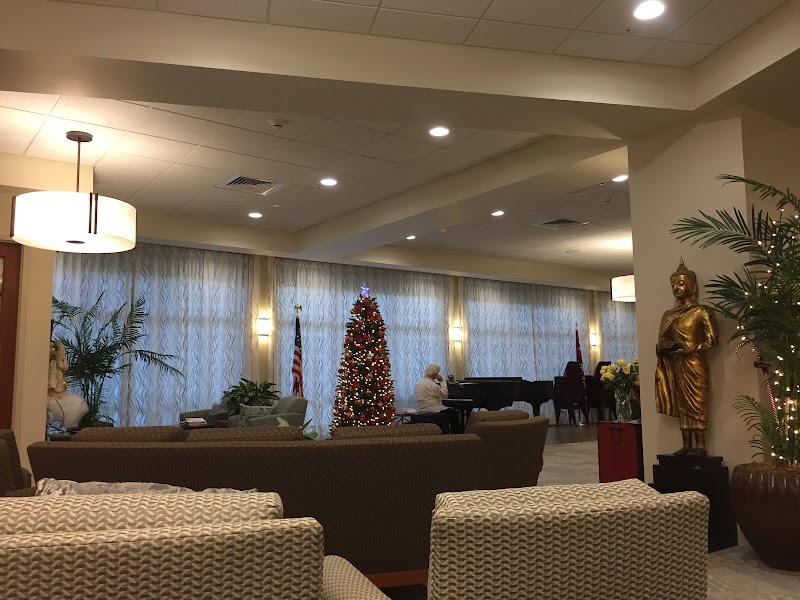
Who Owns and Operates Arcadia Retirement Residence?

ARCADIA RETIREMENT RESIDENCE is owned by a non-profit organization. Non-profit facilities reinvest revenue into operations rather than distributing to shareholders. The facility operates independently rather than as part of a larger chain. With 91 certified beds and approximately 86 residents (about 95% occupancy), it is a smaller facility located in HONOLULU, Hawaii.

How Does Arcadia Retirement Residence Compare to Other Hawaii Nursing Homes?

Compared to the 100 nursing homes in Hawaii, ARCADIA RETIREMENT RESIDENCE's overall rating (5 stars) is above the state average of 3.5, staff turnover (39%) is near the state average of 46%, and health inspection rating (3 stars) is at the national benchmark.

What Should Families Ask When Visiting Arcadia Retirement Residence?

Based on this facility's data, families visiting should ask: "What changes have been made since the serious inspection findings, and how are you preventing similar issues?" "Can I visit during a mealtime to observe dining assistance and food quality?" "How do you handle medical emergencies, and what is your hospital transfer rate?" "Can I speak with family members of current residents about their experience?" These questions are particularly relevant given the facility's Immediate Jeopardy citations.

Is Arcadia Retirement Residence Safe?

Based on CMS inspection data, ARCADIA RETIREMENT RESIDENCE has documented safety concerns. Inspectors have issued 1 Immediate Jeopardy citation (the most serious violation level indicating risk of serious injury or death). The facility has a 5-star overall rating and ranks #1 of 100 nursing homes in Hawaii. Families considering this facility should ask detailed questions about what corrective actions have been taken since these incidents.

Do Nurses at Arcadia Retirement Residence Stick Around?

ARCADIA RETIREMENT RESIDENCE has a staff turnover rate of 39%, which is about average for Hawaii nursing homes (state average: 46%). Moderate turnover is common in nursing homes, but families should still ask about staff tenure and how the facility maintains care continuity when employees leave.

Was Arcadia Retirement Residence Ever Fined?

ARCADIA RETIREMENT RESIDENCE has been fined $33,664 across 2 penalty actions. The Hawaii average is $33,416. While any fine indicates a compliance issue, fines under $50,000 are relatively common and typically reflect isolated problems that were subsequently corrected. Families should ask what specific issues led to these fines and confirm they've been resolved.

Is Arcadia Retirement Residence on Any Federal Watch List?

ARCADIA RETIREMENT RESIDENCE is not on any federal watch list. The most significant is the Special Focus Facility (SFF) program, which identifies the bottom 1% of nursing homes nationally based on persistent, serious quality problems. Not being on this list means the facility has avoided the pattern of deficiencies that triggers enhanced federal oversight. This is a positive indicator, though families should still review the facility's inspection history directly.