AVALON CARE CENTER - HONOLULU, LLC
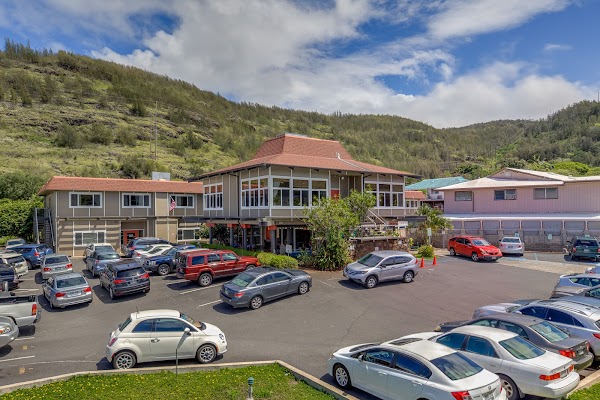
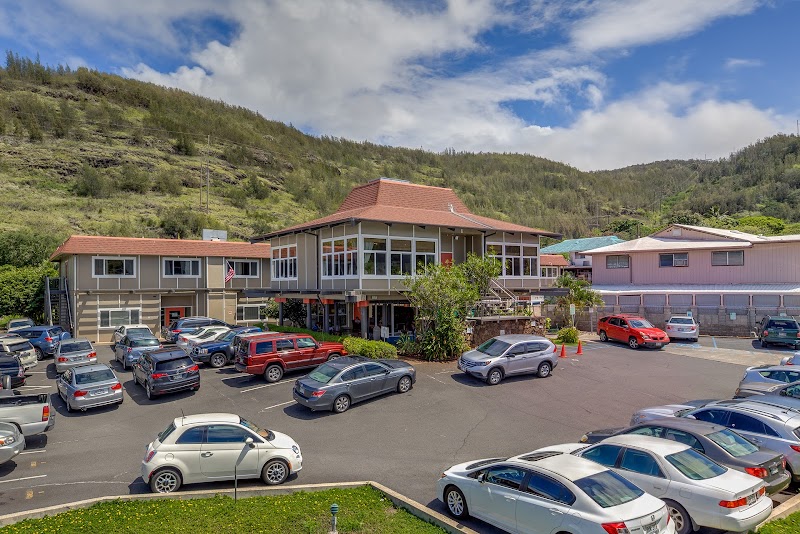
1930 KAMEHAMEHA IV RD, HONOLULU, HI 96819 (808) 847-4834
For profit - Corporation 108 Beds AVALON HEALTH CARE Data: November 2025
Trust Grade
58/100
#21 of 41 in HI
Last Inspection: April 2025

Within standard 12-15 month inspection cycle. Federal law requires annual inspections.

Overview

Avalon Care Center in Honolulu has a Trust Grade of C, which means it is average and ranks in the middle of the pack among nursing homes. It ranks #21 out of 41 facilities in Hawaii, placing it in the bottom half, and #15 out of 26 in Honolulu County, indicating there are better local options available. The facility's trend is stable, with 18 issues reported in both 2024 and 2025, suggesting ongoing concerns without significant improvement or decline. Staffing is a strength here, with a rating of 4 out of 5 stars and an RN coverage that exceeds 92% of facilities in Hawaii, although the 45% turnover rate is average. However, the facility has faced issues, including staff not consistently following infection control practices, such as wearing appropriate personal protective equipment, which can put residents at risk. Additionally, there were two instances where the facility failed to provide written notice of discharge to residents' emergency contacts, which is a crucial communication lapse.

Trust Score
C
58/100
In Hawaii
#21/41
Bottom 49%
Safety Record
Low Risk
No red flags
Inspections
Holding Steady
18 → 18 violations
Staff Stability
⚠ Watch
45% turnover. Above average. Higher turnover means staff may not know residents' routines.
Penalties
✓ Good
$12,838 in fines. Lower than most Hawaii facilities. Relatively clean record.
Skilled Nurses
✓ Good
Each resident gets 117 minutes of Registered Nurse (RN) attention daily — more than 97% of Hawaii nursing homes. RNs are the most trained staff who catch health problems before they become serious.
Violations
⚠ Watch
53 deficiencies on record. Higher than average. Multiple issues found across inspections.
★★★☆☆
3.0
Overall Rating
★★★★☆
4.0
Staff Levels
★★★★★
5.0
Care Quality
★★☆☆☆
2.0
Inspection Score
Stable
2024: 18 issues
2025: 18 issues

The Good

  • 4-Star Staffing Rating · Above-average nurse staffing levels
  • 5-Star Quality Measures · Strong clinical quality outcomes
  • Full Sprinkler Coverage · Fire safety systems throughout facility
  • No fines on record

Facility shows strength in staffing levels, quality measures, fire safety.

The Bad

3-Star Overall Rating

Near Hawaii average (3.4)

Meets federal standards, typical of most facilities

Staff Turnover: 45%

Near Hawaii avg (46%)

Higher turnover may affect care consistency

Federal Fines: $12,838

Below median ($33,413)

Minor penalties assessed

Chain: AVALON HEALTH CARE

Part of a multi-facility chain

Ask about local staffing decisions and management

The Ugly 53 deficiencies on record

Apr 2025 18 deficiencies
CONCERN (D)

Potential for Harm - no one hurt, but risky conditions existed

Deficiency F0583 (Tag F0583)

Could have caused harm · This affected 1 resident

Based on observation and interview, the facility failed to ensure personal information was protected for one of one randomly sampled resident (Resident (R) 88). The Electronic Health Record (EHR) was ...

Read full inspector narrative →
Based on observation and interview, the facility failed to ensure personal information was protected for one of one randomly sampled resident (Resident (R) 88). The Electronic Health Record (EHR) was left open. As a result of this deficient practice, residents are at risk of their health information not remaining private. Findings include: On 04/02/25 at 07:40 AM, observed station one's medication cart in the hallway. The EHR on the cart was left open and R88's list of medications was visible and was not protected. On 04/02/25 at 07:45 AM, interviewed Registered Nurse (RN) 81 on what their policy is for the EHR, RN81 replied, I'm sorry, I forgot to close it. It should be locked every time we walk away.
CONCERN (D)

Potential for Harm - no one hurt, but risky conditions existed

Assessment Accuracy (Tag F0641)

Could have caused harm · This affected 1 resident

Based on record review and interview, the facility failed to ensure the comprehensive resident assessment accurately reflected the resident's status for one of 21 residents sampled (Resident (R) 77) f...

Read full inspector narrative →
Based on record review and interview, the facility failed to ensure the comprehensive resident assessment accurately reflected the resident's status for one of 21 residents sampled (Resident (R) 77) for accuracy of assessment. R77's admission comprehensive assessment did not include oxygen (O2) therapy as a respiratory treatment R77 was receiving at the facility. As a result, R77's O2 therapy was not care planned, O2 physician orders were not reviewed, and her O2 tubing was overlooked. Findings include: Cross reference to F695, Respiratory Care. The facility failed to ensure R77's respiratory care was consistent with professional standards. R77's O2 tubing was not labeled with the date it was last replaced and the physician orders did not include parameters and delivery method. Cross reference to F656, Development of the Care Plan. The facility failed to ensure R77's comprehensive care plan included O2 therapy. Review of R77's admission Minimum Data Set (MDS) with an Assessment Reference Date (ARD) of 03/04/25 under Section O. Special Treatments, Procedures, and Programs, O2 was not checked off as a treatment performed on admission. On 04/02/25 at 02:06 PM, an interview and concurrent record review with MDS Director (MDSD) 67 and MDSD43 was done. The MDSDs reported if a resident has O2 therapy, it would be documented in the MDS under Section O. MDSD67 confirmed R77 had O2 therapy when the admission assessment was completed and it should have been documented on R77's admission MDS, ARD 03/04/25, Section O. MDSD67 confirmed it was not done.
CONCERN (D)

Potential for Harm - no one hurt, but risky conditions existed

Deficiency F0655 (Tag F0655)

Could have caused harm · This affected 1 resident

Based on interviews and record review, the facility failed to furnish a copy of the baseline care plan (BCP) for one of two residents (Resident (R) 385) sampled for care plan meetings. The facility no...

Read full inspector narrative →
Based on interviews and record review, the facility failed to furnish a copy of the baseline care plan (BCP) for one of two residents (Resident (R) 385) sampled for care plan meetings. The facility not providing the BCP to the residents does not keep them informed of the initial plan for delivery of care and services residents are to receive. Findings include: On 04/01/25 at 12:10 PM, interview with R385 completed. R385 stated doing ok and has plans to go home on Monday. R385 has been at facility for about a week with right leg injury and has been getting physical therapy and occupational therapy and stated it has been manageable. When asked if the facility discussed with him his plan of care, he responded no. He also stated he did not receive a copy of his care plan. On 04/01/25 at 01:00 PM, record review of R385's electronic health record (EHR) did not show that he was given a copy of his baseline care plan (BCP). On 04/02/25 at 10:00 AM, interview with Director of Nursing (DON) completed. DON stated that the care plan discussion was done at the welcome meeting with the Interdisciplinary Team (IDT). DON provided a copy of the IDT Care Plan Conference/Welcome Meeting Form, which showed that R385 and his wife was in attendance. When asked if the resident was provided a copy of his care plan, she responded, not that I see in the chart.
CONCERN (D)

Potential for Harm - no one hurt, but risky conditions existed

Comprehensive Care Plan (Tag F0656)

Could have caused harm · This affected 1 resident

**NOTE- TERMS IN BRACKETS HAVE BEEN EDITED TO PROTECT CONFIDENTIALITY** Based on observation, record reviews and interviews the facility failed to develop a person-centered comprehensive care plan for...

Read full inspector narrative →
**NOTE- TERMS IN BRACKETS HAVE BEEN EDITED TO PROTECT CONFIDENTIALITY** Based on observation, record reviews and interviews the facility failed to develop a person-centered comprehensive care plan for one of two residents (Resident (R) 77) sampled for respiratory, one of two residents (R390) sampled for dialysis, and one of one resident (R387) sampled for catheter care. As a result of this deficient practice, staff did not have the information necessary to adequately care for R77's oxygen (O2) therapy, R390's dialysis needs and post-treatment, and R387's catheter care. Findings include: 1) Cross tag to F695, Respiratory Care. The facility failed to ensure R77's respiratory care was provided consistent with professional standards. R77's O2 tubing was not labeled with the date it was last replaced and the physician orders did not include parameters and delivery method. On 04/02/25 at 02:06 PM, an interview and concurrent record review with MDS Director (MDSD) 67 was done. MDSD67 confirmed R77's comprehensive care plan did not include O2 therapy. MDSD67 reported if a resident was admitted to the facility with O2 therapy, nursing staff or the MDS staff would input it in the care plan. On 04/02/25 at 04:07 PM, an interview with Director of Nursing (DON) was done. DON confirmed R77 should have had a care plan for her O2 therapy, and the care plan would include the physician orders. Review of the facility's policy and procedure regarding respiratory care, number 695, dated 07/2018, documented, The resident's individualized care plan will identify the interventions for oxygen therapy, based on the resident's assessment and orders, such as, but not limited to: i. Type of oxygen delivery system; ii. When to administer, i.e. [for example] continuous or intermittent and/or when to discontinue; iii. Equipment setting for the prescribed flow rates; iv. Monitoring of SpO2 [oxygen saturation] levels and/or vital signs, as ordered; and v. Monitoring for complications i.e. skin integrity issues related to the use of a nasal cannula. 2) Cross reference to F698, Dialysis. On 04/02/25 at 09:00 AM, observed R390, who was admitted to the facility on [DATE], right upper arm fistula pressure dressing still on from yesterday's Hemodialysis (HD) treatment. R390 also stated that staff will take it off when they have time and don't really check for the thrill and bruit. On 04/02/25 at 9:30 AM, record review of R390's care plan noted a focus on HD that was initiated on 03/20/25, with interventions to monitor, document, and report as needed any signs and symptoms of infection to access site redness, swelling, warmth or drainage, but did not include intervention to assess access site for thrill and bruit. The Treatment Administration Record (TAR) showed the dialysis fistula checks for thrill and bruit were being done every shift. On 04/02/25 at 10:00 AM, interview with DON confirmed that they should be checking for the thrill and bruit before and after dialysis and every shift. Asked DON to show R390's care plan to see if there were interventions of checking for the thrill and bruit and confirmed it was not included in the resident's care plan but was noted in physician's orders. DON proceeded to add the interventions to care plan. 3) On 03/31/25 at 11:00 AM, observed R387 with indwelling catheter, secured to right leg, draining clear yellow urine, covered with bag, but bag noted on the floor without any barrier. Concurrent interview with R387, stated he came in without a catheter but asked for one because he was having a hard time urinating standing up. R387 was admitted to the facility on [DATE]. On 04/02/25 at 08:23 AM, record review of R387's minimum data set (MDS) bladder/bowel section noted that R387 is always continent. Review of progress note dated 03/26/25, stated bladder scan and straight cath [cathetor] every shift. R387 had 600 milliliters (ml) of urine retention on scan, indwelling catheter was inserted. Physician's orders dated 03/26/25 noted to insert foley catheter for urinary retention. Review of comprehensive care plan found no catheter focus, goals, and interventions. On 04/02/25 at 11:00 AM, interview with DON, verified that R387 was having retention issues as much as 600 ml of urine retention on bladder scan and so indwelling catheter was inserted on 03/26/25. Asked DON to review care plan and DON confirmed that there was no catheter care initiated and should have been added in the plan of care. Review of the facility's Comprehensive Care Plans policy, dated 11/2017, in the guidelines section, it stated The care plan will be comprehensive and person-centered. It will drive the type of care and services that a resident receives and will describe the resident's medical, nursing, physical .needs and preferences; as well as how the facility will assist in meeting these needs and preferences. In the Policy section, it also stated, The facility interdisciplinary team (IDT) will develop and implement a comprehensive, person-centered care plan for each resident that includes measurable objectives and timeframes to meet a resident's medical, nursing, physical .that are identified in the comprehensive assessment.
CONCERN (D)

Potential for Harm - no one hurt, but risky conditions existed

Deficiency F0657 (Tag F0657)

Could have caused harm · This affected 1 resident

Based on interview and record review the facility failed to update Resident (R) 136's care plan to include a new intervention to treat resident's moisture-associated skin damage (MASD) with an antifun...

Read full inspector narrative →
Based on interview and record review the facility failed to update Resident (R) 136's care plan to include a new intervention to treat resident's moisture-associated skin damage (MASD) with an antifungal once identified, for one of four residents sampled for skin conditions (non-pressure). The deficient practice put R136 at risk for worsening of fungal infection with MASD to her sacrum and buttocks which could lead to a pressure injury and pain. Findings include: Cross reference to F684, Quality of Care - Despite identifying R136 had a fungal infection and MASD to her sacrum and buttocks, that had worsened since admission, the facility failed to acquire a physician order for antifungal to treat the area and update R136's care plan.
CONCERN (D)

Potential for Harm - no one hurt, but risky conditions existed

Deficiency F0679 (Tag F0679)

Could have caused harm · This affected 1 resident

**NOTE- TERMS IN BRACKETS HAVE BEEN EDITED TO PROTECT CONFIDENTIALITY** Based on observation, interview, and record review, the facility failed to care plan and implement residents' individual activit...

Read full inspector narrative →
**NOTE- TERMS IN BRACKETS HAVE BEEN EDITED TO PROTECT CONFIDENTIALITY** Based on observation, interview, and record review, the facility failed to care plan and implement residents' individual activity preferences and accommodate special needs for two of two residents (Resident (R) 19 and R338) sampled for activities. This deficient practice has the potential of not supporting the physical, mental, and psychosocial well-being of residents and not creating a meaningful life for residents residing in the facility. Findings include: 1) R338 is an [AGE] year-old female admitted to the facility on [DATE]. A Minimum Data Set (MDS) with an Assessment Reference Date (ARD) of 03/17/25 noted that R338 had a Brief Interview for Mental Status (BIMS) score of 14, which indicated that R338 had intact cognitive function. On 04/01/25 at 09:45 AM, R338 stated that no one comes to her room to offer activities and feels bored. She also stated that she cries when she is bored and proceeded to cry. A facility notice posted in the main elevator stated, Group Activities and Dining has been cancelled due to Covid in the facility. Recreation services will provide daily temporary 1:1 in room visits . On 04/02/25 at 08:41 AM, Recreation Director (RD) 1 was interviewed and stated that since approximately 02/26/25 group activities in the facility were cancelled because of Covid. In its place, one-on-one in-room activities were being provided. On 04/01/25 at 02:39 PM, a review of R338's recreation care plan, with a start date of 03/12/25, did not list one-on-one in-room visits as an intervention. A review of R338's MDS, Section F: Preferences for Routine and Activities, with an ARD of 03/17/25 noted: Question D. How important is it to you to keep up with the news? Answer marked 1. Very important. Question F. How important is it to you to participate in religious activities? Answer marked 1. Very important. Question G. How important is it to you to go outside to get fresh air? Answer marked 1. Very important. Question H. How important is it to you to participate in religious activities? Answer marked 1. Very important. The resident preferences above were not listed on the recreation care plan dated 03/12/25. On 04/01/25 at 03:03 PM, a review of an assessment form used by the Recreation department titled, ACT My Ways -V3, completed on 03/12/25 11:27 AM, contained question number 30: Activities has met and reviewed resident activity preferences not marked as completed. On 04/02/25 at 08:41 AM, RD1 was interviewed in the dining room. RD1 reviewed R338's care plan, with a start date of 03/12/25, and confirmed that no intervention for one-on-one activities in the resident room was listed. RD1 also confirmed that the activities noted as very important by R338 on the MDS, Section F: Preferences for Routine Activities, with an ARD of 03/17/25, was also not listed on the care plan. RD1 confirmed that question number 30: Activities has met and reviewed resident activity preferences on the ACT My Ways -V3 form completed on 03/12/25 at 11:27 AM was not completed. RD1 stated that marking the box as complete for question number 30 means activity preferences were reviewed with the resident. RD1 proceeded to say that she does not complete question number 30 because when the form is submitted, there is no pop-up message indicating the question was not completed and therefore, assumed that not completing it was okay. RD1 also stated that she is unable to bring R338 outside to get fresh air because all the residents cannot currently go out from their room, and if one resident is brought outside, that would be unfair to the other residents. RD1 stated that she did not ask Administration at the facility if providing one-on-one activities outside of the residents' rooms were allowable and was not doing that currently. During the interview with RD1 in the dining room, residents were observed receiving one-on-one therapy by the facility's Rehab Therapy staff. On 04/02/25 at 01:00 PM, a Point of Care (POC) Response History document noting one-on-one activities completed with R338 from 03/13/25 - 04/02/25 was reviewed. Activities noted as very important to R338 on the MDS, Section F: Preferences for Routine Activities, with an ARD of 03/17/25 were not found on the POC Response History document. 2) R19 is an [AGE] year-old female, admitted to the facility on [DATE]. A review of R19's EHR noted that she was blind. A MDS with an ARD of 02/15/25 noted that R19 had a BIMS score of 15, which indicated that R19 had intact cognitive function. On 04/02/25 at 11:43 AM, RD1 was interviewed with a concurrent review of R19's care plan dated 03/03/25 and POC Response History document noting one-on-one activities completed for R19 from 03/06/25 - 04/01/25 (27 days). RD1 stated that to accommodate R19's blindness, activities provided include sensory stimulation, scents, hand massage, trivia, and playing music/listening to the radio. RD1 acknowledged that those activities were not and should have been listed in the care plan. Upon review of the POC Response History document with RD1, Cards/Board Games/Puzzles was marked as being done 1 of 27 days. SA questioned RD1 on how the resident was able to participate in that activity due to her blindness. RD1 responded that trivia was conducted verbally. The POC document also noted Providing Leisure Supplies was marked as done 4 of 27 days. RD1 defined this category as providing music/radio for R19 to listen to. RD1 stated that providing more of the one-on-one activities she identified to accommodate R19's blindness should have been implemented. On 04/02/25 at 02:25 PM, a review of the facility policy titled, Activities noted under the section titled, Guidelines: 4. The activity program .are designed to meet the assessed needs and interests of each resident ., 5. Activity programs are provided in coordination with the resident's comprehensive assessment, functional ability, and preferences.
CONCERN (D)

Potential for Harm - no one hurt, but risky conditions existed

Quality of Care (Tag F0684)

Could have caused harm · This affected 1 resident

**NOTE- TERMS IN BRACKETS HAVE BEEN EDITED TO PROTECT CONFIDENTIALITY** 2) Cross reference to F657 Care Plan Timing and Revision - Despite identifying worsening of R136's MASD with a fungal infection ...

Read full inspector narrative →
**NOTE- TERMS IN BRACKETS HAVE BEEN EDITED TO PROTECT CONFIDENTIALITY** 2) Cross reference to F657 Care Plan Timing and Revision - Despite identifying worsening of R136's MASD with a fungal infection to her sacrum and bilateral buttocks the facility failed to update R136's care plan and aquire a physician order for an antifungal to treat R136's fungal infection from 03/29/25 until 04/03/25. On 03/31/25 at 03:09 PM, an interview was held with R136 at her bedside. Inquired with R136 if she had any skin breakdown such as rash or pressure injury to her back and buttocks and she confirmed she had MASD to her bottom and rash on her back which she explained was from a reaction she had from the adult briefs. R136 explained facility staff switched out the adult briefs for the pull up type and she stated her rash was getting better. On 04/03/25 at 10:24 AM, record review of R136's electronic health record (EHR) revealed R136 is a [AGE] year-old female who was admitted to the facility on [DATE] and her diagnoses include, but are not limited to, encounter for orthopedic aftercare following surgical amputation, type 2 diabetes mellitus with hyperglycemia, and other specified soft tissue disorders. Reviewed documentation of resident's skin assessments with pictures which revealed resident's MASD had gotten worse since admission. First wound evaluation of R136's MASD was done on 03/14/25 at 19:11 (07:11 PM). Dimensions documented included area at 21.3 cm² (centimeter), length 9.57 cm and width 4.69 cm. Continued record review found second wound evaluation dated 03/26/25 at 12:53 PM of R136's MASD revealed it had gotten worse, no measurements were included in this documentation but a picture was. The Woundcare Nurse Registered Nurse (RN) 24 documented under Progress section notes Resident reports itchiness to brief. Switched resident to pull upbrief (sic.) 3/25/25, resident reports relief of itchiness. Resident with fan in room to help circulate air. RN24 documented the practitioner was notified along with resident/responsible party. RN24 documented under Treatment section Dressing Appearance None Cleansing Solution Normal Saline Debridement None Primary Dressing Antifungal Secondary Dressing No secondary dressing Modalities None Additional Care Moisture barrier, Moisture control. Continued record review found third wound evaluation of R136's MASD was done on 04/01/25 which included the following dimension measurements area 122.22 cm² +473 %, length 24.67 cm +158 % and width 23.18 cm +394 %. Below this box of measurements included the following statement *Negative percentage values indicate wound is getting smaller. R136's measurements included positive percentages which indicates the wound was getting bigger. Continued review of R136's EHR revealed she had an order for Moisture-associated skin damage (MASD) to her sacrum extending to her bilateral buttocks that was being treated by Apply Triad Paste cleanse with NSS [Normal Saline Solution] and pat dry before application every shift for 14 days *[W1] Indicate status to surrounding skin (I)ntact (E)rythmatous (M)acerated *[W2] Assess for s/sx [signs and symptoms] of infection or other complication (+) Complication noted, notify MD (-) No complication noted. Order start date 03/14/25 at 2300. This treatment was stopped on 03/28/25 with the last entry of treatment on 03/28/25 Eve1. After this treatment there were no other physician orders found to treat R136's MASD to her sacrum and her bilateral buttocks on 03/29/25 - 04/03/25 at 10:24 AM. Concurrent record review of R136's care plan did not include any updates to treat R136's MASD with an antifungal. Focus The resident has MASD to sacrum r/t [related to] incontinence Date Initiated: 03/18/2025 Revision on: 03/18/2025 Goal The resident's MASD will heal by review date. Date Initiated: 03/18/2025 Revision on: 03/27/2025 Target Date: 06/14/2025 Interventions/Tasks Avoid scratching and keep hands and body parts from excessive moisture. Date Initiated: 03/18/2025 Increase out of bed activity as tolerated. Date Initiated: 03/18/2025 On 04/03/25 at 10:37 AM, interviewed DON in the Administrator's office. Inquired about R136's MASD which had gotten worse since admission. DON stated resident has Baza ordered (antifungal cream) for MASD to apply every day and evening shift. Subsequent to the interview with the DON, on 04/03/25 at 11:59 AM, reviewed R136's orders and found an order for Baza Antifungal External Cream 2% had been ordered for R136 on 04/03/25 at 11:07 AM and an update to the care plan that included The resident has MASD to sacrum with fungal rash r/t incontinence and Interventions/Tasks Apply tx [treatment] as ordered by MD. Date Initiated: 04/03/2025. R136 had not received treatment from 03/29/25 till 04/03/25, after DON was interviewed by surveyor about resident's MASD worsening. Focus The resident has MASD to sacrum with fungal rash r/t incontinence Date Initiated: 03/18/2025 Revision on: 04/03/2025 Goal The resident's MASD will heal by review date. Date Initiated: 03/18/2025 Revision on: 03/27/2025 Target Date: 06/14/2025 Interventions/Tasks Apply tx as ordered by MD. Date Initiated: 04/03/2025 Based on record review and interviews, the facility failed to provide resident centered needed care and services for two of six residents (Resident (R) 77 and R136), R77 who was one of one sampled for constipation/diarrhea and R136 who was one of four residents sampled for skin conditions (non-pressure). The facility did not follow the physician ordered bowel regimen for R77. This deficient practice put R77 at potential risk for discomfort and fecal impaction. The facility failed to treat R136's Moisture-associated skin damage (MASD) with fungal infection to her sacrum and to her bilateral buttocks from 03/29/25 until 04/03/25 which the facility identified as worsening. This put R136 at risk for harm from possibly developing a pressure injury and pain. Findings include: 1) R77 was admitted to the facility on [DATE] with diagnosis of, not limited to, constipation. Review of R77's admission Minimum Data Set (MDS) with an Assessment Reference Date (ARD) of 03/04/25, assessed R77's Brief Interview of Mental Status (BIMS), a 14 out of 15 (cognitively intact). Review of R77's person-centered comprehensive care plan documented The resident has constipation or potential for constipation r/t [related to] decreased mobility, pain, narcotic medication use for pain .The resident will have a normal bowel movement at least every 1-2 days through the review date .Administer stool softeners as per orders. Monitor for side effects and effectiveness .Monitor/document/report PRN [as needed] s/sx [signs/symptoms] of complications related to constipation .Record bowel movement pattern each day. Describe amount, color and consistency. On 04/01/25 at 11:03 AM, an interview with R77 was done. R77 reported she gets constipated often for about three or more days. R77 stated she finds it difficult to make a bowel movement sometimes even with the routine medications for her bowel movement. Review of R77's physician ordered bowel regimen included MiraLAX powder (polyethylene glycol 3350) give 17 grams by mouth, mix with 4-8 ounces of water or juice, two times a day for constipation; Sennosides-Docusate Sodium oral tablet 8.6-50 milligrams (mg.), give two tablets by mouth two times a day for constipation; MiraLAX powder give 17 grams by mouth, mix with 4-8 ounces of liquid, as needed for no bowel movement results in three days; and Dulcolax suppository (bisacodyl) insert 10 mg. rectally as needed for no bowel movement results from MiraLAX, notify doctor if ineffective. Review of R77's daily recorded bowel movement in the Electronic Health Record (EHR) found R77 did not have a bowel movement from 03/16/25 to 03/18/25 (three days), 03/20/25 to 03/24/25 (five days), and 03/30/25 to 04/01/25 (three days). On 04/02/25 at 03:56 PM, a concurrent record review and interview with Director of Nursing (DON) was done. DON reported the EHR would trigger on the resident's dashboard if a resident did not have a bowel movement for three days to notify the nurse to administer any as needed bowel regimen medication. Concurrent review of R77's daily recorded bowel movement, DON confirmed R77 did not have bowel movements on 03/16/25 to 03/18/25, 03/20/25 to 03/24/25, and 03/30/25 to 04/01/25. DON stated R77 should have gotten the prescribed as needed MiraLAX on 03/18/25, on 03/22/25, and on 04/01/25, and confirmed through review of R77's Medication Administration Record (MAR) that she was not administered the medications on those days. Review of the facility's bowel program guidelines dated 12/02/20 included: 1. Bowel movement frequency will be assessed daily by the nurse. 2. Resident assessed as having inadequate bowel function manifested by absence of regular bowel movement in excess of three days will be assessed by the nurse . 3. When needed, a bowel protocol will be implemented as established by physician's orders .
CONCERN (D)

Potential for Harm - no one hurt, but risky conditions existed

Deficiency F0688 (Tag F0688)

Could have caused harm · This affected 1 resident

**NOTE- TERMS IN BRACKETS HAVE BEEN EDITED TO PROTECT CONFIDENTIALITY** Based on observations, interviews, and record review, the facility failed to ensure one of three residents (Resident (R) 29) sam...

Read full inspector narrative →
**NOTE- TERMS IN BRACKETS HAVE BEEN EDITED TO PROTECT CONFIDENTIALITY** Based on observations, interviews, and record review, the facility failed to ensure one of three residents (Resident (R) 29) sampled for limited range of motion (ROM) received the appropriate treatment, equipment, and services to maintain and/or prevent a decline in ROM, as evidenced by inconsistent application of splint and ROM exercises. This puts R29 at risk of a decline in ROM and further contractures. Findings include: Cross reference to F725, Sufficient Nursing Staff. The facility failed to ensure sufficient nursing staff were available to ensure restorative nursing assistance was provided. R29 was admitted to the facility on [DATE] with diagnoses, not limited to, hemiplegia and hemiparesis following cerebral infarction affecting left non-dominant side (weakness or paralysis on left side of the body) and neuralgia and neuritis (nerve inflammation or damage). R29's room was under Transmission Based Precautions (TBP), Droplet Precautions, due to her roommate with positive COVID-19 from 05/25/25 to 04/05/25. On 03/31/25 at 02:02 PM, observed R29 in bed her left arm was folded with fisted hand on chest and no splint. On 03/31/25 at 02:29 PM, an interview with R29's Resident Representative (RR) 2 was done. RR2 reported the facility is supposed to assist R29 with exercises and stretches to left knee, arm, and hand but does not think they have done it in a while. On 04/02/25 at 08:15 AM, observed R29 eating breakfast (assistance with staff) in bed her left arm was folded with fisted hand on chest and no splint. At 11:34 AM, observed R29 in bed her left arm was folded with fisted hand on chest and no splint. Review of R29's electronic health record (EHR) found R29 has a passive range of motion (PROM) and active range of motion (AROM) program with assistance from Restorative Nurse Aides (RNA) initiated on 02/17/25. The physician order for PROM includes the RNA to provide PROM exercise to left upper extremity (LUE) with gentle stretching to bilateral lower extremity (BLE) three sets of 10 repetitions seven times a week as tolerated. For AROM, R29 to be encouraged to due right upper extremity (RUE) exercises using two-pound (lbs.) dumbbell three sets of 10 repetitions four times a week (Monday, Wednesday, Thursday, Friday) as tolerated. R29's EHR further found R29 has a physician order for splint to left hand and left elbow and splint to left knee. R29's care plann specified her splint program documenting, RNA to assist with applying left elbow splint and left hand grip orthosis up to 4-6 hours (On: 6am off: 10am-12p) and left ankle brace x3 hours (on 6am, off: 9am) daily as tolerated. Review of documentation of R29's PROM, AROM, and splint program provided from 03/25/25 to 04/02/25 documented R29 did not receive RNA services on 03/26/25, 03/27/25, and from 03/29/25 to 04/02/25. R29 only received services once during that sampled time, on 03/28/25. On 04/03/25 at 08:31 AM, observed R29 eating breakfast with assistance from Certified Nurse Aide (CNA) 75, in bed her left arm was folded with fisted hand on chest and no splint. Inquired with CNA75 if R29 has a splint for her hand and knee, CNA75 reported R29 should be wearing her splint daily but the facility did not have an RNA today. CNA75 proceeded to explain that she could put the splint on. Inquired with R29 in her native language, Korean, if the facility had been helping her with exercises and stretches, she stated no and that she would like to continue her exercises and stretches. On 04/03/25 at 08:37 AM, interview with MDS Director (MDSD) 67 was done. MDSD67 confirmed she oversaw the RNA program and R29 receives services daily. RNA reported that R29's services should continue even under TBP and that she may not be getting services due to RNA staff called to floor as CNA.
CONCERN (D)

Potential for Harm - no one hurt, but risky conditions existed

Accident Prevention (Tag F0689)

Could have caused harm · This affected 1 resident

Based on observation and interview the facility failed to provide an environment free of accident hazard for one of two sampled resident (Resident (R) 25) observed for accidents. R25 was observed push...

Read full inspector narrative →
Based on observation and interview the facility failed to provide an environment free of accident hazard for one of two sampled resident (Resident (R) 25) observed for accidents. R25 was observed pushed in her wheelchair with her leg rests not in place putting the resident at risk for an accident that could result in harm. Findings include: On 03/31/25 at 10:43 AM, R25 was observed pushed in her wheelchair by Physical Therapy Assistant (PTA) 5 and Occupational Therapy Assistant (OTA) 7 from the end of the hall to the hallway where her room is located. R25 was seen pushed without her leg rests on her wheelchair and observed holding her feet up. Surveyor stopped staff and asked PTA5 and OTA7 where resident's leg rests were for her wheelchair. PTA5 stated they were crunched for time and leg rests are in her room. PTA5 and OTA7 proceeded to R25's room. On 03/31/25 at 10:46 AM, interviewed Physical Therapist (PT) 1 who was in the hallway outside of R25's room. Inquired of PT1 what rehab staff are to do with the foot rests for residents who are receiving PT services. PT1 explained there is a holder on the back of the wheelchair where you can place the foot rests. PT1 and surveyor went into R25's room and inquired with R25 if we could look at the wheelchair she was sitting on. PT1 was able to move R25's wheelchair and saw there is no holder on the back of R25's wheelchair. Inquired with PT1 if this is something they can request to have put onto the wheelchair since PT1 identified the wheelchair as belonging to the facility. PT1 confirmed this is something the facility can order and put on the back of the wheelchair. Inquired how staff manage the foot rests when they are working with the residents and PT1 explained staff will work with the residents and have them walk and then the staff will go back to the room and get the foot rests when they are needed. PT1 explained it might be hard for residents without good cognition to keep their feet up when wheelchair is being pushed and some residents are weak and cannot keep their feet up. On 04/02/25 at 09:45 AM, inquired with OTA7 where R25 was located when they started pushing resident in her wheelchair and OTA7 stated the gym on the first floor. At this time asked Director of Nursing (DON) to measure the distance from the gym to the resident's room. The gym to the elevator on the first floor was 39 feet (ft.) and from the elevator on the second floor to resident's room was 107 ft. which is a total of 146 ft. R25 was pushed in the wheelchair without the leg rests. On 04/03/25 at 12:49 PM, interviewed Director of Rehab (DOR) in the first floor gym. DOR stated she is also a physical therapist. She confirmed staff should have had leg rests on the wheelchair when pushing a resident in their wheelchair. DOR stated staff receive training on safety when working with residents.
CONCERN (D)

Potential for Harm - no one hurt, but risky conditions existed

Respiratory Care (Tag F0695)

Could have caused harm · This affected 1 resident

**NOTE- TERMS IN BRACKETS HAVE BEEN EDITED TO PROTECT CONFIDENTIALITY** 2) On 03/31/25 at 10:50 AM, observed R10 sleeping in her bed with her oxygen concentrator on and resident wearing a nasal cannul...

Read full inspector narrative →
**NOTE- TERMS IN BRACKETS HAVE BEEN EDITED TO PROTECT CONFIDENTIALITY** 2) On 03/31/25 at 10:50 AM, observed R10 sleeping in her bed with her oxygen concentrator on and resident wearing a nasal cannula. Observation of oxygen tubing from the oxygen concentrator attached to the nasal cannula and tubing from the sterile saline to the oxygen concentrator did not have any marking to identify the date they were initiated. On 04/02/25 at 09:11 AM, observed R10's oxygen tubing, from the oxygen concentrator attached to the nasal cannula and tubing from the sterile saline to the oxygen concentrator, which now had an orange sticker dated 03/29/25 and timed at 0700 (07:00 AM) which stated, Change Saturday. On 04/03/25 at 09:49 AM, interviewed DON in the Administrator's office. Inquired why staff would back date a resident's oxygen tubing. Surveyor shared observation that occurred on 03/31/25 of a resident's oxygen tubing that had been observed with no sticker identifying when the tubing was initiated and then second observation, of same resident, that tubing was labeled with a Change Saturday sticker with a 03/29/25 date. Inquired of DON why staff would do this and she was not able to explain why. DON confirmed tubing is to be changed out every Saturday. Based on observations, interviews, and record reviews, the facility failed to ensure respiratory care was provided consistent with professional standards for two of two (Resident (R) 77 and R10) sampled for respiratory. R77's comprehensive assessment did not include oxygen (O2) therapy, it was not included in her care plan, her nebulizer and O2 tubing was not labeled with the date it was last replaced and the physician O2 orders did not include parameters and delivery method. R10's O2 tubing was not labeled with the date it was last replaced. This deficient practice put R77 and R10 at risk for respiratory complications. Findings include: 1) Cross reference to F641, Accuracy of Assessments. The facility failed to ensure R77's comprehensive assessment reflected she had O2 therapy. Cross reference to F656, Development of the Care Plan. The facility failed to ensure R77's comprehensive care plan included O2 therapy. R77 was admitted to the facility on [DATE] with diagnoses of, not limited to, cough, allergic rhinitis, and asthma. Review of R77's admission Minimum Data Set (MDS) with an Assessment Reference Date (ARD) of 03/04/25, assessed R77's Brief Interview of Mental Status (BIMS), 14 out of 15 (cognitively intact). Under Section O. Special Treatments, Procedures, and Programs, O2 was not checked off as a treatment performed on admission. Review of R77's hospital discharge summary prior to admission to the facility dated 03/03/25 documented diagnosis of possible reactive airway disease versus chronic obstructive pulmonary disease. On 03/31/25 at 09:45 AM, during an initial observation and interview with R77, R77 reported she had the nebulizer (a machine that turns liquid medicine into a mist that can easily be inhaled, connected to a facemask) and O2 therapy since she was admitted to the facility. She reported the facility had not changed the tubing for the nebulizer or O2 since she received them, and that the facility did not label the tubing. Observed O2 tubing and nebulizer with no label indicating the date the tubing was last replaced. The O2 concentrator was on, and the flow rate was 2.5 liters per minute (LPM) and R77 was observed to utilize the nasal cannula (a device that delivers extra oxygen through a tube and into the nose). On 04/01/25 at 11:28 AM, a follow-up observation of R77's nebulizer and O2 tubing was made. Observed orange labels that were not on the O2 tubing and nebulizer tubing when an observation was made on 03/31/25. The O2 concentrator was on, and the flow rate was 2.5 liters per minute (LPM) and R77 was observed to have the nasal cannula not in use. The orange labels had instructions to change the tubing on Saturday and included a back date of Saturday, 03/28/25. R77 stated a staff member changed the tubing and added the labels yesterday, 03/31/25. Review of R77's physician orders confirmed R77 was admitted with O2, Supplemental Oxygen as needed for SOB [shortness of breath] Titrate to keep SP02>90% [oxygen saturation], the order did not include the oxygen flow rate, specify for what duration, and delivery method. On 03/13/24, continuous O2 at bedtime was ordered .every evening and night shift for patient needs O2 to sleep, the order did not specify the oxygen flow rate, specify for what duration, and delivery method. On 03/28/25, albuterol sulfate inhalation nebulization solution 2.5 milligrams (mg.) /3 milliliters (ml.) 0.083% (Albuterol Sulfate) . 3ml inhale orally via nebulizer four times a day for SOB was ordered but started on 03/29/25. On 04/02/25 at 02:06 PM, an interview and concurrent record review with MDS Director (MDSD) 67 and MDSD43 were done. The MDSD67 confirmed R77's admission MDS assessment did not include O2 therapy, it was not care planned, and the physician orders did not include all the requirements for a O2 therapy order. MDSD43 reported the orders should have the oxygen flow rate, for example 2LPM and deliver method, such as, nasal cannula or face mask. Review of R77's Medication Administration Record (MAR) for the month of March 2025, documented R77 was administered O2 during the evening and night shift daily. The as needed supplemental O2 was not administered during the month of March. On 04/02/25 at 04:07 PM, an interview with Director of Nursing (DON) was done. Inquired what time nursing staff are to administer R77's O2 for bedtime, DON reported when she is sleeping and confirmed the order did not specify the duration. This surveyor described the two observations of the O2 concentrator on while R77 was awake, and DON confirmed it should have been turned off or documented in the MAR that supplemental O2 was administered. DON further confirmed R77's nebulizer tubing and O2 tubing should be labeled and the O2 tubing should be changed once a week.
CONCERN (D)

Potential for Harm - no one hurt, but risky conditions existed

Deficiency F0698 (Tag F0698)

Could have caused harm · This affected 1 resident

Based on observations, interviews, and record reviews, the facility failed to ensure that one of two residents (Resident (R) 390) sampled for dialysis, was provided with professional standards of prac...

Read full inspector narrative →
Based on observations, interviews, and record reviews, the facility failed to ensure that one of two residents (Resident (R) 390) sampled for dialysis, was provided with professional standards of practice. The facility failed to remove R390's pressure dressing after two hours from the completion of R390's Hemodialysis (HD) treatment. This deficient practice puts residents on dialysis at risk for access clotting and complications. Findings include: Cross reference to F656, Development of Comprehensive Care Plans. On 04/02/25 at 09:00 AM, observed R390 with right upper arm fistula pressure dressing still on from yesterday's HD treatment. R390 stated that staff will take it off when they have time and do not really check for the thrill and bruit (a thrill is a palpable sensation felt over the fistula and bruit is a swooshing sound heard with a stethoscope which indicates good blood flow and fistula function). R390 stated he will usually be the one that takes it off. R390 stated he came back from dialysis yesterday at 04:30 PM. On 04/02/25 at 9:30 AM, record review of R390's care plan noted, HD focus that was initiated on 03/20/25, interventions included to monitor, document, and report as needed any signs and symptoms of infection to access site redness, swelling, warmth or drainage, but did not include any interventions to assess for thrill and bruit in care plan. Treatment Administration Records (TAR) showed the dialysis fistula checks for thrill and bruit check were being done every shift. On 04/02/25 at 09:05 AM, interview with Registered Nurse (RN) 30 completed. RN30 stated they remove the dressing when R390 comes back after dialysis. RN30 stated, We follow the orders and observe the access site for any signs and symptoms of redness, bleeding, and for the thrill/bruit. RN30 also noted the last assessment was done last night at 12:10 AM, and that he has not done his assessment yet this morning. RN30 was asked by surveyor to accompany surveyor to R390's room to confirm that R390's dressing was still on. When asked, why the dressing was still on, RN30 replied, I'm not sure, I will have to check our facility's policy. On 04/02/25 at 10:00 AM, interview with Director of Nursing (DON) confirmed that they should be checking for the thrill and bruit before and after dialysis and every shift. DON also stated that they should be removing the dressing but was not sure how soon after dialysis they must remove it. On 04/02/25 at 12:00 PM, observed R390's right arm fistula without pressure dressing. On 04/02/25 at 03:02 PM, interview with a dialysis charge nurse (DCN) from a dialysis facility was completed. DCN confirmed that the recommendations to remove the fistula pressure dressing is two hours after dialysis treatment. When asked why after two hours, DCN replied, This is to prevent clotting. If left too long, it will most likely end up clotting the access. On 04/02/25, record review of the facility's policy on Quality of Care, Dialysis, with revised date of 04/2018, it stated that the facility will provide residents, who require, dialysis, care and service consistent with professional standards of practice in the Guidelines section of the policy, it also states, 13. Facility will monitor and document the status of the resident's access site upon return from the dialysis treatment center to observe for bleeding or other complications. The facility did not meet this guideline as evident by pressure dressing not removed after two hours from R390's return from dialysis treatment.
CONCERN (D)

Potential for Harm - no one hurt, but risky conditions existed

Pharmacy Services (Tag F0755)

Could have caused harm · This affected 1 resident

**NOTE- TERMS IN BRACKETS HAVE BEEN EDITED TO PROTECT CONFIDENTIALITY** Based on observations, interviews, and record review, the facility failed to implement a thorough process in narcotic log docume...

Read full inspector narrative →
**NOTE- TERMS IN BRACKETS HAVE BEEN EDITED TO PROTECT CONFIDENTIALITY** Based on observations, interviews, and record review, the facility failed to implement a thorough process in narcotic log documentation and reconciliation for two of four medication carts observed. This deficient practice hinders the process necessary to promptly identify loss or potential diversion of the controlled medications used to meet the needs of the residents. In addition, the facility failed to implement a process that assures the accurate and timely disposition of discontinued and/or expired medications. This deficient practice hinders the promotion of safe administration practices that decrease the risk for medication errors. These deficient practices have the potential to affect all residents in the facility who take medications. Findings include: 1) On 04/02/25 at 09:33 AM, an inspection of medication cart 1C was done with Registered Nurse (RN) 56. Observed a blister pack card of Oxycodone (a narcotic) IR 5 milligrams (mg) with 22 pills remaining for Resident (R) 236. Review of the Controlled Drug Record noted that there should have been 24 pills remaining. Concurrent interview with RN56 revealed that she had administered one pill to R236 at 09:18 AM but had neglected to sign it out on the Controlled Drug Record. RN56 also stated that she had dropped a tablet and wasted it but had neglected to sign that wasted tablet out of the inventory count on the Controlled Drug Record. When asked what the normal process was to sign off/document narcotics, RN56 answered that narcotics are signed off on the Controlled Drug Record after they administer it because they [the resident] might refuse it. On 04/02/25 at 10:00 AM, an interview was done with Director of Nursing (DON) in the Training Room. When asked about narcotic administration and documentation, DON stated that narcotics should be signed out on the Controlled Drug Record upon preparation of the medication, when they pop it, prepare it. DON confirmed staff should not be signing narcotics out after administration, agreeing that if a resident refuses a narcotic that is signed out, then the medication is wasted and documented on the Controlled Drug Record as refused. Review of the Controlled Substances policy and procedure, last updated 11/17, revealed the following: 4. When a controlled medication is administered, the licensed nurse . immediately enters the following information on the accountability record when removing dose from controlled storage . Date and time of administration . Amount administered . 5. Administer the controlled medication and document dose administration on the MAR [medication administration record]. 2) On 04/02/25 at 09:06 AM, an inspection of medication cart 2B was done with RN28. Observed a 100-count box of Ferrous Gluconate 324 mg with an expiration date of 3/25 that was more than half-filled. Also observed a 30-count blister pack card of Methocarbamol for R67. Concurrent interview with RN28 confirmed that the Ferrous Gluconate was expired, and that R67 had been discharged from the facility. On 04/02/25 at 09:18 AM, an interview was done with RN65 (who also served as 1 of 2 Assistant Directors of Nursing) at Nurses' Station 2. RN65 confirmed that the expired Ferrous Gluconate should have been removed from the medication cart and disposed of. Regarding the Methocarbamol, RN65 confirmed that R67 had been discharged from the facility to home on [DATE] and stated that usually all medications are sent home with residents upon discharge. Concurrent record review noted that the Methocarbamol had been discontinued on 02/28/25. RN65 confirmed the medication should have been pulled from the medication cart at that time and placed in the medication room for disposal.
CONCERN (D)

Potential for Harm - no one hurt, but risky conditions existed

Drug Regimen Review (Tag F0756)

Could have caused harm · This affected 1 resident

Based on record review and interview, the facility failed to document the rationale for not making any changes to the pharmacist's recommendations during a monthly medication regimen review (MRR) for ...

Read full inspector narrative →
Based on record review and interview, the facility failed to document the rationale for not making any changes to the pharmacist's recommendations during a monthly medication regimen review (MRR) for one of five residents (Resident (R) 285) sampled for unnecessary medications. This puts R285 at risk for complications due to medications administered. Findings include: Review of R285's Interim Medication Regimen Review dated 03/13/25, the pharmacist documented the following action required and high-risk medication monitoring recommendations; Aspirin EC .Do not crush, On Antiplatelet: Aspirin, Clopidogrel .Monitor for s/s [signs and symptoms] of bleeding bruising; monitor for thromboembolism. On Diabetic agent: Degludec, R Insulin .Monitor for s/s of hypoglycemia; monitor for s/s hyperglycemia and On Opioid agent: Oxycodone .Monitor for constipation; monitor for s/s delirium/ over sedation/ change in mental status and reduced respirations. The facility documented they accepted the recommendation for do not crush aspirin and signed the MRR on 03/13/25. Review of R285's physician orders, the facility did not make changes to R285's aspirin to include in the order do not crush and did not include the high-risk medication monitoring recommendations for use of diabetes and opioid medications. On 04/02/25 at 03:53 PM, an interview with Director of Nursing (DON) was done. DON stated they did not make changes to the orders or add the monitoring to the orders because it is the facility's standard of practice not to crush aspirin unless it is a chewable tablet and to monitor for the s/s hypoglycemia and hyperglycemia of diabetic medications and s/s of constipation for opioid medications and the facility does not document the monitoring. During the interview reviewed, another resident (R77) for constipation and opioid use. The review found nursing staff were not monitoring this resident for constipation related to use of opioid medication. (Cross reference to F684).
CONCERN (D)

Potential for Harm - no one hurt, but risky conditions existed

Unnecessary Medications (Tag F0759)

Could have caused harm · This affected 1 resident

**NOTE- TERMS IN BRACKETS HAVE BEEN EDITED TO PROTECT CONFIDENTIALITY** Based on observation, interview, and record review, the facility failed to ensure a medication error rate of less than 5%, as ev...

Read full inspector narrative →
**NOTE- TERMS IN BRACKETS HAVE BEEN EDITED TO PROTECT CONFIDENTIALITY** Based on observation, interview, and record review, the facility failed to ensure a medication error rate of less than 5%, as evidenced by two medication errors observed out of 28 opportunities for errors, for an error rate of 7%. Safe and timely medication administration practices are essential for the health and well-being of the residents. As a result of this deficient practice, Resident (R) 56 was placed at risk of negative outcomes due to medication errors. This deficient practice has the potential to affect all residents in the facility taking medications administered by staff. Findings include: On 04/01/25 at 08:30 AM, began observing Registered Nurse (RN)14 as he prepared and administered medications to a resident in room [ROOM NUMBER]. RN14 was observed completing medication preparation, entering room [ROOM NUMBER], and returning to the medication cart without entering any other rooms. RN14 was also not observed with a blood pressure monitor. On 04/01/25 at 08:40 AM began observation of RN14 preparing and administering medications to Resident (R)56 in room [ROOM NUMBER]. Observed RN14 prepare (amongst other medications) the following: Senna-Plus (a stool softener and stimulant laxative combination), two (2) tablets. Amlodipine (used to treat high blood pressure and chest pain) 5 milligrams (mg), one (1) tablet, with instructions to hold the medication if resident's systolic blood pressure (the force of the blood flow when blood is pumped out of the heart) is less than 100. Review of the Medication Administration Record (MAR) noted that a blood pressure of 113/77 had been entered at 06:10 AM by Certified Nurse Aide (CNA) 71. Lisinopril (used to treat high blood pressure) 5 mg, one (1) tablet, with instructions to hold the medication if resident's systolic blood pressure is less than 120. Review of the MAR noted that a blood pressure of 122/77 had been entered at 08:46 AM by RN14. Clearlax 17 grams (gm) of powder mixed in approximately 8 ounces of water. At 08:47 AM, observed RN14 enter R56's room and hand her a small plastic cup of medications, stating he had her aspirin, blood pressure medications and Senna-Plus. RN14 then handed R56 the cup of water mixed with Clearlax and stated, I also have some water for you. R56 immediately refused the Senna-Plus. RN14 excused himself to grab gloves so he could remove the two Senna-Plus tablets from the cup. While he was gone, the State Agency (SA) asked R56 why she did not want to take the Senna-Plus. R56 responded that it makes me dizzy, and I want to control my functions (motioning to her lower abdomen). After R56 swallowed the remaining pills with a small sip of the water with Clearlax, RN14 left the room. At 08:50 AM, an interview was done with RN14 outside of R56's room. Asked RN14 if he knew why R56 had refused the Senna-Plus. He stated, she doesn't like to take a laxative. Asked RN14 if R56 knew there was a laxative in the 'water' he gave her since he did not mention it. RN14 answered that R56 knows there is laxative in the water, admitted he did not say it, but should have. Stated R56 frequently refuses the Senna-Plus but takes the Clearlax. At 08:53 AM, interviewed R56 in her room. When asked if she was aware that there was a laxative mixed into the water R14 had given her (which still had more than half a cup remaining). R56 answered no, and asked SA does it affect my digestion? SA informed her that it is used to treat constipation and will cause her to poop. R56 stated she wanted to refuse it. SA informed RN14 that R56 wanted to refuse the remaining Clearlax and asked if it is his normal process to leave the room before all medications have been consumed. RN14 confirmed that he should not have left the room until all medications were consumed. While reconciling the other medications during record review, noted the discrepancy of two different blood pressures documented for R56 for high blood pressure medications (with two different parameters) given at the same time. On 04/01/25 at 10:00 AM, when R56 was asked if RN14 had taken her blood pressure at any time that morning, R56 answered no. At 10:05 AM, an interview was done with RN14 at Nurses' Station 2. When asked about the discrepancy in blood pressures documented on the MAR for medications given at the same time, RN14 stated he took R56's blood pressure at around 08:30 AM, did not write it down, but remembered the reading at 08:46 AM when he documented the blood pressure as he was preparing the Lisinopril. RN14 stated he took the blood pressure himself because there was no blood pressure available in the electronic health record (EHR) that morning. SA informed RN14 that a measurement of 113/77 was in the EHR, and he used it to document the blood pressure when he prepared R56's Amlodipine, which he did shortly before he prepared her Lisinopril. Asked RN14 about R56's cognition. He stated that R56 was alert and oriented times four [fully alert and oriented to person, place, time, and event]. Informed RN14 that SA had observed him from 08:30 AM and made no observation of him taking any residents' blood pressure or entering R56's room. In addition, R56 stated she did not remember RN14 taking her blood pressure that morning. RN14 could not explain why there was no evidence to validate that he had taken R56's blood pressure that morning. On 04/02/25 at 11:57 AM, an interview was done with Director of Nursing (DON) outside the Administrator's office. DON confirmed the expectation is that when taking a blood pressure, it is either written down or put into the EHR immediately. DON also confirmed that all medication should be consumed before walking away from the resident, not left at the bedside, and that RN14 should have informed R56 there was a laxative in her water, especially if she refused laxative pills. Review of R56's MAR for March 2025 noted that R56's blood pressure was too low to meet the parameter for Lisinopril administration 43 out of 62 opportunities, or 69% of the time. This reflects the importance of ensuring her blood pressure is taken and accurate prior to administration.
CONCERN (D)

Potential for Harm - no one hurt, but risky conditions existed

Deficiency F0761 (Tag F0761)

Could have caused harm · This affected 1 resident

Based on observation and interview, the facility failed to ensure all medications used in the facility were stored in accordance with professional standards for one of four medication carts observed. ...

Read full inspector narrative →
Based on observation and interview, the facility failed to ensure all medications used in the facility were stored in accordance with professional standards for one of four medication carts observed. Proper storage of medications is necessary to promote safe administration practices and decrease the risk for medication errors. This deficient practice has the potential to affect all residents in the facility who take medications. Findings Include: On 04/01/25 at 08:22 AM, observed an unlocked medication cart left outside of a resident's room with no staff in sight. At this time the Infection Prevention Registered Nurse (RN) 94 was seen near by and inquired of RN94 if the medication cart is to be locked by the nurse before leaving it and she confirmed it is supposed to be locked. At 08:23 AM, RN85 returned to the medication cart. Inquired of RN85 if she was educated to lock her medication cart before she passes medication and she confirmed she had and acknowledged the medication cart was supposed to be locked before leaving it.
CONCERN (E)

Potential for Harm - no one hurt, but risky conditions existed

Deficiency F0558 (Tag F0558)

Could have caused harm · This affected multiple residents

**NOTE- TERMS IN BRACKETS HAVE BEEN EDITED TO PROTECT CONFIDENTIALITY** 4) On 03/31/25 at 10:15 AM, observed R36 resting in her room in her bed. Observed call light was hanging from the side of her be...

Read full inspector narrative →
**NOTE- TERMS IN BRACKETS HAVE BEEN EDITED TO PROTECT CONFIDENTIALITY** 4) On 03/31/25 at 10:15 AM, observed R36 resting in her room in her bed. Observed call light was hanging from the side of her bed, out of reach for the resident. On 04/02/25 at 09:23 AM, observed R36 in her bed sleeping. Observed R36's call light was on the ground. At this time interviewed CNA and inquired if resident's call light is to be within reach of resident and she confirmed this, stated they (staff) leave the call light near the resident before leaving the resident. CNA cleaned the cord and call light with a wipe and placed on resident's bed. Call light was not attached to R36's blanket to prevent it from falling onto the floor again. 5) On 03/31/25 at 02:30 PM, an interview was done with R136 in her room at the bedside. R136 was observed lying on her call light cord. Inquired of R136 why her call light cord was behind her back and she stated she puts it there to make sure it will not fall on the ground because she will have to reach down to pick it up which she explained would be hard for her do. On 04/01/25 at 09:54 AM a dressing change was observed for R136 of her right foot and at this time R136 was seen with her call light cord placed behind her on her bed. 6) On 03/31/25 at 09:30 AM, observed R39 in his room in bed resting. Observed R39's call light was on a wooden shelf behind his bed. On 04/02/25 at 09:05 AM, observed R39 asleep in his bed. Observed R39's call light was on the ground next to resident's bed. Inquired of RN94 where R39's call light should be and she said near the resident. RN94 picked up R39's call light from the ground and placed it near the resident on his bed. Call light was not attached to R39's blanket to prevent it from falling onto the floor again. On 04/03/25 at 10:37 AM, an interview was done with (Director of Nursing) DON in the Administrator's office. Inquired of resident's call light and she confirmed the call light is to be within reach for the resident who is left in their room in bed. Shared observation that a resident's (R39) call light was observed on the wooden shelf behind his bed and she stated she knew which resident surveyor was speaking of because he is the only one who has the wooden shelf behind his bed. Inquired if the call lights can be clipped to the sheet so that it does not fall to the ground and DON stated she has gotten clips for the call lights and had them passed out. Based on observations, interviews, and record reviews, the facility failed to accommodate the needs of six of six sampled residents (Residents (R) 19, R54, R338, R36, R136 and R39) by not ensuring that call devices were placed within residents' reach and positioned so the residents could activate them. As a result of this deficient practice the residents were placed at risk of not having their emergent needs met in a timely manner and prevented them from achieving independent functioning with regards to calling for help. This deficient practice has the potential to affect all the residents in the facility who can activate a call light. Findings include: 1) R19 is an [AGE] year-old female, admitted to the facility on [DATE]. A review of R19's electronic health record (EHR) noted diagnoses of, but not limited to, legal blindness and Parkinson's with dementia. A quarterly Minimum Data Set (MDS) with an Assessment Reference Date (ARD) of 02/15/25 noted that R19 had a Brief Interview for Mental Status (BIMS) score of 15, which indicated that R19 had intact cognitive function. On 03/31/25 at 08:40 AM, R19's call device cord was observed to be wrapped around the bed rail, located on the upper right side of R19's bed, with the call button portion of the device facing downward against the side of the bed. R19's bilateral arms were observed to be bent at the elbows with her hands positioned near her face. Placement of the device was out of her reach. On 03/31/25 at 02:25 PM, observed call device placement on the right edge of R19's bed. R19's bilateral arms observed to be bent at the elbows. R19 was unable to straighten her right arm on request and stated that she cannot move her left arm. Placement of the device was out of her reach. On 04/01/25 at 07:16 AM, observed call device cord wrapped around the right upper bed rail with the call button facing downward against the side of the bed. Registered Nurse (RN) 9 was interviewed and stated that R19 holds the call device but does not press it, however, she should still have access to it. On 04/02/25 at 07:33 AM, observed call device placement on the right edge of R19's bed. Placement of the device was out of R19's reach. On 04/03/25 at 07:05 AM, observed call device cord wrapped around the right upper bed rail with the call button facing downward against the side of the bed. Placement of the device was out of R19's reach. 2) R54 is a [AGE] year-old male admitted to the facility on [DATE]. A review of R54's EHR noted diagnoses of, but not limited to, metabolic encephalopathy (impaired brain function due to chemical imbalance), fracture of thoracic 11 - thoracic 12 vertebra (middle section of the spine), and muscle weakness. An admission MDS with an ARD of 03/04/25 noted that R54 had a BIMS score of 15, which indicated that R54 had intact cognitive function. On 04/01/25 at 07:23 AM, observed the call device at the top of a pillow located at R54's head of bed. State Agency (SA) asked R54, What do you do when you need help? R54 answered that he rings the call bell. SA then asked if he could demonstrate how to use it. R54 was unable to locate the call device and it was out of his reach. On 04/01/25 at 07:28 AM, RN19 was interviewed near R54's bed and stated that R54 is sometimes able to use the call device and sometimes is not able. RN19 confirmed the call device was not within R54's reach and proceeded to give it to him. 3) R338 is an [AGE] year-old female admitted to the facility on [DATE]. A review of R338's EHR noted diagnoses of, but not limited to, closed supracondylar fracture of left humerus (a break in the upper arm bone, located just above the elbow joint), history of falls, chronic pain of both knees, and osteoporosis (disease that weakens bones). A MDS with an ARD of 03/17/25 noted that R338 had a BIMS score of 14, which indicated that R338 had intact cognitive function. On 04/01/25 at 09:47 AM, observed Certified Nurse Aide (CNA) 50 assisting R338 in her bed. When CNA50 left R338's room, observed R338's call device located above her pillow at the head of her bed. Asked R338, When you need help, how do you call the staff? R338 answered that she presses the call button. Requested R338 to show the call device and resident unable to locate it. On 04/01/25 at 10:04 AM, CNA50 was interviewed outside of R338's room. CNA50 stated that R338 should have the call device on her chest and made sure R338 had it before she left the room. Observed CNA50 then go into R338's room and ask R338, Where is your call bell? Observed R338 move her right hand around the bed until she found the call device cord and proceeded to pull the cord until she reached the call button. Placement of the call device was out of her reach. On 04/02/25 at 02:15 PM, a review of the facility policy titled, Resident Call System noted under the section titled, Guidelines: 3. The call system will be accessible to residents while in bed other sleeping accommodations within the resident room .
CONCERN (E)

Potential for Harm - no one hurt, but risky conditions existed

Deficiency F0725 (Tag F0725)

Could have caused harm · This affected multiple residents

Based on interviews and record review the facility failed to ensure sufficient nursing staff were available to provide restorative services for one of three residents (Resident (R) 29) sampled for lim...

Read full inspector narrative →
Based on interviews and record review the facility failed to ensure sufficient nursing staff were available to provide restorative services for one of three residents (Resident (R) 29) sampled for limited range of motion (ROM). As a result, R29 did not receive consistent restorative nurse aide treatment and services to maintain and/or prevent a decline in ROM. This deficient practice puts 30 residents in the RNA program at risk for a decline in ROM. Findings include: Cross reference to F688, Increase/Prevent Decrease in ROM/Mobility. The facility failed to provide consistent application of splint and ROM exercises for R29. On 04/03/25 at 08:31 AM, observed R29 eating breakfast with assistance from Certified Nurse Aide (CNA) 75, in bed her left arm was folded with fisted hand on chest and no splint. Inquired with CNA75 if R29 has a splint for her hand and knee, CNA75 reported R29 should be wearing her splint daily but the facility did not have an RNA today. CNA75 proceeded to explain that she could put the splint on. Inquired with R29 in her native language, Korean, if the facility had been helping her with her exercises and stretches, she stated no and that she would like to continue her exercises and stretches. On 04/03/25 at 08:37 AM, interview with MDS Director (MDSD) 67 was done. MDSD67 confirmed she oversaw the RNA program and R29 gets services daily. RNA reported that R29's services should continue even under transmission based precautions (TBP) and that she may not be getting services due to RNA staff called to floor as CNA. MDSD67 explained that there are limited number of staff that are trained to provide RNA services. If RNA staff are working as a CNA they are not able to see everyone or are too busy with their CNA duties to provide RNA services. Review of the list of staff able to provide RNA services are a total of five staff, two assigned RNA staff and three CNAs that can cover. On 04/03/25 at 08:53 AM, an interview and concurrent record review with Nursing Scheduler (NS) was done. NS confirmed there was no RNA staff today, 04/03/25. NS reported that the facility is supposed to have two RNA staff but most days they only have one available. For CNA, there are usually 11-12 CNAs on the floor depending on the census with a maximum of 9-10 residents per CNA. Concurrent review of the day shift Nursing Assignment from 03/26/25 to 04/03/25 document one RNA staff from 03/26/25 to 04/02/25 and no RNA staff on 04/03/25. NS was not able to fill the RNA positions due to the availability of CNAs those days (CNA staff calling in sick). One of the two regular RNA staff were on vacation during the sampled timeframe. On 04/03/25 at 09:59 AM, an interview with CNA39 was done. CNA39 stated she was trained to provide RNA services but has not provided RNA services in a long time. Inquired if CNA39 would be able to provide RNA services when assigned as a CNA, CNA39 reported she would not have the time to do both and stated resident needs would get neglected due to the amount of time spent in providing RNA services. On 04/03/25 at 10:54 AM, an interview with CNA75 was done. CNA75 stated she was trained to provide RNA services and has not provided RNA services in a long time due to needing CNAs on the floor. Inquired if CNA75 would be able to provide RNA services when assigned as a CNA, CNA75 stated it would be too much. On 04/03/25 at 11:26 AM, an interview with Director of Nursing (DON) was done. DON reported if there is not enough CNAs on the floor they would need to ask the RNAs to work as CNAs and there would be no coverage for RNA.
CONCERN (F)

Potential for Harm - no one hurt, but risky conditions existed

Infection Control (Tag F0880)

Could have caused harm · This affected most or all residents

**NOTE- TERMS IN BRACKETS HAVE BEEN EDITED TO PROTECT CONFIDENTIALITY** Based on observation and interview, the facility failed to ensure appropriate protective and preventive measures for communicabl...

Read full inspector narrative →
**NOTE- TERMS IN BRACKETS HAVE BEEN EDITED TO PROTECT CONFIDENTIALITY** Based on observation and interview, the facility failed to ensure appropriate protective and preventive measures for communicable diseases and infections were implemented. This is evidenced by the facility failing to ensure staff followed transmission-based precautions (additional measures used to help stop infection transmission when a patient/resident has been found to be infected or colonized with certain infectious agents) by wearing the proper personal protective equipment (PPE), followed standard precautions (the basic level of practices used to prevent the spread of infection) by performing hand hygiene, and had PPE and PPE disposal receptacles readily available both inside and/or outside the rooms. These deficient practices have the potential to affect all residents in the facility, as well as all healthcare personnel, and visitors at the facility. Findings include: 1) On 03/31/25 at 10:28 AM, Certified Nurse Aide (CNA) 48 was observed coming out of R78's room wearing only a surgical mask. R78 is in quarantine because she tested positive for COVID. Inquired of CNA48 if she is supposed to wear other personal protective equipment (PPE) such as a shield, N95, gown and gloves when going into R78's room. CNA48 stated no that she was delivering diapers. On 03/31/25 at 10:30 AM, an interview was conducted with Registered Nurse (RN) 93. Inquired if staff are expected to use gown, gloves, N95 and face shield when going into resident's room who has COVID. RN93 stated staff are expected to use PPEs mentioned when going into a room where a resident is positive for COVID. Shared observation and asked if this was okay as CNA stated she was delivering diapers and RN93 confirmed it was not, staff are expected to use PPEs. 2) On 03/31/25 at 12:50 PM, observed R89 resting/sleeping in her bed. Inquired of Registered Nurse (RN) 21 if R89 was going to eat her lunch (covered lunch tray was on her bedside table). RN21 stated she would get another staff to assist her to move resident up in her bed so that she can help her with her meal. Resident woke up at brief intervals. Two RNs, RN21 and RN65, put on PPEs (gown, gloves and mask) as R89 had enhanced barrier precautions (EBP). Resident was moved up in her bed by RN21 and RN65 using her draw sheet. Resident's head of bed was raised and resident was positioned comfortably as staff spoke to her. RN21 moved resident's personal items from the bed side table to her small dresser top near her bed. RN21 moved two pillows from her bed onto a metal chair near R89's bed. RN21 then started to feed resident. R89 took one very small amount of mashed potatoes with gravy. R89 did not appear to want to eat any more but did want to drink some milk when it was offered by RN21. RN21 opened the milk container and noticed she did not have a straw available for resident to use. RN21 took off her gloves, went to the door and requested a straw from staff in the hallway. At this time, RN21 also got a new pair of clean gloves. RN21 threw away the dirty gloves and put on the clean gloves, RN21 did not perform hand hygiene. At this time surveyor shared observation with RN21 and asked if she should have done anything after taking off her dirty gloves and she stated, I thought my hands were clean. RN21 also did not identify need to change gloves after positioning resident prior to assisting her with her meal. Review of facility's policy titled Infection Prevention and Control Program (IPCP) revised on 06/08/22 states Purpose The facility will establish and maintain an infection prevention and control program designed to provide a safe, sanitary and comfortable environment and to help prevent the development and transmission of communicable diseases and infection. Standard Precautions . 2. Staff will perform hand hygiene, even if gloves are used: a. Before and after contact with the resident: . d. After removing PPE;. 3) On 04/01/25 at 08:16 AM, observed CNA16 wearing full PPEs of face shield, N95, gown and gloves who had brought out a breakfast tray from a quarantined room with a resident who was positive for COVID. CNA16 returned R78's breakfast tray to the cart before doffing PPEs. Inquired if residents with COVID have paper products instead of a tray. CNA shared the tray on the cart was from the resident who has positive for COVID. 4) On 04/02/25 at 09:05 AM, went to R39's room to observe if resident's call light was within his reach. Resident was observed sleeping in his bed and call light was observed on the ground. Inquired with RN94 if call light should be near resident. RN94 confirmed the call light is to be left with the resident before staff leave the room. RN94 picked up the call light and put it on the resident's bed. RN94 did not clean the call light before putting it on the resident's bed. 5) On 04/02/25 at 09:27 AM, R18 was observed sitting in the hallway outside of her room in her wheelchair. R18 has an indwelling urinary catheter that had a privacy bag hanging from the wheelchair that was resting on the ground. On 04/02/25 at 09:30 AM, interviewed Director of Nursing (DON) who was walking in the hallway near R18. Inquired of DON if R18's privacy bag for her indwelling urinary catheter bag should be resting on the ground and she said No and I will get a new one. On 04/02/25 at 01:13 PM, interviewed facility Infection Preventionist (IP) nurse in the Director of Nursing's office. Inquired regarding PPEs use for residents with COVID versus EBP for doffing PPEs and she stated there is no difference. Inquired about placement of trash cans outside of COVID positive patient's bedroom door and IP nurse stated there is no room in the resident's room for the trash can and that is why it is kept in the hallway. Inquired about staff coming out of resident's room who is on Contact Precautions and there is no rubbish can for used PPEs, surveyor shared an observation with IP that another surveyor had of staff who walked across the hallway and took off their PPEs and threw it away in the rubbish can. IP stated staff are not to do this they are to take off PPEs and dispose of it in the trash can that is right outside the room or dispose of inside the room. On 04/ 03/25 at 10:10 AM, observed facility had posted instructions from the Centers for Disease Control and Prevention (CDC) Use personal protective equipment (PPE) when caring for patients with confirmed or suspected COVID-19 dated 06/03/20 which stated Doffing (taking off the gear): More than one doffing method may be acceptable. Training and practice using your healthcare facility's procedure is critical. Below is one example of doffing. 1. Remove gloves. Ensure glove removal does not cause additional contamination of hands. Gloves can be removed using more than one technique (e.g., glove-in-glove or bird beak). 2. Remove gown. Untie all ties (or unsnap all buttons). Some gown ties can be broken rather than untied. Do so in gentle manner, avoiding a forceful movement. Reach up to the shoulders and carefully pull gown down and away from the body. Rolling the gown down is an acceptable approach. Dispose in trash receptacle. * 3. HCP may now exit patient room . 7) On 03/31/25 at 12:28 PM, observed CNA78 delivering R86's lunch tray to her. It was noted at this time by the transmission-based precautions (TBP) signage outside the door, that R86 was on Contact Precautions (precautions intended to prevent transmission of infectious agents which are spread by direct or indirect contact with the patient or the patient's environment). Review of the TBP signage outside the door noted that gloves and a gown should be donned (put on) prior to entering the room. Observation of CNA78 noted that she was not wearing gloves or a gown as she delivered R86's lunch tray, pressed up against R86's bed as she cut R86's food, and set up her lunch for her. Interview was done with CNA78 at 12:33 PM outside R86's room. When asked about R86's TBP, CNA78 stated that she was told by nurses earlier that morning that she did not need to wear any PPE unless she was touching the resident. CNA78 could not verbalize the difference between Contact Precautions (TBP) and Enhanced-Barrier Precautions (protective precautions but not TBP), or when each would be used. 8) On 03/31/25 at 12:42 PM, observed signage outside of room [ROOM NUMBER] indicating that both residents in the room were on Enhanced-Barrier Precautions requiring staff to don PPE if in direct contact with residents. Also noted that resident in 105B was on Contact Precautions. Made observations at this time that neither room had a trash receptacle for used/dirty PPE disposal either directly inside or directly outside the rooms. Observed CNA78 exit room [ROOM NUMBER], cross the hallway with her dirty gown on, stop at the trash receptacle outside the room across the hall, doff (take off) her used PPE, and throw it away. On 04/02/25 at 08:45 AM, made observation outside room [ROOM NUMBER] that staff were exiting the room to grab clean gloves from the top drawer of the PPE cart outside the room. Also observed that not every room had a PPE cart outside of it. Concurrent interview was done with CNA92 outside room [ROOM NUMBER]. When asked about the availability of gloves, CNA92 stated that gloves are available in the rooms but only in the bathroom, and if there is a PPE cart outside the room, gloves are available inside the top drawer as well. CNA92 agreed that if there is no PPE cart outside the room, and a resident is in (or blocking) the bathroom, it can be difficult to access a clean pair of gloves. 6) On 03/31/25 at 11:45 AM, observed R387 with indwelling catheter, secured to his right leg, draining yellow urine, partially covered with a dignity bag and resting on the floor without a barrier. On 03/31/25 at 12:00 PM, interviewed CNA45, and showed her the catheter on the floor. CNA45 confirmed that catheter should not be on the floor, and it was also full and needed to be emptied. On 04/02/25 at 11:00 AM, interview with DON confirmed that catheter care included the catheter not being on the ground for risk of infection.
Apr 2024 18 deficiencies
CONCERN (D)

Potential for Harm - no one hurt, but risky conditions existed

Resident Rights (Tag F0550)

Could have caused harm · This affected 1 resident

**NOTE- TERMS IN BRACKETS HAVE BEEN EDITED TO PROTECT CONFIDENTIALITY** 3) R40 is an [AGE] year-old male admitted to the facility on [DATE]. R40's medical diagnoses include but not limited to, hemiple...

Read full inspector narrative →
**NOTE- TERMS IN BRACKETS HAVE BEEN EDITED TO PROTECT CONFIDENTIALITY** 3) R40 is an [AGE] year-old male admitted to the facility on [DATE]. R40's medical diagnoses include but not limited to, hemiplegia (one sided paralysis), hemiparesis (one sided weakness) affecting the right side following cerebral infarction (reduced blood supply to the brain), and dysphagia (difficulty swallowing). Concurrent observation and interview were conducted on 04/03/24 at 08:01 AM with Certified Nurse's Aide (CNA) 40 in R40's room. CNA40 was observed assisting R40 with his meal, on her personal phone and standing up next to R40's head. When asked if she should be sitting while assisting with R40's feeding, CNA stated yes, she should be sitting down. Interview was conducted with Unit Manager (UM) 87. UM87 stated that the CNAs should all be sitting while assisting residents with their meals. Interview was conducted with the Director of Nursing (DON) on 04/04/24 at 10:40 AM in the DON's office. DON stated that facility staff should not be on their personal phone while providing care to the residents. The facility policy titled, Resident Rights: Respect and Dignity, with a revised date of 09/20/22 documented, 1. The resident has a right to be treated with respect and dignity. A review of the facility document titled, Employee Handbook, dated March 2024 was conducted. The handbook documented, To promote a productive work environment and the safety of our staff and residents, employees are expected to make personal calls or send personal text messages only during breaks and in a non-working area. Based on observations, interviews, and facility policy review, the facility failed to promote care for residents in a manner that maintains and enhances each residents' dignity for three of 22 sampled residents (Resident (R) 32, R47, and R40). Staff members referred to R47 and R32 as feeders; and a staff member stood over R40 and used her personal phone while providing assistance during meals. Findings include: 1) On 04/02/24 at 12:05 PM, during lunch observation at the Waikiki Dining Room, observed six residents in the dining room and five family members. At 12:07 PM, Director of Nursing (DON) was standing next to the tray cart and directed a staff member to serve one of the food trays last because it was for a feeder. R47 was observed to be sitting right next to the tray cart when DON made the statement. R47 was observed to need assistance with her meals and was served her tray last. 2) On 04/02/24 at 01:51 PM, interview with Certified Nurse's Aide (CNA) 42 was done. Observed R32 choking while eating, inquired with CNA42 if R32 needed assistance with his meals, CNA42 stated R32 was a feeder while standing right next to R32. On 04/05/24 at 10:16 AM, inquired with Administrator if there is a situation when staff members can call residents feeders, Administrator stated never.
CONCERN (D)

Potential for Harm - no one hurt, but risky conditions existed

Deficiency F0568 (Tag F0568)

Could have caused harm · This affected 1 resident

**NOTE- TERMS IN BRACKETS HAVE BEEN EDITED TO PROTECT CONFIDENTIALITY** Based on interviews and facility document review, the facility failed to provide quarterly statements and provide statements upo...

Read full inspector narrative →
**NOTE- TERMS IN BRACKETS HAVE BEEN EDITED TO PROTECT CONFIDENTIALITY** Based on interviews and facility document review, the facility failed to provide quarterly statements and provide statements upon request to one of one residents sampled (Resident (R) 45). Findings Include: R45 is a [AGE] year-old female, admitted to the facility on [DATE]. Interview was conducted with R45 on 04/02/24 at 11:05 AM. R45 stated that her personal funds are managed by the facility. When asked how often the facility provides account statements, R45 stated that she had never received a statement since she had been admitted . Additionally, R45 stated that she had requested a statement a while ago and had not received one thus far. R45 did not know the balance on her account. Interview and attempted record review was conducted with facility Business Office Manager (BOM) on 04/03/24 at 03:34 PM. BOM stated that she does not keep a recorded log or a tracking system to ensure that the residents are provided their account statements quarterly. BOM's current process is printing out the statements and placing the piece of paper on the residents' bedside table. Interview was conducted with R45 on 04/04/24 at 10:40 AM. R45 called out to State Agency (SA) while SA was passing her room. R45 stated that one of the staff members (Administrator) had finally provided her with her account statement the evening of 04/03/24. R45 stated that it was the first statement she had ever received.
CONCERN (D) 📢 Someone Reported This

A family member, employee, or ombudsman was alarmed enough to file a formal complaint

Potential for Harm - no one hurt, but risky conditions existed

Safe Environment (Tag F0584)

Could have caused harm · This affected 1 resident

Based on observation and staff interview the facility failed to assure the vent and ceiling outside of residents rooms were kept clean. This deficient practice could affect all residents in the facili...

Read full inspector narrative →
Based on observation and staff interview the facility failed to assure the vent and ceiling outside of residents rooms were kept clean. This deficient practice could affect all residents in the facility if their environment is not kept sanitary, putting them at risk for exposure to increased risk of infection. Findings Include: On 4/02/24 at 12:34 PM, while standing in the hallway outside of a resident's room looked up and saw the ceiling and vent had black residue of an unknown source. The black residue was on the edge of the vent that meets the ceiling and spread across the ceiling spreading to both walls outside of the resident's rooms. On 04/03/24 at 11:38 AM, approached facility staff, Heavy Cleaner (HC) 1, in the hallway under the vent with black residue and inquired why the vent had black residue. HC1 stated It's from the AC, I think it's mold. HC1 stated he tried to vacuum it but vacuuming did not clean off the blackened areas. Requested to speak with his supervisor. HC1 left at 11:52 AM and returned at 11:55 AM with cleaning solution in a spray bottle and said I will try this. Requested to speak with his supervisor again and the Housekeeping Director (HD) met with surveyor. Concurrent interview was conducted with HD. HD stated she called maintenance in Utah, at their cooperate office, to find out what should be done. HD stated Utah cooperate office told her because of Hawaii's weather they are prone to these types of particles. HD stated the cleaning solution that was being used today included hydrogen peroxide. Requested logs of cleaning maintenance. On 04/04/24 at 2:00 PM, requested of HD to view cleaning logs HC1 does each month. Review of the AC /Exhaust Vents Monthly Cleaning Log found the following AREA/ROOM: ST 1 ROOMS/HALLWAY 1. Vacuum all bathroom Exhaust Vents. 2. Vacuum bedroom AC & Exhaust Vents. 3. Ensure all screens are clean of dust and debris. 4. Sign log when job completed. Logs were completed through March 2024. After the log review inquired with HD if staff know to report if they cannot clean an area and it remains dirty and HD confirmed this. Requested a copy of the facility policy for cleaning of the facility. On 04/05/24, reviewed facility policy titled Resident Rights Safe, Clean and Comfortable Environment dated 07/2018 which states Guidelines: 4. The facility will provide housekeeping and maintenance services necessary to maintain a sanitary, orderly and comfortable interior.
CONCERN (D)

Potential for Harm - no one hurt, but risky conditions existed

Assessment Accuracy (Tag F0641)

Could have caused harm · This affected 1 resident

**NOTE- TERMS IN BRACKETS HAVE BEEN EDITED TO PROTECT CONFIDENTIALITY** Based on record review and interview, the facility failed to ensure that the Discharge Assessment for Resident (R) 94 accurately...

Read full inspector narrative →
**NOTE- TERMS IN BRACKETS HAVE BEEN EDITED TO PROTECT CONFIDENTIALITY** Based on record review and interview, the facility failed to ensure that the Discharge Assessment for Resident (R) 94 accurately reflected the resident's discharge status. Findings include: Record review done on 04/04/24 at 01:42 PM noted Resident (R) 94 was admitted to the facility on [DATE] and discharged to home on [DATE]. Review of Minimum Data Set (MDS) Discharge Assessment with an Assessment Reference Date (ARD) of 02/06/24 noted R94 was incorrectly documented as discharged to Short-Term General Hospital (acute hospitals, IPPS [inpatient prospective payment system]). On 04/04/24 at 02:07 PM, an interview was done with MDS Director (MDSD) 13 in his office. MDSD13 confirmed that R94's Discharge Assessment had been incorrectly documented and transmitted. MDSD13 stated that R94 had been discharged home with home health services.
CONCERN (D)

Potential for Harm - no one hurt, but risky conditions existed

Comprehensive Care Plan (Tag F0656)

Could have caused harm · This affected 1 resident

Based on observation, interview, and record review, the facility failed to develop and implement a person-centered Comprehensive Care Plan (CP) for one of 22 residents (Resident (R) 25) sampled. As a ...

Read full inspector narrative →
Based on observation, interview, and record review, the facility failed to develop and implement a person-centered Comprehensive Care Plan (CP) for one of 22 residents (Resident (R) 25) sampled. As a result of this deficient practice, staff did not have the information necessary to adequately care for R25 contractures, ensuring the resident meets his highest potential of physical and psychosocial well-being. Findings include: Cross Reference to F688, Increase/Precent Decrease in ROM/Mobility. The facility failed to provide the proper care and treatment for the contracture in R25's left hand as ordered. Review of R25's nursing restorative monthly review dated 05/31/23 documented Resident completed OT [Occupational Therapy] services with recommendation .Left hand wound require rolled up towel under fingers. Will update care plan. Review of R25's CP found rolled gauze or towel to left hand every shift as ordered was not in the CP. On 04/05/24 at 09:33 AM interview with Director of Nursing (DON) was done. Concurrent review of R25's CP found treatment to left hand to prevent contractures was not care planned. DON reported the facility would not specifically document the form of treatment to left hand to prevent contractures but put a generalized statement but did not know where it would be put in the CP. Inquired if everyone in the facility needed a rolled gauze or towel to their left hand, DON reported no. Further inquired if the statement is generalized in the CP would it be person-centered, DON agreed it wouldn't. Review of the facility's policy and procedure Comprehensive Care Plans dated 11/2017 documented The care plan will be comprehensive and person-centered. It will drive the type of care and services that a resident receives and will describe the resident's medical, nursing, physical, mental, and psychosocial needs and preferences; as well as how the facility will assist in meeting these needs and preferences.
CONCERN (D)

Potential for Harm - no one hurt, but risky conditions existed

Deficiency F0657 (Tag F0657)

Could have caused harm · This affected 1 resident

**NOTE- TERMS IN BRACKETS HAVE BEEN EDITED TO PROTECT CONFIDENTIALITY** Based on record review and interview, the facility failed to ensure a resident's person-centered comprehensive Care Plan (CP) wa...

Read full inspector narrative →
**NOTE- TERMS IN BRACKETS HAVE BEEN EDITED TO PROTECT CONFIDENTIALITY** Based on record review and interview, the facility failed to ensure a resident's person-centered comprehensive Care Plan (CP) was reviewed and revised for one resident (Resident (R) 48) sampled. As a result of this deficient practice, R48 was at risk of a decline in his quality of life, not attaining his highest practicable well-being, and the potential for serious harm and/or death due to complications with his new diagnosis of diabetes. Findings include: R48 is a [AGE] year-old male admitted to the facility on [DATE] with diagnoses not limited to hemiplegia and hemiparesis following cerebral infarction affecting right dominate side, dysphagia following cerebral infarction, vascular dementia, moderate, without behavioral disturbance, hypertension, chronic kidney disease, muscle weakness, and need for assistance with personal care. On 04/02/24 at 02:16 PM interview with Family Member (FM) 11 was done. FM11 reported R48 developed diabetes while living at the facility and did not have diabetes prior to admission. FM11 stated his father was not exercising at the facility and was just sitting in bed. FM11 and other family members bring sweet food for R48 to eat when they visit. At the end of last year, R48 was hospitalized and sent to the hospital because he went into diabetic shock. R48 is currently taking insulin. Review of R48's Electronic Health Record (EHR) found R48 was transferred and admitted to the hospital on [DATE] with diagnoses of hyperglycemic state and failure to thrive. On 10/31/23, R48 was re-admitted to the facility with a new diagnosis of type 2 diabetes. On 04/05/24 at 09:23 AM interview with Director of Nursing (DON) was done. DON confirmed R48 was diagnosed with diabetes after he was hospitalized on [DATE] and that the CP was not revised and should have been to include treatment and care for R48's new diagnoses of diabetes.
CONCERN (D)

Potential for Harm - no one hurt, but risky conditions existed

Quality of Care (Tag F0684)

Could have caused harm · This affected 1 resident

**NOTE- TERMS IN BRACKETS HAVE BEEN EDITED TO PROTECT CONFIDENTIALITY** Based on interview, and record review, the facility failed to effectively assess, identify, and manage, constipation for 1 of 1 ...

Read full inspector narrative →
**NOTE- TERMS IN BRACKETS HAVE BEEN EDITED TO PROTECT CONFIDENTIALITY** Based on interview, and record review, the facility failed to effectively assess, identify, and manage, constipation for 1 of 1 resident (Resident (R) 197) sampled. As a result of this deficient practice, R197 experienced no bowel movements for more than five days and abdominal pain/discomfort causing her distress. This deficient practice has the potential to affect all the residents at the facility at risk of constipation. Findings include: R197 is a [AGE] year-old female admitted to the facility from an acute care hospital for short-term rehabilitation on 04/01/24, following a loss of consciousness, and a fall at home. R197's current diagnoses include, but are not limited to, diabetes, chronic kidney disease with heart failure, leukemia, chronic pain, low back pain, and pain in both hips. As a result of her pain, R197 had physician orders for routine acetaminophen 1000 milligrams (mg) every 8 hours, and as needed oxycodone (a powerful opioid) 5mg-7.5mg every 6 hours for moderate to severe pain. One of the common side effects of an opioid is constipation. A review of R197's Medication Administration Record (MAR) from the acute care hospital noted that the hospital had managed her constipation by giving her senna plus (laxative plus stool softener) twice daily until discharge, as needed lactulose (laxative) on 03/27/24, 03/28/24, and 03/29/24, and an as needed bisacodyl (laxative) suppository on 03/30/24. A review of R197's electronic health record (EHR) at the facility noted no documentation that anyone had assessed when her last bowel movement was upon admission. Review of R197's physician orders noted the following orders to manage constipation: Bisacodyl EC (enteric coated) tablet 5mg at every bedtime for constipation. Polyethylene Glycol 17 grams as needed for no bowel movement in 2 days. Bisacodyl suppository 10mg as needed for no bowel movement after Polyethylene Glycol. Review of the nurse progress notes revealed that on 04/02/24 at 02:01 PM, the Admissions Registered Nurse (RN) documented that R197 had brought a bottle of bisacodyl tablets with her to the facility, verbalized that she had taken it nightly at home, and expressed her wishes to continue taking them. No documentation is noted of why R197 routinely took a laxative, or of when her last bowel movement was. On 04/02/24 at 02:40 PM, RN37 documented R197's last bowel movement as 03/31/24, the day prior to her admission. On 04/03/24 at 08:30 AM, an interview was done with R197 (noted to be alert and oriented to person, place, and time) at her bedside. When asked about pain, R197 reported that she had not had a bowel movement (BM) since before she was admitted and that she was feeling uncomfortably constipated. R197 continued to explain that she frequently experienced constipation and took a daily laxative at home to manage it. When asked if she could get up to the bathroom, R197 responded that she was working with physical therapy, but was not able to safely ambulate yet. Surveyor informed RN53 of R197's discomfort at 08:40 AM. On 04/03/24 at 04:08 PM, RN53 documented [R197] Requested . [polyethylene glycol] to have BM. The progress note has no documentation when R197's last bowel movement was or whether the requested medication was effective or not. A review of R197's MAR for 04/03/24 revealed RN53 had marked the polyethylene glycol as administered at 09:06 AM and was ineffective for resulting in a bowel movement. On 04/04/24 at 02:17 PM, an interview was done with R197 at her bedside. When asked about pain, R197 reported that she was still uncomfortably constipated. With her hands guarding her stomach and a painful expression on her face, R197 described her constipation as so uncomfortable, she had difficulty discerning where her pain was coming from, and whether the pain she felt was because of positioning, or constipation. Confirmed with R197 and her husband at the bedside, that it had been more than 4 days since her last BM. Surveyor informed Unit Manager (UM) 81 of R197's constipation discomfort/pain at 02:40 PM. On 04/05/24, a review of R197's EHR noted that on her Bowel Elimination record, R197 had been consistently documented as having no bowel movement from admission on [DATE] until 04/05/24. Review of R197's MAR noted the as needed polyethylene glycol had been administered only once, and the as needed bisacodyl suppository had not been administered at all. On 04/05/24 at 08:55 AM, an interview was done with the Director of Nursing (DON) in the Administrator's office. DON stated that there should have been an automatic alert in the EHR after 3 days of no BMs to prompt nursing staff. DON confirmed that polyethylene glycol had not been administered after 2 days of no BM, as ordered by the physician, and the bisacodyl suppository had not been administered when the Polyethylene Glycol had proven ineffective, as ordered by the physician. DON stated that her expectation is that additional intervention should have been taken within 24 hours of the polyethylene glycol not working. DON could not find any documentation that follow-up had occurred until UM81 was notified by the Surveyor at 02:40 PM the previous day. DON agreed that the opioids R197 was taking, and that she was not able to get up out of bed, placed her at high risk of constipation. DON also agreed that the facility should have monitored, assessed for, identified, and addressed the constipation problem earlier.
CONCERN (D)

Potential for Harm - no one hurt, but risky conditions existed

Deficiency F0688 (Tag F0688)

Could have caused harm · This affected 1 resident

**NOTE- TERMS IN BRACKETS HAVE BEEN EDITED TO PROTECT CONFIDENTIALITY** Based on observation, interview, and record review, the facility failed to ensure a resident with limited range of motion receiv...

Read full inspector narrative →
**NOTE- TERMS IN BRACKETS HAVE BEEN EDITED TO PROTECT CONFIDENTIALITY** Based on observation, interview, and record review, the facility failed to ensure a resident with limited range of motion received appropriate treatment and services to prevent further decrease in range of motion for one of two residents (Resident (R) 25) sampled. R25 was not provided proper care and treatment for contracture to his left hand as ordered. Findings include: R25 was admitted to the facility on [DATE] with diagnoses of dysphagia, anemia, unspecified dementia without behavioral disturbance, and contracture to right and left hand. Review of R25's Electronic Health Record (EHR) found under physician's order to place rolled gauze or towel to left hand every shift, ordered on 11/18/20 and revised on 10/17/21. During observations on 04/02/24 at 09:46 AM, 12:29 PM, 12:35 PM, 12:46 PM, on 04/03/24 at 08:57 AM, 02:26 PM, on 04/04/24 at 08:13 AM, 10:19 AM, 12:39 PM, and on 04/05/24 at 08:58 AM, observed R25 in bed, both hands contracture with no rolled-up gauze or towel to left hand. On 04/04/24 at 10:34 AM an interview with Restorative Aide (RNA) 108 and RNA200 was done. Inquired if R25's RNA program included passive range of motion (PROM) to hands and if they put splints, rolled gauze or towel to hands, both RNA108 and RNA200 reported they only do PROM to lower extremities and a knee brace for R25. Both reported nursing staff are to put rolled gauze or towel to hands but have never seen R25 with a rolled gauze or towel in hands. On 04/04/24 at 11:43 AM an interview and concurrent record review with Director of Rehab (DOR) was done. DOR provided R25's most recent Occupational Therapy (OT) note dated 05/04/23, the note documented the left first digit proximal interphalangeal (PIP) joint 90 degrees extension, left second digit PIP joint 60 degrees extension, right first digit PIP joint 180 degrees extension, and right second digit PIP joint 100 degrees extension. Discharge plan to RNA program for splint/contracture management .(L [left] hand requiring towel d/t [due to] tight MP [metacarpophalangeal] joints) . DOR confirmed upon OT discharge the RNA Plan dated 05/20/23 included PROM to both hands seven times a week and noted left hand required rolled up towel under digits. On 04/04/24 at 12:39 PM an interview with Certified Nurse Aide (CNA) 42 was done. Inquired if R25 gets a rolled gauze or towel to left hand every shift, CNA42 reported he did a long time ago, but it has not been done lately. On 04/04/24 at 12:45 PM an interview with MDS Director (MDSD) 15 was done. MDSD15 confirmed she oversees the RNA program and reported R25's RNA program included PROM to lower extremities and splint to left knee daily. Inquired if the RNA program included PROM to bilateral hands as well, MDSD clarified the RNAs should be providing PROM to bilateral hands and lower extremities. Informed MDSD that the RNA staff reported they do not do PROM to bilateral hands. MDSD further reported the order for rolled gauze or towel to left hand is completed by licensed nursing staff because they are supposed to mark it in the Treatment Administration Record (TAR). On 04/04/24 at 01:49 PM, RNA108 wanted to clarify a miscommunication during the interview at 10:34 AM. RNA108 reported the RNA staff provided PROM exercises to R42's bilateral hands. RNA108 confirmed the RNA staff do not put rolled gauze or towel to left hand and further confirmed he has never seen rolled gauze or towel to R42's left hand. On 04/05/24 at 08:58 AM an interview with Licensed Practical Nurse (LPN) 1 was done. LPN1 reported she has been working for the facility for a long time and recently started working in the unit R25 resides and that the facility used to put a rolled gauze or towel to left hand every shift but has not seen it done since she has been working on the unit R25 resides. LPN1 stated the CNA are to do it, but the licensed nursing staff mark it in the TAR. On 04/05/24 at 09:33 AM an interview with Director of Nursing (DON) was done. DON confirmed order rolled gauze or towel to left hand and reported the licensed nursing staff would put the rolled gauze or towel to left hand and not the CNAs but can ask them to do it. On 04/05/24 at 09:59 AM a second interview with DOR was done. Inquired what the purpose of rolled gauze or towel to hands, DOR reported to prevent contractures to the fingers and prevent the nails from digging into the hand when rolled in a fist. DOR further explained residents, especially with dementia, do not use their fingers as much and so their hands fold into a fist.
CONCERN (D)

Potential for Harm - no one hurt, but risky conditions existed

Accident Prevention (Tag F0689)

Could have caused harm · This affected 1 resident

**NOTE- TERMS IN BRACKETS HAVE BEEN EDITED TO PROTECT CONFIDENTIALITY** Based on observations, interviews, and record review, the facility failed to provide adequate supervision and assistance to prev...

Read full inspector narrative →
**NOTE- TERMS IN BRACKETS HAVE BEEN EDITED TO PROTECT CONFIDENTIALITY** Based on observations, interviews, and record review, the facility failed to provide adequate supervision and assistance to prevent accidents to one of seven sampled residents (Resident (R) 40). This failed practice has the potential to negatively affect residents who require staff assistance with feeding. Findings Include: R40 is an [AGE] year-old male admitted to the facility on [DATE]. R40's medical diagnoses include but not limited to, hemiplegia (one sided paralysis), hemiparesis (one sided weakness) affecting the right side following cerebral infarction (reduced blood supply to the brain), and dysphagia (difficulty swallowing). Concurrent observation and interview were conducted on 04/03/24 at 08:01 AM with Certified Nurse's Aide (CNA) 40 in R40's room. CNA 40 was observed standing up near the head of R40's bed, looking down at her personal phone. When CNA40 looked up from her phone, State Agency (SA) asked CNA40 how R40 was doing with his breakfast. CNA40 stated that she feels it might be too dry for him, pointing at the scrambled eggs and muffin on the plate. R40 was observed with scrambled eggs in his mouth and coughing. The meal ticket and the food items on the breakfast tray belonged to another resident. The food on the meal tray was regular consistency with thickened liquids. R40 has a diet order of pureed with thickened liquid. The wrong meal ticket and food items were brought to the attention of CNA40, who quickly grabbed the tray and placed it back into the meal cart. CNA40 then searched the meal cart for R40's correct breakfast tray. Interview was conducted with Unit Manager (UM) 87 on 04/03/24 at 08:05 AM at the nurse's station. UM87 was made aware of the observation made in R40's room. UM87 stated that staff passing out the meal trays are trained to check the meal tickets when distributing to residents. CNA40 should have checked the meal ticket and should have caught the error prior to assisting R40 with his meal. Interview was conducted with the Director of Nursing (DON) on 04/04/24 at 10:40 AM in the DON's office. DON stated that facility staff should not be on their personal phone while providing care to the residents. A review of the facility document titled, Employee Handbook, dated March 2024 was conducted. The handbook documented, To promote a productive work environment and the safety of our staff and residents, employees are expected to make personal calls or send personal text messages only during breaks and in a non-working area.
CONCERN (D)

Potential for Harm - no one hurt, but risky conditions existed

Deficiency F0726 (Tag F0726)

Could have caused harm · This affected 1 resident

**NOTE- TERMS IN BRACKETS HAVE BEEN EDITED TO PROTECT CONFIDENTIALITY** Based on observation, interview, and record review, the facility failed to ensure staff competency in narcotic log documentation...

Read full inspector narrative →
**NOTE- TERMS IN BRACKETS HAVE BEEN EDITED TO PROTECT CONFIDENTIALITY** Based on observation, interview, and record review, the facility failed to ensure staff competency in narcotic log documentation and reconciliation. This deficient practice hinders the process necessary to promptly identify loss or potential diversion of controlled medications. Findings include: On 04/04/24 at 08:45 AM, an inspection and reconciliation of the narcotic log on medication cart 2C was done with Registered Nurse 37. Noted blister pack for Resident (R) 3's Tramadol 50 milligrams (mg) had thirty-nine (39) tablets remaining while the narcotic log reflected a balance of forty (40) tablets remaining. At this moment, RN37 took the narcotic log from Surveyor and signed out one tablet of Tramadol for R3. When asked why he was only signing the Tramadol out at that moment (wrote signed out at 08:47 AM), RN37 stated he had just given it and got back to the cart. Surveyor pointed out that he did not just get back to the cart after administering the medication to R3, because Surveyor had just observed him crushing six different medications, pouring two medications, then leaving to administer those medications to a different resident before returning to the cart. RN37 agreed that he had given R3's medication earlier, and that he should have signed her Tramadol out before he moved on to anything else or prepped another resident's medications. On 04/04/24 at 08:55 AM, an interview was done with Unit Manager (UM) 81 outside of room [ROOM NUMBER]. UM81 confirmed that the expectation is that narcotics are signed out (of the narcotic log) when they are pulled. On 04/04/24 at 10:08 AM, an interview was done with the Director of Nursing (DON) in the conference room. DON also confirmed that narcotics should be signed out when they are pulled, not after administering.
CONCERN (D)

Potential for Harm - no one hurt, but risky conditions existed

Deficiency F0761 (Tag F0761)

Could have caused harm · This affected 1 resident

Based on observation, interview, and record review, the facility failed to ensure all medications used in the facility were labeled in accordance with professional standards. Proper labeling of medica...

Read full inspector narrative →
Based on observation, interview, and record review, the facility failed to ensure all medications used in the facility were labeled in accordance with professional standards. Proper labeling of medications is necessary to promote safe administration practices and decrease the risk for medication errors. This deficient practice has the potential to affect all residents in the facility taking medications. Findings include: On 04/04/24 at 08:27 AM, upon inspection of medication cart 2B with Registered Nurse (RN) 61, noted an albuterol inhaler pulled from the emergency kit (e-kit), with no name, and no date, despite it being clearly opened and used. RN61 confirmed that it had been used, as it would not have been pulled from the e-kit unless it was needed for immediate use but could not explain why it was not properly labeled. On 04/04/24 at 08:39 AM, an interview was done with Assistant Director of Nursing (ADON) 2 near medication cart 2B. ADON2 confirmed that the inhaler and the box that it was in should be labeled with a minimum of a resident name and the date it was opened. On 04/04/24 at 10:00 AM, the following was noted in a review of the facility's policy and procedure, Pharmacy Services Labeling and Storage of Drugs and Biologicals, dated 11/2017: 5. For medications designed for multiple administrations (e.g., inhalers, eye drops), the label identifies the specific resident for whom it was prescribed.
CONCERN (D)

Potential for Harm - no one hurt, but risky conditions existed

Medical Records (Tag F0842)

Could have caused harm · This affected 1 resident

Based on observation, record review, and interview, the facility failed to ensure a resident's (Resident (R) 25) medical record was accurately documented. Findings include: Cross Reference to F688, I...

Read full inspector narrative →
Based on observation, record review, and interview, the facility failed to ensure a resident's (Resident (R) 25) medical record was accurately documented. Findings include: Cross Reference to F688, Increase/Precent Decrease in ROM/Mobility. The facility failed to provide the proper care and treatment for the contracture in R25's left hand as ordered. Review of R25's Electronic Health Record (EHR) found under physician's order to place rolled gauze or towel to left hand every shift, ordered on 11/18/20 and revised on 10/17/21. During observations on 04/02/24 at 09:46 AM, 12:29 PM, 12:35 PM, 12:46 PM, on 04/03/24 at 08:57 AM, 02:26 PM, on 04/04/24 at 08:13 AM, 10:19 AM, 12:39 PM, and on 04/05/24 at 08:58 AM, observed R25 in bed, both hands contracture with no rolled-up gauze or towel to left hand. Review of R25's Treatment Administration Record (TAR) in April, during the survey period, documented, administered, Place ROLLED GAUZE or TOWEL to LEFT HAND, on all shifts, day, evening, and night from 04/02/24 to 04/04/24. On 04/04/24 at 12:39 PM an interview with Certified Nurse Aide (CNA) 42 was done. Inquired if R25 gets a rolled gauze or towel to left hand every shift, CNA42 reported he did a long time ago, but it has not been done lately. On 04/05/24 at 08:58 AM an interview with Licensed Practical Nurse (LPN) 1 was done. LPN1 reported she has been working for the facility for a long time and recently started working in the unit R25 resides and that the facility used to put a rolled gauze or towel to left hand every shift but not seen it done since she has been working on the unit R25 resides. LPN1 stated the CNA are to do it, but the licensed nursing staff mark it in the TAR. On 04/05/24 at 09:33 AM an interview and concurrent record review with Director of Nursing (DON) was done. DON confirmed order rolled gauze or towel to left hand and reported the licensed nursing staff would put the rolled gauze or towel to left hand and not the CNAs but can ask them to do it. DON confirmed the TAR documented the treatment was being done. Reported to DON that staff are saying the treatment is not being done but marking it as it is and inquired what should be marked, DON reported the nursing staff should not mark it was completed and if the resident refused it should be marked as refused instead. DON confirmed if staff are saying they are not providing the treatment and marking it as completed, the medical record is not accurately recorded, and staff are not following the order.
CONCERN (D)

Potential for Harm - no one hurt, but risky conditions existed

Room Equipment (Tag F0908)

Could have caused harm · This affected 1 resident

Based on observation and staff interview, the facility failed to maintain resident (R)148's bed cord control, that raises and lowers the bed, in safe operating condition. The bed cord was frayed in mu...

Read full inspector narrative →
Based on observation and staff interview, the facility failed to maintain resident (R)148's bed cord control, that raises and lowers the bed, in safe operating condition. The bed cord was frayed in multiple places putting the resident and staff at risk for electrocution. The deficient practice could affect all residents with a bed control. Findings Include: On 04/02/24 at 12:32 PM, observed R148's bed control was placed in her dresser drawer at the bedside. Noticed the cord for the bed control was frayed in multiple places. R148 stated she was tired and was going to sleep because she had a rough night so was not able to answer any questions about the bed control. On 04/05/24 at 09:58 AM, met with Unit Manager Registered Nurse (UMRN) 87 who confirmed the bed control cord was frayed, not safe and she would have maintenance fix this.
CONCERN (E)

Potential for Harm - no one hurt, but risky conditions existed

Deficiency F0578 (Tag F0578)

Could have caused harm · This affected multiple residents

**NOTE- TERMS IN BRACKETS HAVE BEEN EDITED TO PROTECT CONFIDENTIALITY** 2) R67 is an [AGE] year-old female admitted to the facility on [DATE]. A review of R67's medical document titled, Declaration o...

Read full inspector narrative →
**NOTE- TERMS IN BRACKETS HAVE BEEN EDITED TO PROTECT CONFIDENTIALITY** 2) R67 is an [AGE] year-old female admitted to the facility on [DATE]. A review of R67's medical document titled, Declaration of Authority to Act as Surrogate for a Patient, dated 01/10/24 was conducted. Although the form was completed, it was lacking documentation from R67's primary physician determining that R67 lacked capacity to make healthcare decisions. A review of the facility policy titled, Resident Rights: Advance Directives, dated 11/2017, was conducted. The policy documented, 10. The facility identifies the primary decision-maker. This includes assess the resident's decision-making capacity and identifying or arranging for an appropriate representative for the resident assessed as unable to make relevant health care decisions. Interview with Administrator was conducted on 04/04/24 at 11:29 AM. Administrator stated that there is no documentation from R67's primary physician determining her lack of capacity to make healthcare decisions. She also added, moving forward they will have a process in place in the future. 3) R48 is a [AGE] year-old male admitted to the facility on [DATE] with diagnoses not limited to hemiplegia and hemiparesis following cerebral infarction affecting right dominate side, dysphagia following cerebral infarction, vascular dementia, moderate, without behavioral disturbance. On 04/02/24 at 02:36 PM, review of R48's electronic health record (EHR) found no copy of his AHCD. The EHR included a document titled, Declaration of Authority to Act as Surrogate for a Patient, dated 04/20/23. The document established a surrogate for R48 and instructed, who has been determined by the primary physician to lack capacity to make health care decisions and no agent or guardian has been appointed or the agent or guardian is not reasonable available. The applicable box B. Appointed (Non-Designated) Surrogate marked Adult Child as the selected person to act as R48's surrogate. 2. The following persons took part in my selections .3. The following individuals interested persons but did not participate in selection .and 4. Additional facts and circumstances to establish claimed authority (if any) Attach additional sheets of papers and relevant documents as necessary was not completed. Documentation of the primary physician determining R48 lacked capacity to make health care decision was not found. On 04/04/24 at 08:46 AM, an interview with Social Services Assistant (SSA) 7 was done. SSA7 reported she did not know if the physician documented R48 lacked capacity to make health care decisions. Review of the Hawaii Revised Status (HRS) Section 327E-5 (b) A surrogate may make a health-care decision for a patient who is an adult .if the patient has been determined by the primary physician to lack capacity and no agent or guardian has been appointed or the agent or guardian is not reasonably available, Upon a determination that a patient lacks decisional capacity to provide informed consent or refusal or medical treatment, the primary physician or the physician's designee, shall make reasonable efforts to locate as many interested persons as practicable, and the primary physician may rely on such individuals to notify other family members or interested persons. Based on record review and interview the facility failed to assure three of six residents sampled (Resident (R) 147, R67 and R48) who had surrogate forms filled out also included the physician's documentation stating R147, R67 and R48 did not have capacity to make their own healthcare decisions, as according to State Law. The deficient practice could affect other residents in the facility who do not have advanced healthcare directives and who have surrogate forms filled out incompletely. Findings include: 1) On 04/03/24, record review of R147's electronic health record (EHR) found no copy of her advanced healthcare directive. On 04/03/24 at 02:51 PM, interviewed Social Services Assistant (SSA) 6. Inquired if R147 had an advanced healthcare directive (AHCD). SSA6 stated R147's son stated he is R147's Power of Attorney (POA) but has not submitted the AHCD. SSA6 stated they have asked R147's son a couple of times for a copy of the AHCD and he has not provided a copy. SSA6 stated they had son fill out the form to be the surrogate for R147 that identifies her son as the person who will make healthcare decisions for her based on R147 not having capacity. Review of the form found R147's physician had not filled out any documentation stating that R147 lacked capacity to make her own healthcare decisions. Requested SSA6 provide documentation from the physician stating resident does not have capacity to make her own healthcare decisions. This was not provided. On 04/05/24 at 08:50 AM, interviewed Administrator who confirmed R147's physician had not filled out a form or provided documentation stating R147 lacked capacity to make her own healthcare decisions.
CONCERN (E) 📢 Someone Reported This

A family member, employee, or ombudsman was alarmed enough to file a formal complaint

Potential for Harm - no one hurt, but risky conditions existed

Transfer Notice (Tag F0623)

Could have caused harm · This affected multiple residents

**NOTE- TERMS IN BRACKETS HAVE BEEN EDITED TO PROTECT CONFIDENTIALITY** 4) Resident (R) 40 was transferred and admitted to the hospital on [DATE] for sepsis (blood infection). A review of R40's Elect...

Read full inspector narrative →
**NOTE- TERMS IN BRACKETS HAVE BEEN EDITED TO PROTECT CONFIDENTIALITY** 4) Resident (R) 40 was transferred and admitted to the hospital on [DATE] for sepsis (blood infection). A review of R40's Electronic Health Record (EHR) was conducted. The EHR did not contain documentation, that a written notification for R40's transfer to the hospital was provided to R40's representative. Interview was conducted with the Administrator on 04/04/24 at 02:00 PM. During the interview, the Administrator failed to provide documentation that a written notification regarding R40's transfer was provided to R40's representative. The facility policy titled, Admission, Transfer, and discharge: Notice requirements Before Transfer/Discharge, dated 07/2018 was reviewed. The facility policy documented, Before the facility transfers or discharges a resident, the facility will notify the resident and resident's representative(s) of the transfer/discharge and the reasons for the move in writing, in a language and manner they understand. 2) R48 was transferred and admitted to the hospital on [DATE] with diagnoses of hyperglycemic state and failure to thrive. A review of R48's EHR found no documentation that a written notification for transfer to the hospital was provided to R48 or his representative. On 04/04/24 at 01:24 PM, an interview with Social Services Aide (SSA) 7 was done. SSA7 reported they do not give written notification for transfer/discharge to residents or their representatives, but the nursing staff do. On 04/04/24 at 02:03 PM, an interview with Administrator was done. Administrator reported she sends the written notification of transfer/discharge to residents or their representatives. Administrator reported the process has changed but last year she reviewed the hospital tracking portal for the month and would put a check mark next to the resident's name if she sent a transfer/discharge form to the resident or their representative. Concurrent review of the form indicated a check mark next to R48's name but the form does not indicate what the check mark is for. Administrator reported they do not keep a copy of the written transfer/discharge form that was sent out to residents or their representatives as documentation it was sent. 3) R58 was transferred and admitted to the hospital on [DATE] with diagnosis of acute metabolic encephalopathy. A review of R58's EHR found no documentation that a written notification for transfer to the hospital was provided to R58 or his representative. On 04/04/24 at 02:03 PM, an interview with Administrator was done. Concurrent review of the monthly hospital tracking portal form indicated a check mark next to R58's name but the form does not indicate what the check mark is for. Administrator reported they do not keep a copy of the written transfer/discharge form that was sent out to residents or their representatives as documentation it was sent. Based on staff interview and record review, the facility failed to provide, four of four sampled residents (Resident (R) 40, R48, R58, and R246) or their representatives, written notification of transfer/discharge as soon as practical or at least 30 days before residents are transferred or discharged Findings include: 1) On 04/02/24, Record Review (RR) of R246's Electronic Health Record (EHR) found he is a [AGE] year old male who was admitted to the facility on [DATE] with diagnoses that include, but are not limited to, history of falling, presence of right artificial knee joint, other chronic pain, low back pain unspecified, difficulty in walking, not elsewhere classified, muscle weakness, unspecified diastolic (congestive) heart failure and need for assistance with personal care. During the RR found facility notified resident on 07/06/23 of upcoming discharge to home planned for 07/25/23 and resident had refused to sign the form. On 04/04/24 at 1:28 PM, requested copy of notification that was sent to the ombudsman of R246's scheduled discharge on [DATE] from administrator. Administrator explained facility emails Discharge/Transfer Notice to Ombudsman and she provided a copy of this notification that was emailed to the Ombudsman on 07/19/23. Inquired of Administrator why resident was not given 30 days notification of discharge and she stated she did not know the facility had to give 30 days notification.
CONCERN (E)

Potential for Harm - no one hurt, but risky conditions existed

Deficiency F0625 (Tag F0625)

Could have caused harm · This affected multiple residents

**NOTE- TERMS IN BRACKETS HAVE BEEN EDITED TO PROTECT CONFIDENTIALITY** Based on interview and record review, the facility failed to ensure written notification of the facility's bed hold policy was p...

Read full inspector narrative →
**NOTE- TERMS IN BRACKETS HAVE BEEN EDITED TO PROTECT CONFIDENTIALITY** Based on interview and record review, the facility failed to ensure written notification of the facility's bed hold policy was provided to three residents of four sampled (Residents (R) 40, R48, R58) and their representative. This deficient practice has the potential to affect all residents at the facility who are discharged to an acute care hospital. Findings Include: 1) R40 was transferred and admitted to the hospital on [DATE] for sepsis (blood infection). A review of the R40's Electronic Health Record (EHR) was conducted. The EHR did not contain documentation, that a written notification regarding the facility's bed hold policy was provided to R40's representative. Interview was conducted with the Administrator on 04/04/24 at 02:00 PM. During the interview, the Administrator failed to provide documentation that the facility's bed hold policy was provided to R40's representative. A review of the facility policy titled, Admission, Transfer and discharge: Notice of Bed Hold Policy Before/Upon Transfer, with a revised date 11/2018, was conducted. The facility policy documented, The facility will provide written information to the resident or resident representative specifying the duration of the state bed-hold policy, if any, during which time the resident is permitted to return and resume residence in the facility .This information will be provided to the resident and the resident representative before a transfer or therapeutic leave and at the time of transfer of a resident for hospitalization or therapeutic leave. 2) R48 was transferred and admitted to the hospital on [DATE] with diagnoses of hyperglycemic state and failure to thrive. A review of R48's EHR found no documentation that a written notification regarding the facility's bed hold policy was provided to R48 or his representative. On 04/04/24 at 01:24 PM, an interview with Social Services Aide (SSA) 7 was done. SSA7 reported they do not give written notification regarding the facility's bed hold policy but call the family members. On 04/04/24 at 02:03 PM, an interview with Administrator was done. Administrator reported she sends the written notification of the facility's bed hold policy to residents or their representatives. Administrator reported the process has changed but last year she reviewed the hospital tracking portal for the month and would put a check mark next to the resident's name if she sent a written bed hold policy form to the resident or their representative. Concurrent review of the form indicated a check mark next to R48's name but the form does not indicate what the check mark is for. Administrator reported they do not keep a copy of the written notification of the facility's bed hold policy form that was sent out to residents or their representatives as documentation it was sent. 3) R58 was transferred and admitted to the hospital on [DATE] with diagnosis of acute metabolic encephalopathy. A review of R58's EHR found no documentation that a written notification regarding the facility's bed hold policy was provided to R58 or his representative. On 04/04/24 at 02:03 PM, an interview with Administrator was done. Administrator reported she put a check mark on the monthly printed hospital tracking portal next to the resident's name if she sent a written bed hold policy form to the resident or their representative. Concurrent review of the form indicated a check mark next to R58's name but the form does not indicate what the check mark is for.
CONCERN (E)

Potential for Harm - no one hurt, but risky conditions existed

Deficiency F0697 (Tag F0697)

Could have caused harm · This affected multiple residents

**NOTE- TERMS IN BRACKETS HAVE BEEN EDITED TO PROTECT CONFIDENTIALITY** Based on observation, interview and record review, the facility failed to prevent and manage pain adequately for 3 of 3 resident...

Read full inspector narrative →
**NOTE- TERMS IN BRACKETS HAVE BEEN EDITED TO PROTECT CONFIDENTIALITY** Based on observation, interview and record review, the facility failed to prevent and manage pain adequately for 3 of 3 residents sampled for pain (Residents (R) 197, R146, and R13). Specifically, the facility failed to effectively evaluate pain on admission so that an effective, resident-centered care plan could be developed. As a result of this deficient practice, these residents were prevented from attaining or maintaining their highest practicable level of well-being. Findings include: 1) Resident (R) 197 is a [AGE] year-old female admitted to the facility for short-term rehabilitation on 04/01/24 following a loss of consciousness, and a fall at home. R197's current diagnoses include, but are not limited to, diabetes, chronic kidney disease with heart failure, leukemia, chronic pain, low back pain, and pain in both hips. As a result of her pain, R197 has current physician orders for routine acetaminophen 1000 milligrams (mg) every 8 hours, and as needed oxycodone (a powerful opioid) 5mg-7.5mg every 6 hours for moderate to severe pain. On 04/02/24 at 08:46 AM, concurrent observation and interview were done with R197 at her bedside. R197 was grimacing and guarding her neck, barely turning her head to speak. When asked if she was OK, R197 complained of back and neck pain that she rated 8 out of 10. Asked if she had taken anything yet for the pain, R197 stated I'm still waiting. Surveyor notified Registered Nurse (RN) 37 that R197 was requesting pain medication. On 04/02/24 at 09:09 AM, observed two Restorative Aides (RAs), RA106 and RA200, weighing R197 on a mechanical lift scale. R197 appeared to be in great pain, grimacing, moaning, and wincing, as she was lifted in the mechanical lift harness. As she hung in the air, grimacing in pain, RA106 noted that the scale had shut itself off due to inactivity. As a result, the RAs had to lower R197 back to the bed, turn the scale on, and lift her in the harness a second time. When asked, R197 stated that she did just receive her pain medication, but it had not kicked in yet. On 04/03/24 at 08:31 AM, observed R197 grimacing and guarding in pain as she lay in bed. When asked, R197 complained of pain to her left buttock and back that she rated 7 out of 10. Surveyor notified RN53 of R197's pain. RN53 stated that she was just about to prepare her oxycodone. On 04/05/24 at 07:18 AM, conducted a review of R197's Pain Evaluation, initiated at admission on [DATE] by Unit Manager (UM) 90. Noted that only the first section of the evaluation had been completed. The first section consisted of the following 5 questions: Is the resident able to verbalize pain? Are you taking any pain medications now? Do you have pain now? Have you had pain in the last five (5) days? Do you have a history of pain or chronic pain? Every question in the first section had been marked as yes, yet there were no follow-up questions asked, such as current pain level, location of pain, what makes the pain better or worse, or what is her pain goal (what level of pain she would find tolerable/acceptable). The Evaluation had been marked as complete, and indicated a final assessment score of 0.0, reflecting a low risk for pain. On 04/05/24 at 08:49 AM, an interview was done with the Director of Nursing (DON) in the Administrator's office. Concurrent review of the Pain Evaluation was done with the DON. DON confirmed that the Pain Evaluation was incomplete, and that all additional questions should have been asked. DON agreed that an incomplete pain evaluation hindered the development of an effective and resident-centered care plan for pain. On 04/05/24 at 11:20 AM, an interview was done with UM90 in the conference room. UM90 confirmed that she should have completed R197's Pain Evaluation, especially since every question in the first section had been answered yes. UM90 also agreed that because the Pain Evaluation was not complete, R197's care plan for pain management was incomplete. 2) On 04/02/24 at 02:39 PM, interviewed R146 about his pain. R146 stated he had right leg and hip pain that was shooting down his leg, and was also dull and cramping which kept him up at night. During this interview, R146 was sitting and had some grimacing when talking about his leg and hip pain. During the interview, noticed R146's right foot was swollen. Inquired if R146 had reported pain to his nurse and he confirmed he had. On 04/03/24, record review of R146's electronic health record (EHR) found he is [AGE] years old, admitted to the facility on [DATE] and his diagnoses include, but are not limited to, other intervertebral disc degeneration, lumbar region, pain, unspecified, and pain in right leg. R146's NSG (nursing) Pain Evaluation - V1 was filled out on 03/28/24 at 18:15 (06:15 PM) by admission Registered Nurse (ARN) 2. Review of the NSG (Nursing) Pain Evaluation found the following: 1. Evaluation A. Is the resident able to verbalize pain? Yes. When ARN2 filled out section 2. Location he documented description of R146's pain as intermittent pain to right leg. ARN2 did not include type of pain such as stabbing, burning, sharp, dull or throbbing which is listed in this section. Under section 7. Medications/Treatments/Modalities A. Describe all methods of alleviating pain and their effectiveness this area was left blank. On 04/05/24 at 11:57 AM, interviewed Director of Nursing (DON) and she confirmed staff did not fully fill out R146's pain evaluation upon admission and she stated she would have hoped the nurse would have filled out the areas in question: type of pain and resident to describe all methods of alleviating pain and their effectiveness. 3) On 04/02/24 at 03:53 PM, interviewed R13 about her pain. R13 complained about her pain in her right leg when she moved it or tried to stand. R13 remained in bed during this interview, so as not to aggravate her leg and increase the pain. On 04/03/24, record review of R13's EHR found she is a [AGE] year old, admitted to the facility on [DATE] and her diagnoses include, but are not limited to, displaced intertrochanteric fracture of right femur, subsequent encounter for closed fracture with routine healing, pain, unspecified, other, chronic pain, bilateral primary osteoarthritis of knee, history of falling, difficulty in walking, not elsewhere classified, unsteadiness on feet, need for assistance with personal care and muscle weakness, generalized. R13's NSG (Nursing) Pain Evaluation - V1 was filled out on 03/13/24 at 14:56 (02:56 PM) by Unit Manager (UM) 90. Review of the NSG (Nursing) Pain Evaluation found the following: 1. Evaluation A. Is the resident able to verbalize pain? Yes. The following sections were left blank: 3. Current Pain Level A. Pain score out of 10 where 1 is mild pain and 10 is worst pain possible. 4. What makes the pain better? 5. What makes the pain worse? and 6. Effects of pain on ADLs. Does pain negatively impact: Sleep and rest, Social activities (friends and service projects), Appetite, Physical activity and mobility, Emotions, Intimacy, Additional notes. 7. Medications/Treatments/Modalities A. Describe all methods of alleviating pain and their effectiveness. On 04/05/24 at 01:24 PM, interviewed DON and she confirmed staff did not fully fill out R13's pain evaluation upon admission, stated she will be talking to her nurses regarding this.
CONCERN (F)

Potential for Harm - no one hurt, but risky conditions existed

Infection Control (Tag F0880)

Could have caused harm · This affected most or all residents

Based on observation, interview, and record review, the facility failed to ensure appropriate protective and preventive measures for communicable diseases and infections. This is evidenced by the faci...

Read full inspector narrative →
Based on observation, interview, and record review, the facility failed to ensure appropriate protective and preventive measures for communicable diseases and infections. This is evidenced by the facility failing to ensure staff followed transmission-based precautions (TBP) by wearing the proper personal protective equipment (PPE), as well as follow standard precautions by performing hand hygiene in between glove changes. These deficient practices have the potential to affect all residents in the facility, as well as all healthcare personnel, and visitors at the facility. Findings include: 1) On 04/02/24 at 08:20 AM, an interview was done with the Infection Preventionist (IP) in her office. IP reported that Resident (R) 18 had shingles and was currently on Droplet and Contact Precautions. IP confirmed that the expectation was that staff entering R18's room would don an N-95 respirator, a face shield, a gown, and gloves. On 04/02/24 at 12:17 PM, observed two Certified Nurse Aides (CNAs), CNA42 and CNA84, assisting R18 back into bed from her wheelchair. Noted that CNA42 did not have a face shield on. On 04/02/24 at 12:25 PM, an interview was done with CNA42 outside R18's room. CNA42 admitted that she forgot face shield and confirmed that she should be wearing one. On 04/02/24 at 01:02 PM, while observing lunch delivery to the residents in their rooms, noted CNA84 delivering a lunch tray to the resident in the bed right next to R18. CNA84 was not wearing any personal protective equipment (PPE) at all. When questioned, CNA84 stated that isolation precautions are only for the specific resident that has been placed on it. Since the resident he delivered the tray to was not on any precautions, he did not have to wear any PPE. At 01:05 PM, observed CNA62 deliver a lunch tray to R195, another resident in R18's room, wearing no PPE. At 01:09 PM, observed CNA42 and CNA62 enter R18's room to reposition R195 in bed. Neither CNA was wearing an N-95 respirator or a face shield. On 04/02/24 at 01:15 PM, an interview was done with IP outside her office. IP stated that since R18 was on droplet precautions, the expectation is that staff should be donning all PPE every time they enter R18's room, no matter who they are helping. A review of the CDC guidelines (provided by the DON) the facility follows for droplet precautions notes that everyone entering the room must be wearing an N-95 respirator, and eye protection. 2) On 04/02/24 at 12:33 PM, while in the hallway outside of a resident's room observed staff pull open the drawer of the cart that had personal protective equipment (PPEs) for staff to use such as gowns and gloves. Staff noticed a crumpled up gown that was placed in the drawer where the new gowns are kept. Staff stated she did not know why someone would do this and threw away the gown. On 04/02/24 at 12:38 PM, interviewed Unit Manager Registered Nurse (UMRN) 87 who confirmed the crumpled up gown should have been thrown away and not placed back in with the new gowns. 3) On 04/02/24 at 1:58 PM, while interviewing resident (R) 52 observed two drainage bags with tubes from resident's right kidney that were laying on the ground. Inquired with R52 about drainage bags on the ground and he was not aware of where staff placed them. On 04/05/24 at 01:12 PM, interviewed UMRN87 who explained R52 has two nephrostomy tubes from his right kidney with drainage bags that collects R52's urine. UMRN87 confirmed staff are to hang the drainage bags from resident's bed and not to place them on the ground. 4) On 04/02/24 at 02:24 PM while interviewing R146 observed a glove that was turned inside out and placed at the end of R146's bed on his blanket. Inquired of R146 who had placed the glove on his bed and he stated it was the therapist. On 04/02/24, during record review of R146's electronic health record (EHR) found R146 had worked with the physical and occupational therapist that day. On 04/03/24 at 12:02 PM, interviewed the manager for the physical and occupational therapy department. Inquired what therapists are expected to do with gloves when they take them off. Manager stated throw them away and sanitize hands. Manager stated she will follow up with therapist and do on the spot training.
Mar 2023 17 deficiencies
CONCERN (D)

Potential for Harm - no one hurt, but risky conditions existed

Deficiency F0578 (Tag F0578)

Could have caused harm · This affected 1 resident

**NOTE- TERMS IN BRACKETS HAVE BEEN EDITED TO PROTECT CONFIDENTIALITY** 3) R5 was admitted to the facility on [DATE]. Review of R5's quarterly Minimum Data Set (MDS) with an Assessment Reference Date ...

Read full inspector narrative →
**NOTE- TERMS IN BRACKETS HAVE BEEN EDITED TO PROTECT CONFIDENTIALITY** 3) R5 was admitted to the facility on [DATE]. Review of R5's quarterly Minimum Data Set (MDS) with an Assessment Reference Date (ARD) of 12/09/22 documents R5's Brief Interview for Mental Status (BIMS) score at a 7, indicating severe cognitive impairment. During review of R5's Electronic Health Record (EHR) on 03/14/23 at 04:10 PM, the AD was not found. Review of a progress note dated 12/15/22 from social services documents Writer offered to create any advance directives/POLST but resident's . [family member] .declined at this time. Further review of R5's EHR, power of attorney and designated-surrogate form was not found indicating R5's family member as R5's representative of health care decisions. On 03/16/23 at 10:10 AM, an interview with Social Services Manager (SSM) was done. SSM confirmed an AD for R5 was not on file. SSM reported if a resident does not have an AD and is unable to develop one then the facility will look at the resident's support system to designate a surrogate to help make decisions on the resident's behalf. On 03/16/23 at 01:54 PM, during a second interview with SSM, based on documentation from the hospital R5 transferred from, R5's representative was the family member listed as the emergency contact. POA and/or a designated surrogate form was not obtained. 4) R76 was admitted to the facility on [DATE] for short-term rehabilitation. Review of R76's admission Minimum Data Set (MDS) with an Assessment Reference Date (ARD) of 02/19/23 documents R76's Brief Interview for Mental Status (BIMS) score at a 15, indicating the resident is cognitively intact. On 03/16/23 at 08:37 AM, an interview with R76 was done. R76 reported the facility never talked to her about formulating an AD. R76 stated They didn't ask for one, they were supposed to . and further stated she had one from the hospital she transferred from but did not give it to the facility because they did not ask. Based on interview and record review (RR), the facility failed to ensure the right to formulate an Advance Directive and/or ensure follow-up discussions regarding Advance Directives for four of six residents (Resident (R)50, R56, R5, and R76) sampled. As a result of this deficient practice, these residents were placed at risk of not having their wishes honored for future health care decisions, should they become incapacitated. This deficient practice has the potential to affect all the residents at the facility. Findings include: 1) On 03/14/23 at 11:49 AM, a review of Resident (R)50's electronic health record (EHR) noted no advance health care directive (AD) found, and no documentation that it had been discussed. What was documented was a Durable Power-of-Attorney (DPOA) for finances, but none for health care. A review of the SS [Social Services] Quarterly & Annual Evaluation, completed on 02/11/22 noted the following: Advanced Directives? . Yes . Description: Names a DPOA. AD documentation requested from Social Services. On 03/16/23 at 02:16 PM, an interview was done with the Social Services Manager (SSM) in her office. The SSM stated she was not aware that the DPOA document obtained by the facility was for finances only. The SSM reported she would follow up on a DPOA for health care. On 03/16/23 at 03:23 PM, the SSM entered the State Agency (SA) conference room and confirmed R50's DPOA for finances had been mistakenly identified as AD documentation by the facility. 2) On 03/15/23 at 10:05 AM, a review of R56's EHR noted no AD found, and no documentation that it had been discussed. AD documentation was requested from social services. On 03/16/23 at 02:16 PM, an interview was done with the SSM in her office. The SSM confirmed that she could find no documentation that an AD had been discussed with R56 or his family representative.
CONCERN (D)

Potential for Harm - no one hurt, but risky conditions existed

Safe Environment (Tag F0584)

Could have caused harm · This affected 1 resident

**NOTE- TERMS IN BRACKETS HAVE BEEN EDITED TO PROTECT CONFIDENTIALITY** Based on record review and interviews, the facility failed to assure a resident has the right to a sanitary and comfortable home...

Read full inspector narrative →
**NOTE- TERMS IN BRACKETS HAVE BEEN EDITED TO PROTECT CONFIDENTIALITY** Based on record review and interviews, the facility failed to assure a resident has the right to a sanitary and comfortable homelike environment for two of five residents (Resident (R) 76 and R67) sampled. R76 was not comfortable leaving a communal bathroom to go back to her bed due to staff putting unsanitary items on the walkway floor and the sound level in the room while R67 is resting. Findings include: 1) Centers for Medicare and Medicaid Services (CMS) defined homelike environment and sanitary in the State Operating Manual (SOM) Appendix PP, A homelike environment is one that de-emphasizes the institutional character of the setting, to the extent possible .A determination of homelike should include the resident's opinion of the living environment . and Sanitary includes, but is not limited to, preventing the spread of disease-causing organisms by keeping resident care equipment clean and properly stored. Resident care equipment includes, but is not limited to, equipment used in the completion of the activities of daily living. R76 was admitted to the facility on [DATE] for short-term rehabilitation. Review of R76's admission Minimum Data Set (MDS) with an Assessment Reference Date (ARD) of 02/19/23 documents R76's Brief Interview for Mental Status (BIMS) score at a 15, indicating the resident is cognitively intact. On 03/15/23 at 08:18 AM, during an interview with R76 in her room, R76 reported she was stuck in the bathroom last night because staff was helping her roommate, R11, change her soiled personal briefs. Observed the bathroom in the back of the room next to R11's bed, to enter and exit the bathroom, the walkway is on the side of R11's bed and will need to pass by R11. R76 further reported R11 had made a bowel movement and nursing staff just threw the soiled items on the ground in the walkway, staff did not put the items in a plastic trash bag to prevent contamination. R76 reportedly saw bowel movement remnants on the floor and nursing staff did not sanitize the floor but just quickly wiped the floor. R76 stated she did not want to leave the bathroom due to not wanting to contaminate her wheelchair and feet. R76 stated she observed therapy staff, that was assisting another resident in the room, step in the contaminated area. The therapy staff did not clean or wipe her shoes while walking throughout the room or before leaving the room. R76 described feeling disgusted when she left the bathroom and had to cross over the contaminated area. R76 was baffled and questioned why staff did not put the soiled items in a bag instead of the floor and why staff did not sanitize the floor thoroughly knowing R76 had to pass through the contaminated area to get out of the bathroom. On 03/17/23 at 09:07 AM, an interview with Director of Nursing (DON) was done. DON stated while nursing staff is changing a resident after making a bowel movement the staff should discard the soiled linen and items directly in a trash bin or a trash bag, DON confirmed staff should not be throwing the soiled linen and items on the floor. 2) On 03/16/23 at 12:28 PM, during an interview R67, the resident reported when nursing staff come in the room they sometimes make a lot of noise that includes slamming the closet and drawer doors all times of day. R67 stated the noise is particularly inconsiderate during the night and early morning, when the resident is sleeping or resting. On 03/17/23 at 09:07 AM, conducted a concurrent record review and interview with DON was done. DON stated the furniture in the rooms is old and even when you try to close the doors softly, they will make a loud slam noise. DON confirmed the noise is loud and jarring. Concurrent review of R67's most recent MDS documents R67's BIMS score at a 15, indicating the resident is cognitively intact. Review of the facility's policy and procedure number 584 RESIDENT RIGHTS Safe, Clean and comfortable Environment documents The facility will maintain comfortable sound levels.
CONCERN (D)

Potential for Harm - no one hurt, but risky conditions existed

Free from Abuse/Neglect (Tag F0600)

Could have caused harm · This affected 1 resident

**NOTE- TERMS IN BRACKETS HAVE BEEN EDITED TO PROTECT CONFIDENTIALITY** Based on interviews and record review, the facility failed to ensure residents are free from abuse or deprived of services by st...

Read full inspector narrative →
**NOTE- TERMS IN BRACKETS HAVE BEEN EDITED TO PROTECT CONFIDENTIALITY** Based on interviews and record review, the facility failed to ensure residents are free from abuse or deprived of services by staff, for three of four residents (Resident (R) 82, R11 and R76) sampled. The facility failed to respond to R82's call light timely; a nursing staff member turned off R11's call light multiple times without providing assistance; and a nursing staff member did not help R76 when she requested assistance. Findings include: Review of the facility's policy and procedure FREEDOM FROM ABUSE, NEGLECT and EXPLOITATION defines abuse as The willful .deprivation by an individual, including a caretaker, of foods or services that are necessary to attain or maintain physical, mental, and psychosocial; well-being . Willful is defined as The individual must have acted deliberately, not that the individual must have intended to inflict injury or harm. The policy further documents the types of abuse including deprivation of goods and services, Staff with the knowledge and ability to provide foods or services that are necessary for a resident to attain or maintain physical, mental, and psychosocial well-being but choose not to do it or to not acknowledge the request for assistance is a form of abuse. 1) During an interview with R82 and her roommate, R76, on 03/14/23 at 10:19 AM, R82 reported on 02/25/23 at approximately 10:30 PM she used her call light to call for nursing staff, R82 could not recall why she called the call light, but nursing staff did not come. R82 reported she attempted to press the call light a few more times with no results. At approximately 11:15 PM, the resident asked her roommate, R76, to activate the call light because staff did not respond to her call light and the call light may not be working. R82 reported to this surveyor and R76 confirmed staff did not come to the room in response to both R82 and R76, activating their call lights. R82 reported after staff did not come to the room when she activated the call light, the resident used her personal cellphone and called the facility approximately three times and staff did not answer the phone. At approximately 12:00 AM, R82 was able to reach staff via her cellphone. Staff then went to R82's room and informed the resident that her call light must be broken, and staff was unaware that she was trying to get ahold of staff. R82 informed this surveyor that she later found out her call light was working properly when she was using it to call staff and it was the adjacent room's call light that was not working properly. Review of R82's records documented R82 was admitted to the facility on [DATE] for short-term rehabilitation. Review of R82's 5-day scheduled assessment, in the Minimum Data Set (MDS), with an Assessment Reference Date (ARD) of 02/28/23 documents R82's Brief Interview for Mental Status (BIMS) score at a 15, documenting the resident is cognitively intact. On 03/17/23 at 09:07 AM an interview with Director of Nursing (DON) was done. DON stated she recalled the incident but does not believe R82's call light was broken. On 03/17/23 at 10:32 AM an interview with the Administrator was done. The Administrator confirmed R82's call light was functioning properly and stated if a staff member is unable to respond to a resident timely staff should ensure someone checks on the resident to ensure it is not an emergency, then staff should inform the resident they are assisting another resident and will assist them as soon as possible. 2) On 03/16/23 at 08:37 AM interview with R76 was done. R76 reported that R11, her roommate, was verbally calling out for nursing staff last night (03/15/23) and in response R76 used her call light. R76 reported seeing Registered Nurse (RN) 11 turned off the call light without entering the room and checking who called. R76 reported she pressed the call light two more times and RN11 continued to turn off the call light and only entered the room after the third time. R76 stated she does not understand why RN11 could not just go inside the room and check who was requesting for assistance before turning off the call light and leaving. R76 reported R11 needed medicine for her cough. R76 was admitted to the facility on [DATE] for short-term rehabilitation. Review of R76's admission Minimum Data Set (MDS) with an Assessment Reference Date (ARD) of 02/19/23 documents R76's Brief Interview for Mental Status (BIMS) score at a 15, indicating the resident is cognitively intact. R11 was admitted to the facility on [DATE]. Review of R11's admission Minimum Data Set (MDS) with an Assessment Reference Date (ARD) of 01/30/23 documents R11's Brief Interview for Mental Status (BIMS) score at a 09, indicating the resident is moderately cognitive impairment. On 03/17/23 at 09:07 AM an interview with DON was done. DON stated staff should be answering call lights and identifying which resident needs assistance before leaving the room. 3) On 03/15/23 at 08:40 AM, an interview with R76 was done. R76 reported she could not recall the date, time, or staff member but while R76 was sitting in her wheelchair next to her bed, she asked a Certified Nurse Aide (CNA) for assistance while the CNA was helping R11 (R76 and R11 are roommates). The CNA reportedly told R76 she was not assigned to work with her and left the room without helping the resident. R76 observed the CNA talking with another staff member outside of the room and did not get another staff member to assist. On 03/17/23 at 09:07 AM an interview with DON was done. DON confirmed it does not matter which rooms or which residents a nursing staff is assigned to; all staff can assist any resident.
CONCERN (D)

Potential for Harm - no one hurt, but risky conditions existed

Comprehensive Care Plan (Tag F0656)

Could have caused harm · This affected 1 resident

**NOTE- TERMS IN BRACKETS HAVE BEEN EDITED TO PROTECT CONFIDENTIALITY** Based on observation, interview, and record review, the facility failed to develop and implement a person-centered Comprehensive...

Read full inspector narrative →
**NOTE- TERMS IN BRACKETS HAVE BEEN EDITED TO PROTECT CONFIDENTIALITY** Based on observation, interview, and record review, the facility failed to develop and implement a person-centered Comprehensive Care Plan (CP) for three of five residents ((R)50, R8, and R77) sampled. As a result of this deficient practice, these residents were at risk of a decline in their quality of life, not attaining their highest practicable well-being, and the potential for serious harm and/or death due to adverse effects of an anticoagulant medication. This deficient practice has the potential to affect all the residents at the facility. Findings include: 1) Cross-reference to F676 Activities of Daily Living (ADLs)/Maintain Abilities. The facility failed to provide the proper care and treatment to maintain the ADLs for Resident (R)50, including a care plan for scabies and social isolation due to having scabies. As a result, R50 experienced a decline in her ADL function. 2) Cross-reference to F676 Activities of Daily Living (ADLs)/Maintain Abilities. The facility failed to provide the proper care and treatment to maintain/improve the communication abilities of R8, including a care plan for aphasia/communication. As a result, R8 was placed at an increased risk of not having her needs met. 3) Review of the Electronic Health Record (EHR) revealed that R77 was admitted on [DATE] with a diagnosis of End Stage Renal Disease, Paroxysmal Atrial Fibrillation, Hypertensive Heart Disease, Heart Failure . The doctor's orders showed R77 was prescribed Eliquis 2.5 mg two times a day. A review of the most recent Comprehensive Care Plan did not have specific interventions to monitor for the possibility of bleeding due to taking Eliquis medication. During a staff interview on 03/16/23 at 01:30 AM, the Director of Nursing (DON) acknowledged that there was no monitoring for possible bleeding listed in the Comprehensive Care Plan for R77. Review of facility policy on Comprehensive Care Plans read the following: Purpose, to provide each resident with a person-centered comprehensive care plan to address the resident's medical, nursing, physical, mental, and psychosocial needs. Policy, the facility interdisciplinary team will develop and implement a comprehensive, person-centered care plan for each resident that includes measurable objectives and timeframes to meet a resident's medical, nursing, physical, mental, and psychosocial needs that are identified in the comprehensive assessment.
CONCERN (D)

Potential for Harm - no one hurt, but risky conditions existed

Deficiency F0657 (Tag F0657)

Could have caused harm · This affected 1 resident

Based on observation, record review, and interview, the facility failed to ensure a resident's person-centered comprehensive Care Plan (CP) was reviewed and revised for one Resident ((R)50) sampled. A...

Read full inspector narrative →
Based on observation, record review, and interview, the facility failed to ensure a resident's person-centered comprehensive Care Plan (CP) was reviewed and revised for one Resident ((R)50) sampled. As a result of this deficient practice, staff did not have the information necessary to adequately care for R50 ensuring the resident meets the highest potential of physical and psychosocial well-being. This deficient practice has the potential to affect all the residents at the facility. Findings include: Cross-reference to F676 Activities of Daily Living (ADLs)/Maintain Abilities. The facility failed to provide the proper care and treatment to maintain the ADLs for Resident (R)50, including revising her activities and ADL care plans after identifying, isolating, and treating her for scabies. As a result, R50 experienced a decline in her ADL function. In addition, despite a functional decline being recently identified and referred to a Physical Therapist (PT), no revisions in R50's ADL CP had been done as a result.
CONCERN (D)

Potential for Harm - no one hurt, but risky conditions existed

Deficiency F0676 (Tag F0676)

Could have caused harm · This affected 1 resident

**NOTE- TERMS IN BRACKETS HAVE BEEN EDITED TO PROTECT CONFIDENTIALITY** Based on observation, record review, and interview, the facility failed to provide the proper care and treatment to maintain the...

Read full inspector narrative →
**NOTE- TERMS IN BRACKETS HAVE BEEN EDITED TO PROTECT CONFIDENTIALITY** Based on observation, record review, and interview, the facility failed to provide the proper care and treatment to maintain the activities of daily living (ADLs) for Resident (R)50. In addition, the facility failed to provide the proper care and treatment, including assistive devices, to improve the communication abilities of R8. As a result, R50 experienced a decline in her ADL function and R8 was placed at an increased risk of not having her needs met. Both residents were placed at risk of experiencing a decline in their physical well-being, psychosocial well-being, and quality of life. This deficient practice has the potential to affect all residents at the facility placed on isolation in their rooms and/or with communication needs. Findings include: 1) Resident (R)50 is a [AGE] year-old female admitted to the facility on [DATE] following a stroke. On 03/14/23 at 12:08 PM, an observation was done of a Physical Therapist (PT) in R50's room conducting an evaluation of her. During an interview with R50 on 03/14/23 at 01:48 PM at her bedside, R50 reported that the PT had evaluated her because she had experienced a decline in her ADLs following a period of time at the end of January where she had been isolated in her room for 14 days, after being told that she had scabies. R50 stated that during that time, she had no therapy, no restorative care, no activities, and when she asked for help transferring out of bed to her wheelchair, she was told by staff that she had to remain in bed because of the scabies. As a result, R50 reported that she got weaker and could no longer do as many of the things that she was able to do before she was isolated for scabies. On 03/17/23 at 07:44 AM, a record review (RR) was done of R50's electronic health record (EHR). The RR revealed a PT Evaluation & Plan of Treatment note from 03/14/23 reporting that the evaluation referral to PT was done by nursing due to decline in functional mobility, with a PT finding of Clinical Impressions: Pt [patient] demonstrates decline in Ambulation compared to prior level of function. It also confirmed a 03/13/23 physician order for a PT eval [evaluation] for decline in mobility. A review of R50's nursing progress notes confirmed she was diagnosed with scabies, isolated to her room, and placed on contact precautions on 01/20/23. A review of R50's comprehensive care plan (CP) noted no care plan was developed for scabies, or her social isolation as a result of scabies. There were also no revisions noted in her activities CP or her ADL CP as a result of the scabies diagnosis, treatment, or isolation. It was also noted that despite a functional decline being identified and referred to a PT, no revisions in R50's ADL CP had been done as a result. On 03/17/23 at 08:05 AM, an interview was done with the Director of Nursing (DON) in the facility Conference Room/OT Office. The DON confirmed that the facility protocol for scabies does include isolating the resident for 14 days. When asked about getting R50 up out of bed in her room during isolation to help maintain her mobility, the DON could not explain why that would not have occurred. The DON also could not explain the lack of a CP for scabies but reported that she would expect to see one. The DON checked to see if the CP had been resolved and that is why it was not showing up during record review, but she did not find a resolved CP for scabies either. 2) R8 is a [AGE] year-old female admitted to the facility on [DATE] following a stroke, with one of her admitting diagnoses being aphasia (a disorder affecting a person's ability to express and understand written and spoken language). On 03/14/23 at 02:15 PM, an interview was done with R8 at her bedside. Several times during the interview, R8 would stop speaking, either stuttering or at a complete loss of words, and express frustration and embarrassment that she could not finish what she was saying. Observations done at this time noted no communication systems/aides, such as a communication board, visible at the bedside. On 03/16/23 at 04:00 PM, a review of R8's EHR was done. A review of her comprehensive CP noted no CP developed for aphasia or communication despite the admitting diagnosis. On 03/17/23 at 08:22 AM, an interview was done with the DON in the facility Conference Room/OT Office. The DON stated that she would expect to see a CP for aphasia and could not understand why one was not initiated. The DON reported that R8 should have a communication binder/picture book at her bedside to aid her communication. When told that it was not observed by the State Agency, the DON stated that she would follow-up on it.
CONCERN (D)

Potential for Harm - no one hurt, but risky conditions existed

Accident Prevention (Tag F0689)

Could have caused harm · This affected 1 resident

**NOTE- TERMS IN BRACKETS HAVE BEEN EDITED TO PROTECT CONFIDENTIALITY** Based on interviews and record review, the facility failed to ensure a resident was free of accident hazards for one of two resi...

Read full inspector narrative →
**NOTE- TERMS IN BRACKETS HAVE BEEN EDITED TO PROTECT CONFIDENTIALITY** Based on interviews and record review, the facility failed to ensure a resident was free of accident hazards for one of two residents sampled (Resident (R) 27). As a result of this deficient practice, the resident is at risk for potential harm. Findings include: R27 was admitted to the facility on [DATE]. Review of R27's quarterly Minimum Data Set (MDS) with an Assessment Reference Date (ARD) of 01/12/23 documents R27's Brief Interview for Mental Status (BIMS) score at a 15, indicating the resident is cognitively intact. On 03/16/23 at 08:27 AM an interview with R27 was done. R27 stated he had a recent fall in the shower. R27 reported he sat on a previously known uneven and shaky shower chair when the shower chair broke, and he fell in the shower. R27 stated Certified Nurse Aide (CNA)31 witnessed the fall and was assisting him with showering. Review of R27's nursing note documents on 03/11/23, Today is resident's shower schedule. Co-RNs [Registered Nurses] heard a loud noise. The shower room was checked and found resident on the sitting on broken standard shower chair. As per CNA and resident, shower chair broke .Staff notified to use bariatric chair in the future. On 03/17/23 at 09:07 AM an interview with Director of Nursing (DON) was done. DON reported R27 has been using a regular shower chair with no issues but stated the shower chair he was using may have been old. Inquired who ensures the shower chairs are in safe and good condition, DON stated CNA staff should be checking shower chairs before using them to ensure they are in good working condition.
CONCERN (D)

Potential for Harm - no one hurt, but risky conditions existed

Deficiency F0726 (Tag F0726)

Could have caused harm · This affected 1 resident

**NOTE- TERMS IN BRACKETS HAVE BEEN EDITED TO PROTECT CONFIDENTIALITY** Based on observation, interviews and record review, the facility failed to ensure nursing staff demonstrated competency skills f...

Read full inspector narrative →
**NOTE- TERMS IN BRACKETS HAVE BEEN EDITED TO PROTECT CONFIDENTIALITY** Based on observation, interviews and record review, the facility failed to ensure nursing staff demonstrated competency skills for one resident (Resident (R)76). Staff did not competently apply a pain medication patch as ordered by the physician. As a result of this deficient practice, R76 is at risk of the potential for harm related to unrelieved pain. Findings include: R76 was admitted to the facility on [DATE] for short-term rehabilitation. Review of R76's admission Minimum Data Set (MDS) with an Assessment Reference Date (ARD) of 02/19/23 documents R76's Brief Interview for Mental Status (BIMS) score at a 15, cognitively intact. On 03/14/23 at 10:25 AM during an interview with R76 and her roommate in their room, R76 was called by nursing staff members to come outside of the room, R76 was observed to have two long vertical incisions down both her knees with no bandage wrapped around them during the interview. R76 was then observed to be in front of the room door facing the hallway receiving care by nursing staff. R76 could be heard raising her voice about a patch not supposed to be on her incisions. At 10:29 AM, R76 returned to the interview and both her knees were observed to be bandaged. R76 stated Registered Nurse (RN) 20 is always rushing. R76 reported her physician instructed nursing staff to put pain patches on both sides of her incision and not on top of it. R76 further reported nursing staff had just put the pain patch on top of her incision, R76 took the patch off herself and needed to tell them it is not supposed to be there. R76 stated she was upset that nursing staff are not following the physician's order. Review of R76's Electronic Health Record (EHR) documents in the physician's order for Lidoderm Patch 5% (Lidocaine) Apply to KNEES topically one time a day for PAIN *Apply 2 patches to painful areas *Do not place on any incisions. May cut patch in half to cover most painful areas. *ON for 12 hrs [hours], OFF for 12 hrs and remove per schedule dated 02/28/23 and active 03/01/23. On 03/17/23 at 09:07AM concurrent record review and interview with Director of Nursing (DON) was done. DON confirmed the physician's order and instruction for R76's Lidocaine patch was for the patches not to places on the incisions. DON stated nursing staff should put Lidocaine patches on incisions because the skin area could get moist and cause skin breakdown.
CONCERN (D)

Potential for Harm - no one hurt, but risky conditions existed

Deficiency F0804 (Tag F0804)

Could have caused harm · This affected 1 resident

Based on observations and interviews, the facility failed to ensure food was palatable, attractive, and at an appetizing temperature for two residents (Resident (R)51 and R54). As a result of this def...

Read full inspector narrative →
Based on observations and interviews, the facility failed to ensure food was palatable, attractive, and at an appetizing temperature for two residents (Resident (R)51 and R54). As a result of this deficient practice, residents are at risk for the potential of negative psychosocial and/or a decline in weight. Findings include: On 03/14/23 at 12:34 PM, conducted an observation of R51's and R54's lunch and concurrent interviews with both residents. R51 looked at her food and inquired with this surveyor if her lunched looked good enough to eat? This surveyor inquired with the resident if she thought it looked good to eat? R51 stated that the food does not look good and it makes her not want to eat it. R51 reported that her food often comes cold because they (R51 and R54) are one of the last rooms to receive their food. R51 stated that the food often does not look appetizing. R54 confirmed with R51 in that the food often does not look appetizing and the hot food is not always hot. R54 stated that she likes to have butter in her oatmeal, however, she when she received the oatmeal it was not hot and the butter did not melt when she stirred it into the oatmeal. R54 reported feeling down because she enjoys eating melted butter in her oatmeal.
CONCERN (D)

Potential for Harm - no one hurt, but risky conditions existed

Medical Records (Tag F0842)

Could have caused harm · This affected 1 resident

Based on observations, interview, and record review (RR), the facility failed to accurately document medical equipment maintenance and cleaning records for one resident (Resident (R)16) sampled. As a ...

Read full inspector narrative →
Based on observations, interview, and record review (RR), the facility failed to accurately document medical equipment maintenance and cleaning records for one resident (Resident (R)16) sampled. As a result of this deficent practice, the resident is at risk for the potential for exposure to dust and allergens that could adversely affect the resident. Findings include: (Cross-Reference to F908 Maintain all mechanical, electrical, and patient care equipment in safe operating condition) On 03/16/23 at 10:54 AM, conducted concurrent observation and interview with maintenance director (MAD). Observed cover and filter of Resident (R)16's oxygen (O2) concentrator (Serial#08BF020637) visibly soiled. Conducted a RR on 03/16/23 at 15:33 PM of R16's treatment record showed nursing staff documented cleaning oxygen tubing, concentrator bottle, and filter on 03/11/23. On 03/17/23 at 11:20 PM, RR of service records documented inspection and service of other facility O2 concentrators but no documented service for the O2 concentrator assigned to R16.
CONCERN (E)

Potential for Harm - no one hurt, but risky conditions existed

Resident Rights (Tag F0550)

Could have caused harm · This affected multiple residents

**NOTE- TERMS IN BRACKETS HAVE BEEN EDITED TO PROTECT CONFIDENTIALITY** Based on observations and interviews, the facility failed to ensure residents were treated with respect and dignity for seven (R...

Read full inspector narrative →
**NOTE- TERMS IN BRACKETS HAVE BEEN EDITED TO PROTECT CONFIDENTIALITY** Based on observations and interviews, the facility failed to ensure residents were treated with respect and dignity for seven (Resident (R) R38, R37, R67, R5, R76, R82, and R51) residents sampled. Staff member stood over R37, R38, and R51 while providing assistance during meals; staff members were speaking another language while providing care to R5 and outside of residents' rooms; after R76 followed up for a requested item with nursing staff, a nursing staff member stuck her tongue at R76 and a nursing staff offered R76 drinking water from a communal bathroom sink; and while a nursing staff member was providing assistance to R82, the nursing staff member did not communicate to her in a way that promoted a dignified existence. Findings include: Review of the facility's policy and procedure number 557 RESIDENT RIGHTS Respect and Dignity documents The resident has a right to be treated with respect and dignity. 1) On 03/14/23 at 12:46 PM, conducted an observation of R38 in the resident's room during lunch. Observed R38 in bed with the head of the bed (HOB) raised and the resident's lunch was on the bedside table. Certified Nursing Assistant (CNA)45 stood at R38's bedside, over the resident while assisting R38 with lunch. CNA36 entered the room, relieved CNA45 from assisting R38 with lunch, and remained standing at R38's bedside while assisting R38 with the remainder of lunch. The practice of being eye level with the resident while assisting the resident with meal(s)/care/communication creates a homelike environment and exemplifies a dignified environment and interaction with the residents. 2) On 03/17/23 at 07:57 AM, conducted an observation of R37 during breakfast service. R37 was in his/her assigned room, in bed with the HOB elevated. Observed CNA37 standing at R37's bedside while assisting the resident with breakfast. The practice of being eye level with the resident while assisting the resident with meal(s)/care/communication creates a homelike environment and exemplifies a dignified environment and interaction with the residents. 3) On 03/07/23, the State Agency (SA) received an anonymous complaint regarding facility staff members speaking staff's native language in patient-care areas causing residents' and their families to feel uncomfortable. On 03/14/23 at 09:16 AM, observed two staff members speaking their native language, not English, in the hallway outside of residents' rooms. On 03/14/23 at 01:47 PM, during an interview with R67, R5's roommate, observed R5's curtain drawn and overheard R5 refusing care, asking unidentified nursing staff members to leave and that he does not need to be changed. While nursing staff members were redirecting and talking to R5, offering him ice cream, the nursing staff members were also overhead speaking another language, not understood by R5, to each other. R67 stated staff members will sometimes speak their native language, not English, and feels uncomfortable because when they laugh he does not know if they are laughing or talking about him. Review of R5's Electronic Health Record documented R5's primary language as English. Review of R5's quarterly Minimum Data Set (MDS) with an Assessment Reference Date (ARD) of 12/09/22 documents R5's Brief Interview for Mental Status (BIMS) score at a 7, severe cognitive impairment. On 03/15/23 at 11:16 AM, observed two staff members speaking their native language, not English, in the hallway outside of residents' rooms. Residents and visitors are observed to be outside of the hallway. 03/17/23 at 09:07 AM interview with Director of Nursing (DON) was done. DON confirmed staff members should not be speaking another language a resident cannot understand in the facility. DON reported it is not treating the residents with dignity and respect. 4) R76 was admitted to the facility on [DATE] for short-term rehabilitation. Review of R76's admission Minimum Data Set (MDS) with an Assessment Reference Date (ARD) of 02/19/23 documents R76's Brief Interview for Mental Status (BIMS) score at a 15, cognitively intact. During an interview R76 on 03/15/23 at 08:40 AM, R76 could not recall the date the incident happened but reported Registered Nurse (RN) 11 stuck her tongue at her. R76 reported at approximately 11:00 PM, she felt itchy and requested from RN11 to bring her cream, while waiting R76 fell asleep. At approximately 03:00 AM, she reportedly asked RN11 again about the cream she requested, asked why RN11 did not bring it and was grumbling to RN11. R76 reported RN11 then stuck her tongue at her. R76 stated she felt disrespected. During the interview, R76 further reported on a separate incident, R76 requested for a cup of water from Certified Nurse Aide (CNA) 37. R76 reportedly observed CNA37 bring a cup of ice and goes into the communal bathroom in R76's room and fills the cup with water from there. R76 inquired of the water provided was filtered and CNA37 reportedly told her it was. R76 stated she felt gross, disgusted, upset when CNA37 brought her the water from the bathroom. R76 could not recall the date of the incident. On 03/17/23 at 09:07 AM, an interview with DON was done. DON stated it is inappropriate for staff members to stick their tongue out at a resident. DON stated she was aware of the incident with R76 and requested a statement from RN11 but had not received it. DON confirmed nursing staff members were not treating R76 with dignity and respect. 5) R82 was admitted to the facility on [DATE] for short-term rehabilitation. Review of R82's 5-day scheduled assessment, in the Minimum Data Set (MDS), with an Assessment Reference Date (ARD) of 02/28/23 documents R82's Brief Interview for Mental Status (BIMS) score at a 15, cognitively intact. During an interview with R82 on 03/14/23 at 10:19 AM, R82 reported when she was admitted to the facility, on 02/24/23, she was not strong enough to transfer and reposition herself and her bed did not have grab bars to help reposition herself. R82 reported during the weekend she was admitted a nursing staff member was assisting her with repositioning, R82 and the nursing staff member were struggling when the nursing staff member reportedly told R82 you think it's easy for me. R82 stated she was shocked, upset, and felt disrespected. Review of the facility's grievance form dated 02/27/23 for R82 filed by Administrator documents the incident CNA told resident you need to help me, you think it's easy for me Friday, 2/24 approx. 5pm. On 03/17/23 at 10:32 AM an interview with the Administrator was done. The administrator stated she is the Grievance Officer and spoke to R82 about the incident. Administrator reported R82 was not able to give her the specifics of the staff member. Administrator confirmed the reported conversation between the staff member and R82 was inappropriate and was not treating R82 with dignity and respect. 6) On 03/14/23 at 12:51 PM, conducted an observation of R51 during lunch. R51 was in bed with lunch on a bedside table in front of the resident. Certified Nurse Aide (CNA)99 entered the room and began assisting the resident with lunch. CNA99 stood next to the bedside while assisting the resident with lunch. On 03/17/23 at 10:10 AM, conducted an interview with the unit manager (UM)3. UM3 confirmed staff should have been seated while assisting the resident with lunch to foster a homelike environment.
CONCERN (E)

Potential for Harm - no one hurt, but risky conditions existed

Staffing Information (Tag F0732)

Could have caused harm · This affected multiple residents

Based on observations and interview the facility failed to update the nurse staffing data daily. Findings include: On 03/16/23 at 08:59 AM observed the facility's nurse staff data posting dated 03/1...

Read full inspector narrative →
Based on observations and interview the facility failed to update the nurse staffing data daily. Findings include: On 03/16/23 at 08:59 AM observed the facility's nurse staff data posting dated 03/15/23, the day before. On 03/16/23 at 09:06 AM concurrent observation and interview with Wound Care Nurse (WCN), WCN confirmed the nurse staff data posted was dated the posting from yesterday, 03/15/23 and was not updated. On 03/17/23 at 09:01 AM observed the facility's nurse staff data posting dated 03/16/23, the day before. On 03/17/23 at 09:06 AM interview with Director of Nursing was done. DON stated the nurse staff data should be posted every morning by the scheduler, and if the scheduler is late then night shift or managers should be instructed to update the posting. DON stated, there should be a new schedule up right now.
CONCERN (E)

Potential for Harm - no one hurt, but risky conditions existed

Deficiency F0761 (Tag F0761)

Could have caused harm · This affected multiple residents

**NOTE- TERMS IN BRACKETS HAVE BEEN EDITED TO PROTECT CONFIDENTIALITY** 3) On 03/15/23 at 10:53 AM, observed a med cart 1A located next to Nurse Station 1 unlocked without authorized staff in direct o...

Read full inspector narrative →
**NOTE- TERMS IN BRACKETS HAVE BEEN EDITED TO PROTECT CONFIDENTIALITY** 3) On 03/15/23 at 10:53 AM, observed a med cart 1A located next to Nurse Station 1 unlocked without authorized staff in direct observation of the medication cart. The med cart was located on the second floor and in the front, nearby the elevators, the main dining room, and the access hallway to the other units. It is heavy trafficked with residents, staff members, and visitors passing by. At 10:56 AM observed Registered Nurse (RN) 25 return to the unlocked medication cart. Inquired with RN25 if the medication cart should have been locked, RN25 confirmed it should have been locked. Based on observation, interview, and record review, the facility failed to ensure all medications used in the facility were securely stored in locked compartments, and failed to ensure all medications used in the facility were labeled in accordance with professional standards. Proper security and labeling of medications is necessary to promote safe administration practices, decrease the risk for medication errors, and decrease the risk for the diversion of resident medications. This deficient practice has the potential to affect all residents in the facility who take medications. Findings include: 1) On 03/16/23 at 07:23 AM, observed Nursing Staff (NS)2 walk away from medication cart (med cart) 1A, leaving it unlocked. State Agency (SA) reminded her to lock it before walking to the other end of the hall to med cart 1B. At 07:23 AM, observed NS2 walk away from med cart 1B, leaving it unlocked outside room [ROOM NUMBER]. SA again reminded her to secure her med cart before walking away. NS2 acknowledged that the facility practice is to always secure the med cart before leaving it unattended. At 07:29 AM and 07:54 AM, observed NS2 walk away from med cart 1B, leaving it unlocked outside room [ROOM NUMBER]. From 07:38 AM to 07:42 AM, observed NS2 leave medications she had poured for Resident (R)13 unsecured on the top of med cart 1B as she entered room [ROOM NUMBER] to administer medications to Resident (R)56. At 12:00 PM, returned to med cart 1B to question NS2 and found the med cart unlocked and unattended with no staff in sight. 2) On 03/16/23 at 12:14 PM, during an inspection of med cart 1B, observed a vial of insulin aspart with no visible emergency kit (EKIT) or pharmacy label on either the vial or the box. Facility label on the box did specify to discard 28 days after opening, and indicated that it had been opened on 02/15/23 with a date to discard of 03/15/23. Written in black permanent marker on the box was Resident (R)87's last name. At 12:31 PM, interviewed NS2 in front of med cart 1B. NS2 confirmed that the insulin aspart order is for 6 units three times a day and verified that she did give R87 his morning and lunchtime dose from the vial found in med cart 1B. NS2 also confirmed that she was not aware that the date to discard was yesterday, and acknowledged that she had failed to check the discard date prior to administering the medication. At 12:43 PM, interviewed Registered Nurse, Unit Director (UD)1, at the Station 1 nurses' station. When asked about the procedure for labeling insulin, UD1 confirmed that either the insulin vial or the box should have a pharmacy label with the resident's full name, medication name, and dosage, or it should have an EKIT label with the resident's full name. UD1 agreed that writing R87's last name only was not an adequate resident identifier since it is not uncommon for there to be multiple residents admitted with the same last name. At 01:58 PM, a second interview was done with UD1 at the Station 1 nurses' station. UD1 confirmed that because R87 was discharged from the facility on 02/24/23 (then subsequently readmitted on [DATE]), they should have discarded the vial of insulin aspart at discharge, then opened a new vial if and when the resident was readmitted . UD1 could not explain why the proper procedure had not been followed.
CONCERN (E)

Potential for Harm - no one hurt, but risky conditions existed

Room Equipment (Tag F0908)

Could have caused harm · This affected multiple residents

Based on observations, interviews, and record review (RR), the facility failed to maintain all mechanical, electrical, and patient care equipment in safe operating condition. This deficient practice h...

Read full inspector narrative →
Based on observations, interviews, and record review (RR), the facility failed to maintain all mechanical, electrical, and patient care equipment in safe operating condition. This deficient practice has the potential to result in harm to residents on supplemental oxygen therapy. Findings include: (Cross-Reference to F842 Resident Records) On 03/14/23 at 02:51 PM, observed Resident (R)16's oxygen (O2) concentrator. Oxygen tubing and concentrator bottle were clean and labled 03/11/23 but outside cover of concentrator was visibly soiled with brown, sticky stain and gray dust on external filter casing. On subsequent observation on 03/15/23, oxygen concentrator was still not cleaned. On 03/16/23 at 10:54 AM, conducted concurrent observation and interview with maintenance director (MAD). MAD stated that an outside contractor is responsible for repair and maintenance of all O2 concentrators and stated that he would provide maintenance record for R16's O2 concentrator. On inspection with MAD, external cover had brown, sticky stain, filter casing and external filter were covered with gray, matted dust. MAD stated that filter should be cleaned by in-house maintenance personnel. On 03/16/23 at 15:33 PM, RR of R16's treatment record documented that nursing staff cleaned oxygen tubing, concentrator bottle, and filter on 03/11/23. On 03/17/23 at 11:09 AM, conducted concurrent observation and interview with Certified Nursing Assistant (CNA)16 and Registered Nurse (RN)27. CNA16 stated that CNAs do not change tubing, bottles, or filters. RN27 stated that nurses change tubing and concentrator bottle but do not clean filters. She stated that she believes maintenance cleans or changes the filters.
CONCERN (F)

Potential for Harm - no one hurt, but risky conditions existed

Transfer Notice (Tag F0623)

Could have caused harm · This affected most or all residents

**NOTE- TERMS IN BRACKETS HAVE BEEN EDITED TO PROTECT CONFIDENTIALITY** Based on interviews and record review, the facility failed to notify in writing the transfer and discharge to hospital as indica...

Read full inspector narrative →
**NOTE- TERMS IN BRACKETS HAVE BEEN EDITED TO PROTECT CONFIDENTIALITY** Based on interviews and record review, the facility failed to notify in writing the transfer and discharge to hospital as indicated in regulation for two of two residents (Resident (R)14 and R20) sampled. Findings include: 1. On 03/16/23 at 02:20 PM, conducted Record Review (RR) of Resident (R)14's Electronic Health Record (EHR). A Social Services note dated 03/07/23. Social Services Manager (SSM) documented resident emergency contact was informed via telephone of R14's discharged because the resident was transferred to an acute hospital. There was no documentation that a written notice was provided to R14's emergency contact. 2. On 03/17/23 at 09:26 AM, conducted a concurrent RR and interview with facility administrator. She confirmed that the facility notifies residents, family, or representatives telephonically rather than providing written notifications of discharge. 2) Review of the EHR documented R20 was discharged to the hospital on [DATE] for sepsis and elevated troponin level. Further review did not show a notification in writing of the transfer and discharge to the resident and/or representative. During staff interview on 03/16/23 at 02:40 PM, Social Services Manager (SSM) acknowledged that the facility did not notify R20 and representative in writing of the transfer and discharge. SSM further revealed that the facility currently does not send a written notification of transfer and discharge to the resident and/or representative but will look at adding this to the process. Review of facility policy on Admission, Transfer & Discharge, Facility initiated transfers or discharges read the following: Policy, The facility will follow regulations governing the facility initiated transfer or discharge. Guidelines . 8. Before a facility transfers or discharges a resident, the facility will notify the resident and the resident's representative(s) of the transfer or discharge and the reasons for the move in writing and in a language manner they understand.
CONCERN (F)

Potential for Harm - no one hurt, but risky conditions existed

Deficiency F0625 (Tag F0625)

Could have caused harm · This affected most or all residents

**NOTE- TERMS IN BRACKETS HAVE BEEN EDITED TO PROTECT CONFIDENTIALITY** Based on interviews and record review (RR), the facility failed to provide written notice of bed-hold policy as indicated in reg...

Read full inspector narrative →
**NOTE- TERMS IN BRACKETS HAVE BEEN EDITED TO PROTECT CONFIDENTIALITY** Based on interviews and record review (RR), the facility failed to provide written notice of bed-hold policy as indicated in regulation for 2 of 2 Residents (R)14 and R20 sampled. Findings include: (Cross-Reference to F623 - Notice Requirements Before Transfer/ Discharge) 1) On 03/16/23 at 02:20 PM, conducted a RR of R14's Electronic Health Record (EHR). A Social Services note documented resident representative was verbally informed via telephone of the facility's bed-hold policy when resident was transported to an acute hospital. There was no documentation that a written notice was provided to the resident and/or resident's representative. On 03/17/23 at 09:26 AM, conducted a concurrent RR and interview with Administrator. The Administrator confirmed that residents and/or their representatives are notified via telephone regarding the facility's bed-hold policy, but currently the facility does not have a process for providing written notification of bed-hold policy the resident and/or their representatives. 2) Review of the EHR indicated that R20 was transferred to the hospital on [DATE] for sepsis and elevated troponin level. Further review did not show any written notice that specifies the duration of bed-hold policy to the resident and/or representative. During staff interview on 03/16/23 at 02:40 PM, Social Services Manager (SSM) acknowledged that the facility did not provide written notification of bed-hold policy to R20 and representative. SSM further revealed that the facility currently does not send a written notice which specifies duration of bed-hold policy to the resident and/or representative but will look at adding this to the process. Review of facility policy on Admission, Transfer & Discharge, notice of bed hold policy before/upon transfer read the following: Policy, the facility will provide written information to the resident or resident representative specifying the duration of the state bed-hold policy, if any, during which time the resident is permitted to return and resume residence in the facility. The information will also include a) the reserve bed payment policy in the state plan; b) the facility's policies regarding bed-hold periods, and c) information related to the resident's ability to return to the facility. This information will be provided to the resident and the resident representative before a transfer or therapeutic leave and at the time of transfer of a resident for hospitalization or therapeutic leave.
CONCERN (F)

Potential for Harm - no one hurt, but risky conditions existed

Infection Control (Tag F0880)

Could have caused harm · This affected most or all residents

**NOTE- TERMS IN BRACKETS HAVE BEEN EDITED TO PROTECT CONFIDENTIALITY** 3) On 03/15/23 at 08:26 AM, observed room [ROOM NUMBER] on droplet Transmission-Based Precautions (TBP) starting 03/14/23. Signs...

Read full inspector narrative →
**NOTE- TERMS IN BRACKETS HAVE BEEN EDITED TO PROTECT CONFIDENTIALITY** 3) On 03/15/23 at 08:26 AM, observed room [ROOM NUMBER] on droplet Transmission-Based Precautions (TBP) starting 03/14/23. Signs for droplet precautions were posted at doorway with red dot marking 210B. Observed Xray technician entering room without sanitizing hands, donning gown, or face shield to take chest Xray for Resident (R)37. On 03/16/23 at 10:40 AM, conducted concurrent interview and Record Review (RR) with Infection Prevention (IP). She stated TBP signs are posted at the door of room and that room [ROOM NUMBER] is currently on droplet precautions indicating necessity for staff entering to don an N95 mask, face shield, gown, and gloves prior to entering room. She also stated that the entire room and all residents are on droplet precautions and red dot on sign indicates the possible source of infection. She noted the status of R37 is pending testing results but that even if testing is negative, the room will remain on TBP until 3 days after any symptoms triggering TBP have cleared. IP confirmed that Xray tech should have donned all PPE prior to entry and doffed PPE when exiting room. 4) On 03/17/23 at 07:57 AM, observed Certified Nursing Assistant (CNA)37 donning gown and gloves prior to entering room [ROOM NUMBER] without face shield to assist R37 eating. On 03/17/23 at 08:18 AM, conducted interview with CNA37 as she exited room [ROOM NUMBER]. She confirmed she should have donned a face shield prior to entering the room to assist residents. 5) On 03/14/23 at 08:51 AM, observed a sign outside of R42's door indicating R42 is under contact precautions and a PPE supply container below the sign with gowns and gloves. R42's curtain was drawn and observed Certified Nurse Aide (CNA) 16 come in and out of R42's drawn curtain not wearing a gown or gloves. CNA16 could be heard assisting R42 with care and was observed to exit R42's room with a trash bag of unidentified items not from the trash can. CNA16 did not hand sanitize her hands as she left R42's room. Concurrent observation of the sign outside of R42's room, inquired with CNA16 if R42 is under contact precautions, CNA16 stated the sign was supposed to be removed and was no longer under contact precautions. As CNA16 explained the reason R42 was under contact precautions a resident in another room could be heard yelling for help. CNA16 was observed to hold the trash bag filled with unidentified items and immediately assist the resident requesting for help, adjusting the resident to sit straight in her bed. CNA16 put the trash bag on top of the resident's bed and touched the resident without hand sanitizing. On 03/14/23 at 08:58 AM inquired with Registered Nurse (RN) 25 if R42 was currently on contact precautions, RN25 stated she did not know and that a paper is usually provided daily to indicate who is on TBP but did not receive it. Review of R42's Electronic Health Record (EHR) documents in the nursing note on 03/16/23 Discussed with .[physician] ., 3/2 blood cultures show no growth to date. Ok to remove from isolation. On 03/17/23 at 10:09 AM an interview with Infection Preventionist (IP) was done. IP stated R42 was on contact precautions because he has extended spectrum beta-lactamese (ESBL) in urine, a contagious organism that causes infections. IP confirmed R42 was still on contact precautions on 03/14/23 and the contact precautions for R42 ended on 03/16/23. IP stated for donning in a contact precaution room, staff members providing care are to wear a mask, gloves, and a gown prior to entering the room. IP confirmed staff members should be hand sanitizing when exiting the room prior to providing care to another resident to prevent contamination. 6) On 03/15/23 at 08:21 AM observed Registered Nurse (RN) 20 and another nursing staff member enter R82's room without donning or doffing appropriate PPEs. At 08:24 AM, a sign was observed outside of R82's that all four residents, including R82, in the room are under droplet precautions. Review of R82's Electronic Health Record (EHR) documents in the nursing note on 03/13/23 that R82 complained of body aches and nausea and vomited that day. R82 was tested for COVID-19 and influenza. Review of the facility's list of residents in isolation dated 03/14/23, document R82 began droplet precautions on 03/13/23, pending PCR results. On 03/17/23 at 10:09 AM an interview with Infection Preventionist (IP) was done. IP reported if one resident is on droplet precautions the facility considers the entire room on droplet precaution. IP stated R82 had a cough and was put on droplet precautions until the facility receives R82's COVID-19 and influenza test results. IP confirmed all staff members should be donning a mask, face shield, gown, and gloves prior to entering a droplet precaution room. Based on observation, interview, and record review, the facility failed to ensure infection control practices were implemented to help prevent the development and transmission of communicable diseases and infections. As a result of this deficient practice, residents are at risk of exposure and contracting communicable disease(s) that has the potential to result in harm. Findings include: 1) On 03/14/23 at 12:23 PM, observations were done of Certified Nurse Aide (CNA)26 as she passed lunch trays in Station 1. Observed CNA26 deliver three (3) trays to room [ROOM NUMBER] (which had all residents in the room marked as on TBP) with no hand hygiene or gloves worn/changed in between trays/residents. Then observed CNA26 deliver one (1) tray to room [ROOM NUMBER], and three (3) trays to room [ROOM NUMBER]. No hand hygiene or gloves were observed between trays/residents as CNA26 returned to the tray cart to grab and deliver each tray one by one. On 03/14/23 at 12:28 PM, an interview was done with CNA26 after delivering the seventh tray with no hand hygiene or gloves. CNA26 acknowledged that she should have conducted hand hygiene between meal trays/residents. On 03/17/23 at 11:27 AM, an interview was done with the facility Infection Preventionist (IP) in the facility Conference Room/OT Office. The IP confirmed that staff should be performing hand hygiene between residents, including when passing meal trays. 2) On 03/14/23 at 01:34 PM, observed Physical Therapist (PT)6 escort resident back to their room located in the section of Station 1 marked Yellow Zone. PT6 was noted to be wearing an N95 respirator and what appeared to be a pair of eyeglasses. As PT6 exited the Yellow Zone room, a concurrent interview was done. PT6 stated that the pair of glasses she was wearing were for eye protection and did not have corrective lenses. When asked if the facility allowed her to wear the glasses as eye protection despite the lack of protective coverage anywhere but in front of her eyes, PT6 responded that it was only her first week at the facility and no one had said anything to her about it yet. PT6 confirmed that she was aware that she should be wearing adequate eye protection and an N95 respirator when in contact with any resident in the Yellow Zone. PT6 continued to work with residents in the Yellow Zone without donning adequate eye protection. On 03/16/23 at 11:27 AM, an interview was done with the IP in the facility Conference Room/OT Office. Per the IP, all staff working with residents in Station 1 should be aware that they are required to wear N95 respirators and face shields. The IP stated that the facility provides face shields to all staff so anyone who does not have one can get one at the entrance. The IP reported that either she or the Director of Nursing (DON) conducts PPE audits daily to ensure staff are wearing the proper PPE and stated that she had not noticed what PT6 was using for eye protection. The IP then confirmed that for any eye protection to be considered adequate, it should have protection on the top and the sides, not just the front. 7) On 03/14/23 at 4:16 PM, observed R37 in bed holding napkins to his nose and appeared to have a bloody nose. On 03/15/23, observed transmission-based precaution signs posted documenting R37 was on droplet precautions the outside of R37's room. The signs documented PPEs that should be donned prior to going into the room is a face shield, mask, gown, and gloves. At approximately 12:15 PM, observed nursing staff assisting R37 and the staff's face shield was not properly pulled down and the staff's face was exposed. Staff saw this surveyor and proceeded to lower face shield and exited the room. Observed another nursing staff enter the room provide care for R37, exit the room without disinfecting his/her face shield. This staff disinfected his/her hands before entering the room directly across R37's then lifted up his/her face shield (touched the outside surface of the face shield) and proceeded to assist another resident. On 03/16/23 at 10:40 AM, conducted an interview with the IP. Informed the IP of observations made of staff not properly wearing PPEs in R37's room and another staff not properly disinfecting their face shield after leaving the room. IP confirmed R37 is on droplet precautions and staff should don gloves, gown, mask, and a face shield prior to going into the room. IP confirmed that staff should have had their face shield down and initially stated that staff are not required to disinfect the outside for their face shield after exiting a room on droplet precaution. However, after reviewing the CDC recommendations and discussions with this surveyor the IP confirmed staff should disinfect their face shield after assisting a resident on droplet precautions.
Understanding Severity Codes (click to expand)
Life-Threatening (Immediate Jeopardy)
J - Isolated K - Pattern L - Widespread
Actual Harm
G - Isolated H - Pattern I - Widespread
Potential for Harm
D - Isolated E - Pattern F - Widespread
No Harm (Minor)
A - Isolated B - Pattern C - Widespread

Questions to Ask on Your Visit

  • "Can I speak with families of current residents?"
  • "What's your RN coverage like on weekends and overnight?"

Our Honest Assessment

Strengths
  • • No major safety red flags. No abuse findings, life-threatening violations, or SFF status.
Concerns
  • • 53 deficiencies on record. Higher than average. Multiple issues found across inspections.
  • • $12,838 in fines. Above average for Hawaii. Some compliance problems on record.
  • • Grade C (58/100). Below average facility with significant concerns.
Bottom line: Mixed indicators with Trust Score of 58/100. Visit in person and ask pointed questions.

About This Facility

What is Avalon - Honolulu, Llc's CMS Rating?

CMS assigns AVALON CARE CENTER - HONOLULU, LLC an overall rating of 3 out of 5 stars, which is considered average nationally. Within Hawaii, this rating places the facility higher than 0% of the state's 100 nursing homes. This mid-range rating indicates the facility meets federal standards but may have areas for improvement.
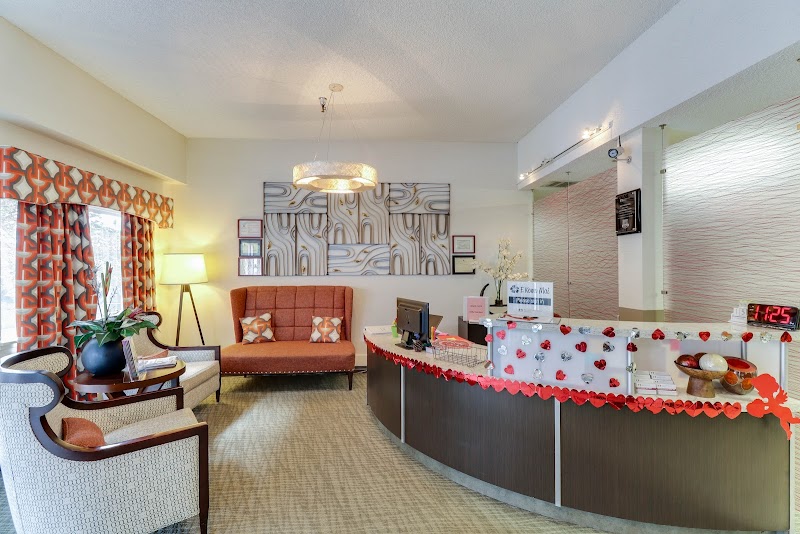
How is Avalon - Honolulu, Llc Staffed?

CMS rates AVALON CARE CENTER - HONOLULU, LLC's staffing level at 4 out of 5 stars, which is above average compared to other nursing homes. Staff turnover is 45%, compared to the Hawaii average of 46%. This relatively stable workforce can support continuity of care.

What Have Inspectors Found at Avalon - Honolulu, Llc?

State health inspectors documented 53 deficiencies at AVALON CARE CENTER - HONOLULU, LLC during 2023 to 2025. These included: 53 with potential for harm. While no single deficiency reached the most serious levels, the total volume warrants attention from prospective families.
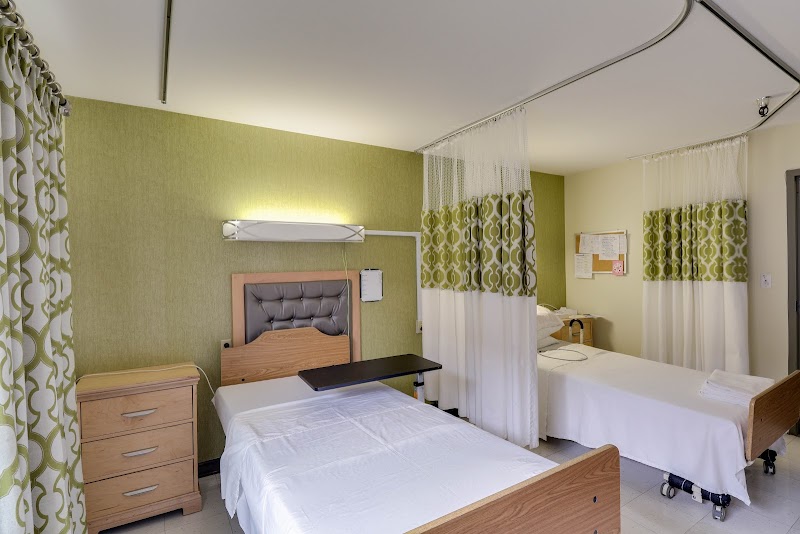
Who Owns and Operates Avalon - Honolulu, Llc?

AVALON CARE CENTER - HONOLULU, LLC is owned by a for-profit company. For-profit facilities operate as businesses with obligations to shareholders or private owners. The facility is operated by AVALON HEALTH CARE, a chain that manages multiple nursing homes. With 108 certified beds and approximately 94 residents (about 87% occupancy), it is a mid-sized facility located in HONOLULU, Hawaii.
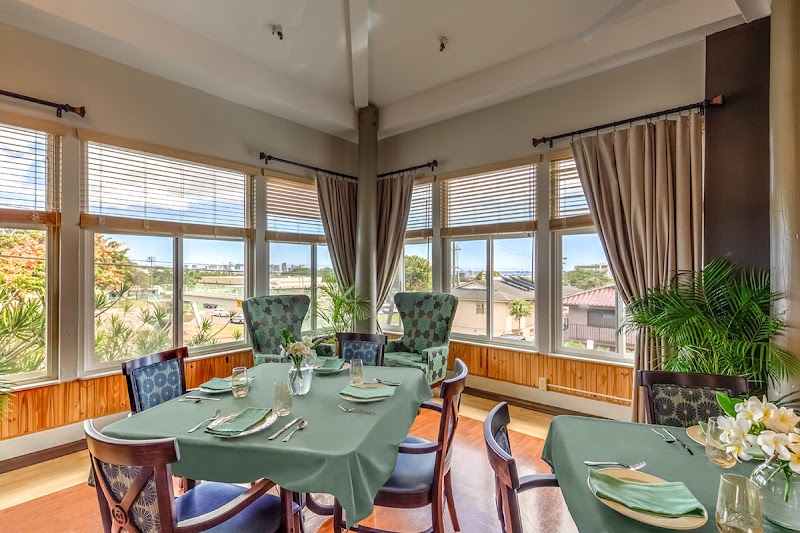
How Does Avalon - Honolulu, Llc Compare to Other Hawaii Nursing Homes?

Compared to the 100 nursing homes in Hawaii, AVALON CARE CENTER - HONOLULU, LLC's overall rating (3 stars) is below the state average of 3.4, staff turnover (45%) is near the state average of 46%, and health inspection rating (2 stars) is below the national benchmark.

What Should Families Ask When Visiting Avalon - Honolulu, Llc?

Based on this facility's data, families visiting should ask: "Can I visit during a mealtime to observe dining assistance and food quality?" "How do you handle medical emergencies, and what is your hospital transfer rate?" "Can I speak with family members of current residents about their experience?"

Is Avalon - Honolulu, Llc Safe?

Based on CMS inspection data, AVALON CARE CENTER - HONOLULU, LLC has a clean safety record: no substantiated abuse findings (meaning no confirmed cases of resident harm), no Immediate Jeopardy citations (the most serious violation level indicating risk of serious injury or death), and is not on the Special Focus Facility watch list (a federal program monitoring the lowest-performing 1% of nursing homes). The facility has a 3-star overall rating and ranks #100 of 100 nursing homes in Hawaii. While no facility is perfect, families should still ask about staff-to-resident ratios and recent inspection results during their visit.

Do Nurses at Avalon - Honolulu, Llc Stick Around?

AVALON CARE CENTER - HONOLULU, LLC has a staff turnover rate of 45%, which is about average for Hawaii nursing homes (state average: 46%). Moderate turnover is common in nursing homes, but families should still ask about staff tenure and how the facility maintains care continuity when employees leave.

Was Avalon - Honolulu, Llc Ever Fined?

AVALON CARE CENTER - HONOLULU, LLC has been fined $12,838 across 1 penalty action. This is below the Hawaii average of $33,207. While any fine indicates a compliance issue, fines under $50,000 are relatively common and typically reflect isolated problems that were subsequently corrected. Families should ask what specific issues led to these fines and confirm they've been resolved.

Is Avalon - Honolulu, Llc on Any Federal Watch List?

AVALON CARE CENTER - HONOLULU, LLC is not on any federal watch list. The most significant is the Special Focus Facility (SFF) program, which identifies the bottom 1% of nursing homes nationally based on persistent, serious quality problems. Not being on this list means the facility has avoided the pattern of deficiencies that triggers enhanced federal oversight. This is a positive indicator, though families should still review the facility's inspection history directly.