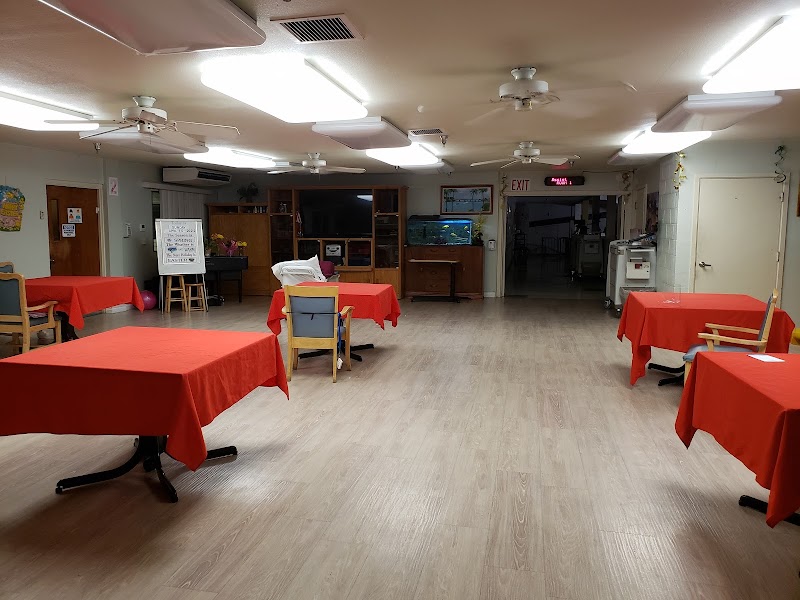
HALE MALAMALAMA

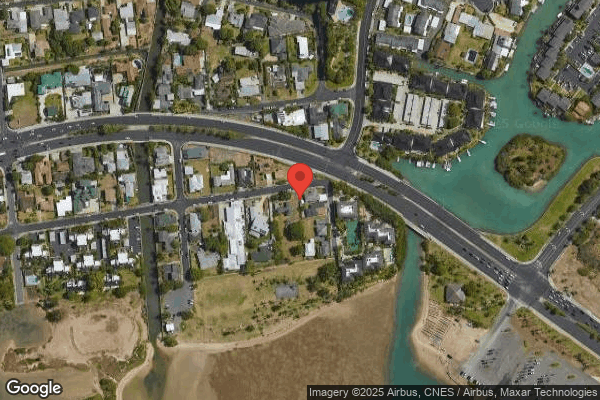
6163 SUMMER STREET, HONOLULU, HI 96821 (808) 396-0537
For profit - Corporation 40 Beds Independent Data: November 2025
Trust Grade
0/100
#32 of 41 in HI
Last Inspection: September 2024

Within standard 12-15 month inspection cycle. Federal law requires annual inspections.

Overview

Hale Malamalama has received a Trust Grade of F, indicating significant concerns about the quality of care provided. They rank #32 out of 41 nursing homes in Hawaii, placing them in the bottom half of facilities in the state, and #18 of 26 in Honolulu County, meaning only a handful of local options perform better. The facility is trending towards improvement, with issues decreasing from 6 in 2024 to 5 in 2025, but still has a long way to go. Staffing is a strength, with a rating of 4 out of 5 stars, though turnover is at 43%, which is average for Hawaii. The facility has accumulated $87,032 in fines, which is concerning as it is higher than all other facilities in the state, indicating ongoing compliance problems. Additionally, while RN coverage is average, there are serious deficiencies. Incidents include staff making inappropriate comments and neglecting to assist a resident with toileting, leading to emotional harm. Another serious issue involved failing to provide proper care for a resident allergic to iodine, which could cause pain. Lastly, a resident experienced avoidable falls due to inadequate safety measures and care plan oversight, resulting in visible bruises. Overall, while there are some strengths, the significant issues and poor trust grade warrant caution for families considering this facility.

Trust Score
F
0/100
In Hawaii
#32/41
Bottom 22%
Safety Record
High Risk
Review needed
Inspections
Getting Better
6 → 5 violations
Staff Stability
○ Average
43% turnover. Near Hawaii's 48% average. Typical for the industry.
Penalties
○ Average
$87,032 in fines. Higher than 64% of Hawaii facilities. Some compliance issues.
Skilled Nurses
✓ Good
Each resident gets 64 minutes of Registered Nurse (RN) attention daily — more than 97% of Hawaii nursing homes. RNs are the most trained staff who catch health problems before they become serious.
Violations
⚠ Watch
43 deficiencies on record. Higher than average. Multiple issues found across inspections.
★★☆☆☆
2.0
Overall Rating
★★★★☆
4.0
Staff Levels
★★★★★
5.0
Care Quality
★☆☆☆☆
1.0
Inspection Score
Stable
2024: 6 issues
2025: 5 issues

The Good

  • 4-Star Staffing Rating · Above-average nurse staffing levels
  • 5-Star Quality Measures · Strong clinical quality outcomes
  • Full Sprinkler Coverage · Fire safety systems throughout facility
  • No fines on record
  • Staff turnover below average (43%)

    5 points below Hawaii average of 48%

Facility shows strength in staffing levels, quality measures, fire safety.

The Bad

2-Star Overall Rating

Below Hawaii average (3.4)

Below average - review inspection findings carefully

Staff Turnover: 43%

Near Hawaii avg (46%)

Typical for the industry

Federal Fines: $87,032

Well above median ($33,413)

Moderate penalties - review what triggered them

The Ugly 43 deficiencies on record

3 actual harm
Jan 2025 5 deficiencies 1 Harm
SERIOUS (G) 📢 Someone Reported This

A family member, employee, or ombudsman was alarmed enough to file a formal complaint

Actual Harm - a resident was hurt due to facility failures

Free from Abuse/Neglect (Tag F0600)

A resident was harmed · This affected 1 resident

**NOTE- TERMS IN BRACKETS HAVE BEEN EDITED TO PROTECT CONFIDENTIALITY** Based on interview, record and document review, the facility failed to protect one resident (R)1 of two investigated for staff a...

Read full inspector narrative →
**NOTE- TERMS IN BRACKETS HAVE BEEN EDITED TO PROTECT CONFIDENTIALITY** Based on interview, record and document review, the facility failed to protect one resident (R)1 of two investigated for staff abuse/neglect. Specifically, Certified Nurse Assistant (CNA)2 was witnessed to make inappropriate, unsympathetic comments to R1, and willfully neglected to provide her the necessary services of toileting on more than one occasion. As a result of these willful acts, R1 suffered mental anguish and emotional harm. Findings include: 1) On 01/10/2025, the Office of Healthcare Assurance (OHCA) received an anonymous report of potential abuse of R1 (alleged victim/AV) by facility staff. The narrative account included but not limited to: - R1 was admitted to the facility on [DATE] for skilled nursing level of care after being hospitalized . - Presenting Problem: Allegations of physical abuse and psychological abuse of a [AGE] year old female short-term rehab (rehabilitation) resident by a male Certified Nursing Assistant (CNA) .and a female Certified Nursing Assistant. - On 01/07/2025, AV reported to .Social Worker (SW)1 that a male (alleged perpetrator/AP) and female AP threw her on the bed after she was done using the bedside commode and sustained a lump to the back of her head 5 days ago during the night.AV did not report this earlier because she was afraid of retaliation, so felt it better to remain quiet. - AV did not have any known pain/injury, but was afraid. - AV needs care, but does not want to remain at facility because she is afraid due to the incident. - AV stated she knows staff get frustrated because she frequently asks to go to the bathroom. Reviewed the APS Incident Report completed by the SW1 submitted on 01/07/2025. The report included the following: - Abuse types: Caregiver Neglect, Physical Abuse, Psychological Abuse - Abuse indicators: Change in behavior or appearance, Failure to provide necessary care/health care in a timely manner, Injury-suspicious, Nervous, anxious, Threatened or intimidated. - Narrative-This afternoon, SW (SW1) had a conversation with the resident regarding her discharge planning and resident stated that she would prefer to go home as she has been mistreated by staff during the evening and night shifts. This is the first time the resident brought this up, so SW requested to elaborate more. Resident stated that 5 days ago, when she requested to be toileted, a man and a woman (CNAs) came into her room and were rough with her. She stated that she understands that it is hard because she keeps wanting to go to the bathroom and she knows that staff gets frustrated with her because of that, but that gives staff no right to treat her the way they do. Resident stated that on that night 5 days ago, .a male and female came into her room and were rough with her while pulling her off the bedside commode. The 2 CNA's threw her on the bed with no care and she sustained a lump on the back of her head. SW checked resident's head and found a lump on the back of her head and immediately reported to the DON (Director of Nursing) and [sic] who came to take a look and also saw the lump on the back of resident's head. SW asked the resident why she waited so long before saying anything, and the resident stated that staying quiet is better as she does not want any staff to retaliate against her and she appeared anxious when she said that. SW told the resident she needs to make a report immediately when something happens like that, and if she does, she is not putting anyone in trouble as these CNAs are here to care for the residents and not to hurt them. 2) Review of Medical records revealed R1 is a [AGE] year old Korean female admitted to the facility on [DATE]. She had medical diagnosis that included cancer of the stomach, Type 2 Diabetes, hypertension, heart disease, atrial fibrillation, repeated falls, weakness, ascitis (accumulation of fluid in the cavity of the abdomen), Stage 2 coccyx pressure ulcer and is vision impaired. She has occasional bladder incontinence and is on diuretic therapy for her edema, hypertension and congestive heart failure. R1 is a fall risk due to her impaired mobility and weakness. She was able to bear weight, but required assistance for transfers, and to use the toilet. R1's baseline was that she was alert, oriented, and although primary language was Korean, she spoke and understood English well and a translator was not needed Her records included a Physician Certificate of Capacity dated 12/17/2024 that certified R1 had the ability to understand significant benefits, burdens, risks, and alternatives to proposed health care and does have the ability to make and communicate health care and financial decisions. Her BIMS (Brief Interview for Mental Status/snapshot of cognitive functioning) score was 14, which indicates intact cognitive response on the MDS (Medical Data Sheet) dated 12/24/2024. Reviewed R1's progress notes that included: 01/07/2025 at 02:45 PM, Social Services note by Social Worker (SW)1: . This afternoon, SW had a conversation with the resident regarding her discharge planning and resident stated that she would prefer to go home as she has been mistreated by staff during the evening and night shifts. This is the first time the resident brought this up, so SW requested to elaborate more. Resident stated that 5 days ago, when she requested to be toileted, a man and a woman (CNA) came into her room and were rough with her. She stated that she understands that it is hard because she keeps wanting to go to the bathroom and she knows that staff gets frustrated with her because of that, but that gives staff no right to treat her the way they do. Resident stated that on that night 5 days ago, .a male and female came into her room and were rough with her while pulling her off the bedside commode. The 2 CNA's threw her on the bed with no care and she sustained a lump on the back of her head. SW checked resident's head and found a lump on the back of her head and immediately reported to the DON and who came to take a look and also saw the lump on the back of resident's head. SW asked the resident why she waited so long before saying anything, and the resident stated that staying quiet is getter as she does not want any staff to retaliate against her and she appeared anxious. 01/07/2025 at 03:52 AM, Nursing Behavior note entered by RN3: . Res (Resident/R1) continues to be awake most of the time throughout the night, requesting to be on recliner, bed, commode, sitting in bed, falling asleep, calling out help me, expressed being afraid but don't know what, requesting staff to stay with her all the time, explained why we cant [sic] stay beside her for a long time. 3) Reviewed staff statements the facility collected during their investigation, which included: RN2's email statement provided on 01/15/2025 regarding events week of 12/30/2024: On my noc shift, R1 was under the care of CNA2. Throughout the shift, R1 would request for assistance to transfer to the toilet . This is a common request of R1 given her health status.I observed CNA2 telling R1 that she was not going to transfer her to commode because she had just moved her back into bed. Despite her pleas, CNA2 ignored R1. CNA2 would be seen not wearing a mask in R1's room. When R1 would cough, CNA2 would say, Cover your mouth, and if I get sick I'm blaming you. RN1's typed statement dated 01/15/2025 regarding the shift on 01/06/2025: CNA reporting resident (R)1 requiring more assistance with toileting, unable to bear weight and a major fall risk with only one CNA. Around 1930, noted yelling coming from the dining room. Resident requesting to go to the toilet; however CNAs not taking resident as they claimed, she just went and didn't do anything. Resident getting upset at staff and raising voice, to which one CNA (CNA2) responded by also raising voice to resident. Shouting between resident and CNA2 increased to a point where writer asked what was happening.Writer told resident that CNA will take her to the toilet in a few minutes. 4) On 01/29/2025 at 09:00 AM interviewed SW1 in the conference room. She said when she met with R1 about discharge planning, she said she wanted to go home because of how she was mistreated. She told SW1 that a certain night CNAs were rough with her and she sustained a hematoma on her head. She said R1 initially could not identify the CNAs and did not want to file a complaint for fear of retaliation, but later identified the male (CNA1). SW1 said after interviewing other staff, about three days later, she found out about an argument CNA2 had with R1 that was witnessed and overheard. SW1 said she reported this incident to the DON. She said she checked in with R1 to see how she was doing several times and that the incident really upset R1 and that she became teary eyed and they cried together. On 01/30/2025 at 01:30 PM, conducted an interview with CNA2 on the telephone. She said she often cared for R1, and that she had been deteriorating. She went on to say R1 is hard to get up to stand, get back to bed and that she asks to go to the bathroom every five minutes. When inquired if she knew why R1 feels she had to go to the bathroom so often, she said No, they said she has cancer, that's all I know. She has medicine for her to pee a lot. CNA2 described the routine care she provided to R1, which was to assist her with getting to the commode at bedside at noc. She said she would give her the walker and guide her to the commode a few steps away, and that one person could provide this assistance safely. CNA2 went on to say during the day R1 usually was in the recliner in the dining area and would often need assist to the bathroom. She said she worked the 02:00 PM to 10:00 PM shift and the night shift 01/06/2025, and recalled R1 being in the dining area and that she took her to the bathroom. CNA1 said she told her to stay awhile and she would return. After she returned and put her in the dining area, about five minutes later, she wants to go [NAME] (urinate) again. I told her I would take her at 09:00 PM before putting her to bed. I told her Mama if you feel like going, then you can use the diaper because that day she had a hard time to stand up. I told her I'd just finish my work. I told her that she needs to sleep and she can use diaper so she can sleep. This is the only time I told her to use her diaper. On 01/31/2025 at 11:32 AM, during another interview with SW1, she confirmed that R1 was cognizant until the last couple of days and that her mental status had declined and she was no longer responding to questions and only speaking Korean. Inquired if the facility had completed their investigation of the allegation of mistreatment related to the bump on R1's head, and she referred to the Investigion Report Form. She went on to say the investigation was completed and it was not substantiated as they could not identify any witnesses or specific event that might have caused the injury. SW1 said there were eye witness accounts of the argument, so they did substantiate verbal abuse. Review of the Investigation Report Form revealed it contained no details related to the verbal comments CNA2, made to R1, or that she neglected to provide the needed services of toileting. On 01/30/2025 at 10:20 AM, interviewed RN3 by telephone. Inquired about the behavior note she wrote on R1 01/07/2025. She confirmed she wrote the note, and that R1 was afraid to be alone that night, and wanted someone there with her all the time. RN3 said they left the lights, and she thought maybe it was a new environment for R1. She said she did not pursue the issue further or ask why she was afraid. 5) Observed R1 in bed. She was awake, appeared comfortable, but unable to answer questions.
CONCERN (D) 📢 Someone Reported This

A family member, employee, or ombudsman was alarmed enough to file a formal complaint

Potential for Harm - no one hurt, but risky conditions existed

Report Alleged Abuse (Tag F0609)

Could have caused harm · This affected 1 resident

**NOTE- TERMS IN BRACKETS HAVE BEEN EDITED TO PROTECT CONFIDENTIALITY** Based on interviews and record review, the facility failed to report two of a sample size of two allegations of Resident (R)1 an...

Read full inspector narrative →
**NOTE- TERMS IN BRACKETS HAVE BEEN EDITED TO PROTECT CONFIDENTIALITY** Based on interviews and record review, the facility failed to report two of a sample size of two allegations of Resident (R)1 and R2 abuse/neglect as mandated to the Office of Healthcare Assurance (OHCA). The Administrator (ADM)was not notified immediately of R1's allegation of mistreatment, and the facility failed to notify OHCA of results and actions taken. Findings include: 1) On 01/10/2025, the Office of Healthcare Assurance (OHCA) received an anonymous report of potential abuse of R1 (alleged victim/AV) by a staff member of the facility. The narrative account included: - R1 was admitted to the facility on [DATE] for skilled nursing level of care after being hospitalized . - Presenting Problem: Allegations of physical abuse and psychological abuse of a [AGE] year old female short-term rehab (rehabilitation) resident by a male Certified Nursing Assistant (CNA) .and a female Certified Nursing Assistant. - On 01/07/2025, AV reported to .Social Worker (SW)1. that a male (alleged perpetrator/AP) and female AP threw her on the bed after she was done using the bedside commode and sustained a lump to the back of her head 5 days ago during the night.AV did not report this earlier because she was afraid of retaliation, so felt it better to remain quiet. - AV did not have any known pain/injury, but was afraid. - AV needs care, but does not want to remain at facility because she is afraid due to the incident. -AV stated she knows staff get frustrated because she frequently asks to go to the bathroom. - Facility is in the process of doing an investigation. Record review revealed the following: 01/07/2025 at 02:45 PM Social Service (SS) note by SW1: . This afternoon, SW had a conversation with the resident regarding her discharge planning and resident stated that she would prefer to go home as she has been mistreated by staff during the evening and night shifts.Resident stated on that [sic] night 5 days ago, .a male and female came into her room and were rough with her while pulling her off the bedside commode. The 2 CNA's threw her on the bed with no care and she sustained a lump on the back of her head. SW checked resident's head and found a lump on the back of her head and immediately reported to the DON (Director of Nursing) and who came to take a look and also saw the lump on the back of resident's head.told the resident that a report would be put into APS, . On 01/29/2025 at 02:00 PM. interviewed the DON in the conference room. She said she was informed of the incident by SW1 on 01/07/2025. The DON said the Administrator (ADM) was notified two days later. When asked what the delay was notifying the ADM, she replied I thought SW1 had already informed her. On 01/30/2025 at 12:30 PM interviewed the ADM in the conference room with the DON. She said she was aware a CNA was accused of verbal abuse and was going to determine actions based on the APS and OHCA investigations. The ADM said she had learned of the second case around the time OHCA came in, and thought that one had been resolved. On 01/31/2025 at 11:30 AM, interviewed SW1 in the conference room. At that time, SW1 confirmed this case was actively being investigated by APS, and confirmed the allegation and findings (within 5 days) had not been reported to OHCA. She said when she was made aware of the event, she notified the DON, but did not notify the Administrator (ADM). 2) On 01/14/2025, OHCA received an anonymous report of caregiver neglect of R3. The report alleged on 12/18/2024, caregivers did not provide the necessary services and care to R3 when she was soiled with feces and needed a diaper change. Despite the fact that APS notified the facility they opened a case related to R3 for investigation, and the facility knew of concerns related to R3 being soiled and CNA assignments, the facility failed to investigate for neglect and notify OHCA. 3) Reviewed the facility policy titled Reporting Abuse to Facility Management, with date at bottom of policy 04/00. The policy included: 4. When an alleged or suspected case of mistreatment, neglect, injury of an unknown source, or abuse is reported, the facility administrator, or his/her designee, will notify the following persons or agencies of such incident: a. The State Licensing/Certification agency (OHCA) responsible for surveying/licensing the facility; . Reviewed the facility policy titled Protection of Residents During Abuse Investigations with date at bottom of policy 09/07. The policy included: 2. Upon completion of the investigation, the resident, the resident's representative, the ombudsman, state survey and certification agencies (OHCA) .will be provided a written report of the findings of the investigation and summary of corrective action taken to prevent such incident from recurring. Reviewed the facility policy titled Reporting Abuse to State Agencies and Other Entities/Individuals with date at bottom of policy 04/00. The policy statement was All alleged/suspected violations and all substantiated incidents of abuse will be promptly reported to appropriate state agencies and other entities or individuals as may be required by law. The policy included 1. Should an alleged/suspected violation or substantiated incident of mistreatment, neglect, injuries of unknown source, or abuse . be reported, the facility administrator, or his/her designee, will promptly notify the following persons to agencies (verbally and written) of such incident: a. Department of Health Office of Healthcare Assurance; .
CONCERN (D) 📢 Someone Reported This

A family member, employee, or ombudsman was alarmed enough to file a formal complaint

Potential for Harm - no one hurt, but risky conditions existed

Investigate Abuse (Tag F0610)

Could have caused harm · This affected 1 resident

**NOTE- TERMS IN BRACKETS HAVE BEEN EDITED TO PROTECT CONFIDENTIALITY** Based on interviews and document review, the facility failed to provide evidence they conducted thorough investigations of two R...

Read full inspector narrative →
**NOTE- TERMS IN BRACKETS HAVE BEEN EDITED TO PROTECT CONFIDENTIALITY** Based on interviews and document review, the facility failed to provide evidence they conducted thorough investigations of two Resident (R)1 and R3 abuse/neglect allegations of a sample of two. In addition, the facility failed to remove the alleged perpetrators immediately when identified for R1's case. The facility also failed to internally investigate an Adult Protective Services (APS) case on R3 for neglect to provide needed services because they felt it was a resolved issue with staff assignments. Due to this deficiency, the underlying issue of providing timely services was not investigated to identify any quality issues or neglect. Findings included: 1) R1 is a [AGE] year old female admitted to the facility from the hospital on [DATE] for skilled nursing services. She had a history that included, but not limited to hypertension, cardiomyopathy, heart failure, atrial fibrillation, malignant neoplasm of stomach, malignant ascites, Type 2 Diabetes, difficulty in walking and muscle weakness. On [DATE], R1 informed the Social Worker (SW)1 she had been mistreated. Request made for all facility investigation documents related to R1's allegation. Documents provided included the Investigation Report Form dated [DATE] and copies of staff statements. The Investigation Details included: - Investigator Names: Director of Nursing and Social Worker - Date of investigation: [DATE] to present - Resident interviews conducted [DATE] and [DATE]. - Investigation Findings included choices to be marked Yes or No. The choices were: Substantiated, Unsubstantiated or Unable to Determine. The form was marked Yes for unsubstantiated, with the comment for lump on back of resident's head. - DON and SW1 conducted extensive interviews with all staff members, including over the phone interview with alleged perpetrators. Investigators could not substantiate or find reasonable reasons for how resident got bump on back of her head. - All CNA and nursing staff members in-serviced regarding resident abuse and neglect and a safety plan was developed for the resident by updating residents care plan and making sure that resident receives adequate supervision to prevent issues of abuse/neglect in the future. - Some risk factors identified during the investigation are as follows: 1. Urge Incontinence/Fluid accumulation which are all due to her health status. 2. Lack of staff training about individualized care in order to support residents needs, capabilities, and rights. DON implemented consistent staffing assignments and took steps to ensure adequate staffing at all times. Statements of staff scheduled the PM and Night shift of [DATE] were collected by SW1. The statements revealed information that CNA2 displayed inappropriate behaviors and neglected to assist R1 to the bathroom in timely manner on more than one occasion. Other performance issues were identified, but not related to R1. On [DATE] at 09:00 AM interviewed SW1 in the conference room. She confirmed R1 informed her of mistreatment on [DATE]. SW1 said she immediately reported it to the DON, APS and initiated the investigation as directed by the DON. She said she did not notify the Administrator or OHCA. SW1 said when CNA1 was identified, she recommended the DON or Administration interview CNA1 due to a previous encounter she had with him. SW1 went on to say, about three days into the investigation she found out about an argument CNA2 had with R1 and that she refused to take her to the bathroom and provide services. On [DATE] at 10:20 AM, a second interview was conducted with SW1 after review of the investigation packet provided. At that time inquired if she interviewed CNA2 and CNA3. She said she talked to them on the phone, but they could not remember anything. SW1 said there was no documentation of time or date of the calls, or specifics of the interview. SW1 said interviews were not conducted with other residents these staff cared for. On [DATE] at 11:00M, a third interview was conducted with SW1. Inquired if the facility had completed their investigation, and she said yes, and referred to the investigation summary referenced above, dated [DATE]. She went on to say they did not substantiate physical abuse as there were no witnesses to any event that might have caused the bump on R1's head, but that they did substantiate the verbal abuse because there were eye witness accounts of the incident. When inquired what action had been taken to prevent any further occurrence, she said it would be up to administration, and to her knowledge, there was discussion about progressive disciplinary action. She confirmed all three CNAs were still suspended. On [DATE] at 01:30 PM, conducted an interview with CNA2 on the telephone. She confirmed she was on suspension related to the care of R1. CNA2 said the Administrator called her and told her there was a problem and she would be off the schedule, and to wait for a call from APS. She said she tried to contact the DON, but unable to reach her. CNA2 said she did not know specifics of the concern and was not asked to provide a written statement. She said she had not yet talked to APS. On [DATE] at 02:45 PM, conducted an interview with CNA1 on the telephone. He said he had been contacted by the DON first, and then SW1 about one week after the suspension. They told me that my name came up related to R1, and to wait for the APS investigation. CNA1 confirmed he worked scheduled shifts after the date the allegation was made, and prior to the suspension. On [DATE] at 01:00 PM, interviewed the DON in the conference room. She said she was informed of the incident by SW1 on [DATE]. When inquired what happened after she was informed, she said I told her to do an inservice for abuse, an incident report and chart if R1 had any decline in condition. Inquired who was in charge of the investigation, she said SW1 should initiate the investigation and I will collaborate with her. The DON said the ADM was notified two days later because she thought the SW1 had already informed her. On [DATE] at 12:30 PM interviewed the Administrator (ADM) in the conference room with the DON. The ADM said she had heard that a CNA was accused of verbal abuse, and that they were going to wait until the OHCA and APS investigation was complete to determine what actions to take. She said SW1 is doing the investigation. When asked if any abuse had been substantiated, she replied, I relied on SW1. Discussed the requirement of the facility to timely conduct their own internal investigation with findings and take action on those findings to prevent any future occurrence. Timeline events and investigation: [DATE] at 02:45 PM: R1 informed SW1 she has been mistreated by staff during the evening and night shifts. Said the CNA's threw her on the bed with no care and she sustained a lump on the back of her head. Reported to the DON and who came to take a look and also saw the lump on the back of resident's head.told the resident that a report would be put into APS (adult protective services), . SW will conduct an investigation as mandated. [DATE] at 05:10 PM, SS progress note by SW1: MD notified of resident's injury. [DATE] at 07:36 PM, Health Status Note by Nursing: Exam by physician. [DATE] and [DATE], CNA1 and CNA worked and provided care to residents. [DATE] at 03:37 PM, SS progress note by SW1: : Investigations was [sic] carried out by the DON (Director of Nursing) and SW and staff were interviewed. [DATE] at 05:19 PM, SS progress note: .All staff members (CNA1, CNA2 and CNA3) that were named/described by resident will have no contact with any resident until the investigation is done by APS.Ongoing investigation continues . Staff suspended (CNA1, CNA2 and CNA3) pending investigation after facility had discussion with APS. [DATE]: The DON signed the Investigation Report Form, documented Investigators could not substantiate or find reasonable reasons for how resident got the bump on back of her head. [DATE]: Staff statements collected and included accounts of inappropriate comments CNA2 made to R1, as well as refusal to provide services needed to take her to the bathroom. There were no statements from CNA1, CNA2 or CNA3. [DATE]-[DATE]: OHCA investigation. At the time of survey, all three CNA's were still suspended and waiting to hear from the facility regarding findings. Cross Reference F600 Free from Abuse/neglect The facility failed to protect R1 from verbal abuse and neglect to provide needed services of toileting. CNA2 refused to assist R1 to the toilet, witnessed shouting at R1 and reported to have made other inappropriate comments. CNA2 stated during interview that she told R1 to urinate in her diaper. As a result of these willful acts, R1 suffered mental anguish and emotional harm. 2) R3 was a [AGE] year old female admitted to the facility on [DATE]. Her medical diagnosis included but not limited to chronic kidney disease, Type 2 Diabetes, hypertension, dysphasia, Hemiplegia and hemiparesis affecting right dominant side following stroke, full incontinence of bowel and bladder. R3 is dependent on staff for meeting emotional, physical and social needs due to her physical limitations. She was on hospice and expired on [DATE]. The facility was notified by APS that they opened a case for R3 and requested documents. Reviewed a typed unsigned statement that included On [DATE]. I was the evening Charge Nurse .when 1 CNA came to me and told me that the agency CNA and a regular staff of the facility are arguing loudly inside room [ROOM NUMBER]. I went to intervene and saw them close to eachother still arguing. Prior to the incident, I learned that they were arguing about resident assignment .When asked if she (agency CNA) can change the said resident (R3), the agency CNA agreed to change her.After separating them, I was not really sure what happened why they came to a point where they are shouting to each other. I just wanted to separate them. On [DATE] at 10:00 AM, interviewed the DON in the conference room. At that time, she said she was aware of a situation with R3 on [DATE], and that she was in charge at that time. The DON confirmed the unsigned statement referenced above was hers. She went on to say there was an issue with CNA assignments at change of shift but that the issue had been resolved and assignments had been worked out. The DON said apparently R3 was found to be soiled by the assigned CNA, and there was a question of why she had been assigned to that particular resident. The DON said she had recently been made aware that there was a APS case opened on R3. When inquired if she reviewed R3's medical records to identify any potential care issues and specifically if she had reviewed the CNA task documentation for timely brief changes on [DATE], since this had been brought to her attention, she replied no. The DON reviewed the documentation and agreed there was lack of evidence R3 had been checked every two hours for incontinence that day. There was no investigation to identify any care issues or neglect to provide services conducted by the facility after the CNA expressed concern of staff not changing residents in a timely manner and the incident that occurred on [DATE]. It was viewed as an interpersonal conflict between staff related to assignments which was considered resolved. Cross Reference F684 Quality of care The facility failed to provide the needed incontinence care and standards of practice for R3, which was to check her every two hour checks to ensure she was clean and dry. RR revealed staff did not provide these checks on multiple occasions, which put her at increased risk of skin breakdown. On review of CNA task documentation revealed on [DATE], R3 was checked at 12:00 PM, and not again until 07:25 PM. 3) Reviewed the facility policy titled Protection of Residents During Abuse Investigations with date at bottom of page 08/07. The policy included: -The policy statement Our facility will protect residents from harm during investigations of abuse allegations. - 1. During abuse investigations, residents will be protected from harm by the following measures: a. Employees accused of the alleged abuse will be immediately reassigned to duties that do not involve contact with any resident or will be suspended with or without pay until the findings of the investigation have been reviewed by the administrator or representative clearing the employee of any wrong doing. b. Duties that do not involve contact with any resident include work in the dietary department or the administrative office. Reviewed the facility policy titled Abuse Investigations with date 08/07 at bottom of page. The policy included: - Policy statement: All reports of resident abuse, neglect, and injuries of an unknown source shall be promptly and thoroughly investigated by .management. - 3. The individual conducting the investigation will , at [sic] a minimum: . i. Interview other residents to whom the accused employee provides care or services; .
CONCERN (D) 📢 Someone Reported This

A family member, employee, or ombudsman was alarmed enough to file a formal complaint

Potential for Harm - no one hurt, but risky conditions existed

Deficiency F0657 (Tag F0657)

Could have caused harm · This affected 1 resident

**NOTE- TERMS IN BRACKETS HAVE BEEN EDITED TO PROTECT CONFIDENTIALITY** Based on interviews and record review, the facility failed to timely update one Resident's(R)1 care plan. R1 initially required ...

Read full inspector narrative →
**NOTE- TERMS IN BRACKETS HAVE BEEN EDITED TO PROTECT CONFIDENTIALITY** Based on interviews and record review, the facility failed to timely update one Resident's(R)1 care plan. R1 initially required one assist for toileting/transfers. When her condition declined, she required two person assist and then the Hoyer lift to safely transfer her, but the facility did not revise her CP in a timely manner. As a result of this deficiency, there was the potential not all staff were aware of what assistance R1 required to provide safe transfers, increasing the potential for falls with injury or harm. Findings include: R1 is a [AGE] year old female admitted to the facility from the hospital on [DATE] for skilled nursing services. She had a history that included, but not limited to hypertension, cardiomyopathy, heart failure, atrial fibrillation, malignant neoplasm of stomach, malignant ascites, Type 2 Diabetes, difficulty in walking and muscle weakness. Reviewed the electronic medical record which included the following entries: 01/03/2025 at 02:44 PM, Nursing note: .Toileted by staff with extensive assist as per request. 01/05/2025 at 03:37 AM, Nursing note: While trying to put her in recliner, knee buckled and staff slide [sic] and guided down the Res (resident) to the floor. No c/o of pain. Able to get up with 2 assist with good weight bearing.: 01/06/2025 09:35 PM, Nursing note: .CNA reports resident requiring more assistance with toileting. 01/07/2025 12:52 PM, Nursing note: Resident had her last PT (physical therapy) session this shift and able to participate with some activities given by the therapist, but weakness noted per PT. 01/22/2025 02:10 PM, Social Services note: Late entry significant change for 01/16/2025: Resident was readmitted to .Hospice on 01/08/2025 as she was previously on hospice before she had a fall and sent to the hospital. She has hospice diagnosis of Gastric Cancer .she requires extensive to total assistance with her ADL's (activities of daily living) and care due to increased weakness. She is unable to ambulate but can bear weight partially and requires 2-3 staff assistance during transfers. Reviewed R1's active care plan (CP), which included the focus The resident has an ADL self-care performance deficit r/t (related to) impaired mobility, muscle weakness. The interventions included the following: - Toilet Use: The resident requires substantial/maximal assistance by (1) staff for toileted. Date initiated 12/26/2024. Revision on 01/15/2025. - Transfer: The resident requires substantial/maximal assistance by (1) staff to move between surfaces as necessary. Revision on 01/15/2025. R1 was documented to require more assistance with toileting on 01/06/2025 and on 01/22/2025, indicated she required 2-3 staff assistance for transfers. On 01/28/2025, it was documented she required the Hoyer lift for transfers. The CP was not revised to include these changes in a timely manner.
CONCERN (D) 📢 Someone Reported This

A family member, employee, or ombudsman was alarmed enough to file a formal complaint

Potential for Harm - no one hurt, but risky conditions existed

Quality of Care (Tag F0684)

Could have caused harm · This affected 1 resident

**NOTE- TERMS IN BRACKETS HAVE BEEN EDITED TO PROTECT CONFIDENTIALITY** Based on observation, record review (RR) and interviews, the facility failed to provide the needed incontinence care and standar...

Read full inspector narrative →
**NOTE- TERMS IN BRACKETS HAVE BEEN EDITED TO PROTECT CONFIDENTIALITY** Based on observation, record review (RR) and interviews, the facility failed to provide the needed incontinence care and standards of practice for two residents, (R)2 and R3, of a sample size of three that needed incontinence care. This deficient practice has the potential to affect any resident requiring incontinence care. Findings include: 1) R2 is a [AGE] year old female admitted to the facility on [DATE]. She has a medical history that includes but not limited to dementia, retention of urine, muscle weakness, difficulty walking and syncope. She is chairfast and has very limited ability to change position without moderate to maximum assistance, and is considered high risk for developing pressure sores. Reviewed R2's Care plan (CP) which included the following: - Date initiated: [DATE]: The resident has bladder incontinence r/t (related to) Dementia, Impaired Mobility. - Interventions initiated [DATE] included Brief use: The resident uses disposable briefs. Check every 2 hours and prn (as needed) and change prn., and Incontinent: Check every 2 hours and as required for incontinence. Wash, rinse and dry perineum. Change clothing PRN after incontinence episodes. Reviewed the documentation of Certified Nurse Assistant (CNA) tasks for the period of [DATE] through [DATE], which revealed bladder elimination was not checked and documented every two hours per R2's CP, facility policy, or current standard of care. The entries below are not all inclusive of missed checks for incontinence care by the nursing staff: - [DATE] checked at 11:27 PM. (incontinent). Next check [DATE] at 09:48 AM (did not void). - [DATE] checked at 11:21 PM. Next check [DATE] at 06:00 AM (incontinent both times). - [DATE] checked at 11:10 PM. Next check [DATE] at 06:00 AM (incontinent both times). - [DATE] checked at 12:00 PM. Next check [DATE] at 05:11 PM (incontinent both times). - [DATE] checked at 11:36 PM. (incontinent). Next check [DATE] at 09:42 AM (did not void). - [DATE] checked at 01:10 PM. Next check [DATE] at 07:33 PM (incontinent both times). - [DATE] checked at 11:03 PM. Next check [DATE] at 09:22 AM (incontinent both times). - [DATE] checked at 11:18 PM. Next check [DATE] at 09:45 AM (incontinent both times). - [DATE] checked at 01:30 PM. Next check [DATE] at 07:44 PM (incontinent both times). - [DATE] checked at 11:07 AM. Next check [DATE] at 07:23 PM (incontinent both times). - [DATE] checked at 12:57 PM. Next check [DATE] at 08:43 PM (incontinent both times). - [DATE] checked at 03:44 PM. Next check [DATE] at 08:45 PM (incontinent both times). - [DATE] checked at 11:07 PM. Next check [DATE] at 10:01 AM (incontinent both times). - [DATE] checked at 12:00 PM. Next check [DATE] at 08:16 PM (incontinent both times). - [DATE] checked at 10:56 PM. Next check [DATE] at 11:10 AM (incontinent both times). - [DATE] checked at 12:54 PM. Next check [DATE] at 08:22 PM (incontinent both times). 2) R3 was a [AGE] year old female admitted to the facility on [DATE]. Her medical diagnosis included but not limited to chronic kidney disease, Type 2 Diabetes, hypertension, dysphasia, Hemiplegia and hemiparesis affecting right dominant side following stroke, full incontinence of bowel and bladder. R3 is dependent on staff for meeting emotional, physical and social needs due to her physical limitations. She was on hospice and expired on [DATE]. Reviewed R3's Care plan (CP) which included the following: - Date initiated: [DATE]: The resident has bladder incontinence r/t Impaired Mobility. - Interventions initiated [DATE] included Brief use: The resident uses disposable briefs. Check every 2 hours and prn and change prn. Clean peri-area with each incontinence episode, and Incontinent: Check every 2 hours and as required for incontinence episodes. Reviewed the documentation of Certified Nurse Assistant tasks for the period of [DATE] through [DATE], which revealed bladder elimination was not checked and documented every two hours per R3's CP, facility policy, or current standard of care. The entries below are not all inclusive of missed checks for incontinence by the nursing staff: - [DATE] checked at 12:58 PM. Next check [DATE] at 07:06 PM (incontinent both times). - [DATE] checked at 11:00 PM. Next check [DATE] at 05:51 AM (incontinent both times). - [DATE] checked at 01:13 PM. Next check [DATE] at 07:45 PM (incontinent both times). - [DATE] checked at 10:56 PM. (incontinent) Next check [DATE] at 06:00 AM (Did not void). - [DATE] checked at 12:00 PM. Next check [DATE] at 07:25 PM (incontinent both times). - [DATE] checked at 11:23 PM. Next check [DATE] at 11:45 AM (incontinent both times). On [DATE], the DON was made aware that R2 had been found by oncoming CNA incontinent of bowel and bladder. 3) Reviewed the facility policy (not dated) titled Perineal Care For The Incontinent Patient. The policy purpose included 2. Perineal care is completed every morning and/or after each incontinence episode. At the bottom of the policy was REMINDERS: *Check the patient every two hour for incontinence. 4) On [DATE] at 01:50 PM, interviewed CNA1 in the conference room. CNA1 said she was familiar R3, and she needed to have her briefs checked every one to two hours due to incontinence. At that time, she said the policy and expectation was that the staff were suppose to document every two hours whether the resident voided or not. On [DATE] at 10:40 AM, interviewed the Director of Nursing (DON) in the conference room. She said the facility policy for incontinence care was to check the resident every two hours to see if they needed to be changed, and to document in the computer if the resident was incontinent or did not void. At that time, reviewed the documentation of CNA tasks for incontinence checks on R3 and the DON confirmed the gaps in documentation. She said staff may have been busy and unable to document, but agreed it was the expectation to do so.
Sept 2024 6 deficiencies
CONCERN (D)

Potential for Harm - no one hurt, but risky conditions existed

Resident Rights (Tag F0550)

Could have caused harm · This affected 1 resident

Based on observations, interviews, and record review, the facility failed to treat one of 13 sampled residents (Resident (R) 4) with respect and dignity while assisting with R4's meal. This deficient ...

Read full inspector narrative →
Based on observations, interviews, and record review, the facility failed to treat one of 13 sampled residents (Resident (R) 4) with respect and dignity while assisting with R4's meal. This deficient practice has the potential to negatively affect R4's environment in promoting and maintaining her quality of life. This deficient practice has the potential to affect the residents that need assistance with their meals. Findings Include: Observation was conducted on 09/24/24 at 11:42 AM in R4's room. Certified Nurse Aid (CNA) 7 was observed assisting R4 with her lunch. CNA7 was sitting on R4's bed while assisting her with feeding. CNA7 stated that sometimes the CNAs would sit on R4's bed when assisting her with her meals due to a shortage of stools. At the same time and in the same room, CNA15 was observed assisting an unsampled resident with feeding. CNA15 was standing up. CNA15 stated that she usually stands up when assisting residents with their meals because it is easier. Interview was conducted with the Director of Nursing (DON) on 09/26/24 at 09:26 AM at the nurse's station. DON confirmed that CNAs who are assisting a resident with feeding should sitting down at eye level with the resident. DON stated that standing up and sitting down on a resident's bed while assisting with feeding is not okay. A review of the facility policy titled, Resident Rights-Respect, Dignity/Right to Have Personal Property, dated 04/24, was conducted. The policy documented, The resident has a right to be treated with respect and dignity .
CONCERN (D)

Potential for Harm - no one hurt, but risky conditions existed

Deficiency F0657 (Tag F0657)

Could have caused harm · This affected 1 resident

Based on record review and interview, the facility failed to revise one of the 13 sampled residents (Resident (R) 18) care plan after R18 had a fall with injury. This deficient practice has the potent...

Read full inspector narrative →
Based on record review and interview, the facility failed to revise one of the 13 sampled residents (Resident (R) 18) care plan after R18 had a fall with injury. This deficient practice has the potential to place R18 at risk for future falls and has the potential to affect all 34 residents in the facility. Findings Include: A review of R18's Electronic Health Record (EHR) was conducted. R18's EHR documented that R18 had a fall on 07/19/24. A Registered Nurse (RN) note documented, Resident was conscious and responsive. Skin tears on right arm measuring 3x2cm, left arm 4x1 cm, right leg 2x1cm and abrasion on left elbow 1.5x0.2 cm. Bump and redness on the side of his right face. R18 was then sent out to the emergency room via ambulance. A review of R18's care plan was conducted. R18's care plan did not contain any update or revision for R18's plan of care after the fall on 07/19/24. Interview was conducted with the Director of Nursing (DON) on 09/26/24 at 09:26 AM at the nurse's station. After reviewing R18's care plan, DON confirmed that R18's care plan should have been revised after his fall on 07/19/24.
CONCERN (D)

Potential for Harm - no one hurt, but risky conditions existed

Deficiency F0761 (Tag F0761)

Could have caused harm · This affected 1 resident

Based on observations, interview, and facility policy review, the facility failed to ensure drugs and biologicals are stored in a locked compartment. Proper storage of medications is necessary to prom...

Read full inspector narrative →
Based on observations, interview, and facility policy review, the facility failed to ensure drugs and biologicals are stored in a locked compartment. Proper storage of medications is necessary to promote safe administration practices and to decrease the risk for diversion of resident's medications. This deficient practice has the potential to affect all 34 of the residents in the facility. Findings Include: Concurrent observation and interview were conducted on 09/26/24 at 07:10 AM in the dining room. The medication cart was seen left unattended and unlocked. Two staff members were seen walking pass the medication cart while accompanying a resident. Registered Nurse (RN) 4 was observed administering medications to R27, who was seated at the dining table. RN5 was facing the resident. When RN5 was queried about the unlocked medication cart, RN4 stated that she was nearby, but confirmed that the medication cart should have been locked since it was left unattended. Interview was conducted with the Director of Nursing (DON) on 09/26/24 at 09:30 AM at the nurse's station. DON confirmed that nurses should lock the medication cart when left unattended. A review of the facility policy titled, Medication Storage in the Facility, was conducted. The policy documented, Medications and biologicals are stored safely, securely, and properly .medication rooms, carts, and medication supplies are locked or attended by persons with authorized access.
CONCERN (E)

Potential for Harm - no one hurt, but risky conditions existed

Safe Environment (Tag F0584)

Could have caused harm · This affected multiple residents

Based on observation, interview, and record review. The facility failed to provide an orderly and comfortable home for the residents residing in the facility, due to the following: Resident care equi...

Read full inspector narrative →
Based on observation, interview, and record review. The facility failed to provide an orderly and comfortable home for the residents residing in the facility, due to the following: Resident care equipment that was not maintained was stored in one resident's room which gave it a disorderly and cluttered appearance. Staff working at night were noisy and disrupted the residents sleep. The temperature in the dining room/ activity room was too cold at night. The efforts of the resident council to address the concerns failed to resolve the problems that were ongoing. The deficient practice affects the rights of the residents to live in a homelike and comfortable environment. Findings include: 1)During an observation in Resident (R) 186 room on 09/25/24 at 08:13, an Oxygen (O2) concentrator was observed under the counter next to the right side of the bed and two (O2) tanks next to the bed. Verified with staff that R186 is not currently being treated with O2. One wheelchair, two footrests, and a cane were found on the floor at the head of the bed (behind the bed against the wall). During a second observation on 09/26/24 at 07:32 AM in R186 room, the regulator on top of one of the O2 tanks showed the needle was in the red zone indicating it was empty and needed to be refilled. The 02 concentrator under the counter on the right side of the bed had a smeared service date. An unlabeled O2 tubing with a nasal canula was laying on the counter. Requested and reviewed the policy Facility Preventive Maintenance (05/08). Purpose: In order to provide a safe environment for residents and staff, it is important that all care devices and equipment used in .be checked and maintained on a regular basis. Procedures. The following items will be inspected, checked, tested and/ or cleaned: Nursing Equipment: Oxygen Concentrators Check weekly. Service when necessary. Oxygen tanks. Check weekly and ensure that they are operational and full. Interview with the Director of Nursing (DON) on 09/27/24 at 09:30 AM in the central area next to the nurse's station. The surveyor asked the DON, if it is the facilities responsibility to provide the maintenance checks on the O2 equipment? The DON explained that R186 is on Hospice and the Hospice Nurse will report any problems with the equipment to the DON and the facility will either contact the provider to replace it or contact the maintenance supervisor to repair it. Routine maintenance is done by the facility maintenance staff. The surveyor shared observations of the equipment (02 Concentrator with no maintenance date and the 02 tank that is empty in the room). The DON confirmed that the maintenance staff should be checking it. The facility Maintenance Supervisor was unavailable for interview. 2) Surveyor received and reviewed the following concerns from the long-term care ombudsman who recently visited the facility: Housekeeping staff were spraying disinfectant and cleaning the dining room while the residents were eating; housekeeping staff mopped the floors without placing a caution wet floor sign; ongoing concerns about the dining room being too cold for the residents. Resident Council minutes dated 06/17/24 reviewed. Old business concerns and resolutions: R150 had a concern about the dining room temperature, but matter was resolved. Agenda new business .R150 stated that the temperature in the dining room has been set to cold again and even when the residents complain that they are cold, nothing is being done .He also suggests that staff should consider the feelings of the residents and be considerate because the nursing facility is considered their home and they should be able to feel comfortable. He also stated that staff are still noisy at night which keeps him up and asked if the staff can be disciplined so that the behavior is not repeated The Social Worker (SW) stated this ongoing problem has been reported to the DON and the Administrator and awaiting their response . Resident Council minutes dated 08/19/24 reviewed. Old business/ concerns .R150 had a concern about the dining room temperature and claimed that the Air Conditioner (A/C) is always cold again. SW notified the resident that a sign was placed on the (A/C) to show what temperature to leave it on but resident said no staff follows that or even takes the time to read it .New business R150 states that the staff continues to be noisy at night which prevents him from sleeping. Interview with the SW on 09/27/24 at 08:55 AM in the central area next to the nurses station. The surveyor asked the SW how the residents' concerns were addressed and if they were resolved? The complaints that I haven't been able to resolve has been about the staff being too loud at night, and the residents are complaining that they can't get any sleep. We have talked to the staff and the ombudsman who has made suggestions. We have asked the staff to close the windows while they are on their break. The break room is right outside of the dining room. We have talked to the two charge nurses to remind the staff to be quiet. The other complaint that hasn't been resolved has been about the A/C being too cold. We have talked to the staff and put up a sign on the A/C but there is one staff who doesn't adhere to it. Interview with the DON on 09/27/24 at 09:30 AM. The surveyor asked the DON how the residents' complaints about noise at night is being addressed. The DON stated, once a week there is a huddle with the nursing staff. They are reminded to keep it quiet at night. The issue with the air conditioner is not a problem on the dayshift, but there is a staff person in the evening that is not following the rules about the A/C. We keep reminding the staff person, who is not following what the sign says is on the eve shift to turn the A/C off in the evening.
CONCERN (E)

Potential for Harm - no one hurt, but risky conditions existed

Safe Environment (Tag F0921)

Could have caused harm · This affected multiple residents

Based on observation, interview and review of policy, the facility failed to ensure housekeeping services were being provided to the residents in a manner that was safe. Housekeeping staff were cleani...

Read full inspector narrative →
Based on observation, interview and review of policy, the facility failed to ensure housekeeping services were being provided to the residents in a manner that was safe. Housekeeping staff were cleaning the dining tables with chemicals that were toxic to the skin and eyes while residents were seated at the table. The deficient practices places the residents at risk for illness. Findings include: Observations made in the dining room on 09/25/24 at 11:52 AM. Two House Keeping (HK) workers observed to spray the residents dining tables with a chemical cleaner then wipe with a cloth, while the Residents were sitting at the table. Observed residents at two tables with glasses of liquid and straws. The surveyor pointed to a caution label on the spray bottle that said Danger, keep out of reach of children and asked the HK Supervisor (HKS) if it's a safe chemical to be spraying on the table when the residents are sitting there. HKS said its safe, we spray it like this, and demonstrated holding the cloth over the table and squirt the spray under the cloth. The chemical was labeled quat sanitizing spray. The surveyor requested the Material Safety Data Sheet (MSDS) information on the sanitizing quat, with uses and restrictions during use and the housekeeping policy from the Infection Preventionist (IP) at 12:15 PM. Received and reviewed the Cleaning and Disinfection/ Non-Critical Care and Share Equipment 04/24.Environmental services staff should use their discretion when cleaning to prevent potential chemical harm to the residents. Received and reviewed the MSDS for OASIS 146 Multi-quat Sanitizer. .First Aid Measures. in case of eye contact Rinse with plenty of water. In case of skin contact Rinse with plenty of water. If swallowed Rinse mouth. Get medical attention if symptoms occur. if inhaled Get medical attention if symptoms occur. Section 11. Toxicological information. Causes eye and skin irritation. Observation and interview with the HKS on 09/27/24 at 07:40 AM. The surveyor asked the HKS to explain the use of the 146 quat. If it is diluted and what surface areas are they using it for. Stated that it is used in the dining room on the tables and chairs. Surveyor asked if it is safe, and how does he ensure the staff are using it properly, without exposing the residents to chemicals? The HKS said it can burn the skin, so we spray a small amount under the cloth then wipe the area. The surveyor asked HKS how is he monitoring his staff and ensuring they are safely applying the chemical? The surveyor explained that HK4 was observed to be openly spraying the table then wiping it with the towel where the residents were sitting with their drink glasses. HKS said, I tell them they need to do it this way, spray under the towel then wipe. The HKS said the long-term care ombudsman was here at the facility and told us not to be spraying the chemical while the residents are eating.
CONCERN (F)

Potential for Harm - no one hurt, but risky conditions existed

QAPI Program (Tag F0867)

Could have caused harm · This affected most or all residents

Based on interviews and record review, the facility failed to create an annual Performance Improvement Project (PIP) that focuses on high risk or problem prone areas identified through the data collec...

Read full inspector narrative →
Based on interviews and record review, the facility failed to create an annual Performance Improvement Project (PIP) that focuses on high risk or problem prone areas identified through the data collection and analysis. This deficient practice has the potential to negatively affect all the residents' overall wellbeing. Findings Include: Interview and facility document review were concurrently conducted on 09/27/24 at 10:33 AM with the facility Administrator. The facility's Quality Assurance and Performance Improvement (QAPI) binders did not contain documents on an annual Performance Improvement Project (PIP). Administrator confirmed that the committee met quarterly to discuss current facility issues and improvements but did not have an official PIP. A review of the facility's policy titled, Quality Assurance and Performance Improvement (QAPI) Plan for HALE MALAMALAMA, was conducted. The policy documented, In addition, the QAPI Committee will implement any PIP topics indicated by data analysis .PIPs are implemented in accordance with CMS' protocol for conducting PIPs .
Sept 2023 23 deficiencies 2 Harm
SERIOUS (G)

Actual Harm - a resident was hurt due to facility failures

Quality of Care (Tag F0684)

A resident was harmed · This affected 1 resident

**NOTE- TERMS IN BRACKETS HAVE BEEN EDITED TO PROTECT CONFIDENTIALITY** Based on observations, interviews, and record review, the facility failed to provide care to residents in accordance with profes...

Read full inspector narrative →
**NOTE- TERMS IN BRACKETS HAVE BEEN EDITED TO PROTECT CONFIDENTIALITY** Based on observations, interviews, and record review, the facility failed to provide care to residents in accordance with professional standards of practice. Resident (R)89 is allergic to iodine (disinfectant) and the facility did not identify and provide a substitute for iodine. The staff member used alcohol pads to cleanse the area before inserting a catheter. This deficient practice had the potential to cause burning of the skin or pain. Finding includes: R89 was admitted to the facility on [DATE] with admitting diagnoses of rectal pain/anal fissure (tear in the thin, moist tissue that lines the anus) and unspecified dementia, unspecified severity, with other behavioral disturbance. Record review found a progress note dated, 09/15/23 at 01:37 AM. R89 was documented as unable to sleep, claimed she is unable to sit a long time because of rectal pain but complained of pain 'inside' not the vagina but hypogastric area and agreed to be assessed. The vaginal and rectal area no redness, rash, or hemorrhoid. Bladder area noted to be slightly distended and resident complained of pain. R89 was agreeable to straight cath. Also noted, R89 is allergic to iodine, the nurse cleansed the peri area with alcohol pads. A review of the physician order noted may straight cath (small hollow, flexible tubes that are placed in the urethra to empty urine from the bladder) every 8 hours as needed for urinary retention. R89 was also identified with an allergy to iodine. There was no order of an alternative cleansing solution without iodine to cleanse the area. On 09/15/23 at 09:12 AM interviewed the DON. DON reviewed the progress note and confirmed R89 is allergic to iodine. Inquired what effect does cleansing the peri area with alcohol pads have for the resident. DON responded the alcohol might sting the skin. Further inquired what should be used to cleanse the area, DON responded she is not sure what to use, they may have to ask the pharmacy.
SERIOUS (G)

Actual Harm - a resident was hurt due to facility failures

Accident Prevention (Tag F0689)

A resident was harmed · This affected 1 resident

**NOTE- TERMS IN BRACKETS HAVE BEEN EDITED TO PROTECT CONFIDENTIALITY** Based on record review (RR), interview with family and staff, the facility failed to ensure one of two residents sampled were fr...

Read full inspector narrative →
**NOTE- TERMS IN BRACKETS HAVE BEEN EDITED TO PROTECT CONFIDENTIALITY** Based on record review (RR), interview with family and staff, the facility failed to ensure one of two residents sampled were free from accidents. Resident (R) 7 had two avoidable falls. The facility failed to perform a root cause analysis and based on identification of probably contributing factors, develop interventions to prevent falls. The facility also implemented interventions that were not included in the resident's care plan. Findings include: Cross Reference to F657. Care Plan Timing and Revision. On 09/12/23 at 10:47 AM while introducing self to R7, who was resting sitting upright in his bed, observed he had multiple bruises and swelling to his face. When asked how he got the bruises on his face he reported I fell. Resident raised his hands to touch his face and stated he had pain. When asked if he took pain medication he reported he does when they bring it to him, referring to the nurse. On 09/13/23 at 02:06 PM a telephone interview was conducted with R7's son-in-law and daughter who have Power of Attorney (POA)1 and 2, to inquire about R7's care at the facility. R7's POA2 reported resident had fallen two times this year and they had been notified by the facility each time. R7's POA2 stated they had requested the facility use bed alarms and bedrails to prevent R7 from falling from or out of bed. POA1 stated the facility explained to them it is more dangerous to have bedrails as it might harm the resident if the resident is confused. POA2 did not know if the facility is using a bed alarm as requested. R7 is an [AGE] year-old male, initially admitted to the facility on [DATE] with admitting diagnoses that include atherosclerotic heart disease, chronic gout, hypertension, obstructive sleep apnea and restlessness and agitation. R7 had vascular dementia added to his diagnosis list on 10/01/22. R7 had an admission re-entry to the facility on [DATE] after his 05/09/23 fall and hospitalization for surgery to repair the fracture to his right hip. admission re-entry diagnoses included the following: stress fracture, hip ., chronic kidney disease, stage 3 ., difficulty in walking ., fracture of unspecified part of neck of unspecified femur ., unspecified atrial fibrillation, unspecified fall ., and muscle weakness (generalized). On 09/13/23 during RR found two unwitnessed falls documented in R7's electronic health record (EHR). First fall was on 05/09/23 at 05:30 PM, R7 was found sitting on the floor beside his bed by CNA. R7 complained of pain and was transferred to the hospital, via ambulance, at 09:26 PM where he was found to have fractured his right hip requiring surgery to repair the injury with a four day stay in the hospital. Second fall occurred on 08/25/23 around 01:15 AM when resident was found in his room lying on the floor (face down with his urnial under him). Resident complained of headache and neck pain at the time. R7 had a 7.0 cm x 7.0 cm hematoma (lump with bruising) to his forehead, nose bleed, and multiple skin tears to his left forearm, both knees and left foot. R7 was transferred to the the hospital via ambulance, no fracture or head injury was found. Resident returned to facility the same day at 03:05 PM. During RR it was noted R7 was on a blood thinner, Rivaroxaban tablet 15 mg one tablet by mouth one time a day for A-Fib which was started on 05/13/23 and had a hold ordered from 09/01/2023 - 09/06/2023. This puts R7 at greater risk of unwanted bleeding. On 09/13/23 during RR found R7 had been assessed for falls by the facility, using the Morse Fall Scale, dated from 03/09/21 to 08/25/23 all of which rated the resident as a high risk for falls. The Morse Fall Scale rates a person high risk for falls at 45 and higher. On initial admission, 03/09/21, R7 scored 65, on 05/15/23 he was rated at 55, on 08/18/23 he was rated at 90 and on 08/25/23 he was rated 80. Review of R7's care plan did not have any changes or new interventions documented to prevent falls after R7 returned to the facility on [DATE]. R7's care plan does not have use of bed alarm being used as resident's POA2 requested. R7's care plan also does not have documented use of a pin alarm, which the facility staff were observed using today. On 09/14/23 at 03:52 PM interviewed Director of Nursing (DON) regarding R7's care plan. When asked what has been done for resident to prevent falls after resident had his first fall on 05/09/23, DON stated she told staff to provide close monitoring for this resident. This intervention was not involved in the resident's care plan. Queried what does close monitoring mean, how often are staff to monitor resident. DON stated close monitoring is checking in more frequently with the resident. DON confirmed parameter for monitoring was not included in R7's care plan and there was no documentation of close monitoring. Inquired about POAs with R7's care plan and DON stated R7's POA1 requested side rails and she discouraged use of full bed rails because resident is mobile, able to get in and out of bed. DON stated R7 might get more injuries from a fall related to bed rail use. DON shared POA1 was able to provide non-skid slippers. DON shared they tried to use the pin alarm with R7, when he first returned from the hospital in May, but resident became agitated by the pin alarm when he moved and got out of bed, its too loud. Shared with DON that earlier today CNA5 showed surveyor that R7 is using the pin alarm, DON was not aware and confirmed R7's Care Plan does not include use of a pin alarm as an intervention to prevent falls. Also shared observed mat on the floor in R7's room on the right hand side of his bed where resident gets in and out of bed. After this interview DON and surveyor went to R7's room to observe resident. DON confirmed pin alarm was being used and floor mat was not as staff determined it to be a trip hazard for the resident. On 09/14/23 review of facility policy, Fall Prevention, dated 02/12, provided by SW, stated multiple contributing factors including General weakness which R7's 05/13/23 admission re-entry diagnosis documented, muscle weakness (generalized) but was not included on his revised care plan for Falls. This same policy lists Use pin alarm and or bed alarm as an intervention for fall prevention and these interventions were not documented in R7's care plan.
CONCERN (D)

Potential for Harm - no one hurt, but risky conditions existed

Deficiency F0578 (Tag F0578)

Could have caused harm · This affected 1 resident

**NOTE- TERMS IN BRACKETS HAVE BEEN EDITED TO PROTECT CONFIDENTIALITY** Based on observation, record reviews, and interview, the facility failed to ensure that one resident (R), R28, out of two reside...

Read full inspector narrative →
**NOTE- TERMS IN BRACKETS HAVE BEEN EDITED TO PROTECT CONFIDENTIALITY** Based on observation, record reviews, and interview, the facility failed to ensure that one resident (R), R28, out of two residents sampled, was able to fulfil her right to make choices about her medical treatment by completing an Advance Health Care Directive (AHCD). This deficient practice could potentially cause harm to residents as they may be given medical treatment that they do not want. Finding includes: On 09/12/23 at 01:22 PM, observed R28 in her room after being up in her wheelchair in the activity/day room until after lunch. R28 was very conversive and found to be alert and oriented to person, time, place, and situation. R28 stated that she does not have an Advance Health Care Directive (AHCD). Record review of R28's electronic health record (EHR). Diagnosis Report revealed that R28 was admitted on [DATE] and included the conditions of having a non-cancerous tumor formed from the membrane covering the brain and the inability to move due to a severe disability, not caused by damage to the spinal cord. The Minimum Data Set (MDS) assessment with assessment reference date (ARD) of 08/29/23 revealed a Brief Interview for Mental Status (BIMS) score of 12, which indicated moderate impairment of her cognition. No AHCD was found in R28's hard copy health record or EHR. Progress notes by the Social Worker (SW) revealed no documentation about the follow up of or if education was given to R28 or resident representative(s) about completing or the importance of completing an AHCD. On 09/15/23 at 12:43 PM, interviewed the Social Worker (SW) at the nursing station. SW confirmed that R28 had no AHCD to convey her wishes for her medical treatment. SW further stated that she follows up on new admission records every month to see if an AHCD was completed. SW may speak to the resident or resident representative about the AHCD, but does not document that interaction or if education was given to them in the resident's health record. Record review of . Advance Health Care Directives Policies and Procedures dated 06/19. It stated, . If the resident does not have an advance directive, facility staff must inform the resident or resident representative of their right to establish one as set forth in the laws of the State and provide assistance if the resident wishes to execute one or more directive(s). Facility staff must document in the resident's medical record these discussions and any advance directive(s) that the resident executes .
CONCERN (D)

Potential for Harm - no one hurt, but risky conditions existed

Deficiency F0582 (Tag F0582)

Could have caused harm · This affected 1 resident

Based on record review and interview with staff member, the facility failed to ensure one (Resident 7) of three residents selected for liability notice review received Notice of Medicare Non-Coverage ...

Read full inspector narrative →
Based on record review and interview with staff member, the facility failed to ensure one (Resident 7) of three residents selected for liability notice review received Notice of Medicare Non-Coverage (NOMNC) at least two days before the end of a Medicare covered stay. This deficient practice has the potential to deny residents' right to appeal the facility's decision for discharge. Findings include: Resident (R)7's skilled nursing facility services (Part A) started on 05/13/23. A review of the NOMNC documents skilled nursing facility services ended on 06/22/23. The form was not signed and dated by the resident's representative. There was additional documentation the Social Worker (SW) contacted the family representative on 06/22/23 at 09:22 AM regarding the ending of skilled nursing services on 06/22/23 with liability to begin on 06/23/23. On 09/12/23 at 01:56 PM interview with the Office Manager found that NOMNCs are usually issued 72 hours prior to discharge. The Office Manager reported the SW will review the NOMNC with resident or representative. On 09/12/23 at 02:02 PM a concurrent review of the NOMNC and interview was conducted with the SW. The SW confirmed the NOMNC was not signed by the resident or representative. SW reported usually the representative will come in to sign following verbal communication. SW also reported that the date of the conversation with the representative should have been 06/20/23, not the same day of last coverage. Reviewed the progress notes, there was no progress note documenting the representative was notified by the SW on 06/20/23. Record review noted an entry by the SW created on 06/23/23 at 02:41 PM. This was a late entry update for 06/22/23 at 08:10 PM noting R7 was discharged from skilled therapy services on 06/22/23 after therapy treatment. There is no documentation the resident's representative was provided with the facility's required 72 hour notice before discharge.
CONCERN (D)

Potential for Harm - no one hurt, but risky conditions existed

Transfer Requirements (Tag F0622)

Could have caused harm · This affected 1 resident

**NOTE- TERMS IN BRACKETS HAVE BEEN EDITED TO PROTECT CONFIDENTIALITY** Based on record reviews and interview, the facility failed to ensure that a complete medical summary documented by the physician...

Read full inspector narrative →
**NOTE- TERMS IN BRACKETS HAVE BEEN EDITED TO PROTECT CONFIDENTIALITY** Based on record reviews and interview, the facility failed to ensure that a complete medical summary documented by the physician, provided appropriate transfer information for the acute care of one resident (R), R20, out of a sample of one, was sent to the receiving provider. This deficient practice fails to convey R20's development of an acute medical condition and medical care received at the facility to treat the acute medical condition to ensure R20's continuity of care. Finding includes: Record review of R20's electronic health record (EHR). admission Record revealed that R20 was initially admitted to the facility on [DATE] and then re-admitted on [DATE]. R20's diagnoses for her re-admission included acute bleeding with low blood count and fainting. Reviewed progress notes and a Social Services Note documented on 05/31/23 at 02:12 PM stated that R20 was sent to the emergency room (ER) by her primary care physician (PCP) because she was found to have a low blood count. Another Social Services Note documented on 06/01/23 at 10:40 AM, stated that R20 was being kept overnight at the ER for observation and monitoring after receiving three pints of blood. On 09/15/23 at 01:05 PM, a concurrent observation and interview with Registered Nurse (RN)1 were done. Reviewed with RN1, R20's Discharge Summary with discharge date of 05/31/23. RN1 confirmed that that form is completed by their physician for their resident transfers to other providers. RN1 agreed it was incomplete and did not provide the necessary information about R20 because the Final Diagnosis, Pertinent Findings, and Significant Lab Data, X-ray & Consultations fields were blank. Record reviews of Transfer Policy. There were no specific requirements outlined on how or what the physician needs to document if a resident is transferred temporarily to another provider for higher level of care.
CONCERN (D)

Potential for Harm - no one hurt, but risky conditions existed

Deficiency F0655 (Tag F0655)

Could have caused harm · This affected 1 resident

Based on record review and staff interview the facility failed to develop and implement a baseline care plan within 48 hours for two sampled residents upon admission, Residents (R)6 and R7. The facili...

Read full inspector narrative →
Based on record review and staff interview the facility failed to develop and implement a baseline care plan within 48 hours for two sampled residents upon admission, Residents (R)6 and R7. The facility was aware residents were prescribed psychotropic medications and failed to develop interventions for the use of these medications. Findings include: On 09/14/23 at 05:03 PM, Director of Nursing (DON) provided copies R6's baseline care plan from 11/7/2022 and under Behavior/Mood the Psychotropic Use box was checked off but intervention lines were left blank. DON agreed this area should have been filled out with interventions. Continued interview with DON, who also provided copies of R7's baseline care plans, from 05/13/23 and 08/25/23. It was noted on the 05/13/23 baseline care plan under Behavior/Mood, Behaviors and Psychotropic Use was checked off with no interventions. On R7's baseline care plan, dated 08/25/23, under Behavior/Mood, Behaviors was also checked off but left blank, psychotropic use and other interventions were left blank. RR found resident was ordered Risperidone 0.25 (milligrams) MG tablet twice a day (BID) for agitation and Citalopram Hydrobromide 15 MG tablet by mouth one time a day for Dementia with behavior disturbance. On 09/14/23 at 05:21 PM while interviewing DON, she confirmed areas were left blank and nodded head in agreement when told R7 is taking an antidepressant and antipsychotic. DON stated she forgot to develop interventions, stated she was looking something up. Review of facility policy for Baseline Care Plan dated 01/2012 states The care plan will be complete, current, realistic, time specific and appropriate to the individual needs for each resident.
CONCERN (D)

Potential for Harm - no one hurt, but risky conditions existed

Deficiency F0660 (Tag F0660)

Could have caused harm · This affected 1 resident

**NOTE- TERMS IN BRACKETS HAVE BEEN EDITED TO PROTECT CONFIDENTIALITY** Based on record review and interview with staff members, the facility failed to assure discharge planning was done prior to resi...

Read full inspector narrative →
**NOTE- TERMS IN BRACKETS HAVE BEEN EDITED TO PROTECT CONFIDENTIALITY** Based on record review and interview with staff members, the facility failed to assure discharge planning was done prior to resident's discharge. There was no evidence to support this was a resident-initiated discharge and the facility did not ensure the resident had durable medical equipment, assess the home, and/or assess whether the resident would benefit from community services to support the resident in the home. This deficient practice has the potential to affect safe discharge. Findings include: Resident (R)38 was admitted to the facility on [DATE] from a hospital for diagnosis of acute fracture of right superior and inferior pubic ramus and right iliac wing related to a mechanical fall on 08/6/23. R38 received physical and occupational therapy services. Review of R38's Notice of Medicare Non-Coverage (NOMNC) documents skilled services to end on 08/25/23, however, R38 was discharged home on [DATE]. Review of notification to the Ombudsman documents, family requested discharge after completion of therapy services. Interviewed the Social Worker (SW). SW reported when the family was notified R38 completed his therapy goals, they insisted on taking him home on the same day. Requested documentation that this was a resident-initiated discharge (i.e. discussion with family regarding their request to take the resident home). On 09/13/23 at 02:54 PM, SW reported there was no documentation this was a resident-initiated discharge. SW provided progress notes from therapy. Progress note of 08/23/23 (Wednesday) at 04:18 PM by occupational therapist noted resident may be going home at the end of this weekend as he is doing well with therapy. Further review found no documentation of a discharge plan. Requested a copy of R38's discharge plan. On 09/13/23 at 03:40 PM, the Director of Nursing (DON) provided a copy of R38's Baseline Care Plan. Inquired whether the care plan included discharge planning. DON noted the baseline care plan included the resident will be discharged to home as indicated through 08/25/23 with assistive devices. Further queried whether R38 was provided with assistive devices he needed. DON reported he went home with a forward wheel walker. Inquired whether he needed other types of devices or community services at home (i.e. home health services). DON reported the facility's protocol is to assess the resident's post discharge needs, however, this was a resident-initiated discharge so this was not done.
CONCERN (D)

Potential for Harm - no one hurt, but risky conditions existed

Deficiency F0661 (Tag F0661)

Could have caused harm · This affected 1 resident

**NOTE- TERMS IN BRACKETS HAVE BEEN EDITED TO PROTECT CONFIDENTIALITY** Based on record review and interview with staff member, the facility did not ensure one (Resident 38) of one residents reviewed ...

Read full inspector narrative →
**NOTE- TERMS IN BRACKETS HAVE BEEN EDITED TO PROTECT CONFIDENTIALITY** Based on record review and interview with staff member, the facility did not ensure one (Resident 38) of one residents reviewed for discharge had a discharge summary which included a recapitulation of the resident's stay, concise summary of the resident's stay and course of treatment in the facility. Findings include: Resident (R)38 was admitted to the facility on [DATE] and discharged on 08/25/23. On 09/14/23 at 08:53 AM, the facility provided a copy of R38's discharge summary. The Discharge Summary form was completed by the physician. The summary included the resident's name, final diagnosis and where he was admitted from. The form also included spaces to document the following, pertinent findings, significant lab data x-ray and consultation, instruction for further care, discharge medications, and prognosis. The physician drew a line in the space provided. The physician documented for course of stay in the facility SNF LOC and condition of discharge as stable. On 09/14/23 at 09:00 AM interview was done with the Director of Nursing (DON). Inquired whether this Discharge Summary form included a recapitulation of R38's stay in the facility. The DON could not confirm this summary reflected the resident's stay in the facility. DON reported the physician made a telephone order on 08/24/23 to discharge R38 home to family, end of therapy.
CONCERN (D)

Potential for Harm - no one hurt, but risky conditions existed

Deficiency F0697 (Tag F0697)

Could have caused harm · This affected 1 resident

**NOTE- TERMS IN BRACKETS HAVE BEEN EDITED TO PROTECT CONFIDENTIALITY** Based on record review and interviews, the facility failed to assure one of two residents sampled had an effective pain manageme...

Read full inspector narrative →
**NOTE- TERMS IN BRACKETS HAVE BEEN EDITED TO PROTECT CONFIDENTIALITY** Based on record review and interviews, the facility failed to assure one of two residents sampled had an effective pain management program. The resident's pharmacological interventions, including the parameters for use of prn pain medications were not clarified to guide staff in identifying which medication to provide to manage resident's pain. Also, staff was unaware of prn medications that were available to manage the resident's pain. This deficient practice has the potential to affect the resident's well-being (i.e. mood, mobility, sleep). Findings include: Resident (R)89 was admitted to the facility on [DATE] with admitting diagnoses of rectal pain/anal fissure and unspecified dementia, unspecified severity, with other behavioral disturbance. On 09/12/23 at 09:35 AM met R89 during the initial tour. R89 was observed lying in bed and reported having pain to her okole (buttock) and private area. She was asking for Tylenol. On 09/12/23 at 01:11 PM interviewed R89 in her room. She reported that she has problems getting out of bed as her backside hurts. Also, clarified that she may have hemorrhoids and her stomach is sore (rubbing the middle of her abdomen). Inquired whether the facility provides medicine to help with the pain, R89 responded she takes medicine but can't remember when it was administered. Upon exiting the room, notified the Licensed Practical Nurse (LPN)1 that R89 is requesting pain medication. LPN1 replied R89 has another hour before Tylenol is given. Review of the admission Minimum Data Set (MDS) with assessment reference date (ARD) of 09/10/23 notes R89 had a moderate cognitive impairment. R89 also coded to receive scheduled and prn pain medication. The frequency of the pain was coded almost constantly and the pain intensity was rated as a 9. R89 [NAME] care plan for pain. The care plan noted R89 is on pain medication therapy related to anal fissure. Interventions included, administer analgesic medications as ordered by physician and monitor/document side effects and effectiveness every shift. Also included in the care plan is a focus for pain related to anal fissure with the goal for the resident to verbalize adequate relief or pain or ability to cope with incompletely relieved pain through the review date; resident will not have discomfort related to side effects of analgesia through the review date; and the resident will voice a level of comfort of mild or no pain out of severe pain through the review. The interventions included, the resident's pain is alleviated/relieved by Tylenol three times day or prn every 4 hours; anticipate the resident's need for pain relief and respond immediately to any complaint of pain; monitor/document for side effects of pain medication/observe for constipation, new onset or increased agitation, restlessness, confusion, hallucinations, dysphoria, nausea, vomiting, dizziness and falls, report occurrences to the physician; monitor/record pain characteristics every shift and PRN; the resident is able to call for assistance when in pain, reposition, ask for medication, tell you how much pain is experienced, tell you what increase of alleviates pain; and the resident prefers to have pain controlled by Tylenol. Record review found physician orders for routine Tylenol, 325 mg, give two tablet by mouth three times a day for pain, not to exceed 3 grams of APAP total/day; tramadol HCI, 50 mg, give one tablet by mouth every 4 hours as needed for moderate to severe pain; witch hazel liquid (Tucks), apply to hemorrhoids topically every 2 hours as needed for pain; and Tylenol tablet, 325 mg, give two tablets by mouth every 4 hours as needed for pain/fever 100 F and above. A review of the Medication Administration Record (MAR) for September 2023 notes routine Tylenol is administered at 06:00 AM, 11:00 AM, and 05:00 PM. The numeric pain level ranged from zero to nine. Further review noted prn (as needed) for tramadol was administered on 09/06/23 at 03:15 PM with numeric pain level of seven and on 09/14/23 at 01:12 PM (pain level of 9) and at 05:10 PM (pain level of 8). On 09/15/23 at 08:33 AM interviewed LPN1. Inquired when would she administer a prn of tramadol. LPN1 responded she only found out yesterday (17 days following admission) R89 had a physician order for prn of tramadol. LPN1 further reported she would administer tramadol if R89 still has pain and it is moderate to severe pain. Further queried whether R89 had been offered Tucks for hemorrhoids. LPN responded she has never offered Tucks. On 09/15/23 at 09:12 AM interviewed the Director of Nursing (DON). Reviewed R89's orders and inquired when would a prn of tramadol be administered. DON responded when the resident has severe pain, clarified moderate pain is from 4 to 7 and severe from 7 to 10. Concurrent review of the MAR noted on 09/15/23, R89 had a numeric pain rating of five (moderate pain) so why was tramadol not offered. DON checked the progress note and stated, tramadol was not offered at this time. Further queried when would witch hazel (Tucks) be offered to resident. DON reviewed the record and reported Tucks has not been administered. Requested a copy of the facility's policy and procedure for pain management. A copy was not provided prior to exit.
CONCERN (D)

Potential for Harm - no one hurt, but risky conditions existed

Deficiency F0883 (Tag F0883)

Could have caused harm · This affected 1 resident

**NOTE- TERMS IN BRACKETS HAVE BEEN EDITED TO PROTECT CONFIDENTIALITY** Based on record review and interview with staff, the facility failed to assure 2 (Residents 31 and 23) of 5 residents had the op...

Read full inspector narrative →
**NOTE- TERMS IN BRACKETS HAVE BEEN EDITED TO PROTECT CONFIDENTIALITY** Based on record review and interview with staff, the facility failed to assure 2 (Residents 31 and 23) of 5 residents had the opportunity to receive the pneumococcal vaccines, unless medically contraindicated, refused or was already immunized. Residents consented to the administration of the pneumococcal vaccine and at most, 1-1/2 years later, the facility was not aware of the vaccine status or provided the vaccine. This practice has the potential to place residents at risk for developing pneumonia. Findings include: 1) Resident (R)31 was admitted to the facility on [DATE]. A review of the Vaccine Consent/Declination Form noted the resident's representative gave consent for the pneumococcal vaccine on 10/26/22. However, the documentation of the date the vaccine was given was blank. Further review found no documentation of the administration status of the pneumococcal vaccine. 2) R23 was admitted to the facility on [DATE]. A review of the Vaccine Consent/Declination Form noted the resident's representative gave consent on 05/12/22 to administer the pneumococcal vaccine. However, the documentation of the date the vaccine was given was blank. Further review found no documentation of the administration status of the pneumococcal vaccine. On 09/14/23 at 08:41 AM reviewed the facility's vaccine consent/declination form for R31 and R23 with the Director of Nursing (DON). DON confirmed these residents did not receive the pneumococcal vaccine from the facility. On 09/14/23 at 01:00 PM an interview was conducted with the Infection Control Coordinator (ICC). Reviewed the facility's vaccine consent/declination form for residents, R31 and R23 with the ICC. The ICC reported the pneumococcal vaccine was not given as it is unknown whether the residents already received the vaccine prior to admission. ICC also reported that they are checking the State registry to confirm whether R31 and R23 received the vaccine while in the community.
CONCERN (E)

Potential for Harm - no one hurt, but risky conditions existed

Deficiency F0552 (Tag F0552)

Could have caused harm · This affected multiple residents

Based on record review (RR) and staff interview the facility failed to inform three of three residents reviewed for the use of psychotropic medications, Resident (R)7, R9 and R25, or the residents' re...

Read full inspector narrative →
Based on record review (RR) and staff interview the facility failed to inform three of three residents reviewed for the use of psychotropic medications, Resident (R)7, R9 and R25, or the residents' representative, in advance, by the physician or other practitioner or professional, of the risks and benefits of taking medication such as an antidepressant or antipsychotic and alternative treatment options available. Findings include: On 09/15/23 during RR for R7, there was a diagnosis of vascular dementia, unspecified severity with other behavioral disturbance, and restlessness and agitation. The following medications were ordered, Risperidone (antipsychotic) tablet 0.25 milligrams (MG), give one tablet by mouth two times a day for agitation with a start date of 05/13/2023. This was given at 08:00 AM and 05:00 PM. R7 was also ordered Citalopram Hydrobromide (antidepressant) oral tablet, give 15 MG by mouth one time a day for Dementia with behavior disturbance with a start date of 05/14/2023. R7 received this medication at 08:00 AM. On 09/15/23 during RR for R9, there was a diagnosis of Huntington's Disease. R9's medication orders had Mirtazapine (antidepressant) 7.5 MG tablet, give one tablet orally at bedtime related to anorexia (same as remeron) with a start date of 01/23/2017. This was given at 05:00 PM. R9 was also ordered Zoloft (antidepressant) tablet (Sertraline HCl), give 150 MG by mouth one time a day for Huntington's disease with a start date of 10/19/2017. This medication was given at 07:00 AM. On 09/15/23 during RR for R25, there was a diagnosis of depression, unspecified and unspecified dementia with behavioral disturbance. A review of R25's medication orders found Celexa (antidepressant) tablet 20 MG (Citalopram Hydrobromide), give 1.5 tablet by mouth one time a day for dementia with behavior with a start date of 01/05/2023. This was given at 09:00 AM. R25 was also ordered Trazodone HCl (antidepressant) tablet 50 MG, give one tablet by mouth at bedtime for insomnia with a start date of 07/20/2022. This medication was given at 09:00 PM. On 09/15/23 at 12:25 PM during RR for R7, R9 and R25's hard medical record no signed consent was found explaining the risks and benefits for R7, R9 and R25 for psychotropic medications for depression and/or agitation. Interviewed Director of Nursing (DON) at this time, and she confirmed there were no signed consents by the resident(s) or the resident representative(s) to receive/take psychotropic medication(s) such as antipsychotics and antidepressants. DON stated she has not seen this type of consent form in any of the residents' charts.
CONCERN (E)

Potential for Harm - no one hurt, but risky conditions existed

Deficiency F0565 (Tag F0565)

Could have caused harm · This affected multiple residents

Based on interview, the facility failed to ensure the residents of the facility exercised their right to organize and participate in a resident group. Findings include: On 09/14/23 at 07:58 AM, an Ent...

Read full inspector narrative →
Based on interview, the facility failed to ensure the residents of the facility exercised their right to organize and participate in a resident group. Findings include: On 09/14/23 at 07:58 AM, an Entrance Conference was conducted with the Assistant Administrator. The Assistant Administrator reported there is no Resident Council President. It was further explained that the council does not meet regularly due to the restriction of group size. On 09/14/23 at 02:15 PM, Administrator reported resident council meetings are not done formally as nobody wanted to be the president. Administrator further reported in the past they would gather residents and ask if they had any concerns. Administrator confirmed there is no documentation of these discussions with the residents. Administrator identified the Social Worker (SW) as facilitating these discussions. There were no minutes or documentation of these informal meetings that occurred and what may have been discussed in the meetings.
CONCERN (E)

Potential for Harm - no one hurt, but risky conditions existed

Safe Environment (Tag F0584)

Could have caused harm · This affected multiple residents

Based on observation and interviews, the facility failed to provide a sanitary and comfortable environment as evidenced by a damaged closet shelf and the lack of monitoring the water system to ensure ...

Read full inspector narrative →
Based on observation and interviews, the facility failed to provide a sanitary and comfortable environment as evidenced by a damaged closet shelf and the lack of monitoring the water system to ensure residents were provided with consistent water temperature. Findings include: 1) On 09/12/23 at 09:05 AM, observed the hot water from a sink in a shared restroom between two resident rooms on the west side of the facility. The hot water tap ran for approximately 5 minutes before it became warm to touch. On 09/13/23 at 01:30 PM, a concurrent observation of the hot water from the sink previously observed on 09/12/23 at 09:05 AM and interview was done with MS. The digital read out from the temperature probe fluctuated between 98 and 103 degrees Fahrenheit. MS stated that the hot water was not consistent because when the dishwasher was in use in the kitchen it utilized 140 degree Fahrenheit water. The kitchen was located on the west side of the facility. On 09/14/23 at 09:16 AM, a concurrent observation and interview were done with Certified Nursing Assistant (CNA) 3 in the resident shared restroom and shower located in between the two resident rooms on the west side of the facility. Observed the hot water tap was running in the bathroom sink. CNA3 stated that it was being run so that the water would become hot and could conduct resident showers. CNA3 further stated that since the dishwasher was changed last year, she has noticed that the hot water ran cooler around mid-morning because the dishwasher was in use. 2) On 09/12/23 at 10:47 AM went into Resident (R)23's room to introduce self to resident and make observations of his living environment. Observed closet had no door and the closet top shelf had what appeared to be water damage with blackened edges on the shelf facing the resident. On 09/13/23 at 09:02 AM while making observations of R23's room noted the damaged closet shelf was still there. On 09/13/23 at 12:50 PM met with facility maintenance staff (MS) to look at the shelf in R23's room. He noted the shelf was damaged, appeared water damaged and dry which he was able to confirm by touching the shelf and acknowledged the shelf was damaged probably from water from the AC pipes. It was noted there were two pipes coming from the wall behind this shelf. MS reported this is an easy fix as the shelf rests on the rails and he pushed up on the loose shelf showing it is not fixed in place. On 09/14/23 at 08:57 AM while speaking with R23 noted the damaged closet shelf had been taken away and told R23 the facility is replacing the damaged shelf in his closet, and he replied yes.
CONCERN (E)

Potential for Harm - no one hurt, but risky conditions existed

Grievances (Tag F0585)

Could have caused harm · This affected multiple residents

Based on record review and interview with staff, the facility failed to implement a grievance system to assure residents exercised their right to file a grievance. The facility did not have an identif...

Read full inspector narrative →
Based on record review and interview with staff, the facility failed to implement a grievance system to assure residents exercised their right to file a grievance. The facility did not have an identified grievance officer, and did not maintain evidence demonstrating the result of all grievances for a period of no less than 3 years from the issuance of the grievance decision. The facility also did not implement their policy and procedure by accepting an oral grievance. This deficient practice denies the residents' right to file a grievance with an acceptable resolution. Findings include: A request was made to review the facility's grievance policy and procedures and provide documentation of grievances for the past three years. On 09/14/23 at 02:18 PM an interview was conducted with the Social Worker (SW). The SW reported that she has been employed at the facility for 1-1/2 years and there has not been any grievances. SW also confirmed the facility does don't have a log of grievances, and the facility does not have a grievance officer. SW explained when residents have a complaint, they are provided with a complaint form to complete and the facility has 72 hours to resolve it. SW reported most residents decline to fill out the form. Review of the policy and procedure for filing a grievance documents grievances and/or complaints may be submitted orally or in writing.
CONCERN (F) 📢 Someone Reported This

A family member, employee, or ombudsman was alarmed enough to file a formal complaint

Potential for Harm - no one hurt, but risky conditions existed

Deficiency F0563 (Tag F0563)

Could have caused harm · This affected most or all residents

Based on complaint report and interview, the facility failed to ensure residents of the facility had the right to receive visitors. Findings include: On 11/28/22, the Office of Health Care Assurance (...

Read full inspector narrative →
Based on complaint report and interview, the facility failed to ensure residents of the facility had the right to receive visitors. Findings include: On 11/28/22, the Office of Health Care Assurance (OHCA) received a complaint alleging the facility was not allowing visitors due to identification of COVID-19 cases. The complainant provided photos of signage in the window which read, Please No Visitors At this time. Thank you. There was also a stand with a posted sign, COVID-19 cases have been identified in the facility. No visitors are allowed at this time until further notice. On 09/14/23 at 01:00 PM an interview was conducted with the Infection Control Coordinator (ICC). ICC reported the facility had a COVID-19 outbreak at the end of last year. ICC was agreeable to check on when the facility had the outbreak. Inquired whether the facility did not allow visitors at this time. ICC reported during an outbreak, the facility would notify families and strongly discourage visitation. Further queried were signs posted during this time to restrict visitors. ICC responded she could not recall whether visitors were restricted from entering the facility. On 09/14/23 at 02:21 PM, the ICC reported the outbreak started on 11/10/22 and ended on 12/01/22. ICC was asked when did Centers for Medicare and Medicaid Services (CMS) discontinue the COVID-19 waiver to prohibit visitations. ICC responded it was in 2021. The waiver restricting visitors was not in effect during the identified time period (November 2022).
CONCERN (F)

Potential for Harm - no one hurt, but risky conditions existed

Deficiency F0657 (Tag F0657)

Could have caused harm · This affected most or all residents

Based on record review (RR), interviews with family and staff, the facility failed to involve and notify resident's representative(s) of scheduled care plan meetings for Resident (R)6, R7 and R29. The...

Read full inspector narrative →
Based on record review (RR), interviews with family and staff, the facility failed to involve and notify resident's representative(s) of scheduled care plan meetings for Resident (R)6, R7 and R29. The facility also failed to revise care plans. Findings include: 1) On 09/13/23 at 09:38 AM an interview was conducted with R7's Power of Attorney (POA)1 and POA2, who requested that the facility use bed alarms and bedrails to help prevent R7 from falling from or out of bed. POA1 was asked if they ever attend R's care plan meetings and POA1 said no they do not participate in resident's care planning and have not been notified of scheduled care plan meetings. POA1 was asked if he was given a copy of R7's care plan and he stated the facility might have given them a packet when his father-in-law was first admitted . On 0913/23 at 10:30 AM, R29 was interviewed in her room and was found to be alert and oriented to person, place, time, and situation. R29 stated that she was never invited to and has not attended her care plan meeting. On 09/15/23 during RR of R6, R7 and R29 found Care Plan Meetings were being held at the facility and this was documented on the Care Plan Meeting attendance sheet. It was noted there was an interdisciplinary team who signed the Care Plan Meeting attendance sheets such as the social worker, administration office manager, dietary manager services, DON, registered dietician and staff from hospice services for those residents with hospice services ordered. During this review did not find the resisdent or any resident representatives signature(s) on the attendance sheets. During RR did not find any documentation in residents medical record explaining why R6, R7 and R29's POAs or resident representative was not attending and participating in the Care Plan meetings to make decisions about the resident's care. On 09/15/23 at 12:35 PM interview with Director of Nursing (DON) and Social Worker (SW) found the facility is not involving resident representative in care planning, they do not notify the resident representatives of the scheduled care planning meetings, but are involving alert residents. SW confirmed facility did not utilize the phone or ZOOM/TEAMs meetings to include input from the resident representatives for resident's care planning. SW stated families are called after the fact to notify them of changes to care plans. 2) Cross Reference to F689, Accidents. Based on record review (RR), interview with family and staff, the facility failed to implement and revise the comprehensive care plan for falls for Resident (R)7, who had two falls on 05/09/23 and 08/25/23 with injury including fracture to his right hip, bruising and swelling to forehead, bloody nose, and multiple skin tears to his extremities. As a result of this deficient practice R7 was placed at risk of an avoidable accident (falls) with injuries.
CONCERN (F)

Potential for Harm - no one hurt, but risky conditions existed

Deficiency F0730 (Tag F0730)

Could have caused harm · This affected most or all residents

Based on interview with staff, the facility did not assure a system was in place to review the performance/competency of certified nurse aides (CNA) at least once every 12 months. This systemic defici...

Read full inspector narrative →
Based on interview with staff, the facility did not assure a system was in place to review the performance/competency of certified nurse aides (CNA) at least once every 12 months. This systemic deficient practice has the potential to affect the care residents receive to maintain and attain their highest practicable physical, mental, and psycho-social level. Findings include: On 09/14/23 at 02:15 PM interviewed the Administrator, Assistant Administrator, and Director of Nursing (DON) in their office. Inquired whether the facility does competency checks for certified nurse aides (CNA). For example, use of Hoyer lift or peri care. DON responded the Charge Nurse may perform observations of the CNAs. And if needed, on the spot correction is done. The Administrator reported the facility does not have documentation of CNA performance/competency evaluations.
CONCERN (F)

Potential for Harm - no one hurt, but risky conditions existed

Food Safety (Tag F0812)

Could have caused harm · This affected most or all residents

Based on observations, interviews, and record reviews, the facility failed to provide safe storage for foods in the kitchen refrigerators and freezer and failed to develop a process to ensure that the...

Read full inspector narrative →
Based on observations, interviews, and record reviews, the facility failed to provide safe storage for foods in the kitchen refrigerators and freezer and failed to develop a process to ensure that their low water temperature and chemical dishwasher was operated and monitored correctly. This deficient practice has the potential to cause harm to their residents, staff, and visitors who receive meals from the kitchen due to the possibility of contracting a food borne illness. Findings include: 1) On 09/12/23 at 08:10 AM, conducted an initial observation of the kitchen and concurrent interview with the Kitchen Manager (KM). Refrigerator #1 contained a tray with cut carrots located on the bottom shelf that was not labeled with the name of the food item and preparation date. KM confirmed that the items were carrots that were cut in the morning and will be cooked today. Refrigerator #2 contained a tray filled with meat located on the left side of the bottom shelf and a blue plastic bag containing meat on the bottom right of the shelf. KM confirmed that the meat was defrosting chicken and that both were supposed to be labeled with the name of the contents and the preparation date. On the lanai outside of the kitchen, Freezer #1 contained three gallon bags of a diced orange substance, that were not labeled with the item contents and prepared date. KM confirmed the three gallon bags were diced carrots. KM stated that they were received originally in a single large bag last week and then partitioned into smaller gallon bags for the ease of use. Record review of procedure, . Food Storage. It stated for both refrigerated and frozen foods, . All foods should be covered, labeled, and dated. 2) On 09/12/23 at 08:10 AM, conducted an initial observation of the kitchen and concurrent interview with the KM. A Daily Temperature Log for the month of September 2023 was posted on Refrigerator #1. The dishwasher Rinse box documentation for breakfast, lunch, and dinner was blank. KM stated that their dishwasher system was changed from hot water sanitation to low water temperature and chemical sanitation last year. KM further stated that no assistance or training by the company that installed their new dishwasher system was provided to her and the kitchen staff. On 09/15/23 at 09:34 AM, interviewed the Registered Dietitian (RD) at the nursing station. RD stated that she started at the facility a few months ago and is the Certified Dietary Manager (CDM). RD confirmed that the process for utilizing the dishwashing system was broken and that she will work with the KM to develop a process where the dishwashing system will be used and monitored correctly. Record review of the procedure, . Dish Machine Temperature Log. The procedure did not state what chemical and testing strips to be used, and the acceptable parameters for the chemical rinse. It also did not state the documentation process for the chemical rinse. It did state, .5. The dietary manager will spot check this log to assure compliance.
CONCERN (F)

Potential for Harm - no one hurt, but risky conditions existed

Administration (Tag F0835)

Could have caused harm · This affected most or all residents

Based on observations, record review, and interviews the facility's nursing administration did not assure the facility was administered in a manner that enabled it to develop and maintain systems for ...

Read full inspector narrative →
Based on observations, record review, and interviews the facility's nursing administration did not assure the facility was administered in a manner that enabled it to develop and maintain systems for residents of the facility to attain or maintain their highest practicable, physical, mental, and psychosocial well-being. The facility failed to: support residents' right to organize and participate in a resident group; support a residents' right to voice grievances; support residents' right to have visitors; create a system for checking the sanitizing of dishes and cookware; and ensure nurse aide competencies/evaluations are being done. Findings include: 1) On 09/12/23 at 07:58 AM an entrance interview was conducted with the Assistant Administrator. Inquired who is the resident council president? The Assistant Administrator replied the facility does not have a resident council president. On 09/14/23 at 02:15 PM interviewed the Administrator and Director of Nursing (DON). The Administrator reported resident council meetings are not done formally as nobody wants to be the president. Administrator further reported in the past the staff would get together and ask residents if they have concerns. Requested documentation of these informal meetings. The Administrator reported, they do not document meetings. The Administrator stated they assumed that there needed to be a president. 2) On 09/14/23 at 02:15 PM interviewed the Administrator and DON. Requested a copy of the facility's grievance policy and procedure. The Office Manager provided a copy of the policy and procedure. Requested to review the facility's grievance log. The Administrator responded the facility does not have a grievance log. Further queried how does a resident file a grievance. The Administrator responded, if a resident has a grievance, they will let the certified aide know. The Administrator deferred to the Social Worker (SW). Review of the policy and procedure notes, the administrator will review the findings with the person investigating the complaint to determine what corrective actions, if any, need to be taken. Also noted, grievances and/or complaints may be submitted orally or in writing. Interview with the Social Worker (SW) on 09/14/23 at 02:18 PM, she reported there has been no grievance for the last 1-1/2 years (since her employement). SW also reported to file a grievance, the resident needs to fill out a form. This is not congruent with the facility's policy and procedures. Although the Administrator deferred to the SW, the SW reported the facility does not have a grievance officer. 3) The State Agency (SA) received a complaint that the facility restricted visitors during a COVID-19 outbreak. The Infection Control Coordinator (ICC) was unable to recall whether the facility restricted visitor during a COVID-19 outbreak in November 2022. 4) The facility received a new dishwasher. Observations and interview with staff found, the kitchen staff were not aware of how to test the sanitizing solution and document the results of the solution. On 09/15/23 at 01:13 PM, discussed with the Administrator the observation of the kitchen. The Administrator reported the kitchen staff received education when the dishwasher was purchased. Queried whether she ensures a system is in place for checking the sanitizing solution. Administrator responded she doesn't double check and it is the supervisor's responsibility. Further queried, who sets up a system? The Administrator responded the supervisors and the Assistant Administrator ensures everything is in working order. 5) Interview with Administrator, Assistant Administrator, and DON was done on 09/14/23 at 02:15 PM. Inquired how does the facility do competency checks for their certified nurse aides (CNA). The DON responded the Charge Nurse performs observations of CNA performance and if needed, will provide correction. The Administrator reported the facility does not have documentation of the Charge Nurse's observations/corrections of CNA performance/competency evaluations.
CONCERN (F)

Potential for Harm - no one hurt, but risky conditions existed

Deficiency F0837 (Tag F0837)

Could have caused harm · This affected most or all residents

Based on interview with the Administrator, the facility did not assure the governing body oversees the Administrator's management and operations of the facility. Findings include: On 09/15/23 at 01:1...

Read full inspector narrative →
Based on interview with the Administrator, the facility did not assure the governing body oversees the Administrator's management and operations of the facility. Findings include: On 09/15/23 at 01:13 PM an interview was conducted with the Administrator. Inquired who are the members of the governing body, the Administrator replied, it is mainly comprised of family members. The President is her son, the [NAME] President is her mother, the Treasurer is her husband and she is the Secretary. Also, her two daughters are the stake holders. Inquired how does the governing body oversee the Administrator's management of the facility. Further inquired how does she report to the governing body and the governing body hold her accountable for the operations of the facility. The Administrator responded this is a family owned facility and very small, what are they supposed to do.
CONCERN (F)

Potential for Harm - no one hurt, but risky conditions existed

Deficiency F0865 (Tag F0865)

Could have caused harm · This affected most or all residents

Based on record review and interview, the facility failed to develop, implement, and maintain an effective, comprehensive, data-driven Quality Assurance and Performance Improvement (QAPI) program that...

Read full inspector narrative →
Based on record review and interview, the facility failed to develop, implement, and maintain an effective, comprehensive, data-driven Quality Assurance and Performance Improvement (QAPI) program that focuses on indicators of the outcomes of care and quality of life. The facility does not have a system to collect and use data to identify areas of improvement. Therefore, there is no evidence of performance improvement projects with monitoring of the efficacy of the project. This deficient practice has the potential to affect the quality of life and quality of care of all residents to maintain or attain their highest practicable physical, mental, and psycho-social well-being. Findings include: On 09/15/23 at 12:50 PM an interview was conducted with the Administrator. Inquired how does the facility identify issues which require quality improvement. The Administrator responded each department completes a questionnaire for their specific area and will bring the completed questionnaire to the QAPI meeting. Based on the issues brought forth, the committee will come up with a resolution. The Administrator provided an example, the facility was concerned with the use of psychotropic medication and the Director of Nursing (DON) did a chart review and determined if the use and dosage was appropriate. Further queried whether the facility tracks adverse events. The Administrator responded the nurse responds to adverse events to ensure it will not occur again. The Administrator reported the facility does not have a formal program for tracking and addressing adverse events. Further queried when issues come up, does the QAPI team perform root cause analysis. Administrator replied, it is not done formally and she relies on the DON to do the analysis. The Administrator was asked whether their electronic health record software will provide data/reports to aide in identifying quality issues/trends. Administrator stated they are still learning how to pull up reports and as the Administrator she focuses primarily on the business part, financial.
CONCERN (F)

Potential for Harm - no one hurt, but risky conditions existed

Infection Control (Tag F0880)

Could have caused harm · This affected most or all residents

3) On 09/14/23 at 09:21 AM, conducted a concurrent observation and interview with Licensed Practical Nurse (LPN)2 during R3's dressing change to her right heel and right toe. LPN2 used the same gloves...

Read full inspector narrative →
3) On 09/14/23 at 09:21 AM, conducted a concurrent observation and interview with Licensed Practical Nurse (LPN)2 during R3's dressing change to her right heel and right toe. LPN2 used the same gloves during the dressing change process. LPN2 did not change gloves and perform hand hygiene in between removing the old dressing and before cleaning the wound and applying a clean dressing. After the dressing changes were done to R3's right heel and right toe, queried LPN2 as to when gloves are changed during a wound dressing change. LPN2 stated that hand hygiene and clean gloves are donned before the dressing change. Soiled gloves are doffed, and hand hygiene performed after all dressing changes are completed. On 09/14/23 at 10:41 AM, interviewed the Infection Preventionist (IP) in the conference room. IP stated that LPN2 was supposed to change gloves and hand hygiene after removing the old dressing and before cleansing the wound and applying a clean dressing. The process is repeated with multiple dressing changes and prevents cross contamination of bacteria from the soiled dressing to the clean dressing. Reviewed DRESSING - CLEAN TECHNIQUE policy and procedure with no date. It stated, POLICY . All dressings are performed using clean technique . Under PROCEDURES . 3. Wash hands before and after procedure and wear gloves. 4. Remove soiled dressing and discard into a plastic bag. Change gloves, clean wound with sterile normal saline (NS) solution or as specified by physician. 5. Apply dressing as specified by physician with glove [sic] hands. Apply tape sparingly if necessary [sic] wash hands after procedure . Based on observation, policy review and staff interview the facility failed to establish and maintain an infection prevention and control program to include review and update their Infection Prevention & Control-Infection Surveillance Criteria policy annually, did not establish process and outcome surveillance such as monitoring for proper handwashing, use of hand sanitizer, monitoring wound care, monitoring appropriate use of antiseptic prior to use of sterile straight catheter on a resident with iodine allergy and establishing and maintaining a water program to prevent the growth of Legionella and other opportunistic pathogens. The facility also failed to ensure that a wound dressing change for one resident (R), R3, out of a sample of one, was done utilizing clean technique. This deficient practice encourages the development and transmission of communicable diseases and infections and has the potential to affect all residents needing wound dressing changes in the facility. Findings include: 1) On 09/14/23 at 01:08 PM interviewed the Infection Control Coordinator (ICC) who was able to discuss what is in place for the facility's infection prevention and control program. Reviewed facility's Infection Prevention & Control-Infection Surveillance Criteria policy and noted is was last revised April 2022. ICC stated she still needs to review this policy, acknowledged that it should have been done earlier. ICC was asked what system wide surveillance is being done at the faciliy besides infection survelliance criteria for their antibiotic stewardship program. ICC stated none. Surveyor questioned if the facility monitors handwashing, use of hand sanitizer and wound care. ICC responded monitoring is not done formally, stated no formal surveillance of dressing changes, handwashing, and use of hand sanitizer is currently being done. ICC stated their process is informal, no documentation of surveilance results, or documentation of corrections made and dissemination of this information to others such as the DON, or facility administrator. ICC stated she observes staff and reminds staff to wash hands. 2) On 09/15/23 at 10:10 AM met with and interviewed Assistant Administrator (AA), who confirmed the facility does not have a water management program to prevent Legionella and other waterborne pathogens in the water system. The AA stated the facility did not have time to implement a program. The ICC was able to confirm no residents have been diagnosed with Legionella.
CONCERN (F)

Potential for Harm - no one hurt, but risky conditions existed

Deficiency F0919 (Tag F0919)

Could have caused harm · This affected most or all residents

Based on observations, interview, and record review, the facility failed to ensure the safety of their residents and staff by not providing accessible means to trigger the call light system should the...

Read full inspector narrative →
Based on observations, interview, and record review, the facility failed to ensure the safety of their residents and staff by not providing accessible means to trigger the call light system should they fall in the restroom and shower room. This deficient practice could potentially cause harm to residents and staff. Finding includes: On 09/12/23 at 08:45 AM, conducted an initial observation of a shared bathroom in between two resident's rooms on a nursing unit. A small rectangle Code Alert panel with a small red button was located on the wall approximately 3.5 feet from the floor next to the toilet. On 09/13/23 at 01:14 PM, conducted a concurrent observation of the call light system in a resident's restroom and interview with the facilities maintenance staff (MS). MS confirmed that the current resident call system is the Code Alert panel containing a small red button located on the wall next to the toilet. MS stated that pushing the small red button on the Code Alert panel triggered an audio alert heard throughout the facility and a visual alert of the location of where the alarm was generated read on a digital board visible to staff in general common areas. On 09/14/23 at 09:27 AM, conducted a concurrent observation of the call light system in a resident's restroom and interview with the Director of Nursing (DON) on a nursing unit. DON concurred that the current Code Alert push button system is not accessible for residents that fall in the restroom because it would be too high off the ground for the resident to reach and activate the call light system. On 09/14/23 at 09:35 AM, conducted a concurrent observation of the call light system in a common shower room between two resident rooms and interview with the Assistant Administrator on a nursing unit. The Assistant Administrator stated that the Code Alert button on the panel would be inaccessible to staff that fell in the shower room because it was located approximately 5 feet from the floor. Record review of policy, . Call Light System with no date. Call lights should be placed in an area accessible by the resident .
Oct 2022 9 deficiencies
CONCERN (D)

Potential for Harm - no one hurt, but risky conditions existed

Resident Rights (Tag F0550)

Could have caused harm · This affected 1 resident

**NOTE- TERMS IN BRACKETS HAVE BEEN EDITED TO PROTECT CONFIDENTIALITY** Based on observations, record review, interviews, and facility policy review, the facility failed to ensure a dependent resident...

Read full inspector narrative →
**NOTE- TERMS IN BRACKETS HAVE BEEN EDITED TO PROTECT CONFIDENTIALITY** Based on observations, record review, interviews, and facility policy review, the facility failed to ensure a dependent resident was dressed in a manner to maintain the resident's dignity for 1 (Resident #14) of 2 sampled residents reviewed for dignity. Findings included: Review of an undated facility policy titled, Resident [NAME] of Rights, revealed, The facility will treat you with dignity and respect in full recognition of your individuality. Review of an admission Record revealed Resident #14 had a diagnosis of essential (primary) hypertension (high blood pressure). Review of a significant change Minimum Data Set (MDS), dated [DATE], revealed Resident #14 was severely impaired in cognitive skills for daily decision-making per a staff assessment for mental status. The MDS indicated the resident was totally dependent on one-person assistance for dressing. Observation on 10/03/2022 at 11:00 AM revealed Resident #14 in bed, wearing non-skid socks on both hands. Observation on 10/06/2022 at 10:46 AM revealed Resident #14 in bed, not wearing a sock on either hand. No bruising or scratches were noted to the resident's arms/hands. During an interview on 10/05/2022 at 1:25 PM, Certified Nursing Assistant (CNA) #3 and CNA #6 stated Resident #14 wore socks on both hands due to hand contractures, because the resident wanted to prevent cuts to the palms of the hands. During an interview on 10/05/2022 at 2:09 PM, the Director of Nursing (DON) stated Resident #14 wore socks on both hands because of the resident scratching their back and face. The DON could not recall whether any other interventions were attempted prior to applying the socks. The DON did not respond when asked if she thought wearing socks on the hands was dignified. As of 10/05/2022, a review of the resident's care plan, dated as initiated 07/14/2022, revealed the resident was at risk for pressure ulcer and other skin impairment related to incontinence of dependence with activities of daily living. The care plan also indicated the resident used a left hand roll related to a contracture and was at risk for skin impairment and discomfort to the hand. The care plan did not address any issues with the resident scratching and there was no documentation of a planned intervention to apply socks to the resident's hands. During an observation and interview with the DON on 10/05/2022 at 2:55 PM, Resident #14 was in bed, wearing a non-skid sock on the right hand. The DON stated Resident #14 used to be able to scratch, but there had been a change in condition, and she did not think the resident could scratch anymore. The DON removed the sock from Resident #14's right hand and did not put it back on. During an interview on 10/06/2022 at 9:07 AM, the Social Services (SS) employee stated she was aware staff were putting socks on Resident #14's hands. The SS employee stated staff were protecting Resident #14's skin from self-scratching/pinching. She indicated the staff had been applying the socks to the resident's hands for about two weeks. SS stated having socks on the resident's hands was not dignified.
CONCERN (D)

Potential for Harm - no one hurt, but risky conditions existed

Safe Environment (Tag F0584)

Could have caused harm · This affected 1 resident

**NOTE- TERMS IN BRACKETS HAVE BEEN EDITED TO PROTECT CONFIDENTIALITY** Based on observations, record review, interviews, and facility policy review, the facility failed to provide a homelike environm...

Read full inspector narrative →
**NOTE- TERMS IN BRACKETS HAVE BEEN EDITED TO PROTECT CONFIDENTIALITY** Based on observations, record review, interviews, and facility policy review, the facility failed to provide a homelike environment for 3 (Residents #9, #22, and #24) of 34 residents whose rooms were observed. Specifically, the facility failed to ensure the shared room of Residents #9, #22, and #24 was not used for storage of supplies and equipment. Findings included: Review of a facility policy titled, Safe/Clean/Comfortable/Homelike Environment Policy, dated 1/2012, revealed, The facility must provide a safe, clean, comfortable, and homelike environment, allowing the resident to use his or her personal belongings to the extent possible. Review of a quarterly Minimum Data Set (MDS), dated [DATE], revealed Resident #9 was severely impaired in cognitive skills for daily decision-making per a staff assessment for mental status. Review of a quarterly MDS, dated [DATE], revealed Resident #22 was severely impaired in cognitive skills for daily decision-making per a staff assessment for mental status. Review of a quarterly MDS, dated [DATE], revealed Resident #24 was severely impaired in cognitive skills for daily decision-making per a staff assessment for mental status. Observation on 10/03/2022 at 11:06 AM revealed the 4-bed room shared by Residents #9, #22, and #24 was being used for storage. The extra bed in the room had cardboard boxes stored on it, and a mechanical lift was also stored in the room. Observation on 10/04/2022 at 9:27 AM revealed the room shared by Residents #9, #22, and #24 continued to be used for storage. There was a large unopened box of incontinence briefs on the nightstand and two large boxes of briefs on the extra bed in the room. The mechanical lift also remained in the room. Observation on 10/05/2022 at 10:19 AM revealed a closet in the room shared by Residents #9, #22, and #24 was being used to store incontinence briefs, pads, perineal cleanser, shampoo and body wash, oxygen equipment, wipes, gauze pads, abdominal (ABD) pads, and suction kits. During an interview on 10/05/2022 at 10:17 AM, Certified Nursing Assistant (CNA) #1 stated the closet in the room shared by Residents #9, #22, and #24 was used as a hospice stock room for all the residents in the building who required those supplies, and the mechanical lift was stored in the room for use by all residents in the building who required mechanical lift transfers. During an interview on 10/06/2022 at 9:05 AM, the Social Services (SS) employee stated the room shared by Residents #9, #22, and #24 was used for hospice storage. The SS stated since the facility did not have storage space for hospice, they decided to use the empty bed in the residents' room for storage. SS acknowledged the use of the room for storage did not contribute to a homelike environment. During an interview on 10/06/2022 at 2:55 PM, the Director of Nursing (DON) stated she was not aware the shared resident room was being used for storage. She stated residents' rooms should not be used for storage. The Administrator was not available for interview during the survey.
CONCERN (D)

Potential for Harm - no one hurt, but risky conditions existed

Comprehensive Care Plan (Tag F0656)

Could have caused harm · This affected 1 resident

**NOTE- TERMS IN BRACKETS HAVE BEEN EDITED TO PROTECT CONFIDENTIALITY** Based on observation, record review, and interviews, the facility failed to develop a care plan to address hand contractures for...

Read full inspector narrative →
**NOTE- TERMS IN BRACKETS HAVE BEEN EDITED TO PROTECT CONFIDENTIALITY** Based on observation, record review, and interviews, the facility failed to develop a care plan to address hand contractures for 1 (Resident #28) of 2 sampled residents who had hand contractures. This had the potential to affect 11 residents who had contractures, per the Resident Census and Conditions of Residents form dated 10/03/2022. Findings included: During an interview on 10/06/2022 at 3:57 PM, the Director of Nursing (DON) stated she was looking for a care plan policy. A care plan policy had not been provided as of the end of the survey. Review of an admission Record revealed Resident #28 had diagnoses that included Alzheimer's disease. Review of an annual Minimum Data Set (MDS) dated [DATE] revealed Resident #28 was severely impaired in cognitive skills for daily decision-making per a staff assessment for mental status. The MDS indicated the resident was totally dependent for activities of daily living (ADLs). According to the MDS, the resident had no functional limitation in range of motion in the upper or lower extremities. During an observation on 10/03/2022 at 10:30 AM, Resident #28 was in bed. Both hands had contractures. There was a rolled towel in the resident's left hand. No device was in place in the right hand. As of 10/03/2022, review of Resident #28's care plan revealed it did not address hand contractures or restorative nursing services. During an observation and interview with the DON on 10/05/2022 at 2:15 PM, the DON stated Resident #28's hands were not contracted and that the resident used hand rolls to protect the skin, because the fingernails touched the resident's palm. The DON attempted to demonstrate passive range of motion on Resident #28's hands but was unable to open them. The DON initially stated that Resident #28 was resisting but concluded after an additional attempt that the hands were contracted. The DON acknowledged Resident #28 had contractures in both hands. During an interview on 10/06/2022 at 2:55 PM, the Director of Nursing (DON) stated if a resident had contractures, this should be addressed on the care plan.
CONCERN (D)

Potential for Harm - no one hurt, but risky conditions existed

Quality of Care (Tag F0684)

Could have caused harm · This affected 1 resident

**NOTE- TERMS IN BRACKETS HAVE BEEN EDITED TO PROTECT CONFIDENTIALITY** Based on observations, record review, and interviews, the facility failed to ensure nursing care was provided in accordance with...

Read full inspector narrative →
**NOTE- TERMS IN BRACKETS HAVE BEEN EDITED TO PROTECT CONFIDENTIALITY** Based on observations, record review, and interviews, the facility failed to ensure nursing care was provided in accordance with accepted standards of practice for Resident #2 and Resident #24. Specifically, the facility: - failed to ensure assistance with repositioning was promptly provided to promote comfort for 1 (Resident #2) of 1 sampled resident reviewed for positioning. - failed to ensure neurological (neuro) checks were consistently conducted and documented after an unwitnessed fall for 1 (Resident #24) of 3 sampled residents reviewed for accidents. Findings included: 1. During an interview on 10/06/2022 at 3:02 PM, the Director of Nursing (DON) stated she was looking for the facility's policy on positioning. No policy was provided by the end of the survey. Review of an admission Record revealed the facility admitted Resident #2 on 06/07/2022 with diagnoses that included unspecified dementia with behavioral disturbance and history of falling. Review of a quarterly Minimum Data Set (MDS), dated [DATE], revealed Resident #2 was severely impaired in cognitive skills for daily decision-making per a staff assessment for mental status. According to the MDS, the resident required extensive assistance with bed mobility, was totally dependent for transfers and locomotion, and did not walk. During an observation on 10/03/2022 at 1:06 PM, Resident #2 was sitting in a wheelchair. The resident had slid down into a slightly slouched position. During an observation on 10/05/2022 at 9:54 PM, Resident #2 was sitting in the wheelchair in a slouched position. The wheelchair was in the upright position, and Resident #2's feet were dangling above the floor. Further observations on 10/05/2022 revealed the following: - At 10:00 AM, Certified Nursing Assistant (CNA) #2 approached the resident and adjusted the blanket but did not assist the resident to reposition in the wheelchair. - At 10:10 AM, Resident #2 attempted to scoot up in the chair. Activity Assistant (AA) #1 moved Resident #2's overbed table but did not assist the resident to reposition in the wheelchair. Resident #2 pushed on the arms of the wheelchair and attempted to scoot up in the chair but was unsuccessful. - At 10:21 AM, Resident #2 remained in the wheelchair. The resident's legs were elevated but the resident remained in a slouched position. The resident attempted to scoot up in the chair by pushing with one foot but was unsuccessful. During an interview on 10/05/2022 at 11:47 AM, CNA #3 and CNA #6 stated Resident #2 sometimes slid down in the reclining wheelchair, but that they would reposition the resident. During an observation on 10/06/2022 at 9:11 AM, Resident #2 was sitting in the reclining wheelchair with legs elevated. The resident had slid down in the chair, and the resident's lower back was resting on the wheelchair's seat. Further observations on 10/06/2022 revealed the following: - At 9:15 AM, Registered Nurse (RN) #1 approached Resident #2, gave the resident a blanket, and walked away without assisting the resident to scoot up in the chair. - At 10:34 AM, Resident #2 remained in a slouched position in the wheelchair, and the resident's lower back was resting on the seat of the chair. During an interview on 10/06/2022 at 10:38 AM, CNA #3 was asked why the resident's back was positioned on the seat of the wheelchair. The CNA stated Resident #2 always slid down in the chair. When asked if any interventions had been attempted to assist the resident with maintaining a comfortable position in the chair, CNA #3 stated no but that she would try putting something in the chair. During an observation on 10/06/2022 at 10:49 AM, CNA #3 and CNA #4 repositioned Resident #2 and placed a rolled blanket under the resident's knees. During an interview on 10/06/2022 at 2:55 PM, the Director of Nursing (DON) stated if the resident was sliding down in the wheelchair, staff should have repositioned the resident. The DON stated a non-slip mat should have been placed in the chair to prevent the resident from sliding down. 2. Review of a facility policy titled, Fall Protocol Policy, revised January 2005, revealed, In case of fall, the following protocol/policy shall be applied: 1. Assess resident by the RN [Registered Nurse]; 2. Check for injuries; if applicable for First Aid intervention; 3. Report any noted injury to the Physician; 4. Report to the DON [Director of Nursing] or Administrator (if applicable); 5. Notify the family. 6. Apply First Aid as applicable and initiate Physician's orders/instructions; 7. Prepare incident report by the staff concerned; 8. Follow neurological protocol and monitor vital signs within 72 hours (if applicable) with required charting. Review of the attached, Observation of Neurological Signs policy (not dated) revealed, The purpose of this observation is to detect clinical manifestations of increased intracranial pressure [a rise in the pressure inside the skull that can result from or cause brain injury]. Additionally, the policy indicated neurological signs and vital signs were to be monitored every 15 minutes times (x) 4, then every 30 minutes x 2, then every four hours x 5. The policy included a blank copy of a Neurological Assessment Flow Sheet, which included instructions for completing the neuro checks, including checking the resident's level of consciousness, pupil response, motor functions, pain response, and vital signs. Review of an admission Record revealed Resident #24 had diagnoses that included neurocognitive disorder with Lewy bodies (decreased mental function due to abnormal build-up of proteins into masses known as Lewy bodies) and malignant neoplasm of the brain (brain cancer). Review of a quarterly Minimum Data Set (MDS), dated [DATE], revealed Resident #24 was severely impaired in cognitive skills for daily decision-making per a staff assessment of mental status. The MDS indicated the resident required extensive assistance with bed mobility and transfer and had no falls since admission, reentry, or the prior assessment. Review of an Incident Report, dated 02/23/2022, revealed Resident #24 had an unwitnessed fall. The probable cause was a sit/slide from bed. No injuries were noted. The section of the report titled, Medical/Emergency Actions/Administered included an option to check that neurological monitoring was initiated; however, this option was not checked. There was no Neurological Assessment Flow Sheet with the Incident Report. During an interview on 10/05/2022 at 2:45 PM, Registered Nurse (RN) #2 stated he was working when Resident #24 fell on [DATE]. RN #2 stated the resident's family had gone home, and the resident was restless. Staff had just provided incontinence care about 30 minutes prior to the fall. RN #2 stated neurological checks were started and were done every 15 minutes for the first hour and then went from there. Review of Progress Notes revealed the following: - The note dated 02/23/2022 at 9:50 PM, revealed a Certified Nursing Assistant (CNA) reported the resident was on the ground at 8:28 PM. Upon the nurse's arrival to the room, the resident was lying beside the bed crying for help. The resident was assessed, and no injury was noted. The resident was placed back in bed. The note did not address whether neuro checks were initiated. The next Progress Note in the clinical record was dated 02/24/2022 at 2:47 AM. - The Progress Note dated 02/24/2022 at 2:47 AM indicated there was no change in the resident's level of consciousness; no other information related to neuro checks was included in this note. The next Progress Note in the clinical record was dated 02/24/2022 at 12:59 PM. - The Progress Note dated 02/24/2022 at 12:59 PM indicated, Continue neuro check. The note indicated the resident was alert and that the blood pressure was 96/52. No other neurological assessment information was included. There were no further Progress Notes referencing neuro checks related to the resident's fall on 02/23/2022. During an interview on 10/06/2022 at 9:47 AM, RN #1 stated when a resident had an unwitnessed fall, there should be neurological checks, even if the resident looked okay. During an interview on 10/06/2022 at 8:20 AM, the Director of Nursing (DON) stated she was attempting to find a Neurological Assessment Flow Sheet for Resident #24 but did not know where it was. The DON stated neurological checks should have been done. The Administrator was not available for interview during the survey.
CONCERN (D)

Potential for Harm - no one hurt, but risky conditions existed

Deficiency F0688 (Tag F0688)

Could have caused harm · This affected 1 resident

**NOTE- TERMS IN BRACKETS HAVE BEEN EDITED TO PROTECT CONFIDENTIALITY** Based on observations, record review, and interviews, the facility failed to ensure care and services were provided to prevent f...

Read full inspector narrative →
**NOTE- TERMS IN BRACKETS HAVE BEEN EDITED TO PROTECT CONFIDENTIALITY** Based on observations, record review, and interviews, the facility failed to ensure care and services were provided to prevent further potential decline in range of motion (ROM) for 2 (Resident #14 and Resident #28) of 2 sampled residents who had hand contractures. Specifically, the facility failed to: - regularly provide passive range of motion (PROM) exercises for Resident #14 and Resident #28. - promptly identify and address a contracture to Resident #14's right hand. - promptly identify and address bilateral hand contractures for Resident #28. - ensure licensed nursing staff regularly assessed to determine if range of motion was intact for Resident #14 and Resident #28. Findings included: 1. Review of an admission Record revealed Resident #14 had diagnoses including age-related osteoporosis and essential hypertension. Review of a significant change in status Minimum Data Set (MDS), dated [DATE], revealed Resident #14 scored a three on the staff assessment for mental status, indicating severe cognitive impairment. The MDS indicated the resident had functional limitation in range of motion (ROM) to the upper extremity on one side. Review of an Order Summary Report revealed Resident #14 had a physician's order dated 06/02/2021 which indicated, May use hand rolls. Review of a care plan, dated 07/15/2022, revealed Resident #14 used a hand roll in the left hand related to a contracture. The goal was for the resident's left hand contracture not to worsen and for comfort to be maintained. Interventions included applying the hand roll as ordered, monitoring the skin under the hand roll for redness or swelling three times a day as ordered, and providing passive range of motion to the left hand three times daily. Review of a Task: Rehab - Range of Motion report, with entries dated from 08/08/2022 through 09/25/2022, revealed Resident #14 received passive range of motion (PROM) exercises on 08/08/2022, 08/09/2022, 08/11/2022, 08/12/2022, 08/23/2022, and 08/29/2022. The ROM task was marked as not applicable on 08/22/2022, 09/04/2022, and 09/25/2022. There were no other entries on the report. During an interview on 10/05/2022 at 1:25 PM, Certified Nursing Assistants (CNAs) #3 and #6 revealed Resident #14 wore socks on both hands because they were contracted. The CNAs stated they did PROM with Resident #14 daily. During an interview on 10/05/2022 at 2:09 PM, the Director of Nursing (DON) stated the physician was informed of Resident #14's contracture to the left hand but was unable to confirm when this was done. The DON stated Resident #14 only had a contracture in one hand. The DON stated the doctor ordered a hand roll for the left hand, and the hand roll stayed in the resident's hand 24 hours at a time. During an observation and interview with the DON on 10/05/2022 at 2:15 PM, the DON confirmed both of Resident #14's hands were contracted. During an observation on 10/06/2022 at 10:46 AM, Resident #14 was observed with hand rolls applied to both hands. During an interview on 10/06/2022 at 2:55 PM, the DON stated she was looking for documentation and assessments for Resident #14's contractures. No documentation was received to indicate the facility identified and addressed the right hand contracture prior to 10/06/2022. 2. Review of an admission Record revealed the facility admitted Resident #28 on 08/30/2021 with diagnoses that included Alzheimer's disease and chronic kidney disease. Review of an annual Minimum Data Set (MDS), dated [DATE], revealed Resident #28 was severely impaired in cognitive skills for daily decision-making per a staff assessment for mental status. The MDS indicated the resident had no functional limitation in range of motion. Review of a Task: Rehab - Range of Motion report, with entries dated from 06/26/2022 through 09/25/2022, revealed Resident #28 received PROM exercises on 08/08/2022, 08/09/2022, 08/11/2022, 08/12/2022, 08/23/2022, and 08/29/2022. The ROM task was marked as not applicable on 06/26/2022, 07/31/2022, 08/22/2022, 08/28/2022, 09/11/2022, and 09/25/2022. There were no other entries on the report. During an observation on 10/03/2022 at 1:40 PM, Resident #28 was in bed with a towel in the left hand, which was contracted. The right hand was also contracted, but there was no device in place. During an observation on 10/04/2022 at 1:40 PM, Resident #28 was in bed with a folded towel in the right hand and nothing in the left hand. As of 10/05/2022, review of Resident #28's care plan revealed it did not address contractures or restorative nursing services. Review of an Order Summary Report revealed Resident #28 had no physician's orders related to contractures. During an interview on 10/05/2022 at 2:08 PM, when asked how contractures were identified, the Director of Nursing (DON) stated the Certified Nursing Assistants (CNAs) would report if a resident was stiff. The DON stated monitoring of contractures was documented in the progress notes. The DON stated all residents received PROM whether they had a contracture or not. The DON stated if a resident had a very stiff contracture, therapy would be contacted to evaluate whether the resident needed a splint or device, but therapy had not been contacted for any current facility residents. The DON stated Resident #28 was not listed as contracted but was stiff when the CNAs performed ROM exercises. The DON stated when the CNAs provided care, the resident's arms were stiff but when the resident was relaxed, the arms were no longer stiff, so the resident was not contracted. During an observation and interview with the Director of Nursing (DON) on 10/05/2022 at 2:15 PM, the DON stated Resident #28's hands were not contracted and that the resident used hand rolls to protect the skin, because the fingernails touched the resident's palm. The DON attempted to demonstrate passive range of motion on Resident #28's hands but was unable to open them. The DON initially stated that Resident #28 was resisting but concluded after an additional attempt that the hands were contracted. The DON acknowledged Resident #28 had contractures in both hands. During an interview on 10/06/2022 at 9:21 AM, Certified Nursing Assistant (CNA) #5 stated that if she noticed a resident had stiffness in their joints, she would provide ROM exercises and would notify the nurse. CNA #5 stated she performed ROM exercises with Resident #28and informed the nurse of the resident's contractures, but she was not sure when. During an interview on 10/06/2022 at 9:47 AM, Registered Nurse (RN) #1 stated contractures were monitored by the CNAs. During an interview on 10/06/2022 at 2:55 PM, the DON stated she was looking for documentation of assessments related to Resident #28's contractures. No documentation was received. The Administrator was not available for interview during the survey.
CONCERN (D)

Potential for Harm - no one hurt, but risky conditions existed

Deficiency F0728 (Tag F0728)

Could have caused harm · This affected 1 resident

Based on document review, interviews, and facility policy review, the facility failed to ensure a nursing assistant (NA) who was a full-time employee completed the required competency exam for certifi...

Read full inspector narrative →
Based on document review, interviews, and facility policy review, the facility failed to ensure a nursing assistant (NA) who was a full-time employee completed the required competency exam for certification within four months of hire for 1 (NA #1) of 1 NA reviewed for competencies. Findings included: Review of the facility's staffing schedule for October 2022 revealed the facility employed a non-certified nursing assistant (NA #1) on a full-time basis. Review of an untitled and undated facility document with staff credentials and hire dates revealed NA #1 was hired 01/24/2022 and was not certified. During an interview on 10/05/2022 at 12:45 PM, the Director of Nursing (DON) was asked when NA #1 would be certified. The DON stated NA #1 was working on getting her certification, but the DON was not sure what her plan is. The DON indicated she was not sure what training the NA had received or whether she had taken Certified Nursing Assistant (CNA) courses. The DON stated NA #1 assisted the CNAs with feeding, toileting residents, assisting with transfers, and changing incontinent briefs. During an interview on 10/05/2022 at 3:04 PM, the DON stated the Business Office Manager (BOM) was responsible for training and competencies, including verification of certification; however, the BOM was on vacation at this time. During an interview on 10/06/2022 at 8:20 AM, the DON stated the facility did not have a policy related to the use of NAs. During an interview on 10/06/2022 at 1:54 PM, NA #1 verified she was not certified and stated she had taken CNA classes but did not take the exam. She stated she was trained by another CNA on the proper way to bathe residents and change residents' incontinence briefs. The NA stated she assisted the CNAs as needed, with care such as manual and mechanical lift transfers, bathing, and changing incontinence briefs. She stated she assisted with activities and helped CNAs on the floor but not by herself. During an interview on 10/06/2022 at 2:55 PM, the DON was asked if she had located information regarding NA #1's training and stated she had not. The Administrator was unavailable for interview during the survey.
CONCERN (D)

Potential for Harm - no one hurt, but risky conditions existed

Deficiency F0811 (Tag F0811)

Could have caused harm · This affected 1 resident

**NOTE- TERMS IN BRACKETS HAVE BEEN EDITED TO PROTECT CONFIDENTIALITY** Based on observations, record review, interviews, and document review, the facility failed to ensure a paid feeding assistant pr...

Read full inspector narrative →
**NOTE- TERMS IN BRACKETS HAVE BEEN EDITED TO PROTECT CONFIDENTIALITY** Based on observations, record review, interviews, and document review, the facility failed to ensure a paid feeding assistant provided dining assistance only for residents who had no complicated feeding problems and that decisions regarding which residents were appropriate to receive assistance from the paid feeding assistant were based on residents' assessments and plans of care for 2 (Resident #24 and Resident #30) of 2 sampled residents reviewed for feeding assistance. Findings included: During an interview on 10/06/2022 at 3:57 AM, the DON stated there was no feeding assistant policy. Review of a Certificate of Completion, revealed Activity Aide (AA) #1 completed a Temporary Feeding Assistant program on 12/04/2021. 1. Review of an admission Record revealed Resident #30 had diagnoses that included Alzheimer's disease and severe protein-calorie malnutrition. Review of a quarterly Minimum Data Set (MDS), dated [DATE], revealed Resident #30 was severely impaired in cognitive skills for daily decision-making per a staff assessment for mental status. The MDS indicated the resident was totally dependent on one-person assistance with eating and received a mechanically altered diet. Review of a care plan, dated 10/03/2022, revealed Resident #30 had a swallowing problem related to a history of dysphagia (difficulty swallowing) and received a mechanically altered diet with thickened liquids. Interventions included instructing the resident to eat in an upright position, to eat slowly, and to chew each bite thoroughly; monitoring for shortness of breath, choking, labored respirations, or lung congestion; and monitoring/documenting/reporting any signs/symptoms of dysphagia such as pocketing (holding food in the cheek/mouth), choking, coughing, several attempts at swallowing, refusing to eat, or appearing concerned during meals. During an observation on 10/05/2022 at 11:53 AM, AA #1 was feeding Resident #30 lunch. During an interview on 10/05/2022 at 12:41 AM, AA #1 stated she took an online course to assist residents with meals. During an observation on 10/06/2022 at 11:47 AM, AA #1 was feeding Resident #30 lunch. During an interview on 10/06/2022 at 11:13 AM, AA #1 stated she assisted anyone in the dining room who needed assistance with eating. During an interview on 10/06/2022 at 2:55 PM, the Director of Nursing (DON) stated AA #1 fed whomever was in the dining room. The DON stated there was no selection process to determine which residents received assistance from AA #1. 2. Review of an admission Record revealed Resident #24 had diagnoses including neurocognitive disorder with Lewy bodies (decreased mental function due to abnormal build-up of proteins into masses known as Lewy bodies) and malignant neoplasm of the brain (brain cancer). Review of a quarterly Minimum Data Set (MDS), dated [DATE], revealed Resident #24 was severely impaired in cognitive skills for daily decision-making per a staff assessment for mental status. The MDS indicated the resident displayed signs and symptoms of a swallowing disorder and received a mechanically altered diet. According to the MDS, the resident required extensive assistance with eating. Review of a care plan, dated 09/06/2022, revealed Resident #24 had a swallowing problem related to coughing or choking during meals or when swallowing medications and held food in the mouth/cheeks. Interventions included: - All staff to be informed of resident's special dietary and safety needs. - Alternate small bites and sips. Use a teaspoon for eating. Do not use straws. - Check mouth after meal for pocketed food and debris. - May suction as needed (PRN) to maintain airway. - Monitor for shortness of breath, choking, labored respirations, lung congestion. - Monitor/document/report any signs/symptoms of dysphagia: pocketing, choking, coughing, drooling, several attempts at swallowing, refusing to eat, appearing concerned during meals. - Resident to eat only with supervision. During an interview on 10/05/2022 at 12:41 AM, AA #1 stated she took an online course to assist residents with meals. During an interview on 10/06/2022 at 11:13 AM, AA #1 stated she assisted anyone in the dining room who needed assistance with eating. AA #1 stated she assisted Resident #24 a lot. During an interview on 10/06/2022 at 2:55 PM, the Director of Nursing (DON) stated AA #1 fed whomever was in the dining room. The DON stated there was no selection process to determine which residents received assistance from AA #1.
CONCERN (E)

Potential for Harm - no one hurt, but risky conditions existed

Administration (Tag F0835)

Could have caused harm · This affected multiple residents

Based on observations, record review, interviews, and document review, the facility's nursing administration failed to ensure processes were in place to promptly identify resident-specific care needs ...

Read full inspector narrative →
Based on observations, record review, interviews, and document review, the facility's nursing administration failed to ensure processes were in place to promptly identify resident-specific care needs including range of motion/contracture management and feeding assistance. Specifically, the facility: - failed to ensure licensed nursing staff regularly assessed residents to determine if their range of motion (ROM) was intact and determine if additional interventions were needed to address declines in range of motion. This failed practice affected 2 (Residents #14 and #28) of 2 sampled residents who had hand contractures. - failed to ensure a process was developed and implemented to ensure a paid feeding assistant provided dining assistance only for residents with no complicated feeding problems. This failed practice affected 2 (Residents #24 and #30) of 2 sampled residents reviewed for feeding assistance. Findings included: 1. During an interview on 10/06/2022 at 8:20 AM, the Director of Nursing (DON) stated there was no facility policy related to contractures or restorative nursing. During the survey conducted from 10/03/2022 to 10/06/2022, observations, record review, and interviews revealed Residents #14 and #28 had hand contractures that were not promptly identified and addressed. Refer to F688 for further details. During an interview on 10/05/2022 at 2:08 PM, when asked how contractures were identified, the DON stated there were not assessments for contractures but that the Certified Nursing Assistants (CNAs) would report if a resident was stiff. The DON stated monitoring of contractures was documented in the progress notes; however, the DON was unable to provide progress notes that demonstrated monitoring of contractures for Residents #14 and #28. The DON stated if a resident had a very stiff contracture, therapy would be contacted to evaluate whether the resident needed a splint or device; however, she confirmed that therapy had not been contacted for any current facility residents related to their contractures. The Administrator was not available for interview during the survey. 2. During an interview on 10/06/2022 at 3:57 AM, the DON stated the facility had no feeding assistant policy. Review of a Certificate of Completion, revealed Activity Aide (AA) #1 completed a Temporary Feeding Assistant program on 12/04/2021. During the survey conducted from 10/03/2022 to 10/06/2022, observations, record review, interviews, and document review revealed AA #1 was providing feeding assistance to residents with known swallowing problems, including Residents #24 and #30, and that the facility had no process in place for identifying which residents were appropriate to receive feeding assistance by AA #1. Refer to F811 for further details. During an interview on 10/06/2022 at 2:55 PM, the Director of Nursing (DON) stated AA #1 fed whomever was in the dining room. The DON stated there was no selection process to determine which residents received assistance from AA #1.
CONCERN (E)

Potential for Harm - no one hurt, but risky conditions existed

Infection Control (Tag F0880)

Could have caused harm · This affected multiple residents

Based on observations and interviews, the facility failed to ensure staff implemented appropriate infection control practices during 3 of 3 meals observed. Specifically, staff opened and handled resid...

Read full inspector narrative →
Based on observations and interviews, the facility failed to ensure staff implemented appropriate infection control practices during 3 of 3 meals observed. Specifically, staff opened and handled residents' straws and chopsticks with their bare hands while preparing residents' beverages and setting up residents' meal trays. Findings included: On 10/05/2022 at 4:30 PM, Activity Aide (AA) #1 was observed placing straws in two beverages on a resident's meal tray with her bare hands, touching the ends that would go into the resident's mouth. On 10/06/2022 at 7:09 AM, Registered Nurse (RN) #1 was observed preparing water and juice for a resident. RN #1 opened straws and placed them in the cups, touching the straws at the ends that would go into the resident's mouth with bare hands. On 10/06/2022 at 11:17 AM, Certified Nursing Assistant (CNA) #1 was observed opening disposable chopsticks for Resident #15; CNA #1 touched both ends of the chopsticks with bare hands before giving them to the resident. On 10/06/2022 at 11:21 AM, CNA #1 opened straws for two drinks for a resident and touched the ends of the straws with bare hands before placing them in the drinks. On 10/06/2022 at 11:26 AM, AA #1 prepared three drinks for a resident and touched the end of one of the straws with bare hands before placing it in one of the drinks. On 10/6/2022 at 11:30 AM, RN #1 prepared two drinks for a resident and touched the ends of the straws with bare hands before placing them in the drinks. During an interview on 10/06/2022 at 2:55 PM, the Director of Nursing (DON) stated that when straws and chopsticks were opened, the two ends should not be touched. The Administrator was not available for interview during the survey.
Understanding Severity Codes (click to expand)
Life-Threatening (Immediate Jeopardy)
J - Isolated K - Pattern L - Widespread
Actual Harm
G - Isolated H - Pattern I - Widespread
Potential for Harm
D - Isolated E - Pattern F - Widespread
No Harm (Minor)
A - Isolated B - Pattern C - Widespread

Questions to Ask on Your Visit

  • "What safeguards are in place to prevent abuse and neglect?"
  • "Can I speak with families of current residents?"
  • "What's your RN coverage like on weekends and overnight?"

Our Honest Assessment

Strengths
  • • 43% turnover. Below Hawaii's 48% average. Good staff retention means consistent care.
Concerns
  • • Multiple safety concerns identified: Federal abuse finding, Special Focus Facility, 3 harm violation(s), $87,032 in fines. Review inspection reports carefully.
  • • 43 deficiencies on record, including 3 serious (caused harm) violations. Ask about corrective actions taken.
  • • $87,032 in fines. Extremely high, among the most fined facilities in Hawaii. Major compliance failures.
  • • Grade F (0/100). Below average facility with significant concerns.
Bottom line: This facility has a substantiated abuse finding. Extreme caution advised. Explore alternatives.

About This Facility

What is Hale Malamalama's CMS Rating?

CMS assigns HALE MALAMALAMA an overall rating of 2 out of 5 stars, which is considered below average nationally. Within Hawaii, this rating places the facility higher than 0% of the state's 100 nursing homes. A rating at this level reflects concerns identified through health inspections, staffing assessments, or quality measures that families should carefully consider.

How is Hale Malamalama Staffed?

CMS rates HALE MALAMALAMA's staffing level at 4 out of 5 stars, which is above average compared to other nursing homes. Staff turnover is 43%, compared to the Hawaii average of 46%. This relatively stable workforce can support continuity of care.

What Have Inspectors Found at Hale Malamalama?

State health inspectors documented 43 deficiencies at HALE MALAMALAMA during 2022 to 2025. These included: 3 that caused actual resident harm and 40 with potential for harm. Deficiencies causing actual harm indicate documented cases where residents experienced negative health consequences.

Who Owns and Operates Hale Malamalama?

HALE MALAMALAMA is owned by a for-profit company. For-profit facilities operate as businesses with obligations to shareholders or private owners. The facility operates independently rather than as part of a larger chain. With 40 certified beds and approximately 39 residents (about 98% occupancy), it is a smaller facility located in HONOLULU, Hawaii.

How Does Hale Malamalama Compare to Other Hawaii Nursing Homes?

Compared to the 100 nursing homes in Hawaii, HALE MALAMALAMA's overall rating (2 stars) is below the state average of 3.4, staff turnover (43%) is near the state average of 46%, and health inspection rating (1 stars) is much below the national benchmark.

What Should Families Ask When Visiting Hale Malamalama?

Based on this facility's data, families visiting should ask: "What safeguards and monitoring systems are in place to protect residents from abuse or neglect?" "Can I visit during a mealtime to observe dining assistance and food quality?" "How do you handle medical emergencies, and what is your hospital transfer rate?" "Can I speak with family members of current residents about their experience?" These questions are particularly relevant given the substantiated abuse finding on record.

Is Hale Malamalama Safe?

Based on CMS inspection data, HALE MALAMALAMA has documented safety concerns. The facility has 1 substantiated abuse finding (meaning confirmed case of resident harm by staff or other residents). The facility is currently on the Special Focus Facility watch list (a federal program monitoring the lowest-performing 1% of nursing homes nationwide). The facility has a 2-star overall rating and ranks #100 of 100 nursing homes in Hawaii. Families considering this facility should ask detailed questions about what corrective actions have been taken since these incidents.

Do Nurses at Hale Malamalama Stick Around?

HALE MALAMALAMA has a staff turnover rate of 43%, which is about average for Hawaii nursing homes (state average: 46%). Moderate turnover is common in nursing homes, but families should still ask about staff tenure and how the facility maintains care continuity when employees leave.

Was Hale Malamalama Ever Fined?

HALE MALAMALAMA has been fined $87,032 across 2 penalty actions. This is above the Hawaii average of $33,949. Fines in this range indicate compliance issues significant enough for CMS to impose meaningful financial consequences. Common causes include delayed correction of deficiencies, repeat violations, or care failures affecting resident safety. Families should ask facility leadership what changes have been made since these penalties.

Is Hale Malamalama on Any Federal Watch List?

HALE MALAMALAMA is currently an SFF Candidate, meaning CMS has identified it as potentially qualifying for the Special Focus Facility watch list. SFF Candidates have a history of serious deficiencies but haven't yet reached the threshold for full SFF designation. The facility is being monitored more closely — if problems continue, it may be added to the official watch list. Families should ask what the facility is doing to address the issues that led to this status.