Hi'olani Care Center at Kahala Nui
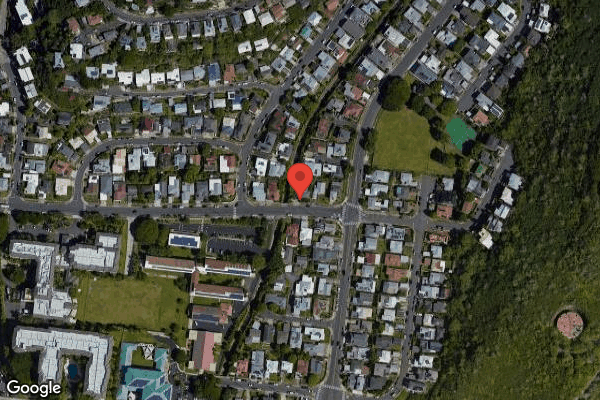
4389 Malia Street, Honolulu, HI 96821 (808) 218-7052
Non profit - Corporation 20 Beds Independent Data: November 2025
Trust Grade
83/100
#7 of 41 in HI
Last Inspection: June 2024

Within standard 12-15 month inspection cycle. Federal law requires annual inspections.

Overview

Hi'olani Care Center at Kahala Nui has a Trust Grade of B+, indicating it is above average and recommended for families seeking care. It ranks #7 out of 41 facilities in Hawaii, placing it in the top half, and #5 out of 26 in Honolulu County, meaning only four local options are better. The facility is improving, with issues reduced from 13 in 2023 to 8 in 2024. Staffing is a strength here, with a 5-star rating and a turnover rate of 27%, which is lower than Hawaii's average of 36%, suggesting that staff are experienced and familiar with the residents. While there have been no fines, which is a good sign, there are some concerns that need attention. Recent inspections revealed issues such as expired food items found in the kitchen and food not stored under sanitary conditions, which could risk foodborne illnesses. Additionally, there was a failure to ensure comprehensive care plans for some residents, potentially impacting their quality of life. Overall, while there are strengths in staffing and a positive trend in care quality, families should consider the mentioned concerns when evaluating this facility.

Trust Score
B+
83/100
In Hawaii
#7/41
Top 17%
Safety Record
Low Risk
No red flags
Inspections
Getting Better
13 → 8 violations
Staff Stability
✓ Good
27% annual turnover. Excellent stability, 21 points below Hawaii's 48% average. Staff who stay learn residents' needs.
Penalties
✓ Good
No fines on record. Clean compliance history, better than most Hawaii facilities.
Skilled Nurses
✓ Good
Each resident gets 107 minutes of Registered Nurse (RN) attention daily — more than 97% of Hawaii nursing homes. RNs are the most trained staff who catch health problems before they become serious.
Violations
⚠ Watch
24 deficiencies on record. Higher than average. Multiple issues found across inspections.
★★★★★
5.0
Overall Rating
★★★★★
5.0
Staff Levels
★★★★★
5.0
Care Quality
★★★☆☆
3.0
Inspection Score
Stable
2023: 13 issues
2024: 8 issues

The Good

  • 5-Star Staffing Rating · Excellent nurse staffing levels
  • 5-Star Quality Measures · Strong clinical quality outcomes
  • Low Staff Turnover (27%) · Staff stability means consistent care
  • Full Sprinkler Coverage · Fire safety systems throughout facility
  • No fines on record
  • Staff turnover is low (27%)

    21 points below Hawaii average of 48%

Facility shows strength in staffing levels, quality measures, staff retention, fire safety.

The Bad

No Significant Concerns Identified

This facility shows no red flags. Among Hawaii's 100 nursing homes, only 1% achieve this.

The Ugly 24 deficiencies on record

Jun 2024 8 deficiencies
CONCERN (D)

Potential for Harm - no one hurt, but risky conditions existed

Transfer Notice (Tag F0623)

Could have caused harm · This affected 1 resident

**NOTE- TERMS IN BRACKETS HAVE BEEN EDITED TO PROTECT CONFIDENTIALITY** Based on interviews and record review, the facility failed to provide written notification to resident or resident's representat...

Read full inspector narrative →
**NOTE- TERMS IN BRACKETS HAVE BEEN EDITED TO PROTECT CONFIDENTIALITY** Based on interviews and record review, the facility failed to provide written notification to resident or resident's representative and the Long-Term Care Ombudsman (LTCO) forone of one sampled residents for hospitalizations, (Resident (R) 13). This deficient practice has the potential to affect all residents that are transferred to an acute care hospital. Findings Include: R13 is a [AGE] year-old female who was transferred and admitted to the hospital on [DATE]. A review of R13's Electronic Health Record (EHR) was conducted, and it did not contain any documentation that R13's family representative and the LTCO was provided with a written notification of R13's transfer to an acute care hospital. Interview was conducted on 06/26/24 at 01:44 PM with Social Worker (SW) 1. SW1 stated that during a transfer to the hospital, the nursing staff calls the resident's family and informs the representative that the resident is being transferred to the hospital. SW1 added that a written notification of the resident's transfer to the hospital is not provided to the resident's representative and the LTCO. Interview was conducted on 06/26/24 at 02:09 PM with the Director of Nursing (DON). DON stated that during a resident's transfer to the hospital, a phone call is made to the resident's family by the nursing staff. DON confirmed that a written notification is not provided to the resident's representative and the LTCO during a resident's transfer to the hospital. A review of the facility records titled, Discharge/Transfer of the Resident, dated April 22, 2024, was conducted. The record documented, Explain transfer and reason to the Resident and/or representative and give copy of signed transfer or discharge notice to the Resident and/or representative or person(s) responsible for care. (NOTE: If an emergency transfer occurs, the Transfer or Discharge Notice form may be completed later, but as soon as possible).
CONCERN (D)

Potential for Harm - no one hurt, but risky conditions existed

Comprehensive Care Plan (Tag F0656)

Could have caused harm · This affected 1 resident

**NOTE- TERMS IN BRACKETS HAVE BEEN EDITED TO PROTECT CONFIDENTIALITY** Based on interviews and record review, the facility failed to implement a comprehensive person-centered care plan for one of 16 ...

Read full inspector narrative →
**NOTE- TERMS IN BRACKETS HAVE BEEN EDITED TO PROTECT CONFIDENTIALITY** Based on interviews and record review, the facility failed to implement a comprehensive person-centered care plan for one of 16 sampled residents (Resident (R) 168). This deficient practice has the potential to negatively affect the resident's physical and overall well-being. Findings Include: R168 is a [AGE] year-old female admitted to the facility on [DATE]. R168 has a medical history including, but not limited to dementia, kidney disease, and poor food intake by mouth. A review of R168's Electronic Health Record (EHR) was conducted on 6/24/24. R168's EHR contained information on her measured weights. On 05/22/24, R168's weight was 89.8 pounds (lbs). On 05/28/24, R168's weight was 89.8 lbs. On 06/04/24, R168's weight was measured 0 lbs. On 06/11/24, R168's weight was 80.0 lbs. No other weights were documented since 06/10/24. A review of R168's care plan was conducted. R168's care plan noted, Monitor weekly weights x 4 weeks (from admission) then monthly thereafter if weight is stable. Start: 05/29/24. Interview was conducted with the Director of Nursing (DON) on 06/27/24 at 10:39 AM. DON was shown R168's documented weights on the EHR. DON confirmed that the facility did not weight R168 weekly for 4 weeks, which should have been done, based on R168's care plan.
CONCERN (D)

Potential for Harm - no one hurt, but risky conditions existed

Quality of Care (Tag F0684)

Could have caused harm · This affected 1 resident

**NOTE- TERMS IN BRACKETS HAVE BEEN EDITED TO PROTECT CONFIDENTIALITY** Based on observation, interview and record review, the facility failed to ensure a resident received treatment and care in accor...

Read full inspector narrative →
**NOTE- TERMS IN BRACKETS HAVE BEEN EDITED TO PROTECT CONFIDENTIALITY** Based on observation, interview and record review, the facility failed to ensure a resident received treatment and care in accordance with professional standard of practice for one of 16 residents sampled (Resident (R) 15). The facility did not follow the physician ordered bowel instruction. This failure could place the resident at risk of adverse consequences from diarrhea. Findings include: R15 was admitted to the facility on [DATE] with diagnoses, not limited to, weakness, presence of foley catheter for urinary retention, severe protein-calorie malnutrition, pressure ulcer of sacral region, history of sepsis, history of urinary tract infection, impaired mobility, self-care disability, and constipation. On 06/24/24 at 10:06 AM, an observation and interview with R15 was done. R15 reported he has constipation all the time and receives a suppository twice a day. R15 further reported he needs assistance when he has loose stools and makes a mess. After the interview, R15 was observed going to the restroom to have a bowel movement, inquired if he needs assistance going to the bathroom, R15 stated no and can go on his own. Review of R15's routine physician ordered bowel regimen included MiraLAX twice a day for constipation, hold for loose stool, Senna Plus twice a day for constipation, hold for loose stool, and bisacodyl rectal suppository at bedtime for constipation, hold for loose stool. R15's physician ordered bowel regimen included as needed (PRN) medications with instructions if continued constipation or by resident's request. Review of R15's daily documented bowel movement for June found R15 with bowel movements more than once, daily. R15 had documented loose stools on 06/15/24 at 05:56 AM and 10:13 AM and on 06/16/24 at 09:45 AM. Review of R15's June Medication Administration Record (MAR) documented on 06/15/24 and 06/16/24, R15 was administered MiraLAX at 08:00 AM and 05:00 PM, Senna Plus at 08:00 AM and 08:00 PM, and the Bisacodyl rectal suppository at 08:00 PM. R15's medications for constipation were not held as ordered after having loose stools on 06/15/24 and 06/16/24. On 06/16/24 at 11:55 AM, R15 was administered a PRN by resident request Bisacodyl rectal suppository although R15 had a loose stool two hours prior to request. On 06/26/24 at 11:28 AM, interview with License Practical Nurse (LPN) 4 was done. Inquired how nursing staff review residents' bowel movement status prior to administering bowel regimen related medication such as stool softeners, LPN4 was able to pull up a report from the Electronic Health Record (EHR) that showed numbers indicating what type of bowel movement was made. LPN further reported, nursing staff would look at the report by the end of every shift and inform the next shift nurse if a resident had a loose stool to ensure they do not give a resident a suppository. Inquired what 5 indicated and LPN4 reported extra-large bowel movement. Requested for LPN4 to check again what 5 indicated and reported loose stool. On 06/26/24 at 11:32 AM, interview with Certified Nurse's Aide (CNA) 19, CNA 22, and Registered Nurse (RN) 5 was done. CAN 19 and CNA22 reported they do not put numbers on the record when documenting bowel movements, as shown on the EHR but describe the kind of bowel movement, by size or type, such as small, medium, large, extra-large, or loose stool. RN5 confirmed 5 indicated loose stool in the EHR. ON 06/26/24 at 02:23 PM, interview with RN5 was done. RN5 confirmed R15 had loose stools on 06/15/24 and 06/16/24 and confirmed bowel regimen medication was administered. Inquired if the medication administrating nurse should have held the medication as indicated in the physician order those days, RN5 reported she would hold the medications if the resident had loose stools the shift before. RN5 further reported R15 is very particular and adamant about having a bowel movement, however, there could be complications if he had continuous loose stools and we (the nurses) must follow the physician's order. Inquired if the resident was adamant in taking medication used for constipation although he had a loose stool, should the nurse call the physician regarding his insistence in taking the medication and document in the resident's chart, RN5 stated she will check. At 02:59 PM, RN5 was not able to provide documentation that the physician approved the administration of the medications despite the order. On 06/27/24 at 12:42 PM, interview with Director of Nursing (DON) and Assistant Director of Nursing (ADON) was done. DON reported the nurses should not go against the physician's order and to call the physician to get clarification. ADON reported if a resident had loose stools, he would hold medications as ordered by the physician and if the resident was insistent in taking the medication would get clarification from the physician.
CONCERN (D)

Potential for Harm - no one hurt, but risky conditions existed

Pharmacy Services (Tag F0755)

Could have caused harm · This affected 1 resident

Based on interviews and records review, the facility failed to determine that drug records are in order and that an account of all controlled drugs is maintained and reconciled for two of two medicati...

Read full inspector narrative →
Based on interviews and records review, the facility failed to determine that drug records are in order and that an account of all controlled drugs is maintained and reconciled for two of two medication carts sampled. This deficient practice increases the risk of diversion of residents' medications. Findings Include: A review of the facility's records titled, Controlled Drug Count Record 4th Floor Cart A, dated June 2024 was conducted on 06/25/24. The record lacked documentation of licensed nurse signatures for two shifts on 06/24/24 and one shift on 06/25/24. A review of the facility records titled, Controlled Drug Count Record 4th Floor Cart B, dated June 2024 was conducted on 06/25/24. The record lacked documentation of licensed nurse signatures for one shift on 06/15/24, and one shift on 06/16/24. Interview was conducted with the Director of Nursing (DON) on 06/25/24 at 10:20 AM. DON explained the process for controlled medications count, an outgoing nurse and an incoming nurse for the shift will count the controlled medications together. After verifying the accuracy of the count, both nurses sign their names on the facility's controlled drug count record. DON was shown the count records for the fourth-floor carts A and B. DON confirmed that there were missing signatures on the record, which she agreed should have all been filled out. A review of the facility's record titled, Narcotic Count and key, dated May 1, 2006, was conducted. The record documented, The signature of the Licensed Nurses on the Shift Count of Narcotic Sheet confirms the accuracy and legal accountability for the drugs at the time of the count .A signature on a Narcotic Count Sheet means that you accept responsibility for the presence/absence of that dose/drug and are accepting, legal responsibility for the missing dose/drug.
CONCERN (D)

Potential for Harm - no one hurt, but risky conditions existed

Drug Regimen Review (Tag F0756)

Could have caused harm · This affected 1 resident

Based on record review and interview with staff member, the facility failed to ensure the attending physician reviewed an identified irregularity from the pharmacist's monthly medication review (MRR) ...

Read full inspector narrative →
Based on record review and interview with staff member, the facility failed to ensure the attending physician reviewed an identified irregularity from the pharmacist's monthly medication review (MRR) for one of five residents sampled (Resident (R) 8). This failure had the potential for medication error and adverse consequences; the potential for R8 administered an as needed (PRN) medication without a frequency indicated in the physician's order. Findings include: Review of R8's MRR for the month of March, dated 03/16/24 documented Please add a frequency of administration to the prn Tylenol 325m [milligrams] tablet order. Follow-Through in the MRR was left blank. Review of R8's physician's order for Tylenol 325 mg tablet, GIVE 650 mg (2 TABS) by Mouth As Needed (NTE [not too exceed] 3 GMS [grams] APAP [acetaminophen]/DAY) For .BACK PAIN starting 09/22/23. The frequency was not included in the order. On 06/26/24 at 02:31 PM, an interview with Registered Nurse (RN) 5 was done. Concurrent record review of the MRR for March and physician's order, RN5 confirmed the MRR was not addressed, and the Tylenol order should include every four hours. Review of the facility's policy and procedure Monthly Drug Regimen Review with no effective date documented The Medical Director or the Associate Medical Director will review the report, make comments, and discuss any recommendations with the attending physicians, Director or Assistant Director of Nursing or the QAPI/CQI Committee on an as needed basis.
CONCERN (D)

Potential for Harm - no one hurt, but risky conditions existed

Medical Records (Tag F0842)

Could have caused harm · This affected 1 resident

**NOTE- TERMS IN BRACKETS HAVE BEEN EDITED TO PROTECT CONFIDENTIALITY** Based on interviews and record review, the facility failed to maintain complete medical records for two of 16 sampled residents ...

Read full inspector narrative →
**NOTE- TERMS IN BRACKETS HAVE BEEN EDITED TO PROTECT CONFIDENTIALITY** Based on interviews and record review, the facility failed to maintain complete medical records for two of 16 sampled residents (Resident (R) 168 and R4). This deficient practice has the potential to affect all the residents in the facility. Findings Include: A review of R168's Electronic Health Record (EHR) was conducted on 06/24/24. During the review, R168's EHR only had weights documented on 05/22/24 at 89.8 pounds (lbs.), 05/28/24 at 89.8 lbs., 06/04/24 at 0 lbs., and 06/11/24 at 80.0 lbs. A telephone interview was conducted on 06/26/24 at 11:10 AM with Director of Nursing (DON), regarding R168's documented significant weight loss. DON stated that with a significant weight loss, the assigned nurse would let the facility dietician know as soon as possible. DON agreed that based on the weight documented, R168's weight loss was significant, and the nurse should have notified the dietician. An second interview was conducted with DON on 06/26/24 at 01:00 PM. DON showed State Agency (SA) a piece of paper dated 06/12/24. The paper contained a handwritten note with R168's name and a reweigh of 86.9 lbs. DON was not able to tell SA which staff had written the note. DON stated that the staff had forgotten to document the weight in R168's EHR. DON also provided a printed EHR documentation dated 06/12/24. On the documentation it noted that it was edited on 06/26/24 at 12:27 PM by Registered Nurse (RN) 10. RN10 was not scheduled to work on 06/26/24. DON explained that RN10 came in to work to edit her 06/12/24 charting in the EHR. A follow up review of R168's EHR was conducted on 06/26/24 at 01:10 PM. The EHR now contained a documented weight of 86.9 lbs., dated 06/12/24. It also contained an edited note written by RN10, dated 06/12/24. The edited note contained additional documentation, Reweighed resident today=86.9 lbs. A follow up interview with DON was conducted on 06/27/24 at 10:39 AM. DON stated that resident weights and notes should be documented in the EHR prior to the end of shift. DON also confirmed that it should have been documented as a late entry. 2) On 06/25/24 at 10:37 AM, record review of R4's hospice chart found there were missing documentation of recent progress notes, recertification and the last Medical Doctor (MD) visit summary. During this record review found the last progress note for R4 was dated 4/12/24. Also found the hospice nurse last signed the sign in sheet to visit the resident on 06/13/24. At this time inquired of the Nurse Educator/Infection Preventionist (NE/IP) if she knew where the documents were and she stated she did not know but would find out. On 06/26/24 at 11:04 AM, another record review was done of R4's hospice chart and found the updated progress notes faxed to facility on 6/25/24 in the afternoon. During this record review, found resident had a 60 day re-certification of terminal illness dated for 6/12/24 -8/10/24 for R4 who is a [AGE] year old female with hypertensive chronic kidney disease with multiple comorbidities. This recertification form was faxed to the facility on 6/25/24 at 14:27 (02:27 PM). MD recert visit summary was dated 5/13/24 at 12:14 PM and faxed to facility on 6/25/24 at 15:14 (03:14 PM). One hospice nursing progress note was faxed on 6/25/24 at 15:14 (03:14 PM) and was dated for 05/30/24 at 10:27 AM by the hospice nurse. Two more hospice nursing progress notes were faxed on 6/25/24 at 15:43 (03:43 PM). The notes were dated on 6/6/24 at 6:09 PM and 6/13/24 at 05:34 PM and both signed by the hospice nurse. On 06/27/24 at 09:49 AM, interviewed Assistant Director of Nursing (ADON) and Director of Nursing (DON) regarding R4's missing hospice documents. Inquired how facility communicates with hospice and what is the expectation of hospice to provide progress notes. DON stated hospice nurses communicate with the assigned nurse after they meet with the residents and hospice staff fax or bring the progress notes in person. Restated progress notes, hospice recertification form and MD summary were added to R4's hospice chart on 06/26/24 after surveyor had requested items. At this time, requested and received facility policy titled Coordination of Care - Hospice Services. Review of facility policy titled Coordination of Care - Hospice Services with effective date of 03/30/16. Review of the policy found the following: The designated .[facility] .interdisciplinary team member are responsible for: 7. Ensuring that the documentation in the Resident's medical records is complete, up to date and filed in the appropriate place in the Resident's binder.
CONCERN (D)

Potential for Harm - no one hurt, but risky conditions existed

Infection Control (Tag F0880)

Could have caused harm · This affected 1 resident

**NOTE- TERMS IN BRACKETS HAVE BEEN EDITED TO PROTECT CONFIDENTIALITY** Based on observation, interview and record review the facility failed to provide a safe, sanitary, and comfortable environment t...

Read full inspector narrative →
**NOTE- TERMS IN BRACKETS HAVE BEEN EDITED TO PROTECT CONFIDENTIALITY** Based on observation, interview and record review the facility failed to provide a safe, sanitary, and comfortable environment to prevent the development and transmission of communicable diseases and infections for one of four residents sampled for infection control (Resident (R) 118). R118's humidifier bottle was not properly secured to the oxygen concentrator. This failure could place the resident at risk for infection. Findings include: R118 was admitted to the facility on [DATE] with Hospice and diagnoses, not limited to, bronchiectasis (a chronic lunch condition where the wall of your airways widen and are thickened from inflammation and infection) and chronic obstructive pulmonary disease (COPD) (a chronic inflammatory lunch disease that causes obstructed airflow from the lungs.) Review of R118's Electronic Health Record (EHR) found R118 uses an oxygen contractor at 1.5 - 2 liters per minute for COPD and bronchiectasis. On 06/24/24 at 09:33 AM, during an observation of R118's room, observed R118 on oxygen, oxygen contractor running, and the humidifier bottle hanging from the concentrator touching the ground. The metal clamps that secure the humidifier bottle to the contractor was not found. R118 reported she did not notice it on the ground and received a new humidifier bottle about a week ago and stated it must not fit on the concentrator. R118 was not able to recall how long the humidifier has been on the ground. On 06/25/24 at 08:50 AM observed R118's humidifier bottle taped to the oxygen concentrator. On 06/27/24 at 11:38 AM interview with Nurse Educator/Infection Preventionist (NE/IP) was done. Showed NE/IP a picture of the oxygen concentrator in R118's room as observed on 06/24/24 at 09:33 AM and inquired if there was something wrong with what was pictured, NE/IP reported the water humidifier should not be on the ground. NE/IP reported this could be a source of contamination for infection control.
CONCERN (F)

Potential for Harm - no one hurt, but risky conditions existed

Food Safety (Tag F0812)

Could have caused harm · This affected most or all residents

Based on observations and interviews the facility failed to dispose of food items that have passed the use by date, failed to assure food items were stored in accordance with professional standards, f...

Read full inspector narrative →
Based on observations and interviews the facility failed to dispose of food items that have passed the use by date, failed to assure food items were stored in accordance with professional standards, failed to test temperatures of all food on the trayline and stored clean pots and pans on a rack that had rusty colored debris. This deficient practice puts all the residents and staff at risk for foodborne illnessess. Findings Include: 1) On 06/24/24 at 08:30 AM an initial tour of kitchen was done with dietician and Head Chef (HC). The following food items were found in the kitchen: expired chicken base found with a use by date of 6/2/24, pork with a prep date of 6/9 but no use by date, three containers of cooked pork in metal containers with use by date of 6/23/24. The following items were found in the dry storage area opened with no open on and discard by date label: Almond Flour manufactures best by date of 3/17/24 with 5-18 written on front of package. Gelatine leaf gelatine open in box with the lid open, not sealed closed. Soup stock powder packet which was left open. Bottle of marsalla White truffle oil Curry block box was open and half of curry block was left in the open box and with an open wrapper. During the initial tour of the kitchen, interviewed HC and inquired if kitchen staff took temperatures of cooked food and HC stated the staff check the temperatures but do not log them. Facility was unable to provide any temperature logs of food cooked in their kitchen. One item (Dijon mustard) in the walk in refrigerator was found with a smudged unreadable opened label, unable to determine what the discard by date was. 2) On 06/24/24 at 11:20 AM, followed Dietary Aide (DA) 1 and Dietary Supervisor (DS) to deliver food to the trayline on the 5th floor. Food temperature checks were done for the following food items: broccoli, lasagna, soup and white rice. There were multiple containers of hot food on the trayline that were not tested at this time before the food was dispensed to the residents. Inquired how temperatures are taken and DS stated for 3 seconds. When surveyor did not say anything DS stated 10 seconds or when the temperature stops changing. 3) On 06/26/24 at 09:50 AM, revisited the kitchen and walked through with the Director of Dining Services (DDS) and facility dietician. During the walk through found a metal rack that had rusty colored debris which the clean pots and pans were stored on. Inquired of the DDS about the metal rack and he acknowledged the rack had rusty colored debris and stated he had this on order through his vendor. At this time requested copies of facility policies regarding labeling and food storage, temperatures of food cooked in the kitchen and trayline temperatures. On 06/26/24 dietician provided copies of facility policies requested. Review of facility policy titled Labeling Food Items, with an effective date 01/01/15, stated Procedure (Guidelines) 1. At the time foods are removed from hot or cold holding and placed in a container, Date with preparation date and the date is to be used or discarded. 2. At the time foods are removed from their original container and placed in another container, Date with preparation date and the date that it is to be used or discarded. 4. Items not included in the .labeling machine must be labeled by hand using appropriate labeling stickers as followed: i. Prepared foods must be labeled with the name of the item, date it was prepared and include a use by date set for 3 days. ii. Shelf stable items must be labeled with the name of the item, date it was opened and include a use by date set for 30 days. v. Raw meats must be labeled with the name of the item, date it was received, and include a use by date set for 5 days. Review of facility policy titled Kitchen Cooking and holding of hot food with an effective date of 01/01/15 stated IV. Procedure (Guidelines) B. The .[State] .defines properly cooked foods to reach and maintain the designated internal temperatures (beef minimum of 120-125 degrees Fahrenheit for rare, pork 155 degrees Fahrenheit, poultry 165 degrees Fahrenheit and fish 145 degrees Fahrenheit) for a minimum of 15 seconds measured with an instant read probe thermometer. C. Final cooking temperatures should be notated on log sheet notating the type of product, time the temperature was taken and the final cooking temperature. E. When the food is taken out of the holding cabinet and placed in the hot well. [sic] The temperature and time should then be noted on the designated log sheet. Review of facility policy titled Hot and Cold Foods (Trayline) with an effective date of 12/1/15 stated IV. Procedure (Guidelines) 1. The kitchen shall take the temperature of ALL foods using assigned thermometers. 2. The satellite kitchen staff are required to check the internal temperature of ALL hot foods to ensure they are greater than 135 degrees Fahrenheit for 15 seconds in the thickest part of the food. a. Foods between 41 degrees Fahrenheit - 135 degrees Fahrenheit for less than 2 hours must be reheated to 165 degrees Fahrenheit before being served. b. Foods between 41 degrees Fahrenheit - 135 degrees Fahrenheit for greater than 2 hours must be discarded immediately.
Aug 2023 13 deficiencies
CONCERN (D)

Potential for Harm - no one hurt, but risky conditions existed

Deficiency F0583 (Tag F0583)

Could have caused harm · This affected 1 resident

Based on observation and interview with staff members the facility failed to ensure R263's personal medical information was secured for confidentiality. Findings include: On 08/08/23 at 09:01 AM obse...

Read full inspector narrative →
Based on observation and interview with staff members the facility failed to ensure R263's personal medical information was secured for confidentiality. Findings include: On 08/08/23 at 09:01 AM observed Registered Nurse (RN)5 enter R263's room and stated she was going to give R263 his insulin. Outside of R5's room, in the hallway shared by staff, residents, and visitors, the insulin cap that included R263's name and medication he was taking was left on the Personal Protective Equipment (PPE) cart unattended and easily assessable for anyone to pick up and read the information. On 08/10/23 at 09:16 AM interview with Director of Nursing (DON) was done. Inquired if it was standard of practice and acceptable to leave an empty medication bottle with resident's information on it out in the open unattended, DON stated no. Review of the facility's policy and procedure number DR-140 effective 06/15/12 Protected Health Information & HIPA documented This policy and procedure outlines the responsibility of Associates and other .[facility] .stakeholders to protect and safeguard individuals protected health information (PHI) that is maintained or transmitted in any form or medium. The policy and procedure defined PHI .as identifiable health information, whether oral or record in any form or medium, including electronic, that related to the individual's past, present, or future physical or mental health or condition . Under the facility's responsibility the policy and procedure documented We are required by law to maintain the privacy and security of your protected health information.
CONCERN (D)

Potential for Harm - no one hurt, but risky conditions existed

Safe Environment (Tag F0584)

Could have caused harm · This affected 1 resident

**NOTE- TERMS IN BRACKETS HAVE BEEN EDITED TO PROTECT CONFIDENTIALITY** Based on observations and interiew with staff members,the facility failed to provide a homelike environment for two residents in...

Read full inspector narrative →
**NOTE- TERMS IN BRACKETS HAVE BEEN EDITED TO PROTECT CONFIDENTIALITY** Based on observations and interiew with staff members,the facility failed to provide a homelike environment for two residents in the sample. Findings include: 1) On 08/08/23 at 09:10 AM, observation in Resident (R)4's room found areas of scraped off paint on the wall behind the resident's headboard. On 08/09/23 interview and concurrent observation was done with housekeeping staff. The staff confirmed the scraped paint on the wall and reported a work order was submitted approximately a week ago; however, staff was not sure if a work order was sent to maintenance. 2) On 08/08/23 at 08:45 AM observation in R263's room found two areas of scraped off paint behind the wall of R263's headboard. On 08/09/23 11:45 AM interview and concurrent observation was done with Registered Nurse (RN)5 in R263's room. RN5 confirmed the scraped paint on the wall and stated she does not know if it was reported, or a work order was submitted to maintenance. RN5 reported maintenance usually handles things within two to three hours for immediate work orders and within 24 hours for something non-immediate, such as scraped paint on the wall. On 08/09/23 at 04:15 PM a telephone interview was conducted with the Maintenance Supervisor (MS). Inquired whether he received work orders for room [ROOM NUMBER]B and 492A. MS responded he received a work order for room [ROOM NUMBER] for a clogged toilet and room [ROOM NUMBER] for the wall behind the bed board. MS clarified he received the work order for room [ROOM NUMBER] today (08/09/23) at 12:30 PM, when the housekeeping staff reported the scraped wall to him. MS confirmed he did not have a work order for the wall behind R4's headboard. MS reported anyone can generate a work order.
CONCERN (D)

Potential for Harm - no one hurt, but risky conditions existed

Quality of Care (Tag F0684)

Could have caused harm · This affected 1 resident

**NOTE- TERMS IN BRACKETS HAVE BEEN EDITED TO PROTECT CONFIDENTIALITY** Based on record review and interview with staff member, the facility did not assure a resident's bowel protocol was implemented,...

Read full inspector narrative →
**NOTE- TERMS IN BRACKETS HAVE BEEN EDITED TO PROTECT CONFIDENTIALITY** Based on record review and interview with staff member, the facility did not assure a resident's bowel protocol was implemented, which placed the resident at risk for constipation or bowel impaction related to use of an opioid (pain reliever with common side effect of constipation) for one of one resident in the sample. Findings include: Resident (R)1 was admitted to the facility on [DATE]. Diagnoses include but not limited to hypertensive heart disease with heart failure; encounter for palliative care; chronic diastolic (congestive) heart failure; and major depressive disorder. Record review noted physician orders for fentanyl patch (opioid) 24 mcg one patch transdermal every three days. Physician also ordered the following bowel protocol docusate sodium tab, 86 mg/50mg by mouth once daily for constipation (hold for loose stools); MiraLAX, give 17 gram/dose once daily for constipation; milk of magnesia (MOM), 30 ml by mouth daily as needed, x2 days no BM; and Dulcolax, 10 mg. rectally x3 days, no result from MOM (hold for loose stools). On 08/10/23 at 10:52 AM concurrent record review and interview was done with Charge Nurse (CN)5 at the nurses' station. CN5 confirmed resident receives fentanyl. Reviewed R1's bowel movement record and medication administration record (MAR). Review for the month of August 2023 found R1 did not have bowel movement for three days (08/01 to 08/03/23). CN5 reviewed the MAR and confirmed MOM and/or Dulcolax suppository was not offered or administered as ordered by the physician. CN5 confirmed if the medications were offered and refused, this information would be documented in the MAR. There was no documentation R1 refused medications. A review for the month of July 2023 noted R1 did not have bowel movement for three days (07/25 to 07/27/23) followed by large bowel movement on 07/28/23. Review of the MAR found MOM and/or suppository was not administered on day two or day three as prescribed. Also noted there was no documentation to note whether R1 had a bowel movement on the following shifts: day shift (07/09, 07/16, 07/17, 07/23, 07/29, and 07/30/23), evening shift (07/29/23), and NOC shift (07/01, 07/02, 07/15, an 07/19). CN5 confirmed the importance of documenting whether R1 had a bowel movement to ensure accuracy and the need to implement the physician prescribed bowel protocol.
CONCERN (D)

Potential for Harm - no one hurt, but risky conditions existed

Deficiency F0688 (Tag F0688)

Could have caused harm · This affected 1 resident

**NOTE- TERMS IN BRACKETS HAVE BEEN EDITED TO PROTECT CONFIDENTIALITY** Based on observations, interviews, and record reviews, the facility failed to ensure a resident with limited range of mobility r...

Read full inspector narrative →
**NOTE- TERMS IN BRACKETS HAVE BEEN EDITED TO PROTECT CONFIDENTIALITY** Based on observations, interviews, and record reviews, the facility failed to ensure a resident with limited range of mobility received treatment to prevent decrease in range of motion/mobility for one of one Resident (R)4 in the sample for limited range of motion. Findings include: Resident (R)4 was admitted to the facility on [DATE] from an acute hospital. admission diagnoses included acute stroke with left sided weakness, slurred speech, expressive aphasia, mild dysphagia, and multiple fracture to left rib. On 08/08/23 at 12:27 PM observed R4 lying in bed, her left arm was bent at the elbow and the left hand was fisted and turned toward the wrist. There was a rolled-up towel in her left hand and a large towel roll in the left crook of her arm (by the elbow). R4 reported that the Certified Nurse Aides (CNA) are afraid to do range of motion because they don't want to cause her pain. The therapist will perform the range of motion. Review of the quarterly Minimum Data Set (MDS) with an assessment reference date of 05/24/23, R4 was coded with functional limitation in range of motion for the upper and lower extremities on one side. A review found a care plan for activities of daily living to follow therapy recommendations when available. Review of rehab note dated, 07/25/23 documented, alternative elbow splint when posey elbow splint not available/working, apply as tolerated at all times except for meals, bed bath, and removed as requested. Further noted intervention to provide range of motion prior to applying and after removing splints, check skin integrity (redness, swelling, skin breakdown, or pain) before application and after removal of splints. On 08/09/23 at 09:11 AM, interviewed CNA8. CNA8 reported she will perform range of motion when the splint is removed and prior to applying the splint. CNA8 reported the splint is removed during mealtimes. Inquired where do they document that range of motion was performed. CNA replied they do not document when they do range of motion. CNA further explained that physical therapy does range of motion two to three times a week. Further questioned what she does upon removal and application of splint. CNA8 stated she will massage the arm and try to stretch the arm out straight. CNA8 also stated R4 will sometimes request to remove the splint. On 08/09/23 at 11:15 AM, observed a posting next to the resident's bed for splint treatment plan, effective 07/25/23. Instructions include: Keep both splints on at all times except meals, shower, and as requested for temporary removal by resident: provide range of motion prior to applying and after removing splints; check skin integrity before application and after removal of splints (please notify licensed nurse of redness, swelling, skin breakdown, or pain); apply elbow splint first followed by resting hand splint; and straps, hand washing in warm water and mild soap, dry at room temperature, be sure the splint is completely dry before reapplying, if splint has a cover you can remove and wash cover separately. Date updated was 07/25/23. On 08/09/23 at 04:05 PM, interview and concurrent record review was conducted with the Assistant Director of Nursing (ADON) at the nurses' station. ADON confirmed there is no physician order for performing range of motion and there is no documentation in the electronic health record that range of motion is being performed after removal and before applying the splint.
CONCERN (D)

Potential for Harm - no one hurt, but risky conditions existed

Accident Prevention (Tag F0689)

Could have caused harm · This affected 1 resident

Based on observation, interview and record review, the facility failed to provide one resident (R)5 of one resident in the sample, adequate supervision and assistance to prevent falls. R5 was not rece...

Read full inspector narrative →
Based on observation, interview and record review, the facility failed to provide one resident (R)5 of one resident in the sample, adequate supervision and assistance to prevent falls. R5 was not receiving adequate hydration (cross reference (cr) to F692 Nutrition and hydration) and timely assistance to use the bathroom (cr to F690 bladder and bowel incontinence). The deficient practice places the resident at risk for injury. Findings include: Observed R5 on 08/08/23 at 09:57 AM lying in bed with her eyes closed. Noted bed in low position, fall mat on the floor on her right side. When asked if R5 is alert and oriented or whether she gets out of bed, the Housekeeper (H)1 said she usually doesn't say anything or talk much. Sometimes she gets up to go to activities. During a telephone conversation with R5's family member (FM)1 on 08/08/23 at 2:05 PM. FM1 stated, I don't think she (R5) uses the bedside commode, and I don't think the staff are getting her up to go to the bathroom as often as they should be. She fell last week because she got up in the middle of the night to go to the bathroom. She's okay, the staff called me to tell me that she fell and has no injuries. They do take a long time to respond to my mom's call light when she needs help. Surveyor asked how many falls has she had in the last year? FM replied that R5 has fallen around four times. She didn't have any noticeable injuries, but she did have a lot of pain and soreness. Most of the time it's because she frequently needs to go to the bathroom. I've hired a private certified nurse aide (CNA) to come in during the evening because she is not drinking enough fluids, or getting out of bed. They come in before dinner and stay until she goes to sleep. The CNA comes in and assists her at dinner, and does her evening bath. Electronic medical record (EMR) reviewed on 08/08/23 at 3:35 PM. Care plan reviewed. Problem: Potential for falls. R5 has impaired balance and unsteady gait which put her at risk for fall and injuries. Other risk factors for fall include weakness and fatigue, Parkinson's disease, poor safety awareness, impaired cognition and communication due to Dementia, use antidepressant, etc. She has history of falls prior to nursing admission. Found resident sitting on floor with back supported by the bed without visible injuries on 8/29/22, added safety fall mat to right side of bed . On 9/8/22 at 0135, found resident was kneeling with right knee on safety fall mat and holding enabler with both hands, no visible injuries noted. On 10/16/22, found on floor (FOF) with skin tear to right lateral eyebrow. FOF on 11/13/22 at opened bathroom door without visible injuries. FOF on 2/11/23 with sitting position without visible injuries, found resident sitting on floor right side of bed without injuries noted on 4/21/23. On 7/30/23, found resident lying on the floor without visible injuries. Noted R5 had seven falls within the last year. Requested a list of falls and dates for R5 for past one year from the Director of Nursing (DON) on 08/09/23 at 03:13 PM. Asked if there were any incident reports for R5, the DON said there were two. Whenever there is a fall we round with the quality assurance performance improvement team to discuss the fall and do a root cause analysis. We also track and discuss any falls during our QAPI meeting every month. Falls management system policy dated November 12, 2019, reviewed on 08/10/23 at 12:55 PM. Purpose B. 7. The goal of this program is to prevent or to minimize fall risk that might result in serious injury .II. Policy A. It is the policy .to provide each facility Resident .appropriate interventions to minimize the possibility of falls occurring. IV. Procedure A. Resident Assessment: 3. A Falls Risk Assessment score of 10 or above represents a high risk for falls .VIII. Risk factors associated with falls. A. 9. Bladder or bowel incontinence. 21. Fluid imbalance. C. Care Giver Factors: 2. Toileting schedule not maintained. 6. Rounds not made as required.
CONCERN (D)

Potential for Harm - no one hurt, but risky conditions existed

Incontinence Care (Tag F0690)

Could have caused harm · This affected 1 resident

Based on observation, interview and record review, the facility failed to provide one resident (R)5 of one resident in the sample, adequate supervision, and assistance to prevent falls. R5 was not rec...

Read full inspector narrative →
Based on observation, interview and record review, the facility failed to provide one resident (R)5 of one resident in the sample, adequate supervision, and assistance to prevent falls. R5 was not receiving adequate hydration (cross reference (cr) to F692 Nutrition and hydration) and timely assistance to use the bathroom (cr to F690 bladder and bowel incontinence). The deficient practice places the resident at risk for injury. Findings include: Observed R5 on 08/08/23 at 09:57 AM lying in bed with her eyes closed. Noted bed in low position, fall mat on the floor on her right side. When asked if R5 is alert and oriented or whether she gets out of bed, the Housekeeper (H)1 said she usually doesn't say anything or talk much. Sometimes she gets up to go to activities. During a telephone conversation with R5's family member (FM)1 on 08/08/23 at 2:05 PM. FM1 stated, I don't think she (R5) uses the bedside commode, and I don't think the staff are getting her up to go to the bathroom as often as they should be. She fell last week because she got up in the middle of the night to go to the bathroom. She's okay, the staff called me to tell me that she fell and has no injuries. They do take a long time to respond to my mom's call light when she needs help. Surveyor asked how many falls has she had in the last year? FM replied that R5 has fallen around four times. She didn't have any noticeable injuries, but she did have a lot of pain and soreness. Most of the time it's because she frequently needs to go to the bathroom. I've hired a private certified nurse aide (CNA) to come in during the evening because she is not drinking enough fluids or getting out of bed. They come in before dinner and stay until she goes to sleep. The CNA comes in and assists her at dinner and does her evening bath. Electronic medical record (EMR) reviewed on 08/08/23 at 3:35 PM. Care plan reviewed. Problem: Potential for falls. R5 has impaired balance and unsteady gait which put her at risk for fall and injuries. Other risk factors for fall include weakness and fatigue, Parkinson's disease, poor safety awareness, impaired cognition, and communication due to Dementia, use antidepressant, etc. She has history of falls prior to nursing admission. Found resident sitting on floor with back supported by the bed without visible injuries on 8/29/22, added safety fall mat to right side of bed . On 9/8/22 at 0135, found resident was kneeling with right knee on safety fall mat and holding enabler with both hands, no visible injuries noted. On 10/16/22, found on floor (FOF) with skin tear to right lateral eyebrow. FOF on 11/13/22 at opened bathroom door without visible injuries. FOF on 2/11/23 with sitting position without visible injuries, found resident sitting on floor right side of bed without injuries noted on 4/21/23. On 7/30/23, found resident lying on the floor without visible injuries. Noted R5 had seven falls within the last year. Requested a list of falls and dates for R5 for past one year from the Director of Nursing (DON) on 08/09/23 at 03:13 PM. Asked if there were any incident reports for R5, the DON said there were two. Whenever there is a fall, we round with the quality assurance performance improvement team to discuss the fall and do a root cause analysis. We also track and discuss any falls during our QAPI meeting every month. Falls management system policy dated November 12, 2019, reviewed on 08/10/23 at 12:55 PM. Purpose B. 7. The goal of this program is to prevent or to minimize fall risk that might result in serious injury .II. Policy A. It is the policy .to provide each facility Resident .appropriate interventions to minimize the possibility of falls occurring. IV. Procedure A. Resident Assessment: 3. A Falls Risk Assessment score of 10 or above represents a high risk for falls .VIII. Risk factors associated with falls. A. 9. Bladder or bowel incontinence. 21. Fluid imbalance. C. Care Giver Factors: 2. Toileting schedule not maintained. 6. Rounds not made as required.
CONCERN (D)

Potential for Harm - no one hurt, but risky conditions existed

Deficiency F0692 (Tag F0692)

Could have caused harm · This affected 1 resident

Based on observation, interview and record review, the facility failed to assist one Resident, (R)5 of one resident in the sample with enough fluids to maintain adequate hydration. The deficient pract...

Read full inspector narrative →
Based on observation, interview and record review, the facility failed to assist one Resident, (R)5 of one resident in the sample with enough fluids to maintain adequate hydration. The deficient practice placed the resident at a greater risk for dehydration, urinary tract infections and potentially increased the risk for injury (cross reference (cr) to F689 Free of Accident hazards/prevention/devices). Findings include: Observed R5 on 08/08/23 at 09:57 AM lying in bed with her eyes closed. When asked if R5 is alert and oriented or whether she gets out of bed, the Housekeeper (H) 1said, she usually doesn't say anything or talk much. Sometimes she gets up to go to activities. Noted the bedside table was out of reach close to the room divider. Did not note any cups or pitchers on the bedside table. Telephone conversation with R5's family member (FM)1 on 08/08/23 at 2:05 PM. Asked FM1 if her mom has had any urinary tract infections (UTI's)? She stated that she had received a call today from the staff there at the facility that reported that her mom's urinalysis result came back, and it was negative. She further explained that her mom has concentrated and smelly urine, so they tested her for a UTI. I think it is because she isn't drinking enough fluids throughout the day. I asked the staff if I can review her intake report to see how much she is drinking, but I didn't receive anything. She can drink fluids if she is offered some help. I don't think they have enough staff to make sure she gets enough fluids to drink or is getting up to go to the bathroom. to assist with meals and getting her extra fluids. She fell last week because she got up in the middle of the night to go to the bathroom. She's okay, they called me to tell me that she fell and didn't have any injuries (cr to F689). During an observation of R5 on 08/08/23 at 3:30 PM, noted R5 in her bed sleeping. Noted the overbed table was out of the reach and had a coffee cup with a lid. During an interview and record review with charge nurse (CN)10 on 08/09/23 at 09:49 AM Asked if R5 has a urinary tract infection (UTI), she looked in the EMR and replied that R5's urinalysis (UA) results were negative. We're pushing fluids with her, and the staff have reported that she is not having any more odorous urine. When asked if her fluid intake is being recorded, LN5 stated that her fluids are being measured at meals only and added that the fluids are also being given during the day, but they are not being measured. CN10 looked in the EMR to see how much she drinks and stated that she drinks about one to two cups of fluids per meal. CN10 said they are making rounds, but she usually sleeps. They don't want to wake her up to offer her fluids if she's sleeping, she may not be awake enough to swallow them. When asked when did she last have a UTI? he looked in the record and said it was last May of 2023. Reviewed electronic medical record (EMR). Care plan on 08/09/23 at 11:08 AM. Problem: R5 uses pads and briefs due to incontinent of bladder and bowel. She requires extensive assist with toileting. She has cognitive and communication deficits, functional impairment due to her multiple medical conditions. She is offered adequate fluids. Risks: UTI, skin breakdown, restlessness due to discomfort, etc. Staff continue to provide timely incontinent care as she does not call for assistance. She has urinary frequency, but no foul odor nor burning sense while voiding. UTI on 12/5/22 and 3/5/23. (Start date 08/09/23 Goal date: 11/07/23). Will be clean, dry, odor free and no signs and symptoms (s/sx) of UTI through next review date. Interventions: Monitor fluid intake daily and encourage fluid intake daily. Incorporate with nutrition care plan for hydration needs (cr F690). Reviewed facility policy & Procedures titled Hydration Program June 17, 2012. Policy: Residents will be provided fluids which meets daily requirements to avoid consequences of dehydration. Procedure: 2. Resident refusal of adequate fluid intake must be documented in the medical record. 3. Nutrition and hydration needs will be monitored. 4. Daily fluids will be provided at meals, refreshments, bedside water and when medications are administered.
CONCERN (D)

Potential for Harm - no one hurt, but risky conditions existed

Medication Errors (Tag F0758)

Could have caused harm · This affected 1 resident

**NOTE- TERMS IN BRACKETS HAVE BEEN EDITED TO PROTECT CONFIDENTIALITY** Based on record review and interview with staff member, the facility failed to ensure one of five residents sampled were free fr...

Read full inspector narrative →
**NOTE- TERMS IN BRACKETS HAVE BEEN EDITED TO PROTECT CONFIDENTIALITY** Based on record review and interview with staff member, the facility failed to ensure one of five residents sampled were free from unnecessary psychotropic medication. Resident (R)265 was prescribed an as needed (PRN) antidepressant for agitation/insomnia without the diagnosed specific condition documented in the clinical record and the facility failed to appropriately monitor the effectiveness of the medication and the resident's sleep pattern. Findings include: R265 was admitted to the facility on [DATE] with diagnosis of Dementia associated with other underlying disease without behavioral disturbances. R265's diagnoses did not include insomnia. Review of R265's physician's orders included Trazadone 50 milligram (mg) tablet, give 12.5 mg PRN for 14 days for agitation and insomnia by mouth three times a day ordered on 07/28/23. Review of R265's care plan documented Takes as needed (prn) Trazadone for agitation and insomnia. No behavioral issues noted, however required use to help with sleep .Will be able to sleep at least 6 hours at night and remain free of drug related cognitive/behavioral impairment; hypotension .Administer and monitor effectiveness/side effect of medication .Monitor sleeping pattern and anxiety daily . On 08/09/23 at 03:54 PM concurrent record review and interview with Assistant Director of Nursing (ADON) was done. Inquired what is being monitored for R265 for the use of Trazadone, ADON stated agitation and insomnia. ADON reported the facility will monitor R265's ability to maintain and initiate sleep and the behavior log would be in the Treatment Administration Record (TAR). Concurrent review of R265's physician's order under behavioral monitoring, ADON confirmed R265's behavioral monitoring orders does not include monitoring for Insomnia, R265's sleep pattern and the effectiveness of the medication. Review of R265's Medication Administration Record (MAR) and TAR for July and August documented R265 was administered the antidepressant, Trazadone, on 07/28/23 at 07:08 PM and 07/29/23 at 08:00 PM. The TAR did not include any documentation of insomnia or agitation on those days. Review of R265's nursing notes on 07/28/23 and 07/29/23 do not document R265 having trouble sleeping and/or agitation on those days. Further review of R265's nursing notes leading up to the order of Trazadone does not include any non-redirectable indication of agitation or difficulty sleeping.
CONCERN (D)

Potential for Harm - no one hurt, but risky conditions existed

Deficiency F0760 (Tag F0760)

Could have caused harm · This affected 1 resident

Based on observation, interview with staff and record review the facility failed to assure a resident was free of significant medication errors. Findings include: On 08/09/23 at approximately 11:32 A...

Read full inspector narrative →
Based on observation, interview with staff and record review the facility failed to assure a resident was free of significant medication errors. Findings include: On 08/09/23 at approximately 11:32 AM Registered Nurse (RN)5 checked resident (R) 263's blood glucose level and reported it at 170. RN5 administered 5 units of insulin from R263's Novolog Flex pen per sliding scale. On 08/09/23 at 01:01 PM medication error was found during R263'S record review of medication reconciliation. Surveyor noted physician's medication order for insulin matched the resident's Medication Administration Record (MAR) which read: Novolog Flex pen U-100 Insulin apart 100 unit/ml (3 mL) subcutaneous [Insulin apart U-100] Type M-Medication - Administer SQ every before meals per sliding scale (may replace to Novolin R until Novolog supply available). Call MD if BG less than 70 or more than 400. No cover-BG less than 151. 3 units - BG 151-200. 5 units-BG 201-250. 7 units- BG 251-300. 9 units- BG 301-350. 11 units- BG 351-400. For DM II. R263 was given 5 units of insulin instead of the ordered 3 units, receiving 2 units of insulin more than what was ordered. Surveyor reported medication error to RN5, RN6, Assistant Director of Nursing (ADON) and Director of Nursing (DON). Surveyor reviewed the printed copy of R263'S MAR with RN5 who confirmed the medication error. Upon further review of R263'S MAR it was found there were five other medication errors for R263 in administration of insulin on 07/07/23, 07/08/23 and 07/09/23. 07/07/23 at 08:00 AM with blood sugar documented at 268 and given 9 units of insulin instead of the ordered 7 units. 07/07/23 at 12:00 PM with blood sugar documented at 279 and given 9 units of insulin instead of the ordered 7 units 07/08/23 at 08:00 AM with blood sugar documented at 288 and given 9 units of insulin instead of the ordered 7 units 07/08/23 at 12:00 PM with blood sugar documented at 276 and given 9 units of insulin instead of the ordered 7 units and on 07/09/23 at 08:00 AM with blood sugar documented at 164 and given 5 units of insulin instead of the 3 units of insulin ordered. RN5 confirmed the medication errors. Surveyor questioned if this was a systems error and RN5 stated not as she was the only nurse with the medication errors. On 08/09/23 at approximately 08:00 AM during record review it was noted RN6 charted she notified R263'S doctor, pharmacist, and wife of the medication error.
CONCERN (D)

Potential for Harm - no one hurt, but risky conditions existed

Deficiency F0761 (Tag F0761)

Could have caused harm · This affected 1 resident

Based on observation and staff interview the facility failed to assure a resident's insulin was labeled with the discard by date. Findings include: On 08/09/23 at approximately 11:25 AM Registered Nur...

Read full inspector narrative →
Based on observation and staff interview the facility failed to assure a resident's insulin was labeled with the discard by date. Findings include: On 08/09/23 at approximately 11:25 AM Registered Nurse (RN)5 brought out Resident (R)263's insulin pen from the medication cart. The label of the insulin pen documented the open (first use) date of 08/06/23. There was no documentation of the discard date, the line was left blank. RN5 confirmed the discard by date had not been written. When questioned how long the insulin pen can be used RN5 stated she would check with her supervisor, that she did not want to say the wrong answer. RN5 returned and stated the supervisor said, 4 weeks. RN5 was able to calculate the discard by date from the open date.
CONCERN (D)

Potential for Harm - no one hurt, but risky conditions existed

Infection Control (Tag F0880)

Could have caused harm · This affected 1 resident

Based on observation, interview and record review the facility failed to provide a safe, sanitary, and comfortable environment to prevent the development and transmission of communicable diseases and ...

Read full inspector narrative →
Based on observation, interview and record review the facility failed to provide a safe, sanitary, and comfortable environment to prevent the development and transmission of communicable diseases and infections. Resident (R)263's drained bile from R263's gallbladder was left out in the resident's room and not discarded appropriately. Findings include: R263 was admitted the facility on 08/04/23 with diagnoses of Alzheimer's Dementia and acute cholecystitis requiring colostomy care. On 08/09/23 at 11:45 AM concurrent observation and interview with Registered Nurse (RN)5 was done. Observed one ounce of dark yellow liquid substance in a container partially closed on R263's nightstand. Inquired with RN5 what the substance was and after RN5 looked at the substance she stated she was not sure, she later stated it was bile from R263's colostomy drainage bag. RN5 reported the nightshift usually removes the bile from the drainage bag and discards the bile in the toilet and flushes the toilet after. On 08/10/23 at 10:05 AM interview with Infection Preventionist (IP) with Director of Nursing (DON)was done. IP reported when discarding a drainage bag with resident's bile staff are to discard it in the resident's toilet. If the bile was put into a sample container it should be discarded along with the container. Inquired the reason it should be discarded and not left on the resident's bedside table; IP stated it is infection control issue. We don't want to leave bile out in the open like that. Review of the facility's policy and procedure number DH-042 Infection Control revised on March 16, 2020, documented All body and blood fluids will be considered infectious .
CONCERN (F)

Potential for Harm - no one hurt, but risky conditions existed

Food Safety (Tag F0812)

Could have caused harm · This affected most or all residents

Based on observations, interviews, and record reviews, the facility failed to ensure food items were stored under sanitary conditions and the sanitizing solution was at the appropriate concentration f...

Read full inspector narrative →
Based on observations, interviews, and record reviews, the facility failed to ensure food items were stored under sanitary conditions and the sanitizing solution was at the appropriate concentration for the three compartments sink. Findings include: On 08/08/23 at 08:05 AM an initial tour of the kitchen was done with Registered Dietitian (RD). In the walk-in refrigerator observed food items were stored without a cover: tray of cooked salmon, one pie atop clear wrap of a metal container, and metal container of cooked pearl onions (labeled as prepared on 08/07/23). Observation in another walk-in refrigerator found a rack storing several metal pans with a total of 12 blueberry pies and a rack with four trays of cooked beef with a label documented preparation date of 08/07/23 (there were three refrigeration fans above the rack) that were not covered. RD reported the items that were not covered was placed in the refrigerator to cool down after cooking. Noted cooked onion and beef were labeled with a preparation date of 08/07/23 and there were no labels of when the other food items were prepared/cooked. In the dry storage, observed a plastic container of champagne vinegar labeled with an open date of 06/14/23 and discard date of 06/30/23. The RD reported the staff that labeled the vinegar was probably following rule to discard food after 14 days. However, RD stated vinegar has a longer shelf life than 14 days. Observed a large plastic container of powder for thickening liquids. Although the handle of the scooper was not in the powder, the RD confirmed the scooper should not be in the container. A request was made to check the sanitizing solution at the three-compartment sink located at the back of the kitchen. Observed there were no test strips available at the sink or a log to document the findings of testing. Inquired what kind of solution is (i.e., chlorine, quaternary based) was used to sanitize the dishes. The RD checked the plastic container under the sink. A Kitchen Staff (KS)5 member provided a container of test strips. KS5 reported the strips are stored in the office. KS5 dipped the test strip in the sanitizing solution. Then compared the color of the strip with the manufacturer's color guide to determine whether the solution was at the correct parts per million (ppm). KS5 held the strip to the container and stated it was between colors. Further queried what are the acceptable ppm for this solution. The staff member looked at the manufacturer's container and stated 272 to 700 ppm. Further queried based on the color of the strip that was dipped into the sanitizing solution, is the solution within acceptable parameters. Staff member was unable to confirm. Requested a copy of logs with test results for the three-compartment sink. On 08/09/23 at 11:01 AM a follow-up visit to the kitchen was done. Interview with Sous Chef confirmed there is no log to document the test results of the sanitizing solution of the three-compartment sink. The Sous Chef checked the level of the sanitizing solution and stated the concentration was too strong. A review of the facility's policy and procedures, titled Labeling Food Items noted guideline, At the time foods are removed from hot or cold holding and placed in a container, DATE WITH PREPARATION DATE AND THE DATE THAT IS TO BE USED OR DISCARDED. A review of the facility's policy and procedures, titled Sanitation Workstation (three- compartment sink) to maintain proper levels and ratios of sanitation solution to ensure all non-porous food contact surfaces and utensils are properly disinfected and safe from chemical contamination was done. The procedures included: designated test strips are to be used to check the sanitation solution's concentration i.e. ppm color guide on test strip bottle matches what is shown on test strip (sanitation solutions must be corrected by adding more water or sanitation solution if concentration is above or below the acceptable ppm range; sanitation solution in 3 compartment sink must be discarded and replaced every 4 hours; and three-compartment sink log must be completed and signed daily to document the sanitary solution is at the correct concentration and used for duration of less than/greater than 4 hours. Attachment included a form for documentation of testing the 3 compartments sink with the parameters indicated at 272 to 700 ppm.
MINOR (C)

Minor Issue - procedural, no safety impact

Staffing Information (Tag F0732)

Minor procedural issue · This affected most or all residents

2) Observations of the daily nurse staffing posting on the fifth floor on 08/08/23, 08/09/23, and 08/10/23 found the daily census number not included on the postings. On 08/10/23 at 12:42 PM interview...

Read full inspector narrative →
2) Observations of the daily nurse staffing posting on the fifth floor on 08/08/23, 08/09/23, and 08/10/23 found the daily census number not included on the postings. On 08/10/23 at 12:42 PM interview with Certified Nurse Aide (CNA)10 and Registered Nurse (RN)6 was done. CNA10 confirmed the daily nurse staffing posting did not include the daily census and stated the census was 30. At 12:44 PM, RN RN6 approached this surveyor and confirmed the posting does not include the daily census and they usually do not put it on the posting. RN6 further noted the facility will need to add a spot on the form to include the census. Based on observation and interview with staff members, the facility did not assure the nurse staffing posting included the facility's census for both units. Findings include: On 08/09/23 at 02:57 PM observed the nurse staffing posting at the nurses' station on the fourth floor. The posting did not include the facility's census. Concurrent observation with Registered Nurse (RN)7 confirmed no documentation of facility's census. RN7 reported the aides will do the posting. On 08/09/23 at 03:08 PM, concurrent observation was done with the Director of Nursing (DON). DON confirmed the posting did not document the facility's census. The posting noted the following, Daily posting of this information is required for nursing homes participating in Medicare/Medicaid. DON stated any of the staff members can complete this form, nurses, or the aides.
Sept 2022 3 deficiencies
CONCERN (D)

Potential for Harm - no one hurt, but risky conditions existed

Deficiency F0657 (Tag F0657)

Could have caused harm · This affected 1 resident

**NOTE- TERMS IN BRACKETS HAVE BEEN EDITED TO PROTECT CONFIDENTIALITY** Based on observations, interviews, and record review, the facility failed to revise a comprehensive care plan after each assessm...

Read full inspector narrative →
**NOTE- TERMS IN BRACKETS HAVE BEEN EDITED TO PROTECT CONFIDENTIALITY** Based on observations, interviews, and record review, the facility failed to revise a comprehensive care plan after each assessment for one (1) resident, (Resident (R)12), of eight (8) residents sampled. As result of this deficiency, a resident's pain was not managed according to professional standards of practice and has the potential for harm. Findings include: On 09/20/22 at 11:56 AM, conducted an observation of Occupational Therapy staff (OTS) transferring R12 to a shower chair next to the resident's bed. OTS explained he/she was conducting a trail to see if R12 could tolerate sitting in a shower chair for the time needed to complete a shower. OTS stated R12 has chronic pain and has been receiving bed baths since admission due to R12's inability to tolerate the pain while sitting in the shower chair. On 09/21/22 at 09:04 AM, conducted an interview with R12. During the interview, R12 reported having unrelieved pain and when she reports having pain, she is given medication. Inquired if staff implement non-pharmacological interventions to relieve the pain. R12 stated only medications and denied non-pharmacological interventions (repositioning, distraction, hot/cold therapy etc.) were implemented. On 09/22/22 at 12:28 PM, conducted a review of R12's electronic medical record (EMR) and hard chart. R12 was admitted to the facility on [DATE] with diagnosis that include hemiplegia following a cerebral infarction, contusion of the scalp, multiple fractured ribs, and dorsalgia (chronic pain). -Review of R12's admission Minimum Data Set (MDS) with an Assessment Reference Date (ARD) of 11/24/21 documented in Section C. Cognition, an interview was not conducted (resident is rarely/never understood). Section I. Active Diagnosis, Muscuskeletal, I4000. was marked for fractures. Section J. Health Conditions for pain management R12 had received pain medication and did not receive non-medication intervention for pain. Section N. Medications documented R12 was administered an opioid once within the look back period. Section V. documented pain was not triggered as a care area despite the resident's diagnosis of fractures. Quarterly MDS with ARDs of 05/25/22 and 08/24/22 both documented Section J. Health Conditions for pain management R12 had received pain medication and did not receive non-medication intervention for pain. Section N. Medications documented R12 received opioid medication for all 7 days of the look back period. -Review of R12's Physician Orders documented an order for Acetaminophen 650 mg by mouth 1 hour before therapy give with Tramadol; every 4 hours as needed for mild pain, pain level 1-3/10 maximum 4 grams Tylenol per 24 hours for pain (started 11/19/21) and Tramadol HCL 50 mg by mouth every 6 hours as needed for moderate (pain level 4-6/10) to severe pain (pain level 7-10/10) for pain (started 11/17/21). -Review of R12's Medication Administration Record (MAR) from November 2021 to current documented, R12 was administered Acetaminophen 650 mg and Tramadol 50 mg almost daily for pain. -R12's progress notes documented a fax form submitted to R12's physician on 08/20/22 informing him/her that R12 has been receiving Tramadol 50 mg every evening around 8:00 PM for pain to her back and left arm/shoulder contracture pain, consistently rates pain 5/10, sometimes 6-7/10 for breakthrough pain, reports Tramadol is effective each dose, sometimes request Acetaminophen 650 mg with the Tramadol as it is more helpful to relieve pain and helps the resident to sleep, and requested that the Tramadol order to be changed from as needed (PRN) to scheduled. Indicating staff is aware that R12's pain is chronic, requires daily medication intervention for relief, and has the potential to and/or has affected R12's ability to sleep. -Review of R12's most recent Interdisciplinary Care Plan (IDT) meeting (review date 8/31/22; conference date 09/01/22) documented R12's pain relief was not discussed during Information on treatments and medications provided, despite staff informing R12's physician about the resident's on-going use of one or more medications for pain control on 08/20/22. -Review of R12's Comprehensive Care Plan (CCP) documented pain was only addressed in the ADL (activity of daily living) Functional/Rehab Potential as an intervention to monitor for pain level daily during care and as needed. Follow PRN pain regime and monitor for effectiveness and potential adverse reaction such as (Tylenol) liver toxicity, GI upset/bleed; (Tramadol) drowsiness, lethargy, constipation, nausea, vomiting, pruritus when administered. Non-pharmacological interventions, monitoring for unrelieved pain, pre-medicating resident before activities, and/or identification of pain's affect on R12's ADLs were not included in R12's CPP. On 09/22/22 at 1:25 PM, conducted an interview with the DON regarding R12's pain. The DON confirmed a CCP for pain should have been developed and include non-pharmacological interventions for management of R12's chronic pain but was not. On 09/22/22 at 1:33 PM, conducted a concurrent record review of R12's medical record (electronic and hard chart) and interview MDS staff (MDSS)1 regarding R12's pain. MDSS1 confirmed pain was not triggered during R12's admission MDS. However, R12's diagnosis of fracture and documented dorsalgia, continued use of medication for pain management (documented on R12's quarterly MDS (05/24/22 and 08/24/22), and staff's identification of R12's consistent use of pain medication, recommendation to the physician should have came up in the IDT team meeting, and the CCP should have been revised for pain management but was not. On 09/22/22 at approximately 2:40 PM, the facility provided a printed copy of R12's CCP as requested by this surveyor. Review of the CCP provided documented the facility revised the care area (category) to include pain management with pharmacological and non-pharmacological interventions.
CONCERN (F)

Potential for Harm - no one hurt, but risky conditions existed

Comprehensive Care Plan (Tag F0656)

Could have caused harm · This affected most or all residents

Based on observations, interviews, and record reviews, the facility failed to ensure comprehensive person-centered care plans were developed and/or implemented for one (1) resident, (Resident (R)2), o...

Read full inspector narrative →
Based on observations, interviews, and record reviews, the facility failed to ensure comprehensive person-centered care plans were developed and/or implemented for one (1) resident, (Resident (R)2), of eight (8) residents sampled. As a result of this deficiency, resident is at risk to not achieve their highest quality of life. This has the potential to affect all residents in the facility. Findings include: On 09/20/22 at 10:18 AM, conducted an observation of R2 in the resident's room seated in a wheelchair with a towel roll in the resident's left hand (appeared to have contracture), a large towel under her left arm (near the underarm), and holding the call light cord between her thumb and pointer finger with her right hand. There were two (2) pages posted on R2's closet which provided written instructions and pictures of the set-up staff should implement to prevent worsening of contractures and to protect the resident's skin related to contractures. The pictures depicted R2 with a palm protector applied to her left hand, a towel placed under her left arm (underarm area), and a large, rolled towel resting on her lap, positioned between her arms (separating her arms, preventing the resident's arms from folding in and closing due to contractures). At 11:14 AM, observed R2 in the room near the nursing station (primarily used for activities) with a towel roll in her left hand and under her left arm. Multiple observations (on 09/20/22 at 1:15 PM; 09/21/22 at 09:17 AM, 11:45 AM, and 01:12 PM; and 09/22/22 at 09:20 AM) were made of R2 without a palm protector applied to her left hand and no towel placed between both arms to prevent the worsening of contractures and to protect the resident's skin integrity. On 09/22/22 at 09:35 AM, conducted an interview, concurrent record review of R2's hard chart (located on the unit), and observation of R2 with the Director of Nursing (DON). Reviewed R2's comprehensive person-centered Care Plan documented under the ADL (Activities of Daily Living) Functional/Rehab potential an intervention to Apply left hand splint and provide ROM/skin care prior to applying left anti-spasticity splint 2x/day (two times per day) (9 am -12 and 3 pm-6 pm), check for skin breakdown/redness after remove splint was started on 09/14/22. -Review of the Therapist Progress & Discharge Summary- OT-2/2/2022 documented an analysis of functional outcome/ clinical impression: Care giver training provided to CNA in modifying was to apply left thumb protector to prevent base of thumb to rub against the edge of thumb opening and causing skin tear of left thumb. Therapist also used the rolled bath towel to keep both hands in separate position not crossing over to maintain elbow neutral position, which were both depicted in the picture of R2's closet. - After reviewing R2's chart, conducted an observation of R2 and concurrent interview with the Director of Nursing (DON). Observed R2 in the room. R2 was seated in a wheelchair, without a towel roll between her arms, and the palm protector was not applied to the resident's left hand. DON confirmed according to the comprehensive care plan, R2 should have had a palm protector applied to her left hand and a large towel roll placed between R2's arms but was not. DON stated a towel roll was placed in R2's left hand in lieu of the palm protector. Inquired with the DON and requested for the DON to product R2's palm protector. DON could not locate the palm protector. DON inquired with Certified Nurse Aide (CNA)1 regarding the location of the palm protector. CNA1 could not find R2's palm protector and was unaware of how long R2's left-handed palm protector was unavailable. CNA1 and DON reported FM2 will take the palm protector home to wash it and will bring it back and the palm protector is probably with FM2. DON and CNA1 both confirmed the facility does not know when FM2 took home the palm protector and currently does not have a process implemented to track when R2 is without the palm protector. The DON also confirmed alternative interventions were not developed for staff to implement when FM2 takes the palm protector home to wash to ensure R2 receives consistent care according to professional standards of care.
CONCERN (F)

Potential for Harm - no one hurt, but risky conditions existed

Food Safety (Tag F0812)

Could have caused harm · This affected most or all residents

**NOTE- TERMS IN BRACKETS HAVE BEEN EDITED TO PROTECT CONFIDENTIALITY** Based on observations and staff interview, the facility failed to properly store and discard expired food from the walk-in refri...

Read full inspector narrative →
**NOTE- TERMS IN BRACKETS HAVE BEEN EDITED TO PROTECT CONFIDENTIALITY** Based on observations and staff interview, the facility failed to properly store and discard expired food from the walk-in refrigerator. As a result of this deficiency, the facility put all the residents at risk for foodborne illness. Findings include: During a walk-through tour of the kitchen on 09/20/22 at 09:00 AM, the following foods had Use by dates that have already past which indicated that the foods were expired and should have been discarded. 1. One container of [NAME] Slaw with Use By date of 09/08/22 at 12:00 PM, 2. One container of Carrots with a Use By date of 09/12/22 at 10:29 AM, 3. One container of Red Peppers with Use By date of 09/17/22 at 08:05 PM. During an interview on 09/20/22 at 09:15 AM, the Director of Dining Services (Dir of Dining) acknowledged that the foods previously mentioned were expired and should have been discarded. Dir of Dining further stated that they would look at all the other foods and discard if indicated.
Understanding Severity Codes (click to expand)
Life-Threatening (Immediate Jeopardy)
J - Isolated K - Pattern L - Widespread
Actual Harm
G - Isolated H - Pattern I - Widespread
Potential for Harm
D - Isolated E - Pattern F - Widespread
No Harm (Minor)
A - Isolated B - Pattern C - Widespread

Questions to Ask on Your Visit

  • "Can I speak with families of current residents?"
  • "What's your RN coverage like on weekends and overnight?"

Our Honest Assessment

Strengths
  • • Grade B+ (83/100). Above average facility, better than most options in Hawaii.
  • • No major safety red flags. No abuse findings, life-threatening violations, or SFF status.
  • • No fines on record. Clean compliance history, better than most Hawaii facilities.
  • • 27% annual turnover. Excellent stability, 21 points below Hawaii's 48% average. Staff who stay learn residents' needs.
Concerns
  • • 24 deficiencies on record. Higher than average. Multiple issues found across inspections.
Bottom line: Generally positive indicators. Standard due diligence and a personal visit recommended.

About This Facility

What is Hi'Olani Care Center At Kahala Nui's CMS Rating?

CMS assigns Hi'olani Care Center at Kahala Nui an overall rating of 5 out of 5 stars, which is considered much above average nationally. Within Hawaii, this rating places the facility higher than 99% of the state's 100 nursing homes. This rating reflects solid performance across the metrics CMS uses to evaluate nursing home quality.

How is Hi'Olani Care Center At Kahala Nui Staffed?

CMS rates Hi'olani Care Center at Kahala Nui's staffing level at 5 out of 5 stars, which is much above average compared to other nursing homes. Staff turnover is 27%, compared to the Hawaii average of 46%. This relatively stable workforce can support continuity of care.

What Have Inspectors Found at Hi'Olani Care Center At Kahala Nui?

State health inspectors documented 24 deficiencies at Hi'olani Care Center at Kahala Nui during 2022 to 2024. These included: 23 with potential for harm and 1 minor or isolated issues.

Who Owns and Operates Hi'Olani Care Center At Kahala Nui?

Hi'olani Care Center at Kahala Nui is owned by a non-profit organization. Non-profit facilities reinvest revenue into operations rather than distributing to shareholders. The facility operates independently rather than as part of a larger chain. With 20 certified beds and approximately 18 residents (about 90% occupancy), it is a smaller facility located in Honolulu, Hawaii.

How Does Hi'Olani Care Center At Kahala Nui Compare to Other Hawaii Nursing Homes?

Compared to the 100 nursing homes in Hawaii, Hi'olani Care Center at Kahala Nui's overall rating (5 stars) is above the state average of 3.5, staff turnover (27%) is significantly lower than the state average of 46%, and health inspection rating (3 stars) is at the national benchmark.

What Should Families Ask When Visiting Hi'Olani Care Center At Kahala Nui?

Based on this facility's data, families visiting should ask: "Can I visit during a mealtime to observe dining assistance and food quality?" "How do you handle medical emergencies, and what is your hospital transfer rate?" "Can I speak with family members of current residents about their experience?"

Is Hi'Olani Care Center At Kahala Nui Safe?

Based on CMS inspection data, Hi'olani Care Center at Kahala Nui has a clean safety record: no substantiated abuse findings (meaning no confirmed cases of resident harm), no Immediate Jeopardy citations (the most serious violation level indicating risk of serious injury or death), and is not on the Special Focus Facility watch list (a federal program monitoring the lowest-performing 1% of nursing homes). The facility has a 5-star overall rating and ranks #1 of 100 nursing homes in Hawaii. While no facility is perfect, families should still ask about staff-to-resident ratios and recent inspection results during their visit.

Do Nurses at Hi'Olani Care Center At Kahala Nui Stick Around?

Staff at Hi'olani Care Center at Kahala Nui tend to stick around. With a turnover rate of 27%, the facility is 19 percentage points below the Hawaii average of 46%. Low turnover is a positive sign. It means caregivers have time to learn each resident's needs, medications, and personal preferences. Consistent staff also notice subtle changes in a resident's condition more quickly.

Was Hi'Olani Care Center At Kahala Nui Ever Fined?

Hi'olani Care Center at Kahala Nui has no federal fines on record. CMS issues fines when nursing homes fail to meet care standards or don't correct problems found during inspections. The absence of fines suggests the facility has either maintained compliance or corrected any issues before penalties were assessed. This is a positive indicator, though families should still review recent inspection reports for the full picture.

Is Hi'Olani Care Center At Kahala Nui on Any Federal Watch List?

Hi'olani Care Center at Kahala Nui is not on any federal watch list. The most significant is the Special Focus Facility (SFF) program, which identifies the bottom 1% of nursing homes nationally based on persistent, serious quality problems. Not being on this list means the facility has avoided the pattern of deficiencies that triggers enhanced federal oversight. This is a positive indicator, though families should still review the facility's inspection history directly.