Islands Skilled Nursing & Rehabilitation
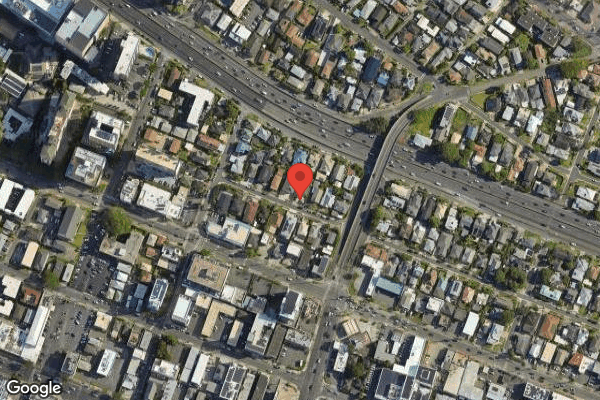

1205 Alexander Street, Honolulu, HI 96826 (808) 773-8700
For profit - Limited Liability company 42 Beds Independent Data: November 2025
Trust Grade
35/100
#34 of 41 in HI
Last Inspection: April 2025

Within standard 12-15 month inspection cycle. Federal law requires annual inspections.

Overview

Islands Skilled Nursing & Rehabilitation has received a Trust Grade of F, indicating significant concerns about the quality of care provided. Ranking #34 out of 41 facilities in Hawaii places it in the bottom half, and #20 out of 26 in Honolulu County means that there are only a few local options that are better. Although the facility is improving, having reduced issues from 27 in 2024 to 14 in 2025, it still faces serious challenges, including $89,206 in fines, which is higher than 97% of Hawaii facilities. Staffing is a relative strength, with a 0% turnover rate, but the overall staffing rating is only 2 out of 5 stars. There were concerning incidents noted, such as a resident suffering hallucinations and increased heart rate due to improper medication application, and failures to maintain proper documentation for staffing, which could indicate underlying issues with care quality.

Trust Score
F
35/100
In Hawaii
#34/41
Bottom 18%
Safety Record
Moderate
Needs review
Inspections
Getting Better
27 → 14 violations
Staff Stability
○ Average
Turnover data not reported for this facility.
Penalties
⚠ Watch
$89,206 in fines. Higher than 98% of Hawaii facilities. Major compliance failures.
Skilled Nurses
✓ Good
Each resident gets 163 minutes of Registered Nurse (RN) attention daily — more than 97% of Hawaii nursing homes. RNs are the most trained staff who catch health problems before they become serious.
Violations
⚠ Watch
64 deficiencies on record. Higher than average. Multiple issues found across inspections.
★★☆☆☆
2.0
Overall Rating
★★☆☆☆
2.0
Staff Levels
★★★☆☆
3.0
Care Quality
★★☆☆☆
2.0
Inspection Score
Stable
2024: 27 issues
2025: 14 issues

The Good

  • Full Sprinkler Coverage · Fire safety systems throughout facility
  • No fines on record

Facility shows strength in fire safety.

The Bad

2-Star Overall Rating

Below Hawaii average (3.4)

Below average - review inspection findings carefully

Federal Fines: $89,206

Well above median ($33,413)

Moderate penalties - review what triggered them

The Ugly 64 deficiencies on record

1 actual harm
Apr 2025 14 deficiencies
CONCERN (D)

Potential for Harm - no one hurt, but risky conditions existed

Safe Environment (Tag F0584)

Could have caused harm · This affected 1 resident

**NOTE- TERMS IN BRACKETS HAVE BEEN EDITED TO PROTECT CONFIDENTIALITY** Based on observations and interviews, the facility failed to provide a clean and homelike environment. Observed a buildup of dus...

Read full inspector narrative →
**NOTE- TERMS IN BRACKETS HAVE BEEN EDITED TO PROTECT CONFIDENTIALITY** Based on observations and interviews, the facility failed to provide a clean and homelike environment. Observed a buildup of dust on the back of the ceiling mounted televisions in five rooms. As a result of this deficient practice, there is the potential to cause adverse health conditions to the residents and affect their overall mood and psychosocial well-being. Findings include: On 04/27/25 at 10:39 AM, initial screening of the residents was being conducted in room [ROOM NUMBER]. Observed back of ceiling-mounted television for Resident (R)2 had a buildup of dust. Upon closer inspection of all four televisions in the room, observed all had a buildup of dust on the back and on the wires connected to them. Asked R2 how often the staff clean the backs of the television. R2 said he has not seen any staff clean them. On 04/27/25 at 10:47 AM, screened two residents in room [ROOM NUMBER] and observe the back of both televisions in the room with a buildup of dust. Both residents in the room had a tracheostomy (breathing tube inserted into an opening created in the windpipe through the neck). On 04/27/25 at 12:03 PM, observed the back of the ceiling mounted televisions in rooms 302, 303 and 305 had a buildup of dust. Residents in rooms [ROOM NUMBERS] had a tracheostomy. Pictures were taken of the back of the televisions. On 04/29/25 at 04:31 PM, an interview was conducted with the Administrator and Interim Director of Nursing (IDON) in the conference room. Asked Administrator how often the contracted housekeeping staff clean the rooms. Administrator said they come everyday to service the rooms. When asked if high dusting is included in the service agreement, Administrator said, Yes. Showed Administrator and IDON pictures of the back of the televisions taken on 04/27/25, both acknowledged that there was a buildup of dust, and it should be cleaned more often. Administrator added that the Environmental Services Supervisor (EVS) oversees the contracted housekeepers and would know more details on the cleaning schedule. On 04/30/25 at 06:49 AM, an interview was conducted with EVS in the conference room. Showed EVS pictures of the back of the televisions taken on 04/27/25. EVS acknowledged there was a build up of dust. EVS said the housekeepers perform high dusting once a month but were not able to do this task recently because they do not have a duster with a long handle to reach the back of the televisions.
CONCERN (D)

Potential for Harm - no one hurt, but risky conditions existed

Assessment Accuracy (Tag F0641)

Could have caused harm · This affected 1 resident

**NOTE- TERMS IN BRACKETS HAVE BEEN EDITED TO PROTECT CONFIDENTIALITY** Based on record review and interview, the facility failed to accurately assess one (Resident 18) of four residents reviewed for ...

Read full inspector narrative →
**NOTE- TERMS IN BRACKETS HAVE BEEN EDITED TO PROTECT CONFIDENTIALITY** Based on record review and interview, the facility failed to accurately assess one (Resident 18) of four residents reviewed for limitations of range of motion. The deficient practice puts the resident at risk of not having an accurate assessment and proper treatment to maintain his range of motion. Findings Include: Record review of R18's Electronic Health Record (EHR) on 04/28/25 revealed he is [AGE] years old, admitted to the facility on [DATE] and his diagnoses include, but are not limited to, dysphagia, oropharyngeal phase; type 2 diabetes mellitus without complications; unspecified dementia, unspecified severity, without behavioral disturbance, psychotic disturbance, mood disturbance, and anxiety; and tracheostomy status. Review of R18's Minimum Data Set (MDS) with an Assessment Reference Date (ARD) of 06/14/24 revealed under section GG - Functional Abilities and Goals was coded as 0 - No impairment to his upper and lower extremities. Review of R18's MDS with ARD of 12/22/24 shows R18 was coded as 2 -Impairment on both sides of his upper and lower extremities. Review of R18's MDS with an ARD of 03/24/25 under section GG - Functional Abilities and Goals was coded as 2 impairments of both sides of R18's upper and lower extremities. On 04/30/25 at 10:16 AM Interviewed Certified Nurse Aide (CNA)5 who was assigned to work with R18. Inquired if CNA performs passive range of motion with R18 and CNA5 stated R18 is able to help when he turns on his right side. On 04/30/25 at 10:41 AM interviewed off site MDS Coordinator on the phone. Inquired about R18's coding for MDS with ARD of 06/21/24, 12/22/24 and 03/24/25 with change in R18's section GG - Functional Abilities and Goals was coded as 2 impairments of both sides of R18's upper and lower extremities for 12/22/24 and 03/24/25. Inquired why when the resident is able to assist turning on his right side. MDS coordinator stated she did not do the 12/22/24 assessment and will pull this information and review it and provide surveyor with an answer. On 04/30/25 at 01:10 PM Administrator delivered a copy of the explanation supplied from the MDS Coordinator for R18's coded impairments. MDS Coordinator reviewed R18's MDS with ARD of 12/22/24 section GG 115. Functional Limitations Range of motion and reported based on gathered information for this ARD coding appears to be correct. MDS coordinator reviewed R18's MDS with ARD of 03/24/25 and wrote Discussion with Therapy Department r/t (related to) review which indicates (per the reading of their notes). Impaired strength to both sides/ upper extremities. No contractures. Rt Arm with Impairment in ROM (range of motion). Lt Arm w/o/ impairment. Upon review this appears to be an coding error on the MDS and should have been coded as = 1 (Impairment on one side). MDS Modification of the ARD: 03/24/25 to correct coding - completed 04/30/25. Care plan for this resident has been updated .
CONCERN (D)

Potential for Harm - no one hurt, but risky conditions existed

Deficiency F0655 (Tag F0655)

Could have caused harm · This affected 1 resident

**NOTE- TERMS IN BRACKETS HAVE BEEN EDITED TO PROTECT CONFIDENTIALITY** Based on interview and record review the facility failed to develop and implement a baseline care plan for Resident (R)33's hype...

Read full inspector narrative →
**NOTE- TERMS IN BRACKETS HAVE BEEN EDITED TO PROTECT CONFIDENTIALITY** Based on interview and record review the facility failed to develop and implement a baseline care plan for Resident (R)33's hyperglycemia (high blood sugar) and use of insulin to control it. The deficient practice could affect all the residents at the facility receiving insulin if a baseline care plan is not developed and implemented to provide effective and person-centered care. Findings Include: On 04/27/25 at 01:58 PM a family interview was conducted at R33's bedside. Inquired if R33 is receiving insulin and Family Member (FM) stated yes he started receiving insulin and his blood sugars have been good. Inquired if resident is diabetic and FM stated no that he started getting insulin when he was in the hospital. Record review of R33's Electronic Health Record (EHR) revealed he was admitted to the facility on [DATE] and his diagnoses included, but not limited to, shock, unspecified, cardiac arrest, cause unspecified, and tracheostomy status. Review of R33's list of diagnoses, in his EHR, did not reveal a diagnosis of diabetes mellitus or hyperglycemia. Review of R33's Minimum Data Set (MDS) with an Assessment Reference Date (ARD) of 04/14/25 did not show a coded diagnosis of diabetes mellitus or hyperglycemia. The MDS did reveal R33 was coded as getting insulin for the past 7 days since admission under section N. - Medications. Review of R33's medication orders showed an order for Insulin Glargine Subcutaneous Solution Pen-injector 100 UNIT/ML (Insulin Glargine) Inject 12 unit subcutaneously two times a day for DM which was ordered on 04/07/25. Review of R33's care plan, that was initiated on 04/07/25, did not find a baseline care plan for diabetes mellitus, hyperglycemia and use of insulin to control blood sugar levels. On 04/29/25 at 03:23 PM interviewed Interim Director of Nursing (IDON) in the conference room and asked if a resident is receiving insulin if they would have a diabetes diagnosis and she confirmed this. Inquired about R33 as he does not have a diagnosis of DM. IDON looked at R33's EHR and stated she will investigate this and get back to surveyor on this matter. On 04/29/25 at 03:47 PM a phone interview was conducted with the IDON. IDON stated she found R33's doctor's note that states resident is receiving insulin for hyperglycemia. Shortly afterwards, at 03:50 PM IDON came to the conference room and shared R33's attending physician's note. Concurrent review of the note provided revealed it was R33's admission History and Physical Note dated 04/08/25. R33's attending physician wrote under Assessment/Plan (R73.9) Hyperglycemia Plan: no hx (history) DM. On Lantus 12u (units) bid (twice a day) on TF (tube feeding). Accuchecks (blood sugar tests) under 150's. Continued review of R33's EHR with IDON. Inquired if R33 had a diagnosis of hyperglycemia or DM on his list of diagnosis page and IDON confirmed she did not see it listed on resident's diagnosis page. Inquired if R33 had a baseline care plan for hyperglycemia and use of insulin to control R33's blood sugar levels and IDON denied this.
CONCERN (D)

Potential for Harm - no one hurt, but risky conditions existed

Quality of Care (Tag F0684)

Could have caused harm · This affected 1 resident

Based on record review and interview the facility failed to follow Resident (R) 22's care plan and facility policies/protocols for the prevention/treatment of skin breakdown for one resident of three ...

Read full inspector narrative →
Based on record review and interview the facility failed to follow Resident (R) 22's care plan and facility policies/protocols for the prevention/treatment of skin breakdown for one resident of three resident sampled for pressure ulcer/injury. The deficient practice puts the residents at risk for worsening of a pressure ulcer. Findings Include: Record review of R22's MDS with an ARD of 09/20/24 revealed resident was coded for a stage 3 pressure ulcer (PU) that was facility acquired. R22's PU is now coded as a stage 4 PU in the MDS with an ARD of 12/21/24 and continued to have the stage 4 PU for the MDS with an ARD of 03/19/25. Review of R22's care plan revealed she had the following Follow facility policies/protocols for the prevention/treatment of skin breakdown. which was initiated on 05/31/24 and last revision done on 04/10/25. On 04/29/25 at 04:01 PM interviewed Interim Director of Nursing (IDON) in the conference room and reviewed the turning logs for R22. On R22's Turning Schedule Log for 04/21/25 and 04/23/25 at 1 PM R22 was documented on her right and at 3 PM was documented on her right. On 04/22/25 at 1 PM R22 was documented on her left and at 3 PM R22 was documented on her left. IDON confirmed the staff should have turned the resident. IDON did state R22's fiance also moves the resident and that might be why the resident was documented on the same side.
CONCERN (D)

Potential for Harm - no one hurt, but risky conditions existed

Accident Prevention (Tag F0689)

Could have caused harm · This affected 1 resident

**NOTE- TERMS IN BRACKETS HAVE BEEN EDITED TO PROTECT CONFIDENTIALITY** Based on observation and interview the facility failed to provide an environment free of accident hazards for one of one residen...

Read full inspector narrative →
**NOTE- TERMS IN BRACKETS HAVE BEEN EDITED TO PROTECT CONFIDENTIALITY** Based on observation and interview the facility failed to provide an environment free of accident hazards for one of one residents sampled for Accident Hazards, Resident (R) 3. R3's upper right bed rail was removed from his bed which staff were unaware of. This deficient practice could put all residents at the facility, who are dependent upon staff for care, and have bed rails at risk for accidents. Findings Include: On 04/27/25 at 12:13 PM observed R3 resting in his bed. At this time noticed R3's upper right bed rail was missing from his bed. Inquired with Environmental Services Supervisor (EVS), who happened to be in the hallway outside of R3's room, where R3's bed rail could be. EVS went to R3's bed and confirmed the bed rail was missing and stated he would search for it and stated he thinks R3's wife removed it. Record review of R3's Electronic Health Record (EHR) revealed he was admitted to the facility on [DATE] with diagnoses that included, but not limited to, personal history of malignant neoplasm of brain (cancerous brain tumor), dependence of supplemental oxygen, other reduced mobility, contracture of muscle (occurs when your muscles, tendons, joints, or other tissues tighten or shorten causing a deformity) multiple sites, and tracheostomy status. Review of R3's Minimum Data Set (MDS) with an Assessment Reference Date (ARD) of 01/22/25 revealed under section GG - Functional Abilities and Goals R3 has impairments of range of motion to both his upper and lower extremities, is totally dependent on staff for his personal hygiene and movement. Continued record review found R3 has a signed Bed Rails Consent form which states the possible benefits is *Prevention of falls which might result in injury or death. On 04/28/25 at 08:24 AM observed R3 resting in is bed with both upper bed rails up on his bed. On 04/28/25 at 01:30 PM EVS notified surveyor staff found R3's bed rail in his bathroom and put it back on his bed.
CONCERN (D)

Potential for Harm - no one hurt, but risky conditions existed

Drug Regimen Review (Tag F0756)

Could have caused harm · This affected 1 resident

Based on staff interviews, record review and review of policy, the facility failed to act on a Pharmacist Medication Regimen Review (MRR) recommendation for one resident (R) 2 of five residents sample...

Read full inspector narrative →
Based on staff interviews, record review and review of policy, the facility failed to act on a Pharmacist Medication Regimen Review (MRR) recommendation for one resident (R) 2 of five residents sampled for Unnecessary Medication Review. As a result of this deficiency, the facility put R2 at risk for complications related to medications. Findings include: Review of Electronic Health Record (EHR) revealed R2 admitted with diagnosis including Paraplegia, Depression, Anxiety, Hypertension, Pulmonary Embolism. Current medications Apixaban (to prevent blood clotting), Mirtazapine (for depression), Morphine Sulfate (for pain), Oxycodone (for pain), Sertraline (for depression). Review of Pharmacist MRR dated 02/28/25, read please consider the following labwork: Primidone level, Phenobarbital level, Magnesium level. There was no documentation that showed this was communicated to the physician. Staff interview on 04/30/25 at 02:20 PM, Interim Director of Nursing (IDON) acknowledged that the recommendation previously mentioned was not communicated to the physician. IDON said that during that time, the Director of Nursing position was vacant and the MRR was not communicated because of that. Facility policy on Medication Monitoring, Medication Regimen Review and Reporting read; Policy, MRR of Drug Regimen Review is a thorough evaluation of the medication regimen of a resident, with the goal of promoting positive outcomes and minimizing adverse consequences and potential risks associated with medication. The MRR includes review of the medical record in order to prevent, identify, report and resolve medication-related problems, medication errors or other irregularities. The MRR also involves collaborating with other members of the IDT, including the resident, their family, and/or resident representative . The consultant pharmacist reviews the medication regimen and medical chart of each resident at least monthly to appropriately monitor the medication regimen and ensure that the medications each resident receives are clinically indicated. Identification of irregularities may occur by the consultant pharmacist utilizing a variety of sources including medication administration records, prescriber's orders, progress notes, nurse's notes, the Resident Assessment Instrument, Minimum Data Set, laboratory and diagnostic test results, behavior monitoring information and information from the nursing care center staff and other health professionals involved in the resident's care . Resident specific MRR recommendations and findings are documented and acted upon by the nursing care center and/or physician . The nursing care center follows up on the recommendations to verify that appropriate action has been taken. Recommendations should be acted upon within 30 calendar days of per facility specific protocols .
CONCERN (D)

Potential for Harm - no one hurt, but risky conditions existed

Deficiency F0761 (Tag F0761)

Could have caused harm · This affected 1 resident

2) On 04/29/25 at 08:13 AM observed medication cart two near nurse's station with keys left unattended in a disposable cup on top of the medication cart. Inquired of Registered Nurse (RN) 7 if the med...

Read full inspector narrative →
2) On 04/29/25 at 08:13 AM observed medication cart two near nurse's station with keys left unattended in a disposable cup on top of the medication cart. Inquired of Registered Nurse (RN) 7 if the medication cart keys are supposed to be left on the medication cart and she stated, they told us to put them there. Inquired of RN7 who she meant and she stated manager. Inquired if RN7 is supposed to keep the keys on herself and she stated no that they were told to put the keys near the cups on top of the medication cart or the side of the cart near the medication cups and hide them. Inquired if the set of keys includes the narcotic key and she confirmed it does. Inquired of RN7 if she knew what the facility policy states regarding medication cart keys and she stated she had not seen it. At this time reviewed the medication cart Narcotic Endorsement Log and found there were two blank slots for 04/13/25 when the oncoming nurse for 0700-1900 shift and off going nurse for 1900-0700 shift did not initial confirmation of reconciliation of narcotic count. Inquired of RN7 why this occurred and she stated someone did not sign. On 04/29/25 at 12:05 PM interviewed Interim Director of Nursing (IDON) at the nurse's station on the second floor. Inquired if the medication cart keys are to be kept with the nurse or left on the medication cart and IDON stated with the nurse. Requested a copy of facility's policy on medication administration. Review of facility policy titled Narcotic & Pain Patch that was reviewed on 02/26/25 states Policy: It is the policy of this facility to maintain records of all narcotic and pain patches at the time of receiving in the facility until destruction. Policy Explanation and Compliance Guidelines: . 3. Both nurses will sign the shift change log verifying the count is accurate at the time of reconciliation. 4. Medication cart keys are to be kept with the RN at all times. 3) On 04/29/25 at 08:36 AM medication cart check was done with RN7, near the nurse's station. Observed a vial of Humulin R insulin that was labeled it was opened on: 01/23/25 and to discard by: 02/23/25. Showed the label to RN7 who confirmed the medication should have been thrown away. RN7 stated R5 has not been given it in awhile because her sliding scale is in good control. RN7 stated she checked the refrigerator and there was no refill of this medication for R5 and she would have to contact the pharmacy to get a new one. Record review of R5's medication administration record revealed she had been given 4 units of Humulin R insulin at 0600 (06:00 AM) on 04/09/25, 04/10/25 and 04/12/25 when her blood sugar was between 201-250. Based on observations, interviews and record reviews, the facility failed to: 1. Ensure all medications and blood glucose testing supplies were labeled in accordance with professional standards. Proper labeling is necessary to promote safe administration practices and decrease the risk for medication errors. Proper labeling of blood glucose testing supplies is necessary to ensure the efficacy of the supplies used to test the blood glucose meter for accuracy. 2. Assure only authorized personnel had access to the medication cart keys and assure nurses were doing the change of shift count of narcotics at the end of each shift and signing the narcotic endorsement log after it was reconciled. 3. Dispose of insulin for one resident, Resident (R) 5, by the discard date. These deficient practices have the potential to affect all residents in the facility. Findings include: 1) On 04/29/25 at 08:46 AM, inspected medication cart two with Registered Nurse (RN)5. Observed glucometer (device used to measure glucose in the blood), test strips and control solutions that were kept in the top drawer of the cart. Both control solutions and test strips canister did not have a label with the open and discard dates. Asked RN5 how often do they test the glucometer for accuracy and function. RN5 said they test it once a day and it is done by the night shift staff. When asked if the test strip and control solutions in the cart were being used to test the glucometer, RN5 said, Yes. Asked RN5 if she can tell when the test strips and control solutions were opened, RN5 inspected them and confirmed she was not able to since they were not labeled. RN5 added she will discard them and get a new set. Review of the glucometer user's guide stated, . Record the date on the bottle when opening a new bottle of control solution. Discard any unused control solution three months after the opening date . For vial test strips, records the date on the bottle when you open a new bottle of test strips. Discard any unused test strips six months after opening.
CONCERN (D)

Potential for Harm - no one hurt, but risky conditions existed

Food Safety (Tag F0812)

Could have caused harm · This affected 1 resident

Based on observation and interview, the facility failed to ensure the ice machine was kept in clean and sanitary condition in accordance with professional standards for food service safety. This defic...

Read full inspector narrative →
Based on observation and interview, the facility failed to ensure the ice machine was kept in clean and sanitary condition in accordance with professional standards for food service safety. This deficient practice placed the residents at risk for foodborne illness. Findings include: On 04/27/25 at 09:10 AM, initial tour of the kitchen was conducted with Kitchen Manager (KM). Opened door to ice machine and observed a grayish-green buildup under the area where ice is dispensed. KM acknowledged that the ice dispenser had a buildup of a grayish-green residue. Used a dry paper towel to wipe the area and was able to remove some of the residue. KM said the ice machine was recently serviced on 03/31/25 by an outside vendor but did not notice the buildup under the dispenser. KM presented log where monthly inspection of the ice machine is documented, next service is scheduled on 04/30/25. KM said he will ask the staff to clean the dirty dispenser today and add this task on the weekly log.
CONCERN (D)

Potential for Harm - no one hurt, but risky conditions existed

Medical Records (Tag F0842)

Could have caused harm · This affected 1 resident

**NOTE- TERMS IN BRACKETS HAVE BEEN EDITED TO PROTECT CONFIDENTIALITY** Based on record review and interview the facility failed to correctly fill out an accurate Physician Orders for Life Sustaining ...

Read full inspector narrative →
**NOTE- TERMS IN BRACKETS HAVE BEEN EDITED TO PROTECT CONFIDENTIALITY** Based on record review and interview the facility failed to correctly fill out an accurate Physician Orders for Life Sustaining Treatment (POLST) for one of three residents reviewed for Advance Directives, Resident (R) 18. Findings Include: Record review of R18's Electronic Health Record (EHR) revealed he was admitted to the facility on [DATE] and his diagnoses include, but not limited to, dysphagia, oropharyngeal phase, type 2 diabetes mellitus with other skin complications, unspecified dementia, unspecified severity, without behavioral disturbance, psychotic disturbance, mood disturbance, and anxiety, and tracheostomy status. Continued record review revealed R18's EHR did not have an Advanced Health Care Directive appointing an agent as his Power of Attorney to make health care decisions should he become unable to. Review of R18's POLST, that was prepared on 06/18/24, revealed under section D Signatures and Summary of Medical Condition, the Legally Authorized Representative (LAR) box was marked with an X. Instructions stated, If LAR is checked, you must check one of the boxes below: and Agent designated in Power of Attorney for Healthcare was marked with an X. On 04/28/25 at 04:05 PM requested a copy of R18's Advanced Health Care Directive (AHCD) from Administrator. On 04/29/25 at 12:22 PM Administrator provided a copy of facility admission form that R18 or his representative signed stating they do not wish to complete an Advanced Directive and do not wish to complete a POLST at that time dated 06/15/24. On 04/29/25 at 01:48 PM interviewed Social Worker (SW) in her office. Inquired if R18 had an AHCD and SW confirmed R18 did not have an AHCD. Inquired about R18's POLST that states R18's wife is his Agent designated in Power of Attorney for Healthcare. SW reviewed R18's POLST and stated this was a mistake that Surrogate selected by consensus of interested persons (Sign section E) box should have been marked. Review of POLST revealed R18's wife had signed section E per POLST instructions. Inquired of SW for a copy of R18's surrogate form and letter from his doctor identifying resident as not have capacity to make his own health care decisions. SW stated she did not have this. Inquired if the facility has a process in place for this type of situation, when a surrogate would need to be named to make health care decisions for the resident without capacity and SW stated the facility does not have a process in place for initiating a surrogate for the residents if/when this is needed. SW confirmed R18's wife is not his Healthcare POA as checked off on his POLST and she stated she would work on getting it fixed with the resident's wife.
CONCERN (D)

Potential for Harm - no one hurt, but risky conditions existed

Infection Control (Tag F0880)

Could have caused harm · This affected 1 resident

**NOTE- TERMS IN BRACKETS HAVE BEEN EDITED TO PROTECT CONFIDENTIALITY** 5) On 04/27/25 at 11:10 AM observed R31 resting in his bed. At this time observed R31's indwelling urinary catheter tubing and u...

Read full inspector narrative →
**NOTE- TERMS IN BRACKETS HAVE BEEN EDITED TO PROTECT CONFIDENTIALITY** 5) On 04/27/25 at 11:10 AM observed R31 resting in his bed. At this time observed R31's indwelling urinary catheter tubing and urinary bag, which was covered with a privacy bag, resting on the floor next to R31's bed. Record review of R31's Electronic Health Record revealed he was admitted to the facility on [DATE] and his diagnoses include, but are not limited to, chronic pulmonary edema, persistent vegetative state and neuromuscular dysfunction of bladder, unspecified. Review of R31's Minimum Data Set (MDS) with an Assessment Reference Date (ARD) of 02/25/25 revealed he was coded for having a urinary catheter and he is totally dependent upon staff for his care. On 04/30/25 at 02:18 PM a phone interview was conducted with the Interim Director of Nursing (DON). Inquired if it was okay for residents with a urinary indwelling catheter and the urinary bag to rest on the floor. Interim DON confirmed nothing of the Foley (urinary indwelling) catheter system should be resting on the floor. Based on observations, interviews, and record reviews, the facility failed to implement infection prevention and control measures when providing care for residents. The facility did not ensure that staff perform hand hygiene between glove changes and wearing applicable personal protective equipment (PPE) when providing care to a resident on Enhanced Barrier Precautions (EBP). The facility failed to assure one of two residents sampled for Urinary Catheter or UTI, Resident (R) 31, had their indwelling urinary catheter tubing and urinary bag which was covered with a privacy bag were kept up off of the floor. This deficient practice placed the residents at risk for the potential spread of infections and communicable diseases. Findings include: 1) On 04/27/25 at 09:36 AM during the initial screening of residents, observed Licensed Practical Nurse (LPN)1 administer medications to R136. LPN1 was wearing a gown, gloves and mask as she entered the room and placed the medications to be administered on the bedside table. LPN1 administered eye drops, removed gloves and donned a new pair of gloves. LPN1 did not perform hand hygiene prior to donning new pair of gloves. LPN1 then administered the rest of R136's medications though his gastrostomy tube (feeding tube surgically placed through the abdomen into the stomach). 2) On 04/29/25 at 11:50 AM, observed Registered Nurse (RN)5 change the dressing to R12's pressure ulcer to buttocks. RN5 gathered all the supplies needed for the dressing change and placed them on the bedside table with a barrier. RN5 was wearing gloves, gown and a face mask. After removing the old dressing, RN5 discarded it into the trash can that was next to the bed, removes her gloves and donned a new pair of gloves. RN5 did not perform hand hygiene between glove change. Review of facility policy titled Hand Hygiene stated, . The use of gloves does not replace hand hygiene. If your task requires gloves, perform hand hygiene prior to donning gloves, and immediately after removing gloves. On 04/29/25 at 03:56 PM, and interview was conducted with the Infection Preventionist (IP) in the conference room. IP confirmed the staff are trained to perform hand hygiene between glove changes. 3) On 04/27/25 at 09:57 AM, observed LPN1 administer medication to R12 through her gastrostomy tube. R12 was on EBP due to the use of a gastrostomy tube. LPN1 placed the medications on the bedside table, checked the gastrostomy tube placement, and administered medication. LPN1 had gloves on but was not wearing a gown. 4) On 04/27/25 at 12:23 PM, observed LPN1 flushing R19's gastrostomy tube after the feeding formula was completed. R19 was on EBP for the use of a gastrostomy tube. LPN1 had gloves and mask on but was not wearing a gown. Review of facility policy titled Enhanced Barrier Precautions stated, Enhanced barrier precautions . employs targeted gown and gloves use during high contact resident care activities. for residents with any of the following . indwelling medical devices (e.g., central lines, urinary catheters, feeding tubes, tracheostomy/ventilator tubes . even if the resident is not known to be infected or colonized . care activities include . Device care and use . On 04/29/25 at 03:56 PM, an interview was conducted with the IP in the conference room. IP confirmed that staff are to wear gown and gloves when administering medications to a resident with a gastrostomy tube.
CONCERN (E)

Potential for Harm - no one hurt, but risky conditions existed

Resident Rights (Tag F0550)

Could have caused harm · This affected multiple residents

**NOTE- TERMS IN BRACKETS HAVE BEEN EDITED TO PROTECT CONFIDENTIALITY** Based on observations, interviews, and record review, the facility failed to ensure the right to a dignified existence for four ...

Read full inspector narrative →
**NOTE- TERMS IN BRACKETS HAVE BEEN EDITED TO PROTECT CONFIDENTIALITY** Based on observations, interviews, and record review, the facility failed to ensure the right to a dignified existence for four of 15 sampled residents (Resident (R)19, R9, R13 and R16 ) was protected. Specifically, staff were standing over R9, R13 and R16 while assisting them with their meals, and R19's urinary catheter bag was not covered. These deficient practices placed the residents at risk of embarrassment, decreased enjoyment of their environment, and decreased psychosocial well-being with potential negative effects such as decreased social interaction and social isolation. Findings include: 1) On 04/27/25 at 11:52 AM, observed Certified Nurse's Aide (CNA)9 assist R9 with lunch. R9 was in bed, supine position with head elevated. CNA9 placed the meal tray on the bedside table that was on the right side of the bed. CNA9 was positioned with the bedside table on her left and R9's bed on her right. CNA9 was standing over R9 as she assisted him with his meal. 2) On 04/27/25 at 11:56 AM, observed CNA11 assist R13 with his pudding and thickened juice. R13 was in a supine position in bed with the head elevated. CNA11 was standing over R13 as she assisted him with his meal 3) On 04/27/25 at 12:05 PM and 04/28/25 at 07:38 AM, observed CNA11 assist R16 with his meals. Both days, R16 was in bed with his head elevated and CNA11 was standing over him while assisting him with his meals. Review of facility policies titled Meal Supervision and Assistance and Promoting/Maintaining Resident Dignity conducted. Both policies did not mention if staff need to be sitting with the residents or be at eye level when assisting with their meal. On 04/29/25 at 03:56 PM, a concurrent interview and record review was conducted with the Interim Director of Nursing (IDON) in the conference room. Reviewed policy for promoting dignity and assisting residents with meals. IDON acknowledged that both policies do not include instructions for the staff to be sitting with the resident or be at eye level when assisting them with their meal. IDON added that the staff take into account the preference of the resident. When asked if all the residents are able to communicate their preference, IDON said, The staff just stand, that's how the staff do it. 4) On 04/27/25 at 10:19 AM, initial screening of the residents was being conducted. Observed R19 lying in bed with head slightly elevated and turned to her right facing the door. R19 had a urinary catheter connected to a collection bag that was hung on the right side of the bed and was visible from the hallway. The collection bag did not have a privacy cover. Review of R19's Electronic Health Record (EHR) was conducted. R19 was admitted to the facility on [DATE] for long-term placement. Diagnoses included but not limited to hemiplegia (paralysis) and hemiparesis (weakness) following cerebral infarction (stroke) and aphasia (loss of ability to communicate). Under Orders, with a start date of 11/17/24, Foley - Ensure Foley Catheter Privacy Bag is in Place. On 04/29/25 at 04:28 PM, an interview was conducted with IDON in the conference room. IDON confirmed that all urinary catheter collection bags are to be in a privacy cover at all times.
CONCERN (E)

Potential for Harm - no one hurt, but risky conditions existed

Comprehensive Care Plan (Tag F0656)

Could have caused harm · This affected multiple residents

Based on observation, record review and interview the facility failed to develop and implement comprehensive person-centered care plan (CP) for two of 20 residents sampled for care plan review, Reside...

Read full inspector narrative →
Based on observation, record review and interview the facility failed to develop and implement comprehensive person-centered care plan (CP) for two of 20 residents sampled for care plan review, Residents (R) 3 and 14. 1. R3 did not have a CP to address his need for bed rail use and interventions to keep him safe. 2. R14 did not have a CP to address his declining Range of Motion (ROM) and interventions that would be used such as Range of Motion exercises to maintain his ROM. Findings Include: 1) On 04/27/25 at 12:13 PM observed R3 lying in his bed and noticed his upper right bed rail was not on the bed. Inquired of Environmental Services Manager (ESM) if he knew where the bed rail was and he said he would search for it, stated he thinks resident's wife removed it. On 04/28/25 at 01:30 PM ESS notified surveyor staff found R3's bedrail in his bathroom and put it back on his bed. On 04/29/25 at 04:32 PM observed R3 in his bed and both side rails were on his bed. Record review of R3's Electronic Health Record (EHR) on 04/30/25 revealed R3 had a signed Bed Rails Consent form to use bed rails. Review of R3's CP found there was nothing for bed rail use. On 04/30/25 at 02:10 PM a phone interview was conducted with the Interim Director of Nursing (IDON). IDON confirmed R3 did not have a CP for bed rail use and she said she will add it to the CP. 2) Review of R14's Minimum Data Set (MDS) with an Assessment Reference Date (ARD) of 10/25/24 revealed resident was coded as having no impairment to his upper extremities and has an impairment to his lower extremities. Review of R14's MDS with an ARD of 01/25/25 states resident has an impairment to resident's upper and lower extremities. 04/29/25 04:01 PM interviewed IDON in the conference room, and asked who does Range of Motion (ROM) with residents and she stated if the resident has therapy they will do with Physical Therapy (PT) or Occupational Therapy (OT) otherwise it's with the Certified Nurse Aides (CNAs). IDON stated it is stretching and moving the arms and legs, Passive Range of Motion when CNAs are changing the residents clothes or moving them in bed , there is no set number of exercises. Reviewed R14's CP with IDON and she confirmed there was nothing in R14's CP that addresses his ROM needs. On 04/30/25 at 11:39 AM IDON came to the conference room to share the intervention was added to R14's CP today to Provide gentle range of motion as tolerated with daily care. by Rehab Director because Rehab Director told IDON she forgot to add it to the CP. IDON confirmed this should have been added previously.
CONCERN (F)

Potential for Harm - no one hurt, but risky conditions existed

Staffing Data (Tag F0851)

Could have caused harm · This affected most or all residents

Based on record review and interview the facility failed to submit their staffing information based on payroll data for direct care staffing (including information for agency and contract staff) for f...

Read full inspector narrative →
Based on record review and interview the facility failed to submit their staffing information based on payroll data for direct care staffing (including information for agency and contract staff) for fiscal quarter 3 of 2024 (April 1 - June 30), to the Center of Medicare and Medicaid Services (CMS) on the schedule specified by CMS. Findings Include: Review of the CMS Payroll-Based Journal (PBJ) Staffing Data Report [NAME] Report 1705D for fiscal year Quarter 3 of 2024 (April 1 - June 30) revealed the facility Triggered for Failed to Submit Data for the Quarter which states Triggered = No Data Submitted for Quarter. On 04/30/25 at 02:30 PM an interview was conducted with the Administrator and Interim Director of Nursing (DON) in the Administrator's office. Inquired if the facility had submitted the required staffing information based on payroll data to CMS. Administrator stated there were two instances when the facility was not able to submit the PBJ information on time and he stated once you miss the deadline you are not allowed to turn anything in.
CONCERN (F)

Potential for Harm - no one hurt, but risky conditions existed

Safe Environment (Tag F0921)

Could have caused harm · This affected most or all residents

Based on observation, staff interview and policy review, the facility failed to keep record of dryer lint removal and cleaning. As a result of this deficient practice, the facility did not show that t...

Read full inspector narrative →
Based on observation, staff interview and policy review, the facility failed to keep record of dryer lint removal and cleaning. As a result of this deficient practice, the facility did not show that there was any dryer lint removal and/or cleaning being done. Findings include: During observation of the dryer lint traps on 04/30/25 at 10:00 AM, observation was done mid-cycle, and the lint traps had a thin layer of lint. Staff interview on 04/30/25 @ 10:05 AM, Environmental Services Director (EVS Dir) revealed that they recently stopped keeping record of dryer lint removal and cleaning but later said that they would start to keep the records again. Review of facility policy on Laundry read; Policy, the facility launders linens and clothing in accordance with current CDC guidelines to prevent transmission of pathogens . Laundry equipment will be used and maintained according to manufacturer's instructions . Dryer vents will be checked daily to ensure lint is removed properly and completely. Dryer vents are washed monthly .
Jul 2024 6 deficiencies 1 Harm
SERIOUS (G) 📢 Someone Reported This

A family member, employee, or ombudsman was alarmed enough to file a formal complaint

Actual Harm - a resident was hurt due to facility failures

Deficiency F0726 (Tag F0726)

A resident was harmed · This affected 1 resident

**NOTE- TERMS IN BRACKETS HAVE BEEN EDITED TO PROTECT CONFIDENTIALITY** Based on interviews, document and record review, the facility nursing staff did not demonstrate the competency and skill set to ...

Read full inspector narrative →
**NOTE- TERMS IN BRACKETS HAVE BEEN EDITED TO PROTECT CONFIDENTIALITY** Based on interviews, document and record review, the facility nursing staff did not demonstrate the competency and skill set to provide one Resident (R)1 the services needed to safely care for him. Specifically, when R1 had ongoing symptoms that were not his baseline requiring additional intervention, they did not implement the process to obtain emergency physician services when unable to reach the on call provider. In addition, nursing applied a scopolamine patch (used to control secretions) on R1, that was not ordered by the physician. The patch may have resulted in significant side effects. As a result of these deficiencies, R1 suffered harm and experienced hallucinations, and increased heart rate. He as ultimately transferred to acute care facility, where he was admitted . Findings include: 1) R1 is a [AGE] year old male with a past medical history includes cerebral hemorrhage with quadriplegia, chronic respiratory failure with tracheostomy, hypertension, dysphasia (difficulty swallowing), and gastrostomy tube dependent for nutrition. At his baseline, he does not require oxygen and is alert and oriented 1x-2x (person and place). He requires extensive assistance for all activities of daily living, can only make some needs known with expression, nodding head and gestures, and totally dependant on staff. He was admitted to the facility from an acute care hospital on [DATE] for skilled nursing and respiratory care. On 05/31/2024, R1 was transferred to the hospital due a rapid heart rate, fever and changes in his behavior. His physician (MD)1 was notified in the AM, and ordered the scopolamine patch be removed. When R1's symptoms continued, the nursing staff were unable to reach a provider in a timely manner, but did not go through the chain of command for assistance, until R1's mother arrived and was upset he had not been transferred to the Emergency Department. 2) Record review revealed the following Progress notes: Nursing Notes: 05/29/2024 at 02:52 PM: O2 97% .Resident with pain this shift. Administered Tylenol @1504, had HR (heart rate) over 100's and was making a lot more movement, . 05/31/2024 04:54 AM: Noted resident HR fluctuating 100s-115 and restless and combative during brief change. 05/31/2024 at 10:56 AM: Resident is combative and HR goes up to the 140's. Will not shake head yes or no when asked if in pain. 05/31/2024 at 12:00 PM: Resident is combative and HR is in the 130's. Will continue to monitor 05/31/2024 at 12:10 PM: Resident with pain this shift. Suspected pain d/t (due to) HR in 130's and intermittent spikes to 151. Administered PRN Tylenol at 1056 crushed though g-tube as per MAR. Medication was ineffective. Resident with behaviors on shift. Resident combative, agitated, and restless. New orders received. Hold Scopolamine patch for 14 days d/t possible hallucinations. Resident combative, agitated and HR elevated in the 130's with intermittent spikes to 140's. RN, RT (Respiratory Therapist) and MD suspected hallucinations from Scopolamine patch and MD ordered to help patch for 14 days. Resident's mother (POA (Power of Attorney)) notified. Mother states, I have scolded the CNA's (Certified Nurse Assistants) about not pulling his arm. I think his arm is in pain from it being pulled. Father called and stated, I have seen his arm being pulled when he is repositioned. That causes him pain and his heart rate to go up.DON (Director of Nursing) notified of mother and father's statements. Provided rounding every 15 minutes throughout the shift. Pt was sent to .ER (Emergency Room) @ 18:48 (06:48 PM). Respiratory Services note: 05/31/2024 at 18:21: .Throughout shift. Resident's HR high, up and down all day between 110-160. Suspected hallucinations/anxiety from scopolamine patch. Patch taken off this morning. Resident very combative and did not rest all day. Writer also asked for ST (speech therapist) opinion and ST thinks it could be hallucinations as well. RN aware. Management aware. Waited for on call APRN (Advance Practice Registered Nurse) 3) Review of the Medication Records revealed the following: - There was an order for scopolamine patch 72 hour 1 Mg (milligram)/3 days with start date of 03/05/2022, and end date of 03/07/2024. Review of Medication Administration Records revealed the last documented application of a scopolamine patch on R1 was 03/07/2024. There was no order for the scopolamine patch that was documented in the progress notes to be on R1 on 05/31/2024. 4) Reviewed the facility policy titled Administering Medications. The policy included: 2. Medications must be administered in accordance with the orders . 7. The individual administering the medication must check the label THREE times to verify the right resident, right medication, right dosage, right time and right method (route) of administration before giving the medication. 19. The individual administering the medication must initial the resident's MAR (medication administration record) on appropriate line after giving each medication and before administering the next ones. 20. As required ., the individual administering the medication will record in the residents medical record: a. The date and time medication was administered; b The dosage c. The route of administration: .e. Any complaints or symptoms for which the drug was administered; f. Any results achieved and when those results were observed; and g. The signature and title of the person administering the drug. There was no documentation in the medical record to identify who, why and when the scopolamine patch was applied. There was no MAR for the nurse to document the application of the scopolamine patch on R1, as there was no order for the medication. This should have triggered the RN to investigate why there was no MAR. One of the uses for scopolamine is to reduce secretions. Side effects of scopolamine include but not limited to allergic reactions, confusion, fast, irregular heartbeat, hallucinations, restlessness, and seizures. Reviewed the facility policy titled Discontinued Medications, which included the statement Discontinued medications must be destroyed or returned to the issuing pharmacy in accordance with established policies. It is unknown why the nursing staff had access to the scopolamine patches for R1. 5) Reviewed the facility policy titled Notification of Changes last reviewed/revised February 2024. The policy included: The purpose of this policy is to ensure the facility promptly informs the resident, consults the resident's physician .when there is a change requiring notification. Circumstances requiring notification include: .2. Significant change in the resident's physical, mental or psychosocial condition such as deterioration in health, mental or psychosocial status. This may include: a. Life-threatening conditions, or b. Clinical complications. 3. Circumstances that require a need to alter treatment. This may include: a. New treatment. b. Discontinuation of current treatment due to: i. Adverse consequences. ii. Acute condition. iii. Exacerbation of a chronic condition. 4. A transfer or discharge of the resident from the facility. Definition: Need to alter treatment significantly means a need to stop a form of treatment because adverse consequences (such as drug reaction), or commence a new form of treatment to deal with a problem . 6) On 07/17/24 at 9:45 AM, interviewed the Respiratory therapist (RT)1 on duty 05/31/2024 the shift R1 was transferred to the hospital. Reviewed her progress note that day and she confirmed R1's behavior was very different and confirmed his heart rate (HR) was elevated on and off all day. She said he was very anxious and combative. RT1 said she consulted with the Speech Therapist and he thought the behavior may be related to the scopolamine patch. She said they stood outside the room and observed R1, and he was swatting away at the air, almost like a panic attack when no one was in the room. RT1 said they took the patch off in the morning, and waited to see if that would help. She said she kept talking to the RN, who paged the covering APRN to get the OK to send to hospital. She said Sometimes the HR would come down, and we knew it wasn't bad enough to call 911. On 07/18/2024 at 10:21 AM, during an interview with DON, she confirmed scopolamine patch required an order. At that time, reviewed R1's Medication Order Summary Report, listing all active medication orders, and the DON confirmed there was no order for scopolamine, and the the last documented application of a scopolamine patch on R1 was 03/07/2024 The DON stated she reviewed the nursing notes to see if she could find a note of a verbal or telephone order that might have been taken and accidentally not entered in the system, but did not find anything. She said the two RN's involved that day are no longer employed at the facility, and she was unable to track who applied the patch and when it was put on. The DON confirmed MD1 was unavailable and the APRN was covering. She said if the staff are unable to reach a provider and one is needed, they should notify the leadership person on call, who would facilitate notification of the Medical Director. On 07/18/202411:30 AM during a telephone interview with R1's Physician (MD)1, he said he recalled being contacted about R1 having some tachycardia (rapid heart rate), being restless and having hallucinations, so he ordered removal of the scopolamine patch. MD1 said he was not aware there was no active order for the patch. At that time, he confirmed he left a note informing the facility he would be unavailable the rest of the day, and the APRN would cover. He was not aware the staff were not able to reach the APRN on 05/31/2024.
CONCERN (D) 📢 Someone Reported This

A family member, employee, or ombudsman was alarmed enough to file a formal complaint

Potential for Harm - no one hurt, but risky conditions existed

Transfer Requirements (Tag F0622)

Could have caused harm · This affected 1 resident

**NOTE- TERMS IN BRACKETS HAVE BEEN EDITED TO PROTECT CONFIDENTIALITY** Based on interviews, record and document reviews, the facility violated federal regulations when they initiated a discharge that...

Read full inspector narrative →
**NOTE- TERMS IN BRACKETS HAVE BEEN EDITED TO PROTECT CONFIDENTIALITY** Based on interviews, record and document reviews, the facility violated federal regulations when they initiated a discharge that did not originate through the Resident's (R)1's Representative's verbal or written request, and was not in alignment with R1's goals for care and preferences. R1 was transferred to an acute care hospital for a medical condition requiring higher level of care. It was R1's Representative's intent to have him return to the facility post hospitalization. Although the facility had the capacity and capability to provide the respiratory specialty services needed, the facility inappropriately made the decision, to deny him the right to return. In addition, the medical record did not contain documentation of the required elements of this discharge. As a result of this deficient practice, R1's Representative was not given the appropriate notification of facility initiated discharge and was unable to appeal the appropriateness of discharge and R1 was denied the right to return to the facility. Findings include: 1) R1 is a [AGE] year old male with a history of hypertension, quadriplegia with tracheostomy and gastrostomy tube (tube placed through the abdomen in the stomach) for nutrition after a hemorrhagic stroke. He is nonverbal at baseline. R1 has had multiple episodes of pneumonia. He was admitted to the facility on [DATE], specifically for the specialty respiratory services they provide. R1's Power of Attorney is his mother and his insurance is Medicaid. On 05/31/2024 R1's had a rapid heart rate on and off all day with behavioral changes of agitation and hallucinations. The facility initiated a transfer to the hospital due to his medical condition, where he was admitted for further treatment. R1's POA expected him to return to the facility post hospitalization, but when his condition stabilized, the hospital Social Service department was informed they would not allow him to return due to issues with the parents behavior. 2) Review of the R1's medical record revealed the Emergency Department Physician notes dated 5/31/2024 revealed the following entries: Altered Mental Status ( .Normally can blink eyes for yes or no questions, but today unable to do so. Upon my evaluation, this patient (R1) had a high probability of imminent or life-threatening deterioration due to acute hypoxic respiratory failure, which required my direct attention, intervention, and personal management. The was no documentation in R1's medical record by a provider regarding the transfer on 05/31/2024. In addition, there was no discharge summary documented after the facility decided not to allow R1 to return. 3) On 07/17/2024 at 10:30 AM, interviewed the Admissions Director (AD). She said when a referral for admission comes in, she screens the profiles electronically. The AD said the facility specializes in ventilators and tracheotomies. She went on to say she works with the team and runs any questions by the Director of Nursing (DON). The AD went on to say, if they don't accept someone, she will document the reason in CareLink (electronic referral system), but cannot recover that data. The AD said R1 was at the facility a couple of years ago and then went back to the hospital right away due to an issue with his medications. At that time, he did not come back. She said when he was hospitalized in March 2024, the Community Liaison from the facility went to screen R1 in the hospital. The DON and Administrator (ADM) made the decision to admit him, and he came to the facility on [DATE]. The AD said she was aware there was an issue between staff and the mother (POA) the day R1 was transferred to the hospital (05/31/2024), and upper management spoke with staff about their concerns. She said they made the call that R1 could not return, and she informed Social Service staff at the hospital. When asked if the facility had beds at that time and she replied yes. On 07/17/2024 at 09:45 AM, conducted an interview with Respiratory Therapy (RT)1. Inquired if the facility had the ability to care for R1's respiratory issues, and she Yes. She went on to say sometimes his secretion management was an issue, and hard to keep up with, but most of the issues were with the parents. 4) Reviewed the facility policy titled Transfer and Discharge (including AMA) last reviewed/revised 06/30/2024. The policy included the following: It is the policy of this facility to permit each resident to remain in the facility, and not initiate transfer or discharge for the resident from the facility, except in limited circumstances. Transfer refers to the movement of a resident from a bed in one certified facility to another certified facility when the resident expects to return to the original facility. Discharge refers to the movement of a resident from a bed in one certified facity to a bed in another certified facility or location in the community, when return to the original facility is not expected. Facility-initiated transfer or discharge: is a transfer or discharge which the resident objects to, or did not originate through a resident's verbal or written request, and/or is not in alignment with the resident's stated goals for care and preferences. Policy explanation and Compliance guidelines: 12. Emergency Transfers/Discharges- .i. The resident will be permitted to return to the facility upon discharge from the acute care setting after facility evaluates and determines if the resident's clinical or behavioral status (or condition) can be met by facility prior to return/re-admission.l. The resident has the right to return to the facility pending an appeal of any facility-initiated discharge unless the return would endanger the health or safety of the resident or other individuals in the facility. The facility will document the danger that the failure to transfer or discharge would pose. In a situation where the facility initiates discharge while the resident is in the hospital following emergency transfer, the facility must have evidence that the resident's status at the time the resident seeks to return to the facility (not at the time the resident was transferred for acute care) meets one of the criteria at §483.15(c)(1)(i)(A) through (D). Additionally, the resident has the right to return to the facility pending an appeal of any facility-initiated discharge unless the return would endanger the health or safety of the resident or other individuals in the facility. The facility must document the danger that the failure to transfer or discharge would pose. (§483.15(c)(1)(ii)). 5) Cross Reference F623: Notice requirements before transfer/discharge While R1 was hospitalized after a facility initiated transfer, the facility made the decision to refuse to allow him to return, the facility failed to provide the Representative or Ombudsman the required written notice of the facility initiated discharge. The notice should have included the date and specific reasons for the discharge. 6) Cross Reference F626: Permitting Residents to Return To Facility The facility had an established transfer/discharge policy, but failed to follow and implement that policy and did not comply with regulations when R1 was ready to return to the facility post hospitalization.
CONCERN (D) 📢 Someone Reported This

A family member, employee, or ombudsman was alarmed enough to file a formal complaint

Potential for Harm - no one hurt, but risky conditions existed

Transfer Notice (Tag F0623)

Could have caused harm · This affected 1 resident

**NOTE- TERMS IN BRACKETS HAVE BEEN EDITED TO PROTECT CONFIDENTIALITY** Based on interviews, record and document reviews, the facility did not provide the required notification of transfer/discharge t...

Read full inspector narrative →
**NOTE- TERMS IN BRACKETS HAVE BEEN EDITED TO PROTECT CONFIDENTIALITY** Based on interviews, record and document reviews, the facility did not provide the required notification of transfer/discharge to one Resident's (R)1's representative out of a sample size of four. When R1 was transferred to the hospital for a higher level of care and admitted , it R1's Representatives expectation R1 would be returning to the facility when discharged . While R1 was hospitalized , the facility made the decision to not readmit. The facility failed to provide the Representative or Ombudsman written notice of the facility initiated discharge. As a result of this deficient practice R1's Representative did not have the information needed to exercise their rights to appeal the appropriateness of the facility initiated discharge. Findings include: 1) R1 is a [AGE] year old male with a history of hypertension, quadriplegia with tracheostomy and gastrostomy tube (tube placed through the abdomen in the stomach) for nutrition after a hemorrhagic stroke. He is nonverbal at baseline. R1 has had multiple episodes of pneumonia. He was admitted to the facility on [DATE], specifically for the specialty respiratory services they provide. On 05/31/2024 the facility initiated a transfer to the hospital due to his medical condition, where he was admitted for further care. 2) Reviewed the facility Notices of Transfer/ Discharge, completed by the Social Worker (SW) on 06/05/2024. The form included: Date Resident/Representative Initially Notified: 05/31/2024 (date of transfer to hospital). Date Resident/Representative Notified: 06/05/2024. Reason(s) for transfer was checked: 1.) The resident's welfare cannot be met in this facility. E. BED HOLD POLICY Islands Skilled Nursing and Rehabilitation will hold a Resident's bed during a temporary hospitalization .in accordance with federal and state regulations. Islands Skilled Nursing and Rehabilitation shall document in the Resident's record that it offered this Bed Hold Policy to the resident, whether the Resident or Resident Representative declined or agreed to pay to hold the Resident's bed. If the Resident required a transfer to a hospital, Islands .will hold the resident's bed if Resident pays Islands . to hold the Resident's bed and all fees owing Islands .are paid in full. In such case, the Resident shall have the right to his or her bed immediately after hospital stay. Medicare does not pay for bed holds; and the State of Hawaii does not authorize payment for such a bed-hold under Medicaid. BED HOLD Policy (cont.) In order for Islands . to hold the Resident's bed, the Resident must pay the full basic daily fee for the type of bed being held. If the Resident does not pay for a bed in accordance with this bed hold policy, and the Resident wishes to be readmitted to the Islands . , the Islands . will readmit the Resident to his/her prior room if it is still available, or immediately upon the first available bed, AND if Islands is able to care for the resident. You have the right to file an appeal in either writing or by contacting the following: A. State of Hawaii Department of Health Office of Health Care Assurance . B. State of Hawaii Department of Health executive Office on Aging Hawaii Long-Term Care Ombudsman Program . C. For those with developmental disabilities and/or mental illness, .by writing or contacting the following: Hawaii Disability Rights. D. If you intend to file an appeal of this transfer/discharge, it is recommended that you do so at your earliest convenience after receiving this notice. The decision regarding an appeal typically will be made within 30 days from the date you were formally notified. However, the ability of the Department of Health to render a decision may be jeopardized if the appeal is not submitted in a timely manner. You may represent yourself or have legal counsel, a relative, friend, or other spokesperson. Please ask the respective entity in which you file the transfer/discharge appeal for more information on your rights. E. Please note that the facility may proceed with the transfer/discharge an [sic] the end of the thirty (30) days, even if a decision on the appeal has not been made. The facility reserves the right to determine whether or not to permit yo to stay until such is determined. F. Please be aware that the decision to transfer/discharge may be upheld and that you should prepare to be transferred/discharge at the end of the thirty (30) days from the date you were formally notified. 3. The facility checked Yes that education and a copy of Bed hold Policy was provided in writing to resident/resident representative. It also checked Yes that information was provided for the appeal process. 4. The Resident/Representative Signature section documented Sent via text. Copy left at bedside w/belongings. 5. The section titled Exception for Thirty (30) day notice was marked Resident's medical needs/welfare requires more immediate transfer/discharge. This notice was provided specifically to address the transfer for higher level of care on 05/31/2024. A notice was sent to the Hawaii State Long Term Care Ombudsman at the end of the month, which is the facility practice with transfers. The notice documented the reason for Discharge was Sent out via 9-1-1 for acute care services. Resident agrees to discharge was checked Yes. Family agrees to Discharge was checked Yes. The area on the form for additional details documented: Sent out and admitted on [DATE]. The facility did not give a formal notice of decision not to readmit/discharge to the Representative or Ombudsman (required at the same time). The facility initiated notice must include the date of discharge,when they made the decision to not readmit and reasons why. 3) Reviewed the facility policy titled Transfer and Discharge (including AMA) last reviewed/revised 06/30/2024. The policy included, but limited to the following: It is the policy of this facility to permit each resident to remain in the facility, and not initiate transfer or discharge for the resident from the facility, except in limited circumstances. Facility-initiated transfer or discharge: is a transfer or discharge which the resident objects to, or did not originate through a resident's verbal or written request, and/or is not in alignment with the resident's stated goals for care and preferences. 4. The facility's transfer/discharge notice will be provided to the resident and the resident's representative in a language and manner in which they can understand. the notice will include all of the following at the time it is provided: a. The specific reason and basis for the transfer or discharge. b. The effective date of transfer or discharge. d. An explanation of the right to appeal the transfer or discharge to the State. e. The name, address (mailing and email) and telephone number of the State entity which receives such appeal hearing requests. f. Information on how to obtain an appeal form. g. Information on obtaining assistance in completing and submitting the appeal hearing request. h. The name, address .of the State Long-Term Care Ombudsman. 12.In a situation where the facility initiates discharge while the resident is in the hospital following an emergency transfer, the facility will have evidence that the resident's status at the time the resident seeks to return to the facility meets one of the specified exemptions. k. In situations where the facility has decided to discharge the resident while the resident is still hospitalized , the facility will send a notice of discharge, and must also send a copy of the discharge notice to a representative of the Office of the State Long-Term Care Ombudsman. Notice to the Ombudsman will occur at the same time the notice of discharge is provided to the resident and resident representative, . 4) On 07/17/2024 at 11:51 AM, interviewed the SW in the conference room. Discussed her role in the transfer/discharge process. The SW said We are changing the process since he (R1) was transferred. When he is transferred, the process was I would notify the family and give them a copy of the notice. We are changing to have nursing do that. SW went on to say R1 was transferred out 05/31/2025, which was a Friday. She was off the weekend and made aware of the transfer when she returned. She said she did a screen shot of the notice and sent a PDF copy by text to the mother and left a hard copy at bedside. She said there was no discussion at that time about return and it was her assumption that he would be coming back. She went on to say the appeal process was on the form. The SW agreed that although the form says Transfer/discharge, the language on the form and intent was to address the transfer on 05/31/2024. She explained when a resident is transferred, they are discharged from the electronic system,so it was her understanding that a transfer is a discharge. On 07/18/2024 at 10:00 AM, a second interview was conducted with the SW regarding the transfer/discharge notice. At that time she confirmed the notice sent to ombudsman was sent on 06/01/2024 and batched with the other transfers for the month. The SW said there was not another notice sent to the Representative and Ombudsman to inform them of the facility initiated discharge and they would not allow R1 to return. She repeated her understanding that when a resident is transferred, they are discharged . On 07/17/2024 at 10:30 AM, interviewed the Admissions Director (AD), who screens Residents for admission. She said she receives requests for a bed electronically, and if there is a question, she would send it to the Director of Nursing, Respiratory Director or the Administrator. The AD said R1's return was discussed by the team and they made the decision not to allow him to come back. She said she spoke with the Social Service department at the hospital and informed them of the decision.
CONCERN (D) 📢 Someone Reported This

A family member, employee, or ombudsman was alarmed enough to file a formal complaint

Potential for Harm - no one hurt, but risky conditions existed

Safe Transfer (Tag F0626)

Could have caused harm · This affected 1 resident

**NOTE- TERMS IN BRACKETS HAVE BEEN EDITED TO PROTECT CONFIDENTIALITY** Based on interviews, document review and record review, the facility had an established transfer/discharge policy, but failed to...

Read full inspector narrative →
**NOTE- TERMS IN BRACKETS HAVE BEEN EDITED TO PROTECT CONFIDENTIALITY** Based on interviews, document review and record review, the facility had an established transfer/discharge policy, but failed to follow and implement that policy and did not comply with regulations that apply to discharges. Specifically, R1 was sent to the Emergency Department (ED) and hospitalized for further care. His Representative had the expectation R1 would return to the facility, but when he was ready for discharge, the facility refused to let him return and resume residence. Findings include: 1) R1 had been a resident at the facility since 03/07/2024. On 05/31/2024, he was transferred to the Emergency Department for a higher level of care. When his condition was stable, the hospital Social Service department contacted the facility Admissions Director to arrange for R1 to return to the facility. The facility informed the hospital they would not let R1 return due to concerns they had with the mother's behavior. 2) On 07/17/2024 at 10:30 AM. during an interview with the Admissions Director (AD), she said initially she assumed R1 would be returning to the facility. She confirmed that when the hospital contacted the facility to send R1 back, they had an open bed. She went on to say the facility gets referrals (bed request) from the hospitals electronically in a system called Carelink. She said they can decline the admission and note the reason in the system, but that information is not retrievable. The AD said R1 had been at the facility once before, a couple years ago for only one day and had to return to the hospital. She said there had been some discussion about the interactions with the mother from that admission prior to accepting him on 03/07/2024. The AD said she was aware there were some issues during this stay and on the day R1 was transferred to the hospital, so she spoke with the team, the Administrator and Director of Nursing, before accepting him back and they made the decision not to let R1 return. The AD said she communicated the refusal to the hospital Social Service Department. On 07/18/2024 at approximately 01:00 PM, during an interview with the Administrator (ADM), he said prior to R1's admission on [DATE], he went to the hospital with the Community Liaison, who will sometimes go to the hospital to screen a ventilator or trach patient for admission, but did not go inside the room, or participate in the conversation. He confirmed the facility had the capacity and capability to care for R1 when the hospital wanted to discharge him, but after investigating some concerns and spoke with the staff, they made the decision not to allow R1 to return. The ADM said he spoke briefly with the mother the day after the transfer, just to let her know he was aware there had been an issue with staff at the time of the transfer, but had not spoken to her again. He said they did not arrange a conference or work with the parents regarding the facilities concerns, or how they could work them out. The ADM confirmed the refusal was not based on R1's behavior or medical condition. 3) Cross Reference 623 Notice Requirements before Transfer/discharge. The facility failed to provide R1's Representative or Ombudsman written notice of the facility initiated discharge.
CONCERN (D) 📢 Someone Reported This

A family member, employee, or ombudsman was alarmed enough to file a formal complaint

Potential for Harm - no one hurt, but risky conditions existed

Deficiency F0657 (Tag F0657)

Could have caused harm · This affected 1 resident

**NOTE- TERMS IN BRACKETS HAVE BEEN EDITED TO PROTECT CONFIDENTIALITY** Based on interviews and record review, the facility failed to update one Resident's (R)1 care plan (CP) of a sample size of four...

Read full inspector narrative →
**NOTE- TERMS IN BRACKETS HAVE BEEN EDITED TO PROTECT CONFIDENTIALITY** Based on interviews and record review, the facility failed to update one Resident's (R)1 care plan (CP) of a sample size of four. R1's representative had specific requests/preferences regarding his care, which were not included in the CP. As a result of this deficiency, the CP was not comprehensive or individualized to include agreed upon interventions. This deficient practice could affect all residents and be a barrier to meeting their highest practicable psychological and physical well-being Findings include: 1) R1 is a [AGE] year old male with a past medical history includes cerebral hemorrhage with quadriplegia, chronic respiratory failure with tracheostomy, hypertension, dysphasia (difficulty swallowing), and gastrostomy tube dependent for nutrition. At his baseline, he does not require oxygen and is alert and oriented 1x-2x (person and place). He requires extensive assistance for all activities of daily living, can only make some needs known with expression, nodding head and gestures, and totally dependant on staff. R1's mother is his power of attorney (POA). His family cared for him at home prior to R1 living in nursing facilities, so the parents know his needs and actively advocate for him. R1 was admitted to the facility from an acute care hospital on [DATE] for skilled nursing and respiratory care. 2) Reviewed R1 medical records, which revealed notes of interventions for care and preferences agreed upon by the facility and of R1's POA. These were documented on the first page/screen when opening the medical record The entries read: Special instructions: REMINDERS: Routine Facetime with family/kids Q (every) Wed & Sun at 8 PM.Pressure boots on at all times & Call light by right hand. OOB (out of bed) Schedule every T-TH-S- Shave every Monday or PRN (as needed): Ask resident first-Family requests that pt (R1) wears gloves to avoid scratches on face & keep res (R1) warm. Turn off AC (air conditioner), et- 5/29 Per family, do NOT use Kleenex to wipe resident eyes, only use gauze. Reviewed R1's active CP, last review dale 04/01/2024. The CP included the facetime call with his family under psychosocial well-being, but did not include any of the other important information documented in the Special instructions. Interventions that should have been included in the CP include the pressure boots, Call light placement, gloves to avoid scratches, preference of gauze to wipe eyes, and temperature control (people with stroke quadriplegia often experience challenges with temperature regulation). 3) On 07/18/2024 at approximately 02:15 PM, during an interview with the Director of Nursing (DON), reviewed R1's CP and special instructions. She said the special instructions were documented specifically in that chart location as it would be visible to staff when they open R1's record. The DON said these things were very important to the POA and was a way to ensure all staff were aware of them. She agreed the CP should have been revised to include several of the items and that the special instructions would reinforce, but should not replace the CP.
CONCERN (D) 📢 Someone Reported This

A family member, employee, or ombudsman was alarmed enough to file a formal complaint

Potential for Harm - no one hurt, but risky conditions existed

Deficiency F0713 (Tag F0713)

Could have caused harm · This affected 1 resident

**NOTE- TERMS IN BRACKETS HAVE BEEN EDITED TO PROTECT CONFIDENTIALITY** Based on interviews, document review and medical record review, the facility failed to provide availability of physician service...

Read full inspector narrative →
**NOTE- TERMS IN BRACKETS HAVE BEEN EDITED TO PROTECT CONFIDENTIALITY** Based on interviews, document review and medical record review, the facility failed to provide availability of physician services 24 hours a day. On 05/31/2024, the nursing staff was unable to reach a physician/provider to discuss a Resident's (R)1 condition. This deficient practice puts any resident requiring emergency physician services at risk of delay in care, which could result in harm or death. Findings include: 1) R1 is a [AGE] year old male with a past medical history of cerebral hemorrhage, chronic respiratory failure with tracheostomy, dysphasia (difficulty swallowing), gastrostomy tube for nutrition and is alert and oriented 1x-2x (person and place).He requires extensive assistance for all activities of daily living and totally dependant on staff. He was to the facility from an acute care hospital on [DATE]. On 05/31/2024, R1 had an increased heart rate (HR) and behavioral changes, and then developed a temperature. His condition required notification of a provider (Physician or Advanced Practice Registered Nurse (APRN). The nursing staff were unable to access physician services prior to transferring R1 to the Emergency Department. 2) Reviewed Progress notes, which included the following: 05/31/2024 at 07:49 PM, Respiratory Therapist note: . Throughout the shift, Resident's HR high, up and down all day between 110-160. Suspected hallucinations/anxiety from scopolamine patch. Patch taken off this morning. Resident very combative and did not rest all day.RN aware .Waited for on call APRN to call back, they were paged 3 times throughout the day, could not get a hold of them.RT was in room at least every 20 minutes and continuously monitored. Resident left via EMS (Emergency Medical Services) around 18:48 (06:48 PM). 05/31/2024 at 07:44 PM Nursing note: Pts mother (POA) arrived at the facility this evening .Mother became very agitated and said the nurse should call 911 . RN told mother the the on call provider for Physician (MD)1, APRN, was paged and RN awaiting call back for orders. 3) Reviewed the facility policy titled Notification of Changes last reviewed/revised 02/2024. The policy included: - The purpose of the policy is to ensure the facility promptly informs the resident, consults the resident's physician; and notified, consistent with his or her authority, the resident's representative when there is a change of condition. -Definition: Need to alter treatment significantly means a need to stop a from of treatment because of adverse consequences (such as adverse drug reaction), or commence a new form of treatment to deal with a problem. 4) On 07/18/2024 at approximately 02:15 PM, during an interview with the Director of Nursing (DON), she said if nursing is unable to reach the Resident's Physician, or covering Provider, the process would be to notify the person on call for nursing who could facilitate obtaining physician services by contacting the Medical Director. The DON confirmed there was no documentation when the phone calls were made to the covering APRN. On 07/17/2024 at 09:45 AM interviewed Respiratory Therapist (RT)1 on duty the day R1 was transferred to the hospital. Reviewed the progress note dated 05/31/2024. She confirmed she cared for R1 that day and they suspected his hallucinations/anxiety was from the scopolamine patch, so it was taken off this morning. The RT confirmed the RN paged the APRN throughout the day, and did not get a response. Paged at least three times, wanted to get OK to send to hospital.
May 2024 21 deficiencies
CONCERN (D)

Potential for Harm - no one hurt, but risky conditions existed

Resident Rights (Tag F0550)

Could have caused harm · This affected 1 resident

3) On 05/13/24 at 09:52 AM, observed from outside of R4's room, his urinary catheter bag hanging from the bottom of his bed, uncovered. On 05/13/24 at 09:53 AM, an interview with CNA17 was done. Inqu...

Read full inspector narrative →
3) On 05/13/24 at 09:52 AM, observed from outside of R4's room, his urinary catheter bag hanging from the bottom of his bed, uncovered. On 05/13/24 at 09:53 AM, an interview with CNA17 was done. Inquired if the facility uses dignity bags for residents with urinary catheters, CNA17 reported they normally use dignity bags when the residents is going out of the facility, but it also depends on whether they have the supply. Review of the facility's policy and procedure, Quality of Life-Dignity with no effective, revision, or review date, documented Demeaning practices and standards of care that compromise dignity are prohibited. Staff shall promote dignity and assist resident as needed by: a. Helping the resident to keep urinary catheter bags covered. Based on observations, record review, and interviews, the facility failed to ensure residents were provided privacy and dignity while receiving care in the facility for three of 16 residents (Resident (R) 4, R7 and R26). R4 and R7 had urinary catheter bags that were uncovered and visible to people in the hall. R26 was exposed staff and visitors in the room during personal care. This deficient practice disregarded the resident's right to dignity and respect. Findings include: 1) On 05/14/24 at 2:55 PM, observation in R26's room. R26 is a dependent male resident on a mechanical ventilator who's bed is next to the open door and in a room with three other residents. The privacy curtain was half closed and revealed R26 laying in his bed naked, while receiving personal care from Certified Nurse's Aide (CNA) 12 and CNA68. The surveyor pulled the curtain closed saying I'll close the curtain to give .[R26] .privacy, and noted the curtain was too short, leaving a large gap at the head of the bed. The CNAs said to the surveyor, it's too short. The privacy curtain was not large enough to drape around the ventilator and respiratory equipment to provide privacy. 2) On 05/13/24 at 2:49 PM, observation in the hallway facing R7's room. R7 is a dependent female resident on a mechanical ventilator with her bed next to the door. The urinary catheter bag was seen hanging from the lower rail of her bed without a cover. Visitors were observed walking in the hall outside of the resident's room. On 05/14/2024 at 9:15 AM, observation in the hall outside of R7's room noted the urinary catheter bag was covered with a dark blue bag. The surveyor spoke with Respiratory Therapy Supervisor (RTS) about the covered bag and confirmed that the bag was covered by the certified nurse aides (CNAs) who are going room to room to place the covers on the urinary catheter bags on the unit. Review of the facility's policy and procedure, Quality of Life-Dignity with no effective, revision, or review date, documented Staff shall promote, maintain and protect resident privacy including bodily privacy during assistance with personal care and during treatment procedures.
CONCERN (D)

Potential for Harm - no one hurt, but risky conditions existed

Deficiency F0551 (Tag F0551)

Could have caused harm · This affected 1 resident

**NOTE- TERMS IN BRACKETS HAVE BEEN EDITED TO PROTECT CONFIDENTIALITY** Based on observation, interview and record review, the facility failed to ensure the rights of a resident's representative in a ...

Read full inspector narrative →
**NOTE- TERMS IN BRACKETS HAVE BEEN EDITED TO PROTECT CONFIDENTIALITY** Based on observation, interview and record review, the facility failed to ensure the rights of a resident's representative in a medical treatment decision to insert a tracheostomy cap (T-cap) was exercised. The deficient practice dishonored the resident representative's right to make important decisions in the care and treatment for Resident (R) 27. Findings include: Electronic Health Record (EHR) reviewed. R27 is an [AGE] year-old female resident, admitted on [DATE] with a diagnosis that included respiratory failure with a tracheostomy (an artificial airway in the throat). R27 is dependent on staff for her care and Family Member (FM) 3 is her legal guardian and makes R27's healthcare and treatment decisions. 05/14/24 at 10:54 AM, observation and interview with FM3 who reported that two months ago a Speech Therapist (SLP) who no longer works here did something that really upset her. The SLP had the respiratory therapist (RT) apply a T-cap to R27's trach. FM3 stated that she was very upset because placing the cap was against medical advice, and afterward, R27 was visibly upset and started crying. She was very fearful after that. After the incident occurred, FM3 spoke to Director of Rehabilitation (DOR) about her concerns and was told the therapist will be no longer be assigned to R27 and will be leaving the facility once they find a replacement. On 05/15/24 at 11:55 AM, interview with DOR. DOR said an incident happened around March 11 between the SLP and FM3. It was handled, and we discharged the SLP from her assignment with R27. FM3 reported to DOR that she wasn't comfortable with how the SLP was performing her duties. FM3 said she told the SLP that she didn't want to have them place a T-cap on R27's trachea, and in spite of the FM3's disagreement to the treatment, the SLP went ahead and requested an order from the doctor and the RT placed the T-cap. FM3 found out what happened and was upset because she didn't consent to it. DOR stated that FM3 should have given consent to place the T-cap. DOR informed the Administrator and nursing, and disciplinary action was taken. The SLP is no longer here. Another speech therapist was reassigned to work with R27. Received and reviewed the investigation documentation (email threads) dated 03/12/24, at 04:42 PM from DOR to the Administrator regarding the incident of the T-cap trial for R27. The email documentation summarized the complaint from FM3 to DOR. The employee status change notification for the SLP was changed from part-time to as needed (PRN) dated and signed 03/22/24. On 05/16/24 at 01:46 PM, interview with RT52 about the cap trial. It was communicated to everybody to do the cap trial for R27. I told R27 that I was going to put on the cap. When I put it on, she seemed okay and her oxygen saturations were ok, so I left her to go and check on another resident. Right away she turned on the call light and when I went back, .[R27] . was crying, and she was very upset. I asked her if she wanted me to take it off and she nodded her head yes and was crying. I think she thought it was a Passy Muir valve (PMV), (a cap that is placed onto the trach which allows voice and speaking) because every morning we put the PMV on and she didn't know it was different. The cap feels very different than the PMR because the breathing is very different. The next day mom called, and I told her what happened, she was very upset, for her it was traumatic, because her mom didn't want her to have it.
CONCERN (D)

Potential for Harm - no one hurt, but risky conditions existed

Deficiency F0582 (Tag F0582)

Could have caused harm · This affected 1 resident

**NOTE- TERMS IN BRACKETS HAVE BEEN EDITED TO PROTECT CONFIDENTIALITY** Based on record review and interviews, the facility failed to ensure written copy of the Notice of Medicare Non-Coverage (NOMNC)...

Read full inspector narrative →
**NOTE- TERMS IN BRACKETS HAVE BEEN EDITED TO PROTECT CONFIDENTIALITY** Based on record review and interviews, the facility failed to ensure written copy of the Notice of Medicare Non-Coverage (NOMNC) form was provided and acknowledged by the beneficiary (resident) or the beneficiary's representative according to the NOMNC instructions for three of three residents sampled (Resident (R) 190, R191, and R192). Findings include: Review of R190's Electronic Health Record (EHR) found R190 was admitted to the facility on [DATE] and discharged home on [DATE]. R190's Minimum Data Set (MDS) at discharge with an Assessment Reference Date (ARD) of 03/16/24 documented R190's Brief Interview for Mental Status (BIMS) a 14 out of 15 (cognitively intact). Review of R191's EHR found R191 was admitted to the facility on [DATE] and discharged home on [DATE]. R191's MDS at discharge with an ARD of 03/23/24 documented R191's Brief Interview for Mental Status (BIMS) a 15 out of 15 (cognitively intact). Review of R192's EHR found R192 was admitted to the facility on [DATE] and discharged to a care home on [DATE]. R192's MDS at discharge with an ARD of 01/04/24 documented R192's Brief Interview for Mental Status (BIMS) a 5 out of 15 (severe cognitive impairment). On 05/14/24 at 01:58 PM, during review of beneficiary notification for residents who received Medicare Part A services, the facility documented R190, R191, and R192 was provided a copy of the NOMNC form. Inquired with Administrator documentation the form was provided to the residents or the residents' representatives, the provided NOMNC forms documented COPY LEFT AT BEDSIDE . for R190 and R191 and SENT VIA SECURE EMAIL . for R192. Further inquired documentation an email was sent to R192's representative and the facility's policy regarding providing residents the NOMNC form to residents and their representative. On 05/14/24 at 02:54 PM, an interview with Administrator was done. Administrator reported the facility does not have a policy regarding the NOMNC form but follows the Form Instructions for the Notice of Medicare Non-Coverage (NOMNC) CMS-10123. Administrator further reported an email with the NOMNC form was not sent to R192's representative. On 05/14/24 at 03:13 PM, an interview with Social Services Director (SSD) confirmed she did not email R192's representative the NOMNC form. Inquired with SSD why she left R190 and R191's NOMNC form at bedside table but not obtain their signature or their representative's signature if they will pick up the form from the facility, SSD stated from her understanding she did not need to give the residents' a written notification but just needed to verbally tell them. Review of the instructions for the NOMNC form provided by the Administrator documented The provider must ensure that the beneficiary or representative signs and dates the NOMNC to demonstrate that the beneficiary or representative received the notice and understand that the termination decision can be disputed. Used of assistive devices may be used to obtain a signature. The instructions further document for Notice Deliver to Representatives that Providers are required to develop procedures to use when the beneficiary/enrollee is incapable or incompetent, and the provider cannot obtain the signature of the enrollee's representative through direct person contact. If the provider is personally unable to deliver a NOMNC to a person acting on behalf of an enrollee, then the provider should telephone the representative to advise him or her when the enrollee's services are no longer covered. The date of the conversation is the date of the receipt of the notice. Confirm the telephone contact by written noticed mailed on that same date.
CONCERN (D) 📢 Someone Reported This

A family member, employee, or ombudsman was alarmed enough to file a formal complaint

Potential for Harm - no one hurt, but risky conditions existed

Report Alleged Abuse (Tag F0609)

Could have caused harm · This affected 1 resident

Based on record review and interviews, the facility failed to report an allegation of abuse immediately but no later than two hours after the allegation was made or allegation of mistreatment and an i...

Read full inspector narrative →
Based on record review and interviews, the facility failed to report an allegation of abuse immediately but no later than two hours after the allegation was made or allegation of mistreatment and an injury of an unknown origin within 24 hours to the State Survey Agency (SA) for two of two residents sampled (Resident (R) 34 and R10). Findings include: Review of the facility's policy and procedure Abuse Investigation and Reporting with no effective, revision or review date documented All alleged violations involving abuse, neglect, exploitation, including injuries of an unknown source and misappropriation of poverty will be reported by the facility Administrator, or his/her designee, to the following persons or agencies: .The State licensing/certification agency responsible for surveying/licensing the facility .will be reported immediately, but no later than: a. Two (2) hours if the alleged violation involves abuse OR has resulted in serious bodily injury; or b. Twenty-four (24) hours if the alleged violations does not involve abuse AND has not resulted in serious bodily injury. 1) On 05/10/24 at 08:36 AM, the SA was informed by the Long-Term Care Ombudsman (LTCO), on 05/08/24 during the LTCO's resident visits at the facility, he walked in R34's room when he heard R34's family member (FM) 6 yell at Certified Nurse's Aide (CNA) 16 to get out of R34's room and not to return. LTCO reported FM6 was upset because R34 was mistreated by CNA16. R34 reportedly told LTCO, CNA16 barges into her room without knocking and slams the door open, insist she needs to be changed although she tells her she is dry, used intimidation tactics and was rough with care. When washing R34's hair she reportedly does not like getting her face wet but CNA16 would grab her neck and put her face under the water. The LTCO informed the Director of Nursing (DON) and Administrator on 05/08/24 and requested they send a report for an allegation of physical and verbal abuse to the SA and Adult Protective Services (APS). On 05/13/24 at 10:47 AM, an interview was done with FM6. FM6 reported he found out R34 was mistreated by CNA16 on 05/08/24. R34 reportedly told FM6 that CNA16 would talk and provide care roughly to her and doused her head with water when showering. FM6 reportedly informed the head nurse and requested CNA16 not to provide care to R34, 10 minutes later CNA16 walked in R34's room and FM6 and requested for her to get out of R34's room, during that time the LTCO walked in. Review of the Event Report submitted to the SA on 05/10/24 regarding staff to resident abuse documented the initial report and completed report was submitted on 05/10/24. The facility did not report the allegation of abuse immediately but no later than two hours or the allegation of mistreatment within 24 hours after the allegation was made. On 05/16/24 at 12:53 PM, an interview with DON was done. DON confirmed the LTCO reported the incident and allegation on 05/08/24 and he sent the initial and completed investigation on the same day, 05/10/24, to the SA. DON further confirmed allegations of abuse should be reported within two hours and was not reported timely. 2) On 05/13/24 at 02:30 PM, interviewed R10. Inquired how he had received a large bruise to his right forearm which is right below his dialysis access site. R10 reported he got the bruise because he slid down a chair at dialysis because they put the pillow too far in back of me and this occurred after the dialysis staff had placed the dialysis needle in his right forearm and R10 stated the needle bent when I pushed myself up. Inquired when this occurred and R10 stated about 2-3 weeks ago. On 05/15/24 at 03:19 PM, interviewed Unit Manager (UM) Registered Nurse (RN) 23 regarding R10's bruise to his right forearm, asked if the dialysis center had communicated this injury with the facility. UM RN23 inquired with R10's assigned nurse, RN83 to find out how R10 acquired the bruise. RN83 stated she was endorsed by the night shift nurse that R10 had the bruise but she could not say how he got it. On 05/15/24 during a record review R10's Electronic Heath Record (EHR) review of communication forms supplied by the dialysis center found there was no communication of this injury documented to the facility. During this record review found resident has a doctor's order to check AVG (arteriovenous graft) Bruit/thrill to RFA (right forearm) every day and night shift which was ordered on 11/26/2023. Review of progress notes and skin assessments in R10's EHR did not find any documentation that resident had acquired a bruise to his right forearm. On 05/15/24 at 04:27 PM, interviewed R10 again who clarified the needle moved in his arm at dialysis, not bent, and that caused the bruising. At this time met with UM RN23 who stated she told R10's assigned nurse to take a picture of resident's right forearm and put a progress note about it in his EHR. On 05/16/24 03:41 PM, spoke with Dialysis Center and they denied an incident occurred with a bruise injury to R10's forearm. Dialysis Center stated they had documentation from the hospital R10 went to on 05/13/24 that stated his blood pressure was taken on his upper right arm, the same arm that R10 has his dialysis access site. Blood pressures are not to be taken on the same arm where the dialysis access site is because it can damage the dialysis access site. On 05/16/24 at 3:50 PM, interviewed DON who stated he is having his nurses investigate how R10 acquired the bruise on his right forearm. DON was reminded to report this to the State Survey Agency.
CONCERN (D) 📢 Someone Reported This

A family member, employee, or ombudsman was alarmed enough to file a formal complaint

Potential for Harm - no one hurt, but risky conditions existed

Investigate Abuse (Tag F0610)

Could have caused harm · This affected 1 resident

Based on record review and interviews, the facility failed to prevent further potential abuse or mistreatment while the investigation was in progress for Resident (R) 34. The facility did not remove C...

Read full inspector narrative →
Based on record review and interviews, the facility failed to prevent further potential abuse or mistreatment while the investigation was in progress for Resident (R) 34. The facility did not remove Certified Nurse's Aide (CNA) 16 from the facility providing access to the resident and/or other vulnerable residents while the investigation was in process. Findings include: Cross reference to F609. The facility failed to report an allegation of abuse immediately but no later than two hours or allegation of mistreatment within 24 hours after the allegation was made to the State Survey Agency (SA) for R34. On 05/10/24 at 08:36 AM, the SA was informed by the Long-Term Care Ombudsman (LTCO), of an incident that occurred on 05/08/24 during the LTCO's resident visits at the facility. The LTCO reportedly informed the Director of Nursing (DON) and Administrator on 05/08/24 of possible resident to staff abuse between R34 and CNA16 and requested they send a report for an allegation of physical and verbal abuse to the SA and Adult Protective Services (APS). On 05/13/24 at 10:47 AM, an interview was done with Family Member (FM)6. FM6 reported he found out R34 was mistreated by CNA16 on 05/08/24. R34 reportedly told FM6 that CNA16 would talk and provide care roughly to her and doused her head with water when showering. FM6 reportedly informed the head nurse and requested CNA16 not to provide care to R34, 10 minutes later CNA16 walked in R34's room and FM6 and requested for her to get out of R34's room, during that time the LTCO walked in. On 05/14/24/ at 09:32 AM, an interview with R34 was done. R34 recalled the day the LTCO visited her when FM6 requested CNA16 to leave her room. R34 stated she felt CNA16 was harassing her during her stay at the facility and made her take a shower when she did not want to. R34 explained she commonly gets ear infections and does not want her face or ears to get wet. CNA16 no longer aids her but knows when CNA16 comes in her room, possibly providing care to her roommate, based on her perfume smell. R34 also sees CNA16 walk past her room in the hallway. On 05/15/24 at 11:17 AM, an interview CNA4 was done. CNA4 reported on 05/08/24 she was asked to provide care to R34 instead of assigned CNA16 and CNA16 came into work the next day, 05/09/24. Review of Staff Interviews from the facility found staff members, including CNA4, were interviewed on 05/10/24 during the facility's investigation regarding the allegations against CNA16. Resident interviews were found to be done on 05/10/24. On 05/15/24 at 02:40 PM, an interview with CNA16 was done. CNA16 reported on 05/08/24 she was confused when FM6 requested her to leave R34's room and did not understand the reason. R34 had always been pleasant when she provided care and never complained. After the incident, at approximately 10:00 AM, the facility interviewed her and asked her to do a series of trainings for the rest of the day. The next day, 05/09/24, she returned to work on the third floor, as usually assigned. The facility did not tell her she was under investigation. Review of the Daily Assignment form provided by the facility found CNA16 worked on 05/09/24 and 05/10/24 on the third floor. Review of the Event Report submitted to the SA on 05/10/24 regarding staff to resident abuse documented the initial report and completed report was submitted on 05/10/24. On 05/16/24 at 12:53 PM, an interview with DON was done. DON confirmed the investigation was not completed until 05/10/24 and stated he should have taken CNA16 off the floor until the investigation was completed. The facility found the allegation of abuse and mistreatment to be unsubstantiated after the completed investigation. Review of the facility's policy and procedure Abuse Investigation and Report with no effective, revision or review date documented The Administrator will suspend immediately any employee who has been accused of resident abuse, pending the outcome of the investigation.
CONCERN (D)

Potential for Harm - no one hurt, but risky conditions existed

Transfer Notice (Tag F0623)

Could have caused harm · This affected 1 resident

Based on record review and interviews, the facility failed to ensure written notification of transfer/discharge was provided to the resident or resident's representative, as soon as practicable, befor...

Read full inspector narrative →
Based on record review and interviews, the facility failed to ensure written notification of transfer/discharge was provided to the resident or resident's representative, as soon as practicable, before transferred or discharged and send a copy of that notice to a representative of the Office of the State Long-Term Care Ombudsman (LTCO) for one of three residents sampled (Resident (R) 29). Findings include: R29 was transferred and admitted to the hospital on three separate occasions, on 01/01/24 to 01/09/24 with diagnoses of tachycardia and recurrent aspiration pneumonia, on 02/01/24 to 02/06/24 with diagnosis of acute aspiration pneumonia, and on 03/26/24 to 04/01/24 with diagnosis of acute respiratory failure with hypoxia. A review of R29's Electronic Health Record (EHR) found no documentation that a written notification for transfer to the hospital was provided to R29 or his representative and LTCO for the three hospitalizations. On 05/15/24 at 01:02 PM, an interview with Social Services Director (SSD) was done. SSD reported the facility did not give written notification for transfer/discharge to R29 or his representative and LTCO for the three hospitalizations due to the resident's Veteran Affairs (VA) insurance status. Review of the facility's policy and procedure Transfer and Discharge (including AMA) with no effective, revised or reviewed date documented The facility's transfer/discharge notice will be provided to the resident and the resident's representative in a language and manner in which they can understand .The Social Services Director, or designee, will provide copies of noticed for emergency transfers to the Ombudsman .
CONCERN (D)

Potential for Harm - no one hurt, but risky conditions existed

Assessment Accuracy (Tag F0641)

Could have caused harm · This affected 1 resident

Based on record review and interview the facility failed to re-assess Resident (R) 15 for falls quarterly. The deficient practice puts all residents who are at risk for falls or have had a change in t...

Read full inspector narrative →
Based on record review and interview the facility failed to re-assess Resident (R) 15 for falls quarterly. The deficient practice puts all residents who are at risk for falls or have had a change in their fall risk if the assessment is not completed and interventions added and implemented to the care plan. Findings include: On 05/14/24, during record review of R15's Electronic Health Record (EHR) found R15's last fall assessment was dated 12/12/23. The next quarterly fall assessment was due 3/12/24 and this was not done. On 05/14/24 at 03:15 PM interviewed Registered Nurse (RN) 79, nurse assigned to R15 and inquired when was the last fall assessment completed for R15 and how often are they due. RN79 stated she is new to facility and does not know but will find out and let me know. RN79 stated the computer will generate when the next assessment has to be done and will make it available for the nurses to fill out. On 05/15/24 at 03:52 PM, interviewed Director of Nursing (DON) and inquired when fall assessments are due and he stated quarterly. Inquired about R15's last fall assessment and DON provided a copy of the last fall assessment that was completed on 12/12/23. At this time requested and received a copy of facility's policy on Fall Prevention Program dated 6/2023. DON stated the last falls assessment for R15 was due on 3/12/24 and showed this on R15's EHR. DON confirmed the fall assessment was not done. On 05/15/24, review of facility policy titles Fall Prevention Program, Date Implemented: 06/2023 states for 5. Low/ Moderate risk Protocols: g. Complete a fall risk assessment every 90 days and as indicated when the resident's condition changes.
CONCERN (D)

Potential for Harm - no one hurt, but risky conditions existed

Deficiency F0655 (Tag F0655)

Could have caused harm · This affected 1 resident

**NOTE- TERMS IN BRACKETS HAVE BEEN EDITED TO PROTECT CONFIDENTIALITY** Based on record review and interview the facility failed to include Resident (R) 35's daily preferences to her baseline care pla...

Read full inspector narrative →
**NOTE- TERMS IN BRACKETS HAVE BEEN EDITED TO PROTECT CONFIDENTIALITY** Based on record review and interview the facility failed to include Resident (R) 35's daily preferences to her baseline care plan which is to be developed within 48 hours of a resident's admission. Findings Include: On 05/13/24, record review of R35's Electronic Health Record (EHR) found she was admitted to the facility on [DATE]. R35 is a [AGE] year old resident with diagnoses that include, but are not limited to adjustment disorder, unspecified, functional quadriplegia who has a tracheostomy (breathing tube in neck) and uses a ventilator (machine) to help her breath. Review of R35's baseline care plan found it was filled out on 04/23/24. Section 1. General Information and Initial Goals D. Daily Preferences that Resident Prefers was left blank. Resident prefers the following (check all that apply) 1. Choosing clothes to wear. 2. Caring for personal belongings. 3. Receiving tub bath. 4. Receiving shower. 5. Family or significant other involvement in care decisions and 6. Other (specify). This section was left blank. On 05/14/24 at 11:05 AM, interviewed R35 who preferred to have her daughter present during the meeting. R35's daughter shared she and her sister, R35's daughters, are at the facility every day and are involved with their mother's care decisions. On 05/16/24 at 3:40 PM interviewed Director of Nursing (DON) and inquired if nurses who admit residents to the facility are required to include resident's daily preferences in their baseline care plan and he confirmed this, stated all areas are to be filled out of the baseline care plan within 48 hours.
CONCERN (D)

Potential for Harm - no one hurt, but risky conditions existed

ADL Care (Tag F0677)

Could have caused harm · This affected 1 resident

4) During review of the facility's Resident Council Minutes for February, March, and April 2024 monthly meetings, on 04/29/24 the minutes documented R4 inquiring What's going on regarding have the sup...

Read full inspector narrative →
4) During review of the facility's Resident Council Minutes for February, March, and April 2024 monthly meetings, on 04/29/24 the minutes documented R4 inquiring What's going on regarding have the supplies being ordered and delivered? Always running out of briefs, disposable pad/reusable pad. On 05/15/24 at 10:31 AM, during a meeting with Resident Council members, inquired if the members had concerns with supplies in the facility. R4 reported the facility runs out of disposable pads and briefs and he had to wear a smaller brief size yesterday due to the lack of supplies. R4 stated it is uncomfortable to wear a smaller size brief. On 05/15/24 at 11:30 AM, a confidential interview with SM was done. SM confirmed the facility is frequently out of extra extra large (XXL) briefs and did not have any available yesterday. SM stated the biggest size that the facility has in stock is XXL but even that size can be small for some of the residents, including R4. On 05/16/24 at 02:48 PM, an interview with SS was done. SS confirmed the facility has been out of the larger size briefs for two to three days, however, sometimes the other floors don't check each other's floors if available. The facility orders XXL and large briefs but must get them from warehouse stores and local vendors until their supply vendors are restocked to deliver. SS reported there are larger sizes then XXL the facility can order, but staff members have not special requested the larger sizes. Based on observation, interview and record review, the facility failed to ensure residents were provided with supplies necessary to maintain optimal nutrition, grooming, and personal and oral hygiene for seven residents in the sample (Resident (R) 1, R7, R26, R27, R31, R33, and R4). Six of the seven residents in the sample are receiving enteral nutrition (fed by tube) by gravity instead of a pump due to a shortage of the pump tubing, and R33 had significant weight loss; R27 frequently runs out of suction toothbrushes needed for her increased secretions; and R4 is provided briefs to small for him. The deficient practice places residents who require maximal/ dependent assistance in the facility at risk of achieving maximum physical health and well-being. Findings include: 1) Random observations conducted in residents' rooms on 05/13/24 at 10:55 AM, 11:00 AM; 02:15 PM and 05/14/24 at 09:35 AM; 02:00 PM; 04:30 PM. Observed R1, R7, R26, R27, R31, and R33 with tube feedings being provided by gravity drip with pumps that were not in use attached to the poles. Electronic Health Record (EHR) reviewed for R33 revealed a significant weight loss and a stage four pressure ulcer. 2) On 05/14/24 at 10:49 AM, observation and interview with Resident (R)7's family member (FM) 8. During the interview FM8 said the facility often runs out of green toothbrushes for R7 that have suction. R7 has a lot of saliva, so when she bushes her teeth, the green brush takes care of the excess secretions. When she runs out, she has to use the small pink sponges and they don't clean her teeth. FM8 added that they also run out of absorbent disposable pads and have to use the cloth pads instead, which gets soaked. R7 has a lot of fluid and soaks her brief. The absorbent pads are better when her brief leaks. I don't know if it's a problem with the budget, or the person in charge of ordering them but frequently they run out. 3) On 05/15/24 at 08:51 AM, observation during medication (med) pass with Registered Nurse (RN) 79, who was preparing a tube feeding for R31. Observed the tube feeding pole with a white pump. A tube feeding bag was also hanging from the pole but not attached to the pump. RN79 said that all of our tube feedings are gravity feedings because the supplies for the current pumps are back ordered. When asked how long the pumps have not been in use she stated, I came in February of this year and since then we haven't been using the pumps. On 05/15/24 at 01:30 PM, confidential interview with a staff member (SM). The surveyor asked if there are any supplies that are in short supply. The facility runs out of the chucks (disposable absorbent pads) a lot. Now they are using cloth pads, and it makes a lot of laundry. I'm not sure what the problem is, but it happens a lot. On 05/16/24 at 2:39 PM, interview with the Supply Supervisor (SS). The surveyor asked SS what the process is to ensure the facility has enough medical and non-medical supplies in stock. SS explained that the supply budget is 18,000 per month and is set by the Administrator. We try to stay in the budget. Since we don't have a big storage here, I restock our supply weekly. We have problems getting certain supplies and our main supplier has items we need on back order. When this happens, we either go with local vendors or ask other facilities for supplies. When asked about the green toothbrushes for R7 that have been running out, SS said the respiratory and nursing staff need to let the Administrator know when they run out. When asked about the tube feeding supplies, SS said the bags for the pumps we have are back ordered till August 2024. The nursing staff are having to use gravity bags for the tube feedings instead. I have brought this up to the Administrator but was told that no one from the respiratory or nursing department has complained about it. For anything that goes over the budget I go to the Administrator. The goal is to eventually change to a different pump that uses a bag with tubing that will be readily available and in stock. On 05/16/24 at 3:02 PM, interview with Registered Dietician (RD). The surveyor asked RD how the weight loss for R33 is being managed. RD explained, once the weight loss was identified for R33, we increased the gravity feedings to 350 cubic centimeters (cc) five times per day. The resident also has a wound that progressed to stage four. If he doesn't improve, I may change him to a continuous feeding. When asked if he was aware that the tubing for the feeding pump is not currently available, RD said yes, I am aware, and the situation is not ideal, but we have to work with what we have. It would be better to use the pump to have a more accurate volume intake. With the gravity drip it is not the best situation.
CONCERN (D)

Potential for Harm - no one hurt, but risky conditions existed

Respiratory Care (Tag F0695)

Could have caused harm · This affected 1 resident

**NOTE- TERMS IN BRACKETS HAVE BEEN EDITED TO PROTECT CONFIDENTIALITY** Based on observation, interview, and record review the facility failed to change a suction cannister half full of red-brown secr...

Read full inspector narrative →
**NOTE- TERMS IN BRACKETS HAVE BEEN EDITED TO PROTECT CONFIDENTIALITY** Based on observation, interview, and record review the facility failed to change a suction cannister half full of red-brown secretions and clots for one of three residents in the sample (Resident (R) 1). The deficient practice placed residents receiving tracheostomy care at an increased risk of illness. Findings include: Cross reference to F880. Electronic Health Record (EHR) reviewed. R1 is a dependent female resident admitted on [DATE] A sputum culture was obtained that resulted in a bacterial infection on 05/06/24, R1 was started on intravenous (IV) antibiotics. Random observations were conducted in R1's room on 05/13/24 at 11:16 AM, and 05/14/24 at 09:14 AM. R1's suction cannister noted with dark red brown fluid with clots, volume 50 percent full. The date on the cannister was smeared and not readable. On 05/14/24 at 01:45 PM, observed the cannister was replaced with a new cannister with the current date. On 05/14/24 at 02:09 PM interview with Respiratory Therapist (RT) 22 and the Respiratory Therapist Supervisor (RTS). The surveyor explained that the suction cannister for R1 was noted to be half full of red-brown fluid with clots during observations on Monday and Tuesday and asked how often the suction cannisters are emptied or changed. RT22 said the respiratory therapists change the cannisters once per week on Tuesday or when it is full. Facility infection control-disposable equipment policy change-out reviewed. Policy: Disposable equipment will never be reused. Equipment changes will be performed according to a specific frequency and may be replaced as needed (PRN) when not clean in appearance by either a licensed nurse or respiratory therapist. Goals: To provide infection control guidelines to decrease the likelihood of transmitting nosocomial infections to residents.
CONCERN (D)

Potential for Harm - no one hurt, but risky conditions existed

Deficiency F0761 (Tag F0761)

Could have caused harm · This affected 1 resident

2) On 05/13/24 at 11:42 AM, during observation and interview with R4, RN74 walked in R4's room placed a small clear plastic cup on his bedside table and informed R4 it was his pain medication, oxycodo...

Read full inspector narrative →
2) On 05/13/24 at 11:42 AM, during observation and interview with R4, RN74 walked in R4's room placed a small clear plastic cup on his bedside table and informed R4 it was his pain medication, oxycodone and Tylenol, a total of three medication tablets. RN74 then asked for R4's pain level and if he needed a refill of water. R4 reported his pain level was a six. RN74 quickly left with R4's water bottle leaving his medications unattended. At 11:44 AM, RN74 returned with R4's water bottle, placed it on his bedside table and quickly left without ensuring R4 took his medications. Inquired with RN74 as she was leaving R4's room if it was common practice for her to leave without watching R4 take his medication, R74 stated she assessed he can take it on his own and that it was okay for her to leave. Review of R4's Electronic Health Record (EHR) found no assessment, or indication in R4's comprehensive care plan that he is currently on a self-administration of medication program. Review of R4's diagnoses include, but not limited to, major depressive disorder, generalized anxiety disorder, and insomnia. Review of R4's Medication Administration Record (MAR) documented R4 was administered Acetaminophen Tablet 500 milligrams (mg) give two tablets by mouth every six hours for routine mild pain and oxycodone (a narcotic/opioid and Schedule II controlled medication) tablet 5 mg give 1 tablet by mouth every 6 hours for moderate pain at 12:00 PM. On 05/16/24 at 12:45 PM, an interview with Director of Nursing (DON) was done. DON reported nursing staff should physically be there and watch residents take their medications. If they are unable to, or the resident does not want to take the medication at the time of administration the nurse should keep it in a locked compartment. Inquired if a resident has a diagnoses of major depressive disorder and anxiety disorder, would it be appropriate to leave a an opioid medication, with a resident unattended. DON stated he would not leave an opioid, especially because it is a controlled medication and would watch the resident take it. DON further stated, they could be taking and hiding it, after 2-3 days the have a handful and take a large quantity at the same time .could be suicidal and overdose themselves. Review of the facility's policy and procedure Medication Storage with a reviewed/revised date of 05/30/23 documented During a medication pass, medications must be under the direct observation of the person administering medication or locked in the medication storage area/cart .Schedule II drugs .are stored under double-lock key. 3) Cross referent to F842. The facility failed to accurately document in R14's medical record. A cup full of medications left on R14's bedside table unattended was documented in the MAR as administered. On 05/14/24 at 09:53 AM, observed R14 in her bed sleeping. Her bedside table was over her bed and small clear plastic container filled with approximately seven various medication tablets of different sizes and colors were found in the container. The medications could be seen from the hallway outside of R14's room and was left unattended. Review of R14's MAR found R14 was administered nine different medications in the morning during 08:00 AM medication pass. At 05/15/23 at 09:33 am, an interview with R14 was done. R14 confirmed the nurses' will sometimes leave her medication at bedside table because she likes to take her time and takes a long time swallowing her medications. R14 stated it's based on a honor system, they trust me. R14 reported she does not like taking certain a certain medication with her other medication because it makes her stomach queasy and admitted she still has the medication on her bedside table to take later. Review of R14's Electronic Health Record (EHR) found no assessment, or indication in R14's comprehensive care plan that she is currently on self-administration of medication program. Based on observation, record review and interview, the facility failed to label medications in accordance with acceptable professional standards, including expiration date, and store medications in a locked compartment when left unattended by authorizing administering nursing staff for three residents sampled (Resident (R) 1, R4, and R14) .The facility also failed to assure the narcotic medication count was endorsed each shift by having the nurses sign the Narcotic Endorsement Log when coming on shift and going off shift. The deficient practice placed the residents who are receiving medications on the unit at risk for illness due to unsafe medication storage. Findings include: On 05/15/24 at 09:52 AM observation on the back unit on the second floor with registered nurse (RN) 71 during a random inspection of the medication cart. Observed one Insulin pen in the top drawer of the cart with a label with a large dark gray-black smear. Unable to read the name of the resident on the label. Asked RN71 who the pen is for, she turned it over and R1's name was handwritten on a post it label. Confirmed with the nurse manager after showing her the pen. The nurse manager noted the smeared label and said when the resident was re-admitted , the medication was not available so the pen was taken from the emergency stock and should have been discarded. A bottle of Polyethylene glycol suspension with an open date of 01/25 written on the label was found in the bottom drawer of the cart. No expiration date was noted on the bottle. RN71 stated the resident is no longer on that medication and discarded the bottle. 3) On 05/15/24 at 09:45 AM, inspected medication cart RN80 was using. While checking narcotics reviewed Narcotic Endorsement Log and found two blank spaces dated 05/03/24 0700-1900 ON and 1900-0700 OFF. Inquired of RN80 why these were left blank and RN80 stated someone forgot to sign the form. On 05/17/24 at 03:40 PM interviewed DON and inquired if nurses are expected to sign the Narcotic Endorsement Log after the narcotic count is done and he confirmed this. Showed DON the May 2024 Narcotic Endorsement Log and he stated staff forgot to sign the form.
CONCERN (D)

Potential for Harm - no one hurt, but risky conditions existed

Medical Records (Tag F0842)

Could have caused harm · This affected 1 resident

2) Cross reference to F761. The facility failed to ensure medications were not left unattended by authorized staff and stored in locked compartments. On 05/14/24 at 09:53 AM, observed R14 in her bed ...

Read full inspector narrative →
2) Cross reference to F761. The facility failed to ensure medications were not left unattended by authorized staff and stored in locked compartments. On 05/14/24 at 09:53 AM, observed R14 in her bed sleeping. Her bedside table was over her bed and small clear plastic container filled with approximately seven various medication tablets of different sizes and colors were found in the container. At 10:10 AM, review of R14's MAR found medications aspirin, atorvastatin, cranberry extract, folic acid, losartan potassium, pantoprazole, carvedilol, lacosamide, and levetiracetam were marked in the MAR as administered in the morning at 08:00 AM. At 05/15/23 at 09:33 am, an interview with R14 was done. R14 confirmed the nurses' will sometimes leave her medication at bedside table because she likes to take her time and takes a long time swallowing her medications. R14 stated it's based on a honor system, they trust me. R14 reported she does not like taking certain a certain medication with her other medication because it makes her stomach queasy and admitted she still has the medication on her bedside table to take later. Review of R14's Electronic Health Record (EHR) found no assessment, or indication in R14's comprehensive care plan that she is currently on self-administration of medication program. R14's care plan documented R14 .is resistive to care in that at times she refuses medication and is at risk for complications including constipation. On 05/16/24 at 12:45 PM, an interview with Director of Nursing (DON) was done. DON reported nursing staff should not mark administered medication on the MAR unless they physically watched the resident take the medication. DON stated, how do I know if they throw it in the rubbish. Based on observation, record review and interview, the facility failed to ensure nurses accurately documented in two sampled residents' record (Resident (R) 17 and R14). The nurse did not accurately document the route Resident (R) 17 received his medications and a cup full of medications left on R14's bedside table unattended was documented in the Medication Administration Record (MAR) as administered. This deficient practice could put all residents at risk for incorrect documentation of medications administered to them. Findings Include: 1) Cross reference to F759 . The facility failed to assure it was free of medication error rate of five percent or greater with a nurse incorrectly documenting medications given the wrong route resulting in medication administration errors and documentation errors for Resident (R) 17. On 05/15/24 at 08:50 AM, observed Registered Nurse (RN) 80 prepare and pass medication to R17. During medication preparation RN80 read each medication blister pack and popped out the medication into an individual medication cup which she labeled. Observed RN80 crushed all the medications except clopidogrel bisulfate and polyethylene glycol 3350. The crushed medications were put into the labeled individual medication cups. RN80 took R17's medications to him in his room. RN80 administered each crushed medication via R17's gastrostomy tube (G-tube) by adding water to the crushed medication in each individual medication cup, stirring and draw up the contents into a large syringe. The medications were given one by one to the resident via his G-tube and a 10-20 cc flush was given after each medication. The crushed medications that were ordered to be given via G-tube to R17 were: Aspirin 81 mg chewable tablet Give 1 tablet via G-tube one time a day related to hemiplegia and hemiparesis following cerebral infarction affecting right dominant side Carvediol 12.5 mg tablet Give 1 tablet via G-tube two times a day for related to essential hypertension hold for systolic blood pressure below 110 and heart rate below 55 The following medications were crushed and given to R17 via his G-tube but are ordered to be given by mouth resulting in medication administration and documentation errors. 1. losartan potassium 25 mg tab 1 tab by mouth one time a day related to essential (primary) hypertension Hold for systolic blood pressure below 110 2. hydralazine HCL 25 mg tablet give 1 tablet by mouth one time a day related to essential (primary) hypertension Hold for systolic blood pressure below 110 3. meclizine HCL 12.5 mg tablet give 1 tablet by mouth three times a day related to vertigo of central origin 4. multivitamin adults oral tablet Give 1 tab by mouth one time a day for supplement 5. stimulant laxative plus tablet give 1 tablet by mouth two times a day for constipation, hold for constipation 6. vitamin D 5,000 unit tab give 1 tablet by mouth one time a day for supplement The following medications were given by mouth as ordered for R17: polyethylene glycol 3350 Give 1 packet by mouth one time a day for constipation dissolve in 4-8 oz water or juice, then administer Clopidogrel Bisulfate 75 mg tablet give 1 tablet by mouth one time a day related to hemiplegia and hemiparesis following cerebral infarction affecting right dominant side DO NOT CRUSH After RN80 administered R17's medications RN80 signed all the medications given as ordered in R17's electronic health record. On 05/15/24 at 11:15 AM, interviewed Unit Manager (UM) Registered Nurse (RN) 23 regarding medication pass provided by RN80 to R17. UM RN23 confirmed medications are to be documented accurately when given. Inquired if R17 had an order that it was ok to crush all his medications and give via his G-tube and UM RN23 confirmed there was no order for this.
CONCERN (E)

Potential for Harm - no one hurt, but risky conditions existed

Comprehensive Care Plan (Tag F0656)

Could have caused harm · This affected multiple residents

**NOTE- TERMS IN BRACKETS HAVE BEEN EDITED TO PROTECT CONFIDENTIALITY** Based on record review and interviews, the facility failed to develop and implement a comprehensive person-centered care plan (C...

Read full inspector narrative →
**NOTE- TERMS IN BRACKETS HAVE BEEN EDITED TO PROTECT CONFIDENTIALITY** Based on record review and interviews, the facility failed to develop and implement a comprehensive person-centered care plan (CP) for three of 34 residents sampled (Resident (R) 4, R12, and R29) with psychotropic and sedative medications. Non-pharmacological interventions and monitored behaviors were not included in the residents' CP. Findings include: Cross Reference to F758. The facility failed to specify and monitor behaviors related to the psychotropic medications administered. 1) R4 was admitted to the facility on [DATE] with diagnoses of, but not limited to, major depressive disorder, generalized anxiety disorder, and insomnia. Review of R4's physician orders included psychotropic medications, trazodone (antidepressant) 200 milligrams (mg) daily as needed (PRN) for insomnia, trazadone 50 mg PRN every eight hours for anxiety, and sertraline (antidepressant) 175 mg a day for depression. On 05/16/24 at 11:31 AM, concurrent record review and interview with Registered Nurse (RN) 23 was done. Review of R4's CP found non-pharmacological interventions and monitored behaviors for the three psychotropics medications used for insomnia, anxiety, and depression were not included in R4's CP. 2) R12 was admitted to the facility on [DATE] with diagnoses of, but not limited to, dementia, major depressive disorder, anxiety disorder, restlessness and agitation, and noncompliance with other medical treatment and regimen due to unspecified reason. Review of R12's physician orders included psychotropic medications, lorazepam (benzodiazepines) PRN for agitation and escitalopram (antidepressant) for depression. On 05/16/24 at 11:20 AM, concurrent record review and interview with RN23 was done. Review of R12's CP found non-pharmacological interventions and monitored behaviors for the two medications used for anxiety and depression were not included in R12's CP. 3) R29 was admitted to the facility on [DATE] with diagnoses of, but not limited to, adjustment disorder with anxiety and post-traumatic stress disorder (PTSD). Review of R29's physician orders included psychotropic medications, venlafaxine (antidepressant) twice a day (BID) for PTSD, aripiprazole (antipsychotic) for adjustment disorder with anxiety and lorazepam (benzodiazepines) 0.5mg PRN for anxiety. On 05/16/24 at 10:40 AM, concurrent record review and interview with RN23 was done. Review of R29's CP found non-pharmacological interventions and monitored behaviors for the two medications used for anxiety and depression were not included in R29's CP.
CONCERN (E)

Potential for Harm - no one hurt, but risky conditions existed

Deficiency F0657 (Tag F0657)

Could have caused harm · This affected multiple residents

Based on interview and record review the facility failed to update the care plan for one Resident (R) 27 with treatment plans and recommendations. R27 has a tracheostomy and wears a Passy Muir valve (...

Read full inspector narrative →
Based on interview and record review the facility failed to update the care plan for one Resident (R) 27 with treatment plans and recommendations. R27 has a tracheostomy and wears a Passy Muir valve (PMV) to improve communication. R27's representative's decision to not have a tracheostomy cap (T-cap) trial were discussed at the interdisciplinary team (IDT) meeting but not included in the care plan. The deficient practice has the potential to dishonor R27 and her representative's rights. Findings include: Cross reference to F551 rights exercised by representative. On 05/16/24 at 08:30 AM, requested a copy of R27's care plan and IDT meeting minutes for the past six months. Received and reviewed a written copy of the IDT meeting dated: 09/11/23 at 09:00 AM from Director of Nursing (DON). Handwritten care plan summary with IDT. No documentation found on the report to include capping the trachea (trach) or to wean off of the trach. Reviewed the social services quarterly IDT meeting dated 03/20/24. Respiratory Summary: Reviewed and discussed current treatment. Verbalized understanding. 3. No T-cap trials. respiratory therapy (RT) to continue to consult with family member (FM) as needed. Care plan reviewed: R27's diagnosis included tracheostomy related to acute respiratory failure with hypoxia. Interventions on the care plan include monitor/ document respiratory rate, depth and quality and suction, as necessary. No documentation found regarding use of the PMV for communication or R27's representatives wishes for no T-cap trials. On 05/16/24 at 01:33 PM interview with the respiratory therapy supervisor (RTS). RTS gave an account of the incident with the T-cap (cross reference to F551) to the surveyor. The surveyor asked if there was a discussion with the family before the trial. RTS stated no, R27's FM told the speech therapist that she didn't want R27 to do the trial because of a problem with her vocal cord. Normally it would be part of the IDT meeting. We discuss everything at the care plan meeting.
CONCERN (E)

Potential for Harm - no one hurt, but risky conditions existed

Quality of Care (Tag F0684)

Could have caused harm · This affected multiple residents

**NOTE- TERMS IN BRACKETS HAVE BEEN EDITED TO PROTECT CONFIDENTIALITY** Based on record review and interview, the facility failed to ensure a resident received treatment and care in accordance with pr...

Read full inspector narrative →
**NOTE- TERMS IN BRACKETS HAVE BEEN EDITED TO PROTECT CONFIDENTIALITY** Based on record review and interview, the facility failed to ensure a resident received treatment and care in accordance with professional standard of practice for one of 16 residents sampled (Resident (R) 29). The facility did not follow the physician ordered bowel instruction and as a result, R29 was placed at increased risk of avoidable skin breakdown, infection and discomfort. Findings include: R29 was admitted to the facility on [DATE] with diagnoses of, but not limited to, chronic kidney disease stage 4, gastrotomy status, tracheostomy status, muscle weakness, other abnormalities of gait and mobility, bed confinement status, long term use of antibiotics, unspecified Escherichia coli (E. coli) as the cause of diseases classified elsewhere, pneumonia, and abnormalities of gait and mobility. Review of R29's physician orders included Senna-Docusate (stool softener), give one tablet via G-Tube two times a day for constipation, hold for loose stool. Review of R29's Electronic Health Record (EHR) found R29 had loose stools in March, April, and May. In March, on 03/03/24 to 03/06/24; on 03/08/24 to 03/10/24; on 03/14/24 to 03/18/24; on 03/20/24; on 03/22/24 to 03/24/24, a total of 31 loose stools at various times during those dates were documented. In April, on 04/07/24; on 04/24/24 to 04/27/24, a total of six loose stools at various times during those dates were documented. In May, on 05/1/24 to 05/02/24; on 05/04/24; on 05/07/24; and on 05/14/24, a total of six loose stools at various times during those dates were documented. R29's stool softener medication (Senna) was administered and not held during those dates except on 03/22/24 in the afternoon and on 05/14/24 in the morning. On 05/16/24 at 10:40 AM concurrent record review and interview with Registered Nurse (RN) 23 was done. Concurrent review of R29's daily recorded bowel movement and Medication Administration Record (MAR) in April and May, RN23 confirmed R29's stool softener medication should have been held as ordered by the physician on the days R29 had loose stools and was not done. RN23 reported based on the discovery, the communication between the Certified Nurse's Aides and Nurses needs to be looked at. Inquired if R29 was at further risk of skin breakdown due to loose stools, RN23 confirmed he was. Concurrent review of R23's weekly skin assessments documented R29 had a rash on groin and coccyx on 04/20/24, redness to buttocks on 04/27/24, redness to groin and buttocks on 05/04/24, and still has redness to groin and buttocks on 05/11/24. Concurrent review of R29's daily recorded bowel movement and Medication Administration Record (MAR) in April and May, RN23 confirmed R29's stool softener medication should have been held as ordered by the physician on the days R29 had loose stools and was not done. Review of the facility's policy Bowel Elimination documented It is the policy of the facility to ensure that staff providing care and services to resident via regular monitoring of bowel patterns and adjustment of bowel regiment to prevent complications. Facility bowel elimination care and services will be provided in accordance with resident needs and professional standards of practice .Holding of stool softeners for 24 hours following each loose bowel movement .C. Difficile testing via stool sample following 3 loose stools in 24 hours.
CONCERN (E)

Potential for Harm - no one hurt, but risky conditions existed

Drug Regimen Review (Tag F0756)

Could have caused harm · This affected multiple residents

Based on record review and interview, the facility failed to ensure the attending physician documented in the residents' medical record that a review of the medication regimen review (MMR) recommendat...

Read full inspector narrative →
Based on record review and interview, the facility failed to ensure the attending physician documented in the residents' medical record that a review of the medication regimen review (MMR) recommendation from the pharmacist was reviewed and what, if any, action had been taken to address it for three of five residents sampled (Resident (R) 4, R12, and R29). Findings include: 1) Review of R4's physician orders included psychotropic medications, trazodone (antidepressant) 200 milligrams (mg) daily as needed (PRN) for insomnia and trazadone 50 mg PRN every eight hours for anxiety. Review of R4's monthly MRR found recommendations in August 2023, October 2023, and November 2023 with no documentation from the physician that the MRRs were reviewed. In August, October, and November the pharmacist recommended the physician to provide a specific stop date or time period and a clinical rationale to continue trazodone PRN psychotropic medications past 14 days. On 05/16/24 at 11:31 AM, concurrent record review and interview with Registered Nurse (RN) 23 was done. Concurrent record review found the physician did not provide a rationale to continue the trazodone PRN medications past 14 days and did not document the review of the MRR recommendations. 2) Review of R12's monthly MRR found recommendation in November 2023 dated 12/07/23, Please add supplemental directions Do not exceed 3 grams APAP [acetaminophen] in 24 hours from all sources to each of the APAP containing orders. No documentation the physician reviewed the MRR was found. On 05/16/24 at 11:20 AM, concurrent record review and interview with RN23 was done. Concurrent review of R12's physician orders found an order for acetaminophen not to exceed 4 grams. Inquired if the physician reviewed the MRR and responded to the pharmacist regarding the recommendations to not exceed 3 grams, RN23 was not able to find documentation. 3) Review of R29's physician orders included psychotropic medications, venlafaxine (antidepressant) twice a day (BID) for PTSD and aripiprazole (antipsychotic) for adjustment disorder with anxiety. Review of R29's monthly MRR found recommendation in February 2024 dated 03/12/24, Please add a behavioral monitor sheet for this resident. Record specific behaviors and any side effects notes with use of psychoactive medications given. If side effects are noted, physician should be notified. Record all behaviors noted, even if medication is not given as the intervention. (aripiprazole: side effects (antipsychotic) venlafaxine: side effects (antidepressant) .This resident continues to receive an atypical antipsychotic. Please consider .Lipid Panel .LFTs [Liver Function Test] .A1c [hemoglobin]. No documentation the physician reviewed the MRR was found. On 05/16/24 at 10:40 AM, concurrent record review and interview with RN23 was done. Concurrent review of R29's Treatment Administered Record (TAR) and Medication Administered Record (MAR) found no specific behaviors in the behavior monitor sheet (Cross Reference to F758). RN23 found Lipin Panel, LFTs, and A1c was not ordered by the physician after the recommendation had been made. RN23 was not able to find documentation that the physician reviewed and responded to the pharmacist's recommendation on the MRR.
CONCERN (E)

Potential for Harm - no one hurt, but risky conditions existed

Medication Errors (Tag F0758)

Could have caused harm · This affected multiple residents

**NOTE- TERMS IN BRACKETS HAVE BEEN EDITED TO PROTECT CONFIDENTIALITY** Based on record review and interviews, the facility failed to specify and monitor behaviors related to psychotropic and sedative...

Read full inspector narrative →
**NOTE- TERMS IN BRACKETS HAVE BEEN EDITED TO PROTECT CONFIDENTIALITY** Based on record review and interviews, the facility failed to specify and monitor behaviors related to psychotropic and sedative medications for three of five residents sampled (Resident (R) 4, R12, and R20); and failed to ensure a PRN (as needed) psychotropic medication was limited to 14 days or ensure the physician document their rationale to extend the 14 days in a residents medical record for one of five residents sampled (R4). Findings include: 1) R4 was admitted to the facility on [DATE] with diagnoses of, but not limited to, major depressive disorder, generalized anxiety disorder, and insomnia. Review of R4's physician orders included psychotropic medications, trazodone (antidepressant) 200 milligrams (mg) daily as needed (PRN) for insomnia, trazadone 50 mg PRN every eight hours for anxiety, and sertraline (antidepressant) 175 mg a day for depression. On 05/16/24 at 11:31 AM, concurrent record review and interview with Registered Nurse (RN) 23 was done. Review of R4's Treatment Administered Record (TAR) and Medication Administered Record (MAR) found no specified monitored behaviors for the three psychotropics medications used for insomnia, anxiety, and depression. Registered Nurse (RN) 23 confirmed documentation that behaviors were being monitored in the Electronic Health Record (EHR) were not found and documentation that the physician provided a rationale for the extended use of the two trazadone PRN medications ordered past 14 days was not found (cross reference to F756). Review of the facility's policy and procedure Antipsychotic Medication Use with no effective, revise, or review date documented The need to continue PRN orders for psychotropic medications beyond 14 days requires that the practitioner document the rationale fo the extended order. 2) R12 was admitted to the facility on [DATE] with diagnoses of, but not limited to, dementia, major depressive disorder, anxiety disorder, restlessness and agitation, and noncompliance with other medical treatment and regimen due to unspecified reason. Review of R12's physician orders included psychotropic medications, lorazepam (benzodiazepines) PRN for agitation and escitalopram (antidepressant) for depression. On 05/16/24 at 11:20 AM, concurrent record review and interview with RN23 was done. Review of R12's TAR and MAR found no specified monitored behaviors for the two medications used for anxiety and depression. RN23 confirmed documentation that behaviors were being monitored in the EHR were not found. 3) R29 was admitted to the facility on [DATE] with diagnoses of, but not limited to, adjustment disorder with anxiety and post-traumatic stress disorder (PTSD). Review of R29's physician orders included psychotropic medications, venlafaxine (antidepressant) twice a day (BID) for PTSD, aripiprazole (antipsychotic) for adjustment disorder with anxiety and lorazepam (benzodiazepines) 0.5mg PRN for anxiety. On 05/16/24 at 10:40 AM, concurrent record review and interview with RN23 was done. Review of R29's TAR and MAR found no specified monitored behaviors for the two medications used for anxiety and depression. RN23 confirmed documentation that behaviors were being monitored in the EHR were not found (cross reference to F756).
CONCERN (E)

Potential for Harm - no one hurt, but risky conditions existed

Unnecessary Medications (Tag F0759)

Could have caused harm · This affected multiple residents

**NOTE- TERMS IN BRACKETS HAVE BEEN EDITED TO PROTECT CONFIDENTIALITY** 3) On 05/15/24 at 08:28 AM medication administration observation with RN79 in the front unit on second floor. The following medi...

Read full inspector narrative →
**NOTE- TERMS IN BRACKETS HAVE BEEN EDITED TO PROTECT CONFIDENTIALITY** 3) On 05/15/24 at 08:28 AM medication administration observation with RN79 in the front unit on second floor. The following medications were administered to R31: 1. Aspirin 81 milligrams (MG) oral tablet chewable (Aspirin). give 1 tablet via gastrostomy (G)-tube (T) one time a day via G-tube. 2. Baclofen oral tablet 10 MG give 1 tablet via G-tube three times a day. 3. Guar Gum Powder give 4 Gm via G-Tube one time a day. 4. Levetiracetam oral solution 100 MG/ML give 7.5 ml via G-tube every 12 hours. 5. Metoprolol tartrate oral tablet 25 MG give 1 tablet via G-tube two times a day for hypertension (HTN) hold systolic blood pressure (SBP) below 100 or HR below 60. 6. Senna Oral Tablet 8.6 MG (Sennosides) Give 2 tablets via G-tube one time a day for Constipation Hold for loose stool. During the medication observation all of the medications were poured in one cup and given together. On 05/15/24 at 11:30 AM, discussed the observation of the six medications that were crushed, poured in one cup then given via G-tube with RN79, she stated that she was trained to give the GT medications that way and is her current practice. Discussed the observation with the nurse manager, she stated that RN79 was a new staff, and she wasn't aware that she was giving the medications that way. The nurse manager concurred that the medications are supposed to be given one at a time when administered via the G-tube. Administering medications policy reviewed. Page two, #27 The Charge Nurse must accompany new nursing personnel on their medication rounds for a minimum of three (3) days to ensure established procedures are followed and proper resident identification methods are learned. Based on observations of two of four residents (Resident (R) 17 and R31), record review, one closed record review for R37 and interview the facility failed to ensure its medication error rate was not five percent or greater, an error rate of 38.36 percent (10 errors out of 26 opportunites). This deficient practice could put all residents at risk for medication errors which could include medications given the wrong route and receiving medication when it should be held which could put the residents at risk for harm. Findings Include: 1) On 05/15/24 at 08:50 AM observed Registered Nurse (RN) 80 prepare and pass medication to R17 on the third floor. Prior to medication pass the nurse reported R17's blood pressure was 116/65 and pulse was 67. R17 is a [AGE] year old resident who was admitted to the facility on [DATE] with diagnoses including, but are not limited to,cognitive communication deficit, hemiplegia and hemiparesis following cerebral infarction affecting right dominant side and anoxic brain damage, not elsewhere classified. During medication preparation RN80 read each medication blister pack and popped out the medication into an individual medication cup which she labeled. Observed RN80 crushed all the medications except clopidogrel bisulfate and polyethylene glycol 3350. Each crushed medication was put into the labeled individual medication cups. RN80 took R17's medications to him in his room. RN80 communicated with R17 to let him know what she was going to do. RN80 put Clopidogrel Bisulfate 75 milligrams (mg) tablet in apple sauce and fed it to R17. RN80 administered each crushed medication via R17's gastrostomy tube (G-tube) by adding water to the crushed medication in each individual medication cup, stirring and draw up the contents into a large syringe. The medications were given one by one to the resident via his G-tube and a 10-20 cc flush was given after each medication. The crushed medications that were ordered to be given via G-tube to R17 were: Aspirin 81 mg chewable tablet Give 1 tablet via G-tube one time a day related to hemiplegia and hemiparesis following cerebral infarction affecting right dominant side Carvediol 12.5 mg tablet Give 1 tablet via G-tube two times a day for related to essential hypertension hold for systolic blood pressure below 110 and heart rate below 55 The following medications were crushed and given to R17 via his G-tube but are ordered to be given by mouth resulting in medication administration errors. 1. losartan potassium 25 mg tab 1 tab by mouth one time a day related to essential (primary) hypertension Hold for systolic blood pressure below 110 2. hydralazine HCL 25 mg tablet give 1 tablet by mouth one time a day related to essential (primary) hypertension Hold for systolic blood pressure below 110 3. meclizine HCL 12.5 mg tablet give 1 tablet by mouth three times a day related to vertigo of central origin 4. multivitamin adults oral tablet Give 1 tab by mouth one time a day for supplement 5. stimulant laxative plus tablet give 1 tablet by mouth two times a day for constipation, hold for constipation 6. vitamin D 5,000 unit tab give 1 tablet by mouth one time a day for supplement The following medications were given by mouth as ordered for R17: polyethylene glycol 3350 Give 1 packet by mouth one time a day for constipation dissolve in 4-8 oz water or juice, then administer Clopidogrel Bisulfate 75 mg tablet give 1 tablet by mouth one time a day related to hemiplegia and hemiparesis following cerebral infarction affecting right dominant side DO NOT CRUSH On 05/15/24 at 11:15 AM, interviewed Unit Manager (UM) Registered Nurse (RN) 23 regarding medication pass provided by RN80 to R17. Inquired about five rights, if nurses are expected to give medication by right route and UM RN23 confirmed this. Inquired if nurses receive annual training on medication pass and five rights and UM RN23 stated she will follow up with Director of Nursing (DON). UM RN23 confirmed medications are to be documented accurately when given. Inquired if R17 had an order that it was ok to crush all his medications and give via his G-tube and UM RN23 confirmed there was no order for this. On 05/15/24 during record review of R17's Electronic Health Record (EHR), found R17's medication orders matched what was provided by the pharmacy on the individual medication blister packs. On 05/15/24 at 02:15 PM, DON provided a copy of the facility's training from Relias which the nurses do upon hire and annually, Avoiding Common Medication Errors. Section 2: Common Medication Errors states Rights The rights of medication administration is the most important guideline that you must follow when administering medications. The five original rights include the: Right person Right medication Right dose Right time and frequency Right route At this time DON also provided a copy of RN80's Initial/Annual Competency Evaluation. On the Skilled Check List under Medications 7 Rights of Medication Administration is listed which RN80 completed on 02/01/24. 2) On 05/15/24 during closed record review of R37's EHR found on 02/27/24 RN72 gave R37 his Carvediol 3.125 mg tablet 0800 (8 AM) dose. Review of this medication found it has a hold parameter ordered by the physician that states hold if BP less than 110/60 or pulse less than 60. R37's BP was recorded by RN72 as 104/47 and pulse 61. RN72 documented this medication was given to R37. On 05/16/24 at 02:05 PM, interviewed DON who confirmed the medication should have been held as ordered by the physician. Review of the facility policy Administering Medications states under Policy Interpretation and Implementation 3. Medications must be administered in accordance with the orders, .
CONCERN (E)

Potential for Harm - no one hurt, but risky conditions existed

Infection Control (Tag F0880)

Could have caused harm · This affected multiple residents

**NOTE- TERMS IN BRACKETS HAVE BEEN EDITED TO PROTECT CONFIDENTIALITY** Based on observations, interview and policy review, the facility failed to ensure it established and maintained an infection pre...

Read full inspector narrative →
**NOTE- TERMS IN BRACKETS HAVE BEEN EDITED TO PROTECT CONFIDENTIALITY** Based on observations, interview and policy review, the facility failed to ensure it established and maintained an infection prevention control program to prevent the spread of infections evidenced by the following: Environmental cleaning of resident's rooms was not being routinely conducted; resident care equipment was not cleaned and left in resident rooms; disposable care equipment was reused; and an infection control and prevention policy was not complete for the provision of infection prevention and control based on recognized guidelines, facility assessment; environmental cleaning and disinfection for resident care areas and equipment; and the kitchen was found with areas where residents food could be contaminated. The deficient practice places all residents in the facility at an increased risk for illness. Findings include: 1) Random observations were conducted in R31's room on 05/13/24 and 05/14/24 of resident R31's suction canister, cross reference to F695. On 05/15/24 at 08:51 AM observation in room [ROOM NUMBER]A. Observed a feeding pump attached to a pole that wasn't in use with brown stains on the front. The surveyor showed the pump with the residual to Registered Nurse (RN) 79 and asked why the pumps are kept in the residents' rooms when they are not being used. RN79 stated that she didn't know why. Maintenance is responsible for the equipment and the nurses should keep the equipment clean. On 05/15/24 at 4:10 PM, observation in room [ROOM NUMBER]. The residents residing in the room were identified to be on enhanced barrier precautions with three of the four on mechanical ventilators. Observed the floors throughout the room were soiled with brown smudges and black marks. Pieces of tape, paper and plastic caps were on the floor. There were red droplets 3-4 inches wide dried on the tiled floor. A waste can that was half full of pads and paper was placed in the middle of the room outside of each bed's curtain. Observed the table in between the A and D bed had two books; a small figurine; an open gauze packet with a medication cup with white cream laying on top of it on its side; two plastic cups half filled with water and a gastric tube (GT) syringe that was laying on top of the plastic wrapper. The surveyor shared the observations with RN62 who had entered the room. The surveyor asked her who is responsible for ensuring the resident care areas are kept clean. RN62 replied that it is a team effort, the staff who are providing the care are responsible to keep the tables clean. Housekeeping is responsible for cleaning the other areas of the room. RN62 said she will talk to her manager about the room, adding that the room should be clean. On 05/16/24 at 12:34 PM, interview with the Unit Manager (UM) RN23. When asked whose responsibility it is to keep the bedside tables clean, she said it's everyone's responsibility to ensure the area is clean. On 05/16/24 at 10:00 AM, interview with Director of Maintenance (DOM) and Housekeeping Staff (HS) 87. DOM said currently there are four staff although one staff will be leaving soon. The three staff are working only on day shift. Responsibilities include cleaning the facility: sweep, mop, dusting and pick up trash in the resident's rooms. They don't clean the tables because the residents have medical equipment, so the nursing staff are responsible to clean the overbed tables. If a resident is discharged , they will clean the room with a terminal cleaning. The surveyor asked how he ensures the rooms are being cleaned. DOM stated that he does a daily check of all floors in the building. The surveyor and DOM conducted a brief tour of the second-floor locations where the surveyor made observations the previous day. The surveyor showed the areas of the floor that are soiled and have debris on the floor stating that no observations were made of staff cleaning in the following rooms 205, 206, 207, and 208 during random observations on 05/13/24 through 05/16/24. The surveyor asked DOM when staff clean the resident rooms. DOM replied with the short staff we have they can only clean the room once per day. Environmental cleaning and disinfection of resident care areas and equipment policy was not available for review. 2) On 05/15/24 at 08:51 AM, observation with RN79, administering a GT feeding for resident (R31). Observed RN79 pour the formula into the bag and prime the line. When the line was not priming, she checked the tip and stated to the surveyor, the tip is clogged, it must be from night shift. I'll go ahead and wash it. RN79 took the tip into the restroom to clean it and returned to reconnect it to the tubing. After a few minutes, the formula began moving down the line. The surveyor asked her how often the purple tips are replaced. RN79 explained that right now we are out of purple caps and so were re-using them, cross reference to F677. When asked, are they being cleaned after each tube feeding or once per shift, she stated that she washes the purple tip after each GT feeding. Infection control-disposable equipment change-out policy reviewed. Policy: Disposable equipment will never be reused. Equipment changes will be performed according to a specific frequency and may be replaced as needed (PRN) when not clean in appearance .To provide infection control guidelines to decrease the likelihood of transmitting nosocomial infections to residents. On 05/16/24 at 11:42 AM, interview with Infection Preventionist (IP). The surveyor shared observations of the environment in resident rooms where the floors appeared dirty, side table were unclean with dirty items left in patient care areas and asked if the facilities IPCP involves the housekeeping department. IP said DOM attends the Quality Assurance (QA) committee but wasn't actively involved in the IP program and confirmed that they weren't conducting any rounding for housekeeping. The surveyor asked IP if she was aware that the nursing staff were reusing the purple tips for the G-Tube feedings. IP said no, she wasn't aware of this. If the nursing staff are having to reuse them, they should be washing them with soap and water after each use. IP shared the facility currently has three residents with infections and one with pneumonia. The surveyor requested a copy of the facility's infection prevention control program policy from IP. IP provided separate policies that were printed online. IP stated she wasn't sure if there was a facility ICPC policy and deferred to Director of Nursing (DON). 3) On 05/16/24 at 12:39 PM, DON provided the following to the surveyor: Operational policy and procedure manual for long-term care infection control table of contents, 2001 MED-PASS, INC. (Revised April 2024) that didn't include the contents. The facility provided several separate policies that were printed from MED-PASS, INC. Of those policies reviewed, the following were missing: Environmental infection control which includes cleaning and disinfection of environmental surfaces and resident-care items and equipment; isolation precautions that included enhanced barrier precautions; the reporting protocol for the occurrence of reportable diseases specific to the state of Hawaii. The surveyor reviewed the signature page of the annual infection control policy. The signatures included only the Administrator and DON, and did not include the infection preventionist or any of the committee members. The surveyor verified with DON that the facility is using Medline as the facility policy and procedures and does not have their own infection prevention program policy. Surveyor: [NAME], [NAME] 4) On 05/13/24 at 08:50 AM, during initial tour of the kitchen found the ceiling had paint that was peeling which was located above the food prep area. Interviewed the Director of Dietary who stated he emailed maintenance regarding the peeling paint on the ceiling. Requested a copy of the email. On 05/13/24 at 11:05 AM while in the kitchen with Director of Dietary he stated he had not emailed maintenance about the peeling paint on the ceiling but instead had told him by mouth and there was no copy of the email to provide. During this time while making observation of the trayline, noticed there was a feather floating near the sprinkler head above, which was off to the side of the trayline. Showed Director of Dietary and he disposed of the feather. 5) On 05/13/24 at 09:05 AM while talking with Resident (R)22 noticed a discarded glove on her windowsill. Inquired of Activities Coordinator, who came into the room at that time, why the inside out glove was left upon the windowsill and she stated she did not know, said maybe someone forgot to throw it away. Activities Coordinator put on a clean glove, picked up the dirty glove and discarded the glove. Inquired of R22 if she knew who had left the dirty glove on her windowsill and she stated she did not know who put it there. 6) On 05/13/24 at 09:45 AM went into R21's room and noticed his fall mat was dirty with dark soiled spots. On 05/16/24 at 12:38 PM interviewed Unit Manager (U)M Registered Nurse (RN) 23 and inquired who is responsible for making sure fall mats are cleaned. UM RN23 stated everyone is responsible for cleaning the mat, nursing would notify housekeeping if something needs to be cleaned.
CONCERN (F)

Potential for Harm - no one hurt, but risky conditions existed

Staffing Information (Tag F0732)

Could have caused harm · This affected most or all residents

Based on observation and interview the facility failed to provide Nursing Staffing Information to include hours worked by Registered Nurses (RNs), Certified Nurse Aides (CNAs) and resident census each...

Read full inspector narrative →
Based on observation and interview the facility failed to provide Nursing Staffing Information to include hours worked by Registered Nurses (RNs), Certified Nurse Aides (CNAs) and resident census each day. Findings Include: On 05/15/24 at 08:40 AM, observed facility's Daily Assignment sheet that was posted near the nurse's station on the treatment cart. The posting listed RN and CNA names and area they were assigned to work that day and the shift. No hours worked were posted for the RNs and CNAs and no resident census for the day was included on this posting. On 05/16/24 at 02:06 PM interviewed Director of Nursing (DON). During this interview shared requirements of F732. DON confirmed his posting was missing resident census and total numbers of hours worked by RNs and CNAs.
CONCERN (F)

Potential for Harm - no one hurt, but risky conditions existed

Deficiency F0838 (Tag F0838)

Could have caused harm · This affected most or all residents

Based on review of the Facility Assesment (FA), the facility failed to conduct, document, and annually review its facility-wide assessment. The facility used a facility assessment tool as a template i...

Read full inspector narrative →
Based on review of the Facility Assesment (FA), the facility failed to conduct, document, and annually review its facility-wide assessment. The facility used a facility assessment tool as a template in place of an up to date and accurate assessment to identify the needs of its residents. The deficient practice placed all residents in the facility at an increased risk of harm. Findings include: On 05/16/24 at 03:43 PM, FA reviewed. Requirement. Nursing facilities will conduct, document, and annually review a facility-wide assessment, which includes both their resident population and the resources the facility needs to care for their residents. The FA was missing accurate and up to date information regarding special treatments and conditions. Acuity 1.5; respiratory treatments, oxygen therapy 0-15, suctioning 0; tracheostomy care 0; ventilator or Respirator 0. Facility matrix reviewed. 24 Residents with tracheostomies; 15 residents on mechanical ventilators and require special respiratory treatments.
Sept 2023 2 deficiencies
CONCERN (D)

Potential for Harm - no one hurt, but risky conditions existed

Deficiency F0883 (Tag F0883)

Could have caused harm · This affected 1 resident

**NOTE- TERMS IN BRACKETS HAVE BEEN EDITED TO PROTECT CONFIDENTIALITY** Based on record review and staff interviews, the facility failed to ensure pneumococcal vaccination was offered to one of the si...

Read full inspector narrative →
**NOTE- TERMS IN BRACKETS HAVE BEEN EDITED TO PROTECT CONFIDENTIALITY** Based on record review and staff interviews, the facility failed to ensure pneumococcal vaccination was offered to one of the six residents (R) 3 in the sample. This deficient practice placed the resident at risk for acquiring, transmitting and developing possible complications from pneumococcal disease. Findings Include: On 09/06/23 at 11:38 AM, review of R3's electronic health record (EHR) conducted. R3 is a [AGE] year-old resident admitted on [DATE]. Diagnoses include but not limited to amyotrophic lateral sclerosis (disease that affects nerve cells in the brain and spinal cord causing loss of muscle control), chronic respiratory failure, severe protein-calorie malnutrition, adult failure to thrive (syndrome of weight loss, decreased appetite and poor nutrition and often accompanied by depressive symptoms and impaired immune function). R3 also had a tracheostomy (opening created at the front of the neck where a tube is inserted into the windpipe) and is ventilator (breathing machine) dependent. CDC guidance read, CDC recommends pneumococcal vaccination for adults 19 through [AGE] years old who have certain chronic medical conditions or other risk factors. Under the immunizations tab of the EHR, it was documented that R3 was not eligible for the pneumococcal vaccine. Review of the facility policy titled Pneumococcal Vaccine (Series) stated. 8. A pneumococcal vaccination is recommended for adults 19 to [AGE] years old who have certain chronic medical conditions or other risk factors . Interview conducted with the Director of Nursing (DON) at 01:30 PM in the conference room. Asked DON if R3 was eligible to get the pneumococcal vaccine. DON said, R3 is considered high risk and should have been given the pneumococcal vaccine. At 02:20 PM, Infection Preventionist (IP) said she spoke to the family and responsible party of R3, and they consented to her receiving the pneumonia vaccine.
CONCERN (D)

Potential for Harm - no one hurt, but risky conditions existed

Deficiency F0887 (Tag F0887)

Could have caused harm · This affected 1 resident

Based on record review and interviews, the facility failed to ensure that one resident (R), R28, out of the six residents sampled, had the appropriate documentation for the administration or refusal o...

Read full inspector narrative →
Based on record review and interviews, the facility failed to ensure that one resident (R), R28, out of the six residents sampled, had the appropriate documentation for the administration or refusal of the COVID-19 vaccination. This deficient practice fails to ensure that residents and/or their representatives were educated about the COVID-19 vaccine and that the COVID-19 vaccination could be administered while in the facility. Findings Include: Record review of R28's electronic health record (EHR). The Medical Diagnosis tab revealed that R28 was admitted for a stroke on 08/15/23. The Immunization tab did not have an entry for the administration of the COVID-19 vaccine. An admission Summary progress note for 08/15/23 at 3:36 PM documented by a nurse stated, . COVID: NEGATIVE. COVID vaccine TBD [to be determined] by ID [Infectious Disease] RN [Registered Nurse]. On 09/06/23 at 12:38 PM, a concurrent observation of R28's EHR and interview with the Infection Preventionist (IP) nurse were conducted in the conference room. The IP's Health Status Note dated 08/15/23 at 4:28 PM was reviewed. It stated, . does not have covid vaccine . IP stated that R28 did not previously receive the COVID-19 vaccine and was not given a dose in the facility because the resident's representative (RR) refused. IP further stated that education about the COVID-19 vaccine was given to the RR, but the IP did not document it in her note. IP also confirmed that there is no other form utilized for the administration or refusal of the COVID-19 vaccination that describes the education provided to the resident or RR and reasons for refusal or if the resident had medical contraindication(s) to the vaccine. Record review of policy, Coronavirus Disease (COVID-19) - Vaccination of Residents, dated 03/29/23. It stated under . Documentation and Reporting 1. The resident's medical record includes documentation that indicates, at a minimum, the following: a. That the resident or resident representative was provided education regarding the benefits and potential risks associated with COVID-19 vaccine, including: (1) samples of the educational materials used; (2) the date the education took place; and (3) the name of the individual who received the education . 2. If the resident did not receive the COVID-19 vaccine due to medical contraindications, prior vaccination or refusal, appropriate documentation is made in the resident's record .
May 2023 21 deficiencies
CONCERN (D)

Potential for Harm - no one hurt, but risky conditions existed

Deficiency F0561 (Tag F0561)

Could have caused harm · This affected 1 resident

Based on observations and interview, the facility failed to identify and support one resident's (R)17 preference to not be placed in a yellow gown. As a result of this deficient practice, R17 did not ...

Read full inspector narrative →
Based on observations and interview, the facility failed to identify and support one resident's (R)17 preference to not be placed in a yellow gown. As a result of this deficient practice, R17 did not have his needs met and was placed at risk of not attaining his highest practicable well-being. Findings include: An observation was done on 05/22/23 at 08:20 AM of Resident (R)17 in bed with a bright yellow facility gown on. When asked about the yellow gown, R17 stated I don't like it, I prefer the other gown, the blue one. On 05/23/23 at 07:29 AM, an interview was done with R17 in his room. R17 stated that he has told the CNAs [certified nurse aides] his preference to wear blue, but he still is put in whatever is available. On 05/25/23 at 08:00 AM, observed R17 in bed wearing another yellow gown. When asked about it, R17 shrugged and stated, I have no choice in the matter . they [staff] don't seem to think so, they keep putting me in this.
CONCERN (D)

Potential for Harm - no one hurt, but risky conditions existed

Safe Environment (Tag F0584)

Could have caused harm · This affected 1 resident

**NOTE- TERMS IN BRACKETS HAVE BEEN EDITED TO PROTECT CONFIDENTIALITY** Based on observations and staff interview, the facility failed to provide safe, clean, and homelike environment for the resident...

Read full inspector narrative →
**NOTE- TERMS IN BRACKETS HAVE BEEN EDITED TO PROTECT CONFIDENTIALITY** Based on observations and staff interview, the facility failed to provide safe, clean, and homelike environment for the residents. The facility failed to repair damaged linoleum floor, and ripped privacy curtain for one of the residents (Resident (R) 20) sampled and in two additional rooms. Findings include: On 05/22/23 at 08:33 AM, initial observation was done on the third-floor unit. Observed drawn privacy curtain for R20 in room [ROOM NUMBER] with two holes on the lower portion of it. The linoleum flooring on the foot of the bed was also in disrepair exposing the old, darker colored flooring under the existing one. R20's bed was located closest to the door making the damaged floor and ripped privacy curtain visible from the hallway of the unit. Observed the rest of the rooms on the third floor and noted rooms [ROOM NUMBERS] also had cracks in the linoleum by the foot of the beds. On 05/25/23 at 10:11 am, concurrent observation and interview was done with the Director of Maintenance and Environment Services (DMES) by room [ROOM NUMBER]. DMES stated that he is aware of the damaged floor, but they are waiting for the new bed to come in first. DMES stated that the damage was caused by the leg of the bed scrapping the linoleum when the staff move it while the bed is set on the lowest position. DMES also mentioned the cracks on the linoleum floor in rooms [ROOM NUMBERS] were caused by the staff moving the beds while the brakes are engaged, and the facility is planning to change the linoleum to same material used on the hallway. Asked DMES when he was notified of the damage to the floor in room [ROOM NUMBER], he responded I'm not sure of the exact date, but it was a couple of months ago. At 01:25 PM, DMES provided a copy of the work order created on 02/10 (no year noted) with a heading that stated, Right Bed Rails - Tear in Floor.
CONCERN (D)

Potential for Harm - no one hurt, but risky conditions existed

Comprehensive Care Plan (Tag F0656)

Could have caused harm · This affected 1 resident

**NOTE- TERMS IN BRACKETS HAVE BEEN EDITED TO PROTECT CONFIDENTIALITY** Based on observations, interviews, and record reviews, the facility failed to develop and implement person-centered Comprehensiv...

Read full inspector narrative →
**NOTE- TERMS IN BRACKETS HAVE BEEN EDITED TO PROTECT CONFIDENTIALITY** Based on observations, interviews, and record reviews, the facility failed to develop and implement person-centered Comprehensive Care Plans (CPs) for 2 of 12 residents in the sample (Residents 19 and 21). As a result of this deficient practice, both Resident (R)19 and R21 were placed at risk for avoidable injury and/or declines in their quality of life and were prevented from attaining their highest practicable well-being. Findings include: 1) Cross-reference to F684 QOC. Despite two visits to the emergency room for malpositioning of his gastrostomy tube (G-tube), the facility failed to develop and implement a care plan to verify proper placement of the G-tube prior to use for R19. As a result of this deficient practice, the facility placed R19 at risk for avoidable pain and injury. 2) R21 was admitted to the facility on [DATE] with admitting diagnoses that include retention of urine, gross hematuria (blood in his urine), and benign prostatic hyperplasia (an enlarged prostate gland that causes problems with urination). As a result of these and other diagnoses, R21 had an indwelling catheter placed at the beginning of March 2023. On 05/23/23 at 04:00 PM, during a review of R21's CP it was noted that there was no care plan developed for monitoring and care of his indwelling catheter, or for the problem of hematuria identified at admission. On 05/25/23 at 01:25 PM, an interview was done with Registered Nurse (RN)3 at the third floor nurses' station. RN3 stated that a care plan for monitoring and care of an indwelling catheter should be initiated the day the catheter is placed. During a concurrent review of R21's electronic health record (EHR), RN3 confirmed that there was no care plan initiated for either the indwelling catheter or the hematuria. RN3 also confirmed that he would have expected to see the care plan for hematuria initiated at admission.
CONCERN (D)

Potential for Harm - no one hurt, but risky conditions existed

Deficiency F0657 (Tag F0657)

Could have caused harm · This affected 1 resident

**NOTE- TERMS IN BRACKETS HAVE BEEN EDITED TO PROTECT CONFIDENTIALITY** Based on record reviews and interviews with staff members, the facility failed to revise the care plan for 2 (Residents 33 and 1...

Read full inspector narrative →
**NOTE- TERMS IN BRACKETS HAVE BEEN EDITED TO PROTECT CONFIDENTIALITY** Based on record reviews and interviews with staff members, the facility failed to revise the care plan for 2 (Residents 33 and 13) of 12 residents in the sample. Findings include: 1) Cross Reference to F689. Resident (R)33 fell on [DATE], a post fall risk assessment was completed. There was no documentation that R33's current care plan interventions were effective, therefore revisions were not indicated to prevent falls. Also, there was no documentation that based on post fall evaluation, the care plan was revised for fall prevention. 2) Cross Reference to F689. R13 had a history of falls and had an actual fall on 04/16/23. There was no documentation of care plan revisions to prevent further falls or there was no documentation of a need for revisions were needed, the current interventions are effective for fall prevention.
CONCERN (D)

Potential for Harm - no one hurt, but risky conditions existed

Accident Prevention (Tag F0689)

Could have caused harm · This affected 1 resident

**NOTE- TERMS IN BRACKETS HAVE BEEN EDITED TO PROTECT CONFIDENTIALITY** Based on record review and interviews with staff, residents, and resident representatives, the facility failed to ensure residen...

Read full inspector narrative →
**NOTE- TERMS IN BRACKETS HAVE BEEN EDITED TO PROTECT CONFIDENTIALITY** Based on record review and interviews with staff, residents, and resident representatives, the facility failed to ensure residents remained free from accidents for 2 (Residents 33 and 13) of 3 residents in the sample. The facility did not complete an initial fall risk assessment to develop interventions for fall prevention and did not assure monitoring for effectiveness and modifying interventions were done as necessary. Findings include: A review of the Fall Risk Assessment policy and procedure provided by the facility documented the nursing staff, in conjunction with the attending physician, consultant pharmacist, therapy staff, and others, will seek to identify and document resident risk factors for falls and establish a resident-centered falls prevention plan based on relevant assessment information. A review of the Falls and Fall Risk, Managing policy and procedure noted in section titled Resident-Centered Approaches to Managing Falls and Fall Risk, 5. If falling recurs despite initial interventions, staff will implement additional or different interventions, or indicate why the current approaches remains relevant .6. If underlying causes cannot be readily identified or corrected, staff will try various interventions, based on assessment of the nature or category of falling, until falling is reduced or stopped, or until the reason for the continuation of the falling is identified as unavoidable. 1) Cross Reference to F684 and F657. Resident (R)33 was admitted to the facility on [DATE] following an acute hospitalization. R33 was involved in a moped accident resulting in a right hemicraniectomy. On 05/22/23 at 09:18 AM interviewed R33's mother. Mother reported R33 had two falls since admission, both times R33 was attempting to get out of bed, the first time to get something to drink and the second time to get food. Mother reported, R33 fell yesterday (05/21/23). As a result of the fall, R33 reportedly had bruising and complained of headaches. Mother thinks R33 hit her head when she fell. Mother shared, R33 got into a moped accident and had part of her skull removed. Mother expressed concerns for her daughter's safety. Record review found no documentation of the fall (05/21/23) as Mother reported. There was a progress note dated 05/18/23 at 07:30 AM, which documented R33 was found by the Certified Nurse Aide (CNA) on the floor mat, laying on her right side. R33 reported she wanted to get water. R33 repeatedly complained of headache but not unusual or new pain, compared to baseline. R33 was re-educated on the importance of fall risk. R33's physician was at the facility and did a neuro-assessment. On 05/22/23 at 11:27 AM, R33 complained of a bad headache. Asked R33 whether she was provided with medication, R33 confirmed she was given medication, sometimes it works and sometimes it doesn't work. R33 also stated sometimes it just gets bad and then goes away. On the afternoon of 05/22/23, R33 was taken to the emergency room (ER) related to complaints of headache. R33 returned to the facility. On 05/23/23 at 08:15 AM, interviewed Registered Nurse (RN)19. RN19 reported R33 received pain and anti-nausea medication at the ER. RN19 further reported a soft helmet was ordered by the acute hospital. Inquired on the status of the soft helmet, RN19 was agreeable to follow up. On 05/24/23 at 07:45 AM, the Unit Manager (UM) was asked on the status of R33's soft helmet. UM reported he was not sure that the helmet came in. He further asked if rehab ordered it. Record review found an initial fall risk evaluation completed on 04/26/23. The assessment was incomplete, there was no answer to the following questions, level of consciousness/mental state and ambulation/elimination status. Based on the incomplete evaluation, R33 yielded a score of 6. Review of the Baseline Care Plan noted R33 did not have a history of falls. A review of the Post Fall Evaluation dated 05/18/23 describes R33 was found on the ground, bed was in the lowest position and the light was on. The contributing factors identified included floor mat on floor and resident using incontinent supplies at time of fall. There were no identified physiological factors (i.e., change in mental status, change in medication, change in diagnosis) contributing to the fall. A review of R33's care plan initiated 05/09/23 notes an identified problem, R33 has had an actual fall with trauma injury (mopped crushed), poor balance, poor communication/comprehension, unsteady gait with an outcome for head trauma will resolve without complication by review date. The interventions included: continue interventions on the at-risk plan; provide activities that promote exercise and strength building when possible; provide 1:1 activities if bedbound; and PT (physical therapy) consult for strength and mobility. There was no documentation of an at-risk plan for fall prevention. There were interventions for non-verbal communication which included intervention to ensure/provide a safe environment, call light in reach, adequate low glare light, bed in lowest position and wheels locked, and avoid isolation (initiated 04/27/23). Although a post fall risk evaluation was completed on 05/18/23, there was no documentation of care plan revisions or decision that current interventions were adequate for fall prevention. On 05/23/23 at 09:22 AM an interview and concurrent record review was done with the Director of Nursing (DON). DON reported R33 was taken to ER on [DATE] per Mother's request. A CT scan was done with no changes. DON further reported Mother made queries while at the acute hospital for a helmet. Inquired on the status of obtaining the helmet. DON reported there is no order for the helmet and usually residents are discharged from the hospital to the facility with a helmet, order would come from the neurosurgeon. (Cross Reference to F684: R33 was not scheduled for follow-up appointment with the neurosurgeon since discharge from the hospital on [DATE] to consider ordering of a helmet.) DON stated as there is no order for the helmet, Mother would have to purchase on her own. On 05/24/23 an order was entered for soft shelled helmet, custom internal padding to be changed weekly and as needed soiled or requested by patient related to traumatic cerebral edema with loss of consciousness greater than 24 hours with return to pre-existing conscious level. Reviewed the initial fall assessment with the DON. DON confirmed the initial assessment was incomplete, which resulted in an inaccurate score. DON reported on admission R33 was very lethargic, had no history of falls, and did not require a care plan for fall prevention. DON reported R33's care plan was not revised following her fall on 05/18/23. However, upon return from the ER on [DATE], R33 was moved to a bed closer to the nurses' station and provided with the lowest bed possible. DON reported the facility had already provided a floor mat. 2) R13 was admitted to the facility on [DATE]. Diagnoses include but not limited to hemiplegia and hemiparesis following unspecified cerebrovascular accident affecting left non-dominant side; epilepsy; and protein-calorie malnutrition. On 05/22/23 at 02:00 PM, interviewed R13. R13 stated she had one fall, but it really wasn't a fall. She recalled she was trying to get onto her bed and slipped down to the floor. R13 stated she used to get out of bed and walk to her dresser next to her bed. After this incident, the staff told her to stay in bed. A review of the progress note dated 04/16/23 at 06:50 PM, R13 was found sitting on the ground next to her bed. R13 reported to staff that she had been sitting there for 10 minutes, not wanting to call for help as she was embarrassed. R13 reported to staff that she slid off the bed when attempting to put an item away in the dresser. Further review found R13 had two previous falls (04/13/22 and 04/20/22). The note of 04/13/22 documents resident slid down from her bed. The note of 04/20/22 notes resident was attempting to self-toilet. The Minimum Data Set (MDS) for significant change with an assessment reference date of 03/24/23 was reviewed. R13 yielded a score of 10 (moderately impaired cognition) on the Brief Interview for Mental Status. R13 was coded with no falls (has the resident had any falls since admission or prior assessment, whichever is more recent). R13 requires extensive assist with one-person physical assist for bed mobility (how resident moves to and from lying position, turns side to side), transfer (how resident moves between surfaces including to or from bed, chair, wheelchair), walking in room and corridor, personal hygiene, and bathing. R13 coded with a walker for mobility device. An initial Fall Risk Evaluation - V2 was done on 01/26/22. R13 yielded a score of 13 (a score of 10 or greater, the resident should be considered at high risk for potential falls). Following the fall on 04/15/23, a Post Fall Evaluation was completed. There were no identified contributing factors. There was no documentation that care plan interventions were updated or that no further interventions were indicated. A review of the care plan noted revision on 04/07/23 (prior to fall) for resident at risk for fall related to deconditioning, gait/balance problems, and unaware of safety needs. Interventions include answer calls for assist promptly; be sure the resident's call light is within reach and encourage the resident to use it for assistance as needed; lock bed in low position at night, place personal items within reach prior to leaving the room; and Physical Therapy (PT) evaluate and treat as ordered or PRN (as needed). R13 also had a care plan for actual falls with no injuries (initiated 04/10/22). There is reference to three falls: 04/10/22: wanted to read book in the wheelchair; 04/13/22: slid down bed onto the floor; and 04/20/22: assisted to floor by staff. The interventions included: bed in lowest position at all times; call light in place within reach at all times; pharmacy consult to evaluate medications; and PT consult for strength and mobility. There was no revision to the care plan or indication that the existing plan was adequate for fall prevention. On 05/25/23 at 09:17 AM an interview and concurrent record review was conducted with DON. DON reviewed the care plan and confirmed the interventions looked the same and there were no revisions made to the care plan following R13's fall on 04/16/23.
CONCERN (D)

Potential for Harm - no one hurt, but risky conditions existed

Incontinence Care (Tag F0690)

Could have caused harm · This affected 1 resident

**NOTE- TERMS IN BRACKETS HAVE BEEN EDITED TO PROTECT CONFIDENTIALITY** Based on record review and interviews with resident and staff member, the facility failed to assure a resident who is incontinen...

Read full inspector narrative →
**NOTE- TERMS IN BRACKETS HAVE BEEN EDITED TO PROTECT CONFIDENTIALITY** Based on record review and interviews with resident and staff member, the facility failed to assure a resident who is incontinent of bladder received appropriate treatment and services to restore continence to the extent possible for 1 (Resident 13) of 2 residents in the sample. Findings include: Resident (R)13 was admitted to the facility on [DATE]. Diagnoses include but not limited to hemiplegia and hemiparesis following unspecified cerebrovascular disease affecting left non-dominant side; epilepsy; and protein-calorie malnutrition. On 05/22/23 at 02:00 PM, interviewed R13. R13 was asked if she is continent of bowel and bladder. R13 responded that she is told to use her diaper for toileting. R13 stated she can recognize the urge for voiding. R13 also reported that she has had some falls and has been told to stay in bed, so she complies. A review of a significant change Minimum Data Set with an assessment reference date of 03/24/23 noted R13 coded as always incontinent of urine and bowel. R13 was coded as no for a trial of a toileting program (e.g., scheduled toileting, prompted voiding, or bladder training) on admission/reentry of since incontinence was noted in this facility. R13 is also coded as not steady, only able to stabilize with human assistance for moving on and off toilet, surface-to-surface transfer (transfer between bed and chair or wheelchair), and walking (with assistive device if used). Resident noted to require extensive assist with one-person physical assist for transfers (how resident moves between surfaces including to or from: bed, chair, wheelchair, standing position), and walking in room and corridor. R13 also requires extensive assist with two-person physical assist for toilet use. R13 has a walker for mobility device. R13's care plan noted activities of daily living (ADL) self-care performance deficit due to history of cerebrovascular accident - hemiparesis. A significant change of status assessment was initiated due to improved ADLs. R13 noted to require assistance by one staff for toileting (initiated and revised on 04/07/23). On 05/25/23 at 09:17 AM an interview and concurrent record review was conducted with DON. Inquired why is R13 incontinent of bowel and bladder. DON reported R13's cognition isn't bad, resident is oriented x3 and can ambulate with her walker. DON recalled R13 was incontinent upon admission. DON confirmed a trial of a toilet program was not done for R13. DON was unable to identify why R13 was incontinent of bowel and bladder. The statement R13 shared regarding staff telling her to use her personal brief for elimination was shared with the DON. He commented, that's a dignity issue.
CONCERN (D)

Potential for Harm - no one hurt, but risky conditions existed

Deficiency F0692 (Tag F0692)

Could have caused harm · This affected 1 resident

**NOTE- TERMS IN BRACKETS HAVE BEEN EDITED TO PROTECT CONFIDENTIALITY** Based on observations, staff interviews, and record review, the facility failed to provide nutritional care and services to addr...

Read full inspector narrative →
**NOTE- TERMS IN BRACKETS HAVE BEEN EDITED TO PROTECT CONFIDENTIALITY** Based on observations, staff interviews, and record review, the facility failed to provide nutritional care and services to address significant weight loss for one of two residents sampled, Resident (R)32. The attending physician and facility dietitian was not notified when R32 had a 9.24% weight loss within one month of admission to the facility. As a result of this deficient practice, the resident was placed at risk for potential complications due to impaired nutrition. Findings include: On 05/22/23 at 12:08 PM, observed R32 lying in bed with eyes closed and her lunch tray on the bedside table. Asked Registered Nurse (RN)21 if R32 was able to feed herself. RN21 replied that R23's family member (FM)1 was on her way to assist her with lunch since she did not eat breakfast that morning. RN21 also stated that FM1 works close to the facility and comes in everyday to assist R32 for meals. At 12:37 PM, observed FM1 at R32's bedside assisting her with lunch. Review of Electronic Health Record (EHR) was conducted on 05/23/23 at 06:52 AM revealed that R23 was admitted to the facility on [DATE] for short-term rehabilitation services after sustaining a femoral fracture from a fall. Diagnoses include hypertension, gastro-esophageal reflux disease (heartburn) and dementia with behavioral disturbance. Weight taken on admission [DATE]) was 119 pounds and the latest weight taken on 05/16/23 was 108 pounds. No other weight was found after 05/16/23 in the EHR. Review of Progress Notes revealed that there was no documentation that the dietitian or attending physician was notified. Review of care plan also documented nutritional goal was Resident will maintain stable wt (weight) between 115-130# (pounds). On 09/25/23 at 09:29 AM, concurrent interview and record review conducted with RN3 at the third-floor nurse's station. Asked RN3 to check R32's weight in the EHR and what the facility practice is if there is a significant weight difference noted when weighing a resident. RN3 stated that the RN would notify the facility dietitian and attending physician right away so they can implement an intervention. Asked RN3 if dietitian was made aware of R32's 9.24% weight loss since admission. RN3 responded No and that he will notify dietitian and attending physician after they recheck the weight today to verify the weight loss. RN3 also stated, I have no idea why the dietitian was not notified. On 09/25/23 at 10:23 AM, interview was conducted with the Director of Nursing (DON) in his office. Asked DON if the facility dietitian was in the facility. DON responded that the dietitian works remotely from home. Asked how the staff communicated significant weight changes to the dietitian. DON stated the staff would call the dietitian and that the dietitian also has access to the EHR from home. The DON added that the dietitian reviews all the weights and will email any recommendations to the DON who then gives them to the RNs on the unit. DON also showed the surveyor emails from the dietitian with recommendations for some residents with significant weight changes. Asked DON if there were any emailed recommendations for R32, DON was unable to find one. On 05/25/23 at 10:28 AM, R32 was brought up to the fourth floor for therapy and to check her weight, it was 106.4 pounds (loss of 1.6 pounds since last weight of 05/16/23). Review of facility policy Weight Assessment and Intervention stated: . 3. Any weight change of 5% or more since last weight assessment will be retaken the next day for confirmation. If the weight is verified, nursing will immediately notify Dietitian in writing. Verbal communication must be confirmed in writing.
CONCERN (D)

Potential for Harm - no one hurt, but risky conditions existed

Tube Feeding (Tag F0693)

Could have caused harm · This affected 1 resident

**NOTE- TERMS IN BRACKETS HAVE BEEN EDITED TO PROTECT CONFIDENTIALITY** Based on observations, record review, and interview with staff member, the facility failed to use infection control precautions ...

Read full inspector narrative →
**NOTE- TERMS IN BRACKETS HAVE BEEN EDITED TO PROTECT CONFIDENTIALITY** Based on observations, record review, and interview with staff member, the facility failed to use infection control precautions to ensure syringe used for gastrostomy tube (G-tube) was discarded according to the facility's practice and sanitarily stored to prevent infections. This deficient practice has the potential to expose the resident to infections. Findings include: On [DATE] at 08:11 AM a feeding tube set was hanging on a pole for Resident (R)33 was observed. Also observed a clear plastic bag containing a syringe. The syringe was not capped. There was pink fluid at the bottom of the plastic bag. The tip of the syringe was stored in the fluid and the cap was immersed in the fluid. Also observed black substance around the interior diameter of the hub. There was a label affixed to the plastic bag with a date of [DATE]. Record review noted physician order for: enteral feed every shift for gastrostomy intermittent feed, before each intermittent feeding and PRN check for residual; and flush feeding tube with 100 cc of water four times daily to maintain tube patency and 30 cc of water before and after medication administration. On [DATE] at 10:27 AM, concurrent observation and interview was done with Infection Preventionist (IP). The IP confirmed the date on the label was [DATE]. The IP reported the syringe is changed every three days. IP also reported the black substance lining the hub may be medication that got stuck in the syringe. IP commented it was embarrassing and threw away the used/expired syringe. The IP noted that there was a new/unused syringe stored in a plastic bag ready for use. Requested a copy of the facility's policy and procedure. On [DATE] at 01:00 PM, the IP provided a copy of document, titled Health Facts for You - Gastrostomy Tube Feeding. The IP reported although the document notes to change the syringe every week, it is the facility's policy to dispose the syringe after three days. IP also stated the nurses are trained to dispose the syringe after three days. Also noted in the document for cleaning the syringe, Clean the syringe with warm, soapy water and allow to air dry completely.
CONCERN (D)

Potential for Harm - no one hurt, but risky conditions existed

Medication Errors (Tag F0758)

Could have caused harm · This affected 1 resident

**NOTE- TERMS IN BRACKETS HAVE BEEN EDITED TO PROTECT CONFIDENTIALITY** Based on staff interviews and record reviews, the facility failed to ensure two (Residents 20 and 17) of five residents sampled ...

Read full inspector narrative →
**NOTE- TERMS IN BRACKETS HAVE BEEN EDITED TO PROTECT CONFIDENTIALITY** Based on staff interviews and record reviews, the facility failed to ensure two (Residents 20 and 17) of five residents sampled for medication review were free from unnecessary medications. The PRN (as needed) order for a psychotropic medication (drugs affecting behavior, mood, thoughts or perception) for R20 was not limited to 14 days and reordered indefinitely without a rationale for continuance. Also, the facility failed to assure a gradual dose reduction for R17 as recommended by the pharmacist was done. Findings include: 1) On 05/23/23 at 11:13 AM, conducted a review of R20's Electronic Health Records (EHR). R20 was admitted to the facility on [DATE]. Diagnoses include history of psychoactive substance abuse, intracerebral hemorrhage (bleeding in the brain), anxiety, severe depression, and restlessness and agitation. List of medications included Lorazepam (sedative) 1 milligram (mg) every 6 hours as needed for restlessness and agitation. Review of current orders revealed that R20 had a PRN order for Lorazepam renewed on 05/23/23 without a stop date. Previous PRN order for Lorazepam was from 04/23/23 and 05/08/23 with an end date on the 14th day. On 05/25/23 at 09:03 AM, concurrent interview and record review conducted with the Director of Nursing (DON) in his office. Reviewed current PRN order of Lorazepam with a start date 05/23/23. DON stated that since it is a PRN order, there should be a stop date after 14 days. DON also stated that the attending physician should have provided documentation of the rationale for extending the PRN order. 2) R17 was admitted to the facility on [DATE]. R17's medication list includes the following psychotropic medications: Lunesta and Ramelteon. On 05/24/23 at 11:30 AM, while reviewing the MRR reports for R17, it was noted that October 2022 was missing. The DON was asked to produce the October MRR. On 05/24/23 at 03:10 PM, the DON entered the conference room and stated that the October MRR could not be located for any of the residents at the facility. From the reports that were available, it was noted that the pharmacist recommended consideration of gradual tapering or gradual dose reduction (GDR) of the psychotropic medication Lunesta (classified as a sedative or hypnotic) on both 04/30/23 and 02/23/23. On 05/25/23 at 08:25 AM, an interview was done with the DON in his office. When asked about documentation of the provider's response(s) to the GDR recommendation/consideration made in February and April, the DON reported that he could not find a provider response to those MRRs. During a concurrent review of the EHR, the DON confirmed that there was no GDR attempted, and that the order remained unchanged since its initial order on 07/01/2022.
CONCERN (D)

Potential for Harm - no one hurt, but risky conditions existed

Deficiency F0806 (Tag F0806)

Could have caused harm · This affected 1 resident

Based on observations, interviews and record reviews, the facility failed to provide food that accommodates a resident's food allergies. Resident (R)190 was served food that contained an ingredient th...

Read full inspector narrative →
Based on observations, interviews and record reviews, the facility failed to provide food that accommodates a resident's food allergies. Resident (R)190 was served food that contained an ingredient that she was allergic to placing her at risk for an adverse health condition. Findings include: On 05/24/23 at 08:06 AM while making observations on the third-floor unit, R190 waved at surveyor and made a hand gesture to enter the room. R190 stated that after she was done with her breakfast earlier that morning, she saw Honey Nut Cheerios documented on the meal ticket. R190 said she was concerned because she is allergic to almonds and peanuts and wanted to make sure the kitchen knows about her allergies. R190 also said that she was not having any allergic reactions at the moment and already notified the nurse on duty. Review of R190's Electronic Health Records (EHR) revealed that her allergies included lisinopril, almonds, peanuts, salmon, shellfish, mold, dust mites, grass pollen blade and weeds. Care plan also documented that R190 has a rash on her back related to allergies. On 05/24/23 at 08:13 AM, concurrent observation and interview conducted with the Director of Dietary Services (DDS) in the kitchen. There was a box of Honey Nut Cheerios by the food preparation area. Noted just below the ingredients in bold letters was Contains Almonds . Asked DDS what the facility practice is for communicating food allergies to the kitchen staff. DDS replied that when a new resident is admitted , the dietitian fills out the Diet Communication Form. Information on the form includes, diet order, diet texture, liquid consistency, resident's ability to select own menu, and comments where the allergies are noted. Dietitian would then provide a copy of the form to the dietary clerk, and they would transcribe the information unto the meal tickets. Dietary clerk would then print the meal tickets and give them to the DDS where he would place them in the holder by the food preparation area. Asked DDS if we could look the meal tickets in the food preparation area. Documented on R190's lunch meal ticket was, Allergies: Salmon, Shellfish Products, Nuts. Informed DDS that R190 was served Honey Nut Cheerios for breakfast, and it contained almonds. DDS confirmed that R190 should not have been served Honey Nut Cheerios and that they made a mistake.
CONCERN (E)

Potential for Harm - no one hurt, but risky conditions existed

Resident Rights (Tag F0550)

Could have caused harm · This affected multiple residents

Based on resident interviews and record reviews, the facility failed to ensure the resident's right to an environment that promotes enhancement of his or her quality of life, as evidenced by staff spe...

Read full inspector narrative →
Based on resident interviews and record reviews, the facility failed to ensure the resident's right to an environment that promotes enhancement of his or her quality of life, as evidenced by staff speaking a foreign language while providing care to residents was honored by staff members. Findings include: On 05/22/23 at 10:42 AM an interview was conducted with resident council representatives. During the interview R24 stated, they don't speak English sometimes. When asked how he felt about staff speaking a foreign language around him, he replied, you in America, talk English. On 05/24/23 at 11:00 AM R3 stated that staff still speak in Filipino around the residents, but it doesn't bother him. R3 added, but it might bother other residents. A review of the facility's Resident Council Minutes was conducted on 05/22/23 at 02:20 PM. According to the Resident Council Minutes dated 06/24/22,CNAS [Certified Nurse Aides] are talking loud in their language around residents, residents are bothered. Furthermore, Resident Council Minutes dated 04/26/23 stated, staff continues to speak to each other in foreign language.
CONCERN (E)

Potential for Harm - no one hurt, but risky conditions existed

Deficiency F0577 (Tag F0577)

Could have caused harm · This affected multiple residents

Based on observations and interviews, the facility failed to post the results of the facility's most recent State survey, that is easily accessible to residents, legal representatives, and family memb...

Read full inspector narrative →
Based on observations and interviews, the facility failed to post the results of the facility's most recent State survey, that is easily accessible to residents, legal representatives, and family members. Findings include: A resident council interview was conducted with resident representatives on 05/24/23 at 11:00 AM. Residents were asked if the result of the State inspection was available for the residents to read, Residents 3 and 26 both answered, no. A concurrent observation and interview with the Director of Nursing (DON) was conducted on 05/24/23 at 01:30 PM. When asked for the locations of the State survey report, DON pointed at the coffee table located on the first floor near the facility entrance. He then stated that there should also be a copy in the Medical Records Director's office on the fourth floor. Further asked if the residents had access to the State survey results on the units, DON answered, yes, both the units should have one. SA then requested for the DON to show the locations of the State survey report on both the second and third-floor units. DON and SA walked through the third-floor unit first and DON failed in locating the State survey report on the third-floor unit. DON and SA then walked through the second-floor unit. DON failed in locating the State survey on the second-floor unit. DON then stated, we will put one on each floor.
CONCERN (E)

Potential for Harm - no one hurt, but risky conditions existed

Transfer Notice (Tag F0623)

Could have caused harm · This affected multiple residents

**NOTE- TERMS IN BRACKETS HAVE BEEN EDITED TO PROTECT CONFIDENTIALITY** 3) R22 was admitted to the facility on [DATE]. A review of the EHR was conducted on 05/24/23 at 10:00 AM. The EHR indicated that...

Read full inspector narrative →
**NOTE- TERMS IN BRACKETS HAVE BEEN EDITED TO PROTECT CONFIDENTIALITY** 3) R22 was admitted to the facility on [DATE]. A review of the EHR was conducted on 05/24/23 at 10:00 AM. The EHR indicated that R22 was discharged home from the facility on 05/17/23. Prior to his discharge, the facility failed to provide a written notice of discharge to R22 and/or R22's representative. An interview was conducted with the facility's SSD on 05/24/23 at 02:51 PM. SSD was asked if written notification was given to R22 and/or his representative regarding R22's planned discharge from the facility. SSD answered, no, I did not give him a written notification because we were in constant communication. Based on record reviews and staff interviews, the facility failed to provide written notice of discharge to the resident or residents' representative for three residents (R) sampled, R6 and R38 who were discharged to an acute care hospital for a higher level of care, and R22, who was discharged home. The facility also failed to send a notice of discharge to the Office of the State Long-Term Care Ombudsman (LTCO). Findings include: Cross Reference to F625 - Notice of Bed Hold Policy Before/Upon Transfer (written notification of bed hold policy was not provided to residents or representatives). 1) R6 was admitted to the facility on [DATE]. On 05/23/22 at 10:45 AM review of the Electronic Health Record (EHR) revealed that R6 was admitted to an acute care hospital on [DATE] for scrotal abscess (accumulation of pus). Discharge notification and LTCO notification were not found in EHR. On 05/25/23 at 08:40 AM, a copy of the discharge notifications was requested from the Medical Records Director (MRD). At 09:36 AM, MRD provided the hospital discharge summary from the acute care hospital where R6 was admitted . On 05/25/23 at 01:00 PM, interview conducted with the Director of Nursing (DON) in his office. Asked DON who notifies the resident or resident representative and the LTCO of any discharges and transfers, he replied that the Social Services Director (SSD) does. Met with the SSD in her office and requested copies of the discharge notifications for R6. SSD responded that she does not do the notifications and that it is done by the nurse on the floor. Informed DON the SSD said the notifications are provided by the nurses. Asked DON if he can provide a copy of the resident or representative and LTCO notification of discharges and transfers. DON checked in R6's EHR and said he was not able to provide the documents and that it was not done. 2) R38 is a resident admitted to the facility on [DATE] and transferred to an acute care hospital on [DATE]. Review of the EHR under Progress Notes revealed that the last entry was on 04/08/23 at 09:23 AM stated that R38 was admitted to the acute care hospital with a diagnosis of encephalopathy (damage or disease affecting the brain). No other notes or documents of notification of transfer or discharge was found in the EHR. On 05/25/23 at 08:40 AM, a copy of the discharge notifications was requested from the Medical Records Director (MRD). At 09:36 AM, MRD said that there is no notification of discharge for R38 because she was transferred out to the hospital and never returned.
CONCERN (E)

Potential for Harm - no one hurt, but risky conditions existed

Deficiency F0625 (Tag F0625)

Could have caused harm · This affected multiple residents

**NOTE- TERMS IN BRACKETS HAVE BEEN EDITED TO PROTECT CONFIDENTIALITY** Based on record reviews and staff interview, the facility failed to provide written notice of the facility's bed-hold policy for...

Read full inspector narrative →
**NOTE- TERMS IN BRACKETS HAVE BEEN EDITED TO PROTECT CONFIDENTIALITY** Based on record reviews and staff interview, the facility failed to provide written notice of the facility's bed-hold policy for two residents (Residents 6 and 38) in the closed record sample. This deficient practice has the potential for miscommunication with residents that are discharged or transferred out of the facility. Findings include: Cross Reference to F623 - Notice Requirements Before Transfer/Discharge (written notice of discharge was not provided to residents or residents' representatives) 1) On 05/23/22 at 10:45 AM review of the Electronic Health Record (EHR) for R6 revealed that he was admitted to an acute care hospital on [DATE]. Discharge and bed-hold policy notifications were not found in EHR. During a concurrent interview and record review with the Director of Nursing (DON) on 05/23/23 at 01:00 PM, DON was not able to find or provide documentation that the resident or resident's family was notified of the facility bed-hold policy. 2) R38 was admitted to the facility on [DATE] and transferred to an acute care hospital on [DATE]. Discharge and bed-hold policy notifications were not found in EHR during record review. On 05/25/23 at 08:40 AM, a copy of the discharge and bed-hold policy notifications was requested from the Medical Records Director (MRD). At 09:36 AM, MRD said that there is no notification of discharge for R38 because she was transferred out to the hospital and never returned to the facility.
CONCERN (E)

Potential for Harm - no one hurt, but risky conditions existed

Quality of Care (Tag F0684)

Could have caused harm · This affected multiple residents

**NOTE- TERMS IN BRACKETS HAVE BEEN EDITED TO PROTECT CONFIDENTIALITY** 3) On 05/22/23 at 09:18 AM during the initial observations in room [ROOM NUMBER], Registered Nurse (RN) 22 entered room and stat...

Read full inspector narrative →
**NOTE- TERMS IN BRACKETS HAVE BEEN EDITED TO PROTECT CONFIDENTIALITY** 3) On 05/22/23 at 09:18 AM during the initial observations in room [ROOM NUMBER], Registered Nurse (RN) 22 entered room and stated he was there to administer R189's morning medications through his G-tube. RN22 placed a medicine cup filled with liquid on the bedside table, poured water into another cup from the water pitcher that was on the bedside table, performed hand hygiene and donned gloves. RN22 then took the syringe that was in a plastic bag hanging on the pole and filled it with the liquid in the medicine cup, inserted the tip of the syringe in R189's G-tube, pushed the liquid into the G-tube then flushed it with water that was in a separate cup. RN22 was not observed to verify the G-tube placement in the stomach prior to administering the medication. 2) R19 was admitted to the facility on [DATE] with admitting diagnoses including high blood pressure, diabetes, respiratory failure requiring a tracheal tube (inserted to establish and maintain a patent airway and to ensure the adequate exchange of oxygen and carbon dioxide), and G-tube (surgically placed device to give direct access to the stomach for supplemental feeding, hydration, and/or medication). During a review of R19's electronic health record (EHR) on 05/23/23 at 07:40 AM, it was noted that he had been sent out to the emergency room (ER) on 04/03/23 and 05/22/23 for pain, redness, and swelling around his G-tube site. Abdomen and Pelvis CT [computerized tomography] scan results on both dates showed a malpositioned G-tube requiring x-ray guided repositioning at the hospital. On 05/23/23 at 01:50 PM, an interview was done at the bedside with R19's family representative (FR). FR was very upset that R19 had to go to the ER again. Stated it is exhausting for him, and exhausting for her as well. FR explained that R19's Physician had come to visit him yesterday, took one look at his G-tube site and said he needs to go to the ER. FR stated that the ER Physician told her, The nurses [at the facility] are pulling the tube out too much when they are changing the dressing. On 05/23/23 at 02:00 PM, a review of R19's active provider orders noted the following order since 09/19/22: Every shift Check tube placement before initiation of formula, medication administration, and flushing tube . On 05/23/23 at 04:30 PM, during a review of R19's comprehensive care plan, it was noted that nowhere in his care plan were there interventions to verify placement of his G-tube. On 05/24/23 at 07:55 AM, observations were done of Registered Nurse (RN)22 preparing to administer tube feeding through R19's G-tube. Observed RN22 administer an initial flush of water from the bathroom sink into the G-tube without doing a check for placement or residual. After the initial flush, RN22 was observed lifting up the G-tube site dressing to visually check for any leakage. At 07:57 AM, the tube feeding was started. A review of the undated facility-provided policy and procedure, Enteral Feeding, noted the following: 2. Confirm tube placement prior to use 13. Check placement (see step 3 instructions) 14. Check residual and check ordered residual when to hold . Based on observations, record review, and interviews with staff, resident, and resident's representative, the facility failed to: 1) provide services for a resident that had a craniectomy (neurosurgical procedure that involves removing a portion of the skull to relieve pressure on the underlying brain) related to a motor vehicle accident, including scheduling of follow up appointments with the nuerosurgeon or development a care plan to address precauations while caring for this vulnerable resident; and 2) ensure nursing care provided for residents with gastrostomy tube (g-tube) met the needs of two residents in the sample (R19 and R189), and were in alignment with standards of good clinical practice and/or facility policy and procedure. as evidenced by nurses not verifying proper placement of the G-tube prior to use. Findings include: 1) Cross Reference to F689, Accidents. Resident (R)33 had a fall and based on a root cause analysis the facility did not revise the care plan to include interventions for fall prevention. R33 was admitted to the facility on [DATE] following hospitalization. Diagnoses include but not limited to traumatic subdural hemorrhage with loss of consciousness of unspecified duration; acute and chronic respiratory failure with hypoxia; acute and chronic respiratory failure with hypercapnia; gastrostomy; traumatic cerebral edema with loss of consciousness greater than 24 hours with return to pre-existing conscious level; aphasia; fracture of base of skull; and dysphagia. On 05/23/23 at 09:18 AM interviewed R33's mother. Mother reported R33 had two falls since admission. She also reported her daughter requires two people for transfers and some of the Certified Nurse Aides (CNA) have difficulty. Mother further reported there was an occasion when they almost dropped R33. Inquired whether a Hoyer lift is used for transferring R33. Mother responded sometimes the staff use the Hoyer lift. Record review found a hospital admission report dated 04/06/23 which noted R33 was involved in a moped accident. The trauma progress note dated 04/07/23 documented R33 had a right hemicraniectomy. On 4/26/23, R33 was discharged from the hospital and transferred to the facility. A review of the After Visit Summary documented to schedule an appointment with the neurosurgeon as soon as possible for a visit in 2 week(s). Further review found no documentation R33 was seen by the neurosurgeon for a follow up appointment. Review of the oprder summary found a physician order for common sense for c-spine precaution. Also noted order dated 05/08/23 (eleven days after admission) of a scheduled appointment with neurosurgeon on 07/07/23. On 05/23/23 at 08:15 AM, interviewed Registered Nurse (RN)19. Inquired what precautions are taken while providing care to R33. RN19 responded they have a low bed and fall mat. Further queried whether there are any precautions to protect her brain as she is missing part of her skull. RN19 reported following the Emergency Department (ED) visit on 05/22/23, there was recommendation for a helmet. At 02:05 PM, RN19 reported they are still working on obtaining the soft-shell helmet. Inquired what are the precautions related to the order for common sense for c-spine precaution. RN19 replied she will need to check with the Director of Nursing (DON). Progress note dated, 05/24/23 at 07:38 AM noted a Certified Nurse Aide (CNA) reported to the nurse that she accidentally bumped R33's head while assisting with shower. CNA reported to nurse, R33 cried, and mother was upset. On 05/23/23 at 02:10 PM reviewed the order for common sense for c-spine precaution with the DON. Asked what the precautionary measures are related to this order. The DON responded, the staff are to use log rolling when turning R33. On 05/24/23 at 07:45 AM queried Unit Manager (UM) whether there are safety precautions for staff to follow when providing care to R33. UM was agreeable to look into it. UM confirmed the facility has provided care to residents that have had a craniectomy. On 05/24/23 at 10:04 AM concurrent record review and interview was done with the Director of Nursing (DON). DON confirmed the order for follow-up appointment with neurosurgeon was ordered on 05/08/23 and progress note dated 05/08/23 documented the visit was scheduled for 07/07/23. Further queried whether the facility has developed a care plan to address providing care to a resident that has a craniectomy (identifying the resident's vulnerability and precautions during care). DON reviewed the care plan and confirmed the facility did not develop a care plan to address R33's risk for injuries related to craniectomy.
CONCERN (E)

Potential for Harm - no one hurt, but risky conditions existed

Deficiency F0725 (Tag F0725)

Could have caused harm · This affected multiple residents

Based on interview and record review (RR), the facility failed to ensure there was enough staff to provide services and respond to each resident's needs in a timely manner, as evidenced by a complaint...

Read full inspector narrative →
Based on interview and record review (RR), the facility failed to ensure there was enough staff to provide services and respond to each resident's needs in a timely manner, as evidenced by a complaint of long waits for call light response, and staffing ratios on both the second and third floor that were not in alignment with the Facility Assessment. As a result of this deficient practice, at least one resident experienced a decreased quality of life, was placed at risk of physical decline, and was unable to attain his highest practicable well-being. This deficient practice has the potential to affect all residents at the facility. Findings include: On 05/22/23 at 08:20 AM, an interview was done with Resident (R)17 at his bedside. When asked whether there was sufficient staff to meet his needs, R17 reported that he has waited ten (10) minutes on a good day, up to forty-five (45) minutes at times, for a response to his call light. R17 stated the only way to get help sometimes is to just keep on the call button. R17 continued on to state that even a 10-minute wait is too long when you need suctioning. R17 confirmed that because of his ventilator/respirator status, he cannot yell or loudly call out for help and is dependent on the call light. On 05/22/23 at 10:36 AM, an observation was made of the staff posting for the second floor (the Respiratory Unit). The staff posting showed a census of 21 residents on the second floor, with two Registered Nurses (RNs) and three Certified Nurse Aides (CNAs) assigned for the day shift, reflecting a 7:1 resident to CNA ratio. On 05/25/23 at 01:30 PM, an observation was made of the staff posting for the third floor which showed two (2) CNAs for 16 residents, reflecting an 8:1 resident to CNA ratio. At 01:36 PM, an interview was done with RN3 at the third floor nurses' station. RN3 reported that if there were no ventilator residents on the third floor, then the normal CNA to resident ratio is 7-8:1. Confirmed with RN3 and Respiratory Therapist (RT)3 that there were 2 ventilator residents on the third floor. With that in mind, RN3 agreed that 2 CNAs was not really enough for that resident acuity/load. Review of the Facility Assessment Tool, last updated 04/25/23, noted a determination of the total number of CNAs needed was 1 CNA to 5 residents' ratio on Respiratory Unit [second floor] and 1 CNA to 7 residents on SNF [skilled nursing facility] unit [third floor].
CONCERN (E)

Potential for Harm - no one hurt, but risky conditions existed

Drug Regimen Review (Tag F0756)

Could have caused harm · This affected multiple residents

**NOTE- TERMS IN BRACKETS HAVE BEEN EDITED TO PROTECT CONFIDENTIALITY** Based on staff interviews and record reviews, the facility failed to ensure that the drug regimen of each resident was reviewed ...

Read full inspector narrative →
**NOTE- TERMS IN BRACKETS HAVE BEEN EDITED TO PROTECT CONFIDENTIALITY** Based on staff interviews and record reviews, the facility failed to ensure that the drug regimen of each resident was reviewed once a month by a licensed pharmacist, and that recommendations made by the licensed pharmacist were acted upon by the attending physician. The Medication Regimen Review (MRR) for the month of October 2022 was missing for four of the five residents (R) sampled for psychotropic medications (R26, R17, R21, and R20), and the physician failed to act upon recommendations for two of the five residents sampled (R26 and R17). As a result of this deficient practice, the residents were placed at risk of avoidable complications related to their medications. This deficient practice has the potential to affect all the residents in the facility taking psychotropic medications. Findings include: 1) On 05/23/23 at 09:33 AM, conducted a review of R20's Electronic Health Records (EHR). List of medications included Lorazepam (sedative) 1 milligram (mg) every 6 hours as needed for restlessness and agitation, Quetiapine Fumarate (antipsychotic) 25 mg at bedtime for severe depression, and Lexapro (anti-anxiety) 5 mg one time a day for anxiety. Monthly MRRs were not found in the EHR so copies for the last 12 months were requested from the Director of Nursing (DON). On 05/24/23 at 01:30 PM, DON brought copies of the MRR to the conference room. Noted that the MRRs for August 2022, October 2022, January 2023 and March 2023 were missing. DON was informed and he said he will check in his email since the reports are emailed to the DON monthly by the pharmacist. At 03:15 PM, DON provided three of the four missing MRRs requested. DON stated that he is not able to locate the MRR for October 2022. 2) R21 is a [AGE] year-old male admitted on [DATE]. R21's medication list includes the following psychotropic medications: Lorazepam and Lexapro. On 05/24/23 at 11:30 AM, while reviewing the MRR reports for R21, it was noted that October 2022 was missing. The Director of Nursing (DON) was asked to produce the October MRR. On 05/24/23 at 03:10 PM, the DON entered the conference room and stated that the October MRR could not be located for any of the residents at the facility. 3) R17 is an [AGE] year-old male admitted to the facility on [DATE]. R17's medication list includes the following psychotropic medications: Lunesta and Ramelteon. On 05/24/23 at 11:30 AM, while reviewing the MRR reports for R17, it was noted that October 2022 was missing. The DON was asked to produce the October MRR. On 05/24/23 at 03:10 PM, the DON entered the conference room and stated that the October MRR could not be located for any of the residents at the facility. From the reports that were available, it was noted that the pharmacist had made a recommendation to consider a gradual tapering or gradual dose reduction (GDR) of the psychotropic medication Lunesta (classified as a sedative or hypnotic) on both 04/30/23 and 02/23/23. On 05/25/23 at 08:25 AM, an interview was done with the DON in his office. When asked about documentation of the provider's response(s) to the GDR recommendation/consideration made in February and April, the DON reported that he could not find a provider response to those MRRs. During a concurrent review of the EHR, the DON confirmed that there was no GDR attempted, and that the order remained unchanged since its initial order on 07/01/2022. 4) R26 was admitted to the facility on [DATE]. R26 is prescribed trazadone for insomnia. EHR review found no medication regime review for September, October, November, December, and February. On 05/24/23 at 03:15 PM, DON confirmed there was no medication review by the pharmacist for October 2022. Further review noted the pharmacist recommended to the physician to obtain labwork (TSH) as R26 receives synthroid via G-tube. DON was asked whether R26's physician disagreed or agreed to labwork. DON reported, there were no labs drawn and no documentation of the physician's response.
CONCERN (E)

Potential for Harm - no one hurt, but risky conditions existed

Deficiency F0761 (Tag F0761)

Could have caused harm · This affected multiple residents

**NOTE- TERMS IN BRACKETS HAVE BEEN EDITED TO PROTECT CONFIDENTIALITY** 2) On 05/24/23 at 09:20 AM, an unlocked medication cart was observed on the second-floor unit hallway. An interview was conducte...

Read full inspector narrative →
**NOTE- TERMS IN BRACKETS HAVE BEEN EDITED TO PROTECT CONFIDENTIALITY** 2) On 05/24/23 at 09:20 AM, an unlocked medication cart was observed on the second-floor unit hallway. An interview was conducted on 05/24/23 at 09:34 AM with Registered Nurse (RN)2. RN2 stated, it's supposed to be locked, I usually lock it. Sorry. 3) On 05/25/23 at 01:35 PM, a medication cart on the third-floor unit hallway was observed unlocked. A concurrent interview with RN3 was conducted and he stated, the cart should be locked, she [registered nurse] forgot. Based on observations, interviews, and record reviews, the facility failed to ensure all medications used in the facility were securely stored in locked compartments. Proper storage and labeling of medications is necessary to promote safe administration practices, and to decrease the risk of medication errors and diversion of resident medications. Findings include: 1) On 05/22/23 at 10:58 AM, an observation was done of Registered Nurse (RN)22 leaving the medication cart designated for the male residents on the second floor unlocked while he left the floor. When he returned to the second floor, RN22 was observed going directly into room [ROOM NUMBER]. Upon exit of room [ROOM NUMBER], RN22 was asked about the unlocked medication cart. RN22 stated I'm sorry, and explained that he does not usually leave it unlocked. Confirmed that the medication cart was solely assigned to him for the shift. On 05/22/23 at 01:46 PM, observed the same medication cart (designated for the male residents on the second floor) unlocked and unattended with RN22 nowhere in sight. Certified Nurse Aide (CNA)2 noticed Surveyor opening medication cart to verify that it was unlocked, walked over a minute later, and locked the cart after Surveyor walked away from it. On 05/24/23 at 07:40 AM, observed RN22 walk away from the medication cart designated for the male residents on the second floor, leaving it unlocked. Observed RN22 check Resident (R)19's blood sugar at his bedside, then returned to the medication cart. At 07:43 AM, RN22 acknowledged that he had forgotten to secure his medication cart while it was out of his sight. A review of the facility policy and procedure, Administering Medications, last revised April 2019, noted the following: . the medication cart is kept closed and locked when out of sight of the medication nurse .
CONCERN (E)

Potential for Harm - no one hurt, but risky conditions existed

Food Safety (Tag F0812)

Could have caused harm · This affected multiple residents

Based on observations and staff interview, the facility failed to provide a clean area to prepare food for the residents. This deficient practice has the potential to affect all residents, visitors an...

Read full inspector narrative →
Based on observations and staff interview, the facility failed to provide a clean area to prepare food for the residents. This deficient practice has the potential to affect all residents, visitors and staff who have meals served by the facility with food-borne illnesses. Findings include: On 05/22/23 at 08:03 AM, initial tour and observation was done in the kitchen area with the Director of Dietary Services (DDS). Noted pipes for the sprinkler system that ran across the ceiling immediately above the food preparation area was covered with dust. On 05/24/23 at 08:13 AM, concurrent interview and observation conducted with DDS in the kitchen area. Noted the pipes for the sprinkler system above the food preparation area were now free of dust. Asked DDS when the pipes were cleaned and how often they did it. DDS said the kitchen staff clean the sprinkler pipes once a month or as needed. Asked DDS if they have a log for when the task is completed, he said that they have a log they use daily to document tasks the kitchen staff completed at the end of the day, but it does not include the cleaning of the sprinkler pipes running across the food preparation area. DDS confirmed that the pipes were dusty on 05/22/23 and asked the staff to clean them that day.
CONCERN (E)

Potential for Harm - no one hurt, but risky conditions existed

Medical Records (Tag F0842)

Could have caused harm · This affected multiple residents

2) On 05/24/23 at 11:13 AM, conducted a review of R20's EHR. Under Progress Notes, noted an entry from the attending physician done on 05/23/23 at 07:55 AM. Entry contained the name and medical inform...

Read full inspector narrative →
2) On 05/24/23 at 11:13 AM, conducted a review of R20's EHR. Under Progress Notes, noted an entry from the attending physician done on 05/23/23 at 07:55 AM. Entry contained the name and medical information for R190. Further review revealed that the attending physician also made entries on 05/16/23 at 08:53 AM and on 05/12/23 at 08:11 AM that contained the name and medical information for R16. Notified Registered Nurse (RN)11 of attending physician's entry in R20's progress notes that contained other residents' information. RN11 said she will have the note removed and notify the attending physician to enter correct note. Based on record review, the facility failed to maintain accurate medical records for seven residents, physician progress notes were documented in the wrong record. This deficient practice has the potential to affect the medical care residents receive at the facility. Findings include: 1) On 05/25/23 at 08:59 AM, while reviewing the EHR for R17, three (3) physician progress notes in the last month had contained documented medical information for three different residents other than R17. One on 05/23/23 for R190. A second on 05/16/23 for R28. A third progress note on 04/28/23 for R9.
CONCERN (E)

Potential for Harm - no one hurt, but risky conditions existed

Infection Control (Tag F0880)

Could have caused harm · This affected multiple residents

**NOTE- TERMS IN BRACKETS HAVE BEEN EDITED TO PROTECT CONFIDENTIALITY** Based on observations, staff interviews and record reviews, the facility failed to prevent the possible spread of infectious ill...

Read full inspector narrative →
**NOTE- TERMS IN BRACKETS HAVE BEEN EDITED TO PROTECT CONFIDENTIALITY** Based on observations, staff interviews and record reviews, the facility failed to prevent the possible spread of infectious illnesses to other residents. The facility failed to follow airborne precautions put in place for one resident (R) 189. This deficient practice has the potential to spread infectious illnesses to other residents in the facility. Findings Include: On 05/22/23 at 09:18 AM, initial observation conducted on the second-floor unit. room [ROOM NUMBER] is occupied by four residents, including R189. A sign outside of the room indicated that R189 was on droplet precautions and the following personal protective equipment were required when providing care: mask, gown and gloves. Registered Nurse (RN) 22 was observed entering room [ROOM NUMBER] wearing only a mask holding a medicine cup filled with liquid and an empty cup. RN22 then placed the items on the bedside table, performed hand hygiene, and donned gloves. RN22 proceeded to administer the medication to R189 through his gastrostomy tube without donning a gown. After he administered the medication, asked RN22 if a gown was required when proving care to R189. RN22 said a gown is only required when caring for R14, who is in bed next to R189. On 05/23/23 at 11:11 AM, conducted review of Electronic Health Record (EHR) for R189. Care plan revealed that R189 was on droplet precautions related to pneumonia. Interventions documented included, . Staff to adhere to droplet precautions: wearing gown . prior to entering room . On 05/25/23 at 03:26 PM, interview conducted with Infection Preventionist (IP) in the conference room. Informed IP of observation with RN22 providing care for R189 without a gown. IP confirmed that staff need to wear a gown when caring for R189.
Understanding Severity Codes (click to expand)
Life-Threatening (Immediate Jeopardy)
J - Isolated K - Pattern L - Widespread
Actual Harm
G - Isolated H - Pattern I - Widespread
Potential for Harm
D - Isolated E - Pattern F - Widespread
No Harm (Minor)
A - Isolated B - Pattern C - Widespread

Questions to Ask on Your Visit

  • "Can I speak with families of current residents?"
  • "What's your RN coverage like on weekends and overnight?"

Our Honest Assessment

Strengths
  • • Licensed and certified facility. Meets minimum state requirements.
Concerns
  • • 64 deficiencies on record, including 1 serious (caused harm) violation. Ask about corrective actions taken.
  • • $89,206 in fines. Extremely high, among the most fined facilities in Hawaii. Major compliance failures.
  • • Grade F (35/100). Below average facility with significant concerns.
Bottom line: Trust Score of 35/100 indicates significant concerns. Thoroughly evaluate alternatives.

About This Facility

What is Islands Skilled Nursing & Rehabilitation's CMS Rating?

CMS assigns Islands Skilled Nursing & Rehabilitation an overall rating of 2 out of 5 stars, which is considered below average nationally. Within Hawaii, this rating places the facility higher than 0% of the state's 100 nursing homes. A rating at this level reflects concerns identified through health inspections, staffing assessments, or quality measures that families should carefully consider.

How is Islands Skilled Nursing & Rehabilitation Staffed?

CMS rates Islands Skilled Nursing & Rehabilitation's staffing level at 2 out of 5 stars, which is below average compared to other nursing homes.

What Have Inspectors Found at Islands Skilled Nursing & Rehabilitation?

State health inspectors documented 64 deficiencies at Islands Skilled Nursing & Rehabilitation during 2023 to 2025. These included: 1 that caused actual resident harm and 63 with potential for harm. Deficiencies causing actual harm indicate documented cases where residents experienced negative health consequences.

Who Owns and Operates Islands Skilled Nursing & Rehabilitation?

Islands Skilled Nursing & Rehabilitation is owned by a for-profit company. For-profit facilities operate as businesses with obligations to shareholders or private owners. The facility operates independently rather than as part of a larger chain. With 42 certified beds and approximately 31 residents (about 74% occupancy), it is a smaller facility located in Honolulu, Hawaii.

How Does Islands Skilled Nursing & Rehabilitation Compare to Other Hawaii Nursing Homes?

Compared to the 100 nursing homes in Hawaii, Islands Skilled Nursing & Rehabilitation's overall rating (2 stars) is below the state average of 3.4 and health inspection rating (2 stars) is below the national benchmark.

What Should Families Ask When Visiting Islands Skilled Nursing & Rehabilitation?

Based on this facility's data, families visiting should ask: "Can you walk me through typical staffing levels on day, evening, and night shifts?" "Can I visit during a mealtime to observe dining assistance and food quality?" "How do you handle medical emergencies, and what is your hospital transfer rate?" "Can I speak with family members of current residents about their experience?" These questions are particularly relevant given the below-average staffing rating.

Is Islands Skilled Nursing & Rehabilitation Safe?

Based on CMS inspection data, Islands Skilled Nursing & Rehabilitation has a clean safety record: no substantiated abuse findings (meaning no confirmed cases of resident harm), no Immediate Jeopardy citations (the most serious violation level indicating risk of serious injury or death), and is not on the Special Focus Facility watch list (a federal program monitoring the lowest-performing 1% of nursing homes). The facility has a 2-star overall rating and ranks #100 of 100 nursing homes in Hawaii. While no facility is perfect, families should still ask about staff-to-resident ratios and recent inspection results during their visit.

Do Nurses at Islands Skilled Nursing & Rehabilitation Stick Around?

Islands Skilled Nursing & Rehabilitation has not reported staff turnover data to CMS. Staff turnover matters because consistent caregivers learn residents' individual needs, medications, and preferences. When staff frequently change, this institutional knowledge is lost. Families should ask the facility directly about their staff retention rates and average employee tenure.

Was Islands Skilled Nursing & Rehabilitation Ever Fined?

Islands Skilled Nursing & Rehabilitation has been fined $89,206 across 1 penalty action. This is above the Hawaii average of $33,971. Fines in this range indicate compliance issues significant enough for CMS to impose meaningful financial consequences. Common causes include delayed correction of deficiencies, repeat violations, or care failures affecting resident safety. Families should ask facility leadership what changes have been made since these penalties.

Is Islands Skilled Nursing & Rehabilitation on Any Federal Watch List?

Islands Skilled Nursing & Rehabilitation is not on any federal watch list. The most significant is the Special Focus Facility (SFF) program, which identifies the bottom 1% of nursing homes nationally based on persistent, serious quality problems. Not being on this list means the facility has avoided the pattern of deficiencies that triggers enhanced federal oversight. This is a positive indicator, though families should still review the facility's inspection history directly.