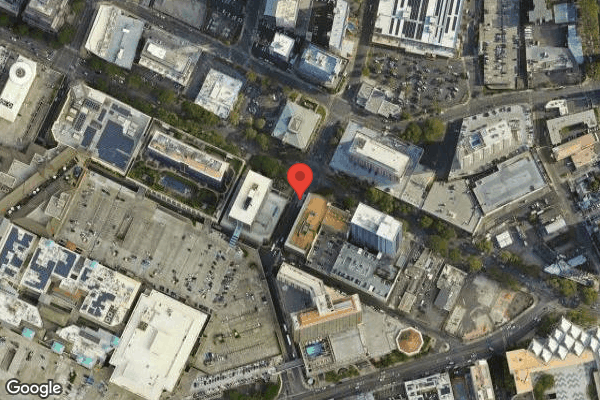

KALAKAUA GARDENS

1723 KALAKAUA AVENUE, HONOLULU, HI 96826 (808) 518-2273
For profit - Partnership 49 Beds Independent Data: November 2025
Trust Grade
15/100
#35 of 41 in HI
Last Inspection: January 2025

Within standard 12-15 month inspection cycle. Federal law requires annual inspections.

Overview

Kalakaua Gardens in Honolulu has a Trust Grade of F, indicating significant concerns about the facility's care quality. With a state rank of #35 out of 41, they are in the bottom half of nursing homes in Hawaii, and #21 out of 26 in Honolulu County suggests limited options for improvement. The situation appears to be worsening, with the number of issues increasing from 5 in 2024 to 7 in 2025. Staffing is a major concern, as they received a 1/5 star rating, with a high turnover rate of 94%, indicating instability among caregivers. While the facility has good RN coverage, more than 100% of other Hawaii facilities, there are serious incidents that raise alarms, such as a resident not receiving timely medication for high blood pressure, which contributed to their critical hospitalization and eventual death, along with other incidents of falls due to inadequate supervision. Overall, families should weigh these significant risks against the facility's strengths before making a decision.

Trust Score
F
15/100
In Hawaii
#35/41
Bottom 15%
Safety Record
High Risk
Review needed
Inspections
Getting Worse
5 → 7 violations
Staff Stability
⚠ Watch
94% turnover. Very high, 46 points above average. Constant new faces learning your loved one's needs.
Penalties
⚠ Watch
$60,585 in fines. Higher than 95% of Hawaii facilities. Major compliance failures.
Skilled Nurses
⚠ Watch
Each resident gets only 11 minutes of Registered Nurse (RN) attention daily — below average for Hawaii. Fewer RN minutes means fewer trained eyes watching for problems.
Violations
⚠ Watch
35 deficiencies on record. Higher than average. Multiple issues found across inspections.
★★☆☆☆
2.0
Overall Rating
★☆☆☆☆
1.0
Staff Levels
★★★☆☆
3.0
Care Quality
★★★☆☆
3.0
Inspection Score
Stable
2024: 5 issues
2025: 7 issues

The Good

  • Full Sprinkler Coverage · Fire safety systems throughout facility
  • No fines on record

Facility shows strength in fire safety.

The Bad

2-Star Overall Rating

Below Hawaii average (3.4)

Below average - review inspection findings carefully

Staff Turnover: 94%

48pts above Hawaii avg (46%)

Frequent staff changes - ask about care continuity

Federal Fines: $60,585

Above median ($33,413)

Moderate penalties - review what triggered them

Staff turnover is very high (94%)

46 points above Hawaii average of 48%

The Ugly 35 deficiencies on record

3 actual harm
Jan 2025 7 deficiencies 1 Harm
SERIOUS (G)

Actual Harm - a resident was hurt due to facility failures

Accident Prevention (Tag F0689)

A resident was harmed · This affected 1 resident

Based on interviews and record review, the facility failed to provide adequate supervision to prevent a second fall which could have been avoided for one (Resident (R)22) of 14 residents sampled. As a...

Read full inspector narrative →
Based on interviews and record review, the facility failed to provide adequate supervision to prevent a second fall which could have been avoided for one (Resident (R)22) of 14 residents sampled. As a result of this deficient practice, the resident had a second fall which could have been avoided and sustained physical injuries. Findings include: On 11/17/24 at 08:57 AM, conducted a record review of R22's Electronic Health Record (EHR). Review of progress notes documented on 9/5/24 at 03:28 AM, a Certified Nurse Aide (CNA)65 answered R22's light at 12:45 AM and assisted R22 onto the toilet. CNA65 left R22 unattended, then heard a loud noise and the resident calling for help. CNA65 and Registered Nurse (RN)41 went into the bathroom and found the resident on the floor. R22 was lying on the right side, with her right arm under and behind the resident's back; the resident's head was against the wall (adjacent to the toilet), with wet briefs around her ankles and urine on the floor. R22 reported to staff that she hit her head hard against the wall, but she doesn't remember how or why she fell. A progress note on 09/09/24 at 03:20 PM, documented the resident returned to the facility with a diagnosis of a right superior and inferior ramus fracture and skin tears to her right arm/forearm and right leg as a result of the fall on 09/05/24. Review of the facility's Fall Scene Investigation Tool form documented R22's loss of balance while getting off the toilet as the root cause of the fall. Staff's recommended interventions to prevent future falls documented R22 should be accompanied to the restroom and to not leave the resident unattended. (Cross Reference to F657: Review/Revise Care Plan) Review of comprehensive care plan documented R22 is at risk for falls related to gait/balance problems and a history of multiple falls. After the fall on 09/05/24, where R22 sustained a pelvis fracture, the comprehensive care plan was not revised or updated. No interventions identified in the root cause or staff's recommendations to not leave the resident unattended in the bathroom were added to prevent a similar accident. On 11/26/24 at 08:57 AM, R22 was escorted to the toilet and assisted with pulling down the resident's brief. Staff left R22 unattended, then heard a loud noise and groaning. The registered nurse and staff entered R22's bathroom, saw the resident sitting on her right side in a puddle of blood which was coming from the resident's head. R22 had a skin tear to right knee, multiple bruises to the right arm, and a bruise forming on the right temple/cheekbone. Resident states she doesn't remember what happened, she thought she was just going to sit on the toile, then ended up on the floor. R22 was sent out to the acute hospital and returned with three sutures above the right eye. On 01/17/24 at 09:55 AM, conducted a concurrent record review and interview with the Director of Nursing (DON) regarding R22's falls and care plan revision. DON reviewed R22's comprehensive care plan and confirmed the resident's care plan was not updated to prevent a similar fall from occurring. DON also confirmed if R22 was not left unattended, the second fall could have been avoided.
CONCERN (D)

Potential for Harm - no one hurt, but risky conditions existed

Comprehensive Care Plan (Tag F0656)

Could have caused harm · This affected 1 resident

**NOTE- TERMS IN BRACKETS HAVE BEEN EDITED TO PROTECT CONFIDENTIALITY** Based on observation, interviews and record review, the facility failed to ensure a comprehensive care plan was person-centered ...

Read full inspector narrative →
**NOTE- TERMS IN BRACKETS HAVE BEEN EDITED TO PROTECT CONFIDENTIALITY** Based on observation, interviews and record review, the facility failed to ensure a comprehensive care plan was person-centered to maintain the resident's highest practicable physical well-being and the person-centered care plan was implemented for one resident (Resident (R)348) of 14 residents sampled. As a result of this deficient practice, dependent resident is at risk of more than minimal harm. Findings include: On 01/14/25 at 12:05 PM, conducted an observation of R348 in the resident's assigned room. R348 was lying in bed with a wedge partially under the resident's right hip area. Certified Nurse Aide (CNA)32 entered the room and provided peri-care to R348. R348 was dependent on CNA32 to move from side-to-side (left to right). After CNA32 rolled R348 onto the left side, observed an open area of skin with pink and white in the open wound-bed area on the right buttock. CNA32 reported that this is the first time she was aware that R348 had an open wound. Inquired with CNA32 what type of intervention were being implemented to prevent R348 from developing a pressure ulcer. CNA32 replied, It appears that we are placing a wedge under the resident's hip to off load the resident's weight. R348's Family Member (FM)1, also in the resident's room, R348 did not have an open wound or pressure ulcer on admission to the facility. On 01/15/24 at 10:05 AM, conducted a review of R348's Electronic Health Record (EHR). R348 was admitted to the facility on [DATE]. Diagnosis which include hemiplegia and hemiparesis following a cerebral infarction which affected the left side, pneumonitis due to inhalation of food, dysphagia, and atrial fibrillation. Review of R348's baseline care plan documented the resident requires two-person assistance while providing peri-care, and an observation was made of CNA32 changing the resident without the assistance of another staff. Review of R348's comprehensive care plan did not include the resident's functional abilities and amount of assistance needed from staff. The comprehensive care plan documented, R348 has potential for impairment to skin integrity related to fragile skin Moisture Associated Skin Damage (MASD) noted to Intergluteal Cleft with four interventions, Keep skin clean and dry. Use lotion on dry skin (Date Initiated: 01/14/25); Perform and document weekly skin checks. Notify MD/NP if skin integrity becomes compromised PRN (Date Initiated: 01/14/25); PT/OT to evaluate and treat as indicated, per MD order (Date Initiated: 01/14/25); and Treatment to be completed as ordered (Date Initiated: 01/14/25). The comprehensive care plan did not include interventions to prevent the open area from worsening or preventing R348 from developing a pressure ulcer in another area. Review of an assessment documented, on 01/13/25 at 01:28 PM, a Moisture Associated Skin Damage (MASD) Incontinence Associated Dermatitis (IAD) on the Intergluteal Cleft, in-house acquired; new 2.5-centimeter (cm) x 4.3 cm x 0.8 cm. On 01/17/25 at 10:20 AM, conducted a concurrent record review of R348's EHR and interview with the Director of Nursing (DON) with the Infection Preventionist (IP) in the DON's office. Informed DON of an observation of CNA348 providing care without assistance from another staff. Reviewed R348's care plan which documented the resident requires two-person assistance. Also, F348's functional abilities were not included in the care plan. DON reviewed R348's care plan and confirmed the comprehensive care plan was not person-centered to prevent the resident from acquiring MASD or a pressure ulcer. Also, DON confirmed the care plan did not include the functional abilities of the resident but should have.
CONCERN (D)

Potential for Harm - no one hurt, but risky conditions existed

Deficiency F0657 (Tag F0657)

Could have caused harm · This affected 1 resident

Based on interviews and record review, the facility failed to ensure a resident's (R)22 comprehensive care plan was revised with person-centered interventions after a significant change of condition a...

Read full inspector narrative →
Based on interviews and record review, the facility failed to ensure a resident's (R)22 comprehensive care plan was revised with person-centered interventions after a significant change of condition assessment. As a result of this deficient practice, R22 was physically harmed, twice while left unsupervised in the bathroom and on the toilet. Findings include: (Cross Reference to F689 Accident/Hazards) On 11/17/24 at 08:57 AM, conducted a record review of R22's Electronic Health Record (EHR). Review of progress notes documented on 9/5/2024 at 12:45 AM, R22 was assisted to the bathroom by Certified Nurse Aide (CNA)65 who assisted the resident to the bathroom and onto the toilet. CNA65 left R22 unattended, and the resident fell from the toilet. CNA65 and Registered Nurse (RN)41 found the resident on the bathroom floor with her head against the adjacent wall. R22 reported to the staff that she hit her head hard and does not remember how or why she fell. Another progress note on 09/09/24 at 03:20 PM, documented the resident returned to the facility with a diagnosis of a right superior and inferior ramus fracture and skin tears to her right arm/forearm and right leg as a result of the fall on 09/05/24. Review of the resident's most recent quarterly Minimum Data Set (MDS) with an Assessment Reference Date (ARD) of 12/06/24, Section C. functional Abilities, C. Toileting Hygiene (the ability to maintain perineal hygiene, adjust clothes before and after using the toilet, commode, bedpan, or urinal) R22 requires partial/moderate assistance (helper does less than half the effort); Mobility Sit to stand: R22 requires partial/moderate assistance; F Toilet transfer (ability to get on and off the commode) R22 requires partial/moderate assistance. Review of the facility's Fall Scene Investigation Tool form dated 09/05/24 documented R22's loss of balance while getting off the toilet as the root cause of the fall. Staff's recommended interventions to prevent future falls documented R22 should be accompanied to the restroom and to not leave the resident unattended. Review of comprehensive care plan documented R22 is at risk for falls related to gait/balance problems and a history of multiple falls. After the fall on 09/05/24, where R22 sustained a pelvis fracture, the comprehensive care plan was not revised or updated. No interventions identified in the root cause or staff's recommendations to not leave the resident unattended in the bathroom were added to prevent a similar accident. Review of progress notes documented on 11/25/524 at 11:40 PM, R22 had a second fall in the bathroom. Again, R22 was assisted to the toilet, left unattended and had an unwitnessed fall. R22was found in a pool of blood which was coming from a cut on the resident's head. R22 also had a skin tear and multiple bruises. R22 reported she does not remember what happened. R22 was sent out to the acute hospital and returned with three sutures above the right eye. On 01/17/24 at 09:55 AM, conducted a concurrent record review and interview with the Director of Nursing (DON) regarding R22's falls and care plan revision. DON reviewed R22's comprehensive care plan and confirmed the resident's care plan was not updated to prevent a similar fall from occurring. DON also confirmed if R22 was not left unattended, the second fall could have been avoided.
CONCERN (D)

Potential for Harm - no one hurt, but risky conditions existed

Pharmacy Services (Tag F0755)

Could have caused harm · This affected 1 resident

**NOTE- TERMS IN BRACKETS HAVE BEEN EDITED TO PROTECT CONFIDENTIALITY** Based on observation, interview, and record review, the facility failed to ensure the supplies used for Quality Control (QC) tes...

Read full inspector narrative →
**NOTE- TERMS IN BRACKETS HAVE BEEN EDITED TO PROTECT CONFIDENTIALITY** Based on observation, interview, and record review, the facility failed to ensure the supplies used for Quality Control (QC) testing of the blood glucose meter (device used for testing blood sugar) were not expired or beyond their discard date. This deficient practice has the potential to affect all residents that need glucose testing. Findings include: On [DATE] at 09:04 PM, medication cart was inspected with Registered Nurse (RN)12. A pouch that contained the glucose meter, test strips and two QC solutions was on the top drawer of the cart. Noted a green sticker on the QC solutions that stated an open date of [DATE] and use by date of [DATE]. Asked RN12 how often the staff perform QC testing for the glucose meter. RN12 said QC testing is done daily by the night shift nurse. Showed RN12 the two QC solutions that was in the pouch with the glucose meter, RN12 acknowledged that both QC solutions were beyond their stated use by date and will be discarded. When asked if the staff used the QC solutions that were in the pouch with the glucose meter, RN12 reviewed the QC log and said Yes, it matches the lot number on the log. On [DATE] at 11:15 AM, Director of Nursing (DON) provided a document titled EvenCare G2 Glucose Control Solution that stated, . Discard any unused control solution 90 days after first opening or after expiration date .
CONCERN (D)

Potential for Harm - no one hurt, but risky conditions existed

Deficiency F0761 (Tag F0761)

Could have caused harm · This affected 1 resident

Based on observations, staff interview and review of policy, the facility failed to follow up on an out-of-range temperature recording for one medication refrigerator out of one sampled. As a result o...

Read full inspector narrative →
Based on observations, staff interview and review of policy, the facility failed to follow up on an out-of-range temperature recording for one medication refrigerator out of one sampled. As a result of this deficiency, there was risk of decreasing the effectiveness for the stored medications. Findings include: During an observation of the Medication Refrigerator, on 01/16/25 at 08:50 AM, several medications were being stored under temperature control. Review of the refrigerator temperature log showed an out-of-range recording that was not followed up and not reported. Staff interview on 01/16/25 at 10:00 AM, Director of Nursing (DON) acknowledged the out-of-range temperature recording and that follow up should be done. DON also said the out-of-range temperature may have been recorded in error. Review of facility policy on Storage of Medication read; Policy, Medications and biologicals are stored properly, following manufacturers or provider pharmacy recommendations, to keep their integrity and to support safe, effective drug administration. The medication supply shall be accessible only to licensed nursing personnel, pharmacy personnel or staff members lawfully authorized to administer medications . Procedures . Medications requiring refrigeration or temperatures between 2'C (36'F) and 8'C (46'F) are kept in a refrigerator with a thermometer to allow temperature monitoring. Medications requiring storage in a cool place may be refrigerated unless otherwise directed on the label . A temperature log or tracking mechanism is maintained to verify that temperature has remained within accepted limits . Medication storage conditions are monitored on a regular basis as a random quality assurance (QA) check. As problems are identified, recommendations are made for corrective action to be taken.
CONCERN (D)

Potential for Harm - no one hurt, but risky conditions existed

Medical Records (Tag F0842)

Could have caused harm · This affected 1 resident

**NOTE- TERMS IN BRACKETS HAVE BEEN EDITED TO PROTECT CONFIDENTIALITY** Based on record review and interviews, the facility failed to maintain a complete and accurate medical records for one of the re...

Read full inspector narrative →
**NOTE- TERMS IN BRACKETS HAVE BEEN EDITED TO PROTECT CONFIDENTIALITY** Based on record review and interviews, the facility failed to maintain a complete and accurate medical records for one of the residents (Resident (R)4) in the sample. This deficient practice has the potential to affect all the residents admitted to the facility. Findings include: R4 is a [AGE] year-old resident admitted to the facility on [DATE] for hospice care. During the review of R4's Electronic Health Record (EHR), noted baseline care plan under the Documents tab had a date of 10/15/24. Review of the document titled Baseline Care Plan revealed that it did not include the name of the staff who completed it and the date it was completed. On 01/15/25 at 02:40 PM, a concurrent interview and record review was conducted with Medical Records Specialist (MRS) at the third floor sitting area. Asked MRS what the facility's practice was when completing baseline care plans for newly admitted residents. MRS said the form used is part of the admission packet and is completed by the licensed staff on the day of admission. After completion of the form, it is scanned into the EHR by the MRS. Asked MRS if she was able to tell if R4's baseline care plan was completed within 48 hours of her admission. MRS looked in R4's EHR and was not able to find the completion date of the baseline care plan. MRS added that she leaves the facility at 04:30 PM so if the admission happens in the afternoon and the baseline care plan is not yet completed, it would be scanned into the EHR when she returns to work the next day. MRS confirmed that R4's baseline care plan was scanned into the EHR on 10/15/24, four days after admission. On 01/17/24 at 10:44 AM, a concurrent interview and record review was conducted with Registered Nurse (RN)12 at the nurses' station. Asked RN12 if she was able to tell when the baseline care plan for R4 was completed. RN12 opened R4's EHR and said it was completed on the admission date since she was the one that admitted the resident. Asked RN12 if there was documentation in the EHR that it was completed on 10/11/24. RN12 was not able to find any documentation on the form or in the progress notes that the baseline care plan was completed within 48 hours of admission. RN12 acknowledged that there was no documentation of who completed the form and when it was done.
CONCERN (F)

Potential for Harm - no one hurt, but risky conditions existed

Food Safety (Tag F0812)

Could have caused harm · This affected most or all residents

5) On 01/14/25 from 08:58 AM to 09:24 AM, initial tour of the kitchen area was conducted. Observed DD and DA1 not wearing required hair restraints. DD accompanied surveyors around the food preparation...

Read full inspector narrative →
5) On 01/14/25 from 08:58 AM to 09:24 AM, initial tour of the kitchen area was conducted. Observed DD and DA1 not wearing required hair restraints. DD accompanied surveyors around the food preparation areas, food storages and dish washing area without any hair restraint. DA1 was working in the food preparation area and washing pots and pans in the sink close to the stove and oven. After the initial tour, shared observations with DD and he acknowledged that they should all be wearing hair restraints while in the kitchen area, and immediately proceeded to get a hairnet to cover his head. Based on observation, interview and record review, the facility failed to follow food handling and storage practices in accordance with professional standards for food service safety. Unsafe and/or unsanitary food handling and storage practices have the potential to affect all residents, visitors and staff who have meals served by the facility, placing them at risk for serious complications from foodborne illness as a result of their compromised health status. Findings include: 1) On 01/14/25 at 08:58 AM, an initial tour of the facility's kitchen and interview with the Dietary Director (DD) were done. Observed six boxes of various food items including spam, apple juice, garbanzos, and mayonnaise on the floor of the dry storage area. DD confirmed the boxes of food items should not be on the floor. 2) On 01/14/25 at 09:05 AM, continued observation and interview of the facility's kitchen with the DD. Observed five boxes of various food items including imitation crab meat, potato roll, bread, and vegetables on the floor of the walk-in freezer. There was also an open plastic bag with food item DD identified as chicken nuggets on one of the shelves. DD confirmed delivery person did not properly store the boxes of food on the shelves. He stated, They were just delivered early this morning right before you guys (surveyors) came, and not supposed to be on the floor. DD immediately transferred the boxes of food into the appropriate shelves. 3) On 01/14/25 at 09:18 AM, observed a large metal pan with food items partially covered with plastic wrap stored in the upper shelf inside the refrigerator. Dietary Aide (DA)1 identified the contents as cooked noodles and that it should not have been partially covered. DD stated, It was still hot when we placed it inside the refrigerator, so we left it partially covered. Review of the facility's policy and procedure on 01/14/25 titled Storing Food directed the staff to, . 3. Keep all food items on shelves that are at least 6 above the floor . 8. Store food in original container if the container is clean, dry, and intact. If necessary, repackage food in clean, dry, and airtight containers . 4) On 01/14/25 at 09:20 AM, while inspecting the refrigerator close to the food preparation area with DD, observed a container labeled tuna salad and dated 01/08/25. At 09:55 AM, observed Dietary Aide (DA)2 with two small plates and four slices of bread in the food preparation area. Queried DA2 what she was about to prepare. DA2 said I'm going to make tuna sandwiches. Asked DA2 if she was using the tuna salad that was observed in the refrigerator earlier. DA2 said, We prepared the tuna salad on 01/08/25 and will be using it to prepare the sandwiches. Asked DA2 how long is the tuna salad good for, from the time it was prepared. DA2 said 6 days. Review of document posted on another refrigerator on 01/14/25, titled, Holding for Opened Food Items directed staff, . Tuna, Eggs & (and) Potato Salad - 4 (four) days .
Jan 2024 5 deficiencies 1 Harm
SERIOUS (H) 📢 Someone Reported This

A family member, employee, or ombudsman was alarmed enough to file a formal complaint

Actual Harm - a resident was hurt due to facility failures

Deficiency F0726 (Tag F0726)

A resident was harmed · This affected multiple residents

**NOTE- TERMS IN BRACKETS HAVE BEEN EDITED TO PROTECT CONFIDENTIALITY** Based on interviews and record review, the facility nursing staff failed to demonstrate the competency (knowledge and skill set)...

Read full inspector narrative →
**NOTE- TERMS IN BRACKETS HAVE BEEN EDITED TO PROTECT CONFIDENTIALITY** Based on interviews and record review, the facility nursing staff failed to demonstrate the competency (knowledge and skill set) to meet the needs of one Resident (R)1 of a sample size of three. The Nursing Staff: 1) did not identify a change in R1's level of consciousness, 2) did not report the trend Rl's high blood pressure (BP) medication was held due to low blood pressure. 3) administered medication twice when it should have been held because BP was outside parameters, and 4) did not administer oxygen timely or notify the physician (MD)1 when R1's oxygen level (PO2) remained below. Due to these deficiencies, R1's changing condition was not recognized and reported to the MD, which did not allow for timely interventions, and she suffered harm. On [DATE], R1 was transferred to the hospital where she was admitted in critical condition with diagnosis of urosepsis (sepsis due to urinary tract infection) and fluid overload. She expired on [DATE]. This could affect any resident who has a change of condition that is not recognized by the nursing staff. Findings include: 1) R1 was a [AGE] year old female with past medical history for hyperlipidemia (disease related to conditions like heart attack, stroke, and peripheral artery disease), cognitive communication deficit, chronic kidney disease stage 3, dysphasia (difficulty swallowing), muscle weakness, atrial fibrillation and dementia. She presented to an ER with weakness in her right upper and lower extremities after a fall on [DATE]. R1 was admitted and diagnosed with acute CVA (Cerebral vascular accident/stroke). On [DATE], she was discharged to Kalakaua Gardens for short term rehabilitation. On [DATE], R1 was transferred to the hospital for shortness of breath and low oxygen saturation level, where she was admitted to ICU with sepsis (serious condition in which the body responds improperly to an infection) and fluid overload (too much fluid in your body). She expired on [DATE]. 2) Reviewed R1's transfer notes, used by the hospital to convey information about her medical care to the receiving health care providers. The Hospitalist (MD)2 Progress Note dated [DATE] 06:49 AM, included Patient now with hypotension (low blood pressure) and mild bradycardia (slow heart rate) and metoprolol (lowers BP and heart rate) decreased on [DATE] (2023) to have 12.5 mg (milligrams) p.o (oral) daily (was 12.5 mg PO BID (twice a day). MD2 also documented Much more sleepy today on exam. She even forgets her name upon awakening I informed nursing staff to notify me when family arrives and will reassess the patient. Given limited participation as well as patient's more somnolent state further subjective exam unable to be obtained. R1's baseline was documented to be oriented only to self due to the dementia, but her level of consciousness had not been somnolent until [DATE], the day before transfer to Kalakaua Gardens. 3) Reviewed R1's orders, which included, but not limited to: Order date [DATE]: Order Summary: Metoprolol Succinate ER Tablet Extended Release 24 Hour 25 MG. Give 0.5 tablet by mouth one time a day for HTN (hypertension/high BP) Hold for SBP (systolic/first number) less than 120 and HR (heart rate) 60. Scheduled administration time was 08:00 AM. Order date [DATE]: Order Summary Midodine HCL Oral Tablet 5 MG. Give 1(one) tablet by mouth as needed for hypotension (low BP) give meds if BP <100. Review of the Medication Administration Record (MAR) for metoprolol revealed a pattern the medication was held several times due to BP outside of parameter (<120 SBP). [DATE]th-31, 2023: Metoprolol dose held 11 of 20 days. [DATE]: BP 100/50 P 58 [DATE]: 117/61 [DATE]: 102/49 [DATE]: 114/57 [DATE]: 110/54 [DATE]: 118/56 [DATE]: 113/53 [DATE]: 96/54 [DATE]: 107/61 [DATE]: Part of BP cut off of photocopy, but was out of range. Metoprolol given twice when it should have been held. [DATE] 110/53 [DATE] 113/57 February 1-19 (date of transfer), 2023 Metoprolol dose held seven of 19 days [DATE]: 113/55 [DATE]: 104/54 [DATE]: 116/63 [DATE]: 117/65 [DATE]: 118/46 [DATE]: 111/51 [DATE]: 95/52 Midodine for low BP not administered per order. Additional BP's recorded in Vitals Summary included: [DATE] 11:12 PM 92/48 [DATE] 10:57 PM 96/51 [DATE] 11:11 PM 98/51 [DATE] 11:14 PM 95/45 Midodine not administered as ordered. 5) Review of facility Nursing progress notes included the following: [DATE] (admission note) 05:52 PM: .res (resident/R1) appeared tired . [DATE] 10:27 PM: .Affect lethargic (decreased level of consciousness)/tired this shift. [DATE] 09:38 AM: Resident noted with intermittent pain behaviors-grimacing, yelling out. MD made aware with new orders received, as follows: Gabapentin 200 mg TID (three times a day) PO for pain, and PRN (as needed) Tramadol 50 mg QID (four times a day) for pain. (side effect of both gabapentin and tramadol include sleepy and tired). [DATE] 10:49 PM: .she struggled with whole pills. Gave them crushed in pudding; . [DATE] 10:17 PM: .Affect is tired/lethargic [DATE] 07:42 AM: .Affect is tired/lethargic [DATE] 10:22 PM: BP 92/48 .Very lethargic; asleep most of the time but, she is arousable. Appears to have difficulty swallowing due to lethargy. Might be safer to crush meds; . [DATE] 11:11 PM BP 96/51 .Very lethargic; asleep most of the time but, she is arousable. [DATE] 12:12 PM: Resident family concerned about resident sleepiness. Explained that resident is at baseline with behaviors that have been present since admission. Resident has normal assessment with no change in condition noted. Family requested to have MD1 call them to discuss issue. Message left in MD binder. [DATE] 10:11 PM: BP 104/55 .Affect lethargic, baseline for resident at nighttime. [DATE] 11:29 PM . Lethargic.UA (urinalysis) done, pending results. [DATE] 05:56 PM: lab result came in .bacteria many . Updated MD and ordered D5 (Dextrose) NS (Normal Saline) 500 cc/hr for Dx of dehydration, .family updated regarding the new order (antibiotic) and they have request to d/c (discontinue) tramadol and gabapentin. MD called back at 05:45 PM and .start Ciprofloxacin 250 mg PO BID x 7 days, and d/c tramadol and gabapentin. [DATE] 11:40 PM BP 109/62 .Lethargic. [DATE] 09:36 PM: .Weak in appearance. [DATE] 10:19 PM: . Becoming more verbal, . [DATE] 10:17 PM: .Very lethargic, but arousable.Resident has a reddened, systemic appearing, itchy rash to her trunk and arms. Unknown etiology. [DATE] 02:41 AM: .Very lethargic, but arousable. Resident has a reddened, systemic appearing, itchy rash to her trunk and arms. Unknown etiology. [DATE] 00:45 AM: Very lethargic, but arousable. Resident has a reddened, systemic appearing, itchy rash to her trunk and arms. Unknown etiology. [DATE] 07:29 PM: CNA(Certified Nurse Assistant) alerted this RN this morning around Lunchtime resident has blood clot on the [sic] and tea colored urine, tried to reach MD1 and just called back around 7 PM, with new order to hold Eliquis (anticoagulant) for 2 days and monitor resident. [DATE]: O2 (Saturation) 92% . Affect lethargic but able to be aroused.Facial grimacing and calling out noted with movement, resolves with reset. Pain managed with scheduled Tylenol. [DATE] 10:17 PM: BP 149/60 O2 92.0%: Affect lethargic but able to be aroused.Facial grimacing and calling out noted with movement, resolves with reset. Pain managed with scheduled Tylenol. [DATE] 11:35 PM: BP 154/70 O2 91% : .Affect lethargic.Facial grimacing and calling out noted with movement, resolves with rest. Pain managed with scheduled Tylenol. [DATE] 10:03 PM: O2 91% .Lethargic but able to arouses easily; .Facial grimacing and calling out noted with movement, resolves with reset. Pain managed with scheduled Tylenol. [DATE] 02:34 PM: .Per night shift resident has oxygen sat of 90% and no crackles noted, recheck her oxygen sat and went up to 93% room air.Around 10:10 AM this RN went to check resident and noticed she is having slight SOB (shortness of breath), up HOB (head if bed) .RR 22 O2 sat 84-86% with coarse lung sound on bilateral [sic] lungs. Initiated oxygen inhalation at 4LPM (liters per minute) via nasal cannula, called MD and he ordered to hold IV.maintain O2 at 92% or above.While doing nebulization resident's daughter came in and explained to her what's happening. Resident oxygen cannula changed to oxygen mask and boost up to 8 LPM, however resident O2 sat is not getting higher and went down to 80%. Called MD and informed him family wants to sent [sic] resident to ER for further evaluation. Called 911 and came here around 11AM. [DATE] 04:00 PM: . resident admitted in the ICU with initial Dx of Sepsis. 6) Reviewed the Vitals Summary O2 sats (saturation), which revealed R1's O2 sat was recorded to be 91% (target 92%) on [DATE] at 09:44 PM and then again, 91% at 11:36 PM. It was not recorded again during the night. Next recorded 90% on [DATE] at 07:00 AM. R1 should have been administered oxygen when O2 Sat dropped below 92% the evening of [DATE]. The standard of care would be to monitor the O2 sat frequently throughout the night. MD1 should have been notified if it did not maintain at 92%. 7) R1's level of consciousness changed. The day she was transferred from the hospital ([DATE]), the Hospitalist documented she was much more sleepy today on exam. She even forgets her name upon awakening. Her baseline had not been lethargic or very lethargic. The changing level of consciousness was not recognized by the nursing staff. 8) On [DATE] at 03:30 PM, during an interview with RN2, said if a resident had a 91% O2 sat, she would wait and repeat the vital and if still low, would then put oxygen on. On nights, they would not notify the MD if the resident maintained over 92% after the oxygen was applied. RN2 said the MD would be notified by the day shift and informed the resident required oxygen during the night. If it did not maintain 92% during the night, she said she would notify the MD. RN2 said if they are unable to reach any MD they have a back up on call. On [DATE] at 10:30 AM, during a telephone interview with RN3, she said the general practice for notification of the MD is when something is unusual or if there is a change in level of consciousness. R1 acknowledged she held R1's metoprolol several times due to low blood pressure. When inquired what the practice was for notifying the MD if SBP was outside parameters (below 120), she said she checks the BP again, holds the medication, but would not necessarily notify the MD unless it was very low. If it was close, I would not notify. RN1 said she had not informed MD1 when she held the medication, and said the MD comes in a couple times a week and should see the documented BPs. On [DATE] at 09:00 AM during an interview with the Assistant Director of Nursing (ADON), inquired what the practice was and expectation to notify MD if BP medication is held. She said there is not a policy, but if parameters are listed, it would depend on how low it is. If it is 80/40, I'm calling, but if it is 118/75, I'd put a note in the binder (physical binder staff make notes to communicate with MD), or tell the MD when came in. The ADON said she would expect the MD to be notified if a resident continued to be lethargic or increased lethargy, as well as if a resident developed a new rash as it may be an allergic reaction to the antibiotic. On [DATE] at 10:15 AM, during an interview with RN1, he said his practice is if a BP is <120, he would repeat it in 30 minutes, and if the still remained below 120 and the medication needed to be held, he would notify the MD each time. 9) Progress notes (above) dated [DATE] indicated medications were crushed as the R1 was having difficulty with whole pills. The note on [DATE] documented Appears to have difficulty swallowing due to lethargy. Might be safer to crush meds; . Crushing medication requires an order by the physician. Neither RN notified the MD or followed through appropriately to have R1 reevaluated for swallowing difficulty.
CONCERN (D) 📢 Someone Reported This

A family member, employee, or ombudsman was alarmed enough to file a formal complaint

Potential for Harm - no one hurt, but risky conditions existed

Deficiency F0578 (Tag F0578)

Could have caused harm · This affected 1 resident

**NOTE- TERMS IN BRACKETS HAVE BEEN EDITED TO PROTECT CONFIDENTIALITY** Based on interviews and record review, the facility failed to provide information to one Resident's (R)1 representative about th...

Read full inspector narrative →
**NOTE- TERMS IN BRACKETS HAVE BEEN EDITED TO PROTECT CONFIDENTIALITY** Based on interviews and record review, the facility failed to provide information to one Resident's (R)1 representative about the right to formulate an advanced health care directive (AHCD). The facility staff documented advanced directive information was provided to R1, and she agreed to the status of full code (resuscitation). R1 was not competent to make that decision or understand the information, and her representative was not involved. In addition, the physician wrote a conflicting order of do not resuscitate (DNR) on admission. As a result of this deficiency there was the potential the resident/representatives wishes were not taken into consideration during her treatment. Findings include: 1) R1 is a [AGE] year old female admitted from an acute care hospital for short term physical and occupational therapy after having a cerebral vascular accident (CVA/stroke) with right arm flaccidity. R1 has a cognitive deficit due to dementia. She wears a hearing aid on the left side and can only hear 2% on the right. There was a writing board in her room used for reminder cues and for communication. 2) R1's admission progress note 01/11/2023 at 08:23 PM by Registered Nurse (RN)1, included R1 was alert and orient 1-2x (knows who they are and where they are, but not what time it is or what is happening to them) on arrival. The Baseline Care Plan developed on admission by Registered Nurse (RN)1 included she was Confused. Record Review revealed an order written by R1's physician (MD)1 dated 01/12/2023, DNR (do not resuscitate) Review of Social Service (SS) note by SS1 dated 01/25/2023 at 05:06 PM, included: No POLST or AHCD on file, writer offered education and blank copies, resident does not wish to complete at this time and is okay with full code status. P1's record included a General Durable Power of Attorney (appoints someone to handle finances and make medical decisions if you're unable to) dated July 1, 2016, designating family members (FM)1, FM2 and FM3 in consecutive order to make her decisions if she was unable. 3) Reviewed the facility policy titles Resident Rights Advanced Directives dated 11/2017. The policy statement was The facility will have a process for determining and following the resident's advanced care planning decisions and informing residents of their right to formulate an advance directive. Policy Guidelines included: 1. Upon admission, staff will verify the formulating of an advance directive or the resident's wishes with regards to formulating an advance directive. Resident's wishes may be communicated through the resident representative. '2. The facility will provide information on advance directives in a manner easily understood by the resident or the resident representative about the right to refuse medical .treatment and to formulate an advance directive. 3.Documentation in the medical record will reflect the discussion of advance directives occurred, and that assistance has been offered to the resident, and the resident's acceptance or declination of assistance. 7. Facility staff will communicate the resident's wishes to the resident direct care staff and physician. 10. The facility identifies the primary decision maker. This includes assess the resident's decision-making capacity and identifying or arranging for an appropriate representative for the resident assessed as unable to make relevant health care decisions. 4) On 01/25/2024 at 01:40 PM, during an interview with SS1, she said there usually is a meet and greet with the resident and family three to five days from admission and they discuss advanced directives at that time. Reviewed the documentation of the IDT (interdisciplinary departmental team) Meeting dated 01/17/2023 at 11:14 AM. Documentation of that meeting was on a a form titled IDT Care Conference/Welcome Form-V4, signed by Social Services (SS)1. The form has a section Invitation and Attendance, which was left blank, indicating R1's representatives were not invited or notified of the meeting. The form did indicate the Resident (R)1 was in attendance, but she would not have been able to understand the content of such a meeting. SS1 said she did not have any recall of that meeting. Reviewed the SS note dated 01/25/2023 at 06:05 AM noted above, and SS1 confirmed it was her note.
CONCERN (D) 📢 Someone Reported This

A family member, employee, or ombudsman was alarmed enough to file a formal complaint

Potential for Harm - no one hurt, but risky conditions existed

Comprehensive Care Plan (Tag F0656)

Could have caused harm · This affected 1 resident

**NOTE- TERMS IN BRACKETS HAVE BEEN EDITED TO PROTECT CONFIDENTIALITY** Based on interviews, and record review (RR), the facility failed to include one resident's (R)1 representative in the developmen...

Read full inspector narrative →
**NOTE- TERMS IN BRACKETS HAVE BEEN EDITED TO PROTECT CONFIDENTIALITY** Based on interviews, and record review (RR), the facility failed to include one resident's (R)1 representative in the development of the comprehensive care plan. In addition, R1's physician (MD)1 does not attend the care planning IDT (interdisciplinary team) meetings. As a result of this deficiency, there was the potential the facility was not aware of R1's goals and desired outcomes, which could have a negative impact on her quality of life, as well as the quality of care and services received. Findings include: R1 is a [AGE] year old female admitted to the facility on [DATE] from an acute care hospital for short term physical and occupational therapy after she had a cerebral vascular accident (CVA/stroke) with right arm flaccidity. Her medical history included but not limited to Alzheimer's, hypertension, atrial fibrillation, orthostatic hypotension (low blood pressure with change of positions), muscle weakness and age-related physical debility, with unsteadiness on feet. R1 had a General Durable Power of Attorney (POA/appoints someone to handle finances and make medical decisions if you're unable to) dated July 1, 2016, designating family members (FM)1, FM2 and FM3 in consecutive order to make her decisions if she was unable. At the time of admission, R1 was confused with a documented baseline by the transferring hospital of being oriented only to self. On 01/11/2023, the day of admission, Registered Nurse (RN)1 developed the baseline care plan and reviewed it with R1's FM's who were present in the facility. On 01/17/2023 at 11:14 AM, there was an IDT (interdisciplinary departmental team) Meeting. Reviewed the documentation of that meeting, which was a form titled IDT Care Conference/Welcome Form-V4, signed by Social Services (SS)1. The form had a section Invitation and Attendance, which was left blank, indicating R1's representatives were not invited or notified of the meeting. The form did indicate the Resident (R)1 was in attendance, but she would not have been able to understand the content of such a meeting. On 01/24/2023 at 09:03 AM Social Services (SS)1 documented a note Writer received phone call from RP (Family Member (FM))1 regarding updates on resident. She would like for her sister, FM2 to be a part of care plan meeting also. On 01/25/2024 during an interview with SS1, she said they usually have a welcome meeting 3-5 days after admission which includes herself, MDS coordinator, dietician, Admissions Director and the Director of Rehabilitation. She went on to say they reach out to the family and send an invitation to attend. When asked it there was documentation an invitation was sent, she said it would have been done by the MDS coordinator at that time, who was no longer employed at the facility. There was no documentation that family had been invited to the welcome meeting. SS1 said the first meeting with family member (FM) was on 01/31/2023. Inquired if the physician (MD)1 attended the meeting, and she said No, the physician does not attend the IDT meetings. The facility was unable to provide any documentation of the 01/31/2023 meeting.
CONCERN (D) 📢 Someone Reported This

A family member, employee, or ombudsman was alarmed enough to file a formal complaint

Potential for Harm - no one hurt, but risky conditions existed

Deficiency F0657 (Tag F0657)

Could have caused harm · This affected 1 resident

**NOTE- TERMS IN BRACKETS HAVE BEEN EDITED TO PROTECT CONFIDENTIALITY** Based on record review (RR) and interviews, the facility did not ensure one residents (R)1 care plan was revised timely to inclu...

Read full inspector narrative →
**NOTE- TERMS IN BRACKETS HAVE BEEN EDITED TO PROTECT CONFIDENTIALITY** Based on record review (RR) and interviews, the facility did not ensure one residents (R)1 care plan was revised timely to include changes in therapy and new diagnoses. This deficient practice failed to ensure the continuity of care, and communication between facility staff and resident/ family members regarding care that is being provided to the resident. Findings include: 1) R1 is a [AGE] year old female admitted to the facility on [DATE] from an acute care hospital for short term physical and occupational therapy after she had a cerebral vascular accident (CVA/stroke) with right arm flaccidity. Her medical history included but not limited to Alzheimer's, hypertension, atrial fibrillation, orthostatic hypotension (low blood pressure with change of positions), muscle weakness and age-related physical debility, with unsteadiness on feet. 2) RR revealed there were several changes to R1's status during her stay which required new treatments. These included the following: 02/07/2023: Diagnosed with dehydration and urinary tract infection (UTI). Treatment for the UTI was Ciprofloxacin (antibiotic) 250 mg (milligrams) po (oral) bid (twice a day) x 7 days. Treatment for the dehydration was IV (intravenous) fluids, D5 1/2 NS (normal saline) at 50 cc (cubic centimeters)/hr (hour) for 7 days. 02/16/2023: PICC line (peripheral intravenous central catheter- longer than a regular IV and goes all the way up to a vein near the heart or just inside the heart) placed in Left arm due to infiltration (fluid leaks into tissue) of the IV. 3) Reviewed R1's Care Plan (CP), which revealed R1 was identified as at risk for dehydration with the goal of adequate hydration of 1300 ml (milliliters) of fluid (oral) per day on 01/12/2023. The CP was not revised to include the new diagnoses of dehydration or the intravenous fluid therapy. In addition, the CP was not revised to include the new diagnosis of UTI, antibiotic therapy or the PICC line. 4) On 01/26/2024 at 09:00 AM, during an interview with the Assistant Director of Nursing (ADON), she said all licensed staff can revise the CP. She said it should be revised by the nurse who gets the orders or notification of new therapy. The ADON confirmed the CP should include short term plans that would include the new diagnoses of UTI and dehydration, as well as the PICC line, IV fluids and antibiotics. On 01/24/2024 at 03:30 PM during an interview with Registered Nurse (RN)2, inquired whose responsibility it would be to update the care plan when a diagnosis is added or therapy changes. She said The RN who initiated the therapy or took the order should have updated the CP to include the UTI infection and the antibiotic order RN2 agreed the information should have been included in R1's CP
CONCERN (D) 📢 Someone Reported This

A family member, employee, or ombudsman was alarmed enough to file a formal complaint

Potential for Harm - no one hurt, but risky conditions existed

Deficiency F0712 (Tag F0712)

Could have caused harm · This affected 1 resident

**NOTE- TERMS IN BRACKETS HAVE BEEN EDITED TO PROTECT CONFIDENTIALITY** Based on interviews and record review (RR), the facility failed to provide evidence that one Resident (R)1 received the required...

Read full inspector narrative →
**NOTE- TERMS IN BRACKETS HAVE BEEN EDITED TO PROTECT CONFIDENTIALITY** Based on interviews and record review (RR), the facility failed to provide evidence that one Resident (R)1 received the required physician (MD) face-to-face initial comprehensive visit within 30 days of admission. As a result of this deficient practice, the resident's needs may not be met so she could meet her highest potential of physical and psychosocial well-being. This deficient practice has the potential to affect all new admissions. Findings include: 1) R1 is a [AGE] year old female admitted to the facility on [DATE] at approximately 05:00 PM from an acute care hospital for short term physical and occupational therapy after she had a cerebral vascular accident (CVA/stroke). Her medical history included but not limited to Alzheimer's, hypertension, atrial fibrillation, orthostatic hypotension, muscle weakness and age-related physical debility, with unsteadiness on feet. On [DATE] at 11:22 AM, R1 was transferred to an acute care hospital for a change of condition. She was admitted to the ICU for sepsis and fluid overload and expired on [DATE]. 2) RR revealed two progress notes documented by R1's Physician, MD1. One encounter on [DATE] (admission date) and the other on [DATE] (transfer date). The progress notes were in template format, and included Seen by and Seen on. Both documents documented seen by MD1 on the respective encounter dates, and electronically signed by MD1. Progress Note Encounter date [DATE] included: S (subjective of SOAP (subjective, objective, assessment, plan) documentation format) ADM (admission)-Progress note LTC (long term care) Recertification Note Requested by the Nursing staff (Family; Patient) to evaluate this patient. HPI (history of present illness) and Chief Complaint = Pt seen for the above reasons: ADM (admission) --A.L FRONTAL CVA (stroke) -- ON ELIQUIS (anticoagulant); HERE for PT/OT (physical/occupational therapy). Except for chief complaint as above all eleven ROS (systems review for obtaining medical history from a patient) O (objective signs as perceived by the clinician) listed findings for const (constitution/physical make up), eyes, ent (ear, nose throat), neck, resp (respiratory), CV (cardiovascular), GI (gastrointestinal) GU (genitourinary), MSK (musculoskeletal) skin, and Neuro (neurological). A this section of note included diagnoses. P this section included: Patient condition and plan of care being d/w (discussed with) nursing staff in details. Family at bed-side-multiple questions answered On [DATE] at 10:15 AM, during an interview with Registered Nurse (RN1), he confirmed MD1 did not come to the facility for a face to face evaluation on [DATE], the day of P1's admission. Progress Note Encounter date [DATE] included: S D/C (discharge) --Progress note .: DC TO ER (Emergency Room) ASAP (as soon as possible) AS PT (R1)CONFUSED/UNSTABLE VS (vital signs) = = 82/43; HR 117. The remainder of Section S was the same as documented in encounter [DATE]. Section O was the same as documented in encounter [DATE]. Section P was the same as documented in encounter [DATE] with the exception of the last sentence: D/C to ER ASAP AS PT CONFUSED/UNSTABLE VS= = 82/43; HR117. On [DATE] at 10:30 AM, during an interview with RN2, she said MD1 did not have a face to face encounter to evaluate R1 on [DATE] when she was transferred, but that she spoke with him on the phone and he ordered her to be transferred. 3) On [DATE] at 09:40 AM, during an interview with MD1, he said he does his initial comprehensive admission visit as soon as he can come to the facility after the Resident is admitted . MD1 said he did not recall if he had been at the facility for a face to face encounter on [DATE], the date of R1's admission. He said he sometimes uses telemedicine or speaks with the resident or representative on the phone, reviews the records sent from the transferring facility and communicates directly with the RN's to determine the plan of care and generates the progress note. At that time, discussed the fact that the progress note template does not include an option other than seen by, such as telemedicine, and that the note gives the impression the documentation was based on a face to face encounter at the facility. Reviewed the encounter progress notes for [DATE] with MD1. He confirmed the notes from that encounter were not from a face to face assessment. He went on to say the it would not be practical that he could see the resident in that circumstance because it was a situation where she needed to be transferred to the ER immediately, and the discharge note was generated after collecting information from the RN. Shared with MD1 that there were two nursing progress notes that indicated he was in the facility, and added new orders for R1, but there were no MD progress notes related to those nursing dates. He said sometimes he does not write a note, and will just address the issue with nursing. 4) RR revealed the following nursing progress notes: On [DATE] entered by RN2 at 07:11 PM: This RN was alerted by assigned CNA this morning that resident (R1) has small skin abrasion on right upper thigh. MD came this morning and he ordered trid [sic] daily and cover with dry dressing until healed, . On [DATE] entered by RN1 at 06:36 PM: MD came this afternoon with new order of bacitracin to right hip daily x2 weeks for the right hip abrasion. There were no MD encounter notes that related to these notes.
Aug 2023 1 deficiency
CONCERN (D)

Potential for Harm - no one hurt, but risky conditions existed

Medical Records (Tag F0842)

Could have caused harm · This affected 1 resident

Based on record review and staff interview the facility failed to assure a resident's (R) medical record for R1, was complete and accurate, out of a sample of five residents. This deficient practice d...

Read full inspector narrative →
Based on record review and staff interview the facility failed to assure a resident's (R) medical record for R1, was complete and accurate, out of a sample of five residents. This deficient practice does not portry the medical care provided to R1. Findings include: On 08/29/2023 at 11:10 AM surveyor reviewed resident (R) 1's electronic medical record (EMR) for documentation of vaccination or declination of flu, pneumococcal and COVID-19. Registered Nurse (RN)5 documented in R1's EMR influenza was declined on 06/30/2023 at 6:00 PM, but failed to document person/relationship who declined vaccine, this area was left blank on the Immunization Consent - V 4 form. Met with Director of Nursing on 08/29/2023 at approximately 1:40 PM who acknowledged the form should have been filled out completely with the responsible person/party included.
Jun 2023 7 deficiencies
CONCERN (D)

Potential for Harm - no one hurt, but risky conditions existed

Deficiency F0561 (Tag F0561)

Could have caused harm · This affected 1 resident

Based on interviews and record reviews, the facility failed to facilitate resident self-determination through support of resident choice for two residents (R), R48 and R217, out of five residents at t...

Read full inspector narrative →
Based on interviews and record reviews, the facility failed to facilitate resident self-determination through support of resident choice for two residents (R), R48 and R217, out of five residents at the resident council meeting. The facility did not disclose the rehabilitation treatment times to R48 and R217 rendering them unable to plan for visits, activities, and appointments for their day and to worry about their therapy treatment time . Findings include: On 06/14/23 at 11:32 AM, conducted the resident council meeting. R48 stated that she would like to know when her rehabilitation sessions for physical therapy (PT) will be because she doesn't want to wait all day for them. R48 further stated that she cannot plan her appointments for the day because she doesn't know what time the therapist will arrive. R217 also stated that he would like to know his rehabilitation therapy time for PT so that he can prepare himself beforehand and be in the right mindset to work hard with PT so that he can be ready when he goes home. Record review of R48's and R217's current care plans. Under the focus for PSYCHOSOCIAL an intervention stated, Provide the resident with as many situations as possible which give the resident control over the resident's environment & care delivery. Reviewed facility's policy and guidelines for RESIDENT RIGHTS Right to Self-Determination Number 561, dated 07/2018. It stated, .1. The resident has the right (sic) choose activities, schedules (including waking and sleeping times), health care and providers of health care services consistent with his or her interests, assessments and plan of care. On 06/16/23 at 08:25 AM, interviewed the Director of Rehab (DOR). DOR stated for continuity of care he tries to assign the same therapy staff to work with the same residents. DOR further stated that there is no set process to notify residents of their treatment times, some therapists will see the resident in the morning and inform them what part of the day their session will be done. There are other therapists that will not notify their residents ahead of time and will just show up. DOR confirmed that the therapists should communicate more with the resident and see the resident in the morning to notify them of their treatment time for the day. On 06/16/23 at 08:57 AM, the Administrator was interviewed. Administrator agreed that residents have the right to know what their scheduled therapy session time is to be.
CONCERN (D)

Potential for Harm - no one hurt, but risky conditions existed

Transfer Notice (Tag F0623)

Could have caused harm · This affected 1 resident

**NOTE- TERMS IN BRACKETS HAVE BEEN EDITED TO PROTECT CONFIDENTIALITY** 2) R48 is a [AGE] year-old female admitted to facility on 04/21/23 for short-term rehabilitation after being discharged from the...

Read full inspector narrative →
**NOTE- TERMS IN BRACKETS HAVE BEEN EDITED TO PROTECT CONFIDENTIALITY** 2) R48 is a [AGE] year-old female admitted to facility on 04/21/23 for short-term rehabilitation after being discharged from the hospital following transcatheter aortic valve replacement (replacement of a valve in the heart through the blood vessel). On 06/14/23 at 02:28 PM, review of the EHR revealed that R48 was transferred to an acute care hospital on [DATE] and 05/19/23 for complications from the surgical site. Documentation of the bed-hold agreement was found in the EHR but not the documentation of notification to the resident or resident's representative and to the LTCO. On 06/14/23 at 03:29 PM, requested copies of the discharge notifications for R48 and facility policy on transfer of residents from the Administrator. Facility's policy on admission, transfer and discharge was provided but not the discharge notification for R48. On 06/15/23 at 01:39 PM, interview with SSD was conducted in the conference room. Asked SSD if the resident or resident's representative and the LTCO were provided written notification when R48 was transferred to an acute care hospital. SSD confirmed that notifications were not sent for both transfers because she has just recently been made aware that it was required. SSD added that moving forward, she will send the notifications for residents transferred to the hospital. Review of facility policy, Admission, Transfer and Discharge Notice Requirements Before Transfer/Discharge dated 07/2018 stated: . 14. An emergency transfer to an acute care facility, is a facility-initiated transfer and a notice must be provided to the resident/representative as soon as practicable. 15. Emergency transfer notifications will be sent to the Ombudsman on at least a monthly basis. Based on record review and interview, the facility failed to provide written notice of transfer or discharge for two of the four residents (R) sampled (R24 and R48) for discharge, who were transferred to an acute care hospital for a higher level of care. The facility failed to provide notice to the residents or the residents' representative(s) and to the Office of the State Long-Term Care Ombudsman (LTCO). Findings include: 1) Resident (R)24 is a [AGE] year-old female admitted to the facility on [DATE]. On 05/11/23, R24 was transferred to the emergency room and admitted to the acute care hospital. A review of R24's electronic health record (EHR) was done on 06/14/23 at 01:46 PM. No documentation was found that written notification of transfer/discharge was provided to the resident or her representative. On 06/15/23 at 11:39 AM, an interview was done with the Social Services Director (SSD) in the third floor conference room. SSD confirmed that a transfer/discharge notification had not been provided to the resident or her representative. SSD shared that until recently, she was unaware that transfers to the acute care hospital required written notification.
CONCERN (D)

Potential for Harm - no one hurt, but risky conditions existed

Deficiency F0726 (Tag F0726)

Could have caused harm · This affected 1 resident

**NOTE- TERMS IN BRACKETS HAVE BEEN EDITED TO PROTECT CONFIDENTIALITY** Based on observations, interviews, and record reviews (RR), the facility failed to ensure staff had the knowledge to provide car...

Read full inspector narrative →
**NOTE- TERMS IN BRACKETS HAVE BEEN EDITED TO PROTECT CONFIDENTIALITY** Based on observations, interviews, and record reviews (RR), the facility failed to ensure staff had the knowledge to provide care, coordinate, and respond to the individualized needs for one resident (R)35 out of two residents sampled for hospice care. This lack of knowledge and coordination was evident as facility staff were unsure of the delineation of hospice responsibilities, hospice visit schedule, and other hospice services necessary for care of the resident's terminal illness and related conditions. This deficient practice created a potential for physical and psychosocial harm. Findings include: R35 is a [AGE] year-old male receiving hospice services with diagnoses of rectal cancer, prostate cancer, neuromuscular bladder dysfunction with urinary retention, iron deficiency anemia, severe protein-calorie malnutrition, high blood pressure, high cholesterol, and repeated falls. On 06/13/23 at 09:46 AM, observed R35 in bed. R35 stated that he was in almost constant pain in his lower abdomen and rectum. R35 stated that his pain is generally controlled with his current medication regimen, but he winced periodically as he shifted in bed throughout the observation. R35 was unsure of how often hospice staff come to evaluate and treat him or of his hospice plan of care. On 06/15/23 at 09:40 AM, interviewed Registered Nurse (RN)1 regarding R35's hospice care plan and treatments. RN1 was unsure of how often hospice staff visited R35 but thought, about twice a week. When asked how nursing staff know hospice responsibilities for R35, RN1 stated that hospice responsibilities should be in the hospice care plan. RN1 could not find the hospice care plan in R35's electronic health record (EHR) but stated, The hospice plan should also be in the [hospice] binder at the nurses station. On 06/15/23 at 01:19 PM, conducted interview with Licensed Practical Nurses (LPN)1 and LPN2 at the nurses station. Neither LPN1 or LPN2 were able to identify R35's hospice care plan in R35's EHR or the hospice binders at nurses station. On 06/16/23 at 08:30 AM, conducted concurrent interview and RR with LPN3. LPN3 stated that hospice comes, maybe once a month, but I think it's twice a week and we can always call them. LPN3 could not find R35's hospice care plan in the EHR and stated that it should be in the hospice binder at the nurses station, however LPN3 could not find it there. On 06/16/23 at 08:35 AM, conducted concurrent interview and RR with the hospice nurse. The hospice nurse located the hospice care plan in the most recent hospice nursing progress note but stated that the care plan should be more clearly labeled for better reference and coordination of care. On 06/16/23 at 11:20 AM, conducted RR of facility policy and procedures (PP) for Hospice dated 07/18. The PP documented, The facility and the hospice will establish a coordinated plan of care which identifies the specific services/ functions each provider is responsible for performing. RR of facility licensed nurse competencies, orientation packet for temporary personnel, and orientation checklist for agency staff did not document education in hospice services or care.
CONCERN (D)

Potential for Harm - no one hurt, but risky conditions existed

Pharmacy Services (Tag F0755)

Could have caused harm · This affected 1 resident

Based on interviews and record reviews (RR), the facility failed to ensure safe and secure storage/disposal of Fentanyl, a pain medication that is a narcotic and controlled medication, to minimize los...

Read full inspector narrative →
Based on interviews and record reviews (RR), the facility failed to ensure safe and secure storage/disposal of Fentanyl, a pain medication that is a narcotic and controlled medication, to minimize loss or diversion. This deficient practice has the potential for the medication to be obtained and used illegally. Findings include: On 06/15/23 at 09:42 AM, inspected a medication cart with Registered Nurse (RN)1. While reconciling controlled medications, RN1 stated that Resident (R)35 had fentanyl patches in the cart with current physician orders. When asked to describe the process of wasting a fentanyl patch due to damage, contamination or other reason, RN1 stated, I would get another nurse to verify, then fold the patch up, cut it into pieces, and put it in the sharps [puncture-proof biohazard disposal] container. When asked how to dispose of used fentanyl patches, RN1 described disposing of used fentanyl patches by removing the patch from the resident, folding the sticky portions of the patch together, and discarding in the biohazard sharps container on the medication cart. On 06/15/23 at 10:05 AM, RR of R35's Electronic Health Record (EHR) physician order documented: fentaNYL Transdermal Patch 72 Hour 12 MCG [micrograms]/HR [hour] (Fentanyl) Apply 1 patch transdermally [medication absorbed through the skin] every 72 hours for Pain and remove per schedule Order Active 06/08/2023; Started 06/08/2023. Review of R35's electronic Medication Administration Record (MAR) documented a fentanyl patch had last been applied on 06/14/23 at 01:10 PM and was scheduled to be removed on 06/17/23 at 01:19 PM. On 06/15/23 at 10:20 AM, reviewed facility's policy and procedure (PP) for Pharmacy Services Controlled Medications dated 11/17. The PP documented, Facility follows pharmacy specific guidelines and state requirements for destruction of controlled medications. Disposal methods for controlled medications involves a secure and safe method to prevent diversion and/or accidental exposure. The PP did not document a specific method or process to dispose of controlled medications. On 06/15/23 at 11:24 AM, interviewed the Director of Nursing (DON) and the Assistant Director of Nursing (ADON). The ADON stated that the procedure for disposal of used fentanyl patches was to fold the patch on itself, place in a bin with a chemical to neutralize any medication in the patch and dispose of the residue by double-bagging and discarding in the trash. The DON stated that orders for controlled medications were recently revised to include two-nurse verification of patch placement and wasting of fentanyl patches, but that staff education had not yet been conducted and was scheduled for the upcoming staff education meeting. On 06/16/23 at 09:40 AM, interviewed the pharmacy manager. The pharmacy manager stated that controlled medications should be disposed of using either a reverse distributor service, using a chemical agent to neutralize medications, or flushing medications down the toilet per EPA (Environmental Protection Agency) guidelines. The pharmacist confirmed this process should be the same for fentanyl patches being wasted and for used fentanyl patches as they still contain some medication.
CONCERN (D)

Potential for Harm - no one hurt, but risky conditions existed

Infection Control (Tag F0880)

Could have caused harm · This affected 1 resident

**NOTE- TERMS IN BRACKETS HAVE BEEN EDITED TO PROTECT CONFIDENTIALITY** Based on observations, interviews, and policy review, the facility failed to ensure proper hand hygiene procedures were followed...

Read full inspector narrative →
**NOTE- TERMS IN BRACKETS HAVE BEEN EDITED TO PROTECT CONFIDENTIALITY** Based on observations, interviews, and policy review, the facility failed to ensure proper hand hygiene procedures were followed by all staff members. This deficient practice increases the risk for the development and transmission of communicable diseases and infections. Findings include: Concurrent observation and interview were conducted on 06/16/23 at 08:10 AM with Housekeeper (HK)1. HK1 was observed on the fifth-floor walking around with gloves on both hands. HK1 was observed walking down the hallway towards the nurse's station. At the nurse's station, HK1 was observed touching the windowsill and wall railings. HK1 then left the nurse's station and walked around the hallway towards the laundry area. HK1 then turned around and walked into room [ROOM NUMBER]-B. HK1 pulled open the curtains with her gloved hands and entered the room. HK1 proceeded to talk to the resident for two minutes then exited the room. Throughout the observation HK1 did not remove her gloves. HK1 was stopped in the hallway and asked if she was supposed to have her gloves on her hands while walking around the hallway and entering residents' rooms. HK1 replied, I just filled the cart and forgot to remove it, but no one told me to remove my gloves while I'm in the hallway. An interview was conducted with the Director of Nursing (DON) in her office on 06/16/23 at 08:58 AM. DON was asked if staff were allowed to walk around with their gloves on in the hallway and enter/exit residents' rooms without changing gloves or performing hand hygiene. DON answered, no they are not supposed to. Review of the facility's policy titled, Competency check-using personal protective equipment, dated September 2017, indicated remove personal protective equipment prior to leaving the room. Remove gloves. Turn gloves inside out as they are removed, one inside the other. Do not touch the outside of the gloves. Discard gloves in trash container.
CONCERN (E)

Potential for Harm - no one hurt, but risky conditions existed

Deficiency F0761 (Tag F0761)

Could have caused harm · This affected multiple residents

Based on observation, interview, and record review, the facility failed to ensure all medications used in the facility were labeled appropriately including clearly identified discard dates. Proper lab...

Read full inspector narrative →
Based on observation, interview, and record review, the facility failed to ensure all medications used in the facility were labeled appropriately including clearly identified discard dates. Proper labeling of medications is necessary to promote safe administration practices, and to decrease the risk of medication errors. This deficient practice has the potential to affect all residents in the facility taking medications. Findings include: 1) On 06/15/23 at 08:19 AM, an inspection of the fourth floor medication cart on the A side was done. Noted two Novolog insulin pens in a brown pharmacy bag for Resident (R)54. One of the insulin pens had a date opened/date to discard sticker where the date opened was left blank and the date to discard had 5/15/23 written in it. The label sticker also indicated that the insulin pen was to be discarded 28 days after opening. On 06/15/23 at 08:28 AM, an interview was done with licensed practical nurse (LPN)1 in front of the medication cart. LPN1 confirmed that the date to discard read 5/15/23, and agreed that whether that was the date opened or the date to discard, the insulin pen should have been discarded and did not belong in the cart. Also confirmed at this time by LPN1 was that there was already a replacement Novolog insulin pen in the same bag. LPN1 immediately placed the old insulin pen into the sharps container on the cart to ensure that no one used it. 2) On 06/15/23 at 09:53 AM, observed a nursing unit's medication room. The refrigerator contained an open vial of multi-dose Tubersol (medication used to test for tuberculosis) 5 TU (tuberculin units) in an 0.1 ml (milliliter) vial. There was a sticker on the box to input the date the vial was initially opened and the date of discard, which is 30 days after the opening date. The dates were not written on the spaces provided. On 06/15/23 at 10:00 AM, a concurrent observation of the Tubersol vial and box and interview was done with the Assistant Director of Nursing (ADON). ADON stated that the nurse who initially accessed the vial should have documented the date the vial was first opened and the discard date (expiration date) so that the medication would not be used past this date. Documentation of the Tubersol administered to the resident includes the date of expiration of the medication and this cannot be done if it is not documented on the sticker placed on the box. Record review of the facility's policy, PHARMACY SERVICES Labeling and Storage of Drugs and Biologicals dated 11/2017. It stated, .8. If a multi-dose vial has been opened or accessed (e.g., needle-punctured), the vial should be dated and discarded within 28 days unless the manufacturer specifies a different (shorter or longer) date for that opened vial . Received via email from the Director of Nursing (DON) on 06/20/23 and reviewed PharMerica education sheet for Medication Storage: Abridged Guidance for Select Medication dated March 2023. It stated for the medication, Tubersol Injection that the vials of medication should not be used after 30 days due to the risk of possible oxidation and degradation which may affect potency.
CONCERN (F)

Potential for Harm - no one hurt, but risky conditions existed

Food Safety (Tag F0812)

Could have caused harm · This affected most or all residents

Based on observations and staff interviews, the facility failed to follow safe food storage requirements. This deficient practice has the potential to affect all residents, visitors and staff who have...

Read full inspector narrative →
Based on observations and staff interviews, the facility failed to follow safe food storage requirements. This deficient practice has the potential to affect all residents, visitors and staff who have meals served by the facility, placing them at risk for food-borne illnesses. Findings Include: On 06/13/23 at 08:31 AM, initial tour and observation of the kitchen area was conducted with the Food Service Manager (FSM). While checking the contents of the refrigerator by the food preparation area, noted an unlabeled black container on the top shelf. FSM immediately removed the container and said, that's not supposed to be there. The container was identified as a water bottle that belonged to one of the kitchen staff. At 08:45 AM, entered the walk-in refrigerator and freezer with FSM. Noted two plastic bags of meat placed in a metal container without a cover. The plastic was not completely closed leaving the meat exposed to the environment. FSM identified the meat as pork and said it would be cooked today for lunch and that was why it was uncovered. In the walk-in freezer, noted two stacks of boxes containing frozen juice and another stack of boxes containing cut potatoes placed directly on the floor. FSM said the items were just delivered earlier that day and that he would remove them off the floor immediately. On 06/15/23 at 10:13 AM, follow-up observations were conducted in the kitchen area with the Executive Chef (EC). Noted a box of vegetables in the walk-in refrigerator and two boxes of frozen juice in the walk-in freezer placed directly on the floor. EC immediately moved the boxes off the floor and said, they were just delivered but they are not supposed to be on the floor. Review of the facility's Dietary Guideline Manual - Food Storage revealed under 16. Refrigerated Food Storage: . f. All foods should be covered, labeled and dated i. All foods will be stored off the floor. And 17. Frozen Foods: . k. All foods will be stored off the floor.
Feb 2023 5 deficiencies
CONCERN (D) 📢 Someone Reported This

A family member, employee, or ombudsman was alarmed enough to file a formal complaint

Potential for Harm - no one hurt, but risky conditions existed

Transfer Requirements (Tag F0622)

Could have caused harm · This affected 1 resident

**NOTE- TERMS IN BRACKETS HAVE BEEN EDITED TO PROTECT CONFIDENTIALITY** Based on interviews and document review, one Resident (R)1 facility initiated discharge did not meet the circumstances under whi...

Read full inspector narrative →
**NOTE- TERMS IN BRACKETS HAVE BEEN EDITED TO PROTECT CONFIDENTIALITY** Based on interviews and document review, one Resident (R)1 facility initiated discharge did not meet the circumstances under which a facility can initiate that discharge. Specifically, R1 was out of the facility on a pass (therapeutic leave) when he required emergent care and taken to a hospital where he was admitted . R1 expected to return to the facility when he was released from the hospital, but the facility did not honor his right to return. The facility said the discharge was necessary for the resident's welfare and they could no longer meet his needs. R1's level of care (LOC) required at the time of discharge from the hospital was the same LOC that had been provided to R1 prior to hospitalization. Findings include: 1) R1 is a [AGE] year old male admitted to the facility on [DATE]. His BIMS (brief interview for mental status) score was 15, which indicated he is cognitively intact. R1's was ICF level of care, a medical level of care that requires intermittent nursing care. His pertinent diagnosis included cervical spine cord injury with quadriplegia, neuromuscular bladder, adjustment disorder with depressed mood, morbid obesity, obstructive sleep apnea and skin condition of macerated associated dermatitis (MASD) of the scrotal/groin, perianal and bilateral buttocks. R1 had a suprapubic catheter and a history of urinary tract infections. He was totally dependent on staff for transfers, dressing and toilet use, and required two person physical assist. R1's brother was the designated power of attorney, but R1 made all his own decisions. On 12/25/2022, R1 was out of the facility on a pass to visit his family and go to church when he required transfer to a hospital for emergent care. R1 was subsequently admitted with diagnosis of sepsis and pneumonia. R1 and his family wanted him to return to the facility when discharged from the hospital, but the facility would not accept him back. His condition at discharge was stable and his care needs had not changed. 2) Cross Reference F838 Facility Assessment The current facility assessment indicated the facility population and diagnosis included obese and morbidly obese, and they had the capacity, equipment and resources needed to care for individuals with those conditions. Investigation revealed the current staffing did not match the facility assessment, and the facility was screening referrals and not accepting admissions based on weight and resources required to care for that resident. 3) During an interview with the Social Worker (SW), she said R1's brother came to pick up his belongings and could not understand why they would not allow R1 to return to the facility. The SW said she had been told it was due to his bariatric needs and care required. 4) Review of R1's medical records revealed the following: 05/12/2017, R1's was admitted to the facility. His admission weight was 209.6 #. At that time his Care Plan (CP) identified weight as a focus and identified interventions to limit weight gain. His last revisions to the CP on 02/25/2022 which included the interventions Agreeable to omit dessert @ D (at dinner) for wt control and Provide and serve diet as ordered. R1's CP revealed he had treatment initiated on 12/08/2018 for Pressure Ulcers (PU) to the Right and Left buttocks which was documented resolved 02/23/2019. The CP indicated he was currently being treated for the MASD of the scrotal/groin, perianal and bilateral buttocks, but did not have any PU's. 12/15/2023 Dietary note included Most recent wt (weight) of 254.8#, ht (height) 72 .143% IBW (ideal body weight). BMI (body mass index) for ht is obese range . Wt has been stable within the past 1-6 months. 05/26/2021 Social Service (SS) note: Writer and Unit Manager (UM) met with resident (R1) and resident's brother to discuss concerns r/t care d/t residents current LOC (level of care). Notified R1 and brother that resident is no longer appropriate for his current hospital bed and the facility's shower set up. Resident now requires bariatric equipment and needs. Brother will look into whether or not extra wide hospital beds are available, but still recognizes that resident needs a large shower facility to appropriately bathe him. 08/09/2021 SS note: D/t resident's increased LOC of care [sic] and wound care needs, writer again attempted to send referrals for LTC ICF transfer to another facility.Writer is also working with his .(insurance) service coordinator to order bariatric bed and air mattress. Writer tried to send the referral to ., but they are unable to process order at this time d/t resident's insurance coverage and requirements. Writer to work with . and resident's brother to figure outhow [sic] to order the DME (durable medical equipment) as soon as possible. Will continue to follow up with referrals and keep clinical team, resident and brother up to date. 08/10/2021 SS notes documented LTC placement referrals. 08/10/2021 SS note: .unable to approve resident's DME bariatric bed and air mattress order at this time. Writer faxed referral to . 08/19/2021 Interdisciplinary team (IDT) note: Writer and Unit Manager (UM) met with resident (R1) and brother via phone to discuss changes in facility smoking policy and discharge planning. Writer informed resident and responsible party that facility issued a 30 day notice informing him that smoking will no longer be permitted on facility property. The reason for that being that resident's smoking has become a barrier when it comes to discharge planning and receiving appropriate placement and care. UM discussed the status of wound and the treatments and care currently being provided; as well as the treatments and care resident should be provided. Resident and brother stated understanding and were ok [sic] smoking policy and the need for more appropriate placement. 10/19/2021 SS note Writer facilitated IDT (interdisciplinary team) with resident, resident's brother/responsible party, unit manager, SNF (skilled nursing facility) Administrator-in -training, and Executive Director to discuss resident's care r/t wound care, bathing, transfers, DME, smoking policy, etc were discussed. Notified R1 and brother that alternate placement to accommodate resident's care has been limited d/t resident's preference for smoking. 30 day non-smoking policy was issued to resident on 09/18/21 . Once resident's smoking privilege ceases on 10/22/21, writer will resend referrals to LTC facilities as nonsmoker. Brother and R1 understand and are agreeable to plan. 10/28/2021 SS note: Writer faxed lateral transfer referral to .: 12/14/2021 SS note: Writer faxed lateral transfer referrals to . Will follow up with other facilities at a later time. 02/25/2022 SS note: Writer faxed lateral transfer referrals to . 12/28/2022 Physician note (MD)1 included d/c (discharge) = = fell out of WC (wheelchair) while out for Christmas with brother = = ER asap-admitted for ?UTI/?sepsis/intubated. There were no other MD notes regarding R1's facility initiated discharge. MD1 did not document the required information about the basis for the discharge, which are the specific resident needs the facility could not meet and the facility efforts made to meet those needs. 5 ) Prior to R1's hospitalization he had been using a regular bed and receiving bed baths. There was not sufficient evidence that the facility made ongoing efforts to obtain an appropriate bariatric bed or shower chair.
CONCERN (D) 📢 Someone Reported This

A family member, employee, or ombudsman was alarmed enough to file a formal complaint

Potential for Harm - no one hurt, but risky conditions existed

Safe Transfer (Tag F0626)

Could have caused harm · This affected 1 resident

**NOTE- TERMS IN BRACKETS HAVE BEEN EDITED TO PROTECT CONFIDENTIALITY** Based on interviews and documentation, the facility failed to permit one resident (R)1 to return to the facility after hospitali...

Read full inspector narrative →
**NOTE- TERMS IN BRACKETS HAVE BEEN EDITED TO PROTECT CONFIDENTIALITY** Based on interviews and documentation, the facility failed to permit one resident (R)1 to return to the facility after hospitalization. R1 was on a pass (therapeutic leave) when he required hospitalization. While R1 was in the hospital, the facility initiated a discharge. R1's and his representative expected R1 to return to the facility, but the facility would not permit him to return and resume residence. As a result of this deficient practice, R1 could not return where he resided since 2017, which may affect his psychological well being. Findings include: 1) R1 is a [AGE] year old male admitted to the facility on [DATE]. His BIMS (brief interview for mental status) score was 15, which indicated he is cognitively intact. R1's was ICF level of care, a medical level of care that requires intermittent nursing care. His pertinent diagnosis included cervical spine cord injury with quadriplegia, neuromuscular bladder, adjustment disorder with depressed mood, and morbid obesity. R1's last recorded weight was 254.8 lbs. He was totally dependent on staff for transfers, dressing and toilet use, and required tow person physical assist. His brother was the designated power of attorney, but R1 made all his own decisions. On 12/25/2022, R1 was out of the facility on a pass to visit his family and go to church when he required transfer to a hospital for emergent care. R1 and his family wanted him to return to the facility when discharged from the hospital, but the facility would not accept him back. 2) Cross Reference F623: Transfer and Discharge Requirements The facility said the discharge was necessary for the resident's welfare and the facility could no longer meet R1's needs. R1's level of care (LOC) required at the time of discharge from the hospital was the same LOC that had been provided to him prior to hospitalization 3) Cross Reference F838: Facility Assessment Although the facility assessment indicated the facility had the capacity, equipment and resources needed to care for residents who are obese or morbidly obese, the facility is not accepting referrals based on weight and resources required to care for that resident. The facility said they could not readmit R1 due to the need for bariatric equipment, the facility shower set up and the wound care he required. 4) Record review revealed the facility was able to care for R1 prior to the day pass and subsequent hospitalization on 12/25/2022. When discharged from the hospital he was at the same level of care prior to the pass. 5) Reviewed R1's care plan (CP), which indicated the facility was providing skin care and had been accommodating his needs prior to his pass and hospitalization. The CP included: Skin integrity: Dermatitis to the scrotal area. Date initiated 11/12/2021, Revision and Canceled date 12/29/2021. Interventions included BED BATH instead of shower as current bariatric shower chair purchased for him does not fit current shower room as well as the opening (in chair seat) is too small and can constrict or irritate scrotal area. Another entry with same dates read DISCUSSED WITH BROTHER, DON, WOUND NURSE EDUCATOR AND CNA (Certified Nurse Assistant) TO BED BATH RESIDENT AS NOTED SCROTUM IS CONSTANTLY SHEERING WHEN SITTING IN THE BARRIATRIC SHOWER CHAIR. SHOWERS ONLY THE DAY BEFORE CHURCH. Resident has MASD (moisture associated skin damage-skin inflammation or skin erosion) to perianal extending to groins and bilateral buttocks.: Goal included: Resident need to be checked for incontinent for bowels every 2 ours and need to do perianal care (MASD area) and changed every shift as needed. ADL self-care performance deficit r/t impaired mobility d/t quadriplegia. Date initiated 05/11/2017. Intervention included: Bathing/Showering: R1 requires total assist of (1-2) staff to provide bath/shower and as necessary. Bed mobility: R1 requires extensive to total assistance by (2) staff to turn and reposition. Dressing: R1 requires extensive to total assistance of 1-2 staff for dressing. Lower passive lift for easy maneuverability while on sling/apply cushion such as towel to body of the left to prevent injury when turning. And free room from any clutter and move any movable structures such as tables or chairs prior to transfer. R1 is totally dependent on (2) staff with the use of mechanical lift for transferring. Discharge planning: R1 wishes to remain at facility ICF LTC (long term care), and is not interested in discharge planning at this time. Use MECHANICAL LIFT with LARGE sling for transfers. 6) On 02/01/2023 at 04:14 PM, during an interview with DON, she said R1did not fit in the bariatric shower chair, so they were providing bed baths instead. She went on to say R1 was fine with the bed bath because the shower chair rubbed and irritated his scrotal area where he had a dermatitis. The DON said the decision not to take R1 back to the facility was made by the previous DON. The DON said they had previously offered R1 a private room to allow more space, but he wanted to stay in his current room because he liked the view out the window. There was no documentation of this offer.
CONCERN (D) 📢 Someone Reported This

A family member, employee, or ombudsman was alarmed enough to file a formal complaint

Potential for Harm - no one hurt, but risky conditions existed

Deficiency F0838 (Tag F0838)

Could have caused harm · This affected 1 resident

**NOTE- TERMS IN BRACKETS HAVE BEEN EDITED TO PROTECT CONFIDENTIALITY** Based on interviews, and document review, the current facility assessment was determined to be inaccurate. Although the facility...

Read full inspector narrative →
**NOTE- TERMS IN BRACKETS HAVE BEEN EDITED TO PROTECT CONFIDENTIALITY** Based on interviews, and document review, the current facility assessment was determined to be inaccurate. Although the facility assessment indicted the facility had the capacity, equipment and resources needed to care for residents who are obese or morbidly obese, the facility is screening admissions and not accepting referrals based on weight and resources required to care for that resident. In addition, the facility would not readmit one resident (R)1 who wanted to return after a hospitalization due to his weight, resources needed and lack of bariatric equipment that could be accommodated in his room. Findings include: 1) R1 is a [AGE] year old male admitted to the facility on [DATE]. His BIMS (brief interview for mental status) score was 15, which indicated he is cognitively intact. R1's was ICF level of care, a medical level of care that requires intermittent nursing care. His pertinent diagnosis included Cervical spine cord injury with quadriplegia, neuromuscular bladder, adjustment disorder with depressed mood, morbid obesity, obstructive sleep apnea and stage 2 pressure ulcer of the buttock. He had a suprapubic catheter and a history of urinary tract infections. R1's last recorded weight was 254.8 lbs. He was totally dependent on staff for transfers, dressing and toilet use, and required tow person physical assist. His brother was the designated power of attorney, but R1 made all his own decisions. On 12/25/2022, R1 was out of the facility on a pass to visit his family and go to church when he required transfer to a hospital for emergent care. R1 and his family wanted him to return to the facility when discharged from the hospital, but the facility would not accept him back. Review of R1's medical records revealed a physician (MD) order included a phone order by MD1 dated 08/09/2021 for bariatric hospital bed and air mattress, and an older order written on 10/23/2019 for Bariatric Bed. Prior to R1's hospitalization on 12/25/2022, he was using a regular bed. The facility lacked documentation of ongoing efforts to obtain the appropriate bariatric equipment. 2) On 02/01/2023 at 04:14 PM, during an interview with the Social Worker (SW), she said most of the residents that are transferred to the hospital, want come back at the time of discharge, and we will take them back if the level of care can be accommodated. SW said for about two years, the facility was trying to find a more suitable place for R1, as he got a bit larger and the beds weren't suitable. She said she had heard our beds are not big enough, length or width and the shower area was to small and not suitable. SW said from what she heard, R1 had been at the facility a long time, and was a larger man now and they not able to accommodate him. She said sometimes he was a three person assist. The SW said R1's brother called and wanted R1 to come back, but it was the Director of Nursing at the time who made the decision not to take him back. On 02/02/2023 at 11:00 AM, interviewed the Business Office Assistant (BOA) who currently functions in the admission role and the interim Director of Nursing (DON). The BOA said when a referral comes in, she emails it to the DON who reads, accepts, or declines the admission. She said they have three private rooms, and the rest are semiprivate. The DON said previously the DON was not as involved in the process because there a licensed nurse (LN) located off island, who screened the admissions and if needed, ran things past the DON. When asked if they had an written policy or criteria approved by the Administrator (ADM) or the Board what conditions were not accepted for admission, she said admitting had a list, but it was not formal, but there was no policy or document. The BOA said they don't do a lot of bigger guys with max assist. When asked if there was a weight limit, she said not really. The DON went on to explain if someone is max assist that is two people and they only have two CNA's on at a time. The DON said she was not involved with the decision but confirmed it has been the policy for sometime. She said some of the rental bariatric beds don't fit into the rooms because they are too wide, and only fit in a couple of rooms. She went on to say the bariatric shower chair they have fits into the bathroom, but does not accommodate R1 because of the width. The DON said he did have another shower chair, but thought it broke, and did not know where it was. The DON provided the one page list admissions used of conditions the facility could not accommodate. The list included but not limited to the following: Bariatric, Wound vac/complicated wounds-Please check with unit manager or DON for complicated wounds or wound vac orders . The list also included Not skilled-wound treatment . 3) Review of the Facility Assessment (evaluates population to identify and provide resources needed to care for them) revealed the following: Diseases/conditions, physical and cognitive disabilities, 1.3: The facility identified .Obesity, Morbid Obesity as common metabolic disorder diagnoses they admit. They also included Pressure injury prevention and care, skin care, wound care. Physical Environment 3.8: Physical equipment included shower chairs, bariatric beds, bariatric wheelchairs, lifts, and sling lifts. Staff Type & Staffing Plan, 1 & 3.2: The total number needed or average staff included but limited to 19.6 Licensed nurses (LN-Registered Nurse or Licensed Practical Nurse), and 39.2 Nurses aides (CNA-Certified Nurses Assistant) for an average census of 43 Residents. 4) Reviewed the facility list of current staff, which included a total of 10 LN's and 19 CNA's. Census at the time of survey was 41, which was reported to be average. 5) On 02/02/2023 at 11:45, toured the facility with the DON to look at the physical layout, resident rooms, and equipment. The facility does not have a communal bathing/shower room. Each resident room (private and double) had a bathroom with shower. The bathroom door entrance was measured 36 inches wide. There is an additional wall separating the toilet area from the shower area which was also 36 inches wide. Observed the current bariatric shower chair had a label of weight capacity 300# (pounds). Observed room [ROOM NUMBER], where R1 resided. Observed the shower chair the facility currently used, which had a label on it of 300# capacity, but appeared narrow, and measured 18 wide. The DON said that chair does not accommodate R1, and she did not know where the chair was that he previously used, but thought that it broke. 6) Document review of current Residents revealed the facility had two residents (R4 and R5) that use a lift for transfers,which requires max assist of two staff. There were also two residents (R2 and R3), who weighed over 220#. R3 was observed to have an extension on his bed due to his height. In addition, at the time of survey, there were multiple resident who required wound care.
CONCERN (E) 📢 Someone Reported This

A family member, employee, or ombudsman was alarmed enough to file a formal complaint

Potential for Harm - no one hurt, but risky conditions existed

Transfer Notice (Tag F0623)

Could have caused harm · This affected multiple residents

**NOTE- TERMS IN BRACKETS HAVE BEEN EDITED TO PROTECT CONFIDENTIALITY** Based on interviews and document review, the facility did not have a process in place to send written notice to residents (R)/re...

Read full inspector narrative →
**NOTE- TERMS IN BRACKETS HAVE BEEN EDITED TO PROTECT CONFIDENTIALITY** Based on interviews and document review, the facility did not have a process in place to send written notice to residents (R)/representatives on facility-initiated transfers with the reason for the move. Four Residents (R1, R2, R3 and R4) of a sample size of four did not receive the required notice of transfer or discharge notice with reason for discharge or right to appeal information. In addition, the facility did not send notices to the ombudsman. Findings include: 1) Record review completed on sample of four residents who had been hospitalized . RR revealed the following: R1 was on a therapeutic leave (pass) on 12/25/2022 when he had a change of condition and required hospitalization. The facility initiated a discharge while he remained in the hospital. There was no documentation in the medical record discharge notice with right to appeal was provided. R2 was transferred to an acute care hospital on [DATE]. There was no documentation in the medical record transfer notice was provided. R3 was transferred to an acute care hospital on [DATE]. There was no documentation in the medical record transfer notice was provided. R4 was transferred to an acute care hospital on [DATE]. There was no documentation in the medical record transfer notice was provided. 2) On 02/01/2023 at 04:14 PM, during an interview with the Social Worker (SW), discussed the discharge notification and bed hold policies. She said she was new, and when acute care transfers occur she will call and discuss the reason for transfer, but had not been documenting the conversations and does not send a notice. SW said she did not send a notices to R2, R3, or R4's representatives for the facility initiated transfers, and had not sent a notice to R1's representative regarding the the facility initiated discharge, and that he was not informed what the specific reasons for the discharge were, or his right to appeal the discharge. The SW confirmed these notices were not being sent to the ombudsman. 3) Reviewed the facility policy titled Admission, Transfer and Discharge revised 11/2018. The policy purpose was To make residents aware of the facility's bed hold and reserve bed payment policy before and upon transfer to a hospital or when taking therapeutic leave of absence from the facility. Reviewed the How to: Discharge 101 document that provides instructions how to discharge a resident, and included Once resident;s discharge date has been finalized . Notify resident/family of discharge date . Schedule date/time to review discharge paperwork with Responsible party. Paperwork must be reviewed no less than 72 hours before the day of discharge in order to be compliant with Medicare guidelines and give residents the right to file an appeal in a timely matter [sic] if they wish to do so. The document also include Complete discharge paperwork at least 3 days before discharge date : .Bed hold policy, Notice of Proposed Discharge/Transfer notice. Included in the admission packet was a one page document titled Hawaii Notice of Patient Rights. The document included the statement Patients keep all their fundamental civil or human rights and liberties when admitted to a nursing home. In addition, Federal and Hawaii State laws grant inuring home patients these specific rights.(b)(5) Be transferred or discharged only for medical reasons, or for their welfare or that of other Patients, or for non payment for their stay, and be given reasonable advance notice to ensure orderly transfer or discharge; such actions shall be documented in their health record. Reviewed the document titled Hawaii Bed Hold Policy Section Y, included in the admission packet. The policy statement read The Facility will hold a Residents bed during a temporary hospitalization or therapeutic leave in accordance with federal and state regulations. The procedure included 7. If the Facility determines that the Resident cannot return to the facility after a hospital or social/therapeutic leave, it shall comply with its Transfer and Discharge Policy.
CONCERN (E) 📢 Someone Reported This

A family member, employee, or ombudsman was alarmed enough to file a formal complaint

Potential for Harm - no one hurt, but risky conditions existed

Deficiency F0625 (Tag F0625)

Could have caused harm · This affected multiple residents

Based on interviews and record review, the facility failed to provide evidence residents/representatives were made aware of the bed-hold policy upon transfer to a hospital. The facility currently prov...

Read full inspector narrative →
Based on interviews and record review, the facility failed to provide evidence residents/representatives were made aware of the bed-hold policy upon transfer to a hospital. The facility currently provides information on admission, but does not have a process in place to provide written notice on facility initiated transfers to the hospital. Findings include: 1) Reviewed the facility policy titled Admission, Transfer and Discharge Notice of bed-hold policy before/upon transfer revised 11/20/2018, which included the following: Purpose: To make residents aware of the facility's bed-hold policy and reserve bed payment policy before and upon transfer to a hospital or when taking a therapeutic leave of absence from the facility. Policy: The facility will provide written information to the resident or resident representative specifying the duration of the state bed-hold policy, if any, during that time the resident is permitted to return and resume residence in the facility. This information will be provided to the resident before a transfer or therapeutic leave and at the time of transfer or therapeutic leave and at the time of transfer of a resident for hospitalization or therapeutic leave. Guidelines: 5. Therapeutic leave of absence will be consistent with the resident's goals for care, be assessed by the comprehensive assessment and incorporated into the comprehensive care plan. Such leaves will not be used as a means of involuntary discharging a resident. This notice must be provided prior to and upon transfer and must include information on how long a facility will hold the bed, how reserve bed payments will be made (if applicable), and the conditions upon which the resident would return to the facility. 2) On 02/01/2023, during an interview with the Social Worker (SW), she said she verbally has a conversation about the bed hold policy with the resident or representative as soon as possible after the transfer, but does not document that conversation, and does not provide the written information required. SW provided a one page document/form with header How to: Unplanned discharge. The top half of the page included, but not limited to the following instructions: Sometimes residents will have an unplanned discharge to acute (hospital). In these case [sic] . - Determine whether or not resident was admitted inpatient using nursing notes or call the floor directly to ask - Call responsible party and ask if they would like to bed hold. Notify them of daily bed hold rate and that charges will begin on day of transfer to acute. - Complete Unplanned Discharge form (see below). - Chart: Writer spoke to resident's responsible party , name, on date/time regarding whether or not resident would like to bed hold at daily rate, starting on date sent to acute. This form is copied and sent to several internal departments for communication only, and is not information provided to the R/representative regarding the policy.
May 2022 10 deficiencies 1 Harm
SERIOUS (G)

Actual Harm - a resident was hurt due to facility failures

Accident Prevention (Tag F0689)

A resident was harmed · This affected 1 resident

**NOTE- TERMS IN BRACKETS HAVE BEEN EDITED TO PROTECT CONFIDENTIALITY** Based on observations, record review, and interviews with staff member, the facility failed to implement the use of a gait belt ...

Read full inspector narrative →
**NOTE- TERMS IN BRACKETS HAVE BEEN EDITED TO PROTECT CONFIDENTIALITY** Based on observations, record review, and interviews with staff member, the facility failed to implement the use of a gait belt consistent with the facility's standard of practice and the resident's needs, goals, and care plan to prevent an avoidable fall for 1 out of 2 residents (Resident (R) 11) sampled that resulted in sustaining a fracture to right rib. Findings Include: Review of R11's Event Report regarding an incident 04/26/22, R11 had a witnessed fall and sustained fracture to his right rib. The report documents R11 standing with two therapists at the elevator with his walker and .was attempting to place his face mask on. He fell forward and to the right hitting his right rib cage on the walker frame. The therapists caught him and lowered him to the floor. R11 was admitted to the facility on [DATE] with diagnosis of difficulty in walking not elsewhere classified, displaced intertrochanteric fracture of right femur subsequent encounter for closed fracture with routine healing, encounter for other orthopedic aftercare, muscle weakness, other lack of coordination, and unspecified fall subsequent encounter. Review of R11's Initial History & Physical dated 03/09/22, prior to admission to the facility, R11 was admitted to the hospital from [DATE] to 03/8/22 after losing balance at home and having a mechanical fall resulting in a displaced right femoral intertrochanteric fracture. The history and physical further documented R11 with history of chronic vertigo. Review of R11's admission minimum Data Set (MDS) with an assessment reference date of 03/13/22, R11's Brief Interview Mental Status (BIMS) scored him at 12 (moderate impaired cognition). In Section G. Functional Status, under Transfers (how resident moves between surface including to and from bed, chair, wheelchair, standing position), R11 requires extensive assistance with one-person physical assist. Walk in Corridor, R11 requires one-person physical assist. Locomotion on unit, R11 requires total dependence with one-person physical assist. Locomotion off unit, R11 requires extensive assistance with one-person physical assist. Under Balance During Transitions and Walking, R11 scored a 2 (not steady, only able to stabilize with human assistance) for walking (with assistive device if used) and turning around and facing the opposite direction while walking. On 05/25/22 at 10:22 AM interview with R11 was done. R11 stated he has a history of vertigo and broke his right rib at the facility after attempting to put his mask on in front of the facility elevators. R11 stated he lost his balance and fell forward onto his walker while with two therapy staff. R11 stated .they couldn't catch me. On 05/26/22 at 12:40 PM interview with Occupational Therapist Assistant (OTA) 1 and Physical Therapist Assistant (PTA) 2 was done. OTA reported she was one of the therapists with R11 when the incident happened on 04/26/22. OTA stated she was following R11 with his wheelchair and Physical Therapist (PT) 3 was standing next to R11. OTA1 further stated R11 was using his walker and before he walked into the facility elevator, he attempted to put his mask on, lost his balance and fell forward on to his walker. OTA1 reported R11 did not have his gait belt on that day but would usually have use a gait belt in case he loses his balance. On 05/26/22 at 04:41 PM interview with Director of Rehabilitation (DOR) was done. DOR confirmed R11 did not have a gait belt on when services was provided on 04/26/22 and stated there is .no documentation that he didn't need to use the gait belt anymore. DOR further stated it was the therapist .fault .didn't use safety device to prevent. DOR reported therapy services are contracted by the facility and it is their policy for all residents to wear gait belts. Review of therapy's Performance Corrective Action for PT3 dated 04/27/22 documents the description of the incident On 04-26-22, .PT3] .was working with a patient .who experienced a fall during a vertigo incident resulting in a rib fracture. At the time of the fall, the patient was not wearing a gait belt .policy states that all patients must wear a gait belt during therapy unless the patient refuses to wear one . On 05/26/22 at 03:39 PM interview with Director of Nursing (DON) and concurrent review of R11's Electronic Medical Record (EMR) was done. Concurrent review of R11's fall risk assessment dated [DATE] scored R11 at an 8. DON stated a score of 8 or higher in the fall risk assessment indicates R11 at a higher fall risk. Concurrent review of R11's diagnosis list and initial history and physical dated 03/09/22, DON confirmed the history and physical documented R11 with a history of chronic vertigo and it was not included in the facility diagnosis list. Inquired with DON if there is a reason for R11 not to use a gait belt when ambulating or during transfers with staff members, DON stated it is standard of practice for staff to use a gait belt anytime they are assisting the resident with ambulating or transfers. Review of Advance Practice Nurse progress note with an encounter date of 04/27/22 documents Patient with fall while working with therapy on 4/26/22. Nursing noted he fell down onto walker and noted to hit his right flank, .He complained of pain so Xray [X-ray] was ordered. Xray results showed possible nondisplaced fracture involving right 7th rib .He admitted to increased pain with deep breath, coughing, and movement. Review of physician progress note with an encounter date of 04/29/22 documents Therapists says has some difficulty with sit to stand due to right rib pain but still participating. Patient says has pain in right rib with coughing and movements. Sometimes it hurts even with swallowing or when has to bear down to have BM [Bowel Movement]. BM was small yesterday he couldn't bear down as much. On 05/27/22 the SA found the deficient practice Past Non-Compliance on 05/25/22 through observation , interviews and documentation provided from 05/24/22 to 05/26/22. On 05/24/22 at 09:26 AM observed R8 using a gait belt while receiving therapy services. On 05/24/22 at 09:35 AM observed R41 using a gait belt while receiving therapy services. On 05/26/22 at 08:42 AM observed R40 using a gait belt while receiving therapy services. On 05/26/22 at 04:41 PM interview with DOR was done. DOR stated after the incident a written performance corrective action was taken on PT3. DOR explained the performance corrective action included training PT3 and monitoring PT3 two weeks after the written performance corrective action was completed. Review of the Performance Corrective Action dated 04/27/22 documents verbal counseling and verbal warning was done with PT3 for the incident on 04/26/22 due to policy procedure violation, gait belt use. A two week follow up action was documented on 05/10/22, PT3 .has used gait belt with all patients. On 05/27/22 at 12:54 PM interview with DON was done. DON stated, The therapist was reeducated .and received disciplinary action. DON further stated that staff were in-serviced to use gait belts, the facility monitors for competency and monitors for gait belt use. Review of In-Service Training Report dated 04/27/22 documents training provided to all therapy providers All staff at Kalakaua Gardens are to make sure that a patient is using a gait belt during therapy at all times UNLESS the patients chooses not to use one AND if so, it must be documented thoroughly On 05/27/22 at 02:58 PM the facility provided documentation of monitoring gait belt use completed on 04/27/22, 04/28/22, 04/29/22, 05/02/22, 05/03/22, 05/04/22, 05/05/22, 05/06/22, 05/09/22, 05/10/22, 05/11/22, 05/18/22 and 05/25/22. The monitoring log included residents affected and therapy staff members providing the service.
CONCERN (D)

Potential for Harm - no one hurt, but risky conditions existed

Resident Rights (Tag F0550)

Could have caused harm · This affected 1 resident

**NOTE- TERMS IN BRACKETS HAVE BEEN EDITED TO PROTECT CONFIDENTIALITY** Based on record review and interviews the facility failed to ensure a Resident (R) 196 was treated with dignity and respect by a...

Read full inspector narrative →
**NOTE- TERMS IN BRACKETS HAVE BEEN EDITED TO PROTECT CONFIDENTIALITY** Based on record review and interviews the facility failed to ensure a Resident (R) 196 was treated with dignity and respect by a nursing staff which resulted in R196 scared and distressed. Findings Include: R196 was admitted to the facility on [DATE] and discharged on 03/30/22. Review of R196's admission Minimum Data Set (MDS) with an Assessment Reference Date (ARD) of 02/17/22 documented R196's Brief Interview Mental Status (BIMS) at 12 (moderate impaired cognition). Review of the Event Report completed by the facility on 03/24/22 , the facility reported on 03/18/22 R196 reported to Dietary Clerk (DC) 1 .she was frightened and R196 reported to Registered Nurse (RN) 7 I am scared. She was too rough, I don't know what I did to deserve that. Review of DC1's written report documented while in R196's room, The resident informed me that she felt unsafe and threatened by someone in the facility, and that she would like to call the police. She stated people working there were doing suspicious activities. The CNA [Certified Nursing Assistant (CNA) 23] came into the room to check on the resident, then returned and poured her drinks into the toilet. The resident stated that CNA was destroying the evidence. She [R196] confronted the CNA .why are you treating me like this? I don't deserve how I am being treated. The CNA asked the resident what she did to her. The resident responded with an unclear answer. The CNA asked if the resident would like to go to the dining room. The resident responded that she would like to stay in her room .the CNA insisted and pushed her in a wheelchair to the dining room, in a way that looked aggressive. The resident also expressed that the CNA was hurting her while being transferred to the dining room. On 05/26/22 at 12:51 PM interview with Family Member (FM) 1 was done. FM1 stated R196 was not getting any sleep at the facility and her anxiety level was very high. FM1 could not recall the specific incident on 03/18/22 but spoke to R196 every day. FM1 stated R196 mentioned .there was one person, a woman, I remember she was really rough with her .I called the Head Nurse to make sure she did not come in again. On 05/26/22 at 12:58 PM interview with R196 was done. R196 stated she did not recall the incident on 03/18/22 but stated she remembered an incident when a staff member was treating her rough and was .angry about something .she was throwing up her hands and pushing me aside in the room .I was scared R196 further stated I don't have the best memories. On 05/26/22 at 01:52 PM interview with CNA23 as done. CNA23 stated the night before 03/18/22, on 03/17/22, CNA23 did her rounds at approximately 10:00 PM and went into R196's room, R196 was awake. CNA23 reportedly asked her Why are you snooping around in the dark? and R196 responded to CNA23 that she was not snooping and that she was a Christian. CNA23 reported the next day R196 expressed she was afraid of her to DC1. CNA23 stated she should have not used the word snooping and stated, I used the wrong phrase. On 05/27/22 at 11:31 AM interview with DC1 was done. DC1 stated she was in R196's room on 03/18/22 because she is responsible for asking residents' their food preferences. DC1 reported while asking R196 her food preferences R196 told her .she didn't feel safe and she felt that she was threatened by someone in the facility . DC1 observed CNA23 come into R196's room grab orange juice from R196's table and dump it in the toilet without asking R196 if she was done. R196 reported to DC1 that CNA23 is destroying the evidence, R196 did not elaborate to DC1 what evidence CNA23 was trying to destroy. DC1 reported R196 then asked CNA23 why she was treating her that way and CNA23 inquired with R196 what she did to her. DC1 reported that CNA23 then asked R196 if she wanted to go to the dining room and R196 stated she wanted to stay in her room. DC1 reportedly observed CNA23 put socks on R196's feet and stated .it looked like it was not gentle enough so .[R196] .said it was hurting her. DC1 then reportedly observed CNA23 ask R196 to scoot back in her wheelchair and before R196 could scoot back into her chair CNA23 began pushing R196 to the dining room even after R196 reported she did not want to go. DC1 reported that R196 .seemed very scared. On 05/27/22 at 12:44 PM interview with Director of Nursing (DON) was done. DON stated the facility sent CNA23 home after the incident was brought up and then terminated CNA23. DON reported during investigation the resident did not remember the situation but .couldn't rule out the CNA had been a little rough putting her sock and shoes . on the resident and .did not give direction .did not handle herself like she should .we want to be kind or polite to our residents. Review of Hawaii Notice of Patient Rights included in the facility's admission packet documents residents have the right to Be treated with consideration, respect and in full recognition of their dignity and individuality .
CONCERN (D)

Potential for Harm - no one hurt, but risky conditions existed

Deficiency F0552 (Tag F0552)

Could have caused harm · This affected 1 resident

**NOTE- TERMS IN BRACKETS HAVE BEEN EDITED TO PROTECT CONFIDENTIALITY** Based on interviews and record review the facility failed to inform Resident (R) 17 the duration and end date of isolation due t...

Read full inspector narrative →
**NOTE- TERMS IN BRACKETS HAVE BEEN EDITED TO PROTECT CONFIDENTIALITY** Based on interviews and record review the facility failed to inform Resident (R) 17 the duration and end date of isolation due to Transmission Based Precautions (TBP). Findings Include: R17 was admitted to the facility on [DATE]. Review of R17's admission Minimum Data Set (MDS) with an Assessment Reference Date (ARD) of 03/22/22 documented R17's Brief Interview Mental Status (BIMS) at a 15 (cognitively intact). On 05/24/22 at 01:06 PM interview with R17 stated she was on TBP and quarantining in her room because she had close contact with a family member who tested positive for COVID-19. R17 stated she found out on 05/20/22 but did not know how long she will be in isolation or when it will end. On 05/25/22 at 03:53 PM review of R17's Electronic Medical Record (EMR) was done. On 05/20/22 the physician ordered seven days of droplet isolation due to possible exposure to COVID-19. On 05/20/22 a nursing note documented Resident in 7 day droplet isolation due to a possible COVID exposure with family member. Resident tested negative on antigen Covid test DON [Director of Nursing] and MD [physician] aware . On 05/27/22 at 10:57 AM interview with Unit Manager (UM) was done. UM stated when a resident is in isolation nursing staff will inform the resident how long they will be in isolation for. UM stated R17 is alert and orientated and able to remember her appointment dates. UM confirmed there is no documentation in the EMR that R17 was informed of the duration and end date of her isolation.
CONCERN (D)

Potential for Harm - no one hurt, but risky conditions existed

Report Alleged Abuse (Tag F0609)

Could have caused harm · This affected 1 resident

Based on review of the facility's policy and procedures and staff interview, the facility failed to immediately report allegation of abuse to the adult protective services (APS) in accordance with Sta...

Read full inspector narrative →
Based on review of the facility's policy and procedures and staff interview, the facility failed to immediately report allegation of abuse to the adult protective services (APS) in accordance with State Law for one of two facility reported incidents related to allegations of abuse. Findings Include: Cross Reference to F550 Resident Rights. The facility to ensure Resident (R) 196 was treated with dignity and respecy by a nursing staff which resulted in R196 scared and distressed. The facility submitted an Event Report to the State Agency regarding an allegation of abuse. On 03/18/22 at 05:05 PM, R196 reported to Dietary Clerk (DC) 1 she was scared and Certified Nursing Aide (CNA) 23 was hurting her. A review of the facility's Incident Report and Event Report submitted by the facility found this allegation was not reported to APS. A review of the facility's policy and procedure for abuse and neglect entitled Facility Requirements for Reporting and Investigating Allegations documents Allegations of abuse, neglect, exploitation or mistreatment, including injuries of unknown source and misappropriation of resident property will be reported to the State Survey Agency and other agencies in accordance with State Law. On 05/27/22 at 12:44 PM interviewed the Director of Nursing (DON). DON confirmed the facility was investigating allegation of abuse and a report was not made to APS regarding this allegation.
CONCERN (D)

Potential for Harm - no one hurt, but risky conditions existed

Deficiency F0655 (Tag F0655)

Could have caused harm · This affected 1 resident

Based on observation, interview and record review, the facility failed to provide a written plan of care to the Resident (R) 101 and the family representative. This deficient practice failed to ensure...

Read full inspector narrative →
Based on observation, interview and record review, the facility failed to provide a written plan of care to the Resident (R) 101 and the family representative. This deficient practice failed to ensure the continuity of care, and communication between facility staff and resident/ family members regarding care that is being provided to the resident. Findings Include: During an interview with R101's family member (FM) on 05/25/22 at 02:12 PM, surveyor asked FM have you been informed about R101's care plan or participated in the care plan meeting? FM responded, I don't know what the plan of care is, not yet, maybe it's because she was just admitted yesterday. On 05/25/22 at 02:46 PM, surveyor reviewed electronic medical record (EMR) for R101. Reviewed progress note dated on 05/23/22 documents Social Services has assessed the resident's psychosocial needs and has created the initial care plan. No further documentation found in the EMR to indicate the written care plan was provided to the representative or her family. On 05/25/22 at 03:29 PM surveyor received the following documentation from the Director of Nursing (DON): Care plan; interdisciplinary team (IDT) care plan conference/ Welcome meeting form. No written documentation found to indicate that written care plan information was provided to the family. DON reported that she spoke to the Social Services Director (SSD) over the phone to verify there was no written information in the record. DON verified there was no written documentation that family was provided the care plan or treatment team information. Surveyor followed up with FM on 05/26/22 at 01:15 PM and asked him if he had received a written copy of the care plan. FM stated not yet, and looked at his wife who shook her head no.
CONCERN (D)

Potential for Harm - no one hurt, but risky conditions existed

Deficiency F0657 (Tag F0657)

Could have caused harm · This affected 1 resident

**NOTE- TERMS IN BRACKETS HAVE BEEN EDITED TO PROTECT CONFIDENTIALITY** Based on observations, interview, record review, the facility failed to update one resident's care plan (Resident (R) 24) out of...

Read full inspector narrative →
**NOTE- TERMS IN BRACKETS HAVE BEEN EDITED TO PROTECT CONFIDENTIALITY** Based on observations, interview, record review, the facility failed to update one resident's care plan (Resident (R) 24) out of 19 sampled residents, to identify R24's bilateral lower extremity swelling and refusals to wear compression stockings to treat his swelling. This deficient practice has the potential to affect all residents in the facility who have a medical problem and refuse care to treat that problem. Finding includes: On 05/24/22 multiple observations of R24 were done between 08:22 AM and 02:12 PM. At 08:22 AM, an initial observation revealed R24 sitting up in his wheelchair in his room watching television. He wears eyeglasses and is slightly hard of hearing. He wore non-skid socks on his feet. His legs were noted to be swollen and he did not wear any compression stockings nor were his legs elevated. At 09:33 AM, R24 was sitting up in his wheelchair in his room, legs not elevated, drinking juice, with a newspaper on his bedside table. No compression stockings on his legs were noted. At 10:25 AM, R24 was up in his wheelchair in the activity room. He was not elevating his legs nor wearing compression stockings on his lower extremities. At 11:58 AM, R24 was sitting in his wheelchair at a table in the dining room, both legs not elevated. No compression stockings were observed to be worn on his legs and feet. R24's legs were swollen mid-calf to his ankles and his skin was with brown discoloration. At 01:16 PM, R24 was sleeping sitting up in his wheelchair, both legs were not elevated nor was he wearing compression stockings. His television was on. On 05/25/22 at 03:35 PM, R24's electronic medical record (EMR) was reviewed. R24 is a [AGE] year old resident admitted to the facility on [DATE] for peripheral vascular disease (blood circulation disorder affecting the limbs). R24's care plan did not identify his bilateral leg edema (swelling) as a problem and his refusal of wearing compression stockings to treat his swelling. The Order Summary Report revealed COMPRESSION STOCKING WHEN OUT OF BED, OFF AT NIGHT every day and night shift for DX [diagnosis] EDEMA BOTH LEG was ordered on 04/25/22. The order for the compression stockings on the Treatment Administration Record (TAR) for Tuesday, May 24, 2022, day shift was marked as administered. On 05/26/22 at 09:19 AM, R24 was interviewed, and he stated that he preferred not to wear the compression stockings because it was humbug. R24 further stated that he elevates his legs sometimes while in bed and stated that his legs have been swollen for a long time due to having spinal surgery in the past. On 05/26/22 at 04:10 PM, the facility's policy for Comprehensive Care Plans, 11/2017 was reviewed. Under Guidelines: .7. The care plan will be person-specific with measurable objectives, interventions and timeframes. It will address goals, preferences, needs and strengths of the resident. 8. Care plan will include: .b. Services that would have been provided but the resident has refused .
CONCERN (D)

Potential for Harm - no one hurt, but risky conditions existed

Pressure Ulcer Prevention (Tag F0686)

Could have caused harm · This affected 1 resident

**NOTE- TERMS IN BRACKETS HAVE BEEN EDITED TO PROTECT CONFIDENTIALITY** Based on observations, interview, and record reviews, the facility failed to ensure that one resident (Resident (R) 149) out of ...

Read full inspector narrative →
**NOTE- TERMS IN BRACKETS HAVE BEEN EDITED TO PROTECT CONFIDENTIALITY** Based on observations, interview, and record reviews, the facility failed to ensure that one resident (Resident (R) 149) out of a sample of three residents, received the appropriate care for preventing a skin tear on R149's tail bone from turning into a pressure ulcer (bedsore). This deficient practice has the potential to affect all residents who have a skin wound on pressure points and are fully dependent on staff for care. Finding includes: On 05/24/22 between 08:22 AM and 02:07 PM, periodic observations of R149 in her room were done (08:22 AM, 09:33 AM, 10:25 AM, 11:28 AM, 12:02 PM, 12:26 PM, and 01:16 PM). At these times, R149 was noted to be lying in bed on her back, not turned to the right or left side. At 12:26 PM, R149 was sitting up high in bed on her back while Registered Nurse (RN) 5 assisted her with lunch. At 02:07 PM, R149 was not in her bed. R149 was not on a specialty mattress. On 05/24/22 at 01:46 PM, R149's electronic medical record (EMR) was reviewed. R149 is an [AGE] year old resident admitted on [DATE] from an acute care facility with the principal diagnosis of having bacteria in her blood originating from a urinary tract infection. A NSG [Nursing] Skilled Progress Note for R149's admission written on 05/13/22 at 8:53 PM identified under 11. Additional Key Categories .2. Are there any skin/wound concerns at this time? No was marked. A Patient Referral documentation sent to the facility by R149's physician on 05/17/22 at 07:24 PM was reviewed. R149 had a diagnosis of xerosis (abnormally dry skin) that made R149 a very high risk for skin breakdown and pressure ulcers and would need close monitoring for these skin conditions. R149's admission Minimum Data Set (MDS) dated [DATE] revealed under Section G Functional Status that R149 needed extensive assistance for bed mobility (how a resident changes body position in bed) and needed two+ (or more) persons to physically assist R149 with bed mobility. A Skin & Wound Evaluation V5.0 documented on 05/22/22 at 09:22 AM, revealed that R149 had a skin tear on her tail bone described as Category 1: Flap - Flap type (partial thickness): Epidermis [top layer of skin] and dermis [thick layer of skin below the epidermis] are separated. Wound measurements documented as: Area 2.6 cm2 (square centimeters), Length 2.4 cm (centimeters), Width 1.6 cm. No depth of the wound in centimeters was identified. R149's care plan was reviewed. R149's diagnosis of having xerosis placing her at high risk for skin breakdown was not identified. Documented for Focus The resident has an ADL self-care performance deficit, the Intervention to assist with bed mobility was not updated to reflect that R149 needed two people to assist with turning her in bed. Bed Mobility: The resident requires limited assistance by (1) staff to turn and repositioning in bed. Date Initiated: 05/13/22 was still documented on R149's care plan. On 05/26/22 at 09:26 AM, Certified Nursing Aide (CNA) 19 was interviewed at the unit's nursing station. CNA19 stated that residents needing to be turned to prevent pressure sores are turned every two hours. On 05/26/22 at 10:34 AM, a concurrent observation and interview with Unit Manager (UM) of R149's skin tear on her tail bone was done in R149's room. R149 was lying in bed and turned to her left side only with the assistance of the UM. UM stated that R149 had a previous wound on her tail bone that healed but recently developed a skin tear and, while currently observing R149's tail bone, stated that the skin tear had become bigger. UM stated that he will make a consult with the wound team that rounds at the facility and who will be at the facility tomorrow at 01:00 PM. At 02:29 PM, in a follow up conversation with the UM, UM stated that because of the skin wound's location on a pressure point (tail bone) that it could be turning into a pressure injury. UM will obtain an order for a paste to apply to the area and for an air mattress. On 05/25/22 at 04:05 PM, reviewed the facility's policy on Repositioning, revised May 2013. Under General Guidelines: 1. Repositioning is a common, effective intervention for preventing skin breakdown, promoting circulation, and providing pressure relief. Interventions .4. For residents with a Stage I [one] or above pressure ulcer, an every two hour (q2 hour) repositioning schedule is inadequate. Under Steps in the Procedure Repositioning the Resident in Bed 1. Check the care plan .to determine resident's specific positioning needs including special equipment, resident level of participation and the number of staff required to complete the procedure .9. Use two people and a draw sheet to avoid shearing while turning or moving the resident up in bed . On 05/31/22 at 03:30 PM, received Wound Care SNF Consult Service Progress Note with Date of Service: 05/27/22 for R149. Wound consult was obtained due to a new wound on R149's sacrum (tail bone) starting from an abrasion. The wound on R149's sacrum was measured as: Area 4.2 cm, Length 2.1 cm, Width 2.0 cm, Depth 0.2 cm. Impression: 1. Ulcer of sacral region, with fat layer exposed.
CONCERN (D)

Potential for Harm - no one hurt, but risky conditions existed

Unnecessary Medications (Tag F0759)

Could have caused harm · This affected 1 resident

Based on observation, interview, and review of the facility's policy and procedures, the facility failed to properly administer three of nine medications that were observed, resulting in a medication ...

Read full inspector narrative →
Based on observation, interview, and review of the facility's policy and procedures, the facility failed to properly administer three of nine medications that were observed, resulting in a medication error rate of 8% (three errors of 25 medications administered). Findings Include: On 05/26/22 at 08:35 AM observed medication administration with Registered Nurse (RN) 14 on the fourth floor near rooms 401 to 403. RN14 prepared the following medications for Resident (R) 27: 1. Amlodipine 2.5 mg tabs 1-tab every day (QD). 2. Lisinopril 20mg 1-tab QD. 3. Med Pass 2.0 Observed RN14 crush Amlodipine and Lisinopril, mix them together with Med Pass 2.0 in a medication cup and give it to R27. When RN14 completed the medication administration, inquired if it is best practice to mix all of the crushed medications together and give them all to the resident at the same time, RN14 replied that it depends on the situation. Surveyor attempted to discuss further with RN14, however, RN14 moved her cart away from the surveyor and did not respond. On 05/26/22 at 09:15 AM interviewed Charge Nurse (CN) 11 about the medication administration observation with RN14. CN11 explained that although RN14 is an agency nurse she should know that crushed medications should not be given together in case the resident doesn't take all of it. On 05/26/22 at 01:45 PM interviewed Unit Manager (UM) and inquired if it is appropriate for nursing staff to mix crushed medications all together and give it to the resident at the same time, UM responded no and that it is not a good practice. Inquired if the agency staff are trained on the facility's medication policy and procedures prior to working in the facility, UM stated an initial competency assessment is done. UM further stated the facility uses agencies with the same procedures as the facility and receive a report from the agency that staff are cleared with a pre-employment clearance. On 05/26/22 at 10:47 PM reviewed the facility's pharmacy services medication administration policy number 759 (08/2018). The policy documents Crushed medications will not be combined to give multiple medications at once, whether administered orally or via a feeding tube.
CONCERN (D)

Potential for Harm - no one hurt, but risky conditions existed

Infection Control (Tag F0880)

Could have caused harm · This affected 1 resident

2) On 05/25/22 at 08:33 AM, an observation of RN9 was made on the unit. RN9 took the blood pressure (BP) for R96 in her room with a vital signs (VS) machine prior to administering R96's BP medication....

Read full inspector narrative →
2) On 05/25/22 at 08:33 AM, an observation of RN9 was made on the unit. RN9 took the blood pressure (BP) for R96 in her room with a vital signs (VS) machine prior to administering R96's BP medication. RN9 removed the multi-use BP cuff from R96's upper arm and placed it in the basket under the VS machine without disinfecting the BP cuff first. RN9 then placed the VS machine outside of the room . A Disinfect after use label was noted on the VS machine. A therapies staff ambulating a resident in the hallway outside of R96's room, removed an oxygen saturation finger clip off the same VS machine used for R96 to utilize on the resident ambulating because he complained of having difficulty breathing while walking. On 05/25/22 at 08:40 AM, RN9 was interviewed in the hallway. RN9 stated that he was supposed to disinfect the BP cuff and VS machine after using it for R96, but he got distracted. On 07/05/22 at 03:30 PM, the Centers for Disease Control and Prevention (CDC) Guideline for Disinfection and Sterilization in Healthcare Facilities, 2008, updated May 2019 was reviewed. Failure to properly disinfect or sterilize equipment carries not only risk associated with breach of host barriers but also risk for person-to-person transmission (e.g., hepatitis B virus) and transmission of environmental pathogens (e.g. Pseudomonas aeruginosa). Based on observations, interview, and record review, the facility failed to clean multi-use resident care items and provide medications to residents in a sanitary manner. Registered Nurse (RN) 9 failed to properly disinfect the blood pressure (BP) cuff and vital signs (VS) machine after using it on Resident (R) 96 and RN14 had personal snacks and a drink container on top of the medication administration cart during medication administration. These deficient practices potentially increases the risk of infection for residents in the unit. Findings Include: 1) During a medication administration observation with RN14 on 05/26/22 at 08:35 AM on the fourth floor near rooms 401 to 403, observed a zip lock bag full of trail mix (nuts and chocolate pieces) and a large drink container sitting on top of the medication cart. Inquired if it is ok to have personal snacks and beverage containers on top of the medication cart while administering medications, RN14 did not answer and moved the cart away to go to the next room. On 05/26/22 at 01:45 PM interviewed the Unit Manager (UM) and explained the observation during medication administration. Inquired if it is appropriate for nursing staff to have personal snack items and beverage containers on top of the medication cart while administering medications, UM responded no it is not and explained that staff can keep personal snacks and beverages in their bag or in the break room.
CONCERN (E)

Potential for Harm - no one hurt, but risky conditions existed

Deficiency F0761 (Tag F0761)

Could have caused harm · This affected multiple residents

2) On 05/24/22 at 11:54 AM RN12 was observed assisting a resident to the dining room without locking the medication cart. RN12 confirmed the medication cart was unlocked and unattended and stated the ...

Read full inspector narrative →
2) On 05/24/22 at 11:54 AM RN12 was observed assisting a resident to the dining room without locking the medication cart. RN12 confirmed the medication cart was unlocked and unattended and stated the medication cart should have been locked. Based on observation, interview, and review of the facility's policy and procedures, the facility failed to ensure two medication carts on two separate occasions were locked or attended. This deficient practice potentially increases the risk of injury for any resident, or visitor who can access the medication cart. Findings Include: 1) During a medication administration observation on 05/26/22 at 08:35 AM with Registered Nurse (RN) 14 on the fourth floor near rooms 401 to 403, surveyor observed RN14 walk away from her medication cart to go into Resident (R) 27's room. The medication cart was observed unlocked and unattended. After she returned, surveyor attempted to discuss that the cart was left unlocked and unattended with RN14, however, she quickly moved her cart away from the surveyor and did not respond. On 05/26/22 at 09:15 AM interviewed with Charge Nurse (CN) 11 about the medication cart being left unlocked and unattended by RN14 during the medication administration observation. CN11 explained that although RN14 is an agency nurse, she should know to always lock her cart before leaving to give medication. On 05/26/22 at 01:45 PM interview Unit Manager (UM) was done. Inquired if agency staff are trained on the facility's medication policy and procedures prior to working in the facility, UM stated an initial competency assessment is done. UM further stated the facility uses agencies with the same procedures as the facility and receive a report from the agency that staff are cleared with a pre-employment clearance. On 05/26/22 at 11:08 AM reviewed the facility's policy and procedure Pharmacy Services Labeling and Storage of Drugs and Biologicals, policy number 761 (11/2017). The policy documents The facility stores drugs and biologicals in locked compartments under proper temperature controls and permit only authorized personnel to have access to the keys.
Understanding Severity Codes (click to expand)
Life-Threatening (Immediate Jeopardy)
J - Isolated K - Pattern L - Widespread
Actual Harm
G - Isolated H - Pattern I - Widespread
Potential for Harm
D - Isolated E - Pattern F - Widespread
No Harm (Minor)
A - Isolated B - Pattern C - Widespread

Questions to Ask on Your Visit

  • "Why is there high staff turnover? How do you retain staff?"
  • "Can I speak with families of current residents?"
  • "What's your RN coverage like on weekends and overnight?"

Our Honest Assessment

Strengths
  • • Licensed and certified facility. Meets minimum state requirements.
Concerns
  • • Multiple safety concerns identified: 3 harm violation(s), $60,585 in fines. Review inspection reports carefully.
  • • 35 deficiencies on record, including 3 serious (caused harm) violations. Ask about corrective actions taken.
  • • $60,585 in fines. Extremely high, among the most fined facilities in Hawaii. Major compliance failures.
  • • Grade F (15/100). Below average facility with significant concerns.
Bottom line: Trust Score of 15/100 indicates significant concerns. Thoroughly evaluate alternatives.

About This Facility

What is Kalakaua Gardens's CMS Rating?

CMS assigns KALAKAUA GARDENS an overall rating of 2 out of 5 stars, which is considered below average nationally. Within Hawaii, this rating places the facility higher than 0% of the state's 100 nursing homes. A rating at this level reflects concerns identified through health inspections, staffing assessments, or quality measures that families should carefully consider.

How is Kalakaua Gardens Staffed?

CMS rates KALAKAUA GARDENS's staffing level at 1 out of 5 stars, which is much below average compared to other nursing homes. Staff turnover is 94%, which is 48 percentage points above the Hawaii average of 46%. High turnover can affect care consistency as new staff learn residents' individual needs. RN turnover specifically is 96%, which is notably high. RNs provide skilled clinical oversight, so turnover in this role can affect medical care quality.

What Have Inspectors Found at Kalakaua Gardens?

State health inspectors documented 35 deficiencies at KALAKAUA GARDENS during 2022 to 2025. These included: 3 that caused actual resident harm and 32 with potential for harm. Deficiencies causing actual harm indicate documented cases where residents experienced negative health consequences.

Who Owns and Operates Kalakaua Gardens?

KALAKAUA GARDENS is owned by a for-profit company. For-profit facilities operate as businesses with obligations to shareholders or private owners. The facility operates independently rather than as part of a larger chain. With 49 certified beds and approximately 45 residents (about 92% occupancy), it is a smaller facility located in HONOLULU, Hawaii.

How Does Kalakaua Gardens Compare to Other Hawaii Nursing Homes?

Compared to the 100 nursing homes in Hawaii, KALAKAUA GARDENS's overall rating (2 stars) is below the state average of 3.4, staff turnover (94%) is significantly higher than the state average of 46%, and health inspection rating (3 stars) is at the national benchmark.

What Should Families Ask When Visiting Kalakaua Gardens?

Based on this facility's data, families visiting should ask: "How do you ensure continuity of care given staff turnover, and what is your staff retention strategy?" "Can you walk me through typical staffing levels on day, evening, and night shifts?" "Can I visit during a mealtime to observe dining assistance and food quality?" "How do you handle medical emergencies, and what is your hospital transfer rate?" These questions are particularly relevant given the facility's high staff turnover rate and the below-average staffing rating.

Is Kalakaua Gardens Safe?

Based on CMS inspection data, KALAKAUA GARDENS has a clean safety record: no substantiated abuse findings (meaning no confirmed cases of resident harm), no Immediate Jeopardy citations (the most serious violation level indicating risk of serious injury or death), and is not on the Special Focus Facility watch list (a federal program monitoring the lowest-performing 1% of nursing homes). The facility has a 2-star overall rating and ranks #100 of 100 nursing homes in Hawaii. While no facility is perfect, families should still ask about staff-to-resident ratios and recent inspection results during their visit.

Do Nurses at Kalakaua Gardens Stick Around?

Staff turnover at KALAKAUA GARDENS is high. At 94%, the facility is 48 percentage points above the Hawaii average of 46%. Registered Nurse turnover is particularly concerning at 96%. RNs handle complex medical decisions and coordinate care — frequent RN changes can directly impact care quality. High turnover means new staff may not know residents' individual needs, medications, or preferences. It can also be disorienting for residents, especially those with dementia who rely on familiar faces. Families should ask: What is causing the turnover? What retention programs are in place? How do you ensure care continuity during staff transitions?

Was Kalakaua Gardens Ever Fined?

KALAKAUA GARDENS has been fined $60,585 across 3 penalty actions. This is above the Hawaii average of $33,685. Fines in this range indicate compliance issues significant enough for CMS to impose meaningful financial consequences. Common causes include delayed correction of deficiencies, repeat violations, or care failures affecting resident safety. Families should ask facility leadership what changes have been made since these penalties.

Is Kalakaua Gardens on Any Federal Watch List?

KALAKAUA GARDENS is not on any federal watch list. The most significant is the Special Focus Facility (SFF) program, which identifies the bottom 1% of nursing homes nationally based on persistent, serious quality problems. Not being on this list means the facility has avoided the pattern of deficiencies that triggers enhanced federal oversight. This is a positive indicator, though families should still review the facility's inspection history directly.