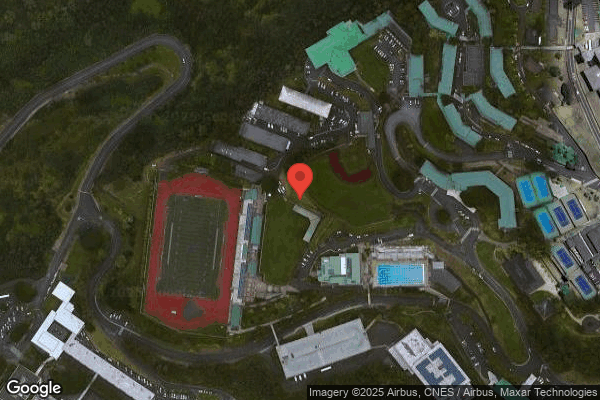
NUUANU HALE

2900 PALI HIGHWAY, HONOLULU, HI 96817 (808) 595-6311
For profit - Corporation 75 Beds Independent Data: November 2025
Trust Grade
20/100
#37 of 41 in HI
Last Inspection: February 2025

Within standard 12-15 month inspection cycle. Federal law requires annual inspections.

Overview

Nuuanu Hale in Honolulu, Hawaii, has received a Trust Grade of F, indicating significant concerns about its care quality. It ranks #37 out of 41 facilities in the state and #22 out of 26 in the county, placing it in the bottom half of both rankings. Although the facility is improving, with issues reducing from 24 in 2024 to 17 in 2025, it has reported a concerning total of $95,775 in fines, which is higher than 92% of similar facilities in Hawaii. Staffing is a relative strength, with a 0% turnover rate, indicating that staff remain with the facility, but it only offers average RN coverage. Specific incidents raised during inspections include a resident suffering skin tears and bruises due to inadequate safety measures during self-transfer, as well as another resident being left in a dangerous position in bed and getting out unsupervised, which poses a significant risk for falls. Overall, while there are some strengths, families should carefully consider these serious weaknesses when researching this nursing home.

Trust Score
F
20/100
In Hawaii
#37/41
Bottom 10%
Safety Record
High Risk
Review needed
Inspections
Getting Better
24 → 17 violations
Staff Stability
○ Average
Turnover data not reported for this facility.
Penalties
✓ Good
$95,775 in fines. Lower than most Hawaii facilities. Relatively clean record.
Skilled Nurses
✓ Good
Each resident gets 73 minutes of Registered Nurse (RN) attention daily — more than 97% of Hawaii nursing homes. RNs are the most trained staff who catch health problems before they become serious.
Violations
⚠ Watch
65 deficiencies on record. Higher than average. Multiple issues found across inspections.
★★☆☆☆
2.0
Overall Rating
★★☆☆☆
2.0
Staff Levels
★★★★☆
4.0
Care Quality
★★☆☆☆
2.0
Inspection Score
Stable
2024: 24 issues
2025: 17 issues

The Good

  • 4-Star Quality Measures · Strong clinical quality outcomes
  • Full Sprinkler Coverage · Fire safety systems throughout facility
  • No fines on record

Facility shows strength in quality measures, fire safety.

The Bad

2-Star Overall Rating

Below Hawaii average (3.4)

Below average - review inspection findings carefully

Federal Fines: $95,775

Well above median ($33,413)

Moderate penalties - review what triggered them

The Ugly 65 deficiencies on record

4 actual harm
Mar 2025 1 deficiency
CONCERN (D) 📢 Someone Reported This

A family member, employee, or ombudsman was alarmed enough to file a formal complaint

Potential for Harm - no one hurt, but risky conditions existed

Deficiency F0660 (Tag F0660)

Could have caused harm · This affected 1 resident

**NOTE- TERMS IN BRACKETS HAVE BEEN EDITED TO PROTECT CONFIDENTIALITY** Based on interviews and record review, the facility failed to ensure a safe discharge for one Resident (R)2 of a sample size of ...

Read full inspector narrative →
**NOTE- TERMS IN BRACKETS HAVE BEEN EDITED TO PROTECT CONFIDENTIALITY** Based on interviews and record review, the facility failed to ensure a safe discharge for one Resident (R)2 of a sample size of three. Specifically, prior to an inpatient hospitalization, R2 was moderately independent with some assistance, but his functional level changed. At discharge, he required maximum assistance for most activities of daily living. There was lack of evidence that R2's discharge home met his identified needs of 24/7 supervision. Caregiver availability, capacity and capability were not determined. As a result of this deficiency, R2 was at high risk of readmission and harm. This deficient practice has the potential to affect any resident discharged home. Findings include: 1) On 02/07/2025 the Office of Healthcare Assurance (OHCA) received a report from an external agency regarding concern of R2, self neglect and possible inappropriate discharge. The report included R2 lived with his girlfriend, but that she was disabled and not able to care for him. It also documented he does not have any other support system and .girlfriend is only able to assist with grocery shopping. 2) R2 was a [AGE] year-old admitted to the facility on [DATE] for short term physical and occupational therapy to improve functional status due to weakness and immobility after being hospitalized for sepsis. His medical history included poorly controlled Diabetes, muscle weakness, thoracic and cervical spinal stenosis, stroke with left sided weakness. and incontinence of bowel and bladder. R2 is capable of making his own decisions. Prior to admission he lived at home with his significant other, who assisted him. He was discharged home on [DATE], with a referral to Home Health. 3) Reviewed R2's hospital Rehab Consult Notes dated 12/27/2024, which included the following: - Lives with: .lady friend. - Assistance at discharge: Family, Home Alone During the Day. - Home equipment: shower chair. wheelchair, transport, walker, rolling. - Living Environment Comments: Pt reported that when his lady friend stays over she helps but when she does not he performs tasks on his own. - Toileting prior to admit 12/24/2024 level of function: pt. (patient/R2) reported that he takes his transport w/c (wheelchair) to the bathroom door then uses his RW (rolling walker) to get to the toilet. - Prior fall history: Pt has fallen a lot and reports that when he falls on his face he can not even breathe or turn his head to help him. Pt reports he can lay there half an hour before being found by significant other. Reviewed R2's facility Occupational Therapy (OT) Discharge Summary, for services ending on 01/26/2025. The summary included the following: Eating: Sup (supervision)/SBA (standby assist)- Cueing, coaxing, standby for safety; Hygiene: Oral hygiene = Mod A (Moderate Assist, 26-50% care giver support); Toileting hygiene = Dependent (100% assist), or two or more helpers; Transfers: Toilet transfer = Total A (79-99% assist), substantial Maximal Assist; Bathing: Shower/bathe self = Dependent; Dressing: Upper body dressing = Mod A; Lower body dressing = Total A; Putting on/taking off footwear: Total A; Self-Care Performance Skills: Self Care Function Score (score 0-12; 12 being highest function) = 5; Discharge Recommendations: Air mattress, 24 hour care, Home exercise program, Home health services and in-home aide. 4) Reviewed R2's Physical Therapy (PT) Discharge Summary for services ended on 01/27/2025. The summary included: Bed mobility: PLOF (Prior level of functioning): MODI; discharge: Mod-Max assist, MOD to roll to sides, able to pull self with .but requires MAX A (maximal assist-caregiver provides 51-75% of effort) to complete supine to sitting and back. Transfers (bed to chair/chair to bed, sit to stand, toilet transfers): PLOF: MOD I; discharge: MAX A/TA (Maximum Assist/Total Assist-caregiver does 100%). Standing Balance: PLOF: Fair; discharge: Poor. Ambulate with FWW (front wheel walker) to 10 ft: PLOF: MOD I-20 ft.; discharge: Attempted, but not able to demonstrate any steps. Mobility Score: Functional Mobility Score (ranges from 0-12; 12 being highest function) = 2. Discharge Location = Patient discharged to home w/support/(A) from others. Assistance/Support to be provided = Community Assistance. AM assistance/caregiver available, PM assistance/caregiver available. D/C Recommendations: Assistive device for safe functional mobility, ., Elevated toilet seat/3 in 1 commode, Environmental modifications, Functional Maintenance Program, Home health services, Shower chair back, Grab bars and Reacher. 5) Reviewed R2's discharge MDS (Minimal Data Set) dated 01/28/2025 revealed Section GG-Functional Abilities documented the following: Eating: 5 (Setup or clean-up assistance) Oral Hygiene: 5 (Set up or clean-up assistance) Toileting hygiene: 1 (Dependent) Shower/bathe self: 2 (Substantial/maximal assistance) Upper body dressing: 3 (Partial/moderate assistance) Lower body dressing: 2 (Substantial/maximal assist) Putting on/taking off footwear: 1 (Dependent) Person hygiene: 2 (Substantial/maximal assist) 6) On 03/27/2025 at 01:39 PM, interviewed the facility's Assistant Director of Rehab (PTA), in the conference room. The PTA said the Physical Therapist comes to the facility and does the admission evaluations and develops the plan, and then the PTA provides the therapy. When asked PTA about R2, he said Across the board he was max assist. He went on to say, R2's baseline was that he needed some assistance at home, and his girlfriend helped him, but his condition and needs changed. The PTA said at discharge, R2 could not ambulate and could not transfer self from bed to wheelchair. When inquired if his department does caregiver training, he said in this case, he thought there had been attempts to get the girlfriend in, to provide her training, but she never came. At that time reviewed the discharge evaluation note, and PTA confirmed he wrote the content, and the Therapist electronically signed it offsite. He went on to say they recommended home care therapy and Social Services would make the arrangements. The PTA recalled they discussed options for R2 post discharge at a care planning meeting, but that He was adamant about going home. On 03/27/2025 at 02:00 PM, interviewed Social Services (SS) in the conference room. He said his supervisor was assigned R2, but she was unavailable. SS said he did have some knowledge of the resident and was sure R2 had been offered other options such as care home, but He (R2) had one adamant request, which was to go home, and was not interested in any other option. At that time, reviewed all discharge planning notes and SS confirmed there was no documentation that other options other than home were discussed to ensure his safety. He said a referral was made for PT/OT home health services. On 03/28/2025 at 11:16 AM, interviewed the Physical Therapist (PT) in the conference room. PT did R2's admission evaluation and electronically signed his discharge summary. He confirmed his involvement with R2's care. At that time, PT reviewed R2's therapy documentation, and noted there had been a decline in R2's functional level while he had been at the facility. He confirmed at the time of the discharge evaluation on 01/27/2025 R2 needed maximum assistance. On 03/28/20025 at 12:40 PM, PT returned to he conference room after he reviewed P2's records again, and said he noted in the Occupational Therapy notes, there was a recommendation for 24 hour supervision. 7) On 03/28/2025 at 10:34 AM, conducted a phone interview with the Home Health Agency (HHA), who confirmed a referral was uploaded into their system on 01/28/2025, for PT, OT and Aide services. The home evaluation was conducted on 01/31/2025 and due to unsafe home environment, R2 was not admitted for services. The HHA notified R2's insurance coordinator to assist with further care coordination. 8) Reviewed the facility policy titled Discharge/Transfer, which included The post-discharge plan will be developed by the interdisciplinary team with the assistance of the resident and resident representative. As [sic] a minimum, the post-discharge plan will include a current assessment of resident's ADL (Activity of Daily Living) functioning .social services, and physical therapy as appropriate. In addition, the post-discharge care plan will address follow up with PCP as well as provisions for medical equipment, housekeeping needs, meals .A telephone follow-up call will be performed one week after discharge by the Social Worker or designee to inquire as to status and adjustment of the resident, as appropriate. There was no evidence a follow-up phone call had been made to R2.
Feb 2025 16 deficiencies
CONCERN (D)

Potential for Harm - no one hurt, but risky conditions existed

Deficiency F0561 (Tag F0561)

Could have caused harm · This affected 1 resident

**NOTE- TERMS IN BRACKETS HAVE BEEN EDITED TO PROTECT CONFIDENTIALITY** Based on observation, interview, and record review (RR), the facility failed to identify and support the bathing schedule prefer...

Read full inspector narrative →
**NOTE- TERMS IN BRACKETS HAVE BEEN EDITED TO PROTECT CONFIDENTIALITY** Based on observation, interview, and record review (RR), the facility failed to identify and support the bathing schedule preference of 1 of 2 residents (R) sampled for Self-Determination. As a result of this deficient practice, R32 did not have his needs met and was hindered from attaining his highest practicable well-being. This deficient practice has the potential to affect all the residents at the facility. Findings include: Cross-reference to F684 Quality of Care. Despite identifying and documenting an ongoing pruritic (itching) skin condition since September 2024, the facility failed to adequately address and provide relief for Resident (R)32's itching. Resident (R)32 is a [AGE] year-old male admitted to the facility on [DATE] for long-term care. A review of R32's Minimum Data Set (MDS) admission Assessment with an Assessment Reference Date (ARD) of 07/11/24 notes that his admitting diagnoses include, but are not limited to, heart failure, high blood pressure, diabetes, and end-stage renal disease (on dialysis). The admission Assessment also documents R32 with a Brief Interview for Mental Status (BIMS) score of 14 out of 15, indicating that he is cognitively intact. On 02/03/25 at 09:29 AM, observations and an interview were done with R32 at the bedside. R32 was observed continuously scratching all along his right arm. Noted on his right forearm were multiple tiny scratches with blood. Also noted were many pinpoint areas of dried blood on R32's white pillowcase. No rash or redness was grossly visible to R32's right arm, but when asked, R32 stated that his arms and back were always itchy. On 02/03/25 at 03:49 PM, a follow-up interview was done with R32 at the bedside. R32 clarified that he has itchy areas all over body, but his arms and back bother him the most. When asked if anything makes the itching better, R32 responded that he usually feels better after a shower. R32 also stated that he would like to shower daily because of the itching, but they won't let me, reporting that he is only allowed to shower twice a week. When asked if staff have anything for him to apply to his skin for the itching, R32 reported that there is a lotion that staff will apply for him, but that it does not help. A review of R32's comprehensive care plan noted that his ADL (activities of daily living) care plan and his Activities care plan do not include his shower preferences or documentation of any identified skin issues. On 02/06/25 at 10:20 AM, an interview was done with Unit Manager (UM)1 in her office. When asked about shower preferences, UM1 stated that all residents are assessed upon admission regarding shower frequency. Asked her to provide documentation that this was assessed as a review of R32's MDS admission Assessment, his admitting progress note, and his comprehensive care plan, does not indicate that this specific question was asked. This requested documentation was never provided. During a concurrent record review, UM1 confirmed that R32 was on a twice a week shower schedule. On 02/06/25 at 02:00 PM, an interview was done with Certified Nurse Aide (CNA)5 who stated that she is familiar with R32's care. When asked about R32's shower frequency, CNA5 stated that R32 is scheduled to shower on the evening shift, but when she works in his area, even if she is on the day shift, she will shower him daily because he likes to shower. CNA5 reported that she is unsure how often R32 gets showered on the evening shift but states she is aware that he wants to shower more than twice a week.
CONCERN (D)

Potential for Harm - no one hurt, but risky conditions existed

Deficiency F0625 (Tag F0625)

Could have caused harm · This affected 1 resident

**NOTE- TERMS IN BRACKETS HAVE BEEN EDITED TO PROTECT CONFIDENTIALITY** Based on record review and interview, the facility failed to provide documentation that written notice of bed-hold policy was pr...

Read full inspector narrative →
**NOTE- TERMS IN BRACKETS HAVE BEEN EDITED TO PROTECT CONFIDENTIALITY** Based on record review and interview, the facility failed to provide documentation that written notice of bed-hold policy was provided to the resident or resident's representative within 24 hours of emergency transfer for one of one resident (Resident (R) 69) reviewed for closed record. This deficient practice does not ensure the resident's right to have a place to return and does not provide continuity of care. Findings include: Resident (R) 69 was sent to the Emergency Department and admitted to the hospital on [DATE]. Record review was done on 02/05/25 at 12:26 PM for two forms titled, Resident Progress Notes and [Provider] Bed Hold Agreement At Time of Transfer/Discharge. The Resident Progress Note entry dated 01/02/25 noted, SS [Social Services) received call from sister/POA [Power of Attorney] informing facility that resident/family unable to pay to hold the bed for the resident . The bed-hold agreement noted oral notification was provided by the facility, but the section titled, Written Notification was not completed. The Social Services Director (SSD) was interviewed in her office on 02/05/25 at 12:33 PM, and stated that the bed-hold agreement was mailed to the resident's representative who did not send it back. SSD confirmed that documentation of written notification sent should be in the progress notes but was not done.
CONCERN (D)

Potential for Harm - no one hurt, but risky conditions existed

Assessment Accuracy (Tag F0641)

Could have caused harm · This affected 1 resident

**NOTE- TERMS IN BRACKETS HAVE BEEN EDITED TO PROTECT CONFIDENTIALITY** Based on observation, interview and record review errors on Minimum Data Set (MDS) Quarterly Assessments were found for two of 1...

Read full inspector narrative →
**NOTE- TERMS IN BRACKETS HAVE BEEN EDITED TO PROTECT CONFIDENTIALITY** Based on observation, interview and record review errors on Minimum Data Set (MDS) Quarterly Assessments were found for two of 18 residents sampled, Resident (R)20 and R21. Error for R20 was made under section I. Active Diagnoses and error for R21 was made under section M. Skin Conditions. Findings Include: 1) Cross Reference to F656 (Comprehensive Care Plan). On 02/03/25 at 10:50 AM R20 was observed lying in his bed and surveyor noticed he had a contracture to his left hand. Asked R20 if he can open or close his hand and he reported it is not so well, resident was not able to do this. During record review of R20's Electronic Health Record (EHR) found he has an active diagnosis of Contracture of muscle, left upper arm dated 02/15/24. On 02/06/25 at 09:48 AM interviewed Director of Nursing (DON) and asked if R20's MDS Quarterly assessment dated [DATE] had the active diagnosis, Contracture of muscle, left upper arm, and she stated she was not able to find it. Inquired if this should have been included and she confirmed it should have been included. 2) Cross Reference to F656 (Comprehensive Care Plan). During record review of R21's Electronic Health Record (EHR) found he was sent to and admitted to the hospital on [DATE] for rectal bleeding. R21 was discharged from the hospital on [DATE] and returned to the facility. Review of discharge summary from the hospital revealed he was admitted to the hospital with pressure ulcers (PUs) to bilateral heels and discharged with PUs to his heels. Review of R21's skin assessments upon return to the facility did not include documentation of PUs to R21's heels. Review of R21's MDS Quarterly Review dated 12/16/24 did not include PUs to R21's heels. On 02/06/25 at 12:47 PM interviewed Minimum Data Set Coordinator (MDSC) 2. Reviewed discharge paperwork with MDSC2 who confirmed the discharge summary from the hospital stated resident was admitted and discharged with pressure ulcers to his heels. Inquired if staff completed a skin assessment upon R21's return to the facility and DON and MDSC2 were unable to provide one that included documentation of R21's PUs to his heels. DON confirmed this information should have been included on the admission skin assessment. Inquired of MDSC2 if the PUs to R21's heels should have been included in his 12/16/24 MDS Quarterly Review under skin conditions and she confirmed this should have been included.
CONCERN (D)

Potential for Harm - no one hurt, but risky conditions existed

Deficiency F0676 (Tag F0676)

Could have caused harm · This affected 1 resident

**NOTE- TERMS IN BRACKETS HAVE BEEN EDITED TO PROTECT CONFIDENTIALITY** 3) Cross Reference to F656 (Comprehensive Care Plan) On 02/03/25 at 02:00 PM a family interview was conducted with R55's family ...

Read full inspector narrative →
**NOTE- TERMS IN BRACKETS HAVE BEEN EDITED TO PROTECT CONFIDENTIALITY** 3) Cross Reference to F656 (Comprehensive Care Plan) On 02/03/25 at 02:00 PM a family interview was conducted with R55's family member. Inquired if English is a second language for R55 and R55's family member stated he speaks Cantonese and they think that he might not understand what staff are saying to him and they think staff are not using an interpreter when they communicate with him when family are not there. On 02/05/25 at 01:00 PM interviewed Registered Nurse (RN)11. Inquired if R55 needs an interpreter and RN11 stated resident can speak English and have basic needs met. RN11 stated facility has interpreter services and was able to show surveyor where the contact number and languages that are offered at the nurse's station. During survey no staff were observed using an interpreter when communicating with R55. Review of R55's MDS Quarterly Review dated 09/16/24 identifies resident's language as Cantonese and Yes was checked off that he needs or wants an interpreter to communicate with a doctor or health care staff. Review of R55's CP did not include use of interpreter services when communicating with a doctor or health care staff. On 02/06/25 at 09:02 AM an interview was done with the DON. Inquired of DON if R55's need for an interpreter should have been included on his care plan and she confirmed resident should have had a CP for an interpreter. Based on observations, interviews, and record reviews, the facility failed to provide the proper care and treatment, including assistive devices/tools, to improve and promote the communication abilities of 3 of 3 residents (R) sampled for Language/Communication. Despite identifying upon admission that their primary language was not English, the facility failed to implement the use of alternative communication methods, such as a communication board, non-verbal pain assessment tools, or commonly used phrases in their primary language, or an interpreter for Residents (R)37, R24 and R55. As a result of this deficient practice, the residents are at an increased risk of not having their needs met and experiencing a decline in their physical well-being, psychosocial well-being, and quality of life. This deficient practice has the potential to affect all residents at the facility with communication needs. Findings include: 1) Cross Reference to F656 (Comprehensive Care Plan) Resident (R)37 is a [AGE] year-old male admitted to the facility on [DATE] for long-term care. A review of R37's Minimum Data Set (MDS) admission Assessment with an Assessment Reference Date (ARD) of 12/09/24 notes that it identifies R37 as English/Chuukese speaking, and as answering Yes to the question, Do you need or want an interpreter to communicate with a doctor or health care staff? A review of his admission progress note dated 12/05/24 at 01:49 PM noted Registered Nurse (RN)11 documenting the following: Primary language is Chukees [sic] . On 02/03/25 at 01:42 PM, observations and interview were done with R37 at the bedside. No communication tools were observed at the bedside or on the walls surrounding his bed. While interviewing R37, noted that while he understood limited English, conducting a thorough assessment of his physical and psychosocial needs was challenging without an interpreter. When asked how he communicates with staff when he has a question or a concern, R37 stated that his brother visits and translates for him but could not state how often his brother comes to visit. On 02/05/25 at 08:22 AM, a review of R37's comprehensive care plan (CP) was done. For his Activities care plan, the following was noted in the problem section: He is able to understand very little English. However, the Approach section did not contain any interventions to address the language barrier. Further review of his CP noted no Communication or Language Barrier care plan and his ADLs [activities of daily living] Functional Status/Rehabilitation Potential care plan did not identify a communication need. On 02/05/25 at 09:56 AM, an interview was done with the Director of Nursing (DON) in her office. DON confirmed that for residents identified as non-English speakers, a communication care plan should be developed as a part of their CP. When asked for examples of what approaches/interventions should be included in a communication care plan, DON stated it should include a communication board and non-verbal/picture assessment aids at the bedside, and phone interpreter services. A review of the facility's policy and procedure, Communicating with Persons with Limited English Proficiency, last reviewed/revised 06/2023, revealed the following: Facility staff will identify the language and communication needs of the LEP [limited English proficiency] person . All interpreters, translators, and other aids needed by the resident and/or representative will be provided . 2) Cross Reference F656 (Comprehensive Care Plan) Resident (R)24 is an [AGE] year-old female admitted to the facility on [DATE]. A review of R24's MDS admission Assessment with an ARD of 01/24/25 notes that she is identified as Korean speaking, and as answering Yes to the question, Do you need or want an interpreter to communicate with a doctor or health care staff? A review of an admission progress note dated 01/18/25 at 06:44 PM noted Unit Manager (UM)2 documenting the following: . her primary language is Korean . On 02/04/25 at 09:08 AM, observations were done of R24 at the bedside. No communication tools or aids were observed at the bedside or on the walls surrounding her bed. On 02/04/25 at 01:50 PM, a review of R24's CP revealed no indications that the communication need had been identified. As a result, the language barrier was not listed in any of her care plans, and no interventions had been developed. On 02/05/25 at 02:45 PM, a phone interview was done with MDS Coordinator (MDSC)1. MDSC1 agreed that if English is not a resident's primary language and the resident requests interpreter services, the identified need should be care planned under Communication/Language Barrier. In addition, MDSC1 stated that communication/language barrier interventions may also be added to the ADLs or Activities care plans. When asked what type of interventions would be included in a Communication/Language Barrier care plan, MDSC1 gave the following examples: have an interpreter, ask for assistance from family, use interpreter services, communication board at the bedside, pictures/common phrases at the bedside, and use gestures and/or facial expressions to communicate.
CONCERN (D)

Potential for Harm - no one hurt, but risky conditions existed

Deficiency F0679 (Tag F0679)

Could have caused harm · This affected 1 resident

**NOTE- TERMS IN BRACKETS HAVE BEEN EDITED TO PROTECT CONFIDENTIALITY** Based on observation, interview, and record review, the facility failed to ensure there was an ongoing resident-centered activit...

Read full inspector narrative →
**NOTE- TERMS IN BRACKETS HAVE BEEN EDITED TO PROTECT CONFIDENTIALITY** Based on observation, interview, and record review, the facility failed to ensure there was an ongoing resident-centered activities program that addressed the needs of 1 of 2 residents sampled for Activities. Despite identifying that he had a visual deficit, the facility failed to implement activities Resident (R)37 could perform. As a result of this deficient practice, R37 was placed at risk of a decline in his psychosocial well-being. This deficient practice has the potential to affect all residents at the facility. Findings include: Resident (R)37 is a [AGE] year-old male admitted to the facility on [DATE] for long-term care. A review of R37's Minimum Data Set (MDS) admission Assessment with an Assessment Reference Date (ARD) of 12/09/24 notes that R37 had been identified as Vision Impaired - sees large print, but not regular print in newspapers/books. On 02/03/25 at 01:35 PM, concurrent observations and interview were done with R37 at the bedside. R37 stated he had reading glasses at home in Chuuk but did not bring it with him when he moved. Observed a regular-print Word Search book on his bedside table, sitting untouched. When asked about it, R37 stated he enjoys word search puzzles but cannot see them without reading glasses. A review of R37's Comprehensive Care Plan (CP) noted that although his visual deficit had been identified in his ADLs (activities of daily living) Functional Status/Rehabilitation Potential CP, there were no interventions (such as provide reading glasses) planned to address it beyond the following: Monitor for changes in vision as it affects ADLs functioning. Update MD [Physician] as necessary. A review of R37's Activities CP noted that it did not identify his visual deficit and only had the following intervention: Activities to encourage participation, support and engage socially, provide adaptations (if needed), and encourage positive coping strategies. On 02/06/25 at 12:30 PM, an interview was done with the Activities Director (as listed by the facility on their Staff List) in the Activities Room. The Activities Director (AD) stated that she was no longer the AD and that the position was currently unfilled. Reported there currently was an Activities Aide (AA) however she was out sick. When asked about R37, AD stated she was aware of his visual deficit and that he could not see small (or regular) print. A concurrent review of his Activities CP was done, and AD agreed that his visual deficit should have been identified and addressed. When asked about resident-specific interventions based on activity needs, AD seemed unclear what the State Agency (SA) meant. Asked if it was normal to have only one generalized intervention in the Activities CP, AD responded yes, all residents' activity care plans usually just have the one intervention.
CONCERN (D)

Potential for Harm - no one hurt, but risky conditions existed

Quality of Care (Tag F0684)

Could have caused harm · This affected 1 resident

**NOTE- TERMS IN BRACKETS HAVE BEEN EDITED TO PROTECT CONFIDENTIALITY** Based on observation, interview, and record review, the facility failed to implement a hydration program that recognizes, evalua...

Read full inspector narrative →
**NOTE- TERMS IN BRACKETS HAVE BEEN EDITED TO PROTECT CONFIDENTIALITY** Based on observation, interview, and record review, the facility failed to implement a hydration program that recognizes, evaluates, and addresses the hydration needs of 1 of 2 residents (Resident 37) sampled for hydration. Individuals who do not receive adequate fluids are more susceptible to urinary tract infections, pneumonia, pressure injuries, skin infections, confusion, and disorientation. In addition, despite identifying and documenting an ongoing pruritic (itchy) skin condition for 1 of 5 residents (Resident 32) sampled for non-pressure related skin conditions, the facility failed to adequately address and provide relief for his itching, impacting his comfort and psychosocial well-being. These deficient practices have the potential to affect all residents at the facility. Findings include: 1) Cross Reference to F656 (Comprehensive Care Plan) Resident (R)37 is a [AGE] year-old male admitted to the facility on [DATE] for long-term care. A review of R37's electronic health record (EHR) notes that he was admitted with diagnoses that include, but are not limited to, congestive heart failure (a disorder that impairs ventricular (a chamber in the heart) filling or ejection of blood to the systemic circulation), type 2 diabetes, and constipation. Further review of his EHR confirmed that despite his chronic congestive heart failure (CHF), R37 was not on any fluid restrictions. A review of R37's medication list noted the following routine medications: Furosemide 40 milligrams (mg) daily (a diuretic, which is a substance that promotes the increased production of urine). Spironolactone 25 mg daily (a diuretic) Jardiance 10 mg daily (an antidiabetic) A review of the manufacturer's Warnings and Precautions for the Jardiance (found on the package insert) revealed the following: Volume Depletion: . can cause intravascular (situated in, occurring in, or administered by entry into a blood vessel) volume depletion . After initiating, monitor for signs and symptoms of volume depletion . A review of the manufacturer's Drug Interactions for the Jardiance (found on the package insert) revealed the following: Diuretics: Coadministration with diuretics may enhance the potential for volume depletion. Monitor for signs and symptoms. On 02/03/25 at 09:36 AM, observation was made at R37's bedside that there was no water pitcher, bottles, or cups of water at his bedside. On 02/04/25 at 09:20 AM, observation was made at R37's bedside that there was no water pitcher, bottles, or cups of water at his bedside. When asked, R37 stated that he is not offered fresh water or fluids outside of what comes on his meal trays. On 02/05/25 at 07:47 AM, observed R37 lying in bed stating that he was feeling nauseous and had vomited that morning. Also observed that there was no water pitcher, bottles, or cups of water at his bedside. A review of his Comprehensive Care Plan (CP) noted that R37 had two care plans that identified his increased risk for dehydration due to the medications he was taking but had no intervention to ensure to provide adequate fluids. R37's Edema (swelling)/Diuretic CP had the following interventions: Assess/report dehydration . Monitor blood pressure. Report signs of hypotension [low blood pressure] and/or hypovolemia [low fluid volume]. R37's Nutritional Status CP identified that R37 was at risk for nutritional and fluid deficits R/T [related to] . use of diuretics, but again had no intervention to ensure to provide adequate fluids. Review of R37's EHR revealed that since admission, his diuretics and blood pressure medications were consistently held 3-7 times a week because his blood pressure was too low, however he consistently received the Jardiance every day. In addition, it was noted that R37 would consistently be given as needed Milk of Magnesia and Bisacodyl for constipation (often a sign of low fluid volume). Review of R37's nurse progress notes revealed no documentation that anyone had identified his consistently low blood pressures and constipation as potential signs of a fluid deficit and informed the Physician. On 02/05/25 at 10:03 AM, an interview was done with the Director of Nursing (DON) in her office. DON stated that upon admission, someone should have put an order in for monitoring for signs of dehydration so that there would be an actual log. DON stated she was surprised no one, including the pharmacist, had noticed, and questioned if the low blood pressures might be a sign of dehydration. In addition, DON stated R37 should have a water pitcher at his bedside and be offered fresh water daily. After a concurrent review of his EHR, DON confirmed that R37's fluid intake was not being monitored/logged for adequacy. Review of the facility policy and procedure Hydration Maintenance, last revised 10/10/17 revealed the following: 1. Appropriate residents able to self-serve, will be provided with water pitchers at their bedside and refilled as appropriate, and at a minimum twice a shift. 4. Daily fluid intake will be documented for each resident and an average daily intake will be calculated on a weekly basis. All information will be documented in the electronic medical record. 5. Residents who do not drink an average of 1000cc/day will be placed on a weekly Hydration List and reviewed by Nurse Manager or RN and/or dietitian. 6. The Hydration List will be available at the nurse's station and residents on the Hydration List will be identified on the CNA communication book. All staff will make an effort to increase the fluid intake of these residents. 7. Resident's care plan will be updated to reflect the need for increased hydration with appropriate interventions identified and indicated. A review of R37's fluid intake for the month of January 2025 revealed the following for his average daily intake calculated on a weekly basis: Week 1- 626ml Week 2- 685ml Week 3- 668ml Week 4- 654ml Week 5- 684ml On 02/06/25 at 10:13 AM, an interview was done with Unit Manager (UM)1 in her office. UM1 confirmed that R37 was not on any fluid intake monitoring and was not on the Hydration List. 2) Cross Reference to F656 (Comprehensive Care Plan) Resident (R)32 is a [AGE] year-old male admitted to the facility on [DATE] for long-term care. A review of R32's Minimum Data Set (MDS) admission Assessment with an Assessment Reference Date (ARD) of 07/11/24 notes that his admitting diagnoses include, but are not limited to, heart failure, high blood pressure, diabetes, and end-stage renal disease (on dialysis). The admission Assessment also documents R32 with a Brief Interview for Mental Status (BIMS) score of 14 out of 15, indicating that he is cognitively intact. On 02/03/25 at 09:29 AM, observations and an interview were done with R32 at the bedside. R32 was observed continuously scratching all along his right arm. Noted on his right forearm were multiple tiny scratches with blood. Also noted were many pinpoint areas of dried blood on R32's white pillowcase. No rash or redness was grossly visible to R32's right arm, but when asked, R32 stated that his arms and back were always itchy. On 02/03/25 at 03:49 PM, a follow-up interview was done with R32 at the bedside. R32 clarified that he has itchy areas all over body, but his arms and back bother him the most. When asked if anything makes the itching better, R32 responded that he usually feels better after a shower. R32 also stated that he would like to shower daily because of the itching, but they won't let me, reporting that he is only allowed to shower twice a week. When asked if staff have anything for him to apply to his skin for the itching, R32 reported that there is a lotion that staff will apply for him, but that it does not help. A review of R32's CP noted that although R32 did have a Skin Integrity CP, it did not identify his pruritic skin condition, and only documented/addressed the following: . at risk for alteration to skin integrity secondary to incontinent episodes, requires assistance with toileting hygiene/transfers, DM [diabetes], hx [history] CVA [stroke], hx left great toe amputation. Review of R32's Weekly Skin Assessments noted they do not accurately represent/reflect/document the multiple tiny bleeding lesions observed on his right arm. Review of R32's provider orders noted Camphor-Menthol lotion ordered on 10/11/24, Apply a thin layer to BUE [bilateral upper extremities] and back for Pruritis, however, no documentation was found of any skin monitoring to measure its effectiveness. On 02/06/25 at 10:22 AM, an interview was done with UM1 in her office. UM1 confirmed that the different interventions the facility has used to address R32's pruritis (including the Camphor-Menthol lotion) should have been added to his CP since his pruritis has been an issue since admission. During a concurrent review of his CP, UM1 validated that R32's CP did not include these resident-centered interventions. On 02/06/25 at 01:29 PM, an interview was done with Certified Nurse Aide (CNA)6 outside of room [ROOM NUMBER]. CNA6 confirmed that he is familiar with R32's care and has noticed R32 is frequently itchy and scratching his arms, stating, oh yeah, [he scratches] all the time. CNA6 also confirmed that he has frequently observed spots of blood on R32's linen and reported that he has observed multiple bleeding areas on both R32's arms and back. CNA6 stated that R32 complains about the itchiness a lot, which CNA6 consistently reports to the nurse.
CONCERN (D)

Potential for Harm - no one hurt, but risky conditions existed

Pressure Ulcer Prevention (Tag F0686)

Could have caused harm · This affected 1 resident

**NOTE- TERMS IN BRACKETS HAVE BEEN EDITED TO PROTECT CONFIDENTIALITY** Based on observation, interview, and record review, the facility failed to provide necessary treatment, consistent with professi...

Read full inspector narrative →
**NOTE- TERMS IN BRACKETS HAVE BEEN EDITED TO PROTECT CONFIDENTIALITY** Based on observation, interview, and record review, the facility failed to provide necessary treatment, consistent with professional standards of practice, to promote healing of a stage 4 pressure injury for one of five residents (Resident (R) 54) sampled for pressure injuries. R54 did not get the support she needed to turn and reposition every two hours causing discomfort. This deficient practice put R54 at risk for failed progress toward healing. Findings include: R54 was admitted to the facility on [DATE]. R54's diagnoses include, not limited to, stage 4 pressure ulcer of sacral region, posterior reversible encephalopathy syndrome, local infection of the skin and subcutaneous tissue, type 2 diabetes mellitus with other skin complications peripheral vascular disease, acquired absence of right leg above knee, type 2 diabetes mellitus with hyperglycemia, non-pressure chronic ulcer of other part of right lower leg with necrosis of bone, pain, and infection of amputation stump of right and left lower extremity. Review of R54's quarterly Minimum Data Set (MDS) with assessment reference date of 12/17/24 found R54's Brief Interview for Mental Status (BIMS) score a 15 (cognitively intact). In Section GG. Functional Abilities and Goals, under Mobility, R54 needs substantial/maximal assistance to roll left and right, is dependent sit to lying and lying to sitting on the side of bed. On 02/03/25 at 08:59 AM, observation and interview with R54 was done. R54 reported she has a pressure injury on her coccyx and had it for a while. The wound team reportedly informed her their last visit that the wound was getting bigger. R54 expressed that she was frustrated because she tried to do the turning and positioning herself by using the bed rails to hold on to and offload but cannot do it for long because it is sore and becomes more painful. R54's pressure injury causes her pain and discomfort. R54 stated she must ask staff to be repositioned but if she doesn't ask, they do not help or reposition her. R54 is not assisted in turning or repositioning every two hours. Observed resident attempt to reposition herself by using her arm strength and holding on to the bed rail lifting herself up, for less than thirty seconds, before going back to a flat on her back position. No pillows or wedges were observed to be used to help reposition her. During a second observation and interview with R54, on 02/04/25 at 08:36 AM, R54 was observed lying flat on her back and stated her arm was sore when attempting to relieve the pressure from her coccyx. Inquired if the facility offered a wedge to help reposition so she does not have to hold on to the bed rail and lift herself up, R54 reported she has a wedge, but it is a hard foam and every time they put it behind her back it is uncomfortable, so she takes it off. R54 reportedly requested for pillows instead to reposition, and staff tell her they will look but never come back with pillows. On 02/06/25 at 03:28 PM, concurrent record review and interview with UM1 and Infection Preventionist (IP) was done. Concurrent review of R54's Electronic Health Record (EHR) documented R54 has a stage 4 pressure injury. UM1 stated residents with pressure injuries or are at risk and are not able to turn themselves should be turned every two hours and may use a wedge to assist residents in repositioning. IP reported R54 uses her arm to turn herself and has a wedge and pressure mattress but R54 refuses the wedge because it is too hard. Staff had offered covering the wedge with a blanket. UM1 stated if a resident refuses treatment, nursing staff should educate and reapproach or offer different interventions as well as education of risk and benefits. Refusals should be documented in the progress notes. UM1 confirmed refusals and turning and repositioning every two hours were not documented in the EHR. Review of Pressure Injury Prevention Guidelines provided by the facility documented Routine repositioning schedule: every two hours, using both side-lying and back positions. Reposition in bed, and out of bed.
CONCERN (D)

Potential for Harm - no one hurt, but risky conditions existed

Deficiency F0688 (Tag F0688)

Could have caused harm · This affected 1 resident

**NOTE- TERMS IN BRACKETS HAVE BEEN EDITED TO PROTECT CONFIDENTIALITY** 2) On 02/03/25 at 10:50 AM observed R20 in his room in bed. Observed resident with contracture to his left hand and inquired if ...

Read full inspector narrative →
**NOTE- TERMS IN BRACKETS HAVE BEEN EDITED TO PROTECT CONFIDENTIALITY** 2) On 02/03/25 at 10:50 AM observed R20 in his room in bed. Observed resident with contracture to his left hand and inquired if he could open and close his hand and R20 reported it is not so well. Asked resident if staff put a splint on his hand or a rolled up wash cloth and he denied this. At this time neither were observed in/on R20's left hand. Record review of R20's Electronic Health Record found he has a diagnosis that include and is not limited to quadriplegia, unspecified (Primary, Admission), central cord syndrome at unspecified level of cervical spinal cord, subsequent encounter and contracture of muscle, left upper arm. Review of R20's CP found Resident's name is quadriplegic and has left arm and hand contractures related to this. R20's long term goal (LTG) date of 04/27/25 and LTG stating Resident's name will not exhibit signs of autonomic dysreflexia (life threatening syndrome with sudden and severe rise in blood pressure and other symptoms) or other complications related to quadriplegia and contractures through the review. On 02/06/25 at 09:27 AM interviewed Unit Manager (UM)1. Inquired if R20 receives passive range of motion (PROM). UM1 stated residents are provided care, the Certified Nurse Aides (CNAs) do the best that they can and sometimes resident does not want to be touched and refuses care. At this time reviewed CP with UM1 who confirmed there are no interventions listed to prevent worsening of contractures or to prevent contractures in R20's other limbs. Review of physician orders did not find any treatments ordered for care of R20's left hand and arm. 02/06/25 09:28 AM interviewed DON and asked if facility has a Restorative Nursing Assistant (RNA) program and she said no, they have tried to convert some of their CNAs to RNAs but they are short staffed. They tried hiring but no one has applied. Based on observation, interview, and record review, the facility failed to ensure three of six residents (Residents 27, 20, and 56) sampled for limited range of motion (ROM) received the appropriate treatment, equipment, and services to maintain or prevent a decline in their ROM. Resident (R)27 did not have the splint for his left hand applied or monitored for application, R20 did not have physician ordered treatment to prevent worsening of resident's contracture, and R56 was provided treatment that was not evaluated by therapy or physician ordered and did not receive recommended passive ROM (PROM) and services. As a result of this deficient practice, these residents were placed at risk of a decline in their range of motion and a potential loss of function. Findings include: 1) Cross Reference F656 (Comprehensive Care Plan) Resident (R)27 is a [AGE] year-old male re-admitted to the facility on [DATE] for long-term care. A review of R27's Minimum Data Set (MDS) admission Assessment with an Assessment Reference Date (ARD) of 12/06/24 notes that his admitting diagnoses include, but are not limited to, left-sided weakness and paralysis following a stroke, pain, and contracture (a shortening and hardening of muscles, tendons, or other tissue, often leading to a deformity and rigidity of joints) of his left hand. On 02/03/25 at 01:59 PM, observations and interview were done with R27 at his bedside. Observed (and confirmed by interview) that R27 could not open his left hand as all his fingers were contracted. There were no braces or splints grossly visible at the bedside, and when asked, R27 stated that he did not have any orthotic devices for his left hand. State Agency (SA) then made observation of a hand splint buried under R27's belongings in a box on his bedside table. After additional questioning, R27 eventually acknowledged that the splint was for his left hand but stated that he had not worn it in a long time. A review of R27's Comprehensive Care Plan (CP) revealed that although the CP identified his left-hand contracture in several areas, there were no interventions that included use of his left-hand splint to prevent a decline in ROM. In addition, a review of his physician orders revealed no orders that addressed his left-hand contracture. On 02/06/25 at 09:50 AM, an interview was done with the Director of Nursing (DON) in her office. DON agreed that if there is a hand splint at the bedside, the expectation would be that there would be some documentation about it either in the physician orders or CP. A concurrent review of R27's electronic health record (EHR) confirmed that R27 had no CP, no orders, and did not have a signed refusal on file for the hand splint. DON was asked to provide documentation of how the facility was addressing the limited ROM of R27's left hand. On 02/06/25 at 11:20 AM, DON provided SA with a Therapy Communication To Nursing form dated 02/23/21 that documented Don [put on] L [left] Palm Protector Splint daily, after L hand is cleaned & dried thoroughly between fingers. Provide skin checks daily. DON stated she had found the form posted in R27's closet which is where the facility used to put the form a long time ago. Currently, the form should be kept in the CNA (Certified Nurse Aide) Communication Binder at the Nurses' station. DON confirmed that someone should have removed R27's form from his closet and placed it in the binder but had not. DON could find no documentation to indicate when the splint had last been applied. 3) Cross Reference to F656 (Comprehensive Care Plan) R56 was admitted to the facility on [DATE] with diagnoses, not limited to, hemiplegia and hemiparesis following cerebral infarction affecting right dominant side, vascular dementia, history of occlusion and stenosis of unspecified cerebral artery, muscle weakness, and contracture of muscle right upper arm and right lower leg. Review of R56's quarterly admission Minimum Data Set (MDS) with assessment reference date of 01/06/25 found in Section GG. Functional Abilities and Goals, R56 is dependent in self-care and has impairment on one side for upper and lower extremity range of motion. Review of R56's care plan reviewed/revised on 01/25/25 documented R56 .has impaired range of motion to right arm and right leg r/t [related to] previous stroke and contractures .will have no unaddressed complications related to limited range of motion through the review, .Monitor for presence of pain, intolerance, or muscle spasm during range of motion .OT/PT [Occupational Therapy/Physical Therapy] to eval [evaluation] and treat as indicated. Encourage to follow guidelines set from therapy. Multiple observations of R56 in bed were done on 02/03/25 at 08:41 AM and 11:35 AM, 02/04/25 at 08:05 AM, and 02/05/25 at 08:41 AM and 12:59 PM. R56's arms were observed to be bent to chest with closed fists holding rolled hand towels in both hands. Right leg was bent, knee toward stomach and left leg was positioned straight. Review of R56's Electronic Health Record (EHR) found no documentation that range of motion was done including monitoring for pain, intolerance, or muscle spasm during range of motion as indicated in the CP. Documentation for hand towels on both hands recommended and assessed by therapy, physician ordered, and in CP was not found. On 02/05/25 at 12:41 PM, interview and concurrent record review with Physical Therapy Assistant (PTA) 1 and Occupational Therapy Assistant (OTA) 2 was done. PTA1 reported R56 was last seen on 12/08/23 by physical therapy (PT) and OTA2 reported she was not seen by occupational therapy (OT). Concurrent review of R56's 12/08/23 PT Discharge Summary, documented R56 was discharged from PT with right hip flexion of 50 percent (%) degrees and discharged with generalized muscle weakness. PT recommended assistance with a functional maintenance program and concluded R56's prognosis to maintain current level of function if staff are consistent with follow-through. Review of R56's Therapy Communication to Nursing dated 12/13/23 including nursing staff signatures with comments to continue perform bed exercises (PROM) to optimize joint mobility. PTA1 reported nursing staff and residents are trained on PROM exercises when recommended. OTA2 reported if a resident had contractures, it would be noted by the therapist in the notes and discharge summary. PTA1 confirmed contractures was not included in the discharge summary diagnoses. OTA2 stated if a resident developed contractures nursing staff would usually make a referral to therapy. Inquired if nursing staff used hand rolls should that be assessed by therapy, OTA2 stated if there were contractures to the hands nursing staff would make a referral to OT and OT would assess and make treatment recommendations. For hand rolls the treatment would include what time and how long it is to be used, and nursing staff should monitor for redness or complications. OTA2 confirmed therapy did not assess or recommend hand rolls for R56. Referrals from nursing staff to assess R56 after discharge on [DATE] was not done. On 02/05/25 at 02:11 PM, an interview with Director of Nursing (DON) was done. DON reported the facility does not have a Rehabilitation Nursing Aide (RNA) program so the Certified Nurse Aids (CNA) are encouraged to do passive range of motion (PROM) for residents. DON confirmed there was no documentation in R56's EHR because there is no place for the CNAs to document and do not have a way to keep track of residents receiving PROM services. DON was not able to provide documentation that the CNA's were providing PROM services for R56. Inquired if R56 was assessed to use hand rolls, if it was physician ordered, and care planned, DON stated she did not see the treatment in R56's EHR. DON confirmed hand rolls should not be used since R56 was not assessed to use hand rolls by therapy or ordered by the physician.
CONCERN (D)

Potential for Harm - no one hurt, but risky conditions existed

Respiratory Care (Tag F0695)

Could have caused harm · This affected 1 resident

**NOTE- TERMS IN BRACKETS HAVE BEEN EDITED TO PROTECT CONFIDENTIALITY** Based on observation, interview, and record review, the facility failed to ensure a resident's oxygen (O2) tubing was connected ...

Read full inspector narrative →
**NOTE- TERMS IN BRACKETS HAVE BEEN EDITED TO PROTECT CONFIDENTIALITY** Based on observation, interview, and record review, the facility failed to ensure a resident's oxygen (O2) tubing was connected to the O2 concentrator consistent with professional standards of practice for one of one resident sampled (Resident (R) 38) for respiratory care. As a result, R38 was not receiving continuous O2 as physician ordered. This failure placed R38 at risk for respiratory distress. Findings include: R38 was admitted to the facility on [DATE] with diagnoses, not limited to, hemiplegia and hemiparesis following cerebral infarction affecting left non-dominant side, hyperlipidemia, hypertension, and hypoxemia. Review of R38's physician orders for O2 included, continuous O2 at two liters per minute (LPM) via face mask, may titrate flow to keep saturation (SATS) greater than (>) 90 percent (%) and O2 at 0-5 LPM via nasal cannula or face mask (per resident preference) as needed, may titrate flow to keep SATS > 90%. On 02/06/25 at 08:01 AM observed R38 in her room, R38's O2 face mask was not covering her mouth or nose but located on the side of her face. The tubing connecting the O2 face mask to the O2 concentrator was not connected, and the connection end of the tubing was touching the floor. The O2 concentrator was on and running. R38 reported she needs to utilize O2 treatment all day and night. On 02/06/25 at 10:14 AM, a concurrent observation and interview with Registered Nurse (RN) 5 was done. RN5 reported R38 puts on and off her own face mask for O2 because R38 wanted the O2 on all the time. RN5 clarified and stated R38 does not necessarily need the O2 concentrator to be on continuously but more so wants it on continuously. Concurrent observation of R38's O2 tubing from the face mask to the concentrator was not connected while the concentrator was on. RN5 confirmed it should have been connected. Review of the facility's policy and procedure Oxygen Administration reviewed/revised on 06/2023 documented, Oxygen is administered under orders of a physician .Staff shall monitor for complications associated with the use of oxygen and take precautions to prevent them.
CONCERN (D)

Potential for Harm - no one hurt, but risky conditions existed

Medication Errors (Tag F0758)

Could have caused harm · This affected 1 resident

Based on interview and record review, the facility failed to manage and monitor the medication regimen for one of five residents sampled for unnecessary medications, by not implementing a physician or...

Read full inspector narrative →
Based on interview and record review, the facility failed to manage and monitor the medication regimen for one of five residents sampled for unnecessary medications, by not implementing a physician ordered gradual dose reduction (GDR) for an antidepressant. This deficient practice does not protect residents from the possible side effects of overmedication and has the potential to affect other residents prescribed with psychotropic medications. Findings include: On 02/06/25 at 01:45 PM, a review of the Medication Regimen Review (MRR) for Resident (R) 18, dated 09/25/24, and done by the Consultant Pharmacist, recommended that R18's Citalopram 10mg be reviewed for an annual GDR versus clinical contraindication. On the same form, R18's physician (MD) 1 marked the option titled, Condition stable: Attempt dose reduction to and handwrote in 5 QD [milligrams daily]. The bottom of the form contained his signature and date of 9/27/24. Upon review of R18's September and October 2024 physician orders, no order change for Citalopram 10mg to 5mg was noted. There was also no indication of a Citalopram order change noted in the progress notes dated from 09/25/24 to the end of October 2024. R18's current Citalopram order, dated 01/26/24, noted 10mg. On 02/06/25 at 01:45 PM, an interview was conducted with the Director of Nursing (DON). The DON validated that MD1's notation of 5 QD on the MRR meant to reduce the Citalopram dosage to 5mg daily. The DON also confirmed that MD1's written date at the bottom of the MRR was 09/27/24. The DON stated that the facility receives the MRRs monthly, and a review is done by the DON, Unit Manager and clinical team. When MD1 visits the facility on Tuesday and Fridays, orders are obtained, documented in the progress notes, and carried out. The DON then confirmed that R18's Citalopram order for dose reduction was not carried out.
CONCERN (D)

Potential for Harm - no one hurt, but risky conditions existed

Deficiency F0761 (Tag F0761)

Could have caused harm · This affected 1 resident

**NOTE- TERMS IN BRACKETS HAVE BEEN EDITED TO PROTECT CONFIDENTIALITY** 2) On [DATE] at 12:49 PM, while inspecting the Right-Wing medication cart with the Director of Nursing, noted a Lantus insulin p...

Read full inspector narrative →
**NOTE- TERMS IN BRACKETS HAVE BEEN EDITED TO PROTECT CONFIDENTIALITY** 2) On [DATE] at 12:49 PM, while inspecting the Right-Wing medication cart with the Director of Nursing, noted a Lantus insulin pen for Resident (R)37 that had been labeled as opened [DATE] with a discard date of [DATE]. DON confirmed the insulin pen was expired and should have been wasted. Based on observation, interview, and record review, the facility failed to ensure all medications administered were stored, labeled, and administered according to professional standards. Proper labeling and administration practices of medications are necessary to decrease the risk of medication errors. This deficient practice has the potential to affect all residents in the facility. Findings include: 1) On [DATE] at 07:56 AM, Medication pass observations were done with Registered Nurse (RN) 12. For Resident (R) 10, the Carvedilol 25mg order on the Medication Administration Record (MAR) was listed to be given twice a day at (08:00 AM and 05:00 PM). The label on the medication blister pack noted Carvedilol to be given every 12 hours. A review of the physician orders was done on [DATE] at 11:15 AM for R10's Carvedilol. The current physician order for R10's Carvedilol, dated [DATE], stated it to be given 25mg twice a day. An interview was done with RN12 on [DATE] at 11:30 AM. RN12 confirmed that R10's Carvedilol order on the MAR and the medication label on the blister pack did not match. RN12 then proceeded to bring out a full Carvedilol 25mg blister pack, obtained from the bottom drawer of the medication cart, with the label matching the MAR. RN12 stated that R10 went to the hospital on [DATE] and returned to the facility on [DATE]. Upon return, RN12 transcribed the Carvedilol 25mg order to be given twice a day. However, the blister pack, with the label stating Carvedilol 25mg to be given every 12 hours, was kept in the medication cart and was being used. RN12 confirmed that blister pack should have been discarded.
CONCERN (E)

Potential for Harm - no one hurt, but risky conditions existed

Safe Environment (Tag F0584)

Could have caused harm · This affected multiple residents

**NOTE- TERMS IN BRACKETS HAVE BEEN EDITED TO PROTECT CONFIDENTIALITY** Based on observation and staff interviews, the facility failed to have maintain a sanitary and clean shower room for two of the ...

Read full inspector narrative →
**NOTE- TERMS IN BRACKETS HAVE BEEN EDITED TO PROTECT CONFIDENTIALITY** Based on observation and staff interviews, the facility failed to have maintain a sanitary and clean shower room for two of the four shower rooms observed. This deficient practice could affect all residents at the facility if appropriate cleaning of the showers are not done. Findings include: On 02/03/25 at 09:00 AM, a walkthrough of the 2nd floor [NAME] Wing shower room noted black substance on the left bottom corner caulking through the bottom middle caulking, extending to the right corner side caulking of the shower stall. The Ewa Wing shower room also noted black substance on the bottom right corner caulking of the shower stall. On 02/05/25 at 09:20 AM, interviewed Certified Nurses Aid (CNA) 15 and identified that the black substance was mold and wasn't sure how housekeeping cleaned it. At 09:30 am, during an interview with Housekeeper (H)1 and H2, they housekeepers acknowledged the black substance and noted that they didn't know what it was and have tried to remove it by scrubbing it. On 02/05/25 at 12:40 PM, met with Maintenance Director (MD), MD accompanied surveyors to observe the Ewa Wing shower room and noted that he already removed the black substance after surveyors brought it up to housekeeping staffs' attention. He initially stated the black substance was black caulking that was applied by previous maintenance worker, but when asked why would the maintenance worker mix black and white caulking between the tiles, MD then stated the black substance was dirt. MD confirmed he used tools to scrape the caulking earlier today and applied grout. He acknowledged the black subtance should've been taken cared of sooner.
CONCERN (E)

Potential for Harm - no one hurt, but risky conditions existed

Transfer Notice (Tag F0623)

Could have caused harm · This affected multiple residents

**NOTE- TERMS IN BRACKETS HAVE BEEN EDITED TO PROTECT CONFIDENTIALITY** Based on record review and interview, the facility failed to provide documentation that written notice of transfer or discharge ...

Read full inspector narrative →
**NOTE- TERMS IN BRACKETS HAVE BEEN EDITED TO PROTECT CONFIDENTIALITY** Based on record review and interview, the facility failed to provide documentation that written notice of transfer or discharge was provided to the resident and resident's representative(s), and that a copy of the notice was sent to a representative of the Office of the State Long-Term Care Ombudsman for one of five resident samples. This deficient practice has the potential to affect resident or resident's representative(s) right to appeal the discharge. Findings include: Resident (R) 69 was sent to the Emergency Department and admitted to the hospital on [DATE]. Record review was done on 02/05/25 at 12:26 PM for two forms titled, Discharge/Transfer Notice and [Provider] Notice of Discharge. Information for R69 was noted on both forms, but no documentation was found that it was sent to the resident's representative or Long-Term Care Ombudsman. The Social Services Director (SSD) was interviewed, in her office, on 02/25/25 at 12:33 PM, and stated that there is nothing documented that the written discharge/transfer notification was sent to the resident's representative. In addition, the SSD was not able to provide a copy of any fax confirmation notice.
CONCERN (E)

Potential for Harm - no one hurt, but risky conditions existed

Comprehensive Care Plan (Tag F0656)

Could have caused harm · This affected multiple residents

**NOTE- TERMS IN BRACKETS HAVE BEEN EDITED TO PROTECT CONFIDENTIALITY** Based on observation, interview, and record review, the facility failed to develop and implement a resident-centered Comprehensi...

Read full inspector narrative →
**NOTE- TERMS IN BRACKETS HAVE BEEN EDITED TO PROTECT CONFIDENTIALITY** Based on observation, interview, and record review, the facility failed to develop and implement a resident-centered Comprehensive Care Plan (CP) for 8 of 18 residents (R) sampled (R20, R21, R55, R37, R32, R24, R27, and R56). As a result of this deficient practice, these residents were placed at risk for a decline in their quality of life and were prevented from attaining their highest practicable well-being. This deficient practice has the potential to affect all the residents at the facility. Findings Include: 1) Cross-reference to F641 Accuracy of Assessments for R20. The facility failed to include R20's active diagnosis Contracture of muscle, left upper arm, in his Minimum Data Set (MDS) Quarterly Assessment. The facility failed to develop and implement a care plan to address R20's limited ROM needs of his left arm. 2) Cross-reference to F641 Accuracy of Assessments for R21. The facility failed to identify pressure ulcers (PUs) to bilateral heels on R21's Minimum Data Set (MDS) Quarterly Assessment after R21 returned to the facility from being hospitalized . The facility failed to develop and implement a care plan to provide treatment and monitoring of R21's PUs on his heels. 3) Cross-reference to F676 Activities of Daily Living (ADLs)/Maintain Abilities Despite identifying upon admission R55's primary language is Cantonese and that he needs or wants an interpreter to communicate with a doctor or health care staff the facility failed to develop and implement a Communication/Language Barrier care plan for R55. 4) Cross-reference to F684 Quality of Care for R37. Despite identifying that he was at risk for dehydration, the facility failed to develop and implement a dehydration care plan. Cross-reference to F676 Activities of Daily Living (ADLs)/Maintain Abilities Despite identifying upon admission that his primary language was not English, the facility failed to develop and implement a Communication/Language Barrier care plan for R37. 5) Cross-reference to F684 Quality of Care for R32 despite identifying and documenting an ongoing pruritic skin condition since September 2024, the facility failed to develop and implement a care plan that effectively monitored and addressed R32's itching. 6) Cross-reference to F676 Activities of Daily Living (ADLs)/Maintain Abilities. Despite identifying upon admission that her primary language was not English, the facility failed to develop and implement a Communication/Language Barrier care plan for R24. 7) Cross-reference to F688 Maintain/Prevent Decline in Range of Motion for R27. Despite identifying a left-hand contracture, the facility failed to develop and implement a care plan to address R27's limited ROM needs. 8) Cross Reference to F688. The facility failed to ensure R56 with limited range of motion received appropriate treatment and services to prevent further decrease in range of motion, and ensure treatment provided was evaluated by therapy, physician ordered, and/or care planned. R56 was admitted to the facility on [DATE] with diagnoses, not limited to, hemiplegia and hemiparesis following cerebral infarction affecting right dominant side, vascular dementia, history of occlusion and stenosis of unspecified cerebral artery, muscle weakness, and contracture of muscle right upper arm and right lower leg. Review of R56's quarterly admission Minimum Data Set (MDS) with assessment reference date of 01/06/25 found in Section GG. Functional Abilities and Goals, R56 is dependent in self-care and has impairment on one side for upper and lower extremity range of motion. Review of R56's CP reviewed/revised on 01/25/25 documented R56 .has impaired range of motion to right arm and right leg r/t [related to] previous stroke and contractures .will have no unaddressed complications related to limited range of motion through the review, .Monitor for presence of pain, intolerance, or muscle spasm during range of motion .OT/PT [Occupational Therapy/Physical Therapy] to eval [evaluation] and treat as indicated. Encourage to follow guidelines set from therapy. Multiple observations of R56 in bed were done on 02/03/25 at 08:41 AM and 11:35 AM, 02/04/25 at 08:05 AM, and 02/05/25 at 08:41 AM and 12:59 PM. R56's arms were observed to be bent to chest with closed fists holding rolled hand towels in both hands. Right leg was bent, knee toward stomach and left leg was positioned straight. Review of R56's Electronic Health Record (EHR) found no documentation that range of motion was done including monitoring for pain, intolerance, or muscle spam during range of motion as indicated in the CP. Documentation for hand towels on both hands recommended and assessed by therapy, physician ordered, and in CP was not found. On 02/05/25 at 02:11 PM, an interview with Director of Nursing (DON) was done. DON reported the facility does not have a Rehabilitation Nursing Aide (RNA) program so the Certified Nurse Aids (CNA) are encouraged to do passive range of motion (PROM) for residents. DON confirmed there was no documentation in R56's EHR because there is no place for the CNAs to document and do not have a way to keep track of residents receiving PROM services. Inquired if R56 was assessed to use hand rolls, if it was physician ordered, and care planned, DON stated she did not see the treatment in R56's EHR.
CONCERN (E)

Potential for Harm - no one hurt, but risky conditions existed

Deficiency F0657 (Tag F0657)

Could have caused harm · This affected multiple residents

**NOTE- TERMS IN BRACKETS HAVE BEEN EDITED TO PROTECT CONFIDENTIALITY** Based on observations, record reviews, and interviews, the facility failed to ensure the comprehensive person-centered care plan...

Read full inspector narrative →
**NOTE- TERMS IN BRACKETS HAVE BEEN EDITED TO PROTECT CONFIDENTIALITY** Based on observations, record reviews, and interviews, the facility failed to ensure the comprehensive person-centered care plan (CP) was reviewed and/or revised by the interdisciplinary team for four of 18 residents (Resident (R) 29, R55, R38, and R54) sampled for care plans. As a result of this deficit practice, R29's need for assistance with meals was not care planned for which was something new with the resident, R55's range of motion (ROM) was not addressed as recommended by physical therapy to prevent further contractures, R38's respiratory care was not person-centered and/or revised to appropriately reflect her status, and R54's pressure ulcer status was not updated to a Stage 4 with person-centered interventions. Findings include: 1) During record review of R29's Electronic Health Record (EHR) found she was hospitalized on ce in December 2024 and she returned to the facility on [DATE]. On 12/15/2024 at 14:37 the Minimum Data Set Coordinator (MDSC)1 documented R29 had a significant change for The assessment was originally scheduled due to new indwelling Foley catheter. However, Foley catheter was discontinued and resident successfully completed voiding trial. On the other hand, IDT (Interdiisciplinary Team) reported that resident has declined in her ability to feed herself from setup help to dependent. For this reason, will continue to complete significant change assessment. On 02/06/25 at 09:59 AM interviewed Unit Manager (UM)1. Inquired if R29 requires assistance with meals and UM1 confirmed this. Inquired about significant change R29 had and UM1 confirmed R29's significant change was for the decline with her Activities of Daily Living (ADLS) with requiring assistance with her meals. At this time reviewed R29's Care Plan (CP) with UM1 and found there were no interventions to address resident's decline and the need for assisitance with her meals. Inquired of UM1 if R29's CP should have been updated to reflect this significant change and UM1 confirmed it should have been updated with R29's significant change for requiring assistance with her meals. 2) On 02/03/25 at 02:29 PM a family interview was conducted with R55's family member. Inquired if R55 had full range of motion (ROM) of his arms and family member stated he is able to lift up his cup to his mouth and they were unsure if he has higher ROM with his arms. During record review of R55's Electronic Health Record (EHR) found resident has a CP that states [Name of R55] is quadriplegic and contractures to bilateral legs related to this. His L (left) hand fingers, and R (right) index finger are contracted. Elbows and shoulders ROM are still WNL (within normal limits). R hand ROM slightly weak. with a Long Term Goal Target Date: 04/27/2025 Name of R55 will participate in self care activities at highest level of independence. with an Approach Start Date: 02/15/2024 OT/PT to eval and treat per MD orders as needed for ROM. On 02/06/25 at 10:28 AM interviewed Physical Therapy Assistant (PTA)1. Inquired if R55 had Physical Therapy (PT) and PTA1 stated resident has finished with PT. PTA provided documentation that resident refused PT each time they asked. PTA1 provided a copy of the directions for ROM for R55 and his preferences. Inquired if this was shared with nursing and PTA1 confirmed it was. PT's recommendation for facility staff was to perform passive range of motion (PROM) exercises in bed 2-3 times a week. On 02/06/25 at 10:42 AM inquired of Director of Nursing (DON) if resident has recommendation listed on his CP from PT Continue PROM exercises in bed 2-3 times a week. DON confirmed it did not include the information provided by the PT department for R55's PROM exercises. DON confirmed this should have been included on resident's CP. 3) R38 was admitted to the facility on [DATE] with diagnoses, not limited to, hemiplegia and hemiparesis following cerebral infarction affecting left non-dominant side, hyperlipidemia, hypertension, and hypoxemia. Review of R38's physician orders for oxygen (O2) included, continuous O2 at two liters per minute (LPM) via face mask, may titrate flow to keep saturation (SATS) greater than (>) 90 percent (%) and O2 at 0-5 LPM via nasal cannula or face mask (per resident preference) as needed, may titrate flow to keep SATS > 90%. Observations of R38 in her room on 02/03/25 at 09:47 AM, 12:40 PM, and 02:26 PM, 02/04/25 at 08:25 AM, 02/05/25 at 08:01 AM and 11:06 AM and on 02/06/25 at 08:01 AM and 10:13 AM, found R38's O2 face mask not covering her mouth or nose to provide continuous oxygen, but located on the side of her face. The O2 concentrator was running at two LPM. On 02/03/25 at 09:47 AM, interview with R38 was done. R38 reported her O2 is on the whole day but she puts on her face mask herself when needed. R38 stated she does not need to inform nursing staff when she used or needs O2. A second interview with R38 was done on 02/05/25 at 08:01 AM, R38 reported when she needs O2 she will put the mask on herself and if she doesn't, she takes it off. When inquired how often does she need to utilize O2 she stated all day and all night. R38 was not using her O2 mask at this time, and although the O2 concentrator was running, the tubing connecting the face mask to the concentrator was not connected. On 02/06/25 at 10:14 AM, an interview with Registered Nurse (RN) 5 was done. RN5 reported R38 puts on and off her own face mask for O2 because R38 wanted the O2 on all the time. RN5 clarified and stated R38 does not necessarily need the O2 concentrator to be on continuously but more so wants it on continuously. On 02/06/25 at 10:37 AM, an interview and concurrent record review with Unit Manager (UM) 1 was done. UM1 reported R38 does not use O2 all the time but likes to have it on continuously for comfort. R38 takes on and off her face mask on her own. Inquired if R38's CP reflected R38's preference to have the O2 run continuously for comfort and was educated and assessed to independently remove and put on her mask on her own, UM1 confirmed it did not. Documentation for hand towels on both hands recommended and assessed by therapy, physician ordered, and in CP was not found by UM1. Review of the facility's policy and procedure Oxygen Administration reviewed/revised on 06/2023 documented, The resident's care plan shall identify the interventions for oxygen therapy, based upon the resident's assessment and orders. 4) Cross Reference to F686. The facility failed to provide R54 necessary treatment, consistent with professional standards of practice to promote healing of a stage 4 pressure injury. R54 was admitted to the facility on [DATE]. R54's diagnoses include, not limited to, stage 4 pressure ulcer of sacral region, posterior reversible encephalopathy syndrome, local infection of the skin and subcutaneous tissue, type 2 diabetes mellitus with other skin complications peripheral vascular disease, acquired absence of right leg above knee, type 2 diabetes mellitus with hyperglycemia, non-pressure chronic ulcer of other part of right lower leg with necrosis of bone, pain, and infection of amputation stump of right and left lower extremity. Review of R54's quarterly Minimum Data Set (MDS) with assessment reference date of 12/17/24 found R54's Brief Interview for Mental Status (BIMS) scored a 15 (cognitively intact). In Section GG. Functional Abilities and Goals, under Mobility, R54 needs substantial/maximal assistance to roll left and right, is dependent sit to lying and lying to sitting on the side of bed. On 02/03/25 at 08:59 AM, observation and interview with R54 was done. R54 reported she has a pressure injury on her coccyx and had it for a while. The wound team reportedly informed her on their last visit that the wound was getting bigger. R54 expressed that she was frustrated because she tries to do the turning and positioning herself by using the bed rails to hold on to and offload but cannot do it for long because it is sore and becomes more painful. R54 stated she must ask staff to be repositioned but if she doesn't ask, they do not help or reposition her. Observed resident attempt to reposition herself by using her arm strength and holding on to the bed rail lifting herself up, for less than thirty seconds, before going back to a flat on her back position. No pillows or wedges were observed to be used to help reposition her. During a second observation and interview with R54, on 02/04/25 at 08:36 AM, R54 was observed lying flat on her back and stated her arm was sore when turning herself. Inquired if the facility offered a wedge to help reposition so she does not have to hold on to the bed rail and lift herself up, R54 reported she has a wedge, but it is a hard foam and every time they put it behind her back it is uncomfortable, so she takes it off. R54 reportedly requested for pillows instead to reposition, and staff tell her they will look but never come back with pillows. On 02/06/25 at 03:28 PM, concurrent record review and interview with UM1 and Infection Preventionist (IP) was done. Concurrent review of R54's EHR documented R54 has a stage 4 pressure injury. UM1 stated residents with pressure injuries or are at risk and are not able to turn themselves should be turned every two hours and may use a wedge to assist residents in repositioning. IP reported R54 uses her arm to turn herself and has a wedge and pressure mattress but R54 refuses the wedge because it is too hard. Staff had offered covering the wedge with a blanket. UM1 stated if a resident refuses treatment, nursing staff should educate and reapproach or offer different interventions as well as education of risk and benefits. Refusals should be documented in the progress notes. UM1 confirmed refusals were not documented. Review of R54's CP, UM1 confirmed the resident's CP was not updated to reflect R54's pressure injury status, did not include person-centered intervention, to aid with turning and positioning every two hours and to use pillows/wedges or other devices to assist with turning and positioning and should have been care planned. Review of the facility's policy and procedure (P&P) Pressure Injury Prevention and Management reviewed/revised on 06/2023 documented under intervention for prevention and to promote healing of a pressure injury, The goals and preferences of the resident .will be included in the plan of care .Interventions will be documented in the care plan and communicated to all relevant staff .Compliance with interventions will be documented in the weekly summary charting. The P&P included when modifications of interventions are needed, Interventions on a resident's plan of care will be modified as needed. Considerations for needed modifications include .Changes in resident's degree of risk for developing a pressure injury .Resident non-compliance. Review of the facility's P&P Comprehensive Care Plans reviewed/revised 06/2023 documented the CP will describe, at a minimum, The services that are to be furnished to attain or maintain the residents highest practical physical, mental, and psychosocial well-being .Any services that would otherwise be furnished, but are not provided due to the resident's exercise of his or her right to refuse treatment .Resident specific interventions that reflect the resident's needs and preferences that align with the resident's cultural identity, as indicated. The P&P further documented The comprehensive care plan will be reviewed and revised by the interdisciplinary team after each comprehensive and quarterly MDS assessment .objectives will be utilized to monitor the resident's progress. Alternative interventions will be documented, as needed and the resident will be informed of .risks and benefits of proposed care, of treatment, and treatment alternatives/options. The facility will attempt alternate methods for refusal or treatment and services document such attempts in the clinical record, including discussions with the resident .
CONCERN (E)

Potential for Harm - no one hurt, but risky conditions existed

Infection Control (Tag F0880)

Could have caused harm · This affected multiple residents

**NOTE- TERMS IN BRACKETS HAVE BEEN EDITED TO PROTECT CONFIDENTIALITY** 2) On 02/03/25 at 11:30 AM observed Certified Nurse Assistant (CNA)11 deliver a lunch tray to R123 in her room. CNA11 had perfor...

Read full inspector narrative →
**NOTE- TERMS IN BRACKETS HAVE BEEN EDITED TO PROTECT CONFIDENTIALITY** 2) On 02/03/25 at 11:30 AM observed Certified Nurse Assistant (CNA)11 deliver a lunch tray to R123 in her room. CNA11 had performed hand hygiene by applying hand sanitizer to her hands before picking up the lunch tray from the cart. CNA11 delivered the lunch tray and then put on clean gloves to re-position R123 in her bed. CNA11 used the draw sheet to raise R123 up in her bed. CNA11 disposed of the dirty gloves and then used the bed control to raise resident's head of bed so R123 was sitting up for her meal. CNA11 then proceeded to assist R123 with her lunch by sitting at the bedside and fed R123. CNA11 did not do hand hygiene after disposing of the dirty gloves or before feeding R123. On 02/03/25 at 11:45 AM interviewed CNA12 and asked what staff are expected to do after wearing gloves to position a resident and disposing of gloves, he stated sanitize hands. On 02/05/25 at 10:39 AM interviewed Director of Nursing (DON). Inquired what staff are expected to do when they take off dirty gloves and she stated staff are supposed to perform hand hygiene. Explained observation that occurred with CNA11 to DON who confirmed best practice is to wash hands if they are soiled and hand sanitize if not. 3) On 02/04/25 at 01:40 PM observed Registered Nurse (RN)12 do dressing change for resident (R)54. RN12 brought in supplies to the resident's room, used proper personal protective equipment (PPE) as resident is on contact precautions. RN12 was observed placing clean gauze on resident's bed side table. Bed side table was not wiped down prior to nurse placing dressing change supplies directly onto the table, such as the clean gauze. RN12 cleaned R54's pressure ulcer (PU) as ordered by the physician. Afterwards RN12 took off her dirty gloves and put on clean gloves. No hand hygiene was observed prior to RN12 putting on clean gloves. After dressing change interviewed RN12 and asked if it was ok to put clean gauze on resident's dirty bed side table. RN12 confirmed it was dirty and asked if surveyor had any recommendations. RN12 was also told she was seen putting on clean gloves after taking off dirty gloves. Asked her if she is supposed to do anything before putting on clean gloves and she stated wash hands. Inquired with RN12 if she had training on hand hygiene and she said not in a while. Surveyor asked RN12 when she started working at facility and she said about six months ago. Asked if she had training at that time and she confirmed that she had. On 02/04/25 at 02:03 PM interviewed DON who confirmed staff have had training on hand hygiene during orientation, as needed and annually and she reported they do audits. DON explained audits consist of watching to see if staff sanitize their hands before they go into the room or if hands are soiled. DON explained wound nurse or Infection Preventionist nurse does audits as well of wound dressing changes. DON stated she will look into getting small chux that nurses can use for barriers. DON also stated they have trays, I don't know why she didn't use it. On 02/04/25 at 02:10 PM interviewed education nurse who confirmed they do training with staff on hand hygiene and dressing change during orientation and annually. She confirmed nurse should have sanitized hands after taking off dirty gloves before putting on clean gloves. 4) On 02/04/25 at 08:10 AM, observed RN12 respond to R68 when yelling for help because she made a bowel movement (BM). Prior to entering R68's room, a sign outside the door indicated she was under EBP, gloves and gown are needed when providing contact care. RN12 observed at bedside wearing gloves and wiping R68's hands. RN12 was not wearing a gown. R68 complained to RN12 that her stomach was sore and RN12 was observed to assess and touch R68's stomach. RN12 then took off her gloves and grabbed a new pair without hand washing in between glove use and adjusted R68 oxygen tubing. RN12 informed R68 someone will be coming to change and clean her BM. RN12 reported she was wiping R68's hands because she was touching the BM stains on her incontinence under pads. RN12 confirmed R68 is under EBP and should have worn a gown when providing direct care and hand sanitize between gloves. On 02/06/25 at 11:35 AM, an interview with Infection Preventionist (IP) was done. IP stated nursing staff are to wear gown and gloves while providing high contact care to residents with EBP to prevent infections or multidrug-resistant organism (MDRO). Residents with certain medical devices are prone to more infections. IP confirmed nursing staff should hand wash or sanitize between glove use. 5) On 02/04/25 at 08:36 AM, during an interview with R54 observed an opened lancet on the foot of R54's bed and the cover on R54's bedside table. On 02/04/25 at 08:41 AM, an interview with RN12 was done. RN12 confirmed the item on R54's bed was an opened lancet and was used to puncture a finger to test blood sugar levels. RN12 reported used lancets are discarded in a sharps container (a container used to prevent injuries and spread of infections from sharp objects.) On 02/06/25 at 11:35 AM, an interview with IP was done. IP confirmed lancets are to be discarded in a sharps container because it could potentially prick someone else and puts others at risk of blood-borne pathogen contamination. Based on observation, interview, and record review, the facility failed to maintain an infection prevention and control program to ensure a safe, sanitary and comfortable environment to prevent the development and transmission of communicable diseases and infections. The facility failed to: 1) ensure a pill cutter, used for multiple residents, was cleaned between patient use, observed from one of three medication carts; 2) ensure staff perform hand hygiene after discarding dirty gloves before assisting resident (R) 123 with her meal, one unsampled resident; 3) ensure clean medical supplies to be used are kept on clean surfaces and follow standard precautions by performing hand hygiene between glove change for one of five residents (Resident (R) 54) sampled for wound care; 4) ensure a nursing staff member providing care used appropriate Personal Protective Equipment and performed hand hygiene between gloves for one of six residents (R68) sampled with Enhanced Barrier Precautions (EBP); 5) ensure a lancet, a needle used to puncture the fingertip, was properly discarded for one of two residents (R54) sampled with Transmission Based Precautions (TBP); and 6) ensure a urinary catheter bag was not left on the floor for one of one resident (R68) sampled for urinary catheters. These deficient practices could put residents at risk of contamination that receive medication(s) being cut by the pill cutter, puts R123, R54 and R68 at risk of infection, and puts residents, visitors, and staff members at risk for infection and blood-borne pathogen transmission. Findings include: 1) During inspection of the facility's second floor Ewa medication cart on 02/05/25 at 08:17 AM, a pill cutter, located in the top drawer of the medication cart, was observed to have large amounts of white/brown sediments in the interior portion of the cutter. The Registered Nurse (RN) 12 administering medications from this cart was concurrently interviewed. RN12 confirmed seeing the white and brown sediments in the pill cutter and stated it could be from not cleaning it. RN12 also stated that the cutter should be cleaned after each use. 6) R68 is a [AGE] year-old resident who was admitted to the facility on [DATE] for hospice services. Review of the electronic health record (EHR) , R68 has an indwelling catheter. On 02/05/25 at 08:05 AM, observed R68's catheter bag on the floor. Noted a basin adjacent to the catheter bag. On 02/05/25 at 08:45 AM, Certified Nurses Aid (CNA) 5 verified that catheter bag should be off the floor and in the basin. CNA5 noted that they use the basin as a barrier. Observed CNA5 place catheter bag in basin. Staff interview on 02/05/25 at 11:50 AM, Director of Nursing stated that CNAs are supposed to clean catheters from top to bottom, reporting any signs/symptoms of foul-smelling odor, color of the urine, bag secured to their leg and that there should be a barrier between the catheter bag and the floor. Staff interview on 02/06/25 at 12:40 PM, IP stated that catheters should be hung on the bed, should be off the floor, and basin used as a barrier. She stated that this was to prevent contamination. Review of the facility's catheter policy dated 07/2021 and revised on 01/11/24, Catheter care will be performed every shift and as needed by nursing personnel and catheter drainage bags will be positioned below bladder level, clear from the floor and will not be level with resident in while resident is in bed.
Mar 2024 2 deficiencies 1 Harm
SERIOUS (G) 📢 Someone Reported This

A family member, employee, or ombudsman was alarmed enough to file a formal complaint

Actual Harm - a resident was hurt due to facility failures

Accident Prevention (Tag F0689)

A resident was harmed · This affected 1 resident

**NOTE- TERMS IN BRACKETS HAVE BEEN EDITED TO PROTECT CONFIDENTIALITY** Based on observations, interviews, and record review, the facility failed to ensure the resident's environment remains free of a...

Read full inspector narrative →
**NOTE- TERMS IN BRACKETS HAVE BEEN EDITED TO PROTECT CONFIDENTIALITY** Based on observations, interviews, and record review, the facility failed to ensure the resident's environment remains free of accident hazards for one resident (R)8 sampled. The facility implemented interventions to allow the resident to self-transfer from the bed to the floor mattress, but did not evaluate, analyze, identify, or address any environmental hazards which existed once R8 self-transferred to the floor mattress prior to implementing this intervention. Also, after implementing the did not monitor the effectiveness or safety for the floor mattress. As a result of this deficient practice, R8 sustained multiple skin tears, bruising, and wounds on both lower legs. Findings include: According to Definitions 483.25 (d) an Avoidable Accident means that an accident occurred because the facility failed to: - Identify environmental hazards and/or access individual resident risk of an accident, including the need for supervision and/or assistive devices; and/or - Evaluate and analyze the hazard and risks and eliminate them, if possible, or if not possible, identify and implement measures to reduce the hazards/risk as much as possible; and/or - Implement interventions, which include adequate supervision and assistive devices, consistent with a resident's needs, goals, care plan, and current professional standard of practice in order to eliminate the risk, if possible, and if not, reduce the risk of an accident; and/or - Monitor the effectiveness of the interventions and modify the care plan as necessary, in accordance with current professional standards of practice. Cross reference to F550- Resident Rights. During a telephone interview with RN21, it was reported that facility staff would leave R8 on the floor with no clothes or brief, in puddles of urine on the night shift (11 PM to 7 AM). On 03/07/24 at 01:45 AM, conducted a review of R8's EHR. R8 was admitted to the facility on [DATE] with diagnosis which included a myocardial infarction (heart attack), Dementia with behavioral disturbances, spinal stenosis (narrowing of spaces in the spinal canal), dry eye syndrome, ocular laceration, and rupture with prolapse/loss of intraocular tissue (ruptured eye which causes permanent blindness), high blood pressure, sleep apnea, and anxiety disorder. Review of R8's quarterly MDS with an ARD of 02/12/24, Section C. Cognitive Patterns documented R8's BIMS score was 13, indicating R8's cognition is intact. Section GG. Functional Abilities and Goals documented R8 has impairment to upper and lower extremities and is dependent on staff for toileting and transfer (requires 2 or more staff and use of a Hoyer lift for transfers). Reviewed R8's care plan which documented an approach (intervention) (started on 08/11/22): 08/11/22: Bed against wall and standard mattress to left side of bed at all times. Bed in lowest position due to POA's, request to allow R8 to self-transfer to mattress. POA prefers to keep bed rails between resident bed and floor mattress to assist in bed mobility and independence with self-transfer to floor mattress. POA aware of risk and benefits, verbal consent obtained by DON and UM. Bed rail does not prevent resident from self-transferring to floor mattress. Nursing staff will reposition R8 when he self-transfers to standard mattress as indicated and tolerated by resident. On 08/07/22 an approach for staff to do frequent visual check while R8 is in bed and encourage the resident to call for assistance with repositioning and to ensure the call light is in reach at all times. On 03/08/24 at 04:55 AM, while conducting observations on the Ewa unit, heard a resident calling out for Help multiple times and identified a resident in room [ROOM NUMBER] was calling out for staff. The closest staff to room [ROOM NUMBER] was Certified nurse aide (CNA)3, who actively providing care to a resident in room [ROOM NUMBER] and was unable to hear the calls for help. Upon entering room [ROOM NUMBER], observed R8 lying on the floor naked, on his stomach, two pillows under the resident's upper torso, in-between two floor mattresses, and the resident's genitalia was in direct contact with the ground. The oxygen concentrator humidifying solution bottle was under R8's shins and calves were tangled in the nasal tubing which bottle. R8's feet were tangled in the call light cord which was wrapped around the bed rail and connected to the wall and the cord of the oxygen concentrator machine which was also plugged into the wall. After applying the blanket, R8 while attempting to roll onto his back and began kicking his feet to try and untangle his feet from the cords, despite his attempt, R8 was unable to free his feet from the cords. Surveyor assisted the resident with detangling from the cords, then R8 grabbed onto the bed sheet (on the framed bed mattress) for help with turning back onto his stomach during and the resident's feet were forcefully hitting the oxygen concentrator machine. Surveyor encouraged R8 to not turn and wait for staff assistance. Asked R8 how he alerts staff when he needs help/assistance. R8 responded he calls out for help until staff come. Inquired if he can use the call light. R8 stated, I'm blind, I cannot see where the call light is and even if I did use the call light, my light is broken because they said I need too much help and they have to take care of other residents. Informed R8 that the call light was wrapped around the bed rail and was going to activate it. R8 reported, They [staff] put it far away from me so I can't use it. The call light was activated and certified nurse aide (CNA)3 responded within five minutes. CNA3 assessed the resident then stated she was going to get supplies and another staff to help with R8's care. Observed two large bandages on R8's shins (both dated 03/07), redness on both knees and feet, multiple skin tears/small wounds both feet and legs, a scabbed cut (approximately 2-3 inches long) on the resident's right upper back, and two straight line cuts on the left calf. On 03/08/24 at 08:58 AM, conducted a concurrent review of R8's EHR and interview with the director of nursing (DON) regarding the observations of R8 at 04:55 AM. DON reported R8 received a new bariatric bed during the recent recertification survey (January 22-26, 2024), it is the preference of R8 to self-transfer from the bed to a mattress on the floor, R8's power of attorney (POA) is aware of this and signed a consent for to implement bedrails to assist R8 with self-transfers. DON revealed it is R8's preference to rest on the floor mattress, it helps him feel safe because he is blind. Reviewed R8's care plan. Although the facility obtained a signed consent for the use of bedrails and verbal consent from R8's POA allowing the resident to transfer from the bed to the floor, the consent do not eliminate the facility's responsibility to protect the resident from avoidable accidents, nor does it relieve the provider of its responsibility to assure the safety health, safety, and welfare of its residents. DON confirmed the only relevant approaches does not address R8's safety while on the floor mattress and the DON was unaware that two mattresses were being used on the floor. Inquired if the facility completed any assessment(s) of R8's room/floor space to ensure the resident was free of potential accident hazards and how the facility monitors R8 while on the floor. DON confirmed assessments of R8's room/floor space was not assessed for potential/actual accident hazards, the facility did not evaluate R8's floor mattress for accident/hazards, direct care staff did not report any concerns so there was no follow-up for appropriateness of the intervention. DON reported the facility did have a logbook for checking on resident every 2 hours and used a logbook to document the checks. Requested to review the logbook, DON stated staff used the logbook for one month then discontinued it. DON reviewed R'8 entire care plan and confirmed there were no care plan area or approach which address R8's safety while on the floor. Inquired about the bandages on R8's shins. DON reviewed progress notes and reported on 03/05/24 the resident got two skin tears while self-transferring from the bed to the floor. The DON and surveyor conducted a concurrent observation of R8 during which the resident was in the bed. While in R8's room, DON confirmed because of not assessing for potential environmental hazards and risk of area R8's mattress is on the ground, the facility did not identify, evaluate, or analyze the safety of the interventions (approaches) implemented for R8 and after implementing the intervention, the facility did not monitor intervention even after the resident sustained skin tears on both shins while self-transferring.
CONCERN (D) 📢 Someone Reported This

A family member, employee, or ombudsman was alarmed enough to file a formal complaint

Potential for Harm - no one hurt, but risky conditions existed

Resident Rights (Tag F0550)

Could have caused harm · This affected 1 resident

**NOTE- TERMS IN BRACKETS HAVE BEEN EDITED TO PROTECT CONFIDENTIALITY** Based on observation, interviews, and record review, the facility failed to ensure the resident's right to a dignified existence...

Read full inspector narrative →
**NOTE- TERMS IN BRACKETS HAVE BEEN EDITED TO PROTECT CONFIDENTIALITY** Based on observation, interviews, and record review, the facility failed to ensure the resident's right to a dignified existence for one of three residents (R)8 sampled. R8 is dependent on staff for toileting needs. R8 removed a soiled incontinent brief which staff removed from the room and did not apply another incontinent brief for the resident. R8 was found on the ground, naked, tangled in cords, calling out for help, in full view of the resident's roommate. As a result of this deficient practice, all residents dependent on care from staff are at risk of potential for physical and psychosocial harm. Findings include: On 03/07/24 at 01:45 AM, review of R8's electronic health record (EHR) documented R8 was admitted to the facility on [DATE]. R8's diagnosis included myocardial infarction (heart attack), Dementia with behavioral disturbances, spinal stenosis (narrowing of spaces in the spinal canal), dry eye syndrome, ocular laceration, and rupture with prolapse/loss of intraocular tissue (ruptured eye which causes permanent blindness), high blood pressure, sleep apnea, and anxiety disorder. Review of R8's quarterly minimum data set (MDS) with an assessment reference date (ARD) of 02/12/24, Section C. Cognitive Patterns documented R8's Brief Interview for Mental Status (BIMS) score was 13, indicating R8's cognition is intact. Section GG. Functional Abilities and Goals documented R8 has impairment to upper and lower extremities and is dependent on staff for toileting and transfer (requires 2 or more staff and use of a Hoyer lift for transfers). Reviewed R8's care plan which addressed behavioral symptoms of disrobing in public/room with approaches to redress R8, provide privacy if in the room, or move the resident to the room (if in public). There was an approach (intervention) for staff to frequently check on the resident when the resident was on the floor mattress. During a telephone interview with registered nurse (RN)21, it was reported that facility staff would leave R8 on the floor with no clothes or brief, in puddles of urine on the night shift (11 PM to 7 AM). Cross reference to F689- Accident Hazard- While conducting observations of the Ewa unit on 03/08/24 at 04:55 AM, heard a resident calling out for Help multiple times and identified a resident in room [ROOM NUMBER] was calling out for staff. The closest staff to room [ROOM NUMBER] was Certified nurse aide (CNA)3, who actively providing care to a resident in room [ROOM NUMBER] and was unable to hear the calls for help. Upon entering room [ROOM NUMBER], observed R8 lying on the floor naked, on his stomach, two pillows under the resident's upper torso, in-between two floor mattresses, and the resident's genitalia was in direct contact with the ground. The oxygen concentrator humidifying solution bottle was under R8's shins and calves were tangled in the nasal tubing which bottle. R8's feet were tangled in the call light cord which was wrapped around the bed rail and connected to the wall and the cord of the oxygen concentrator machine which was also plugged into the wall. Observed two large bandages on R8's shins (both dated 03/07), redness on both knees and feet, multiple skin tears/small wounds both feet and legs, a scabbed cut (approximately 2-3 inches long) on the resident's right upper back, and two straight line cuts on the left calf. The privacy curtain located between R8 and the roommate, was open which left R8 in full view of R8's awake roommate. Surveyor provided a blanket to cover-up himself in a dignified manner and asked why he did not have any clothes or brief on. R8 stated he had a brief on but, .it was soaked, so I took it off and they didn't put another one on. They left me like this. Inquired how the resident alerts staff if he needs help. R8 reported he calls out for help because his call light does not work and even if it did work, he's blind and cannot see where staff put the call light. Activated the call light and certified nurse aide (CNA)3 responded several minutes later. CNA3 came into the room, looked at the resident, then stated she was going to get supplies and another staff to help assist with R8's care. CNA3 returned approximately seven minutes later with RN2. Conducted an interview with RN2 at 05:14 AM, during the interview RN2 stated it was R8's preferences to be on the floor mattresses, but the two floor mattresses had slid apart as it was not secure. RN2 confirmed R8's environment was not safe which resulted in the resident tangled in cords and after seeing R8 tangled in the cords, confirmed wounds on R8's legs resulted from the resident being on the floor (witnessed resident banging feet on oxygen concentrator machine when attempting to roll over, legs caught in cords, and the bottle with tubing under the resident's lower leg). At 05:38 AM, conducted an interview with CNA3 in the resident's room. Requested for CNA3 to locate the soiled brief R8 removed. CNA3 confirmed the soiled brief was discarded outside of the room and did not put another brief onto the resident because he requires at least two staff. CNA3 also confirmed the resident did not refuse application of a clean brief. On 03/08/24 at 08:58 AM, conducted a concurrent review of R8's EHR and interview with the director of nursing (DON) regarding the observations of R8 at 04:55 AM. Reviewed R8's care plan, DON confirmed the facility used to document frequent checks for the resident in a logbook, but no longer does and was unable to confirm if staff are completing frequent checks on R8. Inquired for the DON to provide documentation of when staff had assisted R8 with toileting on the 03/07/24 night shift (11 AM- 7PM). DON revealed on the vital tab CNA3 documented R8 had episodes of large urine on 03/08/24 at 11:29 PM; 02:15 AM and 04:30 AM. DON stated there was no documentation to support R8 refused a clean brief after he removed the soiled brief. DON determined R8 was left naked for a minimum of 30 minutes before being found by this surveyor. DON stated the curtain between the resident and roommate should have been closed when staff became aware that R8 was naked and while staff provided care to the resident. DON confirmed this surveyor's observation of R8 was not dignified. The DON and surveyor visited the resident in his room. DON confirmed environmental hazards do exist while R8 is on the floor and the resident is also at risk of infection due to the resident being in direct contact with the floor.
Jan 2024 22 deficiencies
CONCERN (D)

Potential for Harm - no one hurt, but risky conditions existed

Resident Rights (Tag F0550)

Could have caused harm · This affected 1 resident

**NOTE- TERMS IN BRACKETS HAVE BEEN EDITED TO PROTECT CONFIDENTIALITY** Based on interview, observation and record review (RR) the facility failed to provide care in a timely manner for a resident (R)...

Read full inspector narrative →
**NOTE- TERMS IN BRACKETS HAVE BEEN EDITED TO PROTECT CONFIDENTIALITY** Based on interview, observation and record review (RR) the facility failed to provide care in a timely manner for a resident (R)52 who is dependant upon staff with activities of daily living (ADLs) who required assistance with changing his adult brief after he was incontinent of urine. The facility failed to treat the resident with respect and dignity and care for him in a manner and in an environment that promotes maintenance or enhancement of his quality of life. This deficient practice can affect all residents in the facility who are incontinent of bowel or bladder and are dependant upon staff and require staff assistance. Findings Include: On 01/23/25 while making observations on the second floor, met with and interviewed R52 who complained of having to wait for staff to assist him after he presses his call light. He reported it can take up to an hour for staff to respond to him. Record Review (RR) of R52's Electronic Health Record (EHR) found his diagnoses include, but are not limited to, encounter for palliative care, chronic kidney disease, stage 4 (severe), anxiety disorder, rash and other nonspecific skin eruption, acute and chronic respiratory failure with hypercapnia, and acute on chronic combined systolic (congestive) and diastolic (congestive) heart failure. R52 was admitted to the facility on [DATE]. On 01/25/24 at 09:25 AM observed a call light had been set off in R52's room. Observed a Certified Nurse Aide (CNA) go into the room and came out shortly afterwards. After CNA left the room surveyor went into the room and talked with R52, inquired if he had set off his call light. R52 said it was perfect timing for me to be there to see if/when staff would come and help him. He explained what occurred, that the CNA told him that she would let his CNA know that he had set off his call light. R52 explained he was incontinent of urine and needs assistance with changing his adult brief. Surveyor sat with resident for from 09:25 AM to 09:43 AM and CNA did not return during this time to change his incontinent brief. R52 pressed his call light again at 09:43 AM. Another CNA came in the room, asked resident what he needed and resident stated he needed to be changed and asked her to get hot water to clean him with. CNA turned off the call light and left the room. Surveyor sat with R52, thinking the CNA would return soon. At 09:52 AM surveyor got up and found Registered Nurse (RN)1 and inquired where the CNA who is assigned to R52 was, he stated he believed the CNA was getting another resident ready for a shower. Explained R52 had been waiting to have his adult brief changed because he was incontinent of urine at 09:25 AM. RN1 was able to get assigned CNA to assist R52. Total time that lapsed from first press of call light to last call light was 18 minutes, total observed lapsed time resident was left wearing his adult brief that was wet with urine was 27 minutes.
CONCERN (D)

Potential for Harm - no one hurt, but risky conditions existed

Safe Environment (Tag F0584)

Could have caused harm · This affected 1 resident

Based on resident (R) 11's interview, observation and staff interview the facility failed to have maintenance maintain a sanitary, orderly, and comfortable room for the resident. This deficient practi...

Read full inspector narrative →
Based on resident (R) 11's interview, observation and staff interview the facility failed to have maintenance maintain a sanitary, orderly, and comfortable room for the resident. This deficient practice could affect all residents at the facility if staff do not notify the maintenance department once the problem is found and maintenance does not address deteriorating walls in a timely manner. Findings Include: On 01/22/24 during observations of the second floor, met with and inquired with R11 if she had any concerns about the facility and she said yes and pointed at the wall in her room. The wall behind the surveyor was deteriorating, appeared damaged with some areas missing paint and there were some areas that been patched up. 01/23/24 at 10:19 AM, met with Mainteancne Manager and requested and reviewed work order to repair wall in R11's room. Noted the work order was submitted by nursing and was dated 1/18/24. Maintanance Manager stated it is hard to do the work with the resident in the room and surveyor told him that would be something he arranges with nursing. On 01/25/24 interviewed Registered Nurse (RN) 1 to inquire how long R11's wall has been damaged and he stated he believes the wall has been like that for approximately two months.
CONCERN (D) 📢 Someone Reported This

A family member, employee, or ombudsman was alarmed enough to file a formal complaint

Potential for Harm - no one hurt, but risky conditions existed

Free from Abuse/Neglect (Tag F0600)

Could have caused harm · This affected 1 resident

**NOTE- TERMS IN BRACKETS HAVE BEEN EDITED TO PROTECT CONFIDENTIALITY** Based on interview and record review, the facility failed to ensure Resident (R) 32 was free from abuse from another resident. ...

Read full inspector narrative →
**NOTE- TERMS IN BRACKETS HAVE BEEN EDITED TO PROTECT CONFIDENTIALITY** Based on interview and record review, the facility failed to ensure Resident (R) 32 was free from abuse from another resident. Findings include: The definition of abuse included the willful inflection of in injury .with resulting physical harm, pain, or mental anguish . Willful in the definition of abuse .means the individual must have acted deliberately, not that the individual must have intended to inflict injury or harm. The facility submitted a completed Event Report on 11/07/23 to the State Agency regarding an allegation of resident-to-resident abuse. On 11/01/23, a Certified Nurse Aide (CNA) witnessed, on 10/31/23, R35 holding R32's arm and hitting it. No visible injuries were noted. The report documented R35 has history of confrontational behaviors, verbally and physically aggressive towards other residents and staff. R35 was moved to another unit after the incident. R32 was admitted to the facility on [DATE] with diagnoses not limited to non-traumatic spinal cord dysfunction and depression. A review of R32's annual Minimum Data Set (MDS) with an assessment reference date (ARD) of 12/15/23 documented R32's Brief Interview of Mental Status (BIMS) at a 15 (cognitively intact). On 01/23/24 at 09:42 AM an interview with R32 was done. R32 reported on 10/31/23, R35 punched her upper left arm, pushed her wheelchair back and forth and said bad words to her. R32's arm was sore prior to R35 punching her arm and the punching made her arm made it worst. R32 reported R35 was upset because R35 asked her for soda and R32 refused to give her soda to R35. R32 stated she did not hit R35 during the incident. On 01/25/24 at 01:03 PM an interview with Licensed Practical Nurse (LPN) 2 was done. LPN2 was not sure she worked the day R35 was physical with R32 but is familiar with R35. LPN2 reported R35 is satisfied when she has a dinner roll, juice or soda. R35's brother usually provides her with soda. LPN2 has not seen R35 violent. On 01/25/24 at 02:29 PM an interview with CNA19 was done. CNA19 did not witness the incident but is familiar with R35. CNA19 reported when R32 and another resident is sitting in the hallway, watching television, R35 would irritate the residents by using items to tap their wheelchairs or tables. CNA19 has never witnessed R35 hit other residents. CNA19 further reported R32 usually tolerates R35's behaviors. R35 can be redirectable with soda and/or a dinner roll. On 01/26/24 at 11:35 AM an interview with CNA2 was done. CNA2 confirmed she witnessed the incident. CNA2 reported on 10/31/23, R35 was agitated in the morning prior to the incident because she asked for sugar and was not allowed sugar. R35 was being supervised and then redirected to her room. After lunch, CNA2 witnessed R35 holding R32's wheelchair with one hand and hitting R32's left arm with her other hand. CNA2 had released R35's grip on R32's wheelchair to separate the two residents. CNA2 did not know the reason R35 became physical with R32. Review of R35's nursing notes documented on 12/31/23 at 12:32 PM Nurse was made aware that resident was hitting another resident. Resident was verbally abusive earlier in the morning. Resident was supervised but made a promise to behave or she will be moved to another room. Resident went back to her room and shortly after came out and hit another resident again. Resident currently being watched in the nursing station. On 01/26/24 at 01:21 PM an interview with Director of Nursing (DON) was done. DON reported she interviewed R35 but R35 did not remember what happened. The facility assessed both residents, notified the doctor and the residents family members. R35 got a Urine Analysis (UA) done and ruled out a Urinary Tract Infection (UTI). R35's psychiatrist adjusted R35's psychotropic medication and R35 was moved to another unit after the incident. DON stated R35 was most likely agitated that day but does not know the reason she was agitated. On 01/26/24 at 01:50 PM an interview with Administrator was done. Administrator reported she believed the facility substantiated resident to resident abuse and as a result moved R35 to another unit to ensure R32 felt safe.
CONCERN (D) 📢 Someone Reported This

A family member, employee, or ombudsman was alarmed enough to file a formal complaint

Potential for Harm - no one hurt, but risky conditions existed

Report Alleged Abuse (Tag F0609)

Could have caused harm · This affected 1 resident

Based on review of the facility's policy and procedures and staff interview, the facility failed to immediately report allegation of abuse to the Adult Protective Services (APS) in accordance with Sta...

Read full inspector narrative →
Based on review of the facility's policy and procedures and staff interview, the facility failed to immediately report allegation of abuse to the Adult Protective Services (APS) in accordance with State Law for two of three facility reported incidents related to allegations of abuse or injury of an unknown origin. Findings include: Cross Reference to F610. The facility failed to thoroughly investigate facility reported incidents related to allegations of abuse or injury of an unknown origin for two of three facility reported incidents. A review of the facility's policy and procedure RESIDENT'S RIGHTS-FREEDOM FROM ABUSE, NEGLECT & EXPLOITATION documented The Administrator or designee shall be notified immediately, who will immediately initiate the reporting to .Adult Protective Services .via the required reporting forms for each respective agency . Reportable incidents documented in the policy and procedure included injuries of unknown source and alleged/potential abuse. 1) The facility submitted a completed Event Report on 12/15/23 to the State Agency regarding an allegation of staff to resident abuse. On 12/14/23, Resident (R) 52 called the police to report allegations of abuse against Certified Nurse Aide (CNA) 21. R52 reported to the police officer that CNA21 came into his room and began hitting him. The facility completed an investigation and was unable to substantiate the allegation. A review of the facility's Incident Report and Event Report submitted by the facility found this allegation was not reported to APS. On 01/26/24 at 01:55 PM an interview with Administrator was done. Administrator confirmed the incident was not reported to APS. 2) The facility submitted a completed Event Report on 01/19/24 to the State Agency regarding an injury of unknown origin. On 01/11/24, a staff member noted swelling and bruising to R14's left forearm. X-rays were done and found left shoulder with acute fracture of acromion. A CT scan (medical imaging technique used to obtain detailed internal images of the body) was later done and found no fracture to that left shoulder as indicated in the X-ray. Uric Acid blood test was done on 01/17/24 to rule out gout flare up, results were within normal limits. The facility completed an investigation and was unable to substantiate the allegation. A review of the facility's Incident Report and Event Report submitted by the facility found this allegation was not reported to APS. On 01/26/24 at 01:55 PM an interview with Administrator was done. Administrator confirmed the incident was not reported to APS.
CONCERN (D) 📢 Someone Reported This

A family member, employee, or ombudsman was alarmed enough to file a formal complaint

Potential for Harm - no one hurt, but risky conditions existed

Investigate Abuse (Tag F0610)

Could have caused harm · This affected 1 resident

Based on review of the facility's policy and procedures and staff interview, the facility failed to thoroughly investigate two of three facility reported incidents related to allegations of abuse or i...

Read full inspector narrative →
Based on review of the facility's policy and procedures and staff interview, the facility failed to thoroughly investigate two of three facility reported incidents related to allegations of abuse or injury of an unknown origin. Findings include: A review of the facility's policy and procedure RESIDENT'S RIGHTS-FREEDOM FROM ABUSE, NEGLECT & EXPLOITATION documented An investigation is immediately conducted when there are allegations involving abuse, neglect, exploitation or mistreatment, including injuries of unknown source and misappropriation of resident property and shall be immediately reported. 1) The facility submitted a completed Event Report on 12/15/23 to the State Agency regarding an allegation of staff to resident abuse. On 12/14/23, Resident (R) 52 called the police to report allegations of abuse against Certified Nurse Aide (CNA) 21. R52 reported to the police officer that CNA21 came into his room and began hitting him. During a facility interview with R52, R52 claimed CNA21 hit him on 12/13/23 and presented three different versions of the incident, including what was reported to the police. R53 reported to the facility that CNA21 hit his toe with the bed remote and reported CNA21 grabbed his arm hard causing a bruise. The facility found CNA21 did not work on the day R52 claimed CNA21 had allegedly abused him. The facility completed an investigation and was unable to substantiate the allegation. A review of the facility's documented completed investigation found the facility only interviewed R52, CNA21, and Registered Nurse (RN) 1 (the nurse working on the unit on 12/14/23). There were no documentation other staff members were interviewed. On 01/25/24 between 08:30 AM to 04:30 PM, interviews with staff members that worked various shifts between 12/12/23 to 12/14/23 and provided care to R52 were done. CNA7 and CNA10 reported the facility did not interview them about R52's allegation of abuse. CNA7 worked on 12/13/23, the day R52 claimed CNA21 hit him and CNA10 worked the night shift from 12/12/23 to 12/14/23. On 01/26/24 at 01:41 PM, an interview with Director of Nursing (DON) was done. DON reported she did not interview any other staff members that worked with R52, nor other residents that CNA21 worked with. On 01/26/24 at 01:55 PM an interview with Administrator was done. Administrator reported she did not do any interviews. 2) The facility submitted a completed Event Report on 01/19/24 to the State Agency regarding an injury of unknown origin. On 01/11/24, a staff member noted swelling and bruising to R14's left forearm. X-rays were done and found left shoulder with acute fracture of acromion. A CT scan was later done and found no fracture to that left shoulder as indicated in the X-ray. Uric Acid blood test was done on 01/17/24 to rule out gout flare up, results were within normal limits. The facility completed an investigation and was unable to substantiate the allegation. A review of the facility's documented completed investigation found the facility did not interview staff members besides the RN reporting the incident and observation. On 01/25/24 between 08:30 AM to 04:30 PM, interviews with staff members that worked various shifts between 01/10/24 to 01/12/24 and provided care to R14 were done. CNA13, RN4, RN1, and CNA11 reported R14 was not be able to move her left arm in a way to cause harm on her own and needs total assistance with care. All four staff members interviewed reported the facility did not interview them regarding the incident. On 01/26/24 at 01:33 PM, an interview with DON was done. DON reported she did not interview any other staff members that worked with R14. DON reported she attempted to find out how R14 sustained the bruising and swelling and considered it may have happened during transfer to shower chair but did not interview any staff members that showered R14.
CONCERN (D)

Potential for Harm - no one hurt, but risky conditions existed

Comprehensive Care Plan (Tag F0656)

Could have caused harm · This affected 1 resident

**NOTE- TERMS IN BRACKETS HAVE BEEN EDITED TO PROTECT CONFIDENTIALITY** Based on observations, interviews and record reviews, the facility failed to develop and implement a comprehensive person-center...

Read full inspector narrative →
**NOTE- TERMS IN BRACKETS HAVE BEEN EDITED TO PROTECT CONFIDENTIALITY** Based on observations, interviews and record reviews, the facility failed to develop and implement a comprehensive person-centered comprehensive care plan for two of the 18 residents (Resident (R)46 and R67) sampled. A comprehensive care plan was not developed to address R46's contractures and oxygen therapy was not included in R67's care plan. As a result of this deficient practice, the residents were placed at risk for not reaching their highest practicable physical, mental, and psychosocial well-being and has the potential to affect all residents. Findings include: Cross Reference to F688 (Increase/Prevent Decrease in ROM/Mobility). The facility failed to provide appropriate treatment and services for contractures to right arm and right leg. 1) R46 is a [AGE] year-old resident admitted to the facility on [DATE]. Diagnoses included but not limited to non-traumatic intracerebral hemorrhage (stroke) and hemiplegia (paralysis) and hemiparesis (weakness) affecting right dominant side. On 01/22/24 at 09:57 AM, observed R46 sitting on a geriatric chair in the hallway of the second floor. R46 had a contracted right arm and right leg with no splint device applied. R46 was able to change his position from left to right side using his left extremities. On 01/23/24 at 11:47 AM, R46 was eating his lunch while sitting up on the geriatric chair. Observed his right leg was extended straight in front of him with his toes pointed out and no splint devices were applied to both his right arm and right leg. On 01/24/24 at 07:28 AM, observed R46 feeding himself breakfast using his left hand while sitting on the geriatric chair. No splint devices were applied to both right arm and right leg. On 01/26/24 at 08:43 AM, a concurrent interview and record review was conducted with Registered Nurse (RN) 1 near the nurse's station. Asked RN1 if there were any treatments to address R46's contractures to his right arm and right leg. RN1 checked in R46's Electronic Health Records (EHR) but was not able to find any plan of care to address the contractures. RN1 also checked if there was an order from the attending physician to evaluate R46 for physical and occupational therapy services but could not find any. RN1 said that all the new admissions usually have an order for physical and occupational therapy services but R46 may have been missed since the resident was initially admitted for hospice care. RN1 added that he will notify the attending physician and get an order. On 01/26/24 at 02:02 PM, an interview was conducted with the Director of Nursing (DON) in the conference room. DON stated that R46 should have been assessed for physical and occupational therapy services after hospice care was discontinued on 02/13/23 to address his contractures. 2) Cross Reference to F695. The facility failed to ensure R67, receiving oxygen services, had a physician's order to receive oxygen therapy. On 01/22/24 at 01:40 PM observed R67 using oxygen nasal cannula. R67 stated she needed oxygen therapy as a result of pneumonia she had. During review of R67's EHR, found her care plan did not include oxygen therapy. On 01/24/24 at 02:26 PM interview with DON was done. DON confirmed R67 has been using oxygen therapy since admission and R67's care plan did not include oxygen therapy.
CONCERN (D)

Potential for Harm - no one hurt, but risky conditions existed

Deficiency F0688 (Tag F0688)

Could have caused harm · This affected 1 resident

2) Cross reference to F656 (Develop/Implement Comprehensive Care Plan). The facility failed to address contractures to both right arm and right leg. On 01/22/24 at 09:57 AM, observed R46 sitting on a ...

Read full inspector narrative →
2) Cross reference to F656 (Develop/Implement Comprehensive Care Plan). The facility failed to address contractures to both right arm and right leg. On 01/22/24 at 09:57 AM, observed R46 sitting on a geriatric chair in the hallway of the second floor. R46 had a contracted right arm and right leg with no splint device applied. On 01/26/24 at 08:43 AM during a concurrent interview and record review with RN 1, it was revealed that R46 did not have an order for physical and occupational therapy evaluation when hospice services were discontinued on 02/13/23. An interview with the Director of Nursing (DON) on 01/26/24 at 02:02 PM confirmed that R46 should have been evaluated for physical and occupational therapy services to address his contractures. Based on observations, interviews and record reviews (RR) the facility failed to provide appropriate treatment and services to two of the 18 residents (Resident (R) 32 and R46) in the sample with limited range of motion. The facility did not apply prescribed splint for R32's right hand and did not provide services for R46's contractures to right arm and right leg. As a result of this deficient practice, the two residents were put at risk for further decrease in range of motion. This deficient practice has the potential to affect all residents in the facility with contractures and limited range of motion. Findings Include: 1) On 01/23/24 at 10:09 AM observed R32 was wearing a splint on her right hand. Inquired if she wears this every day and she stated sometimes I wear it for 3 hours, the staff always forget to put it on. On 01/25/24 while talking to R32, noted she did not have her splint on in the morning and also after lunch. Asked R32 if staff had put her splint on today and she said No. Inquired with her assigned Registered Nurse (RN) 1, if R32's splint had been applied to resident's hand and he said No. At that time he went into R32's room and looked around for the splint, came back to R32 and applied the splint without performing passive range of motion (ROM). Record review found R32 has a doctor's order to apply the splint daily. Reviewed R32's MAR/TAR (Medication Administration Record/Treatment Administration Record) which stated Don right resting splint during the day for 4-6 hours daily. Perform passive range of motion to right hand prior to donning. Perform skin check after removal. Monitor pain prior and during splinting. Monitor for skin abnormalities and CMS. Once A Day 07:15 - 15:15. Noted RN1 had documented the splint was not applied on 01/25/24.
CONCERN (D) 📢 Someone Reported This

A family member, employee, or ombudsman was alarmed enough to file a formal complaint

Potential for Harm - no one hurt, but risky conditions existed

Accident Prevention (Tag F0689)

Could have caused harm · This affected 1 resident

**NOTE- TERMS IN BRACKETS HAVE BEEN EDITED TO PROTECT CONFIDENTIALITY** Based on interviews and record reviews, the facility failed to implement interventions to ensure one resident (Resident (R) 222)...

Read full inspector narrative →
**NOTE- TERMS IN BRACKETS HAVE BEEN EDITED TO PROTECT CONFIDENTIALITY** Based on interviews and record reviews, the facility failed to implement interventions to ensure one resident (Resident (R) 222) was free from accident hazards related to possible elopement from the facility. As a result of this deficient practice, R222 was able to exit the facility without authorization and was found outside of the building. This deficient practice has the potential to affect residents that are able to ambulate independently. Findings include: Cross reference to F842 (Resident Records - Identifiable Information). The facility did not accurately document details of elopement event in the progress notes. Review conducted of the complaint document retrieved from Aspen Complaints/Incidents Tracking System (ACTS) 10728. Initial report was submitted to the Office of Health Care Assurance on 01/12/24 as a fax from Adult Protective Services (APS) on 01/11/24. Details of the incident stated that in the early morning (between 01:00 AM and 04:00 AM) of 11/07/23, Certified Nurse Aide (CNA) 10 called Registered Nurse (RN) 4 to report R222 was missing. Staff searched inside the building and was not able to locate R222. Staff then went outside of the building and R222 was found by CNA10 and escorted him back into the facility. Review of R222's Electronic Health Record (EHR) conducted. R222 was an [AGE] year-old resident admitted to the facility on [DATE] for short-term rehabilitation services after being discharged from an acute care hospital for a T12 (spine bone) compression fracture. Under Progress Notes, RN4 documented on 11/07/23 at 07:26 AM, At 0040 Alarm was heard by CNA and resident was found by CNA at the front door attempting to get out, resident was alert/orientedX3, [sic] he was able to state reason why he's in the facility, when asked where was he trying to go resident states he wants to go home, . On 01/25/24 at 10:47 AM, telephone interview conducted with RN4. Asked RN4 about the incident with R222 on 11/07/23. RN4 stated that she was on the second floor when the alarm sounded early in the morning but does not recall the time. RN4 then got a call from CNA10 who reported that R222 was missing. RN4 said she then went to the first floor, exited through the main entrance, and proceeded to look at the side of the building closest to the [NAME] Highway while CNA10 went the opposite side towards the back parking lot. When RN4 was returning to the main entrance, CNA10 was seen assisting R222 back inside the facility. RN4 said CNA10 found R222 by the retaining wall. RN4 then notified Director of Nursing (DON) of the incident and asked for assistance to reset the alarm system. RN4 added she was told by DON that since the resident was found within the premises of the facility, it was not considered an elopement. When asked how did she think R222 got out of the building, RN4 said through the side door by the activities room next to the kitchen. On 01/25/24 at 11:06 AM, interviewed Maintenance Manager (MM) in the activities room. MM said the facility added an alarm on the side door to alert the staff if it is opened. The side door leads to a security gate that can only be opened with a card key, but since it is also an emergency exit, it has a feature that if pressure is applied to the push bar for 15 seconds, the gate will unlock and the alarm will sound. The gate leads to three parking stalls fronting Ahipuu Street. On 01/25/24 at 03:29 PM, telephone interview conducted with CNA10. Asked CNA10 about the incident involving R222 on 11/07/23. CNA10 said he was working on the first-floor unit that morning and R222 was sitting up in his rollator by the nurse's station. While making rounds between 03:00 AM and 04:00 AM, CNA10 said he heard the alarm go off. He noticed that R222 was no longer by the nurse's station and was not in his assigned room. CNA10 said he immediately notified the licensed staff on the second floor and proceeded to the look by the main entrance and the side door by the kitchen. CNA10 said that since the alarm just sounded, R222 could not have gone very far so he went around the back of the building, looked in the parking stalls along Ahipuu Street and found R222 by the trash bin sitting on his rollator. CNA10 said that R222 did not appear to be in any distress and was just smiling at him when he asked what he was doing outside. He then escorted R222 back into the facility through the main entrance. CNA10 added that R222 has only been at the facility for less than two days but has been verbally saying he wanted to go home. Asked CNA10 how R222 was able to go outside since he did not have a card key to open the main entrance and side door by the kitchen. CNA10 said R222 used the side door by the activities/dining room, opened the back gate and walked to the wall by the trash bin. After the incident, CNA10 said the facility upgraded their alarm system so they can now tell which exit was opened and an alarm was installed on the side door from the activities room leading to the back gate. On 01/26/24 at 01:54 PM, interview conducted with DON in her office. DON said she did not consider the incident as elopement at the time because the resident was still within the premises of the facility. DON also confirmed that R222 was found outside the building by the parking stalls and was not supposed to be there at that time. DON said the alarm system has been upgraded since the incident to alert the staff when a resident attempts to exit the facility through the activities room side door. Review of facility policy titled, Elopements and Wandering Residents defined elopement as, . occurs when a resident leaves the premises or a safe area without authorization .
CONCERN (D)

Potential for Harm - no one hurt, but risky conditions existed

Deficiency F0692 (Tag F0692)

Could have caused harm · This affected 1 resident

Based on observations, interviews and record review (RR) the facility failed to provide fluids routinely and when requested by Resident (R) 32 to maintain proper hydration and health. This deficient p...

Read full inspector narrative →
Based on observations, interviews and record review (RR) the facility failed to provide fluids routinely and when requested by Resident (R) 32 to maintain proper hydration and health. This deficient practice could affect all residents who rely on staff to provide fluids to them throughout the day to maintain proper hydration and health. Findings Include: On 01/23/24 at 09:56 AM while interviewing R32, observed her pitcher, that was left on her bedside table, was empty. Inquired if staff fill this up for her and she stated her pitcher is always empty unless I ask them to fill it up. R32 stated sometimes the staff tell her they will fill it up later because there's no ice cubes and then they forget to fill it up. On the morning of 01/24/24, after observing R32's pitcher empty for a second day, on her bedside table, met with and interviewed Unit Manager (UM). Had UM go to R32's room and showed her R32's dry pitcher. UM stated that she had just put into place that night shift staff would fill up all resident's pitchers with water before the end of their shift. UM was surprised to see that R32's pitcher was dry, had not been filled up by the night shift staff that morning. She stated she would take care of this. On 01/25/24, review of R32's Electronic Health Record (EHR) found her diagnoses included, but are not limited to, Spinal stenosis, cervical region(Primary), Retention of urine, unspecified, Calculus of kidney, Urinary tract infection, site not specified, and Constipation, unspecified. During this review, found R32 had a doctor's order on 08/21/22 to Document total fluid intake during med pass per shift. Special Instructions: DO NOT include supplements or fluid meal intake recorded by CNA's. Every Shift Day, Evening, NOC (night). R32's Care Plan also stated the goal for urinary incontinence will be that R32 will exhibit no signs or symptoms of UTI (urinary tract infection) and the staff will encourage fluids during the day. R32 does not have any fluid restrictions. On 01/25/24, reviewed R32's EHR with Director of Nursing (DON) to assure all fluids that are recorded for R32 is documented under Fluid tab and she confirmed this. During this interview with DON, explained what had occurred with R32's empty pitcher and briefly reviewed all fluids that were documented by all nursing statff for R32 in December 2023 and Januaray 2024. It was noted and reviewed with DON that on Thursday, 01/18/24, only the two Registered Nurse's who worked with R32 documented her fluid intake of 240 ml (milliliters) (240 ml equals 1 cup) (at 09:05 (09:05 AM) and 180 ml at 16:48 (04:48 PM). The total for R32's documented fluid intake on 01/18/24 was 420 ml, which is less than two cups of fluids. It was noted this could have been a staff error with documentation, but further review of R32's fluid intake from 12/25/23 to 01/24/24 found R32 had 11 days documented drinking between 900 to 960 ml of fluid which is 3.75 - 4 cups a day, had two days documented of drinking 840 ml fluid a day which is 3.5 cups, had one day documented drinking 720 ml fluid, which is 3 cups of fluid for the day, one day documented drinking 660 ml of fluid which is 2.75 cups of fluid for the day, two days documented drinking 480 ml fluids a day which is 2 cups of fluid and one day documented 420 ml of fluid for the day, which is less than 2 cups of fluids.
CONCERN (D)

Potential for Harm - no one hurt, but risky conditions existed

Tube Feeding (Tag F0693)

Could have caused harm · This affected 1 resident

**NOTE- TERMS IN BRACKETS HAVE BEEN EDITED TO PROTECT CONFIDENTIALITY** Based on observations, interviews and record reviews, the facility failed to provide treatment and services to prevent complicat...

Read full inspector narrative →
**NOTE- TERMS IN BRACKETS HAVE BEEN EDITED TO PROTECT CONFIDENTIALITY** Based on observations, interviews and record reviews, the facility failed to provide treatment and services to prevent complications of enteral feeding for two residents (Resident (R) 7 and R39) in the sample. The facility did not ensure the formula bags were properly labeled to indicate they are changed every 24 hours. This deficient practice has the potential to put residents on enteral feeding at risk for preventable complications. Findings include: 1) R7 is a [AGE] year-old resident admitted to the facility on [DATE] for hospice care. Diagnosis includes dysphagia (difficulty swallowing) following cerebral infarction (damage to tissue in the brain) thus requiring enteral tube feeding to provide nutrients to the resident. On 01/22/24 at 10:21 AM, observed R7 in bed. Noted an empty enteral feeding bag hanging on a pole by the head of his bed. Enteral feeding bag had a label that included resident's name, type of formula to be given including amount and frequency, initials of the staff and dated 01/22/24. No time was noted on the label. On 01/23/24 at 11:27 AM, observed empty enteral feeding bag hanging on a pole at R7's bedside. The label included resident's name, type of formula to be given including amount and frequency, initials of the staff and dated 01/23/24. No time was noted on the label. On 01/26/24 at 02:02 PM, interview conducted with the Director of Nursing (DON) in the conference room. DON confirmed that the staff changing the enteral feeding bags are supposed to include the time on the label. DON said when they changed the pre-printed labels for the staff to use, they forgot to include a space to document the time. 2) On 01/22/24 while making observations on the second floor, noted R39 had an enteral feeding bag hanging from a pole at the head of her bed. Observed the label on the bag was missing the time the bag was hung that day. On 01/23/24 at 08:30 AM, observed R39 had an enteral feeding bag hanging on the pole at the head of her bed was missing the initials of the nurse who hung the bag and there was no time written when the bag was hung that day. On 01/23/24 at 08:32 AM interviewed Licensed Practical Nurse (LPN)2, who was assigned to R39. Asked what is required for documentation on the enteral feeding bag when it is hung. LPN2 stated the patient's name, the ordered name of formula to give and dose of the feeding that was to be given, the nurse's initials, time and date. LPN2 confirmed the initials and time was missing from the enteral feeding bag. LPN2 explained night shift nurses are the ones who label the bags and hang them. R39 was given her first feeding during night shift from 06:00 AM as ordered by R39's doctor. LPN2 explained the feeding would be started and completed before the next shift starts. On 01/23/24 at 08:35 AM interviewed DON in R39's room and showed her the hanging enteral feeding bag. DON confirmed R39's enteral feeding bag was missing the nurses's initials and time which should have been included on the label when the enteral feeding bag was hung .
CONCERN (D)

Potential for Harm - no one hurt, but risky conditions existed

Respiratory Care (Tag F0695)

Could have caused harm · This affected 1 resident

Based on observation, record review, and interview, the facility failed to ensure Resident (R) 67, receiving oxygen services, had a physician's order to receive oxygen therapy. Findings include: On ...

Read full inspector narrative →
Based on observation, record review, and interview, the facility failed to ensure Resident (R) 67, receiving oxygen services, had a physician's order to receive oxygen therapy. Findings include: On 01/22/24 at 01:40 PM observed R67 using oxygen nasal cannula. R67 stated she needed oxygen therapy as a result of pneumonia she had. During review of R67's Electronic Heath Record (EHR), in the physician's order, no order was found for oxygen therapy. Further review of R67's EHR found her care plan did not include oxygen therapy. On 01/24/24 at 01:25 PM interview with Licensed Practical Nurse (LPN) 6 was done. LPN6 confirmed R67 was getting oxygen through a nasal cannula and found no physician's order for oxygen therapy in R67's EHR. On 01/24/24 at 02:26 PM interview with Director of Nursing (DON) was done. DON reported a resident using oxygen nasal cannula should have a physician's order. DON confirmed R67 has been using oxygen therapy since admission and confirmed there was no physician's order for oxygen therapy in the EHR and R67's care plan did not include oxygen therapy.
CONCERN (D)

Potential for Harm - no one hurt, but risky conditions existed

Deficiency F0698 (Tag F0698)

Could have caused harm · This affected 1 resident

Based on record review and interview, the facility failed to ensure Resident (R) 30, who require dialysis services, had a physician's order to receive dialysis services. Findings include: On 01/23/2...

Read full inspector narrative →
Based on record review and interview, the facility failed to ensure Resident (R) 30, who require dialysis services, had a physician's order to receive dialysis services. Findings include: On 01/23/24 at 08:38 AM an interview with R30 was done. R30 stated she received dialysis services outside of the facility three times a week in the afternoon. During review of R30's Electronic Health Record (EHR), in the physician's order, no order was found for dialysis services. On 01/24/24 at 02:30 PM a concurrent record review and interview with Director of Nursing (DON) was done. DON reported a resident with dialysis services should have a physician's order which includes the dialysis location and the days the resident is to go. DON confirmed R30 goes to dialysis on Tuesday, Thursday, and Saturday. Concurrent review of R30's EHR, in the physician's order, no order was found for dialysis services to include the location and days R30 receives the services.
CONCERN (D)

Potential for Harm - no one hurt, but risky conditions existed

Deficiency F0757 (Tag F0757)

Could have caused harm · This affected 1 resident

**NOTE- TERMS IN BRACKETS HAVE BEEN EDITED TO PROTECT CONFIDENTIALITY** Based on interviews and record review, the facility failed to provide adequate monitoring for the use of insulin (medication to ...

Read full inspector narrative →
**NOTE- TERMS IN BRACKETS HAVE BEEN EDITED TO PROTECT CONFIDENTIALITY** Based on interviews and record review, the facility failed to provide adequate monitoring for the use of insulin (medication to lower blood sugar level) for one of the five residents (Resident (R) 47) sampled for unnecessary medications. The facility was not documenting if R47 was being monitored for signs and symptoms of hypoglycemia (low blood sugar levels) and hyperglycemia (high blood sugar levels). As a result of this deficient practice, R47 was put at risk for avoidable adverse health complications related to her condition and the use of insulin. This has the potential to affect all diabetic residents in the facility. Findings include: R47 is a [AGE] year-old resident admitted to the facility on [DATE]. During an interview with Family Member (FM) on 01/22/24 at 01:34 PM in the resident's room, FM said he did not know R47 was diabetic until she was hospitalized prior to her admission at the facility. When asked how her blood sugar levels are, FM responded, Sometimes it goes up, sometimes it goes down. On 01/24/24 at 03:15 PM, review of R47's Electronic Health Records (EHR) conducted. R47 has Type 2 diabetes (high blood sugar) and ordered medications included but not limited to insulin lispro (fast acting insulin) and insulin glargine (long-acting insulin). Documentation of staff monitoring for the signs and symptoms of hypoglycemia and hyperglycemia was not found in the EHR. On 01/26/24 at 08:34 AM, concurrent interview and records review conducted with Registered Nurse (RN) 1 by the second-floor nurse's station. Asked RN1 how often R47 is being monitored for signs and symptoms of hypoglycemia and hyperglycemia. RN1 said they monitor the resident every shift since she is diabetic and on insulin. Asked RN1 where they document their observations, RN1 replied It should be in the MAR (medication administration record). RN1 then opened the computer on the medication cart to look in the EHR but was not able to locate it. On 01/26/24 at 09:16 AM, interview conducted with the Director of Nursing (DON) in the conference room. DON confirmed that the staff are supposed to monitor of R47 for signs and symptoms of hypoglycemia and hyperglycemia and document it in the MAR.
CONCERN (D)

Potential for Harm - no one hurt, but risky conditions existed

Medication Errors (Tag F0758)

Could have caused harm · This affected 1 resident

**NOTE- TERMS IN BRACKETS HAVE BEEN EDITED TO PROTECT CONFIDENTIALITY** Based on interviews and record reviews, the facility failed to ensure three of the five residents (Resident (R) 5, R9 and R29) s...

Read full inspector narrative →
**NOTE- TERMS IN BRACKETS HAVE BEEN EDITED TO PROTECT CONFIDENTIALITY** Based on interviews and record reviews, the facility failed to ensure three of the five residents (Resident (R) 5, R9 and R29) sampled for medication review were free from unnecessary medications. The PRN (as needed) order for a psychotropic medication (drugs affecting behavior, mood, thoughts or perception) for R9 and R29 was not limited to 14 days and there was no documented rationale for continuance. Also, the facility failed to ensure Gradual Dose Reductions (GDR) for the psychotropic medications for R5, R9 and R29 were done as recommended by the pharmacist. As a result of this deficient practice, the facility failed to promote or maintain the highest practicable mental, physical and psychosocial well-being of these three residents. This has the potential to affect all residents in the facility that are prescribed psychotropic medications. Findings include: Cross reference to F756 (Drug Regimen Review, Report Irregular, Act On). Facility did not ensure the attending physician responded to the recommendations of the pharmacist. 1) On 01/24/24 at 12:35 AM, conducted a review of R9's Electronic Health Records (EHR). R9 had an order for Citalopram (antidepressant) 30 milligrams (mg) once a day for dementia with behavioral disturbances with a start date of 07/14/22. No documentation was found in the EHR of any attempts to do a GDR. R9 also had an order for Prochlorperazine Maleate (antipsychotic) 10 mg every six hours for nausea and vomiting with a start date of 06/07/23 and no stop date. No documentation was found in the EHR of attending physician's rationale for its continued use. Review of monthly Medication Regimen Review (MRR) revealed that the pharmacist recommended a GDR for the Citalopram on 08/14/23 and 01/08/24. The pharmacist also made recommendations to evaluate the continuing PRN order for Prochlorperazine Maleate. On 01/26/24 at 09:16 AM an interview was conducted with the Director of Nursing (DON) in the conference room. DON confirmed that the recommendations of the pharmacist were not done and will follow up with the nurses. 2) On 01/24/24 at 12:52 PM, record review (RR) found R5 is an [AGE] year old who was admitted to the facility on [DATE]. Diagnosis include but are not limited to generalized anxiety disorder and major depressive disorder, single episode, unspecified. She has a doctor's order for clonazepam take 0.5 MG by mouth twice daily. (DX: Anxiety). This medication order was written on 08/15/22. On 01/24/24 at 02:25 PM during RR found R5 had a GDR recommended by the pharmacist to the prescribing physician on 08/14/23 and 01/08/24. No response from the physician was found in R5's EHR. Reviewed MRRs with DON and inquired if she could provide proof physician responded to the pharmacist's recommendations for GDR. DON did not provide proof requested and stated it was not done. 3) On 01/24/24 during RR of R29's EHR found the resident is a [AGE] year old admitted to the facility on [DATE]. Diagnosis include but are not limited to difficulty in walking, not elsewhere classified, insomnia, unspecified, chest pain, unspecified, and restless legs syndrome. DON was able to supply the copies of the monthly MRRs for R29. Review of R29's December 2023 MRR found the pharmacist reminded the physician The resident is taking multiple antidepressants (buproprion, doxepin, escitalopram, trazodone) and please consider discontinuing the _______________ (the line was left blank) or Continue multiple antidepressant agents to treat complex depressive symptoms. Monotherapy NOR GDR of any would not be beneficial at this time. There was no response by the physician. The pharmacist also wrote The resident is currently receiving the PRN (as needed) psychotropic medication (trazodone) with the following diagnosis/indication: anxiety restlessness or agitation. Please provide a specific stop date or time period (e.g. six months) AND a clinical rationale to continue the PRN (as needed) psychotropic medication past 14 days:: Continue prn trazodone until _____________(line was left blank) with clinical rationale of: . This section was left blank and the DON was not able to provide proof of response from R29's physician to the pharmacist and stated it was not done.
CONCERN (D) 📢 Someone Reported This

A family member, employee, or ombudsman was alarmed enough to file a formal complaint

Potential for Harm - no one hurt, but risky conditions existed

Medical Records (Tag F0842)

Could have caused harm · This affected 1 resident

Based on interviews and record reviews, the facility failed to ensure the medical records were accurately documented for one of the three residents (Resident (R) 222) sampled for closed records review...

Read full inspector narrative →
Based on interviews and record reviews, the facility failed to ensure the medical records were accurately documented for one of the three residents (Resident (R) 222) sampled for closed records review. Statements from staff interviews did not match what was documented in the Electronic Health Record (EHR). This deficient practice has the potential to affect the care provided to all the residents in the facility. Findings include: Cross reference to F689 (Free of Accident Hazards/Supervision/Devices). The failed to prevent a resident from exiting the building without authorization. Complaint document retrieved from Aspen Complaints/Incidents Tracking (ACTS) 10728 was submitted by Adult Protective Services (APS) on 01/11/24. Complainant stated that on 11/07/23 between 01:00 AM and 04:00 AM, R222 was found outside of the building. When complainant read the written report on the incident, and it stated that R222 was found Trying to get outside the door. Review of R222's EHR conducted. Under Progress Notes, Registered Nurse (RN) 4 documented on 11/07/23 at 07:26 AM, At 0040 Alarm was heard by CNA and resident was found by the CNA at the front door attempting to get out, resident was alert/orientedX3 [sic], he was able to state reason why he's in the facility, when asked where was he trying to go resident states he wants to go home, resident does not remember attempting to get out last night, notified DON (Director of Nursing) and Admin (Administrator), behavior observation event started, will follow up. On 01/25/24 at 10:47 AM, telephone interview was conducted with RN4 and said R222 was found outside the building by Certified Nurse Assistant (CNA) 10. RN4 added that she reported the event to the Director of Nursing (DON) and was told that since R222 was found within the premises of the facility, it was not considered an elopement. On 01/25/24 at 03:29 AM, telephone interview was conducted with CNA10. CNA10 said on 11/07/23 between 03:00 AM and 04:0 AM, he heard the alarm go off. He was not able to locate R222 in in his room, so he notified the licensed staff on the second floor. CNA10 said he went outside towards the back parking lot and found R222 sitting on his rollator (wheeled walker with a seat and back rest) next to the trash bin by the rear parking lot. He then escorted R222 back into the building. On 01/26/24 at 01:54 PM, interview conducted with DON in her office. DON confirmed that R222 was found outside of the building on 11/07/23. Asked DON why the nurse's note on 11/07/23 did not mention that R222 was found outside. DON said she told RN4 that it was not considered an elopement since the resident was found within the premises of the facility and that She (RN4) misunderstood what I was trying to say. DON confirmed the documetation in the EHR did not match the events on 11/07/23.
CONCERN (D)

Potential for Harm - no one hurt, but risky conditions existed

Room Equipment (Tag F0908)

Could have caused harm · This affected 1 resident

Based on observation and staff interview, the facility failed to maintain resident (R)34's bed cord control, that raises and lowers the bed, in safe operating condition. The bed cord was frayed in mul...

Read full inspector narrative →
Based on observation and staff interview, the facility failed to maintain resident (R)34's bed cord control, that raises and lowers the bed, in safe operating condition. The bed cord was frayed in multiple places putting the resident and staff at risk for electrocution. Findings Include: Upon entry to facility on 01/22/24, went to second floor to observe residents. Residents had already eaten their breakfast and some were still in their beds. During this time observed R34 in her bed with a bed cord which is used to raise and lower her bed that had multiple areas that were frayed exposing the colored cords underneath the protective covering. On 01/23/024 at 08:10 AM, went to R34's room to observe if her bed cord was fixed. The same frayed bed cord remained on her bed and was attached near the resident on her bedrail giving her access to the control. At this time interviewed Licensed Practical Nurse (LPN) 2, who was assigned to R34, and asked if the cord was safe and if staff had reported it to maintenance to be fixed. LPN2 stated she did not notice the frayed bed cord and she said she would notify maintenance. LPN2 went to the nurse's station and reported finding to unit manger. On 01/23/24 at 08:22 AM met with and interveiwed Maintenance Staff (MS)1. He looked at R34's frayed bed cord and stated he had not received a work order for the frayed bed cord. Inquired how he would fix this and stated he does not have any new bed cords and would cover the frayed bed cord with electric tape. Inquired if this was his plan on how to fix the frayed bed cord and he confirmed this. Asked MS1 to call his supervisor. Facility Maintenance Manager came to the second floor, was shown the frayed bed cord and stated he would replace the bed cord with a new one, that he had ordered some and had a new one that he could replace it with.
CONCERN (E)

Potential for Harm - no one hurt, but risky conditions existed

Drug Regimen Review (Tag F0756)

Could have caused harm · This affected multiple residents

**NOTE- TERMS IN BRACKETS HAVE BEEN EDITED TO PROTECT CONFIDENTIALITY** Based on record reviews and interviews, the facility failed to ensure the attending physician reviewed and responded to the reco...

Read full inspector narrative →
**NOTE- TERMS IN BRACKETS HAVE BEEN EDITED TO PROTECT CONFIDENTIALITY** Based on record reviews and interviews, the facility failed to ensure the attending physician reviewed and responded to the recommendations of the pharmacist on the monthly Medication Regimen Reviews (MRR) for four of the five residents (Resident (R) 5, R9, R29 and R30) sampled for medication review. As a result of this deficient practice, there was a potential to cause adverse consequences to residents where the consultant pharmacist had recommended actions to be taken for medication management. This deficient practice has the potential to affect all the residents in the facility taking psychotropic medications. Findings include: 1) Cross reference to F758 (Free From Unnecessary Psychotropic Meds/PRN Use) Resident was on PRN (as needed) psychotropic drugs for greater than 14 days without documentation from the attending physician or prescribing practitioner of the rationale for the extended use and no gradual dose reduction. R9 is an [AGE] year-old resident admitted to the facility on [DATE]. Diagnoses include but not limited to neurocognitive disorder with Lewy bodies (progressive dementia leading to decline in thinking, reasoning and independent function) and dementia with agitation. Ordered medications include but not limited to Prochlorperazine Maleate (antipsychotic) tablet 10 milligrams (mg) every six hours PRN (as needed) for nausea and vomiting, and Citalopram (antidepressant) 30 mg once a day for dementia with behavior disturbances. On 01/24/24 at 12:35 PM, review of MRR revealed that on 08/14/23, 11/04/23 and 01/08/24, the pharmacist recommended direct prescriber evaluate the continued use of Prochlorperazine Maleate PRN and consider a gradual dose reduction for Citalopram on 08/14/23 and 01/08/24. Review of the medication orders in the Electronic Health Record (EHR) revealed that the orders for Prochlorperazine Maleate has remained unchanged since 06/07/23 and Citalopram since 07/14/22. Unable to locate documentation in the EHR of attending physician's response to the MRR. On 01/26/24 at 09:16 AM, interview was conducted with the Director of Nursing (DON) in the conference room. Queried DON if the attending physician has responded to the MRRs for R9. DON responded, No, it was not done. I'll follow up with the nurses. Review of the facility policy titled Medication Regimen Review stated, . 8. Should no response be received from the PCP (Primary Care Physician) within one week of notification, the Charge Nurse will contact the PCP to confirm receipt of notice, and what, if any, action will be taken . 9. If no notification is received within one week after Charge Nurse follow-up, a referral will be made to Medical Director for assistance . 4) Review of R30's MRR revealed that on 11/30/23, the pharmacist recommended direct prescriber to review the current antidepressant therapy and provide an appropriate diagnosis for use for sertraline. Review f the medication orders in the EHR revealed that the order for sertraline one 100 mg tablet a day, antidepressant, started on 11/13/23 does not have an appropriate diagnosis for use included. Unable to locate documentation in the EHR of attending physician's response to the MRR. On 01/24/24 at 03:09 PM, interview with Regional Consultant confirmed the physician did not respond to the MRR and indicate a diagnosis for us of the psychotropic medication, sertraline. 2) On 01/24/24 at 12:52 PM record review (RR) found R5 is an [AGE] year old who was admitted to the facility on [DATE]. Diagnosis include but are not limited to Generalized anxiety disorder and Major depressive disorder, single episode, unspecified. She has a doctor's order for clonazepam take 0.5 mg by mouth twice daily for anxiety. This medication order was written on 08/15/22. On 01/24/24 at 02:25 PM during RR, found R5 was missing monthly MRR's from her EHR. Requested copies of monthly MRRs for 2023 of DON. DON was able to supply monthly MRRs for R5. Review of MRRs found multiple recommendations from the pharmacist to nursing and the physician. Inquired of DON if there are any documented responses from nursing and the physician to the pharmacist's recommendations. Reviewed with DON recommendation made to nursing for December 2023 that was delivered on 01/08/24 stated, This resident (R5) is taking clonazepam (group 3) which is on the NIOSH (National Institute for Occupational Safety and Health) Hazardous Drugs list and falls under the USP (US Pharmacopeia) 800 guidance. Please use the following PPE (Personal Protective Equipment) when using this medication and add this precaution to the MAR (Medication Administration Record): Gloves, Double chemo-therapy gloves, eye/face protection, eye protection, protective gown and respiratory protection. DON stated they are still working on this and DON was reminded today is already the 24th. Reviewed R5's MAR with DON and noted the above recommendation was not included on her MAR for nurses to follow when preparing R5's clonazepam. A gradual dose reduction was recommended for R5 on 08/14/23 and 01/08/24 and no response from the physician was found in R5's EHR and DON was unable to provide this to surveyor. 3) Concurrent RR of R29's EHR found he was missing monthly MRRs from his chart as well. Requested DON also provide copies of monthly MRRs for R29 from 2023. R29 is a [AGE] year old admitted to the facility on [DATE]. Diagnosis include but are not limited to Difficulty in walking, not elsewhere classified, Insomnia, unspecified, Chest pain, unspecified, and Restless legs syndrome. DON was able to supply the copies of the monthly MRRs for R29. Review of R29's December 2023 MRR found the pharmacist reminded the physician, The resident is taking multiple antidepressants (buproprion, doxepin, escitalopram, trazodone) and please consider discontinuing the _______________ (the line was left blank) or Continue multiple antidepressant agents to treat complex depressive symptoms. Monotherapy NOR GDR (Gradual Dose Reduction) of any would not be beneficial at this time. There was no response by the physician. The pharmacist also wrote The resident is currently receiving the PRN (as needed) psychotropic medication (trazodone) with the following diagnosis/indication: anxiety restlessness or agitation. Please provide a specific stop date or time period (e.g. six months) AND a clinical rationale to continue the PRN (as needed) psychotropic medication past 14 days: Continue prn trazodone until _____________(line was left blank) with clinical rationale of: . This section was left blank and the DON was not able to provide proof of response from R29's physician to the pharmacist.
CONCERN (E)

Potential for Harm - no one hurt, but risky conditions existed

Deficiency F0761 (Tag F0761)

Could have caused harm · This affected multiple residents

**NOTE- TERMS IN BRACKETS HAVE BEEN EDITED TO PROTECT CONFIDENTIALITY** Based on observations, interviews and record reviews, the facility failed to ensure all medications and blood glucose testing su...

Read full inspector narrative →
**NOTE- TERMS IN BRACKETS HAVE BEEN EDITED TO PROTECT CONFIDENTIALITY** Based on observations, interviews and record reviews, the facility failed to ensure all medications and blood glucose testing supplies were labeled in accordance with professional standards and stored in a locked compartment. Proper labeling and storage of medications are necessary to promote safe administration practices and decrease the risk for medication errors. Proper labeling of blood glucose testing supplies is necessary to ensure the efficacy of the supplies used to test the blood glucose meter for accuracy. This deficient practice has the potential to affect all residents in the facility. Findings include: 1) On 01/24/24 at 09:55 AM, concurrent inspection of the medication cart for the [NAME] wing of the facility and interview with Registered Nurse (RN) 2 was conducted. An insulin pen was found with no open and discard dates in the top drawer of the cart. A pink sticker was on the pen that stated, Discard 28 days after opening. Also found in the top drawer were two control solutions and a container of test strips used to perform quality control testing for the blood glucose meter with no open and discard dates. RN2 verified that the above items did not have open and discard dates and said she did not know they were not labeled properly because she does not normally work on the day shift. On 01/25/24 at 04:04 PM, interview with the Director of Nursing (DON) was conducted. DON confirmed that the insulin pen and blood glucose testing supplies should be labeled with their open and discard dates. Review of blood glucose meter User's Guide under Control Solution Testing stated, . Record the date on the bottle when opening a new bottle of control solution. Discard any unused control solution three months after the open date . Record the date on the bottle when you open a new bottle of test strips. Discard any unused test strips three months after opening. 2) On 01/22/24 at 09:30 AM, went to R13's room and introduced self, observed there was a medication cup with various pills left on R13's bedside table. Brought DON to R13's room to ask if residents are left alone with their medications. DON picked up the medication cup and stated she would check on this, was not sure if resident was able to take medication on her own. On 01/23/24 at 08:20 AM met and interviewed DON who stated she had called R13's daughter to inquire if R13 would be able to self medicate and R13's daughter did not want her mother to do this at this time. DON confirmed RN2 was the staff who left the medication cup with pills on R13's bedside table on 01/22/24 and this should not have occurred. Requested facility policy for medication administration. On 01/24/24 at 09:22 AM interviewed nurse RN2 who was R13's nurse on 01/22/24. RN2 confirmed she left the medication cup with R13's medications on R13's bedside table. The medication cup was taken out of R13's room by the DON and given back to RN2. Inquired if RN2 had received orientation to the facility when she first started and she confirmed she had. Inquired if she knew the facility's Medication Administration policy and she stated she knows it. RN2 stated she gave R13 her medications later on 01/22/24 and signed them off afterwards on R13's medication administration record. Inquired if RN2 usually leaves residents medications on resident's bedside tables and RN2 stated this was a first time occurrence and you don't leave medications. On 01/24/24 review of facility Medication Administration policy Date Reviewed 07/2022 Date Revised: 06/2023 stated under Policy Explanation and Compliance Guidelines, . 14. Observe resident consumption of medication. 3) On 01/24/24 at 09:40 AM while inspecting the medication cart, observed there were inhalers for R13 and R29 and eye drops for R29 that did not have the opened on and discard by date and glucose test strips that did not have the open date. During this observsation interviewed the Unit Manger (UM) who confirmed the eye drops and inhalers should have had the opened on and discard by date. UM was also able to confirm the glucose test strips should have had the opened on date also. 4) On 01/24/24 at 11:01 AM met with and interviewed DON regarding medication refrigerator temperature logs. There were two different forms staff were filling out for January 2024 to document temperatures for each day and shift. DON stated the form was updated to make it easier for the staff to fill out. Reviewed the two documents and noted there are multiple empty areas on each document. DON acknowledged the facility had changed forms, was not sure if the unit manager had finished or provided staff training on the new form, stated they only had huddles and discussed the new form.
CONCERN (E)

Potential for Harm - no one hurt, but risky conditions existed

Food Safety (Tag F0812)

Could have caused harm · This affected multiple residents

Based on observation, interview, and record review, the facility failed to store food in accordance with professional standards for food service safety. Findings include: On 01/22/24 at 09:14 AM concu...

Read full inspector narrative →
Based on observation, interview, and record review, the facility failed to store food in accordance with professional standards for food service safety. Findings include: On 01/22/24 at 09:14 AM concurrent observation and interview was done with Lead [NAME] (LC). Observed a scooper inside a large clear plastic container of food thickener. LC confirmed the scooper should not have been in the container and immediately took the scooper out.
CONCERN (F)

Potential for Harm - no one hurt, but risky conditions existed

Deficiency F0577 (Tag F0577)

Could have caused harm · This affected most or all residents

Based on observation and interview the facility failed to post the results of the most recent survey of the facility. Findings include: On 01/22/24 at 10:14 AM, observed in a total of three binders o...

Read full inspector narrative →
Based on observation and interview the facility failed to post the results of the most recent survey of the facility. Findings include: On 01/22/24 at 10:14 AM, observed in a total of three binders of the State Survey Results on the second floor located in three different units and in one binder on the first floor located next to the reception desk, the last survey result posted was dated 12/22/22. On 01/24/23 at 02:13 PM, a concurrent observation and interview with Director of Nursing (DON) was done. DON confirmed the survey results posted was dated 12/22/22 and was not the most recent survey of the facility. Review of the most recent survey conducted at the facility was 02/06/23.
CONCERN (F)

Potential for Harm - no one hurt, but risky conditions existed

Deficiency F0727 (Tag F0727)

Could have caused harm · This affected most or all residents

Based on staff interview and record review (RR) the facility failed to designate a registered nurse to serve as the director of nursing (DON) on a full time basis, ensure that the DON served as a char...

Read full inspector narrative →
Based on staff interview and record review (RR) the facility failed to designate a registered nurse to serve as the director of nursing (DON) on a full time basis, ensure that the DON served as a charge nurse only when the facility had an average daily occupancy of 60 or fewer residents. Findings Include: On 01/26/24 at 08:44 AM met with DON to interview her about Sufficient and Competent Nurse Staffing. DON explained facility uses ABC, Prime Time, Express and a 4th agency to help supplement their staff. DON also stated they use a local agency. Facility staff sign up for overtime to cover the open shifts. DON stated when she first started working at the facility (date of hire 06/01/2023) she was helping to cover shifts to provide care to the residents as a floor nurse. RR found the DON was working 07:00 AM to 03:00 PM and 03:00 PM to 11:00 PM shifts. Inquired if DON was getting paid overtime compensation during this time and she replied, No. and that she is a salaried employee. Inquired if she was at the facility eight hours before or after her shift to do DON work and she replied, No., maybe only for an hour or so but not eight hours. DON confirmed no other nurse was covering as the DON during these times as the facility was short staffed with nurses. DON explained that one nurse left the facility and did not give advance notice. RR revealed DON worked this nurse's shifts until a replacement nurse was hired. DON also filled in to cover open shifts to assure patient care was provided. Reviewed the 06/12/23 to 06/25/23 schedule with DON who worked on the following days: 06/18/23 (03:00 PM to11:00 PM shift) and on 06/21/23 (07:00 AM to 03:00 PM shift) and facility census was 69, worked on 06/23/23 to 06/25/23 (07:00 AM to 03:00 PM shift) and the facility census was 70.
CONCERN (F)

Potential for Harm - no one hurt, but risky conditions existed

Infection Control (Tag F0880)

Could have caused harm · This affected most or all residents

Based on record review and interviews, facility failed to implement and document a water management program minimizing the risk of Legionella and other opportunistic pathogens in their water system us...

Read full inspector narrative →
Based on record review and interviews, facility failed to implement and document a water management program minimizing the risk of Legionella and other opportunistic pathogens in their water system using nationally accepted standards. They failed to provide a facility assessment identifying where Legionella and other opportunistic water pathogens could grow and spread, and what measures they have in place to prevent the growth of opportunistic waterborne pathogens and how they would monitor them. This deficient practice could affect the residents, staff and visitors to the facility if exposed to Legionella and other opportunistic waterborne pathogens. Findings Include: On 01/26/24, reviewed facility policies titled Infection Prevention and Control Program and Legionella Surveillance which were both reviewed and revised on 08/05/23. Noted the Infection Prevention and Control Program policy stated 17. Water Management: a. A water management program has been established as part of the overall infection prevention and control program. b. Control measures and testing protocols are in place to address potential hazards associated with the facility's water systems. c. The Maintenance Director serves as the leader of the water management program. On 01/26/24 at 10:41 AM, interviewed Maintenance Manager (MM) and showed him the Infection Prevention and Control Program policy where it stated he was the leader of the water management program for the facility. MM denied knowing this, stated this was the first time he saw this. He asked if he could make a copy of the the policy. Reviewed the Legionella Surveillance policy with the MM and inquired if they had the following in place as stated in the policy: 5. Primary Prevention strategies: c. Physical controls: i. Cooling towers and potable water systems shall be routinely maintained. d. Temperature controls: i. Cold water shall be stored and distributed below 68 degrees Fahrenheit. ii. Hot water shall be stored above 140 degrees Fahrenheit and circulated at a minimum return temperature of 124 degrees Fahrenheit. MM stated they do not have cooling towers and their hot water heaters would catch on fire if they had the water temperature up to 140 degrees Fahrenheit. MM denied having anything in place that was used to identify and prevent the growth of waterborne pathogens as stated in the facility's Infection Prevention and Control Program policy and the Legionella Surveillance policy. MM denied doing any water testing of the facility's water system in 2023. On 01/26/24 at 10:43 AM, interviewed Infection Preventionist (IP), who was shown the Infection Prevention and Control Program and Legionella Surveillance policies and asked if the facility has had any positive cases of Legionella, she denied any. During this interview reviewed the Nuuanu Hale Policy and Procedure titled Legionella which has a reviewed and revised date of 10/18/17. IP contacted the MM to inquire if the facility had any Operation and Maintenance measures in place as stated in the policy and he denied having or being aware of any of those measures mentioned in the policy as the water management program for the facility.
Feb 2023 20 deficiencies 2 Harm
SERIOUS (G)

Actual Harm - a resident was hurt due to facility failures

Pressure Ulcer Prevention (Tag F0686)

A resident was harmed · This affected 1 resident

**NOTE- TERMS IN BRACKETS HAVE BEEN EDITED TO PROTECT CONFIDENTIALITY** 2) During initial observation on 01/31/23 at 09:52 AM, noted R11 in bed using a specialty mattress, head of bed elevated, arms a...

Read full inspector narrative →
**NOTE- TERMS IN BRACKETS HAVE BEEN EDITED TO PROTECT CONFIDENTIALITY** 2) During initial observation on 01/31/23 at 09:52 AM, noted R11 in bed using a specialty mattress, head of bed elevated, arms and legs severely contracted with rolled paper towel in both hands, pillows between legs and foam boot in place. No pillow noted between arms and torso. On 01/31/23 at 01:04 PM, observed Infection Preventionist (IP) and physician assistant (PA) change the dressing on left wrist open area and right foot pressure ulcer. IP and PA had a difficult time placing the cushion between the resident's arms and torso. IP had to use both hands to separate resident's arms from his body as another staff positioned the cushion. Observed that R11 gets spasms when he is stimulated by sound and touch and cushion had to be adjusted a second time before IP and contracted staff exited the room. Record review of Wound Notes for R11 revealed that left wrist open area recurred 5 times in 2022 on the following dates: 03/29/22, 07/05/22, 08/02/22, 08/16/22, and 11/22/22 for the most recent one which started as a 0.2 X 0.5-centimeter (cm) open area. Measurement as of 01/31/23 is 2.0 X 6.0 cm. Wound culture and sensitivity test was done on 01/03/23 and was found to be infected, Levofloxacin for 14 days was started on 01/06/23 for 14 days. (Cross Reference to F657- Care Plan Timing and Revision). Treatments for the left wrist from Orders are as follows: 03/09/22: Wound care: Cleanse with NS (normal saline), apply silver alginate and bordered foam dressing to re-opened left wrist wound. 08/16/22: Wound care: Cleanse with NS, apply silver alginate and bordered foam dressing to re-opened wound to left wrist dorsal (back portion) area. 08/22/22: MediHoney (honey)gel; 80 %; amt: 1 application; topical. Special Instructions: Cleanse with NS, pat dry, apply honey gel to L (left) dorsal wrist and cover with foam dressing once daily until healed. 09/07/22: Wound care for left wrist wound: Cleanse with NS, pat dry, apply wet to dry dressing once daily until healed. 10/05/22: Wound prophylaxis for left wrist: Cleanse with NS, pat dry, apply border foam dressing for pressure injury prevention. 10/29/22: Use air filled cushion between chest and hands/forearms at all times, to decrease risk of skin breakdown. Skin check q shift to assess skin integrity. Remove for showers. Assess firmness each shift, if it is not firm, notify therapy. 11/23/22: MediHoney (hydrocolloid-honey) (honey-hydrocolloid dressing) bandage; 2X2 (inches) ; amt: 1 application; topical. Special Instructions: Cleanse L (left) wrist wound w/ (with) NS and pat dry. Apply MediHoney and cover w/ foam dressing daily. IP was interviewed on 02/03/23 at 02:23 PM. She stated that the cushion between the R11's wrist and chest area can come off if the resident gets spastic when stimulated and the staff have a hard time putting it back. She also said that she has asked staff to call her when they need help replacing it, but they don't. Review of facility's policy and procedure Pressure Injury Prevention and Staging states: . 4. Resident's Care Plan will reflect appropriate preventative interventions to be followed and the RN will document these in the resident's clinical record. Based on observation, record review, and interview with staff members, the facility failed to ensure 2 (Residents 11 and 16) of 5 residents sampled with pressure injuries received preventative care to avoid the development of pressure ulcers. The facility failed to ensure accurate weekly skin assessments were done for Resident (R)16, resulting in delayed treatment to prevent the development of a Stage 3 pressure injury. The facility also failed to develop interventions for R11 to prevent the recurrent development or pressure injuries related to contractures. Findings include: 1) Resident (R)16 was admitted to the facility on [DATE]. Multiple medical diagnoses include but not limited to pressure ulcer of sacral region, stage 2 (01/11/23). R16 noted with multiple self-inflicted wounds and a Stage 2 pressure ulcer to the left buttock. A review of the Long Term Weekly Charting from 12/05/22 through 01/30/23 was done. The charting for 12/05/22 documents open lesions, however, no documentation of location. Subsequent assessment of 12/12/22 documents new onset of skin impairment with pressure reducing device for bed. The entry for 12/19/22 notes open lesions (cut fissure, boil, cyst, cancer lesion, small wound under nose with scant on and off bleeding due to scratching. The weekly documentation for 12/26/22, 01/03/23, 01/09/23, 01/10/23, 01/16/23, and 01/30/23 notes no wound present. There was a missing assessment for 01/23/23. A review of the Minimum Data Set (MDS) with assessment reference date of 12/21/22. R16 assessed as being at risk for developing pressure ulcers. There was no documentation of pressure ulcers. A review of the care plan dated 08/31/21 for skin integrity has a goal for R16 to have no unaddressed alteration to skin integrity. Interventions include alternating pressure air mattress as prescribed (01/19/23); assist with turning/frequent repositioning, as needed (08/15/22); barrier cream to peri-area after toileting and as needed (08/15/22); provide skin and incontinence care assistance, as needed (08/15/22); and weekly skin check per facility schedule, notify MD of alterations for prompt/proper intervention (08/15/22). A review of the progress note dated 01/11/23 at 10:30 AM documented R16 with a Stage 2 pressure injury located on the bottom of her left buttock, measuring 2 cm x 1.5 cm with bloody drainage. The physician ordered application of topical Medi-Honey daily until healed as well as repositioning every two hours. Review of wound consultant reports were done. The consultation report of 01/17/23 noted skin ulcer of flank with fat layer exposed, skin ulcer of right side of neck with fat layer exposed, ulcer of abdomen wall with fat layer exposed, skin bulla, and decubitus ulcer of left buttock, stage 3. The consultant notes that wounds occurred by excoriation/skin picking mechanism for unknown duration, with noted worsening over the past week. The stage 3 pressure ulcer to the left buttock measured 4.3 cm in length x 4.5 cm in width with a depth of 0.2 cm. Also noted serosanguineous drainage (thin and watery fluid that is pink in color due to the presence of small amounts of red blood cells). The most current consultant report dated 01/31/23 notes wounds from last week are variable. The measurement was 3 cm x 1 cm. x 0.2 cm. Also noted small amount of serosanguineous drainage. On 02/03/23 at 07:41 AM an interview was conducted with Unit Manager (UM)2. UM2 reported the identification of the pressure injury was 01/11/23 when it was brought to her attention. UM2 reported staging of pressure injuries are done by the facility's consultants. The consultants staged the pressure injury to the resident's right buttock as a Stage 3 on 01/17/23. UM2 reported if impairment to the resident's skin was brought to her attention earlier interventions would have been aggressively implemented and wound probably would not have progressed to a Stage 3 (at this stage, the sore has gone through all layers of skin into the fat tissue, exposing the patient to infection). UM2 confirmed there was a missing weekly assessment for 01/23/23. UM2 also confirmed the weekly assessments prior to the actual skin break down did not document R16's skin was compromised. UM2 reported the Stage 3 pressure injury was initially measured at 3 cm x 1 cm and most recently 3.8 cm x 1.5 cm.
SERIOUS (G) 📢 Someone Reported This

A family member, employee, or ombudsman was alarmed enough to file a formal complaint

Actual Harm - a resident was hurt due to facility failures

Accident Prevention (Tag F0689)

A resident was harmed · This affected 1 resident

**NOTE- TERMS IN BRACKETS HAVE BEEN EDITED TO PROTECT CONFIDENTIALITY** 2) R23 is a [AGE] year-old resident with Alzheimer's disease, dementia, history of falls and fractures, muscle weakness, orthost...

Read full inspector narrative →
**NOTE- TERMS IN BRACKETS HAVE BEEN EDITED TO PROTECT CONFIDENTIALITY** 2) R23 is a [AGE] year-old resident with Alzheimer's disease, dementia, history of falls and fractures, muscle weakness, orthostatic hypotension (sudden drop in blood pressure when standing from a seated or lying position), difficulty in walking and age-related osteoporosis (weakened bones). R23 also has a history of wandering. On 1/31/23 at 09:10 AM, observed R23 lying in bed with only her head and back directly on the bed, and both feet touching the floor. Registered Nurse (RN) 6 was in the room passing medications to another resident, asked if the resident needs to be positioned properly in the bed. RN6 replied that that's how R23 is and can get combative if they try and place her on the bed properly. On 02/02/23 at 10:45 AM, observed resident get out of bed unsupervised and unassisted, used front wheel walker (FWW) and walked to the toilet. After using the toilet, R23 proceeded to the elevator by herself using her FWW as the recreational therapy staff was bringing other residents down to the first-floor activities area. Record review revealed that R23 had an unwitnessed fall in her room on 10/08/22 at 09:39 PM, unwitnessed fall in the hallway on 11/21/22 at 01:23 PM, witnessed (by a resident) fall in the hallway on 12/19/22 at 02:21 PM, and was trapped in the elevator by herself on 11/26/22 for approximately 15 mins and on 01/26/230 for approximately 50 minutes. Most recent Rocky Mountain Fall Risk Assessment dated 01/18/23 described the resident as a moderate fall risk with no mobility concerns and impulsive actions. However, assessments for the following dates: 10/08/22 described R23 as high fall risk, requires assistance or supervision for mobility, transfers, or ambulation and lack of understanding of physical and/or cognitive limitations; 11/21/22 as high fall risk with unsteady gait, altered awareness on immediate physical environment, impulsive actions and lack of understanding of physical and/or cognitive limitations; and on 12/19/22 as high fall risk, requires assistance or supervision for mobility, transfers, or ambulation, altered awareness on immediate physical environment, and lack of understanding of physical and/or cognitive limitations. Review of care plan (CP) documented the resident was at risk for falls (11/06/21), and wandering (09/18/21). (Cross reference to F657 Care Plan Timing and Revision). On 02/02/23 at 11:04 AM, conducted an interview with RN6 and unit clerk (UC)10. Asked RN6 if they have a device to prevent R23 from accessing the doors, she confirmed that R23 does not have a wander bracelet. According to the UC10, they used to have wander bracelets but not anymore since they upgraded their doors. A key card is needed to open the door. The residents are still able to access the elevator, but all the doors downstairs also require a key card to open. On 02/03/23 at 10:27 AM, conducted an interview with Unit Manager (UM)1. Asked how closely is R23 being supervised when wandering in the hallway, UM1 responded: we try to keep an eye on her as much as we can resident goes to activities and does not need constant assistance able to walk around and has a fascination with the elevator. We tried to have her sit by the nurse's station, but she would still try to get up and walk away. We are not able to provide her with one to one supervision. Based on observations, record review, and interviews with staff members, the facility failed to implement interventions, including adequate supervision, to reduce the risk of accidents for two of six sampled residents, Residents 23 and 36. As a result of this deficient practice, Resident (R)36 had multiple falls, with a fall resulting in the resident being taken to the emergency department for evaluation. Finding include: Resident (R)36 has an extensive history but not limited to hereditary musculoskeletal disease, blindness to the left eye secondary to a ruptured globe (repaired). Recurring depression/anxiety, cognitive decline with behavioral disturbances. Also hereditary spinocerebellar ataxia (type 3, [NAME]-[NAME] with recurrent falls and dysarthria.) Facility reported incident summary dated 01/10/23 at 12:30 AM in Ewa Hallway revealed R36 was found lying belly down with hands out in front of him and forehead touching the floor. Wheelchair was on top of resident and his chest belt was still strapped on. R36 was taken to a hospital emergency room by emergency medical services (EMS). Record documented that the resident lost consciousness and had a weak and thready pulse. Record review (RR) reveals fall events on: 09/30/22 - slid out of chair - no injury. 01/07/23 - Fall with abrasion to left forehead. 01/10/23 - Fall with loss of consciousness. 02/02/23 - Fall with a minor scratch to his forehead Observation on 02/01/23 at 09:05 AM, R36 was waiting in que for a shower. This surveyor noted that his toe was bleeding. Noted that R36's toes were dangling on the floor and leaving a trail of blood. Unit manager (UM)1 was notified. Observation on 02/02/23 at 08:46 AM in the hall, R36 is in the hall in his wheelchair with his iPad. R36 is slouched down and tends to slide in his wheelchair. No wedge pillow was noted. No dedicated staff to supervise resident on a one-to-one basis. On 02/02/23 at 11:45 AM, interview with Registered Nurse (RN)6 stated that R36 had an unwitnessed fall this am before morning shift and sustained a minor scratch to his forehead. Interview with director of nursing (DON) about what the facility is doing about falls for R36. DON stated that the Physician (MD) is discontinuing his blood thinner. DON stated R36's mother is very involved and has ordered a special wheelchair that is custom fit to the resident, ordered in August but not available yet. Resident has refused a Geri-chair, vest restraint, changing rooms. Resident is brought to nursing station but will loosen lap belt and slide out of chair. Facility has had 1:1 sitting in the past. Mother comes in every afternoon and sits with him. Resident has been seen to propel himself onto the floor by staff. RR on 02/03/23 at 07:32 details R36 was seen on the floor on 02/02/03, surrounded by morning staff. CNA witnessed resident slide himself from the wheelchair onto the floor and falling forward face down, small laceration superior to left eyebrow, no bleeding, no change in LOC, called American Medical Response (AMR) for pick up. Interview on 02/03/23 at 07:56 AM with LPN 9, who is R36's nurse today. Queried LPN9 if she was aware of the fall. LPN9 stated that she was aware of the fall but had not had a chance to review it. LPN9 stated honestly, it's a matter of keeping him comfortable and entertained. Observation on 02/03/23 at 08:27 AM of nurse talking with R36. Immediately after nurse goes down the hall, R36, is calling out in hall to be pulled up. All staff in rooms, busy and unit clerk is the only person nearby. Observation on 02/03/23 at 09:22 AM of R36 who is loudly crying out I'm going to fall down. LPN9 responded to R36.
CONCERN (D)

Potential for Harm - no one hurt, but risky conditions existed

Deficiency F0574 (Tag F0574)

Could have caused harm · This affected 1 resident

Based on interview with resident council representatives, the facility failed to ensure residents are aware of the process to make a formal complaint to the State Agency (SA) and where to locate the O...

Read full inspector narrative →
Based on interview with resident council representatives, the facility failed to ensure residents are aware of the process to make a formal complaint to the State Agency (SA) and where to locate the Ombudsman's contact information. Findings include: On 02/02/23 at 09:00 AM an interview was conducted with resident council representatives. There were 10 residents in attendance, two of which were new admissions and does not attend meeting regularly. Residents were asked whether they know where the long-term care ombudsman's information is posted and are they aware that they can complain to the State Agency. The residents were not able to identify where the contact information for the ombudsman or State Agency is located. They were not aware they can complain to the State Agency.
CONCERN (D)

Potential for Harm - no one hurt, but risky conditions existed

Deficiency F0577 (Tag F0577)

Could have caused harm · This affected 1 resident

Based on observation and interview with the resident council representatives, the facility failed to ensure residents are aware of the posting of the most recent survey and where to find it. Findings...

Read full inspector narrative →
Based on observation and interview with the resident council representatives, the facility failed to ensure residents are aware of the posting of the most recent survey and where to find it. Findings include: On 02/02/23 at 09:00 AM an interview was conducted with resident council representatives. There were 10 residents in attendance, two of which were new admissions and does not attend meeting regularly. The residents were asked whether the results of the State inspection were available to read. The representatives were not aware the State Agency prepares a survey report. The representatives were not aware of where the reports are posted. Observed the posting of survey results on the unit; however, the representatives were not aware of where to locate the report.
CONCERN (D)

Potential for Harm - no one hurt, but risky conditions existed

Safe Environment (Tag F0584)

Could have caused harm · This affected 1 resident

**NOTE- TERMS IN BRACKETS HAVE BEEN EDITED TO PROTECT CONFIDENTIALITY** Based on observations and interviews, the facility failed to maintain a clean, homelike environment for two residents (R), 40 an...

Read full inspector narrative →
**NOTE- TERMS IN BRACKETS HAVE BEEN EDITED TO PROTECT CONFIDENTIALITY** Based on observations and interviews, the facility failed to maintain a clean, homelike environment for two residents (R), 40 and R30 of four residents sampled. R40's personal standing fan screens contained heavy dust. Another resident R30, was continuously exposed woken up to yelling and screaming as early as 03:30 AM making it difficult to get adequate sleep. Findings include: 1) Subsequent observations on 01/31/23 at 09:09 AM; 02/01/23 at 12:10 PM and 02/02/23 at 09:57 AM. R40 laid in bed next to the window and a black standing fan that was powered on was placed between the left of his bed and the window. The front and back grills of the fan had heavy black dust. R40 stated that it was his personal fan. He told the surveyor the facility never cleaned it. On 02/02/23 at 2:00 PM, a concurrent observation of R40's fan and interview were done with Unit Clerk (UC)10. UC10 confirmed that the fan was dirty, and that the housekeeping and maintenance departments are responsible for cleaning it. On 02/02/23 at 08:30 AM, queried the Administrator. Administrator stated that the maintenance department is responsible for cleaning the fans in residents' rooms on the nursing units. On 02/03/23 at 09:30 AM, interviewed the Maintenance Supervisor (MS). MS stated that the fans in the facility are checked and cleaned monthly by the maintenance department and that staff can complete a work order form to have a resident's fan serviced. 2) On 01/31/23 at 07:30 AM, an initial observation was made of the hallway on the 2nd floor of the facility. Doors of the residents' rooms were opened . A loud pounding involving Resident (R)49 and shouting could be heard from room [ROOM NUMBER]. An interview was done on 01/31/23 at 07:38 AM in the hallway of the 2nd floor with Resident(R)30. R30 stated that early in the AM at 03:30, staff start bringing two residents out of their rooms who are yellers, Residents (R)36 and R27 and park them in the hall in front of my room, 217, and they start screaming. They wake me up and pretty much the whole floor. Continued observation on 01/31/23 at 08:38 AM of room [ROOM NUMBER], shows R49 hustling about and abrupt behavior in her room, pounding on the walls and making a lot of noise that could be heard across the hall while in room [ROOM NUMBER]. On 02/02/23 at 06:00 AM upon arrival to floor, observation shows two licensed nurses and four certified nurse aides (CNAs) on the unit. Residents on floor in wheelchairs on Ewa - 4; Diamond Head - 3, nursing station - 2 and [NAME] - 4. TVs are on. Interview with CNA1 at 06:25 AM done. CNA1 stated that the night shift gets the residents up to shower and places them in the halls. Queried about the yelling from certain residents and if staff close doors or the placement of resident's who are yelling in front of other's rooms. CNA1 stated that they would move them to the end of the hall. Observation continued 02/03/23 and at 07:21 AM R27 yelling in front of room [ROOM NUMBER] and moved to end of hall. R49 came to the entrance of room [ROOM NUMBER] and quickly went back in room when R27 started yelling. R36 is in hall in front of nursing station and yelling. Observation on 02/02/23 with licensed practical nurse (LPN)9 who is spending a lot of time with R36 who has outbursts of yelling and slides down on wheelchair. LPN9 states that R49 is usually good and needs a lot of redirection and attention.
CONCERN (D)

Potential for Harm - no one hurt, but risky conditions existed

Grievances (Tag F0585)

Could have caused harm · This affected 1 resident

Based on interview with resident council representatives, the facility failed to ensure residents know how to file a grievance and a resident reported feeling concerned that staff members may be vindi...

Read full inspector narrative →
Based on interview with resident council representatives, the facility failed to ensure residents know how to file a grievance and a resident reported feeling concerned that staff members may be vindictive. Findings include: On 02/02/23 at 09:00 AM an interview was conducted with resident council representatives. There were 10 residents in attendance, two of which were new admissions and does not attend meeting regularly. The residents were asked whether they know how to file a grievance. The representatives were unable to report how they would file a grievance. One resident reported, they go to the nurses or social worker. One resident reported not wanting to file a grievance as it is felt certain people will be vindictive. This resident further reported uncertainty whether a complaint is shared with a staff member if it would be taken to the next level.
CONCERN (D)

Potential for Harm - no one hurt, but risky conditions existed

Assessment Accuracy (Tag F0641)

Could have caused harm · This affected 1 resident

**NOTE- TERMS IN BRACKETS HAVE BEEN EDITED TO PROTECT CONFIDENTIALITY** Based on observation, record review and interview, the facility failed to provide an accurate picture of one resident (R), R31, ...

Read full inspector narrative →
**NOTE- TERMS IN BRACKETS HAVE BEEN EDITED TO PROTECT CONFIDENTIALITY** Based on observation, record review and interview, the facility failed to provide an accurate picture of one resident (R), R31, out of 19 residents in the sample. R31's annual assessment revealed that he did not have a urinary catheter system, but R31 diagnosis makes him dependent on the invasive medical device. This deficient practice of having an inaccurate assessment poses the risk of having inadequate care. Finding includes: On 01/31/23 at 09:15 AM, observed R31. R31 laid in bed that was located next to the door and his urinary catheter and bag system was visible on the left underside of his bed. Reviewed R31's electronic health record (EHR). Reviewed Resident Face Sheet. R31 is a [AGE] year old resident admitted to the facility on [DATE] with the diagnoses of retention of urine, central cord syndrome (incomplete spinal cord injury), quadriplegia (paralysis of all four limbs and the torso, usually caused by a spinal cord injury in the neck), and obstructive and reflux uropathy (excess urine accumulation in the kidneys). Read Annual Minimum Data Set (MDS) with Assessment Reference Date (ARD) of 12/23/22. Under Section H Bladder and Bowel H0100 Appliances R31 was coded as to not having a urinary catheter system. Reviewed the General Administration History report for 12/01/22 to 12/31/22. The treatment for Catheter Care with a diagnosis of obstructive and reflux uropathy had a start date of 12/28/21. It also revealed that catheter care was done on each shift for all days in December. On 02/01/23 at 10:00 AM, interviewed Registered Nurse (RN)22. RN22 stated that P31 has always had his urinary catheter system due to his diagnoses. On 02/03/23 at 3:50 PM, communication via email was done with the MDS coordinator (MDSC). MDSC stated that R31 did have his urinary catheter system during the period of her assessment and that she coded him as not having the medical device in error. Reviewed the policy, NURSING SERVICES, with revised date 01/05/18. Under Resident Assessment, it stated, 1. The Facility conducts a comprehensive, accurate, standardized, reproducible assessment of each resident's functional capacity initially, quarterly, yearly and whenever there is a significant change in a resident's condition.
CONCERN (D)

Potential for Harm - no one hurt, but risky conditions existed

ADL Care (Tag F0677)

Could have caused harm · This affected 1 resident

**NOTE- TERMS IN BRACKETS HAVE BEEN EDITED TO PROTECT CONFIDENTIALITY** Based on observations, interview with residents and staff members, and record review, the facility failed to ensure two Resident...

Read full inspector narrative →
**NOTE- TERMS IN BRACKETS HAVE BEEN EDITED TO PROTECT CONFIDENTIALITY** Based on observations, interview with residents and staff members, and record review, the facility failed to ensure two Residents (R) 53 and R7 who are unable to carry out activities of daily living received the necessary services to maintain good grooming. Findings include: 1) On 01/31/23 at 08:50 AM, Resident (R)7 was observed in bed. R7 had facial stubble (beard and moustache). On 02/01/23 at 07:53 AM a resident interview was conducted with R7. R7 observed with continued facial stubble. At 09:10 AM, R7 was asked if he can shave himself. R7 answered he can shave himself with set up. Further asked if he likes a beard and moustache as he had facial stubble, R7 did not respond. R7 was asked if he usually has a beard and moustache, he responded, no. On the morning of 02/02/23 observed R7 was clean shaven. On 02/02/23 at 10:06 AM interviewed Certified Nurse Aide (CNA)82. CNA82 reported sometimes R7 will refuse shaving, he is offered shaves three times a week when he showers. Inquired whether staff document refusals, CNA82 reported this is not documented, it is only documented when shaving has been done. Record review was done on 02/03/23 at 10:37 AM. R7 was admitted to the facility on [DATE] from an acute hospital where he was hospitalized for septic shock. Diagnoses include but not limited to, hemiplegia and hemiparesis following cerebral infarction affecting right dominant side; muscle spasm of calf; and acute respiratory failure with hypoxia. A review of the quarterly Minimum Data Set (MDS) with an assessment reference date (ARD) of 10/26/22 documents, R7 yielded a score of 15 (no cognitive impairment) on administration of the Brief Interview for Mental Status. Further review found the assessment was not completed to indicate the level of assistance R7 required for personal hygiene (including combing hair, brushing teeth, shaving, applying makeup, washing/drying face, and hands). R7 was coded for functional limitation in range of motion for the upper and lower extremities on one side. Review of the annual MDS with an ARD of 02/01/22 documents R7 coded for requiring extensive assistance with one personal physical assist for personal hygiene. A review of R7's care plan notes the resident is at risk for altered activities of daily living function secondary to cerebrovascula accident with hemiplegia, benign prostate hypertrophy, history T11 fracture, incontinence and decreased mobility. Intervention include but not limited to assist in completing activities of daily living tasks each day, provide dignity and respect, ad encourage independence. 2) On 01/31/23 at 08:50 AM, R53 was observed lying in bed. He had facial hair stubble (beard and moustache). Subsequent observations on 02/01/23 and the morning of 02/02/23, R53 observed with beard and moustache stubble. On 02/02/23 at 10:07 AM observed R53 had been shaved. On 02/02/23 at 10:07 AM interviewed CNA82. CNA82 reported R53 is shaved every other day, however, if the hair gets long, they will shave him. CNA82 reported sometimes R53 will refuse care and they are unable to shave him. CNA82 reported R53 is unable to shave himself and they will use a razor blade to shave residents. Inquired whether staff will document resident's refusal. CNA82 responded it is not documented, however, staff will try again the next day. Record review was done on 02/03/23 at 3:05 PM. R53 was admitted to the facility on [DATE] with diagnoses which includes but not limited to, non-traumatic brain dysfunction. A review of the quarterly MDS with an assessment reference date of 11/22/22 documents no rejection of care. R52 is coded to require extensive assistance with one-person physical assist for personal hygiene. A review of the care plan identified activities of daily functional/rehabilitation potential, R53 is at risk for altered activities of daily living function secondary to history of encephalopathy, anemia, benign prostate hypertroply, chronic kidney disease, afib, suprapubic catheter, and decreased mobility. The approaches include but not limited to assist in completing activities of daily living tasks each day, provide dignity and respect, and encourage independence.
CONCERN (D)

Potential for Harm - no one hurt, but risky conditions existed

Quality of Care (Tag F0684)

Could have caused harm · This affected 1 resident

**NOTE- TERMS IN BRACKETS HAVE BEEN EDITED TO PROTECT CONFIDENTIALITY** Based on observation, the facility failed to assure preventative interventions and treatment for one resident with multiple self...

Read full inspector narrative →
**NOTE- TERMS IN BRACKETS HAVE BEEN EDITED TO PROTECT CONFIDENTIALITY** Based on observation, the facility failed to assure preventative interventions and treatment for one resident with multiple self-inflicted wounds was provided to maintain her highest practicable physical, mental, and psychosocial well-being. The facility did not assure behavior monitoring was done and ensure resident does not experience pain during wound assessment and treatment. Findings include: Cross Reference to F679 (Activities) and F686 (Pressure Ulcers). Resident (R)16 was admitted to the facility on [DATE]. Diagnoses include but not limited to, sepsis, unspecified organism; other osteoporosis without current pathological fracture; urinary tract infection, site not specified; chronic kidney disease, stage 3 unspecified; vascular dementia, unspecified severity without behavioral disturbance, psychotic disturbance, mood disturbance, and anxiety; subsequent non-ST elevation myocardial infarction; unilateral primary osteoarthritis right knee; effusion, right knee; syndrome of inappropriate secretion of antidiuretic hormone; and pressure ulcer of sacral region, stage 2 (01/11/23). On 01/31/23 at 08:50 AM, R16 was observed in the hallway seated in a wheelchair. There was a cut above her lip with a stream of blood. At 09:15 AM, R16 was still seated in the hallway. Interview with Licensed Practical Nurse (LPN)8 was done. Inquired what happened to R16 as she is bleeding. LPN8 reported R16 keeps on picking at her skin. Further queried what is being done to address this behavior. LPN8 responded they will divert her attention. Also noted a black line running vertically over R16's left eye. LPN8 rubbed the eye, and the black substance was removed. LPN8 was unable to identify the black substance. On 01/31/23 at 11:15 AM observed R16 also had multiple cuts on the left side of her neck and left side of her chest. The cuts were red and fleshy. Also observed resident had a bandage around her left shin. Record review done on 02/01/23 at 12:47 PM and 02/02/23 at 12:34 PM found a care conference entry for 12/21/22 noting R16 with multiple episodes of excessive scratching (10/8, 11/15, 11/15, 12/9, and 12/17) and removal of dressing despite explanation from direct care nurses. The progress note of 02/01/23 by the wound consultant notes wounds from last week are variable. There are multiple new wounds notes this week on the face, flank, and neck from scratching/skin picking. R16 was seen by the dermatologist on 12/08/22. The diagnoses include erosions and pruritus (an uncomfortable, irritating sensation that creates an urge to scratch that can involve any part of the body). The recommendation was to encourage applying Vaseline to wounds and cover, suggest [NAME] sensitive lotion or CeraVe, and discontinue topical antibiotics. A review of the psychiatry consult dated 01/31/23 notes increased episodes of scratching her own wounds/itching all over her body and limbs. Consultant noted R16 was seen by a dermatologist with diagnosis of neurodermatitis and resident very difficult to redirect (scratching through her bandages). The consultant also noted R16 complains of itchy and painful left leg, attributed to spider bites. The consultant further documents resident seems to have some new onset dermatillomania/psychogenic itching, with diagnosis of neurodermatitis, very hard to redirect given cognitive decline and alleged intense itchiness. Consultant recommended continuation of antidepressant (Remeron) to target depression/insomnia/poor appetite and discontinue low dose of nortriptyline (medication used to treat depression and also sometimes used for neuropathic pain), and trial hydroxyzine (antihistamine) for pruritis. Also recommended consideration for trial of abilify for obsessive compulsive disorder to augment treatment or if increased psychosis. On 01/31/23 at 11:15 AM the State Agency surveyor interviewed R7 in her language of origin. R7 denied that she was itchy; however, her visitor reported that R7 is [NAME] itchy, all over her body. The visitor also reported R7 has dementia. On 01/31/23 at 01:28 PM observed wound consultant examine R16. R16 was laid on her right side with her left leg stacked above her right leg. The consultant unwrapped the bandage and pulled off a piece of gauze in the middle. The resident made a sound and flinched. The Infection Preventionist/Unit Manager (IP/UM) was observed entering the room stating she has the saline. IP proceeded to saturate the gauze with the saline. The consultant removed another piece of gauze, and R16 yelped and began to loudly ramble (not in English) On 02/02/23 at 02:29 PM interview was conducted with the Director of Nursing (DON), Nursing Management, Nurse Manager, and IP/UM. The team was asked what is happening with R16. IP/NM replied a referral was made for a psychiatric consult and based on the recommendation; the physician made changes to the resident's medication. The team reported the scratching and self-inflicting wound began in December and has been more excessive and noticeable. On 02/03/23 at 07:41 AM, shared the observation of the wound consultant removing R16's wound dressing with the IP. Informed IP when the consultant removed the middle piece of gauze, R16 flinched. IP reported she had left the room to get the saline to moisten the gauze before removing. IP stated that she had asked consultant to wait for her but she proceeded removed the gauze before IP could saturate the gauze stuck to the skin/wound. Inquired whether R16 is bored, no activities. The team reported she is being provided with a fidget toy to keep her hands busy but R16 is not interested in it for a very long time. It was also reported R16 doesn't care for group activities. Further queried whether the interdisciplinary team has done root cause analysis (including behavioral monitoring) involving R16's physician. The response was the physician will review and approve orders as appropriate. The team shared R16's son is very involved in his mother's care so they are trialing and trying to figure it out, meanwhile, medication and treatment are being provided.
CONCERN (D)

Potential for Harm - no one hurt, but risky conditions existed

Deficiency F0688 (Tag F0688)

Could have caused harm · This affected 1 resident

**NOTE- TERMS IN BRACKETS HAVE BEEN EDITED TO PROTECT CONFIDENTIALITY** Based on observation, record review and interview with staff members, the facility failed to ensure a resident with limited rang...

Read full inspector narrative →
**NOTE- TERMS IN BRACKETS HAVE BEEN EDITED TO PROTECT CONFIDENTIALITY** Based on observation, record review and interview with staff members, the facility failed to ensure a resident with limited range of motion receives appropriate treatment and services to prevent further decrease in range of motion for one Resident (R)7 of one resident in the sample. Findings include: Resident R7 was admitted to the facility on [DATE]. Diagnosis include but not limited to hemiplegia and hemiparesis following cerebral infarction affecting right dominant side. On 01/31/23 at 10:09 AM R7 was observed asleep in bed, his right arm was covered by the blanket and his left arm was held up close to his chest. Subsequent observation at 11:04 AM, R7 was eating lunch, using his left hand. On 02/01/23 at 07:47 AM, R7 was interviewed. R7 was asked whether he has any limitations in the movement of his hands or legs. R7 responded he is unable to use his right side so must use his left. Further queried if he is provided with exercises and/or a splint. R7 reported that he will throw the baseball for exercise as he played baseball and football in college. Clarified whether staff does exercises with him to stretch his hand, arm, and/or legs? He did not answer. R7 confirmed that he is not receiving any therapy. R7 was observed with no splints. R7 also reported he can no longer use his right hand and has learned to use his left hand. R7 ate his breakfast holding the utensil in his left hand. Record review was done on 02/03/23 at 10:37 AM. The quarterly Minimum Data Set (MDS) with assessment reference date (ARD) of 10/26/22 documents R7 is cognitively intact, yielded a score of 15 of 15 upon administration of the Brief Interview for Mental Status. R7 was coded with limited range of motion to upper and lower extremities on one side. In Section O. Special Treatments, Procedures, and Programs, R7 was not coded to have received restorative nursing services in the last seven calendar days. R7 was coded with splint or brace assistance. Further review found care plan with a start date of 05/12/21 and last reviewed 01/10/23 noting R7 with impaired range of motion to right hand related to cerebrovascular accident. The goal was for R7 to maintain range of motion (ROM) in the right hand. The interventions included, refer to physical/occupational therapy as indicted; range of motion to right hand as indicated, and monitor for presence of pain, intolerance, or muscle spasm during range of motion. On 02/03/23 at 1:20 PM, the physical therapist (PT) provided a copy of the R7's therapy discharge summaries. The Therapy Communication to Nursing with a handwritten date of 05/24/21 comments, please perform bilateral lower extremity stretches as indicated in the handout. The occupational therapy discharge summary for dates of service from 08/04/20 to 08/28/20 notes the goal to tolerate wearing of right-hand roll splint for 4 hours on, 4 hours off daily was achieved. Also, the goal to increase passive range of motion (PROM) on right MCP (Metacarpophalangeal) to 45 degrees for adequate hygiene and grooming. On 02/03/23 at 1:45 PM interviewed Unit Manager (UM)1. UM1 reported restorative usually performs range of motion, however, currently the facility does not have restorative nursing services. UM1 confirmed there is no physician order for application of splint or to perform range of motion. UM1 reported she has never observed R7 with a splint and there is no flow sheet to perform restorative nursing services. On 02/03/23 at 1:50 PM, R7 was observed in bed. R7's right hand was fisted and there was a white roll in his hand. Inquired when the hand roll was applied, he replied, today. He further reported the hand roll is applied at breakfast and removed after lunch. Further queried if staff massage or stretch his hand before placing the hand roll. R7 replied no and reported he never had a splint. On 02/03/23 at 1:55 PM, interviewed Certified Nurse Aide (CNA)9. Inquired whether R7 has a hand splint. CNA9 proceeded to look through the resident's drawers and closet then reported she is not aware of a splint. CNA9 reported they do not perform passive range of motion or range of motion. CNA9 further reported in the past restorative nurse aides would do PROM/ROM. CNA9 stated either the CNAs or nurses apply the resident's handroll. On 02/03/23 at 1:57 PM, interviewed Licensed Practical Nurse (LPN)82. LPN82 reported they are looking for the splint, recalled R7 had one before.
CONCERN (D)

Potential for Harm - no one hurt, but risky conditions existed

Incontinence Care (Tag F0690)

Could have caused harm · This affected 1 resident

**NOTE- TERMS IN BRACKETS HAVE BEEN EDITED TO PROTECT CONFIDENTIALITY** Based on observations, record reviews, and interview, the facility did not provide appropriate treatment to prevent urinary trac...

Read full inspector narrative →
**NOTE- TERMS IN BRACKETS HAVE BEEN EDITED TO PROTECT CONFIDENTIALITY** Based on observations, record reviews, and interview, the facility did not provide appropriate treatment to prevent urinary tract infections for three residents (R), R44, R61, and R31 out of a sample of four residents. This deficient practice exposes these residents to bacteria which may cause urinary tract infections and subject them to injury. This has the potential to affect all residents requiring the use of an invasive medical device such as the urinary catheter tubing and bag system. Findings include: 1) On 01/31/23 at 09:20 AM, made an initial observation of R44. R44's urinary catheter tubing and bag system was placed on the underside of the left side of his bed. The urinary catheter tubing was touching the ground and tangled under the wheel of his bedside table. On 01/31/23 at 12:58 PM, observed R44's dressing change of his calf wounds by Physician Assistant (PA)1 assisted by the Infection Preventionist (IP). Noted R44's urinary catheter tubing and bag system was still located to the bottom left side of his bed. The urinary catheter tubing was touching the ground. On 02/01/23 at 09:57 AM, observed R44's urinary catheter tubing was touching the ground. On 02/02/23 at 08:27 AM, observed R44's urinary catheter tubing touching the ground tangled under the wheel of his bedside table. Reviewed R44's electronic health record (EHR). Resident Face Sheet revealed that R44 is a [AGE] year old resident admitted to the facility on [DATE]. Diagnoses include cervical (neck) spinal cord injury, paraplegia (paralysis of all or part of the trunk, legs, and pelvic organs), nerves unable to control bladder function, bone infection, and nosocomial infections (infections acquired in healthcare facilities that are caused by bacteria, fungi, viruses, or other pathogens that enter the body through medical devices, wounds, or contact with staff or other patients). Reviewed Care Plan with last care conference date of 01/25/23. R44's susceptibility to infection was not addressed and there was no intervention to maintain the cleanliness of his urinary catheter tubing and bag system (Cross reference F656 Develop/Implement Comprehensive Care Plan). Reviewed the policies and procedures for CATHETER CARE, revised on 05/22, INFECTION PREVENTION AND CONTROL, reviewed/revised on 04/09/21, and NURSING SERVICES, revised on 10/10/17. These policies and procedures did not include infection prevention and control measures for managing the urinary catheter tubing and bag system to prevent infections in their resident who require these invasive medical devices. On 02/01/23 at 10:00 AM, interviewed Registered Nurse (RN)22 who stated that P44's urinary catheter should not be touching the ground due to the possibility of R44 acquiring an infection from contamination of the system, which should be kept clean. 2) On 01/31/23 at 12:58 PM, observed R61 being assisted with lunch by the Certified Nurse Aide (CNA)3. R61's urinary catheter tubing and bag system were located to the right underside of her bed. The urinary catheter tubing was touching the floor. On 02/01/23 at 09:34 AM, observed R61's lying in bed with her neck pillow and noted that her urinary catheter tubing and bag system touched the ground. On 02/02/23 at 08:26 AM, observed R61 sleeping in bed and noted that her urinary catheter tubing and bag system touched the ground. Reviewed R61's EHR. Resident Face Sheet revealed diagnoses of dementia, Alzheimer's disease, pulmonary embolism (clot in the lung), and neuromuscular dysfunction of bladder (central nervous system cannot control bladder functions). The . PHYSICIAN DISCHARGE SUMMARY created on 11/18/22 stated that R61 was discharged from the hospital on [DATE] with a diagnosis of having a clot in R61's lung. R61 was admitted to the facility on [DATE] to receive hospice care. Reviewed Care Plan with last care conference date of 11/23/22. Under the problem for Indwelling catheter (urinary catheter tubing and bag system) there was no intervention to maintain the cleanliness of R61's urinary catheter tubing and bag system to prevent infection. (Cross reference F656 Develop/Implement Comprehensive Care Plan). On 02/01/23 at 10:00 AM, interviewed RN22. RN22 stated that P61's urinary catheter should not be touching the ground due to the possibility of R61 acquiring an infection from contamination of the system, which should be kept clean. 3) On 01/31/23 at 02:11 PM, observed R31's urinary catheter tubing and bag system on the underside of the left side of his bed. The urinary catheter system tubing was touching the ground. Reviewed R31's electronic health record (EHR). Reviewed Resident Face Sheet. R31 is a [AGE] year old resident admitted to the facility on [DATE] with the diagnoses of retention of urine, central cord syndrome (incomplete spinal cord injury), quadriplegia, and obstructive and reflux uropathy (excess urine accumulation in the kidneys). Reviewed Care Plan with last care conference date of 12/21/22. Under the problem for Indwelling catheter (urinary catheter tubing and bag system) there was no intervention to maintain the cleanliness of R31's urinary catheter tubing and bag system to prevent infection (Cross reference F656 Develop/Implement Comprehensive Care Plan). On 02/01/23 at 10:00 AM, interviewed RN22 who stated that P31's urinary catheter system tubing should not be touching the ground due to the possibility of R22 acquiring an infection from contamination of the system, which should be kept clean.
CONCERN (D)

Potential for Harm - no one hurt, but risky conditions existed

Tube Feeding (Tag F0693)

Could have caused harm · This affected 1 resident

**NOTE- TERMS IN BRACKETS HAVE BEEN EDITED TO PROTECT CONFIDENTIALITY** 2) R11 is a [AGE] year-old resident admitted on [DATE]. Diagnoses include quadriplegia (paralysis that affects all four limbs an...

Read full inspector narrative →
**NOTE- TERMS IN BRACKETS HAVE BEEN EDITED TO PROTECT CONFIDENTIALITY** 2) R11 is a [AGE] year-old resident admitted on [DATE]. Diagnoses include quadriplegia (paralysis that affects all four limbs and torso), contractures to all four extremities, cerebral infarction (damage to tissues in the brain due to a loss of oxygen), muscle spasms, hypertension (high blood pressure), and bed confinement status. On 01/31/23 at 10:51 AM, observed R11 in bed with eyes closed. Noted an empty tube feeding (TF) set hanging on a pole by the bedside. TF set had a label with R11's name, formula to be given including amount and frequency. On the bottom of the label, there was a space for the date and time. Date identified was 01/31/23, but there was no time noted. On 02/01/23 at 09:58 AM, noted an empty tube feeding set hanging on a pole at R11's bedside. Tube feeding set had a label with R11's name, formula to be given including amount and frequency. On the bottom of the label, there was a space for the date and time. Date identified was 01/31/23, but there was no time noted. Interview with the Director of Nursing (DON) on 02/01/23 at 09:05 AM. Asked DON how often do the staff change the TF set. She said it is changed every 24 hours and done by the night shift registered nurse (RN). When asked how the night shift RN would know if 24 hours has passed since they do not fill out the time on the label, DON replied that the RN needs to document the time and will look for the policy and procedure for changing the TF set. Interview with registered nurse (RN)6 on 02/01/23 at 11:30 AM, asked who changes the TF bag and how often is it done. RN said it is done by the night shift RN daily. When asked if she knows what time the night shift RN changes them, she said she does not know. Based on observation and interview with staff members, the facility failed to provide treatment and services to prevent complications of enteral feeding for two Residents (R) 50 and R11 in the sample. The facility did not assure the date and time of the resident's formula bag and feeding set was documented. This deficient practice has the potential to put the resident at risk for complications. Findings include: 1) Resident (R)50 was readmitted to the facility on [DATE]. Diagnoses include but not limited to, cerebral infarction due to unspecified occlusion or stenosis of left middle cerebral artery, aphasia ( comprehension and communication (reading, speaking, or writing) disorder resulting from damage or injury to the specific area in the brain), and dysphagia (condition with difficulty in swallowing food or liquid. This may interfere in a person's ability to eat and drink) following cerebral infarction. On 01/31/23 at 09:00 AM observed R50 asleep in bed. The feeding bag was labeled as Diabeta Source with a start date of 01/31/23 and no documentation of time (it was left blank). The formula was not infusing. Second observation on 02/02/23 at 07:20 AM, the formula bag was dated 02/02/23 with no documentation of time. On 01/31/23 at 01:52 PM concurrent observation and interview was done with the Licensed Practical Nurse (LPN)8. LPN8 confirmed the formula bag was labeled with a date of 01/31/23 and there was no documentation of the time. Inquired how often the formula bag/feeding set is changed. LPN8 responded it is changed every morning by the night shift staff. On 02/01/23 at 09:05 AM an interview was conducted with the Director of Nursing (DON). DON confirmed the feeding set is changed every 24 hours, typically by the night shift. The pharmacy provides labels for the formula. Further queried why does the label include a space to document the time when the feeding set was first used, and without documentation of the time how do they know when 24 hours has transpired and feeding set requires changing. The DON replied if there is a space to document the date and time, staff need to document the time. Requested a copy of the policy and procedure for enteral feeding. On 02/02/23 at 12:30 PM, the DON provided a copy of a policy and procedure titled Administration of IV Fluids and Medications, Setting Up a Primary Infusion (Hydration or Medication). Clarified that this policy and procedure relates to IV fluids not nutrition. Inquired whether there is a different policy and procedure, possibly in pharmacy policy and procedures that is specific to enteral feedings. DON was agreeable to follow up. At 1:08 PM, the DON stated the policy and procedure provided is utilized for enteral feeding. DON confirmed that the date and time should be documented if it is included on the label.
CONCERN (D)

Potential for Harm - no one hurt, but risky conditions existed

Deficiency F0761 (Tag F0761)

Could have caused harm · This affected 1 resident

Based on observation and interviews, in one of two medication carts observed, the facility failed to ensure that the bulk liquid medications for three residents (R), R31, R38, and R29, were appropriat...

Read full inspector narrative →
Based on observation and interviews, in one of two medication carts observed, the facility failed to ensure that the bulk liquid medications for three residents (R), R31, R38, and R29, were appropriately labeled with the date it was opened. This deficient practice exposes these residents to the risk of being given expired medications which might adversely affect them. Finding includes: On 02/02/23 at 10:28 AM, a concurrent observation of a nursing unit's medication cart and interview were done with Registered Nurse (RN)22. Three separate bulk liquid medication bottles for R31, R38, and R29, were noted to be opened with no open date written on the bottle. RN22 confirmed that there was no date written on the three bottles of bulk liquid medication and stated that the date of when it was opened should have been written on the bottle by the staff member who opened it. On 02/02/23 at 02:25 PM, interviewed the Director of Nursing (DON). DON stated that the bulk liquid medications should have been labeled with the date the bottle was opened.
CONCERN (D)

Potential for Harm - no one hurt, but risky conditions existed

Infection Control (Tag F0880)

Could have caused harm · This affected 1 resident

2) On 01/31/23 at 12:58 PM, observed Physician Assistant (PA)1 do a dressing change of R44's wounds on each calf, assisted by the Infection Preventionist (IP). IP stated that R44 was on contact isolat...

Read full inspector narrative →
2) On 01/31/23 at 12:58 PM, observed Physician Assistant (PA)1 do a dressing change of R44's wounds on each calf, assisted by the Infection Preventionist (IP). IP stated that R44 was on contact isolation due to an infection to both wounds on his calves. PA1 did not hand sanitize in between glove changes during the dressing change and walked outside into the hallway with her yellow gown. Reviewed R44's electronic health record (EHR). A General Order dated 01/25/23 revealed that R44 was on contact precautions with no diagnosis documented. Read Internal Medicine and Infectious Diseases Telehealth Follow-up Note with date of encounter 11/16/22. It stated that R44 has had multiple infections and currently has a left leg infection and the wounds on his calves had bacteria. On 02/03/23 at 2:30 PM, interviewed the IP. IP stated to prevent the spread of infections in the facility , PA1 was supposed to disinfect her hands in between glove changes during the dressing change and was not supposed to go out of the room and into the hallway wearing the gown during R44's dressing change. Based on observations and interview with staff, the facility failed to ensure resident shared equipment (blood pressure cuff) was properly sanitized. The facility also failed to perform hand hygiene during wound care when donning and doffing gloves. Findings include: 1) On 02/03/23 at 07:50 PM observed Registered Nurse (RN)5 exit resident's room. RN5 was holding blood pressure machine. RN5 wrote down the resident's blood pressure reading, picked up a pack of microkill from side pocket of cart, remove cloth and wipe down the blood pressure machine. RN5 used the same cloth and wiped the inside and outside of the rolled-up blood pressure cuff. On 02/03/23 at 07:54 AM an interview was conducted with the Infection Preventionist (IP). Inquired what is the procedure for sanitizing the blood pressure machine and cuff. The IP explained a paper towel should be placed atop the medication cart, hand sanitizing is performed, staff member then puts on gloves and wipes down the machine and cuff. IP was asked if the cuff is properly sanitized if the cuff is wiped while it is rolled up. The IP responded, the cuff should be unrolled and the inside and outside of the cuff wiped with the sanitizing cloth.
CONCERN (D)

Potential for Harm - no one hurt, but risky conditions existed

Room Equipment (Tag F0908)

Could have caused harm · This affected 1 resident

**NOTE- TERMS IN BRACKETS HAVE BEEN EDITED TO PROTECT CONFIDENTIALITY** Based on observations, interviews, and record reviews, the facility failed to ensure the specialty mattress was functioning prop...

Read full inspector narrative →
**NOTE- TERMS IN BRACKETS HAVE BEEN EDITED TO PROTECT CONFIDENTIALITY** Based on observations, interviews, and record reviews, the facility failed to ensure the specialty mattress was functioning properly for one Resident (R) 31, in a sample of one. This deficient practice has the potential to affect all residents needing a specialty mattress and could result in an injury. Finding includes: On 01/31/23 at 09:15 AM to 1:14 PM, periodically observed R31's specialty mattress control box to be alarming. At 09:15 AM, a certified nurse aide (CNA) was in R31's room, but did not address the audio alarm on the machine. On 01/31/23 at 3:00 PM, queried R31 about the beeping from his specialty mattress control box. R31 stated that the audio alarm did not bother him. On 02/02/23 frequent observations between 08:00 AM to 11:00 AM found that the specialty mattress control box was still alarming. On 02/02/23 at 11:00 AM, a concurrent observation of R31's specialty mattress control box and interview were done with Registered Nurse (RN)22. RN22 stated that R31's specialty mattress is supposed to be checked by staff regularly and is unsure if the malfunctioning specialty mattress was reported to their unit manager. On 02/02/23 at 2:00 PM, interviewed Unit Clerk (UC)10. UC10 stated that R31's malfunctioning specialty mattress was reported to the unit manager earlier in the week. On 02/02/23 at 2:26 PM, a concurrent observation of R31's specialty mattress control box and interview were done with the Maintenance Supervisor (MS). MS examined the alarming control box and stated that the specialty mattress should have been changed because the mattress could experience air loss. Reviewed R31's electronic health record (EHR). Read Resident Face Sheet. R31 is a [AGE] year old resident admitted to the facility on [DATE] for central cord syndrome (incomplete spinal cord injury) and quadriplegia (paralysis of all four limbs). Reviewed Care Plan with last care conference date of 12/21/22. Problem for skin integrity edited on 01/19/23 had the approach, Alternating Pressure Air mattress, as prescribed. The Treatments Administration History for 01/31/23 to 02/03/23 was reviewed. The entry, Low air loss mattress. Check for placement and functioning, on every shift, revealed that on 01/31/23 day and night shifts and on 02/02/23 evening shift, no, was documented.
CONCERN (E)

Potential for Harm - no one hurt, but risky conditions existed

Resident Rights (Tag F0550)

Could have caused harm · This affected multiple residents

**NOTE- TERMS IN BRACKETS HAVE BEEN EDITED TO PROTECT CONFIDENTIALITY** Based on observations, record reviews, and interviews, the facility failed to maintain the dignity of three residents (R), R61, ...

Read full inspector narrative →
**NOTE- TERMS IN BRACKETS HAVE BEEN EDITED TO PROTECT CONFIDENTIALITY** Based on observations, record reviews, and interviews, the facility failed to maintain the dignity of three residents (R), R61, R31, and R17 of a total of 5 residents sampled. The urinary catheter and bag system for R31, R61, and R171 were exposed and visible, revealing their medical condition to other residents and their visitors. Findings include: 1) Cross reference F656 Develop/Implement Comprehensive Care Plan On 01/31/23 at 09:15 AM, observed R31's bed was next to the door. R31 laid in bed and his urinary catheter and bag system were placed on the left underside of his bed which faced the doorway. It was visible to anyone passing by R31's room. On 01/31/23, follow up observations of R31 were done at 11:16 AM, 01:14 PM, and 03:00 PM. The urinary catheter and bag system were still placed on the left underside of his bed, easily visible from the doorway. Reviewed P31's electronic health record (EHR). A General Order was noted for Privacy Bag for Down Drain Bag dated 12/28/21. Care Plan with last care conference date of 12/21/22, had a problem Indwelling Catheter started on 08/20/22. Ensure down drain bag has dignity cover intervention documented with a start date of 08/20/22. On 02/01/23 at 10:00 AM, interviewed Registered Nurse (RN)22. RN22 stated that P31's urinary catheter and bag system should not be easily visible and should always have a privacy bag to cover it to maintain P31's privacy and dignity. 2) On 01/31/23 at 09:10 AM and 12:58 PM, R61 was observed. R61's bed was next to the door. R61 laid in bed with her urinary catheter and bag system placed on the right underside of her bed which faced the doorway. It was easily visible to anyone passing by R61's room. Reviewed R61's EHR. The . PHYSICIAN DISCHARGE SUMMARY created on 11/18/22 stated that R61 was discharged from the hospital on [DATE] and was admitted to the facility on [DATE] to receive hospice care. Care Plan with last care conference of 11/23/22 revealed a problem start date of 11/18/22 for Indwelling Catheter due to R61's condition of having a neurogenic bladder (the nervous system is unable to communicate with the bladder). The intervention, Ensure down drain bag has dignity cover, was created on 11/18/22. (Cross reference F656 Develop/Implement Comprehensive Care Plan) On 02/01/23 at 10:00 AM, interviewed Registered Nurse (RN)22. RN22 stated that P61's urinary catheter and bag system should not be easily visible and should always have a privacy bag to cover it to maintain P61's privacy and dignity. Reviewed policy, Catheter Care with revised date of 05/22. It stated under Policy, It is the policy of this facility to ensure that residents with indwelling catheters receive appropriate catheter care and maintain their dignity and privacy when indwelling catheters are in use. 3) During an initial observation, on 01/31/22 at 08:02 AM, R171's foley catheter was noted on the left side underside of the bed in room. The foley catheter was displayed not covered and hanging with half of the bag on the floor. (Cross reference to F690 Bowel/bladder incontinence, catheter, UTI). Reviewed policy, Catheter Care with revised date of 05/22. It stated under Policy, It is the policy of this facility to ensure that residents with indwelling catheters receive appropriate catheter care and maintain their dignity and privacy when indwelling catheters are in use.
CONCERN (E)

Potential for Harm - no one hurt, but risky conditions existed

Comprehensive Care Plan (Tag F0656)

Could have caused harm · This affected multiple residents

**NOTE- TERMS IN BRACKETS HAVE BEEN EDITED TO PROTECT CONFIDENTIALITY** Based on observations, interviews, and record reviews, the facility failed to provide an individualized person centered care pla...

Read full inspector narrative →
**NOTE- TERMS IN BRACKETS HAVE BEEN EDITED TO PROTECT CONFIDENTIALITY** Based on observations, interviews, and record reviews, the facility failed to provide an individualized person centered care plan for four of 19 residents sampled. The facility also failed to implement the care plan for two residents R61 and R31. This deficient practice has the potential of resulting in improper care of residents in the facility. Findings include: 1) Cross reference F690 Bowel/Bladder Incontinence, Catheter, UTI On 01/31/23 at 09:20 AM, R44 was observed. R44's urinary catheter tubing and bag system was placed on the underside of the left side of his bed. The urinary catheter tubing was touching the ground and tangled under the wheel of his bedside table. On 01/31/23 at 12:58 PM, observed R44's dressing change of his calf wounds by Physician Assistant (PA)1 assisted by the Infection Preventionist (IP). Noted R44's urinary catheter tubing and bag system was still located to the bottom left side of his bed. The urinary catheter tubing was touching the ground. On 02/01/23 at 09:57 AM, observed Registered Nurse (RN)22 change R44's dressing to both of his calf wounds. Noted R44's urinary catheter tubing was touching the ground. On 02/02/23 at 08:27 AM, observed R44's urinary catheter tubing touching the ground and tangled under the wheel of his bedside table. Reviewed R44's electronic health record (EHR). Resident Face Sheet revealed that R44 is a [AGE] year old resident admitted to the facility on [DATE]. Diagnoses includes paraplegia (paralysis of all or part of the trunk, legs, and pelvic organs), nerves unable to control bladder function, bone infection, and nosocomial infections (infections acquired in healthcare facilities that are caused by bacteria, fungi, viruses, or other pathogens that enter the body through medical devices, wounds, or contact with staff or other patients). Read R44's Care Plan with last care conference date of 01/25/23. Under the problem for Infection, with a start date of 11/02/22, R44's susceptibility to infections was not addressed. The problem for Indwelling catheter, with a start date of 08/20/22, did not have an intervention to maintain the cleanliness of his urinary catheter tubing and bag system to prevent further infections. On 02/03/23 at 10:00 AM, interviewed Unit Manager (UM)1. UM1 stated that R44's care plan should include R44's susceptibility to infections with individualized interventions and the proper handling of R44's urinary catheter tubing and bag system to prevent infection. 2) Cross reference to F550 Resident Rights/Exercise of Rights. On 01/31/23 at 09:10 AM, observed R61's urinary catheter and bag system was placed on the underside of the right side of her bed which faced the doorway. It was easily visible to anyone passing by R61's room. (F690 Bowel/Bladder Incontinence, Catheter, UTI). Reviewed P61's EHR. Read Care Plan with last conference date of 11/23/22. Problem Indwelling Catheter started on 11/18/22, documented an Ensure down drain bag has dignity cover intervention with a start date of 11/18/22. There was no intervention to maintain the cleanliness of R61's urinary catheter tubing and bag system to prevent infection. On 02/03/23 at 10:00 AM, interviewed Unit Manager (UM)1. UM1 stated that R61's care plan was not followed because there was no dignity cover on R61's urinary catheter bag and an intervention for Indwelling catheter should include the proper handling of the system to ensure R61 is kept free of infection. 3) Cross reference F550 Resident Rights/Exercise of Rights. On 01/31/23 at 09:15 AM, R31 was observed. R31's urinary catheter and bag system was placed on the underside of the left side of his bed which faced the doorway. It was visible to anyone passing by R31's room (F690 Bowel/Bladder Incontinence, Catheter, UTI). Reviewed P31's EHR. A General Order was noted for Privacy Bag for Down Drain Bag dated 12/28/21. Care Plan with last conference date of 12/21/22 had the problem of Indwelling Catheter started on 08/20/22. An intervention of Ensure down drain bag has dignity cover had a start date of 08/20/22. There was no intervention to maintain the cleanliness of R31's urinary catheter tubing and bag system to prevent infection. On 02/03/23 at 10:00 AM, interviewed Unit Manager (UM)1. UM1 stated that R31's care plan was not followed because there was no dignity over on R31's urinary catheter bag and an intervention for Indwelling catheter should include the proper handling of the system to ensure R31 is kept free of infection 4) On 01/31/23 at 09:15 AM, observed R46. R46 was grunting to verbal stimulation, he had his shirt up to cover his face, and a mattress was on the floor to the right side of his bed. On 02/01/23 at 09:37 AM, observed R46 lying in bed with his eyes closed, his arms stiffly straight to his sides. R46 did not respond to verbal stimulation. On 02/02/23 at 08:04 AM, R46 was observed to be awake in bed, responding appropriately to salutation and waving hello. On 02/03/23 at 06:17 AM, made a concurrent observation of R46 and inquiry with certified nurse aide (CNA)20. R46 was observed to be sleeping on the mattress on the floor located to the right side of his bed and CNA 20 stated that R46 was assisted to his bed 4 times during the night, but preferred to sleep on the mattress on the floor next to his bed. On 02/02/23 at 11:26 AM, interviewed R46's family member (FM)7. FM7 stated that R46 has a rare disease that needs long-term management with various types of medications. Their daughter, who is a pharmacist, is aware of the consequences of long-term therapy with these medications. Reviewed R46's EHR. Resident Face Sheet revealed diagnoses of dementia with behavioral disturbance and corticobasal degeneration (a rare condition where the brain shrinks, and the nerve cells degenerate and die over time). Care Plan with last care conference date of 01/11/23 was reviewed. There was no problem identified to address R46's rare diagnosis of corticobasal degeneration with associated behaviors and interventions to define R46's individualized management of his rare disease. On 02/03/23 at 10:00 AM, interviewed Unit Manager (UM)1. UM1 stated that R46's rare diagnosis of corticobasal degeneration and associated behaviors should have been addressed and should include individualized interventions of management with long-term therapy of medications and management of R46's behaviors. Reviewed the COMPREHENSIVE PERSON-CENTERED PLAN OF CARE policy and procedure, with revised date of 02/26/18. It stated, Policy . shall ensure each resident has a comprehensive person-centered individualized plan of care to provide a central source of information on the total needs and program of care for each resident which incorporates the resident's goals, preferences and services that are to be furnished to attain or maintain the resident's highest practicable physical, mental and psychosocial well-being, and communicate information regarding individual resident care needs and problems to all personnel involved in caring for the resident .
CONCERN (E)

Potential for Harm - no one hurt, but risky conditions existed

Deficiency F0657 (Tag F0657)

Could have caused harm · This affected multiple residents

**NOTE- TERMS IN BRACKETS HAVE BEEN EDITED TO PROTECT CONFIDENTIALITY** Based on observations, record reviews, and staff interviews, the facility failed to ensure the comprehensive person-centered car...

Read full inspector narrative →
**NOTE- TERMS IN BRACKETS HAVE BEEN EDITED TO PROTECT CONFIDENTIALITY** Based on observations, record reviews, and staff interviews, the facility failed to ensure the comprehensive person-centered care plan (CP) was reviewed and/or revised by the interdisciplinary team for two of 19 residents in the sample. There was lack of evidence that the CP was evaluated for effectiveness and revised to meet the resident's needs. As a result of this deficient practice resident (R)23 continued to wander unsupervised, and R11 had a recurring open area/pressure injury. Findings include: 1) R23 is a [AGE] year-old resident with Alzheimer's disease, dementia, history of falls and fractures, muscle weakness, orthostatic hypotension (sudden drop in blood pressure when standing from a seated or lying position), difficulty in walking and age-related osteoporosis (weakened bones). Resident also has a history of wandering (Cross Reference to F689- Free of Accident Hazards/Supervision/Devices). Review of (CP) revealed the resident exhibits wandering with a start date of 9/18/21. Interventions include: Approach resident from the front, walk in step with resident first before redirecting; assess whether the behavior endangers the resident and/or others, intervene if necessary; assure that resident has proper fitting and appropriate foot attire; avoid over-stimulation (e.g., noise, crowding, other physically aggressive residents); if resident looks for family/significant other, re-assure the resident that family/significant other knows where to find the resident; maintain a calm environment and approach to the resident; when resident begins to wander, provide comfort measures for basic needs (e.g., pain, hunger, toileting, too hot/cold, etc.). CP notes from 07/13/22 revealed the interdisciplinary team discussed the following: .5/3/22 - Multiple attempts to get out of bed and forgetting how to use walker. 6/7/22 - Episode of wandering into other resident's rooms with walker; able to redirect by nursing. 7/4 - 7/6, Multiple episodes of wandering into other resident's rooms and back and forth to elevator, 7/6 also had incident of resident entering another room and eating another resident's food. Further record review revealed that R23 had an unwitnessed fall in her room on 10/08/22 at 09:39 PM, unwitnessed fall in the hallway on 11/21/22 at 01:23 PM, witnessed (by a resident) fall in the hallway on 12/19/22 at 02:21 PM, and was trapped in the elevator by herself on 11/26/22 for approximately 15 mins, and on 1/26/23 for approximately 50 minutes. On 02/03/23 at 10:27 AM, conducted an interview with UM1. Asked how closely is R23 being supervised then wandering in the hallway, she responded: we try to keep an eye on her as much as we can resident goes to activities and does not need constant assistance able to walk around and has a fascination with the elevator. We tried to have her sit by the nurse's station, but she would still try to get up and walk away. We have tried everything, maybe we can ask the family to help. We are not able to provide her with 1:1 supervision. 3) Resident (R)11 is a [AGE] year-old resident admitted on [DATE]. Diagnoses include quadriplegia (paralysis that affects all four limbs and torso), contractures to all four extremities, cerebral infarction (damage to tissues in the brain due to a loss of oxygen), muscle spasms, hypertension (high blood pressure), and bed confinement status. Resident also has history of multiple pressure ulcers (Cross Reference to F686- Treatment/Svcs to Prevent/Heal Pressure Ulcer). During initial observation on 01/31/23 at 09:52 AM, noted R11 in bed using a specialty mattress, head of bed elevated, arms and legs severely contracted with rolled paper towel in both hands, pillows between legs and foam boot in place. No pillow noted between arms and torso. On 01/31/23 at 01:04 PM, observed Infection Preventionist (IP) and physician assistant (PA) change the dressing on left wrist open area and right foot pressure ulcer. After dressing was changed, IP and PA struggled to place a cushion between arm and torso because R11 would get spastic when stimulated. On 02/03/23 at 02:23 PM, interview with IP regarding resident's recurring left wrist open area was done. IP said they are using a cushion to offload pressure from the wrist and needs to be always in place unless the staff are providing care for the resident. IP did say that the resident gets spastic when stimulated and when that happens, the cushion could be pushed out of place. That is why the staff on the floor need to check on R11 more often. She also mentioned that the staff on the floor might have a difficult time placing the pillow back in place when the resident gets spastic. IP instructed them to notify her so she can assist them when this happens, but they don't. CP not updated with this information. Review of facility's policy and procedure Comprehensive Person-Centered Plan of Care states: . 10. Any revisions or additions in regards to the resident's problems and/or needs, goals and plan of action/interventions will be documented in the Plan of Care.
CONCERN (E)

Potential for Harm - no one hurt, but risky conditions existed

Deficiency F0679 (Tag F0679)

Could have caused harm · This affected multiple residents

**NOTE- TERMS IN BRACKETS HAVE BEEN EDITED TO PROTECT CONFIDENTIALITY** 4) On 01/31/23 from 09:15 AM to 12:58 PM, frequent observations found R61 to be in bed with no television or music player in her...

Read full inspector narrative →
**NOTE- TERMS IN BRACKETS HAVE BEEN EDITED TO PROTECT CONFIDENTIALITY** 4) On 01/31/23 from 09:15 AM to 12:58 PM, frequent observations found R61 to be in bed with no television or music player in her room. At 12:58 PM, R61 was non-verbal to salutation, laid in bed with a neck pillow and hand motioned for state agency (SA) to open her privacy curtain. On 02/02/23 from 08:00 AM to 12:30 PM, frequent observations found R61 to be in bed with no television or music player in her room. Reviewed R61's EHR. The . PHYSICIAN DISCHARGE SUMMARY created on 11/18/22 stated that R61 was discharged from the hospital on [DATE] and admitted to the facility on [DATE] to receive hospice care. admission MDS with ARD of 11/24/22 was read. Section F Preferences for Customary Routine and Activities revealed that R61 finds listening to music and going outside to get fresh air when the weather is good very important to her. Doing activities with groups of people is not very important to R61. Reviewed Care Plan with last care conference on 11/23/22. There was no problem, goal, and interventions to address activities for R61. On 02/03/23 at 09:07 AM, requested from the Activities Director (AD) an Activities care plan for R61. At 11:20 AM, received from the AD the document POC History Report (95 Records) with date range 01/09/23 to 02/03/23 identified as the activities log for R61, but no care plan. Reviewed R61's activities log for date range 01/09/23 to 02/03/23. Out of the 15 entries for activities, two were group activities and there were no activities on the log that involved music. Reviewed the policy and procedure for Activities, revised on 10/04/17. It stated under Procedures, .3. A comprehensive assessment based on the resident's past and present interests, functioning levels, and needs is completed and used to develop appropriate activities to meet resident interest, which is incorporated into the comprehensive, individualized person-centered plan of care. On 02/03/23 at 11:00 AM, a concurrent observation of R61 in her room and interview were done with Certified Nurse Aide (CNA)3. CNA3 stated that R61 doesn't like group activities because she will go to the activity and want to come right back. CNA3 confirmed that R61 did not currently have a music player in her room for her listening enjoyment. Based on observations, interviews with staff members, and record review, the facility failed to assure three of five residents (Residents 15, 16, and 61) sampled were provided with an ongoing activity program to support their choice of activities and designed to meet the interests of and support the physical, mental, and psychosocial well-being of each resident. The facility failed to develop and implement an onging activity program for residents with cognitive impairment. This deficient practice has ptoential to affect residents' psychosocial well-being. Findings include: 1) On 02/03/23 at 09:07 AM the Activities Director (AD) was interviewed. The AD was hired in January 2023 and worked in activities in a long-term care facility for over two years. Subsequent interview on 02/03/23 at 11:21 AM, AD reported that she has one full-time activity staff and one part-time staff (four hours a week). AD further reported activities are not provided on the weekends as there isn't enough activity staff to cover the weekends. 2) Cross Reference to F684 Quality of care. Resident (R)16 has multiple self-inflicted skin abrasions, activities were identified as a diversional intervention. Resident (R)16 was admitted to the facility on [DATE]. Diagnoses include but not limited to multiple diagnosis including pressure ulcer of sacral region, stage 2 (01/11/23). On 01/31/23 at 08:50 AM, R16 was observed in the hallway seated in a wheelchair. There was a cut above her lip with a dry stream of blood running down to her lip. At 09:15 AM, R16 was still seated in the hallway. Interview with Licensed Practical Nurse (LPN)8 was done. Inquired what happened to R16 as she is bleeding. LPN8 reported R16 keeps on picking at her skin. Further queried what is being done to address this behavior. LPN8 responded they will divert her attention. Also noted a black line running vertically over R16's left eye. LPN8 rubbed the eye, and the black substance was removed. LPN8 was unable to identify the black substance. Subsequent observation at 10:07 AM found R16 in the hallway, asleep in the wheelchair. At 10:12 AM, observed LPN8 ask R16, where is the one that was given. LPN8 wiped some of the blood from above the resident's lip. LPN8 then provided a fidget toy (colorful plastic pad with bumps on it to pop). LPN8 explained, this is to keep R16's hands busy, popping the bumps/bubbles. At 11:05 AM, R16 was in the room with a visitor. On 02/01/23 at 08:36 AM, R16 was observed in the hallway with no activities. R16 was later observed in the room with the television on and plastic pad sitting on the overbed tray. LPN8 stated they are supposed to keep R16 engaged in activities, so she stops scratching. LPN8 placed the fidget toy in R16's hands. Record review done on 02/01/23 at 12:47 PM found a comprehensive/annual Minimum Data Set (MDS) with an assessment reference date (ARD) of 09/23/22 which documents upon administration of the Brief Interview for Mental Status (BIMS), R16 yielded a score of zero indicating severe cognitive impairment. A resident interview was not conducted to assess the residents' preferences for customary routine and activities. The staff assessment identified the following activity and customary preferences, receiving shower, family, or significant other involvement in care discussions, reading books, newspapers, or magazine, listening to music, and participating in religious activities or practices. Review of R7's care plan with a start date of 08/31/21 indicates the resident prefers to self-direct herself in activities and participates in activities as desired. Also, R7 often out of bed watching television in the hallway. Interventions include but not limited to: accompany resident outside for fresh air, if interested; activity staff will visit resident at least once a week for social interaction; offer magazines to keep her occupaied during individual activities; and post calender in resident's room. On 02/03/23 at 09:07 AM an interview was conducted with the Activities Director (AD). The AD reported the residents' preferences are assessed in the MDS and is not aware how to update the preferences. AD further reported R16 prefers to self-direct her daily activities and participates in activity programs as desired. On 02/03/23 at 11:21 AM, the AD provided record of resident's participation in activities. Review of attendance record from 01/11/23 to 02/03/23 found R16 was asleep for four of seventeen attempts. And missed two attempts for activities due to shower. Inquired what are the 1:1 activity that is provided to R16. AD responded staff will ask resident what will be asked what she will be doing today and will ask her what she wants to do. AD shared that it is a struggle to provide 1:1 activity. A review of the quarterly care conference summary dated 12/21/22 notes there are no changes to the activity care plan. R16 prefers to self-direct her daily activities and participates in activity programs as desired. She is alert and able to verbalize her needs and preferences. 3) R15 was admitted to the facility on [DATE]. Diagnoses include non-traumatic brain dysfunction and dementia. On 01/31/23 at 10:14 AM observed R15 seated in the hallway in her wheelchair. R15's head was hanging down and swaying side to side. She was seated in front of the television and had an overbed tray in front of her. Subsequent observations at 10:26 AM and 10:33 AM, R15 was still seated in the hallway with her head hanging down. At 11:03 AM, R15 was observed to be eating her lunch, she feeds herself with her hands. At 11:24 AM she was still eating and at 11:39 AM was in the hallway with her head hanging down. Last observation of the day at 01:57 PM, R15 was in bed asleep. On 02/01/23 at 08:01 AM, R15 was seated in the hallway and asleep (head hanging down and eyes closed). On 02/02/23 at 07:20 AM, R15 was seated in the hallway, had eaten her breakfast, and her head was hanging down with eyes closed. Record review was done on 02/03/23 at 10:12 AM. A review of the quarterly MDS with an ARD of 01/09/23 documents, the BIMS was administered, R15 yielded a score of zero which indicates severe cognitive impairment. R15 was not interviewed to identify her customary routine and activities preferences. R15 was noted to prefer, receiving a shower, family, or significant other involvement in care discussions, and reading books, newspapers, or magazines. The care plan for activities identified R15 needs activities to promote social and sensory engagement. Also noted, resident is often lethargic during activities. The following interventions included: include in morning activity programs at least 1-2X per week for social and sensory engagement; offer magazines or newspaper to browse to keep her occupied; encourage resident to watch TV in the hallway or movies in activity room daily; engage her via 1:1 conversation, watching food or Okinawan dance videos on YouTube or taking her outdoor when she becomes restless; greet and encourage R15's attendance in daily morning programs by making eye contact; and offer the telephone or FaceTime video call to contact family upon resident's request or when scheduled by family. On 02/03/23 at 11:21 AM, the AD provided a copy of R15's participation in activities. There are 19 activity entries from 01/11/23 through 02/03/23. R15 was documented as asleep for 9 of 19 attempts to provide activities.
CONCERN (F)

Potential for Harm - no one hurt, but risky conditions existed

Food Safety (Tag F0812)

Could have caused harm · This affected most or all residents

Based on observations and interviews, the facility failed to store and serve food under sanitary conditions to prevent the spread of foodborne illnesses. This deficient practice has the potential to a...

Read full inspector narrative →
Based on observations and interviews, the facility failed to store and serve food under sanitary conditions to prevent the spread of foodborne illnesses. This deficient practice has the potential to affect all who receive meals prepared in the kitchen. Findings include: 1) On 01/31/23 at 08:10 AM, made an initial observation of the kitchen. The Ice Cream Freezer Temperature Daily Log, Walk-In Refrigerator Temperature Daily Log, and the Walk-In Freezer Temperature Daily Log for January 2023 were incomplete for temperature, time, and initials documentation for the PM shift on 1/30/23. The logs were completed for the AM shift of 01/31/23 and on the AM and PM shifts for the dates of 01/01/23 through 1/29/23. The SANITIZER CONCENTRATION LOG from 1/20/23 to 1/26/23 were missing the time, concentration, and initials documentation for 1/20/23, 1/23/23, 1/24/23, 1/24/23, 1/25/23, and 1/26/23. On 02/02/23 at 09:21 AM, did a concurrent observation of the kitchen and interview with the Food Services Manager (FSM). FSM stated that all the logs should be completed for both the AM and PM shifts up to the current date. FSM also stated that the SANITIZER CONCENTRATION LOG for the dishes should be completed every two hours to verify that the chlorine concentration is 100 parts per million (ppm) and the log is completed to confirm it was done. FSM demonstrated the low temperature dishwasher chemical check and was queried as to where the result was documented. FSM stated that they have not been keeping a log and therefore is unable to verify if staff did the low temperature dishwasher chemical concentration test or if the chemical concentration was within the acceptable range. Reviewed Sanitation policy, revised on 02/26/18. Under Food items . 2 .Refrigerator and freezer temperatures shall be maintained at appropriate temperatures . Under Cleaning and disinfection of utensils, dishware, pots and pans . 3 .When a chemical dish machine is utilized .using a chemical sanitizer that .is in a concentration equivalent to 50 parts per million (ppm) available chloride . 2) On 02/03/23 at 06:30 AM, observed the ceiling fans in the kitchen to be covered in dust. On 02/03/23 at 08:30 AM, queried the Administrator about who cleans the fans in the kitchen and Administrator stated the Maintenance department is responsible for that task. On 02/03/23 at 09:30 AM, interviewed the Maintenance Supervisor (MS). MS stated that the fans in the kitchen are checked and cleaned monthly by the maintenance department. On 02/03/23 at 09:45 AM, a concurrent observation of the ceiling fans in the kitchen and interview were done with the Food Services Manager (FSM). FSM confirmed that the ceiling fans were dusty, and that the Maintenance department had a system of inspecting and cleaning them every month, but has not been done. Reviewed SANITATION policy, revised 02/16/18. It stated, . shall assure the storage, preparation, distribution and serving of food under sanitary conditions to prevent the spread of foodborne illnesses and reduce those practices which results in food contamination and compromise food safety . 3) On 02/02/23 at 09:54 AM, observed a nourishment refrigerator for resident's snacks on a nursing unit. Several cups of orange liquid with lids were not labeled as to what the contents were and dated. Registered Nurse (RN)5 confirmed that the cups of liquid had no label and date. On 02/02/23 at 2:25 PM, queried the DON. DON stated that food items kept in the nourishment refrigerator for residents should be labeled with the contents and dated.
Dec 2022 4 deficiencies 1 Harm
SERIOUS (G) 📢 Someone Reported This

A family member, employee, or ombudsman was alarmed enough to file a formal complaint

Actual Harm - a resident was hurt due to facility failures

Quality of Care (Tag F0684)

A resident was harmed · This affected 1 resident

Based on interviews and record review, the facility failed to ensure the accurate assessment, upon admission, for existing behavioral disorders that may indicate a psychiatric condition for one of thr...

Read full inspector narrative →
Based on interviews and record review, the facility failed to ensure the accurate assessment, upon admission, for existing behavioral disorders that may indicate a psychiatric condition for one of three (Resident (R)3) residents sampled. R3 did not receive adequate treatment to address the resident's severe psychological needs. R3 was transferred to the Emergency Department (ED) after the resident's behavior escalated to physical and verbal aggression toward residents and staff. R3 was transferred between the facility and the Hospital (H)3 twice by ambulance, then waited in the ED for three days before receiving services. R3 did not receive skilled nursing services or a psychiatric evaluation while in the ED. Findings include: (Cross Reference to F623, Notice requirements before discharge/transfer, and F626, Permitting residents to return to the facility). On 12/20/22 at 10:00 AM, reviewed R3's Electronic Medical Record (EMR). R3's admission Minimum Data Set (MDS) documented R3's Brief Interview for Mental Status (BIMS) score was 0, indicating the resident's cognition was not measurable. R3's mood interview was 5, which indicates medium on the depression scale. R3 scored a 0 on the behavior interview, which indicates she didn't express any behavioral problems. Her active diagnoses included personal history of other mental and behavioral disorders and a history of falling, recent surgery requiring active skilled nursing facility (SNF) Care, and medication section indicated R3was taking antipsychotic's 5 times in the week. Baseline Care Plan dated 12/02/2022 reviewed. Cognitive: Alert and Oriented: x4. Behavior/ Mood: None. Pain: checked has pain or discomfort or potential location: Head, Hip (3). Preferences/ Strengths: Checked cognition/abilities to make own decisions, able to communicate needs. Comprehensive Care plan dated 12/05/22 reviewed; Behavioral symptoms, R3 exhibits verbally abusive behavioral symptoms. Target date 12/22/2022 (long term goal) Resident will not threaten, scream, or curse at other residents. Administer medications. Monitor and record effectiveness. Reviewed medication administration history dated 12/01/2022 to 12/06/2022. R3 takes the following routine antipsychotic medications. Risperidone 0.5 milligram (mg) tablet twice a day for a diagnosis (DX) of a personal history of other mental and behavioral disorders. Seroquel tablet; 50 mg; tab at bedtime. Crush and Administer 1 tab by mouth daily at bedtime for Bipolar. Reviewed orders: Monitor for angry outbursts for mood stabilizers drug use every shift day, evening, night (NOC) start 12/01/2022 to 12/06/2022. Psych Consult continuous as needed (PRN) start 12/01/2022 to 12/06/2022. Reviewed progress notes dated 12/01/22 to 12/06/22. No documentation found to indicate that R3's behavior was being monitored every shift of receiving as needed medication and no reference for a referral for psych consult was noted. No Pre-admission Screening and Resident Review (PASSR) level 1and 2 screening results found in the record. On 12/21/22 at 1:00 PM, telephone call to interview the registered nurse case manager (RNCM)5 at H3 and if R3 was there. RNCM5 confirmed R3 was in H3. Rehab services were started for R3 on 12/16/22 and that she is getting physical therapy (PT), and Occupational Therapy (OT). The facility said they wanted a psyche evaluation prior to receiving the resident back to their facility and we would have gotten one, but she wasn't appropriate since she already had one at the previous hospital (H1) where she had her surgery, and the facility should have consulted with H1 to ensure she received the psychological evaluation as this hospital does not have Psychiatric services. R3 was sitting in the ED from 12/06/22 to 12/09/22. On 12/22/22 at 11:00 AM, reviewed the Discharge summary from H1 dated 12/01/22 at 09:29 AM. Admitting diagnosis included Right hip fracture, Hypertension, Dementia Unspecified, Fall, History of Bipolar Disorder, (Personal history of other mental and behavioral disorders). R3 admitted for right Hip fracture, She did have some delirium and some issues with her history of bipolar. This was treated by Psychiatry. She will be on Risperdal and Seroquel (anti-psychotic medication used to treat behavior disorders). Reviewed the Baseline Care Plan dated 12/02/2022, PASSR box was not checked that it was reviewed and accurate. During an interview with the Administrator, Director of Nursing (DON) and Social Services Director (SSD) on 12/22/22 at 12:51 PM. Surveyor asked if the facility had called the H2 prior to sending R3 out for a psych eval to ensure services were available. The administrator replied that there was no communication between the facility and the hospital. The resident left by ambulance and was not taken to the intended location at H2, instead she went to H3. Surveyor asked if a screening was done prior to admission and if the facility had reviewed R3's medical history or had a conversation with staff at the transferring hospital as part of the assessment and to find out if any concerns were identified about R3's behavior prior to being admitted for skilled nursing at the facility. Both the DON and SSD replied that the Nurse Manager wasn't informed that there were any problems with her behavior. On 12/22/22 at 12:00 PM, reviewed the admission Policy revised date 09/17/21 Pg. 2. 4. The following information is required at the time of admission. e. (PSSR) Level I/Level II evaluation. and procedure.
CONCERN (D) 📢 Someone Reported This

A family member, employee, or ombudsman was alarmed enough to file a formal complaint

Potential for Harm - no one hurt, but risky conditions existed

Deficiency F0559 (Tag F0559)

Could have caused harm · This affected 1 resident

**NOTE- TERMS IN BRACKETS HAVE BEEN EDITED TO PROTECT CONFIDENTIALITY** Based on record review and interviews, the facility failed to ensure a resident's right to receive a written notice before the r...

Read full inspector narrative →
**NOTE- TERMS IN BRACKETS HAVE BEEN EDITED TO PROTECT CONFIDENTIALITY** Based on record review and interviews, the facility failed to ensure a resident's right to receive a written notice before the resident's roommate in the facility is changed for one of three residents (Resident (R)9) sampled. R9 and the resident's representative did not receive a written notification prior to moving two roommates into the resident's room. The deficient practice could potentially affect the physical and emotional well-being of all residents involved. Findings include: Reviewed the ACTS intake #9560 received on 07/18/2022 via email to the Office of Healthcare Assurance (OHCA). R9's Family Member (FM)1 reported that she did not receive written notice, including the reason for the changes before two new roommates were moved into her mother's room on June 9, 2022. FM1 filed a grievance with the facility on July 8, 2022, about the incident. The facility responded to her grievance in a letter dated July 11, 2022 that included responses to some of FM1's questions (regarding the addition of 2 new roommate's to R9's room) she had concerning the move. FM1 was not satisfied with the facilities response. On 12/19/22 at 09;00 AM, received Telephone call from FM1 who reported R9 is Covid positive for the second time, and is in isolation with three new residents that were moved into her room. FM1 stated that she did not receive a written notice about the roommate changes and is concerned about her mother since she has dementia and is in isolation due to having COVID 19 with new roommates. Adding that this was the second time this happened and that her mother requires sharing a room with others who are compatible with her due to her sensitive needs. On 12/20/22 at 11:45 AM, observed R9 in her room. Noted three curtains were pulled around the roommate's beds two, three and four. R9 was sitting in a wheelchair next to her bed with her head down and appeared to be staring at the floor. On 12/20/22 at 1:00 PM, a review of R9's Electronic Medical Record (EMR) documented R9 is a [AGE] year-old female who was admitted to the facility on [DATE] with a diagnosis of Dementia. No written notice or documentation regarding the addition of two roommates to R9's room when the resident was COVID positive was found to indicate the resident or the resident's representative was notified before the roommate changes occurred. On 12/21/22 at 1:00 PM an interview was conducted with the Administrator, Director of Nursing (DON), and Social Services Director (SSD). Surveyor inquired if the two other residents who were transferred into R9's room received written notice about the room change and what is the facility procedure to ensure resident's and their representatives are notified regarding room changes? SSD explained that the resident and representative are verbally notified. The DON stated that she spoke to R9's daughter in length about this, at the time she was concerned about the other resident's husband when he visited in the room. The Administrator, DON, and SSD could not provide documentation that a written notification was sent to R9 or FM1 regarding the addition of two roommates. On 12/22/22 at 09:00 AM, reviewed the Resident Handbook dated 07/2021(page 15) Room Assignments. Careful consideration is given to a resident's needs and desires when room assignments are made .Unless there is an emergency, the resident, family, or personal representative are informed before any room change is made. The policy did not state the resident or representative will be provided written notification before the move.
CONCERN (D) 📢 Someone Reported This

A family member, employee, or ombudsman was alarmed enough to file a formal complaint

Potential for Harm - no one hurt, but risky conditions existed

Transfer Notice (Tag F0623)

Could have caused harm · This affected 1 resident

**NOTE- TERMS IN BRACKETS HAVE BEEN EDITED TO PROTECT CONFIDENTIALITY** Based on interviews and record reviews, the facility failed to ensure a written transfer/discharge notice was provide to a resid...

Read full inspector narrative →
**NOTE- TERMS IN BRACKETS HAVE BEEN EDITED TO PROTECT CONFIDENTIALITY** Based on interviews and record reviews, the facility failed to ensure a written transfer/discharge notice was provide to a resident Resident (R)3 and the resident's representative (Famliy Member (FM)1) prior to discharge. FM1 received a discharge notice via email the day after R3 had been discharged . Additionally, FM1 did not know the reason R3 was discharged , effective date of the discharge, or where R3 was discharged to due to the physician's lack of documentation. As a result of this deficiency, the resident's right to receive services and proper notification prior to discharge were violated. Findings include: Conducted a review of R3's Electronic Medical Record (EMR) on 12/20/22 at 11:30 AM that documented R3 is a [AGE] year old female who had a hip surgery at the Hospital (H)1 and was transferred to the facility on [DATE] to receive skilled nursing services. R3 has diagnosis that includes a history of mental (bipolar disorder) and behavioral disorders (receives antipsychotic medication) and has had recent surgery that required skilled nursing care. On 12/06/22, the resident was sent to the emergency department for severe agitation. The EMR did not have documentation of a written discharge summary or that a written discharge summary was sent to the resident or FM1. Further review of R3's EMR confirmed there was no documentation by the physician of the reason R3 was discharged or where the resident had been discharged to. On 12/20/22 at 11:30 AM, reviewed the electronic medical record (EMR). R3 is a [AGE] year old female who had a hip surgery at the Hospital (H)1 and was transferred to the facility on [DATE] to receive skilled nursing services. Active diagnoses included. Personal history of mental and behavioral disorders. Recent surgery requiring active skilled nursing facility (SNF) Care. History of bipolar disorders and is on medications (Antipsychotics). On 12/06/22 the resident was sent to the Emergency Department (ED) for severe agitation. No discharge notice found to indicate the resident or representative were notified of the discharge prior to the discharge to the H3. No documentation was found to indicate the physician documented in the EMR the reason why the resident was being discharged and where the resident was discharged to. During an interview with the Administrator on 12/22/22 at 10:51 PM, the Administrator explained R3 was in a violent state, attempted to strangle Licensed Nurse (LN)5 with a stethoscope, then 911 was called. R3 was discharged to H2 for a psychiatric evaluation and the ambulance took R3 directly to H2. The Administrator stated that the facilty found out later that R3 was not taken to H2 but to H3, and psychiatric services are not provided there. Reviewed the facility's Notice of Discharge/Transfer form confirmed the dated on R3's form was 12/07/22, which was the day after R3 was discharged . The facility documented on the form as This notice is to inform you .discharge/transfer is necessary due to the following reason (s) .The health and safety of individuals in the facility are or would otherwise be endangered; Resident was discharged d/t unsafe to self/others. Discharge/Transfer to H3 discharge date : [DATE]. Note written by the SSD called/ spoke with FM1 via phone and explained to her about the facility notice of discharge/ transfer and that SSD will email her a copy. 12/09/22: FM1 declined to sign. The form did not include documentation by the physician that indicated R3's discharge diagnosis, documentation to substantiate R3's discharge, or a written notification was provided to FM1 prior to R3's discharge. On 12/22/22 at 12:00 PM, reviewed the discharge or transfer for hospitalized residents Policy and Procedure. Page 1, paragraph 2. On all discharges/transfers: a. Discharge summary must be completed by physician with discharge diagnosis .Facility will have documentation in the resident's record to substantiate a transfer or discharge .3. Resident or resident representative has been verbally informed of discharge and provided with written notice in language that they are able to understand. 4. Charge Nurse or licensed staff will document in residents record that the above actions have been completed.
CONCERN (E) 📢 Someone Reported This

A family member, employee, or ombudsman was alarmed enough to file a formal complaint

Potential for Harm - no one hurt, but risky conditions existed

Safe Transfer (Tag F0626)

Could have caused harm · This affected multiple residents

**NOTE- TERMS IN BRACKETS HAVE BEEN EDITED TO PROTECT CONFIDENTIALITY** Based on interview and record review, the facility failed to allow one of three (resident (R)3) residents sampled, to return to ...

Read full inspector narrative →
**NOTE- TERMS IN BRACKETS HAVE BEEN EDITED TO PROTECT CONFIDENTIALITY** Based on interview and record review, the facility failed to allow one of three (resident (R)3) residents sampled, to return to the facility from the Emergency Department (ED) at the Hospital (H)3 on 12/06/22. After R3 was stabilized by the ED, the facility refused to take her back to continue with her skilled nursing services. The facility failed to develop and follow a policy that would allow the resident to return to the facility after discharge. The deficient practice affected the residents physical and emotional well-being and potentially impacted her mental health status because of the lag in services from being discharged and not allowed to return to the facility. Findings include: (Cross reference F684 Quality of Care) On 12/19/22 at 3:00 PM, reviewed an event report dated 12/07/22 at 02:05 PM that was sent to the Office of Healthcare Assurance (OHCA) from the acute care hospital (H)3. Patient was received to the ED on 12/06/22 via ambulance where she was seen and treated for agitation. The ED called the facility to report that R3 was ready to return to the facility but was told by the Licensed Nurse (LN)5 she will not be accepted back to the facility due to her aggressive behavior. On 12/07/22 (a day after) the ED manager (EDM) contacted the facility Director of Nursing (DON), explained the situation that the facility needs to take their resident back, especially since H3 can't provide a psychiatric evaluation. The EDM was told by the facility that the bed was given away and R3 will not be able to return. On 12/08/22 (insert time) the Registered Nurse Case Manager (RNCM) spoke with the Admissions Director (AD), from the facility. RNCM told the AD that R3 needs to be returned to the facility. The AD told her that R3 would not be able to return unless she receives a Psychiatric evaluation. On 12/20/22 at 10:00 AM, reviewed the electronic medical record (EMR) for R3. R3 is a [AGE] year-old female who was transferred from H1 to the facility on [DATE] for rehabilitative services following a hip surgery. On 12/06/22 when R3 became combative and aggressive 911 was called and she was discharged from the facility. She stayed in the emergency department for 3 days before being admitted to HOSP3. Nursing notes dated 12/06/2022 at 17:14 due to (d/t) no improvement in aggressive behaviors, advised by unit Supervisor to request patient be sent out for psych eval. 911 operator sent police officers to unit to respond to combative behavior. Officers able to calm patient to the point of no physical behavior Ambulance arrived at 1515 along with 1 officer. Transported to H3. Reviewed Physician order dated 12/06/22 at 1430, Discharge resident to H2 for psych admission. Nursing notes dated 12/07/2022 at 06:12 PM reviewed. Resident arrived at facility via ambulance and was met in the parking lot by me, DON, and Admissions coordinator. Resident was inside the ambulance, when the EMT's shut the doors, R3 was heard to be screaming from inside ambulance .to our knowledge a psych eval was never done because resident ended up at H3, which does not have an in-house psych team. During an interview with the Administrator, DON, and Social Services Director (SSD) on 12/22/22 at 10:51 AM. Asked why the resident was not received back to the facility after receiving treatment to stabilize her agitation. The Administrator explained that we discharged the resident to H2 for a psychiatric evaluation, but they didn't take her there, and instead took her to H3. The next day when the ambulance brought her back, we told them that we can't take R3 back without having a psychiatric evaluation. Surveyor asked if the facility had reviewed her medical history from H1 who transferred her and if any concerns were identified about R3's behavior, prior to being admitted for skilled nursing at the facility. Both the DON and SSD replied that H1 didn't inform us there were any problems with her behavior and said R3 was stable. On 12/22/22 at 11:00 AM, reviewed the Facility Policy and Procedure for Discharge or transfer for hospitalized residents. The policy did not address permitting residents to return to the facility after they are hospitalized who require the services provided by the facility and are eligible for MEDICARE skilled nursing services.
Understanding Severity Codes (click to expand)
Life-Threatening (Immediate Jeopardy)
J - Isolated K - Pattern L - Widespread
Actual Harm
G - Isolated H - Pattern I - Widespread
Potential for Harm
D - Isolated E - Pattern F - Widespread
No Harm (Minor)
A - Isolated B - Pattern C - Widespread

Questions to Ask on Your Visit

  • "Can I speak with families of current residents?"
  • "What's your RN coverage like on weekends and overnight?"

Our Honest Assessment

Strengths
  • • Licensed and certified facility. Meets minimum state requirements.
Concerns
  • • Multiple safety concerns identified: 4 harm violation(s), $95,775 in fines, Payment denial on record. Review inspection reports carefully.
  • • 65 deficiencies on record, including 4 serious (caused harm) violations. Ask about corrective actions taken.
  • • $95,775 in fines. Extremely high, among the most fined facilities in Hawaii. Major compliance failures.
  • • Grade F (20/100). Below average facility with significant concerns.
Bottom line: Trust Score of 20/100 indicates significant concerns. Thoroughly evaluate alternatives.

About This Facility

What is Nuuanu Hale's CMS Rating?

CMS assigns NUUANU HALE an overall rating of 2 out of 5 stars, which is considered below average nationally. Within Hawaii, this rating places the facility higher than 0% of the state's 100 nursing homes. A rating at this level reflects concerns identified through health inspections, staffing assessments, or quality measures that families should carefully consider.

How is Nuuanu Hale Staffed?

CMS rates NUUANU HALE's staffing level at 2 out of 5 stars, which is below average compared to other nursing homes.

What Have Inspectors Found at Nuuanu Hale?

State health inspectors documented 65 deficiencies at NUUANU HALE during 2022 to 2025. These included: 4 that caused actual resident harm and 61 with potential for harm. Deficiencies causing actual harm indicate documented cases where residents experienced negative health consequences.

Who Owns and Operates Nuuanu Hale?

NUUANU HALE is owned by a for-profit company. For-profit facilities operate as businesses with obligations to shareholders or private owners. The facility operates independently rather than as part of a larger chain. With 75 certified beds and approximately 67 residents (about 89% occupancy), it is a smaller facility located in HONOLULU, Hawaii.

How Does Nuuanu Hale Compare to Other Hawaii Nursing Homes?

Compared to the 100 nursing homes in Hawaii, NUUANU HALE's overall rating (2 stars) is below the state average of 3.4 and health inspection rating (2 stars) is below the national benchmark.

What Should Families Ask When Visiting Nuuanu Hale?

Based on this facility's data, families visiting should ask: "Can you walk me through typical staffing levels on day, evening, and night shifts?" "Can I visit during a mealtime to observe dining assistance and food quality?" "How do you handle medical emergencies, and what is your hospital transfer rate?" "Can I speak with family members of current residents about their experience?" These questions are particularly relevant given the below-average staffing rating.

Is Nuuanu Hale Safe?

Based on CMS inspection data, NUUANU HALE has a clean safety record: no substantiated abuse findings (meaning no confirmed cases of resident harm), no Immediate Jeopardy citations (the most serious violation level indicating risk of serious injury or death), and is not on the Special Focus Facility watch list (a federal program monitoring the lowest-performing 1% of nursing homes). The facility has a 2-star overall rating and ranks #100 of 100 nursing homes in Hawaii. While no facility is perfect, families should still ask about staff-to-resident ratios and recent inspection results during their visit.

Do Nurses at Nuuanu Hale Stick Around?

NUUANU HALE has not reported staff turnover data to CMS. Staff turnover matters because consistent caregivers learn residents' individual needs, medications, and preferences. When staff frequently change, this institutional knowledge is lost. Families should ask the facility directly about their staff retention rates and average employee tenure.

Was Nuuanu Hale Ever Fined?

NUUANU HALE has been fined $95,775 across 3 penalty actions. This is above the Hawaii average of $34,037. Fines in this range indicate compliance issues significant enough for CMS to impose meaningful financial consequences. Common causes include delayed correction of deficiencies, repeat violations, or care failures affecting resident safety. Families should ask facility leadership what changes have been made since these penalties.

Is Nuuanu Hale on Any Federal Watch List?

NUUANU HALE is not on any federal watch list. The most significant is the Special Focus Facility (SFF) program, which identifies the bottom 1% of nursing homes nationally based on persistent, serious quality problems. Not being on this list means the facility has avoided the pattern of deficiencies that triggers enhanced federal oversight. This is a positive indicator, though families should still review the facility's inspection history directly.