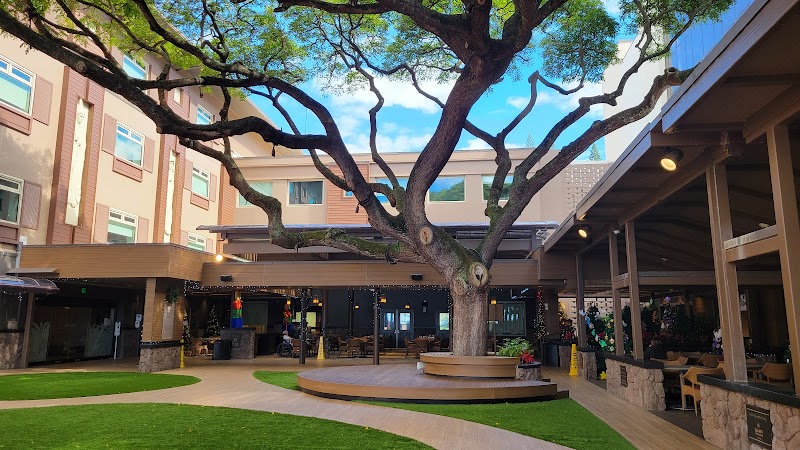
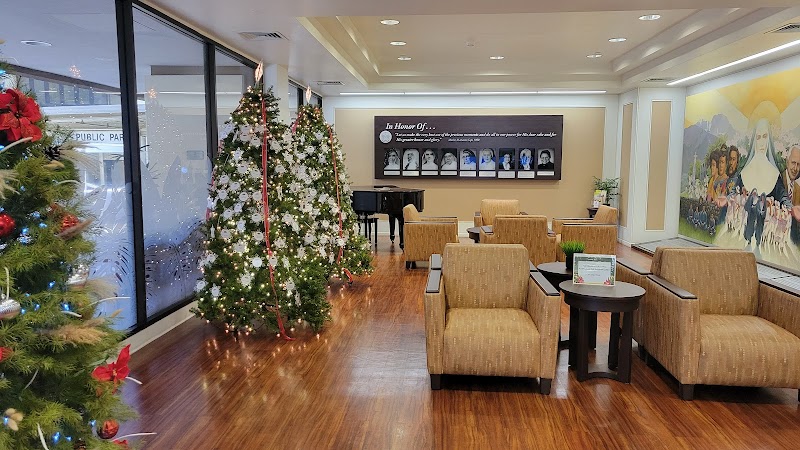
THE CHING VILLAS

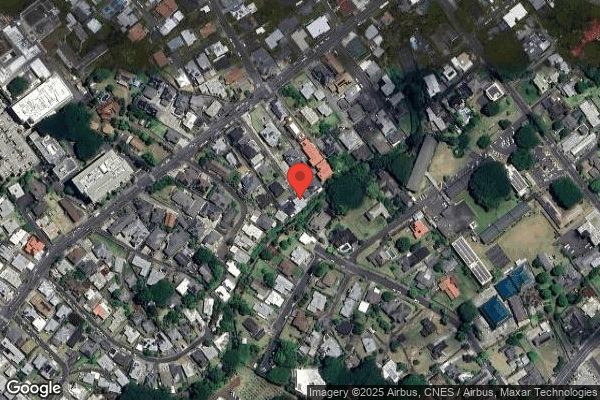
2230 LILIHA STREET, HONOLULU, HI 96817 (808) 547-6000
For profit - Limited Liability company 163 Beds OHANA PACIFIC MANAGEMENT CO. Data: November 2025
Trust Grade
70/100
#19 of 41 in HI
Last Inspection: December 2024

Within standard 12-15 month inspection cycle. Federal law requires annual inspections.

Overview

The Ching Villas has a Trust Grade of B, indicating it is a good facility, which means it performs solidly but may not be the best option available. It ranks #19 out of 41 in Hawaii, placing it in the top half of state facilities, and #13 out of 26 in Honolulu County, meaning only a few local options are rated higher. Unfortunately, the facility is worsening, with issues increasing from 11 in 2023 to 16 in 2024. Staffing is a strong point, boasting a 5-star rating and a turnover rate of 34%, which is below the state average, suggesting that many staff members stay long-term and know the residents well. However, there are concerns, including incidents where the facility failed to meet residents' preferences for rehabilitation times and outdoor access, as well as inadequate cleaning of ice and water equipment, which could pose health risks. While the facility has no fines on record and provides more RN coverage than 78% of state facilities, these issues highlight the need for improvement in resident care and sanitation practices.

Trust Score
B
70/100
In Hawaii
#19/41
Top 46%
Safety Record
Low Risk
No red flags
Inspections
Getting Worse
11 → 16 violations
Staff Stability
○ Average
34% turnover. Near Hawaii's 48% average. Typical for the industry.
Penalties
✓ Good
No fines on record. Clean compliance history, better than most Hawaii facilities.
Skilled Nurses
✓ Good
Each resident gets 147 minutes of Registered Nurse (RN) attention daily — more than 97% of Hawaii nursing homes. RNs are the most trained staff who catch health problems before they become serious.
Violations
⚠ Watch
32 deficiencies on record. Higher than average. Multiple issues found across inspections.
★★★★☆
4.0
Overall Rating
★★★★★
5.0
Staff Levels
★★★★☆
4.0
Care Quality
★★★☆☆
3.0
Inspection Score
Stable
2023: 11 issues
2024: 16 issues

The Good

  • 5-Star Staffing Rating · Excellent nurse staffing levels
  • 4-Star Quality Measures · Strong clinical quality outcomes
  • Full Sprinkler Coverage · Fire safety systems throughout facility
  • No fines on record
  • Staff turnover below average (34%)

    14 points below Hawaii average of 48%

Facility shows strength in staffing levels, quality measures, fire safety.

The Bad

Staff Turnover: 34%

12pts below Hawaii avg (46%)

Typical for the industry

Chain: OHANA PACIFIC MANAGEMENT CO.

Part of a multi-facility chain

Ask about local staffing decisions and management

The Ugly 32 deficiencies on record

Dec 2024 15 deficiencies
CONCERN (D)

Potential for Harm - no one hurt, but risky conditions existed

Resident Rights (Tag F0550)

Could have caused harm · This affected 1 resident

**NOTE- TERMS IN BRACKETS HAVE BEEN EDITED TO PROTECT CONFIDENTIALITY** Based on interview and record review, the facility failed to protect and promote patient's rights for 1 of 26 residents sampled ...

Read full inspector narrative →
**NOTE- TERMS IN BRACKETS HAVE BEEN EDITED TO PROTECT CONFIDENTIALITY** Based on interview and record review, the facility failed to protect and promote patient's rights for 1 of 26 residents sampled (Resident (R)60) by ensuring that she was treated with respect and dignity. This deficient practice has the potential to affect all residents in the facility. Findings Include: R60 is a [AGE] year-old female admitted to the facility on [DATE] for wound care, and antibiotic and rehabilitative therapy. A review of her Minimum Data Set (MDS) admission Assessment with an Assessment Reference Date (ARD) of 10/30/24 noted R60 was determined to have a Brief Interview for Mental Status (BIMS) score of 15, indicating no cognitive impairment. On 12/10/24 at 04:17 PM, an interview was done with R60 at her bedside. R60 described an incident where she fired a traveling nurse for repeatedly waking her for things that could have waited, such as unscheduled pain medication, and for not listening to R60 regarding the proper way to complete her dressing change. R60 reported she felt that Registered Nurse (RN)2 made her feel bullied, and was cocky. On 12/13/24 at 11:00 AM, an interview was done with Resident Care Manager (RCM)4 in the 4th floor activity room. RCM4 reported that she was made aware of a problem R60 had with RN2. RCM4 stated that as a result of the complaint from R60, she ensured that RN2 would not be assigned to R60 again and completed a grievance form. Review of the Resident Grievance/Complaint Form completed by RCM4 on R60's behalf on 12/06/24 noted the following: Guest with complaints of how nurse [RN2] provided wound care and felt she did not complete correctly. Guest did not appreciate how the nurse addressed her concern. RCM4 had initially described the nature of the grievance/complaint as complaints of nurse's bedside manner, then crossed out bedside manner and finished with wound care approach. The resulting staff education done to resolve the complaint did not address bedside manner, how to approach a resident, or cultural competency.
CONCERN (D)

Potential for Harm - no one hurt, but risky conditions existed

Deficiency F0583 (Tag F0583)

Could have caused harm · This affected 1 resident

**NOTE- TERMS IN BRACKETS HAVE BEEN EDITED TO PROTECT CONFIDENTIALITY** Based on observation and interview, the facility failed to provide privacy for one resident (Resident (R)274) and failed to prot...

Read full inspector narrative →
**NOTE- TERMS IN BRACKETS HAVE BEEN EDITED TO PROTECT CONFIDENTIALITY** Based on observation and interview, the facility failed to provide privacy for one resident (Resident (R)274) and failed to protect the confidentiality of another resident's (R113) electronic health record. These failed practices have the potential to negatively impact the psychosocial well-being of the affected residents. Findings Include: 1) On 12/12/24 at 02:30 PM, while exiting the 3rd floor recreation room, made observations into room [ROOM NUMBER] at the end of the hall. Observed Certified Nurse Aide (CNA)3 assisting Resident (R)274 from the bathroom, located just inside the room entrance, back to her bed located next to the window. R274 was wearing a top that ended above her hips and an adult incontinence brief. CNA3 glanced at the State Agency (SA), observing from down the hall, yet neglected to attempt to preserve R274's privacy in any way, such as providing her with a towel or gown to cover, or by closing a door or privacy curtain. On 12/13/24 at 08:29 AM, an interview was done with CNA5 outside R274's room. CNA5 validated that R274 likes to wear only a top with her brief. CNA5 stated that when she assists R274 to the bathroom, she has R274 wear a gown and she will either hold the back of the gown closed for her, or she will shut a door to protect her privacy. On 12/13/24 at 08:40 AM, an interview was done with Resident Care Manager (RCM)5 at the 3rd floor Nurses' Station. RCM5 validated that staff should protect residents from being exposed by either providing a cover up, closing a door, or pulling the privacy curtain. 2) On 12/12/24 at 09:32 AM, an observation was made after exiting the elevator on the 5th floor. The medication cart to the immediate left of the elevators (medication cart #1), in front of room [ROOM NUMBER], had a laptop on it that was open and displaying the electronic health record for Resident (R)113. There were no staff members around the cart. At 09:34 AM, Registered Nurse (RN)8 returned to the medication cart from down the long hall. RN8 acknowledged she should not have left the laptop displaying protected information open and unattended.
CONCERN (D)

Potential for Harm - no one hurt, but risky conditions existed

Transfer Requirements (Tag F0622)

Could have caused harm · This affected 1 resident

**NOTE- TERMS IN BRACKETS HAVE BEEN EDITED TO PROTECT CONFIDENTIALITY** Based on record review and interview the facility failed to provide Resident (R)107's completed Interact Nursing Home to Hospita...

Read full inspector narrative →
**NOTE- TERMS IN BRACKETS HAVE BEEN EDITED TO PROTECT CONFIDENTIALITY** Based on record review and interview the facility failed to provide Resident (R)107's completed Interact Nursing Home to Hospital Transfer Form to the hospital R107 was sent to when his condition changed and he became unstable, requiring a transfer and admission to an acute hospital. Findings Include: Record Review (RR) was done of R107's Electronic Health Record (EHR). On 11/17/24 Registered Nurse (RN) 25 documented R107 was sent to the emergency room (ER) because R107 complained of shortness of breath and could not breath and his Oxygen (O2) saturations were in the 70's. R107 was sent to the ER by 911 ambulance. Progress note dated 11/17/24 stated R107 was admitted to the hospital for diagnosis of AFib (Atrial fibrillation (AFib) is an irregular and often very rapid heart rhythm.). On 12/12/24 at 10:59 AM met with and interviewed Resident Care Manager (RCM) 5. Inquired where the documents are kept that were sent to the ER with R107. RCM5 stated the form is under the observation tab and labeled Interact Nursing Home to Hospital Transfer form. During this interview a concurrent RR was performed with RCM5 who confirmed this form was not filled out for this resident when he went to the ER on [DATE]. RCM5 agreed this form would normally be filled out and sent with the resident to the hospital. RCM5 stated It's a communication for the change of condition, which includes care at facility along with point of contacts for the resident (R107). On 12/12/24 at 02:31 PM interviewed Registered Nurse (RN)25. Inquired about R107 who was transferred to the ER on [DATE]. RN25 stated this was an emergency situation and she sent the resident with other documents the CCD, face sheet, and no POLST because he didn't have one. RN25 also stated she gave report to the hospital ER nurse. Inquired about filling out the form (Interact Nursing Home to Hospital Transfer form) and faxing it to the ER and RN25 confirmed she did not do this, she agreed she could have done this. RN25 stated the form is new, started about two months ago. On 12/13/24 at 08:46 AM met with and interviewed RCM5 and Nurse Educator (NE)1 who stated training on filling out the Interact Nursing Home to Hospital Transfer form is on new hire orientation and throughout the year during huddles. NE1 also explained a binder is left at all the nurse's station for nurses to use as a reference when sending a resident to the ER/hospital. Reviewed huddle rosters and did not see RN25's name on them. Inquired with NE1 and RCM5 if this is a new form and both denied this, NE1 stated the form is new for new staff. Requested for NE1 to check for training date for RN25. On 12/13/24 NE1 left a copy of the In-Service Attendance Record dated 09/13/24 for surveyor. The record stated SEND OUT: please ensure completion of the following: SBAR - Interact Transfer Form (send a copy or fax to ER ASAP if not completed before guest left and roster was signed by RN25. Review of facility provided documents revealed facility provided training to nurses on Transfer to Emergency Room which states If guest is leaving via 911 you may not have enough time to complete the transfer form. Print all other paperwork and send with guest. You can always fax over the transfer form later (Obtain fax number from ER nurse). In-Service Attendance Record dated 07/22/24 states 4) SENT OUT NOTES: Document provider update, responsible party/ in case of Emergency notification, order, Name of hospital (EMS or AMR transport), sent out Dx (diagnosis), & list of what were sent with guest (EX: MAR, CCP, Transfer Form, POLST etc).
CONCERN (D)

Potential for Harm - no one hurt, but risky conditions existed

Comprehensive Care Plan (Tag F0656)

Could have caused harm · This affected 1 resident

**NOTE- TERMS IN BRACKETS HAVE BEEN EDITED TO PROTECT CONFIDENTIALITY** Based on record review, the facility failed to implement a comprehensive person-centered care plan to meet the medical, physical...

Read full inspector narrative →
**NOTE- TERMS IN BRACKETS HAVE BEEN EDITED TO PROTECT CONFIDENTIALITY** Based on record review, the facility failed to implement a comprehensive person-centered care plan to meet the medical, physical, and psychosocial needs for two of two Residents (R) 36 and R228 in the sample. The deficient practice has the potential to diminish both resident's quality of life. Findings Include: Cross reference to F698. Physical medicine and rehabilitation note 12/09/24 17:14 reviewed. R36 is a [AGE] year-old female admitted to the facility on [DATE] for subacute rehab services for decline in Activities of Daily Living (ADL's) and functional mobility after hospitalization. Care plan dated 11/15/24 reviewed. Approach: Check bruit and thrill. Assess site for bleeding. If bleeding, call the physician. Review of the medical record revealed there was no documentation of bleeding to the access site, or that it was reported to the physician (cross reference to F697). 2) Cross reference to F697, F684. Electronic medical record face sheet 11/29/24 reviewed. R228 is a [AGE] year-old female admitted to the facility on [DATE] for rehab services after a stroke. R228 receives pain management for leg and neck pain. Care plan reviewed. Problem: Resident has complaints of acute pain related to (R/T) Acute Cerebrovascular Accident (CVA), (stroke) and left sided weakness. Start Date 11/30/24 Approach: Monitor and record any complaints of pain: location, frequency, intensity, effect on function, alleviating factors, aggravating factors. Start Date 11/30/24 Approach: Assess effects of pain on the resident (disturbances in sleep, activity, self-care, appetite, psychosocial, etc.). Start Date 11/30/24 Review of the care revealed there were no interventions for the management of R228's pain.
CONCERN (D)

Potential for Harm - no one hurt, but risky conditions existed

Deficiency F0657 (Tag F0657)

Could have caused harm · This affected 1 resident

**NOTE- TERMS IN BRACKETS HAVE BEEN EDITED TO PROTECT CONFIDENTIALITY** Based on interview and record review, the facility failed to ensure the involvement of one resident (Resident (R)79) in the deve...

Read full inspector narrative →
**NOTE- TERMS IN BRACKETS HAVE BEEN EDITED TO PROTECT CONFIDENTIALITY** Based on interview and record review, the facility failed to ensure the involvement of one resident (Resident (R)79) in the development of his comprehensive care plan (CP). As a result of this deficient practice, staff did not have all the information necessary to assist R79 in meeting his highest potential of physical and psychosocial well-being. This deficient practice has the potential to affect all the residents at the facility. Findings Include: R79 is a [AGE] year-old male admitted to the facility on [DATE] for wound care, and antibiotic and rehabilitative therapy. A review of his Minimum Data Set (MDS) admission Assessment with an Assessment Reference Date (ARD) of 10/29/24 noted R79 was determined to have a Brief Interview for Mental Status (BIMS) score of 15, indicating no cognitive impairment. On 12/11/24 at 09:21 AM, an interview was done with R79 at his bedside. When asked about his participation in his care planning, R79 stated that he had not been invited nor had he participated in any care planning meetings. R79 expressed uncertainty what his current plan of care was, or how much longer he would be staying. Review of R79's electronic health record (EHR) revealed no documentation of an interdisciplinary team (IDT) discussion held since R79's admission. On 12/13/24 at 10:51 AM, an interview and concurrent record review was done with Resident Care Manager (RCM)4 in the 4th floor activity room. When asked about care planning, RCM4 stated that there is usually an IDT meeting done on admission, then once a quarter. RCM4 stated that the meeting and all discussed is usually documented in a progress note that is recorded by Social Services. RCM4 was unable to locate a progress note documenting IDT discussion but reported there was an Attendance Record, dated 11/15/24, indicating that an IDT meeting occurred. Referred State Agency (SA) to Social Services regarding what was discussed. On 12/13/24 at 02:32 PM, an interview was done with the Social Service Manager (SSM) in the 5th floor conference room. SSM confirmed that social services staff should have documented the IDT discussion in a progress note. SSM could not explain why the progress note was not created but confirmed that all social services staff were trained and expected to document the IDT discussion in a progress note. After further questioning, SSM acknowledged that it was possible the IDT meeting did not occur as planned.
CONCERN (D)

Potential for Harm - no one hurt, but risky conditions existed

Quality of Care (Tag F0684)

Could have caused harm · This affected 1 resident

**NOTE- TERMS IN BRACKETS HAVE BEEN EDITED TO PROTECT CONFIDENTIALITY** 3) Resident (R)34 is an [AGE] year-old male admitted to the facility on [DATE] with diagnoses that include, but are not limited ...

Read full inspector narrative →
**NOTE- TERMS IN BRACKETS HAVE BEEN EDITED TO PROTECT CONFIDENTIALITY** 3) Resident (R)34 is an [AGE] year-old male admitted to the facility on [DATE] with diagnoses that include, but are not limited to, insulin-dependent diabetes, chronic kidney disease, and heart disease. A review of his Minimum Data Set (MDS) admission Assessment with an Assessment Reference Date (ARD) of 11/05/24 noted R34 was determined to have a Brief Interview for Mental Status (BIMS) score of 14, indicating he is cognitively intact. On 12/11/24 at 01:13 PM, an interview was done with R34 at his bedside. When asked about his insulin, R34 stated that he occasionally does have episodes of low blood sugar. On 12/11/24 at 01:34 PM, a review of R34's electronic health record (EHR) was done. Noted the following insulin order: Insulin Lispro 10 units twice a day. Special Instructions: Administer . Daily with Lunch and Dinner . TID [three times a day] with meals . Further review revealed that there was another insulin order, discontinued on 12/06/24, where R34 had been ordered insulin with breakfast as well, therefore had previously been ordered insulin three times a day. On 12/13/24 at 09:32 AM, record review revealed documentation that R34 had a hypoglycemic episode the previous night with a blood sugar of 63. This occurred after a blood sugar of 448 before dinner, and his insulin order being increased from 10 units to 12 units. Review of the progress note documenting the hypoglycemic episode revealed that it was documented on 12/13/24 at 08:24 AM, Late entry for 12/12/24 NOC [overnight] Shift ., and it did not include the time the low blood sugar occurred, the time interventions were applied, the time blood sugar was rechecked, or the time the Doctor was notified. On 12/13/24 at 10:22 AM, an interview was done with Resident Care Manager (RCM)4 in the 4th floor activity room. During a concurrent review of R34's EHR, RCM4 confirmed that the insulin orders were incorrectly put in as TID [three times a day]. After reviewing the progress note regarding R34's recent hypoglycemic episode, RCM4 agreed that the nurse should have documented the time that it happened. RCM4 also agreed that significant events such as low blood sugar should always be documented as soon as possible to when it happens and not left for an end of the shift note. Based on observation, interview and record review, the facility failed to provide resident centered care and services in accordance with the goals to meet the physical, mental, and psychosocial needs for three residents of 26 in the sample, Resident (R) 55, R228 and R34. Specifically the facility failed to meet R55's complex physical needs that resulted in frequent hospitalizations. Failed to schedule R228's Physical Therapy (PT) per her preference to coincide with her higher energy level in the morning and better pain management with as needed pain medication before PT. Failed to clarify and correct ambiguous insulin orders for R34 and failed to ensure standards of good clinical practice were followed with regards to documenting a hypoglycemic (low blood sugar) episode. As a result of this deficient practice, the facility placed R34 at risk for avoidable declines and injuries. This deficient practice has the potential to affect all residents on insulin. Findings Include: 1) Electronic Health Record (EHR) reviewed. Progress notes 11/04/2024 at 20:55 reviewed. Resident (R) 55 is a [AGE] year-old female resident admitted from a hospital to the facility on [DATE] for skilled nursing services. Primary diagnosis include Diabetic Ketoacidosis (DKA), (a serious illness resulting from high sugar concentrations in the blood), acute hypoxic respiratory failure, and community acquired pneumonia. Other diagnosis includes Diabetes Mellitus (DM) type 1; End stage renal disease on Hemodialysis (HD) and metabolic acidosis. R55 is alert and oriented and able to communicate her needs. Nurse's notes 11/22/24 18:25 reviewed. During her stay at the facility, R55 was transferred and admitted to an acute hospital on [DATE], 11/27/24 and 12/11/24. Om 11/15/24 R55 was admitted to an acute care hospital after complaining of not feeling right. Blood sugar 461, a very high level of sugar in the blood. Transferred to acute care at 0350. (Nurses notes 11/15/24 at 06:42 AM). R55 readmitted to the facility on [DATE]. Primary diagnosis: Acute hypoxemic respiratory failure/Pneumonia, Hyperglycemia with uncontrolled DM. Nurse's notes 12/04/24 at 16:16 reviewed. On 11/27/24 R55 transferred to the hospital for acute encephalopathy due to combination of urinary tract infection (UTI)/sepsis, hypoglycemia, and bacterial infection. Nurse's notes 11/27/24 at 07:27 AM reviewed. R55 was readmitted to the facility on [DATE]. Nurse's notes 12/12/24 at 00:15 reviewed. On 12/11/24, R55 was transferred to acute care facility. Urinary Tract Infection (UTI), sepsis, metabolic encephalopathy, and hypoglycemia. The surveyor asked the Resident Care Manager (RCM) 7 on 12/12/24 at 08:41 AM where R55 went, since her room had a different resident residing there. The RCM7 informed the surveyor that R55 was discharged to an acute care hospital the previous night due to a hypoglycemic episode, and very low blood sugar. EHR reviewed. Nurse's notes 12/11/24 at 15:13 reviewed. Upon initial assessment around 06:50 AM, guest appears confused and keeps on saying please. Blood glucose (BG): 249 milligram per deciliter (mg/dL). Routine Insulin 11 units given and 9 units per sliding scale administered. Offered breakfast but guest keeps on saying please eat breakfast. Notified and seen by Advanced Practice Registered Nurse (APRN). Rechecked BG at 08:50 AM and was 101mg/dL, appears diaphoretic. Offered 1 cup of orange juice with 2 packets of sugar, tolerated well. Helped guest to eat breakfast, able to eat 25-50 percent (%). No nausea or vomiting noted. Slowly got back to her baseline. Alert and oriented x 3. Rechecked BG at 0915 AM: 160 mg/dL. Medication Administration Record (MAR) 12/11/24 reviewed. Admelog SoloStar insulin pen; 100 unit/milliliter (ml); 7 units given before 5:00 PM. BG 162mg/dL. Boost Glucose Control 120 mL; oral before 17:00. 50% given to R55. Gvoke HypoPen 2 pack (glucagon) auto injector; 1 milligrams (mg)/0.2mL; 1 mg; subcutaneous (SC) prn inject subQ for BG less than 54 and notify MD. Not documented as given. Nurse's notes 12/11/24 at 21:41 reviewed. This writer spoke to guest at 06:15 PM, and another nurse was in the room with guest at 6:30pm. Guest was awake when dinner tray came, and aid continued to round and encourage guest to eat. Guest refused dinner and wanted to sleep. This writer rounded on guest at 7 PM and 8 PM, still sleeping during this time. Aid notified this writer that they could not wake guest. This writer found guest diaphoretic at 9:13 PM. Blood glucose 23 at 9:15 PM, MD on call notified. Glucagon 1mg/0.2mL subcutaneous given. Glucagon was not documented as given on the MAR. Emergency Medical Transport (EMT) arrived 09:31 PM and left at 09:41 PM. The facilities hypoglycemia management protocol date 12/16/19 reviewed. Hypoglycemia is defined by the American Diabetes Association as a blood glucose less than 70 mg/dL. Some patients have symptoms at higher glucose levels .For BG less than 70mg/dL and Patient Unconscious or Uncooperative or not eating by mouth (NPO) .Give 1 mg Glucagon SC x 1 and start intravenous (IV) access immediately (STAT) .Repeat BG and retreat every (q) 15 min until BG>70 mg/dL without symptoms or BG> 80 mg/dL .Document the episode, all blood sugar results, treatment administered, and any notifications/ change of orders given. Document response to treatment . Director of Nursing (DON) and the RCM7 were interviewed on 12/13/24 at 09:58 AM in the 3rd floor dining room. The surveyor asked why R55 was hospitalized . DON stated, R55 was hypoglycemic and went to the hospital. The licensed nurse gave her insulin. R55 told the licensed nurse that she didn't want to eat dinner. They said they continued to try to give her more supplement because she was not eating. When her BG dropped to 23, the Licensed Nurse (LN) gave her glucagon, and the attending provider was paged. Surveyor asked the DON and RCM7 why they think R55 has been hospitalized three times in the past 5 weeks. The DON said he thinks it is because she has a poor prognosis. The Advanced Practice Registered Nurse (APRN), saw her that morning because the licensed nurse noted she was confused. The APRN came to assess the guest, and her sugar was in the 160's then went to the low 20's the nurse gave her some orange juice with sugar, and she perked up. Telephone interview with the APRN on 12/13/24 at 11:45 AM. The surveyor asked the APRN the following questions. Why was R55 re-hospitalized so often, and if the facility is able to safely care for this resident with her complex medical conditions. The APRN explained that he saw R55 that morning and she was very altered. her blood sugar was 101, and it was classic hypoglycemia. She is immunocompromised, and each time she's transferred to acute care she has had infections. There is a follow up visit by the Diabetes team with her in the next 1-2 weeks. They considered a split insulin regimen but without her appetite, she will have the same problems. I think the scale may or may not have been appropriate. Endocrinology can give us further opinion. She is calibrated to a higher glucose level, and she gets very symptomatic when she's low in the 70's because she is usually high. When asked if R55 was stable enough for placement in the facility, the APRN said she would be better with a continuous glucose monitor and being stable should be criteria for R55 's readmission to the facility. Telephone interview with the Registered Nurse (RN) 15 on 12/13/24 at 12:45 PM. RN15 said at the beginning of the shift on the day of the incident, she had gotten report from the off going nurse in the morning and was told to watch R55 because she had a hypoglycemic episode in the morning. They encouraged her to eat 75% of her lunch and they left the boost at the bedside and asked if we can give it to her. I sat with her, I checked her sugar and took it again after she took half of her supplement. I rounded on her, Physical Therapy (PT) was there, and she was up and able to articulate to PT that she didn't want to participate. A while later, my aide came in and told me that she was sleeping a lot, then the aide and I checked on her and she was diaphoretic. I checked her blood sugar and it registered Low. We did sternal rubs on R55 to wake her up. I called the APRN, and the other nurse called the DON. I gave her an as needed (prn) order for the glucagon (an emergency sugar source). The surveyor asked RN15 if she thought that R55 is stable enough to stay in this facility? RN15 said, we're a skilled nursing facility (SNF) and Rehab facility. Because she's refusing PT and refusing meals, it raises other questions. She needs close monitoring and supervision, and there are other residents that also have care needs. 2) Cross reference to F697. An interview with the Family Member (FM) for R228 occurred on 12/13/24 at 02:28 PM. The surveyor asked him if R228 went to therapy today? The FM said not yet, we're still waiting. FM stated I talked to the RCM7 about scheduling her PT appointments at a set time and said, they aren't able to schedule them, and she didn't know what time R228 would go to therapy. FM asked the rehab staff at 11:00 AM what time she will go, and they said we don't know but she will have therapy today. When the surveyor asked the FM if the nurse will provide R228 with the pain medicine before therapy, the FM replied, it's really hard because we don't know what time she will have therapy, so how can the nurse give the pain medicine with enough time for it to take effect for her therapy session?
CONCERN (D)

Potential for Harm - no one hurt, but risky conditions existed

Tube Feeding (Tag F0693)

Could have caused harm · This affected 1 resident

**NOTE- TERMS IN BRACKETS HAVE BEEN EDITED TO PROTECT CONFIDENTIALITY** Based on record review, observation, and interview the facility failed to provide treatment and services to prevent complication...

Read full inspector narrative →
**NOTE- TERMS IN BRACKETS HAVE BEEN EDITED TO PROTECT CONFIDENTIALITY** Based on record review, observation, and interview the facility failed to provide treatment and services to prevent complications of enteral feeding for one resident (Resident (R)10) in the sample. The facility did not ensure the formula bag was changed every 24 hours when enteral feeding was initiated using a bag past the stated discard date and time. This deficient practice has the potential to put residents on enteral feeding at risk for preventable complications. Findings Include: Record review of R10's Electronic Health Record (EHR) revealed the resident is an [AGE] year-old admitted to the facility for surgical aftercare following surgery on the digestive system. Diagnoses included but not limited to diverticulosis (condition in which pockets develop on the inside of the colon) and nontraumatic perforation of intestine. R10 had an order for enteral feeding (use of a feeding tube to supply nutrients and fluids to the body) four times a day. On 12/11/24 at 11:02 AM, observed Licensed Practical Nurse (LPN)5 initiate tube feeding for R10. LPN5 checked feeding tube placement and presence of residual prior to connecting the feeding bag that was on the feeding pump at R10's bedside. After setting the feeding pump to deliver the prescribed rate, noticed the label on the feeding bag had the date 12/10/24 written on it and the time was 11:00 AM. Asked LPN5 how often do they change the feeding bag and lines. LPN5 said, Every 24 hours. LPN5 then looked at the label of the feeding bag, immediately stopped the pump and said, I'll get a new set-up. and exited the room. Review of the facility policy titled Enteral Feeding Tube - Labeling stated, . tube feeding canister (bag, bottle, etc) and tubing is changed every 24 hours .
CONCERN (D)

Potential for Harm - no one hurt, but risky conditions existed

Respiratory Care (Tag F0695)

Could have caused harm · This affected 1 resident

**NOTE- TERMS IN BRACKETS HAVE BEEN EDITED TO PROTECT CONFIDENTIALITY** Based on observation, interview and record review, the facility failed to correctly dispense oxygen for one resident with a resp...

Read full inspector narrative →
**NOTE- TERMS IN BRACKETS HAVE BEEN EDITED TO PROTECT CONFIDENTIALITY** Based on observation, interview and record review, the facility failed to correctly dispense oxygen for one resident with a respiratory infection of two residents in the sample. The deficient practice may increase the resident's risk of illness. Findings include: 1) Electronic Health Record (EHR) reviewed. Physician order written on 12/10/24 at 07:36 AM reviewed. The Resident (R) 20 was diagnosed with Respiratory Syncytial Virus (RSV) and placed in isolation on droplet/ contact precautions. Minimum data set (MDS) admission assessment date 11/25/24 reviewed. R20 is a [AGE] year-old male admitted to the facility on [DATE]. Diagnosis includes complex medical conditions, Diabetes Mellitus, (DM), and Respiratory infection, (Pneumonia). R20 observed in his room on 12/10/24 at 11:47 AM wearing oxygen (O2) via nasal cannula (NC) and sleeping. The O2 monitor read in the off position. The Family Member (FM) was sitting at the bedside. FM said R20 was tested for RSV yesterday and today he had a positive test result. He was started on antibiotics yesterday and was really out of it. Today he is a little better. The surveyor went out of the room and inquired with the Resident Care Manager (RCM) 7 at 11:59 AM and asked what R20's order is for O2. RCM7 looked in the EHR and said the order is 1-4 Liters per minute (LPM) as needed. State surveyor stated to RCM7 that R20 is wearing the NC and the O2 appears in the off position. The surveyor asked her if the nurse charted in the EHR what the LPM was. RCM7 looked in the EHR and stated, it should be 1 L. Observation in R20's room on 12/11/24 at 10:25 AM. R20 was sleeping, the NC was placed incorrectly on the side of his face. The 02-meter was observed in the off position. The surveyor left the room and inquired with the Director of Nursing (DON) at 10:31 AM. The DON came into the room to observe R20 and concurred that the NC was incorrectly placed on R20, and said if he doesn't need 02, they should take it off and stow it properly after doing a respiratory assessment. Reviewed physician orders dated 12/09/24. Oxygen 1-4 LPM via NC for shortness of breath (SOB) or Oxygen Saturation (SpO2) less than (<)92 percent (%) as needed. Special Instructions: Notify Medical Doctor (MD) if O2 is applied or increased. Nurse's progress note dated 12/11/24 at 15:35 (03:35 PM) was reviewed and stated Oxygen - Room air challenge unsuccessful - guest presents 87% RA. -Assessed guest; re initiated oxygen 1LPM. [NAME] Pacific Health. Policy and procedure dept. Oxygen Administration. Effective date: 09/21/23 reviewed. Policy Statement. Oxygen is administered to a resident who needs it, consistent with professional standards of practice, the comprehensive person-centered care plan, and the resident's goals and preferences . Procedures: Set flowmeter to rate ordered by the physician and place mask or cannula on guest/resident as ordered. A. Nasal cannula: Connect tubing to humidifier outlet and adjust liter flow as ordered. Place prongs of cannula into the guest/resident's nares.
CONCERN (D)

Potential for Harm - no one hurt, but risky conditions existed

Deficiency F0697 (Tag F0697)

Could have caused harm · This affected 1 resident

**NOTE- TERMS IN BRACKETS HAVE BEEN EDITED TO PROTECT CONFIDENTIALITY** Based on observation, interview and record review, the facility failed to effectively manage the pain for one resident of 26 in ...

Read full inspector narrative →
**NOTE- TERMS IN BRACKETS HAVE BEEN EDITED TO PROTECT CONFIDENTIALITY** Based on observation, interview and record review, the facility failed to effectively manage the pain for one resident of 26 in the sample based on professional standards of practice. The deficient practice diminished the resident's quality of life due to decreasing the ability to successfully participate in Physical Therapy (PT) and family visit. Findings Include: Cross reference to F656 & F684. Observation and interview with Resident (R) 228 in the rehabilitation gym with her Family Member (FM) on 12/11/24 at 10:45 am, who said R228 is having a bad day and is in a lot of pain. R228 was speaking sharply in her native language with her face in a scowl. Surveyor asked the FM if R228 was medicated prior to coming to Physical Therapy (PT). He said no, but the nurse is going to bring the medicine now. The nurse came and gave R228 one Tramadol 25 milligram (mg) tab for the pain. The PT started doing exercises with R228's neck. The FM said that when he came in this morning that R228's was having very bad pain in her neck and knee. When the surveyor asked him if she received any pain meds this morning, he said he wasn't sure. PT notes 12/11/24 17:05 reviewed. Guest had breakdown just prior to PT session, son deferred treatment (tx) for today. Medication Administration Record (MAR) December 2024 reviewed. Tramadol - Schedule IV tablet; 25 mg documented as given on 12/10/24 at 04:56 AM, faces pain scale at 6/10; and 12/22/24 at 15:45 (03:45 PM) faces pain scale at 8/10. Observation and family interview in R228's room on 12/12/24 at 08:55 AM. R228 just finished her breakfast. The FM was at the bedside and said she's waiting for therapy. FM stated the nurses said they are going to change and give the pain medication before she goes to PT, but we don't know when they come, they just show up. Interview with the FM on 12/13/24 at 02:28 PM. The surveyor asked him if R228 went to therapy today. FM said not yet, we're still waiting (cross reference to F684). Orders reviewed: Gabapentin 100 mg capsule twice a day, 1 cap, oral, twice a day, dx. neuropathic pain 12/11/24. Lidocaine 4 percent (%) adhesive patch, medicate every 12 hours 1 patch, topical, for pain to left leg; 12 hrs. on (1700), 12 hrs. off (0500) 12/02/24. Tramadol 25 mg tablet every 6 Hours - as needed (PRN) 25 mg, oral, Every 6 Hours - PRN, for severe pain. 12/03/24. MDS admission assessment dated [DATE] reviewed. Severely cognitively impaired and Cantonese speaking. Primary diagnosis of stroke and Diabetes Mellitus (DM). Has routine and as needed pain medication. Pain is present and has pain frequently. Pain is 10 on a numeric rating scale. Care plan reviewed. (Cross reference to F656).
CONCERN (D)

Potential for Harm - no one hurt, but risky conditions existed

Deficiency F0698 (Tag F0698)

Could have caused harm · This affected 1 resident

Based on observation, interview and record review, the facility failed to provide care and services for the provision of dialysis consistent with professional standards of practice for one of one resi...

Read full inspector narrative →
Based on observation, interview and record review, the facility failed to provide care and services for the provision of dialysis consistent with professional standards of practice for one of one resident in the sample. The deficient practice may increase the risk for an adverse outcome. Findings Include: Cross reference to F656. Observation and interview in Resident (R) 36 room on 12/10/24 at 2:20 PM. She stated that her hemodialysis access site is in her left arm, and sometimes after her dialysis session, the site continues to bleed. When that happens, she has to keep a dressing with pressure to the site. Observation and interview in R36 room on 12/12/24 at 8:30 AM with the Registered Nurse (RN) 35. R36 had an ace wrap to her left upper arm, she stated that she had bleeding to her arterio-venous fistula (AVF) after her dialysis last night. RN35 stated, we will keep the wrap on a while longer. Observation and interview with R36 in her room on 12/12/24 at 1:00 PM, she still had the ace wrap on her left upper arm, she stated that she usually keeps it on for one day when she has bleeding after dialysis. Electronic Health Record (EHR) reviewed. Dialysis communication form dated 12/11/24 reviewed. No concerns documented by facility RN or Dialysis RN regarding bleeding to the Left (AVF) or that a dressing was applied. Nurse's note dated 12/11/24 at 23:09 reviewed: RN POST HD. Guest returned to facility at 2140 wheeled by staff in stable condition. Left (AVF) positive (+) bruit and thrill with no active bleeding noted to site. No documentation in the progress notes regarding bleeding to the LAV fistula or that a dressing was applied. There was no documentation that the bleeding was reported to the Medical Doctor (MD). Interview with the Director of Nursing (DON) and Resident Care Manager (RCM) 7 in the 3rd floor activity room on 12/13/24 at 10:31 AM. The surveyor asked them if there is any documentation in the EHR about R36's post dialysis bleeding at the LAV site. The DON looked in the EHR and said it should be on the Dialysis form and the interact tool. The surveyor confirmed with the DON and RCM 7 there was no documentation found on the Dialysis communication form or the progress notes or that the MD was notified by the nurse. Care plan reviewed, (cross reference to F656). The facilities policy and procedure for Hemodialysis states- Care of Resident 08/27/24 reviewed. Procedure .Assess patient after hemodialysis treatment by checking for at least the following: b. Pressure dressing post dialysis will not be removed from the AVF site for a minimum of 4 hours. Monitoring of access site - after dialysis check for bleeding. If bleeding occurs, apply direct pressure until it is controlled. Notify the provider if bleeding lasts long than 30 minutes or is severe. Upon return the dialysis access site will be checked every ½ hour x 4 then every hour x 2 .
CONCERN (D)

Potential for Harm - no one hurt, but risky conditions existed

Pharmacy Services (Tag F0755)

Could have caused harm · This affected 1 resident

Based on observation, interview, and record review, the facility failed to ensure medications of discharged residents, and medications that were past their discard date are disposed of and not adminis...

Read full inspector narrative →
Based on observation, interview, and record review, the facility failed to ensure medications of discharged residents, and medications that were past their discard date are disposed of and not administered to the residents. The facility also failed to implement a thorough process to assure accurate reconciliation and accounting of all controlled medications, for 1 of 12 medication carts, in order to promptly identify loss or potential diversion. Findings Include: 1) On 12/12/24 at 08:51 AM, inspection of one of the medication carts on the fifth floor was conducted with Registered Nurse (RN)8. An open box Wixela Inhub (inhaler medication for asthma) was found in one of the drawers. The box had a label where the open and discard dates were written. Discard date stated 12/09/24. Asked RN8 if a dose of the Wixela Inhub was administered to the resident recently. RN8 said Yes, I administered a dose this morning. Showed RN8 the label with a discard date of 12/09/24. RN8 said she will discard the medication and get a new one. 2) On 12/12/24 at 10:57 AM, while inspecting medication cart #2 on the 3rd floor, noted the Narcotic Count Sign In Sheet had not been signed by the off going and oncoming nurses for 2 shifts. Interview with Registered Nurse (RN)6 confirmed off going and oncoming nurses should both initial on the log to attest the narcotic count had been done and was correct. RN6 agreed without it being signed off, there was no documentation the narcotic count actually took place. Review of the facility policy and procedure, Controlled Medication Storage, last updated 01/24, revealed the following: At each shift change or when keys are surrendered, a physical inventory of all controlled substances . is conducted by two licensed nurses . and is documented on the controlled substances accountability record or verification of controlled substances count report.
CONCERN (D)

Potential for Harm - no one hurt, but risky conditions existed

Deficiency F0761 (Tag F0761)

Could have caused harm · This affected 1 resident

**NOTE- TERMS IN BRACKETS HAVE BEEN EDITED TO PROTECT CONFIDENTIALITY** Based on observation, interview, and record review, the facility failed to ensure all medications used in the facility were stor...

Read full inspector narrative →
**NOTE- TERMS IN BRACKETS HAVE BEEN EDITED TO PROTECT CONFIDENTIALITY** Based on observation, interview, and record review, the facility failed to ensure all medications used in the facility were stored and labeled in accordance with professional standards. Proper storage and labeling of medications is necessary to promote safe administration practices and decrease the risk for medication errors. This deficient practice has the potential to affect all residents in the facility who take medications. Findings include: 1) On 12/12/24 at 08:16 AM, while conducting an inspection of the medication storage room on the 4th floor, found a bottle of magnesium citrate that had a manufacturer's expiration date of 10/24, and a bottle of Colace liquid with a manufacturer's expiration date of 10/31/24. On 12/12/24 at 08:32 AM, conducted an interview with Resident Care Manager (RCM)4 in the medication storage room. RCM4 stated that she checks the medication storage room every week for expired medications. Acknowledged the two medications were missed and should have been identified and discarded. 2) On 12/12/24 at 08:34 AM, observed an unlocked medication cart outside room [ROOM NUMBER] with no staff in sight. At 08:35 AM, RCM4 approached the cart and validated that the nurse responsible for the cart (medication cart #3) should have locked it before walking away. At 08:37 AM, Registered Nurse (RN)10 returned to medication cart #3 and acknowledged that she should have ensured it was locked before she walked away from it. On 12/12/24 at 11:15 AM, observed an unlocked medication cart on the 5th floor (medication cart #1). Almost immediately, RN8 came running from down the hall and locked the cart. RN8 acknowledged she should have secured the cart prior to walking away from it. Review of the facility's policy and procedure Storage of Medication, last updated 01/24, revealed the following: Medication rooms, cabinets and medication supplies should remain locked when not in use or attended to by persons with authorized access. 3) On 12/12/24 at 09:55 AM, while conducting an inspection of the medication storage room on the 5th floor, observed an open vial of Tubersol (tuberculosis vaccine) in the refrigerator that was not labeled with an open date or a discard date. On 12/12/24 at 09:59 AM, an interview was done with the Resident Care Manager (RCM)3 in the 5th floor medication storage room. RCM3 confirmed the Tubersol found in the refrigerator was opened and unlabeled. RCM3 also validated that since it was not labeled when it was opened, she had no idea if it was still good and therefore needed to be discarded.
CONCERN (D)

Potential for Harm - no one hurt, but risky conditions existed

Infection Control (Tag F0880)

Could have caused harm · This affected 1 resident

**NOTE- TERMS IN BRACKETS HAVE BEEN EDITED TO PROTECT CONFIDENTIALITY** Based on observations, interviews, and record reviews, the facility failed to implement infection prevention and control measure...

Read full inspector narrative →
**NOTE- TERMS IN BRACKETS HAVE BEEN EDITED TO PROTECT CONFIDENTIALITY** Based on observations, interviews, and record reviews, the facility failed to implement infection prevention and control measures. Specifically, the facility did not ensure that staff were wearing applicable personal protective equipment (PPE) when providing care to a resident on transmission-based precautions (TBP) and perform hand hygiene after exiting the room and between glove changes. This deficient practice placed the residents at risk for the potential spread of infections and communicable diseases. Findings include: 1) On 12/10/24 at 12:38 PM, observed Certified Nurse Aide (CNA)38 deliver lunch tray to Resident (R)323. Signage was posted on the left side of the door to R323's room that stated he was on contact precautions and staff must clean their hands before entering and when leaving the room, wear gloves and gown before entering the room. CNA38 entered R323's room without donning gloves and gown to deliver his lunch tray and did not perform hand hygiene after exiting the room. Asked CNA38 if she was supposed to wear PPEs before entering the room and showed posting on the left side of the door. CNA38 said, I did not see the posting because this is not my regular floor. Asked CNA38 if she washed her hands after exiting the room. CNA38 acknowledged she did not and proceeded to wash hands with soap and water. Review of the facility policy titled Contact Precautions stated, . Gloves should be worn when entering the room and while providing care for a resident . removed before leaving the resident's room and hand hygiene should be performed immediately. A gown should be worn when entering the room . 2) Record Review (RR) was done of R44's Electronic Health Record (EHR) which revealed R44 is an [AGE] year old who was admitted to the facility on [DATE] with a diagnosis that includes, but is not limited to, history of stroke and is totally dependent on staff for his care. R44 developed a stage 2 pressure ulcer (PU) on his sacrum at the facility which has progressed to a stage 4 PU and is also documented as a [NAME]/Terminal Ulcer. R44 is receiving wound care from an outside wound specialist every week and dressing changes are provided by facility wound care nurses and facility nurses as ordered by the physician. On 12/12/24 inquired of Resident Care Manager (RCM) 5 when R44's dressing would be changed and she said the wound specialist comes every Friday and the dressing change will be done at that time. Surveyor requested RCM5 arrange for surveyor to observe this dressing change. On 12/13/24 at 10:00 AM observed dressing change to R44's sacrum that was performed by wound specialist and facility wound care nurse, Registered Nurse (RN)32. After wound specialist left R44's room RN32 continued with the dressing change to R44's sacrum. RN32 cleansed site, packed the wound and applied an abdominal pad to R44's sacrum. RN32 changed gloves frequently during dressing change but did not perform hand hygiene between each glove change. On 12/13/24 at 02:00 PM interviewed RCM5 and inquired about what is expected of staff when they take off gloves and put on new ones and she stated staff are expected to wash their hands or use hand sanitizer between glove change. Inquired if staff are trained on this and she stated this is reinforced during training and huddles.
CONCERN (E)

Potential for Harm - no one hurt, but risky conditions existed

Deficiency F0561 (Tag F0561)

Could have caused harm · This affected multiple residents

**NOTE- TERMS IN BRACKETS HAVE BEEN EDITED TO PROTECT CONFIDENTIALITY** Based on observation, interview, and record review, the facility failed to identify, support, and honor the preferences of 3 of ...

Read full inspector narrative →
**NOTE- TERMS IN BRACKETS HAVE BEEN EDITED TO PROTECT CONFIDENTIALITY** Based on observation, interview, and record review, the facility failed to identify, support, and honor the preferences of 3 of 11 Residents (R) sampled for Choices. Specifically, the facility failed to honor R60's and R79's preference to be informed of a time range that rehabilitation therapy services would occur and failed to honor R21's preference to be assisted outside periodically for fresh air. As a result of this deficient practice, these residents did not have their needs met and were placed at risk of not attaining their highest practicable well-being. This deficient practice has the potential to affect all the residents at the facility. Findings Include: 1) R60 is a [AGE] year-old female admitted to the facility on [DATE] for wound care, and antibiotic and rehabilitative therapy. A review of her Minimum Data Set (MDS) admission Assessment with an Assessment Reference Date (ARD) of 10/30/24 noted R60 was determined to have a Brief Interview for Mental Status (BIMS) score of 15, indicating no cognitive impairment. On 12/10/24 at 04:08 PM, an interview was done with R60 at her bedside. When asked about the right to make choices in her daily life that were important to her, R60 stated that not only does she not get to choose her therapy time, but she is also often not informed when it will happen since there is no scheduled time. R60 stated that she informed the facility from the beginning that she likes to go to therapy before lunch. She feels more energized in the morning and wants to do therapy before she is tired out from the day. R60 explained that at times the therapists will come in at 03:00 PM, with no prior notice that they were coming, and she has to tell them no because she simply does not have the energy. R60 reported that it is very upsetting to not know when therapy will happen. A review of R60's comprehensive care plan (CP) revealed the following: Resident has DX: [diagnosis of] Anemia and is at increased risk for activity intolerance . Adjust the intensity of activities to accommodate energy level and tolerance. Resident has depressed mood over current medical conditions . Allow resident to have control over situations, if possible. [R60] . has a preference to plan her own daily activities of their choice . Also noted during the review that there was no care plan created for her therapy preferences prior to 12/10/24. On 12/13/24 at 01:01 PM, an interview was done with the Director of Rehabilitation (DOR) in her office. During a concurrent review of R60's electronic health record (EHR), DOR confirmed that there was documentation that R60 had notified the therapy team on 11/06/24 that she preferred to have therapy in the morning only. DOR stated that in general, there is no schedule for when therapy will happen, but if a resident states their preference to be informed or for a particular time, the therapy team can work with the resident to create a schedule. DOR acknowledged that prior to 12/13/24, the team had not developed a therapy schedule for R60, despite her communicated preferences. 2) R79 is a [AGE] year-old male admitted to the facility on [DATE] for wound care, and antibiotic and rehabilitative therapy. A review of his MDS admission Assessment with an ARD of 10/29/24 noted R79 was determined to have a BIMS score of 15, indicating no cognitive impairment. On 12/11/24 at 09:15 AM, an interview was done with R79 at his bedside. During the interview, a therapist popped his head in to inform R79 that he would be having therapy soon. After the therapist left, R79 expressed how frustrating it is that he never knows when therapy will show up. Stated he would like to be informed earlier what time they will be coming by so that he can prepare himself. On 12/13/24 at 10:53 AM, an interview was done with Resident Care Manager (RCM)4 in the 4th floor activity room. RCM4 confirmed that she does receive a lot of complaints from residents wanting to know what time they will be having therapy. Stated that when she receives a complaint, she lets the therapy team know. A review of R79's CP noted no care plan created regarding therapy preferences. 3) R21 is a [AGE] year-old male admitted to the facility on [DATE] for wound care, therapy, and skilled nursing services. A review of his MDS admission Assessment with an ARD of 08/07/24 and his Quarterly Assessment with an ARD of 11/03/24 noted R21 was determined to have a BIMS score of 15, indicating no cognitive impairment. On 12/10/24 at 01:59 PM, an interview was done with R21 at his bedside. When asked about the right to make choices in his daily life that were important to him, R21 stated that he is frequently cold and often wishes he could go outside for some fresh air and sunlight. R21 reported that he stays in bed in his room every day and confirmed that the facility has not assisted him in going outside. A review of R21's CP revealed the following care plan, initiated on 08/02/24, identifying R21's activity preferences: [R21] . has a preference to plan his own daily activities . He enjoys . going outside for fresh air .
CONCERN (E)

Potential for Harm - no one hurt, but risky conditions existed

Food Safety (Tag F0812)

Could have caused harm · This affected multiple residents

Based on observation and interview, the facility failed to ensure the ice and water equipment for the residents were kept in clean and sanitary conditions in accordance with professional standards for...

Read full inspector narrative →
Based on observation and interview, the facility failed to ensure the ice and water equipment for the residents were kept in clean and sanitary conditions in accordance with professional standards for food service safety. Residents risk serious complications from foodborne illness as a result of their compromised health status. Unsanitary food handling and/or equipment maintenance practices represent a potential source of pathogen exposure for all residents receiving ice or water on the affected floor. Findings include: On 12/10/24 at 12:15 PM, an inspection of the resident nourishment room on the 4th floor was done. Observed a buildup of hardened brown sediment/material around the bottom edge of the plastic chute dispensing water and ice for the residents. A concurrent interview was done with Registered Dietician (RD)1 who was present in the nourishment room. RD1 stated that Maintenance was responsible to clean the ice and water machine. While RD1 could not say what the brown buildup was or if it was acceptable, RD1 did agree that the ice/water dispenser should be cleaned regularly and confirmed that it was used daily to provide hydration to the residents on the 4th floor. On 12/10/24 at 12:29 PM, interviews were done in the 4th floor nourishment room with Maintenance Associate (MA)2 and the Facilities Coordinator (FC). MA2 stated that he cleans the ice/water dispenser every Saturday, so it had just been cleaned three days ago. When asked to see the maintenance log, MA2 reported that he does not keep a log of the weekly cleaning. Concurrent observations were done with MA2 and FC of the brown buildup on the plastic chute. Both agreed that while calcium deposits could not be entirely avoided, those deposits are white in appearance and did not explain brown sediment. They also agreed that a buildup of brown sediment/material should be avoided.
May 2024 1 deficiency
CONCERN (D) 📢 Someone Reported This

A family member, employee, or ombudsman was alarmed enough to file a formal complaint

Potential for Harm - no one hurt, but risky conditions existed

Quality of Care (Tag F0684)

Could have caused harm · This affected 1 resident

**NOTE- TERMS IN BRACKETS HAVE BEEN EDITED TO PROTECT CONFIDENTIALITY** Based on interviews, document and record review, the facility failed to ensure one Resident (R)1 of a sample size of three recei...

Read full inspector narrative →
**NOTE- TERMS IN BRACKETS HAVE BEEN EDITED TO PROTECT CONFIDENTIALITY** Based on interviews, document and record review, the facility failed to ensure one Resident (R)1 of a sample size of three received the monitoring in accordance with the nursing professional standards of practice, the resident's individualize care plan or the physician's (MD)1 orders. Specifically, the nursing staff did not complete orthostatic blood pressures (BP) and pulse (P) as ordered. As a result of this deficiency, R1's vital signs were not monitored as needed, which resulted in lack of timely data and made R1 at higher risk of not reaching his highest physical practical wellbeing. Findings include: 1) R1 was admitted on [DATE] for deconditioning post acute hospitalization where he had surgery for a fractured left hip after a fall. He had a medical history that included but not limited to Advanced Parkinson's Disease, Diabetes Mellitus with current use of insulin, anemia post hip fracture, Hypertension, and orthostatic hypotension (sudden drop in blood pressure when you stand up). R1 usually gets around with a walker for short distances and in a wheelchair for longer distances. He had tremors, gait instability and weakness. 2) Reviewed R1's Physician's (MD)1 orders, which included the Orthostatic BP and HR. Special Instructions: Document in nursing note. Once a day 06:00-14:00 (day shift). Start date 02/13/2024. (Orthostatic vital signs begin by asking the resident to lie supine. Wait three to 10 minutes before measuring the vital signs. Record the pulse and blood pressure. Next, ask the resident to stand (while supervised). Within three minutes, record pulse and blood pressure. (Lippincott Nursing Center 2022). A measurement while sitting may also be included. Reviewed R1's Care Plan (CP), which revealed on 02/13/2024 the CP was revised to add Monitor vital signs, especially BP and HR, monitor for orthostatic hypotension. Reviewed the Nursing Progress notes from 02/13/2024 to discharge 03/17/2024. The notes revealed the following: - The order for orthostatic BP and P was received 02/13/2024. The first set of orthostatic vitals were recorded on 02/20/2024, one week after the order was written. - There were 34 days (17 in February and 17 in March) that should have had orthostatic vitals documented. Orthostatic vitals were documented in the progress notes 11 times, which was confirmed by the DON. (03/11/24, 03/10/2024, 03/04/2024, 03/03/2024,03/02/2024, 02/29/2024, 02/28/2024, 02/27/2024, 02/26/2024, 02/24/2024, and 02/20/2024) - On 02/28/2924, the orthostatic BP was taken, but the pulse was not. Reviewed the Medication Administration Record (MAR), that records one BP and P day shift. The MAR, documented R1 refused to have VS taken on 02/23/2024. On 02/21/2024, the information key documented Not administered:Other. On 03/01/2024 the information key documented Not Administered: .not taken. On 03/09/2024, the information key documented: Not Administered: Due to Condition. There were no nursing progress notes to explain these comments, or specifically why the orthostatic VS were not taken on these days On 03/09/2024, MD1 ordered Fludrocortision (used to treat low blood pressure when standing up) tablet; 0.1 mg oral once a day. Reviewed MD1's progress note dated 03/16/2024. The note included, . His (R)1 BP fluctuates, seems to be better of late, but I do not see orthostatics being documented in the log. He did drop to 90/50 yesterday at 12:44 PM. 3) On 5/23/2024 at approximately 02:30 PM, during an interview with the Director of Nursing (DON), reviewed MD1's progress note documenting orthostatic vitals not recorded. The DON explained the facility practice is the Certified Nurse Assistants, do not take orthostatic vitals, it is an MD order, and the responsibility of the Licensed staff. He went on to say it would be the expectation that the licensed staff document the BP and HR when the resident is lying supine, sitting and then standing. At that time, he confirmed if the VS were not done, there should be a reason why documented. On 05/24/2024 at approximately 02:15 PM, during an interview with Registered Nurse (RN)1 in the conference room, she said she was familiar with R1, and validated her entry on the MAR of him refusing orthostatic vitals on 02/23/2023. RN1 said it is her practice is to take the BP and P when resident is lying down and then wait three minutes before changing positions and then take it sitting, and finally standing. On 05/24/2024 at approximately 01:00 PM, during an interview with MD1 in the conference room, he confirmed he had ordered orthostatic vitals on R1. He also confirmed he wrote a progress note when he recognized the nursing staff had not been doing the orthostatics consistently. He said it was important because he needs to confirm the hypotension prior to changing therapy, as well as monitoring after adjusting or adding new medication.
Dec 2023 11 deficiencies
CONCERN (D)

Potential for Harm - no one hurt, but risky conditions existed

Resident Rights (Tag F0550)

Could have caused harm · This affected 1 resident

Based on interviews and record review, the facility failed to treat resident (R)337 with dignity. R337 had an interaction with a nursing staff during which the staff told the resident she had Dementia...

Read full inspector narrative →
Based on interviews and record review, the facility failed to treat resident (R)337 with dignity. R337 had an interaction with a nursing staff during which the staff told the resident she had Dementia due to not recalling information correctly, R337 does not have Dementia. As a result of this deficient practice, the resident is at potential risk of psychosocial harm. Findings include: On 12/19/23 at 02:33 PM, conducted an interviewed with R337 and inquired if the staff treat her with respect. R337 replied, no then stated a nurse told her that she has dementia during an interacting with her. R337 stated she told the nurse she made doo doo that day and the nurse told her it was the other day. R337 said she couldn't remember, and nurse told the resident she has dementia. R337 reported it was rude of the nurse to say this. R337 now keeps a log, writes down when she has a bowl movement. Asked how this made her feel and she stated Hurt your feelings. I was going to ask her name, but I don't care Record Review (RR) of R337's Electronic Health Record (EHR) documented the resident's diagnoses are Paroxysmal atrial fibrillation (Primary), Hypertensive heart disease without heart failure, Nausea with vomiting, unspecified, Constipation, unspecified, Generalized abdominal pain, Other malaise. R337 does not have a diagnosis of dementia. On 12/21/23 at 01:58 PM, interviewed the 3rd floor Unit Manager (UM)3 and inquired if there were any reports of nurses talking inappropriately with residents. UM3 denied this and confirmed it was not reported to her. Asked what the facility does in such a case and she stated they will have a huddle to discuss the incident. Will have the person (family or the resident) tell them what happened, collect the details, have them describe the person who did it, and time of day this occurred. UM3 stated it is stressed during huddles with staff regarding the other person's perception. UM3 stated staff training for abuse annually and if there is a concern. Requested a copy of the facility's copy of policy and procedure regarding treating residents with respect. On 12/21/23, the Director of Nursing (DON) provided a copy of the facility's policy on Dignity and respect with an original effective date of 10/01/21. Reviewed the facility policy and it states the following Policy It is the policy of this facility that all residents/guests be treated with kindness, dignity, and respect. Procedure 1. The staff will display respect for residents/guests when speaking with, caring for, or talking about them, as constant affirmation of their individuality and dignity as human beings. On 12/22/23 at 07:50 AM met with DON and discussed the experience R337 had while being cared for at the facility. DON confirmed this type of behavior by staff is not acceptable.
CONCERN (D)

Potential for Harm - no one hurt, but risky conditions existed

Assessment Accuracy (Tag F0641)

Could have caused harm · This affected 1 resident

Based on interviews and record review, the facility failed to ensure an assessment accurately reflected the residents' status at the time of the assessment for one of twenty-four residents (Resident (...

Read full inspector narrative →
Based on interviews and record review, the facility failed to ensure an assessment accurately reflected the residents' status at the time of the assessment for one of twenty-four residents (Resident (R)82) sampled. This deficient practice places all the facility residents at risk for assessment inaccuracy. Findings include: On 12/21/23 at 01:14 PM, conducted a review of R82's Electronic Health Record (EHR). R82's EHR did not include documentation that the resident was hospitalized during his stay in the facility. R82's discharge assessment, Minimum Data Set (MDS) with an Assessment Reference Date (ARD) of 10/04/23, documented in Section A., A2105. Discharge Status, R82 was being discharged to a short-term general hospital (acute hospital, IPPS). Reviewed R82's discharge assessment, MDS with an ARD of 10/04/23, with MDS Nurse (MDSN)2. After reviewing form, MDSN2 stated, R82's discharge status was an error and needed to be corrected and confirmed the MDS should have documented R82 was discharged home and not to a short-term general hospital.
CONCERN (D)

Potential for Harm - no one hurt, but risky conditions existed

Deficiency F0657 (Tag F0657)

Could have caused harm · This affected 1 resident

Based on observations, interviews, record review, the facility failed to ensure the resident and the resident representative participated in the development of the comprehensive care plan or documente...

Read full inspector narrative →
Based on observations, interviews, record review, the facility failed to ensure the resident and the resident representative participated in the development of the comprehensive care plan or documented explanation must be included in the resident's medical record if the participation of the resident and their resident representative is determined not practicable for the development of the resident's care plan for one of four residents (Resident (R)236) sampled. Findings include: On 12/19/23 at 11:20 AM, conducted an interview with R236's Family Member (FM1), FM2, and FM3 in the resident's room. Inquired if the facility invited FM1, FM2, and/or FM3 to participate in R236's care plan meeting. FM1, FM2, and FM3 confirmed the facility had not invited the family to participate in a meeting. FM2 stated, We're not even sure who her (R236) nurse is today. We have not spoken to her doctor and are completely unaware of what the plan is. FM3 stated, No one has come to see us and tell us what R236 has to do in order to go home; we don't know when or how often she get therapy; no one has come to see us and let us know what's going on. FM1 stated, One day a nurse came in and checked her blood sugar. I asked her what it was, then asked her how much insulin she (R236) was getting. I was surprised when the nurse said she wasn't getting any insulin. Why would you take her blood sugar and not give her anything (insulin) when it's high (blood sugar). At home, I give her the insulin. She gets a long-acting and a sliding scale before meals. Plus, she was getting insulin when she was in the hospital. Why would they stop giving her insulin? It doesn't make sense. After I questioned the nurse why she doesn't get insulin, they started giving her insulin. It's like they didn't know about it. On 12/20/23 at 11:58 AM, conducted a record review of R236's Electronic Health Record (EHR). A progress note on 12/14/23 at 11:37 AM, documented, Delivered baseline care plan and reviewed w/ guest and her husband. No concerns expressed at this time. Continue plan of care Then, a progress note documented on 12/14/23 at 05:34 PM, documented an Interdisciplinary Team (IDT) meeting was conducted on 12/14/23. The Executive Director, Director of Nursing (DON), AEGIS Regional, Director of Rehab, Social Workers, MDS Coordinators, Dietician, Admin Assistant, RN managers, and Infection Preventionist (IP) were present and discussed the resident's progress. The resident/resident representative were not a part of the meeting. On 12/20/23 at 03:28 PM, conducted an interview with the 2nd-floor Unit Manager (UM)2. Inquired if the family is involved and/or invited to any of the resident's care plan meetings, UM2 confirmed the facility does not include the resident or resident representative in care plan meetings. The baseline and comprehensive care plan are completed by the Minimum Data Set (MDS) nurse and the resident/resident representative is not included in the development of it. The family must request a care conference. Inquired if they are notified that they can request a care conference, UM2 confirmed the resident and/or resident representative are not notified they can request to be part of the care conference. On 12/21/23 at 01:30 PM, conducted an interview with UM2, MDSN1 and MDSN2 regarding the resident and/or resident representative's participation in the care plan meeting. UM2, MDSN1, and MDSN2 confirmed the resident and/or resident representative in not included in the care plan meeting, unless they request it.
CONCERN (D)

Potential for Harm - no one hurt, but risky conditions existed

Accident Prevention (Tag F0689)

Could have caused harm · This affected 1 resident

**NOTE- TERMS IN BRACKETS HAVE BEEN EDITED TO PROTECT CONFIDENTIALITY** Based on interviews and record review, the facility failed to ensure a resident was free of accident hazards as is possible. Res...

Read full inspector narrative →
**NOTE- TERMS IN BRACKETS HAVE BEEN EDITED TO PROTECT CONFIDENTIALITY** Based on interviews and record review, the facility failed to ensure a resident was free of accident hazards as is possible. Resident (R)84 sustained second-degree burn on her right thigh after hot tea spilled on her lap. As a result of this deficient practice, the resident sustained physical harm. Findings include: R84 was an [AGE] year-old female admitted to the facility on [DATE] for skilled rehabilitation services and was discharged after completion of services. Diagnoses include but not limited to, fracture of left femur, unspecified dementia without behavioral disturbance, and Type 2 diabetes. On 12/20/23 at 12:23 PM, reviewed the facility's completed report and investigation. The facility reported on 10/30/23 Certified Nursing Aide (CNA)5 prepared hot tea using water provided by a dietary carafe during meal service. While CNA5 arranged R84's bedside table the hot beverage tipped over and spilled on R84's lap. R84 sustained a second-degree burn to right inner thigh 2.5 centimeters (cm) and 1 cm. On 12/20/23 at 01:50 PM, an interview with CNA5 was done. CNA5 confirmed she set-up R84's lunch tray and prepared R84's hot tea on 10/30/23, when the incident occurred. CNA5 reported R84 enjoys hot tea with all her meals. CNA5 prepared hot tea with the carafe of hot water in a ceramic mug and placed it on R84's bedside table. CNA5 attempted to readjust R84's bedside table but the wire for the bed remote control was stuck under the wheels of the table causing the table to be difficult to move. CNA5 stated that was my mistake . and should have completely adjusted and set-up R84's table before putting R84's tray down with the hot water. The mug of hot water tipped over and spilled on to R84's lap. CNA5 described R84 wearing denim shorts and had a thick blanket on top of her lap. CNA5 immediately removed the thick blanket, got a cold towel, and attempted to remove R84's shorts but R84 reportedly stated she was fine. After checking if R84 was okay and checking the area, CNA5 helped set-up another resident's meal tray and returned approximately 5 minutes later to check on R84. R84 complained of burning and described redness observed on R84 inner right thigh, CNA5 then informed Registered Nurse (RN)12 for further assessment and treatment. On 12/21/23 at 10:17 AM, an interview with RN12 was done. RN12 reported after CNA5 informed her of the incident she assessed R84 she noticed redness/pinkness and a small blister developing on R84's inner right thigh. RN12 provided an ice pack for cold compress, administered Tylenol for pain, and notified R84's physician. R84's physician ordered Bacitracin and wound specialists to monitor the burned area. RN12 confirmed after the blister popped the burn was considered a second-degree burn. On 12/21/23 at 09:34 AM, an interview with Dietary Manager (DM) was done. DM reported prior to the incident the liquid coffee machine boiler was pre-set lower than manufacture's recommended temperature for hot beverage service of approximately 185 degrees Fahrenheit (F) to approximately 174F. Due to the decrease in temperature, residents were complaining the hot beverages were not hot enough. Despite previous complaints, the facility lowered the boiler temperature approximately 10 more degrees after the incident. Prior to the incident, dietary staff did not check or test the temperatures of the coffee or hot water but started after the incident. Current audit consists of temperature to carafe, ceramic mug, and approximate services time to resident. On 12/21/23 at 12:41 PM interview with Director of Nursing (DON) was done. DON the facility's practice for setting-up meal trays is to make sure the table is clean and in the right position to eat prior to putting meal trays on to the bedside table.
CONCERN (D)

Potential for Harm - no one hurt, but risky conditions existed

Pharmacy Services (Tag F0755)

Could have caused harm · This affected 1 resident

**NOTE- TERMS IN BRACKETS HAVE BEEN EDITED TO PROTECT CONFIDENTIALITY** Based on interviews and record review, the facility failed to ensure medication reconciliation on admission was accurate and met...

Read full inspector narrative →
**NOTE- TERMS IN BRACKETS HAVE BEEN EDITED TO PROTECT CONFIDENTIALITY** Based on interviews and record review, the facility failed to ensure medication reconciliation on admission was accurate and met the needs of one Resident (R)236 sampled. R236 has insulin- dependent, type 2 diabetes mellitus and received a sliding scale of short-acting and scheduled long-acting insulin at home and in the acute hospital, prior to admission to the facility. On admission, a nurse reconciled R236's medications with a Non-Physician Practitioner (NPP)1 and omitted the insulin. There was no documentation by NNP1, physician, or nursing for a plan of care regarding R236's insulin. Insulin was only ordered after the resident's representative (Family Member (FM)1) questioned staff. As a result of this deficient practice, all newly admitted residents are at risk for potential harm. Findings include: On 12/19/23 at 11:20 AM, conducted an interview with R236's Family Member (FM1), FM2, and FM3 regarding the overall care provided to the resident and any concerns the family may have. FM1, FM2, and FM3 confirmed that overall, they are satisfied with the care, but expressed a concern about why R26 had not been receiving insulin for 9 days, then insulin was started after FM1 questioned staff. FM1 stated at home and in the acute hospital (prior to being transferred to the facility) R236 was prescribed and regularly administered a long-acting insulin and a sliding scale short-acting insulin. However, when R236 was admitted , the facility was checking her Blood Glucose (BG) level which got up to approximately 340 milligrams (mg)/ deciliter (dL), but FM1 found out the facility was not administering any insulin. FM1 stated R236 goes to dialysis also, and it's important that all her health concerns are monitored and treated appropriately for the resident's overall health and recovery. Inquired with FM1, FM2, and FM3 if the physician(s) or nursing staff met with them to discuss a plan/reason the insulin is not being administered. FM1, FM2, and FM3 confirmed no physician, nurse practitioner, or nursing staff have met with them to go over R26's plan/goals, what R26 needed to accomplish to go home, physical therapy, occupational therapy, insulin, wound care, dialysis, nutritional care, or who R236's primary physician was. The family stated the resident had previously been admitted to the facility for another issue and their experience was entirely different as far as staff and physicians communicating the plan and treatments for R236. FM1 explained that one day, he saw the nurse taking R236's BG and he asked what it was. FM1 reported it was high so I asked the nurse how much insulin R236 would be getting, the nurse informed him that she was not receiving insulin and FM1 informed the nurse R236 gets a long-acting and sliding scale coverage at home and while the resident was in the hospital. FM1 questioned why she was not receiving any insulin and stated the facility did not discuss a plan for why R236 had not been receiving insulin. Conducted a concurrent interview and record review of R236's Electronic Health Record (EHR) with the unit Nurse Manager (NM)2 on 12/20/23 at 01:43 PM. On 12/08/23, R236 was admitted to the facility from an acute hospital with diagnosis which include diabetes mellitus type 2 and end stage renal disease with dependence on renal dialysis. R236's Minimum Data Set (MDS) was in progress due to the 14-day completion criteria. Review of R236's hospital's History & Physical (encounter date: 12/03/23 at 10:43 AM), past medical history, diagnosis, the resident has controlled type 2 diabetes mellitus with kidney complication, with long-term current use of insulin. The hospital's Facility Transfer Form documented Type 2 diabetes mellitus with kidney complication with long-term current use of insulin as a secondary diagnosis during the resident's hospital admission from 12/03/23 to 12/08/23 (resident was transferred to the facility). In the medication portion of the Facility Transfer Form documented, Current Discharge Medication List, continue these medications which have not changed, R236 was on insulin glargine (Lantus 100 UNIT/ML (milliliter) pen, Lantus Solostar: 1-2 units at bedtime; insulin Aspart (Novolog Flex-pen sub-q (subcutaneous, under the skin), inject 1-3 units into the skin three times per day before meals. Tramadol (Ultram) 50 mg (milligrams) was the only medication the hospital recommended to stop taking. At the end of the form, documented the Expected Medication List at Discharge included Insulin Aspart 1-3 Units Subcutaneous TID (three times a day) AC (before meals), Insulin Glargine 100 units/ml: Lantus Solostar: 1-2 units at bedtime, and Glucoses Blood checks four times a day. Review of the hospital's Medication Administration Log documented R236 received Novolog 1-3 Units into the skin three times a day before meals on 12/07/23 at 09:37 PM and should start insulin glargine (Lantus) 1-2 unit at bedtime. Review of the facility's OPH admission Observation (nursing admission assessment) documented and identified R236 has diabetes which would have an impact on the resident's eating, taste, appetite, hydration. The Medication Reconciliation portion of the form documented the medication reconciliation was complete and orders do not require clarification. The portion of the form for Part 1. Medications Recommended by Hospital at discharge for which clarification is needed, Clarification needed, and Resolution for Final Medication orders were not completed/left blank. Part 2. Medications Taken Before Hospitalization Not Currently on Hospital-Recommended List, Comments (e.g., reason for the medication before hospitalization, and reason it was stopped in the hospital, if known), and Resolution for Final Medication orders (Continue, Stop, Change) were not completed/left blank. NM2 confirmed the first documentation regarding insulin management for R236 was in a progress on 12/16/23 at 04:00 PM, the nurse reported the guest's family's concern about insulin coverage for R236. Nurse Practitioner (NP)8 and new orders for Accuchecks TID (three times a day) before meals and at HS (bedtime); Novolog Aspart 100 Units/mL given per sliding scale. Call physician in FSBS (fasting serum blood sugar) < (less than) 70 or > (greater than) 400 milligrams/dL (deciliter); Lantus Glargine 1 unit given at HS (bedtime). Review of the physician orders documented an order starting on 12/08/23 (open-ended) for Accuchecks BID (twice a day) prior to meals. Notify MD (medical doctor) if BG (blood glucose) is < 70 or > 400 milligrams/dL. Inquired with NM2 regarding what the plan was for R236's BG, insulin, and monitoring. NM2 confirmed there was no communication of a plan and did not know why the insulin was not prescribed on admission, but the admission Nurse (AS)1 would have completed the medication reconciliation with the admitting physician. Requested to review any physician notes/documentation for R236. NM2 navigated the EHR and was unable to locate any form of physician notes, physician documentation, or the physician's plan of care related the R236's diabetes mellitus type 2 in R236's EHR. Review of R236's care plan documented the care plan for diabetes and insulin use was initiated on 12/20/23 (after R236's family member questioned staff). NM2 confirmed diabetes/insulin use was not identified in another part of the care plan. On 12/21/23 at 03:08 PM, conducted an interview and concurrent record review of R236's EHR with NM2 and admission Nurse Staff (ANS)21 regarding R236's admission medication reconciliation with attention to insulin. ANS21 stated the medication reconciliation was completed with NPP1. ANS21 confirmed he/she did not write an admission progress note with details as to why the insulin was not ordered as recommended by the transferring hospital's medication reconciliation. ANS21 had her personal notes (not a part of R236's medical record) which documented a mark next to the insulin. ANS21 was unsure of the meaning of the mark, (whether it should be ordered or not, only that the insulin had been reviewed. There was no documentation of a plan for R236's insulin use. ANS21 recalled for this admission medication reconciliation, nursing staff attempted to call the off-hour physician number several times and did not receive a return call from a physician, the issue was escalated to the Director of Nursing (DON). A call was then received from NPP1 and the medication reconciliation was completed. Pointed out the NM2 and ANS21 that the medication reconciliation was completed with NP43 over the telephone, but the order for Accuchecks was input by Doctor of Osteopathic Medicine (DO)6. If DO6 is ordering and signing all admission orders, should the medication reconciliation have been completed with DO6 and not NPP1. NM2 and ANS21 did not provide an answer. NM2 provided R236's two physician notes for encounters on 12/11/23 and 12/18/23 which documented: -The physician progress note for the encounter on 12/11/23. The exam reason: admission (H&P SNF, admission H&P, which was signed on 12/18/23 at 05:29 PM and sent to the facility on [DATE]. There was no documentation of a plan to monitor R236's blood glucose levels, insulin use/plan, or insulin on medication list. Type 2 diabetes mellitus with diabetic chronic kidney disease was listed on the resident's medical history. -The physician progress note for the encounter on 12/18/23. The exam reason was a subsequent visit SNF (Skilled Nursing Facility) which was signed on 12/20/23 at 09:19 PM (after this surveyor requested the physician progress notes) and sent to the facility on [DATE]. Under the subjective notes was the first documentation related to R236's blood glucose levels and insulin use, Recently, the patient has had elevated Blood sugars. See Data with glucose 324 on 12/17/23 @ 5:28 PM and 323 on 12/18/23 @ 10:45 AM. Current IDDM regime: Lantus 1-unit QHS and Lispro insulin Sliding Scale required 9 units lispor and 1 unit Lantus for 12/17/23. Today 5 units lispro and so far. According to the World Health Organization (WHO) the expected values for normal fasting blood glucose concentrations are between 70 mg/dL and 100 mg/dL. On 12/18/23 at 05:21 PM, R236's highest blood glucose level was documented as 389 mg/dL. Review of R236's blood glucose testing result were documented as: Review of the facility's policy and procedure for Medication Reconciliation, effective date: 09/14/23, did not include any procedures or guidance related to high-risk medication, such as insulin, to ensure the resident's highest physical well-being and the resident's medication needs are met.
CONCERN (D)

Potential for Harm - no one hurt, but risky conditions existed

Deficiency F0760 (Tag F0760)

Could have caused harm · This affected 1 resident

**NOTE- TERMS IN BRACKETS HAVE BEEN EDITED TO PROTECT CONFIDENTIALITY** Based on interviews and record review, the facility failed to ensure a resident was free of any significant medication errors. R...

Read full inspector narrative →
**NOTE- TERMS IN BRACKETS HAVE BEEN EDITED TO PROTECT CONFIDENTIALITY** Based on interviews and record review, the facility failed to ensure a resident was free of any significant medication errors. Resident (R)29's routine insulin was not administered in accordance with the prescriber's order. Findings include: R29 was admitted to the facility on [DATE] with a diagnosis of type 2 diabetes mellitus with hyperglycemia. R29 physician's order included insulin glargine, 5 units subcutaneous once a day with special instructions to hold if blood sugar is less than 120 milligrams per deciliter (mg/dL) and to rotate site of injection, ordered on 11/24/23. On 12/20/23 at 02:31 PM, reviewed R29's December 2023 Medication Administration Record (MAR). R29's MAR documented: 12/01/23 Blood Sugar (BS) 117 mg/dL: administered insulin 12/09/23 BS 121 mg/dL: not administered out of parameter 12/11/23 BS 118mg/dL: administered insulin On 12/21/23 at 08:47 AM, a concurrent record review and interview with Unit Manager (UM)4 was done. UM4 reported R29 was ordered insulin once a day and was scheduled to be administered at 08:00 AM. Prior to administration, R29's blood sugar is checked, and the insulin would be held if his blood sugar was below 120 mg/dL. UM4 confirmed on 12/01/23 and 12/11/23, R29's blood sugar was less than 120 mg/dL and R29's insulin should have been held but was administered insulin on both of those days. On 12/21/23 at 12:41 PM concurrent record review and interview with Director of Nursing was done. DON confirmed on 12/09/23, R29's blood sugar was documented at 121 mg/dL, and it was not documented R29 received his insulin as ordered. DON reviewed R29's Electronic Health Record (EHR) and found no documentation of signs of hyperglycemia or supporting information indicating the reason R29's insulin was not administered that day. Review of the facility's policy and procedure Medication Administration Subcutaneous Insulin documented Check prescriber's order for insulin.
CONCERN (D)

Potential for Harm - no one hurt, but risky conditions existed

Deficiency F0761 (Tag F0761)

Could have caused harm · This affected 1 resident

2) During an observation of 3rd Floor Nursing Unit on 12/21/23 at 07:20 AM, a medication cart was observed unlocked, and located in the hallway directly across a public restroom. No staff members were...

Read full inspector narrative →
2) During an observation of 3rd Floor Nursing Unit on 12/21/23 at 07:20 AM, a medication cart was observed unlocked, and located in the hallway directly across a public restroom. No staff members were in the immediate area to prevent any resident and/or visitors from accessing the medications stored in the cart. Registered Nurse (RN)1 exited a resident's room and was interviewed regarding the unlocked, unattended medication cart. RN1 confirmed the medication cart was unlocked and unattended and the cart should have been locked. On 12/21/23 at 07:32 AM, conducted an interview with the Director of Nursing (DON) in the recreation room. DON confirmed medication carts should always be locked when left unattended. Review of the facility's document, Medication Storage, dated 05/01/21, documented, Compartments containing medications are locked when not in use. Based on observation, interviews, and facility policy review, the facility failed to ensure drugs and biologicals are stored in a locked compartment and failed to appropriately label eye drops. Observed Resident (R)340's eye drops in the medication cart which was not labeled with an open and discard by date once it was opened. Proper storage of medications is necessary to promote safe administration practices and to decrease the risk for diversion of resident medications. The deficient practice could affect all residents who receive medications at the facility. Findings include: 1) On 12/21/23 at 08:57 AM, during inspection of a medication cart on the third floor with Registered Nurse (RN)5, found eyes drops with an open and discard by date label, which did not have discard by date filled out. R340 Brimonidine 0.2% eye drops, had an open date of 12/15/23 on the box the eye drops were kept in. RN5 and Unit Manager (UM)3 confirmed the label was blank. Requested facility policy from UM3 on medication storage. On 12/21/23, the Director of Nursing (DON) provided a copy of the facility's policy: Medication Storage with a revision date of 07/23/23. Review of the policy found Procedure 10. Medications, especially multidose vials, need to be labeled when opened. It [sic] using a label tag that requires open and discard dates, these should be filled in appropriately.
CONCERN (D)

Potential for Harm - no one hurt, but risky conditions existed

Menu Adequacy (Tag F0803)

Could have caused harm · This affected 1 resident

Based on resident (R)338 and staff interview the facility failed ensure the resident's right to dietary choices for one Resident (R)338 sampled. The deficient practice could affect all the residents ...

Read full inspector narrative →
Based on resident (R)338 and staff interview the facility failed ensure the resident's right to dietary choices for one Resident (R)338 sampled. The deficient practice could affect all the residents who provide the input in ordering their meals. Findings include: On 12/20/23 at 02:03 PM, conducted an interview with R338. The resident reported she was given the wrong lunch today at 12:30 PM. R338 stated she did not want to let staff know because she was worried that if she asked for the correct lunch her lunch would not be delivered until 1 PM. R338 stated she ordered the panko chicken with gravy and was given the pulled pork sandwich instead. R338 stated she had received her insulin for her diabetes and did not want to get her lunch late since she had already received her medication. On 12/20/23 at 02:38 PM, spoke with Kitchen Manager who delivered the printout for R338's lunch meal and admitted the wrong meal was delivered to the resident. He stated he told the resident the kitchen's phone number is on the menu and she can call them to request for the meal to be changed out and he would deliver a new tray. On 12/21/23 at 08:43 AM, met with R338 who reported she spoke with the kitchen manager who told her that she can call the number on the meal sheet, he showed her this. Dietician also stopped by at this time and spoke with resident, apologized for the mix up with her food from kitchen. R338 was able to share that she was not comfortable requesting a new lunch because she did not think her correct lunch tray would be delivered timely which was needed as she had received her lunch dose insulin.
CONCERN (D)

Potential for Harm - no one hurt, but risky conditions existed

Infection Control (Tag F0880)

Could have caused harm · This affected 1 resident

Based on observations, interviews, and record review, the facility failed to ensure infection control practices were implemented to help prevent the development and transmission of communicable diseas...

Read full inspector narrative →
Based on observations, interviews, and record review, the facility failed to ensure infection control practices were implemented to help prevent the development and transmission of communicable disease and infections. Observed Physician (P)1 not wearing Personal Protective Equipment (PPEs) in direct contact with Resident (R)234, who was on contact precaution for Clostridioides Difficile (C. diff which is a highly contagious bacteria that causes diarrhea and inflammation of the colon (colitis) and is spread through contact with any contaminated surface, device, or material). Observed Certified Nurse Aide (CNA)99 did not disinfect his/her hands with soap and water after disposing trash (contained fecal matter) from R234's room of trash which contained fecal matter. As a result of this deficient practice, residents are at the potential risk of harm of exposure to a communicable disease. Findings include: 1) According to the Centers for Disease Control and Prevention (CDC), contact precautions are used for residents with known or suspected infections that represent an increased risk for contact transmission, use PPEs appropriately, including gloves and gown for all interactions that may involve contact with the patient or the patient's environment. Donning PPE upon entry and properly discarding before exiting the resident's room is done to contain pathogens. On 12/19/23 at 10:18 AM, observed a contact precaution sign and a red sign with See Nurse (hand-written on the sign) posted on the entrance to R234's room (left side of the doorframe). The See Nurse sign protruded into the doorway entrance which increased the visibility of the signs. Observed P1 and Medical Staff (MS)8 at R234's bedside, not wearing gloves or a gown. Observed P1 touching R234's gown near the resident's left knee (the lower portion of the resident's leg had been recently amputated) with his/her bare hands. P1 hand sanitized using a wall-mounted prior to exiting R234's room. Inquired with P1 and MS8 why R234 was on contact precaution. P1 and MS8 stated they were addressing the resident's pain, this is their first encounter with the resident, and was not aware R234 is on contact precautions, and did not know why R234 is on contact precautions. Inquired as to what type of PPEs P1 and MS8 should use for contact with a resident on contact precautions. P1 stated, I should have worn gloves. Registered Nurse (RN)5 walked by, and this surveyor inquired why R234 is on contact precautions. RN5 replied, R234 is on contact precautions for C. diff, the resident has been having loose stool, a sample was obtained, and lab results are pending. RN5 confirmed PPEs used for contact precaution, staff should don gloves and a gown at minimum when coming in contact with the resident and/or the resident's environment. On 12/21/23 at 10:15 AM, during the infection control facility task meeting, the Infection Preventionist (IP) was informed of this observation and confirmed, a gown and gloves should be worn for anyone entering the room, PPEs should be located right outside the room, gloves and a gown should be worn, and no PPEs should be on once staff exit the room. 2) On 12/20/23 at 11:23 AM, observed CNA99 in R234's room (resident on contact precautions due to potential C. diff and loose stool for a couple of days). CNA99 exited R234's room with two clear trash bags, walked down the hallway, disposed of the trash, then use hand sanitizer from a wall mount to clean his/her hands. Conducted an interview with CNA99 regarding PPE usage for transportation of potentially contaminated trash. CNA99 confirmed R234 had diarrhea, had just cleaned and provided care for the resident, and was disposing of the trash after providing care due to fecal content in the trash. Inquired if PPEs should be used to transport the trash because of the fecal matter in the trash bag. CNA99 stated staff are taught to not use gloves in the hallways and she had sanitized her hands after throwing the trash away. RN5 also confirmed it is the facility's practice to not use PPEs outside of the resident's room, then CNA99 reiterated she had used hand sanitizer after. This surveyor encouraged CNA99 to properly sanitizer her hands with soap and water. On 12/21/23 at approximately 11:35 AM, conducted an interview with the IP regarding the observation with CNA99. IP confirmed staff are encouraged not to use gloves in the hallway, PPEs should be removed prior to exited the room and trash should be securely contained prior to transport. IP confirmed CNA99 should have washed her hands with soap instead using hand sanitizer, after throwing out the trash.
CONCERN (D)

Potential for Harm - no one hurt, but risky conditions existed

Deficiency F0883 (Tag F0883)

Could have caused harm · This affected 1 resident

Based on interviews and record review, the facility failed to ensure each resident's medical record includes documentation that indicates, at minimum, the resident or resident representative was provi...

Read full inspector narrative →
Based on interviews and record review, the facility failed to ensure each resident's medical record includes documentation that indicates, at minimum, the resident or resident representative was provided education regarding the benefits and potential side effects of the influenza/pneumococcal immunization and documentation that the resident either received or did not receive the influenza/pneumococcal immunization due to medical contradiction or refusal for one of five residents (Resident (R)25) sampled. As a result of this deficient practice, all residents are potential risk of exposure and/or an increase potential for harm. Findings include: Conducted a review of R25's Electronic Health Record (EHR) regarding the resident's influenza and pneumococcal immunizations. R25's EHR did not contain any documentation of the resident's vaccination status, education of benefits and potential side effects, and if R25 refused the immunization or if it was medically contradicted. On 12/21/23 at 11:14 AM, conducted an interview and record review of R25's EHR with the facility's Infection Preventionist (IP). IP confirmed there was no documentation in R25's EHR or any other form of documentation that the facility provided education for the influenza and pneumococcal immunization or documentation of immunizations R25 had prior to admission to the facility. Reviewed the facility's policy, Immunizations: Pneumococcal (PPSV or PCV) Vaccination of Residents (dated 10/01/2022) which documented, Each resident's pneumococcal immunization status will be determined upon admission or soon afterwards and will be documented in the resident's medical record (Preventive Health). Current residents will have their immunization status determined by reviewing available past and present medical records or obtaining information from resident/guest, family, PCP, or pharmacy. Review the facility's policy, Influenza Vaccination (dated 10/01/22) which documented, All residents/guests will be assessed for influenza vaccination status upon admission and annually when indicated.
CONCERN (D)

Potential for Harm - no one hurt, but risky conditions existed

Safe Environment (Tag F0921)

Could have caused harm · This affected 1 resident

Based on observations, staff interview, review of policy and vendor procedure, the facility failed to properly dispose of seven filled medication disposal containers (Rx Destroyer) as evidenced by the...

Read full inspector narrative →
Based on observations, staff interview, review of policy and vendor procedure, the facility failed to properly dispose of seven filled medication disposal containers (Rx Destroyer) as evidenced by the containers being stored in an unsecured Trash Room. As a result of this deficiency, the facility put the safety and well-being of the residents as well as the public at risk for accident hazards. Findings include: During an observation of 2nd Floor Nursing Unit on 12/19/23 at 09:45 AM, the Trash Room was not secured and noted to have seven filled Rx Destroyer containers stored in a trash bin. No staff members were in the immediate vicinity to prevent any residents and/or visitors from accessing the Trash Room and/or Rx Destroyer. During staff inquiry on 12/20/23 at 10:45 AM, the Facilities Coordinator revealed that the filled Rx Destroyer containers supposed to be kept in a secured room to await proper disposal. Facilities Coordinator then said they would immediately remove the containers from the Trash Room and place them in a secured area while awaiting disposal. Review of facility policy on EPA Pharmaceutical Waste Storage, Transportation, and Disposal read the following: Policy, The facility will dispose of pharmaceutical hazardous and non-hazardous waste using an approved system of disposal that protects employees and the environment according to applicable federal, state, and local law or regulations. The facility should use an approved vendor for pharmaceutical waste storage, transportation, and disposal needs. Procedures, The facility will follow the procedures specified by the approved vendor. Review of Rx Destroyer disposal procedures read; Absorption or irretrievability time varies depending on many factors including environment, drug type, quantity, and cocktail combinations. For this reason, we recommend keeping Rx Destroyer containers that are in use kept in a controlled and secure location.
Dec 2022 5 deficiencies
CONCERN (D) 📢 Someone Reported This

A family member, employee, or ombudsman was alarmed enough to file a formal complaint

Potential for Harm - no one hurt, but risky conditions existed

Comprehensive Care Plan (Tag F0656)

Could have caused harm · This affected 1 resident

Based on observation, interview with staff, and record review the facility failed to include the oxygen humidifier for Resident (R) 61 and a Continuous Positive Airway Pressure (CPAP) machine for R41 ...

Read full inspector narrative →
Based on observation, interview with staff, and record review the facility failed to include the oxygen humidifier for Resident (R) 61 and a Continuous Positive Airway Pressure (CPAP) machine for R41 in the residents' comprehensive care plan. Findings Include: 1) During an observation of R61's room on 12/06/22 at 11:13 AM, observed an oxygen humidifier attached to the oxygen concentrator used by R61. On 12/08/22 at 2:47 PM concurrent review of R61's Electronic Health Record (EHR) and interview with Unit Manager (UM) 3 was done. UM3 stated residents that need oxygen may have a humidifier if the resident complains about dryness or irritation, and a nurse assessment should include if a humidifier is needed. Concurrent review of R61's EHR, UM3 confirmed the EHR had no documentation of the oxygen humidifier, no documentation that the nurse assessed R61 and would benefit from an oxygen humidifier, no documentation the resident complained of dryness or irritation, and confirmed the oxygen humidifier was not included in R61's comprehensive care plan. On 12/09/22 at 12:01 PM concurrent review of R61's EHR and interview with Director of Nursing (DON) was done. DON stated the oxygen humidifier should be care planned and confirmed R61's care plan does not include oxygen humidifier 2) During an observation of R41's room on 12/06/22 at 10:00 AM, there was a CPAP machine at bedside. R41 stated that she needed the CPAP machine every night when sleeping to help her with breathing. A review of the comprehensive care plan for R41 read the following: Resident would not exhibit signs of respiratory distress (restlessness, wheezing, dyspnea, difficulty with expectoration, diaphoresis, crackles, bubbling, tachycardia, cyanosis, decreased breath sounds) . There was no mention of the CPAP machine that was needed every night when sleeping. On 12/08/22 at 10:25 AM, the Unit Manager (UM4) was queried about including the CPAP machine in the comprehensive care plan and acknowledged that it should have been included because R41 uses the machine every night when sleeping. Review of facility policy on comprehensive care plan read the following: Policy, it is the policy of this facility to develop and implement a comprehensive person-centered care plan for each resident, consistent with resident rights, that includes measurable objectives and timeframes to meet a resident's medical, nursing, and mental and psychosocial needs that are identified in the resident's comprehensive assessment. Policy Explanation and Compliance Guidelines, 3. The comprehensive care plan will describe, at a minimum, the following . f. Resident specific interventions that reflect the resident's needs and preferences and align with the resident's cultural identity, as indicated.
CONCERN (D) 📢 Someone Reported This

A family member, employee, or ombudsman was alarmed enough to file a formal complaint

Potential for Harm - no one hurt, but risky conditions existed

Quality of Care (Tag F0684)

Could have caused harm · This affected 1 resident

**NOTE- TERMS IN BRACKETS HAVE BEEN EDITED TO PROTECT CONFIDENTIALITY** Based on observations, record reviews and interviews, the facility failed to provide resident centered needed care for Resident ...

Read full inspector narrative →
**NOTE- TERMS IN BRACKETS HAVE BEEN EDITED TO PROTECT CONFIDENTIALITY** Based on observations, record reviews and interviews, the facility failed to provide resident centered needed care for Resident (R) 61. The facility did not follow the physician ordered bowel regimen for R61 for constipation. Findings include: R61 was admitted to the facility on [DATE] for therapy services. On 12/06/22 at 11:14 AM during observation and interview with R61, a physician came in R61's room and as the physician asked R61 if he remembered the last time he had a bowl movement, Registered Nurse (RN) 33 came in R61's room and stated R61 had a bowel movement yesterday, 12/05/22, but prior to yesterday did not have a bowel movement for days. Review of R61's physician's order for R61's bowel regimen prior to 12/05/22 includes prune juice for no bowel movement in two days and milk of magnesia (MOM) 30 milliliters (ml) for no bowel movement in three days. Both interventions were ordered on admission on [DATE]. A review of the resident's output for November and December 2022, noted R61 had a small bowel movement on 11/28/22, and no bowel movement from 11/29/22 to 12/04/22. During a review of the medication administration record (MAR) for November and December 2022 could not find documentation that the physician ordered bowel regimen prescribed was implemented. Interview and concurrent record review was done with Unit Manager (UM) 3 on 12/08/22 at 1:05 PM. UM3 confirmed R61's output record indicated R61 did not have a bowel movement for six days (11/29/22 to 12/04/22) and there was no documentation in the MAR or progress notes that R61 was offered and/or refused interventions. UM3 explained if R61 received the physician ordered regimen he would have had prune juice on 11/30/22 and MOM on 12/01/22. Review of the facility's Bowel Protocol dated 03/25/22 documents Facility to promote regular bowel movements (BM) and ensure appropriate management of residents who are at risk for constipation. The Bowel Protocol includes: .Prune juice 120ml by mouth for no BM x2 days .MOM 30ml by mouth for no BM x3 days .Dulcolax suppository 10mg [milligrams] rectally if no results from MOM by a.m Fleets enema 1 bottle rectally, if no results from Dulcolax suppository by a.m Notify MD [physician] if no results from enema and as needed
CONCERN (D) 📢 Someone Reported This

A family member, employee, or ombudsman was alarmed enough to file a formal complaint

Potential for Harm - no one hurt, but risky conditions existed

Tube Feeding (Tag F0693)

Could have caused harm · This affected 1 resident

Based on observation and interview with staff members the facility failed to provide the appropriate treatment and services to prevent potential complications of enteral tube-feeding (TF) for Resident...

Read full inspector narrative →
Based on observation and interview with staff members the facility failed to provide the appropriate treatment and services to prevent potential complications of enteral tube-feeding (TF) for Resident (R) 36, the TF tubing and formula was not labeled. As a result of this deficient practice, the facility placed all residents who are on enteral nutrition at risk for avoidable infections and complications. Findings Include: On 12/07/22 at 08:33 AM an observation of R36 at bedside was done. Observed R36's TF formula and TF administration set (tubing) were not labeled with the date and time they were hung. At 08:43 AM, Director of Nursing (DON) was observed to go in R36's room, inquired with DON if the TF formula and TF tubing were labeled, DON confirmed they were not. On 12/08/22 at 08:40 AM interview with Unit Manager (UM) 3 was done. Inquired with UM3 the expectation she has of staff when preparing residents' TF, UM3 stated .as soon as you prepare, you should be labeling and dating because the formula is only good for 24 hours. It is to ensure you replace the tubing and bag daily. UM3 explained that R36's TF formula and TB tubing is replaced at the same time and only labeling the TF formula with the date and time is needed but labeling both TF formula and TF tubing would be better. On 12/09/22 at 12:05 PM interview with DON was done. DON confirmed R36's TF formula and TF tubing should have been labeled.
CONCERN (D) 📢 Someone Reported This

A family member, employee, or ombudsman was alarmed enough to file a formal complaint

Potential for Harm - no one hurt, but risky conditions existed

Deficiency F0760 (Tag F0760)

Could have caused harm · This affected 1 resident

Based on observation, interview and policy review, the facility failed to provide antibiotic therapy to one resident (R)18 of two in the sample, at the time the medication was to be administered or wi...

Read full inspector narrative →
Based on observation, interview and policy review, the facility failed to provide antibiotic therapy to one resident (R)18 of two in the sample, at the time the medication was to be administered or within the acceptable time parameter for administration. R18 has a history of multi drug-resistant organisms (MRDO) that are common bacteria that are resistant to multiple types of antibiotics. The deficient practice places the resident at risk for recurrent infection that may directly impact the ability for R18 to receive an implanted knee joint. Findings include: On 12/06/22 at 2:15 PM surveyor interviewed R18 who stated he had a long list of problems that started when he was in an accident and got in a head on collision with a semi-truck. R18 explained that since than he has had three knee operations on his left leg with pins. Now he is here at the facility after the last surgery which removed his knee joint due to an infection in his knee. He pointed to the IV pole and said I'm getting Antibiotics in my PIC line (intravenous access) that's supposed to be given every 8 hours, but it's usually an hour or two late. I only have one more chance to get a knee joint and have a surgery scheduled this coming January. The doctor told me that if I have any infection at all I won't be able to get the knee joint, and this is my last chance. The nurse came in to administer the medication, looked at the surveyor and said I'll come back later. 15 minutes later at 2:30 PM the nurse came back and administered the medication. Electronic medical record reviewed on 12/09/22 at 09:47 AM. R18 has the following included in his diagnosis: Aftercare following explanation (removal) of knee joint prosthesis, infection, and inflammatory reaction due to internal left knee prosthesis, subsequent encounter. Strep Group A. Medication administration record reviewed. Cefazolin (antibiotic) in 0.9 percent (%) sodium chloride solution; two gram/100 milliliters (ml); intravenous (IV) every 8 hours. Diagnosis (DX): Infection and inflammatory reaction due to internal left knee prosthesis, Start 11/18/2022 to 12/17/2022. Times listed on the Medication administration record (MAR) are 00:00; 08:00; 1600. Reviewed the Medications administration History: 11/18/2022 to 12/09/2022. On 11/30/2022 08:56 Comment: Previous IV soln (sp) was initiated at approx. 2218, later than ordered schedule hence withheld this. On 11/30/2022 scheduled time 08:00 Comment noted at 09:01 Given earlier than scheduled to meet ordered parameter in between IV administration from previous. On 12/05/2022 scheduled time 20:00 comment noted at 2335; administered late. 12/09/22 10:07 AM Interview with the infection preventionist and asked why the IV medication had not been given consistently, according to the MAR. She concurred with SA that it is important that the IV antibiotic be given on time and consistently since he has the knee surgery scheduled for January and he must be infection free. Policy reviewed on 12/09/22 at 12:00 PM titled Administering Medications 2001 med-pass, Inc. (Revised December 2012). Policy Interpretation and Implementation 3. & 4. Medications must be administered in accordance with the orders, including any required time frame. Medications must be administered within one (1) hour of their prescribed time, unless otherwise specified. 20. As required or indicated .administering the medication will record in the resident's medical record: a. The date and time the medication was administered .
CONCERN (D) 📢 Someone Reported This

A family member, employee, or ombudsman was alarmed enough to file a formal complaint

Potential for Harm - no one hurt, but risky conditions existed

Deficiency F0761 (Tag F0761)

Could have caused harm · This affected 1 resident

Based on observations and interview with staff members, the facility failed to ensure two medication carts were kept locked. No medications were taken by residents, visitors, or staff but the potentia...

Read full inspector narrative →
Based on observations and interview with staff members, the facility failed to ensure two medication carts were kept locked. No medications were taken by residents, visitors, or staff but the potential for more than minimal harm exists. Findings Include: On 12/06/22 at 12:07 PM, observed an unlocked and unattended medication cart in the hallway and observed a visitor in the hallway. At 12:09 PM Registered Nurse (RN) 31 was observed to return to the medication cart. Inquired with RN31 if the medication cart is unlocked, RN31 confirmed it was unlocked and confirmed it should have been locked. On 12/07/22 at 08:46 AM, observed an unlocked and unattended medication cart near the elevators in the hallway. Observed various staff members walk past the unlocked mediation cart. One staff member used the trash bin attached to the unlocked medication cart, and another staff member used the alcohol-based hand sanitizer on top of the medication cart. At 08:50 AM observed a nurse holding a clear cup filled with unidentifiable clear liquid pass the unlocked medication cart and ask another staff member if they had seen a resident. At 08:55 AM observed Infection Preventionist (IP) walk past the cart and then observed IP lock the medication cart as she quickly walked past it for the second time. IP confirmed the medication cart was unlocked and it was supposed to be locked. On 12/08/22 at 08:40 AM interview with Unit Manager (UM) 3 was done. UM3 stated medication carts should be locked as soon as the assigned nurse walks away from the cart, even if the assigned nurse is nearby.
Understanding Severity Codes (click to expand)
Life-Threatening (Immediate Jeopardy)
J - Isolated K - Pattern L - Widespread
Actual Harm
G - Isolated H - Pattern I - Widespread
Potential for Harm
D - Isolated E - Pattern F - Widespread
No Harm (Minor)
A - Isolated B - Pattern C - Widespread

Questions to Ask on Your Visit

  • "Can I speak with families of current residents?"
  • "What's your RN coverage like on weekends and overnight?"

Our Honest Assessment

Strengths
  • • No major safety red flags. No abuse findings, life-threatening violations, or SFF status.
  • • No fines on record. Clean compliance history, better than most Hawaii facilities.
  • • 34% turnover. Below Hawaii's 48% average. Good staff retention means consistent care.
Concerns
  • • 32 deficiencies on record. Higher than average. Multiple issues found across inspections.
Bottom line: Mixed indicators with Trust Score of 70/100. Visit in person and ask pointed questions.

About This Facility

What is The Ching Villas's CMS Rating?

CMS assigns THE CHING VILLAS an overall rating of 4 out of 5 stars, which is considered above average nationally. Within Hawaii, this rating places the facility higher than 99% of the state's 100 nursing homes. This rating reflects solid performance across the metrics CMS uses to evaluate nursing home quality.

How is The Ching Villas Staffed?

CMS rates THE CHING VILLAS's staffing level at 5 out of 5 stars, which is much above average compared to other nursing homes. Staff turnover is 34%, compared to the Hawaii average of 46%. This relatively stable workforce can support continuity of care.

What Have Inspectors Found at The Ching Villas?

State health inspectors documented 32 deficiencies at THE CHING VILLAS during 2022 to 2024. These included: 32 with potential for harm.

Who Owns and Operates The Ching Villas?

THE CHING VILLAS is owned by a for-profit company. For-profit facilities operate as businesses with obligations to shareholders or private owners. The facility is operated by OHANA PACIFIC MANAGEMENT CO., a chain that manages multiple nursing homes. With 163 certified beds and approximately 147 residents (about 90% occupancy), it is a mid-sized facility located in HONOLULU, Hawaii.

How Does The Ching Villas Compare to Other Hawaii Nursing Homes?

Compared to the 100 nursing homes in Hawaii, THE CHING VILLAS's overall rating (4 stars) is above the state average of 3.4, staff turnover (34%) is significantly lower than the state average of 46%, and health inspection rating (3 stars) is at the national benchmark.

What Should Families Ask When Visiting The Ching Villas?

Based on this facility's data, families visiting should ask: "Can I visit during a mealtime to observe dining assistance and food quality?" "How do you handle medical emergencies, and what is your hospital transfer rate?" "Can I speak with family members of current residents about their experience?"

Is The Ching Villas Safe?

Based on CMS inspection data, THE CHING VILLAS has a clean safety record: no substantiated abuse findings (meaning no confirmed cases of resident harm), no Immediate Jeopardy citations (the most serious violation level indicating risk of serious injury or death), and is not on the Special Focus Facility watch list (a federal program monitoring the lowest-performing 1% of nursing homes). The facility has a 4-star overall rating and ranks #1 of 100 nursing homes in Hawaii. While no facility is perfect, families should still ask about staff-to-resident ratios and recent inspection results during their visit.

Do Nurses at The Ching Villas Stick Around?

THE CHING VILLAS has a staff turnover rate of 34%, which is about average for Hawaii nursing homes (state average: 46%). Moderate turnover is common in nursing homes, but families should still ask about staff tenure and how the facility maintains care continuity when employees leave.

Was The Ching Villas Ever Fined?

THE CHING VILLAS has no federal fines on record. CMS issues fines when nursing homes fail to meet care standards or don't correct problems found during inspections. The absence of fines suggests the facility has either maintained compliance or corrected any issues before penalties were assessed. This is a positive indicator, though families should still review recent inspection reports for the full picture.

Is The Ching Villas on Any Federal Watch List?

THE CHING VILLAS is not on any federal watch list. The most significant is the Special Focus Facility (SFF) program, which identifies the bottom 1% of nursing homes nationally based on persistent, serious quality problems. Not being on this list means the facility has avoided the pattern of deficiencies that triggers enhanced federal oversight. This is a positive indicator, though families should still review the facility's inspection history directly.