HALE MAKUA - KAHULUI
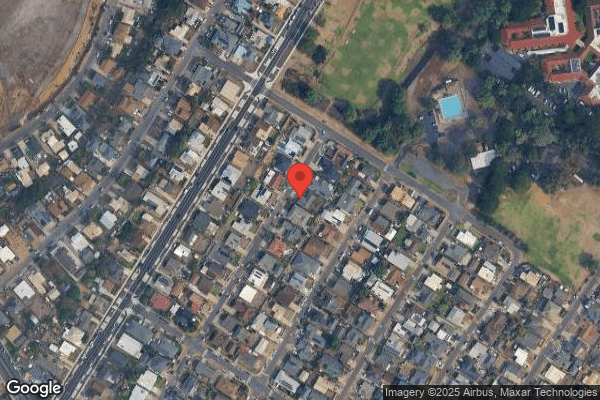
472 KAULANA STREET, KAHULUI, HI 96732 (808) 877-2761
Non profit - Other 252 Beds Independent Data: November 2025 1 Immediate Jeopardy citation
Trust Grade
0/100
Last Inspection: October 2024

Within standard 12-15 month inspection cycle. Federal law requires annual inspections.

Overview

Hale Makua - Kahului has received a Trust Grade of F, indicating significant concerns about the quality of care provided. It currently ranks #None of None in Hawaii and #None of None in Maui County, suggesting there are no better options locally. The facility's trend is improving, with a reduction in issues from 19 in 2024 to 5 in 2025. Staffing has a 28% turnover rate, which is below the Hawaii average, indicating some level of stability; however, it also has concerning RN coverage that is less than 82% of state facilities. The facility has faced $179,560 in fines, higher than 85% of Hawaii facilities, signaling potential repeated compliance issues. Specific incidents include a critical failure to properly sanitize dishes, which put residents at risk for foodborne illnesses, and a serious incident where one resident was hit by another's wheelchair, leading to visible injuries. Overall, while there are some positive aspects such as staffing stability, the facility has significant weaknesses that families should consider carefully.

Trust Score
F
0/100
In Hawaii
#112/223
Top 50%
Safety Record
High Risk
Review needed
Inspections
Getting Better
19 → 5 violations
Staff Stability
✓ Good
28% annual turnover. Excellent stability, 20 points below Hawaii's 48% average. Staff who stay learn residents' needs.
Penalties
✓ Good
$179,560 in fines. Lower than most Hawaii facilities. Relatively clean record.
Skilled Nurses
✓ Good
Each resident gets 75 minutes of Registered Nurse (RN) attention daily — more than 97% of Hawaii nursing homes. RNs are the most trained staff who catch health problems before they become serious.
Violations
⚠ Watch
63 deficiencies on record. Higher than average. Multiple issues found across inspections.
☆☆☆☆☆
0.0
Overall Rating
☆☆☆☆☆
0.0
Staff Levels
☆☆☆☆☆
0.0
Care Quality
☆☆☆☆☆
0.0
Inspection Score
Stable
2024: 19 issues
2025: 5 issues

The Good

  • Low Staff Turnover (28%) · Staff stability means consistent care
  • Full Sprinkler Coverage · Fire safety systems throughout facility
  • No fines on record
  • Staff turnover is low (28%)

    20 points below Hawaii average of 48%

Facility shows strength in staff retention, fire safety.

The Bad

Federal Fines: $179,560

Well above median ($33,413)

Significant penalties indicating serious issues

The Ugly 63 deficiencies on record

1 life-threatening 6 actual harm
Apr 2025 1 deficiency
CONCERN (D) 📢 Someone Reported This

A family member, employee, or ombudsman was alarmed enough to file a formal complaint

Potential for Harm - no one hurt, but risky conditions existed

Resident Rights (Tag F0550)

Could have caused harm · This affected 1 resident

Based on observations, interviews and review of policy, the facility failed to treat one Anonymous Resident (ARes1) and Resident (R)499 of six residents sampled, with respect and dignity. As a result ...

Read full inspector narrative →
Based on observations, interviews and review of policy, the facility failed to treat one Anonymous Resident (ARes1) and Resident (R)499 of six residents sampled, with respect and dignity. As a result of this deficiency ARes1 was not promoted the right to the maintenance of enhancement of their quality of life. The facility also left R499 in her soiled diaper for more than 40 minutes, putting R499 at risk for urinary tract infection (UTI) and perineum skin breakdown. Findings include: 1) During Resident interview on 04/10/25 at 03:00 PM, ARes1 relayed the following concerns: 1. Staff took a long time (sometimes up to forty minutes) to answer the call light. Staff would consistently say that they're not assigned to that room and pass the room without helping. ARes1 felt ignored because of this. 2. Staff did not maintain resident privacy after receiving a bath. ARes1 said the privacy curtains would be left wide open and felt exposed without wearing any clothing. 3. Staff did not wash hands before feeding. ARes1 said staff would have to be reminded to wash their hands before feeding and/or grabbing the finger foods and 4. Staff would speak in their native language (not English) when doing care. ARes1 said staff would speak to one another and felt they were talking about him/her. Review of facility policy on Call Light Use read the following; Purpose, to respond promptly to resident's call for assistance . Procedure, all facility personnel must be aware of call lights at all times, answer all call lights promptly whether or not you are assigned to the resident . Answer call lights in a prompt, calm, courteous manner, turn off the call light as soon as you enter the room, if you cannot provide the service, go get someone who can, do not leave the light on and walk away. Never make the guest/resident feel you are too busy to give assistance, offer further assistance before you leave the room . 2) On 04/09/25 at 11:30 AM, observed R499 (seated in a wheelchair) and Family member (FM) (seating next to R499) outside the resident's room. As this surveyor approached R499 and F, a strong, fecal odor was smelt. FM confirmed R499 had had a bowel movement in the resident's incontinent brief a while ago. FM looked for and could not find R499's assigned Certified Nurse Assistant (CNA). Observed FM going to nurse's station to let staff know that R499 had a bowel movement and if R499 could be changed. When FM returned from speaking with a nurse (who was seated in nurse's station at the computer), FM reported the nurse instructed her to activate the call light because she was not assigned to that area. On 04/09/25 at 12:15 PM, 45 minutes after FM approached the nurse for assistance, observed CNA1 approach the resident and assisted R499 to her room to clean her soiled incontinent brief. On 04/10/25 at 12:15 PM, interview with Licensed Practical Nurse (LPN)1 completed. Asked what is the facility's policy for responding to call light or resident's family request for help to change resident's incontinent brief, she replied, If the staff is not busy with another resident, then they should help change the resident. On 04/10/25 at 12:20 PM, interview with Neighborhood Supervisor (NS)1 completed. NS1 confirmed that if the family is requesting to change the resident's incontinent brief, that NS1 would first try to find a CNA to delegate the task, and if no CNA is available, then she would help change resident's incontinent brief, if it could be safely done. On 04/11/25 at 09:05 AM, discussed the situation with the Director of Nursing (DON). DON confirmed that nurse in the nursing station should have assisted R499. DON also reported staff should be able to help residents even if they are not assigned to them. Record review of the facility's Call Light, Use of policy dated 06/12/2023, in the Purpose section, it states, To respond promptly to resident's call for assistance. In the Procedure section, it states, 2. Answer ALL call lights promptly whether or not you are assigned to the resident. 7. Never make the guest/resident feel you are too busy to give assistance
Jan 2025 4 deficiencies
CONCERN (D) 📢 Someone Reported This

A family member, employee, or ombudsman was alarmed enough to file a formal complaint

Potential for Harm - no one hurt, but risky conditions existed

Safe Environment (Tag F0584)

Could have caused harm · This affected 1 resident

**NOTE- TERMS IN BRACKETS HAVE BEEN EDITED TO PROTECT CONFIDENTIALITY** Based on observation and interview with staff members, the facility did not execute a resident's right to reside in a clean home...

Read full inspector narrative →
**NOTE- TERMS IN BRACKETS HAVE BEEN EDITED TO PROTECT CONFIDENTIALITY** Based on observation and interview with staff members, the facility did not execute a resident's right to reside in a clean home environment. Findings include: On 01/13/25 at 02:11 PM, observed Resident (R)1 in a wheelchair, self-propelling on her unit. At 02:17 PM, observed R1 enter room [ROOM NUMBER]. R1 transferred herself from the wheelchair onto Bed A and laid down. At 02:30 PM observed staff members enter room [ROOM NUMBER], stood by the foot of Bed A, then exit the room. At 02:35 AM, observed Certified Nurse Aide (CNA)1 enter room [ROOM NUMBER], close the privacy curtain and assisted R1 back to the wheelchair. CNA1 wheeled R1 back to her room. Observed room [ROOM NUMBER] with signage for Enhanced Barrier Precautions (EBP - set of infection control practices that involve wearing gowns and gloves during high-contact care for residents at risk of infection, i.e. indwelling medical devices, wounds). CNA2 reported the reason for EBP is R6 receives dialysis treatment. Observation from 02:40 PM to 02:50 PM, the linen for R6 was not changed. CNA1 was observed leaving the unit with personal belongings (bags). Interviewed Licensed Nurse (LN)1 at 02:50 PM. LN1 confirmed the linen needed to be changed and she would have someone change it. On 01/14/25 at 10:10 AM interviewed Infection Preventionist (IP) in the hall. Observation of R1 lying in R6's bed was shared with the IP. IP reported R1's lying in R6's bed may affect R6, however, it is basically a hygiene concern. IP further stated transmission of an infection is low.
CONCERN (D) 📢 Someone Reported This

A family member, employee, or ombudsman was alarmed enough to file a formal complaint

Potential for Harm - no one hurt, but risky conditions existed

Comprehensive Care Plan (Tag F0656)

Could have caused harm · This affected 1 resident

Based on observations, record review, and interview with staff members, the facility failed to develop a person-centered comprehensive care plan for 1 (Resident 2) of 4 residents reviewed for wanderin...

Read full inspector narrative →
Based on observations, record review, and interview with staff members, the facility failed to develop a person-centered comprehensive care plan for 1 (Resident 2) of 4 residents reviewed for wandering/elopement behavior. This deficient practice has the potential to place resident at risk for accidents (i.e., falls, resident to resident altercations) and affect the resident's ability to achieve and maintain her highest medical, mental, and psychosocial needs and to cause adverse effects related to falls and resident to resident altercations. Findings include: Cross Reference to F689. Resident (R)2 has been identified for being at risk for elopement with a history of wandering behavior. The facility failed to conduct annual and quarterly elopement risk assessments, and implement care plan for wandering behavior. On 01/13/25 from 12:00 PM to 01:00 PM intermittent observations found R2 wandering on her unit, sometimes stopping to talk to other residents and at times would follow staff around the unit. A review of the quarterly Minimum Data Set (MDS) with an assessment reference date (ARD) of 11/26/24 noted R2 was assessed with moderate cognitive impairment for decision making. R2 was also coded for wandering behavior which occurred one to three days in the observation period. On 01/14/25 at 11:07 AM, the Administrator reported they missed R2 in their audits. The Administrator also reported the facility does not have any documentation of an Elopement Risk Evaluation and confirmed a care plan for elopement risk was just developed on 01/13/25 upon discovery elopement risk evaluations for this resident was not done
CONCERN (D) 📢 Someone Reported This

A family member, employee, or ombudsman was alarmed enough to file a formal complaint

Potential for Harm - no one hurt, but risky conditions existed

Deficiency F0657 (Tag F0657)

Could have caused harm · This affected 1 resident

Based on observations, record review, and interviews with staff members, the facility did not ensure a person-centered comprehensive care plan was reviewed and revised following an actual incident of ...

Read full inspector narrative →
Based on observations, record review, and interviews with staff members, the facility did not ensure a person-centered comprehensive care plan was reviewed and revised following an actual incident of elopement for 1 (Resident 1) of 4 residents in the sample. Findings include: Cross Reference to F689. Resident (R)1 had an actual elopement on 12/06/24 and wandering behavior that places R1 at risk for falls, resident to resident altercations, and elopement. Review of R1's quarterly Minimum Data Set (MDS) with assessment reference date (ARD) of 10/21/24 notes R1 yielded a score of 3 (severe cognitive impairment) when the Brief Interview for Mental Status was administered. R1 was also coded for wandering, occurring one to three days during the observation period. R1 requires supervision or touching assistance for walking 10 feet, walking 50 feet with two turns, and walking 150 feet. A review of R1's progress notes from 11/29/24 to 01/12/25 found entries of R1 wandering into other residents' rooms: 11/29/24 at 02:41 PM, R1 wandered into another resident's room at night; 12/08/24, R1 sometimes walked into other residents' room looking for the toilet; and 12/15/24 at 08:55 PM, R1 was wandering a lot on the unit and was found in another resident's room. Review of R1's care plan found approaches for wandering with a start date of 08/23/23. Approaches/Interventions included: ask me if I need anything or offer me drink/food/toilet/lie down/activity; monitor my whereabouts; provide redirection and reorientation as needed, state what I should do not what I should not do; follow me for safety until I can be redirected, I was issued a WanderGuard device that locks exit door when I approach. There were no care plan revisions to assess the efficacy of current approaches and/or to develop new approaches following actual event of elopement and incidents of resident entering other residents' rooms. On 01/14/25 at 07:50 AM an interview and concurrent record review was done with the Unit Nurse (UN). Inquired whether the facility revised R1's care plans after the wandering incident on 11/29/24. UN stated the team decided to place a Stop banner across the door of the room R1 entered. UN also stated it wouldn't be feasible to place these banners across all residents' doorways to prevent R1 from entering. UN was unable to confirm R1's care plan was revised.
CONCERN (E) 📢 Someone Reported This

A family member, employee, or ombudsman was alarmed enough to file a formal complaint

Potential for Harm - no one hurt, but risky conditions existed

Accident Prevention (Tag F0689)

Could have caused harm · This affected multiple residents

**NOTE- TERMS IN BRACKETS HAVE BEEN EDITED TO PROTECT CONFIDENTIALITY** Based on observations, record review, and interview with staff members, the facility failed to implemented residents' care plans...

Read full inspector narrative →
**NOTE- TERMS IN BRACKETS HAVE BEEN EDITED TO PROTECT CONFIDENTIALITY** Based on observations, record review, and interview with staff members, the facility failed to implemented residents' care plans to eliminate risk of an accident related to wandering and elopement and monitor the effectiveness of interventions as necessary for 3 of 4 (Residents 1, 2, and 3) residents sampled. 1) Resident (R)1 had an actual elopement, the facility failed to revise the resident's care plan to develop person centered interventions, direct care staff were unaware of approaches/interventions to employ for R1's wandering behavior and the wandering and exit seeking behaviors were not accurately monitored resulting in no baseline data to determine the efficacy of the interventions. 2) The facility failed to develop a care plan to prevent elopement for R2 with wandering behaviors prior to the start of the survey. The facility also did not implement or accurately document care plan approaches for monitoring the function of WanderGuard once a day and the targeted behaviors (wandering and refusal of medications). 3) The facility did not implement R3's care plan to assure an elopement assessment was done quarterly. The facility also did not recognize an elopement incident, resulting in no assessment of the incident and need for care plan revision. Findings include: 1) Cross Reference to F657. The facility failed to revise Resident (R)1's care plan following an incident of actual elopement and unsafe wandering (wandering into other residents' rooms). The facility submitted an Event Report on 12/06/24 at 08:30 PM regarding R1's elopement. On 12/06/24, R1 was found outside near fence in back of unit. R1's WanderGuard (a system that provides wander management for those at risk of elopement) bracelet reportedly was in place and functioning at the start of the shift. No alarms were heard. The final report was submitted on 12/10/24 at 02:35 PM. The facility clarified, R1 was found outside of the building behind the activities center. The House Supervisor saw the WanderGuard alert on another unit (North) and notified R1's unit (Pikake). Another staff member saw R1 from the window of another unit (Ilima) and notified the Pikake unit. The facility's investigation found the door to enter the activities department from the Pikake unit was not locked and R1 was able to enter the room and access the emergency exit door at the rear of the building. The emergency exit door is equipped with a locking mechanism that will allow the exit door to open after being held for 15 seconds. On 01/13/25 at 10:50 AM record review was done. R1 was readmitted to the facility on [DATE]. Diagnoses include but not limited to unspecified dementia, unspecified severity with anxiety; unspecified dementia, unspecified severity with agitation; nondisplaced intertrochanteric fracture of left femur (routine healing); cognitive communication deficit; aphasia (a language disorder that makes it difficult to understand or express language); and anxiety disorder. Review of quarterly Minimum Data Set (MDS) with an assessment reference date (ARD) of 10/21/24 notes R1 has severe cognitive impairment and was coded for wandering behavior. R1 requires supervision or touching assistance for walking. A review of the Elopement Risk Evaluation dated 10/24/24 documents R1's risk score was 5 (high risk - further assessment is needed). Interventions recommended included elopement deterrent device implemented and elopement prevention care plan initiated or updated. Subsequent assessment dated [DATE] (following actual elopement), R1's risk score was 3 (moderate risk - improvement) with intervention recommended for elopement prevention care plan initiated or updated. Review of R1's care plan for behavioral symptoms with a start date of 11/09/22 identifies R1 has depression and agitation and may demonstrate the following challenging behaviors: agitation, restlessness, anxiety, wandering exit seeking behaviors, entering other resident's room, and refusal of care. An approach with start date of 08/23/23 was developed for wandering. Approaches include, ask me if I need anything or offer me drink/food/toilet/lie down/activity; monitor my whereabouts; provide redirection and reorientation as needed, state what I should do, not what I should not do; follow me for safety until I can be redirected; and I was issued a WanderGuard device that locks exit door when I approach. Other approaches include: being at risk for wandering/elopement due to cognitive impairment, refer to wandering care plan (start date 03/14/23); resident may express confusion and insist on going home, at these times, do frequent visual checks, as I may wander off unit, flow sheet for every hour (start date of 08/01/24); I use a Wander Guard, please check the placement every shift (start date of 06/23/23); and a falls care plan to monitor resident frequently for safety, encourage to take rest periods in between walking activity, when walking, I may become agitated when staff tells me that I require assistance, encourage me to use my walker and take breaks; and if I appear restless, increase rounding until I am calm. A review of the progress notes from 11/29/24 to 01/12/25 found documentation of R1 wandering into other residents' rooms: 11/29/24 at 02:41 PM, R1 wandered into another resident's room at night; 12/08/24 at 03:30 PM, R1 sometimes walks into other residents' rooms looking for the toilet; 12/15/24 at 08:55 PM, R1 was wandering a lot on the unit and it was reported R1 was found in another resident's room. The documentation in the progress notes were not detailed to identify which rooms R1 entered, what she was doing in the room, if other residents were present at that time, what interventions were tried to deter the behavior. There were other entries documenting R1 wandering on the unit, going from room to room and standing at the door, and exit seeking behavior. On 01/13/25 at 01:16 PM, observed R5 seated by the door of her room, R5 reported R1 was once found in her room, sitting on the toilet. R5 resides in room [ROOM NUMBER]. R5 reported being surprised to find R1 using her toilet. Upon discovery, R5 stated R1 shook her finger at her to indicate R5 was in the wrong. R5 also reported seeing R1 stand in front of other residents' doors, blocking their way into their room and walking about the unit. On 01/13/25 at 02:11 PM, observed R1 in a wheelchair, self-propelling on the unit. Did not observe staff members employing approaches for wandering. At 02:17 PM, observed R1 enter room [ROOM NUMBER]. R1 transferred herself from the wheelchair onto Bed A and laid down. At 02:30 PM observed two staff members enter the room, they stood by the foot of Bed A, then exited the room. At 02:35 PM, observed Certified Nurse Aide (CNA)1 enter room [ROOM NUMBER], the curtain was drawn closed while CNA1 assisted R1 back to the wheelchair. CNA1 wheeled R1 back to her room and assisted R1 back to bed. On 01/13/25 at 02:40 PM, interviewed CNA1. CNA1 confirmed R1 was in the wrong room. Inquired what are the approaches used to for R1's wandering. CNA1 reported the nurses know what to do. Further queried as an aide, what is she supposed to do, CNA1 responded she doesn't know what to do but the nurses know. CNA1 was asked how often is R1's whereabouts monitored, CNA1 responded one to two hours. On 01/14/25 at 07:50 AM interviewed the Unit Nurse (UN) at the Pikake unit in the nurses' station. Reviewed the progress notes with the UN. Inquired about incident of 11/29/24 when staff discovered R1 in a resident's room and the team decided to place a Stop banner in the doorway. UN initially could not recall the incident and later stated this entry documents R1 was found in room [ROOM NUMBER] and the team agreed to place a Stop banner on the door. Concurrent review of the progress notes documenting incidents of R1 wandering into other residents' rooms was done with UN. Requested UN review the care plan for revisions after the incidents. UN was unable to confirm R1's care plan approaches were revised to address wandering into other residents' rooms. Based on the progress notes, UN was unable to identify which rooms R1 wandered into and stated it isn't feasible to place Stop banners in all residents' doorways to prevent R1 from entering. Concurrent observation of room [ROOM NUMBER] was done with the UN. There was a banner affixed to the doorway which was not placed across the doorway. Inquired when does the facility use the banner, UN responded it is up to the resident. Further review of the Treatments Administration History (TAH) for December 2024 found a flow sheet for the approach to check WanderGuard placement every shift with instruction to use (+) present and (-) not. The flow sheet for December 2024 had entries documenting the WanderGuard was not present (-) for the following dates and shifts: 12/05/24 - NOC; 12/07/24 - PM; 12/09/24 - day; 12/12/24 - PM shift; 12/15/24 - PM; 12/16/24 - PM; 12/17/24 - day; 12/17/24 - PM; 12/23/24 - PM; 12/23/24 - NOC; 12/26/24 - day; 12/26/24 - PM; and 12/27/24 - NOC. There was also a flow sheet to monitor the following target behaviors: 1) agitation, 2) restlessness, 3) anxiety, 4) depression, 5) ambulate without assistance, 6) refuse care/treatment, and 7) poor appetite. Of the 63 opportunities to document for ambulating without assistance, there were only five entries to document R1 ambulated without assistance. This documentation was inconsistent with the progress note entries which noted 17 entries of wandering on unit (ambulating without assistance) and exit seeking behavior. Requested additional information on the morning of 01/14/25 to demonstrate the multidisciplinary team met to do root cause analysis and update R1's care plan. The facility provided a grievance report from R6 complaining that R1 has been wandering into her room every night and was awakened to find R1 staring at her. The team agreed to place a Stop banner across the R6's room and nursing staff was reeducated regarding wandering residents. On 01/14/25 at 11:07 AM interviewed the Administrator. The Administrator explained the staff reenacted the event and found that the WanderGuard triggered at the North unit, however, the alarm to the emergency exit could not be heard on the unit as the door was closed. The Administrator reported the team consulted the physician and assessed a possible causal factor was the drug interaction of Remeron (antidepressant) and Sertraline (antidepressant) may have contributed to increase in wandering behavior. R1's Sertraline dosage was decreased to 75 mg for seven days, then 50 mg after the first seven days. On 01/14/25 at 01:05 PM, discussed inconsistent documentation of wandering and elopement occurrences with the Administrator. Administrator reported the charting may be done according to who observes the behavior, the nurses or the aides. The Administrator provided documentation, Point of Care History for 11/14/24 to 12/14/24. There were six entries to indicate interventions were taken to alter wandering. Administrator reported the electronic record needs to be programmed for the aides to document wandering behavior. Inquired when was this behavior loaded to enable the aides to document this behavior. The Administrator was not sure. 2) Cross Reference to F686, Comprehensive Care Plan. The facility did not ensure R2's care plan was implemented consistently to monitor resident's targeted behavior of wandering every shift and ensuring the functioning of WanderGuard functioning once a day. Observation on 01/13/25 at noon saw R2 seated in a wheelchair in the hall next to the door of her room. Observation at 01:00 PM, R2 was standing at a table with two other female residents and talking. Subsequently, R2 was observed to follow staff around the unit. R2 was independently ambulatory. Later R2 was observed sitting at a table by the nurses' station, watching television. Later observed R2 seated in activities for volleyball, R2 was smiling. On 01/13/25 at 01:39 PM a record review was done for R2. R2 was admitted to the facility on [DATE]. Diagnoses include but not limited to, Alzheimer's with early onset; dementia in other diseases classified elsewhere, unspecified severity, without behavior disturbance, psychotic disturbance, mood disturbance, and anxiety; chronic kidney disease, stage 2 (mild); wandering in diseases classified elsewhere; and other abnormalities of gait and mobility. A review of the quarterly MDS with an ARD of 11/26/24 noted R2 was assessed with moderate cognitive impairment for decision making skills. R2 was also coded for wandering behavior, occurred one to three days during the assessment period. The facility developed a care plan during the survey for R2 being at risk for elopement due to history of wandering and severe cognitive impairment. Approaches included: if I am going toward unit exit, please help me back to my room where staff can supervise me; I use a WanderGuard for safety, please check the placement every shift; if I become agitated and difficult to redirect, I may require 1:1 supervision to manage my wandering; and please refer to my activity care plan for my preferences and things that interest me. Prior approaches for wandering with a start date of 02/09/21 included but not limited to: 12/17/22 - WanderGuard to my dominant risk (right side) as I tend to wander around at night and attempt to leave the facility out of curiosity. Monitor my WanderGuard is in place every shift; and 12/27/22 - Wandering/exit seeking, when observed redirect me to my unit/room, offer me something to eat/drink or offer me to use the bathroom, encourage me to engage in group activities every shift Further review found no Wandering/Elopement Risk assessment was done since R2's admission. On 01/13/25 at 03:13 PM, requested to review R2's wandering/elopement risk assessment. At 03:30 PM, the Administrator and Administrator in Training (AIT) reported they could not find an assessment but would continue to locate an assessment. The facility did not provide documentation of wandering/elopement risk assessment prior to exit. The Treatments Administration History (TAH) for December 2024 and 01/01/25 through 01/14/25 found an order to monitor target behaviors, wandering and refusal of medication. There were missing entries for the following dates-shifts: 11/07/24 - day, 11/11/24 - PM, 11/18/24 - PM, 12/08/24 - day shift, 12/16/24 - day shift, 01/02/25 - day shift, and 01/02/25 - PM shift. The entry spot for Exhibited Behavior # was populated with 0s and 1s. There was also an area to document, Intensity Before, and Frequency Before. It was unclear what the numbers represented. Further review noted missing entries to ensure functioning of WanderGuard (start date of 12/27/24) on the following dates, 12/29/24, 12/30/24, 01/03/25, 01/04/25, and 01/08/25. On 01/14/25 at 10:20 AM, an interview with the UN was done. The UN reported the coding for exhibited behavior # is: 1 for documenting wandering behavior and 2 for refusal of medication and a 0 would indicate there were no behaviors observed. On 01/14/25 at 11:07 AM, interviewed the Administrator and Administrator In Training (AIT). Administrator reported, she was surprised R2 did not have an elopement risk and a care plan as the facility audited the chart. Administrator acknowledged the TAH for monitoring of target behaviors (wandering and refusal of medication) could be confusing and they will considering separating the two behaviors. Review of the facility's policy and procedures entitled Wandering/Elopement Risk Assessment with original effective date of 05/0/21 notes the facility will assess all patients/residents for elopement potential in order to provide a safe and comfortable living environment. The policy includes but not limited to the following: 3) Patients/residents are re-assessed for elopement potential by the MDS Nurse/Social Service/Nurse or designee quarterly throughout a patient's/resident's stay and with a significant change. 4) Interventions will be added to the patient's/resident's care plan after analyzing the information obtained. 5) The licensed nurse or social service designee completes the Elopement Risk Evaluation and presents the information to the Interdisciplinary Team for further interventions. 3) R3 was admitted to the facility on [DATE]. Diagnoses include but not limited to unspecified dementia, unspecified severity without behavior disturbance, psychotic disturbance, mood disturbance and anxiety; Type 2 diabetes mellitus, and primary osteoarthritis. On 01/13/25 at 10:10 AM an entrance interview was conducted with the Administrator. Requested a list of residents that eloped from the last recertification survey done on 10/18/24 to present. At 11:18 AM, the Administrator reported there were no other incidents of elopement and provided a listing of residents who wear WanderGuard devices. R3 was selected from this listing. On 01/13/25 at 02:56 PM a record review was done. The quarterly MDS with an ARD of 12/30/24 noted R3 was assessed with moderate cognitive impairment. R3 was not coded to exhibit wandering behavior in the assessment period. A review of the Elopement Risk Evaluation dated 09/14/24 indicated R3 was assessed at high risk (further assessment is needed) for elopement risk. There was no documentation of a subsequent quarterly risk evaluation completed for December 2024. Review of the care plan with start date of 06/26/24 for risk of elopement had the following approaches with a start date of 01/13/25, ensure an elopement assessment is done on me quarterly and/or PRN as necessary. A review of the progress notes found an entry dated 11/12/24 at 08:59 AM by social services documenting social services heard exit alarm and found resident outside of East exit door in front of SS office. A review of the facility's campus map notes the East Entrance is across the social services' office. Further review found no follow up elopement risk assessment or care plan revision. On 01/14/25 at 10:10 AM, Administrator confirmed the East Entrance is equipped with WanderGuard system. On 01/14/25 at 10:15 AM interview with UN was done at the nurses' station. Concurrent review of the progress notes of 11/12/24 was done. UN reported that this was not an elopement, R3 was found outside of the social services' office within the facility.
Oct 2024 14 deficiencies 2 Harm
SERIOUS (G) 📢 Someone Reported This

A family member, employee, or ombudsman was alarmed enough to file a formal complaint

Actual Harm - a resident was hurt due to facility failures

Free from Abuse/Neglect (Tag F0600)

A resident was harmed · This affected 1 resident

Based on interviews and record review, failed to ensure one resident's right to be free from abuse. R106 hit R141 in her legs with his wheelchair, then left laughing. R141 sustained a 10 cm x 10 cm bl...

Read full inspector narrative →
Based on interviews and record review, failed to ensure one resident's right to be free from abuse. R106 hit R141 in her legs with his wheelchair, then left laughing. R141 sustained a 10 cm x 10 cm blue/purple discoloration on the left medial knee and 0.5cm x 0.5 cm light red mark on the left leg just below knee and reported to staff that she was going to her room because she was feeling unsafe because R106 hit her. As a result of this deficient practice, residents in the presence of R106 have the potential for abuse and more than minimal harm. Findings include: Review of the Facility Reported Incident (FRI) #11157, documented on 08/21/24 at 01:15 PM, R141 reported R106 hit her with his wheelchair, reversed the wheelchair then propelled away from the resident laughing. R141 reported that both resident's knees contacted each other when R106 banged her. Staff assessed R141 and documented a 10 cm x 10 cm blue/purple discoloration on the left medical knee and 0.5 cm x 0.5 cm light red mark on the left leg just below R141's knee. R141 reported that she does not feel safe and R106 intentionally hit her and R141 did not report it to staff at the time of the incident but reported the incident due to bruising and fear of her safety. The facility reviewed and revised both resident's care plans and R106 was immediately moved to another unit for R141's safety. At the time of this surveyor's investigation, the facility had corrected the deficient practice and ensured residents with contact with R106 remained safe and free from abuse and found this deficient practice to be past non-compliance and no Plan of Correction is required for this citation.
SERIOUS (G)

Actual Harm - a resident was hurt due to facility failures

Deficiency F0697 (Tag F0697)

A resident was harmed · This affected 1 resident

**NOTE- TERMS IN BRACKETS HAVE BEEN EDITED TO PROTECT CONFIDENTIALITY** Based on observations, interview, Electronic Health Record (EHR) review and policy review the facility failed to assess pain pri...

Read full inspector narrative →
**NOTE- TERMS IN BRACKETS HAVE BEEN EDITED TO PROTECT CONFIDENTIALITY** Based on observations, interview, Electronic Health Record (EHR) review and policy review the facility failed to assess pain prior to and manage one Resident (R) of the sampled, R252's pain during a dressing change for his stage 4 pressure ulcer (PU) on his right buttock. The deficient practice prevented R252 from attaining and maintaining his highest level of wellbeing. Findings Include: On 10/17/24 at 01:40 PM spoke with Registered Nurse (RN) 26 and inquired if she had done the dressing change for R99. She confirmed she had already done the dressing change to R99's feet/legs. Inquired if she was going to do a dressing change soon and RN26 stated she was going to do a dressing change for R252. On 10/17/24 at 01:50 PM observed dressing change for R252's stage 4 PU to his right buttock. RN26, RN30 and Advance Practice Registered Nurse RX (APRN RX) 1 were present in R252's room for the dressing change. R252 was assisted with turning onto his left side by RN26 and RN30 and his clothing and adult brief was pulled down to expose his right buttock. Dressing to R252's right buttock was intact and RN30 told R252 she was going to remove the dressing. RN30 removed the top of the dressing to expose R252's skin and wound packing that was in place. RN 30 and RN26 switched places. RN30 was now facing resident and RN26 was behind R252. RN26 started to remove the packing from R252's wound and resident could be heard crying and saying repeatedly It hurts! It hurts! It hurts! R252 was also observed extending his right arm and balling up his fist a couple of times (not to hit anyone) as he cried. RN30 told resident You're ok. APRN RX1 inquired when resident was last medicated for pain and RN26 responded around 9 am. RN26 continued with dressing change by cleansing the wound bed with Dakin's Solution (sodium hypochlorite) 0.125% and packed the wound bed with 1/4 strength Dakins moistened gauze. R252 continued to cry. RN26 covered the wound with an abdominal pad and applied tape. R252 was turned to his back by RN26 and RN30 and repositioned in his bed. APRNRX1, RN26, and RN30 left R252's room. R252 was interviewed at this time. R252 had his eyes closed and was crying. R252 was encouraged by surveyor to take deep breaths which he did. R252 was able to calm down and talk with surveyor. Inquired with R252 if he was medicated or offered pain medication prior to the dressing change and he said, no I forgot to ask the staff for the medication and he stated it was my fault. Resident was reassured this was not his fault. Surveyor asked R252 what his pain was at on a scale of 1-10 and resident stated, 8 or 9. On 10/17/24 at 02:05 PM interviewed RN30, who is the unit manager. Inquired what stage R252's PU is and RN30 stated it is a stage 4 PU, that it was on his admission paperwork yesterday when he was admitted . Inquired if she would medicate a resident prior to a dressing change and RN30 stated not necessarily. Inquired if she would premedicate a resident who has a stage 4 PU before a dressing change and she said yes. On 10/17/24 Record Review (RR) of R252's EHR revealed R252 is a [AGE] year-old male who was admitted to the facility on [DATE] with a diagnosis that includes, but are not limited to, pressure ulcer of right buttock, stage 4; insomnia, unspecified; and pain, unspecified. R252 weighs 95.2 pounds. Review of R252's Care Plan (CP) revealed Problem Start Date 10/17/2024 Category: Pain I am at risk for acute/chronic pain that may affect my wellbeing. Goal Target Date: 01/17/2025 will have relief from pain within one hour of PRN pain medication administration. Approach Start Date: 10/17/2024 Administer pain medications as ordered, see MAR (Medication Administration Record). Assess and provide pre-medication as indicated prior to activities, therapies, procedures, treatments to optimize my function and comfort. Assess me for breakthrough pain and provide PRN analgesics as ordered. Document the effectiveness on MAR. Assess the effectiveness of the medication, current treatment regime, and the impact of the pain management program on me. Assess the impact of acute/chronic pain on my function and wellbeing. Notify MD for concerns Assess the location, severity, duration, time of onset, and pattern of my pain. Observe me for signs of non-verbal expression of pain, such as grimacing, crying, guarding, rocking, etc. Last reviewed/revised on 10/17/24 at 09:55 AM by RN35. Review of R252's Brief Interview for Mental Status (BIMS) dated 10/17/24 with a score of 13 out of 15 identified him as cognitively intact. Continuation of RR revealed medications ordered to control R252's pain include the following: Oxycodone 5 mg tablet 1 tablet by mouth every 4 hours PRN (as needed) for moderate - severe pain. R252 received this medication on 10/16/24 at 20:24 (08:24 PM) for pain he rated a 6 out of 10 and the medication was documented as NE (Not Effective). Morphine concentrate solution 100 mg/5 ml (20 mg/ml) amount to administer 5 mg oral every 4 hours PRN (as needed) Dx: Pain, Unspecified. This was given on 10/17/24 at 01:59 AM, at 09:14 AM and at 14:03 (2:03 PM) for pain and documented as E (Effective). R252 also has an order for Pain monitor Q (every) shift. R252's pain was documented with no pain on 10/16/24 evening shift, had 10 out of 10 pain to his peri area/buttocks on 10/16/24 night shift and 9 out of 10 pain to his coccyx on 10/17/24 day shift. Continued RR on 10/17/24 found RN26 documented in R252's EHR a progress note with a date and time of 10/17/2024 at 14:29 (02:29 PM) Res (Resident) A&Ox4 (Alert and oriented X4). Calm and cooperative with care. Compliant with medications. Denied therapy d/t experiencing pain. No facial droop noted. Bilat hand grip equal in strength. Speech clear, medications taken W/T w/ no concerns or difficulty swallowing. Res (Resident) up in WC throughout shift. Res (Resident) c/o pain 5/10 while laying in bed, requested morphine. Morphine concentrate 5mg given at 0914 (09:14 AM) w/ positive effect. Frequent rounding completed, no signs of distress noted. Sacral wound dressing change completed as ordered. Cleansed with 1/4 strength Dakins, gently pack wound bed w/ moistened gauze and cover with ABD pad. Res (Resident) grimacing during change but no request to stop. Upon assessment post dressing change, res (resident) reported 9-10/10 pain. Morphine concentrate 5mg given at 1403 with positive effect. Safety precautions maintained. Call light within reach while in bed. please refer to CNA charting for ADLs. Continuation of RR on 10/17/24 of R252's EHR found RN30 had written a progress note that was dated and timed 10/17/2024 at 15:43 (03:43 PM) which stated This RN observed wound care for res (resident) to R (right) buttock stage IV. LN (Licensed Nurse) (staff's initials) conducted wound care tx (treatment) with this RN and APRN (staff's initials) present. Noted to be passed out initially, res (resident) verbalized, I was passed out. Noted to be in pain during middle of wound care visit while this RN and LN (staff's initials) repositioned him. Wound noted to be clean. No odor noted. Res (Resident) able to tolerate wound care tx (treatment) with therapeutic communication, reminded that tx (treatment) is being provided and that he is OK and was crying by verbalizing ow, ow, ow. Res (Resident) stopped crying out after repositioning completed and staff able to complete wound care tx (treatment). Resident appeared to have fallen back asleep. APRN (staff's initials) notified regarding pain - will offer prn pain meds prior to wound care. Continue with Q2 hour repositioning with cushion under [NAME]. Verbalize understanding. Continue to monitor. On 10/18/24 at 08:25 AM interviewed unit manager, RN30. Inquired about R252's pressure ulcer and RN stated it was her first time seeing the resident's wound. RN30 stated R252 has a stage 4 pressure ulcer to his right buttock. Inquired if RN30 could explain what it meant when a resident has a stage 4 pressure ulcer and RN30 stated there is a wound bed and things can be seen. Asked RN30 to explain the difference between a stage 2 and a stage 4 pressure ulcer and she was able to share the stage 2 pressure ulcer has some skin breakdown and the stage 4 has a wound bed and things can be seen such as bone. RN30 shared that sometimes people don't feel sensation or pain with this type of sore. RN30 stated R252 is new to her. Inquired of RN30 what the routine procedure would be for doing a dressing change with someone who has a stage 4 pressure ulcer. RN stated, assess for pain. Inquired if this was done with R252 and RN30 stated no that he had received medication earlier at around 9 am. RN30 stated she had to tap the resident and say his name to arouse him before the dressing change. Inquired if she would assess for pain prior to dressing change and she said yes. RN30 stated if you have medications you can give it and then get everything ready for the dressing change. RN30 stated they could have given R252 the fast-acting morphine prior to the dressing change. Inquired of RN30 if this was a liquid form and she confirmed it is. RN30 confirmed this was not done for the resident prior to the dressing change on 10/17/24. On 10/18/24 at 09:10 AM requested from Administrator copies of all Medical Doctor (MD) and/or APRN progress notes written for R252. Also requested facility policies and training on wound care and pain management. Requested dates nursing staff completed these trainings. Administrator provided these soon afterwards. On 10/30/24 review of SNF Visit Note written by APRN RX1 which was signed electronically on 10/23/24 at 03:47 PM for Date of Encounter: 10/17/2024 included . 2. Subjective: 74 yo male patient presents for SNF tuck in visit. He is observed resting quietly in bed without signs or symptoms of pain or discomfort. Multiple attempts to wake him made with RN at bedside. He does wake up with physical stimuli and states i was passed out. Patient is agreeable to dressing change at this visit. Myself, RN (Staff's first name) and RN (Staff's first name) at bedside for wound evaluation and dressing change. Patient able to independently reposition BLE (bilateral lower extremities) and BUE (bilateral upper extremities) for wound care. Wound packing removed with mild discomfort. Wound cavity assessed and re-packed. Patient with mild discomfort but tolerable. Dressing change completed. Review of facility policy titled Skin Management System with revision date 11/2/23 states Licensed nurses will: a. Assess all residents for pain and treat the resident accordingly before, during and after treatments as needed. Review of facility staff Skin and Wound Care training revealed RN30 did this training on 12/26/23. RN26's name was not listed as completing this training. The training discusses Stage 4 PU identifying it as: Full thickness skin loss with exposed or directly palpable fascia, bone, tendon, ligament, cartilage or muscle Slough or eschar may be present on some parts of the wound bed Often include undermining and tunneling Treatment for PU in the Skin and Wound Care training included: Considerations Etiology of the wound Characteristics of the wound Location of the wound Goals and preferences of resident/representative (healing vs palliation/comfort) Manage tissue load Wound care Pain management Review of facility policy titled Pain Management Policy with a revision date of 07/12/2023 states Effective pain recognition and management requires an ongoing facility-wide commitment to resident comfort, to identifying and addressing barriers to managing pain, and to addressing any misconceptions that residents, families and staff may have about managing pain. Nursing home residents are at high risk for having pain that may affect function, impair mobility, impair mood, or disturb sleep, and diminish quality of life. The onset of acute pain may indicate a new injury or a potentially life-threatening condition or illness. It is important, therefore, that a resident's reports of pain, or nonverbal signs suggesting pain, be evaluated. 7. Patient/Resident should be evaluated for any needed pain medication prior to, during and after treatments (i.e. wounds),care and/or therapies. Review of facility Pain Management Program with a revision date of 07/12/2013 states The first step in the management of pain is the recognition of pain. Is pain present? The patient/resident is evaluated for pain upon admission, during periodic scheduled assessments, before, during and after therapies and treatments and whenever a change occurs in their condition (e.g., after a fall or other trauma or when a change occurs in the patient/resident's behavior, daily routines or mental status). Nonspecific and often nonverbal signs that may suggest the presence of pain include: . Fidgeting, increasing or recurring restlessness . Sighing, groaning, crying, breathing heavily .
CONCERN (D)

Potential for Harm - no one hurt, but risky conditions existed

Deficiency F0552 (Tag F0552)

Could have caused harm · This affected 1 resident

Based on interviews and record review, the facility failed to ensure the resident's right to be informed in advance, of the risk and benefits of the use of a psychotropic medication, and consent to tr...

Read full inspector narrative →
Based on interviews and record review, the facility failed to ensure the resident's right to be informed in advance, of the risk and benefits of the use of a psychotropic medication, and consent to treatment for two of five (Resident (R)134 and R141) sampled. R134's Resident Representative (RR)4 was not aware that the resident was receiving duplicate antidepressant therapy. RR4 confirmed the risk/benefits, education was not provided to RR4 regarding duplicate antidepressant therapy and did not sign a consent form. Requested a consent form from the facility and the facility confirmed a consent form was not obtained from RR4. As a result of this deficient practice, residents are at risk for more than minimal harm. Findings include: 1) On 10/16/24 at 10:13 AM, conducted an interview with R134's Resident Representative (RR)4. During the interview, inquired about the three large bandages on R134's head. RR4 reported R134 frequently scratching and picking at his skin, on his head. Asked RR4 what interventions are the facility implementing for R134's scratching/picking behavior. RR4 confirmed being R134's healthcare decision maker and stated they are covering the area with bandages. Asked RR4 if R134 was on a medication to help with the resident's scratching/picking behavior. RR4 reported R134 is taking melatonin for his sleep and something else to help the resident with eating but could not remember the name of it. This surveyor informed RR4 that this surveyor was going to list several antidepressants and if RR4 recognizes any of these medications, to let this surveyor know, RR4 agreed, then listed the following medications: Celexa also known as citalopram (generic name); Lexapro also known as escitalopram (generic name); Remeron also known as mirtazapine (generic name); ; and Zoloft also known as sertraline (generic name). RR4 reported mirtazapine sounded familiar and it's to help with R134's appetite, but the other medications did not sound familiar. This surveyor informed RR4 that R134 has been receiving Lexapro also known as escitalopram since 08/17/24 and the medication is another group of antidepressant medication. Inquired if RR4 recalls signing a consent form and/or education on the risk and benefits of Lexapro. RR4 confirmed he recalls a consent form for melatonin and Mirtazapine for R134's appetite (which RR4 confirmed was recently increased) but did not complete a consent form for Lexapro. RR4 did not recall the facility informing him about the Lexapro prior to R134 receiving the medication and was not informed of R134 being on two different types of antidepressants. Review of R134's Electronic Health Record (EHR) on 10/16/24 at 09:54 PM, documented a quarterly Minimum Data Set (MDS) with an Assessment Reference Date (ARD)) on 09/15/24, documented Section C. Cognitive Patterns, Brief Interview for Mental Status (BIMS) score was 4, indicating the resident has significant cognitive impairment. R134 had a physician's order for an antidepressant, Lexapro tablet, 5 milligrams (mg) by mouth (PO) once a day, started on 08/17/24 at 08:00 AM and is open ended (no stop date), with a diagnosis of skin picking disorder. Review of the EHR did not include an Informed Consent for Psychotropic Medication-Antidepressant form for the use of Lexapro. R134's progress notes documented two progress notes, in which the first progress notes documents, on 08/16/24, prior to administration of the medication, evening staff endorsing to day shift to update the family. Then on 08/17/24 during day shift, the facility attempted to call POA (RR4) regarding new orders. There is no documentation after the 08/17/24 progress note documenting the facility got a consent, was updated, or was explained the risk/benefits of Lexapro, until 10/17/24 at 01:08 PM, which is after this surveyor completed an interview and concurrent record review of R134's EHR with the Unit Manager (UM)4 regarding a consent form for the use of Lexapro. - On 08/16/24 at 22:02 (10:02 PM) .Start Lexapro 5 mg q AM (every morning). Endorsing day shift to update the family. - On 08/17/24 at 01:09 PM, was edited, on 08/17/24 at 06:23 PM, to include At 1310 (01:10 PM) Attempted to call POA but LM regarding new orders. On 10/17/24 at 09:46 AM, conducted a concurrent interview and record review of R134's EHR with UM4. Requested to review R134's Informed Consent for Psychotropic Medication- Antidepressants form for the use of Lexapro. UM4 reviewed R134's EHR and could not locate an informed consent for the use of Lexapro for R134. Requested and provided UM4 an opportunity to provide any other form of documentation that RR4 was informed of the risk/benefits for Lexapro and consented to the treatment. UM4 confirmed the facility did not have any documentation, verbal or written, that RR4 consented to or was informed of the risk/benefit of R134 taking Lexapro prior to staff administering the medication to the resident. In the afternoon on 10/17/24, this surveyor returned to the conference room and reviewed documentation of R134's use of Lexapro. These documents were completed by the facility after this surveyor's concurrent interview and record review of R134's EHR with UM4, during which the facility became aware of the deficient practice and was unable to provide documentation of an informed consent and education on the risk/benefits prior to administering the medication to R134. These documents were: - A progress note written on 10/17/24 at 01:08 PM documented, This LN (licensed nurse) called POA (Power of Attorney, (RR4)) about Lexapro 5 mg for skin picking disorder, POA stated, Yeah, I'm aware that he's taking that medication. I gave consent. CN TR aware. - An Informed Consent for Psychotropic Medication- Antidepressants, dated 10/17/24 at 01:20 PM, and did not contain RR4's signature or staff attestation that RR4 provided a verbal consent. 2) Conducted a review of R141's EHR on 10/16/24 at 10:15 AM. Review of R141's physician's orders documented an order for Mirtazapine tablet; 7.5 mg; amt: 7.5 mg; oral Special Instructions: poor po intake Once a Day 20:00 (08:00 PM) was started on Review of R141's EHR did not contain documentation of an Informed Consent for Psychotropic Medication- Antidepressant for the use of Mirtazapine. On 10/16/24 at 02:55 PM, requested a copy of R141's Informed Consent for the use of Mirtazapine and documentation of education for the risk/benefits of the medication completed by the resident or RR3. The Director of Nursing (DON) confirmed there was no informed consent of Mirtazapine for R141. During an interview and concurrent record review of R141's EHR with UM4 on 10/17/24 at 08:28 AM, reviewed the Physician's Orders which documented an open order started on 09/24/24 for Mirtazapine 7.5 mg once a day. UM4 reviewed the progress notes and other parts of the EHR and confirmed it did not contain documentation of a consent form or education on risk versus benefits was completed by R141 or RR3 for the use of Mirtazapine. UM4 confirmed R141 received Mirtazapine without a completed informed consent. Review of the progress notes documented the first dose of Mirtazapine administered to R141 was on the evening shift and the informed consent was endorsed to the morning shift the next day, and the consent form was not completed. After it was confirmed by UM4, there was no consent form for the use of Mirtazapine for R141, a Late Entry on 10/17/24 at 01:39 PM for consent for the use of Mirtazapine was entered into R141's progress notes.
CONCERN (D)

Potential for Harm - no one hurt, but risky conditions existed

Deficiency F0558 (Tag F0558)

Could have caused harm · This affected 1 resident

**NOTE- TERMS IN BRACKETS HAVE BEEN EDITED TO PROTECT CONFIDENTIALITY** 2) R67 is an [AGE] year-old female admitted to the facility on [DATE]. R67 has a medical history that includes, but not limited ...

Read full inspector narrative →
**NOTE- TERMS IN BRACKETS HAVE BEEN EDITED TO PROTECT CONFIDENTIALITY** 2) R67 is an [AGE] year-old female admitted to the facility on [DATE]. R67 has a medical history that includes, but not limited to, chronic obstructive pulmonary disease, dependence on supplemental oxygen, acquired absence of eye, and anxiety disorder. R67 had an annual assessment on 08/14/2024. During the assessment R67 had a Brief Interview for Mental Status (BIMS) score of 15, which means R67 is cognitively intact. Concurrent observation and interview were conducted on 10/15/24 at 10:27 AM in R67's room. R67 was laying in bed. R67's call light was laying on a chair that was against a wall. R67 was not able to reach her call button. R67 asked State Agency (SA) if he/she can hand her the call light. R67 stated that she can call for help, but frequently the call light is not nearby for her to use. Observation was conducted on 10/17/24 at 09:08 AM in R67's room. R67 was laying in bed and asked SA if he/she has seen her call light. SA observed R67's call light laying on the floor. Interview was conducted with the Director of Nursing (DON) on 10/18/24 at 10:53 AM. DON confirmed that call lights should always be accessible for residents to use. Facility policy titled, Call Light, Use of, dated 06/12/23, was reviewed. Policy noted, 11. Be sure all call lights are placed on the bed at all times, never on the floor or bedside stand or clipped to the guest/resident or placed in reach when sitting up. Based on observation, interview, and record review (RR), the facility failed to provide a resident-centered environment for 2 of 2 Residents' (Residents 28 and 67) sampled for accommodation of needs, by not utilizing a shower chair for Resident (R)28 that fit her comfortably and allowed her to shower thoroughly, and failing to ensure that R67's call light was always placed within her reach and line-of-sight. As a result of this deficient practice, these residents were hindered from attaining their highest practicable well-being. Findings include: 1) Resident (R)28 is a [AGE] year-old female admitted to the facility on [DATE]. R28 has an active diagnosis of morbid obesity. On 10/16/24 at 08:51 AM, an interview was done with R28 at her bedside. When asked about her showers, R28 stated that she showers 2-3 times a week in a small shower chair in the bathroom of her room. R28 stated that the shower chair in her bathroom feels kind of small, and she would like to have a bigger one, describing the shower chair as uncomfortable, pressing into her on each side. R28 explained that the standard-sized shower chair does not allow her to open her legs to wash while seated so she usually does not feel completely clean after a shower. R28 further stated that there is a larger shower chair that she has used before, but it requires staff to take her to the nearby shower room as opposed to showering in her own bathroom. R28 also stated that she was unsure if the shower room was even used by staff anymore because there is a lot of stuff in there. Observation done of R28's bathroom confirmed the standard-sized shower chair just fit in the shower stall and the tiled walls enclosing the shower stall did not allow any room to maneuver for a resident who filled up the shower chair. On 10/16/24 at 09:14 AM, an interview was done with Licensed Practical Nurse (LPN)1 outside the unit's shower room, which was less than 200 feet from R28's room. Concurrent observation of the shower room with LPN1 confirmed that it was filled with storage items. LPN1 stated that the room was no longer used for showers and was just used for storage. Asked if there was a larger shower chair stored in the room as one could not be seen from the doorway. LPN1 stated she did not know. On 10/17/24 at 01:23 PM, interviewed Senior Certified Nurse Aide (CNA)2 near R28's room. CNA2 confirmed that there is one larger shower chair that is kept in the shower room. Stated that R28 is showered on the evening shift and that the CNAs on the evening shift should be taking the larger shower chair into R28's bathroom whenever they shower her. Agreed that the standard shower chair would not be comfortable for a resident of R28's size. Asked CNA2 if the larger shower chair would fit in R28's bathroom. CNA2 stated it should. CNA2 retrieved the larger shower chair from the shower room, which she confirmed had been cleaned since the state agency observation the previous morning and tried to wheel it into R28's bathroom shower stall. CNA2 verified and confirmed that the larger shower chair did not fit all the way into the shower stall so that it could be positioned under the shower head. CNA2 agreed that meant the larger chair was probably not being used to accommodate R28 for her showers. When specifically asked, CNA2 stated that she was surprised the evening shift CNAs would ask R28 to squeeze onto the smaller (standard-sized) chair. CNA2 agreed that the smaller chair in the small shower stall would make it difficult for R28 to get thoroughly clean as it did not allow for R28 to open her legs, bend forward, or maneuver. Review of R28's Comprehensive Care Plan revealed the following under Baseline Needs: Help me maintain dignity by assisting with . maintaining good hygiene.
CONCERN (D) 📢 Someone Reported This

A family member, employee, or ombudsman was alarmed enough to file a formal complaint

Potential for Harm - no one hurt, but risky conditions existed

Comprehensive Care Plan (Tag F0656)

Could have caused harm · This affected 1 resident

Based on observation, interview, and record review, the facility failed to implement a person-centered Comprehensive Care Plan (CP) for one resident in the sample (Resident 98). Despite identifying Re...

Read full inspector narrative →
Based on observation, interview, and record review, the facility failed to implement a person-centered Comprehensive Care Plan (CP) for one resident in the sample (Resident 98). Despite identifying Resident (R)98 as an accident/safety hazards risk due to his smoking and behaviors, and after multiple documented incidents related to his smoking and behaviors surrounding his smoking, R98's smoking CP was not implemented consistently. As a result of this deficient practice, R98 was placed at risk for additional altercations related to his behaviors surrounding smoking. Findings include: On 04/05/24 the state agency (SA) received a facility-reported incident (FRI) ACTS #10878, describing a physical altercation between Resident (R)98 and R448 related to both residents smoking behaviors. An investigation into the FRI during the recertification survey conducted on 10/15/24 - 10/18/24 found deficient practices related to the incident. On 10/15/24 at 03:15 PM, observed R98 sitting in the designated smoking area alone with no staff present. On 10/16/24 at 10:01 AM, observation was done of R98 in the designated smoking area, however he was not smoking. No facility staff present. SA was stopped just outside the designated smoking area by two other residents who wished to remain anonymous. Anonymous Resident (AR)1 stated that R98 had hit him before related to his smoking behaviors and complained that R98 stays in the designated smoking area even when he has nothing to smoke. AR1 and AR2 both stated that R98 roots through the ashtray even though no one is supposed to do that, searching for cigarette butts that can still be smoked, then throws the nubs down on the ground. Both reported that R98 often asks others for cigarettes despite knowing that behavior is not allowed. AR1 and AR2 stated they wait outside the designated smoking area whenever R98 is there because they do not want any trouble, or for R98 to ask them for cigarettes. Made observation of the ashtray in the designated smoking area, opened, with butts on the ground beneath R98's wheelchair, but none under the wheelchair of a female resident who was smoking at the time and sitting closer to the ashtray than R98 was. On 10/16/24 at 10:06 AM, interviewed Housekeeper (HK)1 who was emptying the trash cans along the sidewalk leading to the designated smoking area. HK1 confirmed that she cleans the designated smoking area daily. When asked about the ashtray in the designated smoking area, HK1 confirmed that the ashtray is supposed to be locked but she finds it opened with butts on the ground on a daily basis. On 10/16/24 at 10:13 AM, an interview was done in the North unit breezeway with Registered Nurse (RN)1 after observing him picking R98 up from the designated smoking area and taking him back to his room. RN1 stated that he was alerted by Certified Nurse Aide (CNA)3 that R98 was out smoking, so he went out to pick him up. When asked if R98 was allotted a specific time period to smoke, RN1 answered no, and stated that when R98 is out smoking we frequently monitor [R98] specifically because of his history of problems with other smokers. When asked to describe what frequently monitor meant, RN1 stated they check on him every so often when they know that he is out there. On 10/16/24 at 10:18 AM, during an interview with Unit Manager (UM4) in the North unit breezeway, UM4 confirmed that residents should not be asking other residents for cigarettes or smoking supplies, nor should they be rooting through the ashtray for cigarette butts. On 10/16/24 at 10:24 AM, an interview was done with Licensed Practical Nurse (LPN)1 in the North unit breezeway. LPN1 confirmed that R98 did not have any cigarettes to smoke and that he did not request any cigarettes or ask for his lighter from her that morning. Agreed that without anything to smoke, R98 should not be out in the designated smoking area. Review of R98's Comprehensive Care Plan (CP) revealed the following interventions: Remind me that asking others to purchase or bum cigarettes is not an allowed practice. Remind me that I need to wear a smoking apron, as I often forget to do so. I will ensure I have nursing escort when I go smoke to ensure other residents are kept safe. R98 had two goals in his CP: I will follow the facility smoking policy. Resident will smoke safely and supervised in designated area with supervision. On 10/18/24 at 11:05 AM, an interview was done with the Administrator in her office. The administrator stated that on 05/01/24, a staff escort was added to R98's CP. The Administrator explained that meant the expectation is that staff who knows that he is out there, stays with him the entire time he is smoking, and brings him back into the facility.
CONCERN (D)

Potential for Harm - no one hurt, but risky conditions existed

Deficiency F0657 (Tag F0657)

Could have caused harm · This affected 1 resident

**NOTE- TERMS IN BRACKETS HAVE BEEN EDITED TO PROTECT CONFIDENTIALITY** Based on observation and record review, the facility failed to revise the care plan for one Resident (R)32 to provide the suppor...

Read full inspector narrative →
**NOTE- TERMS IN BRACKETS HAVE BEEN EDITED TO PROTECT CONFIDENTIALITY** Based on observation and record review, the facility failed to revise the care plan for one Resident (R)32 to provide the support needed when he leaned over in his wheelchair. Findings include: Cross reference to F684. R32 is an [AGE] year-old male admitted to the facility on [DATE]. Primary diagnosis includes Parkinson's disease and unspecified dementia per review of the facesheet. Random observations on the East dining/ activity area on the following dates, 10/15/24 at 09:16 AM; 10/16/24 at 10:30 AM; 10/16/24 at 2:19 PM; 10/17/24 at 10:14 AM; and 10/17/24 at 2:04 PM. Observed R32 sitting in a high back wheelchair, his neck bent to the right side leaning over and sleeping. Care plan reviewed. Approach start date 09/19/2024. I have a tendency to lean over in my wheelchair (WC) or have my head to the side sleeping in my WC. Assist me to upright position and use my cushion to support as I allow .
CONCERN (D)

Potential for Harm - no one hurt, but risky conditions existed

Quality of Care (Tag F0684)

Could have caused harm · This affected 1 resident

**NOTE- TERMS IN BRACKETS HAVE BEEN EDITED TO PROTECT CONFIDENTIALITY** Based on observation, interview and record review, the facility failed to provide one resident with support of the head and neck...

Read full inspector narrative →
**NOTE- TERMS IN BRACKETS HAVE BEEN EDITED TO PROTECT CONFIDENTIALITY** Based on observation, interview and record review, the facility failed to provide one resident with support of the head and neck while sitting in his wheelchair. The resident sleeping in his wheelchair slumped over to the right side throughout the day. The deficient practice affected one resident in the sample's quality of care. Findings include: Cross reference to F657 R32 is an [AGE] year-old male admitted to the facility on [DATE]. Primary diagnosis includes Parkinson's disease and unspecified dementia. Random observations on the East dining/ activity area on the following dates, 10/15/24 at 09:16 AM; 10/16/24 at 10:30 AM; 10/16/24 at 2:19 PM; 10/17/24 at 10:14 AM; and 10/17/24 at 2:04 PM. Observed R32 sitting in a high back wheelchair, his neck bent to the right side leaning over and sleeping. Interview with Licensed Nurse (LN) 35 on 10/18/24 at 11:35 AM to discuss the care plan for R32. LN35 stated that we don't have care planned interventions for support when he leans over in his chair, but he has a cushion for his back support.
CONCERN (D)

Potential for Harm - no one hurt, but risky conditions existed

Incontinence Care (Tag F0690)

Could have caused harm · This affected 1 resident

**NOTE- TERMS IN BRACKETS HAVE BEEN EDITED TO PROTECT CONFIDENTIALITY** Based on observations, interviews, and record review, the facility failed to ensure a resident who is incontinent of bladder rec...

Read full inspector narrative →
**NOTE- TERMS IN BRACKETS HAVE BEEN EDITED TO PROTECT CONFIDENTIALITY** Based on observations, interviews, and record review, the facility failed to ensure a resident who is incontinent of bladder receives appropriate treatment to prevent urinary tract infections. R180's catheter tubing was observed to have sediment and blackish growth on the sediment throughout the entire length of the tubing. Review of R180's Electronic Health Record (EHR) did not contain an order for treatment of sediment and blackish growth in the catheter tubing. As a result of this deficient practice, residents with catheters are at risk for more than minimal harm. Findings include: On 10/15/24 at 01:20 PM, conducted an observation and interview with R180 in the resident's room. While conducting the interview, observed R180's catheter tubing with copious amount of sediment and blackish growth throughout the catheter tubing. Resident stated the last time his catheter was changed was 3 weeks ago and prior to that, he had the same catheter and tubing for 3 months. Inquired if staff said anything to the resident regarding the tubing sediment and if staff had discussed care related to the sediment. R180 confirmed staff had not discussed or informed the resident that the sediment was something that needed to be addressed. Inquired if staff had ever flushed the catheter tubing when providing care. R180 confirmed staff has not flushed the catheter tubing or discussed flushing the tubing a a means to clear out the sediment. R180 reported he was thinking about asking staff to change the tubing due to the visible sediment and blackish growth within the tubing, resident stated, It (the sediment) doesn't look like something you want in the tubing that goes into your bladder. Review of R180's EHR documented the resident was admitted to the facility on [DATE], with a catheter. Review of the physician's orders documented an order started on 09/17/24 for Foley catheter care, special instructions to monitor for signs and symptoms of infection, leakage, and urine output. Notify provider if no urine output in eight hours. R180 did not have an order to flush the catheter or for care/treatment of observed sediment. On 10/17/24 at 08:52 AM, conducted concurrent record review of R180's EHR and interview with Unit Manager (UM)4. UM4 reviewed R180's EHR and confirmed there were no orders or plan of care to address the copious amount of brown/tan sediment with blackish growth throughout the catheter tubing and could result in R180 developing an infection of the urinary tract or bladder. During the interview, R180 came into the nursing station and UM4 viewed the resident's catheter tubing. UM4 confirmed R180's catheter tubing contained more than normal or desired sediment and confirmed that the blackish coloring was indicative of bacterial or fungal growth and was not appropriate. UM4 stated that staff will need to be reeducated on catheter care and what should be assessed when providing care because the amount of sediment and growth could easily be seen and should have been addressed but was not.
CONCERN (D)

Potential for Harm - no one hurt, but risky conditions existed

Pharmacy Services (Tag F0755)

Could have caused harm · This affected 1 resident

Based on observation, interview, and record review, the facility failed to implement a thorough process to assure accurate reconciliation and accounting for all controlled medications, for 1 of 16 med...

Read full inspector narrative →
Based on observation, interview, and record review, the facility failed to implement a thorough process to assure accurate reconciliation and accounting for all controlled medications, for 1 of 16 medication carts, in order to promptly identify loss or potential diversion. Findings include: On 10/17/24 at 08:55 AM, an inspection of the North Team 2 medication cart was done with Registered Nurse (RN)3. During a review of the Narcotic Signature Sheet, noted that the oncoming day shift nurse, RN3, had not signed or initialed it yet to attest and verify that the narcotic count was correct. RN3 confirmed that the narcotic count is done at the start of every shift, completed by both the off-going and on-coming nurse, and signed by both. RN3 verified that the off-going nurse had signed it, but she had not. At first, RN3 stated that she usually sign it before the end of my shift. After further questioning however, RN3 confirmed that she should have signed it as soon as the count was done, and agreed that with only one initial, it makes it appear as if the off-going nurse did the count by herself. Review of Medication Storage Controlled Medication Storage policy and procedure, last revised 01/24, revealed the following: At each shift change or when keys are surrendered, a physical inventory of all controlled substances, including refrigerated items, is conducted by two licensed nurses or approved individuals per state regulation and is documented on the controlled substance accountability record or verification of controlled substances count report.
CONCERN (D)

Potential for Harm - no one hurt, but risky conditions existed

Medication Errors (Tag F0758)

Could have caused harm · This affected 1 resident

**NOTE- TERMS IN BRACKETS HAVE BEEN EDITED TO PROTECT CONFIDENTIALITY** Based on observation, interview, and record review, the facility failed to manage and monitor the medication regimen for one Res...

Read full inspector narrative →
**NOTE- TERMS IN BRACKETS HAVE BEEN EDITED TO PROTECT CONFIDENTIALITY** Based on observation, interview, and record review, the facility failed to manage and monitor the medication regimen for one Resident of five in the sample by implementing a gradual dose reduction (GDR) for use of an antipsychotic or provide the clinical rationale from the physician that it was not recommended. The deficient practice failed to promote the residents highest practicable mental, physical, and psychosocial well-being. Findings include: Resident (R) 32 is an [AGE] year-old male admitted to the facility on [DATE]. Primary diagnosis includes Parkinson's disease and unspecified dementia per record review of the annual Minimum Data Set (MDS). Random observations of R32 on the East dining/ activity area on the following dates, 10/15/24 at 09:16 AM; 10/16/24 at 10:30 AM; 10/16/24 at 2:19 PM; 10/17/24 at 10:14 AM; and 10/17/24 at 2:04 PM. Observed R32 sitting in his wheelchair at the table sleeping or sitting quietly. No aggressive behavior observed. Record review dated 09/18/24. R32 takes the following medications: Seroquel (an antipsychotic) 25 milligrams (MG) every evening. Start date 06/21/2022. MDS annual assessment dated [DATE] reviewed. Brief Interview for Mental Status (BIMS) 99- severely impaired cognition. No behaviors or depression/ mood coded. The GDR for the Seroquel; the Medication Regimen Review (MRR) and behavioral monitoring sheets from 07/2024 to 10/2024 requested from the Director of Nursing (DON) on 10/17/24 at 11:30 AM. Behavior monitoring flowsheets from 07/01/24 to 10/17/24 reviewed. The following behaviors are being monitored (hitting, paranoia, attempting to pull g tube/ un redirectable. Frequency how often behavior occurred & intensity how resident responded to redirection. Intensity code: 0 did not occur; 1 easily altered; 2 difficult to redirect. 0-behavior did not occur was coded on all days/ shifts and months. Interview with Licensed Nurse (LN) 35 on 10/18/24 at 11:40 AM to discuss R32's behaviors. The surveyor asked LN35 is R32 acts out or shows any aggressive or resistive behaviors. LN35 replied that sometimes he refuses care, and the staff will leave him for a while and approach him later. MRR's reviewed. 08/04/2024- no recommendation. 09/06/2024, no recommendation. 09/29/2024, Please take the following action described below. No report with the recommendation was provided for review. The GDR and MRR (09/29/2024) report with recommendation for the Seroquel requested from the Regional Nurse Consultant (RNC) on 10/17/24 at 12:55 PM. Received and reviewed the Psychoactive gradual dose reduction (GDR) Evaluation 09/04/24. Medications classification, Antipsychotic and Antidepressant medications reviewed by the inter disciplinary team (IDT). No dosage change recommended for the Seroquel. Confirmed with the RNC that there was no GDR for the Seroquel, only the Citalopram which was recommended by the IDT. Psychotropic medication, use of Policy dated 05/01/2021 reviewed. 6. Residents who use psychotropic drugs shall receive gradual dose reductions, unless clinically contraindicated, in an effort to discontinue these drugs. 11. The resident's response to the medications, including progress towards goals and presence/absence of adverse consequences, shall be documented in the resident's medical record.
CONCERN (D)

Potential for Harm - no one hurt, but risky conditions existed

Food Safety (Tag F0812)

Could have caused harm · This affected 1 resident

Based on observation and interview the facility failed to store cutting boards and resident plate lids on racks that did not have rust colored debris. This deficient practice could affect all resident...

Read full inspector narrative →
Based on observation and interview the facility failed to store cutting boards and resident plate lids on racks that did not have rust colored debris. This deficient practice could affect all residents who are provided meals from the kitchen, putting them at risk for foodborne illness. Findings Include: On 10/15/24 at 10:04 AM during initial tour of kitchen, a concurrent interview and observation was done. Observation of one rack that had cutting boards stored also had rust colored debris. The Acting Nutritious Services Director stated she would move the (cutting boards) to a different area. On 10/17/24 at 10:50 AM while in the kitchen, to observe the tray line, noticed a rack with rust colored debris that stored the lids for the residents plates. Acting Nutritious Services Director confirmed the rust colored debris and stated she is in the process of replacing both racks.
CONCERN (D)

Potential for Harm - no one hurt, but risky conditions existed

Infection Control (Tag F0880)

Could have caused harm · This affected 1 resident

Based on observation, interviews, and record review, the facility failed to ensure proper cleaning procedures for shared equipment were followed by a staff member. This deficient practice promotes the...

Read full inspector narrative →
Based on observation, interviews, and record review, the facility failed to ensure proper cleaning procedures for shared equipment were followed by a staff member. This deficient practice promotes the development and transmission of communicable diseases and infections and has the potential to affect the residents in one of the facility units. Findings include: Observation was conducted on 10/18/24 at 09:30 AM. Licensed Practical Nurse (LPN) 2 was seen rolling a vital signs machine into one of the rooms. LPN2 was not observed cleaning the blood pressure cuff with wipes prior to using it on Resident (R) 143. Once LPN2 was done taking R143's blood pressure and other vital signs, LPN2 rolled the vital signs machine towards R181's bed. LPN2 was observed taking R181's blood pressure. LPN2 did not clean the blood pressure cuff in between the two residents. LPN2 then placed the vital signs machine in the hallway. LPN2 did not wipe down the machine and/or attachments prior to parking it in the hallway. Interview was conducted with LPN2 on 10/18/24 at 09:46 AM. LPN2 stated that she should have wiped the blood pressure cuff in between the residents because that is the facility's normal process. Interview was conducted with the Director of Nursing (DON) on 10/18/24 at 10:53 AM. DON confirmed that staff should be wiping down the blood pressure cuffs with each resident. A review of the facility policy titled, Blood Pressure Measurement, dated 06/12/23, was conducted. Policy noted, 16. Sanitize the cuff with sanitizing solution as directed or sanitizing wipe. Allow to dry.
CONCERN (D)

Potential for Harm - no one hurt, but risky conditions existed

Safe Environment (Tag F0921)

Could have caused harm · This affected 1 resident

Based on observation and staff interview, the facility failed to secure a storage room containing Germicidal Bleach Wipes, Surface Disinfectant Wipes and Hand Sanitizing Wipes. As a result of this def...

Read full inspector narrative →
Based on observation and staff interview, the facility failed to secure a storage room containing Germicidal Bleach Wipes, Surface Disinfectant Wipes and Hand Sanitizing Wipes. As a result of this deficiency, the facility put the safety and well-being of the residents at risk for accident hazards. Findings include: On 10/16/24 at 02:00 PM, the Storage Room near the Ilima Nurse Station was not secured and no staff was in the immediate vicinity to stop anyone from entering the room. A keypad lock was installed on the door, but the door could be opened by just pulling it. The room contained several containers of Germicidal Bleach Wipes, Surface Disinfectant Wipes and Hand Sanitizing Wipes. Staff interview on 10/16/24 at 02:25 PM, Director of Nursing was queried about the previous observation and acknowledged that the Storage Room should have been secured to prevent any unauthorized entry and accident hazards.
CONCERN (E)

Potential for Harm - no one hurt, but risky conditions existed

Deficiency F0761 (Tag F0761)

Could have caused harm · This affected multiple residents

**NOTE- TERMS IN BRACKETS HAVE BEEN EDITED TO PROTECT CONFIDENTIALITY** 2) On [DATE] at 09:08 AM, an inspection of the North Team 2 medication cart was done with RN3. Observed what appeared to be an u...

Read full inspector narrative →
**NOTE- TERMS IN BRACKETS HAVE BEEN EDITED TO PROTECT CONFIDENTIALITY** 2) On [DATE] at 09:08 AM, an inspection of the North Team 2 medication cart was done with RN3. Observed what appeared to be an unopened box of Humulin R insulin for Resident (R)8 in the top drawer of the medication cart. Concurrent interview with RN3 was done. RN3 agreed all insulin should be refrigerated until opened. RN3 removed the plastic tape on the insulin box, opened the box, and confirmed that the seal on the insulin vial was intact. RN3 reported that she did not know who or when the insulin was placed in the cart. Confirmed that there was also an open vial of Humulin R insulin for R8 in the cart already. On [DATE] at 09:40 AM, during an interview with RN3 in the Nurses' Station, RN3 stated she had put the unopened insulin back in the refrigerator. Review of facility policy and procedure for Medication Storage, last revised [DATE], revealed the following: Medications requiring refrigeration must be stored in the refrigerator located in the drug room at the nurse's station. 3) Observation of a Medication Storage Cart on [DATE] at 09:00 AM, a bag containing Hydrocortisone 25mg was expired with a label which read discard by 8/24. During staff interview on [DATE] at 09:05 AM, RN4 acknowledged that the medication previously mentioned was expired and should have been discarded. Based on observations, interview, record review, narcotic count sheet review and policy review the facility failed to: 1) Label open on dates for five of six blood glucose test strips stored in two medication carts, have a nurse sign the narcotic count sheet when the count was done, store unopened insulin in a refrigerator per manufacture instructions and discard expired medication by the discard by date, 2) Ensure all medications used in the facility were stored in accordance with manufacturer recommendations in 3 of 16 medication carts and 3) Discard an expired medication stored on the storage cart. The deficient practice could affect residents having their blood glucose tested if the strip is expired, affect a resident receiving narcotic pain medication if the count has to be reconciled, affect a resident who is ordered insulin but cannot receive what is on hand due to it being stored incorrectly, affect a resident receiving an expired medication. Proper storage of medications is necessary to promote safe administration practices and decrease the risk of medication errors and/or adverse effects. Findings include: 1) On [DATE] at 09:43 AM observed a medication cart with Registered Nurse (RN) 10. Observed three bottles of blood glucose test strips in a drawer with no opened on date written on the containers. The three bottles were taken out of the medication cart and lined up. All three bottles did not have a seal covering the opening. RN10 confirmed there were no opened on dates on the three bottles and then proceeded to write [DATE] on one of the bottles. Inquired how she knew which bottle she opened and stated because of the placement in the drawer. Below the date opened box, on the blood glucose test strip bottles, the manufacture instructed Use within 90 days (3) months of first opening. On [DATE] at 10:13 AM observed a second medication cart with RN11 who also had three bottles of glucose test strips in the medication cart with two without the opened on date written on the bottles. RN11 confirmed he could not tell if the other containers were opened as there is no seal on the other two undated blood glucose strip containers.
Aug 2024 5 deficiencies 1 Harm
SERIOUS (G) 📢 Someone Reported This

A family member, employee, or ombudsman was alarmed enough to file a formal complaint

Actual Harm - a resident was hurt due to facility failures

Accident Prevention (Tag F0689)

A resident was harmed · This affected 1 resident

**NOTE- TERMS IN BRACKETS HAVE BEEN EDITED TO PROTECT CONFIDENTIALITY** Based on interviews, document and record review, the facility failed to provide the appropriate supervision and put intervention...

Read full inspector narrative →
**NOTE- TERMS IN BRACKETS HAVE BEEN EDITED TO PROTECT CONFIDENTIALITY** Based on interviews, document and record review, the facility failed to provide the appropriate supervision and put interventions in place to prevent one Resident (R)1 with moderate cognitive impairment from elopement, resulting in harm. Although R1 exhibited exit seeking behavior on [DATE], he was able to leave the premises in his truck on [DATE]. R1 got lost and was returned to the facility approximately five and a half hours later by the local police department. As a result of the elopement, R1 suffered psychological and physical harm. R1 was afraid when police found him. When returned to the facility, he was cold, and both feet were swollen. In addition, the facility did not follow their own elopement risk program which endangered R1's health and/or safety as well as putting the public at serious risk when R1 drove a vehicle. Findings include: 1) On 07 27/2024, the Office of Healthcare Assurance (OHCA) received a Facility Reported Incident (FRI), #11099 that included the following: R1 is a [AGE] year old male patient admitted on [DATE] with primary diagnosis of alcohol induced acute pancreatitis, alcoholic cirrhosis of the liver, alcohol dependence with withdrawal delirium and anemia. The patient is his own responsible party and has no family contact available. His emergency contact is a friend. The patient has mild to moderate cognitive impairment as evidenced by a BIMS (brief interview for mental status) of 9/15. (BIMS score 0-7 indicate severe cognitive impairment, scores between 8 and 12, moderate impairment while scores above 13 show little to no impairment). On [DATE], at 1248, the LN (licensed nurse) made rounds and noted the resident was gone. At 1349 (01:49), R1's emergency contact/friend called the facility and reported R1 had contacted her to let her know where he was. The emergency contact called the police who were in active search for him. R1 was found to have gotten in his vehicle and drove to Wailuku where his car battery allegedly died. The police left the car in place and brought him back to the facility at 1820 (06:20 PM). 2) Review of Progress Notes revealed the following: [DATE] 03:15 PM, Nursing note .Alert x1-2, . no acute pain reported.Bipedal edema noted. [DATE] 02:16 PM, Nursing progress note: At 1315 (01:15 PM) resident was observed by East staff propelling his wheelchair exiting East exit door. East staff notified the unit. Went to check resident, observed resident left wheelchair on East gate, observed walking out the building with unsteady gait. Per resident he wants to go home. He doesn't want to [sic] his medications because it makes him loopy. Resident re-oriented .he is here for therapy to get stronger for him to go home safe. Made aware that resident have rights to refuse his medications; that if he wants to leave the facility, he will be AMA (against medical advice), Resident brought back to unit via wheelchair. Wanderguard (wander alert system) initiated. Notified Administrator, .Therapeutic communication done. Encouraged to wait until tomorrow to get his wallet, talked [sic] to social worker and the doctor before he decides to leave AMA. Resident calmed down.Will continue to monitor. [DATE] 03:27 PM. Nursing note: .Resident with restlessness.Triggered alarm several times. Very impulsive. Resident observed walking on own with unsteady gait. Difficult to redirect. He is able to propel self around the unit. Close supervision required. [DATE] 04:17 PM, Nursing note: BLE (bilateral lower leg) pitting edema (type of swelling that leaves an indentation when pressed on the skin) . [DATE] 00:27 AM, Nursing note: Self reported fall/pain .observed ambulating inside his room, and unit hall with no assistive device. Remind res (R1) that he is not cleared yet to ambulate by himself. Res continues to ambulate by himself. S/P (after) fall (self reported) res complaints of pain to R (right) knee due to fall per res, also his usual pain to shoulders, feet, and abdomen going up to his upper body.edema to bilateral feet. [DATE] 06:28 AM, Physician order: ACE wrap to bilateral feet and calves while up daily. [DATE] 09:11 AM, Dietary Progress note: . Previously noted with pitting edema to BLE, currently noted with no edema to BLE per MD. [DATE] 02:40 PM, Social Services note: Social Service Assistant (SSA)1 observed to be in East Unit talking to LN (licensed nurse). He (R1) was holding a map. SSA intervened and approached resident in a gentle manner and asked if he needed assistance. Resident stated that he was looking for the parking lot as he was worried that his truck will be towed. SSA assured him that Admin (Administrator) is aware of his parked truck on premises and that Admin approved. He was relieved and grateful. No concerns noted. Resident returned to [NAME] unit with no issues. [DATE] 03:47 PM, Nursing note: . Res (R1) redirected often as he is ambulating with no device around his room and unit, encouraged to use wheelchair for safety. Res continues working with therapies and needs supervision as he is weak and unsteady at times. some mild confusion at times but able to be re-directed. [DATE] 04:49 PM, Nursing Note: .At 1220 this RN noticed that the resident was not in his room and began to search . [DATE] 09:41 PM, Nursing Note: resident returned from elopement 1820 (06:20 PM), resident c/o (complained of) being cold and shaking slightly.Resident c/o pain in feet, both feet swollen d/t (due to) walking around.Car keys, phone and wallet obtained by supervisor. 1830 (06:30 PM) c/o 8/10 pain to entire body, given prn (as needed) narco (for pain) with some effect. 2000 (08:00 PM) Prn (as needed) melatonin (for sleep) given with no effect, resident remains restless and wandering around unit, . [DATE] 05:06 PM, Nursing note: .Continues with pitting edema + 1 to BLE, on ace wrap order, encouraged BLE elevation when in bed. [DATE] 10:58 PM, Nursing note: 1820 (06:20 PM) - Resident stated he just wanted to go to the Ka'ahummanu mall to look for an iPad for his son but got lost coming back. He stated he did not let the staff know because he thought he will only take 30-45 mins (minutes). Stated that his battery went off. He tried to come back but and went all the way to Walgreens Wailuku. He went to Walgreen to charge his phone and was able to contact friend and she updated MPD (Maui Police Department). Per MPD, they found him near the Trampoline Park (approximately two miles from facility) in Wailuku and left his car. Friend came in for visit, spoke with resident and car key given. Per friend, she will keep his car for now. Elopement risk completed. Resident educated on Elopement and OOP (off of premise) procedures. Stated understanding and will let staff know when he wants to go .No other concerns at this time. Placed on hourly monitoring s/p elopement. Wander guard in place. [DATE] 04:47 PM, Nursing note: Continues with pitting edema + 1 to BLE, on ace wrap order, encouraged BLE elevation when in bed. 3) Reviewed the facility policy titled Elopement Risk Program effective date [DATE]. The policy included the following: 1. Utilizing the Elopement Risk Evaluation-evaluate the resident for exit seeking risk on admission/quarterly/with significant change of condition. a. If resident is a risk for elopement: l. Facilities with wanderguard (or similar system): If the resident is evaluated at risk for elopement/wandering, obtain a physician's order for a wanderguard and to check function each day.ll. When a resident is determined to be an elopement/wandering risk, staff need to account for the resident's location every two hours. lll. For the resident identified as a risk for elopement/wandering complete the Missing Resident Profile with the resident's picture, and place it in a binder kept at the nursing stations and receptionist desk. lV. Initiate the Behavior Monitoring form with the behavior wandering or exit seeking to monitor the resident's wandering behavior. V. Care plan behaviors, specific prevention interventions and obtain physician orders as necessary. (a) Communicate the elopement/wandering prevention interventions to staff. (b) Make sure the risk for wandering/elopement is on the resident's care plan. The facility did not conduct another elopement risk evaluation after his exit seeking behavior on [DATE]. Although the RN put a WanderGuard on at that time, the RN did not obtain the MD order, or revise the Care Plan or implement frequent monitoring for the exit seeking behavior. RR revealed the first Elopement Risk Assessment was completed on admission [DATE], at which time R1 showed no evidence of risk for elopement. The next Elopement Risk Assessment was completed [DATE] at 07:10 PM, after R1 eloped and was returned to the facility by the police. 4) On [DATE] at 10:15 AM, conducted an interview with Social Service Assistant (SSA)1 in the conference room. She said she saw R1 looking at a facility map on [DATE], and inquired what he was doing. R1 told her that he was trying to look for a parking space, as administration had made an exception to policy, and was going to allow him to keep his car on the premises. SSA1 acknowledged she was aware of his exit seeking behavior at that time. On [DATE] 10:30 AM, conducted an interview with Registered Nurse (RN)1, who cared for R1 on [DATE], when he first displayed exit seeking behavior. RN1 said after he located R1 and brought him back to the unit, he explained leaving the facility was a safety issue and he could get injured. At that time R1 placed a WanderGuard on R1, but did not do an incident report, did not revise the CP, and did not obtain an order for the WanderGuard, which would generate the task for the staff to monitor and document R1's whereabouts to ensure he was safe. RN1 also did not complete the Elopement Risk Evaluation per the facility Elopement Risk Program. On [DATE] at 11:06 AM interviewed the Director of Nursing (DON) on the telephone, who said when a resident displays new exit seeking behavior, a new Elopement Risk Evaluation should be done, and the RN should obtain an order for the WanderGuard. Staff would then monitor the residents whereabouts every two hours and document. In addition, the CNA (Certified Nurse Assistant) would check and document every shift the WanderGuard was on and functioning correctly. The DON said he was not aware that R1 had attempted to leave the facility on [DATE], and did not have details of the [DATE] elopement, such as how far R1 walked or drove, and that the Unit Manager (UM)2 had been assigned to investigate. He confirmed he did not do a root cause analysis or have documentation of an investigation. On [DATE] at 11:15 AM, interviewed UM2 in the conference room. She said when she was reviewing the [DATE] elopement, it was discovered there was no order for the WanderGuard, so a nursing order was entered at [DATE] at 11:45 AM, two days after the elopement. This order generates a notification to check the WanderGuard is on and operational every shift. When inquired if staff were educated on the process and knew if the WanderGuard order should be a nursing order or MD order, and what the specific monitoring expectations are, UM2 said they were putting a plan in place. She went on to say We are going to have a binder on the unit with Residents that have a WanderGuard. The facility policy stated there are binders on the units. Inquired what the missing Resident profile was that is suppose to be put in the binder, and she was not able to answer. Asked UM2 if she knew how far R1 had walked, she said He was coming down from Wailuku Walgreens, got lost coming down. Walked a couple miles. UM2 did not know specifics, or if he drove the car. She said His feet were sore and painful. UM2 later returned to the conference room to explain that the missing Resident profile would be a copy of the Resident's demographics in the medical record. On [DATE] at approximately 12:00 PM, interviewed the Administrator (ADM) in the conference room. Asked the ADM about follow up after the elopement and if a root cause analysis had been done. She asked if the DON had shared that information during his telephone interview, but informed her the DON said UM2 was doing the investigation. The ADM said she had not been aware R1 had previous exit seeking behaviors on [DATE], and acknowledged there had not been an incident report made for that event. She said when R1 eloped on [DATE] he took his truck and drove. She went on to say she had made an exception to policy, and allowed R1 to keep his truck on the premises, because he was so worried about it. Informed the DON the staff verbalized some discrepancies in policy regarding the WanderGuard order, and if it was a Nursing Order or Physician order. The ADM returned to the conference room shortly after the interview and provided a Google map of distance from Walgreens in Wailuku to where R1 was found by the police. The distance R1 is believed to have driven to Walgreens from the facility is approximately 2.6 miles. He got lost on the way back and found approximately .4 miles from the Walgreens. 5) Due to the high risk of this incident, there should have been a thorough investigation/root cause analysis conducted post elopement. The investigation was inadequate, undocumented and did not identify many of the issues that led up to the elopement on [DATE]. 6) Review of the Police Department Case Summary Report last modified [DATE] revealed the police were notified by the facility R1 was missing about 01:25 PM, approximately one hour after they noticed he was missing. The report included: - he (R1) suffers from dementia and multiple other medical conditions and should not be out alone. - R1 notified his friend via telephone, and relayed he was lost and unable to get back to Hale Makua. On [DATE] at about 1730 (05:30 PM), contact was made with V1-1 (R1) near the intersection of [NAME] and Paa Street in Wailuku. V1-1 relayed he was lost, scared, and needed help getting back to Hale Makua, . 7) Cross Reference F657 Care Plan The facility failed to revise R1's care plan after his exit seeking behavior on [DATE]. The CP was not updated to include this high risk behaviors until [DATE].
CONCERN (D) 📢 Someone Reported This

A family member, employee, or ombudsman was alarmed enough to file a formal complaint

Potential for Harm - no one hurt, but risky conditions existed

Deficiency F0563 (Tag F0563)

Could have caused harm · This affected 1 resident

Based on interview and record review, the facility failed to honor the right of Resident (R)3 to receive visitors of her choosing at the time of her choosing, for both visits and telephone calls. As a...

Read full inspector narrative →
Based on interview and record review, the facility failed to honor the right of Resident (R)3 to receive visitors of her choosing at the time of her choosing, for both visits and telephone calls. As a result of this deficient practice, R3 was denied the opportunity to speak with her son when he called on the phone and denied the choice of receiving visits from her husband. This placed R3 at risk for a decline in her quality of life and prevented her from attaining her highest practicable well-being. The facility corrected the deficient practice prior to the abbreviated survey to investigate a complaint filed on her behalf. Findings include: On 07/29/2024, the State Agency (SA) received a complaint forwarded from the Long-Term Care Ombudsman (LTCO) and a complaint from the attorney of Resident (R)3's family member (FM)1, both detailing how the facility had denied visits/access to R3 from all family members except for her power-of-attorney (POA), as well as the LTCO. On 08/05/24, the state agency received an e-mailed complaint from FM1 detailing several concerns about her care. Among them was the following: On June 17, 2024, I phoned . [the facility] and requested to speak to my mother . I stated my full name to the nurse . and he told me I cannot speak to my mother and I needed permission. Assuming this was a mistake I called the following day. The nurse said I am denied from calling my mother and wasn't allowed to visit her as well . My stepfather . called me saying he was denied visits and speaking to his wife. Review of the facility's Visitation Policy, last updated 10/01/22, revealed the following: [Facility] . provides 24-hour access to all individuals visiting with the consent of the resident/guest. Review of the facility's Resident Rights policy and procedure, last revised 05/01/22, revealed the following: The resident has the right and this facility promotes and support [sic] the right to make choices about aspects of his/her life in the facility . including . Receive visitors at a time the resident chooses. Review of R3's progress notes in her electronic health record (EHR) noted the following: 06/17/2024 02:19 PM Nurse Progress Note, Received report from unit clerk that . [FM1] . called the unit and was trying to get hold of resident however unit clerk is aware of POA's order not to give the phone to resident. 06/19/2024 10:31 AM Nurse Progress Note, . [FM1] called unit again yesterday. Charge Nurse informed him that POA asked us to not accept phone calls without her consent. 07/04/2024 08:48 PM Nurse Progress Note, . received call from POA . upset that phone call protocol for the resident was not observed. POA reassured that Phone call protocol for the resident is known by staff and note is on the report paper . Nurse [Nurse 4] . made aware of the Phone call restriction for the resident . 07/08/2024 11:25 AM Administrator Progress Note, . POA phoned with concerns that a nurse did not screen her call the night before. Administrator apologized and did provide education to staff on unit regarding NO INFO and NO VISITORS without POA approval. On 08/09/2024 at 11:49 AM, an interview was done with Unit Manger (UM)3 at the Unit 3's Nurses' Station. UM3 confirmed that prior to the end of July, the unit had a strict protocol they followed whenever a visitor other than R3's POA tried to contact her. Per the POA's wishes, all visitors (including phone calls) had to be screened and approved by the POA. Asked for a copy of the report paper listing the protocol. UM3 reported she no longer had a copy as it had been destroyed when the protocol changed, but it used to be kept in the communication/schedule binder. UM3 stated that since the end of July, when visitors call for R3, the facility now asks who is calling and transfers the call to R3. UM3 also confirmed that R3 can now receive visitors other than her POA, reporting that R3 was visited by her son and husband at the end of July. Further review of R3's progress notes revealed the following: 07/23/2024 12:49 PM Administrator Progress Note, POA . was phoned yesterday updating him [sic] that . POA documentation does not allow for her to limit visits . due to that, brother will visit this week . 07/24/2024 11:20 PM Nurse Progress Note, Family/son at bedside during dinner. Confirmed w/ [with] administrator . regarding visitors and [Administrator] stated, anyone can visit resident. Res [Resident] happy and in good spirits.
CONCERN (D) 📢 Someone Reported This

A family member, employee, or ombudsman was alarmed enough to file a formal complaint

Potential for Harm - no one hurt, but risky conditions existed

Deficiency F0657 (Tag F0657)

Could have caused harm · This affected 1 resident

**NOTE- TERMS IN BRACKETS HAVE BEEN EDITED TO PROTECT CONFIDENTIALITY** Based on interviews, document and record review (RR), the facility failed to ensure that two Resident's (R)1 and R2 of a sample ...

Read full inspector narrative →
**NOTE- TERMS IN BRACKETS HAVE BEEN EDITED TO PROTECT CONFIDENTIALITY** Based on interviews, document and record review (RR), the facility failed to ensure that two Resident's (R)1 and R2 of a sample of four had their comprehensive care plans (CP) reviewed and revised in a timely manner to include high risk behaviors that needed to be closely monitored. R1 had exit seeking behavior, which was not added to the CP in a timely manner, and R2 was not swallowing his medications at the time of administration, which was not added to the CP. As a result of this deficient practice, there was increased risk the behavior would reoccur and may result in a negative outcome. This deficient practice has a potential to affect all residents. Findings include: 1) R1 is [AGE] year old male admitted to the facility on [DATE] after being hospitalized for delirium tremors, alcohol withdrawal, chronic alcoholism and lactic acidosis (build-up of lactic acid in bloodstream). He lived alone and completely independent prior to his admission. His medical history includes severe alcohol use disorder. alcoholic cirrhosis, and pancreatitis. On arrival to the facility, he was alert and oriented x2 with intermittent confusion. His admission assessment for risk of elopement revealed he was no risk at that time. RR of R1's progress notes revealed the following entry: 07/21/2024 at 02:16 PM, Nursing progress note: At 1315 (01:15 PM) resident was observed by East staff propelling his wheelchair exiting East exit door. East staff notified the unit. Went to check resident, observed resident left wheelchair on East gate, observed walking out the building with unsteady gait. Per resident he wants to go home. He doesn't want to [sic] his medications because it makes him loopy. Resident re-oriented .he is here for therapy to get stronger for him to go home safe. Made aware that resident have rights to refuse his medications; that if he wants to leave the facility, he will be AMA (against medical advice), . Resident brought back to unit via wheelchair. Wanderguard (wander alert system) initiated. Notified Administrator, .Therapeutic communication done. Encouraged to wait until tomorrow to get his wallet, talk to social worker and the doctor before he decides to leave AMA. Resident calmed down.Will continue to monitor. 07/22/2024 at 10:30 AM, at 03:17 PM Social Service note: .SSA (Social Service Assistant) discussed exit seeking/intent to leave facility. Resident stated, I don't wanna leave. I like everybody here. SSA discussed DC (discharge) plan. Resident agreeable to remain in facility to complete skilled therapies, . RR of R1's CP revealed the following entries: On 07/23/2024 the SSA revised the CP to include: Approach: EXIT SEEKING: Ask me if I need anything, or offer me drink/food/toilet/lie down/activity - monitor my whereabouts . - Follow me for safety until I can be redirected. On 07/25/2024 Registered Nurse (RN)1 revised the CP to include the Problem: I am at risk for elopement as I have exit seeking behavior, propel myself in my w/c (wheelchair) or walk on my own and may go outside the facility. The Approach included: Please check on me hourly due to elopement episode. Monitor me for agitation, restlessness, change in behavior and attempts of trying to get out of the facility. R1 first had exit seeking behavior on 07/21/2024. The CP was not revised until 07/23/2023. On 08/12/24 at 10:15 AM, during an interview with SSA1, she confirmed R1 first had exit seeking behavior on a weekend (07/21/2024), and she met with him when she became aware of the incident. She said at that time, R1 said he had no intent to leave the facility. She confirmed she added to his CP on 07/23/2024. On 08/12/2024 at 10:30 AM, interviewed Registered Nurse (RN)1. He said the first time he was assigned to R1, the night shift reported him to be confused, and he didn't know why he was here, and wanted to go home. RN1 said he would reorient R1. He said he was able to walk by himself, but wobbly and not stable. RN1 said on 07/21/2024, One of the staff from East saw R1 trying to go out. He was in front of East, outside the building, and was walking. The w/c was left near the gait. RN1 said he reoriented R1 again, and explained his rights. He said he told him he was not safe to leave and may get injured. RN1 further explained R1's friend was called who also reinforced the need to stay at the facility. RN1 said he applied a WanderGuard, but did not complete an incident report, or revise the CP. On 08/12/2024 at 11:45 AM, interviewed RN2. She said she needed to update another residents CP because of exit seeking behavior and knew R1 had tried to leave, so she looked at his CP as a sample to develop hers for the other resident, but did not see anything regarding the exit seeking behavior, so she added something on 07/25/2024. 2) R2 is a [AGE] year old male admitted to the facility on 06//07/2024 from the hospital. His medical history included. but not limited to hypertension, chronic obstructive pulmonary disease, chronic severe alcohol use disorder, moderate opioid (pain medication) use disorder, nicotine dependence, cluster headaches and chronic pain. Prior to hospitalization he was homeless and had been a victim of assault. R2 is alert and cognitively intact. His primary mode of transportation is wheelchair. RR of R2's progress notes revealed the following entries: 07/03/2024 at 02:22 PM: . Approximately around 09:30 AM, CNA (Certified Nurse Assistant) reported to this LN (licensed nurse) that she saw the resident drop a white, round pill on the floor and the resident asked for it back. Resident received the pill at that time and put it in his shirt pocket. The resident told this LN he put the medication in his mouth when he went outside and stated it was his Dilaudid (pain medication). This LN educated the resident regarding correct medication administration time, resident appeared frustrated, but expressed understanding. 07/07/2024 at 11:36 AM: NOC (night) LN notified this LN that a cup with a tab (Tablet/pill) of dilaudid was found in his (R2's) room. Per LN resident had reported that he was not woken to take the med but was informed that pill would only have been given upon request, as it is not scheduled. Noted that LN's have previously been instructed to watch resident take medications to ensure resident does not drop med, or hide/hold it for later. LN reported that resident appeared unhappy with having her witness med administration . 07/22/2024 at 10:22 PM: .At 8pm when giving resident his medications he asked which pain med, this nurse pointed out morphine, resident then put the pill in his mouth and drank water. Resident then observed taking a white pill out from the side of his upper cheek near the gum line and self propelling wheelchair away, this nurse then asked resident if he wanted the medication and educated that he was allowed to decline any meds. Resident stated I was going to take it later. Nurse then educated resident could take med or decline but that he may not store any meds in his room especially since its a narcotic . 07/23/2024 at 07:35 AM: .Resident was given PRN (as needed) Dilaudid 4 mg (milligrams) at approximately 05:40 a.m. for c/o (complaint of) pain all over. Medication given with routine early morning medications, observed resident swallowing meds and had resident show this LN that meds were taken and not being held in his gum line or under his tongue r/t (related to ) resident holding pain medication in his mouth and then crushing on the night stand and then rubbing powder medication onto his gums, per resident it gets into bloodstream faster. 07/29/2024 at 03:25 PM: Resident received routine pain meds in AM shift. Found out resident still stuck morphine in mouth and also kept it in hand. 08/01/2024 at 08:44 AM: . Resident continues to pocket pain medication into gum on left side of mouth. Resident asked to please swallow medication and nurses to verify resident not packing medication. Resident will crush and rub on gums or inhale it. Resident given education on possible side effects but states I've been doing this for a long time now, it won't hurt me. RR of R2's active CP revealed the nursing staff did not revise the R2's CP to include the behavior of pocketing his medication or not swallowing them at the time of administration. On 08/09/2024 at 12:23 PM, during an interview with the Unit (Pikake) Manager (UM)1, she said R2 was alert and oriented and very manipulative. She said when nurses administer medication, they are suppose to stay with the resident and make sure the medication is swallowed. UM1 went on to say one of the nurses reported to her that she noticed R2 trying to hide the pills in his teeth or under his tongue. She said the nurse explained to him he had the right to refuse the medication if he did not want to take it, but he has as chronic pain, so the reason for pocketing was not that he did not want the medication. UM1 said R2 needs a lot of reminders about taking medications, and that from what she knew, he had been trying to the pills to take later. UM1 said there was one time a pill was found on the floor by a CNA, who notified the nurse, and another time when someone walked in when he was crushing a pill. At that time the medical record was reviewed and UM1 confirmed this high risk behavior had not been added to the R2's CP.
CONCERN (D) 📢 Someone Reported This

A family member, employee, or ombudsman was alarmed enough to file a formal complaint

Potential for Harm - no one hurt, but risky conditions existed

ADL Care (Tag F0677)

Could have caused harm · This affected 1 resident

**NOTE- TERMS IN BRACKETS HAVE BEEN EDITED TO PROTECT CONFIDENTIALITY** Based on observation, interview, and record review, the facility failed to provide the necessary care and services to maintain t...

Read full inspector narrative →
**NOTE- TERMS IN BRACKETS HAVE BEEN EDITED TO PROTECT CONFIDENTIALITY** Based on observation, interview, and record review, the facility failed to provide the necessary care and services to maintain the activities of daily living, including personal hygiene for one of three residents sampled. As a result of this deficient practice, Resident (R)3 was hindered from attaining her highest practicable well-being. This deficient practice has the potential to affect all residents at the facility. Findings include: Resident (R)3 is an [AGE] year-old female admitted to the facility on [DATE] for long-term care. Her diagnoses include, but are not limited to, a history of cerebral infarction (stroke), chronic kidney disease, diabetes with diabetic peripheral angiopathy without gangrene (changes in blood vessels that contribute to the formation of plaques in the arteries of the limbs, particularly the feet and legs), and other nail disorders. On 08/05/2024, the state agency received an e-mailed complaint from R3's family member (FM)1 detailing how when he had visited R3 from July 24 to July 28, he had made several observations that were concerning to him regarding her care. Among them was the following: My mother has not been given a bath I smell her hair and scalp and it doesn't smell like she has been showered at all. On 08/09/24 at 11:30 AM, observation was made of R3 seated in her wheelchair outside in the breezeway of Unit 3. Although her hair appeared combed, there was a slight odor emanating from her. She did not smell of urine or feces, more of a body odor. A review of R3's Comprehensive Care Plan (CCP) for Activities of Daily Living (ADLs) noted the following intervention for bathing: I prefer having a shower . If I refuse, reapproach me at a later time. If I continue to refuse, call my daughter and have her speak to me about taking showers in that case I am most likely compliant after I speak to my daughter. A review of R3's point-of-care history for bathing for the month of July 2024 noted a pattern of one shower documented per week, every Sunday (except for 07/08/2024 where an extra shower is documented). In addition, there is documentation for 3 out of 5 Wednesdays in July where R3 was offered a shower and refused. No documentation that a shower had been offered at another time. A review of her progress notes revealed no documentation that her daughter was called. The review confirmed that R3's last shower prior to FM1's visit period was 07/21/2024, and she was not showered again until he departed on 07/28/2024. On 08/09/2024 at 11:40 AM, an interview was done with Lead Certified Nurse Aide (CNA)8 in the Unit 3 breezeway. Per CNA8, showers/baths are done twice a week for all residents. R3 is on the schedule for Sundays and Wednesday evenings. CNA8 stated that if any resident refuses to shower, they should be approached and offered a shower at another time because sometimes they just don't want to get up. CNA8 confirmed that any time a shower is offered or refused, it should be documented in the point-of-care system. On 08/09/2024 at 11:49 AM, an interview was done with Unit Manager (UM)3 at the Unit 3 Nurses' Station. UM3 confirmed that residents should be bathed/showered at least twice a week. If a shower is refused, she would expect it to be offered again. During a concurrent review of R3's point-of-care history for bathing for the month of July 2024, UM3 agreed that R3 should be offered and receiving more than one shower per week. While UM3 stated that R3 is frequently non-compliant with care, she acknowledged that the showers should still be offered as scheduled, consistently documented, and if refused, there should be documentation that it was offered again at a later time. UM3 agreed no resident should go a week or longer without a shower. Further review of R3's point-of-care history for bathing for the months of May, June, and August (up until the survey date of 08/09/24) 2024 revealed the following: May - Showers documented on 05/01/2024, 05/03/2024, and 05/05/2024, one documentation of Not Attempted Medical/Safety Concerns on 05/13/2024, then nothing until a shower on 05/29/2024. No documentation that a shower was offered and refused for the entire month. Leaving a summary of four showers in May with a maximum of 23 consecutive days without a shower. June - Showers documented on 06/02/2024, 06/09/2024, 06/12/2024, 06/16/2024, 06/22/2024, and 06/30/2024. Refusals documented once each on 06/23/2024 and 06/26/2024. Leaving a summary of six showers in June with a maximum of seven consecutive days without a shower. August (1st through 9th) - One shower on 08/07/2024 with the last shower documented prior to that on 07/28/2024. No refusals documented in August. Leaving a maximum of nine consecutive days without a shower.
CONCERN (D) 📢 Someone Reported This

A family member, employee, or ombudsman was alarmed enough to file a formal complaint

Potential for Harm - no one hurt, but risky conditions existed

Quality of Care (Tag F0684)

Could have caused harm · This affected 1 resident

**NOTE- TERMS IN BRACKETS HAVE BEEN EDITED TO PROTECT CONFIDENTIALITY** Based on observation, interview, and record review, the facility failed to provide adequate diabetic foot care for Resident (R)3...

Read full inspector narrative →
**NOTE- TERMS IN BRACKETS HAVE BEEN EDITED TO PROTECT CONFIDENTIALITY** Based on observation, interview, and record review, the facility failed to provide adequate diabetic foot care for Resident (R)3. As a result of this deficient practice, the facility placed R3 at risk for avoidable injuries. This deficient practice has the potential to affect all residents in need of diabetic foot care. Findings include: Resident (R)3 is an [AGE] year-old female admitted to the facility on [DATE] for long-term care. Her diagnoses include, but are not limited to, a history of cerebral infarction (stroke), chronic kidney disease, diabetes with diabetic peripheral angiopathy without gangrene (changes in blood vessels that contribute to the formation of plaques in the arteries of the limbs, particularly the feet and legs), and other nail disorders. On 08/05/2024, the state agency received an e-mailed complaint from R3's family member (FM)1 detailing how when he had visited R3 from July 24, 2024 to July 28, 2024 he had made several observations that were concerning to him regarding her care. Among them was the following: Her big toe nail [sic] on both feet are overgrown about 3/4 [inch] on the right foot while the left foot is 1 inch. Review of R3's electronic health record (EHR) noted that she has been seeing a DPM (Doctor of Podiatric Medicine) since 12/17/2021. Review of each of her DPM consultations revealed the following: 12/17/2021 - Patient has had lower limb and toenail problems on both feet with symptoms of pain and discomfort. Patient is incapable of trimming own nails safely and have [sic] multiple medial [sic] conditions that require professional palliative care . Manually and with electric grinder debrided the affected nail plates digits 1-5 bilaterally [on both sides] . recommend follow up appointment with our office in 2 month(s) . No DPM follow up documented until almost a year later on 11/08/2022. 11/08/2022 - Nail Pathology: pain on palpation . thick . elongated . Dystrophic (general term for tissue degeneration) nails . Hammer toes (A foot condition in which the toe has an abnormal bend in the middle joint) - diffuse (spread out) reducible contractures (a condition of shortening and hardening of muscles, tendons, or other tissue, often leading to deformity and rigidity of joints) of lesser digits (toes) . 05/11/2023 - Trimmed all dystrophic toenails on both fet [sic] that are dystrophic, brittle, gryphotic (thickening and increased curvature of the nail plate), thickened, discolored, elongated and/or incurvated (curved inward) . F/U (follow up) 61 days. R3 was also seen by the DPM on 07/24/2023 and 11/22/2023, which no changes from above noted. Despite being followed by a DPM, a review of R3's Comprehensive Care Plan revealed no interventions for foot/toenail monitoring or care. On 08/09/2024 at 12:56 PM, an interview was done with Unit Manager (UM)3 at the Unit 3 Nurses' Station. When asked about the process of diabetic foot care and toe nail care for R3, UM3 stated that facility nurses could cut her toe nails as needed. When questioned about whether that was appropriate given R3's history of toe and toenail pain, problems, and deformities, and her history of DPM consults for nail care, UM3 responded that R3 had a history of non-compliance with consultations but that nursing could make a referral to podiatry as needed. When asked if a referral was needed given her last podiatry visit was in November of last year, UM3 reported that she was not aware that it was necessary yet. UM3 stated that the expectation is that all residents' feet and toenails should be assessed at least weekly with the weekly skin assessment. When asked where staff would document that the toenail assessment had been done, UM3 responded that it would only be documented on the weekly skin assessment form if a problem was noted. A concurrent review of the weekly skin assessments for the last month (07/12/2024, 07/19/2024, 07/26/2024, 08/02/2024) confirmed no documentation found of a problem with R3's toenails. State Agency (SA) asked UM3 to do a quick assessment at this time. On 08/09/2024 at 01:02 PM, observations were done with UM3 of R3's right foot and toenails as she sat in her wheelchair eating lunch. Both feet were covered with soft, formed booties. Assessment of R3's left foot was deferred as to not interrupt her lunch too much or cause her distress. After obtaining R3's consent to take a quick look at her right foot, UM3 removed the bootie to reveal dry skin to the foot itself, with all toenails elongated and curved. The toenail of R3's great (big) toe was approximately 2.5 centimeters long. When asked if she could verbally describe what she saw for the SA, UM3 responded the nails are long, and her skin is dry. UM3 agreed that the great toenail in particular was of a length that it posed a potential for injury. After repeated questioning, UM3 reluctantly agreed that as the UM, she would expect to see toenails addressed prior to the point where they are a safety concern. UM3 could not explain why there was no documentation on the weekly skin assessments of R3's current foot/toenail status. On 08/12/2024 at 04:09 PM, a phone interview was done with the Director of Nursing (DON). When asked about diabetic foot/toenail care for R3, DON stated that usually when the nurse does their weekly skin assessment, if they take notice that her nails are problematic, then they should make the physician aware, and the physician decides if she needs a DPM referral. DON confirmed that in the case of R3, because of her history, the nurses should not be cutting her toenails without referring it to the physician (or nurse practitioner) first.
Oct 2023 25 deficiencies 1 IJ (1 facility-wide)
CRITICAL (L)

Immediate Jeopardy (IJ) - the most serious Medicare violation

Food Safety (Tag F0812)

Someone could have died · This affected most or all residents

⚠️ Facility-wide issue

**NOTE- TERMS IN BRACKETS HAVE BEEN EDITED TO PROTECT CONFIDENTIALITY** Based on observations, interview, and record review (RR), the facility failed to follow the proper washing and sanitizing practi...

Read full inspector narrative →
**NOTE- TERMS IN BRACKETS HAVE BEEN EDITED TO PROTECT CONFIDENTIALITY** Based on observations, interview, and record review (RR), the facility failed to follow the proper washing and sanitizing practices for the dishes and silverware to prevent the outbreak of foodborne illnesses as evidenced by wash and final rinse temperatures of the water in the High Temperature Dishwasher (using heat sanitization) that were well below the temperatures recommended for safety by the U.S. Department of Health and Human Services, Public Health Services, Food and Drug Administration Food Code (https://www.fda.gov/media/110822/download), in addition to not monitoring that the proper temperatures were being maintained as evidenced by no retrievable documentation of temperatures since 10/01/23. As a result of this deficient practice, patient safety was compromised, and an Immediate Jeopardy (IJ) was identified. The State Agency (SA) identified an IJ on 10/17/23 at 10:03 AM (with the start of the IJ later determined as 10/01/23). On 10/17/23 at 11:37 AM, the Administrator was notified of the IJ at 483.60 (F812) and provided with the IJ template. The Administrator signed the template to attest receipt of the notice. In addition, the facility failed to store, monitor, and discard food/drink items in accordance with professional standards for food service safety. Residents (R) risk serious complications from foodborne illness as a result of their compromised health status. Unsafe and/or unsanitary food handling practices represent a potential source of pathogen exposure for all residents at the facility. On 10/17/23 at 12:50 PM, the facility provided a removal plan approved by the SA. The removal plan consisted of repair of the dishwashing machine and calibration to the proper washing and sanitizing temperatures, handwashing and chemical sanitization of all dishes and utensils until the dishwasher machine was repaired, development and implementation of a new temperature monitoring/documentation process for staff, and staff training regarding all of the above. On 10/18/23 at 10:55 AM, the SA finalized onsite verification that the IJ Removal Plan had been implemented and confirmed IJ Removal, however a pattern of deficient practices at F812 remained. Findings include: On 10/10/23 at 09:59 AM, entered the dishwashing area where three staff members were processing dirty and clean dishes. One staff member pointed out the temperature panel to the SA when asked what the temperatures were for the dishwasher. The SA recorded the following temperatures from the dishwasher panel: Prewash 128, Wash 136, Rinse 140, Final Rinse 113. Per the staff member(s) present, the facility uses heat sanitization, and an enzymatic prewash on all dishes and utensils, and the utensils get an additional pre-soak in a shine solution. While conducting a record review on 10/16/23, the SA noted that the dishwasher temperatures recorded on 10/10/23 were well below the temperatures recommended for safety by the U.S. Department of Health and Human Services, Public Health Services, Food and Drug Administration Food Code (Food Code). On 10/17/23 at 10:01 AM, as soon as the SA arrived back on-site to the facility, the SA recorded the following temperatures from the dishwasher panel: Prewash 126, Wash 138, Rinse 143, Final Rinse 118. These temperatures were validated with the Director of Nutrition Services (DNS) at 10:03 AM. The DNS reported that the Wash temperature should be at least 150 degrees Fahrenheit, and the Final Rinse (which was the heat sanitization step) should be 180 degrees. (The 'safe' temperatures were confirmed in a review of the Food Code by the SA). Upon concurrent observation, the DNS validated that the dishwasher temperatures were below what they should be for proper washing and sanitization. The SA asked for the temperature logs. The DNS reported that the clipboard with her 'Master Log' was not on the dishwasher as it should be. She did find a piece of paper with handwritten logs on top of the machine with B/L/D [breakfast, lunch, and dinner] temperatures for 10/15/23 and B [breakfast] temperatures for 10/16/23 that recorded temperatures below the acceptable ranges for safety, yet did not document that any action had been taken. The DNS confirmed that no one had notified her that the temperatures were low for a while. The DNS explained that the Master Log that she could not locate included specific instructions on what to do if the Wash or the Final Rinse temperatures were lower than listed, and one of the steps was to notify the DNS. The DNS further explained that staff were responsible to check and document Wash and Final Rinse temperatures three times a day (following each meal) on the Master Log. The DNS confirmed a second time that she had not been notified that temperatures were low. When asked what they normally do when temperatures are low, the DNS reported that if Wash temperatures were low, staff would report it to her, a work order would be put in, and the dishes would be hand washed until the dishwasher had been repaired. If the Final Rinse temperatures were low, staff would report it to her, put a work order in, and add a chemical sanitization tablet to the dishwasher for every cycle until the dishwasher had been repaired. On 10/17/23 at 10:50 AM, the DNS reported it was possible that the dishwasher temperature gauge was what was faulty, and asked the SA to return to the kitchen for manual testing. At 10:51 AM, the DNS sent a test strip through for the Final Rinse temperature, explaining that if the temperature were at least 180, the black stripe (in the center of two bright orange stripes) at the end of the test strip should turn orange. At 10:53 AM, the test strip came out with the black stripe appearing to be dark red in color, but still very visible in between two bright orange stripes. The DNS looked at the test strip and reported to the SA that she thought the center (black) stripe had turned orange and was the color that it should be, indicating the Final Rinse temperature was good. At 10:56 AM, the DNS sent a thermometer through the dishwasher and stopped it on the wash cycle. The thermometer reading was 140 degrees, validated by the DNS. The DNS stated they would handwash and chemically sanitize the dishes and utensils. At 10:57 AM, a second Final Rinse test strip was sent through the dishwasher with the results being the same as the first run. A dark red stripe in between two bright orange stripes. The SA requested the test strip packaging and/or the manufacturer's instructions/recommendations on the test strips being used. All that could be observed on the packaging available was ECOLAB. The DNS was unable to produce the manufacturer's instructions/recommendations for the test strips used. On 10/17/23 at 11:11 AM while researching the test strips, the SA watched a video on thermal disinfection indicator tests strips and learned that the test strip should go into the dishwasher with a black stripe down the middle of a bright orange test bar, and come out with the test bar being completely orange so that a middle stripe is no longer visible. At 11:14 AM, showed the video to the DNS who reported that she had been taught that the dark red stripe was an acceptable result, and never knew that the center stripe should disappear. With this information, the DNS agreed that the Final Rinse temperature was not in the acceptable range for safety. On 10/17/23 at 01:19 PM, during an interview with the DNS, she confirmed that she had searched the kitchen and could not locate the Master Log for October. The DNS was able to produce the Master Logs for September, August, and July. With this information, the SA determined that the start of the IJ was 10/01/23. A review of the Master Log for September revealed 7 times where the Final Rinse temperature had either not been recorded, or was recorded as below 180, with no indication that a work order had been put in or chemical sanitization utilized despite there being spaces on the Master Log specifically to document those actions taken. 2) On 10/10/23 at 10:15 AM, a tour of the food preparation and storage parts of the kitchen, with the DNS, found two sealed boxes (each with twelve 12-count bags) of boiled eggs plus one open box of boiled eggs with four 12-count bags in it, with all boxes labeled: Use by 6 [DATE]. Per an interview with the DNS at this time, the boiled eggs were used for egg salad sandwiches (made daily) for unit/neighborhood fridges as snacks, and also used in the kitchen as an alternate menu option. The DNS immediately pulled the expired eggs and assured the State Agency (SA) that she would have all the prepared sandwiches pulled off the units/neighborhoods and disposed of immediately. When asked what the process for checking expiration dates was, the DNS reported that between herself and the Nutrition Services Supervisor (NSS), expiration dates were checked daily. The DNS stated that she did not know how the expired boiled eggs were missed. Further observations on the tour of the kitchen revealed two gallons of whole milk with an expiration date of 10/03/23 and one gallon with an expiration date of 10/08/23.
SERIOUS (G) 📢 Someone Reported This

A family member, employee, or ombudsman was alarmed enough to file a formal complaint

Actual Harm - a resident was hurt due to facility failures

Accident Prevention (Tag F0689)

A resident was harmed · This affected 1 resident

**NOTE- TERMS IN BRACKETS HAVE BEEN EDITED TO PROTECT CONFIDENTIALITY** 3) On 10/10/23 at 11:24 AM, interview conducted with R110 in his room. R110 was lying in bed watching television. The table on h...

Read full inspector narrative →
**NOTE- TERMS IN BRACKETS HAVE BEEN EDITED TO PROTECT CONFIDENTIALITY** 3) On 10/10/23 at 11:24 AM, interview conducted with R110 in his room. R110 was lying in bed watching television. The table on his right side had a tray with a pitcher filled with water, 2 cups of cranberry juice and a cigarette lighter. Asked R110 if he was a smoker, he replied, Yes. R110 said a staff member is always with him when he goes outside to smoke. Asked if he is allowed to keep his cigarettes and lighter in the room with him. R110 said, No, the nurse keeps it in her cart. When this surveyor pointed out that there was a cigarette lighter next to the tray on his table, R110 said, They must have forgotten to take it after I smoked this morning. Review of R110's care plan on smoking dated 08/04/23 documented that staff are to provide moderate assistance and supervision when smoking. Additionally, intervention also included that the nurse would keep his cigarette, lighter and apron in the medication cart, and the accompanying staff will give back the lighter and apron to the nurse when R110 was done smoking. On 10/17/23 at 02:06 PM, an interview was conducted with Registered Nurse (RN) 4 at the nurses' station. RN4 confirmed that all smoking materials including cigarette lighters or matches are kept and locked in the medication cart. The residents are not supposed to have them in their possession for safety. Review of the facility's policy titled Smoking with an effective date of 04/02/22 stated, . 12. Residents regardless of smoking privileges are not permitted to keep cigarettes . and other smoking articles in their possession. Based on observation, interview, and record review, the facility failed to ensure 3 of 8 residents (R) in the sample were free from accident hazards. R149 was not kept safe from being grabbed by another resident with a known history of this behavior. As a result of this deficient practice, R149 suffered a potentially avoidable accident with injury. Despite having been identified as a high falls risk upon admission in 2021, R133 did not have a Falls Care Plan added to his Comprehensive Care Plan until after he suffered an unwitnessed fall with multiple major injuries in June 2023. R110 was found to have a cigarette lighter on his bedside table. Placing residents at risk of avoidable accidents and injuries by not providing the appropriate planning and monitoring, and/or implementing the interventions to meet their identified needs is a deficient practice that has the potential to affect all the residents at the facility. Findings include: 1) Resident (R)149 is a [AGE] year-old female admitted to the facility on [DATE]. Her admitting diagnoses include, but are not limited to, unspecified trochanteric fracture of left femur (fracture of upper left thigh bone/hip), Alzheimer's disease, dementia, and anxiety disorder. On 09/26/23, the State Agency (SA) received a facility-reported incident (FRI) through e-mail. The FRI (ACTS #10564) detailed an incident where R186 reached out and grabbed R149's right forearm, leaving a reddish-colored discoloration to RFA [right forearm] measuring approximately 3 cm x 3.5 cm. The FRI also documented that Resident .[R186] has a history of grabbing things/staff. Review of the incident report/FRI from the facility noted that there were two witnesses to the incident, R37 and Certified Nurse Aide (CNA)66. Review of R37's minimum data set (MDS) assessment with an assessment reference date (ARD) of 07/21/23 noted that with a Brief Interview for Mental Status (BIMS) score of 15, she had been determined to be cognitively intact. On 10/12/23 at 12:34 PM, an interview was done with R37 regarding the incident. During the interview, R37 shared that she has been grabbed by R186 before as well, and reported that he has a long reach and a strong grip. R37 continued on to report that I tell everybody don't get too close to him [R186] because he will grab you. R37 described that the day of the incident, R149 had been wheeling herself (in her wheelchair) past the table R186 was seated at when R186 reached out and grabbed R149's right forearm and wouldn't let go. CNA66 came over and moved the two residents away from each other. R37 stated R149 was crying little bit after it happened. R37 also stated that everybody knows about R186's behavior. On 10/12/23 at 03:48 PM, an interview was done with CNA66 near the unit courtyard. When asked about the incident on 09/26/23, CNA66 stated she was assisting another resident when she heard a commotion at the common area in front of the Nurses' Station (NS). When she looked over, she saw R186 had a hold of R149 on her right forearm. CNA66 immediately responded, got R186 to let go, and moved the two residents away from each other. CNA66 stated she noted the red mark/bruise on R149's forearm and reported the incident to Registered Nurse (RN)8. Regarding R186, CNA66 stated everybody knows he will grab if you get close, ask anybody, they know. CNA66 reported that she has seen R186 grab numerous residents and staff, including herself. Review of R149's MDS assessment with an ARD of 08/17/23 revealed a BIMS score of 3, indicating severe cognitive impairment. Review of R186's MDS assessment with an ARD of 08/02/23 revealed severely impaired cognitive skills. As a result, neither resident was interviewable. Observations made on 10/12/23 and 10/13/23 noted R186 seated in his wheelchair in the common area in front of the NS. R186 always observed alone at his table, however other tables occupied with multiple residents (including R149) were within 10 feet of his. On 10/12/23 at 11:45 AM, an interview was done with Licensed Practical Nurse (LPN)7 near the unit courtyard. When asked about R186, LPN7 reported that he grabs people a lot, I think he wants attention. On 10/12/23 at 03:34 PM, an interview was done with Registered Nurse (RN)27 at the NS. When asked about R186, RN27 reported that she reminds residents to stay away from him because he has a known history of grabbing people. Described this as kind of like normal behavior for R186. When asked if she had witnessed R186 grabbing any residents, RN27 reported that she saw R186 grab another resident (R176) that went too close to him the day after he grabbed R149, but there was no injury left on R176. Review of R149's nursing progress notes in her electronic health records (EHR) revealed that despite the incident occurring on 09/26/23, the reddish skin discoloration on her right forearm was still present and being monitored on 10/10/23. Cross-reference to F657 Care Plan Timing and Revision. The facility failed to revise R149's care plan following the incident to keep her safe from future injury from R186. Cross-reference to F842 Resident Records. The facility failed to accurately document revisions made to R186's care plan regarding his behavior of grabbing others. 2) R133 is an [AGE] year-old male admitted to the facility on [DATE]. R133's current diagnoses include, but are not limited to, dementia with anxiety, history of falling, generalized muscle weakness, cognitive communication deficit (difficulty with thinking and how someone uses language), and difficulty in walking. On 06/18/23, the SA received a facility-reported incident (FRI) through e-mail. The FRI (ACTS #10374) detailed an incident where R133 had an unwitnessed fall with multiple injuries and was sent to the emergency room where he was admitted to the acute hospital for four days. A review of R133's discharge summary from the acute hospital noted the following active problems listed as a result of the 06/18/23 fall: L4 (one of the two lowest vertebrae of the lumbar spine) fracture, facial bone fracture, epidural hematoma (an accumulation of blood between the skull and the thick membrane covering the brain), right distal humerus fracture (lower end of the upper arm bone), right orbital (eye) fracture, right maxilla (upper jaw) fracture, and closed head injury. A review of R133's Fall Risk Assessment completed at admission on [DATE] revealed that R133 had been determined to have a Total Fall Risk Score of 14 . [greater than] 13 Total Points = High Fall Risk. A review of R133's electronic health record (EHR) noted that he had an unwitnessed fall (found on the floor beside his bed) with minor injuries on 10/03/22. The resulting Fall Risk Assessment scored him with a Total Fall Risk Score of 23. Following his fall with major injury on 06/18/23, R133 had been determined to have a Total Fall Risk Score of 25. A review of a Comprehensive Care Plan History Report with a date range of 06/01/21 to 10/19/23 noted no Falls Care Plan until 06/23/23, the day after R133 returned from the acute hospital following multiple fall-related injuries. A review of the interventions planned for his high risk of falls revealed that Keep bed in lowest position with brakes locked was not added until 07/12/23.
SERIOUS (G)

Actual Harm - a resident was hurt due to facility failures

Deficiency F0692 (Tag F0692)

A resident was harmed · This affected 1 resident

**NOTE- TERMS IN BRACKETS HAVE BEEN EDITED TO PROTECT CONFIDENTIALITY** Based on observation, interview, and record review, the facility failed to provide care and services (reassessing the residents'...

Read full inspector narrative →
**NOTE- TERMS IN BRACKETS HAVE BEEN EDITED TO PROTECT CONFIDENTIALITY** Based on observation, interview, and record review, the facility failed to provide care and services (reassessing the residents' dietary/nutritional needs, consistently implementing related care-planned interventions, monitoring for effectiveness, and ensuring coordination of care among the interdisciplinary team) to prevent significant weight loss for 2 of 6 residents (Residents 153 and 147) in the sample, despite having identified them as at risk for compromised nutrition. As a result of this deficient practice, the facility placed these residents at risk for avoidable declines and injuries. This deficient practice has the potential to affect all residents at the facility. Findings include: 1) Resident (R)153 is an [AGE] year-old female admitted to the facility on [DATE]. R153's admitting diagnoses include, but are not limited to, dementia, high blood pressure, complete AV [atrioventricular] heart block (when the electrical signal that controls your heartbeat is completely blocked requiring a pacemaker), chronic obstructive pulmonary disease, and protein-calorie malnutrition (PCM [a nutritional status in which reduced availability of nutrients leads to changes in body composition and function]). On 10/10/23 at 11:29 AM, an interview was attempted with R153 at her bedside. Although R153 was lying awake in bed, she would not look at or respond to surveyor greetings or questions. R153 appeared extremely thin, with her collarbone, sternum, and a few upper ribs strikingly prominent above the neckline of her normal adult-sized institutional gown. On 10/11/23, a review of R153's electronic health record (EHR) noted documentation in her Nursing Progress Notes that she frequently refuses her prescribed medications, food, and nutritional supplements. A review of R153's weights since admission revealed the following: 08/13/2023 Weight: 81.4 pounds (lbs.). 08/19/2023 Weight: 80.2 lbs. (reflecting a 1.2 lb. or 1.47% weight loss in 1 week). 08/27/2023 Weight: 77 lbs. (reflecting a 3.2 lb. or 3.99% weight loss in 1 week, with a 2% or greater loss per week indicating clinically significant weight loss). 09/03/203 Weight: 75 lbs. (reflecting a 2 lb. or 2.59% weight loss in 1 week, and indicating clinically significant weight loss for the second week in a row). 09/10/2023 Weight: 74.2 lbs. (reflecting a 0.8 lb. or 1% weight loss in 1 week, but a 7.2 lb. or 8.84% weight loss in 1 month, with 5% or greater loss per month indicating clinically significant weight loss). 09/16/2023 Weight: 73.6 lbs. (reflecting a 0.6 lb. or less than 1% weight loss in 1 week). 09/25/2023 Weight: 71.8 lbs. (reflecting a 1.8 lb. or 2.44% weight loss in 1 week indicating clinically significant weight loss). 09/30/2023 Weight: 71.2 lbs. (reflecting a 0.6 lb. or less than 1% weight loss in 1 week). 10/08/2023 Weight: 70.2 lbs. (reflecting a 1 lb. or 1.40% weight loss in 1 week, but a 4 lb. or 5.39% weight loss in 1 month, indicating clinically significant weight loss for the second month in a row). The review of weights and progress notes display a pattern of consistent and continued unintended weight loss since admission, with R153 becoming increasingly non-responsive and non-compliant with any interventions. A review of the Dietary Progress Notes and Assessments noted that despite being triggered for 2 weekly significant weight losses and 1 monthly significant weight loss in the 1 month since admission, there were no nutritional assessments or interventions done by the Registered Dietician (RD) between the period of 09/14/23 to 10/11/23. During that time, R153 continued to consistently lose weight and triggered for another weekly significant weight loss of 2.44% on 09/25/23 and another monthly significant weight loss of 5.39% on 10/08/23. On 10/12/23 at 02:23 PM, an interview was done with RD2 in her office. RD2 confirmed that she had completed a nutritional assessment on R153 the day before (10/11/23), and prior to that, her last assessment was done on 9/12/23. When asked about the normal process of monitoring for residents admitted with nutritional concerns like PCM, RD2 reported that residents are put on weekly weight monitoring, every Monday RD2 checks residents' weights, and completes a nutritional assessment only if they trigger [for significant weight loss]. When RD2 was specifically asked if R153 triggered for significant weight loss and that is why RD2 completed a nutritional assessment on 10/11/23, RD2 stated no twice. When asked why the nutritional assessment had been completed if the normal process is to complete one only when they [residents] trigger, RD2 responded that it was just to follow up because it's been a month [since the last assessment]. On 10/12/23 at 03:00 PM, during an interview with the Dietician Coordinator (DC)1 in the conference room, DC1 confirmed that significant weight loss triggers are 2% or more in a week, and 5% or more in a month. On 10/12/23 at 03:25 PM , during an interview with DC1 in her office, DC1 validated that she had been covering for RD2 while she was out the last week of September when R153 had triggered for a 2.44% significant weight loss in 1 week. DC1 stated I missed it [checking and following up on R153's significant weight loss]. DC1 confirmed that a nutritional assessment should have definitely been done at that time. On 10/19/23 at 11:29 AM, a phone interview was done with R153's son (FR2). FR2 confirmed that he had noticed R153 losing weight since she was admitted two months earlier, he also confirmed that R153 was less responsive and cooperative with her care at the facility than when she was admitted . Stated that she has always been quiet, but she speaks even less now and sometimes won't even look at him when he visits. FR2 reported that the facility has not asked him to bring in some of her favorite foods nor has he had a discussion with the RD about her weight loss. Stated that the nurses mentioned to him a couple weeks ago about R153's weight loss but it was not brought up again since. 2 ) Cross Reference to F657 Care Plan Timing and Revision. The facility did not assure care plan revisions were done to develop interventions to prevent further weight loss and/or ensure resident maintained acceptable parameters of nutritional status to prevent skin breakdown. R147 was admitted to the facility on [DATE]. Diagnoses include but are not limited to Alzheimer's disease; Type 2 diabetes mellitus with hyperglycemia; depression; acute kidney failure, unspecified; and dysphagia, oropharyngeal phase. On 10/10/23 at 12:44 PM observed R147 lying in bed. At 12:55 PM, Certified Nurse Aide (CNA)87 was observed to present R147 with her lunch. CNA87 informed resident of the food that was provided on her lunch tray. R147's food was pureed. R147 refused the rice and Boost (liquid nutritional supplement). R147 was agreeable to eat some applesauce. CNA87 was asked what she does if R147 refuses, CNA87 responded they can't force the resident to eat. On 10/11/23 at 08:12 AM R147 was lying in bed asleep. Regional Nurse Manager (RNM) brought in the resident's breakfast tray. The staff member introduced herself to the resident and informed R147 that she would be helping her with breakfast. The tray consisted of Boost, tofu, fruit, juice, eggs, coffee, and whole milk. RNM removed plates from the tray and placed it on her over bed tray. R147 was repositioned and began to feed herself (eggs) and drank coffee. RNM was observed to sit at bedside, encourage R147 to eat and talk story with her. On 10/11/23 at 10:15 AM an interview was conducted with Resident (R)147's representative. The resident's representative reported R147 had a noticeable weight loss. Inquired whether the representative was aware of the interventions that were implemented to address the weight loss. The representative responded that she was not aware of the interventions that were tried. Record review confirmed R147 with significant weight loss. On 04/01/2023, the resident weighed 97 lbs. and on 10/01/2023, the resident weighed 85.4 pounds which was an 11.96 % weight loss in six months. On 07/06/2023, the resident weighed 94.8 lbs. and on 10/01/2023, the resident weighed 85.4 pounds which was a 9.92 % weight loss in three months. On 10/18/23 at 07:46 AM interview was conducted with CNA82. CNA82 reported sometimes R147 will feed herself and sometimes she will be dependent on staff. CNA82 also reported at times R147 will refuse to eat and will not open her mouth. CNA82 noted R147 eats the most at breakfast and if she feeds herself, staff will stay with her until she is done. A review of the quarterly Minimum Data Set (MDS) with assessment reference date of 04/28/23 documented R147 with a weight loss of 5% or more in the last month or loss of 10% or more in the last six months while not on a physician-prescribed weight loss regimen. Subsequent annual MDS with an ARD of 07/01/23 noted R147 coded for weight loss of 5% or more in the last month or loss of 10% or more in the last six months. Review of the care plan included the following goals: I will maintain weight between 81-89 pounds in the next 3 months. Weight maintenance is goal; I will tolerate my diet with no signs and symptoms of aspiration in the next 3 months; and I will consume at least 50-75% of all meals in the next 3 months. A review of the quarterly Nutrition assessment dated [DATE] noted R147 had a diet order of no concentrated sweets, puree texture, nectar thick liquids, and Boost Glucose Control 240 ml three times a day with meals. Review of the history noted, one month (09/02/23) with a weight loss of 1.4%, three months (07/06/23) with a weight loss of 9.9% and six months (04/01/23) with a weight loss of 12.0%. Review of Nutritional Weight and Skin Reviews was done. The assessment dated [DATE] noted R147 with meal intake at 25% with two refusals of dinner, and Boost with a documented intake ranging from 35 to 41% with five refusals. Noted resident with significant weight loss past 90 to 180 days due to poor food intake with refusal of meals and supplements. Also noted gradual dose reduction for use of Remeron due to no beneficial effects on appetite. The recommendation was to monitor weekly weights, continue Boost with meals, encourage daily fluid goal of 1250 ml, and provide feeding assistance (encouraging food intake). Subsequent Nutritional Weight and Skin Review dated 09/12/23 noted a review was done due to significant weight changes and R147 noted with deep tissue injury to right heel and redness to the coccyx. The recommendations included, encourage fluid goal of 1250 ml/daily, provide feeding assistance as needed, continue Boost Glucose Control three times a day with meals, and encourage at least 50% or more intake. R147 continued monthly weight monitoring. Review of the 10/04/23 Nutritional Weight and Skin Review noted weight of 86.6 pounds on 09/02/23 and 85.4 pounds on 10/01/23. Resident was noted with stable weight in 30 days and continues with long-term weight loss. R147 also with chronic poor food intake (1-50%) and continues Remeron with minimal effect on appetite. R147 also continues Boost Glucose Control three times a day and drinks 50 to 100% of supplement. The recommendations included, continue monthly weights, continue nutritional supplement for support and help with meals as needed. An interview and concurrent record review of the assessments (Nutritional Weight and Skin Review) was conducted with Registered Dietitian (RD)2 on 10/18/23 at 08:44 AM. RD2 reported R147 was assessed on 08/09/23 as the resident triggered for significant weight loss. The use of Remeron was assessed as not effective in stimulating the resident's appetite. The recommendation was to continue supplement (Boost glucose control) with meals and switch her to weekly weights. RD2 recalled R147's weight stabilized so she was switched back to monthly weights. Inquired what is R147's ideal body weight, RD2 responded 100 pounds. R147 was reevaluated in September 2023 as she had deep tissue injury to the right heel in August. Inquired whether the resident was assessed for increase of supplements. RD2 responded at that time no changes were made to the interventions. The plan was to monitor the resident's skin to see if she would do okay. RD2 confirmed no labs were ordered. RD2 reviewed R147's weight variance report and noted resident had a weight loss from 07/06/23 (94.8 lbs.) to 08/02/23 (86 lbs.) a 9.3% weight loss in a month. Queried when the Boost Glucose Control was added. RD2 replied it started in January 2023 at 240 ml three times a day. RD2 recalled R147's daughter requested to discontinue super pudding with meals. RD2 also reported in May 2023 enhanced mashed potatoes (dinner) and cereal (breakfast) was added to the diet. Queried RD2 whether R147's interventions were revised to prevent further weight loss or whether the use of other supplements was explored (i.e., increase of Boost or use of another supplement with medication administration). RD2 responded Resource is a supplement that is sometimes given during medication administration. Resource is high in calories and protein. However, RD2 stated that this hadn't been suggested and was not considered.
CONCERN (D)

Potential for Harm - no one hurt, but risky conditions existed

Resident Rights (Tag F0550)

Could have caused harm · This affected 1 resident

Based on interviews, the facility failed to assure residents of the facility were treated with respect and dignity and provided care in an environment that enhances their quality of life. This deficie...

Read full inspector narrative →
Based on interviews, the facility failed to assure residents of the facility were treated with respect and dignity and provided care in an environment that enhances their quality of life. This deficient practice has the potential to result in residents not attaining or maintaining their highest practicable physical and psychosocial well-being. Findings include: On 10/12/23 at 09:20 AM an interview was conducted with resident council representatives in the Gardenia neighborhood. A resident reported sometimes the facility is short-handed and staff must work doubles. The resident further shared that she/he feels for the staff and most of them are very nice but sometimes they have an attitude, maybe they had a bad day. A resident also reported that staff will call female residents mama or grandma and expressed concern for females who are single and don't have children or grandchildren. The resident also shared, maybe these residents may not want to be called mama or grandma. A resident reported experiences of activating the call light, staff respond and turn off the call light. The resident requests assistance and there are times the staff will leave and not fulfill the resident's request. This resident further shared sometimes the call light is not within reach, it's on the floor. The resident reported it is especially hard to find the call light in the middle of the night when it is dark. Another resident reported waiting for call light response and not provided with assistance. Resident reported it happens on occasion, but staff are doing the best they can with the amount of people they are assigned.
CONCERN (D)

Potential for Harm - no one hurt, but risky conditions existed

Deficiency F0558 (Tag F0558)

Could have caused harm · This affected 1 resident

**NOTE- TERMS IN BRACKETS HAVE BEEN EDITED TO PROTECT CONFIDENTIALITY** Based on observation and interview, the facility failed to accommodate the needs of 1 of 2 residents (R) sampled by not ensuring...

Read full inspector narrative →
**NOTE- TERMS IN BRACKETS HAVE BEEN EDITED TO PROTECT CONFIDENTIALITY** Based on observation and interview, the facility failed to accommodate the needs of 1 of 2 residents (R) sampled by not ensuring that her call light was always placed within her reach, or positioned so that she could activate it. As a result of this deficient practice, R65 was placed at risk of not having her emergent needs met in a timely manner and was prevented from achieving independent functioning with regards to calling for help. This deficient practice has the potential to affect all the residents at the facility who can activate a call light. Findings include: Resident (R)65 is a [AGE] year-old female admitted to the facility on [DATE]. R65's current diagnoses include but are not limited to osteoarthritis (a degenerative joint disease in which the tissues in the joint break down over time) of both hands, chronic pain, functional quadriplegia (complete immobility due to severe disability or frailty from another medical condition without injury to the brain or spinal cord), and dementia. On 10/10/23 at 12:08 PM, an observation was done at the bedside of R65. Observed R65's E-Z call light (a triangular wide-based touchpad device that enables a resident with limited movement to summon help with a gentle push), hanging from the rope for the light fixture next to her bed. R65's bed was positioned approximately a foot away from the wall with the light fixture, placing the device well out of arms' reach. On 10/10/23 at 12:33 PM, observed certified nurse aide (CNA)10 coming out of R65's room. After the state agency (SA) confirmed that the call light device was still affixed to the rope of R65's light fixture, CNA10 was called back into the room. CNA10 reported that R65 could activate the call light device with her head only, and therefore was dependent on the device being properly placed next to her head. CNA10 verified that the device had not been placed properly and admitted that she had forgotten to replace the device next to R65's head after putting her back to bed .around 11:30 [AM]. On 10/11/23 at 08:41 AM, observed a CNA at the bedside with R65, assisting her with breakfast. The call light device was noted to be placed at the upper right edge of the bed, well out of reach of R65's head. At 10:24 AM, checked back with R65 (who was now alone), and observed the device in the same spot at the upper right edge of the bed, too far from her head to be activated.
CONCERN (D)

Potential for Harm - no one hurt, but risky conditions existed

Deficiency F0561 (Tag F0561)

Could have caused harm · This affected 1 resident

**NOTE- TERMS IN BRACKETS HAVE BEEN EDITED TO PROTECT CONFIDENTIALITY** Based on observations, interviews and record review, the facility failed to identify and ensure the resident's right to make cho...

Read full inspector narrative →
**NOTE- TERMS IN BRACKETS HAVE BEEN EDITED TO PROTECT CONFIDENTIALITY** Based on observations, interviews and record review, the facility failed to identify and ensure the resident's right to make choices about aspects of his life that are significant to him was supported for 1 of 6 residents (Resident (R) 110) in the sample. The facility did not identify and accommodate R110's choice to smoke more than twice daily. As a result of this deficient practice, the resident was at risk of potential negative psychosocial outcomes. Findings include: On 10/10/23 at 11:24 AM, initial interview with R110 conducted in his room. R110 said he is a smoker and was only allowed to smoke twice a day. R110 also said that he has terminal cancer and would like to smoke at least four times a day. When asked if he had brought this up with the staff, he responded that he has but the staff do not listen to him. He feels that he does not have a choice and can only go out to smoke when the staff are able to take him. On 10/11/23 at 10:44 AM, observed R110 up in a non-motorized wheelchair being pushed by Certified Nurse Aide (CNA) 51. R110 asked if he could have two sticks of cigarette, CNA51 told him, No, you can only have one. Review of Electronic Health Records (EHR) conducted on 10/13/23 at 02:46 PM. R110 was admitted on [DATE] for long term care placement. Diagnoses included but not limited to malignant neoplasm of anal canal (rectal cancer), muscle weakness, difficulty walking and nicotine dependence. Under Orders, it was documented on 07/19/23, May smoke Q (every) shift PRN (as needed) with staff supervision. Review of Minimum Data Set (MDS) with assessment reference date of 07/24/23 revealed that R110 had a BIMS (Basic Interview for Mental Status) score of 15, indicating he is cognitively intact. Care plan dated 08/01/23 documented that R110 was to be assisted to the designated smoking area two to three times daily. On 10/13/23 at 01:38 PM, interview was conducted with Registered Nurse (RN) 26 and Nurse Practitioner (NP) 1 at the nurses' station. Asked RN26 and NP1 why R110 was not allowed to smoke more than twice a day per his preference. Both RN26 and NP1 replied that they were not aware R110 wanted to smoke more than what he is currently allowed. NP1 said he can change the order to increase the frequency to R110's preference and RN26 said she will speak to him and work out a schedule that would not disrupt the staffing needs for the unit.
CONCERN (D)

Potential for Harm - no one hurt, but risky conditions existed

Deficiency F0604 (Tag F0604)

Could have caused harm · This affected 1 resident

Based on observations, interviews, and record review, the facility failed to ensure one of the 36 residents (Resident (R) 8) in the sample was free from physical restraints imposed for the purpose of ...

Read full inspector narrative →
Based on observations, interviews, and record review, the facility failed to ensure one of the 36 residents (Resident (R) 8) in the sample was free from physical restraints imposed for the purpose of convenience and not required to treat the resident's medical symptoms. R8 had her bed positioned against the wall and a pillow was placed under the fitted bed sheet. As a result of this deficient practice, R8 was not able to get out of bed on her own. Findings include: On 10/10/23 at 10:26 AM, observed R8 lying in bed with a pillow on her left side placed under the fitted bed sheets. Her bed was also positioned against the wall on her right ride. At 01:33 PM, R8 was observed in bed with left arm leaning on the pillow on her left side that was still under the bed sheet. Asked R8 if she needed to get out of bed but she did not verbally respond. On 10/11/23 at 08:04 AM, observed R8 lying in bed with eyes closed. A pillow was placed under the fitted bed sheet on her left side. On 10/12/23 at 09:27 AM, observed R8 lying in bed with eyes closed. A pillow was placed under the fitted bed sheet on her left side. At 02:58 PM, interview conducted with Certified Nurse Aide (CNA) 14 by the common area fronting the nurses' station. Asked CNA14 why the pillow on the left side of R8 is being placed under the bed sheet. CNA14 responded, It is not a restraint, it's for her safety so she does not fall. Review of R8's comprehensive care plan dated 09/11/23 documented R8 was at risk for falls. Interventions included, During rounds make sure I am not too close to the edge of the bed, so when I sit up or attempt to reposition myself, I do not fall/slide out of bed. The use of a pillow placed under the fitted bed sheet was not included. On 10/17/23 at 02:21 PM, interview and record review conducted with Registered Nurse (RN) 4 in the nurses' station. Asked RN4 if there was an order to use a restraint for R8. RN4 looked in the Electronic Health Record (EHR) and said, No. Asked RN4 if the pillow being placed on the left side of R8 while in bed is supposed to be under the fitted bed sheet. RN4 said no because R8 would not be able to remove the pillow. Asked RN4 if the placement of the pillow restricted R8's movement in bed. RN4 replied, Yes.
CONCERN (D)

Potential for Harm - no one hurt, but risky conditions existed

Transfer Notice (Tag F0623)

Could have caused harm · This affected 1 resident

**NOTE- TERMS IN BRACKETS HAVE BEEN EDITED TO PROTECT CONFIDENTIALITY** Based on interviews and record review, the facility failed to provide written notice of transfer or discharge for one of three r...

Read full inspector narrative →
**NOTE- TERMS IN BRACKETS HAVE BEEN EDITED TO PROTECT CONFIDENTIALITY** Based on interviews and record review, the facility failed to provide written notice of transfer or discharge for one of three residents (Resident (R) 14) sampled for hospitalization, and failed to send a notice of discharge to the Office of the State Long-Term Care Ombudsman (LTCO). Findings include: R14 was admitted to the facility on [DATE]. On 10/11/23 at 11:07 AM, a review of the Electronic Health Record (EHR) for R14 revealed that she was transferred and admitted to a local acute care hospital on [DATE] for pneumonia, and on 09/10/23 for a leaking gastrostomy tube (a tube inserted through the belly that brings nutrition directly to the stomach). A document titled, Notice of Resident Discharge/Transfer and Bed Hold Policy dated 09/13/23 was scanned into the EHR. The document noted that R14's family and the LTCO were notified of the discharge to the hospital on [DATE]. However, no document was found for R14's hospitalization on 07/07/23. On 10/18/23 at 09:27 AM, a concurrent interview and record review was conducted with Registered Nurse (RN) 15 at the nurses' station. Asked RN15 if there is another location in the EHR where they would document notifications of discharge for residents transferred to the hospital. RN15 looked at R14's EHR but was not able to find it. She was also not able to locate it in the email communications. RN15 then called the [NAME] Unit since that was where R14 was before she was transferred to the hospital on [DATE]. After talking to the unit secretary for the [NAME] Unit, RN15 said, They (West Unit) do not have documentation of the notification to the family and Ombudsman. On 10/18/23 at 11:30AM, Director of Nursing (DON) provided a document titled Interact Nursing Home to Hospital Transfer Form (v 4.5). The document noted that the resident representative was notified of the transfer. When asked if the document also noted if the LTCO was notified, the DON said, No.
CONCERN (D)

Potential for Harm - no one hurt, but risky conditions existed

Deficiency F0688 (Tag F0688)

Could have caused harm · This affected 1 resident

**NOTE- TERMS IN BRACKETS HAVE BEEN EDITED TO PROTECT CONFIDENTIALITY** Based on observation, interview, and record review, the facility failed to ensure 2 of 5 residents (Resident 2 and Resident 165)...

Read full inspector narrative →
**NOTE- TERMS IN BRACKETS HAVE BEEN EDITED TO PROTECT CONFIDENTIALITY** Based on observation, interview, and record review, the facility failed to ensure 2 of 5 residents (Resident 2 and Resident 165) sampled received the appropriate treatment, equipment, and services to increase or prevent further decrease in range of motion (ROM). As a result of this deficient practice, both residents have been placed at risk of worsening contractures and hindered from reaching their highest practicable well-being. This deficient practice has the potential to affect all the residents at the facility with ROM deficits. Findings include: 1) Resident (R)165 is a [AGE] year-old female admitted to the facility on [DATE]. Her current diagnoses include, but are not limited to, persistent vegetative state, hemiplegia (muscle weakness or partial paralysis on one side of the body) affecting both sides of the body, and aphasia (loss of ability to understand or express speech, caused by brain damage). In addition, R165 has a gastrostomy tube (an opening into the stomach from the abdominal wall, made surgically for the introduction of food) or G-tube and a tracheostomy (a surgically created hole in the front of the neck which provides an air passage to help breathing when the usual route for breathing is blocked or reduced). A review of R165's minimum data set (MDS) assessment with an assessment reference date (ARD) of 07/17/23 noted that R165 was determined to be completely dependent on staff for all activities of daily living, mobility, and transfers. On 10/10/23 at 11:56 AM, observations were done at the bedside of R165. R165 was laying on her back, non-verbal, with her arms crossed over her abdomen. The positioning of her hands and wrists, which she could not move independently, raised questions of possible contractures. No splints or braces were visible on or near the resident, nor were they observed anywhere on her side of the room. On 10/11/23 at 08:34 AM, observed a dirty hand brace and forearm/hand splint on the bedside table of R165 as she slept. A review of R165's electronic health record (EHR) noted the following order from 04/20/23: Apply L [left] hand palm protector (white) to wear BID [twice a day] x [for] 2 hours as tolerated, and the following order from 09/08/23: Apply R [right] resting (blue) hand splint application BID x 2 hours as tolerated. On 10/11/23 at 10:30 AM, an interview and concurrent observation was done with R165's Family Representative (FR)1 at the bedside. It was observed that R165 was wearing a hand brace on her left hand and a forearm/hand splint on her left arm. FR1 shared that he visits R165 every day. When asked about the brace and splint on her hands, FR1 stated that he sees them on every now and then, not on a daily basis or even every other day. FR1 stated that they were not on yesterday when he visited, or the day before. On 10/13/23 at 09:34 AM, an interview was done with Nurse Supervisor (NS)4 at the Nurses' Station. NS4 confirmed that R165's brace and splint should be applied twice daily for 2 hours at a time. The State Agency (SA) shared that observations by both the SA and FR1 do not support that the orthotic devices were being consistently applied. NS4 responded that perhaps they were applied in between visits. A concurrent record review of the orthotic device Administration History (documenting when the devices were applied by the licensed nurse) was done with NS4. NS4 confirmed that the documentation showed the orthotic devices were applied on 10/10/23 at 10:53 AM and should have been on through the SA's initial observation of R165 until 12:53 PM. NS4 could not explain the inconsistency between the documentation and SA observation. 2) R2 is an [AGE] year-old female admitted to the facility on [DATE]. Her current diagnoses include, but are not limited to, primary lateral sclerosis (a neuromuscular disease with slowly progressive weakness in voluntary muscle movement), quadriplegia (paralysis of all four limbs), spasmodic torticollis (a painful condition in which your neck muscles contract involuntarily, causing your head to twist or turn to one side), and dysphagia (swallowing difficulties). A review of R2's MDS assessment with an ARD of 08/31/23 noted that R2 was determined to be mostly dependent on staff for all activities of daily living, mobility, and transfers. On 10/10/23 at 11:54 AM, observations were done of R2 outside her room. R2 was in a high-backed wheelchair with her head noticeably hanging down to the right at an awkward angle. A review of her EHR noted the following order from 05/05/22: kentucky [sic] neck collar [a restorative device to correct Torticollis] Special Instructions: Per OT [occupational therapist] recommendation: Place for 2 hours on and 2 hours off 2x/day [twice a day] per res [resident] request . On 10/13/23 at 10:05 AM, an interview was done with NS4 at the Nurses' Station. NS4 confirmed that R2 did have a special neck collar but stated [she] refuses it at times. A concurrent record review of the orthotic device Administration History (documenting when the devices were applied by the licensed nurse) for September and October was done with NS4. NS4 verified that for those two months, there was consistent documentation of resident refusal. When asked what the normal process is when a resident consistently refuses an intervention, NS4 reported that usually the NS would conduct a risks versus benefits education/discussion with the resident (and/or their representative). If the resident still refuses, the NS communicates the refusal to the physician and has the order changed or discontinued. NS4 validated that this had not been done and agreed that the issue should have been addressed. A review of the most recent Care Conference Summary, which was conducted on 09/28/23 and included R2's daughter (by phone), noted that R2's refusal of the neck collar was known and discussed. Documentation shows that R2's daughter would like to have opinion from provider if it would benefit for continuation or dc [discontinuation] of neck collar, nursing to notify provider.
CONCERN (D)

Potential for Harm - no one hurt, but risky conditions existed

Incontinence Care (Tag F0690)

Could have caused harm · This affected 1 resident

Based on observations and interviews, the facility failed to ensure that 2 of 2 residents (Resident (R) 179 and R134) sampled for indwelling urinary catheters received the appropriate treatment and se...

Read full inspector narrative →
Based on observations and interviews, the facility failed to ensure that 2 of 2 residents (Resident (R) 179 and R134) sampled for indwelling urinary catheters received the appropriate treatment and services to prevent urinary tract infections. This deficient practice has the potential to expose both residents to contaminants that may cause preventable urinary tract infections. Findings include: 1) On 10/12/23 at 04:00 PM, observed Registered Nurse (RN)25 and a nursing student in R179's room without wearing a gown. R179 was lying in bed with the head of the bed slightly elevated. The nursing student was asking R179 if he already swallowed his medication and RN25 was removing the bandage wrapped around both lower extremities. R179 had a urinary catheter draining to a collection bag with a privacy cover hanging on the right side of the bed. The collection bag was touching the floor. On 10/13/23 at 08:57 AM, observed R179 lying in bed while RN4 was preparing medications just outside the room. Drainage bag for the urinary catheter was hanging on the right side of the bed and was touching the floor. Pointed out observation to RN4 and he said, It's not supposed to be touching the floor, I'll move it. RN4 then proceeded to move the bag so it was not touching the floor. On 10/13/23 at 09:35 AM, an interview with the Infection Preventionist (IP) was conducted in the training room. IP confirmed that all urinary catheter bags are not supposed to touch the floor. 2) R134 had an indwelling urinary catheter. It was observed by this writer that on October 10, 11, 12, 17 and 18, 2023, the catheter bag had a privacy cover over it, and was attached to the side of the bed. However, on each observed occasion, the bag with the privacy cover was sitting on the floor, allowing easy access for any bugs or insects crawling on the floor to enter into the privacy cover, providing a risk of contamination that may lead to a urinary track infection for R134. The facility failed to ensure safe and adequate catheter care was being conducted.
CONCERN (D)

Potential for Harm - no one hurt, but risky conditions existed

Tube Feeding (Tag F0693)

Could have caused harm · This affected 1 resident

**NOTE- TERMS IN BRACKETS HAVE BEEN EDITED TO PROTECT CONFIDENTIALITY** Based on observation and interview with staff members, the facility failed to assure resident's enteral formula was labeled with...

Read full inspector narrative →
**NOTE- TERMS IN BRACKETS HAVE BEEN EDITED TO PROTECT CONFIDENTIALITY** Based on observation and interview with staff members, the facility failed to assure resident's enteral formula was labeled with resident's name, date and time of preparation, rate of feeding and the resident's room number on the label for 1 (Resident 75) of 1 resident sampled. This deficient practice has the potential to result in administration to the wrong resident, over/underfeeding, or using expired formula. Findings include: Resident (R)75 was admitted to the facility on [DATE]. Diagnoses include but not limited to hemiplegia and hemiparesis following nontraumatic intracerebral hemorrhage affecting right dominant side; other paralytic syndrome following non traumatic intracerebral hemorrhage; quadriplegia (form of paralysis that affects all four limbs, plus the torso), unspecified; aphasia (language disorder that affects a person's ability to communicate); and dysphagia (difficulty swallowing foods or liquids). On 10/11/23 at 08:06 AM observed R75 lying in bed. There was a bag of Diabetisource formula hanging on the pole. The label on the formula bag did not include the resident's name, date and time formula was hung, and the physician order. R75 had a physician order for gastrostomy tube (g-tube) feeding (tube inserted through the belly that brings nutrition directly to the stomach). The physician order included, Diabetisource AC 230 mL bolus; give by g-tube via pump 5x/day, check placement and residual prior to feeding, ensure head of bed is elevated 45 degrees (5 times per day) 12:00 PM, 04:00 PM, 02:00 AM, 04:00 AM, and 08:00 AM. On 10/11/23 at 08:38 AM concurrent observation was done with Neighborhood Supervisor (NS)2. NS2 confirmed there was no documentation of the date and time the formula was hung. Further queried whether the tubing needs to be documented with date and time. NS2 reported the whole set is changed when a new bag of formula is hung. NS2 reported the formula needs to be labeled. NS2 replaced the formula that was not labeled. Requested a policy and procedure for enteral/g-tube feeding. On 10/12/23 at 12:33 PM, the facility provided a policy and procedure titled, Feeding Tube, care of, that does not address labeling of formula.
CONCERN (D)

Potential for Harm - no one hurt, but risky conditions existed

Respiratory Care (Tag F0695)

Could have caused harm · This affected 1 resident

**NOTE- TERMS IN BRACKETS HAVE BEEN EDITED TO PROTECT CONFIDENTIALITY** Based on observation, and interview, the facility failed to ensure 2 of 6 residents (R) sampled for respiratory services (Reside...

Read full inspector narrative →
**NOTE- TERMS IN BRACKETS HAVE BEEN EDITED TO PROTECT CONFIDENTIALITY** Based on observation, and interview, the facility failed to ensure 2 of 6 residents (R) sampled for respiratory services (Residents 2 and 165) received care consistent with professional standards of practice or facility protocol. As a result of this deficient practice, the residents' safety was compromised, and they were placed at an increased risk of avoidable injuries and/or adverse outcomes in the event of a respiratory emergency. This deficient practice has the potential to affect all residents at the facility with a tracheostomy (an opening surgically created through the neck into the trachea (windpipe) to allow direct access to the breathing tube and is commonly done in an operating room under general anesthesia. A tube is usually placed through this opening to provide an airway and to remove secretions from the lungs). Findings include: 1) R2 is an [AGE] year-old female admitted to the facility on [DATE]. Her current diagnoses include, but are not limited to, primary lateral sclerosis (a neuromuscular disease with slowly progressive weakness in voluntary muscle movement), quadriplegia (paralysis of all four limbs), spasmodic torticollis (a painful condition in which your neck muscles contract involuntarily, causing your head to twist or turn to one side), and dysphagia (swallowing difficulties). In addition, R2 is noted to have a tracheostomy with a tracheal tube in place. On 10/11/23 at 11:44 AM, observations were done at the bedside with Registered Nurse (RN)1 present. Noted no suction machine or bag valve mask ([BVM] a device used to provide respiratory support to patients in emergency and non-emergency situations. It consists of a self-inflating bag, a mask or mouthpiece, and a valve to control the flow of air) at the bedside. During an interview with RN1 at 11:50 AM, RN1 reported that there was a suction machine right outside [the room]. Walked out of the room with RN1, no suction machine was found. RN1 agreed that there should be a suction machine readily available for all residents with tracheostomies. When asked about the BVM, RN1 responded that the unit has one BVM that is kept in the Med [medication] Room. On 10/13/23 at 09:47 AM, an interview was done with Nurse Supervisor (NS)4 at the nurses' station. When asked what she would expect to see kept at the bedside of a resident with a tracheostomy, NS4 responded that there should be a spare tracheostomy tube, a suction machine, oxygen, and an obturator (a device that guides the tracheostomy tube into the trachea before it is quickly removed. The outer cannula keeps the trachea open. The inner cannula is placed inside the outer cannula) at the bedside. NS4 was not aware if there should be a BVM at the bedside. When asked specifically about it, NS4 responded I can put one there [at the bedside], then explained that there is one BVM on the unit and it is kept in the Med Room. When the State Agency (SA) reviewed with her that having a BVM at the bedside for emergency ventilation is best practice, NS4 agreed that it would be a good idea to have a BVM at the bedside. 2) Resident (R)165 is a [AGE] year-old female admitted to the facility on [DATE]. Her current diagnoses include, but are not limited to, persistent vegetative state, hemiplegia (muscle weakness or partial paralysis on one side of the body) affecting both sides of the body, and aphasia (loss of ability to understand or express speech, caused by brain damage). In addition, R165 had a gastrostomy tube (an opening into the stomach from the abdominal wall, made surgically for the introduction of food) or G-tube and a tracheostomy with tracheal tube in place. A review of R165's minimum data set (MDS) assessment with an assessment reference date (ARD) of 07/17/23 noted that R165 is completely dependent for all activities of daily living, mobility, and transfers. On 10/10/23 at 12:25 PM, observations were done at the bedside noting no BVM kept with the emergency equipment in the room. On 10/12/23 at 11:16 AM, while making observations in the room, noted no BVM at the bedside. According to the American Association for Respiratory Care. AARC clinical practice guideline: Nasotracheal suctioning - 2004 revision & update. Respiratory Care. 2004;49(9):1080-1084. (https://www.aarc.org/wp-content/uploads/2014/08/09.04.1080.pdf), to ensure patient safety, a replacement tracheostomy tube, an obturator, a bag valve mask, and suction catheter kit must always be available in the room. A review of the facility's Nurse Competency training titled Trach [tracheostomy] Care and dated 08/22/23 revealed the following: Ensure extra trach setup, suction and ambu-bag [BVM] available at bedside.
CONCERN (D)

Potential for Harm - no one hurt, but risky conditions existed

Deficiency F0699 (Tag F0699)

Could have caused harm · This affected 1 resident

Based on resident interview, record review and staff interviews, the facility failed to identify a recent trauma and any triggers that may further traumatize the resident for one of the residents in t...

Read full inspector narrative →
Based on resident interview, record review and staff interviews, the facility failed to identify a recent trauma and any triggers that may further traumatize the resident for one of the residents in the sample. Findings include: During an interview with Resident #154 (R154) on the afternoon of October 10, 2023, they expressed feelings of increased anxiety. The resident's spouse was present and informed surveyor of her escape from the recent Lahaina fire, escaping with only themselves, the family pet dog and the car. The house and all belongings were lost in the fire. Although the resident was not physically present during the fire, the news of the fire and its direct impact on her spouse, their family home, and family pet dog was traumatizing for her to learn about, and increased her level of anxiety that she already suffered with. A document of a Trauma-Informed Care Observation dated 08/15/2023 provided by the facility post-survey, asked the question Have you ever experienced, witnessed, learned about a natural disaster (e.g. flood, tornado, hurricane, earthquake etc.)? R154 response was Learned about (e.g. news, radio, social media, friend etc.) During the survey no assessment of trauma informed care was found in R154's medical record. Staff interviews with NS3 and SSA3 confirmed no psychosocial or social services assessment had been completed for R154 after the fire to assess her level of trauma, anxiety or distress after the Lahaina fire. During an interview with SSA3 on 10/12/2023, they referred to progress notes dated 08/22/2023 at 12:00 PM where R154's spouse had reported that the resident's social security card, medicare card, and COVID vaccination card was lost in the fire. SSA3 provided spouse with a 2023 Maui Wildfires Resource handbook with contact details on whom to contact to recover lost documents and other documents such as funeral plan in the fire. Although resources were provided to replace documents lost in the fire and other logistical resources (such as alternative accommodation, food and daily supplies), no psychosocial or psychological support to address the trauma, anxiety and psychological distress were provided to R154 after the fire. The Lahaina fire that devastated the town and community of Lahaina and the Maui community occurred on August 8, 2023. R154's spouse and family pet dog were directly impacted by the loss of the family home, important documents, and all of their belongings. The facility failed to provide appropriate trauma informed care and services to R154, no psychosocial assessment was conducted for R154's level of trauma, distress and anxiety over the impact of this natural disaster, and identification of any triggers to further traumatize R154, leading to no formulation and implementation of a care plan for care and services for trauma informed care for R154.
CONCERN (D)

Potential for Harm - no one hurt, but risky conditions existed

Deficiency F0726 (Tag F0726)

Could have caused harm · This affected 1 resident

**NOTE- TERMS IN BRACKETS HAVE BEEN EDITED TO PROTECT CONFIDENTIALITY** Based on observation, record review, and interview with staff member, the facility failed to competently provide nursing service...

Read full inspector narrative →
**NOTE- TERMS IN BRACKETS HAVE BEEN EDITED TO PROTECT CONFIDENTIALITY** Based on observation, record review, and interview with staff member, the facility failed to competently provide nursing services for administration of medication as evidenced by the nursing staff not following standard procedure and best practice for administering medications. In addition, the nurse administered the medications approximately 2 hours after the scheduled time, as per the provider orders. Findings include: On 10/12/23 at 10:14 AM observed Resident (R)140 seated at a table in the breezeway with another resident, R54, with no visible staff around. R140 was ingesting a pudding-like substance from a small plastic cup. Inquired if she was taking her medicine, R54 nodded her head yes. Neighborhood Supervisor (NS)2 was called over and a concurrent observation was done. NS2 confirmed the small plastic cup contained R140's crushed medication mixed in pudding. Inquired whether R140 was assessed to self-administer her medication. NS2 responded R140 receives crushed medication and can scoop and ingest her medication. NS2 reported nurses are supposed to prepare the medication, give it to the resident, and wait until the resident takes it. This is the only way to know whether the resident ingested all the medication. Record review found R140 was admitted to the facility on [DATE]. Diagnoses include but are not limited to hemiplegia and hemiparesis (muscle weakness or partial paralysis on one side of the body that can affect the arms, legs, and facial muscles) following cerebral infarction, dysphasia (impairment in the production of speech resulting from brain disease or damage), and aphasia (trouble with speaking, understanding speech, or reading or writing as a result of damage to the part of the brain that is responsible for language processing or understanding). The quarterly Minimum Data Set with an assessment reference date of 09/06/23 noted R140 was coded with moderately impaired cognition. Record review and interview was done with NS2 on 10/13/23 at 08:20 AM. Review of R140's physician order report found no order for self-administration of medications. The Medication Administration Record (MAR) noted 08:00 AM medications included aspirin, vitamin D3, lisinopril for blood pressure and heart failure, metformin for treatment of diabetes mellitus, and oxybutynin chloride for urinary incontinence. Also noted the documented date/time for the medications observed on 10/12/23 was 10/12/23 at 12:19 PM. NS2 stated that the nurse charted the administration of the medications late. However, observation found R140 was ingesting her 08:00 AM medications at 10:14 AM.
CONCERN (D)

Potential for Harm - no one hurt, but risky conditions existed

Deficiency F0761 (Tag F0761)

Could have caused harm · This affected 1 resident

**NOTE- TERMS IN BRACKETS HAVE BEEN EDITED TO PROTECT CONFIDENTIALITY** Based on observation, interview, and record review, the facility failed to ensure all medications used in the facility were labe...

Read full inspector narrative →
**NOTE- TERMS IN BRACKETS HAVE BEEN EDITED TO PROTECT CONFIDENTIALITY** Based on observation, interview, and record review, the facility failed to ensure all medications used in the facility were labeled in accordance with professional standards, including accurate expiration dates. Proper labeling of medications is necessary to promote safe administration practices and decrease the risk for medication errors. In addition, the facility failed to clearly label a multidose vial (MDV, medication vial that is accessed multiple times to deliver doses to different residents) in one medication room out of three rooms sampled. The opening date of a multidose vial (MDV) of tuberculin (TB) purified protein derivative (PPD) was not clearly written on the vial. This medication is injected under the skin of residents to check for the presence of tuberculosis (disease where a specified type of bacteria infects the lungs and/or other organs). This deficient practice could potentially cause an infection in residents receiving a medication that is accessed multiple times from the MDV. These deficient practices have the potential to affect all residents in the facility. Findings include: 1) On [DATE] at 09:08 AM, an inspection of the Team 3 medication cart was done with Nurse Supervisor (NS)2. Observed an insulin aspart injection pen for Resident (R)142 that was labeled as opened on [DATE] with no discard date written. Interview with NS2 revealed that the injection pen should have been discarded on [DATE] as once it is opened, it is good for 28 days. A review of R142's Medication Administration Record (MAR) revealed that R142 received the expired insulin twice on [DATE] and four times on [DATE]. Review of the insulin injection pen product information at https://www.novologpro.com/archive/insulin-pens1/novolog-flexpen.html confirmed that the insulin injection pen is good for 28 days after being opened. On [DATE] at 09:34 AM, observed the medication refrigerator located in the medication room of one nursing unit. A TB PPD multidose vial was stored in its original box on a shelf located on the inside of the medication door. The vial was uncapped, and a date was handwritten on the vial in black permanent marker, which was smeared and unable to read. On [DATE] at 09:30, a subsequent and concurrent observation and interview were done with Registered Nurse (RN)19 at the nursing station. RN19 stated that she also could not discern the date written in black permanent marker because it was smeared. RN19 stated that when the nurses open the vial, they label the vial with the date it was opened because the vial needs to be discarded 30 days after it was opened due to the lack of sterility. Record review of the facility's Medication Storage policy with revision date of [DATE]. It stated, 10. Medications, especially multidose vials, need to be labeled when opened . if the multidose vial has been opened or accessed (needle punctured) the vial should be labeled and discarded within . [specific number of days varies for each medication] days from opening .
CONCERN (D) 📢 Someone Reported This

A family member, employee, or ombudsman was alarmed enough to file a formal complaint

Potential for Harm - no one hurt, but risky conditions existed

Medical Records (Tag F0842)

Could have caused harm · This affected 1 resident

Based on record review the facility failed to maintain medical records on one resident (Resident 186) that were accurately documented, in accordance with accepted professional standards and practices....

Read full inspector narrative →
Based on record review the facility failed to maintain medical records on one resident (Resident 186) that were accurately documented, in accordance with accepted professional standards and practices. This deficient practice has the potential to affect all the residents at the facility. Findings include: On 10/12/23 at 09:18 AM, during a review of Resident (R)186's comprehensive care plan, it was noted that no revisions were made to his Behavioral Symptoms care plan following an incident on 09/26/23 where he spontaneously grabbed R149 by the forearm and left a bruise. On 10/12/23 at 09:30 AM, requested a printed copy of R186's comprehensive care plan from the Administrator. At 11:18 AM, the care plan was received from the Administrative Assistant (AA). Under the care plan for Behavioral Symptoms was the following intervention documented with a start date of 09/29/23: I have a tendency to grab someone if you are close to me, and I do not realize my own strength. Try to keep other residents at a safe distance from me. At 11:31 AM, a review of a Care Plan History Report revealed that the aforementioned intervention, despite having a Start Date of 09/29/23, was created by the Administrator on 10/12/23, following the request for a printed copy by the State Agency (SA).
CONCERN (D)

Potential for Harm - no one hurt, but risky conditions existed

Deficiency F0883 (Tag F0883)

Could have caused harm · This affected 1 resident

**NOTE- TERMS IN BRACKETS HAVE BEEN EDITED TO PROTECT CONFIDENTIALITY** Based on record review and staff interviews, the facility failed to ensure pneumococcal vaccination was offered to one of the fi...

Read full inspector narrative →
**NOTE- TERMS IN BRACKETS HAVE BEEN EDITED TO PROTECT CONFIDENTIALITY** Based on record review and staff interviews, the facility failed to ensure pneumococcal vaccination was offered to one of the five residents (Resident (R) 179) in the sample. This deficient practice placed the resident at risk for acquiring, transmitting, and developing possible complications from pneumococcal disease. Findings include: On 10/17/23 at 03:30 PM, review of R179's Electronic Health Record (EHR) conducted. R179 is an [AGE] year-old resident admitted to the facility on [DATE] for long-term care. Review of vaccination records revealed that R179 did not receive the pneumococcal vaccine. On 10/18/23 at 09:53 AM, concurrent interview and record review conducted with Registered Nurse (RN)15 in the nurses' station. RN15 confirmed that R179 did not receive the pneumococcal vaccine after checking the EHR. RN15 also said that there was an order to offer the vaccine but does not know if the vaccine was offered since there was no signed consent or declination form in the EHR. RN15 said she will follow up with R179's family member. At 11:00 AM, Director of Nursing (DON) said the resident's representative verbally consented for R179 to receive the pneumococcal vaccine and it will be administered as soon as the vaccine is available.
CONCERN (E)

Potential for Harm - no one hurt, but risky conditions existed

Deficiency F0574 (Tag F0574)

Could have caused harm · This affected multiple residents

Based on resident interview, the facility failed to ensure residents were furnished with the information for contacting the State Survey Agency to file a complaint. This deficient practice has the pot...

Read full inspector narrative →
Based on resident interview, the facility failed to ensure residents were furnished with the information for contacting the State Survey Agency to file a complaint. This deficient practice has the potential to impede a resident(s) ability to exercise their right to file a complaint. Findings include: On 10/12/23 at 09:20 AM an interview was conducted with resident council representatives. The representatives were asked if they have been informed of their right (and provided information on how) to formally complain to the State Survey Agency (SA) about the care they are receiving. The representatives were not aware they could submit a complaint to the SA. Also, the representatives were not aware of whether this information is posted.
CONCERN (E) 📢 Someone Reported This

A family member, employee, or ombudsman was alarmed enough to file a formal complaint

Potential for Harm - no one hurt, but risky conditions existed

Deficiency F0577 (Tag F0577)

Could have caused harm · This affected multiple residents

Deficiency Text Not Available

Read full inspector narrative →
Deficiency Text Not Available
CONCERN (E) 📢 Someone Reported This

A family member, employee, or ombudsman was alarmed enough to file a formal complaint

Potential for Harm - no one hurt, but risky conditions existed

Deficiency F0583 (Tag F0583)

Could have caused harm · This affected multiple residents

Based on observations, interviews, and record reviews, the facility failed to uphold a resident's right to privacy of one resident (R), R367, out of two residents in the sample. A certified nursing as...

Read full inspector narrative →
Based on observations, interviews, and record reviews, the facility failed to uphold a resident's right to privacy of one resident (R), R367, out of two residents in the sample. A certified nursing assistant (CNA) did not provide the necessary privacy of R367 during his shower. This deficient practice violates the resident's right to privacy and could potentially cause psychosocial harm to the resident. Findings include: On 10/11/23 at 08:26 AM, observations were made on one nursing unit. In R367's room, observed a CNA bathing a resident in the shower. The door to the bathroom was opened, the curtain in the room to cover the large window pane was open, and the room door to the hallway was opened. The resident was naked sitting on a shower chair and the whole left side of his body was able to be visualized from the hallway. Record review of the West Neighborhood Roster updated on 10/08/23 showed that R367 was the sole occupant of that room where the observation of a CNA showering a resident in the bathroom occurred. On 10/12/23 at 09:20 AM, conducted an interview with Certified Nursing Assistant (CNA)15 in the hallway outside of R367's room. CNA15 confirmed that it was her that was showering R367 in the bathroom yesterday. She stated R367 demanded a shower, and it was not his scheduled shower day. CNA15 obliged R367's request for a bath, but because it was unscheduled, she was rushing, and was ill prepared. She confirmed that the door to the bathroom, window curtain, and door to the room were not closed and that she should have closed that bathroom door to maintain the resident's dignity and right to privacy. On 10/19/23 at 08:41 AM, interviewed Neighborhood Supervisor (NS)1 via telephone. NS1 stated that the staff have already informed her of the incident and acknowledged that it is a resident's right to have privacy and showering the resident with the door opened is inappropriate. Record review of facility's policy on Resident Rights, with revision date of 05/01/22. It stated, . When providing resident care, always provide privacy by knocking and announcing yourself, pulling a curtain around the bed, pulling the drapes to window, closing the door and draping the resident's body appropriately .
CONCERN (E) 📢 Someone Reported This

A family member, employee, or ombudsman was alarmed enough to file a formal complaint

Potential for Harm - no one hurt, but risky conditions existed

Safe Environment (Tag F0584)

Could have caused harm · This affected multiple residents

**NOTE- TERMS IN BRACKETS HAVE BEEN EDITED TO PROTECT CONFIDENTIALITY** Based on observation, interview, and record review, the facility failed to ensure a comfortable, homelike environment for reside...

Read full inspector narrative →
**NOTE- TERMS IN BRACKETS HAVE BEEN EDITED TO PROTECT CONFIDENTIALITY** Based on observation, interview, and record review, the facility failed to ensure a comfortable, homelike environment for residents at the facility, as evidenced by hot, uncomfortable temperatures in the resident rooms, especially when the room door was closed for personal care, poor pest control, dusty electric fans that were widely used throughout the facility, and walls in resident room(s) in need of repair. As a result of this deficient practice, the residents unnecessarily experienced an uncomfortable environment that was not homelike, with the potential to cause psychosocial harm. This deficient practice has the potential to affect all the residents at the facility. Findings include: 1) Resident (R)165 is a [AGE] year-old female admitted to the facility on [DATE]. Her current diagnoses include, but are not limited to, persistent vegetative state, hemiplegia (muscle weakness or partial paralysis on one side of the body) affecting both sides of the body, and aphasia (loss of ability to understand or express speech, caused by brain damage). In addition, R165 had a gastrostomy tube (an opening into the stomach from the abdominal wall, made surgically for the introduction of food) or G-tube and a tracheostomy (a surgically created hole in the front of the neck which provides an air passage to help breathing when the usual route for breathing is blocked or reduced). A review of R165's minimum data set (MDS) assessment with an assessment reference date (ARD) of 07/17/23 noted that R165 is completely dependent for all activities of daily living, mobility, and transfers. On 10/11/23 at 10:44 AM, an interview was done with the family representative (FR)1 of R165 at her bedside. FR1 reported that it is always hot in R165's room. FR1 stated that he visits R165 every day, and each day that he comes, he finds R165 sweaty. FR1 reported that the facility does provide a fan but that it doesn't always work. FR1 stated that R165 had a broken fan for several days that did not get replaced until he asked. 2) On 10/10/23 at 11:00 AM, observed during initial rounds, 23 rooms with electric fans in all 23 rooms of two nursing units observed. The temperature in the rooms and outside in the hallways was warm. There was no thermometer posted on the wall of the nursing units to indicate what the current temperature was. On 10/10/23 at 11:30 AM, a concurrent observation and query were done with R207. R207 laid in bed in his room. R207 had a cast on his right arm and right leg which he sustained after being in a motor vehicle accident. R207 stated that it was unbearably hot and that the rooms should have air-conditioning. R207 had an electric fan next to his bed that was on. On 10/17/23 at 02:20 PM, a concurrent observation and interview were done with the Maintenance Director (MD) of select rooms. MD stated that he does not have a thermometer to check the temperature of these rooms. MD stated that he does not perform the environmental temperature checks, but it is done during monthly rounds that the managers perform. Record review of the . FACILITIES FOCUS ROUND audit tool. Under NEIGHBORHOOD: there was an entry for Temperature of building is no warmer than 81 degrees. On 10/18/23 at 10:51 PM, interviewed the Administrator in her office. Administrator stated that the temperatures in the resident rooms are checked monthly by assigned managers. Administrator further stated that the monthly facility focus rounds for environmental checks had not been done in May, June, and July. On 10/18/23 at 11:11 AM, a concurrent observation and interview were done with the MD of select rooms. MD stated that if the louvers close to the ceiling in the resident rooms are closed then the room becomes hot because the hot air cannot escape. An observation of the temperature was done in R207's room with the top louvers open and it was confirmed that the average temperature in that room was 83º (degrees) Fahrenheit. 3) On 10/10/23 at 11:00 AM, observed dirty electric fans in 3 rooms out of 16 rooms. On 10/17/23 at 2:30 PM, a concurrent observation and interview were conducted with the Maintenance Director (MD). A rusty fan was located above a staff computer mounted to the wall. MD stated that housekeeping is the department responsible for the upkeep of the electric fans in the facility. On 10/18/23 at 08:51 AM, interviewed Housekeeper (HK)11 in a resident's room. HK11 stated that she notifies the housekeeping manager if the fans are dirty. On 10/18/23 at 08:53 AM, interviewed HK6 in a hallway of a nursing unit. HK6 stated that if she came across dirty fans, she would notify the ward clerk, and the ward clerk would notify the maintenance department. On 10/18/23 at 12:06 PM, interviewed the Housekeeping Manager (HKM) in a lobby of the facility. HKM stated that the housekeeping department is responsible for the upkeep of the electric fans in the facility. Every week a project is assigned to the housekeepers to complete. Record review of facility's ENVIRONMENTAL SERVICES ASSIGNMENT FOR [specified unit]. Under Thursday for unit projects it stated, . Clean chairs, fans & overbed tables . 4) On 10/11/23 during the initial screening of the residents in the Ilima neighborhood, observed the following rooms with gouges in the walls behind the headboard, Rooms 142-A and 142-B. Also observed walls with sections of peeling paint. On 10/11/23 at 10:50 AM, walk through was done with the Neighborhood Supervisor (NS)2. NS2 reported the facility has been conducting focused rounds, selecting random rooms to check for environmental concerns. However, staff members can submit a report to maintenance for repairs in the residents' rooms. 5) On 10/12/23 at 09:20 AM an interview was conducted with resident council representatives in the Gardenia neighborhood. Residents from the Ilima and Pikake reported seeing roaches, centipedes, ants, and spiders on their neighborhoods.
CONCERN (E) 📢 Someone Reported This

A family member, employee, or ombudsman was alarmed enough to file a formal complaint

Potential for Harm - no one hurt, but risky conditions existed

Comprehensive Care Plan (Tag F0656)

Could have caused harm · This affected multiple residents

**NOTE- TERMS IN BRACKETS HAVE BEEN EDITED TO PROTECT CONFIDENTIALITY** 6) R114 was admitted to the facility on [DATE] for long-term care. List of medications ordered included an anticoagulant (medici...

Read full inspector narrative →
**NOTE- TERMS IN BRACKETS HAVE BEEN EDITED TO PROTECT CONFIDENTIALITY** 6) R114 was admitted to the facility on [DATE] for long-term care. List of medications ordered included an anticoagulant (medicine that helps prevent blood clots). Common side effect for this medication is bleeding. Review of the Electronic Health Record (EHR) under Care Plan documented that the resident is at risk for bleeding and interventions included, Observe for signs of active bleeding . Further review of EHR conducted, and was not able to locate documentation that the care plan was being implemented and that R114 was being monitored for active bleeding. On 10/18/23 at 09:39 AM, concurrent interview and record review was conducted with Registered Nurse (RN) 15 in the nurses' station. Asked RN15 where the staff documented the monitoring for bleeding for R114. RN15 checked the EHR and was not able to find documentation that R114 was being monitored for bleeding. RN15 said although it is part of the care plan, if there was no order entered in the EHR for monitoring then the monitoring would not occur. RN15 confirmed that there was no order in the EHR. Based on observation, record review, and interview, the facility failed to develop and/or implement a resident-specific Comprehensive Care Plan (CP) for 6 of 36 residents in the sample (Residents 133, 154, 212, 30, 134, and 114). As a result of this deficient practice, these residents were placed at risk for a decline in their quality of life, were prevented from attaining their highest practicable well-being, and/or were placed at risk for an avoidable accident or injury. This deficient practice has the potential to affect all the residents at the facility. Findings include: 1) Cross-reference to F689 Accident Hazards. Despite having been identified as a high falls risk upon admission in 2021, Resident (R)133 did not have a Falls Care Plan added to his Comprehensive Care Plan until after he suffered an unwitnessed fall with multiple major injuries in June 2023. 2) During an interview with Resident (R)154 on October 10, 2023, they expressed an increase in their anxiety recently, due to the recent Lahaina Fire. The spouse escaped the Lahaina fire with car, family dog and themselves only. The home and all its contents was lost in the fire. Although R154 was not physically present when this occurred, she was traumatized by the news of how her immediate family had escaped, and the loss of the family home and belongings including important documents. Record review of R154's Electronic Heath Record (EHR), and interview with Neighborhood Supervisor (NS)3 and Social Services Assistant (SSA)3 confirmed there was no psychosocial assessment or comprehensive care plan completed for R154 after this traumatic event for trauma informed care. The facility failed to assess, develop, and implement a comprehensive care plan for trauma informed care for R154 following this traumatic event to provide psychological support, services, and treatment. 3) R212 tested positive for COVID on July 19, 2023. Record review conducted on 10/13/2023 of R212's EHR showed there was no comprehensive care plan in place for the resident being in isolation for air-borne transmission based precautions, nor the extra care needed by R212 having this communicable disease, for staff to follow. The facility failed to develop and implement a care plan for being on Air-borne transmission based precautions, and care needed while having COVID. 4) Record review conducted on 10/11/2023 of R30's EHR showed that they were on the following psychotropic medications: Mirtazepam and Seroquel. There was no comprehensive care plan in the medical record for staff to follow for the use and monitoring of psychotropic medications for R30. The EHR review conducted on 10/11/2023 for R30 also showed they were prescribed the following opioid class medications, being Tramadol and Morphine. There was no comprehensive care plan in the medical record for staff to follow for the use and monitoring of opioid medications for R30. The facility failed to develop and implement care plans for the use of psychotropic and opioid medications for R30. R30 was observed on October 10, 2023 to be receiving oxygen therapy via nasal prongs. Upon review of R30's EHR, there was a physician order for oxygen 2-4 liters/minute with special instructions to keep oxygen greater than 90% or for comfort. A record review conducted on 10/11/2023, in the Minimum Data Set (MDS), Section O for Special Treatments, Procedures and Programs indicated that R30 is on oxygen therapy. There was no comprehensive care plan in R30's medical record for the use and monitoring of oxygen therapy or maintenance of the oxygen equipment. Observations on October 10 and 11, 2023 showed that the oxygen tubing was not labeled with a date to allow staff to safely change the tubing weekly. This observation was validated by Licensed Practical Nurse (LPN)7 on October 11, 2023. The facility failed to develop and implement a care plan for the use of oxygen therapy for R30. 5) Record review conducted on 10/12/2023 of R134's EHR showed that they were on the following psychotropic medications, being Aripiprazole, Ativan, Remeron and Seroquel. There was no comprehensive care plan in the medical record for staff to follow for the use and monitoring of psychotropic medications for R134. The EHR review conducted on 10/12/2023 for R134 also showed they were prescribed the following opioid class medication, being Tramadol. There was no comprehensive care plan in the medical record for staff to follow for the use and monitoring of opioid medication for R134. The facility failed to develop and implement a care plan for the use of psychotropic and opioid medications for R134.
CONCERN (E) 📢 Someone Reported This

A family member, employee, or ombudsman was alarmed enough to file a formal complaint

Potential for Harm - no one hurt, but risky conditions existed

Deficiency F0657 (Tag F0657)

Could have caused harm · This affected multiple residents

**NOTE- TERMS IN BRACKETS HAVE BEEN EDITED TO PROTECT CONFIDENTIALITY** Based on observation, record review, and interview, the facility failed to review and revise the Resident's Comprehensive Care P...

Read full inspector narrative →
**NOTE- TERMS IN BRACKETS HAVE BEEN EDITED TO PROTECT CONFIDENTIALITY** Based on observation, record review, and interview, the facility failed to review and revise the Resident's Comprehensive Care Plan (CP) for 3 of 36 residents (R) in the sample (Residents 149, 75, and 147), to effectively address their status, condition, and needs. As a result of this deficient practice, staff did not have the information necessary to adequately care for these residents so that they could meet their highest potential of physical and psychosocial well-being. This deficient practice has the potential to affect all the residents at the facility. Findings include: 1) Resident (R)149 is a [AGE] year-old female admitted to the facility on [DATE]. Her admitting diagnoses include, but are not limited to, unspecified trochanteric fracture of left femur (fracture of upper left thigh bone/hip), Alzheimer's disease, dementia, and anxiety disorder. On 09/26/23, the State Agency (SA) received a facility-reported incident (FRI) through e-mail. The FRI (ACTS #10564) detailed an incident where R186 reached out and grabbed R149's right forearm, leaving a reddish-colored discoloration to RFA [right forearm] measuring approximately 3 cm x 3.5 cm. The FRI also documented that Resident .[R186] has a history of grabbing things/staff. Review of the incident report/FRI from the facility noted that one of the witnesses to the incident was Certified Nurse Aide (CNA)66. On 10/12/23 at 03:48 PM, an interview was done with CNA66 near the unit courtyard. When asked about the incident on 09/26/23, CNA66 stated she was assisting another resident when she heard a commotion at the common area in front of the Nurses' Station (NS). When she looked over, she saw R186 had a hold of R149 on her right forearm. CNA66 immediately responded, got R186 to let go, and moved the two residents away from each other. CNA66 stated she noted the red mark/bruise on R149's forearm and reported the incident to Registered Nurse (RN)8. Regarding R186, CNA66 stated everybody knows he will grab if you get close, ask anybody, they know. CNA66 reported that she has seen R186 grab numerous residents and staff, including herself. Observations made on 10/12/23 and 10/13/23 noted R186 seated in his wheelchair in the common area in front of the NS. R186 always observed alone at his table, however other tables occupied with multiple residents (including R149) were within 10 feet of his. On 10/17/23 at 02:19 PM, a phone interview was done with R149's daughter (FR4) who stated that she visited her mom a week after the incident, and she could still see the bruise on her arm. FR4 explained that after speaking to her mom about the incident (out in the courtyard with R186 at a table within 10 feet of her), she stood up and asked Licensed Practical Nurse (LPN)15 can you please make sure that whenever this man is around that he is kept away from my mom? Review of the Nursing Progress Notes confirm that on 09/30/23, FR4 spoke to LPN15 and asked the following: I don't want my mom to be too close to this resident because of the fact he has a history of grabbing people. I don't want this to happen again. On 10/17/23, review of R149's CP revealed no revisions to keep her away from R186 for safety. 2) Cross Reference to F692. Resident 147 had a significant weight loss; care plan revisions were not done to prevent further weight loss and ensure the resident maintains acceptable nutritional parameters to prevent skin breakdowns. 3) Cross Reference to F684. R75 has skin breakdowns on the top of both feet. Based on a root cause analysis, care plan revisions were not done to prevent repeat of skin breakdown, healing of existing wounds, and prevention of infections.
CONCERN (E) 📢 Someone Reported This

A family member, employee, or ombudsman was alarmed enough to file a formal complaint

Potential for Harm - no one hurt, but risky conditions existed

Quality of Care (Tag F0684)

Could have caused harm · This affected multiple residents

**NOTE- TERMS IN BRACKETS HAVE BEEN EDITED TO PROTECT CONFIDENTIALITY** 4) Review conducted for the complaint document retrieved from Aspen Complaints/Incidents Tracking System (ACTS) 10218. Resident ...

Read full inspector narrative →
**NOTE- TERMS IN BRACKETS HAVE BEEN EDITED TO PROTECT CONFIDENTIALITY** 4) Review conducted for the complaint document retrieved from Aspen Complaints/Incidents Tracking System (ACTS) 10218. Resident (R) 463 was admitted to the facility on [DATE] for short-term rehabilitation and wound care. Family Representative (FR) 3 stated in the report that the facility cancelled his cardiologist appointment without notifying both her and R463, and she had to pick up R463's anti-fungal medication from an outside pharmacy because the facility did not have it in stock. Record review of R463's Electronic Health Record (EHR) conducted. Under Progress Notes, entry dated 04/10/23 at 09:03 AM stated, Kaiser CM [clinic manager] emailed unit and SS [social services]: (FM3) - was very concerned that his cardiology appt [appointment] for today was cancelled and rescheduled to 4/25/3/23 and no one notified her of this. Entry on 04/10/23 at 09:04 AM stated, . She [FM3] was informed d/t [due to] to [sic] the holiday . [R463's] fungal medication was not available? She [FM3] had to go to Kaiser to pick up his med [medication] . Entry on 04/10/23 at 10:26 AM stated, . Pharmacy was also contacted regarding the prescription refill for patients [sic] 200mg [200 milligrams] Fluconazole. The refill has been requested multiple times on multiple shifts and days. Pharmacy stated that it will be delivered to the unit today. On 10/17/23 at 10:49 AM, concurrent interview and record review was conducted with the Social Services Director (SSD) in her office. SSD confirmed that R463's appointment with the cardiologist was rescheduled by the facility but does not know the reason why it was done. SSD also said that FM3 was not notified because she was not listed as the responsible party at the time and R463 was his own decision maker. Asked if there was documentation in the EHR that R463 was notified of the appointment cancellation, SSD was not able to find it. When asked if she knew about R463's anti-fungal medication running out, SSD said she does not, and the nursing department would have that information. On 10/18/23 at 08:26 AM, phone interview done with R463, but he deferred to FM3. R463 said, I was mostly out of it when I was there so it's better to talk to (FM3). Asked FM3 about the cancelled cardiologist appointment. FM3 said both her and R463 were not notified that the appointment was rescheduled, and she only found out on the day of the appointment when she called R463 at the facility. FM3 said she was never told why the appointment was rescheduled and was concerned because of R463's recent heart surgery and complaints of chest pressure. When asked about the anti-fungal medication running out, FM3 said she was told that the order did not come in, so they would not be able to administer it that day. FM3 said she had to call an outside pharmacy, pick up the medication, and bring it to the facility where she administered it herself. FM3 added that the agency nurse working that day told her she did not notice the medication was running low and did not order it due to the holiday (Easter Sunday). On 10/18/23 at 09:05 AM, interview with the Director of Nursing (DON) was conducted. DON said he has no recollection of any report that R463 ran out of his anti-fungal medication. On 10/18/23 at 02:39 PM, Administrator emailed documents from contracted pharmacy. The documents stated that the following were dispensed on these dates: five-day supply on 03/24/23, nine-day supply on 03/27/23, six-day supply on 04/10/23, eight-day supply on 4/11/23 and 14-day supply on 04/27/23. Documents also included the medication administration history from 03/24/23 to 04/23/23. R463 had an order for Fluconazole (anti-fungal medication) 200 milligrams, two tablets by mouth daily. Five doses were administered from 03/25/23 to 03/29/23, nine doses were administered from 03/30/23 to 04/07/23 and three doses were missed from 04/08/23 to 04/10/23. The nurses also noted on the document that the medication was not available for those 3 days. Based on observations, record reviews, and interviews, the facility failed to: 1) Implement 2 (Residents 147 and 263) of 3 residents' bowel protocol. The facility failed to accurately document 147's bowel activity resulting in unnecessary invasive treatment (suppository and two enemas). This deficient practice has the potential to result in residents experiencing discomfort, fecal impaction, or receiving unnecessary treatment. 2) Assure a root cause analysis for 1 (Resident 75) of 5 residents investigated for skin conditions was done. The facility did not identify contributing factors of skin breakdown. This deficient practice has the potential to result in further skin breakdowns, lack of healing of existing wounds, and/or further wound infections. 3) Inform Resident (R)463 of a schedule change for an appointment with the cardiologist. In addition, the facility did not assure R463's medications were available, to avoid missing doses. This deficient practice has the potential to result in the resident not receiving follow-up cardiology care after open heart surgery and to address the resident's complaints of chest pressure. Also, the delay in obtaining medication for fungal infection has the potential to result in ineffective treatment due to not maintaining therapeutic levels. Findings include: 1) Resident (R)147 was admitted to the facility on [DATE]. Diagnoses include but not limited to Alzheimer's disease; Type 2 Diabetes Mellitus with Hyperglycemia; and dysphagia. On 10/11/23 at 10:15 AM a resident representative (RR) interview was conducted via telephone. Inquired whether R147 has problems with her bowels. RR responded R147 has constipation off and on. RR reported R147 is provided with medication which is effective. Further queried whether R147 has diarrhea. RR responded no diarrhea. Record review found physician orders for: docusate sodium, 50 mg/ML, twice a day; senna plus 8.6-50 mg, give when on scheduled opiate, hold for loose stools and notify physician; lactulose solution, 10 gram/15 mL, take 15 mL for no bowel movement times 2 days; Dulcolax suppository (unwrap and insert rectally), 10 mg for no bowel movement times three days, if no result from lactulose by AM; and enema (injections of fluids used to cleanse or stimulate the emptying of the bowel) if no results from Dulcolax suppository by AM, notify physician if no results from enema. Review of R147's bowel record noted small bowel movement on 10/02/23 at 06:56 AM. R147 documented with no bowel movement for three days (10/02/23 at 10:56 PM, 10/03/23 at 11:19 AM, 10/03/23 at 02:44 PM, 10/04/23 at 02:05 PM, 10/05/23 at 11:00 AM, and 10/05/23 at 02:24 PM). A review of the Medication Administration Record (MAR) documented administration of lactulose on 10/03/23 at 05:06 PM due to no bowel movement in two days. The lactulose was noted as not effective. Although the lactulose was not effective, there was no documentation of administration or offering of a suppository due to ineffective lactulose or no bowel movement for three days. On the fourth day, 10/06/23 at 03:38 PM, R147 was provided with an enema which was effective. On 10/12/23 at 02:30 PM, interview and concurrent record review was done with Neighborhood Supervisor (NS)2. NS2 clarified a small bowel movement does not count as a bowel movement and the bowel protocol would be implemented. NS2 confirmed based on the physician order, due to the ineffectiveness of the lactulose provided on 10/03/23, a suppository should have been administered or offered prior to administration of an enema. Further review of the bowel record noted no bowel movement on 10/07/23 at 11:28 AM. R147 noted with small bowel movement on 10/10/23 at 03:06 PM and medium bowel movement on 10/11/23 at 07:59 PM. A review of the MAR noted on 10/08/23 at 02:43 PM, R147 was provided with lactulose which was effective. Subsequently, R147 was provided with suppository on 10/09/23 at 11:34 PM which was documented as not effective. R147 documented with small bowel movement on 10/10/23 at 03:06 PM. Enemas were administered on 10/10/23 at 03:11 PM (somewhat effective) and 10/11/23 at 01:54 PM (effective). Review of the progress notes found an entry for 10/06/23 at 08:40 PM, R147 day four of no bowel movement. Enema provided with positive effect. Entry for 10/09/23 at 09:35 PM documented no BM [bowel movement] x3 days, per Matrix (electronic health record software). R147 was provided an as needed (prn) dose of Dulcolax (suppository). Subsequent entry dated 10/10/23 at 03:15 PM documented, Matrix indicates no BM 4 days with a prn enema provided. An entry for 10/11/23 at 02:45 PM documented Matrix indicates no BM for 5 days. The Nurse Practitioner (NP) was notified and ordered to administer a second enema. On 10/17/23 at 01:01 PM, NS2 reported R147 had a bowel movement on 10/08/23 but this was not documented in the resident's record. NS2 explained the documentation in the MAR that the prn lactulose was effective does not cross into the bowel record. The nurse needs to document it in the Vitals Report or inform the Certified Nurse Aide (CNA) to do the documentation. On 10/18/23 at 09:56 AM, the Administrator and Regional Nurse Manager (RNM) provided additional documentation. The MAR was provided which noted R147 was provided with a prn (as needed) dose of lactulose on the second day (10/08/23) of no bowel movement which was effective. RNM provided documentation that the electronic health record was corrected on 10/11/23 to include medium bowel movement on 10/08/23. Queried what would have occurred if the bowel record accurately documented R147's bowel movement on 10/08/23. RNM responded the count would start over again from 10/08/23. R147 would have been provided with lactulose on 10/10/23 (second day of no bowel movement) and if lactulose was not effective, a suppository would be administered on 10/11/23 (day three). Then an enema on day four (10/12/23) if the suppository was not effective. Due to inaccurate documentation, R147 was provided with a suppository on the second day (10/09/23) of no bowel movement which was one day of no bowel movement. Subsequently, enemas were administered on 10/10/23 and 10/11/23. A review of the facility's policy and procedure titled, Bowel Protocol for Non-Kidney Disease Patients with an effective date of 08/11/22. Procedure includes daily review of the Resident Bowel Management Protocol and based on the findings, the licensed nurses will provide bowel protocol interventions. The bowel protocol includes prune juice 120 ml by mouth for no BM, PRN; lactulose 15 ml by mouth for no BM x2 days; Dulcolax suppository 10 mg rectally if no BM x3 days by am; fleets enema one bottle rectally, if no results from Dulcolax suppository by am; and notify MD if no results from enema and as needed. 2) R263 was admitted to the facility on [DATE] from home. Diagnoses include but not limited to hemiplegia and hemiparesis following cerebral infarction affecting unspecified side; chronic kidney disease, stage 3B; gastroesophageal reflux disease (stomach contents move up into the esophagus); and constipation. On 10/10/23 at 10:30 AM during the initial screening of resident, met R263's former caregiver. The caregiver reported R263 is not receiving enough water which has resulted in constipation. Record review found physician orders for the following: lactulose solution, 10 grams/15 mL oral if no bowel movement in two days; bisacodyl suppository, 10 mg. (rectal) if no bowel movement in three days; and if no bowel movement by day 4 after initiating bowel protocol, contact physician for further orders. The progress note for 10/11/23 documented Matrix indicates day 3 no bowel movement and resident refusing prn of suppository. R263 reported he feels like he can go. No results this shift. Review of the bowel record found no documentation of bowel movement on 10/09/23, 10/10/23, and 10/11/23. A review of the MAR found no documentation lactulose was offered on the second day of no bowel movement. A review of R263's care plan noted the resident is at risk for dehydration related to fluid intake less than desired. Interventions included, monitor for signs and symptoms of fluid overload; monitor bowel movement, I will have no constipation; monitor my labs; I prefer to have milk only two times a week on Monday and Wednesday at breakfast. I prefer to drink water most of the time; and monitor for signs and symptoms of dehydration (i.e., dry mucous membranes, poor skin turgor, sunken eyes). On 10/12/23 at 01:58 PM an interview and concurrent record review was done with NS2. NS2 confirmed R263 had no documentation of bowel movement between 10/08/23 and 10/12/23. NS2 acknowledged progress note of R263's refusal of suppository. Further review, NS2 confirmed lactulose should have been provided on 10/10/23 (day two of no bowel movement). However, there was no documentation of offering/refusal of lactulose in the record. NS2 reported R263 is not on routine medication to address constipation and was agreeable to follow-up with resident's physician if no bowel movement today. 3) R75 was admitted to the facility on [DATE]. Diagnoses include but not limited to hemiplegia and hemiparesis following nontraumatic intracerebral hemorrhage affecting right dominant side; other paralytic syndrome following non traumatic intracerebral hemorrhage; quadriplegia (form of paralysis that affects all four limbs, plus the torso), unspecified; aphasia (language disorder that affects a person's ability to communicate); and dysphagia (difficulty swallowing foods or liquids). On 10/10/23 at 12:12 PM observed R75 lying in bed. Observed a dressing across the top of R75's right foot and a dressing across the top of the left foot and toes. Record review found a weekly skin assessment dated [DATE]. R75 noted with wounds: left foot, 2.3 x 1.5 x 1 cm with no drainage; left great toe, 1.6 x 1.8 x 0.1 cm with eschar and no drainage; and right foot, 8.5 x 5.3 x 0.1 cm with scant amount of serosanguineous (contains or relates to both blood and the liquid part of blood). On 10/11/23 at 08:38 AM observed two staff members repositioning R75. Queried Licensed Practical Nurse (LPN)11 how did R75 acquire these wounds on her foot. LPN11 responded it is because the resident scratches the top of her foot with the other foot and commented it looked better. While staff were repositioning R75, both her legs stiffened and began to shake. Record review found a care plan (start date of 04/07/21) identifying R75 is at risk for skin breakdown, i.e., ulcers, rashes, skin tears, uro-fecal irritation and/or moisture associated skin damage related to quadriplegia, aphasia, percutaneous endoscopic gastrostomy (procedure to place a feeding tube), trach [breathing tube] dependent and peripheral vascular disease. Interventions include: Braden [skin] assessment per facility protocol; direct care staff to visually check skin condition daily during care and report to licensed nurse redness, rash or skin breakdown; during visits offer repositioning for comfort and gentle passive range of motion exercises; G-tube feedings as ordered; licensed nurse to notify primary care physician for treatment recommendations; medications as ordered for diabetes mellitus and hypertension; prime air mattress; provide prompt incontinence care and apply barrier cream as ordered; registered dietitian to evaluate nutritional status and make recommendations as indicated; reduce potential for shearing, friction, rub injury(ies), or bruising during transfers, elevation and repositioning by using a turn sheet; report any skin problems of redness, rashes, bruises or open areas to licensed nurse; and use two staff for bed mobility and transfers. On 10/13/23 at 09:40 AM an interview and concurrent record review was done with NS2. Inquired when did R75 acquire these wounds on her foot. NS2 replied, the right foot since January 2023 and the left great toe since 02/03/23, and the left foot wound was resolved on 03/11/23. Further queried what caused these wounds. NS2 reported it was thought that the resident was rubbing her feet together, so socks were applied which were not effective. NS2 reported they have tried different treatments to heal the wounds and recalled R75 was on a round of antibiotics and the wounds seemed to have improved. A culture of R75's right wound was taken. The report (08/23/23) documents culture of mod (3+) staphylococcus aureus (staphylococcus aureus infections can spread through contact with pus from an infected wound, skin-to-skin contact with an infected person and contact with objects used by an infected person such as towels, sheets, clothing, or athletic equipment). R75 was placed on doxycycline 100 mg. twice a day for two weeks. NS2 stated they are not sure what is causing these wounds and further stated R75 can move her legs, so they try to keep toenails trimmed and filed but that didn't really help. NS2 stated another thought is during shower, the resident's skin is soft and delicate which could be added to the resident's care plan. Inquired whether R75 had worn heel protectors that may have caused rubbing, contributing to skin breakdown. NS2 responded R75 has not worn heel protectors as she doesn't like them. On 10/17/23 at 11:15 AM a follow-up interview was done with NS2. NS2 reported R75 has an appointment with the dermatologist. Queried what interventions are being implemented to prevent wound from re-opening. NS2 responded, at this moment not anything specific for the left foot. NS2 further shared they are currently providing education to the CNA and nurses to provide gentle quality care as the resident's skin and fragile and sensitive.
CONCERN (E)

Potential for Harm - no one hurt, but risky conditions existed

Infection Control (Tag F0880)

Could have caused harm · This affected multiple residents

**NOTE- TERMS IN BRACKETS HAVE BEEN EDITED TO PROTECT CONFIDENTIALITY** Based on observations, interviews, and record reviews, the facility failed to implement the facility's infection prevention and ...

Read full inspector narrative →
**NOTE- TERMS IN BRACKETS HAVE BEEN EDITED TO PROTECT CONFIDENTIALITY** Based on observations, interviews, and record reviews, the facility failed to implement the facility's infection prevention and control measures. Facility did not ensure that staff were wearing applicable personal protective equipment (PPE) when providing care to residents on enhanced barrier precautions (EBP) and while handling potentially contaminated items, performed hand hygiene after removing gloves, and maintained shower chairs in sanitary and good repair. This deficient practice placed the residents at risk for the potential spread of infections and communicable diseases. Findings include: 1) On 10/10/23 at 10:42 AM, observed Registered Nurse (RN)15 wearing a gown, gloves and face mask while providing care to a resident in room [ROOM NUMBER]. RN15 said she was giving medications through the gastrostomy tube (a tube inserted through the belly that brings nutrition directly to the stomach) and a gown was required because the resident is on enhanced barrier precautions. There was a sign by the door that stated, Staff are to wear gown and gloves during high contact resident care activities. The unit had 19 rooms and only room [ROOM NUMBER] had the signage requiring a gown and gloves to be worn for high contact resident activities. On 10/11/23, multiple observations done in the unit where staff are providing care to the residents. The staff would only don gowns when they entered room [ROOM NUMBER]. On 10/12/23 at 10:32 AM, observed RN25 wearing a gown while providing care for a resident in room [ROOM NUMBER]. Asked RN25 if the other residents in the unit with a gastric tube are also on EBP. RN25 looked around the unit and confirmed there are several other residents/rooms in the unit that are supposed to have the EBP signage on their doors. RN25 also said the signage is to remind staff to wear applicable PPEs when providing care. On 10/12/23 at 03:44 PM, an interview was conducted with the Infection Preventionist (IP) in her office. IP confirmed that the facility completed the training for all staff, and started enforcing EBP in November 2022. Asked IP what was the criteria for placing a resident on EBP. IP said that residents with a gastrostomy tube, urinary catheter, colostomy (opening in the abdominal wall that bypasses the colon for stool elimination), wounds that need a dressing, tracheostomy (opening in the front of the neck that provides air passage through the windpipe and into the lungs), and multidrug-resistant organisms (MDRO) infections are placed on EBP. IP also confirmed that staff performing high-contact care for these residents should be wearing a gown, gloves and face shield if applicable (for procedures with a risk of splashes or splatter of body fluids) . On 10/12/23 at 04:00 PM, observed RN25 and a nursing student in room [ROOM NUMBER] providing care to Resident (R)179 who has an indwelling urinary catheter. An EBP signage was on the door of room [ROOM NUMBER]. RN25 was removing the bandage that was wrapped around both lower extremities of R179. RN25 and the nursing student were not wearing a gown. On 10/13/23 at 09:35 AM, IP confirmed that the care being provided to R179 by RN25 was considered high contact and staff should have been wearing a gown. Review of the facility's infection control policy under Enhanced Barrier Precautions stated, . Apply to any resident/guest with wounds, indwelling medical devices (central line, urinary catheter, feeding tube, tracheostomy), MDRO colonization, and/or MDRO infection, . Staff will wear gown and gloves during high contact resident care activities . 2) On 10/12/23 at 11:01 AM, observed RN25 check the blood glucose level for R48 using the glucometer. RN25 performed hand hygiene and donned gloves before performing the procedure. After getting the result, R48 requested a recheck. RN25 did not remove her gloves and proceeded to get another test strip and alcohol pad from the medication cart. After placing the new test strip in the glucometer, RN25 removed her gloves, performed hand hygiene, donned a new set of gloves, and rechecked R48's blood glucose level. After reading the results, RN25 placed the glucometer on a cloth barrier that was on the medication cart, removed her gloves, handled the meter with her bare hands and showed the result to RN26. After discussing the result, RN26 said she will notify the attending physician for further instructions. RN25 placed the glucometer back on the cloth barrier on the medication cart and performed hand hygiene. RN26 then told RN25 to check the blood glucose level one more time per the attending physician's order and use that reading to determine the insulin dose. RN25 gathered supplies from the medication cart, performed hand hygiene, donned gloves and performed the procedure. After getting the result, RN25 placed the glucometer back on the cloth barrier, removed her gloves, performed hand hygiene, brought cart into nurses' station, donned new gloves, wiped the glucometer with disinfecting wipes and placed it back in the cart. On 10/12/23 at 03:44 PM, interview was conducted with the Infection Preventionist (IP) in her office. IP confirmed that RN25 should have performed hand hygiene after removing her gloves, before gathering supplies from the cart, and not handle the used glucometer without gloves unless it has been disinfected. 3) On 10/13/23 at 10:20 AM, observed RN26 and Licensed Practical Nurse (LPN) 4 change the dressing on R14's pressure ulcer to sacrum. RN26 and LPN4 were wearing gowns, gloves and masks while performing the procedure. RN26 was holding R14 on her side while LPN4 removed the incontinence pad. R14 had a bowel movement so LPN4 gave RN26 a moistened wipe to clean the perineal area prior to changing the dressing. After cleaning the resident, LPN4 removed her gloves, performed hand hygiene and donned new gloves. RN26 also changed her gloves after cleaning the resident but did not perform hand hygiene prior to donning new gloves. RN26 also had her mask on her chin and not covering her mouth and nose for the majority of the time they were in the room changing the dressing. Review of facility policy titled Handwashing and Hand Hygiene Policy with an effective date of 01/01/23 stated, . Healthcare personnel should use an alcohol-based hand rub or wash with soap and water for the following clinical indications: . t. Before and after doffing gloves and PPE . 7) Resident (R)2 is an [AGE] year-old female admitted to the facility on [DATE]. Her current diagnoses include, but are not limited to, primary lateral sclerosis (a neuromuscular disease with slowly progressive weakness in voluntary muscle movement), quadriplegia (paralysis of all four limbs), spasmodic torticollis (a painful condition in which your neck muscles contract involuntarily, causing your head to twist or turn to one side), and dysphagia (swallowing difficulties). In addition, R2 is noted to have a tracheostomy (an opening surgically created through the neck into the trachea (windpipe) to allow direct access to the breathing tube and is commonly done in an operating room under general anesthesia. A tube is usually placed through this opening to provide an airway and to remove secretions from the lungs) with a tracheal tube in place. On 10/11/23 at 11:44 AM, observations were done at the bedside of Registered Nurse (RN)1 and Certified Nurse Aide (CNA)90 performing perineal care (changing her adult disposable undergarment) on R2. Neither staff member was observed wearing a gown as personal protective equipment (PPE) while performing the high-contact care activity. In addition, no gowns visible in or outside the room, no PPE cart observed outside the room, and no enhanced barrier precautions signage was posted in or outside the room. 8) R165 is a [AGE] year-old female admitted to the facility on [DATE]. Her current diagnoses include, but are not limited to, persistent vegetative state, hemiplegia (muscle weakness or partial paralysis on one side of the body) affecting both sides of the body, and aphasia (loss of ability to understand or express speech, caused by brain damage). In addition, R165 has a gastrostomy tube (an opening into the stomach from the abdominal wall, made surgically for the introduction of food) or G-tube and a tracheostomy with tracheal tube in place. On 10/11/23 at 11:02 AM, observed RN16 and CNA21 performing perineal care on R165. In addition, RN16 was observed changing the gastrostomy tube dressing. Neither staff member was observed wearing a gown as PPE while performing the high-contact care activities. In addition, no gowns visible in or outside the room, no PPE cart observed outside the room, and no enhanced barrier precautions signage was posted in or outside the room. 4) During observations on 10/10/2023, a shower chair with the seating worn down, was found in the bathroom of room [ROOM NUMBER]. The degeneration of this seating compromised the integrity of the chair, leaving it as a potential source of bacteria and other micro-organisms to be trapped, that could easily infect residents using this chair. The facility failed to ensure the integrity and worn down condition of this shower chair was not in use to safely protect residents from possible sources of infection. 5) On 10/10/23 at 12:00 PM observed two staff members transferring R19 from the bed to the wheelchair to prepare for transport for an appointment. One staff member donned gloves to apply the resident's bootie(s) to both feet. The staff members positioned the mechanical lift, R19 had already been placed on the sling. One staff member asked the resident to hug himself and strapped the sling to the lift. The other staff member held on to R19's feet during the transfer as he was groaning in pain. R19 was placed in a high back wheelchair, then one staff member applied the footrest to the wheelchair then placed a padding across the footrest under R19's feet. Upon exiting R19's room, observed signage posted for Enhanced Barrier Precautions - Everyone must: clean their hands, including before entering and when leaving the room. Further noted visitors and staff must also wear gloves and gown during the following high-contact resident care activities: dressing, bathing/showering, transferring, changing linens, providing hygiene, changing briefs or assisting with toileting, device care or use (central line, urinary catheter, feeding tube, tracheostomy), and wound care (any skin opening requiring a dressing. This signage was noted with the Centers for Disease Control and Prevention emblem. Both staff members did not wear gowns throughout the process of transferring R19 from bed to wheelchair. Record review noted R19 was admitted to the facility on [DATE]. Diagnoses include but are not limited to hemiplegia and hemiparesis following cerebral infarction affecting non-dominant side; end stage renal disease; dependence on renal dialysis; type 1 diabetes mellitus with diabetic peripheral angiopathy without gangrene; paroxysmal atrial fibrillation; and anemia in chronic kidney disease. R19 also has a Stage IV pressure injury to his right heel. A review of the physician order set noted an order dated 10/12/23 for Enhanced Barrier Precautions Special Instructions: Maintain enhanced barrier precautions during high contact cares due to presence of wound/indwelling device/history of MDRO. 6) Observation done on 10/11/23 at 11:34 AM found two staff members repositioning R75. The staff members were positioned at opposite sides of the resident. R75 was manually lifted to raise her higher on the bed. During the repositioning, R75's legs began to shake. R75 also noted with dressing to the top of her foot. Staff members were not wearing gowns and gloves during repositioning of R75. Record review noted R75 was admitted to the facility on [DATE]. Diagnoses included but not limited to hemiplegia and hemiparesis following nontraumatic intracerebral hemorrhage affecting right dominant side; other paralytic syndrome following nontraumatic intracerebral hemorrhage, bilateral; quadriplegia, unspecified; aphasia following nontraumatic intracerebral hemorrhage; and dysphagia following nontraumatic intracerebral hemorrhage. R75 receives enteral feeding and has a tracheostomy. A review of the physician order set noted an order dated 10/12/23 for Enhanced Barrier Precautions Special Instructions: Maintain enhanced barrier precautions during high contact cares due to presence of wound/indwelling device/history of MDRO. R75 observed with Enhanced Barrier Precautions signage at the door. On 10/12/23 at 02:18 PM interviewed the Neighborhood Supervisor (NS)2. Shared the observations with NS2, staff transferring R19 from bed to wheelchair and repositioning of R75. Queried whether this level of care required donning of gown and gloves. NS2 confirmed staff members are required to wear gowns and gloves during transferring and direct contact with residents.
Apr 2023 4 deficiencies
CONCERN (D) 📢 Someone Reported This

A family member, employee, or ombudsman was alarmed enough to file a formal complaint

Potential for Harm - no one hurt, but risky conditions existed

Deficiency F0561 (Tag F0561)

Could have caused harm · This affected 1 resident

Based on interviews with staff and residents, the facility failed to promote a resident's right for self-determination. This deficient practice does not honor the rights of the residents residing in t...

Read full inspector narrative →
Based on interviews with staff and residents, the facility failed to promote a resident's right for self-determination. This deficient practice does not honor the rights of the residents residing in the facility, potentially affecting their ability to maintain or attain their highest psychosocial and mental well-being. Findings include: On 03/17/23, the facility submitted an Event Report of an allegation of abuse. Resident (R)1 reported Certified Nurse Aide (CNA)2 is a get it done type of person, tightly bound to her schedule, and will rush you if you don't get it done on her time. R1 reported approximately one month ago she was sitting with another resident and was approached by CNA2 to go to bed. R1 reportedly did not want to ask if she could stay later as she was concerned CNA2 may retaliate. On 04/12/23 at 09:46 AM, interviewed R1 in her room. Interview was conducted in the resident's room as the unit was on lock down due to possible COVID exposure. R1 reported she was talking to R2 when CNA2 informed her it was time to go to bed. R2 told CNA2 that she can't tell R1 that she has to go to bed. R1 stated R2 and CNA2 got into a scuffle. R1 complied and went to bed. R1 stated that she was not happy about going to bed. On 04/12/23 at 10:16 AM, interviewed R2 in her room. R2 reported she was visiting with R1 when CNA2 told R1 it was time for bed. R2 told CNA2 that R1 was not ready and wanted to stay and talk story. CNA2 reportedly responded to R2, telling her that she can't talk to her as she is not her CNA. R2 recalled, CNA2 wheeled R1 to her room and put her to bed.
CONCERN (D) 📢 Someone Reported This

A family member, employee, or ombudsman was alarmed enough to file a formal complaint

Potential for Harm - no one hurt, but risky conditions existed

Free from Abuse/Neglect (Tag F0600)

Could have caused harm · This affected 1 resident

**NOTE- TERMS IN BRACKETS HAVE BEEN EDITED TO PROTECT CONFIDENTIALITY** Based on record review and interviews, the facility failed to protect a resident's right to be free from abuse. Resident (R)1 re...

Read full inspector narrative →
**NOTE- TERMS IN BRACKETS HAVE BEEN EDITED TO PROTECT CONFIDENTIALITY** Based on record review and interviews, the facility failed to protect a resident's right to be free from abuse. Resident (R)1 reported a certified nurse aide was rough during care, hitting her head while brushing her hair, as a result, the resident was fearful of retaliation. Findings include: The facility submitted an Event Report to the State Agency (SA) on 03/01/23 at 09:54 AM regarding an allegation of staff to resident abuse. On 03/01/23 at 06:45 AM, Resident (R)1 was seated in the dining room. The Activities Director (AD) overheard R1 stating I can't believe that happened to her tablemates, further stating, the CNA (certified nurse aide) hit her head with the hairbrush. The AD reported this to the nurse. R1 was interviewed by the Social Services Assistant (SSA) on 03/01/23 at 10:10 AM. R1 reported CNA1 woke her up at 05:30 AM to get ready for breakfast. CNA1 assisted R1 with dressing and taking her to the toilet. R1 requested to return back to bed to rest. Subsequently, R1 called to get out of bed. R1 reportedly waited for 25 minutes. R1 reported CNA1 was rough when brushing her hair, stating she was yanking at my hair and her scalp was tingling for about 20-30 minutes after. R1 reported to SSA that CNA1 seemed a bit annoyed that she got up later and was late for breakfast. R1 was re-admitted to the facility on [DATE]. Diagnoses include but not limited to, degenerative disease of nervous system, unspecified; generalized anxiety disorder; and post-traumatic stress disorder, chronic. A review of the quarterly Minimum Data Set with an assessment reference date of 03/29/23 notes R1 yielded a score of 15 (cognitively intact) on the Brief Interview for Mental Status. R1 requires extensive assist with one person physical assist for personal hygiene (how resident maintains personal hygiene, including combing hair, brushing teeth, shaving, applying makeup, washing/drying face and hands) and dressing. R1 also coded with functional limitation in range of motion for bilateral upper and lower extremities. On 04/12/23 at 09:46 AM, R1 was interviewed in her room. R1 reported she is unable to remember the incident in chronological order and recalled going into the dining room and telling a friend, you won't believe how hard my CNA hit my head. R1 further stated CNA1 was in a bad mood, hit her head with the brush while brushing her hair, and yanked at her hair. R1 expressed that she was shocked, wondered what was happening, and further stated she has never been treated like that. R1 also expressed that she was afraid of retaliation as CNA1 was suspended from work. Inquired whether she continues to be afraid of retaliation. R1 responded she does not think CNA1 will hurt her and not afraid of retaliation. R1 confirmed CNA1 is no longer assigned to her unit.
CONCERN (D) 📢 Someone Reported This

A family member, employee, or ombudsman was alarmed enough to file a formal complaint

Potential for Harm - no one hurt, but risky conditions existed

Report Alleged Abuse (Tag F0609)

Could have caused harm · This affected 1 resident

Based on record review and interview with staff, the facility failed to report an allegation of abuse no later than 2 (two) hours after the allegations is made to the State Survey Agency. Findings inc...

Read full inspector narrative →
Based on record review and interview with staff, the facility failed to report an allegation of abuse no later than 2 (two) hours after the allegations is made to the State Survey Agency. Findings include: On 03/01/23 at 09:54 AM, the facility submitted an initial report of abuse to the State Survey Agency (SSA) via email. There were two separate allegations made by Resident (R)1. The facility identified Certified Nurse Aide (CNA)1 as an alleged perpetrator and provided CNA1's name and identifying information. A review of the Adult Protective Services report identified another alleged perpetrator, CNA2. The initial report from the facility did not identify CNA2 as an alleged perpetrator. On 04/11/23 at 09:15 AM, the Administrator provided a copy of the completed report. On 04/13/23 at 08:12 AM, interviewed the Administrator. The Administrator reported R1 reported two allegations with different alleged perpetrators, CNA1 and CNA2. The allegations were reported together in one report and later were separated. Administrator confirmed the facility did not report the allegation involving CNA2 within two hours of discovery.
CONCERN (E) 📢 Someone Reported This

A family member, employee, or ombudsman was alarmed enough to file a formal complaint

Potential for Harm - no one hurt, but risky conditions existed

Deficiency F0730 (Tag F0730)

Could have caused harm · This affected multiple residents

Based on record review and interview with staff, the facility failed to complete a performance review of nurse aides once every 12 months for two of two nurse aides. This deficient practice has the po...

Read full inspector narrative →
Based on record review and interview with staff, the facility failed to complete a performance review of nurse aides once every 12 months for two of two nurse aides. This deficient practice has the potential to affect the care residents receive to attain and maintain their highest practicable, physical, mental, and psychosocial well-being. Findings include: The facility submitted two event reports of alleged staff to resident abuse to the State Agency (SA). On 04/11/23 at 09:00 AM personnel files for Certified Nurse Aide (CNA)1 and CNA2 were reviewed with the Human Resources Assistant (HRA). CNA1's date of hire was 06/28/10. The last Employee Performance Review was done on 01/03/20. The last Nurse Aide Skill Proficiency Checklist was completed from 10/15/19 through 01/13/20. Reviewed CNA2's personnel files. CNA2's date of hire was 08/09/99. The last Employee Performance Review was completed on 09/07/20 and the Nurse Aide Skill Proficiency Checklist was completed from 04/02/20 through 09/27/20. HRA was agreeable to follow-up on whether there were more current performance reviews for CNA1 and CNA2. HRA also agreed to check whether these employees had previous performance concerns or any disciplinary actions. On 04/11/23 at 09:48 AM, HRA reported the performance reviews are kept with nursing. HRA provided a copy of a written warning for CNA2, dated 05/02/02 alleging CNA2 was asleep while on duty. On 04/12/23 requested performance review from the Administrator. At 01:50 PM, Administrator reported performance reviews were last done by the former Director of Nursing (DON). Administrator clarified the last performance reviews for certified nurse aides were done in 2020. The facility was unable to locate performance reviews in DON's files for 2021 and 2022. The Administrator stated evaluations should be done this year. On 04/13/23 at 08:12 AM interviewed the Administrator regarding the facility's process for performance reviews in-service training. The Administrator stated the performance review and 12-hour in-service training for CNAs are done annually, based on the aides' hire date. Human Resources will send out notification to the nurse managers to complete the proficiency checklist, the results of the proficiency checklist are reviewed with the DON, and then the performance review is completed. The Administrator reported the previous DON was overseeing the process and the new DON may not be aware this needs to be done. Administrator was aware of the public health emergency waiver for conducting annual performance and 12-hour in-service training was discontinued in June 2022; however, stated the facility did not waive annual performance review and 12-hour in-service training for certified nurse aides.
Feb 2023 2 deficiencies 1 Harm
SERIOUS (G) 📢 Someone Reported This

A family member, employee, or ombudsman was alarmed enough to file a formal complaint

Actual Harm - a resident was hurt due to facility failures

Accident Prevention (Tag F0689)

A resident was harmed · This affected 1 resident

**NOTE- TERMS IN BRACKETS HAVE BEEN EDITED TO PROTECT CONFIDENTIALITY** Based on interviews with staff members, resident and resident's representative, and record review, the facility failed to ensure...

Read full inspector narrative →
**NOTE- TERMS IN BRACKETS HAVE BEEN EDITED TO PROTECT CONFIDENTIALITY** Based on interviews with staff members, resident and resident's representative, and record review, the facility failed to ensure adequate supervision was provided to prevent accidents when Resident (R)1 was left alone while the Transport Aide (TA) went to get the vehicle which resulted in a fall with injury (fractured left hip). The facility also failed to perform fall risk assessments. Findings include: On [DATE] at 02:21 PM, the facility submitted an Event Report to the Office of Health Care Assurance (OHCA) reporting an elopement which occurred on [DATE] at 09:40 AM. The facility submitted an addendum report on [DATE] at 03:14 PM which identified the type of incident as a fall with injury. The facility reported on [DATE] at 09:50 AM, Transport Aide (TA) notified facility that there was an incident involving Resident (R)1, during transport. R1 was transported for a medical appointment. R1 was brought out of the office and placed on the sidewalk, wheelchair brakes were applied while TA went to get the transport vehicle. TA reported as he was driving the vehicle around, he saw R1 rolling her wheelchair to the curb where she fell from her chair. R1 had a laceration to the left eyebrow and left hand. She was transported back to the facility, Pikake neighborhood where her lacerations were treated. R1 reportedly stated The driver went to get the bus to pick me up. He locked my wheelchair so I unlocked it to get closer to the curb. At 04:15 PM, R1 returned to the facility from the emergency department via wheelchair. Resident was transferred to bed and asked if she remembered what happened. The resident reportedly stated it's like I catapulted out of my chair. No active bleeding, laceration above left eyebrow, steri-strips reportedly intact and strips applied to left hand laceration. On [DATE] at 10:12 AM a record review was done. R1's initial admission date was [DATE]. Review of the Face Sheet lists unspecified dementia, unspecified severity without behavior disturbances as the primary diagnosis. A review of R1's care plan includes other diagnoses: functional quadriplegia; rheumatoid arthritis, unspecified; and altered mental status. A review of a quarterly Minimum Data Set (MDS) with an assessment reference date of [DATE] notes R1 yielded a score of 14 (cognitively intact) when the Brief Interview for Mental Status (BIMS) was administered. R1 required extensive assist with one-person physical assist for bed mobility (how resident moves to and from lying position, turns side to side, and positions body while in bed or alternate sleep furniture). Transferring (how resident moves between surfaces including to or from: bed, chair, wheelchair, standing position) occurred one to two times during the reference period with one-person physical assist. Walking in the room or corridor did not occur. R1 also noted with functional range of motion (how far and in what direction you can move a joint or muscle) on both sides of the upper extremities and to one side of the lower extremities. Subsequent quarterly MDS with an ARD of [DATE] (post fall evaluation) notes R1 yielded a score of 9 (moderate cognitive impairment) on the BIMS. R1 was noted to require extensive assist with two plus physical assist for transferring. R1 was also coded to now require two plus person physical assist for bed mobility. A review of R1's care plan for falls notes the resident is at risk for fall/injury related to cognitive impairments, adult failure to thrive, weakness, severe protein calorie malnutrition, functional quadriplegia, rheumatoid arthritis, and other health conditions. Approaches developed on [DATE] include but not limited to: encourage resident to participate in range of motion exercise for strengthening and mobility; assess risk factors for experiencing falls and/or injury on admission, quarterly, and if there is a change in condition; eliminate as many risk factors as possible; if restless or attempting to self-transfer, ask what I need help with; and if R1 experiences a fall or other injury, investigate the causal factors and adjust my care plan as needed. Review of the progress note found an entry dated [DATE] at 10:04 AM by the Director of Nursing (DON) documents at 09:50 AM, DON was contacted by Nursing Secretary to notify R1 sustained an injury while out for her appointment with TA. TA reported he brought resident out from her appointment and locked her wheelchair brakes in place in order to go and get the transport vehicle. TA stated that when he was driving the vehicle around he saw resident rolling her wheel chair to the curb where she fell from the chair. The resident sustained a laceration to the left eyebrow and left hand. R1 was transported back to the facility where her lacerations were treated. DON visited with the resident and asked her what happened. R1 reportedly stated the driver went to get the bus to pick me up. He locked my wheelchair so I unlocked it to get closer to the curb. Staff explained to R1 that the driver locked her wheel chair for her safety to prevent any accidents. R1 reportedly stated well I unlocked it and that's what happened. The Nurse Practitioner (NP) visited with resident and will be sending her out for evaluation of the lacerations and complaint of right sided hip pain. Progress note entry dated [DATE] at 10:48 AM documents R1 returned to the facility at 09:40 AM. Vitals were taken and recorded within normal limits. R1 reported pain to the left hip as a 7 out of 10. Lacerations were cleaned with saline, and dressed with gauze and steri-strips. R1 was sent to the emergency department and returned on the same day at 04:15 PM. R1 was asked what happened, she reportedly stated it's like I catapulted out of my chair. On [DATE] at 10:30 AM an interview was conducted with R1. R1 was seated in a high back wheelchair at a table in the courtyard. R1 was wearing glasses, missing front top and bottom teeth, and wheelchair brakes were applied. Asked R1 about her fall. R1 acknowledged that she fell and was unable to express what happened. Inquired whether she can unlock the brakes of her wheelchair. She responded, she thought she can and showed surveyor her hands. R1's palms and fingers appeared contracted (fingers are bent toward the palm of the hand and can't straighten completely). R1 demonstrated that she is able to wiggle some of her fingers. R1 shared her wife would be coming today. On [DATE] at 11:36 AM interviewed R1 and Resident Representative (R1's spouse) in the conference room. Resident Representative (RR) reported she was unable to accompany R1 and TA for this medical appointment. RR reported when accompanying R1, she will meet her and TA at the facility, walk with them to the transport vehicle, and once R1 is on the van, she will follow them in her car. Upon arrival to the destination, she will meet the van and accompany her spouse to the appointment. RR was notified of the fall by the NP at approximately 09:45 AM. RR was informed R1 would be taken to the hospital. The facility notified RR of hip fracture and need for butterfly stitches and steri-strips were applied to R1's hand and knee. RR expressed concern that TA did not know what to do, he picked R1 up and put her back into the wheelchair then called the nurse. RR reported R1 does not wheel herself in the wheelchair and can't say R1 can release the wheelchair brakes. RR provided written correspondences that were sent to the Administrator. On [DATE] at 12:20 PM an interview was conducted with the TA in the conference room. TA reported R1 was transported for an x-ray appointment. The parking lot was crowded, he was able to park the van and transport R1 to the office. When R1's appointment was done, TA saw that he would not be able to transfer R1 to the van as there was a car parked in the stall next to him. The vehicle he was driving had a left entry and the parked car did not allow him to assist R1 onto the van. The handicapped stall was now open. TA placed R1 on the sidewalk, horizontal to the curb, locked the brakes then went to get the van. TA further reported while driving back, he saw R1 wheeling her chair on the sidewalk and sped up to get to her, and found that she had fallen, the wheelchair was on top of her. TA described R1 at the curb with her left knee on the ground and right leg straight in front of her. The footrest went up high, which TA thinks cause the cut to R1's forehead. TA reported he contacted the nurse (he was unable to identify the nurse he spoke with) by phone and asked whether to call 911. The nurse instructed to bring R1 back to the facility. TA further stated he was fortunate that there was a gentleman to help him place R1 back into the wheelchair. TA shared R1 was in pain, and he felt very bad for her, he wanted to save her from falling. TA was asked if he thought the resident was safe to be left alone, he responded 100% safe, R1 was alert and before leaving her, he locked the brakes and placed the wheelchair sideways so she would not roll down toward the curb. Inquired what kind of training he received as a transporter. TA responded, they teach transporters about safety and how to transfer residents. He further reported, [NAME] also receive training in first aide and how to use the fire extinguisher. Also asked if they are required to have Cardiopulmonary Resuscitation (CPR) training. TA was not sure. TA reported sometimes they need two people, and a Certified Nurse Aide (CNA) will go with the resident and transporter. TA also stated that sometimes family members will attend the appointments and assist. Further queried who determines whether a CNA will be assigned to assist. TA replied if the resident is alert and oriented they transport by themselves or they request to the Nursing Services Secretary and she will see if the unit has an extra aide to accompany the transporter. On [DATE] at 08:51 AM an interview was conducted with the DON in the conference room. DON reported the secretary notified him of the incident. DON unable to recall who the neighborhood nurse was on that day. Inquired when does the facility assign a second person to accompany the transporters. DON responded a second person is assigned if the resident has to be transferred and requires extensive assist. DON reported R1 had a chest x-ray and probably didn't require a transfer, the x-ray was probably done with her sitting in the wheelchair. DON saw R1 when she returned to the facility. DON recalled R1 informing him that she unlocked the brakes to get closer to the curb and this is how she fell. DON stated moving forward, R1 should have been left inside the office while the TA was getting the van instead of alone. DON also reported, he would have advised the TA to not pick up the resident and call 911. DON clarified, it is very difficult for folks not medically inclined to transfer the resident back to the wheelchair after a fall and R1 was hit hard enough that she had lacerations. The facility provided a copy of the Counseling Statement (dated [DATE]) with the Assistant DON (ADON) and TA. A review of the document notes the employee was informed of the following standards that will be expected in the future: if resident appears confused, request for aide; residents are not be to be left outside of office unattended if he/she is not alert/oriented; if resident falls out of facility, call 911 for assessment; inform DON and Administrator immediately; and if in facility notify licensed nurse before moving resident. A written statement by the Registered Nurse (RN)3 who was on duty was reviewed. RN3 documents she was notified on [DATE] at 09:00 AM by the TA that R1 fell in the parking lot. RN3 asked TA what happened. TA reportedly stated R1 had unlocked the wheelchair, rolled herself to the curb, and fell. TA also reportedly said that he placed R1 back in the wheelchair with assistance and placed her in the van. RN3 instructed TA to ask R1 if she wanted to go to the hospital, R1 reportedly said no. RN3 documents she consulted the Charge Nurse and was told to bring R1 back to the facility. Upon return to the facility, the Charge Nurse notified the DON and Nurse Practitioner (NP). R1's lacerations to the left side of her head, left knee, and left hand were cleaned and dressed. Emergency services were called, arrived at 10:40 AM, and R1 was transported to the emergency department. On [DATE] at 10:07 AM an interview was conducted with the ADON in the conference room. ADON confirmed she provided education to TA. Education was provided only to the TA involved in the incident and not the other transporter. ADON was asked about the education that was provided to TA. She explained, he was provided with education on what to do if a resident falls, who to notify, and not leave the resident alone if not oriented. Inquired whether the TA has the skills to assess a resident for orientation. ADON responded the TA is not assessing if the resident is alert, however, the TA is a Certified Nurse Aide (CNA). Further queried whether the TA has first aide and CPR training/certified. ADON was not sure. ADON was asked who makes the determination if a second staff member is needed, ADON responded usually the nursing clerk manages the scheduling of the ride. ADON also stated the transporters will ask for an aide or have family meet them if the resident has behaviors. ADON further stated, the TA felt R1 was alert and oriented and didn't think it would end up this way. Requested ADON follow-up on first aide and CPR training for TA. On [DATE] at 10:39 AM, the facility provided the Job Description (JD) for Transportation Aide (CNA). The [NAME] are primarily responsible for transporting or accompanying residents to and from physicians' offices or other sites of health care appointments. The qualifications include: high school graduate preferred with CNA training (one year experience) and good attendance record. The TA must also have knowledge of safe and appropriate transfer techniques and demonstrate use of proper body mechanics and adherence to all safety rules. On [DATE] at 11:20 AM, requested copies of R1's fall assessments from the Administrator. Follow-up with the Administrator at 11:29 AM, Administrator confirmed there was no documentation of fall assessments for R1. On [DATE] at 12:30 PM an interview was conducted with the Administrator in the conference room. Inquired why the type of event was initially identified as an elopement. The Administrator responded this was a typographical error. Further queried what did she think went wrong. Administrator replied, R1 is usually very alert and it may have been safe to leave the resident but leaving R1 with the x-ray facility's staff members would have been better. Administrator further stated that she trusted TA locked the resident's wheelchair brakes and he did not intend to hurt her. Moving forward, TA has been instructed not to leave resident unattended at curbside and to leave her inside the facility. Administrator noted if the resident is alert, another staff is not needed and recalled R1's BIMS was pretty solid. Administrator shared there were some discrepancies between the statements made by the TA and the nurse. The nurse reported that when the TA called, the resident was already in the van, the TA reported he sat the resident up for safety. Administrator stated the transporters have been instructed to call 911 if the residents fall and the facility will provide a staff member to accompany transporter and if R1's spouse is unable to make the appointment. Prior to exit on [DATE], although the TA is a CNA, the facility did not provide documentation/confirmation TA is CPR certified or had first aide training. On [DATE] at 10:10 AM, the facility provided a copy of the policy and procedures titled, Fall Prevention and Management (original effective date of [DATE]). The policy addresses the facility will prevent and/or manage the resident's risk for falls and implement a fall program for residents determined to be at risk for falls in order to better manage these factors and prevent and/or manage as much as is possible the resident from falling and/or sustaining injuries related to falling. Key element of the fall prevention and management program includes assessments and re-assessments, implementation and evaluation of treatment plan. Clinical nursing assessments are to be done at admission, change of condition, quarterly and as needed related to falls and mental status (judgment - safety awareness). The ongoing education/awareness also includes guidance for review of fall/safety information as, admission, care plan meetings, quarterly resident population education on falls management, after a fall, and prior to discharge. The contents of the review include: instructions and information concerning safety awareness; proper use of call bells, walking devices, wheelchairs, and other assistive devices, and individual interventions as defined on care plan.
CONCERN (D) 📢 Someone Reported This

A family member, employee, or ombudsman was alarmed enough to file a formal complaint

Potential for Harm - no one hurt, but risky conditions existed

Comprehensive Care Plan (Tag F0656)

Could have caused harm · This affected 1 resident

Based on record review and interview with staff members, the facility failed to implement Resident (R)1's care plan intervention to assess risk factors for falls at admission and throughout the reside...

Read full inspector narrative →
Based on record review and interview with staff members, the facility failed to implement Resident (R)1's care plan intervention to assess risk factors for falls at admission and throughout the resident's residence at the facility. This deficient practice resulted in R1 falling and not being able to attain and maintain her highest level of physical well-being. Findings include: Cross Reference to F689. Record review done on 02/21/23 at 10:12 AM found no documentation of fall risks assessments for R1. A review of R1's care plan for falls notes the resident is at risk for fall/injury related to cognitive impairments, adult failure to thrive, weakness, severe protein calorie malnutrition, functional quadriplegia, rheumatoid arthritis, and other health conditions. Approaches developed on 06/03/21 include but not limited to: assess my risk factors for experiencing falls and/or injury on admission, quarterly, and if there is a change in condition; eliminate as many risk factors as possible; if restless of attempting to self-transfer, ask what I need help with; and if R1 experiences a fall or other injury, investigate the causal factors and adjust my care plan as needed. On 02/22/23 at 11:20 AM, requested the Administrator provide copies of R1's fall assessments. Follow-up with the Administrator at 11:20 AM, Administrator confirmed fall assessments were not done for R1. There was no documentation fall assessments were done in accordance with the care plan, at admission, intermittently, or following the fall on 01/17/23.
Dec 2022 3 deficiencies
CONCERN (D) 📢 Someone Reported This

A family member, employee, or ombudsman was alarmed enough to file a formal complaint

Potential for Harm - no one hurt, but risky conditions existed

Deficiency F0740 (Tag F0740)

Could have caused harm · This affected 1 resident

**NOTE- TERMS IN BRACKETS HAVE BEEN EDITED TO PROTECT CONFIDENTIALITY** Based on interviews and document review, the facility failed to establish a person centered behavioral health care plan (CP) to ...

Read full inspector narrative →
**NOTE- TERMS IN BRACKETS HAVE BEEN EDITED TO PROTECT CONFIDENTIALITY** Based on interviews and document review, the facility failed to establish a person centered behavioral health care plan (CP) to address one resident's (R)1 depression, emotional and psychological well being. R1's initial assessment revealed he scored nine (mild depression) on the PHQ-9 (9-question Patient Health Questionnaire, a diagnostic tool to screen for the presence and severity of depression). As a result of this deficient practice, not all of the staff were aware of R1's depression, and interventions were not in place. This put R1 at risk of inadequate monitoring and potential delay of accurate diagnosis and treatment. On 05/01/2022, R1 attempted suicide, and was transferred to a hospital for further care. Findings include: 1) R1 was a [AGE] year old male admitted to the facility on [DATE] for short term rehabilitation and treatment for wounds to his heals. He had a medical history of chronic obstructive pulmonary disease, chronic heart failure, spinal stenosis, chronic pain, functional quadriplegia, cellulitis lower left leg, chronic osteomyelitis left ankle and foot, renal insufficiency, gastroesophageal reflux disease (GERD), hypertension, and coronary artery disease. R1 required two person assistance for bed mobility, transfers, dressing, toilet use and personal hygiene. He was dependant on staff for locomotion on the unit, and required set up for eating. R1 was on a pain regimen of opioids for acute/chronic pain. He had no previous history of depression or psychiatric condition. On 05/01/2022, while at the facility, R1 attempted suicide by cutting his left wrist, and was transferred to the hospital for further care. 2) Review of R1's MDS (Minimum Data Set) Resident Assessment and Care Screening section D, Mood was completed by Social Service Assistant (SSA) on 04/06/2022. The screening included the following: - BIMS (brief interview for mental status) summary score of 15, which indicated he was cognitively alert and cognitively intact. - The assessment PHQ-9 (screening tool for depression) documented R1 had symptom presence of: feeling down, depressed or hopeless, 12-14 days (nearly every day) of a two week period. Trouble falling or staying asleep, or sleeping too much, 12-14 days (nearly every day) of a two week period, and Feeling tired or having little energy, 12-14 days (nearly every day) of a two week period. - R1 denied thoughts that he would be better off dead, or hurting himself at the time of the assessment. - R's PHQ-9 severity score was nine (9). (A PHQ-9 score total of 0-4 points equals normal or minimal depression. Scoring between 5-9 points indicates mild depression, 10-14 points indicates moderate depression, 15-19 points indicates moderately severe depression, and 20 or more points indicates severe depression.) 3) Reviewed facility policy titled Behavioral Health Services, updated 10/12/2022. The policy included: It is the policy of this facility to ensure all residents receive necessary behavioral health services to assist them in reaching and maintaining their highest level of mental and psychosocial functioning. Policy Explanation and Compliance Guidelines: 6. The facility utilizes the comprehensive assessment process for identifying and assessing a resident's mental and psychosocial status and providing person-centered care, this process includes, but not limited to: .c. MDS and care area assessments. d. Ongoing monitoring of mood and behavior. e. Care plan development and implementation . 7.The care plan shall: a. Have interventions that are person-centered, evidence-based, and in accordance with professional standards of care. 4) Reviewed R1's CP on 12/08/2022, which revealed it did not include depression as an identified problem, and therefore did not have any interventions. 5) Review of R1's Social Service (SS) notes revealed the following entry: 04/27/2022 note by Social Service Assistant (SSA): Spoke to res (R1) this afternoon; re: discharge & wound care. SSA encouraged res to be educated doing his own wound care. res responded, I can't go home, and I can't do my wound care. SSA continued and encouraged, and he finally gave in and noted, okay okay ., I'll try. Res declined to go to other d/c dispo (discharge dispositions) like foster (home). 6) On 12/08/2022 at 10:36 AM, during an interview with the SSA, she said her first interaction with R1 was when she did the initial psychosocial assessment on 04/07/2022, two days after his admission. She said the initial plan, was that he wanted to go home. SSA went on to say R1 told her he sold all his possessions to cover his medical expenses. She said he was kinda grumpy to the staff, and that behavior was noted in the CP. SSA said R1 felt he couldn't go home because of his heel wounds, but his insurance would not approve an extension to stay at the facility. She said she informed the nursing staff R1 agreed to try and learn to do the wound care himself. SSA said discharges with wound care are difficult because Home Health Agencies don't do dressing changes seven days a week. She said R1 did express to me difficulty sleeping and scored nine, for mild concerns of mood and depression. The SSA went on to say the MDS Section D has nine questions about specific problems, and if and how often the resident experiences those problems the past two weeks. She said for minimal or severe depression, a care plan with interventions should be initiated right away. The SSA said it was her mistake the CP for depression was not initiated.
CONCERN (D) 📢 Someone Reported This

A family member, employee, or ombudsman was alarmed enough to file a formal complaint

Potential for Harm - no one hurt, but risky conditions existed

Deficiency F0865 (Tag F0865)

Could have caused harm · This affected 1 resident

**NOTE- TERMS IN BRACKETS HAVE BEEN EDITED TO PROTECT CONFIDENTIALITY** Based on document review and interviews, the facility failed to provide evidence that it thoroughly investigated a high risk adv...

Read full inspector narrative →
**NOTE- TERMS IN BRACKETS HAVE BEEN EDITED TO PROTECT CONFIDENTIALITY** Based on document review and interviews, the facility failed to provide evidence that it thoroughly investigated a high risk adverse event of an attempted suicide to identify opportunities for improvement to reduce the likelihood of such an event happening in the future. On 05/01/2022, a Resident (R)1 cut his left (L) wrist, was transferred to the hospital and admitted for inpatient care. The facility failed to conduct interviews with key individuals to establish a timeline of events and staff response. In addition, the facility failed to identify R1 should have had a care plan for depression. The attempted suicide was not investigated in a systematic, interdisciplinary, comprehensive approach, or brought to the attention of the Quality Improvement Committee, to ensure efforts were made to improve organizational performance. Findings include: 1) Cross Reference F-740 Behavioral Health The facility failed to establish a person centered behavioral health care plan (CP) for R1's depression, emotional and psychological wellbeing. R1's initial assessment revealed he scored nine (mild depression) on the PHQ-9 (9-question Patient Health Questionnaire, a diagnostic tool to screen for the presence and severity of depression). 2) Reviewed R1'progress notes, which included the following: 05/01/2022, 10:05 PM Nursing Note by Registered Nurse (RN)1: CNA (Certified Nursing Assistant)1 reported a small pool of blood under resident. Resident up in wheelchair, source of blood unknown, resident refused care stated, would you please go? This nurse stated, All right, but I have to report that blood. Resident stated No, you don't, just get the hell out of here! I refuse all care! Resident respirations even and unlabored, no respiratory distress observed. Immediate area assessed for sharp objects, none found, staff notified to monitor resident. Evening shift supervisor notified and aware will endorse to NOC (night) shift LN (Licensed Nurse). 05/02/2022, 00:12 AM: This RN (RN2) went into resident's (R1) room at 22:20 (10:20 PM) after RN1 reported resident with blood to clothes but refusing to be assessed. Upon entering noted with paper towels soaked with blood on the floor. Gown and linen soaked with blood. Pt is alert and verbally responsive with no changes to LOC (level of consciousness) but appears pale. Tried to assess resident but resident stated, I don't care who you are I don't want any medical intervention, I just want my pain medication and melatonin. This RN tried to educate and explain to resident that assigned nurse will give meds requested but this RN needs to assess where the blood is coming from as he was covering himself in blankets. Resident cont to refuse and yelled. Leave me alone! NOC supervisor (HS)1 went to talk to resident but cont (continued) to refuse to be assessed. Resident stated Let me just die peacefully. I am DNR (do not resuscitate) On call MD1 called was notified of situation and gave orders to send resident to ER and 911 was called. Resident was monitored closely by one nurse and one CNA for safety while waiting for medics/AMR (ambulance). Resident refusing staff check belongings for sharps etc. PRN (as needed) melatonin (for sleep) 10 mg (milligrams) per resident's request at 23:10 by NOC HS1 and supervisor noticed 2-3 cuts to left wrist. Resident cont to refuse assessment and interventions by RNs. Resident with no further acts of harming himself. Resident calm and not aggressive. Resident finally told staff that he cut himself with a blade when medics/AMR arrived. Staff unable to find alleged instrument but resident stated that he cut himself with a blade. Resident went to ER via 911 around 1145 PM. Son was notified and spoke to resident. NOC sup (HN1) notified administrator (ADM) of incident. Late entry by HS1, Entry for 05/01/2022: On arrival to the shift at 22:30, I was informed by the evening supervisor (HS2) that the resident R1 in room [ROOM NUMBER]-A was refusing to be assessed after being noticed with a small amount of blood on the floor and a significant amount of blood on his bedding and gown. And he was holding paper towel to his right wrist. The resident was emotionally upset yelling for pain medication but, was alert and verbal no changes in his LOC, respirations 20 bpm (beats per minute). He refused any further assessment. No active bleeding was observed. Resident was being observed for safety by staff. Resident did not make any attempts to do self-harm. While I was speaking to him, and no additional attempts at self-harm were reported to me by staff. He did state that he wanted to die and that after his scheduled phone call at 23:00 and we should give him pain medication so that he could kill himself. I told him the pain medication was not available because it was too soon, but that he could have the Melatonin (for sleep). He disputed the timing of the pain medication and the evening shift LN (licensed nurse) was asked to verify and did tell the resident. While I was speaking to the resident on call (MD1) was notified and an order to send to the ER was received. Resident did show me his left arm and 2 perpendicular cuts approximately 2.5 cm (centimeters) were noted to the ventral aspect to his mid left forearm. Once it was determined that the resident was not immediate physical danger and with staff still in the room, I did speak to the facility administrator per HM (facility) protocol to update and was directed to send to the ER. I informed that this was already in progress. I also inquired about any other outside the facility notification and was told not at this time. Resident was transferred to the ER at approximately 23:45 (11:45 PM) in stable condition. Late entry by RN3 05/04/2022 13:01 for 05/01/22: Per RN1 CNA1 updated him that she saw small amount of blood dripping from res, res told this LN that she should not let the nurses know this, but CNA continue to inform RN1 res refused to be assessed, he said he wanted pain med so he will not be in pain informed res that he just received his Morphine at 10:00 PM, offered 650 mg Tylenol, when noc supervisor came inside the room again he informed res that Tylenol increases the effect of Morphine, HS1 called also the administrator, res continue to decline assessment MD on call updated by this LN, gave tel (telephone) order to send res to ER for TX (treatment) and further eval, 911 was called immediately by this LN, POA (Power of Attorney), son was also updated . when 911 Arrive, he told 911 personnel that he used blade to slash his arm because he wanted to die, staff tried to look for the blade in the trash can but nowhere to be found, left . at 11:45 PM. 3) Reviewed internal investigation documents, which included two statements, one from CNA1 and one from HS1, Copied Nursing notes from the medical record, and hand written suicide notes from R1. Reviewed CNA1's typed statement dated 05/03/2022 at 11:45 AM conducted via Phone, which read: Before dinner, got him (R1) up in chair for dinner. Served his tray in his room and he was okay at that time. After collecting dinner trays between 6pm-6:30pm, I went to his room to change his bedsheets. And I was surprised because he (R1) hasn't called since I last check him. Normally, he would call after 30 minutes or so. I said, Are you done? and he responded I'm fine. Just leave me alone. Then I answered I'm not going to touch you, I am just going to change your sheets. Then he answered Just leave me alone! he seemed to be watching TV. So I told him to just call me when he's ready to go back to bed. I was worried because your' re not calling, are you sure you 're okay? He kept saying: Just leave me alone, just leave me alone, I'm fine. So I let him be. But I'm curious because he has his left hand covered with sheets, so I ask him again if he is okay, and he again said, I am fine, leave me alone. I reported to my LN (RN1) to check on him because he's been sitting a long time and not calling for help. But he also told RN1 to leave him alone. After 15-20 minutes or so, I went to check on him again and at this time I noticed a little blood on his gown. I notified LN to come and checked. when I go back to his room, I checked further and noticed more blood dripping on the floor. So I asked him Are you bleeding? and he still responded that he is fine and to just leave me alone. I checked his rubbish can near him and found plenty paper towel soaked with blood. I asked RN1 to come and check him right then though he was busy doing his medpass. So he did, and then notified the supervisor (HN2). 4) On 12/08/2022 at 09:35 AM, during an interview with HS2, she said her shift was 02:30 PM to 11:15 PM. She said from her recall, it was RN1 who called her because R1 was refusing to be assessed after they noticed blood on his gown or sheet and that she was notified toward the end of the shift. HS2 said as soon as she finished with another patient, she went to R1's room. She said All the lights were off and he was yelling at us. Didn't want to be touched or anything. HS2 later said she could not recall if the lights were on or off. She said she heard the noc HS (HS1) was coming on and she asked for help from him. She said she saw more blood on floor, and really got concerned. HS2 said he was still in the chair, and could not remember if someone had been in the room with R1, monitoring him. On 12/09/2022 at 09:00 AM, interview with RN1. He said he had only worked on the unit a couple of times prior to the incident, so had minimal interaction with R1. Said he was told R1 would call when he wanted his meds, so he just waited. RN1 said he was in the nursing statin when the CNA got me and said R1 was in the wheelchair. RN1 repeated he was in the station when approached by CNA1 and was not doing med pass. He said he was doing progress notes and it was around 10 PM. He went on to say it was shift change for the house supervisors, so both HS1 and HS2 were notified. RN1 said HS1 came to the room. He said the CNA told him there was blood under the chair, and when he (RN1) went into the room, R1 had something over his arm, and said he was waiting for a phone call. RN1 said R1 told him to get out of the room, so he left. He went on to say, he went back in the room with HS1, who was able to get it off (covering), and saw the wrist. RN1 said there was a note on the bedside table, but it was upside down, and [NAME] had noticed it earlier. RN1 said he heard HS1 say just because your DNR doesn't mean you get to kill yourself. RN1 said he stayed with R1 until HS1 returned and then left to finish his work, and did not have any further interaction. Asked what he thought was going on, and RN1 responded, that he was bleeding somewhere. Inquired how R1 was monitored during that time, and he said the aide was in and out of the room, but don't think someone was with him the whole time. After HS1 assessed him, someone stayed with him. On 12/08/2022 at 04:00 PM, during an interview with HS1, he and HS2 talked about the situation and he didn't want someone in that condition to be sitting there. HS2 said he did not know when the CNA first noticed the bleeding or other details, but that he pushed the process forward, with notification of the MD and transfer to the hospital. HS1 said R1 was Kinda uncooperative, and digging his heels in. On 12/09/2022 at 11:15 AM, during an interview with the ADM, inquired what her involvement was with the investigation of the attempted suicide event, and she said she had been notified by HS1, and post event, they tried to determine how much bleeding R1 had. Inquired if interviews were conducted with HS2, RN2, or Social Services Assistant (SSA), and ADM said RN2 and HN2 were not available to interview before the completed report was due (to the Office of Healthcare Assurance), and she had not spoken with SSA. Discussed R1's initial assessment completed by SSA, which indicated mild depression. The ADM said R1's depression and behaviors were in his Care Plan (CP). At that time, reviewed the CP with ADM, which revealed depression was not in the CP. The ADM acknowledged this was an oversight. Nursing notes and investigation notes did not document the specific time CNA1 first noticed R1 to be bleeding, or times when she notified the RN of concerns, so inquired if the investigation established a reliable timeframe of events and staff response. ADM referenced the nursing notes of the house supervisors, and said it was first noticed around shift change (10:00 PM). Together reviewed statements and nursing notes. The CNA statement specifically referenced a couple of specific time frames in her statement, after picking up dinner trays 06:00 PM-06:30 PM, Recheck approx: 20-25 min later, Reported to RN1 while he was passing meds, and a second report to RN1 after noticed more blood. When asked ADM if the event was brought to the quality committee, she said no, because they do not report singular events, but look at system issues (i.e. falls, med errors). She said she did notify the corporate office, and asked if the event should have a root cause analysis, and was told no.
CONCERN (F) 📢 Someone Reported This

A family member, employee, or ombudsman was alarmed enough to file a formal complaint

Potential for Harm - no one hurt, but risky conditions existed

Safe Environment (Tag F0584)

Could have caused harm · This affected most or all residents

**NOTE- TERMS IN BRACKETS HAVE BEEN EDITED TO PROTECT CONFIDENTIALITY** Based on observations, interviews with staff and review of facility records, the facility failed to assure the residents' right ...

Read full inspector narrative →
**NOTE- TERMS IN BRACKETS HAVE BEEN EDITED TO PROTECT CONFIDENTIALITY** Based on observations, interviews with staff and review of facility records, the facility failed to assure the residents' right to a safe and sanitary environment was honored. The facility failed to systemically provide housekeeping and maintenance services to clean and maintain a homelike environment for 34 of 127 randomly selected rooms. The facility's deficient practice pervasively affects all the residents residing in the facility. Findings included: 1) The Office of Health Care Assurance received an anonymous complaint regarding the condition and maintenance of the facility. The complaint included appeared relatively clean although the interior is terribly beaten up. Cabinet doors can't be closed, it seems there are some termite issues as well, the beds are rusting. The dry walls appear to be falling apart around doors and window, .screens and shutters haven't been cleaned in decades, faucet can't be turned off, . 2) The facility has 160 rooms, with 254 beds. The facility design is a unique open-air design with garden setting and common area. The facility has five separate Resident (R) units (Neighborhoods), Pikake, Illima, North, West, East and Gardinia. The majority of the R rooms (rms) are built around an outside garden/common area, with the resident doors opening to the area. Although the design is meant to be a healing environment, there were several areas of disrepair. 3) An environmental/maintenance assessment was completed of a random sample of all neighborhood R rooms. Summary of findings included:. On 12/07/2022 at 10:00 AM, a walk through of East unit was done. Observations included: Rm 45: The protective cover of three pillows on Bed A & Bed B were not intact with the filling exposed. Rm 46: The window looking out to the common area, had blue tape on it covering a crack. Rm 47: Bathroom-The lower part of the door frame had chipped paint and metal exposed with brown marks, corner of the floor to the right (R) as you enter, was not the same color as the rest of the floor and noted to be black/brown, two missing tiles on the wall, torn window screen, pipe above the toilet had significant brown marks ( reddish brittle coating), access door to plumbing was paint chipped with brown marks. Bed A-Missing piece of floor tile by the window, Bed B-protective covering of two pillows ripped. Large gouges in wall behind headboard. Rm 49: Bathroom-unclean floor, Bed B-Protective covering of two pillows torn, gouges out of the wall, overbed table frame discolored with brown material (rust?) Screen by the window very dirty. Rm 50: Bathroom window screen dirty with large amount of black substance (insect dropping?) on the sill directly outside, Bed B-The footboard of the bed was broken and had a missing piece of material. Rm 52: The white padded seat on the resident toilet seat extender was unsanitary, with multiple cracks and areas of stained brown color. Rm 53: Padded seat of toilet extender had cracks, Overbed table had reddish material on it. Rm 54: Bathroom-sink faucet could not be turned off with constant flow, blue padded toilet seat extender was unsanitary with a small area of the pad eroding, screen in the bathroom window was dirty with black/brown matter (insect droppings?), cover of the light in shower was dirty had black material in it, and broken floor tile by the door. Bed A- Protective covering of a pillow torn, gauges out of the wall to the right of the bathroom. Rm 55: Bed B: Protective covering of pillow torn. Rm 58: Bathroom-shower light cover dirty and had black material in it, floor not clean. At 12/07/2022 at 10:20 AM, a walk through of Ilima was done. Observations included: Rm 157: Two separate grab bars in the shower had spots of rust. There was a spider web with two spiders in the corner of the shower stall. The cover to the light in the shower stall had smattering of substance in it (possibly dead insects). The screen of the bathroom window was dusty and had a small tear in it. The floor tiles leading to the bathroom had black/brown substance caked in the seam (floor/wall). Rm 151: The black fan in the room was rusty and dusty. The wall behind the headboard had a gouge in the dry wall. The screen of the window next to Bed B was dusty and ripped. The light above the shower stall had strips of peeling/missing paint. The door frame as you enter the room had peeling paint. Rm 148: The paint on the wall behind the headboard of Bed A was peeling. The wall above the trash can next to Bed A had stains of fluid dripping and dried brown substance. The wall behind Bed B's headboard was gouged. There was a bar of white Dial soap placed on the ledge of the bathroom window which was covered with dust. Rm 143: The wall behind Bed A's headboard was gouged. The base of the overbed table by Bed B was rusted and peeling. The wall across Bed B had peeling paint. The non-skid strips in front of the toilet were peeling off the floor. The light fixture had a dark substance in it. Rm 140: The wall behind Bed A's headboard was gouged. The wall behind Bed B had peeling paint and gouged dry wall. The veneer on the bathroom door was missing. Rm 136: The wood frame around the glass to the door was termite eaten. The non-skid strips in the bathroom were peeling. The light in the shower stall had no covering. Rm 132: The base of the over bed table for Bed A and B were peeling. The screen to the bathroom window was dusty. The glass of the window to Bed B had small black substance on it (possibly insect droppings). On 12/07/2022 at 11:00 AM, walk through of [NAME] unit was done. Observations included: Rm 9: Bathroom sink faucet dripping, unable to turn off. Rm 17: Baseboard (approximately six inch) outside the bathroom pulling away from wall. On 12/07/22 at 11:40 AM a walk through of the Pikake unit was done. Observations included: Rm 101: The screen to the window by Bed B was dusty. The cover to the light fixture in the shower stall was missing. Bed A's pillow was found to be torn at the corner and no pillowcase. Rm 104: The metal fixture to the bed frame was rusted. The wall behind the headboard for both beds were gouged and missing paint. The black fan was dusty. The floor tiles in the shower stall were blackish/brownish. Rm 110: The floor tiles to the bathroom were covered with blackish/brownish substance. The floor tiles of the shower stall and walls were covered with brownish substance. The screen of the window in the bathroom was dusty. Rm 115: The wall across the bed was scraped and missing paint. The screen of the window in the bathroom was dusty. The light fixture in the shower stall had substances in the cover. The handheld shower handle was purple and the area around the head with brownish substance. Rm 121: The wall behind the headboard of Bed B had holes and missing paint. The screen of the window next to Bed B was dusty and had a buildup of dried flowers from the tree outside. The tiles in the bathroom were cracked and had blackish/brownish substance on it. The wall around the soap dispenser and the soap dispenser in the shower stall was smattered with black substance (possibly insect droppings). The light fixture in the shower stall contained substances in the cover. The grab bar in the shower had rusted areas. Rm 127: The floor in the shower stall had brown substance in the grout lines. There was a web and spider in the corner of the stall. On 12/09/22 at 08:13 AM the following observations on the North unit were made: Rm 23: The base of the overbed table for both residents were missing paint. There were three brown spots on the privacy curtain. The shower chair above the toilet had blackish/brown substance to the backside of the opening. The tiles in the bathroom were cracked and discolored, blackish/brownish in the corner. The screens were smattered with black substances. The light fixture above the shower contained small grainy substance in the cover. Rm 27: The dry wall under the light switch was gouged with paint peeling (two lines). The under frame of the bed was rusted. The floor tile in the bathroom was discolored (black/brown/tan). The screen in the bathroom was speckled with black substances. Rm 36: The base of the overbed tray was missing paint. The light fixture in the shower stall contained small substances in the cover. 4) On 12/08/2022 at 11:15 AM, during an interview with the Maintenance Supervisor (MS), she said the facility preventive maintenance (PM) is done by some external contracts and some by facility staff. She said the PM program utilizes check lists and has a schedule when the PM occurs, weekly, monthly, quarterly or annual. The MS said they have a new electronic program to assist with PM tracking and work orders. She said maintenance has eight positions, but currently three positions are open, one which is the painter. The MS said they are responsible for the maintenance at the two facilities in the system. This facility is 254 beds and the other (approximately four miles away), is 124 beds. She said in addition to the PM's and daily orders, they have projects that are scheduled based on priority and availability of materials. The MS said resident room maintenance is addressed through daily invoices and PMs, done annually on of every room using a checklist. Inquiry made what the process was to repair a window, and the MS said if a crack is identified, the window is taped for safety, reported and a replacement would be ordered. Inquired how rust is addressed on equipment, pipes, etc. and she said Depends where it is, and if it can be replaced. If unable to replace, it usually can be sanded down and painted. On 12/08/2022 at 01:00 PM, the MS provided the the schedule of PM tasks, which indicated resident rooms were to be completed every three months, with the next due December 2022. At that time, the MS said The rooms (resident) are suppose to be done quarterly according to the system, but looks like they are being done monthly. 5) On 12/08/2022 11:40 PM, during an interview with the Environmental Services Manager (ESM), reviewed pictures taken of housekeeping (HK) and maintenance issues. The ESM said the Housekeeping (HK) staff depend on the nursing staff to let them know when a new pillow is needed. He said he was not aware of the damaged pillows, and said he had 10 cases (10 per case) of pillows stored on site. ESM agreed the pillow coverings should be intact and not ripped or taped. He said they have three staff assigned to projects, which include cleaning fans, wheelchairs, deep cleaning resident rms, drapes and curtains, and two utility staff, who do waxing, cleaning windows, kitchen area, and pressure washing. The ESM said he is currently down two positions. 6) Reviewed the facility policy titled Maintenance inspection,copyright 2022. The policy statement was It is the policy of this facility to utilize a maintenance inspection checklist in order to assure a safe, functional, sanitary, and comfortable environment for residents, staff, and the public. The policy explanation and compliance guidelines included: 1. The Director of Maintenance Services, or designee, will perform routine inspections of the physical plant using the Maintenance Checklist. 2. The Administrator, or designee, will perform random inspections of the physical plant using the Maintenance Checklist. 3. All opportunities will be corrected immediately by maintenance personnel. 4. The facility shall establish quality/compliance thresholds as a benchmark for QA purposes. The Maintenance Checklist included: Lighting bedroom, switches/outlets, windows screens, HVAC Units, Floors/ Baseboards, Walls/Ceilings, Electrical outlets, Night Lights, Call System, Cubical Curtain, Window Curtain, Electrical cords, Furniture, Wheelchairs, Bed Frame/mattress, Bed rail/Control Panel, Doors, Closet Doors, Painting, Vents, Plumbing fixtures, Grab bars, Lighting Bathroom, Safety Hazards, Care Equipment, and Other. 7) Reviewed the completed Maintenance Checklists for January 2022 through November 2022. The review revealed the following maintenance issues identified; all other categories were marked as observed/checked and found to be in good working order. January 2022: three R rms checked: one call light not working and one overbed light burnt out. February 2022: four R rms checked: two rms with bathroom light issue, one with bedroom light, and one with window screen issue. March 2022: three R rms checked: two plumbing issues, and water dispenser (East neighborhood). April 2022: four R rms checked: three call lights not working May 2022: three R rms checked: three TVs not working. June 2022: four R rms checked: two mosquito net issues, two TV's not working, one in R rm and one in common area. July 2022: two R rms checked: one commode broken and one call light. August 2022: two R rms checked: two rms with bathroom leaks. September 2022: five R rms checked: four rms had toilet leaking and one sink leaking October 2022: five R rms checked: five rms had plumbing issue, and one rm had call light issue November 2022:, three R rms checked: two overbed lights not working, and broken bed. On 12/08/22 at 02:32 PM, surveyors made observation of the rooms inspected by the staff member in November. Surveyors found the following: -Rm 133: The bed frame for Bed A was rusted. The base of two overbed tables had missing/chipped paint. The wall behind the headboard of both beds were gouged and missing paint. The light fixture in the shower stall was loose. The tiles in the bathroom were discolored, brownish/blackish. -Rm 131: The base of the overbed table was missing paint. The wall behind the headboard was gouged and missing paint. The vent cover in the bathroom was missing (there was an open hole in the ceiling). The mirrored door to the medication cabinet did not close. The tile to the right side of the bed had a round discolored spot. -Rm 143: See observations made on 12/07/22 at 10:20 AM.8) On 12/08/22 at 01:00 PM review of surveyor pictures, interview and concurrent observations were made with the Maintenance Supervisor (MS). Observations were made on the following units to validate surveyors' observations: Ilima, Pikake, West, and East. Additional observations included the sides of the double doors to the entrance/exit to the Ilima unit with visible mazes in the wood, which the MS said was termite damager. The double doors are located next to room [ROOM NUMBER]. On Pikake, observed the laminate cover to the sconces outside RM [ROOM NUMBER] and 122 were not affixed to the fixture and dusty. Also noted insect feces above the fixture on the wall. The wood frame in the courtyard and the dutch door to the nurses' station were observed to have termite damage. On 12/09/22 at 08:45 AM observations on Ilima were done with the MS. Observed missing double doors outside of rooms 153/154. MS reported the missing doors would have been fire rated doors and the facility is in the process of replacing them. MS stated the doors to the [NAME] unit have been removed. Observed with MS, the single doors outside RM [ROOM NUMBER] and RM [ROOM NUMBER] was missing. MS was not sure if the doors that were removed were fire rated doors. She explained that fire rated doors are specially made of solid wood and must be precisely constructed to ensure doors are tightly sealed. On 12/09/22 at 09:55 AM observations on Gardenia, which was unoccupied were made with MS. The following observations were made: -room [ROOM NUMBER]: The floor tiles at the entrance to the bathroom were cracked. There were black scratch marks on the toilet seat. The base of the overbed table was missing paint. -room [ROOM NUMBER]: The floor tiles by Bed B and in the bathroom were cracked and discolored (brown). The water in the toilet was brown and there was dark brown substance to the wall of the toilet above the water line. MS flushed the toilet and cleared the toilet, confirmed someone used the toilet in the room. -room [ROOM NUMBER]: The floor tiles in the bedroom were cracked and discolored. -room [ROOM NUMBER]: The base of two overbed tables were missing paint and the base of one was rusted. Garden areas on Ilima: wooden beam structures surrounding the two garden areas had significant damage and were unsightly. The Maintenance Supervisor (MS) stated it was termite damage. Pikake Nursing station half door across from RM [ROOM NUMBER] was visibly dirty and had significant wood damage, which the MS said was termite damage.
Jul 2022 5 deficiencies
CONCERN (D)

Potential for Harm - no one hurt, but risky conditions existed

Resident Rights (Tag F0550)

Could have caused harm · This affected 1 resident

**NOTE- TERMS IN BRACKETS HAVE BEEN EDITED TO PROTECT CONFIDENTIALITY** Based on interviews and record review, the facility failed to ensure staff interacted with a resident in a manner to maintain th...

Read full inspector narrative →
**NOTE- TERMS IN BRACKETS HAVE BEEN EDITED TO PROTECT CONFIDENTIALITY** Based on interviews and record review, the facility failed to ensure staff interacted with a resident in a manner to maintain the resident's dignity for 1 (Resident #64) of 1 sampled resident reviewed for abuse. Specifically, a facility certified nursing assistant (CNA #15) placed her finger over Resident #64's mouth to attempt to quiet the resident in the presence of the resident's roommate and other staff. The facility corrected the failed practice prior to the survey; therefore, the findings are cited below as past noncompliance and do not require a plan of correction. Findings included: Review of a Resident Face Sheet revealed the facility admitted Resident #64 on 02/04/2022. The resident had diagnoses including dementia with behavioral disturbance, anxiety disorder, and metabolic encephalopathy. Review of a quarterly Minimum Data Set (MDS), dated [DATE], revealed Resident #64 scored 3 on a Brief Interview for Mental Status (BIMS), which indicated severe cognitive impairment. The resident required extensive assistance of two or more people with bed mobility and transfer. The MDS did not indicate the resident had behavioral symptoms. A review of a Progress Note, dated 06/09/2022, documented Resident #64 reported that a CNA shooshed [him/her] but put her finger on [resident's] mouth instead of her own. The resident became upset and stated the CNA hit his/her mouth. A review of a Progress Note dated 06/09/2022 revealed the Social Services Assistant (SSA) interviewed the resident with a translator present regarding the resident's report. The resident stated he/she remembered the situation and explained that, while the employee was providing care, the resident started to talk loudly and the employee shushed him/her by placing her finger on the resident's lips abruptly and unintentionally hitting his/her chin area. The resident stated he/she was not fearful and would like to continue to receive care from the staff member if she realized what she did was wrong and was educated. The resident was appreciative of the follow-up and had no further concerns. The resident's Power of Attorney (POA) was informed of the situation and that a report was being made. During an interview on 07/20/2022 at 8:59 AM, CNA #15, the accused staff member, indicated she had been giving showers on 06/09/2022, when another staff member asked her to help Resident #64 because the resident was yelling and upsetting the roommate. CNA #15 reported she spoke Resident #64's native language, so she was often asked to help the resident. CNA #15 reported when she entered the room, Resident #64 was yelling, and the roommate was getting upset. CNA #15 revealed she gently placed her finger near Resident #64's mouth and calmly asked the resident to hush or be quiet in his/her native language. Resident #64 stated CNA #15 had hit him/her. CNA #15 attempted to explain that she did not hit the resident, then left the room and reported the incident to other staff. CNA #15 reported she had worked at the facility for two years and had been a CNA for three years. She indicated she had never been accused of abuse by any other resident. During an interview on 07/20/2022 at 9:19 AM, Housekeeper #1 revealed she entered the resident's room on 06/09/2022 and overheard him/her yelling. She went into the bathroom to clean and heard CNA #15 come into the room and ask the resident what he/she needed. Housekeeper #1 indicated she continued to clean the bathroom and did not witness any abuse. On 07/20/2022 at 11:17 AM, an interview was conducted with Resident #64, with an interpreter, Registered Nurse (RN) #6, assisting. Resident #64 indicated he/she liked living at the facility and stated the staff were nice to him/her. The resident could not remember any staff hitting or abusing him/her. During an interview on 07/21/2022 at 10:04 AM, the Director of Nursing (DON) revealed he was aware of the resident's allegation but did not play a role in the investigation of it. However, he expected his staff to treat residents with respect and to report any form of abuse immediately. During an interview on 07/21/2022 at 10:16 AM, the Social Services Director (SSD) revealed the incident was first reported to the Social Services Assistant (SSA), but the SSD was also informed of the allegation and was kept in the loop during the investigation. The SSD revealed he CNA shushed the resident, but in the resident's culture, it was supposed to be a calming method. The SSD indicated the gesture, while culturally correct, may not be viewed as professionally correct. The SSD indicated Resident #64 did not feel unsafe; he/she just did not like being shushed. During an interview on 07/21/2022 at 12:47 PM, the Administrator revealed CNA #15's gesture to Resident #64 was a cultural thing, but CNA #15 was suspended immediately pending the investigation. After the investigation was completed, it was determined that CNA #15 did not abuse Resident #64. The facility corrected the failed practice on 06/09/2022 prior to the survey entrance date, as evidenced by the following: - The staff reported the incident to the Administrator, who submitted a report to the state survey agency on 06/09/2022. - The facility completed an investigation, including interviewing Resident #64 with the assistance of an interpreter, and suspended CNA #15 while the investigation was ongoing - CNA #15 was educated and, upon her return to work, was reassigned to a different team. - Interview with the Resident Council on 07/20/2022 at 9:30 AM revealed no concerns with staff treatment of residents. The Resident Council President stated staff were very good and worked very hard. He/she also stated the facility was very good about responding and assisting residents with any grievances. - Observations and interviews conducted throughout the survey from 07/18/2022 through 07/22/2022 revealed no concerns with staff interactions with residents. Additionally, review of the educational transcript for CNA #15 indicated she completed training courses titled, Communicating with People with Dementia and Protecting Resident Rights in Nursing Facilities on 06/27/2021.
CONCERN (D)

Potential for Harm - no one hurt, but risky conditions existed

ADL Care (Tag F0677)

Could have caused harm · This affected 1 resident

**NOTE- TERMS IN BRACKETS HAVE BEEN EDITED TO PROTECT CONFIDENTIALITY** Based on observations, record review, interviews, and facility policy review, the facility failed to regularly assist residents ...

Read full inspector narrative →
**NOTE- TERMS IN BRACKETS HAVE BEEN EDITED TO PROTECT CONFIDENTIALITY** Based on observations, record review, interviews, and facility policy review, the facility failed to regularly assist residents with grooming and personal hygiene for 2 (Resident #95 and Resident #189) of 3 sampled residents reviewed for assistance with activities of daily living (ADL) care. Specifically, Resident #189's fingernails were observed to be long and dirty, and Resident #95's toenails were observed to be long and curling over the ends of the toes. Findings included: A review of the facility policy titled, Nails, Care of Finger and Toe, dated as reviewed 03/10/2015, revealed, Responsibility: Licensed Nurse and Nursing Assistant. Purpose: 1. To provide cleanliness. 2. To prevent spread of infection. The policy also indicated, Care of fingernails and toenails and the amount of assistance the resident requires should be listed in the plan for personal grooming. 1. A review of a Resident Face Sheet, dated 06/15/2022, revealed Resident #189 was admitted for surgical aftercare following surgery on the nervous system with a diagnosis of rheumatoid arthritis, osteoarthritis, polyneuropathy, muscle weakness, and back pain. A review of Resident #189's admission Minimum Data Set (MDS), dated [DATE], revealed a Brief Interview for Mental Status (BIMS) score of 12, indicating the resident had moderate cognitive impairment. Per the MDS, the resident did not reject care during the assessment period and required extensive physical assistance of one person for bed mobility, dressing, toileting, and personal hygiene. A review of Resident #189's care plan, dated as initiated 06/15/2022, revealed the resident required assistance in performing, improving, or maintaining some or all ADL activities. An intervention indicated the resident required moderate assistance from one staff member for grooming. A review of Resident #189's Progress Notes, dated 06/15/2022-07/22/2022, revealed no nail care documentation. Observation on 07/18/2022 at 3:12 PM revealed Resident #189 was in the hallway outside his/her room. The resident's fingernails were long, extending approximately 1/8th inch beyond the nail beds. The fingernails were visibly dirty and there was dry skin flaking from the resident's fingers. During an interview with Resident #189 on 07/18/2022 at 3:12 PM, the resident stated he/she had asked staff to trim his/her nails, and the staff stated they would help if they had time. The resident stated he/she had not seen that staff member again. The resident stated he/she had asked several staff members, but no one had helped to trim his/her nails. Observation on 07/19/2022 at 11:45 AM revealed Resident #189 was in the hallway outside his/her room. The resident's fingernails remained long and visibly dirty. During a follow-up interview with Resident #189 on 07/20/2022 at 11:30 PM, the resident stated no staff had come by to trim his/her fingernails or toenails and he/she would still like them trimmed. During an interview on 07/21/2022 at 10:26 AM, Certified Nurse Assistant (CNA) #8 revealed she had worked at the facility for 21 years. She stated activities staff would hold groups for nail cleaning and polishing, and if a resident requested nail care, she would let nursing know. She stated the nurse usually assisted the residents with nail care. She stated she had worked with Resident #189, and the resident had not requested nail care from her. Observations on 07/21/2022 at 10:43 AM revealed Resident #189 was in his/her room. The resident's fingernails remained long and visibly dirty. During an interview on 07/21/2022 at 10:50 AM, CNA #9 stated she had worked at the facility for three years and regularly worked on Resident #189's hallway. She stated CNAs could provide nail care to residents upon request, but sometimes nail care was missed if staff got busy. She stated residents' fingernails and toenails should be checked during bathing and other ADL care activities. Upon observing Resident #189's fingernails, CNA #9 acknowledged they were too long and should be trimmed. Observation on 07/21/2022 at 2:02 PM revealed Resident #189 was in his/her room. The resident's fingernails remained long and visibly dirty. During an interview on 07/21/2022 at 2:04 PM, Registered Nurse (RN) #4 stated nurses checked residents' fingernails and toenails weekly during skin assessments. She stated if the nails were too long, nursing staff should help trim them. She stated nurses would also look to see if the resident was diabetic or required podiatry before providing care. She stated CNAs should provide nail care if they noticed care was needed. She stated CNAs usually only clipped fingernails, and the nurses or podiatry would clip toenails. She stated ideally, nail care should be provided weekly. She stated nail care was not documented anywhere. She stated she was familiar with Resident #189, and the resident had not requested nail care from her. During an interview on 07/21/2022 at 2:27 PM, the Social Services Director (SSD) stated nail care was provided by nursing staff upon request. She stated the activity department held nail groups where they assisted residents to clean, trim, and paint their nails. She stated most of the activity staff were CNAs, so they could provide nail care. She stated if residents needed more in depth services, they would be sent to the physician's office. She stated nail care should be provided by nursing and activity staff members, and if any special care was needed, it would be scheduled by the unit clerk. She stated she was not sure of the facility protocol for or frequency of resident nail care. She stated she was familiar with Resident #189. She stated requested care should be provided to residents from nursing staff if they were able to complete it. She stated Resident #189 was on the [NAME] Unit and sometimes routine care on that unit could be overlooked or a resident not offered activities due to their short stays. She stated at times, residents would just mention something and not outright ask for it. During an interview on 07/22/2022 at 8:13 AM, the Director of Nursing (DON) stated he expected nail care to be done routinely and as needed. He stated the activity department held a nail care group, and some residents, specifically diabetic residents, received care from podiatry. He stated nurses should be checking residents' nails during the weekly skin checks. He stated there were cultural considerations to consider about nails and hair at the facility, so staff should check with the resident or their family before just cutting them. He stated if the nails were getting long and the resident could scratch him/herself, nail care should be offered. He stated he was not aware of Resident #189 requesting or needing nail care from staff. During an interview with the Administrator on 07/22/2022 at 8:44 AM, she stated she expected resident nails to be clean and kept short, unless the resident preferred them long and painted. She stated staff should be providing nail care during bath time and should trim them if needed. She stated if a resident requested nail care, it should be provided. She stated if the resident was a diabetic, nail care should be provided only by a nurse or podiatrist. She stated she was not aware that Resident #189 requested or needed nail care. 2. A review of a Resident Face Sheet revealed Resident #95 had diagnoses including dementia and cognitive communication deficit. A review of a quarterly Minimum Data Set (MDS), dated [DATE], revealed Resident #95 scored 2 on a Brief Interview for Mental Status (BIMS), indicating severe cognitive impairment. The resident required the extensive assistance of two or more people for personal hygiene and physical help of one person for part of the bathing activity. A review of a care plan, dated 02/01/2022, revealed Resident #95 required assistance performing, improving, or maintaining some or all ADL activities. The approaches included that the resident was totally dependent for bathing, grooming, and hygiene. Observation on 07/18/2022 at 3:53 PM revealed Resident #95's toenails were long and curling over the ends of his/her toes. During an interview on 07/20/2022 at 1:34 PM, Registered Nurse (RN) #2 checked Resident #95's feet and described the resident's toenails as long and curling over the toes in some spots. RN #2 stated the toenails needed to be trimmed. During an interview on 07/20/2022 at 1:18 PM, Certified Nursing Assistant (CNA) #1 stated nails were trimmed when staff noticed it was needed. The CNA stated the CNAs did toenail care on residents who were not diabetic. CNA #1 stated nail care was not documented anywhere and, she thought Resident #95 went to the podiatrist but was not sure. During an interview on 07/20/2022 at 1:29 PM, RN #2 stated she did not know if Resident #95 had an order to see the podiatrist, but that the resident's feet were fine and the resident was not diabetic. RN #2 stated nurses took care of residents' nails and that it was done when needed. RN #2 stated nails were checked by nursing during the physical assessment that was done weekly. During an interview on 07/20/2022 at 3:37 PM, Licensed Practical Nurse (LPN) #1 stated nurses and CNAs did nail care. LPN #1 stated she recalled completing the skin assessment for Resident #95 earlier that week and did not recall seeing the resident's feet. LPN #1 stated she should have noticed the nails on the skin assessment. LPN #1 stated Resident #95 did refuse some things but did not recall Resident #95 ever refusing nail care. During an interview on 07/22/2022 at 8:19 AM, the Director of Nursing (DON) stated he expected nail care to be done regularly. The DON stated nurses should check nails with the skin assessments and, if nails were not trimmed, there was a risk of injury. During an interview on 07/22/2022 at 8:44 AM, the Administrator stated residents' nails should be kept short and clean unless the resident had a different preference for their nails.
CONCERN (D)

Potential for Harm - no one hurt, but risky conditions existed

Pressure Ulcer Prevention (Tag F0686)

Could have caused harm · This affected 1 resident

**NOTE- TERMS IN BRACKETS HAVE BEEN EDITED TO PROTECT CONFIDENTIALITY** Based on observations, interviews, record review, and facility policy review, the facility failed to provide pressure ulcer care...

Read full inspector narrative →
**NOTE- TERMS IN BRACKETS HAVE BEEN EDITED TO PROTECT CONFIDENTIALITY** Based on observations, interviews, record review, and facility policy review, the facility failed to provide pressure ulcer care in accordance with professional standards of practice for 1 (Resident #95) of 1 sampled resident reviewed for pressure ulcer care. Specifically, a licensed nurse failed to apply the correct type of dressing to a stage 4 pressure ulcer as ordered by the physician for Resident #95. Findings included: Review of a facility policy titled, Dry, Clean Dressings, dated 09/14/2017, revealed, Preparation: 1. Verify that there is a physician's order for this procedure. (Note: This may be generated from a community protocol.) 2. Review the resident/guest's care plan, current orders, and diagnoses to determine if there are special resident/guest needs. 3. Check the treatment record. The policy also indicated, 17. Apply the ordered dressing and secure with tape or bordered dressing per order. A review of a Resident Face Sheet revealed Resident #95 had diagnoses including dementia, cognitive communication deficit, and stage 4 pressure ulcer of the sacral region. A review of a quarterly Minimum Data Set (MDS), dated [DATE], revealed Resident #95 scored a 2 on a Brief Interview for Mental Status (BIMS), indicating severe cognitive impairment. The MDS revealed Resident #95 had one stage 4 pressure ulcer and received pressure ulcer/injury care. A review of a care plan, dated 02/01/2022, revealed Resident #95 had a stage 4 pressure ulcer to the sacrum. Planned approaches included rendering treatment as ordered to the sacral ulcer, notifying the primary care physician for adjustment of treatment as needed, and providing treatment as indicated. A review of the Active Orders, revealed Resident #95 had a physician's order dated 07/06/2022 for a Maxorb Extra Ag (silver-calcium alginate) dressing. The directions were to cleanse the sacral pressure ulcer with normal saline, pat dry, apply silver alginate, and cover with a foam dressing on Mondays, Wednesdays, Fridays and as needed (PRN) if dislodged. On 07/21/2022 at 11:05 AM, the surveyor observed wound care for Resident #95, performed by Registered Nurse (RN) #1. The pressure ulcer to the resident's sacrum was pink/red with no odor or signs of infection. RN #1 measured the wound to be 3.2 centimeters (cm) by 1.8 cm, with a 0.7 cm area of tunneling, and a smaller area at the 7 o'clock position of the wound that measured 2.1 by 1.5 cm. RN #1 cleansed the wound with normal saline and patted it dry, then cut a Puracol Plus dressing to size and placed it on the wound, instead of applying a silver-calcium alginate dressing as ordered by the physician. The RN covered the Puracol Plus dressing with border foam. Review of the Puracol Plus manufacturer's website revealed Puracol Plus dressings are collagen based and recommended to promote healing in stalled or chronic wounds. Review of the Maxorb Extra Ag manufacturer's website revealed Maxorb Extra Ag dressings are calcium alginate based and recommended for moderately to heavily draining wounds. Both dressing types contained silver for its antimicrobial effects. During an interview on 07/21/2022 at 11:47 AM, RN #1 looked at the label on the box of Puracol dressings with the surveyor. RN #1 stated the facility had run out of the Maxorb Extra Ag (silver-calcium alginate) and applied what was available. RN #1 stated the Puracol dressing had silver in it and was similar to what was ordered. When asked if a collagen dressing performed the same function as a calcium alginate dressing, RN #1 did not know. During an interview on 07/21/2022, RN #3 stated the facility had run out of the Maxorb silver alginate dressings the previous week, and the Puracol dressings were what they had available in the building. RN #3 stated wound orders should be followed and staff should use the type of dressing required for the resident to have the best healing. During an interview on 07/22/2022 at 8:25 AM, the Director of Nursing (DON) stated if a supply item was not available, he would expect the nurse to call the physician and request an equivalent, then change the order. The DON stated that collagen was used to promote healing, whereas the alginate was for drawing out moisture from the wound. During an interview on 07/22/2022, the Administrator stated the nurses' responsibility was to follow the treatment order. She stated that if the treatment was not available, the nurse should call the provider so the order could be changed.
CONCERN (D)

Potential for Harm - no one hurt, but risky conditions existed

Respiratory Care (Tag F0695)

Could have caused harm · This affected 1 resident

**NOTE- TERMS IN BRACKETS HAVE BEEN EDITED TO PROTECT CONFIDENTIALITY** Based on observations, interviews, record review, and facility policy review, the facility failed to ensure oxygen was administe...

Read full inspector narrative →
**NOTE- TERMS IN BRACKETS HAVE BEEN EDITED TO PROTECT CONFIDENTIALITY** Based on observations, interviews, record review, and facility policy review, the facility failed to ensure oxygen was administered at the physician-ordered flow rate to prevent potential complications for 1 (Resident #198) of 2 sampled residents reviewed for oxygen use. Findings included: A review of a facility policy titled, Oxygen Administration, dated as revised October 2010, revealed, Purpose: The purpose of this procedure is to provide guidelines for safe oxygen administration. Preparation 1. Verify that there is a physician's order for this procedure. Review the physician's orders or facility protocol for oxygen administration. A review of a Resident Face Sheet revealed Resident #198 had diagnoses including rheumatoid arthritis and chronic obstructive pulmonary disease (COPD). A review of a quarterly Minimum Data Set (MDS) dated [DATE], revealed Resident #198 had a Brief Interview for Mental Status score of 9, indicating moderate cognitive impairment. The resident required extensive assistance of two or more people for bed mobility and transfer. The MDS indicated the resident received oxygen therapy while a resident. Review of a care plan, dated as revised 07/12/2022, revealed Resident #198 had diagnoses of COPD and chronic respiratory failure and was at risk for impaired respiratory function. The approaches included to provide supplemental oxygen as needed. Review of a Physician Order Report, dated 05/20/2022 through 07/20/2022, revealed Resident #198 had a physician's order dated 05/20/2022 for supplemental oxygen to be administered at two liters per minute (LPM) via nasal cannula daily. A review of physician's Progress Notes, dated 06/30/2022, revealed Resident #198 had COPD and was dependent on oxygen at two liters per nasal cannula. Observations on 07/18/2022 at 12:09 PM and 07/19/2022 at 11:50 AM revealed Resident #198 lying in bed, with oxygen in use via nasal cannula. The flow meter was set to administer the oxygen at two and a half liters per minute, instead of two liters per minute as ordered by the physician. During an interview on 07/19/2022 at 11:50 AM, Resident #198 revealed he/she was to receive oxygen at two liters continuously. During an interview on 07/20/2022 at 8:37 AM, Licensed Practical Nurse (LPN) #3 confirmed Resident #198 had a physician's order for continuous oxygen at two liters via nasal cannula. LPN #3 observed the flow meter on the resident's oxygen concentrator and indicated the oxygen was not being administered as ordered by the physician. During an interview on 07/21/2022 at 9:30 AM, the Director of Nursing (DON) verified the physician's order was for Resident #198 to receive oxygen at two liters. The DON indicated he expected oxygen to be administered as the order was written. During an interview on 07/21/2022 at 9:46 AM, the Administrator indicated her expectation was for staff to follow the orders and only to increase the oxygen if there was an emergency, in which case staff should document why the oxygen was increased.
CONCERN (E)

Potential for Harm - no one hurt, but risky conditions existed

Deficiency F0805 (Tag F0805)

Could have caused harm · This affected multiple residents

**NOTE- TERMS IN BRACKETS HAVE BEEN EDITED TO PROTECT CONFIDENTIALITY** Based on observations, interviews, record review, and facility policy review, the facility failed to provide food in the consist...

Read full inspector narrative →
**NOTE- TERMS IN BRACKETS HAVE BEEN EDITED TO PROTECT CONFIDENTIALITY** Based on observations, interviews, record review, and facility policy review, the facility failed to provide food in the consistency ordered by the physician to meet the needs of 1 (Resident #33) of 19 sampled residents reviewed for diets. Resident #33 required a pureed diet; however, the facility provided food that was not pureed. Findings included: A review of a facility policy titled, Diets: Textures as Tolerated/Altered Texture Diet, revised July 2021, revealed, Diet may be ordered with varying textures to accommodate the individual and changing needs of our residents. A review of a facility policy titled, Our Menu and Special Diets, revised July 2021, revealed, Pureed Texture Diet - This diet is good for residents with moderate to severe chewing and/or swallowing problems. All food is either pureed or slurried (desserts). A review of a Resident Face Sheet revealed Resident #33 had diagnoses including Alzheimer's disease, pneumonitis (inflammation of lung tissue) due to inhalation of food and vomit, and dysphagia (difficulty swallowing). A review of a quarterly Minimum Data Set (MDS), dated [DATE], revealed Resident #33 scored 9 on a Brief Interview for Mental Status (BIMS), indicating severe cognitive impairment. Further review of the MDS revealed Resident #33 required a mechanically altered diet. A review of a care plan, dated 03/17/2022, revealed Resident #33 was at nutritional risk related to dysphagia. A planned approach was to provide the resident with the diet prescribed, which was indicated on the care plan to be a regular pureed diet with honey consistency liquids. During an interview on 07/20/2022 at 12:00 PM, Resident #33's family member stated that sometimes the facility's pureed food was smooth in consistency but sometimes, it was thick and dry and Resident #33 could not eat it. Observations of a pureed test tray on 07/21/2022 at 11:30 AM revealed the tray included soft rice that was not pureed and rice pudding that was not pureed. During an interview on 07/21/2022 at 12:04 PM, Dietary Staff #1 stated the facility used soft rice instead of pureed. DS #1 stated that rice pudding should be pureed so that it was the proper texture. During an interview on 07/21/2022 at 12:10 PM, the Director of Nutrition Services (DNS) stated they utilized soft rice and more water was added to it to make it soft, but it had never been pureed. The DNS stated that for rice pudding, milk was added to it on the tray line and the night before. During an interview on 07/21/2022 at 12:18 PM, Dietitian #1 stated soft rice was provided for pureed diets. During an interview on 07/21/2022 at 12:38 PM, the Speech Language Pathologist (SLP) observed the test tray. The SLP stated the rice looked a little lumpy. The SLP further stated the rice pudding did not look pureed and would not be safe for residents on a pureed diet. During an interview on 07/22/2022 at 8:11 AM, the Director of Nursing (DON) stated that at one point, the family of Resident #33 wanted the rice pureed, but that it was cooked soft instead, not pureed. The DON stated if a resident was on a pureed diet, they should not eat anything that was not pureed. During an interview on 07/22/2022 at 8:48 AM, the Administrator stated the facility used soft rice rather than pureed. The Administrator stated she had seen the rice pudding and that it met the puree consistency for the diet manual.
Understanding Severity Codes (click to expand)
Life-Threatening (Immediate Jeopardy)
J - Isolated K - Pattern L - Widespread
Actual Harm
G - Isolated H - Pattern I - Widespread
Potential for Harm
D - Isolated E - Pattern F - Widespread
No Harm (Minor)
A - Isolated B - Pattern C - Widespread

Questions to Ask on Your Visit

  • "What changes have you made since the serious inspection findings?"
  • "What safeguards are in place to prevent abuse and neglect?"
  • "Can I speak with families of current residents?"
  • "What's your RN coverage like on weekends and overnight?"

Our Honest Assessment

Strengths
  • • 28% annual turnover. Excellent stability, 20 points below Hawaii's 48% average. Staff who stay learn residents' needs.
Concerns
  • • Multiple safety concerns identified: Federal abuse finding, 1 life-threatening violation(s), Special Focus Facility, 6 harm violation(s), $179,560 in fines. Review inspection reports carefully.
  • • 63 deficiencies on record, including 1 critical (life-threatening) violation. These warrant careful review before choosing this facility.
  • • $179,560 in fines. Extremely high, among the most fined facilities in Hawaii. Major compliance failures.
  • • Grade F (0/100). Below average facility with significant concerns.
Bottom line: This facility has a substantiated abuse finding. Extreme caution advised. Explore alternatives.

About This Facility

What is Hale Makua - Kahului's CMS Rating?

HALE MAKUA - KAHULUI does not currently have a CMS star rating on record.
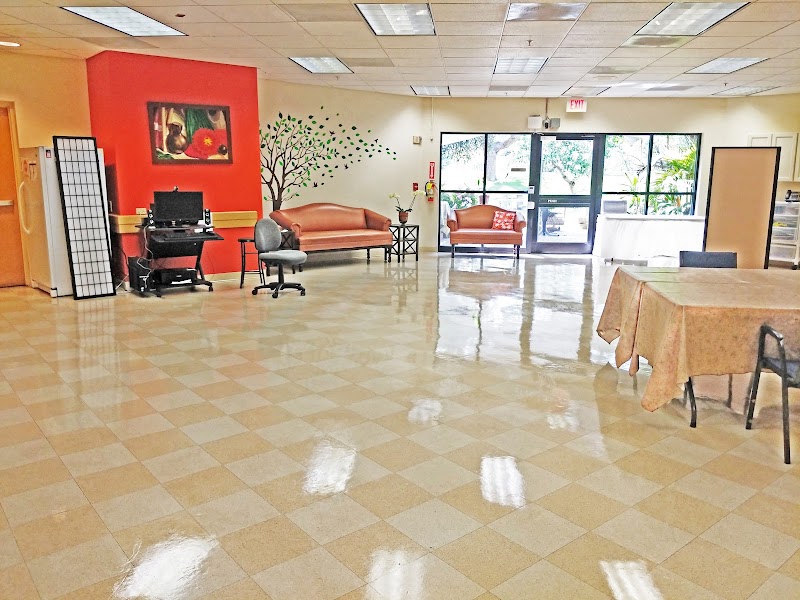
How is Hale Makua - Kahului Staffed?

Staff turnover is 28%, compared to the Hawaii average of 46%. This relatively stable workforce can support continuity of care.

What Have Inspectors Found at Hale Makua - Kahului?

State health inspectors documented 63 deficiencies at HALE MAKUA - KAHULUI during 2022 to 2025. These included: 1 Immediate Jeopardy (the most serious level, indicating potential for serious harm or death), 6 that caused actual resident harm, and 56 with potential for harm. Immediate Jeopardy findings are rare and represent the most serious regulatory concerns. They require immediate corrective action.
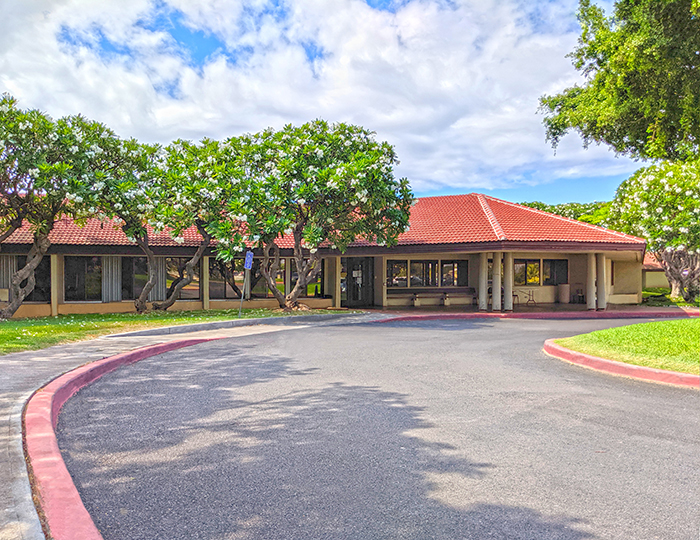
Who Owns and Operates Hale Makua - Kahului?

HALE MAKUA - KAHULUI is owned by a non-profit organization. Non-profit facilities reinvest revenue into operations rather than distributing to shareholders. The facility operates independently rather than as part of a larger chain. With 252 certified beds and approximately 201 residents (about 80% occupancy), it is a large facility located in KAHULUI, Hawaii.
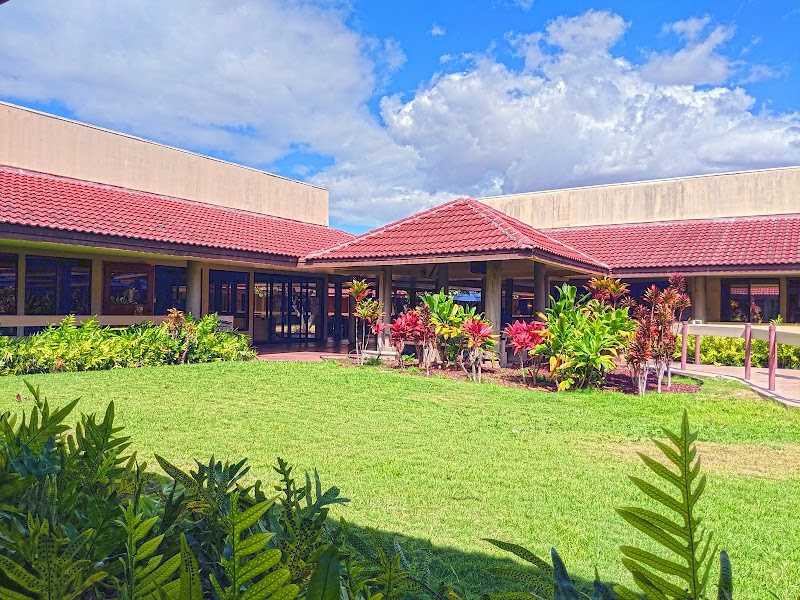
How Does Hale Makua - Kahului Compare to Other Hawaii Nursing Homes?

Compared to the 100 nursing homes in Hawaii, HALE MAKUA - KAHULUI's staff turnover (28%) is significantly lower than the state average of 46%.

What Should Families Ask When Visiting Hale Makua - Kahului?

Based on this facility's data, families visiting should ask: "What changes have been made since the serious inspection findings, and how are you preventing similar issues?" "What safeguards and monitoring systems are in place to protect residents from abuse or neglect?" "Can I visit during a mealtime to observe dining assistance and food quality?" "How do you handle medical emergencies, and what is your hospital transfer rate?" These questions are particularly relevant given the facility's Immediate Jeopardy citations and the substantiated abuse finding on record.

Is Hale Makua - Kahului Safe?

Based on CMS inspection data, HALE MAKUA - KAHULUI has documented safety concerns. The facility has 1 substantiated abuse finding (meaning confirmed case of resident harm by staff or other residents). Inspectors have issued 1 Immediate Jeopardy citation (the most serious violation level indicating risk of serious injury or death). The facility is currently on the Special Focus Facility watch list (a federal program monitoring the lowest-performing 1% of nursing homes nationwide). The facility has a 0-star overall rating and ranks #100 of 100 nursing homes in Hawaii. Families considering this facility should ask detailed questions about what corrective actions have been taken since these incidents.

Do Nurses at Hale Makua - Kahului Stick Around?

Staff at HALE MAKUA - KAHULUI tend to stick around. With a turnover rate of 28%, the facility is 17 percentage points below the Hawaii average of 46%. Low turnover is a positive sign. It means caregivers have time to learn each resident's needs, medications, and personal preferences. Consistent staff also notice subtle changes in a resident's condition more quickly. Registered Nurse turnover is also low at 24%, meaning experienced RNs are available to handle complex medical needs.

Was Hale Makua - Kahului Ever Fined?

HALE MAKUA - KAHULUI has been fined $179,560 across 4 penalty actions. This is 5.1x the Hawaii average of $34,874. Fines at this level are uncommon and typically indicate a pattern of serious deficiencies, repeated violations, or failure to correct problems promptly. CMS reserves penalties of this magnitude for facilities that pose significant, documented risk to resident health or safety. Families should request specific documentation of what issues led to these fines and what systemic changes have been implemented.

Is Hale Makua - Kahului on Any Federal Watch List?

HALE MAKUA - KAHULUI is currently on the Special Focus Facility (SFF) watch list. This federal program identifies the roughly 1% of nursing homes nationally with the most serious and persistent quality problems. SFF facilities receive inspections roughly twice as often as typical nursing homes. Factors in this facility's record include 1 Immediate Jeopardy finding, a substantiated abuse finding, and $179,560 in federal fines. Facilities that fail to improve face escalating consequences, potentially including termination from Medicare and Medicaid. Families considering this facility should ask for documentation of recent improvements and what specific changes have been made since the designation.