HARRY AND JEANETTE WEINBERG CARE CENTER
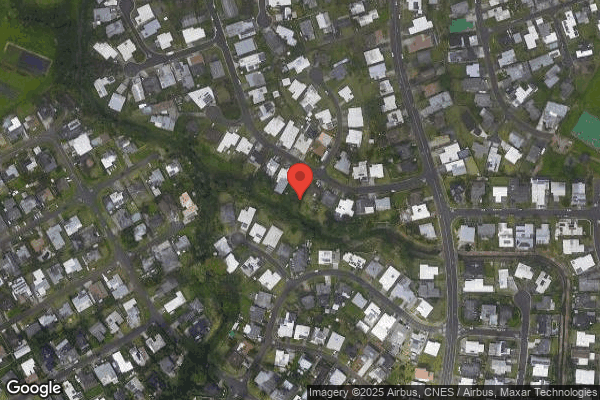
45-090 NAMOKU ST, KANEOHE, HI 96744 (808) 247-1670
Non profit - Corporation 44 Beds GOOD SAMARITAN SOCIETY Data: November 2025
Trust Grade
85/100
#6 of 41 in HI
Last Inspection: January 2025

Within standard 12-15 month inspection cycle. Federal law requires annual inspections.

Overview

The Harry and Jeanette Weinberg Care Center has a Trust Grade of B+, indicating it is above average and recommended for families considering care options. It ranks #6 out of 41 facilities in Hawaii, placing it in the top half, and #4 out of 26 in Honolulu County, meaning only three local options are better. The facility is improving, with issues decreasing from 12 in 2024 to just 4 in 2025. Staffing is a strong point, earning a 5-star rating with a low turnover rate of 20%, well below the state average. There have been no fines recorded, which is a good sign, and the center has more RN coverage than 85% of facilities in Hawaii, ensuring better oversight of resident care. However, inspectors found concerns such as improper food storage and staff not changing masks when moving between rooms under infection precautions, which could pose risks to residents. Overall, while there are some weaknesses, the facility has many strengths that make it a solid choice for care.

Trust Score
B+
85/100
In Hawaii
#6/41
Top 14%
Safety Record
Low Risk
No red flags
Inspections
Getting Better
12 → 4 violations
Staff Stability
✓ Good
20% annual turnover. Excellent stability, 28 points below Hawaii's 48% average. Staff who stay learn residents' needs.
Penalties
✓ Good
No fines on record. Clean compliance history, better than most Hawaii facilities.
Skilled Nurses
✓ Good
Each resident gets 107 minutes of Registered Nurse (RN) attention daily — more than 97% of Hawaii nursing homes. RNs are the most trained staff who catch health problems before they become serious.
Violations
⚠ Watch
22 deficiencies on record. Higher than average. Multiple issues found across inspections.
★★★★★
5.0
Overall Rating
★★★★★
5.0
Staff Levels
★★★☆☆
3.0
Care Quality
★★★★★
5.0
Inspection Score
Stable
2024: 12 issues
2025: 4 issues

The Good

  • 5-Star Staffing Rating · Excellent nurse staffing levels
  • Low Staff Turnover (20%) · Staff stability means consistent care
  • Full Sprinkler Coverage · Fire safety systems throughout facility
  • No fines on record
  • Staff turnover is low (20%)

    28 points below Hawaii average of 48%

Facility shows strength in staffing levels, staff retention, fire safety.

The Bad

Chain: GOOD SAMARITAN SOCIETY

Part of a multi-facility chain

Ask about local staffing decisions and management

The Ugly 22 deficiencies on record

Jan 2025 4 deficiencies
CONCERN (D)

Potential for Harm - no one hurt, but risky conditions existed

Deficiency F0637 (Tag F0637)

Could have caused harm · This affected 1 resident

**NOTE- TERMS IN BRACKETS HAVE BEEN EDITED TO PROTECT CONFIDENTIALITY** Based on record review and staff interview the facility failed to identify and submit a significant change for one Resident (R) ...

Read full inspector narrative →
**NOTE- TERMS IN BRACKETS HAVE BEEN EDITED TO PROTECT CONFIDENTIALITY** Based on record review and staff interview the facility failed to identify and submit a significant change for one Resident (R) 21 of three sampled for Nutrition. This deficient practice placed the resident at risk for further functional decline. Findings Include: The facility failed to identify a significant weight loss of greater than 5% in a month, and a decline in Activities of Daily Living (ADLS) which resulted from a fall with major injury and subsequently a fall with dislocation of hardware placed in R21's right hip. During a record review of R21's Electronic Health Record (EHR) found the facility was in the process of reporting a Significant Change for R21 to Center of Medicaid and Medicare Services (CMS) with an Assessment Reference Date (ARD) of 02/05/25. R21 had an unwitnessed fall in the facility in his room on 11/24/24 at 02:58 PM and was sent to the hospital. He was admitted with a fractured neck of his right femur and required a hip replacement surgery. R21 returned to the facility on [DATE] and on 11/28/24 at 03:35 AM had another unwitnessed fall in his room that resulted in an opening of the surgical wound requiring a hospitalization. R21 returned to the facility again on 12/01/24 for Physical Therapy services. Review of the dietician progress note dated 01/02/25 stated resident had lost 10.4 pounds resulting in a 7.4% significant weight loss in one month between 12/01/24 - 12/31/24. Progress note reviewed from the Director of Nursing (DON) dated 01/13/25 (Late Entry) stated IDT [Interdisciplinary Team] met to review resident's condition . Despite negative x-ray from 12/05/24, on 01/06/25 x-ray for scheduled follow-up orthopedic appointment revealed displaced hip arthroplasty hardware with proximal migration of the femur. IDT met on several occasions to discuss means to prevent further harm/injury. Due to resident's continued attempts and insistence to self-transfer, the Harm Reduction Plan is to assist resident into chair with 2-person total lift, as he requests, to prevent further injury. Resident remains NWB [non-weight bearing] to RLE [right lower extremity] . Review of progress note dated 01/30/25 by Minimum Data Set (MDS) coordinator stated . Quarterly MDS with ARD [Assessment Reference Date] of 03/05/25 was changes [sic.] to a significant change MDS with ARD 02/05/25. On 01/30/25 at 09:05 AM interviewed the MDS Coordinator (MDSC) who confirmed he missed the significant weight loss from 12/01/24 - 12/31/24 which would have been the trigger. He confirmed a significant change was not submitted to CMS for R21 within the 14-day period when the significant change should have been identified.
CONCERN (D)

Potential for Harm - no one hurt, but risky conditions existed

Respiratory Care (Tag F0695)

Could have caused harm · This affected 1 resident

**NOTE- TERMS IN BRACKETS HAVE BEEN EDITED TO PROTECT CONFIDENTIALITY** Based on observations, interviews and record review, the facility failed to provide respiratory care in accordance with the Resi...

Read full inspector narrative →
**NOTE- TERMS IN BRACKETS HAVE BEEN EDITED TO PROTECT CONFIDENTIALITY** Based on observations, interviews and record review, the facility failed to provide respiratory care in accordance with the Resident's choice for one Resident (R) 19 of three residents sampled for respiratory care. This deficient practice placed the resident at risk of feeling anxious and uncomfortable without the daily use of oxygen. Findings Include: Resident (R) 19 was observed to self-administer and wear oxygen daily. Her use of the oxygen was not reflected in the plan of care, progress notes or ordered by the Physician. Observation on 01/27/25 at 01:50 PM with R19 in her room who was sitting at the bedside in her wheelchair and wearing Oxygen (02) with the nasal cannula, (NC). She was awake and alert and briefly spoke with the surveyor. Observation on 01/28/25 at 09:55 AM in R19's room, who was in her bed wearing O2 via NC. The surveyor asked R19 how she was feeling today and she responded, I'm feeling lightheaded. I'm not normally like this, but lately I've been feeling lightheaded more often. When I'm in here I wear my oxygen, it makes me feel better. When I go out in my wheelchair, I don't wear it, but as soon as I get back to my room, I put it on. R19 turned the O2 concentrator off and then demonstrated how to turn it back on. Observed the O2 at 1.5 liters per minutes (LPM) and connected to the O2 concentrator (a machine that concentrates room air to make O2). Record review on 01/28/25 of R19's quarterly Minimum Data Set (MDS) with assessment reference date of 11/20/24. R19 has a diagnosis that includes Non-Alzheimer's dementia and an anxiety disorder. R19 was coded as not on oxygen therapy. R19 is a [AGE] year-old female admitted to the facility on [DATE]. Her Brief Interview for Mental Status (BIMS) is 12, moderately impaired cognition. Physician (MD) orders dated 05/17/24 reviewed on 01/28/25. O2 via NC, 1-4 liters per minute as needed (PRN) for dyspnea (difficulty breathing), hypoxia, low oxygen levels, (O2 saturation less than 88%) or acute angina (chest pain). Call provider/practitioner with nursing report. Care plan reviewed on 01/29/25. The care plan stated the resident has PRN O2 therapy related to acute on Chronic congestive heart failure (CHF, Dyspnea, and history of pneumonia. Interventions stated Oxygen therapy as needed .O2 saturation less than 88%) . Progress notes dated 01/27/25 to 01/29/25 were reviewed on 01/29/25. Interview with the MDS Coordinator (MDSC) on 01/30/25 at 09:08 AM in the surveyor conference room. The surveyor asked the MDSC if there is a change to a resident's treatment, when is the care plan is updated. Is it updated at the time of the change or is it updated at the next Inter-disciplinary Team (IDT) meeting? The MDSC explained that the IDT meets every quarter to update the care plans. If something significant happens it will be discussed at the morning meeting and the care plan may be updated at that time. The surveyor asked if the nursing staff or the charge nurses update the care plan. The MDSC said, they will on occasion. We discuss at the morning meeting, or if it's a weekend and I'm not here, they may update the care plan and talk with me later. The Director of Nursing (DON), day shift charge nurse and the evening charge nurse will update the care plans. The surveyor discussed random observations from 01/27/25 to 01/30/25 of R19 wearing the O2 while she is in her room with the MDSC. The MDSC stated, for R19 the nursing staff will document her O2 Sat's (saturations) in the medical record in the vital signs, or in the progress notes. It will be discussed at the morning meeting, shift report, nights to days. The nurse will put it on the Treatment Administration Record (TAR), in a progress note, or in the vitals under O2 sat. The surveyor discussed that there was no documentation in the record to indicate this. Interview with the DON on 01/29/25 at 03:30 PM in the surveyor conference room. The surveyor asked her if she was aware that R19 was using the O2 every day while she's in her room and if there needs to be an order for the change in frequency from PRN to daily? The DON stated that she didn't think R19 was wearing it every day and that she would check and get back to the surveyor. Concurrent record review and interview with Registered Nurse (RN) 5 on 01/30/25 at 10:37 AM. The surveyor asked if R19's medical record had documentation that R19 was receiving O2. RN5 reviewed the TAR, and progress notes and confirmed that use of oxygen was not documented from 01/27/25 to 01/30/25.
CONCERN (D)

Potential for Harm - no one hurt, but risky conditions existed

Deficiency F0761 (Tag F0761)

Could have caused harm · This affected 1 resident

**NOTE- TERMS IN BRACKETS HAVE BEEN EDITED TO PROTECT CONFIDENTIALITY** Based on observation and staff interview the facility failed to assure staff locked one of one treatment cart. The treatment car...

Read full inspector narrative →
**NOTE- TERMS IN BRACKETS HAVE BEEN EDITED TO PROTECT CONFIDENTIALITY** Based on observation and staff interview the facility failed to assure staff locked one of one treatment cart. The treatment cart contains supplies for dressing changes and prescribed ointments and creams for residents. This deficient practice has the potential to affect residents' safety, residents access to the contents of the cart may result in inappropriate use of ointments and creams. Findings Include: On 01/27/25 at 10:10 AM, the surveyor observed an unlocked treatment cart outside of room [ROOM NUMBER]. Opened the unlocked cart and noticed it contained sterile gauze, foam dressing, tape, and prescribed creams and ointments. After closing the drawer, Registered Nurse (RN) 2 appeared. Inquired of RN2 if the cart was her cart and she said no. Right afterwards RN5 came out of room [ROOM NUMBER]. Inquired if the cart was hers and she said yes. Inquired if the cart is supposed to be locked and she said yes. On 01/28/25 at 03:15 PM interviewed the Director of Nursing (DON) and inquired if the treatment cart is to be locked when the nurse leaves it, and she confirmed the treatment cart is to be locked.
CONCERN (D)

Potential for Harm - no one hurt, but risky conditions existed

Infection Control (Tag F0880)

Could have caused harm · This affected 1 resident

Based on observations and interview the facility failed to assure staff placed an indwelling urinary catheter covered by a privacy bag off the floor for one Resident (R) 16 of one sampled resident rev...

Read full inspector narrative →
Based on observations and interview the facility failed to assure staff placed an indwelling urinary catheter covered by a privacy bag off the floor for one Resident (R) 16 of one sampled resident reviewed for urinary catheter. This deficient practice placed the resident at risk for infection. Findings Include: On 01/27/25 at 10:33 AM during an interview with R16 observed her urinary indwelling catheter that was placed in a privacy bag resting on the floor. Inquired with resident if she knew when this occurred but she was not aware when this occurred or by whom. On 01/27/25 at 10:52 AM interviewed Registered Nurse (RN) 5. Asked RN5 to observe where the covered urinary catheter bag was located and she confirmed it was laying on the floor. RN5 stated it is supposed to hang from the bed frame and lifted the privacy bag up off the floor and hung it higher up on R16's bed frame. On 01/30/25 at 12:24 PM interviewed Learning & Development Nurse (LDN) who stated she has done training with all the CNAs regarding peri care for residents with indwelling urinary catheters. LDN stated this training includes where to place resident's covered indwelling urinary catheter bag. LDN confirmed indwelling urinary catheter bag is not supposed to be on the floor.
Feb 2024 12 deficiencies
CONCERN (D)

Potential for Harm - no one hurt, but risky conditions existed

Transfer Notice (Tag F0623)

Could have caused harm · This affected 1 resident

**NOTE- TERMS IN BRACKETS HAVE BEEN EDITED TO PROTECT CONFIDENTIALITY** Based on record review and interview the facility failed to provide written notification of transfer/discharge for one resident ...

Read full inspector narrative →
**NOTE- TERMS IN BRACKETS HAVE BEEN EDITED TO PROTECT CONFIDENTIALITY** Based on record review and interview the facility failed to provide written notification of transfer/discharge for one resident sampled for hospitalization, Resident(R) 26. The deficient practice has the potential to affect all residents at the facility who are transferred or discharged . Findings Include: Review of R26's Electronic Health Record (EHR) on 02/13/24 at 01:15 PM found R26 was transferred to the hospital on [DATE] due to altered mental status. R26 was admitted to the hospital on [DATE] with a diagnosis of encephalopathy (disease of the brain) which was found to be related to a reaction she had to the IV antibiotic (Cefepime) she was receiving. During RR, found R26's daughter was notified by phone of transfer and made aware of R26's clinical situation. No documentation was found R26 or her representative was notified in writing of the transfer/discharge. R26 returned to the facility on [DATE]. On 02/14/24 at 02:16 PM interviewed Social Services Staff (SSS) 2. Inquired if SSS2 or other facility staff had provided written notification of transfer/discharge to R26 or her representative after R26 was transferred and admitted to the hospital on [DATE] and SSS2 stated they tell them on the phone or in person but not in writing.
CONCERN (D)

Potential for Harm - no one hurt, but risky conditions existed

Comprehensive Care Plan (Tag F0656)

Could have caused harm · This affected 1 resident

**NOTE- TERMS IN BRACKETS HAVE BEEN EDITED TO PROTECT CONFIDENTIALITY** 2) During an observation on 02/12/24 at 08:05 AM in R27's room. Noted two large dark purple marks on his left arm. Upon closer o...

Read full inspector narrative →
**NOTE- TERMS IN BRACKETS HAVE BEEN EDITED TO PROTECT CONFIDENTIALITY** 2) During an observation on 02/12/24 at 08:05 AM in R27's room. Noted two large dark purple marks on his left arm. Upon closer observation the marks were bruises. R27's right arm was noted with a few small red and purple marks. A second observation made at 11:36 AM with R27 in his room, the surveyor asked what happened to your arm while pointing toward the bruises on his left arm. R27 responded I have no idea. The surveyor asked if R27 is taking a blood thinner and he responded, I think so. (Cross reference (CR)to F757 Drug Regimen is free from unnecessary drugs). EHR reviewed on 02/12/24 at 11:00 AM. MDS quarterly review dated 12/06/23. Medications. N- E. Anticoagulant coded yes (takes medication on 7 days during the look back period). CP reviewed. No problem noted for anticoagulant therapy. Physician orders reviewed. Apixaban (blood thinner) oral Tablet 5 milligram (mg). Give 1 tablet by mouth two times a day for paroxysmal atrial fibrillation (A-fib). Start date 08/28/23. The surveyor asked Charge Nurse (CN)23 on 02/15/24 at 2:29 PM, how the nursing staff monitor R27 for anticoagulant use, and if monitoring is being documented in R27's comprehensive care plan. CN23 looked in the EMR and stated I do not see it on his care plan or in the nurse's notes. 3) Observations during a tour of the facility on 02/12/24 at 08:05 AM. Noted Resident (R)22 sitting in her wheelchair at the right side of the bed eating her breakfast. Observed a large dark skin discoloration on the right side of her face that looked consistent with a bruise. Noted a bedside commode at the left side of her bed. (CR: F689 Free of Accident/Hazards/supervision/devices). Electronic Medical Record (EMR) review on 02/13/24 at 10:16 AM. Noted on 02/06/24 R22 nursing staff implemented neuro-checks for the resident after a fall. An interview with the director of nursing (DON) in her office on 02/15/24 at 11:41 AM was done. The surveyor asked if R22's care plan was updated to include a goal for fall prevention after she had a fall that resulted in a head injury on 02/06/24? The DON responded that R22 was able to ambulate independently and that her fall was an isolated incident. The leg on her bedside commode was broken and when she sat down to use the commode and she fell forward face first. We had maintenance replace her bedside commode. After the fall huddle we did the root cause analysis, and it was determined that the reason for the fall was due to the broken commode, so we did not put it on the care plan. She is not a fall risk; we did the falls tool, and she was not a fall risk. [NAME] Policy enterprise Rehab/Skilled & Long-term care: Care Plan- LTC, revised dated 11/01/23 (Corporate version). Purpose: To develop a comprehensive care plan using an Interdisciplinary team approach. Policy. Residents will receive and be provided with the necessary care and services to attain or maintain the highest practicable well-being in accordance with the comprehensive assessment. Based on record review and interview the facility failed to develop and implement a comprehensive care plan (CP) for three residents sampled of the 35 residents at the facility. Resident (R) 17, R22 and R27. R17 did not have a care plan for an indwelling urinary catheter and it's care to prevent urinary tract infection (UTI). R22 did not have a care plan for fall prevention after a fall with a head injury. R27 was taking an anticoagulant (blood thinner) for his diagnosis of paroxysmal atrial fibrillation (a rapid erratic heartbeat) and did not have a care plan for bleeding precautions. These deficient practices place the residents at an increase risk for injury and infection. Findings Include: (Cross reference to F880 Infection Prevention & Control) 1) Review of R17's Electronic Health Record (EHR) was done on 02/14/24 at 10:00 AM. R17 is a [AGE] year-old resident who was admitted to the facility on [DATE]. R17's diagnoses include, but are not limited to, Retention of urine (unable to empty bladder of urine). Reviewed R17's CP and did not find a care plan for his indwelling urinary catheter and it's care to prevent a UTI. R17 has the following order for his indwelling urinary catheter: 16F with 10 cc balloon to dependent drainage. Change catheter PRN if dislodged or clogged and unable to clear with irrigation. every day shift every 1 month(s) starting on the 15th for 1 day(s) for Urinary Retention AND as needed for clogging or dislodging which was ordered on 01/15/24. On 02/14/24 at 11:30 AM interviewed Director of Nursing (DON). DON confirmed R17's indwelling urinary catheter use should be in his CP along with the care for the catheter to prevent a UTI. DON confirmed CP incontinence of urine problem which was initiated on 01/21/2024 along with Toileting Program: offer and assist to toilet & urinal use before and after meals & therapy at HS (bedtime) & PRN (as needed) his request initiated on 01/25/2024 was an error on the CP. Requested and received copies of R17's CP and facility policy for Care Plans and indwelling urinary catheter.
CONCERN (D)

Potential for Harm - no one hurt, but risky conditions existed

Deficiency F0676 (Tag F0676)

Could have caused harm · This affected 1 resident

**NOTE- TERMS IN BRACKETS HAVE BEEN EDITED TO PROTECT CONFIDENTIALITY** Based on observations, interview, and record review the facility failed to ensure that three residents requiring maximum assista...

Read full inspector narrative →
**NOTE- TERMS IN BRACKETS HAVE BEEN EDITED TO PROTECT CONFIDENTIALITY** Based on observations, interview, and record review the facility failed to ensure that three residents requiring maximum assistance with eating meals and snacks, were assisted by staff to eat their meal in a reasonable amount of time for three residents (R)7, R13 and R24 of five in the sample (see F550 for more information on R10 and R30). Three residents waited after their meal was placed on the table in front of them for a staff member to feed them. The staff were observed to rotate among the residents, starting to feed a resident then stopping to leave and help another resident. During the lunch observation, the time from start of the meal until the last resident completed their meal was over one hour. This deficient practice has the potential to affect the residents in the facility who require maximum assistance with eating. Findings include: 1) Electronic Medical Record (EMR) reviewed for R7 on 02/13/24 at 09:25 AM. Minimum data set (MDS) quarterly review dated 12/27/2023 Cognitive function. C- Brief interview for mental status (BIMS) summary score 02. Low cognitive function. Functional abilities and goals. Declined in eating, dressing, mobility from one to two. A. Eating: The ability to use suitable utensils to bring food and/ or liquid to the mouth . once the meal is placed before the resident. Coded 01: Dependent. Observed R7 in dining room on 02/14/24 at 09:03 AM, sitting alone at a table sleeping in her wheelchair. Noted 50% of her pureed meal was eaten. During an observation in the dining room on 02/14/24 at 12:27 PM. One staff was present, passing the meals to the residents. The first resident was assisted to eat at 12:45 PM. His food sat on the table in front of him since 12:27 PM. Noted R7 leaning over to the right side sleeping with her face mask on. At 1:40 PM staff (S)2 sat down to assist R7 with her meal. At 1:49 PM, R7 observed to be the last resident to finish eating her lunch and the last resident to be taken back to her room. EMR reviewed for R7 on 02/14/24 at 04:06 PM. Care plan. Problem: Resident will demonstrate the appropriate use of adaptive devices to increase ability in bed mobility, transfers & toilet by the review date. Resident requires extensive 1 staff assists for eating, 09/27/21 No changes have been made since the last review. 2) Observed R13 in the dining room sitting in her wheelchair, alone at a table waiting for her meal on 02/14/24 at 12:27 PM. At 1:03 PM noted the certified nurse aide (CNA)4 assisted R13 with her meal and after a couple of bites got up to go help another resident at the next table. At 1:10 PM R13 was observed with the spoon in her hand the same way as when CNA4 left her to feed another resident. At 1:16 PM CNA4 returned and restarted feeding R13. After a few minutes CNA4 got up to go feed another resident. At 1:28 PM CNA4 came back and said do you need help I'll be right back and went to wash her hands. EMR reviewed for R13 on 02/14/24 at 3:14 PM. MDS, Annual assessment dated [DATE]. Cognitive function. C- BIMS summary score 08, moderately impaired. Functional Abilities and Goals. GG- self-care. A. Eating: The ability to use suitable utensils to bring food and/ or liquid to the mouth and swallow food and/or liquid once the meal is placed before the resident: Coded 02 for Substantial/ maximal assistance. Care plan. Problem: The resident has an ADL self-care performance deficit .related to (r/t) malignant neoplasm of the brain & further overall declines is expected. Resident with left hemiparesis and contractures to left upper extremities (LUE) and limited mobility to left lower extremities (LLE) and needs assistance with . eating . 3) During an observation in the dining room on 02/14/24 at 12:35 PM. R24 was observed sitting at a dining table alone waiting for his meal. At 12:55 PM R24 observed awake with his meal on the table in front of him, still waiting for assistance with eating. At 1:26 PM CNA16 sat down to feed R24 with his meal. EMR for R24 reviewed on 02/14/2024 at 3:30 PM. MDS Significant change assessment dated [DATE]. Cognitive Patterns. C- BIMS summary score not completed. Functional abilities and goals. GG- A. Eating: Coded 01 = Dependent. Helper does all of the effort. Reviewed the [NAME] Policy Activities of Daily Living for LTC. Policy revised 12/04/2023 on 02/16/24 at 4:00 PM. Any resident who is unable to carry out activities of daily living will receive necessary services to maintain good nutrition, grooming and personal and oral hygiene. 6. Eating: Nourishing and hydrating oneself.
CONCERN (D)

Potential for Harm - no one hurt, but risky conditions existed

Accident Prevention (Tag F0689)

Could have caused harm · This affected 1 resident

**NOTE- TERMS IN BRACKETS HAVE BEEN EDITED TO PROTECT CONFIDENTIALITY** Based on observation, interview and record review, the facility failed to implement interventions for falls for one Resident (R)...

Read full inspector narrative →
**NOTE- TERMS IN BRACKETS HAVE BEEN EDITED TO PROTECT CONFIDENTIALITY** Based on observation, interview and record review, the facility failed to implement interventions for falls for one Resident (R)22 of one in the sample. R22 had a fall that resulted in a head injury. The deficient practice placed R22 at an increased risk for injury, (refer F656). Findings include: Observations during a tour of the facility on 02/12/24 at 08:05 AM. Noted Resident R22 sitting in her wheelchair at the right side of the bed eating her breakfast. Observed a large dark skin discoloration on the right face side of her face that looked consistent with a bruise. Noted a bedside commode at the left side of her bed. Reviewed the facility matrix on 02/12/24 at 1:30 PM. Noted R22 with Alzheimer's/Dementia and a fall with injury. Electronic Medical record review (EMR) on 02/13/24 at 10:16 AM. Noted on 02/06/24 R22 Nursing staff implemented neuro-checks for the resident after a fall. Purpose: To record observations following a fall resulting in a known or head injury or any other conditions requiring neuro-check, e.g., TIA, Bell's Palsy. Use: Required when condition indicates need for neuro-check. After the completion of the initial Neuro-Check evaluation with vital signs, continue Neuro-Check evaluations every 30 minutes x4, then every 8 hours for 3 days or as directed by the provider. Date: 2/6/24 02:16. Vital signs reviewed. Oriented to person, place, and time. Level of consciousness, alert and follows commands. Pupils left-3 millimeters (mm); right-3mm. reactive to light. Hand grasps and movement. Bilateral arm's strong, Bilateral legs, weak. Quality of speech is clear. Minimum data set (MDS) quarterly review dated 01/03/24. Cognitive patterns. C-Brief interview for mental status (BIMS) summary score 13 (impaired cognitive function). Functional abilities and goals. GG-Mobility devices are a walker (and wheelchair. Self-care. Toileting: Supervision or touching assistance. Mobility requires supervision. Active Diagnosis. I- Primary medical condition debility, cardiorespiratory conditions. Neurological. Non-Alzheimer's dementia. Comprehensive care plan. The resident has an ADL self-care performance deficit related to (R/T) multiple medical problems .Acute Hypoxic respiratory insufficiency with A-fib w/RVR and Dyspnea, muscle weakness & unsteadiness on feet. Revision on: 01/11/24. Interventions. Resident needs 1 staff assist with cueing for transfers, toileting, and bathing. Revision: 07/18/23. No goals for fall prevention found following her fall on 02/06/24. During an observation in the hallway with registered nurse (RN)28 on 02/14/24 at 4:25 PM. Observed R22 ambulating unassisted with her front wheel walker (FWW) from the direction of her room toward the nurse's station. The certified nurse aide (CNA) quickly approached her to help. R22 gave the CNA a couple of envelopes for the mail. The staff assisted R22 back to her room. During an interview with the director of nursing (DON) in her office on 02/15/24 at 11:41 AM. The surveyor asked if R22's care plan was updated to include a goal for fall prevention after she had a fall that resulted in a head injury on 02/06/24. The DON responded that R22 was able to ambulate independently and that her fall was an isolated incident. The leg on her bedside commode was broken and when she sat down to use the commode and she fell forward face first. We had maintenance replace her bedside commode. After the fall huddle we did the root cause analysis, and it was determined that the reason for the fall was due to the broken commode, so we did not put it on the care plan. She is not a fall risk; we did the falls tool, and she was not a fall risk. The surveyor requested a copy of her last fall's tool and care plan. Reviewed the Physical therapy report progress & Discharge summary dated [DATE] on 02/15/24 at 3:30 PM. Treatment diagnosis. Muscle weakness (generalized) Unsteadiness on feet. Impact on Burden of Care/Daily Life. Generalized supervision recommended in the room with patient being at modified independent level in bed mobility, transfers sit to stand, bed to chair and bedside commode, and ambulation with FWW in her room. Outside of her room supervision is recommended when walking with her upright rollator walker. Falls tool dated 01/02/24 reviewed (prior to the residents fall). R22 was not identified as a fall risk based on the tool. After R22's fall on 02/06/23, a Falls tool reassessment was not conducted. Reviewed the [NAME] Policy enterprise Rehab/skilled & long-term care: Fall prevention and Management (Corporate version). Revised 03/29/23 on 02/16/24. Purpose .To identify risk factors and implement interventions before a fall occurs .To prevent further injury. Page 2 For Fallen Resident .page 4 11. Complete the falls tool .17. Update the care plan with any changes/new interventions.
CONCERN (D)

Potential for Harm - no one hurt, but risky conditions existed

Deficiency F0726 (Tag F0726)

Could have caused harm · This affected 1 resident

**NOTE- TERMS IN BRACKETS HAVE BEEN EDITED TO PROTECT CONFIDENTIALITY** Based on interviews and record review, the facility failed to ensure nursing staff had the appropriate competencies to provide n...

Read full inspector narrative →
**NOTE- TERMS IN BRACKETS HAVE BEEN EDITED TO PROTECT CONFIDENTIALITY** Based on interviews and record review, the facility failed to ensure nursing staff had the appropriate competencies to provide nursing services to assure resident safety for one of five residents (Resident (R)14) sampled for unnecessary medication. On 11/27/23 and 01/12/24, Nursing Staff (NS)36 entered erroneous medication orders of a high-risk/high-alert diuretic (Lasix) for R14. As a result of this error, R14 was administered excessive doses of the medication which could have had serious adverse consequences related to dehydration, electrolyte imbalance, and kidney damage for the resident. Findings include: (Cross Reference to F756- Drug Regime Review, Report Irregular, Act On and F757- Drug Regime is Free from Unnecessary Medication) According to Medline Plus (National Library of Medicine), Lasix is a strong diuretic (water pill) and may cause dehydration and electrolyte imbalance . On 02/13/24 at 03:25 PM conducted a record review of R14's Electronic Health Record (EHR). Review of the physician orders documented two physician orders: First order: Lasix Oral Tablet 80 MG (Furosemide) Give 1 tablet by mouth daily, one time a day every Mon, Wed, Fri for edema (excessive fluid accumulation) WEIGHT GOAL < 200 lbs then reduce to M,W,F AND Give 1 tablet by mouth one time a day every Mon, Wed, Fri for edema. (Started 11/26/23; Discontinued 01/11/24) Second order: Lasix Oral Tablet 80 MG (Furosemide) Give 1 tablet by mouth one time a day every Mon, Wed, Fri for edema (excessive fluid accumulation) WEIGHT GOAL < 200 lbs then reduce to M,W,F AND Give 1 tablet by mouth one time a day every Mon, Wed, Fri for edema. (Started:01/11/24) Review of the Medication Administration Records documented two orders for Lasix 80 mg, from 11/27/24 to current, and the medication was documented as given for both orders: -Lasix 80 mg (Furosemide) Give 1 tablet by mouth one time a day every other day for edema. (Started: 11/27/23 at 12:00 PM; Discontinued: 01/11/24 at 06:48 AM) -Lasix 80 mg (Furosemide) Give 1 tablet by mouth one time a day for edema weight goal < 200 lbs then reduce to M,W,F (Monday, Wednesday, Friday). (Started: 11/27/23 at 07:15 AM; Discontinued: 01/11/24 at 06:48 AM) On 01/12/24, the Lasix ordered were re-ordered and changed to: -Lasix 80 mg (Furosemide) Give 1 tablet by mouth one time a day for edema weight goal < 200 lbs then reduce to M,W,F. (Started: 01/12/24 at 07:15 AM) -Lasix 80 mg (Furosemide) Give 1 tablet by mouth one time a day every Mon, Wed, Fri for edema. (Started: 01/12/24 at 12:00 PM) Review of R14's MARS documented from 11/26/23 to 01/11/24, R14 was administered Lasix 80 mg daily and Lasix 80 mg on M,W,F. On M,W,F from 11/26/23 to 01/11/24 there were 20 (twenty) incident of R14 receiving a total daily dose of Lasix 160 mg, which is an excessive dose. On the remaining days, R14 was administered Lasix 80 mg. From 01/12/24 to 02/15/24, there were 15(fifteen) incidents where R14 was administered a total daily dose 160 mg of Lasix, which is an excessive dose. R14 did not receive additional doses of the medication on the remaining days. Review of R14's Cardiologist (C)9 report dated 11/07/23 (faxed to the facility on [DATE] at 02:41 PM) documented, the Physician comments/non-medication orders: was an order which included, Furosemide (Lasix) 80 mg PO (by mouth) if/when wt (weight) is less than or equal to 200 # (pounds), reduce to MWF (Monday, Wednesday, Friday). Review of the progress notes documented a communication/visit with physician written by Nursing Staff (NS)14, on 01/11/24 at 06:49 AM, documented, This order is outside of the recommended dose or frequency. Lasix Oral Tablet 80 MG (Furosemide) Give 1 tablet by mouth one time a day every Mon, Wed, Fri for edema WEIGHT GOAL < (less than) 200 lbs. (pounds) then reduce to M,W,F AND Give 1 tablet by mouth one time a day every Mon, Wed, Fri for edema. Further review of the progress notes did not contain documentation addressing the recommendation dose or frequency of the order for Lasix was addressed by nursing, a physician, or the pharmacist. On 02/15/24 at 01:04 PM, conducted a concurrent interview and record review of R14's EHR with Physician (P)5. P5 reviewed R14's order for Lasix as written in the physician's order. After reading the order, P5 confirmed he/she was unaware of the order entry error, R14 had been receiving more than 80 mg of Lasix since the original order (11/27/23), and stated, We are lucky the resident could have been harmed. P5 confirmed R14 receiving 160 mg of Lasix in one day is an excessive dose and not what C9 intended in the original recommendation. On 02/15/24 01:47 PM, conducted a concurrent interview and record review of R14's EHR with NS36. Reviewed R14's progress note written on 11/26/23 by NS36 which documented the order for Lasix is outside the recommended dose. Inquired what action NS36 took after this note was generated. NS36 confirmed she is unaware of why that type of note comes up sometimes and did not follow through with clarification regarding the order or clarify the order with P5 or Pharmacist (PHARM)1. Asked NS36 to explain and demonstrated to process, facility procedure, for entering medication orders into the EHR and if the entry orders required P5 to sign the order electronically. NS36 reviewed the physician orders and confirmed NS36 entered both medication orders for Lasix 80 mg into R14's EHR, then notified P5 of the order. NS36 explained, there are two ways nursing staff can enter orders electronically, as a verbal order or as a prescriber order. If an order is entered as a verbal order, the physician is required to electronically sign/verify the order. However, if the order is input as a prescriber order an electronic signature/verification by the physician is required for the order to be valid; the order will be generated to the pharmacy initiating the resident's medication supply and will appear on the MAR (with the start date and time). NS36 reviewed the Lasix order and confirmed it was input as a prescriber order. NS36 explained, after the order was entered (as a prescriber order), it was printed and left in P5's inbox for review. NS36 confirmed that unless the physician has an issue with the order, no further actions are taken. NS36 reported getting confused about whether to input an order as a verbal order or as a prescriber order when orders are received from consultant physicians. Reviewed R14's medication orders and C9's medication recommendations for Lasix and inquired about the entry error. NS36 could not identify that by using AND instead of THEN was the reason the order for Lasix 80 mg was duplicated, resulting in R14 receiving excessive doses of Lasix. During interviews with multiple anonymous direct care staff, staff reported charge nurses are usually the only direct care registered nurse scheduled, although there are licensed practical nurses (LPNs), the LPNs are responsible for medication pass only. At the time of the survey the facility census was 35 residents and the anonymous direct care staff explained the lack of staffing, especially during the day, affects the quality of care they can provide.
CONCERN (D)

Potential for Harm - no one hurt, but risky conditions existed

Drug Regimen Review (Tag F0756)

Could have caused harm · This affected 1 resident

Deficiency Text Not Available

Read full inspector narrative →
Deficiency Text Not Available
CONCERN (D)

Potential for Harm - no one hurt, but risky conditions existed

Medication Errors (Tag F0758)

Could have caused harm · This affected 1 resident

Deficiency Text Not Available

Read full inspector narrative →
Deficiency Text Not Available
CONCERN (D)

Potential for Harm - no one hurt, but risky conditions existed

Infection Control (Tag F0880)

Could have caused harm · This affected 1 resident

Based on observation, interview and record review facility staff failed to perform hand hygiene (hand washing or using a hand sanitizer) between glove use, when providing perineal care (washing the ge...

Read full inspector narrative →
Based on observation, interview and record review facility staff failed to perform hand hygiene (hand washing or using a hand sanitizer) between glove use, when providing perineal care (washing the genital and anal area) for resident (R) 17 who has an indwelling urinary catheter. This deficient practice places all residents who have an indwelling urinary catheter at risk for a urinary tract infection (UTI). Findings Include: (Cross reference to F656 Develop/implement Comprehensive Care Plan) On 02/14/24 at 10:50 AM observed Certified Nurse Aide (CNA) 8 perform perineal (peri) care for R17. CNA8 gathered her supplies, placed a barrier and made sure R17 was comfortable. CNA8 performed hand hygiene and put on clean gloves before performing peri care. Once CNA8 was done with cleaning R17's genital area she took off her gloves and was about to put on a new pair of gloves. Inquired if CNA8 was going to perform hand hygiene and she asked me Do you want me to wash my hands? CNA8 was told hand hygiene has to be performed after each glove change. During observation noted CNA8 had not brought hand sanitizer with the supplies she gathered to perform peri care. On 02/14/24 at 11:30 AM interviewed Director of Nursing (DON) regarding R17's CP which did not include his indwelling urinary catheter and urinary catheter care. DON confirmed R17's indwelling urinary catheter use should be in his CP along with the care for the catheter. Inquired if staff are expected to perform hand hygiene for each glove change and she confirmed this. Requested and received a copy of the facility's indwelling urinary catheter care policy. Requested to meet with facility educator and DON arranged this. On 02/14/24 at 11:45 AM interviewed RN28 who is the facility educator. Inquired if staff are trained to do hand hygiene between glove use and she confirmed this. Requested peri care and hand hygiene training provided for CNA's. On 02/15/24 at 11:50 AM reviewed training records for CNAs providing peri care and hand hygiene. CNA8 is not listed on either training as having completed the trainings. At this time inquired of RN28 why CNA8 had not received the training and she stated CNA8 was a newer staff, had started in August 2023 and received the training during orientation. Concurrent review of facility's indwelling urinary catheter care policy titled Catheter: Care, Insertion & Removal, Drainage Bags, Irrigation, Specimen- Assisted Living, Rehab/Skilled which was reviewed and revised on 02/10/2023 states Procedure: Catheter Care- Indwelling Catheter Equipment Hand sanitizer Towel and washcloth or disposable wipes Mild soap or other cleansing solution, peri-wash or disposable wipes Incontinent care products Personal Protective Equipment (PPE) if applicable
CONCERN (D)

Potential for Harm - no one hurt, but risky conditions existed

Antibiotic Stewardship (Tag F0881)

Could have caused harm · This affected 1 resident

**NOTE- TERMS IN BRACKETS HAVE BEEN EDITED TO PROTECT CONFIDENTIALITY** Based on interview and record review, the facility failed to monitor one Resident's antibiotic that was prescribed prophylactica...

Read full inspector narrative →
**NOTE- TERMS IN BRACKETS HAVE BEEN EDITED TO PROTECT CONFIDENTIALITY** Based on interview and record review, the facility failed to monitor one Resident's antibiotic that was prescribed prophylactically (to prevent an infection) and without an end date. Resident (R)25 was prescribed an antibiotic on 12/23/23 to prevent a respiratory infection. This deficient practice has the potential to affect residents in the facility who are on antibiotics at a risk for the development of an antibiotic resistant organism. Per the Centers for Disease Control and Prevention (CDC, October 21) on Antibiotic use .anytime antibiotics are used, they can cause side effects and contribute to antibiotic resistance .unnecessary antibiotic use happens when a person is prescribed antibiotics when there not needed . Findings include: Facility matrix reviewed on 02/12/24 at 1:30 PM. R25 with documented antibiotics (ABX), respiratory (RESP) and Infections-RESP noted on the matrix. Electronic medical record reviewed on 02/13/24 at 08:44 AM. Physicians order. Azithromycin Oral Tablet 250 milligram (mg). Give 2 tablets by mouth in the evening every Mon, Wed, Fri for prophylaxis for respiratory infection. Started 12/23/2023. EMR reviewed on 02/15/24 at 3:08 PM . Minimum data set (MDS) admission assessment dated [DATE] reviewed. Active Diagnosis- I. Primary medical condition. Non-Traumatic Brain Dysfunction. Neurological: Non-Alzheimer's dementia. Pulmonary: Asthma, chronic obstructive pulmonary disease. Medications- N. High-risk drug classes: Use and indication. Antibiotic-is taking and Indication coded yes. Interview with the director of nursing (DON) on 02/15/24 at 11:39 AM . The surveyor asked why R25 is on Azithromycin without having a fever greater than (>) 102 or respiratory rate (RR) 25 breaths per minute or a productive cough. The DON stated that it was established before he came in to the facility, there was discussion, and it was determined when he came. It was because he has asthma with a cough and the family wanted him to take the medication so his cough would not turn into an infection. It was determined when he was at an acute care hospital then he came in with it. The surveyor noted that he has been on the antibiotic for 2 months and the duration on his orders states indefinitely and asked if R25's antibiotic prophylaxis is in line with the facility's antibiotic stewardship program. The DON replied no, but the family insisted that he needed to be on antibiotics. The surveyor request documentation from the physician that will justify the reason the resident on Erythromycin three times per week. Interview and concurrent record review with Registered Nurse (RN)23 in the nurse's station on 02/15/24 at 2:35 PM. The surveyor asked when R25 was admitted , was the antibiotic ordered by the physician and if so, is there a progress note stating the reason for the antibiotic since it is not indicated for use. RN23 looked in the EMR and stated he already had the order from the Hospice provider. His main diagnosis was something respiratory. Reviewed the Antibiotic Stewardship plan guide for long term care locations. Revised Dec. 2023 on 02/15/24 at 1:30 PM. Page 4 Antibiotic stewardship in nursing homes. When residents in nursing homes receive unnecessary or inappropriate antibiotics, they are susceptible to potential harms from antibiotic overuse such as .infection with antibiotic-resistant organisms. Page 20 Appendix C: Loeb Criteria (a minimum set of signs and symptoms which indicate that a resident of a facility has an infection and needs an antibiotic, used to guide antibiotic therapy when diagnostic testing is not available or feasible).Suspected Lower Respiratory tract infection. At least one of the following: Fever > 102 and at least one of the following: Respiratory rate > 25, Productive cough. Afebrile resident with COPD and > 65 years and new or increased cough with purulent sputum production .
CONCERN (E)

Potential for Harm - no one hurt, but risky conditions existed

Resident Rights (Tag F0550)

Could have caused harm · This affected multiple residents

Deficiency Text Not Available

Read full inspector narrative →
Deficiency Text Not Available
CONCERN (E)

Potential for Harm - no one hurt, but risky conditions existed

Deficiency F0657 (Tag F0657)

Could have caused harm · This affected multiple residents

**NOTE- TERMS IN BRACKETS HAVE BEEN EDITED TO PROTECT CONFIDENTIALITY** Based on observations and interview the facility failed to update comprehensive care plans (CP) for four residents sampled, Resi...

Read full inspector narrative →
**NOTE- TERMS IN BRACKETS HAVE BEEN EDITED TO PROTECT CONFIDENTIALITY** Based on observations and interview the facility failed to update comprehensive care plans (CP) for four residents sampled, Resident(R) 7, 17, 20 and 84. The deficient practice places all residents at risk for infection or skin breakdown. Findings Include: 1) On 02/12/24 at 02:57 PM met with R17 in his room and observed resident had a peripheral intravenous (IV) catheter on his left arm which was used to administer his IV antibiotic medication to treat his urinary tract infection (UTI). R17 also had an indwelling urinary catheter. On 02/14/24 at 10:00 AM record review of R17's Electronic Health Record (EHR) was done. R17 is a [AGE] year old resident who was admitted to the facility on [DATE]. R17's diagnoses include, but are not limited to, Retention of urine (unable to empty bladder of urine) and Type 2 Diabetes Mellitus (pancreases not able to control blood sugar levels requiring insulin injections) with Diabetic Chronic Kidney Disease. At this time reviewed R17's CP and did not find a care plan for his peripheral IV catheter for IV antibiotic administration. R17 had Cefepime HCl Intravenous Solution 1 GM/50ML (Cefepime HCl) Use 1 gram intravenously two times a day for UTI for 1 Week which was ordered on 02/08/24 with the last dose to be given on 02/15/24. R17 also has Normal Saline Flush Intravenous Solution 0.9 % (Sodium Chloride Flush) Use 10 cc intravenously every shift for IV patency. Flush peripheral IV with 10 cc NS every shift as well as with 10 cc before and after IV medication administration which was also ordered on 02/08/24. On 02/14/24 at 11:30 AM interviewed Director of Nursing (DON). Reviewed R17's CP, medications ordered for UTI (IV antibiotic) and peripheral IV catheter that were ordered and implemented on 02/08/24. Inquired of DON if R17's IV use in his left arm should be in his CP and she acknowledged this. 2) On 02/12/24 met with and interviewed R84 at 10:20 AM. Observed resident was laying on an air mattress and was receiving oxygen via nasal canula (tubing in his nose). Inquired if R84 had a pressure ulcer on his back and he denied having any but did state he had acyst on his back. On 02/14/24 at 10:15 AM record review of R84's EHR was done. R87 is an [AGE] year old resident who was admitted on [DATE]. R17's diagnoses include, but are not limited to,acute respiratory failure with hypoxia (not enough oxygen in the body), chronic obstructive pulmonary failure (disease that cause airflow blockage and breathing related problems) with acute exacerbation, pneumonia (infection in the lungs) and unspecified severe protein-calorie malnutrition (nutritional intake of less than 50% of recommended intake for 2 weeks or more). Review of R84's CP found he did not have a problem for risk for skin breakdown with interventions such as resident using an air mattress, Triad cream to coccyx and referral to wound clinic. R84 had a doctor's order for Triad cream to coccyx and refer to wound clinic ordered on 02/03/24. On 02/15/24 at 08:50 AM interviewed DON regarding R84's CP. DON confirmed resident did not have a CP for risk for skin breakdown. Discussed R84 has an air mattress and staff are using triad cream to resident's lower back when there is a change in his skin. DON stated The care plan has to reflect the approaches already in place. On 02/15/24 at 09:24 AM met with and interviewed Registered Nurse (RN) 23. Inquired who can add or update a resident's CP. RN23 stated the nurses can add to the care plan, this is not assigned to just one person, it would be the nurse who takes and inputs the order. The nurse can initiate the problem (risk for skin breakdown).
CONCERN (E)

Potential for Harm - no one hurt, but risky conditions existed

Deficiency F0757 (Tag F0757)

Could have caused harm · This affected multiple residents

**NOTE- TERMS IN BRACKETS HAVE BEEN EDITED TO PROTECT CONFIDENTIALITY** 2) (Cross Reference to F756- Drug Regime Review, Report Irregular, Act On and F726 Competent Nursing Staff) According to Medline...

Read full inspector narrative →
**NOTE- TERMS IN BRACKETS HAVE BEEN EDITED TO PROTECT CONFIDENTIALITY** 2) (Cross Reference to F756- Drug Regime Review, Report Irregular, Act On and F726 Competent Nursing Staff) According to Medline Plus (National Library of Medicine), Lasix is a strong diuretic (water pill) and may cause dehydration and electrolyte imbalance . On 02/13/24 at 03:25 PM conducted a record review of R14's Electronic Health Record (EHR). Review of the physician orders documented two physician orders: First order: Lasix Oral Tablet 80 MG (Furosemide) Give 1 tablet by mouth daily, one time a day every Mon, Wed, Fri for edema (excessive fluid accumulation) WEIGHT GOAL < 200lbs then reduce to M,W,F AND Give 1 tablet by mouth one time a day every Mon, Wed, Fri for edema. (Started 11/26/23; Discontinued 01/11/24) Second order: Lasix Oral Tablet 80 MG (Furosemide) Give 1 tablet by mouth one time a day every Mon, Wed, Fri for edema (excessive fluid accumulation) WEIGHT GOAL < 200lbs then reduce to M,W,F AND Give 1 tablet by mouth one time a day every Mon, Wed, Fri for edema. (Started:01/11/24) Review of the Medication Administration Records documented two orders for Lasix 80 mg, from 11/27/24 to current, and the medication was documented as given for both orders: -Lasix 80 mg (Furosemide) Give 1 tablet by mouth one time a day every other day for edema. (Started: 11/27/23 at 12:00 PM; Discontinued: 01/11/24 at 06:48 AM) -Lasix 80 mg (Furosemide) Give 1 tablet by mouth one time a day for edema weight goal < 200 lbs then reduce to M,W,F (Monday, Wednesday, Friday). (Started: 11/27/23 at 07:15 AM; Discontinued: 01/11/24 at 06:48 AM) On 01/12/24, the Lasix ordered were re-ordered and changed to: -Lasix 80 mg (Furosemide) Give 1 tablet by mouth one time a day for edema weight goal < 200 lbs then reduce to M,W,F. (Started: 01/12/24 at 07:15 AM) -Lasix 80 mg (Furosemide) Give 1 tablet by mouth one time a day every Mon, Wed, Fri for edema. (Started: 01/12/24 at 12:00 PM) Review of R14's Cardiologist (C)9 report dated 11/07/23 (faxed to the facility on [DATE] at 02:41 PM) documented, the Physician comments/non-medication orders: was an order which included, Furosemide (Lasix) 80 mg PO (by mouth) if/when wt (weight) is less than or equal to 200 # (pounds), reduce to MWF (Monday, Wednesday, Friday). The order for Lasix by C9 does not exceed Lasix 80 mg a day. However, when the medication order was entered, Nursing Staff (NS)36 used AND which came out on the MAR as two orders for Lasix 80 mg. Review of R14's MARS documented from 11/26/23 to 01/11/24, R14 was administered Lasix 80 mg daily and Lasix 80 mg on M,W,F. On M,W,F from 11/26/23 to 01/11/24 there were 20 (twenty) incident of R14 receiving a total daily dose of Lasix 160 mg, which is an excessive dose. On the remaining days, R14 was administered Lasix 80 mg. From 01/12/24 to 02/15/24, there were 15(fifteen) incidents where R14 was administered a total daily dose 160 mg of Lasix, which is an excessive dose. R14 did not receive additional doses of the medication on the remaining days. A nursing standard of practice related to medication administration, it is acceptable practice to administer a medication up to one hour prior to or 1 hour after the ordered administration time. The timeframe which R14 could have been administered the first dose of the medication is between 07:00 AM and 10:00 AM and the administration timeframe for the second dose is 12:00 PM. It could not be confirmed but R14 could have received two dose of the medication within minutes, which would increase the potential for R14 to be affected by the negative side effects of an excessive dose of Lasix. Review of the progress notes documented a communication/visit with physician written by Nursing Staff (NS)14, on 01/11/24 at 06:49 AM, documented, This order is outside of the recommended dose or frequency. Lasix Oral Tablet 80 MG (Furosemide) Give 1 tablet by mouth one time a day every Mon, Wed, Fri for edema WEIGHT GOAL < (less than) 200 lbs. (pounds) then reduce to M,W,F AND Give 1 tablet by mouth one time a day every Mon, Wed, Fri for edema. Further review of the progress notes did not contain documentation addressing the recommendation dose or frequency of the order for Lasix was addressed by nursing, a physician, or the pharmacist. On 02/15/24 at 01:04 PM, conducted a concurrent interview and record review of R14's EHR with Physician (P)5. P5 reviewed R14's order for Lasix as written in the physician's order. After reading the order, P5 confirmed he/she was unaware of the order entry error, R14 had been receiving more than 80 mg of Lasix since the original order (11/27/23), and stated, We are lucky the resident could have been harmed. P5 confirmed R14 receiving 160 mg of Lasix in one day is an excessive dose and not what C9 intended in the original recommendation. On 02/15/24 01:47 PM, conducted a concurrent interview and record review of R14's EHR with NS36. Reviewed R14's progress note written on 11/26/23 by NS36 which documented the order for Lasix is outside the recommended dose. Inquired what action NS36 took after this note was generated. NS36 confirmed she is unaware of why that type of note comes up sometimes. NS36 confirmed entering both orders for Lasix in the EHR. Reviewed and compared the Lasix 80 mg order input by NS36 to the Communication to Physician form faxed from C9's office with NS36. Reviewed R14's Medication Administration record for January and February 2024, which documented two orders for Lasix 80 mg, one scheduled to be administered in the AM (7am to 10AM) and the second dose between 12:00 PM and 01:00 PM. NS36 confirmed the order input was an error, not ordered according to C9's recommendation, and R14 received excessive dose of Lasix from 11/27/23 to current. NS36 confirmed R14 could have been harmed by the excessive dose of Lasix the resident was administered. On 02/16/24 at 09:38 AM, conducted a telephone interview with PHARM1. During this interview, PHARM1 had access to the facility's residents, personal notes, and pharmacy database with facility notes. PHARM1 confirmed the last MMR completed for the facility was completed on 01/19/24 via EHR remotely and was on-site at the facility on 01/20/24. PHARM1 reported the MRR process includes a review of the resident's physician's orders, review of progress notes, vitals PRN (as needed), and labs PRN. Inquired if PHARM1 could review R14's physician's orders and review the order for: Lasix Oral Tablet 80 MG (Furosemide) Give 1 tablet by mouth one time a day every Mon, Wed, Fri for edema (excessive fluid accumulation) WEIGHT GOAL < 200lbs then reduce to M,W,F AND Give 1 tablet by mouth one time a day every Mon, Wed, Fri for edema. Inquired if PHARM1 had reviewed the order and identified any irregularities with the medication order as written. PHARM1 reviewed personal notes, notes on the pharmacy database (both personal and pharmacy database notes were not available to this surveyor for review) and accessed R14's EHR. PHARM1 reviewed the order as written, confirmed the order did not sound right and the one portion of the order which should have been questioned, but was not, was why the resident was also receiving a second dose of Lasix 80 mg on Monday, Wednesday, and Friday. PHARM1 confirmed it is uncommon for a resident to receive more than 80 mg of Lasix, especially in the long-term care setting, especially because residents of this population are at a greater risk to be negatively affected by the side effects of an antidiuretic and are at greater risk for harm. After further review, PHARM1 confirmed R14 was administered excessive doses of Lasix from 11/27/23 to present and the excessive doses were not identified during his/her monthly MRR but should have been. Based on interviews and record review, the facility failed to ensure resident's drug regimen is free from excessive dose of a medication and to adequately monitor use of an anticoagulant (blood thinner) for two of five residents (Resident (R)14 and R27 sampled for unnecessary medications. As a result of a medication entry error, R14 was administered excessive dose of a high alert/high risk diuretic (Lasix) medication. The deficient practice has the potential for serious adverse consequences related to dehydration, electrolyte imbalance, and kidney damage. R27 had multiple bruises on his upper extremities with an unknown origin and placed at increased risk of bleeding. Findings include: 1) Observation on 02/12/24 at 08:05 AM in R27's room. The resident was sitting in his wheelchair at his bedside finishing the morning meal. Noted two large dark purple marks on his left arm. Upon closer observation appeared to be bruises. R27 right arm was noted with a few small red and purple marks. A second observation with R27 in his room at 11:36 AM surveyor asked what happened to your arm while pointing toward the bruises on his left arm. R27 responded I have no idea. The surveyor asked if R27 is taking a blood thinner and he responded, I think so. 11:41 AM. Electronic medical record (EMR) reviewed. Apixaban (blood thinner) oral Tablet 5 MG. Give 1 tablet by mouth two times a day for paroxysmal atrial fibrillation (A-fib), (rapid heart rate). Start date 08/28/2023. 02/14/2024 at 11:00 AM EMR reviewed. Minimum data set (MDS) quarterly review date 12/06/2023. Section C-Cognitive. Brief interview for mental status (BIMS) score 15- cognitively intact. Section GG-Functional abilities and goals: Mobility-3, Partial to moderate assistance. Section N- Medications. E. Anticoagulant coded yes. Comprehensive Care plan reviewed. No problem noted for anticoagulant therapy. Progress notes reviewed. No notes found to describe when the bruises were identified. Physician skilled nursing facility (SNF) notes reviewed. 02/11/2024- Extremities show no evidence of edema. 01/05/2024- Skin warm and dry no rash. 12/27/2023-Skin warm and dry with good texture and turgor, no rash. Bruising or discoloration was not documented. 02/14/2024 at 5:05 PM. Medication administration observation with Registered Nurse (RN)28. After giving the Apixaban to R27 and leaving the room surveyor asked RN28 what happened to the resident noting the large bruising on his left arm. RN28 responded that the resident moves around in bed a lot and bumps into the side rails. 02/15/2024 at 8:15 AM medication administration observation with Licensed Practice Nurse (LPN)2. After giving the Morning medications to R27, asked LPN2 what happened to R27, since he has such big dark bruises on his arms did, he have an accident? LPN2 responded that the bruising is caused by his wristwatch. 02/15/24 at 2:29 PM Charge Nurse (CN)23. The surveyor asked how the nursing staff monitor R27 for anticoagulant use and what caused the large bruises on his left arm. CN23 looked into the EMR and stated he has been working with physical therapy and I know he likes to wear a watch that fits loose on his arm and might be causing bruises. The surveyor asked if there is any documentation in the progress notes about the bruises, when they started or what might have caused them? CN23 stated I do not see it in the notes. The surveyor asked CN23 if it is on R27's care plan, the monitoring for anticoagulant use? CN23 looked at the care plan and stated, no, I do not see it on his care plan. 02/15/24 at 02:49 PM observation in R27's room with R28 who was in bed awake. RN28 measured the bruising on his left arm. The bruise on the top was Four and a half centimeters (cm) X four cm, and the bottom (close to the wrist) measured 14cm X four cm. 02/16/2024 at 09:30 AM [NAME] Policy enterprise Rehab/Skilled & Long-Term Care: Medication Drug Regimen review- reviewed. Date reviewed/ revised: 02/10/2023. Purpose .To identify the potential for adverse events. Definitions. Drug Regimen review is a process that includes both medication reconciliation and a review of all medications Rx, OTC, vitamins, herbals, etc.) a resident is currently using to identify and prevent potentially clinically significant medication issues.
Feb 2023 6 deficiencies
CONCERN (D)

Potential for Harm - no one hurt, but risky conditions existed

Deficiency F0578 (Tag F0578)

Could have caused harm · This affected 1 resident

**NOTE- TERMS IN BRACKETS HAVE BEEN EDITED TO PROTECT CONFIDENTIALITY** Based on record review, staff interview and review of policy, the facility failed to provide follow up documentation on Advanced...

Read full inspector narrative →
**NOTE- TERMS IN BRACKETS HAVE BEEN EDITED TO PROTECT CONFIDENTIALITY** Based on record review, staff interview and review of policy, the facility failed to provide follow up documentation on Advanced Health Care Directive (AHCD) for one resident (R)17 of the four residents sampled. The facility failed to follow up with R17's right to update their AHCD. Findings include: Record review of R17's Electronic Health Record (EHR) showed, R17 was admitted on [DATE] with diagnosis including Alzheimer's Disease, Dementia, Major Depressive Disorder, Dysphagia, Hypertension, Restlessness and Agitation. There was a current doctor's order to Attempt Resuscitation/Cardiopulmonary Resuscitation (CPR) when needed. Review of the progress notes including the latest Quarterly Nursing note did not show any follow up on AHCD. During an interview on [DATE] at 02:00 PM, Social Worker (SW) acknowledged that there was no follow up documentation on R17's AHCD. Review of facility policy on Advance Directive including Cardio Pulmonary Resuscitation (CPR) read the following: Policy, residents have the right to formulate advance directives . Procedures, during the resident's stay, the following are situations to consider with advance directives, 1. Advance directive orders are to be reviewed with resident/healthcare decision-maker at each care plan meeting to ensure no changes are needed. Document this discussion in the PN-Care Conference Note.
CONCERN (D)

Potential for Harm - no one hurt, but risky conditions existed

Deficiency F0657 (Tag F0657)

Could have caused harm · This affected 1 resident

Based on observations, interviews, and record reviews, the facility failed to ensure a Resident(R)1's comprehensive person-centered care plan (CP) was revised. R1 had multiple falls and the CP was not...

Read full inspector narrative →
Based on observations, interviews, and record reviews, the facility failed to ensure a Resident(R)1's comprehensive person-centered care plan (CP) was revised. R1 had multiple falls and the CP was not revised to mitigate the likelihood of the resident falling. As a result of this deficient practice, R1 is at risk of sustaining an avoidable major injury that has the potential for harm to the resident. Findings include: On 01/31/23 at 09:48 AM, conducted an observation of R1 resting in bed, bed in the lowest position, and no fall mats on either side of the bed. On 02/01/23 at 08:50 AM, observation of R1 documented the presence of a fall mat on the left side of the resident's bed. On 02/02/23 at 2:00 PM, conducted a record review of R1's Electronic Medical Record (EMR). Review of progress notes documented R1 fell on: 09/15/22- R1 had an unwitnessed fall, was found on the floor, attempting to self-propel out of the room. 12/01/22- R1 had an unwitnessed fall, was found on the floor, personal alarm did not trigger. 01/02/23- R1 had an unwitnessed fall, found on in the bathroom on the footrest of the wheelchair, personal alarm did not trigger. 01/31/23- R1 had an unwitnessed fall, found on the floormat, alarm did not sound. Review of R1's comprehensive care plan documented a falls CP with an intervention, personal alarm: on in bed &w/c (wheelchair) used to alert staff to resident's attempts at self-transfers to bed or toilet. She wakes up confused at times and has attempted self-transfers out of bed that was implemented on 07/18/22 and had a revision date on 07/18/22. On 02/02/23 at 2:45 PM, conducted an interview with Certified Nurse Aide (CNA)54. Inquired if R1 is able to remove the personal alarm that is used to alert staff the resident is attempting to self-transfer. CNA54 confirmed R1 had removed it in the past and by the time staff found her she had already fallen. Staff was unaware that she fell because she removed the alarm, or the alarm did not sound. On 02/03/23 at 08:55 AM, conducted a concurrent record review of R1's EMR and interview with Nursing Staff (NS)29 regarding R1's fall care plan. NS29 reviewed R1's progress notes and confirmed R1 fell on the dates listed above and on 3 of the 4 falls the personal alarm did not alert (was not triggered or resident removed the alarm). Inquired if the personal alarm is an adequate intervention for falls and if the care plan should have been revised to include more person-centered interventions. NS29 confirmed that the CP should have been revised the Minimum Data Set Registered Nurse (MDSRN) during the care plan meeting but was not. On 02/03/23 at 09:46 AM, conducted a concurrent record review of R1's MDS and interview with MDSRN. MDSRN stated when a resident is admitted the admission MDS initiates the comprehensive care plan and the care plan should be completed upon admission be the admitting nurse, and changes should be made to the CP during quarterly review or as needed. If the CP need to be revised due to an incident or change in condition that is not aligned with the annual, quarterly, or significant change MDS review, then nursing staff should make revisions. MDSRN reviewed R1's EMR and confirmed at the time R1 fell and the personal alarm did not trigger or remove it, R1 was cognitively able to understand the use of the alarm was to alert staff she was attempting to self-transfer and she was able to manually remove the alarm, concluding that the use of the personal alarm was not a person-centered intervention and the CP should have been revised.
CONCERN (D)

Potential for Harm - no one hurt, but risky conditions existed

Deficiency F0761 (Tag F0761)

Could have caused harm · This affected 1 resident

Based on observation, review of policy and procedures, and interview with staff member, the facility failed to ensure one of two medication carts was locked or attended. This deficient practice potent...

Read full inspector narrative →
Based on observation, review of policy and procedures, and interview with staff member, the facility failed to ensure one of two medication carts was locked or attended. This deficient practice potentially increases the risk of injury for any resident, visitor who can access the medication cart. Findings include: Upon entrance of the facility on 01/31/23 at 08:38 AM observed a medication cart by the Nurse's station unlocked and unattended. At 08:53 AM returned to the medication cart and observed it locked. On 01/31/23 at 09:25 AM observed two medication carts side by side by the Nurse's station. One of the medication carts were unlocked and unattended. At 09:26 AM observed Registered Nurse (RN) 1 return to the locked medication cart and inquired if the unlocked medication cart had medication inside. RN1 replied the unlocked medication cart had medication inside and was observed to lock the medication cart. RN1 stated the medication cart should be locked. Review of the facility's policy and procedure Medications: Acquisition Receiving Dispensing and Storage- Rehab/Skilled reviewed/revised on 02/08/22 documents Medications will be stored in locked medication cart, drawer or cupboard. Only the person passing medications and the director of nursing services and/or designee will be permitted to have access to the keys to the medication storage areas.
CONCERN (E)

Potential for Harm - no one hurt, but risky conditions existed

Comprehensive Care Plan (Tag F0656)

Could have caused harm · This affected multiple residents

**NOTE- TERMS IN BRACKETS HAVE BEEN EDITED TO PROTECT CONFIDENTIALITY** 2) R25 is a [AGE] year-old female and was admitted to the facility on [DATE] with diagnoses of age-related physical debility, di...

Read full inspector narrative →
**NOTE- TERMS IN BRACKETS HAVE BEEN EDITED TO PROTECT CONFIDENTIALITY** 2) R25 is a [AGE] year-old female and was admitted to the facility on [DATE] with diagnoses of age-related physical debility, disorientation, atherosclerosis of aorta, restless and agitation, and dementia with behavioral disturbances. R25 has hospice services and was on TBP since 01/27/23 due to respiratory syncytial virus (RSV) exposure to roommate. During an initial observation of R25 on 01/31/23 at 10:29 AM, whimpering and crying could be heard from R25's room. R25 stated she wants to die and does not feel anyone can help her. R25 further stated she was over [AGE] years old and stated its not worth living anymore, .all I do is lie here and cry, cry, and scream. It doesn't do any good. R25 was observed to put her hands on her face over her eyes and cry. On 02/02/23 at 08:48 AM observed R25 in her room lying in her bed. R25 stated .I am ready to go, I am ready to die. There is no point in living if I am just going to lay In bed. R25 stated she prays to God begging him to let her die. During a third observation of R25 in her room lying in bed on 02/03/23 at 09:57 AM, R25 stated she is ready to die and mentioned a pill that is used to assist with dying but no one would help her get it. Upon exiting R25's room, R25 could be heard from her door yelling she wants to die and is ready to die. On 02/03/23 at the approximate time between 12:30 PM to 01:30 PM, R25 was observed with nursing staff in the activity room yelling she is ready to die. Review of R25's nursing notes document R25 expressing life is not worth living, wishing for death, and/or is ready to die on 10/20/22, 11/12/22, 11/16/22, 12/4/22, and 12/21/22. Review of R25's mood/behavior monitoring chart/task for the months of December and January document 5 - States life is not worth living or wishes for death on 12/03/22, 12/06/22, 12/19/22, 01/02/23, 01/22/23, 01/25/23, twice on 01/26/23, twice on 01/27/23, 01/29/23, twice on 01/30/23, and twice on 01/31/23. For all occurrences N - No was included for Is this the first time you have noticed this mood symptom? Review of R25's most recent comprehensive care plan did not have interventions to address R25's psychosocial wellbeing when expressing she wants to die and while on TBP. On 02/03/23 at 10:24 AM interview with Clinical Educator (CE) was done. CE reported it fluctuates when R25's will make statements she is ready to die, .a couple times a week, sometimes nothing for a month. On 02/03/23 at 10:35 AM interview with Minimum Data Set Coordinator (MDSC) was done. MDSC reported R25 has been saying since admission that she is ready to die, and she doesn't know why God hasn't taken her. MDSC confirmed R25's care plan does not address R25's psychosocial wellbeing relating to R25's mood wishing for death and address her psychosocial wellbeing while in TBP. Review of the facility's policy and procedure Comprehensive Care Plan and Care Conferences- Rehab/Skilled reviewed/revised on 10/21/22 documents the purpose To develop a person-centered care plan for each resident that includes measurable objectives and timetables to meet his or her physical, mental, spiritual, and psychosocial well-being . and .To provide an ongoing method of assessing, implementing, evaluating and updating the resident's care plan to help maintain the resident's highest practicable level of function . Under formulating the care plan the policy documents a. The care plan is driven by identified resident issues/conditions and their unique characteristics, strengths and needs .the care plan becomes a powerful, practical took representing the best approach to providing quality of care and quality of life .b. The focus includes: 1) The identified problem or strength. 2) what the problem is related to (r/t) (what you feel is contributing to the problem). This usually is a diagnosis, event or occurrence. 3) What the problem is evidenced by (e/b) (what you see or hear the resident doing that tells you there is problem, need or concern) . Based on observation, interviews, record review and review of policy, the facility 1) failed to ensure comprehensive person-center care plans were developed/ implemented for each resident that includes measurable objectives, timeframes to meet a resident's medical, nursing, mental, and psychosocial needs, 2) failed to develop a comprehensive person-centered care plan to include interventions for Resident (R) 25's psychosocial wellbeing when expressing she wants to die and while on Transmission Based Precautions (TBP), 3) failed to develop and implement a specified care plan to monitor for the possibility of bleeding as a result of taking Plavix medication for one resident (R)81 out of four residents reviewed. As a result of this deficiency, R81 had the potential to have a side effect of bleeding that would not have been identified and monitored for by the facility. Findings include: 1) Observations were made on 01/31/23 at 10:13 AM, 02/03/23 at 12:15 PM, and 02/03/23 at 08:25 AM of R23 using an oxygen concentrator machine at 3 liters. Review of R23's electronic medical record (EMR) documented an physician's order for oxygen via nasal cannula 1-4 liters per minute as needed for dyspnea, hypoxia (O2 saturation less than 90%) or acute angina, as needed for dyspnea, hypoxia, acute angina that was started on 07/01/22 at 3:30 PM. Review of R23's Minimum Data Set (MDS) with an assessment reference date (ARD) of 12/13/22 documented R23's oxygen therapy use. Review of R23's care plan, did not document that a care plan was developed for the resident's oxygen therapy use. On 02/03/23 at 09:05 AM, conducted an interview with Nursing Staff (NS)5 regarding R23's CP for oxygen therapy. NS5 reviewed R23's EMR and confirmed a CP was not developed for R23's use of oxygen therapy, and it should have been developed. 3) Review of the Electronic Health Record (EHR) revealed that R81 was admitted on [DATE] with a diagnosis of Urinary Tract Infection, Non-ST Elevation Myocardial Infarction, Pulmonary Hypertension, Elevated [NAME] Blood Cell Count, Chronic Kidney Disease . The doctor's orders showed R81 was prescribed Plavix once a day. A review of the most recent Comprehensive Care Plan did not have specific interventions to monitor for the possibility of bleeding as a result of taking Plavix medication. During staff interview on 02/03/23 at 10:30 AM, the Director of Nursing (DON) acknowledged that there was no monitoring for possible bleeding listed in the Comprehensive Care Plan for R81. Later, DON stated that they reviewed this further and made the change in the Comprehensive Care Plan. Review of facility policy on Comprehensive Care Plans read the following: Purpose, To develop a person-centered care plan for each resident that includes measurable objectives and timetables to meet his or her physical, mental, spiritual and psychosocial well-being, to provide an ongoing method of assessing, implementing, evaluating and updating the resident's care plan to help maintain the resident's highest practicable level of function, including culturally competent and trauma informed care . Formulating the Care Plan, the care plan is driven by identified resident issues/conditions and their unique characteristics, strengths and needs .The interdisciplinary team will ensure that the care plan is comprehensive by incorporating the following . unstable diagnoses that currently being treated and are not addressed elsewhere in the plan of care .
CONCERN (F)

Potential for Harm - no one hurt, but risky conditions existed

Food Safety (Tag F0812)

Could have caused harm · This affected most or all residents

**NOTE- TERMS IN BRACKETS HAVE BEEN EDITED TO PROTECT CONFIDENTIALITY** Based on observations and staff interviews, the facility failed to ensure food was stored and prepared in a safe and sanitary ma...

Read full inspector narrative →
**NOTE- TERMS IN BRACKETS HAVE BEEN EDITED TO PROTECT CONFIDENTIALITY** Based on observations and staff interviews, the facility failed to ensure food was stored and prepared in a safe and sanitary manner. As a result of this deficiency, residents are at risk for potential harm from the side effects of consuming spoiled and/or contaminated food(s). Finding include: On 01/31/23 at 08:57 AM, while conducting the initial inspection of the kitchen with Kitchen Staff (KS)1, observed two large containers, [NAME] (fermented cabbage) and Kewalo Brand Takuan (pickled daikon), with condensation on the outside of the container, on a cart, near a food preparation station. Kitchen staff near the prep area was not using or handling the [NAME] or takuan at the time the observation was made. Inquired with KS1 regarding the two large containers and requested for staff to take the temperature of the [NAME] and takuan. The temperature of the [NAME] was 60.1 degrees Fahrenheit (F) and takuan was 68.7 degrees F. KS1 confirmed the [NAME] and takuan should have been kept at or below 41 degrees F and staff should have put both containers back into the refrigerator when they were done using it. Review of the manufacturer's label documented the [NAME] and takuan should be kept refrigerated. On 01/31/23 at 9:03 AM, conducted an inspection of a walk-in refrigerator. Observed a container of Minor's Demi Glaze, chocolate frosting, that had an expiration date of 07/27/22 stamped onto the container. KS1 confirmed the product was expired and should have been discarded by the manufacturer's expiration date (07/27/22). On 01/31/23 at 09:05 AM, during the inspection of a walk-in refrigerator, observed a container of Ligueria Basil Pesto seasoning. The outside of the container was smeared and crusted with basil pesto seasoning. KS1 confirmed the condition of the container was not sanitary. On 01/31/23 at 09:07 AM, an observation was made in the walk-in freezer of a box of chopped carrots. The box was open along with the bag that contained the carrots. The carrots appeared to have frost bite due to the bag the carrots were in had been left open. On 01/31/23 at 09:11 AM, observed a large bag (approximately a 25 lbs. or more unit) of brown sugar stored in a plastic storage bin under a countertop. The lid to the plastic storage bin was visibly soiled (with dust and other environmental contaminates) and not properly closed. The bag of brown sugar was left open and unsealed which left the brown sugar exposed to the opportunity for environmental contaminates to fall into the large bag of brown sugar. KS1 and KS2 confirmed the top of the brown sugar bag and the lid to the plastic storage been should have been closed/sealed properly from the potential of outside contaminates and the lid of the plastic storage container should have been cleaned. On 01/31/23 at 09:12 AM, observed KS3 defrosting large frozen fillets of fish (approximately 2 feet or more in length) with water in one compartment of the sink (multi-compartment sink). The fillets of fish were unwrapped; the bottom-half of the frozen fillets were submerged in running water and the bottom-half stuck out of the sink, open to air, and touched the outer part of the sink (including the faucet spout) that was not disinfected; and the water level of the sink was above the height of the overflow drain. Inquired with KS1 and KS2 regarding the observation. KS1 and KS2 confirmed the fish should have been in a sealed bag to avoid direct contact with the sink, the frozen fillets should have been fully submerged or defrosted in the walk-in refrigerator, and the frozen fillets were exposed to contaminates from the overflow drain because the water level in the sink was above the overflow drain. On 02/01/23 at 12:17 AM, observed dietary staff plating the resident's lunches in the long-term care kitchen. Observed two cans of thickener with the scoopers stored inside of the container. Inquired with KS1 regarding the storage of the scooper inside the container. KS1 confirmed the scoopers should not be stored in the container with the thickener die to the potential of contamination of the thickener.
CONCERN (F)

Potential for Harm - no one hurt, but risky conditions existed

Infection Control (Tag F0880)

Could have caused harm · This affected most or all residents

**NOTE- TERMS IN BRACKETS HAVE BEEN EDITED TO PROTECT CONFIDENTIALITY** 3) On 01/31/23 during an initial observation of residents from 08:54 AM to 09:26 AM, observed TBP signs, contact and droplet pre...

Read full inspector narrative →
**NOTE- TERMS IN BRACKETS HAVE BEEN EDITED TO PROTECT CONFIDENTIALITY** 3) On 01/31/23 during an initial observation of residents from 08:54 AM to 09:26 AM, observed TBP signs, contact and droplet precautions, in front of four of seven rooms with two PPE supply carts across from room [ROOM NUMBER] and room [ROOM NUMBER]. The PPE supply carts had Sani-wipes, extra face masks, and gloves on top of the carts and protective gowns inside of the cart. Observed Certified Nursing Aide (CNA) 4 come in and out of resident rooms under TBP without changing out her mask and using the Sani-wipes to wipe down her face shield between rooms. On 01/31/23 at 09:28 AM interview with Clinical Educator (CE) was done. Inquired if the facility is changing out their mask after exiting a TBP room, CE stated staff are to change their masks and discard their masks when doffing PPE after exiting a TBP room. On 02/02/23 at 10:09 AM interview with Infection Preventionist (IP) was done. IP confirmed staff are to change out their masks and disinfect their face shield with the Sani-wipes after exiting a TBP room. 4) On 01/31/23 at 01:09 PM during dining an observation, observed CNA2 look at the TBP sign in front of Resident (R) 10's room and look around and across the room. CNA2 proceeded to grab R10's meal tray and bring it to his room without donning PPE. As CNA2 exited R10's room, inquired if R10 was on TBP, CNA2 stated she is not sure because she does not usually work on this side but knows R10's roommate who was hospitalized and not in the room was on TBP. CNA2 further stated she also does not see a PPE supply cart in front of or across R10's room. Concurrently, observed no PPE supply cart in front of or across R10's room. Observation of two TBP signs in front of R10's room, one sign documenting contact precautions and the other droplet precautions. The contact precautions sign included instruction for hand hygiene, gloves, and gown. The droplet precautions sign included instructions for hand hygiene, gloves, mask, eye protection, and gown. During an interview with IP on 02/01/23 at 09:08 AM, inquired how staff are aware which residents are under TBP. IP stated besides the TBP signs posted in front of residents' rooms, the facility posts a daily updated list of residents or room numbers that are on TBP in the staff breakroom and Nurse's station. IP further stated staff should know who is on TBP. Review of the RESIDENTS ON QUARANTINE LIST revised on 01/31/23 documents R10 on contact/droplet precautions for coughing and congestion since 01/20/23. During a second interview with IP on 02/02/23 at 10:09 AM, IP stated R10 is on contact and droplet precautions because he had a moist cough, and his roommate was having fevers. IP reported R10 was tested positive for Respiratory syncytial virus (RSV) this morning. Inquired if staff members should be donning PPE when entering R10's room with TBP signs, IP confirmed staff members should be donning PPE prior to entering R10's room. Review of the facility's policy and procedure Standard and Transmission-Based Precautions, Senior Living, Rehab/Skilled, HBS-Enterprise reviewed/revised 12/02/21 documents Contact precautions will be used in addition to standard precautions for residents/patients with knowns or suspected infections or evidence of syndromes that represent an increased risk for contact transmission and Droplet Precautions will be used in addition to standard precautions for a resident/patient know or suspected to be infected with microorganisms transmitted by droplets (large-particle droplets >5 microns in size) that can be generated by the resident/patient during coughing, sneezing, talking or performance of certain procedures. The procedure includes posting of signage indicating the type of Precautions and required PPE. 5) On 02/01/23 at 02:35 PM observed the strap of a PPE gown tied in a bow in the hallway on the ground outside of R19's room under TBP. At 02:39 PM observed CNA3 come out of the shower room and assist a resident by transferring the resident using a shower chair with wheels that touched the PPE gown's strap as the resident was assisted to his room. At 02:48 PM concurrent observation and interview with Director of Nursing (DON) was done. DON confirmed the strap was from a gown and stated it should be in the trash bin. Observed DON use gloves to pick up the strap and put it in the trash bin. No observation of the area the strap touched on the floor was disinfected. During an interview with IP on 02/02/23 at 10:09, IP stated PPE left on the ground, such as the tied gown strap would be considered dirty and should be picked up and discarded in the trash bin using gloves. IP reported R19 is under contact/droplet precautions after testing positive for RSV. IP reported RSV lives on surfaces for hours and .whatever is coming out of the room is coming into the hallway, the contamination. IP stated the strap should have been immediately disposed of and the area it touched should be disinfected. On 02/02/23 at 11:08 AM observed another tied gown strap on the ground in the hallway outside of R19's room. At 11:10 AM CNA6 was observed to open the door of R19's room from the inside, pick up the gown strap and put it in the trash bin as she was doffing PPE. CNA6 confirmed the strap was from a used gown. CNA6 did not disinfect the floor where the strap was touching. 6) On 02/02/23 at 10:34 AM interview with CNA1 was done regarding handling laundry/linen from a resident's room under TBP. CNA1 stated the laundry/linen is taken to the soiled utility room and put in a separate bin for those under TBP. During the tour of the laundry room with Laundry Specialist (LS) 1 on 02/02/23 at 01:18 PM, LS1 explained the facility's process when handling linen from resident's under TBP. LS1 stated the linen from resident's under TBP is bagged and separated from other laundry, put into a biohazard laundry bin located in the soiled utility room. LS1 stated the biohazard bin is brought into a controlled room connected to the laundry room. LS1 stated she washes the linen in the biohazard laundry bin at the end of the day and separately from the other laundry to prevent contamination. LS1 further reported she wears PPE when handling the biohazard laundry. On 02/02/23 at 11:10 AM observed CNA6 take unbagged linen from R19's room, a resident under TBP, and put the linen in the laundry bin located in the hallway. The linen was not put into the soiled utility room in the designated bin for those under TBP. On 02/03/23 at 09:18 AM observed LS1 take linen/laundry out of the laundry bin located in the hallway. The laundry bin was full of bagged and unbagged linen. LS1 confirmed the laundry she is taking is from the standard laundry bin and should not be from rooms under TBP. LS1 further confirmed nursing staff should be taking the laundry from rooms under TBP and put them in the soiled utility room in the biohazard laundry bin. On 02/03/23 at 11:50 AM interview with IP was done. IP stated the laundry/linen from rooms under TBP or potentially contaminated should be double bagged and brought to the soiled utility room in the yellow biohazard laundry bin. Based on observation, interview with staff members, and record review, the facility failed to ensure infection control practices were implemented to help prevent the development and transmission of communicable diseases and infections. Reusable medical equipment was not sanitized between use for multiple residents; Oxygen tubing and humidifier was not labeled with a date or time implemented; Oxygen tubing was in direct contact with the ground; Personal protective equipment (PPE) used in infection precaution room(s) were not properly discarded; PPEs were not used according to professional standards of use; Transmission-based precautions were not implemented in accordance with facility practices; and linens/laundry were not properly handled to prevent the spread of infection/communicable diseases. As a result of this deficiency, residents are at an increased risk for exposure and contracting infections and communicable infections that has the potential for serious harm. Findings include: 1) Observations were made of Resident (R)23 oxygen concentrator set-up on 01/31/23 10:13 AM and on 02/01/23 at 12:15 PM. Both observations documented the oxygen tubing was in direct contact with the ground, oxygen tubing was not labeled (date or time), and the humidifier solution was not labeled (date or time). On 02/03/23 at 8:25 AM, observed R23's oxygen tubing and humidifier solution was labeled with the date and time and oxygen tubing was not on the ground. Review of R23's electronic medical record (EMR) documented an physician's order for oxygen via nasal cannula 1-4 liters per minute as needed for dyspnea, hypoxia (O2 saturation less than 90%) or acute angina, as needed for dyspnea, hypoxia, acute angina that was started on 07/01/22 at 3:30 PM. A physician's order to change oxygen tubing/nasal cannula and storage bag weekly. Date storage bag with current date at time of change. Discard previous storage bag and tubing every night shift every Wed for Oxygen equipment care/maintenance was ordered until 02/01/23 at 10:15 PM. On 02/03/23 at 09:27 AM, conducted an interview with the Infection Preventionist (IP) regarding R23 oxygen concentrator set-up. Shared observations with IP and IP confirmed the oxygen tubing should not have been on the ground and the oxygen tubing and humidifier solution should have been labeled with the date and time staff started using the tubing and humidifying solution. 2) Conducted observations starting at 08:27 AM on 02/02/23 of Nursing Staff (NS)29 administering medications to R132, R17, R18, and R16. At 08:27 AM, NS29 used a wrist blood pressure (WBP) device on R132. NS29 did not sanitize the reusable equipment before or after use. At 08:46 AM, NS29 used the same WBP device to obtain R17, blood pressure and did not disinfect the device before or after use and placed it directly on the medication cart after administering R17, medications. At 08:59 AM, N29 used the WBP to obtain R18's blood pressure. After use, NS29 disinfected the hard surface of the device with a purple sanitation wipe but did not disinfect the portion of the device that goes around the resident's wrist (made of nylon fabric material). At 09:24 AM, NS29 used the WBP device to take R16's blood pressure, did not sanitize the device after use, and placed the device on top of the medication cart. At 09:26 AM, conducted an interview with NS29 regarding how staff disinfects the WBP device. NS29 stated confirmed the WBP device should be disinfected before using the device on different residents to ensure communicable diseases and infections are not spread. Inquired how staff disinfects the fabric portion of the WBP device. NS29 confirmed the fabric part of the WBP device is not normally disinfected and could not recall a time he/she disinfected the fabric part. NS29 also confirmed he/she was unsure of how to properly disinfect the fabric portion that goes around the resident's wrist. On 02/03/23 at 09:30 AM, conducted an interview with the IP. IP confirmed the WBP device is reusable medical equipment and should be disinfected between use on residents. Inquired as to how the fabric part of the device should be disinfected to ensure communicable diseases and infections are not spread through the device, IP confirmed the use of the purple sanitary wipes was not an effective way to disinfect the WBP device and staff should be using regular blood pressure cuffs because it can be properly disinfected.
Understanding Severity Codes (click to expand)
Life-Threatening (Immediate Jeopardy)
J - Isolated K - Pattern L - Widespread
Actual Harm
G - Isolated H - Pattern I - Widespread
Potential for Harm
D - Isolated E - Pattern F - Widespread
No Harm (Minor)
A - Isolated B - Pattern C - Widespread

Questions to Ask on Your Visit

  • "Can I speak with families of current residents?"
  • "What's your RN coverage like on weekends and overnight?"

Our Honest Assessment

Strengths
  • • Grade B+ (85/100). Above average facility, better than most options in Hawaii.
  • • No major safety red flags. No abuse findings, life-threatening violations, or SFF status.
  • • No fines on record. Clean compliance history, better than most Hawaii facilities.
  • • 20% annual turnover. Excellent stability, 28 points below Hawaii's 48% average. Staff who stay learn residents' needs.
Concerns
  • • 22 deficiencies on record. Higher than average. Multiple issues found across inspections.
Bottom line: Generally positive indicators. Standard due diligence and a personal visit recommended.

About This Facility

What is Harry And Jeanette Weinberg's CMS Rating?

CMS assigns HARRY AND JEANETTE WEINBERG CARE CENTER an overall rating of 5 out of 5 stars, which is considered much above average nationally. Within Hawaii, this rating places the facility higher than 99% of the state's 100 nursing homes. This rating reflects solid performance across the metrics CMS uses to evaluate nursing home quality.

How is Harry And Jeanette Weinberg Staffed?

CMS rates HARRY AND JEANETTE WEINBERG CARE CENTER's staffing level at 5 out of 5 stars, which is much above average compared to other nursing homes. Staff turnover is 20%, compared to the Hawaii average of 46%. This relatively stable workforce can support continuity of care.

What Have Inspectors Found at Harry And Jeanette Weinberg?

State health inspectors documented 22 deficiencies at HARRY AND JEANETTE WEINBERG CARE CENTER during 2023 to 2025. These included: 22 with potential for harm.

Who Owns and Operates Harry And Jeanette Weinberg?

HARRY AND JEANETTE WEINBERG CARE CENTER is owned by a non-profit organization. Non-profit facilities reinvest revenue into operations rather than distributing to shareholders. The facility is operated by GOOD SAMARITAN SOCIETY, a chain that manages multiple nursing homes. With 44 certified beds and approximately 32 residents (about 73% occupancy), it is a smaller facility located in KANEOHE, Hawaii.

How Does Harry And Jeanette Weinberg Compare to Other Hawaii Nursing Homes?

Compared to the 100 nursing homes in Hawaii, HARRY AND JEANETTE WEINBERG CARE CENTER's overall rating (5 stars) is above the state average of 3.5, staff turnover (20%) is significantly lower than the state average of 46%, and health inspection rating (5 stars) is much above the national benchmark.

What Should Families Ask When Visiting Harry And Jeanette Weinberg?

Based on this facility's data, families visiting should ask: "Can I visit during a mealtime to observe dining assistance and food quality?" "How do you handle medical emergencies, and what is your hospital transfer rate?" "Can I speak with family members of current residents about their experience?"

Is Harry And Jeanette Weinberg Safe?

Based on CMS inspection data, HARRY AND JEANETTE WEINBERG CARE CENTER has a clean safety record: no substantiated abuse findings (meaning no confirmed cases of resident harm), no Immediate Jeopardy citations (the most serious violation level indicating risk of serious injury or death), and is not on the Special Focus Facility watch list (a federal program monitoring the lowest-performing 1% of nursing homes). The facility has a 5-star overall rating and ranks #1 of 100 nursing homes in Hawaii. While no facility is perfect, families should still ask about staff-to-resident ratios and recent inspection results during their visit.

Do Nurses at Harry And Jeanette Weinberg Stick Around?

Staff at HARRY AND JEANETTE WEINBERG CARE CENTER tend to stick around. With a turnover rate of 20%, the facility is 26 percentage points below the Hawaii average of 46%. Low turnover is a positive sign. It means caregivers have time to learn each resident's needs, medications, and personal preferences. Consistent staff also notice subtle changes in a resident's condition more quickly. Registered Nurse turnover is also low at 8%, meaning experienced RNs are available to handle complex medical needs.

Was Harry And Jeanette Weinberg Ever Fined?

HARRY AND JEANETTE WEINBERG CARE CENTER has no federal fines on record. CMS issues fines when nursing homes fail to meet care standards or don't correct problems found during inspections. The absence of fines suggests the facility has either maintained compliance or corrected any issues before penalties were assessed. This is a positive indicator, though families should still review recent inspection reports for the full picture.

Is Harry And Jeanette Weinberg on Any Federal Watch List?

HARRY AND JEANETTE WEINBERG CARE CENTER is not on any federal watch list. The most significant is the Special Focus Facility (SFF) program, which identifies the bottom 1% of nursing homes nationally based on persistent, serious quality problems. Not being on this list means the facility has avoided the pattern of deficiencies that triggers enhanced federal oversight. This is a positive indicator, though families should still review the facility's inspection history directly.