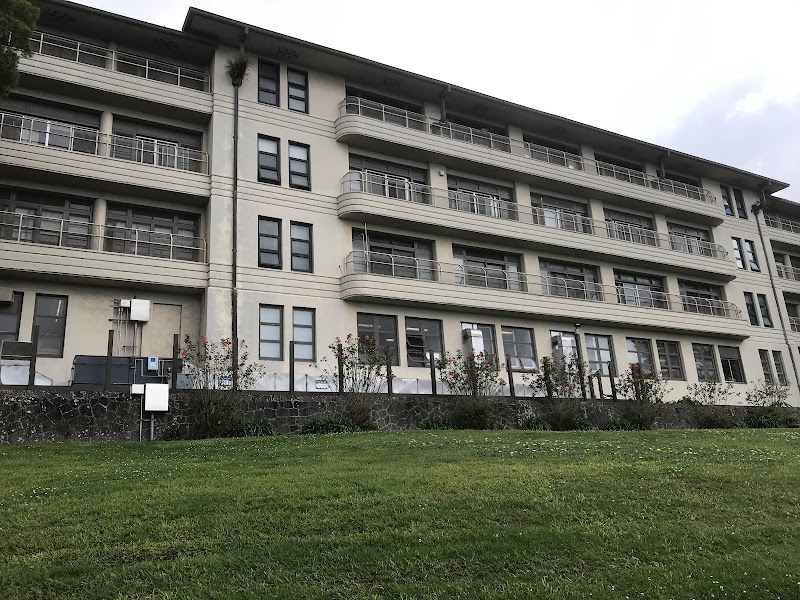
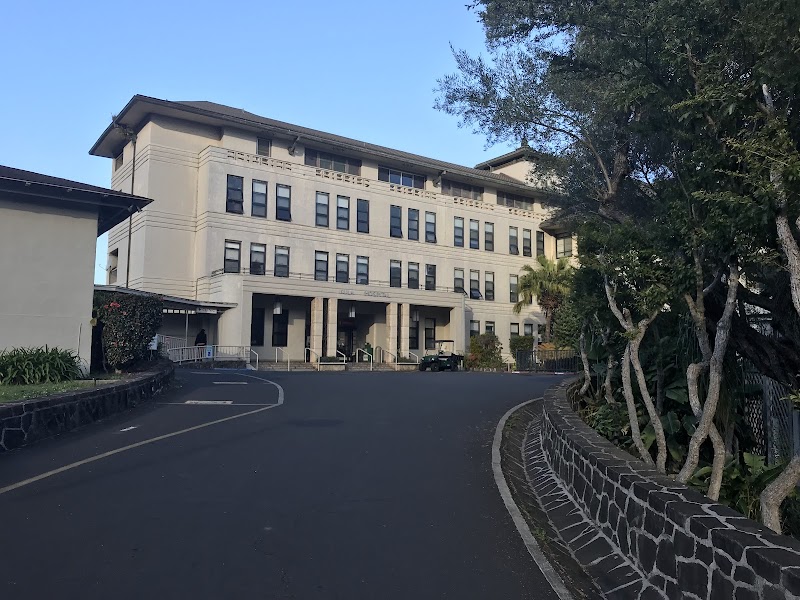

KULA HOSPITAL

100 KEOKEA PLACE, KULA, HI 96790 (808) 878-1221
Non profit - Corporation 105 Beds Independent Data: November 2025
Trust Grade
50/100
#24 of 41 in HI
Last Inspection: June 2024

Within standard 12-15 month inspection cycle. Federal law requires annual inspections.

Overview

Kula Hospital has a Trust Grade of C, which means it is average and falls in the middle of the pack compared to other facilities. It ranks #24 out of 41 nursing homes in Hawaii, placing it in the bottom half, and #3 out of 3 in Maui County, indicating there are limited local options. The facility is improving, having reduced issues from 11 in 2024 to just 1 in 2025. Staffing is a strength with a rating of 4 out of 5 stars, but the turnover rate is concerning at 60%, significantly higher than the state average. While Kula Hospital has not incurred any fines, there are serious concerns regarding resident safety, including a serious incident where a resident suffered physical injuries due to staff mishandling and another where non-consensual contact occurred involving a resident unable to consent. Overall, while the nursing home shows some positive trends and good staffing ratings, there are significant weaknesses in safety and oversight that families should consider carefully.

Trust Score
C
50/100
In Hawaii
#24/41
Bottom 42%
Safety Record
Moderate
Needs review
Inspections
Getting Better
11 → 1 violations
Staff Stability
⚠ Watch
60% turnover. Above average. Higher turnover means staff may not know residents' routines.
Penalties
✓ Good
No fines on record. Clean compliance history, better than most Hawaii facilities.
Skilled Nurses
✓ Good
Each resident gets 118 minutes of Registered Nurse (RN) attention daily — more than 97% of Hawaii nursing homes. RNs are the most trained staff who catch health problems before they become serious.
Violations
⚠ Watch
32 deficiencies on record. Higher than average. Multiple issues found across inspections.
★★★☆☆
3.0
Overall Rating
★★★★☆
4.0
Staff Levels
★★★★★
5.0
Care Quality
★★☆☆☆
2.0
Inspection Score
Stable
2024: 11 issues
2025: 1 issues

The Good

  • 4-Star Staffing Rating · Above-average nurse staffing levels
  • 5-Star Quality Measures · Strong clinical quality outcomes
  • Full Sprinkler Coverage · Fire safety systems throughout facility
  • No fines on record

Facility shows strength in staffing levels, quality measures, fire safety.

The Bad

3-Star Overall Rating

Near Hawaii average (3.4)

Meets federal standards, typical of most facilities

Staff Turnover: 60%

14pts above Hawaii avg (46%)

Frequent staff changes - ask about care continuity

Staff turnover is elevated (60%)

12 points above Hawaii average of 48%

The Ugly 32 deficiencies on record

1 actual harm
Jan 2025 1 deficiency
CONCERN (E) 📢 Someone Reported This

A family member, employee, or ombudsman was alarmed enough to file a formal complaint

Potential for Harm - no one hurt, but risky conditions existed

Report Alleged Abuse (Tag F0609)

Could have caused harm · This affected multiple residents

**NOTE- TERMS IN BRACKETS HAVE BEEN EDITED TO PROTECT CONFIDENTIALITY** Based on interviews, observation, record and document review, the facility failed to report two incidents that met criteria to t...

Read full inspector narrative →
**NOTE- TERMS IN BRACKETS HAVE BEEN EDITED TO PROTECT CONFIDENTIALITY** Based on interviews, observation, record and document review, the facility failed to report two incidents that met criteria to the Department of Human Services, Adult Protective Services (APS) as required by law. P1 was found to have two large forearm lacerations/skin tears, and P2 was diagnosed with a broken finger. Both injuries did not have a known origin. P2 alleged his injury was caused by actions of a Certified Nursing Assistant (CNA)2. As a result of the is deficient practice, the State Agency, was not aware of the incidents and did not conduct external investigations. Findings include: 1) The Office of Healthcare Assurance (OHCA) received an initial facility reported incident (FRI # 11287), dated 10/27/2024. The report included: Details of the incident: Resident (R1) had a wound that needed to be assessed. The CNA (Certified Nurse Assistant)1 reported she noted it during care. Upon assessing the resident, RN (Registered Nurse)1 noted two large lacerations and bruising to the resident's left (Lt) forearm. Bruising was also noted to the resident's left upper arm. The interventions implemented included: Wounds assessed by RN, cleansed and physician notified. Resident sent to ED (Emergency Department) for treatment of injury. Police called to file a report. An investigation has been initiated and CNA1 has been placed on leave pending investigation. Full investigation to follow.The wounds required steri-strips and dry dressing as treatment. The initial report indicated the physician, responsible party, police, and administrator were notified of the incident on 10/27/2024. The report was marked NO, for Other agencies involved. OHCA received the completed report on 10/31/2024, which included Nursing continues to monitor healing progress of wounds and bruising. A thorough investigation was completed, including chart review, resident assessment, and staff/resident interviews. The findings of the investigation team are that the injury is the result of an accident during patient repositioning. R1 is a [AGE] year-old female admitted to the facility 010/2/2020. She has a history of of hypertension, coronary artery disease, dementia, and has short term and long-term memory deficit. Her BIMS (brief interview for mental status) is 0, severe cognitive impairment. R1 has been receiving hospice care since October 2022 and will remain in the facility long term. She is totally dependent on staff for activities of daily living. She requires 1 or 2 person assist for care and transfers, depending on her behavior, as she has displayed difficult behaviors when staff provide care. Reviewed R1's medical records that included the following: Active care plan, prior to injury on 10/7/2924 included the Potential for impaired skin integrity r/t (related to) fragile skin. Nursing notes included, but not limited to skin assessments as follows: 09/04/2024 06:30 PM: weekly skin assessment performed.poor skin turgor. Bruise noted to L upper arm, approx. 2.5 cm 09/11/2024 12:10 PM: .poor turgor. Bruise on Lt upper arm subsided, approx. 1.5 cm and intact. 09/18/2025 05:45 PM: .Healed Rt arm bruise. 10/16/2024 11:30 AM: .BUE (bilateral upper extremities) with patches of discoloration. 10/23/2024 12:50 AM: .poor turgor. Lt arm with scattered bruises and discoloration to BU & LE (lower extremities). 10/27/2024 (Sunday) 07:00 AM: New skin tear to LFA (left forearm). Cleansed w(with)/normal saline and wrapped with gauze & kerlix. Hospice & Supervisor & Family notified. On 01/07/2025 at 02:35 PM, observed R1 in her bed. She was awake, appeared comfortable and well kept. She was wearing a long sleeve sweater, with Geri sleeves on, under the sweater for protection. R1 was calm, but shook her head no, when asked to examine her arms. She was not interviewable. Reviewed the ED (Emergency Department) Provider Notes, dated 10/27/2024 at 10:03 AM, for R1's ED visit. The physical exam revealed 2 skin tears, 1 is 7 cm (centimeters (1 centimeter is equal to 0.39 inches)), x 2 cm, 2nd skin tear is 5 cm x 1 cm, no active bleeding, some hematoma (localized collection of blood) under the larger skin tear. The provider documented R1 to be awake, demented, speech not so clear.Steri-strips (adhesive strips to help stabilize a wound) were applied to approximate the edges of the skin tear as best as possible. Pressure dressing and covering with gauze wrap applied. R1 was prescribed an antibiotic to prevent infection and transferred back to the long-term care facility. Reviewed the facility policy number 850-112-01 titled Abuse: Patient/Resident, last reviewed 03/08/2022. The policy included: 6.9.1 THE DAY THE ADMINISTRATOR OR DESIGNEE BECOMES AWARE OF THE ALLEGATION OF ABUSE AND REPORTS IT IS CONSIDERED DAY NUMBER 1 6.9.3 The Administrator (or Designee) shall during the day give an ORAL REPORT to: a. Department of Human Services, Adult Protective Services (APS) (if the victim is a dependent adult eighteen (18) years of age or older) . b. (1) Any alleged incident needs to be reported. If the facility is uncertain as to whether to report an incident, call APS/CPS (Child Protective Services) for assistance. (2) Calls to APS/CPS should be documented noting date and time called, name of person notified, and what was said. On 01/06/2025 at 02:00 PM, conducted an interview in the conference room with RN1, day shift nurse who was on duty when the event was reported. RN1 said she had received reports from staff in past, that R1 had combative behavior sometimes when they provide care. She said R1 sustains bruises and skin tears easily. RN1 said she had not yet received report from the night shift, when the day CNA radioed her to go to R1's room. She went on to say, when she saw R1, she was in bed and very calm. RN1 said R1 had a dressing on her left forearm, but it was soaked with fresh blood. She said she notified the House Supervisor (HS), to come and assess R1. RN1 said R1's skin tears were pretty big. She went on to say when the night nurse told her R1 had a skin tear, she asked how the injury occurred, and he said I don't know, I didn't ask the CNA. RN1 described the tears again as pretty deep, there were two lacerations. She said as far as she could remember, the bruise on upper arm had already been there, and didn't occur at same time. She said the injury could possibly have occurred the way she was grabbed. On 01/07/2025 at 09:15 AM, conducted a phone interview with the HS, who assessed R1. She said she received a call from the day shift RN, to come to the unit to look at a wound, that had been reported that morning. The HS said when she got to R1's room, the RN had already removed the bandage and she noted a big bruise on R1's left upper arm and two deep lacerations on the forearm. The HS described the wound like two sharp objects went through the skin. She said she noted The Chux (disposable underpad), under her, on the bed, had some dark blood saturated on the pad, thinking it was bleeding for a while. The HS went on to say, it was reported to her the night CNA didn't do rounds and had left the facility. The HS notified the DON, who told her We have to do the protocol, notify police, and do interviews. The HS said From my experience, it was not a regular skin tear, it was huge, it's a trauma, couldn't be from bump. She said she instructed the nurse to call the Hospice agency, who would notify the MD, and soon after, she received an order to send R1 to the ED for treatment. The HS said because R1 has frequent bruising, she reviewed the chart and found there was documentation of a previous bruise on the left upper arm, but no measurements were recorded. She said it (the bruise) looked like it was fresh to me as it was still red. If it had been from a week ago, it should have darker discoloration. It was red, bruising on edges, but the base of it appeared like it freshly happened. Asked the HS to expand on what the protocol was the DON referred to. She said it includes notifying the police within 24 hours, contacting the doctor, and starting the investigation. When inquired if calling Adult Protective Services was part of the protocol, she said yes, I think it should be. The HS said she did not notify APS that day. On 01/08/2025 at 10:00 AM, interviewed the DON in the conference room. She confirmed APS had not been notified. She went on to say the investigation was done quickly and it was determined there was not enough evidence to substantiate abuse, or that the CNA was rough' when caring for R1. The DON said they concluded the injury likely occurred during positioning and the CNA was inattentive to the her (R1's) safety needs. She said it was her understanding, if the facility investigation did not substantiate abuse, they were not required to report it to APS. 2) On 09/08/2024, OHCA received the initial report (ACTs # 11194), regarding an injury R2 received, of unknown origin on 09/08/2024. - Initial report included: Resident (R2) reported to RN that the black CNA pulled on my hand and it hurts. Resident unable to provide further specifics. Contusion noted to right first digit and palm. Injury was described as 2 cm contusion, edema, and erythema to dorsal base of first digit on right hand: 1 cm bruise to palmar surface of right hand. Interventions included Physician notified of injury. XR (x-ray) of right hand ordered. Investigation to follow. - Completed report dated 09/12/2024, included: R2 has a diagnosis of developmental delay and a history of verbally and physically aggressive behavior. Approximately 14:30, NA (CNA)2 entered R2's room to provide care an he immediately began yelling and swinging a plastic toy light [NAME] at CNA2. CNA3 was able to calm the resident, who then surrendered the light [NAME]. Both CNA2 and CNA3 completed incontinence care together.R2 told RN his right hand was sore.At 19:25, the finger was re-assessed again and it was noticeably more swollen, blue bruising apparent. At this time, R2 reported to RN that CNA2 grabbed him and pulled him up in bed while performing incontinence care. There are inconsistencies in R2s subsequent reports. He told the nurse manager that the nurse aid grabbed it and broke it in 2 like this while making a motion similar to breaking a pencil in half and she bent it down real hard until it broke. CNA2 states she did not pull on his finger, bend his finger, or pull him up in bed by his finger . Determination: The injury to R2 likely occurred when he was swinging the light [NAME] at CNA2 when she entered the room at 14:30. The [NAME] struck the bedside table multiple times as he attempted to hit CNA2. This incident was not reported to APS as required. Reviewed the facility investigation documents that included the following: - 09/09/2024 Result of x-ray received. Findings: Acute, comminuted (broken bone with multiple pieces,usually caused by severe trauma), mildly displaced (parts of the bone break move from their original position) fracture of the index finger proximal phalanx. - There was a written statement from CNA2, as well as documented interview. The written statement dated 09/09/2024 included .He picked up his star light [NAME] and started swinging it at me and using profanity. He had both hands gripped tight on the [NAME] with his bed side table in front of him, hitting me and the table as I tried to get the [NAME] out of his hand. Finally, I was able to retrieve the [NAME] as a coworker calmed him down . The notes from CNA2's interview with management dated 09/10/2024 included . She says she did not remove the [NAME] from residents' hand, but rather waited until the resident let the [NAME] go and then moved it to the foot of the bed. - Written statement dated 09/09/2024 at 07:10 AM, from CNA3 included: Upon making my rounds ., I noticed R2 and CNA2 in a scuffle so I grabbed R2's light [NAME] and placed it on the side of his bed on his serving table.
Sept 2024 1 deficiency 1 Harm
SERIOUS (G) 📢 Someone Reported This

A family member, employee, or ombudsman was alarmed enough to file a formal complaint

Actual Harm - a resident was hurt due to facility failures

Free from Abuse/Neglect (Tag F0600)

A resident was harmed · This affected 1 resident

**NOTE- TERMS IN BRACKETS HAVE BEEN EDITED TO PROTECT CONFIDENTIALITY** Based on observation, interviews, record and document review, the facility failed to protect the rights of two Resident's (R )1 ...

Read full inspector narrative →
**NOTE- TERMS IN BRACKETS HAVE BEEN EDITED TO PROTECT CONFIDENTIALITY** Based on observation, interviews, record and document review, the facility failed to protect the rights of two Resident's (R )1 and R2 to be free from abuse. R1 suffered physical injuries on 06/11/2024 when a Certified Nurse Assistant (CNA)1 did not react and respond appropriately to R1's aggressive behavior. CNA1 did not leave the room, but willfully continued to interact and react with unnecessary physical contact which resulted in R1 suffering harm. R1 had bruising to the Left (L) forehead, L temple and scratch type injury to his chest. The injuries are not justifiably explained. In addition, on 08/10/2024, staff witnessed non-consensual sexual contact when R3 was observed with his hand inside R2's blouse. R2 does not have the capacity to consent. These incidents occurred in the past, and the facility was in substantial compliance with the regulation at the time of this survey and this citation met the criteria for past noncompliance. Findings include: 1) R1 is an [AGE] year-old male has been a resident at the facility since 05/13/2022. He was admitted after a prolonged stay at an acute care hospital. His medical history includes, dementia, chronic urinary retention with a chronic indwelling catheter, bipolar disorder, and depression. R1 needs assistance with activities of daily living and had been one person assist for transfers. He prefers to spend most of the time in bed and has a history of refusing care. On 02/09/2024, his BIMS (brief interview for mental status) was documented to be 13 (13 to 15 points suggests that cognition (all forms of knowing and awareness) intact. On 06/11/2024, the Office of Healthcare Assurance (OHCA) received an initial facility incident report (ACTs # 11011) of an incident of alleged abuse that occurred on 06/11/2024 at approximately 06:00 AM. The report included the following detail: The CNA (Certified Nurse Assistant)1 informed the RN (Registered Nurse)1 about the resident's (R1) injuries. Following the RN's assessment, the resident was found to have a scratch on the left temple, bruise on the left temple, a bruised and swollen left cheek, and scratches on the neck and chest. The resident has Dementia and was unable to provide details about how the injuries occurred and the CNA also reported being unaware of the circumstances surrounding the resident's injuries. The RN immediately removed the CNA from the residents due to the nature of the injury, which had no known cause.The CNA has been placed on leave pending investigation. A completed (final) report was received on 06/13/2024. The report included: .The resident initially reported the CNA fought with him using her closed fists to strike him because he did not want to get out of bed. He was sent to the emergency room for evaluation. He was noted with Mild tenderness with ecchymosis to left temporal forehead.The CNA reports while attempting to empty the resident's Foley, he exhibited physically aggressive behavior. He kicked her and threw an acrylic organizer filled with colored pencils at her. She reports that she blocked the attempts to strike her and believes that the resident injuries were sustained as a result of contact with the resident's urinal, which was in her hand while she tried to protect herself from the resident's attempts to strike her. Upon chart review, it was noted that the resident has a history of refusing care with episodes of verbal aggression. He had two episodes of previous physical aggression documented in the chart in April and May. There were no witnesses to the physical incident. Upon completion of the investigation, the allegation of abuse is unable to be substantiated. CNA1's contract has been canceled and she has been removed from care of resident's . The OHCA received a report from an external agency, Adult Protective Services (APS) on 06/17/2024, regarding the incident with R1, which was accepted for investigation. The report included: 1 On 6/11/24 at 7:08 AM, AV's (alleged victim/R1's) . had received injury to his forehead. Per NS, AV (alleged victim) reported AP (alleged perpetrator/CNA1) wanted AV to get up from bed but AV did not want to. AV was allegedly hit by AP after AV threw a water bottle at AP. 2. A police report (#24017123) was filed with the Maui Police Department (MPD) . A. AV's report to MPD: I. AV reported he was attacked by AP. II. Per AV, AP was trying to get him out of bed when he did not wish to and ended up being hit with a plastic urinal bottle on the head, causing a laceration to his friable (delicate) skin. III. AV indicated he just wanted to be left alone. Review of the Emergency Department provider note from encounter 06/11/2024 included the following entries: History was provided by Patient (R1): .presents to the Emergency Department for evaluation of status post physical assault . Patient reports he was assaulted by a CNA.He was told to get up at 6 am change his clothes, and to get up like everyone else. Patient refused. CNA pulled away the table from the side and started to pull and beat the patient up. Other nurse that gives patient medication was there to witness the assault, noting CNA told nurse that patient did not want to get up. No head strike. He has noted ecchymosis to forehead and scratches to his chest.Denies current pain at this time but notes nausea.Patient is awake, alert, and appropriate.mild tenderness with ecchymosis (bruising) to left temporal forehead.Based on the patient's history and presentation, my work up and conclusions are as follows assault, head injury, contusion. On 09/18/2024, at approximately 01:00 PM, interviewed R1's Physician (MD) in the conference room. He said he has cared for R1 since his admission in 2022. He said R1 has some dementia and was bipolar. MD said R1's level of consciousness had not changed much since his admission, and that R1 was with it. Discussed his progress note dated 06/11/2024 after he examined R1 when notified he had injuries of unknown cause. MD reviewed the progress note, and confirmed R1 was alert and oriented x4. He said he specifically asked him (R1) if he knew where he was, the date, and who the president was, and he was able to answer all correctly. MD said again, R1 knows what's going on. He went on to say R1 is bipolar and at times his attitude changes, but for the most part, he is pretty good. That day when I saw him, It really surprised me, with the bruise to the forward and left cheek. The laceration on the forearm was not bad. He seemed pretty with it. MD said the forehead looked traumatic, bright red and all bruised up. With him being bipolar, he can get grandiose and changes the story a bit, so there were some inconsistencies, but it was clear there was some kind of commotion. On 09/18/2024 conducted a telephone interview at 01:30 PM with the nurse supervisor (NS) that was on the night shift, He said he received a call from RN1 requesting assistance on 06/11/2024, when she identified new injuries to R1. The NS said he wrote a statement at the time, and that would be the most accurate, as did not want to miss any details since it had been a while since the incident. He said from his recall, the report and account of the incident that CNA1 gave, didn't line up with the report from the patient. Injuries weren't consistent with what she was describing. NS said his recall was that it was something to do with R1 not wanting to get up, and that it was too early for him. He went on to say Her story didn't match the way that care should be delivered. If it was self-defense when he picked a pencil holder and he started using as a weapon. At any point, you can step away. Outside an emotional situation, anyone doing the right thing should back away. On 09/18/2024 conducted a telephone interview at 02:40 PM with RN1, who CNA1 reported the injuries to on 06/11/2024. She said she was passing meds, went into R1's room a little before 06:00 AM, and he was fine at that time. RN1 gave him medications and went to the other end of the hall to continue med pass. A short time later, CNA1 came and got her. RN1 stated She (CNA1) said, I can't take it anymore, He's (R1) not listening, throwing things at me and not cooperating. RN1 went on to say it was not uncommon for R1 to refuse care. She said he would tell you he doesn't want something done, so we just say OK, and go back and try again, or send someone else in. She said CNA1 kept repeating he was trying to swing at me. RN1 said she immediately went to the room with CNA1. She said when she saw R1 he had a bruise on the top of his head and small cut. She said she asked CNA1 how he got it, and CNA1 kept trying to describe where she had been located in the room and that she was trying to empty the Foley bag. She went on to say CNA1 pointed to a plastic cubby (container) full of R1's personal items, and a water hydro [NAME], and said Don't you think that hurts when that's thrown at you? CNA1 said R1 had the bin over his head, and she had the urinal in her hand. At that point, RN1 said R1 started to talk and said, She hit me with that. RN1 said the bruising R1 had, could not have been caused by the plastic urinal because they are very thin plastic. She said CNA1 and R1 were going back and forth arguing. RN1 said CNA1 kept saying he kicked me in the back. She said R1 responded by saying Yea, and you punched me too. RN1 said she kept asking CNA1 what happened, and she just responded, she doesn't know. R1 said, What do you think, I hit myself? To that comment from R1, CNA1 responded No. RN1 said she and CNA1 left the room, and when the NS arrived, they assessed R1 more. She said he had a bruise on the top of head, by the forehead, the left temple area was swollen, firm to touch and a pretty hard hit. She said at that time they saw a scratch on chest and a skin tear to his arm, almost looked like a semi-circle. RN1 said she never got an answer from CNA1 how he got the injuries. She described R1 as pretty oriented, sometimes gets confused, and Overall, he just refuses care, until we find someone, he will allow to change him. RN1 said There was no confusion that day at all, he was sure of what happened. Sometimes his story changed a bit afterward, and I'd remind him I was there that day. RN1 did not witness the incident. On 09/19/2024 at 11:30 AM, observed R1 in bed, watching TV. He appeared well kept, had clean linens, and had no visible injuries or skin abnormalities. R1 said he felt safe in the facility, and said they were taking good care of him. He was cooperative, oriented, and able to carry on a pleasant conversation. On 09/19/2024 at 11:40 AM, inspected the urinals used at the facility. The urinals are thin plastic and made smooth to prevent scratches during use. On 09/19/2024 at 12:00 PM, reviewed pictures of R1's wounds that were provided by the facility. The pictures matched the description of injuries as described above. There was a large dark area of ecchymosis to the left upper forehead, as well as dark ecchymosis to the left check in front of the ear. In addition, there was noted redness above the left eyebrow and visible scratch type mark that ran across his upper chest. The age of the skin tears on his arm were not able to be determined by the pictures. The extent of the injuries noted in the pictures would not be consistent with a single accidental encounter with the urinal. 2) R2 is an [AGE] year-old female with a history of intellectual disability and legal blindness. She has been a resident at the facility since July 2022. R2's hearing is functional for conversation, but she does not always answer questions appropriately due to her intellectual disability. She is able to follow simple commands and is a one person assist for transfers and requires assist for meals. On 08/10/2024, OHCA received an initial report from the facility regarding a sexual abuse that was observed by a staff member. The report included a CNA entered the resident activity room and witnessed resident R3 with his hand on resident R2's breast.R3 was verbally instructed to remove his hand from R2 and both residents were physically separated by CNA immediately. Resident (R3) advised that he cannot participate in this type of behavior. Staff assigned to supervise R3 24/7 while a thorough investigation is completed. Police were called . The completed report was sent 08/15/2024 and included A thorough investigation was completed 8/10-8/15/24, including chart review, and interviews of CNA, R2 and R3. CNA2 reported entering the family room and witnessing R3's hand inside R2's clothing, cupping her breast. R2 was mumbling and pushing R3's hands away.When interviewed R2 was unable to recall any events.When interviewed R3 denies touching R2's breast but admits he was touching her abdomen, and his hand was inside her shirt. The investigation finds that abuse allegation is substantiated. Action taken after the incident included: R3 was provided 1:1 supervision 8/10-8/12/24. Welfare checks were done for R2 with no observed injury/harm. On 8/12/245, to protect vulnerable female residents in the facility, R3 was transferred to a private room on another unit where one wing houses male residents only. On 8/13/24, R3 became verbally aggressive and hit a staff. De-escalation techniques were unsuccessful and R3 began entering other residents' rooms. He was transferred to an acute care facility for treatment of behavioral changes and remains at the hospital waiting placement at a different facility. On 09/19/2024 at 11:40 AM, observed R2 in the family room with a staff member present. She was in a wheelchair and appeared well kept. R2 had a small, zippered purse with several small beads inside. She repetitively opened the purse, took beads out and the put them back in the purse. R2 is legally blind, does respond when spoken to, but was not interviewable. 3) Document review revealed the following: - The facility provided mandatory education on Preventing, Recognizing, and Reporting Abuse for all staff in April 2024. - It was confirmed the facility policy is to conduct background checks for all staff prior to hire. Contracted CNA1 had documentation on file of background check completed by the vendor on 06/03/2023. - The facility provided documentation CNA1 completed orientation that included Abuse Elder Justice Act Update, Preventing, Recognizing, and Reporting Abuse, Essentials of Resident's Rights, and Communication with Individuals with Alzheimer's & Dementia. The facility has developed and implemented policy and procedures related to abuse, titled Abuse: Patient/Resident, last reviewed 03/08/2024. The facility followed the policy and immediately removed the alleged perpetrators, protected the residents, notified appropriate authorities, and completed thorough investigations.
Jun 2024 10 deficiencies
CONCERN (D)

Potential for Harm - no one hurt, but risky conditions existed

Resident Rights (Tag F0550)

Could have caused harm · This affected 1 resident

**NOTE- TERMS IN BRACKETS HAVE BEEN EDITED TO PROTECT CONFIDENTIALITY** 2) Observation was conducted on 06/03/24 at 12:27 PM on the third-floor dining room. Hospital Aide (HA) 1 was heard stating, Who...

Read full inspector narrative →
**NOTE- TERMS IN BRACKETS HAVE BEEN EDITED TO PROTECT CONFIDENTIALITY** 2) Observation was conducted on 06/03/24 at 12:27 PM on the third-floor dining room. Hospital Aide (HA) 1 was heard stating, Who is the feeder? as she entered the dining room. One of the other staff members directed HA1 to R46. R46 was sitting in his wheelchair waiting for a staff member to assist him with eating his lunch. Interview was conducted with HA1 on 06/03/24 at 12:30 PM. HA1 was asked if it was proper to call the facility residents feeders. HA1 apologized and stated that she should have said, who needs assistance? instead. A review of the facility document titled, Resident Rights, was conducted. The facility document noted, Dignity-The facility will treat you with dignity and respect in full recognition of your individuality. Based on interviews and record review, the facility failed to assure two residents (Resident (R) 27 and R46) were treated with dignity and respect and provided care in an environment that enhances their quality of life. This deficient practice has a negative effect on maintaining and enhancing both resident's self-esteem and self-worth and has the potential to cause psychosocial harm. Findings include: 1) On 06/03/24 at 11:33 AM, an interview was conducted with R27 in her room. R27 stated that the only concern she had with the facility was the long wait to get assistance from the staff. R27 said sometimes she waits for up to three hours to be changed when her incontinent pads are wet. R27 stated that there was an instance in the morning when she wanted to use the toilet, so she called for assistance using her call light. By the time someone came to assist her, she had already soiled her incontinence pads and the evening shift staff had to clean her as they were making change-of-shift rounds. On 06/05/24 at 01:51 PM, review of medical records for R27 was conducted. R27 is an [AGE] year-old resident first admitted to the facility on [DATE]. Review of current care plan with a review date of 03/01/24 stated R27 has, Functional mobility and self-care deficits r/t (related to) lower extremity weakness, morbid obesity, and osteoarthritis. Interventions included, TOILETING: Sit to stand lift assistance for commode transfers. I use briefs for B/B (bowel and bladder) incontinence . It is important to me to be assisted from bed to commode and then to the w/c (wheelchair). On 06/06/24 at 09:19 AM, a follow up interview was conducted with R27 in her room. Asked R27 if the long wait for assistance to go to the toilet still happens. R27 said it still does and said, I recently had to go in the bed. I'd rather go in the toilet, but I couldn't wait. When asked if she ever brought her concern to the nursing supervisor, R27 said, I did bring it to their attention but not much you can do if the staff are busy.
CONCERN (D)

Potential for Harm - no one hurt, but risky conditions existed

Deficiency F0657 (Tag F0657)

Could have caused harm · This affected 1 resident

**NOTE- TERMS IN BRACKETS HAVE BEEN EDITED TO PROTECT CONFIDENTIALITY** Based on interviews and record review, the facility failed to promote the participation for one of the sampled residents (R) 9 a...

Read full inspector narrative →
**NOTE- TERMS IN BRACKETS HAVE BEEN EDITED TO PROTECT CONFIDENTIALITY** Based on interviews and record review, the facility failed to promote the participation for one of the sampled residents (R) 9 and her representative for the development and review of the resident's care plan. This failed practice has the potential to affect all the residents in the facility. Findings Include: R9 is a [AGE] year-old female admitted on [DATE]. Interview was conducted with R9 in her room on 06/04/24 at 08:33 AM. R9 stated that she has not attended a care conference meeting for months. She does recall having meetings in the past but does not recall having one this past year. R9 also added that if a notification was sent to her son, he would have been present at the conference. Record review was done of R9's medical records. Documentation was found on a care conference meeting that was held on 02/22/24. A list of the staff present for the meeting was noted in the document. No documentation was found on the presence of the resident or the resident's representative. On 06/05/24 at 09:24 AM Minimum Data Set Coordinator (MDSC) 1 assisted in searching for documentation that should have been sent out to R9's representative. MDSC1 stated that the normal process would be the social worker notifying the representative of the conference date and time. MDSC1 also added that the social worker will document on the resident's record of the representative's response to the invitation. MDSC1 was unable to find documentation that R9's representative was notified of the care conference held on 02/22/24. On 06/05/24 at 11:58 AM Director of Nursing (DON) confirmed that documentation could not be found that R9's representative was given notification of the care conference held on 02/22/24. A review was conducted of the facility document titled, Kula Hospital IDT Process. The document noted, Social Service to invite residents on the schedule for IDT Care Plan Conference. Please document resident's response if they accept or refuse invitation.
CONCERN (D)

Potential for Harm - no one hurt, but risky conditions existed

Pressure Ulcer Prevention (Tag F0686)

Could have caused harm · This affected 1 resident

**NOTE- TERMS IN BRACKETS HAVE BEEN EDITED TO PROTECT CONFIDENTIALITY** Based on observations, record review and interviews, the facility failed to ensure interventions to prevent or improve pressure ...

Read full inspector narrative →
**NOTE- TERMS IN BRACKETS HAVE BEEN EDITED TO PROTECT CONFIDENTIALITY** Based on observations, record review and interviews, the facility failed to ensure interventions to prevent or improve pressure ulcers or injuries were implemented for one of the three residents (Resident (R) 50) sampled. Staff did not ensure R50's left heel was offloaded and documented in the medical record every shift. This deficient practice has the potential to affect all residents that are dependent on staff for repositioning in bed. Findings include: On 06/03/24 at 11:05 AM, observed R50 in bed while Registered Nurse (RN) 2 was providing care. R50 had contractures to both lower extremities and was using an air mattress. RN2 stated that R50 still had a wound to his left heel but the pressure ulcer on his coccyx was already healed. On 06/05/24 at 08:30 AM, observed R50 lying in bed with head elevated and turned slightly to his right side. At 10:05 AM, review of medical records for R50 conducted. R50 was admitted to the facility on [DATE]. Diagnosis included osteomyelitis (inflammation of the bone caused by infection) to left foot and colon cancer. Further review revealed that a significant change assessment was completed on 07/24/23 due to the development of a left heel pressure injury. On 11/16/23, progress notes stated the left heel pressure injury was resolved, however it reopened on 12/04/24. Interventions in the care plan also stated to check and reposition the resident at least every two hours and to make sure feet/heels are floated at all times. Asked RN2 where the staff documented to ensure R50 is being turned every two hours and left foot is floated. RN2 said the every-two hours turning should be in the daily logs completed by the hospital aides and the floating of the feet/heels should be in the Treatment Administration Record (TAR). Reviewed TAR that was in the medical record for March, April, and May 2024 with RN2 and Nursing Supervisor (NS) 1. For March and April 2024, only the day shift staff were completing the log with three and nine missed entries respectively. For May 2024, night shift, day shift and evening shift staff completed the logs but had a total of 30 missed entries. NS1 confirmed that the expectation from the staff was to complete the log every shift to document that they were floating R50's feet/heel. NS1 stated, Staff should document it if they did it.
CONCERN (D)

Potential for Harm - no one hurt, but risky conditions existed

Deficiency F0726 (Tag F0726)

Could have caused harm · This affected 1 resident

Based on observation, interview, and record review, the facility failed to ensure nurse competency in medication administration as evidenced by Registered Nurse (RN)5 administering a laxative/stool so...

Read full inspector narrative →
Based on observation, interview, and record review, the facility failed to ensure nurse competency in medication administration as evidenced by Registered Nurse (RN)5 administering a laxative/stool softener to Resident (R)36 despite documentation of a large loose bowel movement that morning. In addition, medications were not documented as administered in a timely manner. This deficient practice places residents at risk for avoidable declines in health status and has the potential to affect all residents at the facility receiving staff-administered medications. Findings include: On 06/05/24 at 08:08 AM, medication pass observations were done with Registered Nurse (RN)5 as she prepared and administered medications for Resident (R)36. RN5 prepared a total of thirteen oral medications for R36, one of which was Stimulant Laxative Plus [with stool softener]. The medications were administered at 08:15 AM. Review of R36's medical record revealed the following physician order from 10/03/23: Stimulant Laxative Plus Tablet, one tablet orally twice a day, *HOLD FOR LOOSE STOOL. On 06/05/24 at 08:18 AM, in front of the third-floor medication cart, asked RN5 when was R36's last bowel movement (BM). RN5 responded that she did not know. RN5 then proceeded to lead Surveyor to a large spreadsheet on the bathroom door in the employee break room listing the BMs of all the residents on the floor. Under the 5 column (for 06/05/24) and N row (for the shift that just got off that morning) for R36, was an L6. RN5 explained that meant before the night shift finished that morning, R36 had a large watery BM. Review of the documentation legend on the bottom of the spreadsheet revealed the following: Type 6 Watery, no solid pieces (entirely liquid). Asked RN5 if she checked the spreadsheet prior to giving medications. Initially, RN5 answered that she checks the spreadsheet daily before she passes medications. When asked why she administered a laxative to R36 when she had been documented as having a large, watery BM that morning, RN5 responded that she made a mistake, she does NOT check the spreadsheet before giving medications. RN5 stated that the Certified Nurse Aides (CNAs) are supposed to report it [BMs], but she received no report and so she gave the stimulant laxative plus. On 06/05/24 at 08:29 AM, an interview was done with Charge Nurse (CN)1 at the third-floor nurses' station. When asked what the process is for documenting and reporting off BMs, CN1 stated that the CNAs should let the nurse know immediately if there are loose BMs, then they should document it in the ADL [activities of daily living] book, and on the Master List [spreadsheet on the bathroom door]. When asked what the expectation is as far as who should be looking at the spreadsheet and when, CN1 agreed that the nurses should be checking the spreadsheet before giving any laxative medications. Review of the Medication Administration policy, last revised 07/2021, revealed the following: Medications are administered as prescribed. On 06/05/24 at 08:39 AM, while RN5 was off administering medications to a different resident, a reconciliation review of R36's Medication Administration Record (MAR) with the medication pass observations was done. During the review, noted that none of the thirteen medications given to R36 that morning had been documented as administered yet. In addition, the Stimulant Laxative Plus was also not signed off as administered the previous morning either. At 08:41 AM, an interview was done with RN5 in front of the medication cart. When asked when she signs off on the MAR that medications were administered, RN5 reported that after she has given all medications due to all the residents, then she goes back to their MARs and signs off on all of them at the same time. RN5 acknowledged that she did not sign off on the Stimulant Laxative Plus the previous day, stating, I missed it. RN5 confirmed that she did administer the medication but forgot to document that. On 06/05/24 at 08:43 AM, interviewed CN1 at the nurses' station again. When asked about the process of signing off on the MAR, CN1 stated that nurses should be documenting medications as administered on the MAR immediately after administration. If held or refused, nurses should document an empty circle in the space where they would normally put their initials. Then they would document the reason the medication was held or refused on the back of the MAR. Review of the Medication Administration Record policy, last revised 07/2023, revealed the following: All medications administered to the patient shall be recorded on the Medication Administration Record promptly after they are given.
CONCERN (D)

Potential for Harm - no one hurt, but risky conditions existed

Deficiency F0757 (Tag F0757)

Could have caused harm · This affected 1 resident

**NOTE- TERMS IN BRACKETS HAVE BEEN EDITED TO PROTECT CONFIDENTIALITY** Based on record review and interviews, the facility failed to ensure adequate monitoring was done for one resident (Resident (R)...

Read full inspector narrative →
**NOTE- TERMS IN BRACKETS HAVE BEEN EDITED TO PROTECT CONFIDENTIALITY** Based on record review and interviews, the facility failed to ensure adequate monitoring was done for one resident (Resident (R) 27) sampled for anticoagulant (medication to treat and prevent blood clots) use. The facility was not documenting if R27 was being monitored for signs and symptoms of bleeding. As a result of this deficient practice, R27 was put at risk for avoidable adverse health complications related to her health condition and the use of anticoagulants. This has the potential to affect all residents in the facility taking anticoagulants. Findings include: R27 is an [AGE] year-old resident first admitted to the facility on [DATE]. Diagnosis included but not limited to atrial fibrillation (irregular heart rhythm that can lead to blood clots increasing the risk of stroke). Record review revealed that R27 was on Apixaban (anticoagulant) 5 mg (milligrams) twice a day. Interventions noted in plan of care dated 01/16/24 stated, . Assess/record/report signs of bleeding problems to MD (medical doctor) . Please monitor me for possible side effects on Eliquis (Apixaban) TX (treatment) (see attached) . The document that was attached to the plan of care was titled Patient Education and stated. side effects . Signs of bleeding like throwing up or coughing up blood; vomit that looks like coffee grounds; blood in the urine; black, red, or tarry stools; bleeding from the gums; abnormal vaginal bleeding; bruises without a cause or that get bigger; or bleeding you can not stop. Documentation of staff monitoring for the signs and symptoms of bleeding was not found in the in R27's chart. On 06/05/24 at 01:51 PM, a concurrent interview and record review was conducted with Registered Nurse (RN) 2 and Nurse Supervisor (NS) 1 at the second-floor nurses' station. Asked RN2 how often do they monitor R27 for signs and symptoms of bleeding. RN2 responded, Every shift. When asked where do the staff document it, RN2 said, It should be in the MAR (medication administration record). RN2 opened R27's chart and looked in the section where the MARs were kept but was not able to locate documentation of monitoring. NS1 said to also look in the progress notes but when RN2 checked, no documentation was found. NS1 added that they will get an order for the monitoring of signs and symptoms of bleeding so it will be transcribed onto the MAR, that way it will remind the nurses to document it when it is done. On 06/06/24 at 10:30 AM, an interview was conducted with the Director of Nursing (DON) in the second-floor conference room. DON confirmed that the monitoring for signs and symptoms of bleeding for R27 should have been documented in the MAR every shift.
CONCERN (D)

Potential for Harm - no one hurt, but risky conditions existed

Infection Control (Tag F0880)

Could have caused harm · This affected 1 resident

Based on observation, interviews and record review, the facility failed to ensure the staff followed the proper use gloves and performed hand hygiene procedures during wound dressing change for Reside...

Read full inspector narrative →
Based on observation, interviews and record review, the facility failed to ensure the staff followed the proper use gloves and performed hand hygiene procedures during wound dressing change for Resident (R) 50. This deficient practice placed the residents at risk for the potential spread of infectious and communicable diseases. Findings include: On 06/04/24 at 02:52 PM, conducted an observation of Registered Nurse (RN) 3 changing the dressing of R50's left foot wound. RN3 gathered supplies from the treatment cart and placed them on R50's bedside table. RN3 then performed hand hygiene and donned a gown and gloves by the door before proceeding with the dressing change. After removing the old dressing to R50's left foot wound, RN3 discarded the old dressing and removed her gloves. Observed another pair of gloves were under the gloves RN3 just removed. RN3 then cleaned the wound with a gauze soaked with normal saline, dried it with a clean gauze and applied an ointment as ordered. RN3 then removed her gloves and donned a new pair without performing hand hygiene and applied a new dressing. After repositioning R50 in his bed, RN3 removed gown and gloves and washed her hands in the sink with soap and water. Asked RN3 if she was initially wearing two pairs of gloves on each hand when she removed the dressing. RN3 confirmed that she had two gloves on each hand. On 06/06/24 at 10:30 AM, an interview was conducted with the Infection Preventionist (IP) and Director of Nursing (DON) in the second-floor conference room. Asked IP if the facility allowed staff to wear two gloves on each hand when performing tasks like dressing changes. IP confirmed that the staff are supposed to just wear one glove in each hand and to also perform hand hygiene between glove changes. Asked IP and DON for the facility policy on dressing changes and hand hygiene, IP said they have one for hand hygiene but not for dressing change. IP said he will provide a copy of the guidelines the facility uses for dressing changes and the policy for hand hygiene. Review of document provided titled Wound Dressing Application stated, . Perform hand hygiene. put on gloves . Remove the old dressing . Discard the soiled dressing . Remove and discard your soiled gloves . Perform hand hygiene . Put on new gloves . Clean the wound . Remove and discard your soiled gloves . Perform hand hygiene . Put on new gloves . Pat the surrounding skin dry . Apply topical wound treatment . Apply the prescribed primary dressing.
CONCERN (D)

Potential for Harm - no one hurt, but risky conditions existed

Room Equipment (Tag F0908)

Could have caused harm · This affected 1 resident

Based on observation, staff interview, record review, and review of equipment service manual, the facility failed to follow routine maintenance cleaning of the cabinet filter, based on the manufacture...

Read full inspector narrative →
Based on observation, staff interview, record review, and review of equipment service manual, the facility failed to follow routine maintenance cleaning of the cabinet filter, based on the manufacturer's recommendation. This deficient practice put one Resident (R) 8 at risk for the development and transmission of communicable diseases and infections. Findings include: During resident observation on 06/03/24 at 11:45 AM, R8 was receiving oxygen via a Perfecto2 V Oxygen Concentrator. The cabinet filter of that oxygen concentrator appeared to have lint and/or dirt on the cabinet filter. During staff query on 06/05/23 at 01:50 PM, Director of Nursing (DON) said that they clean the cabinet filter once a month. Informed DON that according to the service manual, for this equipment, the recommendation for cleaning is at least once a week. DON acknowledged and revealed that there was a previous change in oxygen concentrator equipment. Review of the Service manual for the Perfecto2 V Oxygen Concentrator, Section 6 - Preventive Maintenance read the following: Cleaning the cabinet filter. There is one cabinet filter located on the back of the cabinet. 1. Remove the filter and clean at least once a week depending on environmental conditions. Note: Environmental conditions that may require more frequent cleaning of the filters include but are not limited to; high dust, air pollutants, etc. 2. Clean the cabinet filter with a vacuum cleaner or wash in warm soapy water and rinse thoroughly. 3. Dry the filter thoroughly before reinstallation.
CONCERN (E)

Potential for Harm - no one hurt, but risky conditions existed

Accident Prevention (Tag F0689)

Could have caused harm · This affected multiple residents

Based on observations and staff interview, the facility failed to secure storage rooms located on the second and fourth floors where hazardous chemicals were kept. As a result of this deficient practi...

Read full inspector narrative →
Based on observations and staff interview, the facility failed to secure storage rooms located on the second and fourth floors where hazardous chemicals were kept. As a result of this deficient practice, the residents of the facility were placed at risk for accident hazards. 1) On 06/05/24 at 01:06 PM, observed the door to the clean utility room on the second floor was not locked. On the wall outside the clean utility room door was a small keypad lock container. Asked Registered Nurse (RN) 1 what was being kept in the room. RN3 said they keep some of the enteral feeding supplies and nourishments for the residents in the room. Inspected contents of the cabinets with RN3. An opened container of liquid bleach and liquid dish soap were found in one of the cabinets. RN3 notified Nurse Supervisor (NS) 1 who checked the small keypad lock container outside the clean utility room. NS1 said they usually keep the keys to the door in there, but no keys were found when she opened it. NS1 confirmed that the door to the clean utility room was supposed to be locked since they also had hazardous chemicals in there. On 06/06/24 at 10:30 AM, an interview was conducted with the Director of Nursing (DON) in the second-floor conference room. DON confirmed that all hazardous chemicals need to be stored in a locked cabinet or room. 2) During an observation on 06/03/24 at 11:15 AM, the Soiled Utility Room located on 4th floor nursing unit was not locked/secured and there was no staff in the immediate vicinity to prevent unauthorized entry to the room. The room contained a bottle of cleaning solution with a label that said, Caution, eye irritant, harmful if swallowed . On 06/03/24 at 11:20 AM, Charge Nurse (CN) 4, acknowledged that the Soiled Utility room should have been locked/secured and stated that they would immediately have it secured.
CONCERN (F)

Potential for Harm - no one hurt, but risky conditions existed

Deficiency F0727 (Tag F0727)

Could have caused harm · This affected most or all residents

Based on interview and record review, the facility failed to provide a Director of Nursing (DON) on a full-time basis. The same staff member covers the long-term care (LTC), the Critical Access Hospit...

Read full inspector narrative →
Based on interview and record review, the facility failed to provide a Director of Nursing (DON) on a full-time basis. The same staff member covers the long-term care (LTC), the Critical Access Hospital (CAH), and the Intermediate Care Facility for the Intellectually Disabled (ICF/IID) facilities as the DON. Findings include: On 06/03/24 at 11:04 AM, an entrance interview for the Critical Access Hospital (CAH) recertification was done in the first-floor conference room with the DON and the Administrator. The DON confirmed that she was employed full-time, and was the DON for the CAH, the LTC facility, and the ICF/IID facility, each with their own facility-specific certification and licensing requirements. The DON and Administrator confirmed that they did not have a waiver for a full-time DON. A review of the Office of Health Care Assurance (OHCA) Licensed Beds and Location form noted that as of 06/03/24, there were 9 beds (4 occupied) in the CAH, 105 beds (89 occupied) in the LTC facility, and 9 beds (all occupied) in the ICF/IID facility.
CONCERN (F)

Potential for Harm - no one hurt, but risky conditions existed

Food Safety (Tag F0812)

Could have caused harm · This affected most or all residents

3) Observation was conducted on the third-floor nutrition room on 06/04/24 at 09:04 AM. The fridge contained a strawberry banana flavored yogurt labeled, best by 05/23/24. The freezer contained an Eng...

Read full inspector narrative →
3) Observation was conducted on the third-floor nutrition room on 06/04/24 at 09:04 AM. The fridge contained a strawberry banana flavored yogurt labeled, best by 05/23/24. The freezer contained an English muffin breakfast sandwich, removed from the box, without an expiration date. The freezer also contained a pineapple coconut ice cream labeled, best by 05/31/24. Lastly, observation was made of an opened package of pizza rolls labeled, Best if used by 09/26/23. An interview was conducted with Charge Nurse (CN) 1 on the third-floor nutrition room on 06/04/24 at 09:12 AM. CN1 stated that the nursing staff usually checks the fridge/freezer for expired food items. CN1 agreed that the four food items observed in the fridge/freezer should have been discarded because they were either unlabeled with an expiration date or were already past the expiration date. A review of the facility's document titled, Food Brought to Residents by Family and Visitors, dated 11/2017 was conducted. The document noted, All foods brought into the facility will be checked by a staff member and labeled and dated .Nursing will monitor the resident's room, unit pantry, and refrigeration units for expiration dates. Based on observation, interview, and record review, the facility failed to store food in accordance with professional standards for food service safety. Residents (R) risk serious complications from foodborne illness as a result of their compromised health status. Unsafe and/or unsanitary food storage/handling practices represent a potential source of pathogen exposure for all residents at the facility who consume food or drink prepared at the facility. Findings include: 1) On 06/03/24 at 10:00 AM, while conducting an initial tour of the kitchen with the Food Service Manager (FSM), observed a standing freezer next to the ice machine containing a small metal pan of approximately ten (10) poorly covered beef patties. The metal pan had been covered with plastic wrap that was not sticking to the pan, labeled Beef 5/13/24, and the beef patties within were visibly freezer burned (discolored in appearance and covered in ice crystals). The FSM acknowledged the patties were not stored properly, explaining that they should have been either individually bagged in plastic bags, or individually wrapped in plastic wrap. The FSM confirmed that the patties were intended for resident consumption, but since the improper storage compromised the integrity and quality of the patties, the FSM removed them from the freezer for disposal. 2) On 06/03/24 at 10:22 AM, observations were done with the FSM in the walk-in refrigerator. On the bottom shelf normally reserved for raw meats, observed a large metal pan of sweet yams dated 6/2/24. Directly next to the sweet yams was a large metal pan of raw meat that was completely thawed. Both metal pans were loosely covered with plastic wrap. On the shelf directly above the sweet yams was a small metal pan of pureed sausage. When asked about the sweet yams, the FSM stated he would like to see only meats on the bottom [shelf], but I'm OK with it because it's only . sausage above it. Review of the facility's Food Storage policy, last revised 07/2023, revealed the following: Raw meats will be stored separately, and when thawing in drip proof containers, and stored in a manner to prevent cross contamination, below fruits, vegetables, and ready to eat foods. On 06/05/24 at 01:40 PM, an interview was done with the FSM in the first-floor Conference Room. The FSM stated that the yams were taken straight from the can, placed in the metal pan, and refrigerated. The FSM continued explaining that the yams would be reheated before serving, so were OK to be stored next to a pan of raw meat since they were both in non-drip pans. After further discussion, the FSM acknowledged that the yams were fully cooked straight out of the can, did not require reheating to be safely consumed, and therefore met the definition of a ready to eat food. 4) Observation of the 4th floor small kitchen room on 06/03/24 at 11:30 AM, six packets of tea bags had use by 5/18/24 labeled. During staff interview on 06/03/24 at 11:35 AM, the Dietitian acknowledged that the six tea bags previously mentioned were expired and should have been discarded. Dietitian stated that they would immediately remove the expired items.
Jun 2023 12 deficiencies
CONCERN (D)

Potential for Harm - no one hurt, but risky conditions existed

Resident Rights (Tag F0550)

Could have caused harm · This affected 1 resident

Based on observation and interview, the facility failed to ensure a resident's right to a dignified existence for Resident (R)79. While providing care, Staff(S)45's interaction included verbal tauntin...

Read full inspector narrative →
Based on observation and interview, the facility failed to ensure a resident's right to a dignified existence for Resident (R)79. While providing care, Staff(S)45's interaction included verbal taunting which elicited a stressed response from R79. As a result of this deficient practice, residents are at risk for the potential of psychosocial harm. Findings include: While conducting observations on the second floor, observed S45 providing care and interacting with R79. The verbal interaction with the resident included staff informing the resident he/she was going to move into another position, when resident asked why, staff's response was Why, What! R79 stated Owww, why you do that? S45 responded to R79 in a sharp/harsh, irritated tone, Why, what do you mean? I am going to cut all your hair off, lean your head forward R79 began making whining noises. S45 then stated, So I can brush the back of your hair, then I'm gonna cut your hair off! R79 sounding upset and replied, what? why?. S45 wheeled R79 into the hallway and saw this surveyor. After S45 became aware of this surveyor's presence, her overall interaction with R79 quickly changed to include a softer, sweeter tone and refrained from taunting statements. On 06/02/23 at approximately 10:45 AM, this surveyor informed the Administrator and the second floor Nurse Manager (NM)19 of S45's interaction with R79. Administrator and NM19 confirmed, although staff will joke with the resident, staff should refrain from interacting with the residents in a way that will elicit a stressed response and should not be telling the resident that she/he will cut off the resident's hair.
CONCERN (D)

Potential for Harm - no one hurt, but risky conditions existed

Deficiency F0578 (Tag F0578)

Could have caused harm · This affected 1 resident

**NOTE- TERMS IN BRACKETS HAVE BEEN EDITED TO PROTECT CONFIDENTIALITY** 2) Record review of R72's paper chart. R72's face sheet revealed that he is a [AGE] year-old resident admitted to the facility o...

Read full inspector narrative →
**NOTE- TERMS IN BRACKETS HAVE BEEN EDITED TO PROTECT CONFIDENTIALITY** 2) Record review of R72's paper chart. R72's face sheet revealed that he is a [AGE] year-old resident admitted to the facility on [DATE]. A Long-Term Care admission H & P documented on 05/01/23 by his physician noted that R72 was transferred to the hospital's swing unit in April after his admission to the facility for COVID-19 disease with acute respiratory failure. R72's diagnoses included, aortic insufficiency (heart valve not closing properly) with a replacement of the aortic (heart) valve, dementia with behavioral disturbance, coronary artery disease (plaque buildup in the arteries of the heart causing blockage of blood flow to the heart muscle), and history of post-polio syndrome (a group of potentially disabling signs and symptoms occurring 30 - 40 years after an infection with polio; includes muscle and joint weakness and pain, becoming easily fatigued, loss of muscle tissue, and breathing or swallowing problems.) No Advance Health Care Directive (AHCD) was found in his chart. A Social Services Assessment dated 05/30/23 revealed that Social Services (SS)11 spoke with R72's family member (FM), who is R72's guardian, but did not provide her with education regarding the importance of completing an AHCD for R72. On 06/02/23 at 11:09 AM, interviewed SS11. SS11 stated that no follow-up on the completion of R72's AHCD and education were done with R72's FM. Based on observation, interview and record review, the facility failed to formulate an advance directive for two of three residents sampled. The deficient practice disregards the residents right to make important decisions about end-of-life treatment when the individual may be incapacitated. Findings include: On 05/31/23 at 12:01 PM during a review of the medical record for Resident (R)86, there was no Advanced Health Care Directive (AHCD) found. On 06/01/23 at 10:29 AM the minimum data set (MDS) admission assessment dated [DATE] was reviewed. Section C reviewed. Brief interview for mental status (BIMS) score is 13 (which indicates high cognitive funtion). Active diagnosis, congestive heart failure, (CHF) and Non-traumatic brain injury. admission History and Physical (H & P) dated 12/08/2022 was reviewed. [AGE] year-old male who suffered cardiac arrest, respiratory failure with resultant brain injury. R86 was admitted for skilled physical therapy (PT) services to increase strength and balance and increase safety and independence with transfers and ambulation to maximize function and improve quality of life. Reviewed the Social services (SS) notes. No documentation was found that social services discussed or addressed the AHCD. No notes were found in the IDT notes. On 06/01/23 at 11:42 AM, reviewed the social services assessment note date 12/16/2022. Physician order for life sustaining treatment (POLST) and AHCD: R86 surrogate is his girlfriend, will need to complete a POLST with surrogate. Currently, R86 code status is Full Code. Signed by SS10. Reviewed the social services assessment date: 03/13/2023. POLST & AHCD: Girlfriend is also R86 health care surrogate. A POLST will need to be completed with surrogate, and social work is reaching out to her for this. Currently, R86, code status is Full Code. Signed by SS11. On 06/01/23 at 12:01 PM During an interview with SS11, discussed the AHCD for R86 and whether there was any follow up with him or his surrogate. SS11 confirmed that she has been on board for only three months temporarily while SS10 was on leave, so she primarily works on the discharge planning for the facility. She stated that she could have a discussion with R86 although he may not understand, but she would try. SS11's last day working in the facility is tomorrow and the SS10 will be returning to the facility.
CONCERN (D)

Potential for Harm - no one hurt, but risky conditions existed

Deficiency F0604 (Tag F0604)

Could have caused harm · This affected 1 resident

**NOTE- TERMS IN BRACKETS HAVE BEEN EDITED TO PROTECT CONFIDENTIALITY** Based on observations, interviews, and record review, the facility failed to ensure the resident's right to be free from physica...

Read full inspector narrative →
**NOTE- TERMS IN BRACKETS HAVE BEEN EDITED TO PROTECT CONFIDENTIALITY** Based on observations, interviews, and record review, the facility failed to ensure the resident's right to be free from physical restraints was being followed for three of three residents (Resident (R)82, R33, and R193) sampled. Observed positioning wedges placed at the (lower end) of both bedrails, adjacent to the resident's body which restricted the resident's willful movements and confine the residents to their bed. Interviews with staff verified the wedges were used to prevent the residents from exiting the bed. The resident's medical record (MR) did not include any information in the assessment, physician orders, or care plan related to the use of wedges for positioning. As a result of this deficient practice, residents are at risk for potential or physical and psychosocial harm and/or serious injury. Findings include: (Cross Reference to F725- Sufficient Nurse Staffing) 1) On 05/30/23 at 11:58 AM, conducted an observation of R82 in the resident's room. Observed R82 lying in bed, flat on her back, both bed rails were up, at the bottom of the bedrail (approximately at the resident's waist to mid calve) the sides of the mattress were raised from under the fitted sheet. Surveyor lifted the fitted sheet and observed independent wedges were placed on top of the mattress (under the fitted sheet). The wedges were not used to reposition the resident (observed laying on her back) and were not part of a set-up to reposition the resident vertically or horizontally reposition the resident. The fitted sheet securely held the wedges in place at the in the bed creating a barrier to keep R82 from attempting to get out of bed. This surveyor attempted to interview R82, and observed the resident was alert to person only, behaviorally impulsive(throwing the call light), and attempted to get out of bed. R82 was not able to get out of the bed due to the wedges that were placed under the fitted sheet. Additional observations were made on 05/31/23 at 9:26 AM and 6/02/23 at 09:08 AM of the wedges being used to prevent R82 from exiting the bed and not for repositioning the resident in any manner. Review of R82's medical chart documented the resident was admitted on [DATE] with diagnosis which include Dementia with behavioral disturbances. SBAR (Situation, Background, Assessment, and Recommendation) form documented R82 fell approximately eight (8) times since January 2023 because of impulsivity and cognitive impairment. Review of a physician note dated 05/03/23, documented R82, with multiple falls and advanced dementia, no longer able to care for herself. Diagnosis of dementia with behavioral disturbances, pre-diabetes, hypertension, and syncope (temporary loss of consciousness due to low blood pressure). R82's mobility status- she continues to attempt to walk on her own and often falls. 2) On 05/30/23 at 12:40 PM and on 6/02/23 at 09:10 AM, conducted an observation of R33 in the room and wedges were placed at the end of the side rails adjacent to the resident's body, on top of the mattress, not placed under the resident for repositioning, or as part of a system to reposition the resident vertically or horizontally. R33's was agitated and yelling at her roommate. Review of R33's medical chart documented a (hospice) 60-day physician note, dated 05/17/23, which documented R33 has Dementia with Depression, her cognitive status has also changed. She was having more periods of agitation and for safety reasons requires medications daily. Review of the resident's medical chart confirmed there was no documentation for the use of positioning wedges as restraints, no assessment for the use of restraint (except for the use of side rails). 3) Observations conducted on 05/30/23 12:58 PM, 05/31/23 09:33 AM, and 06/02/23 at 09:14 AM, documented positioning wedges were used in the same manner as R193. On 05/31/23 at 11:07 AM, conducted an interview with R193. The resident was alert and oriented to person, place, time, and situation. R193 confirmed that he was able to get himself out of bed, by rolling off the bed to get to his personal items located away from his bed. He stated that staff started using the wedges at the edge of his side rails after the incident, probably so he does not fall off the bed again. Review of the resident's medical chart documented R193 was admitted to the facility on [DATE] with Amyotrophic lateral sclerosis (ALS), also known as [NAME] Gehrigs disease. Review of progress notes and SBAR form documented shortly after R193 was admitted , the resident had an unwitnessed fall from the bed, and R193 reported that he got out of bed on his own to get his personal items located on a couch in the room. Conducted interviews with two anonymous staff (AS)99 and AS56). Both AS99 and AS56 confirmed the intent of placing the wedges were used as a restraint at the edge of the side rails, adjacent to R82's, R33's, and R193's body to prevent them from exiting the bed due to the resident's high fall risk, recent falls, impulsive behavior, impaired cognition, and lack of safety awareness. Both anonymous staff confirmed due to R82 and R33 impaired cognition, the residents are unable to identify that the wedges are preventing R82 from exiting the bed and unable to remove the wedges safely and independently from under the fitted sheet. R193 is cognitive, but is impulsive and lacks the muscle coordination to safety get out of bed without assistance. AS56 and AS99 stated that the wedges were being used as restraints because there is not enough staff to properly monitor R82 due to her impulsivity and lack of staffing. AS56 and AS99 confirmed the resident's acuity and dependence on staff is not factored into the staff to resident ratio, so although you only have five to six residents, they could all be total care and staff is unable to provide the type of supervision R82 requires. On 06/02/23 at 11:03 AM, conducted a concurrent record review and interview with Nurse Manager (NM)2 regarding observations of wedges being used as restraints for staff convenience. NM2 stated the wedges are part of a system used to reposition the residents, this surveyor stated the wedges were being used independently and was not observed to be used for repositioning as they were not placed under the any part of the resident's body, all wedges were placed at the end of the bed rails, and all residents had recent falls or were high falls risk. NM2 confirmed wedges should not be used to confine residents to the bed as that would be considered a restraint. NM2 reviewed R82's, R33's, and R193's medical charts and confirmed all residents were high risk for falls due to impulsive behavior and/or recent falls, no assessment was completed for the use of wedges as a restraint, and there were no consents or physician orders for the used of restraints for all mentioned residents. The Director of Nursing (DON) joined in the interview and was informed of this surveyor's observations made of positioning wedges used as a restraint related to impulsive behaviors for R82, R33, and R193 and wedges were used by staff in response the acuity of the resident not factored into the staff to resident ratio. The DON confirmed position wedges should be placed under the resident for repositioning and should not be used to confine residents in the bed.
CONCERN (D)

Potential for Harm - no one hurt, but risky conditions existed

Deficiency F0655 (Tag F0655)

Could have caused harm · This affected 1 resident

**NOTE- TERMS IN BRACKETS HAVE BEEN EDITED TO PROTECT CONFIDENTIALITY** Based on observation, interview, and record review (RR), the facility failed to develop a baseline care plan that provided effec...

Read full inspector narrative →
**NOTE- TERMS IN BRACKETS HAVE BEEN EDITED TO PROTECT CONFIDENTIALITY** Based on observation, interview, and record review (RR), the facility failed to develop a baseline care plan that provided effective and person-centered care for one Resident (R)41 of 19 residents in the sample. Specifically, despite identifying the residents' immediate needs, the facility failed to develop and implement resident-specific interventions that addressed those needs. This deficient practice has the potential to affect all newly admitted residents at the facility. Findings include: R41 is a [AGE] year-old female originally admitted to the facility on [DATE]. R41 was briefly transferred to the swing unit and readmitted to the long-term care unit on 05/26/23. On 05/30/23 at 11:35 AM, observations were done in the room of R41. The entire room was on isolation related to COVID-19, with the room door closed. R41's bed alarm was loudly alarming as R41 was observed steadily walking towards the room door. Hospital Aide (HA)108 attempted to stop her, however, R41 was angry, argumentative, and insistent on leaving. Observed HA108 call for help on her walkie-talkie, as she continued to try to calm, redirect, and stop R41 from getting to the room door. On 05/30/23 at 1:46 PM, observed R41 trying to leave her room again. A concurrent interview done with HA108 at this time revealed that she was a sitter for the room and stayed in the room for her entire shift because three of four residents in the room were falls risk [including R41]. Surveyor shared observation that R41 appeared quite steady on her feet and seemed more of an elopement risk than a falls risk. As part of her re-admission to the long-term care unit, an Elopement Risk Assessment was conducted on 05/26/23, with R41 scoring a 15. During a review of the 05/26/23 Elopement Risk Assessment on 05/31/23 at 08:40 AM, it was noted that a score greater than seven was considered High, and that For Elopement Risk score . [greater than or equal to] 12, consider placing resident on the Code Silver List. Document in progress notes whether the resident is on the Code Silver List and the rationale . A review of R41's progress notes showed no acknowledgement or documentation regarding her high elopement risk. A review of R41's baseline care plan (BCP) did not reveal any information about elopement risk either. On 05/31/23 at 08:42 AM, an interview was done with Charge Nurse (CN)106 at the second floor Nurses' Station. CN106 confirmed that R41 coded high on her last Elopement Risk Assessment. CN106 also confirmed that she was not placed on Code Silver. When asked to describe what Code Silver was, CN106 stated that normally when the assessment score is above 12, the resident is put on Code Silver which means the resident's name, picture, and Code Silver status, otherwise known as elopement risk, should be communicated throughout the facility. In addition, the resident's name, picture, and description is placed in a silver binder at the Nurses' Station. CN106 confirmed that the elopement risk should be care planned as well. During a concurrent review of R41's medical record and the Code Silver binder, CN106 confirmed that there had been no care plan initiated or other action documented in response to R41 being assessed as a high elopement risk on 05/26/23. On 06/01/23 at 03:20 PM, observed R41 get up from her bed, and ambulate steadily towards the door. The assigned HA for the room was in the bathroom assisting another resident. Surveyor stepped in front of R41 and attempted to redirect her verbally. R41 pushed SA out of her way, stating move! As surveyor repeatedly called out to assigned HA for help, R41 approached the room door. Another HA and a housekeeper managed to stop R41 at the room door, and redirect her. R41 reluctantly returned to her bed. On 06/02/23 at 08:08 AM, an interview was done with Nurse Manager (NM)136 in her office. NM136 stated she was not aware that R41 was still trying to actively get out of her room. During a concurrent review of R41's medical records, NM136 acknowledged that R41's BCP did not address the behavior and that her comprehensive care plan did, but had not been carried over from her old chart.
CONCERN (D)

Potential for Harm - no one hurt, but risky conditions existed

ADL Care (Tag F0677)

Could have caused harm · This affected 1 resident

Based on interviews and record reviews, the facility failed to ensure a resident who is unable to carry out Activities of Daily Living (ADLs) received the necessary services to maintain good personal ...

Read full inspector narrative →
Based on interviews and record reviews, the facility failed to ensure a resident who is unable to carry out Activities of Daily Living (ADLs) received the necessary services to maintain good personal hygiene for one Resident (R)12 sampled. R12 is dependent on staff for showers, did not receive a shower for two weeks and reported feeling unkept and unclean. As a result of this deficient practice, dependent residents are at a potential risk of psychosocial harm and potential physical harm because of unmet needs. Findings include: On 05/30/23 at 12:35 PM, conducted an interview with R12. During the interview R12 was alert and oriented to person, place, time, and situation, and responded to questions cognitively appropriate. R12 reported he/she is scheduled to have showers twice a week (Wednesdays and Saturdays) and had not recently received a shower. R12 confirmed he/she had not refused the opportunity to shower and looks forward to the task as it makes him/her feel good. R12 reported that he/she looks forward to showering. R12 stated that he/she is dependent on staff for showers, requires total assistance to transfer from the bed to the shower, and needs staffs help with washing as he/she is functionally unable to complete the task independently. Inquired if staff provided an explanation as to why the showers did not occur, R12 responded, They didn't tell me why I didn't get a shower, they just didn't do it. They never tell you why, you just don't get a shower. R12 stated that if the resident has an accident, soils themselves, then staff provide a bed bath to the peri area, only, they do not wash my hair. Review of R12's most recent Quarterly Minimum Data Set (MDS) with an assessment reference date of 02/08/23. Section C: Cognitive Patterns, Brief Interview for Mental Status (BIMS) score was 14 indicating the resident is cognitively intact. Section G. Functional Status documented A. Bed Mobility- extensive assistance, one person support B. Transfer- activity did not occur. G0120. Bathing- Physical help in part of bathing activity. G0400. Functional Limitation in Range of Motion- A. Upper extremity (shoulder, elbow, wrist, hand)- Impairment on one side B. Lower extremity (hip, knee, ankle, foot)- impairment on both sides. Section GG. Functional Abilities and Goals. GG0130. Self-Care E. Shower/bathe self- Dependent (dependent on staff, unable to perform). On 06/02/23 at 10:27 AM, conducted a concurrent record review of R12's medical chart and interview with Nurse Manager (NM)19 regarding R12's showers. Review of R12's May 2023 Resident Care Record, Bathing, documented the last bath/shower the resident had been on 05/22/23. R12 should have received baths/showers on 5/24, 5/26, 5/31, and 6/1 but did not. NM19 confirmed R12 did not receive a bath/shower in two weeks and could not provide documentation of the resident's refusal or information as to why the task was not performed.
CONCERN (D) 📢 Someone Reported This

A family member, employee, or ombudsman was alarmed enough to file a formal complaint

Potential for Harm - no one hurt, but risky conditions existed

Staffing Information (Tag F0732)

Could have caused harm · This affected 1 resident

Based on observation and interview, the facility failed to ensure its nurse staffing information posted on the third floor contained the required data elements. Specifically, the posted nurse staffing...

Read full inspector narrative →
Based on observation and interview, the facility failed to ensure its nurse staffing information posted on the third floor contained the required data elements. Specifically, the posted nurse staffing information did not contain the facility name, unit census, and actual hours worked, on any of the survey days, and did not contain the date on the first day of the survey. Findings include: On 05/31/23 at 08:42 AM, an interview was done with Charge Nurse (CN)106 at the third floor Nurses' Station. When asked about the required posting of nurse staffing information, CN106 directed the state agency to an 8 x 12 inch white board placed at the beginning of the unit near the elevators. CN106 explained that normally the night shift completes the staffing board before the end of their shift. Observed four columns and two rows on the board. The top row was left blank. The second row had D [day shift], E [evening shift], N [night shift]. The first column had position titles, and the remaining columns had whole numbers ranging from 0 to 4 written under the D, E, N for the three shifts. No unit census, date, or actual hours worked were observed on the board. When asked if it looked correct to her, CN106 picked up a pen and corrected the RN [registered nurse] count for day shift, then stated that now it was correct. When asked how one would know that the numbers were for today, CN106 apologized and wrote in the date in the top row. Observations made on 06/01/23 and 06/02/23 noted that the nurse staffing information posted on the third floor still did not contain the facility name, unit census, or actual hours worked.
CONCERN (D)

Potential for Harm - no one hurt, but risky conditions existed

Medical Records (Tag F0842)

Could have caused harm · This affected 1 resident

Based on observations, record reviews, and interviews, the facility failed to provide a complete and accurately documented medical record of one resident (R), R21, out of a sample of 19 residents. Reh...

Read full inspector narrative →
Based on observations, record reviews, and interviews, the facility failed to provide a complete and accurately documented medical record of one resident (R), R21, out of a sample of 19 residents. Rehabilitation Services Supervisor (RSS)22 did not document that R21's referral for an occupational therapy (OT) evaluation for R21's complaint of pain was received and the reasons for the delay of services. This deficient practice could potentially have R21 be lost to appropriate follow up of necessary services. Findings include: On 05/31/23 at 09:07 AM, observation and interview were done with R21. R21 was sitting in her wheelchair, and she stated that she has chronic joint pain for which she takes scheduled pain medication around the clock for and tries to minimize joint movement for pain management. Record review of R21's paper chart revealed a Situation-Background-Assessment-Recommendation-Communication document from nurse to physician dated 04/26/23 at 3:00 PM. The document noted that R21 had left shoulder pain related to a torn rotator cuff (a group of muscles and tendons surrounding the shoulder joint), rating it a 10 on a pain scale from 0 to 10 (numerical rating given for 0- no pain to 10-extreme pain). R21 was not able to propel herself in her wheelchair. A recommendation (order) received from the physician was to refer R21 to occupational therapy (OT) to evaluate her left shoulder. A progress note documented on 04/26/23 at 11:45 PM stated, .This PM [night] nurse sent a Rehab Screen request via email this evening . There was no progress note found documenting that the rehabilitation services department received the email referral, and no OT evaluation of R21's complaint of left shoulder pain was located. On 06/01/23 at 3:02 PM, a concurrent observation of R21's paper chart and interview were done with Charge Nurse (CN)139. CN139 could not find any documentation that acknowledged R21's OT referral and an OT evaluation. Progress notes for Rehab Screen revealed last written entry for 06/29/22 at 3:06 PM and a printed progress note by the physical therapist (PT) on 03/27/23 at 11:20 AM. On 06/02/23 at 08:45 AM, interviewed the Rehabilitation Services Supervisor (RSS)22. RSS22 stated that she received R21's referral for OT services in April, but the evaluation had not been done because of ongoing COVID-19 infections of her staff and of R21's COVID-19 infection on 04/27/23. RSS22 acknowledged that receipt of the referral and delay of the OT evaluation should have been documented in R21's progress notes.
CONCERN (D) 📢 Someone Reported This

A family member, employee, or ombudsman was alarmed enough to file a formal complaint

Potential for Harm - no one hurt, but risky conditions existed

Deficiency F0925 (Tag F0925)

Could have caused harm · This affected 1 resident

Based on observation and interviews, the facility failed to implement an effective pest control program so that the facility is free of pest. As a result of this deficient practice, residents are at r...

Read full inspector narrative →
Based on observation and interviews, the facility failed to implement an effective pest control program so that the facility is free of pest. As a result of this deficient practice, residents are at risk for potential harm related to disease spread by pest. Findings include: The Office of Health Care Assurance received an anonymous compliant, Aspen Complaints Tracking System (ACTS) #10212, which included an allegation of a cockroach infestation throughout the hospital. On 06/01/23 at 11:32 AM, while conducting an observation of the 4th floor resident's nourishment kitchen with Licensed Nurse (LN)62. The nourishment kitchen includes resident snacks, resident refrigerator, stacked washer dryer, a sink, and trash bin. While inspecting the stacked washer/dryer, LN62 and this surveyor observed a German cockroach crawl out from behind the paper towel dispenser, go up the wall approximately on foot, then return behind the paper towel dispenser. On a wire storage rack (with clear heavy-duty hard plastic plexi shelves on top of the wire rack) and plastic storage bins with drawers on top of it which contained snacks and condiments used by the residents. Observed the plexi-glass to be soiled with an excessive amount of food crumbs. LN62 confirmed the area was dirty and there was an excessive amount of food crumbs. LN62 stated housekeeping and/or staff (as they see it) was responsible for cleaning the area. In addition, the type of cover on trash bin, could not be securely closed to keep out cockroaches and other pest from accessing discarded food. At 11:41 AM, conducted a concurrent observation of the 4th floor nourishment kitchen and interview with the Infection Preventionist (IP). Informed the IP of this surveyor's and LN62's observation of the cockroach crawling from behind the paper towel dispenser and the food crumbs. IP confirmed that the area was not kept in a clean and sanitary condition. On 06/02/23 at 11:50 AM, Maintenance Staff (MS)7 provided the Pest Control agreement. Surveyors inquired if there were any reports (staff/residents) of pest reported to the maintenance department. MS7 reviewed March, April, and May 2023 documents, and confirmed no issues or concerns related to cockroaches were reported to the maintenance department. Surveyors informed MS7 of observation and MS7 confirmed he was unaware of the incident; staff had not reported it to the maintenance department.
CONCERN (E) 📢 Someone Reported This

A family member, employee, or ombudsman was alarmed enough to file a formal complaint

Potential for Harm - no one hurt, but risky conditions existed

Comprehensive Care Plan (Tag F0656)

Could have caused harm · This affected multiple residents

**NOTE- TERMS IN BRACKETS HAVE BEEN EDITED TO PROTECT CONFIDENTIALITY** 2) On 04/11/23, the state agency (SA) received an anonymous complaint (ACTS #10217) regarding skin tears, bruising, and quality ...

Read full inspector narrative →
**NOTE- TERMS IN BRACKETS HAVE BEEN EDITED TO PROTECT CONFIDENTIALITY** 2) On 04/11/23, the state agency (SA) received an anonymous complaint (ACTS #10217) regarding skin tears, bruising, and quality of care for R27. On 05/30/23, the SA entered the facility to conduct a recertification survey and investigate the complaint. Resident (R)27 is a [AGE] year-old male originally admitted to the facility on [DATE]. R27 was briefly transferred to the swing unit and had just been readmitted to long-term care. On 05/30/23 at 11:18 AM, observations were done at the bedside of R27. R27 was noted to be wearing a facility gown with multiple skin tears and old bruises to both lower legs, the left leg being slightly worse than the right. On 05/31/23 at 09:15 AM, observations were done at the bedside of R27. Hospital Aide (HA)74 woke R27 for breakfast. As HA74 prepared R27 for breakfast from the right side of the bed, it was noted that R27 was very hard of hearing. Despite using a loud, clear voice and repeating herself several times, R27 could not hear much of what HA74 said. Noted large (8.5x11) sign hanging at the bedside containing very specific instructions for staff to put an amplifier into R27's right ear and to get low to his ear when speaking to him. At 09:19 AM, asked HA74 about R27's amplifier. HA74 stated yes, he has a hearing aide, it's in the drawer, pointing with her right hand towards a drawer beneath the TV at the foot of R27's bed. Despite the reminder, HA74 made no move to get the amplifier out of the drawer, or ask R27 if he wanted to put the amplifier in. HA74 continued unsuccessfully to try to communicate with R27, with R27 getting noticeably frustrated and repeatedly stating What?! Just leave me alone! Concurrent observations noted several other 8.5x11 signs posted in R27's care area containing various detailed and specific instructions for staff. On 06/02/23 at 08:12 AM, an interview was done with Nurse Manager (NM)136 in her office. NM136 confirmed that R27 had an extensive, very specific, comprehensive care plan (CCP) that had not been transferred into his current chart when he was re-admitted . When asked about R27's skin tears, NM136 shared that the facility had developed a detailed care plan for skin care that included putting R27 in pants to protect his legs. NM136 stated that R27 had special pants to wear that accommodated his indwelling urinary catheter. NM136 agreed that the CCP should always be carried over into the current chart. When 05/30/23 and 05/31/23 observations were shared, NM136 confirmed that whether the CCP was in the current chart or not, staff should still be implementing and following the interventions posted in R27's room, as well as continuing to place R27 in pants to protect his legs. On 06/02/23 at 08:48 AM, observations done at the bedside of R27 as he lay there alone noted he was again not wearing pants, leaving his legs exposed and unprotected. 3) On 05/31/23 at 09:07 AM, interviewed R21. R21 was sitting in her wheelchair, and she stated that she has chronic joint pain for which she takes scheduled pain medication around the clock for and tries to minimize generalized movement for pain management. Record review of R21's paper chart revealed the document, Pain Management Drug Review with an assessment date of 04/07/23 for the month of March 2023. R21's diagnoses included, history of stroke, right hip surgery, and chronic pain. It also noted that R21 had Occasional episodes of pain in month of March 2023. The same document for review of February 2023 stated, 2-3x [times] daily episodes of pain in month of February 2023 and review of January 2023 noted, 115 episodes of pain in month of January 2023. All Pain Management Drug Review documents stated to offer non-pharmacological interventions for pain which included offer resident to change position, offer food/drinks, or to offer activities of choice (i.e., book or newspaper to read, assist with attendance of group activities, visit, or talk on the phone with family.) A Maintenance Exercise Program Record with an order date of 05/03/22 included instructions to assist R21 to ambulate using a front wheel walker outside of the room and to do shoulder exercises. There was frequent documentation of R21's refusals to do the exercises because she was complaining of shoulder pain, or back pain, or of not feeling well, and the last entry with date 03/31/23, never. Care plans were reviewed. There was no care plan to specifically address R21's refusals to exercise due to chronic pain which she will risk a decrease in activities of daily living and will possibly develop limitations in her range of motion. On 06/01/23 at 3:02 PM, Charge Nurse (CN)139 was interviewed. CN139 stated that if a resident was refusing care, it would be reported to the other nurses, management, and to the rehabilitation department, if applicable. CN139 further stated that R21 should be assessed for the reason of refusing care, would provide education as appropriate, and would develop a care plan addressing the resident's refusals of care. Based on observations, interviews, and record review, the facility failed to ensure a comprehensive person-centered care plan was developed and/or implemented for three of nineteen residents (Resident (R)34, R27, and R21) sampled. An intervention to apply compression stocking to reduce swelling in R34's lower extremities was not implemented as documented in the comprehensive care plan. Behavioral and skin care interventions were not implemented for R27. R21's chronic joint pain and refusals of care were not addressed. As a result of this deficient practice residents are at risk of negative outcomes and a potential for harm. Findings include: 1) Multiple observations (05/30/23 at 12:54 PM and 01:45 PM; 05/31/23 at 09:15 AM, 11:21 AM, and 01:42 PM) were made of R34 with no compression stockings applied to the resident's lower extremities. On 05/31/23 at approximately 11:21 AM, Physician (P)1, Licensed Nurse (LN)128, and Nurse Manager (NM)19 were at R34's bedside evaluating a wound on the resident's foot. R34 informed all staff present that staff has not been applying compression stockings to her lower extremities. NM19 inquired if R34 has compression stocking. R34 informed NM19 that she had bought her own supply of compression stockings, but they were dirty and needed to be washed. On 05/31/23 at 01:15 PM, R34 confirmed that staff are not consistent with applying the compression stockings and have not applied them in a while because the stockings are dirty and need to be washed. On 06/02/23 at 09:15 AM, conducted a review of R34's medical chart. Review of R34's Physician Orders documented an order for, Patient to wear compression stocking socks on LE [lower extremity] bilateral as tolerated for poor venous return, which was started on 03/20/23. Review of the Certified Nurse Aide (CNA) Treatment Book documented for staff to, Apply black Sigvaaris compares liner socks to BLE (bilateral lower extremities) before re OOB (out of bed) In the morning, ensure no wrinkles around ankle feet, remove in the evening, DX: compression liners. Review of staff's documentation for the application of compression stockings on 06/01/23 was not signed as applied. On 06/01/23 at 12:09 PM, R34 was observed to be OOB in a wheelchair and no compression stockings were applied. On 06/02/23 at 12:09 PM, conducted a concurrent record review and interview with Nurse Manager (NM)19 regarding application of R34's compression stockings. NM19 confirmed the compression stockings should be placed on daily but has not, staff took the compression stocking upstairs to the fourth floor to be washed. Inquired where staff would document the application of the stockings and NM19 responded in the CNA Treatment Book. Review of the CNA Treatment Book documented the stockings were not applied on April 26, 2023. May and June 2023 documentation could not be found. Requested a copy of the CNA Treatment Book for May and June 2023 from NM19, this surveyor did not receive requested documents while at the facility or via email after leaving the facility.
CONCERN (E) 📢 Someone Reported This

A family member, employee, or ombudsman was alarmed enough to file a formal complaint

Potential for Harm - no one hurt, but risky conditions existed

Deficiency F0725 (Tag F0725)

Could have caused harm · This affected multiple residents

**NOTE- TERMS IN BRACKETS HAVE BEEN EDITED TO PROTECT CONFIDENTIALITY** 2) On 02/16/23 a complaint (ACTS #10096) was received by the state agency (SA) with allegations of insufficient staffing affecti...

Read full inspector narrative →
**NOTE- TERMS IN BRACKETS HAVE BEEN EDITED TO PROTECT CONFIDENTIALITY** 2) On 02/16/23 a complaint (ACTS #10096) was received by the state agency (SA) with allegations of insufficient staffing affecting care. On 05/30/23, the SA entered the facility to conduct a recertification survey and investigate the complaint. On 05/31/23 at 08:42 AM, an interview was done with Charge Nurse (CN)106 at the third floor Nurses' Station. CN106 confirmed that normal staffing for the third floor with a census of 27 residents was four CNA's or Hospital Aides (HA) and one Licensed Nurse. Of the 27 residents on the unit, CN106 reported that 6 to 7 of them required assisted feedings. In addition, CN106 confirmed that due to a current COVID-19 outbreak, with 13 positive residents on the floor, the entire unit had been placed on Enhanced Droplet Isolation, meaning all the doors were kept closed, and all staff needed to ensure they were wearing a gown, gloves, an N-95 respirator, and a face shield prior to entering any resident room. CN106 also confirmed that one of the four CNAs/HAs was a 'sitter' in room [ROOM NUMBER], meaning the staff member stayed in that room for his/her entire shift, leaving three CNAs to care for the remaining 23 residents on the unit, a one to seven+ ratio. When asked if there was extra staff due to the isolation status/higher acuity of the whole unit, CN106 stated no. A review of the Facility Assessment provided to the surveyor, last revised on 03/04/22, noted the following regarding staffing ratios: The CNA schedules are made by the unit managers with the workload of the unit in mind. Our goal for Days and Evenings is a 1:6 ratio. 3) On 05/31/23 at 09:15 AM, an interview was done with Resident (R)73 at his bedside. R73 verbalized a complaint that he was still waiting for my pills, it's 09:15 and I don't have my pills, that's not OK. Observed that R73 had completed 90 percent (%) of his breakfast. When asked, R73 stated that he had finished eating a while ago, but no one had come in to pick up his meal tray. At 09:30 AM, the licensed nurse was observed entering to give R73 his morning medication. On 06/01/23 at 03:51 PM, a record review was done of R73's medication administration record (MAR) and medication orders. It was noted that R73's morning medications were due at 08:00 AM, and included the following: Amlodipine five milligrams (mg) for high blood pressure, Stimulant Laxative Plus [a stool softener] to regulate his bowel movements, Vitamin K-2 plus D-3, and a Multivitamin. It was also noted that the Vitamin K-2 plus D-3 should be given with food for maximum absorption. On 06/02/23 at 08:48 AM, an interview was done with CN106 near the third floor Nurses' Station. CN106 confirmed that medication(s) are considered late if given more than one hour after they are due. 4) On 05/31/23, a confidential interview was done with ASM2. When asked about sufficient staffing, ASM2 reported that the facility frequently operates with staffing levels that she considers to be dangerously low and unsafe for the residents. ASM2 also reported that this morning at 07:00 AM, all staff were called into a huddle, informed about the recertification survey, and were instructed not to speak to the SA about short staffing, unsafe conditions and other care issues. ASM2 stated, I'm not going to lie for nobody. When queried if staff were asked to lie, ASM2 stated yes. When queried to whom were they asked to lie, ASM2 stated to you guys, the Surveyors. ASM2 continued on to report that the facility is always short-staffed, stating that staff are frequently asked to work double shifts to cover. ASM2 stated he/she is asked to work extra on average 4 times per week. When asked if he/she knew if the residents usually received their medication on time, ASM2 reported that licensed nurses are often behind on giving medications. So much so that he/she has observed nurses leave it [medication cup with prescribed medications] at the bedside and ask . [the CNAs/HAs] to make sure the resident takes it. Cross reference to F838 Facility Assessment 5) On 06/01/23 at 11:27 AM, observed ward clerk (WC)159 calling for staff via telephone to work overtime (OT) in the evening shift. On 06/02/23, a confidential interview was done with Anonymous Staff Member (ASM)3. ASM3 stated that it is nearly every day that the facility is asking for someone to work OT. ASM3 further stated the staff are getting burned out from working so much because they are being mandated to stay and work and that only a few management staff will help with the care of residents to prevent staff burn out. On 05/30/23 during the entrance conference, the facility census was identified to be 89 residents - 22 residents on the second floor, 27 residents on the third floor, and 40 residents on the 4th floor. The third floor nursing unit was the dedicated COVID-19 isolation area, with 13 of the 27 residents infected with the COVID-19 virus. Record review of the Facility Assessment, revised on 03/04/22. Average daily census was 80 - 100 residents. There was no acuity described for the residents that typically lived in the facility nor was there acuity identified for residents infected with COVID-19 in addition to their primary diagnoses. Direct care staff per unit was planned for one Registered Nurse (RN) on each shift for day, evening, and nights and Certified Nursing Assistants (CNA) were planned for one CNA to six residents ratio (1:6) for the day shift, 1:6 for the evening shift, and 1:12 for the night shift. Record review of the staffing schedules for the week of 05/28/23 to 06/03/23. For the second floor on the night shift of 05/28/23 and 05/30/23, Hospital Aide (HA) to resident ratio was one HA for 22 residents (1:22). For the third floor, there was no RN assigned on the evening shift of 05/30/23 and there was a one HA to nine resident ratio (1:9) on the evening shifts of 05/28/23, 05/31/23, and 06/03/23. On every night shift of the week, 05/28/23 through 06/03/23, the ratio was one HA for 13.5 residents (1:13.5). The fourth floor night shifts for the week of 05/28/23 through 06/03/23 all had a one HA to 13 resident ratio (1:13). Based on observation, interview, and record review, the facility failed to ensure there was sufficient nursing staff to provide nursing and related services to meet the residents' needs safely and in a manner that promotes each resident's rights, in addition to their physical, mental, and psychosocial well-being. As a result of this deficient practice, the residents were placed at risk of a decreased quality of life and were unable to attain their highest practicable well-being. Findings include: (Cross Reference to F604- Physical Restraint) 1) The Office of Health Care Assurance received an anonymous compliant, Aspen Complaints Tracking System (ACTS) #10212, which included an allegation of insufficient staffing. Observations were made throughout the survey of wedges used as restraints to prevent three high fall risk residents (Resident (R)82, R33, and R193) from exiting the bed. Interview with four facility staff occurred throughout the recertification survey. Facility staff requested to remain anonymous (Anonymous Staff (AS)1, AS2, AS3, and AS4). All staff interviewed confirmed the use of the positioning wedges were intended to restrict the resident from getting off their beds unassisted. R82 and R33 are highly impulsive, cognitively impaired, and are high fall risk in addition to Dementia with behavioral disturbances. Staff stated that the ratio of nursing staff to resident does not take into account the acuity of the resident and the amount of time needed to provide adequate care for the residents. Observations of day staffing for the second-floor unit documented one registered nurse for twenty-two residents and four certified nursing aides (CNAs), resulting in a 1: 5. CNA to resident ratio. During an interview with the second-floor nurse manager, it was confirmed that the day shift should have had a total of three RNs, (two floor nurses and 1 charge nurse) but did not and acuity of the residents is not taken into consideration when staffing the unit. Review of the facility's Facility Assessment 2022, dated as revised on 03/0422 documented the Facility assessment had not been updated, does not include how the staffing ratios will be adjusted depending on the acuity of the residents, and in Section 1.5 Acuity to refer to Federal Form #672 for complete list.
CONCERN (F)

Potential for Harm - no one hurt, but risky conditions existed

Deficiency F0838 (Tag F0838)

Could have caused harm · This affected most or all residents

Based on observations, interviews, and record reviews the facility failed to update their facility assessment as required annually or when there is a change that would require a substantial modificati...

Read full inspector narrative →
Based on observations, interviews, and record reviews the facility failed to update their facility assessment as required annually or when there is a change that would require a substantial modification to any part of the assessment (i.e. staffing shortage, COVID-19 outbreak). The facility assessment provides a comprehensive inventory of resources that are necessary to care for its residents competently during day-to-day operations and during emergencies. This deficient practice renders the administrative and management staff the inability to assess for potential system failure(s). Findings include: Cross reference to F725 Sufficient Nursing Staff. On 05/30/23 at 10:30 AM, the state agency (SA) was informed that the facility had an ongoing COVID-19 outbreak, with 13 of 27 residents positive for the infection on a nursing unit. The entire nursing floor was placed on Enhanced Droplet Isolation, meaning all the doors were kept closed, and all staff needed to ensure they were wearing a gown, gloves, an N-95 respirator, and a face shield prior to entering any resident room. Record review of the entity's Facility Assessment document was done. The year printed on the top stated, 2022 with a revised date of 03/04/22. The resident population was not clearly defined in terms of disease predominance, culture, religion, and dietary needs. There also was no acuity identified for the residents that typically reside in the facility. The Facility Assessment did not comprehensively address the care for residents infected with the COVID-19 virus, the acuity of residents with a COVID-19 infection in addition to their primary diagnoses, the staff competencies that are necessary to provide safe care, the physical environment, equipment, and services needed to deliver competent care to these residents, and how it may potentially affect the care provided by the facility (i.e. activities). Part 3: Facility Resources Needed to Provide Competent Support and Care for our Resident Population Every Day and During Emergencies listed Nursing Leadership to have four Registered Nurse (RN) managers, but the facility currently only had two employees fulfilling that role, with one RN manager overseeing two nursing units of the long-term care facility. The Social Services department was planned for two staff, but there was only one currently working and she was also an interim (traveling) employee. The Facility Assessment also did not address the extended use of direct patient care traveling (interim) staff which included 28 individuals on their current employee roster. On 06/02/23 at 09:35 AM, interviewed the Director of Nursing (DON). DON stated that the Facility Assessment was not updated in March 2023 because the Administrator that completes that document left that month. DON further stated that there was no contingency plan identified for staff and the comprehensive care of residents in the event of a COVID-19 infection outbreak and/or a staffing shortage.
CONCERN (F) 📢 Someone Reported This

A family member, employee, or ombudsman was alarmed enough to file a formal complaint

Potential for Harm - no one hurt, but risky conditions existed

Infection Control (Tag F0880)

Could have caused harm · This affected most or all residents

**NOTE- TERMS IN BRACKETS HAVE BEEN EDITED TO PROTECT CONFIDENTIALITY** Based on observation, interview, and record review, the facility failed to ensure appropriate protective and preventive measures...

Read full inspector narrative →
**NOTE- TERMS IN BRACKETS HAVE BEEN EDITED TO PROTECT CONFIDENTIALITY** Based on observation, interview, and record review, the facility failed to ensure appropriate protective and preventive measures for COVID-19, linen is processed as to prevent the spread of communicable diseases and infections. This is evidenced by the facility failing to ensure staff followed transmission-based precautions (TBP) by wearing the proper personal protective equipment (PPE), as well as follow standard precautions by consistently performing hand hygiene. In addition, the facility failed to track and monitor that staff's COVID-19 testing was consistently conducted to minimize the risk of continued transmission of COVID-19 during a facility outbreak. These deficient practices have the potential to affect all residents in the facility, as well as all healthcare personnel, and visitors at the facility. Findings include: 1) On 05/10/23 an anonymous complaint (ACTS #10276) was received by the state agency (SA) alleging infection control concerns. On 05/30/23, the SA entered the facility to conduct a recertification survey and investigate the complaint. Upon entrance, the SA was informed that the facility had a COVID-19 outbreak, with 13 of 27 residents positive on the third floor. As a result, the entire long-term care unit on the third floor had been placed on Enhanced Droplet Isolation, meaning all the doors were kept closed, and all staff needed to ensure they were wearing a gown, gloves, an N-95 respirator, and a face shield prior to entering any resident room. A review of the facility Policy and Procedure Standard and Transmission-based Precautions, last revised 02/2021, noted the following: 5.2.5.c. Enhanced Droplet Isolation - The healthcare worker must: (1) Perform hand hygiene with ABHR [alcohol-based hand rub] or soap and water when entering room. Note that ABHR is preferred method for hand degerming. 5.2.5.e. When exiting the patient room/area (1) Remove and discard gloves and gown in room (2) Clean hands with ABHR or soap and water and leave or exit patient room. On 05/30/23 at 12:17 PM, 05/31/23 at 11:55 AM, and 06/01/23 at 09:20 AM, observations were made that the ABHR dispenser inside room [ROOM NUMBER] near the trash receptacle and room door was out of ABHR. The nearest soap and water inside the room was in the residents' shared bathroom, and was placed well away from the room door. The nearest ABHR dispenser outside the room was diagonally across the hall, at least 20 feet from the room door. On 06/01/23 at 09:23 AM, an interview was done with Hospital Aide (HA)104 inside of room [ROOM NUMBER]. HA104 confirmed that the ABHR dispenser was empty, and stated oh, you saw that. When asked how staff have been able to do hand hygiene for the past 3 days that the dispenser has been empty, HA104 stated yeah, I don't know. HA104 reported that housekeeping was supposed to round daily, cleaning and ensuring the dispensers were filled, but that sometimes they were short. At 09:30 AM observed HA104 exit room [ROOM NUMBER] with no gloves on, carrying a filled trash bag from the room in each hand. When she saw the SA outside the room door, HA104 grabbed a pair of gloves and donned them without performing hand hygiene. When asked if she performed hand hygiene before exiting the room, HA104 admitted that she did not, stating, no, because there wasn't anything [ABHR]. On 06/01/23 at 09:11 AM, observations were made outside of room [ROOM NUMBER]. As Staff Nurse (SN)129 prepared to enter the room to administer medications, observed no hand hygiene immediately prior to donning (putting on) gloves and a disposable gown. SN129 then proceeded to change her N-95 respirator with no glove change between the dirty and clean respirator. Wearing the same pair of gloves, SN129 donned a face shield that was hanging outside the door, and entered the room. 2) On 06/02/23 at 08:58 AM, an interview was done with the Infection Preventionist (IP) in the conference room. When asked about outbreak testing for staff, the IP reported that Nurse Manager (NM)136 conducted the COVID-19 testing and monitoring for all staff working on the third floor since all the positive residents were placed there. On 06/02/23 at 10:00 AM while comparing the third floor staffing schedules with the line listing of staff test results for the week of 05/28/23 - 06/02/23, at least two Hospital Aides were noted to have worked on 05/28/23 (HA165) and 05/30/23 (HA166) with no test results. HA165 was noted to be part of the float pool, and HA166 was also noted to be part of the float pool, working an extra shift, labeled as OT [overtime]. On 06/02/23 at 11:12 AM, an interview was done with NM136 in her office. When asked about staff testing, NM136 stated all staff who work on the third floor should know, and sign a form acknowledging, that they are to rapid (antigen) test and PCR test (COVID-19 test which are more likely to detect the virus than antigen tests) themselves every other day at the beginning of the shift. NM136 reported that even the travelers (temporary contract staff) take the training and sign an attestation that they will test when required to. When asked about monitoring staff to ensure everyone tests/conducts the tests properly, including staff in the float pool, or working an extra shift outside of their 'home' floor, NM136 stated I'm not sure if maybe . [the IP] is tracking the tests [and monitoring for compliance as part of the outbreak testing], but I am not. 2) On 06/01/23 at 11:25 AM, conducted an observation of the stacked washer/dryer (W/D) located on the 4th floor unit. The W/D unit was located in an open room next to a sink and open storage stand with resident snacks, and approximately three feet away from the unit refrigerator with perishable foods for the residents. There were no clean supplies in the area to sanitize the W/D and no separation of the W/D for the food area. There was resident hair on top of the washer cover and in the washer drum. The lint trap of the dryer had not been cleaned after used and appeared to not have been cleaned for an extended time as evidence of an excess of lint and hair coming out of the dryer door and lint trap. Staff informed me that multiple residents use the W/D, and it is used to wash soiled clothes. On 06/02/23, this surveyor was informed that a resident from the second floor had also had personal clothing washer in the W/D unit. On 06/01/23 at 11:32 AM, while conducting an observation of the 4th floor resident's nourishment kitchen with Licensed Nurse (LN)62. LN62 was not clear on who was supposed to clean the W/D or what was used to clean it. LN62 confirmed the W/D had hair on top and inside of the washer portion and the lint trap had overflowing with lint and hair from multiple residents and the unit was not kept in a sanitary condition. While conducting an observation of the W/D, a female cockroach crawled out from behind the top of the paper towel dispenser, up the wall, then back behind the dispenser. LN62 confirmed facility does have roaches. At 11:41 AM, conducted a concurrent observation of the 4th floor nourishment kitchen and interview with the Infection Preventionist (IP). Inquired with IP regarding how the facility ensures staff are maintaining, cleaning, and auditing for appropriate infection control practices for the W/D on the fourth floor. IP was unaware that there was a W/D on the fourth floor used for residents and confirmed the facility is not monitoring the W/D unit and does not have a plan for maintaining the W/D for appropriate infection control practices. IP inspected the W/D, resident snack area, and the proximity of the W/D to the resident snacks and refrigerator and confirmed it was not a sanitary practice and was unsure of how staff cleaned the washer after using it for soiled items.
Jun 2022 8 deficiencies
CONCERN (D)

Potential for Harm - no one hurt, but risky conditions existed

Free from Abuse/Neglect (Tag F0600)

Could have caused harm · This affected 1 resident

Based on interview and record review, the facility failed to protect one resident's right to be free from abuse from other residents. As a result of this deficient practice, Resident (R)22 was observe...

Read full inspector narrative →
Based on interview and record review, the facility failed to protect one resident's right to be free from abuse from other residents. As a result of this deficient practice, Resident (R)22 was observed by staff hitting R23 in the left temple, without provocation. This deficient practice has the potential to affect all residents in the facility. Findings include: On 06/29/22 at 09:50 AM, conducted a record review (RR) of a facility-reported incident (ACTS #9575) documenting a resident-to-resident abuse allegation occurring on 06/09/22. Per the completed facility report received by the State Agency (SA) on 06/13/22, At 0845 this morning, Resident [R23] . was in his wheelchair . [Resident 22] exited his bed, headed toward the bathroom . suddenly turning toward [Resident 23] . and striking him on his (L) [left] temple. During a review of the facility's Resident to Resident Abuse Allegation Checklist, completed by Charge Nurse (CN)1 on 06/09/22, the following was noted: Pt [patient] B [R22] got frustrated & hit Pt A [R23] because Pt A makes noise occasionally. A review of the facility's Abuse: Patient/Resident Policy, last revised on 05/01/17, noted the following regarding physical abuse: includes hitting, slapping, pinching, kicking . On 06/30/22 at 07:26 AM, an interview was done with CN1 in the fourth-floor hallway. CN1 stated he was not the staff member who witnessed the incident, but he did initiate the investigation and completed the checklist referenced above. When asked about documenting that R22 hit R23 out of frustration, CN1 stated that is what the staff witness, Certified Nurse Aide (CNA)2 reported to him. CN1 continued on to explain that when he interviewed R22 following the incident, he nodded that he hit R23 but CN1 could not tell if R22 was just nodding his head to everything being said or actually confirming that he remembered doing that. When asked, R22 could not express to CN1 why he hit R23, because of his aphasia [loss of ability to communicate in words]. On 06/30/22 at 07:52 AM, an interview was done with CNA2 in the fourth-floor hallway. While recalling the incident, CNA2 stated he had just gotten R23 up to a wheelchair and placed it in the center of the room so he could adjust the footrests, R22 came around his privacy curtain with his walker, and began walking towards the bathroom. As he passed the wheelchair, R22 punched R23 straight on, hitting R23 on the left temple with the front of his closed fist. CNA2 stated that R22 did not appear startled when he came around his privacy curtain, and the punch did not look accidental. CNA2 described R22's movements as purposeful and deliberate. CNA2 stated that he thinks R22 might have been frustrated with R23 because of his history of yelling out, but CNA2 was not aware of any behaviors from either resident that morning or the previous night. CNA2 could not recall any verbalizations or expressions of frustration from R22, but just think[s] that could be the reason for the incident. When asked about R23's behaviors, CNA2 stated that sometimes R23 would call or yell out in the middle of the night for no reason. On 06/30/22 at 10:30 AM, during a review of R22's progress notes, the following was noted in Medical Doctor (MD)1's MD Note from 06/09/22 at 03:00 PM: .he [R22] struck his roommate .has difficulty giving information due to aphasia but tells me he was frustrated. Nursing reports the roommate frequently yells out, bothering others in the room. [R22] . has been moved to another floor . [and] tells me he is happy about that.
CONCERN (D)

Potential for Harm - no one hurt, but risky conditions existed

Assessment Accuracy (Tag F0641)

Could have caused harm · This affected 1 resident

**NOTE- TERMS IN BRACKETS HAVE BEEN EDITED TO PROTECT CONFIDENTIALITY** 2) On 06/28/22 at 10:48 AM, a record review of R37's medical chart was conducted that documented Resident (R)37 was admitted to ...

Read full inspector narrative →
**NOTE- TERMS IN BRACKETS HAVE BEEN EDITED TO PROTECT CONFIDENTIALITY** 2) On 06/28/22 at 10:48 AM, a record review of R37's medical chart was conducted that documented Resident (R)37 was admitted to the facility on [DATE] with diagnosis that include a history of polio and paraplegia secondary to Polio, Bipolar, Dementia, Chronic Obstructive Pulmonary Disease (COPD), and Benign Prostatic Hyperplasia (BPH). Review of R37's annual MDS with an assessment reference date of 10/29/21, Section I. Active Diagnosis, under Psychiatric/Mood Disorder documented R37 was coded for I5800. Depression (other than bipolar) and I5900. Manic Depression (bipolar disease). Review of R37's quarterly MDS with an assessment reference date of 01/28/22 and 04/29/22 documented R37 was coded for I5950. Psychotic Disorder (other than Schizophrenia) in addition to depression (other than bipolar) and manic depression (bipolar disease). On 06/29/22 at 11:12 AM, conducted a concurrent record review and interview with Medical Doctor (MD)1 regarding R37's diagnosis. MD1 clarified that R37's depressive presentation is due to the resident's bipolar diagnosis and R37 does not have a clinical diagnosis of depression. MD1 also confirmed R37 does not have a psychotic disorder. On 06/30/22 at 11:01 AM, conducted concurrent record review and interview with the MDSC2. Inquired with MDSC2 about how she determines the resident's active diagnosis. MDSC2 stated that she determines the active diagnosis by reviewing the Medication Administration Record (MAR), the listed diagnosis for ordered medications, and the diagnosis list that is printed on the Physician Order form. Requested for MDSC2 to provide documentation that would support an active diagnosis of psychotic disorder for R37. MDSC2 reviewed personal notes and the resident's medical records, then confirmed R37 currently does not and did not have an active diagnosis of psychotic disorder during both quarterly assessments (01/28/22 and 04/29/22). MDSC2 stated she must have accidentally miscoded R37's active diagnosis. Based on observations, record review and interview with staff members, the facility failed to assure that each resident receives an accurate assessment, reflective of the resident's status at the time of the assessment for two (Residents 4 and 37) of 18 residents in the sample Findings include: 1) On 06/28/22 at 01:00 PM observed Resident (R)4 ambulating in the hall wearing long pants and a shirt with stand by assist. On the morning of 06/29/22 observed R4 ambulating in the hall dressed with long pants. Record review on 06/30/22 at 07:58 AM found a physician's order for onsie suit/clothing to help with or control behavioral urges (i.e. exposes self to others). A review of the quarterly Minimum Data Set (MDS) with an assessment reference date of 03/18/22 notes in Section P. Restraints (physical restraints are any manual method or physical or mechanical equipment attached or adjacent to the resident's body that the individual cannot remove easily which restricts freedom of movement or normal access to one's body) the use of the onsie (one-piece item of clothing, usually made of soft material like fleece or jersey cotton, which covers arms, legs, torso and sometimes feet) was not coded as a restraint. Review of quarterly MDS with assessment reference date of 01/26/22 also found physical restraints were not coded. On 06/30/22 at 08:02 AM concurrent record review and interview was done with the Charge Nurse (CN)1. Inquired whether the facility assessed the use of the onsie as a restraint? CN1 replied that R4 wears the onsie when he is out of the room as when he has urges he's pretty fast. Further queried whether the use of the onsie is included in the care plan. Review found for the problem of resident practicing sexual expressions in public areas or in front of others, the goal was to practice sexual expression in private only. An intervention included When I leave my room please ensure I have my one-piece jumpsuit on. This was dated 12/29/21. CN1 also found a consent for use of medical device, jumpsuit/onsie signed by the resident's guardian. CN1 was asked again whether the onside is a physical restraint. CN1 deferred to the MDS Coordinator (MDSC)1. On 06/30/22 at 08:29 AM interviewed the MDSC1. MDSC1 was asked whether the onsie is a restraint. MDSC1 reported R4 will ask to wear the onsie. MDSC responded that they did not code the onsie as a restraint as it does not impede the resident from moving around. A review of the MDS manual was done with MDSC1. The definition of a physical restraint was reviewed. MDSC confirmed R4 is unable to remove the onsie by himself as he requires more assistance for dressing. Further queried where is the fastener for the onsie, MDSC1 reported there is a zipper in the back. MDSC1 also confirmed wearing the onsie restricts R4's access to his body. Following review of the definition of a physical restraint, MDSC1 was agreeable the onsie looks like it is a physical restraint.
CONCERN (D)

Potential for Harm - no one hurt, but risky conditions existed

Comprehensive Care Plan (Tag F0656)

Could have caused harm · This affected 1 resident

**NOTE- TERMS IN BRACKETS HAVE BEEN EDITED TO PROTECT CONFIDENTIALITY** Based on observation, interviews, and record review, the facility failed to ensure a comprehensive person-centered care plan tha...

Read full inspector narrative →
**NOTE- TERMS IN BRACKETS HAVE BEEN EDITED TO PROTECT CONFIDENTIALITY** Based on observation, interviews, and record review, the facility failed to ensure a comprehensive person-centered care plan that includes measurable objectives and timeframe to meet the resident's medical, nursing, and psychosocial needs identified on the comprehensive assessment was developed for one of 18 residents sampled, Resident (R)62. Findings include: On 06/27/22 at 11:11 AM, observed R62 in the 3rd floor dining room, seated in a wheelchair with a bedside table in front of the resident, and a catheter bag attached to the bottom of the wheelchair seat. The catheter tubing was observed to be coming out the bottom of R62's left pant leg on the ground. Approximately 9-12 inches of tubing was in direct contact with the ground before the tubing was threaded through metal center bars (located under the wheelchair seat) elevated the catheter tubing off the ground. The catheter tubing that was on the floor also ran under a base leg of the bedside table (between two wheels). On 06/27/22 at 12:30 PM, an interview was conducted with the 3rd floor Nurse Manager (NM)3 regarding observation of R62's catheter tubing in direct contact with the ground. NM3 confirmed the tubing should not be in contact with the ground. A record review on 06/28/22 at 11:18 AM of R62's medical chart documented the resident was admitted on [DATE] with diagnosis that included chronic urinary retention and an indwelling Foley catheter. A review of R62's comprehensive care plan documented the facility did not develop a care plan for the resident's goals related to the indwelling catheter with measurable objectives, timeframe, and interventions to meet the resident's medical, nursing, and psychosocial needs. R62's admission Minimum Data Set (MDS) with an assessment reference date of 05/20/22 documented an indwelling catheter in Section H- Bowel and Bladder and Section V- Care Area Assessment, urinary incontinence and indwelling catheter care area was triggered and addressed in the care plan. During an interview and concurrent record review of R62's medical chart on 06/29/22 at 01:30 PM, NM3 confirmed that R62 was admitted to the facility with an indwelling catheter and a comprehensive care plan had not been developed for the use of the indwelling catheter. NM3 could not provide documentation of the involvement of the resident/ resident representative in the discussion of the risk and benefits of the use of the catheter, a plan for the removal of the catheter when criteria or indication for use is no longer present, assessments related to the indication for the use of an indwelling catheter, as well as criteria for the discontinuance of the catheter when the indication for use is no longer present, ongoing care and catheter removal protocols, or ongoing monitoring for changes in condition related to Catheter Acquired Urinary Tract Infections (CAUTI). On 06/30/22 at 11:17 AM, Registered Nurse (RN)3 reported that R62's catheter was removed, and a plan had been implemented for bladder training.
CONCERN (D)

Potential for Harm - no one hurt, but risky conditions existed

ADL Care (Tag F0677)

Could have caused harm · This affected 1 resident

Based on observations, record review and interview with staff members, the facility did not provide necessary services for a resident who is unable to carry out activities of daily living to maintain ...

Read full inspector narrative →
Based on observations, record review and interview with staff members, the facility did not provide necessary services for a resident who is unable to carry out activities of daily living to maintain good grooming. Findings include: On 06/27/22 observed Resident (R)12 in bed with Certified Nurse Aide (CNA)4 at bedside. CNA was planning to assist R12 with lunch and was raising the head of the resident's bed. Suddenly R12, tossed off her blanket and said shit and stated that she wanted to go home. R12 swore a couple more times and repeated that she wanted to go home. R12 sat up on the side of her bed and looked down at her feet and stated something is wrong with her feet. Observed, R12's toe nails were white, thick, and long. CNA4 attempted to assist R12 to put on her house slippers, she refused, and again said something is wrong with her feet. R12's feet looked swollen. Record review on 06/29/22 at 11:16 AM found a physician order for triamcinolone cream for left foot rash/intertrigo (inflammatory rash of the superficial skin that occurs within a person's body folds) for fourteen days. The order was dated 05/04/22. The order was continued on 05/17/22. A review of the comprehensive/annual Minimum Data Set with assessment reference date of 03/25/22 notes R12 requires extensive assistance with one-person physical assist for personal hygiene (how resident maintains personal hygiene, including combing hair brushing teeth shaving, applying makeup, washing/drying face and hands). On 06/29/22 at 12:45 PM, R12 was observed wheeling herself on the unit. At 01:11 PM she approached the nurses' station and was removing her house slippers and sock. Observed R12's left foot to be reddened and there was an indention on her ankle from her socks. Also observed an indention of her across the top of her foot below the ankle. The resident's toe nails were white, thick, and long. R12 stated something is wrong with her feet. The Director of Nursing (DON) and Charge Nurse (CN)1 was asked to look at R12's feet. CN1 stated R12's physician will be called to look at her feet. Inquired when was the last time R12's toe nails were cut. CN1 reported the podiatrist cuts R12's toe nails. The staff member seated at the nurses' station reported the podiatrist comes every three months. Staff members were asked when was the last time R12's nails were cut. Requested to review the podiatrist report. CN1 reviewed R12's medical chart and found the last podiatry consult was 11/19/21, the podiatrist debrided R12's nails.
CONCERN (D)

Potential for Harm - no one hurt, but risky conditions existed

Accident Prevention (Tag F0689)

Could have caused harm · This affected 1 resident

**NOTE- TERMS IN BRACKETS HAVE BEEN EDITED TO PROTECT CONFIDENTIALITY** Based on observations and record review, the facility failed to provide adequate supervision while a resident wandered on the un...

Read full inspector narrative →
**NOTE- TERMS IN BRACKETS HAVE BEEN EDITED TO PROTECT CONFIDENTIALITY** Based on observations and record review, the facility failed to provide adequate supervision while a resident wandered on the unit. Resident (R)12 was observed wandering on the unit and entered another residents' room. This has the potential to be unsafe as it may lead to an altercation. Findings include: R12 was admitted to the facility on [DATE] from an acute hospital. Diagnoses includes but not limited to right intertrochanteric hip fracture, dementia, osteoporosis, hypertension, and depression. On the afternoon of 06/27/22, R12 was observed seated in her wheelchair and wheeling herself on the unit. Initially the Minimum Data Set Coordinator (MDSC)2 walked alongside R12 and engaged her in conversation. MDSC2 left R12 and she was observed wheeling alone on the unit. R12 was observed to wheel into room [ROOM NUMBER] where R33 and R47 resides. The male resident in the bed closest to the door was not in the room. The curtains were drawn closed around the bed furthest from the door. A male resident was observed seated in a chair behind the curtain. There was a banner that was hanging from one side of the door. R12 continued to wheel herself about the unit. Record review was done on 06/29/22 at 11:16 AM. Review of the Elopement Risk Assessment completed on 06/23/22 notes R12 yielded a score of 15 indicating high risk for elopement. Previous assessments done on 02/19/22, 12/22/21, 09/21, 06/30/21, and 03/16/21 found R12 yielded a score of 15 (high risk) for elopement. The Fall Risk Assessment completed on 02/24/21 indicates R12 is at risk for falls. On 06/29/22 at 12:45 PM, R12 was observed wheeling herself on the unit. R12 would wheel out to the lanai where male resident, R67 was seated outside eating his lunch. R12 did not enter room [ROOM NUMBER]. A wheelchair was parked to the left of the door and observed, the male resident closest to the door was seated in his lounger. R12 continued to wheel herself on the unit. Last observation of resident wandering on the unit was 01:11 PM (26 minutes later). Review of the annual MDS with an assessment reference date of 03/25/22 assesses R12 cognitive abilities at 0 (zero) indicative of severe impairment. R12 was coded for wandering behavior (behavior of this type occurred daily). R12 also coded for not being at significant risk of getting to a potentially dangerous place or significantly intrude on the privacy or activities of others. Review of R12's care plan for being at risk form elopement noted the following interventions: redirect me as needed if I'm verbally or physically inappropriate towards staff of other residents, I understand that I may be given medications to calm me down if necessary; Involve interdisciplinary team, my family, physician in regard to my safety and/or others; check exit doors on my unit that the alarms are on; I like to self-propel my wheelchair around the unit, check on me every 1-2 hours prn and/or every turns regarding my whereabouts; use theatre rope by elevator as needed so that I don't get lost going in the elevator myself; stop sign at the theatre rope area (elevator) to help me remember I should not be by elevator area for safety; I have wanderguard system attached to my wheelchair, check that the system is functioning properly; and join my journey when I'm verbally saying that I want to go home, let me know that I am in the hospital because my doctor is caring for me and I hurt my hip, let me know that my family is/are aware that I am safe, this sometimes gives me peace of mind.
CONCERN (D)

Potential for Harm - no one hurt, but risky conditions existed

Deficiency F0700 (Tag F0700)

Could have caused harm · This affected 1 resident

**NOTE- TERMS IN BRACKETS HAVE BEEN EDITED TO PROTECT CONFIDENTIALITY** Based on observations, interviews, and record review, the facility failed to ensure a resident was assessed for risk of entrapme...

Read full inspector narrative →
**NOTE- TERMS IN BRACKETS HAVE BEEN EDITED TO PROTECT CONFIDENTIALITY** Based on observations, interviews, and record review, the facility failed to ensure a resident was assessed for risk of entrapment from bed rails, review of the risk and benefits of bed rails with the resident representative, and obtain an informed consent for the use of bed rails for one resident (Resident (R)24) sampled. Findings include: On 06/27/22 at 02:24 PM and 06/28/22 at 09:35 AM, observed R24 resting in bed. During both observations, the right side of R24's bed was placed against the wall with the top left bedrail up. Certified Nurse Aide (CNA)4 was sitting near R24's bed and was asked about the resident's bed being up against the wall and the use of the bed rails. CNA4 stated that there was an order for the bed to be placed against the wall and the bedrail is up because R24 is impulsive, and it prevents the resident from falling out of the bed. During an interview with R24's resident representative (Family Member (FM)1) on 06/28/22 at 09:40 AM, FM1 stated that consent was given for the facility to use a bed alarm and for R24's bed to be up against the wall. Inquired if FM1 gave consent for the use of bedrails and if the facility informed FM1 of the risk versus benefits for the use of bedrails. FM1 confirmed she did not give consent for the use of bedrails, was not informed of the risk of using bedrails, and was unaware that bedrails were being used. Record review of R24's medical chart on 06/29/22 at 08:14 AM documented R24 was admitted to the facility on [DATE] with diagnoses that include Dementia with behaviors, Schizophrenia, Meniere's disease, hypertension, and a stroke that resulted in difficulty speaking. Review of R24's assessments documented a Medical Device Consent form for R24's bed to be up against the right side of the wall (dated 04/22/22) but did not document a Medical Device Consent form or an assessment for the safe use of bedrails. Review of the Physician Order form did not document an order for the use of bedrails. Review of the comprehensive care plan did not include documentation for the use of bedrails. On 06/30/22 at 09:23 AM, conducted concurrent record review and interview with Charge Nurse (CN)1. CN1 confirmed R24 does not have an order for the use of bed rails, an assessment was not completed, FM1 did not provide consent for the use of bedrails, and staff should not be using the bedrail for R24.
CONCERN (D)

Potential for Harm - no one hurt, but risky conditions existed

Infection Control (Tag F0880)

Could have caused harm · This affected 1 resident

Based on observation and interviews, the facility failed to ensure infection control practices were implemented for a resident (Resident (R)62) with an indwelling catheter. Findings include: On 06/2...

Read full inspector narrative →
Based on observation and interviews, the facility failed to ensure infection control practices were implemented for a resident (Resident (R)62) with an indwelling catheter. Findings include: On 06/27/22 at 11:11 AM, observed R62 in the 3rd floor dining room, seated in a wheelchair with a bedside table in front of the resident, and a catheter bag attached to the bottom of the wheelchair seat. The catheter tubing was observed to be coming out the bottom of R62's left pant leg on the ground. Approximately 9-12 inches of tubing was on the ground before the tubing was threaded through metal center bars (located under the wheelchair seat) and off the ground, then connected to the catheter bag (located at the back bottom of the wheelchair seat). The portion of the catheter tubing that was on the floor, went under one of the base legs of the bedside table (that was in front of the resident). The way the leg of the bedside table was positioned, it appeared that staff had ran over the catheter tubing with the wheels of the bedside table. On 06/27/22 at 12:30 PM, an interview was conducted with the 3rd floor Nurse Manager (NM)3 regarding observation of R62's catheter tubing in direct contact with the ground. NM3 confirmed the tubing should not be in contact with the ground. On 06/30/22 at 12:20 PM, conducted an interview with the Infection Preventionist (IP). The IP was informed of the observation of R62's catheter tubing being on the ground. IP confirmed the catheter tubing should not have been on the ground and should be kept off of the ground to prevent the potential for an infection.
CONCERN (E)

Potential for Harm - no one hurt, but risky conditions existed

Deficiency F0886 (Tag F0886)

Could have caused harm · This affected multiple residents

Based on observation, interview, and record review, the facility failed to ensure staff conducting point-of-care (POC) COVID-19 outbreak testing on themselves conducted the testing in a manner consist...

Read full inspector narrative →
Based on observation, interview, and record review, the facility failed to ensure staff conducting point-of-care (POC) COVID-19 outbreak testing on themselves conducted the testing in a manner consistent with current standards of practice for conducting COVID-19 tests. As a result of this deficient practice, the facility placed the residents and staff at an increased risk of COVID transmission. This deficient practice has the potential to affect all residents in the facility, as well as all healthcare personnel, and visitors at the facility. Findings include: On 06/27/22 at 10:07 AM, observed four staff members outside the main entrance taking turns at two testing stations, swabbing themselves for COVID-19. There were no gloves or personal protective equipment (PPE) worn by any of the four staff members while testing and/or handling the test kits. There was no cleansing or wiping down of the testing stations observed between uses, nor were there any cleaning supplies available at the testing stations. On 06/30/22 at 09:07 AM, an interview was done with the Infection Preventionist (IP) at the second-floor Nurses' Station. The IP confirmed that the facility was conducting outbreak testing twice a week of all staff due to COVID-positive staff members. The IP stated that all staff were sent the information/education on self-testing for COVID-19 by Staff Development. To his knowledge, there were no competency checklists, no audits, and no formal training done. As the IP, he does not expect to see staff wearing any PPE to conduct the tests or swab themselves, but he would like to see the testing stations wiped down between uses. On 06/30/22 at 09:50 AM, an interview was done with Staff Development (SD)1. SD1 confirmed that the COVID-19 self-testing education had been sent out by e-mail to all staff on 07/28/21 and that there had been no formal education, competency checks, or audits done. On 06/30/22 at 10:41 AM, during a review of the educational handout sent out by Staff Development, How to Collect an Anterior Nasal Swab Specimen for COVID-19 Testing, dated 04/13/21, the following was noted: 1. Disinfect the surface where you will open the collection kit.
Understanding Severity Codes (click to expand)
Life-Threatening (Immediate Jeopardy)
J - Isolated K - Pattern L - Widespread
Actual Harm
G - Isolated H - Pattern I - Widespread
Potential for Harm
D - Isolated E - Pattern F - Widespread
No Harm (Minor)
A - Isolated B - Pattern C - Widespread

Questions to Ask on Your Visit

  • "Why is there high staff turnover? How do you retain staff?"
  • "Can I speak with families of current residents?"
  • "What's your RN coverage like on weekends and overnight?"

Our Honest Assessment

Strengths
  • • No fines on record. Clean compliance history, better than most Hawaii facilities.
Concerns
  • • 32 deficiencies on record, including 1 serious (caused harm) violation. Ask about corrective actions taken.
  • • Grade C (50/100). Below average facility with significant concerns.
  • • 60% turnover. Above average. Higher turnover means staff may not know residents' routines.
Bottom line: Mixed indicators with Trust Score of 50/100. Visit in person and ask pointed questions.

About This Facility

What is Kula Hospital's CMS Rating?

CMS assigns KULA HOSPITAL an overall rating of 3 out of 5 stars, which is considered average nationally. Within Hawaii, this rating places the facility higher than 0% of the state's 100 nursing homes. This mid-range rating indicates the facility meets federal standards but may have areas for improvement.

How is Kula Hospital Staffed?

CMS rates KULA HOSPITAL's staffing level at 4 out of 5 stars, which is above average compared to other nursing homes. Staff turnover is 60%, which is 14 percentage points above the Hawaii average of 46%. High turnover can affect care consistency as new staff learn residents' individual needs.

What Have Inspectors Found at Kula Hospital?

State health inspectors documented 32 deficiencies at KULA HOSPITAL during 2022 to 2025. These included: 1 that caused actual resident harm and 31 with potential for harm. Deficiencies causing actual harm indicate documented cases where residents experienced negative health consequences.

Who Owns and Operates Kula Hospital?

KULA HOSPITAL is owned by a non-profit organization. Non-profit facilities reinvest revenue into operations rather than distributing to shareholders. The facility operates independently rather than as part of a larger chain. With 105 certified beds and approximately 91 residents (about 87% occupancy), it is a mid-sized facility located in KULA, Hawaii.

How Does Kula Hospital Compare to Other Hawaii Nursing Homes?

Compared to the 100 nursing homes in Hawaii, KULA HOSPITAL's overall rating (3 stars) is below the state average of 3.4, staff turnover (60%) is significantly higher than the state average of 46%, and health inspection rating (2 stars) is below the national benchmark.

What Should Families Ask When Visiting Kula Hospital?

Based on this facility's data, families visiting should ask: "How do you ensure continuity of care given staff turnover, and what is your staff retention strategy?" "Can I visit during a mealtime to observe dining assistance and food quality?" "How do you handle medical emergencies, and what is your hospital transfer rate?" "Can I speak with family members of current residents about their experience?" These questions are particularly relevant given the facility's high staff turnover rate.

Is Kula Hospital Safe?

Based on CMS inspection data, KULA HOSPITAL has a clean safety record: no substantiated abuse findings (meaning no confirmed cases of resident harm), no Immediate Jeopardy citations (the most serious violation level indicating risk of serious injury or death), and is not on the Special Focus Facility watch list (a federal program monitoring the lowest-performing 1% of nursing homes). The facility has a 3-star overall rating and ranks #100 of 100 nursing homes in Hawaii. While no facility is perfect, families should still ask about staff-to-resident ratios and recent inspection results during their visit.

Do Nurses at Kula Hospital Stick Around?

Staff turnover at KULA HOSPITAL is high. At 60%, the facility is 14 percentage points above the Hawaii average of 46%. High turnover means new staff may not know residents' individual needs, medications, or preferences. It can also be disorienting for residents, especially those with dementia who rely on familiar faces. Families should ask: What is causing the turnover? What retention programs are in place? How do you ensure care continuity during staff transitions?

Was Kula Hospital Ever Fined?

KULA HOSPITAL has no federal fines on record. CMS issues fines when nursing homes fail to meet care standards or don't correct problems found during inspections. The absence of fines suggests the facility has either maintained compliance or corrected any issues before penalties were assessed. This is a positive indicator, though families should still review recent inspection reports for the full picture.

Is Kula Hospital on Any Federal Watch List?

KULA HOSPITAL is not on any federal watch list. The most significant is the Special Focus Facility (SFF) program, which identifies the bottom 1% of nursing homes nationally based on persistent, serious quality problems. Not being on this list means the facility has avoided the pattern of deficiencies that triggers enhanced federal oversight. This is a positive indicator, though families should still review the facility's inspection history directly.