LANAI COMMUNITY HOSPITAL
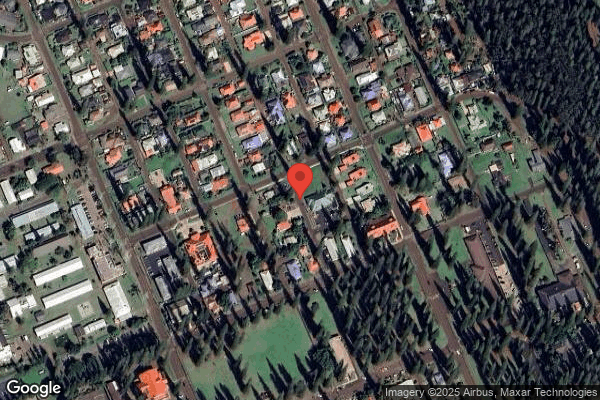
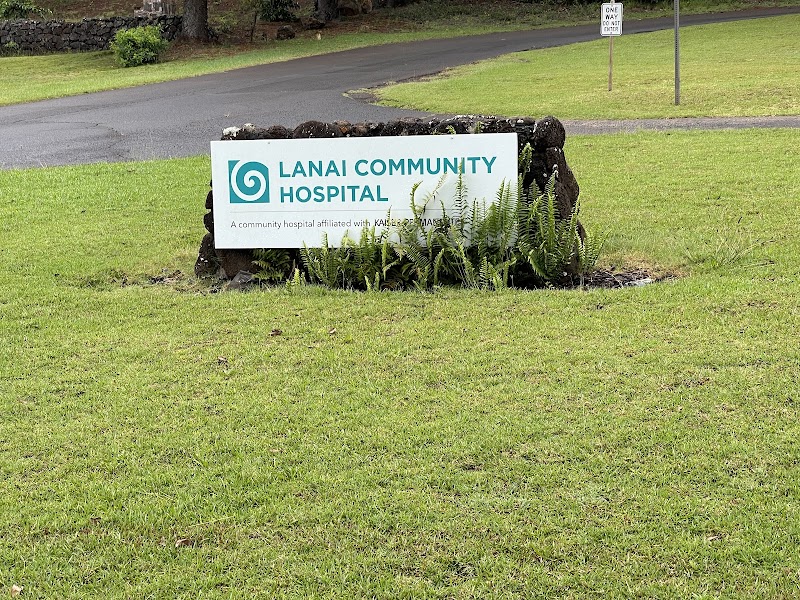
628 7TH STREET, LANAI CITY, HI 96763 (808) 565-8450
Non profit - Corporation 10 Beds Independent Data: November 2025
Trust Grade
75/100
#9 of 41 in HI
Last Inspection: October 2024

Within standard 12-15 month inspection cycle. Federal law requires annual inspections.

Overview

Lanai Community Hospital has a Trust Grade of B, indicating it is a good choice for families, suggesting solid care but room for improvement. It ranks #9 out of 41 facilities in Hawaii, placing it in the top half, and #2 out of 3 in Maui County, meaning only one local option is rated higher. The facility is improving, with issues decreasing from 6 in 2023 to 5 in 2024, which is a positive trend. However, staffing is a concern, as it received a poor rating of 0 out of 5 stars and has a high turnover rate of 56%, significantly above the state average of 36%. On the positive side, there have been no fines, indicating compliance with regulations, and the facility has excellent health inspection and quality measure ratings. Specific incidents of concern include the failure to provide a full-time Director of Nursing, and issues with medication labeling and proper assessment for residents' care needs, which could affect resident safety and care quality. Overall, while there are notable strengths, particularly in compliance and health measures, families should be aware of staffing challenges and some operational concerns.

Trust Score
B
75/100
In Hawaii
#9/41
Top 21%
Safety Record
Low Risk
No red flags
Inspections
Getting Better
6 → 5 violations
Staff Stability
⚠ Watch
56% turnover. Above average. Higher turnover means staff may not know residents' routines.
Penalties
✓ Good
No fines on record. Clean compliance history, better than most Hawaii facilities.
Skilled Nurses
○ Average
RN staffing data not reported for this facility.
Violations
⚠ Watch
21 deficiencies on record. Higher than average. Multiple issues found across inspections.
★★★★★
5.0
Overall Rating
☆☆☆☆☆
0.0
Staff Levels
★★★★★
5.0
Care Quality
★★★★★
5.0
Inspection Score
Stable
2023: 6 issues
2024: 5 issues

The Good

  • 5-Star Quality Measures · Strong clinical quality outcomes
  • Full Sprinkler Coverage · Fire safety systems throughout facility
  • No fines on record

Facility shows strength in quality measures, fire safety.

The Bad

Staff Turnover: 56%

Near Hawaii avg (46%)

Frequent staff changes - ask about care continuity

Staff turnover is elevated (56%)

8 points above Hawaii average of 48%

The Ugly 21 deficiencies on record

Oct 2024 5 deficiencies
CONCERN (D)

Potential for Harm - no one hurt, but risky conditions existed

Deficiency F0645 (Tag F0645)

Could have caused harm · This affected 1 resident

**NOTE- TERMS IN BRACKETS HAVE BEEN EDITED TO PROTECT CONFIDENTIALITY** Based on record review and interview, the facility failed to ensure the Preadmission Screening and Resident Review (PASARR) Leve...

Read full inspector narrative →
**NOTE- TERMS IN BRACKETS HAVE BEEN EDITED TO PROTECT CONFIDENTIALITY** Based on record review and interview, the facility failed to ensure the Preadmission Screening and Resident Review (PASARR) Level I was completed accurately to determine if Resident (R)7 will have to be referred for a Level II evaluation. As a result of this deficient practice, there was a potential for R7 not receiving the appropriate care and services for his mental condition. Findings Include: Review of R7's medical records conducted. R7 was admitted to the facility on [DATE] for long term placement with a diagnosis of Dementia due to Pick's Disease. Review of the PASARR Level I Screen dated 12/11/20 under Part A revealed that for the second question, Does the SMI (Serious Mental Illness) individual have Dementia?, the box for No was checked. On 10/16/24 at 03:26 PM, a concurrent interview and record review was conducted with the MDS (Minimum Data Set) Coordinator (MDSC), Social Worker (SW) and Director of Nursing (DON) at the nurse's station. Asked MDSC and SW if a PASSAR Level II evaluation was completed for R7. Both MDSC and SW looked in the paper chart and Electronic Health Records (EHR) and were not able to find it. Reviewed PASSAR Level I that was in the paper chart and asked MDSC, SW and DON if the second question on Part A was supposed to be marked as No. DON and MDSC confirmed that since R7's primary diagnosis on the form stated dementia, the box for Yes should have been checked off. MDSC added that if Part A was completed accurately, it would have triggered Part C to be completed which would determine if a referral for Level II evaluation should be made.
CONCERN (D)

Potential for Harm - no one hurt, but risky conditions existed

Comprehensive Care Plan (Tag F0656)

Could have caused harm · This affected 1 resident

**NOTE- TERMS IN BRACKETS HAVE BEEN EDITED TO PROTECT CONFIDENTIALITY** Based on observations, interviews, and record review, the facility failed to ensure comprehensive person-centered care plans wer...

Read full inspector narrative →
**NOTE- TERMS IN BRACKETS HAVE BEEN EDITED TO PROTECT CONFIDENTIALITY** Based on observations, interviews, and record review, the facility failed to ensure comprehensive person-centered care plans were developed and/or implemented for three residents (Resident (R)3, R4 and R6) in the sample. Specifically, care plans were not developed or implemented to monitor for adverse effects of medications taken for all three residents and to care for the vascular access (a way to reach the blood for hemodialysis) post hemodialysis (treatment to remove waste and excess fluids from the blood) for R3. As a result of this deficient practice, these residents were placed at risk for a decline in their quality of life, and were prevented from attaining their highest practicable physical, mental, and psychosocial well-being. This deficient practice has the potential to affect all the residents at the facility. Findings include: Cross Reference to F698 (Dialysis) - pressure dressing not removed as communicated by dialysis facility. Cross Reference to F757 (Drug Regimen is Free from Unnecessary Drugs) - monitoring for adverse effects not documented. 1) R3 is a [AGE] year-old resident admitted to the facility on [DATE]. Diagnoses included but not limited to stage 5 chronic kidney disease (kidney failure) and atrial fibrillation (irregular fast heartbeat). Review of medical records revealed that R3 was getting hemodialysis treatments three times a week and is taking Eliquis (anticoagulant medication used to prevent blood clots) twice a day. Observed R3 with the same dressing on her left upper arm on 10/15/24 and 10/16/24. Review of R3's care plan conducted. There were no care plans documented for the use of an anticoagulant and how to care for her vascular access after hemodialysis treatments. On 10/17/24 at 03:49 PM, a concurrent interview and record review conducted with Registered Nurse (RN)1 at the nurse's station. RN1 confirmed that R3's comprehensive care plan did not include interventions to monitor for signs and symptoms of bleeding or bruising and the instruction for the care of R3's vascular access after hemodialysis treatments was not implemented. 2) R4 is an [AGE] year-old resident admitted to the facility on [DATE]. Diagnosis included but not limited to alcohol related dementia with behavioral disturbances. Review of medical records revealed that R4 was on escitalopram (antidepressant medication) 2.5 milligrams (mg) daily for major depressive disorder. Comprehensive care plan included monitoring for common side effects like trouble sleeping, nausea, sweating, tiredness and sleepiness. No documentation of monitoring was found in the medical records. 3) R6 is a [AGE] year-old resident admitted to the facility on [DATE]. Diagnosis included but not limited to depression. Review of medical records revealed that R6 was on escitalopram 20 mg daily. Comprehensive care plan included monitoring for signs and symptoms of adverse effects to the medication. No documentation of monitoring was found in the medical records. On 10/17/24 at 03:49 PM, a concurrent interview and record review was conducted with RN1 at the nurse's station. Asked RN1 if they document the monitoring for adverse effects of escitalopram for both R4 and R6. RN1 said they document it in the MAR (medication administration record) every shift. Reviewed MAR with RN1, documentation only included behavior monitoring and not for signs and symptoms of adverse effects. RN1 said he will start including specific adverse effects of the medications in the log for both R4 and R6. During an interview with the Director of Nursing (DON) in his office on 10/18/24 at 08:25, DON confirmed that monitoring for the side effects of medications needed to be documented in the MAR, and instructions from the dialysis facility regarding post hemodialysis care for R3's a vascular access should have been added to the comprehensive care plan and implemented.
CONCERN (D)

Potential for Harm - no one hurt, but risky conditions existed

Deficiency F0698 (Tag F0698)

Could have caused harm · This affected 1 resident

Based on observations, interviews and record review, the facility failed to provide care consistent with professional standards of practice for the resident (Resident (R)3) who received hemodialysis (...

Read full inspector narrative →
Based on observations, interviews and record review, the facility failed to provide care consistent with professional standards of practice for the resident (Resident (R)3) who received hemodialysis (treatment to remove waste and excess fluids from the blood) treatments. Specifically, the facility did not provide post hemodialysis treatment care for R3's vascular access (a way to reach the blood for hemodialysis). This deficient practice could result in preventable vascular access complications that could cause serious adverse health conditions. Findings include: Cross Reference to F656 (Develop/implement Comprehensive Care Plan) - instruction to remove pressure dressing to vascular access not included in care plan. On 10/14/24 at 02:55 PM, Certified Nurse Assistant (CNA)2 said R3 has her hemodialysis treatments on Mondays, Wednesdays and Fridays at the dialysis clinic on the ground floor. On 10/15/24 at 08:39 AM, observed Registered Nurse (RN)1 administer medication to R3 in her room. R3 had two separate dressings to her left upper arm where her vascular access was. RN1 said the dressings were applied by the staff at the hemodialysis clinic after her treatment on 10/14/24. On 10/16/24 at 01:55 PM, observed RN1 administer medications to R3 in her room. R3 still had the dressings to her vascular access. Asked RN1 if they were the same dressings that were observed on 10/15/24. RN1 said they were and that he will remove them before she goes down for her treatment that afternoon. Review of R3's medical records conducted. Reviewed communications between the hemodialysis clinic and the facility. A document dated 08/08/24 from the hemodialysis facility stated, . After a 24-hour period please remove pressure dressing . On 10/16/24 at 03:13 PM, a concurrent record review and interview was conducted with the Director of Nursing (DON) and RN1 at the nurse's station. Showed the 08/08/24 communication to DON and RN1, both confirmed that the dressing should have been removed on 10/15/24 to prevent possible complications to R3's vascular access.
CONCERN (D)

Potential for Harm - no one hurt, but risky conditions existed

Deficiency F0757 (Tag F0757)

Could have caused harm · This affected 1 resident

**NOTE- TERMS IN BRACKETS HAVE BEEN EDITED TO PROTECT CONFIDENTIALITY** Based on record review and interviews, the facility failed to ensure adequate monitoring was done for three of five resident (Re...

Read full inspector narrative →
**NOTE- TERMS IN BRACKETS HAVE BEEN EDITED TO PROTECT CONFIDENTIALITY** Based on record review and interviews, the facility failed to ensure adequate monitoring was done for three of five resident (Resident (R)3, R4 and R6) sampled for unnecessary medications. The facility was not documenting if R3 was being monitored for signs and symptoms of bleeding and if R4 and R6 were being monitored for adverse effects of psychotropic medications. As a result of this deficient practice, these three residents were put at risk for avoidable adverse health complications related to her health condition and the use of anticoagulants and antidepressants. Findings include: Cross reference to F656 (Develop/Implement Comprehensive Care Plan) Facility did not implement interventions to monitor for adverse effects of psychotropic drugs and develop a care plan for the use of anticoagulant. 1) R3 is an [AGE] year-old resident on Eliquis (anticoagulant) 2.5 mg (milligrams) twice a day. Documentation of staff monitoring for the signs and symptoms of bleeding was not found in R3's chart. 2) R4 is an [AGE] year-old resident on escitalopram (antidepressant medication) 2.5 mg daily for major depressive disorder. Documentation of staff monitoring for the adverse effects of the medication was not found in the medical records. 3) R6 in a 71-year-pld resident on escitalopram 20 mg daily for depression. Documentation of staff monitoring for the adverse effects of the medication was not found in the medical records. On 10/17/24 at 03:49 PM, a concurrent interview and record review was conducted with Registered Nurse (RN)1 at the nurse's station. Asked RN1 if they monitor residents for sign and symptoms of adverse effects of medications like psychotropics and anticoagulants. RN1 said they monitor and document it every shift in the MAR (medication administration record). Reviewed MAR for R3, R4 and R6 with RN1. Documentation for adverse effects of psychotropics and anticoagulant were not found. RN1 said he will start including it in the MAR. On 10/18/24 at 08:25 AM, an interview was conducted with the Director of Nursing (DON) in his office. DON confirmed that the monitoring for signs and symptoms of bleeding for R3 and adverse effects of antidepressants for R4 and R6 should have been documented in the MAR every shift.
CONCERN (E)

Potential for Harm - no one hurt, but risky conditions existed

Deficiency F0761 (Tag F0761)

Could have caused harm · This affected multiple residents

Based on observations, interview and record review, the facility failed to ensure all medications and blood glucose testing supplies were labeled in accordance with professional standards. Proper labe...

Read full inspector narrative →
Based on observations, interview and record review, the facility failed to ensure all medications and blood glucose testing supplies were labeled in accordance with professional standards. Proper labeling is necessary to promote safe administration practices and decrease the risk for medication errors. Proper labeling of blood glucose testing supplies is necessary to ensure the efficacy of the supplies used to test the blood glucose meter for accuracy. This deficient practice has the potential to affect all residents in the facility. Findings include: 1) On 10/15/24 at 08:26 AM, inspection of the medication cart was conducted with Registered Nurse (RN)1. Three insulin syringes were found in the top drawer of the cart. Asked RN1 if all three insulin syringes were currently being used for the residents, RN1 confirmed that they were. All three syringes had a red sticker where RN1 said they would write down the open and discard dates. Asked RN1 how long are the syringes good for once they are opened, RN1 said, 28 days. Observed one of the three syringes did not have the open and discard dates written on the red sticker. RN1 said the dates are supposed to be written on the sticker so they will know if they can still use the medication. On 10/18/24 at 08:25 AM, an interview was conducted with the Director of Nursing (DON) in his office. DON confirmed that the staff are supposed to write the open and discard dates of the insulin syringes on the red sticker. Review of facility policy titled Storage of Medications and solutions in Resident Care Areas stated, . Refrigerated insulins must be dated when opened and discarded after 4 weeks as per manufacturer's specifications . Humulin after twenty-five [sic] (28) days . 2) On 10/15/24 at 08:31 AM, inspected glucometer (device used to measure glucose in the blood), test strips and control solutions that were kept at the nurse's station with RN1. Observed test strips and both control solutions were not labeled with an open and discard dates. Asked RN1 how often do they test the glucometer. RN1 said they test it once a day. When asked if the test strip and control solutions in the case were being used to test the glucometer, RN1 said, Yes. Asked RN1 how long are the test strips and control solutions good for once opened. RN1 said 120 days for the test strips and 90 days for the control solutions. RN1 added that they should have written the open and discard dates on both the strips container and control solutions so they will know when to discard them. Review of the facility policy titled POCT (Point of Care Testing) Blood Glucose Bedside Testing stated, . Write the expiration date on every new Test Strip and Quality Control vial . Quality Control Solution will expire in 90 days from the date opened .
Oct 2023 6 deficiencies
CONCERN (D)

Potential for Harm - no one hurt, but risky conditions existed

Deficiency F0602 (Tag F0602)

Could have caused harm · This affected 1 resident

**NOTE- TERMS IN BRACKETS HAVE BEEN EDITED TO PROTECT CONFIDENTIALITY** Based on observations, interviews, and record review, the facility failed to ensure the resident's right to be free from misappr...

Read full inspector narrative →
**NOTE- TERMS IN BRACKETS HAVE BEEN EDITED TO PROTECT CONFIDENTIALITY** Based on observations, interviews, and record review, the facility failed to ensure the resident's right to be free from misappropriation of a resident's property for one Resident (R)9 sampled. The Alleged Perpetrator (AP) was an acquaintance with R9 prior to the resident's admission to the facility and worked in the business office. The AP used his/her position as the Patient Access Services Lead and is responsible for handling financial matters. AP used her position to gain access to R9's bank account and personal property. This deficient practice placed the residents in the facility at risk for misappropriation of property. Findings include: On 10/23/23 at 04:24 PM, the State Agency (SA) contacted the State Long Term Care Ombudsman LTCO assigned to the facility to inquire about any concerns. LTCO reported there was a complaint involving an employee of the facility that was filed by a resident's Financial Power of Attorney (FPOA) regarding financial exploitation. LTCO reported the facility's Administrator had received an email from the resident's FPOA alleging an employee the AP influenced a resident to change his/her power of attorney from the resident's family member and attempted to sell R9's residential home to his/her child at a price below market value. LTCO confirmed that he did not know the name of the employee or resident involved in the allegation and was given minimal information by the Administrator about the alleged incident. At 4:45 PM, the SA's database, Aspen Complaints/Incidents Tracking System (ACTS) was reviewed and did not have an intake for the alleged incident from the facility or any other reporting agency to the SA. During the entrance conference on 10/24/23 at 12:42 PM, with the Administrator, requested the following documentation for the alleged incident: The name of the resident and AP; documentation of the date and time the facility successfully submitted the event report to the SA; the facility's complete investigation of the event; documentation of the facility's report to Adult Protective Services (APS) and police. Conducted a telephone interview with the Family Member (FM)1 who is the FPOA on 10/25/23 at 10:41 AM. FM1 reported being concerned that R9 was being taken advantage of financially and described the resident as being vulnerable and easily influenced. FM1 stated that prior to being admitted to the facility, R9 was in an acute hospital (on another island) and was deemed not competent to make decisions. At that time, FM2 was designated as the surrogate decision maker. FM1 reported that while R9 was in the acute hospital, the family needed to get access to R9's advanced healthcare directive (AHCD) and FPOA documents. At that time, FM1 learned that the AP had keys and unsupervised access to R9's home. FM1 requested for AP to retrieve R9's AHCD and FPOA documents from R9's home and was told that the AP was unable to find those documents. FM1 and FM2 also learned that R9's vehicle was given to one of the AP's children and had been in an accident. FM1 reported that when they went to the home, the majority of the furniture was missing, along with financial documents that included stocks, bonds, and deeds to properties that were owned by R9, and the AHCD and FPOA documents. R9 informed FM1 that the AP had cleaned the house and did not know of the location of any of the documents in question. FM1 reported that on a subsequent visit to the facility a couple of months after R9's admission, they became concerned the AP was overstepping boundaries and infringing on R9's financial matters. FM1 enlisted a real estate agent (REA)4 to sell the home. REA4 informed FM1 that the AP met with her and sought to sell the home to one of the AP's children for a price below the current market value ($725,000). The process was discontinued once REA4 discovered the property was in a trust. FM1 reported at this point R9's family became aware of the AP's intentions and believed that R9 was being manipulated by AP for her and her family's personal financial gain. FM1 confirmed the facility did not provide a monthly statement of any sort and as a result of her concern that R9 was being taken advantage of, the family hired an attorney, and the facility was served with a formal complaint which was sent and confirmed as delivered by United States Postal Service (USPS and email) to the facility's Administrator on 09/19/23. The complaint claimed that FM1 was R9's health care and financial POA, has and will continue to act in the best interest of the resident, and included documented issues and concerns related to the AP's unethical behavior which included the following: 1) R9 needs to be assessed for capacity due to the resident's decline in mentation, due to R9 making erratic changes to plans that have been known and in place for the safety of the resident, a lack of capacity making R9 susceptible to being influenced by the AP, and that AP has been blocking the family's request for a capacity assessment. 2) The AP had control over R9's finances and checkbook. 3) AP had attempted to purchase R9's property. 4) AP cleaned out R9's residential property and destroyed legal documents and conspired to change R9's estate documents. 5) AP trying to influence changes to R9's estate planning: AP indicated to FM1 that she is actively working with an attorney for R9 to update her estate planning documents. Initially, AP was going to be the POA but once the family questioned AP's employment at the facility, another friend AP(2) was named as the POA. Additionally, the AP has the key for R9's P.O. Box and is accessing the resident's mail. FM1 (the current financial POA and health care decision maker) is requesting that AP be removed from accessing and handling any financial affairs for R9 due to a conflict of interest and the unethical behavior of the AP to ensure R9 is not financially exploited and for the resident's safety. Surveyor called the AP on 10/26/23 at 04:15 PM to attempt an interview and was told that AP was on leave and was unavailable for an interview. During an interview with the Administrator stated the Director of Nursing (DON) has been on leave for the past 3-4 weeks, has turned in his/her resignation letter and is not expecting the DON to return to the facility prior to the designation date. Contact information for the DON was not provided by the Administrator. Also, Social worker (SW)1 and SW2 are no longer employed by the facility and not available for interview. On 10/26/23 at 05:23 PM, conducted an interview with Registered Nurse (RN)1 and RN2 regarding the AP's handling of the financial affairs for R9. RN1 and RN2 both confirmed they did not know that the AP and R9 were friends prior to the resident's admission to the facility. RN1 and RN2 confirmed AP had unsupervised access to the resident's checkbook and bank card. Staff stated they trusted AP due to her position and did not provide supervision over what AP was doing with R9's checkbook and bank card. RN1 stated prior to R9's family coming to the facility and requesting R9's checks and bank card, AP had the items in her possession, and it was not with the resident or in the resident's room. RN2 recalled when R9's family came to the facility in August, AP gave the items to RN2 to be logged into the resident's belongings. RN1 and RN2 reviewed R9's belonging's log which documented the resident's checkbook and bank card being entered into the locked box on 08/01/23. RN1, RN2, the Administrator, and this surveyor reconciled the check numbers logged into the resident's belongings with the actual checks in the locked box (stored in the medication cart which only the nurses have access to). It was documented R9 had 3 check books logged and there were only 2 check books present, the resident did not have the missing check book in her room. Also, four checks (#7038, #7039, #7040, and #7041) which were not logged into the resident's belongings were documented in the check ledger. RN1 and RN2 confirmed AP had been writing out R9's checks and having the resident sign it and the handwriting on the check ledger book was identified as AP's handwriting. The Administrator confirmed he was unaware that all the resident's checks and moneys were being kept in a locked box in the nurse's medication cart and the facility's process was for the nurses to be responsible for this. The Administrator stated that it was not appropriate for the nurses to be handling or to be responsible for resident's checks and money. RN1 and RN2 confirmed they trusted AP with the resident's checks and money due to her position at the facility and were unaware of what was going on. On 10/27/23 at 10:09 AM, conducted an interview with two business office staff (BO1 an BO2). Requested to review R9's financial records and review any receipts in the resident's financial file. BO1 and BO2 confirmed that AP is the only staff that can access the receipts, AP is not supervised and there is no oversight provided. BO1 and BO2 were able to print up a Cost Share Statement which documented a payment to the facility Check #7033 for $1,500 paid on 07/27/2023. BO1 and BO2 reported that there was another payment for $2000 which is not reflected in the statement. On 10/26/23 at 02:15 PM, conducted a review of R9's Electronic Health Record (EHR). Physicians admission orders documented R9 was admitted to the facility on [DATE] with a diagnosis which included Alzheimer's disease, metabolic encephalopathy, dysphagia, anemia, aspiration pneumonia, history of ischemic TIA, hypertension, and chronic kidney disease on the physician's admission Orders. Review of the R9's Minimum Data Set (MDS), with an Assessment Reference Date (ARD) of 07/20/23, documented, Section C. Cognitive Patterns, the brief interview for mental status (BIMS) score was 10, indicating moderately impaired cognition. The admission MDS, with an ARD of 01/20/23, Section C. Cognitive Patterns, C0500. documented the resident BIMS score was 6, indicating severe cognitive impairment. The facility also conducted four Mini Mental State Examination (MMSE) which is a tool used to systemically assess mental status and is not required by federal regulations. It is an 11-question measure that test five areas of cognitive function: orientation; registration; attention and calculation; recall and language. The maximum score is 30. A score of 23 or lower is indicative of cognitive impairment. Review of the completed MMSE conducted for R9 revealed that the resident consistently did not score any points in the attention and calculation portion of the test, indicating the resident is unable to do numeric calculations. -01/15/23- R9's total score was 20, indicating cognitive impairment. -02/13/23- R9's total score was 17, indicating cognitive impairment. -05/03/23- R9's total score was 24. -08/05/23- orientation (10 points). Staff documented, Resident refused to so the rest of the test. Review of R9's AHCD was signed and notarized, Durable General Power of Attorney (DGPOA), delegating administrative functions (banking, trust power, custody and safe keeping of assets, record keeping, and accounting), general management and investments, collections, litigation matters, bank accounts, safe deposit boxes, and acquisitions and conveyances power granted to Family Member (FM)1, and power granted to FM2 upon the disability or death of FM1, was notarized on March 10, 2009. Review of Social Worker (SW)1 progress notes documented on 01/17/23 at 10:03 AM, documented R9 had a Durable Power of Attorney on file; Support System: AP, friend; and Accountable accompanying adult: FM2. SW1's progress note on 05/01/23 documented, R9's initial MDS assessment with an ARD of 01/20/23, completed by the Director of Nursing (DON), R9 triggered for Cognitive Loss/ Dementia. Health Care Decision Making: Per note dated 12/19/2022 and completed by SW2, resident's health care agent/sister-in-law FM1 is unable to continue as the agent for R9 due to family health issues and other challenges. On 12/20/22, FM2 became R9's health care surrogate while family was searching for an Advance Health Care Agent (AHCD) document. The surrogacy was scanned into Epic on 12/22/22 by an acute hospital social service clerk. On 02/23/22 and AHCD dated 03/10/09 was scanned into R9's chart. R9's sister-in-law, FM1 was the assigned agent. The document also stated that if FM1 was unwilling or unable to serve as the agent, niece FM2 would become the agent. SW1's progress note on 08/01/23 at 11:53 AM documented, R9 has an AHCD on file and .when the surrogate was completed, a physician certified that resident DOES NOT have the ability to understand the significant benefits, risk, and alternatives to proposed health care and DOES NOT have the ability to make and communicate health care decisions . Currently, the resident's attending is reassessing R9's capacity to make health care decisions. If it is determined R9 can make his/her own health care decisions, SW1 will discuss completion of an AHCD with resident. 08/02/23- Teams meeting was facilitated by SW1, present were the DON, RN1, R9, FM1, and FM2. FM1 reported that someone else has been writing out R9's checks and R9 has been signing the checks. 08/03/23- SW1 conducted a Peacetime meeting with R9 and Registered Nurse (RN)1. R9 is requesting a new Durable Power of Attorney to be completed and would like the (AP) to become the new financial agent. SW1 discussed conflict of interest and reminded her that FM2 is the alternate financial agent. Review of bank statements from 11/01/22 to 10/25/23. While R9 was in the facility, unexplainable charges to the resident's financial institution included but are not limited to: - 02/10/23 Target: $29.67 - 02/13/23 Target: $29.68 - 02/14/23 Check-bank card $500.00 -03/10/23 Check-7008- Bank card $500.00 -05/10/23- Bank card- $500.00 -06/15/23- Bank card- $500.00 -06/15/23- 7013- home health agency provider- $500.00 -07/11/23 check 7027- bank card- $500.00 It was noted that bank card withdrawals of $500.00 which occurred on 02/14/23; 03/10/23; 05/10/23; 06/15/23; 07/11/23 were all documented as bank card and no other transactional description was provided and was documented in AP's handwriting in R9's check ledger. Review of the facility policy and procedure for Resident Trust Accounts, documented the residents have the right to manage their own financial affairs. Their personal funds will be deposited in the Individual Resident Trust Savings Account if the resident or legal representative request in writing. Procedures include the facility maintains a separate interest-bearing checking account, request for funds can be made by the resident or resident representative, request are written in an expense book, accurate and quarterly accounting to be completed, copy of the receipts are maintained and given to the resident representative, withdrawals are documented on resident's Safekeeping Account Withdrawal Record Form, and all banking records will be kept for a minimum of 3 years.
CONCERN (D)

Potential for Harm - no one hurt, but risky conditions existed

Abuse Prevention Policies (Tag F0607)

Could have caused harm · This affected 1 resident

Based on interview and record review, the facility failed to implement screening procedures to protect resident(s) from financial exploitation, report and thoroughly investigate an allegation of finan...

Read full inspector narrative →
Based on interview and record review, the facility failed to implement screening procedures to protect resident(s) from financial exploitation, report and thoroughly investigate an allegation of financial exploitation for one resident (Resident (R)9) sampled. The Administrator failed to report the allegation of financial abuse to the appropriate authorities and to the State Agency (SA). This deficient practice placed the residents in the facility at risk for financial exploitation. Findings include: On 10/23/23 at 04:24 PM, the State Agency (SA) contacted the State Long Term Care Ombudsman LTCO assigned to the facility to inquire about any concerns. LTCO reported there was a complaint involving an employee of the facility that was filed by a resident's Financial Power of Attorney (FPOA) regarding financial exploitation, cross reference (cr) to F602 free from Misappropriation/exploitation. On 10/24/23, conducted the entrance conference with the Administrator at 12:42 PM, requested the facility abuse and neglect policy documentation regarding the investigation of resident financial exploitation, cr F609 reporting of alleged violations. The abuse policy was not provided to the surveyor for review. On 10/26/23 at 09:05 AM, requested AP employee folder. The folder provided by the Administrator did not contain documentation of a background check or pre-employment screening was completed for the AP. A second request for the Administrator to provide AP's full employee file to include any documentation of a background check or pre-employment screening was conducted. The Administrator provided an additional employee file for AP which included training modules but did not contain documentation of a background check or pre-employment screening. Inquired with the Administrator a third time, at which point the Administrator confirmed the facility does not have documentation that a background check or pre-employment screening was conducted for AP. The Administrator stated he had spoken with the Human Resource Office (HRO), located on another island, and confirmed the facility was recently acquired and the acquiring owners grand-fathered in staff who were currently employed by the facility and did not conduct any form of screening or ensure employees had been appropriately screened before grand-fathering staff into the facility. The Administrator confirmed there was no documentation that AP was screened appropriately or had conducted a background check and could not confirm AP's appropriateness for employment.
CONCERN (D)

Potential for Harm - no one hurt, but risky conditions existed

Report Alleged Abuse (Tag F0609)

Could have caused harm · This affected 1 resident

Based on interviews and record reviews, the facility failed to ensure an allegation of financial exploitation was reported immediately, but not later than 24 hours after the allegation is made, to the...

Read full inspector narrative →
Based on interviews and record reviews, the facility failed to ensure an allegation of financial exploitation was reported immediately, but not later than 24 hours after the allegation is made, to the State Survey Agency (SA), Office of Health Care Assurance (OHCA)), Adult Protective Services (APS), and the authorities, or submit a completed report of all investigations in accordance with State law, to OHCA, within 5 working days of the incident for one Resident (R)9 sampled. Findings include: On 10/23/23 at 04:24 PM, the State Agency (SA) contacted the State Long Term Care Ombudsman LTCO assigned to the facility to inquire about any concerns. LTCO reported there was a complaint involving an employee of the facility that was filed by a resident's Financial Power of Attorney (FPOA) regarding financial exploitation, cross reference (cr) to F602 free from Misappropriation/exploitation. On 10/23/23 at 04:45 PM, this surveyor and the currently assigned Medicare Certified Officer (MCO) checked the Aspen Complaints/Incidents Tracking System (ACTS) and the state agency email which is used by the facilities to submit reportable incidents to OHCA. There was no documentation that the facility reported the allegation or any documentation informing the SA OHCA office of the incident. On 10/24/23, conducted the entrance conference with the Administrator at 12:42 PM, requested the facility abuse and neglect policy documentation regarding the investigation of resident financial exploitation, cr F607 Develop/implement abuse/neglect policies. While conducting the entrance conference with the Administrator on 10/24/23 at 12:42 PM, Asked when the Administrator first became aware of the allegation of financial exploitation by R9's POA. The Administrator stated he first became aware of the incident when he received a letter from R9's POA's attorney on 09/19/23. Requested for the Administrator to provide the facility's investigation of all allegations of abuse, neglect, or exploitation within the last year. Inquired with the Administrator twice (10/25/23 at 01:03 PM and on 10/26/23 at 10:15 AM) and was not provided the requested documents. On 10/26/23 at 01:26 PM, an email provided by the Administrator documented the Administrator filed a police report on 10/04/23 at 09:52 AM, which was 15 days after receiving a compliant of financial abuse from the family's attorney. The Administrator provided the requested investigation documentation on 10/26/23 at 04:00 PM. Inquired with the Administrator if the facility reported the allegation to OHCA, APS, and the police. The Administrator stated he emailed the report to OHCA and filed a police report, but did not report the incident to APS, as his understanding of the reporting duties were only to OHCA and the police; he reported it to the Ombudsman and stated it was the Ombudsman's responsibility to report the allegation to APS. The Administrator provided an email copy dated 09/30/23 at 12:07 PM, that was sent to the SA to an incorrect email address. The Administrator's initial email was sent 11 days after receiving notice of the allegation from the family's attorney. On 10/27/23 at 03:00 PM, during a telephone call with APS office, inquired if the facility had filed a report with the APS office. APS specialist (APSS)1 reviewed their database and confirmed there was no report of the incident documented. This surveyor made an official report of the allegation of financial exploitation regarding R9.
CONCERN (D)

Potential for Harm - no one hurt, but risky conditions existed

Investigate Abuse (Tag F0610)

Could have caused harm · This affected 1 resident

Based on interviews and record review, the facility failed to ensure an allegation of financial exploitation was thoroughly investigated and reported to the State Agency, within 5 working days of the ...

Read full inspector narrative →
Based on interviews and record review, the facility failed to ensure an allegation of financial exploitation was thoroughly investigated and reported to the State Agency, within 5 working days of the reported incident, for one resident (Resident (R)9) sampled. Legal counsel of R9's health care and Financial Power of Attorney (FPOA) reported an allegation of financial exploitation of the resident by a facility staff to the Administrator on 09/19/23. Review of the facility's investigation during the State Agency's (SA) recertification survey revealed the facility had not completed an investigation more than a month after the allegation was reported. Findings include: On 11/25/23 at 12:10 PM, requested for the Administrator to provide documentation of the investigation completed for an allegation of financial exploitation made by R9's health care and FPOA on 09/19/23, cross reference to F602 free from Misappropriation/exploitation. Review of the facility's investigation on 10/26/23 at 11:10 AM revealed there was no completed investigation report. This surveyor requested for the Administrator to provide documentation of the facility's submission to the SA. No documentation of the facility's submission to the SA was provided to the surveyor. Review of the SA's complaint and facility reported incident database did not contain documentation of a completed investigation report. The investigation which was completed by the Administrator was an interview with the AP. There was no documentation of staff interviews, interviews of R9's POA, no review of the facility's processes, and no review of R9's financial receipts and/or money and checks at the facility. The Medicare Certification Officer (MCO) reviewed the State Agency (SA) database on 10/26/2023 and verified the facility had not reported the allegation of financial exploitation to the Office of Health Care Assurance. During an interview with the Administrator, he confirmed the AP was cleared and would be returning to work but would be reprimanded for not disclosing a conflict of interest despite the lack of a complete and thorough investigation. Review of the SA complaints and facility reported incident (FRIs) database confirmed a completed report had not been completed or provided to the SA.
CONCERN (D)

Potential for Harm - no one hurt, but risky conditions existed

QAPI Program (Tag F0867)

Could have caused harm · This affected 1 resident

Based on interviews and record reviews, the facility failed to implement policies for the feedback, data collection, monitoring, performance improvement for high-risk, high-volume, or problem-prone ar...

Read full inspector narrative →
Based on interviews and record reviews, the facility failed to implement policies for the feedback, data collection, monitoring, performance improvement for high-risk, high-volume, or problem-prone areas, and conduct an improvement project at least annually. The Administrator was unaware of the high-risk/high prone issues, how the facility was addressing identified issues such as adverse event reporting, and results or adjustments made to implemented measures in a good faith attempt to reconcile these issues related to the facility's Quality Assurance Performance Improvement (QAPI) program as a result of this deficient practice, residents are at a potential risk for physical, mental, and/or psychosocial harm. Findings include: On 10/27/23 at 10:45 AM, conducted a concurrent record review of the facility's Quality Assurance and Performance Improvement (QAPI) program and interview with the Administrator. The Administrator had printed out the facility's QAPI notes and explained that the facility does not conduct an individual QAPI meeting but is part of a larger system and is incorporated into a larger QAPI review. Requested for the Administrator to: 1) identify and explain how the facility identifies, report, track, investigate, and analyze adverse events, and high risk, high volume, and/or problem-prone concerns. 2) What are some of performance improvements that the QAA team has identified high risk, high-problem areas? 3) How did the facility decide on what issues to work on? 4) How did the facility know that the corrective actions implemented, is effective, and improvement is occurring? The Administrator responded, I gave you the minutes, you can look and see what the areas are. This surveyor requested for the Administrator to explain the QAPI minutes because there were only graphs and no explanation of the graph's data. On some of the graphs, there was no indication of the value/identification of what was being graphed. The Administrator was unable to answer any of questions related to the facility's QAPI program, could not identify any high-risk, high-problem areas, could not speak to any performance improvement projects currently being implemented, and did not know when the last QAPI meeting was and/or what was discussed.
CONCERN (D)

Potential for Harm - no one hurt, but risky conditions existed

Deficiency F0882 (Tag F0882)

Could have caused harm · This affected 1 resident

Based on interviews and record review, the facility failed to ensure the designated Infection Preventionist (IP) worked at least part-time at the facility. The facility's IP works full-time at another...

Read full inspector narrative →
Based on interviews and record review, the facility failed to ensure the designated Infection Preventionist (IP) worked at least part-time at the facility. The facility's IP works full-time at another facility on another island and is not present at the facility at least half-time. As a result of this deficient practice, residents are at risk for more than minimal potential for harm. Findings include: On 10/24/23 at 1:15 PM, conducted an interview with the Administrator regarding the facility's IP. The Administrator confirmed the IP works full-time on another island for another facility and primarily works remotely. Inquired as to when the IP is physically present at the facility. The Administrator did not know when the IP is scheduled to be at the facility, could not provide documentation of any past or future schedules of the IP on-site in the facility. Requested to speak with the IP and was informed by the Administrator that the IP was at a conference and/or vacation and was not available to the surveyor. The Administrator reported that the facility has another Registered Nurse (RN)5 with infection control qualifications. Conducted an interview with RN5 and RN5 confirmed that although he/she has completed the necessary courses/training for infection control preventionist, RN5 is a full-time nurse in the emergency room adjacent to the facility and has not functioned as an infection preventionist for the facility. Additionally, during the survey, the Administrator announced RN5 would be assisting the facility in the capacity of the Director of Nursing, because the appointed Director of Nursing had handed in a letter of resignation and had not worked in the facility for, approximately, the past month. On 10/26/23 at 03:10 PM, conducted interviews with RN1 and RN2 regarding the presence of the designated IP at the facility. RN1 and RN2 confirmed IP is not present at the facility at least part-time and reported that although the IP is available by phone, the IP is not in the facility weekly, and could not confirm that the IP is in the facility at least monthly. RN1 and RN2 also confirmed there was no other staff that is designated as the facility's IP. During a meeting with the Administrator on 10/27/23 at 10:45 AM, the Administrator confirmed the IP works full-time on another island and is at the facility once a month and as needed. Inquired when the IP was last at the facility, the Administrator did not know and did not provide any documentation of when the IP was last at the facility.
Aug 2022 10 deficiencies
CONCERN (D)

Potential for Harm - no one hurt, but risky conditions existed

Resident Rights (Tag F0550)

Could have caused harm · This affected 1 resident

Based on observation and record review, the facility failed to protect and promote quality of life for three residents (Residents 3, 6, and 5) in the sample by ensuring that they were treated with res...

Read full inspector narrative →
Based on observation and record review, the facility failed to protect and promote quality of life for three residents (Residents 3, 6, and 5) in the sample by ensuring that they were treated with respect and dignity. Specifically, the facility failed to ensure staff provided feeding assistance in a manner that promoted independence and dignity. As a result of this deficient practice, these residents had their dignity compromised and were placed at risk of a decreased quality of life. This deficient practice has the potential to affect all residents in the facility who receive assistance with feeding. Findings include: 1) On 08/08/22 at 11:40 AM, observed certified nurse aide (CNA)1 standing over Resident (R)3 while assisting him with eating. A review of his Minimum Data Set (MDS) Quarterly Review Assessment with an Assessment Reference Date (ARD) of 07/05/22 noted that R3 was totally dependent on staff for eating. 2) On 08/08/22 at 11:45 AM, observed CNA2 standing over R6 as she assisted her with eating. A review of her MDS Quarterly Review Assessment with an ARD of 04/25/22 noted that R6 was totally dependent on staff for eating. 3) On 08/08/22 at 11:56 AM, observed CNA2 standing over R5 as she fed him three (3) spoonfuls of his prune pudding before returning the spoon to him and allowing him to feed himself the remainder. The prune pudding was the only item left on his lunch tray after independently feeding himself the rest of his lunch. A review of his MDS Quarterly Review Assessment with an ARD of 07/07/22 noted that R5 had been determined to require Limited assistance - resident highly involved in activity [eating]; staff provide guided maneuvering of limbs or other non-weight-bearing assistance for eating.
CONCERN (D)

Potential for Harm - no one hurt, but risky conditions existed

Deficiency F0583 (Tag F0583)

Could have caused harm · This affected 1 resident

**NOTE- TERMS IN BRACKETS HAVE BEEN EDITED TO PROTECT CONFIDENTIALITY** Based on observation, interview, and record review, the facility failed to respect the right to personal privacy for one residen...

Read full inspector narrative →
**NOTE- TERMS IN BRACKETS HAVE BEEN EDITED TO PROTECT CONFIDENTIALITY** Based on observation, interview, and record review, the facility failed to respect the right to personal privacy for one resident (R) in the sample (R4). Specifically, the facility installed a baby monitor camera in his room, placing him under continuous video monitoring, without his consent. As a result of this deficient practice, R4 had his privacy compromised and was placed at risk of a decreased quality of life and psychosocial harm. This deficient practice has the potential to affect all the residents at the facility. Findings include: Resident (R)4 is a [AGE] year-old male admitted to the facility on [DATE]. His diagnoses include failure to thrive, major depressive disorder, anxiety disorder, and dementia with behavioral disturbance. On 08/08/22 at 03:38 PM, a review of his Minimum Data Set (MDS) Quarterly Review Assessment with Assessment Reference Dates (ARD) of 04/11/22 and 07/11/22 noted that R4's Brief Interview for Mental Status (BIMS) exams had evaluated him with a score of 14. A score of 13-15 indicates the interviewee is cognitively intact. Both assessments also documented no acute changes in mental status. Further review of R4's medical record at this time revealed the following physician order from 12/06/21: Start [behavior] monitoring . 3. Paranoid, e.g. thinking that someone is monitoring him and setting up cameras and bugs on some items in his room or wherever he is located . The behavior monitoring was in relation to a psychiatric medication ordered for R4. On 08/10/22 at 02:36 PM, during an observation and concurrent interview with the Charge Nurse (CN)1, observed a video camera/monitor that had been set up in R4's room. The camera/monitor faced R4's bed and transmitted a live video feed to a receiver at the Nurses' Station (NS). CN1 stated the camera/monitor had been set up as an intervention to reduce falls for R4. CN1 confirmed at this time that R4 was still being monitored for, and exhibiting signs of, paranoia that he was being monitored/watched without his consent. A copy of R4's signed consent for the video monitoring was requested. On 08/10/22 at 03:02 PM, an interview was done with the Director of Nursing (DON) in the Treatment/Activity Room. The DON acknowledged R4's history of and continued monitoring for paranoid delusions related to being monitored by cameras and explained that the camera/monitor had begun in January 2022 to help prevent falls. A review of the Nursing Progress Notes in R4's medical record confirmed a 01/21/22 Progress Note (PN) documenting baby monitor placed in his room. Another PN on 01/22/22 noted His POA [Power of Attorney] is aware of the monitor in the room. Review of the medical record could find no documentation that R4 himself was aware of the monitor in his room. On 08/10/22 at 03:10 PM, during a brief discussion in the area between the NS and the Emergency Room, the Administrator confirmed that there was no other documentation found indicating that signed or verbal consent had been obtained.
CONCERN (D)

Potential for Harm - no one hurt, but risky conditions existed

Deficiency F0657 (Tag F0657)

Could have caused harm · This affected 1 resident

**NOTE- TERMS IN BRACKETS HAVE BEEN EDITED TO PROTECT CONFIDENTIALITY** Based on record review and interview with staff member, the facility failed to revise a care plan to reflect change in a residen...

Read full inspector narrative →
**NOTE- TERMS IN BRACKETS HAVE BEEN EDITED TO PROTECT CONFIDENTIALITY** Based on record review and interview with staff member, the facility failed to revise a care plan to reflect change in a resident's (Resident 2) need for passive range of motion services. Findings include: Resident (R)2 was admitted to the facility on [DATE] from a hospital. Diagnoses include progressive supranuclear palsy, diabetes mellitus (Type II), osteoarthritis, chronic obstructive pulmonary disease, and dysphagia. A review of the quarterly Minimum Data Set (MDS) with assessment reference date of 07/11/22 noted in Section G0400. Functional Range of Motion, R2 is coded with impairment to upper and lower extremities, both sides (right and left). Review of R2's care plan for contractures include a description for the resident to wear bilateral elbow wedge throughout the day 2 hours on/2 hours off as tolerated and to provide passive range of motion (PROM) to bilateral upper extremities before and after donning/doffing (putting on/removing) wedge. The interventions include, observe for and document any noted further contractures, perform range of motion exercises as ordered, and keep resident's hands clean and dry, nails trimmed and filed. The start date for this care plan was 07/01/21 with an expected end date of 09/30/22. On 08/10/22 at 03:00 PM an interview and concurrent record review was conducted with the Charge Nurse (CN)1. Requested to review documentation of staff members providing passive range of motion. CN1 provided documentation of staff members providing range of motion (ROM) daily. Reviewed the care plan with CN1 that indicates for staff to provide PROM to bilateral upper extremities before and after donning/doffing of wedge. CN1 replied that they are providing ROM services as ordered by the physician. Review of R2's physician orders for August 2022 with CN1 include placing a wedge to right and left elbows for 2 hours or as tolerated (dated 03/11/20) and maintenance exercise program PROM upper extremities/lower extremities 5 (five) times per week (dated 06/05/19). CN1 acknowledged R2's care plan needs revision to match the physician's orders.
CONCERN (D)

Potential for Harm - no one hurt, but risky conditions existed

Quality of Care (Tag F0684)

Could have caused harm · This affected 1 resident

**NOTE- TERMS IN BRACKETS HAVE BEEN EDITED TO PROTECT CONFIDENTIALITY** Based on observation, interview, and record review, the facility failed to assess for, document, and manage, lower leg edema for...

Read full inspector narrative →
**NOTE- TERMS IN BRACKETS HAVE BEEN EDITED TO PROTECT CONFIDENTIALITY** Based on observation, interview, and record review, the facility failed to assess for, document, and manage, lower leg edema for one Resident (R) in the sample who had a diagnosis and was being actively treated for it. As a result of this deficient practice, the Resident was placed at an increased risk for avoidable declines and injuries related to lower leg edema. This deficient practice has the potential to affect all residents at the facility at risk of lower leg edema. Findings include: Resident (R)5 is an [AGE] year-old male admitted to the facility on [DATE]. His diagnoses include alcohol-related dementia with behavioral disturbance, bilateral [both sides] leg edema, chronic bilateral peripheral venous insufficiency [when your leg veins become damaged and can't work as they should. Normally, valves in your leg veins keep blood flowing back up to your heart. Damage to those valves causes blood to pool in your legs. This increases pressure in your leg veins causing symptoms like swelling], and hypertension [high blood pressure]. On 08/08/22 at 11:16 AM, an observation was done of R5 sitting near the window in the dining room. R5 was sitting in a wheelchair with his feet placed on the footrests in the down position (knees bent at approximately ninety (90) degrees). R5 was wearing long pants, non-slip socks, and a lap blanket; unable to observe skin condition or swelling in his legs. Continued observations throughout the day noted no change in position of his legs or footrests until he returned to his room to lay on his bed at approximately 01:30 PM. On 08/09/22 at 08:26 AM, during a review of R5's medical record, the following order from 07/02/20 was noted: Elevate legs between meals for 30 minutes (resident may be in chair with legs up or in bed) - DX [diagnosis]: Bilateral Leg Edema [swelling]. On 08/09/22 at 08:53 AM, an observation was done of R5 sitting near the window in the dining room. R5 was sitting in a wheelchair with his feet placed on the footrests in the down position (knees bent at approximately ninety (90) degrees), wearing shorts. R5's lower legs, ankles, and feet appeared swollen with his skin drawn taut. Continued observations throughout the day noted no change in position of his legs or footrests until he returned to his room to lay on his bed at approximately 01:30 PM. On 08/10/22 at 11:12 AM, an observation was done of R5 sitting near the window in the dining room. R5 was sitting in a wheelchair with his feet placed on the footrests in the down position (knees bent at approximately ninety (90) degrees). Interviews were done concurrently with Certified Nurse Aide (CNA)2 and CNA3. CNA3 stated that they [the CNAs] elevate R5's legs on the footrests of his wheelchair or a short stool (pointing to a 2-inch flat stool) for his edema. Both CNAs agreed that this treatment is done once a day after breakfast, and that they considered R5's legs currently elevated, placed on his footrests in the down position. CNA3 further explained that the footrests on R5's wheelchair cannot go any higher than they already were. CNA2 stated that when R5 returns to bed after lunch, they will elevate his feet on a pillow. On 08/10/22 at 11:30 AM, an interview was done with the Director of Nursing (DON) in the Treatment/Activity Room. When asked for documentation that R5's edema was being assessed and monitored for treatment efficacy, the DON produced a copy of R5's Treatment Record which listed different treatments ordered, including to Elevate legs between meals. The Elevate legs treatment had 0900, 1300, and 1800 [09:00 AM, 01:00 PM, and 06:00 PM] written in next to it, and included the initials of the licensed nurses on duty in the daily columns. The DON explained that the initials indicated both that the treatment had been done and that the edema had been assessed. If the licensed nurse on duty had found evidence of edema, they would put it in a Progress Note. When asked if that meant R5 was being routinely assessed for edema three times a day, the DON stated, yes, they [the licensed nurses] do it every shift. On 08/10/22 at 11:42 AM, an interview was done with Registered Nurse (RN)1 in the Dining Room. When asked if he routinely assessed any of the residents for edema, RN1 responded, no. RN1 stated that he would assess for edema only if he noticed it while doing his visual check of the resident(s) at the start of his shift, or if a CNA alerted him that there was a problem. On 08/10/22 at 12:22 PM, during an interview with the DON in the Treatment/ActivityRoom, the DON stated that she had completed a review of the Progress Notes and had not seen any documentation of edema for a long time, so he [R5] doesn't really need it anymore. When asked why they were continuing an active treatment if the resident did not need it, the DON stated, it seems to be working, he hasn't had edema, so we do it preventively. On 08/10/22 at 12:39 PM, the State Agency (SA) accompanied the DON and Charge Nurse (CN)1 into R5's room to assess for lower leg edema, at the SA's request. The SA observed at this time that neither CN1 or the DON assessed for edema properly, lightly pressing down on R5's foot and shin for less than a second in different areas. The SA had to prompt the DON to hold light pressure for a few seconds before letting go. Once this was done, the DON agreed that R5 had +1 edema . on one side [left]. A review of Clinical manifestations and Evaluation of Edema in Adults, by C. [NAME], MD, found at https://www.uptodate.com/contents/clinical-manifestations-and-evaluation-of-edema-in-adults/print, and current through July 2022, revealed the following: . edema is defined by the presence of tissue depression after pressure is applied to the edematous area for at least five seconds. A review of Patient Education: Edema (swelling) (Beyond the Basics), by [NAME] H [NAME], MD, found at https://www.uptodate.com/contents/edema-swelling-beyond-the-basics/print, and current through July 2022, revealed the following: Leg, ankle, and foot edema can be improved by elevating the legs above heart level for 30 minutes three or four times per day.
CONCERN (D)

Potential for Harm - no one hurt, but risky conditions existed

Deficiency F0744 (Tag F0744)

Could have caused harm · This affected 1 resident

**NOTE- TERMS IN BRACKETS HAVE BEEN EDITED TO PROTECT CONFIDENTIALITY** Based on observation, interview and record review, the facility failed to ensure one resident (R) diagnosed with dementia, recei...

Read full inspector narrative →
**NOTE- TERMS IN BRACKETS HAVE BEEN EDITED TO PROTECT CONFIDENTIALITY** Based on observation, interview and record review, the facility failed to ensure one resident (R) diagnosed with dementia, received the appropriate treatment and services to attain or maintain his highest practicable physical, mental, and psychosocial well-being. Specifically, the resident was administered psychiatric medication mixed into his food and was being monitored in his room via a live video monitor, both without his consent or knowledge, despite explicitly expressing paranoia and anxiety about those events. As the resident had been receiving dementia care services for previously diagnosed psychiatric issues such as paranoid delusions, the psychosocial harm and potential for negative effects as a result of this deficient practice cannot be fully determined, however, it is known that this deficient practice has the potential to affect all the residents at the facility receiving dementia care. Findings include: Resident (R)4 is a [AGE] year-old male admitted to the facility on [DATE]. His diagnoses include failure to thrive, major depressive disorder, anxiety disorder, and dementia with behavioral disturbance. On 08/08/22 at 03:38 PM, a review of his Minimum Data Set (MDS) Quarterly Review Assessment with Assessment Reference Dates (ARD) of 04/11/22 and 07/11/22 noted that R4's Brief Interview for Mental Status (BIMS) exams had evaluated him with a score of 14. A score of 13-15 indicates the interviewee is cognitively intact. Both assessments also documented no acute changes in mental status. Further review of R4's medical record at this time revealed the following physician order from 12/06/21: Start monitoring . Delusion of Grandeur, e.g. believing that he is an [NAME] who can save others . 2. Delusion of Persecution, e.g. believing that some staff are devil and demons who will hurt him . 3. Paranoid, e.g. thinking that someone is monitoring him and setting up cameras and bugs on some items in his room or wherever he's located . someone must have added poison on his food or drink, hence prefers sealed bottled water and not to take medication. On 08/10/22 at 02:36 PM, during an observation and concurrent interview with Charge Nurse (CN)1, observed a video camera/monitor that had been set up in R4's room. The camera/monitor faced R4's bed and transmitted a live video feed to a receiver at the Nurses' Station (NS). CN1 stated the camera/monitor had been set up as an intervention to reduce falls for R4. CN1 confirmed at this time that R4 was still being monitored for, and exhibiting signs of, paranoia that he was being monitored/watched without his consent. A copy of R4's signed consent for the video monitoring was requested. On 08/10/22 at 03:02 PM, an interview was done with the Director of Nursing (DON) in the Treatment/Activity Room. The DON acknowledged R4's history of and continued monitoring for paranoid delusions related to being monitored by cameras and explained that the camera/monitor had begun in January 2022 to help prevent falls. A review of the Nursing Progress Notes in R4's medical record confirmed a 01/21/22 Progress Note (PN) documenting baby monitor placed in his room. Another PN on 01/22/22 noted His POA [Power of Attorney] is aware of the monitor in the room. Review of the medical record could find no documentation that R4 was aware of the monitor in his room. On 08/10/22 at 03:10 PM, during a brief discussion in the area between the NS and the Emergency Room, the Administrator confirmed that there was no other documentation found indicating that signed or verbal consent had been obtained. On 08/10/22 at 04:55 PM, an observation was done of Registered Nurse (RN)1 preparing to administer the following psychiatric medications to R4: Aripiprazole [an antipsychotic] 1mg/ml [milligram per milliliter] liquid, 2 mls [milliliters], may mix with food or drinks. Citalopram [an antidepressant] 10mg/5ml solution, 2.5 mls, may mix with food or drinks. After preparing the colorless liquids/solutions, observed RN1 pour both doses all over the main dish (chicken with a thin gravy) in R4's partitioned dinner plate. RN1 then handed the dinner tray to Certified Nurse Aide (CNA)4, who delivered the dinner tray to R4. Neither RN1 nor CNA4 informed R4 that there was medication in his food. When asked, RN1 stated that R4 could feed himself and that the medications were poured onto his food because he thinks his medicine is a poison. RN1 then proceeded to continue his afternoon medication pass, moving on to the next resident. On 08/10/22 at 05:11 PM, observed R4 inform the Director of Nursing (DON) that he was done with his dinner tray. The DON took R4's dinner tray from him and placed it on the meal cart to go back to the kitchen. An inspection of the dinner tray at this time noted all but one small piece of minced chicken was gone from the main dish section of the plate, however thin gravy still remained in the bottom of the partition. Despite it being impossible to determine how much of each medication R4 received (whether he accidently dropped some of the food, shared some of the food with another resident, diverted food into his napkin, or how much medication may or may not have been left in the plate), RN1 documented both medications as fully administered. On 08/11/22 at 07:45 AM, during a review of his medical record, it was noted that R4 was informed of and allowed to refuse other medications that were not psychiatric.
CONCERN (D)

Potential for Harm - no one hurt, but risky conditions existed

Unnecessary Medications (Tag F0759)

Could have caused harm · This affected 1 resident

**NOTE- TERMS IN BRACKETS HAVE BEEN EDITED TO PROTECT CONFIDENTIALITY** Based on observation, interview, and record review (RR), the facility failed to ensure a medication error rate of less than 5%, ...

Read full inspector narrative →
**NOTE- TERMS IN BRACKETS HAVE BEEN EDITED TO PROTECT CONFIDENTIALITY** Based on observation, interview, and record review (RR), the facility failed to ensure a medication error rate of less than 5%, as evidenced by two medication errors observed out twenty-seven opportunities for errors, for an error rate of 7.41%. Safe and thorough medication administration practices are essential for the health and well-being of the residents. As a result of this deficient practice, one resident (Resident 4) was placed at risk of not receiving therapeutic doses of his psychiatric medications. This deficient practice has the potential to affect all residents in the facility receiving medications. Findings include: Resident (R)4 is a [AGE] year-old male admitted to the facility on [DATE]. His diagnoses include failure to thrive, major depressive disorder, anxiety disorder, and dementia with behavioral disturbance. On 08/08/22 at 03:38 PM, a review of his Minimum Data Set (MDS) Quarterly Review Assessment with Assessment Reference Dates (ARD) of 04/11/22 and 07/11/22 noted that R4's Brief Interview for Mental Status (BIMS) exams had evaluated him with a score of 14. A score of 13-15 indicates the interviewee is cognitively intact. Both assessments also documented no acute changes in mental status. Further review of R4's medical record at this time revealed the following physician order from 12/06/21: Start monitoring . 3. paranoid, e.g. thinking that someone is monitoring him and setting up cameras and bugs on some items in his room or wherever he's located . someone must have added poison on his food or drink, hence prefers sealed bottled water and not to take medication. On 08/10/22 at 04:55 PM, an observation was done of Registered Nurse (RN)1 preparing to administer the following psychiatric medications to R4: Aripiprazole [an antipsychotic] 1mg/ml [milligram per milliliter] liquid, 2 mls [milliliters], may mix with food or drinks. Citalopram [an antidepressant] 10mg/5ml solution, 2.5 mls, may mix with food or drinks. After preparing the colorless liquids/solutions, observed RN1 pour both doses all over the main dish (chicken with a thin gravy) in R4's partitioned dinner plate. RN1 then handed the dinner tray to Certified Nurse Aide (CNA)4, who delivered the dinner tray to R4. Neither RN1 nor CNA4 informed R4 that there was medication in his food. When asked, RN1 stated that R4 could feed himself and that the medications were poured onto his food because he thinks his medicine is a poison. RN1 then proceeded to continue his afternoon medication pass, moving on to the next resident. On 08/10/22 at 05:11 PM, observed R4 inform the Director of Nursing (DON) that he was done with his dinner tray. The DON took R4's dinner tray from him and placed it on the meal cart to go back to the kitchen. An inspection of the dinner tray at this time noted all but one small piece of minced chicken was gone from the main dish section of the plate, however thin gravy still remained in the bottom of the partition. Despite it being impossible to determine how much of each medication R4 received (whether he accidently dropped some of the food, shared some of the food with another resident, diverted food into his napkin, or how much medication may or may not have been left in the plate), RN1 documented both medications as fully administered.
CONCERN (D)

Potential for Harm - no one hurt, but risky conditions existed

Infection Control (Tag F0880)

Could have caused harm · This affected 1 resident

Based on observation and interview, the facility failed to ensure appropriate protective and preventive measures for COVID-19 and other communicable diseases and infections, as evidenced by the facili...

Read full inspector narrative →
Based on observation and interview, the facility failed to ensure appropriate protective and preventive measures for COVID-19 and other communicable diseases and infections, as evidenced by the facility failing to ensure staff followed standard precautions in relation to hand hygiene and glove use. As a result of this deficient practice, resident safety was compromised. This deficient practice has the potential to affect all residents in the facility. Findings include: On 08/08/22 at 12:15 PM observed (Registered Nurse)1 put on gloves, remove a wiping cloth from the container and wipe the top surface of the medication cart. RN1 removed the gloves and put on another pair of gloves. No hand hygiene was observed after glove removal and prior to putting on a new pair of gloves. On 08/08/22 at 12:19 PM, an observation of a gastric tube dressing change was done. During the process of Registered Nurse (RN)1 conducting the dressing change on Resident (R)10, observed RN1 change his gloves three times without any hand hygiene in between. When asked, RN1 acknowledged and apologized that he did not perform hand hygiene in between changing gloves.
CONCERN (E)

Potential for Harm - no one hurt, but risky conditions existed

Assessment Accuracy (Tag F0641)

Could have caused harm · This affected multiple residents

**NOTE- TERMS IN BRACKETS HAVE BEEN EDITED TO PROTECT CONFIDENTIALITY** Based on record reviews and interview with staff members, the facility did not assure 2 (Residents 10 and 1) of 9 residents in t...

Read full inspector narrative →
**NOTE- TERMS IN BRACKETS HAVE BEEN EDITED TO PROTECT CONFIDENTIALITY** Based on record reviews and interview with staff members, the facility did not assure 2 (Residents 10 and 1) of 9 residents in the sample received an accurate assessment for the use of antibiotics and accurately code a resident's activities of daily living abilities in bed mobility and transfer. Findings include: 1) Resident (R)10 was admitted to the facility on [DATE] from an acute hospital. Diagnoses include cerebrovascular accident, diabetes mellitus, and hypertension. Record review of R10's comprehensive/annual Minimum Data Set (MDS) with an assessment reference date (ARD) of 03/24/22 notes R10 was coded for bed mobility (how resident moves to and from lying position, turns side to side, and positions body while in bed or alternate sleep furniture) and transfer (how resident moves between surfaces including to or from: bed, chair, wheelchair, standing position) as requiring extensive assist with two plus person physical assist. Review of the subsequent quarterly MDS with an ARD of 06/23/22 documents R1 was coded as dependent with two plus person physical assist for bed mobility and transfer, indicating a decline in self-performance. Interview with Resident Assessment Instrument Coordinator (RAIC) was done on 08/09/22 at 03:44 PM, inquired what contributed to R1's decline in self-performance for bed mobility and transfer. RAIC was agreeable to review certified nurse aides' charting. RAIC explained extensive assist would indicate the resident could bear some weight (stand-lift) and using a Hoyer lift for transferring would indicate the resident is dependent. At 04:23 PM, RAIC reported R10's record was reviewed back to December 2021 and R10 has always been dependent in self-performance for bed mobility and transfer. RAIC acknowledged this was a coding error and not a decline. 2) R1 was readmitted to the facility on [DATE] after being treated for COVID-19 and a urinary tract infection (UTI). Diagnoses include unspecified dementia without behavioral disturbance. Record review found a physician progress note dated 08/08/22 documenting R1 has recurrent UTI with staghorn calculus in the right kidney which requires surgery. The recommendation was antibiotic suppression, administration of Vantin (antibiotic) either continuously or until surgery can be scheduled. A review of the Medication Order for August 2022 notes a physician's order for cefpodoxime 200 mg tablet (for Vantin) once daily continually for diagnosis of UTI. The start date was 04/28/22. A review of R1's annual/comprehensive MDS with an ARD of 06/14/22 in Section N. Medications, R1 was coded as receiving antibiotic once during the last seven days. Review of the care plan revealed no plan/interventions for the long-term use of an antibiotic. A review of R1's Medication Administration Record (MAR) for June documents cefpodoxime (Vantin) was administered daily as ordered. On 08/10/22 at 10:00 AM, an interview and concurrent record review was done with the RAIC. RAIC reviewed the MDS and MAR and confirmed there was a coding error. R1 should be coded 7 (seven) indicating R1 received an antibiotic medication for seven days during the assessment period.
CONCERN (E)

Potential for Harm - no one hurt, but risky conditions existed

Pharmacy Services (Tag F0755)

Could have caused harm · This affected multiple residents

**NOTE- TERMS IN BRACKETS HAVE BEEN EDITED TO PROTECT CONFIDENTIALITY** Based on observation and interview, the facility failed to ensure pharmacy services included a thorough process to assure the ac...

Read full inspector narrative →
**NOTE- TERMS IN BRACKETS HAVE BEEN EDITED TO PROTECT CONFIDENTIALITY** Based on observation and interview, the facility failed to ensure pharmacy services included a thorough process to assure the accurate reconciliation and proper disposition of all drugs and biologicals necessary to meet the potential needs of the residents. As a result of this deficient practice, the safety and efficacy of Emergency Kit (E-Kit) medications and devices were compromised. This deficient practice had the potential to affect any patient who required immediate use of a medication or device in the E-Kit. Findings include: On [DATE] at 02:57 PM, an inspection of the long-term care medication cart was done. In the bottom drawer of the cart, a sealed E-Kit (Emergency Kit) labeled COVID-19 EKIT EXPIRES: [DATE], was found. Labeling indicated that the E-Kit had been restocked in [DATE]. The E-Kit inventory sheet attached to the sealed container listed the following contents: 2 - Aerochamber Plus Flow-[NAME] (a valved holding chamber that helps residents inhale metered dose inhaler medications correctly), with an expiration date of 09/21. 2 - Ventolin HFA 90 mcg (micrograms) Inhaler (used to prevent and treat wheezing and shortness of breath), with an expiration date of 12/21. 2 - 24-count Dexamethasone 2 mg (milligrams) Tablets (a steroid used to prevent the release of substances in the body that cause inflammation), with an expiration date of 09/21. On [DATE] at 03:26 PM, an interview was done in the Treatment/Activity Room with the Administrator and the Director of Nursing (DON). The Administrator stated the E-Kit was for COVID only and they never would have used it. Both the Administrator and DON confirmed that the facility Nurses are responsible to check the cart for outdated medications on a daily basis and that the facility Pharmacist should also be checking the cart every month. The Administrator agreed that someone should have pulled the expired E-Kit out and either sent it back to the Pharmacy or destroyed it.
CONCERN (F)

Potential for Harm - no one hurt, but risky conditions existed

Deficiency F0727 (Tag F0727)

Could have caused harm · This affected most or all residents

Based on interview and record review, the facility failed to provide a Director of Nursing (DON) on a full-time basis. The same staff member covers both the long-term care (LTC) facility and the Criti...

Read full inspector narrative →
Based on interview and record review, the facility failed to provide a Director of Nursing (DON) on a full-time basis. The same staff member covers both the long-term care (LTC) facility and the Critical Access Hospital (CAH) as the DON. Findings include: On 08/10/22 at 01:45 PM, Administrator reported the facility's Director of Nursing (DON) oversees the LTC facility and the CAH. On 08/11/22 at 02:46 PM, the facility provided a job description for the LTC DON via secure email. The job title is Director of Nursing - Critical Access. The job summary includes providing leadership and on-going management of the hospital's daily administrative services and responsible for staffing, planning, development, implementing, controlling and evaluation of the hospital's operations to ensure quality patient services are provided. On 08/15/22 at 11:15 AM, the facility provided a snapshot of the facility's organizational chart. The staff member in the DON position is listed as the DON for the LTC facility and the Critical Access Hospital.
Understanding Severity Codes (click to expand)
Life-Threatening (Immediate Jeopardy)
J - Isolated K - Pattern L - Widespread
Actual Harm
G - Isolated H - Pattern I - Widespread
Potential for Harm
D - Isolated E - Pattern F - Widespread
No Harm (Minor)
A - Isolated B - Pattern C - Widespread

Questions to Ask on Your Visit

  • "Why is there high staff turnover? How do you retain staff?"
  • "Can I speak with families of current residents?"
  • "What's your RN coverage like on weekends and overnight?"

Our Honest Assessment

Strengths
  • • No major safety red flags. No abuse findings, life-threatening violations, or SFF status.
  • • No fines on record. Clean compliance history, better than most Hawaii facilities.
Concerns
  • • 21 deficiencies on record. Higher than average. Multiple issues found across inspections.
  • • 56% turnover. Above average. Higher turnover means staff may not know residents' routines.
Bottom line: Generally positive indicators. Standard due diligence and a personal visit recommended.

About This Facility

What is Lanai Community Hospital's CMS Rating?

CMS assigns LANAI COMMUNITY HOSPITAL an overall rating of 5 out of 5 stars, which is considered much above average nationally. Within Hawaii, this rating places the facility higher than 99% of the state's 100 nursing homes. This rating reflects solid performance across the metrics CMS uses to evaluate nursing home quality.

How is Lanai Community Hospital Staffed?

Staff turnover is 56%, which is 10 percentage points above the Hawaii average of 46%. High turnover can affect care consistency as new staff learn residents' individual needs.

What Have Inspectors Found at Lanai Community Hospital?

State health inspectors documented 21 deficiencies at LANAI COMMUNITY HOSPITAL during 2022 to 2024. These included: 21 with potential for harm.

Who Owns and Operates Lanai Community Hospital?

LANAI COMMUNITY HOSPITAL is owned by a non-profit organization. Non-profit facilities reinvest revenue into operations rather than distributing to shareholders. The facility operates independently rather than as part of a larger chain. With 10 certified beds and approximately 9 residents (about 90% occupancy), it is a smaller facility located in LANAI CITY, Hawaii.

How Does Lanai Community Hospital Compare to Other Hawaii Nursing Homes?

Compared to the 100 nursing homes in Hawaii, LANAI COMMUNITY HOSPITAL's overall rating (5 stars) is above the state average of 3.5, staff turnover (56%) is near the state average of 46%, and health inspection rating (5 stars) is much above the national benchmark.

What Should Families Ask When Visiting Lanai Community Hospital?

Based on this facility's data, families visiting should ask: "How do you ensure continuity of care given staff turnover, and what is your staff retention strategy?" "Can I visit during a mealtime to observe dining assistance and food quality?" "How do you handle medical emergencies, and what is your hospital transfer rate?" "Can I speak with family members of current residents about their experience?" These questions are particularly relevant given the facility's high staff turnover rate.

Is Lanai Community Hospital Safe?

Based on CMS inspection data, LANAI COMMUNITY HOSPITAL has a clean safety record: no substantiated abuse findings (meaning no confirmed cases of resident harm), no Immediate Jeopardy citations (the most serious violation level indicating risk of serious injury or death), and is not on the Special Focus Facility watch list (a federal program monitoring the lowest-performing 1% of nursing homes). The facility has a 5-star overall rating and ranks #1 of 100 nursing homes in Hawaii. While no facility is perfect, families should still ask about staff-to-resident ratios and recent inspection results during their visit.

Do Nurses at Lanai Community Hospital Stick Around?

Staff turnover at LANAI COMMUNITY HOSPITAL is high. At 56%, the facility is 10 percentage points above the Hawaii average of 46%. High turnover means new staff may not know residents' individual needs, medications, or preferences. It can also be disorienting for residents, especially those with dementia who rely on familiar faces. Families should ask: What is causing the turnover? What retention programs are in place? How do you ensure care continuity during staff transitions?

Was Lanai Community Hospital Ever Fined?

LANAI COMMUNITY HOSPITAL has no federal fines on record. CMS issues fines when nursing homes fail to meet care standards or don't correct problems found during inspections. The absence of fines suggests the facility has either maintained compliance or corrected any issues before penalties were assessed. This is a positive indicator, though families should still review recent inspection reports for the full picture.

Is Lanai Community Hospital on Any Federal Watch List?

LANAI COMMUNITY HOSPITAL is not on any federal watch list. The most significant is the Special Focus Facility (SFF) program, which identifies the bottom 1% of nursing homes nationally based on persistent, serious quality problems. Not being on this list means the facility has avoided the pattern of deficiencies that triggers enhanced federal oversight. This is a positive indicator, though families should still review the facility's inspection history directly.