
Kauai Care Center

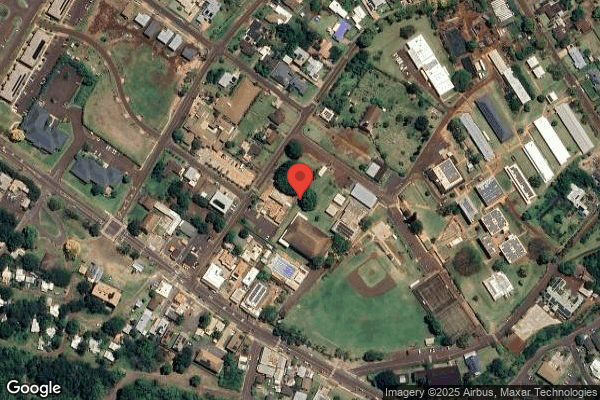
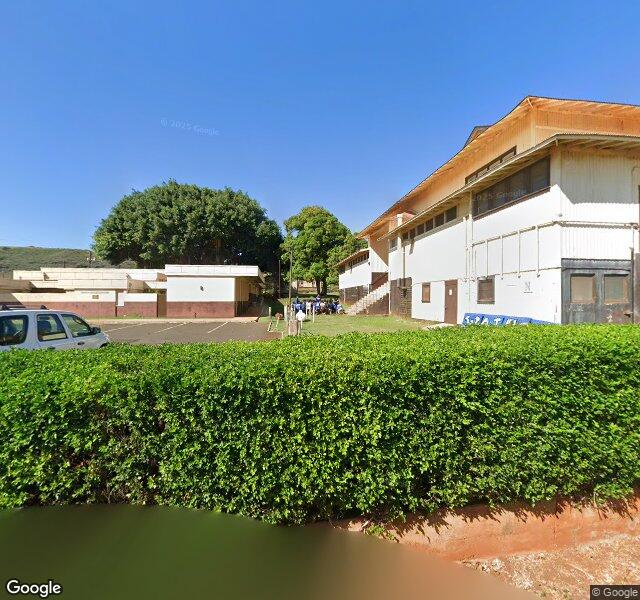
9611 Waena Road, Waimea, HI 96796 (808) 338-1681
For profit - Individual 53 Beds REGENCY PACIFIC MANAGEMENT Data: November 2025
Trust Grade
60/100
#25 of 41 in HI
Last Inspection: April 2024

Within standard 12-15 month inspection cycle. Federal law requires annual inspections.

Overview

Kauai Care Center has a Trust Grade of C+, meaning it is slightly above average but still has room for improvement. It ranks #25 out of 41 nursing homes in Hawaii, placing it in the bottom half of facilities in the state, and #4 out of 5 in Kauai County, indicating limited better options nearby. The facility is improving, with issues decreasing from 9 in 2024 to just 1 in 2025. Staffing is a relative strength with a 4/5 rating, but the turnover rate is concerning at 49%, which is higher than the state average, suggesting some instability among staff. While there have been no fines, which is positive, there are concerns about lower RN coverage compared to 97% of other facilities, and specific incidents included not having a full-time nursing director and using equipment improperly, which could impact resident care.

Trust Score
C+
60/100
In Hawaii
#25/41
Bottom 40%
Safety Record
Low Risk
No red flags
Inspections
Getting Better
9 → 1 violations
Staff Stability
⚠ Watch
49% turnover. Above average. Higher turnover means staff may not know residents' routines.
Penalties
✓ Good
No fines on record. Clean compliance history, better than most Hawaii facilities.
Skilled Nurses
○ Average
Each resident gets 38 minutes of Registered Nurse (RN) attention daily — about average for Hawaii. RNs are the most trained staff who monitor for health changes.
Violations
⚠ Watch
22 deficiencies on record. Higher than average. Multiple issues found across inspections.
★★★☆☆
3.0
Overall Rating
★★★★☆
4.0
Staff Levels
★★★★☆
4.0
Care Quality
★★★☆☆
3.0
Inspection Score
Stable
2024: 9 issues
2025: 1 issues

The Good

  • 4-Star Staffing Rating · Above-average nurse staffing levels
  • 4-Star Quality Measures · Strong clinical quality outcomes
  • Full Sprinkler Coverage · Fire safety systems throughout facility
  • No fines on record

Facility shows strength in staffing levels, quality measures, fire safety.

The Bad

3-Star Overall Rating

Near Hawaii average (3.4)

Meets federal standards, typical of most facilities

Staff Turnover: 49%

Near Hawaii avg (46%)

Higher turnover may affect care consistency

Chain: REGENCY PACIFIC MANAGEMENT

Part of a multi-facility chain

Ask about local staffing decisions and management

The Ugly 22 deficiencies on record

Jul 2025 1 deficiency
CONCERN (D) 📢 Someone Reported This

A family member, employee, or ombudsman was alarmed enough to file a formal complaint

Potential for Harm - no one hurt, but risky conditions existed

Resident Rights (Tag F0550)

Could have caused harm · This affected 1 resident

Based on observation, interview and record review, the facility failed to protect the rights of one Resident (R) 198 of one resident sampled by ensuring the resident was treated with respect and digni...

Read full inspector narrative →
Based on observation, interview and record review, the facility failed to protect the rights of one Resident (R) 198 of one resident sampled by ensuring the resident was treated with respect and dignity. R198 was receiving therapy from a staff member who spoke to her in a manner that R198 felt was disrespectful and demeaning, leaving R198 very upset. Findings Include:Facility Reported Incident (FRI) reviewed on 07/09/25 at 12:17 PM, intake #11576 for an incident that occurred on 03/12/25 at 02:41 PM involving a Physical Therapist (PT) 5 and R198. R198 reported to the facility staff that she was made to feel uncomfortable by PT5 regarding the way she spoke to her. R198 stated I was going to the toilet, and she came into my room and opened the curtain and stated, you are going to do therapy today, R198 told the PT5 that she was given a water pill and now must go to the bathroom more often. R198 stated that PT5 said you are always crying wolf, every morning you have an excuse. R198 said this is not the first time this has happened, but she did not want to say anything to get anyone in trouble. And said, I feel threatened by her and do not want to do therapy. The Nurse Practitioner, (NP), Medical Director (MD) and Inter-disciplinary team (IDT) made aware of the incident. Facility investigation report reviewed on 07/09/25. The facility responded by placing PT5 on leave immediately, reported to MD, Administrator, and the State Agency (SA). Adult Protective Services (APS) was notified on 03/12/25 of an allegation of verbal abuse. The resident was reassured of her safety. An investigation was completed that included interviews with PT5, and the Charge Nurse, (CN) that was on duty. PT5 was interviewed by the [NAME] President and Regional Directors of Therapy Operations and provided with training on professional conduct, patient rights, and abuse prevention. PT5 concluded by stating she had no idea the resident was feeling this way at all and felt horrible about this, did not recall having any type of disagreements with the resident and continued to work things out with her. She supported the resident by continuing to encourage self-directed, resident choice and preference during her care. Concurrently, other staff and residents along with family members were also interviewed, no other reports received, observed or witnessed with or by residents, witnessed with other staff members or by family members. all other residents interviewed stated they felt safe, no residents reported being harmed. Follow up interview made by the Social Services Director (SSD) with R198. R198 expressed that she (PT5) talks like the mainland, and it is hard for her to comprehend when she told her You're crying wolf, and thinks she needs to learn the ways in Hawaii. The resident was reassured that while it was not the intent of PT5 to offend her, it was not acceptable behavior or an acceptable practice of the staff here at the facility, R198 agreed and verbalized appreciation for all services received. R198 continued to state that she felt safe, was agreeable to continue to work with PT5 and all staff at the facility and will reside at the facility until she completed her short-term rehabilitation prior to returning to home, and verbalized understanding of her and all residents' rights of confidentiality and to report any further issues. R198 was placed on alert charting to monitor mood and behavior for possible psychological distress and signs and symptoms of psychological harm, the SSD made rounds on R198 to assess her emotional status and provide reassurance. Based on their investigation, the facility determined abuse did not occur. The facility concluded this was a misunderstanding of their standards of performance regarding acceptable customer service.The incident was reviewed by the Interdisciplinary Team (IDT) and it agreed immediate disciplinary action, training and a contingent performance plan was warranted. Random observations between 07/07/25 and 07/10/25 included interactions between PT5 and multiple residents in the Lokahi wing before, during and after therapy sessions. PT5 was observed to engage with the residents with a kind, caring and respectful manner. Observation and interview during a resident council meeting in the Lokahi dining room on 07/09/25 at 10:26 AM. The following residents were present: R3, R6, R14, R24, and R30. When asked if any staff treated them disrespectful or abusive. They all responded, no and that it is good here. They agreed that some of the staff are more friendly than others but they feel that the staff treat them well. On 07/10/25 at 10:07 AM, Administrator interviewed during the Quality Assurance Performance Improvement (QAPI) meeting in the conference room. When asked to explain the process that was put in place to ensure how the residents in the facility are provided with dignity and respect, and how the facility will monitor the effectiveness of the PIP, the Administrator explained that education of all the facility staff was included in the PIP. The staff education and sign in documents were reviewed. The Administrator discussed the PIP and provided a copy for review. The Administrative rounds were done weekly on 3/21/25; 03/24/25; 03/31/25; 04/07/25; 04/14/25; 04/22/25. No negative interactions were observed. Resident Rights Policy revised dated 11/2016 reviewed on 07/10/25. Facility will honor resident rights as listed below: .Resident has the right to receive treatment and care with respect and dignity in a manner and in a safe, clean and homelike environment that promotes maintenance or enhancement of his or her quality of life and individuality, regardless of his or her payer source.
Apr 2024 9 deficiencies
CONCERN (D)

Potential for Harm - no one hurt, but risky conditions existed

Assessment Accuracy (Tag F0641)

Could have caused harm · This affected 1 resident

**NOTE- TERMS IN BRACKETS HAVE BEEN EDITED TO PROTECT CONFIDENTIALITY** Based on record review (RR), staff interview, and review of the Long-Term Care Facility Resident Assessment Instrument (RAI) 3.0...

Read full inspector narrative →
**NOTE- TERMS IN BRACKETS HAVE BEEN EDITED TO PROTECT CONFIDENTIALITY** Based on record review (RR), staff interview, and review of the Long-Term Care Facility Resident Assessment Instrument (RAI) 3.0 User's Manual, the facility failed to ensure that information populated in the Minimum Data Set (MDS) was accurate for one of two residents sampled (Resident (R)51). R51's electronic health record (EHR) documented the resident was discharged home. Review of R51's discharge MDS documented the resident was discharged to an acute hospital. Failure to complete the MDS assessment accurately could potentially lead to missed opportunities for generating appropriate care plans and possibly not providing needed services, which could result in harm to the resident. Findings include: During record review of R51's discharge MDS, Assessment Reference Date 02/05/24, Section A Identification Information, A2105. Discharge Status, documented 04. Short-Term General Hospital (acute hospitals, IPPS) indicating R51 was discharged from the facility to acute hospital. Review of R51's progress notes documented R51 was discharged to home on [DATE]. During staff interview on 04/04/24 at 12:30 PM, Executive Director confirmed R51 was discharged home and the resident's RAI, discharge MDS inaccurately documented the resident was discharged to an acute hospital. Executive Director stated that they would do the necessary correction. Review of the Long-Term Care Facility RAI 3.0 User's Manual read the following: The RAI process has multiple regulatory requirements. Federal regulations at 42 CFR 483.20(b)(1)(xviii), (g), and (h) require that (1) the assessment accurately reflects the resident's status . In addition, an accurate assessment requires collecting information from multiple sources, some of which are mandated by regulations . As such, nursing homes are responsible for ensuring that all participants in the assessment process have the requisite knowledge to complete an accurate assessment.
CONCERN (D)

Potential for Harm - no one hurt, but risky conditions existed

Deficiency F0657 (Tag F0657)

Could have caused harm · This affected 1 resident

**NOTE- TERMS IN BRACKETS HAVE BEEN EDITED TO PROTECT CONFIDENTIALITY** Based on observation, interviews, and RR, the facility failed to revise the care plan for one of 14 residents sampled (R12). R12...

Read full inspector narrative →
**NOTE- TERMS IN BRACKETS HAVE BEEN EDITED TO PROTECT CONFIDENTIALITY** Based on observation, interviews, and RR, the facility failed to revise the care plan for one of 14 residents sampled (R12). R12's care plan (CP) was not revised to include an updated oxygen administration order. R12's care plan did not include a new order to maintain R12's oxygen saturation be maintained between 88%-92%. Failure to revise care plans to reflect new orders could potentially lead to resident's not receiving appropriate nursing and medical care which has the potential to harm resident(s). Findings include: Cross Reference F-684: Quality of Care R12 is a [AGE] year-old female with diagnosis that include but not limited to severe persistent asthma, muscle weakness, acute and chronic respiratory failure, hypertension, pulmonary hypertension (increased blood pressure in the arteries of lungs, which causes shortness of breath, and swelling of legs), anxiety disorder, seizure disorder and gastrointestinal hemorrhage. On 04/01/2024 at 10:20 AM, observed R12 resting with her eyes closed, in the resident's assigned room. The resident's bed was against the wall. R12 was in a seated-position, perpendicular to the bed, with her back against the wall and feet hanging off the side of the bed and had several pillows behind her back which propped the resident up. Observed the resident receiving 3 liters of oxygen by nasal cannula via concentrator located at her bedside. On 04/04/2024 at 11:00 AM, observed R12 in the activity/dining area in a wheelchair at a table. The resident was receiving 3 liters of oxygen from a concentrator located next to her. While conducting an interview with R12 on 04/04/2024 at 11:15 AM, the resident stated she always uses the oxygen and cannot go without it. She was able to speak full sentences with mild shortness of breath. Reviewed R12's CP, which identified on 09/02/2023 she had Alteration in respiratory status r/t (related to) Asthma. Interventions included The resident has O2 via nasal prongs/mask @ 2-4L (liters per minute) continuously with humidifier, dated 09/02/2023. Reviewed R12's EHR. On 03/12/24, the Director of Nursing (DON) revised R12's oxygen administration order. The order summary documented, Oxygen: 2-3 liters per minute Delivery: cannula to keep sats between 88-92%, every shift for COPD (chronic obstructive pulmonary disease). Review of R12's CP documented it was not revised to reflect this order.
CONCERN (D)

Potential for Harm - no one hurt, but risky conditions existed

Quality of Care (Tag F0684)

Could have caused harm · This affected 1 resident

**NOTE- TERMS IN BRACKETS HAVE BEEN EDITED TO PROTECT CONFIDENTIALITY** 3) During an interview with R8 on 04/02/24 at 09:30 AM, the resident informed this surveyor that she was feeling dizzy and activ...

Read full inspector narrative →
**NOTE- TERMS IN BRACKETS HAVE BEEN EDITED TO PROTECT CONFIDENTIALITY** 3) During an interview with R8 on 04/02/24 at 09:30 AM, the resident informed this surveyor that she was feeling dizzy and activated the call light. Certified Nursing Aide (CNA)99 responded to the call light. The resident informed CNA99 that she was feeling dizzy. CNA99 replied, I will let the nurse know. On 04/02/24 at 02:43 PM, conducted a review of R8's EHR which documented, R8 was admitted to the facility on [DATE]. R8 has diagnosis which include, but are not limited to hypertension, hemiplegia and hemiparesis following a cerebrovascular disease affecting the left non-dominant side, Type 2 Diabetes Mellitus, and chronic migraines. Review of R8's most recent quarterly MDS with an ARD of 02/09/24, Section C. Cognitive Patterns, R8 has a Brief Interview for Mental Status (BIMS) scored of 13, indicating the resident's cognition is intact. Review of R8's physician orders documented an order to monitor the resident's blood glucose, document the results, hypo/hyperglycemia protocol, and an order for a sliding scale dose of insulin Aspart Flex Pen Subcutaneous Solution Pen-injector 100 UNIT/ML (Insulin Aspart), to be administered subcutaneously before meals and at bedtime related to type 2 diabetes mellitus without complications and an order to monitor blood glucose. Review of R8's blood glucose levels documented prior to the resident reporting feeling dizzy, the most recent blood glucose level was taken on 04/01/24 at 05:52 AM, 92.0 mg/dL (milligram per deciliter). Following R8 reports of feeling dizzy at 09:30 AM, the resident's next blood glucose was completed at 12:41 PM (141.0 mg/dL). Review of the times nursing staff completed blood glucose checks indicated staff regularly did the checks four times a day. Review of R8's April 2024 medication administration record (MAR) documented CN11 did not document a blood glucose value or number of units administered to R8 on 04/02/24 at 06:45 AM. Review of R8's March 2024 MAR also documented on 03/19/24, staff did not document a blood glucose value or the number of units, if any, were administered to the resident for the 06:45 AM administration time. On 04/03/24 at 11:52 AM, conducted a concurrent review of R8's EHR and interview with the DON. Informed the DON of the observation of R8 reporting to CNA99 of feeling dizzy and the missing blood glucose testing. DON reviewed R8's EHR and confirmed the resident's blood glucose level was not documented for the 06:45 AM administration time and there is no other place staff would document these values. DON reviewed R8's MARs (April and March), then confirmed on 03/19/24 and 04/02/24 at 06:45 AM, day-shift staff is responsible for this administration time, and staff did not carry out R8's physician's orders as prescribed by the physician. DON also confirmed the blood glucose value taken at 05:52 AM was not valid to be used for the 06:45 AM administration time due to the length of time between 05:52 AM and 06:45 AM, it would not be safe or a standard of practice to administer insulin an hour after the blood glucose level after it was taken. DON stated the expectation of staff is to take the blood glucose level immediately prior to administering insulin, then administer the insulin as prescribed by the physician. DON also confirmed staff should have taken a blood glucose reading to ensure the resident was not experiencing a hypo/hyperglycemic episode but did not. On 04/04/24 at 09:05 AM, conducted a follow-up interview with R8 in the resident's assigned room. R8 confirmed CN11 did not take the resident's blood glucose level on 04/02/24 at 06:45 AM as scheduled and did not take a blood glucose reading after she complained of feeling dizzy to CNA99. Based on observations, interviews, and RR, the facility failed to provide the needed care within the professional standards of practice that met the needs for three of 14 residents sampled (R8, R12, and R17). As a result of this deficient practice, all residents at the facility are at risk of the potential for harm due to not achieving their highest practicable physical, mental, and psychosocial well-being. Findings include: 1) R17 is a [AGE] year-old female transferred to the facility on [DATE]. Her diagnosis included, but not limited to Type 2 diabetes mellitus with diabetic chronic kidney disease, major depressive disorder, spinal stenosis, and morbid obesity. She is bedbound and uses a Hoyer lift with two staff assistance for transfers and positioning in bed. R17 is alert and oriented. Her active medications for diabetes management include Levemir Flex Pen subcutaneous 100 unit/ml (milliliters), 3 units in the evening, Novolog Flex Pen subcutaneous 100 unit/ml, 2 units before meals, Jardiance 10 mg (oral) every morning and Glimepiride (oral). On 04/01/2024 at approximately 11:30 AM, observed R17 lying comfortably in bed when the Charge Nurse (CN)11 came in to check her blood sugar (BS). Her BS sugar was 215. CN11 proceeded to give R12 her scheduled injection for diabetes. At that time, interviewed CN11, who said R17's BS was very unpredictable and often fluctuated over 200. Reviewed R17's Blood Sugar Summary for the month of March 2024. The results revealed R12's lowest BS was 145 on 03/03/2034, and the highest BS was 389, on 3/24/2024. It was not unusual for R17's BS to run over 200. Review of R17's lab results revealed her last hemoglobin A1C (tells average BS sugar over the past 2-3 months) was on 01/13/2023, which was resulted at 7.1%. RR of R17's Provider (P)1 notes dated 03/04/2024 revealed the plan for R17's diabetes included -Monitor A1C q (every) 6 (six) months if at goal /q 3 months if not at goal. Goal is less than or equal to 7.5% in the healthy elderly, and less than or equal to 8% in the [sic] those with multiple comorbidities, and less than or equal to 8.5% in the very complex/ill with limited life expectancy. On 04/04/2024 at 11:10 AM, during an interview and concurrent RR of R71's EHR with the DON in the nursing station, reviewed R17's provider note dated 03/04/2024. She reviewed R17's lab orders and results to confirm there had not been an A1C drawn since the note was written and the last time R17 had one done was 01/13/2023. The DON notified surveyor later she had contacted the provider to clarify the order, and confirmed the providers intent was to have an A1C drawn at the time she wrote the progress note, and then ongoing monitoring of A1C based on those results. The DON went on to say the provider stated she had given a verbal order to the nursing staff the day she wrote the progress note, but the staff failed to follow through with the order. The staff was no longer at the facility for interview. 2) R12 is a [AGE] year-old female admitted to the facility on [DATE] for rehabilitation after hospital admission. She has been re-hospitalized twice since her admission. The last hospitalization was on 02/28/2024 for aspiration pneumonia. She returned to the facility on [DATE] to continue rehabilitation. R12 has extremity weakness and right shoulder pain. She does not ambulate independently due to unsteady gate and uses a wheelchair. R12 requires one person assist for dressing, toileting, bathing, and transfers. Her diagnosis includes, but not limited to severe persistent asthma, muscle weakness, acute and chronic respiratory failure, hypertension, pulmonary hypertension (increased blood pressure in the arteries of lungs, which causes shortness of breath, and swelling of legs), anxiety disorder, seizure disorder and gastrointestinal hemorrhage. R12 has chronic shortness of breath and uses oxygen (O2) continuously via nasal cannula. On 04/01/2024 at 10:20 AM, observed R12 sleeping in her room. The side of her bed was against the wall, and she was propped up with her back against the wall with several pillows and her legs were off the side of the bed. R12 was sleeping and was on 3 liters (L) of oxygen by nasal cannula via concentrator located at her bedside. Reviewed R12's O2 saturation (amount of oxygen in blood) level summary for March 2023, which revealed her oxygen saturation (sat) level was never documented to be below 95%. Reviewed R12's active orders, which revealed her oxygen administration order was revised on 03/12/2024. The new order read: Oxygen: 2-3 liters per minute Delivery: cannula to keep sats between 88-92% every shift for COPD (Chronic Obstructive Pulmonary Disease (O2 should be controlled due to risk of too much carbon dioxide in blood resulting in respiratory failure)) Cross Reference F-657: Care Plan Revision. R12's active CP included the intervention initiated on 09/02/2023 The resident has O2 via nasal prongs/mask @ 2-4L (liters per minute) continuously with humidifier. The CP was not updated to reflect the revised order of O2 at 2-3L to maintain O2 sat range of 88-92%. On 04/03/2024 at 10:30 AM, during an interview with the Resident Care Manager (RCM)1, outside R12's room, she said she frequently cared for R12. She said R12 had continuous oxygen and has not been tried to wean due to her chronic condition. She went on to say R12 becomes very anxious without her oxygen. RCM1 was asked to review R12's current oxygen order, and when confirmed the O2 sat range was to be maintained at 88-92%, she commented, But she's always over 96%. RCM1 also confirmed R12 did not have a diagnosis of COPD. She acknowledged she had not been aware of the specifics of that order and would contact the provider for clarification. On 04/04/2024 at 11:00 AM, during an interview with the DON, reviewed R12's oxygen order revised on 03/12/2024. The DON stated she was the one who reviewed the orders from the hospital when R12 was readmitted to the facility and entered them in the medical record. She said the process is to discuss the orders with the facility provider, confirm the orders and enter them as verbal orders. The provider would then sign off on the orders. The DON said she made an error and entered them incorrectly as prescriber written, which resulted in the order not being authenticated and signed by the facility provider. RR revealed a new oxygen administration order for R12 was entered on 04/03/2024 at 07:00 PM by P1. The order read Oxygen 2-3 liters per minute: Delivery: cannula to keep sats above 90%. Directions every shift for Severe Asthma, SOB, or difficulty breathing. On 04/04/2024 at 11:00 AM interviewed R12 in the activities room/dining area. She was in her wheelchair (w/c) pulled up to a small dining table with the oxygen concentrator set at 3L, next to her. R12 said she uses the O2 all the time and does not take off. She was able to speak in full sentences. The revised oxygen administration order with restricted O2 sat range had been in place since 03/12/2024. The nursing staff failed to identify the order was not the standard of care because R12 did not have a diagnosis of COPD and should have notified the provider for clarification.
CONCERN (D)

Potential for Harm - no one hurt, but risky conditions existed

Pharmacy Services (Tag F0755)

Could have caused harm · This affected 1 resident

Based on observation, interviews, and RR, the facility failed to ensure drug records are in order and an account of all controlled drugs is maintained and periodically reconciled. As a result of this ...

Read full inspector narrative →
Based on observation, interviews, and RR, the facility failed to ensure drug records are in order and an account of all controlled drugs is maintained and periodically reconciled. As a result of this deficient practice, there is the potential for diversion of controlled medication(s). Findings include: 1) On 04/03/24 at 09:21 AM, conducted a concurrent observations and interview of the controlled medication reconciliation for the medication cart with the RCM1. The facility implemented a Narcotic Count sheet (located in the medication cart binder) which is used by licensed nursing staff to document the reconciliation of controlled medication(s) between shift to account for all controlled mediations and to mitigate the diversion of controlled medications. Review of the facility's Narcotic Count sheet documented it was not signed/initialed on 04/01/24 and 04/02/24 for the On 0700-1900 and OFF 07/1900 portion of the sheet. Inquired with RCM1 regarding the blank portion of the Narcotic Count sheet. RCM1 confirmed the Narcotic Count sheet should have been signed with the off-going nurse and the on-coming nurse immediately after staff confirm the count of controlled medications listed on Narcotic Count sheet matches the actual count and both staff should initial/sign the form in the presence of each other, but staff did not initial/sign the Narcotic Count sheet. On 04/03/24 at 11:49 AM, conducted an interview with the DON. DON stated the Narcotic Count sheet is used to reconcile controlled medications between shifts, should be initialed/signed immediately after verifying the count is correct with another licensed nurse, and it should be initialed/signed in the presence of the licensed nurse the count was completed with as part of the facility's process to mitigate the diversion of controlled medications and confirmed staff did not implement the facility's procedure. DON stated the licensed staff responsible for not initialing/signing the Narcotic Count sheet was called in to sign it. Review of the facility's policy and procedure, Medication Administration, Controlled Substances, 01/23, documented the procedure, 7. At each shift change, a physical inventory of controlled medications, as defined by state regulations, is conducted by two licensed clinicians and is documented on an audit record. 2) On 04/03/24 at 09:25 AM, conducted a reconciliation of the narcotic medication for the medication with RCM1. RCM1 reported three residents was administered controlled medication(s) and the administration was documented on the electronic medication administration record (EMAR) but had not yet documented the administration on the resident's (individual) pharmacy count sheet (documents the count of the number/amount medication which should be stored in medication cart). RCM1 stated R41 was administered one tablet of Tramadol 50 mg, R5 received one tablet of Lacosamide 100 mg, and R30 was administered one tablet of Lorazepam 1 mg. All the controlled medications stored in the medication cart were reconciled and confirmed RCM1 did not sign the pharmacy count sheet for R41, R5, and R30 at the time the medication(s) were removed from the medication cart. On 04/03/24 at 11:51 AM, conducted an interview with the DON regarding RCM not documenting the removal of the medication from the medication cart. The DON stated staff sign the pharmacy's count sheet after the resident takes the medication. Review of the facility's policy and procedure, Medication Administration, Controlled Substances, 01/23, documented the procedure, 4. When a controlled medication is administered, the licensed nurse administering the medication immediately enters the following information on the accountability record when removing dose from the controlled storage .
CONCERN (D)

Potential for Harm - no one hurt, but risky conditions existed

Deficiency F0757 (Tag F0757)

Could have caused harm · This affected 1 resident

**NOTE- TERMS IN BRACKETS HAVE BEEN EDITED TO PROTECT CONFIDENTIALITY** Based on interviews, observation, and RR, the facility failed to ensure a resident (R)12 is free from an unnecessary drug (antib...

Read full inspector narrative →
**NOTE- TERMS IN BRACKETS HAVE BEEN EDITED TO PROTECT CONFIDENTIALITY** Based on interviews, observation, and RR, the facility failed to ensure a resident (R)12 is free from an unnecessary drug (antibiotic). R12 was prescribed an antibiotic (Levaquin) by a consultant at the time of an off-site office visit. Neither the prescribing consultant or facility provider documented adequate indications for the antibiotics use. As a result of this deficient practice, the antibiotic may be unnecessary and increase R12's resistance to antibiotics and put her at risk for adverse reactions to the medication. Findings include: R12 is a [AGE] year-old female with upper extremity weakness and right shoulder pain. She does not ambulate due to unsteady gate. R12 uses a wheelchair and requires one person assist for dressing, toileting, bathing, and transfers. Her diagnosis includes, but not limited to severe persistent asthma, muscle weakness, acute and chronic respiratory failure, hypertension, pulmonary hypertension (increased blood pressure in the arteries of lungs, which causes shortness of breath, and swelling of legs), anxiety disorder, seizure disorder and gastrointestinal hemorrhage. R12 has chronic shortness or breath and uses oxygen continuously via nasal cannula. On 04/01/2024 at 10:20 AM, observed R12 sleeping in her room. Her bed was against the wall, and she was sitting in the bed with several pillows behind her back propping her up with her back against the wall and legs off the side of the bed. She was sleeping and was on 3 liters (L) of oxygen (O2) by nasal cannula via concentrator located at her bedside. On 04/04/2024 at 11:00 AM, observed R12 in the activity/dining area in a wheelchair at a table. She had her oxygen on at 3L, with the concentrator next to her. On 03/26/2024, R12 went off site for a visit to a Pulmonologist. Reviewed the Pulmonologist hand written consult notes sent with R12 when she returned to the facility after the office visit. The notes included the following: Chief complaint: Shortness of breath and cough with green sputum. Findings, Assessment, Plan: + (positive for) wheezing, +edema, +JVD (jugular vein distention) . levaquin 500 mg. (milligrams) po (orally) daily x 10 days then D/C (discontinue). MD1's typed progress notes included: R12 is .here for follow up of shortness of breath. Since the last visit, R12 was hospitalized with pneumonia twice, the [sic] had Covid infection. She has a cough with green sputum, but has no hemoptysis (coughing up blood). She reports no aspiration symptoms . Past medical history included asthma. Assessment and Plan: Shortness of breath with hypoxia (below normal level of oxygen in your blood), with persistent symptoms in a patient with severe pulmonary restriction and reactive airway disease. ROS (review of systems) included: No recent fever or chills. Visit Diagnosis included shortness of breath, uncomplicated severe persistent asthma, and hypoxemia. The Pulmonologist did not order a diagnostic chest x-ray or a culture and sensitivity prior to the start of the antibiotic. RR revealed R12 had the order for the antibiotic placed on 03/27/2024. The order summary read Levaquin Oral Tablet 500 mg (levofloxacin). Give 1 tablet by mouth one time a day for PNA (pneumonia) for 10 days. Reviewed R12's care plan, which revealed revisions on 03/27/2024 after the visit with pulmonologist. The Focus was ABT (antibiotic therapy) r/t (related to PNA (pneumonia). The goal included: Resident will have no adverse reaction from antibiotic therapy use. During an interview with the Infection Preventionist (IP), she said the facility uses the McGeer Criteria for Infection Surveillance. The IP said, although the licensed staff do not use a form or checklist, the criteria is posted in the nursing station. R12 had not been identified by the staff as having a potential new infection based on the McGeer criteria. The IP said she was familiar with R12, the antibiotic order, and said the pulmonologist did not want a chest x-ray or sputum culture and sensitivity (C&S) to identify the most effective antibiotic), but that the facility had done a C&S. The facility uses exception charting, which is a method of medical notation in which nurses only document notes if there are deviations from a patient's norm or baseline. Review of R12's nursing progress notes from 03/20/2024 to 03/26/2024, revealed there were no entries of deviation from R12's baseline. There were no notations of increased cough or colored sputum. Her oxygen saturation remained at baseline (96-99%) and there was no fever, increased respirations, or changes in her mental or functional status. On a second interview, the IP said she had been mistaken, and that on further investigation, the facility provider had given a verbal order for the sputum C&S, but nursing did not record or complete the test. The IP (DON) said she was trying to reach the Pulmonologist to inquire what the indications were for the antibiotic, and if there was a diagnosis of infection. The IP confirmed there was no diagnosis of pneumonia documented. RR revealed R12's last chest x-ray was taken on 02/28/2024 for shortness of breath. The findings included There are increased reticular opacities in both lungs (comparison chest x-ray 11/27/2023 and CT 12/14/2023.
CONCERN (D)

Potential for Harm - no one hurt, but risky conditions existed

Safe Environment (Tag F0921)

Could have caused harm · This affected 1 resident

Based on observations and interviews, the facility failed to ensure a safe environment for residents, staff, and the public. Observation of the facility's industrial dryers used by the facility docume...

Read full inspector narrative →
Based on observations and interviews, the facility failed to ensure a safe environment for residents, staff, and the public. Observation of the facility's industrial dryers used by the facility documented the lint traps were not cleaned and the facility's formed used to document staff cleaned the lint traps was blank, indicating staff did not clean it. Interviews with staff confirmed the environment was unsafe for residents, staff, and the public due to the fire hazard of the amount of lint contained in both industrial dryers. Also, the facility is physically located in a dry and hot climate which would make it easier for the fire to spread and affect the residents, staff, and public resulting in Findings include: On 04/04/24 at 11:24 AM, conducted a concurrent interview and inspection of the facility's laundry room and services with the Housekeeping/Laundry Supervisor (HLS). At 11:29 AM conducted an inspection of the lint traps for two of three industrial dryers used by the facility (the third dryer was out of order). HLS opened the bottom panel (where lint in collected) of dryer (D)1. As HLS opened the panel, lint was immediately observed due to a portion of the lint was partially connected to the opened panel. The entire lint screen was covered with lint which was approximately half an inch thick. HLS opened the panel for D2, there was lint on the bottom of the dryer and the entire lint screen was covered with lint which was approximately one inch thick and contained lint on the bottom of the dryer. HLS confirmed the lint catch for both dryers should have been cleaned because it is a fire hazard but had not been cleaned. At 11:31 AM, Laundry staff (LS)71 entered the laundry room, informed this surveyor he/she was not currently working in the laundry room on this day, but worked in the laundry room yesterday (04/03/24). LS71 stated the lint portion of the dryer should be cleaned after each use, because the lint can cause a fire and the facility climate the of the county is dry and hot, which would allow the fire to spread to surrounding structures quickly. At 11:33 AM, LS4 entered the laundry room and confirmed he/she was working in the laundry room this shift. LS4 initially stated the lint was being cleaned from the dryer after each use and was informed by HLS that both dryers were not cleaned and there was lint. Reviewed a form posted on the dryer which is used by staff to document when staff cleaned the lint with HLS, LS71, and LS4. HLS stated there is a form on the dryer that staff are supposed to sign/initial as an attestation that the lint trap of the dryers were cleaned. HLS, LS71, and LS4 reviewed the lint trap cleaning form and confirmed on 04/03/24 and 04/04/24, responsible staff did not sign/initial the form, indicating the dryer's lint trap had not been cleaned on those days.
CONCERN (E)

Potential for Harm - no one hurt, but risky conditions existed

Room Equipment (Tag F0908)

Could have caused harm · This affected multiple residents

Based on observations, interviews and document review, the facility did not ensure the wrist blood pressure (BP) patient care monitor was used according to manufacturer's recommendations. Specifically...

Read full inspector narrative →
Based on observations, interviews and document review, the facility did not ensure the wrist blood pressure (BP) patient care monitor was used according to manufacturer's recommendations. Specifically, the monitor is recommended for in-home use only. To ensure accuracy, it should be used according to manufacturer's guidelines. This has the potential to affect any resident that had their BP taken with the wrist monitor. Findings include: On 04/03/2024 at 10:10 AM, observed a wrist blood pressure (BP) monitor on the top of the medication cart. At that time interviewed the Resident Care Manager (RCM), who was administering medications. She said they keep the piece of equipment on the cart and use it to check resident BP prior to administering hypertension medications with range limits. The unit is used on multiple residents and wiped down between residents. On 04/04/2024 at 10:00 AM, observed CN11 use the wrist BP monitor on R5 prior to administering her BP medication. On 04/03/2024 at 11:20 AM, during an interview with DON, inquired what the manufacturers recommendations were for use and cleaning the wrist strap. She stated they wipe down the monitor and strap after each use. DON said she thought the units were old and had not purchased any since she was hired. Request make for manufacturer guidelines. The DON provided the wrist blood pressure user guide which she located on the Internet at approximately 02:30 PM, later that day. The wrist blood pressure monitor (Model MDS4003) was manufactured by Medline Industries. Review of the User Guide dated 2019, included the following: Page 4: Indications for Use .It is intended for adult in-home use only. Page 6: Page titled Caution. Bullet one: This device is intended for adult, in-home use only. Bullet two: The device is not suitable for use on . patients with implanted electronic devices, patients ., premature ventricular beats, atrial fibrillation, peripheral, arterial disease and patients undergoing intravascular therapy . Page 7: .To verify the calibration of the automated sphygmomanometer, please contact manufacturer. Page 8: It is recommended that the performance should be checked every 2 years and after maintenance or repair. There was no process in place to check the performance of the wrist blood pressure monitor according to manufacturer's guidelines.
CONCERN (F)

Potential for Harm - no one hurt, but risky conditions existed

Deficiency F0727 (Tag F0727)

Could have caused harm · This affected most or all residents

Based on interviews, observation, and document review, the facility failed to meet regulatory requirement for having a designated Full-time (working 40 or more hours a week) director of nursing. The i...

Read full inspector narrative →
Based on interviews, observation, and document review, the facility failed to meet regulatory requirement for having a designated Full-time (working 40 or more hours a week) director of nursing. The individual identified by the facility as the DON was also designated as the infection preventionist, and responsible for the Infection Prevention and Control Program (IPCP). As a result of the designated DON not being able to allocate 40 hours or more a week to oversee the nursing department, there is the potential the quality of care provided, and resident outcomes may be impacted and could affect all residents living at the facility. Findings include: The facility is licensed for 52 beds, Review of the facility assessment included: B.2. Acuity - Care Requirements (page (pg.)15): Staff/Personnel required: . DON . Infection Preventionist, . C.1. Cognitive - Care Requirements (pg. 18): Staff/Personnel required: .DON, . D.4. Cultural - Care Requirements (pg. 22) : Staff/Personnel required: .DON.Infection Preventionist. Reviewed the survey binder provided on entrance. The binder included documents related to infection prevention and control. The facility identified the DON as the Facility's Infection Preventionist. It also listed a facility Regional IP Consultant, (IPC)1. The binder included infection prevention training documents for the DON, IPC1 and five other individuals. These individuals later were identified by the DON and Administrator as corporate resources available to the corporate facilities. Reviewed a policy titled Infection Preventionist, revised date 10/2027. The Procedure included: 1. The facility Infection Preventionist will be identified by the Director of Nursing Services. On the morning of 04/03/2024, conducted an interview with DON, also identified as the facility's IP, to review the facility's IPCP. DON stated her job roles is the current director of nursing and the infection preventionist. DON informed this surveyor of her intent to train a new registered nurse to assist her with the facility's IPCP. Inquired which staff are qualified to function as the infection preventionist and who were the individuals listed in the survey binder with completed infection preventionist training. DON replied, the individuals listed in the survey binder with completed infection preventionist training were corporate staff (not actual staff currently working as a registered nurse at the facility) and prior to her employment at the facility, a corporate staff was on-site as the infection preventionist and the others (in the survey binder) are corporate resources staff, consultants, as needed by the facility. DON stated the corporate resource staff also cover other infection preventionist positions, due to vacancy and vacations, at other facilities owned by the parent corporation. DON confirmed she is solely responsible for the facility's IPCP, and the duties are not shared with any corporate resource staff. DON stated corporate resource staff have access to the computer program used and will occasionally contact her to ask if she had seen something, but there is no delineation of duties. DON admitted to trying to maintain eight hours a day, Monday through Friday, 40 hours per week. When asked to estimate the amount of time she consistently spends on infection control, DON stated, 50 percent. On 04/04/2024 at approximately 12:30 PM, during an interview with the Administrator (ADM), confirmed DON has full responsibility for the IPCP program at the facility. ADM reported the facility has access to resources at corporate, but corporate resource staff do not complete any daily duties/tasks in an attempt to assist the DON in her role as the infection preventionist. The ADM confirmed the training documents in the survey binder were those of the corporate staff, and that there was no one else in the facility currently assisting the DON with IP duties. On 04/04/2024 at 10:30 AM, observed the CN11 drop a narcotic pill on the floor during a med pass. Because CN11 was the only licensed staff on the unit, she needed to request the DON's presence to waste the narcotic. Observed the DON assist with the process, witnessing the waste of the narcotic and the documentation. On 04/04/2024 at 12:00 PM, observed and interviewed the DON at the nursing station on Laulima. She confirmed she is covering the unit floor for the licensed staff who was at lunch. Due to the fact the facility has one licensed staff on each unit, the DON often needs to cover breaks and assist with tasks and resident care. Reviewed the job description of the Director of Nursing. The position summary read: The Director of Nursing will plan, organize, develop, and direct the overall operation of the facility's nursing department in accordance with current federal, state, and local standards, guidelines, and regulations that govern our facility, as may be directed by the Executive Director to ensure that the highest quality of care is maintained at all times. Essential Position Duties included, but not limited to: - The Director of Nursing (DNS/DON) is responsible for the delivery of nursing services to include planning, implementing, and evaluating the care plan of each resident to maximize resident quality of life and quality of care . - The Director of Nursing develops and evaluates with the health care team and Executive Director, resident care goals and policies in order to assure that adequate resources and services are provided to residents, reviews logs, and medical records on an ongoing basis ensuring the highest practicable care is being delivered. - Observes, mentors, and trains new and current staff . and holds staff accountable for duties assigned. - Perform other related duties as assigned. Reviewed the job description of the Infection Preventionist, last revised 8/7/2022. The position summary read: The Infection Preventionist evaluates the quality of resident care and outcomes as they relate to Healthcare Acquired Infections (HAI) and Community Acquired Infections (CAI) in accordance to Presents infection data and makes recommendations for actions. Monitors Employee compliance with infection control standards through . Prepares and presents education for the staff, residents, and families. Serves as a resource to all departments and personnel related to infection control practices. Essential Position Duties included, but not limited to: -Responsible for preventing, identifying, reporting, investigating, and controlling infections and communicable diseases for all residents, staff, volunteers, visitors, and other individuals providing services. -Responsible for collecting, analyzing, and providing infection data and trends to nursing staff and health care practitioners. -Identifying when and how isolation should be implemented for a resident including the type and duration of isolation, . -Accountable for surveillance of healthcare acquired and community acquired infections including outbreak investigates. -Adherence to the facility antibiotic stewardship. -Conduct routine facility rounds to evaluate staff compliance with hand hygiene, linen handling, standard precautions, transmission-based precautions, use of PPE, disinfection of reusable equipment, disposal of single-use items and appropriate aseptic technique. -Complete clinical reviews of documentation for newly prescribed antibiotics to ensure appropriate treatment, dose, duration, and indication .
CONCERN (F)

Potential for Harm - no one hurt, but risky conditions existed

Infection Control (Tag F0880)

Could have caused harm · This affected most or all residents

Based on an interview and document review, the facility failed to establish a water management program as part of an infection prevention and control program to prevent the transmission of disease ass...

Read full inspector narrative →
Based on an interview and document review, the facility failed to establish a water management program as part of an infection prevention and control program to prevent the transmission of disease associated with water-borne pathogen. The facility was unable to demonstrate its measures to minimize the risk of Legionella and other water borne opportunistic pathogens in building water systems in a documented water management program. This program must be based on nationally accepted standards and include an assessment to identify where Legionella and other water borne pathogens could grow and spread and measures to prevent the growth of opportunistic water borne pathogens and how to monitor for pathogens. As a result of this deficiency, resident are potentially at risk for infections related to water-borne pathogens. Findings include: Definition of Legionellosis refers to two clinically and epidemiologically distinct illnesses: Legionnaires' disease which is typically characterized by fever, myalgia, cough, and clinical or radiographic pneumonia; and Pontiac fever, a milder illness without pneumonia (e.g., fever and muscle aches). Legionellosis is caused by Legionella bacteria. Legionella can grow and multiply in a building's water system, water containing Legionella can spread in droplets small which individuals can breathe in and develop Legionnaires' disease or Pontiac fever. On 04/04/24 at 11:36 AM, conducted a concurrent interview and RR with the Maintenance Staff (MS)3. Inquired with MS3 regarding the facility's water management program for facility assessment of the building's water system and potential areas Legionella can grow and multiply and how the facility monitors for Legionella water system and areas identified in the assessment. MS3 reviewed the facility's maintenance binder, then confirmed the facility did not complete an assessment of the building's water system and does not have a plan for monitoring the water system for the presence of Legionella and other opportunistic water-borne pathogens. MS3 stated he/she was unaware that facility needed to complete an assessment of their water system and monitoring for Legionella and other water-borne pathogens.
Apr 2023 9 deficiencies
CONCERN (D) 📢 Someone Reported This

A family member, employee, or ombudsman was alarmed enough to file a formal complaint

Potential for Harm - no one hurt, but risky conditions existed

Investigate Abuse (Tag F0610)

Could have caused harm · This affected 1 resident

Based on observation, interview and record review, the facility failed to report the results of an investigation of alleged abuse (invasion of privacy) for two of two sampled residents (R)20 and R21. ...

Read full inspector narrative →
Based on observation, interview and record review, the facility failed to report the results of an investigation of alleged abuse (invasion of privacy) for two of two sampled residents (R)20 and R21. Findings include: 1)The facility was asked if they could provide the results and followup of a complaint investigative report. The report was not available for R20. Observation and concurrent interview with administrator on 04/14/23 at 10:30 AM were done. A query was made with the administrator regarding missing final reports sent to the state agency. Administrator stated that I was not here when that was happening. It was the other administrator that was here. Administrator was not able to confirm that the completed investigation was done to verify if the appropriate corrective action occurred. 2) The facility reported an initial event report (#10015) on January 5, 2023. No completed report or followup was received. These deficient practices have the potential to affect all residents in the facility if alleged regulatory violations are not thoroughly investigated and reported.
CONCERN (D)

Potential for Harm - no one hurt, but risky conditions existed

Comprehensive Care Plan (Tag F0656)

Could have caused harm · This affected 1 resident

**NOTE- TERMS IN BRACKETS HAVE BEEN EDITED TO PROTECT CONFIDENTIALITY** Based on observations, interviews, and record review, the facility failed to provide non-pharmacological methods to help allevia...

Read full inspector narrative →
**NOTE- TERMS IN BRACKETS HAVE BEEN EDITED TO PROTECT CONFIDENTIALITY** Based on observations, interviews, and record review, the facility failed to provide non-pharmacological methods to help alleviate depression for one resident (R)11. This hinders R11's ability of attaining his highest practicable physical, mental, and psychological well-being. Finding includes: Cross reference to F740 Behavioral Health Services. The facility did not appropriately manage R11's depression. On 04/11/23 at 11:20 AM, observed R11 sitting in the dining room by himself listening to music. 04/12/23 at 09:31 AM, R11 was interviewed in his room. R11 frequently stated that he was lonely and sad. R11 stated that the activities provided by the facility were not tailored for his age group. R11 stated that he liked going out and enjoys pet therapy. R11 further stated that he was missing his two favorite cats, one of which had a birthday at the beginning of the month. On 04/13/23 at 10:41 AM, observed R11 alone in his room lying on his bed. R11 stated that he sees a psychiatrist. On 04/13/23 at 3:11 PM, observed R11's roommate and other residents were in the common area eating their afternoon snack while R11 stayed in his room. Record review of R11's admission Record revealed that he is a [AGE] year old resident admitted to the facility on [DATE] for low blood sodium level, Parkinson's Disease, and recurrent major depressive disorder. R11's Minimum Data Set (MDS) admission assessment with assessment reference date (ARD) of 11/13/22 revealed under Section D Mood a PHQ-9© (Patient Health Questionnaire-9 to determine the severity of depression) score of 6 signifying mild depressive symptoms. Section F Preferences for Customary Routine and Activities noted under F0500. Interview for Activity Preferences that it was important for R11 to be around pets. Review of R11's careplan did not identify that R11 enjoyed pet therapy and did not identify specific activities that were compatible with his physical and mental capabilities.
CONCERN (D)

Potential for Harm - no one hurt, but risky conditions existed

Deficiency F0657 (Tag F0657)

Could have caused harm · This affected 1 resident

Based on observation, interviews and record review, the facility failed to update and revise the care plan to include interventions and treatment for a suspected hairline fracture of the left 5th prox...

Read full inspector narrative →
Based on observation, interviews and record review, the facility failed to update and revise the care plan to include interventions and treatment for a suspected hairline fracture of the left 5th proximal phalanx. The facility failed to update and revise the care plan for one of one sampled resident (R)20. Findings include: Resident(R)20 with an admission date of 04/29/2020 with a history of falling and care planned on falling. Observation was done on 04/11/23 of R20 at 12:30 PM sitting in activity room watching TV. R20 answers occasionally appropriate answer to queries. No walker boot noted to foot. Record review(RR) done on 04/11 at 1:30 PM on nursing unit was done. RR revealed that the resident sustained a fall on 03/28/23. R20 complained of neck pain and was sent to the ER for cervical neck x-rays. R20 did not complain of foot pain at that time. Interventions were put in place for cervical pain. RR done on 04/12/23 at 11:30 AM of the falls care plan. Care plan states that resident is at risk for falls r/t poor vision, unsteady gait/balance, history of falls, poor safety awareness and impulsiveness. Fall 3/30/23 with left foot hairline fracture nondisplaced, 5th digit. Interview was done on 04/13/23 at 1:06 PM with Registered Nurse (RN)1. RN1 stated R20 started mentioning foot pain after returning from ER about her foot. Eight days later, on 04/04/2023, nursing staff noted some erythema of the foot. R20 went back to x-ray and then it was discovered that she had a hairline fracture of her left foot, 5th proximal phalanx. Further review of orders revealed that three days later, on 04/07/23, advanced practice registered nurse (APRN) ordered a walker boot to left foot to be worn when patient is out of bed. This order for a walker boot did not transcribe to the care plan. The new order stated for a walker boot when patient is out of bed. Interview was done with the Rehab director (RD) on 04/13/23 at 1:23 PM. RD stated that a boot was ordered a week ago, but it has not come in. RD stated that she has been buddy taping it/gauze left foot 4th and 5th digits to protect the 5th toe hairline fracture. RD also provided another supportive orthopedic shoe until walker boot comes in. RD confirmed that this treatment was not transcribed in the care plan. This deficient practice could affect all the residents in the facility if the care plans are not updated to assure continuity of care.
CONCERN (D)

Potential for Harm - no one hurt, but risky conditions existed

Deficiency F0740 (Tag F0740)

Could have caused harm · This affected 1 resident

**NOTE- TERMS IN BRACKETS HAVE BEEN EDITED TO PROTECT CONFIDENTIALITY** Based on observations, record review, and interviews, the facility failed to appropriately provide the necessary behavioral heal...

Read full inspector narrative →
**NOTE- TERMS IN BRACKETS HAVE BEEN EDITED TO PROTECT CONFIDENTIALITY** Based on observations, record review, and interviews, the facility failed to appropriately provide the necessary behavioral health care and services for one resident (R), R11, to attain his highest practicable physical, mental, and psychological well-being. The facility failed to recognize R11's depressive symptoms and provide non-pharmacological interventions to help alleviate R11's depression. Finding includes: Cross reference to F656 Develop/implement Comprehensive Care Plan. The facility failed to identify and provide individualized interventions to manage R11's depression. On 04/11/23 at 11:20 AM, observed R11 was sitting in the dining room by himself listening to music. 04/12/23 at 09:31 AM, R11 was interviewed in his room. R11 frequently stated that he was lonely and sad. R11 stated that the activities provided by the facility were not tailored for his age group. R11 stated that he liked going out and enjoys pet therapy. R11 further stated that he was missing his two favorite cats, one of which had a birthday at the beginning of the month. On 04/13/23 at 10:41 AM, observed R11 alone in his room lying on his bed. R11 stated that he sees a psychiatrist. On 04/13/23 at 3:11 PM, observed R11's roommate and other residents were in the common area eating their afternoon snack while R11 stayed in his room. Record review of R11's admission Record revealed that he is a [AGE] year old resident admitted to the facility on [DATE] for low blood sodium level, Parkinson's Disease, and recurrent major depressive disorder. R11's Minimum Data Set (MDS) admission assessment with assessment reference date (ARD) of 11/13/22 revealed under Section D Mood a PHQ-9© (Patient Health Questionnaire-9 to determine the severity of depression) score of 6 signifying mild depressive symptoms. Section F Preferences for Customary Routine and Activities noted under F0500. Interview for Activity Preferences that it was important for R11 to be around pets. Review of the progress notes revealed an Alert Note written on 04/09/23 at 04:06 AM stating that R11 was being monitored due to the increase of his trazadone (antidepressant medication) dosage. The Order Summary revealed an order for trazadone 50 mg (milligrams) written on 04/06/23 to be increased from one tablet to one and a half tablets. There was no documentation by psychiatry and the Advanced Practice Registered Nurse (APRN) found in the progress notes to explain why the dosage was increased. On 04/13/23 at 2:39 PM, queried the Social Services Director (SSD) as to why there were no psychiatry notes in R11's chart. SSD stated that the psychiatry office did not want to release them to the facility. On 04/13/23 at 4:02 PM reviewed R11's psychiatry notes that were requested from the psychiatry office on behalf of the state agency (SA). Psychiatry notes on 04/06/23 revealed that R11 was feeling more depressed during the week because he was missing his cats and remembered that April 1st was their birthday. On 04/14/23 at 08:32 AM, interview was done with the APRN. She stated that R11's trazadone was increased because he was experiencing more depressive symptoms at the beginning of this month. APRN does not know what happened to the progress note she documented in the electronic health record (EHR) so all staff may not be aware of R11's current state. On 04/14/23 at 09:45 AM, SSD was interviewed. SSD stated that if she knew the outcome of R11's psychiatry visits, SSD would have followed up with him frequently. SSD stated that R11 was currently on an outing to the pet store to pick up parakeets for him to look after.
CONCERN (E)

Potential for Harm - no one hurt, but risky conditions existed

Transfer Notice (Tag F0623)

Could have caused harm · This affected multiple residents

**NOTE- TERMS IN BRACKETS HAVE BEEN EDITED TO PROTECT CONFIDENTIALITY** Based on record review, staff interview, and review of policy, the facility failed to provide written notice of discharge for tw...

Read full inspector narrative →
**NOTE- TERMS IN BRACKETS HAVE BEEN EDITED TO PROTECT CONFIDENTIALITY** Based on record review, staff interview, and review of policy, the facility failed to provide written notice of discharge for two residents (R)13 and R26 out of four residents sampled. As a result of this deficiency, there was a potential for miscommunication. Findings include: Cross reference to F625. The facility did not provide written notice of bed-hold policy. Review of the Electronic Health Record (EHR) indicated that R13 was discharged to the hospital on [DATE]. Further review did not show any written notice of discharge to the resident and/or representative. Review of the EHR indicated that R26 was discharged to the hospital on [DATE]. Further review did not show any written notice of discharge to the resident and/or representative. During staff interview on 04/12/23 at 2:30 PM, Social Services Director acknowledged that the facility did not provide written notification of discharge for R13 and R26. Review of facility policy on Admission/Transfer/Discharge read the following: Policy, it is the policy of this facility to provide direction and guidance in accordance with state and federal regulations for admissions, transfer, and discharge of residents . Transfer/discharge policy . 3. Prior to a facility-initiated discharge or transfer, the facility must provide notice of transfer or discharge and reasons to the resident, resident representative, and State Long-Term Care Ombudsman. Copies of these notifications will be retained in the resident record.
CONCERN (E)

Potential for Harm - no one hurt, but risky conditions existed

Deficiency F0625 (Tag F0625)

Could have caused harm · This affected multiple residents

**NOTE- TERMS IN BRACKETS HAVE BEEN EDITED TO PROTECT CONFIDENTIALITY** Based on record review, staff interview, and review of policy, the facility failed to provide written notice of bed-hold policy ...

Read full inspector narrative →
**NOTE- TERMS IN BRACKETS HAVE BEEN EDITED TO PROTECT CONFIDENTIALITY** Based on record review, staff interview, and review of policy, the facility failed to provide written notice of bed-hold policy for two residents (R)13 and R26 out of four residents sampled. As a result of this deficiency, there was a potential for miscommunication of the facility's bed-hold policy. Findings include: Cross reference to F623. The facility did not provide written notice of discharge. Review of the Electronic Health Record (EHR) indicated that R13 was discharged to the hospital on [DATE]. Further review did not show any written notice of bed-hold policy to the resident and/or representative. Review of the EHR indicated that R26 was discharged to the hospital on [DATE]. Further review did not show any written notice of bed-hold policy to the resident and/or representative. During staff interview on 04/12/23 at 2:45 PM, Admissions Coordinator acknowledged that the facility did not provide written notification of bed-hold policy for R13 and R26. Review of Bed Hold Policy and Agreement Form provided to residents and/or representatives on admission read the following: A resident who is temporarily absent from the facility as a result of a transfer or a therapeutic/social leave may apply for a bed-hold to ensure his or her bed is preserved for the resident's anticipated return. The right to exercise a bed-hold when the resident is temporarily away from the facility is applicable to all residents and may not be used as a condition for admission or re-admission . Each resident being discharged to the hospital (or the resident's legally authorized representative) will be offered the option of holding the resident's current bed under this policy. At the time of discharge to the hospital, the discharging nurse gives the resident and representative a copy of this Bed-Hold Policy and Agreement. The resident/representative who chooses a bed-hold must sign this Agreement below acknowledging the charges for a bed-hold.
CONCERN (E)

Potential for Harm - no one hurt, but risky conditions existed

Deficiency F0790 (Tag F0790)

Could have caused harm · This affected multiple residents

Based on interviews and record review, the facility failed to provide assistance in obtaining routine dental care for 2 out of 6 sampled residents (R) R16 and R20. Findings include: Interview was don...

Read full inspector narrative →
Based on interviews and record review, the facility failed to provide assistance in obtaining routine dental care for 2 out of 6 sampled residents (R) R16 and R20. Findings include: Interview was done on 04/12/23 at 10:11 AM with R16. R16 stated that she has not seen a dentist. Interview was done with R20 on 04/12/23 at 10:47 AM. Queried R20 if a dental exam had been done. R20 was not able to answer this question. Record Review(RR) on 04/12/23 at 2:00 PM revealed no order for a routine dental exams for R16 and R20. Interview was done on 04/12/23 at 2:48 PM with nurse manager (NM) on the unit. NM stated that seeing a dentist is on an as needed basis and if they come to us or let us know, we make arrangements with their dentist or find someone. We attack it at a holistic approach. If they complain of pain or they want to see someone, we make arrangements. This deficient practice can affect all the residents in the facility for routine dental services.
CONCERN (E)

Potential for Harm - no one hurt, but risky conditions existed

Infection Control (Tag F0880)

Could have caused harm · This affected multiple residents

**NOTE- TERMS IN BRACKETS HAVE BEEN EDITED TO PROTECT CONFIDENTIALITY** Based on observation, interview and record review, the facility failed to provide a safe and sanitary environment which would he...

Read full inspector narrative →
**NOTE- TERMS IN BRACKETS HAVE BEEN EDITED TO PROTECT CONFIDENTIALITY** Based on observation, interview and record review, the facility failed to provide a safe and sanitary environment which would help prevent the development and transmission of communicable disease and infections. Findings include: Observation was made on 04/11/23 at 9:54 AM of med passing at the nursing station and TV activity area. Observation was made of staff nurse 2 (SN)2 passing meds. SN2 was not using hand sanitizer (HS) between rooms when passing meds on a nursing unit. SN2 also was pouring medications into bare hands and then into a cup. SN2 went to nursing station and opened cupboards to grab meds at nursing station, then walked to front door to grab a gown and then went back to isolation cart to gown up before entering room. Outside of the room [ROOM NUMBER]A, SN2 gowned up, applied gloves without hand sanitizing, walked into room with medications she obtained initially. All this activity without handwashing or hand sanitization. Observation on 04/11/23 at 10:08 AM was done of SN2. SN2 was observed leaving room [ROOM NUMBER]A and doffing occurred outside of the room. SN2 then cleaned with hand sanitizer (HS) Observation was made on 04/11/23 at 10:44 AM. SN2 entered the resident's room with the blood pressure machine. SN2 did not HS hands or blood pressure machine. Observation was made on 04/11/23 at 10:50 AM of SN2. SN2 grabbed gloves without HS and entered room. When SN2 came out of room and did not HS. SN2 cleaned the blood pressure machine. Record review (RR) was done on 04/13/23 at 10:00 of policy of hand hygiene (HH). According to HH policy, 5th paragraph states Hand hygiene: Either soap and Water or alcohol-based hand rub: . When coming on duty . Before and after direct resident contact (for which hand hygiene is indicated by acceptable professional practice) . Before and after performing any invasive procedure (finger sticks) . Before and after entering an isolation precaution area. . Before and after assisting a resident with personal care (e.g., oral care, bathing) . Upon and after coming in contact with a resident's skin (vitals, lifting) . After blowing or wiping nose . After removing gloves or aprons . After handling soiled equipment or utensils. On 04/13/23 at 1:30 PM, interview was done with Nurse Manager (NM). Observations were discussed with NM regarding hand sanitizing, hand washing, doffing, hand sanitizing and glove removal and observations. Nurse manager acknowledged that this is not best practice. This deficient practice can affect all the residents in the facility and can lead to poor outcomes with infection control spread and outbreaks.
CONCERN (E)

Potential for Harm - no one hurt, but risky conditions existed

Deficiency F0885 (Tag F0885)

Could have caused harm · This affected multiple residents

Based on record review and staff interview, the facility failed to inform all residents, their representatives, and families of those residing in the facility by 5:00 PM the next calendar day of a con...

Read full inspector narrative →
Based on record review and staff interview, the facility failed to inform all residents, their representatives, and families of those residing in the facility by 5:00 PM the next calendar day of a confirmed case of COVID-19 as required by regulation. Findings include: A review of the facility staff COVID-19 testing records showed a positive case on 03/20/23. During staff interview on 04/14/23 at 08:55 AM, the Infection Preventionist acknowledged that not all residents, their representatives, and resident families were notified of the confirmed case of COVID-19 by 5:00 PM the next calendar day as required by regulation.
Feb 2022 3 deficiencies
CONCERN (D)

Potential for Harm - no one hurt, but risky conditions existed

Deficiency F0578 (Tag F0578)

Could have caused harm · This affected 1 resident

**NOTE- TERMS IN BRACKETS HAVE BEEN EDITED TO PROTECT CONFIDENTIALITY** Based on interviews, records review, and facility policies review, the facility failed to ensure the appropriate CPR (cardiopulm...

Read full inspector narrative →
**NOTE- TERMS IN BRACKETS HAVE BEEN EDITED TO PROTECT CONFIDENTIALITY** Based on interviews, records review, and facility policies review, the facility failed to ensure the appropriate CPR (cardiopulmonary resuscitation) status was consistently recorded throughout the clinical records for one (Resident (R)37) of two residents reviewed for advanced directives. The facility's deficient practice had potential for staff to provide or withhold Cardiopulmonary Resuscitation CPR inconsistent with R37's wishes and directives in an emergent situation. Findings include: Review of facility-provided policy titled, Advanced Directives/POLST [Physician Orders for Life- Sustaining Treatment], dated 08/15, revealed, Code status .documented in the facility electronic medical record wishes of the resident regarding care and treatment . shall be incorporated into the resident assessment and care plan. Physician orders will be obtained to ensure the resident's wishes are addressed . Review of R37's Electronic Medical Record (EMR) revealed an admission date to the facility of [DATE]. R37's undated Face Sheet, under the heading Advance Directive, revealed the code status Do Not Attempt Resuscitation/DNR and Attempt Resuscitation/CPR . Review of the physician's Order, dated [DATE], located in the Orders tab of the EMR documented, .Attempt Resuscitation/CPR . On [DATE], the physician's Order located in the Orders tab of the EMR documented, .Do Not Attempt Resuscitation/DNR . Review of the Care Plan, [DATE] located in the Care Plan tab revealed, . The resident has a terminal prognosis r/t [related to] end stage disease process and comorbidities. Resident is at high unavoidable risk of skin breakdown, infection, and contractures d/t [due/to] cardiac insufficiencies .Review resident's Advanced Directive or POLST and ensure it is followed, resident continues to be a Full Code . An interview was conducted on [DATE] at 2:18 PM with Charge Nurse- Licensed Practical Nurse (CN-LPN) 1, who stated in the event of emergent situation with a resident, the facility staff check blue books at the desk for resident's code status or POLST. CN-LPN 1 confirmed the facility's residents EMR under the profile tab should include resident's code status to reflect resident's wishes or desires for treatment. An interview and concurrent record review was conducted on [DATE] at 3:04 PM with Charge Nurse-Registered Nurse (CN-RN) 1. CN-RN1 confirmed the facility's staff would view resident's code status in the blue binder located at the nurse's desk to view resident's code status. CN-RN 1 verified and confirmed, R37's had a blue tab, located in the blue binder, which alerted staff R37's code status was a full code, and a green paper document was included that had CPR full code status. CN-RN 1 verified and confirmed, R37's physician Order, located in his EMR, included an order for DNR code status. CN-RN 1 verified and confirmed, R37's EMR, located under Profile tab, included both code status for him, CPR and DNR. CN-RN 1 confirmed and verified R37's code status on his medical record under the Care Plan was documented as full code. An interview and concurrent record review conducted on [DATE] at 3:14 PM with Director of Nursing (DON), confirmed and verified that staff would access the blue binder, at the nurse's desk, and view the resident's code status in the event of an emergency. The DON confirmed and verified R37's code status on the green sheet document, located in the blue binder, at the nurse's desk, was full code [perform CPR]. The DON verified and confirmed R37's physician's Order located in his EMR had both CPR and DNR for his code status documented. The DON stated, CPR order was latest order for R37 and it was entered on [DATE]. The DON stated she had a conversation with resident and resident wanted to be a full code. The DON stated R37's electronic medical record profile and orders should not contain both code statuses. The DON confirmed and verified the facility failed to ensure the correct code status was included on R37's EMR to reflect his wishes of full code status. RCM2 stated the inconsistent documentation had potential to affect the treatment R37 was provided by the staff in the event he was found unresponsive and not breathing. During an interview with R37 along with the DON, on [DATE] at 3:43 PM who confirmed, his desire for full code (CPR), with DON present.
CONCERN (D)

Potential for Harm - no one hurt, but risky conditions existed

ADL Care (Tag F0677)

Could have caused harm · This affected 1 resident

**NOTE- TERMS IN BRACKETS HAVE BEEN EDITED TO PROTECT CONFIDENTIALITY** Based on observation, interview, and record review, the facility failed to provide assistance with activities of daily living (A...

Read full inspector narrative →
**NOTE- TERMS IN BRACKETS HAVE BEEN EDITED TO PROTECT CONFIDENTIALITY** Based on observation, interview, and record review, the facility failed to provide assistance with activities of daily living (ADL) for one (Resident (R) 191) of two residents reviewed for ADL care. Specifically, the facility failed to provide bathing for R191. This failure has the potential to affect the resident's comfort and increase the risk for infections. Findings include: Review of R191's demographic information, found under the Diagnoses tab in the electronic medical record (EMR), revealed R191's diagnoses included a right hip fracture, right arm fracture and generalized muscle weakness. Review of R191's Minimum Data Set (MDS), had not been completed. The resident was admitted to the facility on [DATE] and had been in the facility five days when the survey began. The resident was knowledgeable about her care and was cognitively intact. Review of R191's Care Plan completed on 02/16/22, located in the EMR under the Care Plan tab, revealed R191 needs extensive assist by one staff due to limited physical mobility from recent surgical procedures. During an interview with R191 on 02/21/22 at 2:52 PM, R191 stated that she had not had a shower since she arrived 02/16/22. She stated, I think I smell. During an interview conducted on 02/22/22 at 1:06 PM with the Director of Nursing (DON), revealed that R191 had not received a shower until the resident asked for one on 02/21/22. The DON stated that the admission profile must be completed, signed, and closed within the first 24 hours before any other assessments can be completed. ADLs are generated on admission and R191's were completed with bathing to be completed three times a week on Monday, Thursday, and Saturday evenings. This schedule is located in the EMR under the Tasks tab. The DON stated the CNAs responsible for the resident on the first five days of admission were not scheduled to work again until Thursday. She called six CNAs and each stated that the resident was not on the schedule for a shower over the weekend. The DON stated, Our admission checklist includes a shower schedule, unfortunately, a shower schedule cannot be auto populated on admission which leaves space for human error. Interview on 02/23/22 at 3:32 PM with the Administrator revealed that she has no idea why the shower schedule was not in the EMR. She stated that it is standard practice upon admission.
CONCERN (E)

Potential for Harm - no one hurt, but risky conditions existed

Food Safety (Tag F0812)

Could have caused harm · This affected multiple residents

Based on observation, staff interview, and review of facility policy, the facility failed to ensure foods stored in the freezer were labeled, dated when opened, and sealed closed. They also failed to ...

Read full inspector narrative →
Based on observation, staff interview, and review of facility policy, the facility failed to ensure foods stored in the freezer were labeled, dated when opened, and sealed closed. They also failed to allow dishes to air dry before being stored. These failures had the potential to affect all 41 residents in the facility who ate food from the kitchen with foodborne illness. Findings include: The facility's policy titled, Storing Food and Supplies, dated 10/01/15, documented To prevent the spread of food borne illness and reduce those practices which result in food contamination, the policy of Kauai Care Center is that food and supplies must be stored in a clean, safe, and sanitary manner . Cover food to prevent drippings, odors and drying out . Label and date food that is being stored. On 02/21/22 from 9:30 AM to 10:07 AM, the following observations in the kitchen were made with, and verified by, the Dietary Manager (DM): 1. The walk-in freezer contained one bag of hot dogs, one box of chicken patties, and one box of hamburger patties; all were not covered and open to air. There was also no labeling and dating of these items. 2. Observation was made of plates, plate lids, and trays that were stacked before air dried with water in between each dish. Interview on 02/21/22 at 10:07 AM with the DM revealed that the dishes should not be wet when stacked. She stated, that all food should be labeled, dated, and sealed closed. Interview with the Administrator on 02/22/22 at 2:10 PM, revealed that her expectations was that all opened food, needs to be labeled, dated, and sealed shut. The dishes should not be stacked wet and allowed to air dry.
Understanding Severity Codes (click to expand)
Life-Threatening (Immediate Jeopardy)
J - Isolated K - Pattern L - Widespread
Actual Harm
G - Isolated H - Pattern I - Widespread
Potential for Harm
D - Isolated E - Pattern F - Widespread
No Harm (Minor)
A - Isolated B - Pattern C - Widespread

Questions to Ask on Your Visit

  • "Can I speak with families of current residents?"
  • "What's your RN coverage like on weekends and overnight?"

Our Honest Assessment

Strengths
  • • No major safety red flags. No abuse findings, life-threatening violations, or SFF status.
  • • No fines on record. Clean compliance history, better than most Hawaii facilities.
Concerns
  • • 22 deficiencies on record. Higher than average. Multiple issues found across inspections.
Bottom line: Mixed indicators with Trust Score of 60/100. Visit in person and ask pointed questions.

About This Facility

What is Kauai Care Center's CMS Rating?

CMS assigns Kauai Care Center an overall rating of 3 out of 5 stars, which is considered average nationally. Within Hawaii, this rating places the facility higher than 0% of the state's 100 nursing homes. This mid-range rating indicates the facility meets federal standards but may have areas for improvement.

How is Kauai Care Center Staffed?

CMS rates Kauai Care Center's staffing level at 4 out of 5 stars, which is above average compared to other nursing homes. Staff turnover is 49%, compared to the Hawaii average of 46%.

What Have Inspectors Found at Kauai Care Center?

State health inspectors documented 22 deficiencies at Kauai Care Center during 2022 to 2025. These included: 22 with potential for harm.

Who Owns and Operates Kauai Care Center?

Kauai Care Center is owned by a for-profit company. For-profit facilities operate as businesses with obligations to shareholders or private owners. The facility is operated by REGENCY PACIFIC MANAGEMENT, a chain that manages multiple nursing homes. With 53 certified beds and approximately 44 residents (about 83% occupancy), it is a smaller facility located in Waimea, Hawaii.

How Does Kauai Care Center Compare to Other Hawaii Nursing Homes?

Compared to the 100 nursing homes in Hawaii, Kauai Care Center's overall rating (3 stars) is below the state average of 3.4, staff turnover (49%) is near the state average of 46%, and health inspection rating (3 stars) is at the national benchmark.

What Should Families Ask When Visiting Kauai Care Center?

Based on this facility's data, families visiting should ask: "Can I visit during a mealtime to observe dining assistance and food quality?" "How do you handle medical emergencies, and what is your hospital transfer rate?" "Can I speak with family members of current residents about their experience?"

Is Kauai Care Center Safe?

Based on CMS inspection data, Kauai Care Center has a clean safety record: no substantiated abuse findings (meaning no confirmed cases of resident harm), no Immediate Jeopardy citations (the most serious violation level indicating risk of serious injury or death), and is not on the Special Focus Facility watch list (a federal program monitoring the lowest-performing 1% of nursing homes). The facility has a 3-star overall rating and ranks #100 of 100 nursing homes in Hawaii. While no facility is perfect, families should still ask about staff-to-resident ratios and recent inspection results during their visit.

Do Nurses at Kauai Care Center Stick Around?

Kauai Care Center has a staff turnover rate of 49%, which is about average for Hawaii nursing homes (state average: 46%). Moderate turnover is common in nursing homes, but families should still ask about staff tenure and how the facility maintains care continuity when employees leave.

Was Kauai Care Center Ever Fined?

Kauai Care Center has no federal fines on record. CMS issues fines when nursing homes fail to meet care standards or don't correct problems found during inspections. The absence of fines suggests the facility has either maintained compliance or corrected any issues before penalties were assessed. This is a positive indicator, though families should still review recent inspection reports for the full picture.

Is Kauai Care Center on Any Federal Watch List?

Kauai Care Center is not on any federal watch list. The most significant is the Special Focus Facility (SFF) program, which identifies the bottom 1% of nursing homes nationally based on persistent, serious quality problems. Not being on this list means the facility has avoided the pattern of deficiencies that triggers enhanced federal oversight. This is a positive indicator, though families should still review the facility's inspection history directly.