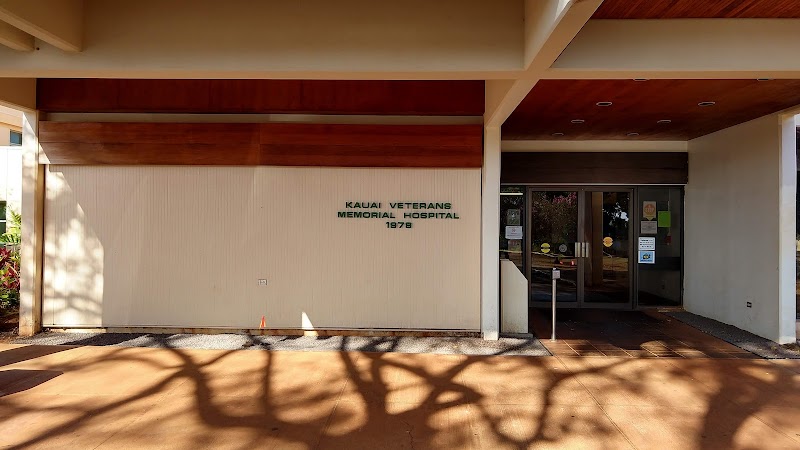
KAUAI VETERANS MEMORIAL HOSPITAL

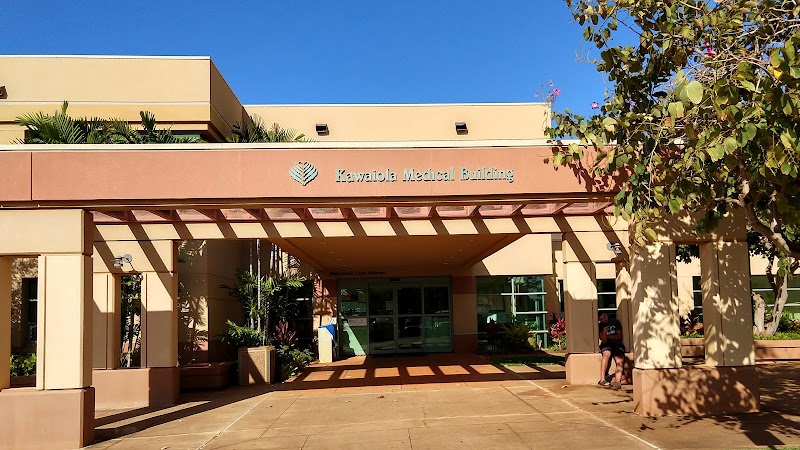
4643 WAIMEA CANYON DRIVE, WAIMEA, HI 96796 (808) 338-9431
Government - State 20 Beds HAWAII HEALTH SYSTEMS CORPORATION Data: November 2025 1 Immediate Jeopardy citation
Trust Grade
13/100
#36 of 41 in HI
Last Inspection: September 2024

Within standard 12-15 month inspection cycle. Federal law requires annual inspections.

Overview

Kauai Veterans Memorial Hospital has received a Trust Grade of F, indicating significant concerns about the facility's overall care and operations. It ranks #36 out of 41 nursing homes in Hawaii, placing it in the bottom half, and #5 out of 5 in Kauai County, meaning there are no local options rated higher. The facility's performance appears to be worsening, with the number of reported issues increasing from 4 in 2023 to 6 in 2024. Staffing is a notable strength, with a perfect 5/5 rating and a low turnover rate of only 5%, suggesting that the staff remains consistent and familiar with the residents. However, the facility has also incurred $33,815 in fines, which is concerning as it exceeds the fines of 95% of other facilities in Hawaii, indicating potential compliance problems. Specific incidents highlight serious issues, such as a failure to ensure proper sanitization of kitchen equipment, which risks foodborne illness for residents and staff. Additionally, there was a serious oversight in monitoring a resident with a significant wound infection, leading to an increased risk of further health declines. Another concern involved improper food storage and a lack of hand hygiene by staff, which could also lead to health risks for residents. Overall, while staffing is a strength, the facility faces critical challenges that families should carefully consider.

Trust Score
F
13/100
In Hawaii
#36/41
Bottom 13%
Safety Record
High Risk
Review needed
Inspections
Getting Worse
4 → 6 violations
Staff Stability
✓ Good
5% annual turnover. Excellent stability, 43 points below Hawaii's 48% average. Staff who stay learn residents' needs.
Penalties
✓ Good
$33,815 in fines. Lower than most Hawaii facilities. Relatively clean record.
Skilled Nurses
✓ Good
Each resident gets 105 minutes of Registered Nurse (RN) attention daily — more than 97% of Hawaii nursing homes. RNs are the most trained staff who catch health problems before they become serious.
Violations
⚠ Watch
21 deficiencies on record. Higher than average. Multiple issues found across inspections.
★★☆☆☆
2.0
Overall Rating
★★★★★
5.0
Staff Levels
★★★★★
5.0
Care Quality
★☆☆☆☆
1.0
Inspection Score
Stable
2023: 4 issues
2024: 6 issues

The Good

  • 5-Star Staffing Rating · Excellent nurse staffing levels
  • 5-Star Quality Measures · Strong clinical quality outcomes
  • Low Staff Turnover (5%) · Staff stability means consistent care
  • Full Sprinkler Coverage · Fire safety systems throughout facility
  • No fines on record
  • Staff turnover is low (5%)

    43 points below Hawaii average of 48%

Facility shows strength in staffing levels, quality measures, staff retention, fire safety.

The Bad

2-Star Overall Rating

Below Hawaii average (3.4)

Below average - review inspection findings carefully

Federal Fines: $33,815

Above median ($33,413)

Moderate penalties - review what triggered them

Chain: HAWAII HEALTH SYSTEMS CORPORATION

Part of a multi-facility chain

Ask about local staffing decisions and management

The Ugly 21 deficiencies on record

1 life-threatening 1 actual harm
Sept 2024 6 deficiencies 1 IJ (1 facility-wide)
CRITICAL (L)

Immediate Jeopardy (IJ) - the most serious Medicare violation

Food Safety (Tag F0812)

Someone could have died · This affected most or all residents

⚠️ Facility-wide issue

**NOTE- TERMS IN BRACKETS HAVE BEEN EDITED TO PROTECT CONFIDENTIALITY** Based on observation, record review, and interview the facility failed to assure kitchen staff used non-expired Hydrion test str...

Read full inspector narrative →
**NOTE- TERMS IN BRACKETS HAVE BEEN EDITED TO PROTECT CONFIDENTIALITY** Based on observation, record review, and interview the facility failed to assure kitchen staff used non-expired Hydrion test strips to test the kitchen's three-compartment sink for proper sanitizer level to assure sufficient concentration of sanitizing solution is present to effectively clean and sanitize dishware and failed to assure the kitchen dishwasher water temperature was used and logged at 180 degrees Fahrenheit (F) or more during the rinse cycle, failing to assure dishware and silverware were heat sanitized. This deficient practice puts all residents, staff, and visitors, who eat their meals at the facility, at risk for foodborne illness. The State Agency (SA) identified an Immediate Jeopardy (IJ) at 483.60 (F812) on 09/03/24 at 10:12 AM. The facility failed to follow the proper sanitizing practices for the dishes and silverware to prevent the outbreak of foodborne illnesses as evidenced by final rinse temperatures of the water in the High Temperature Dishwasher (using heat sanitization) that were below the temperatures recommended for safety by the U.S. Department of Health and Human Services, Public Health Services, Food and Drug Administration Food Code (https://www.fda.gov/media/110822/download), in addition to not monitoring that the proper temperatures were being maintained. Widespread serious harm is likely to all residents using facility dishware and/or utensils due to risk of transmission of enteral pathogens related to improper sanitization. On 09/03/24 at 12:41 PM, the Regional Chief Nursing Executive and the Regional Chief Quality Officer were notified in writing of the IJ and provided with the IJ template. Both signed the template to attest receipt of the notice. On 09/05/24 at 02:23 PM, the SA finalized onsite verification that the IJ Removal Plan, provided by the facility and approved by the SA, had been implemented. Although the SA confirmed IJ Removal, a pattern of level 2 deficient practices at F812 remained. Findings include: On 09/03/24 at 10:00 AM, started initial tour of the kitchen with Food Service Manager (FSM) and Executive Sous Chef (ESC). At 10:03 AM observed the three-compartment sink that was just filled up with water and sanitizer solution. At this time, requested staff test the sanitizing solution. Kitchen staff had a container of Hydrion test strips that she used that did not have the picture of the colored strip to compare the test strip to, she stated it got lost. Requested ESC get another packet of the Hydrion test strips for testing. New test strips ESC brought out were found to be expired with expiration date of [DATE]. On 09/03/24 at 10:12 AM, observed the kitchen dishwasher running a wash and rinse cycle. Dishwasher showed the temperature of the washing cycle was at 150 degrees F temperature or higher, and the rinse cycle showed P2. Reviewed temperature logs for the dishwasher at this time and noticed staff wrote P2 for rinse temperature on the log for all of August 2024 and September 2024, up to today's date (09/03/24). Inquired of ESC what P2 meant, and ESC stated she did not know. Observed thermometer behind the dishwasher appeared broken as it was not registering the high temperature water running through the dishwasher. ESC stated, maintenance is working on this. ESC used a meat thermometer in the dishwasher to test the rinse temperature and found the thermometer did not register past 178 degrees F. SA requested ESC to call maintenance staff to come to the kitchen for an interview. Interview was conducted with Maintenance Staff (MS)1 and inquired if thermometer on dishwasher was broken, and he stated he has to replace the heat line and has the parts but has not had time to do it. MS1 was able to show the second boiler booster, which is located under the counter to the right of the dishwasher. Thermometer for the booster is located above the booster and at this time found it was at 170 degrees F. MS1 stated staff have to run the dishwasher one or two times for the temperature to raise up to 180 degrees F or more. Requested copies of August and September dishwasher temperature logs from ESC which she provided. On 09/03/24 at 11:45 AM ESC provided copies of Dishmachine Temperature Records from January 2024 which found staff started writing P2 on the dishmachine temperature rinse on 01/21/24. Review of the monthly records found temperature rinse had temperatures below 180 degrees F from 01/01/24 to 01/20/24. P2 was documented for temperature rinse logs from 01/21/24 and ongoing through 09/03/24. Dishmachine Temperature Records states Temperatures (150 F and above for Wash) (180 F and above for Rinse). The January 2024 - September 2024 Dishmachine Temperature Records did not have any Re check Temp. or Plan of Action (Maintenance Notified) filled out for the out of range temperatures or P2. On 09/09/24 at 12:05 PM requested facility policy for dish washing from the kitchen manager. On 09/09/24 at 12:20 PM kitchen manager provided a copy of facility policy Washing Dishes with an effective date of February 23, 2021 which states III. Procedure: 6. The supervisor must maintain a dish machine temperature log to ensure that temperatures meet the established standards. Temperatures are taken by the food service employee as [sic.] a designated time and logged.
CONCERN (D)

Potential for Harm - no one hurt, but risky conditions existed

Deficiency F0637 (Tag F0637)

Could have caused harm · This affected 1 resident

**NOTE- TERMS IN BRACKETS HAVE BEEN EDITED TO PROTECT CONFIDENTIALITY** Based on record review and interview the facility failed to identify and report, within 14 days, a significant change and declin...

Read full inspector narrative →
**NOTE- TERMS IN BRACKETS HAVE BEEN EDITED TO PROTECT CONFIDENTIALITY** Based on record review and interview the facility failed to identify and report, within 14 days, a significant change and decline in activities of daily living (ADLs) for 1 of 12 residents sampled (Resident (R) 11). This deficient practice has the potential to affect other residents who have a decline in health status. Findings include: On 09/05/24 record review of R11's Electronic Health Record (EHR) Minimum Data Set (MDS) Annual assessment dated [DATE] and Quarterly review dated 04/26/24 revealed she had the following declines in functional limitations: limitations progressing from one lower extremity to two lower extremities, now requires substantial/maximal assistance with upper body dressing when she was previously partial/moderate assistance, and went from being able to roll left and right with partial/moderate assistance to roll left and right requiring substantial/maximal assistance. Review of R11's MDS assessments submitted to the Centers for Medicare and Medicaid Services (CMS) revealed no Significant Change in Status assessments. On 09/06/24 at 09:43 AM, interviewed the Minimum Data Set Coordinator (MDSC) and inquired if R11 had a significant change with her ADLS requiring more assistance with care. R11's MDS assessments submitted on 01/28/24, 04/26/24, and 07/21/24, were reviewed by MDSC who confirmed R11 did have a significant change with her ADLS that was identified and should have been reported to CMS .
CONCERN (D)

Potential for Harm - no one hurt, but risky conditions existed

Assessment Accuracy (Tag F0641)

Could have caused harm · This affected 1 resident

**NOTE- TERMS IN BRACKETS HAVE BEEN EDITED TO PROTECT CONFIDENTIALITY** Based on record review and interview the facility failed to accurately document the health status of two residents reviewed, Res...

Read full inspector narrative →
**NOTE- TERMS IN BRACKETS HAVE BEEN EDITED TO PROTECT CONFIDENTIALITY** Based on record review and interview the facility failed to accurately document the health status of two residents reviewed, Residents (R)20 and 11. R20 was incorrectly identified as taking insulin for one day and R11 was incorrectly identified as having a diagnosis of Alzheimer's Disease when she has a diagnosis of severe vascular dementia without behavioral disturbance, psychotic disturbance, mood disturbance or anxiety. This deficient practice has the potential to affect all the residents at the facility if their health status is not correctly identified. Findings include: 1) On 09/05/24 record review of R20's Electronic Health Record (EHR) revealed R20's Minimum Data Set (MDS) admission assessment dated [DATE] identified her taking insulin for 1 day. Review of R20's EHR medication orders did not find any insulin orders. On 09/06/24 at 09:33 AM, interviewed Minimum Data Set Coordinator (MDSC) who confirmed resident does not take insulin and confirmed this was an error. MDSC believes it might have been a different injection she received such as an immunization. 2) On 09/06/24 record review of R11's EHR revealed she had a diagnosis of severe vascular dementia without behavioral disturbance, psychotic disturbance, mood disturbance or anxiety. Review of R11's Minimum Data Set Quarterly review dated 07/21/24 found R11 had Alzheimer's Disease checked off. On 09/06/24 at 09:33 AM, interviewed Minimum Data Set Coordinator (MDSC). MDSC reviewed R11's MDS Quarterly review dated 07/21/24 and saw R11 had the Alzheimer's Disease box checked. MDSC stated this was an error on the resident's MDS and confirmed that R11 does not have an Alzheimer's Disease diagnosis.
CONCERN (D)

Potential for Harm - no one hurt, but risky conditions existed

Comprehensive Care Plan (Tag F0656)

Could have caused harm · This affected 1 resident

**NOTE- TERMS IN BRACKETS HAVE BEEN EDITED TO PROTECT CONFIDENTIALITY** Based on interview and record review, the facility failed to develop and/or implement a resident-centered Comprehensive Care Pla...

Read full inspector narrative →
**NOTE- TERMS IN BRACKETS HAVE BEEN EDITED TO PROTECT CONFIDENTIALITY** Based on interview and record review, the facility failed to develop and/or implement a resident-centered Comprehensive Care Plan (CP) for 2 of 13 residents (Residents 5 and 1) in the sample. Both residents (R) are insulin-dependent diabetics, yet neither had an active diabetes care plan. As a result of this deficient practice, these residents were placed at risk for a decline in their quality of life and were prevented from attaining their highest practicable well-being. This deficient practice has the potential to affect all the residents at the facility. Findings include: 1) Cross-reference to F689 Accident Hazards. A review of R5's CP revealed no active care plan developed for Activities of Daily Living (ADLs), which would include interventions addressing her mobility and transfer needs. Resident (R)5 is a [AGE] year-old female admitted to the facility on [DATE] for long-term care. Her active diagnoses include insulin-dependent diabetes, and chronic kidney disease. A review of R5's electronic health record (EHR) revealed that she had a stroke with functional decline on 08/05/24. A review of R5's CP noted no resident-specific care plan for her diabetes and/or diabetes management. A review of her CP history revealed a resident-specific diabetes care plan titled: LTC [long term care] Diabetes Mellitus IPOC [individualized plan of care] that was discontinued on 06/04/24. On 09/10/24 at 09:26 AM, a concurrent interview and record review was done with the MDS (Minimum Data Set) Coordinator (MDSC) in Conference Room C. After reviewing R5's CP, MDSC confirmed that R5's diabetes care plan had been discontinued on 06/04/24 but could not explain why. MDSC stated she would look into whether R5 had a diabetes care plan between 06/04/24 and her stroke on 08/05/24. On 09/10/24 at 10:57 AM, an interview was done with MDSC at the Nurses' Station. When asked about CP management, MDSC stated that she oversees the residents' care plans, but any licensed staff can initiate and discontinue them. When asked what oversees entails, MDSC responded that she reviews each resident's care plan at least every 90 days. On 09/10/24 at 11:03 AM, during a concurrent record review and interview with the Quality Management Nurse (QMRN) at the Nurses' Station, QMRN confirmed that R5 had no Diabetes Care Plan since 06/04/24. QMRN showed MDSC and the State Agency documentation in the EHR that revealed that although a Diabetes Care Plan had been entered into the EHR on 08/15/24, it had never been initiated, so was not active. Review of the facility's Comprehensive Care Plan policy and procedure, last updated 01/25/24, noted the following: C. The planning for care, treatment and services shall include the following . Individualized to meet the needs of the resident with measurable objectives describing the steps towards achieving the resident's goals . 2) On 09/04/24 during review of R1's EHR found she is a [AGE] year-old who was admitted to the facility on [DATE]. Review of R1's medications revealed she is receiving insulin daily with her morning meal to treat her diabetes. Review of R1's CP did not reveal a current CP and no interventions for resident's diabetes. On 09/09/24 at 11:30 AM, requested a copy of R1's Diabetes CP from the MDSC. On 09/10/24 at 11:15 AM, MDSC provided a copy of R1's CP. Review of R1's CP found R1's LTC Diabetes Mellitus IPOC (Completed) and had Last updated on 08/24/23 at 12:15 HST by MDSC name. Outcomes and Interventions were either discontinued or met for R1. Concurrent interview with MDSC confirmed R1 did not have a Diabetes CP.
CONCERN (D)

Potential for Harm - no one hurt, but risky conditions existed

Accident Prevention (Tag F0689)

Could have caused harm · This affected 1 resident

**NOTE- TERMS IN BRACKETS HAVE BEEN EDITED TO PROTECT CONFIDENTIALITY** Based on observation, interview, and record review, the facility failed to ensure 1 of 13 residents sampled (Resident 5) was fre...

Read full inspector narrative →
**NOTE- TERMS IN BRACKETS HAVE BEEN EDITED TO PROTECT CONFIDENTIALITY** Based on observation, interview, and record review, the facility failed to ensure 1 of 13 residents sampled (Resident 5) was free from accident hazards. Despite having a history of falls, an identified recent stroke with functional decline, and requiring a two-man assist for transfer, staff failed to lower Resident (R) 5's bed until her feet were touching the floor prior to manually transferring her from her bed to a shower chair, placing her at risk for an avoidable fall and/or injury. In addition, the facility failed to develop and implement a care plan for R5 that included/addressed her mobility and transfer needs. This deficient practice has the potential to affect all residents at the facility who require assistance to stand or transfer. Findings include: Resident (R)5 is a [AGE] year-old female admitted to the facility on [DATE] for long-term care. Her diagnoses include diabetes (added to diagnosis list at admission), chronic kidney disease (last updated on diagnosis list [DATE]), recurrent falls (last updated in 2019), decreased transfer ability (last updated in 2023), and history of stroke (last updated in 2022). During a review of R5's electronic health record (EHR), the following was noted under a PT (Physical Therapy) Evaluation and Treatment done on [DATE]: . requires MAX A [maximum assistance] today for sit to stand and stand pivot transfer secondary to RLE [right lower extremity] weakness . at an increased high fall risk than she was previously . While the following was noted under an OT (Occupational Therapy) Evaluation done on [DATE]: Toilet Transfer: [needs] Total assistance . Shower Transfer: [needs] Total assistance . currently max A [maximum assistance] - [to] dependent for ADLs [activities of daily living such as transferring] . On [DATE] at 08:46 AM, an observation was done of Certified Nurse Aide (CNA)2 and CNA5 getting R5 ready to be transferred from her bed to a shower chair. R5 was noted to be wearing a t-shirt, an adult disposable brief, and a pair of sneakers, as her feet dangled above the floor while seated at the edge of the bed. While CNA5 supported R5 under her right armpit, CNA2 supported R5 under her left armpit. CNA2, being the closest to the bed controls, lowered the bed to a height where R5's feet remained dangling above the floor. As CNA5 and CNA2 readied to lift R5 off the bed from under each armpit, this Surveyor stopped them and asked if the bed could be lowered any more as R5's feet were not touching the floor. CNA2 lowered the bed until R5's feet touched the floor, then they transferred her to the shower chair lifting her under both armpits. On [DATE] at 08:50 AM, an interview was done with CNA2 at the bedside while CNA5 took R5 to the shower room. When asked if they usually lower a resident's bed to the lowest setting prior to assisting a resident for transfer, CNA2 responded, not always, because the bed goes really low, and it can become difficult for a resident to stand [from the lowest setting]. While CNA2 did agree that the bed should be lowered enough so that the resident's feet can touch the ground, she explained that she didn't do that for R5 because she cannot bear weight. When asked if they should be using a mechanical lift for safety when transferring a resident that cannot bear weight, CNA2 stated that sometimes R5 can bear a little weight and assist with a transfer, but most times she cannot, so they make sure they have two (2) staff to transfer her at all times. When asked again about using a mechanical lift when they know a resident cannot assist with the transfer, CNA2 responded they haven't recommended mechanical transfers for her yet. When asked if an order or a recommendation for a mechanical transfer was necessary in order to use a mechanical lift, CNA2 answered no, and agreed that they can use it whenever they feel it is necessary. On [DATE] at 11:34 AM, an interview was done with the Minimum Data Set Coordinator (MDSC) at the Nurses' Station. MDSC confirmed that R5 had a stroke on [DATE] and as a result experienced a decline in functional abilities. MDSC also confirmed that since [DATE], at times R5 can assist with a transfer in and out of bed, but most times she cannot. While MDSC agreed that staff should use their judgement to use a mechanical lift to transfer a resident safely, she stated that 2-man manual transfers can be done safely with R5 if staff lift her under the arm and under the leg on each side. A review of R5's Comprehensive Care Plan (CP) revealed no active care plan developed for ADLs, which would include interventions addressing mobility and transfer needs. A review of the facility's Safe transfers With Use of Mechanical Lift policy and procedure (P&P), and Safe Transfers Without Use of Mechanical Lift P&P, revealed the following: Mechanical lifts are to be used for all residents that cannot assist with transfers.
CONCERN (D)

Potential for Harm - no one hurt, but risky conditions existed

Deficiency F0761 (Tag F0761)

Could have caused harm · This affected 1 resident

Based on observation, interview, and record review, the facility failed to ensure all medications used in the facility were labeled in accordance with professional standards, including medication para...

Read full inspector narrative →
Based on observation, interview, and record review, the facility failed to ensure all medications used in the facility were labeled in accordance with professional standards, including medication parameters for administration. Proper labeling of medications is necessary to promote safe administration practices and decrease the risk for medication errors. This deficient practice has the potential to affect all residents in the facility who take medications. Findings include: 1) On 09/06/24, beginning at 08:00 AM, medication pass observations were done with Registered Nurse (RN)6. At 08:01 AM observed RN6 preparing medications for Resident (R)11, who had a blood pressure that morning of 82/45 and when rechecked, 88/51. Observed the Metolazone 10 milligrams (mg) that RN6 prepared had a medication label on the blister pack that read: HOLD FOR SBP [systolic blood pressure] < [less than] 100 OR SYMPTOMATIC HYPOTENSION [low blood pressure]. Handwritten in red pen next to that was the following: SBP<80. Observed the Furosemide 40 mg that RN6 prepared had a medication label on the blister pack that read: HOLD FOR SBP<90. Handwritten in both black and blue ink to the left of the medication label was the following: FYI: Hold < SBP 80. At 10:23 AM, concurrent record review and interview was done with RN6 at the medication cart. Regarding the Metolazone, record review confirmed that the order decreasing the parameter from an SBP<100 to an SBP<80 was changed on 06/27/24. RN6 confirmed that the medication blister pack she used that morning was sent from the pharmacy on 08/01/24. Regarding the Furosemide, record review confirmed that the order decreasing the parameter from an SBP<90 to an SBP<80 was also changed on 06/27/24. RN6 confirmed that the medication blister pack she used that morning was sent from the pharmacy on 08/19/24. RN6 could not explain why the pharmacy labels on the medications did not match the provider order(s) from over a month ago. 2) On 09/06/24 at 08:31 AM, observed RN6 preparing medications for R18, who had a blood pressure that morning of 145/58. Observed that the Losartan 100 mg that RN6 prepared had a medication label on the blister pack that read: HOLD FOR SBP<100. At 10:19 AM, concurrent record review and interview was done with RN6 at the medication cart. Record review confirmed that the original order for the Losartan on 10/30/23 was with parameters of Hold for SBP<110. RN6 confirmed that the parameters had never been changed. RN6 also confirmed that the medication blister pack she used that morning was sent from the pharmacy on 08/25/24. RN6 could not explain why the pharmacy label on the medication did not match the provider order. A review of the facility's Medication Administration policy and procedure, last updated 01/14/23, revealed the following: . RN [registered nurse] . Acknowledges and verifies orders in Electronic Medical Record (EMR). . Pharmacist . Independently verifies the Physician's order at the time of validating medication into the patient profile.
Sept 2023 4 deficiencies
CONCERN (D)

Potential for Harm - no one hurt, but risky conditions existed

Transfer Notice (Tag F0623)

Could have caused harm · This affected 1 resident

**NOTE- TERMS IN BRACKETS HAVE BEEN EDITED TO PROTECT CONFIDENTIALITY** Based on record review and interview, the facility failed to ensure that the family or resident representative of one resident (...

Read full inspector narrative →
**NOTE- TERMS IN BRACKETS HAVE BEEN EDITED TO PROTECT CONFIDENTIALITY** Based on record review and interview, the facility failed to ensure that the family or resident representative of one resident (R)19, out of three residents sampled, was notified of R19's transfer to the emergency room (ER) for an acute condition. This deficient practice fails to protect residents from possible inappropriate facility-initiated discharges from the facility. Finding includes: On 09/21/23 at 11:54 AM, progress notes revealed that R19 was transferred to the ER due to a low blood count. On 09/22/23 at 11:11 AM, conducted a concurrent observation of R19's electronic health record (EHR) and interview with the MDS Coordinator (MDSC) at the nursing station. MDSC confirmed that R19 was transferred to the ER on [DATE] as evidenced by an ER physician note documented on 08/13/23 at 09:21 AM that R19 refused her hemodialysis treatments (medical process to clean toxins out of the blood and to remove excess fluids) on Friday and Saturday. Progress notes revealed further that R19 was transferred from the ER to the intensive care unit (ICU) on 08/13/23 at 01:59 PM. There was no documentation in the progress notes found about a written notification being sent to R19's family. On 09/22/23 at 12:18 PM, interviewed the Social Worker (SW) in her office. SW stated that no written notification are sent to the resident representative or Long Term Care Ombudsman for residents that are transferred to another provider for higher levels of care.
CONCERN (D)

Potential for Harm - no one hurt, but risky conditions existed

Deficiency F0638 (Tag F0638)

Could have caused harm · This affected 1 resident

Based on interview and record review, the facility failed to ensure that quarterly comprehensive assessments were completed no less frequently than once every 3 months for 2 of 2 residents (R) in the ...

Read full inspector narrative →
Based on interview and record review, the facility failed to ensure that quarterly comprehensive assessments were completed no less frequently than once every 3 months for 2 of 2 residents (R) in the sample. As a result of this deficient practice, the facility placed R1 and R16 at risk of not having their needs met. This deficient practice has the potential to affect all the residents at the facility for long-term care. Findings include: On 09/21/23 at 03:00 PM, during a review of Resident (R)1's electronic health record (EHR), it was noted that R1's last quarterly Minimum Data Set (MDS) assessment had been completed on 05/20/23. The most recent MDS assessment showed an assessment reference date (ARD) or target date of 08/17/23, but had not been completed. On 09/21/23 at 03:24 PM, an interview was done with the MDS Coordinator (MDSC) at the Nurses' Station. Reviewing a Final Validation Report provided by the MDSC, it showed the assessment due on 08/17/23 had a Completion Date of 09/21/23. The MDSC confirmed that some of the care area assessments had been completed more than 14 days after the ARD, making them late. The MDSC also verified that the completion date of 09/21/23 was correct, making the assessment more than 92 days since the last.
CONCERN (D)

Potential for Harm - no one hurt, but risky conditions existed

Accident Prevention (Tag F0689)

Could have caused harm · This affected 1 resident

**NOTE- TERMS IN BRACKETS HAVE BEEN EDITED TO PROTECT CONFIDENTIALITY** Based on observation, interview, and record review, the facility failed to ensure one resident (R) in the sample was free from a...

Read full inspector narrative →
**NOTE- TERMS IN BRACKETS HAVE BEEN EDITED TO PROTECT CONFIDENTIALITY** Based on observation, interview, and record review, the facility failed to ensure one resident (R) in the sample was free from accident hazards. Despite being unsteady on her feet and requiring at least a two-man assist to stand, staff failed to lock R11's shower chair before having her stand for a transfer, placing her at risk for an avoidable fall and/or injury. This deficient practice has the potential to affect all residents at the facility who require assistance to stand or transfer. Findings include: Resident (R)11 is an [AGE] year old female admitted to the facility on [DATE] with admitting diagnoses that include age-related physical disability, Diabetes, Hypertension (high blood pressure), Heart Failure, and Morbid Obesity. A review of R11's most recent quarterly Minimum Data Set (MDS) assessment, with an assessment reference date (ARD) of 08/13/23, shows that for Balance During Transitions and Walking, as well as Surface-to-Surface Transfer (transfer between bed and chair or wheelchair), R11 was marked as Not steady, only able to stabilize with human assistance. Further review noted that under Mobility, for Sit to Stand: The ability to safely come to a standing position from sitting in a chair or on the side of the bed; and for Chair/bed-to-chair transfer: The ability to safely come to a standing position from sitting in a chair or on the side of the bed, R11 had been marked as needing Substantial/maximal assistance - Helper does MORE THAN HALF the effort. On 09/20/23 at 09:34 AM, an observation was done at R11's bedside. Registered Nurse (RN)6 had just completed a dressing change on a wound to R11's left shin following her shower. RN6, Certified Nurse Aide (CNA)9 and CNA8 were preparing to transfer R11 from the shower chair she was sitting on, to her wheelchair, however R11 still needed to don (put on) an adult disposable brief and her pants. Prior to having her stand, CNA9 stated she made doo-doo (defecated) [in the shower], she still get, and grabbed some moistened absorbent wipes. As RN6 and CNA8 got ready to assist R11 from sitting in the shower chair to standing, CNA8 suggested using a gait belt. CNA9 stated, no, she no like. As RN6 and CNA8 grabbed R11 under either armpit, an observation was made that the shower chair, with CNA9 standing by, had not been locked. Surveyor asked, do you want to lock the shower chair [to keep it from moving], to which CNA9 responded no, I need to move it fast that's why. RN6 and CNA8 had R11 grasp the bed rail while they assisted her to stand. As she stood, CNA9 moved the shower chair out of the way, wiped R11's buttocks with the absorbent wipes, pulled R11's adult disposable brief and pants up (all while positioned behind her), then moved her wheelchair into place where RN6 and CNA8 helped her sit. Upon further questioning regarding the safe transfer of residents, RN6 and CNA9 reported that R11 is normally a 2-person assist for transfers. Since there were three staff members present however, they did not/do not lock the chair she is transferring from because they need to move it out of the way quickly because she [R11] cannot stand long. CNA9 further explained that because they used three people for the quick transfer, they didn't lock the shower chair, but they usually do when transferring other residents. On 09/22/23 at 10:18 AM, an interview was done with the Director of Nursing (DON) in her office. The DON explained that the staff members had shared the incident with her. After the Surveyor described the observations made on 09/20/23, the DON stated it was her understanding that it was a quick transfer, meaning the shower chair was immediately switched out for the wheelchair and the resident was seated. Given the length of time R11 stood while her buttocks were wiped and her brief and pants were pulled up, the DON agreed that the shower chair should have been locked for safety. Upon further discussion, the DON agreed that all movable equipment should be locked for safety during transfer.
CONCERN (F)

Potential for Harm - no one hurt, but risky conditions existed

Food Safety (Tag F0812)

Could have caused harm · This affected most or all residents

Based on observations, interviews, and record review, the facility failed to provide safe storage for delivered food items placed into the kitchen's chiller and the dietary aides failed to perform app...

Read full inspector narrative →
Based on observations, interviews, and record review, the facility failed to provide safe storage for delivered food items placed into the kitchen's chiller and the dietary aides failed to perform appropriate hand hygiene while delivering meal trays to residents. These deficient practices have the potential to cause harm to their residents, staff, and visitors due to the possibility of contracting a food borne illness. Findings include: 1) On 09/19/23 at 10:32 AM, conducted a concurrent observation and interview with the kitchen chef (KC) of the kitchen's chiller located outside, across from the freezer. The chiller contained a box of sour cream tubs on the floor to the left and the right side contained crates with gallons of milk and juice. KC stated that they received the delivery of those items at 10:00 AM. On 09/19/23 at 10:45 AM, conducted a concurrent observation and interview with the Director of Food Services (DFS) of the same chiller. DFS stated that the delivery personnel will alert staff that the items were placed into the chiller. DFS further confirmed that the kitchen staff should have put the items away on the shelves of the cart right away as the items should be stored at least 6 inches off the ground. Record review of policy and procedure from the Department of Nutritional Services on Infection Control, Policy No.: 140-300-1 with effective date 02/17/21. It stated, . III. PROCEDURE: . 6. Food must be stored at least eighteen (18) inches above the floor . 2) On 09/19/23 at 11:48 AM, conducted initial lunch observations. Dietary Aide (DA)1 delivered a lunch tray to resident (R)12 in R12's room. DA1 moved items on R12's tray and touched the bedside table while conversing with R12. DA1 exited the room without taking off his gloves and performing hand hygiene. DA1 proceeded to deliver the rest of the lunch trays to residents in the day room and residents in their rooms. On 09/20/23 at 12:05 PM, conducted follow up observations of lunch tray deliveries. DA2 wore gloves when delivering a tray to a resident in the day room. DA2 was back at the meal tray delivery cart when his cell phone rang in his pants pocket. DA2 proceeded to take out his cell phone from his pocket, looked at it, and then put it back into his pants pocket. DA2 did not remove his gloves and hand hygiene before taking out another lunch tray to deliver. On 09/22/23 at 09:13 AM, interviewed the Infection Preventionist (IP) in the conference room, IP was notified of lunch tray deliveries by DA1 and DA2. IP stated she expects glove removal, hand hygiene, and new gloves donned to have occurred after DA1 touched the items on R12's tray and bedside table before delivering the rest of the lunch trays. IP also stated that DA2 should have also removed his gloves, performed hand hygiene, and donned on a clean pair of gloves after placing his cell phone back into his pants pocket. IP stated that she has not done any hand hygiene audits of the kitchen staff. Record review of policy and procedure from the Department of Nutritional Services for Personal Hygiene, effective date 02/23/21, Policy No.: 140-400-5. It stated, . HAND WASHING . 3. Wash hands frequently, including after . the use of cellular phones .
Sept 2022 11 deficiencies 1 Harm
SERIOUS (G)

Actual Harm - a resident was hurt due to facility failures

Quality of Care (Tag F0684)

A resident was harmed · This affected 1 resident

**NOTE- TERMS IN BRACKETS HAVE BEEN EDITED TO PROTECT CONFIDENTIALITY** Based on observation, record review, and interview, the facility failed to recognize the need for closer monitoring and addition...

Read full inspector narrative →
**NOTE- TERMS IN BRACKETS HAVE BEEN EDITED TO PROTECT CONFIDENTIALITY** Based on observation, record review, and interview, the facility failed to recognize the need for closer monitoring and additional interventions to manage a significant change in physical condition for one resident (R) in the sample. Although R4 was identified with a serious, potentially life-threatening wound infection that required extended intravenous (IV) antibiotic therapy, placement of a central line (IV access into a large central vein near the heart), and an upgrade of her status to a skilled nursing level of care, the facility failed to assess the impact the infection had on her functional needs, or to refer her to the appropriate specialists for her condition. As a result of this deficient practice, the facility placed R4 at an increased risk for avoidable declines and injuries. This deficient practice has the potential to affect all residents in the facility with worsening wounds. Findings include: Cross-reference to F637 Comprehensive Assessment after Significant Change. The facility failed to conduct a comprehensive assessment of functional capacity within fourteen (14) days of identifying a significant change in physical condition for Resident (R)4. Cross-reference to F692 Nutrition/Hydration Status Maintenance. The facility failed to provide care and services to prevent significant weight loss or to identify the need for closer monitoring and timely interventions for R4. R4 is a [AGE] year-old female admitted for long-term care on 03/29/22, then upgraded to a skilled nursing (SNF) level of care on 08/03/22. Her current diagnoses include dementia, diabetes, peripheral vascular disease, insomnia, and osteomyelitis (bone infection) of her right foot. Review of R4's electronic health record (EHR) noted that what began as a blister-like lesion on her right great toe in April 2022 had progressed to osteomyelitis and gangrene (dead tissue due to a lack of blood flow or a serious bacterial infection) of her right big toe and hallux metatarsal phalangeal (MTP) joint, or her big toe joint. On 08/31/22 at 12:55 PM, further review of R4's EHR noted that despite extensive documentation beginning in May 2022 about the worsening wound(s) on her right foot, prolonged wound infection(s), and peripheral vascular disease, no referrals were found to have been made to a wound specialist, an infection disease specialist, or a vascular disease specialist. On 09/01/22 at 10:26 AM, observations were done of Certified Nurse Aide (CNA)3 and CNA6 transferring R4 from her geriatric chair (Geri-Chair) to her bed. With the Geri-Chair in the fully upright position, it was observed that R4's feet dangled approximately four (4) inches above the ground. Both CNAs attempted to waken R4 as she slept sitting up, with no success. Observed CNA3 and CNA6 each use one arm to hook under one of R4's armpits and use their remaining free hand to grab the back of R4's elastic-waist pants. They then proceeded to lift R4 from the Geri-Chair to the bed with no assistance from her. After R4 was safely in the bed, an interview was done with both CNAs at the bedside. When asked why a mechanical lift was not used, both CNAs stated that R4 is a 2-man assist for transfer because she can bear weight on her good [left] foot and assist with the transfer when she is not sleepy. When it was pointed out that R4 was very sleepy and could not even lift a hand to assist with the transfer, nor could she bear weight on her good foot when her feet did not touch the floor, CNA3 explained that is why they transferred her the way they did. On 09/01/22 at 10:38 AM, an interview was done with Registered Nurse (RN)1 outside of R4's room. After describing the transfer that was just observed, RN1 agreed that when R4 is sleepy, as she has been lately, the safer option for both resident and staff would be to transfer her utilizing a mechanical lift. RN1 stated that all staff should be using their own judgement to ensure transfers are safe and that an order is not needed for mechanical lifts. On 09/01/22 at 02:30 PM, the DON was interviewed at the NS. After a discussion regarding R4's increased transfer, mobility, dietary, and wound healing needs, the DON agreed that R4's functional needs had to be reassessed. On 09/02/22 at 09:13 AM, an interview was done in Conference Room C with the Chief Quality Officer (CQO). The CQO confirmed that although R4's condition had been followed by two different Podiatrists (a medical professional devoted to the treatment of disorders of the foot, ankle, and related structures of the leg), and reviewed by the facility's Chief Medical Officer, no referrals or orders had been made for a wound specialist, an infection disease specialist, or a vascular disease specialist.
CONCERN (D)

Potential for Harm - no one hurt, but risky conditions existed

Deficiency F0568 (Tag F0568)

Could have caused harm · This affected 1 resident

Based on interview with family member and staff member, the facility failed to assure quarterly bank statements were provided in writing to the resident's representative. Findings include: On 08/31/2...

Read full inspector narrative →
Based on interview with family member and staff member, the facility failed to assure quarterly bank statements were provided in writing to the resident's representative. Findings include: On 08/31/22 at 02:30 PM an interview was conducted with Resident (R)12's family member. Family member stated R12 has a personal fund account with the facility. Family member reported they do not receive quarterly account statements. On 09/01/22 at 09:27 AM an interview was conducted with the Accountant. The Accountant confirmed R12 has two accounts with the facility, personal fund account and a bank account. The personal fund account is cash account held by the facility for accessibility and quarterly statements are sent to the residents and/or resident representatives upon request. The Accountant reported R12's family has not reached out to request quarterly petty cash statements. The Accountant provided a copy of R12's personal funds account, this statement was addressed to R12's family member. As requested by resident or resident representative, the facility will open a bank account for residents at a commercial bank. These accounts are opened on behalf of the resident and statements are sent to the facility. On 09/01/22 at 10:40 AM the Accountant provided a copy of R12's commercial bank statement for March through June 2022 for review. The bank statement was addressed to R12 and mailed to the facility. Inquired whether the bank statements are sent to resident's power of attorney (POA) or representative, Accountant responded statements do not go to the POA or representative. The Accountant further reported the statements are delivered to the residents as mail and the accounting department doesn't always receive a copy of the statement. Review of the policy and procedure titled, Resident Cash Funds (Policy No.: 600-105-5) with effective date of 10/15/20 notes the facility has three types of account, interest-bearing account, personal account, and temporary holding account. In parentheses for interest-bearing account and personal account, it was documented Quarterly reconciliation of account. However, the procedure does not include providing quarterly statements for any of the accounts to a resident or resident representative.
CONCERN (D)

Potential for Harm - no one hurt, but risky conditions existed

Deficiency F0637 (Tag F0637)

Could have caused harm · This affected 1 resident

**NOTE- TERMS IN BRACKETS HAVE BEEN EDITED TO PROTECT CONFIDENTIALITY** Based on record review and interview, the facility failed to conduct a comprehensive assessment of functional capacity within fo...

Read full inspector narrative →
**NOTE- TERMS IN BRACKETS HAVE BEEN EDITED TO PROTECT CONFIDENTIALITY** Based on record review and interview, the facility failed to conduct a comprehensive assessment of functional capacity within fourteen (14) days of identifying a significant change in physical condition for one resident (R) in the sample. Although R4 was identified with a serious, potentially life-threatening infection that required extended intravenous (IV) antibiotic therapy, placement of a central line (IV access into a large central vein near the heart), and an upgrade of her status to a skilled nursing level of care, the facility failed to assess the impact the infection and its intervention(s) had on R4's functional needs. As a result of this deficient practice, the facility placed R4 at an increased risk for avoidable declines and injuries. This deficient practice has the potential to affect all residents in the facility with a significant change in condition. Findings include: Resident (R)4 is a [AGE] year-old female admitted for long-term care on 03/29/22, then upgraded to a skilled nursing (SNF) level of care on 08/03/22. Her current diagnoses include dementia, diabetes, peripheral vascular disease, insomnia, and osteomyelitis (bone infection) of her right foot. Review of R4's electronic health record (EHR) noted that what began as a blister-like lesion on her right great toe in April 2022 has now progressed to osteomyelitis and gangrene (dead tissue due to a lack of blood flow or a serious bacterial infection) of her right big toe and hallux metatarsal phalangeal (MTP) joint, or her big toe joint. On 08/30/22 at 03:15 PM, an interview was done with the Director of Nursing (DON) at the Nurses' Station (NS). Questioned why R4 was listed with an admission date of 08/03/22 in the Electronic Health Record (EHR). The DON stated that R4 was discharged and re-admitted into the EHR system on 08/03/22 as a result of her change in status from long-term care (LTC) to SNF, and a new diagnosis of acute osteomyelitis. On 08/31/22 at 01:05 PM, a review of R4's EHR noted that there were two Minimum Data Set (MDS) assessments completed. One was an admission Assessment with an Assessment Reference Date (ARD) of 04/10/22, and the second was a Quarterly Review Assessment with an ARD of 07/03/22. Despite her change of condition identified on 08/03/22, no assessments were found since 07/03/22. On 09/01/22 at 07:48 AM during an interview with the DON in her office, the DON stated that she was the person responsible for transmitting the completed MDS assessments. At 02:30 PM, the DON was interviewed at the NS. After a discussion regarding R4's increased transfer, mobility, dietary, and wound healing needs, the DON agreed that a significant change in condition assessment had been warranted and should have been done following R4's osteomyelitis diagnosis.
CONCERN (D)

Potential for Harm - no one hurt, but risky conditions existed

Deficiency F0757 (Tag F0757)

Could have caused harm · This affected 1 resident

**NOTE- TERMS IN BRACKETS HAVE BEEN EDITED TO PROTECT CONFIDENTIALITY** Based on record review and interview with staff member, the facility failed to ensure insulin and high blood pressure medication...

Read full inspector narrative →
**NOTE- TERMS IN BRACKETS HAVE BEEN EDITED TO PROTECT CONFIDENTIALITY** Based on record review and interview with staff member, the facility failed to ensure insulin and high blood pressure medications were provided with adequate monitoring for 2 (Residents 21 and 2) of 5 residents sampled for medication review. Medications were not administered in accordance with physician orders. Findings include: 1) Resident (R)21 was readmitted to the facility on [DATE]. Diagnoses include but not limited to, diabetes mellitus, type 2; diabetes mellitus, type 2 causing chronic kidney disease; and vascular dementia. Record review found physician order for NovoLog (insulin), 5 units every evening, give 5-10 minutes before the evening meal, if finger stick blood sugar (FSBS) is greater than 150 mg/dL; insulin degludec, 50 units daily; and blood glucose monitoring. Review of the medication administration record (MAR) from 08/12/22 to 08/31/22 found the NovoLog was not administered as ordered. There were four entries of blood sugars taken in the morning, no evidence blood sugar was tested before the evening meal, then NovoLog was administered when blood sugar levels were below 150 mg/dL. On 08/14/22 at 06:55 AM, R21's blood sugar was 114 mg/dL. There was no documentation of test results for FSBS before evening meal and NovoLog was administered at 05:00 PM. On 08/24/22 blood sugar was tested at 06:19AM (112 mg/dL) and NovoLog was administered at 05:05 PM. On 08/25/22 blood sugar was tested at 06:19 AM (84 mg/dL) and NovoLog was administered at 04:51 PM. On 08/31/22 blood sugar was tested at 06:54 AM (88 mg/dL) and NovoLog was administered at 06:01 PM. There was one entry which documented on 08/18/22 NovoLog was administered before blood sugar was tested. The NovoLog was administered at 04:25 PM and the blood sugar was tested at 06:23 PM (252 mg/dL). On 09/02/22 at 09:32 AM concurrent record review and interview was conducted with the Charge Nurse (CN)3. The MAR was reviewed with CN3. Inquired why NovoLog was administered without blood sugar testing in the evening. CN3 reviewed the entries and replied, the nurse may have forgotten to take the blood sugar or forgotten to document the results. Further queried why are there results for blood sugar testing twice a day on some days and only once a day on others. CN3 stated per physician's orders, R21's blood sugars are to be taken twice a day. A review of the MAR with CN3 found blood sugar testing was done only once a day on the following days: 08/12/22 at 04:30 PM, 08/14/22 at 06:55 AM, 08/15/22 at 04:40 PM, 08/18/22 at 06:23 PM, 08/21/22 at 04:27 PM, 08/24/22 at 06:19 AM, 08/25/22 at 06:19 AM, 08/26/22 at 06:13 AM, and 08/31/22 at 06:54 AM. CN3 commented the nurse may have forgotten to document the results. 2) R2 was admitted to the facility on [DATE]. Diagnoses include but not limited to hypertension, vascular dementia, edema, and Type 2 diabetes mellitus. A review of R2's physician orders include lisinopril, 10 mg. daily, hold if SBP (systolic blood pressure) is less than 110. A review of the MAR found an entry for 08/27/22 at 08:17 AM documenting the SBP was 103. There was no documentation the lisinopril was held. On 09/02/22 at 09:32 AM, concurrent record review and interview was done with CN3. CN3 confirmed there was no documentation that the medication was held due to SBP not meeting the parameters for administration.
CONCERN (E)

Potential for Harm - no one hurt, but risky conditions existed

Deficiency F0574 (Tag F0574)

Could have caused harm · This affected multiple residents

Based on interview with resident council representatives, the facility did not assure residents are aware of the contact information for the State Long Term Care Ombudsman and not aware of how to cont...

Read full inspector narrative →
Based on interview with resident council representatives, the facility did not assure residents are aware of the contact information for the State Long Term Care Ombudsman and not aware of how to contact the State Survey Agency to file a complaint. Findings include: On 08/31/22 at 09:30 AM an interview was conducted with six resident council representatives. Residents were asked if they are aware of where the Ombudsman's information is posted. Resident (R)13 was aware of the Ombudsman's name but not sure where to find the contact information. Resident (R)15 responded it is probably posted on the bulletin board. The representatives were asked if they were aware they can contact the State Survey Agency to file a complaint. The representatives could not confirm knowledge of contacting the State Survey Agency to file a complaint.
CONCERN (E)

Potential for Harm - no one hurt, but risky conditions existed

Deficiency F0577 (Tag F0577)

Could have caused harm · This affected multiple residents

Based on interview with resident council representatives, the facility did not ensure residents were aware of the right to examine the results of the most recent survey conducted by the State surveyor...

Read full inspector narrative →
Based on interview with resident council representatives, the facility did not ensure residents were aware of the right to examine the results of the most recent survey conducted by the State surveyors. Findings include: On 08/31/22 at 09:30 AM an interview was conducted with six resident council representatives. The representatives were asked if they are aware that the State Survey Agency report is available for review. None of the representatives were aware a State Survey Agency report is available to review and they did not know where it is located.
CONCERN (E)

Potential for Harm - no one hurt, but risky conditions existed

Safe Environment (Tag F0584)

Could have caused harm · This affected multiple residents

2) On 09/01/22 at 08:40 AM, observed Certified Nurse Aide (CNA)1 walking a resident out of the Isolation/Compassionate Care Room (ICCR) at the end of the hall. Observation of the inside of the room no...

Read full inspector narrative →
2) On 09/01/22 at 08:40 AM, observed Certified Nurse Aide (CNA)1 walking a resident out of the Isolation/Compassionate Care Room (ICCR) at the end of the hall. Observation of the inside of the room noted it was filled with storage items such as wheelchairs, a bed, walkers, wedges, and nightstands, with many items piled on top of each other. A narrow path had been created between the storage that led from the room entrance to the bathroom. When asked about using the room, CNA1 stated that sometimes they will take residents to the bathroom in the ICCR because it was closer to the activity room than their own rooms. An interview with CNA6 at the same time revealed that the shower in the ICCR was used to shower all the residents in the back half of the hall. While the residents from the front half of the hall were taken to the shower room through the double doors at the beginning of the Unit. On 09/02/22 at 11:07 AM, an interview was done with the Infection Preventionist (IP) in Conference Room C. When asked about the storage in the ICCR, the IP stated that those items were stored there because there was nowhere else to put them. When the ICCR needed to be used as a Compassionate Care Room, some storage would be moved into the resident's room, who would then occupy the vacated space in the ICCR (as was the case for R13's room, whose roommate was moved into the ICCR). When asked what the facility would do if they needed to clear out the ICCR to be used as an isolation room, the IP stated that they would need to find another place to put the storage. When asked to clarify where that would be, the IP confirmed that a space had not been identified yet. Based on observation and interview, the facility failed to ensure a safe, clean, homelike environment for the residents at the facility, as evidenced by half of Resident (R)13's room being used for storage, and residents being taken to use the toilet and shower in the Isolation/Compassionate Care Room, a room which was also filled with storage. As a result of this deficient practice, the residents were placed at risk for avoidable decline and injuries. This deficient practice has the potential to affect all the residents at the facility. Findings include: 1) On 08/30/22 at 10:36 AM observed Resident (R)13 does not have a roommate. R13's bed was placed close to the wall with a nightstand and chair next to her bed. The other half of the room was filled with seven wheelchairs, a mechanical lift and other equipment (bolsters) stacked on the nightstand. On 08/30/22 at 12:47 PM R13 was observed sitting in her room. Inquired about the stored equipment in her room. R13 explained the facility had to use a room for a resident so all the items in that room were brought to her room. R13 commented that this is a warehouse and would prefer items not be stored in her room. On 08/30/22 at 02:12 PM observed a staff member enter R13's room to get a wheelchair. R13 was sitting in her room and staff member did not acknowledge R13 upon entering her room. On 08/31/22 at 08:55 AM observed R13 was not in her room and a staff member entered her room to return a wheelchair.
CONCERN (E)

Potential for Harm - no one hurt, but risky conditions existed

Deficiency F0692 (Tag F0692)

Could have caused harm · This affected multiple residents

**NOTE- TERMS IN BRACKETS HAVE BEEN EDITED TO PROTECT CONFIDENTIALITY** Based on interview and record review, the facility failed to provide care and services to prevent significant weight loss or to ...

Read full inspector narrative →
**NOTE- TERMS IN BRACKETS HAVE BEEN EDITED TO PROTECT CONFIDENTIALITY** Based on interview and record review, the facility failed to provide care and services to prevent significant weight loss or to identify the need for closer monitoring and timely interventions for one Resident (R)4, as evidenced by a weight loss of 5.571% in one month. As a result of this deficient practice, the facility placed this resident at risk for avoidable declines and injuries. This deficient practice has the potential to affect all residents at the facility. Findings include: Resident (R)4 is a [AGE] year-old female admitted for long-term care on 03/29/22, then upgraded to a skilled nursing (SNF) level of care on 08/03/22. Her current diagnoses include dementia, diabetes, peripheral vascular disease, insomnia, and osteomyelitis (bone infection) of her right foot. Review of R4's electronic health record (EHR) noted that what began as a blister-like lesion on her right great toe in April 2022 has now progressed to osteomyelitis and gangrene (dead tissue due to a lack of blood flow or a serious bacterial infection) of her right big toe and hallux metatarsal phalangeal (MTP) joint, or her big toe joint. On 08/31/22 at 12:55 PM, further review of R4's EHR revealed that on 07/25/22, R4 was documented as weighing 104.1 pounds. One month later, on 08/29/22, R4 was documented as weighing 98.3 pound, reflecting a 5.571% weight loss. On 08/31/22 at 02:06 PM, a phone interview was done with R4's family representative (FR). FR shared that R4 had initially gained weight when she was admitted to the facility and told her that she enjoyed the food. As time passed, with the development of the right foot wounds, FR stated that R4 has not seemed to be eating as much and has been sleepier than usual. FR expressed that she is concerned about R4 losing weight, stating that R4 is not even interested in her favorite foods that FR brings from home. When she asks the facility about R4 losing weight, FR stated that she is told that R4's weight is stable. On 09/01/22 at 03:20 PM, additional review of R4's EHR was done. The following was noted regarding her nutritional assessments and interventions: Nutrition Evaluation done on 04/10/22 documented a regular diet, thin liquids, weight stable with an Average Meal Consumption Per Day: 75-100%. Nutrition Evaluation done on 07/07/22 documented a chopped diet with thin liquids, overall beneficial weight gain, with an Average Meal Consumption Per Day: 50-74%. No changes were made to R4's nutritional plan at that time. No nutrition/dietary referrals, notes, or assessments found between 07/07/22 and 08/12/22, despite a change in condition identified on 08/03/22. Nutrition Note done on 08/12/22 documented the following: Discussion of wounds with Interdisciplinary Team on 08/11/22 . Nutritional concerns d/t [due to] resident with wounds. High protein needs d/t ulcer to promote wound healing. Resident with recent decline in oral intake . Per RN [Registered Nurse] notes on 08/08 - [08/]09, poor oral intake AEB [as evidenced by] ate only 25% of her meals, ate only 3 bites and 100ml of her fluids for breakfast, stated, I wanna die, I don't wanna eat . The interventions implemented were to add eight (8) ounces of a nutritional shake three times a day with meals, and a recommendation to continue encouragement and cueing at meal times [sic]. Nutrition Consultation done on 08/16/22 documented the following: Consult: Weight Difference .Resident continue with poor oral intake AEB RN Notes (08/12 - 08/15) detailing meal intakes are 25% or less, refusal of supplement, poor appetite, requirement of much encouragement to eat and drink .Resident on regular, bite sized, thin liquids .Continue to encourage oral intake. Will continue to monitor. Further review found no indication on the frequency of the monitoring that would be done, no calculation of caloric, hydration, or protein needs, and no changes in interventions ordered. It was also noted that there was no dietary/nutrition referrals, notes, or assessments between 08/16/22 and 09/01/22, a period during which R4 lost 5.5 pounds, or 5.298% of her body weight. On 09/02/22 at 09:13 AM, an interview was done in Conference Room C with the Chief Quality Officer (CQO). The CQO reported that R4 had been assessed by the Registered Dietician (RD) the previous day and moved to the Medical-Surgical Unit so that she could receive Total Parenteral Nutrition (TPN), a method of feeding done by IV, bypassing the gastrointestinal tract, and providing most of the nutrients the body needs. After concurrent record review of R4's EHR, the CQO agreed that the RD referral and review of R4's weight and dietary intake was delayed.
CONCERN (E)

Potential for Harm - no one hurt, but risky conditions existed

Deficiency F0727 (Tag F0727)

Could have caused harm · This affected multiple residents

Based on interview and record review, the facility failed to designate a Registered Nurse (RN) to serve as the Director of Nursing (DON) on a full-time basis. Specifically, the staff member identified...

Read full inspector narrative →
Based on interview and record review, the facility failed to designate a Registered Nurse (RN) to serve as the Director of Nursing (DON) on a full-time basis. Specifically, the staff member identified to the State Agency (SA) as the Director of Nursing was not clearly identified in the Organization Chart, position title, Facility Assessment or Job Description as the DON. In addition, the staff member also served as the Minimum Data Set Coordinator (MDSC), also known as the Resident Assessment Instrument (RAI) Coordinator, thereby making her unable to focus her attention on the DON role for 35 or more hours a week. Findings include: On 08/30/22 at 09:48 AM, an entrance conference was conducted with a staff member who was identified to the State Agency (SA) as the Director of Nursing (DON) in Conference Room C. Upon questioning regarding her role as the DON, the staff member confirmed that she was full-time and stated that her title was Head Nurse. A copy of her Job Description was requested. On 08/30/22 at 01:08 PM, a review of the Job Description for Registered Professional Nurse V [RPN V] (Nursing Facility (SNF/ICF) Head Nurse) with position number 20860 was done. The DON confirmed that the Job Description and position number belonged to her. The review revealed the following: I.C. Position may be subject to rotating shifts and may be floated to other nursing units. I.D Position reports to the Asst. [Assistant] Director of Nursing . II.A.3.a. Prepares draft of annual budget and submits draft to the DON and/or Assistant Administrator . A concurrent review of the Facility Assessment revealed the following: 3.2 Staffing Plan - LTC [long-term care] . Other Positions/Indirect Care . LTC Nurse Manager/RAI Coordinator . RN = 1 . On 08/30/22 at 02:15 PM, a review of the facility's Nursing, Recreational, & Respiratory Therapy Services Position Organization Chart, last updated 12/31/21, revealed position number 20860 was listed under the position title Nurse Manager RPN V, along with four other staff members of the organization also listed as Nurse Manager RPN V(s). All Nurse Managers were listed under the Asst Director of Nursing, who fell under the Regional Chief Nurse Executive, who was overseen by the Regional Chief Executive Officer. On 09/01/22 at 07:48 AM during an interview with the DON in her office, she confirmed that she is also the MDSC (or RAI Coordinator).
CONCERN (E)

Potential for Harm - no one hurt, but risky conditions existed

Pharmacy Services (Tag F0755)

Could have caused harm · This affected multiple residents

Based on interview and record review, the facility failed to ensure pharmacy services included a thorough process to assure accurate reconciliation and accounting for all controlled medications in ord...

Read full inspector narrative →
Based on interview and record review, the facility failed to ensure pharmacy services included a thorough process to assure accurate reconciliation and accounting for all controlled medications in order to promptly identify loss or potential diversion. Findings include: On 09/01/22 at 08:52 AM, a medication cart inspection was done. During a review of the Daily Medication Count logs for the narcotic drawer and narcotic E-Kit (Emergency Kit) for August 2022, it was noted that there were fourteen (14) empty spaces or empty spaces with a dash on the narcotic drawer log, and nineteen (19) on the narcotic E-Kit log, where either the incoming or the outgoing Nurse had not initialed off to attest that the counts were correct. On 09/01/22 at 09:32 AM, an interview and concurrent review of the Count logs was done with the Director of Nursing (DON) at the Nurses' Station. The DON confirmed that two Nurses should be initialing off each shift on the logs to attest that the narcotic inventories were reconciled. The DON stated that the empty spaces with a dash is nothing, that doesn't count, and acknowledged that there is no way to confirm if the narcotic count was done without two Nurses attesting to it each shift.
CONCERN (F)

Potential for Harm - no one hurt, but risky conditions existed

Food Safety (Tag F0812)

Could have caused harm · This affected most or all residents

3) On 08/30/22 at 11:02 AM, observations were done in Resident (R)8's room as the Certified Nurse Aide (CNA)2 prepared to feed him his lunch. Observed CNA2 stir R8's pureed rice with a spoon, then sti...

Read full inspector narrative →
3) On 08/30/22 at 11:02 AM, observations were done in Resident (R)8's room as the Certified Nurse Aide (CNA)2 prepared to feed him his lunch. Observed CNA2 stir R8's pureed rice with a spoon, then stick her right index finger in it, wipe the finger on his napkin, and continued to stir. When asked about sticking her ungloved finger in his food, CNA2 explained that she was ensuring the food was cool enough to feed to the resident. As she explained what she was doing, CNA2 demonstrated the process by sticking her right index finger into R8's pureed main dish twice, in between stirring it with a spoon. When asked about hand hygiene, CNA2 explained that she washed her hands with soap and water before she left to pick up R8's lunch tray, then used an alcohol-based hand rub when she returned with the food, before she began feeding him. Based on observation, and interview, the facility failed to store, label, and serve food in accordance with professional standards for food service safety. Residents (R) risk serious complications from foodborne illness as a result of their compromised health status. Unsafe and/or unsanitary food handling practices represent a potential source of pathogen exposure for all residents at the facility. Findings include: 1) On 08/30/22 at 09:50 AM an initial tour of the kitchen was done with Kitchen Staff (KS)1. Observations found the three-door refrigerator contained a plastic container of balsamic vinegar dressing and a plastic container of miso labeled with a used by date of 08/23/22. In the reach-in refrigerator there was a container of chickpeas that was not labeled to identify the food item and the use by date. The reach-in freezer found a plastic bag of frozen food that was not labeled. Inquired what was in the plastic bag, KS1 replied she did not know and threw out the food item. Upon entering the walk-in freezer, observed frozen red liquid on the floor close to the door jam with frozen red liquid trailing down an empty plastic container. Asked KS1 what is that? KS1 responded it is probably frozen blood and further states this is the area where raw hamburger is stored. Also observed a box on the floor of the walk-in freezer. KS1 confirmed this was a box of frozen chicken that was just delivered. 2) On 08/31/22 at 09:50 AM a confidential resident interview was conducted. The resident reported the dishware (plates, bowls, cups) are oftentimes chipped. The resident reported that this is not sanitary. On 09/01/22 at 08:15 AM observed breakfast meal, there were three plates (white in the center with grey trimming) with chips on the perimeter. At 08:20 AM, concurrent observation and interview was done with Certified Nurse Aide (CNA)5 as she was clearing the tables. Inquired whether she noticed if there were chips in the ceramic dishware. CNA5 stated she has not noticed, however, confirmed there was a chip in the plate. On 09/01/22 at 12:55 PM concurrent observation of the dishware was done with the Kitchen Manager. Observation found five white plates with fluted edges with chips on the rim. The Kitchen Manager reported the chipped plates allow particles to permeate the plates and is not a good infection control practice. The Kitchen Manager stated she will go through the dishware and check for chips.
Understanding Severity Codes (click to expand)
Life-Threatening (Immediate Jeopardy)
J - Isolated K - Pattern L - Widespread
Actual Harm
G - Isolated H - Pattern I - Widespread
Potential for Harm
D - Isolated E - Pattern F - Widespread
No Harm (Minor)
A - Isolated B - Pattern C - Widespread

Questions to Ask on Your Visit

  • "What changes have you made since the serious inspection findings?"
  • "Can I speak with families of current residents?"
  • "What's your RN coverage like on weekends and overnight?"

Our Honest Assessment

Strengths
  • • 5% annual turnover. Excellent stability, 43 points below Hawaii's 48% average. Staff who stay learn residents' needs.
Concerns
  • • Multiple safety concerns identified: 1 life-threatening violation(s), Special Focus Facility, 1 harm violation(s), $33,815 in fines. Review inspection reports carefully.
  • • 21 deficiencies on record, including 1 critical (life-threatening) violation. These warrant careful review before choosing this facility.
  • • $33,815 in fines. Higher than 94% of Hawaii facilities, suggesting repeated compliance issues.
  • • Grade F (13/100). Below average facility with significant concerns.
Bottom line: This facility is on CMS's Special Focus list for poor performance. Consider alternatives strongly.

About This Facility

What is Kauai Veterans Memorial Hospital's CMS Rating?

CMS assigns KAUAI VETERANS MEMORIAL HOSPITAL an overall rating of 2 out of 5 stars, which is considered below average nationally. Within Hawaii, this rating places the facility higher than 0% of the state's 100 nursing homes. A rating at this level reflects concerns identified through health inspections, staffing assessments, or quality measures that families should carefully consider.
How is Kauai Veterans Memorial Hospital Staffed?

CMS rates KAUAI VETERANS MEMORIAL HOSPITAL's staffing level at 5 out of 5 stars, which is much above average compared to other nursing homes. Staff turnover is 5%, compared to the Hawaii average of 46%. This relatively stable workforce can support continuity of care.

What Have Inspectors Found at Kauai Veterans Memorial Hospital?

State health inspectors documented 21 deficiencies at KAUAI VETERANS MEMORIAL HOSPITAL during 2022 to 2024. These included: 1 Immediate Jeopardy (the most serious level, indicating potential for serious harm or death), 1 that caused actual resident harm, and 19 with potential for harm. Immediate Jeopardy findings are rare and represent the most serious regulatory concerns. They require immediate corrective action.
Who Owns and Operates Kauai Veterans Memorial Hospital?

KAUAI VETERANS MEMORIAL HOSPITAL is owned by a government entity. Government-operated facilities are typically run by state, county, or municipal agencies. The facility is operated by HAWAII HEALTH SYSTEMS CORPORATION, a chain that manages multiple nursing homes. With 20 certified beds and approximately 20 residents (about 100% occupancy), it is a smaller facility located in WAIMEA, Hawaii.
How Does Kauai Veterans Memorial Hospital Compare to Other Hawaii Nursing Homes?

Compared to the 100 nursing homes in Hawaii, KAUAI VETERANS MEMORIAL HOSPITAL's overall rating (2 stars) is below the state average of 3.4, staff turnover (5%) is significantly lower than the state average of 46%, and health inspection rating (1 stars) is much below the national benchmark.

What Should Families Ask When Visiting Kauai Veterans Memorial Hospital?

Based on this facility's data, families visiting should ask: "What changes have been made since the serious inspection findings, and how are you preventing similar issues?" "Can I visit during a mealtime to observe dining assistance and food quality?" "How do you handle medical emergencies, and what is your hospital transfer rate?" "Can I speak with family members of current residents about their experience?" These questions are particularly relevant given the facility's Immediate Jeopardy citations.

Is Kauai Veterans Memorial Hospital Safe?

Based on CMS inspection data, KAUAI VETERANS MEMORIAL HOSPITAL has documented safety concerns. Inspectors have issued 1 Immediate Jeopardy citation (the most serious violation level indicating risk of serious injury or death). The facility is currently on the Special Focus Facility watch list (a federal program monitoring the lowest-performing 1% of nursing homes nationwide). The facility has a 2-star overall rating and ranks #100 of 100 nursing homes in Hawaii. Families considering this facility should ask detailed questions about what corrective actions have been taken since these incidents.

Do Nurses at Kauai Veterans Memorial Hospital Stick Around?

Staff at KAUAI VETERANS MEMORIAL HOSPITAL tend to stick around. With a turnover rate of 5%, the facility is 41 percentage points below the Hawaii average of 46%. Low turnover is a positive sign. It means caregivers have time to learn each resident's needs, medications, and personal preferences. Consistent staff also notice subtle changes in a resident's condition more quickly.

Was Kauai Veterans Memorial Hospital Ever Fined?

KAUAI VETERANS MEMORIAL HOSPITAL has been fined $33,815 across 1 penalty action. The Hawaii average is $33,417. While any fine indicates a compliance issue, fines under $50,000 are relatively common and typically reflect isolated problems that were subsequently corrected. Families should ask what specific issues led to these fines and confirm they've been resolved.

Is Kauai Veterans Memorial Hospital on Any Federal Watch List?

KAUAI VETERANS MEMORIAL HOSPITAL is currently an SFF Candidate, meaning CMS has identified it as potentially qualifying for the Special Focus Facility watch list. SFF Candidates have a history of serious deficiencies but haven't yet reached the threshold for full SFF designation. The facility is being monitored more closely — if problems continue, it may be added to the official watch list. Families should ask what the facility is doing to address the issues that led to this status.