ARBOR VALLEY OF CASCADIA
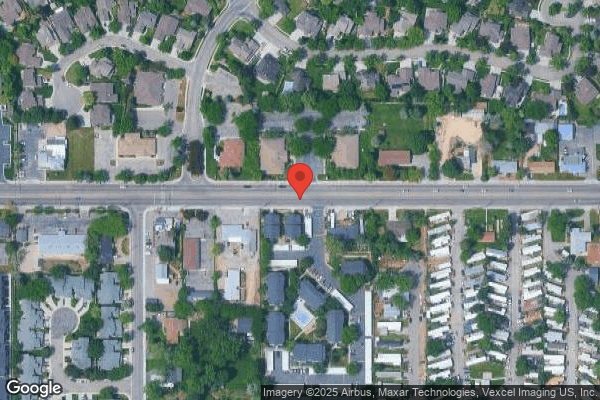
8211 USTICK ROAD, BOISE, ID 83704 (208) 375-3700
For profit - Partnership 148 Beds CASCADIA HEALTHCARE Data: November 2025
Trust Grade
70/100
#21 of 79 in ID
Last Inspection: May 2025

Inspected within the last 6 months. Data reflects current conditions.

Overview

Families considering Arbor Valley of Cascadia should note that it has a Trust Grade of B, indicating it is a good choice, sitting solidly in the middle range. It ranks #21 out of 79 nursing homes in Idaho, placing it in the top half of facilities in the state, and #4 out of 14 in Ada County, meaning only three local options are better. The facility's trend appears stable, with 11 issues reported in both 2024 and 2025, and it has no fines on record, which is a positive sign. However, staffing is a concern, rated at 2 out of 5 stars with a turnover rate of 53%, indicating that staff do not stay long, which can affect care consistency. Specific incidents noted by inspectors include delays in responding to call lights, with one resident waiting an hour for assistance, and ongoing issues with cleanliness in common areas, which could lead to resident discomfort and potential health risks. Overall, while there are strengths in its rankings and lack of fines, deficiencies in staffing and cleanliness are significant weaknesses to consider.

Trust Score
B
70/100
In Idaho
#21/79
Top 26%
Safety Record
Low Risk
No red flags
Inspections
Holding Steady
11 → 11 violations
Staff Stability
⚠ Watch
53% turnover. Above average. Higher turnover means staff may not know residents' routines.
Penalties
✓ Good
No fines on record. Clean compliance history, better than most Idaho facilities.
Skilled Nurses
○ Average
Each resident gets 38 minutes of Registered Nurse (RN) attention daily — about average for Idaho. RNs are the most trained staff who monitor for health changes.
Violations
⚠ Watch
25 deficiencies on record. Higher than average. Multiple issues found across inspections.
★★★★☆
4.0
Overall Rating
★★☆☆☆
2.0
Staff Levels
★★★★★
5.0
Care Quality
★★★☆☆
3.0
Inspection Score
Stable
2024: 11 issues
2025: 11 issues

The Good

  • 5-Star Quality Measures · Strong clinical quality outcomes
  • Full Sprinkler Coverage · Fire safety systems throughout facility
  • No fines on record

Facility shows strength in quality measures, fire safety.

The Bad

Staff Turnover: 53%

Near Idaho avg (46%)

Higher turnover may affect care consistency

Chain: CASCADIA HEALTHCARE

Part of a multi-facility chain

Ask about local staffing decisions and management

The Ugly 25 deficiencies on record

May 2025 11 deficiencies
CONCERN (D)

Potential for Harm - no one hurt, but risky conditions existed

Resident Rights (Tag F0550)

Could have caused harm · This affected 1 resident

**NOTE- TERMS IN BRACKETS HAVE BEEN EDITED TO PROTECT CONFIDENTIALITY** Based on observation, policy review, and interviews it was determined the facility failed to ensure residents were treated with ...

Read full inspector narrative →
**NOTE- TERMS IN BRACKETS HAVE BEEN EDITED TO PROTECT CONFIDENTIALITY** Based on observation, policy review, and interviews it was determined the facility failed to ensure residents were treated with dignity and respect. This was true for 1 of 10 residents (Resident #21) reviewed for respect and dignity. This deficient practice placed residents at risk of embarrassment and diminished sense of worth. Findings include: The facility's Quality of Life policy dated 10/15/22, documented staff were to refrain from practices demeaning to residents such as keeping urinary catheter bags uncovered. Resident #21 was initially admitted to the facility on [DATE], and readmitted on [DATE], with multiple diagnoses including Myotonic Muscular Dystrophy (a genetic disorder that causes progressive muscle weakness, stiffness, and other symptoms) and functional quadriplegia (a complete inability to move all four limbs due to severe physical disability or frailty, but without actual physical injury or damage to the brain or spinal cord). On 5/12/25 at 2:20 PM, observed a Hoyer lift transfer from bed to bath chair so Resident #21 could be taken to the shower room. After the transfer, CNA #1 and CNA #2, covered Resident #21 with blankets. On 5/12/25 at 2:21 PM, CNA #2 placed Resident #21's visible uncovered urinary bag at his feet. On 5/12/25 at 2:21 PM, CNA #2 stated Resident #21's urinary catheter bag was normally covered when he was in his wheelchair, but they were transporting him from his room on hall 800 to the shower room on 500 hall so it did not need to be covered. On 5/15/25 at 11:07 AM, the CNO stated the facility catheter bags have covers so she is not sure why the catheter bag did not have a cover over it but it should have.
CONCERN (D)

Potential for Harm - no one hurt, but risky conditions existed

Deficiency F0559 (Tag F0559)

Could have caused harm · This affected 1 resident

**NOTE- TERMS IN BRACKETS HAVE BEEN EDITED TO PROTECT CONFIDENTIALITY** Based on observation, record review, policy review, and interviews, it was determined the facility failed to ensure residents re...

Read full inspector narrative →
**NOTE- TERMS IN BRACKETS HAVE BEEN EDITED TO PROTECT CONFIDENTIALITY** Based on observation, record review, policy review, and interviews, it was determined the facility failed to ensure residents received prior written rationale regarding room changes. This was true for 2 of 27 residents (#38 and #97) whose records were reviewed. This deficient practice placed residents at risk of embarrassment and diminished sense of worth. Findings include: The facility's Room to Room Transfer policy dated 11/28/17, documented under procedures: - Facility discusses transfer with resident, family and/or responsible party in advance to explain rationale and rights. - Residents are offered an opportunity to tour the room prior to a room move. - Residents are introduced to the new roommate prior to a room move. a. Resident #38 was initially admitted to the facility on [DATE], and readmitted on [DATE], with multiple diagnoses including diabetes and acquired absence of left leg below knee. On 5/12/25 at 3:30 PM, Resident #38 stated when he was outside in his wheelchair smoking on 3/7/25, the CEO came outside and told him they were packing up his property and moving him from room [ROOM NUMBER] to room [ROOM NUMBER]. Resident #38's medical record Room Transfer Notification document dated 3/7/25, had no reason or rationale documented for the room transfer. On 5/12/25 at 2:37 PM, during Resident Council meeting Resident #38 stated he was not told why he had to move to another room when the room transfer occurred on 3/7/25. On 5/12/25 at 3:10 PM, Resident #38 stated this room transfer upset him because he did not meet the new roommate prior to the move and he could not find his prosthetic leg after the move. Resident #38's prosthetic leg was later found on top of the closet shelf, which he could not see or retrieve without help. On 5/14/25 at 1:20 PM, the CRN stated the facility had used an older room transfer document that did not require a rationale for transfer, so they did not have any documentation explaining the rationale for Resident #38's transfer to a different room. b. Resident #97 was initially admitted to the facility on [DATE], and readmitted on [DATE], with multiple diagnoses including cutaneous abscess of abdominal wall and bipolar disorder. On 5/12/25 at 1:31 PM, Resident #97 stated she had been transferred from room [ROOM NUMBER] to room [ROOM NUMBER] on 6/13/24, and had not been provided a rationale when it happened. Resident #97's medical record Room Transfer Notification document dated 6/13/24, had no rationale documented for the room transfer. On 5/14/25 at 1:20 PM, the CRN stated the facility had used an older room transfer document that did not require a rationale for transfer, so they did not have any documentation explaining the rationale for Resident #97's transfer to a different room.
CONCERN (D) 📢 Someone Reported This

A family member, employee, or ombudsman was alarmed enough to file a formal complaint

Potential for Harm - no one hurt, but risky conditions existed

Assessment Accuracy (Tag F0641)

Could have caused harm · This affected 1 resident

**NOTE- TERMS IN BRACKETS HAVE BEEN EDITED TO PROTECT CONFIDENTIALITY** Based on observation, policy review, record review, and interviews, it was determined the facility failed to assess residents fo...

Read full inspector narrative →
**NOTE- TERMS IN BRACKETS HAVE BEEN EDITED TO PROTECT CONFIDENTIALITY** Based on observation, policy review, record review, and interviews, it was determined the facility failed to assess residents for safe smoking practices. This was true for 1 of 3 residents (Resident #97) whose medical records were reviewed. This deficient practice placed residents at risk for harm when proper smoking assessment or supervision was not provided. Findings include: The facility's Smoking Campus policy dated 10/5/22, documented the interdisciplinary team evaluates residents desiring to smoke for their ability to smoke independently or dependently upon admission, quarterly, with a significant change or as deemed necessary. Resident #97 was initially admitted to the facility on [DATE], and readmitted on [DATE], with multiple diagnoses including cutaneous abscess of abdominal wall and bipolar disorder. Resident #97's Quarterly MDS dated [DATE], documented a BIMS score of 15 (meaning she was cognitively intact). On 5/12/25 at 4:29 PM, Resident #97 stated she is an independent smoker. Resident #97's medical record had no smoking assessment documented. Resident #97's care plan had not documented she smoked. On 5/14/25 at 11:40 AM, the CNO stated they did not know Resident #97 was a smoker and her smoking assessment had not been completed and should have been.
CONCERN (D)

Potential for Harm - no one hurt, but risky conditions existed

PASARR Coordination (Tag F0644)

Could have caused harm · This affected 1 resident

**NOTE- TERMS IN BRACKETS HAVE BEEN EDITED TO PROTECT CONFIDENTIALITY** Based on review of the State Operations Manual, Appendix PP, policy review, record review, and staff interview, it was determine...

Read full inspector narrative →
**NOTE- TERMS IN BRACKETS HAVE BEEN EDITED TO PROTECT CONFIDENTIALITY** Based on review of the State Operations Manual, Appendix PP, policy review, record review, and staff interview, it was determined the facility failed to ensure 1 of 5 residents (Resident #123), received recommended specialized services, identified by the state's Level II PASARR process. This deficient practice had the potential to cause significant harm if the resident's mental health needs were not adequately met. Findings include. The facility's Pre-admission Screening and Resident Review (PASARR) policy, revised 11/19/24, documented the following: - The state-designated authority determines the appropriate setting for the individual and recommends what, if any, specialized services, and/or rehabilitative services the individual needs. - Individuals who have or are suspected to have MD, ID, or a related condition (as indicated by a positive Level I screen) may not be admitted to a Medicaid-certified nursing facility unless approved based on Level II PASARR evaluation and determination. Resident #123 was admitted to the facility on [DATE], with multiple diagnoses including traumatic subdural hemorrhage and major depressive disorder. Resident #123's PASARR Level I dated 3/6/25, documented the following: - A diagnosis of depressive disorder. - A history of attempted suicide. - Instruction to forward to Bureau of Long-Term Care (BLTC) for further screening. Resident #123's PASARR Level II, Part I and Part 2, dated 3/6/25, documented the following: - A diagnosis of depressive disorder. - A recent attempt of suicide. - Requires further individualized evaluation for specialized services by a Professional Independent Evaluator and the state's MHA. On 5/15/25, a review of Resident #123's medical record did not have documentation the evaluation for specialized services by the state's MHA was completed. On 5/15/25 at 10:00 AM, the CNO stated she did not know if the state's MHA evaluated Resident #123. On 5/15/25 at 2:10 PM, the CNO stated the Mental Illness Evaluation and Determination report was not in Resident #123's medical record and should have been.
CONCERN (D)

Potential for Harm - no one hurt, but risky conditions existed

Comprehensive Care Plan (Tag F0656)

Could have caused harm · This affected 1 resident

**NOTE- TERMS IN BRACKETS HAVE BEEN EDITED TO PROTECT CONFIDENTIALITY** Based on review of the State Operations Manual, Appendix PP, policy review, record review, and staff interview, it was determine...

Read full inspector narrative →
**NOTE- TERMS IN BRACKETS HAVE BEEN EDITED TO PROTECT CONFIDENTIALITY** Based on review of the State Operations Manual, Appendix PP, policy review, record review, and staff interview, it was determined the facility failed to ensure 1 of 5 resident's (Resident #123), plan of care included recommended specialized services, identified by the state's Level II PASARR process. This deficient practice had the potential to cause significant harm if the resident's mental health needs were not adequately met. Findings include: The facility's Pre-admission Screening and Resident Review (PASARR) policy, revised 11/19/24, documented the following: - The state-designated authority determines the appropriate setting for the individual and recommends what, if any, specialized services, and/or rehabilitative services the individual needs. - The facility's interdisciplinary Team uses the PASARR when conducting their assessments of the resident developing the care plan, when transitions of care occur to promote a comprehensive assessment, and development of a plan of care for residents with mental disorders. The facility's Trauma Informed Care policy, revised 10/15/22, documented the following: - Understand who is a trauma survivor and may be at risk for re-traumatization. - Person centered care planning should address triggers for re-traumatizing and interventions to avoid such an experience. The facility's Care Plans policy, revised 10/15/22, documented the comprehensive care plan will describe any specialized services or specialized rehabilitative services the nursing facility provides as a result of PASARR recommendations. Resident #123 was admitted to the facility on [DATE], with multiple diagnoses including traumatic subdural hemorrhage and major depressive disorder. Resident #123's PASARR Level II, Part I and Part 2, dated 3/6/25, documented the following: - A diagnosis of depressive disorder - A recent attempt of suicide - Requires further individualized evaluation for specialized services by a Professional Independent Evaluator and MHA. On 5/15/25, a review of Resident #123's care plan did not document his mental health diagnosis or recommendations from the PASARR Level II. On 5/16/25 at 11:00 AM, the CNO stated Resident #123's care plan did not include recommendations from his PASARR Level II, and it should have.
CONCERN (D)

Potential for Harm - no one hurt, but risky conditions existed

Respiratory Care (Tag F0695)

Could have caused harm · This affected 1 resident

**NOTE- TERMS IN BRACKETS HAVE BEEN EDITED TO PROTECT CONFIDENTIALITY** Based on observation, record review, and interviews, it was determined the facility failed to provide respiratory services as or...

Read full inspector narrative →
**NOTE- TERMS IN BRACKETS HAVE BEEN EDITED TO PROTECT CONFIDENTIALITY** Based on observation, record review, and interviews, it was determined the facility failed to provide respiratory services as ordered by the physician. This was true for 2 of 8 residents (#2 and #18) whose records were reviewed for respiratory services. This failure created the potential for residents to experience increased fatigue and low oxygen levels. Findings include: a. Resident #2 was initially admitted to the facility on [DATE], and readmitted on [DATE], with multiple diagnoses including cerebral palsy (a group of neurological disorders that affect movement, balance, and posture, and can also affect learning, speech, and other functions) and acute respiratory failure (a life-threatening condition where the lungs are unable to adequately exchange oxygen and carbon dioxide). On 5/13/25 at 9:02 AM, observed Resident #2 in bed sleeping with a nasal cannula in her nose with the oxygen concentrator liter flow set at 0 liters per minute. Resident #2's physician's order dated 3/12/25, ordered oxygen at 2 liters per minute via nasal cannula. Resident #2's care plan documented oxygen therapy at 2 liters per minute via nasal cannula QHS or while in bed. On 5/13/25 at 9:10 AM, RN #2 stated Resident #2's oxygen concentrator should have been set at 2 liters per minute but was not. On 5/14/25 at 11:59 AM, the CNO stated Resident #2's oxygen concentrator should have been set at 2 liters per minute but was not. b. Resident #18 was initially admitted to the facility on [DATE], and readmitted [DATE], with multiple diagnoses including chronic heart failure and chronic respiratory failure with hypercapnia (a long-term condition where the lungs struggle to remove carbon dioxide from the blood, leading to elevated levels of carbon dioxide). On 5/16/25 at 12:35 PM, observed Resident #18 sleeping in his bed with his oxygen cannula in his nose however the oxygen tubing was not connected to his oxygen concentrator. Resident #18's physician's order dated 8/29/24, ordered oxygen at 4 liters per minute via nasal cannula. Resident #18's care plan documented oxygen therapy as ordered via nasal cannula. On 5/16/25 at 12:38 PM, RN #4 stated the CNAs put Resident #18 to bed and must have forgotten to connect the tubing to the concentrator. On 5/16/25 at 12:42 PM, the CRN stated the CNAs should have confirmed Resident #18's oxygen cannula was connected to the concentrator after moving him in bed.
CONCERN (D)

Potential for Harm - no one hurt, but risky conditions existed

Deficiency F0697 (Tag F0697)

Could have caused harm · This affected 1 resident

**NOTE- TERMS IN BRACKETS HAVE BEEN EDITED TO PROTECT CONFIDENTIALITY** Based on policy review, observation, record review, and interviews, it was determined the facility failed to provide adequate pa...

Read full inspector narrative →
**NOTE- TERMS IN BRACKETS HAVE BEEN EDITED TO PROTECT CONFIDENTIALITY** Based on policy review, observation, record review, and interviews, it was determined the facility failed to provide adequate pain management. This was true for 1 of 27 residents (Resident #61) whose medical records were reviewed. This failure created the potential for residents to experience continual pain and distress. Findings include: The facility's Quality of Life policy dated 10/15/22, documented the facility provides the appropriate treatment and services to maintain or improve his/her ability to carry out the activities of daily living and their abilities do not diminish unless circumstances of the individual's clinical condition demonstrate such diminution was unavoidable. Resident #61 was admitted to the facility on [DATE], with multiple diagnoses including end stage renal disease (a serious medical condition where the kidneys are no longer able to filter waste and excess fluid from the blood, requiring dialysis or a kidney transplant to survive) and cerebral palsy (a group of neurological disorders that affect movement, balance, and posture, and can also affect learning, speech, and other functions). Resident #61's annual MDS dated [DATE], documented a BIMS score of 15 (cognitively intact). On 5/12/25 at 2:05 PM, Resident #61 stated she was in pain on 5/11/25 late in the evening and had pushed her call light between 11:30 pm and 12 midnight to request a pain pill. Resident #61 stated she had to refuse dialysis on 5/12/25 due to her pain and no pain relief from the night before. A nurse documented in Resident #61 medical record pain level summary for 5/11/25 at 11:48 PM, 0 out of 10 for pain. A call light audit provided by the facility documented Resident #61 had pushed her call light button at 11:51 PM on 5/11/25 and it was answered at 11:56 PM. Resident #61 stated this was when she asked for her pain medication which was not given. A nurse documented in Resident #61 medical record pain level summary for 5/12/25 at 2:47 PM, 10 out of 10 for pain. On 5/15/25 at 2:50 PM, the Resident Care Manager LPN #3 stated Resident #61 told her she was in pain the night of 5/11/25 waiting for her pain pill, which never came, and she fell asleep.
CONCERN (D)

Potential for Harm - no one hurt, but risky conditions existed

Food Safety (Tag F0812)

Could have caused harm · This affected 1 resident

Based on observation, interview, policy review, and review of the Idaho Food Code, the facility failed to ensure food items were dated and labeled, sanitary, and hygiene practices followed. These defi...

Read full inspector narrative →
Based on observation, interview, policy review, and review of the Idaho Food Code, the facility failed to ensure food items were dated and labeled, sanitary, and hygiene practices followed. These deficient practices had the potential to impact all residents who received meals prepared in the facility's kitchen. This placed residents at risk for potential contamination, use of spoiled foods, and adverse health outcomes including food-borne illnesses. Findings include: The FDA Food Code Section 3-501.17 stated, Ready-to-Eat, Time/Temperature Control for Safety Food, Date Marking, states refrigerated, ready-to-eat, time/temperature control for safety food prepared and held in a food establishment for more than 24 hours shall be clearly marked to indicate the date or day by which the food shall be consumed on the premises, sold, or discarded . Review of the facility's Resident Personal Food policy revised 4/10/24, documented food items should be labeled with a 3-day use-by date. On 5/12/25 at 11:18 AM, observed in the kitchen with the Culinary Manager (CM) present, stacked clean dry plastic containers inverted on rack with water present on the insides of the top container. On 5/12/25 at 11:19 AM, the CM stated the containers should be completely dry before stacking them on the rack. On 5/12/25 at 12:00 PM, observed in the dining room during the lunch meal, grape juice being served to residents had a prepared date of 5/4 and use by date of 5/5. On 5/12/25 at 12: 15 PM, RN #3 stated the grape juice was outdated and should not have been served to residents. On 5/14/25 at 8:29 AM, the following were observed in the resident unit refrigerators, with the Activity Director (AD) present: - An opened container of potato salad with a resident's room number on it and an expiration date of 4/25/25. - A bag of salad greens with best used-by dates of 4/25/25. - An opened container of frozen strawberries which was past the 3-day use-by date. - An open box of ice cream bars did not have use-by date. On 5/14/25 at 9:40 AM, the AD stated the food items should have been discarded. On 5/14/25 at 9:55 AM, the Assistant Culinary Manager (ACM) stated the single serve ice cream bars' box should have been dated with the 6-month used-by date. On 5/14/25 at 10:05 AM, the following was observed in the dry food storage area with the ACM present, six cartons of Thick and Easy food and beverage thickener with best used-by date of 12/26/24. On 5/14/25 at 10:07 AM, the ACM stated the cartons of thickener should have been discarded. On 5/15/25 at 10:09 AM, [NAME] #2 was observed in the kitchen preparing condiment trays. [NAME] #2 was noted to have no hairnet or hair restraint. On 5/15/25 at 10:12 AM, the ACM stated [NAME] #2 should have had a hairnet or hair restraint on but did not.
CONCERN (D)

Potential for Harm - no one hurt, but risky conditions existed

Infection Control (Tag F0880)

Could have caused harm · This affected 1 resident

**NOTE- TERMS IN BRACKETS HAVE BEEN EDITED TO PROTECT CONFIDENTIALITY** Based on observation, policy review, and staff interview, it was determined the facility failed to ensure infection control and ...

Read full inspector narrative →
**NOTE- TERMS IN BRACKETS HAVE BEEN EDITED TO PROTECT CONFIDENTIALITY** Based on observation, policy review, and staff interview, it was determined the facility failed to ensure infection control and prevention practices were maintained to provide a safe and sanitary environment when staff did not perform proper hand hygiene during wound care, did not follow proper wound care protocol, and did not clean equipment between resident use. This was true for 1 of 1 resident (Resident #2) reviewed for wound care and resident transfers using the Hoyer lift. These failures had the potential to impact all residents in the facility by placing them at risk for cross contamination and infection. Findings include: The facility's Hand Hygiene policy, revised 2/11/22, documented alcohol-based hand rub or soap and water was to be used before moving to a clean body site after caring for a soiled body site, after contact with any objects in the immediate vicinity of the resident, and after removing gloves. The facility's Clean Dressing Change policy, dated 11/28/17, documented: - Perform hand hygiene before providing wound care. - Put on first pair of gloves. - Remove soiled dressing and discard. - Remove gloves and dispose. - Perform hand hygiene and put on second pair of gloves. - Cleanse wound with prescribed solution. - Remove gloves and perform hand hygiene. - Open dressing pack. - Put on gloves. -Apply prescribed medication and apply dressing and secure. - Remove gloves and discard with all soiled supplies in plastic bag. - Perform hand hygiene. The facility's Work Practices - Cleaning policy dated 1/1/18, documented multiple use resident care items (resident lifts) are properly cleaned/disinfected between each resident use. Resident #6 was admitted [DATE], with multiple diagnoses including quadriplegia (the complete or partial paralysis of all four limbs) and pressure ulcer of unspecified site. Resident #6 had an order dated 5/7/25, to cleanse his left posterior thigh pressure ulcer with wound cleanser or normal saline, pat dry, apply lightly dampened gauze with Vashe wound solution (wound cleanser) to wound bed, cover with dry dressing. Resident #6 had an order dated 5/7/25, to cleanse his right trochanter pressure ulcer with wound cleanser, pat dry, apply lightly dampened Vashe wound solution (wound cleanser) gauze to wound bed, cover with dry dressing. On 5/13/25 at 11:20 AM, LPN #1 was observed providing wound care to Resident #6. LPN #1 used alcohol rub for hand hygiene prior to donning gloves. LPN #1 than removed the soiled dressing with gloves on. LPN #1 removed her gloves after removing the old dressing and donned clean gloves. LPN #1 did not perform hand hygiene before donning clean gloves. LPN #1 then cleaned the wound and then applied new dressing. LPN #1 did not change her gloves after cleansing the wounds, before applying the new dressing. On 5/13/25 at 11:44 AM, LPN #1 stated she was not sure what the facility's policy for hand hygiene was when going from dirty area to a clean area. On 5/13/25 at 2:37 PM, LPN #1 stated her gloves should have been changed after cleaning the wound, before applying the new dressing and she should have used hand sanitizer between glove changes. On 5/12/25 at 2:47 PM, observed in room [ROOM NUMBER] a Hoyer lift transfer of resident to a bath chair. The Hoyer lift was positioned outside of room [ROOM NUMBER] in the hallway for over 20 minutes without being cleaned. On 5/12/25 at 3:07 PM, RN #3 stated the Hoyer lift should have been cleaned right after use and not left in the hallway dirty.
CONCERN (D)

Potential for Harm - no one hurt, but risky conditions existed

Deficiency F0919 (Tag F0919)

Could have caused harm · This affected 1 resident

**NOTE- TERMS IN BRACKETS HAVE BEEN EDITED TO PROTECT CONFIDENTIALITY** Based on observation, policy review and interviews, it was determined the facility failed to ensure all call light buttons or pa...

Read full inspector narrative →
**NOTE- TERMS IN BRACKETS HAVE BEEN EDITED TO PROTECT CONFIDENTIALITY** Based on observation, policy review and interviews, it was determined the facility failed to ensure all call light buttons or pads were easily accessible to residents. This was true for 1 of 27 residents (Resident #2) whose rooms were observed for call light device locations. This failure had the potential for harm if residents were not able to summon staff for assistance. Findings include: The facility's Quality of Life policy dated 10/15/22, documented the resident is treated with respect by validating call light is available and staff are responsive to resident needs. Resident #2 was initially admitted to the facility on [DATE], and readmitted on [DATE], with multiple diagnoses including cerebral palsy (a group of neurological disorders that affect movement, balance, and posture, and can also affect learning, speech, and other functions) and acute respiratory failure (a life-threatening condition where the lungs are unable to adequately exchange oxygen and carbon dioxide). Resident #2's care plan documented she uses a touch pad call light. Validate placement upon leaving resident. On 5/13/25 at 9:00 AM, Resident #2's call light pad was on the bedside table, not accessible to her. On 5/13/25 at 9:08 AM, RN #2 stated Resident #2 really does not need the call light pad because they check on her often. On 5/14/25 at 11:59 AM, the CNO stated staff should have been making sure the call light pad is accessible to Resident #2 on her bed but had not.
CONCERN (E)

Potential for Harm - no one hurt, but risky conditions existed

Deficiency F0725 (Tag F0725)

Could have caused harm · This affected multiple residents

Based on policy review, facility grievances, review of call light logs, and resident interviews, it was determined the facility failed to ensure enough staff were available to answer call lights in a ...

Read full inspector narrative →
Based on policy review, facility grievances, review of call light logs, and resident interviews, it was determined the facility failed to ensure enough staff were available to answer call lights in a timely manner. This was true for 7 of 27 residents (#12, #24, #50, #64, #76, #97, and #116) reviewed for staffing concerns. This deficient practice created the potential for physical and psychosocial harm if residents did not receive appropriate care or received a delay in care. Findings include: The facility's Quality of Life policy revision date 10/15/22, documented the call light response is provided by nursing and non-nursing staff within their skill set. Resident needs are addressed in a timely and courteous manner. 1. Facility grievance/concerns for 6 months were requested. Two of the grievances dated 3/4/25 and 4/8/25, documented complaints with call light response time. A concern form dated 3/4/25, documented Resident #97 reported when she turned on her call light she had to wait an hour. It had only happened when one nurse was on duty, LPN #3. When Resident #97 told LPN #3 she had her call light on for a long period of time, LPN #3 told Resident #97 they must have had problems with the light because her call light just came on. Attached to the concern form was a Past Calls report dated 3/1/25 - 3/4/25, for all shifts. This form documented the To Room Elapsed Time for 3/2/25 at 3:51 PM, was 16:32 minutes. In the section for Action Taken, it documented the CNO was to educate night shift to increase monitoring of call lights. Attached to the concern form was follow-up documentation that the CNO spoke with LPN #3 regarding complaints about nighttime call lights, and LPN #3 stated she could not always see that the call lights had come on and now she goes down to check the computer regularly. Resident #97 was notified of the plan of correction and was satisfied with action to be taken. A concern form dated 4/8/25, documented Resident #50 reported on 4/5/25 and 4/7/25, her call light had been ignored and she had to wait too long to use the bathroom. Attached to the concern form was a Past Calls report dated 4/5/25, for all shifts. This form documented multiple call light response times with the longest To Room Elapsed Time was 23:36 minutes at 10:11 PM. In the section for Action Taken documented the call light report showed appropriate response times, very minimal wait. Resident #50's response to action taken documented she appreciated the help looking into this issue. 2. Call light logs for all shifts dated 2/13/25 to 5/11/25, were requested. During those 3 months, there were 1,770 call lights with elapsed times greater than 30 minutes and 167 call light elapse time longer than an hour. 3. Residents were interviewed regarding call light response time. Examples include: - On 5/12/25 at 11:42 AM, Resident #64 stated the call light response time has been 15 minutes up to 1 hour and sometimes the staff come in and turn off the call light and say they will be right back and do not return. - On 5/12/25 at 1:34 PM, Resident #97 stated the call light sometimes had been left on for hours. One time she turned her call light on at midnight and no one came in to answer it until 5 am. - On 5/12/25 at 1:36 PM, Resident #50 stated she has had to wait longer than 30 minutes for her call light to be answered. - On 5/12/25 at 1:57 PM, Resident #116 stated her roommate had to waited up to 2 hours to have her light answered on the day shift. - On 5/13/25 at 8:46 AM, Resident #76 stated there is not enough staff. It had taken up to an hour to get someone to answer her call light and sometimes you must call the phone at the front desk to get help. - On 5/13/25 at 11:48 AM, Resident #12 stated it takes a long time for staff to answer the call light in her bathroom to assist her with getting off the commode. She reported that she had to wait so long that her legs go numb, making it hard for her to stand up. - On 5/13/25 at 1:27 PM, Resident #24 reported she had waited over 45 minutes to 2 hours for her light to be answered. On 5/16/25 at 12:03 PM, the CEO stated resident call lights should be answered within 10 minutes. On 5/16/25 at 12:09 PM, the Staff Development Coordinator stated resident call lights should have been answered within 15 minutes.
Apr 2024 11 deficiencies
CONCERN (D) 📢 Someone Reported This

A family member, employee, or ombudsman was alarmed enough to file a formal complaint

Potential for Harm - no one hurt, but risky conditions existed

Report Alleged Abuse (Tag F0609)

Could have caused harm · This affected 1 resident

**NOTE- TERMS IN BRACKETS HAVE BEEN EDITED TO PROTECT CONFIDENTIALITY** Based on policy review, record review, review of the State Survey Agency's Long-Term Care Reporting Portal, and resident and sta...

Read full inspector narrative →
**NOTE- TERMS IN BRACKETS HAVE BEEN EDITED TO PROTECT CONFIDENTIALITY** Based on policy review, record review, review of the State Survey Agency's Long-Term Care Reporting Portal, and resident and staff interview, it was determined the facility failed to report potential neglect to the State Survey Agency within 5 days of the alleged occurrence. This was true for 1 of 7 residents (Resident # 81) reviewed for neglect reporting and investigation. This failure created the potential for residents to be subjected to ongoing neglect without detection and protective measures implemented by the facility. Findings include: The facility's Abuse policy revised 8/1/23, documented the staff reports any alleged violations involving verbal, sexual, physical, and mental abuse, corporal punishment, involuntary seclusion, and neglect of the resident as well as mistreatment to a Senior Clinician or Operational Leader at the facility, or other officials in accordance with State regulations through established procedures (including to the State survey and certification agency). Resident # 81 was admitted to the facility on [DATE], with multiple diagnoses including muscle wasting and fracture of the neck. Resident #81's quarterly assessment, dated 3/13/24, documented Resident #81 was cognitively intact. On 4/3/24 at 2:44 PM, Resident #81 stated the number of pills he received in the morning was not always the same. He stated he received 7-8 pills during the morning medication pass and several nurses left his medication on his bedside table. Resident #81 stated one time the medication cup with pills in it was left on his bedside table. He stated the medication cup contained 4 pills [not 7 or 8] and written on the side of the cup was 604. Resident #81 stated he did not think they were his pills, so he kept them until LPN #4 came in later the same day and he asked her about the pills. Resident #81 said LPN #4 told him he should not have received those pills. On 4/4/24 at 9:05 AM, LPN #4 stated about 2 weeks ago Resident #81 gave her a medication cup containing 4 pills and 604 was written on the cup. Resident #81 told LPN #4 the pills were left on his bedside table. LPN #4 stated she thought it was left on Resident #81's bedside table by the night nurse because of the number of pills in the medication cup. LPN #4 also stated medication was not to be left on a resident's bedside table. LPN #4 stated she disposed of the medication with another floor nurse then reported it to the IP. On 4/4/24 at 6:05 PM, the IP stated he could not remember the exact date of when the medication was left on Resident #81's bedside table but LPN #4 told him she thought the weekend staff had left the medication on the bedside table. RN #1 stated he did not see the medication because LPN #4 had disposed of it, so he did not know if Resident #81 received the wrong medication. The IP stated he was not sure if an I&A report was completed. On 4/5/24 at 6:15 PM, the CNO, CEO, and the IP were interviewed together. The IP stated he did not immediately submit an I&A report related to the incident. The CEO stated he was not made aware of the incident until 4/4/24 and it was not reported to the State Survey Agency's Long-Term Care Reporting Portal.
CONCERN (D) 📢 Someone Reported This

A family member, employee, or ombudsman was alarmed enough to file a formal complaint

Potential for Harm - no one hurt, but risky conditions existed

Investigate Abuse (Tag F0610)

Could have caused harm · This affected 1 resident

**NOTE- TERMS IN BRACKETS HAVE BEEN EDITED TO PROTECT CONFIDENTIALITY** Based on policy review, record review, review of the State Survey Agency's Long-Term Care Reporting Portal, and resident and sta...

Read full inspector narrative →
**NOTE- TERMS IN BRACKETS HAVE BEEN EDITED TO PROTECT CONFIDENTIALITY** Based on policy review, record review, review of the State Survey Agency's Long-Term Care Reporting Portal, and resident and staff interview, it was determined the facility failed to ensure an allegation of neglect was thoroughly investigated. This was true for 1 of 7 residents (Resident # 81) reviewed for abuse and neglect. This failure created the potential for residents to be subjected to ongoing neglect without detection and protective measures implemented by the facility. Findings include: The facility's Abuse policy, revised 8/1/23, documented the staff reports any alleged violations involving verbal, sexual, physical, and mental abuse, corporal punishment, involuntary seclusion, and neglect of the resident as well as mistreatment to a Senior Clinician or Operational Leader at the facility, or other officials in accordance with State regulations through established procedures (including to the State survey and certification agency). Resident #81 was admitted to the facility on [DATE], with multiple diagnoses including muscle wasting and fracture of the neck. Resident #81's quarterly assessment, dated 3/13/24, documented he was cognitively intact. On 4/3/24 at 2:44 PM, Resident #81 stated the number of pills he received in the morning was not always the same. He stated he received 7-8 pills during the morning medication pass and several nurses left his medication on his bedside table. Resident #81 stated one time the medication cup with pills in it was left on his bedside table. He stated the medication cup contained 4 pills [not 7 or 8] and written on the side of the cup was 604. Resident #81 stated he did not think they were his pills, so he kept them until LPN #4 came in later the same day and he asked her about the pills. Resident #81 said LPN #4 told him he should not have received those pills. On 4/4/24 at 9:05 AM, LPN #4 stated about 2 weeks ago Resident #81 gave her a medication cup containing 4 pills and 604 was written on the cup. Resident #81 told LPN #4 the pills were left on his bedside table. LPN #4 stated she thought it was left on Resident #81's bedside table by the night nurse because of the number of pills in the medication cup. LPN #4 also stated medication was not to be left on a resident's bedside table. LPN #4 stated she disposed of the medication with another floor nurse then reported it to the IP. Review of the facility's I&A reports did not include an investigation of Resident #81's allegation of having the wrong mediation left at his bedside. There was no investigation in the State Agency's Long-Term Care Reporting Portal. On 4/4/24 at 6:05 PM, the IP stated he could not remember the exact date of when the medication was left on Resident #81's bedside table but LPN #4 told him she thought the weekend staff had left the medication on the bedside table. The IP stated he did not see the medication because LPN #4 had disposed of it, so he did not know if Resident #81 received the wrong medication. The IP stated he was not sure if an I&A report was completed. On 4/5/24 at 6:15 PM, the CNO, CEO, and the IP were interviewed together. The IP stated he did not immediately submit an I&A report related to the incident. The CEO stated he was not made aware of the incident until 4/4/24 and it was not reported to the State Survey Agency's Long-Term Care Reporting Portal. The facility failed to conduct a thorough investigation of Resident #81's missing medications, which resident the medications left on his bedside table were intended for, or if Resident #81 and the unknown resident received their medications on the day in question.
CONCERN (D) 📢 Someone Reported This

A family member, employee, or ombudsman was alarmed enough to file a formal complaint

Potential for Harm - no one hurt, but risky conditions existed

Quality of Care (Tag F0684)

Could have caused harm · This affected 1 resident

**NOTE- TERMS IN BRACKETS HAVE BEEN EDITED TO PROTECT CONFIDENTIALITY** Based on observation, record review, and staff interview, it was determined the facility failed to to ensure professional standa...

Read full inspector narrative →
**NOTE- TERMS IN BRACKETS HAVE BEEN EDITED TO PROTECT CONFIDENTIALITY** Based on observation, record review, and staff interview, it was determined the facility failed to to ensure professional standards of practice were followed for 1 of 6 residents (Resident #30) reviewed for bowel and bladder incontinence and 1 of 5 residents (Resident #47) whose medication administration was observed. These failed practices created the potential for harm should residents experience constipation and adverse outcomes when their medications were not administered according to the physician's order. Findings include: 1. Resident #30 was admitted to the facility on [DATE], with multiple diagnoses including multiple sclerosis (a long lasting disease of the central nervous system). The facility's Bowel Care Protocol, undated, directed staff to administer bowel medications and if no bowel movement following administration of bowel medicatations, notify the physician for additional orders. Resident #30's physician orders included the following: - Senna-Docusate Sodium tablet (laxative) 8.6 - 50 mg, give two tablets by mouth two times a day for bowel care, hold for loose stool. - Dulcolax (Bisacodyl - laxative) suppository 10 mg, insert one suppository rectally as needed for constipation. - Fleet Enema 7-19 gm/118 ml (Sodium Phosphates), insert one unit rectally as needed for constipation. - Miralax Powder (laxative) 17 gm/scoop by mouth as needed for constipation. Resident #30's physician orders did not include how many days of no bowel movement the Dulcolax and Fleet Enema should be administered to Resident #30. Resident #30's Bowel Movement Records, dated 3/7/24 through 4/5/24, documented she did not have a bowel movement from 3/8/24 through 3/11/24 (4 days), 3/13/24 through 3/18/24 (6 days), and 3/24/24 through 4/2/24 (10 days). On 4/4/24 at 5:05 PM, the CNO stated Miralax should have been administered to Resident #30 when she did not have a bowel movement on the fourth day and followed with a Dulcolax suppository if she did not have a bowel movement the following day. When asked if the bowel protocol was followed, the CNO reviewed Resident #30's record and stated the bowel protocol was not followed. 2. Resident #47 was admitted to the facility on [DATE], with multiple diagnoses including chronic obstructive pulmonary disease (progressive lung disease characterized by increasing breathlessness). Resident #47's physician orders, included Trelegy Ellipta inhalation aerosol powder breath activated 100-62.5 -25 mcg/act (Fluticasone - Umeclidinium - Vilanterol), one puff once a day. The order included instructions for Resident #47 to rinse his mouth with water after administration of the medication. The Trelegy website: https://www.trelegyhcp.com/dosing-and-delivery/, accessed on 4/9/24, stated to instruct all patients to: - Take Trelegy as 1 inhalation, once daily, at the same time every day - Use Trelegy only once every 24 hours - After inhalation, rinse the mouth with water without swallowing to reduce the risk of oropharyngeal candidiasis [yeast infection]. On 4/3/24 at 7:43 AM, LPN #5 gave the Trelegy Ellipta inhaler to Resident #47. Resident #47 took three inhalations of the medication consecutively and handed it back to LPN #5. LPN #5 did not ask Resident #47 to rinse his mouth with water after inhaling the Trelegy Ellipta. On 4/3/24 at 8:22 PM, LPN #5 stated Resident #47 took three inhalations of his Trelegy Ellipta instead of one inhalation. LPN #5 stated she usually reminded Resident #47 to take only one inhalation/puff but failed to remind him that morning. When asked if she asked Resident #47 to rinse his mouth after inhaling the Trelegy Ellipta, LPN #5 stated she did not and she should have instructed Resident #47 to rinse his mouth with water after using the Trelegy Ellipta inhaler.
CONCERN (D) 📢 Someone Reported This

A family member, employee, or ombudsman was alarmed enough to file a formal complaint

Potential for Harm - no one hurt, but risky conditions existed

Deficiency F0685 (Tag F0685)

Could have caused harm · This affected 1 resident

**NOTE- TERMS IN BRACKETS HAVE BEEN EDITED TO PROTECT CONFIDENTIALITY** Based on observation, record review, and resident and staff interview, it was determined the facility failed to ensure residents...

Read full inspector narrative →
**NOTE- TERMS IN BRACKETS HAVE BEEN EDITED TO PROTECT CONFIDENTIALITY** Based on observation, record review, and resident and staff interview, it was determined the facility failed to ensure residents received treatment and assistive devices to maintain their vision. This was true for 1 of 1 resident (Resident #6) reviewed for activities of daily living. This failed placed Resident #6 at risk for decreased quality of life and psychosocial distress related to his inability to see effectively. Findings include: Resident #6 was admitted to the facility on [DATE], with multiple diagnoses including diabetes, restless leg syndrome, and dementia. A Clinical Evaluation, dated 1/27/24, documented Resident #6 had vision impairment. On 4/1/24 at 3:32 PM, Resident #6 stated he had diabetes for a long time and could not see very well. He stated his right eye could see a little, but his left eye could not see that much. Resident #6 stated he had trouble seeing his food. When asked if he could see the surveyor, Resident #6 stated he could only see a pattern. When asked if he participated in activities in the facility such as playing Bingo, Resident #6 stated he would like to play Bingo if he could see the numbers. On 4/5/24 at 10:14 AM, the Activity Director (AD) stated they invited Resident #6 to the activities in the facility but he refused to attend. The Assistant Activity (AA) stated they also provided the residents with the Daily Chronicle which contained puzzles, coloring, picture for the day, quotes of the day, famous birthday celebrant of the month, and other items. The AA stated she did not think Resident #6 liked the Daily Chronicle because he could not read it. The Activity Assistant stated Resident #6 enjoyed the pet visits. On 4/5/24 at 10:35 AM, the surveyor together with AD visited Resident #6 in his room. When asked what he would like to read, Resident #6 stated How could I do that, I could not see. I could not even see my food on the table. Resident #6 stated he sat with Resident #64 when he ate in the dining room and Resident #64 would arrange and tell him what food was on his plate. Resident #6 also stated Resident #64 would tell him where the condiments were on the table. When asked if he like to watch TV, Resident #6 stated, I can not see, I listen to the TV. On 4/5/24 at 5:24 PM, the CNO stated she was not made aware of Resident #6's vision impairment.
CONCERN (D) 📢 Someone Reported This

A family member, employee, or ombudsman was alarmed enough to file a formal complaint

Potential for Harm - no one hurt, but risky conditions existed

Deficiency F0687 (Tag F0687)

Could have caused harm · This affected 1 resident

**NOTE- TERMS IN BRACKETS HAVE BEEN EDITED TO PROTECT CONFIDENTIALITY** Based on observation, policy review, record review, and staff interview, it was determined the facility failed to ensure residen...

Read full inspector narrative →
**NOTE- TERMS IN BRACKETS HAVE BEEN EDITED TO PROTECT CONFIDENTIALITY** Based on observation, policy review, record review, and staff interview, it was determined the facility failed to ensure residents received proper treatment and care to maintain foot health. This was true for 1 of 1 resident (Resident #79) reviewed for foot care. This failed practice created the potential for harm should residents experience complications from their medical condition related to the lack of foot care. Findings include: Resident #79 was admitted to the facility on [DATE], with multiple diagnoses including hypertension and dementia. An annual MDS assessment, dated 3/15/24, documented Resident #79 was severely cognitively impaired. On 4/2/24 at 12:47 PM, Resident #79's feet were observed with CNA #2 and CNA #3. Resident #79's left big toenail was observed to be long, thick, and whitish with a light brownish tinge in color. It was approximately 2.0 to 2.5 cm in length and appeared to be slightly bending upward. Resident #47's left big toenail was thick and looked like it was separating from the nail bed. On 4/4/24 at 1:54 PM, the CNO looked at Resident #79's toenails and stated, He definitely needed to see the podiatrist. When asked when the last time Resident #79 was seen by the podiatrist, the CNO stated she would ask the LMSW. The Surveyor then asked the CNO for a list of residents seen by the podiatrist in the last 12 months. On 4/5/24 at 1:18 PM, the CNO, provided a list of residents seen by the podiatrist, dated 2/7/24 and 3/13/24. Resident #79's name was not on the list.
CONCERN (D) 📢 Someone Reported This

A family member, employee, or ombudsman was alarmed enough to file a formal complaint

Potential for Harm - no one hurt, but risky conditions existed

Deficiency F0688 (Tag F0688)

Could have caused harm · This affected 1 resident

**NOTE- TERMS IN BRACKETS HAVE BEEN EDITED TO PROTECT CONFIDENTIALITY** Based on observation, record review, policy review, and staff interview, it was determined the facility failed to ensure residen...

Read full inspector narrative →
**NOTE- TERMS IN BRACKETS HAVE BEEN EDITED TO PROTECT CONFIDENTIALITY** Based on observation, record review, policy review, and staff interview, it was determined the facility failed to ensure residents were given treatment and services to maintain or improve their ability to carry out activities of daily living. This was true for 1 of 4 residents (Resident #30) reviewed for restorative nursing services. This failure placed Resident #30 at risk for decreased range of motion, functional ability, and decreased quality of life. Findings include: The facility's Restorative Nursing policy, revised 1/20/20, documented the restorative nursing program was implemented to promote residents' abilities to adapt and adjust to living as independently and safely as possible. The policy also stated restorative services focuses on achieving and maintaining optimal physical, mental, and psychosocial functioning. The Mayo Clinic website, accessed on 4/10/24, documented Physical Therapy can build muscle strength and ease some of the symptoms of MS [multiple sclerosis]. A physical therapist or occupational therapist can teach you stretching and strengthening exercises and show you how to use devices to make it easier to perform daily tasks. Resident #30 was admitted to the facility on [DATE], with multiple diagnoses including multiple sclerosis (a long-lasting disease of the central nervous system). Resident #30's care plan, revised 9/20/20, documented Independent to eat after set-up from staff. A Physical Therapy Evaluation and Plan of Treatment, dated 1/9/24, documented Resident #30's lower extremities were assessed for AROM and PROM. The evaluation documented Patient is at baseline level and no additional skilled services required at this time. The Physical Therapy evaluation did not include assessment of Resident #30's upper extremities. On 4/2/24 at 9:44 AM, Resident #30 was observed in bed with her breakfast tray on her overbed table in front of her. Resident #30's breakfast meal looked untouched, and her head was tilted to her right side. On 4/4/24 at 9:02 AM, Resident #30's breakfast tray was delivered to her room. There was one boiled egg, two slices of bacon, two opened bottles of a chocolate drink with straws, one slice of bread, one bowl of oatmeal, and one bowl of cream of wheat. A water container with a straw containing about 600 mls of iced water was also observed on top of Resident #30's overbed table. Resident #30's head was tilted to her right side. RCM #2 then entered the room and stated she would ask for help to reposition Resident #30. On 4/4/24 at 9:41 AM, Resident #30's breakfast meal looked untouched. Resident #30's head was observed to be tilted to her right side. RCM #2 entered the room and stated Resident #30 requested a rest when she was helping her to eat earlier. RCM #2 then left the room. RN #2 then entered the room to administer Resident #30's medications. RN #2 assisted Resident #30 to hold the water container while she was administering her medications. When asked if Resident #30 could hold the water container by herself, RN #2 stated Resident #30 could not hold the water container by herself. Resident #30 was unable to bring the water container close to her mouth to get a sip of water without RN #2 helping her. Resident #30 was then observed to take the bottle of chocolate drink from the top of the overbed table very slowly using her right hand. She was able to drink the chocolate beverage using the straw but when about 1/8 of the chocolate drink remained, the straw did not reach the bottom of the container. Resident #30 was unable to push the straw down to the bottom of the bottle. On 4/4/24 at 9:57 AM, CNA #4 entered the room and assisted Resident #30 to eat. CNA #4 offered Resident #30 the cream of wheat but Resident #30 stated no. CNA #4 then took the breakfast tray out and stated he would get a yogurt for Resident #30. CNA #4 stated Resident #30 ate about 25% of her meal. On 4/4/24 at 10:05 AM, CNA #4 came back with a tub of yogurt and started to feed Resident #30 whose head was tilted to her right side. CNA #4 then asked Resident #30 if she would like to feed herself. Resident #30 looked at CNA #4 without moving her head and stated she would try. Resident #30 then raised her left hand very slowly and tried to hold the yogurt tub. She was unable to grasp the yogurt tub. CNA #4 then continued to feed Resident #30 the yogurt. When Resident #30 finished the yogurt, she was observed reaching for the water container using her right hand. CNA #4 advised Resident #30 to hold the water container by the handle. Resident #30 held the water container by the handle and brought it to her lap very slowly. She was unable to bring the water container to her mouth. On 4/4/24 at 10:23 AM, when asked if Resident #30 was on RNA program, RCM #2 reviewed Resident #30's record and stated she was not on a RNA program. On 4/5/24 at 4:55 PM, when asked why Resident #30 was not on a RNA program, the CNO together with PT #1 stated she had just asked PT #1 to assess Resident #30. PT #1 stated Resident #30 was able to reposition her neck to a neutral position and that she was on her baseline level. PT #1 also stated there was no change in Resident #30's ROM since the last time he assessed her. The surveyor informed PT #1 that Resident #30's head was tilted to her right side and there was no support to prevent her head from tilting to her right side. The surveyor also stated Resident #30's upper extremities were observed to be very weak and that she was unable to bring her water container to her mouth to get a sip of water without being assisted by the staff. When asked if he assessed Resident #30's ROM on her upper extremities, PT #1 stated he assessed Resident #30's lower extremities and did not assess her upper extremities.
CONCERN (D) 📢 Someone Reported This

A family member, employee, or ombudsman was alarmed enough to file a formal complaint

Potential for Harm - no one hurt, but risky conditions existed

Deficiency F0825 (Tag F0825)

Could have caused harm · This affected 1 resident

**NOTE- TERMS IN BRACKETS HAVE BEEN EDITED TO PROTECT CONFIDENTIALITY** Based on record review and staff interview, it was determined the facility failed to ensure residents received rehabilitative se...

Read full inspector narrative →
**NOTE- TERMS IN BRACKETS HAVE BEEN EDITED TO PROTECT CONFIDENTIALITY** Based on record review and staff interview, it was determined the facility failed to ensure residents received rehabilitative services as ordered by a physician. This was true for 1 of 5 residents (Resident #147) reviewed for rehabilitative services. This failure created the potential for residents to experience decline in their physical functioning when rehabilitative services were not provided. Findings include: Resident #147 was admitted to the facility on [DATE] with multiple diagnoses including hypertension, diabetes and chronic obstructive pulmonary disease (progressive lung disease characterized by increasing breathlessness). A physician order, dated 5/11/23, included Physical Therapy Eval[uation] and Tx [Treatment] for Resident #147. Resident #147's care plan goal, revised 5/15/23, documented Resident #147 will participate in therapy resulting in functional improvements, and Occupational and Physical therapy as ordered. A handwritten Therapy Referral and Screening form, dated 5/12/23, documented Pt very diff[icult]to motivate x 3 but prior to smoke break, pt agreable [sic] to toileting .pt refuses any further - sister present states they are going to smoke now. On 4/5/24 at 3:13 PM, the Rehabilitation Director stated she assessed Resident #147 on 5/12/23 and she did not feel Resident #147 required PT/OT services. The Rehabilitation Director stated Resident #147 transferred herself independently and was not a candidate for PT/OT. When asked if the physician or the CNO were informed of her assessment findings of Resident #147, the Rehabilitation Director stated she did not inform the physician or the CNO. When asked if the CNO should have been informed of her assessment findings, the Rehabilitation Director stated she should have informed the CNO.
CONCERN (D) 📢 Someone Reported This

A family member, employee, or ombudsman was alarmed enough to file a formal complaint

Potential for Harm - no one hurt, but risky conditions existed

Infection Control (Tag F0880)

Could have caused harm · This affected 1 resident

**NOTE- TERMS IN BRACKETS HAVE BEEN EDITED TO PROTECT CONFIDENTIALITY** Based on observation, policy review, and staff interview, it was determined the facility failed to ensure infection control prev...

Read full inspector narrative →
**NOTE- TERMS IN BRACKETS HAVE BEEN EDITED TO PROTECT CONFIDENTIALITY** Based on observation, policy review, and staff interview, it was determined the facility failed to ensure infection control prevention practices were maintained to provide a safe and sanitary environment. This was true for 2 of 8 residents (#10 and #350) observed for infection control. These failures had the potential to impact all residents in the facility by placing them at risk for cross contamination and infection. Findings include: The facility's Infection Prevention and Control Program policy, revised 10/15/22, documented the facility wide infection prevention program works to prevent, identify, report, investigate, and control infections and communicable diseases. The policy further documented the facility's infection prevention and control program included processes to minimize healthcare associated infection through an organization-wide program. These processes included but were not limited to: - As necessary, and at least annually, reviewing and revising the infection control risk assessment when: - New risks identified -New services have been added -Opportunities for improvement were identified - Establishing facility wide engineering and work practice to reduce risk of exposure to and transmission of healthcare associated infections. The CDC Website for Healthcare-Associated Infections, last reviewed 7/27/22, accessed on 4/9/24, states: - Enhanced Barrier Precautions are an infection control intervention designed to reduce transmission of multidrug-resistant organisms (MDROs) in nursing homes. Enhanced Barrier Precautions involve gown and glove use during high-contact resident care activities for residents known to be colonized or infected with a MDRO as well as those at increased risk of MDRO acquisition (e.g., residents with wounds or indwelling medical devices). - Enhanced Barrier Precautions expand the use of gown and gloves beyond anticipated blood and body fluid exposures. They focus on use of gown and gloves during high-contact resident care activities that have been demonstrated to result in transfer of MDROs to hands and clothing of healthcare personnel, even if blood and body fluid exposure is not anticipated. Enhanced Barrier Precautions are recommended for residents known to be colonized or infected with a MDRO as well as those at increased risk of MDRO acquisition (e.g., residents with wounds or indwelling medical devices). Standard Precautions still apply while using Enhanced Barrier Precautions. For example, if splashes and sprays are anticipated during the high-contact care activity, face protection should be used in addition to the gown and gloves. 1. Resident # 10 was admitted on [DATE], with multiple diagnoses including type 2 diabetes and hypertension. Resident #10's record documented she had a suprapubic catheter (a hollow, flexible tube that is used to drain urine from the bladder through a surgical incision in the abdomen). Resident #10's record documented she had chronic urinary tract infections which required Gentamicin Sulfate (antiobiotic) irrigations. A physician's order, dated 8/30/23, directed staff to irrigate Resident #10's suprapubic catheter every other day with Gentamicin Sulfate using a 60 ml syringe. A physician's order, dated 2/27/24, documented Resident #10 was to be placed on Enhanced barrier precautions due to her suprapubic catheter. Staff were required to wear a gown and gloves for high-contact care (catheter care and emptying drained urine). Staff were not required to wear a gown and gloves when not performing high-contact care. On 4/4/24 11:34 AM, LPN #1 was observed irrigating Resident #10's suprapubic catheter. LPN #1 pulled the catheter off the drainage bag tubing and put the catheter tubing directly on the bed. LPN #1 did not wear a gown during flushing of the catheter. LPN #1 removed her gloves but did not wash her hands after removing gloves, before leaving room. After the procedure, LPN #1 stated enhanced barrier precautions were to be followed for wound care only and she did not need to clean the catheter entry before flushing. LPN #1 stated she needed to empty her hand, so she set the tubing for the catheter drainage bag on the bed. She stated she did not know what else to do with it. 2. Resident # 350 was admitted [DATE], with multiple diagnoses including surgical wound to her left knee and weakness. Resident #350's record documented she was to be placed on enhanced barrier precautions due to her surgical wound on her left knee. On 4/4/24 at 9:10 AM, enhanced barrier precaution signage and supplies were observed outside Resident #350's room. On 4/2/24 at 9:20 AM, LPN #3 did not put on a gown or gloves prior to flushing Resident #350 's PICC line (A long, thin tube that is inserted through a vein used to give medications directly into the bloodstream) and checking her blood pressure. On 4/2/24 at 9:22 AM, LPN #2 stated Resident #350 was on enhanced barrier precautions for the wound to her left knee. LPN #2 stated she did not need to wear a gown and gloves unless wound care or toileting of Resident #350 was to be done. On 4/2/24 at 9:24 AM, LPN #3 stated gown and gloves were only to be worn if providing wound care to Resident #350. After reviewing the enhanced barrier precaution signage on Resident #350's door, LPN #2 and LPN #3 stated they should have worn a gown and gloves to provide high contact care to Resident #350. On 4/4/24 at 11:34 AM, the IP stated the staff should have put on a gown and gloves when providing close contact care to Resident #10 and Resident #350 (or residents placed in enhanced barrier precautions).
CONCERN (E) 📢 Someone Reported This

A family member, employee, or ombudsman was alarmed enough to file a formal complaint

Potential for Harm - no one hurt, but risky conditions existed

Deficiency F0565 (Tag F0565)

Could have caused harm · This affected multiple residents

Based on resident group interview, review of resident council meeting minutes, and staff interview, it was determined the facility failed to ensure resident concerns were addressed. This deficient pra...

Read full inspector narrative →
Based on resident group interview, review of resident council meeting minutes, and staff interview, it was determined the facility failed to ensure resident concerns were addressed. This deficient practice placed residents at risk for their needs going unmet, diminished quality of life, and decreased sense of self-worth. Findings include: On 4/3/24 at 10:30 AM, 13 residents attended a group interview. All residents in attendance voiced concerns about poor communication between the resident council and the facility administration and unaddressed grievances. Resident Council Meeting minutes from May 2023 through March 2024 included concerns regarding hot meal carts that deliver trays to the halls sitting with their food in them for hours before it was served, and staffing regarding call light response time. The facility did not document what actions were taken to address and resolve these concerns. On 4/5/23 at 12:30 PM, the CEO stated he was unaware grievances were not being completed for concerns brought up at resident council, so their concerns were not resolved.
CONCERN (E) 📢 Someone Reported This

A family member, employee, or ombudsman was alarmed enough to file a formal complaint

Potential for Harm - no one hurt, but risky conditions existed

Safe Environment (Tag F0584)

Could have caused harm · This affected multiple residents

**NOTE- TERMS IN BRACKETS HAVE BEEN EDITED TO PROTECT CONFIDENTIALITY** Based on observation, policy review, and staff interview, it was determined the facility failed to ensure residents were provide...

Read full inspector narrative →
**NOTE- TERMS IN BRACKETS HAVE BEEN EDITED TO PROTECT CONFIDENTIALITY** Based on observation, policy review, and staff interview, it was determined the facility failed to ensure residents were provided with a safe, clean, homelike environment. This was true for 5 of 8 residents (#23, #35, #45, #81 and #350) observed or interviewed for their environment and had the potential for all 106 residents who resided in the facility to be affected, whose common area environment was observed. This deficient practice created the potential for harm if: a) residents were embarrassed by dirty equipment and/or felt the lack of cleanliness in the facility was unacceptable, disrespectful, or undignified, and b) cross-contamination from spread of microorganisms. Findings include: The facility's Resident Environment policy, revised 11/28/19, documented housekeeping and maintenance services were to be provided to maintain a sanitary, orderly, and comfortable interior. The following residents were observed with equipment that was soiled or voiced concerns about the cleanliness of their environment: - On 4/1/24 at 2:23 PM, Resident #45's wheelchair was observed with a hair-like substance in the wheels and a layer of gray substance on the black, metal bars of her wheelchair. -On 4/2/24 at 12:11 PM, a dry, cream-colored substance on an IV pole and base of the IV pole was observed in Resident #350's room. On 4/2/24 at 2:25 PM, RN #1 stated the residents' equipment was cleaned weekly by the CNAs and as needed. RN #1 stated the cream-colored substance on Resident #350's IV pole would not wash off. On 4/2/24 at 2:27 PM, RN #1 was able to wipe off the cream-colored substance from Resident #350's IV pole and base - On 4/3/24 at 10:43 AM, Resident # 23's wheelchair was observed with a layer of gray substance on the bars of the wheels and the black, metal bars under the seat of his wheelchair. - On 4/5/24 at 9:56 AM, Resident # 35's wheelchair was observed with a layer of gray substance on the black, metal bars and the bars of the wheels, and hair like substance hanging from the bars of her wheelchair. - On 4/1/24 at 1:17 PM, Resident #81 stated his shower had not been cleaned for several weeks, his linens did not get taken out, and his trashcans had not been emptied on a regular basis. Resident #81 also stated housekeeping cleaned his room maybe 2 times a week. The following common residential environment areas were observed as unsanitary: - On 4/2/24 at 10:57 AM, the 700 hall wall outside room [ROOM NUMBER] was observed with a dried light brown substance. - On 4/2/24 at 12:49 PM, the railing on the left side of the 500 hall by the floor scale, a dark brown dry substance was observed. - On 4/2/24 at 3:51 PM, the wall outside of room [ROOM NUMBER] was observed with a brown, dried splattering and the common area windows that looked into the room with the television, had a cloudy film. - On 4/4/24 at 10:01 AM, the 500 hall shower room toilet was observed with a dark brown ring in the commode. The toilet base had a gray substance on it. The sharps container (container in which used needles are disposed of) was past the full line. -On 4/4/24 at 4:33 PM, the 700 hall shower room floors were observed with gray film on the floor. The railing in the shower stall had a brown colored substance under the plastic cover. There were holes in the dry wall and there was dust on vent cover. - On 4/5/24 at 9:08 AM, the 800 hall shower room was observed with a dark gray film on the floor, the rail in the shower stall had a brown substance under the plastic wrap. The shower curtain in the 800 hall shower stall had a brown substance on the bottom of the curtain. Linens were observed on the floor. On 4/5/24 at 9:00 AM, Housekeeper #1 stated the shower rooms should be cleaned daily. Housekeeper #1 also stated the halls and resident rooms were to be cleaned daily, and CNAs and housekeepers took out the trash. On 4/5/24 at 9:08 AM, CNA #1 stated the shower room was to be cleaned daily and linens should not be on the floor. On 4/5/24 at 10:40 AM, the Housekeeping Manager stated resident rooms were to be cleaned daily including bathrooms and floors. The Housekeeping Manager also stated cleaning of the common areas was to be done daily. He stated the housekeepers did not document what was cleaned or when it was cleaned, it was just part of their job.
CONCERN (E) 📢 Someone Reported This

A family member, employee, or ombudsman was alarmed enough to file a formal complaint

Potential for Harm - no one hurt, but risky conditions existed

Deficiency F0804 (Tag F0804)

Could have caused harm · This affected multiple residents

2. During resident interviews conducted on 4/1/24 and 4/2/24, residents stated their food was not palatable. On 4/1/24 at 4:10 PM, Resident #6 stated, The food is so and so, sometimes it is delicious,...

Read full inspector narrative →
2. During resident interviews conducted on 4/1/24 and 4/2/24, residents stated their food was not palatable. On 4/1/24 at 4:10 PM, Resident #6 stated, The food is so and so, sometimes it is delicious, sometimes a pig would not eat it. On 4/2/24 at 11:04 AM, Resident #350's lunch menu documented lunch was to be crusted chicken, rice pilaf, sauteed zucchini, and vanilla pudding. Resident 350's meal ticket documented she was on a regular diet. Resident 350's lunch meal was a roll, a small bowl of a light brown, thick liquid substance, and a square dessert bar. Resident #350 tasted the smooth substance in the bowl and was unable to determine what it was. On 4/4/24 at 2:53 PM, the Dietary Manager stated he was not sure what food was served to Resident #350 for her lunch on 4/2/24. He stated crusted chicken was not on the lunch menu that day. He also stated Philly cheese steak soup was the entree for that day but Resident #350 would not have received it because she did not like to eat meat, and the soup would have been replaced by another source of protein. Based on observation and resident and staff interview, it was determined the facility failed to ensure resident meals were palatable and maintained their correct temperature. This directly impacted 6 of 23 residents (#25, #42, 43, #86, #147, and #350) who were interviewed about food services, and had the potential to affect all 103 residents who dined in the facility. This failed practice had the potential to negatively affect residents' nutritional status and psychosocial well-being. Findings include: The 2022 FDA Food Code states hot food will be maintained at 135 degrees F or above. 1. During resident interviews conducted on 4/1/24 and 4/2/24, Residents #42, #43, #86, and #147 stated their food was frequently served cold. On 4/3/24 at 10:00 AM, during the Resident Council meeting, residents from the 600, 700, and 800 halls complained about the food being cold when served. On 4/2/24 at 1:30 PM, a tray from the last meal cart delivered to the 700 hall, was tested for serving temperature by surveyors. The entrée was a meatball sandwich, and the meat was 121 degrees F. On 4/5/24 at 12:30 PM, the Administrator stated he was not aware of residents' concerns related to food being cold when served.
Dec 2022 3 deficiencies
CONCERN (D) 📢 Someone Reported This

A family member, employee, or ombudsman was alarmed enough to file a formal complaint

Potential for Harm - no one hurt, but risky conditions existed

Quality of Care (Tag F0684)

Could have caused harm · This affected 1 resident

**NOTE- TERMS IN BRACKETS HAVE BEEN EDITED TO PROTECT CONFIDENTIALITY** Based on policy review, record review, and staff interview, it was determined the facility failed to ensure professional standar...

Read full inspector narrative →
**NOTE- TERMS IN BRACKETS HAVE BEEN EDITED TO PROTECT CONFIDENTIALITY** Based on policy review, record review, and staff interview, it was determined the facility failed to ensure professional standards of practice were followed for 2 of 5 residents (#2 and #41) reviewed for quality of care. Specifically: - Resident #2 was at risk of increased contractures when her splints were not put on as ordered. - Resident #41 was at risk for hyperglycemia (high blood sugar) or hypoglycemia (low blood sugar), when her insulin was not administered as ordered. Findings include: 1. The Drugs.com website, accessed on 12/5/22, stated Insulin glargine is a long-acting insulin that starts to work several hours after injection [to lower blood glucose] and keeps working evenly for 24 hours. The website also stated insulin glargine may be given at any time of the day; however, once a time is chosen, it was best to inject it within three hours of that time every day. Resident #41 was admitted to the facility on [DATE], with multiple diagnoses including diabetes mellitus and cardiomyopathy (disease of the heart muscle that makes it harder for the heart to pump blood to the rest of the body). A physician's order, dated 11/3/22, documented Resident #41 was to receive insulin glargine (long-acting insulin) 25 units subcutaneously two times a day. Resident #41's November 2022 MAR (Medication Administration Record), documented his insulin glargine was scheduled to be given between 7:30 am and 11:00 AM in the morning and between 7:00 PM and 10:00 PM in the evening. Resident #41's insulin glargine was administered greater than 30 minutes from the time it was scheduled for the evening shift on 11/5/22 at 10:44 PM, 11/10/22 at 11:58 PM, 11/12/22 at 11:25 PM. On 11/30/22 at 2:43 PM, the DON stated Resident #41's insulin glargine should be administered between 7:30 AM and 11:00 AM in the morning and between 7:00 PM and 10:00 PM in the evening. The DON reviewed Resident #41's record and stated the insulin glargine was administered late. The facility failed to ensure Resident #41 received his insulin on time. 2. The facility's Removable or Preformed Splints policy, dated 11/28/17, documented staff were to verify the order and schedule when to apply the splint if not used all hours of the day. This policy was not followed. Resident #2 was admitted to the facility on [DATE], with multiple diagnoses including cerebral palsy (a group of disorders that affects a person's ability to move and maintain balance and posture), epilepsy, and muscle weakness. A physician order, dated 6/14/20, documented Resident #2 was to wear the splints to her hands at all times, and to remove her splints from both hands every shift to check skin integrity. Resident #2's care plan, dated 10/26/21, documented she had cerebral palsy and to maintain her good body alignment and prevent contractures, staff were directed to put on her splints and braces as ordered. Resident #2's record did not include documentation her splints were removed every shift to monitor for alteration in skin integrity. On 11/28/22 at 9:00 AM and 11/30/22 at 9:30 AM, Resident #2 was lying in bed with no splints on her hands. When asked about her splints, Resident #2 was unable to answer. On 11/30/22 at 9:35 AM, CNA #1 stated she did not know where Resident #2's splints were located. CNA #1 then found two splints in the top drawer of Resident #2's nightstand, next to her bed. On 12/1/22 at 11:30 AM, the DON stated Resident #2's splint should be on in the morning and off in the afternoon, and CNAs were responsible for applying Resident #2's splints in accordance with the physician's order. The facility failed to ensure Resident #2's hand splints were applied, and her skin integrity checked per physician order.
CONCERN (D) 📢 Someone Reported This

A family member, employee, or ombudsman was alarmed enough to file a formal complaint

Potential for Harm - no one hurt, but risky conditions existed

Deficiency F0883 (Tag F0883)

Could have caused harm · This affected 1 resident

**NOTE- TERMS IN BRACKETS HAVE BEEN EDITED TO PROTECT CONFIDENTIALITY** Based on record review, policy review, and staff interview, it was determined the facility failed to ensure residents who were o...

Read full inspector narrative →
**NOTE- TERMS IN BRACKETS HAVE BEEN EDITED TO PROTECT CONFIDENTIALITY** Based on record review, policy review, and staff interview, it was determined the facility failed to ensure residents who were offered and consented to the pneumococcal vaccine, received the vaccine. This was true for 1 of 5 residents (Resident #64) reviewed for pneumococcal vaccinations. This failure placed Resident #64 at increased risk of pneumococcal (bacterial) pneumonia and the potential for serious illness or death. Findings include: The facility's Pneumococcal Program policy, revised 8/6/21, documented to reduce the risk of pneumococcal infection and transmission, residents and family members were educated regarding the benefits of pneumococcal immunization and residents were offered and given the pneumococcal vaccine in accordance with physician's orders. This policy was not followed. Resident #64, was admitted to the facility on [DATE], and readmitted on [DATE], with multiple diagnoses including diabetes mellitus and congestive heart failure (a progressive heart disease that affects pumping action of the heart muscles leading to a buildup of fluid in the body). Resident #64's Vaccine Information Acknowledgement form, dated 10/13/21, documented he was to receive the pneumococcal vaccine. Resident #64's record did not include documentation he received the pneumococcal vaccine. On 12/1/22 at 1:35 PM, the Infection Preventionist stated Resident #64 was scheduled to receive the COVID-19 booster vaccine the following week and she preferred to give the pneumococcal vaccine to Resident #64 a week later. When asked why the pneumococcal vaccine was not administered to Resident #64 between 10/13/21 to 12/1/22, the Infection Preventionist did not answer.
CONCERN (E) 📢 Someone Reported This

A family member, employee, or ombudsman was alarmed enough to file a formal complaint

Potential for Harm - no one hurt, but risky conditions existed

Food Safety (Tag F0812)

Could have caused harm · This affected multiple residents

**NOTE- TERMS IN BRACKETS HAVE BEEN EDITED TO PROTECT CONFIDENTIALITY** Based on observation, policy review, and staff interviews, it was determined the facility failed to ensure outdated food items w...

Read full inspector narrative →
**NOTE- TERMS IN BRACKETS HAVE BEEN EDITED TO PROTECT CONFIDENTIALITY** Based on observation, policy review, and staff interviews, it was determined the facility failed to ensure outdated food items were discarded. This had the potential to affect 75 residents residing in the facility who consumed food prepared by the facility at risk for adverse health outcomes, including food-borne illnesses. Findings include: 1. The facility's kitchen refrigerator and spice storage area had food, condiments, and spices/seasonings that were expired or not labeled appropriately. The facility's Food Storage policy, dated 3/2021, stated the following: - Plastic containers with tight-fitting covers must be used for storing bulk foods - All containers must be legible and accurately labeled and dated - Each item was clearly labeled and dated before being refrigerated - Leftover food was used within 7 days or discarded as per the 2013 Federal Food Code - All food was covered, labeled, and dated - All food was checked to assure that foods (including leftovers) were consumed by their safe use-by dates, or frozen (where applicable), or discarded The facility's Refrigerated Storage policy, undated, stated a use-by-dating (UBD)/expiration date system was used for foods once opened, and included the following: - Leftover Foods: Potentially hazardous food such as meats, gravies, casseroles, cream-based foods, salads, and sandwiches were marked with a UBD of 3 days. - Non-hazardous leftovers such as cooked vegetables and fruits were marked with a 7-day UBD. - Condiments (barbeque sauce, pickles, etc.): The Best-By date was used until the product was opened. Once opened, a UBD of 30 days was used. - Spices once opened, were marked with a UBD of 1 year. These policies were not followed. On 11/28/22 at 8:45 AM the following observations were made in the facility's main kitchen with the Culinary Manager (CM) present: a. Expired food in the refrigerator: - Extra Virgin Oil, no use-by date, expiration date 7/25/22 - Pickles, opened on 11/5/22, use-by 11/11/22 - Frozen blueberries, prepared on 9/25/22, use-by date: 11/25/22 b. Food in the refrigerator that did not include the use-by date: - Cooked turkey prepared 11/25/22, no use-by date - Cooked turkey prepared 11/28/22, no use-by date - Worcestershire Sauce opened 10/23/22, no-use by date - Sweet Baby Rays barbeque sauce opened 11/2/22, no use-by date - Tea prepared 11/27/22, no use-by date - Light Corn Syrup opened 5/18/22, no-use by date - Soy Sauce, received 11/10/22, no opened date or use-by date c. Spices/Seasonings located above the food preparation table, had been opened and did not include both the opened date and use-by date: - Ground Cinnamon, no opened or use-by date - Kosher Salt, received 11/17/22, no opened or use-by date - Light Chili Powder, received 5/25/22, opened 10/29/22, no use-by date - Montreal Steak Seasoning, received 11/16/22, no opened or use-by date - Old Bay Seasoning, no received date, no opened or use-by date - [NAME] Iodized Salt, received on 7/25/22, no opened or use-by date - Corn Starch, no received date, no opened or use-by date d. On 11/28/22 at 9:00 AM, an uncovered and unlabeled coffee cup containing a white powdery substance was observed stored in the kitchen preparation area. When asked what the substance was, the Culinary Aide (CA) stated the powdery substance was a thickener for foods/fluids. Both the CM and CA stated the thickener was not labeled, undated and improperly stored. On 11/28/22 at 8:45 AM, the CM stated the facility's policy for disposal of the opened pickles and frozen fruit was 30 days, and cooked turkey meat should be used within seven days. The CM stated all food and beverage items should have labels with the received date, date opened, and use-by date. 2. The facility's unit refrigerators had food, liquids, and condiments that were expired, or not labeled and stored appropriately, and spills that were not cleaned. The facility's Resident Personal Food policy, dated 11/28/17, stated the following: - Any food item brought into the facility that was not going to be immediately consumed was stored in a container with a tight-fitting lid or a plastic food storage bag. - Food items to be placed in the nourishment room refrigerator or freezer were labeled with the resident's name, received date, and use-by date. - The food was discarded on the use-by date. - Most food brought by families was considered leftovers and should be labeled with a 3-day use-by date. The facility's Food Storage policy, dated 3/2021, stated all refrigerator units were kept clean and in good working condition at all times. These policies were not followed. On 12/1/22, the following was observed in the facility's unit refrigerators: a. At 1:35 PM, with the Activity Director (AD) present, an undated and no use-by date pre-made coffee in a plastic pitcher and a brown, sticky substance on the middle shelf was observed inside the refrigerator at the end of the 800 Hall. The AD stated the coffee should have been dated. b. At 1:50 PM, a gray plastic bag labeled with Resident #37's name was observed inside the unit refrigerator at the end of the 700 Hall. The bag had a partially consumed bologna sandwich. The bag had an expiration date of 2/22/23. The bag did not include the date the bag was opened or the use-by date. RN #1 stated the bag was not labeled properly and should be discarded. c. At 2:00 PM, the surveyor and Activity Assistant (AA) observed a sticky substance on the bottom shelf of the unit refrigerator in the 600 Hall, and the following was observed inside the refrigerator: i. Expired food - Orchard Park Original Chocolate Syrup, 20-ounce container with a use-by date of 2/4/22, and no opened date - Tillamook Medium Cheddar Slices, no opened or use-by date, expiration date 10/2/22 ii. Opened unlabeled and/or undated food - A plastic container containing food that appeared to be lasagna, undated - A black container with a clear lid, containing purple grapes was labeled with Resident #71's name, undated - A glass container containing dark brown powder, unlabeled. - Hershey Syrup with Caramel, no opened or use-by date - Cookie Dough creamer dated 11/30/22, no use-by date - Pumpkin Creamer opened date 11/30/22, no use by date - Hershey Syrup, no opened or use-by date - Hershey's syrup, no opened or use-by date - Sprite two-liter bottle, 3/4 remaining in bottle, no opened or use-by date - Half and Half opened date 11/2/22, no use-by date - Vanilla ice cream no opened or use-by date - Bottle of champagne, no opened or use-by date - Great Value Sugar Free Chocolate Syrup, no cap on it, no opened date or use-by date - Smucker's Strawberry Jam, no opened or use-by date - [NAME] Kosher Dill Stackers, opened 1/22/22, no use-by date On 12/1/22 at 2:08 PM, when asked about the expired foods in the refrigerator, the AD stated she did not know who it belonged to or if any residents had eaten any of the expired cheese. When asked about the glass container containing dark brown powder, the AD stated it was coffee ground for the staff, and she was not sure how long it had been in use or when it should be discarded. When asked about the uncovered food in the refrigerator (Great Value Chocolate Syrup), the AD stated it should have been properly sealed and did not know when it was opened or why there was no lid on the container. The AD stated she did not know if it was for staff or residents. The AD also stated she did not know if the food in the plastic container that appeared to be lasagna belonged to a resident or staff member. When asked who was cleaning and checking the unit refrigerator, both the AD and AA stated they did not know who was responsible for cleaning and checking the refrigerator. On 12/1/22 at 2:20 PM, the AD stated there were expired and improperly labeled foods in the shared refrigerator for staff and residents. The AD stated she was responsible for checking temperatures, as well as cleaning the refrigerator and discarding expired foods. The AD confirmed that all food should be labeled with the date opened and use by date. On 12/1/22 at 2:50 PM, the DON stated unit refrigerators were maintained by the housekeeping department. It was unclear if the AD or the housekeeping department was to maintain and clean the unit refrigerators. On 12/1/22 at 3:00 PM, the CRN stated it was the facility's policy for the dietary department to check the facility's kitchen pantry refrigerator temperature and to ensure the refrigerators and freezers were cleaned two times a day. On 12/2/22 at 10:03 PM, the Registered Dietitian (RD) stated boxed foods that are used should have an opened date written on the container and the facility's policy was to discard opened items by use-by manufacturer date. The RD confirmed if there was no-use by date on the container, then food/fluid should be discarded. She stated all refrigerators at the end of the halls were to be maintained by housekeeping and resident food/beverages should be separated from staff food/beverages. The facility failed to ensure food items were labeled, stored, and discarded appropriately, and refrigerators cleaned to ensure prevention of food-borne illness.
Understanding Severity Codes (click to expand)
Life-Threatening (Immediate Jeopardy)
J - Isolated K - Pattern L - Widespread
Actual Harm
G - Isolated H - Pattern I - Widespread
Potential for Harm
D - Isolated E - Pattern F - Widespread
No Harm (Minor)
A - Isolated B - Pattern C - Widespread

Questions to Ask on Your Visit

  • "Can I speak with families of current residents?"
  • "What's your RN coverage like on weekends and overnight?"

Our Honest Assessment

Strengths
  • • No major safety red flags. No abuse findings, life-threatening violations, or SFF status.
  • • No fines on record. Clean compliance history, better than most Idaho facilities.
Concerns
  • • 25 deficiencies on record. Higher than average. Multiple issues found across inspections.
Bottom line: Mixed indicators with Trust Score of 70/100. Visit in person and ask pointed questions.

About This Facility

What is Arbor Valley Of Cascadia's CMS Rating?

CMS assigns ARBOR VALLEY OF CASCADIA an overall rating of 4 out of 5 stars, which is considered above average nationally. Within Idaho, this rating places the facility higher than 99% of the state's 100 nursing homes. This rating reflects solid performance across the metrics CMS uses to evaluate nursing home quality.

How is Arbor Valley Of Cascadia Staffed?

CMS rates ARBOR VALLEY OF CASCADIA's staffing level at 2 out of 5 stars, which is below average compared to other nursing homes. Staff turnover is 53%, compared to the Idaho average of 46%.

What Have Inspectors Found at Arbor Valley Of Cascadia?

State health inspectors documented 25 deficiencies at ARBOR VALLEY OF CASCADIA during 2022 to 2025. These included: 25 with potential for harm.

Who Owns and Operates Arbor Valley Of Cascadia?

ARBOR VALLEY OF CASCADIA is owned by a for-profit company. For-profit facilities operate as businesses with obligations to shareholders or private owners. The facility is operated by CASCADIA HEALTHCARE, a chain that manages multiple nursing homes. With 148 certified beds and approximately 132 residents (about 89% occupancy), it is a mid-sized facility located in BOISE, Idaho.

How Does Arbor Valley Of Cascadia Compare to Other Idaho Nursing Homes?

Compared to the 100 nursing homes in Idaho, ARBOR VALLEY OF CASCADIA's overall rating (4 stars) is above the state average of 3.3, staff turnover (53%) is near the state average of 46%, and health inspection rating (3 stars) is at the national benchmark.

What Should Families Ask When Visiting Arbor Valley Of Cascadia?

Based on this facility's data, families visiting should ask: "Can you walk me through typical staffing levels on day, evening, and night shifts?" "Can I visit during a mealtime to observe dining assistance and food quality?" "How do you handle medical emergencies, and what is your hospital transfer rate?" "Can I speak with family members of current residents about their experience?" These questions are particularly relevant given the below-average staffing rating.

Is Arbor Valley Of Cascadia Safe?

Based on CMS inspection data, ARBOR VALLEY OF CASCADIA has a clean safety record: no substantiated abuse findings (meaning no confirmed cases of resident harm), no Immediate Jeopardy citations (the most serious violation level indicating risk of serious injury or death), and is not on the Special Focus Facility watch list (a federal program monitoring the lowest-performing 1% of nursing homes). The facility has a 4-star overall rating and ranks #1 of 100 nursing homes in Idaho. While no facility is perfect, families should still ask about staff-to-resident ratios and recent inspection results during their visit.

Do Nurses at Arbor Valley Of Cascadia Stick Around?

ARBOR VALLEY OF CASCADIA has a staff turnover rate of 53%, which is 7 percentage points above the Idaho average of 46%. Moderate turnover is common in nursing homes, but families should still ask about staff tenure and how the facility maintains care continuity when employees leave.

Was Arbor Valley Of Cascadia Ever Fined?

ARBOR VALLEY OF CASCADIA has no federal fines on record. CMS issues fines when nursing homes fail to meet care standards or don't correct problems found during inspections. The absence of fines suggests the facility has either maintained compliance or corrected any issues before penalties were assessed. This is a positive indicator, though families should still review recent inspection reports for the full picture.

Is Arbor Valley Of Cascadia on Any Federal Watch List?

ARBOR VALLEY OF CASCADIA is not on any federal watch list. The most significant is the Special Focus Facility (SFF) program, which identifies the bottom 1% of nursing homes nationally based on persistent, serious quality problems. Not being on this list means the facility has avoided the pattern of deficiencies that triggers enhanced federal oversight. This is a positive indicator, though families should still review the facility's inspection history directly.