ASPEN TRANSITIONAL REHABILITATION
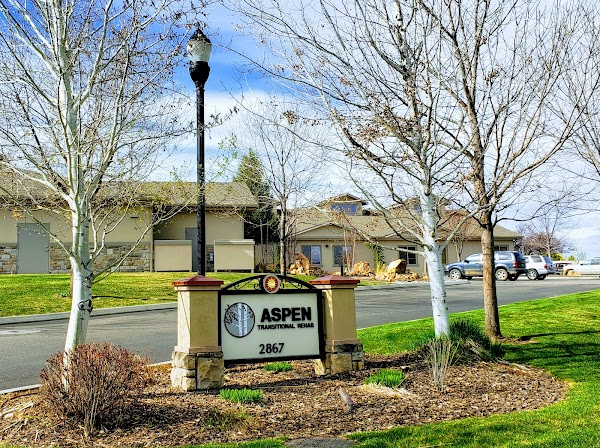
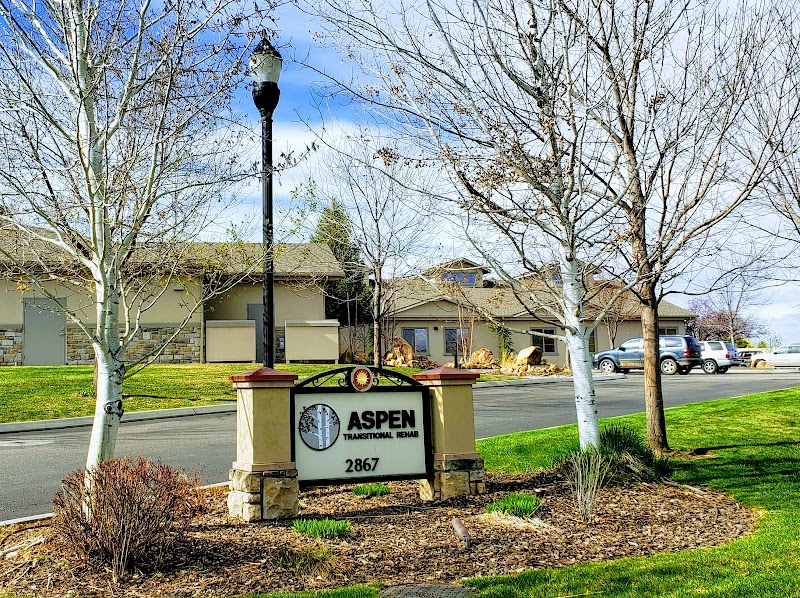
2867 EAST COPPER POINT DRIVE, MERIDIAN, ID 83642 (208) 401-9100
For profit - Corporation 30 Beds ADVANCED HEALTH CARE Data: November 2025
Trust Grade
85/100
#3 of 79 in ID
Last Inspection: September 2024

Within standard 12-15 month inspection cycle. Federal law requires annual inspections.

Overview

Aspen Transitional Rehabilitation in Meridian, Idaho has received a Trust Grade of B+, indicating it is above average and recommended for families seeking care. It ranks #3 out of 79 facilities in Idaho, placing it in the top half, and #1 out of 14 in Ada County, meaning it is the best local option. The facility is improving, with concerns decreasing from five issues in 2023 to four in 2024. Staffing is rated average with a 3 out of 5 stars and a turnover rate of 52%, which is in line with the state average but could be better. Notably, there have been no fines reported, which is a positive sign. However, recent inspections revealed some concerns, such as inaccurate contact information for grievance reporting, which could hinder residents from voicing their complaints. Additionally, there were issues with staff competency related to PICC line care, posing potential risks of infection. Overall, while Aspen Transitional Rehabilitation has strengths in its ranking and absence of fines, families should be aware of the areas needing improvement.

Trust Score
B+
85/100
In Idaho
#3/79
Top 3%
Safety Record
Low Risk
No red flags
Inspections
Getting Better
5 → 4 violations
Staff Stability
⚠ Watch
52% turnover. Above average. Higher turnover means staff may not know residents' routines.
Penalties
✓ Good
No fines on record. Clean compliance history, better than most Idaho facilities.
Skilled Nurses
✓ Good
Each resident gets 47 minutes of Registered Nurse (RN) attention daily — more than average for Idaho. RNs are trained to catch health problems early.
Violations
⚠ Watch
16 deficiencies on record. Higher than average. Multiple issues found across inspections.
★★★★★
5.0
Overall Rating
★★★☆☆
3.0
Staff Levels
★★★★★
5.0
Care Quality
★★★★☆
4.0
Inspection Score
Stable
2023: 5 issues
2024: 4 issues

The Good

  • 5-Star Quality Measures · Strong clinical quality outcomes
  • Full Sprinkler Coverage · Fire safety systems throughout facility
  • No fines on record

Facility shows strength in quality measures, fire safety.

The Bad

Staff Turnover: 52%

Near Idaho avg (46%)

Higher turnover may affect care consistency

Chain: ADVANCED HEALTH CARE

Part of a multi-facility chain

Ask about local staffing decisions and management

The Ugly 16 deficiencies on record

Sept 2024 4 deficiencies
CONCERN (D)

Potential for Harm - no one hurt, but risky conditions existed

Grievances (Tag F0585)

Could have caused harm · This affected 1 resident

**NOTE- TERMS IN BRACKETS HAVE BEEN EDITED TO PROTECT CONFIDENTIALITY** Based on resident and staff interview, and review of grievances, it was determined the facility failed to file a grievance which...

Read full inspector narrative →
**NOTE- TERMS IN BRACKETS HAVE BEEN EDITED TO PROTECT CONFIDENTIALITY** Based on resident and staff interview, and review of grievances, it was determined the facility failed to file a grievance which included the date the grievance was received, steps taken to investigate the grievance, and corrective action taken to resolve the grievance. This was true for 1 of 12 residents (Resident #135) reviewed for grievances and had the potential to impact residents in the facility who may want to file a grievance. This failure created the potential for Resident #135 to experience psychological harm if her grievances were not heard or acted upon. The findings include: The facility Grievance policy and procedure, updated on 9/28/22, documented that patients or representatives can voice a grievance without discrimination or reprisal from the facility. Prompt investigations and resolutions will be made for all grievances patients may have. Patients and families may file an oral or written grievance by completing the Compliment and Concern form or by a staff member. These forms should be given to either the Administrator or Director of Nursing. Facility staff may also complete the form per patient request. Resident #135 was admitted to the facility on [DATE], with multiple diagnoses including fracture of the left thigh and Parkinson's disease. On 9/9/24 at 2:25 PM, Resident #135 stated, Last Saturday night, after I pressed the call-light, two black ladies told me to go pee in my pad and were rude after I asked them to help me go to the bathroom. When asked if she had reported the incident or filed a grievance, Resident #135 stated, I didn't file an official grievance, but I did report it to LPN #1. A review of the grievance log for September 2024 had no documentation that Resident #135's incident had been reported or filed. On 9/11/24 at 2:07 PM, during a telephone interview, LPN #1 stated on 9/7/24, Resident #135 pulled her aside during medication pass and told her she did not like the black aides that responded to her call light to go the bathroom. Resident #135 stated she was told to pee in her pad. LPN #1 stated CNA #1 was educated that she should not use those terms with the residents. All staff need to help any residents who want to use the restroom. LPN #1 further stated since CNA #1 was educated, she did not believe more had to be done about the situation.
CONCERN (D)

Potential for Harm - no one hurt, but risky conditions existed

Unnecessary Medications (Tag F0759)

Could have caused harm · This affected 1 resident

**NOTE- TERMS IN BRACKETS HAVE BEEN EDITED TO PROTECT CONFIDENTIALITY** Based on observation, record review and staff interview, it was determined the facility failed to ensure residents were free fro...

Read full inspector narrative →
**NOTE- TERMS IN BRACKETS HAVE BEEN EDITED TO PROTECT CONFIDENTIALITY** Based on observation, record review and staff interview, it was determined the facility failed to ensure residents were free from medication errors. This was true for 2 of 5 residents (#134 and #136) whose medication administration were observed. This failure created the potential for harm to residents who received insulin to experience low or high blood sugars when they received an incorrect amount of insulin. Findings include: The American Diabetes Association website, accessed on 9/16/24, stated Priming insulin pens is recommended to remove air from needles to ensure full dose administration. The Insulin Lispro Kwikpen website accessed on 9/16/24, documented to prime insulin pen before each injection. Priming the insulin pen means removing air from the needle and cartridge that may collect during normal use and ensures that the pen is working correctly. 1. Resident #134 was admitted to the facility on [DATE] with multiple diagnoses including diabetes. A physician's order documented, Resident #134 was to receive the following: - Insulin Lispro, insulin pen 100 unit/ml (milliliter), 5 units subcutaneously. - Lantus U-100 insulin glargine 100 units/ml, 15 units subcutaneously. On 9/11/24 at 7:01 AM, LPN #3 took the insulin lispro Kwikpen, replaced the needle with a new one and dialed the pen to 5 units. LPN #3 also took the insulin glargine pen, replaced the needle with a new one and dialed the pen to 15 units. LPN #3 then went to Resident #134's room and injected the insulin to Resident #134's lower abdomen. LPN #3 was not observed to prime the insulin pens before dialing the prescribed dose of insulin for Resident #134. On 9/11/24 at 11:03 AM, when asked about the preparation of insulin pen injections, LPN #3 stated she had not primed the insulin pen. LPN #3 stated she should have primed the insulin pen before dialing the prescribed amount of insulin for Resident #134. 2. Resident #136 was admitted to the facility on [DATE] with multiple diagnoses including diabetes. A physician's order, documented Resident #136 was to receive the following: - Humalog u-100 insulin lispro 100 units/ml, 3 units subcutaneously as a sliding dose. - Lantus u-100 insulin glargine 100 units/ml, 12 units subcutaneously. LPN #3 took the insulin lispro Kwikpen, replaced the needle with a new one and dialed the pen to 3 units. LPN #3 also took the insulin glargine pen, replaced the needle with a new one and dialed the pen to 12 units. LPN #3 then went to Resident #136's room and injected the insulin to Resident #136's lower abdomen. On 9/11/24 at 11:03 AM, when asked about the preparation of insulin pen injections, LPN #3 stated she had not primed the insulin pen. LPN #3 stated she should have primed the insulin pen before dialing the prescribed amount of insulin for Resident #136.
CONCERN (D)

Potential for Harm - no one hurt, but risky conditions existed

Infection Control (Tag F0880)

Could have caused harm · This affected 1 resident

**NOTE- TERMS IN BRACKETS HAVE BEEN EDITED TO PROTECT CONFIDENTIALITY** Based on policy review, observation and staff interview, it was determined the facility failed to ensure infection control measu...

Read full inspector narrative →
**NOTE- TERMS IN BRACKETS HAVE BEEN EDITED TO PROTECT CONFIDENTIALITY** Based on policy review, observation and staff interview, it was determined the facility failed to ensure infection control measures were consistently implemented. This was true for 2 of 2 residents (#83 and #85) observed during dressing change and resident's cares when staff failed to don a gown and perform hand hygiene during dressing change and resident cares. These deficient practices placed residents at risk of infection from cross contamination. Findings include: The facility's Hand Hygiene policy and procedure, effective 11/3/23, documented handwashing should be performed before applying and removing gloves and after personal use of the toilet. 1. Resident #85 was admitted to the facility on [DATE] with multiple diagnoses including dementia. On 9/10/24 at 10:19 AM, CNA #2 assisted Resident #85 to the bathroom. After using the toilet, CNA #2 asked Resident #85 to stand up, Resident #85 was observed to hold on the hand rail and on the sink as she was standing up and being wiped by CNA #2. CNA #2 then assisted Resident #85 to her recliner. CNA #2 was not observed to assist Resident #85 to perform hand hygiene after using the restroom. On 9/10/24 at 10:30 AM, CNA #2 stated she did not assist Resident #85 to wash or sanitize her hands after using the restroom. CNA #2 stated she should have assisted the resident to wash her hands after using the restroom. 2. Resident #83 was admitted to the facility on [DATE] with multiple diagnoses including hemiplegia and hemiparesis (paralysis and weakness on one side of the body) following stroke. An MDS (Minimum Data Set) assessment, dated 9/11/24 documented Resident #83 had a feeding tube. On 9/10/24 at 4:31 PM, a signage was observed on Resident #83's door which stated, Enhanced Barrier Precautions. Everyone must clean their hands, including before entering and when leaving the room. The signage also documented providers and staff must wear gloves and a gown for the following high-contact resident care activities including device care such as for central line, urinary catheter, feeding tube, and tracheostomy. On 9/10/24 at 4:31 PM, upon entering Resident #83's room, LPN #2 was observed changing the dressing on Resident #83's percutaneous endoscopic gastrostomy (PEG) tube site. LPN #2 was not wearing a gown while performing the dressing change. LPN #2 was also not observed to perform hand hygiene in between changing her gloves during the dressing change. On 9/10/24 at 4:45 PM, LPN #2 stated she did not wear a gown before entering Resident #83's room to change the dressing on her PEG tube site. LPN #2 stated she should have worn a gown before entering Resident #83's room. When asked about the hand hygiene, LPN #2 stated she performed hand hygiene before entering Resident #83' room. LPN #2 stated she did not perform hand hygiene when she was changing her gloves during the dressing change. LPN #2 stated her hands were clean and it was the gloves which were dirty. On 9/12/24 at 9:20 AM, the IP (Infection Preventionist) stated the gown should be worn by the staff when they are performing a dressing change on a resident. The IP also stated hand hygiene should be performed in between changing gloves during the procedure.
CONCERN (E)

Potential for Harm - no one hurt, but risky conditions existed

Food Safety (Tag F0812)

Could have caused harm · This affected multiple residents

Based on observation and staff interview, it was determined the facility failed to ensure the kitchen equipment and environment was maintained, clean, and food was stored in a safe and sanitary manner...

Read full inspector narrative →
Based on observation and staff interview, it was determined the facility failed to ensure the kitchen equipment and environment was maintained, clean, and food was stored in a safe and sanitary manner. These deficiencies had the potential to affect the 28 residents who consumed food prepared by the facility. This placed residents at risk for potential contamination of food and adverse health outcomes, including food-borne illnesses. Findings include: The facility's Food Storage policy, updated on 1/9/24, documented: - Date marking will be visible on all high-risk food to indicate the date by which a ready-to-eat, TCS (Time/Temperature for Safety Food) food should be consumed, sold, or discarded. - Foods will be stored and handled to maintain the integrity of the packaging until ready for use. - All food should be covered, labeled, and dated. - All freezer units will be always kept clean and in good working condition. The FDA (Food Drug Administration) Food Code Section 3-501.17 Ready-to-Eat, TCS food, Date Marking, states marking the date or day the original container is opened in a food establishment, with a procedure to discard the food on or before the last date or day by which the food must be consumed on the premises, sold, or discarded. 1. The initial kitchen inspection was conducted on 9/9/24 at 8:26 AM with permission from [NAME] #1. The following was observed: - In the dry food pantry, baking trays, pots, and pans, were stored on the bottom shelves of a cart adjacent to a water heater pipe. The pipe insulation had flaked and peeled, with debris located on the shelves and floor around the pipe. - A box of cornmeal was open and undated. - Refrigerated green onions were opened and undated. - Frozen bread loafs and veggie sausage patties were not dated. - The lids of four large ice cream containers were covered with ice and were not completely closed. - Ice droplets were noted on the ceiling above the containers of ice cream. - A large amount of ice was on the inside of a plastic bin containing wrapped frozen bread. - Ice droplets were on the ceiling above the plastic bin and a cardboard box located on the top back shelves of the freezer. 2. A second kitchen inspection was conducted on 9/11/24 at 8:30 AM with the NSD (Nutritional Services Director). The following was observed: - The water heater pipe had a layer of dust, and the insulation was flaking, peeling, and covered in dust particles, adjacent to the shelves of the storage cart where the pots, pans, and baking dishes were stored. - The floor behind the cart had a layer of dust and more pipe insulation residue. - Two large containers of ice cream had lids that were not fully covering the ice cream. - The cardboard-type lids had water spots on them. - Ice droplets from the ceiling were located above the containers of ice cream. - Ice build-up was observed on the inside of a plastic container containing wrapped frozen bread. - An unopened cardboard box on the top shelf of the freezer had a layer of ice on it. - Ice droplets were located on the ceiling above the plastic container and cardboard box. On 9/11/24 at 8:45 AM, the NSD stated that the door to the freezer does not close well, and the facility is looking to fix it so it will remain closed. She stated the freezer door had opened and ice cream had melted. The NSD stated she believed the ice droplets on the ceiling, and the accumulation of ice in the back of the freezer, were most likely due to that same incident. When asked about the ice cream container lids, the NSD stated the lids of the paper containers frequently get warped. The NSD also stated the storage shelves affected by the pipe insulation particles contained pots, pans, and baking containers that were no longer used by the facility and should have been stored elsewhere.
Jul 2023 5 deficiencies
CONCERN (D) 📢 Someone Reported This

A family member, employee, or ombudsman was alarmed enough to file a formal complaint

Potential for Harm - no one hurt, but risky conditions existed

Deficiency F0655 (Tag F0655)

Could have caused harm · This affected 1 resident

**NOTE- TERMS IN BRACKETS HAVE BEEN EDITED TO PROTECT CONFIDENTIALITY** Based on record review, policy review, and staff interview, it was determined the facility failed to ensure baseline care plans ...

Read full inspector narrative →
**NOTE- TERMS IN BRACKETS HAVE BEEN EDITED TO PROTECT CONFIDENTIALITY** Based on record review, policy review, and staff interview, it was determined the facility failed to ensure baseline care plans were individualized for 3 of 12 residents (#131, #179, and #188) whose baseline care plans were reviewed. This failure created the potential for resident specific needs to go unrecognized due to lack of information for caregivers. Findings include: Facility policy titled Baseline Care Plans, version A1012, stated the Interim Care Plan is developed during the admission process to direct patient care prior to the development of the Comprehensive Care Plan. The Interim Care Plan is developed from a nursing assessment of the patient's needs, strengths, and weaknesses. The Interim Care Plan is written to include care to be given, goals to be accomplished, and actions necessary to attain the goals. This policy was not followed. 1. Resident #131 was admitted to the facility on [DATE] with multiple diagnoses including depression and metabolic encephalopathy (a chemical imbalance that effects brain function) with behaviors. Resident #131's MAR, dated July 2023, documented orders for the following: - Quetiapine (Seroquel) 50 mg (an antipsychotic medication). - Sertraline (Zoloft) 100 mg (an antianxiety medication) Resident #131's TAR, dated July 2023, documented the following behavior which were being monitored: - Target behaviors for Seroquel: hallucinations, yelling out, and verbal and physical aggression. - Target behaviors for Zoloft: verbalizing feeling sad, trouble concentrating, and low interest. Resident #131's Consent to Use Psychotherapeutic Medications forms, signed 7/19/23, documented how his episodes of depression and metabolic encephalopathy were exhibited. The consented documented depression was exhibited by verbalizing feelings of sadness and having low motivation. Resident exhibited behaviors due to his metabolic encephalopathy by being physically aggressive, yelling and cursing. Resident #131's Baseline Person Centered Care Plan, dated 7/19/23, documented his prescribed psychotropic medications per physician order. Additionally, the care plan stated to monitor and document signs and symptoms of adverse reactions. Resident #131's baseline care plan did not include resident specific behaviors to be monitored, as stated in his consent. 2. Resident #179 was admitted to the facility on [DATE] with multiple diagnoses including depression and psychosis secondary to delirium (a serious change in mental state that results in confused thinking). Resident #179's MAR, dated July 2023, documented orders for the following: - Lexapro 10 mg (an antidepressant medication). - Seroquel (Quetiapine) 50 mg (an antipsychotic medication). Resident #179's TAR, dated July 2023, documented the following behavior monitors: - Target behaviors for Lexapro: verbalizing feeling sad and tearful. - Target behaviors for Seroquel: agitation and aggressive behavior. Resident #179's Consent to Use Psychotherapeutic Medications forms, signed 7/13/23, documented how his episodes of depression and psychosis were exhibited. The consented documented depression was exhibited by verbalizing feelings of sadness and being tearful. His psychosis was exhibited by aggressive behavior, agitation, and yelling out without provocation. Resident #179's Baseline Person Centered Care Plan, dated 7/13/23,documented his prescribed psychotropic medications per physician order. Additionally, the care plan stated to monitor and document signs and symptoms of adverse reactions. Resident #179's baseline care plan did not include resident specific behaviors to be monitored, as stated in his consent 3. Resident #188 was admitted on [DATE] with multiple diagnoses including depression and anxiety, and required aftercare following a knee replacement surgery. On 7/26/23, Resident #188's physician orders stated she received escitalopram (a medication used to treat depression and anxiety) and was to be monitored for target behaviors identified by Resident #188 at admission. Resident #188's Consent to Use Psychotherapeutic Medications, dated 7/18/23, stated that when Resident #188 felt depressed she would verbalize feeling anxious or sad. Resident #188's interim care plan, dated 7/18/23, documented his prescribed psychotropic medications per physician order. Additionally, the care plan stated to monitor and document signs and symptoms of adverse reactions. Resident #188's baseline care plan did not include resident specific behaviors to be monitored. On 7/26/23 at 2:15 PM, the DON stated she oversees adding psychotropic medications, the behavior monitors, and side effect monitors to the MAR and the care plan. She stated when a resident was admitted , the facility asked the resident or family what behaviors and symptoms the resident showed for their mental health diagnoses. The DON stated the information is documented on the Consent to Use Psychotherapeutic Medications form, then added to the TAR. She stated the specific symptoms do not always go on the care plan because they could change. The DON stated the specific behaviors are listed in the TAR and other documents, so specific behaviors did not need to be in the care plan. The facility failed to ensure baseline care plans were individualized.
CONCERN (D) 📢 Someone Reported This

A family member, employee, or ombudsman was alarmed enough to file a formal complaint

Potential for Harm - no one hurt, but risky conditions existed

Comprehensive Care Plan (Tag F0656)

Could have caused harm · This affected 1 resident

**NOTE- TERMS IN BRACKETS HAVE BEEN EDITED TO PROTECT CONFIDENTIALITY** Based on policy review, record review, and staff interview it was determined the facility failed to provide a comprehensive, per...

Read full inspector narrative →
**NOTE- TERMS IN BRACKETS HAVE BEEN EDITED TO PROTECT CONFIDENTIALITY** Based on policy review, record review, and staff interview it was determined the facility failed to provide a comprehensive, person centered care plan. This was true for 1 of 12 Residents (Resident #6) whose comprehensive care plan was reviewed. This failure created the potential for the resident to receive inappropriate care. Findings include: The facility's policy Comprehensive Care Plan, version A1021, stated the facility will develop a comprehensive person-centered care plan. It stated an individualized care plan should be developed with the input from the patient and/or representative. The policy stated there should be individual-specific interventions and parameters for monitoring progress. This policy was not followed. Resident #6 was admitted to the facility on [DATE] with multiple diagnoses including anxiety and depression. Resident #6's MAR, dated July 2023, documented orders for the following: - Buspirone 7.5 mg (an antianxiety medication),. - Duloxetine 60 mg (an antidepressant medication). Resident #6's TAR, dated July 2023, documented the following behavior monitors: - Target behaviors for Buspirone: verbalizing feeling anxious and restless. - Target behaviors for Duloxetine: verbalizing feeling sad, withdrawn, and tearful. Resident #6's Consent to Use Psychotherapeutic Medications forms, signed 6/21/23, documented how his episodes of depression and anxiety were manifested. For depression the form documented verbalizing feeling sad, tearful, and withdrawn. For anxiety the form documented Resident #6 verbalizing feeling anxious and restless. Resident #6's Comprehensive Care Plan, last reviewed/revised 7/5/23, included goals for depression and anxiety. It documented altered mood status would not interfere with daily functions. It directed the staff to encourage the patient to express needs and feelings, as well as monitoring for signs and symptoms of withdrawal or increased depression. For Anxiety it directed staff to monitor for signs and symptoms of increased anxiety. There were no resident specific behaviors to be monitored on the care plan. On 7/26/23 at 2:15 PM, the DON stated she oversees adding psychotropic medications, the behavior monitors, and side effect monitors to the MAR and the care plan. She stated when a resident was admitted , the facility asked the resident or family what behaviors and symptoms the resident showed for their mental health diagnoses. The DON stated the information is documented on the Consent to Use Psychotherapeutic Medications form, then added to the TAR. She stated the specific symptoms do not always go on the care plan because they could change. The DON stated the specific behaviors are listed in the TAR and other documents, so specific behaviors did not need to be in the care plan. The facility failed to provide a comprehensive, person centered care plan.
CONCERN (E) 📢 Someone Reported This

A family member, employee, or ombudsman was alarmed enough to file a formal complaint

Potential for Harm - no one hurt, but risky conditions existed

Deficiency F0578 (Tag F0578)

Could have caused harm · This affected multiple residents

**NOTE- TERMS IN BRACKETS HAVE BEEN EDITED TO PROTECT CONFIDENTIALITY** Based on policy review, record review, and staff interview, it was determined the facility failed to ensure that residents' adva...

Read full inspector narrative →
**NOTE- TERMS IN BRACKETS HAVE BEEN EDITED TO PROTECT CONFIDENTIALITY** Based on policy review, record review, and staff interview, it was determined the facility failed to ensure that residents' advance directives were obtained and this information was documented in their record. This was true for 2 of 12 residents (#128, and #177) whose advance directives were reviewed. This deficient practice created the potential for harm or adverse outcome if the resident's wishes were not followed or documented regarding their advance care planning. Findings include: As defined in the State Operations Manual (SOM), Appendix PP, an advance directive is a written instruction, such as a living will or durable power of attorney for health care, relating to the provision of health care when the individual is incapacitated. An Idaho Physician Orders for Scope of Treatment (POST) is a form designed to improve patient care by creating a portable medical order form that records patients' treatment wishes so that emergency personnel know what treatments the patient wants in the event of a medical emergency. A POST form is not an advance directive. The SOM further stated, If the resident or the resident's representative has executed one or more advance directive(s), or executes one upon admission, copies of these documents must be obtained and maintained in the same section of the resident's medical record readily retrievable by any facility staff. Facility staff must communicate the resident's wishes to the resident's direct care staff and physician. The facility policy for Advance Directives, version A0717, stated, prior to or upon admission the facility will ask about the existence of any written advance directives and information will be displayed in the medical record specifying whether the resident has an advance directive or has declined the opportunity to create one. This policy was not followed. Examples include: The facility used a form titled Acknowledgement of Patient Information on Advance Directives. This form indicated the facility provided written education to the resident, and/or their representative about advance directives and their rights to create or decline to execute one. The form contained places to mark that a copy was provided to the facility, acknowledgement that the resident representative will provide a copy as soon as possible if they don't have it on hand at admission, and a place to document the substance of the advance directive until the copy of the advance directive can be added to the medical record. 1. Resident #177 was admitted on [DATE] with diagnoses including Parkinson's Disease (a brain disorder that causes unintended or uncontrollable movements, such as shaking, stiffness, and difficulty with balance and coordination), a fractured pelvis and ribs, and a history of falls. Resident #177's medical record included An Acknowledgement of Patient Information on Advance Directives form, dated 7/13/23, documented he had a POST and a DNR on file. Additionally it documented his family has living will. A copy of the Advanced directive was not present in Resident #177's record. Additionally, the acknowledgement form had a checkbox that indicated whether the resident provided the facility a copy of the advance directive and a area which stated, Although the patient is instructed to bring in a copy of his/her advance directive to be placed in the medical record, the substance/instructions of patient's advance directive states: Both areas on the form were blank. On 7/24/23 at 3:42 PM, the DON was asked for a copy of Resident #177's advanced directive. The DON stated the advanced directive was not able to be located. 2. Resident #128 was admitted to the facility on [DATE] with multiple diagnoses including Endocarditis (inflammation of the lining of the heart) and sepsis (life threatening complication of infection). Resident #128's record contained medical record included An Acknowledgement of Patient Information on Advance Directives form, dated 7/11/23, documented he had a POST and a DNR on file. Additionally it documented his family has living will. A copy of the Advanced directive was not present in Resident #128's record. Additionally, the acknowledgement form had a checkbox that indicated whether the resident provided the facility a copy of the advance directive and a area which stated, Although the patient is instructed to bring in a copy of his/her advance directive to be placed in the medical record, the substance/instructions of patient's advance directive states: Both areas on the form were blank. During an interview on 7/26/23 at 8:45 AM, when asked for Resident #128's advanced directive, the DON stated at admission the facility talked with the resident and/or their family about advance directives. She stated the resident, or their family, filled out a form indicating they had an advance directive and would bring it in, or that they refused to have an advance directive. The DON stated they have a part time social worker who followed up with the residents and family as needed to get a copy of the residents' advance directives. She stated the social worker would document any attempts in a progress note or on the acknowledgement form. On 7/26/23 at 9:58 AM, the DON stated to the surveyor the facility is looking for the resident's advanced directive. The facility failed to ensure that residents' advance directives were obtained and this information was documented in their record.
CONCERN (F) 📢 Someone Reported This

A family member, employee, or ombudsman was alarmed enough to file a formal complaint

Potential for Harm - no one hurt, but risky conditions existed

Grievances (Tag F0585)

Could have caused harm · This affected most or all residents

Based on observation, document review, and staff interview, it was determined the facility failed to ensure posted contact information of independent entities with whom grievances may be filed, such a...

Read full inspector narrative →
Based on observation, document review, and staff interview, it was determined the facility failed to ensure posted contact information of independent entities with whom grievances may be filed, such as, the State Survey Agency and State Long-Term Care Ombudsman program or protection and advocacy system was accurate. This failure had the potential for residents and/or their representatives to be unaware of who to voice their care concerns/complaints to. Findings include: The facility lobby was observed on 7/25/23, beginning at 9:07 AM. During the observation, a posted form titled KNOW YOUR RIGHTS was reviewed. The form included the following inaccurate information: - The form included the address of the State Agency as, 3232 Elder Street, however, the correct address is, 450 W State Street. - The form included the telephone number of the Area Ombudsman as, 1-844-689-7562, however, the correct telephone number is, 1-877-471-2777. - The form included the telephone number of Adult Protection as, 1-844-689-7562, however, the correct telephone number is, 1-877-471-2777. The facility Administrator was interviewed on 7/25/23, beginning at 10:15 AM, and the KNOW YOUR RIGHTS form was reviewed in his presence. He confirmed the information was not accurate. The facility failed to ensure that posted contact information of independent entities with whom grievances may be filed, such as, the State Survey Agency and State Long-Term Care Ombudsman program or protection and advocacy system was accurate.
CONCERN (F) 📢 Someone Reported This

A family member, employee, or ombudsman was alarmed enough to file a formal complaint

Potential for Harm - no one hurt, but risky conditions existed

Deficiency F0726 (Tag F0726)

Could have caused harm · This affected most or all residents

**NOTE- TERMS IN BRACKETS HAVE BEEN EDITED TO PROTECT CONFIDENTIALITY** Based on observation, policy review, nursing manual review, competency review, CDC infection control guidelines review, medical ...

Read full inspector narrative →
**NOTE- TERMS IN BRACKETS HAVE BEEN EDITED TO PROTECT CONFIDENTIALITY** Based on observation, policy review, nursing manual review, competency review, CDC infection control guidelines review, medical record review, and staff interview, it was determined the facility failed to ensure nursing staff had competencies and skill sets to assure resident safety. This was true for 1 of 1 resident (Resident #281) whose PICC line dressing change was observed and whose record was reviewed. This had the potential for increased risk of infection and mechanical failure for all facility residents with PICC lines. Findings include: The CDC Guidelines for the Prevention of Intravascular Catheter-Related Infections, 2011 state, Summary of Recommendations .Education, Training, and Staffing .1. Educate healthcare personnel regarding the indications for intravascular catheter use, proper procedures for the .maintenance of intravascular catheters, and appropriate infection control measures to prevent intravascular catheter-related infections .2. Periodically assess knowledge of and adherence to guidelines for all personnel involved in the .maintenance of intravascular catheters .3. Designate only trained personnel who demonstrate competence for the .maintenance of peripheral .catheters. These guidelines were not followed. A facility nursing standard of practice titled, Lippincott Nursing Manual, undated, stated, .Temporarily secure the catheter with a piece of tape to prevent catheter migration .Before redressing the site, use a sterile tape measure to measure the external length of the catheter from hub to skin entry to ensure that the catheter hasn't migrated since originally inserted. Compare the measurement with the baseline external length documented at the time of insertion. Report a discrepancy of more than 2 cm to the doctor. This practice standard was not followed. Resident #281 was a [AGE] year-old female who was admitted to the facility on [DATE], with a primary diagnosis of infection. Secondary diagnoses included sepsis and immunodeficiencies. She was a current resident at time of survey. Resident #281's medical record included a documented left arm peripherally inserted central catheter (PICC) line which was inserted prior to her facility admission. Her medical record did not include her initial baseline, facility admission, or current PICC line external catheter hub-to-skin-entry measurements. The Mayo Clinic website, accessed on 7/26/23 at 5:19 PM, states, A peripherally inserted central catheter (PICC), also called a PICC line, is a long, thin tube that's inserted though a vein in your arm and placed through the larger veins near your heart .A PICC line gives your doctor access to the large central veins near the heart. It's generally used to give medications or liquid nutrition. A PICC line can avoid the pain of frequent needle sticks and reduce the risk of irritation to the smaller veins in your arm. A PICC line requires careful care and monitoring for complications, including infection and blood clots. 1. Resident #281's PICC line dressing change performed by LPN #1 was observed on 7/26/23, beginning at 1:35 PM. The following competency and skill set concerns were observed during the course of Resident #281's PICC line dressing change: a. LPN #1 had difficulty removing Resident #281's PICC line transparent dressing and catheter securement device. Resident #281's PICC line was manipulated back and forth during transparent dressing and catheter securement device removal and not temporarily secured with a piece of tape to prevent catheter migration. Additionally, LPN #1 did not measure the external length of the catheter from hub to skin entry to ensure the catheter had not migrated since originally inserted. b. LPN #1's hair, which was longer than shoulder-length, was not secured via PPE. LPN #1's hair was observed approximately 6 to 8 inches directly over Resident #281's PICC line insertion site before, during, and after PICC line dressing change. c. LPN #1 opened the PICC line dressing kit package, attempted to don the included sterile gloves, but stated she was unable to due to size of gloves. LPN #1 requested surveyor ask facility staff to bring a larger pair of sterile gloves. It was unclear why LPN #1 did not organize her supplies prior to initiating the procedure. d. LPN #1's hair, which was longer than shoulder-length, was not secured via PPE. LPN #1's hair was observed approximately 6 to 8 inches directly over the larger sterile gloves she was attempting to don. e. LPN #1, after cleaning Resident #281's PICC line insertion site, requested surveyor ask facility staff for assistance in procuring and opening supplies needed to complete the procedure. The CNM responded, donned PPE, and assisted LPN #1. It was unclear why LPN #1 did not organize her supplies prior to initiating the procedure. f. Prior to applying new transparent dressing, LPN #1 requested Resident #281 elevate and externally rotate her arm. While doing so, Resident #281's patient gown brushed the upper right corner of her PICC line insertion site after it had been cleaned with chlorhexidine. g. Prior to applying new transparent dressing, LPN #1 could not get the new catheter securement device to close correctly. While attempting to get new catheter securement device to close correctly, LPN #1 was observed to touch the recently cleaned PICC line insertion site area with her non-sterile procedure glove and sterile procedure glove. h. LPN #1 affixed the new PICC line transparent dressing over Resident #281's PICC line insertion site and catheter securement device, but it was unclear if the device was closed correctly. i. LPN #1 was not observed to label the new PICC line dressing with the date, time, and her initials. The CNM was interviewed on 7/26/23 at approximately 1:58 PM and LPN #1's PICC line dressing change observation was reviewed in her presence. The CNM stated she was responsible for the facility's infection control program as well as signing-off on facility nursing staff competencies. When asked what nationally recognized infection control guidelines the facility followed for its infection control program, the CNM was initially unsure, but then confirmed, CDC guidelines. When asked if the facility had a PICC line dressing change policy, she stated, No, but nursing staff followed Lippincott Nursing Manual. The CNM confirmed the above competency and skill set concerns observed. Due to observation concerns during Resident #281's PICC line dressing change, the CNM stated she would perform a new dressing change now. 2. LPN #1's LICENSED NURSE COMPETENCY CHECKLIST, dated 9/22/22, was reviewed. Her skills competency did not include PICC line dressing changes. It could not be determined how the facility assessed and evaluated LPN #1's competency and skill set to safely perform PICC line dressing changes. LPN #2's, the second of two LPNs assigned to direct resident care on day shift 7/26/23, LICENSED NURSE COMPETENCY CHECKLIST was requested, but not provided. It could not be determined how the facility assessed and evaluated LPN #2's competency and skill set to safely perform PICC line dressing changes. The CNM was interviewed a second time on 7/26/23, beginning at 2:27 PM, and LPN #1's LICENSED NURSE COMPETENCY CHECKLIST was reviewed in her presence. She confirmed LPN #1's competency did not include PICC line dressing changes. When asked who was allowed to perform PICC line dressing changes, the CNM stated, RNs and LPNs. When asked if the same LICENSED NURSE COMPETENCY CHECKLIST was used for all facility nursing staff (RNs and LPNs), she stated, Yes. The CNM confirmed the LICENSED NURSE COMPETENCY CHECKLIST did not include PICC line dressing changes for facility nursing staff. With lack of documented nursing PICC line dressing change competency and skill set, it could not be determined if facility nursing staff could safely perform this task. The CNM was interviewed a third time on 7/26/23, beginning at 3:01 PM, and Resident #281's medical record was reviewed in her presence. She confirmed Resident #281's baseline, admission, and current PICC line external length measurements were not documented as that had not been part of their PICC line dressing change process. The [NAME] President of Clinical Services was interviewed on 7/26/23, beginning at 3:19 PM. When asked if nursing staff should be measuring PICC line external lengths per the Lippincott Nursing Manual, he stated, Yes. The [NAME] President of Clinical Services stated the facility did not have sterile PICC line tape measures as part of their available supplies as required by the Lippincott Nursing Manual. The Regional [NAME] President of Operations and the [NAME] President of Clinical Services were interviewed together on 7/26/23, beginning at 3:30 PM. The Regional [NAME] President of Operations confirmed LPN #1's skills competency did not include PICC line dressing changes. Additionally, she confirmed the facility's LICENSED NURSE COMPETENCY CHECKLIST, used by all facility RNs and LPNs, did not include PICC line dressing changes. The DON was interviewed on 7/26/23, beginning at 4:47 PM, and the facility's, ANNUAL INSERVICE SCHEDULE 2023 was reviewed in her presence. The form included numerous training topics including emergency preparedness, patient rights, and fall prevention. The DON confirmed the facility's ANNUAL INSERVICE SCHEDULE 2023 did not include education or training related to PICC line dressing changes. The facility failed to ensure nursing staff had competencies and skill sets to ensure resident safety.
Sept 2019 7 deficiencies
CONCERN (D)

Potential for Harm - no one hurt, but risky conditions existed

Transfer Notice (Tag F0623)

Could have caused harm · This affected 1 resident

**NOTE- TERMS IN BRACKETS HAVE BEEN EDITED TO PROTECT CONFIDENTIALITY** Based on record review, policy review, and staff interview, it was determined the facility failed to ensure transfer notices wer...

Read full inspector narrative →
**NOTE- TERMS IN BRACKETS HAVE BEEN EDITED TO PROTECT CONFIDENTIALITY** Based on record review, policy review, and staff interview, it was determined the facility failed to ensure transfer notices were provided in writing to residents and residents' representatives. This was true for 1 of 1 resident (Resident #25) reviewed for transfers. This created the potential for harm if residents were not made aware of or able to exercise their rights related to transfers. Findings include: The facility's admission, transfer, and discharge policy, dated 2/21/18, documented when transferred emergently, residents or their legal representatives received a written reason for transfer as soon as practical. This policy was not followed. Resident #25 was admitted to the facility on [DATE], with multiple diagnoses, including acute osteomyelitis (infection of the bone) of the right foot and ankle. Resident #25's Nurse's Progress Notes documented he was transferred to the hospital for evaluation on 8/9/19, when he experienced a decrease in cognitive function. Resident #25's record did not include a written notice of transfer to him or his representative. On 9/6/19 at 11:40 AM, the DON said the facility did not provide written transfer notices to residents or their representatives, including Resident #25, when they were transferred emergently to the hospital.
CONCERN (D)

Potential for Harm - no one hurt, but risky conditions existed

Deficiency F0625 (Tag F0625)

Could have caused harm · This affected 1 resident

**NOTE- TERMS IN BRACKETS HAVE BEEN EDITED TO PROTECT CONFIDENTIALITY** Based on record review, policy review, and staff interview, it was determined the facility failed to ensure a notice of their be...

Read full inspector narrative →
**NOTE- TERMS IN BRACKETS HAVE BEEN EDITED TO PROTECT CONFIDENTIALITY** Based on record review, policy review, and staff interview, it was determined the facility failed to ensure a notice of their bed hold policy was provided to residents or their representatives upon transfer to the hospital. This was true for 1 of 1 resident (Resident #25) reviewed for transfers. This deficient practice created the potential for harm if residents were not informed of their right to return to their former bed/room at the facility within a specified time and may cause psychosocial distress if not informed they may be charged to reserve their bed/room. Findings include: The facility's Bed Hold policy, dated 2/21/18, documented the residents or their legal representatives received a written copy of thier bed hold procedures prior to transferring to a hospital. This policy was not followed. Resident #25 was admitted to the facility on [DATE], with multiple diagnoses including acute osteomyelitis (infection of the bone) of the right foot and ankle. Resident #25's Nurse's Progress Notes documented he was transferred to the hospital for evaluation on 8/9/19, when he experienced a decrease in cognitive function. Resident #25's record did not include documentation a written notice of the facility's bed hold policy was provided to him or his representative. On 9/6/19 at 12:37 PM, the DON said the facility did not provide a copy of the bed hold notice to Resident #25 or his representative because the facility would have readmitted him upon discharge from the hospital. She said the bed hold policy was not given to residents or their representatives when they transferred emergently to the hospital. On 9/6/19 at 1:58 PM, the Administrator said the facility was not providing bed hold notices when residents were transferred to the hospital.
CONCERN (D)

Potential for Harm - no one hurt, but risky conditions existed

Deficiency F0655 (Tag F0655)

Could have caused harm · This affected 1 resident

**NOTE- TERMS IN BRACKETS HAVE BEEN EDITED TO PROTECT CONFIDENTIALITY** b. Resident #129 was admitted to the facility on [DATE], with multiple diagnoses including post-operative care following a joint...

Read full inspector narrative →
**NOTE- TERMS IN BRACKETS HAVE BEEN EDITED TO PROTECT CONFIDENTIALITY** b. Resident #129 was admitted to the facility on [DATE], with multiple diagnoses including post-operative care following a joint replacement surgery of the right knee. Resident #129's physician's orders, dated 8/30/19, documented her code status was Full Code. Resident #129's POST form, dated 9/3/19, documented she was a Full Code. Resident #129's baseline care plan, dated 8/30/19, did not include documentation regarding her code status. On 9/6/19 at 9:21 AM, the DON said Resident #80's and Resident #129's code status were not documented on the baseline care plan. The DON said she expected to see the code status on the baseline care plan Based on record review, policy review, and resident and staff interview, it was determined the facility failed to ensure residents' code status was documented on their baseline care plan. This was true for 2 of 12 residents (#80 and #129) reviewed for baseline care plans. This failure created the potential for harm should a residents' wishes not be followed regarding their code status due to lack of information on the baseline care plan. Findings include: The facility's Baseline Care Plan policy, dated 2/27/18, documented the baseline care plan was developed to address the resident's goals and needs. The facility's policy was not followed. a. Resident #80 was admitted to the facility on [DATE], with multiple diagnoses including left femur fracture. A POST, dated 8/17/19, documented his code status was a DNR. Resident #80's Baseline Care Plan, dated 8/17/19, did not include documentation regarding his code status. On 9/5/19 at 9:45 AM, Resident #80 said his code status was a DNR.
CONCERN (D)

Potential for Harm - no one hurt, but risky conditions existed

Medication Errors (Tag F0758)

Could have caused harm · This affected 1 resident

**NOTE- TERMS IN BRACKETS HAVE BEEN EDITED TO PROTECT CONFIDENTIALITY** Based on record review, policy review, and staff interview, it was determined the facility failed to ensure residents receiving ...

Read full inspector narrative →
**NOTE- TERMS IN BRACKETS HAVE BEEN EDITED TO PROTECT CONFIDENTIALITY** Based on record review, policy review, and staff interview, it was determined the facility failed to ensure residents receiving PRN lorazepam (anti-anxiety medication) had a clinical rationale documented supporting the continued use of the medication beyond 14 days. This was true for 2 of 5 residents (#9 and #15) reviewed for unnecessary medications. This deficient practice had the potential for harm should residents receive psychotropic medications that were unnecessary or ineffective. Findings include: The facility's Psychopharmacological Medication Management policy, dated 11/27/17, documented PRN psychotropic medications would not exceed 14 days unless medically necessary and a rationale was documented by the patient's physician. This policy was not followed. 1. Resident #9 was admitted to the facility on [DATE], with multiple diagnoses including transient ischemic attack (a temporary blockage of blood flow to the brain) and atrial fibrillation (irregular heart beat). A physician's order, dated 8/12/19, documented Resident #9 was to receive lorazepam 0.5 mg, orally three times a day as needed for anxiety. The order did not include a stop date for the PRN lorazepam. An MDS assessment, dated 8/25/19, documented Resident #9 was cognitively intact and received anti-anxiety medication on three out of the past seven days. A physician's progress note dated 8/21/19, documented Resident #9 had anxiety and she used lorazepam 0.5 mg three times a day as needed, and had been on that medication chronically. There was no documentation in Resident #9's record to support the continuation of lorazepam beyond 14 days. On 9/5/19 at 11:45 AM, the DON said she did not find the stop date for Resident #9's lorazepam. 2. Resident #15 was admitted to the facility on [DATE], with multiple diagnoses including anxiety disorder. A physician's order, dated 7/25/19, documented Resident #15 was to receive lorazepam 0.5 mg, orally three times a day as needed for anxiety. The order did not include a stop date for the PRN lorazepam. An MDS assessment, dated 8/25/19, documented Resident #15 was cognitively intact and received anti-anxiety medication on seven out of the previous seven days. A physician's progress note, dated 8/23/19, documented Resident #15 had generalized anxiety disorder and she was to receive lorazepam 0.5 mg three times a day as needed. There was no documentation in Resident #15's record to support the continuation of lorazepam beyond 14 days. On 9/5/19 at 11:45 AM, the DON said she did not find the stop date for Resident #15's lorazepam.
CONCERN (F)

Potential for Harm - no one hurt, but risky conditions existed

Deficiency F0578 (Tag F0578)

Could have caused harm · This affected most or all residents

**NOTE- TERMS IN BRACKETS HAVE BEEN EDITED TO PROTECT CONFIDENTIALITY** g. Resident #15 was admitted to the facility on [DATE], with multiple diagnoses including aftercare following a surgical procedu...

Read full inspector narrative →
**NOTE- TERMS IN BRACKETS HAVE BEEN EDITED TO PROTECT CONFIDENTIALITY** g. Resident #15 was admitted to the facility on [DATE], with multiple diagnoses including aftercare following a surgical procedure of a left ankle fracture. Resident #15's record did not include documentation the facility's policy for Advance Directives was provided to or discussed with her or her representative. On 9/5/19 at 10:37 AM, Resident #15 said she did not remember if she was asked about an Advance Directive. h. Resident #128 was admitted to the facility on [DATE], with multiple diagnoses including aftercare following lumbar fusion surgical procedure. Resident #128's record record did not include an Advance Directive or documentation the facility's policy for Advance Directives was provided to or discussed with her or her representative. i. Resident #129 was admitted to the facility on [DATE], with multiple diagnoses including aftercare following a right knee joint replacement surgical procedure. Resident #129's record did not include an Advance Directive or documentation the facility's policy for Advance Directives was provided to or discussed with her or her representative. j. Resident #130 was admitted to the facility on [DATE], with multiple diagnoses including acute respiratory failure. Resident #130's record did not include an Advance Directive or documentation the facility's policy for Advance Directives was provided to or discussed with her or her representative. On 9/5/19 at 10:20 AM, Resident #130's representative said Resident #130 had a living will, but she did not remember if the facility staff asked her for a copy of Resident #130's living will. k. Resident #131 was admitted to the facility on [DATE], with multiple diagnoses including acute respiratory failure. Resident #131's record did not include an Advance Directive or documentation the facility's policy for Advance Directives was provided to or discussed with him or his representative. l. Resident #133 was admitted to the facility on [DATE], with multiple diagnoses including congestive heart failure. Resident #133's record did not include and Advance Directive or documentation the facility's policy for Advance Directives was provided to or discussed with him or his representative. On 9/5/19 at 9:57 AM, Resident #133 said he had a living will, but did not remember if the facility staff asked for a copy his Living Will. On 9/6/19 at 8:34 AM, LPN #1 said if residents had a living will or Advance Directives, they were kept in the residents' charts under the Advance Directives tab. LPN #1 said the facility's admissions staff did not always obtain a copy of residents' Advance Directives or living wills. On 9/6/19 at 9:13 AM, LPN #2 said when residents were admitted she offered them Advance Directive information and said she was not documenting the information was offered to them. LPN #2 said if residents had a living will or Advance Directives, she asked them or their representatives to bring those to the facility to be placed in the chart. On 9/6/19 at 8:36 AM and 9:16 AM, the DON said the POST form was used for code status and was considered the Advance Directive. The DON said if residents had a living will they placed it in the chart under the Advance Directive's tab. The DON said the admitting nurse asked the residents upon admission if they had an Advance Directive and if they did not have one, she expected staff to offer them assistance to formulate an Advance Directive. Based on record review, policy review, and resident and staff interview, it was determined the facility failed to ensure residents' records included a copy of the Advance Directives, or documentation of their decision not to formulate an Advance Directive and residents were provided accurate information regarding Advance Directives upon admission. This was true for 12 of 12 residents (#1, #14, #15, #76, #78, #79, #80, #128, #129, #130, #131, & #133) reviewed for Advance Directives. These failures created the potential for harm should residents not have their decisions documented, honored, and respected when they were unable to make or communicate their health care preferences. Findings include: The State Operations Manual, Appendix PP, defines an Advanced Directive as .a written instruction, such as a living will or durable power of attorney for health care, recognized under State law (whether statutory or as recognized by the courts of the State), relating to the provision of health care when the individual is incapacitated. The State Operations Manual also states a Physician Orders for Life-Sustaining Treatment (POLST) is a form designed to improve patient care by creating a portable medical order form that records patients' treatment wishes so that emergency personnel know what treatments the patient wants in the event of a medical emergency, taking the patient's current medical condition into consideration. A POLST paradigm form is not an Advance Directive. The facility's Advance Directives policy, dated 2/21/18, documented the following: * Prior to or upon admission, the admission Coordinator or designee will provide information to the patient their right to make decisions concerning medical care and the right to formulate Advance Directives. * Prior to or upon admission, the admission Coordinator or designee will inquire of the patient and/or their family members, about the existence of any written Advance Directives previously executed. * Information will be displayed in the medical record about whether or not the patient has executed an Advance Directive. The facility's policy was not followed. Examples include: a. Resident #76 was admitted to the facility on [DATE], with multiple diagnoses including right femur fracture. Resident #76's record did not include an Advance Directive or documentation the facility's policy for Advance Directives was provided to or discussed with her. On 9/5/19 at 9:45 AM, Resident #76 said she had a living will and said she did not remember facility staff asking for a copy of her living will. b. Resident #80 was admitted to the facility on [DATE], with multiple diagnoses including left femur fracture. Resident #80's record did not include an Advance Directive or documentation the facility's policy for Advance Directives was provided to or discussed with him or his representative. On 9/5/19 at 9:45 AM, Resident #80 said he had a living will and said facility staff did not ask him for a copy of his living will. c. Resident #78 was admitted to the facility on [DATE], with multiple diagnoses including left femur fracture. Resident #78's record did not include an Advance Directive or documentation the facility's policy for Advance Directives was provided to or discussed with him or his representative. On 9/4/19 at 3:05 PM, Resident #78 said facility staff did not ask if he had a living will. d. Resident #79 was admitted to the facility on [DATE], with multiple diagnoses including discitis of the lumbar region (an infection of the discs between the vertebra of the spine). Resident #79's record did not include documentation the facility's policy for Advance Directives was provided to or discussed with her or her representative. e. Resident #14 was admitted to the facility on [DATE], with multiple diagnoses including spinal fusion of the back. Resident #14's record did not include documentation the facility's policy for Advance Directives was provided to or discussed with her or her representative. f. Resident #1 was admitted to the facility on [DATE], with multiple diagnoses including periprosthetic right hip fracture (a broken bone that occurs around the implants of a total hip replacement). Resident #1's record did not include documentation the facility's policy for Advance Directives was provided to or discussed with him or his representative.
CONCERN (F)

Potential for Harm - no one hurt, but risky conditions existed

Food Safety (Tag F0812)

Could have caused harm · This affected most or all residents

Based on observation, staff interview, and policy review, it was determined the facility failed to ensure kitchen equipment was maintained in a sanitary manner. This was true for 12 of 12 residents (#...

Read full inspector narrative →
Based on observation, staff interview, and policy review, it was determined the facility failed to ensure kitchen equipment was maintained in a sanitary manner. This was true for 12 of 12 residents (#1, #14, #15, #76, #78, #79, #80, #128, #129, #130, #131, and #133) and the other 17 residents who dined and resided in the facility. This placed residents at risk for potential contamination of food and adverse health outcomes. Findings include: The facility's kitchen cleaning policy, dated 5/2013, documented staff cleaned the range after each use and spills were cleaned as they occurred on the range and in the ovens. This policy was not followed. On 9/3/19 at 9:15 AM, the following observations were made in the kitchen with [NAME] #1: * There was a build-up of blackened food debris which covered 4 of 4 gas top grill burners. * There was a build-up of grease and blackened food debris in the bottom of 1 of 2 ovens. On 9/3/19 at 9:17 AM, [NAME] #1 said the build-up on the gas burners was at least a week's worth and he said the oven was not cleaned because staff did not have the time to clean it. On 9/3/19 at 1:32 PM, the Certified Dietary Manager said the gas burners were not cleaned as expected. She said the oven debris was from a cake spill a few days prior and it was not cleaned after the spill.
CONCERN (F)

Potential for Harm - no one hurt, but risky conditions existed

Deficiency F0883 (Tag F0883)

Could have caused harm · This affected most or all residents

**NOTE- TERMS IN BRACKETS HAVE BEEN EDITED TO PROTECT CONFIDENTIALITY** Based on staff interview, record review, and policy review, it was determined the facility failed to implement an immunization p...

Read full inspector narrative →
**NOTE- TERMS IN BRACKETS HAVE BEEN EDITED TO PROTECT CONFIDENTIALITY** Based on staff interview, record review, and policy review, it was determined the facility failed to implement an immunization program that tracked the type of pneumococcal vaccine received and to ensure immunizations were offered and/or provided as indicated. This was true for 5 of 5 residents (#1, #15, #79, #132 and #133) reviewed for pneumococcal immunizations and had the potential to affect all residents residing in the facility. This deficient practice placed residents at risk of developing pneumococcal pneumonia and developing serious, potentially life threatening complications. Findings include: The Centers for Disease Control and Prevention (CDC) website, dated 12/6/17, and accessed on 9/13/19 included recommendations for Pneumococcal vaccination (PCV13 or Prevnar 13®, and PPSV23 or Pneumovax23®) for all adults 65 years or older as follows: * Give 1 dose of PCV13 to all adults 65 years or older who have not previously received a dose. * Give 1 dose of PPSV23 to all adults 65 years or older at least 1 year after any prior PCV13 dose and at least 5 years after any prior PPSV23 dose. * Adults who received one or two doses of PPSV23 before age [AGE] should receive one final dose of the vaccine at age [AGE] or older. The facility's pneumococcal vaccination policy and procedure, dated 6/6/18, documented the facility followed the CDC guidelines for Pneumococcal Vaccination in adults. The policy documented the following: * All patients were educated on the risks versus benefits of the pneumococcal vaccination. * If the patient consented to the vaccination, the type of vaccine administered was documented and recorded in the patient's record. * The next dose was scheduled according to the [CDC] guidelines. The facility's Pneumococcal Vaccination informed consent included a section for the resident to decline immunizations. The section did not include which pneumococcal vaccine the resident declined. The facility also provided a blank copy of their Immunization Tracking form which included four columns titled: Patient, Influenza, Pneumovac, and Hepatitis. The form did not differentiate the two Pneumovac vaccines PPV13 and PPSV23. The pneumoccocal vaccine status of the following residents, each aged 65 or older, was not effectively tracked, as follows: 1. Resident #1 was admitted to the facility on [DATE] and was readmitted on [DATE], with multiple diagnoses including aftercare following a surgical correction of a right hip joint fracture. An MDS assessment, dated 8/31/19, documented Resident #1 was cognitively intact and was up to date with his pneumococcal vaccination. A Pneumococcal Immunization Informed Consent form, dated 7/25/19, documented Resident #1 declined to receive the vaccine as he already received the pneumococcal vaccine in 19. The consent form did not include documentation of what type of pneumococcal vaccine(s) Resident #1 previously received. On 9/5/19 at 8:31 AM, the DON said she did not know what type of pneumococcal vaccine Resident #1 received. The DON then printed Resident #1's physician progress/clinic note, dated 6/27/19, which documented Resident #1 was due for the PCV13. The progress note did not document if Resident #1 received the PCV13 on that visit. The progress note did not include documentation whether Resident #1 had previously received the PPSV23 vaccine. 2. Resident #15 was admitted to the facility on [DATE], with multiple diagnoses including aftercare following a surgical procedure of a left ankle fracture. An MDS assessment, dated 8/25/19, documented Resident #15 was cognitively intact and was up to date with her pneumococcal vaccination. A Pneumococcal Immunization Informed Consent, dated 7/25/19, documented Resident #15 declined to receive the pneumococcal vaccine as she already received the vaccine in 19. The consent form did not include documentation of what type of pneumococcal vaccine(s) Resident #15 previously received. On 9/5/19 at 8:43 AM, the DON said she did not find documentation of Resident #15's pneumococcal immunization. 3. Resident #79 was admitted to the facility on [DATE], with multiple diagnoses including discitis (inflammation of the intervertebral disc) of lumbar region and acute respiratory failure. An MDS assessment, dated 8/14/19, documented Resident #79 was cognitively intact and she was up to date with her pneumococcal vaccination. A Pneumococcal Immunization Informed Consent, dated 8/21/19, documented Resident #79 declined to receive the pneumococcal vaccine as she already received the vaccine in 18. The consent form did not include documentation of what type of pneumococcal vaccine(s) Resident #79 previously received. On 9/5/19 at 8:49 AM, the DON was asked what type of pneumococcal vaccine Resident #79 received. The DON provided Resident #79's a Summary of Hospitalization report from her record, which documented she received PPSV23 in 9/1/10 and PCV13 in 9/1/15. 4. Resident #132 was admitted to the facility on [DATE], with multiple diagnoses including infection of the right hip joint. An MDS assessment, dated 8/14/19, documented Resident #132 was cognitively intact and he was up to date with his pneumococcal vaccination. A Pneumococcal Immunization Informed Consent, dated 8/14/19, documented Resident #132 declined to receive the pneumococcal vaccine as he already received the vaccine in 17. The consent form did not include documentation of what type of pneumococcal vaccine(s) Resident #132 previously received. On 9/5/19 at 8:12 AM, the DON was asked what type of pneumococcal vaccine Resident #132 received. The DON printed Resident #132's hospital record, dated 11/20/17, which documented Resident #132 received PPSV23 in 10/1/03 and PCV13 in 11/13/17. 5. Resident #133 was admitted to the facility on [DATE], with multiple diagnoses including congestive heart failure (a chronic progressive condition affecting the pumping power of the heart muscles). An MDS assessment, dated 9/3/19, documented Resident #133 was cognitively intact and was up to date with his pneumococcal vaccination. A Pneumococcal Immunization Informed Consent, dated 8/27/19, documented Resident #133 declined to receive the pneumococcal vaccine as he already received the vaccine in 19. The consent form did not include documentation of what type of pneumococcal vaccine(s) Resident #133 previously received. On 9/5/19 at 8:22 AM, the DON said she did not know what type of pneumococcal vaccine Resident #133 received. On 9/5/19 at 11:33 AM, the DON said the MDS Nurse was responsible for tracking the residents' immunizations. The DON said the facility tracked residents' immunizations, but it was resident specific. The DON said they have to print residents' immunization record individually. The DON said they had a tracking form, but they did not transcribe the residents' immunization history to the tracking form. The DON then provided a record of pneumococcal immunization for Resident #1, Resident #132 and Resident #133, which she printed out from Idaho's Immunization Reminder Information system (IRIS) website. On 9/5/19 at 1:15 PM, LPN #3 said she was the MDS Nurse. LPN #3 said she was not aware she was to track residents' immunizations. LPN #3 said she found out she was to track residents' immunizations when she was asked by the DON earlier that morning. On 9/5/19 at 1:30 PM, LPN #2 said she asked the residents upon admission if they were current with their pneumococcal immunization. LPN #2 said if the resident said yes, she wrote already received in the reason for declination and the year it was received. LPN #2 said she did not ask the resident whether it was PPSV23 vaccine or PCV13 vaccine or both. The facility did not ensure residents were informed about both the PPSV23 vaccine and the PCV13 vaccine according to CDC guidelines, or differentiate the vaccines before they declined the vaccination. The facility also did not have a system to track vaccinations to ensure residents were offered or received the appropriate pneumococcal vaccine.
Understanding Severity Codes (click to expand)
Life-Threatening (Immediate Jeopardy)
J - Isolated K - Pattern L - Widespread
Actual Harm
G - Isolated H - Pattern I - Widespread
Potential for Harm
D - Isolated E - Pattern F - Widespread
No Harm (Minor)
A - Isolated B - Pattern C - Widespread

Questions to Ask on Your Visit

  • "Can I speak with families of current residents?"
  • "What's your RN coverage like on weekends and overnight?"

Our Honest Assessment

Strengths
  • • Grade B+ (85/100). Above average facility, better than most options in Idaho.
  • • No major safety red flags. No abuse findings, life-threatening violations, or SFF status.
  • • No fines on record. Clean compliance history, better than most Idaho facilities.
Concerns
  • • 16 deficiencies on record. Higher than average. Multiple issues found across inspections.
Bottom line: Generally positive indicators. Standard due diligence and a personal visit recommended.

About This Facility

What is Aspen Transitional Rehabilitation's CMS Rating?

CMS assigns ASPEN TRANSITIONAL REHABILITATION an overall rating of 5 out of 5 stars, which is considered much above average nationally. Within Idaho, this rating places the facility higher than 99% of the state's 100 nursing homes. This rating reflects solid performance across the metrics CMS uses to evaluate nursing home quality.

How is Aspen Transitional Rehabilitation Staffed?

CMS rates ASPEN TRANSITIONAL REHABILITATION's staffing level at 3 out of 5 stars, which is average compared to other nursing homes. Staff turnover is 52%, compared to the Idaho average of 46%. RN turnover specifically is 56%, which is notably high. RNs provide skilled clinical oversight, so turnover in this role can affect medical care quality.

What Have Inspectors Found at Aspen Transitional Rehabilitation?

State health inspectors documented 16 deficiencies at ASPEN TRANSITIONAL REHABILITATION during 2019 to 2024. These included: 16 with potential for harm.

Who Owns and Operates Aspen Transitional Rehabilitation?

ASPEN TRANSITIONAL REHABILITATION is owned by a for-profit company. For-profit facilities operate as businesses with obligations to shareholders or private owners. The facility is operated by ADVANCED HEALTH CARE, a chain that manages multiple nursing homes. With 30 certified beds and approximately 29 residents (about 97% occupancy), it is a smaller facility located in MERIDIAN, Idaho.

How Does Aspen Transitional Rehabilitation Compare to Other Idaho Nursing Homes?

Compared to the 100 nursing homes in Idaho, ASPEN TRANSITIONAL REHABILITATION's overall rating (5 stars) is above the state average of 3.3, staff turnover (52%) is near the state average of 46%, and health inspection rating (4 stars) is above the national benchmark.

What Should Families Ask When Visiting Aspen Transitional Rehabilitation?

Based on this facility's data, families visiting should ask: "Can I visit during a mealtime to observe dining assistance and food quality?" "How do you handle medical emergencies, and what is your hospital transfer rate?" "Can I speak with family members of current residents about their experience?"

Is Aspen Transitional Rehabilitation Safe?

Based on CMS inspection data, ASPEN TRANSITIONAL REHABILITATION has a clean safety record: no substantiated abuse findings (meaning no confirmed cases of resident harm), no Immediate Jeopardy citations (the most serious violation level indicating risk of serious injury or death), and is not on the Special Focus Facility watch list (a federal program monitoring the lowest-performing 1% of nursing homes). The facility has a 5-star overall rating and ranks #1 of 100 nursing homes in Idaho. While no facility is perfect, families should still ask about staff-to-resident ratios and recent inspection results during their visit.

Do Nurses at Aspen Transitional Rehabilitation Stick Around?

ASPEN TRANSITIONAL REHABILITATION has a staff turnover rate of 52%, which is 6 percentage points above the Idaho average of 46%. Moderate turnover is common in nursing homes, but families should still ask about staff tenure and how the facility maintains care continuity when employees leave.

Was Aspen Transitional Rehabilitation Ever Fined?

ASPEN TRANSITIONAL REHABILITATION has no federal fines on record. CMS issues fines when nursing homes fail to meet care standards or don't correct problems found during inspections. The absence of fines suggests the facility has either maintained compliance or corrected any issues before penalties were assessed. This is a positive indicator, though families should still review recent inspection reports for the full picture.

Is Aspen Transitional Rehabilitation on Any Federal Watch List?

ASPEN TRANSITIONAL REHABILITATION is not on any federal watch list. The most significant is the Special Focus Facility (SFF) program, which identifies the bottom 1% of nursing homes nationally based on persistent, serious quality problems. Not being on this list means the facility has avoided the pattern of deficiencies that triggers enhanced federal oversight. This is a positive indicator, though families should still review the facility's inspection history directly.