LIFE CARE CENTER OF TREASURE VALLEY

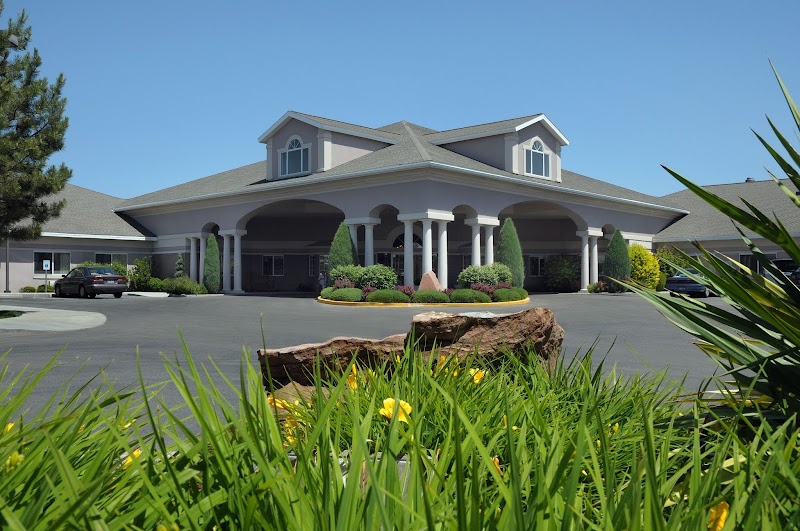
502 NORTH KIMBALL PLACE, BOISE, ID 83704 (208) 377-1900
For profit - Corporation 120 Beds LIFE CARE CENTERS OF AMERICA Data: November 2025
Trust Grade
65/100
#29 of 79 in ID
Last Inspection: June 2025

Inspected within the last 6 months. Data reflects current conditions.

Overview

Life Care Center of Treasure Valley in Boise, Idaho has a Trust Grade of C+, which means it is slightly above average but not outstanding. It ranks #29 out of 79 facilities in Idaho, placing it in the top half overall, and #5 out of 14 in Ada County, indicating only a few local options are better. Unfortunately, the facility's trend is worsening, with issues increasing from 8 in 2022 to 11 in 2025. Staffing is a strength, with a 4/5 rating and a turnover rate of 46%, which is slightly below the state average, suggesting that staff are relatively stable. On a positive note, there have been no fines, which is a good sign, but there are concerns regarding RN coverage being just average, and specific incidents such as a resident's pain being poorly managed and failures in maintaining residents' privacy highlight areas needing improvement.

Trust Score
C+
65/100
In Idaho
#29/79
Top 36%
Safety Record
Moderate
Needs review
Inspections
Getting Worse
8 → 11 violations
Staff Stability
⚠ Watch
46% turnover. Above average. Higher turnover means staff may not know residents' routines.
Penalties
✓ Good
No fines on record. Clean compliance history, better than most Idaho facilities.
Skilled Nurses
✓ Good
Each resident gets 46 minutes of Registered Nurse (RN) attention daily — more than average for Idaho. RNs are trained to catch health problems early.
Violations
⚠ Watch
30 deficiencies on record. Higher than average. Multiple issues found across inspections.
★★★★☆
4.0
Overall Rating
★★★★☆
4.0
Staff Levels
★★★★★
5.0
Care Quality
★★★☆☆
3.0
Inspection Score
Stable
2022: 8 issues
2025: 11 issues

The Good

  • 4-Star Staffing Rating · Above-average nurse staffing levels
  • 5-Star Quality Measures · Strong clinical quality outcomes
  • Full Sprinkler Coverage · Fire safety systems throughout facility
  • No fines on record

Facility shows strength in staffing levels, quality measures, fire safety.

The Bad

Staff Turnover: 46%

Near Idaho avg (46%)

Higher turnover may affect care consistency

Chain: LIFE CARE CENTERS OF AMERICA

Part of a multi-facility chain

Ask about local staffing decisions and management

The Ugly 30 deficiencies on record

1 actual harm
Jun 2025 11 deficiencies
CONCERN (D) 📢 Someone Reported This

A family member, employee, or ombudsman was alarmed enough to file a formal complaint

Potential for Harm - no one hurt, but risky conditions existed

Notification of Changes (Tag F0580)

Could have caused harm · This affected 1 resident

**NOTE- TERMS IN BRACKETS HAVE BEEN EDITED TO PROTECT CONFIDENTIALITY** Based on incident and accident log review, record review and interviews, it was determined the facility failed to ensure residen...

Read full inspector narrative →
**NOTE- TERMS IN BRACKETS HAVE BEEN EDITED TO PROTECT CONFIDENTIALITY** Based on incident and accident log review, record review and interviews, it was determined the facility failed to ensure resident representatives were notified following resident fall with injury. This was true to 1 of 4 residents (Resident #211) whose records were reviewed. This deficient practice created the potential for harm or adverse outcomes if the residents' representatives were not notified of resident injuries. Findings include: Resident #211 was admitted to the facility on [DATE], with multiple diagnoses including dementia and history of falls. On 6/23/25, reviewed documentation in the facility incident and accident log of a resident who fell with resulting injury to her elbow on 4/1/23, and resident representative had not been notified of the fall or injury. On 6/26/25 at 11:45 AM, the DON stated the facility failed to notify the family/POA of the resident's fall with injury.
CONCERN (D) 📢 Someone Reported This

A family member, employee, or ombudsman was alarmed enough to file a formal complaint

Potential for Harm - no one hurt, but risky conditions existed

Deficiency F0628 (Tag F0628)

Could have caused harm · This affected 1 resident

**NOTE- TERMS IN BRACKETS HAVE BEEN EDITED TO PROTECT CONFIDENTIALITY** Based on incident and accident log review, record review and interviews, it was determined the facility failed to ensure residen...

Read full inspector narrative →
**NOTE- TERMS IN BRACKETS HAVE BEEN EDITED TO PROTECT CONFIDENTIALITY** Based on incident and accident log review, record review and interviews, it was determined the facility failed to ensure resident specific discharge paperwork was provided to the hospital during transfer to the hospital. This was true for 1 of 2 residents (Resident #211) whose records were reviewed. This deficient practice had the potential for harm if resident required health information was not provided to the hospital. Findings include: Resident #211 was admitted to the facility on [DATE], with multiple diagnoses including dementia and history of falls. On 6/23/25, reviewed documentation in the facility incident and accident log of resident who fell on 4/1/23, with resulting nasal fracture, two black eyes, and a facial laceration and no documentation the facility sent resident required information (hospice) to the hospital during transfer. On 6/26/25 at 11:45 AM, the DON stated the facility failed to send resident information to the hospital when she was transported to the hospital.
CONCERN (D) 📢 Someone Reported This

A family member, employee, or ombudsman was alarmed enough to file a formal complaint

Potential for Harm - no one hurt, but risky conditions existed

PASARR Coordination (Tag F0644)

Could have caused harm · This affected 1 resident

**NOTE- TERMS IN BRACKETS HAVE BEEN EDITED TO PROTECT CONFIDENTIALITY** Based on record review, policy review, and staff interview, it was determined the facility failed to incorporate PASRR recommend...

Read full inspector narrative →
**NOTE- TERMS IN BRACKETS HAVE BEEN EDITED TO PROTECT CONFIDENTIALITY** Based on record review, policy review, and staff interview, it was determined the facility failed to incorporate PASRR recommendations in MDS assessment and care planning. This was true for 1 of 19 residents (Resident #32) reviewed for Level I and II PASRR evaluations. This deficient practice had the potential to cause harm if resident's specialized services for mental health needs were not incorporated in their care. Findings include: The facility's Pre-admission Screening and Resident Review (PASRR) policy dated 10/6/22, documented recommendations from PASRR Level II determination and PASRR evaluation report are to be incorporated into the person-centered care plan as well as in transitions of care. As part of the PASRR process, the facility is required to notify the appropriate state mental health authority or state intellectual disability authority when a resident with a mental disorder (MD) or intellectual disability (ID) has a significant change in their physical or mental condition. This will ensure that residents with a mental disorder or intellectual disability continue to receive the care and services they need in the most appropriate setting. Resident #32 was initially admitted to the facility on [DATE], and readmitted on [DATE], with multiple diagnoses including difficulty walking and depression. On 6/25/25, reviewed Resident #32's PASRR Level I and PASRR Level II dated 1/12/24 and 11/13/24, documented she had schizophrenia as a MMI however, schizophrenia is not listed in the resident's medical record, MDS's, or care plan. On 6/25/25, reviewed Resident #32's PASRR Level I dated 1/24/25 and 6/23/25, documented she had schizophrenia as a MMI however, schizophrenia is not listed in the resident's medical record, MDS's, or care plan. On 6/25/25 at 1:39 PM, the DON stated Resident #32's PASRR Level I and Level II should have been caught and corrected and an updated PASRRs Level I and II should have been requested.
CONCERN (D) 📢 Someone Reported This

A family member, employee, or ombudsman was alarmed enough to file a formal complaint

Potential for Harm - no one hurt, but risky conditions existed

Respiratory Care (Tag F0695)

Could have caused harm · This affected 1 resident

**NOTE- TERMS IN BRACKETS HAVE BEEN EDITED TO PROTECT CONFIDENTIALITY** Based on observation, record review, and staff interview, it was determined the facility failed to follow current physician oxyg...

Read full inspector narrative →
**NOTE- TERMS IN BRACKETS HAVE BEEN EDITED TO PROTECT CONFIDENTIALITY** Based on observation, record review, and staff interview, it was determined the facility failed to follow current physician oxygen orders. This was true for 1 of 19 residents (Resident #26) whose care plans were reviewed. This placed residents at risk of adverse outcomes if care and services had been provided that were not ordered by the physician. Findings include: Resident #26 was initially admitted to the facility on [DATE], and readmitted on [DATE], with multiple diagnoses including chronic respiratory failure with hypoxia (refers to the lungs' inability to adequately oxygenate the blood (hypoxia) over an extended period, typically due to underlying chronic lung conditions) and diabetes. Resident #26's physician's order dated 9/11/24, documented oxygen at 2 liters/minutes continuously via nasal cannula and obtain oxygen sats every shift. Resident #26's care plan documented oxygen settings via nasal prongs, liters per current MD/NP orders. Resident #26's TAR for the month of June 2025, documented oxygen saturations from a low of 90% to a high of 97% on oxygen at the prescribed liter flow. On 6/24/25 at 4:23 PM, observed Resident #26's oxygen liter flow set at 4 lpm. On 6/25/25 at 1:43 PM, the DON stated Resident #26's oxygen liter flow had been increased by the physician, but it had not been documented in the resident's chart and should have been.
CONCERN (D) 📢 Someone Reported This

A family member, employee, or ombudsman was alarmed enough to file a formal complaint

Potential for Harm - no one hurt, but risky conditions existed

Deficiency F0726 (Tag F0726)

Could have caused harm · This affected 1 resident

**NOTE- TERMS IN BRACKETS HAVE BEEN EDITED TO PROTECT CONFIDENTIALITY** Based on observation, record review, and staff interviews, it was determined the facility failed to ensure licensed nurses perfo...

Read full inspector narrative →
**NOTE- TERMS IN BRACKETS HAVE BEEN EDITED TO PROTECT CONFIDENTIALITY** Based on observation, record review, and staff interviews, it was determined the facility failed to ensure licensed nurses performed tasks which they had the knowledge, skills, and competencies. This was true for 7 of 28 licensed nurses. This had the potential for adverse effects to all residents when skin related issues were missed during assessments. Findings include: The facility's Skin Integrity and Pressure Ulcer/Injury Prevention policy dated 7/9/24, documented a skin assessment/inspection should be performed weekly by a nurse. Skin observations also occur throughout points of care provided by CNAs during ADL care (bathing, dressing, incontinent care, etc). Any changes or open areas are reported to the Nurse. CNAs will also report to the nurse if topical dressing is identified as soiled, saturated, or dislodged. Nurse will complete further inspection/assessment and provide treatment if needed. Resident #16 was admitted to the facility on [DATE], with multiple diagnoses including chronic heart failure and chronic kidney disease. A medical visit progress note dated 8/30/24, documented APRN visited Resident #16 to assess possible growth on right cheek. APRN documented no growth or pain present on right cheek. Staff continue to monitor for growth and notify provider if worsens. Resident #16's licensed nurse weekly skin assessments dated 9/8/24, 9/22/24, and 9/29/24 documented no skin alterations noted. Resident #16's verbal physician order dated 10/4/24, documented dermatology to evaluate and treat growth to right side of face. Resident #16's licensed nurse weekly skin assessments dated 10/6/24, documented no skin alterations noted. Resident #16's nurse's progress note dated 10/7/24, documented resident with large growth on right side of face that did not get documented on skin check. Resident #16's licensed nurse weekly skin assessment dated [DATE], documented has a growth to right cheek. On 6/25/25 at 2:45 PM, the DON stated the growth on the right side of Resident #16's cheek should have been caught, documented, and physician notified by licensed nursing staff and was not.
CONCERN (D) 📢 Someone Reported This

A family member, employee, or ombudsman was alarmed enough to file a formal complaint

Potential for Harm - no one hurt, but risky conditions existed

Deficiency F0728 (Tag F0728)

Could have caused harm · This affected 1 resident

Based on review of the staffing schedules, personnel files, and staff interviews, it was determined the facility failed to ensure full-time employees working as an NA were either in a State approved t...

Read full inspector narrative →
Based on review of the staffing schedules, personnel files, and staff interviews, it was determined the facility failed to ensure full-time employees working as an NA were either in a State approved training and competency evaluation program or had recently and successfully completed such a program. This was true for 3 of 12 NAs (NA #1, #2, and #3) whose personnel files were reviewed. This failure had the potential to result in negative outcomes for all residents living in the facility. Findings include: NA #1 was hired on 1/2/25 and had not obtained their CNA certification and was not enrolled in a CNA program as of 6/23/25. NA #2 was hired on 8/28/24 and had not obtained their CNA certification as of 6/23/25. NA #3 was hired on 4/3/24 and had not obtained their CNA certification as of 6/23/25. On 6/25/25 at 2:35 PM, the DON stated NA #1, #2, and #3 had not yet obtained their CNA certification and should have.
CONCERN (D) 📢 Someone Reported This

A family member, employee, or ombudsman was alarmed enough to file a formal complaint

Potential for Harm - no one hurt, but risky conditions existed

Pharmacy Services (Tag F0755)

Could have caused harm · This affected 1 resident

Based on record review and staff interview, it was determined the facility failed to ensure controlled medications were tracked and kept secure from potential theft and/or diversion. This was true for...

Read full inspector narrative →
Based on record review and staff interview, it was determined the facility failed to ensure controlled medications were tracked and kept secure from potential theft and/or diversion. This was true for 2 of 2 medication carts audited. This failure created the potential for undetected misuse and/or diversion of controlled medications and had the potential to affect all residents who received controlled medication in the facility. Findings include: On 6/24/25 at 9:08 AM, during 300-Wing medication cart audit, observed the narcotic accountability record dated 6/1/25 to 6/24/25, with 6 licensed nurse signatures not documented. On 6/24/25 at 11:12 AM, the DON stated two nurses should have signed the narcotic accountability record when they accepted the medication cart or released the medication cart. On 6/25/25 at 2:04 PM, during A-Wing medication cart audit, observed the narcotic accountability record dated 6/1/25 to 6/25/25, with 5 licensed nurse signatures not documented. On 6/25/25 at 2:05 PM, RN #1 stated two nurses should have signed the narcotic accountability record when they accepted the medication cart or released the medication cart. On 6/25/25 at 4:35 PM, the DON stated two nurses should have signed the narcotic accountability record when they accepted the medication cart or released the medication cart.
CONCERN (D) 📢 Someone Reported This

A family member, employee, or ombudsman was alarmed enough to file a formal complaint

Potential for Harm - no one hurt, but risky conditions existed

Deficiency F0761 (Tag F0761)

Could have caused harm · This affected 1 resident

**NOTE- TERMS IN BRACKETS HAVE BEEN EDITED TO PROTECT CONFIDENTIALITY** Based on observations, review of the State Operations Manual, and staff interviews it was determined the facility failed to ensu...

Read full inspector narrative →
**NOTE- TERMS IN BRACKETS HAVE BEEN EDITED TO PROTECT CONFIDENTIALITY** Based on observations, review of the State Operations Manual, and staff interviews it was determined the facility failed to ensure medications were stored and kept secure, and biologicals were labeled when opened. This was true for the facility. These deficient practices created the potential for theft and/or diversion and use of expired biologicals. Findings include: The State Operations Manual, Appendix PP, updated [DATE], Schedule II-V medications must be maintained in separately locked, permanently affixed compartments. 1. The following was observed for unlocked medication cart. On [DATE] at 9:17 AM, observed 300-Wing medication cart had been left unlocked and unattended by the medication nurse. On [DATE] at 9:20 AM, LPN #1 stated the medication cart should have been locked and had not been. On [DATE] at 3:10 PM, the DON stated the medication cart should have been locked when the medication nurse walks away from the cart. 2. The following was observed for controlled medications. On [DATE] at 2:10 PM, observed lorazepam (Schedule IV controlled medication) stored in a removable metal box on the medication refrigerator shelf. On [DATE] at 2:14 PM, RN #1 stated the removable metal box in the medication refrigerator contained narcotics and had not been affixed to the shelf. 3. The following was observed for biologicals. On [DATE] at 2:15 PM, observed one set of glucose test solutions without an opened date. On [DATE] at 4:31 PM, the DON stated glucose test solution bottles should be dated when opened and discarded after three months per manufacturer recommendation and were not.
CONCERN (D) 📢 Someone Reported This

A family member, employee, or ombudsman was alarmed enough to file a formal complaint

Potential for Harm - no one hurt, but risky conditions existed

Food Safety (Tag F0812)

Could have caused harm · This affected 1 resident

Based on observation, policy review, and staff interview, it was determined the facility failed to appropriately store, prepare, distribute, and serve food in accordance with professional standards fo...

Read full inspector narrative →
Based on observation, policy review, and staff interview, it was determined the facility failed to appropriately store, prepare, distribute, and serve food in accordance with professional standards for food service safety. This deficient practice had the potential to put residents who consume thickened liquids at risk for potential contamination and adverse health outcomes including contracting food-borne illnesses. Findings include: Facility policy, Resident Dining Services revised 4/29/25, documented the facility must store, prepare, distribute, and serve food in accordance with professional standards for food service safety. On 6/23/25 at 11:40 AM, during the initial tour of the kitchen, the following was observed with the Food Service Manager present: - In the dry storage room, were 8 cartons of Lemon-flavored thickened water with expiration dates of April 2025. On 6/23/25 at 11:42 AM, the Food Service Manager stated the Lemon-flavored thicken water was expired and should have been discarded.
CONCERN (D) 📢 Someone Reported This

A family member, employee, or ombudsman was alarmed enough to file a formal complaint

Potential for Harm - no one hurt, but risky conditions existed

Room Equipment (Tag F0908)

Could have caused harm · This affected 1 resident

Based on observation, interview, and users manual review, the facility failed to ensure patient care equipment was monitored to ensure it was in a safe operating condition. This was true for 1 of 3 wa...

Read full inspector narrative →
Based on observation, interview, and users manual review, the facility failed to ensure patient care equipment was monitored to ensure it was in a safe operating condition. This was true for 1 of 3 warming cabinets. This failed practice: 1) placed residents residing in the facility, at risk for adverse outcomes including skin burns 2) placed facility at risk for adverse outcomes in the event of malfunctioning equipment. Findings include: The Accucold PureTherm Warming Cabinet user manual listed a warning, to reduce the risk of fire, electric shock, or injury when using this appliance, follow these basic precautions . appliance is not meant to exceed a temperature of 140 degrees. On 6/24/25 at 2:52 PM, observed the 100-Hall towel warming cabinet with temperature reading of 148 degrees. On 6/24/25 at 4:05 PM, the DON stated warming cabinet should not exceed temperature of 140 degrees as per manufacturer's recommendation and the cabinet should not have been used.
CONCERN (E) 📢 Someone Reported This

A family member, employee, or ombudsman was alarmed enough to file a formal complaint

Potential for Harm - no one hurt, but risky conditions existed

Assessment Accuracy (Tag F0641)

Could have caused harm · This affected multiple residents

**NOTE- TERMS IN BRACKETS HAVE BEEN EDITED TO PROTECT CONFIDENTIALITY** Based on record review and staff interview, it was determined the facility failed to ensure the MDS assessment accurately reflec...

Read full inspector narrative →
**NOTE- TERMS IN BRACKETS HAVE BEEN EDITED TO PROTECT CONFIDENTIALITY** Based on record review and staff interview, it was determined the facility failed to ensure the MDS assessment accurately reflected resident's status. This was true for 5 of 19 residents (#4, #30, #34, #45, and #52) whose MDS assessments were reviewed. This deficient practice had the potential for negative outcomes if residents were not assessed and/or monitored due to inaccurate assessments. Findings include: 1. Resident #4 was admitted to the facility on [DATE], with a readmission on [DATE], with multiple diagnoses including congestive heart failure (heart does not pump blood as well as it should) and major depressive disorder. On 11/11/24, Resident #4's PASRR level I documented she had diagnoses of depressive disorders, bipolar disorder, and anxiety disorders. The PASRR level I was to be forwarded to BLTC for further screening. On 11/21/24, Resident #4's PASRR Level II, documented diagnoses of bipolar, anxiety, and depression. Resident #4's PASRR level II was to be sent for further evaluation by a mental health authority. On 11/22/24, the mental health authority documented Resident #4 had diagnoses of Bipolar I, depression, and anxiety. Resident #4's MDS dated [DATE], did not document in section A1500, the resident had been evaluated by a PASRR level II and determined to have a serious mental illness. 2. Resident #30 was admitted to the facility on [DATE], and readmission on [DATE], with multiple diagnoses including muscle weakness and bipolar disorder. On 7/30/24, Resident #30's PASRR level I documented she had diagnoses of depressive disorders, bipolar disorder, and PTSD. The PASRR level I was to be forwarded to BLTC for further screening. On 8/1/24, Resident #30's PASRR Level II, documented diagnoses of depressive disorder, bipolar, and PTSD. Resident #30's PASRR level II was to be sent for further evaluation by a mental health authority. On 8/2/24, the mental health authority documented Resident #30 had diagnoses of major depression, bipolar, and PTSD. Mental health stable on medications. Resident #30's MDS dated [DATE], did not document in section A1500, the resident had been evaluated by a PASRR level II and determined to have a serious mental illness. 3. Resident #34 was admitted to the facility on [DATE], with multiple diagnoses including Guillain-Barre Syndrome (a condition which the body's immune system attacks the nerves causing weakness, numbness, or paralysis), bipolar disorder, and a history of PTSD. On 1/9/19, Resident #34's Preadmission Screening and Resident Review (PASRR) level I documented she had a diagnosis of personality disorder, bipolar disorder, and suspected anxiety. The PASRR level I was to be forwarded to BLTC for further screening. On 1/11/19, Resident #34's PASRR level II, documented she meets nursing facility level of care, has multiple diagnoses with medications and a recent psychiatric evaluation. Resident #34 requires further evaluation by a mental health authority. On 1/11/19, the mental health authority documented Resident #34 had a diagnosis of bipolar disorder, personality disorder, and suspected situational depression being treated with medication. She appears stable and no further evaluation is needed. Resident #34's MDS's dated 5/3/22, 10/24/22, 7/18/23, 4/23/24, and 2/27/25, documented in section A1500, the resident had not been evaluated by a PASRR level II and determined to have a serious mental illness. 4. Resident #45 was admitted to the facility on [DATE], with multiple diagnoses including stroke, hypertension, and anxiety disorder. On 2/21/22, Resident #45's PASRR level I documented she had a diagnosis of bipolar disorder and suspected anxiety. The PASRR level I was to be forwarded to BLTC for further screening. On 2/22/22, Resident #45's PASRR level II, documented further evaluation by a mental health authority was required due to her diagnosis of bipolar, depression, and anxiety. On 2/24/22, the mental health authority documented Resident #45 had a diagnosis of bipolar disorder and anxiety. She was being treated with medication. She appeared stable and no further evaluation was needed. Resident #45's MDS's dated 1/5/23, 12/14/23, and 11/19/24, documented in section A1500, the resident had not been evaluated by PASRR level II and determined to have a serious mental illness. 5. Resident #52 was admitted to the facility on [DATE], with multiple diagnoses including esophageal obstruction (a blockage in the muscular tube that carries food from the throat to the stomach), malnutrition, and bipolar disorder. On 5/23/25, Resident #52's PASRR level I documented she had a diagnosis of bipolar disorder, and suspected anxiety. The PASRR level I was to be forwarded to BLTC for further screening. On 5/23/25, Resident #52's PASRR Level II, documented a diagnosis of bipolar, unspecified anxiety, and depression. Resident #52's PASRR level II was to be sent for further evaluation by a mental health authority. On 5/23/25, the mental health authority documented Resident #52 had a diagnosis of depression, anxiety, and bipolar disorder. Resident #52's MDS dated [DATE], documented in section A1500, the resident had not been evaluated by a PASRR level II and determined to have a serious mental illness. On 6/25/25, at 2:45 PM, the MDS Coordinator with the SSD and DON present, stated Residents #4, #30, #34, #45, and #52's MDS's, section A1500, should have been marked yes, the resident had been evaluated by a PASRR level II and determined to have a serious mental illness.
Mar 2022 8 deficiencies 1 Harm
SERIOUS (G)

Actual Harm - a resident was hurt due to facility failures

Deficiency F0697 (Tag F0697)

A resident was harmed · This affected 1 resident

**NOTE- TERMS IN BRACKETS HAVE BEEN EDITED TO PROTECT CONFIDENTIALITY** Based on record review, resident and staff interview, review of investigations and grievances, and policy review, it was determi...

Read full inspector narrative →
**NOTE- TERMS IN BRACKETS HAVE BEEN EDITED TO PROTECT CONFIDENTIALITY** Based on record review, resident and staff interview, review of investigations and grievances, and policy review, it was determined the facility failed to ensure a resident's pain was effectively managed and treated in a respectful manner. This was true for 1 of 6 residents (Resident #40) reviewed for pain management. Resident #40 was harmed when she felt publicly degraded when denied narcotic pain medication necessary to effectively manage her pain. Findings include: The facility's Pain Assessment and Management Policy, revised on 7/17/21, stated the purpose of the pain policy was to help residents attain or maintain their highest practicable level of well-being by proactively identifying, care planning, monitoring, and managing the resident's pain indicators. Based on record review, resident and staff interview, review of investigations, and policy review, it was determined the facility failed ensure a resident's pain was effectively managed and treated in a respectful manner. This was true for 1 of 6 residents (Resident #40) reviewed for pain management. Resident #40 was harmed when she felt publicly degraded when denied narcotic pain medication necessary to effectively manage her pain. Findings include: The facility's Pain Assessment and Management Policy, revised on 7/17/21, stated the purpose of the pain policy was to help residents attain or maintain their highest practicable level of well-being by proactively identifying, care planning, monitoring, and managing the resident's pain indicators. This policy was not followed. Resident #40 was admitted to the facility from a hospital on [DATE], following surgical repair of displaced bicondylar fractures of the right tibia (fracture of the medial and lateral surfaces of the shin bone that is difficult to repair). She also had diagnoses of depression and anxiety. Resident #40's Physician Orders, dated 11/10/21, included the following pain medications: * Tylenol (pain medication) 650 milligrams (mg) every four hours * Oxycodone (narcotic pain medication) 5 mg every four hours PRN * Tramadol (less potent narcotic pain medication than oxycodone) 50 mg every six hours PRN Resident #40's quarterly MDS assessment, dated 1/17/22, documented she had intact cognition, no behaviors, and received scheduled and PRN pain medication. A Pain Evaluation, dated 12/10/21, documented Resident #40's most recent pain level was 7 based on a pain scale of 0 to 10, with 0 being no pain and 10 being excruciating pain. The Pain Evaluation documented Resident #40's acceptable level of pain was 4. The Pain Evaluation documented Resident #40's sleep, physical activities, and emotions were affected by her pain level. The Pain Evaluation documented PRN oxycodone, tramadol, and cyclobenzaprine HCl (muscle relaxant medication) alleviated her pain. Resident #40's care plan, dated 2/1/22, documented Resident #40 had a history of depression and anxiety, pain/discomfort related to five tibial fractures, and peripheral neuropathy. Interventions included: assess for pain, anticipate the resident's need for pain relief and respond immediately to any complaint of pain. The care plan stated to provide Resident #40 pain medication as ordered, evaluate the effectiveness of the pain interventions, and to notify the physician if the interventions were unsuccessful. The care plan documented Resident #40 could tell staff what increased or alleviated her pain and staff were to allow her as much control and support as possible. Resident #40's Physician Order, dated 1/12/22, included oxycodone 5 mg twice a day PRN for pain. A progress note documented by the Nurse Practitioner, dated 1/28/22, documented, Resident #40 continued with oxycodone, tramadol, and cyclobenzaprine HCL 5 mg 3 times a day PRN. A Physician Order, dated 2/19/22, documented the addition of a Lidocaine patch 4% (local anesthetic medication), to apply to Resident #40's right lower extremity topically for pain PRN. The order stated the Lidocaine patch could be applied once daily. A follow-up Orthopedic Visit Note, dated 2/22/22, documented Resident #40 had hamstring (the three muscles that run along the back of the thigh from hip to just below the knee) irritation because of her surgery. The recommendation was to increase the frequency of oxycodone to every 4 to 6 hours for one to two weeks or until the hamstring exacerbation calmed down. Resident #40's Physician Order, dated 2/23/22, documented an increase of the oxycodone 5 mg to every six hours PRN for pain for 14 days and to hold the order for oxycodone 5 mg twice daily PRN for pain. On 2/28/22 at 9:52 AM, Resident #40 stated she had knee pain and did not get up until just before lunch on Sunday (2/27/22). She stated she went to the nurse's station and told LPN #5 she had a lot of pain in her leg and wanted an oxycodone. Resident #40 said LPN #5 did not ask her what her pain level was and told her she could not have oxycodone as the order was on hold. Resident #40 stated she tried to tell LPN #5 that when she saw the Orthopedic Surgeon the previous week, he told her the fracture was worse than they previously believed, and she had five fractures instead of four in her tibia. Resident #40 stated the surgeon had to cut the hamstring muscles to get to the fractured area, which was why she had a lot of pain in the leg. Resident #40 stated she was upset because she had very painful knee pain and LPN #5 would only give her a Lidocaine patch. Resident #40 stated her pain was at a ten and she returned to her room. Resident #40 stated LPN #5 did not offer her any oral pain medication and did not offer to call the physician. Resident #40 stated although her pain level decreased to a seven after the Lidocaine patch, she still had significant pain, which was not acceptable to her. Resident #40 stated she did not ask LPN #5 for further pain medication as she told her she had nothing else ordered. Resident #40 stated LPN #5 did not came back to ask if the Lidocaine patch helped her pain. Resident #40 stated on 2/27/22, after LPN #5 went home LPN #4 came in to talk to her and gave her an oxycodone. Resident #40 stated LPN #4 told her LPN #5 did not realize she had an order for oxycodone. The facility's investigation of Resident #40's concerns was initiated on 2/28/22. The investigation summary documented the Executive Director accessed the grievance box and found two grievances inside on 2/28/22 at 2:00 PM. The investigation included copies of separate grievances, dated 2/27/22, from Resident #40 and Family Member #1. An undated statement written by Resident #40 was provided by the Executive Director. Resident #40 documented she asked LPN #5 for pain medication and LPN #5 told her, no I can't give you one. When asked why, she abruptly told her You Know Why. Resident #40 was confused by her answer and very taken back by the way LPN #5 was treating her. Resident #40 tried to explain to LPN #5 why she was taking the pain medication and why the Orthopedic Surgeon prescribed the medicine for her. LPN #5 accused Resident #40 of going to two different physicians for prescriptions and that was why the oxycodone was put on hold. Resident #40 was confused and hurt in the manner she was being spoken to. Resident #40 informed LPN #5 she never went to two physicians asking for a prescription. LPN #5 told her she was only going by what she was told and what was written in her chart. Resident #40 documented she felt humiliated and very embarrassed by her treatment because it was said in an open area where other staff and residents were present. Resident #40 felt LPN #5 treated her unprofessionally and she felt degraded. The oncoming nurse (LPN #4) came to her room around 3:00 PM and explained that LPN #5 had misunderstood what was in her record. LPN #4 told her she showed LPN #5 where it was written in her record about having a current oxycodone order. Family Member #1's written statement attached to her grievance, documented on 2/27/22 she received a telephone call from Resident #40. Family Member #1 called and spoke to LPN #5, who told her Resident #40's pain medication was suspended for 14 days because Resident #40 had two different prescriptions. LPN #5 told her only the physician on staff could prescribe medication for Resident #40. Family Member #1 came to the facility and spoke to LPN #4, who told her there was a misunderstanding of what was in Resident #40's record and Resident #40 was able to receive oxycodone pain medication. The statement documented Resident #40 had numbness and discoloration in three toes and she had taken Resident #40 for an appointment with the Physician Assistant (PA) to have an X-ray, which was negative for fractures. There was no discussion of medications, however, the PA recommended Resident #40 have an evaluation with the orthopedic surgeon regarding her concerns. During that appointment, the surgeon told them he had cut Resident #40's hamstring in half during surgery, which would be painful, and the surgeon increased her pain medication for two weeks to aid in the pain and healing of the inflamed hamstring. An undated written statement by LPN #5 stated the night shift nurse (LPN #6) told her Resident #40's oxycodone was on hold, and she did not check the order after getting report. At 1:00 PM, Resident #40 requested pain medication. LPN #5 told Resident #40 I can give you a lidocaine patch but that is it. When Resident #40 asked why she could not have the oxycodone, LPN #5 told her the oxycodone was on hold. Resident #40 told her that she had been to an appointment, her knee was worse, and the pain was bad. LPN #5 put the Lidocaine patch on Resident #40 and Resident #40 went to her room. A written statement by LPN #6, dated 3/2/22, documented he was aware one of Resident #40's oxycodone orders was on hold and she had a newer order for PRN oxycodone every 6 hours, which he believed he gave to Resident #40 during the night. The statement documented he did not remember telling LPN #5 Resident #40's oxycodone order was on hold. During an interview on 3/3/22 at 1:49 PM, CNA #8 stated she heard Resident #40 ask LPN #5 for narcotic pain medication. CNA#8 stated she heard LPN #5 tell Resident #40 that she knew why she could not get the narcotic pain medication. CNA #8 stated approximately 15 minutes later, Resident #40 came out to the nurse's station upset and crying and yelled LPN #5 was accusing her [of drug seeking]. During an interview on 3/3/22 at 2:45 PM, CNA #9 stated on 2/27/22 between 12:00 PM and 1:00 PM, she heard Resident #40 tell LPN #5 she still had a lot of pain, did not know why the pain medication was on hold and wanted the pain medication. CNA #9 stated LPN #5 told Resident #40 the reason the oxycodone was on hold was because Resident #40 went to two different physicians for the pain medication. CNA #9 said Resident #40 was upset. CNA #9 said Resident #40 was observed making a phone call. After the phone call Resident #40 came out to the nurse's station again and yelled she 'was not like that' [drug seeking] and was in a lot of pain. CNA #9 said Resident #40 cried at the nurse's station and went back to her room. LPN #5 told her Resident #40 had all the pain medication she could have at that time. A progress note, dated 2/27/22 at 3:34 PM, documented it was reported to LPN #4 Resident #40 was upset because of some confusion in the MAR regarding her PRN narcotic medication on the prior shift. Resident #40 reported that she was still in a lot of pain and LPN #4 gave her the PRN oxycodone. A written statement from LPN #4, dated 3/2/22, documented LPN #5 told her Resident #40 was upset because she could not have an oxycodone as the order was on hold. LPN #4 told LPN #5 although one oxycodone order was on hold, Resident #40 had another order for oxycodone 5 mg every 6 hours, which she showed to LPN #5. Resident #40's MAR, dated 2/27/22, documented she received her scheduled pain medications during the day shift and a PRN Lidocaine patch at 12:38 PM. The MAR did not document the level of pain Resident #40 had prior to or after the administration of the Lidocaine patch. The MAR did not include documentation the PRN pain medications were offered or given to Resident #40 (PRN tramadol, oxycodone, or cyclobenzaprine). Resident #40's MAR, dated 2/27/22, documented she received oxycodone 5 mg at 3:02 PM for a pain level of 7, 2 hours and 24 minutes after the Lidocaine patch was applied. A progress note, dated 2/27/22 at 4:48 PM, documented Resident #40 had a follow-up pain level of 4 and the oxycodone pain medication was effective. During an interview on 3/3/22 at 2:31 PM and 3:40 PM, the Administrator said Resident #40 and Family Member #1 both filed grievances related to LPN #5's communication with Resident #40 regarding her pain concerns. The Administrator stated he and the Regional Director of Clinical Services completed an investigation regarding Resident #40's concerns. The Administrator stated LPN #5 did not check the Physician Orders to determine what other pain medication orders Resident #40 had or contact the physician regarding Resident #40's pain. The Administrator stated LPN #5 did not document her assessment of Resident #40's pain level prior to and after the Lidocaine patch was administered. The Administrator confirmed although LPN #5 gave Resident #40 a PRN Lidocaine patch, Resident#40 requested PRN oxycodone, had an order for PRN oxycodone, and did not receive the oxycodone until the oncoming nurse came in a few hours later. This policy was not followed. Resident #40 was admitted to the facility from a hospital on [DATE], following surgical repair of displaced bicondylar fractures of the right tibia (fracture of the medial and lateral surfaces of the shin bone that is difficult to repair). She also had diagnoses of depression and anxiety. Resident #40's Physician Orders, dated 11/10/21, included the following pain medications: * Tylenol (pain medication) 650 milligrams (mg) every four hours * Oxycodone (narcotic pain medication) 5 mg every four hours PRN * Tramadol (less potent narcotic pain medication than oxycodone) 50 mg every six hours PRN Resident #40's quarterly MDS assessment, dated 1/17/22, documented she had intact cognition, no behaviors, and received scheduled and PRN pain medication. A Pain Evaluation, dated 12/10/21, documented Resident #40's most recent pain level was 7 based on a pain scale of 0 to 10, with 0 being no pain and 10 being excruciating pain. The Pain Evaluation documented Resident #40's acceptable level of pain was 4. The Pain Evaluation documented Resident #40's sleep, physical activities, and emotions were affected by her pain level. The Pain Evaluation documented PRN oxycodone, tramadol, and cyclobenzaprine HCl (muscle relaxant medication) alleviated her pain. Resident #40's care plan, dated 2/1/22, documented Resident #40 had a history of depression and anxiety, pain/discomfort related to five tibial fractures, and peripheral neuropathy. Interventions included: assess for pain, anticipate the resident's need for pain relief and respond immediately to any complaint of pain. The care plan stated to provide Resident #40 pain medication as ordered, evaluate the effectiveness of the pain interventions, and to notify the physician if the interventions were unsuccessful. The care plan documented Resident #40 could tell staff what increased or alleviated her pain and staff were to allow her as much control and support as possible. Resident #40's Physician Order, dated 1/12/22, included oxycodone 5 mg twice a day PRN for pain. A progress note documented by the Nurse Practitioner, dated 1/28/22, documented, Resident #40 continued with oxycodone, tramadol, and cyclobenzaprine HCL 5 mg 3 times a day PRN. A Physician Order, dated 2/19/22, documented the addition of a Lidocaine patch 4% (local anesthetic medication), to apply to Resident #40's right lower extremity topically for pain PRN. The order stated the Lidocaine patch could be applied once daily. A follow-up Orthopedic Visit Note, dated 2/22/22, documented Resident #40 had hamstring (the three muscles that run along the back of the thigh from hip to just below the knee) irritation because of her surgery. The recommendation was to increase the frequency of oxycodone to every 4 to 6 hours for one to two weeks or until the hamstring exacerbation calmed down. Resident #40's Physician Order, dated 2/23/22, documented an increase of the oxycodone 5 mg to every six hours PRN for pain for 14 days and to hold the order for oxycodone 5 mg twice daily PRN for pain. On 2/28/22 at 9:52 AM, Resident #40 stated she had knee pain and did not get up until just before lunch on Sunday (2/27/22). She stated she went to the nurse's station and told LPN #5 she had a lot of pain in her leg and wanted an oxycodone. Resident #40 said LPN #5 did not ask her what her pain level was and told her she could not have oxycodone as the order was on hold. Resident #40 stated she tried to tell LPN #5 that when she saw the Orthopedic Surgeon the previous week, he told her the fracture was worse than they previously believed, and she had five fractures instead of four in her tibia. Resident #40 stated the surgeon had to cut the hamstring muscles to get to the fractured area, which was why she had a lot of pain in the leg. Resident #40 stated she was upset because she had very painful knee pain and LPN #5 would only give her a Lidocaine patch. Resident #40 stated her pain was at a ten and she returned to her room. Resident #40 stated LPN #5 did not offer her any oral pain medication and did not offer to call the physician. Resident #40 stated although her pain level decreased to a seven after the Lidocaine patch, she still had significant pain, which was not acceptable to her. Resident #40 stated she did not ask LPN #5 for further pain medication as she told her she had nothing else ordered. Resident #40 stated LPN #5 did not came back to ask if the Lidocaine patch helped her pain. Resident #40 stated on 2/27/22, after LPN #5 went home LPN #4 came in to talk to her and gave her an oxycodone. Resident #40 stated LPN #4 told her LPN #5 did not realize she had an order for oxycodone. The facility's investigation of Resident #40's concerns was initiated on 2/28/22. The investigation summary documented the Executive Director accessed the grievance box and found two grievances inside on 2/28/22 at 2:00 PM. The investigation included copies of separate grievances, dated 2/27/22, from Resident #40 and Family Member #1. An undated statement written by Resident #40 was provided by the Executive Director. Resident #40 documented she asked LPN #5 for pain medication and LPN #5 told her, no I can't give you one. When asked why, she abruptly told her You Know Why. Resident #40 was confused by her answer and very taken back by the way LPN #5 was treating her. Resident #40 tried to explain to LPN #5 why she was taking the pain medication and why the Orthopedic Surgeon prescribed the medicine for her. LPN #5 accused Resident #40 of going to two different physicians for prescriptions and that was why the oxycodone was put on hold. Resident #40 was confused and hurt in the manner she was being spoken to. Resident #40 informed LPN #5 she never went to two physicians asking for a prescription. LPN #5 told her she was only going by what she was told and what was written in her chart. Resident #40 documented she felt humiliated and very embarrassed by her treatment because it was said in an open area where other staff and residents were present. Resident #40 felt LPN #5 treated her unprofessionally and she felt degraded. The oncoming nurse (LPN #4) came to her room around 3:00 PM and explained that LPN #5 had misunderstood what was in her record. LPN #4 told her she showed LPN #5 where it was written in her record about having a current oxycodone order. Family Member #1's written statement attached to her grievance, documented on 2/27/22 she received a telephone call from Resident #40. Family Member #1 called and spoke to LPN #5, who told her Resident #40's pain medication was suspended for 14 days because Resident #40 had two different prescriptions. LPN #5 told her only the physician on staff could prescribe medication for Resident #40. Family Member #1 came to the facility and spoke to LPN #4, who told her there was a misunderstanding of what was in Resident #40's record and Resident #40 was able to receive oxycodone pain medication. The statement documented Resident #40 had numbness and discoloration in three toes and she had taken Resident #40 for an appointment with the Physician Assistant (PA) to have an X-ray, which was negative for fractures. There was no discussion of medications, however, the PA recommended Resident #40 have an evaluation with the orthopedic surgeon regarding her concerns. During that appointment, the surgeon told them he had cut Resident #40's hamstring in half during surgery, which would be painful, and the surgeon increased her pain medication for two weeks to aid in the pain and healing of the inflamed hamstring. An undated written statement by LPN #5 stated the night shift nurse (LPN #6) told her Resident #40's oxycodone was on hold, and she did not check the order after getting report. At 1:00 PM, Resident #40 requested pain medication. LPN #5 told Resident #40 I can give you a lidocaine patch but that is it. When Resident #40 asked why she could not have the oxycodone, LPN #5 told her the oxycodone was on hold. Resident #40 told her that she had been to an appointment, her knee was worse, and the pain was bad. LPN #5 put the Lidocaine patch on Resident #40 and Resident #40 went to her room. A written statement by LPN #6, dated 3/2/22, documented he was aware one of Resident #40's oxycodone orders was on hold and she had a newer order for PRN oxycodone every 6 hours, which he believed he gave to Resident #40 during the night. The statement documented he did not remember telling LPN #5 Resident #40's oxycodone order was on hold. During an interview on 3/3/22 at 1:49 PM, CNA #8 stated she heard Resident #40 ask LPN #5 for narcotic pain medication. CNA#8 stated she heard LPN #5 tell Resident #40 that she knew why she could not get the narcotic pain medication. CNA #8 stated approximately 15 minutes later, Resident #40 came out to the nurse's station upset and crying and yelled LPN #5 was accusing her [of drug seeking]. During an interview on 3/3/22 at 2:45 PM, CNA #9 stated on 2/27/22 between 12:00 PM and 1:00 PM, she heard Resident #40 tell LPN #5 she still had a lot of pain, did not know why the pain medication was on hold and wanted the pain medication. CNA #9 stated LPN #5 told Resident #40 the reason the oxycodone was on hold was because Resident #40 went to two different physicians for the pain medication. CNA #9 said Resident #40 was upset. CNA #9 said Resident #40 was observed making a phone call. After the phone call Resident #40 came out to the nurse's station again and yelled she 'was not like that' [drug seeking] and was in a lot of pain. CNA #9 said Resident #40 cried at the nurse's station and went back to her room. LPN #5 told her Resident #40 had all the pain medication she could have at that time. A progress note, dated 2/27/22 at 3:34 PM, documented it was reported to LPN #4 Resident #40 was upset because of some confusion in the MAR regarding her PRN narcotic medication on the prior shift. Resident #40 reported that she was still in a lot of pain and LPN #4 gave her the PRN oxycodone. A written statement from LPN #4, dated 3/2/22, documented LPN #5 told her Resident #40 was upset because she could not have an oxycodone as the order was on hold. LPN #4 told LPN #5 although one oxycodone order was on hold, Resident #40 had another order for oxycodone 5 mg every 6 hours, which she showed to LPN #5. Resident #40's MAR, dated 2/27/22, documented she received her scheduled pain medications during the day shift and a PRN Lidocaine patch at 12:38 PM. The MAR did not document the level of pain Resident #40 had prior to or after the administration of the Lidocaine patch. The MAR did not include documentation the PRN pain medications were offered or given to Resident #40 (PRN tramadol, oxycodone, or cyclobenzaprine). Resident #40's MAR, dated 2/27/22, documented she received oxycodone 5 mg at 3:02 PM for a pain level of 7, 2 hours and 24 minutes after the Lidocaine patch was applied. A progress note, dated 2/27/22 at 4:48 PM, documented Resident #40 had a follow-up pain level of 4 and the oxycodone pain medication was effective. During an interview on 3/3/22 at 2:31 PM and 3:40 PM, the Administrator said Resident #40 and Family Member #1 both filed grievances related to LPN #5's communication with Resident #40 regarding her pain concerns. The Administrator stated he and the Regional Director of Clinical Services completed an investigation regarding Resident #40's concerns. The Administrator stated LPN #5 did not check the Physician Orders to determine what other pain medication orders Resident #40 had or contact the physician regarding Resident #40's pain. The Administrator stated LPN #5 did not document her assessment of Resident #40's pain level prior to and after the Lidocaine patch was administered. The Administrator confirmed although LPN #5 gave Resident #40 a PRN Lidocaine patch, Resident#40 requested PRN oxycodone, had an order for PRN oxycodone, and did not receive the oxycodone until the oncoming nurse came in a few hours later.
CONCERN (D)

Potential for Harm - no one hurt, but risky conditions existed

Resident Rights (Tag F0550)

Could have caused harm · This affected 1 resident

**NOTE- TERMS IN BRACKETS HAVE BEEN EDITED TO PROTECT CONFIDENTIALITY** Based on observation, resident and staff interview, policy review, and record review, it was determined the facility failed to e...

Read full inspector narrative →
**NOTE- TERMS IN BRACKETS HAVE BEEN EDITED TO PROTECT CONFIDENTIALITY** Based on observation, resident and staff interview, policy review, and record review, it was determined the facility failed to ensure residents were treated with dignity and respect. This was true for 2 of 28 residents (#7 and #56), reviewed for respect and dignity. This deficient practice placed residents at risk of skin breakdown, diminished sense of self-worth, and lack of sleep. Findings include: The facility's policy titled Dignity, revised 8/30/21, documented each resident must be treated with respect and dignity and cared for in a manner and in an environment that promoted maintenance or enhancement of his or her quality of life. 1. Resident #7 was admitted to the facility on [DATE], with multiple diagnoses including congestive heart failure (weakness of the heart leading to a buildup of fluid in the lungs and body tissue). Resident #7's annual MDS assessment, dated 12/6/21, documented she was cognitively intact, required one person's extensive assistance for bed mobility, toileting, and personal hygiene, and was frequently incontinent of urine. On 2/28/22 at 10:51 AM, Resident #7 said some night shift CNAs did not knock on the door before entering her room. Resident #7 said some CNAs turned on the bright light in her room at night when she was asleep without asking permission and said, we need to check on you. Resident #7 said at night CNA #4 never wiped her after changing her brief and before putting on a new one. Resident #7 said she had talked to the social service staff about her plan to stop drinking fluid after 5:00 PM each day, so she would not urinate at night. The social service staff told her it was her right to drink water and asked her if she wanted to switch the CNAs who provided care for her. Resident #7 said she told the social service staff she did not. On 3/3/22 at 8:39 AM, when asked, the Staffing Coordinator said she had worked with CNA #4 and provided CNA #4 one-on-one in-person educational training regarding Resident #7's concerns. The Staffing Coordinator said she expected all the staff to knock on residents' doors before entering and use the dimmed light at night when entering residents' rooms. 2. Resident #56 was admitted to the facility on [DATE], with multiple diagnoses including unspecified lack of expected normal physiological development in childhood (developmental delay), essential hypertension (high blood pressure), and chronic kidney disease stage 3. Resident #56's Quarterly MDS review, dated 2/14/22, documented he was moderately cognitively impaired. Resident #56's Care Plan for ADLs, updated 7/5/21, documented he had a suprapubic catheter (a hollow flexible tube used to drain urine from the bladder, inserted into the bladder through a cut in the stomach). On 3/1/22 at 11:00 AM, 3/2/22 at 2:30 PM, and 3/3/22 at 3:45 PM, Resident #56 was observed sitting in his wheelchair in the hallway and public areas with his urinary catheter drainage bag uncovered. The catheter bag could be easily seen by anyone who encountered Resident #56. On 3/3/22 at 3:46 PM, LPN #3 stated Resident #56's catheter bag should have a privacy cover. LPN #3 assisted Resident #56 to his room so his catheter bag could be covered and properly secured.
CONCERN (D)

Potential for Harm - no one hurt, but risky conditions existed

Deficiency F0625 (Tag F0625)

Could have caused harm · This affected 1 resident

**NOTE- TERMS IN BRACKETS HAVE BEEN EDITED TO PROTECT CONFIDENTIALITY** Based on record review, policy review, and staff interview, it was determined the facility failed to ensure a bed-hold notice wa...

Read full inspector narrative →
**NOTE- TERMS IN BRACKETS HAVE BEEN EDITED TO PROTECT CONFIDENTIALITY** Based on record review, policy review, and staff interview, it was determined the facility failed to ensure a bed-hold notice was provided to a resident or their representative when they were transferred to the hospital. This was true for 1 of 2 residents (Resident #34) reviewed for transfers. This deficient practice created the potential for harm if the resident or his representative was not informed of the right to return to his former bed/room at the facility within a specified time. Findings include: The facility's policy for Bed-Hold/Reservation of Room, revised 8/7/21, documented at the time of admission, transfer or therapeutic leave, the facility would provide written information to the resident or resident representative that specified: * The duration of the State bed-hold policy, if any, during which a resident was permitted to return and resume residence. * The reserve bed payment policy in the State plan. * The facility's policies regarding bed-hold periods permitting a resident to return. This policy was not followed: Resident #34 was admitted to the facility on [DATE], and readmitted to the facility on [DATE], with multiple diagnoses including end stage renal disease (kidney failure), congestive heart failure (a chronic condition in which the heart does not pump blood as well as it should) and type 2 diabetes mellitus. Resident #34's record documented he was sent to the hospital on 1/1/22 when he was found barely responsive by nursing staff. Resident #34 returned to the facility on 1/5/22, after he was treated for a UTI (a urinary tract infection) and encephalopathy (a brain disease that alters brain function or structure). Resident #34's record did not include documentation the facility provided him or his representative with a bed-hold notification when he was transferred to the hospital. On 3/3/22 at 4:31 PM, the RDCS stated Resident #34 or his representative were not provided with a bed-hold notice when he was transferred to the hospital. The RDCS stated Resident #34 or his representative should have been provided with a bed-hold notification. The facility failed to ensure a bed-hold notice was provided to a resident or their representative when they were transferred to the hospital.
CONCERN (D)

Potential for Harm - no one hurt, but risky conditions existed

Deficiency F0657 (Tag F0657)

Could have caused harm · This affected 1 resident

**NOTE- TERMS IN BRACKETS HAVE BEEN EDITED TO PROTECT CONFIDENTIALITY** Based on observation, record review, policy review, I&A reports, and staff interview, it was determined the facility failed to e...

Read full inspector narrative →
**NOTE- TERMS IN BRACKETS HAVE BEEN EDITED TO PROTECT CONFIDENTIALITY** Based on observation, record review, policy review, I&A reports, and staff interview, it was determined the facility failed to ensure a resident's care plan was reviewed and revised to reflect the use of a regular pressure-reducing mattress. This was true for 1 of 26 residents (Resident #26) reviewed for care plan revisions. This created the potential for harm if care was not provided or decisions were made based on inaccurate care plan information. Findings include: The facility's Comprehensive Care Plan Revisions policy, revised 5/10/21, stated when changes occurred, the facility reviewed and updated the care plan to reflect the changes to care delivery. This policy was not followed: Resident #26 was admitted to the facility on [DATE], with multiple diagnoses including multiple sclerosis (a nervous system disease that affects the brain and spinal cord). An I&A report, dated 2/2/22 at 9:00 PM, documented Resident #26 fell out of bed. The report documented the immediate action taken by the care staff was to place a fall mat next to the bed and to remove Resident #26's air mattress the following day. An I&A follow-up progress note, dated 2/3/22, documented the facility discontinued Resident #26's air mattress and replaced it with a regular pressure-reducing mattress. Resident #26's care plan for alteration in comfort, initiated on 2/3/22, documented the Trial of [sic] airbed was a fail [sic] for resident, the risk of the airbed outweighs the benefit. The care plan documented the air mattress was discontinued and was replaced with a pressure-reducing mattress on 2/3/22. Resident #26's care plan, reviewed by the facility on 3/2/22, documented the following interventions related to the use of an air mattress: * Under the fall risk section of the care plan, an intervention stated to adjust Resident #26's hi/low bed with an air mattress. * Under the pressure ulcer section of the care plan, an intervention stated Resident #26 was to use an air mattress [on his bed]. On 2/28/22 at 9:51 AM, Resident #26 was observed sitting on his bed and no air mattress was present. On 3/1/22 at 3:25 PM, Resident #26 was observed lying on his bed and no air mattress was present. Resident #26's care plan for fall risk and pressure ulcers was not revised to reflect the use of a regular-pressure reducing mattress. On 3/3/22 at 3:52 PM, the RDCS stated the facility had not revised Resident #26's care plan. The RDCS stated the use of an air mattress in Resident #26's care plan should have been removed. The facility failed to ensure a Resident #26's care plan was reviewed and revised to reflect the use of a regular pressure-reducing mattress.
CONCERN (D)

Potential for Harm - no one hurt, but risky conditions existed

Quality of Care (Tag F0684)

Could have caused harm · This affected 1 resident

**NOTE- TERMS IN BRACKETS HAVE BEEN EDITED TO PROTECT CONFIDENTIALITY** Based on observation, record review, policy review, and staff interview, it was determined the facility failed to follow physici...

Read full inspector narrative →
**NOTE- TERMS IN BRACKETS HAVE BEEN EDITED TO PROTECT CONFIDENTIALITY** Based on observation, record review, policy review, and staff interview, it was determined the facility failed to follow physician orders for 1 of 1 resident (Resident #168) reviewed for topical medication administration. This resulted in the potential for harm if residents did not receive medications as ordered. Findings include: The facility's Incident and Reportable Events Management policy, dated 7/19/21, described an event as a medication discrepancy and directed staff to assess the resident, create an event note, and notify the physician, the resident/resident representative, and a supervisor. This policy was not followed. Resident #168 was admitted to the facility on [DATE], with multiple diagnoses including diabetes, pain, and left lower leg amputation. Resident #168's MAR documented a physician order for a Lidocaine patch (a topical pain medication) to be placed on Resident #168 in the morning and to remove it in the evening. The MAR documented the nurse removed the patch on the evening of 2/28/22 On 3/2/22 at 8:28 AM, Resident #168 was observed with LPN #1 during medication administration. A Lidocaine patch with the date of 3/1/22 marked on it, was located on the right side of Resident #168's abdomen. The patch was not removed the evening of 3/1/22 as ordered by the physician. LPN #1 stated the Lidocaine patch was present on previous mornings and she removed the dated patch and placed a new one. LPN #1 stated she did not report the medication error. On 3/2/22 at 10:00 AM, RN #1 stated not removing the Lidocaine patch as ordered was a medication error. RN #1 stated she was the night shift nurse on 2/28/22. RN #1 stated she was not aware the evening shift nurse did not remove the Lidocaine patch. The facility failed to follow physician orders for Resident #168.
CONCERN (D)

Potential for Harm - no one hurt, but risky conditions existed

Respiratory Care (Tag F0695)

Could have caused harm · This affected 1 resident

**NOTE- TERMS IN BRACKETS HAVE BEEN EDITED TO PROTECT CONFIDENTIALITY** Based on observation, record review, and staff interview, it was determined the facility failed to follow physician orders for t...

Read full inspector narrative →
**NOTE- TERMS IN BRACKETS HAVE BEEN EDITED TO PROTECT CONFIDENTIALITY** Based on observation, record review, and staff interview, it was determined the facility failed to follow physician orders for the maintenance of supplemental oxygen for 1 of 1 resident (Resident #2) reviewed for supplemental oxygen use. This placed Resident #2 at risk for respiratory infections when the supplemental oxygen tubing and humidifier bottle were not changed. Findings include: Resident #2 was admitted to the facility on [DATE], with multiple diagnoses including dementia and a cerebral vascular accident (a stroke). Resident #2's annual MDS assessment, dated 11/30/21, stated Resident #2 was unable to make wants and needs known and depended on one to two staff for all activities of daily living. On 3/3/22 at 8:47 AM, Resident #2 was observed using supplemental oxygen. The humidifier bottle, which was attached to the oxygen concentrator with supplemental oxygen flowing through it, had black writing on the humidifier bottle with the date of 2/15/22. The concentrator's filter was covered with gray debris that 'balled up' as you rubbed a finger over the filter, indicating a heavy buildup of debris. Resident #2's current Treatment Administration Record documented an order for the nurse to Change oxygen tubing, oxyears [a type of oxygen tubing] humidifier water and change or clean filter every night shift every Wed [Wednesday]. On 3/3/22 at 8:47 AM, LPN #1 stated the supplemental oxygen tubing and humidifier was dated 2/15/22, indicating the tubing and humidifier bottle were not changed on 2/23/22. LPN #1 stated the oxygen tubing and the humidifier bottle were to be changed weekly. The facility failed to follow physician orders for the maintenance of supplemental oxygen for Resident #2.
CONCERN (E)

Potential for Harm - no one hurt, but risky conditions existed

Deficiency F0583 (Tag F0583)

Could have caused harm · This affected multiple residents

**NOTE- TERMS IN BRACKETS HAVE BEEN EDITED TO PROTECT CONFIDENTIALITY** Based on observation, resident and staff interview, policy review, and record review, it was determined the facility failed to e...

Read full inspector narrative →
**NOTE- TERMS IN BRACKETS HAVE BEEN EDITED TO PROTECT CONFIDENTIALITY** Based on observation, resident and staff interview, policy review, and record review, it was determined the facility failed to ensure a) residents' personal information was communicated in a way that protected the confidentiality of the information and the dignity of the residents, and b) residents' physical privacy was maintained during care and services. This was true for 3 of 28 residents (#7, #27, and #52) reviewed for privacy and confidentiality. These deficient practices placed residents at risk psychosocial harm due to embarrassment and loss of control over their personal information and physical privacy. Findings include: 1. The facility's Perineal Care of the Female Patient policy, revised on 11/19/21, documented the staff were to provide privacy during perineal care to minimize the resident's exposure and embarrassment, drape the resident with a bath blanket, sheet, or towel, exposing only the perineum (area between the genitals and the anus). This policy was not followed. a. Resident #52 was admitted to the facility on [DATE], with multiple diagnoses including malignant neoplasm (cancer) of the nasal cavities, middle ear, and accessory sinuses, atrial fibrillation (irregular heartbeat), and protein-calorie malnutrition (not consuming enough protein and calories, which can lead to muscle loss, fat loss, and your body not working as it usually would). Resident #52's Quarterly MDS review, dated 2/3/22, documented she was mildly cognitively impaired. Resident #52's Care Plan for ADLs, updated 1/6/21, documented she was frequently incontinent and required incontinent care with the assistance of one staff member. On 3/2/22 at 5:03 AM, the door to Resident #52's room was observed to be opened by a nurse and Resident #52 was observed from the hallway lying in her bed, receiving peri care. Resident #52 was undressed from the waist down and the privacy curtain was not pulled closed, which left Resident #52 visible from the hallway when the door was opened. On 3/2/22 at 5:10 AM, CNA #4 was observed exiting Resident #52's room. CNA #4 was asked if she pulled the privacy curtain in Resident #52's room. CNA #4 stated she pulled the privacy curtain between the Resident #52 and her roommate, but she did not pull the privacy curtain between the door and Resident #52's bed. CNA #4 stated the door was closed and provided privacy. CNA #4 stated pulling the privacy curtain with the door closed would create a double barrier and was not necessary. On 3/3/22 at 8:45 AM, the Staffing Coordinator stated resident privacy was important and all privacy curtains should be pulled when residents received personal cares. b. Resident #27's admission Record documented an admission date of 4/29/21, with a diagnosis of dementia. Resident #27's quarterly MDS assessment, dated 1/1/22, documented Resident #27 had impaired cognition, was incontinent of bowel and bladder, and staff provided personal care. On 3/2/22 at 4:30 AM, a surveyor knocked on the door of Resident #27's room. There was no response and the surveyor knocked on the door again, opened the door a crack, announced herself, and went into the room. Resident #27 was awake and lying in bed with her covers pulled down to her feet, her brief and bare legs were exposed, and a gown was covering her upper torso. The curtain between Resident #27 and her roommate (Resident #61) was not closed. Resident #61 was awake, watching television, and able to see Resident #27 in her bed with her brief visible. CNA #3 was present. On 3/2/22 at 4:41 AM, CNA #3 stated she was going to provide personal care to Resident #27 as she was incontinent of bowel and bladder. CNA #3 stated she obtained her supplies and pulled the blanket down to Resident #27's feet to complete incontinence care. CNA #3 confirmed she did not close the privacy curtain between the two residents' beds and Resident #61 was able to view Resident #27's brief and bare legs. CNA #3 closed the privacy curtain before beginning personal care. During an interview on 3/3/22 at 1:55 PM, the Unit Manager (LPN #2), stated privacy curtains were to be pulled during personal care to ensure a resident's privacy and dignity. 3. Resident #7 was admitted to the facility on [DATE], with multiple diagnoses including congestive heart failure (weakness of the heart leading to a buildup of fluid in the lungs and body tissue). Resident #7's annual MDS assessment, dated 12/6/21, documented she was cognitively intact, required one person's extensive assistance for bed mobility, toileting, and personal hygiene, and was frequently incontinent of urine. On 2/28/22 at 10:51 AM, Resident #7 said sometimes CNAs yelled out loud in the hallway, indicating her or her roommate's name, stating they had peed or pooed and other residents could hear it. Resident #7 said she felt embarrassed because she could not control her bladder. On 3/1/22 at 11:01 AM, nine residents attended the Resident Council Meeting. When asked, five residents expressed they heard staff talking about other residents' bladder or bowel movements in the hallway. On 3/3/22 at 8:39 AM, when asked, the Staffing Coordinator said she expected all the staff to respect residents' privacy and dignity when performing care.
CONCERN (E)

Potential for Harm - no one hurt, but risky conditions existed

Infection Control (Tag F0880)

Could have caused harm · This affected multiple residents

**NOTE- TERMS IN BRACKETS HAVE BEEN EDITED TO PROTECT CONFIDENTIALITY** Based on observation, record review, policy review, and staff interview, it was determined the facility failed to ensure infecti...

Read full inspector narrative →
**NOTE- TERMS IN BRACKETS HAVE BEEN EDITED TO PROTECT CONFIDENTIALITY** Based on observation, record review, policy review, and staff interview, it was determined the facility failed to ensure infection control and prevention practices related to hand hygiene, PPE, and ensuring urinary catheter bags were not placed on the floor were followed. This was true for 4 of 28 staff (CNAs #1, #2, #3, and #4) observed during resident care, and 1 of 6 residents (Resident #56) reviewed for urinary catheter use. These deficient practices placed residents at risk of infection and cross-contamination. Findings include 1. The facility's policy and procedure for Hand Hygiene, revised 12/4/20, stated it was important to ensure hand hygiene was performed at the appropriate times before and after touching a resident, between residents, and frequently during resident care. The policy documented hand hygiene was to be performed at the following times: * Before and after all resident contact; * After contact with potentially infectious material; * After contact with blood, body fluids, or visibly contaminated surfaces; * Before applying gloves; * After removal of gloves. This policy was not followed: Staff did not complete proper hand hygiene during perineal (peri) care of residents, as follows: a. Resident #14 was admitted to the facility on [DATE], with multiple diagnoses including bipolar disorder, arthritis, and stroke with paralysis. Resident #14's MDS assessment, dated 12/21/21, stated Resident #14 was dependent on one to two staff for all activities of daily living, and was incontinent of bowel and bladder. On 3/2/22 at 4:30 AM, CNA #1 was observed providing peri care to Resident #14. CNA#1 performed peri care using gloves. CNA #1 did not perform hand hygiene after each glove change. At 4:40 AM, CNA #1 stated she received education about the use of gloves. CNA #1 stated she had knowledge of performing hand hygiene with each glove change. CNA #1 stated she did not perform hand hygiene between glove changes. b. On 3/2/22 at 8:30 AM, CNA #2 and CNA #3 were observed providing personal care to Resident #14. CNA #2 performed peri care using gloves. CNA #2 did not perform hand hygiene with each glove change. At 8:40 AM, CNA #2 and CNA #3 stated they had received education on gloving and hand hygiene, but they did not perform hand hygiene between glove changes. 2. The facility's policy and procedure for Universal Source Control and Face Masks/Face Coverings During (COVID-19) Pandemic, revised 2/7/22, stated facemasks were to be used according to product labeling and local, state, and federal requirements. The policy stated healthcare personnel were to wear well-fitting source control at all times while they were in the facility. The facility's PPE Donning (Putting On) Checklist, which was used to assess staff competency with PPE, stated a facemask was to cover both mouth and nose, and was to be extended under the chin. This policy was not followed: On 3/2/22 at 5:03 AM, CNA #4 was observed changing a resident's brief. CNA #4's mask was below her nose. On 3/2/22 at 5:10 AM, CNA #4 was observed exiting a resident's room. CNA #4's mask was below her nose. On 3/2/22 at 5:42 AM, CNA #4 was observed walking down the hallway. CNA #4's mask was below her nose. On 3/2/22 at 8:40 AM, the SDSD stated face masks should fit securely and always be worn over the nose and mouth and under the chin. On 3/3/22 at 3:00 PM, CNA #4 stated face masks should always be worn over the nose and mouth, and she believed she wore her mask properly. She stated on the day prior, her mask was cutting her ear and it kept falling down. 3. The facility's policy entitled Urinary Incontinence and Indwelling Urinary Catheter (Foley) Management, reviewed 7/17/21, documented a resident who was incontinent of bladder received appropriate treatment and services to prevent urinary tract infections. The policy referred to Lippincott procedures, a publication which documents nursing standards of care. The facility provided a document from The Lippincott procedures section on Incontinence management, urinary, long-term care, reviewed 11/19/21. The document stated a component for an individualized care plan was to identify approaches to minimize the risk of infection by addressing catheter, tubing, and bag care. The Lippincott Manual of Nursing Practice, 10th Edition, for management of the patient with an indwelling catheter and closed drainage system, documented infectious organisms can migrate to the bladder along the outside of any indwelling catheter. The manual also documented the following: * Keep the drainage bag in a dependent position, below the level of the bladder. * Urine should not be allowed to collect in the tubing because a free flow of urine must be maintained to prevent infection. * Keep the bag off the floor. This policy and guidelines were not followed. Resident #56 was admitted to the facility on [DATE], with multiple diagnoses including hypertension and chronic kidney disease. Resident #56's care plan, updated 7/5/21, documented he had a suprapubic catheter (a hollow flexible tube to drain urine from the bladder, inserted into the bladder through an incision in the abdomen). On 3/1/22 at 11:00 AM, 3/2/22 at 2:30 PM, and 3/3/22 at 3:45 PM, Resident #56 was observed sitting in his wheelchair in the hallway with his uncovered urinary catheter drainage bag hanging down and making contact with the floor. On 3/3/22 at 3:45 PM, LPN #3 stated Resident #56's catheter bag should not be touching the floor.
Nov 2018 11 deficiencies
CONCERN (D)

Potential for Harm - no one hurt, but risky conditions existed

Resident Rights (Tag F0550)

Could have caused harm · This affected 1 resident

**NOTE- TERMS IN BRACKETS HAVE BEEN EDITED TO PROTECT CONFIDENTIALITY** Based on observation, facility policy review, and resident and staff interviews, it was determined the facility failed to ensure...

Read full inspector narrative →
**NOTE- TERMS IN BRACKETS HAVE BEEN EDITED TO PROTECT CONFIDENTIALITY** Based on observation, facility policy review, and resident and staff interviews, it was determined the facility failed to ensure an environment was maintained that enhanced a resident's dignity and respect when staff placed a clothing protector on a resident without the resident's permission. This was true for 1 of 8 residents (#21) observed in the Ponderosa dining room. This failed practice created the potential for psychosocial harm if a resident experienced embarrassment or a lack of self-esteem due to being observed wearing a clothing protector. Findings include: The facility's policy and procedure for dignity, last revised 6/17/08, documented the following: * All residents are treated in a manner and in an environment that maintains and enhances each resident's dignity and respect in full recognition of his or her individuality. * Social Services staff promote staff interactions with residents to maintain their dignity, including promoting resident's independence and dignity in dining. Resident #21 was admitted to the facility on [DATE] with multiple diagnoses, including unspecified dementia without behavioral disturbance. On 11/7/18 at 12:02 PM, Resident #21 was sitting at a dining table in the Ponderosa dining room. LPN #2 placed a clothing protector on Resident #21 without asking her if she would like to wear one. On 11/7/18 at 12:07 PM, Resident #21 said she did not like to wear a clothing protector and wished she did not have to. On 11/7/18 at 12:11 PM, CNA #2 said staff were to ask residents first before applying a clothing protector, and if the resident refused, one would not be placed on the resident. On 11/7/18 at 12:12 PM, LPN #2 said staff usually ask the resident first before applying a clothing protector, and if the resident said no then she would not apply it. LPN #2 said she applied Resident #21's clothing protector and she did not ask her first. On 11/9/18 at 8:11 AM, the DON said staff offered a clothing protector, and if a resident wanted one then they would get one. The DON said staff were expected to ask the resident if a clothing protector was wanted, and if so, place one on the resident.
CONCERN (D)

Potential for Harm - no one hurt, but risky conditions existed

Transfer Requirements (Tag F0622)

Could have caused harm · This affected 1 resident

**NOTE- TERMS IN BRACKETS HAVE BEEN EDITED TO PROTECT CONFIDENTIALITY** Based on staff interview, facility policy review, and record review, it was determined the facility failed to ensure completed t...

Read full inspector narrative →
**NOTE- TERMS IN BRACKETS HAVE BEEN EDITED TO PROTECT CONFIDENTIALITY** Based on staff interview, facility policy review, and record review, it was determined the facility failed to ensure completed transfer information was provided to the receiving hospital for emergent transfers. This was true for 1 of 2 residents (Resident #17) reviewed for transfers. This deficient practice had the potential to cause harm if the resident was not treated appropriately or in a timely manner due to a lack of information. Findings include: The facility's policy and procedure for Transfers and Discharges, last revised 9/1/17, directed staff to complete the Resident Transfer Form, copy any part of the clinical record necessary to care for the resident, and send the original Resident Transfer Form and the parts of the clinical record that were copied. The minimum information sent with the resident should include the following: * Face sheet * Medication List * Contact information of the healthcare provider responsible for the resident's care. * Resident representative information including contact information. * Advanced Directive information. * All special instructions or precautions for ongoing care. * Comprehensive care plan goals. * Any other information to make sure a safe and effective transfer of care related to meeting the resident's needs, which may include: Resident status, including baseline and current mental, behavioral, and functional status; reason for transfer, recent vital signs, diagnoses and allergies, medications, (to include the last time received), most recent pertinent labs and other diagnostic tests, recent immunizations, and resident's consent to share information. Resident #17 was re-admitted to the facility on [DATE] with multiple diagnoses including acute kidney failure and paroxysmal atrial fibrillation (irregular heart rhythm). Resident #17's annual MDS assessment, dated 10/12/18, documented severe cognitive impairment. Resident #17's Progress Notes documented the following: * 10/24/18 at 1:47 PM: 911 was called and transport was on the way. Two family members were called and messages left. * 10/24/18 at 11:02 PM: Resident #17 was sent to a named hospital and was admitted to the hospital. * 10/25/18 at 6:32 AM: A late entry for 10/24/18 at 2:00 PM. The physician was called regarding Resident #17's condition, and orders were received to transport her to the hospital. Paramedics arrived at 2:15 PM. * 11/5/18 at 3:24 PM: Resident #17 complained of chest pain and difficulty breathing. The physician was notified and an order was received to send her to the hospital. On Resident #17's Transfer Summary, dated 10/24/18, the following areas were left blank: * The section for Family Notified of Transfer and Contact Name * The Transfer Vital Signs * Skin Conditions and Diet Regimen On Resident #17's Transfer Summary, dated 11/5/18, the following areas were left blank: * Does Medication Need to be Crushed? * Skin Conditions and Diet Regimen * The Activities of Daily Living section which included ambulation, transfer, bladder control, bowel control, bathing, dressing, feeding, sight, speech, and hearing. * The History section which included Medical History, Social History, and Family History. On 11/5/18 at 1:28 PM, Resident #17's family member said she was hospitalized during the previous month due to dehydration. On 11/7/18 at 11:12 AM, UMD said he was aware of Resident #17 being hospitalized during the previous month and being transferred to the hospital on [DATE]. On 11/7/18 at 11:30 AM, when asked to provide documentation of Resident #17's recent transfers to the hospital, UMD provided copies of the Transfer Summaries dated 10/24/18 at 1:58 PM and 11/5/18 at 3:11 PM. UMD said that was the documentation as it was completed at the time, along with copies from the clinical record as indicated on the Transfer Summaries.
CONCERN (D)

Potential for Harm - no one hurt, but risky conditions existed

Transfer Notice (Tag F0623)

Could have caused harm · This affected 1 resident

**NOTE- TERMS IN BRACKETS HAVE BEEN EDITED TO PROTECT CONFIDENTIALITY** Based on a resident's family member interview and staff interview, facility policy review, and record review, it was determined ...

Read full inspector narrative →
**NOTE- TERMS IN BRACKETS HAVE BEEN EDITED TO PROTECT CONFIDENTIALITY** Based on a resident's family member interview and staff interview, facility policy review, and record review, it was determined the facility failed to ensure transfer notices were provided in writing to a resident and the local ombudsman. This was true for 2 of 2 residents (#11 and #17) reviewed for transfers and had the potential for harm if residents were not made aware of or able to exercise their rights related to transfers. Findings include: The facility's policy and procedure for Transfers and Discharges, last revised 9/1/17, documented the following: * Transfers and discharges will be handled appropriately to ensure proper notification and assistance to residents and families in accordance with federal and state-specific regulations. * The facility makes certain systems are carried out to provide written notification to residents and resident representatives prior to transfer. The written notification would be provided on the Notice of Discharge or Transfer form. * The written notification would include the following: - The reason for the transfer and effective date. - Location of where the resident is being transferred or discharged . - A statement of the resident's appeal rights, including the name, address, and phone number of the entity who receives the request and information regarding how to obtain an appeal form and assistance with completing the form and submitting the appeal hearing request. - Name, address, and phone number of the Office of the State Long-Term Care Ombudsman and other individuals or agencies required by the state. - When applicable, the name, address, and phone number of the protection and advocacy agencies for individuals with intellectual and developmental disabilities, mental disorders, or other related disabilities would be provided. - A copy of the notice of transfer/discharge would be sent to the Office of the State Long-Term Care Ombudsman for all facility-initiated transfers or discharges. - When a resident is transferred on a temporary, emergent basis to an acute care facility, notice of the transfer may be provided to the resident and their representative as soon as practicable. Copies of emergency transfers must also be sent to the ombudsman and may be sent as soon as practicable, such as a list that is sent on a monthly basis. - Residents who are emergently sent to the hospital are considered facility-initiated transfers. 1. Resident #17 was re-admitted to the facility on [DATE] with multiple diagnoses including acute kidney failure and paroxysmal atrial fibrillation (irregular heart rhythm). Resident #17's annual MDS assessment, dated 10/12/18, documented severe cognitive impairment. Resident #17's Progress Notes documented the following: * 10/24/18 at 1:47 PM: 911 was called and transport was on the way. Two family members were called and messages left. * 10/24/18 at 11:02 PM: Resident #17 was sent to a named hospital and was admitted to the hospital. * 10/25/18 at 6:32 AM: A late entry for 10/24/18 at 2:00 PM. The physician was called regarding Resident #17's condition, and orders were received to transport her to the hospital. Paramedics arrived at 2:15 PM. On Resident #17's Transfer Summary, dated 10/24/18, the section for Family Notified of Transfer and Contact Name were left blank There was no documentation in Resident #17's clinical record that she or her representative were provided written notification of her transfer to the hospital on [DATE]. On 11/5/18 at 1:28 PM, Resident #17's family member said Resident #17 was hospitalized during the previous month due to dehydration. On 11/7/18 at 11:12 AM, UMD said he was aware of Resident #17 being hospitalized during the previous month. On 11/7/18 at 11:30 AM, when asked to provide documentation of Resident #17's recent transfers to the hospital, UMD provided copies of the Transfer Summaries dated 10/24/18 at 1:58 PM and 11/5/18 at 3:11 PM. UMD said that was the documentation as it was completed at the time, along with copies from the clinical record as indicated on the Transfer Summaries. On 11/7/18 at 11:50 AM, when asked if facility staff notified the ombudsman of transfers to the hospital, UMD said it depended on the circumstance. When asked who would notify the ombudsman, UMD said he would go ask. On 11/7/18 at 3:58 PM, UMD said he was not aware the facility was to provide written notification of transfers to the resident, their representative, and the ombudsman. The LSW said Medical Records staff notified the ombudsman of discharges monthly, but she was not sure if notification of transfers was provided. On 11/7/18 at 4:02 PM, the Health Information Management (HIM) Director said she sent a copy of the facility's discharge list to the ombudsman at the end of every month. The HIM Director said the facility did not notify the ombudsman of transfers to the emergency room. The HIM Director provided a list of facility discharges dated October 2018 that was sent to the ombudsman. The list did not include residents who were transferred. On 11/7/18 at 4:21 PM, the DON said if a resident was transferred, the nurse notified the physician, resident's family, and the unit manager (UM), and the UM notified her and the Executive Director. The DON said the facility did not provide written notification of transfers, but notification was done by a phone call. 2. Resident #11 was admitted to the facility on [DATE], and readmitted on [DATE], with multiple diagnoses which included aspiration pneumonia and paraplegia unspecified. A physician's order, dated 10/8/18, documented Resident #11's transfer to the hospital was for further work up and evaluation due to complaints of shortness of breath. There was no evidence of written notification to Resident #11 or her family of the transfer to the hospital. On 11/9/18 at 8:17 AM, UMD stated written documentation was not provided to Resident #11 or her family regarding the transfer and admission to the hospital.
CONCERN (D)

Potential for Harm - no one hurt, but risky conditions existed

Deficiency F0625 (Tag F0625)

Could have caused harm · This affected 1 resident

**NOTE- TERMS IN BRACKETS HAVE BEEN EDITED TO PROTECT CONFIDENTIALITY** 2. Resident #17 was readmitted to the facility on [DATE] with multiple diagnoses including acute kidney failure and paroxysmal a...

Read full inspector narrative →
**NOTE- TERMS IN BRACKETS HAVE BEEN EDITED TO PROTECT CONFIDENTIALITY** 2. Resident #17 was readmitted to the facility on [DATE] with multiple diagnoses including acute kidney failure and paroxysmal atrial fibrillation (irregular heart rhythm). Resident #17's annual MDS assessment, dated 10/12/18, documented severe cognitive impairment. Resident #17's Transfer Summary, dated 10/24/18, documented the following: * She was transferred to a named hospital by ambulance on that day due to a change in condition and low blood pressure. * The section for Bed Hold Information Provided was blank. Resident #17's Transfer Summary, dated 11/5/18, documented the following: * She was transferred to a named hospital by ambulance on that day due to chest pain and decreased heart rate. On 11/7/18 at 11:12 AM, UMD said he was aware of Resident #17 being hospitalized during the previous month and being transferred to the hospital on [DATE]. There was no documentation in Resident #17's record of a bed hold form being offered or signed. On 11/7/18 at 4:18 PM, the Business Office Manager said if a resident was being transported emergently the resident would not be awakened and asked to sign a bed hold form. The Business Office Manager said if a bed hold form was offered it would be documented in the nurses' notes. On 11/7/18 at 4:21 PM, the Executive Director said if a resident was being transferred out of the facility then a bed hold form was offered. The DON said if a resident was being transferred out of the facility, the nurses had been asked to offer a bed hold form. If the resident was admitted to the hospital, the facility would make a phone call to offer the bed hold form within 24 hours and document it in the nurse's note. Based on record review, staff interview, and policy review, it was determined the facility failed to ensure written notification of the facility's bed-hold agreements were provided to residents. This was true for 2 of 2 residents (#11 and #17) reviewed for transfers. The deficient practice created the potential for harm if residents were not informed of their right to return to their former bed/room at the facility within a specified time. Findings include: The facility's policy for bed hold/reservation of room, revised on 1/28/16, documented: * The facility will provide written information to the patient or patient representative regarding bed holds before the patient transfers to a hospital or the patient goes on therapeutic leave. * Bed hold policies will be provided and explained to the patient upon admission and explained to the patient before each temporary absence. * Before the patient transfers to a hospital or the patient goes on therapeutic leave, the facility will provide: - Written information to the patient or patient representative specifying the duration of the state bed-hold policy, if any, during which the patient is permitted to return and resume residence in the nursing facility. - The reserve bed payment policy in the state plan, if any. - The facility policies regarding bed-hold. * In cases of emergency transfer, notice at the time of transfer means the family, surrogate, or patient representative are provided with written notification within 24 hours of the transfer. 1. Resident #11 was readmitted to the facility on [DATE] with multiple diagnoses including aspiration pneumonia and paraplegia. A physician's order, dated 10/8/18, directed staff to transfer Resident #11 to the hospital for further work up and evaluation due to complaints of shortness of breath. There was no documentation in Resident #11's medical record that written notification of the facility's bed-hold policy was provided to her or her family at the time of transfer or within 24 hours of the transfer to the hospital. On 11/9/18 at 8:17 AM, UMD stated a written notice of the facility's bed-hold policy was not provided to Resident #11 or her family at the time she transferred or within 24 hours of the emergency transfer.
CONCERN (D)

Potential for Harm - no one hurt, but risky conditions existed

Quality of Care (Tag F0684)

Could have caused harm · This affected 1 resident

**NOTE- TERMS IN BRACKETS HAVE BEEN EDITED TO PROTECT CONFIDENTIALITY** 2. The facility's policy for Medication Administration, revised 4/2/13, directed staff to remain with the resident to ensure med...

Read full inspector narrative →
**NOTE- TERMS IN BRACKETS HAVE BEEN EDITED TO PROTECT CONFIDENTIALITY** 2. The facility's policy for Medication Administration, revised 4/2/13, directed staff to remain with the resident to ensure medication was swallowed. Resident #11's current physician orders documented she was to receive cranberry juice powder 425 milligram (mg) capsule twice daily for supplement, one Fish Oil 1,000 mg capsule by mouth daily, and ginger root 550 mg 2 tablets by mouth daily for supplement. On 11/5/18 at 8:26 AM, Resident #11 was observed with a medication cup containing several pills in her right hand. Resident #11 stated, The nurse left them with me. She gave me the important ones. The nurse was not in the room at the time of the observation. RN #2 walked into the room and stated she had left the medications with Resident #11. She also stated, I am not supposed to leave any medications with the resident. RN #2 said the medications in the cup were two ginger root tablets, one cranberry pill, and one fish oil capsule. Based on observation, record review, policy review, and staff and resident interviews, it was determined the facility failed to: a) provide supervision of medication administration to ensure a resident's medications were taken as ordered by the physician, b) ensure Prevalon boots (boots to protect skin) were in place as ordered by the physician, and c) ensure a dressing was in place as ordered by the physician. This was true for 2 of 19 residents (Residents #11 and #53) reviewed. This deficient practice had the potential for harm if residents did not receive medications ordered by the physician and if residents experienced a decline in skin condition due to lack of wearing Prevalon boots (a boot to protect skin) and protective dressings. Findings include: 1. Resident #53 was admitted to the facility on [DATE] with multiple diagnoses including Stage IV pressure ulcer of the left heel and Alzheimer's disease. The National Pressure Ulcer Advisory Panel website, accessed on 12/4/18 describes a Stage IV pressure ulcer a full-thickness skin and tissue loss with exposed or directly palpable fascia (a thin sheath of fibrous tissue enclosing a muscle or other organ), muscle, tendon, ligament, cartilage or bone in the ulcer. Resident #53's quarterly MDS assessment, dated 10/11/18, documented the following: * Severe cognitive impairment. * Extensive assistance of 2 persons with bed mobility and dressing, functional limitation in range of motion in one upper extremity and one lower extremity. * Application of non-surgical dressings. Resident #53's November 2018 physician orders documented the following: * Place Prevalon boots on resident while in bed, remove and check integrity of skin each shift, ordered on 10/14/17. * Apply Allevyn dressing (a dressing to protect skin) to resident's left heel for weekly prevention and protection, ordered 1/8/18. Resident #53's current care plan directed staff to do the following: * Place Prevalon boots to legs per current physician's order. * Monitor left heel for skin breakdown each day. Resident #53's November 2018 TAR documented the following: * The Allevyn dressing was placed to the left heel on 11/3/18. * Prevalon boots while in bed were applied each day from 11/1/18-11/7/18. On 11/7/18 at 2:25 PM, Resident #53 was in bed with her feet on two pillows and non-skid socks were in place. The Prevalon boots were not in place and no dressing was in place to Resident #53's left heel. CNA #1 said Resident #53 wore boots in bed at night and her heels were floated sometimes. CNA #1 said it had been awhile since Resident #53 had a dressing on her heel and her heels were good. CNA #1 said Resident #53 had a wound on her heel and it was healed. On 11/7/18 at 2:43 PM, UMD said Resident #53 came to the facility with bad feet and she had a pressure ulcer. On 11/7/18 at 2:45 PM, UMD said Resident #53's Allevyn dressing could have come off during a transfer or some other activity, and it may have been there for protection. The UMD said he had looked at Resident #53's heels and they looked good, and he thought the order for the Allevyn dressing could be discontinued. On 11/7/18 at 2:50 PM, UMD said he would expect Resident #53's Prevalon boots to be on anytime she was in bed and staff needed re-education. On 11/7/18 at 2:56 PM, LPN #3 said she applied Resident #53's Allevyn dressing four days earlier. On 11/7/18 at 2:58 PM, UMD came out of Resident #53's room holding her Prevalon boot, and a dressing was stuck inside of the boot. UMD said he was going to apply the Prevalon boot for Resident #53.
CONCERN (D)

Potential for Harm - no one hurt, but risky conditions existed

Deficiency F0687 (Tag F0687)

Could have caused harm · This affected 1 resident

**NOTE- TERMS IN BRACKETS HAVE BEEN EDITED TO PROTECT CONFIDENTIALITY** Based on observation, staff interview, facility policy review, and record review, it was determined the facility failed to ensur...

Read full inspector narrative →
**NOTE- TERMS IN BRACKETS HAVE BEEN EDITED TO PROTECT CONFIDENTIALITY** Based on observation, staff interview, facility policy review, and record review, it was determined the facility failed to ensure residents received proper treatment and care to maintain good foot health. This was true for 1 of 7 residents (#53) reviewed for foot care. This failed practice created the potential for harm should residents experience complications from their medical condition related to the lack of proper foot care. Findings include: The facility's policy and procedure for Foot Care, dated 8/28/18, documented the following: * The facility would make sure foot care was provided consistent with professional standards of practice and foot care would include treatment to prevent complications from conditions such as diabetes, peripheral vascular disease, and immobility. * The facility would make sure foot care included assisting residents to make needed appointments with healthcare providers such as podiatrists and arranging transportation to and from the appointments. Resident #53 was admitted to the facility on [DATE] with multiple diagnoses including Stage IV pressure ulcer of the left heel and Alzheimer's disease. The National Pressure Ulcer Advisory Panel website, accessed on 12/4/18, describes a Stage IV pressure ulcer a full-thickness skin and tissue loss with exposed or directly palpable fascia (a thin sheath of fibrous tissue enclosing a muscle or other organ), muscle, tendon, ligament, cartilage or bone in the ulcer. Resident #53's quarterly MDS assessment, dated 10/11/18, documented the following: * Severe cognitive impairment. * Extensive assistance of 2 persons with bed mobility and dressing, and functional limitation in range of motion in one upper extremity and one lower extremity. Resident #53's current care plan directed nursing staff to provide Activities of Daily Living care to make sure the resident's daily needs were met. Resident #53's clinical record did not document foot care or toenail care. On 11/7/18 at 2:25 PM, Resident #53 was in bed with her feet on 2 pillows, and her toenails were long. CNA #1 said Resident #53 needed to go to the podiatrist if her toenails were too thick. CNA #1 said she tried to cut Resident #53's toenails a month ago, but she was able to trim only the small nails and could not trim her large nails. CNA #1 said she thought she told the nurse about Resident #53's toenails. CNA #1 said if she could trim a resident's toenails she would provide nail care once a week. On 11/7/18 at 2:43 PM, UMD said nail care depended on the resident, but his expectation would be residents' nails would be looked at least once a week, and if staff could not take care of them then a referral needed to be made. On 11/7/18 at 2:56 PM, LPN #3 said she needed to notify hospice about Resident #53's toenails because her nails were hard to cut. There was nothing documented on the MAR/TAR about nail care being done, and the facility did not have a podiatry referral list. On 11/7/18 at 4:25 PM, UMD said he looked at Resident #53's feet and did not see any need for a podiatry referral, and an order was never made for her to see a podiatrist. The UMD said the nurses should be able to take care of Resident #53's toenails.
CONCERN (D)

Potential for Harm - no one hurt, but risky conditions existed

Tube Feeding (Tag F0693)

Could have caused harm · This affected 1 resident

**NOTE- TERMS IN BRACKETS HAVE BEEN EDITED TO PROTECT CONFIDENTIALITY** Based on observation, staff interview, and review of clinical records and facility policy, it was determined the facility failed...

Read full inspector narrative →
**NOTE- TERMS IN BRACKETS HAVE BEEN EDITED TO PROTECT CONFIDENTIALITY** Based on observation, staff interview, and review of clinical records and facility policy, it was determined the facility failed to ensure adequate care and treatment was provided to 1 of 2 residents (Resident #38) reviewed for feeding tubes. This failure created the potential for harm if complications developed from improper feeding tube practices. Findings include: The facility's policy and procedure for Administering PO (oral) Medications through an Enteral Feeding Tube, dated 6/26/06, directed staff to rinse the feeding tube with 20-30 ml (milliliters) of warm water before giving medications in the tube and after giving the last medication. Resident #38 was re-admitted to the facility on [DATE] with multiple diagnoses including gastrointestinal hemorrhage and dysphagia (a swallowing disorder). Resident #38's 9/3/18 quarterly MDS assessment documented the following: * Severe cognitive impairment. * Feeding tube while a resident. * 501 cc (cubic centimeters) per day or more average fluid intake per day by IV (intravenous) or tube feeding. Resident #38's November 2018 physician orders documented the following: * Water bolus 300 cc per g-tube (feeding tube) four times daily, ordered on 10/24/17. * Flush feeding tube with 50 cc water before and after each medication pass and 300 ml of water between medications to equal 1200 ml four times daily, ordered on 10/25/17. Resident #38's current care plan documented the following: * Administer tube feeding formula and flushes as ordered * Water flushes per current physician order Resident #38's MAR documented the feeding tube was flushed with water each day from 11/1/18 - 11/8/18. On 11/6/18 at 7:47 AM, LPN #2 discontinued Resident #38's tube feeding solution and flushed the feeding tube with 50 cc of water by pushing the water through a syringe. LPN #2 said feeding tubes were flushed by whatever works for the patient, and Resident #38's feeding tube did not work by gravity very well. On 11/8/18 at 8:37 AM, the UMD said water or medications through a g-tube should generally be given by gravity flow. On 11/9/18 at 8:11 AM, the DON said water and medications should flow in by gravity into a g-tube.
CONCERN (D)

Potential for Harm - no one hurt, but risky conditions existed

Respiratory Care (Tag F0695)

Could have caused harm · This affected 1 resident

**NOTE- TERMS IN BRACKETS HAVE BEEN EDITED TO PROTECT CONFIDENTIALITY** Based on observation, record review, facility policy review, and staff interviews, it was determined the facility failed to ensu...

Read full inspector narrative →
**NOTE- TERMS IN BRACKETS HAVE BEEN EDITED TO PROTECT CONFIDENTIALITY** Based on observation, record review, facility policy review, and staff interviews, it was determined the facility failed to ensure staff changed residents' oxygen cannulas (tubing that delivers oxygen) and humidifier per physician orders and facility policy. This was true for 3 of 6 sample residents (#14, #17, and #38) reviewed for oxygen therapy. This failure created the potential for harm from respiratory infections due to the growth of pathogens (organisms that cause illness) in oxygen cannulas and humidifiers. Findings include: The facility's policy and procedure for Oxygen Administration/Safety/Storage/Maintenance, last revised 11/29/17, documented the following: * Change oxygen supplies every week and whenever visibly soiled. * Humidifier bottles should be dated and changed every 7 days, regardless of the water level. * Licensed healthcare providers and responsible to ensure that oxygen equipment/supplies are set up and cared for as documented in the policy. 1. Resident #14 was re-admitted to the facility on [DATE] with multiple diagnoses including end stage renal (kidney) disease. Resident #14's quarterly MDS assessment, dated 9/28/18, documented the following: * She was cognitively intact. * Shortness of breath or trouble breathing with exertion and when lying flat. * Oxygen therapy while a resident. Resident #14's November 2018 physician orders documented the following: * Ordered on 8/28/17: Oxygen at 0-4 liters per minute to maintain oxygen saturation above 90%. Monitor oxygen saturation every shift. * Ordered on 2/26/18: Nebulizer-change tubing and mouth piece every week. Change nebulizer and tubing every week and when visibly soiled. Resident #14's current care plan documented the following: * She required use of oxygen due to a history of shortness of breath and hyperventilation secondary to asthma, heart failure, morbid obesity, and allergies. * Staff were directed to change oxygen tubing every month at night. Resident #14's November 2018 TAR documented the oxygen tubing was changed on 11/7/18. Resident #14's Nebulizer Administration Record documented the nebulizer tubing and mouth piece were changed on 11/7/18. On 11/5/18 at 2:44 PM, Resident #14's oxygen was connected to the concentrator and was flowing at 4.5 liters per minute. There was no date on the oxygen tubing or humidifier to show when the tubing was changed. On 11/8/18 at 1:04 PM, Resident #14's nebulizer tubing and administration set were inside a bag labeled bipap 9/5 in her room. The UMD said the nebulizer tubing should be changed once a month. The UMD reviewed Resident #14's MAR with the surveyor and said the nebulizer tubing change was signed as completed on 11/7/18. The UMD said the staff needed to start labeling oxygen and nebulizer tubing. 2. Resident #17 was re-admitted to the facility on [DATE] with multiple diagnoses including personal history of other diseases of the respiratory system. Resident #17's annual MDS assessment, dated 10/12/18, documented the following: * Severe cognitive impairment. * Oxygen therapy while a resident. Resident #17's October 2018 physician's orders documented the following: * Ordered on 10/27/18: Oxygen at 2 liters per minute by nasal cannula continuously. * Ordered on 10/27/18: Oxygen: change tubing and cannula weekly and when visibly soiled. Resident #17's current care plan directed staff to provide medication and oxygen as ordered. Resident #17's November 2018 TAR documented the oxygen tubing was changed on 11/7/18. On 11/5/18 at 9:23 AM and 1:40 PM, Resident #17 was in her room and had oxygen flowing from the portable oxygen machine at 3 liters per minute by nasal cannula. The oxygen tubing was undated. An oxygen concentrator was also present in Resident #17's room with oxygen tubing connected to the concentrator, and the oxygen tubing was undated. On 11/8/18 at 7:31 AM, Resident #17 was in her room and had oxygen flowing from the portable oxygen machine at 2 liters per minute by nasal cannula. There was no date on the oxygen tubing. On 11/8/18 at 7:37 AM, CNA #1 said oxygen tubing was changed on night shift every Tuesday by the CNA, and if the tubing was soiled it would be changed sooner. On 11/8/18 at 7:50 AM, the UMD said night shift staff changed oxygen tubing monthly and the nurse was in charge of making sure it was done. The UMD said if the oxygen tubing was soiled or contaminated it could be changed sooner, the tubing was supposed to changed and labeled, and the facility needed to provide some education to the staff. 3. Resident #38 was re-admitted to the facility on [DATE] with multiple diagnoses including gastrointestinal hemorrhage. Resident #38's November 2018 physician orders documented the following: * Ordered on 10/16/18: Oxygen 0-4 liters per minute by nasal cannula to maintain oxygen saturation above 90%. Monitor oxygen saturation every shift. * Ordered on 10/16/18: Oxygen: change tubing and cannula weekly and when visibly soiled. Resident #38's current care plan documented oxygen 0-4 liters per minute by nasal cannula to maintain oxygen saturation above 90%. Resident #38's November 2018 TAR documented the oxygen tubing was changed on 11/7/18. On 11/5/18 at 3:37 PM, Resident #38 was sitting up in her mobility chair in her room and had oxygen flowing at 2 liters per minute from the portable oxygen machine. There was no date on the oxygen tubing. On 11/8/18 at 8:23 AM and 10:30 AM, Resident #38 was lying in bed and had oxygen flowing at 3 liters per minute from the oxygen concentrator. There was no label on the oxygen tubing. On 11/8/18 at 10:32 AM, the UMD said there was no date on Resident #38's oxygen tubing and the facility needed to provide some staff education so it would be clear when the tubing was changed.
CONCERN (D)

Potential for Harm - no one hurt, but risky conditions existed

Deficiency F0761 (Tag F0761)

Could have caused harm · This affected 1 resident

Based on observation, review of the facility's policy and staff interview, it was determined the facility failed to ensure expired medications were removed from medication storage room and medication ...

Read full inspector narrative →
Based on observation, review of the facility's policy and staff interview, it was determined the facility failed to ensure expired medications were removed from medication storage room and medication carts and not available for administration to residents. This was true for 1 of 2 medication refrigerators and 1 of 3 medication carts checked for expired medications This failed practice created the potential for residents to receive expired medications with decreased efficacy. Findings include: The facility's policy for Storage and Expiration Dating of Medications, Biologicals, Syringes and Needles, undated, documented: * Once any medication or biological package is opened, facility should follow manufacture/supplier guidelines with respect to expiration dates for opened medications. On 11/6/18 at 12:55 PM, an open Tuberculin vial with an open date of 9/28/18 was found in the medication refrigerator located in the long-term care medication room. The medication box containing the Tuberculin vial documented, discard after once entered in 30 days. The UMD stated the medication was out dated and should have been disposed of. On 11/6/18 at 1:21 PM, a large jar of Dialysis Itch Cream was found on the D wing medication cart. An expiration date of 10/21/18 was hand written on the label. The UMD stated the medicated cream was outdated and should have been removed from the medication cart.
CONCERN (D)

Potential for Harm - no one hurt, but risky conditions existed

Infection Control (Tag F0880)

Could have caused harm · This affected 1 resident

Based on observation, policy review, medical record review and staff interview, it was determined the facility failed to ensure the glucometer used to test capillary blood glucose levels was properly ...

Read full inspector narrative →
Based on observation, policy review, medical record review and staff interview, it was determined the facility failed to ensure the glucometer used to test capillary blood glucose levels was properly cleansed between testing. This was true for 2 of 5 residents (#8 and #16) observed for the testing of capillary glucose levels. This deficient practice created the potential for harm by exposing residents to the risk of infection and cross contamination. Findings include: The facility policy for Cleaning and Disinfection of the Glucometer, dated 3/2010, documented the following procedure: * Pick up the glucometer from the first barrier and disinfect it with a Super Sani-Cloth wipe or an equivalent product that kills hepatitis B and Blood borne pathogens. Follow the manufacturer's guidelines for wet time when applying disinfectant. Pay close attention to the strip holder area and be sure to not over-saturate the area. * Place the glucometer down on the second barrier. Allow enough time to dry per the manufacturer instructions, approximately 2 minutes. 1. On 11/07/18 at 4:55 PM, LPN#1 was observed to take the facility's glucometer out of the medication cart along with testing supplies in a plastic cup and walked into Resident #8's room. LPN#1 was observed to perform a capillary glucose test putting the test strip into the meter and using a lancet, prick Resident 8's finger to obtain a blood sample. After completion of the capillary glucose test, LPN #1 placed the glucometer on a paper towel on the resident's bedside table, removed her gloves and washed her hands. LPN #1 picked up the contaminated glucometer, walked out of the resident room and placed the contaminated glucometer on top of the medication cart. LPN #1 picked up the meter and placed the contaminated glucometer in the top drawer of the medication cart. LPN #1 failed to cleanse the contaminated glucometer prior to placing it in the medication cart. A prepackaged product of Super Sani-cloth was observed on the top of the cart and instructed the time of three minutes for the glucometer to be disinfected. On 11/7/18 at 5:05 PM, LPN #1 was observed to take the contaminated glucometer out of the medication cart, placed it into a plastic cup along with alcohol wipes and a lancet. LPN #1 placed her supplies on two paper towels on the Resident #16's bed side table. LPN#1 placed the test strip into the glucometer and pricked Resident #16's finger with the lancet and obtained a blood sample. LPN #1 set the glucometer down on the paper towel, removed her gloves. washed her hands, picked up the contaminated glucometer and walked out of the resident's room. LPN #1 placed the glucometer back into the medication cart. LPN #1 did not cleanse the glucometer before placing it back into the medication cart. On 11/7/18 at 5:19 PM, LPN #1 stated she failed to cleanse the glucometer between residents and before placing the glucometer into the drawer of the medication cart as directed by the facility's policy. On 11/9/18 at 8:20 AM, the UMD stated there were no residents on the unit that received glucose monitoring that had blood borne disease processes such as Hepatitis C or HIV. The UMD identified five residents on the unit who received blood glucose testing.
CONCERN (E)

Potential for Harm - no one hurt, but risky conditions existed

Deficiency F0578 (Tag F0578)

Could have caused harm · This affected multiple residents

**NOTE- TERMS IN BRACKETS HAVE BEEN EDITED TO PROTECT CONFIDENTIALITY** 4. Resident #56 was admitted to the facility on [DATE] with multiple diagnoses including acute respiratory failure with hypoxia ...

Read full inspector narrative →
**NOTE- TERMS IN BRACKETS HAVE BEEN EDITED TO PROTECT CONFIDENTIALITY** 4. Resident #56 was admitted to the facility on [DATE] with multiple diagnoses including acute respiratory failure with hypoxia (low oxygen levels). Resident #56's quarterly MDS assessment, dated 10/4/18, documented severe cognitive impairment. Resident #56's November 2018 physician orders documented a POST with a code status of DNR was ordered on 6/14/18. Resident #56's current care plan documented she had an Advance Directive with a code status of DNR and directed staff to honor her wishes per her POST. On 11/6/18 at 8:37 AM, Resident #56's clinical record documented a letter of guardianship/ conservatorship. There was no documentation of an Advance Directive, Living Will, or Power of Attorney. A Care Plan Conference Record, dated 9/27/18, did not document the Advance Directive status was addressed with Resident #56 or her representative. On 11/8/18 at 8:32 AM, the Licensed Social Worker (LSW) said Resident #56 had a guardian and was not able to complete an Advance Directive. The LSW said residents were asked on admission if they had an Advance Directive and it was reviewed quarterly. The care plan meeting note related to the 9/27/18 care conference did not address Advance Directives. Based on record review, policy review, and family and staff interview, it was determined the facility failed to ensure residents received information and assistance to exercise their right to formulate an Advance Directive, and if one was developed, the facility requested a copy for the resident's record and care planning. This was true for 4 of 19 residents (#56, #65, #77, and #87) reviewed for advance directives. The deficient practice created the potential for harm should residents' wishes regarding end of life or emergent care not be honored when they are incapacitated. Findings include: The facility's policy for Advanced Directives, revised in February 2018, documented the following: * An Advance Directive is defined as a written instruction regarding care and treatment, such as a living will (a document that specifies a resident's preferences about measures used to sustain life) or a durable power of attorney for health care, recognized under state law in relation to the provision of such care when the resident is incapacitated. * Each time the resident is admitted to the facility, quarterly, after a significant change, and as needed, Social Services should review the Advance Directive information for accuracy with the resident or representative, and document these findings in the progress notes. * Each quarter the care plan team reviews with the resident his or her Advance Directives to ensure that they are still the wishes of the resident. * If the resident is discharged from and readmitted to the facility, the Do Not Resuscitate (DNR) [code] status must be reviewed to determine if it is still appropriate and desired by all parties involved. A new order for DNR is obtained at that time. The Centers for Medicare/Medicaid Services State Operations Manual, Appendix PP, Guidance to Surveyors for Long Term Care Facilities, Revision 173, dated 11/22/17, defines an Advance directive as a written instruction, such as a living will or durable power of attorney for health care, recognized under State law (whether statutory or as recognized by the courts of the State), relating to the provision of health care when the individual is incapacitated. It also states Physician Orders for Life-Sustaining Treatment (or POLST) paradigm form is a form designed to improve patient care by creating a portable medical order form that records patients' treatment wishes so that emergency personnel know what treatments the patient wants in the event of a medical emergency, taking the patient's current medical condition into consideration. A POLST paradigm form is not an Advance Directive. 1. Resident #65 was admitted to the facility on [DATE] with multiple diagnoses, including Parkinson's Disease. Resident #65's admission MDS assessment, dated 8/14/18, documented he was cognitively impaired. An undated Resident admission Agreement Acknowledgement requested information as to whether Resident #65 had executed an Advance Directive or would like information to complete advance directives prior to admission. A response by Resident #65 was not documented. Resident #65's completed Physician's Order for Scope of Treatment (POST/POLST) was signed by his daughter on 8/13/18 and by the physician on 8/13/18. The POST was found under the Advance Directive tab in his chart. The POST documented Resident #65's code status was DNR, provide comfort measures only, and he chose not to a have a feeding tube, IV fluids, or blood products. Resident #65 chose to have antibiotics as needed. On 11/6/18 at 12:45 PM, Resident #65's daughter and Power of Attorney, stated he had completed a Living Will. Resident #65's daughter stated the facility had not requested a copy of the Living Will. On 11/7/18 at 11:25 AM, the Director of Admissions reviewed Resident #65's admission Agreement Acknowledgement. She stated the question as to whether Resident #65 had executed an Advance Directive or would like information to complete advance directives prior to admission, should have been marked no as an Advance Directive was not executed. 2. Resident #87 was admitted to the facility on [DATE] with multiple diagnoses including a cerebral infarct (stroke.) Resident #87's quarterly MDS assessment, dated 10/17/18, documented she was cognitively impaired. An undated Resident admission Agreement Acknowledgement documented that prior to admission, Resident #87 had executed an Advance Directive. Resident #87's completed POST was signed by her husband on 7/7/18 and by the physician on 7/9/18. The POST was found under the Advance Directive tab in her record. The POST documented Resident #87's code status was DNR, provide comfort measures only, and she chose to have a feeding tube, IV fluids, and blood products as needed. Resident #87 chose not to receive antibiotics. On 11/5/18 at 3:50 PM, Resident #87's husband stated Resident #87 did not have Advance Directives. He stated the facility did not ask if Resident #87 had an Advance Directive and did not offer help to complete one. When informed Resident #87's record documented prior to admission, I have executed an Advance Directive Resident #87's husband stated perhaps by him telling facility staff Resident #87's wishes, the staff thought she had formulated Advance Directive. On 11/7/18 at 11:25 AM, the Director of Admissions stated she was not sure why Resident #87's admission Agreement Acknowledgement was not marked correctly. 3. Resident #77 was admitted to the facility on [DATE] with multiple diagnoses which included jaw reconstruction for removal of abnormal tissue or growth. A quarterly MDS assessment, dated 8/6/18, documented Resident #77 was cognitively intact. Resident #77's medical record did not document evidence the facility had discussed or provided him with the information needed to formulate an Advance Directive. On 11/5/18 at 10:28 AM, Resident #77 stated he did not have a Living Will or other Advance Directive. Resident #77 stated he would like one but was not sure how to go about getting one. On 11/8/18 at 10:10 AM, the Unit Manager for Unit A (UMA) produced an unsigned, undated document that indicated Resident #77 had a Living Will. UMA stated there was not a copy of a living will or other Advance Directive in Resident #77's record. UMA stated she could not find documentation Advance Directives had been discussed with Resident #77.
Understanding Severity Codes (click to expand)
Life-Threatening (Immediate Jeopardy)
J - Isolated K - Pattern L - Widespread
Actual Harm
G - Isolated H - Pattern I - Widespread
Potential for Harm
D - Isolated E - Pattern F - Widespread
No Harm (Minor)
A - Isolated B - Pattern C - Widespread

Questions to Ask on Your Visit

  • "Can I speak with families of current residents?"
  • "What's your RN coverage like on weekends and overnight?"

Our Honest Assessment

Strengths
  • • No fines on record. Clean compliance history, better than most Idaho facilities.
Concerns
  • • 30 deficiencies on record, including 1 serious (caused harm) violation. Ask about corrective actions taken.
Bottom line: Mixed indicators with Trust Score of 65/100. Visit in person and ask pointed questions.

About This Facility

What is Life Of Treasure Valley's CMS Rating?

CMS assigns LIFE CARE CENTER OF TREASURE VALLEY an overall rating of 4 out of 5 stars, which is considered above average nationally. Within Idaho, this rating places the facility higher than 99% of the state's 100 nursing homes. This rating reflects solid performance across the metrics CMS uses to evaluate nursing home quality.
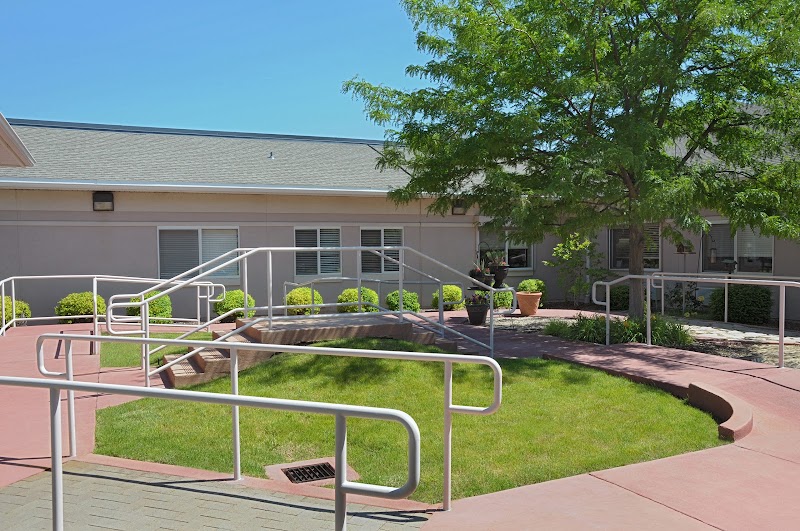
How is Life Of Treasure Valley Staffed?

CMS rates LIFE CARE CENTER OF TREASURE VALLEY's staffing level at 4 out of 5 stars, which is above average compared to other nursing homes. Staff turnover is 46%, compared to the Idaho average of 46%. This relatively stable workforce can support continuity of care.

What Have Inspectors Found at Life Of Treasure Valley?

State health inspectors documented 30 deficiencies at LIFE CARE CENTER OF TREASURE VALLEY during 2018 to 2025. These included: 1 that caused actual resident harm and 29 with potential for harm. Deficiencies causing actual harm indicate documented cases where residents experienced negative health consequences.
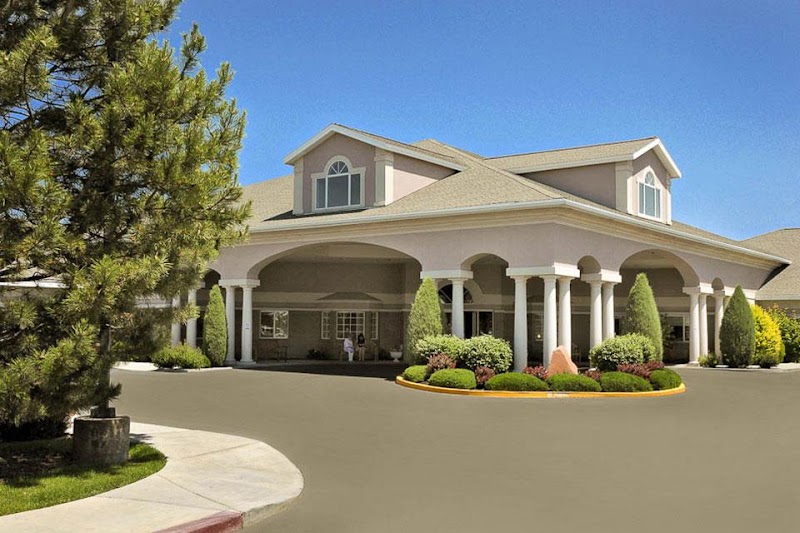
Who Owns and Operates Life Of Treasure Valley?

LIFE CARE CENTER OF TREASURE VALLEY is owned by a for-profit company. For-profit facilities operate as businesses with obligations to shareholders or private owners. The facility is operated by LIFE CARE CENTERS OF AMERICA, a chain that manages multiple nursing homes. With 120 certified beds and approximately 79 residents (about 66% occupancy), it is a mid-sized facility located in BOISE, Idaho.

How Does Life Of Treasure Valley Compare to Other Idaho Nursing Homes?

Compared to the 100 nursing homes in Idaho, LIFE CARE CENTER OF TREASURE VALLEY's overall rating (4 stars) is above the state average of 3.3, staff turnover (46%) is near the state average of 46%, and health inspection rating (3 stars) is at the national benchmark.

What Should Families Ask When Visiting Life Of Treasure Valley?

Based on this facility's data, families visiting should ask: "Can I visit during a mealtime to observe dining assistance and food quality?" "How do you handle medical emergencies, and what is your hospital transfer rate?" "Can I speak with family members of current residents about their experience?"

Is Life Of Treasure Valley Safe?

Based on CMS inspection data, LIFE CARE CENTER OF TREASURE VALLEY has a clean safety record: no substantiated abuse findings (meaning no confirmed cases of resident harm), no Immediate Jeopardy citations (the most serious violation level indicating risk of serious injury or death), and is not on the Special Focus Facility watch list (a federal program monitoring the lowest-performing 1% of nursing homes). The facility has a 4-star overall rating and ranks #1 of 100 nursing homes in Idaho. While no facility is perfect, families should still ask about staff-to-resident ratios and recent inspection results during their visit.

Do Nurses at Life Of Treasure Valley Stick Around?

LIFE CARE CENTER OF TREASURE VALLEY has a staff turnover rate of 46%, which is about average for Idaho nursing homes (state average: 46%). Moderate turnover is common in nursing homes, but families should still ask about staff tenure and how the facility maintains care continuity when employees leave.

Was Life Of Treasure Valley Ever Fined?

LIFE CARE CENTER OF TREASURE VALLEY has no federal fines on record. CMS issues fines when nursing homes fail to meet care standards or don't correct problems found during inspections. The absence of fines suggests the facility has either maintained compliance or corrected any issues before penalties were assessed. This is a positive indicator, though families should still review recent inspection reports for the full picture.

Is Life Of Treasure Valley on Any Federal Watch List?

LIFE CARE CENTER OF TREASURE VALLEY is not on any federal watch list. The most significant is the Special Focus Facility (SFF) program, which identifies the bottom 1% of nursing homes nationally based on persistent, serious quality problems. Not being on this list means the facility has avoided the pattern of deficiencies that triggers enhanced federal oversight. This is a positive indicator, though families should still review the facility's inspection history directly.