SHAW MOUNTAIN OF CASCADIA
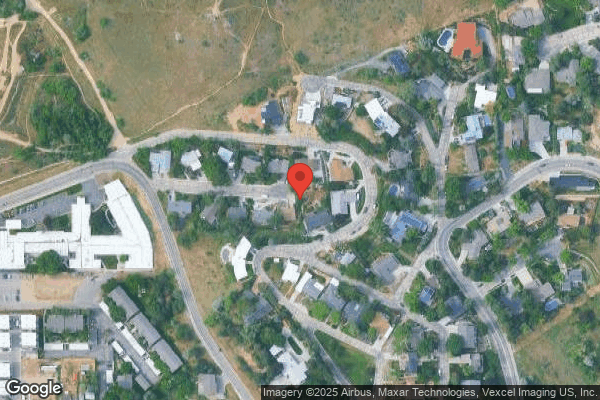

909 RESERVE STREET, BOISE, ID 83712 (208) 343-7717
For profit - Corporation 108 Beds CASCADIA HEALTHCARE Data: November 2025
Trust Grade
53/100
#51 of 79 in ID
Last Inspection: March 2025

Within standard 12-15 month inspection cycle. Federal law requires annual inspections.

Overview

Shaw Mountain of Cascadia has a Trust Grade of C, which means it is average and sits in the middle of the pack in terms of quality among nursing homes. It ranks #51 out of 79 facilities in Idaho, placing it in the bottom half, and #10 out of 14 in Ada County, where only one local option is better. The facility is improving, with issues decreasing from 11 in 2024 to 10 in 2025, but it still has some concerning aspects. Staffing is rated 3 out of 5 stars, but the facility has less RN coverage than 94% of Idaho facilities, which raises concerns about the level of care. Additionally, there have been serious incidents, such as a resident being harmed by improper use of a lap tray and failures in infection control practices that could expose all residents to risks.

Trust Score
C
53/100
In Idaho
#51/79
Bottom 36%
Safety Record
Moderate
Needs review
Inspections
Getting Better
11 → 10 violations
Staff Stability
⚠ Watch
50% turnover. Above average. Higher turnover means staff may not know residents' routines.
Penalties
○ Average
$10,839 in fines. Higher than 50% of Idaho facilities. Some compliance issues.
Skilled Nurses
⚠ Watch
Each resident gets only 26 minutes of Registered Nurse (RN) attention daily — below average for Idaho. Fewer RN minutes means fewer trained eyes watching for problems.
Violations
⚠ Watch
25 deficiencies on record. Higher than average. Multiple issues found across inspections.
★★★☆☆
3.0
Overall Rating
★★★☆☆
3.0
Staff Levels
★★★★★
5.0
Care Quality
★★☆☆☆
2.0
Inspection Score
Stable
2024: 11 issues
2025: 10 issues

The Good

  • 5-Star Quality Measures · Strong clinical quality outcomes
  • Full Sprinkler Coverage · Fire safety systems throughout facility
  • No fines on record

Facility shows strength in quality measures, fire safety.

The Bad

3-Star Overall Rating

Near Idaho average (3.3)

Meets federal standards, typical of most facilities

Staff Turnover: 50%

Near Idaho avg (46%)

Higher turnover may affect care consistency

Federal Fines: $10,839

Below median ($33,413)

Minor penalties assessed

Chain: CASCADIA HEALTHCARE

Part of a multi-facility chain

Ask about local staffing decisions and management

The Ugly 25 deficiencies on record

1 actual harm
Mar 2025 10 deficiencies
CONCERN (D) 📢 Someone Reported This

A family member, employee, or ombudsman was alarmed enough to file a formal complaint

Potential for Harm - no one hurt, but risky conditions existed

Resident Rights (Tag F0550)

Could have caused harm · This affected 1 resident

Based on observation, review of the State Operations Manual, policy review, and staff interviews, the facility failed to treat residents with respect and dignity during dining operations. This failed ...

Read full inspector narrative →
Based on observation, review of the State Operations Manual, policy review, and staff interviews, the facility failed to treat residents with respect and dignity during dining operations. This failed practice had the potential to negatively affect resident's self-esteem, decreased enjoyment of meals and mealtime, and may negatively impact resident's food and fluid intake. Findings include: State Operations Manual, Appendix PP, updated 8/8/24, documented to promote independence and dignity while dining, avoid standing over residents while assisting them to eat. The facility policy, Dining Standards, updated 9/10/20, documented staff are to sit down next to the resident while feeding and/or assisting with feeding. On 3/3/25 at 8:37 AM, CNA #5 was observed standing next to the dining room table, spoon feeding 2 of 5 residents seated at the table eating their breakfast. On 3/3/25 at 8:45 AM, LPN #2 stated staff should not be standing over the residents when assisting with feeding. 03/06/25 at 10:00 AM, the DON stated staff should not be standing while feeding residents.
CONCERN (D) 📢 Someone Reported This

A family member, employee, or ombudsman was alarmed enough to file a formal complaint

Potential for Harm - no one hurt, but risky conditions existed

Deficiency F0578 (Tag F0578)

Could have caused harm · This affected 1 resident

**NOTE- TERMS IN BRACKETS HAVE BEEN EDITED TO PROTECT CONFIDENTIALITY** Based on record review and staff interview, it was determined the facility failed to ensure residents and their representatives ...

Read full inspector narrative →
**NOTE- TERMS IN BRACKETS HAVE BEEN EDITED TO PROTECT CONFIDENTIALITY** Based on record review and staff interview, it was determined the facility failed to ensure residents and their representatives received assistance to exercise their right to formulate an Advance Directive. This was true for 2 of 24 Residents (#18 and #30) whose records were reviewed for Advance Directives. This deficient practice created the potential for harm or adverse outcomes if the residents' wishes were not followed or documented regarding their advance care planning. Findings include: 1) Resident #18 was initially admitted to the facility on [DATE], and readmitted on [DATE], with multiple diagnoses including Parkinson's disease with dyskinesia (a condition where someone with Parkinson's disease experiences involuntary, uncontrolled movements) and dementia. Resident #18's medical record had not contained a copy of his Advance Directives. Resident #18's admission agreement document which contains the following wording By signing below, I acknowledge that I am legally bound by this Agreement and I indicate that I have: been offered information regarding Advance Directives was not signed by the resident or resident representatives. Resident #18's Social Services Progress note dated 2/19/25, documented social services will request DPOA, Power of Attorney, and Living Will from the family. Resident #18's Multidisciplinary Care Conference dated 2/20/25, documented under Key Reviews 4b. Does the resident have an advance directive: YES, 4c. Does the facility have a copy of the resident's advanced directives on file? YES. On 3/7/25 at 9:45 AM, the Administrator stated the Social Services Director incorrectly checked the YES 4b. box and facility had not obtained a copy of the Resident #18's Advance Directives. 2) Resident #30 was admitted to the facility on [DATE], with multiple diagnoses including pulmonary embolism (a condition where a blood clot (embolus) travels from another part of the body, usually the legs (deep vein thrombosis), and blocks an artery in the lungs) and acute respiratory failure with hypoxia (occurs when the lungs are unable to exchange oxygen and carbon dioxide properly, resulting in low oxygen levels in the blood). Resident #30's medical record had not contained a copy of his Advance Directives. Resident #30's admission agreement document which contains the following wording By signing below, I acknowledge that I am legally bound by this Agreement and I indicate that I have: been offered information regarding Advance Directives was not signed by resident or resident representatives. Resident #30's Multidisciplinary Care Conference dated 1/6/25, documented under Key Reviews 4b. Does the resident have an advance directive: YES, 4c. Does the facility have a copy of the resident's advanced directives on file? YES. Resident #30's Social Services Progress note dated 2/18/25, documented Social Services Director will request DPOA, Power of Attorney, and Living Will from the family. On 3/7/25 at 9:45 AM, the Administrator stated the Social Services Director incorrectly checked the YES 4b. box and facility had not obtained a copy of the Resident #30's Advance Directives.
CONCERN (D) 📢 Someone Reported This

A family member, employee, or ombudsman was alarmed enough to file a formal complaint

Potential for Harm - no one hurt, but risky conditions existed

Deficiency F0582 (Tag F0582)

Could have caused harm · This affected 1 resident

**NOTE- TERMS IN BRACKETS HAVE BEEN EDITED TO PROTECT CONFIDENTIALITY** Based on record review and staff interview, it was determined the facility failed to provide the Notice of Medicare Non-Coverage...

Read full inspector narrative →
**NOTE- TERMS IN BRACKETS HAVE BEEN EDITED TO PROTECT CONFIDENTIALITY** Based on record review and staff interview, it was determined the facility failed to provide the Notice of Medicare Non-Coverage (NOMNC) form CMS-10123 at least 2 days prior to discharge for 1 of 3 residents (Resident #302) reviewed for beneficiary protection notification. This deficient practice had the potential to cause financial harm or distress for residents when they were not informed of their potential liability for payment when their Medicare Part A benefits ended. Findings include: Resident #302 was initially admitted to the facility on [DATE], and readmitted on [DATE], with multiple diagnoses including post-traumatic stress disorder (a mental health condition that can develop after experiencing or witnessing a traumatic event) and cirrhosis (a condition in which your liver is scarred and permanently damaged). Resident #302 was discharged from Medicare Part A 12/16/24, and the NOMNC was signed on 12/16/24. On 3/7/25 at 9:45 AM, the Administrator stated Resident #302's NOMNC had not been completed at least 2 days prior to Medicare Part A ending as required.
CONCERN (D) 📢 Someone Reported This

A family member, employee, or ombudsman was alarmed enough to file a formal complaint

Potential for Harm - no one hurt, but risky conditions existed

Deficiency F0657 (Tag F0657)

Could have caused harm · This affected 1 resident

**NOTE- TERMS IN BRACKETS HAVE BEEN EDITED TO PROTECT CONFIDENTIALITY** Based on observation, record review, policy review, and staff interview, it was determined the facility failed to ensure residen...

Read full inspector narrative →
**NOTE- TERMS IN BRACKETS HAVE BEEN EDITED TO PROTECT CONFIDENTIALITY** Based on observation, record review, policy review, and staff interview, it was determined the facility failed to ensure resident's care plans were revised to reflect current needs and interventions. This was true for 1 of 24 residents (Resident #52) whose care plans were reviewed. This placed residents at risk for adverse outcomes if care and services were not provided due to care plans not being revised as resident's needs changed. Findings include: The facility's Comprehensive Care Plans policy, revision date 10/15/22, documented the team of qualified persons monitors the resident's condition and effectiveness of the care plan interventions and revises the care plan annually, with a significant change assessment, or more frequently as needed. Resident #52 was admitted to the facility on [DATE], with multiple diagnoses which include dementia and weakness. Resident #52's medical recorded documented that she fell out of bed on 12/7/24. Resident 52's care plan was not updated with new fall interventions. On 3/5/25 at 3:45 PM, the DON stated the Fall Investigation report documented the new fall intervention was for Resident #52's bed to be in the lowest position. The DON stated her care plan was not updated with this new fall prevention intervention, and it should have been.
CONCERN (D) 📢 Someone Reported This

A family member, employee, or ombudsman was alarmed enough to file a formal complaint

Potential for Harm - no one hurt, but risky conditions existed

Tube Feeding (Tag F0693)

Could have caused harm · This affected 1 resident

**NOTE- TERMS IN BRACKETS HAVE BEEN EDITED TO PROTECT CONFIDENTIALITY** Based on observation, record review, policy review, and staff interview, it was determined the facility failed to ensure adequat...

Read full inspector narrative →
**NOTE- TERMS IN BRACKETS HAVE BEEN EDITED TO PROTECT CONFIDENTIALITY** Based on observation, record review, policy review, and staff interview, it was determined the facility failed to ensure adequate care and treatment was provided to 1 of 1 resident (Resident #21) reviewed for feeding tube use. This created the potential for harm if complications developed from improper tube feeding practice. Finding include: The facility's Enteral Nutrition policy, revised 10/30/18, directed staff to verify tube placement by gently tugging on the tube and taking note of the marking on the tube. The policy also directed staff to properly label and date the enteral formula bottle. Resident #21 was admitted to the facility on [DATE], with multiple diagnoses including Spastic Diplegic Cerebral Palsy (a neurological disorder that affects movement and causes overly toned muscles) and anxiety. Resident #21's Physician's order dated 11/15/24, documented enteral feed every shift. For enteral nutrition precautions check feeding tube placement by observing change in the external length 4cm's marked at entry point before administering formula, medication administration, or flushing of tube. On 3/5/25 at 7:08 AM, observed LPN #1 check Resident #21's feeding tube placement by using a 60cc syringe, a stethoscope, and pushing 10cc of air into Resident #21's feeding tube while auscultating her abdomen. Resident #21's Physician's order dated 1/1/25, documented she was to receive Jevity 1.2 at 85 ML/HOUR for 12 hours. On 3/5/25 at 7:08 AM, observed in Resident #21's room a bottle of Jevity 1.2 (a type of feeding formula that provides complete, balanced nutrition). The bottle of Jevity 1.2 was not labeled with resident's name, start date, time, and rate of feeding to be delivered per hour. On 3/5/25 at 7:27 AM, LPN #1 stated Resident #21 received the feeding on the night shift, the bottle of Jevity 1.2 should have been labeled and the feeding pole should have been cleaned daily or when there was a spill. On 3/5/25 at 2:04 PM, the DON stated Resident #21's Jevity 1.2 bottle should have been labeled when it was started and the feeding pole should have been cleaned.
CONCERN (D) 📢 Someone Reported This

A family member, employee, or ombudsman was alarmed enough to file a formal complaint

Potential for Harm - no one hurt, but risky conditions existed

Deficiency F0726 (Tag F0726)

Could have caused harm · This affected 1 resident

**NOTE- TERMS IN BRACKETS HAVE BEEN EDITED TO PROTECT CONFIDENTIALITY** Based on personnel record review, resident record review, and staff interview it was determined the facility failed to ensure em...

Read full inspector narrative →
**NOTE- TERMS IN BRACKETS HAVE BEEN EDITED TO PROTECT CONFIDENTIALITY** Based on personnel record review, resident record review, and staff interview it was determined the facility failed to ensure employees had completed the required annual trainings and competencies necessary to care for resident's needs. This was true for 1 of 5 employees whose training information was reviewed and 1 of 1 resident (Resident #32) medical records reviewed. This failure had the potential to affect all residents in the facility and increased the risk of harm to residents if staff were not trained on how to provide care and services to residents. Findings include: 1) RN #2's hire date was 5/29/21. Review of his personnel file did not document he had completed his dementia and communication training. RN #2's personnel file documented a Statement of Discussion dated 1/2/25, regarding the need to complete assigned training. On 3/7/25 at 10:00 AM, the DON stated RN #2 had not completed his training. 2) Resident #32 was initially admitted to the facility on [DATE], and readmitted on [DATE], with multiple diagnoses including chronic obstructive pulmonary disease (a group of lung diseases that cause ongoing inflammation and damage to the airways and air sacs in the lungs, leading to breathing difficulties) and depression. On 3/4/25 at 8:22 AM, Resident #32 was not wearing her oxygen cannula during this visit and stated she wears the oxygen when she needs it. Resident #32's physician oxygen order dated 10/1/24, documented oxygen at 2 to 3 liters per minute to keep oxygen saturations (SpO2) greater than 90% continuously via nasal cannula with humidification. Check Q4 hours. Resident #32's oxygen SpO2 was checked on the following dates and times; - 10/6/24 20:20 SpO2 86% room air (R/A) by CNA #1 - 11/10/24 10:16 SpO2 90% R/A by CNA #3 - 11/18/24 03:22 SpO2 82% R/A by LPN #4 - 11/25/24 09:06 SpO2 87% with oxygen by LPN #5 - 12/3/24 05:35 SpO2 87% with oxygen by CNA #4 - 1/24/25 08:05 SpO2 3% with oxygen by LPN #6 - 2/26/25 05:00 SpO2 85% R/A by LPN #7 - 2/27/25 01:42 SpO2 88% R/A by LPN #4 - 2/27/25 05:29 SpO2 291% with oxygen by LPN #4 - 3/4/25 19:32 SpO2 89% R/A by RN #3 Resident #32 medical record had not contained nursing progress notes documenting nursing staff addressed the low O2 levels or that Resident #32 was not on her oxygen per physician's orders. On 3/7/25 at 8:47 AM, the DON stated the oxygen SpO2 desaturations should have been addressed by nursing staff and was not.
CONCERN (D) 📢 Someone Reported This

A family member, employee, or ombudsman was alarmed enough to file a formal complaint

Potential for Harm - no one hurt, but risky conditions existed

Pharmacy Services (Tag F0755)

Could have caused harm · This affected 1 resident

Based on record review, policy review, and staff interview, it was determined the facility failed to ensure controlled medications were tracked and kept secure from potential theft and/or diversion. T...

Read full inspector narrative →
Based on record review, policy review, and staff interview, it was determined the facility failed to ensure controlled medications were tracked and kept secure from potential theft and/or diversion. This was true for 1 of 3 medication carts reviewed. This failure created the potential for undetected misuse and/or diversion of controlled medications and had the potential to affect all residents who received controlled medication in the facility. Findings include: The facility's Controlled Substance Administration & Accountability policy dated 12/16/24, documented it is the policy of the facility to promote safe, high quality patient care, compliant with state and federal regulations regarding monitoring the use of controlled substances. The facility will have safeguards in place to prevent loss, diversion, or accidental exposure. On 3/5/25 at 12:41 PM, during hall 300's medication cart audit, observed the narcotic accountability record, dated 11/22/24 to 12/3/24, with 16 licensed nurse signatures for each shift not documented. Review of the narcotic accountability record, dated 2/9/25 to 3/5/25, with 2 licensed nurse signatures for each shift not documented. On 3/5/25 at 12:33 PM, RN #1 stated the nurses should have signed the narcotic accountability sheet when they accepted the medication cart or released the medication cart.
CONCERN (D) 📢 Someone Reported This

A family member, employee, or ombudsman was alarmed enough to file a formal complaint

Potential for Harm - no one hurt, but risky conditions existed

Unnecessary Medications (Tag F0759)

Could have caused harm · This affected 1 resident

**NOTE- TERMS IN BRACKETS HAVE BEEN EDITED TO PROTECT CONFIDENTIALITY** Based on observation, policy review, and staff interview, it was determined the facility failed to ensure the medication error r...

Read full inspector narrative →
**NOTE- TERMS IN BRACKETS HAVE BEEN EDITED TO PROTECT CONFIDENTIALITY** Based on observation, policy review, and staff interview, it was determined the facility failed to ensure the medication error rate was less than 5%. This was true for 3 medications (8.82%) which affected 1 of 6 residents (Resident #58) whose medication administration were observed. This failed practice placed residents at risk of not receiving their prescribed medication or dosage of their medication. Findings include: The facility's Oral Medication Administration policy dated 1/1/18, documented oral medications are to be administered per physician orders. The facility's Eye Drop Administration policy dated 2/28/18, documented wait a sufficient contact time of approximately 3-5 minutes before applying additional medication to the eye. The facility's Insulin Pen Use policy undated, documented before administering insulin, a 2-unit air shot must be performed to remove air bubbles and ensure accurate dosing. The following was observed during the medication pass: 1. Resident #58 was admitted [DATE], with multiple diagnoses including kidney disease and right leg, below the knee, amputation. Resident #58's physician order documented Glargine insulin, administer 10 Units subcutaneously. On 3/5/25 at 7:35 AM, observed RN #1 remove Glargine insulin pen from the medication cart and dial the insulin pen to 10 Units. RN #1 did not prime the insulin pen before dialing the ordered dose. RN #1 then administered the Glargine insulin to Resident #58. On 3/5/25 at 7:39 AM, RN #1 stated she did not realize she needed to prime the insulin pen before dialing the insulin pen to the ordered dose. Resident #58's physician order documented Dorzolamide (eye drops used to treat increased pressure in the eye) 22.3-6.8mg/ml 1 drop to her left eye and Rednisol acetate (steroidal eye drop used to treat redness and swelling) 1 %, give 1 drop left eye. On 3/5/25 at 7:40 AM, observed RN #1 administer both of Resident 58's ordered eye drops. RN #1 did not wait the required 3-5 minutes in between eye drop administration. On 3/5/25 at 7:46 AM, RN #1 stated she should have waited 3-5 minutes before she gave the second ordered eye drops.
CONCERN (D) 📢 Someone Reported This

A family member, employee, or ombudsman was alarmed enough to file a formal complaint

Potential for Harm - no one hurt, but risky conditions existed

Deficiency F0761 (Tag F0761)

Could have caused harm · This affected 1 resident

Based on observation, CDC guidelines review, and staff interview, it was determined the facility failed to ensure medications available for residents were labeled, dated, and stored appropriately. Thi...

Read full inspector narrative →
Based on observation, CDC guidelines review, and staff interview, it was determined the facility failed to ensure medications available for residents were labeled, dated, and stored appropriately. This was true for 1 of 1 medication storage rooms inspected and 3 of 5 medication carts audited for labeling and storage of medication. This failure created the potential for residents to have missed doses of medication and to receive expired medications with decreased efficacy. Findings include: The CDC guidelines for Preventing Unsafe Injection Practices dated 3/26/24, documented once a multi-dose vial is opened (e.g., needle-punctured) the vial should be dated and discarded within 28 days unless the manufacturer states another date for that opened vial. The beyond-use-date should never exceed the manufacturer's original expiration date. On 3/5/25 at 10:45 AM, the Hall 100 medication cart was audited with RN #4 present. In the top drawer of the medication cart a dairy digestive tablet was observed with an expiration date of July 2024. On 3/5/25 at 10:47 AM, RN #4 stated the dairy digestive tablet should not have been in the medication cart. On 3/5/25 at 12:33 PM, the medication storage room audit was done with LPN #8 present. Observed in the medication storage room a bottle with 12 Calcium tablets with an expiration date of October 2023. On 3/5/25 at 12:36 PM, LPN #8 stated the expired medication should have been in the medication destruction tote. On 3/5/25 at 12:41 PM, the Hall 300 medication cart was audited with RN #1 present. Observed in the second drawer, under blister packs, one loose Losartan tablet. On 3/5/25 at 12:45 PM, RN #1 stated that the loose pills should have been placed in the drug buster (drug disposal system). On 3/5/25 at 12:48 PM, the Friendship house medication cart was audited with LPN #3 present. The following was observed: - In the bottom of the second drawer on the left, one Remeron (antidepressant) tablet. - In the bottom of the third drawer, three yellow pills and three white pills. - Also in the third drawer one multi-dose vial of Lidocaine with no open date. On 3/5/25 at 12:54 PM, LPN #3 stated the loose pills should have been destroyed and the bottle of Lidocaine should have been dated when it was opened.
CONCERN (F) 📢 Someone Reported This

A family member, employee, or ombudsman was alarmed enough to file a formal complaint

Potential for Harm - no one hurt, but risky conditions existed

Infection Control (Tag F0880)

Could have caused harm · This affected most or all residents

**NOTE- TERMS IN BRACKETS HAVE BEEN EDITED TO PROTECT CONFIDENTIALITY** Based on observation, review of the State Operations Manual, policy review, and staff interview, it was determined the facility ...

Read full inspector narrative →
**NOTE- TERMS IN BRACKETS HAVE BEEN EDITED TO PROTECT CONFIDENTIALITY** Based on observation, review of the State Operations Manual, policy review, and staff interview, it was determined the facility failed to ensure infection control and prevention practices were maintained when 1) staff was assisting residents with meals and 2) medication administration, and 3) unsanitary conditions in the laundry room. This failure had the potential to impact all residents in the facility by placing them at risk for cross contamination and infection. Findings include: The State Operations Manual, Appendix PP, updated 8/8/24, documented failure to change gloves and wash hands between tasks, such as medical treatments or contact with residents .can contribute to cross-contamination. The facility policy, Dining Standards, updated 9/10/20, documented staff was to complete hand hygiene using soap and water at the beginning of meal service and are to sanitize hands when changing tasks or assisting different residents. The following issue were observed in the dining room; On 3/3/25 at 8:37 AM, CNA #5 was observed alternating between 2 of 5 residents sitting at the same table, offering spoon feeding assistance using the same gloved hand. CNA #5 did not change gloves, wash hands, or hand sanitize in between feeding each resident. On 3/3/25 at 8:45 AM, CNA #5 grabbed a folding chair located behind her to sit in. CNA #5 did not change her gloves, wash hands, or hand sanitize before continuing to feed the 2 residents. On 3/6/25 at 10:00 AM, the DON stated when staff is feeding more than one resident, they should have a designated hand for each resident or hand sanitize in between each resident assist. The following was observed for medication administration; Resident #3 was admitted to the facility on [DATE], with multiple diagnoses including heart failure and anxiety. Resident #3's physician order dated 1/17/24, documented Buprenorphine HCl Sublingual Tablet Sublingual 2 MG (Buprenorphine HCl). Give 1 tablet sublingually one time a day for pain. On 3/5/25 at 7:50 AM, observed RN #1 place a Buprenorphine HCl tablet in her bare hand then place it in Resident #3's medication cup. RN #1 then administered the pill to Resident #3. On 3/5/25 at 7:54 AM, RN #1 stated she should not have touched Resident #3's pill with her bare hand. Resident #21 was admitted to the facility on [DATE], with multiple diagnoses including Spastic Diplegic Cerebral Palsy (a neurological disorder that affects movement and causes overly toned muscles) and anxiety. Resident #21's Physicians order dated 11/15/24, documented enteral feed every shift. For enteral nutrition precautions check feeding tube placement by observing change in the external length 4cm's marked at entry point before administering formula, medication administration, or flushing of tube. On 3/5/25 at 7:08 AM, observed in Resident #21's room a feeding pole and pump with a dried light brown substance on the pump and on the base of the pole. On 3/5/25 at 7:08 AM, the following was observed when LPN #1 was flushing Resident #21's feeding tube; - LPN #1 placed the 60cc syringe on Resident #21's bed while she put her stethoscope on. - LPN #1 connected the 60cc syringe to the feeding tube. - LPN #1 removed the plunger from the 60cc syringe and placed it on Resident #21's bed. - LPN #1 poured the crushed medication with liquid into the 60cc syringe barrel. - LPN #1 picked the syringe plunger up off the bed and inserted it back into the 60cc syringe which was still connected to Resident #21's feeding tube. On 3/5/25 at 7:27 AM, LPN #1 stated Resident #21's feeding pole and pump should have been cleaned daily or when there was a spill. On 3/5/25 at 11:07 AM, the DON stated LPN #1 should have placed her tube feeding supplies on a protective cover on top of Resident #21's bedside table, not on her bed. On 3/5/25 at 7:35 AM, observed Hall 300 medication cart with RN #1's personal drink on top of the cart. On 3/5/25 at 7:41 AM, RN #1 stated she should not have had her personal food or drinks on the medication cart. The following was observed in the laundry room; On 3/6/25 at 3:41 PM, observed the following in the laundry room: - a large amount of water, with a dark green substance on it, in front of the washing machine. - a thick layer of fuzzy gray substance under hand washing sink. - no goggles available in laundry room, in case of splashing. - the pipes between washers observed with a thick layer of gray, fuzzy substance. - the pipes behind dryer observed with thick layer of gray, fuzzy substance. - the ceiling piping cover above the clean linen folding table was observed with a thick layer of fuzzy gray substance. - two outside wall vents were observed with a thick fuzzy substance. On 3/6/25 at 3:47 PM, the Laundry Manager stated the laundry room is cleaned daily but there was no check off sheet to direct the staff on what needed to be cleaned. On 3/7/25 at 9:38 AM, the Administrator stated the laundry room should have been kept clean.
Feb 2024 11 deficiencies 1 Harm
SERIOUS (G) 📢 Someone Reported This

A family member, employee, or ombudsman was alarmed enough to file a formal complaint

Actual Harm - a resident was hurt due to facility failures

Deficiency F0604 (Tag F0604)

A resident was harmed · This affected 1 resident

**NOTE- TERMS IN BRACKETS HAVE BEEN EDITED TO PROTECT CONFIDENTIALITY** Based on observation, record review, and staff interview, it was determined the facility failed to ensure a lap tray was used to...

Read full inspector narrative →
**NOTE- TERMS IN BRACKETS HAVE BEEN EDITED TO PROTECT CONFIDENTIALITY** Based on observation, record review, and staff interview, it was determined the facility failed to ensure a lap tray was used to treat a medical symptom and not used as a physical restraint for 1 of 1 resident (Resident #78) who was observed for use of restraints. This resulted in harm to Resident #78 was left in a wheelchair with a lap tray for long periods which resulted in skin impairment and psychosocial distress. Findings include: Resident #78 was admitted to the facility on [DATE], with multiple diagnoses including schizophrenia (a mental disorder characterized by delusions, hallucinations, disorganized thoughts, speech, and behavior), anxiety disorder, and malnutrition. Resident #78's admission MDS assessment, dated 12/9/23, documented she was severely cognitively impaired with unclear speech and rarely/never understood others. The assessment documented Resident #78 was dependent on eating and personal hygiene assistance and required maximal assistance for upper body dressing, sitting to standing, and transfer. The assessment further documented Resident #78 did not use a restraint device, including a chair to prevent rising. A progress note, dated 12/11/23 at 2:26 PM, documented Resident #78 was very anxious during the shift and continuously attempted to get out of her chair and was trying to push tables. The note documented Resident #78 was not able to be redirected. A progress note, dated 12/12/23 at 6:16 PM, documented Resident #78 was extremely anxious when she woke up in the afternoon after a nap. She continued to wander in her wheelchair and was agitating other residents. The note documented Resident #78 would constantly try to get out of her wheelchair and could not be redirected. A progress note, dated 12/12/23 at 9:03 PM, documented Resident #78 was found on the floor at the foot of the bed at 3:35 PM. The note documented Resident #78 was very anxious and could not appropriately answer questions. A progress note, dated 12/15/23 at 7:20 PM, documented Resident #78 continued to be anxious and was exhibiting repeated motions. Resident #78 was impulsive and not able to be redirected. The note documented staff attempted to sit with Resident #78 for one-on-one attention, but it was not effective. A progress note, dated 12/15/23 at 9:09 PM, documented a CNA wheeled Resident #78 down the hallway, and she leaned forward to grab a dresser. Resident #78 hit the right side of her head while wearing a soft protective helmet and sustained a skin tear to her right hand. Resident #78 was placed in the area visible to the nurse for the rest of the shift, with occasional one-on-one supervision to prevent additional falls. A progress note, dated 12/16/23 at 7:46 PM, documented Resident #78 was very anxious during the shift. The note documented she slept until 2:00 PM, and her morning medication was missed. Resident #78 was receiving scheduled Ativan (antianxiety medication) and Seroquel (antipsychotic medication) with little effect. The note further documented a staff member had to sit with her while she was awake because Resident #78 constantly attempted to stand up, walk, and push tables. A progress note, dated 12/17/23 at 3:38 PM, documented OT evaluated Resident #78 for use of a lap tray during mealtime. Resident #78's daughter was informed and agreed with the recommendation. A Mobility Positioning Device Evaluation, dated 12/17/23 at 1:07 PM, documented, Lap tray table utilized during meals and activities to assist with keeping food and items from falling on the floor. The evaluation further documented the lap tray restricted access to Resident #78's body and was considered a physical restraint. The potential risk or concern identified was Lap tray recommended per therapy. The resident is not able to release the lap tray, to be used only during meals and activities for a duration of no more than 2 hrs. Staff to assist and release lap tray. A physician's order, dated 12/17/23, documented to use a lap tray during mealtime three times a day with a start date of 12/17/23. Resident #78's MAR for December 2023, documented use of the lap tray was signed by the charge nurse three times a day. There was no documentation of when and how long Resident #78 used the lap tray each day and if she was released before the 2-hour limitation window, as the Mobility Positioning Device Evaluation stated. An Assistive/Enabling Device consent, with verbal consent by Resident #78's daughter on 12/17/23, documented the potential risks of the physical restraint as follows: - Accidental injury-related potential entrapment. - Incidence of incontinence. - Functional decline, change in muscle condition. - Incidence of pressure sores and related infections. - Incidence of agitation or delirium. - Symptoms of depression, withdrawal, reduced social contact - Reduced independence., loss of dignity. Resident #78's record did not include interventions related to the care, monitoring, and prevention of the physical risks and psychosocial impacts related to the use of the lap tray as a restraint from 12/17/23. A progress note, dated 12/23/23 at 8:12 PM, documented Resident #78 slept until 4:00 PM and refused to allow staff to get her up. Once she was up, she was very anxious and wandered around the dining room, agitating other residents. A physician's order, dated 1/5/24, documented a lap tray to be used for Resident #78 during mealtimes and activities only. The order directed staff to assist Resident #78 with releasing and removing the lap tray every two hours for toileting and repositioning out of the wheelchair when in use, every shift. Resident #78's MAR for January and February 2024, documented the charge nurse signed her lap tray use once per shift, twice a day. Resident #78's care plan for malnutrition was revised on 1/5/24 with the new intervention of lap tray during mealtimes and activities only. The care plan documented to assist with releasing and removing the lap tray every two hours with toileting and repositioning out of the wheelchair when in use. Resident #78's record did not include documentation of when the lap tray was used and whether it was released every two hours when in use. A progress note, dated 2/3/24 at 7:50 PM, documented Resident #78 was sent to the hospital for evaluation due to a change in her status. A progress note, dated 2/4/24 at 12:07 AM, documented Resident #78 returned to the facility from the hospital with a urinary tract infection diagnosis, and she was receiving antibiotic medication. Resident #78's daughter noted Resident #78 had an area of redness of 1 cm on her elbow and a 7 cm by 3.5 cm red area at the edge of her ribcage; it was marked and noted. The nurse on the prior shift expressed concerns that Resident #78 was leaning forward on her tray for a significant amount of time, and the nurse was unable to reposition her. A progress note, dated 2/5/24 at 6:46 AM, documented Resident #78 was observed by a CNA at bedtime to have new redness and discoloration to the left side of her ribs. The note documented Resident #78 was leaning on the lap tray in her wheelchair. A progress note, dated 2/5/24 at 2:14 PM, documented Resident #78 had discoloration to the left side of her ribs. The note documented it was likely from the tray on her chair she had been leaning forward over, which caused the discoloration. The note documented foam noodles (cylindrical piece of flexible, buoyant polyethylene foam) be placed along the inside of the tray to protect Resident #78's abdomen. A Skin Inspection note, dated 2/5/24 at 4:47 AM, documented Resident #78's left lower arm had multiple red and purple discoloration areas on the underside. There was a large red scratch on the upper side of the lower right arm. The left side of the lower rib cage was red with some peeling. The skin inspection note did not include measurements of the areas identified. On 2/6/24 from 10:50 AM to 12:00 PM, Resident #78 was observed in a wheelchair with a black lap tray placed in front of her attached on both sides of the wheelchair with handles in front of her around her waistline; there was a black strap that tightened the table fastened behind her wheelchair. The table blocked her ability to stand up. Resident #78 was observed frequently attempting to stand up and could not do so. On 2/7/24 from 11:00 AM to 11:21 AM, Resident #78 was observed wearing a helmet in a Broda chair (positioning wheelchair helps prevent falls and provides personalized upper lateral support for positioning). On 2/7/24 at 11:23 AM, Resident #78 tried to stand up from her Broda chair two to three times in the group room. LPN #1 and CNA #4 were observed placing Resident #78's lap tray on her wheelchair and secured it with a black strap behind her wheelchair. On 2/7/24 at 11:30 AM, LPN #1 said she had to put the lap tray on Resident #78 because the tray was to prevent residents from falling. The LPN said last week Resident #78 had redness on her left lower rib to the abdominal area because she was leaning toward the lap tray and had a bruise on her left elbow. LPN #1 said Resident #78 was now using the Broda chair. On 2/7/24 at 4:15 PM, Resident #78 was sitting in the same Broda chair with a lap tray. Resident #78's feet were hanging down without touching the floor and there was no support. Resident #78 continually tried to get up but was stopped by the lap tray on her chair. She appeared sad with a red face and dropping her eyes with wrinkles between her eyes on her forehead; her jaws and lips appeared tense. During an interview while observing Resident #78, LPN #1 said Resident #78 went out for an appointment around 12:00 PM and was back around 1:45 PM, and she had been in the Broda chair since then. LPN #1 said without the Broda chair, Resident #78 would need one-on-one care to prevent her from falling. A progress note, dated 2/7/24 at 7:01 PM, documented the nurse was to monitor Resident #78's posture while in a standard wheelchair. The note documented Resident #78 could use a Broda chair per OT only if Resident #78 was leaning in a way that made her uncomfortable. The note further documented if a Broda chair was necessary, to make a note. On 2/8/24 at 8:25 AM, the DON said Resident #78's lap tray was a restraint because Resident #78 could not remove it. She said use of the lap tray was documented under the nutrition care plan. The DON said there was an order for using the lap tray and to release the tray every 2 hours, but there was no documentation when it was used or released every 2 hours when in use. On 2/9/24 at 8:32 AM, the DON said Resident #78 started to use a lap tray on 12/17/23 for help with self-feeding. She stated later it was added for Resident #78's leaning forward during activity and trying to pick up objects on the floor which led to falls. On 2/9/24 at 10:20 AM, the DON said there were only two interventions for the restraint; one was to release it every two hours, and the other was for OT evaluation and treatment. The DON said there was no documentation staff were monitoring potential physical or psychosocial risks and adverse outcomes of a physical restraint.
CONCERN (D) 📢 Someone Reported This

A family member, employee, or ombudsman was alarmed enough to file a formal complaint

Potential for Harm - no one hurt, but risky conditions existed

Deficiency F0645 (Tag F0645)

Could have caused harm · This affected 1 resident

**NOTE- TERMS IN BRACKETS HAVE BEEN EDITED TO PROTECT CONFIDENTIALITY** Based on record review, policy review, and staff interview, it was determined the facility failed to identify a positive Level I...

Read full inspector narrative →
**NOTE- TERMS IN BRACKETS HAVE BEEN EDITED TO PROTECT CONFIDENTIALITY** Based on record review, policy review, and staff interview, it was determined the facility failed to identify a positive Level I Preadmission Screening and Resident Review (PASARR) and refer the resident to the appropriate state-designated authority for further review. This was true for 1 of 2 residents (Resident #78) reviewed for PASARR. This deficient practice had the potential to cause harm if residents' specialized services for mental health needs were not provided due to a lack of updated PASARR screening. Findings include: The CMS State Operation Manual, Appendix PP, revised 2/3/23, defines the PASARR process as follows: The PASARR process requires that all applicants to Medicaid-certified nursing facilities be screened for possible serious mental disorders or intellectual disabilities and related conditions. This initial pre-screening is PASARR Level I, completed before admission to a nursing facility. A negative Level I screen allows admission to proceed and ends the PASARR process unless a possible serious mental disorder or intellectual disability arises later. A positive Level I screen necessitates an in-depth evaluation of the individual by the state-designated authority, known as PASARR Level II, which must be conducted before admission to a nursing facility. PASARR Level II is a comprehensive evaluation by the appropriate state-designated authority and determines whether the individual has a mental disorder, intellectual disability, or a related condition, determines the proper setting for the individual, and recommends what, if any, specialized services and/or rehabilitative services the individual needs. The facility policy for the PASARR process, dated 11/28/17, documented that before admitting a new resident, the facility conducted a Level I PASARR screening. If a positive Level I screen was identified, an in-depth Level II PASARR evaluation by the state-designated authority would be conducted before the resident was admitted to the facility. Resident #78 was admitted to the facility on [DATE], with multiple diagnoses including anxiety and schizophrenia (a mental disorder characterized by delusions, hallucinations, disorganized thoughts, speech, and behavior). Resident #78's Level I PASARR, dated 12/14/23 which was 7 days after admission, documented she had schizophrenia, anxiety, and dementia. The PASARR also documented she was taking Ativan for anxiety, Seroquel (an antipsychotic medication), and Namenda for dementia. According to the directions on the document the screening was positive if questions #1, 3-5, 8-10, 14-19 had a yes answer. The PASARR screening for Resident #78 was positive, due to questions #1 and #14 were answered yes. Resident #78's record did not include documentation the facility referred her to the state-designated authority for the abbreviated Level II PASARR screening until 2/2/24, 2 months after her admission. On 2/7/24 at 2:42 PM, the Social Service Director said Resident #78's Level I PASARR was positive, and the abbreviated Level II PASARR screening should have been completed within 24 to 48 hours after admission.
CONCERN (D) 📢 Someone Reported This

A family member, employee, or ombudsman was alarmed enough to file a formal complaint

Potential for Harm - no one hurt, but risky conditions existed

Deficiency F0657 (Tag F0657)

Could have caused harm · This affected 1 resident

**NOTE- TERMS IN BRACKETS HAVE BEEN EDITED TO PROTECT CONFIDENTIALITY** Based on record review, policy review, and staff interview, it was determined the facility failed to ensure residents' care plan...

Read full inspector narrative →
**NOTE- TERMS IN BRACKETS HAVE BEEN EDITED TO PROTECT CONFIDENTIALITY** Based on record review, policy review, and staff interview, it was determined the facility failed to ensure residents' care plans were revised and updated. This was true for 1 of 18 residents (Resident #57) whose care plans were reviewed. This created the potential for harm if cares and/or services were not provided appropriately due to inaccurate information on the care plan. Findings include: The facility's Care Plans policy, revised 10/15/22, documented residents' care plans were reviewed after each assessment except discharge assessments, and revised based on changing goals, preferences and needs of the residents, and in response to current interventions. Resident #57 was admitted to the facility on [DATE], with multiple diagnoses including hemiplegia (paralysis on one side of the body) and hemiparesis (weakness on one side of the body) following a stroke. a. Resident #57's care plan, revised 2/21/22, documented she used a CPAP machine with a setting of 17/12 cm H20 on room air at night. On 2/7/24, CNA #3 stated Resident #57 used a CPAP machine at night. CNA #3 and the surveyor then went to Resident #57's room to look for the CPAP machine. There was no CPAP machine found in Resident #57's room. Resident #57's representative stated Resident #57 had not used her CPAP machine for a while. On 2/7/24 at 3:59 PM, RN #1 stated Resident #57's CPAP was discontinued in October 2023. b. Resident #57's care plan, revised 4/13/23, directed staff to administer wound treatments and wound vacuum per order. On 2/7/24 at 3:06 PM, the Wound Nurse was observed performing wound care for Resident #57. During the observation, it was noted that Resident #57 did not have a wound vacuum. On 2/8/24 at 4:48 PM, the DON reviewed Resident #57's care plan and stated Resident #57's wound vacuum and CPAP were discontinued and should not be in her care plan. The DON stated resident's care plan was a working document and should be updated quarterly and as needed.
CONCERN (D)

Potential for Harm - no one hurt, but risky conditions existed

Deficiency F0761 (Tag F0761)

Could have caused harm · This affected 1 resident

Based on observation and staff interview, it was determined the facility failed to ensure medications available to residents were dated after opened. This was true for 1 of 2 medication carts reviewed...

Read full inspector narrative →
Based on observation and staff interview, it was determined the facility failed to ensure medications available to residents were dated after opened. This was true for 1 of 2 medication carts reviewed for storage and labeling. This failure created the potential for residents to receive expired medications with decreased efficiency. Findings include: On 2/7/24, at 9:36 AM, during inspection of a medication cart 3 different vials of insulin were in the top drawer of Medication Cart #1. The insulin vials were Humalog, Novolog, and Humulin. There was no opened date documented on the labels. On 2/7/24 at 9:37 AM, RN #1 stated the vials should have been dated. She stated they were only good for 28 days after opening, but she did not know when the vials were opened.
CONCERN (D) 📢 Someone Reported This

A family member, employee, or ombudsman was alarmed enough to file a formal complaint

Potential for Harm - no one hurt, but risky conditions existed

Dental Services (Tag F0791)

Could have caused harm · This affected 1 resident

**NOTE- TERMS IN BRACKETS HAVE BEEN EDITED TO PROTECT CONFIDENTIALITY** Based on observation, record review, and resident and staff interview, it was determined the facility failed to ensure oral hygi...

Read full inspector narrative →
**NOTE- TERMS IN BRACKETS HAVE BEEN EDITED TO PROTECT CONFIDENTIALITY** Based on observation, record review, and resident and staff interview, it was determined the facility failed to ensure oral hygiene and dental services were provided for 1 of 2 residents (Resident #28) reviewed for dental services. This deficient practice had the potential to result in Resident #28 experiencing severe tooth decay and gum disease. Findings include: Resident #28 was admitted to the facility on [DATE] and readmitted on [DATE], with multiple diagnoses including cerebral palsy (a condition marked by impaired muscle coordination and/or other disabilities), contracture of the right knee, contracture of the neck, difficulty swallowing, anxiety, and difficulty speaking. Resident #28's record included a dental exam, dated 12/3/21, documented she required full assistance with oral care twice daily to decrease oral bacteria due to high risk for abscess (infection) and poor condition of her teeth. The dental examination documented Resident #28 had bleeding and inflammation of her gums, and poor dental hygiene. The exam documented the dentist recommended focusing on prevention to minimize abscess of the teeth, moderate plaque (sticky film that coats teeth and contains bacteria and when not removed when it hardens and becomes difficult to remove) and calculus (calcified dental plaque) were present. A subsequent dental exam, dated 3/11/22, documented Resident #28 received dental cleaning. The exam documented Resident #28's oral hygiene assessment was poor and heavy plaque was present, coating all teeth surfaces, and heavy calculus was on multiple tooth surfaces, with slight bleeding. The exam included a recommendation Resident #28's teeth be brushed twice daily to decrease the bacteria in her mouth due to high risk for abscess. The exam further documented Resident #28 needed a tooth extraction and two teeth were loose and one was painful. The plan was to obtain medical clearance and insurance approval for extraction. Resident #28's record included a dental procedure note, dated 5/25/22, documented removal of a tooth for a periapical abscess (a collection of pus at the root of a tooth usually caused by an infection that has spread from a tooth to the surrounding tissues). Resident #28's record did not include documentation of additional dental exams by a dental provider or professional after 5/25/22. An annual MDS assessment, dated 7/7/23, documented Resident #28 had obvious or likely cavity or broken natural teeth. On 2/7/24 at 4:10 PM, the DON was asked about the dental referral note in Resident #28's record which stated she was experiencing pain and loose teeth. The DON did not reply. When asked if Resident #28 had seen a dental provider after the 5/25/22 tooth extraction she replied I guess not. 2/9/24 at 9:52 AM, during an interview Resident #28 agreed to have the surveyor look at her teeth. Resident #28 opened her mouth wide for the surveyor. Some upper teeth were absent, others were gray/yellow in color at the gumline. Her bottom front 3 teeth had one on the left with a wide open gap where part of the tooth was absent, with a hollow appearance on each side, and both sides black in appearance. The rest of the teeth in her mouth were gray in color. Resident #28 was asked if she had pain and she nodded her head yes. Resident #28 also was asked her where her pain was located and she pointed to her front lower chin/teeth.
CONCERN (E) 📢 Someone Reported This

A family member, employee, or ombudsman was alarmed enough to file a formal complaint

Potential for Harm - no one hurt, but risky conditions existed

Deficiency F0565 (Tag F0565)

Could have caused harm · This affected multiple residents

Based on Resident Group interview, policy review, Resident Council Meeting minutes review, and staff interview, it was determined the facility failed to ensure resident concerns were addressed. These ...

Read full inspector narrative →
Based on Resident Group interview, policy review, Resident Council Meeting minutes review, and staff interview, it was determined the facility failed to ensure resident concerns were addressed. These negative practices placed residents at risk of ongoing frustration and decreased sense of self-worth, as well as, unmet care needs, when issues of concern to them were not promptly addressed by the facility. Findings include: The facility's Resident Council policy, revised 5/24/19, documented residents' recommendations and/or concerns would be addressed and communicated back to the council and/or Council President. A Resident Group interview was attended by 14 Residents on 2/6/24 at 10:39 AM. All the residents voiced concerns related to long call light response times. The residents stated it was an ongoing problem in the facility. The Resident Council minutes from July 2023 through December 2023 documented residents' concerns. Examples include: a. Resident Council Meeting minutes, dated 9/6/23, documented Evening staff is not getting to call lights for over an hour. Residents believe one CNA is not enough for each hall. b. Resident Council Meeting minutes, dated 10/4/23, documented, Takes a long time for response to call light, and when they say they'll come back and sometimes an hour goes by. c. Resident Council Meeting, dated 11/1/23, documented, Call lights times still an issue. The facility did not document what actions were taken to address and resolve these concerns. On 2/7/24 at 9:11 AM, the DON stated the residents' concerns during Resident Council Meetings were discussed in their stand-up meeting. The DON stated a call light audit should have been completed when the residents expressed their concerns regarding call light response time. When asked for the copies of call lights audits, the DON provided copies of one completed in December 2023 and one undated call light audit. The DON was unable to provide documentation of call light audits completed in September, October, and November 2023. The DON stated she could not recall why call light audits were not completed.
CONCERN (E) 📢 Someone Reported This

A family member, employee, or ombudsman was alarmed enough to file a formal complaint

Potential for Harm - no one hurt, but risky conditions existed

Deficiency F0688 (Tag F0688)

Could have caused harm · This affected multiple residents

**NOTE- TERMS IN BRACKETS HAVE BEEN EDITED TO PROTECT CONFIDENTIALITY** d. Resident #28 was re-admitted to the facility on [DATE], with multiple diagnoses including muscle weakness and cerebral palsy ...

Read full inspector narrative →
**NOTE- TERMS IN BRACKETS HAVE BEEN EDITED TO PROTECT CONFIDENTIALITY** d. Resident #28 was re-admitted to the facility on [DATE], with multiple diagnoses including muscle weakness and cerebral palsy (a condition marked by impaired muscle coordination and/or other disabilities). Resident #28's care plan, revised on 1/12/23, documented Resident #28 received restorative nursing services to maintain current functional status. A quarterly MDS assessment, dated 1/2/24, documented Resident #28 was dependent upon staff for manual wheelchair mobility, and documented Resident #28 had received one session with active range of motion. Resident #28's restorative task record, dated January 2024, documented she was to have 3 restorative sessions a week for 15 minutes. Resident #28's record documented she received 5 of 12 scheduled restorative sessions. On 2/8/24 at 10:44 AM, the DON reviewed the records for Resident #18, #31, and #51's task documentation. The DON stated their restorative nursing program was not provided as directed on their plans of care. On 2/8/24 at 10:48 AM, after reviewing Resident #28's task documentation, the DON stated the restorative nursing program was not provided 3 times a week as indicated on Resident #28's plan of care. Based on record review, policy review, and staff interview, it was determined the facility failed to ensure residents were given the appropriate treatment and services to maintain or improve ability to carry out activities of daily living. This was true for 4 of 4 residents (#18, #28, #31, and #51) reviewed for restorative nursing services. This failure placed residents at risk for decreased range of motion, functional ability, and decreased quality of life. Findings include: The facility's Restorative Nursing policy, revised 1/20/20, documented a restorative nursing program was implemented to promote residents' abilities to adapt and adjust to living as independently as possible and as safely as possible. The policy stated restorative services focused on achieving and maintaining optimal physical, mental, and psychosocial functioning. a. Resident #31 was re-admitted to the facility on [DATE], with multiple diagnoses including muscle weakness. Resident #31's care plan, revised on 5/9/23, documented he required restorative nursing services to maintain current functional status. Resident #31's restorative task record, dated December 2023, documented he was to have 3 restorative sessions a week for 15 minutes. Resident #31's record documented he received 4 of 12 scheduled restorative sessions. Resident #31's restorative task record, dated January 2024, documented Resident #31 was to have 3 restorative sessions a week for 15 minutes. Resident #31's record documented he received 4 of 12 scheduled restorative sessions. b. Resident #18 was admitted to the facility on [DATE], with multiple diagnoses including muscle weakness and difficulty walking. A quarterly MDS assessment, dated 1/22/24, documented Resident #18 required supervision and assistance by touch when ambulating 10 feet. The MDS assessment also documented Resident #18 received restorative nursing services for active range of motion and assistance with transfers. Resident #18's care plan, revised on 1/23/24, documented he received restorative nursing services to maintain current functional status. Resident #18's restorative task record, dated January 2024, documented Resident #18 was to have 3 restorative sessions a week for 15 minutes. Resident #18's record documented he received 6 of 12 scheduled restorative sessions. c. Resident #51 was re-admitted to the facility on [DATE], with multiple diagnoses including muscle weakness and difficulty walking. A quarterly MDS assessment, dated 11/17/23, documented Resident #51 required substantial/ maximal assistance for transfers and supervision when ambulating 10 feet. The MDS assessment also documented Resident #51 received restorative nursing services for ambulation. Resident #51's care plan, revised 3/14/23, documented she received restorative nursing services to maintain current functional status. Resident #51's restorative task record, dated January 2024, documented she was to have 3 restorative sessions a week for 15 minutes. Resident #51's record documented she received 5 of 12 scheduled restorative sessions.
CONCERN (E) 📢 Someone Reported This

A family member, employee, or ombudsman was alarmed enough to file a formal complaint

Potential for Harm - no one hurt, but risky conditions existed

Infection Control (Tag F0880)

Could have caused harm · This affected multiple residents

**NOTE- TERMS IN BRACKETS HAVE BEEN EDITED TO PROTECT CONFIDENTIALITY** Based on observation and staff interview, it was determined the facility failed to ensure infection control and prevention pract...

Read full inspector narrative →
**NOTE- TERMS IN BRACKETS HAVE BEEN EDITED TO PROTECT CONFIDENTIALITY** Based on observation and staff interview, it was determined the facility failed to ensure infection control and prevention practices were maintained when hand hygiene was not performed, equipment was not cleaned, and urinary catheters were not kept . This was true for 2 of 12 residents (Resident #62 and #191) who were observed in their rooms and at meals. This failure had the potential for adverse outcomes due to the risk of cross-contamination and infection. Findings include: 1. The Centers for Disease Control and Prevention (CDC) website included Catheter-Associated Urinary Tract Infection guidelines, accessed on 1/12/24, documented the Proper Techniques for Urinary Catheter Maintenance, including keeping the tubing and collecting bag below the level of the bladder at all times and not resting the tubing and collecting bag on the floor. Resident #62 was admitted to the facility on [DATE], with multiple diagnoses including dementia and urinary retention. Resident #62 was observed sleeping with his bed to the lowest position, and his urinary catheter tubing and collecting bag were resting on the floor at the following times: - 2/5/24: from 8 AM to 9:30 AM. - 2/6/24: from 8:29 AM to 9:01 AM and 10:30 AM to 11:15 AM. - 2/7/24 from 8:22 AM to 9:00 AM. - 2/8/24 at 8:08 AM. On 2/8/24 at 8:10 AM, when asked and verified with LPN #1. LPN #1 said it should not be rested on the floor. 2. The American Nurses Association's website for Infection Control for Lifts and Slings, accessed on 2/12/24, stated mobile lifts should be cleaned regularly or according to the manufacturer's instructions, which included cleaning all external surfaces using your institution's procedures for wiping down moveable medical equipment. A mobile lift should be cleaned before and after each patient uses it. On 2/7/23 at 10:05 AM, CNA #2 was observed using the Hoyer lift (a type of mobile lift) to put Resident #62 back to bed. CNA #2 pushed the Hoyer lift back to the nursing office without sanitizing it. On 2/7/14 at 10:20 AM, CNA #2 said she should have used wipes to sanitize the Hoyer lift after each use. On 2/9/24 at 10 AM, the DON said CNA #2 should sanitize the Hoyer lift after use. 3. The CDC's Hand Hygiene in Healthcare Settings guideline, accessed on 1/12/24, stated hand hygiene should be performed immediately before touching a patient, after touching a patient or the patient's immediate environment, when going from clean to dirty, and after touching contaminated surfaces. On 2/5/24 at 8:34 AM, CNA #1 was observed feeding Resident #191 in the memory unit group dining room. CNA #1 used a bare hand to touch Resident #191's shoulder to cue him to open his mouth. On 2/5/24 at 8:41 AM, CNA #1 walked away while feeding Resident #191 to prepare a cup of coffee and drink for Resident #44. CNA #1 was observed opening the refrigerator grabbing a box of drinks, preparing the drink, and then grabbing and opening a cream pod and pouring it into a cup of coffee. CNA #1 did not perform hand hygiene prior to getting and preparing these drinks. CNA #1 then delivered the drinks to Resident #44. CNA #1 returned to continue feeding Resident #191 in the dining room without first performing hand hygiene. On 2/5/24 at 9:03 AM, CNA #1 said she did not perform hand hygiene between residents and tasks and she should have done it.
CONCERN (F) 📢 Someone Reported This

A family member, employee, or ombudsman was alarmed enough to file a formal complaint

Potential for Harm - no one hurt, but risky conditions existed

Deficiency F0727 (Tag F0727)

Could have caused harm · This affected most or all residents

Based on facility record review, review of the Payroll-Based Journal Staffing Data Report, and staff interview, it was determined that the facility failed to have an RN on duty for at least eight cons...

Read full inspector narrative →
Based on facility record review, review of the Payroll-Based Journal Staffing Data Report, and staff interview, it was determined that the facility failed to have an RN on duty for at least eight consecutive hours daily. This was true for 4 of the 31 days reviewed for RN coverage. This created the potential for harm if routine and/or emergency nursing services went unmet and had the potential to affect all residents residing at the facility. Findings include: The Payroll-Based Journal Staffing Data Report for Quarter 1, 2023, documented the facility had no RN coverage on Sunday 12/4/22, Saturday 12/17/22, Sunday 12/18/22, and Monday 12/26/22. The Centers for Disease Control and Prevention website for Covid 19 Nursing Home Data, accessed on 2/18/24, documented the facility's census the week of 12/4/22 was 80 and the census was 78 the week of 12/25/22. On 2/9/24 at 8:32 AM, the Clinical Resource Nurse said there was no RN coverage on 12/17/22 and 12/18/22. She said the DON was working on 12/4/22, and the ADON was working on 12/26/22. She stated they were salaried employees, and there were no records to prove they provided direct care at least eight consecutive hours on those days. The Clinical Resource Nurse said there was no RN coverage on 12/17/22 and 12/18/22.
CONCERN (F) 📢 Someone Reported This

A family member, employee, or ombudsman was alarmed enough to file a formal complaint

Potential for Harm - no one hurt, but risky conditions existed

Food Safety (Tag F0812)

Could have caused harm · This affected most or all residents

Based on observation, policy review, and staff interview, it was determined the facility failed to ensure food items were dated, labeled, and stored in a sanitary manner in accordance with professiona...

Read full inspector narrative →
Based on observation, policy review, and staff interview, it was determined the facility failed to ensure food items were dated, labeled, and stored in a sanitary manner in accordance with professional standards for food service safety. This failure had the potential to affect the 87 residents who consumed food prepared by the facility and were at risk for adverse outcomes including foodborne illness. Findings include: The facility's Refrigerated-Storage Policy, undated, stated all foods were stored to prevent contamination and foodborne illness. A use-by date, (UBD - expiration date) system was utilized for foods once opened. The policy also stated dry goods would be stored 1 year and spices once opened would be marked with a UBD of 1 year. The facility's Food Safety Dating and Storage Guidelines, undated, stated All foods will be labeled with the name of the product and dated with the expiration date. The guidelines further stated, All received foods will be dated with the date of receipt and expiration date (if known), before placing on shelves in the storeroom. On 2/5/24 at 7:40 AM during a kitchen inspection the following was observed: a. Seasoning containers were not marked with a date: - Mrs. Dash Seasoning - Fennel - Large silver Shaker with holes on top (1) marked PEPPER, and (1) marked SALT - Salt - Cinnamon - Lemon Pepper - [NAME] Pepper - Imperial Crushed Red Pepper - Ground All Spice - Bottle liquid Kitchen Bouquet (500ML) remaining - Katy's Crushed Red Pepper - Spanish Paprika - Ground Basil - Sysco Tubbed Sage - Imperial Ground Red Pepper b. A container of Iodized salt was dated 11/17. It was not clear if it was the month and year or month and day. c. The following seasonings were expired: - Bay Leaves use by 1/5/24 - Basil Leaves use by 11/19/21 - Cayenne opened 10/13/21 - Imperial Ground Red Pepper use by date of 10/13/21 - Baking soda in clear storage container with green lid open date of 1/30/23 and use by date of 1/30/24 - Egg shade food color (large bottle) opened on 7/22/22 with contents crystalized in orange color all over the outside of the bottle placed at the back of the spice shelf On 2/5/24 at 8:10AM during a kitchen inspection of the dry storage room the following was observed: - A bag of opened Fiesta white beans - no date, no outside sealed storage bag/container, on a shelf with canned goods - Tortilla chips - Bag with no date, no outside sealed bag/container, sitting open on the shelf - Light vinegar, dark vinegar, and apple cider - Each in a gallon jug, with no visible dates on the labels On 2/5/24 at 11:51 AM, the Dietary Manager stated it was not clear if the spices were expired or dry goods marked. On 2/7/24 at 1:49 PM, upon a return visit to the kitchen, the Dietary Manager was asked if the undated and expired spices should be served to the residents, he stated probably not.
CONCERN (F) 📢 Someone Reported This

A family member, employee, or ombudsman was alarmed enough to file a formal complaint

Potential for Harm - no one hurt, but risky conditions existed

Staffing Data (Tag F0851)

Could have caused harm · This affected most or all residents

Based on facility record review, staff interview, and Centers for Medicare and Medicaid (CMS) policy manual review, it was determined the facility failed to accurately submit direct care staffing info...

Read full inspector narrative →
Based on facility record review, staff interview, and Centers for Medicare and Medicaid (CMS) policy manual review, it was determined the facility failed to accurately submit direct care staffing information to CMS. Findings include: The CMS Electronic Staffing Data Submission Payroll-Based Journal Long-Term Care Facility Policy Manual, dated June 2022, documented nursing home facilities were required to submit Payroll-Based Journal (PBJ) information of the facility's daily actual work hours by staff. The manual documented if a nurse spent the first four hours of a shift as the unit manager, and the last four hours of a shift as a floor nurse the facility can change the designated job title and report four hours as a nurse with administrative duties, and four hours as a direct care nurse (without administrative duties). The facility's Certification and Survey Provider Enhanced Reporting System (CASPER) report, included the PBJ report, dated October 1 to December 31, 2022. The report documented the facility did not meet the required minimum RN hours of 8 hours a day on Sunday 12/4/22, Saturday 12/17/22, Sunday 12/18/22, and Monday 12/26/22. On 2/9/24 at 8:32 AM, the Clinical Resource Nurse said there was no RN coverage at the facility on 12/17/22 and 12/18/22. She said the DON worked as the RN on 12/4/22, and the ADON worked as the RN on 12/26/22. The Clinical Resource Nurse stated they were salaried employees.
Oct 2022 4 deficiencies
CONCERN (D)

Potential for Harm - no one hurt, but risky conditions existed

Deficiency F0676 (Tag F0676)

Could have caused harm · This affected 1 resident

**NOTE- TERMS IN BRACKETS HAVE BEEN EDITED TO PROTECT CONFIDENTIALITY** Based on policy review, record review, and resident and staff interview, it was determined the facility failed to ensure a resid...

Read full inspector narrative →
**NOTE- TERMS IN BRACKETS HAVE BEEN EDITED TO PROTECT CONFIDENTIALITY** Based on policy review, record review, and resident and staff interview, it was determined the facility failed to ensure a resident was given an appropriate communication assistive device to carry out activities of daily living. This was true for 1 of 1 resident (Resident #25) reviewed for activities of daily living. This failure placed Resident #25 at risk for decreased quality of life and psychosocial distress related to an inability to communicate effectively. Findings include: The facility's Communication policy, released 11/28/17, documented information about the facility was communicated to the residents by using materials printed in the primary language of the resident and using an interpreter. This policy was not followed. Resident #25 was initially admitted to the facility on [DATE], and readmitted on [DATE], with multiple diagnoses including congestive heart failure (condition in which the heart does not pump blood as efficiently as it should), obstructive sleep apnea (sleep disorder in which breathing repeatedly stops and starts), and diabetes mellitus. A Social Services assessment, dated 3/31/20, documented Resident #25 was interviewed using a computer interpreter. Resident #25 used clear words in his native Bosnian language. He spoke and understood the English language. The assessment documented Resident #25 did best with the Bosnian language. A care plan, initiated on 7/5/22, documented Resident #25's primary language was Bosnian, and his representative assisted with translation issues or used a translation device. Resident #25's care plan documented he had an impaired communication problem related to a hearing deficit and language barrier. Staff were directed to ask yes/no questions as appropriate and use alternative communication tools as needed, such as a communication book/board, writing pad, gestures, signs, and pictures. Resident #25's quarterly MDS assessment, dated 8/15/22, documented his preferred language was Serbian [Bosnian, Croatian, and Serbian are nearly identical to each other in vocabulary and grammar] and he needed/wanted an interpreter to communicate with the physician or healthcare staff. On 10/18/22 at 10:11 AM, Resident #25 was observed watching soccer on TV. When asked how he was doing, Resident #25 smiled and said he was fine. When asked how the staff were treating him, Resident #25 smiled and shrugged his shoulder, and said I don't know. When asked if his needs were being met by the staff, Resident #25 shrugged his shoulders and pouted his lips. It was unclear if Resident #25 understood the questions. A newspaper, titled The Daily Chronical, printed in English was observed on Resident #25's overbed table. There were no communication tools in Resident #25's native language such as pictures, communication board, or writing pads observed in his room as documented in his care plan. There was no information or signage posted in Resident #25's room regarding the availability of an interpreter for him to communicate with the physician or healthcare staff. On 10/19/22 at 9:10 AM, during a telephone interview, Resident #25's representative stated Resident #25 understood the English language more than he could speak it. He stated Resident #25 sometimes called him to translate to staff. On 10/19/22 at 11:46 AM, Resident #25 read the following questions from the laptop as translated by Google translate to the Bosnian language. Resident #25 was asked to shake his head for no and nod his head for yes to answer the questions. - Do the nurses understand you? Resident #25 shook his head no. - Do you eat in this room? Resident #25 nodded his head yes. - Do you want to eat in the dining room? Resident #25 answered yes. - Do the staff take you to the dining room to eat with other residents? Resident #25 answered no and shook his head. On 10/19/22 at 5:44 PM, the DON stated the facility had an interpreter line available for residents who did not speak the English language. The DON stated they also used residents' representatives to translate for them. When asked if the availability of an interpreter was offered to Resident #25, the DON stated one should have been offered to him. The DON stated she did not see reading materials in the Bosnian language in Resident #25's room or information regarding the availability of an interpreter. The facility did not provide Resident #25 with communication devices and services to assist him with communication in his preferred language.
CONCERN (D)

Potential for Harm - no one hurt, but risky conditions existed

Deficiency F0679 (Tag F0679)

Could have caused harm · This affected 1 resident

**NOTE- TERMS IN BRACKETS HAVE BEEN EDITED TO PROTECT CONFIDENTIALITY** Based on policy review, record review, and resident and staff interview, it was determined the facility failed to ensure there w...

Read full inspector narrative →
**NOTE- TERMS IN BRACKETS HAVE BEEN EDITED TO PROTECT CONFIDENTIALITY** Based on policy review, record review, and resident and staff interview, it was determined the facility failed to ensure there was an ongoing activity program designed to meet the interests of and support the physical, mental, and psychosocial well-being of each resident. This was true for 1 of 2 residents (Resident #25) reviewed for activities. This failure created the potential for residents to experience boredom and lack meaningful engagement throughout the day. Findings include: The facility's Activity Program policy and procedure, released 11/28/17, documented activities were individualized and customized based on the resident's previous lifestyle (occupation, family, hobbies), preferences, and comforts. This policy was not followed. Resident #25 was initially admitted to the facility on [DATE], and readmitted on [DATE], with multiple diagnoses including congestive heart failure (condition in which the heart does not pump blood as efficiently as it should), obstructive sleep apnea (sleep disorder in which breathing repeatedly stops and starts) and diabetes mellitus. An activities admission assessment, dated 4/2/18, documented Resident #25's native language was Bosnian, and he spoke very little of the English language, but he was able to understand the English language. The assessment documented Resident #25's representative stated he liked to watch soccer on TV and other programs, which most likely he did not understand. A care plan, initiated on 6/17/22, documented Resident #25 lived most of his life in Bosnia and he enjoyed watching TV/movies and spending time outdoors when the weather was nice. A care plan, initiated on 7/5/22, documented Resident #25 had impaired communication related to his hearing deficit and language barrier. Staff were directed to ask yes/no questions as appropriate and use alternative communication tools as needed, such as a communication book/board, writing pad, gestures, signs, and pictures. Resident #25's quarterly MDS assessment, dated 8/15/22, documented his preferred language was Serbian [Bosnian, Croatian, and Serbian are nearly identical to each other in vocabulary and grammar] and he needed/wanted an interpreter to communicate with the physician or healthcare staff. On 10/18/22 at 10:11 AM, Resident #25 was observed watching soccer on TV. When asked how he was doing, Resident #25 smiled and said he was fine. When asked how the staff were treating him, Resident #25 smiled and shrugged his shoulders, and said I don't know. It was unclear if Resident #25 understood the questions. A newspaper, titled The Daily Chronical, printed in English was observed on Resident #25's overbed table. There were no communication tools such as pictures in Resident #25's native language, a communication board, or writing pads observed in his room. There was no information or signage posted in his room regarding the availability of an interpreter for him to use to communicate with the physician or healthcare staff. On 10/19/22 at 9:10 AM, during a telephone interview, Resident #25's representative stated sometimes Resident #25 would call him and have him translate to the staff. Resident #25's representative stated he checked the TV programs on Resident #25's TV and all were in the English language. When asked what he thought Resident #25 would like to watch or listen to, Resident #25's representative stated Resident #25 preferred to watch TV programs in the Bosnian language. Resident #25's representative stated he did not know if he had the right to request TV programs in their native language for Resident #25. On 10/19/22 at 11:46 AM, Resident #25 read the following questions from the laptop as translated by Google Translate to the Bosnian language. Resident #25 was asked to shake his head for no and nod his head for yes to answer the questions. - Would you like to watch movies in your language? Resident #25 nodded his head yes. - Do you like to listen to Bosnian music? Resident #25 nodded his head yes. - Do the nurses understand you? Resident #25 shook his head no. - Do you want your TV in the Bosnian language? Resident #25 nodded his head yes. - Do you like to read articles in the Bosnian language? Resident #25 nodded his head yes. - Do you eat in this room? Resident #25 nodded his head yes. - Do you want to eat in the dining room? Resident #25 answered yes. - Does the staff take you to the dining room to eat with other residents? Resident #25 answered no and shook his head. On 10/19/22 at 1:49 PM, the Activity Director (AD) was asked why the facility's newsletter was printed only in the English and Spanish languages. The AD stated the facility had residents who only spoke Spanish. When asked about Resident #25, the AD stated she was unable to find translation of the newsletter in the Bosnian language. When asked what kind of activities Resident #25 liked to do, the AD stated she provided 1:1 activities with Resident #25 such as talking to him about food and asking him whether he would like to participate in activities. When asked if Resident #25 understood her, the AD stated no, he would just repeat what I said. When asked if she asked Resident #25 what kind of TV show he would like to watch or music he liked to listen to, the AD stated she did not ask Resident #25. When asked if a resident who does not speak the English language should be asked what language they prefer to watch TV or music to listen to, the AD stated yes, they should be asked. The facility did not provide Resident #25 with activities according to his interest and cultural preferences.
CONCERN (D)

Potential for Harm - no one hurt, but risky conditions existed

Deficiency F0883 (Tag F0883)

Could have caused harm · This affected 1 resident

**NOTE- TERMS IN BRACKETS HAVE BEEN EDITED TO PROTECT CONFIDENTIALITY** Based on policy review, record review, and staff interview, it was determined the facility failed to ensure residents were offer...

Read full inspector narrative →
**NOTE- TERMS IN BRACKETS HAVE BEEN EDITED TO PROTECT CONFIDENTIALITY** Based on policy review, record review, and staff interview, it was determined the facility failed to ensure residents were offered the pneumococcal vaccine, informed of benefits and potential side effects, and received or refused pneumococcal vaccines. This was true for 1 of 5 residents (Resident #47) reviewed for pneumococcal vaccines. This failure place Resident #47 at risk of severe illness or death, should they contract pneumococcal (bacterial) pneumonia. Findings include: The Centers for Disease Control and Prevention (CDC) website last reviewed 1/24/22, and accessed on 10/24/22, documented two types of pneumococcal vaccines were available as follows: - Pneumococcal conjugate vaccines (PCV13, PCV15, and PCV20) - Pneumococcal polysaccharide vaccine (PPSV23) The CDC recommended the pneumococcal vaccination for all adults [AGE] years old or older as follows: - For adults 65 years or older who have not previously received a pneumococcal vaccine, give one dose of PCV15 or PCV20. If PCV13 is used, this should be followed by a dose of PPSV23 at least one year later. If PCV 20 is used, a dose of PPSV23 is not indicated. - For adults 65 years or older who have only received PPSV23, may receive one dose of PCV15 or PCV20 at least one year after the most recent PPSV 23 vaccination. Regardless if PCV15 or PCV20 is given, an additional dose of PPSV23 is not recommended since they already received it. - For adults [AGE] years old or older who have only received PCV13, one dose of PCV20 may be used if PPSV23 is not available. If PCV20 is used, their pneumococcal vaccinations are complete. The facility's Pneumococcal Program policy, revised 2/22/22, documented residents and residents' advocates should receive education and residents offered the pneumococcal immunization in accordance with physician's orders unless it was medically contraindicated, the resident had already received the pneumococcal immunization, or the resident and/or resident advocate declined the vaccination. This policy was not followed. Resident #47 was admitted to the facility on [DATE], with multiple diagnoses including hemiplegia (paralysis on one side of the body), and hemiparesis (weakness on one side of the body) following stroke, diabetes mellitus, and chronic obstructive pulmonary disease (chronic inflammatory lung disease that causes obstructed airflow from the lungs). Resident #47 was over [AGE] years of age. Resident #47's admission MDS assessment, dated 9/15/22, documented she was up to date with pneumococcal immunizations. Resident #47's Idaho's Immunization Reminder Information System (IRIS) record, documented she received the pneumococcal polysaccharide vaccine on 10/13/17 when she was [AGE] years old. Resident #47's record did not include documentation she was offered the PPSV23 upon admission. On 10/20/22 at 2:44 PM, the DON stated the pneumococcal vaccination was offered to all residents upon admission. The DON stated she was unable to find documentation the pneumococcal vaccine was offered to Resident #47. The facility failed to offer the pneumococcal vaccine to Resident #47.
CONCERN (E)

Potential for Harm - no one hurt, but risky conditions existed

Infection Control (Tag F0880)

Could have caused harm · This affected multiple residents

Based on policy review, observation, and staff interview, it was determined the facility failed to ensure laundry personnel demonstrated proper handling of residents' dirty and clean laundry. This def...

Read full inspector narrative →
Based on policy review, observation, and staff interview, it was determined the facility failed to ensure laundry personnel demonstrated proper handling of residents' dirty and clean laundry. This deficient practice created the potential for negative outcomes by exposing residents to the risk of infection and cross-contamination. Findings include: The CDC website, last reviewed 11/5/15, and accessed on 10/24/22, stated laundry workers should wear appropriate personal protective equipment (e.g., gloves and protective garments) while sorting soiled fabrics and textiles. The website also stated a laundry facility was usually partitioned into two separate areas - a dirty area for receiving and handling the soiled laundry and a clean area for processing the washed items. The facility's Laundry policy, revised 9/10/20, directed staff to put on disposable gloves and an apron while handling soiled laundry to protect clothing. This policy was not followed. On 10/21/22 at 8:37 AM, the facility's laundry room had two sides, the left side had uncovered clean clothes on a hanger near the window. Uncovered clothes were also on a hanger on a hang-rail between the right and left side of the laundry room. On 10/21/22 at 8:39 AM, Laundry Personnel #1 was asked how the soiled laundry was sorted. Laundry Personnel #1 stated she performed hand hygiene, put on gloves, opened the plastic bags from the gray bin containing the soiled laundry, emptied the contents into the same gray bin, placed the plastic bags in the trash can, then loaded the soiled laundry into the washing machine. When asked if she wore an apron or gown before sorting the soiled linen, Laundry Personnel #1 stated it was a personal choice for the laundry personnel to wear an apron. She stated it was available for them, but they did not need to wear a gown or apron when sorting the soiled linen. Laundry Personnel #1 stated when the facility had a COVID-19 outbreak, they wore a yellow gown when they sorted the soiled laundry. When asked about the uncovered clean clothes on the hangers, Laundry Personnel #1 stated those were residents' personal clothing and the clothes on the hangers in the between the right and left side of the laundry room were donated clothes available for residents to use. On 10/21/22 at 9:42 AM, Laundry Personnel #2 entered the dirty side of the laundry room with a gray bin. Laundry Personnel #2 put on gloves, sorted the soiled laundry from the gray bin and loaded the laundry into the washing machine. Laundry Personnel #2 did not wear a gown or apron when sorting the soiled laundry. Laundry Personnel #2 then removed her gloves, performed hand hygiene and went to empty the dryer. As she was emptying the dryer, clean laundry was observed to come in contact with her clothes. On 10/21/22 at 11:33 AM, the DON stated the clean clothes on the hanger should be covered and an apron should be worn when sorting soiled laundry. The facility failed to ensure clean laundry was covered and soiled and clean laundry was handled to prevent risk of infection or cross-contamination.
Understanding Severity Codes (click to expand)
Life-Threatening (Immediate Jeopardy)
J - Isolated K - Pattern L - Widespread
Actual Harm
G - Isolated H - Pattern I - Widespread
Potential for Harm
D - Isolated E - Pattern F - Widespread
No Harm (Minor)
A - Isolated B - Pattern C - Widespread

Questions to Ask on Your Visit

  • "Can I speak with families of current residents?"
  • "What's your RN coverage like on weekends and overnight?"

Our Honest Assessment

Strengths
  • • Licensed and certified facility. Meets minimum state requirements.
Concerns
  • • 25 deficiencies on record, including 1 serious (caused harm) violation. Ask about corrective actions taken.
  • • $10,839 in fines. Above average for Idaho. Some compliance problems on record.
  • • Grade C (53/100). Below average facility with significant concerns.
Bottom line: Mixed indicators with Trust Score of 53/100. Visit in person and ask pointed questions.

About This Facility

What is Shaw Mountain Of Cascadia's CMS Rating?

CMS assigns SHAW MOUNTAIN OF CASCADIA an overall rating of 3 out of 5 stars, which is considered average nationally. Within Idaho, this rating places the facility higher than 0% of the state's 100 nursing homes. This mid-range rating indicates the facility meets federal standards but may have areas for improvement.

How is Shaw Mountain Of Cascadia Staffed?

CMS rates SHAW MOUNTAIN OF CASCADIA's staffing level at 3 out of 5 stars, which is average compared to other nursing homes. Staff turnover is 50%, compared to the Idaho average of 46%.

What Have Inspectors Found at Shaw Mountain Of Cascadia?

State health inspectors documented 25 deficiencies at SHAW MOUNTAIN OF CASCADIA during 2022 to 2025. These included: 1 that caused actual resident harm and 24 with potential for harm. Deficiencies causing actual harm indicate documented cases where residents experienced negative health consequences.

Who Owns and Operates Shaw Mountain Of Cascadia?

SHAW MOUNTAIN OF CASCADIA is owned by a for-profit company. For-profit facilities operate as businesses with obligations to shareholders or private owners. The facility is operated by CASCADIA HEALTHCARE, a chain that manages multiple nursing homes. With 108 certified beds and approximately 99 residents (about 92% occupancy), it is a mid-sized facility located in BOISE, Idaho.

How Does Shaw Mountain Of Cascadia Compare to Other Idaho Nursing Homes?

Compared to the 100 nursing homes in Idaho, SHAW MOUNTAIN OF CASCADIA's overall rating (3 stars) is below the state average of 3.3, staff turnover (50%) is near the state average of 46%, and health inspection rating (2 stars) is below the national benchmark.

What Should Families Ask When Visiting Shaw Mountain Of Cascadia?

Based on this facility's data, families visiting should ask: "Can I visit during a mealtime to observe dining assistance and food quality?" "How do you handle medical emergencies, and what is your hospital transfer rate?" "Can I speak with family members of current residents about their experience?"

Is Shaw Mountain Of Cascadia Safe?

Based on CMS inspection data, SHAW MOUNTAIN OF CASCADIA has a clean safety record: no substantiated abuse findings (meaning no confirmed cases of resident harm), no Immediate Jeopardy citations (the most serious violation level indicating risk of serious injury or death), and is not on the Special Focus Facility watch list (a federal program monitoring the lowest-performing 1% of nursing homes). The facility has a 3-star overall rating and ranks #100 of 100 nursing homes in Idaho. While no facility is perfect, families should still ask about staff-to-resident ratios and recent inspection results during their visit.

Do Nurses at Shaw Mountain Of Cascadia Stick Around?

SHAW MOUNTAIN OF CASCADIA has a staff turnover rate of 50%, which is about average for Idaho nursing homes (state average: 46%). Moderate turnover is common in nursing homes, but families should still ask about staff tenure and how the facility maintains care continuity when employees leave.

Was Shaw Mountain Of Cascadia Ever Fined?

SHAW MOUNTAIN OF CASCADIA has been fined $10,839 across 1 penalty action. This is below the Idaho average of $33,187. While any fine indicates a compliance issue, fines under $50,000 are relatively common and typically reflect isolated problems that were subsequently corrected. Families should ask what specific issues led to these fines and confirm they've been resolved.

Is Shaw Mountain Of Cascadia on Any Federal Watch List?

SHAW MOUNTAIN OF CASCADIA is not on any federal watch list. The most significant is the Special Focus Facility (SFF) program, which identifies the bottom 1% of nursing homes nationally based on persistent, serious quality problems. Not being on this list means the facility has avoided the pattern of deficiencies that triggers enhanced federal oversight. This is a positive indicator, though families should still review the facility's inspection history directly.