TERRACES OF BOISE, THE
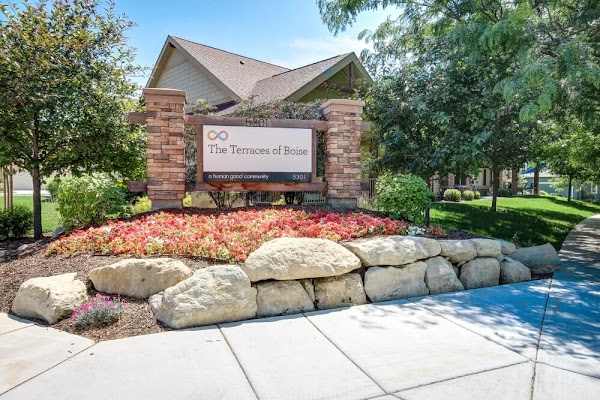
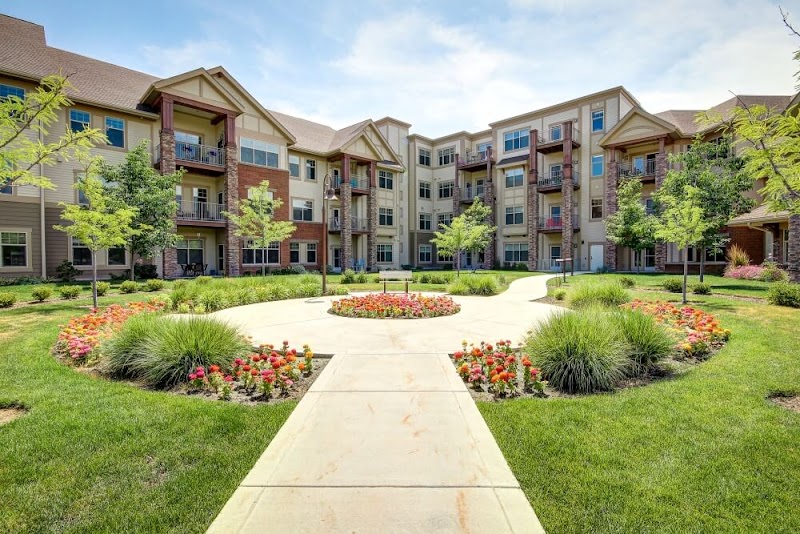
5301 E WARM SPRINGS AVE, BOISE, ID 83716 (208) 336-5550
Non profit - Corporation 48 Beds HUMANGOOD Data: November 2025
Trust Grade
63/100
#38 of 79 in ID
Last Inspection: December 2024

Within standard 12-15 month inspection cycle. Federal law requires annual inspections.

Overview

Terraces of Boise has a Trust Grade of C+, indicating it is slightly above average but still has room for improvement. It ranks #38 out of 79 facilities in Idaho, placing it in the top half of the state, and #6 out of 14 in Ada County, meaning there are only five local options that are better. The facility is showing an improving trend, with issues decreasing from 13 in 2023 to just 3 in 2024. Staffing is a strong point, receiving a 5/5 star rating and having a turnover rate of 44%, which is better than the state average. However, the facility incurred $9,311 in fines, which is concerning and higher than 76% of Idaho facilities. On the downside, there were serious incidents, including a resident not having a call light within reach, leading to a hip and wrist fracture. Additionally, the kitchen was found to have unclean equipment and improper food storage, posing risks for foodborne illnesses. Lastly, there were concerns about garbage disposal practices attracting pests, which could affect residents and staff. Families should weigh these strengths and weaknesses when considering this facility for their loved ones.

Trust Score
C+
63/100
In Idaho
#38/79
Top 48%
Safety Record
Moderate
Needs review
Inspections
Getting Better
13 → 3 violations
Staff Stability
○ Average
44% turnover. Near Idaho's 48% average. Typical for the industry.
Penalties
⚠ Watch
$9,311 in fines. Higher than 91% of Idaho facilities. Major compliance failures.
Skilled Nurses
✓ Good
Each resident gets 77 minutes of Registered Nurse (RN) attention daily — more than 97% of Idaho nursing homes. RNs are the most trained staff who catch health problems before they become serious.
Violations
⚠ Watch
22 deficiencies on record. Higher than average. Multiple issues found across inspections.
★★★★☆
4.0
Overall Rating
★★★★★
5.0
Staff Levels
★★☆☆☆
2.0
Care Quality
★★★☆☆
3.0
Inspection Score
Stable
2023: 13 issues
2024: 3 issues

The Good

  • 5-Star Staffing Rating · Excellent nurse staffing levels
  • Full Sprinkler Coverage · Fire safety systems throughout facility
  • No fines on record
  • Staff turnover below average (44%)

    4 points below Idaho average of 48%

Facility shows strength in staffing levels, fire safety.

The Bad

Staff Turnover: 44%

Near Idaho avg (46%)

Typical for the industry

Federal Fines: $9,311

Below median ($33,413)

Minor penalties assessed

Chain: HUMANGOOD

Part of a multi-facility chain

Ask about local staffing decisions and management

The Ugly 22 deficiencies on record

1 actual harm
Dec 2024 3 deficiencies
CONCERN (D)

Potential for Harm - no one hurt, but risky conditions existed

Infection Control (Tag F0880)

Could have caused harm · This affected 1 resident

Based on observation, policy review, and staff interview, it was determined the facility failed to ensure infection prevention measures were taken when reusable medical equipment was not disinfected b...

Read full inspector narrative →
Based on observation, policy review, and staff interview, it was determined the facility failed to ensure infection prevention measures were taken when reusable medical equipment was not disinfected between residents. These failures had the potential to impact residents in the facility by placing them at risk for cross contamination and infection. Findings include: The facility's Cleaning and Disinfection of Resident-Care Items and Equipment policy, revised 9/22, documented, resident care equipment, including reusable medical equipment will be cleaned and disinfected according to current Centers for Disease Control (CDC) recommedations. The CDC Website for Core Infection Prevention and Control Practices for Safe Healthcare Delivery in All Settings, dated 4/12/24, accessed on 12/23/24 stated: Clean and reprocess (disinfect or sterilize) reusable medical equipment (e.g., blood glucose meters and other point-of-care devices, blood pressure cuffs, oximeter probes, surgical instruments, endoscopes) prior to use on another patient or when soiled. On 12/19/24, at 8:45 AM, LPN #1 was observed using the mobile vital signs machine to obtain blood pressure, pulse, and temperature readings on a resident. LPN #1 was observed to use the same machine to obtain blood pressure, pulse, and temperature readings on another resident. LPN #1 was not observed to clean or disinfect the equipment between the two residents. LPN #1 stated she cleaned the mobile vital signs machine once at the end of her shift. On 12/19/24 at 10:00 AM, CNA #1 stated the mobile vital signs machines were cleaned once a day by night shift staff. On 12/19/24 at 12:35 PM, the Administrator stated nursing staff are responsible to clean the mobile vital signs machines after each resident use.
CONCERN (F)

Potential for Harm - no one hurt, but risky conditions existed

Food Safety (Tag F0812)

Could have caused harm · This affected most or all residents

**NOTE- TERMS IN BRACKETS HAVE BEEN EDITED TO PROTECT CONFIDENTIALITY** Based on observation and staff interview, it was determined the facility failed to ensure kitchen equipment was clean and food w...

Read full inspector narrative →
**NOTE- TERMS IN BRACKETS HAVE BEEN EDITED TO PROTECT CONFIDENTIALITY** Based on observation and staff interview, it was determined the facility failed to ensure kitchen equipment was clean and food was stored in a safe and sanitary manner. This deficency had the potential to affect the 36 residents who consumed food prepared by the facility. This placed residents at risk for potential contamination of food and adverse health outcomes, including food-borne illnesses. Findings include: FDA Food Code Section 4-602.11 Equipment Food-Contact Surfaces and Utensils: (E) Surfaces of utensils and equipment contacting food that is not time/temperature control for food shall be cleaned: (4) In equipment such as ice bins and beverage dispensing nozzles and enclosed components of equipment such as ice makers, cooking oil storage tanks and distribution lines, beverage and syrup dispensing lines or tubes, coffee bean grinders, and water vending equipment: (a) At a frequency specified by the manufacturer, or (b) Absent manufacturer specifications, at a frequency necessary to preclude accumulation of soil or mold. FDA Food Code Section 6-501.14 (A) Documented cleaning ventilation systems intake and exhaust air ducts shall be cleaned so they are not a source of contamination by dust, dirt, and other materials. On 12/16/24 and 12/19/24, it was observed in the main kitchen walk-in refrigerator, the air conditioner fan covers were coated in a layer of dust with short strands of dust waving in the air current. On 12/19/24 it was observed the ice machine in the main kitchen had a layer of pink slime mold on the [NAME] side of the interior of the ice machine. On 12/19/24 at 11:42 AM, the Dietitian confirmed there was a layer of pink slime mold in the ice machine and stated she was unsure when the ice machine had last been serviced by the third party vendor. On 12/19/24 at 11:42 AM, the Maintenance Technician confirmed the ice machine in the main kitchen is serviced and cleaned quarterly by a third party. The last cleaning of the ice machine was on 11/26/24. The Maintenance Technician stated the walk-in refrigerator air conditioning covers are meant to be cleaned quarterly, and he was unsure why the air conditioning cover in question was not cleaned.
CONCERN (F)

Potential for Harm - no one hurt, but risky conditions existed

Garbage Disposal (Tag F0814)

Could have caused harm · This affected most or all residents

Based on observation, interview, and FDA Food Code review, it was determined the facility failed to ensure garbage was properly disposed of to minimize attracting insect and rodents. This deficient pr...

Read full inspector narrative →
Based on observation, interview, and FDA Food Code review, it was determined the facility failed to ensure garbage was properly disposed of to minimize attracting insect and rodents. This deficient practice had the potential to affect all residents, staff, and visitors in the facility. Findings include: FDA Food Code Section 5-501.15 Outside Receptacles: (B) Receptacles and waste handling units for refuse and recyclables such as an on-site compactor shall be installed so that accumulation of debris and insect and rodent attraction and harborage are minimized and effective cleaning is facilitated around and, if the unit is not installed flush with the base pad, under the unit. On 12/19/24 it was observed in the facility garbage compactor area, various items of edible and non-edible refuse were spread around the ground near the garbage compactor. On 12/19/24 at 10:15 AM, the Dietitian stated she was unsure when the area around the garbage compactor had last been cleaned. On 12/19/24 at 11:48 AM, the Maintenance Technician and Administrator confirmed the garbage compactor area was cleaned every two weeks, after the compactor is emptied. The Maintenance Technician stated the area had been cleaned the previous week and was not scheduled to be cleaned until the following day.
Dec 2023 12 deficiencies 1 Harm
SERIOUS (G)

Actual Harm - a resident was hurt due to facility failures

Accident Prevention (Tag F0689)

A resident was harmed · This affected 1 resident

**NOTE- TERMS IN BRACKETS HAVE BEEN EDITED TO PROTECT CONFIDENTIALITY** Based on policy review I&A report review, record review and staff interview, it was determined the facility failed to ensure cal...

Read full inspector narrative →
**NOTE- TERMS IN BRACKETS HAVE BEEN EDITED TO PROTECT CONFIDENTIALITY** Based on policy review I&A report review, record review and staff interview, it was determined the facility failed to ensure call lights were within residents' reach. This was true for 1 of 2 residents (Resident #49) reviewed for falls. This resulted in harm to Resident #49 when she fractured her left hip and left wrist. Findings include: The facility's Safety and Supervision of Residents policy, revised July 2017, documented the facility strived to make the environment as free from accidents and hazards as possible. It also stated the facility identified hazards and risks on an ongoing basis. This policy was not followed. 1. Resident #49 was initially admitted to the facility on [DATE], with multiple diagnosis including a tibia fracture. An MDS admission assessment, dated 11/28/23, documented Resident #49 required supervision or touching (cueing) assistance for upper body dressing and supervision or touching assistance when rolling left or right. Resident #49's care plan, dated 11/21/23, directed staff to anticipate Resident #49's needs and encourage her to use the call light for assistance. A facility I&A report, dated 12/5/23, documented staff responded to Resident #49's call light. When they entered the room Resident #49 was found on the left side of her bed on the floor. Resident #49 complained of pain to her left hip and left wrist. The report documented Resident #49 was reaching for a piece of chocolate on the nightstand when she fell out of bed. Vital signs were taken, and Resident #49 was sent to the hospital for further evaluation. The I&A report did not include staff interviews related to the fall or potential risks or hazards. On 12/13/23 at 8:32 AM, Resident #49 stated she was reaching for the call light on her nightstand when she rolled off the bed. She stated she looked down at her leg and noticed it looked a little off. Resident #49 stated she did not activate the call light until she was on the floor. She stated shortly after activating the call light a CNA and a nurse came in to help her. She stated the nurse acted promptly and sent her to the hospital after taking her vital signs. Resident #49 further stated no one on behalf of the facility asked her what occurred when she returned. On 12/13/23 at 5:01 PM, the DON stated Resident #49 was reassessed when she returned to the facility and moved to a room closer to the nurse's station as an intervention. She stated Resident #49 just rolled out of bed. The DON also stated she always spoke to staff about fall investigations as they collaborated and assessed the fall risk. On 12/13/23 at 6:26 PM, RN #2 stated Resident #49's call light was activated, and CNA #2 entered the room first then called for her. She stated she recalled walking into the room and observed Resident #49 laying on the left side of the bed with a swollen left wrist. RN #2 stated the call light was wrapped around the top drawer of the nightstand and the nightstand was pushed all the way back against the wall. She stated Resident #49 would have had to reach all the way back to activate the call light. RN #2 stated Resident #49 was in pain and difficult to understand but she noticed Resident #49 pointed up at the nightstand and she assumed Resident #49 was trying to reach for the bag of chocolates sitting on the nightstand. RN #2 stated Resident #49 could have been pointing to the call light, but she was not sure if CNA #2 placed it on the nightstand when she entered the room first. RN #2 stated she did not have a conversation with anyone in the facility to analyze for risk or hazards after the fall. On 12/13/23 at 6:29 PM, CNA #2 stated she responded to Resident #49's call light and immediately called RN #2. She also stated she observed the call light wrapped around the top drawer of the nightstand and Resident #49 was on the floor on the left side of her bed. The facility failed to ensure Resident #49 had access to her call light, resulting in a fall with injury.
CONCERN (D)

Potential for Harm - no one hurt, but risky conditions existed

Resident Rights (Tag F0550)

Could have caused harm · This affected 1 resident

**NOTE- TERMS IN BRACKETS HAVE BEEN EDITED TO PROTECT CONFIDENTIALITY** 2. Resident #5 was readmitted to the facility on [DATE], with multiple diagnoses including dementia. Resident #5's significant c...

Read full inspector narrative →
**NOTE- TERMS IN BRACKETS HAVE BEEN EDITED TO PROTECT CONFIDENTIALITY** 2. Resident #5 was readmitted to the facility on [DATE], with multiple diagnoses including dementia. Resident #5's significant change in status MDS assessment, dated 11/17/23, documented Resident #5 was cognitively impaired and required substantial assistance with eating. Resident #5's care plan documented she required assistance with food and fluid intake. The care plan also directed staff to assist with meals in the dining room. Resident #5 was observed waiting for her meal while the residents around her had been served and ate their meal on the following dates and times: -12/12/23 at 12:20 PM -12/13/23 at 8:17 AM -12/13/23 at 12:18 PM -12/14/23 at 8:21 AM On 12/13/23 at 8:25 AM, CNA # 1 stated Resident #5 ate last when they had staff available to assist her. On 12/14/23 at 11:28 AM, the Administrator stated he was informed of the issue. He also stated he discussed [Resident #5] with the Dietitian, but after further review this was the best outcome. Based on observation, policy review, record review, and resident and staff interview, it was determined the facility failed to ensure residents were treated with dignity and respect. This was true for 2 of 2 residents (#5 and #35) reviewed for respect and dignity. This deficient practice placed Resident #5 and #35 at risk of embarrassment and diminished sense of self-worth. Findings include: The facility's admissions agreement, undated, documented the resident has the right to be treated with respect and recognition of their dignity in care of their personal needs. 1. Resident #35 was admitted on [DATE], with multiple diagnoses, including Alzheimer's disease and muscle weakness and atrophy. Resident #35's care plan, revised on 8/7/23, documented he required assistance to feed himself food and fluids. The care plan directed staff to adjust provision of ADLs to compensate for his changing abilities and to encourage participation to the extent he wished to participate. On 12/12/23, at 8:42 AM, Resident #35 was observed seated in his wheelchair at the dining room table with a covered plate of food in front of him while other residents around him were eating. RN #3 stated Resident #35 required one on one assistance to eat because he's a feeder. She stated Resident #35 was helped to get up first because he required extensive assistance and once everyone was up, then he was fed. On 12/14/23 at 11:01 AM, the Administrator stated because Resident #35 was non-verbal they did not know if Resident #35 was alright with sitting with his food in front of him without being helped to eat and because he was not showing non-verbal signs he was bothered by being served last. On 12/14/23 at 11:28 AM, the Dietician stated, someone has to be served last anyways, it's unfortunate that it's always him.
CONCERN (D)

Potential for Harm - no one hurt, but risky conditions existed

Report Alleged Abuse (Tag F0609)

Could have caused harm · This affected 1 resident

**NOTE- TERMS IN BRACKETS HAVE BEEN EDITED TO PROTECT CONFIDENTIALITY** Based on policy review, record review, review of the State Survey Agency's Long-Term Care Reporting Portal, and staff interview,...

Read full inspector narrative →
**NOTE- TERMS IN BRACKETS HAVE BEEN EDITED TO PROTECT CONFIDENTIALITY** Based on policy review, record review, review of the State Survey Agency's Long-Term Care Reporting Portal, and staff interview, it was determined the facility failed to ensure abuse and neglect were thoroughly investigated. This was true for 1 of 4 residents (Resident #39) reviewed for abuse and neglect. This failure created the potential for residents to be subjected to ongoing abuse without detection and protective measures implemented by the facility. Findings include: Resident #39 was admitted to the facility on [DATE], with multiple diagnoses including Parkinson's disease and dementia. Resident #39's care plan, dated 8/18/23, documented Resident #39 had impaired communication due to her dementia and impaired memory. The care plan directed staff to ask simple yes/no questions. The care plan also stated Resident #39 required extensive assistance from 1 person for transfers and peri-care. An I&A report, dated 11/24/23, documented a CNA reported Resident #39 was observed with blood in her brief. Upon closer inspection of the perineal area the nurse identified a pea size hematoma (happens when an injury causes blood to collect and pool under the skin most commonly caused by an injury to the wall of a blood vessel, prompting blood to seep out of the blood vessel into the surrounding tissues) near the resident's clitoris (tiny nub of flesh located at the top of the female genitals [vulva] that contains sensitive nerves) where the nurse identified the blood was coming from. The I&A report stated Resident #39 denied pain to the area but did seem to have pain or discomfort on assessment of her perineal area. The nurse notified the physician, family, and the DON. The I&A report documented Resident #39, who was post-menopausal, was assessed by the Physician Assistant who concluded it was related to hormonal changes. Review of the State Agency's Long Term Care Reporting Portal did not include a report of the above incident. A progress note, dated 11/27/23 at 3:18 PM, documented the Physician Assisted assessed Resident #39 (three days after the I&A report identified the hematoma was observed) and provided her with the option to see a gynecologist or receive a cream treatment. On 12/14/23 at 9:38 AM, the DON stated she did not feel this incident presented as an allegation of sexual abuse. On 12/14/23 at 5:50 PM, the Administrator stated had he been informed of the incident, he would have investigated it for alleged sexual abuse.
CONCERN (D)

Potential for Harm - no one hurt, but risky conditions existed

Investigate Abuse (Tag F0610)

Could have caused harm · This affected 1 resident

**NOTE- TERMS IN BRACKETS HAVE BEEN EDITED TO PROTECT CONFIDENTIALITY** Based on policy review, record review, review of the State Survey Agency's Long-Term Care Reporting Portal, and staff interview,...

Read full inspector narrative →
**NOTE- TERMS IN BRACKETS HAVE BEEN EDITED TO PROTECT CONFIDENTIALITY** Based on policy review, record review, review of the State Survey Agency's Long-Term Care Reporting Portal, and staff interview, it was determined the facility failed to ensure potential abuse, neglect, and mistreatment was thoroughly investigated. This was true for 1 of 4 residents (Resident #39) reviewed for investigations. This failure reacted the potential for residents to be subjected to ongoing abuse without detection and protective measures implemented by the facility. Findings include: The facility's Elder Abuse Prevention, Identification, Response and Reporting policy, revised 8/15/18, documented allegations of abuse, exploitation, neglect, or misappropriation of resident property shall be promptly investigated by: - Assessment of the immediate environment - Collection of physical evidence - Review of the resident assessment - Review of the resident record - Interviews of appropriate parties by the investigator who can be either the Director of Nursing, the Executive Director, or the Corporate Risk Manager. This policy was not followed. Resident #39 was admitted to the facility on [DATE], with multiple diagnoses including Parkinson's disease and dementia. Resident #39's care plan, dated 8/18/23, documented Resident #39 had impaired communication due to her dementia and impaired memory. The care plan directed staff to ask simple yes/no questions. The care plan also stated Resident #39 required extensive assistance from 1 person for transfers and peri-care. An I&A report, dated 11/24/23, documented a CNA reported Resident #39 was observed with blood in her brief. Upon closer inspection of the perineal area the nurse identified a pea size hematoma (happens when an injury causes blood to collect and pool under the skin most commonly caused by an injury to the wall of a blood vessel, prompting blood to seep out of the blood vessel into the surrounding tissues) near the resident's clitoris (tiny nub of flesh located at the top of the female genitals [vulva] that contains sensitive nerves) where the nurse identified the blood was coming from. The I&A report stated Resident #39 denied pain to the area but did seem to have pain or discomfort on assessment of her perineal area. The nurse notified the physician, family, and DON. The I&A report documented Resident #39, who was post-menopausal, was assessed by the Physician Assistant who concluded it was related to hormonal changes. Review of the State Agency's Long Term Care Reporting Portal did not include a report or investigation of the above incident. The I&A report did not include an immediate investigation of Resident #39's perineal skin impairment. A progress note, dated 11/27/23 at 3:18 PM, documented the Physician Assisted assessed Resident #39 (three days after the I&A report identified the hematoma was observed) and provided her with the option to see a gynecologist or receive a cream treatment. On 12/14/23 at 9:38 AM, the DON stated she did not feel this incident presented as an allegation of sexual abuse. On 12/14/23 at 5:50 PM, the Administrator stated had he been informed of the incident, he would have investigated it for alleged sexual abuse.
CONCERN (D)

Potential for Harm - no one hurt, but risky conditions existed

Deficiency F0625 (Tag F0625)

Could have caused harm · This affected 1 resident

**NOTE- TERMS IN BRACKETS HAVE BEEN EDITED TO PROTECT CONFIDENTIALITY** Based on record review and staff interview, it was determined the facility failed to ensure a bed hold was provided for resident...

Read full inspector narrative →
**NOTE- TERMS IN BRACKETS HAVE BEEN EDITED TO PROTECT CONFIDENTIALITY** Based on record review and staff interview, it was determined the facility failed to ensure a bed hold was provided for residents leaving the facility for a hospital stay or therapeutic leave. This was true for 1 of 1 resident (Resident #49) whose record was reviewed for hospitalization. This deficient practice created the potential for psychosocial distress if residents were not informed of their right to return to their former bed/room at the facility within a specified time. Findings include: The facility's bed hold consent form, stated residents may hold a specific bed for the entire length of hospital stay or therapeutic leave providing the resident or their responsible party has indicated in writing the desire to hold the bed. The consent form also stated the bed hold will be provided at the time of transfer for hospitalization or therapeutic leave. Resident #49 was admitted to the facility on [DATE], with multiple diagnoses including a tibia fracture. A progress note, dated 12/5/23, documented Resident #49 had a fall and was sent to the hospital for further evaluation. Resident #49's record did not include documentation that a bed hold was offered to her at the time of leaving the facility for a hospitalization. On 12/13/23 at 12:58PM, the DON stated the facility did not have a record that Resident #49 was offered a bed hold.
CONCERN (D)

Potential for Harm - no one hurt, but risky conditions existed

Pharmacy Services (Tag F0755)

Could have caused harm · This affected 1 resident

Based on observation, policy review, and staff interview, it was determined the facility failed to ensure a controlled substance was tracked and disposed of in a timely manner. This was true for 1 of ...

Read full inspector narrative →
Based on observation, policy review, and staff interview, it was determined the facility failed to ensure a controlled substance was tracked and disposed of in a timely manner. This was true for 1 of 3 medication carts observed. This failure created the potential for undetected misuse and/or diversion of a controlled medication. Findings include: The State Operations Manual, Appendix PP, dated February 2023, defines controlled medications as substances that have an accepted medical use (medications which fall under US Drug Enforcement Agency (DEA) Schedules II-V), have a potential for abuse, ranging from low to high, and may also lead to physical or psychological dependence. The facility's Discarding and Destroying Medications policy, revised November 2022, documented the disposal of controlled substances must take place immediately (no longer than three days) after discontinuation of use. This policy was not followed. On 12/11/23 at 3:23 PM, a blister pack (plastic packaging for individual medication doses) of Lyrica (schedule 3 narcotic used to treat neuropathic pain) was observed in the Maple medication cart, narcotic box. LPN #3 stated the Lyrica came to the facility from another health facility in a bottle. LPN #3 stated to make counting of the Lyrica easier, the bottle of Lyrica was taken to the assisted living area and blister packed by the staff. The blister pack was labeled based on what was on the bottle of Lyrica. LPN #3 was unable to locate the original bottle that the Lyrica tablets were in and stated, It must have been thrown out. It was discontinued anyways. A physician order, dated 12/6/23, documented the Lyrica was discontinued. On 12/13/23 at 6:05 PM, the DON stated medications should not be repackaged by staff, they should be sent to the pharmacy where they would repackage and label them. The DON stated, if a narcotic needed to be destroyed it was left locked in the narcotic box until 2 nurses could destroy it.
CONCERN (D)

Potential for Harm - no one hurt, but risky conditions existed

Unnecessary Medications (Tag F0759)

Could have caused harm · This affected 1 resident

**NOTE- TERMS IN BRACKETS HAVE BEEN EDITED TO PROTECT CONFIDENTIALITY** Based on record review and staff interview, it was determined the facility failed to ensure a resident was free from a medicatio...

Read full inspector narrative →
**NOTE- TERMS IN BRACKETS HAVE BEEN EDITED TO PROTECT CONFIDENTIALITY** Based on record review and staff interview, it was determined the facility failed to ensure a resident was free from a medication error. This was true for 1 of 1 resident (Resident #102) whose medication record was reviewed for accuracy. This failure placed Resident #102 at risk of not receiving the correct ordered medication for constipation. Findings include: Resident #102 was admitted on [DATE], with multiple diagnoses including a fracture of his right femur. A nursing assessment was conducted upon Resident #102's admission. The space provided to document the resident's most recent bowel movement was blank. A nurse's progress note, dated 12/9/23 at 8:00 AM, documented Resident #102 had a distended abdomen and appeared to be uncomfortable and was requesting an enema. A physician order, dated 12/9/23, directed staff to administer 1 tablet of delayed release Bisacodyl (laxative) by mouth to Resident #102 as needed if he had no bowel movement for 96 hours. A nurse's progress note, dated 12/9/23 at 9:33 AM, documented Resident #102 had decreased bowel sounds and a rectal suppository [Bisacodyl] for no bowel movement was given to Resident #102. Resident #102's MAR, dated 12/9/23, did not include documentation rectal Bisacodyl was ordered and administered. The order on Resident #102's MAR for oral administration of Bisacodyl was blank. A nurse's progress note, dated 12/9/23 at 3:06 PM, documented Resident #102's family stated he had a history of constipation and his last bowel movement was on 12/7/23, before he was admitted to the facility. On 12/13/23 at 12:20 PM, RN #3 stated I gave a Bisacodyl suppository instead of a Bisacodyl by mouth, so that was a mistake on my part. RN #3 stated she did not document or sign the MAR for the medication administration. On 12/13/23 at 12:30 PM, the DON stated RN #3 failed to document she contacted the physician on call to report she did not know when his most recent bowel movement occurred and to report Resident #102's discomfort. The DON stated the physician gave a verbal order to administer a Bisacodyl suppository per rectum and RN #3 made an error in transcribing and mistakenly transcribed a Bisacodyl oral tablet. The DON stated RN #3 failed to follow physician's orders and transcribed the wrong medication. She stated the nurse failed to sign the MAR for the medication administration and failed to document the verbal physician order in a progress note.
CONCERN (E)

Potential for Harm - no one hurt, but risky conditions existed

Deficiency F0757 (Tag F0757)

Could have caused harm · This affected multiple residents

**NOTE- TERMS IN BRACKETS HAVE BEEN EDITED TO PROTECT CONFIDENTIALITY** 2. Resident #34 was readmitted to the facility on [DATE], with multiple diagnoses including normal pressure hydrocephalus (NPH a...

Read full inspector narrative →
**NOTE- TERMS IN BRACKETS HAVE BEEN EDITED TO PROTECT CONFIDENTIALITY** 2. Resident #34 was readmitted to the facility on [DATE], with multiple diagnoses including normal pressure hydrocephalus (NPH a condition caused by an abnormal buildup of cerebrospinal fluid in the cavities or spaces of the brain.) A physician order, dated 11/30/23, documented to administer 1 tablet of 5mg Oxycodone (opioid medication) to Resident #34 by mouth every 6 hours as needed for moderate pain. Resident #34's MAR, dated 11/30/23 through 12/12/23, did not include documentation non-pharmacological pain interventions attempted prior to the administration for Oxycodone for 4 of 4 administration on the following dates: - 12/3/23 at 1:56 AM - 12/3/23 at 12:21 PM - 12/5/23 at 7:26 AM - 12/10/23 at 11:37 AM Resident #34's MAR, dated 11/30/23 through 12/12/23, did not include non-pharmacological interventions for pain or monitors for opioid side effects. 3. Resident #49 was readmitted to the facility on [DATE], with multiple diagnoses including a left wrist fracture. A physician order, dated 12/9/23, documented to administer 1 tablet of 50 mg Tramadol (opioid medication) to Resident #49 by mouth every 6 hours as needed for pain. Resident #49's MAR, dated 12/1/23 through 12/31/23, documented Resident #49 may have ice pack wrapped in cloth and applied every hour as needed for pain, discomfort, or inflammation. Resident #49's MAR, dated 12/9/23 through 12/12/23, did not include documentation of non-pharmacological pain interventions attempted prior to the administration of Tramadol for 8 of 8 administrations on the following dates: - 12/10/23 at 2:30 AM -12/10/23 at 10:13 AM - 12/10/23 at 3:54 PM - 12/10/23 at 9:54 PM - 12/11/23 at 9:06 AM - 12/11/23 at 5:53 PM - 12/12/23 at 2:30 AM - 12/12/23 at 10:21 AM Resident #49's record did not include monitors for side effects of opioid medication. On 12/15/23 at 10:46 AM, the DON stated staff were to document non-pharmacological interventions in a progress note and nurses were expected to monitor for side effects of all medications. Based on record review, and staff interview, it was determined the facility failed to ensure residents were monitored for side effects and offered non-pharmacological interventions prior to administering an opioid pain medication. This was true for 3 of 7 residents (#34, #49, and #102) reviewed for unnecessary medications. This failure created the potential for residents to experience adverse reactions due to a lack of appropriate monitoring or increased pain due to not offering non-pharmacological interventions. Findings include: 1. Resident #102 was admitted on [DATE], with multiple diagnoses including a fracture of his right femur. Resident #102 was prescribed Oxycodone Hcl 5mg (opioid medication), take 1 oral tablet by mouth every 6 hours as needed for moderate pain. Resident #102's MAR, dated 12/8/23 through 12/12/23, did not include documentation nonpharmacological pain interventions were attempted prior to the administration for Oxycodone for 8 of 8 administrations on the following dates and times: - 12/8/23 at 7:34 PM - 12/9/23 at 8:07 AM - 12/9/23 at 8:02 PM - 12/10/23 at 9:02 AM - 12/10/23 at 3:05 PM - 12/11/23 at 12:19 AM - 12/11/23 at 7:28 PM - 12/12/23 at 7:32 PM Resident #102's MAR, dated 12/8/23 through 12/12/23 did not include non-pharmacological interventions for pain or monitors for opioid side effects.
CONCERN (E)

Potential for Harm - no one hurt, but risky conditions existed

Deficiency F0761 (Tag F0761)

Could have caused harm · This affected multiple residents

**NOTE- TERMS IN BRACKETS HAVE BEEN EDITED TO PROTECT CONFIDENTIALITY** Based on observation, policy review, and staff interview, it was determined the facility failed to ensure medications available ...

Read full inspector narrative →
**NOTE- TERMS IN BRACKETS HAVE BEEN EDITED TO PROTECT CONFIDENTIALITY** Based on observation, policy review, and staff interview, it was determined the facility failed to ensure medications available for residents were labeled and dated; this was true for 2 of 3 medication storage rooms inspected. This failure created the potential for residents to receive medication used for another resident presenting a risk for cross-contamination or to receive expired medications with decreased efficacy. Findings include: The facility's Medication Storage policy, dated January 2023, documented the provider pharmacy dispenses medications in containers that meet the state and federal labeling requirements. Medications are to remain in these containers. Outdated or discontinued medications are immediately removed from stock. This policy was not followed. 1. On 12/11/23 at 3:23 PM, a blister pack of Lyrica (schedule 3 narcotic used to treat neuropathic pain) was observed in the Maple medication cart, narcotic box. The label on the Lyrica was handwritten, in red marker, with no expiration date. LPN #3 stated the Lyrica came from another health facility in a bottle. 2. On 12/11/23 at 3:36 PM, a vial of Tubersol (a clear, colorless solution used in the detection of infection with Mycobacterium tuberculosis) multidose vial was observed in the Maple medication storage room refrigerator with no opened date. The refrigerator contained a Prevnar vaccine (vaccine for pneumococcal disease) syringe that had expired. LPN #3 stated there was no opened date on the multidose vial or the box. She stated it should have been dated when it was opened, and it was good for 28 days after opening. LPN #3 stated the storage room was checked for expired medication routinely and the Prevnar vaccine should have been discarded when it expired. 3. On 12/11/23 at 4:04 PM, a Prevnar vaccine syringe was observed in the [NAME] medication storage refrigerator that was expired. LPN #1 stated the syringe should have been thrown out when it expired.
CONCERN (E)

Potential for Harm - no one hurt, but risky conditions existed

Food Safety (Tag F0812)

Could have caused harm · This affected multiple residents

**NOTE- TERMS IN BRACKETS HAVE BEEN EDITED TO PROTECT CONFIDENTIALITY** Based on observation, policy review, and staff interview, it was determined the facility failed to ensure food items were dated ...

Read full inspector narrative →
**NOTE- TERMS IN BRACKETS HAVE BEEN EDITED TO PROTECT CONFIDENTIALITY** Based on observation, policy review, and staff interview, it was determined the facility failed to ensure food items were dated and labeled and hygiene practices followed. This failure had the potential to affect 43 of 43 residents residing in the facility who consumed food prepared by the facility at risk of adverse health outcomes, including food-born illnesses. Findings include: The facility's Food Storage policy, undated, documented food should include a date to indicate by which a ready-to-eat food should be consumed. It also stated left over food was to be stored in a covered container or wrapped carefully and securely. Each item was to be clearly labeled and dated before refrigerated and leftover food should be used within 3 days or discarded. This policy was not followed. 1. On 12/11/23 at 7:26 AM, during a main kitchen inspection, 7 of 32 opened seasoning containers did not have a use by date on the container. On 12/11/23 at 7:29 AM, the Chef stated he did not know if the seasonings were good. He stated they should have been dated. On 12/11/23 at 7:30 AM, food items were located with past use by dates, items had no use by date, and items were observed to be uncovered with no proper labeling as follows: In the main kitchen refrigerator the following items were located with past use by dates: - Horseradish dated 11/22 - Cocktail Sauce dated 10/7 - Chili Sauce dated 12/6 The use by dates did not include the year, however the Chef acknowledged they were outdated and removed them from the refrigerator. In the main kitchen refrigerator the following items were located undated: - Ground beef - Turkey Gravy - Pickle relish - Sweet peppers - Liquid egg yolk In the main kitchen the following food items were located uncovered and undated: - Frozen Brisket a jus sauce in the freezer - Ground beef in the refrigerator In the Maple kitchen refrigerator fruit was observed uncovered and undated. On 12/11/23 at 7:39 AM, the Chef stated the items should have been properly dated and covered and the past dated items should have been discarded. 3. The facility's Food Safety policy, undated, documented temperatures of the food would be monitored during preparation, serving, and holding and the temperatures would be documented. This policy was not followed. On 12/14/23 at 12:31 PM, a tray line observation was conducted in the Maple, [NAME], and Redwood kitchens. Two of 3 kitchens did not have documented temperatures of the food prior to serving. On 12/14/23 at 12:49 PM, [NAME] #1 stated she took the food temperatures but did not document them. On 12/14/23 at 5:15 PM, the Executive Chef stated he was unaware of the temperatures not being taken at the time of serving and holding. He also stated the temperatures should be taken on preparation, serving, and holding.
CONCERN (E)

Potential for Harm - no one hurt, but risky conditions existed

Deficiency F0847 (Tag F0847)

Could have caused harm · This affected multiple residents

Based on record review and staff interview, it was determined the facility failed to ensure the facility's binding Arbitration Agreement was explained and understood by the resident and/or their repre...

Read full inspector narrative →
Based on record review and staff interview, it was determined the facility failed to ensure the facility's binding Arbitration Agreement was explained and understood by the resident and/or their representatives and to inform the resident and/or their representative of the 30 days to rescind the agreement if they so wished to do so. This was true for 39 of 43 residents in the facility. This had the potential for residents to make a misinformed decision when the agreement was not explained. Findings include: The facility's admission Arbitration Agreement Policy, dated 9/1/23, documented during the admission process, the facility's team member shall provide a clear explanation of the arbitration process to the resident and their legal representative. The team member shall address any questions or concerns regarding the arbitration. This policy was not followed. On 12/11/23 at 8:40 AM, a review of the facility's census documented 39 residents signed and agreed to the Arbitration Agreement. Three residents were pending the admission and signing process and 1 declined to sign the Arbitration Agreement. On 12/11/23 at 11:07 AM, the Administrator stated the Arbitration Agreement did not include information the resident had 30 days to rescind the Agreement if the they changed their mind. He also stated the admission Counselor went over the Arbitration Agreement during the admission process. On 12/14/23 at 3:32 PM, the admission Counselor stated she did not answer questions about arbitration. She stated the agreement had too much legal terminology, and she directed the resident or their representative to the Administrator for questions.
CONCERN (E)

Potential for Harm - no one hurt, but risky conditions existed

Deficiency F0848 (Tag F0848)

Could have caused harm · This affected multiple residents

Based on record review, and staff interview, it was determined the facility failed to ensure the facility's binding Arbitration Agreement provided a neutral arbitrator agreed upon both parties and a v...

Read full inspector narrative →
Based on record review, and staff interview, it was determined the facility failed to ensure the facility's binding Arbitration Agreement provided a neutral arbitrator agreed upon both parties and a venue that was convenient to both parties. This was true for 39 of 43 residents in the facility who signed the Arbitration Agreement. This failure created the potential for an unfair Arbitration process in a venue convinent to both parties. Findings include: On 12/11/23, a review of the facility's Arbitration Agreement was conducted. The Agreement did not include the use of a neutral arbitrator and or the use of a convenient venue for both parties. On 12/11/23 at 2:52 PM, the Administrator stated the facility followed the Federal Arbitration Act, but the Arbitration Agreement did not clearly state the facility would use a convenient venue or a neutral arbitrator.
Aug 2023 1 deficiency
CONCERN (D) 📢 Someone Reported This

A family member, employee, or ombudsman was alarmed enough to file a formal complaint

Potential for Harm - no one hurt, but risky conditions existed

Free from Abuse/Neglect (Tag F0600)

Could have caused harm · This affected 1 resident

**NOTE- TERMS IN BRACKETS HAVE BEEN EDITED TO PROTECT CONFIDENTIALITY** Based on policy review, record review, review of the State Agency's Long-Term Care Reporting Portal, review of I&A and grievance...

Read full inspector narrative →
**NOTE- TERMS IN BRACKETS HAVE BEEN EDITED TO PROTECT CONFIDENTIALITY** Based on policy review, record review, review of the State Agency's Long-Term Care Reporting Portal, review of I&A and grievance reports, and staff interview, it was determined the facility failed to ensure a resident was free from abuse. This was true for 1 of 12 residents (Resident #1) reviewed for abuse. This failure resulted in Resident #1 not being free from abuse when her pain medication was withheld. Findings include: The facility's Resident Rights policy, revised February 2021, stated Employees shall treat all residents with kindness, respect, and dignity. The policy interpretation and implementation stated Federal and state laws guarantee certain basic rights to all residents of this facility. These rights include the resident's right to be free from abuse, neglect, misappropriation of property, and exploitation . This policy was not followed. Resident #1 was admitted to the facility on [DATE] with multiple diagnoses including high blood pressure, chronic kidney disease, history of left femur fracture, and dementia. Resident #1's quarterly MDS, dated [DATE], documented Resident #1 was on a scheduled pain medication regimen. A facility investigation report, submitted 5/25/23, to the State Agency's Long-Term Care Reporting Portal, documented the following: - Resident #1 had a care plan for dementia with potential for impaired communication. Interventions included presenting one thought, question or command at a time as well as ensuring proper time was given to Resident #1 to respond. The report documented Resident #1 was at risk for pain with interventions including but not limited to evaluating for nonverbal signs and symptoms of pain, monitor/record/reports complaints of pain or requests for pain treatment and notify physician if interventions were unsuccessful or if current complaint is a significant change from Resident #1's past experience of pain. - On 5/12/23, Resident #1's daughter asked to speak with the Administrator to voice concerns about facility staff. Resident #1's daughter reported she received a phone call on 5/11/23 from RN #1. She stated RN #1 told her Resident #1 was having behaviors and barricading herself in her room, acting confused and was wandering. Resident #1's daughter reported the way she [RN #1] talked to my mom [Resident #1] was very stern and seemed to upset mom more. Resident #1's daughter also reported RN #1 did not give Resident #1 her pain medication. Resident #1's MAR for April and May 2023, documented she was to receive oxycodone (opiate pain medication) 5 mg, 0.5 tablet by mouth at bedtime for pain. Resident #1's MAR for April 2020 documented RN #1 held her bedtime oxycodone on the following dates: 4/5/23, 4/6/23, 4/7/23, 4/8/23, and 4/9/23. RN #1 also withheld Resident #1's oxycodone on 4/21/23, 4/22/23, 4/24/23, and 4/30/23. Resident #1's Medication Administration notes included the following documentation by RN #1 for the bedtime oxycodone: - 4/5/23 at 9:05 PM: pt. [patient] has slurred speech and cognitive decline today and a fall this early am [morning] so nurse held this med this pm [evening] with pt included in the conversation. - 4/6/23 at 8:26 PM: pt. has no complaints of pain and is still very forgetful this evening so nurse is still holding oxycodone for this hs [bedtime] med pass. - 4/7/23 at 8:45 PM: Pt is very unstable and still slurring her speech will hold this hs med pass. - 4/8/23 at 7:30 PM: pt has no pain and is comfortable. - 4/23/23 at 8:10 PM: pt. tells me she is in zero pain the [sic] evening. - 4/30/23 at 7:56 PM: no pain this evening. - 5/4/23 at 8:17 PM: no mention of pain. The medication administration notes did not specify how RN #1 determined Resident #1's pain level. Resident #1's record did not include a note the physician was notified of Resident #1's slurred speech and cognitive decline, or consultation with the physician if Resident #1's routine oxycodone should be held. The facility investigation report documented RN #1 was interviewed and asked if she communicated to any parties that the resident was overmedicated. The report documented RN #1 stated No, but I did express my concern that her erratic behavior could be an adverse reaction to the combination of medications and alcohol. RN #1 said she was also concerned because medication changes can frequently result in a patient being at a higher risk for a fall. RN #1 stated she expressed this concern to Resident #1's daughter and suggested she contact her provider for a medication review. The report stated upon review of Resident #1's record it was noted that [RN#1] never reported a possible change of condition or concerns about medication regimen to the facility Medical Director. When the Administrator asked if RN #1 notified the Medical Director for a possible change in Resident #1's condition, she stated This was not a life threatening issue, so I did not feel the need to notify the MD [Medical Director]. The facility investigation report further documented when the Administrator called RN #1 to notify her of suspension pending abuse investigation, she stated, I know what this is about and it's wrong. And that she was protecting [Resident #1] from mediation that they should not be on. The investigation report concluded RN #1 withheld oxycodone from Resident #1. The facility terminated RN #1's employment on 5/19/23. On 8/21/23 at 4:45 PM the Administrator and DON were interviewed and confirmed their investigation determined RN #1 withheld medications from Resident #1 and she was terminated from employment as a result on 5/19/23. When asked, the DON stated their investigation did not uncover withholding of medications by RN #1 with other residents. The facility took the following corrective actions in response to conclusion of the verification of the allegation: - Review of other resident records for withholding of medications and none were found. - Interviewed residents from each unit to determine they did not experience withholding of medication or reports of other abuse. - Termination from employment of RN #1 on 5/19/23 and findings submitted to the Board of Nursing and to the State's Long-Term Care Reporting Portal. - Continued provision of abuse, neglect, misappropriation for property, and exploitation training for all employees in the facility no less than annually, with refresher course for all staff meeting scheduled August 24, 2023. I&A reports and facility grievances were reviewed from June, July, and August 2023. There were no reports of abuse, neglect, misappropriation of property, or exploitation. The State Agency's Long-Term Care Reporting Portal was reviewed for abuse identified and reported by the facility since the allegation of abuse by Resident #1's daughter and no abuse was identified. Residents #2, #3, #4, and #6 were interviewed and all denied concerns about abuse from staff or residents. There were no reports from residents in the facility about staff withholding medications. Resident #2, #3, #4, #5, and #6's MARs were reviewed from April 2023 to August 21, 2023, for medications withheld that were ordered routine and none were found. Residents #7, #8, #9, and #10 each had opioids prescribed and received care and medications from RN #1. Their MARs were reviewed from April 2023 to August 21, 2023, for withholding of their opioid medication and none were found. Two closed records were reviewed who received care from RN #1 (Resident #11 and Resident #12). Resident #11 and Resident #12's MARs had no documentation medications were withheld. Based on the corrective action taken by the facility and no other incidences of abuse, neglect, misappropriation of property, or exploitation to residents after 5/19/23, the facility was cited for past non-compliance.
Sept 2019 6 deficiencies
CONCERN (D)

Potential for Harm - no one hurt, but risky conditions existed

Resident Rights (Tag F0550)

Could have caused harm · This affected 1 resident

**NOTE- TERMS IN BRACKETS HAVE BEEN EDITED TO PROTECT CONFIDENTIALITY** Based on record review, Facility Assessment review, admission Agreement review, and resident representative and staff interview,...

Read full inspector narrative →
**NOTE- TERMS IN BRACKETS HAVE BEEN EDITED TO PROTECT CONFIDENTIALITY** Based on record review, Facility Assessment review, admission Agreement review, and resident representative and staff interview, it was determined the facility failed to ensure it established and maintained identical policies and practices regarding a) the provision of supervision necessary to meet the residents' behavioral and safety needs, and b) discharge from the facility, regardless of the residents' payment source. This was true for 1 of 12 residents (Resident #11) reviewed who required increased supervision due to behavioral symptoms. The deficient practice created the potential for Resident #11 to experience ongoing disruptive behaviors and falls due to a lack of supervision, and be discharge from the facility due to the behaviors and falls, should he or his representative, not be able to pay for a 1:1 sitter. Findings include: The facility's Assessment stated the facility reviewed those with disruptive or unsafe behaviors to ensure adequate staff were available to meet their needs. The Assessment documented if a resident required 1:1 supervision and was on Medicare, the facility provided the 1:1 supervision and If PVT (private payer) then family is notified to be with the resident or hire private agency. We review 24-hour report daily and Social Services reviews behaviors to identify those residents that need extra assistance or supervision. The Assessment also stated the facility had a .very high staffing ratio PPD (per patient day) that was generous enough to meet special needs without requiring more staff. Resident #11's Nursing admission Agreement, signed 11/17/18, by his representative, documented the rights and responsibilities of the facility included nursing care and other personal services as may be determined by the facility to be legally and reasonably required for the health, safety, and well-being of the Resident. Upon admission and periodically as is reasonable and/or required by law, the facility will assess the Resident's functional capacity and implement a comprehensive care plan for the Resident. The admission Agreement further documented The Resident hereby acknowledges that the facility has provided, and the Resident or Responsible Party has read and understands to their satisfaction, the following exhibits. The Exhibit B, Per Diem Charges and [NAME] Policies stated Private Pay residents would incur an additional charge for Personal duty personnel. Resident #11 was readmitted to the facility on [DATE], with multiple diagnoses including Parkinson's disease, REM sleep behavior disorder (the paralysis that normally occurs during REM sleep is incomplete or absent, allowing the person to act out his or her dreams), and generalized muscle weakness. Resident #11 used a wheelchair for mobility. Resident #11's admission Record facesheet, documented his primary payer source was private pay. An MDS Assessment, dated 8/16/19, documented Resident #11 was severely cognitively impaired, and required extensive physical assistance from one person with bed repositioning and transfers from the bed and wheelchair, and to a standing position. The following describes Resident #11's nighttime behaviors requiring extensive staff supervision, and the progression of actions taken by the facility to require Resident #11 or his representative to pay the for staff supervision: *A Progress Note, dated 7/7/19 at 7:07 AM, documented the last three night shifts Resident #11 had been up and down constantly and his bed alarm sounded when the CNA and nurse were caring for other residents in other areas of the facility. Resident #11 was found self-transferring to the bathroom more than two times. The note stated Resident #11's fall risk was extremely high. The note documented These behaviors affect care for others and delays getting the work done on time. *A Progress Note, dated 7/12/19 at 3:41 AM, documented Resident #11 was active at the beginning of the shift and did not want to go to bed. When convinced it was time to go to bed Resident #11 would not stay in bed. The note documented Resident #11 was offered two safe options, and chose to lay on the mat by his bed. *A Progress Note, dated 7/17/19 at 12:13 AM, documented Resident #11 was up in the dining room and refused to stop moving. The note documented Resident #11 had started moving about the facility at 10:00 PM on 7/16/19. The note stated one or two staff had been with Resident #11 the entire time. *A Progress Note, dated 7/19/19 at 5:52 AM, documented Resident #11 was awake at 12:00 AM to use the bathroom and then wanted to get dressed in day clothes. He went to the dining room, sat with a nurse, and then wanted to walk. At 1:00 AM he was taken back to bed. The note documented Resident #11 was provided 1:1 supervision for his safety. The note stated Resident #11 was getting up every 10 minutes from 1:20 AM - 3:00 AM. At 3:00 AM Resident #11's bed alarm went off, staff checked on him and he had self-transferred to the mat beside his bed. At 3:30 AM staff checked on Resident #11 and he was crawling on the ground into another resident's room. Resident #11 was assisted to his wheelchair by 3 staff and neurological checks initiated. Resident #11 went to bed at 5:00 AM and was up to use a urinal at 5:30 AM. *A Progress Note, dated 8/2/19 at 3:44 PM, documented the LSW and DNS had a phone conference with Resident #11's daughter to discuss the concern that Resident #11 is requiring 1:1 care on the night shift. The note documented due to Resident #11 starting to require 1:1 supervision at night, his daughter would reach out to several agencies for a sitter on the night shift. *A Progress Note, dated 8/7/19 at 5:20 AM, documented Resident #11 was hallucinating and attempted to self-transfer. Resident #11 insisted on getting ready for the day at 3:00 AM. Interventions were ineffective and staff called his daughter at 4:00 AM and she reported she was out of town. The note documented Resident #11 went back to bed at 5:30 AM. The note stated Resident #11 was provided 1:1 supervision most of the night for his safety. *A Progress Note, dated 8/10/19 at 4:44 AM, documented Resident #11 attempted to self-transfer frequently. The note stated around 2:15 AM Resident #11 woke up, was confused, and became combative. The note documented 1:1 supervision was required for Resident #11's safety from 2:15 AM - 4:00 AM. *Resident #11's Care Conference Note, dated 8/14/19, documented a sitter was to start at night with the goal of cutting back on hours as need decreases; the goal was to keep Resident #11 safe considering his history of poor safety awareness and falls. *A Progress Note, dated 8/16/19 at 3:48 PM, signed by the Administrator, documented a meeting with Resident #11's daughter and a representative from the agency the family chose to provide 1:1 supervision at night. The note documented the 1:1 sitter was not a CNA and could not provide care and would provide supervision from 10:00 PM to 6:30 AM. The note stated the main purpose of the sitter was to redirect Resident #11 when he was trying to get up at night or needed to use the bathroom, because he did not use his call light. The note stated if care was needed the sitter was to call facility staff to provide the care. The note documented the bill from the sitter agency would come to the facility and be passed on to the resident's monthly bill. Resident #11's care plan documented a 1:1 non-clinical caregiver was provided on the night shift (10:00 PM to 6:00 AM) by an outside agency, initiated 8/16/19. On 9/16/19 at 10:30 AM, Resident #11's representative said Resident #11 had Parkinson's disease, delirium, paranoia, agitation, and was limited in what he could do; he did not use the call light consistently; and he had a history of falls of which the representative was notified every time. Resident #11's representative said he had REM sleep disorder and currently had a sitter after the facility's care team initiated a care conference and the family agreed to provide one on a trial basis. On 9/19/19 at 2:05 PM, the DON said an outside agency provided a nightly companion from 10:00 PM to 6:00 AM and the outside agency billed the facility. The DON said in a care conference on 8/15/19, the facility and family discussed having a sitter for Resident #11 during the night shift with the goal of keeping him safe and to prevent falls considering his history of poor safety awareness. On 9/19/19 at 2:22 PM, the MDS Coordinator said the facility care team identified and suggested a 1:1 sitter for Resident #11 because he was hard to manage at night. The MDS Coordinator said the facility reached out to his financial POA and invited the family to a care conference on 8/15/19 with the care team. The MDS Coordinator said she was present at the care conference on 8/15/19 where the family discussed trying other interventions first, but agreed to hire the sitter, and the decision was made to hire a 1:1 sitter at night. The MDS Coordinator said the family covered the cost of the sitter. On 9/19/19 at 2:37 PM, the Administrator said Resident #11 was a private pay resident, had REM sleep behavior disorder and his disruption occurred mostly at night. She said the facility suggested a 1:1 sitter for safety because he was unpredictable and disoriented, and a sitter would provide reassurance. She said the facility informed the family that the family had the option to sit with the resident at night, but the family could not; they discussed hiring a sitter at night and reduce the hours if not needed. The Administrator said the family agreed to find sitters and the facility would pay the bill and the family would reimburse the facility. The Administrator said, as documented in the facility assessment, the facility did not provide 1:1 care, and it was not in the facility's agreement with Resident #11's family. The Administrator said Resident #11 slept better with the sitter present. The Administrator said they discussed other options, including placing Resident #11 in another facility, and if the family did not want to provide the 1:1 sitter, then most likely a 30-day notice of discharge would have been the final option. The facility failed to ensure Resident #11 was provided with the same level of facility staff supervision necessary for his safety, as residents with other payer sources; and he was not at risk of discharge from the facility if he could not pay for the staff supervision.
CONCERN (D)

Potential for Harm - no one hurt, but risky conditions existed

ADL Care (Tag F0677)

Could have caused harm · This affected 1 resident

**NOTE- TERMS IN BRACKETS HAVE BEEN EDITED TO PROTECT CONFIDENTIALITY** Based on record review, resident and staff interview, it was determined the facility failed to provide showers consistent with t...

Read full inspector narrative →
**NOTE- TERMS IN BRACKETS HAVE BEEN EDITED TO PROTECT CONFIDENTIALITY** Based on record review, resident and staff interview, it was determined the facility failed to provide showers consistent with the care plan. This was true for 1 of 12 residents (Resident #8) reviewed for showers. This failure placed the residents at risk of psychosocial distress related to embarrassment and/or isolation from not receiving showers. Findings include: Resident #8 was admitted to the facility on [DATE], with multiple diagnoses including weakness, fibromyalgia (a disorder characterized by widespread muscle pain), and polyneuropathy (disease affecting limb nerves featuring weakness, numbness and burning pain), and mild cognitive impairment. On 9/16/19 at 10:36 AM, Resident #8 said he was provided a shower once a week and he wanted to have a shower three times a week. Resident #8's care plan documented he required extensive 2-person staff participation with bathing/showers on Wednesday and Saturday evenings, and as needed. The facility's shower schedule documented Resident #8 was to receive showers on Wednesday and Saturday nights with Sunday being a make-up day. The Documentation Survey Report for bathing/showering for July - 2019, provided by the DON on 9/19/19, documented Resident #8 was scheduled for assistance with bathing/showering on Mondays, Thursdays, and as needed. The Report documented Resident #8 was provided a shower every third or fourth day with a total of 8 showers up until 7/29/19 when Resident #8 refused. Resident #8 went 6 days between showers provided on 7/29/19 and 8/1/19. The Documentation Survey Report for bathing/showering for August - 2019, provided by the DON on 9/19/19, documented Resident #8 went 14 days between showers provided on 8/1/19 and 8/15/19, and went 17 days without showers from 8/16/19 to 9/2/19. The Documentation Survey Report for bathing/showering for September - 2019, up to day of survey inquiry on 9/19/19 and provided by the DON on 9/19/19, documented Resident #8 went 7 days between showers provided on 9/5/19 and 9/12/19. On 9/19/19 at 12:20 PM, the DON said that they realized a couple weeks ago Resident #8 was not getting showers and implemented a plan to follow up with resident and offer a shower again after he had refused a shower. The progress notes for July through survey in September did not document that Resident #8 had refused nor that follow up communication took place.
CONCERN (D)

Potential for Harm - no one hurt, but risky conditions existed

Accident Prevention (Tag F0689)

Could have caused harm · This affected 1 resident

**NOTE- TERMS IN BRACKETS HAVE BEEN EDITED TO PROTECT CONFIDENTIALITY** Based on observation, record review, policy review, and family and staff interview, it was determined the facility failed to pro...

Read full inspector narrative →
**NOTE- TERMS IN BRACKETS HAVE BEEN EDITED TO PROTECT CONFIDENTIALITY** Based on observation, record review, policy review, and family and staff interview, it was determined the facility failed to provide adequate supervision to meet residents' needs. This was true for 1 of 5 residents (Resident #11) reviewed for supervision and falls. This created the potential for harm if residents experienced injuries from falls. Findings include: The facility's standards and guidelines for Falls and Fall Risk Management, undated, documented the following: Staff were directed to identify appropriate interventions to reduce the risk of falls. If falling recurred despite initial interventions, staff implemented additional or different interventions, or indicated why the current approach remained relevant. If underlying causes could not be readily identified or corrected, staff tried various interventions, based on the assessment of the nature of the falls, until falling was reduced or stopped, or until the reason for the continuation of the falling was identified as unavoidable. Resident #11 was readmitted to the facility on [DATE], with multiple diagnoses including Parkinson's disease (a progressive nervous system disorder that affects movement), REM sleep behavior disorder (the paralysis that normally occurs during REM sleep is incomplete or absent, allowing the person to act out his or her dreams), and generalized muscle weakness. Resident #11 used a wheelchair for mobility. Resident #11's Fall Risk Assessments, dated 7/19/19, 8/6/19, 8/14/19, 9/5/19, and 9/16/19, documented he was at high risk for falls. Resident #11's quarterly MDS Assessment, dated 8/16/19, documented he was severely cognitively impaired, and required extensive assistance from one person with bed repositioning and transfers from bed to a wheelchair and to a standing position. Resident #11's record documented he fell on 2/7/19, 2/22/19, 4/6/19, 4/8/19, and had 7 more falls from 7/4/19 to 9/16/19 as described below: * A Fall Scene Investigation Report, dated 7/4/19, documented Resident #11 was found at 2:45 PM kneeling on the floor in his room next to his bed. He had no injury. The falls team recommended no additional changes to the care plan on 7/8/19. Resident #11's care plan, initiated on 2/6/19 and revised 7/4/19, directed staff to place Resident #11's bed in the lowest position when he was in bed. * A Fall Scene Investigation Report, dated 7/19/19, documented Resident #11 was found at 3:30 AM on the floor in an adjacent resident's room. He placed himself onto the fall mat and crawled to the adjacent room. No injuries were noted. The falls team documented the plan was to schedule a care conference with Resident #11's daughter to discuss having a companion for Resident #11 during the night time hours. Resident #11's care plan directed staff to provide 1:1 supervision if Resident #11 showed he was going to continue to transfer himself, initiated on 7/21/19. * A Fall Scene Investigation Report, dated 8/6/19, documented Resident #11 was found at 10:15 AM in his room on the fall mat next to his bed. No injuries were noted. The falls team did not document additional care plan updates. Resident #11's care plan did not document interventions were updated after the fall on 8/6/19, and before the next fall on 8/14/19. * A Fall Scene Investigation Report, dated 8/14/19, documented Resident #11 was found at 11:45 AM on the floor in his room next to his bed. No injuries were noted, and it was not documented the care plan was updated. The falls team documented social services requested a care conference with Resident #11's family to discuss having a sitter during the night shift (10:00 PM to 6:00 AM). Resident #11's Care Conference Note, dated 8/14/19, documented his history of poor safety awareness and falls, and a sitter was to start at night. The goals included keeping Resident #11 safe and cutting back on hours as the need decreased. Resident #11's care plan documented a 1:1 non-clinical caregiver was provided on the night shift (10:00 PM to 6:00 AM) by an outside agency, initiated 8/16/19. * A Fall Scene Investigation Report, dated 9/5/19, documented Resident #11 was found at 8:30 AM in his room on his fall mat next to his bed. No injuries were noted. The falls team documented N/A (not applicable) for additional care plan updates. Resident #11's care plan did not document interventions were updated after the fall on 9/5/19 and before the next fall on 9/11/19. * A Fall Scene Investigation Report, dated 9/11/19, documented Resident #11 fell at 8:15 AM in the dining room when he tried to stand from his wheelchair. The wheelchair rolled to the left, and Resident #11 fell backward to the right, and was intercepted by a nurse from behind. No injuries were noted. The falls team documented it was suggested and agreed that Resident #11 was to have some occupation available at the table, including food/drink and other residents to socialize with. The care plan was updated and monitoring at the table continued. Resident #11's care plan directed staff to have Resident #11 sit at a dining table with others for socialization and to distract him from impulsive behaviors, and to offer Resident #11 food/drink or an activity as soon as he sat at the dining table to distract him from impulsive behaviors. Both interventions were initiated on 9/12/19. * On 9/16/19 at 8:21 AM, Resident #11 was observed laying on his side on the floor in the dining room. He appeared to be asleep and slightly shaking. RN #2 was talking to Resident #11 and he was not verbally responding. At 8:34 AM, CNA #1 arrived and assisted RN #2 with lifting and placing Resident #11 in his wheelchair and taking him to his room. A Fall Scene Investigation Report, dated 9/16/19, documented at 8:00 AM Resident #11 was assisted from his wheelchair to the floor twice as he slid to the edge of his wheelchair in the dining room. No injuries were noted, and the care plan update was documented as N/A. The falls team recommended placing a piece of non-skid fabric to Resident #11's wheelchair seat and to have staff offer to take Resident #11 to his room when he wanted to be on the floor and stay by him while he was on the floor to ensure safety. The care plan was updated. Resident #11's care plan documented the following interventions: - Resident #11 was to sit at a table with others to socialize and distract him from impulsive behaviors, initiated on 9/12/19 and revised on 9/17/19. - Resident #11's bed was to be placed in the lowest position, and if he did not allow the bed to be in the lowest position while he occupied it, staff monitored him closely to ensure safety, initiated on 2/6/19 and revised on 9/17/19. - Staff were to check on Resident #11 every hour to ensure safety, initiated 2/6/19. - Staff were to provide increased supervision and frequent visual checks on Resident #11, initiated on 3/26/19 and revised on 9/17/19. On 9/16/19 at 12:30 PM, Resident #11 was observed in the dining room at the table, pushing his wheelchair back and trying to stand up. A staff member spoke to Resident #11 and pushed his wheelchair closer to the table. Soup was provided to Resident #11, and when he finished eating he pushed his wheelchair back from the table and tried to stand up. Another staff member stopped him and spoke with him. Resident #11's meal was placed in front of him, when he finished eating he tried to stand up. A staff member assisted him from the table by pushing him in his wheelchair out of the dining area. Resident #11's record documented the hourly safety checks were not completed, as follows: * The safety monitoring task report for Resident #11, dated July 2019, documented the hourly safety checks were not completed for 27 out of 31 days, 306 out of 744 opportunities. Examples include: - 2 days had 1 of 24 safety checks incomplete - 1 day had 2 safety checks incomplete - 3 days had 4 safety checks incomplete - 1 day had 5 safety checks incomplete - 1 day had 6 safety checks incomplete - 8 days had 8 safety checks incomplete - 2 days had 11 safety checks incomplete - 2 days had 13 safety checks incomplete - 3 days had 16 safety checks incomplete - 1 day had 17 safety checks incomplete - 2 days had 21 safety checks incomplete - 2 days had 24 safety checks incomplete * The safety monitoring task report for Resident #11, dated August 2019, documented the hourly safety checks were not completed on 21 out of 31 days, 56 of 744 opportunities. Examples include: - 3 days had 1 of 24 safety checks incomplete - 12 days had 2 safety checks incomplete - 3 days had 4 safety checks incomplete - 2 days had 5 safety checks incomplete - 1 day had 7 safety checks incomplete * The safety monitoring task report for Resident #1, dated September 2019, up to 9/17/19, documented the hourly safety checks were not completed on 12 days out of 17, 41 of 421 opportunities. Examples include: - 2 days with 1 of 24 safety checks incomplete - 4 days with 2 safety checks incomplete - 3 days with 4 safety checks incomplete - 2 days with 5 safety checks incomplete - 1 day with 7 safety checks incomplete. On 9/18/19 at 10:08 AM, CNA #2, said if Resident #11 was anxious in the dining area staff took him to his room and did room checks every 2 hours. CNA #2 said when Resident #11 was in the dining room, all the staff knew to keep an eye on him. CNA #2 said if Resident #11 was dining at a table with an eating assistant, the assistant would cue Resident #11, and if Resident #11 was at a table without an assistant, then no one would provide 1:1 supervision. On 9/19/19 at 7:24 AM and 1:18 PM, LPN #1, said Resident #11's bed was placed in the low position and he had a fall mat. LPN #1 said Resident #11 had a 1:1 sitter during night shift to inform staff when he was stirring. LPN #1 said the 1:1 sitter was from an outside source, and the family paid for it. LPN #1 said the care staff was aware Resident #11 was a high risk for falls, and they observed him while performing their tasks. LPN #1 said in the evenings she brought Resident #11 along with her because there was no sitter and had him wait for her in the hall while she went into residents' rooms. On 9/19/19 at 1:26 PM, CNA #3 said Resident #11 was a fall risk, he had dementia, and was forgetful and confused. CNA #3 said Resident #3 got up on his own, so they kept an eye on him and he had a bed alarm. CNA #3 said there was one CNA on duty at night, and Resident #11 had a 1:1 sitter at night who kept Resident #11 distracted until the CNA could get to him. On 9/19/19 at 1:39 PM, the DON said Resident #11 was a high fall risk and his fall prevention interventions included a pressure alarm, placing his bed in the low position with the left side against the wall and a fall mat on the right. The DON said when dining Resident #11 was placed with someone for socialization and was given a drink to keep him occupied. The DON said electronic and hand-documented 24-hour hourly safety checks were implemented. The DON said there was incomplete documentation in Resident #11's electronic record due to not charting effectively and it was not documented elsewhere. The DON said Resident #11's hourly checks were sometimes effective and a 1:1 caregiver was brought in. The DON said the 1:1 caregiver was present on night shift (10:00 PM to 6:00 AM), to sit next to Resident #11, reassure him if he woke up and notify the CNA if he needed to get up, and document what was observed. The DON said the night 1:1 supervision was effective to keep Resident #11 from falling but he did not receive 1:1 supervision 24 hours a day because it was a financial burden on the family. The DON said Resident #11 was assisted by facility staff mostly when he was in bed during the day. The DON said when Resident #11 was in bed and the bed alarm sounded, and they could not redirect him, the facility staff provided 1:1 supervision. The DON said if Resident #11 was in the common area and tried to stand repeatedly, the staff would take him on a walk. The DON said after a 1:1 caregiver had been discussed with Resident #11's family, the family selected a caregiver agency and the agency was to bill the facility. The DON said no new interventions were put in place after Resident #11's fall on 9/5/19, and the current interventions were deemed appropriate. The DON said Resident #11 fell after the 1:1 sitter completed their shift. The DON said a continuous 1:1 sitter, 24 hours a day and 7 days a week, was discussed as a care team on 9/16/19 after Resident #11 fell.
CONCERN (D)

Potential for Harm - no one hurt, but risky conditions existed

Deficiency F0838 (Tag F0838)

Could have caused harm · This affected 1 resident

Based on record review, Facility Assessment review, admission Agreement review, and staff interview, it was determined the Facility Assessment failed to ensure residents were provided with the level o...

Read full inspector narrative →
Based on record review, Facility Assessment review, admission Agreement review, and staff interview, it was determined the Facility Assessment failed to ensure residents were provided with the level of facility staff supervision necessary to meet their behavioral and safety needs. This was true for 1 of 12 (Resident #11) residents reviewed who required increased supervision due to behavioral symptoms. This created the potential for residents to experience falls and other adverse events if the facility did not provide the staff resources necessary to appropriately supervise residents. Findings include: The facility's admission agreement, dated 6/2016, documented residents with private pay status were provided 24-hour nursing services and were charged an additional fee for private duty personnel. The Facility's Assessment, dated 1/1/19, documented: * All residents with unsafe behaviors were provided with adequate staffing, assistance, and supervision to meet their needs. * For residents with Medicare status who required 1:1 supervision, the supervision it was provided by the facility. * For residents with private pay status who required 1:1 supervision, the resident's family could stay with them or could hire a private sitter at their expense. On 9/19/19 at 2:37 PM, the Administrator said Resident #11 currently required 1:1 supervision and received it at night. Resident #11's family paid for the 1:1 sitter. The Administrator said normally the facility would not provide 1:1 care, and it was not in the facility's admission Agreement to provide 1:1 supervision. The facility's admission Agreement, Assessment, and practices failed to ensure residents or their representatives were not required to arrange for, and pay for, supervision necessary to meet the residents' behavioral and safety needs. Refer to F550 as it relates to the failure of the facility to ensure it established and maintained identical policies and practices related to supervision and discharge of residents, regardless of payer source.
CONCERN (D)

Potential for Harm - no one hurt, but risky conditions existed

Infection Control (Tag F0880)

Could have caused harm · This affected 1 resident

**NOTE- TERMS IN BRACKETS HAVE BEEN EDITED TO PROTECT CONFIDENTIALITY** Based on observation, record review, policy review, and staff interview, it was determined the facility failed to ensure appropr...

Read full inspector narrative →
**NOTE- TERMS IN BRACKETS HAVE BEEN EDITED TO PROTECT CONFIDENTIALITY** Based on observation, record review, policy review, and staff interview, it was determined the facility failed to ensure appropriate hand hygiene was performed. This was true for 1 of 12 residents (Resident #6) reviewed for infection control practices, and created the potential for harm should residents experience infections from cross contamination. Findings include: The facility's policy for Hand Hygiene, undated, directed staff to use alcohol based hand rub for routine decontamination of hands in all clinical situations other than those listed under Handwashing . The Center for Disease Control and Prevention's website, accessed 9/23/19, documented hand hygiene should be performed after touching a patient or their immediate environment and immediately after glove removal. Resident #6 was admitted to the facility on [DATE], with multiple diagnoses including venous insufficiency (improper functioning of the vein valves in the leg, causing swelling and skin changes), and lymphedema (swelling in an arm or leg caused by a lymphatic system blockage). Resident #6's physician orders documented an order to apply Velcro wraps and double layer Tubigrip (an elastic bandage to provide compression and support) to the left leg once per day. The order started on 8/20/19. On 9/16/19 at 10:47 AM, Resident #6 was in his room sitting up in his wheelchair. The Tubigrip and Velcro wraps were in place to his left leg. On 9/19/19 at 7:00 AM, LPN #1 entered Resident #6's room and was applying the Tubigrip to his left leg when she said she needed to go get a longer Tubigrip. She then removed her gloves and left the room without performing hand hygiene. LPN #1 walked down the hall and entered a supply room. LPN #1 returned to Resident #6's room and she performed hand hygiene prior to entering. LPN #1 began applying the Tubigrip to Resident #6's left leg, then said it was still wet and needed to be dried. LPN #1 removed her gloves and left the room without performing hand hygiene. LPN #1 stopped in the hall and spoke to the Administrator, continued walking down the hall without performing hand hygiene. LPN #1 returned several minutes later and performed hand hygiene prior to entering Resident #6's room. LPN #1 applied the first layer of Tubigrip to Resident #6's left leg, then said she was going to go check on the other layer of Tubigrip. LPN #1 removed her gloves and left the room without performing hand hygiene. On 9/19/19 at 7:44 AM, LPN #1 said hand hygiene should be performed before and after touching residents and before and after entering or exiting their room. LPN #1 said hand hygiene should be performed after removing gloves, and she thought she did that when applying the Tubigrip and Velcro wraps to Resident #6's leg. On 9/19/19 at 8:42 AM, the DON said hand hygiene should be performed before and after entering a resident's room, and before applying and after removing gloves.
CONCERN (E)

Potential for Harm - no one hurt, but risky conditions existed

Food Safety (Tag F0812)

Could have caused harm · This affected multiple residents

Based on observation and staff interview, it was determined the facility failed to ensure food was handled in a sanitary manner. This was true for 12 of 14 residents (#3, #5, #6, #8, #9, #10, #11, #11...

Read full inspector narrative →
Based on observation and staff interview, it was determined the facility failed to ensure food was handled in a sanitary manner. This was true for 12 of 14 residents (#3, #5, #6, #8, #9, #10, #11, #112, #213, #114, #115, and #212) who received food from the kitchen of Redwood Village, 1 of 2 facility kitchens. This placed residents at risk for potential contamination of food and adverse health outcomes. Findings include: On 9/16/19 at 12:06 PM, [NAME] #1 was observed standing in front of the tray line when he lifted a spaghetti noodle off the surface of the serving counter with his bare hand, and then dropped the noodle into the warming bin with the other spaghetti noodles. On 9/16/19 at 12:10 PM, [NAME] #1 said he picked up the noodle with his bare hand, and he placed it back in the warming tray. On 9/19/19 at 10:38 AM, the Dietary Manager said he expected food to be placed in the trash if it was touched with a bare hand, and no ungloved hand should touch food to be served.
Understanding Severity Codes (click to expand)
Life-Threatening (Immediate Jeopardy)
J - Isolated K - Pattern L - Widespread
Actual Harm
G - Isolated H - Pattern I - Widespread
Potential for Harm
D - Isolated E - Pattern F - Widespread
No Harm (Minor)
A - Isolated B - Pattern C - Widespread

Questions to Ask on Your Visit

  • "Can I speak with families of current residents?"
  • "What's your RN coverage like on weekends and overnight?"

Our Honest Assessment

Strengths
  • • 44% turnover. Below Idaho's 48% average. Good staff retention means consistent care.
Concerns
  • • 22 deficiencies on record, including 1 serious (caused harm) violation. Ask about corrective actions taken.
Bottom line: Mixed indicators with Trust Score of 63/100. Visit in person and ask pointed questions.

About This Facility

What is Terraces Of Boise, The's CMS Rating?

CMS assigns TERRACES OF BOISE, THE an overall rating of 4 out of 5 stars, which is considered above average nationally. Within Idaho, this rating places the facility higher than 99% of the state's 100 nursing homes. This rating reflects solid performance across the metrics CMS uses to evaluate nursing home quality.

How is Terraces Of Boise, The Staffed?

CMS rates TERRACES OF BOISE, THE's staffing level at 5 out of 5 stars, which is much above average compared to other nursing homes. Staff turnover is 44%, compared to the Idaho average of 46%. This relatively stable workforce can support continuity of care.

What Have Inspectors Found at Terraces Of Boise, The?

State health inspectors documented 22 deficiencies at TERRACES OF BOISE, THE during 2019 to 2024. These included: 1 that caused actual resident harm and 21 with potential for harm. Deficiencies causing actual harm indicate documented cases where residents experienced negative health consequences.
Who Owns and Operates Terraces Of Boise, The?

TERRACES OF BOISE, THE is owned by a non-profit organization. Non-profit facilities reinvest revenue into operations rather than distributing to shareholders. The facility is operated by HUMANGOOD, a chain that manages multiple nursing homes. With 48 certified beds and approximately 40 residents (about 83% occupancy), it is a smaller facility located in BOISE, Idaho.

How Does Terraces Of Boise, The Compare to Other Idaho Nursing Homes?

Compared to the 100 nursing homes in Idaho, TERRACES OF BOISE, THE's overall rating (4 stars) is above the state average of 3.3, staff turnover (44%) is near the state average of 46%, and health inspection rating (3 stars) is at the national benchmark.

What Should Families Ask When Visiting Terraces Of Boise, The?

Based on this facility's data, families visiting should ask: "Can I visit during a mealtime to observe dining assistance and food quality?" "How do you handle medical emergencies, and what is your hospital transfer rate?" "Can I speak with family members of current residents about their experience?"

Is Terraces Of Boise, The Safe?

Based on CMS inspection data, TERRACES OF BOISE, THE has a clean safety record: no substantiated abuse findings (meaning no confirmed cases of resident harm), no Immediate Jeopardy citations (the most serious violation level indicating risk of serious injury or death), and is not on the Special Focus Facility watch list (a federal program monitoring the lowest-performing 1% of nursing homes). The facility has a 4-star overall rating and ranks #1 of 100 nursing homes in Idaho. While no facility is perfect, families should still ask about staff-to-resident ratios and recent inspection results during their visit.

Do Nurses at Terraces Of Boise, The Stick Around?

TERRACES OF BOISE, THE has a staff turnover rate of 44%, which is about average for Idaho nursing homes (state average: 46%). Moderate turnover is common in nursing homes, but families should still ask about staff tenure and how the facility maintains care continuity when employees leave.

Was Terraces Of Boise, The Ever Fined?

TERRACES OF BOISE, THE has been fined $9,311 across 1 penalty action. This is below the Idaho average of $33,172. While any fine indicates a compliance issue, fines under $50,000 are relatively common and typically reflect isolated problems that were subsequently corrected. Families should ask what specific issues led to these fines and confirm they've been resolved.

Is Terraces Of Boise, The on Any Federal Watch List?

TERRACES OF BOISE, THE is not on any federal watch list. The most significant is the Special Focus Facility (SFF) program, which identifies the bottom 1% of nursing homes nationally based on persistent, serious quality problems. Not being on this list means the facility has avoided the pattern of deficiencies that triggers enhanced federal oversight. This is a positive indicator, though families should still review the facility's inspection history directly.