CALDWELL CARE OF CASCADIA

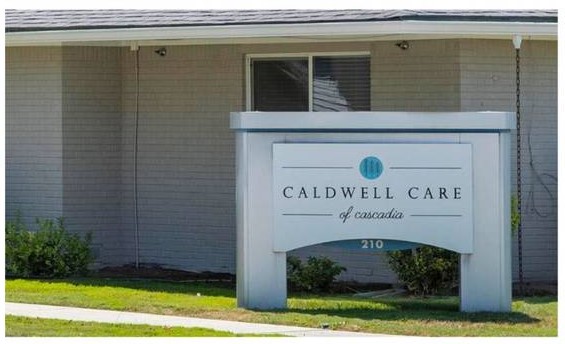
210 CLEVELAND BOULEVARD, CALDWELL, ID 83605 (208) 459-1522
For profit - Limited Liability company 71 Beds CASCADIA HEALTHCARE Data: November 2025 1 Immediate Jeopardy citation
Trust Grade
0/100
#69 of 79 in ID
Last Inspection: October 2024

Within standard 12-15 month inspection cycle. Federal law requires annual inspections.

Overview

Caldwell Care of Cascadia has a Trust Grade of F, indicating poor performance with significant concerns about care quality. It ranks #69 out of 79 facilities in Idaho, placing it in the bottom half, and #5 out of 7 in Canyon County, meaning there are only two options in the county that are better. The facility's situation is worsening, with issues increasing from 4 in 2022 to 13 in 2024. Staffing is a relative strength, earning a 4 out of 5 stars with a turnover rate of 43%, which is lower than the state average, yet the facility has concerning RN coverage, being below 75% of state facilities. The facility has been fined $114,455, which is higher than 97% of Idaho facilities, suggesting ongoing compliance problems. Specific incidents of concern include a failure to provide CPR for a resident who needed it, which resulted in serious harm, and neglect in preventing pressure ulcers for multiple residents, indicating significant lapses in care. Overall, while staffing may be a positive aspect, the facility faces critical issues that families should carefully consider.

Trust Score
F
0/100
In Idaho
#69/79
Bottom 13%
Safety Record
High Risk
Review needed
Inspections
Getting Worse
4 → 13 violations
Staff Stability
○ Average
43% turnover. Near Idaho's 48% average. Typical for the industry.
Penalties
✓ Good
$114,455 in fines. Lower than most Idaho facilities. Relatively clean record.
Skilled Nurses
○ Average
Each resident gets 32 minutes of Registered Nurse (RN) attention daily — about average for Idaho. RNs are the most trained staff who monitor for health changes.
Violations
⚠ Watch
44 deficiencies on record. Higher than average. Multiple issues found across inspections.
★☆☆☆☆
1.0
Overall Rating
★★★★☆
4.0
Staff Levels
★★★☆☆
3.0
Care Quality
★☆☆☆☆
1.0
Inspection Score
Stable
2022: 4 issues
2024: 13 issues

The Good

  • 4-Star Staffing Rating · Above-average nurse staffing levels
  • Full Sprinkler Coverage · Fire safety systems throughout facility
  • No fines on record
  • Staff turnover below average (43%)

    5 points below Idaho average of 48%

Facility shows strength in staffing levels, fire safety.

The Bad

1-Star Overall Rating

Below Idaho average (3.2)

Significant quality concerns identified by CMS

Staff Turnover: 43%

Near Idaho avg (46%)

Typical for the industry

Federal Fines: $114,455

Well above median ($33,413)

Significant penalties indicating serious issues

Chain: CASCADIA HEALTHCARE

Part of a multi-facility chain

Ask about local staffing decisions and management

The Ugly 44 deficiencies on record

1 life-threatening 3 actual harm
Oct 2024 13 deficiencies
CONCERN (D) 📢 Someone Reported This

A family member, employee, or ombudsman was alarmed enough to file a formal complaint

Potential for Harm - no one hurt, but risky conditions existed

Deficiency F0559 (Tag F0559)

Could have caused harm · This affected 1 resident

**NOTE- TERMS IN BRACKETS HAVE BEEN EDITED TO PROTECT CONFIDENTIALITY** Based on record review and interview, it was determined the facility failed to ensure residents received a written notice prior ...

Read full inspector narrative →
**NOTE- TERMS IN BRACKETS HAVE BEEN EDITED TO PROTECT CONFIDENTIALITY** Based on record review and interview, it was determined the facility failed to ensure residents received a written notice prior to a change in their room for 1 of 1 resident (Resident #110) who was reviewed for a room change. This resulted in a lack of information being provided to a resident necessary to make an informed decision. Findings include: Resident #110 was initially admitted to the facility on [DATE], and readmitted on [DATE], with multiple diagnoses including schizoaffective disorder, borderline personality disorder, COPD (lung diseases that block airflow and make it difficult to breathe), and diabetes. Resident #110's record included documentation that on 1/3/24, she was transferred from her single-bed room to a 4-bed room. Resident #110's record did not include documentation she was provided with written notice prior to the room change. During an interview on 10/11/24 at 9:30 AM, the CRN reviewed Resident #110's record and confirmed there was no documentation to confirm Resident #110 had been notified in advance of her room change.
CONCERN (D) 📢 Someone Reported This

A family member, employee, or ombudsman was alarmed enough to file a formal complaint

Potential for Harm - no one hurt, but risky conditions existed

Safe Environment (Tag F0584)

Could have caused harm · This affected 1 resident

Based on observation and staff interview, it was determined the facility failed to ensure residents were provided with a safe, clean, comfortable, and homelike environment. This was true for 1 of 3 sh...

Read full inspector narrative →
Based on observation and staff interview, it was determined the facility failed to ensure residents were provided with a safe, clean, comfortable, and homelike environment. This was true for 1 of 3 shower rooms observed. This deficient practice created the potential for diminished quality of life for all residents that use the east shower room. Findings include: On 10/8/24 at 9:22 AM, observed paint peeling away from the ceiling in various areas in the east shower room. On 10/8/24 at 9:25 AM, CNA #2 stated she noticed the paint had started peeling a few months ago. The facility maintenance work orders were reviewed for the last 6 months. There was no work order for the peeling paint found. On 10/8/24 at 3:30 PM, the Maintenance Director stated he was not aware of the paint peeling in the east hall shower room and that it needed to be fixed.
CONCERN (D) 📢 Someone Reported This

A family member, employee, or ombudsman was alarmed enough to file a formal complaint

Potential for Harm - no one hurt, but risky conditions existed

Free from Abuse/Neglect (Tag F0600)

Could have caused harm · This affected 1 resident

**NOTE- TERMS IN BRACKETS HAVE BEEN EDITED TO PROTECT CONFIDENTIALITY** Based on review of medical records, the State Survey Agency's Long-Term Care Reporting Portal, and staff interviews, it was dete...

Read full inspector narrative →
**NOTE- TERMS IN BRACKETS HAVE BEEN EDITED TO PROTECT CONFIDENTIALITY** Based on review of medical records, the State Survey Agency's Long-Term Care Reporting Portal, and staff interviews, it was determined the facility failed to ensure residents' rights were protected to be free from abuse. This was true for 1 of 6 residents (Resident #32) reviewed for abuse. This failure placed all residents at risk of ongoing abuse, potential physical, and psychosocial harm. Findings include: Resident #32 was admitted to the facility on [DATE] with multiple diagnoses including, hemiplegia (paralysis of one side of the body) and end stage renal disease (a chronic kidney disease that has reached its final, permanent stage). Resident #111 was admitted to the facility on [DATE] with multiple diagnoses including dementia and hypertension. A facility reported incident investigation, initiated 3/9/24, documented Resident #111 walked up behind Resident #32 and put him in a choke hold, stating he was going to kill him. Resident #111 was pulled away from Resident #32 by nursing staff. Resident #32 stated he did not suffer any injuries and refused to be assessed. The facility administrator documented in the 3/9/24 incident investigation that it was his opinion that Resident #111's intent was to harm Resident #32 during this incident. The facility investigation documented two additional incidents Resident #111 was involved in. On 2/23/24, Resident #111 yelled at another resident and then lunged at the resident's neck, making contact. On 3/4/24, Resident #111 pushed Resident #32 in his wheelchair into the nurses station, bumping Resident #32's knee into a cabinet. On 10/11/24 at 9:58 AM, the facility administrator stated the incident on 3/9/24 seemed to be a rapid change in behavior for Resident #111. The facility documented that the following actions were taken to protect residents and prevent a possible reoccurrence: - Resident #32 was evacuated from his room. - Staff had 1:1 supervision with Resident #111 until police arrived. - Emergency Medical Services was called to evaluate Resident #32. Resident #32 refused to be evaluated and stated he was not injured. - Resident #111 was taken by police to the hospital for psychological evaluation. He was discharged and not readmitted to the skilled nursing facility. - All staff were re-educated about abuse and abuse prevention by 9/15/24. These findings represent past noncompliance with this regulatory requirement. There was sufficient evidence the facility corrected the noncompliance as of 9/15/24 and there were no other occurrences of alleged abuse or neglect. At the time of this survey, the facility was in substantial compliance for this regulatory requirement and, therefore, does not require a plan of correction.
CONCERN (D) 📢 Someone Reported This

A family member, employee, or ombudsman was alarmed enough to file a formal complaint

Potential for Harm - no one hurt, but risky conditions existed

Deficiency F0625 (Tag F0625)

Could have caused harm · This affected 1 resident

**NOTE- TERMS IN BRACKETS HAVE BEEN EDITED TO PROTECT CONFIDENTIALITY** Based on record review and staff interview, it was determined the facility failed to ensure a bed-hold notice was provided to re...

Read full inspector narrative →
**NOTE- TERMS IN BRACKETS HAVE BEEN EDITED TO PROTECT CONFIDENTIALITY** Based on record review and staff interview, it was determined the facility failed to ensure a bed-hold notice was provided to residents or their representatives upon transfer to the hospital. This was true for 1 of 4 residents (Resident #110) reviewed for hospitalizations. This deficient practice created the potential for harm if residents were not informed of their right to return to their former bed at the facility within a specified time. Findings include: Resident #110 was initially admitted to the facility on [DATE], and readmitted on [DATE], with multiple diagnoses including schizoaffective disorder, borderline personality disorder, COPD (lung diseases that block airflow and make it difficult to breathe), and diabetes. Resident #110's record included documentation she was transferred to the hospital on 1/21/24, for evaluation and treatment of worsening respiratory symptoms. Her record did not include documentation she was provided with a bed-hold notice. During an interview on 10/11/24 at 10:24 AM, the DON confirmed there was no documentation Resident #110 received a bed-hold notice.
CONCERN (D) 📢 Someone Reported This

A family member, employee, or ombudsman was alarmed enough to file a formal complaint

Potential for Harm - no one hurt, but risky conditions existed

PASARR Coordination (Tag F0644)

Could have caused harm · This affected 1 resident

**NOTE- TERMS IN BRACKETS HAVE BEEN EDITED TO PROTECT CONFIDENTIALITY** Based on policy review, record review, and staff interview, it was determined the facility failed to refer residents for further...

Read full inspector narrative →
**NOTE- TERMS IN BRACKETS HAVE BEEN EDITED TO PROTECT CONFIDENTIALITY** Based on policy review, record review, and staff interview, it was determined the facility failed to refer residents for further evaluation when residents were diagnosed with a major mental illness. This was true for 2 of 4 residents (#42 and #46) reviewed for Pre-admission Screening and Resident Review (PASARR) level 2 evaluations. This deficient practice had the potential to cause harm if residents' specialized services for mental health needs were not evaluated by an appropriate state-designated authority. Findings include: The facility's Pre-admission Screening and Resident Review policy, dated 11/28/17, documents positive level 1 PASARR's (a major mental illness has been identified) are forwarded to the state-designated authority for a level 2 PASARR evaluation. The State Operation Manual, Appendix PP revised on 8/8/24, documents if a PASARR level 1 identifies a major mental illness, an in-depth evaluation, known as a PASARR level 2 evaluation is completed by the state-designated authority, which must be completed prior to admission to a nursing facility. 1. Resident #42 was admitted to the facility on [DATE], with multiple diagnoses which included amputation, malnutrition, and bipolar disease. Resident #42's care plan, created on 12/14/22, documented Resident #42 was prescribed antianxiety and antipsychotic medications related to his diagnosis of bipolar disease. Resident #42's admission MDS (Minimum Data Set - an assessment used to identify the resident's clinical condition, cognitive and functional status, and use of services), completed on 12/27/22, documented his diagnosis of bipolar disease. Resident #42's medical record documented he had a diagnosis of bipolar disease (a major mental illness) but the record did not include a completed PASARR level 1 screening or PASARR level 2 evaluation from the state-designated authority. 2. Resident #46 was admitted to the facility on [DATE], with multiple diagnoses including schizophrenia and non-Alzheimer's dementia. Resident #46's care plan dated 3/8/24, documented she takes antipsychotic medication related to her diagnosis of schizophrenia. Resident #46's admission MDS completed on 3/13/23, documented she had a severe mental disorder and a diagnosis of schizophrenia. Resident #46's medical record documented a PASARR level 1 screening was completed on 4/5/23 (36 days after admission). The PASARR level 1 screening documented Resident #46 had a major mental illness of schizophrenia and instructed that the PASARR level 1 be forwarded to the states-designated authority for a PASARR level 2 evaluation. Resident #46's medical record did not document a PASARR level 2 evaluation had been completed. On 10/10/24 at 10:58 AM, the CRN stated the facility did not have a PASARR level 2 for Resident #42 or Resident #46.
CONCERN (D) 📢 Someone Reported This

A family member, employee, or ombudsman was alarmed enough to file a formal complaint

Potential for Harm - no one hurt, but risky conditions existed

Deficiency F0645 (Tag F0645)

Could have caused harm · This affected 1 resident

**NOTE- TERMS IN BRACKETS HAVE BEEN EDITED TO PROTECT CONFIDENTIALITY** Based on policy review, record review, and staff interview, it was determined the facility failed to ensure a Pre-admission Scre...

Read full inspector narrative →
**NOTE- TERMS IN BRACKETS HAVE BEEN EDITED TO PROTECT CONFIDENTIALITY** Based on policy review, record review, and staff interview, it was determined the facility failed to ensure a Pre-admission Screening and Resident Review (PASARR), was completed within the required timeframe for 2 of 4 residents (#42 and #46) reviewed for PASARR screenings. This failure created the potential for harm if residents required, but did not receive, specialized services for mental health while residing in the facility. Findings include: The facility's Pre-admission Screening and Resident Review policy, dated 11/28/17, documented a PASARR level 1 will be completed prior to admission and is included in the required paperwork from the referring agency, hospital, or physician. The State Operation Manual, Appendix PP revised on 8/8/24, documents all applicants to Medicaid-certified nursing facilities are to be screened for possible serious mental disorders or intellectual disabilities and related conditions. This initial pre-screening is referred to as PASARR Level 1 and should be completed prior to admission to a nursing facility. 1. Resident #42 was admitted to the facility on [DATE], with multiple diagnoses which included amputation, malnutrition, and bipolar disease. Resident #42's care plan, created on 12/14/22, documented Resident #42 was prescribed antianxiety and antipsychotic medications related to his bipolar disease. Resident #42's admission MDS, completed on 12/27/22, documented a diagnosis of his bipolar disease. Resident #42's medical record did not document a PASARR level 1 was completed. 2. Resident #46 was admitted to the facility on [DATE], with multiple diagnoses including schizophrenia and non-Alzheimer's dementia. Resident #46's care plan dated 3/8/24, documented Resident #46 was prescribed antipsychotic medication related to her diagnosis of schizophrenia. Resident #46's admission MDS completed on 3/13/23, documented she had a severe mental disorder and a diagnosis of schizophrenia. Resident #46's medical record documented a PASARR level 1 screening was completed on 4/5/23 (36 days after admission). The PASARR level 1 screening documented Resident #46 had a major mental illness of schizophrenia and instructed the PASARR level 1 to be forwarded to the states-designated authority for a PASARR level 2 evaluation. Resident #46's medical record did not document a PASARR level 1 was completed prior to admission. On 10/10/24 at 10:58 AM, the CRN stated the facility did not have a PASARR level 1 for Resident #42 or a PASARR level 1, prior to admission, for Resident #46.
CONCERN (D) 📢 Someone Reported This

A family member, employee, or ombudsman was alarmed enough to file a formal complaint

Potential for Harm - no one hurt, but risky conditions existed

Deficiency F0657 (Tag F0657)

Could have caused harm · This affected 1 resident

**NOTE- TERMS IN BRACKETS HAVE BEEN EDITED TO PROTECT CONFIDENTIALITY** Based on interview and record review, the facility failed to revise a comprehensive person-centered care plan related to a fall ...

Read full inspector narrative →
**NOTE- TERMS IN BRACKETS HAVE BEEN EDITED TO PROTECT CONFIDENTIALITY** Based on interview and record review, the facility failed to revise a comprehensive person-centered care plan related to a fall intervention of 30-minute checks for 1 of 22 Residents (#52). This deficient practice had the potential to affect residents health and wellbeing. Findings include: Resident #52 was admitted to the facility on [DATE], and readmitted on [DATE], with multiple diagnoses including Parkinson's disease (a progressive brain disorder that causes movement problems, stiffness, and other issues) and bipolar disorder. Resident #52's care plan documented 30-minute checks due to a fall on 6/9/24. Resident #52's Interdisciplinary Team progress note dated 6/15/24, documented, The plan is to have Resident #52 be on 30-min checks at all times for increased safety. Resident #52's CNA task [NAME], dated 6/18/24, directed CNA staff to perform 30-minute checks for safety and falls. Resident #52's medical record did not document 30-minute checks were performed. On 10/10/24 at 2:50 PM, the DON stated the care plan should have been updated and the 30-minute checks should have been removed.
CONCERN (D) 📢 Someone Reported This

A family member, employee, or ombudsman was alarmed enough to file a formal complaint

Potential for Harm - no one hurt, but risky conditions existed

Quality of Care (Tag F0684)

Could have caused harm · This affected 1 resident

**NOTE- TERMS IN BRACKETS HAVE BEEN EDITED TO PROTECT CONFIDENTIALITY** Based on observation, interview, policy and record review, the facility failed to follow standard of practice during resident tr...

Read full inspector narrative →
**NOTE- TERMS IN BRACKETS HAVE BEEN EDITED TO PROTECT CONFIDENTIALITY** Based on observation, interview, policy and record review, the facility failed to follow standard of practice during resident transfers for 1 of 2 residents (Resident #8), and follow a comprehensive person-centered care plan to maintain resident body weight for 1 of 22 residents (Resident #26). This deficient practice created the potential for harm or adverse outcomes. Findings include: Facility Resident Mobility - Safety policy, revised 4/16/24, documented, Gait belts are used with resident requiring hands-on assistance unless contraindicated, for the primary purpose of staff and resident safety. Gait belts are considered part of a direct care staff's uniform. 1. Resident #8 was admitted to the facility on [DATE], with multiple diagnoses including major depressive disorder (a serious mental health condition that involves a persistent low mood and a loss of interest in activities that were once enjoyable) and dementia. Resident #8's care plan revised 4/27/23, stated Transfer: Limited/Extensive assistance with transfers with assist of 1 staff. On 10/7/24 at 4:31 PM, observed CNA #5 use Resident #8's belt loop to assist during a bed to wheelchair transfer. On 10/7/24 at 4:40 PM, CNA #5 stated she should have used a gait belt during the bed to wheelchair transfer, not Resident #8's belt loop. 2. Resident #26 was admitted to the facility on [DATE],with multiple diagnoses including dementia and diabetes. Resident #26's medical record documented a 5.84% weight loss between 5/1/24 and 6/1/24. Resident #26's care plan documented interventions to monitor resident weight and report significant weight changes to the medical director (MD). Resident #26 medical record did not have documentation the MD had been notified of the 5.84% weight loss. On 10/10/24 at 10:00 AM, the CRN stated the MD should have been notified of Resident #26's weight loss and was not.
CONCERN (D) 📢 Someone Reported This

A family member, employee, or ombudsman was alarmed enough to file a formal complaint

Potential for Harm - no one hurt, but risky conditions existed

Deficiency F0919 (Tag F0919)

Could have caused harm · This affected 1 resident

**NOTE- TERMS IN BRACKETS HAVE BEEN EDITED TO PROTECT CONFIDENTIALITY** Based on observation and interviews, it was determined the facility failed to ensure all residents had access to their call ligh...

Read full inspector narrative →
**NOTE- TERMS IN BRACKETS HAVE BEEN EDITED TO PROTECT CONFIDENTIALITY** Based on observation and interviews, it was determined the facility failed to ensure all residents had access to their call lights while in their beds. This issue was observed in 1 of 22 resident's (Resident #5) observed for call light access. This failure had the potential for harm if residents were not able to summon staff assistance by activating the call light. Findings include: Resident #5 was admitted to the facility on [DATE], with multiple diagnoses including panic disorder and dementia. Resident #5's care plan initiated 3/17/23, directed staff to keep his call light button within reach. On 10/8/24 at 2:34 PM, Resident #5 was observed in his bed without the call light button which was across the room, on his dresser. On 10/8/24 at 2:36 PM, Resident #5 stated he had been yelling for help because he was in pain but no one heard him. On 10/8/24 at 2:48 PM, CNA #3 stated she forgot to give Resident #5 his call light. On 10/10/24 at 10:53, the DON stated staff should ensure all residents have access to their call lights while in bed.
CONCERN (D) 📢 Someone Reported This

A family member, employee, or ombudsman was alarmed enough to file a formal complaint

Potential for Harm - no one hurt, but risky conditions existed

Safe Environment (Tag F0921)

Could have caused harm · This affected 1 resident

**NOTE- TERMS IN BRACKETS HAVE BEEN EDITED TO PROTECT CONFIDENTIALITY** Based on observation and interview, the facility failed to provide safe shower floors for all residents that use the east shower...

Read full inspector narrative →
**NOTE- TERMS IN BRACKETS HAVE BEEN EDITED TO PROTECT CONFIDENTIALITY** Based on observation and interview, the facility failed to provide safe shower floors for all residents that use the east shower room. This deficient practice had the potential to cause harm due to slips or falls and distress for residents that use the east side shower. Findings include: Resident #51 was admitted to the facility on [DATE], with multiple diagnoses including stroke and diabetes. On 10/7/24 at 2:38 PM, Resident #51 stated the shower floor had been very slippery and he had almost fallen in the shower room because the floor anti-slip pads were missing. On 10/8/24 at 9:22 AM, observed the non-slip strips had peeled up and were missing in the east hall shower room. On 10/8/24 at 9:28 AM, CNA #2 stated the non-slip strips had peeled up about two months ago and a work order was submitted but nothing had been done yet. On 10/8/24 at 3:30 PM, the Maintenance Director stated the missing shower floor non-slip strips needed to be replaced. A facility work order #2674 (for the non-slip strips) in the east hall shower was created on 8/15/24. The east hall shower non-slip strips were not replaced until 10/8/24.
CONCERN (E) 📢 Someone Reported This

A family member, employee, or ombudsman was alarmed enough to file a formal complaint

Potential for Harm - no one hurt, but risky conditions existed

Respiratory Care (Tag F0695)

Could have caused harm · This affected multiple residents

**NOTE- TERMS IN BRACKETS HAVE BEEN EDITED TO PROTECT CONFIDENTIALITY** Based on observation, interview, record review, and policy review, the facility failed to ensure 2 of 5 resident's (#32 and #47)...

Read full inspector narrative →
**NOTE- TERMS IN BRACKETS HAVE BEEN EDITED TO PROTECT CONFIDENTIALITY** Based on observation, interview, record review, and policy review, the facility failed to ensure 2 of 5 resident's (#32 and #47) records reviewed for oxygen use had complete orders, and 2 of 2 residents (#5 and #47) were using oxygen per physician orders. This created the potential for residents to experience harm, respiratory difficulties, and adverse outcomes. Findings include: Facility Oxygen Therapy policy, revised 8/4/23, directed staff to verify physician orders prior to initiating oxygen therapy. 1. Resident #5 was admitted to the facility on [DATE], with multiple diagnoses including panic disorder and dementia. On 10/8/24 at 2:34 PM, it was observed Resident #5 had been transferred into bed without his oxygen nasal cannula in place. On 10/8/24 at 3:01 PM, CNA #4 stated Resident #5 should be using the oxygen at all times, but CNA #3 had forgot to put it back on him. A physician's order, dated 8/4/23, for oxygen at 2 liters per minute, via nasal cannula, to help maintain Resident #5 adequate oxygen saturation. 2. Resident #32 was admitted to the facility on [DATE], with multiple diagnoses including hemiplegia (paralysis of one side of the body) and end stage renal disease (a chronic kidney disease that has reached its final, permanent stage). Resident #32's medical record included an incomplete order for oxygen usage (oxygen at 2 liters via nasal cannula). The oxygen order did not include the duration of use. On 10/11/24 at 9:24 AM, CRN confirmed Resident #32's oxygen order was incomplete and should have stated duration of use. 3. Resident #47 was admitted to the facility on [DATE] and readmitted on [DATE], with multiple diagnoses including acute respiratory failure with hypoxia (a serious medical condition that occurs when the lungs have difficulty loading the blood with enough oxygen), and chronic obstructive pulmonary disease (a chronic lung disease that makes it difficult to breathe). On 10/8/24 at 4:29 PM, observed Resident #47 wearing a nasal cannula that was attached to his oxygen portable unit but the oxygen liter flow had been set at zero. On 10/8/24 at 5:30 PM, observed Resident #47 in the dining room with his oxygen portable unit set at zero. Resident #47's medical record had an incomplete order for oxygen usage (oxygen at 2 liters via nasal cannula). The oxygen order did not include the duration of use. On 10/8/24 at 5:34 PM, LPN #1 stated Resident #47's portable oxygen unit should have been set at 2 liter per minute. On 10/11/24 at 9:25 AM, CRN stated that the oxygen order was incomplete and should have stated duration of use.
CONCERN (F) 📢 Someone Reported This

A family member, employee, or ombudsman was alarmed enough to file a formal complaint

Potential for Harm - no one hurt, but risky conditions existed

Deficiency F0727 (Tag F0727)

Could have caused harm · This affected most or all residents

Based on review of facility staffing records and staff interview, it was determined the facility failed to ensure an RN was on duty at least 8 consecutive hours per day, 7 days a week. This was true f...

Read full inspector narrative →
Based on review of facility staffing records and staff interview, it was determined the facility failed to ensure an RN was on duty at least 8 consecutive hours per day, 7 days a week. This was true for 1 of 38 days reviewed for RN staffing coverage. The failure created the potential for harm if routine and/or emergency nursing needs went unmet and had the potential to affect all residents living in the facility. Findings include: Licensed Nurse time punches for 9/1/24 to 10/8/24, documented the facility did not have an RN on duty for 8 consecutive hours on 9/1/24. On 10/10/24 at 5:15 PM, the CRN and DON stated on 9/1/24, the RN was covered by an LPN and confirmed there was not an RN for 8 consecutive hours that day.
CONCERN (F) 📢 Someone Reported This

A family member, employee, or ombudsman was alarmed enough to file a formal complaint

Potential for Harm - no one hurt, but risky conditions existed

Food Safety (Tag F0812)

Could have caused harm · This affected most or all residents

Based on observation, interview, policy review, and review of the Idaho Food Code, the facility failed to appropriately store, label, and serve foods. This deficient practice had the potential to affe...

Read full inspector narrative →
Based on observation, interview, policy review, and review of the Idaho Food Code, the facility failed to appropriately store, label, and serve foods. This deficient practice had the potential to affect the 59 residents who received meals in the dining room and eat snacks that had been stored in the snack refrigerators. This placed residents at risk for the potential for consuming contaminated and spoiled foods, and adverse health outcomes related to food-borne illnesses. Findings include: Review of the Idaho Food Code, revised February 2021, stated,. 3-501.17 Ready-to-Eat, Time/Temperature Control for Safety Food, Date Marking . refrigerated, ready-to-eat, time/temperature control for safety food prepared and held in a food establishment for more than 24 hours shall be clearly marked to indicate the date or day by which the food shall be consumed on the premises, sold, or discarded when held at a temperature of 5ºC (41ºF) or less for a maximum of 7 days. The day of preparation shall be counted as Day 1. Facility Food and Supply Storage policy dated 11/28/17, documented, For food products that are opened and not completely used or prepared at facility and stored, the product should be labeled as to it contents and use by dates. On 10/7/24 at 11:40 AM, 3 outdated yogurts (10/2/24) were observed in the walk-in refrigerator. On 10/7/24 at 11:42 AM, the CDM stated the outdated yogurts should have been removed from the walk-in refrigerator on 10/2/24. On 10/9/24 at 1:30 PM, an ice cream container with open date of 9/2/24 and used by date of 10/2/24, was observed in the resident snack freezer. On 10/9/24 at 1:35 PM, the CDM stated the ice cream container should have been removed on 10/2/24.
Dec 2022 4 deficiencies 1 IJ
CRITICAL (J) 📢 Someone Reported This

A family member, employee, or ombudsman was alarmed enough to file a formal complaint

Immediate Jeopardy (IJ) - the most serious Medicare violation

Deficiency F0678 (Tag F0678)

Someone could have died · This affected 1 resident

**NOTE- TERMS IN BRACKETS HAVE BEEN EDITED TO PROTECT CONFIDENTIALITY** Based on policy review, record review, staff interview, and review of the State Survey Agency's Long-Term Care Reporting Portal,...

Read full inspector narrative →
**NOTE- TERMS IN BRACKETS HAVE BEEN EDITED TO PROTECT CONFIDENTIALITY** Based on policy review, record review, staff interview, and review of the State Survey Agency's Long-Term Care Reporting Portal, it was determined the facility failed to ensure a resident received CPR. This failure resulted in a serious adverse outcome for Resident #5 when CPR was not provided and placed the health and safety of 19 residents in the facility who had a Full Code status in immediate jeopardy of serious harm, impairment, or death. Findings include: The facility's policy, Cardiopulmonary Resuscitation, updated [DATE], stated residents who requested Full Code (if a person's heart stopped beating and/or they stopped breathing, all resuscitation procedures will be provided to keep them alive) status were to receive basic life support, including initiation of CPR in the event they experienced cessation of respirations and/or pulse. Resident #5 was admitted to the facility on [DATE], with multiple diagnoses including schizoaffective disorder (mental disorder characterized by abnormal thought processes and an unstable mood), epilepsy, and colostomy (surgical opening called a stoma. The opening creates a passage from the large intestine to the outside of the body). Resident #5's POST form, signed by Resident #5 and her physician on [DATE], documented she requested a Full Code in the event she did not have a pulse and/or was not breathing. Resident #5's care plan, initiated on [DATE], documented Resident #5 was a Full Code and she had a POST in place. A facility Reported Incident, dated [DATE], documented at 3:00 PM, Resident #5 complained to her CNA of leg pain. At 4:00 PM on [DATE], Resident #5 complained to her CNA of stomach and leg pain. CNAs were called to Resident #5's room two more times that afternoon to find her laying sideways on her bed, appearing pale, and complaining that she did not feel well. The incidents and complaints were reported to Resident #5's nurse, LPN #1. At approximately 5:20 PM, Resident #5 was found by 2 CNAs, laying sideways on her bed, with shallow breathing, cyanosis (bluish color in the skin, lips, and nail beds caused by a shortage of oxygen in the blood) of her fingers and lips, and her eyes half opened. The CNAs notified LPN #1 and the RCM. The RCM responded and assessed Resident #5 for a pulse and did not find one. LPN #1 performed a sternal rub (application of painful stimulus with the knuckles of a closed fist to the center chest of a patient who is not alert and does not respond to verbal stimuli) on Resident #5 resulting in no response from her. The RCM instructed LPN #1 not to perform CPR until she verified Resident #5's code status. After determining Resident #5 was a Full Code, the RCM returned to Resident #5's room and informed LPN #1. The RCM then left the room and proceeded to call the facility's CNO to report the event and received instructions to have an RN on staff pronounce Resident #5's death, notify Resident #5's physician and family, and obtain staff statements related to the event. The facility's CNO and CRN were interviewed together on [DATE] at 3:27 PM. They stated staff did not initiate CPR for Resident #5 or call 911. The RCM was interviewed by phone on [DATE] beginning at 5:35 PM. She stated she did not know why she told LPN #1 not to perform CPR until she checked Resident #5's code status, but she wanted to be sure CPR was appropriate for Resident #5. When asked if she had expected LPN #1 to initiate CPR after she notified him of the Full Code status, she stated, I don't know. I didn't know to do that. She stated, after she told LPN #1 Resident #5 was a Full Code, she left the room to call the CNO to tell her Resident #5 had passed. When asked how she determined Resident #5 had passed, she stated, Because I checked her pulse. The facility's failure to ensure a resident received cardiopulmonary resuscitation (CPR) who was a Full Code status placed the health and safety of 19 other residents in the facility who had a Full Code status in immediate jeopardy of serious harm, impairment, or death. On [DATE] at 11:50 AM, the Administrator, CNO, and CRN were informed verbally and in writing of an Immediate Jeopardy (IJ) determination at F678 related to the facility's failure to provide CPR on a resident. This failure resulted in a serious adverse outcome for Resident #5 when CPR was not provided and placed the health and safety of 19 residents in the facility who had a Full Code status in immediate jeopardy of serious harm, impairment, or death. On [DATE] at 12:00 PM, the facility provided a plan to remove the immediacy which was accepted. The facility's IJ removal plan included: - Review of all residents' code status. - Audit of all licensed nurses for Code Blue (a code indicating a medical emergency, usually cardiac or respiratory arrest) education. - Facility CNO and CRN educated all staff regarding the facility's Code Blue policy, Cardiopulmonary Resuscitation policy, and Code/Rapid Response Event form as they related to their roles. Each nursing staff member was required to complete a post-test prior to starting their next shift. On [DATE] at 5:00 PM, the CNO, CRN, and Administrator were verbally notified the immediacy was removed based on onsite verification the IJ removal plan was implemented. Following the removal of the immediacy, noncompliance remained at actual harm
SERIOUS (G) 📢 Someone Reported This

A family member, employee, or ombudsman was alarmed enough to file a formal complaint

Actual Harm - a resident was hurt due to facility failures

Free from Abuse/Neglect (Tag F0600)

A resident was harmed · This affected 1 resident

**NOTE- TERMS IN BRACKETS HAVE BEEN EDITED TO PROTECT CONFIDENTIALITY** Based on policy review, record review, staff interview, and review of the State Survey Agency's Long-Term Care Reporting Portal,...

Read full inspector narrative →
**NOTE- TERMS IN BRACKETS HAVE BEEN EDITED TO PROTECT CONFIDENTIALITY** Based on policy review, record review, staff interview, and review of the State Survey Agency's Long-Term Care Reporting Portal, it was determined the facility failed to protect Resident #5's right to be free from neglect when CPR was not provided. This was true for 1 of 5 residents (Resident #5) whose closed records were reviewed. This deficient practice resulted in a serious adverse outcome to Resident #5 when CPR was not provided per her wishes and physician order. Findings include: The facility's policy, Cardiopulmonary Resuscitation, updated [DATE], stated residents who requested Full Code (if a person's heart stopped beating and/or they stopped breathing, all resuscitation procedures will be provided to keep them alive) status were to receive basic life support, including initiation of CPR in the event they experienced cessation of respirations and/or pulse. Resident #5 was admitted to the facility on [DATE], with multiple diagnoses including schizoaffective disorder (mental disorder characterized by abnormal thought processes and an unstable mood), epilepsy, and colostomy (surgical opening in the abdomen that creates a passage from the large intestine to the outside of the body). Resident #5's POST form, signed by Resident #5 and her physician on [DATE], documented she requested to be a Full Code in the event she did not have a pulse and/or was not breathing. Resident #5's care plan, initiated on [DATE], documented Resident #5 was a Full Code and she had a POST in place. A facility Reported Incident, dated [DATE], documented at 3:00 PM, Resident #5 complained to her CNA of leg pain. At 4:00 PM on [DATE], Resident #5 complained to her CNA of stomach and leg pain. CNAs were called to Resident #5's room two more times that afternoon to find her laying sideways on her bed, appearing pale, and complaining that she did not feel well. The incidents and complaints were reported to Resident #5's nurse, LPN #1. At approximately 5:20 PM, Resident #5 was found by 2 CNAs, laying sideways on her bed, with shallow breathing, cyanosis (bluish color in the skin, lips, and nail beds caused by a shortage of oxygen in the blood) of her fingers and lips, and her eyes half opened. The CNAs notified LPN #1 and the RCM. The RCM responded and assessed Resident #5 for a pulse and did not find one. LPN #1 performed a sternal rub (application of painful stimulus with the knuckles of a closed fist to the center chest of a patient who is not alert and does not respond to verbal stimuli) on Resident #5 resulting in no response from her. The RCM instructed LPN #1 not to perform CPR until she verified Resident #5's code status. After determining Resident #5 was a Full Code, the RCM returned to Resident #5's room and informed LPN #1. The RCM then left the room and proceeded to call the facility's CNO to report the event and received instructions to have an RN on staff pronounce Resident #5's death, notify Resident #5's physician and family, and obtain staff statements related to the event. The RCM was interviewed by phone on [DATE] beginning at 5:35 PM. She stated she did not know why she told LPN #1 not to perform CPR until she checked Resident #5's code status, but she wanted to be sure CPR was appropriate for Resident #5. When asked if she expected LPN #1 to initiate CPR, she stated, I don't know. I didn't know to do that. She stated after she told LPN #1 that Resident #5 was a Full Code, she left the room to call the CNO to tell her Resident #5 had passed. When asked how she determined Resident #5 had passed, she stated, Because I checked her pulse. On [DATE] at 3:27 PM, the CNO, Administrator, and CRN were interviewed together. They stated staff did not initiate CPR for Resident #5 when she did not have a pulse and was a Full Code. The facility failed to protect Resident #5's right to be free from neglect when CPR was not provided per her wishes and physician order.
CONCERN (D) 📢 Someone Reported This

A family member, employee, or ombudsman was alarmed enough to file a formal complaint

Potential for Harm - no one hurt, but risky conditions existed

Report Alleged Abuse (Tag F0609)

Could have caused harm · This affected 1 resident

**NOTE- TERMS IN BRACKETS HAVE BEEN EDITED TO PROTECT CONFIDENTIALITY** Based on policy review, record review, staff interview, and review of the State Survey Agency's Long-Term Care Reporting Portal,...

Read full inspector narrative →
**NOTE- TERMS IN BRACKETS HAVE BEEN EDITED TO PROTECT CONFIDENTIALITY** Based on policy review, record review, staff interview, and review of the State Survey Agency's Long-Term Care Reporting Portal, it was determined the facility failed to: - report all investigation results related to the death of a resident when CPR was not initiated per her POST to the State Survey Agency. - report potential neglect related to the death of a resident when CPR was not initiated per her POST to the State Survey Agency within 2 hours. This was true for 1 of 1 resident (Resident #5) who experienced a life-threatening medical emergency. This deficient practice placed all residents in the facility at increased risk of undetected abuse/neglect. Findings include: The facility's Abuse policy, revised on [DATE], documented reports of abuse/neglect were to be submitted to the State Agency within 2 hours if there was alleged abuse or serious bodily injury as a result of an event. This policy was not followed. Resident #5 was admitted to the facility on [DATE], with multiple diagnoses including schizoaffective disorder (mental disorder characterized by abnormal thought processes and an unstable mood), epilepsy, and colostomy (surgical opening in the abdomen that creates a passage from the large intestine to the outside of the body). A facility Reported Incident, dated [DATE], documented at 3:00 PM, Resident #5 complained to her CNA of leg pain. At 4:00 PM on [DATE], Resident #5 complained to her CNA of stomach and leg pain. CNAs were called to Resident #5's room two more times that afternoon to find her laying sideways on her bed, appearing pale, and complaining that she did not feel well. The incidents and complaints were reported to Resident #5's nurse, LPN #1. At approximately 5:20 PM, Resident #5 was found by 2 CNAs, laying sideways on her bed, with shallow breathing, cyanosis (bluish color in the skin, lips, and nail beds caused by a shortage of oxygen in the blood) of her fingers and lips, and her eyes half opened. The CNAs notified LPN #1 and the RCM. The RCM responded and assessed Resident #5 for a pulse and did not find one. LPN #1 performed a sternal rub (application of painful stimulus with the knuckles of a closed fist to the center chest of a patient who is not alert and does not respond to verbal stimuli) on Resident #5 resulting in no response from her. The RCM instructed LPN #1 not to perform CPR until she verified Resident #5's code status. After determining Resident #5 was a Full Code, the RCM returned to Resident #5's room and informed LPN #1. The RCM then left the room and proceeded to call the facility's CNO to report the event and received instructions to have an RN on staff pronounce Resident #5's death, notify Resident #5's physician and family, and obtain staff statements related to the event. The facility's Reported Incident did not include investigation results of why CPR was not initiated per Resident #5's wishes as documented in her POST and signed by her physician. The State Survey Agency's Long-Term Care Reporting Portal included an initial report from the facility stating there was an unexpected death which occurred on [DATE] at approximately 5:20 PM. The report was submitted to the State Survey Agency's Long-Term Care Reporting Portal on [DATE] at 3:00 PM, more than 22 hours after the incident. The RCM was interviewed by phone on [DATE] beginning at 5:35 PM. She stated she did not know why she told LPN #1 not to perform CPR until she checked Resident #5's code status, but she wanted to be sure CPR was appropriate for Resident #5. When asked if she expected LPN #1 to initiate CPR, she stated, I don't know. I didn't know to do that. She stated after she told LPN #1 Resident #5 was a Full Code, she left the room to call the CNO to tell her Resident #5 had passed. When asked how she determined Resident #5 had passed, she stated, Because I checked her pulse. The facility's CNO, CRN, and Administrator were interviewed together on [DATE] at 3:27 PM. They stated facility staff did not initiate CPR for Resident #5. When asked if the investigation submitted to the State Agency included the failure of the staff to initiate CPR for Resident #5 who was a Full Code status and did not have a pulse, the CRN stated, It was not. We just did the investigation addressing the unexpected death. It (the report) didn't mention the CPR, but we investigated it. The Administrator and the CNO stated they reported the incident to the State Agency Portal within 2 hours of the event but were unable to provide documentation of the actual time. The facility failed to report potential neglect of Resident #5 which in resulted in serious bodily injury immediately or within 2 hours of the event.
CONCERN (D) 📢 Someone Reported This

A family member, employee, or ombudsman was alarmed enough to file a formal complaint

Potential for Harm - no one hurt, but risky conditions existed

Deficiency F0657 (Tag F0657)

Could have caused harm · This affected 1 resident

**NOTE- TERMS IN BRACKETS HAVE BEEN EDITED TO PROTECT CONFIDENTIALITY** Based on policy review, record review, and staff interview, it was determined the facility failed to ensure a resident's care pl...

Read full inspector narrative →
**NOTE- TERMS IN BRACKETS HAVE BEEN EDITED TO PROTECT CONFIDENTIALITY** Based on policy review, record review, and staff interview, it was determined the facility failed to ensure a resident's care plan was revised and updated when the resident's needs changed. This was true for 1 of 4 residents (Resident #1) whose care plans were reviewed. This deficient practice placed residents at risk for adverse outcomes if care and services were not provided appropriately due to a lack of information in the care plan. Findings include: The facility's Care Plan policy, revised 10/15/22, stated the resident's care plan was to include all physician orders and the resident's preferences, and be revised based on changing status, goals, preferences, and needs of the resident. Resident #1 was admitted to the facility on [DATE], with multiple diagnoses including Alzheimer's disease and type 2 diabetes mellitus with diabetic chronic kidney disease. He passed away on 1/19/23. Resident #1's Initial Minimum Data Set assessment, dated 11/21/22, documented he was moderately cognitively impaired. Resident #1's record included a physician's order, dated 11/15/22, for full code status (requiring all resuscitation procedures to be provided if Resident #1 was pulseless and/or stopped breathing). On 1/8/23, a physician's order changed Resident #1's code status DNR (Do Not Resuscitate - requiring no resuscitation performed if Resident was pulseless and/or stopped breathing). Resident #1's care plan, initiated on 11/14/22, documented his code status as full code and was not revised when his code status changed to DNR. On 2/21/23 at 2:27 PM, Resident #1's record was reviewed with the Director of Nursing. The Director of Nursing stated Resident #1's care plan should have been revised when his code status changed on 1/8/23. The facility failed to ensure Resident #1's care plan was revised when his code status was changed.
Oct 2019 7 deficiencies
CONCERN (D)

Potential for Harm - no one hurt, but risky conditions existed

Comprehensive Care Plan (Tag F0656)

Could have caused harm · This affected 1 resident

**NOTE- TERMS IN BRACKETS HAVE BEEN EDITED TO PROTECT CONFIDENTIALITY** Based on observation, record review, and staff interview, it was determined the facility failed to ensure comprehensive resident...

Read full inspector narrative →
**NOTE- TERMS IN BRACKETS HAVE BEEN EDITED TO PROTECT CONFIDENTIALITY** Based on observation, record review, and staff interview, it was determined the facility failed to ensure comprehensive resident-centered care plans included the use of oxygen. This was true for 1 of 6 residents (Resident #47) whose comprehensive care plans were reviewed. This deficient practice created the potential for Resident #47 to receive inadequate care or treatment due to missing information in her care plan. Findings include: Resident #47 was admitted to the facility on [DATE] with multiple diagnoses including generalized anxiety disorder. An Annual MDS Assessment, dated 9/28/19, documented Resident #47 received oxygen therapy. A physician's order, dated 9/24/19, included an order for oxygen at 2 liters per minute via nasal cannula continuously. Resident #47's care plan did not document her use of oxygen. On 10/15/19 at 3:00 PM, Resident #47 was observed in bed, receiving oxygen at 2 liters per minute via nasal cannula. On 10/17/19 at 10:28 AM, RN #1 said Resident #47's care plan did not address her use of oxygen.
CONCERN (D)

Potential for Harm - no one hurt, but risky conditions existed

Unnecessary Medications (Tag F0759)

Could have caused harm · This affected 1 resident

**NOTE- TERMS IN BRACKETS HAVE BEEN EDITED TO PROTECT CONFIDENTIALITY** Based on observation, staff interview, and record review, it was determined the facility failed to ensure the medication error r...

Read full inspector narrative →
**NOTE- TERMS IN BRACKETS HAVE BEEN EDITED TO PROTECT CONFIDENTIALITY** Based on observation, staff interview, and record review, it was determined the facility failed to ensure the medication error rate was less than 5%. This was true for 2 of 26 medications (11.5%) which affected 1 of 2 residents (Resident #45) whose medication administration was observed during medication pass. This failure created the potential for subtherapeutic effect when Resident #45's Mucinex (an expectorant, helps loosen congestion) was crushed, not administered as ordered, and she was not instructed to rinse her mouth after receiving the inhaled medications. Findings include: 1. Resident #45 was admitted to the facility on [DATE], with multiple diagnoses including COPD (a chronic inflammatory lung disease that causes obstructed airflow from the lungs). Resident #45's October 2019 recapitulated physician's order included Breo Ellipta Aerosol Powder Breath Activated (an inhaler taken orally containing corticosteroid) 100-25 mcg/inh (microgram per inhalation), one puff one time a day for COPD. The order included special instructions for Resident #45 to rinse his mouth out with water and spit back into the cup after administration. The order also included Mucinex tablet Extended Release, two tablets by mouth every 12 hours for congestion. On 10/17/19 at 8:40 AM, LPN #1 was observed when she administered Resident #45's Breo Ellipta. Resident #45 was observed to take one puff of the Breo Ellipta orally, and then gave the inhaler back to LPN #1. LPN #1 then administered Resident #45's crushed medications which included one tablet of Mucinex. LPN #1 then gave Resident #45 a glass of shake which she finished. Resident #45 was not observed to rinse her mouth after inhaling the Breo Ellipta. On 10/17/19 at 8:49 AM, LPN #1 said she did not ask Resident #45 to rinse her mouth after administering the Breo Ellipta. LPN #1 said she should have told Resident #45 to rinse her mouth with water and spit it out. LPN #1 was then asked to review Resident #45's physician's order for Mucinex. LPN #1 reviewed the physician's order and said she should have given two tablets of Mucinex to Resident #45. The Mucinex should not have been crushed. The website pharmacistanswers.com, accessed on 11/1/19, identifies Mucinex tables as extended release and they should not be crushed. Crushing may cause the entire dose to be delivered all at once and not over 12 hours as intended. Crushing may result in side effects such as nausea, diarrhea and gastrointestinal distress.
CONCERN (D)

Potential for Harm - no one hurt, but risky conditions existed

Infection Control (Tag F0880)

Could have caused harm · This affected 1 resident

**NOTE- TERMS IN BRACKETS HAVE BEEN EDITED TO PROTECT CONFIDENTIALITY** Based on observation, record review, staff interview, and policy review, it was determined the facility failed to ensure staff p...

Read full inspector narrative →
**NOTE- TERMS IN BRACKETS HAVE BEEN EDITED TO PROTECT CONFIDENTIALITY** Based on observation, record review, staff interview, and policy review, it was determined the facility failed to ensure staff performed proper hand hygiene during resident cares. This was true for 1 of 15 resident (Resident #30) observed during resident cares. The deficient practice placed residents at risk of infection from cross-contamination. Findings include: The facility's policy and procedure for Hand Hygiene/Handwashing, dated 11/28/17, directed staff to perform hand hygiene when moving from a contaminated body site to a clean body site during patient care, when removing gloves, intermittently after removing gloves, between contact with patients, and when otherwise indicated to avoid transfer of microorganisms to other patients or environments. Resident #30 was admitted to the facility on [DATE], with multiple diagnoses including hypertension and heart failure. A Quarterly MDS Assessment, dated 9/24/19, documented Resident #30 required the assistance of one to two persons for ADL. A physician's order dated 10/7/19, directed staff to apply skin prep (a fast drying, sterile, liquid form skin protectant) to Resident #30's right second toe until healed. * On 10/16/19 at 9:16 AM, CNA #2 was observed providing peri care to Resident #30. CNA #2, with gloves on, unfastened Resident #30's soiled incontinence brief and wiped his genitalia and buttocks with a clean wipe. CNA #2 then applied a barrier cream on Resident #30's lower back without changing her gloves. CNA #3 entered the room and helped CNA #2 in repositioning Resident #30. CNA #2 then applied a new incontinence brief to Resident #30 and then removed her gloves and put on new gloves without performing hand hygiene. CNA #2 then cleaned Resident #30's mouth using a mouth swab and combed his hair. CNA #2 and CNA #3 removed their gloves and performed hand hygiene before leaving Resident #30's room. On 10/16/19 at 11:16 AM, CNA #2 said hand hygiene was performed before and after resident contact and between glove changes. CNA #2 said she did not change her gloves when she applied the barrier cream to Resident #30's lower back and she did not perform hand hygiene between glove changes during Resident #30's care. * On 10/16/19 at 10:59 AM, LPN #2 was observed as he performed wound care to Resident #30. LPN #2, with gloves on, removed Resident #30's right Prevalon boot (a heel protector to keep the heel off the mattress to relieve pressure). LPN #2 said Resident #30's right toe was already healed and was being maintained with skin prep. LPN #2 then removed his gloves, put on new gloves, and applied skin prep to Resident #30's right toe. LPN #2 was not observed to perform hand hygiene between glove changes. On 10/16/19 at 11:03 AM, LPN #2 said hand hygiene should be performed before and after resident contacts and between glove changes. LPN #2 said he did not perform hand hygiene when he changed his gloves to apply skin prep to Resident #30's right toe.
CONCERN (D)

Potential for Harm - no one hurt, but risky conditions existed

Deficiency F0883 (Tag F0883)

Could have caused harm · This affected 1 resident

**NOTE- TERMS IN BRACKETS HAVE BEEN EDITED TO PROTECT CONFIDENTIALITY** Based on record review, policy review, and staff interview, it was determined the facility failed to ensure residents were offer...

Read full inspector narrative →
**NOTE- TERMS IN BRACKETS HAVE BEEN EDITED TO PROTECT CONFIDENTIALITY** Based on record review, policy review, and staff interview, it was determined the facility failed to ensure residents were offered the pneumococcal vaccine and received information and education consistent with the current Center for Disease Control (CDC) recommendations. This was true for 1 of 5 residents (#20) reviewed for pneumococcal immunizations. This failure created the potential for harm to residents should they acquire, transmit, or experience complications from pneumococcal pneumonia. Findings include: The CDC website, accessed on 10/22/19, documented recommendations for Pneumococcal vaccination (PCV 13 or Prevnar13®, and PPSV 23 or Pneumovax23®) for all adults 65 years or older: * For those who have already received 1 or more doses of PPSV23, or those with unclear documentation of the type of pneumococcal vaccine received: Administer 1 dose of PCV13 at least 1 year after the most recent pneumococcal vaccine dose. * Administer a second dose of PPSV23 at least 1 year after PCV13 and at least 5 years after the previous dose of PPSV23 * Administer 1 final dose of PPSV23 at 65 years or older. This dose should be given at least 5 years after the most recent dose of PPSV23. The facility's policy and procedure for the Pneumococcal Program, dated 10/31/17, directed staff to reduce the risk of pneumococcal infection and transmission, residents and their family members were provided education regarding the benefits and potential side effects of the two-step pneumococcal immunization. Residents were offered and given the Pneumococcal vaccine according to physician's orders unless medically contraindicated, they have already received the vaccine, or the vaccine is refused. The policy further documented PCV13 and PPSV 23 were available and recommended for adults over the age of 65 and people with certain medical conditions to include chronic heart and lung disease, diabetes mellitus, liver disease, renal failure, smoking, alcoholism, immunodeficiency's, cancers, organ transplants and others. Revaccination with PPSV 23 is recommended if more than five years had elapse after the first dose of PPSV 23 and one year after the Prevnar 13. Resident #20 was admitted to the facility on [DATE] and readmitted on [DATE], with multiple diagnoses including diabetes mellitus and hypertension. Resident #20's Annual MDS Assessment, dated 9/13/19, documented she was up to date with Pneumococcal immunizations. Resident #20's physician's order, dated 9/27/17, documented May have Pneumovax vaccine if no history of vaccine. Resident #20's record documented, she received PPSV 23 on 1/3/12 when she was [AGE] years old and Prevnar 13 on 7/10/18 when she was [AGE] years old. Resident #20's record did not include documentation she received or was offered the second dose of PPSV 23 at least one year after the Prevnar 13 vaccination. On 10/17/19 at 9:15 AM, the DON said she was unable to find documentation Resident #20 was offered the second dose of PPSV 23 vaccine.
CONCERN (E)

Potential for Harm - no one hurt, but risky conditions existed

Respiratory Care (Tag F0695)

Could have caused harm · This affected multiple residents

Based on observations, record review, staff interview, and review of the facility's guidelines, the facility failed to ensure the tubing for respiratory equipment included the date it was last changed...

Read full inspector narrative →
Based on observations, record review, staff interview, and review of the facility's guidelines, the facility failed to ensure the tubing for respiratory equipment included the date it was last changed. This was true for 4 of 6 residents (#5, #32, #35, and #51) reviewed for oxygen therapy. This placed residents at risk of respiratory infections due to the growth of pathogens (organisms that cause illness) in the tubing of respiratory equipment. Findings include: The facility's Respiratory Equipment Change and Cleaning Guidelines, dated 7/6/18, documented the nasal cannula, weekly .label and date the cannula when changed. This policy was not followed. Examples include: a. Resident #5's record documented the resident had multiple diagnoses including sleep apnea (a potentially serious sleep disorder in which breathing repeatedly stops and starts). Resident #5's Quarterly MDS Assessment, dated 9/25/19, documented she required oxygen therapy. Resident #5's Physician's Orders, dated 9/24/19, documented an order for oxygen at 3L/Min (liters per minute) via nasal cannula (in the nostrils) continuously, every shift for shortness of breath. The order instructed staff to change the oxygen tubing and clean the filter every week on Thursday. Resident #5's Care Plan, documented she had altered respiratory status related to sleep apnea and oxygen therapy as needed for hypoxia (low oxygen in the blood resulting in low oxygen in body tissue). The care plan directed staff to change oxygen tubing, portable oxygen tubing and mask tubing used with a nebulizer (a drug delivery device used to administer medication in the form of a mist) every week and as needed. On 10/15/19 at 10:30 AM, Resident #5 was sitting up in a chair at bedside, with nasal cannula inserted in bilateral nostrils and connected to a portable oxygen container. There was no date or label on the oxygen tubing to indicate when it had last been changed. b. Resident #32's record, documented she had multiple diagnoses including COPD, a progressive lung disease that results in shortness of breath. Resident #32's Quarterly MDS Assessment, dated 9/30/19, stated she was moderately cognitively impaired and required oxygen therapy. Resident #32's Physician's Orders, dated 9/26/19 documented an order for oxygen at 2L/Min via nasal cannula continuously. Resident #32's Care Plan documented she had altered respiratory status related to COPD, shortness of breath with lying flat and excretion, history of asthma, congestive heart failure and rhinitis (inflammation and swelling of the mucous membrane of the nose). The care plan directed the staff to change the oxygen/nebulizer tubing and clean the filter weekly. On 10/15/19 at 9:58 AM and 10/16/19 at 10:39 AM, Resident #32 was sitting up in a chair at bedside with nasal cannula inserted in bilateral nostrils and connected to a portable oxygen container. There was no date or label on the oxygen tubing to indicate when it had last been changed. c. Resident #35's record documented she had multiple diagnoses including COPD. Resident #35's Quarterly MDS Assessment, dated 9/30/19, documented she was severely cognitively impaired and required oxygen therapy. Resident #35's Physician's Orders, dated 9/26/19, documented an order for oxygen at 2L/Min via nasal cannula continuously every shift related to COPD, to change the oxygen/nebulizer tubing and humidification bottle every week, and to clean the filter every week. Resident #35's Care Plan documented she had altered respiratory status related to COPD, shortness of breath with lying flat and excretion, history of asthma, CHF, and rhinitis. The care plan directed the staff to change the oxygen/nebulizer tubing and clean the filter weekly. On 10/15/19 at 9:33 AM, Resident #35's oxygen tubing had no date or label indicating when the oxygen tubing had last been changed. d. Resident #51's record documented she had multiple diagnoses including COPD. Resident #51's Quarterly MDS Assessment, dated 8/16/19, documented she was cognitively intact, independent with all ADLs, and required oxygen therapy. Resident #51's Physician's Orders, dated 9/24/19, documented an order for oxygen at 2L/Min via nasal cannula continuously every shift related to COPD. The orders also instructed staff to change the oxygen/nebulizer tubing and humidification bottle and clean the filter on the nightshift every Thursday. Resident #51's Care Plan documented that she had altered respiratory status related to COPD and shortness of breath with lying flat. On 10/15/19 at 9:38 AM, Resident #51's oxygen tubing did not have a date/label indicating when the oxygen tubing had been changed. On 10/17/19 at 9:30 AM, RN #1, said there was not a date or label on the oxygen tubing indicating when it was last changed for Residents #5, #32, #35, and #51. On 10/17/19 at 9:50 AM, RN #1 said the oxygen tubing was changed every week on Thursday on the nightshift and was to be labeled with the date and initialed. On 10/17/19 at 10:00 AM, the DON said I expect the oxygen tubing to be changed every Thursday night, labeled and dated. It also needs to be changed as needed if soiled.
CONCERN (E)

Potential for Harm - no one hurt, but risky conditions existed

Deficiency F0912 (Tag F0912)

Could have caused harm · This affected multiple residents

**NOTE- TERMS IN BRACKETS HAVE BEEN EDITED TO PROTECT CONFIDENTIALITY** Based on observation, record review, resident and staff interviews, it was determined the facility failed to ensure rooms with m...

Read full inspector narrative →
**NOTE- TERMS IN BRACKETS HAVE BEEN EDITED TO PROTECT CONFIDENTIALITY** Based on observation, record review, resident and staff interviews, it was determined the facility failed to ensure rooms with multiple residents had at least 80 square feet space per resident. This was true for 3 of 32 resident rooms (rooms 111, 112 and 114) which did not meet the requirement of 80 square feet per resident. This was true for 6 of 6 residents (#15, #17, #18, #24, #35 and #51) whose rooms did not have 80 square feet of living space. This failure created the potential for residents to experience a loss of well-being due to lack of living space. Findings include: *Resident #35 and Resident #51 were in room [ROOM NUMBER], which had 78.6 square feet per resident. *Resident #18 and Resident #24 were in room [ROOM NUMBER], which had 79.0 square feet per resident. *Resident #15 and Resident #17 were in room [ROOM NUMBER], which had 79.5 square feet per resident. On 10/18/19 at 1:15 PM, Resident #15, #17, #18, #24, and #51 said they liked their rooms. The furniture in the rooms was observed to be arranged in a manner that provided for ease of access to the beds and closets. The facility had a room size requirement waiver for rooms 111, 112 and 114 which was granted on 9/12/18 and was in effect until the next on-site survey. On 10/18/19 at 2:00 PM, the Administrator said the facility wanted to renew its room size requirement waiver.
CONCERN (F)

Potential for Harm - no one hurt, but risky conditions existed

Pharmacy Services (Tag F0755)

Could have caused harm · This affected most or all residents

Based on staff interview and policy review, it was determined the facility failed to ensure staff disposed of controlled medications consistent with the facility's policies to prevent possible diversi...

Read full inspector narrative →
Based on staff interview and policy review, it was determined the facility failed to ensure staff disposed of controlled medications consistent with the facility's policies to prevent possible diversion. This was true for 2 of 2 licensed nurses (RN #1 and LPN #2) interviewed during medication cart inspection. This had the potential to negatively impact each of the 79 residents residing in the facility. This failed practice created the potential for harm if controlled medications were diverted and residents did not receive the medications as ordered. Findings include: The facility's policy for Management and Destruction of Controlled Substances, dated 11/28/17, documented two licensed nurses destroyed the controlled medications by rendering the controlled medications irretrievable by using the following example: Zorbitol plus, Drug Buster, Bleach, Drug Shedder. The facility's policy for Medication Management, dated 11/28/17, documented licensed nurses were to follow appropriate procedures for the destruction and disposal of controlled, cytotoxic (toxic to cells), and non-controlled medications. These policies were not followed. On 10/18/19 at 2:17 PM, during the inspection of the East Medication Cart, RN #1 said controlled medications were destroyed or wasted in the presence of two licensed nurses. RN #1 said both nurses signed and dated the narcotic log book for the controlled medications to be destroyed or wasted. When asked how she destroyed the controlled medications, RN #1 said she put the controlled medications in the sharps container which was attached next to the medication cart. On 10/18/19 at 2:27 PM, LPN #2 said controlled medications were destroyed in the presence of two licensed nurses. LPN #2 said both nurses signed and dated the narcotic log book. LPN #2 said he put the wasted controlled medications in the sharps container. On 10/18/19 at 2:30 PM, the DON said the controlled medications were destroyed or wasted in the Drug Buster in the presence of two licensed nurses. The DON said two licensed nurses then signed and dated the narcotic log book. The DON said the wasted controlled medication should not be placed in the sharps container.
Jun 2018 20 deficiencies 2 Harm
SERIOUS (G)

Actual Harm - a resident was hurt due to facility failures

Pressure Ulcer Prevention (Tag F0686)

A resident was harmed · This affected 1 resident

**NOTE- TERMS IN BRACKETS HAVE BEEN EDITED TO PROTECT CONFIDENTIALITY** Based on observation, record review, staff interview, and review of facility policies, it was determined the facility failed to ...

Read full inspector narrative →
**NOTE- TERMS IN BRACKETS HAVE BEEN EDITED TO PROTECT CONFIDENTIALITY** Based on observation, record review, staff interview, and review of facility policies, it was determined the facility failed to prevent the development and worsening of pressure ulcers. This was true for 3 of 4 residents (#10, #52, and #162) reviewed for pressure ulcers. This deficient practice caused harm to Resident #10, #52, and #162 when: * Resident #10 developed an unstageable pressure ulcer on his coccyx. * Resident #52 developed a bruise on his right lower leg that deteriorated and became an unstageable pressure ulcer, and he developed unstageable pressure ulcers on the left ankle and right ankle. * Resident #162 developed an unstageable pressure ulcer on her right heel. Findings include: The facility's policy and procedure for Prevention and Treatment of Pressure Ulcers and Other Skin Alterations, dated 11/28/17, documented the following: * A risk assessment would be performed on admission and at designated times throughout the resident's stay. * The Braden Scale would be used to identify residents at risk for pressure ulcers. * Based upon the assessment and the resident's clinical condition, choices, and identified needs, basic or routine care could include, but is not limited to, interventions to: - Redistribute pressure (such as repositioning, protecting, and/or offloading heels, etc.) - Minimize exposure to moisture and keep skin clean, especially of fecal contamination. - Provide appropriate, pressure-redistributing, support surfaces. - Provide non-irritating surfaces. - Maintain or improve nutrition and hydration status, where feasible . * Treatment of new or already-present pressure and non-pressure wounds would be initiated following the principles of wound healing. 1. Resident #10 was admitted to the facility on [DATE] with multiple diagnoses, including unspecified dementia with behavioral disturbance, contracture of muscle, multiple sites, and edema (swelling). Resident #10 was transferred to another facility on 5/8/18. Resident #10's annual MDS assessment, dated 2/7/18, documented the following: * Severe cognitive impairment * Not at risk for pressure ulcers. * No unhealed pressure ulcers. * Moisture associated skin damage. * Pressure reducing device for chair. * Pressure reducing device for bed. Resident #10's quarterly MDS assessment, dated 3/16/18, documented the following: * Short term and long term memory problems. * Severe cognitive impairment in daily decision making. * At risk for pressure ulcers. * No unhealed pressure ulcers. * A skin tear was present. * Moisture associated skin damage. * Pressure reducing device for chair. * Pressure reducing device for bed. * Application of nonsurgical dressings. Resident #10's care plan documented: Potential impairment to skin integrity related to incontinence was initiated on 2/10/17. A pressure relieving/reducing chair cushion, pressure relieving/reducing mattress, and weekly skin assessments by the licensed nurse were initiated on 2/10/17 and revised on 9/21/17. A Progress Note, dated 3/6/18 at 5:39 AM, documented blisters developed above Resident #10's coccyx that were fluid-filled and intact. A Weekly Skin Check, dated 3/12/18 at 1:02 AM, documented Resident #10 had no skin conditions or changes, ulcers, or injuries, and Skin is intact. Has slightly abraded area on buttock responding rapidly to treatment. A Progress Note, dated 3/16/18 at 8:23 PM, documented Resident #10 had a weight loss of 15.8 pounds over the past 30 days. Resident #10 was recently fitted for a new wheelchair. There was a skin tear on the coccyx and treatment was in place. A Progress Note, dated 3/17/18 at 11:35 PM, documented there was a large wound on Resident #10's coccyx that was draining and had white eschar (dead tissue) at the base. The wound was covered with a dressing and was unstageable. The assessing nurse would call the morning nurse the next day and measurements would be done in the morning. A Weekly Pressure Ulcer/BWAT Report, dated 3/18/18 at 1:46 PM, documented a new onset pressure ulcer on Resident #10's coccyx measuring 7.0 cm (length) by 4.0 cm (width) by 0.2 cm (depth) and was unstageable. The date of initial observation was 3/18/18. The wound was treated with Silvasorb and a sacral dressing. A Progress Note, dated 3/18/18 at 1:57 PM, documented Resident #10 developed an open wound on the coccyx measuring 7 cm by 4 cm by 0.2 cm. The wound was cleansed and a temporary dressing was applied. Staff were to turn Resident #10 side to side, and he was to be the last person to get up and first person to bed at mealtimes. A Progress Note, dated 3/19/18 at 10:36 AM, documented a pressure ulcer on Resident #10's coccyx that measured 1 by 1 on 3/15/18, then 7 cm by 4 cm by 0.2 cm on 3/18/18. The wound care nurse was to assess the wound on that day and discuss it with the physician. Occupational therapy (OT) had recently changed the wheelchair to a cube chair, and it was to be evaluated to determine whether the wheelchair caused pressure to the coccyx. Staff members were educated to turn the resident side to side and not onto his back. A Progress Note, dated 3/19/18 at 11:00 AM, documented Resident #10's wound was evaluated by the Assistant Director of Nursing (ADON) and the floor nurse. The wound was between Stage 2 and Stage 3. Treatment orders were requested from the physician for Silver Triact (brand name Restore, a type of wound dressing) to the base of the wound covered by Optifoam basic and a Mepilex dressing. OT was consulted regarding placing a Roho (pressure relief) cushion in the resident's chair. A Weekly Skin Check, dated 3/19/18 at 12:40 PM, documented a linear or elongated pressure ulcer on Resident #10's coccyx (tailbone area) and new suspected ulcer/deep tissue injury. Wound care orders were as follows: Cleanse the wound with wound cleaner, apply silver with a soft pad and a sacral dressing. A Progress Note, dated 3/19/18 at 2:46 PM, documented Resident #10's weight loss was discussed with a family member. The facility was going to obtain an air bed, turn him side to side, try to encourage nutritional intake, and limit time out of bed. Resident #10's physician orders documented wound care to the sacral wound started on 3/20/18 as follows: clean with wound cleanser and 4 by 4 dressing, apply Triact Silver to the wound bed, Optifoam Basic and cover with a Mepilex dressing every other day. Resident #10's Weekly Pressure Ulcer/BWAT Reports documented the following: * On 3/25/18 at 1:46 AM: The pressure ulcer on the coccyx measured 6 cm by 6.5 cm by 0.1 cm and was Stage 2. There was significant improvement, there was no sign of infection, and the wound width increased due to irregular shape and spreading his buttocks for treatment. * On 4/1/18 at 1:46 AM: The pressure ulcer on the coccyx measured 6 cm by 4.5 cm by 0.1 cm and was Stage 2. The area was significantly improved. There was no sign of infection. The wound center remained red and surrounding tissue was a pink scar. * On 4/8/18 at 1:46 AM: The pressure ulcer on the coccyx measured 3.5 cm by 4 cm by 0.1 cm and was Stage 2. Treatment was to continue a few more days. The wound was essentially healed, skin is intact, pink scar is very fragile and fresh. * On 4/14/18 at 1:46 AM: The pressure ulcer on the coccyx measured 1.5 cm by 1 cm by 0.1 cm and was Stage 2. The wound was almost healed and had a small open area in the center of fresh pink scar tissue. The surrounding skin was very fragile. The resident was incontinent, on an air bed, had contractures, and required routine turning as he could not reposition himself. * On 4/21/18 at 10:10 AM: The pressure ulcer on the coccyx measured 1.4 cm by 1 cm by 0 cm and was Stage 2. The area was almost healed and had a fresh pink scar. The skin remained fragile. The resident was incontinent of bowel and bladder. Staff continued the air bed and every two hour turning, and contractures limited his mobility. * On 4/28/18 at 9:56 AM: The pressure ulcer on the coccyx measured 1.0 cm by 1 cm by 0 cm and was Stage 2. The area was almost healed. The resident continued to have fragile skin, incontinence, and contractures. Staff continued every two hour turning. On 6/29/18 at 9:23 AM, the Unit Manager said Resident #10 had a skin tear on his coccyx on 3/15/18 and she did not recall how it happened. The Unit Manager said the wound was 1 cm x 1 cm x 0.1 cm, and it progressed and was determined to be a pressure sore on on 3/18/18. The Unit Manager said the wound had improved on 3/22/18, and slough (layer of dead tissue separated from surrounding living tissue) made it impossible to measure the depth. The Unit Manager said the pressure ulcer showed significant improvement with visible depth on 3/25/18. On 6/29/18 at 9:35 AM, the Unit Manager said Resident #10 was on an air mattress, although she did not know when it was applied. 2. Resident #52 was readmitted to the facility on [DATE] with multiple diagnoses, including heart failure, acute and chronic respiratory failure, muscle weakness, and dementia. Resident #52's Braden Scale for Predicting Pressure Sore Risk, dated 2/5/18, 2/12/18, 2/19/18, 2/26/18, and 3/5/18, documented he was at risk for pressure sores. Resident #52's quarterly MDS assessment, dated 2/18/18, documented the following: * Moderate cognitive impairment. * Total dependence on the physical assistance of two people for bed mobility and transfers. * At risk for pressure ulcers. * No unhealed pressure ulcers. * Skin and ulcer treatments, including a pressure reducing device for the chair and bed. Resident #52's quarterly MDS assessment, dated 5/18/18, documented the following: * Severe cognitive impairment. * Total dependence on two person physical assistance with bed mobility and transfers. * At risk for pressure ulcers. * One unstageable pressure ulcer with suspected deep tissue injury. * Skin and ulcer treatments, including a pressure reducing device for the chair and bed, nutrition or hydration intervention, pressure ulcer care, application of non-surgical dressings. Resident #52's physician orders directed staff to float the heels at all times starting on 2/27/18. Resident #52's current care plan documented the following: * Initiated and last revised on 3/28/18: A wound on the left gluteal fold. The care plan directed staff to float heels at all times, check that the head of the bed was not higher than 30 degrees, administer wound care as ordered by the physician, and turn side to side every two hours when in bed. *Initiated and last revised on 3/28/18: Impaired circulation and edema (swelling) related to congestive heart failure, and directed staff to elevate legs when resting, ensure proper-fitting footwear, inspect feet frequently for areas of injury, and inspect foot/ankle/calf frequently for changes. Resident #52's Weekly Skin Checks, dated 4/3/18 and 4/10/18, documented there were no skin conditions, changes, ulcers, or injuries. A Progress Note, dated 4/19/18 at 12:35 PM, documented the physician examined an unusual spot on Resident #52's right calf and determined it was a bruise. Staff were directed to apply Betadine (an antiseptic) and cover it with a foam dressing daily until resolved. A physician's note, dated 4/19/18, documented the physician saw Resident #52 at the request of nursing staff. A dark purple spot was noted on the left lateral leg two days prior. An oval area of purple discoloration with some mild erythema (redness) right around the edge. The area measured approximately 2.5 cm by 1.5 cm, and the central area was going to slough. The area was diagnosed as a superficial bruise on the right lateral leg. The physician ordered swabbing the wound with Betadine and applying a foam dressing. The physician said the resident has advanced age, poor circulation, nutrition and is a risk for a wound . A physician's order, started on 4/19/18, documented staff were to clean the bruise on Resident #52's right calf with Betadine and cover with a foam dressing once a day until resolved, and notify physician if worse or not improving. A Weekly Skin Check, dated 4/24/18 at 2:49 AM, documented there was a dressing to the bruise on Resident #52's right calf. A Progress Note, dated 5/8/18 at 9:42 PM documented the physician examined Resident #52 on that day, wanted to continue treatment to a sloughing bruise on the leg, and the resident was to wear Prevalon boots when in bed. A physician's note, dated 5/8/18, documented the physician examined Resident #52 and documented the area on the right lateral leg was a superficial bruise with thickening and slough. There were no signs of infection. The wound was slow to heal. There were no signs of infection, and the resident was to wear Prevalon boots. A Progress Note, dated 5/15/18 at 7:25 PM documented an antibiotic was ordered four times a day for 7 days for Resident #52's wound with dressing changes. A Progress Note, dated 5/15/18 at 10:37 PM documented the physician examined Resident #52, new wound care orders were received for the RLE, Prevalon boots were to be on at all times, and Keflex (antibiotic) four times a day for 7 days for mild RLE infection. Resident #52's physician's order, starting on 5/15/18, documented he was to wear Prevalon boots on at all times, and RLE wound: dry completely, apply Bacitracin (antibiotic) ointment and cover with an island dressing. Change every other day, and Cephalexin capsule (antibiotic) 500 mg four times a day for RLE wound infection. A Weekly Skin Check, dated 5/15/18 at 2:49 AM, documented there was a sloughing bruise and Resident #52 was on an antibiotic. A physician note, dated 5/15/18, documented the physician examined Resident #52 and said the bruise had some thickening of the eschar (dark, crusty dead tissue). The wound was not getting worse but was not improving. Staff had been applying Betadine and an island dressing. There was also an abrasion to the ankle area at that time. The resident had multiple illnesses and was declining fairly rapidly since he came here. There was some tenderness to the wound on the right lateral leg and some swelling behind it. The assessment included a bruise to the right lateral lower extremity that was slow to resolve and had possible very early onset wound infection, and there was an abrasion to the right ankle area. The wounds were to be cleaned, dried thoroughly, Bacitracin ointment applied, and covered with an island dressing every other day. Betadine was discontinued. Prevalon boots were to be on at all times, and Cephalexin was started four times a day for 7 days. Resident #52 was at high risk for skin breakdown related to his poor nutritional status, weight loss, and protein calorie malnutrition, and was at risk for poor wound healing due to his overall condition. A physician's note, dated 5/17/18, documented Resident #52's condition was poor and he continued to decline. A Progress Note, dated 5/18/18 at 2:36 PM, documented Keflex was continued for Resident #52's RLE wound. Resident #52's Progress Note, dated 5/19/18 at 9:21 AM documented RLE wound: dry thoroughly, apply [B]acitracin ointment and cover with island dressing/change every other day . A Progress Note, dated 5/20/18 at 10:06 PM, documented Keflex was continued for Resident #52's RLE wound. A Progress Note, dated 5/21/18 at 5:41 PM, documented Resident #52's wound started as a small bruise, and it had increased in size and severity. The ADON assessed the wound and it measured 1.5 cm by 0.5 cm by 0.1 cm. The wound was oblong-shaped and had a yellow wound bed. The skin at the outer perimeter of the wound was very red and the resident complained of soreness at the outer edges of the wound. There was minimal drainage which was serosanguinous (bloody) in color. A new dressing was placed, and the nurse would notify the physician at the next visit. A Progress Note, dated 5/22/18 at 3:43 PM, documented the physician examined Resident #52. The wound ointment was changed to Santyl and the dressing was to be changed daily. A physician note, dated 5/22/18, documented Resident #52's right lower leg had a linear wound measuring 1 cm wide by 2.5 cm long. The base had 100% yellow slough. The assessment was an ulceration of the right lateral lower extremity and the antibiotic ointment was discontinued. Santyl was ordered to the wound base and cover with an island dressing daily. A Progress Note, dated 5/23/18 at 10:00 PM, documented Resident #52 had completed the course of antibiotics, and the Wound changes between a white [NAME] wound bed and a dark brown pliable crust. There is no drainage. Now being treated with daily Santyl. A wound healing note, dated 5/25/18 documented pressure ulcers on Resident #52's right lateral calf, right ankle, right second toe, and left ankle. It was ordered to encourage repositioning every 2 to 3 hours, encourage offloading of heels and bony prominences, provide a supportive cushion in the wheelchair, and reposition the resident every 2 to 3 hours when up in wheelchair. A Progress Note, dated 5/31/18 at 4:30 AM, documented a new dressing was applied to Resident #52's wounds on the lower right leg. A Weekly Skin Check, dated 6/8/18 at 2:44 AM documented there were open wounds on Resident #52's right lower leg (rear), right ankle (outer) and left ankle (outer). A Progress Note, dated 6/8/18 at 12:28 PM, documented the Interdisciplinary Team met and discussed Resident #52's weight loss and wound status. A low air loss mattress was started on the previous day at the recommendation of the wound nurse practitioner for wounds to legs. A Progress Note, dated 6/10/18 at 2:28 PM, documented Resident #52's Pressure Ulcer BWAT report was completed. The right lower leg (rear) pressure wound measured 4.0 cm (length) by 2.1 cm (width), undetermined depth and unstageable. The wound was initially observed on 5/23/18. The right ankle (outer) pressure wound measured 1.8 cm by 1.0 cm and depth was undetermined and unstageable. The wound was initially observed on 5/23/18. A Progress Note, dated 6/10/18 at 9:37 PM, documented Resident #52's Pressure Ulcer BWAT report was completed. The left ankle (outer) pressure wound measured 0.5 cm by 0.5 cm, and depth was undetermined and unstageable. The wound was initially observed on 5/23/18. A Progress Note, dated 6/15/18 at 9:48 AM, documented Resident #52's Pressure Ulcer BWAT report was completed. The right lateral calf pressure wound measured 3.7 cm by 2.7 cm, depth was zero and unstageable. The wound was initially observed on 4/19/18. The eschar was separating from the wound edges leaving a narrow pink-red ring around it. This could account for the slightly larger size of the wound this week. Will consider cornstarch next Friday. A Progress Note, dated 6/15/18 at 10:11 AM, documented Resident #52's Pressure Ulcer BWAT report was completed. The left ankle (outer) pressure wound measured 0.6 cm by 0.4 cm, and depth was zero and unstageable. The wound was initially observed on 5/25/18. The wound was improved and slightly smaller with no signs of infection. A Progress Note, dated 6/15/18 at 9:37 PM, documented Resident #52's Pressure Ulcer BWAT report was completed. The right ankle (outer) pressure wound measured 1.8 cm by 1.7 cm, and depth was zero and unstageable. The wound was initially observed on 5/25/18. The wound was slightly smaller than the previous week, and still had slough on the wound bed. A Progress Note, dated 6/18/18 at 11:03 AM, documented the wounds to Resident #52's left ankle and right second toe were improved and had smaller measurements. The wound on the right lateral calf and right ankle were slightly larger. There were no signs of infection. A Progress Note, dated 6/19/18 at 10:57 AM documented the physician ordered Juven (a nutrition powder) twice a day for 14 days per the dietician's recommendations to promote wound healing for Resident #52. A Progress Note, dated 6/22/18 at 10:27 AM, documented Resident #52's Pressure Ulcer BWAT report was completed. The right ankle (outer) pressure wound measured 1.9 cm by 1.4, cm depth was 0 and suspected deep tissue injury. The wound was initially observed on 5/25/18. There was no change in treatment. A Progress Note, dated 6/22/18 at 1:55 PM, documented Resident #52's Pressure Ulcer BWAT report was completed. The right lateral calf pressure wound measured 4 cm by 2.5 cm, and depth was zero and unstageable. The wound was initially observed on 4/19/18. The eschar was separating from the wound edges and the base of the wound was covered with soft black eschar. The resident winced when the area was touched. A Progress Note, dated 6/22/18 at 2:03 PM, documented Resident #52's Pressure Ulcer BWAT report was completed. The left ankle (outer) pressure wound measured 0.6 cm by 0.4 cm, and depth was zero and unstageable. The wound was initially observed on 5/25/18. Current treatment was continued and make effort to offload. Resident #52's wound healing notes documented the following: On 6/1/18, 6/8/18, 6/15/18, and 6/22/18: Pressure ulcers on the right lateral calf, right ankle, right second toe, and left ankle. Wound orders included the following: *To the right calf: cleanse with normal saline or wound spray. * Protect around the wound with skin protectant. * Apply Iodosorb (a common wound treatment) * Cover the wound with bordered foam. * Change the dressing daily or as needed. * To the right ankle: cleanse with normal saline or wound spray. * Protect around the wound with skin protectant. * Cover the wound with bordered foam. * Change the dressing daily or as needed. * To the right second toe: cleanse with normal saline or wound spray. * Protect around the wound with skin protectant. * To the left ankle: cleanse with normal saline or wound spray. * Protect around the wound with skin protectant. * Cover the wound with bordered foam. * Change the dressing daily or as needed. Additional orders included painting the wound with Betadine, encourage repositioning every 2 to 3 hours, a total air loss mattress per the primary physician's orders, encourage repositioning every 2 to 3 hours, encourage offloading of heels and bony prominences, provide a supportive cushion in the wheelchair, and reposition the resident every 2 to 3 hours when up in wheelchair. Resident #52's TAR documented the following: Turn side to side every two hours when in the bed. It was not documented the every 2 hour turns were completed on the following dates/times: * Day shift on 4/4/18, 1/14/18, 4/19/18, 4/22/18, 4/23/18, 5/2/18, 5/23/18, 5/26/18, 5/31/18, 6/2/18, 6/4/18, 6/8/18, 6/9/18, 6/15/18, and 6/18/18. * Evening shift on 4/2/18, 4/6/18, 4/13/18, 4/17/18, 4/22/18, 5/8/18, 5/9/18, 5/19/18, 5/26/18, 6/2/18, 6/3/18, 6/11/18, and 6/14/18. * Night shift on 5/3/18, 5/10/18, 5/11/18, 5/18/18, 5/21/18, 5/25/18, 5/28/18, 5/30/18, 6/2/18, 6/13/18, 6/15/18, 6/18/18, 6/24/18, and 6/25/18. On 6/26/18 at 9:47 AM, LPN #1 was observed performing wound care to Resident #52's right ankle, left ankle, and right lateral leg. The wound on the right lateral leg appeared mildly reddened around the edges. The wound on the right ankle and left ankle appeared as ulcerations on the bony prominences of the outer ankles. At that time, LPN #1 stated the wounds were measured on Fridays, there was a physician's assistant following the resident for the wounds, the wounds were from pressure, and she believed the wounds developed in the facility. On 6/27/18 at 9:32 AM, CNA #3 said staff repositioned Resident #52 every 2 hours, he had boots, and staff were to keep his feet up. CNA #3 said she did not know where to document it but staff did turn him every 2 hours. On 6/27/18 at 9:35 AM, LPN #1 said there were no wounds on Resident #52's buttock area at that time. LPN #1 said the wound on his outer calf came first, it started as a small open area, he was treated with an antibiotic then it got hard eschar. LPN #1 said there was a different treatment on it at that time, and there was a red area on it. LPN #1 said the wound on Resident #52's calf was caused from him not getting up and from his disease process, then the right ankle wound came next from pressure. LPN #1 said she thought the left ankle wound was fairly recent and it was just from positioning. LPN #1 said pillows were placed underneath Resident #52's legs and a wedge was placed under his legs after the first ulcer developed. LPN #1 said Resident #52 had always been on an air mattress and turned every 2 hours. On 6/27/18 at 9:45 AM, the Unit Manager said the CNAs would report signs of a pressure ulcer and the resident would be put on alert charting. The Unit Manager said the physician saw an unusual bruise on Resident #52's leg on 4/19/18, and it was treated it with Betadine and a foam dressing. The Unit Manager said the physician indicated on 5/8/18 that it was not from pressure and it was a sloughing bruise. The Unit Manager said Resident #52's leg was protected with Prevalon boots and he was put on Keflex. The Unit Manager said it was determined the Prevalon boot was causing pressure on Resident #52's leg. The Unit Manager said the wound care nurse practitioner started seeing Resident #52 and he did not wear the Prevalon boot anymore. The Unit Manager said the CNA noticed the area on Resident #52's leg and reported it to the nurse on approximately 5/20/18. The physician evaluated the wound 1 to 2 days later and ordered the wound to be covered and protected. The Unit Manager said the wound team evaluated Resident #52's wound and said the wound was pressure related on 5/23/18. The Unit Manager said Resident #52 was turned often, had an air mattress, had his heels floated, and staff did not elevate his head more than 30 degrees for comfort if he was sleeping. The Unit Manager said the right ankle wound came next, that it was on a bony prominence and had to be from pressure. The Unit Manager said floating the heels was done shortly after the Prevalon boot was removed and there was a protective dressing over it. The Unit Manager said the left ankle was the same thing, and staff were putting skin prep around it and applying a protective dressing. On 6/27/18 at 10:23 AM, the Unit Manager said Resident #52 received an air mattress on 6/7/18. On 6/27/18 at 10:30 AM, the DNS said Resident #52 was being followed by a wound care nurse practitioner for multiple wounds on his legs. The DNS said it started on 4/19/18 as an unusual bruise, it was observed by the physician and was treated with Betadine. The DNS said the Prevalon boot might have contributed to the pressure ulcer, so the boot was removed and a wedge and air mattress were put in place. The DNS said Resident #52 did not like to be turned, and the wound nurse did not think the wounds would heal due his medical state. The DNS said when the first wound came up, the physician looked at it and prescribed an order, and the physician did not feel it was pressure related. The physician described it as a sloughing bruise. The DNS said staff added Prevalon boots and floating his heels to relieve pressure. The DNS said wound care started in May, and the wound care team thought it was from pressure from the Prevalon boot so an air mattress and a wedge were added. The DNS said the physician saw the right lower leg wound again on 5/15/18 and wrote an order for Keflex. On 5/21/18 it looked worse and the physician was notified. The physician saw the wound again on 5/22/18 and changed treatment to a Santyl dressing. The DNS said the wound care nurse practitioner saw the wound for the first time on 5/18/18, and no orders were made until the first official wound team visit on 5/25/18. The DNS said the low loss air mattress was put in place on 6/7/18. The DNS said staff should check the skin integrity on the resident's leg whenever the Prevalon boot is removed and before placing it back on the leg. The DNS said the staff were monitoring the skin under Resident #52's Prevalon boot and the weekly skin checks would document status of his skin. The DNS said Resident #52 was at risk for pressure ulcers. On 6/29/18 at 9:45 AM, the DNS said repositioning was considered a standard of care and it was not necessarily documented. The DNS said Resident #52 was resistant to turning. 3. Resident #162 was readmitted to the facility on [DATE] with multiple diagnoses, including Type 2 diabetes mellitus and hereditary and idiopathic neuropathy (nerve damage). Resident #162 passed away in the facility on 4/5/18. Resident #162's quarterly MDS assessment, dated 1/8/18, documented severe cognitive impairment, not at risk for developing pressure ulcers, and no unhealed pressure ulcers. Resident #162's Significant change MDS assessment, dated 3/8/18, documented severe cognitive impairment, extensive assistance of two persons with bed mobility and transfers, at risk for pressure ulcers, one unhealed pressure ulcer that was unstageable, presence of and pressure reducing device for the chair and bed, pressure ulcer care, and application of dressings to feet. Resident #162's care plan documented the following: * A potential for skin integrity issues related to incontinence and decreased mobility was initiated on 12/23/14. Staff interventions included the following: A pressure reduction mattress was initiated on 12/23/14. Float heels with pillows while in bed and Prevalon boots in place when in wheelchair was initiated on 2/1/18. Encourage turning and repositioning every 2 hours or assist if she unable to reposition independently was initiated on 9/27/15. * Resident #162 had a deep tissue injury to her right heel was initiated on 1/30/18 and revised on 4/6/18. Staff interventions included the following: One to one staff supervision while awake due to the resident attempting to remove the boots was initiated on 2/27/18. Apply Betadine and heel cup every shift was initiated on 1/30/18 and revised on 3/1/18. A [NAME] wedge to the bed for absolute pressure relief was initiated on 1/30/18 and revised on 3/1/18. Encourage a high protein diet and protein-rich snacks was initiated on 3/26/18. Prevalon boots on at all times was initiated on 1/30/18. Wound care as prescribed by the physician was initiated on 3/12/18. Resident #162's February 2018 physician orders documented the following: * Started on 1/30/18: Right heel deep tissue injury: Apply Betadine and cover with a protective heel cup every shift, and Prevalon boot on at all times. * Started on 2/14/18: Complete the pressure ulcer report weekly, document findings in the nurse's notes and on the appropriate evaluation every Wednesday, A Weekly Pressure Ulcer BWAT Report, dated 1/30/18 at 5:25 PM, documented a pressure ulcer on Resident #162's right heel that measured 3.0 cm by 3.5 cm and was unstageable. Deep tissue injury was suspected. The wound was first observed on that date. Betadine was to be applied every shift per physician's order, as well as Prevalon boots at all times and a heel cup. A Progress Note, dated 1/21/18 at 9:49 PM, documented a CNA reported to the nurse there was discoloration to Resident #162's feet. The nurse assessed the feet and noted bluish discoloration to the left second, third, and fourth toes and a red area on the right fifth toe. The skin was intact, and the resident was to be added to the podiatrist's schedule that week. A Progress Note, dated 1/30/18 at 5:25 PM, documented Resident #162's Pressure Ulcer BWAT Report was completed for a right heel wound measuring 3.0 cm by 3.5 cm and was unstageable. There was a suspected deep tissue injury initially observed on 1/30/18. Staff were to apply Betadine every shif[TRUNCATED]
SERIOUS (G)

Actual Harm - a resident was hurt due to facility failures

Medication Errors (Tag F0758)

A resident was harmed · This affected 1 resident

**NOTE- TERMS IN BRACKETS HAVE BEEN EDITED TO PROTECT CONFIDENTIALITY** Based on record review and staff interview, it was determined the facility failed to ensure there was behavior monitoring for a ...

Read full inspector narrative →
**NOTE- TERMS IN BRACKETS HAVE BEEN EDITED TO PROTECT CONFIDENTIALITY** Based on record review and staff interview, it was determined the facility failed to ensure there was behavior monitoring for a resident receiving an anti-anxiety medication. This was true for 1 of 6 residents (#18) reviewed for psychotropic medications. This failed practice created the potential for harm should residents experience adverse reactions and behaviors from psychotropic medications. Findings include: The facility's policy and procedure for Unnecessary Medications and Psychotropic Drugs/Antipsychotic Medication, dated 11/28/17, documented the following: * A resident's medication regimen is free of any medication used in excessive dose (including duplicative therapy), excessive duration, without adequate monitoring, without adequate indications for its use . * Documentation of signs of distress, delirium, or other changes in status. * Medications are monitored for to follow progress towards goals and to detect any adverse effects. Resident #18 was admitted to the facility on [DATE] with multiple diagnoses, including generalized anxiety disorder. Resident #18's quarterly MDS assessment, dated 4/10/18, documented the following: * Short term and long term memory problems. * Some difficulty in new situations with making decisions regarding daily tasks of life-modified independence. * Anxiety disorder. * Anti-anxiety medication received on 7 of the last 7 days. Resident #18's physician orders documented Xanax tablet (anti-anxiety medication) 0.25 mg 1 tablet once a day for generalized anxiety disorder was started on 11/28/17. Resident #18's current care plan documented the following: * Resident #18 had anxiety. * Allow him to make decisions about treatment. * When he is anxious, offer a walk, visiting, calling his spouse, and reassurance. * Encourage participation and interaction as much as possible during cares. * Provide activities that focus on life history and present strengths. Resident #18's May 2018 and June 2018 MARs documented the Xanax was administered each day except for 5/19/18. Documentation of the monitoring of resident specific behaviors related to Resident #18's anxiety, was not completed prior to 6/28/18, the day prior to the survey exit conference on 6/29/18. On 6/28/18 at 3:49 PM, the Unit Manager said the behavior monitoring was not completed for Resident #18's Xanax and it should be. On 6/29/18 at 9:45 AM, the DNS said if a resident was on Xanax, the nurse should get an order and sign off on behavior monitoring and side effects.
CONCERN (D)

Potential for Harm - no one hurt, but risky conditions existed

Deficiency F0558 (Tag F0558)

Could have caused harm · This affected 1 resident

**NOTE- TERMS IN BRACKETS HAVE BEEN EDITED TO PROTECT CONFIDENTIALITY** Based on observation, record review, policy review, and staff interviews, it was determined the facility failed to ensure reside...

Read full inspector narrative →
**NOTE- TERMS IN BRACKETS HAVE BEEN EDITED TO PROTECT CONFIDENTIALITY** Based on observation, record review, policy review, and staff interviews, it was determined the facility failed to ensure residents' needs were accommodated in the dining room. This was true for 1 of 16 sampled residents (#2) when staff did not assist her with eating in a timely manner. This failure created the potential for harm should the resident experience decreased satisfaction and nutrition intake related to the dining experience. Findings include: The facility's Dining Standards policy and procedure, dated 11/28/17, documented the following: * Adequate staff would be provided to assist residents during mealtimes. * Meals would be served to residents who required assistance with feeding when a staff member is available to assist them. * Staff would be available to assist and supervise residents as needed. Resident #2 was admitted to the facility on [DATE] with multiple diagnoses, including dysphagia (a swallowing disorder) and Alzheimer's disease. Resident #2's significant change MDS assessment, dated 3/8/18, documented short term and long term memory problems, moderate cognitive impairment with daily decision making, and she was totally dependent on the physical assistance of one staff for eating. Resident #2's current care plan documented she was at risk for nutritional decline related to Alzheimer's disease, dementia, significant weight loss, variable intake, history of refusing meals, and hospice care. The care plan directed staff to provide 1 staff to assist her to eat. On 6/25/18 at 12:30 PM, Resident #2 was sitting in her wheelchair at the dining table, and her plate of food was placed in front of her and was uncovered. At 12:51 PM, 21 minutes later, CNA #5 began assisting Resident #2 to eat. On 6/26/18 at 12:39 PM, Resident #2 was sitting in her wheelchair at the dining table, and her plate of food was placed in front of her and was uncovered. CNA #2 was sitting between Resident #2 and another resident and began assisting the other resident. Resident #2 sat in her wheelchair with her uncovered plate in front of her and was unassisted with eating until 12:54 PM, 15 minutes later. On 6/26/18 at 12:59 PM, CNA #4 said the facility's policy was that a staff member would only feed one resident at a time. CNA #4 said she was going to feed Resident #2 right away but she got called away. On 6/26/18 at 1:06 PM, the Unit Manager said usually the expectation was the residents who needed staff assistance to eat would receive their plate last at the table, then the aide would get a stool and assist them right away. The Unit Manager said mistakes were probably made in feeding residents in a timely manner.
CONCERN (D)

Potential for Harm - no one hurt, but risky conditions existed

Deficiency F0578 (Tag F0578)

Could have caused harm · This affected 1 resident

**NOTE- TERMS IN BRACKETS HAVE BEEN EDITED TO PROTECT CONFIDENTIALITY** Based on clinical record review, policy review, and staff interview, it was determined the facility failed to ensure the compreh...

Read full inspector narrative →
**NOTE- TERMS IN BRACKETS HAVE BEEN EDITED TO PROTECT CONFIDENTIALITY** Based on clinical record review, policy review, and staff interview, it was determined the facility failed to ensure the comprehensive care planning process included advance care directives, such as Full Code or DNR status. This was true for 1 of 5 (#59) residents sampled for review of advance directives. The failure created the potential for harm if a resident's wishes were not followed due to lack of direction in the clinical record. Findings include: The facility's Advance Directives/Health Care Decisions, policy and procedure, dated [DATE], stated that residents had the right to make decisions concerning medical care and the right to formulate advance directives. All residents were to receive resuscitation unless the resident had a valid DNR, No CPR, or DNAR order. If the resident or resident's representative had an advance directive, the facility would maintain the directive in the resident's medical record and communicate the resident's wishes to the care staff and physician. 1. Resident #59 was initially admitted to the facility on [DATE] and readmitted on [DATE] with multiple diagnoses including, acute constipation, dementia, cerebrovascular accident (stroke), and obesity. Resident #59's admission MDS assessment, dated [DATE], documented the resident was not cognitively intact, and family or significant other participated in the assessment. Resident #59's hospital physician's clinical summary, dated [DATE], documented a transfer order and instructions of DNAR code status. A physician note completed by the facility physician, dated [DATE], documented Resident #59's code status was Full Code until the family signed the necessary paperwork. Resident #59's care plan, and progress notes, dated [DATE], did not include the resident's advance care directive code status. On [DATE] at 12:36 and 4:40 PM, the Unit Manager reviewed Resident #59's medical record and care plan and was unable to provide documentation of the resident's code status. The Unit Manager stated it was common knowledge that the resident's code status was Full Code unless otherwise specified. On [DATE] at 4:50 PM, after review of Resident #59's clinical record, the DNS stated that the family had not provided an advance directive and the care plan did not include code status. The DNS stated the resident's code status was Full Code unless otherwise specified and should be documented in the resident's clinical record for staff to implement. She also stated that an agency staff person working should be able to look at the physician orders and care plan and identify the resident's advance directive, however, in Resident #59's case, they would not be able to.
CONCERN (D)

Potential for Harm - no one hurt, but risky conditions existed

Deficiency F0583 (Tag F0583)

Could have caused harm · This affected 1 resident

**NOTE- TERMS IN BRACKETS HAVE BEEN EDITED TO PROTECT CONFIDENTIALITY** Based on observation, record review, facility policy review, and staff interview, it was determined the facility failed to ensur...

Read full inspector narrative →
**NOTE- TERMS IN BRACKETS HAVE BEEN EDITED TO PROTECT CONFIDENTIALITY** Based on observation, record review, facility policy review, and staff interview, it was determined the facility failed to ensure a resident's privacy was maintained during wound treatment. This was true for 1 of 3 residents (Resident #52) observed during wound treatment. The failure created the potential for Resident #52 to be embarrassed if his wound treatment was exposed to others unnecessarily. Findings include: The facility's Dignity policy, dated October 2009, documented staff shall promote residents' bodily privacy during treatment procedures. Resident #52 was admitted to the facility on [DATE], with multiple diagnoses including dementia. Resident #52's record included a physician order, dated 9/7/18, to cleanse the wounds on his right calf and outer ankle with wound cleanser, apply Medi-Honey, and cover with border gauze every two days and as needed if the dressing became dislodged. On 9/19/18 from 1:22 PM to 1:38 PM, LPN #1 positioned the wound treatment cart in the hallway, which partially blocked Resident #52's doorway at mid-torso height. Resident #52 was in his bed which was in full view of the opened doorway. The privacy curtain for Resident #52 was left opened. UM #1 held up Resident #52's right leg which was in full view of the doorway, while LPN #1 removed the wound dressings and applied two new dressings to both wounds. LPN #1 went to the sink to wash his hands and then to the wound cart 3 times during the treatment. While changing the wound dressing, LPN #1 and UM #1 did not close the door or draw the privacy curtain. During the wound treatment, Resident #52's roommate walked back and forth in the hallway multiple times and stopped and watched the treatment on several occasions. Additionally, the facility's Clinical Resource Nurse and 2 outside contracted workers walked by the room and looked in. On 9/19/18 at 1:40 PM, LPN #1 said he usually parked the wound treatment cart at or near the doorway so he could easily access the cart. LPN #1 said he did not pull the privacy curtain. On 9/19/18 at 1:50 PM, UM #1 said she wanted to keep the wound treatment cart in sight for safety of the residents. UM #1 said she did not pull the privacy curtain. On 9/19/18 at 1:55 PM, the Clinical Resource Nurse said when she walked by she looked in the room, saw the 2 nurses and the surveyor, but did not pay attention Resident #52. On 9/19/18 at 2:20 PM, the IDON said staff should have pulled the room door closed, locked the treatment cart, and pulled the privacy curtain. She said Resident #52's privacy should have been maintained.
CONCERN (D)

Potential for Harm - no one hurt, but risky conditions existed

Deficiency F0655 (Tag F0655)

Could have caused harm · This affected 1 resident

**NOTE- TERMS IN BRACKETS HAVE BEEN EDITED TO PROTECT CONFIDENTIALITY** Based on clinical record review, resident interview, and staff interview, it was determined the facility failed to ensure baseli...

Read full inspector narrative →
**NOTE- TERMS IN BRACKETS HAVE BEEN EDITED TO PROTECT CONFIDENTIALITY** Based on clinical record review, resident interview, and staff interview, it was determined the facility failed to ensure baseline care plans addressed the placement of residents' beds against walls. This was true for 1 of 2 (#62) residents sampled for review of baseline care plans. This failure created the potential for residents to experience physical injury and psychological decline due to restricted movement. Findings include: 1. Resident #62's was admitted to the facility on [DATE] with multiple diagnoses, including liver cancer and pain. The admission MDS assessment, dated 6/22/18, documented Resident #62 was cognitively intact and required supervision for bed mobility and transfers. On 6/25/18 at 3:00 PM, Resident #62 stated he liked his bed against the wall to make the bedroom bigger and more functional. Resident #62 stated he was able to get in and out of bed without difficulty. Resident #62's baseline care plan, dated 6/12/18, did not address the positioning of his bed against the wall. On 6/27/18 at 11:51 AM, the Unit Manager stated Resident #62's baseline care plan should have included bed against the wall for functionality of the room.
CONCERN (D)

Potential for Harm - no one hurt, but risky conditions existed

Deficiency F0657 (Tag F0657)

Could have caused harm · This affected 1 resident

**NOTE- TERMS IN BRACKETS HAVE BEEN EDITED TO PROTECT CONFIDENTIALITY** Based on observation, record review, facility policy review, and staff interview, it was determined the facility failed to ensur...

Read full inspector narrative →
**NOTE- TERMS IN BRACKETS HAVE BEEN EDITED TO PROTECT CONFIDENTIALITY** Based on observation, record review, facility policy review, and staff interview, it was determined the facility failed to ensure residents' care plans were revised and updated to maintain consistency and accuracy. This was true for 1 of 16 sampled residents (#52) whose care plans were reviewed, when the resident's wound status was not accurately reflected on the care plan. This had the potential for harm if cares and/or services were not provided due to incorrect information on the care plan. Findings include: Resident #52 was readmitted to the facility on [DATE] with multiple diagnoses, including muscle weakness and dementia. Resident #52's quarterly MDS assessment, dated 5/18/18, documented the following: * Severe cognitive impairment. * One unstageable pressure ulcer with suspected deep tissue injury. * Skin and ulcer treatments, including a pressure reducing device for the chair and bed, nutrition or hydration intervention, pressure ulcer care, application of non-surgical dressings. Resident #52's current care plan documented the following: * Initiated and last revised on 3/28/18: A wound on the left gluteal fold, and directed staff to float heels at all times, check that the head of the bed was not higher than 30 degrees, administer wound care as ordered by the physician, and turn side to side every two hours when in bed. * Initiated on 5/16/18 and last revised on 6/27/18: An area on the RLE being treated with a dressing, and directed staff to administer antibiotic per physician's order and dressing change per physician's order. Resident #52's Weekly Skin Checks, dated 4/3/18 and 4/10/18, documented there were no skin conditions, changes, ulcers, or injuries. On 4/24/18 it was documented there was a dressing to a bruise on Resident #52's right calf. On 5/15/18 it was documented there was a sloughing bruise and Resident #52 was on an antibiotic. On 6/8/18 it was documented there were open wounds on Resident #52's right lower leg (rear), right ankle (outer) and left ankle (outer). The right and left ankle wounds were not addressed in Resident #52's care plan On 6/26/18 at 9:47 AM, Resident #52's skin on his gluteal fold, buttocks, and scrotum was observed to be free of wounds. LPN #1 performed wound care to Resident #52's right ankle, left ankle, and right lateral leg. The wound on the right lateral leg appeared mildly reddened around the edges. The wound on the right ankle and left ankle appeared as ulcerations on the bony prominences of the outer ankles. On 6/27/18 at 9:35 AM, LPN #1 said Resident #52 had no wound on his bottom at that time. On 6/27/18 at 10:30 AM, the DNS said the care plan was done by the Nurse Manager and sometimes by the MDS nurse. The DNS said Resident #52's care plan could be more accurate and could be updated to reflect the areas involved with wounds.
CONCERN (D)

Potential for Harm - no one hurt, but risky conditions existed

Quality of Care (Tag F0684)

Could have caused harm · This affected 1 resident

**NOTE- TERMS IN BRACKETS HAVE BEEN EDITED TO PROTECT CONFIDENTIALITY** 4. Resident #2 was admitted to the facility on [DATE] with multiple diagnoses, including Alzheimer's disease, dementia, dysphagi...

Read full inspector narrative →
**NOTE- TERMS IN BRACKETS HAVE BEEN EDITED TO PROTECT CONFIDENTIALITY** 4. Resident #2 was admitted to the facility on [DATE] with multiple diagnoses, including Alzheimer's disease, dementia, dysphagia (difficulty swallowing), and as of 1/8/18 began receiving hospice services. Resident #2's quarterly MDS assessment, dated 2/21/18, and significant change MDS assessment, dated 3/8/18, documented she was not cognitively intact and required oxygen therapy. Resident #2's physician order, dated 8/2/16, documented staff were to implement an oxygen protocol to maintain her oxygen saturation levels at or above 90%. Resident #2's physician order dated 8/4/18, documented staff were to continue the oxygen protocol. Resident #2's care plan, dated 1/2/18, documented staff were to check her oxygen saturation levels as ordered by the physician and notify the physician of any abnormal levels. From 6/25/18 - 6/29/18, Resident #2 was observed receiving 2 liters of oxygen via nasal cannula. Resident #2's MAR, dated June 2018, documented she was to receive oxygen at 2-3 liters per minute via nasal cannula to maintain comfort. An order with a start date of 2/23/18, stated staff were to check Resident #2's oxygen saturation level every shift. Resident #2's MAR for 6/1/18 - 6/30/18, did not include documentation of the specific liters per minute of oxygen she was receiving. Additionally, Resident #2's oxygen saturation levels were not documented as assessed on the following shifts: 6/1/18 - Evening and night shifts 6/2/18 - Evening and night shifts 6/4/18 - Night shift 6/7/18 - Night shift 6/8/18 - Day and night shifts 6/11/18 - Night shift 6/15/18 - Evening and night shifts 6/16/18 - Evening shift 6/22/18 - Night shift 6/23/18 - Evening shift On 6/27/18 at 3:50 PM, the DNS stated her expectations were the nurses document every shift and there should not be blanks on the MAR. Based on observation, staff interview, and record review, it was determined the facility failed to ensure professional standards of practice were followed for 4 of 16 residents (#2, #5, #11 and #40) reviewed for standards of practice, as follows: a) Resident #5's lab values related to use anticoagulant medication were high and the physician was not notified. This deficient practice placed Resident #5 at increased risk of bleeding. b) Resident #2's and Resident #40's oxygen saturation levels were not consistently assessed, placing them at risk of undetected breathing difficulties. c) Resident #11 did not receive neurological assessments following an unwitnessed fall, placing her at risk of undetected neurological decline. Findings include: 1. Resident #5 was admitted to the facility on [DATE] with multiple diagnoses, including atrial fibrillation (irregular heartbeat). The quarterly MDS assessment, dated 6/11/18, documented Resident #5 was severely cognitively impaired, required extensive assistance with transfers and bed mobility, and received anticoagulants 7 days a week. A website www.heart.org/HEARTORG/Conditions/Arrhythimia/Prevention, dated September 2016, documented, PT (Prothrombin Time) is a measure of how quickly your blood clots. An INR (international normalized ratio) is the unit of measure that's used to determine how quickly your blood is clotting. The therapeutic range for people receiving Warfarin/Coumadin for Atrial Fibrillation is 2.0 to 3.0 range. It is important to monitor the INR (at least once a month and sometimes as often as twice weekly) to make sure that the level of Warfarin remains in the effective range. If the INR is too low, blood clots will not be prevented, but if the INR is too high, there is an increased risk of bleeding. This is why those who take Warfarin must have their blood tested so frequently. A June 2018 MAR documented Resident #5 received Coumadin 5 mg daily on Sundays, Tuesdays, Thursdays, and Saturdays for anticoagulant defect; Coumadin 7.5 mg daily on Mondays, Wednesdays, and Fridays for anticoagulant defect. A Physician's Order, dated 6/5/18 at 2:44 PM, documented PT/INR labs were to be completed in two weeks, on 6/19/18. A nurse's progress note, dated 6/5/18 at 2:43 PM, documented, [Physician's name] ordered Coumadin 7.5 mg on Mon-Wed-Fri and 5 mg the other four days a week. Will do PT/INR on 6/19. On 6/28/18 at 5:45 PM, the DNS provided the PT/INR results, dated 6/20/18. Resident #5 had blood drawn on 6/19/18 at 4:51 PM and the laboratory reported the lab results on 6/20/18 at 10:20 AM. The PT results were 47.60, flagged as high. The normal range for PT was 9.40-12.50. The INR results were 4.37, flagged high. The normal range was 2.0-3.0. The DNS stated the laboratory was interfaced with their electronic system and also faxed a copy of the lab results to the facility. The DNS stated the laboratory would only call the facility if the lab results were critical values. The DNS stated the physician was not notified of the results on 6/20/18. On 6/28/18 at 6:06 PM, the Unit Manager received new orders to hold Coumadin today and repeat PT/INR stat and notify the physician with the results as soon as possible. On 6/29/18 at 10:04 AM, the DNS provided Resident #5's PT/INR results, dated 6/28/18 at 9:15 PM. The PT results were 38.2, flagged high and the INR results were 4.1 flagged high. Resident #5 had no signs or symptoms of bleeding. A Physician's Order, dated 6/29/18, documented to hold Resident #5's Coumadin on 6/29/18 and 6/30/18. On 7/1/18 Resident #52 was to start Coumadin 5 mg daily on Sundays, Tuesdays, Thursdays, Saturdays and Coumadin 7.5 mg daily on Mondays, Wednesdays, and Fridays. The next PT/INR lab was due 7/3/18. On 6/29/18 at 10:05 AM, the DNS stated the above situation should not have happened. 2. Resident #40 was admitted to the facility on [DATE] with multiple diagnoses, including COPD, anxiety, and muscle weakness. A care plan, revision date 5/30/18, documented, Resident #40 had COPD. The care plan interventions were documented as follows: * Give oxygen therapy as ordered by the physician. [Resident #40] is on 2 L via nasal cannula. Resident #40's physician order, dated 2/28/18, documented she was to receive oxygen at 2 liters per minute via nasal cannula and staff were to attempt to wean her off the oxygen while maintaining her oxygen blood saturation levels at greater than 90% throughout day. Oxygen was to continue throughout the night every shift. The June 2018 MAR did not include documentation Resident #40's oxygen saturations were assessed on 11 of 78 opportunities. On 6/27/18 at 3:50 PM, the DNS stated her expectations were the nurses document every shift and there should not be blanks on the MAR. 3. Resident #11 was admitted to the facility on [DATE] with multiple diagnoses, including anxiety, diabetes, generalized muscle weakness, and unsteadiness on feet. The quarterly MDS assessment, dated 3/21/18, documented Resident #11 was cognitively intact with supervision needed for bed mobility and transfers. The facility's Fall Response and Management policy, dated 11/28/17, documented, If the fall is un-witnessed, take the following actions: * Confirm the patient's identity. * Evaluate for injury. * Monitor neurological assessments per physician's orders or monitor every 15 minutes for 1 hour, then every 30 minutes for 1 hour, then every hour for 2 hours or until condition stabilizes, if patient has hit his or her head. * Follow-Up and Monitoring - Evaluate patient condition for at least 72 hours post fall. Resident #11's Incident and Accident Report documented the following: * 6/17/18 at 11:15 AM: Resident #11 experienced an unwitnessed fall from bed. Resident #11 had no injuries from fall. The investigation documented a nurse administered an IM injection prior to the fall, and resisted assistance with adjusting her clothing following the injection. Resident #11 was found kneeling on the floor within 5 minutes after the nurse left her room. Neurological assessments following Resident #11's unwitnessed fall were not found in her clinical record. A nurse's progress note, dated 6/17/18 at 1:15 PM, stated, Resident had slid from her belly off the bed in a kneeling position beside her bed with forehead resting on bed. No injuries noted. On 6/29/18 at 9:59 AM, the DNS stated neurological assessments should have been completed every shift for 3 days following Resident #11's 6/17/18 unwitnessed fall.
CONCERN (D)

Potential for Harm - no one hurt, but risky conditions existed

Deficiency F0687 (Tag F0687)

Could have caused harm · This affected 1 resident

**NOTE- TERMS IN BRACKETS HAVE BEEN EDITED TO PROTECT CONFIDENTIALITY** Based on observation, staff interview, facility policy review, and record review, it was determined the facility failed to ensur...

Read full inspector narrative →
**NOTE- TERMS IN BRACKETS HAVE BEEN EDITED TO PROTECT CONFIDENTIALITY** Based on observation, staff interview, facility policy review, and record review, it was determined the facility failed to ensure residents received proper treatment and care to maintain good foot health. This was true for 1 of 1 resident (#52) reviewed for foot care. This failed practice created the potential for harm should residents experience complications from their medical condition related to the lack of proper foot care. Findings include: The facility's policy and procedure for ADLs (Activities of Daily Living)- AM Cares, dated 10/31/17, and ADLs- PM/HS (bedtime) cares, dated 11/14/17 documented the following: Nail care to be performed with showers and intermittently as indicated. A licensed nurse was to provide care to diabetic and/or high risk residents. Resident #52 was readmitted to the facility on [DATE] with multiple diagnoses, including heart failure, acute and chronic respiratory failure, muscle weakness, and dementia. Resident #52's quarterly MDS assessment, dated 5/18/18, documented the following: * Severe cognitive impairment. * Total dependence on two person physical assistance with bathing and personal hygiene. Resident #52's current care plan documented the following: * Initiated on 3/1/18: Requires 1 staff participation with personal hygiene. * Initiated on 3/28/18: Impaired circulation and edema (swelling) related to congestive heart failure. * Initiated on 3/28/18: Staff were directed to elevate legs when resting, ensure proper fitting footwear was in place, inspect for areas of rubbing or injury, inspect the foot/ankle/calf for skin changes, and monitor pedal pulses (pulse on the foot). On 6/26/18 at 9:47 AM, Resident #52's feet were observed to have small scabs on top of the second toe on the right and left foot. The toenails were long and thick. On 6/27/18, CNA #2 said any CNA could cut nails for a resident if they were not diabetic. CNA #2 said she did not know when Resident #52's nails were last trimmed. On 6/27/18 at 2:19 PM, the Unit Manager said staff were unable to cut Resident #52's toenails because they were too thick, and she had attempted to cut his nails one time after he returned to the facility because she noticed they were too thick. The Unit Manager said a podiatrist came to the facility about every 3 months, and she put Resident #52 on the podiatrist list either before or shortly after he returned to the facility (in February 2018), and the podiatrist would not be back until August. The Unit Manager said Resident #52's nails had not changed and staff looked at them with weekly skin checks or when he got a bath. The Unit Manager said social services referred residents to the podiatrist, and there had been some changes in social services. The Unit Manager said she told social services to add Resident #52 to the podiatrist list in June, but it got missed and he was not seen. On 6/27/18 at 2:30 PM, Social Worker #1 said he helped coordinate podiatry services and he was not aware of Resident #52 needing podiatry services. On 6/27/18 at 2:45 PM, Social Worker #2 said she was not aware of Resident #52 needing podiatry services. Social Worker #2 said there was previously another social worker, and she did not know if that social worker had the information to refer Resident #52 for podiatry services. On 6/29/18 at 9:45 PM, the DNS said foot care/nail care was put on the schedule and the CNAs could perform nail care except for residents who were not diabetic. The DNS said if toenails were too thick the resident would be placed on the podiatrist list, and if the nail was curling or causing a problem the resident would be taken out to see a podiatrist. The DNS said if the condition could wait they would put them on the podiatrist list, and the podiatrist would come to the facility about every 3 months.
CONCERN (D)

Potential for Harm - no one hurt, but risky conditions existed

Respiratory Care (Tag F0695)

Could have caused harm · This affected 1 resident

**NOTE- TERMS IN BRACKETS HAVE BEEN EDITED TO PROTECT CONFIDENTIALITY** Based on clinical record review, policy review, resident interview and staff interview, it was determined the facility failed to...

Read full inspector narrative →
**NOTE- TERMS IN BRACKETS HAVE BEEN EDITED TO PROTECT CONFIDENTIALITY** Based on clinical record review, policy review, resident interview and staff interview, it was determined the facility failed to ensure residents were provided the necessary respiratory care and services. This was true for 3 of 3 (#2, #27, #40) residents sampled for review of respiratory care and services. This failure increased the risk for residents to experience respiratory complications and physical decline. Findings include: The American Association for Respiratory Care Clinical Practice Guideline -Oxygen Therapy in the Home or Alternate Site Health Care Facility -2007 Revision & Update P1063-1067- found at http://www.rcjournal.com/cpgs/pdf/08.07.1063.pdf, states the following: For a resident receiving oxygen therapy, the resident's record must reflect ongoing assessment of the resident's respiratory status, response to oxygen therapy and include, at a minimum, the attending practitioner's orders and indication for use. In addition, the record should include the type of respiratory equipment to use, baseline SpO2 levels and to initiate and/or discontinue oxygen therapy. The facility's Respiratory Care policy and procedure, dated 11/28/17, stated, The resident is provided the necessary medical and nursing care and treatment services consistent with professional standards of practice, the comprehensive person-centered care plan and the resident's goals and preferences. The care plan identifies interventions and the resident's record should reflect ongoing assessment for oxygen therapy, such as the attending practitioner's orders, type of oxygen delivery system, when to administer, equipment settings for the prescribed flow rates, and monitoring of SpO2 (blood oxygen saturation) levels and/or vital signs. The above practices and policy were not followed. Examples include: 1. Resident #2 was admitted to the facility on [DATE] with multiple diagnoses, including Alzheimer's disease, dementia, dysphagia (difficulty swallowing), and as of 1/8/18 began receiving hospice services. Resident #2's quarterly MDS assessment, dated 2/21/18, and significant change MDS, dated [DATE], documented she was not cognitively intact and required oxygen therapy. Resident #2's physician orders dated 8/2/16, documented she staff were to implement an oxygen protocol to maintain her oxygen saturation levels at or above 90%. Resident #2's physician orders dated 8/4/18, documented staff were to continue the oxygen protocol. Resident #2's care plan, dated 1/2/18, documented staff were to check her oxygen saturation levels as ordered by the physician and notify the physician of any abnormal levels. From 6/25/18 - 6/29/18, Resident #2 was observed receiving 2 liters of oxygen via nasal cannula. Resident #2's MAR, dated June 2018, documented she was to receive oxygen at 2-3 liters per minute via nasal cannula to maintain comfort. An order with a start date of 2/23/18, stated staff were to check Resident #2's oxygen saturation level every shift. Resident #2's MAR for 6/1/18 - 6/30/18, did not include documentation of the specific liters per minute of oxygen she was receiving. Additionally, Resident #2's oxygen saturation levels were not documented as completed on the following shifts: 6/1/18 - Evening and night shifts 6/2/18 - Evening and night shifts 6/4/18 - Night shift 6/7/18 - Night shift 6/8/18 - Day and night shifts 6/11/18 - Night shift 6/15/18 - Evening and night shifts 6/16/18 - Evening shift 6/22/18 - Night shift 6/23/18 - Evening shift Resident #2's weights and vitals summary record for June 2018, did not include the oxygen specific liters per minute flow rates. On 6/27/18 at 3:50 PM, the DNS stated her expectations were the nurses document every shift and there should not be blanks on the MAR. 3. Resident #27 was readmitted to the facility on [DATE] with multiple diagnoses, including acute respiratory failure, COPD, acute lower respiratory tract infection, and heart failure. Resident #27's physician orders documented the following: Check oxygen saturation level (the percentage of oxygen in the body) every shift and as needed to maintain saturation above 90%. Resident #27's current care plan directed staff to administer oxygen as ordered by the physician, and was initiated on 4/10/15 and revised on 9/1/17. Resident #27's May 2018 and June 2018 TARs documented the following: * Oxygen at 1-5 liters to keep saturation above 90%, adjust as needed to keep saturation above 90%, starting on 3/16/17. The oxygen liter flow rate was not documented on the TAR. Resident #27's Weight and Vitals Summary did not document the oxygen liter flow rate in May or June 2018. On 6/25/18 at 1:58 PM, Resident #7 was sitting in her room in her wheelchair. The oxygen tubing was not in place in her nostrils. The oxygen concentrator was operating and was set at 2.5 liters per minute. On 6/26/18 at 12:57 PM, Resident #7 was asleep in her bed with oxygen tubing in place in her nostrils. The oxygen concentrator was operating and was set at 2 liters per minute. On 6/29/18 at 10:14 AM, the DNS said staff should determine how much oxygen to deliver to Resident #7 by checking the oxygen saturation and adjusting. The DNS said if the oxygen saturation was 92% on 2 liters of oxygen, then it was fine and keep it there. The DNS said if the oxygen saturation was 89% then she would turn up the oxygen flow to 3 liters. The DNS said she would consider it a standard of practice for nursing to monitor the oxygen saturation, and the order should be on the MAR or TAR. The DNS said the TAR did not document the liter flow of oxygen being administered to Resident #7. 2. Resident #40 was admitted to the facility on [DATE] with multiple diagnoses, including COPD, anxiety, and muscle weakness. The quarterly MDS assessment, dated 5/15/18, documented Resident #40 was cognitively intact and independent with bed mobility. Resident #40's physician order, dated 2/28/18, documented she was to receive oxygen at 2 liters per minute via nasal cannula and staff were to attempt to wean her off the oxygen while maintaining her oxygen blood saturation levels at greater than 90% throughout day. Oxygen was to continue throughout the night every shift. Resident #40's Weights and Vitals Summary Record for June 2018 documented oxygen saturations between 92% and 98% via nasal cannula. The documentation did not include the liter flow rate. Resident #40's June 2018 MAR documented oxygen saturation levels three times a day. The MAR did not include what liter flow Resident #40 was receiving to maintain saturation levels above 90%. On 6/25/18 at 2:23 PM, Resident #40 was in her room wearing oxygen at 2 liters via nasal cannula and stated she used to be on 3 liters prior to admission. A care plan, revision date 5/30/18, documented, Resident #40 had COPD. The care plan interventions were documented as follows: * Give oxygen therapy as ordered by the physician. [Resident #40] is on 2 L via nasal cannula. On 6/27/18 at 3:50 PM, the DNS stated Resident #40's oxygen liter flow was to be weaned down to keep oxygen saturations above 90% during the day and evening. At night, Resident #40 was to wear oxygen at 2 liters via nasal cannula continuously. The DNS stated the June MAR and the Vitals Summary Record did not document the liter flow rate for Resident #40.
CONCERN (D)

Potential for Harm - no one hurt, but risky conditions existed

Deficiency F0773 (Tag F0773)

Could have caused harm · This affected 1 resident

**NOTE- TERMS IN BRACKETS HAVE BEEN EDITED TO PROTECT CONFIDENTIALITY** Based on staff interview and record review, it was determined the facility failed to promptly notify the resident's physician of...

Read full inspector narrative →
**NOTE- TERMS IN BRACKETS HAVE BEEN EDITED TO PROTECT CONFIDENTIALITY** Based on staff interview and record review, it was determined the facility failed to promptly notify the resident's physician of an abnormal PT/INR lab value. This was true for 1 of 1 (#5) sampled residents for anticoagulation medications. This failure created the potential for harm if complications arose related to the use of anticoagulation medications without monitoring or treatment. Findings include: 1. Resident #5 was admitted to the facility on [DATE] with multiple diagnoses, including atrial fibrillation (irregular heartbeat). The quarterly MDS assessment, dated 6/11/18, documented Resident #5 was severely cognitively impaired, required extensive assistance with transfers and bed mobility, and received anticoagulants 7 days a week. A Physician's Order, dated 6/5/18 at 2:44 PM, documented PT/INR labs were to be completed in two weeks, 6/19/18. A nurse's progress note, dated 6/5/18 at 2:43 PM, documented, [Physician's name] ordered Coumadin 7.5 mg on Mon-Wed-Fri and 5 mg the other four days a week. Will do PT/INR on 6/19. On 6/28/18 at 5:45 PM, the DNS provided the PT/INR results, dated 6/20/18. Resident #5 had blood drawn on 6/19/18 at 4:51 PM and the laboratory reported the lab results on 6/20/18 at 10:20 AM. The PT results were 47.60, flagged as high. The normal range for PT was 9.40-12.50. The INR results were 4.37, flagged high. The normal range was 2.0-3.0. The DNS stated the laboratory was interfaced with their electronic system and also faxed a copy of the lab results to the facility. There was no documentation when, or if, the physician was notified regarding the abnormal lab value. The DNS stated the physician was not notified of the abnormal PT/INR lab value until 6/28/18.
CONCERN (D)

Potential for Harm - no one hurt, but risky conditions existed

Infection Control (Tag F0880)

Could have caused harm · This affected 1 resident

**NOTE- TERMS IN BRACKETS HAVE BEEN EDITED TO PROTECT CONFIDENTIALITY** Based on observation, staff interview, record review, and policy review, it was determined the facility failed to ensure infecti...

Read full inspector narrative →
**NOTE- TERMS IN BRACKETS HAVE BEEN EDITED TO PROTECT CONFIDENTIALITY** Based on observation, staff interview, record review, and policy review, it was determined the facility failed to ensure infection control measures were consistently implemented. This was true for 1 of 1 sampled resident (#52) observed during a dressing change when staff failed to perform hand hygiene following a dressing change and resident cares, and failed to follow universal precautions with a bottle of wound cleanser. These failures created the potential for harm from cross contamination. Findings include: The facility's policy and procedure for Hand Hygiene/Handwashing, dated 11/28/17, documented the following: * Hand hygiene is to be performed at the following times: After touching blood, body fluids, secretions, excretions, and contaminated items, between tasks and procedures on the same resident when there is contamination with body fluids, when moving from a contaminated body area to a clean body area, after removing gloves, intermittently after removing gloves, between contact with residents, and when otherwise indicated to avoid transfer of microorganisms to other patients or environments, and after contacting a resident's intact skin. The facility's policy and procedure for Infection Prevention and Control Program, dated 10/31/17, documented the following: * Establishing facility wide engineering and work practice to reduce risk of exposure to and transmission of healthcare associated infections. Resident #52 was readmitted to the facility on [DATE] with multiple diagnoses, including heart failure, acute and chronic respiratory failure, muscle weakness, and dementia. Resident #52's quarterly MDS assessment, dated 5/18/18, documented the following: * Severe cognitive impairment. * Total dependence on two person physical assistance with bed mobility and transfers. * At risk for pressure ulcers. * One unstageable pressure ulcer with suspected deep tissue injury. * Skin and ulcer treatments, including a pressure reducing device for the chair and bed, nutrition or hydration intervention, pressure ulcer care, application of non-surgical dressings. Resident #52's physician orders documented the following: * Starting on 4/19/18: Once a day, clean bruise on right calf with Betadine (an antiseptic) and cover with a foam dressing daily until resolved, and notify physician if worse or not improving. * Starting on 5/15/18: RLE wound: dry completely, apply Bacitracin (antibiotic) ointment and cover with an island dressing. Change every other day. *Starting on 5/15/18: Cephalexin capsule (antibiotic) 500 mg four times a day for RLE wound infection. Resident #52's current care plan documented the following: * Initiated and last revised on 3/28/18: A wound on the left gluteal fold, and directed staff to float heels at all times, check that the head of the bed was not higher than 30 degrees, administer wound care as ordered by the physician, and turn side to side every two hours when in bed. On 6/26/18 at 9:55 AM, LPN #1 completed wound care and dressings changes to Resident #52's right lower leg, right ankle, and left ankle. A bottle of SeaCleans (wound cleanser) was on Resident #52's bed and was near the resident and the wound care supplies. After she completed wound care, LPN #1 picked up the used, soiled dressings with her gloved hands, held the used, soiled dressings in one hand and removed one glove. LPN #1 did not perform hand hygiene, then picked up a cup from Resident #52's bedside table and assisted him to drink while she held the used, soiled dressings in her other hand. LPN #1 then removed her gloves, picked up the bottle of SeaCleans from Resident #52's bed and left the room without performing hand hygiene. LPN #1 then went to the medication cart, opened the bottom drawer of the cart and placed the bottle of SeaCleans in the drawer. LPN #1 said the bottle of SeaCleans was a universal bottle and it was used on other residents. LPN #1 said she did not perform hand hygiene after performing wound care. On 6/26/18 at 10:00 AM, the Unit Manager said the nurse should have cleaned her hands after she took her gloves off, before assisting Resident #52 to drink, and the bottle of SeaCleans should not have been on the resident's bed and returned to the medication cart. On 6/29/18 at 9:50 AM, the DNS said staff should sanitize their hands anytime they are soiled, anytime going in and out of the resident's room, and with providing cares to residents. The DNS said the bottle of SeaCleans should have been cleaned off before returning it to the cart.
CONCERN (D)

Potential for Harm - no one hurt, but risky conditions existed

Deficiency F0883 (Tag F0883)

Could have caused harm · This affected 1 resident

**NOTE- TERMS IN BRACKETS HAVE BEEN EDITED TO PROTECT CONFIDENTIALITY** Based on record review, policy review, and staff interviews, the facility failed to ensure that residents received the pneumonia...

Read full inspector narrative →
**NOTE- TERMS IN BRACKETS HAVE BEEN EDITED TO PROTECT CONFIDENTIALITY** Based on record review, policy review, and staff interviews, the facility failed to ensure that residents received the pneumonia vaccine per the Center for Disease Control (CDC) recommendations and per the resident's request. This was true for 1 of 5 residents (#7) reviewed for immunizations when the resident received the first pneumonia vaccine in 2013 and requested the Prevnar 13 vaccine but did not receive it. This failure created the potential for harm should residents contract Pneumococcal pneumonia and experience illness from pneumonia. Findings include: The CDC website, accessed 7/5/18, documented recommendations for Pneumococcal vaccination (PCV13 or Prevnar 13®, and PPSV23 or Pneumovax 23®) for all adults 65 years or older as follows: * Adults 65 years or older who have not previously received PCV13 should receive a dose of PCV13 first, followed at least one year later by a dose of PPSV23. * If the patient already received one or more doses of PPSV23, the dose of PCV13 should be given at least 1 year after the most recent dose of PPSV23. The facility's policy and procedure for the Pneumococcal Program, dated 10/31/17, documented the following: * Residents are offered and given the Pneumococcal vaccine according to physician orders unless medically contraindicated, they have already received the vaccine, or the vaccine is refused. * PCV13 or Prevnar 13 and PPSV23 or Pneumovax23 are available and recommended for adults over the age of 65. * On new admission and new requests for the vaccine, education would be provided about the vaccine and a copy of the VIS (Vaccine Information Statement) would be provided. * Residents would be screened to determine history of anaphylactic (allergic) reaction to the vaccine and their status in the vaccine series. * The vaccine would be offered to the resident or resident's representative. * If not previously given, provide the PCV13 upon admission then follow up with the PPSV23 in at least 8 weeks for those at high risk, or in at least one year for other residents. Resident #7 was admitted to the facility on [DATE] with multiple diagnoses, including Alzheimer's disease and generalized anxiety disorder. Resident #7's annual MDS assessment, dated 9/26/17, and quarterly MDS assessment, dated 3/16/18, documented the following: * Short and long term memory problems, and moderate impairment in cognitive skills. * The Pneumococcal vaccine was not up to date. * The Pneumococcal vaccine was offered and declined. Resident #7's physician orders documented May have Pneumovax vaccine if no history of vaccine ordered on 10/4/16. Resident #7's Pneumococcal PPSV23 Immunization Record, dated 10/31/16, documented the vaccine was refused, and she received the vaccine 3 years prior but would like to have the Prevnar 13. The facility did not provide documentation that Resident #7 received the Prevnar 13 vaccine. On 6/28/18 at 1:06 PM, the Infection Control Nurse said Resident #7's family member agreed to the pneumonia vaccine and there was no documentation she received it. The Infection Control Nurse said a couple of the residents had received the Prevnar 13 vaccine but the facility had not routinely offered it. On 6/28/18 at 1:47 PM, the DNS said she did not believe any residents received the Prevnar 13 vaccine and the facility was in the process of obtaining the vaccine. The DNS said if a resident received the PPSV23 vaccine in 2016, the facility should offer the Prevnar 13 vaccine and it was available from the pharmacy. On 6/28/18 at 1:53 PM, the Unit Manager said if a resident wanted to receive the pneumonia vaccine she would verify their vaccination status, obtain an order, and obtain the vaccine from the pharmacy.
CONCERN (E)

Potential for Harm - no one hurt, but risky conditions existed

Resident Rights (Tag F0550)

Could have caused harm · This affected multiple residents

**NOTE- TERMS IN BRACKETS HAVE BEEN EDITED TO PROTECT CONFIDENTIALITY** Based on observation, record review, facility policy review, and staff interview, it was determined the facility failed to maint...

Read full inspector narrative →
**NOTE- TERMS IN BRACKETS HAVE BEEN EDITED TO PROTECT CONFIDENTIALITY** Based on observation, record review, facility policy review, and staff interview, it was determined the facility failed to maintain an environment that enhanced residents' dignity and respect when a resident was placed in other residents' room for staff convenience and when residents' catheter drainage bags were exposed at their bedsides. This was true for 5 of 11 residents (#7, #52, #53, #59, and #164) whose records were reviewed. This practice created the potential for psychosocial harm if residents experienced a lack of self-esteem due to a disregard of their personal space or experienced embarrassment due to exposed catheter drainage bags. Findings include: 1. The facility's Dignity policy, revised October 2009, documented residents' private space shall be respected at all times. The facility's Resident 1:1 procedure, dated September 2018, directed staff to be within view of the resident at all times and to interact and provide activities with the resident. Resident #164 was admitted to the facility on [DATE], with multiple diagnoses including paranoid schizophrenia and anxiety. Resident #164's care plan documented she was impulsive and directed staff to provide 1:1 assistance. Staff were to encourage Resident #164 to adjust her room environment to help her feel at home. Resident #59 was admitted to the facility on [DATE], with multiple diagnoses including history of falling, anxiety disorder, and vascular dementia with behavioral disturbances. Resident #59's care plan directed staff to provide 1:1 supervision while awake and respect her wishes and give her a choice about care and activities. Resident #53 was readmitted to the facility on [DATE], with multiple diagnoses including traumatic brain injury, post-traumatic stress disorder, restlessness, and agitation. Resident #53's care plan directed staff to provide 1:1 supervision 24 hours a day due to elopement risk. Interventions included to remind Resident #53 the facility is her home and respect her wishes in choice of activities. On 9/17/18 at 3:37 PM, Resident #53 and Resident #164 were in their shared assigned room and awake in their beds. Resident #59 who was assigned to a different room, was in a wheelchair in Resident #53's and Resident #164's room. Two CNAs, CNA #1 and CNA #2, were present in the room at the time. Both CNAs were standing next to Resident #59 near the room door and attempting to calm her down and prevent her from rising from her wheelchair. CNA #1 activated Resident #164's call light as Resident #164 attempted to rise out of her bed several times. Resident #53 also attempted to rise out of bed by herself. CNA #1 and CNA #2 tried to respond to all 3 of the residents. At 3:46 PM, CNA #1 assisted Resident #164 to the bathroom, leaving CNA #2 with Resident #53 and #59. At 3:48 PM, Resident #53 told CNA #2 to get Resident #59 out of her room and became upset and cursed, Get her (Resident #59) the hell shit out or I will go home. At 3:53 PM, CNA #5 entered the room to answer the call light. At 3:54 PM, LPN #2 said Resident #59 was just visiting the other residents and they were just waiting for CNA #3 to take over 1:1 duties for Resident #59. On 9/19/18 at 12:58 PM, the IDON said the 1:1 staff should have intervened to reduce the residents' agitation and should have considered the dignity of the residents while providing 1:1 care. She said residents were to have their own 1:1 staff member and if staff took a break then they should have had another staff member take over the 1:1 duties. 2. The facility's Catheter Privacy Bag policy, dated September 2018, documented catheter privacy covers were to be in place to maintain residents' dignity. a. Resident #52 was admitted to the facility on [DATE], with multiple diagnoses including bladder neck obstruction and benign prostatic hyperplasia (enlarged prostate gland). Resident #52's physician orders, dated 4/8/18, documented an indwelling catheter for urinary retention related to benign prostatic hyperplasia. Resident #52's care plan directed staff to provide a privacy bag to cover the catheter drainage bag to maintain dignity. On 9/18/18 at 8:10 AM, 9:00 AM, 9:45 AM, 10:45 AM, and 2:38 PM, Resident #52 was in his bed and was seen from the hallway. Resident #52's catheter drainage bag was hanging from the bed without a privacy cover. Urine was visible in the drainage bag. b. Resident #7 was admitted to the facility on [DATE], with multiple diagnoses including neuromuscular dysfunction of the bladder and urine retention. Resident #7's physician orders, dated 8/23/18, documented an indwelling catheter for urinary retention. On 9/17/18 at 3:15 PM and 9/18/18 at 8:05 AM, 9:40 AM, 2:35 PM, and 3:25 PM, Resident #7 was in her bed and was seen from the hallway. Resident #7's catheter drainage bag was hanging from the bed without a privacy cover. Urine was visible in the drainage bag. On 9/18/18 at 3:35 PM, UM #1 said there were no privacy bags for Resident #7 and #52. She said there were no more privacy bags in the facility and had requested central supply staff to order more bags last week. On 9/18/18 at 4:15 PM, the Central Supply representative said she was made aware of the privacy bag order 4 days prior and had just ordered them that day. She said the bags should be at the facility in a few days. On 9/19/18 at 9:50 AM, the IDON said the drainage bags should have been covered with privacy bags.
CONCERN (E)

Potential for Harm - no one hurt, but risky conditions existed

Deficiency F0604 (Tag F0604)

Could have caused harm · This affected multiple residents

**NOTE- TERMS IN BRACKETS HAVE BEEN EDITED TO PROTECT CONFIDENTIALITY** 4. Resident #2 was admitted to the facility on [DATE] with multiple diagnoses, including Alzheimer's disease, dementia, dysphagi...

Read full inspector narrative →
**NOTE- TERMS IN BRACKETS HAVE BEEN EDITED TO PROTECT CONFIDENTIALITY** 4. Resident #2 was admitted to the facility on [DATE] with multiple diagnoses, including Alzheimer's disease, dementia, dysphagia (difficulty swallowing), and as of 1/8/18 she began receiving hospice services. Resident #2's quarterly MDS assessment, dated 2/21/18, and significant change MDS, dated [DATE], documented the resident was not cognitively intact and required extensive assistance from two people for bed mobility and transfers. Resident #2's bed was observed against the wall on her left side on 6/25/18-6/29/18. Resident #2's clinical record did not contain an assessment, a physician's order, a consent or care plan for the positioning of her bed against the wall. 5. Resident #31 was admitted to the facility on [DATE] with multiple diagnoses, including bipolar disorder, post traumatic stress disorder, left hip prosthesis and morbid obesity. Resident #31's admission MDS assessment, dated 5/4/18, documented she was cognitively intact and required limited assistance from one person for bed mobility and transfers. Resident #31's bed was observed against the wall on the resident's left side from 6/25/18-6/29/18. Resident #31's clinical record did not contain an assessment, a physician's order, a consent, or care plan for the bed to be against the wall. On 6/25/18 at 10:43 AM, Resident #31 stated she preferred her bed against the wall. 3. Resident #53 was admitted to the facility on [DATE] with multiple diagnoses, including traumatic brain injury with loss of consciousness and schizophrenia. Resident #53's admission MDS assessment, dated 5/30/18, documented severe cognitive impairment and extensive assistance of one person with bed mobility and transfers. On 6/25/18 at 2:24 PM, Resident #53's bed was positioned so the left side of the bed was against the wall. Resident #53's physician orders did not address the bed being against the wall. Resident #53's current care plan documented she was at risk for falls, and required supervision, cueing, encouragement .with transferring. The care plan did not address her bed being against the wall. There was not a bed safety assessment documented in Resident #53's record prior to 6/28/18, the day before the survey exit conference on 6/29/18. Based on observation, resident and staff interview, policy review, and record review, it was determined the facility failed to ensure residents were free from physical restraints. This was true for 5 of 15 sample residents (#2, #11, #28, #31, and #53) reviewed for restraints. The failure to recognize beds against the wall as a potential restraint for each individual resident increased the risk for residents to experience physical injury and psychological decline due to restricted movement. Findings include: On 6/27/18 at 11:00 AM, the DNS provided the facility's policy for Restraints and the DNS stated the policy did not address beds against the wall as a potential restraint and the facility did not have a policy addressing beds positioned against a wall as potential restraints. 1. Resident #11 was admitted to the facility on [DATE] with multiple diagnoses, including anxiety, diabetes, generalized muscle weakness, and unsteadiness on feet. The quarterly MDS assessment, dated 3/21/18, documented Resident #11 was cognitively intact with supervision required for bed mobility and transfers. On 6/26/18 at 12:40 PM, Resident #11's bed was observed against the wall with the bed brakes locked. Resident #11 stated she liked her bed against the wall and it was easier to get in and out of bed. Resident #11's care plan, target dated 4/15/18, did not address the positioning of her bed against the wall. Resident #11's clinical record did not include an assessment, consent, or physician's order for the bed against the wall. On 6/27/18 at 11:50 AM, the Unit Manager stated Resident #11 did not need a consent or physician's orders for residents, because the bed against the wall was not a restraint. The Unit Manager stated the facility did not complete assessments related to beds being positioned against a wall. The Unit Manager was unable to provide an assessment, consent, care plan, or a physician order for Resident #11's bed against the wall. 2. Resident #28 was admitted to the facility on [DATE] with multiple diagnoses, including cerebral palsy and muscle weakness. The annual MDS assessment, dated 4/26/18, documented Resident #28 was cognitively intact and required extensive assistance from two people for transfers and bed mobility. On 6/26/18 at 9:17 AM, Resident #28 was observed in bed lying on her right side with the bed against the wall. On 6/27/18 at 10:46 AM, Resident #28 was observed in bed lying on her right side with the bed against the wall. CNA #1 was observed unlocking the brakes to the bed frame to move the bed away from the wall to provide cares to Resident #28. CNA #1 stated Resident #28 wanted her bed against the wall. On 6/27/18 at 10:50 PM, Resident #28 stated she liked her bed against the wall to make the room more functional. Resident #28's care plan, target dated 8/6/18, did not document the bed against the wall. On 6/27/18 at 11:30 AM, the MDS Coordinator stated there was not a code for beds against the wall for the MDS assessments. The MDS Coordinator stated beds against the wall were not restraints and stated it should be included in residents' care plans. The MDS Coordinator was unable to provide an assessment to rule out beds against the wall as a restraint for Resident #28. Resident #28's clinical record did not include an assessment, consent, care plan, or physician's order for the bed against the wall. On 6/27/18 at 11:45 AM, the Unit Manager was unable to provide an assessment, consent, care plan, and a physician's order for Resident #28's bed to be against the wall.
CONCERN (E)

Potential for Harm - no one hurt, but risky conditions existed

Comprehensive Assessments (Tag F0636)

Could have caused harm · This affected multiple residents

**NOTE- TERMS IN BRACKETS HAVE BEEN EDITED TO PROTECT CONFIDENTIALITY** Based on observation, staff and resident interview, and record review, it was determined the facility failed to ensure residents...

Read full inspector narrative →
**NOTE- TERMS IN BRACKETS HAVE BEEN EDITED TO PROTECT CONFIDENTIALITY** Based on observation, staff and resident interview, and record review, it was determined the facility failed to ensure residents' beds positioned against the wall were assessed as potential restraints. This was true for 11 of 15 (#2, #11, #15, #28, #31, #39, #40, #53, #56, #59, and #62) residents sampled for potential restraints. This deficient practice placed the residents at risk of having their beds placed against a wall as a method of restraint without assessment of the need and safety of the restraint. Findings include: On 6/27/18 at 11:00 AM, the DNS provided the facility's policy for Restraints and the DNS stated the policy did not address beds against the wall as a potential restraint and the facility did not have a policy addressing beds positioned against a wall as potential restraints. 1. Resident #11 was admitted to the facility on [DATE] with multiple diagnoses, including anxiety, diabetes, generalized muscle weakness, and unsteadiness on feet. The quarterly MDS assessment, dated 3/21/18, documented Resident #11 was cognitively intact with supervision required for bed mobility and transfers. On 6/26/18 at 12:40 PM, Resident #11's bed was observed against the wall with the bed brakes locked. Resident #11 stated she liked her bed against the wall and it was easier to get in and out of bed. Resident #11's clinical record did not include an assessment of the need and safety of the bed positioned against the wall. On 6/27/18 at 11:50 AM, the Unit Manager stated the facility did not complete assessments related to beds being positioned against a wall. 2. Resident #15 was admitted to the facility on [DATE] with multiple diagnoses, including a cerebrovascular disease and hemiparesis (paralysis on one side of the body) to the left side. The quarterly MDS assessment, dated 4/5/18, documented Resident #15 was cognitively intact and required extensive assistance from one person for bed mobility and transfers. On 6/26/18 at 2:27 PM, Resident #15 was observed with his bed against the wall on the left side. Resident #15 stated he liked his bed against the wall and demonstrated getting in and out of the bed safely. Resident #15's clinical record did not include an assessment of the need for, and safety of, his bed being positioned against the wall. On 6/27/18 at 11:55 AM, the Unit Manager stated there was no documentation of an assessment for Resident #15's bed against the wall. 3. Resident #28 was admitted to the facility on [DATE] with multiple diagnoses, including cerebral palsy and muscle weakness. The annual MDS assessment, dated 4/26/18, documented Resident #28 was cognitively intact and required extensive assistance from two people for transfers and bed mobility. On 6/26/18 at 9:17 AM, Resident #28 was observed in bed lying on her right side with the bed against the wall. On 6/27/18 at 10:46 AM, Resident #28 was observed in bed lying on her right side with the bed against the wall. CNA #1 was observed unlocking the brakes to the bed frame to move the bed away from the wall to provide cares to Resident #28. CNA #1 stated Resident #28 wanted her bed against the wall. On 6/27/18 at 10:50 PM, Resident #28 stated she liked her bed against the wall to make the room more functional. Resident #28's clinical record did not include an assessment for the bed against the wall. On 6/27/18 at 11:30 AM, the MDS Coordinator stated there was no documentation of an assessment for Resident #28's bed against the wall. The MDS Coordinator was unable to provide an assessment to rule out beds against the wall as a restraint for Resident #28. 4. Resident #40 was admitted to the facility on [DATE] with multiple diagnoses, including COPD, anxiety, and muscle weakness. The quarterly MDS assessment, dated 5/15/18, documented Resident #40 was cognitively intact and independent with bed mobility. On 6/26/18 at 3:17 PM, Resident #40 was observed sitting on the edge of her bed with the bed against the wall. Resident #40 stated she liked her bed against the wall for the functionality of her room. Resident #40's clinical record did not include an assessment of the safety of, and need for, the positioning of her bed against the wall. On 6/27/18 at 11:52 AM, the Unit Manager was unable to provide an assessment for Resident #40's bed to be against the wall. 5. Resident #62's was admitted to the facility on [DATE] with multiple diagnoses, including liver cancer and pain. The admission MDS assessment, dated 6/22/18, documented Resident #62 was cognitively intact and required supervision for bed mobility and transfers. On 6/25/18 at 3:00 PM, Resident #62 stated he liked his bed against the wall to make the bedroom bigger and more functional. Resident #62 stated he could get in and out of bed without difficulty. Resident #62's record did not include an assessment of the safety of, and need for, his bed to be positioned against the wall. On 6/27/18 at 11:51 AM, the Unit Manager stated Resident #62 should have had an assessment for his bed against the wall. 6. Resident #53 was admitted to the facility on [DATE] with multiple diagnoses, including traumatic brain injury with loss of consciousness and schizophrenia. Resident #53's admission MDS assessment, dated 5/30/18, documented severe cognitive impairment and extensive assistance of one person with bed mobility and transfers. On 6/25/18 at 2:24 PM, Resident #53's bed was positioned so the left side of the bed was against the wall. There was not a bed safety assessment documented in Resident #53's record prior to 6/28/18, the day before the survey exit conference on 6/29/18. 7. Resident #2 was admitted to the facility on [DATE] with multiple diagnoses, including Alzheimer's disease, dementia, dysphagia (difficulty swallowing), and as of 1/8/18 she began receiving hospice services. Resident #2's quarterly MDS assessment, dated 2/21/18, and significant change MDS, dated [DATE], documented the resident was not cognitively intact and required extensive assistance from two people for bed mobility and transfers. Resident #2's bed was observed against the wall on her left side on 6/25/18 - 6/29/18. Resident #2's clinical record did not contain an assessment for the positioning of her bed against the wall. 8. Resident #31 was admitted to the facility on [DATE] with multiple diagnoses, including bipolar disorder, post-traumatic stress disorder, left hip prosthesis and morbid obesity. Resident #31's admission MDS assessment, dated 5/4/18, documented she was cognitively intact and required limited assistance from one person for bed mobility and transfers. Resident #31's bed was observed against the wall on the resident's left side from 6/25/18 - 6/29/18. Resident #31's clinical record did not contain an assessment of the need and safety of the bed to be against the wall. On 6/25/18 at 10:43 AM, Resident #31 stated she preferred her bed against the wall. 9. Resident #39 was admitted to the facility on [DATE] with multiple diagnoses including, Huntington's disease, Alzheimer's disease, depression, dysphagia (difficulty swallowing), contractures of bilateral knees and ankles, and obsessive-compulsive disorder. Resident #39's annual MDS assessment, dated 5/8/18, documented she was not cognitively intact, was totally dependent and required extensive assistance from two people for bed mobility and transfers. Resident #39's bed was observed against the wall on the resident's right side from 6/25/18 - 6/29/18. Resident #39's clinical record did not contain an assessment of the need for, and safety of, the positioning of her bed against the wall. On 6/27/18 at 12:45 PM, the DNS stated an assessment had not been completed. 10. Resident #56 was admitted to the facility on [DATE] with multiple diagnoses including, type 2 diabetes mellitus, dementia, epilepsy, dysphagia (difficulty swallowing), and legal blindness. Resident #56's quarterly MDS assessment, dated 6/3/18, documented she was not cognitively intact, totally dependent, and required extensive assistance from two people for bed mobility and transfers. Resident #56's bed was observed against the wall on the resident's left side from 6/25/18 - 6/29/18. Resident #56's clinical record did not contain an assessment for the positioning of her bed against the wall. 11. Resident #59 was initially admitted to the facility on [DATE] and readmitted on [DATE] with multiple diagnoses including, acute constipation, dementia, cerebrovascular accident (stroke), and obesity. Resident #59's admission MDS assessment, dated 6/11/18, documented she was not cognitively intact and required extensive assistance from two people for bed mobility and transfers. Resident #59's bed was observed against the wall on her left side from 6/25/18 - 6/29/18. Resident #59's clinical record did not contain an assessment of the need for, and safety of, her bed positioned against the wall.
CONCERN (E)

Potential for Harm - no one hurt, but risky conditions existed

Comprehensive Care Plan (Tag F0656)

Could have caused harm · This affected multiple residents

**NOTE- TERMS IN BRACKETS HAVE BEEN EDITED TO PROTECT CONFIDENTIALITY** 8. Resident #2 was admitted to the facility on [DATE] with multiple diagnoses, including Alzheimer's disease, dementia, dysphagi...

Read full inspector narrative →
**NOTE- TERMS IN BRACKETS HAVE BEEN EDITED TO PROTECT CONFIDENTIALITY** 8. Resident #2 was admitted to the facility on [DATE] with multiple diagnoses, including Alzheimer's disease, dementia, dysphagia (difficulty swallowing), and as of 1/8/18 she began receiving hospice services. Resident #2's quarterly MDS assessment, dated 2/21/18, and significant change MDS assessment, dated 3/8/18, documented she was not cognitively intact and required extensive assistance from two people for bed mobility and transfers. Resident #2's bed was observed against the wall on her left side on 6/25/18 - 6/29/18. Resident #2's current care plan did not address the positioning of her bed against the wall. On 6/27/18 at 11:30 AM, the MDS Coordinator stated beds against the wall should be included in residents' care plans. 9. Resident #31 was admitted to the facility on [DATE] with multiple diagnoses, including bipolar disorder, post-traumatic stress disorder, left hip prosthesis and morbid obesity. Resident #31's admission MDS assessment, dated 5/4/18, documented she was cognitively intact and required limited assistance from one person for bed mobility and transfers. Resident #31's bed was observed against the wall on the resident's left side from 6/25/18 - 6/29/18. Resident #31's care plan did not address the positioning of her bed against the wall. On 6/25/18 at 10:43 AM, Resident #31 stated she preferred her bed against the wall. On 6/27/18 at 11:30 AM, the MDS Coordinator stated beds against the wall were not restraints and stated it should be included in residents' care plans. 10. Resident #39 was admitted to the facility on [DATE] with multiple diagnoses including, Huntington's disease, Alzheimer's disease, depression, dysphagia (difficulty swallowing), contractures of bilateral knees and ankles, and obsessive-compulsive disorder. Resident #39's annual MDS assessment, dated 5/8/18, documented she was not cognitively intact, was totally dependent and required extensive assistance from two people for bed mobility and transfers. Resident #39's bed was observed against the wall on the resident's right side from 6/25/18 - 6/29/18. Resident #39's care plan did not address the positioning of her bed against the wall. On 6/27/18 at 12:45 PM, the DNS provided Resident #39's care plan. The care plan did not address the positioning of her bed against the wall. The DNS stated the resident was unable to verbalize whether she wanted the bed against the wall. The DNS said since Resident #39 was unable to get out of bed without assistance, the facility did not consider it a restraint. The DNS stated a care plan had not been completed. 11. Resident #56 was admitted to the facility on [DATE] with multiple diagnoses including, type 2 diabetes mellitus, dementia, epilepsy, dysphagia (difficulty swallowing), and legal blindness. Resident #56's quarterly MDS assessment, dated 6/3/18, documented she was not cognitively intact, totally dependent, and required extensive assistance from two people for bed mobility and transfers. Resident #56's bed was observed against the wall on the resident's left side from 6/25/18-6/29/18. Resident #56's current care plan did not address the positioning of her bed against the wall. On 6/27/18 at 12:45 PM, the DNS stated on admission, usually beds are set up in the room based on the preference of the resident. The DNS stated that if the physician ordered a restraint a care plan would be initiated. 12. Resident #60 was admitted to the facility on [DATE] with multiple diagnoses, including Alzheimer's disease and dysphagia (a swallowing disorder). Resident #60's quarterly MDS assessment, dated 6/11/18, documented severe cognitive impairment and extensive assistance of 2 persons for bed mobility and transfers. Resident #60's physician orders documented Do Not Resuscitate was ordered on 4/27/17. Resident #60's current care plan did not address her code status. On 6/28/18 at 2:23 PM, the Unit Manager said Resident #60's code status was not on the care plan. Based on observation, policy review, record review, and resident and staff interview, it was determined the facility failed to develop and implement comprehensive resident-centered care plans that included the positioning of residents' beds against walls and residents' advanced directive code status, such as DNR or Full Code. This was true for 12 of 16 (#2, #7, #11, #15, #28, #31, #39, #40, #53, #56, #59, and #60) whose care plans were reviewed. The failures created the potential for harm if residents were resuscitated, or not resuscitated, against their wishes and/or experienced physical injury and psychological decline due restricted movement. Findings include: The facility's policy for Advanced Directives/Health Care Decisions, dated 10/1/17, documented the facility would identify, clarify, and review the resident's Advanced Directive information at intervals, at least quarterly, after a life altering event .and after return from a hospitalization, as part of the comprehensive care planning process, the existing care instructions and whether the resident wishes to change or continue these instructions. 1. Resident #53 was admitted to the facility on [DATE] with multiple diagnoses, including traumatic brain injury with loss of consciousness and schizophrenia. Resident #53's admission MDS assessment, dated 5/30/18, documented severe cognitive impairment and extensive assistance of one person with bed mobility and transfers. a. Resident #53's physician orders documented Full Code was ordered on 5/17/18. Resident #53's care plan did not address her code status. On 6/28/18 at 10:35 AM, the Unit Manager said the code status should be on the care plan for Resident #53 and it was not. b. On 6/25/18 at 2:24 PM, Resident #53's bed was positioned so the left side of the bed was against the wall. Resident #53's care plan did not address her bed being against the wall. On 6/27/18 at 11:30 AM, the MDS Coordinator stated beds against the wall were not restraints and stated it should be included in residents' care plans. 2. Resident #7 was admitted to the facility on [DATE] with multiple diagnoses including Alzheimer's disease and generalized anxiety disorder. Resident #7's quarterly MDS assessment, dated 3/16/18, documented short and long term memory problems, moderate impairment in cognitive skills for daily decision making, and total dependence on physical assistance from 2 people for bed mobility and transfers. a. Resident #7's physician order, dated 5/15/17, documented Do Not Resuscitate. Resident #7's current care plan did not address her code status. On 6/29/18 at 9:45 AM, the DNS said for all residents the Advanced Directive (code status) information should be on the care plan, and the bed against the wall should be on the care plan. b. On 6/25/18 at 1:58 PM, Resident #7's bed was observed positioned with the left side of the bed against the wall. On 6/29/18 at 9:45 AM, the DNS said the positioning of Resident #'7 bed against the wall should be included on her care plan. 3. Resident #59 was initially admitted to the facility on [DATE] and readmitted on [DATE] with multiple diagnoses including, acute constipation, dementia, cerebrovascular accident (stroke), and obesity. Resident #59's admission MDS assessment, dated 6/11/18, documented the resident was not cognitively intact, and family or significant other participated in the assessment. a. Resident #59's bed was observed against the wall on her left side from 6/25/18-6/29/18. Resident #59's care plan, dated 6/26/18 did not include a care plan for her bed to be positioned against the wall. On 6/27/18 at 11:30 AM, the MDS Coordinator stated beds against the wall should be included in residents' care plans. b. Resident #59's hospital physician's clinical summary, dated 5/31/18, documented a transfer order and instructions of DNAR code status. A physician note completed by the facility physician, dated 6/5/18, documented Resident #59's code status was Full Code until the family signed the necessary paperwork. Resident #59's care plan, dated 6/26/18, did not include the resident's advance care directive code status. On 6/27/18 at 12:36 and 4:40 PM, the Unit Manager reviewed Resident #59's care plan and was unable to provide documentation of the resident's code status. The Unit Manager stated it was common knowledge that the resident's code status was Full Code unless otherwise specified. 4. Resident #11 was admitted to the facility on [DATE] with multiple diagnoses, including anxiety, diabetes, generalized muscle weakness, and unsteadiness on feet. The quarterly MDS assessment, dated 3/21/18, documented Resident #11 was cognitively intact with supervision for bed mobility and transfers. On 6/26/18 at 12:40 PM, Resident #11's bed was observed against the wall with the bed brakes locked. Resident #11 stated she liked her bed against the wall and it was easier to get in and out of bed. Resident #11's care plan, target dated 4/15/18, did not address the bed against the wall. On 6/27/18 at 11:50 AM, the Unit Manager was unable to provide a care plan for Resident #11's bed against the wall. 5. Resident #15 was admitted to the facility on [DATE] with multiple diagnoses, including cerebrovascular disease and hemiparesis (paralysis on one side of the body) to the left side. The quarterly MDS assessment, dated 4/5/18, documented Resident #15 was cognitively intact and required extensive assistance from one person for bed mobility and transfers. On 6/26/18 at 2:27 PM, Resident #15 was observed with his bed against the wall on the left side. Resident #15 stated he liked his bed against the wall and demonstrated getting in and out of the bed safely. Resident #15's care plan, target dated 5/6/18, did not document the bed against the wall. On 6/27/18 at 11:55 AM, the Unit Manager was unable to provide a care plan for Resident #15's bed to be against the wall. 6. Resident #28 was admitted to the facility on [DATE] with multiple diagnoses, including cerebral palsy and muscle weakness. The annual MDS assessment, dated 4/26/18, documented Resident #28 was cognitively intact and required extensive assistance from two people for transfers and bed mobility. On 6/26/18 at 9:17 AM, Resident #28 was observed in bed lying on her right side with the bed against the wall. On 6/27/18 at 10:46 AM, Resident #28 was observed in bed lying on her right side with the bed against the wall. CNA #1 was observed unlocking the brakes to the bed frame to move the bed away from the wall to provide cares to Resident #28. CNA #1 stated Resident #28 wanted her bed against the wall. On 6/27/18 at 10:50 PM, Resident #28 stated she liked her bed against the wall to make the room more functional. Resident #28's care plan, target dated 8/6/18, did not address the bed against the wall. On 6/27/18 at 11:45 AM, the Unit Manager was unable to provide a care plan for Resident #28's bed to be against the wall. 7. Resident #40 was admitted to the facility on [DATE] with multiple diagnoses, including COPD, anxiety, and muscle weakness. The quarterly MDS assessment, dated 5/15/18, documented Resident #40 was cognitively intact and independent with bed mobility. On 6/26/18 at 3:17 PM, Resident #40 was observed sitting on the edge of her bed with the bed against the wall. Resident #40 stated she liked her bed against the wall for the functionality of her room. Resident #40's care plan, target dated 12/19/18, did not address the bed against the wall. On 6/27/18 at 11:52 AM, the Unit Manager was unable to provide a care plan for Resident #40's bed to be against the wall.
CONCERN (E)

Potential for Harm - no one hurt, but risky conditions existed

Deficiency F0725 (Tag F0725)

Could have caused harm · This affected multiple residents

**NOTE- TERMS IN BRACKETS HAVE BEEN EDITED TO PROTECT CONFIDENTIALITY** On 6/26/18 at 11:01 AM, Resident Council minutes documented resident concerns for staffing. Nine residents were in attendance. R...

Read full inspector narrative →
**NOTE- TERMS IN BRACKETS HAVE BEEN EDITED TO PROTECT CONFIDENTIALITY** On 6/26/18 at 11:01 AM, Resident Council minutes documented resident concerns for staffing. Nine residents were in attendance. Residents #15 and #30 stated that there was not enough staff and has had to wait from 30 minutes up to an hour to get help during the day, but particularly in the evening. Resident #46 stated the staff were always short on Sundays. She stated that a couple of days ago the staff was pulled away and she was unable to have a walking activity. On 6/27/18 at 8:42 AM, CNA #5 stated that the facility needed more staffing, especially at night time. On 6/27/18 8:44 AM, CNA #4 said it would always be better to have more staff. On 6/27/18 at 10:15 AM, Resident #39 was observed with cares of showering, dressing, grooming and transfer by CNA #8 and CNA #4. CNA #8 stated it would be better to have 3 CNAs for staffing to help with cares during the day and they used to have 3 and now they have 2. CNA #8 said it was difficult to get all the cares completed with 2 CNAs. Based on staff interview, record review, and facility policy and procedure review, it was determined the facility failed to ensure there was adequate staffing to provide for the needs and well-being of residents. This failed practice had a direct negative impact on the level of supervision and/or services provided to 2 of 16 (#49 and #53) sampled residents and 3 of 9 residents who attended resident council who resided in the facility and placed the health and safety of all 59 residents in the facility, at risk of serious harm should the staffing shortage result in the failure to deliver care as physician ordered, as included in their care plans, or otherwise needed. Findings include: The facility's 1:1 staffing Policy and Procedure documented the expectations of the CNA's while sitting with their one to ones as follows: * You are expected to be within an arm's reach at all times. * If you need to be relieved for any reason you must have the person taking over sign that they are taking responsibility for your one to one. * We have to continue to document on all behaviors, each monitor is tailored to each resident so please let Medical Records know if we need to add any behaviors. * You will be expected to provide activities to your one on one while you are with them. Reference the [NAME] that is in each 1:1 binder for a list of activities that resident enjoys. * If you have any additional questions go to your unit manager. An Incident and Accident Report, dated 6/7/18 at 7:45 PM, documented Resident #49 had an unwitnessed fall in his room. The witness statements stated Resident #49's roommate alerted staff that Resident #49 was on the floor. The immediate interventions taken to protect the resident after the unwitnessed fall was 15 minutes checks and 1:1 when in hall or out of bed. A evaluation summary progress note, dated 6/7/18 at 7:51 PM, documented Resident #49 was last seen sleeping in bed two minutes before the fall. A physician's verbal order, dated 6/4/18, Resident was assigned to have 1:1 staffing. Resident #49's care plan, dated 6/4/18, documented, [Resident #49] has a need for 1:1 staffing PRN. On 6/29/18 at 3:28 PM, the DNS stated Resident #49 was assigned to have 1:1 staffing and Resident #53 was attempting to elope, so the 1:1 staff was reassigned to Resident #53 and then Resident #49 woke up and fell in his room. The DNS stated there was not enough staff to assign an additional 1:1 to Resident #53. b. The facility's Dining Standards policy and procedure, dated 11/28/17, documented the following: * Adequate staff would be provided for assisting residents during mealtimes. * Meals would be served to residents who required assistance with feeding when a staff member is available to assist them. * Residents who were sitting together would be served in consecutive order, one table at a time. * Staff would be available to assist and supervise residents as needed. Resident #2 was admitted to the facility on [DATE] with multiple diagnoses, including dysphagia (a swallowing disorder) and Alzheimer's disease. Resident #2's significant change MDS, dated [DATE], documented short term and long term memory problems, moderate cognitive impairment with daily decision making, and she was totally dependent on the physical assistance of one staff for eating. Resident #2's current care plan documented she was at risk for nutritional decline related to Alzheimer's disease, dementia, significant weight loss, variable intake, history of refusing meals, and hospice care. The care plan directed staff to provide 1:1 staff to assist Resident #2 to eat. On 6/25/18 at 12:30 PM, Resident #2 was sitting in her wheelchair at the dining table, and her plate of food was placed in front of her uncovered. Twenty-one minutes later, at 12:51 PM, CNA #5 began assisting Resident #2 to eat. On 6/26/18 at 12:39 PM, Resident #2 was sitting in her wheelchair at the dining table, and her plate of food was placed in front of her uncovered. CNA #2 was sitting between Resident #2 and another resident and began assisting the other resident with his/her meal. Resident #2 sat in her wheelchair with her uncovered plate in front of her and was unassisted with her meal until 12:54 PM, 19 minutes later. On 6/26/18 at 12:59 PM, CNA #4 stated the facility's policy was staff were to assist one resident at a time with meals. CNA #4 stated she was going to sit down and assist Resident #2, but then was called away to assist a resident in the resident's room. On 6/26/18 at 1:06 PM, the Unit Manager stated the expectation was the residents who required assistance with meals, their plate would be served last, then the CNA would sit down and assist with the meal right away. The Unit Manager stated Resident #2 should have been assisted with her meal in a timely manner.
CONCERN (E)

Potential for Harm - no one hurt, but risky conditions existed

Deficiency F0838 (Tag F0838)

Could have caused harm · This affected multiple residents

Based on staff interview and record review, it was determined the facility failed to ensure its Facility Assessment identified the resources and equipment needed to provide person centered care and se...

Read full inspector narrative →
Based on staff interview and record review, it was determined the facility failed to ensure its Facility Assessment identified the resources and equipment needed to provide person centered care and services required by the resident population. The failure had the potential to affect 11 of 15 sampled residents (#2, #11, #15, #28, #31, #39, #40, #53, #56, #59, and #62) whose beds were positioned against the wall and were not individually assessed to determine if the bed against the wall was a potential restraint. This deficient practice created the potential for residents to experience physical injury or psychological decline due to restricted movement. Findings include: The Facility Assessment, dated September 30, 2016 - September 30, 2017, did not address the facility's practice of routinely placing beds against the wall to increase the functional space in residents rooms. The assessment did not address the need to assess each individual resident to determine if the resident's bed positioned against the wall may be a restraint. On 6/27/18 at 1:00 PM, the facility President stated the Facility Assessment did not address beds against the wall in resident rooms as a potential restraint. Also, refer to F604 as it relates to the failure of the facility to ensure residents were free of physical restraints.
CONCERN (E)

Potential for Harm - no one hurt, but risky conditions existed

Deficiency F0912 (Tag F0912)

Could have caused harm · This affected multiple residents

**NOTE- TERMS IN BRACKETS HAVE BEEN EDITED TO PROTECT CONFIDENTIALITY** Based on observation, record review, resident and staff interviews, it was determined the facility failed to ensure rooms with m...

Read full inspector narrative →
**NOTE- TERMS IN BRACKETS HAVE BEEN EDITED TO PROTECT CONFIDENTIALITY** Based on observation, record review, resident and staff interviews, it was determined the facility failed to ensure rooms with multiple residents had at least 80 square feet of living space per resident. This was true for 3 of 32 resident rooms (rooms [ROOM NUMBER]) which did not meet the minimum requirement of 80 square feet per resident. This was true for 2 of 2 sample residents who resided in the rooms and the other 4 residents whose rooms did not have 80 square feet of living space. The failure created the potential for residents experienced a loss of well-being due to a lack of living space. Findings include: * 2 residents were in room [ROOM NUMBER], which had 78.6 square feet per resident. * 2 residents were in room [ROOM NUMBER], which had 79 square feet per resident. * 2 residents were in room [ROOM NUMBER], which had 79.5 square feet per resident. From 6/25/18 to 6/29/18, the residents in rooms [ROOM NUMBER] stated they liked their rooms, including Resident's #15 and #40. The furniture in the rooms were arranged in a manner that provided for ease of access to the beds and closets. The facility had a room size requirement waiver for rooms 111, 112 and 114 which was granted on 1/11/17 and was in effect until the next on-site survey. On 6/29/18 at 10:30 AM, the facility President stated the facility wanted to renew its room size requirement waiver.
Understanding Severity Codes (click to expand)
Life-Threatening (Immediate Jeopardy)
J - Isolated K - Pattern L - Widespread
Actual Harm
G - Isolated H - Pattern I - Widespread
Potential for Harm
D - Isolated E - Pattern F - Widespread
No Harm (Minor)
A - Isolated B - Pattern C - Widespread

Questions to Ask on Your Visit

  • "What changes have you made since the serious inspection findings?"
  • "Can I speak with families of current residents?"
  • "What's your RN coverage like on weekends and overnight?"

Our Honest Assessment

Strengths
  • • 43% turnover. Below Idaho's 48% average. Good staff retention means consistent care.
Concerns
  • • Multiple safety concerns identified: 1 life-threatening violation(s), 3 harm violation(s), $114,455 in fines. Review inspection reports carefully.
  • • 44 deficiencies on record, including 1 critical (life-threatening) violation. These warrant careful review before choosing this facility.
  • • $114,455 in fines. Extremely high, among the most fined facilities in Idaho. Major compliance failures.
  • • Grade F (0/100). Below average facility with significant concerns.
Bottom line: Trust Score of 0/100 indicates significant concerns. Thoroughly evaluate alternatives.

About This Facility

What is Caldwell Care Of Cascadia's CMS Rating?

CMS assigns CALDWELL CARE OF CASCADIA an overall rating of 1 out of 5 stars, which is considered much below average nationally. Within Idaho, this rating places the facility higher than 0% of the state's 100 nursing homes. A rating at this level reflects concerns identified through health inspections, staffing assessments, or quality measures that families should carefully consider.

How is Caldwell Care Of Cascadia Staffed?

CMS rates CALDWELL CARE OF CASCADIA's staffing level at 4 out of 5 stars, which is above average compared to other nursing homes. Staff turnover is 43%, compared to the Idaho average of 46%. This relatively stable workforce can support continuity of care.

What Have Inspectors Found at Caldwell Care Of Cascadia?

State health inspectors documented 44 deficiencies at CALDWELL CARE OF CASCADIA during 2018 to 2024. These included: 1 Immediate Jeopardy (the most serious level, indicating potential for serious harm or death), 3 that caused actual resident harm, and 40 with potential for harm. Immediate Jeopardy findings are rare and represent the most serious regulatory concerns. They require immediate corrective action.

Who Owns and Operates Caldwell Care Of Cascadia?

CALDWELL CARE OF CASCADIA is owned by a for-profit company. For-profit facilities operate as businesses with obligations to shareholders or private owners. The facility is operated by CASCADIA HEALTHCARE, a chain that manages multiple nursing homes. With 71 certified beds and approximately 57 residents (about 80% occupancy), it is a smaller facility located in CALDWELL, Idaho.

How Does Caldwell Care Of Cascadia Compare to Other Idaho Nursing Homes?

Compared to the 100 nursing homes in Idaho, CALDWELL CARE OF CASCADIA's overall rating (1 stars) is below the state average of 3.2, staff turnover (43%) is near the state average of 46%, and health inspection rating (1 stars) is much below the national benchmark.

What Should Families Ask When Visiting Caldwell Care Of Cascadia?

Based on this facility's data, families visiting should ask: "What changes have been made since the serious inspection findings, and how are you preventing similar issues?" "Can I visit during a mealtime to observe dining assistance and food quality?" "How do you handle medical emergencies, and what is your hospital transfer rate?" "Can I speak with family members of current residents about their experience?" These questions are particularly relevant given the facility's Immediate Jeopardy citations.

Is Caldwell Care Of Cascadia Safe?

Based on CMS inspection data, CALDWELL CARE OF CASCADIA has documented safety concerns. Inspectors have issued 1 Immediate Jeopardy citation (the most serious violation level indicating risk of serious injury or death). The facility has a 1-star overall rating and ranks #100 of 100 nursing homes in Idaho. Families considering this facility should ask detailed questions about what corrective actions have been taken since these incidents.

Do Nurses at Caldwell Care Of Cascadia Stick Around?

CALDWELL CARE OF CASCADIA has a staff turnover rate of 43%, which is about average for Idaho nursing homes (state average: 46%). Moderate turnover is common in nursing homes, but families should still ask about staff tenure and how the facility maintains care continuity when employees leave.

Was Caldwell Care Of Cascadia Ever Fined?

CALDWELL CARE OF CASCADIA has been fined $114,455 across 1 penalty action. This is 3.3x the Idaho average of $34,223. Fines at this level are uncommon and typically indicate a pattern of serious deficiencies, repeated violations, or failure to correct problems promptly. CMS reserves penalties of this magnitude for facilities that pose significant, documented risk to resident health or safety. Families should request specific documentation of what issues led to these fines and what systemic changes have been implemented.

Is Caldwell Care Of Cascadia on Any Federal Watch List?

CALDWELL CARE OF CASCADIA is not on any federal watch list. The most significant is the Special Focus Facility (SFF) program, which identifies the bottom 1% of nursing homes nationally based on persistent, serious quality problems. Not being on this list means the facility has avoided the pattern of deficiencies that triggers enhanced federal oversight. This is a positive indicator, though families should still review the facility's inspection history directly.