CHERRY RIDGE OF CASCADIA
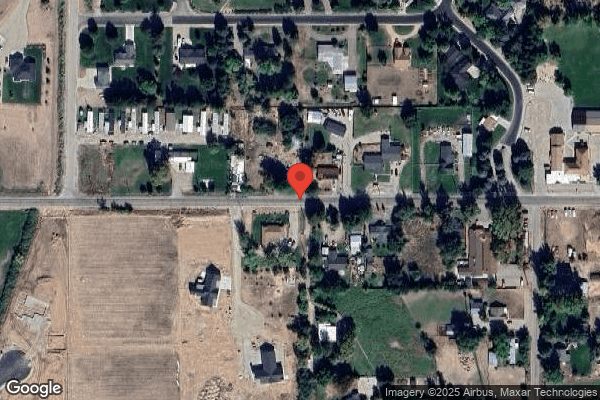
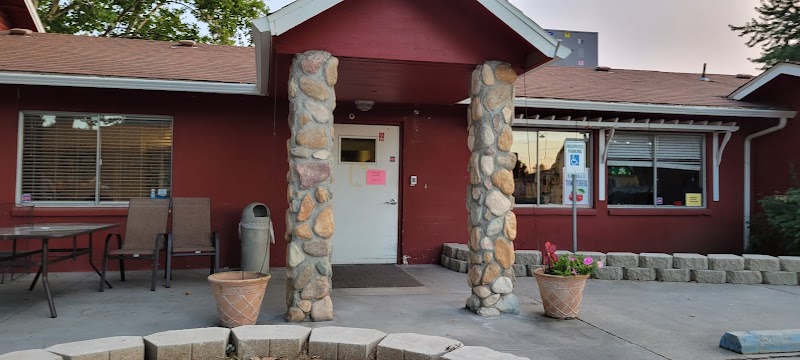
501 WEST IDAHO BOULEVARD, EMMETT, ID 83617 (208) 664-8128
For profit - Limited Liability company 40 Beds CASCADIA HEALTHCARE Data: November 2025
Trust Grade
50/100
#43 of 79 in ID
Last Inspection: August 2025

Inspected within the last 6 months. Data reflects current conditions.

Overview

Cherry Ridge of Cascadia has a Trust Grade of C, which means it is average and sits in the middle of the pack for nursing homes. It ranks #43 out of 79 facilities in Idaho, placing it in the bottom half, and is the second-best option in Gem County where there is only one other facility. Unfortunately, the facility is getting worse, with issues increasing from 8 in 2024 to 10 in 2025. Staffing is a concern here, with a rating of 2 out of 5 stars and a high turnover rate of 61%, which is above the state average of 47%, indicating that staff may not remain long enough to build strong relationships with residents. While there have been no fines recorded, which is a positive sign, there are serious issues with care; one resident suffered a leg fracture due to improper adherence to their care plan, and there were concerns about medication labeling and pest control within the facility.

Trust Score
C
50/100
In Idaho
#43/79
Bottom 46%
Safety Record
Moderate
Needs review
Inspections
Getting Worse
8 → 10 violations
Staff Stability
⚠ Watch
61% turnover. Above average. Higher turnover means staff may not know residents' routines.
Penalties
✓ Good
No fines on record. Clean compliance history, better than most Idaho facilities.
Skilled Nurses
✓ Good
Each resident gets 42 minutes of Registered Nurse (RN) attention daily — more than average for Idaho. RNs are trained to catch health problems early.
Violations
⚠ Watch
27 deficiencies on record. Higher than average. Multiple issues found across inspections.
★★★☆☆
3.0
Overall Rating
★★☆☆☆
2.0
Staff Levels
★★★★★
5.0
Care Quality
★★☆☆☆
2.0
Inspection Score
Stable
2024: 8 issues
2025: 10 issues

The Good

  • 5-Star Quality Measures · Strong clinical quality outcomes
  • Full Sprinkler Coverage · Fire safety systems throughout facility
  • No fines on record

Facility shows strength in quality measures, fire safety.

The Bad

3-Star Overall Rating

Near Idaho average (3.3)

Meets federal standards, typical of most facilities

Staff Turnover: 61%

14pts above Idaho avg (46%)

Frequent staff changes - ask about care continuity

Chain: CASCADIA HEALTHCARE

Part of a multi-facility chain

Ask about local staffing decisions and management

Staff turnover is elevated (61%)

13 points above Idaho average of 48%

The Ugly 27 deficiencies on record

1 actual harm
Aug 2025 10 deficiencies
CONCERN (D) 📢 Someone Reported This

A family member, employee, or ombudsman was alarmed enough to file a formal complaint

Potential for Harm - no one hurt, but risky conditions existed

Investigate Abuse (Tag F0610)

Could have caused harm · This affected 1 resident

**NOTE- TERMS IN BRACKETS HAVE BEEN EDITED TO PROTECT CONFIDENTIALITY** Based on review of The Long-Term Care Agency reporting portal, facility's incident report, record review and staff interview it ...

Read full inspector narrative →
**NOTE- TERMS IN BRACKETS HAVE BEEN EDITED TO PROTECT CONFIDENTIALITY** Based on review of The Long-Term Care Agency reporting portal, facility's incident report, record review and staff interview it was determined the facility failed to conduct a thorough investigation into an allegation of abuse. This was true for 1 of 3 residents (Resident #7) whose record was reviewed for Abuse and Neglect. This failure created the potential for undetected harm due to incomplete investigative procedures. Findings include:Resident #7 was admitted to the facility on [DATE], with multiple diagnoses including schizophrenia, auditory hallucinations, and chronic pain syndrome.On review of The Long-Term Care Agency reporting portal an incident dated 1/3/25 was reported. The incident documented Dietary Aide #1 and Dietary Aide #2 provided Resident #7 with THC (tetrahydrocannabinol) gummies; a psychoactive substance derived from cannabis. On review of the facility's incidents and accidents, a report initiated on 1/3/25 was located documenting the following investigation:On 1/3/25, the previous CEO was informed Dietary Aide #1 and Dietary Aide #2 had provided Resident #7 with THC gummies. The investigation included an interview from Resident #7 stating he had jokingly asked the staff if they could get him THC gummies to help him sleep. Later, Dietary Aide #1 and Dietary Aide #2 provided Resident #7 with 1 gummy on 2 separate occasions. The investigation included two dietary unidentified staff interviews both concluding Dietary Aide #1 and Dietary Aide #2 had provided THC gummies to Resident #7. The investigation also included 3 resident interviews; all residents were asked the following questions: Do you feel safe in the facility? Do you have concerns regarding the safety of other residents? Do you have any concerns with staff or visitors?However, none of the residents were asked questions specifically related to the incident involving THC or other drug-related concerns.On further review of the investigation, it was identified the facility terminated Dietary Aide #1 and Dietary Aide #2 as a result of the investigation. Therefore, substantiating the allegation.On 8/5/25 at 3:06 PM, on review of the abuse and neglect investigation dated 1/3/25, the CEO stated if she was the one conducting the interview she would have interviewed residents with questions that addressed the issue instead of using generic safety questions.
CONCERN (D) 📢 Someone Reported This

A family member, employee, or ombudsman was alarmed enough to file a formal complaint

Potential for Harm - no one hurt, but risky conditions existed

Assessment Accuracy (Tag F0641)

Could have caused harm · This affected 1 resident

**NOTE- TERMS IN BRACKETS HAVE BEEN EDITED TO PROTECT CONFIDENTIALITY** Based on the review of the Resident Assessment Instrument (RAI) Manual, record review, and staff interview, it was determined th...

Read full inspector narrative →
**NOTE- TERMS IN BRACKETS HAVE BEEN EDITED TO PROTECT CONFIDENTIALITY** Based on the review of the Resident Assessment Instrument (RAI) Manual, record review, and staff interview, it was determined the facility failed to ensure a residents Minimum Data Set assessment included correct information. This was true for 1 of 3 residents (Resident #6) whose records were reviewed for accuracy of assessments. This deficient practice had the potential for negative consequences if residents were not monitored due to inaccurate assessments. Findings include: The RAI Manual, revised 10/1/24, documented section A1500, PASRR (Preadmission Screening and Resident Review), was to be coded yes when a PASRR level II screening determined a resident had a serious mental illness and/or intellectual disability, or related condition.Resident # 6 was admitted to the facility on [DATE], with multiple diagnoses including major depressive disorder, anxiety disorder, and alcohol dependance. Resident #6's admission MDS Assessment, dated 10/21/24, documented under A1500 in Section A, no for the question, Is the resident currently considered by the state level II PASRR process to have serious mental illness and/or intellectual disability or a related condition?However, there was a PASRR Level II observed in his electronic medical record, dated 10/18/24.On 8/6/25 at 5:26 PM, the Director of Clinical Services stated, Yes, the MDS was coded inaccurately.
CONCERN (D) 📢 Someone Reported This

A family member, employee, or ombudsman was alarmed enough to file a formal complaint

Potential for Harm - no one hurt, but risky conditions existed

Deficiency F0645 (Tag F0645)

Could have caused harm · This affected 1 resident

**NOTE- TERMS IN BRACKETS HAVE BEEN EDITED TO PROTECT CONFIDENTIALITY** Based on record review and staff interview, it was determined the facility failed to refer residents with a diagnosed mental dis...

Read full inspector narrative →
**NOTE- TERMS IN BRACKETS HAVE BEEN EDITED TO PROTECT CONFIDENTIALITY** Based on record review and staff interview, it was determined the facility failed to refer residents with a diagnosed mental disorder to the appropriate state-designated authority for an evaluation and determination. This was true for 3 of 3 residents (#5, #6, and #8), reviewed for PASRR level I evaluations. This deficient practice had the potential to cause harm if resident's specialized services for mental health needs were not evaluated by an appropriate state-designated authority. Findings include: 1. Resident #5 was admitted to the facility on [DATE], with multiple diagnoses including multiple sclerosis, Alzheimer’s disease, and depression. The Change in Status MDS Assessment, dated 6/30/25, did not document Resident #5 had a PASRR level II. Resident #5’s PASRR level 1, dated 1/15/24, did not include documentation of Resident #5's depressive disorder, although it did document Resident #5 was taking Trazadone (an antidepressant) 50 milligrams at bedtime. On 8/6/25 at 5:15 PM, the Social Services Director stated Resident #5 did not have a PASRR level II, and there should have been one. 2. Resident #8 was admitted to the facility on [DATE], and readmitted on [DATE], with multiple diagnoses including quadriplegia, depression, and anxiety. The admission MDS Assessment, dated 6/30/25, did not document Resident #8 had a PASRR level II. Resident #8’s PASRR level 1, dated 1/7/25, did not include documentation of Resident #8's diagnoses of depression and anxiety. A PASRR level 1, dated prior to readmission on [DATE] was not provided by the facility. On 8/5/25 at 9:31 AM, the Social Services Director stated Resident #8's PASRR level 1 should have been reviewed for accuracy, and a PASRR level II completed, and it was not. 3. Resident #6 was admitted to the facility on [DATE], with multiple diagnoses including major depressive disorder, anxiety disorder, and alcohol dependance. A PASRR Level 1 pre-admission screening, dated 10/17/24, documented Resident #6 had a mild or situational depression. However, the assessment did not include documentation of Resident #6 having a major depression disorder or anxiety. On 8/6/25 at 5:01 PM, the Social Services Director stated Resident #6’s PASRR Level 1 pre-admission screening should have been completed to accurately reflect his diagnosis of major depression and anxiety disorder.
CONCERN (D) 📢 Someone Reported This

A family member, employee, or ombudsman was alarmed enough to file a formal complaint

Potential for Harm - no one hurt, but risky conditions existed

Staffing Information (Tag F0732)

Could have caused harm · This affected 1 resident

Based on observation, record review and staff interview, it was determined the facility failed to ensure nurse staffing information was accurate with hours posted daily for each shift. This failed pra...

Read full inspector narrative →
Based on observation, record review and staff interview, it was determined the facility failed to ensure nurse staffing information was accurate with hours posted daily for each shift. This failed practice had the potential to affect all residents residing in the facility and their representatives, visitors, and others who wanted to review the facility's staffing levels. Findings include:From 8/4/25 through 8/6/25 it was observed the nurse staffing information did not include the number of hours worked per shift for registered nurses, licensed practical nurses, and certified nursing assistants.On 8/6/25 at 10:30 AM, the Staffing Coordinator stated the hours worked for nursing staff were not posted for the number of covered positions on the daily staff postings. The hours should have been posted.
CONCERN (D) 📢 Someone Reported This

A family member, employee, or ombudsman was alarmed enough to file a formal complaint

Potential for Harm - no one hurt, but risky conditions existed

Deficiency F0760 (Tag F0760)

Could have caused harm · This affected 1 resident

**NOTE- TERMS IN BRACKETS HAVE BEEN EDITED TO PROTECT CONFIDENTIALITY** Based on facility policy, record review, and staff interview it was determined the facility failed to ensure significant medicat...

Read full inspector narrative →
**NOTE- TERMS IN BRACKETS HAVE BEEN EDITED TO PROTECT CONFIDENTIALITY** Based on facility policy, record review, and staff interview it was determined the facility failed to ensure significant medication errors were prevented. This was true for 3 of 3 residents (#2, #3, and #17) whose records were reviewed for significant medication errors. These findings created the potential for increased pain and adverse outcomes when medication was not administered according to the resident's physician order. Findings include:The facility’s Medication Errors policy, revised on 8/1/23, documented the following: A medication error is observed or identified when the observation or administration of drugs are not in accordance with: Prescriber’s Orders Manufacture’s specification regarding the preparation and administration of the drug or biological. Accepted professional standards and principles that apply to the professional providing services. 1. Resident #2 was admitted to the facility on [DATE], with multiple diagnoses including chronic pain, absence of left hip joint, and flexion deformity of left shoulder. A physician’s order dated 6/18/25, directed staff to administer Morphine sulfate concentrate (an opioid pain medication) give 0.4 milliliters by mouth every 6 hours for chronic pain. An incident report dated 6/6/25, documented Resident #2 did not receive his bedtime morphine medication because LPN #2 forgot to get the medication out of the narcotic drawer. The report documented LPN #2 was assisting another resident and forgot it get it. It also documented Resident #2 was alert and oriented and was able to verbalize a pain level of a 4 out of 10. A nurse’s progress note dated 6/6/25, documented Resident #2 was monitored for adverse side effects of missing medication. The note included documentation Resident #2 stated he was not in pain. The investigation included a statement dated 6/9/25, documenting LPN #2 stated he forgot to pull the medication for Resident #2 when he got busy with another resident. On 8/5/25 at 6:00 PM, the DON stated LPN #2 identified the medication error at the end of shift during a narcotic count with another nurse. She also stated LPN #2 was not provided with any training as this was his first offence. 2. Resident #3 was admitted to the facility on [DATE], with multiple diagnoses including back pain, osteoarthritis (a type of degenerative joint disease that results from breakdown of joint cartilage and underlying bone) of the left and right shoulder, and age-related osteoporosis(a progressive bone disease characterized by decreased bone density and increased fragility, leading to a higher risk of fractures.) A physician’s order dated 4/29/25, directed staff to administer Oxycodone (an opioid pain medication) 10 milligrams; give 1 tablet by mouth every 4 hours for chronic pain. An incident report dated 7/1/25, documented Resident #3 did not get her oxycodone during the 7:00 PM medication pass because LPN #2 forgot to administer it. The incident report documented Resident #3’s first pain level was a 6 out of 10. The second pain level was documented as 7 out of 10. The investigation included the following immediate action taken: Resident #3 was monitored for adverse side effects and monitored for signs and symptoms of withdrawal. No adverse findings were identified. Documentation of LPN #2’s competencies were requested and a check list titled “Medication Administration Oral” was provided. The list included procedure steps on the following topics: Medication preparation rights, medication administration, medication documentation rights, and medication refusal. The training was noted to have LPN #2’s name written in with “-phone” next to it. It was unclear if the training was provided over the phone. On 8/4/25 at 3:50 PM, the DON stated LPN #2 was overwhelmed because so many residents were waiting around the medication cart that he forgot to give Resident #3 her oxycodone. 3. Resident #17 was admitted to the facility on [DATE], with multiple diagnoses including type 2 diabetes and morbid obesity. A physician’s order, dated 6/6/25, documented Resident #17 was to receive Insulin Aspart subcutaneous solution pen-injector 100 unit/milliliters. Inject as per sliding scale: 0-150 = 0 units 151 – 200 = 2 units 201 – 250 = 4 units 251 – 300 = 6 units 301 – 350 = 8 units 351 – 400 = 10 units 401 + = 12 units *Call physician for further directions, subcutaneously two times a day for type 2 diabetes. On 7/2/25, Resident #17's blood sugar measured 159 at 8:00 PM. On review of the Medication Administration Record (MAR) dated 7/2/25, Resident #17's record did not include documentation of insulin given by LPN #2. On 8/5/25 at 3:11 PM, during a review of Resident #17's MAR with the CEO and CNO, it was determined there was no documentation Resident #17 had received her sliding scale insulin as ordered.
CONCERN (D) 📢 Someone Reported This

A family member, employee, or ombudsman was alarmed enough to file a formal complaint

Potential for Harm - no one hurt, but risky conditions existed

Deficiency F0947 (Tag F0947)

Could have caused harm · This affected 1 resident

Based on record review and staff interview, the facility failed to provide a minimum of 12 hours of in-service education per year for 2 of 3 CNAs (Certified Nursing Assistants; #1 and #2) reviewed for...

Read full inspector narrative →
Based on record review and staff interview, the facility failed to provide a minimum of 12 hours of in-service education per year for 2 of 3 CNAs (Certified Nursing Assistants; #1 and #2) reviewed for sufficient and competent CNA staffing. This deficient practice placed residents at risk of receiving care from staff who were not adequately trained to meet residents' needs. Findings include:A review of CNA staff records documented CNA #1 and CNA #2 had been employed at the facility for over 12-months. On 8/6/25 at 4:15 PM, a review of CNA #1's training records did not document completed hours for the previous 12-month annual evaluation period for 2024/2025.On 8/6/25 at 4:25 PM, a review of CNA #2's training records did not document completed hours for the previous 12-month annual evaluation period for 2024/2025.On 8/7/25 at 8:35 AM, the CEO stated the facility was unable to produce any records that CNA #1 and CNA #2 had the required annual 12-hours of training for the evaluation period of 2024/2025.
CONCERN (E) 📢 Someone Reported This

A family member, employee, or ombudsman was alarmed enough to file a formal complaint

Potential for Harm - no one hurt, but risky conditions existed

Food Safety (Tag F0812)

Could have caused harm · This affected multiple residents

Based on observation, record review, and staff interview, it was determined the facility failed to ensure food was stored appropriately, dated, and not contaminated by ice, and the kitchen was clean a...

Read full inspector narrative →
Based on observation, record review, and staff interview, it was determined the facility failed to ensure food was stored appropriately, dated, and not contaminated by ice, and the kitchen was clean and free of pests. These deficiencies had the potential to affect the 31 residents who consumed food prepared by the facility. This placed residents at risk for potential contamination of food and adverse health outcomes, including food-borne illnesses. Findings include: 1. The FDA Food Code Section 3-303.12 documented packaged food may not be stored in direct contact with ice or water if the food is subject to the entry of water because of the nature of its packaging, wrapping, or container or its positioning in the ice or water. On 8/4/25 at 8:20 AM, and on 8/7/25 at 11:15 AM, freezer icicles were observed in the vegetable and dough freezer stuck to the back of the fridge. Ice was stuck to the shelves containing boxes of food, opened and unopened, with ice dripping down through the shelves onto additional boxes of opened and unopened food. On 8/7/25 at 11:17 AM, the Dietary Manager stated the issue with the dripping water had been looked at by a third-party vendor two weeks prior. She did not provide an answer why the food continued to have ice build-up or why the freezer was still in use. 2. The FDA Food Code Section 3-305.11 Food Storage documented, food shall be protected from contamination by storing the food: (1) In a clean, dry location; (2) Where it is not exposed to splash, dust, or other contamination; and (3) At least 15 cm (6 inches) above the floor. On 8/4/25 at 8:25 AM, and on 8/5/25 at 11:00 AM, the following was observed in the dry-food pantry: -A bag of flour was stored under the shelves.-Large cans of butterscotch pudding were stored on the floor. -Large cans of diced, red pimientos, and diced green chili peppers were stored on the floor. On 8/5/25 at 11:05 AM, the Regional CDM stated the flour and canned food should not be stored on the floor of the pantry; it should be stored at least 6 inches off the floor. 3. The FDA Food Code Section 3-501.17 Ready-to-Eat, TCS (time/temperature control for safety) Food documented, date marking, should be done on the date or day the original container is opened in a food establishment, with a procedure to discard the food on or before the last date or day by which the food must be consumed on the premises, sold, or discarded. On 8/4/25 at 8:15 AM, during the initial kitchen walk-through, the following was observed:-In the dough/fry freezer multiple packages of undated cookies, undated and open egg omelets, and husked corn cobs were exposed. -In the meat freezer a Core water bottle was stored on its side and had been opened, undated, and not identified as staff or resident water. On 8/7/25 at 11:25 AM, the Dietary Manager stated she did not know why Core water was stored in the resident's refrigerator. She was unaware there was undated food in the dough/fry freezer. 4. The FDA Food Code Section 4-602.11 Equipment Food-Contact Surfaces and Utensils documented: (E) Surfaces of utensils and equipment contacting food that is not time/temperature control for food shall be cleaned: On 8/5/25 at 12:50 PM, a layer of dust was found on the wall mounted knife rack located on the hallway wall outside of the dishwashing room. On 8/5/25 at 12:52 PM, the Dietary Manager stated she did have a cleaning schedule for the kitchen, but the knife rack was not listed on it, and it should have been added to it as it was visibly dusty. 5. The FDA Code Section 4-602.12 Cooking and Baking Equipment documented, food-contact surfaces of cooking equipment must be cleaned to prevent encrustations' that may impede heat transfer necessary to adequately cook food. Encrusted equipment may also serve as an insect attractant when not in use. On 8/4/25 at 8:35 AM, and 8/5/25 at 12:15 PM, 3 skillets and 4 baking sheets were observed with black encrusted residue. On 8/5/25 at 12:45 AM, the Dietary Manager stated she was aware there were encrusted pans in the kitchen, but she had not been directed to remove them or order replacements. When she was asked who would have directed her, the Dietary Manager stated in February or March 2025, the Administrator was informed, and she was still waiting for new pans. 6. The FDA Food Code Section 4-803.11 Storage of Soiled Linens documented, soiled linens shall be kept in clean, nonabsorbent receptacles or clean, washable laundry bags and stored and transported to prevent contamination of food, clean equipment, clean utensils, and single-service and single-use articles. On 8/7/25 at 11:35 PM, it was observed in the dishing washing area 2 aprons used for washing dishes were covered with food particle residue and hanging on the wall inside the dishroom. On 8/7/25 at 11:40 AM, the Dietary Manager stated she was not aware her dishwasher was using the aprons, nor had she had them washed as there were disposable aprons the staff were supposed to be using. 7. The FDA Food Code Section 6-501.111 Controlling Pests documented, the premises shall be maintained free of insects, rodents, and other pests. The presence of insects, rodents, and other pests shall be controlled to eliminate their presence on the premises by: (A) Routinely inspecting incoming shipments of food and supplies; (B) Routinely inspecting the premises for evidence of pests; (C) Using methods, if pests are found, such as trapping devices or other means of pest control., and (D) Eliminating harborage conditions. On 8/5/25 during trayline observation from 12:05 PM through 12:45 PM, a pest was observed in the kitchen crawling around on clear plastic wrap, various kitchen surfaces, and kitchen cooking equipment. On 8/5/25 at 12:45 PM, the Dietary Manager stated food delivery had been completed earlier in the morning and the back door had been left open. When pests are found in the kitchen, she notifies the Maintenance Director to come and take care of the issues. The Dietary Manager said she would be notifying the Maintenance Director of the pests in the kitchen. On 8/5/25 at 3:40 PM, the Maintenance Director stated no one from the kitchen had notified him there were pests in the kitchen. With the Maintenance Director, it was discovered the two blue light insect traps had been unplugged. The Maintenance Director identified the second fly trap had a burnt-out blue light and was not functioning. He stated the lights had most likely been unplugged at least 2 weeks as the third-party contractor fixing the refrigerators and freezers had unplugged everything when looking to see how to fix the freezers.
CONCERN (E) 📢 Someone Reported This

A family member, employee, or ombudsman was alarmed enough to file a formal complaint

Potential for Harm - no one hurt, but risky conditions existed

Infection Control (Tag F0880)

Could have caused harm · This affected multiple residents

**NOTE- TERMS IN BRACKETS HAVE BEEN EDITED TO PROTECT CONFIDENTIALITY** Based on record review, observation, and staff interview, it was determined the facility failed to implement effective infection...

Read full inspector narrative →
**NOTE- TERMS IN BRACKETS HAVE BEEN EDITED TO PROTECT CONFIDENTIALITY** Based on record review, observation, and staff interview, it was determined the facility failed to implement effective infection control practices during medication administration and shower room sanitation. This failure created the potential to affect all residents who reside in the facility due to risk for cross-contamination and adverse outcomes. Findings include:1. On 8/6/25 at 9:57 AM, during an inspection of Shower room [ROOM NUMBER] with the Director of Maintenance, the following environmental concerns were observed:The shower floor, specifically the area where residents stand during bathing, lacked grout between the tiles. Black mold-like substances were visible along the bottom edges of the shower walls.An adhesive trim affixed to the lower portion of the shower walls was peeling away. Upon closer inspection, the underside of the peeling adhesive trim also showed the presence of black mold-like material extending along the edge of the wall.On 8/6/25 at 9:57 AM, the Director of Maintenance stated the lack of grouting created uneven and potentially unsanitary conditions.On 8/7/25 at 12:25 PM, the CEO stated the facility did not have a log of who is responsible for cleaning the shower rooms, but they should be cleaned daily. 2. On 8/5/25 at 9:11 AM, during a medication administration observation the following was observed:LPN #1 was observed preparing to administer a subcutaneous injection. She performed hand hygiene and gathered her supplies. LPN #1 then proceeded to walk to the residents' room knocked on the door and entered the room. She greeted the resident then walked over to the sink to perform hand hygiene. LPN #1 took the injectable pen and two alcohol wipes and placed then on the ledge of the sink. No observation of the use of sanitary barrier was observed. She washed and dried her hands and proceeded to take the injectable pen and alcohol wipes. LPN #1 applied gloves and informed the resident she was going to administer her once a week injection. She cleansed the site with the wipe and proceeded to administer the injection. LPN #1 disposed of her supplies and performed hand hygiene.On 8/5/25 at 9:32 AM, LPN #1 stated she should have used a paper towel as a barrier instead of placing the injectable pen directly on the sink ledge.
CONCERN (F) 📢 Someone Reported This

A family member, employee, or ombudsman was alarmed enough to file a formal complaint

Potential for Harm - no one hurt, but risky conditions existed

Deficiency F0761 (Tag F0761)

Could have caused harm · This affected most or all residents

**NOTE- TERMS IN BRACKETS HAVE BEEN EDITED TO PROTECT CONFIDENTIALITY** Based on observation and staff interview it was determined the facility failed to ensure medications available for residents wer...

Read full inspector narrative →
**NOTE- TERMS IN BRACKETS HAVE BEEN EDITED TO PROTECT CONFIDENTIALITY** Based on observation and staff interview it was determined the facility failed to ensure medications available for residents were labeled and dated. This was true for 1 of 2 medication carts inspected. This failure created the potential to receive expired medication with decreased efficacy. Findings include:On [DATE] at 9:03 AM, during a medication cart inspection the following medication was located with no open date or date of discard: Erythromycin ophthalmic ointment 5 milligram Trelegy Ellipta inhaler 62.5 microgramOn [DATE] at 09:06 AM, LPN #1 stated she was not sure how long the ophthalmic ointment was good for. She also stated both medications should have been labeled with the open date.
CONCERN (F) 📢 Someone Reported This

A family member, employee, or ombudsman was alarmed enough to file a formal complaint

Potential for Harm - no one hurt, but risky conditions existed

Deficiency F0925 (Tag F0925)

Could have caused harm · This affected most or all residents

Based on observation, record review, resident and staff interview, it was determined the facility failed to provide a pest-free environment and an effective pest control program. This deficient practi...

Read full inspector narrative →
Based on observation, record review, resident and staff interview, it was determined the facility failed to provide a pest-free environment and an effective pest control program. This deficient practice created the potential for facility residents (#3, #4, #6, #7, #12, #13, #16, #19, #24, #25, #26, #27, #28, #29, and #39) to experience pest infestation if measures were not taken to eradicate and contain common household pests like flies. Findings include:The facility's Resident Environment policy, revised 11/28/19, documented the facility will provide a homelike environment that is similar to that of a private home/ The facility's Pest Control policy, revised 10/18/23, documented routine inspections are conducted periodically at the facility for evidence of pests. Insect or pest sightings are reported to the housekeeping/maintenance supervisor. From 8/4/25 through 8/7/25, the following was observed:On 8/4/25 at 8:05 AM, a full fly trap was found hanging outside the facility on a nearby fence, two additional full fly traps were observed around the exterior fence of the facility.On 8/4/25 from 8:30 AM to 4:45 PM, 9 of 12 Resident's rooms were observed to have fly swatters hanging on the wall.On 8/4/25 at 12:15 PM, flies were observed in the dining room landing on Resident #3 and Resident #12's food plate. Multiple flies were observed on the main dining table. A red fly swatter was observed hanging on the wall at the entrance of the dining room.On 8/4/25 at 4:10 PM, Resident #12 was observed attempting to swat a fly, but stopped when she said, I can't move fast enough to catch them.On 8/4/25 at 4:15 PM, Resident #12 stated the flies in facility were worse last fall [2024] than they were this summer [2025.] She was concerned with the increase of flies as she was unable to move fast enough to use the fly swatter effectively, and she did not like the flies buzzing around her room. Resident #12 stated the flies in the dining room frequently landed on her food and she had to shoo them away.On 8/5/25 at 8:15 AM, the Director of Maintenance, with the surveyor, provided a tour of the facilities pest control devices. The following was observed: Air Curtain #1: Was observed not turned on, and the Director of Maintenance stated it had not been functioning for sometime. Air Curtain #2: Was observed not turned on, the off button had been selected. When the Director of Maintenance turned it into the on position, Air Curtain #2 turned on. The dining room insect catcher was observed not plugged in. The front door was observed to have two interior insect catchers, the right side was unplugged, and the insect trap was full; the left side was functioning and the trap was full with live insects. There were two kitchen insect catchers observed, the interior on was unplugged with a non-functioning blue light. The exterior entrance insect catcher turned on when it was plugged in. There were three exterior fly traps hanging on the fence outside of the facility building, all the traps were full. On 8/5/25 at 8:25 AM, the Director of Maintenance stated the exterior fly traps should have been emptied more often as they may have been changed about 6-8 weeks prior. He stated staff frequently turn off Air Curtain #2, but Air Curtain #1 had been broken since he could remember. The Director of Maintenance stated Pest Control Services come to the building at least monthly, but more often if needed. He confirmed the front door insect traps had not been changed in a while. On 8/5/25 at 10:30 AM, Resident #25 was seen walking around the facility with a fly swatter on his walker. When asked about the fly swatter, Resident #25 stated he used it to kill the flies. He was sure housekeeping cleaned up any of the dead fly's he killed. On 8/6/25 from 8:10 AM to 10:30 AM, 10 facility staff entry and exits were observed where Air Curtain #2 should have been on and functioning. Air Curtain #2 was not turned on for 6 of the 10 entries observed. On 8/6/25 at 10:30 AM, surveyors met with 16 residents at a Resident Council (#3, #4, #6, #7, #12, #13, #16, #19, #24, #25, #26, #27, #28, #29, and #39), who resided at the facility. The Resident's stated they were offered fly swatters if they wanted them, but most were unable to use them effectively. They were not sure what happened to any flies killed, if they were lucky to swat them. The Resident's were asked if they were aware of the facility's pest control program and the fly traps around the facility. The Resident's were unable to identify where any interior fly traps were located, but did mention the outdoor fly traps appeared full. Resident #25 stated he had observed the Director of Maintenance the day before empty the fly traps at the front door, and he was surprised at the thousands of bugs trapped. A review of Pest Control Services provided from May - July 2025, documented: May 2025: Pest control services provided BiMonthly - Interior/Exterior.June 2025: No documentation provided.July 2025: Pest control services provided BiMonthly - General Maintenance. On 8/6/25 at 11:30 AM, the Director of Maintenance stated residents who request fly swatters receive them. He stated housekeeping cleans the facility daily and would get any swatted flies when they clean.
Aug 2024 8 deficiencies 1 Harm
SERIOUS (G) 📢 Someone Reported This

A family member, employee, or ombudsman was alarmed enough to file a formal complaint

Actual Harm - a resident was hurt due to facility failures

Accident Prevention (Tag F0689)

A resident was harmed · This affected 1 resident

**NOTE- TERMS IN BRACKETS HAVE BEEN EDITED TO PROTECT CONFIDENTIALITY** Based on record review, review of the State Survey Agency's Long-Term Care Reporting Portal, hospital record review, and staff i...

Read full inspector narrative →
**NOTE- TERMS IN BRACKETS HAVE BEEN EDITED TO PROTECT CONFIDENTIALITY** Based on record review, review of the State Survey Agency's Long-Term Care Reporting Portal, hospital record review, and staff interview, it was determined the facility failed to ensure a resident's care plan was followed to prevent falls. This was true for 1 of 4 residents (Resident #10) whose records were reviewed for falls. This failure harmed Resident #10 when she suffered fractures to her right lower leg after a fall from her bed. Findings include: Resident #10 was admitted to the facility on [DATE] with multiple diagnoses including multiple sclerosis (an irreversible condition in which the body's immune system attacks the central nervous system), and Alzheimer's disease. On 8/8/22, Resident #10's care plan documented she required total assistance for transfers with two staff and a mechanical lift. On 8/14/22, Resident #10's care plan documented an intervention was initiated to use fall mats on the right side of the bed and to have her bed in the lowest position. On 10/1/22, Resident #10's care plan documented she used bolsters to the sides of her mattress to help her define the edges of the bed. On 11/1/23 at 11:20 AM, a fall report documented CNA #1 and #2 witnessed Resident #10 have ground level fall. The report documented after CNA #1 put a sling under Resident #10, they lowered the bed to the lowest position, and left the room to retrieve the mechanical lift and CNA #2 to assist with transferring her. Upon reentering the room, CNA #1 and #2 observed Resident #10 rolling over the bolster on right side of her bed onto the floor, landing on her right hip and, at that time, she was assessed and was not showing symptoms of injury. On 11/1/23 at 8:00 PM, Resident #10 was observed to have swelling and bruising of her right lower leg and the physician directed staff to transport her to the ED for an x-ray. On 11/1/23 at 8:47 PM, an x-ray report documented tibial and fibular fractures on her right lower leg. On 11/8/23, the facility submitted their investigation report for the fall to the State Survey Agency Long-Term Care Reporting Portal. The report documented the facility investigation found the bed was not at the lowest position and the fall mat was not in place when Resident #10 fell out of bed. On 8/22/24 at 3:30 PM, the DON stated during their investigation they recognized inconsistencies in the reports from CNA #1 and #2 and determined the reports provided by the CNA's involved were not honest or accurate. The DON stated CNA #1 and #2 did not follow Resident #10's care plan and were terminated on 11/3/23 due to their dishonesty related to Resident #10's fall. The facility took the following actions: -A licensed nurse assessed Resident #10 immediately after the fall for signs on injury. -Resident #10's family representative was informed of the incident. -Alert charting was initiated to monitor for signs of injury. -The facility's Medical Director, Administrator, and Director of Nursing were notified. -When symptoms of injury became apparent, the facility notified the physician. -The physician sent her to be assessed and the injury was treated appropriately. -The Bureau of Facility Standards was notified through the reporting portal. -On 11/2/23, all nursing staff were reeducated and assessed to be knowledgeable about following care plans and appropriately handling falls with injury. -On 11/3/23, all CNA's were assessed to be proficient in following care plans and safely transferring residents with mechanical lifts. -The incident and Resident #10's care plan were reviewed with the IDT and identified the two CNA's involved had been dishonest and her care plan remained appropriate, but the failure to follow the care plan was what made the injury occur. -CNA #1 and #2 were terminated. -The facility followed up with specialists to care for the fractures. These investigative findings represent past noncompliance with this regulatory requirement. There was sufficient evidence the facility investigated and corrected the noncompliance as of 11/3/23. At the time of this survey the facility was in substantial compliance for this regulatory requirement and therefore does not require a plan of correction for this citation.
CONCERN (D) 📢 Someone Reported This

A family member, employee, or ombudsman was alarmed enough to file a formal complaint

Potential for Harm - no one hurt, but risky conditions existed

Resident Rights (Tag F0550)

Could have caused harm · This affected 1 resident

Based on observations and interviews, it was determined that the facility failed to treat each resident with respect and dignity. This was true for 3 of 7 residents (Resident's #24, #26, and #29) obse...

Read full inspector narrative →
Based on observations and interviews, it was determined that the facility failed to treat each resident with respect and dignity. This was true for 3 of 7 residents (Resident's #24, #26, and #29) observed during dining in the facility. This deficient practice had the potential for residents to experience embarrassment, and low feelings of self-worth. Findings include: The facility's Dining Policy, revised 9/10/20, states the dining environment should enhance the quality of life of their residents by providing a pleasant atmosphere, including when the resident would like to eat, and having enough staff to serve the residents during mealtime. On 8/19/24 the following was observed: - At 12:10 PM, Resident #24 was sitting at a table by himself in the back corner. Resident #26 and Resident #29 were sitting at the end of the main table with two additional residents seated at the table with them. - At 12:25 PM, the facility staff began serving residents their meals. - At 12:31 PM, the tray cart was removed from the dining room. Resident #24, #26, and #29 had not been served their meal or beverages. - Between 12:35 PM and 12:41 PM, Resident #26, requested a cold Pepsi three times. CNA #3, who was helping Resident #10 with her meal, told Resident #26 each time that someone would get it to her when they could. - At 12:41 PM, the Staffing Coordinator brought a warm can of Pepsi to Resident #26's table, and left without opening the can of Pepsi. Resident #29, who was sitting next to Resident #26, opened the Pepsi, and asked the Staffing Coordinator to bring a cup of ice for Resident #26. - At 12:46 PM, the Staffing Coordinator brought in a cup of ice, and poured Resident #26's Pepsi into the cup. - At 12:48 PM, Resident #24, #26, #29 were served their meal trays. On 8/22/24 at 2:18 PM, the DON stated the facility will send available staff to assist with meals in the dining room, unless they are redirected to pass out [hall] trays. The DON stated, sometimes, there is not enough staff.
CONCERN (D) 📢 Someone Reported This

A family member, employee, or ombudsman was alarmed enough to file a formal complaint

Potential for Harm - no one hurt, but risky conditions existed

Transfer Requirements (Tag F0622)

Could have caused harm · This affected 1 resident

**NOTE- TERMS IN BRACKETS HAVE BEEN EDITED TO PROTECT CONFIDENTIALITY** Based on record review, policy review, and staff interview, it was determined the facility failed to ensure resident records wer...

Read full inspector narrative →
**NOTE- TERMS IN BRACKETS HAVE BEEN EDITED TO PROTECT CONFIDENTIALITY** Based on record review, policy review, and staff interview, it was determined the facility failed to ensure resident records were provided to the hospital upon transfer. This was true for 1 of 2 residents (Resident #16) reviewed for hospital transfers. This deficient practice created the potential for harm if Resident #16 was not treated in a timely manner due to lack of information provided upon transfer. Findings include: The facility's Transfer and Discharge policy and procedure, revised 10/15/22, documented upon transfer of a resident the following information should be provided to the receiving provider: a. Contact information of the practitioner who was responsible for the care of the resident; b. Resident representative information, including contact information; c. Advanced directive information; d. Special instructions and /or precautions for ongoing care, as appropriate; e. The resident's comprehensive care plan goals; and f. All information necessary to meet the resident's needs. Resident #16 was admitted to the facility on [DATE], and readmitted on [DATE], with multiple diagnoses including diabetes, legal blindness, congestive heart failure (when the heart does not pump blood as effectively as it should), and chronic respiratory failure with hypoxia (low levels of oxygen in your body tissues). A nursing progress note, dated 4/18/24, at 12:58 PM, documented Resident #16 was hard to arouse, sternal rub ineffective. Notified MD, one dose of narcan and stat transfer to ER. Report given to EMT (Emergency Medical Technician) and a report was made to the nurse of the receiving facility. Resident #16's record did not include documentation of what records were sent to the hospital. On 8/22/24 at 4:00 PM, the Clinical Resource Nurse #1 stated she was not able to find any documentation of what information was sent to the hospital with the Resident #16 on 4/18/24. She said there should have been a checklist of what was sent to hospital, and it should have been documented, but was unable to locate the documentation.
CONCERN (D) 📢 Someone Reported This

A family member, employee, or ombudsman was alarmed enough to file a formal complaint

Potential for Harm - no one hurt, but risky conditions existed

Deficiency F0658 (Tag F0658)

Could have caused harm · This affected 1 resident

**NOTE- TERMS IN BRACKETS HAVE BEEN EDITED TO PROTECT CONFIDENTIALITY** Based on observation, record review, and staff interview, it was determined the facility failed to ensure medication was adminis...

Read full inspector narrative →
**NOTE- TERMS IN BRACKETS HAVE BEEN EDITED TO PROTECT CONFIDENTIALITY** Based on observation, record review, and staff interview, it was determined the facility failed to ensure medication was administered according to professional standards of practice. This was true for 1 of 5 residents (Resident #31) observed during medication administration. This created the potential for Resident #31 to develop a yeast infection when she did not rinse her mouth with water after taking her medication. Findings include: The Drugs website accessed on 8/27/24 stated to rinse your mouth well with water after taking fluticasone propionate (corticosteroid) to decrease the risk of a mouth infection. Spit out the water you rinsed with (do not swallow). Resident #31 was admitted to the facility on [DATE] with multiple diagnoses including acute respiratory failure with hypoxia (low levels of oxygen in the body tissue). Resident #31 physician's order included fluticasone propionate inhalation 2 puffs inhale orally two times a day related to moderate persistent asthma. On 8/21/24 at 8:09 AM LPN #1 handed the fluticasone propionate inhaler to Resident #31. Resident #31 shook the medication and took two puffs orally and gave back the inhaler to LPN #1. Resident #31 did not rinse her mouth after taking two puffs of the inhaler orally. On 8/21/24 at 10:00 AM, the Clinical Resource Nurse #1 reviewed Resident #31's physician's order and stated the order did not include to rinse and spit after taking the inhaler. When asked if it should be in the order to instruct the resident to rinse her mouth and spit the water out after taking the fluticasone propionate orally, the Clinical Resource Nurse stated, Yes it should be in the order. On 8/21/24 at 10:22 AM, during telephone interview, the Pharmacist stated fluticasone propionate was a corticosteroid and residents should be instructed to rinse their mouth after taking the medication orally and spit the water out. The Pharmacist stated going forward it would be good to add the instructions in the physician's order.
CONCERN (D) 📢 Someone Reported This

A family member, employee, or ombudsman was alarmed enough to file a formal complaint

Potential for Harm - no one hurt, but risky conditions existed

Quality of Care (Tag F0684)

Could have caused harm · This affected 1 resident

**NOTE- TERMS IN BRACKETS HAVE BEEN EDITED TO PROTECT CONFIDENTIALITY** Based on observation, record review, and staff interview, it was determined the facility failed to ensure professional standards...

Read full inspector narrative →
**NOTE- TERMS IN BRACKETS HAVE BEEN EDITED TO PROTECT CONFIDENTIALITY** Based on observation, record review, and staff interview, it was determined the facility failed to ensure professional standards of practice was followed for 1 of 13 residents (Resident #32) reviewed for standards of practice. Resident #32's care plan was not followed as directed. This deficient practice created a potential for harm to Resident #32 if care and services were not delivered according to her care plan. Findings include: The facility's Care Plan policy, revised 10/15/22, states that care plans are developed for a resident's specific condition, to include specific, measureable objectives, to meet the resident's needs as identified by their assessment, and response to the interventions or change in the resident's condition. Resident #32 was admitted to the facility on [DATE], with multiple diagnoses including chronic kidney disease and morbid obesity. Resident #32's care plan, dated 3/11/24, directed staff to monitor/document/report to the physician as needed the following signs/symptoms: Edema, weight gain of over 2 pounds (lbs.) a day, neck vein distension, difficulty breathing, increased heart rate, elevated blood pressure, skin temperature, peripheral pulses, level of consciousness, and monitor breath sounds for crackles. A review of records showed that Resident #32 had the following recorded weights: - June 2024: 409.6 lbs. - July 2024: 422.6 lbs. (13.2 lb. increase) - August 2024: 433.2 lbs. (10.4 lb. increase) Resident #32's record documented she was weighed one time per month. There was no documentation in Resident's #32's record the physician was notified of her 13.2 lb. weight gain between June 2024 and July 2024, and 10.4 lb. weight gain between July 2024 and August 2024. There was no documentation her weight was checked to determine if she had a daily weight gain of 2 lbs. On 8/22/24 at 2:30 PM, when asked how would they determine if Resident #32 had a weight gain of 2 lbs. per day as directed by the care plan, the DON stated the care plan is a PRN order to be activated only if there was a problem and they did not weigh Resident #32 daily. On 8/26/24, an email was received from the Administrator regarding Resident #32, which documented, The phrase 'PRN' indicates that these checks should be performed when the patient shows general signs of illness or other clinical changes, which then trigger further assessment.
CONCERN (D) 📢 Someone Reported This

A family member, employee, or ombudsman was alarmed enough to file a formal complaint

Potential for Harm - no one hurt, but risky conditions existed

Medication Errors (Tag F0758)

Could have caused harm · This affected 1 resident

**NOTE- TERMS IN BRACKETS HAVE BEEN EDITED TO PROTECT CONFIDENTIALITY** Based on record review, policy review, and staff interview, it was determined the facility failed to ensure residents taking ant...

Read full inspector narrative →
**NOTE- TERMS IN BRACKETS HAVE BEEN EDITED TO PROTECT CONFIDENTIALITY** Based on record review, policy review, and staff interview, it was determined the facility failed to ensure residents taking antipsychotic medications received an abnormal involuntary movement scale (AIMS) evaluation. This is true for 2 of 5 residents (Resident's #5 and #16) reviewed for unnecessary medications. This deficient practice created the potential for harm if residents receiving antipsychotic medications were not monitored for adverse side effects. Findings include: The American Psychiatric Association (APA) website, accessed on 8/28/24, recommended that all patients taking an antipsychotic medication should be screened for tardive dyskinesia (a movement disorder that causes sudden, uncontrollable movements in the face and body) every six months. 1. Resident #5 was admitted to the facility on [DATE] with multiple diagnoses including traumatic subdural hemorrhage (a serious medical condition that occurs when blood collects between the skull and the surface of the brain), diabetes, and schizoaffective disorder (a mental disorder characterized by delusions, hallucinations, disorganized thoughts, speech, and behavior). A physician's order documented Resident #5 was to receive the following: -Depakote (anticonvulsant) oral tablet delayed release 500 mg, give 3 tablets by mouth every morning and at bedtime for schizoaffective disorder: start date 11/27/23. -Zyprexa (antipsychotic) oral tablet 15 mg, give one tablet by mouth one time a day related to schizoaffective disorder: start date 3/22/24. -Zyprexa oral tablet 20 mg, give one tablet by mouth at bedtime related to schizoaffective disorder: start date 3/22/24. Resident #5's care plan, dated 9/23/23 documented he uses antipsychotic medications related to schizophrenia and staff were directed to evaluate him for AIMS at least every 6 months and as needed. Resident #5 records documented he was evaluated for AIMS on 9/15/23 and 9/20/23. There were no AIMS completed in March 2024. On 8/22/24 at 4:00 PM, Clinical Resource Nurse #1 stated she was unable to locate any AIMS assessments for Resident #5 after the 9/20/23 assessment. She stated the AIMS assessment should have been performed and documented for Resident #5 every 6 months and it was not. 2. Resident #16 was admitted to the facility on [DATE] and readmitted on [DATE] with multiple diagnoses including diabetes, legal blindness, and schizoaffective disorder (a mental disorder characterized by delusions, hallucinations, disorganized thoughts, speech, and behavior). A physician's order documented Resident #16 was to receive the following: -Zyprexa oral tablet 15 mg, give one tablet by mouth one time a day related to schizoaffective disorder: start date 4/30/24. Resident #16's care plan dated 4/27/21, documented he used antipsychotic medications related to schizophrenia and staff were directed to evaluate him for AIMS at least every 6 months and as needed. Resident #16 records documented he was evaluated for AIMS on 3/14/23 and 7/29/23. There were no AIMS completed in January 2024 and July 2024. On 8/22/24 at 4:00 PM, Clinical Resource Nurse #1 stated she was not able to locate any AIMS for Resident #16 after the 7/29/23 assessment. She stated the AIMS assessment should have been performed and documented for Resident #16 every 6 months and it was not.
CONCERN (E) 📢 Someone Reported This

A family member, employee, or ombudsman was alarmed enough to file a formal complaint

Potential for Harm - no one hurt, but risky conditions existed

Safe Environment (Tag F0584)

Could have caused harm · This affected multiple residents

Based on policy review and staff interview, it was determined the facility failed to ensure residents were provided with clean equipment to obtain vital signs and perform transfers. This deficient pra...

Read full inspector narrative →
Based on policy review and staff interview, it was determined the facility failed to ensure residents were provided with clean equipment to obtain vital signs and perform transfers. This deficient practice created the potential for residents to experience psychosocial harm if unclean equipment was used for their care. Findings include: The facility's Resident's Environment policy and procedure, revised 11/28/19, documented the residents are to have a safe, clean, comfortable, and homelike environments provided that allows the resident to receive treatment and supports daily living safely. 1. On 8/19/24 at 12:40 PM and on 08/20/24 at 10:24 AM the following equipment was observed: - Two Hoyer lifts were visibly dusty. Their bases were observed to have clear dried brown substance on them. Thick white or gray type of material was observed wrapped around the wheels. One of the Hoyer lift control wands for electric lifting was smeared with a light brown substance. - Three mobile blood pressure machines were noticeably dusty on reading screen, top, legs, and bases. One of the BP cuff was smeared with light brown substance on it. On 8/21/24 at 4:14 PM, CNA #4 stated he cleans the mobile blood pressure machines after each resident, and he cleans any part that touches the resident such as the blood pressure cuff. When CNA #4 was asked what the substance was on the top and bottom of the mobile blood pressure machines was, he stated it looked like dust on the top and dirt on the bottom. CNA #4 then used a disinfectant wipe to remove the substances from both areas. When asked about the thick white or gray material wrapped around the wheels of the 2 Hoyer lifts, he stated it looked like hairs. He then pulled the hairs out of the wheels. On 8/22/24 at 3:00 PM, the DON stated nursing staff are responsible to clean the mobile blood pressure machines and Hoyer lifts after each resident use.
CONCERN (F) 📢 Someone Reported This

A family member, employee, or ombudsman was alarmed enough to file a formal complaint

Potential for Harm - no one hurt, but risky conditions existed

Deficiency F0727 (Tag F0727)

Could have caused harm · This affected most or all residents

Based on record review, policy review, and staff interview, it was determined the facility failed to ensure a RN was on-site 8 consecutive hours a day, 7 days a week to provide care and treatment to t...

Read full inspector narrative →
Based on record review, policy review, and staff interview, it was determined the facility failed to ensure a RN was on-site 8 consecutive hours a day, 7 days a week to provide care and treatment to the residents. This is true for 5 of 21 days reviewed for sufficient staffing. This failure created the potential for harm if routine and /or emergency nursing needs were unmet and had the potential to affect all 33 residents in the facility. Findings include: The facility's Sufficient Qualified Nurse Staffing policy and procedure, released 11/28/17, documented the facility use the service of an RN for at least eight consecutive hours a day, 7 days a week. A Three-Week Nursing Schedule dated 7/28/24 - 8/17/24 documented there was no RN on-site for 8 consecutive hours on the following dates: 7/28/24, 8/2/24, 8/4/24, 8/9/24, and 8/11/24. On 8/22/24 at 3:00 PM, the DON stated she and another RN take turns being on-call and come in as needed when an RN is not available for a shift in a 24-hour day. The DON stated she was not aware a RN was required to be on-site 8 consecutive hours, 7 days a week, and thought being nearby and on-call was sufficient.
Jul 2021 9 deficiencies
CONCERN (D)

Potential for Harm - no one hurt, but risky conditions existed

Deficiency F0645 (Tag F0645)

Could have caused harm · This affected 1 resident

**NOTE- TERMS IN BRACKETS HAVE BEEN EDITED TO PROTECT CONFIDENTIALITY** Based on policy review, staff interview, and record review, it was determined the facility failed to ensure Pre-admission Screen...

Read full inspector narrative →
**NOTE- TERMS IN BRACKETS HAVE BEEN EDITED TO PROTECT CONFIDENTIALITY** Based on policy review, staff interview, and record review, it was determined the facility failed to ensure Pre-admission Screening and Resident Reviews (PASRR) were complete and accurate for 1 of 3 residents (Resident #8) whose PASRR were reviewed. This failure created the potential for harm if residents required, but did not receive, specialized services for mental health while residing in the facility. Findings include: The facility's policy for PASRR, released 11/28/17, documented the following: *All applicants to a Medicaid-certified nursing facility should be evaluated for serious mental disorder and/or intellectual disability. *An in-depth evaluation (PASRR Level II screen) of the individual by the state-designated authority would be conducted for a resident who had a positive Level I PASRR screen. This policy was not followed: Resident #8 was admitted to the facility on [DATE], with multiple diagnoses including bipolar disorder (a mental disorder associated with episodes of extreme mood swings that include emotional highs and lows). A physician's order, dated 6/16/21, documented Resident #8 received the following medications: * Escitalopram (antidepressant) 15 mg once a day for depression. * Lamotrigine (anticonvulsant) 100 mg, 0.5 tablet two times a day for bipolar disorder. Resident #8's Level 1 PASRR, dated 5/12/21, documented she had major mental illness such as depressive disorder, anxiety disorder and bipolar disorder. There was no documentation in Resident #8's record a Level II PASRR screening was completed or if she required specialized services for her mental health issues. On 7/9/21 at 2:54 PM, CRN #1 said the LSW who was responsible for completing the PASRR form was no longer working in the facility. CRN #1 said Resident #8 should have had a Level II PASRR completed.
CONCERN (D)

Potential for Harm - no one hurt, but risky conditions existed

Deficiency F0657 (Tag F0657)

Could have caused harm · This affected 1 resident

**NOTE- TERMS IN BRACKETS HAVE BEEN EDITED TO PROTECT CONFIDENTIALITY** Based on record review, policy review, and resident and staff interview, it was determined the facility failed to ensure residen...

Read full inspector narrative →
**NOTE- TERMS IN BRACKETS HAVE BEEN EDITED TO PROTECT CONFIDENTIALITY** Based on record review, policy review, and resident and staff interview, it was determined the facility failed to ensure residents' care plans were revised and updated as needed. This was true for 2 of 12 residents (Residents #9 and #19) whose care plans were reviewed. This created the potential for harm if cares and/or services were not provided appropriately due to inaccurate information in the care plan. Findings include: The facility's Comprehensive Resident Centered Care Plan policy, revised 11/28/19, documented a team of qualified persons monitored each resident's condition and effectiveness of the care plan interventions. The care plan was reviewed and revised quarterly, annually, with significant change assessment or more frequently as needed. Input from the resident and/or the representative was included to the extent possible. This policy was not followed: 1. Resident #9 was admitted to the facility on [DATE], with multiple diagnoses including end stage renal disease (the final stage of kidney disease where the kidneys can no longer function on their own). A physician's order summary report, dated 2/11/21, documented Resident #9's rehabilitation potential was fair. On 7/7/21 at 3:55 PM, Resident #9 said he was scheduled to receive physical therapy (PT) 5 times a week. Resident #9's care plan did not document he was receiving PT. On 7/9/21 at 10:47 AM, CRN #1 said on Resident #9 started to receive PT 5 times a week on 6/25/21. CRN #1 said Resident #9's PT should be included in his care plan and it was not. 2. Resident #19 was admitted to the facility on [DATE], with multiple diagnoses including Wernicke's encephalopathy (a degenerative brain disorder caused by the lack of thiamine, also known as vitamin B1). Resident #19's care plan, initiated on 6/15/21, documented she used a nicotine patch for smoking cessation. Staff were directed to administer her medications as ordered. Resident #19's July 2021 physician's order summary report did not include an order for a nicotine patch. On 7/8/21 at 12:20 PM, CRN #1 reviewed Resident #19's care plan. CRN #1 said Resident #19 previously received a nicotine patch for smoking cessation and it was discontinued recently. CRN #1 said Resident #19's care plan should have been updated.
CONCERN (D)

Potential for Harm - no one hurt, but risky conditions existed

ADL Care (Tag F0677)

Could have caused harm · This affected 1 resident

**NOTE- TERMS IN BRACKETS HAVE BEEN EDITED TO PROTECT CONFIDENTIALITY** Based on record review, policy review, and resident and staff interview, it was determined the facility failed to ensure residen...

Read full inspector narrative →
**NOTE- TERMS IN BRACKETS HAVE BEEN EDITED TO PROTECT CONFIDENTIALITY** Based on record review, policy review, and resident and staff interview, it was determined the facility failed to ensure residents were provided with baths or showers consistent with their needs. This was true for 1 of 12 residents (#9) reviewed for ADLs. This failure created the potential for residents to experience embarrassment, isolation, decreased sense of self-worth, and/or skin impairment due to lack of personal hygiene. Findings include: The facility's policy for Activity of Daily Living, dated 11/14/17, directed staff to: * Provide resident's shower/tub bath, or bed bath as scheduled. * Document resident's refusal of care. * Document notification of physician and family member/responsible party any unusual or abnormal conditions and symptoms as appropriate. This policy was not followed. Resident #9 was admitted to the facility on [DATE], with multiple diagnoses including end stage renal disease (the final stage of kidney disease where the kidneys can no longer function on their own). An ADL care plan, initiated 2/12/21 and revised 6/2/21, directed staff to contact Resident #9's representative if he refused his ADL care and if he continued to refuse, have a nurse educate him on the risks of refusals. On 7/7/21 at 10:39 AM, Resident #9 said he was scheduled to take a shower twice a week and he preferred to be the last person to have a shower in the evening. Resident #9 said staff still approached him to take his shower in the daytime even though he told them he prefers to take it in the evening. Resident #9's bath/shower flowsheets, dated 5/1/21 through 6/30/21, documented he was to receive a shower twice a week on the night shift (6:00 PM - 6:00 AM). The flowsheets documented Resident #9 did not receive showers, as follows: * Resident #9 received a shower on 5/10/21, and received his next shower on 5/17/21, 6 days later. * Resident #9 received a shower on 5/17/21, and refused a shower on 5/20/21, 5/24/21, and 5/27/21, and NA (Not Applicable) was documented on 5/31/21. Resident #9 refused a shower on 6/3/21 and 6/7/21, and received a shower on 6/9/21, 22 days after his last shower on 5/17/21. * Resident #9 received a shower on 6/9/21 and received his next shower 7 days later, on 6/16/21. * Resident #9 received a shower on 6/16/21, NA was documented on Resident #9's bath/shower flowsheet on 6/21/21, and he refused a shower on 6/23/21 and 6/27/21. There was no documentation Resident #9 received a shower from 6/16/21 through 6/30/21, 14 days. On 7/8/21 at 3:58 PM, CRN #1 said Resident #9's shower schedule was during the night shift as he requested. CRN #1 said Resident #9's representative should have been informed of his refusals of showers as directed in his care plan. CRN #1 said she was unable to find documentation Resident #9's representative was informed of his refusal to shower.
CONCERN (D)

Potential for Harm - no one hurt, but risky conditions existed

Deficiency F0692 (Tag F0692)

Could have caused harm · This affected 1 resident

**NOTE- TERMS IN BRACKETS HAVE BEEN EDITED TO PROTECT CONFIDENTIALITY** Based on record review, policy review, and staff interview, it was determined the facility failed to ensure effective weight mon...

Read full inspector narrative →
**NOTE- TERMS IN BRACKETS HAVE BEEN EDITED TO PROTECT CONFIDENTIALITY** Based on record review, policy review, and staff interview, it was determined the facility failed to ensure effective weight monitoring for residents who were nutritionally at risk. This was true for 1 of 12 residents (#7) whose weight records were reviewed. This deficient practice placed Resident #7 at risk of undetected nutritional decline and subsequent medical complication. Findings include: A policy titled Nutrition Care Process - Identifying Nutrition Problems, Responding to Significant Change, revised 4/12/21, documented: * The registered dietitian identified residents needing further monitoring/evaluation. Examples of residents that may need further monitoring included those having significant, undesirable weight loss or gain. * Residents were to be reassessed upon significant change of condition in nutritional status (i.e., weight change) and with routine and systematic frequency determined by the clinical judgment of the registered dietitian with input from the interdisciplinary team. This policy was not followed: Resident #7 was admitted to the facility on [DATE], with multiple diagnoses including severe protein-calorie malnutrition, dementia with behavioral disturbance, muscle wasting and atrophy, and muscle weakness. Resident #7's care plan, initiated 5/12/21, revised 6/9/21, documented Resident #7 was at risk for nutritional decline due to her cognitive deficit related to dementia, severe calorie malnutrition/severe protein-calorie malnutrition, and muscle wasting and atrophy. Interventions were documented to be initiated and/or revised on 5/12/21, 5/17/21, and 5/25/21. Resident #7's weight summary documented the following weight on the following dates for Resident #7: 190.6 pounds on 5/14/21, 191 pounds on 6/2/21, 192.3 pounds on 6/9/21, and 174 pounds on 6/30/21, indicating a 9.52% recorded weight loss between 6//9/21 and 6/30/21 (20 days). No new or revised care plan interventions regarding Resident #7's nutrition or weight loss were documented after 6/30/21, when the weight loss was recorded. Resident #7's record did not include documentation she was re-weighed on or after 6/30/21, to assess the accuracy of the recorded weight. On 7/9/21 at 6:11 PM, when asked what they did/should have done when they discovered Resident #7's recorded weight loss, CRN #1 stated the facility should have attempted to re-weigh Resident #7 to validate the weight, and that did not happen. CRN #1 said upon discovery of such a weight loss the care team should review the weight loss at a nutrition at risk meeting, notify the family, assess the weight loss, and assess the care plan to address the weight loss. CRN #1 said she did not see documentation addressing Resident #7's nutrition or documented weight loss.
CONCERN (D)

Potential for Harm - no one hurt, but risky conditions existed

Deficiency F0883 (Tag F0883)

Could have caused harm · This affected 1 resident

**NOTE- TERMS IN BRACKETS HAVE BEEN EDITED TO PROTECT CONFIDENTIALITY** Based on staff interview, record review, and policy review, it was determined the facility failed to ensure residents' records d...

Read full inspector narrative →
**NOTE- TERMS IN BRACKETS HAVE BEEN EDITED TO PROTECT CONFIDENTIALITY** Based on staff interview, record review, and policy review, it was determined the facility failed to ensure residents' records documented residents who were offered and consented to the pneumococcal vaccine, received the vaccine. This was true for 1 of 5 residents (Resident #21) reviewed for Pneumococcal immunization. This failure placed Resident #5 at risk of serious illness, or death, should she contract an infection of Pneumococcal (bacterial) pneumonia. Findings include: The CDC website, accessed on 7/14/21, documented the current recommendations for pneumococcal vaccinations (PCV13 and PPSV23) for all adults 65 years or older as follows: * Routine vaccination: Administer one dose of PPSV23. If PPSV23 was administered prior to age [AGE], administer one dose of PPSV23 at least five years after the previous dose. * Shared clinical decision-making: Administer one dose of PCV13 based on shared clinical decision-making if previously not administered. PCV13 and PPSV23 should not be administered during the same visit. If both PCV13 and PPSV23 are to be administered, PCV13 should be administered first. PCV13 and PPSV23 should be administered at least one year apart. The facility's policy and procedure for the Pneumococcal Program, released 10/31/17, documented the following: * There were two types of pneumonia vaccines available -Pneumococcal PCV 13 and PPSV23. * Residents or the person authorized to act on their behalf would be educated about pneumococcal vaccines and a copy of Vaccination Information Statement (VIS) would be provided. * Residents would be screened for a history of anaphylactic (severe allergy) reaction to previous doses and/or their status in the vaccine series. * The vaccine would be offered to the resident or to the person authorized to act on their behalf. If the vaccine was refused, the resident or the person authorized to act on their behalf would be re-educated and the refusal would be documented on the immunization record. This policy and guidance were not followed. Resident #21 was admitted to the facility on [DATE], and readmitted on [DATE], with multiple diagnoses including senile degeneration of the brain and heart failure. Resident #21's quarterly MDS assessment, dated 6/18/21, documented her pneumococcal vaccine was not up to date. Resident #21's Vaccine Information Acknowledgement form, dated 11/13/20, documented she would like to receive the pneumococcal vaccine. Resident #21's record did not include documentation she received the pneumococcal vaccine. On 7/9/21 at 3:04 PM, CRN #2 said Resident #21 consented to receive the pneumococcal vaccine but did not receive it yet. CRN #2 said they should have addressed Resident #21's pneumococcal vaccination.
CONCERN (D)

Potential for Harm - no one hurt, but risky conditions existed

Deficiency F0887 (Tag F0887)

Could have caused harm · This affected 1 resident

**NOTE- TERMS IN BRACKETS HAVE BEEN EDITED TO PROTECT CONFIDENTIALITY** Based on policy review, record review, and staff interview, the facility failed to ensure residents' records documented a) resid...

Read full inspector narrative →
**NOTE- TERMS IN BRACKETS HAVE BEEN EDITED TO PROTECT CONFIDENTIALITY** Based on policy review, record review, and staff interview, the facility failed to ensure residents' records documented a) residents and/or their representatives were educated of the risks and benefits of the COVID-19 vaccine, b) residents were offered the vaccine, and c) their decision to consent to, or refuse, the vaccine. This was true for 1 of 12 resident (Resident #19) whose record was reviewed for COVID-19 vaccination. This failure created the potential for Resident #19 to have increased risk of serious illness, or death, from COVID-19 infection. Findings include: The CDC website, titled COVID-19 Vaccines for Long Term Care Facility Residents, updated 7/7/21, accessed on 7/13/21, stated residents of long-term care facilities ages 12 and older were recommended to get vaccinated against COVID-19. Consent or assent for COVID-19 would be obtained from the residents (or people appointed to make medical decisions on their behalf) and documented in their charts per the facility's standard practice. The facility's COVID-19 Vaccines policy, released 5/16/21, documented the following: * Residents, resident's advocates, and staff were educated regarding the benefits, risks, and potential side effects associated with the COVID-19 vaccine. The Food and Drug Administration (FDA) required vaccine recipients or their representative were provided with the vaccine-specific Emergency Use Authorization (EUA) fact sheet information to help make an informed decision about vaccination. * COVID-19 vaccines were offered to residents and staff unless the immunization was medically contraindicated, or the resident or staff members had already been immunized. Residents, resident advocates, and staff member have the opportunity to accept or refuse a COVID-19 vaccine and may change their decision any time. * If the vaccine was not available in the facility, the facility should provide information on obtaining vaccination opportunities (health department or local pharmacy) to the individual, however, it was expected the facility would provide evidence, upon request or efforts made to make the vaccine available to its staff and residents. This policy was not followed: Resident #19 was admitted to the facility on [DATE], with multiple diagnoses including Wernicke's encephalopathy (a degenerative brain disorder caused by the lack of thiamine, also known as vitamin B1). Resident #19's admission MDS assessment, dated 6/18/21, documented she was moderately cognitively impaired. Resident #19's record did not include documentation she and her representative were informed of the risks and benefits of receiving the COVID-19 vaccine. Resident #19's record did not include documentation Resident #19 was offered the COVID-19 vaccination. On 7/9/21 at 5:45 PM, CRN #1 said the COVID-19 vaccine was offered to the resident and/or their representative upon admission. CRN #1 said the facility had not scheduled their COVID-19 vaccine clinic yet. CRN #1 also stated Resident #19 was unable to give consent for the COVID-19 vaccine due to her mental status and she was very confused. When asked if Resident #19's representative was informed of the COVID-19 vaccine, CRN #1 said there was no documentation in Resident #19's record that her representative was informed of the COVID-19 vaccination.
CONCERN (E)

Potential for Harm - no one hurt, but risky conditions existed

Deficiency F0558 (Tag F0558)

Could have caused harm · This affected multiple residents

**NOTE- TERMS IN BRACKETS HAVE BEEN EDITED TO PROTECT CONFIDENTIALITY** Based on observation, policy review, record review, and resident and staff interview, it was determined the facility failed to e...

Read full inspector narrative →
**NOTE- TERMS IN BRACKETS HAVE BEEN EDITED TO PROTECT CONFIDENTIALITY** Based on observation, policy review, record review, and resident and staff interview, it was determined the facility failed to ensure residents assessed as able to safely smoke and vape (using a device to inhale and exhale vapor containing nicotine and flavoring) independently were allowed to access the outside smoking area and re-enter the facility at the times of their choosing and light their own cigarettes. This was true for 6 of 6 residents (#6, #9, #12, #15, #23, and #26) reviewed for smoking. This resulted in the potential for residents to experience loss of dignity, decreased independence, and physical harm from inclement weather or if they were not allowed back in the building in a timely manner to resume oxygen therapy. Findings include: The facility's policy entitled Smoking Campus, revised 7/3/18, stated: * Smoking paraphernalia was not allowed to be stored in a resident's room. * Residents may be deemed independent with smoking and responsible enough to handle their smoking paraphernalia safely. * Smoking areas and times were designated by the facility. The policy did not state residents could not light their own cigarettes or re-enter the building if they finished smoking ahead of others. The facility provided a smoking agreement which documented times and locations for smoking and stated smoking materials were kept by the nursing team when not in use. The agreement was signed and dated by each resident who wished to smoke. The smoking agreement made no reference to residents being denied the opportunity to light their own cigarettes or re-enter the locked building when they were finished smoking. On 7/13/21 at 2:00 PM, during the Resident Council meeting, Resident #12, Resident #26, and 2 other residents stated independent residents were not allowed to light their own cigarettes. They stated they were required to wait for all residents to finish smoking before they could re-enter the building, even on very hot or very cold days. The facility designated smoking times were at 9:00 AM, 11:00 AM, 1:15 PM and 4:15 PM. On 7/13/21, 7/14/21 and 7/15/21, 10 minutes prior to the smoking times, residents were observed waiting in the lobby to go out to smoke. Residents were also observed waiting outside to re-enter the locked building 15-20 minutes after the smoking times. a. Resident #6 was admitted to the facility on [DATE], with multiple diagnoses including orthopedic aftercare following surgical amputation, type 2 diabetes mellitus, chronic obstructive pulmonary disease (chronic lung inflammation that obstructs air flow), and chronic kidney disease (kidney damage effecting blood filtration). A smoking evaluation, dated 5/5/21, documented Resident #6 was determined to be an independent smoker and he demonstrated: * The ability to safely light and smoke a cigarette * The ability to use safe techniques for putting out matches or lighter and disposing of ash * The ability to physically hold the cigarette while smoking * He understood smoking materials were for use in the designated smoking areas. * He had no loss of sensation or touch in his hands. * He understood that smoking was not permitted while using any form of oxygen or near oxygen storage areas. A quarterly MDS assessment, dated 5/11/21, documented Resident #6's cognition was intact. On 7/6/21 at 4:28 PM, Resident #6 was observed smoking outside in the smoking hut with four other smokers and a staff member. On 7/9/21 at 8:05 AM, Resident #6 said he did not believe the residents could smoke independently, and if he had the opportunity to independently smoke outside he would like to do so. b. Resident #9 was admitted to the facility on [DATE], with a diagnosis of end stage renal failure (the kidneys are no longer able to work as they should to meet the body's needs). Resident #9's smoking assessment, dated 4/5/21, documented he could smoke independently. Resident #9's MDS assessment, dated 5/19/21, documented he was cognitively intact. During the Resident Council meeting on 7/13/21 at 2:00 PM, Resident #9 stated he was not allowed to light his own cigarette, he was required to smoke only with the group of other smokers, and he could not move away from the group or re-enter the building until the group was finished. c. Resident #15 was admitted to the facility on [DATE], with multiple diagnoses including type 2 diabetes mellitus, chronic obstructive pulmonary disease, diffuse traumatic brain injury (damaged caused when the brain rapidly shifts inside the skull as an injury is occurring), and nicotine dependence other than tobacco product (vaping). A smoking evaluation, dated 10/7/20, documented Resident #15 was determined to be an independent smoker, and demonstrated the abilities and understandings required to do so. A quarterly MDS assessment, dated 6/1/21, documented Resident #15's cognition was intact. On 7/9/21 at 10:50 AM, Resident #15 said she vaped (using a device to inhale and exhale vapor containing nicotine and flavoring), she preferred to be able to go outside by herself when she chose to vape, and the facility did not let her. She said she discussed it with the Administrator and he stated she could not go out to vape by herself because of the facility rules. d. Resident #23 was admitted [DATE], with chronic respiratory failure with hypoxia (not having enough oxygen) and chronic obstructive pulmonary disease. Resident #23's most recent smoking evaluation, dated 10/16/20, documented he was an independent smoker. Resident #23's quarterly MDS assessment, dated 6/22/21, documented he was cognitively intact. On 7/8/21 at 10:30 AM, Resident #23 stated residents were unable to light their own cigarettes and were unable to enter the building if they finished smoking before others in the group. Resident #23 stated: * The front door was locked to entry due to the initial COVID shut-down in early 2020, and it had remained locked since that time. * He felt it was a safety issue to have to remain outside, especially on very hot days. * He could only be away from his oxygen for short periods of time and it was hazardous for him to have to wait to enter the building. * He had to become very insistent regarding his health concerns until he was finally allowed inside before others. * The other residents still must remain outside until the group was finished smoking. On 7/9/21 at 8:45 AM, CRN #1 stated the facility policy was followed regarding smoking. CRN #1 stated per policy, residents may smoke only in designated areas, at designated times, and with supervision. She said the facility made reasonable accommodation for smokers, with reasonable meaning for the greater good. CRN #1 said the facility did not want to provide different services based on cognition or whether a resident's smoking evaluation determined they were independent or dependent, so staff would light the cigarettes of all residents and keep all residents together as a group. CRN #1 said residents must be safe to hold the cigarette. CRN #1 said if a resident wanted to go out and smoke independently the resident must sign out of the facility and take responsibility for himself or herself.
CONCERN (E)

Potential for Harm - no one hurt, but risky conditions existed

Deficiency F0578 (Tag F0578)

Could have caused harm · This affected multiple residents

**NOTE- TERMS IN BRACKETS HAVE BEEN EDITED TO PROTECT CONFIDENTIALITY** Based on policy review, record review, and staff interview, it was determined the facility failed to provide information regardi...

Read full inspector narrative →
**NOTE- TERMS IN BRACKETS HAVE BEEN EDITED TO PROTECT CONFIDENTIALITY** Based on policy review, record review, and staff interview, it was determined the facility failed to provide information regarding advance directives to 8 of 9 residents (Residents #2, #6, #9, #10, #15, #19, #21, and #25) reviewed for advance directives. This failure created the potential for harm if a resident's medical treatment wishes were not followed due to a lack of accurate information in the resident's records. Findings include: The facility's policy titled Advance Directives/Health Care Decisions, dated 10/1/17, documented the following: * Residents had the right to make decisions concerning medical care, including the right to accept or refuse medical or surgical treatment, and the right to formulate advance directives. * As part of resident rights, an individual could make their own healthcare decisions to accept or refuse medical or surgical treatment and formulate advance directives to plan for the chance of future serious injury or illness. * The two most common forms of advance directives were Living Will and Durable Power of Attorney for Health Care. * If the resident had not executed an advance directive, the facility advised the resident and family of the right to establish an advance directive, including helping and advising the resident of the option to execute advance directives. * The facility documented in the resident's medical record discussions regarding advance directives and any healthcare decisions the resident executed. * The facility established a mechanism for documenting and communicating the resident's choices to the interdisciplinary team. This policy was not followed. a. Resident #2 was re-admitted to the facility on [DATE], with multiple diagnoses including obstructive and reflux uropathy (blocked urine flow causing kidney injury), severe protein-calorie malnutrition, severe chronic kidney disease (serious and progressive loss of kidney function), and dysphagia (difficulty swallowing). A quarterly MDS assessment, dated 4/22/21, documented Resident #2's cognition was intact. Resident #2's record did not include an advance directive or documentation of discussions regarding advance directives with him. b. Resident #6 was admitted to the facility on [DATE], with multiple diagnoses including diabetes mellitus with circulatory complications, chronic obstructive pulmonary disease (progressive lung disease characterized by increasing breathlessness), acute and chronic respiratory failure (a condition in which your lungs have a hard time loading your blood with oxygen or removing carbon dioxide), congestive heart failure (a condition where the heart muscle does not pump blood as well as it should), and chronic kidney disease (gradual loss of kidney function). Resident #6's quarterly MDS assessment, dated 5/11/21, documented he was cognitively intact. Resident #6's record did not include an advance directive or documentation of discussions regarding advance directives with him or his representative. c. Resident #9 was admitted to the facility on [DATE], with multiple diagnoses including end stage renal disease (the final stage of kidney disease where the kidneys can no longer function on their own). A quarterly MDS assessment, dated 5/19/21, documented Resident #9 was cognitively intact. Resident #9's record did not include an advance directive or documentation of discussions regarding advance directives with him. d. Resident #10 was admitted to the facility on [DATE], with multiple diagnoses including end stage renal disease and diabetes mellitus. A quarterly MDS assessment, dated 5/24/21, documented Resident #10 was mildly cognitively impaired. Resident #10's record did not include an advance directive or documentation of discussions regarding advance directives with him and his representative. e. Resident #15 was admitted to the facility on [DATE], with multiple diagnoses including diabetes mellitus, chronic obstructive pulmonary disease, traumatic brain injury (injury that occurs when a sudden trauma causes damage to the brain), and history of recurrent pneumonia. Resident #15's quarterly MDS assessment, dated 6/1/21, documented she was cognitively intact. Resident #15's record did not include an advance directive or documentation of discussions regarding advance directives with her. f. Resident #19 was admitted to the facility on [DATE], with multiple diagnoses including Wernicke's encephalopathy (a degenerative brain disorder caused by the lack of thiamine, also known as vitamin B1) An initial MDS assessment, dated 6/18/21, documented Resident #19 was mildly cognitively impaired. Resident #19's record did not include an advance directive or documentation of discussions regarding advance directives with her and her representative. g. Resident #21 was admitted to the facility on [DATE], with multiple diagnoses including cerebral vascular accident (stroke) and dementia. A quarterly MDS assessment, dated 6/18/21, documented Resident #21 was severely cognitively impaired. Resident #21's record did not include an advance directive or documentation of discussions regarding advance directives with her and her representative. h. Resident #25 was admitted to the facility on [DATE], with multiple diagnoses including fractures after a fall. An initial MDS assessment, dated 6/20/21, documented Resident #25 was cognitively intact. Resident #25's record did not include an advance directive or documentation of discussions regarding advance directives with her. On 7/7/21 at 5:08 PM, CRN #1, the DON, and CRN #2 were interviewed. CRN #1 and the DON stated advance directives should be completed or offered upon admission, following a significant change of condition, and during care conferences. They stated advance directives were also discussed and completed if the resident or family made a request. CRN #2 stated the above residents did not have advance directives on file. On 7/8/21 at 8:22 AM, the LSW stated he reviewed a list of residents whose advance directives were not found in their chart and he did not find advance directives for residents #2, #6, #9, #10, #15, #19, #21, and #25. The LSW said he had conversations about advance directives with residents and noted only what the code status (Do Not Resuscitate or Full Code) was and if any changes were made. The LSW said he did not document conversations regarding advance directives when the resident refused.
CONCERN (E)

Potential for Harm - no one hurt, but risky conditions existed

Quality of Care (Tag F0684)

Could have caused harm · This affected multiple residents

**NOTE- TERMS IN BRACKETS HAVE BEEN EDITED TO PROTECT CONFIDENTIALITY** 2. Resident #6 was admitted to the facility on [DATE], with multiple diagnoses including type 2 diabetes mellitus with circulato...

Read full inspector narrative →
**NOTE- TERMS IN BRACKETS HAVE BEEN EDITED TO PROTECT CONFIDENTIALITY** 2. Resident #6 was admitted to the facility on [DATE], with multiple diagnoses including type 2 diabetes mellitus with circulatory complications. Resident #6's physician orders documented his blood glucose (BG) level was to be checked twice a day (BID), starting 3/30/21. The diabetic administration record did not include documentation Resident #6's BG level was checked BID, in the morning and at bedtime, for the month of June 2021, and from July 1 through the morning of July 6, 2021. Documentation of Resident #6's BG level checks started the evening of 7/6/21. On 7/9/21 at 9:03 AM, CRN #1 said the facility revised processes in July. CRN #1 said it looked like the prompts to alert staff to complete and document Resident #6's BG levels, were not set up accurately. CRN #1 stated the problem was corrected in July. CRN #1 said prior to 7/6/21, Resident #6's BG levels were not assessed and documented. 3. Resident #19 was admitted to the facility on [DATE], with multiple diagnoses including alcohol abuse. A physician's order, dated 6/11/20, documented Resident #19 was to receive the following: * 17 gm (gram) of Polyethylene Glycol powder two times a day as needed for constipation. * One tablet of 8.6 mg of Senna tablet at bedtime for constipation. * Two tablets of 8.6 mg of Senna tablet at bedtime as needed for constipation * 30 ml of Milk of Magnesia (MOM) 1200 mg/15/ml orally as needed for constipation if no bowel movement for two days. If no results within 24 hours see Dulcolax suppository order. * Insert 10 mg of Dulcolax suppository rectally as needed for constipation. Give if no results from MOM. * Insert one unit of fleet enema 7-19 gr/118 ml as needed for constipation. Give if no results from MOM and subsequent Dulcolax suppository. Complete bowel assessment and notify the physician if no results. Resident #19's Bowel Movement record documented she did not have a bowel movement as follows: * 6/14/21 through 6/18/21 (5 days) * 6/30/21 through 7/3/21 (4 days) The June 2021 MAR documented Resident #19 did not receive the as needed 17 gm of Polyethylene Glycol powder, two tablets of 8.6 Senna tablet, 30 cc of MOM, 10 mg of Dulcolax suppository and fleet enema when she did not have a bowel movement for 4 to 5 days. On 7/8/21 at 4:37 PM, CRN #2 reviewed Resident #19's bowel record. CRN #2 said Resident #19 did not receive the bowel medications as ordered by the physician. Based on record review, policy review and staff interview, it was determined the facility failed to ensure professional standards of practice were implemented regarding blood glucose monitoring, notification of the physician of out-of-range blood glucose levels consistent with physician orders, and bowel care. This was true for 3 of 12 residents (#6, #10, and #19) reviewed for quality of care. This placed residents at risk of undetected and/or untreated hypoglycemia (an abnormally low level of glucose/sugar in the blood) or hyperglycemia (an abnormally high level of glucose/sugar in the blood) resulting in adverse, and potentially life-threatening, health outcomes. The lack of bowel care placed residents at risk for fecal impaction and bowel blockage. Findings include: Findings include: 1. According to the Mayo Clinic website accessed on 7/13/21, hyperglycemia is a condition in which blood sugar (glucose) is high. It is important to treat hyperglycemia, because if left untreated hyperglycemia could become severe and lead to serious complications requiring emergency care, such as a diabetic coma. In the long term, persistent hyperglycemia, even if not severe, can lead to complications affecting the eyes, kidneys, nerves and heart. Resident #10 was admitted to the facility on [DATE], with multiple diagnoses including diabetes mellitus with ketoacidosis (a serious complication of diabetes that occurs when the body produced high levels of blood acids called ketones) with coma (a state of prolonged unconsciousness). Resident #10's quarterly MDS assessment, dated 5/24/21, documented he was moderately cognitively intact and he received insulin injections daily. Resident #10's physician's orders, dated 4/27/21, documented his blood glucose (BG) level was to be checked before meals and at bedtime, and staff were to notify the physician when Resident #10's BG level was greater than 400 mg/dl (milligram per deciliter). Resident #10's May and June 2021 MARs his BG level was greater than 400 mg/dl on the following dates: * 5/2/91 at 9:00 PM, BG was 466 mg/dl * 5/9/21 at 11:30 AM, BG was 439 mg/dl * 5/11/21 at 9:00 PM, BG was 452 mg/dl * 5/15/21 at 11:30 PM, BG was 411 mg/dl * 5/27/21 at 9:00 PM, BG was 404 mg/dl * 6/6/21 at 11:30 AM, BG was 405 mg/dl Resident #10's record did not include documentation the physician was notified when his BG level was greater than 400 mg/dl on the above dates. On 7/9/21 at 2:13 PM, CRN #1, together with the DON, reviewed Resident #10's MAR. CRN #1 said the physician should have been notified when Resident #10's BG level was greater than 400 mg/dl and it was not consistently done.
Understanding Severity Codes (click to expand)
Life-Threatening (Immediate Jeopardy)
J - Isolated K - Pattern L - Widespread
Actual Harm
G - Isolated H - Pattern I - Widespread
Potential for Harm
D - Isolated E - Pattern F - Widespread
No Harm (Minor)
A - Isolated B - Pattern C - Widespread

Questions to Ask on Your Visit

  • "Why is there high staff turnover? How do you retain staff?"
  • "Can I speak with families of current residents?"
  • "What's your RN coverage like on weekends and overnight?"

Our Honest Assessment

Strengths
  • • No fines on record. Clean compliance history, better than most Idaho facilities.
Concerns
  • • 27 deficiencies on record, including 1 serious (caused harm) violation. Ask about corrective actions taken.
  • • Grade C (50/100). Below average facility with significant concerns.
  • • 61% turnover. Above average. Higher turnover means staff may not know residents' routines.
Bottom line: Mixed indicators with Trust Score of 50/100. Visit in person and ask pointed questions.

About This Facility

What is Cherry Ridge Of Cascadia's CMS Rating?

CMS assigns CHERRY RIDGE OF CASCADIA an overall rating of 3 out of 5 stars, which is considered average nationally. Within Idaho, this rating places the facility higher than 0% of the state's 100 nursing homes. This mid-range rating indicates the facility meets federal standards but may have areas for improvement.

How is Cherry Ridge Of Cascadia Staffed?

CMS rates CHERRY RIDGE OF CASCADIA's staffing level at 2 out of 5 stars, which is below average compared to other nursing homes. Staff turnover is 61%, which is 14 percentage points above the Idaho average of 46%. High turnover can affect care consistency as new staff learn residents' individual needs.

What Have Inspectors Found at Cherry Ridge Of Cascadia?

State health inspectors documented 27 deficiencies at CHERRY RIDGE OF CASCADIA during 2021 to 2025. These included: 1 that caused actual resident harm and 26 with potential for harm. Deficiencies causing actual harm indicate documented cases where residents experienced negative health consequences.

Who Owns and Operates Cherry Ridge Of Cascadia?

CHERRY RIDGE OF CASCADIA is owned by a for-profit company. For-profit facilities operate as businesses with obligations to shareholders or private owners. The facility is operated by CASCADIA HEALTHCARE, a chain that manages multiple nursing homes. With 40 certified beds and approximately 32 residents (about 80% occupancy), it is a smaller facility located in EMMETT, Idaho.

How Does Cherry Ridge Of Cascadia Compare to Other Idaho Nursing Homes?

Compared to the 100 nursing homes in Idaho, CHERRY RIDGE OF CASCADIA's overall rating (3 stars) is below the state average of 3.3, staff turnover (61%) is significantly higher than the state average of 46%, and health inspection rating (2 stars) is below the national benchmark.

What Should Families Ask When Visiting Cherry Ridge Of Cascadia?

Based on this facility's data, families visiting should ask: "How do you ensure continuity of care given staff turnover, and what is your staff retention strategy?" "Can you walk me through typical staffing levels on day, evening, and night shifts?" "Can I visit during a mealtime to observe dining assistance and food quality?" "How do you handle medical emergencies, and what is your hospital transfer rate?" These questions are particularly relevant given the facility's high staff turnover rate and the below-average staffing rating.

Is Cherry Ridge Of Cascadia Safe?

Based on CMS inspection data, CHERRY RIDGE OF CASCADIA has a clean safety record: no substantiated abuse findings (meaning no confirmed cases of resident harm), no Immediate Jeopardy citations (the most serious violation level indicating risk of serious injury or death), and is not on the Special Focus Facility watch list (a federal program monitoring the lowest-performing 1% of nursing homes). The facility has a 3-star overall rating and ranks #100 of 100 nursing homes in Idaho. While no facility is perfect, families should still ask about staff-to-resident ratios and recent inspection results during their visit.

Do Nurses at Cherry Ridge Of Cascadia Stick Around?

Staff turnover at CHERRY RIDGE OF CASCADIA is high. At 61%, the facility is 14 percentage points above the Idaho average of 46%. High turnover means new staff may not know residents' individual needs, medications, or preferences. It can also be disorienting for residents, especially those with dementia who rely on familiar faces. Families should ask: What is causing the turnover? What retention programs are in place? How do you ensure care continuity during staff transitions?

Was Cherry Ridge Of Cascadia Ever Fined?

CHERRY RIDGE OF CASCADIA has no federal fines on record. CMS issues fines when nursing homes fail to meet care standards or don't correct problems found during inspections. The absence of fines suggests the facility has either maintained compliance or corrected any issues before penalties were assessed. This is a positive indicator, though families should still review recent inspection reports for the full picture.

Is Cherry Ridge Of Cascadia on Any Federal Watch List?

CHERRY RIDGE OF CASCADIA is not on any federal watch list. The most significant is the Special Focus Facility (SFF) program, which identifies the bottom 1% of nursing homes nationally based on persistent, serious quality problems. Not being on this list means the facility has avoided the pattern of deficiencies that triggers enhanced federal oversight. This is a positive indicator, though families should still review the facility's inspection history directly.