River's Edge Rehabilitation & Living Center
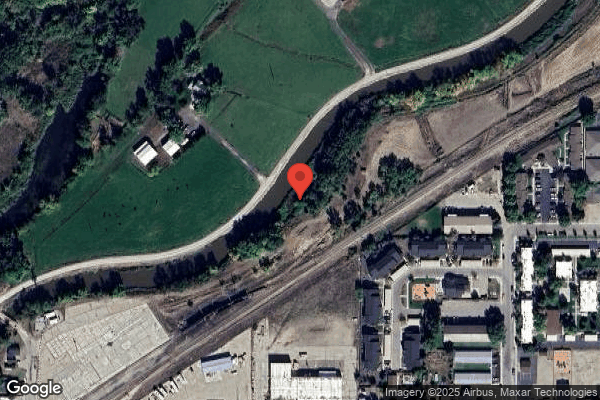

714 NORTH BUTTE AVENUE, EMMETT, ID 83617 (208) 365-4425
For profit - Corporation 74 Beds THE ENSIGN GROUP Data: November 2025
Trust Grade
70/100
#36 of 79 in ID
Last Inspection: December 2024

Within standard 12-15 month inspection cycle. Federal law requires annual inspections.

Overview

River's Edge Rehabilitation & Living Center has a Trust Grade of B, indicating it is a good choice for families seeking care. It ranks #36 out of 79 facilities in Idaho, which places it in the top half of state options, and is the best facility out of two in Gem County. However, the facility is experiencing a worsening trend with the number of issues increasing from 6 in 2023 to 10 in 2024. Staffing is rated 4 out of 5 stars, with a turnover rate of 42%, which is below the state average, suggesting that many staff members stay long-term and are familiar with residents. On the downside, there have been 23 identified concerns, including failures to address resident complaints and issues with the training of some staff, which could impact the quality of care provided.
Trust Score
B
70/100
In Idaho
#36/79
Top 45%
Safety Record
Low Risk
No red flags
Inspections
Getting Worse
6 → 10 violations
Staff Stability
○ Average
42% turnover. Near Idaho's 48% average. Typical for the industry.
Penalties
✓ Good
No fines on record. Clean compliance history, better than most Idaho facilities.
Skilled Nurses
✓ Good
Each resident gets 49 minutes of Registered Nurse (RN) attention daily — more than average for Idaho. RNs are trained to catch health problems early.
Violations
⚠ Watch
23 deficiencies on record. Higher than average. Multiple issues found across inspections.
★★★★☆
4.0
Overall Rating
★★★★☆
4.0
Staff Levels
★★★★★
5.0
Care Quality
★★★☆☆
3.0
Inspection Score
Stable
2023: 6 issues
2024: 10 issues

The Good

  • 4-Star Staffing Rating · Above-average nurse staffing levels
  • 5-Star Quality Measures · Strong clinical quality outcomes
  • Full Sprinkler Coverage · Fire safety systems throughout facility
  • No fines on record
  • Staff turnover below average (42%)

    6 points below Idaho average of 48%

Facility shows strength in staffing levels, quality measures, fire safety.

The Bad

Staff Turnover: 42%

Near Idaho avg (46%)

Typical for the industry

Chain: THE ENSIGN GROUP

Part of a multi-facility chain

Ask about local staffing decisions and management

The Ugly 23 deficiencies on record

Dec 2024 10 deficiencies
CONCERN (D) 📢 Someone Reported This

A family member, employee, or ombudsman was alarmed enough to file a formal complaint

Potential for Harm - no one hurt, but risky conditions existed

Safe Environment (Tag F0584)

Could have caused harm · This affected 1 resident

**NOTE- TERMS IN BRACKETS HAVE BEEN EDITED TO PROTECT CONFIDENTIALITY** Based on observation and staff interviews, it was determined the facility failed to ensure residents were provided with a safe, ...

Read full inspector narrative →
**NOTE- TERMS IN BRACKETS HAVE BEEN EDITED TO PROTECT CONFIDENTIALITY** Based on observation and staff interviews, it was determined the facility failed to ensure residents were provided with a safe, clean, and homelike environment. This was true for 1 of 8 residents (Resident #44) whose room was observed for cleanliness, safety, and homelike environment. This deficient practice created the potential for diminished quality of life and safety risk. Findings include: Resident #44 was admitted to the facility on [DATE], with multiple diagnoses including dementia, malnutrition, and hypertension. On 12/2/24 at 10:30 AM, observed Resident #44's room, to have: - A six inch section of baseboard near the bathroom not attached to the wall and a corner of the baseboard broken off. - A roll of toilet paper was hanging on the grab bar in Resident #44's bathroom and not on the toilet paper roll holder. - The grab bar in the bathroom, which had been painted, had large sections of chipped and peeling paint. - The hand washing sink was corroded with rust and chipped around the drain. On 12/4/24 at 10:21 AM, the Maintenance Director stated he was not notified there was a problem with the toilet paper roll or the sink and the Housekeeping Supervisor is usually responsible for putting in a work order. On 12/6/24 at 12:30 PM, the Housekeeping Supervisor, with the Administrator present, was shown photos of the baseboard, sink, and bathroom. The Housekeeping Supervisor stated the toilet paper should be attached to the toilet paper holder. The Housekeeping Supervisor and the Administrator stated there was no way to clean the sink and it would need replaced.
CONCERN (D) 📢 Someone Reported This

A family member, employee, or ombudsman was alarmed enough to file a formal complaint

Potential for Harm - no one hurt, but risky conditions existed

Assessment Accuracy (Tag F0641)

Could have caused harm · This affected 1 resident

**NOTE- TERMS IN BRACKETS HAVE BEEN EDITED TO PROTECT CONFIDENTIALITY** Based on record review and staff interview, it was determined the facility failed to ensure the MDS assessment accurately reflec...

Read full inspector narrative →
**NOTE- TERMS IN BRACKETS HAVE BEEN EDITED TO PROTECT CONFIDENTIALITY** Based on record review and staff interview, it was determined the facility failed to ensure the MDS assessment accurately reflected a resident's status. This was true for 3 of 3 residents (#32, #48, and #52) whose MDS assessments were reviewed. This deficient practice had the potential for negative outcomes if the resident was not assessed and/or monitored due to inaccurate assessments. Findings include: 1. Resident #32 was admitted to the facility on [DATE], with multiple diagnoses including cancer, anemia, and heart failure. Resident #32's quarterly MDS assessment, dated 9/23/24, documented he had an active diagnosis of pneumonia. Resident #32's significant change MDS assessment, dated 11/25/24, documented he had an active diagnosis of pneumonia. On 12/05/24 at 3:57 PM, the DON stated Resident #32 had pneumonia on 6/27/24, which resolved. The DON confirmed the quarterly MDS assessment on 9/23/24 and the significant change MDS assessment, dated 11/25/24, was incorrect. 2. Resident #48 was admitted to the facility on [DATE], with multiple diagnoses including paraplegia (paralysis of the lower extremities), diabetes, and viral hepatitis. Resident #48's admission MDS assessment, dated 10/10/24, documented he was taking an anticoagulant (a medication that decreases blood clotting). Resident #48's physician orders did not document the use of an anticoagulant. On 12/5/24 at 4:03 PM, the DON stated she did not think Resident #48 was taking an anticoagulant, but she would verify with the MDS Coordinator. On 12/5/25 at 4:44 PM, the DON confirmed Resident #48 was not taking an anticoagulant and the MDS was coded incorrectly. 3. Resident #52 was admitted to the facility on [DATE], with multiple diagnoses including dementia, PTSD (Post Traumatic Stress Disorder), and anemia. Resident #52's medical record documented a PASARR level II (a comprehensive evaluation by the appropriate state-designated authority and determines whether the individual has a mental diagnosis, intellectual disability, or related condition, and recommends what, if any, specialized services and/or rehabilitative services the individual needs) was completed on 10/18/24. Resident #52's admission MDS assessment dated [DATE], documented Resident #52 did not have a PASARR level II evaluation. 12/5/24 at 4:20PM, the DON stated resident #52's MDS should have documented a PASARR level II evaluation was completed.
CONCERN (D) 📢 Someone Reported This

A family member, employee, or ombudsman was alarmed enough to file a formal complaint

Potential for Harm - no one hurt, but risky conditions existed

PASARR Coordination (Tag F0644)

Could have caused harm · This affected 1 resident

**NOTE- TERMS IN BRACKETS HAVE BEEN EDITED TO PROTECT CONFIDENTIALITY** Based on State Operation Manual Appendix PP, record review, and staff interview, it was determined the facility failed to refer ...

Read full inspector narrative →
**NOTE- TERMS IN BRACKETS HAVE BEEN EDITED TO PROTECT CONFIDENTIALITY** Based on State Operation Manual Appendix PP, record review, and staff interview, it was determined the facility failed to refer residents for further evaluation when residents were diagnosed with a major mental illness. This was true for 1 of 3 residents (Resident #45) reviewed for Pre-admission Screening and Resident Review (PASARR) level II evaluations. This deficient practice had the potential to cause harm if the residents' specialized services for mental health needs were not evaluated by an appropriate state-designated authority to provide coordinated care. Findings include: The State Operation Manual Appendix PP revised on 8/8/24, documented if a PASARR level I identified a major mental illness, an in-depth evaluation, known as a PASARR level II evaluation is completed by the state-designated authority, which must be completed prior to admission to a nursing facility. Resident #45 was admitted to the facility on [DATE], with multiple diagnoses including major depressive disorder (MDD), and dementia. Resident #45's care plan, created on 4/3/24, documented Resident #45 was prescribed antidepressant medication related to depression, and directed staff to monitor signs and symptoms of depression. On 6/5/24, the care plan was updated to include additional staff direction identifying Resident #45 as taking psychotropic medication related to MDD, dementia with behavioral disturbance, and Insomnia behavior management. Resident #45's pre-admission PASARR level I screening, dated 4/1/24, identified Resident #45's had MDD and she was taking paroxetine (antidepressant) 20 mg daily related to MDD. The preadmission PASARR level I was not forwarded to the appropriate state-designated authority. Resident #45's admission MDS, dated on 4/12/24, documented a PASARR level II was not completed. On 12/5/24 at 5:11 PM, the DON stated she was unaware the PASARR level I form was filled out incorrectly and a PASARR level II should have been completed.
CONCERN (D) 📢 Someone Reported This

A family member, employee, or ombudsman was alarmed enough to file a formal complaint

Potential for Harm - no one hurt, but risky conditions existed

Deficiency F0658 (Tag F0658)

Could have caused harm · This affected 1 resident

**NOTE- TERMS IN BRACKETS HAVE BEEN EDITED TO PROTECT CONFIDENTIALITY** Based on observation, record review, policy review and staff interview, it was determined the facility failed to ensure medicati...

Read full inspector narrative →
**NOTE- TERMS IN BRACKETS HAVE BEEN EDITED TO PROTECT CONFIDENTIALITY** Based on observation, record review, policy review and staff interview, it was determined the facility failed to ensure medications were administered according to professional standards of practice. This was true for 2 of 2 residents (#18 and #25) whose records were reviewed and 1 of 6 residents (Resident #27) observed during medication administration. These failed practices created the potential for residents to experienced adverse effects when their medications were not administered according to the physician's order. Findings include: The facility's Care and Treatment policy and procedure, revised May 2020, documented in order to ensure the safety and accuracy of medication administration the following are the six rights of medication administration: 1. Right Resident - Resident is identified prior to medication administration. 2. Right Time - Medications are administered within the prescribed time frames. 3. Right Medication - Medications are checked against the order before they are given. 4. Right Dose - Medications are administered according to the dose prescribed 5. Right Route - Medications are administered according to the route prescribed. 6. Right Documentation - Document administration or refusal of the medication after the administration or attempt and note any concerns. 1. Resident #18 was admitted to the facility on [DATE] and readmitted on [DATE], with multiple diagnoses including paraplegia (paralysis of the lower body), diabetes, and chronic pain. A physician's order, dated 8/7/23, documented Resident #18 was to receive Tramadol (opioid pain medication) 50 mg (milligrams) by mouth two times a day. A Medication Error Report, dated 10/9/24, documented Resident #18 was administered Norco (opioid pain medication) 5 mg instead of the scheduled Tramadol 50 mg. The report documented, This card was directly behind Tramadol card for different patient. On 12/4/24 at 4:02 PM, the DON stated Resident #18 was monitored and did not have adverse reactions after she received the wrong medication. The DON stated education was provided to the nurse who administered the wrong medication to Resident #18 regarding the six rights of medication administration. The DON also stated she did biweekly check-ins with the nurse and spoke to her regarding her time management. 2. Resident #25 was admitted to the facility on [DATE], with multiple diagnoses including esophagitis (inflammation of the esophagus) with unspecified bleeding. A Medication Error report, dated 10/30/24, documented Resident #25 was administered rivaroxaban (anticoagulant) 20 mg which was intended for another resident. On 12/4/24 at 4:02 PM, the DON stated LPN #1 was training RN #1 when the medication error occurred. LPN #1 handed Resident #36's rivaroxaban to RN #1 to administer it to the resident, but RN #1 administered the medication to Resident #25. The DON stated LPN #1 and RN #1 were educated regarding the six rights of medication administration. 3. Resident #27 was admitted to the facility on [DATE], with multiple diagnoses including chronic respiratory failure with hypoxia (low levels of oxygen in the body tissues). A physician' order, dated 4/18/24, documented Resident #27 was to receive ipratropium-Albuterol (a bronchodilator that relax the airway muscles) 0.5 - 2.5 mg/ml (milliliter) orally three times a day for shortness of breath. On 12/3/24 at 12:29 PM, the Medication Technician #1 administered Anoro Ellipta (a bronchodilator that relax airway muscles) to Resident #27. On 12/3/24 at 12:39, the Medication Technician #1, together with LPN #2, was asked what the physician's order for Resident #27 was. LPN #2, stated Resident #27, preferred to receive the Anoro Ellipta over ipratropium-Albuterol and they have an order to give Anoro Ellipta if Resident #27 refused the ipratropium-Albuterol. LPN #2, then reviewed the physician's order and stated she did not find the order for Anoro Ellipta. LPN #2, stated it was discontinued on 4/17/24. LPN #2, stated I don't know what happened. On 12/3/24 at 2:32 PM, the DON stated, Resident #27's Anoro Ellipta was discontinued on 4/17/24, and should not have received the medication.
CONCERN (D) 📢 Someone Reported This

A family member, employee, or ombudsman was alarmed enough to file a formal complaint

Potential for Harm - no one hurt, but risky conditions existed

Quality of Care (Tag F0684)

Could have caused harm · This affected 1 resident

**NOTE- TERMS IN BRACKETS HAVE BEEN EDITED TO PROTECT CONFIDENTIALITY** Based on observation, record review, policy review, and staff interview, it was determined the facility failed to ensure residen...

Read full inspector narrative →
**NOTE- TERMS IN BRACKETS HAVE BEEN EDITED TO PROTECT CONFIDENTIALITY** Based on observation, record review, policy review, and staff interview, it was determined the facility failed to ensure resident-centered care was provided in accordance with professional standards of nursing practice and residents' comprehensive care plans. This was true for 2 of 17 residents (Resident #6, and Resident #19) reviewed for quality of care. This deficient practice had the potential to adversely affect or harm residents whose care and services were not delivered according to accepted standards of clinical practice. Findings include: 1. Resident #6 was admitted to the facility on [DATE], with multiple diagnoses, including metabolic encephalopathy (a brain dysfunction which impairs cerebral metabolism), diabetes, and hypoglycemia (low blood sugar). A physician's order, dated 9/12/24, directed staff to follow the Hypoglycemia protocol and to notify provider if blood glucose (BG) is less than 70 mg/dl, or if the levels were greater than 400 mg/dl. A review of Resident #6's medical record showed BG was over 400 mg/dl on the following days and times: - On 11/7/24 at 7:23 PM and 8:19 PM, the BG was 481 mg/dl. - On 11/8/24, the BG was 407 mg/dl. Resident #6's record did not include documentation the physician was notified when her blood glucose was greater than 400 mg/dl. On 12/5/24 at 4:41 PM, the DON stated the attending nurse notified the nurse practitioner of the high BG on both days, but she did not document the notification in Resident #6's chart. Resident #19 was admitted to the facility on [DATE] and readmitted on [DATE], with multiple diagnoses including spastic quadriplegic (paralysis of all four limbs), cerebral palsy, and aphasia (a communication disorder that it makes it hard to use words). Resident #19's care plan, revised 8/20/19, documented he required two-person total assist to reposition and turn him in bed. On 12/4/24 at 11:26 AM, CNA #1 entered Resident #19's room and stated she would change his bed sheet. CNA #2 followed CNA #1 and told her she would help CNA #1 after answering the call light of another resident. CNA #1 was observed to reposition and turn Resident #19 to his left side, and then to his right side as she removed, and applied a new bed sheet. On 12/4/24 at 11:39 AM, when asked why she did not wait for CNA #2 before changing Resident #19's bed sheet, CNA #1 stated, I always do it by myself. Most of the time I can change him by myself. On 12/4/24 at 11:49 AM, the Unit Manager #1 reviewed Resident #19's care plan and stated Resident #19 should be assisted by two staff for bed mobility. CNA #1 should have waited for CNA #2 before changing his bed sheet.
CONCERN (D) 📢 Someone Reported This

A family member, employee, or ombudsman was alarmed enough to file a formal complaint

Potential for Harm - no one hurt, but risky conditions existed

Unnecessary Medications (Tag F0759)

Could have caused harm · This affected 1 resident

**NOTE- TERMS IN BRACKETS HAVE BEEN EDITED TO PROTECT CONFIDENTIALITY** Based on observation, record review and staff interview, it was determined the facility failed to ensure the medication error ra...

Read full inspector narrative →
**NOTE- TERMS IN BRACKETS HAVE BEEN EDITED TO PROTECT CONFIDENTIALITY** Based on observation, record review and staff interview, it was determined the facility failed to ensure the medication error rate was less than 5%. This was true for 2 of 29 medications (6.9%) which affected 1 of 9 residents (Resident #41) whose medication administration was observed. This failure created the potential for Resident #41 to experience low or high blood sugars when she received an incorrect amount of insulin. Findings include: The insulin lispro website, accessed on 12/10/24, stated, Priming insulin pens is recommended to remove air from the needle to ensure full dose administration. Resident #41 was admitted to the facility on [DATE], with multiple diagnoses including diabetes. A physician's order, dated 11/21/24, documented Resident #41 was to receive the following medications: 1. Insulin Glargine 100 unit/ml, 15 units subcutaneously in the morning. 2. Insulin Lispro 100 unit/ml, inject per sliding scale before meals as follows when the blood glucose: - 0 - 100 = 0 unit - 101 mg/dl - 150 mg/dl = 5 units - 151 mg/dl - 200 mg/dl = 10 units - 201 mg/dl - 250 mg/dl = 12 units - 251 mg/dl - 350 mg/dl = 15 units - 351 mg/dl - 500 mg/dl = 18 units Notify provider if over 500 On 12/4/24 at 7:45 AM, RN #1 stated Resident #41 blood glucose was 256 ml/dl. RN #1 took the insulin lispro pen replaced the needle with a new one and dialed the pen to 15 units. RN #1 also took the insulin Glargine pen, replaced the needle with a new one and dialed the pen to 15 units. RN #1 then went to Resident #41's room and injected the insulin to Resident #41's lower abdomen. RN #1 was not observed to prime the insulin pens before dialing the prescribed dose of insulin for Resident #14. On 12/4/24 at 12:32 PM, when asked about the preparation of insulin pen injections, RN #1 stated she did not prime Resident #41's insulin pens. On 12/4/24 at 12:34 PM, the Unit Manager #1 stated insulin pens should be primed prior to administration to ensure resident receive the prescribed dose of insulin.
CONCERN (E) 📢 Someone Reported This

A family member, employee, or ombudsman was alarmed enough to file a formal complaint

Potential for Harm - no one hurt, but risky conditions existed

Deficiency F0565 (Tag F0565)

Could have caused harm · This affected multiple residents

Based on Resident Group interview, Resident Council Meeting minutes review, and staff interview, it was determined the facility failed to ensure resident concerns were addressed. These negative practi...

Read full inspector narrative →
Based on Resident Group interview, Resident Council Meeting minutes review, and staff interview, it was determined the facility failed to ensure resident concerns were addressed. These negative practices placed residents at risk of ongoing frustration and decreased sense of self-worth, as well as, unmet care needs, when issues of concern to them were not promptly addressed by the facility. Findings include: The Resident Council minutes from June 2024 through November 2024 documented residents' concerns. Examples include: a. Resident Council Minutes, dated 6/26/24, documented residents voiced issues related to dietary, housekeeping, and offsite activities. b. Resident Council Minutes, dated 7/25/24, documented residents' concerns including running out of milk, bread, and staples, not having fresh fruit, or menus being posted. Residents requested more outings to the movies and Baby Farms, concerns with Hand Hygiene in the kitchen, call light response time, staff behavior and responses to the residents. The Minutes did not document what actions were taken to address and resolve the concerns voiced during the 6/26/24 meeting. c. Resident Council Minutes, dated 8/29/24, documented residents' concerns with meals not matching personal preferences, wanting more outings, and staffing concerns related to too much staff in the morning and not enough in the evening, with limited help in the afternoon from 2:00 PM - 3:00 PM. They voiced concerns with missing laundry. The Minutes did not document what actions were taken to address and resolve the concerns voiced during the 7/25/24 meeting relating to outings, call light response time, staff behavior, and hand hygiene in the kitchen. d. Resident Council Minutes, dated 9/26/24, documented residents' request for more bingo and outings, housekeeping, and laundry concerns with stained clothes being returned to residents, meal temperatures, and call light response time. The Minutes did not document what actions were taken to address and resolve the concerns voiced during the 8/29/24 meeting relating to missing laundry, and staffing concerns. e. Resident Council Minutes, dated 10/24/24, documented residents' concerns with meal temperatures, requesting more bingo and outings, call light response time, delay in picking up meal trays, and housekeeping not cleaning or mopping their rooms well. The minutes did not document what actions were taken to address and resolve the concerns voiced during the 9/10/24 meeting outside of laundry concerns which had improved between 9/26/24 and 10/24/24. f. Resident Council Minutes, dated 11/21/24, documented residents' concerns with cold coffee being served, wanting more Bingo and outings, call light response time, meal trays not being picked up timely, missing laundry, dirty rooms, and stained clothes being returned. A Resident Group interview was attended by Resident #4, #12, #17, #18, #21, #47, and #49 on 12/3/24 at 3:00 PM. All the residents voiced concerns related to housekeeping, staffing, heating, and long call light response times. The residents stated these issues were an ongoing problem in the facility. On 12/4/24, a call light audit report was provided to surveyors, documented a completed call light audit from 10/28/24, which identified there was room for call light response time improvement. However, no additional follow-up was provided or documented the resident's had been informed of the call light audit results. The facility did not provide information regarding how the identified need for call light improvement would be addressed. On 12/4/24 at 4:52 PM, the Social Services Designee (SSD) stated concerns from Resident Council are taken to the staff stand up meetings and addressed there. The Administrator or DON will take the concerns and complete whatever follow-ups are needed. The residents' concerns about call lights, staff, and laundry have not been responded to on a separate form/report. These concerns continue to be brought up in the meetings. The SSD was not aware of any follow-up regarding the concerns. On 12/4/24 at 4:54 PM, a joint interview with the Administrator and Activities Director (AD), confirmed the AD was new to her position, and she ran the meetings with the SSD covering for her when she is not available. The AD and/or SSD take the resident's concerns to the Administrator, who will then do trainings with the staff or a complete a report to ensure the residents are being taken care of. The Admin and AD were unable to provide written responses provided to the Resident Council Meeting addressing their concerns. On 12/6/24 at 8:49 AM, during a follow-up interview with the Administrator, clarified concerns voiced at the Residents Council meeting are brought to the attention of staff during the following mornings IDT stand up meeting. The Administrator stated, he was not sure if the audit was taken back to the resident's, however, the residents are informed verbally of what is happening. We have not been writing everything down as it is discussed in the team meetings or when we inform the residents. He further stated the AD and SSD will keep the concerns on the resident council notes until the area of concern is fully resolved.
CONCERN (E) 📢 Someone Reported This

A family member, employee, or ombudsman was alarmed enough to file a formal complaint

Potential for Harm - no one hurt, but risky conditions existed

Transfer Notice (Tag F0623)

Could have caused harm · This affected multiple residents

**NOTE- TERMS IN BRACKETS HAVE BEEN EDITED TO PROTECT CONFIDENTIALITY** Based on review of the State Operations Manual, Apprendix PP, record review, and staff interview, it was determined the facility...

Read full inspector narrative →
**NOTE- TERMS IN BRACKETS HAVE BEEN EDITED TO PROTECT CONFIDENTIALITY** Based on review of the State Operations Manual, Apprendix PP, record review, and staff interview, it was determined the facility failed to ensure a notice of transfer was provided to the State Long Term Care Ombudsman when residents where transferred to the hospital. This was true for 4 of 5 residents (Resident #19, #30, #32, and #33) whose records were reviewed for hospital transfers. This deficient practice had the potential for harm if residents were discharged inappropriately without access to the Ombudsman who could inform them of their rights. Findings include: The State Operations Manual, Appendix PP, revised on 8/8/24 documented, Before transfers or discharges of a resident, the facility must notify the resident and the resident's representative(s) of the transfer or discharge and the reasons for the move in writing and in a language and manner they understand. The facility must send a copy of the notice to a representative of the Office of the State Long-Term Care Ombudsman. 1. Resident #19 was admitted to the facility on [DATE] and readmitted on [DATE], with multiple diagnoses including spastic quadriplegic (paralysis of all four limbs) cerebral palsy and aphasia (a communication disorder that it makes it hard to use words). A Nursing Notes, dated 10/25/24 at 12:27 PM, documented Resident #19 vomited dark brown and black small to moderate amounts, and was transported to the emergency department for possible gastrointestinal bleeding. Resident #19's record did not include documentation the State Ombudsman was notified of his transfer to the hospital. On 12/5/24 at 11:22 AM, the Administrator stated he was not aware the State Ombudsman needed to be notified of facility-initiated discharges or hospital transfers. 2. Resident #30 was admitted to the facility on [DATE], with multiple diagnoses including TBI (Traumatic Brain Injury), anxiety, and diabetes. Resident #30's medical record documented he was transferred to the hospital on [DATE], and returned to the facility on [DATE]. Resident #30's medical record did not document the State Ombudsman was notified of the hospital transfer. 3. Resident #32 was admitted to the facility on [DATE], with multiple diagnoses including cancer, anemia, and heart failure. Resident #32's medical record documented he was transferred to the hospital on [DATE], and returned to the facility on 1/5/24. Resident #32's medical record documented he was transferred to the hospital on [DATE], and returned to the facility on [DATE]. Resident #32's medical record did not document the State Ombudsman was notified of the hospital transfers on 12/18/23 or on 11/19/24. On 12/5/24 at 11:22 AM, The Administrator stated he was not aware the State Ombudsman needed to be notified of facility-initiated discharges or hospital transfers. 4. Resident #33 was admitted to the facility on [DATE], with multiple diagnoses including a fracture of the right leg, anemia, and congestive heart failure. A facility-initiated hospital stay from 11/21/24 through 11/26/24, did not include documentation the Ombudsman was notified of the hospital transfer. On 12/5/24 at 11:22 AM, the Administrator verified the Ombudsman is not being notified of resident's who are discharged from the facility or for hospitalization transfers.
CONCERN (E) 📢 Someone Reported This

A family member, employee, or ombudsman was alarmed enough to file a formal complaint

Potential for Harm - no one hurt, but risky conditions existed

Deficiency F0728 (Tag F0728)

Could have caused harm · This affected multiple residents

Based on review of the State Operations Manual, Appendix PP, Nurse Aides (NA) job description, staffing schedules, personnel files, and staff interviews, it was determined the facility failed to ensur...

Read full inspector narrative →
Based on review of the State Operations Manual, Appendix PP, Nurse Aides (NA) job description, staffing schedules, personnel files, and staff interviews, it was determined the facility failed to ensure full-time employees working as a NA were either in a State approved training and competency evaluation program or had recently and successfully completed such a program. This was true for 4 of 11 NAs (NA #1, #2, #3, and #4) whose personnel files were reviewed. This failure had the potential to result in negative outcomes for the 54 residents living in the facility. Findings include: The State Operations Manual, Appendix PP, revised 8/8/24, documented, A facility must not use any individual working in the facility as a nurse aide for more than 4 months, on a full-time basis, unless- (i) That individual is competent to provide nursing and nursing related services; and (ii)(A) That individual has completed a training and competency evaluation program, or a competency evaluation program approved by the State. The facility's Nursing Assistant job description, dated 12/17/21, documented under section Qualifications: Education and/or Experience: - High School Diploma or equivalent - Graduate or student of an accredited CNA program The following employees had worked full-time as an NA beyond 4 months without obtaining their nurse aide certification: - NA #1 was hired 11/21/23. - NA #2 was hired 4/11/24 (completed the class but has not tested). - NA #3 was hired 6/5/24. - NA #4 was hired 6/13/24. On 12/6/24 at 11:45 AM, the HR Manager stated the facility was out of compliance with the NAs not being certified within 4 months of their hire date.
CONCERN (E) 📢 Someone Reported This

A family member, employee, or ombudsman was alarmed enough to file a formal complaint

Potential for Harm - no one hurt, but risky conditions existed

Infection Control (Tag F0880)

Could have caused harm · This affected multiple residents

Based on observation and staff interview, it was determined the facility failed to ensure infection control and prevention practices were maintained to provide a safe and sanitary environment when gow...

Read full inspector narrative →
Based on observation and staff interview, it was determined the facility failed to ensure infection control and prevention practices were maintained to provide a safe and sanitary environment when gown was not donned during sorting of dirty laundry. These failures had the potential for negative outcomes by exposing resident to the risk of infection and cross-contamination. Findings include: 1. The State Operation Manual Appendix PP, revised 8/8/24, documented, The facility staff should handle all used laundry as potentially contaminated and use standard precautions (gloves, gowns when sorting and rinsing). On 12/6/24 at 9:26 AM, the Laundry Personnel #1 was observed folding the clean laundry in the Laundry Room. When asked where the soiled linen was being sorted, the Laundry Personnel #1 stated it was being sorted in the Soiled Room, which was outside of the Laundry Room. The surveyor then asked the Laundry Personnel #1 to show the surveyor the Soiled Room. In the Soiled Room, the surveyor asked the Laundry Personnel #1 her process of sorting the dirty laundry. The Laundry Personnel #1 stated she would don gloves, open the plastic bags containing the dirty laundry, and place them inside the bin. When asked if she sorted the dirty laundry this morning prior to folding the clean laundry in the Laundry room, the Laundry Personnel #1 stated, Yes. When asked if she did wear a gown prior to sorting the dirty linen, the Laundry Personnel stated she did not wear a gown when she sorted the dirty laundry. On 12/6/24 at 9:41 AM, the DON stated gowns and gloves should be worn when sorting the dirty laundry.
Dec 2023 6 deficiencies
CONCERN (D) 📢 Someone Reported This

A family member, employee, or ombudsman was alarmed enough to file a formal complaint

Potential for Harm - no one hurt, but risky conditions existed

Deficiency F0578 (Tag F0578)

Could have caused harm · This affected 1 resident

**NOTE- TERMS IN BRACKETS HAVE BEEN EDITED TO PROTECT CONFIDENTIALITY** Based on record review, policy review, and staff interview, it was determined the facility failed to ensure residents received i...

Read full inspector narrative →
**NOTE- TERMS IN BRACKETS HAVE BEEN EDITED TO PROTECT CONFIDENTIALITY** Based on record review, policy review, and staff interview, it was determined the facility failed to ensure residents received information and assistance to exercise their rights to formulate an Advance Directive and this was documented in their record. This was true for 2 of 12 residents (#11 and #30) whose records were reviewed. This failed practice created the potential for harm or adverse outcome if the resident's wishes were not followed or documented regarding their advance care planning. Findings include: The State Operations Manual, Appendix PP, defines an Advance Directive as a written instruction, such as a living will or durable power of attorney for health care, recognized under State law (whether statutory or as recognized by the courts of the State), relating to the provision of health care when the individual is incapacitated. Physician Orders for Life-Sustaining Treatment (or POST) paradigm form is a form designed to improve patient care by creating a portable medical order form that records patients' treatment wishes so that emergency personnel know what treatments the patient wants in the event of a medical emergency, taking the patient's current medical condition into consideration. A POST paradigm form is not an advance directive. The facility's Advance Directives and Associated Documentation policy, revised 1/2022, stated a resident's choice about an advance directive would be recognized and respected. The policy stated the facility would inform and provide written information to all adult residents concerning the right to accept or refuse medical or surgical treatment and at the resident's option to formulate an advance directive, and if an Advance Directive was developed, a copy would be included in the resident's record. This policy was not followed. 1. Resident #11 was admitted to the facility on [DATE], with multiple diagnoses including diabetes, congestive heart failure (a chronic progressive condition affecting the pumping power of the heart muscles) and chronic obstructive pulmonary disease (progressive lung disease characterized by increasing breathlessness). An admission MDS assessment, dated 11/17/23, documented Resident #11 was cognitively intact. Resident #11's record did not include an advance directive or documentation information about an advance directive was provided and discussed with her. 2. Resident #30 was admitted to the facility on [DATE], with multiple diagnoses including stroke with hemiplegia (paralysis of one side of the body) and hemiparesis (weakness of one side of the body). Resident #30's MDS assessments, dated 3/23/23, 6/21/23, 9/19/23, and 10/17/23, documented he was severely cognitively impaired. Resident #30's IDT - Care Plan Review, dated 10/26/23, under section 5a. Advance Directives, a check mark was documented on Other Directives, and under 5b Additional Comments, was written DNR (Do Not Resuscitate). Resident #30's record did not include an advance directive or documentation information an advance directive was discussed with his representative. On 12/13/23 at 10:01 AM, the Social Service Designee (SSD) stated she asked about the POA (Power of Attorney) during the care conference with the residents and/or their representative, and when the resident's representative stated I am the POA, I thought that was the AD [advanced directives]. The SSD stated she got confused with the terms POA and Advance Directives. The SSD stated she did not know the difference between the two terms. The SSD stated she thought Honoring Choices (packet of information to assist a person in filling out an advanced directive/living will), POA, and Living Will all meant the same thing. The SSD stated Resident #11 and Resident #30 did not have advance directives.
CONCERN (D) 📢 Someone Reported This

A family member, employee, or ombudsman was alarmed enough to file a formal complaint

Potential for Harm - no one hurt, but risky conditions existed

Deficiency F0625 (Tag F0625)

Could have caused harm · This affected 1 resident

**NOTE- TERMS IN BRACKETS HAVE BEEN EDITED TO PROTECT CONFIDENTIALITY** Based on policy review, record review, and staff interview, it was determined the facility failed to ensure a bed hold notice wa...

Read full inspector narrative →
**NOTE- TERMS IN BRACKETS HAVE BEEN EDITED TO PROTECT CONFIDENTIALITY** Based on policy review, record review, and staff interview, it was determined the facility failed to ensure a bed hold notice was provided to residents or their representatives upon transfer to the hospital. This was true of 1 of 1 resident (Resident #49) reviewed for transfer. This deficient practice created the potential for psychosocial distresss if residents were not informed of their right to return to their former bed/room at the facility within a specified time. Findings include: The facility's Bed Hold policy, revised 11/2016, documented it is the policy of this facility to inform the resident, or the resident's representative, in writing, of the right to exercise the bed hold provision of 7 days, upon admission and before transfer to a general acute care hospital. This policy was not followed. Resident #49 was admitted to the facility on [DATE], with multiple diagnoses including fracture of right femur (hip fracture) and Parkinson's disease (a progressive disease of the nervous system that affects movement). A Nursing Home to Hospital Form, dated 10/1/23, documented Resident #49 was transferred to the hospital due to a fall. Resident #49's record did not include documentation a bed hold notice was provided to her or her representative when she was transferred to the hospital. On 12/13/23, at 4:00 PM, the DON stated there was no written bed hold notice given or offered to Resident #49 upon discharge to hospital.
CONCERN (D) 📢 Someone Reported This

A family member, employee, or ombudsman was alarmed enough to file a formal complaint

Potential for Harm - no one hurt, but risky conditions existed

Comprehensive Care Plan (Tag F0656)

Could have caused harm · This affected 1 resident

**NOTE- TERMS IN BRACKETS HAVE BEEN EDITED TO PROTECT CONFIDENTIALITY** 3. The facility's Bowel and Bladder management policy, revised 11/2023, documented residents were to be assessed upon admission ...

Read full inspector narrative →
**NOTE- TERMS IN BRACKETS HAVE BEEN EDITED TO PROTECT CONFIDENTIALITY** 3. The facility's Bowel and Bladder management policy, revised 11/2023, documented residents were to be assessed upon admission for incontinence and a comprehensive care plan would be initiated after residents were evaluated and assessed. This policy was not followed. Resident #25 was admitted to the facility on [DATE], with multiple diagnoses including congestive heart failure (the heart is unable to pump blood efficiently), and dementia. An admission MDS assessment dated [DATE], documented Resident #25 was frequently incontinent of bowel (two or more incontinent episodes in 7 days but at least 1 continent episode), and frequently incontinent of urine (more than 7 episodes of incontinence, but at least 1 continent episode in 7 days). Resident #25's care plan did not include documentation of his bowel and bladder incontinence, interventions, goals, or objectives to manage his incontinence. On 12/13/23, at 3:11 PM, the DON reviewed Resident #25's care plan. The DON stated Resident #25' care plan did not include documentation of his bladder and bowel incontinence. The DON stated Resident #25's care plan should have included his continence/incontinence status, and related goals and interventions on his care plan. Based on observation, record review, and staff interview, it was determined the facility failed to develop and implement comprehensive resident-centered care plans. This was true for 3 of 12 residents (#11, #25, and #30) whose care plans were reviewed. These failures placed residents at risk of negative outcomes if services were not provided or provided incorrectly due to lack of information in their care plan. Findings include: The facility's Care Planning policy and procedure, revised 5/2021, documented the facility's IDT team should develop a comprehensive care plan for each resident. This policy was not followed. 1. Resident #11 was admitted to the facility on [DATE], with multiple diagnoses including diabetes, congestive heart failure (a chronic progressive condition affecting the pumping power of the heart muscles) and chronic obstructive pulmonary disease (progressive lung disease characterized by increasing breathlessness). On 12/13/23 at 9:05 AM, 12/12/23 at 10:08 AM, and 12/13/23 at 12:00 PM, a machine connected to a plastic tube was observed on top of Resident #11's bedside table. On 12/12/23 at 10:08 AM, Resident #11 stated it was her BiPap (a bilevel positive airway pressure machine that uses pressure to push air into the lungs) machine and she used it at night. Resident #11's care plan did not include documentation she was using a BiPap machine. On 12/13/23 at 12:00 PM, RN #1 stated she did not see an order for Resident #11 to use a BiPap machine. On 12/13/23 at 12:07 PM, the DON reviewed Resident #11's care plan and stated the BiPap machine was not in the care plan. The DON stated there was no physician order for Resident #11 to use a BiPap machine. The DON stated the nurse on duty should have requested an order for the BiPap machine when it was first observed in Resident #11's room and added it to the care plan. 2. Resident #30 was admitted to the facility on [DATE], with multiple diagnoses including stroke with hemiplegia (paralysis of one side of the body) and hemiparesis (weakness of one side of the body). On 12/11/23 at 2:53 PM and 12/13/23 at 9:29 AM, Resident #30 was observed in bed with Prevalon boots (boots with a cushioned bottom that reduces pressure on the heels to aid in prevention of pressure sores) on his feet. Resident #30's care plan did not include documentation he was using the Prevalon boots. On 12/13/23 at 11:39 AM, the DON reviewed Resident #30's care plan. The DON stated the Prevalon boots were ordered for Resident #30 on 11/18/22 and should have been in the care plan.
CONCERN (D) 📢 Someone Reported This

A family member, employee, or ombudsman was alarmed enough to file a formal complaint

Potential for Harm - no one hurt, but risky conditions existed

Accident Prevention (Tag F0689)

Could have caused harm · This affected 1 resident

**NOTE- TERMS IN BRACKETS HAVE BEEN EDITED TO PROTECT CONFIDENTIALITY** Based on record review, I&A report review, review of the State Agency's Long-Term Care Reporting Portal, and staff interview, it...

Read full inspector narrative →
**NOTE- TERMS IN BRACKETS HAVE BEEN EDITED TO PROTECT CONFIDENTIALITY** Based on record review, I&A report review, review of the State Agency's Long-Term Care Reporting Portal, and staff interview, it was determined the facility failed to ensure adequate monitoring for residents with a pressure alarm (a device that responds to changes in weight and pressure by emitting an alarm) to their bed. This was true for 1 of 2 residents (Resident #102) whose records were reviewed for falls. Findings include: Resident #102 was admitted to the facility on [DATE], with multiple diagnoses including Lewy body (abnormal deposits of protein in the brain) dementia, disorientation, anxiety and bipolar disorder (A disorder associated with episodes of mood swings ranging from depressive lows to manic highs). A Fall Risk Evaluation report, dated 6/30/23, documented Resident #102 was high risk for falls. She had history of 3 or more falls in the last 3 months. A physician's order, dated 6/30/23, directed staff to place a pressure alarm to Resident #102's bed and wheelchair. Resident #102's at risk for falls care plan, initiated 6/30/23, directed staff to avoid rearranging her furniture, ensure her call light was within her reach and encourage her to use it, provide her with appropriate footwear when she ambulated or was in her wheelchair, keep her pathway free of obstacles, and place a pressure alarm to her bed and wheelchair. An I&A report, dated 7/11/23, documented Resident #102 was found by CNA #1 laying on the floor crying and holding her right arm with swelling to her right elbow. Resident #102 was sent to the hospital to be assessed for a possible fracture. Resident #102's x-ray report, dated 7/11/23, documented Minimally displaced right humeral (upper arm) neck fracture and separate, displaced and angulated spiral fracture in the mid-humeral shaft. The facility's Fall Investigation report, documented Resident #102's pressure alarm to her bed was not sounding. The pressure alarm was found assembled correctly and when it was turned on it was blinking as if alarm was going off but remained silent. The Maintenance Director was notified of the faulty alarm but was unable to fix it. The pressure alarm was then replaced with a functioning alarm. The report documented CNA #1 was interviewed and stated she saw Resident #102's pressure alarm was blinking as it did when alarming, but it was not alarming. The Facility's Fall Investigation report, concluded Resident #102 had an unwitnessed ground level fall. The report documented staff were educated to ensure alarm to her bed and/or wheel chair was functioning appropriately before placing it under her, and that the alarm was working and loud enough for staff to hear. 12/14/23 2:15 PM, the DON was asked if Resident #102's pressure alarm was checked prior to putting it on her bed. The DON stated Resident #102's pressure alarm was not checked because there was no specific direction on the physician's order regarding checking Resident #102's alarm. The DON stated she provided education to all staff regarding the need to check alarm function prior to leaving residents unattended and ensure the alarm was working appropriately. The DON stated they were now checking Resident #102's pressure alarm every shift. When asked for the documentation of the education provided to the staff, the DON gave a copy of CNA #1 and RN #1's education, the staff who were on duty when Resident #102 fell. The DON stated she did not have documentation all staff were educated regarding functioning of the pressure alarm.
CONCERN (D) 📢 Someone Reported This

A family member, employee, or ombudsman was alarmed enough to file a formal complaint

Potential for Harm - no one hurt, but risky conditions existed

Deficiency F0847 (Tag F0847)

Could have caused harm · This affected 1 resident

**NOTE- TERMS IN BRACKETS HAVE BEEN EDITED TO PROTECT CONFIDENTIALITY** Based on record review and staff interview, it was determined the facility failed to ensure the facility's arbitration agreement...

Read full inspector narrative →
**NOTE- TERMS IN BRACKETS HAVE BEEN EDITED TO PROTECT CONFIDENTIALITY** Based on record review and staff interview, it was determined the facility failed to ensure the facility's arbitration agreement was explained and understood by residents and/or their representatives. This was true for 1 of 3 residents (Residet #30) whose arbitration agreements were reviewed. This failure had the potential to cause significant psychological distress to residents and/or their representatives by not clearly knowing their rights. Findings include: 1. Resident #30 was admitted to the facility on [DATE], with multiple diagnoses including stroke with hemiplegia (paralysis of one side of the body) and hemiparesis (weakness of one side of the body). An admission MDS assessment, dated 3/30/22, documented Resident #30 was severely cognitively impaired. An Agreement to Arbitrate Disputes (Optional for Resident and Facility) form, dated 3/24/22, documented Resident #30 signed the agreement. Acknowledged by verbal was written on top of his signature. The Agreement did not include documentation how Resident #30 verbalized he understood the agreement. There was no documentation his representative was present and understood the agreement. On 12/13/23 at 2:48 PM, the Medical Record personnel stated she asked the resident and/or their representatives to read the agreement or she would read it to them if they asked her. The Medical Record personnel stated she would ask the resident's representative to sign the agreement if the resident was cognitively impaired. The Medical Record Personnel reviewed Resident #30's arbitration agreement and stated she was not the one who asked Resident #30 to sign the arbitration agreement form.
CONCERN (D) 📢 Someone Reported This

A family member, employee, or ombudsman was alarmed enough to file a formal complaint

Potential for Harm - no one hurt, but risky conditions existed

Deficiency F0883 (Tag F0883)

Could have caused harm · This affected 1 resident

**NOTE- TERMS IN BRACKETS HAVE BEEN EDITED TO PROTECT CONFIDENTIALITY** Based on record review, review of Center for Disease Control (CDC) guidance the facility follows for pneumococcal vaccination, a...

Read full inspector narrative →
**NOTE- TERMS IN BRACKETS HAVE BEEN EDITED TO PROTECT CONFIDENTIALITY** Based on record review, review of Center for Disease Control (CDC) guidance the facility follows for pneumococcal vaccination, and staff interview, it was determined the facility failed to ensure residents were offered or received the recommended pneumococcal vaccines. This was true for 1 of 5 residents (Resident #9) reviewed for immunizations. This failure created the potential for harm should residents contract Pneumococcal pneumonia and experience illness from pneumonia. Findings include: On 12/13/23 at 11:01 AM, the Infection Preventionist (IP) stated the facility follows the CDC guidelines as their policy for pneumococcal immunizations. The CDC's website accessed on 12/18/23, included an article titled Pneumococcal Vaccination: Summary of Who and When to Vaccinate, last reviewed on 9/23/23, documented the current recommendations for pneumococcal vaccinations for all adults [AGE] years of age or older as follows: - When no previous pneumococcal vaccine was received, give 1 dose of PCV (pneumococcal conjugate vaccine) 15 or PCV20. If PCV15 was used, this should be followed by a dose of PPSV (pneumococcal polysaccharide vaccine) 23 at least one year later. The vaccines are then complete. If PCV20 was used, a dose of PPSV23 is not indicated. The vaccines are then complete. - When only PPSV23 was received, give 1 dose of PCV15 or PCV20 at least one year after the most recent PPSV23 vaccination. Regardless of if PCV15 or PCV20 was given, an additional dose of PPSV23 is not recommended. Their vaccines are then complete. - When only PCV13 was received, give PCV20 or PPSV23 at least one year after the PCV13. Regardless of vaccine used, their vaccines are then complete. Resident #9 who was over 65, was admitted to the facility on [DATE], with multiple diagnoses including dementia, arthritis, and muscle weakness. A Pneumococcal Informed Consent, dated 2/7/13, documented Resident #9 declined to receive the pneumococcal vaccine. Resident #9's Immunization record documented she received the PCV13 vaccine on 4/14/15. There was no documentation in Resident #9's record she was offered the PCV20 or PVC23 one year later, per the CDC guidance the facility follows for pneumococcal vaccines for residents aged 65 and over. On 12/13/23 at 11:01 AM, the IP stated she offered the pneumococcal vaccines to all their new admissions. When asked if Resident #9 received her pneumococcal vaccines, the IP stated she was unable to find documentation Resident #9 received the vaccine. The surveyor stated Resident #9 was over [AGE] years old and the CDC recommended the pneumococcal vaccine for all adults 65 years or older. The IP stated she started working as an IP in January 2023 and was still working on the pneumococcal vaccinations for their long-term care residents.
Jul 2019 7 deficiencies
CONCERN (D)

Potential for Harm - no one hurt, but risky conditions existed

Resident Rights (Tag F0550)

Could have caused harm · This affected 1 resident

**NOTE- TERMS IN BRACKETS HAVE BEEN EDITED TO PROTECT CONFIDENTIALITY** Based on observation, record review, policy review, resident and staff interview, it was determined the facility failed to maint...

Read full inspector narrative →
**NOTE- TERMS IN BRACKETS HAVE BEEN EDITED TO PROTECT CONFIDENTIALITY** Based on observation, record review, policy review, resident and staff interview, it was determined the facility failed to maintain an environment that enhanced residents' dignity and respect when a catheter drainage bag was exposed. This was true for 1 of 2 residents (Resident #36) who were reviewed for dignity related to urinary catheters. This created the potential for psychosocial harm if residents experienced a lack of self-esteem or embarrassment due to exposed catheter drainage bags. Findings include: The facility's catheter care policy, dated 1/2/08, directed staff to ensure urinary catheter collection bags were placed in a bag cover. Resident #36 was readmitted to the facility on [DATE], with multiple diagnoses including neuromuscular dysfunction of the bladder (difficulty or inability to pass urine). Resident #36's care plan documented he had an indwelling catheter for a neurogenic bladder and directed staff to position his catheter bag away from the entrance of his room door. On 7/9/19 at 9:30 AM, Resident #36 was in his recliner in his room with the door open. His catheter drainage bag was in a plastic wash basin to the left side of his recliner. His catheter bag was not covered. Resident #36 said he relied on staff to take care of his catheter and catheter bag. On 7/9/19 at 3:40 PM, Resident #36 was in his recliner in his new room (he moved to a larger room that day). His door was open and from the hallway, his catheter bag was not covered and was inside the basin. On 7/10/19 at 8:32 AM, CNA #1 said residents' catheter bags were to be placed in privacy bags on the side of their recliners or on the side of their beds. On 7/10/19 at 9:23 AM, CNA #2 said Resident #36 used a basin for his catheter bag while in his recliner. CNA #2 said the urine should not be visible and the bag should be flipped over so the white portion of the bag was displayed instead. On 7/10/19 at 1:02 PM, RN #1 said she was not aware Resident #36's urine should not be visible while in his room with the door opened. RN #1 said the facility used privacy covers while residents were in their wheelchairs or while in bed. On 7/10/19 at 1:47 PM, the DON said she expected staff to make sure Resident #36's urinary catheter was covered by a privacy bag.
CONCERN (D)

Potential for Harm - no one hurt, but risky conditions existed

Deficiency F0582 (Tag F0582)

Could have caused harm · This affected 1 resident

**NOTE- TERMS IN BRACKETS HAVE BEEN EDITED TO PROTECT CONFIDENTIALITY** Based on record review, policy review, and staff interview, it was determined the facility failed to ensure residents were provi...

Read full inspector narrative →
**NOTE- TERMS IN BRACKETS HAVE BEEN EDITED TO PROTECT CONFIDENTIALITY** Based on record review, policy review, and staff interview, it was determined the facility failed to ensure residents were provided with an Advance Beneficiary Notice (ABN) at the termination of their Medicare Part A benefits. This was true for 2 of 3 residents (#16 and #23) reviewed for ABN. This failure created the potential for residents to experience financial and psychological distress when residents were not informed of their potential liability for payment. Findings include: The facility's Advance Beneficiary Notice policy, dated 2018, directed facility staff to issue an ABN before services were delivered to inform the Medicare beneficiary that services may not be paid for by Medicare and they, the resident, may assume the responsibility. This policy was not followed. a. Resident #16 was admitted to the facility on [DATE], with multiple diagnosis including type 2 diabetes mellitus. Resident #16's record included a Census List (list of admissions, payer change, and discharge date s) which documented his Medicare Part A benefits ended on 4/26/19, and he remained in the facility. His record did not include an ABN. b. Resident #23 was admitted to the facility on [DATE], with multiple diagnoses including right femur fracture. Resident #23's record also included a Census List which documented his Medicare Part A benefits ended on 4/7/2019, and he remained in the facility. His record did not include an ABN. On 7/11/19 at 11:05 AM the MDS Coordinator stated she did not provide the ABN to Resident #16 and Resident #23 before their Part A Medicare coverage ended.
CONCERN (D)

Potential for Harm - no one hurt, but risky conditions existed

Safe Environment (Tag F0584)

Could have caused harm · This affected 1 resident

Based on observation, policy review, and staff interview, it was determined the facility failed to ensure residents were provided with a clean and homelike environment. This was true for 2 of 12 resid...

Read full inspector narrative →
Based on observation, policy review, and staff interview, it was determined the facility failed to ensure residents were provided with a clean and homelike environment. This was true for 2 of 12 residents (#20 and #25) whose environment was observed. This deficient practice created the potential for harm if residents were embarrassed by odors and dirty equipment, and/or felt the lack of cleanliness was unacceptable, disrespectful, or undignified. Findings include: The facility's commode and equipment cleaning policies, dated 5/2007 and 3/2009, directed staff to clean commodes after each use, and to clean and disinfect equipment surfaces of urine and feces. This policy was not followed. Residents #20 and #25 shared a room which had a strong, foul odor whether or not they were in their room. The odor was evident on 7/8/19 at 9:30 AM, 10:37 AM, 3:25 PM, on 7/10/19 at 8:46 AM, and on 7/11/19 at 8:46 AM, 9:08 AM, and 9:20 AM. On 7/11/19 at 9:20 AM, Resident #20's and Resident #25's bedside commodes were both near the foot of Resident #25's bed where the odors were strongest. Resident #20's bedside commode had streaks of feces down the outside and inside of the waste container and had dried feces on the underside of the seat. Resident #25's bedside commode had particles of feces and dried urine in the bottom of the waste container. On 7/11/19 at 9:37 AM, LPN #1 was in Resident #20's and Resident #25's shared room and said she could smell the odors and she could not identify what the smells were. LPN #1 lifted both commode seats and she said they were not clean and there was feces on the underside of Resident #20's commode seat. On 7/11/19 at 9:42 AM, the Housekeeping Supervisor stated the facility had already replaced the mattresses and floor mats for both Resident #20 and Resident #25 due to a urine odor. She said the next step would be to replace the floor due to urine smells coming from the floor. She said housekeeping staff had not been in to clean the room that day. The Housekeeping Supervisor lifted both bedside commode seats and she said they were not clean. She said the feces residue on Resident #20's commode was not a fresh stain. She said CNAs were expected to empty the commodes and wipe them out after each use and the housekeepers were to disinfect them every day. On 7/11/19 at 9:46 AM, CNA #3 said it was the CNAs' responsibility to empty and wipe down the bedside commodes. She said Resident #20's and Resident #25's commodes were not clean. CNA #3 said Resident #25 used his commode every day. On 7/11/19 at 9:50 AM, CNA #4 said Resident #20 did not use his commode very often and did not recall him using it in the last week. CNA #4 said it was the CNAs' responsibility to clean out the bedside commodes. On 7/11/19 at 12:00 PM, the Maintenance Director said he was aware of the odors in Resident #20's and Resident #25's room and he said he used a scrubber on the floor the previous month to try and rid the room of the odors without much success.
CONCERN (D)

Potential for Harm - no one hurt, but risky conditions existed

Quality of Care (Tag F0684)

Could have caused harm · This affected 1 resident

**NOTE- TERMS IN BRACKETS HAVE BEEN EDITED TO PROTECT CONFIDENTIALITY** Based on record review and staff interview, it was determined the facility failed to ensure professional standards of practice w...

Read full inspector narrative →
**NOTE- TERMS IN BRACKETS HAVE BEEN EDITED TO PROTECT CONFIDENTIALITY** Based on record review and staff interview, it was determined the facility failed to ensure professional standards of practice were followed for medication administration. This was true for 2 of 2 residents (#1 and #18) reviewed for bowel care. This failed practice created the potential for residents to experience complications related to constipation if they did not receive the necessary treatment. Findings include: a. Resident #1 was admitted to the facility on [DATE], with multiple diagnoses which included cerebellar ataxia (a degenerative disease of the nervous system) and constipation. A quarterly MDS assessment, dated 6/20/19, documented Resident #1 was cognitively intact, dependent on 2 plus staff members for toileting assistance, and was occasionally incontinent of bowel. Resident #1's physician's orders, dated 9/11/14, included Dulcolax suppository every 8 hours as needed for constipation and Fleets enema every 8 hours as needed for constipation if Dulcolax was ineffective after 8 hours. Resident #1's physician's orders, dated 1/24/17, included Docusate Sodium 100 mg one time daily for constipation and Senna tablet, 2 tablets daily for constipation. The order included Milk of Magnesia as needed for constipation after 3 days with no bowel movement. Resident #1's bowel monitoring for June 2019, had no bowel movements documented for 6 days, from 6/23/19 through 6/28/19. Resident #1's Medication Administration Record for June 2019, documented she received Milk of Magnesia on 6/22/19 and 6/28/19. The Dulcolax suppository and Fleets enema were not administered as ordered by her physician. b. Resident #18 was admitted to the facility on [DATE], with multiple diagnoses which included gastrointestinal hemorrhage. A quarterly MDS assessment, dated 5/14/19, documented Resident #18 had moderately impaired cognition, required extensive one-person assistance with toileting, and was occasionally incontinent of bowel. Resident #18's physician's orders, dated 4/14/14, included Milk of Magnesia daily as needed for constipation after 3 days with no bowel movement, Dulcolax suppository every 8 hours as needed for constipation and Fleets enema every 8 hours as needed for constipation if Dulcolax was ineffective after 8 hours. On 11/5/18, a physician's order directed staff to provide Resident #18 with Colace daily for hard stool. Resident #18's bowel monitoring for June 2019, had no bowel movement documented for 5 days, from 6/24/19 through 6/28/19. Resident #18's Medication Administration Record for June 2019, documented she received Milk of Magnesia on 6/28/19. The Dulcolax suppository or Fleets enema were not administered as ordered by her physician. On 7/10/19 at 12:40 PM, the DON stated the nurses completed a list of residents who have not had a bowel movement daily. The DON stated she was not sure how Resident #1 and Resident #18 were missed.
CONCERN (D)

Potential for Harm - no one hurt, but risky conditions existed

Deficiency F0761 (Tag F0761)

Could have caused harm · This affected 1 resident

**NOTE- TERMS IN BRACKETS HAVE BEEN EDITED TO PROTECT CONFIDENTIALITY** Based on observation, staff interview, and policy review, it was determined the facility failed to securely store controlled med...

Read full inspector narrative →
**NOTE- TERMS IN BRACKETS HAVE BEEN EDITED TO PROTECT CONFIDENTIALITY** Based on observation, staff interview, and policy review, it was determined the facility failed to securely store controlled medications. This was true for 1 of 1 resident (Resident #7) whose medication was observed during the inspection of the medication storage room. This failed practice created the potential for harm if the controlled medication was diverted because it was not secured. Findings include: The facility's policy Pharmacy Services and Procedures, dated 5/2007, directed staff to store medications listed as Schedules ll, lll, lV, and V under double lock in a locked cabinet or safe designated for that purpose. On 7/11/19 at 8:57 AM, an inspection of the locked medication storage room was completed with the DON present. The medication storage room had an unlocked refrigerator for the storage of temperature-controlled medications. Among the medications in the refrigerator was a bottle of Lorazepam solution, 2 mg/ml. Lorazepam is a class of medications called benzodiazepines, which is a Schedule lV medication. The pharmacy label identified the medication was for Resident #7 who was admitted to the facility on [DATE]. The refrigerator had 2 individually locked boxes filled with various controlled medications. The DON stated there was no room for any more medication in the locked boxes.
CONCERN (D)

Potential for Harm - no one hurt, but risky conditions existed

Infection Control (Tag F0880)

Could have caused harm · This affected 1 resident

**NOTE- TERMS IN BRACKETS HAVE BEEN EDITED TO PROTECT CONFIDENTIALITY** Based on observation, record review, policy review, and staff interview, it was determined the facility failed to ensure urinary...

Read full inspector narrative →
**NOTE- TERMS IN BRACKETS HAVE BEEN EDITED TO PROTECT CONFIDENTIALITY** Based on observation, record review, policy review, and staff interview, it was determined the facility failed to ensure urinary catheter bags were not placed on the floor. This was true for 1 of 1 resident (Resident #36) reviewed for urinary catheter use. This deficient practice placed residents at risk of infection and cross-contamination. Findings include: The facility's catheter care policy, dated 1/2/08, directed staff to ensure proper care of catheters was provided to prevent infection. Resident #36 was readmitted to the facility on [DATE], with multiple diagnoses including neuromuscular dysfunction of the bladder (difficulty or inability to pass urine) caused by neurologic damage. On 7/10/19 at 8:17 AM and 8:30 AM, Resident #36 was in his recliner in his room. His catheter drainage bag was on the floor with part of the upper bag positioned on top of the tray table leg. At 8:30 AM, CNA #1 was in Resident #36's room to remove his breakfast tray, and left the room without moving the catheter bag off the floor. On 7/10/19 at 9:20 AM, Resident #36's catheter bag was on the floor and on top of the tray table leg. On 7/10/19 at 9:23 AM, CNA #2 was shown Resident #36's catheter bag on the floor and she said it should have been in the plastic wash basin and not on the floor. CNA #2 looked around the recliner and said the basin was underneath the recliner and said she would fix the catheter bag. On 7/10/19 at 12:11 PM, Resident #36 was back from his appointment and was in his recliner in his room. His catheter bag was on the floor and it was sandwiched between his recliner and his trash can, touching all three surfaces. On 7/10/19 at 1:02 PM, RN #1 said Resident #36's catheter bag should not have been left on the floor due to infection control concerns. RN #1 said Resident #36's catheter bag was to be in the basin because he moved around a lot in his recliner and the basin helped protect the bag from getting a hole in it. On 7/10/19 at 1:47 PM, the DON said she expected staff to keep Resident #36's catheter bag off of the floor.
CONCERN (E)

Potential for Harm - no one hurt, but risky conditions existed

Deficiency F0578 (Tag F0578)

Could have caused harm · This affected multiple residents

**NOTE- TERMS IN BRACKETS HAVE BEEN EDITED TO PROTECT CONFIDENTIALITY** c. Resident #13 was admitted to the facility on [DATE], with multiple diagnosis including cerebral infarction (stroke). Resident...

Read full inspector narrative →
**NOTE- TERMS IN BRACKETS HAVE BEEN EDITED TO PROTECT CONFIDENTIALITY** c. Resident #13 was admitted to the facility on [DATE], with multiple diagnosis including cerebral infarction (stroke). Resident #13's care plan, dated 5/21/19, directed staff to obtain a DNR order or appropriate Advance Directive. Resident #13's record did not contain an Advance Directive nor documentation the facility offered Resident #13 or Resident #13's representative information or assistance on Advance Directives. d. Resident #20 was admitted to the facility on [DATE], with diagnosis of femur fracture and Alzheimer's disease. On 7/10/19 at 9:10 AM Resident #20's daughter stated she was involved in plan of care discussions, reported a DNR was in place and she was the Power of Attorney for Healthcare (POA-HC. She also stated Resident #20 had a durable power of attorney, and she did not believe he had a living will but was going to look for it. Resident #20's record did not contain an Advance Directive or POA-HC as mentioned by his daughter. There was no documentation the facility offered Resident #20 or Resident #20's representative information or assistance on Advance Directives. e. Resident #26 was admitted to the facility on [DATE], with multiple diagnosis including chronic kidney disease and heart failure. Resident #26's record did not contain an Advance Directive nor documentation the facility offered Resident #26 or Resident #26's representative information or assistance on Advance Directives. On 7/10/19 at 8:56 AM, the Director of Social Services (DSS) stated Advance Directives were either in the electronic medical record or in the resident paper charts under the Advance Directives tab. On 7/10/19 at 9:45 AM, the DSS was informed that only the POST form was found for Residents #18, #26, and #38. The DSS asked, Isn't the POST an Advanced Directive? The DSS stated she thought the POST was an advance directive, They say the same thing. Based on record review, policy review, and staff interview, it was determined the facility failed to ensure residents received information and assistance to exercise their right to formulate an Advance Directive. This was true for 5 of 6 residents (#13, #18, #20, #26, and #38) reviewed for Advance Directives. The deficient practice created the potential for harm should residents' wishes regarding end of life or emergent care not be honored when they were incapacitated. Findings include: The State Operations Manual defined an Advance Directive is a written instruction, such as a living will or durable power of attorney for health care, recognized under State law (whether statutory or as recognized by the courts of the State), relating to the provision of health care when the individual is incapacitated. Physician Orders for Life-Sustaining Treatment (or POLST) paradigm form is a form designed to improve patient care by creating a portable medical order form that records patients' treatment wishes so that emergency personnel know what treatments the patient wants in the event of a medical emergency, taking the patient's current medical condition into consideration. A POLST paradigm form is not an advance directive. The facility policies for Advance Directives and Advance Directive Documentation dated 5/2007, documented the following: * Prior to, upon, or immediately after admission, the facility will ask residents, and/or their family members, about the existence of any advance directives * Should the resident indicate that he or she has issued advance directives about his/her care and treatment, the facility will request that a copy of such directive be included in the medical records * Provide written information to residents at the time of admission regarding their right under State Law to accept of refuse medical treatment and the right to formulate Advance Directives * Include documentation in the resident's health record that, at the time of admission, the residents have been provided with written information regarding the advance directives and whether the resident had executed such a document The facility policies were not followed. Examples include: a. Resident # 18 was admitted to the facility on [DATE], with multiple diagnoses which included dementia and heart failure. An Advance Directive care plan, dated 3/12/18, documented Resident #18 had an advance directive of DNR. An Idaho Physician Orders for Scope of Treatment (POST), dated 12/14/12, was under the Advance Directive tab in Resident #18's paper record. The POST, signed by Resident #18's daughter, documented a DNR with limited additional interventions. There was not an Advance Directive in Resident #18's record. b. Resident #38 was admitted to the facility on [DATE], with multiple diagnoses which included chronic kidney disease and diabetes mellitus. An Advance Directive care plan, dated 3/12/18, documented Resident #38 had an advance directive of DNR. An intervention communicated, for additional advance directives, please see POST. A POST, dated 1/17/17, was under the Advance Directive tab in Resident #38's paper record. The POST, signed by Resident #38, documented a DNR with comfort measures only. There was not an Advance Directive in Resident #38's record.
Understanding Severity Codes (click to expand)
Life-Threatening (Immediate Jeopardy)
J - Isolated K - Pattern L - Widespread
Actual Harm
G - Isolated H - Pattern I - Widespread
Potential for Harm
D - Isolated E - Pattern F - Widespread
No Harm (Minor)
A - Isolated B - Pattern C - Widespread

Questions to Ask on Your Visit

  • "Can I speak with families of current residents?"
  • "What's your RN coverage like on weekends and overnight?"

Our Honest Assessment

Strengths
  • • No major safety red flags. No abuse findings, life-threatening violations, or SFF status.
  • • No fines on record. Clean compliance history, better than most Idaho facilities.
  • • 42% turnover. Below Idaho's 48% average. Good staff retention means consistent care.
Concerns
  • • 23 deficiencies on record. Higher than average. Multiple issues found across inspections.
Bottom line: Mixed indicators with Trust Score of 70/100. Visit in person and ask pointed questions.

About This Facility

What is River'S Edge Rehabilitation & Living Center's CMS Rating?

CMS assigns River's Edge Rehabilitation & Living Center an overall rating of 4 out of 5 stars, which is considered above average nationally. Within Idaho, this rating places the facility higher than 99% of the state's 100 nursing homes. This rating reflects solid performance across the metrics CMS uses to evaluate nursing home quality.
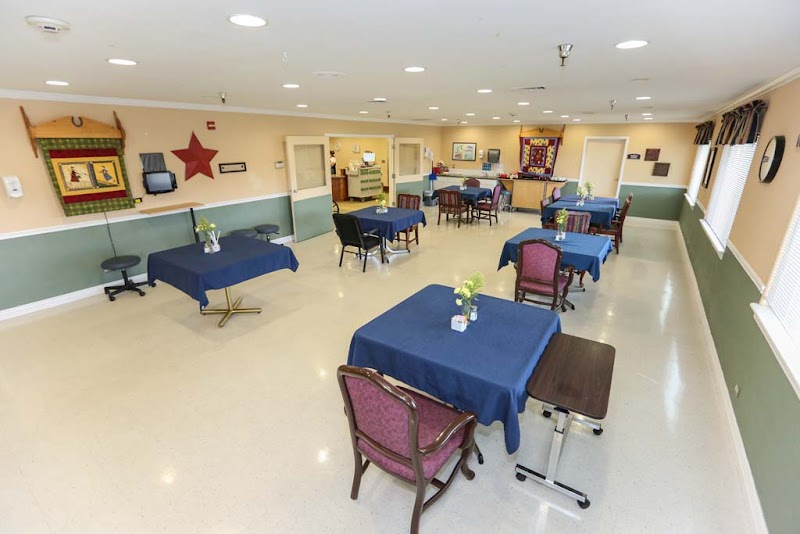
How is River'S Edge Rehabilitation & Living Center Staffed?

CMS rates River's Edge Rehabilitation & Living Center's staffing level at 4 out of 5 stars, which is above average compared to other nursing homes. Staff turnover is 42%, compared to the Idaho average of 46%. This relatively stable workforce can support continuity of care.

What Have Inspectors Found at River'S Edge Rehabilitation & Living Center?

State health inspectors documented 23 deficiencies at River's Edge Rehabilitation & Living Center during 2019 to 2024. These included: 23 with potential for harm.
Who Owns and Operates River'S Edge Rehabilitation & Living Center?

River's Edge Rehabilitation & Living Center is owned by a for-profit company. For-profit facilities operate as businesses with obligations to shareholders or private owners. The facility is operated by THE ENSIGN GROUP, a chain that manages multiple nursing homes. With 74 certified beds and approximately 55 residents (about 74% occupancy), it is a smaller facility located in EMMETT, Idaho.

How Does River'S Edge Rehabilitation & Living Center Compare to Other Idaho Nursing Homes?

Compared to the 100 nursing homes in Idaho, River's Edge Rehabilitation & Living Center's overall rating (4 stars) is above the state average of 3.3, staff turnover (42%) is near the state average of 46%, and health inspection rating (3 stars) is at the national benchmark.

What Should Families Ask When Visiting River'S Edge Rehabilitation & Living Center?

Based on this facility's data, families visiting should ask: "Can I visit during a mealtime to observe dining assistance and food quality?" "How do you handle medical emergencies, and what is your hospital transfer rate?" "Can I speak with family members of current residents about their experience?"

Is River'S Edge Rehabilitation & Living Center Safe?

Based on CMS inspection data, River's Edge Rehabilitation & Living Center has a clean safety record: no substantiated abuse findings (meaning no confirmed cases of resident harm), no Immediate Jeopardy citations (the most serious violation level indicating risk of serious injury or death), and is not on the Special Focus Facility watch list (a federal program monitoring the lowest-performing 1% of nursing homes). The facility has a 4-star overall rating and ranks #1 of 100 nursing homes in Idaho. While no facility is perfect, families should still ask about staff-to-resident ratios and recent inspection results during their visit.

Do Nurses at River'S Edge Rehabilitation & Living Center Stick Around?

River's Edge Rehabilitation & Living Center has a staff turnover rate of 42%, which is about average for Idaho nursing homes (state average: 46%). Moderate turnover is common in nursing homes, but families should still ask about staff tenure and how the facility maintains care continuity when employees leave.

Was River'S Edge Rehabilitation & Living Center Ever Fined?

River's Edge Rehabilitation & Living Center has no federal fines on record. CMS issues fines when nursing homes fail to meet care standards or don't correct problems found during inspections. The absence of fines suggests the facility has either maintained compliance or corrected any issues before penalties were assessed. This is a positive indicator, though families should still review recent inspection reports for the full picture.

Is River'S Edge Rehabilitation & Living Center on Any Federal Watch List?

River's Edge Rehabilitation & Living Center is not on any federal watch list. The most significant is the Special Focus Facility (SFF) program, which identifies the bottom 1% of nursing homes nationally based on persistent, serious quality problems. Not being on this list means the facility has avoided the pattern of deficiencies that triggers enhanced federal oversight. This is a positive indicator, though families should still review the facility's inspection history directly.