EAGLE ROCK HEALTH AND REHABILITATION OF CASCADIA
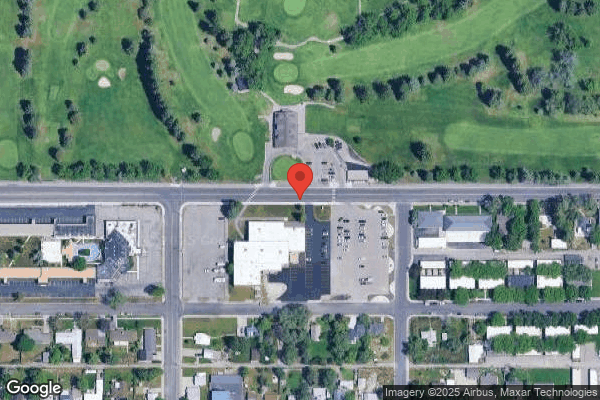
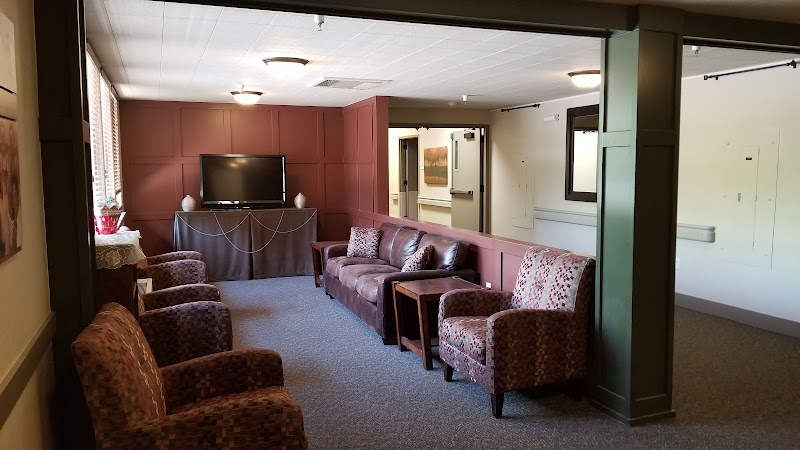
840 EAST ELVA STREET, IDAHO FALLS, ID 83401 (208) 523-4795
For profit - Corporation 113 Beds CASCADIA HEALTHCARE Data: November 2025
Trust Grade
53/100
#46 of 79 in ID
Last Inspection: February 2025

Within standard 12-15 month inspection cycle. Federal law requires annual inspections.

Overview

Eagle Rock Health and Rehabilitation of Cascadia has received a Trust Grade of C, indicating it is average and sits in the middle of the pack among nursing homes. It ranks #46 out of 79 facilities in Idaho, placing it in the bottom half, but it is #2 out of 4 in Bonneville County, meaning there is only one local option that ranks higher. Unfortunately, the facility is worsening, with the number of issues increasing from 7 in 2024 to 8 in 2025. Staffing is a concern, rated at only 2 out of 5 stars, with a turnover rate of 64%, which is significantly higher than the state average. Additionally, while the facility has good RN coverage, more than 91% of Idaho facilities, there are serious concerns including medication errors that led to one resident being hospitalized and unsanitary food storage practices that could pose health risks to residents. Overall, families should weigh these strengths and weaknesses carefully when considering this facility.

Trust Score
C
53/100
In Idaho
#46/79
Bottom 42%
Safety Record
Moderate
Needs review
Inspections
Getting Worse
7 → 8 violations
Staff Stability
⚠ Watch
64% turnover. Above average. Higher turnover means staff may not know residents' routines.
Penalties
○ Average
$8,018 in fines. Higher than 52% of Idaho facilities. Some compliance issues.
Skilled Nurses
✓ Good
Each resident gets 64 minutes of Registered Nurse (RN) attention daily — more than 97% of Idaho nursing homes. RNs are the most trained staff who catch health problems before they become serious.
Violations
⚠ Watch
18 deficiencies on record. Higher than average. Multiple issues found across inspections.
★★★☆☆
3.0
Overall Rating
★★☆☆☆
2.0
Staff Levels
★★★★☆
4.0
Care Quality
★★★☆☆
3.0
Inspection Score
Stable
2024: 7 issues
2025: 8 issues

The Good

  • 4-Star Quality Measures · Strong clinical quality outcomes
  • Full Sprinkler Coverage · Fire safety systems throughout facility
  • No fines on record

Facility shows strength in quality measures, fire safety.

The Bad

3-Star Overall Rating

Near Idaho average (3.3)

Meets federal standards, typical of most facilities

Staff Turnover: 64%

17pts above Idaho avg (46%)

Frequent staff changes - ask about care continuity

Federal Fines: $8,018

Below median ($33,413)

Minor penalties assessed

Chain: CASCADIA HEALTHCARE

Part of a multi-facility chain

Ask about local staffing decisions and management

Staff turnover is elevated (64%)

16 points above Idaho average of 48%

The Ugly 18 deficiencies on record

1 actual harm
Sept 2025 3 deficiencies
CONCERN (D) 📢 Someone Reported This

A family member, employee, or ombudsman was alarmed enough to file a formal complaint

Potential for Harm - no one hurt, but risky conditions existed

Deficiency F0559 (Tag F0559)

Could have caused harm · This affected 1 resident

**NOTE- TERMS IN BRACKETS HAVE BEEN EDITED TO PROTECT CONFIDENTIALITY** Based on observation, record review, and interviews, it was determined the facility failed to ensure residents received prior wr...

Read full inspector narrative →
**NOTE- TERMS IN BRACKETS HAVE BEEN EDITED TO PROTECT CONFIDENTIALITY** Based on observation, record review, and interviews, it was determined the facility failed to ensure residents received prior written rationale regarding room changes. This was true for 1 of 3 residents (Resident #5) whose records were reviewed. This deficient practice placed residents at risk of embarrassment and diminished sense of worth. Findings include:Resident #5 was admitted to the facility on [DATE], with multiple diagnoses including chronic obstructive pulmonary disease (a progressive lung disease characterized by persistent airflow limitation and respiratory symptoms such as chronic cough, sputum, shortness of breath, and exacerbations) and diabetes.On 9/15/25 at 8:20 AM, the facility provided resident listing had Resident #5 documented as being in room [ROOM NUMBER]. On 9/15/25 at 8:25 AM, the surveyor found room [ROOM NUMBER] empty and RN#1 stated the resident had been moved to room [ROOM NUMBER] over the weekend. On 9/15/25 at 11:00 AM, Resident #5's medical record had no documentation of the written notice given to the resident regarding the nature of the room transfer. On 9/15/25 at 1:35 PM, the Director of Clinical Services stated there should have been written documentation notifying the resident of the nature and date of the move and there was none.
CONCERN (D) 📢 Someone Reported This

A family member, employee, or ombudsman was alarmed enough to file a formal complaint

Potential for Harm - no one hurt, but risky conditions existed

Deficiency F0628 (Tag F0628)

Could have caused harm · This affected 1 resident

**NOTE- TERMS IN BRACKETS HAVE BEEN EDITED TO PROTECT CONFIDENTIALITY** Based on interview, policy review, and record review, the facility failed to ensure a copy of the residents' discharge or transf...

Read full inspector narrative →
**NOTE- TERMS IN BRACKETS HAVE BEEN EDITED TO PROTECT CONFIDENTIALITY** Based on interview, policy review, and record review, the facility failed to ensure a copy of the residents' discharge or transfer notices were sent to the Office of the State Long Term Care (LTC) Ombudsman. This was true for 3 of 3 Residents (#9, #17, #23) reviewed for Ombudsman notification. This failed practice had the potential to affect all residents by; 1) denying residents the added protection from being inappropriately discharged ; 2) providing the residents with access to an advocate who can inform them of their options and rights; and 3) ensuring the Office of the State LTC Ombudsman was aware of facility practices and activities related to transfers and discharges. Findings include: Review of the facility's Discharge and Transfer policy with revision date 4/17/25, documented a copy of the notice of discharge or tranfer is sent to a representative of the Office of the State Long Term Care (LTC) Ombudsman.notices will be sent monthly.a. Resident #9 was admitted to the facility on [DATE], with multiple diagnoses including fracture of sacrum (bony structure located at the base of the lower back) and diabetes.Resident #9 was transferred from the facility to the emergency department on 3/4/25. Resident #9's record did not include documentation that a Notice of Transfer was provided to the State Ombudsman.b. Resident #17 was admitted to the facility on [DATE], with readmission on [DATE], with multiple diagnoses including hemiplegia (total or partial paralysis of one side of the body) and heart disease.Resident #17 was transferred from the facility to the emergency department and did not return to the facility on 3/14/25. Resident #17's record did not include documentation that a Notice of Transfer was provided to the State Ombudsman.c. Resident #23 was admitted to the facility on [DATE], with multiple diagnoses including heart disease and diabetes.Resident #23 was discharged from the facility to an assisted living facility (ALF) on 4/11/25. Resident #23's record did not include documentation that a Notice of Discharge was provided to the State Ombudsman.On 9/15/25 at 4:12 PM, the Region 6 State Ombudsman stated the facility had not sent resident Notices of Discharge or Transfer to the Ombudsman's office during the months of March, April, May and part of June 2025.On 9/15/25 at 4:39 PM, the Director of Clinical Services stated the Social Worker had left the facility in the third week of March 2025 and the Notices of Discharge or Transfer had not been sent to the Ombudsman during the months of March, April, May and part of June 2025 and should have been.
CONCERN (D) 📢 Someone Reported This

A family member, employee, or ombudsman was alarmed enough to file a formal complaint

Potential for Harm - no one hurt, but risky conditions existed

Deficiency F0806 (Tag F0806)

Could have caused harm · This affected 1 resident

**NOTE- TERMS IN BRACKETS HAVE BEEN EDITED TO PROTECT CONFIDENTIALITY** Based on observation, policy review, resident and staff interview, it was determined the facility failed to ensure resident meal...

Read full inspector narrative →
**NOTE- TERMS IN BRACKETS HAVE BEEN EDITED TO PROTECT CONFIDENTIALITY** Based on observation, policy review, resident and staff interview, it was determined the facility failed to ensure resident meals were prepared and accommodated resident allergies, intolerances, and preferences to meet individual resident needs. This was true for 1 of 3 residents (Resident #5) who were interviewed about food services and had the potential to affect all residents with special dietary needs who dined in the facility. This failed practice had the potential to negatively affect residents' nutritional status and psychosocial well-being. Findings include:The facility's Nutrition policy dated 8/1/23, documented the facility provides nutritional and hydration care and services to each resident, consistent with the resident's comprehensive assessment and provides a therapeutic diet that considers the resident's clinical condition, and preferences. Resident #5 was admitted to the facility on [DATE], with multiple diagnoses including chronic obstructive pulmonary disease (a progressive lung disease characterized by persistent airflow limitation and respiratory symptoms such as chronic cough, sputum, shortness of breath, and exacerbations) and diabetes.On 9/15/25 at 9:45 AM, Resident #5 stated he was allergic to tomatoes, and he was served chicken with a red sauce over the weekend which he thought contained tomato-based products so he could not eat the meal. Resident #5's medical record documented he had melon and tomato allergies.On 9/15/25 at 11:25 AM, observed Resident #5's printed meal ticket which documented he had melon and tomato allergies.On 9/15/25 at 1:10 PM, the food service manager stated after further investigation, she confirmed that Resident #5 had been served chicken with a tomato-based sauce and should not have been.
Feb 2025 5 deficiencies
CONCERN (D)

Potential for Harm - no one hurt, but risky conditions existed

Deficiency F0657 (Tag F0657)

Could have caused harm · This affected 1 resident

**NOTE- TERMS IN BRACKETS HAVE BEEN EDITED TO PROTECT CONFIDENTIALITY** Based on observation, record review, and staff interview, it was determined the facility failed to ensure resident's care plans ...

Read full inspector narrative →
**NOTE- TERMS IN BRACKETS HAVE BEEN EDITED TO PROTECT CONFIDENTIALITY** Based on observation, record review, and staff interview, it was determined the facility failed to ensure resident's care plans were revised to reflect current needs and interventions. This was true for 1 of 17 residents (Resident #8) whose care plans were reviewed. This deficient practice created the risk of adverse outcomes if care and services were not provided due to care plans not being revised as resident's needs changed. Findings include: The CMS SOM, Appendix PP, dated 8/8/24, documented a resident's care plan must be reviewed after each assessment and revised based on changing goals, preferences, and needs of the resident and in response to current interventions. Resident #8 was admitted to the facility on [DATE] and readmitted on [DATE], with multiple diagnoses including bipolar and psychotic disorders. Resident #8's physician orders documented: -Depakote (anticonvulsant to treat bipolar) was discontinued on 6/20/24. -Mirtazapine (antidepressant) was discontinued on 6/20/24. -Lorazepam (antianxiety), as needed, discontinued on 11/11/24. Resident #8's care plan, initiated on 5/24/23, documented resident used antidepressant medications related to bipolar disorder and depression. On 2/20/25 at 12:00 PM, the CEO confirmed Resident #8's care plan should have been updated to reflect a change in physician's orders when her medications were discontinued, and it did not.
CONCERN (D)

Potential for Harm - no one hurt, but risky conditions existed

Respiratory Care (Tag F0695)

Could have caused harm · This affected 1 resident

**NOTE- TERMS IN BRACKETS HAVE BEEN EDITED TO PROTECT CONFIDENTIALITY** Based on observation, record review, policy review, and staff interview, it was determined the facility failed to ensure residen...

Read full inspector narrative →
**NOTE- TERMS IN BRACKETS HAVE BEEN EDITED TO PROTECT CONFIDENTIALITY** Based on observation, record review, policy review, and staff interview, it was determined the facility failed to ensure residents received oxygen therapy per physician orders. This was true for 1 of 4 residents (Resident #36) reviewed for oxygen therapy. This deficient practice created the potential for harm if residents' respiratory needs were not met. Findings include: The facility's Oxygen Therapy policy and procedure, revised 8/4/23 directed staff to verify physician's order prior to initiating oxygen therapy. Resident #36 was admitted to the facility on [DATE] with multiple diagnoses including chronic obstructive pulmonary disease (COPD - a progressive lung disease characterized by increasing breathlessness). A care plan, initiated 2/26/24, documented Resident #36 used supplemental oxygen related to shortness of breath. The care plan directed staff to administer oxygen via nasal cannula as ordered. A physician assistant's progress notes, dated 2/19/24, documented Resident #36 had oxygen levels greater than 92 percent on multiple occasions while maintaining two liters of oxygen. The physician assistant ordered to decrease supplemental oxygen down to one liter to adhere to 88 to 92 percent of oxygen saturations as this may be contributing to carbon dioxide retention and abdominal pain. Resident #36's physician's orders, included oxygen one liter per minute (LPM) continuously via nasal cannula every shift related to COPD, ordered on 2/19/25. On 2/20/25 at 9:27 AM, Resident #36 was observed in his room receiving oxygen therapy via nasal cannula. The oxygen condenser was set to deliver two LPM. The surveyor then asked RN #1 to confirm the physician's order for Resident #36's oxygen. RN #1 reviewed the physician's order and stated it was one LPM. RN #1 with the surveyor went to Resident #36's room and checked his oxygen flow rate. RN #1 confirmed the oxygen was set at two LPM and it should have been set at one LPM.
CONCERN (D)

Potential for Harm - no one hurt, but risky conditions existed

Deficiency F0760 (Tag F0760)

Could have caused harm · This affected 1 resident

**NOTE- TERMS IN BRACKETS HAVE BEEN EDITED TO PROTECT CONFIDENTIALITY** Based on record review, medication error reports, and staff interview, it was determined the facility failed to ensure residents...

Read full inspector narrative →
**NOTE- TERMS IN BRACKETS HAVE BEEN EDITED TO PROTECT CONFIDENTIALITY** Based on record review, medication error reports, and staff interview, it was determined the facility failed to ensure residents were protected from significant medication errors. This was true for 2 of 2 residents (#42 and #48) reviewed for medication errors. This deficient practice created the potential for harm if residents received the wrong dosage of medications. Findings include: The facility policy for Oral Medication Administration, dated 1/1/18, included the direction for nursing staff to validate the order against the medication packaging, confirm correct dose, correct route, and time/frequency. 1. Resident #42 was admitted to the facility on [DATE], with multiple diagnoses including amputation of the left and right great toe, gangrene (a condition where the tissue dies due to lack of blood supply), and disease of the spleen. A Medication Error Report, dated 1/13/25, documented the following: -A photocopy of a prescription, dated 1/7/25, documented oxycodone (a narcotic used to treat pain), 5 mg tablet, give 10 mg by mouth every four hours as needed for pain scale 4-8, use 1-2 tablets as needed for pain every 4 hours. -The order transcribed into the Medication Administration Record (MAR) documented oxycodone 10 mg give 1 tablet every 4 hours as needed for pain scale 4-10. -A controlled drug record form documented Resident #42 received 5 mg of oxycodone on the following dates and times: -1/8/25 at 9:00 PM -1/9/25 at 10:00 AM -1/9/25 at 11:30 PM -1/10/25 at 6:33 AM -1/10/25 at 2:17 PM -1/10/25 at 8:04 PM -1/11/25 at 7:05 AM -1/11/25 at 12:48 PM -On 1/11/25 LPN #1 recognized the order in the MAR did not match the directions on the medication card. The Medication Error Report concluded a medication error occurred 8 times on 1/8/25, 1/9/25, 1/10/25, and 1/11/25 when the administering nurses documented they administered 10 mg of oxycodone in the MAR, when the medication card and controlled drug record documented he received 5 mg at each administration. On 2/20/25 at 3:57 PM, the CEO confirmed the medication strength administered did not match the medication strength written in the MAR on 1/8/25, 1/9/25, 1/10/25, and 1/11/25. The CEO added, the dosage and pain scale discrepancies should have been clarified and correctly transcribed by each nurse handling the medication. 2. Resident #48 was admitted to the facility on [DATE] with multiple diagnoses including diabetes, chronic pain, and rheumatoid arthritis. Resident #48's MAR documented an order change on 12/13/24, for Lyrica (a medication used for nerve pain), to increase the dose from 100 mg twice daily to 100 mg in the morning and 150 mg every night at bedtime. A Medication Error Report, dated 12/19/24, documented a medication error occurred on 12/16/24, 12/17/24, and 12/18/24 when it was discovered that LPN #2 gave Resident #48 100 mg of Lyrica instead of the prescribed 150 mg at bedtime. On 2/20/25 at 4:00 PM, the CEO confirmed LPN #2 administered Resident #48 the wrong dose of Lyrica at bedtime on 12/16/24, 12/17/24, and 12/18/24.
CONCERN (E)

Potential for Harm - no one hurt, but risky conditions existed

Comprehensive Care Plan (Tag F0656)

Could have caused harm · This affected multiple residents

**NOTE- TERMS IN BRACKETS HAVE BEEN EDITED TO PROTECT CONFIDENTIALITY** 3. Resident #36 was admitted to the facility on [DATE] with multiple diagnoses including chronic obstructive pulmonary disease (...

Read full inspector narrative →
**NOTE- TERMS IN BRACKETS HAVE BEEN EDITED TO PROTECT CONFIDENTIALITY** 3. Resident #36 was admitted to the facility on [DATE] with multiple diagnoses including chronic obstructive pulmonary disease (COPD - a progressive lung disease characterized by increasing breathlessness). An admission MDS assessment, dated 3/3/24 documented it was somewhat important for Resident #36 to have books, newspapers, and magazines to read; listen to music he likes; to do things with group of people, and be around animals such as pets. Resident #36's care plan, dated 12/14/24, did not address his preferences for his activities. Resident #36 was observed in his room on 2/18/25 at 4:28 PM. A calendar of activities was observed posted on the wall by the door. Resident #36 stated he was not interested in participating in any of the activities in the facility. Resident #36 was again observed to be in his room on 2/19/25 at 10:12 AM, and on 2/20/25 at 9:27 AM, sitting on his bed. There were no books, newspapers, or magazines observed in his room. On 2/20/25 at 10:51 AM, the CEO reviewed Resident #36's care plan, and stated he did not have an activity care plan and he should have one. Based on observation, record review, and staff interview, it was determined the facility failed to ensure resident centered care plans were comprehensively written for 4 of 17 residents. This was true for residents (#6, #8, #34, and #36) reviewed for care plans. This deficient practice placed the residents at risk for harm when their care plans did not reflect the care necessary for each resident. Findings include: The CMS SOM, Appendix PP, dated 8/8/24, documented, each resident will have a person-centered comprehensive care plan developed and implemented to meet his or her preferences, goals, and address the resident's medical, physical, mental and psychosocial needs. 1. Resident #6 was admitted to the facility on [DATE] with multiple diagnoses including metabolic encephalopathy (a condition where brain function is disrupted due to imbalances in the body's metabolism, leading to symptoms of confusion and impaired motor skills), Parkinson's disease, and dementia. Resident #6's care plan, last reviewed 12/5/24, did not include directions to care for her diagnosis of dementia. On 2/20/25, at 12:10 PM, the CEO stated, Resident #6's care plan should have included directions to care for her diagnosis of dementia, but the care plan did not. 2. Resident #34 was admitted to the facility on [DATE] with multiple diagnoses including heart failure and chronic kidney disease, prostate cancer, and urinary retention. Resident #34's medical record documented a physician order on 11/17/24 for placement of a indwelling urinary (foley) catheter. Resident #34's care plan, last reviewed 11/29/24, did not include directions to care for his foley catheter. On 2/20/25 at 12:10 PM, the CEO stated, Resident #34's care plan should have included directions to care for his foley catheter, but the care plan did not. 4. Resident #8 was initially admitted to the facility on [DATE] and readmitted on [DATE], with multiple diagnoses including chronic kidney disease, and neuropathic bladder (a lack of bladder control). A physician's order dated 12/2/24, documented an order to place a foley catheter including care and maintenance. Resident #8's care plan, dated 1/27/25, did not include any focus, goals, or interventions related to the foley catheter. On 2/20/25 at 12:00 PM, the CEO confirmed a care plan should have been developed to reflect these new orders for Resident #8.
CONCERN (F)

Potential for Harm - no one hurt, but risky conditions existed

Food Safety (Tag F0812)

Could have caused harm · This affected most or all residents

Based on observation, record review, and staff interview, it was determined the facility failed to maintain kitchen sanitation and food storage at least 6 inches above the floor. These deficiencies ha...

Read full inspector narrative →
Based on observation, record review, and staff interview, it was determined the facility failed to maintain kitchen sanitation and food storage at least 6 inches above the floor. These deficiencies had the potential to affect the 53 residents who consumed food prepared by the facility. This placed residents at risk for potential foodborne illnesses and adverse health outcomes due to contaminated food and food services equipment. Findings include: 1. The Food and Drug Administration (FDA) Food Code Section 3-305.11, documented: (A) Food should be protected from contamination and stored in a clean, dry location where it was not exposed to splash, dust, or other contamination; and at least 6 inches above the floor. On 2/18/25, at 1:20 PM and 2/20/25 at 3:35 PM, it was observed the kitchen pantry shelves contained food items which were located 4.5 inches above the floor. On 2/20/25 at 3:40 PM, the Culinary Director confirmed the shelves containing food items were only 4.5 inches above the floor. 2. FDA Food Code Section 4-602.11 Equipment Food-Contact Surfaces and Utensils, documented: (E) Surfaces of utensils and equipment contacting food that is not time/temperature control for food shall be cleaned: (4) In equipment such as ice bins and beverage dispensing nozzles and enclosed components of equipment such as ice makers, cooking oil storage tanks and distribution lines, beverage and syrup dispensing lines or tubes, coffee bean grinders, and water vending equipment: (a) At a frequency specified by the manufacturer, or (b) Absent manufacturer specifications, at a frequency necessary to preclude accumulation of soil or mold. On 2/18/25, at 1:19 PM, and 2/20/25, at 3:27 PM, the inside of the kitchen ice machine along the white panel it was observed with a pink slimy substance. On 2/20/25 at 3:30 PM, the Culinary Director and Registered Dietitian confirmed there was a thin pink line along the ridge of the white panel located inside the ice machine. 3. The FDA Code Section 4-602.12 Cooking and Baking Equipment, documented: Food-contact surfaces of cooking equipment must be cleaned to prevent encrustation's that may impede heat transfer necessary to adequately cook food. Encrusted equipment may also serve as an insect attractant when not in use. On 2/18/25, 1:15 PM and 2/20/25, at 7:30 AM and 3:20 PM, kitchen cookware (sheet pans, pots, and food skillets) was observed which had black residue encrusted along the bottom rims, along the corners, and in the interior cook area. On 2/20/25 at 3:25 PM, the Culinary Director and Registered Dietitian confirmed the skillets and cookware were older, but all kitchen cookware was cleaned and sanitized as per manufacturers recommendations. They did not know why the cookware had black residue when they had been cleaned and sanitized. 4. The FDA Food Code Section 6-501.12 Cleaning, Frequency and Restrictions, documented: The cleaning of the physical facilities is an important measure in ensuring the protection and sanitary preparation of food. A regular cleaning schedule should be established and followed to maintain the facility in a clean and sanitary manner. On 2/18/25, 1:20 PM and 2/20/25 at 3:15 PM, it was observed in the kitchen walk-in refrigerator, a layer of dust particles was hanging from the ceiling in front of the condenser fans. On 2/20/25, at 3:17 PM, the Culinary Director verified there were dust particles on the ceiling of the walk-in refrigerator.
Aug 2024 4 deficiencies 1 Harm
SERIOUS (G) 📢 Someone Reported This

A family member, employee, or ombudsman was alarmed enough to file a formal complaint

Actual Harm - a resident was hurt due to facility failures

Deficiency F0760 (Tag F0760)

A resident was harmed · This affected 1 resident

**NOTE- TERMS IN BRACKETS HAVE BEEN EDITED TO PROTECT CONFIDENTIALITY** Based on record review, policy review, and staff interview, it was determined the facility failed to ensure residents were prote...

Read full inspector narrative →
**NOTE- TERMS IN BRACKETS HAVE BEEN EDITED TO PROTECT CONFIDENTIALITY** Based on record review, policy review, and staff interview, it was determined the facility failed to ensure residents were protected from significant medication errors. This was true for 2 of 4 residents (#1 and #3) reviewed for medication errors. This deficient practice created harm for one resident (Resident #1) who was hospitalized , and the potential for harm for one resident (Resident #3), due to receiving the wrong medications. Findings include: The facility's Medication Errors policy and procedure, release date 11/28/2017, documented a medication error as the administration of drugs or biologicals which is not in accordance with prescribers' orders, manufacturers specifications, and accepted professional standards. Significant Medication Error as one which causes the resident discomfort or jeopardizes his or her health and safety. 1. Resident #1 was admitted to the facility on [DATE], with multiple diagnoses including encephalopathy (a group of conditions that cause brain dysfunction), high blood pressure, and dysphasia (difficulty swallowing). A progress note dated 8/4/24 at 11:30 PM, by LPN #1, documented Resident #1 was transferred to the hospital via EMS (Emergency Medical Services) with noted changes in condition (altered mental status, decreased oxygen levels, and decreasing blood pressure) after being administered Resident #2's medication. On 8/13/2024 at 10:22 AM, LPN #1 was interviewed, she stated, on the evening of 8/4/24, she was assigned to work a hall unfamiliar to her. She recalled LPN #4 informing her during hand-off report, of Resident #2's room change within the same hall. LPN #1 stated, later that shift during her medication pass, she prepared Resident #2's medications by crushing them and adding them to applesauce. The medications included: - Benztropine Mesylate, 1 mg, an anti-tremor Parkinson's medication - Bupropion HCl, 75 mg, an anti-depressant - Clonazepam, 1 mg, a long-acting tranquilizer for anxiety - Donepezil HCl, 10 mg, an Alzheimer's medication to treat dementia - Doxycycline Hyclate, 100 mg, an antibiotic - levothyroxine, 50 mcg, a hormone to treat hypothyroidism (contraindicated in those with high blood pressure) - Memantine,10 mg, medication to treat dementia. She took the prepared medications to Resident #2's previous room which was empty. She then stored the medications in the medication cart until she could locate Resident #2's new room. LPN #1 stated she continued her medication rounds and prepared Resident #1's evening medications which included one Lipitor tablet (a cholesterol-lowering medication), which she refused. When LPN #1 returned the Lipitor to the medication cart, she noticed the medications she had prepared earlier for Resident #2, who had the same first name as Resident #1. LPN #1 stated she confused Resident #1 for Resident #2 and took the prepared medications, stored for Resident #2, to Resident #1, who accepted and took the medications. LPN #1 stated, a few minutes later, she noticed Resident #2's new room across the hall and realized she had given her medications to the wrong resident. Hospital notes, dated 8/5/24, documented Resident #1 was brought in due to receiving the wrong medications at the skilled nursing facility. The hospital documented Resident #1 had atrial fibrillation (a type of irregular heart rhythm which prevents blood from flowing properly to the lower chambers of the heart), tachycardic (fast heart rate) and hypotension (low blood pressure) when she arrived at the hospital. On 8/13/24 at 12:39 PM, the DNS and Regional Clinical RN were interviewed together and confirmed that Resident #1 was given Resident #2's medications then transferred to the hospital for further monitoring. 2. Resident #3 was admitted to the facility on [DATE], with multiple diagnoses including end stage renal disease, chronic kidney disease, fibromyalgia, and diabetes. A Medication Error Report, dated 8/13/24, documented a medication error occurred on 8/11/24 at 6:20 PM when LPN #3 reported she may have given Resident #3 the wrong insulin. Resident #3's insulin order was for NovoLog (a rapid-acting insulin) per sliding scale at meals and bedtime, and LPN #3 may have given Lantus (a long-acting insulin) instead. She immediately reported the suspected error to Resident #3's physician who ordered blood sugar monitoring every 6 hours for 24 hours. On 8/13/24 at 5:33 PM, LPN #3 was interviewed regarding the medication error. She stated she checked Resident #3's blood sugar and followed up by giving her an insulin dose, then was not sure if she administered Lantus or Novolog so she notified the physician immediately and started to monitor Resident #3 for adverse symptoms. Resident #3's record documented she did not require further medical interventions for a change in condition. On 8/13/24 at 12:39 PM, the DNS and Regional Clinical RN were interviewed and confirmed LPN #3 was not sure which insulin she gave Resident #3 on 8/11/24.
CONCERN (D) 📢 Someone Reported This

A family member, employee, or ombudsman was alarmed enough to file a formal complaint

Potential for Harm - no one hurt, but risky conditions existed

Quality of Care (Tag F0684)

Could have caused harm · This affected 1 resident

**NOTE- TERMS IN BRACKETS HAVE BEEN EDITED TO PROTECT CONFIDENTIALITY** Based on record review, policy review, and staff interview, it was determined the facility failed to ensure physician orders wer...

Read full inspector narrative →
**NOTE- TERMS IN BRACKETS HAVE BEEN EDITED TO PROTECT CONFIDENTIALITY** Based on record review, policy review, and staff interview, it was determined the facility failed to ensure physician orders were followed for 1 of 9 residents (Resident #2) whose records were reviewed for quality of care related to following medication and treatment orders. This failure created the potential to adversely affect residents whose care and services were not delivered according to their physician orders. Findings include: Resident #2 was admitted to the facility on [DATE], with multiple diagnoses including olecranon (elbow) fracture, Parkinson's Disease, and acute respiratory failure. Her record documented medication administration discrepancies including an AM medication given in the evening and medications crushed into food without an order. Resident #2's record included 32 Daily Skilled Nursing Notes, between the dates of 7/5/24 through 8/13/24, documented Resident #2's medications were crushed and added to applesauce, pudding, or yogurt when given to her. On 8/12/24 at 12:31 PM, LPN #4 stated she worked as the day nurse on 8/4/24 and gave report to the evening nurse, LPN #1, and told her Resident #2 needed her medications crushed and added to applesauce per recommendations from the Speech Therapist. Resident #2's record did not document an order to crush medications and add to applesauce, pudding, or yogurt. Resident #2's scheduled medication orders included: - Levothyroxine Sodium oral tablet 50 mcg to be given once a day at 5:30 AM. - Benztropine Mesylate oral tablet 1 mg at bedtime. - Bupropion HCl 75 mg every morning and at bedtime. - Clonazepam 1 mg every morning and at bedtime. - Donepezil HCl 10 mg (0.5 tablet every morning and at bedtime). - Doxycycline Hyclate 100 mg every morning and at bedtime. - Memantine HCl 10 mg every morning and at bedtime. On 8/13/24 at 10:22 AM, LPN #1 was interviewed and stated, on 8/4/24, she crushed 7 of Resident #2's medications (Benztropine, Clonazepam, Levothyroxine, Doxycycline, Bupropion, Donepezil, and Memantine) and added them to applesauce before giving them to her. When asked why she gave Resident #2's Levothyroxine with her bedtime medications when it was ordered to be given at 5:30 AM. LPN #1 stated she knew it was scheduled for the morning, but a lot of residents get mad about getting woken up that early in the morning and I was told Resident #2 was one of them. On 8/14/24 at 12:39 PM. the DNS and Regional Clinical RN were interviewed together and Resident #2's record was reviewed in their presence. When asked if there was an order for Resident #2's medications to be crushed and added to foods, they stated they were not and were not aware her medications were being crushed without an order. The Regional Clinical RN stated, We fixed that and got the order yesterday after you alerted us about it. When asked if Resident #2's Levothyroxine, ordered to be taken at 5:30 AM, was approved by her physician to be given in the evening? The DNS stated she was not aware nurses were giving Levothyroxine at night when it was ordered to be given at 5:30 AM. She stated, if the time needed to be changed, there needed to be an order for it.
CONCERN (D) 📢 Someone Reported This

A family member, employee, or ombudsman was alarmed enough to file a formal complaint

Potential for Harm - no one hurt, but risky conditions existed

Pharmacy Services (Tag F0755)

Could have caused harm · This affected 1 resident

**NOTE- TERMS IN BRACKETS HAVE BEEN EDITED TO PROTECT CONFIDENTIALITY** Based on observation, record review, and staff interview, it was determined the facility failed to ensure medications were recon...

Read full inspector narrative →
**NOTE- TERMS IN BRACKETS HAVE BEEN EDITED TO PROTECT CONFIDENTIALITY** Based on observation, record review, and staff interview, it was determined the facility failed to ensure medications were reconciled and removed from a medication cart when discontinued for 1 of 3 medication carts observed. This was true for 1 of 19 residents (Resident #105) and created the potential for harm for 19 residents who received medications from the cart due to an increased risk for medication administration errors. Additionally, this failure created an increased risk for medication diversion. Findings include: Resident #105 was admitted to the facility on [DATE], with multiple diagnoses including metabolic acidosis (a buildup of too much acid in the body resulting in kidney failure), diabetes, and hypertension. On 10/29/24 at 3:45 PM, the facility's medication cart for the 200 and 400 halls was inspected with LPN #1 present. LPN #1 was observed to remove a blister pack from the cart and began to prepare a medication disposal kit to destroy the medication. The blister pack contained 31 tablets of the controlled medication hydrocodone (a semi-synthetic opioid used to treat pain) 5/325 mg which was prescribed to Resident #105. Resident #105's MAR documented a physician order for hydrocodone 5/325 mg was discontinued on 10/12/24. On 10/29/24 at 3:50 PM, LPN #1 stated Resident #105's hydrocodone 5/325 mg should have been removed from the medication cart the day it was discontinued. On 10/30/24 at 12:00 PM, the CRN stated when an opioid medication order is discontinued, the nurse manager should remove it from the cart by the next working day.
CONCERN (D) 📢 Someone Reported This

A family member, employee, or ombudsman was alarmed enough to file a formal complaint

Potential for Harm - no one hurt, but risky conditions existed

Deficiency F0761 (Tag F0761)

Could have caused harm · This affected 1 resident

**NOTE- TERMS IN BRACKETS HAVE BEEN EDITED TO PROTECT CONFIDENTIALITY** Based on observation, record review, and staff interview, it was determined the facility failed to ensure medications were label...

Read full inspector narrative →
**NOTE- TERMS IN BRACKETS HAVE BEEN EDITED TO PROTECT CONFIDENTIALITY** Based on observation, record review, and staff interview, it was determined the facility failed to ensure medications were labeled correctly for 1 of 3 carts observed. This failure created the potential for harm if the resident who was prescribed the medication (Resident #104) received the wrong dose of his medication. Findings include: Resident #104 was admitted to the facility on [DATE], with multiple diagnoses including left arm fracture, heart failure, hypertension (high blood pressure), and pain. Resident #104's October 2024 MAR documented her prescribed oxycodone (a semi-synthetic opioid used for pain) 5 mg every four hours as needed for pain was discontinued on 10/24/24 and replaced with a new order for oxycodone 5 mg, four times a day (every 6 hours). On 10/29/24 at 3:45 PM, the 300 Hall medication cart was inspected with LPN #1 present. Resident #104's blister pack label for her oxycodone 5 mg stated every 4 hours as needed. The label did not reflect the updated order of four times a day (every 6 hours). On 10/29/24 at 3:50 PM, LPN #1 stated they should have placed a sticker on the blister pack to indicate the medication order change on 10/24/24. On 10/30/24 at 12:00 PM, the CRN stated, when an order is changed, nursing staff should place a sticker on the blister pack indicating there is a new order, pass the update along in report, add it the communication board, and initiate alert charting in the MAR.
Jan 2024 3 deficiencies
CONCERN (D) 📢 Someone Reported This

A family member, employee, or ombudsman was alarmed enough to file a formal complaint

Potential for Harm - no one hurt, but risky conditions existed

Respiratory Care (Tag F0695)

Could have caused harm · This affected 1 resident

**NOTE- TERMS IN BRACKETS HAVE BEEN EDITED TO PROTECT CONFIDENTIALITY** Based on observation, policy review, record review, and resident and staff interview, it was determined the facility failed to e...

Read full inspector narrative →
**NOTE- TERMS IN BRACKETS HAVE BEEN EDITED TO PROTECT CONFIDENTIALITY** Based on observation, policy review, record review, and resident and staff interview, it was determined the facility failed to ensure physician orders were obtained for supplemental oxygen use for 1 of 15 residents (Resident #16) and failed to ensure staff changed and dated residents' oxygen tubing and humidification bottles per physician orders and facility policy for 2 of 15 residents (#16 and #37) reviewed for oxygen use. These deficient practices placed Resident #16 and Resident #37 at risk for respiratory infections due to growth of pathogens in oxygen humidifiers or tubing, and Resident #16 at risk for respiratory distress from receiving too little or too much oxygen. Findings include: The facility's Oxygen Therapy policy, revised 8/4/23, documented residents received respiratory treatments and monitoring, per physician orders, standards of practice and care plan. The amount, method and duration of oxygen usage and diagnosis were identified on the resident's treatment record per physician orders and care plan. The policy further documented disposable oxygen equipment was to be routinely changed per manufacturer's direction and as needed if soiled. 1. Resident #16 was admitted to the facility on [DATE], with multiple diagnoses including heart failure, respiratory failure, and sleep apnea (sleep disorder in which breathing frequently stops and starts). On 1/8/24 at 11:30 AM, Resident #16 was observed sitting on his bed, with an oxygen cannula in his nose receiving oxygen at 3 liters per minute via a concentrator (regulates the amount of oxygen delivered to the resident). The oxygen tubing did not have a label with the date it was initiated. On 1/9/24 at 10:45 AM, Resident #16 was lying on his bed receiving oxygen via nasal cannula with the oxygen concentrator running next to his bed. Resident #16 stated he did not use oxygen prior to his recent stay at the hospital. Resident #16's record did not include an order for oxygen therapy. On 1/11/24 at 4:29 PM, the Resource Nurse confirmed Resident #16's record did not include physician orders for oxygen therapy. 2. Resident #37 was admitted to the facility with multiple diagnoses including heart failure and a heart valve replacement. A physician order, dated 12/21/23, directed staff to change and date Resident #37's oxygen tubing and humidification bottle weekly. On 1/8/24 at 10:00 AM, Resident #37 was observed dressed in a hospital gown lying on his bed receiving supplemental oxygen via an undated nasal cannula attached to an undated humidification water bottle connected to an oxygen concentrator at his bedside. On 1/10/24 at 1:00 PM, RNA #1 was observed in the hallway with a cart that had packages containing oxygen cannulas and water humidification bottles. When asked if she changed the oxygen tubing and humidification bottles weekly, RNA #1 replied, no I think they are changed on Wednesdays on the night shift. She then confirmed the oxygen equipment for Resident #37 was undated. On 1/11/24 at 3:44 PM, the DON confirmed Resident #37's physician order, dated 12/21/23 stating staff were to change his oxygen/nebulizer tubing and humidification bottle and clean the filter weekly. The DON further confirmed no dates were present on Resident #37's tubing and humidification bottle.
CONCERN (D) 📢 Someone Reported This

A family member, employee, or ombudsman was alarmed enough to file a formal complaint

Potential for Harm - no one hurt, but risky conditions existed

Deficiency F0883 (Tag F0883)

Could have caused harm · This affected 1 resident

**NOTE- TERMS IN BRACKETS HAVE BEEN EDITED TO PROTECT CONFIDENTIALITY** Based on record review and staff interview, it was determined the facility failed to ensure residents were offered or received i...

Read full inspector narrative →
**NOTE- TERMS IN BRACKETS HAVE BEEN EDITED TO PROTECT CONFIDENTIALITY** Based on record review and staff interview, it was determined the facility failed to ensure residents were offered or received influenza or pneumococcal pneumonia immunizations. This was true for 1 of 5 residents (Resident #16) reviewed for immunizations. This failure placed Resident #16 at risk for harm should he experience illness from contracting pneucoccoal pneumonia or influenza. Findings include: Resident #16 was admitted on [DATE], with multiple diagnoses including heart failure, respiratory failure, and sleep apnea (sleep disorder in which breathing frequently stops and starts). The Facility's Pneumococcal Program policy, revised 2/22/22, and the Influenza Program policy, revised 8/1/23, stated the resident and/or their representative would receive education regarding immunizations for influenza and pneumococcal pneumonia . The policies also stated the resident would be offered and administered the immunizations unless it was medically contraindicated, the resident had already had an immunization for influenza or pneumococcal pneumonia, or they declined to be immunized. Resident #16's record did not include documentation of his influenza and pneumococcal immunizations were offered. On 1/11/24 at 3:52 PM, the DON stated she could not provide Resident #16's immunization records documenting he was immunized prior to admission or a reason the influenza and pneumococcal immunizations were not offered or administered upon his admission.
CONCERN (D) 📢 Someone Reported This

A family member, employee, or ombudsman was alarmed enough to file a formal complaint

Potential for Harm - no one hurt, but risky conditions existed

Deficiency F0947 (Tag F0947)

Could have caused harm · This affected 1 resident

Based on record review and staff interview, the facility failed to provide a minimum of 12 hours of in-service education per year for 3 of 3 CNAs (CNA #1, CNA #2, and CNA #3) reviewed for sufficient a...

Read full inspector narrative →
Based on record review and staff interview, the facility failed to provide a minimum of 12 hours of in-service education per year for 3 of 3 CNAs (CNA #1, CNA #2, and CNA #3) reviewed for sufficient and competent CNA staffing. This failure placed residents at risk of receiving care from staff who are not adequately trained in competencies to meet residents' needs. Findings include: On 1/11/24, the prior year's in-service training was requested for CNA #1, CNA #2, and CNA #3. The facility's Administrator stated that in-service training was not provided since the facility's change of ownership one year ago. He confirmed CNA #1, CNA #2, and CNA #3 had not completed the required 12 in-service hours in the past year.
Mar 2023 1 deficiency
CONCERN (E)

Potential for Harm - no one hurt, but risky conditions existed

Deficiency F0886 (Tag F0886)

Could have caused harm · This affected multiple residents

Based on policy review, record review, and staff interview, the facility failed to complete broad-based staff testing for COVID-19 while the facility was in an outbreak for COVID-19 and to continue ou...

Read full inspector narrative →
Based on policy review, record review, and staff interview, the facility failed to complete broad-based staff testing for COVID-19 while the facility was in an outbreak for COVID-19 and to continue outbreak testing for 15 days following the last positive case. This failure increased the risk for COVID-19 to spread to the facility's staff and the 41 residents residing in the facility. Findings include: The facility's policy, titled SARS-CoV-2 [COVID-19] Testing policy, revised 10/15/22, under the section Testing of Staff and Residents in response to an outbreak stated: 1. Upon identification of a single new case of COVID-19 infection in any staff or resident, baseline testing is completed for staff and residents based upon contact tracing or broad-based facility wide or group level potential exposure. a. Staff and residents that test negative are tested day 1, 3, and 5 then every 7 days until testing identifies no new cases of COVID-19 infection among staff or residents for a period of at least 15 days since the most recent positive result. Review of the CMS memo titled QSO-20-38-NH, revised 09/23/22, stated when a new COVID-19 positive staff or resident was identified and close contact was not determined all staff and residents should be tested for COVID-19. The memo stated an outbreak investigation is initiated when a single new case of COVID-19 occurs among residents or staff to determine if others have been exposed . If the facility does not . identify all close contacts, they should instead investigate the outbreak at a facility-wide or group-level . The CDC's webpage, titled Interim Infection Prevention and Control Recommendations for Healthcare Personnel During the Coronavirus Disease 2019 (COVID-19) Pandemic, updated 09/27/22, under the sub-section Nursing Homes, stated: - Responding to a newly identified SARS-CoV-2-infected HCP [healthcare provider] or resident .A single new case of SARS-CoV-2 infection in any HCP or resident should be evaluated to determine if others in the facility could have been exposed. - The approach to an outbreak investigation could involve either contact tracing or a broad-based approach; however, a broad-based (e.g., unit, floor, or other specific area(s) of the facility) approach is preferred if all potential contacts cannot be identified or managed with contact tracing or if contact tracing fails to halt transmission. - Perform testing for all residents and HCP .on the affected unit(s) if using a broad-based approach, regardless of vaccination status. - Testing is recommended immediately (but not earlier than 24 hours after the exposure) and, if negative, again 48 hours after the first negative test and, if negative, again 48 hours after the second negative test. This will typically be at day 1 (where day of exposure is day 0), day 3, and day 5 . If additional cases are identified, strong consideration should be given to shifting to the broad-based approach if not already being performed and implementing quarantine for residents in affected areas of the facility. As part of the broad-based approach, testing should continue on affected unit(s) or facility-wide every 3-7 days until there are no new cases for 14 days. During an interview on 3/31/23 at 11:50 AM, the IP stated the facility's most recent COVID-19 outbreak started on 2/22/23 when CNA #7 became symptomatic and tested positive for COVID-19. CNA #7 worked in the facility the previous day on 2/21/23. The IP stated a broad-based testing approach was initiated and all residents were tested for COVID-19 on 2/23/23. The IP stated per facility policy staff were only tested when symptomatic during the outbreak. The IP stated outbreak testing ended on 3/9/23. While reviewing her calendar the IP identified the following positive COVID-19 staff and residents: On 2/23/23: four residents (Resident #8, Resident #9, Resident #10, and Resident #11). On 2/26/23: one resident (Resident #12). On 2/28/23: one resident (Resident #13). On 3/1/23: one staff member (Activity Director). On 3/2/23: one staff member (Dietary Staff Member #2). On 3/3/23: two residents (Resident #14 and Resident #1) and one staff member (Environmental Services Director). On 3/4/23: one staff member (Social Services). On 3/5/23: one resident (Resident #3). On 3/6/23: one staff member (LPN #5) CNA #6 and CNA #10 were interviewed on 3/32/23 at 12:52 PM. CNA #6 stated she worked Friday to Sunday and chose to test once a week during the facility's last outbreak. CNA #10 stated she worked three days a week and only recalled testing during the outbreak if she was symptomatic. During an interview on 3/31/23 at 1:02 PM, LPN #2 stated staff were only tested for COVID-19 if they were symptomatic. LPN #2 stated she thought she completed COVID-19 testing once during the last outbreak when she had a head cold. LPN #2 was negative for COVID-19 at that time. During an interview on 3/31/23 at 1:05 PM, RNA #9 stated staff were tested for COVID-19 only when symptomatic. RNA #9 stated she may have been tested during the facility's last outbreak but only if she was not feeling well. During an interview on 3/31/23 at 1:06 PM the CNO stated the facility was under new management as of 3/1/23. The CNO stated the prior company's policy was to only test symptomatic staff during outbreaks. The CNO stated when a broad-based response to a COVID-19 outbreak was in place, staff were to complete testing for COVID-19 twice a week. The CNO stated there should be two weeks without a new COVID-19 case before testing is stopped. During an interview on 3/31/23 at 2:20 PM, the IP was asked how the facility determined to end outbreak testing. The IP stated when all residents tested negative and were off of a 10-day isolation period. When asked how the determination was made to end the outbreak testing on 3/9/23, the IP was unable to provide an answer. The facility failed to complete broad-based staff testing for COVID-19 while the facility was in an outbreak for COVID-19 and to continue outbreak testing for 15 days following the last positive case.
Aug 2022 2 deficiencies
CONCERN (D)

Potential for Harm - no one hurt, but risky conditions existed

Deficiency F0655 (Tag F0655)

Could have caused harm · This affected 1 resident

**NOTE- TERMS IN BRACKETS HAVE BEEN EDITED TO PROTECT CONFIDENTIALITY** Based on record review, facility policy review, and interview, it was determined the facility failed to develop a baseline care ...

Read full inspector narrative →
**NOTE- TERMS IN BRACKETS HAVE BEEN EDITED TO PROTECT CONFIDENTIALITY** Based on record review, facility policy review, and interview, it was determined the facility failed to develop a baseline care plan and provide a copy to a resident within 48 hours. This was true for 1 of 2 residents (Resident #83) reviewed for baseline care plans. This had the potential to affect the care the facility provided the resident. Findings include: The facility's Comprehensive Care Plan and Care Conference policy, review date 7/1/22, stated, Procedure: 1. b. Provide the resident and/or resident representative with a written summary of the baseline care plan. The summary includes: Initial goals of the resident, summary of medications and dietary restrictions and services and treatments to be administered. Resident #83's record documented he was admitted to the facility on [DATE] and had diagnoses including end-stage kidney disease that was treated with dialysis, neobladder (a surgical reconstruction of the urinary bladder) and pneumonia. Resident #83's Care Plan was created on 8/13/22, which was more than 48 hours after the resident was admitted to the facility. Resident #83's record did not include evidence that the facility reviewed the Care Plan with the resident. During an interview on 08/24/22 at 9:07 AM, Resident #83 stated he was aware of the care he was to be provided including his physician's orders, diet, therapy interventions, and dialysis treatments, goals, etc. When asked, Resident #83 denied the facility provided a written document with the information. During an interview on 8/24/22 at 10:30 AM, the Administrator and Minimum Data Set Coordinator (MDSC)confirmed the facility failed to develop and implement a baseline Care Plan within 48 hours of Resident #83's admission to the facility. The MDSC and the Administrator further confirmed a copy of the baseline Care Plan was not given to Resident #83. The facility failed to develop a baseline care plan and provide a copy to Resident #83 within 48 hours.
CONCERN (D)

Potential for Harm - no one hurt, but risky conditions existed

Deficiency F0883 (Tag F0883)

Could have caused harm · This affected 1 resident

**NOTE- TERMS IN BRACKETS HAVE BEEN EDITED TO PROTECT CONFIDENTIALITY** Based on record review, policy review, and interview, it was determined the facility failed to offer pneumococcal vaccinations t...

Read full inspector narrative →
**NOTE- TERMS IN BRACKETS HAVE BEEN EDITED TO PROTECT CONFIDENTIALITY** Based on record review, policy review, and interview, it was determined the facility failed to offer pneumococcal vaccinations to each resident. This was true for 3 of 5 (Residents #3, #11, and #31) reviewed for pneumococcal vaccination. This failure placed Residents #3, #11, and #31 at increased risk of pneumococcal (bacterial) pneumonia and the potential for serious illness or death. Findings include: Review of the CDC website titled Pneumococcal Vaccination: Summary of Who and When to Vaccinate, effective 01/28/22, stated, .CDC recommends pneumococcal vaccination for all adults 65 years or older .For adults 65 years or older who have not previously received any pneumococcal vaccine, CDC recommends you .Give 1 dose of PCV [Pneumococcal Conjugate Vaccine] 15 or PCV20 .If PCV15 is used, this should be followed by a dose of PPSV [Pneumococcal Polysaccharide Vaccine] 23 at least one year later. The minimum interval is 8 weeks and can be considered in adults with an immunocompromising condition, cochlear implant, or cerebrospinal fluid leak .If PCV20 is used, a dose of PPSV23 is NOT indicated .For adults 65 years or older who have only received a PPSV23, CDC recommends you .May give 1 dose of PCV15 or PCV20 .The PCV15 or PCV20 dose should be administered at least one year after the most recent PPSV23 vaccination. Regardless of if PCV15 or PCV20 is given, an additional dose of PPSV23 is not recommended since they already received it. For adults 65 years or older who have only received PCV13, CDC recommends you .Give PPSV23 as previously recommended .For adults who have received PCV13 but have not completed their recommended pneumococcal vaccine series with PPSV23, one dose of PCV20 may be used if PPSV23 is not available. If PCV20 is used, their pneumococcal vaccinations are complete . Residents were not offered pneumococcal vaccinations, as follows: 1. Resident #31's record documented he was admitted to the facility on [DATE], with a date of birth of [DATE] (age 95), and had diagnoses including heart failure, peripheral vascular disease, diabetes, and dementia. Resident #31's record did not include documentation of his pneumococcal vaccination history. 2. Resident #3's record documented she was admitted to the facility on [DATE] with a date of birth of [DATE] (age 81), and had diagnoses including heart failure, diabetes, anxiety disorder, and depression. Resident #3's record did not include documentation of her pneumococcal vaccination history. 3. Resident #11's record documented she was admitted to the facility on [DATE], with a date of birth of [DATE] (age 74), and had diagnoses including hypertension, diabetes, Parkinson's disease, anxiety disorder, and manic depression. Resident #11's record indicated she received the PCV13 (13-valent pneumococcal conjugate vaccine), but there was no documentation of Resident #11 being offered or receiving PPSV23 (23-valent pneumococcal polysaccharide vaccine). During an interview on 08/25/22 at 4:10 PM, the Infection Preventionist (IP), stated a resident should receive the two pneumococcal vaccinations based on if the first dose was administered prior to age [AGE] then they would give the alternate dose. The IP stated the facility has both types of the pneumococcal vaccine on site, and there had not been a problem with the pneumococcal vaccine supply. The IP stated she did not know why the pneumococcal vaccinations were not offered or provided to the three above mentioned residents and confirmed there was no documentation of pneumococcal vaccination being provided for Resident #3, Resident #31, or the second dose for Resident #11. The facility failed to offer pneumococcal vaccinations to Residents #3, #11, and #31 which put them at increased risk of pneumococcal (bacterial) pneumonia and the potential for serious illness or death.
Understanding Severity Codes (click to expand)
Life-Threatening (Immediate Jeopardy)
J - Isolated K - Pattern L - Widespread
Actual Harm
G - Isolated H - Pattern I - Widespread
Potential for Harm
D - Isolated E - Pattern F - Widespread
No Harm (Minor)
A - Isolated B - Pattern C - Widespread

Questions to Ask on Your Visit

  • "Why is there high staff turnover? How do you retain staff?"
  • "Can I speak with families of current residents?"
  • "What's your RN coverage like on weekends and overnight?"

Our Honest Assessment

Strengths
  • • Licensed and certified facility. Meets minimum state requirements.
Concerns
  • • 18 deficiencies on record, including 1 serious (caused harm) violation. Ask about corrective actions taken.
  • • Grade C (53/100). Below average facility with significant concerns.
  • • 64% turnover. Above average. Higher turnover means staff may not know residents' routines.
Bottom line: Mixed indicators with Trust Score of 53/100. Visit in person and ask pointed questions.

About This Facility

What is Eagle Rock Of Cascadia's CMS Rating?

CMS assigns EAGLE ROCK HEALTH AND REHABILITATION OF CASCADIA an overall rating of 3 out of 5 stars, which is considered average nationally. Within Idaho, this rating places the facility higher than 0% of the state's 100 nursing homes. This mid-range rating indicates the facility meets federal standards but may have areas for improvement.
How is Eagle Rock Of Cascadia Staffed?

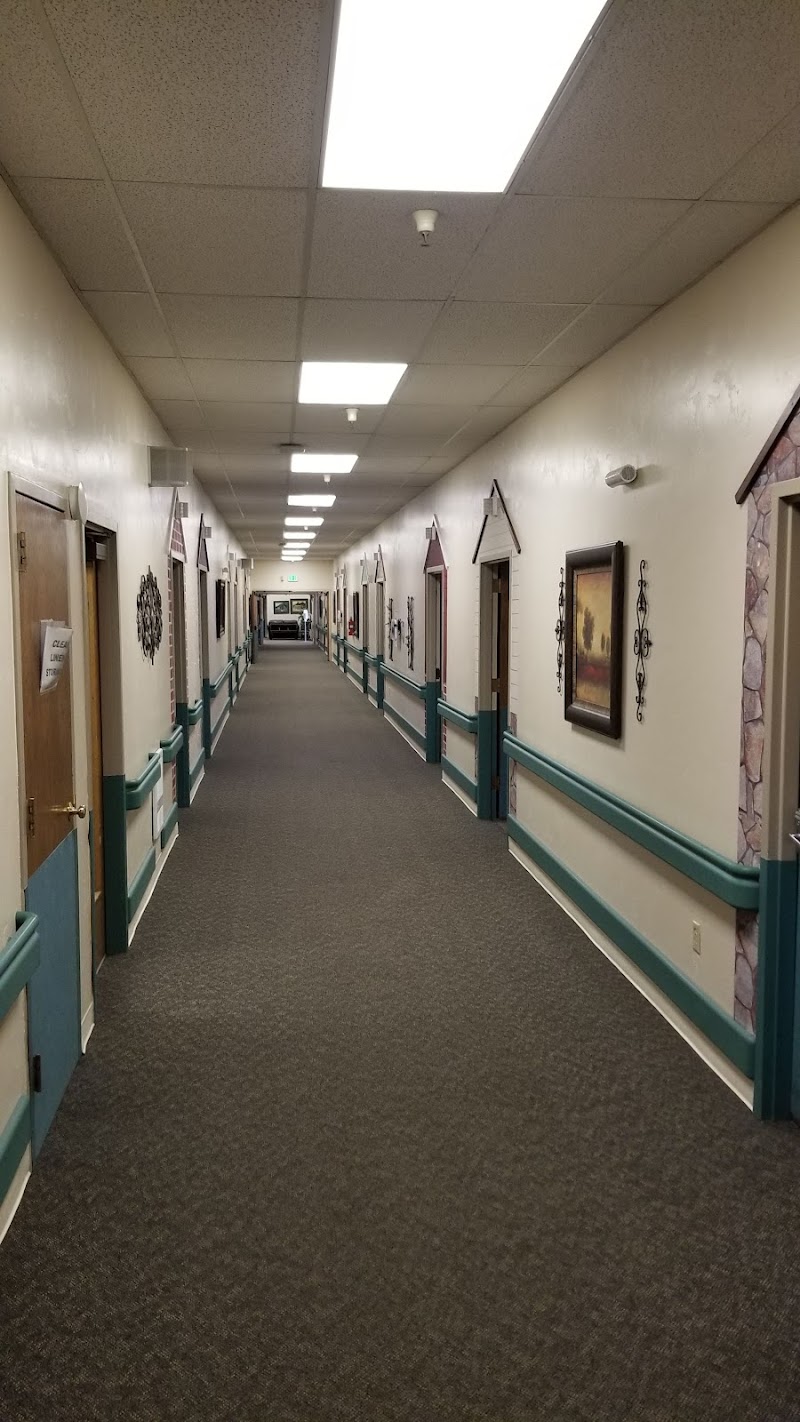
CMS rates EAGLE ROCK HEALTH AND REHABILITATION OF CASCADIA's staffing level at 2 out of 5 stars, which is below average compared to other nursing homes. Staff turnover is 64%, which is 17 percentage points above the Idaho average of 46%. High turnover can affect care consistency as new staff learn residents' individual needs. RN turnover specifically is 67%, which is notably high. RNs provide skilled clinical oversight, so turnover in this role can affect medical care quality.

What Have Inspectors Found at Eagle Rock Of Cascadia?

State health inspectors documented 18 deficiencies at EAGLE ROCK HEALTH AND REHABILITATION OF CASCADIA during 2022 to 2025. These included: 1 that caused actual resident harm and 17 with potential for harm. Deficiencies causing actual harm indicate documented cases where residents experienced negative health consequences.
Who Owns and Operates Eagle Rock Of Cascadia?

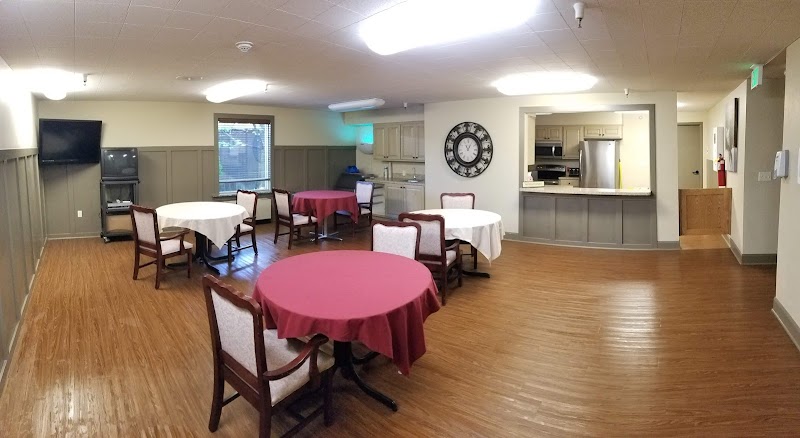
EAGLE ROCK HEALTH AND REHABILITATION OF CASCADIA is owned by a for-profit company. For-profit facilities operate as businesses with obligations to shareholders or private owners. The facility is operated by CASCADIA HEALTHCARE, a chain that manages multiple nursing homes. With 113 certified beds and approximately 61 residents (about 54% occupancy), it is a mid-sized facility located in IDAHO FALLS, Idaho.
How Does Eagle Rock Of Cascadia Compare to Other Idaho Nursing Homes?

Compared to the 100 nursing homes in Idaho, EAGLE ROCK HEALTH AND REHABILITATION OF CASCADIA's overall rating (3 stars) is below the state average of 3.3, staff turnover (64%) is significantly higher than the state average of 46%, and health inspection rating (3 stars) is at the national benchmark.

What Should Families Ask When Visiting Eagle Rock Of Cascadia?

Based on this facility's data, families visiting should ask: "How do you ensure continuity of care given staff turnover, and what is your staff retention strategy?" "Can you walk me through typical staffing levels on day, evening, and night shifts?" "Can I visit during a mealtime to observe dining assistance and food quality?" "How do you handle medical emergencies, and what is your hospital transfer rate?" These questions are particularly relevant given the facility's high staff turnover rate and the below-average staffing rating.

Is Eagle Rock Of Cascadia Safe?

Based on CMS inspection data, EAGLE ROCK HEALTH AND REHABILITATION OF CASCADIA has a clean safety record: no substantiated abuse findings (meaning no confirmed cases of resident harm), no Immediate Jeopardy citations (the most serious violation level indicating risk of serious injury or death), and is not on the Special Focus Facility watch list (a federal program monitoring the lowest-performing 1% of nursing homes). The facility has a 3-star overall rating and ranks #100 of 100 nursing homes in Idaho. While no facility is perfect, families should still ask about staff-to-resident ratios and recent inspection results during their visit.

Do Nurses at Eagle Rock Of Cascadia Stick Around?

Staff turnover at EAGLE ROCK HEALTH AND REHABILITATION OF CASCADIA is high. At 64%, the facility is 17 percentage points above the Idaho average of 46%. Registered Nurse turnover is particularly concerning at 67%. RNs handle complex medical decisions and coordinate care — frequent RN changes can directly impact care quality. High turnover means new staff may not know residents' individual needs, medications, or preferences. It can also be disorienting for residents, especially those with dementia who rely on familiar faces. Families should ask: What is causing the turnover? What retention programs are in place? How do you ensure care continuity during staff transitions?

Was Eagle Rock Of Cascadia Ever Fined?

EAGLE ROCK HEALTH AND REHABILITATION OF CASCADIA has been fined $8,018 across 1 penalty action. This is below the Idaho average of $33,159. While any fine indicates a compliance issue, fines under $50,000 are relatively common and typically reflect isolated problems that were subsequently corrected. Families should ask what specific issues led to these fines and confirm they've been resolved.

Is Eagle Rock Of Cascadia on Any Federal Watch List?

EAGLE ROCK HEALTH AND REHABILITATION OF CASCADIA is not on any federal watch list. The most significant is the Special Focus Facility (SFF) program, which identifies the bottom 1% of nursing homes nationally based on persistent, serious quality problems. Not being on this list means the facility has avoided the pattern of deficiencies that triggers enhanced federal oversight. This is a positive indicator, though families should still review the facility's inspection history directly.