LIFE CARE CENTER OF IDAHO FALLS

2725 EAST 17TH STREET, IDAHO FALLS, ID 83406 (208) 529-4567
For profit - Limited Liability company 109 Beds LIFE CARE CENTERS OF AMERICA Data: November 2025
Trust Grade
53/100
#47 of 79 in ID
Last Inspection: January 2025

Within standard 12-15 month inspection cycle. Federal law requires annual inspections.

Overview

Life Care Center of Idaho Falls has a Trust Grade of C, which means it is average and falls in the middle of the pack among nursing homes. It ranks #47 out of 79 facilities in Idaho, placing it in the bottom half, and #3 out of 4 in Bonneville County, indicating that only one nearby option is better. The facility's trend is worsening, with issues increasing from 2 in 2024 to 17 in 2025. Staffing ratings are average at 3 out of 5 stars, with a turnover rate of 52%, which is near the state average, but it does have good RN coverage, being better than 81% of Idaho facilities. However, the facility has faced concerning incidents, such as failing to respect a resident's Do Not Resuscitate order, which could lead to significant harm, and issues with food safety, including expired items in the refrigerator that could pose health risks. While the facility has strengths in RN coverage and quality measures, the serious deficiencies and overall trend suggest families should proceed with caution.

Trust Score
C
53/100
In Idaho
#47/79
Bottom 41%
Safety Record
Moderate
Needs review
Inspections
Getting Worse
2 → 17 violations
Staff Stability
⚠ Watch
52% turnover. Above average. Higher turnover means staff may not know residents' routines.
Penalties
○ Average
$13,247 in fines. Higher than 51% of Idaho facilities. Some compliance issues.
Skilled Nurses
✓ Good
Each resident gets 65 minutes of Registered Nurse (RN) attention daily — more than 97% of Idaho nursing homes. RNs are the most trained staff who catch health problems before they become serious.
Violations
⚠ Watch
26 deficiencies on record. Higher than average. Multiple issues found across inspections.
★★★☆☆
3.0
Overall Rating
★★★☆☆
3.0
Staff Levels
★★★★★
5.0
Care Quality
★★☆☆☆
2.0
Inspection Score
Stable
2024: 2 issues
2025: 17 issues

The Good

  • 5-Star Quality Measures · Strong clinical quality outcomes
  • Full Sprinkler Coverage · Fire safety systems throughout facility
  • No fines on record

Facility shows strength in quality measures, fire safety.

The Bad

3-Star Overall Rating

Near Idaho average (3.3)

Meets federal standards, typical of most facilities

Staff Turnover: 52%

Near Idaho avg (46%)

Higher turnover may affect care consistency

Federal Fines: $13,247

Below median ($33,413)

Minor penalties assessed

Chain: LIFE CARE CENTERS OF AMERICA

Part of a multi-facility chain

Ask about local staffing decisions and management

The Ugly 26 deficiencies on record

1 actual harm
Sept 2025 2 deficiencies
CONCERN (D) 📢 Someone Reported This

A family member, employee, or ombudsman was alarmed enough to file a formal complaint

Potential for Harm - no one hurt, but risky conditions existed

Deficiency F0578 (Tag F0578)

Could have caused harm · This affected 1 resident

**NOTE- TERMS IN BRACKETS HAVE BEEN EDITED TO PROTECT CONFIDENTIALITY** Based on policy review, record review, and staff interview, it was determined the facility failed to honor residents Do Not Resu...

Read full inspector narrative →
**NOTE- TERMS IN BRACKETS HAVE BEEN EDITED TO PROTECT CONFIDENTIALITY** Based on policy review, record review, and staff interview, it was determined the facility failed to honor residents Do Not Resuscitate (DNR) and Do Not Intubate (DNI) orders. This was true for 1 of 1 resident (Resident #5) whose record was reviewed for code status. This deficient practice created the potential for harm or adverse outcomes if residents' wishes were not followed or documented. Findings include:Resident #5 was initially admitted to the facility on [DATE], and readmitted on [DATE], with multiple diagnoses including chronic kidney disease and diabetes.A facility investigation documented on [DATE], Resident #5 was found unresponsive by CNA staff and nursing staff were notified. Nursing staff performed an assessment and determined Resident #5 was a DNR. LPN #1 then entered Resident #5's room with a POST document in hand and stated she was a full code and CPR was started. This POST document was later found to be for a different resident and not Resident #5. Nursing staff called 911 for an ambulance. When the ambulance crew arrived, facility staff had correctly identified Resident #5 was a DNR and CPR was stopped, and time of death was called at 3:30 PM.Resident #5's physician order dated [DATE] for code status was DNR. Resident #5's POST documented do not resuscitate and can use aggressive interventions to include positioning, oxygen therapy etc.Resident #5's care plan documented code status as DNR.On [DATE] at 2:05 PM, the Admissions nurse and RN #1 stated Resident #5 had been a DNR and CPR should not have been started on her.
CONCERN (D) 📢 Someone Reported This

A family member, employee, or ombudsman was alarmed enough to file a formal complaint

Potential for Harm - no one hurt, but risky conditions existed

Pharmacy Services (Tag F0755)

Could have caused harm · This affected 1 resident

Based on record review and staff interview, it was determined the facility failed to ensure controlled medications were tracked and kept secure from potential theft and/or diversion. This was true for...

Read full inspector narrative →
Based on record review and staff interview, it was determined the facility failed to ensure controlled medications were tracked and kept secure from potential theft and/or diversion. This was true for 1 of 1 medication carts reviewed. This failure created the potential for undetected misuse and/or diversion of controlled medications and had the potential to affect all residents who received controlled medication in the facility. Findings include:On 9/2/25 at 12:19 PM, during Hall 2 medication cart review, observed the narcotic accountability record, dated 9/1/25 to 9/2/25, with 1 licensed nurse signature not documented. On 9/2/25 at 12:32 PM, RN #1 stated two nurses should have signed the narcotic accountability record when they accepted the medication cart or released the medication cart. On 9/2/25 at 12:40 PM, the Admissions Nurse stated two nurses should have signed the narcotic accountability record when they accepted the medication cart or released the medication cart.
Jan 2025 15 deficiencies 1 Harm
SERIOUS (G)

Actual Harm - a resident was hurt due to facility failures

Deficiency F0578 (Tag F0578)

A resident was harmed · This affected 1 resident

**NOTE- TERMS IN BRACKETS HAVE BEEN EDITED TO PROTECT CONFIDENTIALITY** Based on policy review, record review, and staff interview, it was determined the facility failed to honor residents' Do Not Res...

Read full inspector narrative →
**NOTE- TERMS IN BRACKETS HAVE BEEN EDITED TO PROTECT CONFIDENTIALITY** Based on policy review, record review, and staff interview, it was determined the facility failed to honor residents' Do Not Resuscitate (DNR) and Do Not Intubate (DNI) orders, and to ensure residents and their representatives received assistance to exercise their right to formulate an advanced directive. This was true for 1 of 18 residents (#24) whose records were reviewed for advanced directives. This deficient practice caused actual harm with the potential for more than minimal harm or adverse outcomes if residents' wishes were not followed or documented. Findings include: The facility's Cardiopulmonary Resuscitation (CPR) policy, dated [DATE], documented the facility should ensure resident preferences and physician orders related to CPR and other advance directive issues are communicated so that staff know immediately what action to take or not take when an emergency arises. 1. Resident #24 was admitted to the facility on [DATE], and readmitted [DATE], with multiple diagnoses including C2 level cervical spinal cord lesion (damage to the spinal cord at the level of the second cervical vertebra) and chronic kidney disease. Resident #24 nursing note dated [DATE] at 12:05 (late entry), documented nursing staff were assessing Resident #24 for possible choking issue when she was found in her room with agonal respirations. The DON and MD assisted Resident #24 to the floor to continue assessment and initially found but quickly lost her pulse and she was not breathing. On [DATE] at 8:45 AM, the facility called a code blue (a medical emergency code that indicates a patient needs immediate medical attention or resuscitation) for Resident #24. Facility staff connected Resident #24 up to an automated external defibrillator (AED) which indicated no shockable rhythm. Facility staff then continued CPR on Resident #24 for 13 minutes until EMS arrived. EMS took over CPR and intubated Resident #24. At no time did any facility staff member check Resident #24 medical record to confirm her code status. Resident #24's medical record contained a Physician Orders for Scope of Treatment (POST) in her medical record documenting she was a DNR and DNI. Resident #24's care plan, dated [DATE], documented she requested DNR status. On [DATE] at 8:53 AM, the surveyor reviewed Resident #24's medical record, confirmed she was a DNR, and notified the Executive Director Resident #24 was a DNR. A hospital emergency department report, dated [DATE], documented EMS staff were not notified by facility staff of Resident #24's code status until after she was intubated and loaded into the ambulance in route to the hospital. A hospital emergency department report, dated [DATE], documented when family arrived at the hospital, they confirmed Resident #24 was a DNR/DNI and should have been allowed to pass naturally. A statement submitted by the Medical Director (MD), dated [DATE], documented he was not aware Resident #24's code status was a DNR/DNI until after she was transferred to the hospital. On [DATE] at 9:30 AM, the DON stated she was not aware Resident #24's code status was a DNR/DNI until after the resident's care was turned over to EMS. Resident #24 expired at the hospital on [DATE] at 12:06 PM.
CONCERN (D)

Potential for Harm - no one hurt, but risky conditions existed

Safe Environment (Tag F0584)

Could have caused harm · This affected 1 resident

**NOTE- TERMS IN BRACKETS HAVE BEEN EDITED TO PROTECT CONFIDENTIALITY** Based on review of facility policy, Idaho Administrative Code, and the State Operations Manual, observation, and interviews, it ...

Read full inspector narrative →
**NOTE- TERMS IN BRACKETS HAVE BEEN EDITED TO PROTECT CONFIDENTIALITY** Based on review of facility policy, Idaho Administrative Code, and the State Operations Manual, observation, and interviews, it was determined the facility failed to ensure residents were provided with a safe, clean, and homelike environment. This was true for 7 of 48 resident rooms and other areas throughout the facility which were observed. This deficient practice created the potential for diminished quality of life and resident safety. Findings include: The facility's Water Temperature Inspection policy dated 1/15/24, documented satisfactory temperature range is maintained per state regulations. Idaho Administrative Code 16.03.02 section 120.13.c, documented the temperature of hot water at plumbing fixtures used by residents is between 105 degrees F and 120 degrees F. State Operations Manual Appendix PP pg 342, documents water temperature of 124 degrees F will cause a 3rd degree burn to occur within 3 minutes, and water temperatures of 120 degrees F will cause a 3rd degree burn to occur within 5 minutes. The following areas were observed for safe and homelike environment: On 1/6/25 at 9:35 AM, observed room [ROOM NUMBER]'s sink water temperature was 124 degrees F. On 1/6/25 at 11:00 AM, with the maintenance manager, rechecked room [ROOM NUMBER]'s sink water temperature to be about 112 degrees F. On 1/6/25 at 12:12 PM, the maintenance manager requested the surveyor recheck room [ROOM NUMBER]'s sink water temperature again and it was found to be 122 degrees F. On 1/6/25 at 12:15 PM, the maintenance director stated all resident room sink water temperature should be maintained below 118 degrees F. The following areas were observed for clean and homelike environment: - On 1/6/25 at 7:26 AM, observed in room [ROOM NUMBER], the front of the drawer on the closet was missing. - On 1/6/25 at 7:33 AM, observed in room [ROOM NUMBER]'s shower, the base had a black substance and hair on it. - On 1/7/25 at 8:08 AM, observed in room [ROOM NUMBER], the corner of wall by the bathroom, was missing the dry wall. - On 1/7/25 at 8:14 AM, observed in room [ROOM NUMBER]'s bathroom, the baseboard was missing from the wall. - On 1/7/25 at 11:15 AM, observed in room [ROOM NUMBER], multiple light brown splattering on the ceiling, at the room entrance, by the sink. - On 1/8/25 at 11:32 AM, observed in the kitchen, dust on the ceiling above the oven and serving table. Also observed the vent by the back door of the kitchen, a gray substance on the vent slats. On 1/8/25 at 11:40 AM, the dietary manager stated the ceiling and vents should have been cleaned. On 1/8/25 at 1:04 PM, the Maintenance Director stated the staff are to put items that need to be repaired in TELS (electronic maintenance management system), and he should fix the issues as soon as it is received on his phone. - On 1/10/25 at 7:23 AM, the light at the end of 200 hall was observed with a gray, fuzzy substance hanging from the light fixture. - On 1/10/25 at 7:27 AM, observed on Hall 400, the vent and ceiling tiles around vent had a gray fuzzy substance on them. - On 1/10/25 at 7:28 AM, observed on Hall 400, the light outside the activity room had a gray fuzzy substance hanging from the light fixture. - On 1/10/25 at 7:29 AM, the activity room vent was observed with a layer of a black substance. The hooks in the ceiling had a gray, fuzzy substance hanging from them. On 1/10/25 at 7:40 AM, the Administrator stated the ceiling and vents should have been cleaned.
CONCERN (D)

Potential for Harm - no one hurt, but risky conditions existed

Deficiency F0645 (Tag F0645)

Could have caused harm · This affected 1 resident

**NOTE- TERMS IN BRACKETS HAVE BEEN EDITED TO PROTECT CONFIDENTIALITY** Based on policy review, record review, and staff interview, it was determined the facility failed to refer residents for further...

Read full inspector narrative →
**NOTE- TERMS IN BRACKETS HAVE BEEN EDITED TO PROTECT CONFIDENTIALITY** Based on policy review, record review, and staff interview, it was determined the facility failed to refer residents for further evaluation when residents were diagnosed with a major mental illness. This was true for 4 of 7 residents (#12, #51, #60, and #219) reviewed for Pre-admission Screening and Resident Review (PASARR) level II evaluations. This deficient practice had the potential to cause harm if resident's specialized services for mental health needs were not evaluated by an appropriate state-designated authority. Finding include: The facility's Pre-admission Screening and Resident Review (PASARR) policy revision date 9/26/24, documented a positive Level I screen necessitates an in-depth evaluation of the individual by the state-designated authority, known as PASARR Level II, which must be conducted prior to admission to a nursing facility. 1. Resident #12 was initially admitted to the facility on the 10/14/24, and readmitted to the facility on [DATE], with multiple diagnoses including bipolar disorder (a major mental mood disorder) and post-traumatic stress disorder (a major mental illness). Resident #12's PASARR I dated 10/11/24, documented under section 2.5 A if resident has an MMI (major mental issue) a PASARR II needs to be completed. Resident #12 had Bipolar checked for her MMI. Resident #12's medical record did not document a PASARR II had been done. On 1/8/25 at 3:22 PM, the DON stated Resident #12 should have had a correct PASARR I which would have triggered a PASARR II to be done. 2. Resident #51 was admitted to the facility on [DATE], with multiple diagnoses including diabetes and post-traumatic stress disorder (a major mental illness). Resident #51's medical record documented on 11/21/24, she had received a new diagnosis of borderline personality disorder (a major mental illness). Resident #51's medical record did not document a PASARR Level 2 evaluation had been completed. On 1/8/25 at 4:34 PM, the DON stated Resident #51 should have had a PASARR Level II completed on admission and a PASARR Level II completed with her new diagnosis. 3. Resident #60 was admitted to the facility on [DATE] with a diagnosis of Myasthenia Gravis, anxiety, and PTSD (Post PTSD (Post Traumatic Stress Disorder). The States Operations Manual Appendix PP documented if a resident remains in the facility longer than 30 days, the facility must screen the individual using the State's Level I screening process and refer any resident who has or may have MD, ID or a related condition to the appropriate state-designated authority for Level II PASRR evaluation and determination. Resident #60's PASRR Level I dated 8/23/24, did not document a diagnosis of anxiety or PTSD. Resident #60's PASRR Level I dated, 8/23/24, documented: - Medical diagnosis only-no psychiatric, intellectual disability, or related condition diagnosis. - Prior to admission the attending physician certified in writing resident will be admitted for 30 days or less following a medical hospitalization. Resident #60's length of stay had exceeded 30 days therefore the facility was required to initiate a new Level I PASARR screening and refer to the state-designated authority for a Level II evaluation. On 1/10/25 at 1:04 PM, the Admissions Director stated the facility did not have a Level II PASARR for Resident #60 but he was in the process of getting one completed. 4. Resident #219 was admitted to the facility on [DATE], with multiple diagnoses including acute and chronic respiratory failure with hypoxia (a medical condition where the body is unable to adequately exchange oxygen in the lungs, leading to a deficiency of oxygen in the blood (hypoxia), which can occur suddenly (acute) or develop over a long period of time (chronic) due to various underlying lung diseases) and schizoaffective disorder, bipolar type (people with this condition experience manic episodes, which are periods of extreme energy, irritability, and sometimes depression). Resident #219's medical record had a hospital partially completed PASARR I that identified a Major Mental Illness (MMI) that should have triggered a PASARR II if completed correctly. On 1/8/25 at 2:41 PM, the MDS coordinator confirmed Resident #219's PASARR I was not completed properly and should have been submitted to the state for review. On 1/9/25 at 11:14 AM, the DON stated Resident #219's PASARR I should have been submitted to the state for review but was not.
CONCERN (D)

Potential for Harm - no one hurt, but risky conditions existed

Comprehensive Care Plan (Tag F0656)

Could have caused harm · This affected 1 resident

**NOTE- TERMS IN BRACKETS HAVE BEEN EDITED TO PROTECT CONFIDENTIALITY** Based on observation, interview, and record review, the facility failed to follow a resident's comprehensive person-centered car...

Read full inspector narrative →
**NOTE- TERMS IN BRACKETS HAVE BEEN EDITED TO PROTECT CONFIDENTIALITY** Based on observation, interview, and record review, the facility failed to follow a resident's comprehensive person-centered care plan. This deficient practice had the potential to affect 1 of 18 resident's (Resident #41) health and wellbeing. Findings include: Resident #41 was admitted to the facility on [DATE], and readmitted on [DATE], with multiple diagnoses including hemiplegia, hemiparesis, and seizures. Resident #41's care plan dated 11/27/24, documented under Bed Mobility: Dependent, Resident #41's bones are fragile, use 2 staff members. Resident #41's medical chart listed under tasks, ADL - bed mobility, the following dates documented that one CNA or NA assisted Resident #41 with mobility in her bed; - 12/27/24 at 6:25 PM, CNA #1 - 12/28/24 at 12:09 AM, CNA #2 - 12/29/24 at 6:51 PM, NA #2 - 12/30/24 at 11:47 AM, CNA #3 - 12/31/24 at 1:36 PM, NA #1 and 6:47 PM, CNA #4 - 1/2/25 at 11:43 PM, CNA#5 - 1/5/25 at 3:52 PM, CNA #6 - 1/8/25 at 4:39 PM, CNA #7 On 1/9/25 at 11:23 AM, the DON stated the CNAs and NAs should have been following Resident #41's care plan by using two staff members to help with bed mobility.
CONCERN (D)

Potential for Harm - no one hurt, but risky conditions existed

Deficiency F0658 (Tag F0658)

Could have caused harm · This affected 1 resident

**NOTE- TERMS IN BRACKETS HAVE BEEN EDITED TO PROTECT CONFIDENTIALITY** Based on observation, record review, policy review and staff interview, it was determined the facility failed to ensure medicati...

Read full inspector narrative →
**NOTE- TERMS IN BRACKETS HAVE BEEN EDITED TO PROTECT CONFIDENTIALITY** Based on observation, record review, policy review and staff interview, it was determined the facility failed to ensure medications were administered according to professional standards of practice. This was true for 1 of 10 residents (Resident #222) observed during medication administration. These failed practices created the potential for residents to experience adverse effects when their medications were not administered according to the physician's order. Findings include: The facility's Refusal of Care or Treatment policy, dated 11/28/22, documented if a resident refuses medication or treatment, the facility, will: - notify the resident and/or the resident representative of the risks versus benefits of the refusal. - explore the reason for the refusal and possible alternatives with the resident and/or resident representative. - refer to the Omnicare Resident Medication Rights policy which documented the facility should notify the physician of a resident's refusal of medication/treatment for periods greater than twenty-four hours. Resident #222 was admitted to the facility on [DATE], with multiple diagnoses including kidney disease and bladder pain. Resident #222's physician order, dated 12/27/24, documented he was to receive a Nicotine Transdermal Patch 14mg, one time a day for tobacco use. Review of Resident #222's MAR documented resident had refused the nicotine patch 11 out of 12 times since admission. On 1/8/25 at 4:27 PM, record review of Resident #222's medical record did not document that his physician was notified of the medication refusals. On 1/8/25 at 3:25 PM, the DON stated after 3 refusal of medication the physician should have been notified.
CONCERN (D)

Potential for Harm - no one hurt, but risky conditions existed

Quality of Care (Tag F0684)

Could have caused harm · This affected 1 resident

**NOTE- TERMS IN BRACKETS HAVE BEEN EDITED TO PROTECT CONFIDENTIALITY** Based on observation, record review, and staff interview, it was determined the facility failed to ensure professional standards...

Read full inspector narrative →
**NOTE- TERMS IN BRACKETS HAVE BEEN EDITED TO PROTECT CONFIDENTIALITY** Based on observation, record review, and staff interview, it was determined the facility failed to ensure professional standards of nursing practice were followed for 2 of 12 residents (#12 and #65) reviewed for quality of care. Residents were at risk for adverse outcomes when they did not have physician orders to provide care to meet residents' needs. These failed practices had the potential to adversely affect residents whose care and services were not followed according to accepted standards of practice. Findings include: 1. Resident #12 was initially admitted to the facility on the 10/14/24, and readmitted to the facility on [DATE], with multiple diagnoses including bipolar disorder (a major mental mood disorder) and post-traumatic stress disorder (a major mental illness). On 1/6/25 at 11:58 AM, a wound was observed to Resident #12's left knee. On 1/7/25 at 8:10 AM, Resident #12's medical record did not document orders for the wounds on her left knee. On 1/8/25 at 10:38 AM, observed with LPN #1 present, 2 large dressings dated 1/7/25, to Resident #12's left knee. LPN #1 removed the dressings and observed 3 linear wounds (approx. 4-5 inches in length) to Resident #12's left knee. The following were observed: - the middle wound had approximately 0.5 cm area at the bottom of the wound with yellow drainage. - the inner and outer wounds had a small amount of serous sanguineous drainage. - LPN #1 cleaned the site with normal saline, applied hydrocortisone and a board dressing. On 1/8/25 at 1:58 PM, LPN #1 stated there were no wound care orders in Resident #12's chart and there should have been. 2. Resident #65 was admitted to the facility on [DATE], with multiple diagnoses including dysphagia (difficulty swallowing) and emphysema (chronic lung condition). A progress noted dated 1/5/25 at 8:58 PM, documented Resident #65 had been on oxygen at 2 liters per minute. On 1/6/25 at 11:08 AM, observed Resident #65 in his room with an oxygen concentrator set to 2 liters per minute but, he was not wearing his nasal cannula. Resident #65's progress note, dated 1/6/25 at 11:50 AM, documented he had a diagnosis of emphysema and he had been on continuous oxygen via nasal cannula. On 1/6/25 at 3:28 PM, Resident #65's electronic medical records did not document an order for oxygen. On 1/8/25 at 11:17 AM, Resident #65's paper medical records documented Standing Orders for Oxygen: Check oxygen saturations as needed for sign and symptoms of respiratory distress. For oxygen saturations less than 88% titrate supplemental oxygen 1-4 liter per minute via nasal cannula or mask. On 1/8/25 at 1:53 PM, LPN #1 stated Resident #65's Standing Orders should have gone into his electronic medical record and the nurses should have been documenting when the standing orders were completed. On 1/9/25 at 8:33 AM, LPN #2 stated Resident #65's oxygen is as needed. She also stated Resident #65 does not have orders for the oxygen and should have.
CONCERN (D)

Potential for Harm - no one hurt, but risky conditions existed

Accident Prevention (Tag F0689)

Could have caused harm · This affected 1 resident

**NOTE- TERMS IN BRACKETS HAVE BEEN EDITED TO PROTECT CONFIDENTIALITY** Based on review of the State Operations Manual, observation, and staff interview, it was determined the facility failed to ensur...

Read full inspector narrative →
**NOTE- TERMS IN BRACKETS HAVE BEEN EDITED TO PROTECT CONFIDENTIALITY** Based on review of the State Operations Manual, observation, and staff interview, it was determined the facility failed to ensure residents were free from accident hazards for 1 of 18 residents (Resident #30) whose room was observed for environmental safety. This deficient practice had the potential to cause physical harm if a power strip used to plug in a medical device was to overheat and cause a fire. Findings include: The State Operations Manual, Appendix PP revised 8/8/24, documented power strips may not be used as a substitute for adequate electrical outlets in a facility and are not designed to be used with medical devices in patient care areas. Resident #30 was admitted to the facility on [DATE], with atrial fibrillation (irregular rapid heart rhythm that can lead to blood clots in the heart). A physician order dated 10/9/23, documented Resident #30 was to use sequential compression devices (inflatable sleeve to prevent blood clots) to bilateral lower extremities two times a day for lymphedema management. On 1/7/25 at 7:57 AM, a power strip was observed to be in Resident #30's room with the compressor for the sequential compression device plugged into it. On 1/7/25 at 8:00 AM, Resident #30 confirmed the power strip was used to plug in the compressor for the compression device. On 1/8/25 at 1:10 PM the Maintenance Director stated Resident #30 should not have had a medical device plugged into a power strip in her room.
CONCERN (D)

Potential for Harm - no one hurt, but risky conditions existed

Deficiency F0726 (Tag F0726)

Could have caused harm · This affected 1 resident

**NOTE- TERMS IN BRACKETS HAVE BEEN EDITED TO PROTECT CONFIDENTIALITY** Based on facility standing order policy, observation, and staff interview, it was determined the facility failed to ensure licen...

Read full inspector narrative →
**NOTE- TERMS IN BRACKETS HAVE BEEN EDITED TO PROTECT CONFIDENTIALITY** Based on facility standing order policy, observation, and staff interview, it was determined the facility failed to ensure licensed nurses performed tasks which they had the knowledge, skills, and competencies. This was true for 3 of 4 licensed nurses observed. This had the potential for adverse effects for all residents when the facility's standing orders were not followed. Findings include: The facility's Standing Orders, dated 2/15/24, documented for oxygen saturations less than 88%, titrate supplemental oxygen 1-4 liters per minute via nasal cannula or mask. Resident #41 was admitted to the facility on [DATE], and readmitted on [DATE], with multiple diagnoses including hemiplegia, hemiparesis, and seizures. Resident #41's medical record documented the following SpO2 (peripheral oxygen saturation, is a measurement of the amount of oxygen in your blood) with no documented follow-up to address the low SpO2. - 8/8/24 at 4:50 PM, SpO2 was 86% RA, RN #2 - 8/9/24 at 8:03 AM, SpO2 was 85% RA, RN #3 - 8/9/24 at 1:04 PM, SpO2 was 86% RA , RN #3 - 8/10/24 at 10:55 AM, SpO2 was 85% RA, RN #4 Resident #41's nursing progress notes from 8/7/24 through 8/12/24 had no documentation of low SpO2 interventions by nursing staff. On 1/8/25 at 2:51 PM, LPN #1 stated the licensed floor nurses should have been following the facility standing orders policy for Resident #41's low SpO2 findings. On 1/10/25 at 11:20 AM, the DON stated nursing staff should have been following the oxygen standing orders for Resident #41's low SpO2 findings. On 1/10/25 at 11:45 AM, LPN #1 stated there was no documentation that nursing staff had followed the standing oxygen orders of putting Resident #41 on oxygen or notified the physician the next day.
CONCERN (D)

Potential for Harm - no one hurt, but risky conditions existed

Deficiency F0761 (Tag F0761)

Could have caused harm · This affected 1 resident

**NOTE- TERMS IN BRACKETS HAVE BEEN EDITED TO PROTECT CONFIDENTIALITY** Based on observation, policy review, and staff interview, it was determined the facility failed to ensure medications available ...

Read full inspector narrative →
**NOTE- TERMS IN BRACKETS HAVE BEEN EDITED TO PROTECT CONFIDENTIALITY** Based on observation, policy review, and staff interview, it was determined the facility failed to ensure medications available for residents were stored appropriately. This was true for 2 of 4 residents (#51 and #58), whose rooms were inspected. This failure created the potential for adverse effects if residents self-administered medications inappropriately. Findings include: The facility's Self Administration of Medications policy, revision date 10/13/21, documented the facility would: - ensure that each resident who requested to self-administer medication would be assessed by the interdisciplinary team to determine if the resident is safe to self-administer medications. - after the interdisciplinary team and primary physician review the assessment and determined the resident can safely self-administer, or self-administer and store medications at bedside, a physician's order would be obtained and the care plan for the resident would reflect the self-administration. - allow bedside medication storage to be permitted only when it does not present a risk to a confused resident who might wander into the room of, or room with, residents who self-administer. - ensure bedside storage to occur if the storage of medication prevents access by other residents. 1. Resident #51 was admitted to the facility on [DATE], with multiple diagnoses including diabetes and post-traumatic stress disorder (a major mental illness). On 1/6/25 at 8:16 AM, observed Resident #51 had two medication cups on her bedside table. One medication cup contained 5 different tablets. In another medication cup observed 1 white tablet. On 1/6/25 at 8:19 AM, Resident #51 stated the nurse left the medication for her to take later. On 1/9/25 at 7:03 AM, Resident #51's medical record did not document a self-administration assessment had been completed. On 1/9/25 at 7:04 AM, Resident #51's care plan, dated 10/30/24, did not document self-administration of medications. On 1/9/25 at 4:38 PM, the DON stated Resident #51 should not have had her medications left on the bedside table. On 1/10/25 at 11:41 AM, LPN #1 stated medications are not to be left at the resident's bedside unless there is a self-medication assessment completed and then it should be care planned. 2. Resident #58 was admitted to the facility on [DATE], with multiple diagnoses including Paraplegia (inability to move the lower part of your body), malnutrition, and bipolar disease (a severe mental illness causing mania or depression). On 8/8/25 at 9:08 AM, the following was observed in Resident #58's room: - stoma powder (a powder used to absorb moisture from broken skin around the stoma) on Resident #58's nightstand - ostomy/wound supplies on table - wound scissors on overbed table On 8/8/25 at 9:10 AM, Resident #58 stated the nurses leave it out all the time. On 1/08/25 at 10:25 AM, the wound nurse stated the supplies should not have been there.
CONCERN (D)

Potential for Harm - no one hurt, but risky conditions existed

Deficiency F0801 (Tag F0801)

Could have caused harm · This affected 1 resident

Based on review of the State Operations Manual, interview, and record review, it was determined the facility failed to employ a qualified director of food and nutrition services. This deficient practi...

Read full inspector narrative →
Based on review of the State Operations Manual, interview, and record review, it was determined the facility failed to employ a qualified director of food and nutrition services. This deficient practice had the potential to affect all residents who received meals prepared in the facility's kitchen. Findings include: The State Operations Manual Appendix PP, revised 8/8/24, documented the director of food and nutrition services must at a minimum meet one of the following qualifications: - be a Certified Dietary Manager; or - a Certified Food Service Manager; or - has similar national certification for food service management and safety from a national certifying body; or - has an associate's or higher degree in food service management or in hospitality, if the course study includes food service or restaurant management, from an accredited institution of higher learning; or - has 2 or more years of experience in the position of director of food and nutrition services in a nursing facility setting and has completed a course of study in food safety and management, by no later than October 1, 2023. On 1/9/24 at 3:02 PM, the Food Service Director and the Registered Dietician (RD) stated they knew the Food Service Director had not met the regulatory requirements for Certified Dietary Manager or Certified Food Service Manager.
CONCERN (D)

Potential for Harm - no one hurt, but risky conditions existed

Infection Control (Tag F0880)

Could have caused harm · This affected 1 resident

Based on observation, policy review, and staff interview, it was determined the facility failed to ensure infection control prevention practices were maintained to provide a safe and sanitary environm...

Read full inspector narrative →
Based on observation, policy review, and staff interview, it was determined the facility failed to ensure infection control prevention practices were maintained to provide a safe and sanitary environment for 4 of 18 residents (#22, #51, #59, and #222) observed for oxygen and respiratory equipment use, and 2 of 2 residents (#12 and #41) observed for proper cleaning of glucometers. These failures put residents at risk for cross contamination and infection. Findings include: 1. The facility's Oxygen Administration (Safety, Storage, Maintenance) policy, revision date 10/11/24, documented: - oxygen and respiratory supplies are stored in a bag labeled with resident's name when not in use. - clean exterior of concentrators weekly. - external filter should be checked daily and all dust should be removed. Filters should be washed with soap and water once a week and as needed. The following was observed for proper storage of oxygen supplies: a) On 1/6/25 at 8:28 AM, observed Resident #51's oxygen concentrator with white substance on the top and white fuzz covering the filter. b) On 1/7/24 at 8:17 AM, observed in Resident #22's room, her nebulizer mouthpiece and tubing had been lying on her bedside table, uncovered. On 1/9/25 at 4:38 PM, the DON stated oxygen supplies should have been in a bag and hung on the wall when not in use. 2. The facility's Indwelling Urinary Catheter (Foley) Management policy, revision date 9/10/24, documented the catheter bag was not to rest on the floor. The following was observed for catheter bags: a) On 01/6/25 at 9:25 AM, Resident #59's catheter bag was observed lying on the floor. On 1/6/25 at 9:28 AM, CNA #8 stated Resident #59's catheter bag should not have been on the floor. b) On 1/7/25 at 7:36 AM, observed Resident #222's catheter bag lying on the floor. On 1/7/25 at 7:40 AM, RN #1 stated Resident #222's catheter bag should not have been on the floor. 3. The Assure Prism Blood glucose monitoring system manual documented for cleaning of the glucometer: - the meter should be cleaned and disinfected after each use on a resident. - two disposable towelettes are needed for each cleaning and disinfecting procedure: one towelette for cleaning and a second towelette for disinfecting. - with the first towelette, wipe the entire surface of the meter 3 times horizontally and 3 times vertically. Dispose of the used towelette. - with the second towelette, wipe the entire surface of the meter 3 times horizontally and 3 times vertically. Dispose of the used towelette. - treated surface must remain wet for recommended contact time. The following was observed for glucometer cleaning: a) On 1/7/25 at 12:18 PM, LPN #3 had used the glucometer to check Resident #12's blood sugar. After LPN #3 had checked Resident #12's blood sugar he cleaned the glucometer with one Sani-Cloth (disinfecting wipe) towelette by wrapping the towelette around the glucometer and rubbing the towelette over the glucometer. On 1/7/25 at 12:23 PM, LPN #3 stated he did not know the policy for cleaning the glucometer, but he did know he should clean it with the Sani-cloth. b) On 1/9/25 at 11:31 AM, RN #2 had used the glucometer to check Resident #41's blood sugar. After RN #2 had checked Resident #41's blood sugar she cleaned the glucometer with one Sani-Cloth towelette by wrapping the towelette around the glucometer and rubbing the towelette over the glucometer. On 1/8/25 at 4:22 PM, the DON stated the nurses should have used the Sani-Cloth towelettes and followed the facility policy when cleaning the glucometers. On 1/9/25 at 11:34 AM, RN #2 stated the facility's policy is to clean the glucometer with the Sani-Cloth and the dry time was 2 minutes. She did not know the glucometer needed to remain wet for 2 minutes. On 1/10/25 at 9:53 AM, the IP stated the dry time for the Sani-Cloth is 2 minutes, but the manufactures directions stated to not wrap the towelette around the glucometer. She stated the glucometer should have had the cleaning solution on it for 2 minutes, but she was not sure how to do that without wrapping the Sani-cloth around the glucometer.
CONCERN (D)

Potential for Harm - no one hurt, but risky conditions existed

Room Equipment (Tag F0908)

Could have caused harm · This affected 1 resident

Based on the review of records and staff interview, it was determined the facility failed to ensure glucometers were calibrated to maintain accuracy of results for 2 of 4 medications carts (Hall 300 a...

Read full inspector narrative →
Based on the review of records and staff interview, it was determined the facility failed to ensure glucometers were calibrated to maintain accuracy of results for 2 of 4 medications carts (Hall 300 and Hall 400) observed. The Assure Prism Blood glucose Monitoring System manual documented control solution tests are used to check the meter and the test strips to ensure they are working properly. The control solution test should be done: - when using the meter for the first time. -whenever a new bottle or box on individually wrapped test strips is opened. - if the meter or test strips do not function properly. - if the resident's symptoms are inconsistent with the blood glucose test results and you feel that the meter or test strips are not working properly. - if the meter is dropped or damaged. On 1/8/25 at 2:50 PM, the glucometer solution test logbooks were reviewed and revealed the following: - Hall 400 glucometer solution test was not consistently done for the month of December 2024 to January 2025. - Hall 300 glucometer solution test was not consistently done for the month of January 2025. On 1/8/25 at 2:55 PM, LPN #4 stated the glucometer solution test should have been done daily by the night shift.
CONCERN (E)

Potential for Harm - no one hurt, but risky conditions existed

Assessment Accuracy (Tag F0641)

Could have caused harm · This affected multiple residents

**NOTE- TERMS IN BRACKETS HAVE BEEN EDITED TO PROTECT CONFIDENTIALITY** Based on review of the Resident Assessment Instrument (RAI) Manual, record review, and staff interview, it was determined the fa...

Read full inspector narrative →
**NOTE- TERMS IN BRACKETS HAVE BEEN EDITED TO PROTECT CONFIDENTIALITY** Based on review of the Resident Assessment Instrument (RAI) Manual, record review, and staff interview, it was determined the facility failed to ensure residents' Minimum Data Set (MDS) Assessments included correct assessment information. This was true for 8 of 18 Residents (#4, #6, #12, #29, #40, #54, #58, and #65) whose records were reviewed for accuracy. This deficient practice had the potential for negative outcomes if residents were not assessed and/or monitored due to inaccurate assessments. Findings include: The Resident Assessment Instrument (RAI), revised 10/1/2024, documents section K0520 Nutritional Approaches, was to be checked if a resident receives nutrition from a feeding tube. The RAI, revised 10/1/2024, documents section A1500, PASRR (Preadmission Screening and Resident Review), was to be coded yes when a PASRR Level II screening determines a resident has a serious mental illness and/or mental retardation, or related condition. 1. Resident #4 was admitted to the facility on [DATE], with a diagnosis of Cerebral Palsy (permanent, nonprogressive motor dysfunction due to abnormalities in developing the brain). Resident #4's physician order dated 12/31/18, documents she received her nutrition through a feeding tube. Resident #4's MDS assessment dated [DATE], documented she did not receive nutrition through a feeding tube. On 1/7/25 at 3:41 PM, the MDS Coordinator stated resident #4's MDS assessment dated [DATE], was not coded correctly and should have been marked that she does receives her nutrition through a feeding tube. 2. Resident #6 was admitted to the facility on [DATE], with a diagnosis of schizophrenia (mental disorder involving chronic or recurrent psychosis). Resident #6's PASRR Level II dated 5/31/16, and PASRR Level II dated 1/7/25, documented she had a diagnosis of schizophrenia (a diagnosis catagorized as a major mental illness). Resident #6's MDS assessment section A1500, dated 10/14/24, did not document she had a major mental illness. On 1/7/25 at 3:41 PM, the MDS Coordinator stated Resident #6's MDS assessment, dated 11/12/24, was not coded correctly and they would do a modification. 3. Resident #12 was initially admitted to the facility on the 10/14/24, with multiple diagnoses including bipolar disorder (a major mental mood disorder) and PTSD (post-traumatic stress disorder). Resident #12's PASRR I dated 10/11/24, documented under section 2.5 A if resident has an MMI (major mental illness) a PASRR II needs to be done. Resident #12 had bipolar checked for her MMI. Resident #12's care plan dated 10/15/24, documented she had an active diagnosis of bipolar depression. Resident #12's admission MDS assessment, dated 10/15/24, documented in section A, No for the question, Is the resident currently considered by the state level II PASRR process to have serious mental illness and/or intellectual disability or a related condition? On 1/8/25 at 3:22 PM, the DON stated Resident #12's MDS assessment should have had Yes checked for a MMI. 4. Resident #29 was admitted to the facility on [DATE], and readmitted on [DATE], with multiple diagnoses including chronic obstructive pulmonary disease (characterized by damage to the lungs that narrows the airways and makes breathing more difficult), schizoaffective disorder (a chronic mental illness that combines symptoms of schizophrenia and a mood disorder, such as bipolar disorder or depression), and major depressive disorder with severe psychotic symptoms (a serious mental illness that involves depression and psychosis). Resident #29's MDS assessment dated [DATE], documented under A1500 No for PASRR II however there was a PASRR II found in her medical paper chart dated 10/25/24. On 1/9/25 at 11:10 AM, the DON stated Resident #29's MDS assessment under A1500 PASRR II should have been documented as Yes. 5. Resident #40 was admitted to the facility on [DATE], and readmitted on [DATE], with multiple diagnoses including hemiplegia and hemiparesis (both conditions that cause weakness or paralysis on one side of the body), dementia with psychotic disturbance/agitation, and depression. Resident #40's MDS assessment, dated 8/13/24, documented resident did not have a catheter in place. Resident #40's MDS assessment, dated 11/12/24, documented resident had a catheter in place. On 1/7/25 at 1:39 PM, Resident #40 confirmed she did not have a catheter in place. On 1/7/25 at 3:42 PM, the MDS coordinator confirmed Resident #40 did not have a catheter in place and the MDS assessment was coded in error. 6. Resident #54 was admitted to the facility on [DATE], and readmitted on [DATE], with multiple diagnoses including chronic obstructive pulmonary disease, anxiety disorder, and opioid abuse. On 1/8/25, Resident #54's MDS assessment dated [DATE], documented under A1500 No for PASRR II however there was a PASRR II found in her medical paper chart dated 12/27/24. On 1/9/25 at 11:12 AM, the DON stated Resident #54's MDS assessment under A1500 PASRR II should have been documented as Yes. 7. Resident #58 was admitted to the facility on [DATE], with a diagnosis of bipolar disease (a severe mental illness causing mania or depression). Resident #58's PASRR Level II, dated 7/31/24, documented he had a diagnosis of bipolar disease. Resident #58's MDS assessment section A1500, dated 8/5/24, did not document he had a serious mental illness. On 1/7/25 at 3:41 PM, the MDS Coordinator stated Resident #58's MDS assessment, dated 8/5/24, was not coded correctly. 8. Resident #65 was admitted to the facility on [DATE], with multiple diagnoses including dysphagia (difficulty swallowing) and emphysema (chronic lung condition). Resident #65's physician's order, dated 12/13/24, documented his Dobhoff (small flexible nasogastric tube used to deliver nutrition to the stomach) was for enteral feedings only. No medications. Resident #65's Admission/Medicare - 5 Day/MDS assessment, dated 12/17/2024, documented, YES under section K0520 for Nutritional Approaches: A. Parenteral/IV feeding. Under B. NO was documented for Feeding tube (e.g., nasogastric, or abdominal tube (PEG). On 1/9/25 at 3:05 PM, the MDS coordinator stated Resident #65's MDS assessment should have been marked as B for his Dobhoff.
CONCERN (E)

Potential for Harm - no one hurt, but risky conditions existed

Deficiency F0657 (Tag F0657)

Could have caused harm · This affected multiple residents

**NOTE- TERMS IN BRACKETS HAVE BEEN EDITED TO PROTECT CONFIDENTIALITY** Based on observation, record review, policy review, and staff interview, it was determined the facility failed to ensure residen...

Read full inspector narrative →
**NOTE- TERMS IN BRACKETS HAVE BEEN EDITED TO PROTECT CONFIDENTIALITY** Based on observation, record review, policy review, and staff interview, it was determined the facility failed to ensure residents' care plans were revised to reflect current needs and interventions. This was true for 4 of 18 residents (#12, #23, #59, and #65) whose care plans were reviewed. This placed residents at risk of adverse outcomes if care and services were not provided due to care plans not being revised as residents' needs changed. Findings include: The facility's Care Planning-Baseline, Comprehensive, and Routine Updates policy, revision date 11/25/24, documented the facility would monitor the individual's progress and adjusts interventions to their care plan as needed. 1. Resident #12 was initially admitted to the facility on the 10/14/24, and readmitted to the facility on [DATE], with multiple diagnoses including bipolar disorder (a major mental mood disorder) and post-traumatic stress disorder (a major mental illness). Resident #12's care plan, dated 11/22/24, documented she had clostridium difficile (a bacterial inflammation of the colon). During an interview with the DON on 1/9/25, at 4:42 PM, the DON stated Resident #12 had not had clostridium difficile for a while and her care plan should have been updated. 2. Resident #23 was admitted to the facility on [DATE], with multiple diagnoses including heart failure and kidney disease. On 1/6/25, at 7:43 AM, a bottle of Biofreeze (a pain relief gel) was observed on Resident #23's bedside table. Resident #23's medical record documented a physician's order, dated 1/7/25, for Biofreeze Roll-On External Gel 4% Menthol (topical analgesic) to be applied to affective area topically every 6 hours as needed for pain, and may be kept at bedside. Resident #23's care plan dated 12/11/24, did not document self-administration of Biofreeze. On 1/8/25, at 9:45 AM, LPN #1 stated residents can self-administer medications if they have had a self-administration assessment completed, an order to self-administer the medication, and it is care planned. LPN #1 stated Resident #23 should have had her Biofreeze care planned. 3. Resident #59 was admitted to the facility on [DATE], with multiple diagnoses including stroke and benign prostatic hyperplasia (prostate gland enlargement). On 1/6/25 at 4:41 PM, Resident #59's record review documented a physician's order for Calmoseptine Ointment 0.44-20.625 % (Menthol-Zinc Oxide). Apply to affected area topically two times a day for excoriation. On 1/8/25 at 3:52 PM, a record review of Resident #59's care plan did not document excoriation or treatment for excoriation. On 1/10/25 at 12:05 PM, LPN #1 stated Resident #59 should have had wounds and treatment orders on his care plan. 4. Resident #65 was admitted to the facility on [DATE], with multiple diagnoses including dysphagia (difficulty swallowing) and emphysema (chronic lung condition). A physician's order, dated 1/6/25, documented Resident #65's Dobhoff (nasogastric tube) was discontinued. On 1/9/25, Resident #65's care plan documented he had a Dobhoff for enteral feedings. On 1/9/25 at 4:10 PM, the DON stated Resident #65's Dobhoff was discontinued and should have been removed from his care plan.
CONCERN (F)

Potential for Harm - no one hurt, but risky conditions existed

Food Safety (Tag F0812)

Could have caused harm · This affected most or all residents

Based on observation, food code review, and staff interview, it was determined the facility failed to ensure food was stored in a safe and sanitary manner. These deficiencies had the potential to affe...

Read full inspector narrative →
Based on observation, food code review, and staff interview, it was determined the facility failed to ensure food was stored in a safe and sanitary manner. These deficiencies had the potential to affect all residents who consumed food prepared by the facility. This placed residents at risk for potential contamination of food and adverse health outcomes, including food-borne illnesses. Findings include: The FDA (Food Drug Administration) 2022 Food Code, Section 3-501.17 documented ready-to-eat, time/temperature control for safety food prepared and held in a food establishment for more than 24 hours shall be clearly marked to indicate the date or day by which the food shall be consumed on the premises, sold, or discarded when held at a temperature of 5ºC (41ºF) or less for a maximum of 7 days. The day of preparation shall be counted as Day 1. During the initial kitchen inspection conducted on 1/6/25 at 7:00 AM, the following was observed: Walk-in refrigerator: - 8 individual yogurts with expired dates of 12/28/24 - A sandwich wrapped in cellophane labeled GC and dated 1/4/25 - An open bag of salad unlabeled On 1/6/25 at 7:20 AM, the Dietary Aide #1 stated the expired yogurts should have been thrown out and she did not know who the sandwich was for or why the salad did not have dates on it. During a second inspection on 1/8/25 at 11:15 AM, the following was observed: Walk-in freezer: - An opened package of chicken breast with ice crystals, undated, and a binder clip attached to the top of the bag - A previously opened package of chicken tenders, undated and a binder clip attached to the top of the bag On 1/8/25 at 11:25 AM, the Food Service Director stated the chicken breast and chicken tenders should have been dated and not sealed with a binder clip. On 1/8/25 at 11:40 AM, observed with the Food Service Director, RD, and [NAME] #1 , multiple ants on the food preparation table, underneath a dish towel and inside a logbook. On 1/8/25 at 11:41 AM, the Food Service Director stated the pest control contractor had done his inspection and treatment a couple of weeks ago. On 1/8/25 at 1:05 PM, the Maintenance Director stated the pest control contractor comes to the facility monthly and on an as needed basis. On 1/9/25 at 3:05 PM, the Food Service Director with the Registered Dietician present, stated there should not have been expired foods or an open, undated bag of salad in the walk-in refrigerator.
Mar 2024 2 deficiencies
CONCERN (D)

Potential for Harm - no one hurt, but risky conditions existed

Assessment Accuracy (Tag F0641)

Could have caused harm · This affected 1 resident

**NOTE- TERMS IN BRACKETS HAVE BEEN EDITED TO PROTECT CONFIDENTIALITY** Based on observation, record review, and resident and staff interview, the facility failed to ensure residents' Minimum Data Set...

Read full inspector narrative →
**NOTE- TERMS IN BRACKETS HAVE BEEN EDITED TO PROTECT CONFIDENTIALITY** Based on observation, record review, and resident and staff interview, the facility failed to ensure residents' Minimum Data Set (MDS) had correct assessment information. This was true for 2 of 5 residents (#44 and #65) reviewed for accuracy of MDS assessments. This deficiency created the potential for residents to not have their care needs met due to inaccurate assessments. Findings include: 1. Resident #44 was admitted to the facility on [DATE], with multiple diagnoses including chronic obstructive pulmonary disease (COPD - a group of diseases that cause airflow blockage and breathing-related problems), and acute and chronic respiratory failure. During an observation in Resident #44's room on 3/5/24 at 11:24 AM, a BIPAP machine (A type of ventilator that helps with breathing for some medical problems. It delivers positive air pressure when you breathe in and out, but higher pressure when you breathe in) was on the bedside table next to Resident #44's bed, and the tubing and mask were placed in a basket connected to the side rail next to the resident. During an interview with Resident #44 on 3/6/24 at 8:32 AM, she stated the BIPAP machine had been in use since she was admitted last June, and the staff assisted her with the nightly application and cleaned the face mask daily. A quarterly MDS Assessment, dated 12/13/23, documented Resident #44 was cognitively intact. The assessment did not document the use of a non-invasive mechanical ventilator or BIPAP machine. During an interview on 3/6/24 at 11:30 AM, the MDS coordinator stated the quarterly assessment did not include Resident #44's BIPAP machine and should have. 2. Resident #65 was admitted to the facility on [DATE]. An MDS Assessment, dated 12/6/23, documented Resident #65 was discharged to a short-term general hospital. Resident #65's Discharge summary, dated [DATE], documented Resident #65 was discharged to an assisted living facility. During an interview on 3/7/24 at 9:49 AM, the MDS Coordinator stated she made a mistake and coded Resident #65's MDS discharge status incorrectly and that the MDS should have been coded as Resident #65 returning to the community. During an interview on 3/7/24 at 1:28 PM, the Executive Director stated the facility followed the RAI (Resident Assessment Instrument) manual for MDS documentation.
CONCERN (D)

Potential for Harm - no one hurt, but risky conditions existed

Respiratory Care (Tag F0695)

Could have caused harm · This affected 1 resident

**NOTE- TERMS IN BRACKETS HAVE BEEN EDITED TO PROTECT CONFIDENTIALITY** Based on policy review, record review, observation,and resident and staff interview, the facility failed to ensure a physician o...

Read full inspector narrative →
**NOTE- TERMS IN BRACKETS HAVE BEEN EDITED TO PROTECT CONFIDENTIALITY** Based on policy review, record review, observation,and resident and staff interview, the facility failed to ensure a physician order was obtained for a resident's use of a Bilevel Positive Airway Pressure (BIPAP) machine. This was true for 1 of 2 residents (Resident #44) reviewed for continuous positive airway pressure therapy devices. This failure caused the potential for Resident #44 to receive incorrect airway pressure therapy and put her at risk of respiratory distress. Findings include: The facility's CPAP/BIPAP Administration Policy, reviewed 9/28/23, documented when CPAP (Continuous Positive Airway Pressure) or BIPAP is ordered, the following must be included in the written order: 1. Mode (i.e., CPAP, BIPAP, CPAP Auto set etc.), 2. Pressure setting, 3. Size and type of mask (i.e., small, nasal, or full-face mask.), 4. Liters of oxygen (if ordered.), and 5. Frequency of use (example- at night when sleeping and with naps as tolerated). Resident #44 was admitted to the facility on [DATE], with multiple diagnoses including chronic obstructive pulmonary disease (COPD - a group of diseases that cause airflow blockage and breathing-related problems), and acute and chronic respiratory failure. During an observation on 3/5/24 at 11:24 AM, a BIPAP machine was observed on the bedside table next to the Resident #44's bed and the tubing and mask were placed in a basket connected to the side rail next to the resident. During an interview on 3/6/24 at 8:32 AM, Resident #44 stated the BIPAP machine had been in use since she was admitted last June, and the staff assisted the resident with the nightly application and cleaned the face mask daily. Resident #44's physician orders did not include documentation for the mode of therapy (CPAP or BIPAP), pressure of settings, size and type of mask, if oxygen was required during therapy, and frequency of use. Resident #44's Medication Administration Record (MAR) and Treatment Administration Record (TAR), dated March and February 2024, did not include documentation of the application of the BIPAP, settings for BIPAP, cleaning of the mask, or maintenance of the machine. During an interview on 3/6/24 at 11:47 AM, LPN #1 stated the BIPAP machine was at Resident #44's bedside and staff assisted with placing it on the resident at night. LPN #1 stated there were no physician orders in Resident #44's record directing the staff to apply the BIPAP or settings for the machine. During an interview on 3/6/24 at 1:09 PM, the Director of Nursing (DON) stated Resident #44 should have orders from a pulmonologist for the settings. During an interview on 3/7/24 at 3:22 PM, the Executive Director stated review of the admission documentation indicated that an order was identified for the BIPAP machine however, the order was not documented in Resident #44's record as an active physician order for the BIPAP. The Executive Director confirmed the order for the BIPAP was missed and should have been entered into the record.
May 2019 7 deficiencies
CONCERN (D)

Potential for Harm - no one hurt, but risky conditions existed

Resident Rights (Tag F0550)

Could have caused harm · This affected 1 resident

Based on observation and staff interview, it was determined the facility failed to maintain or enhance residents' dignity during dining when residents seated at the same table were served their meals ...

Read full inspector narrative →
Based on observation and staff interview, it was determined the facility failed to maintain or enhance residents' dignity during dining when residents seated at the same table were served their meals at different times. This was true for 1 of 18 residents (#57) observed dining in the facility. This failure had the potential to cause a decrease in residents' sense of self-worth and psycho-social well-being. Findings include: On 5/20/19 at 5:51 PM, Resident #57 was seated at a table in the main dining room with a male resident and a female resident. On 5/20/19 at 5:55 PM, two meal trays were brought to Resident #57's table. The trays were for the male and female residents. The Housekeeping Director sat next to the male resident and assisted the male resident with his meal. Another staff sat next to the female resident and assisted her with her meal. Resident #57 did not receive her meal. On 5/20/19 at 5:59 PM, the male resident asked the Housekeeping Director why Resident #57 had not received her meal. The Housekeeping Director said Resident #57's tray would arrive soon. On 5/20/19 at 6:01 PM, the Housekeeping Director asked another staff to check on the food of Resident #57 and the Housekeeping Director was told it would be served in a minute. On 5/20/19 at 6:07 PM, Resident #57's meal tray arrived at the table. Resident #57 received her meal 12 minutes (5:55 PM - 6:07 PM) after her tablemates received their meals. On 5/20/19 at 6:27 PM, the CDM said they usually served meals to all residents at a table at the same time so they could all eat together. The CDM said the CNAs asked the residents what they would like to eat as soon as they arrived in the dining room. The CDM stated they had been busy in the kitchen and Resident #57's meal ticket might have been mixed with other meal tickets.
CONCERN (D)

Potential for Harm - no one hurt, but risky conditions existed

Deficiency F0561 (Tag F0561)

Could have caused harm · This affected 1 resident

**NOTE- TERMS IN BRACKETS HAVE BEEN EDITED TO PROTECT CONFIDENTIALITY** Based on record review, resident interview, and staff interview, it was determined the facility failed to ensure residents' pref...

Read full inspector narrative →
**NOTE- TERMS IN BRACKETS HAVE BEEN EDITED TO PROTECT CONFIDENTIALITY** Based on record review, resident interview, and staff interview, it was determined the facility failed to ensure residents' preferences for bathing schedules were honored. This was true for 2 of 10 residents (#50 and #122) reviewed for choices. This deficient practice had the potential for residents to experience a decreased sense of wellbeing, lack of self-worth, and frustration when their preferences for bathing were not accommodated. Findings include: Residents were not provided baths/showers consistent with their preferences, as follows: a. Resident #50 was admitted to the facility on [DATE] for skilled therapy services following a cerebrovascular accident (stroke) with left side hemiplegia (paralysis on one side of the body). A 30-day MDS assessment, dated 5/17/19, documented Resident #50 was cognitively intact and able to make daily decisions. Resident #50 required extensive assistance of one person for dressing, toilet use, transfers, and personal hygiene. She required physical assistance with bathing. On 5/20/19 at 1:56 PM, Resident #50 stated showers were only given twice a week and residents could not get a shower on another day, even if a resident felt a shower was needed. Resident #50 said if she asked for a shower on another day the CNAs told her it was not her shower day and she could not have one. Resident #50 stated she had a problem with diarrhea and the CNAs cleaned her with wipes. Resident #50 said she did not feel the CNAs got her clean and they would not give her a shower. The shower schedule for Resident #50 directed staff to provide her showers on Saturdays between 6:00 AM and 2:00 PM on the day shift and on Tuesdays from 2:00 PM to 10:00 PM on the evening shift. The showers were scheduled by room numbers on Hall 1. The schedule stated, Do not change shower days without talking to hall manager first. b. Resident #122 was admitted to the facility on [DATE] for skilled therapy services following a fall at home with fractures to the left femur (thigh bone), and shaft of humerus (long bone in the upper arm) left arm. A 5-day MDS assessment, dated 5/15/19, documented Resident #122 was cognitively intact and able to make daily decisions. Resident #122 required extensive assistance of one person for dressing, toilet use, transfers, and personal hygiene. She required physical help in part of bathing. On 5/21/19 at 11:55 AM, Resident #122 stated she did not have choices about showers. She stated the facility scheduled them. Resident #122 said on Sunday morning she wanted a shower before she went to church. She said she told the CNA she would not get dressed, that she wanted to take a shower. Resident #122 said the CNA told her repeatedly that it was not her shower day and the CNA got harsher every time she said it. Resident #122 said she told the CNA I am taking a shower! and the CNA finally took her to the shower. The shower schedule for Resident #122 directed staff to provide a shower on Tuesdays between 6:00 AM and 2:00 PM on the day shift and on Fridays between 2:00 PM and 10:00 PM on the evening shift. On 5/23/19 at 3:00 PM, the Regional Director of Clinical Services (RDCS), with the Administrator present, stated the facility did not have a specific policy related to resident choice. The Administrator and RDCS confirmed the facility had set schedules for showers on all four halls.
CONCERN (D)

Potential for Harm - no one hurt, but risky conditions existed

Comprehensive Care Plan (Tag F0656)

Could have caused harm · This affected 1 resident

**NOTE- TERMS IN BRACKETS HAVE BEEN EDITED TO PROTECT CONFIDENTIALITY** Based on observation, record review, and staff interview, it was determined the facility failed to ensure comprehensive resident...

Read full inspector narrative →
**NOTE- TERMS IN BRACKETS HAVE BEEN EDITED TO PROTECT CONFIDENTIALITY** Based on observation, record review, and staff interview, it was determined the facility failed to ensure comprehensive resident-centered care plans included the use of oxygen and the bathing needs of the resident. This was true for 1 of 18 (#29) residents whose comprehensive care plans were reviewed. This deficient practice created the potential for Resident #29 to receive inadequate or inappropriate care due to missing information in his care plan. Findings include: Resident #29 was admitted to the facility on [DATE] with multiple diagnoses including diabetes mellitus, peripheral neuropathy, muscle weakness, and difficulty walking. An admission MDS assessment, dated 4/9/19, documented Resident #29 was cognitively intact and required extensive assistance from one person for most activities of daily living (ADLs). Resident #29's care plan did not address his oxygen and bathing needs, as follows: a. A physician's order dated 5/19/19, directed staff to titrate Resident #29's oxygen flow rate to four liters via nasal cannula to keep his oxygen saturation level greater than 90%, and to check his oxygen saturation twice per shift, and as needed, for signs and symptoms of respiratory distress. Resident #29's care plan did not document his use of oxygen or monitoring his oxygen saturation levels. On 5/20/19 at 12:58 PM and 5:20 PM, 5/21/19 at 11:01 AM and 6:12 PM, Resident #29 was observed in bed sleeping, receiving oxygen by nasal cannula. On 5/22/19 at 9:57 AM, LPN #1 said Resident #29's care plan did not address his use of oxygen. b. Resident #29's care plan did not address his bathing needs, such as the frequency of his baths/showers, the number of staff needed to safely assist him with baths/showers, and any special instructions for staff. On 5/22/19 at 10:16 AM, LPN #1 said Resident #29 was scheduled to have his shower/bath two times a week on Sundays and Wednesdays. On 5/23/19 at 5:19 PM, the Administrator said Resident #29's care plan did not include his bathing needs.
CONCERN (D)

Potential for Harm - no one hurt, but risky conditions existed

ADL Care (Tag F0677)

Could have caused harm · This affected 1 resident

**NOTE- TERMS IN BRACKETS HAVE BEEN EDITED TO PROTECT CONFIDENTIALITY** Based on record review and staff interview, it was determined the facility failed to ensure residents received bathing assistanc...

Read full inspector narrative →
**NOTE- TERMS IN BRACKETS HAVE BEEN EDITED TO PROTECT CONFIDENTIALITY** Based on record review and staff interview, it was determined the facility failed to ensure residents received bathing assistance consistent with their needs. This was true for 1 of 2 (#29) residents reviewed for bathing. This failure created the potential for residents to experience embarrassment, isolation, and decreased sense of self-worth, due to a lack of cleanliness. Findings include: Resident #29 was admitted to the facility on [DATE] with multiple diagnoses, including diabetes mellitus, muscle weakness and difficulty in walking. An admission MDS assessment, dated 4/9/19, documented he was cognitively intact and he required extensive assistance from one person for most activities of daily living. Resident #29's April 2019 bathing/shower flowsheet documented he received a shower/bath on 4/3/19, 4/5/19, 4/18/19, and 4/22/19. A Nursing Note, dated 4/4/19 at 6:51 PM, documented Resident #29 refused his shower/bath. Resident #29's record did not include documentation to explain the reason(s) he did not receive additional showers/baths in April. Resident #29 did not receive a shower/bath between 4/6/19 and 4/17/19, 12 days, and he did not receive a shower between 4/23/19 and 4/28/19, 6 days. On 5/22/19 at 10:16 AM, LPN #1 said Resident #29 was scheduled to have his shower/bath two times a week on Sundays and Wednesdays. LPN #1 said she was not sure why Resident #29 did not consistently receive showers/baths on his scheduled shower/bath days in April. On 5/22/19 at 10:52 AM, CNA #1 said the CNAs provided bath/showers to residents. CNA #1 said when a resident refused a shower/bath, he would approach the resident at least two times, and if the resident continued to refuse he would report the refusal to the nurse. On 5/23/19 at 5:19 PM, the RDCS said she did not find documentation to explain the reason Resident #29 did not consistently receive a shower/bath on his scheduled shower/bath days in April.
CONCERN (D)

Potential for Harm - no one hurt, but risky conditions existed

Deficiency F0806 (Tag F0806)

Could have caused harm · This affected 1 resident

**NOTE- TERMS IN BRACKETS HAVE BEEN EDITED TO PROTECT CONFIDENTIALITY** Based on observation, record and policy review, and resident and staff interview, it was determined the facility failed to provi...

Read full inspector narrative →
**NOTE- TERMS IN BRACKETS HAVE BEEN EDITED TO PROTECT CONFIDENTIALITY** Based on observation, record and policy review, and resident and staff interview, it was determined the facility failed to provide appropriate meal alternatives to 1 of 10 (Resident #50) residents reviewed for food preferences. This failure created the potential for harm if residents experienced hunger and/or weight loss for not having complete meals served. Findings include: Resident #50 was admitted to the facility on [DATE] for skilled therapy services following a cerebrovascular accident (stroke) with left side hemiplegia (paralysis on one side of the body). A 30-day Medicare assessment, dated 5/17/19, documented Resident #50 was cognitively intact, was able to make daily decisions, and was independent with eating. Resident #50's Food and Beverage Preference List, dated 4/19/19, stated that she disliked all juices, except V8 juice, and did not show other dislikes. On 5/20/19 at 2:10 PM, Resident #50 was asked about the food at the facility. She stated, They serve a lot of things I wouldn't ever eat. I don't like juice of any kind except V8 juice. Breakfast is the hardest meal. They do tell you what is on the menu and they offer an alternative, which I have ordered a couple of times, and did not get it. They say they ran out. Thankfully, my daughters bring me lunch everyday and brought me some Boost to drink. On 5/23/19 at 8:45 AM, Resident #50 was observed in a recliner in her room with her breakfast tray in front of her. Resident #50 said she asked for a hard-boiled egg and she was given a hard-fried egg. Resident #50 demonstrated that it was rubbery and difficult to cut with a fork. The meal card on her tray had hand written on it hard-boiled egg or over hard fried egg, and V8 juice. Resident #50 stated, she was not a big breakfast eater, but she could eat a hard boiled egg. Resident #50 was asked about the glass of V8 juice on her tray, and she said it was not V8, it was just tomato juice. The resident also stated, I only wanted chicken noodle soup for dinner last night and they told me they were out of it. On 5/23/19 at 9:15 AM, the Administrator and the Regional Director of Clinical Services (RDCS) were asked if they had a policy regarding resident food preferences and choices. The RDCS provided a policy titled, Dignity with an effective date of 5/6/19, which stated, Each resident has the right to be treated with dignity and respect. Interactions and activities with residents by staff, temporary agency staff, or volunteers must focus on maintaining and enhancing the resident's self-esteem, self-worth, and incorporating the resident's goals, preferences, and choices. Staff must respect the resident's individuality as well as, honor and value their input . 9. Considering the resident's life style and personal choices identified through their assessment processes to respect and accommodate his or her individual needs and preferences. The Administrator said she would find out why the the kitchen staff did not give Resident #50 the hard boiled egg she requested. The Administrator also said would find out if they were really out of chicken noodle soup. On 5/23/19 at 10:30 AM, the Administrator stated, they were cooking some eggs for Resident #50, and they were not out of chicken noodle soup. The Administrator said she would investigate who told Resident #50 that they were out of chicken noodle soup.
CONCERN (E)

Potential for Harm - no one hurt, but risky conditions existed

Safe Environment (Tag F0584)

Could have caused harm · This affected multiple residents

Based on observation, review of the Maintenance Log Book, and resident and staff interview, it was determined the facility failed to ensure comfortable water temperatures were maintained for residents...

Read full inspector narrative →
Based on observation, review of the Maintenance Log Book, and resident and staff interview, it was determined the facility failed to ensure comfortable water temperatures were maintained for residents during showers. This was true for 4 of 10 residents (#33, #34, #50, and #67) reviewed for a comfortable environment, and had the potential to adversely affect all residents that utilized the showers on 2 of 4 halls (Hall 1 and Hall 2). This created the potential for residents to avoid showers and/or negatively impact their sense of self-worth due a loss of control over their environment. Findings include: On 5/20/19 at 1:56 PM, Resident #50 stated the water temperatures in the Hall 1 shower room fluctuated. Sometimes you get a blast of hot water then a blast of freezing water. On 5/21/19 at 2:50 PM, Resident #33 stated she preferred a nice warm shower, but sometimes the water was not very warm, it fluctuated during showers. Resident #33 resided on Hall 1. On 5/24/19 at 10:25 AM, Resident #34, who resided on Hall 2, stated the water temperature in the shower was up and down. He stated he liked hot showers and showers at the facility, are not comfortable. On 5/24/19 at 10:27 AM, Resident #67, who resided on Hall 2, stated, Sometimes the water is comfortable in the shower, but most of the time the temperature fluctuates. On 5/22/19 at 8:45 AM, the hot water temperature in the Hall 1 shower room measured 116.2 degrees Fahrenheit (F). On 5/23/19 at 10:00 AM, the Maintenance Director (MD) checked the hot water temperature of the Hall 1 shower. After letting the hot water run for approximately four minutes, the temperature measured 107.6 degrees F. He stated, Even though the temperatures are in the proper temperature ranges, we cannot maintain a consistent water temperature. When the supply of hot water runs low it gets too cool. Our water heaters cannot keep up with the demand. We had regulators installed, but it has not helped. The Maintenance Log Book included documentation on 1/24/19 and 4/25/19, stating the water heaters on Hall 1 and Hall 2 needed to be replaced.
CONCERN (E)

Potential for Harm - no one hurt, but risky conditions existed

Quality of Care (Tag F0684)

Could have caused harm · This affected multiple residents

**NOTE- TERMS IN BRACKETS HAVE BEEN EDITED TO PROTECT CONFIDENTIALITY** Based on record review and staff interview, it was determined the facility failed to ensure professional standards of practice w...

Read full inspector narrative →
**NOTE- TERMS IN BRACKETS HAVE BEEN EDITED TO PROTECT CONFIDENTIALITY** Based on record review and staff interview, it was determined the facility failed to ensure professional standards of practice were followed for medication administration. This was true for 3 of 9 residents (#29, #36, and #37) reviewed for bowel care. This failed practice created the potential for residents to experience complications related to constipation. Findings include: 1. Resident #36 was readmitted to the facility on [DATE] with multiple diagnoses which included morbid obesity and constipation. A quarterly MDS, dated [DATE], documented Resident #36 was cognitively intact and required extensive one person assistance for toileting. Resident #36's physician orders, dated 1/12/19, included the following: * Senna tablet 8.6 milligrams (mg), two tablets by mouth daily as needed for constipation-no bowel movement for 3 days. * Bisacodyl suppository, insert 10 mg rectally as needed for no bowel movement on day 4. If no results, see Fleet enema order. * Fleet enema, 7-19 grams (gm)/118 milliliters (mls) insert one application rectally as needed for constipation if there are no results within 2 hours of suppository administration. Resident #36's MARs from 5/1/19 to 5/22/19, did not include documentation bowel care medications were provided as ordered by the MD, as follows: * From 5/16/19 through 5/21/19, Resident #36 did not have a bowel movement (6 days). Resident #36's MAR did not include documentation the Senna tablets, Bisacodyl suppository, and if necessary, Fleets enema were administered. On 5/23/19 at 1:54 PM, LPN #3 stated residents should have a bowel movement at least every 3 days. She stated bowel movements were recorded on the computer and were checked every morning. If a resident did not have a bowel movement for 3 days, they received 2 Senna. If they did not have a bowel movement for 4 days, they received a suppository. If that was not effective, they received an enema. LPN #3 stated the physician orders were not followed for Resident #36. 2. Resident #37 was admitted to the facility on [DATE] with multiple diagnoses which included vascular dementia and constipation. A significant change in status assessment MDS, dated [DATE], documented Resident #37 was cognitively intact and required extensive assistance of two people for toileting. Resident #37's physician orders, dated 1/12/19, included the following: * Bisacodyl suppository, insert 10 mg rectally as needed for no bowel movement on day 4. If no results, see Fleet enema order. * Fleet enema, 7-19 gm/118 mls, insert one application rectally as needed for constipation if there are no results within 2 hours of the suppository administration. Resident #37's physician's order, dated 3/19/19, directed staff to provide Senna tablet 8.6-50 mg, two tablets by mouth one time a day for constipation. Resident #37's MAR from 5/1/19 to 5/22/19, did not include documentation bowel care medications were provided as ordered by the MD, as follows: * From 5/8/19 through 5/12/19, Resident #37 did not have a bowel movement (5 days). Resident #37's MAR did not include documentation the Bisacodyl suppository, and if necessary, the Fleets enema, were administered. On 5/23/19 at 1:54 PM, LPN #3 stated the physician orders were not followed for Resident #37. On 5/24/19 at 10:45 AM, the Administrator stated staff were to document bowel movements in the resident's electronic medical record daily. Physician orders were to be initiated when needed. 3. Resident #29 was admitted to the facility on [DATE] with multiple diagnoses, including diabetes mellitus, muscle weakness and difficulty walking. An admission MDS assessment, dated 4/9/19, documented Resident #29 was cognitively intact and he required extensive assistance from one person for most activities of daily living. Resident #29's care plan documented he had bowel incontinence due to his medical condition and staff were directed to assist him with his toileting as needed and administer his medications as ordered by his physician. Resident #29's May 2019 physician's orders included: * Senna tablet 8.6 mg - give two tablets by mouth as needed for constipation if no bowel movement for 3 days. * Bisacodyl Suppository 10 mg - insert 10 mg rectally as needed for no bowel movement on day 4. If no results in 2 hours, see Fleet enema order. * Fleet Enema (Sodium Phosphate) 7-19 gm/18 ml - insert one application rectally as needed for constipation if no results within 2 hours of suppository administration. Resident #29's Bowel Movement Record, dated 4/23/19 through 5/22/19, documented he did not have a bowel movement for 5 days, from 5/8/19 through 5/12/19. Resident #29's May 2019 MAR, did not document that he received the Senna tablets, Bisacodyl suppository, and if needed, the Fleets enema during the days he was constipated. On 5/22/19 at 10:08 AM, LPN #1 said Resident #29 should have been given two tablets of Senna when he did not have a bowel movement on the third day. LPN #2 said looking at the MAR the bowel protocol was not followed.
Understanding Severity Codes (click to expand)
Life-Threatening (Immediate Jeopardy)
J - Isolated K - Pattern L - Widespread
Actual Harm
G - Isolated H - Pattern I - Widespread
Potential for Harm
D - Isolated E - Pattern F - Widespread
No Harm (Minor)
A - Isolated B - Pattern C - Widespread

Questions to Ask on Your Visit

  • "Can I speak with families of current residents?"
  • "What's your RN coverage like on weekends and overnight?"

Our Honest Assessment

Strengths
  • • Licensed and certified facility. Meets minimum state requirements.
Concerns
  • • 26 deficiencies on record, including 1 serious (caused harm) violation. Ask about corrective actions taken.
  • • $13,247 in fines. Above average for Idaho. Some compliance problems on record.
  • • Grade C (53/100). Below average facility with significant concerns.
Bottom line: Mixed indicators with Trust Score of 53/100. Visit in person and ask pointed questions.

About This Facility

What is Life Of Idaho Falls's CMS Rating?

CMS assigns LIFE CARE CENTER OF IDAHO FALLS an overall rating of 3 out of 5 stars, which is considered average nationally. Within Idaho, this rating places the facility higher than 0% of the state's 100 nursing homes. This mid-range rating indicates the facility meets federal standards but may have areas for improvement.

How is Life Of Idaho Falls Staffed?

CMS rates LIFE CARE CENTER OF IDAHO FALLS's staffing level at 3 out of 5 stars, which is average compared to other nursing homes. Staff turnover is 52%, compared to the Idaho average of 46%.

What Have Inspectors Found at Life Of Idaho Falls?

State health inspectors documented 26 deficiencies at LIFE CARE CENTER OF IDAHO FALLS during 2019 to 2025. These included: 1 that caused actual resident harm and 25 with potential for harm. Deficiencies causing actual harm indicate documented cases where residents experienced negative health consequences.

Who Owns and Operates Life Of Idaho Falls?

LIFE CARE CENTER OF IDAHO FALLS is owned by a for-profit company. For-profit facilities operate as businesses with obligations to shareholders or private owners. The facility is operated by LIFE CARE CENTERS OF AMERICA, a chain that manages multiple nursing homes. With 109 certified beds and approximately 68 residents (about 62% occupancy), it is a mid-sized facility located in IDAHO FALLS, Idaho.
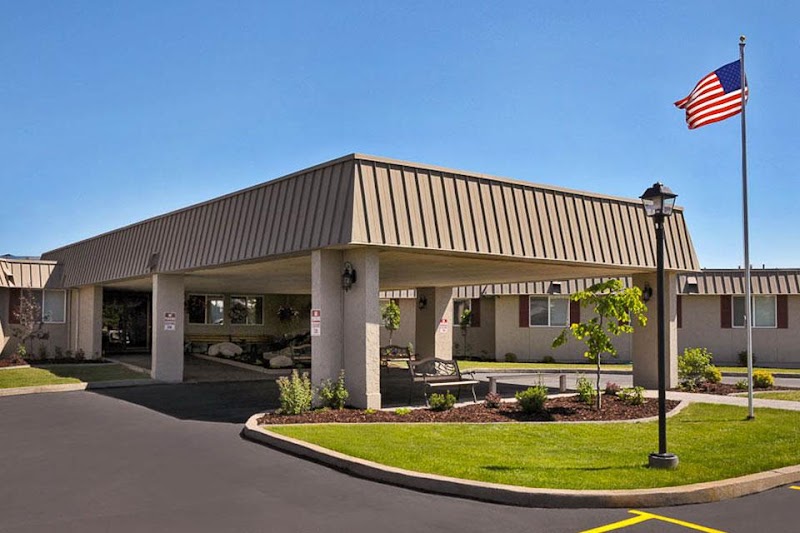
How Does Life Of Idaho Falls Compare to Other Idaho Nursing Homes?

Compared to the 100 nursing homes in Idaho, LIFE CARE CENTER OF IDAHO FALLS's overall rating (3 stars) is below the state average of 3.3, staff turnover (52%) is near the state average of 46%, and health inspection rating (2 stars) is below the national benchmark.

What Should Families Ask When Visiting Life Of Idaho Falls?

Based on this facility's data, families visiting should ask: "Can I visit during a mealtime to observe dining assistance and food quality?" "How do you handle medical emergencies, and what is your hospital transfer rate?" "Can I speak with family members of current residents about their experience?"

Is Life Of Idaho Falls Safe?

Based on CMS inspection data, LIFE CARE CENTER OF IDAHO FALLS has a clean safety record: no substantiated abuse findings (meaning no confirmed cases of resident harm), no Immediate Jeopardy citations (the most serious violation level indicating risk of serious injury or death), and is not on the Special Focus Facility watch list (a federal program monitoring the lowest-performing 1% of nursing homes). The facility has a 3-star overall rating and ranks #100 of 100 nursing homes in Idaho. While no facility is perfect, families should still ask about staff-to-resident ratios and recent inspection results during their visit.

Do Nurses at Life Of Idaho Falls Stick Around?

LIFE CARE CENTER OF IDAHO FALLS has a staff turnover rate of 52%, which is 6 percentage points above the Idaho average of 46%. Moderate turnover is common in nursing homes, but families should still ask about staff tenure and how the facility maintains care continuity when employees leave.

Was Life Of Idaho Falls Ever Fined?

LIFE CARE CENTER OF IDAHO FALLS has been fined $13,247 across 1 penalty action. This is below the Idaho average of $33,211. While any fine indicates a compliance issue, fines under $50,000 are relatively common and typically reflect isolated problems that were subsequently corrected. Families should ask what specific issues led to these fines and confirm they've been resolved.

Is Life Of Idaho Falls on Any Federal Watch List?

LIFE CARE CENTER OF IDAHO FALLS is not on any federal watch list. The most significant is the Special Focus Facility (SFF) program, which identifies the bottom 1% of nursing homes nationally based on persistent, serious quality problems. Not being on this list means the facility has avoided the pattern of deficiencies that triggers enhanced federal oversight. This is a positive indicator, though families should still review the facility's inspection history directly.