IDAHO STATE VETERANS HOME - LEWISTON
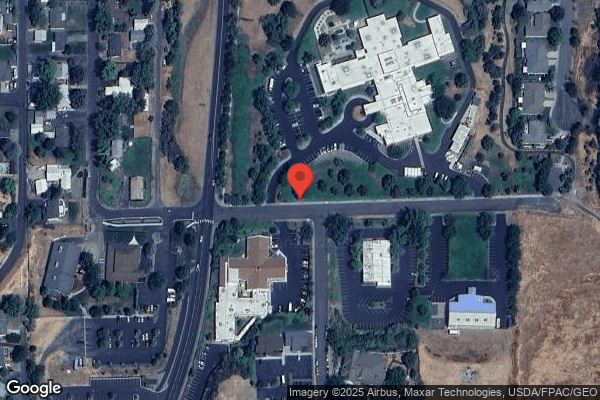

821 21ST AVENUE, LEWISTON, ID 83501 (208) 750-3600
Government - State 66 Beds Independent Data: November 2025 2 Immediate Jeopardy citations
Trust Grade
46/100
#8 of 79 in ID
Last Inspection: July 2025

Inspected within the last 6 months. Data reflects current conditions.

Overview

The Idaho State Veterans Home in Lewiston has received a Trust Grade of D, indicating below-average performance with some serious concerns. It ranks #8 out of 79 facilities in Idaho, placing it in the top half, and #1 out of 6 in Nez Perce County, meaning it is the best option locally. The facility's trend is stable, with 16 issues reported consistently over the last two years. Staffing is a notable strength, rated 5/5 with only a 33% turnover rate, which is well below the state average, indicating experienced staff. However, the facility has been hit with $186,850 in fines, raising concerns about compliance issues, and there have been critical incidents involving failures to investigate allegations of abuse, putting residents at significant risk. While RN coverage is good, surpassing 97% of state facilities, the serious nature of the abuse incidents highlights a need for improvement in resident safety and care oversight.

Trust Score
D
46/100
In Idaho
#8/79
Top 10%
Safety Record
High Risk
Review needed
Inspections
Holding Steady
3 → 3 violations
Staff Stability
○ Average
33% turnover. Near Idaho's 48% average. Typical for the industry.
Penalties
⚠ Watch
$186,850 in fines. Higher than 81% of Idaho facilities, suggesting repeated compliance issues.
Skilled Nurses
✓ Good
Each resident gets 97 minutes of Registered Nurse (RN) attention daily — more than 97% of Idaho nursing homes. RNs are the most trained staff who catch health problems before they become serious.
Violations
⚠ Watch
16 deficiencies on record. Higher than average. Multiple issues found across inspections.
★★★★★
5.0
Overall Rating
★★★★★
5.0
Staff Levels
★★★☆☆
3.0
Care Quality
★★★★☆
4.0
Inspection Score
Stable
2024: 3 issues
2025: 3 issues

The Good

  • 5-Star Staffing Rating · Excellent nurse staffing levels
  • Full Sprinkler Coverage · Fire safety systems throughout facility
  • No fines on record
  • Staff turnover below average (33%)

    15 points below Idaho average of 48%

Facility shows strength in staffing levels, fire safety.

The Bad

Staff Turnover: 33%

13pts below Idaho avg (46%)

Typical for the industry

Federal Fines: $186,850

Well above median ($33,413)

Significant penalties indicating serious issues

The Ugly 16 deficiencies on record

2 life-threatening
Jul 2025 3 deficiencies
CONCERN (D)

Potential for Harm - no one hurt, but risky conditions existed

Resident Rights (Tag F0550)

Could have caused harm · This affected 1 resident

Based on observation, interview, record review, and policy review, the facility failed to ensure one out of 18 sampled residents (Resident (R)32) was treated with dignity. R32's catheter bag, attached...

Read full inspector narrative →
Based on observation, interview, record review, and policy review, the facility failed to ensure one out of 18 sampled residents (Resident (R)32) was treated with dignity. R32's catheter bag, attached to his leg, was observed with urine in it for several hours while the resident was in the common areas with multiple residents and staff, and while attending an activity. Staff failed to intervene to ensure the catheter bag was covered. This created the potential for R32 and other residents to feel undignified.Findings include: Review of the facility's policy titled Dignity dated December 2025 and provided by the facility revealed, Each resident of the [facility name] shall be cared for in a manner that promotes and enhances quality of life, dignity, respect and individuality. Demeaning practices and standards of care that compromise dignity is prohibited. Staff shall promote dignity and assist residents as needed by: a. Helping the resident to keep urinary catheter bags covered.Review of the undated admission Record in the electronic medical record (EMR) under the Profile tab revealed R32 had diagnoses including Parkinson's Disease, and dementia with agitation, anxiety disorder, and obstructive and reflux uropathy (blockage in the urinary tract and/or urine flows backward from the bladder into the ureters).Review of the quarterly Minimum Data Set (MDS) with an assessment reference date (ARD) of 06/13/25 in the EMR under the MDS tab revealed the resident was moderately impaired in cognition with a Brief Interview for Mental Status (BIMS) score of nine out of 11 which indicated moderate cognitive impairment). R32 utilized an indwelling catheter. R32 required partial/moderate assistance for toileting hygiene, upper body dressing and required substantial/maximal assistance for lower body dressing. Review of the Order Summary Report dated 06/21/25 in the EMR under the Orders tab revealed R32's physician prescribed a Foley catheter. Review of the Care Plan dated 11/16/23 in the EMR under the Care Plan tab revealed R32 had a focus area of, I need limited to extensive assistance in most care areas r/t [related to] Parkinson's disease with impaired mobility, CHF [congestive heart failure] with activity intolerance, dementia. The goal was, I will be clean and well groomed, without odor and will continue to assist with my care as I am able through the review date. Interventions included in pertinent part, Dressing: extensive assist x [times] 1 [one staff] . Review of the Care Plan dated 05/16/25 in the EMR under the Care Plan tab revealed a focus area of, I . have a foley catheter r/t [related to] impaired mobility, Parkinson's disease, CKD [chronic kidney failure], DM II [diabetes mellitus type 2], CHF [Congestive Heart Failure], dementia, medication effects. The goal was, I will remain free from skin breakdown related to incontinence, foley catheter and brief use through the review date. Interventions in pertinent part included, Resident educated on the possibility of people visualizing the catheter when he is in shorts, he states he does not have an issue with this and will continue to wear shorts as preferred.Observation on 07/16/25 at 8:00 AM revealed R32 was propelling through the common area in front of the nursing station and past three residents to go down the East hall. R32 was wearing shorts and had a visible leg bag attached to his left lower leg which was about half full of urine. The catheter bag was clear. There was no dignity bag/cover in place.Observation on 07/16/25 at 9:52 AM revealed R32 was sitting in his wheelchair in the hallway at the entrance to his room. He continued to wear shorts with the catheter bag attached to his left shin with urine in the bag and fully visible to anyone in the hallway. There were residents and staff coming and going down the hall. Continuous observations were made from this time until 10:42 AM.Observation on 07/16/25 at 10:08 AM revealed R32 was sitting in the common area in his wheelchair facing the atrium directly across from the nurses' station, R32 continued to wear shorts with the leg bag attached to his shin with urine visible. There were several staff sitting at the nurses' station facing R32 and a few residents sitting in recliners in the area as well as staff and residents passing through. R32's catheter bag with urine was visible. Observation on 07/16/25 at 10:13 AM revealed the Recreation Assistant (RA) came over to where he was sitting in his wheelchair and asked him if he wanted to play a game, then left. The RA was not observed to make an inquiry regarding R32's catheter bag. R32's catheter bag with urine was visible. Observation on 07/16/25 at 10:19 AM revealed Certified Nursing Assistant (CNA)1 in the area facing the resident. Several residents wheeled by R32 and a couple were sitting in recliners in the area. R32's catheter bag with urine was visible. Observation on 07/16/25 at 10:22 AM revealed the RA returned to where R32 was sitting and wheeled him into the small sitting area adjacent to the nurses' station. Two more residents arrived at the table where R32 was sitting, and the RA initiated and coordinated a game of Yahtzee with the three residents. R32's catheter bag was visible to anyone in the room, looking in the window into the room or from the doorway. Observation on 07/16/2025 at 10:26 AM revealed all three residents continued to play Yahtzee with the RA. R32's catheter bag was visible to anyone in the room, looking in the window into the room or from the doorway. Observation on 07/16/25 at 10:32 AM, three residents continued playing Yahtzee with activity staff. R32's catheter bag was visible to anyone in the room, looking in the window into the room or from the doorway. Observation on 07/16/25 at 10:42 AM, three residents continued playing Yahtzee with the RA. R32's catheter bag was visible to anyone in the room, looking in the window into the room or from the doorway. Observation on 07/16/25 at 10:50 AM, CNA1 stated that R32's catheter bag with urine was visible as he played Yahtzee with the two other residents and RA. Although CNA1had walked by R32 earlier that morning when he sat at the atrium, she stated she had not noticed his catheter bag was visible with urine. CNA1 stated the bag should be covered with a cloth privacy bag to conceal the urine. CNA1 stated R32 needed a lot more care than he used to and was typically assisted or cued by staff for dressing and toileting. CNA1 stated her assignment included R32's hall and another hall and she was floating between these areas today. CNA1 verified R32's catheter with urine was visible and stated she would put a privacy cover on after the activity was finished. During an interview on 07/16/25 at 11:24 AM, the Director of Nursing (DON) stated the facility had ordered privacy bags for the catheter bags and they had just received a shipment. The DON stated one of these bags would be used to cover R32's catheter bag. During an interview on 07/17/25 at 10:45 AM, the RA stated she had noticed R32's catheter bag was not covered the day before when she assisted R32 to the activity and conducted the activity. The RA stated she asked R32 if he wanted to change into long pants and he declined. The RA stated the uncovered catheter bag with urine in it was a dignity issue for the resident and possibly other residents. During an interview on 07/17/25 at 1:00 PM, the DON stated it was her expectation that catheter bags would be covered in public areas and further stated a catheter bag with urine visible in a public setting was a dignity issue potentially for the resident with the catheter and for other residents who observed it.
CONCERN (E)

Potential for Harm - no one hurt, but risky conditions existed

MDS Data Transmission (Tag F0640)

Could have caused harm · This affected multiple residents

**NOTE- TERMS IN BRACKETS HAVE BEEN EDITED TO PROTECT CONFIDENTIALITY** Based on record review, staff interview, review of facility procedure and review of the Minimum Data Set (MDS) Resident Assessme...

Read full inspector narrative →
**NOTE- TERMS IN BRACKETS HAVE BEEN EDITED TO PROTECT CONFIDENTIALITY** Based on record review, staff interview, review of facility procedure and review of the Minimum Data Set (MDS) Resident Assessment Instrument (RAI) procedure, the facility failed to ensure the discharge and/or entry tracking records were complete as required for four (Resident (R)2, R21, R1, R22) of four residents reviewed for hospitalization. This failure had the potential to inaccurately identify a resident as receiving care in the facility after they had been admitted to the hospital, which could affect reimbursement and quality measures.Findings include: 1. Review of R21's admission Record, located in the electronic medical record (EMR) under the Profile tab revealed he was admitted to the facility on [DATE] with diagnoses including stroke, kidney transplant, and vascular dementia. Review of R21's Secure Conversations note dated 06/11/25 and located in the EMR under the Progress Notes tab revealed he was sent to the emergency room (ER). Review of R21's Nursing Note dated 06/13/25 located under the Progress Notes tab of the EMR revealed he was re-admitted to the facility following a hospital stay. Review of R21's MDS tab of the EMR revealed there was a quarterly MDS completed on 04/10/25 and an entry tracking record completed on 06/13/25. There was no evidence of a discharge tracking MDS completed upon his transfer to the hospital. During an interview on 07/17/25 at 10:37 AM, the MDS Coordinator (MDSC) stated her understanding was that a discharge tracking record only needed to be completed for a hospital stay greater than 72 hours. She stated R21 was at the hospital from [DATE] to 06/13/25, so a discharge MDS was not required. She stated she had started to complete the discharge tracking record for R21 as she was not very familiar with the requirements but was told by her preceptor it did not need to be completed. The MDSC was unable to explain why an entry tracking record was completed upon R21's return to the facility. 2. Review of R2's admission Record located under the Profile tab of the EMR, revealed he was admitted to the facility on [DATE] with diagnoses including Parkinson's disease, dementia, diabetes, and bipolar disorder. Review of R2's Secure Conversations note dated 07/11/25 and located under the Progress Notes tab of the EMR, revealed he was sent to the ER. Review of R2's Nursing Note dated 07/14/25 revealed he was re-admitted to the facility following a hospital stay. Review of R2's MDS tab of the EMR revealed there was a quarterly MDS assessment on 05/16/25 and an entry tracking record completed on 07/14/25. There was no evidence of a discharge tracking assessment upon his transfer to the hospital. During an interview on 07/17/25 at 10:37 AM, the MDSC stated since R2 was at the hospital from [DATE] to 07/14/25, a discharge tracking record should have been completed. She stated it was overlooked. 3. Review of R1's admission Record located in the Profile tab of the EMR revealed he was admitted to the facility on [DATE]. Review of the EMR Progress Notes tab revealed a note dated 07/03/25 which documented R1 went out to the hospital. A Progress note dated 07/05/25 documented R1 returned to the facility following a stay at the hospital for aspiration pneumonia. Review of R1's MDS tab of the EMR revealed no entry tracking record nor discharge MDS assessment were completed. 4. Review of R22's admission Record located in the Profile tab of the EMR revealed he was admitted to the facility on [DATE]. Review of the EMR Progress Notes tab revealed a note dated 07/05/25 which stated R22 was transferred to the hospital. A Progress note dated 07/09/25 documented R22 was re-admitted from the hospital to the facility. Review of R22's MDS tab of the EMR revealed no discharge MDS assessment was completed. During an interview on 07/17/25 at 10:37 AM, the MDSC stated that she initiated and completed MDS entry tracking records and discharge assessments when a resident was out of the building for 72 hours or more. If a resident was not out for at least 72 hours, the assessments were not done because it was an interrupted stay and not a discharge. The MDSC was unsure of the timeframe for the completion of entry tracking records and discharge MDS assessments but reported she tried to complete them within 72 hours of the event. R1 was out less than 72 hours. R22 went to the hospital, and she had not initiated a discharge MDS until 07/17/25, eight days after he returned from the hospital. During an interview on 07/17/25 at 1:10 PM, the Director of Nursing (DON) reported the expectation of following the Resident Assessment Instrument (RAI) manual. Review of the facility's procedure MDS Resident Assessment Instrument revised January 2025 revealed, The entry tracking record will be completed by the MDS Coordinator and The MDS Coordinator(s) will provide a schedule as to which residents are due, the type of assessment to be done and when the assessments/RAI components re due to assure the facility is maintaining compliance with timeframes. Review of the RAI dated 10/01/24 and located at https://www.cms.gov/medicare/quality/nursing-home-improvement/resident-assessment-instrument-manual revealed entry tracking records and discharge MDS assessments were to be completed unless a resident was at the hospital for less than 24 hours and remained under observation (not admitted ). They were to be completed no later than seven calendar days following the entry or discharge.
CONCERN (E)

Potential for Harm - no one hurt, but risky conditions existed

Assessment Accuracy (Tag F0641)

Could have caused harm · This affected multiple residents

**NOTE- TERMS IN BRACKETS HAVE BEEN EDITED TO PROTECT CONFIDENTIALITY** Based on interview, record review, review of facility procedure and review of the Resident Assessment Instrument (RAI), the faci...

Read full inspector narrative →
**NOTE- TERMS IN BRACKETS HAVE BEEN EDITED TO PROTECT CONFIDENTIALITY** Based on interview, record review, review of facility procedure and review of the Resident Assessment Instrument (RAI), the facility failed to ensure the Minimum Data Set (MDS) accurately reflected the restraint status of five (Resident (R)20, R32, R3, R5, and R34) of five residents reviewed for restraint use out of a total sample of 18. These failures created a potential for an incomplete or ineffective plan of care related to bedrail/siderail and restraint use.Findings include: 1. Review of R20's undated admission Record located under the Profile tab of the electronic medical record (EMR) revealed he was admitted to the facility on [DATE] with diagnoses including heart disease, collapsed vertebra, mood disorder, vascular dementia, depression, and anxiety. Review of R20's quarterly Minimum Data Set (MDS) with an Assessment Reference Date (ARD) of 06/04/25 and located under the MDS tab of the EMR revealed he was dependent on staff for transfers in and out bed and required substantial to maximum assistance with bed mobility. He used bed rails as a restraint daily. Review of R20's Side Rail assessment dated [DATE] and located under the Assessment tab of the EMR revealed he used left and right turn rails for bed mobility and the rails did not restrict his movement or access to his body. During an interview on 07/16/25 at 12:53 PM, Registered Nurse (RN) 1 stated R20 was dependent for transfers out of bed and used a mechanical lift assisted by two staff members with transfers. RN1 stated the resident used his bed rails to assist with mobility and positioning in bed. RN1 stated the bed rails did not restrain the resident in any way. During an interview on 07/17/25 at 10:37 AM, the MDS Coordinator (MDSC) stated she marked side rails under the restraint section whenever side rails were in use, whether they were considered restraints or not. The MDSC stated it was only a yes or no question related to the use of bedrails, and she was not aware of the requirement to only code a bed rail used as a restraint under this section. The MDSC stated R20 did not use any restraints, and the bed rails were used for assistance with mobility. 2. Review of the undated admission Record in the EMR under the Profile tab revealed R32 had diagnoses including Parkinson's Disease, and dementia with agitation, and anxiety disorder. Review of the quarterly MDS with an ARD of 06/13/25 in the EMR under the MDS tab revealed a BIMS score of nine out of 11 which indicated the resident was moderately impaired in cognition. Under the Physical Restraints and Alarms section, physical restraints were defined as, any manual method or physical or mechanical device, material or equipment attached or adjacent to the resident's body that the individual cannot remove easily which restricts freedom of movement or normal access to one's body. R32 was coded as using two bed rails as restraints. Review of the Order Summary Report dated 07/25/24 under the Orders tab revealed, Bilateral transfer rails on bed to enhance independence with bed mobility. Review of the quarterly Side Rail assessment dated [DATE] in the EMR under the Assessment tab revealed the bed rails did not restrict the resident's freedom of movement or access to his body. The bed rails (right upper and left upper turn rails) were indicated for support and to enable bed mobility. Recommend left and right upper bed rail. Review of the Care Plan dated 12/10/21 revealed a focus area of altered mobility and risk for falls. The goal was for R32 to have no serious injury related to falls. Interventions in pertinent part included, I utilize 1/4 side rail on the right side of my bed to enhance my independent with bed mobility. Assess me for safety with these devices quarterly and PRN [as needed]. During an interview together on 07/16/25 at 3:08 PM, the Infection Preventionist (IP) and RN3 stated R32 utilized one bar on his bed for turning, the provision of care, and for transferring in and out of bed. Both nurses stated the rail was not a restraint and that R32 could get in and out of bed with the rail in place. 3. Review of R3's undated admission Record located in the Profile tab of the EMR revealed she was re-admitted to the facility on [DATE] with diagnoses of stroke and low back pain. Review of a Bed Rails Informed Consent for Use dated 03/22/24 and located in the Misc tab of the EMR revealed R3 was recommended for use of upper bed rails on her bed. Review of R3's Care Plan tab revealed, I have impaired mobility and require use of upper bilateral side rails for bed mobility assistance revised on 03/22/24. Review of R3's Order Summary Report located in the Orders tab of the EMR revealed an order for bilateral bed rails on the bed to enhance independence with bed mobility. Review of a Side Rail Assessment located in the Assessments tab of the EMR and dated 06/12/25 revealed R3 used left and right upper bed rails for positioning/support and/or to enable bed mobility. The rails did not restrict the resident's freedom of movement or access to their body. Review of R3's quarterly MDS with an ARD of 06/13/25 located in the MDS tab of the EMR revealed a BIMS score of 15 out of 15, which indicated intact cognition. Further review revealed R3 was coded as using bed rails on a daily basis as a physical restraint, restricting freedom of movement or normal access to one's body. 4 Review of R5's admission Record located in the Profile tab of the EMR revealed she was admitted to the facility on [DATE] with diagnoses of Parkinson's disease and weakness. Review of a Bed Rails Informed Consent for Use dated 02/16/21 and located in the Misc tab of the EMR revealed R5 was recommended for use of 1/4 side rails on her bed. Review of R5's Order Summary Report located in the Orders tab of the EMR revealed an order dated 02/16/21 for bilateral side rails for bed mobility and support. Review of R5's Care Plan tab revealed an intervention dated 02/22/21, I utilize bilateral 1/4 side rails to my bed to enhance my independence with bed mobility. Review of a Side Rail Assessment located in the Assessments tab of the EMR and dated 04/30/25 revealed R5 used left and right upper turn rails for positioning/support and/or to enable bed mobility. The rails did not restrict the resident's freedom of movement or access to their body. Review of R5's quarterly MDS with an ARD of 05/01/25 located in the MDS tab of the EMR revealed a BIMS score of 15 out of 15, which indicated intact cognition. Further review revealed R5 was coded as using bed rails on a daily basis as a physical restraint, restricting freedom of movement or normal access to one's body. 5. Review of R34's undated admission Record located in the Profile tab of the EMR revealed he was admitted to the facility on [DATE] and had a diagnosis of a stroke. Review of a Bed Rails Informed Consent for Use dated 10/07/24 and located in the Misc tab of the EMR revealed R34 was recommended for use of bilateral transfer rails on his bed. Review of R34's Order Summary Report located in the Orders tab of the EMR revealed an order dated 10/07/24 for bilateral bed rails to enhance independence with bed mobility. Review of R34's Care Plan tab revealed an intervention dated 10/23/24, I utilize bilateral transfer bars to my bed to enhance my independence with bed mobility. Review of R34's Progress Notes tab of the EMR dated 07/09/25 indicated, does not use his bed, prefers to sleep in his recliner. Review of a Side Rail Assessment located in the Assessments tab of the EMR and dated 07/10/25 revealed R34 used left and right upper turn rails for positioning/support and/or to enable bed mobility. The rails did not restrict the resident's freedom of movement or access to their body. Review of R34's quarterly MDS with an ARD of 07/11/25 located in the MDS tab of the EMR revealed a BIMS score of 13 out of 15, which indicated intact cognition. Further review revealed R34 was coded as using bed rails on a daily basis as a physical restraint, restricting freedom of movement or normal access to one's body. During interview on 07/14/25 at 9:35 AM, R34 reported he slept in his recliner. During an interview on 07/17/25 at 10:37 AM, the MDSC reported R34's MDS was miscoded because he slept in his chair and did not use any bed rails. Review of the facility's procedure titled MDS Resident Assessment Instrument (RAI) dated January 2025 revealed nursing was responsible for Section P (restraints) and the MDSD oversaw the MDS process. Review of the RAI dated 10/01/24 and located at https://www.cms.gov/medicare/quality/nursing-home-improvement/resident-assessment-instrument-manual revealed physical restraints were any manual method or physical or mechanical device, material, or equipment attached or adjacent to the resident's body that the individual cannot remove easily, which restricts freedom of movement or normal access to one's body. During an interview on 07/17/25 at 1:00 PM, the Director of Nursing (DON) verified the MDS assessment was inaccurate in the area of restraints for R20, R32, R3, R5 and R34. The DON stated she was not aware restraint use was being coded on the MDS when a resident used bedrails, as there were no actual restraints in use in the facility.
Jun 2024 3 deficiencies 1 IJ
CRITICAL (J) 📢 Someone Reported This

A family member, employee, or ombudsman was alarmed enough to file a formal complaint

Immediate Jeopardy (IJ) - the most serious Medicare violation

Free from Abuse/Neglect (Tag F0600)

Someone could have died · This affected 1 resident

**NOTE- TERMS IN BRACKETS HAVE BEEN EDITED TO PROTECT CONFIDENTIALITY** Based on policy review, record review, review of the State Survey Agency's Long Term Care Reporting Portal, and resident and sta...

Read full inspector narrative →
**NOTE- TERMS IN BRACKETS HAVE BEEN EDITED TO PROTECT CONFIDENTIALITY** Based on policy review, record review, review of the State Survey Agency's Long Term Care Reporting Portal, and resident and staff interview, it was determined the facility failed to ensure residents were free from abuse. This was true for 1 of 12 residents (Resident #25) reviewed for abuse. This deficient practice placed Resident #25 in immediate jeopardy of serious harm, impairment, or death when the facility did not protect him from physical and sexual abuse from Resident #52. Findings include: The facility's Freedom from Resident Abuse, Neglect, Mistreatment & Exploitation Policy, and Procedure, dated 6/2021 documented each resident has the right to be free from verbal, sexual, physical, and mental abuse; neglect, exploitation, mistreatment, including injuries of unknown source misappropriation of resident's property, involuntary seclusion, and crime against a resident. The policy defined the following: Abuse - the willful infliction of injury, unreasonable confinement, intimidation, or punishment with resulting physical harm, pain, or mental anguish. Sexual abuse - is non-consensual sexual contact of any type with a resident. The facility's Social Services Procedure Manual, revised 10/2016, defined sexual abuse as, but not limited to, sexual harassment, sexual coercion, or sexual assault. The manual stated Upon receiving reports of physical or sexual abuse, a licensed nurse or physician shall immediately examine the residents. Findings of the examination must be recorded in the resident's medical record. (Note: If sexual abuse is suspected, DO NOT bathe the resident, or wash the resident's clothing or linen. Do not take items from the area in which the incident occurred. Call the police immediately.) - Resident #25 was admitted to the facility on [DATE], with multiple diagnoses including dementia, right hemiplegia, and hemiparesis (paralysis or weakness on one side of the body), neuromuscular dysfunction of bladder (the nerves and muscles don't work together very well), and chronic kidney disease. An annual MDS assessment, dated 4/30/24, documented Resident #25 had moderately impaired cognition and was rarely or never understood. The assessment also documented Resident #25 had a short term and long-term memory problem. - Resident #52 was admitted to the facility on [DATE], with multiple diagnoses including dementia with Lewy bodies (protein deposits develop in nerve cells in the brain causing a decline in mental abilities that gradually gets worse over time) and Parkinson's disease. A quarterly MDS assessment, dated 2/6/24, documented Resident #52 was moderately cognitively impaired. Resident #52's care plan, initiated 4/19/24, documented he had sexually inappropriate behaviors as evidenced by disrobing, fondling himself, making sexually explicit comments and inappropriately touching himself. Resident #25 and Resident #52 were roommates. a. An Investigation Report, dated 5/5/24, documented CNA #1 stated she entered Resident #25 and Resident #52's room to answer their call light. CNA #1 saw Resident #52 on top of Resident #25's bed. Resident #52 was on all fours straddling Resident #25. CNA #1 stated she saw Resident #25's brief on the floor and his catheter had been pulled out. Resident #52 had nothing on from his waist down. CNA #1 stated she did not see Resident #52 pull Resident #25's catheter out, but she knew Resident #25 did not have the strength to remove his own brief or catheter. The report documented CNA #1 reasoned based on the position Resident #52 was in, he had done it to [Resident #25]. CNA #1 reported Resident #25 did not say anything, but he looked wide-eyed and scared. The report documented [Resident #25] had BM [bowel movement] on him from his brief and [Resident #52] had it all over him. After being cleaned up, Resident #52 was moved to another room. The report documented CNA #2 went to Resident #25's room on 5/5/24 at 8:12 AM to get his lunch order. Resident #25 told CNA #2 he wished he was here last night. When Resident #25 was asked why by CNA #2, Resident #25 told him he was molested last night. b. A Late Entry Incident Note, dated 5/5/24 at 2:50 AM, documented Resident #25's roommate had pulled his catheter out. The nurse grabbed the catheter supplies and went to the room. Resident #52 was on his side of the room being cleaned up by staff and Resident #25 was also being cleaned up. The note documented This LN replaced his catheter. The note did not document Resident #25 was assessed for trauma when his indwelling catheter was traumatically removed. c. An Alert Charting Progress Note, dated 5/5/24 at 10:50 AM, documented Resident #25 had blood on his adult brief that was coming from the head of his penis. A Nursing Note, dated 5/5/24 at 11:00 AM, documented a skin check was completed for Resident #25. An abrasion to the tip of his penis was noted, and frank blood (fresh blood) was present. d. A Notice of Emergency Discharge, dated 5/6/24, documented on 5/5/24 Resident #52 was found in state of undress on top of Resident #25. The Notice documented Resident #52 had removed Resident #25's adult brief and forcefully removed Resident #25's catheter causing visible physical harm to Resident #25 as well as psychosocial harm associated with the assault. e. A Progress Note, date 5/6/24 at 9:47 PM, documented Resident #25 had Small amount of frank blood from penis still present. Resident #25's record did not include documentation the physician was notified of the blood on his adult brief that was coming from the head of his penis or presence of the abrasion to the tip of his penis. On 6/25/24 at 2:20 PM, SW #2 stated on the night of 5/5/24, Resident #52 was found on his hands and knees over Resident #25. Resident #25 and Resident #52 were both naked from their waist down. SW #2 stated Resident #52 was moved to a private room that night and placed on a 1:1 supervision. SW #2 stated the facility did not consider Resident #25 was sexually abused by Resident #52 as Resident #52 could not have done anything sexual in the position they were found in. On 6/26/24 at 10:16 AM, Resident #25 stated he remembered an incident with Resident #52. When asked if Resident #52 physically touched him in any other way than removing his brief and indwelling catheter, he shook his head. When asked if he was afraid of anyone in the building, Resident #25 shook his head to indicate no. When asked if he consented to the incident, Resident #25 shook his head. Resident #25 stated he did not want what Resident #52 did to happen. On 6/26/24 at 2:05 PM, during a follow-up interview, Resident #25 stated he had pain when his indwelling catheter was pulled out by Resident #52. On 6/26/24 at 4:05 PM, during a telephone interview, RN #1 stated she was on the other side of the facility with another resident when she was called to Resident #25 and Resident #52's room. RN #1 stated when she entered their room, Resident #25 and Resident #52 were both seated on their side of the room being cleaned by two CNAs. CNA #1 explained to her how she found Resident #25 and Resident #52. RN #1 stated she assessed Resident #25 and re-inserted his indwelling catheter. RN #1 stated I thought the incident was sexual. RN #1 stated there was an abrasion to the groin of Resident #25. On 6/26/24 at 5:50 PM, CNA #1 stated when she entered Resident #25 and Resident #52's room to answer their call light, she saw Resident #52 on top of Resident #25 straddling him. Resident #52 was holding himself up on his hands and knees over Resident #25. CNA #1 stated Resident #25's indwelling catheter and his adult brief were on the floor with bowel excrement (stool). Resident #25 and Resident #52 had stool all over them. CNA #1 stated she told Resident #52 to get off Resident #25, but Resident #52 did not move. CNA #1 stated she stepped to the door and yelled for help then returned to the bedside where Resident #25 and Resident #52 were and asked Resident #52 to get off Resident #25 again, Resident #52 then moved. When CNA #1 was asked what she thought was happening, CNA #1 stated it appeared to be sexual abuse as the residents did not have anything on from their waist down. CNA #1 stated Resident #52 had stool on his hands and Resident #25 had stool all over him. On 6/26/24 at 3:35 PM, when asked what a reasonable person would think if she found the men in the position they were, the DON replied, Some sort of assault had happened or was about to happen. On 6/26/24 at 3:45 PM, the Administrator stated he did not feel this was sexual abuse. On 6/26/24 at 5:05 PM, the Medical Director stated he had been the facility's medical director for 20 years. When asked about Resident #25 and Resident #52's incident, the Medical Director stated his gut feeling was more sexual. On 06/27/24 at 4:00 PM, SW #2 stated in regard to interviewing other residents about Resident #52's inappropriate sexual behavior, no, I didn't think it was necessary and didn't think other residents would have anything to contribute. When asked if they might have had something pertinent to share, he stated, I didn't feel they did. Resident #25 was not sent out for a sexual assault examination by a medical provider. There was no documentation in Resident #25's record action was taken to prevent an incident of sexual abuse from happening to other residents. No other residents were interviewed to ensure they were not victims of sexual assault. This failure put all residents in immediate jeopardy for abuse. On 6/26/24 at 8:18 PM, the Administrator and DON were notified of an Immediate Jeopardy (IJ) at F600 related to the facility's failure to ensure Resident #25 was free from sexual abuse. On 6/27/24 at 2:43 PM, the facility provided a plan to remove the immediacy which was accepted. On 6/28/24 at 10:30 AM, the Administrator was notified that the immediacy was removed following the facility's implementation of the plan for removal of the immediate jeopardy. The deficient practice remained at a G scope and severity following the removal of the immediate jeopardy.
CONCERN (D) 📢 Someone Reported This

A family member, employee, or ombudsman was alarmed enough to file a formal complaint

Potential for Harm - no one hurt, but risky conditions existed

Report Alleged Abuse (Tag F0609)

Could have caused harm · This affected 1 resident

Based on policy review, record review, review of the the State Agency's Long Term Care Reporting Portal, and staff interview, it was determined the facility failed to ensure an allegation of resident ...

Read full inspector narrative →
Based on policy review, record review, review of the the State Agency's Long Term Care Reporting Portal, and staff interview, it was determined the facility failed to ensure an allegation of resident abuse was reported to the State Survey Agency within 2 hours. This affected 1 of 12 residents (Resident #25) who were reviewed for abuse. This failure created the potential for residents to be subjected to ongoing abuse without detection and protective measures implemented by the facility. Findings include: The facility's policy titled, Abuse and Neglect Signs and Symptoms of Abuse/Neglect, revised 6/2021, stated The Idaho State Veteran's Home will not condone any form of resident abuse or neglect. To aid in abuse prevention, all personnel are to report any signs and symptoms of abuse/neglect to their supervisor or to the Director of Nursing Services immediately. The policy further stated once the allegation was deemed to be reportable by the Abuse Response Team, the social worker reported the alleged violation to the State Long Term Care Agency. The reporting requirement must be met immediately but no later than 2 hours after the allegation is made if the allegation involves actual harm or serious bodily injury. The policy stated if the alleged violation meets the definition of abuse, neglect, exploitation, or mistreatment, the facility should not make an initial determination whether the allegation is credible before reporting the allegation. The State Operations Manual Appendix PP, revised 2/3/23, states In response to allegations of abuse, neglect, exploitation, or mistreatment, the facility must: -Ensure that all alleged violations involving abuse, neglect, exploitation or mistreatment, including injuries of unknown source and misappropriation of resident property, are reported immediately, but not later than 2 hours after the allegation is made . a. A Facility Reported Incident documented a CNA called this LN to let me know that resident's roommate was naked on top of him in his bed. [Resident #25's] roommate had pulled off [Resident #25's] brief and pulled his catheter out. Staff told his roommate to get off of him. Resident complied within a few minutes. This LN grabbed catheter supplies and went to the room. At this time [Resident #25's] roommate was on his side of the room being assisted/cleaned up by staff. [Resident #25] was also being assisted/cleaned up. This LN replaced his catheter. Residents' roommate was moved to a single room near the nurse's station. The report documented the incident occurred on 5/5/24 at 2:50 AM. The report was submitted to the State Agency's Long Term Care Reporting Portal on 5/5/24 at 11:23 AM, more than 8 hours after the incident occurred. b. A Facility Investigation Summary, dated 5/5/24, documented CNA #2 went to Resident #25's room on 5/5/24 at 8:12 AM to get his lunch order. Resident #25 told CNA #2 he wished CNA #2 was there [at the facility] last night. When Resident #25 was asked why by CNA #2, Resident #25 told him he was molested last night. c. A Notice of Emergency Discharge, dated 5/6/24, documented on 5/5/24 Resident #52 was found in state of undress on top of Resident #25. The Notice documented Resident #52 had removed Resident #25's adult brief and forcefully removed Resident #25's catheter causing visible physical harm to Resident #25 as well as psychosocial harm associated with the assault. d. A fax coversheet, dated 5/5/24, sent by Social Worker SW #2 at 10:30 AM to the local Police Department, included a form titled, Reasonable Suspicion of a Crime Against a Resident Reporting Form. The instructions on the form stated, Contact and submit this completed form to the [State Long Term Care Agency] and local Police Department within 2 hours (if there is serious bodily injury) or 24 hours (if there is not serious bodily injury) of forming a reasonable suspicion that a crime may have been committed against any individual who is a resident of the [facility]. The form included both residents' names and a description of the incident. The form asked, Was there serious bodily injury as a result of the incident? SW #2 marked no in response to the question. A Facility Investigation Summary, dated 5/5/24, and submitted to the State Agency's Long Term Care Reporting portal on 5/8/24, documented 5/5/24 incident between Resident #25 and Resident #52 was described as . resident's roommate was naked on top of him in his bed.roommate had pulled off.brief and pulled.catheter out. The facility's findings were, Information gathered from [Resident #52] along with staff provide clear evidence [Resident #25] was physically abused by his roommate [Resident #52]. [Resident #25's] own statements provide clarity to what [CNA #1] had witnessed and reported. During an interview with SW #2 on 6/25/24 at 1:56 PM, he confirmed he conducted the investigation of the incident on 5/5/24 that occurred between Resident #25 and Resident #52. He stated he did not recollect the events and would need to review his notes of the incident in his own time. When asked about the incident, SW #2 stated, If we knew at the time that it was abuse it might have been a two-hour report. He stated he and the Administrator did not feel the incident resulted in serious bodily injury to Resident #25 and therefore did not have to be reported within two hours but instead within 24 hours. During an interview on 6/25/24 at 2:42 PM, SW #2 and the Administrator stated they (the facility) did not report the allegation withing two hours since there was no serious bodily injury. The Administrator and SW #2 both stated the reporting requirement was 24-hours for abuse when there was no serious bodily injury. When the language in the regulation was explained to state abuse, neglect, misappropriation, or serious bodily harm they both focused on serious bodily harm for reporting in two hours. During an interview with the Administrator on 6/26/24 at 3:45 PM, he stated he did not feel the incident was sexual abuse but could not speak for staff. However, the Administrator stated he felt that there was physical contact.
CONCERN (D) 📢 Someone Reported This

A family member, employee, or ombudsman was alarmed enough to file a formal complaint

Potential for Harm - no one hurt, but risky conditions existed

Investigate Abuse (Tag F0610)

Could have caused harm · This affected 1 resident

**NOTE- TERMS IN BRACKETS HAVE BEEN EDITED TO PROTECT CONFIDENTIALITY** Based on policy review, record review, review of the State Survey Agency's Long Term Care Reporting Portal, and staff interview,...

Read full inspector narrative →
**NOTE- TERMS IN BRACKETS HAVE BEEN EDITED TO PROTECT CONFIDENTIALITY** Based on policy review, record review, review of the State Survey Agency's Long Term Care Reporting Portal, and staff interview, it was determined the facility failed to ensure allegations of abuse were thoroughly investigated. This was true for 1 of 12 residents (Resident #25) reviewed for abuse. This failure placed Resident #25 at risk for the potential of more than minimal harm when the facility did not protect him from physical and sexual abuse from Resident #52. This deficiency also created the potential for all residents residing in the facility to be subjected to ongoing abuse without detection and protective measures implemented by the facility. Findings include: The facility policy titled, Abuse and Neglect Signs and Symptoms of Abuse/Neglect, revised 6/2021, stated Regardless of whether an allegation requires federal or state reporting.all allegations related to abuse (physical, mental, sexual, and verbal), neglect mistreatment, injuries of unknown source.must be thoroughly investigated by the facility under the direction and oversight of the Abuse Response Team, and in accordance with state and federal law. The policy defined the following: Abuse - the willful infliction of injury, unreasonable confinement, intimidation, or punishment with resulting physical harm, pain, or mental anguish. Sexual abuse - is non-consensual sexual contact of any type with a resident. Serious bodily injury - an injury involving extreme physical pain . or an injury resulting from criminal sexual abuse. The policy stated further stated, .steps will be utilized to assist in ensuring a proper, thorough, and impartial investigation is completed timely related to any alleged violation .the allegation is related to abuse, neglect, mistreatment.then Social Services or designee .will take the lead . The policy also stated, 'Any persons who have first-hand knowledge of the incident must submit a signed and dated written statement to the Principal Investigator before they leave the premises at the end of their shift. All statements must include specific times, places, staff/residents, what was said and by whom, and what was seen, in chronological order. - Resident #25 was admitted to the facility on [DATE], with multiple diagnoses including dementia, right hemiplegia, and hemiparesis (paralysis or weakness on one side of the body), neuromuscular dysfunction of bladder (the nerves and muscles don't work together very well), and chronic kidney disease. An annual MDS assessment, dated 4/30/24, documented Resident #25 had moderately impaired cognition and was rarely or never understood. The assessment also documented Resident #25 had a short term and long-term memory problem. - Resident #52 was admitted to the facility on [DATE], with multiple diagnoses including dementia with Lewy bodies (protein deposits develop in nerve cells in the brain causing a decline in mental abilities that gradually gets worse over time) and Parkinson's disease. Resident #52's care plan for behaviors, initiated on 4/19/24, documented Resident #52 had a history of behaviors socially and sexually inappropriate related to dementia and neurocognitive disorder with Lewy bodies. Goals included were to not have Resident #52 harm himself or others and he would have fewer episodes of exposing himself. Interventions also were initiated on 4/19/24 and included anticipating Resident #52's needs, reapproach him if resistive to care, include Resident #52 in an activity program, monitor the number of behavioral episodes. and try to determine the root cause. A second care plan, initiated on 4/19/24, related to Resident #52's sexually inappropriate behaviors. The focus of Resident #52's behaviors was disrobing, fondling himself, sexually explicit comments, and inappropriate touching of himself. The goal was for the behaviors to lessen. The interventions included distraction with activities of preference, offer food or drink, staff were to tell him when his behaviors affected others, monitor, and identify triggers, and staff were to walk away if the behavior persisted. A Facility Reported Incident Summary, dated 5/5/24, did not include times for any the interviews for statements that SW #2 conducted, as directed by the facility policy. The summary documented SW #2 interviewed Resident #25 and Resident #52 on 5/5/24. On 5/7/24 at an unspecified time, SW #2 asked Resident #25 to walk him through what happened on 5/5/24. Resident #25 stated he woke up to a man standing over him handling his indwelling catheter. Resident #25 stated he used his call light for assistance and wished he had something to hit him [Resident #52] with, and that he was afraid. Resident #25 stated he felt unsafe when it happened but after being told Resident #52 was no longer in the facility and would not return, he stated he said good. The summary documented Resident #52 was discharged to the hospital. SW #2 interviewed staff, Resident #25, and Resident #52 as part of his investigation. The investigation did not include interviews with other residents to rule out further allegations and that residents felt safe. During an interview with SW #2 on 6/27/24 at 4:00 PM, he stated he did not think it was necessary to interview other residents and did not think other residents would have anything to contribute. When asked if the residents might have had something pertinent to share, he stated, I didn't feel they did. During an interview with the Administrator on 6/26/24 at 3:45 PM, he stated he did not feel the incident was a sexual incident but could not speak for staff. However, he stated he felt there was physical contact, and staff made Resident #25 and Resident #52 safe, and followed facility policy.
Mar 2023 1 deficiency
CONCERN (D)

Potential for Harm - no one hurt, but risky conditions existed

Deficiency F0883 (Tag F0883)

Could have caused harm · This affected 1 resident

**NOTE- TERMS IN BRACKETS HAVE BEEN EDITED TO PROTECT CONFIDENTIALITY** Based on policy review, record review, and staff interview, it was determined the facility failed to ensure residents were admin...

Read full inspector narrative →
**NOTE- TERMS IN BRACKETS HAVE BEEN EDITED TO PROTECT CONFIDENTIALITY** Based on policy review, record review, and staff interview, it was determined the facility failed to ensure residents were administered the complete pneumococcal vaccine series for 2 of 5 residents (Residents #2 and #4) reviewed for immunizations. This failure resulted in residents having an increased risk of contracting pneumonia. Findings include: The facility's policy for Pneumococcal Vaccinations, dated 4/2022, stated the purpose was to provide residents with the opportunity to receive the Pneumococcal Vaccine in accordance with state and federal guidelines and in accordance with current professional standards. The policy stated it would adhere to the following Pneumococcal Vaccinations Protocol unless directed otherwise by the residents' primary physician. The policy stated, Upon admission to the facility, the residents' medical history will be reviewed to determine evidence of (or lack of) prior pneumococcal vaccination .Should the resident's medical history indicate that the resident has either [not] received the pneumococcal vaccine or has not received the second injection needed to complete the lifetime requirement .an order will be obtained for the vaccine and informed consent obtained .the vaccine is administered .a nursing entry will be made in the nursing progress notes identifying the date, time and site of injection. The vaccine will be recorded in the EMAR [electronic medication administration record] and the Vaccination Record in the electronic medical record. The CDC's document titled Pneumococcal Vaccination: Summary of Who and When to Vaccinate, dated 2/13/23, stated Adults 65 Years or Older - CDC recommends pneumococcal vaccination for all adults 65 years or older. The CDC document stated when no previous pneumococcal vaccine was received, Give 1 dose of PCV [pneumococcal conjugate vaccine] 15 or PCV20. If PCV15 is used, this should be followed by a dose of PPSV [pneumococcal polysaccharide vaccine] 23 at least one year later .If PCV20 is used, a dose of PPSV23 is NOT indicated. The CDC document stated when only PPSV23 was previously received, May give 1 dose of PCV15 or PCV20. The PCV15 or PCV20 dose should be administered at least one year after the most recent PPSV23 vaccination. Regardless of if PCV15 or PCV20 is given, an additional dose of PPSV23 is not recommended since they already received it. The CDC document stated when only PCV13 had previously been received, Give PPSV23 as previously recommended .For adults who have received PCV13 but have not completed their recommended pneumococcal vaccine series with PPSV23, one dose of PCV20 may be used if PPSV23 is not available. If PCV20 is used, their pneumococcal vaccinations are complete. The facility's policy and CDC guidance was not followed. 1. Resident #2's was admitted to the facility on [DATE]. Resident #2 was over the age of 65 at the time of admission. Resident #2's EMR documented Resident #2 had received the PCV13 vaccination on 10/31/19. There was no documentation Resident #2 had received PPSV23 or PCV20. Resident #2's EMR contained an Informed Consent for the PCV20 (Prevnar) vaccine and an Informed Consent for the PPSV23 (Pneumovax) vaccine. Both documents were signed by Resident #2 and facility staff on 11/10/22, indicating Resident #2's consent to receive PCV20 and/or PPSV23. During an interview on 3/16/23 at 10:45 AM, the IP confirmed the facility followed the CDC's guidance for pneumococcal vaccines. The IP stated the Medical Records department helped track vaccinations by pulling a report and the SD staff person helped with obtaining consents. During an interview on 3/16/23 at 1:26 PM, the DNS confirmed Resident #2 had only received the PCV13 vaccination. The DNS stated when she was in the Staff Development position, Medical Records' staff would print a list of who needed what vaccinations. The DNS stated she would then obtain the consents and either she or the IP would input the order. The DNS stated she did not see any documentation as to why Resident #2 had not received the second pneumococcal vaccination. During an interview on 3/16/23 at 1:37 PM, the SD staff person stated the facility needed a better process because residents did not always have vaccination records at admission and it was not always clear which facility staff would follow up on vaccinations. The SD staff person stated that when Resident #2 was admitted to the facility, she (the SD staff person) was new to the position, and she recalled it taking a while for the vaccine to come from pharmacy and Resident #2's vaccine did not get administered. 2. Resident #4 was admitted to the facility on [DATE]. Resident #4 was over the age of 65 at the time of admission. Resident #4's EMR documented Resident #4 had received the PCV13 vaccination on 6/10/21. There was no documentation Resident #4 had received PPSV23 or PCV20. Resident #4's EMR contained Informed Consents for vaccines, as follows: - Informed Consent for PCV13 (Prevnar) Vaccine, dated 12/1/20, which documented the Power of Attorney (POA) gave consent for Resident #4 to receive the vaccination. - Informed Consent for PPSV23 (Pneumovax) Vaccine, dated 12/1/20, which documented the POA gave consent for Resident #4 to receive the vaccination. - Informed Consent for PCV13 (Prevnar) Vaccine, dated 6/3/21, which documented the POA gave consent for Resident #4 to receive the vaccination. During an interview on 3/16/23 at 1:26 PM, the DNS confirmed Resident #4 had only received the PCV13 vaccination. The DNS stated she did not see any documentation as to why Resident #4 did not receive the second pneumococcal vaccination; or had not received the vaccination at the time of admission. The facility failed to ensure Residents #2 and #4 were administered the complete pneumococcal vaccine series.
Apr 2019 9 deficiencies 1 IJ (1 facility-wide)
CRITICAL (L)

Immediate Jeopardy (IJ) - the most serious Medicare violation

Investigate Abuse (Tag F0610)

Someone could have died · This affected most or all residents

⚠️ Facility-wide issue

**NOTE- TERMS IN BRACKETS HAVE BEEN EDITED TO PROTECT CONFIDENTIALITY** Based on staff interview, record review, facility policy review, Incident and Accident Report review, Grievance Log review, and ...

Read full inspector narrative →
**NOTE- TERMS IN BRACKETS HAVE BEEN EDITED TO PROTECT CONFIDENTIALITY** Based on staff interview, record review, facility policy review, Incident and Accident Report review, Grievance Log review, and State Survey Agency Reportable Incidents Database review, it was determined the facility failed to ensure allegations of abuse were investigated and written allegations of abuse were not altered to minimize the severity of the allegations. This was true for 1 of 15 residents (Resident #3) reviewed for abuse. The health and safety of all residents residing in the facility were placed in immediate jeopardy when a) Resident #3 was at risk of ongoing abuse by facility staff and b) the other 56 residents residing in the facility were at risk of being subjected to abuse without detection and intervention. Findings include: The facility's Abuse Prevention Program Policy, revised 10/2016, documented all reports of resident abuse, neglect, and injuries of unknown origin, were to be investigated. All employees, facility consultants, attending physicians, family members, and visitors were to promptly report any incident or suspected incident of neglect or abuse, including injuries of unknown source, to facility management. The policy documented physical abuse included hitting, slapping, pinching, kicking, etc. The facility's Abuse Prevention Program Policy documented the individual conducting the investigation should at a minimum: *Interview the person(s) reporting the incident. *Interview any witnesses to the incident. *Interview the resident (as medically appropriate). *Interview staff members (on all shifts) who have had contact with the resident during the period of the alleged incident. *Interview the resident's roommate, family members, and visitors. *Interview other residents to whom the accused employee provides care or services. *Review all events leading up to the alleged incident. *Employee(s) accused of resident abuse were to be removed from the facility and could not work until the investigation was completed. This policy was not followed. Resident #3 was admitted to the facility on [DATE], with multiple diagnoses including dementia with behavioral disturbance, depression and obstructive uropathy (difficulty urinating). A quarterly MDS assessment, dated 4/16/19, documented Resident #3 had severe cognitive impairment and he required the assistance of one to two staff members for his ADLs, and he had an indwelling catheter. A care plan, revised 3/25/19, documented Resident #3 was at risk for falls related to impaired balance, confusion, and impulsive behaviors. The care plan interventions included encouraging Resident #3 to wear non-skid socks, keep his pathways clear and free from clutter, keep his room well lit, keep his call light within reach, and to provide him with supportive care. An Incident and Accident (I&A) report, dated 9/18/18 at 1:30 AM, documented Resident #3 had an unwitnessed fall with no injury. The I&A report documented Resident #3 was found kneeling on the floor with both hands resting on his bed. Resident #3 was not wearing his non-skid socks and said Help, help, help me up. On 4/25/19 at 4:05 PM, the Resident Care Manager (RCM) said she remembered a conversation with CNA #3 where she reported RN #1 yelled at Resident #3. The RCM said she did not remember exactly what CNA #3 told her, but she remembered talking to the DON about her conversation with CNA #3. The RCM said she and the DON spoke to Resident #3 and asked him if he felt safe in the facility. RCM said Resident #3 said yes. On 4/25/19 at 4:21 PM, the DON said CNA #3 told her RN #1 slapped Resident #3's ears and CNA #3 was concerned about Resident #3's safety in the facility. The DON said she clarified to CNA #3 the difference between the words slapping the ears and cupping the ears. The DON said she explained and demonstrated to CNA #3 the difference between cupping the ears and slapping the ears. The DON said Resident #3 was hard of hearing and it could be RN #1 was trying to get his attention because he was not wearing his hearing aid the night he fell. The DON said she interviewed RN #1, and RN #1 told her she put her hands on Resident #3's ears to get his attention. The DON said she was not sure if she kept the written report from CNA #3. On 4/25/19 at 4:46 PM, LSW #2 who was the Abuse Coordinator, said there was no investigation done into the alleged abuse because the DON clarified to CNA #3 the difference between the words slapping and cupping. LSW #2 said RN #1 did not slap Resident #3's ears, instead RN #1 cupped her hands against Resident #3' ears to get his attention. LSW #2 said there was no abuse to Resident #3, it was instead a misuse of words. On 4/25/19 at 5:28 PM, during a telephone interview, RN #1 said during her shift on 9/18/18, she heard Resident #3 calling for help and saying, help me, help me. RN #1 said she found Resident #3 kneeling on the floor with his hands resting on his bed. RN #1 said she asked CNA #3 to get the Hoyer lift (a mechanical lift) while she assessed Resident #3 for injury. RN #1 said Resident #3 was still yelling for help even though she was already in his room, and it became louder and louder. RN #1 said she tapped Resident #3's ears to let him know she was already there and trying to help him but Resident #3 kept yelling. RN #1 said she then used her feet to tickle Resident #3's feet to get his attention, but Resident #3 kept yelling for help. On 4/25/19 at 6:00 PM, CNA #3 said on 9/18/18 she heard Resident #3 yell for help and found Resident #3 kneeling on the floor next to his bed. CNA #3 said she called RN #1 for help. CNA #3 said Resident #3 kept on yelling for help even though they were already in his room trying to assist him. CNA #3 said RN #1 stood behind Resident #3 to support him and every time Resident #3 yelled for help RN #1 kicked his feet. CNA #3 said Resident #3's catheter tubing was caught between one of his legs and the floor and when RN #1 pulled him back to a sitting position Resident #3 yelled stop you are hurting me. CNA #3 said she then saw RN #1's hands about 12 inches away from Resident #3's ears and she then slapped his ears. CNA #3 said her command of the English language was not good, so she described it in her report as a clapping sound. CNA #3 said it was really loud and it mimicked the sound of clapping your hands. CNA #3 said she reported the incident to the Unit Manager the following morning and she was asked to provide a written report of the incident. CNA #3 said the DON talked with her and explained to her the difference between cupping of the ears and slapping of the ears. CNA #3 said she described what she saw and heard that night in her written report. CNA #3 then provided a copy of her written report to the surveyor. The words in the report were changed as follows: * kick was changed to tap * hit him was changed to tap his * lower back was changed to l[ower] flank * slap was changed to cupp The changes were not initialed or dated. Unedited, CNA #3's written report documented the following: * RN #1 kicked Resident #3 in the feet each time he screamed help me. * RN #1 told Resident #3 to stop screaming as they were there to help him and that he made her headache more and she did not feel well. * When Resident #3 screamed again RN #1 kicked him on his left side between the lower back. * RN #1 pulled back on Resident #3 to get him from a kneeling to a sitting position and Resident #3 said stop it you are hurting me. * Resident #3 screamed for help again and RN #1 slapped both of his ears. Resident #3 told RN #1 to stop because it was hurting him. On 4/26/19 at 9:44 AM, the Administrator, with the DON present, said when the words cupping the ears and slapping the ears were clarified with CNA #3 it should have been documented and included in the incident report. The Administrator said it was unfortunate they could not provide that document. The Administrator said he was not notified of CNA #3's report. The DON said she did not notify the Administrator of the incident because it was concluded there was no abuse to Resident #3. The DON said there was a language barrier between CNA #3 and RN #1. On 4/26/19 at 11:02 AM, during the follow-up interview with the Administrator, DON, RCM, and LSW #2, the surveyor provided a copy of CNA #3's report for review. The DON and the RCM both said this was the first time they had seen the report. LSW #2 said CNA #3's report was not in his Grievance log. LSW #2 said if CNA #3's report was submitted to him it would be in his Grievance log. The DON said when CNA #3 came to her she had a written report on a piece of paper taken from a notebook and she was unable to find it. The Administrator then read CNA #3's report and after reading the report, the surveyor asked the Administrator what he would have done if he had the report earlier. The Administrator said, without a doubt it will be reported to the State portal and an investigation initiated. The facility failed to investigate the allegation of abuse to Resident #3 and protect him further abuse, as documented in its Abuse Prevention Program Policy. Additionally, the original written allegation of abuse was altered and neither the original or altered written allegation was retained by the facility. On 4/26/19 at 1:10 PM, the Administrator was notified verbally and in writing of the Immediate Jeopardy to residents' health and safety.
CONCERN (D)

Potential for Harm - no one hurt, but risky conditions existed

Deficiency F0657 (Tag F0657)

Could have caused harm · This affected 1 resident

**NOTE- TERMS IN BRACKETS HAVE BEEN EDITED TO PROTECT CONFIDENTIALITY** Based on record review, staff interview, and policy review, it was determined the facility failed to ensure residents' care plan...

Read full inspector narrative →
**NOTE- TERMS IN BRACKETS HAVE BEEN EDITED TO PROTECT CONFIDENTIALITY** Based on record review, staff interview, and policy review, it was determined the facility failed to ensure residents' care plans were revised as care needs changed. This was true for 1 of 2 residents (#108) reviewed for care plan revision and had the potential for harm if cares and/or services were not provided due to inaccurate information. Findings include: The facility's comfort care policy, dated 1/2015, documented: * Terminal comfort care provides supportive care for residents and their families during the end stage of life by enabling them to participate in interactions of their choice, in a supportive environment, with assistance of compassionate caregivers. * Nursing will coordinate the plan of care and will collaborate closely with other disciplines as necessary including hospice care if ordered by the physician. * The resident care plan will be initiated/updated to define appropriate goals and interventions. Resident #108 was admitted to the facility on [DATE] with multiple diagnoses including Alzheimer's Dementia. A significant change in condition MDS assessment, dated [DATE], documented Resident #108 declined in cognition, ADLs, continence of bowel, and had weight loss. Resident #108's medical record documented the election of comfort care on [DATE]. Resident #108's care plan was last reviewed and updated on [DATE]. The care plan did not reflect the election of comfort care or interventions to meet the needs of Resident #108's end of life care. On [DATE], at 5:30 PM, the MDS Coordinator said it had been her responsibility to update the care plan. She said she had not updated the care plan prior to [DATE], when Resident #108 expired.
CONCERN (D)

Potential for Harm - no one hurt, but risky conditions existed

ADL Care (Tag F0677)

Could have caused harm · This affected 1 resident

**NOTE- TERMS IN BRACKETS HAVE BEEN EDITED TO PROTECT CONFIDENTIALITY** Based on observation, resident and staff interview, record review, and policy review, it was determined the facility failed to e...

Read full inspector narrative →
**NOTE- TERMS IN BRACKETS HAVE BEEN EDITED TO PROTECT CONFIDENTIALITY** Based on observation, resident and staff interview, record review, and policy review, it was determined the facility failed to ensure residents were provided with bathing consistent with their needs. This was true for 1 of 15 (#7) residents reviewed for bathing. This failure created the potential for residents to experience embarrassment, a decreased sense of self-worth, skin impairment and compromised physical and psychosocial well-being. Findings include: The facility's policy for bathing, dated 1/2015, documented the facility will provide quality resident grooming and hygiene to include bathing/showering of residents at a minimum of once weekly and/or resident preference. If a resident is unable or unwilling to shower as scheduled, the shower will be referred to the next shift until the shower is completed. Resident #7 was admitted to the facility on [DATE], with multiple diagnoses which included a stroke, impaired balance, and weakness. A quarterly MDS assessment, dated 4/16/19, documented Resident #7 was cognitively intact, did not reject care, and bathing activity did not occur. A quarterly MDS assessment, dated 1/22/19, documented Resident #7 was cognitively intact, did not reject care, and required the physical assistance of one person for bathing. A care plan, dated 5/12/18, documented Resident #7 required extensive assistance with bathing and liked her hair shampooed with showers twice weekly. If Resident #7 refused her shower, the care plan directed staff to reapproach her at a later time. If she refused the second offer, staff were to notify the licensed nurse. On 3/12/19 at 6:29 PM, a nursing note documented Resident #7's HAIR VERY OILY, NEEDS BETTER HYGIENE. Resident #7's January 2019 ADL record documented she received a shower or bath on 1/1/19, 1/8/19, and 1/22/19. The record documented she refused bathing on 1/10/19 and 1/15/19. Resident #7's February 2019 ADL record documented she received a bath on 2/11/19. There were no documented refusals. Resident #7 did not receive a bath or shower for 19 days (1/23/19 through 2/10/19). Resident #7's March 2019 ADL record documented she received a shower or bath on 3/2/19, 3/14/19, and 3/26/19. There were no documented refusals. Resident #7 did not receive a bath or shower for 11 days (3/3/19 through 3/13/19) and another 11 days (3/15/19 through 3/25/19). Resident #7's April 2019 ADL record documented she received a shower or bath on 4/2/19. There were no documented refusals. Resident #7 received 8 out of 32 scheduled showers over 4 months. On 4/23/19 at 9:39 AM, Resident #7 was observed in her room, her hair appeared oily and uncombed. She took her hair in her hand and said, I would like to have more showers. Look at how dirty my hair is. Resident #7 stated the last shower she received was 3 weeks ago, on 4/2/19. Resident #7 stated the CNAs offer her showers at 10:00 AM and 3:00 PM but those are not the best times for her. She stated she had refused showers a few times when she did not feel good, but the CNAs did not offer the shower a second time. On 4/24/19 at 10:00 AM, Resident #7 was in her room, sitting on her bed. Her hair was oily. She stated she had not received a shower. On 4/24/19 at 1:49 PM, the DON stated Resident # 7 often refused her showers and the ADL record should have reflected those refusals. The DON was unable to provide documentation Resident #7 was offered a shower on the shift following her refusals. The DON agreed Resident #7 should have had more than 8 showers in 4 months. When the DON was informed Resident #7 said her showers were only offered to her at 10:00 AM or 3:00 PM, the DON stated that maybe she did not like those times. The DON said perhaps Resident #7 should be asked about when she would like to receive showers. On 4/25/19 at 1:05 PM, Resident #7's ADL record documented a shower was provided with staff assistance. Resident #7 did not receive a bath or shower for 22 days (4/2/19 through 4/24/19).
CONCERN (D)

Potential for Harm - no one hurt, but risky conditions existed

Quality of Care (Tag F0684)

Could have caused harm · This affected 1 resident

**NOTE- TERMS IN BRACKETS HAVE BEEN EDITED TO PROTECT CONFIDENTIALITY** 2. The facility's undated policy for Medication Administration and Medication Orders, directed staff to instruct the resident to...

Read full inspector narrative →
**NOTE- TERMS IN BRACKETS HAVE BEEN EDITED TO PROTECT CONFIDENTIALITY** 2. The facility's undated policy for Medication Administration and Medication Orders, directed staff to instruct the resident to gargle or rinse their mouth with water and spit after using a steroid metered dose inhaler and to caution the resident not to swallow the water. This policy was not followed: Resident #57 was admitted to the facility on [DATE], with multiple diagnoses including chronic obstructive pulmonary disease (progressive lung diseases characterized by increasing breathlessness). On 4/24/19 at 4:15 PM, RN #3 was observed as she gave Symbicort inhaler (combination of steroid and a bronchodilator) to Resident #57. Resident #57 took two puffs of Symbicort and gave it back to RN #3. Resident #57 was not observed rinsing his mouth after taking the puff of Symbicort. On 4/24/19 at 4:54 PM, RN #3 said she should have asked Resident #57 to rinse his mouth with water and spit it out after taking two puffs of Symbicort. Based on observation, staff interview, record review, and policy review, it was determined the facility failed to ensure professional standards of care were followed for 2 of 2 residents (#38 and #57) reviewed for transfers and respiratory care. These failed practices placed residents at risk of falls and adverse effects from inhaled medications. Findings include: 1. Resident #38 was admitted to the facility on [DATE], and readmitted on [DATE], with multiple diagnoses including congestive heart failure (progressive lung diseases characterized by increasing breathlessness) and diabetes. An admission MDS assessment, dated 3/16/19, documented Resident #38 required extensive assistance from 2 staff for transfers. On 4/24/19, at 2:05 PM, the facility's beautician was observed as she assisted Resident #38 from the stylist chair in the beauty shop to her wheelchair. The beautician pulled a wheelchair in front of Resident #38, leaving very little room between the front of the wheelchair and the resident's knees as she sat in the stylist chair. The beautician placed her right forearm under Resident 38's left armpit and her left hand on Resident #38's left forearm. The beautician began to lift and pull on Resident 38's arm to encourage her to a standing position. Resident #38 stood and grabbed onto the arm of the wheelchair and was able to pivot and sit in the wheelchair. She did not stand erect and required multiple attempts to reach a standing position. The beautician did not use a gait belt and did not use proper and safe transfer techniques while moving Resident #38's into her wheelchair. Resident #38's plan of care documented she required the assistance of 2 people for all transfers. On 4/24/19 at 2:10 PM, the beautician said she was balancing Resident #39 while she transferred to the wheelchair. She said she did not know how to determine if residents were to receive staff assistance for transfers while in the beauty shop. She then asked if she had done something wrong. The beautician said she had assisted other residents into and out of the stylist chair. The beautician stated she had not received training on the transfer of residents. CNA #1 entered the salon to assist with another resident and confirmed Resident #38 required staff assistance with transfers. On 4/24/19, at 2:40 PM, the DON said the facility did not have a method of training people like the beautician regarding transfers of residents, and the facility did not have a policy to address this.
CONCERN (D)

Potential for Harm - no one hurt, but risky conditions existed

Deficiency F0700 (Tag F0700)

Could have caused harm · This affected 1 resident

**NOTE- TERMS IN BRACKETS HAVE BEEN EDITED TO PROTECT CONFIDENTIALITY** Based on record review, observation, and staff interview, it was determined the facility failed to ensure bed rail consents were...

Read full inspector narrative →
**NOTE- TERMS IN BRACKETS HAVE BEEN EDITED TO PROTECT CONFIDENTIALITY** Based on record review, observation, and staff interview, it was determined the facility failed to ensure bed rail consents were in place prior to the use of bed rails. This was true for 3 of 3 residents (#3, #36, and #55) reviewed for bed rail use. This failure created the potential for harm as it prevented the resident and/or resident representative's ability to make informed decisions related to the risk and benefits for bed rails. Findings include: 1. Resident #55 was admitted to the facility on [DATE] with multiple diagnoses including chronic obstructive pulmonary disease (a progressive lung disease that restricts breathing) and vascular dementia. An admission MDS assessment, dated 4/4/19, documented Resident #55 had moderately impaired cognition and required extensive assistance from 2 people for bed mobility and transfers. A bed rail assessment, dated 3/28/19, documented bilateral 1/2 bed rails were utilized to aid Resident #55 with bed mobility. Resident #55's medical record did not include a consent that informed him or his representative of the risks or benefits of bed rail use. On 4/22/19 at 2:00 PM and 4/23/19 at 11:53 AM, a 1/2 bed rail was observed in the up position on the upper right and left side of Resident #55's bed. On 4/25/19 at 3:20 PM, the DON stated the facility did not obtain a consent for the use of bed rails and the risks and benefits were not reviewed with Resident #55 or his representative prior to the use of the bed rails. 2. Resident #3 was admitted to the facility on [DATE], with multiple diagnoses including dementia with behavioral disturbance, depression and obstructive uropathy (difficulty urinating). Resident #3's care plan documented he had a transfer bar (a form of bed rail attached to the bed to assist people with bed positioning and transfers) on the left side of his bed to aid him with bed mobility. Resident #3's bed rail assessment, dated 1/17/19, documented bed rails were indicated and served as an enabler to promote independence. Resident #3's medical record did not include a consent that informed him or his representative of the risks and benefits of bed rail use. On 4/24/19 at 9:26 AM and on 4/25/19 at 10:30 AM, Resident #3 was in bed and transfer bar was present on the left side of his bed. On 4/25/19 at 2:10 PM, RN #4 said she explained to the residents and their families the risk and benefits of using bed rails. RN #4 said she told the residents and their families bed rails could cause bruising, skin tears, and possible death due to entrapment. RN #4 said she asked for the residents' and their families for verbal consent, but it was not documented. 3. Resident #36 was admitted to the facility on [DATE], with multiple diagnoses including anxiety disorder, altered mental status, and paraplegia (paralysis of the lower half of the body with involvement of both legs). Resident #36's care plan documented he had bilateral 1/4 bed rails to aid him with bed mobility. Resident #36's bed rail, dated 3/12/19, documented bed rails were indicated and served as an enabler to promote independence. Resident #36's medical record did not include a consent that informed him or his representative of the risks and benefits of bed rail use. On 4/23/19 at 11:16 AM, 4/24/19 at 1:44 PM, and 4/25/19 at 9:58 AM, Resident #36 was observed in bed and bed rails were present to both sides of his bed. On 4/25/19 at 2:10 PM, RN #4 said she told the residents and their families bed rails could cause bruising, skin tears, and possible death due to entrapment. RN #4 said she asked for the residents' and their families for verbal consent, but it was not documented.
CONCERN (D)

Potential for Harm - no one hurt, but risky conditions existed

Deficiency F0761 (Tag F0761)

Could have caused harm · This affected 1 resident

Based on observation and staff interview, it was determined the facility failed to ensure expired medications were removed from the medication cart and not available for administration to residents. T...

Read full inspector narrative →
Based on observation and staff interview, it was determined the facility failed to ensure expired medications were removed from the medication cart and not available for administration to residents. This was true for 1 of 2 medication carts. This failed practice created the potential for adverse effects if residents received expired medications with decreased efficacy. Findings include: On 4/25/19 at 11:05 AM, during the inspection of the [NAME] Medication Cart with LPN #2, a medication card containing 14 tablets of Oxycodone 5 mg had two stickers, one on the front and one on the back with different expiration dates. The sticker on the front of the medication card read use by 8/7/18 and the sticker on the back of the medication card read 2/19. LPN #2 said 8/7/18, the date on the front, was the date the medication order was placed. LPN #2 then called the RCM and the RCM said she was told by the pharmacist the date on the back, 2/19, was the expiration date. On 4/25/19 at 11:27 AM, the pharmacist said the 14 tablets of Oxycodone 5 mg were expired and were going to be destroyed.
CONCERN (D)

Potential for Harm - no one hurt, but risky conditions existed

Infection Control (Tag F0880)

Could have caused harm · This affected 1 resident

**NOTE- TERMS IN BRACKETS HAVE BEEN EDITED TO PROTECT CONFIDENTIALITY** Based on observation, policy review, and staff interview, it was determined the facility failed to ensure infection control meas...

Read full inspector narrative →
**NOTE- TERMS IN BRACKETS HAVE BEEN EDITED TO PROTECT CONFIDENTIALITY** Based on observation, policy review, and staff interview, it was determined the facility failed to ensure infection control measures were consistently implemented and followed. This was true for 2 of 15 residents (#34 and #36) observed for infection prevention practices. This failure created the potential for harm by potentially exposing residents to the risk of infection and cross contamination. Findings include: 1. The facility's policy for Handwashing, revised 1/2015, directed staff to wash their hands before and after resident contact, before and after performing any procedure, after sneezing or blowing their nose, after using the toilet, before handling food, and when hands become obviously soiled. The facility's policy for Using Gloves, dated 1/2015, directed staff to wash their hands after removing gloves. These policies were not followed. Resident #36 was admitted to the facility on [DATE], with multiple diagnoses including peripheral vascular disease. On 4/24/19 at 1:47 PM, LPN #1 was observed while performing wound care to wounds on Resident #36's feet. LPN #1 performed hand hygiene, applied clean gloves, and then used scissors to cut the old dressing from Resident #36's right foot. LPN #1 unwrapped the dressing from Resident #36's right foot and then cut the old dressing on Resident #36's left foot and unwrapped the dressing from his left foot. LPN #1 washed Resident #36's right foot with normal saline and applied Silvasorb gel (a medication used to aid wound healing) wearing the same gloves he used to remove Resident #36's old dressings. LPN #1 then removed his gloves and applied new gloves without performing hand hygiene. LPN #2 next applied Aquacel AG (a type of wound dressing) and wrapped Resident #36's right foot with Kerlix (a bandage roll). LPN #1 then washed Resident #36's left foot with normal saline and wrapped it with Kerlix wearing the same gloves. LPN #1 placed the scissors he used to cut the old wound dressings back into a pouch and put the pouch in his pocket without cleaning the dirty scissors. LPN #1 then put away the wound dressing material and placed them back inside a zip lock plastic wearing the same gloves. On 4/24/19 at 2:07 PM, LPN #1 said hand hygiene should be performed in between residents' care and before entering and leaving a resident's room. LPN #1 said he did not perform hand hygiene after removing his gloves when he performed wound care to Resident #36. LPN #1 said he did not clean the scissors before or after using them. On 4/24/19 at 2:17 PM, RCM said hand hygiene should be performed before and after each resident contact and anytime gloves were removed. 2. The facility's policy for Equipment/Supplies Cleaning/Disposal Schedule, revised 1/2015, directed staff to soak and rinse nebulizer tubing and the attachment with water, then set on a paper towel to air dry after each use. This policy was not followed. Resident #34 was admitted to the facility on [DATE], with multiple diagnoses including COPD. A physician's order, dated 9/26/18, included Duoneb (a medication used to treat airway narrowing), inhale orally 4 times a day related to chronic obstructive pulmonary disease (progressive lung diseases characterized by increasing breathlessness). On 4/24/19 at 4:08 PM, RN #3 entered Resident #34's room with a Duoneb vial in her hand. Resident #34's nebulizer cup was connected to the nebulizer mouthpiece and was on top of his bed. RN #3 took the nebulizer cup and poured the Duoneb into it and connected the cup to the nebulizer mouthpiece and gave it to Resident #34. RN #3 then turned on the nebulizer machine and left Resident #34's room. On 4/24/19 at 5:02 PM, RN #3 said Resident #34 preferred to turn off his machine once he was done with his nebulization treatment and leave the nebulizer cup and the nebulizer mouthpiece on top of his bed. RN #3 said Resident #34 had one more nebulization treatment before he went to sleep. RN #3 said the nebulizer cup and nebulizer mouthpiece were cleaned once a day by the night shift staff. On 4/25/19 at 5:00 PM, the RCM said the nebulizer cup and the nebulizer mouthpiece should be washed after each use and placed on top of a paper towel to air dry.
CONCERN (E)

Potential for Harm - no one hurt, but risky conditions existed

Medication Errors (Tag F0758)

Could have caused harm · This affected multiple residents

**NOTE- TERMS IN BRACKETS HAVE BEEN EDITED TO PROTECT CONFIDENTIALITY** Based on record review, observation, staff interview, and policy review, it was determined the facility failed to ensure specifi...

Read full inspector narrative →
**NOTE- TERMS IN BRACKETS HAVE BEEN EDITED TO PROTECT CONFIDENTIALITY** Based on record review, observation, staff interview, and policy review, it was determined the facility failed to ensure specific target behaviors were identified and monitored for residents receiving psychotropic medications. This was true for 4 of 4 residents (#10, #36, #37, and #53) reviewed for psychotropic medications. This failed practice created the potential for harm should residents receive psychotropic medications that were unnecessary or ineffective. Findings include: The facility's policy for the use of psychotropic medications, dated 1/2015, did not address the monitoring of specific target behaviors. The facility's policy for the mood/behavior review, dated 11/2017, did not address the monitoring of specific target behaviors. The facility's Behavior Monitoring flowsheet provided CNAs with 13 standardized choices to select exhibited behaviors from, which included pushing, biting, and abusive language. Resident behaviors were monitored each shift and if a behavior listed on the monitor was exhibited, the CNA checked that box. The flowsheet did not provide resident-specific behaviors related to depression or anxiety. The Behavior Monitoring flowsheet also offered CNAs the option to select from the following choices: * None of the above observed * Resident not available * Resident refused * Not applicable a. Resident #36 was admitted to the facility on [DATE], with multiple diagnoses including anxiety and depression. A quarterly MDS assessment, dated 3/5/19, documented Resident #36 was cognitively intact and he received anti-anxiety and anti-depressant medication daily. Resident #36's April 2019 physician's orders included the following: *Buspirone HCL (anti-anxiety medication) 10 mg twice a day for anxiety disorder. *Buspirone HCl 5 mg once a day in the morning for anxiety disorder. *Paroxetine HCl (anti-depressant medication) 20 mg once a day in the morning for other recurrent depressive disorders. Resident #36's care plan documented he had ineffective coping related to depressive disorder and anxiety, and he received anti-depressant and anti-anxiety medications. The care plan directed staff to monitor/record per facility protocol the occurrence of target behaviors including violence/aggression towards staff/others, continual/repetitive yelling/calling out, repetitive voiced anxiety, and worries/fears. Resident #36's Behavior Monitoring flowsheet, dated 3/27/19 to 4/24/19, documented repeats movement one time, yelling and screaming 2 times, none of the above 65 times, and not applicable 21 times out of 89 opportunities. Resident #36's progress notes did not correlate with his Behavior Monitoring flowsheet dated 3/27/19 to 4/24/19. Examples include: - A Nurse's Progress Note, dated 4/3/19 at 9:57 AM, documented Resident #36 had yelled for help and when staff asked him what he needed, Resident #36 said he did not need help. Resident #36 continued to yell for help and said he did not need help whenever the staff approached him. This was not documented in the Behavior Monitoring flowsheet. - A Recreation Assistant Progress Note, dated 4/11/19 at 3:59 PM, documented Resident #36 started calling for help when he arrived in the Activity room. Resident #36 left the Activity room, came back later and called for help again and left the Activity room. Resident #36 went back to the Activity room for the third time and stated, I want to lie down, Help me. Nursing was notified, but Resident #36 went back again into the Activity room and was given ice-cream. Resident #36 said he did not know what he needed and he was escorted out of the Activity room. This was not documented in the Behavior Monitoring flowsheet. On 4/22/19 at 4:15 PM, Resident #36 was heard yelling Help me, help me, help me. When the surveyor entered Resident #36's room and asked what he needed, Resident #36 said he was afraid something might happen to him and he did not know what it was. Resident #36's yelling for help was not documented in the Behavior Monitoring flowsheet or in the Nurse's Progress Notes. b. Resident #10 was admitted to the facility on [DATE], with multiple diagnoses including anxiety disorder. A quarterly MDS assessment, dated 1/29/19, documented Resident #10 was cognitively intact, had no behaviors, and received antidepressant medication daily. A physician's order, dated 10/31/18, directed staff to provide sertraline (anti-depressant medication) 150 mg daily related to anxiety disorder. A care plan, dated 1/10/18, documented Resident #10 had depression and an anxiety disorder. The care plan interventions directed staff to monitor Resident #10 for and record feelings of sadness, loss of pleasure and interest in activities, feelings of worthlessness or guilt, change in appetite/eating habits, change in sleep patterns, diminished ability to concentrate, and change in psychomotor skills. Resident #10's Behavior Monitoring flowsheet, dated 3/27/19 through 4/24/19, documented choices of none of the above observed 73 times and not applicable 15 times out of 88 opportunities. c. Resident #37 was admitted to the facility on [DATE], with multiple diagnoses including depression and anxiety. A quarterly MDS assessment, dated 3/5/19, documented Resident #37 had severe cognitive impairment and exhibited wandering behavior 1-3 days out of the last 7 days. A physician's order, dated 2/27/19, directed staff to provide Resident #37 with divalproex (anti-seizure/mood stabilizer) 500 mg 3 times daily for dementia with Lewy Bodies (dementia accompanied by changes in behavior, cognition, and movement). A care plan, dated 1/9/19, documented Resident #37 had dementia with Lewy Bodies and interventions directed staff to monitor and record target behaviors of verbal/physical aggression, threats, and refusing cares and medications. Resident #37's Behavior Monitoring flowsheet, dated 3/27/19 through 4/25/19, documented wandering 1 time, none of the above observed 81 times and not applicable 5 times out of 87 opportunities. d. Resident #53 was admitted to the facility on [DATE], with multiple diagnoses including anxiety disorder, depression, and Post-Traumatic Stress Disorder (PTSD) (a mental disorder that can develop after a person is exposed to a traumatic event). A quarterly MDS assessment, dated 3/26/19, documented Resident #53 was cognitively intact, had verbal behavioral symptoms (threatening, screaming at, cursing at others) directed at others 1-3 days out of the last 7 days, and received an antidepressant daily. A physician's order, dated 3/15/19, directed staff to provide Resident #53 with mirtazapine (anti-depressant medication) 7.5 mg at bedtime daily related to depression. A care plan, dated 3/6/19, documented Resident #53 had depression, anxiety, and PTSD. The care plan interventions did not include specific behaviors for staff to monitor. A quarterly Mood/Behavior Medication Review, dated 3/13/19, documented Resident #53 was monitored for hopelessness, insomnia, verbalizing negative statements, tearfulness, and flashbacks. Resident #53's Behavior Monitoring flowsheet, dated 3/27/19 through 4/24/19, documented none of the above observed 69 times and not applicable 19 times out of 87 opportunities. On 4/24/19 at 10:46 AM, LPN #1 stated he monitored residents' behaviors daily, however, he did not chart them every day. LPN #1 stated residents who started a new psychotropic medication were placed on alert charting for 30 days and those residents were monitored and documented on daily. LPN #1 said after the 30-day alert charting was completed, residents were monitored daily but only documented on if they exhibited a behavior. On 4/24/19 at 2:48 PM, LSW #1 stated CNAs documented resident behaviors on the Behavior Monitoring flowsheet and nurses documented resident behaviors in their nursing notes. LSW #1 stated the Behavior Monitoring flowsheet was not specific for each resident and there were no specific target behaviors monitored for individual residents. On 4/25/19 at 9:52 AM, LPN #2 stated if a resident exhibited a behavior, she documented it in the resident's progress notes and informed the Social Worker and the physician. She stated she did not chart if there were no behaviors exhibited. On 4/25/19 at 1:59 PM, CNA #2 stated she documented a resident's behavior in their medical record. CNA #2 said if the exhibited behavior was not an offered choice, she wrote a note about the behavior. The facility failed to ensure resident specific behaviors were identified, documented, and monitored.
CONCERN (F)

Potential for Harm - no one hurt, but risky conditions existed

Abuse Prevention Policies (Tag F0607)

Could have caused harm · This affected most or all residents

**NOTE- TERMS IN BRACKETS HAVE BEEN EDITED TO PROTECT CONFIDENTIALITY** Based on staff interview, record review, policy review, grievance log review, and review of Incident and Accident reports, it wa...

Read full inspector narrative →
**NOTE- TERMS IN BRACKETS HAVE BEEN EDITED TO PROTECT CONFIDENTIALITY** Based on staff interview, record review, policy review, grievance log review, and review of Incident and Accident reports, it was determined the facility failed to ensure its policies were implemented to protect residents from potential physical abuse. This was true for 1 of 15 residents (Resident #3) reviewed for abuse. This deficient practice placed Resident #3, and the other 56 residents residing in the facility, at risk for physical and/or psychosocial harm. Findings include: The facility's Abuse Prevention Program Policy, revised 10/2016, documented the facility was committed to protecting their residents from abuse, neglect, misappropriation of resident property, corporal punishment and involuntary seclusion by anyone. The facility had a zero tolerance policy for resident mistreatment, neglect, abuse, or misappropriation of resident property. The policy documented physical abuse included hitting, slapping, pinching, kicking etc. The facility's Abuse Prevention Program Policy documented the individual conducting the investigation should at a minimum: *Interview the person(s) reporting the incident. *Interview any witnesses to the incident. *Interview the resident (as medically appropriate). *Interview staff members (on all shifts) who have had contact with the resident during the period of the alleged incident. *Interview the resident's roommate, family members, and visitors. *Interview other residents to whom the accused employee provides care or services. *Review all events leading up to the alleged incident. *Employee(s) accused of resident abuse were to be removed from the facility and could not work until the investigation was completed. This policy was not followed. Resident #3 was admitted to the facility on [DATE], with multiple diagnoses including dementia with behavioral disturbance, depression, and obstructive uropathy (difficulty urinating). A quarterly MDS assessment, dated 4/16/19, documented Resident #3 had severe cognitive impairment, required the assistance of one or two staff members for his ADLs, and he had an indwelling catheter. An Incident and Accident (I&A) report, dated 9/18/18 at 1:30 AM, documented Resident #3 had an unwitnessed fall with no injury. The I&A report documented Resident #3 was found kneeling on the floor with both hands resting on his bed. Resident #3 was not wearing his non-skid socks and said Help, help, help me up. On 4/25/19 at 4:21 PM, the DON said CNA #3 told her RN #1 slapped Resident #3's ears and CNA #3 was concerned about Resident #3's safety in the facility. The DON said she clarified to CNA #3 the difference between the words slapping the ears and cupping the ears. The DON said she explained and demonstrated to CNA #3 the difference between cupping the ears and slapping the ears. The DON said Resident #3 was hard of hearing and it could be RN #1 was trying to get his attention because he was not wearing his hearing aid the night he fell. The DON said she interviewed RN #1, and RN #1 told her she put her hands on Resident #3's ears to get his attention. The DON said she was not sure if she kept the written report from CNA #3. On 4/25/19 at 4:46 PM, LSW #2 who was the Abuse Coordinator, said there was no investigation done into the alleged abuse because the DON clarified to CNA #3 the difference between the words slapping and cupping. LSW #2 said RN #1 did not slap Resident #3's ears, instead RN #1 cupped her hands against Resident #3' ears to get his attention. LSW #2 said there was no abuse to Resident #3, it was instead a misuse of words. On 4/25/19 at 5:28 PM, during a telephone interview, RN #1 said during her shift on 9/18/18, she heard Resident #3 calling for help and saying, help me, help me. RN #1 said she found Resident #3 kneeling on the floor with his hands resting on his bed. RN #1 said she asked CNA #3 to get the Hoyer lift (a mechanical lift) while she assessed Resident #3 for injury. RN #1 said Resident #3 was still yelling for help even though she was already in his room, and it became louder and louder. RN #1 said she tapped Resident #3's ears to let him know she was already there and trying to help him but Resident #3 kept yelling. RN #1 said she then used her foot to tickle Resident #3's feet to get his attention, but Resident #3 kept yelling for help. On 4/25/19 at 6:00 PM, CNA #3 said on 9/18/18, she heard Resident #3 yell for help and found Resident #3 kneeling on the floor next to his bed. CNA #3 said she called RN #1 for help. CNA #3 said Resident #3 kept on yelling for help even though they were already in his room trying to assist him. CNA #3 said RN #1 stood behind Resident #3 to support him and every time Resident #3 yelled for help RN #1 kicked his feet. CNA #3 said Resident #3's catheter tubing was caught between one of his legs and the floor and when RN #1 pulled him back to a sitting position Resident #3 yelled stop you are hurting me. CNA #3 said she then saw RN #1's hands about 12 inches away from Resident #3's ears and she then slapped his ears. CNA #3 said her command of the English language was not good, so she described it in her report as a clapping sound. CNA #3 said it was really loud and it mimicked the sound of clapping your hands. CNA #3 said she reported the incident to the Unit Manager the following morning and she was asked to provide a written report of the incident. CNA #3 said the DON talked with her and explained to her the difference between cupping of the ears and slapping of the ears. CNA #3 said she described what she saw and heard that night in her written report. CNA #3 then provided a copy of her written report to the surveyor. CNA #3's unedited written report documented the following: *RN #1 kicked Resident #3 in the feet each time he screamed help me. *RN #1 told Resident #3 to stop screaming as they were there to help him and that he made her headache more and she did not feel well. *When Resident #3 screamed again RN #1 kicked him on his left side between the lower back. *RN #1 pulled back on Resident #3 to get him from a kneeling to a sitting position and Resident #3 said stop it you are hurting me. *Resident #3 screamed for help again and RN #1 slapped both of his ears. Resident #3 told RN #1 to stop because it was hurting him. On 4/26/19 at 9:44 AM, the Administrator, with the DON present, said when the words cupping the ears and slapping the ears were clarified with CNA #3 it should have been documented and included in the incident report. The Administrator said it was unfortunate they could not provide that document. The Administrator said he was not notified of CNA #3's report. The DON said she did not notify the Administrator of the incident because it was concluded there was no abuse to Resident #3. The DON said there was a language barrier between CNA #3 and RN #1. On 4/26/19 at 11:02 AM, during the follow-up interview with the Administrator, DON, RCM, and LSW #2, the surveyor provided a copy of CNA #3's report for review. The DON and the RCM both said this was the first time they had seen the report. LSW #2 said CNA #3's report was not in his Grievance log. LSW #2 said if CNA #3's report was submitted to him it would be in his Grievance log. The DON said when CNA #3 came to her she had a written report on a piece of paper taken from a notebook and she was unable to find it. The Administrator then read CNA #3's report and after reading the report, the surveyor asked the Administrator what he would have done if he had the report earlier. The Administrator said, without a doubt it will be reported to the State portal and an investigation initiated. The facility failed to follow its policies and procedures when it did not retain the written allegation of abuse, conduct a thorough investigation, and protect Resident #3 and the other 56 residents residing in the facility by removing the accused staff member from the facility until the investigation was completed. * Refer to F609 as it relates to the failure of the facility to report allegations of abuse to the administrator and State Survey Agency within 2 hours, as specified in its policy. * Refer to F610 for futher details related to the failure of the facility to thoroughly investigate allegations of abuse, as specified in its policy.
Understanding Severity Codes (click to expand)
Life-Threatening (Immediate Jeopardy)
J - Isolated K - Pattern L - Widespread
Actual Harm
G - Isolated H - Pattern I - Widespread
Potential for Harm
D - Isolated E - Pattern F - Widespread
No Harm (Minor)
A - Isolated B - Pattern C - Widespread

Questions to Ask on Your Visit

  • "What changes have you made since the serious inspection findings?"
  • "Can I speak with families of current residents?"
  • "What's your RN coverage like on weekends and overnight?"

Our Honest Assessment

Strengths
  • • 33% turnover. Below Idaho's 48% average. Good staff retention means consistent care.
Concerns
  • • Multiple safety concerns identified: 2 life-threatening violation(s), $186,850 in fines. Review inspection reports carefully.
  • • 16 deficiencies on record, including 2 critical (life-threatening) violations. These warrant careful review before choosing this facility.
  • • $186,850 in fines. Extremely high, among the most fined facilities in Idaho. Major compliance failures.
  • • Grade D (46/100). Below average facility with significant concerns.
Bottom line: Trust Score of 46/100 indicates significant concerns. Thoroughly evaluate alternatives.

About This Facility

What is Idaho State Veterans Home - Lewiston's CMS Rating?

CMS assigns IDAHO STATE VETERANS HOME - LEWISTON an overall rating of 5 out of 5 stars, which is considered much above average nationally. Within Idaho, this rating places the facility higher than 99% of the state's 100 nursing homes. This rating reflects solid performance across the metrics CMS uses to evaluate nursing home quality.
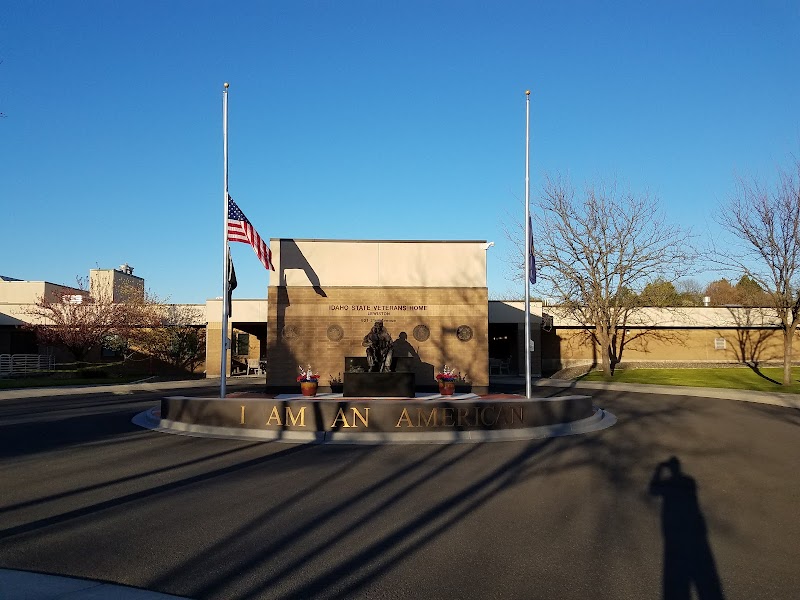
How is Idaho State Veterans Home - Lewiston Staffed?

CMS rates IDAHO STATE VETERANS HOME - LEWISTON's staffing level at 5 out of 5 stars, which is much above average compared to other nursing homes. Staff turnover is 33%, compared to the Idaho average of 46%. This relatively stable workforce can support continuity of care.

What Have Inspectors Found at Idaho State Veterans Home - Lewiston?

State health inspectors documented 16 deficiencies at IDAHO STATE VETERANS HOME - LEWISTON during 2019 to 2025. These included: 2 Immediate Jeopardy (the most serious level, indicating potential for serious harm or death) and 14 with potential for harm. Immediate Jeopardy findings are rare and represent the most serious regulatory concerns. They require immediate corrective action.
Who Owns and Operates Idaho State Veterans Home - Lewiston?

IDAHO STATE VETERANS HOME - LEWISTON is owned by a government entity. Government-operated facilities are typically run by state, county, or municipal agencies. The facility operates independently rather than as part of a larger chain. With 66 certified beds and approximately 47 residents (about 71% occupancy), it is a smaller facility located in LEWISTON, Idaho.
How Does Idaho State Veterans Home - Lewiston Compare to Other Idaho Nursing Homes?

Compared to the 100 nursing homes in Idaho, IDAHO STATE VETERANS HOME - LEWISTON's overall rating (5 stars) is above the state average of 3.3, staff turnover (33%) is significantly lower than the state average of 46%, and health inspection rating (4 stars) is above the national benchmark.

What Should Families Ask When Visiting Idaho State Veterans Home - Lewiston?

Based on this facility's data, families visiting should ask: "What changes have been made since the serious inspection findings, and how are you preventing similar issues?" "Can I visit during a mealtime to observe dining assistance and food quality?" "How do you handle medical emergencies, and what is your hospital transfer rate?" "Can I speak with family members of current residents about their experience?" These questions are particularly relevant given the facility's Immediate Jeopardy citations.

Is Idaho State Veterans Home - Lewiston Safe?

Based on CMS inspection data, IDAHO STATE VETERANS HOME - LEWISTON has documented safety concerns. Inspectors have issued 2 Immediate Jeopardy citations (the most serious violation level indicating risk of serious injury or death). The facility has a 5-star overall rating and ranks #1 of 100 nursing homes in Idaho. Families considering this facility should ask detailed questions about what corrective actions have been taken since these incidents.

Do Nurses at Idaho State Veterans Home - Lewiston Stick Around?

IDAHO STATE VETERANS HOME - LEWISTON has a staff turnover rate of 33%, which is about average for Idaho nursing homes (state average: 46%). Moderate turnover is common in nursing homes, but families should still ask about staff tenure and how the facility maintains care continuity when employees leave.

Was Idaho State Veterans Home - Lewiston Ever Fined?

IDAHO STATE VETERANS HOME - LEWISTON has been fined $186,850 across 1 penalty action. This is 5.3x the Idaho average of $34,947. Fines at this level are uncommon and typically indicate a pattern of serious deficiencies, repeated violations, or failure to correct problems promptly. CMS reserves penalties of this magnitude for facilities that pose significant, documented risk to resident health or safety. Families should request specific documentation of what issues led to these fines and what systemic changes have been implemented.

Is Idaho State Veterans Home - Lewiston on Any Federal Watch List?

IDAHO STATE VETERANS HOME - LEWISTON is not on any federal watch list. The most significant is the Special Focus Facility (SFF) program, which identifies the bottom 1% of nursing homes nationally based on persistent, serious quality problems. Not being on this list means the facility has avoided the pattern of deficiencies that triggers enhanced federal oversight. This is a positive indicator, though families should still review the facility's inspection history directly.