LIFE CARE CENTER OF LEWISTON

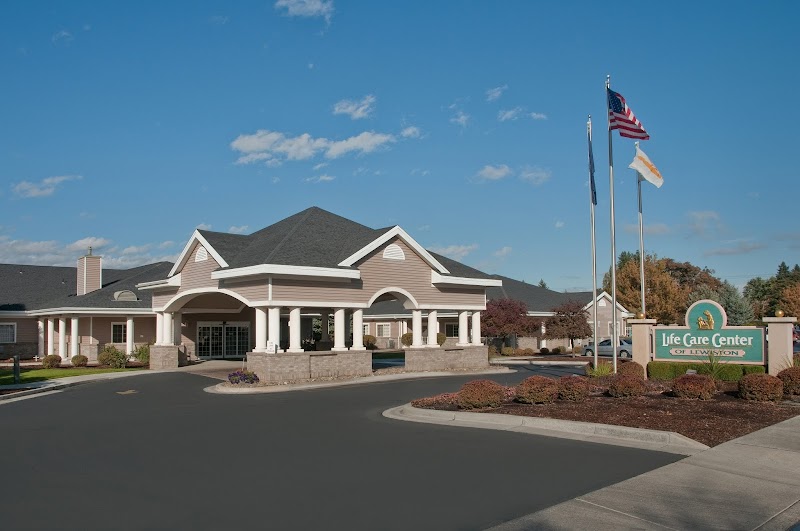
325 WARNER DRIVE, LEWISTON, ID 83501 (208) 798-8500
For profit - Corporation 121 Beds LIFE CARE CENTERS OF AMERICA Data: November 2025
Trust Grade
85/100
#10 of 79 in ID
Last Inspection: August 2025

Inspected within the last 6 months. Data reflects current conditions.

Overview

Life Care Center of Lewiston has a Trust Grade of B+, which means it is above average and recommended for families considering care options. It ranks #10 out of 79 nursing homes in Idaho, placing it in the top half of facilities statewide, and #2 out of 6 in Nez Perce County, indicating there is only one other local option that is better. However, the facility is experiencing a worsening trend, with issues increasing from 2 in 2022 to 6 in 2025. Staffing is rated 4 out of 5 stars, which is good, but the 47% turnover rate matches the state average. Notably, the facility has not incurred any fines, which is a positive sign, but there are concerns about RN coverage being average, meaning there might be less oversight than ideal. Specific incidents of concern include the failure to track and monitor controlled substances, which could lead to residents experiencing pain if they do not receive necessary medications. Additionally, there were issues with expired medications being available for use, posing potential risks to residents' health. Overall, while the facility has strengths such as excellent health inspections and no fines, it also faces significant challenges that families should consider.

Trust Score
B+
85/100
In Idaho
#10/79
Top 12%
Safety Record
Low Risk
No red flags
Inspections
Getting Worse
2 → 6 violations
Staff Stability
⚠ Watch
47% turnover. Above average. Higher turnover means staff may not know residents' routines.
Penalties
✓ Good
No fines on record. Clean compliance history, better than most Idaho facilities.
Skilled Nurses
○ Average
Each resident gets 41 minutes of Registered Nurse (RN) attention daily — about average for Idaho. RNs are the most trained staff who monitor for health changes.
Violations
⚠ Watch
16 deficiencies on record. Higher than average. Multiple issues found across inspections.
★★★★★
5.0
Overall Rating
★★★★☆
4.0
Staff Levels
★★★★★
5.0
Care Quality
★★★★★
5.0
Inspection Score
Stable
2022: 2 issues
2025: 6 issues

The Good

  • 4-Star Staffing Rating · Above-average nurse staffing levels
  • 5-Star Quality Measures · Strong clinical quality outcomes
  • Full Sprinkler Coverage · Fire safety systems throughout facility
  • No fines on record

Facility shows strength in staffing levels, quality measures, fire safety.

The Bad

Staff Turnover: 47%

Near Idaho avg (46%)

Higher turnover may affect care consistency

Chain: LIFE CARE CENTERS OF AMERICA

Part of a multi-facility chain

Ask about local staffing decisions and management

The Ugly 16 deficiencies on record

Aug 2025 6 deficiencies
CONCERN (D)

Potential for Harm - no one hurt, but risky conditions existed

Assessment Accuracy (Tag F0641)

Could have caused harm · This affected 1 resident

**NOTE- TERMS IN BRACKETS HAVE BEEN EDITED TO PROTECT CONFIDENTIALITY** Based on interview, record review, and review of facility procedure, the facility failed to ensure the Minimum Data Set (MDS) ac...

Read full inspector narrative →
**NOTE- TERMS IN BRACKETS HAVE BEEN EDITED TO PROTECT CONFIDENTIALITY** Based on interview, record review, and review of facility procedure, the facility failed to ensure the Minimum Data Set (MDS) accurately reflected medications received for three residents (Resident (R)6, R4, and R22) out of a total sample of 19 residents. These failures created potential for an incomplete or ineffective plan of care related to medication effectiveness and side effects.Findings include:1. Review of R6's admission Record located under the Profile tab of the electronic medical record (EMR) revealed he was admitted to the facility on [DATE] with diagnoses including cerebral infarction (stroke) and major depressive disorder.Review of R6's quarterly Minimum Data Set (MDS) with an Assessment Reference Date (ARD) of 05/21/25 and located under the MDS tab of the EMR revealed he was coded as receiving anticoagulant medication (slows or inhibits the clotting of blood), receiving antidepressant medication, and as not receiving antiplatelet medication (prevents blood platelets from clumping together).Review of R6's Order Summary Report for active orders as of 05/21/25 and located under the Orders tab of the EMR revealed orders for clopidogrel bisulfate (an antiplatelet medication) 75 milligrams (mg) daily for blood clot prevention and Lexapro (an antidepressant) 5mg daily for depressive disorder. The report indicated R6 had no orders for anticoagulant medication.Review of the Medication Administration Record (MAR) dated 05/01/25 to 05/31/25 and located under the Orders tab of the EMR revealed R6 received clopidogrel daily and received no anticoagulant medication. R6's Lexapro was coded as 10 each day from 05/15/25 to 05/21/25 which referred the reviewer to see progress notes.Review of R6's Orders-Administration Notes dated 05/15/25 to 05/21/25 located under the Progress Notes tab of the EMR revealed his Lexapro was not available.During an interview on 07/31/25 at 10:05 AM, MDS Coordinator (MDSC2) reported she was unsure whether clopidogrel bisulfate was coded as an anticoagulant or antiplatelet on the MDS. She checked on the coding guidance and stated that clopidogrel bisulfate was an antiplatelet medication. MDSC2 stated R6's MDS dated [DATE] was incorrectly coded because the clopidogrel was documented as an anticoagulant and not as an antiplatelet. In addition, MDSC2 stated an MDS reflected only medications received during the seven-day look-back period. She reviewed R6's MAR from 05/15/25 to 05/21/25 and reported she needed to correct the MDS since R6 did not receive his antidepressant medication.2. Review of the admission Record located in the EMR under the Profile tab revealed R4 was admitted to the facility on [DATE] and had diagnoses including history of transient ischemic attack (TIA) and cerebral infarction (stroke).Review of the quarterly MDS with an ARD of 05/15/25 in the EMR under the MDS tab revealed R4 was coded as receiving anticoagulant medication and as not receiving antiplatelet medication.Review of R4's Order Summary Report for active orders as of 05/15/25 and located under the Orders tab of the EMR revealed orders for clopidogrel bisulfate (an antiplatelet medication) 75mg daily for anticoagulant. R4 had no orders for any anticoagulant medication.During an interview on 07/31/25 at 10:05 AM, MDSC2 reported she had coded R6's clopidogrel as an anticoagulant since the order stated, for anticoagulant. MDSC2 then stated since clopidogrel was supposed to be coded as an antiplatelet, she needed to modify R6's MDS to show that she received an antiplatelet medication and not an anticoagulant medication.3. Review of the admission Record located in the EMR under the Profile tab revealed R22 was admitted to the facility on [DATE] and had diagnoses including gastroparesis.Review of R22's quarterly MDS with an ARD of 07/07/25 in the EMR under the MDS tab revealed he was coded as not receiving any antibiotic medication.Review of R22's Order Summary Report for active orders as of 07/07/25 and located under the Orders tab of the EMR revealed an order dated 10/01/24 for erythromycin (an antibiotic) 250mg capsule before meals for gastroparesis prevention.Review of R22's MAR dated 07/01/25 to 07/31/25 and located under the Orders tab of the EMR revealed he received the antibiotic medication daily.During an interview on 07/31/25 at 10:05 AM, MDSC2 reported she missed that R22 received antibiotic medication and that she planned to correct the MDS right away to reflect the medication.During an interview on 08/01/25 at 11:25 AM, the Director of Nursing (DON) stated he expected medications to be coded correctly on the MDS.Review of the facility's Certification of Accuracy of the MDS policy, revised 04/22/25, revealed, The assessment must accurately reflect the resident's status. The assessment must represent an accurate picture of the resident's status during the observation period of the MDS. The observation period [also known as the look-back period] is the time frame over which the resident's condition or status is captured by the MDS assessment .
CONCERN (D)

Potential for Harm - no one hurt, but risky conditions existed

Deficiency F0658 (Tag F0658)

Could have caused harm · This affected 1 resident

**NOTE- TERMS IN BRACKETS HAVE BEEN EDITED TO PROTECT CONFIDENTIALITY** Based on record review, interview, and policy review, the facility failed to ensure one of three residents (Resident (R) 11) rev...

Read full inspector narrative →
**NOTE- TERMS IN BRACKETS HAVE BEEN EDITED TO PROTECT CONFIDENTIALITY** Based on record review, interview, and policy review, the facility failed to ensure one of three residents (Resident (R) 11) reviewed for falls was assessed for injury by a licensed nurse prior to being moved by the Certified Nurse Aides (CNAs). This failure had the potential to contribute to exacerbated injury upon movement prior to assessment.Findings include:Review of R11's admission Record, located under the Profile tab of the electronic medical record (EMR), revealed she was admitted to the facility on [DATE] with diagnoses including Alzheimer's disease, adult failure to thrive, osteoarthritis, osteoporosis, and anxiety. Review of R11's annual Minimum Data Set (MDS), with an Assessment Reference Date (ARD) of 07/01/25 and located under the MDS tab of the EMR, revealed she was unable to complete the Brief Interview for Mental Status (BIMS) and she was assessed with memory problems and severely impaired cognition. R11 was dependent on assistance from staff with bed mobility, transfers, and locomotion.Review of R11's Event Note, dated 07/05/25 and located under the Progress Notes tab of the EMR, revealed, RN [Registered Nurse] summoned to residents [sic] room. Resident noted within bed at this time. CNA explained that while providing cares when rolling resident towards her, resident rolled OOB [out of bed] onto CNA. CNA was able to maneuver 'out from underneath' resident and to locate another CNA to assist with returning resident to bed with mechanical lift. Review of R11's Incident Report, dated 07/05/25 and provided on paper, revealed she had rolled out of bed while a CNA was providing care, and another CNA was summoned and assisted with putting the resident back to bed. The RN was then summoned to assess R11 and found R11 already in bed. During an interview on 07/31/25 at 10:41 AM, RN13 stated when she was summoned to R11's room, the resident was already in bed. RN13 conducted an assessment and noted abrasions to R11's forehead and knee but no other injuries were noted. RN13 stated the CNAs should have summoned her to conduct an assessment prior to moving the resident off the floor in case of serious injury. RN13 reported CNA6 and CNA7 were involved in the incident.During an interview on 07/31/25 at 12:05 PM, CNA7 stated CNA6 had called her into R11's room after the resident had fallen. She stated upon entering, she found R11 on the floor and assisted CNA6 to move the resident from the floor to the bed using the mechanical lift. CNA7 stated after R11 was put back into bed, RN13 was alerted of the fall and came to assess the resident. CNA7 did not see any assessment of R11 occur prior to moving her back to bed but noted the resident did not have any signs or symptoms of injury. CNA7 stated she was not aware the resident should be assessed prior to being moved off the floor prior to this incident, but was given verbal education by the nurse that R11 should have remained on the floor until she was assessed by the RN. During an interview on 07/31/25 at 12:40 PM, CNA6 stated while she was providing incontinence care to R11, the resident rolled off the bed and on top of the CNA. After R11 fell, CNA6 got out from under R11, turned on the call light, and found CNA7 to help. CNA6 stated she and CNA7 transferred R11 back to bed using a mechanical lift, then alerted RN13 of the fall. CNA6 stated she had been educated several times by the facility on the need to leave a resident on the floor until an assessment was completed by the RN. She stated in this case, no assessment had been conducted prior to transferring R11 back to bed; however, she noticed the resident was not crying, grimacing, or acting like she was in pain and had no visible injuries. CNA6 stated she was stressed by the situation and worried about getting the resident cleaned up and she did not follow her usual protocol. During an interview on 07/31/25 at 12:50 PM, the Administrator stated CNA6 and CNA7 had received verbal counseling by RN13 on not moving a resident before an assessment by the licensed nurse, but there was no documentation of the education. Review of CNA7's training records, provided on paper, revealed she received training on the Incident & [and] Reportable Event Management policy, which directed staff not to move a resident after a fall before an assessment by a licensed nurse, on 05/21/25. Evidence of CNA6's training on the Incident & Reportable Event Management policy was not provided prior to survey exit.During an interview on 08/01/25 at 12:06 PM, the Director of Nursing (DON) stated professional standards dictate a resident be assessed for injury by a licensed nurse prior to being moved after a fall, even if there were no overt signs of injury.Review of the policy titled, Incident & Reportable Event Management, dated 09/25/24, revealed, The licensed nurse should evaluate the resident and render first aide if needed. The nurse evaluation should be completed prior to moving a resident who has fallen, to determine presence of injury.
CONCERN (D)

Potential for Harm - no one hurt, but risky conditions existed

Pressure Ulcer Prevention (Tag F0686)

Could have caused harm · This affected 1 resident

**NOTE- TERMS IN BRACKETS HAVE BEEN EDITED TO PROTECT CONFIDENTIALITY** Based on record review, staff interview, and policy review, the facility failed to ensure there was no delay in treatment of a n...

Read full inspector narrative →
**NOTE- TERMS IN BRACKETS HAVE BEEN EDITED TO PROTECT CONFIDENTIALITY** Based on record review, staff interview, and policy review, the facility failed to ensure there was no delay in treatment of a newly identified pressure ulcer for one of two residents (Resident (R) 10) reviewed for pressure ulcers. This failure had the potential to slow healing or lead to wound infection.Findings include:Review of R10's admission Record, located under the Profile tab of the electronic medical record (EMR), revealed he was admitted to the facility on [DATE] with diagnoses including alcoholic polyneuropathy, malnutrition, muscle wasting, quadriplegia, multiple contractures, two stage III pressure ulcers, and one stage IV pressure ulcer.Review of R10's quarterly Minimum Data Set (MDS), with an Assessment Reference Date (ARD) of 05/23/25 and located under the MDS tab of the EMR, revealed he scored nine out of 15 on the Brief Interview for Mental Status (BIMS), indicating moderately impaired cognition. He had one stage II pressure ulcer that was facility-acquired and two pressure ulcers that were present on admission.Review of R10's Care Plan, dated 06/06/25, documented, Has break in skin integrity, pressure injury to right hip and right buttock, Scrotum and MASD [moisture-associated skin damage] to groin. The approaches included, Treatment as ordered. Notify MD [physician] if change in tx [treatment] is indicated. Review of R10's Wound Healing and Ostomy Clinic note, dated 07/21/25 and provided on paper, revealed, Wound Care Physician (WCP), dated 07/21/25 and provided on paper, revealed a new right inferior hip wound measuring 1 centimeter (cm) long, 1.5 cm wide, and 0.05 cm deep . There is a wound distal to the right trochanter/posterior thigh that is full thickness that tracks so will continue with current measures here also. The note contained orders for treatment of the right trochanter wound; however, there was no order addressing the inferior right hip wound.Review of R10's Wound Observation Tool, dated 07/21/25 and located under the Assessments tab of the EMR, revealed R10 acquired a new pressure ulcer to the right inferior hip at stage III on 07/21/25. The wound was 1 cm long, 1.5 cm wide, and 0.05 cm deep with moderate red drainage. The assessment documented, Initial Assessment - No wound history to compare. However, the assessment also documented, Resident is assessed weekly by RCM [Resident Care Manager] and seen monthly by [WCP] this date. Measurements show this week that tunneling is deeper but the outside diameter of the wound is unchanged . Treatment to remain the same: Irrigate with Vashe, apply skin prep to peri wound, lightly fill/pack with Iodoform, and cover gauze and secure transparent dressing. Review of R10's July 2025 Treatment Administration Record (TAR), located under the Orders tab of the EMR, revealed from 07/21/25 through 07/28/25, there were no treatment orders addressing the right inferior hip wound. Review of R10's 07/25/25 Skin/Wound Note, dated 07/25/25 and located under the Progress Notes tab of the EMR, revealed, [WCP] noted a new wound to R [right] hip but it is unclear what the wound is or the specifics of this wound. This RCM will contact [WCP] on Monday to follow up as she is out of the office today. Did not open a wound obs [observation] for this wound as it is unclear how to proceed. Review of R10's EMR under the Orders tab revealed the physician's order, dated 07/29/25, R inferior hip wound: Cleanse with Vashe cleanser aggressively, pat dry, apply skin prep to peri wound, apply silver med to wound bed, cover with gauze and secure with transparent film to be completed every Monday and Thursday. During an interview on 08/01/25 at 9:33 AM, RCM2 stated the WCP noted a new wound inferior to the older wound on R10's right hip on 07/21/25. She stated R10 went out to see the WCP on 07/21/25 and came back with paperwork that documented a new wound and its measurements; however, no new orders were noted. RCM2 stated she did not get a hold of the WCP until 07/29/25 to clarify the treatment orders for the new wound. RCM2 stated she was unable to find any documentation indicating wound treatment orders were obtained and wound treatments were implemented between 07/21/25 and 07/29/25. RCM2 stated typically, a resident would come back with paperwork with new orders for wound care and the orders would be entered into the EMR and carried out; however, the paperwork for R10 from the WCP did not have clear orders for treatment and needed to be clarified before they could be entered in the system and carried out. She stated it took a long time to get the order clarified, as the WCP was hard to get a hold of. RCM2 stated she had documented the current order for the superior wound on the 07/21/25 Wound Observation Tool because she did not have any orders to implement for the inferior wound.A call was placed to the WCP on 08/01/25 at 11:24 AM; however, no contact was made.Review of the policy titled, Skin Integrity & [and] Pressure Ulcer/Injury Prevention, dated 08/25/21, revealed, When skin breakdown occurs, it requires attention and a change in the plan of care may be indicated to treat the resident.
CONCERN (D)

Potential for Harm - no one hurt, but risky conditions existed

Accident Prevention (Tag F0689)

Could have caused harm · This affected 1 resident

**NOTE- TERMS IN BRACKETS HAVE BEEN EDITED TO PROTECT CONFIDENTIALITY** Based on record review, interview, and manufacturer's instructions for use of the resident bed, the facility failed to ensure th...

Read full inspector narrative →
**NOTE- TERMS IN BRACKETS HAVE BEEN EDITED TO PROTECT CONFIDENTIALITY** Based on record review, interview, and manufacturer's instructions for use of the resident bed, the facility failed to ensure the brakes on the bed were locked for one of three residents (Resident (R) 11) reviewed for falls. This failure caused a fall with minor injury for R11 and had the potential to cause injury from falls.Findings include: Review of R11's admission Record, located under the Profile tab of the electronic medical record (EMR), revealed she was admitted to the facility on [DATE] with diagnoses including Alzheimer's disease, adult failure to thrive, osteoarthritis, osteoporosis, and anxiety.Review of R11's annual Minimum Data Set (MDS), with an Assessment Reference Date (ARD) of 07/01/25 and located under the MDS tab of the EMR, revealed she was unable to complete the Brief Interview for Mental Status (BIMS) and she was assessed with memory problems and severely impaired cognition. R11 was dependent on assistance from staff with bed mobility, transfers, and locomotion. Review of R11's EMR under the Profile tab revealed, Special Instructions: Mechanical lift for transfers. High fall risk.Review of R11's Care Plan, dated 07/22/25 and located under the Care Plan tab of the EMR, revealed, [R11] is at risk for falls r/t [related to] impaired strength, standing tolerance, balance, activity tolerance. Dementia with Impaired safety awareness, use of antidepressant medication. The approaches included, Keep her bed in appropriate position with safety mat at bedside and When laying resident in bed, make sure resident body is in the center of the bed.Review of R11's Event Note, dated 07/05/25 and located under the Progress Notes tab of the EMR, revealed, CNA explained that while providing cares when rolling resident towards her, resident rolled OOB [out of bed] onto CNA.Review of R11's Incident Report, dated 07/05/25 and provided on paper, revealed, CNA stated that the brake on one or more of the wheels was not locked. This then caused the bed to shift when rolling the resident to the side of the bed.During an interview on 07/31/25 at 12:40 PM, CNA6 stated she had been providing incontinence care for R11. The bed was unlocked, and R11 rolled too far towards the edge of the bed, the bed rolled away, and R11 fell on top of CNA6. CNA6 stated she had unlocked the bed to move the mechanical lift into position, as there was not a lot of room on the side of the bed, and had forgotten to lock it again. During an interview on 07/31/25 at 12:50 PM, the Administrator stated CNA6 had received verbal counseling on locking the bed before providing care; however, there was no documentation of the education.Review of the Mandatory CNA and NA [Nurse Aide] Clinical Meeting record, dated 07/16/25, revealed, Make sure the bed wheels are locked and that the bed is in the lowest position, parallel to the floor. However, CNA6 had not attended this training. Review of CNA6's training records, provided on paper, revealed she received training on locking the bed prior to providing care on 03/27/25.During an interview on 08/01/25 at 12:06 PM, the Director of Nursing (DON) stated the staff were expected to double-check to ensure the bed brakes were locked before providing care, and this was something taught in CNA curriculum and at the facility.Review of the undated Joerns EasyCare Bed Platform User-Service Manual revealed, Warning: Possible Injury or Death. Floor locks increase bed stability and resident safety. Make sure the bed is in a locked position with respect to the floor by ensuring the casters are off the floor or if equipped, the UltraLock is in the locked position before attempting any resident transfers. Failure to do so could result in injury or death . For best practices, the UltraLock feature should be locked at all times, except when the bed is being moved.
CONCERN (D)

Potential for Harm - no one hurt, but risky conditions existed

Pharmacy Services (Tag F0755)

Could have caused harm · This affected 1 resident

**NOTE- TERMS IN BRACKETS HAVE BEEN EDITED TO PROTECT CONFIDENTIALITY** Based on interview, record review, and review of facility procedure, the facility failed to ensure a medication was available to...

Read full inspector narrative →
**NOTE- TERMS IN BRACKETS HAVE BEEN EDITED TO PROTECT CONFIDENTIALITY** Based on interview, record review, and review of facility procedure, the facility failed to ensure a medication was available to administer as ordered for one resident (Resident (R)6) out of a total sample of 19 residents. This failure created potential for the resident to have side effects.Findings include:Review of R6's admission Record located under the Profile tab of the electronic medical record (EMR) revealed he was admitted to the facility on [DATE] with diagnoses including major depressive disorder.Review of R6's quarterly Minimum Data Set (MDS) with an Assessment Reference Date (ARD) of 05/21/25 and located under the MDS tab of the EMR revealed he scored an 11 out of 15 on the Brief Interview for Mental Status (BIMS) which indicated moderate cognitive impairment. R6 reported feeling down and having little interest in doing things for several days out of the previous two weeks on the PHQ-2 to 9 interview.Review of R6's Order Recap Summary for orders 03/06/25 to 07/31/25 and located under the Orders tab of the EMR revealed orders for Lexapro (an antidepressant) 5mg daily for depressive disorder from 03/20/25 to 05/27/25.Review of the Medication Administration Records (MAR) dated 04/01/25 to 04/30/25 and 05/01/25 to 05/31/25 and located under the Orders tab of the EMR revealed R6's Lexapro was coded as 10 each day but one from 04/28/25 to 05/27/25 which referred the reviewer to see progress notes.Review of R6's Orders-Administration Notes dated 04/28/25 to 05/27/25 located under the Progress Notes tab of the EMR revealed his Lexapro was not available.Further review of the Progress Notes tab of the EMR from 04/28/25 to 05/27/25 revealed no documentation of why R6's Lexapro was unavailable, communication with the pharmacy, or communication with the physician or nurse practitioner. A Behavior Note dated 05/15/25 documented, Resident reviewed in [behavior meeting] with [social services, resident care managers] and pharmacist. Resident has order for Lexapro 5 mg [daily] for depression, however recent has not taken the medication for over a week. The resident reports that he is feeling well and does not have any concerns, resident's behavior monitor shows no signs or symptoms of depression. Resident placed on alert charting to monitor further. Resident will continue to be monitored in [behavior meeting] going forward next month.Review of R6's Documents tab of the EMR revealed one, undated, communication to the provider stating, Resident has not been taking Lexapro 5mg for 1+ weeks and feels stable without medications. Can we [discontinue] Lexapro order with a response dated 05/27/25 to discontinue the medication. Review of R6's Care Plan tab of the EMR revealed an intervention revised on 07/29/25: Resident has a [diagnosis] of depression but prefers not to take medication at this time. He feels his mental health is well managed without pharmaceutical intervention.During an interview on 07/29/25 at 11:37 AM, R6 denied any concerns with his mood.During an interview on 07/31/25 at 8:08 AM, Registered Nurse (RN) 12 stated medications were re-ordered through the EMR. The pharmacy delivered daily. If a medication was not available, there was a pyxis (emergency supply of medications) and a local pharmacy delivery was able to be arranged for important medications. Sometimes medications were on back-order and not available so RN12 called the doctor to see if another medication was able to be substituted. During an interview on 07/31/25 at 11:50 AM, Licensed Practical Nurse (LPN) 9 recalled R6's Lexapro was unavailable. LPN9 believed it was something to do with insurance. When the doctor was notified R6 was not taking the medication, it was discontinued. During an interview on 08/01/25 at 9:59 AM, the Medical Director stated he ordered Lexapro when R6 clinically seemed depressed. R6 was tearful and did not want to participate in his care. The Medical Director stated he was made aware that R6 was not receiving the Lexapro, but he was unable to recall when he was notified and how long R6 went without the Lexapro before the notification. The Medical Director expected both a notification from the pharmacy as well as an SBAR (situation, background, assessment, recommendation) notification from nursing if medication was not available. Both were expected to be documented in the EMR, but the Medical Director saw no evidence in R6's EMR. During an interview on 08/01/25 at 10:44 AM, Resident Care Manager (RCM) 1 was made aware during a behavior meeting on 05/15/25 that R6 was not receiving his Lexapro. There was an insurance issue, and pharmacy did not contact the facility about it. Nurses were led to believe by the pharmacy that the medication was coming. RCM1 notified R6's physician/nurse practitioner that he had not received his Lexapro, and it was discontinued. The facility's protocol when medications were not available was for nursing to order it online. If it did not arrive, nurses called the pharmacy or asked the RCM1 to call the pharmacy. If a medication was available in the pyxis, it was retrieved from it. If it was not available, the physician was to be notified within two to three days. During an interview on 08/01/2025 at 11:15 AM, LPN10 stated R6's Lexapro was not sent by pharmacy due to a billing issue. LPN10 said if a medication was not available, nursing documented it and contacted the pharmacy. The Medical Director and nurse practitioner were in the facility during the week and were expected to be notified. If they were notified of R6's missed Lexapro doses, the notification should be documented. During an interview on 08/01/2025 at 11:30 AM, the Director of Nursing (DON) reported his expectation was for staff to notify the provider within 24 hours of a medication being unavailable.Review of the facility's Medication Shortages/Unavailable Medications policy, revised 08/01/24, revealed If the medication shortage is discovered at the time of medication administration, Facility staff should immediately notify the Pharmacy. If the next available delivery causes delay or a missed dose in the resident's medication schedule, Facility nurse should obtain the medication from the Emergency Medication Supply to administer the dose. If the medication is not available in the Emergency Medication Supply, Facility staff should notify Pharmacy and arrange for a STAT delivery, if medically necessary. If an emergency delivery is unavailable, Facility nurse should contact the attending physician to obtain new orders or directions for alternate administration. If the medication is unavailable from Pharmacy or a third-party Pharmacy, and cannot be supplied from the manufacturer, Facility should obtain alternate Physician/Prescriber orders, as necessary. When a missed dose is unavoidable, Facility nurse should document the missed dose, and the explanation for such missed dose, on the MAR or TAR [treatment administration record] and in the nurse's notes per Facility policy. Such documentation should include the following information: a description of the circumstances of the medication shortage, a description of Pharmacy's response upon notification, and all other action(s) taken.
CONCERN (D)

Potential for Harm - no one hurt, but risky conditions existed

Infection Control (Tag F0880)

Could have caused harm · This affected 1 resident

**NOTE- TERMS IN BRACKETS HAVE BEEN EDITED TO PROTECT CONFIDENTIALITY** Based on observations, interviews, record review, and policy review, the facility failed to ensure staff donned (put on) the app...

Read full inspector narrative →
**NOTE- TERMS IN BRACKETS HAVE BEEN EDITED TO PROTECT CONFIDENTIALITY** Based on observations, interviews, record review, and policy review, the facility failed to ensure staff donned (put on) the appropriate personal protective equipment (PPE) required for contact isolation precautions for one of three residents reviewed for transmission-based precautions (Resident (R) 16) as well as failed to ensure one out of one resident (R53) catheter bag was not resting on the floor. This failure had the potential to lead to spread of infection throughout the facility.Findings include:1. Review of R16's admission Record, located under the Profile tab of the electronic medical record (EMR), revealed she was admitted to the facility on [DATE].Review of R16's Order Note, dated 07/29/25 and located under the Progress Notes tab of the EMR revealed, New order received for po [oral] Valtrex [an antiviral medication] for 14 days and for Prednisolone [an anti-inflammatory medication] to right eye tid [three times a day] until directed to stop. Resident reports that she has shinges [sic] in eyeReview of R16's Skilled Note, dated 07/30/25 and located under the Progress Notes tab of the EMR, revealed, Resident is now Contact Isolation precautions r/t having shingles in her right eye. Resident is in a single room with no roommate. All services are being provided within her room.Review of R16's EMR under the Profile tab revealed, Special Instructions: Contact precautions r/t [related to] shingles.During an observation on 07/30/25 at 8:44 AM, R16's room door had a sign announcing, Contact Isolation and directing all staff to perform hand hygiene and don a gown and gloves prior to room entry. The MDS Coordinator (MDSC) entered R16's room carrying a bottle of milk. She did not perform hand hygiene or don a gown or gloves before entering. In an interview on 07/30/25 at 8:47 AM, the MDSC confirmed she did not wear a gown or gloves and stated the floor nurse, Registered Nurse (RN) 12, had told her that the gown and gloves were not required since she was just dropping something off in the room. In an interview on 07/30/25 at 8:59 AM, RN12 stated R16 was on contact precautions due to a case of shingles in her eye. She stated upon entering her room, everyone should don a gown and gloves. In an interview on 07/30/25 at 9:22 AM, the Director of Nursing (DON) stated the MDSC should have donned gown and gloves before entering R16's room, and he had provided re-education to the MDSC regarding proper PPE use for contact precautions. The DON stated he also would be providing re-education to all staff. During an observation on 07/31/25 at 8:12 AM, Certified Nurse Aide (CNA) 5 entered R16's room with a meal tray in her hands. She did not perform hand hygiene or don a gown and gloves prior to entering. CNA 5 touched R16's overbed table and items in room. In an interview on 07/31/25 at 8:12 AM, CNA 5 stated R16 was on contact precautions for shingles in her eye, and staff were to wear a gown and gloves only for high-contact care, such as toileting or personal hygiene.During an observation on 07/31/25 at 8:44 AM, Activity Assistant (AA) entered R16's room with a stack of daily newsletters. The AA did not sanitize her hands or don a gown and gloves prior to entering the room. While in the room, the AA kneeled on floor to speak with R16.In an interview on 07/31/25 at 8:44 AM, the AA confirmed she had not donned PPE and stated she had not yet been given any information on the need for contact precautions in R16's room. She stated for contact precautions, staff were required to wear a gown and gloves if coming in contact with the resident. The AA was unsure if contact with the floor while kneeling was an activity that required PPE use.In an interview on 08/01/25 at 11:35 AM, the DON stated every time a staff member entered a room where Contact Precautions were in place, they should don the appropriate PPE, even if it was just to drop something off or talk and there was no direct contact with the resident. Review of the facility's policy titled, Transmission-based Precautions and Isolation Procedures, dated 07/02/25, revealed, Contact precautions are intended to prevent transmission of pathogens that are spread by direct (e.g., person-to-person) or indirect contact with the resident or environment, and require the use of appropriate PPE, including a gown and gloves before or upon entering (i.e., before making contact with the resident or environment, and require the use of appropriate PPE, including a gown and gloves before entering (i.e. before making contact with the resident or resident's environment) the room or cubicle. Prior to leaving the resident's room or cubicle, the PPE is removed, and hand hygiene is performed.2. Review of R53's admission Record located under the Profile tab of the electronic medical record (EMR) revealed he was admitted to the facility on [DATE] with diagnoses including obstructive and reflux uropathy, benign prostatic hyperplasia with lower urinary tract symptoms, and retention of urine.Review of R53's Order Summary Report located under the Orders tab of the EMR revealed an order for catheter care every shift. Keep catheter bag placed below the level of the bladder, dated 04/08/25.Review of R53's Care Plan tab revealed he had a chronic foley catheter in place, revised 04/24/25. Interventions included to check for kinks and dependent loops in tubing every shift, observe for and report any symptoms of an infection to the doctor, and use enhanced barrier precautions.Review of R53's quarterly Minimum Data Set (MDS) with an Assessment Reference Date (ARD) of 07/15/25 and located under the MDS tab of the EMR revealed he scored nine out of 15 on the Brief Interview for Mental Status (BIMS) which indicated moderate cognitive impairment. R53 had an indwelling catheter.During an observation on 07/30/25 at 8:20 AM, R53 was observed sitting in bed eating breakfast with his urinary drainage bag hanging, uncovered, from his bed frame, urine visible in the bag and the bottom quarter of the bag resting on the floor. During a concurrent interview and observation on 07/30/25 at 8:43 AM, R53 stated he seldom got out of bed, per his choice. R53 reported not caring if his urinary drainage bag was not covered. R53's breakfast tray was no longer in his room. The drainage bag continued to touch the floor.During an observation on 07/30/25 at 9:45 AM, the urinary drainage bag continued to touch the floor. During an observation on 07/31/25 at 5:50 AM, R53 was asleep in bed. His urinary drainage bag was covered by a blue dignity bag. The bottom of the urinary drainage bag rested on the floor.During an observation on 07/31/25 at 8:15 AM, Certified Nursing Assistant (CNA) 4 delivered R53's breakfast tray to his room. The bottom of the urinary drainage bag continued to rest on the floor.During an observation on 07/31/2025 at 8:25 AM, CNA4 and another staff person went into R53's room and told him they were going to boost him up in bed. When they left the room at 8:31 AM, the bottom of the urinary drainage bag continued to rest on the floor. During a concurrent observation and interview at 8:35 AM, Licensed Practical Nurse (LPN) 11 stated the drainage bag should not touch the floor due to infection control reasons and that she would fix it. During an interview on 07/31/2025 at 1:30 PM, CNA4 reported urinary drainage bags were to be placed below bladder level but off the floor. She had not noticed R53's drainage bag touching the floor when she assisted him. During an interview on 08/01/25 at 11:25 AM, the Director of Nursing (DON) said he expected urinary drainage bags to be placed below the bladder and not touching the floor. The facility tried to place the bags towards the bottom of the bed and lowered the bed down so that the bag stayed four to five inches above the floor.Review of the facility's General Urinary Catheter Maintenance Guidance policy, revised 06/06/19, revealed: Do not rest the bag on the floor.
Aug 2022 2 deficiencies
CONCERN (D)

Potential for Harm - no one hurt, but risky conditions existed

ADL Care (Tag F0677)

Could have caused harm · This affected 1 resident

**NOTE- TERMS IN BRACKETS HAVE BEEN EDITED TO PROTECT CONFIDENTIALITY** Based on record review, policy review, and resident representative, and staff interview, it was determined the facility failed t...

Read full inspector narrative →
**NOTE- TERMS IN BRACKETS HAVE BEEN EDITED TO PROTECT CONFIDENTIALITY** Based on record review, policy review, and resident representative, and staff interview, it was determined the facility failed to ensure residents were provided with bathing consistent with their needs. This was true for 1 of 27 residents (Resident #13) reviewed for activities of daily living. This failure created the potential for residents to experience embarrassment, isolation, decreased sense of self-worth, and skin impairment due to a lack of personal hygiene. Findings include: The facility's Activities of Daily Living policy, dated 7/17/21, stated its purpose was To ensure facilities identify and provide needed care and services that are resident centered, in accordance with the resident's preferences, goals for care and professional standards of practice that will meet each resident's physical, mental, and psychosocial needs. This policy was not followed. Resident #13 was admitted to the facility on [DATE], with diagnoses of cerebral palsy (a group of disorders that affect a person's ability to move and maintain balance and posture), and contractures. An MDS assessment, dated 5/19/22, documented Resident #13 was severely cognitively impaired and required extensive assistance of one person for bathing. Resident #13's care plan documented staff were to provide a sponge bath when a full bath or shower could not be tolerated, and for showering he was totally dependent on one staff member to provide showers two times a week and as necessary. The facility's shower schedule for June and July 2022, documented he did not receive showers two times a week as follows: - Resident #13 received a shower on June 8 - Resident #13's next shower was on June 15, 7 days later - Resident #13's next shower was on June 23, 8 days later - Resident #13 received a shower on July 13, 16 days after his last shower On 8/16/22 at 4:00 PM, Resident #13's representative stated she noticed earlier this year he developed body odor which never occurred before. Resident #13's representative stated she purchased body spray and shampoo for him. Resident #13's representative stated the body odor was no longer a problem, but she remained concerned about Resident #13 being kept clean. On 8/18/22 at 8:30 AM, the ED confirmed the shower schedule she provided for Resident #13 was accurate. On 8/17/22 at 9:32 AM, the ED confirmed there were documentation issues with the CNAs charting showers. The ED confirmed there were some missing showers.
CONCERN (E)

Potential for Harm - no one hurt, but risky conditions existed

QAPI Program (Tag F0867)

Could have caused harm · This affected multiple residents

Based on observation, record review, and staff interview, it was determined the facility's Quality Assessment and Performance Improvement (QAPI) committee failed to implement actions and resolve syste...

Read full inspector narrative →
Based on observation, record review, and staff interview, it was determined the facility's Quality Assessment and Performance Improvement (QAPI) committee failed to implement actions and resolve systemic problems which were identified for tracking and monitoring of controlled substances (narcotics). This failure placed residents at risk for pain to experience increased and/or uncontrolled pain levels should they not receive their narcotic medication due to misappropriation. Findings include: A missing narcotics investigation document, dated 3/1/22, documented the following: - LPN #1 reported to the ED concerns about RN #3 signing out controlled medications (narcotics) before and after her shift. - RN #3 often signed out medications for Resident #33 before the shift count verification was completed, prior to the start of her shift. RN #3 signed out medications that were not documented as given on Resident #33's MAR. - RN #3 stated she saved all her notes and enters them at the end of the shift. RN #3 stated she was not aware the medication was missing and confirmed she did not count the narcotics with the night shift nurse the morning of 3/1/22. She stated LPN #1 was busy trying to finish her shift. - LPN #1 stated she could not remember if she and RN #3 formally counted on the morning of 3/1/22, because she was busy assisting a CNA with a resident. LPN #1 was not aware of the missing medications. LPN #1 told the ED this was not her normal practice. - RN #3 and LPN #1 signed the narcotic book without completing the shift count reconciliation. - The ED and DON completed an audit of all narcotics on 3/1/22 at 9:45 AM and Resident #33 had narcotic medications missing from bubble pack #16 (a method to package individual doses of medication within small, clear, or light-resistant amber-colored plastic bubbles). All other narcotics were accounted for. - Medications were missing between 2/28/22 and 3/1/22. The last documented entry on bubble pack #16 was on 2/28/22 at 6:55 PM and was administered by RN #4. Corrective actions in the investigation included: - The facility self-reported the missing narcotics to the State of Idaho's Long-Term Care Reporting portal on 3/1/22 as a Misallocation of Resident Property by Facility Staff. - The pharmacy was informed of the missing narcotics on 3/1/22. - The Social Services Director completed interviews on 3/1/22 with five residents who received scheduled and/or as needed pain medications and found no adverse findings. Resident #33 was included in the interviews. - The local police department was notified of the missing medications on 3/2/22. - The DON and ED were to complete daily audits of the narcotics. A timeframe was not specified which stated how long the audits were to be conducted. On 8/18/22 at 9:00 AM, during observation of the facility's medication storage, the Controlled Substance Record Book was reviewed for facility rooms #101-#106. The shift count verification page included three shift counts to be completed by LNs; the day shift LN with the evening shift LN, the evening shift LN with the night shift LN, and the night shift LN with the day shift LN. There were a total of six signatures required in a 24-hour period. The exception was if an LN worked a double shift. The verfication page had days during June, July, and August 2022 where the LN did not complete the shift count verification for narcotics. There were days with one missing signature and days with multiple missing signatures. On 8/18/22 beginning at 9:15 AM, the Controlled Substance Record Books on the medication carts were reviewed for June, July, and August, 2022 with the DON present: - The book for rooms #101-#106 had nine days with missing shift count verifications in June, 17 days with missing shift count verifications in July, and six days with missing shift count verifications in August. - The book for rooms #108-#124 had five days with missing shift count verifications in June, seven days with missing shift count verifications in July, and two days with missing shift count verifications in August. - The medication cart for rooms #301-#308 and #324-#325 did not have a Controlled Substance Book. During the observation LPN #4 confirmed the medication cart did not have the correct shift count verification form and they made up their own using an index form for documenting individual medications. On this form there were five days with missing shift count verifications in June, 15 days with missing shift count verifications in July, and two days with missing shift count verifications to in August. LPN #4 stated she had the keys to the cart and counted and signed for the narcotic keys in the morning but pre-signed the 2:00 PM change of shift verification which had not yet occurred. At the time of the interview, this would have been more than 4 hours prior to 2:00 PM. On 8/18/22 at 9:24 AM, the IP, who was the DON during the time of the missing narcotics investigation, stated, I probably did not do any audits after 3/1/22. The IP did not provide audits completed after 3/1/22, per the corrective actoin identified in the investigation document. On 8/18/22 at 9:36 AM, the ED stated she was not aware of the continued non-compliance with the shift count verification or that the audits were not completed. On 8/18/22 at 2:29 PM, the ED confirmed the facility failed to implement a process improvement plan to correct the systemic noncompliance for managing controlled substances.
Jul 2018 8 deficiencies
CONCERN (D)

Potential for Harm - no one hurt, but risky conditions existed

Resident Rights (Tag F0550)

Could have caused harm · This affected 1 resident

**NOTE- TERMS IN BRACKETS HAVE BEEN EDITED TO PROTECT CONFIDENTIALITY** Based on observation, record review, facility policy review, and staff interview, it was determined the facility failed to maint...

Read full inspector narrative →
**NOTE- TERMS IN BRACKETS HAVE BEEN EDITED TO PROTECT CONFIDENTIALITY** Based on observation, record review, facility policy review, and staff interview, it was determined the facility failed to maintain an environment that enhanced residents' dignity and respect when staff placed clothing protectors on residents without their permission and when staff did not address residents by their preferred name. This was true for 3 of 3 (#2, #40 and #42) residents sampled for dignity and had the potential to affect all residents who resided in the facility's Special Care Unit. This practice created the potential for psychosocial harm if residents experienced embarrassment or a lack of self-esteem due to their appearance or how they were addressed. Findings include: The facility's Dignity and Meal Service policy, dated 6/7/08, directed staff to provide residents with clothing protectors when needed and to focus on residents as individuals when speaking to them. 1. Clothing protectors were placed on residents without first asking their permission, as follows: a. Resident #42 was admitted to the facility on [DATE] with multiple diagnoses, including dementia with behavioral disturbances. Resident #42's current care plan directed staff to use a clothing protector at all meals, per family wishes. On 7/24/18 at 12:05 PM, during lunch in the facility's Secured Unit dining room, CNA #2 placed a clothing protector on Resident #42 without asking her permission. On 7/25/18 at 9:05 AM, CNA #2 said she thought since Resident #42's clothing protector was addressed her care plan she did not need to ask the resident's permission and the resident would probably not really respond if she was asked. b. Resident #40 was admitted to the facility on [DATE] with multiple diagnoses, including Alzheimer's disease. Resident #40's current care plan directed staff to promote dignity, stated she could answer yes and no questions, and wore a clothing protector with meals, per family request. On 7/24/18 at 12:07 PM, CNA #3 assisted Resident #40 in her wheelhair in the Secured Unit hallway and stopped near the dayroom. CNA #3 told Resident #40 that he would go and get a clothing protector. CNA #3 then picked up a clothing protector on a shelf in the dining room, brought it back, and placed it on Resident #40 without asking her permission. On 7/25/18 at 11:11 AM, CNA #3 said he did not ask Resident #40 if she wanted a clothing protector because Resident #40's care plan said she used one. On 7/26/18 at 9:01 AM, the DON said staff should ask residents if they wanted clothing protectors. The DON said even if residents' care plans directed staff to use clothing protectors, the residents still had a choice to use them or not. 2. On 7/24/18 at 11:57 AM, while near the facility's Secured Unit dayroom, CNA #3 assisted Resident #2 with hand sanitizer and told the resident to, rub your hands together Sweetie. CNA #3 then said to Resident #2, Come on Sweetheart, lets walk down to lunch. On 7/25/18 at 11:08 AM, CNA #8 said he called all the female residents Sweetie and the male residents big boy or something similar. On 7/26/18 at 9:05 AM, the DON said staff should call residents by their preferred name and not to use terms of endearment when addressing residents.
CONCERN (D)

Potential for Harm - no one hurt, but risky conditions existed

Deficiency F0661 (Tag F0661)

Could have caused harm · This affected 1 resident

**NOTE- TERMS IN BRACKETS HAVE BEEN EDITED TO PROTECT CONFIDENTIALITY** Based on staff interview and record review, it was determined the facility failed to ensure appropriate information was document...

Read full inspector narrative →
**NOTE- TERMS IN BRACKETS HAVE BEEN EDITED TO PROTECT CONFIDENTIALITY** Based on staff interview and record review, it was determined the facility failed to ensure appropriate information was documented in the resident's record and provided to the resident upon discharge. This was true for 1 of 3 residents (#80) reviewed for discharge from the facility. This failure created the potential for harm and inappropriate care due to incomplete documentation related to the resident's discharge. Findings include: 1. Resident #80 was admitted to the facility on [DATE] with diagnoses which included muscle weakness and nondisplaced spiral fracture of the left tibia (largest bone in lower leg). Resident #80 was discharged from the facility on 4/25/18. A Nurse's Progress Note, dated 4/25/18 at 10:27 AM, documented Resident #80 was discharged home and her left leg was wrapped with ace bandages. The note documented Resident #80 was instructed to leave the bandage in place until her appointment with a physician in May 2018. When asked to provide a discharge summary for Resident #80, the facility provided a packet that included the following documentation: physician orders, recapitulation of stay, and a Discharge and Transition Form. The Discharge summary, dated [DATE], documented Resident #80 was discharged on 4/25/18. The form did not include information of a physician's visit scheduled following discharge from the facility and did not provide the resident with contact information of the physician. The summary documented if her leg swelled then home health may be an option for Resident #80. On 7/26/18 at 9:37 AM, the DON stated the information provided was all the information she could find regarding Resident #80's discharge. On 7/26/18 at 3:48 PM, the DON stated Resident #80 chose not to use home health services. The DON stated she did not know why the discharge summary documented home health for the leg wrap. The DON stated the physician's appointment was not on the discharge paperwork.
CONCERN (D)

Potential for Harm - no one hurt, but risky conditions existed

Quality of Care (Tag F0684)

Could have caused harm · This affected 1 resident

**NOTE- TERMS IN BRACKETS HAVE BEEN EDITED TO PROTECT CONFIDENTIALITY** 2. The facility's Interdisciplinary Team Approach from the Wound Care Resource Manual, dated 2/25/15, documented All disciplines...

Read full inspector narrative →
**NOTE- TERMS IN BRACKETS HAVE BEEN EDITED TO PROTECT CONFIDENTIALITY** 2. The facility's Interdisciplinary Team Approach from the Wound Care Resource Manual, dated 2/25/15, documented All disciplines focus on assessment, planning, and implementing, and documenting care. The facility's Evaluations, Screenings, and Assessments from the Wound Care Resource Manual, dated 11/2017, documented the following: * All residents receive a weekly skin check by licensed staff. * Appropriate disciplines are notified of skin breakdown or the resident's risk of skin breakdown. * Nursing coordinates the response to resident's skin needs by the following means: implementing appropriate prophylactic measures when there is an identified risk, referring the resident to restorative and therapeutic programs when medically directed, and medically directed treatment for existing skin problems. Resident #70 was admitted to the facility on [DATE] with multiple diagnoses, including muscle weakness and other abnormalities of gait and mobility. Resident #70's care plan, dated 3/30/15, directed staff to complete a weekly skin assessment, monitor per the treatment record, document positive results in the nurse's notes, and notify the family/physician. Staff were directed to complete all treatments per the physician orders and notify the physician if additional treatment orders were needed. Resident #70's quarterly MDS assessment, dated 4/6/18, documented the following: * Moderate cognitive impairment. * Skin tear(s) was present. * There was application of nonsurgical dressings. Resident #70's quarterly MDS assessment, dated 7/3/18, documented the following: * She was cognitively intact. * There were no skin problems. * There was application of nonsurgical dressings. Resident #70's physician orders, dated July 2018, documented the following was ordered on 3/16/15: If new skin issues noted fill out [the] appropriate skin sheets. Resident #70's TAR (Treatment Administration Record), dated July 2018, documented the following: * Treatment orders for a skin tear to the right shin from 3/4/18 were noted as Resolved and initialed by a staff member. * On 7/24/18: Right shin-clean with NS, cover with Mepitel One- leave in place- change non-adherent pad secured with paper tape daily until resolved. Change PRN loose or soiled. Resident #70's Weekly Skin Integrity Data collection documented the following: * On 4/29/18: Skin tear on right shin, 0.25 by 0.2 improved, leave open to air, and resolved. * On 7/7/18: Skin intact. * On 7/24/18: New maceration (softening of the skin from contact with moisture) from dressing, new treatment on that day. On 7/24/18 at 10:14 AM, Resident #70 had a Band-aid dressing that was dated 7/20/18 on her right lower leg with redness noted in the right lower extremity. Resident #70 said she must have bumped into something. There was no documentation in Resident #70's clinical record regarding a Band-aid or wound being present on the right lower extremity on 7/20/18. On 7/24/18 at 10:29 AM Resident #70 said she did not remember what happened to her right lower leg. RCM #1 removed the Band-aid, and a shallow open area was present on the right shin area. RCM #1 said she would apply a Mepitel and gauze dressing with paper tape and she would write an order for the dressing. RCM #1 said there was not an order for the Band-aid and she was not aware of Resident #70 having a Band-aid in place. RCM #1 said she would have the physician look at the wound and sign the order the next time she came in, and the physician was expected to come in later that day. RCM #1 applied the dressing as she previously described. On 7/25/18 at 1:43 PM, RCM #1 said a nurse applied the Band-aid to Resident #70's right lower leg as a preventive measure in case the resident bumped it. RCM #1 said the nurse should not have applied the Band-aid without obtaining an order. RCM #1 said she thought Resident #70 had a skin tear in the same area a long time ago, and she thought the current wound was a macerated area over an old skin issue. Based on observation, resident, family, and staff interview, review of the facility's Wound Care Resource Manual, and record review, it was determined the facility failed to ensure professional standards of practice were followed for 2 of 18 residents (#70 and #231) reviewed for standards of practice. Resident #70's leg wound treatments were provided without physician orders. Resident #231's Nitroglycerin patch order was changed without a physician's order and the physician's order was not followed. These failed practices had the potential to adversely affect or harm residents whose care and services were not delivered according to accepted standards of clinical practices. Findings include: 1. Resident #231 was admitted to the facility on [DATE] with diagnoses which included sepsis, chest pain, heart failure, and hypertension. Resident #231's care plan did not address her heart failure or hypertension. Resident #231's Physician orders included an order dated 7/17/18, for her to receive Nitroglycerin one time a day 0.2 mg per hour for 12 hours via a patch for extreme high blood pressure. The patch was to be applied at 9:00 AM and removed at 9:00 PM . On 7/24/18 at 9:45 AM, LPN #1 was observed as she brought a new Nitroglycerin patch to place on Resident #231's chest. LPN #1 removed a button to expose where the patch was placed on Resident #231's chest and saw a patch was still in place from the previous day. LPN #1 stated, Oh, the previous shift must have forgotten to remove the patch. LPN #1 removed the patch from the day before and began to place the new patch. Resident #231's family member was present at the bedside and asked the nurse to please not place the new patch on the resident. Resident #231's family member requested the Nitroglycerin patch be applied at night and removed in the morning. LPN #1 stated she would correct the order. Resident #231's 7/18/18 through 7/25/18 MAR documented her Nitroglycerin patch was administered. Resident #231's Nitroglycerin patch order was documented on the MAR. The MAR documented apply at 9:00 AM and it was crossed out with a hand-written word remove. The remove was crossed out and apply was hand written in for 9:00 PM. No time was documented as to when the change was made. Resident #231's Physician orders included an order dated 7/26/18, for her to receive Nitroglycerin one time a day 0.2 mg per hour for 12 hours via a patch, for extreme high blood pressure. The patch was to be applied at 9:00 PM and removed at 9:00 AM. On 7/26/18 at 11:59 AM, the DON stated the Nitroglycerin patch should be changed per physician orders. The DON stated she would ask about an order for changing the administration time of the Nitroglycerin patch. The DON stated the nurse should not have attempted to place a new patch on when the previous patch was in place. On 7/26/18 at 3:12 PM, RCM #1 stated she started the process to change the administration time of the Nitroglycerin patch on 7/26/18, not on 7/24/18. RCM #1 stated the other nurse (LPN #1) should have initiated the order change on 7/24/18.
CONCERN (D)

Potential for Harm - no one hurt, but risky conditions existed

Accident Prevention (Tag F0689)

Could have caused harm · This affected 1 resident

**NOTE- TERMS IN BRACKETS HAVE BEEN EDITED TO PROTECT CONFIDENTIALITY** Based on observation, staff interview, policy and procedure review, and resident record review, it was determined the facility f...

Read full inspector narrative →
**NOTE- TERMS IN BRACKETS HAVE BEEN EDITED TO PROTECT CONFIDENTIALITY** Based on observation, staff interview, policy and procedure review, and resident record review, it was determined the facility failed to ensure adequate supervision of residents to prevent falls and that fall prevention measures were followed. This was true for 1 of 4 sampled residents (#70) reviewed for falls when a resident experienced multiple falls in the facility. This failure created the risk for harm should residents sustain injuries from falling. Findings include: The facility's undated policy and procedure for Fall Risk Management documented the following: * The admitting nurse completes the initial Fall Risk Assessment within 24 hours of admission. * If the score is 10 or greater on the Falls Risk Assessment or if the resident has a history of falling prior to admission, the resident is at high risk for falls. The admitting nurse will initiate the care plan regarding the resident's current status and the initial interventions to minimize the potential for falls and injury. * A Fall Risk Assessment is completed after a fall with serious injury, significant change, quarterly, and as needed. * If the score is greater than 10 on subsequent Fall Risk Assessments, the care plan is updated to show the resident's current status and the necessary interventions. The care planned interventions are communicated to staff members by inservices, orientation, shift reports, care plan meetings, and/or staff meetings. Resident #70 was admitted to the facility on [DATE] with multiple diagnoses, including muscle weakness and other abnormalities of gait and mobility. Resident #70's quarterly MDS assessment, dated 4/6/18, documented the following: * Moderate cognitive impairment. * One person physical assist when walking in corridor and locomotion off unit. * Not steady, but able to stabilize without human assistance with moving from seated to standing and surface to surface transfers. * Not steady, only able to stabilize with human assistance with walking, turning around and facing the opposite direction while walking, and moving on and off the toilet. * Use of a walker and wheelchair. * Two or more falls with no injury since admission or the prior assessment. * One fall with injury (except major) since admission or the prior assessment. Resident #70's quarterly MDS assessment, dated 7/3/18, documented the following: * She was cognitively intact. * One person physical assist when walking in corridor. * Not steady, but able to stabilize without human assistance with moving from seated to standing and surface to surface transfers. * Not steady, only able to stabilize with human assistance with walking, turning around and facing the opposite direction while walking, and moving on and off the toilet. * Use of a walker and wheelchair. * One fall with no injury since admission or the prior assessment. Resident #70's physician orders, dated July 2018, documented the 4 P's (pain, potty, positioning, placement of personal items) were to be completed hourly between 6:00 PM and 6:00 AM. The order was dated 3/12/18. Resident #70's current care plan directed staff to: * Perform a Fall Risk Assessment upon admission, quarterly, and upon incident. * Ensure the resident was aware of her call light location. * Ensure the bed was at the appropriate height for transfers. * If declines or falls occurred, assess for injuries, level of consciousness, signs/symptoms of infection, review medications, check vital signs, review recent lab results, request a urine culture if a urinalysis was ordered, and notify the physician of abnormalities. * Document falls in the nurses' notes per the facility protocol. * Ensure footwear was properly fitted and was non-skid when out of bed. * 4 P's from 6:00 PM to 6 AM. Resident #70's Fall Risk Evaluations documented the following: * When [the] resident's total score is 10 or more, interventions should promptly be put in place. * On 2/3/18 the fall risk score was 13. * On 3/12/18 the fall risk score was 15. * On 4/18/18 the fall risk score was 18. * On 7/20/18 the fall risk score was 9. An Accident and Incident (A and I) report, dated 2/3/18 at 11:00 AM, documented Resident #70 fell in her room. She was found sitting on the floor next to her bed and stated she slipped while attempting to get out of bed. The slippers were removed, which had slick soles, and the bed was at the appropriate height. Interventions in place prior to the fall included bilateral cane rails, increased staff assistance, non-skid footwear, education about falls, an x-ray of the elbow, bed against the wall, continue to ensure non-skid slippers were on, and frequent checking. Current intervention were to include removing slippers that did not have a gripping surface, continue to monitor for slick or plain footwear, encourage non-skid footwear, alert charting and neuro checks. A therapy screening was completed, which indicated the resident was not appropriate for skilled therapy interventions. An A and I report, dated 3/12/18 at 4:15 AM, documented Resident #70 fell in her room. She was found sitting on the floor in stocking feet after she was heard banging on the closet door. She was on a one person assist to [the] wheelchair. She stated she slipped out of [the] w/c (wheelchair)/bed and landed on the floor. Interventions in place prior to the fall included bed at the appropriate height, locked wheelchair, non-skid socks, frequent checks at night, and anticipate needs. Current interventions were to include having the wheelchair nearby, non-skid socks or slippers, monitor for self transfers, add the 4 P's, licensed nurse to round every hour from 6 PM to 6 AM, alert charting, and neuro checks per protocol. A therapy screening was completed, which indicated the resident was not appropriate for skilled therapy interventions. An A and I report, dated 4/18/18 at 3:30 AM, documented Resident #70 fell in her room by her bed. A nurse walked by and heard the resident calling out for help, and she was lying on her right side by the night stand with one shoe on and one shoe off. The resident stated she fell when trying to put her shoe on. Interventions in place prior to the fall included bed at the appropriate height, non-skid footwear, call light within reach, hourly checks, wheelchair brakes locked, and wheelchair next to bed. Current interventions were to include alert charting and neuro checks, monitor for pain and changes, send in a urinalysis to check for a urinary tract infection, and assessment for use of one bed cane rail per the resident's request. The bed cane rail was installed on 4/24/18. A therapy screening was completed, which indicated the resident may have benefited from skilled therapy interventions, and an order for occupational therapy was waiting for signature. A Progress Note, dated 7/20/18 at 12:02 AM, documented Resident #70 was found on the floor by her bed. The resident stated she slid off the bed, and she was wearing socks from home. She was assisted off the floor to her wheelchair and assisted to the restroom. Non-skid socks were provided. A Progress Note, dated 7/20/18 at 12:15 PM, documented slick socks were discussed with Resident #70's family member, and all socks except non-skid is a good intervention for these kinds of falls. On 7/26/18 at 10:05 AM, Therapy Staff #1 said Resident #70 had been ambulating with a front-wheeled walker with assistance from CNAs. Therapy Staff #1 said an occupational therapy assessment was last performed on 6/27/18, and there were no current referrals for therapy. On 7/26/18 at 10:49 AM, the Therapy Director said Resident #70 last received physical therapy on 3/15/18. On 7/26/18 at 4:28 PM, the Therapy Director said Resident #70 was not involved in therapy beyond the initial evaluation because there had not been much change in her status. The Therapy Director said the resident liked fuzzy slippers, and the resident and her family were educated about the socks and about obtaining assistance to get up. On 7/27/18 at 7:53 AM, RCM #1 said Resident #70 had fallen more this year, mainly because she was more active and was walking more. RCM #1 said the main cause of Resident #70 falling was her socks, and it mostly happened at night. RCM #1 said the resident would use her call light at times, perhaps 50% of the time she would call for help, and staff looked in when they walked by and would intervene if they saw something happening. RCM #1 said Resident #70's family member continued to bring in slippery socks, facility staff previously talked to the family about the socks, and she was going to talk with the family again. RCM #1 said the CNAs applied Resident #70's socks, and the resident liked regular socks. RCM #1 said the only other option to help prevent Resident #70 from falling was a one-to-one staff assignment, but she was not sure how practical that would be for the resident's privacy and needs. RCM #1 said the 4 P's were initiated for Resident #70 on 7/6/18. The A and I report, dated 3/12/18 at 4:15 AM, included documentation the 4 P's were to be added as a intervention following Resident #70's fall on that date. Resident #70's physician orders, dated July 2018, documented the 4 P's (pain, potty, positioning, placement of personal items) were ordered on 3/12/18, and were to be completed hourly between 6:00 PM and 6:00 AM. The 4's were added to Resident #70's care plan on 7/6/18, 3 months and 24 days after ordered by the physician. On 7/27/18 at 7:53 AM, a copy of the A and I report was requested from RCM #1 regarding Resident #70's fall on 7/20/18. The facility did not provide a copy of the A and I report.
CONCERN (D)

Potential for Harm - no one hurt, but risky conditions existed

Deficiency F0697 (Tag F0697)

Could have caused harm · This affected 1 resident

**NOTE- TERMS IN BRACKETS HAVE BEEN EDITED TO PROTECT CONFIDENTIALITY** Based on observation, resident and staff interview, and record review, it was determined the facility failed to ensure a method ...

Read full inspector narrative →
**NOTE- TERMS IN BRACKETS HAVE BEEN EDITED TO PROTECT CONFIDENTIALITY** Based on observation, resident and staff interview, and record review, it was determined the facility failed to ensure a method for evaluating the effectiveness of residents' pain management plans was in place for 2 of 3 residents (#1 and #231) sampled for pain. This failure created the potential for harm if residents experienced ongoing severe pain or increased pain and the facility did not identify it. Findings include: 1. Resident #231 was admitted to the facility on [DATE] with diagnoses which included sepsis, chest pain, heart failure, and hypertension. The care plan area addressing Resident #231's pain, dated 7/18/18, documented staff were to evaluate the effectiveness of pain interventions and provide pain medications as ordered. Resident #231's physician order, dated 7/17/18, documented Resident #231 was to receive a 1000 mg tablet of acetaminophen orally three times a day for chronic pain. A Fax Order Request, dated 7/22/18, documented Resident #231 was currently receiving acetaminophen for back pain due to her kyphosis (curvature in upper portion of the back), and she stated the pain medication was not providing adequate pain control. Resident #231's 7/17/18 through 7/26/18 MAR documented acetaminophen was administered and her pain level was assessed. Resident #231's pain levels on the 7/17/18 through 7/23/18 evening shift documented her pain levels were rated at five and six. Resident #231's pain level on the 7/23/18 night shift was rated at a level 8. Resident #231's pain level on the 7/24/18 morning shift was rated at a level 10. Resident #231's pain level on the 7/25/18 morning shift was rated at a level 8, and on the morning shift of 7/26/18 her pain was rated at a level 9. On 7/23/18 at 4:33 PM, Resident #231 was complaining of severe back pain and wanted to lay down. Resident #231 stated she was miserable and her pain was a 10 out of 10. On 7/24/18 at 9:24 AM, Resident #231 was sitting in the therapy room in her wheelchair with her head bent over her chest and appeared asleep. The therapist was observed asking Resident #231 to please stand up with her walker. Resident #231 stood up and sat down quickly in her wheelchair from exhaustion. Resident #231 complained of pain in her back and dizziness. On 7/24/18 at 9:34 AM, Resident #231 stated she had severe pain of 10 out of 10 in her back. On 7/24/18 at 9:40 AM, LPN #1 provided Resident #231 with acetaminophen and Resident #231 stated her pain was at a 10 out of 10. On 7/24/18 at 9:57 AM, Resident #231 stated the acetaminophen was not working for the pain control. Resident #231 stated she told staff members about the pain control issue and it had not been resolved yet. A 7/24/18 physician order documented Resident #231 was to receive 50 mg of Tramadol orally twice daily PRN for back pain. On 7/24/18 at 11:45 AM, RCM #1 stated she was not aware of the increased pain Resident #231 was experiencing until 7/24/18. RCM #1 stated the physician was called about her increased pain and an order for Tramadol was received on 7/24/18. RCM #1 stated she had not thought about other non-pharmacological interventions tried such as massage, heat, and cooling. RCM #1 stated she would speak with Resident #231 and the staff about utilizing those options. RCM #1 stated she spoke with Resident #231's family about trialing different positions while in bed and ensuring Resident #231 was positioned out of bed during meals. RCM #1 stated they would utilize additional pillows for Resident #231's positioning to try and help with pain control. RCM #1 stated she could not find documentation of other nonpharmacological interventions that the facility tried. RCM #1 stated she was not sure why there was a delay of two days from the date of the faxed order request (7/22/18) and the receipt of the physician's order for Tramadol (7/24/18). A Progress Note, dated 7/24/18 at 11:48 AM, documented Resident #231 was interviewed regarding her pain level. The note documented her pain level on 7/23/18 all day was a 10/10. The note documented Resident #231's family was contacted regarding her increased pain, and her family stated Resident #231 was 'hunched over' in bed while she was there. The note documented non-pharmacological heat or cold per resident preferences was suggested. On 7/26/18 at 9:52 AM, the DON stated Resident #231 had kyphosis and she was receiving the maximum dose of acetaminophen. The DON stated staff should evaluate residents' pain levels and determine if the current medication was working timely. 2. Resident #1 was admitted to the facility on [DATE] with diagnoses which included pain in the right knee and muscle weakness. A quarterly MDS assessment, dated 4/18/18, documented Resident #1 had a severe cognitive impairment and received PRN pain medications. The MDS assessment documented Resident #1 had frequent pain. Resident #1 did not have a care plan regarding pain. Resident #1's physician orders documented Resident #1 was to receive the following pain medications: * 650 mg of acetaminophen tablet orally four times daily PRN for pain, ordered 10/21/17. * 50 mg of Tramadol every 4 hours PRN for pain ratings 3-5 out of 10, ordered 10/21/17. * 100 mg of Tramadol every 4 hours PRN for pain ratings of 6-10 out of 10, ordered 10/21/17. Resident #1's orders did not include a daily pain assessment. A Pain Assessment, dated 5/22/18, documented Resident #1 was not experiencing pain. On 7/24/18 at 10:22 AM, Resident #1 stated she was in pain and pointed to her joints when asked where it hurt. Resident #1's clinical record did not contain a daily pain assessment on the MAR or in her record to assess her pain level. On 7/26/18 at 10:38 AM, the DON and RCM #2 stated Resident #1 did not require scheduled pain medications and RCM #2 stated Resident #1's pain was present in her knee when she walked. RCM #2 stated Resident #1 did not request pain medications very often and she did not have very much pain present. The DON stated nurses assess residents for pain when providing all medications and it was just not documented.
CONCERN (D)

Potential for Harm - no one hurt, but risky conditions existed

Deficiency F0757 (Tag F0757)

Could have caused harm · This affected 1 resident

**NOTE- TERMS IN BRACKETS HAVE BEEN EDITED TO PROTECT CONFIDENTIALITY** Based on observation, record review, and staff interview, it was determined the facility failed to ensure residents receiving a ...

Read full inspector narrative →
**NOTE- TERMS IN BRACKETS HAVE BEEN EDITED TO PROTECT CONFIDENTIALITY** Based on observation, record review, and staff interview, it was determined the facility failed to ensure residents receiving a psychoactive medication had an appropriate indication for use of the medication. This was true for 1 of 5 (#1) sampled residents who received psychoactive medications. This deficient practice created the potential for harm if residents received medications that may result in negative outcomes without clear indication of need. Findings include: Resident #1 was admitted to the facility on [DATE] with diagnoses which included depression, single episode. A quarterly MDS assessment, dated 4/18/18, documented Resident #1 had a severe cognitive impairment and no signs and symptoms of depression. The care plan area addressing Resident #1's Mood and Behavior, initiated 11/10/17, documented Resident #1 had depression as evidenced by angry outbursts related to functional limitation. Resident #1's physician order, dated 11/28/17, documented Resident #1 was to receive 5 mg of Lexapro one time a day for depression. Resident #1 did not have a Behavior Monitoring flowsheet for November 2017. Resident #1's December 2017 Behavior Monitoring flowsheet documented no behaviors or signs of depression. Resident #1's physician order, dated 1/18/18, documented Resident #1 was to receive 10 mg of Lexapro one time a day for depression. Resident #1's January 2018 MAR documented she was administered her 5 mg and 10 mg of Lexapro as ordered. Resident #1's 1/1/18 through 5/2/18 Behavior Monitoring flowsheets documented no behaviors or signs of depression. A Physician's Progress Note, dated 4/27/18, documented Resident #1 was sleeping well with a good appetite and good energy. The note documented Resident #1 was started on Lexapro for depression and anxiety and was doing much better after the initiation of the medication. The note documented Resident #1 was participating in physical therapy more and not calling her family as much. Resident #1's physician order, dated 5/2/18, documented Resident #1 was to receive 20 mg of Lexapro one time a day for depression. Resident #1's 5/3/18 through 7/25/18 Behavior Monitoring flowsheet documented one episode of depression on 5/4/18. Resident #1's 5/1/18 through 7/25/18 MAR documented Lexapro 10 mg and 20 mg was administered as ordered. On 7/26/18 at 10:08 AM, the DON stated Resident #1 seemed more cheerful and she was depressed towards the ends of last year. RCM #2 stated Resident #1's family spoke with her physician about her depression. RCM #2 stated the family told the physician that Resident #1 still had signs and symptoms of depression and that she needed an increase in her depression medication. RCM #2 stated Resident #1 was not present when Resident #1's family spoke with the physician. RCM #2 stated Resident #1 had not exhibited signs and symptoms of depression that the staff had identified. RCM #2 stated Resident #1's normal activity was to stay in her room and visit with her family when they came to visit her. RCM #2 stated the family was requested to let the facility know when Resident #1 exhibited signs of depression.
CONCERN (E)

Potential for Harm - no one hurt, but risky conditions existed

Deficiency F0761 (Tag F0761)

Could have caused harm · This affected multiple residents

Based on observation, policy review, and staff interview, it was determined the facility failed to ensure expired medications and stool culture kits were not available for use or administration to res...

Read full inspector narrative →
Based on observation, policy review, and staff interview, it was determined the facility failed to ensure expired medications and stool culture kits were not available for use or administration to residents. This was true for 1 of 4 medication storage rooms reviewed for expired medications and biological products. This failed practice had the potential to effect 22 of 22 sampled residents (#1, #2, #4, #8, #13, #15, #17, #22, #40, #48, #49, #52, #53, #59, #62, #65, #66, #70, #72, #74, #231, #233) who resided in the facility, who could receive expired medications and/or biological products. This failed practice created the potential for harm should residents receive expired medications and/or biological products with decreased efficiency. Findings include: A Laboratory Supplies policy undated, documented the DON expected staff to check expiration dates prior to using expired laboratory tests. On 7/26/18 at 11:42 AM, an unopened bottle of multi dose antacid liquid was found with an expiration date of 2/2018. On 7/26/18 at 12:25 PM, two Zinc-PVA/ Formulation O&P collection Kits (stool culture), were found to be expired with an expiration date of 3/2018, On 7/26/18 at 3:30 PM, the DON stated she expected her staff to check expiration dates on all pharmaceuticals and biological products before use and on a regular basis.
CONCERN (E)

Potential for Harm - no one hurt, but risky conditions existed

Infection Control (Tag F0880)

Could have caused harm · This affected multiple residents

**NOTE- TERMS IN BRACKETS HAVE BEEN EDITED TO PROTECT CONFIDENTIALITY** 3. The facility's policy and procedure for Foley Catheter Insertion, Removal, and Maintenance, dated 9/12/17, documented the fol...

Read full inspector narrative →
**NOTE- TERMS IN BRACKETS HAVE BEEN EDITED TO PROTECT CONFIDENTIALITY** 3. The facility's policy and procedure for Foley Catheter Insertion, Removal, and Maintenance, dated 9/12/17, documented the following: * Secure the catheter to prevent movement and/or irritation and to decrease the risk of infection. * Do not leave the drainage bag laying on the floor. * A sterile, continuously closed drainage system should be maintained. Resident #4 was admitted to the facility on [DATE] with multiple diagnoses, including retention of urine and hemiplegia and hemiparesis (weakness and paralysis) following cerebral infarction (stroke) affecting the left non-dominant side. Resident #4's annual MDS assessment, dated 4/16/18, documented she was cognitively intact, required one person physical assistance with personal hygiene, and had an indwelling catheter. Resident #4's physician orders, dated July 2018, documented an order for Foley catheter care every shift by the licensed nurse three times a day. Resident #4's care plan, dated 4/28/17, documented the licensed nurse was to monitor every shift for signs and symptoms of infection, urinary retention, or changes in output from the Foley catheter. On 7/24/18 at 11:02 AM and on 7/25/18 at 9:28 AM, Resident #4 was sitting outside in the courtyard area. A section of the Foley catheter tubing was resting on the concrete surface of the ground. On 7/25/18 at 9:30 AM, CNA #1 said the Foley catheter bag or tubing should not be on the ground. On 7/25/18 at 9:33 AM, RN #1 said the Foley catheter bag and tubing should not be on the ground or contact the ground, and that it was an infection control issue. On 7/25/18 at 9:35 AM, RCM #1 said the Foley catheter bag and tubing should always be off the floor and staff were educated about that. RCM #1 said it was not a good idea for the Foley catheter tubing to be on the ground. Approximately 30 minutes later, RCM #1 said she looked at Resident #4's Foley catheter tubing and it was on the ground, and they would secure it so it did not touch the ground. Based on observation, record review, policy review, and staff interview, it was determined the facility failed to ensure residents were assisted to perform standard hand hygiene measures, staff performed hand hygiene, and catheter tubing was kept off the ground to reduce the risk of infection. This was true for 5 of 21 (#2, #4, #26, #36, and #131) residents sampled for infection control. This failure created the potential for more than minimal harm by exposing residents to the risk of infection and cross-contamination. Findings include: The facility's Hand Washing policy, dated 2/12/16, documented when hands were visibly soiled or came into contact with bodily fluids to use soap and water. If hands were not visibly soiled, then use an alcohol-based cleaning product before direct contact with patients and after contact with patients' medical equipment. 1. On 7/23/18 at 5:27 PM, during the dinner meal in the facility's Secured Unit dining room, Resident #2 was observed to bend over, scoop up a white food substance off the floor with her right hand and licked it off her fingers. CNA #4 had her back to Resident #2 during this time, then turned around, noticed the residue on the resident's fingers and used a napkin to wipe off the resident's fingers. CNA #4 then directed Resident #2 to the table where the resident began to eat her meal while using her fingers and her utensils. Approximately one minute later, RMC #2 wiped up the remaining white food substance off the floor. On 7/23/18 at 6:06 PM and on 7/24/18 at 10:35 AM, CNA #4 said she used a dry napkin to wipe off whipped cream from Resident #2's hand and she assumed the whipped cream was from the resident's meal. On 7/26/18 9:16 AM, the DON said staff should have sanitized Resident #2's hands when staff were not sure where the food came from. 2. On 7/24/18 at 12:36 PM, Resident #131 had just left a table in the Secured Unit's dining room and was ambulating toward the dayroom in her wheelchair. Resident #131's lunch plate was on the floor right side up with some remaining food on it. CNA #3 picked up the plate with his left hand, touching the portion of the plate which came into contact with the floor, and placed the plate back on the table where the resident had been sitting. CNA #3 then grabbed Resident #131's wheelchair handles and assisted her into the dayroom. CNA #3 then placed a gait belt on Resident #26 and physically assisted her into a dayroom chair, took off the gait belt and then grabbed Resident #26's walker to move it out of the way. CNA #3 then grabbed Resident #36's wheelchair handles and assisted him into the dayroom. CNA #3 used his hands to lock Resident #36's wheelchair brakes, placed the gait belt on the resident and physically assisted him into a dayroom chair. CNA #3 did not wash his hands or use hand sanitizer during these observations. On 7/24/18 at 12:44 PM and 7/25/18 at 11:12 AM, CNA #3 said Resident #131 had finished her meal and placed her plate on the ground. CNA #3 said he should not have placed the plate back on the table and should have used hand sanitizer after that and between assisting each of the residents. On 7/26/18 at 9:09 AM, the DON said she would expect staff to pick up the plate with a napkin or sanitize hands after picking the plate off the ground and to place the plate in the dirty dishes bin. The DON said staff were to sanitize their hands after performing resident cares, including after transfers.
Understanding Severity Codes (click to expand)
Life-Threatening (Immediate Jeopardy)
J - Isolated K - Pattern L - Widespread
Actual Harm
G - Isolated H - Pattern I - Widespread
Potential for Harm
D - Isolated E - Pattern F - Widespread
No Harm (Minor)
A - Isolated B - Pattern C - Widespread

Questions to Ask on Your Visit

  • "Can I speak with families of current residents?"
  • "What's your RN coverage like on weekends and overnight?"

Our Honest Assessment

Strengths
  • • Grade B+ (85/100). Above average facility, better than most options in Idaho.
  • • No major safety red flags. No abuse findings, life-threatening violations, or SFF status.
  • • No fines on record. Clean compliance history, better than most Idaho facilities.
Concerns
  • • 16 deficiencies on record. Higher than average. Multiple issues found across inspections.
Bottom line: Generally positive indicators. Standard due diligence and a personal visit recommended.

About This Facility

What is Life Of Lewiston's CMS Rating?

CMS assigns LIFE CARE CENTER OF LEWISTON an overall rating of 5 out of 5 stars, which is considered much above average nationally. Within Idaho, this rating places the facility higher than 99% of the state's 100 nursing homes. This rating reflects solid performance across the metrics CMS uses to evaluate nursing home quality.
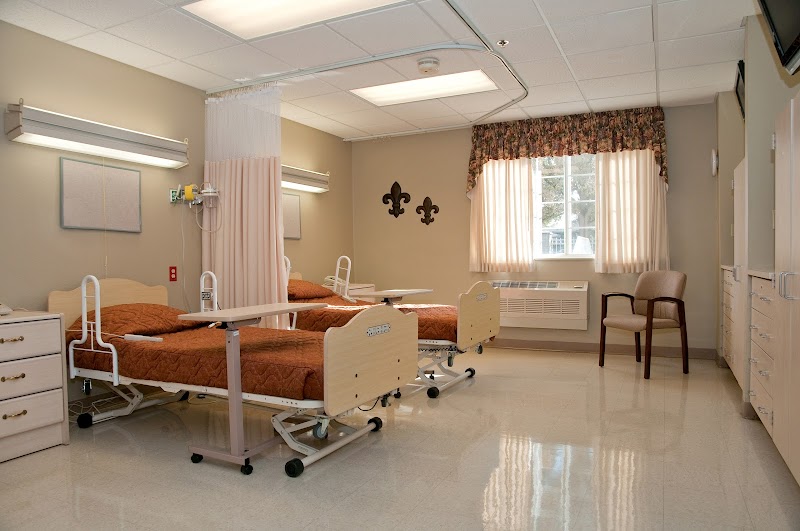
How is Life Of Lewiston Staffed?

CMS rates LIFE CARE CENTER OF LEWISTON's staffing level at 4 out of 5 stars, which is above average compared to other nursing homes. Staff turnover is 47%, compared to the Idaho average of 46%.

What Have Inspectors Found at Life Of Lewiston?

State health inspectors documented 16 deficiencies at LIFE CARE CENTER OF LEWISTON during 2018 to 2025. These included: 16 with potential for harm.

Who Owns and Operates Life Of Lewiston?

LIFE CARE CENTER OF LEWISTON is owned by a for-profit company. For-profit facilities operate as businesses with obligations to shareholders or private owners. The facility is operated by LIFE CARE CENTERS OF AMERICA, a chain that manages multiple nursing homes. With 121 certified beds and approximately 72 residents (about 60% occupancy), it is a mid-sized facility located in LEWISTON, Idaho.
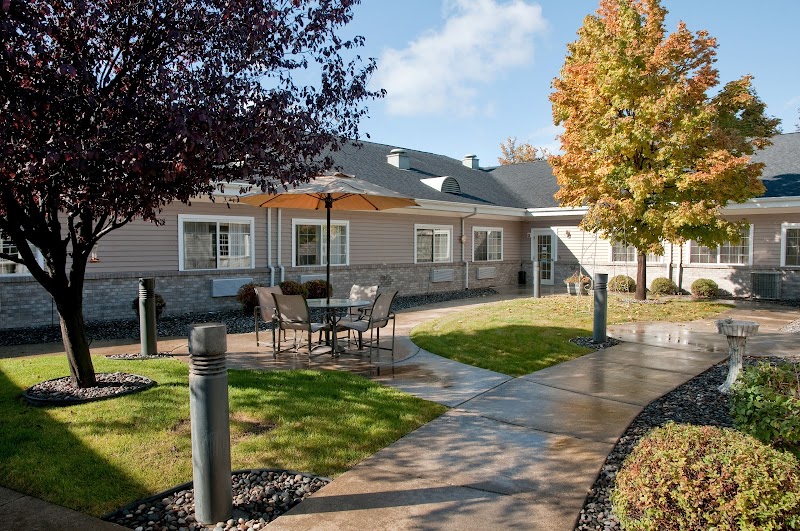
How Does Life Of Lewiston Compare to Other Idaho Nursing Homes?

Compared to the 100 nursing homes in Idaho, LIFE CARE CENTER OF LEWISTON's overall rating (5 stars) is above the state average of 3.3, staff turnover (47%) is near the state average of 46%, and health inspection rating (5 stars) is much above the national benchmark.

What Should Families Ask When Visiting Life Of Lewiston?

Based on this facility's data, families visiting should ask: "Can I visit during a mealtime to observe dining assistance and food quality?" "How do you handle medical emergencies, and what is your hospital transfer rate?" "Can I speak with family members of current residents about their experience?"

Is Life Of Lewiston Safe?

Based on CMS inspection data, LIFE CARE CENTER OF LEWISTON has a clean safety record: no substantiated abuse findings (meaning no confirmed cases of resident harm), no Immediate Jeopardy citations (the most serious violation level indicating risk of serious injury or death), and is not on the Special Focus Facility watch list (a federal program monitoring the lowest-performing 1% of nursing homes). The facility has a 5-star overall rating and ranks #1 of 100 nursing homes in Idaho. While no facility is perfect, families should still ask about staff-to-resident ratios and recent inspection results during their visit.

Do Nurses at Life Of Lewiston Stick Around?

LIFE CARE CENTER OF LEWISTON has a staff turnover rate of 47%, which is about average for Idaho nursing homes (state average: 46%). Moderate turnover is common in nursing homes, but families should still ask about staff tenure and how the facility maintains care continuity when employees leave.

Was Life Of Lewiston Ever Fined?

LIFE CARE CENTER OF LEWISTON has no federal fines on record. CMS issues fines when nursing homes fail to meet care standards or don't correct problems found during inspections. The absence of fines suggests the facility has either maintained compliance or corrected any issues before penalties were assessed. This is a positive indicator, though families should still review recent inspection reports for the full picture.

Is Life Of Lewiston on Any Federal Watch List?

LIFE CARE CENTER OF LEWISTON is not on any federal watch list. The most significant is the Special Focus Facility (SFF) program, which identifies the bottom 1% of nursing homes nationally based on persistent, serious quality problems. Not being on this list means the facility has avoided the pattern of deficiencies that triggers enhanced federal oversight. This is a positive indicator, though families should still review the facility's inspection history directly.