CREEKSIDE TRANSITIONAL CARE AND REHABILITATION
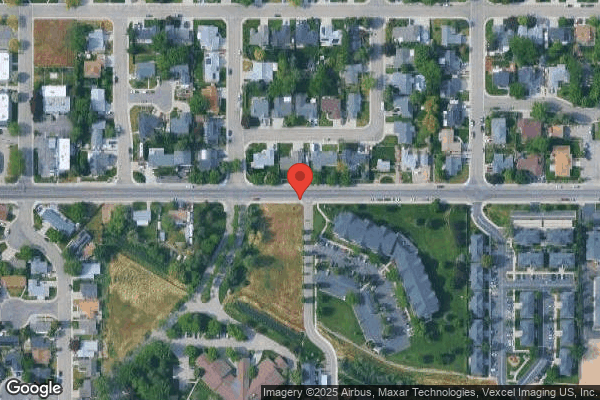
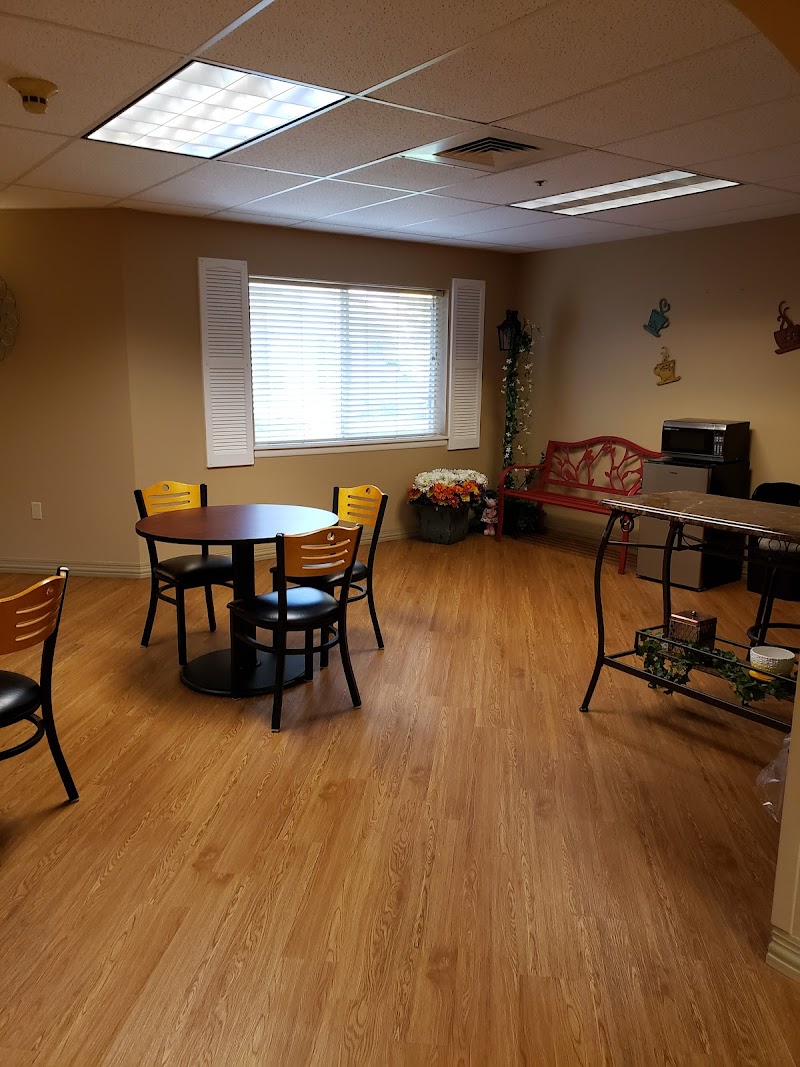
1351 WEST PINE AVENUE, MERIDIAN, ID 83642 (208) 888-7049
For profit - Corporation 139 Beds THE ENSIGN GROUP Data: November 2025
Trust Grade
53/100
#45 of 79 in ID
Last Inspection: June 2025

Inspected within the last 6 months. Data reflects current conditions.

Overview

Creekside Transitional Care and Rehabilitation has a Trust Grade of C, indicating it is average compared to other facilities. It ranks #45 out of 79 nursing homes in Idaho, placing it in the bottom half, and #9 out of 14 in Ada County, meaning there are only a few local options that perform better. The facility is worsening, with issues increasing from 5 in 2024 to 12 in 2025. Staffing is rated average, with a 3/5 star rating and a turnover rate of 53%, which is close to the state average. However, there are concerning incidents, including a failure to safely transfer a resident using a mechanical lift, resulting in serious injury, and issues related to food safety, such as improperly stored food, which could lead to health risks for residents.

Trust Score
C
53/100
In Idaho
#45/79
Bottom 44%
Safety Record
Moderate
Needs review
Inspections
Getting Worse
5 → 12 violations
Staff Stability
⚠ Watch
53% turnover. Above average. Higher turnover means staff may not know residents' routines.
Penalties
○ Average
$8,278 in fines. Higher than 72% of Idaho facilities. Some compliance issues.
Skilled Nurses
○ Average
Each resident gets 41 minutes of Registered Nurse (RN) attention daily — about average for Idaho. RNs are the most trained staff who monitor for health changes.
Violations
⚠ Watch
31 deficiencies on record. Higher than average. Multiple issues found across inspections.
★★★☆☆
3.0
Overall Rating
★★★☆☆
3.0
Staff Levels
★★★★★
5.0
Care Quality
★★☆☆☆
2.0
Inspection Score
Stable
2024: 5 issues
2025: 12 issues

The Good

  • 5-Star Quality Measures · Strong clinical quality outcomes
  • Full Sprinkler Coverage · Fire safety systems throughout facility
  • No fines on record

Facility shows strength in quality measures, fire safety.

The Bad

3-Star Overall Rating

Near Idaho average (3.3)

Meets federal standards, typical of most facilities

Staff Turnover: 53%

Near Idaho avg (46%)

Higher turnover may affect care consistency

Federal Fines: $8,278

Below median ($33,413)

Minor penalties assessed

Chain: THE ENSIGN GROUP

Part of a multi-facility chain

Ask about local staffing decisions and management

The Ugly 31 deficiencies on record

1 actual harm
Jun 2025 11 deficiencies
CONCERN (D) 📢 Someone Reported This

A family member, employee, or ombudsman was alarmed enough to file a formal complaint

Potential for Harm - no one hurt, but risky conditions existed

Deficiency F0583 (Tag F0583)

Could have caused harm · This affected 1 resident

**NOTE- TERMS IN BRACKETS HAVE BEEN EDITED TO PROTECT CONFIDENTIALITY** 3. Resident #183 was admitted to the facility on [DATE], with multiple diagnoses including urinary tract infection, constipation...

Read full inspector narrative →
**NOTE- TERMS IN BRACKETS HAVE BEEN EDITED TO PROTECT CONFIDENTIALITY** 3. Resident #183 was admitted to the facility on [DATE], with multiple diagnoses including urinary tract infection, constipation and depression. On 6/10/25 at 9:34 AM, the computer screen on top of the 500 Hall medication cart was observed to be open with Resident #183's medical information visible. On 6/10/25 at 9:47 AM, LPN #3 stated she did not realize she left the computer open. LPN #3 stated she should have made sure to log off from the computer before leaving her medication cart. Based on observation, record review, and resident and staff interview, it was determined the facility failed to ensure residents' privacy was maintained, treatment information was protected, and residents received mail and packages unopened. This was true for 3 of 24 residents (#29, #35, and #183) reviewed for privacy and confidentiality. This deficient practice placed residents at risk of embarrassment, loss of control over their personal information, diminished quality of life, and psychosocial distress. Findings include: The facility's list of Resident Rights provided to each resident at admission, dated 10/4/16, documented residents residing in the facility had the right to personal privacy and confidentiality of their personal and medical records and included the right to promptly receive unopened mail and packages. On 6/11/25 at 2:00 PM, during the Resident Council meeting with surveyors, 2 of the 9 residents in attendance stated they had received mail and packages that had already been opened. 1. Resident #29 was admitted to the facility on [DATE], and readmitted on [DATE], with multiple diagnoses including stroke, diabetes, and major depressive disorder. Resident #29's Annual MDS Assessment, dated 10/13/24, documented she was cognitively intact. On 6/11/25 at 2:00 PM, Resident #29 stated her packages arrived opened all the time. She stated the packages were gifts from family and addressed to her directly. Resident #29 added her packages did not include anything illegal, like drugs, and she did not understand why the facility felt they needed to open them before delivering it to her. On 6/11/25 at 4:30 PM, the Administrator stated there was no reason he could think of that residents' packages would be opened prior to delivering them. 2. Resident #35 was admitted to the facility on [DATE], and readmitted on [DATE], with multiple diagnoses including, chronic obstructive pulmonary disease (COPD), heart failure, and anxiety. Resident #35's Annual MDS Assessment, dated 11/5/24, documented she was cognitively intact. On 6/11/25 at 2:25 PM, Resident #35 stated her mail arrived opened on one occasion. She added, she knew she had the right to receive her mail unopened and complained to staff. Resident #35 stated, when her mail is delivered, staff hand it to her and say with exaggeration here's your mail- unopened. Resident #35 stated this made her feel sad because the staff were retaliating against her when she exercised her rights. On 6/11/25 at 3:30 PM, the Activities Director stated she received the resident mail to deliver from the receptionist/accounts payable staff person, and at times some items had been opened. She further stated she never opened resident mail or packages herself. On 6/11/25 at 4:00 PM, the receptionist/accounts payable staff stated she got the mail and sorted it into 3 piles. 1. Resident mail 2. Billing 3. Receivables The receptionist/accounts payable staff stated the billing department and business office opened any mail that had to do with the residents insurance. She added, if she thought the mail might contain a new insurance card by feeling the envelope, she would open the envelope, make a copy of the insurance card for the billing department before giving the mail to the Activities Director. On 6/11/25 at 4:30 PM, the Administrator stated mail comes into the facility and gets sorted the following way: -Resident mail goes to resident -Payor source and social security documents goes to the business office -Office mail goes to each department -Insurance documents go to the business office The Administrator stated the staff would open mail based on a judgement call depending on where the return address stated and how the envelope felt when sorting the mail.
CONCERN (D) 📢 Someone Reported This

A family member, employee, or ombudsman was alarmed enough to file a formal complaint

Potential for Harm - no one hurt, but risky conditions existed

Safe Environment (Tag F0584)

Could have caused harm · This affected 1 resident

**NOTE- TERMS IN BRACKETS HAVE BEEN EDITED TO PROTECT CONFIDENTIALITY** Based on observation, record review, and resident and staff interviews, it was determined the facility failed to ensure resident...

Read full inspector narrative →
**NOTE- TERMS IN BRACKETS HAVE BEEN EDITED TO PROTECT CONFIDENTIALITY** Based on observation, record review, and resident and staff interviews, it was determined the facility failed to ensure residents were provided with a safe, clean, and homelike environment. This was true for 2 of 2 residents (#37 and #82) whose shared room was observed for a homelike environment. This deficient practice created the potential for diminished quality of life and psychosocial distress for Resident #82 when his roommate, Resident #37's, living space was not kept clean. Findings include: 1. Resident #37 was admitted to the facility on [DATE], and readmitted on [DATE], with multiple diagnoses including left and right below the knee amputations, diabetes, anxiety, and muscle weakness. Resident #37's Quarterly MDS assessment, dated 4/9/25, documented he was severely cognitively impaired. Resident #37's care plan, initiated on 9/9/19, and revised on 12/24/24, indicated resident had potential for mood problems [related to] agitation with the intervention to document episodes of behavior including refusal of cares, aggression, urinating on floor. Resident #37's Behavior Monitoring Log, dated 5/12/25-6/12/25, documented he refused care 8 times during the last 30 days. 2. Resident #82 was admitted to the facility on [DATE], with multiple diagnoses including spinal cord compression, major depressive disorder, and diabetes. Resident #82's Quarterly MDS assessment, dated 5/15/25, documented he was cognitively intact. Resident #82's care plan initiated on 5/15/25, documented potential for self-care deficit related to poor awareness due to major depressive disorder with the intervention to document episodes of behavior including irritability. Resident #82's Behavior Monitoring Log, dated 5/12/25-6/12/25, documented he refused care 1 time during the last 30 days. A strong foul urine odor was observed in the hallway outside Resident #37 and Resident #82's room on the following instances: -6/9/25 at 10:00 AM -6/10/25 at 8:00 AM -6/11/25 at 8:00 AM, 10:00 AM, 1:50 PM, and 5:00 PM -6/12/25 at 10:00 AM -6/13/25 at 12:45 PM On 6/9/25 at 1:45 PM, observed Resident #37's urinal was half full and uncapped, and his bedside commode was open with urine in it and splattered across the seat. The room smelled like stale urine. When asked about the odor in the room, Resident #37 stated he did not smell anything. On 6/12/25 at 10:05 AM, Resident # 82 stated he didn't like strong odor in the room, and added there's nothing I can do about it On 6/12/25 at 10:15 AM, the ADON stated Resident #37 had behaviors that keep staff from emptying the bedside commode and urinal. She added, staff would rush to clean his living space when he would leave his room. The ADON stated Resident #82 also had a history of refusing care, such as showering and changing his linens, which added to the foul odor of the living space and moving Resident #82 to another room had not been offered. The ADON was asked if she could describe the odor in the hallway coming from Resident #37 and Resident #82's room, she stated Oh yeah, it smells funky. When asked to describe the term funky, she stated just funky.
CONCERN (D) 📢 Someone Reported This

A family member, employee, or ombudsman was alarmed enough to file a formal complaint

Potential for Harm - no one hurt, but risky conditions existed

Assessment Accuracy (Tag F0641)

Could have caused harm · This affected 1 resident

**NOTE- TERMS IN BRACKETS HAVE BEEN EDITED TO PROTECT CONFIDENTIALITY** 2. Resident #104 was admitted to the facility on [DATE], with multiple diagnoses including Wernicke's encephalopathy (a neurolog...

Read full inspector narrative →
**NOTE- TERMS IN BRACKETS HAVE BEEN EDITED TO PROTECT CONFIDENTIALITY** 2. Resident #104 was admitted to the facility on [DATE], with multiple diagnoses including Wernicke's encephalopathy (a neurological disorder caused by a thiamine vitamin deficiency) and cognitive communication deficit. Resident #104's medical record documented on 3/14/24, he was diagnosed with delusional disorder and alcohol-induced dementia. Resident #104's Annual MDS Assessment, dated 7/18/24, documented the following: -In Section A, under A1500, Is the resident currently considered by the state level II PASRR process to have serious mental illness and/or intellectual disability or a related condition? This question was answered no. -In Section I, under I5950, Resident #104 had an active diagnosis of a psychotic disorder other than schizophrenia. On 6/13/25 at 11:43 AM, the MDS Coordinator, stated Resident #104's Annual MDS Assessment was not accurate because his diagnoses had been updated but the PASRR Level I and Level II had not been updated when he received new mental health diagnoses. Based on review of the Resident Assessment Instrument (RAI) Manual, record review, and staff interview, it was determined the facility failed to ensure residents' Minimum Data Set (MDS) Assessments included correct assessment information. This was true for 2 of 2 residents (#53 and #104) whose MDS records were reviewed for accuracy. This deficient practice had the potential for negative outcomes if residents were not assessed and/or monitored due to inaccurate assessments. Findings include: The RAI Manual, revised 10/1/2024, documented section A1500, PASRR (Preadmission Screening and Resident Review), was to be coded yes when a PASRR Level II screening determines a resident had a serious mental illness and/or intellectual disability, or related condition. 1. Resident #53 was admitted to the facility on [DATE], and readmitted on [DATE], with multiple diagnoses including post traumatic stress disorder (PTSD), major depressive disorder, and anxiety. Resident #53's Annual MDS Assessment, dated 3/13/25, documented under A1500 in Section A, no for the question, Is the resident currently considered by the state level II PASRR process to have serious mental illness and/or intellectual disability or a related condition? However, there was a PASRR Level II observed in his electronic medical record, dated 6/21/19. On 6/13/25 at 11:38 AM, the MDS Coordinator stated Resident #53's MDS assessment was coded that the resident did not receive a PASRR Level II, and it should have been coded yes.
CONCERN (D) 📢 Someone Reported This

A family member, employee, or ombudsman was alarmed enough to file a formal complaint

Potential for Harm - no one hurt, but risky conditions existed

PASARR Coordination (Tag F0644)

Could have caused harm · This affected 1 resident

**NOTE- TERMS IN BRACKETS HAVE BEEN EDITED TO PROTECT CONFIDENTIALITY** Based on record review and staff interview, it was determined the facility failed to ensure a Pre-admission Screening and Reside...

Read full inspector narrative →
**NOTE- TERMS IN BRACKETS HAVE BEEN EDITED TO PROTECT CONFIDENTIALITY** Based on record review and staff interview, it was determined the facility failed to ensure a Pre-admission Screening and Resident Review (PASRR) was accurately completed when new mental health diagnoses were identified for 1 of 2 residents (Resident #104), whose records were reviewed for PASRR screenings. This failure created the potential for harm if the resident required, but did not receive, specialized services for mental health while residing in the facility. Findings include: Appendix PP of the State Operations Manual, revised 8/8/24, documented any resident with newly evident or possible serious mental disorder, intellectual disability, or a related condition must be referred by the facility to the appropriate state-designated mental health or intellectual disability authority for review. Resident #104 was admitted to the facility on [DATE], with multiple diagnoses including Wernicke's encephalopathy (a neurological disorder caused by a thiamine vitamin deficiency) and cognitive communication deficit. Resident #104's medical record documented on 3/14/24, he received 2 new mental health diagnoses, delusional disorder and alcohol-induced dementia. On 6/12/25 at 5:05 PM, the ADON stated Resident #104 should have had a new PASRR Level I conducted when he was diagnosed with delusional disorder and alcohol-induced dementia on 3/14/24.
CONCERN (D) 📢 Someone Reported This

A family member, employee, or ombudsman was alarmed enough to file a formal complaint

Potential for Harm - no one hurt, but risky conditions existed

Deficiency F0658 (Tag F0658)

Could have caused harm · This affected 1 resident

**NOTE- TERMS IN BRACKETS HAVE BEEN EDITED TO PROTECT CONFIDENTIALITY** Based on observation, record review, and interviews, it was determined the facility failed to ensure resident's medications were...

Read full inspector narrative →
**NOTE- TERMS IN BRACKETS HAVE BEEN EDITED TO PROTECT CONFIDENTIALITY** Based on observation, record review, and interviews, it was determined the facility failed to ensure resident's medications were administered according to professional standards of practice. This was true for 1 of 3 residents (Resident #184) whose insulin administrations were observed. This failed practice created the potential for Resident #184 to receive an incorrect dose of insulin and experienced hypoglycemia. Findings include: The Lantus Insulin Glargine website, accessed on 6/16/25, documented to always perform a safety test (prime) before each injection as follows: - Dial a test dose of two units. - Hold pen with the needle pointing up and lightly tap the insulin reservoir so the air bubbles rise to the top of the needle. This will help you get the most accurate dose. - Press the injection button all the way in and check to see that insulin comes out of the needle. The dial will automatically go back to zero after you perform the test. The Lantus website also documented when you inject the insulin to slowly count to ten before removing the needle to make sure the full insulin dose was administered. Resident #184 was admitted to the facility on [DATE], with multiple diagnoses including diabetes. A physician's order, dated 6/5/25, documented Resident #184 was to receive 10 units of Insulin Glargine 100 units/ml subcutaneously one time a day for diabetes. On 6/12/25 at 11:48 AM, LPN #1 took the Insulin Glargine from the medication cart and prepare the insulin pen as follows: LPN #1 removed the cap, sanitized the tip of the insulin pen, placed a new needle and dialed the pen to 10 units. LPN #1 was not observed to prime the insulin pen. LPN #1 then went to Resident #184's room, sanitized Resident #184's left upper arm, and administered the insulin. LPN #1 was not observed to hold the insulin pen for at least 10 seconds before withdrawing the needle from Resident #184's left upper arm. On 6/12/25 at 11:54 AM, when asked about the preparation of insulin pen injections, LPN #1 stated she did not prime the insulin pen prior to giving it to Resident #184. When asked about the insulin administration, LPN #1 stated it was only 10 units and it does not take long to administer 10 units. LPN #1 stated she held the needle to Resident #184's arm for about 3 seconds. On 6/12/25 at 2:45 PM, the ADON stated the facility followed the manufacturers direction for insulin administration. ADON stated after sanitizing the tip of the insulin pen and replacing the needle, she would prime the insulin pen and then dial the required amount of insulin as ordered by the physician. The ADON also stated she would inject the insulin and leave the needle for about ten seconds before withdrawing the needle.
CONCERN (D) 📢 Someone Reported This

A family member, employee, or ombudsman was alarmed enough to file a formal complaint

Potential for Harm - no one hurt, but risky conditions existed

ADL Care (Tag F0677)

Could have caused harm · This affected 1 resident

**NOTE- TERMS IN BRACKETS HAVE BEEN EDITED TO PROTECT CONFIDENTIALITY** Based on observation and staff interview it was determined the facility failed to ensure residents were provided with assistance...

Read full inspector narrative →
**NOTE- TERMS IN BRACKETS HAVE BEEN EDITED TO PROTECT CONFIDENTIALITY** Based on observation and staff interview it was determined the facility failed to ensure residents were provided with assistance to meet their needs. This was true for 1 of 24 residents (Resident #92) who were reviewed for activities of daily living. This failed practice created the potential for embarrassment and psychosocial harm when Resident #92's toenails were not maintained. Findings include: Resident #92 was admitted to the facility on [DATE], with multiple diagnoses including muscle weakness and unsteadiness on her feet. On 6/9/25 at 9:46 AM, Resident # 92 stated she had asked the nurses, doctors, and CNA's to cut her toe nails but no one had helped her. She also stated her toenails have not been trimmed since she was admitted to the facility. On 6/11/25 at 11:02 AM, both of Resident #92's great toenails were noted to be long and thick and yellow. On 6/11/25 at 11:53 AM, the SDC stated Resident #92's left, and right great toenails measured ¼ of an inch long. She also stated Resident #92's toenails were long and should have been trimmed.
CONCERN (D) 📢 Someone Reported This

A family member, employee, or ombudsman was alarmed enough to file a formal complaint

Potential for Harm - no one hurt, but risky conditions existed

Quality of Care (Tag F0684)

Could have caused harm · This affected 1 resident

**NOTE- TERMS IN BRACKETS HAVE BEEN EDITED TO PROTECT CONFIDENTIALITY** Based on record review and staff interview, it was determined the facility failed to ensure professional standards of practice w...

Read full inspector narrative →
**NOTE- TERMS IN BRACKETS HAVE BEEN EDITED TO PROTECT CONFIDENTIALITY** Based on record review and staff interview, it was determined the facility failed to ensure professional standards of practice were followed for 1 of 15 residents (Resident #18) reviewed for bowel and bladder care. This failed practice created the potential for Resident #18 to experience discomfort when his medications were not administered according to the physician's order. Findings include: Resident #18 was admitted to the facility on [DATE], and readmitted on [DATE], with multiple diagnoses including multiple sclerosis (a disease that affects the brain and spinal cord), malnutrition, and dementia. A physician's order, documented Resident #18 was to receive the following bowel medications as needed: -Miralax Powder, give 17 grams by mouth every 24 hours as needed for bowel care if no bowel movement for 3 days. -Dulcolax suppository 10 mg, insert one suppository rectally every 24 hours as needed for bowel care if no results from Miralax. -Fleets enema, insert one dose rectally every 24 hours as needed for bowel care if no results from Dulcolax. Resident #18's bowel movement records, dated 5/13/25 through 6/13/25, documented he did not have a bowel movement from: 6/1/25 through 6/5/25 (5 days). Resident #18's MAR, dated 6/1/25 through 6/4/25, did not include documentation he had received any of his bowel care medications as ordered for 4 days. On 6/13/25 at 11:04 AM, the ADON confirmed Resident #18 did not have a bowel movement from 6/1/25 through 6/5/25 and should have been given an as needed bowel medication on day 4 and he wasn't given one until day 5.
CONCERN (D) 📢 Someone Reported This

A family member, employee, or ombudsman was alarmed enough to file a formal complaint

Potential for Harm - no one hurt, but risky conditions existed

Respiratory Care (Tag F0695)

Could have caused harm · This affected 1 resident

**NOTE- TERMS IN BRACKETS HAVE BEEN EDITED TO PROTECT CONFIDENTIALITY** Based on observation, record review, and interview, it was determined the facility failed to ensure the CPAP water chamber was k...

Read full inspector narrative →
**NOTE- TERMS IN BRACKETS HAVE BEEN EDITED TO PROTECT CONFIDENTIALITY** Based on observation, record review, and interview, it was determined the facility failed to ensure the CPAP water chamber was kept clean. This was true for 1 of 1 resident (Resident #119) reviewed for respiratory care. This deficient practice created the potential for respiratory infection due to growth of bacteria in respiratory equipment. Findings include: Resident #119 was admitted to the facility on [DATE], with multiple diagnoses including obstructive sleep apnea (temporary cessation of breathing). Resident #119's physician's order included the following: - CPAP: Settings 10 cm at 30% oxygen. Place CPAP mask on night shift, remove CPAP mask on AM shift every day. The physician' order also directed staff to wash Resident #119's CPAP tubing and reusable filter weekly with warm soapy water and let it dry. On 6/9/25 at 9:09 AM, a CPAP machine was observed on top of Resident #119's bedside table. When asked if he used his CPAP machine, Resident #119 stated probably a week ago. On 6/12/25 at 9:32 AM, Resident #119 stated he did not use his CPAP the night before. RN #3 was asked to check the CPAP water chamber. When RN #3 opened the water chamber, it was very dry and noted to have a whitish residue on the bottom of the water chamber. When asked what it was, RN #3 looked at the bottom of the water chamber and did not answer the Surveyor's question. RN #3 then washed the water chamber and put it back inside the CPAP machine. RN #3 stated if Resident #119 used the CPAP the night before, the night shift staff shouldhave noticed the whitish residue inside the chamber and cleaned it before setting up the machine for Resident #119.
CONCERN (D) 📢 Someone Reported This

A family member, employee, or ombudsman was alarmed enough to file a formal complaint

Potential for Harm - no one hurt, but risky conditions existed

Deficiency F0699 (Tag F0699)

Could have caused harm · This affected 1 resident

**NOTE- TERMS IN BRACKETS HAVE BEEN EDITED TO PROTECT CONFIDENTIALITY** Based on record review and staff interview, it was determined the facility failed to assess, monitor, and identify potential tri...

Read full inspector narrative →
**NOTE- TERMS IN BRACKETS HAVE BEEN EDITED TO PROTECT CONFIDENTIALITY** Based on record review and staff interview, it was determined the facility failed to assess, monitor, and identify potential triggers for 1 of 1 resident (Resident #53) reviewed for trauma-informed care. This failure created the potential for further trauma and psychosocial harm when the residents Post-Traumatic Stress Disorder (PTSD- a mental health condition that is triggered by a terrifying event) triggers were not assessed. Findings include: The CMS SOM, Appendix PP, dated 8/8/24 documented, a facility must ensure the residents who are trauma survivors receive culturally competent, trauma-informed care in accordance with professional standards of practice and accounting for residents' experiences and preferences in order to eliminate or mitigate triggers that may cause re-traumatization of the resident. Resident #53 was admitted to the facility on [DATE], with multiple diagnoses including PTSD, paraplegia (paralysis of the lower limbs), anxiety, and major depressive disorder. Resident #53's Annual MDS Assessment, dated 3/13/25, documented he had little interest or pleasure in doing things. Further review of the MDS documented Resident #53 takes antianxiety and antidepressant medications daily. Resident #53's care plan documented a diagnosis of PTSD. The interventions included administration of medications as ordered. On 6/13/25 at 10:32 AM, the ADON stated she did not know what Resident #53's triggers were for his PTSD. The ADON further confirmed there were no interventions in the care plan for triggers from PTSD and there should have been.
CONCERN (D) 📢 Someone Reported This

A family member, employee, or ombudsman was alarmed enough to file a formal complaint

Potential for Harm - no one hurt, but risky conditions existed

Infection Control (Tag F0880)

Could have caused harm · This affected 1 resident

**NOTE- TERMS IN BRACKETS HAVE BEEN EDITED TO PROTECT CONFIDENTIALITY** Based on observation, record review, and staff interview it was determined the facility failed to ensure infection control pract...

Read full inspector narrative →
**NOTE- TERMS IN BRACKETS HAVE BEEN EDITED TO PROTECT CONFIDENTIALITY** Based on observation, record review, and staff interview it was determined the facility failed to ensure infection control practices were implemented for a Pure Wick (female external catheter system). This was true for 1 of 1 resident (Resident #75) who used a Pure Wick. This failure created the potential for infection when Resident #75's Pure Wick tubing and canister was not maintained in sanitary conditions. Findings include: Resident #75 was admitted to the facility on [DATE], with multiple diagnoses including need for assistance with personal care and pressure ulcer to left buttocks. On 6/9/25 at 2:24 PM, Resident #75 was observed sitting in her wheelchair with her Pure Wick sitting on her nightstand. The canister was observed to be full with foul smelling, dark, cloudy urine and clear tubing connected to it. The tubing with visible urine inside it was observed to be resting on the nightstand. On 6/9/25 at 2:58 PM, LPN #2 confirmed the room smelled like urine and stated the Pure Wick canister and tubing should be emptied and rinsed after use. She added the tube should then be placed inside a clean bag to prevent cross contamination.
CONCERN (F) 📢 Someone Reported This

A family member, employee, or ombudsman was alarmed enough to file a formal complaint

Potential for Harm - no one hurt, but risky conditions existed

Food Safety (Tag F0812)

Could have caused harm · This affected most or all residents

Based on observation, and staff interview, it was determined the facility failed to ensure food was stored in a safe and sanitary manner. This deficient practice had the potential to affect the 129 re...

Read full inspector narrative →
Based on observation, and staff interview, it was determined the facility failed to ensure food was stored in a safe and sanitary manner. This deficient practice had the potential to affect the 129 residents who consumed food prepared by the facility. This placed residents at risk for adverse health outcomes, including food-borne illnesses. Findings include: On 6/9/25 at 8:41 AM, during a kitchen inspection, a sack of potatoes and sack of onions were observed on a wire rack. The potatoes were observed to be mushy with bulging sprouts. The onions were observed to be green, soft, and mushy. On 6/9/25 at 8:42 AM, the CDM stated the potatoes and onions were not fresh and should have been disposed of.
Mar 2025 1 deficiency 1 Harm
SERIOUS (G) 📢 Someone Reported This

A family member, employee, or ombudsman was alarmed enough to file a formal complaint

Actual Harm - a resident was hurt due to facility failures

Accident Prevention (Tag F0689)

A resident was harmed · This affected 1 resident

**NOTE- TERMS IN BRACKETS HAVE BEEN EDITED TO PROTECT CONFIDENTIALITY** Based on reviews of incident reports, medical records, hospital records, and staff interviews, it was determined the facility fa...

Read full inspector narrative →
**NOTE- TERMS IN BRACKETS HAVE BEEN EDITED TO PROTECT CONFIDENTIALITY** Based on reviews of incident reports, medical records, hospital records, and staff interviews, it was determined the facility failed to ensure residents' safety during mechanical lift transfers. This was true for two of two residents (#1 and #2) reviewed for accidents. This failure harmed Resident #1 when she sustained a facial contusion and fractures to her lumbar vertebrae and left leg. Findings include: 1. Resident #1 was admitted to the facility on [DATE], and readmitted on [DATE], with multiple diagnoses including hemiplegia (paralysis that affect only one side of the body) and hemiparesis (one-sided weakness or inability to move) following a stroke. Resident #1's quarterly MDS, dated [DATE], documented she was severely cognitively impaired. A care plan intervention, initiated 1/24/25, stated Resident #1 was dependent for transfers, and instructed staff to transfer Resident #1 using a mechanical lift with two staff members assisting and providing all the effort. An incident report, dated 3/9/25, documented Resident #1 fell on 3/9/25 during a mechanical lift transfer. The report documented CNA #1 and CNA #2 were using a mechanical lift to transfer Resident #1 from her bed to a chair when she slid out of the sling. Resident #1's left side landed on the floor and her head hit the bed frame. She was assessed by a nurse and transferred to the hospital where it was determined she had a nosebleed, contusion of her nose, and suffered hip and spinal fractures. Surgery was performed to repair Resident #1's hip. The mechanical lift competencies for CNA #1 and CNA #2 were reviewed and found to be current and complete before the incident. The facility's investigation concluded there was no deficiency found as a cause of the incident, and the following measures were implemented: - Competency training for CNAs related to safe mechanical transfers to be completed by 3/25/25. - Safety inspection of all mechanical lifts. Completed on 3/19/25 with no issues found. - Visual inspection of all mechanical lift slings. Completed 3/19/25 with no issues found. - The sling inventory was upgraded to include full-body-style slings on 3/17/25. - All resident care plans were updated to include specific sling size requirements, as needed. The facility's competencies were reviewed on 3/24/25. Two CNAs had not yet completed the new training which was to be completed on 3/25/25. On 3/24/25 at 1:47 PM, the [NAME] was interviewed. When asked what caused Resident #1 to fall, she stated that, after the incident, the CNAs reenacted the transfer for the nurse and the nurse reported they did everything correctly; the lift and sling were found to be in working order; and the fall was just an accident. 2. Resident #2 was admitted to the facility on [DATE], with multiple diagnoses including Alzheimer's, muscle weakness, and contracture of both knees. Resident #2's quarterly MDS, dated [DATE], documented she was severely cognitively impaired A care plan intervention, initiated 6/7/24, stated Resident #2 was to be transferred with the use of a mechanical lift with two staff assisting. A fall report, dated 3/16/25, documented Resident #2 fell during a mechanical lift transfer from a chair to her bed. CNA #3 and CNA #4 were assisting with her transfer. The report stated Resident #2 slid feet first from the sling, landing on her bottom, on the floor. A nurse assessed Resident #2, and no injuries were found. The facility's investigation documented no causative factors for the incident. A progress note, dated 3/24/25, documented Resident #2's care plan was updated to instruct staff to use a green sling (full-body sling) for her transfers. The mechanical lift competencies for CNA #3 and CNA #4 were reviewed and found to be current and complete before the incident. On 3/24/25, beginning at 1:47 PM, the DON stated there were no issues found with staff competencies or equipment failure related to Resident #2's fall.
Jun 2024 5 deficiencies
CONCERN (D) 📢 Someone Reported This

A family member, employee, or ombudsman was alarmed enough to file a formal complaint

Potential for Harm - no one hurt, but risky conditions existed

Deficiency F0561 (Tag F0561)

Could have caused harm · This affected 1 resident

**NOTE- TERMS IN BRACKETS HAVE BEEN EDITED TO PROTECT CONFIDENTIALITY** Based on observation, record review, and resident and staff interview, it was determined the facility failed to honor residents'...

Read full inspector narrative →
**NOTE- TERMS IN BRACKETS HAVE BEEN EDITED TO PROTECT CONFIDENTIALITY** Based on observation, record review, and resident and staff interview, it was determined the facility failed to honor residents' choices to have a pitcher of water on the bedside table in the resident's room. This was true for 1 of 1 resident (Resident #86) reviewed for choices. This failure created the potential for psychological harm when resident preferences were not honored. Findings include: The facility's Resident Rights policy and procedure, revised 12/2023, documented You have the right to self-determination through support of your choice, including the right to make choices about aspects of your life in the facility that significant to you. Resident #86 was admitted to the facility on [DATE], with multiple diagnoses including end stage renal disease and congestive heart failure (weakness of the heart leading to a buildup of fluid in the body). An annual MDS assessment, dated 6/6/24, documented Resident #86 was cognitively intact. A physician's order, dated 2/21/24, documented Resident #86 was to have a1,200 ml (milliliters) fluid restriction daily. On 6/26/24 at 9:12 AM, Resident #86 while lying in bed, stated last week he had a water pitcher in his room and yesterday evening a nursing assistant sat a pitcher of water on his bedside table. Resident #86 stated when he woke up this morning, the water pitcher was gone. Resident #86 stated he did not know who removed the water pitcher from his bedside table. Resident #86 stated he knew he was on a water restriction which he followed; however, he wanted the water pitcher in his room so that he did not have to keep pressing the call light to request water throughout the day. On 6/26/24 at 10:02 AM, CNA #5 stated she removed Resident #86's water pitcher around 6:30 AM while he was sleeping as directed by LPN #2 due to him being on a fluid restriction. CNA #5 stated LPN #2 was the only nurse that requested the water pitcher be removed from Resident #86's room. On 6/26/24 at 10:05 AM, LPN #2 stated she knew Resident #86 wanted a water pitcher in his room, but she asked CNA #5 to remove the water pitcher from his room because he was on a fluid restriction. LPN #2 stated it was Resident #86's choice to have the water pitcher in his room but he had requested a lot of water over the weekend. LPN #2 stated she was trying to ensure Resident #86 would not exceed the fluid restriction as ordered by the physician. On 6/26/24 at 12:08 PM, LPN #3 stated residents had the right to drink from a water pitcher and it was their choice and the staff should honor their choices. LPN #3 stated Resident #86 was on fluid restrictions, but the nurses could provide him with the amount of water he could have in the morning in the water pitcher and if he wanted more, they could educate him on the risks and benefits of exceeding the 1,200 ml restriction. On 6/26/24 at 2:44 PM, the ADON stated Resident #86 had the right to have a water pitcher in his room and she expected the staff to honor his choices.
CONCERN (D) 📢 Someone Reported This

A family member, employee, or ombudsman was alarmed enough to file a formal complaint

Potential for Harm - no one hurt, but risky conditions existed

Assessment Accuracy (Tag F0641)

Could have caused harm · This affected 1 resident

**NOTE- TERMS IN BRACKETS HAVE BEEN EDITED TO PROTECT CONFIDENTIALITY** Based on record review and staff interview, it was determined the facility failed to ensure residents' MDS assessments had corre...

Read full inspector narrative →
**NOTE- TERMS IN BRACKETS HAVE BEEN EDITED TO PROTECT CONFIDENTIALITY** Based on record review and staff interview, it was determined the facility failed to ensure residents' MDS assessments had correct assessment information. This was true for 1 of 1 resident (Resident #116) whose record was reviewed. This failure created the potential for residents to not have their care needs met due to inaccurate assessments. Findings include: The RAI Manual, dated 10/23 indicated .It is important to note here that information obtained should cover the same observation period as specified by the MDS items on the assessment and should be validated for accuracy (what the resident's actual status was during that observation period) by the IDT (Interdisciplinary Team) completing the assessment. As such, nursing homes are responsible for ensuring that all participants in the assessment process have the requisite knowledge to complete an accurate assessment. Resident #116 was admitted to the facility on [DATE], with multiple diagnoses including stroke. A quarterly MDS assessment, dated 11/6/23, documented Resident #116 was cognitively intact. The assessment also documented Resident #116 had no upper/lower body impairments. On 6/27/24 at 8:36 AM, the Therapy Program Manager stated Resident #116 had both upper and lower bi-lateral extremity impairments. On 6/27/24 at 10:07 AM, the Minimum Data Set Coordinator (MDSC) 1 stated Resident #116 had a history of multiple strokes and confirmed the 11/6/23 MDS was coded inaccurately.
CONCERN (E) 📢 Someone Reported This

A family member, employee, or ombudsman was alarmed enough to file a formal complaint

Potential for Harm - no one hurt, but risky conditions existed

Deficiency F0625 (Tag F0625)

Could have caused harm · This affected multiple residents

**NOTE- TERMS IN BRACKETS HAVE BEEN EDITED TO PROTECT CONFIDENTIALITY** Based on record review, policy review, and staff interview, it was determined the facility failed to ensure a bed hold notice wa...

Read full inspector narrative →
**NOTE- TERMS IN BRACKETS HAVE BEEN EDITED TO PROTECT CONFIDENTIALITY** Based on record review, policy review, and staff interview, it was determined the facility failed to ensure a bed hold notice was provided to residents and/or their representatives upon transfer to the hospital. This was true for 2 of 5 residents (#81 and #99) reviewed for hospital transfers. This deficient practice created the potential for harm if residents and/or their representatives were not informed of the residents' rights to return to their former bed/room at the facility within a specified time. Findings include: The facility's Admission/Discharge/Transfer policy and procedure, revised 10/2023, documented the resident or their representatives shall be informed in writing, of their right to exercise the bed hold provision in the event of a transfer from the facility to a general acute care hospital or for a therapeutic leave. 1. Resident #81 was admitted to the facility on [DATE] and readmitted on [DATE], with multiple diagnoses including dementia, diabetes, and metabolic encephalopathy (disorders where medical problems such as infections, organ dysfunction, or electrolyte imbalance impair brain function). A progress note, dated 5/14/24 at 1:37 PM, documented Resident #81 was sent to the hospital via EMS (Emergency Medical Services) and a report was made to the nurse of the receiving facility. Resident #81's record did not include documentation a bed hold notice was provided to her and/or to her representative. On 6/27/24 at 9:53 AM, the ADON stated she was unaware a written bed hold notice was to be provided to a resident and/or their representative upon or as soon as practicable during a resident's transfer to the hospital. The ADON stated Resident #81 and/or her representative did not receive a bed hold notice when she was transferred out of the facility to the emergency department. 2. Resident #99 was admitted to the facility on [DATE] and readmitted on [DATE], with multiple diagnoses including hypertension, congestive heart failure (a chronic progressive condition affecting the pumping power of the heart muscles). A progress note, dated 5/12/24 at 2:52 AM, documented Resident #99 was transported to the hospital. Resident #99's record did not include documentation a bed hold notice was provided to her and/or to her representative. On 6/27/24 at 9:53 AM, the ADON stated she was unaware a written bed hold notice was to be provided to a resident and/or their representative upon or as soon as practicable during a resident's transfer to the hospital. The ADON stated Resident #99 and/or her representative did not receive a bed hold notice when she was transferred out of the facility to the emergency department.
CONCERN (F) 📢 Someone Reported This

A family member, employee, or ombudsman was alarmed enough to file a formal complaint

Potential for Harm - no one hurt, but risky conditions existed

Food Safety (Tag F0812)

Could have caused harm · This affected most or all residents

Based on observation, policy review and staff interview, it was determined the facility failed to use appropriate personal protective equipment (PPE) while working in food preparation areas. The facil...

Read full inspector narrative →
Based on observation, policy review and staff interview, it was determined the facility failed to use appropriate personal protective equipment (PPE) while working in food preparation areas. The facility failed to ensure chemical level testing supplies were available to test the quaternary (sometimes called quat - a group of chemicals used for sanitization) in the sanitation compartment of a three-compartment sink. The facility failed to ensure clean pans were air dried prior to storage. These failures increased the risk of food borne illness for the 118 residents that consumed food prepared by the facility. Findings include: 1. The facility policy titled, Sanitary Standards- Dietary Personnel, dated 12/2023, documented the dietary personnel will wear hair restraints, such as hair nets, hats, and/or beard net coverings at all times while in food preparation areas. On 6/24/24 at 8:30 AM, [NAME] #2 was observed to have a beard and mustache and did not have a covering over their facial hair while working in a food preparation area. On 6/24/24 at 8:34 AM, Dietary Aide #1 was observed to have a goatee and did not have a covering over their facial hair while standing next to a cooktop. On 6/25/24 at 2:07 PM, the Certified Dietary Manager (CDM) stated the kitchen staff with facial hair must have their facial hair covered while in food preparation areas. 2. The facility policy and procedure for dishwashing chemical checks, dated 3/2024, documented the dietary manager was responsible for the monitoring of the sanitizing chemical levels and the chemical levels are to be checked daily following meal service but prior to the washing of dishes and meal preparation equipment. On 6/24/24 at 8:30 AM, [NAME] #1 was asked to demonstrate how they monitored the sanitization chemical level in the sanitization compartment of the three-compartment sink. [NAME] #1 was unable to locate the chemical level testing supplies to demonstrate the testing. On 6/25/24 at 2:07 PM, the CDM stated the chemical testing supplies were not available. 3. The facility procedure for dishwashing and sanitizing, dated 12/2023, documented to always air-dry the dishes and putting dishes away while they are still wet- known as wet nesting or stacking- creates a moist environment that encourages the growth of bacteria. On 6/26/24 at 11:25 AM, 7 pans were observed to be stacked and stored before they had air-dried. The CDM unstacked the pans and noted the pans were still wet. The CDM stated they're wet and added, they need to be re-washed and allowed to air-dry before being stacked.
CONCERN (F) 📢 Someone Reported This

A family member, employee, or ombudsman was alarmed enough to file a formal complaint

Potential for Harm - no one hurt, but risky conditions existed

Garbage Disposal (Tag F0814)

Could have caused harm · This affected most or all residents

Based on observation,policy review, and staff interview, it was determined the facility failed to ensure garbage was contained and disposed of properly. This failure put all residents, staff, and gues...

Read full inspector narrative →
Based on observation,policy review, and staff interview, it was determined the facility failed to ensure garbage was contained and disposed of properly. This failure put all residents, staff, and guests in danger of illness or harm due to the increased the risk for pests and rodents to be present on the property. Findings include: A facility policy titled Garbage and Rubbish Disposal, dated 10/2023, documented garbage will be stored to be inaccessible to vermin and the dumpsters outside must be kept closed and free of litter around the dumpster area. On 6/24/24 at 8:37 AM, two dumpsters were observed outside the facility. Dumpsters #1 and #2 had two lids each, both lids on both dumpsters were open and exposed the garbage within. The lid on the right side of dumpster #2 had bags of garbage preventing the lid from closing. [NAME] #2 was observed placing flattened cardboard into the right side of dumpster #2 then began to walk toward the facility; at this time, [NAME] #1 directed [NAME] #2 to close the dumpster and reminded them the dumpster lids must always be closed. On 6/24/24 at 3:26 PM, the Administrator stated the dumpsters were supposed to have their lids closed.
Mar 2019 14 deficiencies
CONCERN (D)

Potential for Harm - no one hurt, but risky conditions existed

Deficiency F0561 (Tag F0561)

Could have caused harm · This affected 1 resident

**NOTE- TERMS IN BRACKETS HAVE BEEN EDITED TO PROTECT CONFIDENTIALITY** Based on record review, policy review, resident interview, and staff interview, it was determined the facility failed to ensure ...

Read full inspector narrative →
**NOTE- TERMS IN BRACKETS HAVE BEEN EDITED TO PROTECT CONFIDENTIALITY** Based on record review, policy review, resident interview, and staff interview, it was determined the facility failed to ensure a resident received showers as he desired and as care planned. This was true for 1 of 19 residents (Resident #24) reviewed for choices. This deficient practice had the potential for harm should a resident experience a decreased sense of well-being, lack of self-worth, and frustration when his desire to receive a shower was not accommodated. Findings include: The facility's Resident Care policy, revised 5/2007, documented showers and/or baths were provided to promote cleanliness, stimulate circulation, and assist in relaxation. The facility's policy for Monitoring of Resident Care, revised 5/2007, documented each resident would be provided with the necessary care and services to allow them to reach or maintain their highest practicable physical, mental, and psychosocial well-being, according to the comprehensive care plan. Residents would receive services with reasonable accommodation of their needs and preferences, except when it would endanger the health or safety of the resident or other residents. Resident #24 was admitted to the facility on [DATE], with multiple diagnoses including Alzheimer's disease, generalized muscle weakness, and anxiety disorders. Resident #24's admission MDS assessment, dated 2/5/19, documented he was cognitively intact and required the physical assistance of one person for bathing. Resident #24's care plan documented he required the assistance of one person with showering twice a week on days or evenings, as he wished and as necessary, initiated on 2/8/19. Resident #24's CNA task flowsheet for February 2019 documented he received a shower on 2/4/19, 2/7/19, 2/10/19, 2/11/19, 2/14/19, 2/21/19, and 2/28/19. There was no documentation Resident #24 received a second shower the week of 2/17/19 and the week of 2/24/19. On 2/25/19 at 2:54 PM, Resident #24 appeared somewhat disheveled and said he was not receiving showers. When asked about the last time he received a shower, Resident #24 shrugged his shoulders, appeared agitated, and said he was not getting a shower and said he expected to be kept clean. On 2/27/19 at 12:01 PM, CNA #1 said Resident #24's shower day was twice a week and she did not know when he last received a shower. On 2/27/19 at 12:15 PM, LPN #1 said Resident #24 should get a shower at least two days a week and she did not keep track of it because the CNAs did it. On 2/27/19 at 12:31 PM, the DON said staff tried to offer a shower twice a week and as needed if the resident requested it. The DON said Resident #24 did not receive two showers a week. The DON said the shower aide broke her foot during one of the weeks and it was difficult to get showers, but the CNAs were still responsible for getting them done.
CONCERN (D)

Potential for Harm - no one hurt, but risky conditions existed

Deficiency F0645 (Tag F0645)

Could have caused harm · This affected 1 resident

**NOTE- TERMS IN BRACKETS HAVE BEEN EDITED TO PROTECT CONFIDENTIALITY** Based on staff interview, policy review, and record review, it was determined the facility failed to ensure the Preadmission Scr...

Read full inspector narrative →
**NOTE- TERMS IN BRACKETS HAVE BEEN EDITED TO PROTECT CONFIDENTIALITY** Based on staff interview, policy review, and record review, it was determined the facility failed to ensure the Preadmission Screening and Resident Review (PASRR) was complete and accurate for 1 of 5 residents (Resident #24) whose PASRRs were reviewed. This failure created the potential for harm if residents required, but did not receive, specialized services for mental health while residing in the facility. Findings include: The facility's policy for PASRR, revised 10/2007, documented the following: * Each resident was appropriately screened using the PASRR as specified by the state. * Based on the assessment, the facility would ensure a proper referral was made to the appropriate state agency for specialized services for residents with mental illness/mental retardation. * Social Services would contact the appropriate state agency for a referral of specialized care and services the resident may need. Resident #24 was admitted to the facility on [DATE], with multiple diagnoses including Alzheimer's disease and depression with anxiety. A progress note, dated 1/23/19 and signed by a nurse practitioner, documented Resident #24 was taking escitalopram (antidepressant medication) 20 mg once a day, and mirtazapine (antidepressant medication) 7.5 mg at bedtime. Resident #24's PASRR documented he had no major mental illnesses (such as depressive disorders and anxiety disorders), did not have anxiety or depression, and was not referred for further evaluation. The PASRR was signed by Resident #24 on 1/28/19 and signed by a nurse practitioner on 1/29/19. Resident #24's care plan documented he had potential for mood problems related to major depressive disorder and anxiety disorder, initiated on 1/31/19 and revised on 2/4/19. Interventions included Social services to provide support and follow up as needed. Resident #24's admission MDS assessment, dated 2/5/19, documented the following: * He was cognitively intact. * He had verbal behavioral symptoms directed at others (threatening, screaming, cursing at others), and his behavioral symptoms significantly interfered with his care. * He received antidepressant medication on 7 out of the 7 previous days. Resident #24's physician orders included mirtazapine (antidepressant medication) 7.5 mg (milligrams) at bedtime for depression. Resident #24's record included a Diagnosis Report, dated 2/27/19 at 3:37 PM, which documented he had diagnoses of Major Depressive Disorder on 1/30/19, and anxiety disorders on 1/30/19. On 2/27/19 at 11:42 AM, the LSW said he could not confirm Resident #24's diagnoses of depression and anxiety did not come at the same time as the PASRR evaluation. He said the PASRR was done on 1/29/19, and the diagnoses were entered on 1/30/19. The LSW said he did not compare Resident #24's PASRR to the diagnoses. On 2/27/19 at 2:45 PM, the LSW said he first looked at Resident #24's PASRR when he was admitted and saw each box was checked no. The LSW said he did not compare Resident #24's diagnoses with his History and Physical. The LSW said Resident #24's PASRR should have identified depression, indicating a major mental illness. The LSW said if the PASRR had documented Resident #24's depression it would have been sent out to the noted agencies and returned with recommendations. The LSW said there was no Level 2 PASRR for Resident #24.
CONCERN (D)

Potential for Harm - no one hurt, but risky conditions existed

Comprehensive Care Plan (Tag F0656)

Could have caused harm · This affected 1 resident

**NOTE- TERMS IN BRACKETS HAVE BEEN EDITED TO PROTECT CONFIDENTIALITY** Based on record review, policy review, and staff interview, it was determined the facility failed to develop and implement compr...

Read full inspector narrative →
**NOTE- TERMS IN BRACKETS HAVE BEEN EDITED TO PROTECT CONFIDENTIALITY** Based on record review, policy review, and staff interview, it was determined the facility failed to develop and implement comprehensive resident-centered care plans that included a resident's code status. This was true for 1 of 19 residents (Resident #76) whose care plans were reviewed. This failure created the potential for residents to receive inappropriate or inadequate care and for their resuscitation code status to not be honored. Findings include: The facility's Comprehensive Care Planning policy, dated 8/2017, documented a comprehensive care plan would be developed to meet a resident's medical, nursing, mental, and psychosocial needs. Resident #76 was admitted to the facility on [DATE], with multiple diagnoses including Alzheimer's disease. Resident #76's record documented she had a DPOA. Her POST, dated and signed by the DPOA on 11/15/18, documented her code status was a Full Code. Resident #76's physician orders, dated 11/15/18, documented her code status was a Full Code. Resident #76's care plan did not include her code status. On 2/28/19 at 11:12 AM, LPN #2 said a resident's code status was found on the main screen of their electronic medical record, on the face sheet, and on the POST forms. On 2/28/19 at 2:00 PM, RN #1 said a resident's code status was found on the face sheet, the POST form, the advanced directives, and on the admission record. On 2/28/19 at 3:49 PM, the DON said Resident #76's care plan did not include documentation of her code status.
CONCERN (D)

Potential for Harm - no one hurt, but risky conditions existed

Deficiency F0657 (Tag F0657)

Could have caused harm · This affected 1 resident

**NOTE- TERMS IN BRACKETS HAVE BEEN EDITED TO PROTECT CONFIDENTIALITY** 3. Resident #14 was admitted to the facility on [DATE], with multiple diagnoses including chronic obstructive pulmonary disease....

Read full inspector narrative →
**NOTE- TERMS IN BRACKETS HAVE BEEN EDITED TO PROTECT CONFIDENTIALITY** 3. Resident #14 was admitted to the facility on [DATE], with multiple diagnoses including chronic obstructive pulmonary disease. Resident #14's quarterly MDS assessment, dated 1/2/19, documented she was cognitively intact and required oxygen therapy. Resident #14's care plan documented she had oxygen related to congestive heart failure, initiated on 12/5/18. The care plan also documented Resident #14 received oxygen continuously at 2 LPM by nasal cannula, initiated on 12/5/18 and revised on 12/13/18. Resident #14's physician orders, dated 10/25/18, documented oxygen was ordered at 3 LPM continuously. On 2/26/19 at 9:55 AM and on 2/26/19 at 10:38 AM, Resident #14 was in the community TV area with oxygen on at 2 LPM. On 2/27/19 at 10:35 AM, CNA #1 said Resident #14's oxygen was on at 2 LPM and it should have been at 3 LPM. On 2/27/19 at 10:42 AM, LPN #1 said Resident #14's oxygen should be on at 3 LPM, and she was responsible for adjusting the oxygen. On 2/27/19 at 11:22 AM, the DON said the nurse was responsible to ensure the oxygen flow rate was set as ordered. The DON said Resident #14's oxygen was supposed to be at 3 LPM. On 2/27/19 at 1:29 PM, the DON said Resident #14's care plan should have documented oxygen at 3 LPM, and the care plan should have been updated when the order was received. The DON said the unit managers reviewed orders daily and should double check whether the care plan was updated if needed. Based on observation, record review, policy review, and resident and staff interview, it was determined the facility failed to ensure residents' care plans were revised and updated as needed. This was true for 3 of 19 residents (#13, #14 and #49) whose care plans were reviewed. This created the potential for harm if cares and/or services were not provided appropriately due to inaccurate information on the care plan. Findings include: The facility's Comprehensive Care Planning policy, revised on 8/2017, documented the care plan would be reviewed and/or revised by the interdisciplinary team after each assessment. 1. Resident #49 was admitted to the facility on [DATE], with multiple diagnoses including sleep apnea (cessation of breathing during sleep). Resident #49's care plan, initiated on 11/28/18, documented he had altered respiratory status/difficulty breathing related to sleep apnea and staff were directed to provide him with his Continuous Positive Airway Pressure (CPAP) machine as ordered. A Social Services progress note, dated 11/7/18 at 11:11 AM, documented Resident #49 told the LSW he was not using his CPAP machine because it was not being cleaned as it should. A Nurse's Note, dated 11/9/18 at 10:48 PM, documented Resident #49 refused to wear his CPAP machine. A Social Services progress note, dated 11/12/18, documented Resident #49 was refusing to use his CPAP machine despite being cleaned appropriately by the staff. It was unclear what kind of cleaning schedule Resident #49's CPAP required. The progress note also documented the CPAP tubing was to be cleaned once a week and the entire unit was to be rinsed daily with antibacterial soap per the manufacturer's suggestion. A Nurse's Note, dated 11/13/18 at 9:58 AM, documented Resident #49 was told a new order directed staff to clean his face mask in front of him every morning, and on his dialysis days the night shift aide was going to clean his face mask before he left for dialysis. On 2/25/19 at 11:45 AM, Resident #49 said he was not using his CPAP machine because it was not being cleaned by the staff. On 2/27/19 at 3:57 PM, RN #1 said Resident #49's CPAP machine was discontinued on 11/18/18, due to his refusals to use the machine because of cleaning issues. RN #1 said the care plan should have been updated. 2. Resident #13 was admitted to the facility on [DATE], with multiple diagnoses including profound intellectual disabilities and epilepsy. Resident #13's record documented she had a guardian. Resident #13's care plan, dated 12/3/18, documented her code status was DNR. A care conference note, dated 2/11/19, documented the LSW and ADON were present when Resident #13's guardian agreed to change her code status from DNR to a Full Code. Resident #13's POST form, signed and dated by her guardian on 2/11/19, documented her code status was a Full Code. On 2/28/19 at 3:21 PM, the LSW said Resident #13's care plan was not updated to reflect her status was a Full Code. On 2/28/19 at 3:38 PM, the DON said Resident #13's code status was not revised on her care plan when her code status changed from DNR to Full Code.
CONCERN (D)

Potential for Harm - no one hurt, but risky conditions existed

ADL Care (Tag F0677)

Could have caused harm · This affected 1 resident

**NOTE- TERMS IN BRACKETS HAVE BEEN EDITED TO PROTECT CONFIDENTIALITY** 2. The facility's Incontinent Care policy, revised 5/2007, documented staff were to remove urine or feces from residents' skin, ...

Read full inspector narrative →
**NOTE- TERMS IN BRACKETS HAVE BEEN EDITED TO PROTECT CONFIDENTIALITY** 2. The facility's Incontinent Care policy, revised 5/2007, documented staff were to remove urine or feces from residents' skin, cleanse and lubricate the skin, and Provide dry, odor free perennial [sic] care system. Staff were directed to check the resident frequently for soiled briefs. Resident #14 was admitted to the facility on [DATE], with multiple diagnoses including retention of urine and dementia with behavioral disturbance. Resident #14's care plan, initiated on 12/13/18, documented she required one staff for toileting, staff were directed to check as required for incontinence, and change clothing PRN after incontinence episodes. Staff were also to offer toileting after lunch, initiated on 2/7/19. Resident #14's quarterly MDS assessment, dated 1/2/19, documented she required extensive assistance of two persons with toileting and she was always incontinent of bladder and bowel. On 2/26/19 at 9:23 AM, Resident #14 was not in her room. A smell of urine was noted near her bed, and her bed smelled of urine. On 2/26/19 at 10:17 AM, Resident #14 was in her wheelchair outside her room, and a smell of urine was noted near her. Approximately six minutes later, Resident #14 was assisted into her room, and two CNAs assisted her into bed and provided incontinence care. On 2/26/19 at 3:09 PM, Resident #14's room smelled strongly of urine. Two CNAs had provided incontinence care and repositioned her in bed. Resident #14's wheelchair was in her room adjacent to her bed, and her wheelchair cushion had a strong urine odor. On 2/27/19 at 10:29 AM, two CNAs provided incontinence care for Resident #14 while she was in bed. CNA #1 said Resident #14 was last changed before breakfast, at approximately 8:00 AM. Resident #14's wheelchair cushion had a strong urine odor. On 2/27/19 at 10:35 AM, CNA #1 said Resident #14's wheelchair had an odor and it needed to be wiped down. CNA #1 said the wheelchair should be wiped down daily, and night shift was supposed to do that. CNA #1 said Resident #14's wheelchair was not wiped down because she had just gone to the bathroom, and it should be wiped off. On 2/27/19 at 10:44 AM, LPN #1 said residents should have incontinence care whenever an episode of incontinence occurred and as ordered. LPN #1 said Resident #14 was incontinent and sometimes used the bedpan. LPN #1 said Resident #14 should be checked/changed for incontinence at least every 2 hours: before breakfast, after breakfast, before lunch, after lunch, and whenever needed. LPN #1 said night shift staff were responsible for cleaning Resident #14's wheelchair, but whenever an odor was noticed it should be taken care of. On 2/27/19 at 11:24 AM, the DON said incontinence care should be provided if a resident smelled of urine, and staff should shower or change the resident and give good perineal care. The DON said Resident #14 just finished antibiotics for a urinary tract infection, and staff should give incontinence care on rounds and as needed. The DON said it was not documented in Resident #14's clinical record each time she was checked for incontinence. The DON said residents' wheelchairs were cleaned according to the schedule in each hall. She said staff cleaned the wheelchairs for 3 rooms each night, and it should be done as needed. On 3/1/19 at 8:50 AM, the DON said it was an ongoing battle to get CNAs to document, and she was sure they were providing incontinence care more often and were not documenting it. The DON said incontinence care should be done on rounds, about every two hours. She said staff should be cleaning three wheelchairs and beds per night, and mattresses should be cleaned every time the resident got a shower. The DON said it was not documented anywhere how often residents were checked for incontinence, and if there was an odor coming from a resident she expected staff to investigate and find where it was coming from and change the resident if needed. Based on observation, record review, policy review, and resident and staff interview, it was determined the facility failed to ensure bathing and/or grooming and urinary care needs were provided consistent with residents' needs. This was true for 2 of 4 residents (#14 and #31) who were reviewed for ADL care. This failure created the potential for residents to experience skin breakdown and a negative effect to their psychosocial well-being when care was not provided as needed. Findings include: 1. The facility's Resident Care policy, dated 5/2007, directed staff to assist residents with bathing to promote cleanliness and to provide residents with the necessary care to maintain the highest practicable physical well-being. Resident #31 was admitted to the facility on [DATE], with multiple diagnoses including muscle weakness and difficulty in walking. Resident #31's quarterly MDS assessments, dated 10/4/18 and 1/2/19, documented she required extensive assistance of one-person with bathing and personal hygiene. Resident #31's care plan, dated 12/28/18, directed staff to provide her showers twice a week and she required the assistance of one person with personal hygiene. Resident #31's ADL flowsheet for February 2019, documented she received a shower on 2/11/19 and 2/25/19, 14 days apart. The flowsheet also documented she received showers on 2/14/19, 2/18/19, and 2/21/19, which was signed by the ADON. On 2/25/19 at 10:01 AM, Resident #31 said she had not had a shower for three weeks. She said CNAs came and told her they were going to give her a shower and then they never came back. She said she did not want to get any staff in trouble, but she wanted a shower. She said she was told she was getting a shower that day. Resident #31's hair was unkempt and was greasy. Her chin also had multiple hairs on it which ranged from one-to-two inches in length. On 2/25/19 at 3:10 PM, Resident #31's hair was washed and groomed, and she still had multiple hairs on her chin. Resident #31 said she had just received a shower and felt wonderful. She said staff did not have time to pluck her chin hairs and said it was difficult for her to grasp her tweezers and pluck them. She said she preferred her hairs to be plucked instead of shaved. On 2/27/19 at 3:25 PM, CNA #4 said she was not sure if Resident #31 had received a shower the previous week. On 2/27/19 at 4:08 PM, the DON said Resident #31 was cognitively intact and said if the resident said she had not received a shower in weeks, then it was probably true. The DON said the ADON had documented Resident #31's showers on 2/14/19, 2/18/19, and 2/21/19, based on verbal reports from the CNAs. The DON said she and the ADON were calling CNAs when there was incomplete shower documentation. She said they called them anywhere from a day to several days after the fact. She said she and the ADON were trying to get the CNAs to document at the time the showers were completed or at the end of their shifts. The DON said it was expected for the CNAs to document before they left for the day. At 4:12 PM, the DON visualized Resident #31's chin and said she was going to ensure staff helped with plucking her hairs as she requested.
CONCERN (D)

Potential for Harm - no one hurt, but risky conditions existed

Deficiency F0679 (Tag F0679)

Could have caused harm · This affected 1 resident

**NOTE- TERMS IN BRACKETS HAVE BEEN EDITED TO PROTECT CONFIDENTIALITY** Based on observation, record review, policy review, family member interview, and staff interview, it was determined the facility...

Read full inspector narrative →
**NOTE- TERMS IN BRACKETS HAVE BEEN EDITED TO PROTECT CONFIDENTIALITY** Based on observation, record review, policy review, family member interview, and staff interview, it was determined the facility failed to ensure there was an ongoing activity program to meet individual and social needs for residents. This was true for 2 of 3 residents (#27 and #76) reviewed for activities. This failure created the potential for harm if residents experienced boredom and lacked meaningful engagement throughout the day. Findings include: The facility's Activity policy, dated 7/2007, documented the Activity Director was to consult with nursing staff to develop suitable activity plans, be informed of residents' changes, and for nursing to use the resident's care plan, and encourage them to participate in appropriate activities. 1. Resident #27 was admitted to the facility on [DATE], with multiple diagnoses including anxiety, major depression, dementia, and stroke affecting the left side. Resident #27's annual MDS assessment, dated 6/15/18, documented she was severely cognitively impaired, required one-to-two-person assistance for all ADLs, and music was very important to her. Resident #27's quarterly Activity assessment, dated 9/15/18, documented she liked to listen to music and watch TV. Resident #27's care plan, dated 11/14/18, documented she enjoyed listening to music in her room. Resident #27's February 2019 Activity Participation record, documented she was involved in a passive music program each day from 2/1/19 to 2/27/19. Resident #27 was observed as follows: * On 2/25/19 at 10:52 AM, 2:39 PM, and 3:04 PM, Resident #27 was either in her wheelchair in her room or in bed and awake. There was no radio visible in the room and there was no music on and the TV was turned off. At 3:05 PM, the Administrator was in Resident #27's room and gave her a sandwich she had requested and left the room without offering to turn on the TV or music. * On 2/26/19 at 9:01 AM, an unidentified staff member brought Resident #27 back to her room and did not offer to play music or turn on the TV. * On 2/26/19 at 12:55 PM, Resident #27 was awake in bed and there was no music playing and the TV was not on in the room. * On 2/27/19 at 11:01 AM and 2:56 PM, Resident #27 was awake in her wheelchair in her room. There was no music playing and the TV was not on in the room. * On 2/27/19 at 3:50 PM, CNA #4 and another CNA had just changed Resident #27's incontinent brief. CNA #4 was the last one in the room and did not offer to turn on music or the TV before leaving. * On 2/27/19 at 5:55 PM, Resident #27 was awake in her bed in her room. There was no music playing and the TV was not on in the room. * On 2/28/19 at 9:27 AM, CNA #4 and Activity Director #1 (AD), who was also a CNA, transferred Resident #27 from her wheelchair to her bed with a Hoyer lift (a mechanical lift) and changed her incontinent brief. Neither CNA #4 nor AD #1 offered music or TV to Resident #27 before leaving. On 2/26/19 at 4:00 PM, LPN #3 said Resident #27 liked to spend a lot of time in her room and said she enjoyed music. On 2/27/19 at 3:29 PM, CNA #4 said Resident #27 generally liked to be by herself in her room and liked to watch TV. CNA #4 said she was not sure if she had a radio in her room. On 2/28/19 at 10:25 AM, AD #2 said Resident #27 liked music but could not handle large groups and so that was why she had a radio in her room for staff to turn on. AD #2 said the music documented on the Activity Participation records was for the music played in the dining room before and during meals and not necessarily for the music in her room, which nursing staff were directed to provide. AD #2 was not aware nursing staff were not providing TV or music for Resident #27 while in her room and she said that needed to be addressed. On 2/28/19 at 12:24 PM, the DON said she expected her staff to follow Resident #27's care plan and turn on music and/or the TV. 2. Resident #76 was admitted to the facility on [DATE], with multiple diagnoses including Alzheimer's disease and major depression. Resident #76's admission MDS assessment, dated 11/22/18, documented she was severely cognitively impaired, required one-to-two-person assistance for all ADLs, and music was very important to her. Resident #76's quarterly Activity assessment, dated 12/10/18, documented she liked listening to music in a language she understood. Resident #76's care plan, dated 12/4/18, documented she enjoyed listening to music and had a personal stereo. Resident #76's February 2019 Activity Participation record, documented she was involved in an active music program each day from 2/1/19 to 2/25/19, and used a DVD player 13 out of 27 days from 2/1/19 to 2/27/19. Resident #76 was observed as follows: * On 2/25/19 at 10:57 AM, 2:35 PM, and 4:00 PM, Resident #76 was awake on her bed in her room. There was no music playing and there was not a radio, stereo, or TV in the room. A portable DVD player was in her room on a tray table six-feet away from Resident #76 next to the sink and it was not on. * On 2/26/19 at 2:50 PM, Resident #76 was awake on her bed in her room. There was no music and her DVD player was not on. LPN #3, LPN #1, and CNA #5 were all in Resident #76's room to re-adjust her in bed and to take off her shoes. The three staff members did not ask Resident #76 about participating in an in-room activity. At 3:41 PM, Resident #76 was still awake on her bed and looking around the room and up at the wall. There was no music and the DVD player was not on. * On 2/27/19 at 10:22 AM and 2:42 PM, Resident #76 was awake on her bed in her room, staring up at the wall, and playing with her light cord against the wall. There was no music and no radio, stereo, or TV in the room, and the DVD player was not on. * On 2/28/19 at 1:43 PM, Resident #76 was in bed in her room attempting to sleep. The DVD player was on and played a disc without sound. On 2/26/19 at 3:54 PM, LPN #3 said Resident #76 often watched the DVD player in a language she understood. LPN #3 said she was not sure if there was a stereo in her room. On 2/27/19 at 3:20 PM, CNA #4 said Resident #76 used to have a radio she listened to but two or three weeks ago some family members took it to replace the battery and had not brought it back. On 2/27/19 at 4:40 PM, Resident #76 was in her wheelchair in her room and was watching the DVD player without any sound. LPN #2 said Resident #76 used to have a radio she listened to, but she had not seen it and thought her daughter had taken it home. LPN #2 said besides the radio, Resident #76 also enjoyed watching the DVD player in her room with DVDs in a language she understood. LPN #2 said there was something wrong with the sound either to the DVD player or the disc that was playing. On 2/28/19 at 10:41 AM, AD #2 said the music documented on Resident #76's Activity Participation records was for the music either played in the dining room before and during meals, and/or music played in her room which nursing staff were directed to provide. AD #2 said Resident #76 had a radio in her room and was not aware the radio was no longer in the room. On 2/28/19 at 1:49 PM, Resident #76's family member said the staff had not informed her Resident #76's blue tooth stereo was taken home by another family member until that day. She said her family was taking turns charging the battery, so facility staff did not have to do that. The family member said she was going to contact her family to bring it back. She said the DVD player audio was not working well and she was replacing that soon because Resident #76 enjoyed watching the DVDs. On 2/28/19 at 3:51 PM, the DON said her staff or activity staff should have provided music to Resident #76 and/or contacted her family when they discovered the stereo was not returned.
CONCERN (D)

Potential for Harm - no one hurt, but risky conditions existed

Quality of Care (Tag F0684)

Could have caused harm · This affected 1 resident

**NOTE- TERMS IN BRACKETS HAVE BEEN EDITED TO PROTECT CONFIDENTIALITY** Based on observation, record review, policy review, and staff interview, it was determined the facility failed to ensure neurolo...

Read full inspector narrative →
**NOTE- TERMS IN BRACKETS HAVE BEEN EDITED TO PROTECT CONFIDENTIALITY** Based on observation, record review, policy review, and staff interview, it was determined the facility failed to ensure neurological assessments were performed after a fall with trauma to the resident's head. This was true for 1 of 7 residents (Resident #56) reviewed for falls. These failures created the potential for harm should residents experience undetected changes in neurological status due to lack of appropriate assessment. Findings include: The facility's policy for Neurological Evaluation, dated 5/2007, documented the following: * All incidents that involved trauma to the head would have a comprehensive neurological assessment for a minimum of 72 hours. * The neurological evaluation would be performed by a licensed nurse. * Any resident who experienced an injury involving their head or an unobserved fall would have neurological assessments and vital signs taken at least every 8 hours for 24 hours, or per specific facility policy, or physician's order. * Comprehensive neurological assessments would be done as follows: Every 15 minutes for one hour, every 30 minutes for two hours, every hour for 4 hours, and every shift for 72 hours. * On the Nurse's Notes/Neurological Assessment Form, document vital signs, pupil signs, motor strength, assessment of responsiveness, changes in status, and any other pertinent observations. Resident #56 was admitted to the facility on [DATE], with multiple diagnoses including Parkinson's disease, dementia, and repeated falls. Resident #56 was on hospice services. Resident #56's admission MDS assessment, dated 1/23/19, documented he had severe cognitive impairment, required extensive assistance of two persons with bed mobility and total dependence of two persons for transfers, he was not steady, only able to stabilize with human assistance when moving from seated to standing and when transferring from surface to surface, and had fallen in the previous one to six months prior to admission to the facility. Resident #56's care plan documented he was at risk for falls related to limited mobility, weakness, Parkinson's disease, and history of falling. Interventions included the following: * Initiated on 2/7/19 and revised on 2/27/19: Steri-Strips (a type of adhesive wound closure strip) to the head laceration and dressing as ordered, monitor/document/report to the physician signs/symptoms of pain, bruises, change in mental status, new onset of confusion, drowsiness, inability to maintain posture, or agitation. Neurological assessments and vital signs as ordered. * Initiated on 2/22/19: Increased supervision with neurological assessments. Resident #56 had two falls documented as follows: * An Incident Report, dated 2/6/19 at 7:54 PM, documented Resident #56 fell when attempting to self-ambulate, and he sustained a laceration to his scalp. Actions taken included cleansing the laceration, applying Steri-Strips, and the nurse practitioner and hospice were notified. A Progress Note, dated 2/6/19 at 8:02 PM, documented Resident #56 was found by another resident laying face down in a small pool of blood. A laceration was noted on his right scalp. Resident #56 said he was trying to ambulate. * A Progress Note, dated 2/22/19 at 1:07 PM, documented Resident #56 was found on the floor by a caregiver, and he stated he lost his balance. An Incident Report, dated 2/22/19 at 2:45 PM, documented Resident #56 fell when he attempted to self-ambulate. Action taken included range of motion was completed, he was assisted back to bed, staff were to monitor for injuries, hospice and his family member were notified, and neurological assessments were initiated. There was no documentation in Resident #56's record of neurological assessments after the unwitnessed falls on 2/6/19 and 2/22/19. On 2/25/19 at 12:30 PM, Resident #56 was observed in the dining room with a large scabbed area to his right scalp covered by Steri-Strips. On 2/28/19 at 4:26 PM, the DON said there were no neurological assessments found for Resident #56. On 3/1/19 at 8:23 AM, LPN #5 said neurological assessments should be done with every fall, especially when the resident hit their head. On 3/1/19 at 8:27 AM, the RN supervisor said neurological assessments should be done immediately after an unwitnessed fall, and it should be done every 15 minutes, every 30 minutes, then every hour.
CONCERN (D)

Potential for Harm - no one hurt, but risky conditions existed

Pressure Ulcer Prevention (Tag F0686)

Could have caused harm · This affected 1 resident

**NOTE- TERMS IN BRACKETS HAVE BEEN EDITED TO PROTECT CONFIDENTIALITY** Based on observation, record review, policy review, and staff interview, it was determined the facility failed to ensure residen...

Read full inspector narrative →
**NOTE- TERMS IN BRACKETS HAVE BEEN EDITED TO PROTECT CONFIDENTIALITY** Based on observation, record review, policy review, and staff interview, it was determined the facility failed to ensure residents received appropriate care to prevent skin breakdown. This was true for 1 of 5 residents (Resident #76) reviewed for skin breakdown. This failure created the potential for harm if residents developed pressure ulcers. Findings include: The facility's Care and Treatment policy, dated 5/2007, documented a resident who enters the facility without pressure sores does not develop them and to implement appropriate resident care. Resident #76 was admitted to the facility on [DATE], with multiple diagnoses including Alzheimer's disease, pain in both knees, and repeated falls. Resident #76's admission and quarterly MDS assessment, dated 11/22/18 and 12/19/18 respectively, documented she did not have pressure ulcers and required extensive assistance of one-person for bed mobility. Resident #76's physician orders, dated 11/15/18, documented to Bridge heels while in bed. Resident #76's care plan directed staff to float her heels on 12/27/18. On 1/2/19 the care plan was updated and stated [NAME] heels while in bed. The care plan did not have clarification regarding this intervention. Resident #76's January 2019 and February 2019 TARs, documented her heels were bridged as ordered for 103 out of 112 opportunities. The TARs documented Resident #76 refused 8 times and 1 was left blank, with no staff initials, for January and February 2019. On 2/25/19 at 9:10 AM, 10:57 AM, 2:35 PM, and 4:00 PM, and on 2/26/19 at 9:38 AM, 10:26 AM, and 3:41 PM, Resident #76 was observed on her bed in her room with socks on and her heels were not bridged or floated (the heels are positioned so they were not touching the bed). On 2/26/19 from 2:36 PM to 2:50 PM, LPN #3 assisted Resident #76 to transfer from her wheelchair to her bed. LPN #3 did not remove her shoes and did not attempt to float her heels. A few minutes later, LPN #1 and CNA #5 came into the room and LPN #1 assisted LPN #3 to re-adjust Resident #76 farther up on the bed and CNA #5 took off Resident #76's shoes but did not float her heels. On 2/27/19 at 10:22 AM and 2:42 PM, Resident #76 was awake in her bed on her back. Her feet had socks on and her heels were not floated. On 2/26/19 at 3:54 PM, LPN #3 said Resident #76's heels were to be floated at night, so her heels did not get boggy (mushy to touch). LPN #3 said she was not sure what bridge or [NAME] heels were and said they might be some sort of foam support to keep her feet off of the bed. On 2/27/19 at 4:40 PM, LPN #2 said staff were supposed to float Resident #76's heels and her skin integrity was good. LPN #2 said she did not know what the order meant by bridge heel and she said different devices went by different names. LPN #2 looked around Resident #76's room and did not find a device or support to bridge the heels. At 6:10 PM, LPN #2 reviewed Resident #76's TAR and said she was signing off on the bridge heels order because she assumed that they were there. On 2/27/19 at 6:59 PM, LPN #4 said she signed Resident #76's TAR as refusals because she did not always allow staff to float or bridge her heels. On 2/28/19 at 10:05 AM, CNA #4 said staff used pillows to float Resident #76's heels but she often removed them. On 2/28/19 at 3:56 PM, the DON said she did not know what [NAME] heels were and said she meant for the care plan to document bridge or float Resident #76's heels. She said the order to bridge heels was not a device but rather an order to prop up or float her heels to prevent pressure ulcers. The DON said if staff were not clear on what was in her care plan or on an order, then she expected them to ask what it meant. The DON was informed of the observations and she said staff should have floated her heels anytime she was in bed.
CONCERN (D)

Potential for Harm - no one hurt, but risky conditions existed

Deficiency F0688 (Tag F0688)

Could have caused harm · This affected 1 resident

**NOTE- TERMS IN BRACKETS HAVE BEEN EDITED TO PROTECT CONFIDENTIALITY** Based on observation, staff interview, record review, and policy review, it was determined the facility failed to ensure residen...

Read full inspector narrative →
**NOTE- TERMS IN BRACKETS HAVE BEEN EDITED TO PROTECT CONFIDENTIALITY** Based on observation, staff interview, record review, and policy review, it was determined the facility failed to ensure residents received treatment and services to prevent decrease in Range of Motion (ROM). This was true for 1 of 3 residents (Resident #27) reviewed for treatment and services related to ROM. This failure created the potential for harm when a therapy carrot (an orthotic device used to gently open the hand) was not implemented as ordered to prevent deterioration of existing contractures of the hand. Findings include: The facility's Restorative Care Program policy, undated, documented staff were to apply devices and splints according to therapy direction. Resident #27 was admitted to the facility on [DATE], with multiple diagnoses including stroke affecting the left side. Resident #27's quarterly MDS assessments, dated 11/14/18 and 2/14/19, documented she had an impairment to her upper extremity, required one-to-two staff with physical assistance for all ADLs, and was severely cognitively impaired. Resident #27's physician orders, dated 1/31/19 and revised on 2/7/19, documented to place a carrot splint to her left hand every shift for contractures (12-hour shifts). A physician order, dated 2/12/19, documented for therapy to evaluate and treat her contractures. Resident #27's care plan, dated 1/31/19, directed staff to place the carrot splint to the left hand. Resident #27's Occupational Therapy (OT) evaluation, dated 2/4/19, documented goals for her to receive passive range of motion to maintain joint integrity. OT progress notes, dated 2/21/19 and 2/26/19, documented Resident #27 tolerated the carrot orthotic for 6 hours and she continued using the carrot orthotic. Resident #27 was observed as follows: * On 2/25/19 at 10:52 AM, 2:39 PM, and 3:04 PM, Resident #27 did not have the therapy carrot in her left hand, it was on her bedside table. * On 2/26/19 at 9:01 AM, a staff member brought her back to her room and did not offer one of two therapy carrots on her bedside table. * On 2/26/19 at 9:42 AM, 12:55 PM, 3:05 PM, and 4:04 PM, Resident #27 was in bed and did not have a therapy carrot in her left hand. * On 2/27/19 at 11:01 AM, 12:09 PM, and 2:56 PM, Resident #27 did not have a therapy carrot in her left hand. On 2/26/19 at 4:26 PM, LPN #3 said Resident #27 had contractures to her left hand due to her stroke and a therapy carrot was used to prevent further contractures of the hand. On 2/27/19 at 3:29 PM, CNA #4 said Resident #27 used a therapy carrot at all times to help with her contractures. At 3:50 PM, CNA #4 finished assisting Resident #27 with personal cares and then applied a therapy carrot to her left hand. Resident #27 accepted the therapy carrot. On 2/28/19 at 11:19 AM, the Director of Therapy said Resident #27 was currently in therapy and she was working with Resident #27, which included using the therapy carrot to the left hand. She said Resident #27 used a therapy carrot in the past with mixed results due to her taking it out of her hand, but she was trialing it again to help with the contractures. The Director of Therapy said she was trialing to have the therapy carrot on only in the daytime and off at night. She said she was not aware nursing staff already implemented the therapy carrot to be in her left hand at all times or had received an order. On 2/28/19 at 11:47 AM, LPN #2 said when Resident #27's therapy carrot was applied she often tossed it out of her hand. On 2/28/19 at 12:11 PM, the DON said Resident #27 had used a therapy carrot in the past and the current order and care plan were implemented again to help with her contractures. The DON said Resident #27 should be using the therapy carrot at all times.
CONCERN (D)

Potential for Harm - no one hurt, but risky conditions existed

Accident Prevention (Tag F0689)

Could have caused harm · This affected 1 resident

**NOTE- TERMS IN BRACKETS HAVE BEEN EDITED TO PROTECT CONFIDENTIALITY** Based on observation, record review, policy review, resident interview, and staff interview, it was determined the facility fail...

Read full inspector narrative →
**NOTE- TERMS IN BRACKETS HAVE BEEN EDITED TO PROTECT CONFIDENTIALITY** Based on observation, record review, policy review, resident interview, and staff interview, it was determined the facility failed to ensure fall prevention interventions were implemented as ordered following a fall. This was true for 1 of 7 residents (Resident #56) reviewed for falls. This failure had the potential for harm if residents sustained injuries from falling. Findings include: The facility's policy Fall Prevention, dated 5/2007, documented the following: * The facility would implement measures to decrease the incidence of additional falls and minimize the potential for injury. * If a resident experienced a fall, the care plan would be created or the existing care plan would be updated. Resident #56 was admitted to the facility on [DATE], with multiple diagnoses including Parkinson's disease, dementia, and repeated falls. Resident #56 received hospice services. A Fall Risk Evaluation, dated 1/16/19 at 5:35 PM, documented Resident #56 was at medium risk for falling. Resident #56's admission MDS assessment, dated 1/23/19, documented he had severe cognitive impairment, he required extensive assistance of two persons with bed mobility and total dependence of two persons for transfers, he was not steady and only able to stabilize with human assistance when moving from seated to standing and when transferring from surface to surface, and he had fallen in the previous one to six months. Resident #56's care plan documented he was at risk for falls related to limited mobility, weakness, Parkinson's disease, and a history of falling. Interventions included the following: * Initiated on 1/16/19 and revised on 1/17/19: Avoid rearranging the furniture, ensure call light is within reach and encourage to use the call light for assistance, fall mats to the bedside, keep needed items within reach, maintain a clear pathway, and ensure a safe environment, including floors free from spills and/or clutter, adequate glare-free lighting, call light within reach and working, bed in low position at night, side rails as ordered, handrails on walls, and personal items within reach. * Initiated on 2/24/19: Non-skid rug at the bedside for safety. * Initiated on 2/7/19 and revised on 2/27/19: Steri-Strips (a type of adhesive wound closure strip) to the head laceration and dressing as ordered, monitor/document/report to the physician signs/symptoms of pain, bruises, change in mental status, new onset of confusion, drowsiness, inability to maintain posture, or agitation. Neurological assessments as ordered, Resident #56 to be up in the wheelchair and to the dining room for every meal, and vital signs as ordered. Resident #56's physician orders included a fall mat at bedside for safety every shift and a non-skid rug at bedside for safety every shift, dated 2/24/19. Resident #56's Fall Risk Evaluations, dated 2/6/19 at 7:54 PM, 2/22/19 at 2:45 PM, and 2/27/19 at 11:43 PM, documented he was at high risk for falling. Resident #56 had two falls documented as follows: * An Incident Report, dated 2/6/19 at 7:54 PM, documented Resident #56 fell when attempting to self-ambulate, and he sustained a laceration to his scalp. Actions taken included cleansing the laceration, applying Steri-Strips, and the nurse practitioner and hospice were notified. A Progress Note, dated 2/6/19 at 8:02 PM, documented Resident #56 was found by another resident laying face down in a small pool of blood. A laceration was noted on his right scalp. Resident #56 said he was trying to ambulate. * A Progress Note, dated 2/22/19 at 1:07 PM, documented Resident #56 was found on the floor by a caregiver, and he stated he lost his balance. An Incident Report, dated 2/22/19 at 2:45 PM, documented Resident #56 fell when he attempted to self-ambulate. Action taken included range of motion was completed, he was assisted back to bed, staff were to monitor for injuries, hospice and his family member were notified, and neurological assessments were initiated. Resident #56's February 2019 TAR included the orders for the fall mat and non-skid rug at the bedside, starting on 2/24/19 at 1:53 PM. The fall mat and non-skid rug were documented as placed at his bedside on night shift on 2/24/19 and on day and night shift on 2/25/19 through 2/27/19. On 2/26/19 at 9:03 AM, 2/28/19 at 2:38 PM, and 2/28/19 at 3:04 PM, Resident #56 did not have a fall mat and non-skid rug placed by his bed. On 2/28/19 at 3:01 PM, the Clinical Resource Nurse said a non-skid rug was added after Resident #56's fall on 2/22/19. The DON said Resident #56 should have had fall mats and a non-skid rug by his bed. On 2/28/19 at 3:04 PM, the DON said if Resident #56 was in bed, the fall mat should be in place. The DON said a non-skid rug should be in place and was not there.
CONCERN (D)

Potential for Harm - no one hurt, but risky conditions existed

Respiratory Care (Tag F0695)

Could have caused harm · This affected 1 resident

**NOTE- TERMS IN BRACKETS HAVE BEEN EDITED TO PROTECT CONFIDENTIALITY** 2. Resident #14 was admitted to the facility on [DATE], with multiple diagnoses including chronic obstructive pulmonary disease ...

Read full inspector narrative →
**NOTE- TERMS IN BRACKETS HAVE BEEN EDITED TO PROTECT CONFIDENTIALITY** 2. Resident #14 was admitted to the facility on [DATE], with multiple diagnoses including chronic obstructive pulmonary disease (a lung disease making it difficult to breathe). Resident #14's quarterly MDS assessment, dated 1/2/19, documented she was cognitively intact and required oxygen therapy. Resident #14's care plan, revised on 12/13/18, documented she required oxygen at 2 LPM continuously by nasal cannula related to congestive heart failure. Resident #14's physician orders, dated 10/25/18, documented oxygen was ordered at 3 LPM continuously. Resident #14's MAR included the order for oxygen at 3 LPM by nasal cannula continuously. Staff documented this was completed each day from 2/1/19 through 2/28/19. On 2/26/19 at 9:55 AM and at 10:38 AM, Resident #14 was in the community TV area with oxygen on at 2 LPM by nasal cannula. On 2/27/19 at 10:35 AM, CNA #1 said Resident #14's oxygen was on at 2 LPM and it should have been at 3 LPM. On 2/27/19 at 10:42 AM, LPN #1 said Resident #14's oxygen should be on at 3 LPM, and she was responsible for adjusting the oxygen. On 2/27/19 at 11:22 AM, the DON said the nurse was responsible to see oxygen flow was set correctly. The DON said Resident #14's oxygen was supposed to be on at 3 LPM. Based on observation, record review, policy review, and staff interview, it was determined the facility failed to ensure residents received oxygen therapy per physician orders. This was true for 2 of 4 residents (#14 and #15) reviewed for oxygen therapy. This failure created the potential for harm if residents' respiratory needs were not met. Findings include: The facility's oxygen administration policy, revised 5/2007, documented staff were to administer oxygen therapy as ordered by the physician, reassess oxygen flowmeter for appropriate flow and document all appropriate information in the medical record. 1. Resident #15 was admitted to the facility on [DATE], with multiple diagnoses including chronic respiratory failure with hypoxia (low oxygen supply in body tissue). A physician order, dated 11/14/18, documented Resident #15 was to receive oxygen therapy continuously via nasal cannula at 2 LPM and staff were to monitor Resident #15 for signs and symptoms of respiratory distress. A quarterly MDS assessment, dated 12/23/18, documented Resident #15 was cognitively intact and she received oxygen therapy. A care plan, revised on 1/2/18, documented Resident #15 received oxygen therapy related to chronic respiratory failure with congestive heart failure (weakness of heart leading to a buildup of fluid) and staff were directed to provide oxygen therapy via nasal cannula as ordered by the physician. Resident #15 was observed in her room receiving oxygen therapy via nasal cannula at a liter flow rate as follows: *On 2/25/19 at 10:20 AM, 3 LPM per oxygen concentrator, *On 2/26/19 at 11:01 PM, 2 LPM per oxygen concentrator, *On 2/27/19 at 10:49 AM, 3 LPM per oxygen concentrator. On 2/27/19 at 10:56 AM, RN #1 reviewed the physician's order and said Resident #15 was to receive oxygen therapy at 2 LPM continuously. RN #1 then went to Resident #15's room and checked her oxygen flow rate and it was at 3 LPM.
CONCERN (D)

Potential for Harm - no one hurt, but risky conditions existed

Deficiency F0698 (Tag F0698)

Could have caused harm · This affected 1 resident

**NOTE- TERMS IN BRACKETS HAVE BEEN EDITED TO PROTECT CONFIDENTIALITY** Based on resident and staff interview, policy review, and record review, it was determined the facility failed to ensure adequat...

Read full inspector narrative →
**NOTE- TERMS IN BRACKETS HAVE BEEN EDITED TO PROTECT CONFIDENTIALITY** Based on resident and staff interview, policy review, and record review, it was determined the facility failed to ensure adequate communication was provided to a dialysis center. This was true for 1 of 1 resident (Resident #49) reviewed for dialysis. The failure created the potential for harm when the facility failed to communicate the resident's current care, access site, and vital signs to the dialysis center. Findings include: The facility's Dialysis policy, revised 5/2007, documented staff were to assess a resident's blood pressure (in the non-shunt arm) prior to being transported to the dialysis center. Resident #49 was admitted to the facility on [DATE], with multiple diagnoses including end stage renal disease. Resident #49's annual MDS assessment, dated 11/28/18, documented he was cognitively intact and received dialysis. Resident #49's care plan, dated 11/28/18, documented he received hemodialysis related to end stage renal disease and he had an arteriovenous (AV) fistula/graft (a surgically created passageway between the vein and artery used for dialysis) on his left and right upper extremities, and staff were directed to not take his blood pressure in either upper extremity. On 2/25/19 at 11:42 AM, Resident #49 said he had dialysis every Monday, Wednesday and Friday. Resident #49's record included Hemodialysis Communication Records which included a section for the licensed nurse to complete prior to dialysis treatment, and a section for the dialysis nurse to complete after dialysis and prior to the resident's return to the facility. The pre and post-dialysis sections included areas to document vital signs (blood pressure, temperature, pulse), time of last meal, diet, condition of the access site, patient's general condition, and signature of the person completing each section. The pre-dialysis section, which is filled out by facility staff, of the Hemodialysis Communication Records for Resident #49 was blank on the following dates 1/9/19, 1/14/19, 1/16/19, 1/21/19,1/23/19, 1/28/19, 1/30/19, 2/4/19, 2/6/19, 2/11/19, 2/13/19, 2/18/18, 2/20/19, 2/22/19 and 2/25/19. On 2/26/19 at 3:51 PM, the RN Supervisor said the dialysis form should be completed by the nurse prior to sending Resident #49 to the dialysis center. The RN Supervisor said the nurse might have taken the vital signs and other needed information but forgot to complete the dialysis form.
CONCERN (E)

Potential for Harm - no one hurt, but risky conditions existed

Deficiency F0804 (Tag F0804)

Could have caused harm · This affected multiple residents

Based on observation, resident interview, family interview, Resident Group interview, test tray evaluation, and staff interview, it was determined the facility failed to ensure palatable food was serv...

Read full inspector narrative →
Based on observation, resident interview, family interview, Resident Group interview, test tray evaluation, and staff interview, it was determined the facility failed to ensure palatable food was served. This affected 3 of 5 residents (#25, #31, and #50) who were reviewed for dietary concerns. This failed practice created the potential to negatively affect residents' nutritional status and psychosocial well-being. Findings include: Residents and family were interviewed regarding the food. Examples include: * On 2/25/19 at 10:03 AM, Resident #31 said the food did not always taste good, the hot items were cold, the cold items were not cold, and the vegetables were mushy. * On 2/25/19 at 11:34 AM, Resident #50's daughter said she was a very picky eater and frequently complained about the food. * On 2/26/19 at 10:02 AM, during the Resident Group Interview, Resident #25 said the food did not taste good sometimes and could be cold, like the oatmeal served that morning. * On 2/28/19 at 10:28 AM, when asked about the facility's food, Resident #50 made an unpleasant face, said the food was fair and the hot foods were not always hot. The tray line was observed on 2/27/19 beginning at 11:56 AM. [NAME] #1 took five plates at a time out of the plate warmer and stacked them on the counter next to him. [NAME] #1 then plated the food and placed them on the counter where Dietary Aide #1 placed them on a warming pellet with a lid to cover the food. On at least two occasions, there were two plated meals on top of the counter side-by-side and [NAME] #1 placed another plated meal to the right of the two meals. Dietary Aide #1 then placed the meal to the right, which was recently plated, on a warming pellet with a lid prior to the two previous plated meals which sat on the counter. Dietary Aide #1 then placed the two plates, which had sat on the counter for a longer time, on warming pellets and covered them. On 2/27/19 at 12:48 PM, two test tray lunch meals were requested for the regular and alternative meals. At 12:54 PM, [NAME] #1 plated both meals and Dietary Aide #1 informed staff there were no more warming pellets left for the alternative meal or for the last few resident meals that came into the kitchen at that time. The alternate meal was then covered with a lid. After a few minutes, several warming pellets were washed, and the alternative meal was placed on a warming pellet. At 12:58 PM, the two test tray meals were placed on a non-insulated tray cart and transported to the 200 hallway. On 2/27/19 at 1:08 PM, the test trays were evaluated by two surveyors along with the Certified Dietary Manager (CDM) and the Manager-in-Training. The alternate meal included zucchini and onions which had a temperature of 122 degrees F (Fahrenheit), white rice which was 122 degrees F, and canned peaches which were 58 degrees F. The zucchini was mushy and not hot. The CDM said the zucchini was not crunchy and it was hard to keep previously frozen zucchini from getting soft. The rice was not hot. The CDM said the peaches were supposed to be colder and confirmed with the Manager-in-Training the facility had run out of cold canned peaches for several residents and for the test tray, and staff had not tried to cool them prior to serving.
CONCERN (E)

Potential for Harm - no one hurt, but risky conditions existed

Medical Records (Tag F0842)

Could have caused harm · This affected multiple residents

**NOTE- TERMS IN BRACKETS HAVE BEEN EDITED TO PROTECT CONFIDENTIALITY** Based on record review, policy review, and resident and staff interview, it was determined the facility failed to ensure residen...

Read full inspector narrative →
**NOTE- TERMS IN BRACKETS HAVE BEEN EDITED TO PROTECT CONFIDENTIALITY** Based on record review, policy review, and resident and staff interview, it was determined the facility failed to ensure residents' medical records were accurately documented and documented in a timely manner after care and/or services were provided. This was true for 4 of 19 residents (#24, #31, #49 and #76) whose records were reviewed. This deficient practice created the potential for harm should inappropriate care and/or treatment be provided based on inaccurate information. Findings include: The facility's Health Information policy, dated 2016, documented: * Clinical health records are maintained in accordance with regulations and professional practice standards to provide complete and accurate information on each resident for continuity of care. * Avoid assuming the responsibilities of the other health care professionals in the facility. * The purpose of the clinical record is to document the course of the resident's plan of care and to provide a medium of communication among health care professionals involved in this care. 1. Resident #49 was admitted to the facility on [DATE], with multiple diagnoses including end stage renal disease. The facility's Dialysis policy, revised 5/2007, documented staff were to assess the resident's blood pressure (in the non-shunt arm) prior to being transported to the dialysis center. Resident #49's record included Hemodialysis Communication Records which included a section for the licensed nurse to complete prior to dialysis treatment, and a section for the dialysis nurse to complete after dialysis and prior to the resident's return to the facility. The pre and post-dialysis sections included areas to document vital signs (blood pressure, temperature, pulse), time of last meal, diet, condition of the access site, patient's general condition, and signature of the person completing each section. The pre-dialysis section, which was filled out by facility staff, was blank on the following dates 1/9/19, 1/14/19, 1/16/19, 1/21/19,1/23/19, 1/28/19, 1/30/19, 2/4/19, 2/6/19, 2/11/19, 2/13/19, 2/18/18, 2/20/19, 2/22/19 and 2/25/19. Copies of the Hemodialysis Communication Record were requested from the Clinical Resource Nurse. On 2/26/19 at 3:51 PM, the RN Supervisor said the dialysis form should be completed by the nurse prior to sending Resident #49 to the dialysis center. The RN Supervisor said the nurse might have taken the vital signs and other needed information but forgot to complete the dialysis form. On 2/26/19 at 4:45 PM, the Clinical Resource Nurse provided copies of the requested documents for Resident #49. On 2/27/19 at 2:53 PM, the Clinical Resource Nurse said she made copies of Resident #49's record and thought she copied the correct Hemodialysis Communication Records as requested. The Clinical Resource Nurse said she was going to make another set of copies of Resident #49's Hemodialysis Records. The Hemodialysis Communication Records dated 1/9/19, 1/14/19, 1/16/19, 1/21/19,1/23/19, 1/28/19, 1/30/19, 2/4/19, 2/6/19, 2/11/19, 2/13/19, 2/18/18, 2/20/19, 2/22/19 and 2/25/19, were reviewed with the Clinical Resource Nurse. Where the pre-dialysis sections were all filled with the necessary information on the copies provided by the Clinical Resource Nurse, they were blank with no information documented the previous day. The Clinical Resource Nurse said the vital signs came from Resident #49's EMR (electronic medical record). The Clinical Resource Nurse compared the vital signs written on the Hemodialysis Communication Record with those documented in the EMR and they were not the same. On 2/27/19 at 3:33 PM, the Administrator and DON said it was not a practice of the facility to alter medical records. The DON said they brought it to the nurse's attention for not completing the hemodialysis record in timely manner, but they were not aware the nurse entered the missing information in the Hemodialysis Communication Records after it was discussed. 2. Resident #24 was admitted to the facility on [DATE], with multiple diagnoses including Alzheimer's disease, generalized muscle weakness, and anxiety disorders. Resident #24's CNA task flowsheet for bathing, dated 3/1/19 at 8:42 AM, documented he received a shower on 2/4/19, 2/7/19, 2/11/19, and 2/14/19, which were initialed as completed by the ADON. On 3/1/19 at 8:30 AM, the RN Supervisor said he was not aware of any other place to document showers besides the EMR. The RN Supervisor said he heard the day before there may have been some problems with the documentation, and he completed an audit and the facility was behind on documenting some of the residents' showers. On 3/1/19 at 8:39 AM, the DON said the RN Supervisor completed an audit on the previous day to see if showers were documented. The DON said she and the ADON were keeping track of shower documentation, and if they found the documentation of a shower was missing they called the CNA to verify whether the shower was given and the ADON entered the missing documentation in the resident record. 3. Resident #31 was admitted to the facility on [DATE], with multiple diagnoses including muscle weakness and difficulty in walking. Resident #31's ADL flowsheet for February 2019, documented she received a shower on 2/11/19 and 2/25/19, 14 days apart. The flowsheet also documented she received showers on 2/14/19, 2/18/19, and 2/21/19, which was signed by the ADON. On 2/25/19 at 10:01 AM, Resident #31 said she had not had a shower for three weeks. She said CNAs came and told her they were going to give her a shower and then they never came back. She said she did not want to get any staff in trouble, but she wanted a shower. On 2/27/19 at 3:25 PM, CNA #4 said she was not sure if Resident #31 had received a shower the previous week. On 2/27/19 at 4:08 PM, the DON said Resident #31 was cognitively intact and said if she said she had not received a shower in weeks, then it was probably true. The DON said the ADON had documented Resident #31's showers on 2/14/19, 2/18/19, and 2/21/19, based on verbal reports from the CNAs. The DON said she and the ADON were calling CNAs when there was incomplete shower documentation. She said they called them anywhere from a day to several days after the fact. She said she and the ADON were trying to get the CNAs to document at the time the showers were completed or at the end of their shifts. The DON said it was expected for the CNAs to document before they left for the day. The facility failed to ensure records were completed at the time care was delivered or to correct the record using late entry documentation. A late entry, an addendum or a correction to the medical record, bears the current date of that entry and is signed by the person making the addition or change. 4. Resident #76 was admitted to the facility on [DATE], with multiple diagnoses including Alzheimer's disease, pain in both knees, and repeated falls. Resident #76's physician orders, dated 11/15/18, documented to Bridge heels while in bed. Resident #76's January 2019 and February 2019 TARs, documented her heels were bridged as ordered for 103 out of 112 opportunities. The TARs documented Resident #76 refused 8 times and 1 was left blank, with no staff initials. Resident #76's care plan directed staff to float her heels on 12/27/18. On 1/2/19 the care plan was updated and stated [NAME] heels while in bed. The care plan did not have clarification regarding this intervention. On 2/26/19 at 3:54 PM, LPN #3 said Resident #76's heels were to be floated at night, so her heels did not get boggy. LPN #3 said she was not sure what 'Bridge heels' or '[NAME] heels' were and said they might be some sort of foam heel to keep her feet off of the bed. On 2/27/19 at 4:40 PM, LPN #2 said staff were supposed to float Resident #76's heels and her skin integrity was good. LPN #2 said she did not know what a bridge heel was and said different devices went by different names. LPN #2 looked around the resident's room and did not find a bridge heel device. At 6:10 PM, LPN #2 reviewed Resident #76's TAR and said she had been signing off on the bridge heels order because she assumed that they were there and said that they were not there because she had checked earlier with the surveyor present. On 2/28/19 at 3:56 PM, the DON said she did not know what [NAME] heels were and said she meant for the care plan to document bridge or float Resident #76's heels. She said that the bridge heels order was not a device but rather an order to prop up or float her heels to prevent pressure ulcers. The DON said if staff were not clear on what was in her care plan or on an order, then she expected them to ask her or someone who knew what it meant.
Understanding Severity Codes (click to expand)
Life-Threatening (Immediate Jeopardy)
J - Isolated K - Pattern L - Widespread
Actual Harm
G - Isolated H - Pattern I - Widespread
Potential for Harm
D - Isolated E - Pattern F - Widespread
No Harm (Minor)
A - Isolated B - Pattern C - Widespread

Questions to Ask on Your Visit

  • "Can I speak with families of current residents?"
  • "What's your RN coverage like on weekends and overnight?"

Our Honest Assessment

Strengths
  • • Licensed and certified facility. Meets minimum state requirements.
Concerns
  • • 31 deficiencies on record, including 1 serious (caused harm) violation. Ask about corrective actions taken.
  • • Grade C (53/100). Below average facility with significant concerns.
Bottom line: Mixed indicators with Trust Score of 53/100. Visit in person and ask pointed questions.

About This Facility

What is Creekside Transitional Care And Rehabilitation's CMS Rating?

CMS assigns CREEKSIDE TRANSITIONAL CARE AND REHABILITATION an overall rating of 3 out of 5 stars, which is considered average nationally. Within Idaho, this rating places the facility higher than 0% of the state's 100 nursing homes. This mid-range rating indicates the facility meets federal standards but may have areas for improvement.
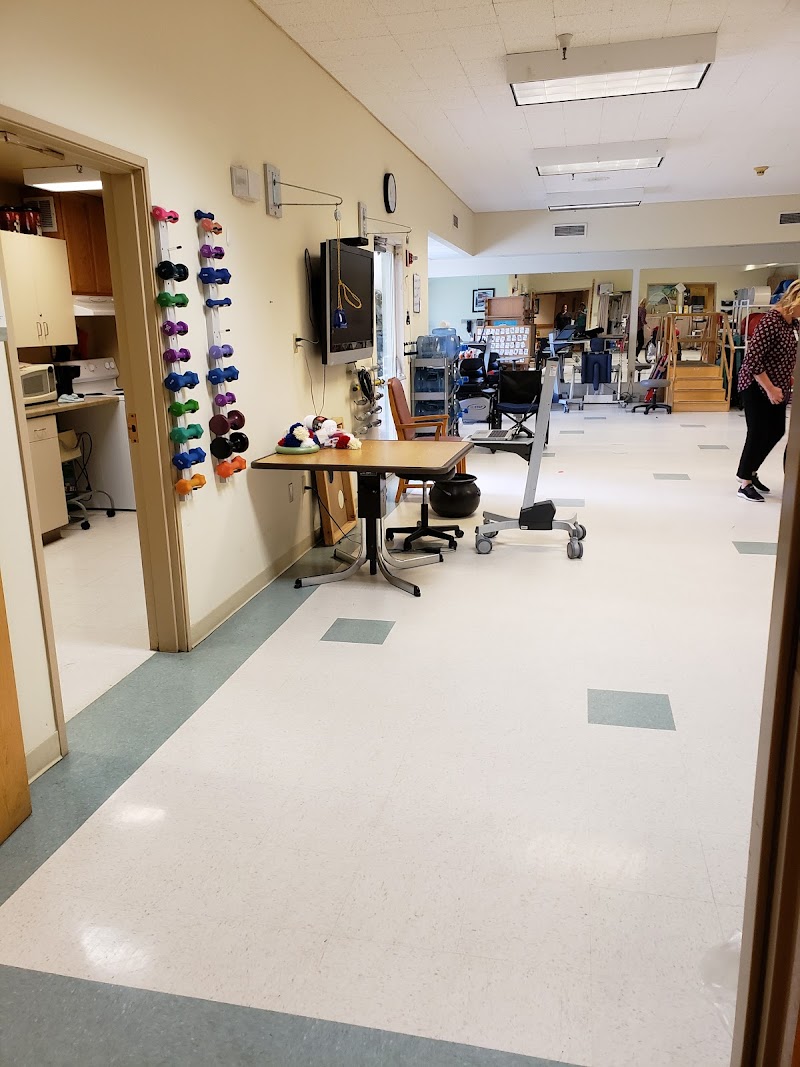
How is Creekside Transitional Care And Rehabilitation Staffed?

CMS rates CREEKSIDE TRANSITIONAL CARE AND REHABILITATION's staffing level at 3 out of 5 stars, which is average compared to other nursing homes. Staff turnover is 53%, compared to the Idaho average of 46%.

What Have Inspectors Found at Creekside Transitional Care And Rehabilitation?

State health inspectors documented 31 deficiencies at CREEKSIDE TRANSITIONAL CARE AND REHABILITATION during 2019 to 2025. These included: 1 that caused actual resident harm and 30 with potential for harm. Deficiencies causing actual harm indicate documented cases where residents experienced negative health consequences.
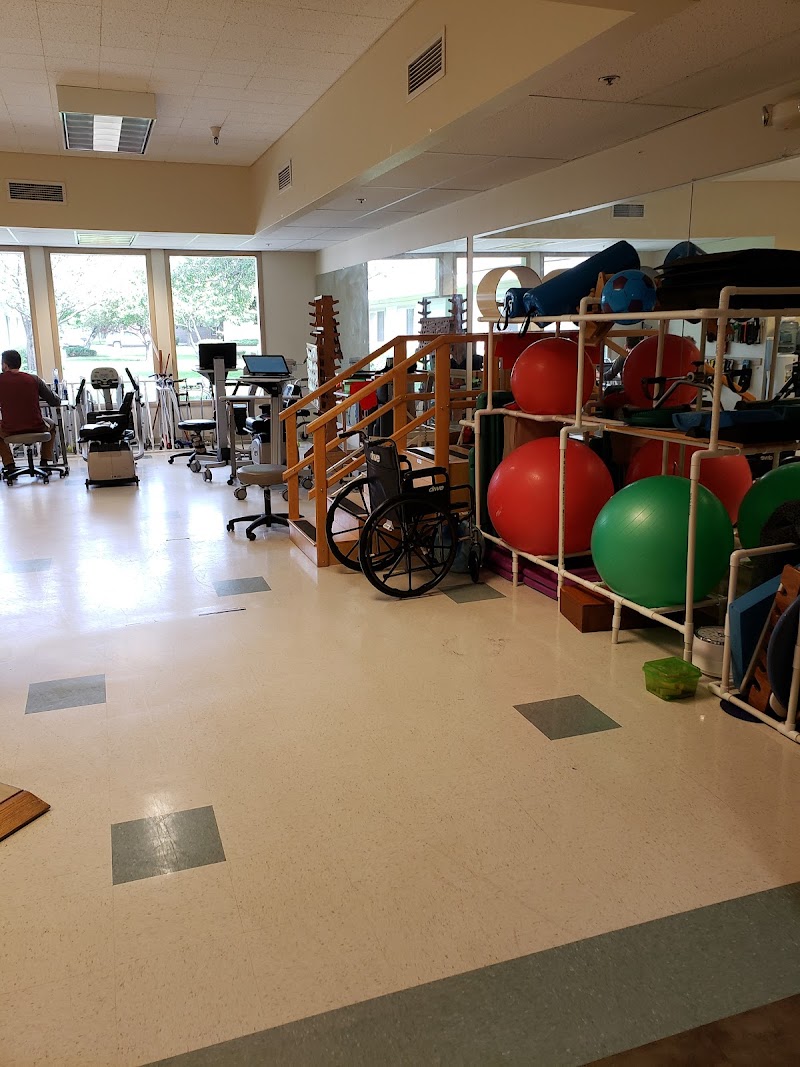
Who Owns and Operates Creekside Transitional Care And Rehabilitation?

CREEKSIDE TRANSITIONAL CARE AND REHABILITATION is owned by a for-profit company. For-profit facilities operate as businesses with obligations to shareholders or private owners. The facility is operated by THE ENSIGN GROUP, a chain that manages multiple nursing homes. With 139 certified beds and approximately 130 residents (about 94% occupancy), it is a mid-sized facility located in MERIDIAN, Idaho.
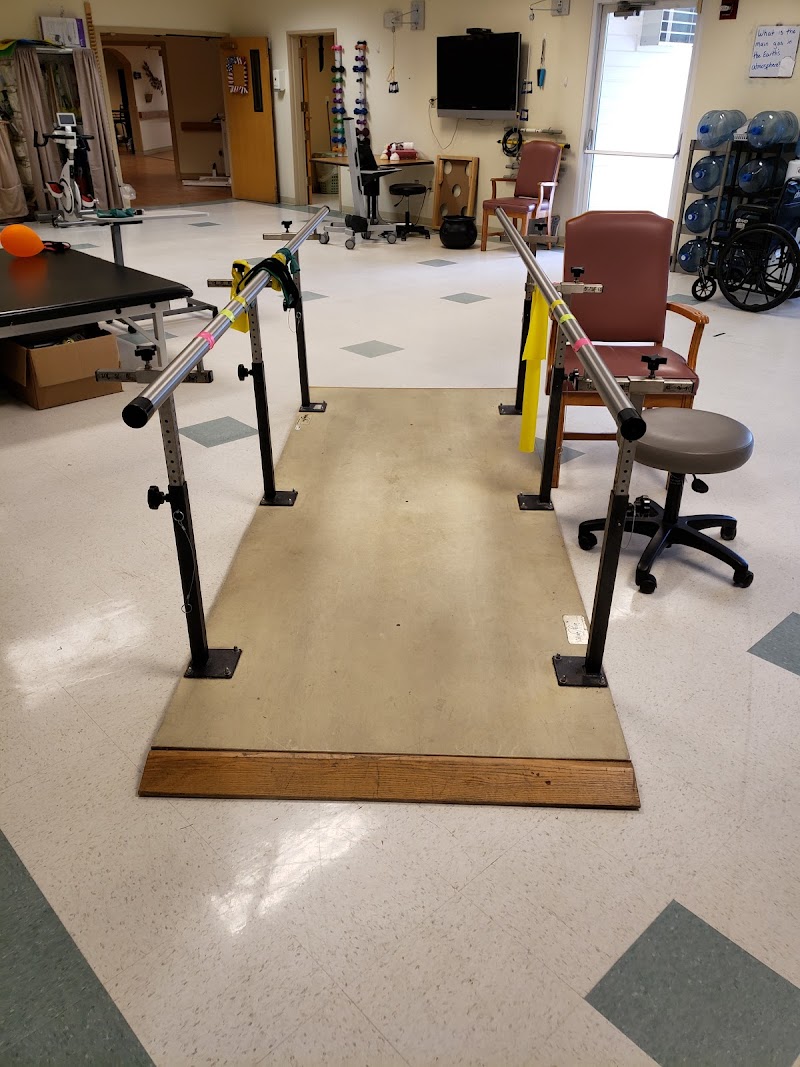
How Does Creekside Transitional Care And Rehabilitation Compare to Other Idaho Nursing Homes?

Compared to the 100 nursing homes in Idaho, CREEKSIDE TRANSITIONAL CARE AND REHABILITATION's overall rating (3 stars) is below the state average of 3.3, staff turnover (53%) is near the state average of 46%, and health inspection rating (2 stars) is below the national benchmark.

What Should Families Ask When Visiting Creekside Transitional Care And Rehabilitation?

Based on this facility's data, families visiting should ask: "Can I visit during a mealtime to observe dining assistance and food quality?" "How do you handle medical emergencies, and what is your hospital transfer rate?" "Can I speak with family members of current residents about their experience?"

Is Creekside Transitional Care And Rehabilitation Safe?

Based on CMS inspection data, CREEKSIDE TRANSITIONAL CARE AND REHABILITATION has a clean safety record: no substantiated abuse findings (meaning no confirmed cases of resident harm), no Immediate Jeopardy citations (the most serious violation level indicating risk of serious injury or death), and is not on the Special Focus Facility watch list (a federal program monitoring the lowest-performing 1% of nursing homes). The facility has a 3-star overall rating and ranks #100 of 100 nursing homes in Idaho. While no facility is perfect, families should still ask about staff-to-resident ratios and recent inspection results during their visit.

Do Nurses at Creekside Transitional Care And Rehabilitation Stick Around?

CREEKSIDE TRANSITIONAL CARE AND REHABILITATION has a staff turnover rate of 53%, which is 7 percentage points above the Idaho average of 46%. Moderate turnover is common in nursing homes, but families should still ask about staff tenure and how the facility maintains care continuity when employees leave.

Was Creekside Transitional Care And Rehabilitation Ever Fined?

CREEKSIDE TRANSITIONAL CARE AND REHABILITATION has been fined $8,278 across 1 penalty action. This is below the Idaho average of $33,162. While any fine indicates a compliance issue, fines under $50,000 are relatively common and typically reflect isolated problems that were subsequently corrected. Families should ask what specific issues led to these fines and confirm they've been resolved.

Is Creekside Transitional Care And Rehabilitation on Any Federal Watch List?

CREEKSIDE TRANSITIONAL CARE AND REHABILITATION is not on any federal watch list. The most significant is the Special Focus Facility (SFF) program, which identifies the bottom 1% of nursing homes nationally based on persistent, serious quality problems. Not being on this list means the facility has avoided the pattern of deficiencies that triggers enhanced federal oversight. This is a positive indicator, though families should still review the facility's inspection history directly.