MERIDIAN MEADOWS TRANSITIONAL CARE
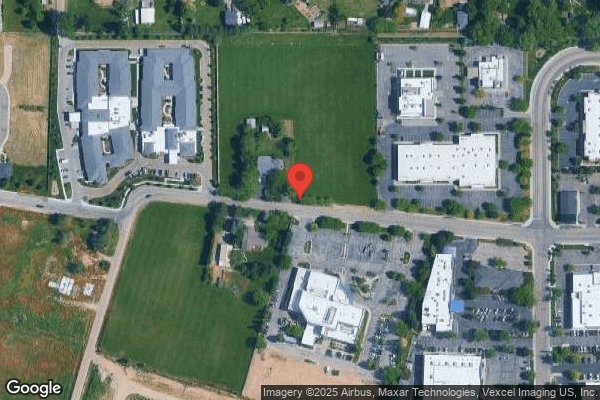
2656 E MAGIC VIEW DRIVE, MERIDIAN, ID 83642 (208) 996-2801
For profit - Corporation 52 Beds Independent Data: November 2025 1 Immediate Jeopardy citation
Trust Grade
13/100
#63 of 79 in ID
Last Inspection: January 2025

Within standard 12-15 month inspection cycle. Federal law requires annual inspections.

Overview

Meridian Meadows Transitional Care has received a Trust Grade of F, indicating significant concerns about the facility's care quality. It ranks #63 out of 79 nursing homes in Idaho, placing it in the bottom half of facilities, and #12 out of 14 in Ada County, meaning only one local option is rated lower. The facility has shown some improvement, reducing its issues from 9 in 2024 to 4 in 2025, but still faces serious challenges. Staffing is rated average with a turnover rate of 39%, which is better than the state average, and the facility has good RN coverage for monitoring residents. However, the facility has been fined $55,497, which is concerning as it's higher than 95% of Idaho facilities, suggesting ongoing compliance issues. Specific incidents include a failure to protect residents from mental and verbal abuse, a lack of timely incontinence care for some residents, and unsecured medications, all of which raise significant safety concerns. While there are some strengths, such as good staffing retention, the overall quality of care remains a major concern for families considering this facility.

Trust Score
F
13/100
In Idaho
#63/79
Bottom 21%
Safety Record
High Risk
Review needed
Inspections
Getting Better
9 → 4 violations
Staff Stability
○ Average
39% turnover. Near Idaho's 48% average. Typical for the industry.
Penalties
⚠ Watch
$55,497 in fines. Higher than 99% of Idaho facilities. Major compliance failures.
Skilled Nurses
○ Average
Each resident gets 38 minutes of Registered Nurse (RN) attention daily — about average for Idaho. RNs are the most trained staff who monitor for health changes.
Violations
⚠ Watch
17 deficiencies on record. Higher than average. Multiple issues found across inspections.
★★☆☆☆
2.0
Overall Rating
★★★☆☆
3.0
Staff Levels
★★★★★
5.0
Care Quality
★☆☆☆☆
1.0
Inspection Score
Stable
2024: 9 issues
2025: 4 issues

The Good

  • 5-Star Quality Measures · Strong clinical quality outcomes
  • Full Sprinkler Coverage · Fire safety systems throughout facility
  • No fines on record
  • Staff turnover below average (39%)

    9 points below Idaho average of 48%

Facility shows strength in quality measures, fire safety.

The Bad

2-Star Overall Rating

Below Idaho average (3.3)

Below average - review inspection findings carefully

Staff Turnover: 39%

Near Idaho avg (46%)

Typical for the industry

Federal Fines: $55,497

Above median ($33,413)

Moderate penalties - review what triggered them

The Ugly 17 deficiencies on record

1 life-threatening 1 actual harm
Sept 2025 2 deficiencies 1 Harm
SERIOUS (G) 📢 Someone Reported This

A family member, employee, or ombudsman was alarmed enough to file a formal complaint

Actual Harm - a resident was hurt due to facility failures

Free from Abuse/Neglect (Tag F0600)

A resident was harmed · This affected 1 resident

**NOTE- TERMS IN BRACKETS HAVE BEEN EDITED TO PROTECT CONFIDENTIALITY** Based on record review, staff interviews, and review of the Long-Term Care Reporting Portal, it was determined that the facility...

Read full inspector narrative →
**NOTE- TERMS IN BRACKETS HAVE BEEN EDITED TO PROTECT CONFIDENTIALITY** Based on record review, staff interviews, and review of the Long-Term Care Reporting Portal, it was determined that the facility failed to ensure residents were free from neglect. This was true for 3 of 6 residents ( #3, #10, and #20) whose records were reviewed for abuse and neglect. This failure resulted in harm when Resident #3 was injured during a transfer and created the potential for embarrassment and psychosocial harm when Resident #10 and Resident #20 were not provided timely incontinence care. Findings include:The facility's Abuse and Neglect policy, dated 12/2/24, documented that the facility will identify events, occurrences, patterns, and trends that may constitute neglect-defined as the failure of the facility, its employees, or service providers to provide goods and services to a resident that are necessary to avoid physical harm, pain, mental anguish, or emotional distress.The facility's Safe Resident Handling/Transfer policy, dated 12/20/24, documented that two staff members must be utilized when transferring residents with a full mechanical lift.1. Resident #3 was admitted to the facility on [DATE], with multiple diagnoses including cerebral infarction (a condition that occurs when the blood flow to part of the brain is obstructed), hemiplegia (paralysis or weakness on one side of the body), and major depressive disorder. Resident #3's care plan, dated 5/15/23, directed staff to perform two-person transfers using the mechanical lift. An MDS quarterly assessment, dated 3/30/25, documented that Resident #3 was unable to go from a sitting to standing position and was dependent on staff for transfers (meaning all efforts were done by staff). Review of the Long-Term Care Reporting Portal revealed an incident dated 3/31/25, documenting that Resident #3 was being transferred in a full mechanical lift when the sling detached, and she fell, landing on her left arm. A progress note dated 3/31/25 at 7:20 PM, documented CMA #1 entered Resident #3's room to administer medications and noted she was ready to be transferred with the sling underneath her. CMA #1 left the room to obtain the mechanical lift and request help, but no one was available. The note documented CMA #1 hooked the sling to the mechanical lift and initiated the transfer on his own. He documented during the transfer the sling became unhooked, and the mechanical lift began to tilt to the right side. CMA #1 documented Resident #3 fell landing on her left arm. Resident #3 was assessed for injuries, and a small bruise was located on her right hand. During the initial assessment Resident #3 verbalized an 8 out of 10 pain level. The note concluded all appropriate parties were notified of the incident and Resident #3 was being monitored by the nursing staff. A review of the facility's Incidents and Accidents (I&A) record dated 3/31/25 documented that Resident #3 was being transferred in a full mechanical lift when the sling detached, and she fell, landing on her left arm. The I&A documented that X-ray services were provided on 4/1/25, revealing that Resident #3 sustained a comminuted fracture (a bone broken in at least two places). Pain management and orthopedic services were provided. The report also included notification of all appropriate parties, as well as staff education and disciplinary actions taken. The facility's I&A report documented that the investigation determined the allegation of neglect was confirmed due to CMA #1 deviating from Resident #3's plan of care by attempting to transfer her alone. On 9/3/25 at 2:47 PM, the Administrator confirmed that the incident involving Resident #3 was substantiated as neglect. 2. Resident #10 was admitted on [DATE] with multiple diagnoses including non-dominant sided hemiplegia and dysphagia (difficulty swallowing) after a stroke, and insomnia. The facility's Grievance Log documented Resident #10 filed a grievance against CNA #2 on 4/8/25. The grievance documented “Resident [#10] states that whenever [CNA #2] works; the resident does not get [incontinence care]. The grievance report documented this allegation was verified when staff watched the camera footage from the night in question, 4/6-4/7/25, and [CNA #2] had “only attended to Resident #10 once throughout their shift from 10 PM to 6 AM.” On 9/4/25 at 10:04 AM, the Administrator stated, Resident #10's allegation of neglect was likely verified based on the evidence documented on the grievance report and Resident #10 was assessed and there was no evidence of physical or psychosocial harm following the incident. 3. Resident #20 was admitted to the facility on [DATE] with multiple diagnoses including severe vascular dementia (cognitive decline caused by damaged blood vessels in the brain, chronic kidney disease, and diabetes. Review of the Long-Term Care Reporting Portal revealed an incident dated 4/10/25 which documented Resident #20 was identified to have been left soiled by CNA #2 on 4/7 when the oncoming staff took over their assignments. The facility's Investigation Report documented in a chronological summary, review of facility camera footage on the night of 4/6-4/7/25, CNA #2 had extended absences from the floor and minimal resident care provided. On 9/4/25 at 10:04 AM, the Administrator stated, the investigation confirmed CNA #2 failed to perform care for Resident #20, and Resident #20 was assessed and there was no evidence of physical or psychosocial harm following the incident. Corrective actions taken by the facility on 4/8/25 to prevent incident from reoccurrence included: CMA received formal written counseling and education on safe transfers, and two persons assist required for total lifts. Nursing staff education on transfer protocols and resident neglect, including supervisor follow-up and observations to ensure compliance with transfers and resident care. Facility reinforced the two-person Hoyer lift policy and emphasized expectations for staff to use facility radios for additional assistance. Facility has taken appropriate measures to ensure further compliance with the incident as of 4/8/25 and is cited at past non-compliance at F600.
CONCERN (D) 📢 Someone Reported This

A family member, employee, or ombudsman was alarmed enough to file a formal complaint

Potential for Harm - no one hurt, but risky conditions existed

Report Alleged Abuse (Tag F0609)

Could have caused harm · This affected 1 resident

**NOTE- TERMS IN BRACKETS HAVE BEEN EDITED TO PROTECT CONFIDENTIALITY** Based on record review and staff interview, it was determined the facility failed to ensure allegations of neglect were reported...

Read full inspector narrative →
**NOTE- TERMS IN BRACKETS HAVE BEEN EDITED TO PROTECT CONFIDENTIALITY** Based on record review and staff interview, it was determined the facility failed to ensure allegations of neglect were reported to the State Agency within the regulated time period. This was true for 2 of 6 residents, (#3, and #10) who were reviewed for abuse and neglect. This failure had the potential to affect all residents in the facility and placed them at risk for harm related to neglect. 1. Resident #3 was admitted to the facility on [DATE], with multiple diagnoses including cerebral infarction (a condition that occurs when the blood flow to part of the brain is obstructed), hemiplegia (paralysis or weakness on one side of the body), and major depressive disorder. A review of the facility's Incidents and Accidents (I&A) record dated 3/31/25 documented that Resident #3 was being transferred in a full mechanical lift when the sling detached, and she fell, landing on her left arm. The I&A documented that X-ray services were provided on 4/1/25, revealing that Resident #3 sustained a comminuted fracture (a bone broken in at least two places). Pain management and orthopedic services were provided. The report also included notification of all appropriate parties, as well as staff education and disciplinary actions taken. The facility's I&A report documented that the investigation determined the allegation of neglect was confirmed due to CMA #1 deviating from Resident #3's plan of care by attempting to transfer her alone. On review of the Long-Term Care Reporting Portal an incident reported on 4/2/25, documented that on 3/31/25, Resident #3 was being transferred in a full mechanical lift when the sling detached, and she fell landing on her left arm. On 9/3/25 at 2:47 PM, the Administrator stated if the incident triggered an investigation for neglect my reporting date of 4/2/25 would be considered late reporting however, we did not identify the incident as neglect until the injury was confirmed on 4/1/25. 2. Resident #10 was admitted on [DATE] with multiple diagnoses including non-dominant sided hemiplegia and dysphagia (difficulty swallowing) after a stroke, and insomnia. Review of the facility's Grievance Logs, Resident #10 made an allegation of neglect on 4/8/25. Review of the State Agency's Long Term Care Reporting Portal, Resident #10's grievance was included in another investigation initiated on 4/10/25, however, Resident #10's name was not associated with the other investigation. On 9/3/25 at 3:24 PM, the Administrator stated Resident #10's allegation of neglect should have been reported to the State Agency when he received it.
Jan 2025 2 deficiencies
CONCERN (D) 📢 Someone Reported This

A family member, employee, or ombudsman was alarmed enough to file a formal complaint

Potential for Harm - no one hurt, but risky conditions existed

Deficiency F0726 (Tag F0726)

Could have caused harm · This affected 1 resident

Based on observation, review of policy, and interviews, it was determined the facility failed to ensure Certified Medication Aides (CMAs) performed tasks which they had the knowledge, skills, and comp...

Read full inspector narrative →
Based on observation, review of policy, and interviews, it was determined the facility failed to ensure Certified Medication Aides (CMAs) performed tasks which they had the knowledge, skills, and competencies. This was true for 4 of 4 CMAs reviewed for medication administration competencies. This failure increased the risk for harm to residents receiving insulin when the CMAs did not have the appropriate medication administration competencies and skill sets to assure resident safety during insulin administration. Findings include: The facility Licensed Nurse Delegation and Supervision policy, undated, documented the RN/LPN must ensure the CMA is competent and trained to administer the medication being delegated. The facility CMA Restrictions and Prohibitions policy, undated documented CMAs cannot administer medication via parenteral routes and CMAs cannot convert or calculate medication dosages. The National Institute of Health Library, accessed on 1/10/24, documented, there are four types of parenteral injections, including intradermal, subcutaneous, intramuscular, and intravenous. On 1/8/25 at 11:50 AM, CMA #1 was observed calculating insulin dosages, preparing insulin injections, and administering the subcutaneous injections for two residents (#10 and #15). CMA #1 stated he was allowed to calculate and administer insulin injections because he had a training on it. The facility's skills check off sheets for CMA #1, CMA #2, CMA #3, and CMA #4 were reviewed and did not include insulin administration. On 1/10/24 at 9:25 AM, the Administrator confirmed the facility did not specifically have a CMA competency training for insulin dosage calculation and subcutaneous injection.
CONCERN (F) 📢 Someone Reported This

A family member, employee, or ombudsman was alarmed enough to file a formal complaint

Potential for Harm - no one hurt, but risky conditions existed

Deficiency F0761 (Tag F0761)

Could have caused harm · This affected most or all residents

Based on policy review, observation, and staff interview, it was determined the facility failed to ensure medications were secure and inaccessible to unauthorized staff and residents. This was true fo...

Read full inspector narrative →
Based on policy review, observation, and staff interview, it was determined the facility failed to ensure medications were secure and inaccessible to unauthorized staff and residents. This was true for 1 of 3 medication carts observed in the facility. This failed practice created the potential for harm if an unauthorized person obtained medications left unattended and unsecured by staff. Findings include: CMS SOM-Appendix PP, accessed on 1/10/25, documents, in accordance with State and Federal laws, the facility must store all drugs and biologicals in locked compartments. On 1/6/25 at 10:25 AM, the medication cart on the 200 hall was observed to be unlocked and unmonitored by staff. On 1/6/25 at 10:33 AM, RN #1 returned to the cart and stated she should have locked the cart when she was away, and she had been trying to remember to do so. On 1/10/25 at 10:40 AM, the Director of Nursing (DON) stated RN #1 did not follow the facility's process for locking the cart before stepping away from it.
Jan 2024 9 deficiencies
CONCERN (D) 📢 Someone Reported This

A family member, employee, or ombudsman was alarmed enough to file a formal complaint

Potential for Harm - no one hurt, but risky conditions existed

Deficiency F0604 (Tag F0604)

Could have caused harm · This affected 1 resident

**NOTE- TERMS IN BRACKETS HAVE BEEN EDITED TO PROTECT CONFIDENTIALITY** Based on policy review, record review, and staff interview, the facility failed to ensure a resident was free from a physical re...

Read full inspector narrative →
**NOTE- TERMS IN BRACKETS HAVE BEEN EDITED TO PROTECT CONFIDENTIALITY** Based on policy review, record review, and staff interview, the facility failed to ensure a resident was free from a physical restraint. This was true for 1 of 1 resident (Resident #42) reviewed for physical restraints. This deficient practice placed Resident #42 at risk of experiencing loss of dignity, sleep disturbances, fear, agitation, and anxiety. Findings include: The facility's policy, Abuse, Neglect and Exploitation, dated 8/26/22, stated the facility would provide protections for the health, welfare, and rights of each resident that would prohibit and prevent abuse, neglect, exploitation, and misappropriation. Resident #42 was admitted to the facility on [DATE], with multiple diagnoses including non-operative fractures of the tailbone and hip, and dementia. An MDS assessment, dated 8/15/23, documented Resident #42 was severely cognitively impaired and required assistance for mobility and transfers. An IDT progress note, dated 8/22/23, documented Resident #42 sustained a non-injury fall when he stood up unassisted from his wheelchair, lost his balance, and sat down on his bottom with his feet out in front of him. The note documented Resident #42 was started on scheduled oxycodone (narcotic pain medication) twice daily and acetaminophen three times daily for pain control due to acute pain for his pelvic (hip) fractures. The note further documented Resident #42 became more delirious with oxycodone and the medication was discontinued on 8/24/23. A physician order, dated 8/24/23, directed staff to administer Risperdal 0.5 mg every 8 hours to Resident #42 for agitation and Lorazepam (anti-anxiety medication) 0.5 mg orally at bedtime for 3 days for sleep/wake cycle. A progress note, dated 8/24/23, documented Resident #42 had increased agitation, restlessness, anxiety with exit seeking behavior, was intrusively wandering, and impulsive. The note documented all non-medication interventions were unsuccessful. The note further documented Resident #42 required continuous 1:1 supervision and an order was obtained to increase his Lorazepam to 1 mg orally every 6 hours as needed. The note documented Resident #42 visually calmed with the first dose of Lorazepam with less anxiety noted. Behavior notes dated 8/26/23 at 11:07 PM and 8/27/23 at 12:59 AM, RN #2 documented Resident #42 had behaviors of intrusive wandering, setting off fire alarms, and cursing at staff with attempted failed redirection. The notes documented 1:1 monitoring was unsuccessful to calm and redirect Resident #42, and medications were also unsuccessful at reaching therapeutic effect to calm Resident #42 and assist him with turning his sleep/wake cycle around. RN #2 further documented, I tried to do the 1:1 monitoring but find it not productive with all the other tasks I am responsible for. A facility initiated incident report, dated 8/27/23, documented RN #2 self-reported to the DON she restrained Resident #42 with a hospital gown tied backwards to each side of his wheelchair, so he was not able to stand. The report further documented the DON then told RN #2 she was suspended due to restraining Resident #42 without a physician order and not following protocol for restraints. On 1/19/23 at 1:10 PM, the Administrator confirmed RN #2 did not have a physician order to restrain Resident #42, and she was terminated for her actions.
CONCERN (D) 📢 Someone Reported This

A family member, employee, or ombudsman was alarmed enough to file a formal complaint

Potential for Harm - no one hurt, but risky conditions existed

Comprehensive Care Plan (Tag F0656)

Could have caused harm · This affected 1 resident

**NOTE- TERMS IN BRACKETS HAVE BEEN EDITED TO PROTECT CONFIDENTIALITY** Based on observation, policy review, record review, and staff interview, it was determined the facility failed to ensure a resid...

Read full inspector narrative →
**NOTE- TERMS IN BRACKETS HAVE BEEN EDITED TO PROTECT CONFIDENTIALITY** Based on observation, policy review, record review, and staff interview, it was determined the facility failed to ensure a resident's comprehensive care plan was implemented. This was true for 1 of 12 residents (Resident #11) whose care plans were reviewed. This failure placed Resident #11 at risk of negative outcomes when his care plan was not implemented for mobility transfers. Findings include: The facility's Comprehensive Care Plan policy, revised 6/20/23, documented the facility would develop and implement a comprehensive person-centered care plan for each resident, consistent with resident rights, that included measurable objectives and timeframes to meet the resident's medical, nursing, mental and psychosocial needs. Resident #11 was re-admitted to the facility on [DATE], with multiple diagnoses including Parkinson's Disease (a progressive disorder that affects the nervous system and the parts of the body controlled by the nerves). An annual MDS assessment, dated 10/21/23, documented Resident #11 required maximal assistance for position changes such as sitting to standing, chair to bed, and toilet transfers. Resident #11's care plan, revised on 11/7/22, stated Resident #11 required 2-person extensive assistance with transfers and the use of a gait belt (a safety device used to help someone move, such as from a bed to a chair). Resident #11's activities of daily living (ADL) task sheet, dated January 1, 2024 - January 24, 2024, documented staff used 1 person for transfers for 23 of 24 days. On 1/23/24 at 11:30 AM, CNA #2 entered the room to assist Resident #11 to get ready for lunch. After assisting her with her toileting needs, CNA #2 assisted Resident #11 to a sitting position at her bedside with her feet touching the floor. CNA #2 then placed both her hands on Resident #11's torso and lifted her to her wheelchair. She placed support blankets on Resident #11's side and assisted her to the dining room. CNA # 2 was not observed using the gait belt during Resident #11's transfer. A second person assist was not provided during the transfer. On 1/24/24 at 9:25 AM, the ADON was observed assisting Resident #11 to a sitting position at the bedside with her feet touching the floor. The ADON placed a towel around Resident #11's torso and then applied the gait belt over the towel. She then informed Resident #11 she would transfer her into the shower chair. The ADON placed both her hands on Resident #11's torso and lifted her into the shower chair. The ADON did not use the gait belt during the transfer into Resident #11's shower chair. A second person assist was not provided during the transfer. After Resident #11's shower, she was returned to her bedside in the shower chair. The ADON placed a towel around her torso and applied the gait belt. The ADON placed both her hands around the resident's torso and lifted her into bed. The ADON did not use the gait belt to transfer her from the shower chair into her bed. A second person assist was not provided during the transfer. On 1/24/24 at 10:34 AM, the ADON stated she did not use the gait belt appropriately, but she found herself conflicted between the facility policy, resident centered care, and resident preferences. On 1/26/24 at 9:56 AM, on review of the ADL task sheet, the DON stated it documented staff were providing transfers with assistance of 1 person, but the care plan stated Resident #11 should have 2-person transfers. She also stated the care plan was not followed.
CONCERN (D) 📢 Someone Reported This

A family member, employee, or ombudsman was alarmed enough to file a formal complaint

Potential for Harm - no one hurt, but risky conditions existed

Deficiency F0657 (Tag F0657)

Could have caused harm · This affected 1 resident

**NOTE- TERMS IN BRACKETS HAVE BEEN EDITED TO PROTECT CONFIDENTIALITY** Based on observation, record review, and staff interview, it was determined the facility failed to ensure residents' care plans ...

Read full inspector narrative →
**NOTE- TERMS IN BRACKETS HAVE BEEN EDITED TO PROTECT CONFIDENTIALITY** Based on observation, record review, and staff interview, it was determined the facility failed to ensure residents' care plans were reviewed and revised to reflect current needs and interventions. This was true for 1 of 12 residents (Resident #9) whose care plans were reviewed. This failure created the potential for harm if care and services were not provided due to inaccurate or incomplete information in the care plan. Findings include: The facility's Care Plan Revision policy, revised 12/22/23, stated the comprehensive care plan would be reviewed and revised as necessary. Resident #9 was admitted to the facility on [DATE], with multiple diagnosis including central sleep apnea (breathing stops and starts multiple times while sleeping). A physician order, dated 4/20/23, documented to provide Resident #9 with a continuous positive airway pressure (CPAP) machine at bedtime. On 1/22/24 at 10:55 AM, Resident #9 was observed with his CPAP on his night stand next to him. Resident #9's TAR, dated January 2024, documented his CPAP was checked every night. Resident #9's care plan, did not include the use of the CPAP machine. On 1/25/24 at 4:30 PM, the DON stated Resident #9's care plan did not document the use of his CPAP. She also stated the care plan should have been revised to include the use of the CPAP.
CONCERN (D) 📢 Someone Reported This

A family member, employee, or ombudsman was alarmed enough to file a formal complaint

Potential for Harm - no one hurt, but risky conditions existed

Incontinence Care (Tag F0690)

Could have caused harm · This affected 1 resident

**NOTE- TERMS IN BRACKETS HAVE BEEN EDITED TO PROTECT CONFIDENTIALITY** Based on observation, record review, policy review, and staff interview, it was determined the facility failed to ensure mainten...

Read full inspector narrative →
**NOTE- TERMS IN BRACKETS HAVE BEEN EDITED TO PROTECT CONFIDENTIALITY** Based on observation, record review, policy review, and staff interview, it was determined the facility failed to ensure maintenance of a resident's urinary needs were met. This was true for 1 of 1 resident (Resident #11) reviewed for bowel and bladder care. This failed practiceplaced Resident #11 at risk for deterioration in bowel and bladder function. Findings include: The facility's Activities of Daily Living policy, revised November 2017, documented the facility would ensure a resident's abilities do not deteriorate unless the deterioration was unavoidable. Resident #11 was re-admitted to the facility on [DATE], with multiple diagnoses including Parkinson's Disease (a progressive disorder that affects the nervous system and the parts of the body controlled by the nerves). Resident #11's care plan, dated 11/7/22, documented Resident #11 required 2-person extensive assistance for toileting. The care plan directed staff to use a gait belt during toileting transfers. An annual MDS assessment, dated 10/21/23, documented Resident #11 participated in a urinary toileting program and achieved decreased wetness during that time. On 1/23/24 at 11:30 AM, CNA #2 entered Resident #11's room, performed hand hygiene, and began to transfer Resident #11 into bed. She then assisted Resident #11 to change her adult brief. CNA #2 stated Resident #11 was continent of bowel and also at times of bladder. She stated Resident #11 was not placed on the bedside commode because she was fragile, and someone would need to stay with her the entire time. CNA #2 also stated they did not have the time to sit with her while she was on the bedside commode.
CONCERN (D) 📢 Someone Reported This

A family member, employee, or ombudsman was alarmed enough to file a formal complaint

Potential for Harm - no one hurt, but risky conditions existed

Deficiency F0692 (Tag F0692)

Could have caused harm · This affected 1 resident

**NOTE- TERMS IN BRACKETS HAVE BEEN EDITED TO PROTECT CONFIDENTIALITY** Based on observation, record review, policy review, and staff interview, it was determined the facility failed to ensure nutriti...

Read full inspector narrative →
**NOTE- TERMS IN BRACKETS HAVE BEEN EDITED TO PROTECT CONFIDENTIALITY** Based on observation, record review, policy review, and staff interview, it was determined the facility failed to ensure nutritional assistance was provided to residents. This was true for 1 of 12 residents (Resident #11) reviewed for nutritional assistance. This deficiency placed Resident #11 at risk for undetected weight loss and nutritional deficits. Findings include: The facility's Nutrition Management policy, dated 12/18/23, documented the facility would provide care and services to each resident to ensure the resident maintains acceptable parameters of nutritional status. Resident #11 was re-admitted to the facility on [DATE], with multiple diagnoses including Parkinson's Disease (a progressive disorder that affects the nervous system and the parts of the body controlled by the nerves), and severe protein-calorie malnutrition. 1. Resident #11's care plan, revised on 7/11/23, directed staff to provide her assistance with meals and to document refusals. - On 1/22/24 at 7:41 AM, Resident #11 was observed being served breakfast. Resident #11 remained in the dining room with no prompting, cueing, or assistance offered. - On 1/22/24 at 8:10 AM, Resident #11 was observed struggling to pick up a 4 oz cup of fluid. There was no staff assistance provided to Resident #11 observed during this time. - On 1/22/24 at 12:32 PM, Resident #11 was sitting in the dining room with yogurt, 2 cups containing milk and cranberry juice, and a peanut butter sandwich. There was no staff assistance provided to Resident #11 observed during this time. - On 1/23/24 at 12:07 PM during a dining room meal observation, Resident #11 was observed sitting at a table by herself near the window. At 12:20 PM, staff provided prune juice in a 2-handle cup, two 4-ounce cups containing milk and cranberry juice, yogurt, and a peanut butter sandwich cut in half. On another plate Resident #11 had Swedish meatballs with gravy, buttered vegetables, and a pumpkin chocolate chip cookie. CNA #1 walked away to continue to assist other residents. At 12:35 PM, CNA #1 approached Resident #11 and asked her if she needed assistance. Resident #11 did not respond, and CNA #1 walked away. On 1/23/24 at 12:40 PM, CNA #1 stated he was not informed of Resident #11's nutritional needs. He also stated it was unclear if Resident #11 required a 2-handle cup for every drink or if she could manage with a 4-ounce cup. 2. A physician order, dated 4/21/23, documented Resident #11 was to receive 240 milliliters of enhanced fluids of her choice 3 times a day. On the following dates Resident #11 was observed with cups on her bedside table and her bedside table pushed up against the wall away from her bed not within her reach. - 1/22/24 at 11:30 AM - 1/22/24 at 4:15 PM - 1/23/24 at 10:30 AM - 1/23/24 at 11:30 AM - 1/24/24 at 9:25 AM On 1/23/24 at 11:30 AM, CNA #2 stated she did not believe Resident #11 was able to reach the bedside table that was pushed up against the wall. She also stated in order for Resident #11 to reach the table, it would have to be right in front of her due to Resident #11's mobility. On 1/24/24 at 10:20 AM, the ADON stated Resident #11 could not reach the table with fluids that was located up against the wall. On 1/24/24 at 2:05 PM, the Registered Dietitian (RD) stated Resident #11 often refused assistance and had multiple interventions in place to assist with encouraging her to eat. Resident #11's record did not include documentation of her refusals. Documentation of refusals and interventions were requested and not provided.
CONCERN (D) 📢 Someone Reported This

A family member, employee, or ombudsman was alarmed enough to file a formal complaint

Potential for Harm - no one hurt, but risky conditions existed

Respiratory Care (Tag F0695)

Could have caused harm · This affected 1 resident

**NOTE- TERMS IN BRACKETS HAVE BEEN EDITED TO PROTECT CONFIDENTIALITY** Based on policy review, observation, record review, and staff interview, it was determined the facility failed to provide respir...

Read full inspector narrative →
**NOTE- TERMS IN BRACKETS HAVE BEEN EDITED TO PROTECT CONFIDENTIALITY** Based on policy review, observation, record review, and staff interview, it was determined the facility failed to provide respiratory services as ordered by the physician. This was true for 1 of 1 resident (Resident #9) whose record was reviewed for respiratory services. This failure created the potential for Resident #9 to experience increased fatigue and low oxygen levels. Findings include: The facility's Noninvasive Ventilation policy, revised 12/26/23, documented [respiratory] equipment would be immediately replaced when broken or malfunctioned. Resident #9 was admitted to the facility on [DATE], with multiple diagnosis including central sleep apnea (breathing frequently stops while asleep). A physician order, dated 4/20/23, documented to provide Resident #9 with a continuous positive airway pressure (CPAP) machine at bedtime. On 1/22/24 at 10:55 AM, Resident #9 was observed with his CPAP machine next to him. When asked if had concerns with his CPAP machine, he stated it had not worked since 1/20/24. Resident #9 stated the staff told him he would have to wait until Monday to have it fixed. On 1/25/24 at 2:30 PM, Resident #9 stated the CPAP machine continued not to work and staff had not provided an update on when it would be fixed. Resident #9's TAR, dated January 2024, documented his CPAP was checked daily on night shift. Resident #9's record did not include documentation of a malfunctioning CPAP. On 1/25/24 at 4:30 PM, the DON stated she was not informed of Resident #9 ' s CPAP malfunctioning.
CONCERN (D) 📢 Someone Reported This

A family member, employee, or ombudsman was alarmed enough to file a formal complaint

Potential for Harm - no one hurt, but risky conditions existed

Deficiency F0761 (Tag F0761)

Could have caused harm · This affected 1 resident

**NOTE- TERMS IN BRACKETS HAVE BEEN EDITED TO PROTECT CONFIDENTIALITY** Based on observation, policy review, and staff interview, it was determined the facility failed to ensure medications were dated...

Read full inspector narrative →
**NOTE- TERMS IN BRACKETS HAVE BEEN EDITED TO PROTECT CONFIDENTIALITY** Based on observation, policy review, and staff interview, it was determined the facility failed to ensure medications were dated when opened and not expired, and residents' medications were labeled with the resident's identifying information. This was true for 1 of 2 medication carts inspected. This failure created the potential for residents to receive the wrong medication or expired medications with decreased efficacy. Findings include: The facility's policy, Labeling of Medications and Biologicals revised on 12/27/23, states medications designed for multiple administrations (such as inhalers/eye drops), will identify the specific resident for whom it was prescribed. On 1/24/24 at 8:54 AM, the facility's medication carts in the 200 and the 400 halls were inspected with LPN #1 present. The following was found: - Lidocaine 5% patches: Not dated when opened, label torn and incomplete, and resident name not visible. - Antifungal powder in a shaker bottle: Not dated when opened, no label with resident identifying information. - Metamucil Sugar Free Orange Flavor Psyllium powder: Not dated when opened, label with resident identifying information was torn off and not legible. - Go [NAME] Go red super food supplement powder/juice with antioxidants and probiotics: Not labeled or dated when opened. - [NAME] Milk of Magnesia-wild cherry flavor: Not dated when opened, no label with resident identifying information. - Tylenol Extra Strength 500 mg capsules: bottle not dated when opened. During an interview with LPN #1 upon completion of the medication cart inspection, LPN #1 confirmed all medications including the over-the counter medications should be dated when opened for the first time. LPN #1 further confirmed the Lidocaine 5% patches, Metamucil Sugar Free Orange flavor Psyllium powder, the Go [NAME] Go super food supplement, and the [NAME] Milk of Magnesia wild cherry flavor were used for specific residents and should have been labeled with name of resident as well as the date medication was opened. LPN #1 said medications used for all residents should have been dated when opened.
CONCERN (D) 📢 Someone Reported This

A family member, employee, or ombudsman was alarmed enough to file a formal complaint

Potential for Harm - no one hurt, but risky conditions existed

Food Safety (Tag F0812)

Could have caused harm · This affected 1 resident

Based on observation, policy review, and staff interview, it was determined the facility failed to ensure food items were dated and labeled and hygiene practices followed. This failure had the potenti...

Read full inspector narrative →
Based on observation, policy review, and staff interview, it was determined the facility failed to ensure food items were dated and labeled and hygiene practices followed. This failure had the potential to affect 45 of 46 residents residing in the facility who consumed food prepared by the facility at risk of adverse health outcomes, including food-born illnesses. Findings include: The facility's Date Marking for Food Safety policy, revised 12/18/23, stated the facility adhered to a date marking system to ensure safety of food. The policy also stated the food should be clearly marked to indicate the date by which the food shall be consumed or discarded. 1. On 1/22/24 at 7:31 AM, during a kitchen inspection the following seasoning containers were not marked with a date: - Spanish Paprika - Black pepper - Ground cinnamon - Whole rosemary - Parsley The following seasonings were not clearly marked if they were dated month and year or month and day: - Chopped chives: dated 12/14 - Lemon pepper: dated 12/28 - Garden seasoning: dated 3/16 - Taco seasoning: dated 12/18 - Dill weed: use by 8/22 - Ground mustard: use by date 10/1 - Ground Savory: use by 12/23 The following seasonings were expired: - Granulated garlic: use by date 2/14/23 - Whole thyme: use by date 1/8/24 - Mild Chili powder: use by date 1/8/24 - Italian seasoning: use by date 1/10/24 On 1/22/24 at 7:53 AM, the Dietary Manager stated it was unclear if the seasonings were expired. She also stated she was responsible for periodically checking the dates but had not recently. 2. On 1/22/24 at 7:55 AM, during a kitchen inspection a Ziplock bag was located on the bottom shelf of the refrigerator with a chicken breast in it. The bag had smudged ink on one side. The repackaged date was unclear and the date the thawing of the chicken was initiated was also unclear. On 1/22/24 at 7:57 AM, the Dietary Manager stated it was unclear when the chicken was repackaged or how long it had been thawing. She also stated it was not safe to serve.
CONCERN (D) 📢 Someone Reported This

A family member, employee, or ombudsman was alarmed enough to file a formal complaint

Potential for Harm - no one hurt, but risky conditions existed

Infection Control (Tag F0880)

Could have caused harm · This affected 1 resident

Based on observation and staff interview, it was determined the facility failed to ensure infection control and prevention practices were maintained to provide a safe and sanitary environment. This wa...

Read full inspector narrative →
Based on observation and staff interview, it was determined the facility failed to ensure infection control and prevention practices were maintained to provide a safe and sanitary environment. This was true for 1 of 12 residents (Resident #11) observed during peri care. This failure had the potential for adverse outcome due to risk for cross contamination and infection. Findings include: The CDC's hand hygiene guidelines, accessed on 1/30/24 at 12:33 PM, stated hand hygiene should be performed when going from clean to dirty, after touching contaminated surfaces and immediately before and after touching a patient. On 1/23/24 at 11:30 AM, CNA #2 was observed providing peri care to Resident #11. During the cleaning process CNA #2 did not change her gloves or perform hand hygiene when going from dirty to clean. On 1/23/24 at 11:35 AM, CNA #2 stated she should have replaced her gloves when going from dirty to clean.
Jun 2023 4 deficiencies 1 IJ (1 affecting multiple)
CRITICAL (K) 📢 Someone Reported This

A family member, employee, or ombudsman was alarmed enough to file a formal complaint

Immediate Jeopardy (IJ) - the most serious Medicare violation

Free from Abuse/Neglect (Tag F0600)

Someone could have died · This affected multiple residents

**NOTE- TERMS IN BRACKETS HAVE BEEN EDITED TO PROTECT CONFIDENTIALITY** Based on policy review, record review, review of facility grievance reports, review of the State Agency's Long-Term Care Reporti...

Read full inspector narrative →
**NOTE- TERMS IN BRACKETS HAVE BEEN EDITED TO PROTECT CONFIDENTIALITY** Based on policy review, record review, review of facility grievance reports, review of the State Agency's Long-Term Care Reporting Portal, and resident and staff interview, it was determined the facility failed to ensure residents were free from physical, verbal, and mental abuse. This was true for 7 of 13 residents (#3, #5, #6 #10, #11, #12, and #13) reviewed for abuse. This placed Resident #3 in immediate jeopardy of serious harm, impairment, or death when the facility did not protect Resident #3 from abuse by LPN #1. Residents #5, #6, #10, #11, #12, and #13 experienced mental harm when Resident #7 verbally abused them. Findings include: 1. Resident #3 was admitted to the facility on [DATE], with multiple diagnoses including paraplegia (paralysis that affects all or part of the trunk, legs, and pelvic organs), neuromuscular dysfunction of the bladder (lack of bladder control due to a brain, spinal cord, or nerve problem), and anxiety disorder. Resident #3's care plan for daily preferences, initiated 5/5/23, stated she preferred female caregivers for personal cares. Resident #3's MAR for May 2023, documented to administer Valium medication to treat anxiety, muscle spasms, and seizures) 10 mg to her vagina at bedtime every Monday, Wednesday, and Saturday for bladder spasms, beginning 5/6/23. Resident #3's MAR, dated 5/13/23, documented LPN #1, (a male nurse) administered the Valium vaginally at bedtime. On 5/23/23 at 9:00 AM, when asked if staff in the facility treated her well and provided good care, Resident #3 stated she liked the facility, and everyone was nice except one nurse. Resident #3 stated LPN #1 was rough and hurt her approximately a week ago when he forcefully inserted a medication into her vagina. She stated LPN #1 pushed so high [into the vagina] it hurt. Resident #3 said she yelled, Ow that hurts! She stated LPN #1 replied, that should not hurt you that much. Resident #3 stated LPN #1 was rude to her and made her feel bad. She said she had vaginal bleeding for 3 days after the medication was inserted and continued to have some vaginal bleeding. Resident #3 stated she filled out a grievance after the incident. She said the SSD talked to her about the grievance and Resident #3 told her what happened. She said the SSD and DON then came and talked to her together and asked her if she would give LPN #1 a second chance to care for her if he apologized. Resident #3 stated she told them she preferred not to have him in her room again. When asked if Resident #3 felt LPN #1 was abusive, she answered quickly in a forceful tone, Yes! The facility's grievance reports were reviewed, dated March 2023, April 2023, and May 2023. There were no grievances related to the incident Resident #3 described. Resident #3's record did not include documentation of the incident she described. There was no documentation in her record of vaginal bleeding. On 5/23/23 at 10:15 AM, LPN #3 was asked if she was aware Resident #3 had bleeding from her vagina after a medication was inserted into her vagina. LPN #3 said she was aware, and the facility was monitoring the bleeding. On 5/23/23 at 10:35 AM, LPN #3 reviewed Resident #3's record and said she could not find documentation of the vaginal bleeding. LPN #1's personnel file, including disciplinary actions, was requested from the facility. The facility provided a type-written document titled, Conversation with [LPN #1] - Summary of Important Facts, dated 5/19/23. The purpose of the document stated, Counseling session in response to formal grievance filed by a resident. The incident review section stated the grievance was regarding an allegation of the insertion of a narcotic pill vaginally, and the patient experiencing significant pain as a result. The grievance report referred to in LPN #1's personnel file was not included with the May 2023 grievances requested by the surveyors. On 5/23/23 at 10:30 AM, the grievance report referenced in LPN #1's personnel file was requested and provided by the Administrator. Resident #3's grievance dated 5/16/23, documented [LPN #1] had to insert a pill vaginaly [sic] he had a bad attitude and argued with me. The report documented [LPN #1] was so rough that I am still bleeding. The resolution on the grievance form stated, SSD and I [DON] talked with resident about [LPN #1], she was satisfied with resolution. [Resident #3] aware she may let IDT know if she requests alternative nurse. The grievance investigation was documented as initiated on 5/18/23, resolved on 5/18/23, and was signed by risk management on 5/19/23. An attachment to the grievance dated 5/16/23, documented the following: 1. Narcotic Pill Inserted Vaginally and Causing Pain: This presents a serious risk as it may indicate incorrect medication administration or inappropriate behavior. It directly affects patient safety and comfort. It also raises legal and ethical questions. 2. Poor Social Engagement and Rude Behavior: While not directly a physical safety issue, poor social engagement and rude behavior can have a serious impact on patient mental wellbeing. It can also be indicative of larger problems with staff professionalism and training. It's also a risk to the reputation of the facility. 3. Argumentative and Verbal Behavior: This presents risk to the mental wellbeing of patients, and to the harmony of the work environment. Such behavior can lead to distress for the patient and a negative perception of the facility. 4. Schedule of Nurse [LPN #1] - Works Friday to Sunday: This is potentially a lower risk issue. However, if the patient's discomfort or complaints are specifically associated with [LPN #1], and he is consistently scheduled on certain days, this might inadvertently result in a predictable, recurring issue. The facility could also be seen as not responding to patient preferences and needs. The facility's policy, Abuse, Neglect and Exploitation, dated 8/26/22, stated the following: - Abuse means the willful infliction of injury, unreasonable confinement, intimidation, or punishment with resulting physical harm, pain or mental anguish, which can include staff to resident abuse and certain resident to resident altercations. - Willful means the individual must have acted deliberately, not that the individual must have intended to inflict injury or harm. - An immediate investigation is warranted when instances of abuse, neglect or exploitation, or reports of abuse, neglect, or exploitation occur. - The facility will make efforts to ensure all residents are protected from physical and psychosocial harm, as well as additional abuse, during and after the investigation. Resident #3's grievance was not identified as an allegation of abuse and investigated per facility policy. On 5/23/23 at 2:07 PM, the SSD and Administrator were interviewed. The SSD said she received a grievance from Resident #3 on 5/16/23. She said they treated Resident #3's allegations as a grievance due to Resident #3 not liking how the medication was administered. She said the IDT met and discussed the administration of the medication and education with LPN #1. The Administrator stated he saw it as an incorrect medication administration procedure. On 5/23/23 at 2:30 PM, the DON said she received a grievance regarding Resident #3 on 5/16/23. She stated she and the SSD asked Resident #3 if she was willing to work with LPN #1 again. The DON said Resident #3 stated she did not feel like she had a choice. The DON said she told Resident #3 she did have a choice, but there would be times when she would need a nurse and he would be the only one available. On 5/23/23 at 2:45 PM, the Administrator reviewed the facility's policy for abuse and neglect. He stated he felt the vaginal medication administration was a procedural issue. When the surveyors reviewed Resident #3's grievance with the Administrator regarding LPN #1's roughness resulting in vaginal bleeding, the disciplinary discussion with LPN #1 regarding poor social engagement and argumentative and verbal behavior, Resident #3's subsequent statements to the SSD and DON about not having a choice to have LPN #1 care for her, the Administrator agreed the grievance should have been reported as potential abuse. The Administrator also said there was no documentation of the allegation in Resident #3's record or documentation of the conversations with the SSD and DON. When asked why Resident #3's grievance was not included in the grievances requested by the surveyors, he stated it was not provided as it was still in progress. On 5/23/23 at 5:18 PM, the Administrator, DON, and CNO were notified verbally and in writing of an Immediate Jeopardy (IJ) determination at F600 related to the facility's failure to ensure residents were free from abuse. This failure placed Resident #3 at increased likelihood for serious harm. On 5/23/23 at 5:23 PM, the facility provided a plan to remove the immediacy which was accepted. The facility's IJ removal plan included: - An abuse allegation investigation was initiated per facility policy. - Interview of all appropriate residents to determine scope of potential harm to other residents. - Suspend accused staff member pending investigation and substantiation/un-substantiation of accusations to prevent the potential for further harm to residents. On 5/23/23 at 5:23 PM, the Administrator, DON, and CNO were verbally notified the immediacy was removed based on onsite verification the IJ removal plan was implemented. Following the removal of the immediacy, noncompliance remained at a scope and severity of G, constituting actual harm that is not immediate jeopardy. From 6/12/23 to 6/14/23, the survey was extended after review of the facility's investigation uploaded to the State Agency's Long-Term Care Reporting Portal on 5/26/23 with the facility's documented determination the abuse to Resident #3 was unsubstantiated and LPN #1's potential continued access to Resident #3. Additionally, another investigation was uploaded to the State Agency's Long-Term Care Reporting Portal on 5/30/23 by the facility relating to Resident-to-Resident verbal abuse that occurred on 5/23/23 and upon receipt and review of these reports, it was determined further investigation was necessitated to rule out further immediate jeopardy in the facility. Additional findings include: On 5/26/23, the facility uploaded the investigation of Resident #3's allegation of abuse by LPN #1 to the State Agency's Long-Term Care Reporting Portal, after it was identified on survey. The investigation included the following documentation: a. Interview questions conducted by the Administrator with Resident #3 documented the following: - Administrator: Do you feel safe here at [the facility]? - Resident #3: Yes, except for [LPN #1]. - Administrator: Have you been abused by another resident or staff member? - Resident #3: Only him (referring to [LPN #1]). - Administrator: Do you feel like what occurred was abuse? - Resident #3: Yes, it was painful. He shoved it [the medication] up there [in the vagina] so high. That had never happened before. I yelled out in pain, and he said, 'that shouldn't be painful.' b. Interview questions conducted by the Administrator and DON with CNA #1 who LPN #1 said was in the room with him and Resident #3 at the time of the administration of her vaginal medication, documented the following: - Administrator/DON: Are you aware of an incident on 5/13/23 involving [LPN #1] and [Resident #3]? - CNA #1: Yes. - Administrator/DON: Did you witness the incident? - CNA #1: Yes - Administrator/DON: In your own words, describe the incident in question. - CNA #1: I went to answer [Resident #3's] call light and he [LPN #1] came in behind me to give her her [sic] pill in her vagina. I stayed to change her brief after he's done. He [LPN #1] told her [Resident #3] he was going to put the pill in. Tried once and couldn't, and tried a second time. She started saying 'it's hurting'. - Administrator/DON: Was she yelling out in pain or telling him? - CNA #1: No yelling, telling him 'it hurts, it hurts'. He was telling her 'It's okay, it's normal to be hurting'. - Administrator/DON: What did you think about what was happening? Did anything about the situation seem different than normal? - CNA #1: I saw that he wasn't gentle like I've seen others do it, and they are more gentle. - Administrator/DON: Can you say more about what you mean? - CNA #1: When he inserted two fingers to try again, she said it was hurting, and he kept going. On 6/13/23 at 5:15 AM, CNA #1 was asked by the state surveyors if she witnessed the vaginal medication administration on 5/13/23 to Resident #3 by LPN #1. CNA #1 said she was present to assist with Resident #3's positioning and stayed after the procedure to help her with her adult briefs. CNA #1 stated Resident #3 screamed several times that it [insertion of the medication] hurt. She stated LPN #1 did not pause and kept going. She said Resident #3 had an indwelling urinary catheter at the time. CNA #1 stated she did not observe bleeding in Resident #3's vaginal area prior to insertion of the vaginal medication by LPN #1. She said when she changed Resident #3's brief after the procedure there was bleeding in the vaginal area. On 6/13/23 at 1:30 PM, Resident #3 stated she did not want LPN #1 ever coming into her room and another nurse administered her medications when she needed them when LPN #1 was present on night shift. On 6/14/23 at 8:38 AM, LPN #1 was interviewed by the surveyors via phone. When asked if Resident #3 complained of pain during the procedure, LPN #1 stated if someone was yelling out during a procedure he would stop and assess the situation. LPN #1 said he did not recall Resident #3 yelling out but that he was very focused on completing the procedure. The facility failed to ensure Resident #3 was protected from physical and mental abuse. 2. Resident #7 was admitted to the facility on [DATE], with multiple diagnoses including Guillain-Barre Syndrome (a rare disorder in which the body's immune system attacks the nerves which can result in lasting effects, such as weakness, numbness, or fatigue), Myelopathy (injury to the spinal cord which can cause nerve dysfunction along the spinal cord resulting in pain, loss of balance and coordination and numbness in the area around the compression point). Resident #7's care plan, initiated 2/11/22, stated Resident #7 had a history of aggressive symptoms of being antagonistic to other residents. Interventions included: - Resident #7 utilized counseling services and was practicing tools on how to be respectful to others and staff were to remind him to be respectful of others, initiated on 2/18/22, and revised on 3/6/23. - If Resident #7 was observed to initiate any potential form of abuse such as taunting, belittling, hitting, or badgering to another resident staff were to immediately ensure the safety of Resident #7 and all residents and directly notify the facility abuse coordinator, initiated 2/11/22, and revised on 5/12/22. These interventions were not followed. a. An investigative summary uploaded to the State's Long-Term Care Reporting Portal, dated 5/30/23, documented an investigation of a verbal altercation between Resident #7 and Resident #6. The investigative summary documented Resident #7 was the alleged initiator of the verbal altercation and Resident #6 was the alleged receiver of the verbal altercation. The summary documented Resident #7 and #6 had attended a facility activity of going shopping and it was alleged Resident #6 requested the country music be turned off [on the facility bus] as it made him tearful. Resident #7 allegedly became upset stating the music should not be turned off for one individual. The summary documented per witness statements and Resident #7 and Resident #6's recollection of the event, a verbal altercation then took place and ended with Resident #6 calling the police. The investigative summary, dated 5/30/23, further documented, On this day, the facility implemented an all-resident interview process to assure the safety, emotional, and psychosocial wellbeing of all residents. In doing so it was identified that [Resident #7] has unfortunately recently had negative, verbal interactions with other residents. These findings warranted the facility to take further immediate action by placing a staff member to be in direct line of sight of [Resident #7] to observe verbal interactions with others to ensure resident safety and well-being. The all-resident interviews, dated 5/24/23, included the following additional allegations of verbal abuse from Resident #7: i. Resident #6 stated he did not feel safe in the facility and said another resident harrassed him verbally. On 6/14/23 at 10:08 AM, Resident #6 was interviewed about his interaction with Resident #7 on the bus after the field trip to the store on 5/23/23. Resident #6 stated country music was a trigger for sadness to him related to his ex-wife. He stated he very nicely asked the bus driver to turn the music off. He stated Resident #7 said it shouldn't be turned off for one person and called him a cry baby. Resident #6 stated Resident #7 was constantly badgering him, calling him names and bullying. He stated Resident #7 called him whiny and always made derogatory remarks to him whenever he encountered him. Resident #6 said he usually says nothing in response, but because Resident #7 kept calling him names on the bus and continued when they got off the bus back at the facility, he couldn't take it anymore and told Resident #7 he was going to call the police if he didn't stop. Resident #6 said Resident #7 did not stop so he called the police. Resident #6 said he told the Administrator when he saw Resident #7, he went the othr way and avoided activities Resident #7 attended. Resident #6 further stated Resident #7 bullies everybody and never has anything nice to say. ii. Resident #11 stated [Resident #7] called me a bitch and fat pig when passing by him. An incident, dated 5/24/23, uploaded to the State's Long Term Care Reporting Portal, documented Resident #11 reported Resident #7 addressed her with an inappropriate epithet upon entering through the front doors [of the facility]. Resident #11 reported she was verbally insulted, leading to feelings of anger, frustration, rejection, and awkwardness. The investigation summary of the incident documented: Post-incident, Social Services conducted an interview with [Resident #11]. She expressed her preference to avoid socializing with [Resident #7] and continue her interactions with other residents and staff. The investigation summary further documented, A subsequent follow-up was done with each resident to ensure their safety. [Resident #11] reported feeling safe at [the facility], knowing exactly who to report any safety concerns to. However, she did express feeling verbally harassed by [Resident #7], citing instances of him addressing her with derogatory remarks . The investigation's final verdict stated, Upon completing our investigation, it was found that the incident resulted from a mutual state of annoyance between the residents involved. [Resident #7], in particular, demonstrated a lack of restraint in expressing his annoyance, resorting to offensive language when agitated. Interviews conducted with other residents further substantiated this behavior, revealing a pattern that led to several residents perceiving [Resident #7] as a bully. iii. Resident #6 stated he did not feel safe in the facility. He stated he had been abused by another resident verbally. iv. Resident #10 stated she had not currently been abused by another resident or staff member but stated When I first got here [Resident #7] was very mean to me, said the worst swear words I have ever heard. I just avoid him because I don't want him to say anything else to me. v. Resident #5 stated he did not feel safe in the facility. He stated he was verbally harassed by another resident. On 6/13/23 at 11:16 AM, Resident #5 was interviewed by the state surveyors. Resident #5 stated he felt angry when he saw Resident # 7. He stated he made noises and comments to get a rise from him. Resident #5 said Resident #7 bothers other residents and they were scared of him. Resident #5 further stated Resident #7 intimidated residents. vi. Resident #12 stated he was abused by another resident and stated, That guy [Resident #7], he calls me names .Big Baby On 6/12/23 at 4:41 PM, the Administrator stated he did not feel Resident #7 was abusive, but more annoying. He stated Resident #7 said things to get a reaction, but residents said it was not abuse. When the facility's policy with the definitions of abuse and willfulness were reviewed with the Administrator, he agreed the allegations for Resident #7 should be reported and investigated and stated he had learned a lot since these incidents. The Administrator agreed Resident #7's comments fit the definition of abuse based on review of the facility policy. b. A progress note, dated 1/3/23 at 7:00 PM, documented Resident #13 [unidentified in the note] from room [ROOM NUMBER] was next to RN #1 at the nurse's station keeping her company as they waited for the CNA to get her to bed. The note documented Resident #7 came over and told Resident #13 to get out of the way in a mean, loud tone. The note documented before Resident #7 came closer to them, Resident #13 told RN #1 she didn't want to be here if he was coming over. The note documented Resident #13 acted scared of Resident #7. When RN #1 asked Resident #13 about it, she stated he says mean things to me. During an interview on 6/12/23 at 4:41 PM, when asked about the progress note and the incident between Resident #7 and Resident #13, the Administrator said there was no grievance or reportable about the altercation, and he was unaware of the incident. The facility failed to ensure Residents #5, #6, #10, #11, #12, and #13 were free from verbal and mental abuse.
CONCERN (D) 📢 Someone Reported This

A family member, employee, or ombudsman was alarmed enough to file a formal complaint

Potential for Harm - no one hurt, but risky conditions existed

Report Alleged Abuse (Tag F0609)

Could have caused harm · This affected 1 resident

**NOTE- TERMS IN BRACKETS HAVE BEEN EDITED TO PROTECT CONFIDENTIALITY** Based on policy review, record review, review of facility grievances, review of the State Survey Agency's Long-Term Care Reporti...

Read full inspector narrative →
**NOTE- TERMS IN BRACKETS HAVE BEEN EDITED TO PROTECT CONFIDENTIALITY** Based on policy review, record review, review of facility grievances, review of the State Survey Agency's Long-Term Care Reporting Portal, and resident and staff interview, it was determined the facility failed to report allegations of potential abuse to the State Survey Agency within 2 to 24 hours, or within 5 days of the alleged occurrence. This affected 3 of 6 residents (#3, #10, and #13) who were reviewed for abuse reporting and investigation. This deficient practice created the potential for harm if allegations were not acted upon in a timely manner and the abuse continued. Findings include: The facility's policy, Abuse, Neglect and Exploitation, dated 8/26/22, stated the facility will have written procedures including: - Report all alleged violations to the Administrator, state agency, adult protective services and to all other required agencies within specified timeframes. - Immediately, but not later than 2 hours after the allegation is made, if the events that cause the allegation involve abuse or result in serious bodily injury, or not later than 24 hours if the events that cause the allegation do not involve abuse and do not result in serious bodily injury. The facility's policy, Resident and Family Grievances, dated 2/3/23, stated, For investigations regarding allegations of neglect, abuse, injuries of unknown source, and/or misappropriation of resident property, a report of the investigative results will be submitted to the State Survey Agency, and other officials in accordance with State law within five working days of the incident. These policies were not followed. 1. A facility grievance report, dated 5/16/23, documented Resident #3 reported [LPN #1] had to insert a pill vaginaly [sic] he had a bad attitude and argued with me. The report documented [LPN #1] was so rough that I am still bleeding. The resolution on the grievance form stated, .SSD and I [DON] talked with resident about [LPN #1], she was satisfied with resolution. [Resident #3] aware she may let IDT know if she requests alternative nurse. The grievance investigation was documented as initiated on 5/18/23, resolved on 5/18/23 and was signed by risk management on 5/19/23. On 5/23/23 at 9:00 AM, when asked if staff in the facility treated her well and provided good care, Resident #3 stated she liked the facility, and everyone was nice except one nurse. Resident #3 stated LPN #1 was rough and hurt her approximately a week ago when he forcefully inserted a medication into her vagina. She stated LPN #1 pushed so high [into the vagina] it hurt. Resident #3 said she yelled, Ow that hurts. She stated LPN #1 replied, that should not hurt you that much. Resident #3 stated LPN #1 was rude to her and made her feel bad. She said she had vaginal bleeding for 3 days after the medication was inserted and continued to have some vaginal bleeding. Resident #3 stated she filled out a grievance after the incident. Resident #3's record did not include documentation of the incident she described. On 5/23/23 at 9:30 AM, the State Agency's Long-Term Care Reporting Portal was reviewed . There was no report or investigation regarding Resident #3's allegation reported to the State, per the facility's policy. On 5/23/23 at 2:45 PM, the Administrator stated he felt the vaginal medication administration was a procedural issue. When the surveyors reviewed Resident #3's grievance and the facility's facility's policy for abuse and neglect, the Administrator agreed the grievance should have been reported and investigated as potential abuse. The facility failed to report Resident #3's allegation of abuse to the State Survey Agency's Long-Term Care Reporting Portal. 2. A progress note, dated 1/3/23 at 7:00 PM, documented Resident #13 [unidentified in the note] from room [ROOM NUMBER] was next to RN #1 at the nurse's station keeping her company as they waited for the CNA to get her to bed. The note documented Resident #7 came over and told Resident #13 to get out of the way in a mean, loud tone. The note documented before Resident #7 came closer to them, Resident #13 told RN #1 she didn't want to be here if he was coming over. The note documented Resident #13 acted scared of Resident #7. When RN #1 asked Resident #13 about it, she stated he says mean things to me. There was no reported incident in the State Survey Agency's Long-Term Care Reporting Portal regarding Resident #13's allegation of verbal abuse. During an interview on 6/12/23 at 4:41 PM, when asked about the progress note and the incident between Resident #7 and Resident #13, the Administrator said there was no grievance or reportable about the altercation, and he was unaware of the incident. The facility failed to report Resident #13's allegation of abuse to the State Survey Agency's Long-Term Care Reporting Portal. 3. A grievance report, dated 3/29/23, documented Resident #10 stated she felt unsafe when CNA #2 helped her. She stated she felt like CNA #2 was rough and had a bad attitude while helping her. On 4/12/23, 14 days later, the greivance follow-up action taken documented the DON and CNA #2 spoke to Resident #10 and Resident #10 stated, I just thought she [CNA #2] didn't like me. It was unclear if Resident #10 gave the DON permission to bring CNA #2 into her room for the discussion after she reported in the grievance she felt unsafe when CNA #2 helped her. The follow-up then documented the DON asked CNA #2 to step out and Resident #10 thanked the DON for bringing her in and talking, and said she felt safe with CNA #2. Resident #10 then said there was one time she felt CNA #2 was rude, but she did not think it was intentional. On 6/13/23 at 8:10 AM, the surveyor reviewed Resident #10's grievance with the SSD and CNO. The CNO asked the SSD if she reported this incident to the State Survey Agency's Long-Term Care Reporting Portal, the SSD stated no. The facility failed to report Resident #10's allegation of abuse to the State Survey Agency's Long-Term Care Reporting Portal.
CONCERN (D) 📢 Someone Reported This

A family member, employee, or ombudsman was alarmed enough to file a formal complaint

Potential for Harm - no one hurt, but risky conditions existed

Investigate Abuse (Tag F0610)

Could have caused harm · This affected 1 resident

**NOTE- TERMS IN BRACKETS HAVE BEEN EDITED TO PROTECT CONFIDENTIALITY** Based on record review, policy review, review of facility grievances, review of the State Survey Agency's Long-Term Care Reporti...

Read full inspector narrative →
**NOTE- TERMS IN BRACKETS HAVE BEEN EDITED TO PROTECT CONFIDENTIALITY** Based on record review, policy review, review of facility grievances, review of the State Survey Agency's Long-Term Care Reporting Portal, and resident and staff interview, it was determined the facility failed to ensure allegations of abuse were investigated for 3 of 6 residents (#3, #10, and #13) reviewed for abuse reporting and investigation. This failure created the potential for residents to be subjected to ongoing abuse without detection. Findings include: The facility's policy, Resident and Family Grievances, dated 2/3/23, stated, For investigations regarding allegations of neglect, abuse, injuries of unknown source, and/or misappropriation of resident property, a report of the investigative results will be submitted to the State Survey Agency, and other officials in accordance with State law within five working days of the incident. The facility's policy, Abuse, Neglect, and Exploitation, dated 8/26/22, stated, An immediate investigation is warranted when instances of abuse, neglect or exploitation, or reports of abuse, neglect or exploitation occur. The policy further stated written procedures for investigations include: 1. Identifying staff responsible for the investigation; 2. Exercising caution in handling evidence that could be used in a criminal investigation (e.g., not tampering or destroying evidence) 3. investigating different types of alleged violations; 4. Identifying and interviewing all involved persons, including the alleged victim, alleged perpetrator, witnesses, and others who might have knowledge of the allegations; 5. Focusing the investigation on determining if abuse, neglect, exploitation, and/or mistreatment has occurred, the extent, and cause; and 6. Providing complete and thorough documentation of the investigation. These policies were not followed. 1. A grievance, dated 5/16/23, documented Resident #3 reported [LPN #1] had to insert a pill vaginaly [sic] he had a bad attitude and argued with me. The report documented [LPN #1] was so rough that I am still bleeding. The resolution on the grievance form stated, .SSD and I [DON] talked with resident about [LPN #1], she was satisfied with resolution. [Resident #3] aware she may let IDT know if she requests alternative nurse. The grievance investigation was documented as initiated on 5/18/23, resolved on 5/18/23 and was signed by risk management on 5/19/23. The State Survey Agency's Long-Term Care Reporting Portal was reviewed. There was no report to the State Agency within 2-24 hours or investigation completed within 5 days in the Portal regarding Resident #3's allegation, per facility policy. On 5/23/23 at 2:45 PM, the Administrator reviewed the facility's policy for abuse and neglect. He stated he felt the vaginal medication administration was a procedural issue. When the surveyors reviewed the facilitiy's policy for abuse and Resident #3's grievance with the Administrator, he agreed the grievance should have been reported and investigated as potential abuse. The facility failed to conduct an immediate and thorough investigation and submit the investigation to the State Survey Agency's Long-Term Care Reporting Portal within the specified time frame per facility policy of Resident #3's allegation of potential abuse. 2. A progress note, dated 1/3/23 at 7:00 PM, documented Resident #13 [unidentified in the note] from room [ROOM NUMBER] was next to RN #1 at the nurse's station keeping her company as they waited for the CNA to get her to bed. The note documented Resident #7 came over and told Resident #13 to get out of the way in a mean, loud tone. The note documented before Resident #7 came closer to them, Resident #13 told RN #1 she didn't want to be here if he was coming over. The note documented Resident #13 acted scared of Resident #7. When RN #1 asked Resident #13 about it, she stated he says mean things to me. The State Survey Agency's Long-Term Care Reporting Portal was reviewed. There was no report to the State Agency within 2-24 hours or investigation completed within 5 days in the Portal regarding Resident #3's allegation of abuse, per facility policy. During an interview on 6/12/23 at 4:41 PM, when asked about the progress note and the incident between Resident #7 and Resident #13, the Administrator said there was no grievance or reportable about the altercation, and he was unaware of the incident. The facility failed to conduct an immediate and thorough investigation and submit the investigation to the State Survey Agency's Long-Term Care Reporting Portal within the specified time frame per facility policy of Resident #13's allegation of abuse. 3. A grievance report, dated 3/29/23, documented Resident #10 stated she felt unsafe when CNA #2 helped her. She stated she felt like CNA #2 was rough and had a bad attitude while helping her. On 4/12/23, 14 days later, the greivance follow-up action taken documented the DON and CNA #2 spoke to Resident #10 and Resident #10 stated, I just thought she [CNA #2] didn't like me. It was unclear if Resident #10 gave the DON permission to bring CNA #2 into her room for the discussion after she reported in the grievance she felt unsafe when CNA #2 helped her. The follow-up then documented the DON asked CNA #2 to step out and Resident #10 thanked the DON for bringing her in and talking, and said she felt safe with CNA #2. Resident #10 then said there was one time she felt CNA #2 was rude, but she did not think it was intentional. The State Survey Agency's Long-Term Care Reporting Portal was reviewed. There was no report to the State Agency within 2-24 hours or investigation completed within 5 days in the Portal regarding Resident #3's allegation of abuse per facility policy. On 6/13/23 at 8:10 AM, the surveyor reviewed Resident #10's grievance with the SSD and CNO. The CNO asked the SSD if she reported this incident to the State Survey Agency's Long-Term Care Reporting Portal, the SSD stated no. The facility failed to conduct an immediate and thorough investigation and submit the investigation to the State Survey Agency's Long-Term Care Reporting Portal within the specified time frame per facility policy of Resident #10's allegation of potential abuse.
CONCERN (F) 📢 Someone Reported This

A family member, employee, or ombudsman was alarmed enough to file a formal complaint

Potential for Harm - no one hurt, but risky conditions existed

Abuse Prevention Policies (Tag F0607)

Could have caused harm · This affected most or all residents

**NOTE- TERMS IN BRACKETS HAVE BEEN EDITED TO PROTECT CONFIDENTIALITY** Based on policy review, record review, review of facility grievances, review of the State Survey Agency's Long-Term Care Reporti...

Read full inspector narrative →
**NOTE- TERMS IN BRACKETS HAVE BEEN EDITED TO PROTECT CONFIDENTIALITY** Based on policy review, record review, review of facility grievances, review of the State Survey Agency's Long-Term Care Reporting Portal, and staff and resident interview, it was determined the facility failed to ensure its policies were implemented by staff to immediately report allegations of abuse and to protect residents from abuse. This was true for 3 of 6 residents (Resident #3, #10, and #13) who were reviewed for allegations of abuse. This had the potential to place all residents residing in the facility at increased risk for abuse. Findings include: The facility's policy, Abuse, Neglect and Exploitation, dated 8/26/22, stated the facility would have written procedures including: - Report all alleged violations to the Administrator, state agency, adult protective services and to all other required agencies within specified timeframes. - Immediately, but not later than 2 hours after the allegation is made, if the events that cause the allegation involve abuse or result in serious bodily injury, or not later than 24 hours if the events that cause the allegation do not involve abuse and do not result in serious bodily injury. The facility's policy, Resident and Family Grievances, dated 2/3/23, stated, For investigations regarding allegations of neglect, abuse, injuries of unknown source, and/or misappropriation of resident property, a report of the investigative results will be submitted to the State Survey Agency, and other officials in accordance with State law within five working days of the incident. These policies were not implemented. 1. A grievance report, dated 5/16/23, documented Resident #3 reported [LPN #1] had to insert a pill vaginaly [sic] he had a bad attitude and argued with me. The report documented [LPN #1] was so rough that I am still bleeding. The resolution on the grievance form stated, .SSD and I [DON] talked with resident about [LPN #1], she was satisfied with resolution. [Resident #3] aware she may let IDT know if she requests alternative nurse. The grievance investigation was documented as initiated on 5/18/23, resolved on 5/18/23 and was signed by risk management on 5/19/23. On 5/23/23 at 9:00 AM, when asked if staff in the facility treated her well and provided good care, Resident #3 stated she liked the facility, and everyone was nice except one nurse. Resident #3 stated LPN #1 was rough and hurt her approximately a week ago when he forcefully inserted a medication into her vagina. She stated LPN #1 pushed so high [into the vagina] it hurt. Resident #3 said she yelled, Ow that hurts. She stated LPN #1 replied, that should not hurt you that much. Resident #3 stated LPN #1 was rude to her and made her feel bad. She said she had vaginal bleeding for 3 days after the medication was inserted and continued to have some vaginal bleeding. Resident #3 stated she filled out a grievance after the incident. Resident #3's record did not include documentation of the incident she described. There was no documentation in her record of vaginal bleeding. There was no documentation in the State Survey Agency's Long-Term Care Reporting Portal Resident #3's allegation of abuse was reported within two to 24 hours of when Resident #3 reported the incident or investigated within 5 days, per facility policy. On 5/23/23 at 2:30 PM, the DON said she received a grievance regarding Resident #3 on 5/16/23. On 5/23/23 at 2:45 PM, the Administrator reviewed the facility's policy for abuse and neglect. He stated he felt the vaginal medication administration was a procedural issue. When the surveyors reviewed Resident #3's grievance with the Administrator along with the definitions in the facility policy, he agreed the grievance should have been reported and investigated as potential abuse. The facility failed to implement their policy for identification, investigation, protection of Resident #3, and reporting Resident #3's allegation of potential abuse. 2. A progress note, dated 1/3/23 at 7:00 PM, documented Resident #13 [unidentified in the note] from room [ROOM NUMBER] was next to RN #1 at the nurse's station keeping her company as they waited for the CNA to get her to bed. The note documented Resident #7 came over and told Resident #13 to get out of the way in a mean, loud tone. The note documented before Resident #7 came closer to them, Resident #13 told RN #1 she didn't want to be here if he was coming over. The note documented Resident #13 acted scared of Resident #7. When RN #1 asked Resident #13 about it, she stated he says mean things to me. There was no reported incident or investigation in the State Agency's Long-Term Care Reporting Portal regarding Resident #13's allegation of verbal abuse. During an interview on 6/12/23 at 4:41 PM, when asked about the progress note and the incident between Resident #7 and Resident #13, the Administrator said there was no grievance or reportable about the altercation, and he was unaware of the incident. The facility failed to implement their policy for identification, investigation, protection of Resident #13, and reporting Resident #13's allegation of potential abuse. 3. A grievance report, dated 3/29/23, documented Resident #10 stated she felt unsafe when CNA #2 helped her. She stated she felt like CNA #2 was rough and had a bad attitude while helping her. On 4/12/23, 14 days later, the greivance follow-up action taken documented the DON and CNA #2 spoke to Resident #10 and Resident #10 stated, I just thought she [CNA #2] didn't like me. It was unclear if Resident #10 gave the DON permission to bring CNA #2 into her room for the discussion after she reported in the grievance she felt unsafe when CNA #2 helped her. The follow-up then documented the DON asked CNA #2 to step out and Resident #10 thanked the DON for bringing her in and talking, and said she felt safe with CNA #2. Resident #10 then said there was one time she felt CNA #2 was rude, but she did not think it was intentional. On 6/13/23 at 8:10 AM, the surveyor reviewed Resident #10's grievance with the SSD and CNO. The CNO asked the SSD if she reported this incident to the State Survey Agency's Long-Term Care Reporting Portal, the SSD stated no. The facility failed to implement their policy for identification, investigation, protection of Resident #10, and reporting Residient #10's allegation of abuse.
Understanding Severity Codes (click to expand)
Life-Threatening (Immediate Jeopardy)
J - Isolated K - Pattern L - Widespread
Actual Harm
G - Isolated H - Pattern I - Widespread
Potential for Harm
D - Isolated E - Pattern F - Widespread
No Harm (Minor)
A - Isolated B - Pattern C - Widespread

Questions to Ask on Your Visit

  • "What changes have you made since the serious inspection findings?"
  • "What safeguards are in place to prevent abuse and neglect?"
  • "Can I speak with families of current residents?"
  • "What's your RN coverage like on weekends and overnight?"

Our Honest Assessment

Strengths
  • • 39% turnover. Below Idaho's 48% average. Good staff retention means consistent care.
Concerns
  • • Multiple safety concerns identified: Federal abuse finding, 1 life-threatening violation(s), 1 harm violation(s), $55,497 in fines. Review inspection reports carefully.
  • • 17 deficiencies on record, including 1 critical (life-threatening) violation. These warrant careful review before choosing this facility.
  • • $55,497 in fines. Extremely high, among the most fined facilities in Idaho. Major compliance failures.
  • • Grade F (13/100). Below average facility with significant concerns.
Bottom line: This facility has a substantiated abuse finding. Extreme caution advised. Explore alternatives.

About This Facility

What is Meridian Meadows Transitional Care's CMS Rating?

CMS assigns MERIDIAN MEADOWS TRANSITIONAL CARE an overall rating of 2 out of 5 stars, which is considered below average nationally. Within Idaho, this rating places the facility higher than 0% of the state's 100 nursing homes. A rating at this level reflects concerns identified through health inspections, staffing assessments, or quality measures that families should carefully consider.
How is Meridian Meadows Transitional Care Staffed?

CMS rates MERIDIAN MEADOWS TRANSITIONAL CARE's staffing level at 3 out of 5 stars, which is average compared to other nursing homes. Staff turnover is 39%, compared to the Idaho average of 46%. This relatively stable workforce can support continuity of care.

What Have Inspectors Found at Meridian Meadows Transitional Care?

State health inspectors documented 17 deficiencies at MERIDIAN MEADOWS TRANSITIONAL CARE during 2023 to 2025. These included: 1 Immediate Jeopardy (the most serious level, indicating potential for serious harm or death), 1 that caused actual resident harm, and 15 with potential for harm. Immediate Jeopardy findings are rare and represent the most serious regulatory concerns. They require immediate corrective action.
Who Owns and Operates Meridian Meadows Transitional Care?

MERIDIAN MEADOWS TRANSITIONAL CARE is owned by a for-profit company. For-profit facilities operate as businesses with obligations to shareholders or private owners. The facility operates independently rather than as part of a larger chain. With 52 certified beds and approximately 42 residents (about 81% occupancy), it is a smaller facility located in MERIDIAN, Idaho.
How Does Meridian Meadows Transitional Care Compare to Other Idaho Nursing Homes?

Compared to the 100 nursing homes in Idaho, MERIDIAN MEADOWS TRANSITIONAL CARE's overall rating (2 stars) is below the state average of 3.3, staff turnover (39%) is near the state average of 46%, and health inspection rating (1 stars) is much below the national benchmark.

What Should Families Ask When Visiting Meridian Meadows Transitional Care?

Based on this facility's data, families visiting should ask: "What changes have been made since the serious inspection findings, and how are you preventing similar issues?" "What safeguards and monitoring systems are in place to protect residents from abuse or neglect?" "Can I visit during a mealtime to observe dining assistance and food quality?" "How do you handle medical emergencies, and what is your hospital transfer rate?" These questions are particularly relevant given the facility's Immediate Jeopardy citations and the substantiated abuse finding on record.

Is Meridian Meadows Transitional Care Safe?

Based on CMS inspection data, MERIDIAN MEADOWS TRANSITIONAL CARE has documented safety concerns. The facility has 1 substantiated abuse finding (meaning confirmed case of resident harm by staff or other residents). Inspectors have issued 1 Immediate Jeopardy citation (the most serious violation level indicating risk of serious injury or death). The facility has a 2-star overall rating and ranks #100 of 100 nursing homes in Idaho. Families considering this facility should ask detailed questions about what corrective actions have been taken since these incidents.

Do Nurses at Meridian Meadows Transitional Care Stick Around?

MERIDIAN MEADOWS TRANSITIONAL CARE has a staff turnover rate of 39%, which is about average for Idaho nursing homes (state average: 46%). Moderate turnover is common in nursing homes, but families should still ask about staff tenure and how the facility maintains care continuity when employees leave.

Was Meridian Meadows Transitional Care Ever Fined?

MERIDIAN MEADOWS TRANSITIONAL CARE has been fined $55,497 across 1 penalty action. This is above the Idaho average of $33,634. Fines in this range indicate compliance issues significant enough for CMS to impose meaningful financial consequences. Common causes include delayed correction of deficiencies, repeat violations, or care failures affecting resident safety. Families should ask facility leadership what changes have been made since these penalties.

Is Meridian Meadows Transitional Care on Any Federal Watch List?

MERIDIAN MEADOWS TRANSITIONAL CARE is not on any federal watch list. The most significant is the Special Focus Facility (SFF) program, which identifies the bottom 1% of nursing homes nationally based on persistent, serious quality problems. Not being on this list means the facility has avoided the pattern of deficiencies that triggers enhanced federal oversight. This is a positive indicator, though families should still review the facility's inspection history directly.