PARADISE CREEK HEALTH AND REHAB OF CASCADIA
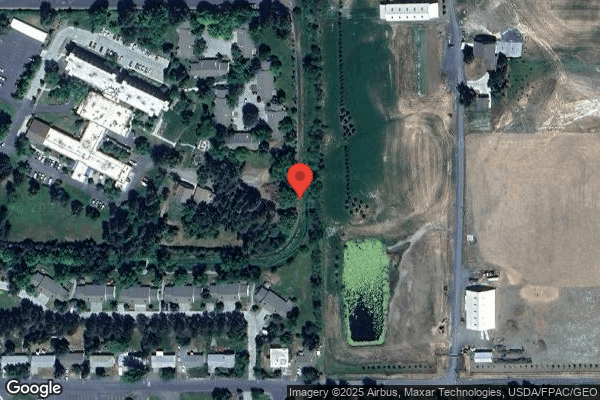
640 NORTH EISENHOWER STREET, MOSCOW, ID 83843 (208) 882-6560
For profit - Corporation 64 Beds CASCADIA HEALTHCARE Data: November 2025
Trust Grade
5/100
#74 of 79 in ID
Last Inspection: August 2024

Within standard 12-15 month inspection cycle. Federal law requires annual inspections.

Overview

Paradise Creek Health and Rehab of Cascadia has received a Trust Grade of F, indicating significant concerns about the care provided. Ranking #74 out of 79 facilities in Idaho places it in the bottom half, and it is the second-best option in Latah County, meaning there is only one other local facility that performs better. The facility's trend shows improvement, with issues decreasing from 17 in 2023 to 7 in 2024, but staffing remains a major concern with a low rating of 1 out of 5 stars and a high turnover rate of 72%, significantly above the state average. The facility has incurred fines of $90,362, which is higher than 96% of Idaho facilities, suggesting ongoing compliance problems. Additionally, while RN coverage is average, it is crucial for catching potential issues that CNAs might miss. Specific incidents include cases of verbal abuse reported among residents and a serious fall incident where a resident fell because staff did not place her assistive devices within reach, highlighting critical areas needing attention despite some improvements.

Trust Score
F
5/100
In Idaho
#74/79
Bottom 7%
Safety Record
High Risk
Review needed
Inspections
Getting Better
17 → 7 violations
Staff Stability
⚠ Watch
72% turnover. Very high, 24 points above average. Constant new faces learning your loved one's needs.
Penalties
✓ Good
$90,362 in fines. Lower than most Idaho facilities. Relatively clean record.
Skilled Nurses
✓ Good
Each resident gets 42 minutes of Registered Nurse (RN) attention daily — more than average for Idaho. RNs are trained to catch health problems early.
Violations
⚠ Watch
30 deficiencies on record. Higher than average. Multiple issues found across inspections.
★☆☆☆☆
1.0
Overall Rating
★☆☆☆☆
1.0
Staff Levels
★★★★☆
4.0
Care Quality
★★☆☆☆
2.0
Inspection Score
Stable
2023: 17 issues
2024: 7 issues

The Good

  • 4-Star Quality Measures · Strong clinical quality outcomes
  • Full Sprinkler Coverage · Fire safety systems throughout facility
  • No fines on record

Facility shows strength in quality measures, fire safety.

The Bad

1-Star Overall Rating

Below Idaho average (3.2)

Significant quality concerns identified by CMS

Staff Turnover: 72%

26pts above Idaho avg (46%)

Frequent staff changes - ask about care continuity

Federal Fines: $90,362

Well above median ($33,413)

Moderate penalties - review what triggered them

Chain: CASCADIA HEALTHCARE

Part of a multi-facility chain

Ask about local staffing decisions and management

Staff turnover is very high (72%)

24 points above Idaho average of 48%

The Ugly 30 deficiencies on record

3 actual harm
Aug 2024 7 deficiencies 1 Harm
SERIOUS (G)

Actual Harm - a resident was hurt due to facility failures

Quality of Care (Tag F0684)

A resident was harmed · This affected 1 resident

**NOTE- TERMS IN BRACKETS HAVE BEEN EDITED TO PROTECT CONFIDENTIALITY** 2. Review of the facility's policy titled, Hospice Services, release date [DATE], revealed The hospice, nursing home, and reside...

Read full inspector narrative →
**NOTE- TERMS IN BRACKETS HAVE BEEN EDITED TO PROTECT CONFIDENTIALITY** 2. Review of the facility's policy titled, Hospice Services, release date [DATE], revealed The hospice, nursing home, and resident/representative collaborates in the development of a coordinated care plan which includes, but is not limited to, the following .Interventions that address, as appropriate, the identification of timely, pertinent non-pharmacological and pharmacological interventions to manage pain and other symptoms of discomfort. Review of R43's admission Record located in the EMR under the Profile tab revealed R43 was admitted on [DATE]. R43 expired on [DATE]. Diagnoses included malignant neoplasm of the brain, altered mental status, pain, anxiety, and other recurrent depressive disorders. Review of R43's admission MDS with an ARD of [DATE] and located in the EMR under the MDS tab, revealed a BIMS assessment was not conducted due to the resident being rarely/ never understood. The resident was identified as having cognitive skills as modified independence. Pain was marked as having occasional pain frequency. Review of R43's Care Plan located in the EMR under the Care Plan tab, initiated on [DATE], revealed R43 had a terminal prognosis. Interventions included administer medications per order .Integrate care with Hospice agency per resident/ resident advocate request. During an interview on [DATE] at 8:35 AM, the Family Member (FM) 1 stated she met with hospice and signed the hospice papers on [DATE]. FM1 stated orders were faxed by hospice to the facility on [DATE]. She stated she was told by a facility nurse that the orders were found on the nursing manager's desk on [DATE] and the order was not documented into the medical record until [DATE]. Review of the Order Summary Report located in the EMR under the Orders tab revealed the following orders prior to hospice services starting: Order date: [DATE] with end date: [DATE]: Lorazepam [anti-anxiety] oral concentrate 2 mg/ml [milligram/ milliliter] Give 1 mg by mouth every 4 hours as needed for severe anxiety for 14 days. Order date: [DATE]: Morphine [pain medication] Sulfate Solution 20mg/ml. Give 0.25ml by mouth every 2 hours as needed for moderate generalized pain/ dyspnea. Morphine Sulfate Solution. Give 0.5ml by mouth every 2 hours as needed for generalized pain/ dyspnea. Review of the hospice Visit Note located in the EMR under the Documents tab, dated [DATE], revealed Start of Care. The narrative revealed entering his first benefit period for terminal diagnosis of glioblastoma [brain tumor]. Review of the hospice Visit Note located in the EMR under the Documents tab, dated [DATE], revealed Is current pain management effective? Yes. The narrative revealed appears pt [patient] has declined since yesterday admit .whispered yes to being in pain. Requested facility administer PRN [as needed] morphine .New order to discontinue acetaminophen, Dulcolax, and Flomax capsules, and schedule 0.25mls of morphine Q4 [every 4] hours per hospice MD [physician]. Review of the Order Summary Report located in the EMR under the Orders tab, dated [DATE], revealed the following: Order date: [DATE]: Morphine Sulfate Solution 20mg/ml. Give 0.25ml by mouth every 4 hours for pain. Morphine Sulfate Solution. Give 0.5ml by mouth every 1 hour as needed for moderate to severe pain or dyspnea. This order was not added until two days after the hospice visit on [DATE]. Review of the hospice fax, provided by the facility and dated [DATE], revealed Discontinue current orders for lorazepam. Start lorazepam 2mg/dl oral concentrate, give 1mg (0.5ml) .every 1 hour as needed for anxiety or restlessness Further review of the EMR Order Summary Report revealed the following: Order date: [DATE]: Lorazepam oral concentrate 1 mg/0.5ml. Give 0.5ml by mouth every 1 hour as needed for Anxiety and Restlessness. These changes in medications were not started until [DATE]. The fax was documented as received [DATE]. During an interview on [DATE] at 10:30 AM, Licensed Practical Nurse (LPN) 2 stated she came in that Friday/Saturday, talked with FM1, and hospice had come in that day. LPN2 stated she found the hospice orders on the manager's desk and confirmed the fax was dated [DATE]. During an interview on [DATE] at 1:06 PM, the Resident Care Manager (RCM) stated the resident was started on hospice care on [DATE]. He stated the changes in medication orders should have been put into place immediately. During an interview on [DATE] at 1:46 PM, the Director of Nursing (DON) stated the resident received hospice visits starting on [DATE] but that the medication changes were not added until [DATE]. She confirmed that although the resident was receiving pain management the hospice orders should have been put in immediately. Based on interview, observation, record review, and policy review, the facility failed to ensure two out of 20 sampled residents (Residents (R)30 and R43) were provided with adequate and or timely nursing care and services after: 1. R30 experienced a fall in which she sustained a significant laceration to her forehead and 2. R43's hospice orders were not implemented in a timely manner. The failure to send R30 to the emergency department (ED) timely resulted in harm when R30's laceration could not be sutured and then required debridement and continued treatment three weeks after the fall. Findings include: Review of the facility's Neurological Evaluation policy dated [DATE] revealed, Neurologic vital signs supplement the routine measurement of temperature, pulse rate, and respirations when a resident is suspected to have hit their head (e.g., a fall), has hit their head or has a traumatic brain and/or spinal cord injury . 1. Review of the undated admission Record in the electronic medical record (EMR) under the Profile tab revealed R30 was admitted to the facility on [DATE] with diagnoses including congestive heart failure and muscle weakness. Review of the quarterly Minimum Data Set (MDS) with an Assessment Reference Date (ARD) of [DATE] in the EMR under the Profile tab revealed R30 was moderately impaired in cognition with a Brief Interview for Mental Status (BIMS) score of 10 out of 15. Further review of this MDS revealed R30 was impaired in range of motion (ROM) to both sides of her upper and lower extremities, dependent on staff for toilet and tub transfers, and required substantial assistance for chair/bed to chair transfers. R30 experienced one fall with injury since the prior MDS assessment. R30 received hospice services. Review of the Care plan dated [DATE] in the EMR under the Care Plan tab revealed R30, had an actual fall with injury r/t [related to] impulsivity, confusion. Intervention in pertinent part included, Neuro-checks per policy and procedure. Review of a late entry Health Status Note, dated [DATE] at 10:40 PM, revealed Resident had a witnessed injury fall in the common area at 1900 [7:00 PM] hrs [hours]. Resident was observed to have leaned forward from her wheelchair and face planted onto the floor in a prone position. Resident had an abrasion to her forehead measuring 3 cm [centimeters] x [by] 1cm. Resident was asked how she ended to the floor and stated she was attempting to get up. Resident's granddaughter and emergency contact #1 [name] was notified, and so was the hospice nurse [name] and nurse manager on duty [name]. Hospice nurse [name] stated that resident should not be sent out to the hospital and that her nurse will be in tomorrow to f.u [follow up] with her. Resident's neuros are wnl [within normal limits] with no latent injuries noted. Resident assessed and was alert to her baseline, name, and place. First aid rendered to the abrasion site, resident transferred to her w.c. [wheelchair]. Resident continues to be on neuros. Resident c.o [complains of] pain and to her forehead and bilat [bilateral] knees and was administered prn [as needed] Tylenol 650 mg [milligrams] with therapeutic effect. Review of the Neurological Record from [DATE] through [DATE], provided by the facility, revealed neuro checks were due on [DATE] at 10:00 PM, 11:00 PM, and on [DATE] at 12:00 AM and 4:00 AM. Sleeping was documented on the form for each of these times; neuros were not completed after 9:00 PM on [DATE] until 8:00 AM on [DATE]. The neuro checks completed at 8:00 AM on [DATE] were within normal limits. Review of the Hospice Notes, revealed no note written on [DATE] of a hospice nurse visit to R30. Review of the ED [Emergency Department] Provider Note dated [DATE] at 6:11 PM revealed, Pt [patient] feet caught in WC [wheelchair] last evening and fell forward on hard linoleum. Was not sent for eval from [name of facility] where witnessed event took place. Pressure dressing applied last evening . Pt reports mild forehead pain . Family notified last night after hospice and hospice nurse stated pt did not need to be sent. Granddaughter brought pt in and is POA [power of attorney] at bedside .Patient has a significant wound on her forehead as well as abrasions to her knees . Large skin tear and maceration on the forehead . The wound is too old to do any type of suture closure but we will irrigate the wound and dress as best as we can . Given the fact that the wound was not adequately treated for about 24 hours, we can discharge on Keflex [antibiotic] as a prophylactic . Review of the EMR Medication Administration Record (MAR), dated [DATE] revealed the Keflex antibiotic was not documented as administered. Review of the Order Summary, dated [DATE] through [DATE] and under the Orders tab in the EMR, revealed wound care to the forehead laceration one time a day every 3 days for cleanse wound, apply bacitracin [antibiotic ointment] and border foam dressing. Review of the Order Summary dated [DATE] in the EMR under the Orders tab revealed R30 received the following treatment to her forehead, initiated on [DATE], Bactine Max External Liquid 4-0.13 % (pain reliever), apply to affected area topically as needed for forehead wound cleansing prior to dressing changes, wound care to include wound washed/cleansed with Bactine Max. Place Adaptec [non-adherent dressing] in wound bed, calcium alginate [dressing used to manage moderate to heavy exudate fluid leaking out of blood vessels into nearby wounds, providing a moist healing environment, and supporting debridement (removal of dead, damaged or infected tissue to improve wound healing)] and then bordered foam to cover site, one time a day every 7 day(s) for wound to forehead. During an observation on [DATE] at 3:08 PM, R30 was observed in a recliner chair in her room sleeping. R30 had a large bandage covering most of her forehead. During an interview on [DATE] at 9:10 AM, Family Member (FM)3 stated R30 experienced a fall on [DATE] and the nurse had R30 up in a wheelchair ready to go to the hospital when she arrived in the facility that evening ([DATE] after the fall). FM3 stated the on-call hospice nurse made the decision not to transport R30 to the hospital. FM3 stated R30 had a pretty good gash on the head. FM3 stated she wanted R30 to go to the hospital and offered to take her, but was told a hospice nurse would come the next morning to assess the wound. FM3 stated the next morning she called the nurse on duty and was told the dressing was wet and the hospice would be coming to look at the wound. FM3 stated she arrived at the facility after 2:00 PM and the hospice nurse had not been into the facility. FM3 stated at 4:00 PM, the nurse on the evening shift took R30's dressing off and she saw the wound. FM3 stated it was a bad wound (laceration with some of the tissue separated and missing) and asked the nurse what she was going to do. The facility nurse then called hospice, reported no hospice nurse had been in to assess the wound, and hospice gave the order to send R30 to the ED. During an interview on [DATE] at 10:42 AM, the Director of Nursing (DON) stated the facility called to have R30 sent to the hospital on [DATE], but hospice declined to send her. The DON stated the nurse on duty at the time of the fall thought the wound was bad enough that it warranted R30 going to the ED. The DON stated if the hospice nurse did not come in on [DATE], the facility nurse on duty should have followed up. The DON stated neuro checks should be completed when residents were known to hit their head and they were important to detect a head injury. The DON stated sleeping was an inappropriate reason not to complete the neuro checks on [DATE] and education had been provided to the nursing staff after this incident. The DON stated by not completing the neuro checks, the facility had missed the opportunity to evaluate R30's status to detect a significant change in mental status. During an interview on [DATE] at 11:18 AM, R30's Hospice Nurse stated she was off duty on [DATE] when R30's fall occurred so the call went to the on-call hospice nurse. The Hospice Nurse stated a resident could go to the hospital with an acute injury. The Hospice Nurse stated she did not know if a hospice nurse assessed R30's wound on [DATE]. During an interview on [DATE] at 12:34 PM, the Resident Care Manager (RCM), Licensed Practical Nurse (LPN) stated he did not see R30's wound until [DATE]. The RCM stated there was a large, deep split with abraded skin on either side. The RCM stated when he saw the wound on [DATE] it was a laceration and not an abrasion. The RCM stated he consulted with R30's medical provider and stated R30 should have gone to the ED on [DATE].
CONCERN (D)

Potential for Harm - no one hurt, but risky conditions existed

Grievances (Tag F0585)

Could have caused harm · This affected 1 resident

**NOTE- TERMS IN BRACKETS HAVE BEEN EDITED TO PROTECT CONFIDENTIALITY** Based on observation, interview, record review, and policy review, the facility failed to ensure a verbal grievance was document...

Read full inspector narrative →
**NOTE- TERMS IN BRACKETS HAVE BEEN EDITED TO PROTECT CONFIDENTIALITY** Based on observation, interview, record review, and policy review, the facility failed to ensure a verbal grievance was documented, investigated, and the results were reported back for one out of 20 sampled residents (Resident (R) 8). This failure resulted in R8's grievance not being resolved timely. Findings include: Review of the facility's Complaints and Grievances policy dated 10/15/22 and provided by the facility revealed, The facility should make prompt efforts to resolve grievances the resident may have . Complaints/grievances may be written or verbal . Complaints/grievance are acknowledged, investigated, and the complainant apprised of progress toward a resolution and takes appropriate corrective action if the alleged violation is confirmed by the facility . Review of the undated admission Record in the electronic medical record (EMR) under the Profile tab revealed R8 was admitted to the facility on [DATE] with a primary diagnosis of atherosclerotic heart disease. Review of the quarterly Minimum Data Set (MDS) with an Assessment Reference Date (ARD) of 06/03/24 in the EMR under the MDS tab revealed R8 was intact in cognition with a Brief Interview for Mental Status (BIMS) score of 15 out of 15. This MDS documented that R8 was frequently incontinent of urine. Review of the Resident Council Meeting Minutes dated 06/26/24 and provided by the facility revealed, Ask Activity Manager [name] or Social Services [name] for Grievance or Concern forms. Staff may assist in filling the forms out if needed. The form will be given to the appropriate department for review. Have forms filled out as soon as possible so a resolution can be reached in a timely manner. Paradise Creek has been keeping track of this process and has shown that this system is working to take care of concerns quickly/thoroughly. Review of Resident Council Meeting Minutes dated 07/31/24 and written by the Activity Manager (AM) revealed R8 raised a concern, [R8] says Dr [name] ordered large heavy briefs for him, but he hasn't got them. He is upset that his bed and clothes [are] always full of urine and he has a rash from it. He wants one of us to order those briefs for him . During an interview on 08/27/24 at 4:10 PM, R8 stated he voided a large amount of urine frequently and wanted different incontinent briefs. R8 stated he frequently soiled his clothing and bedding due to the type of incontinent products not holding enough urine. R8 stated when he came to the facility, he had two boxes of incontinence pull up briefs and they had worked well. R8 stated that the Director of Nursing (DON) wanted him to continue to wear wrap around briefs and not the pull up briefs that worked for him previously. R8 stated he told the DON he would like to go back to the heavy duty large pull up briefs. During an interview on 08/28/24 at 11:16 AM, the AM stated she attended Resident Council Meetings and took the minutes. The AM stated she initiated grievances coming out of resident council and they went to the Social Services Manager (SSM). The AM stated she thought she initiated a grievance for R8's concern raised in the July 2024 resident council meeting; however, verified there was no grievance. The AM stated she thought R8's concern about his incontinence briefs had been resolved due to a different product being ordered. During an interview on 08/28/24 at 11:54 AM, Certified Nursing Assistant (CNA) 6 stated R8 required assistance with dressing and hygiene. CNA6 stated R8 struggled with fastening the tabs on the incontinence briefs; however, he could remove them. CNA6 stated R8 had some pull up briefs previously, but they were not currently being used. CNA6 stated R8 was incontinent of urine. CNA6 stated R8 preferred pull up briefs over the tab type of briefs that were currently in use. During an interview on 08/28/24 at 1:40 PM, the SSM stated no grievance had been initiated to address R8's concern about the type of incontinence brief he used and soiling his clothing/bedding. The SSM stated different incontinence products had been ordered for R8 and she thought the issue had been resolved. On 08/28/24 at 1:57 PM the SSM and surveyor went to R8's room. The SSM checked the supply of incontinence briefs in R8's room and there were the tab briefs in his closet. There were no pull up briefs in the room During an interview on 08/28/24 at 3:05 PM, the Central Supply Specialist (CSS) stated she ordered incontinence products and R8's concern regarding briefs was brought to her attention in July 2024. The CSS stated she ordered him a case of pull ups in two sizes (72 briefs in each case) to trial. The CSS stated she had not checked back with the resident after the second case was ordered and staff were to notify her if he ran out, which they had not done. During a follow up interview on 08/29/24 at 9:39 AM, R8 stated he was informed the staff ordered the pull up briefs yesterday. R8 stated he had not been provided with pull up briefs after bringing his concern to staff in July 2024. R8 stated the staff told him the wrap around briefs held more urine than the pull up briefs and that he should use the wrap around briefs. During an interview on 08/29/24 at 5:44 PM, the DON stated the tabs briefs (referred to as wrap around briefs by R8) held more urine than the pull up briefs. The DON stated the facility had provided a pull up brief to R8 after he expressed his concern but was unable to show documentation that the briefs were ordered and provided to R8.
CONCERN (D)

Potential for Harm - no one hurt, but risky conditions existed

Accident Prevention (Tag F0689)

Could have caused harm · This affected 1 resident

**NOTE- TERMS IN BRACKETS HAVE BEEN EDITED TO PROTECT CONFIDENTIALITY** 3. Review of R42's admission Record located in the EMR under the Profile tab revealed R42 was admitted on [DATE]. R42 expired on...

Read full inspector narrative →
**NOTE- TERMS IN BRACKETS HAVE BEEN EDITED TO PROTECT CONFIDENTIALITY** 3. Review of R42's admission Record located in the EMR under the Profile tab revealed R42 was admitted on [DATE]. R42 expired on [DATE]. Diagnoses included malignant neoplasm of upper lobe, left bronchitis or lung and muscle weakness. Review of R42's admission MDS with an ARD of [DATE] and located in the EMR under the MDS tab, revealed a BIMS score of 13 out of 15 which indicated the resident had intact cognition. Further review of this MDS revealed R42 required partial/ moderate assistance for putting on/ taking off footwear, and for rolling left and right. R42 was marked as having a fall within the past two-six months and a fracture related to a fall in the six months prior to admission. No falls were documented since admission. Review of R42's Care Plan located in the EMR under the Care Plan tab, initiated on [DATE], revealed the resident had impaired mobility with risk for falls .Interventions included Monitor for gait changes .Provide standard style of call light. Validate that it is in reach prior to leaving the room . Monitor resident position in bed . All initiated on [DATE]. Review of R42's Care Plan located in the EMR under the Care Plan tab, initiated on [DATE], revealed the resident had a terminal prognosis related to lung cancer with metastasis to the liver Interventions included administer medications per order .work with nursing staff to provide maximum comfort for the resident. a. Review of the fall investigation, provided by the facility and dated [DATE] at 1515 (3:15 PM) revealed the fall was unwitnessed. Immediate interventions included removed clutter and placed pillow under head, resident covered in urine from BSC [bedside commode] spilling. There was 4cm [centimeters] x 0.1cm, abrasion to the left knee, discoloration to right knee and back. The resident was found on the back lying next to the commode. The resident was self-transferring to the BSC, and the commode was unsteady related to a folding chair under the commode. The resident was marked as barefoot. Recommendations included check and offer toilet every two - three hours, staff educated to not leave resident unattended while on the commode. Neurochecks were not documented on [DATE] at 1530 (3:30 PM), 1545 (3:45 PM), 1600 (4:00 PM), 1715 (5:15 PM), 1815 (6:15 PM), 1915 (7:15 PM), and/or 2015 (8:15 PM). During an interview on [DATE] at 1:00 PM, the Director of Nursing (DON) stated for this fall, there was a commode stored on a chair and the resident tried to use the commode that was stored on top of the chair. She stated the commode should have been in a safe place and he should have been toileted with assistance. She stated the fall interventions included leaving the door open, and he was encouraged to use the call light. She stated the next fall happened the next day. b. Review of the fall investigation, provided by the facility and dated [DATE] at 2000 (8:00 PM) revealed the fall was unwitnessed. There was no injury. He was marked as barefoot. He was found on the floor, and resident stated, unsure of what happened. Interventions implemented included staff continuing to remind the resident to use a call light for assistance with transfers, proper footwear in place, use standby assistance for transfers and ambulation. He was found lying on the side next to the bed. Recommendations included staff to leave door open for observation for more frequent observation, encourage resident to use call light for assistance. During an interview on [DATE] at 1:00 PM, the DON stated for this second fall, the resident was barefoot She stated the resident fell out of bed and there were no items in proximity. She stated the right footwear would have been shoes or non-skid socks. She stated Leaving the door open was not added to the care plan until [DATE]. c. Review of the fall investigation, provided by the facility and dated [DATE] at 2300 (11:00 PM) revealed the fall was unwitnessed. There was bruising-discoloration caused by impact. Bilateral bruising and left rib area redness. The resident was barefoot. The resident was found prone (face down) on the floor by the side of bed. Interventions included bed placed against wall and ensure in lowest position and mattress side propped to assist in resident not rolling off bed again. Increased weakness due to disease process. No defining bed edges. Recommendation included bed placed against wall, needs scoop mattress. During an interview on [DATE] at 1:00 PM, the DON stated for this third fall, he was found on the floor to the left side of the bed. She stated they recommended a scoop mattress to define the edges of the bed. She stated they recommended a bed against the wall and special mattress, but there was no indication if the door was open or closed. She stated the bolsters were added on [DATE] per care plan. d. Review of the fall investigation, provided by the facility and dated [DATE] at 0542 (5:42 AM) revealed the fall was unwitnessed. There were no injuries. The resident was barefoot. Interventions included neuros and elevation of mattress edge. The resident was found on the floor in a prone position beside bed. Recommendations included bolsters to be placed on mattress on AM shift. During an interview on [DATE] at 1:00 PM, the DON stated for this fourth fall, bolsters were on the care plan but were probably not on by that morning. She stated the bolsters were placed after this fall. Review of R42's Care Plan located in the EMR under the Care Plan tab, initiated on [DATE], revealed the resident had an actual fall with minor injury r/t [related to] disease process/ condition. Interventions included bolsters to be placed on mattress to reduce the risk for falls (initiated [DATE]) .Place bed against the wall to reduce risk for rolling out of bed on weaker left side (initiated [DATE]) .Staff to leave door open to room to observe more frequently to prevent falls (initiated [DATE]). Based on observations, record review, staff interview, and review of the facility policy, the facility failed to ensure interventions were put in place and followed to prevent additional falls for three of six residents reviewed for falls (Resident (R) 9, R33, and R42) out of a total sample of 20 residents. This failure increased the potential for additional falls and potential injury for residents with a history of falls. Findings include: Review of the facility's policy titled, Accidents and Supervision to Prevent Accidents, revision date [DATE], documented, The facility provides an environment that is free from accident hazards over which the facility has control and provides supervision and assistive devices to each resident to prevent avoidable accidents .Avoidable Accident-an accident that occurred because the facility failed to: Identify environmental hazards and/or assess individual resident risk of an accident, including the need for supervision and/or assistive devices; and/or .Evaluate/analyze the hazards and risks and eliminate them, if possible: and/or .Implement interventions, including adequate supervision and assistive devices, consistent with a resident's needs, goals, care plan and current professional standards of practice in order to eliminate the risk, if possible and if not, reduce the risk of an accident, and/or Monitor the effectiveness of the interventions and modify the care plan as necessary in accordance with current professional standards of practice. 1. Review of R9's Face Sheet, located in the electronic medical record (EMR) under the Profile tab, revealed an admission date of [DATE] with diagnosis of pelvic fracture, osteoporosis, dementia, macular degeneration, and cognitive communication deficit. Review R9's Annual Minimum Data Set (MDS), located in the EMR under the MDS tab with an Assessment Reference Date (ARD) of [DATE], revealed the resident had a Brief Interview for Mental Status (BIMS) score of eight out of 15 indicating R9 was moderately cognitively impaired. Review of the MDS revealed R9 was assessed for the use of a walker for mobility and was independent with chair/bed to chair transfers and independent for toileting. Review of R9's Care Plan, dated [DATE], located in the EMR under the Care Plan tab, revealed R9 was at risk for falls and was updated with additional interventions after the resident experienced several falls within the last year. During an interview with the DON on [DATE] at 1:58 PM, she stated the physician ordered a bed and chair alarm due to R9's cognitive history and desire to be independent increasing her risk for falls. Review of the EMR Orders tab revealed a Treatment Administration Record (TAR), for [DATE], that indicated the chair and bed alarm were ordered on [DATE]. An observation on [DATE] at 5:20 PM revealed R9 was sitting on the side of her bed. Licensed Practical Nurse (LPN)3 entered the resident's room to respond to the silent alarm from the sensor pad on her bed and assisted the resident to her wheelchair. LPN3 was asked if there was an alarm in her wheelchair and she confirmed there was not an alarm in her wheelchair. LPN3 stated R9 had a bed alarm since most of her falls happen at night. During an interview with Certified Nursing Assistant (CNA) 6 on [DATE] at 11:00 AM, she stated the resident used a bed alarm but was not sure if she had a chair alarm. Observed the resident's wheelchair and CNA 6 verified there was not a chair alarm in use. During the interview with the DON on [DATE] at 01:58 PM, she stated the resident should have an alarm in her wheelchair and confirmed, there was not one in use. 2. Review of R 33's Face Sheet, located in the EMR under the Profile tab, revealed an admission date of [DATE] with diagnoses including muscle weakness and dementia. Review of R33's quarterly MDS, located in the EMR under the MDS tab with an ARD of 06//25/24, revealed the resident had a BIMS score of four out of 15 indicating the resident was severely cognitive impaired. Further review of this MDS revealed R33 was also assessed as having impairment on upper and lower extremities and was dependent on staff for transfers from bed to chair. Review of the Care Plan located in the EMR under the Care Plan tab, dated [DATE], identified the resident as being at risk for falls due to weakness and confusion. An intervention to add a Dycem (anti-slip) pad and a comfort cushion to the seat of his wheelchair was added to the care plan on [DATE] to prevent falls. Review of the facility's Incident Packet Checklist, dated [DATE], provided by the DON, revealed R33 was in his wheelchair in dayroom and was observed by staff sliding out of the chair onto the floor. Staff could not reach him in time. Review of the Post Fall IDT Review revealed the resident had been restless in the wheelchair and had been self-propelling throughout the facility. He was previously adjusted by staff for comfort in the chair and was witnessed seated forward. As staff walked toward the resident to assist, R33 slid out of the wheelchair onto the floor on his buttocks. He was assessed for injury, pain, and assisted back in the wheelchair. Review of the 5 Why's Tool, included in the summary of the event indicated the Dycem pad was not under the resident in the wheelchair. Review of two additional Incident Packet Checklist, dated [DATE] and [DATE], revealed R33 slid out of his wheelchair onto the floor while in the dayroom. Staff witnessed the fall on [DATE] and [DATE] but could not reach the resident in time. The falls did not result in an injury. The Post Fall IDT Review for the fall on [DATE] revealed the root cause as weakness and follow up to place a cushion to assist for better position. Review of the Post Fall IDT Review for the [DATE] fall was to place comfort curve cushion in wheelchair for comfort and aid in position in the chair. During an interview with the DON on [DATE] at 3:15 PM, an observation was made of R33's wheelchair. She stated the cushion that was currently in use was the comfort cushion that had to be ordered after the falls on [DATE] and [DATE] even though the cushion was an intervention placed on the care plan on [DATE]. The DON confirmed that the Dycem mat was not placed in the chair when the resident fell on [DATE].
CONCERN (D)

Potential for Harm - no one hurt, but risky conditions existed

Drug Regimen Review (Tag F0756)

Could have caused harm · This affected 1 resident

**NOTE- TERMS IN BRACKETS HAVE BEEN EDITED TO PROTECT CONFIDENTIALITY** Based on interview, record review, and policy review, the facility failed to ensure the pharmacist made a written recommendation...

Read full inspector narrative →
**NOTE- TERMS IN BRACKETS HAVE BEEN EDITED TO PROTECT CONFIDENTIALITY** Based on interview, record review, and policy review, the facility failed to ensure the pharmacist made a written recommendation to the physician for a gradual dose reduction (GDR) for one of five residents reviewed for unnecessary medications (Resident (R) 16) out of a total sample of 20 residents. This failure increased the potential for R16 to be overmedicated. Findings include: Review of the facility's Drug Regimen Review policy dated 11/28/17 and provided by the facility revealed, The facility contracts with a pharmacy to complete monthly drug regimen review to identify irregularities and to identify clinically significant risks and/or actual or potential adverse consequences which may result from or be associated with medications . Any irregularities noted by the pharmacist during this review are to be documented on a separate, written report that is sent to the attending physician and the facility's medical director and director of nursing . The attending physician documents in the resident's medical record that the identified irregularity has been reviewed and what, if any, action has been taken to address it. Review of the undated admission Record in the electronic medical record (EMR) under the Profile tab revealed R16 was admitted to the facility on [DATE] with a diagnoses of dementia with mood disturbance and depression. Review of the annual Minimum Data Set (MDS) with an Assessment Reference Date (ARD) of 05/31/24 in the EMR under the MDS tab revealed R16 was severely impaired in cognition with a Brief Interview for Mental Status (BIMS) score of four out of 15. Further review of this MDS revealed R16 was identified as having verbal, physical, and other behavioral symptoms one to three days out of the assessment period (of seven days) and was administered an antipsychotic medication without a gradual dose reduction having been attempted. Review of the Order Summary Report from 05/25/23 through 08/28/24 in the EMR under the Orders tab revealed R16 was prescribed Seroquel (antipsychotic medication) Oral Tablet 25 milligrams (mg), give 12.5 mg by mouth at bedtime related to unspecified dementia with mood disturbance on 01/16/24. R16 continued on this dose during the survey; the Order Summary Report revealed no gradual dose reduction had been attempted. A request was made for all the pharmacist's medication recommendations of irregularities for R16. No pharmacy recommendations were provided. During an interview on 08/28/24 at 10:16 AM, the Director of Nursing (DON) stated R16 was started on Seroquel due to aggressive behaviors in January 2024. The DON stated on 04/15/24 the facility conducted a monthly summary review of R16s medications with the pharmacist and a psychiatric doctor. The DON stated a gradual dose reduction was discussed prior to when the gradual dose reduction (GDR) was due (six months after initiation); a formal written pharmacist recommendation had not been completed. A request was made for the psychiatric physician's rationale that a dose reduction not be implemented. The DON verified there was no documentation from the pharmacist or the psychiatric physician regarding a gradual dose reduction. A call to the pharmacist was made on 08/29/24 at 10:02 AM and a message was left but not returned. During an interview on 08/29/24 at 5:21 PM, the Director of Nursing (DON) verified there were no medication recommendations made by the pharmacist for R16 over the past 12 months.
CONCERN (E)

Potential for Harm - no one hurt, but risky conditions existed

Deficiency F0730 (Tag F0730)

Could have caused harm · This affected multiple residents

Based on record review, interviews, and policy review, the facility failed to ensure annual performance reviews were completed for every nurse aide at least one review every 12 months for five of five...

Read full inspector narrative →
Based on record review, interviews, and policy review, the facility failed to ensure annual performance reviews were completed for every nurse aide at least one review every 12 months for five of five (Certified Nursing Assistants (CNA) 1, CNA2, CNA3, CNA4, and CNA5) and failed to include no less than 12 hours of training per year for three of five (CNA) 1, CNA3, and CNA4) reviewed for education and reviews for 43 census residents. The failure had the ability to affect the current skillset and knowledge level in order to care for the residents. Findings include: Review of the facility's policy titled, Nurse Aide Staffing, release date 11/28/17, revealed Each nurse aide receives a performance review at least once every 12 months. Review of the undated document titled, Employee Seniority provided by the facility, revealed the following: -CNA1 had a hire date of 05/01/23. -CNA2 had a hire date of 05/01/23. -CNA3 had a hire date of 05/01/23. -CNA4 had a hire date of 06/06/23. -CNA5 had a hire date of 08/21/23. Review of undated Official Transcript provided by the facility, revealed CNA1 received 2.35 hours over the past year, CNA3 received seven hours of training over the past year, and CNA4 received 8.6 hours of training over the past year. Further review revealed that the training received did include abuse and dementia training, During an interview on 08/29/24 at 12:57 PM, Director of Nursing (DON) stated they only had five CNAs that had worked at the facility for over 12 months. She stated they had not conducted any performance reviews.
CONCERN (E)

Potential for Harm - no one hurt, but risky conditions existed

Deficiency F0804 (Tag F0804)

Could have caused harm · This affected multiple residents

Based on observation, record review, interviews, and facility policy review, the facility failed to ensure residents received meals that were palatable for five of 20 sampled residents (Resident (R) 1...

Read full inspector narrative →
Based on observation, record review, interviews, and facility policy review, the facility failed to ensure residents received meals that were palatable for five of 20 sampled residents (Resident (R) 19, R36, R22, R13, and R35) reviewed for palatability. This failure had the potential to affect resident meal intake. Findings include: Review of the facility's policy titled, Food Preparation, release date 11/28/17, revealed Food is prepared by methods that conserve nutritive value, flavor, and appearance .Food is stored, prepared, and held by methods that preserve the nutritive value of the food to the extent possible. 1. Review of R19's significant change Minimum Data Set (MDS) with an Assessment Reference Date (ARD) of 07/09/24 revealed a Brief Interview for Mental Status (BIMS) score of nine out of 15 which indicated the resident had moderately impaired cognition. During an interview on 08/26/24 at 10:41 AM, R19 stated the food had no flavor and no salt. 2. Review of R36's admission MDS with an ARD of 07/25/24 revealed a BIMS score of 15 out of 15 which indicated the resident had intact cognition. During an interview on 08/26/24 at 11:00 AM, R36 stated the food was ok for an institution but it was awful. She stated the menu sounded good but how could it taste so bad? During an interview on 08/28/24 at 12:17 PM, R36 stated the lasagna was warm to taste. She stated the salad was warm and Limpy. 3. Review of R22's annual MDS with an ARD of 06/14/24 revealed a BIMS score of 14 out of 15 which indicated the resident had intact cognition. During an interview on 08/26/24 at 11:26 AM, R22 stated she could eat the food, but it was not tolerable. 4. Review of R13's quarterly MDS with an ARD of 06/14/24 revealed a BIMS score of 14 out of 15 which indicated the resident had intact cognition. During an interview on 08/26/24 at 12:43 PM, R13 stated the meal with chicken and rice was a bit dry. 5. Review of R35's admission MDS with an ARD of 07/18/24 revealed a BIMS score of 15 out of 15 which indicated the resident had intact cognition. During an interview on 08/27/24 at 8:29 AM, R35 stated the food was cold and had no seasoning. He stated the water was not hot for cocoa, and they had no condiments. 6. During an observation on 08/28/24 at 11:15 AM, the temperatures of the food on the steam table were taken by Cook1. The lasagna was 192 degrees Fahrenheit (F), the salad was 39.6 degrees F, and the custard was 37.6 degrees F. During an observation and interview on 08/28/24 at 11:33 AM, a test tray was prepared from the steam table at 11:36 AM and placed on a cart. The cart left the kitchen at 11:48 AM. Staff started to pass trays from the cart at 11:55 AM. The last tray passed at 12:01 PM. An evaluation of a test tray was conducted at 12:01 PM, alongside the Registered Dietitian (RD). The lasagna was 118 degrees F, the salad containing ranch dressing was 89 degrees F. The salad was on the same plate as the lasagna. The custard was 54 degrees F. The RD confirmed the food temperatures and stated the hot food should have been in the 130 degrees F range and the cold food should have been around 50 degrees F by the time it was received by the resident. She stated the standard was to place the salad in a bowl with a packet of salad dressing on the side per resident choice. The test tray revealed the salad tasted watered down and soggy. The lasagna was slightly warm. During an interview on 08/29/24 at 10:00 AM, the RD and the Culinary Manager (CM) stated resident council touched on food. The RD stated they had not had a regular food committee group in a while. They stated they always put the salad in a separate bowl with dressing of choice on the side. The RD stated the lasagna may have been at the proper temperature if the salad had not been on the same plate.
CONCERN (F)

Potential for Harm - no one hurt, but risky conditions existed

Food Safety (Tag F0812)

Could have caused harm · This affected most or all residents

Based on observation, record review, interview, and policy review, the facility failed to ensure food was not expired, freezer temperatures were of proper parameters and thermometers were properly san...

Read full inspector narrative →
Based on observation, record review, interview, and policy review, the facility failed to ensure food was not expired, freezer temperatures were of proper parameters and thermometers were properly sanitized. This had the potential to affect food safety for the 41 residents served food from the kitchen. Findings include: Review of the facility's policy titled, Refrigerator & Freezer Temperature Monitoring, release date 01/01/18, revealed Freezers: Recommended temperature range is 0 °F [degree Fahrenheit] +/-10 .Post a temperature log for each refrigerator and freezer at the beginning of the month. Review of the facility's policy titled, Food and Supply Storage, release date 11/28/17, revealed All food, non-food item, and supplies used in food preparation shall be stored in such a manner as to maintain safety and sanitation of the food or supply for human consumption .Expiration date: the last date that food should be eaten .Reject any unacceptable product and make note of return on the invoice. Review of the facility's policy titled, Food Preparation, release date 11/28/17, revealed When verifying food temperatures, staff should use a thermometer which is both clean, sanitized . During an observation and interview on 08/26/24 at 9:34 AM, the walk-in refrigerator had two five-pound containers of sour cream (one partial full and one full) with a best if used by date of 07/17/24. The Culinary Manager (CM) confirmed the food was expired and stated he would dispose of the items. During an observation and interview on 08/26/24 at 9:37 AM, the walk-in refrigerator had one partially full 48-ounce container of potato salad with a use by date of 08/17/24. The CM confirmed it was expired and stated it would be disposed of. During an observation and interview on 08/26/24 at 9:40 AM, the freezer had food that was not fully frozen. The CM stated the temperature was 28 degrees F. He stated they had been watching the freezer temperatures and that it was 1.2 degrees F the night before at 5:30 PM. During an interview on 08/27/24 at 8:38 AM, the CM stated all the walk-in freezer temperature logs included August 2024 (08/03/24-08/17/24); and June 2024 (06/01/24- 06/26/24). He stated these were the only logs he had from June 2024 through August 2024. The CM further stated that the food affected by the warm freezer temperatures was thrown away. During an observation and interview on 08/28/24 at 8:59 AM, the dry storage area contained two 32-ounce containers of honey thickened dairy liquids with a use by date of 08/03/24. There were six 46-ounce containers of honey thickened liquids with best if used by date 06/26/24. There was one 50-ounce can of chicken noodle soup with a received date of 04/22 and was dated 02/27/24. The CM confirmed all the expired items. During an observation and interview on 08/28/24 at 9:48 AM, Cook1 was observed to have taken the temperature of one pan of lasagna. He proceeded to place the thermometer into a bucket of sanitizer water and wiped it with a rag from the sanitizer water. He placed the thermometer directly into the second pan of lasagna without letting the thermometer dry, resulting in the potential for chemical contamination. After he finished taking the temperature of the second pan of lasagna, he placed the thermometer in the sanitizer water and again wiped with a rag from the sanitizer water. At 10:23 AM, Cook1 stated he was in a rush and so he used the sanitizer bucket water instead of the thermometer wipes. The CM confirmed he should have used the thermometer wipes. The pan of lasagna that was temped with the improperly sanitized thermometer was disposed of. During an interview on 08/29/24 at 10:00 AM, the Registered Dietitian (RD) and the CM stated the freezer was currently working. They confirmed the expired foods observed during the kitchen tours.
Jul 2023 17 deficiencies 2 Harm
SERIOUS (G) 📢 Someone Reported This

A family member, employee, or ombudsman was alarmed enough to file a formal complaint

Actual Harm - a resident was hurt due to facility failures

Free from Abuse/Neglect (Tag F0600)

A resident was harmed · This affected 1 resident

**NOTE- TERMS IN BRACKETS HAVE BEEN EDITED TO PROTECT CONFIDENTIALITY** Based on policy review, record review, review of the State Agency's Long-Term Care Reporting Portal, review of I&A reports, and ...

Read full inspector narrative →
**NOTE- TERMS IN BRACKETS HAVE BEEN EDITED TO PROTECT CONFIDENTIALITY** Based on policy review, record review, review of the State Agency's Long-Term Care Reporting Portal, review of I&A reports, and staff interview, it was determined the facility failed to ensure residents were free from abuse. This was true for 2 of 4 residents (#23 and #39) reviewed for abuse. This failure resulted Resident #39 and Resident #23 not being free from verbal abuse. Findings include: The facility's Abuse policy, revised 7/23/19, documented the facility prohibited abuse and implemented policies and procedures to prevent all types of abuse, including and not limited to verbal, sexual, physical, and mental abuse. The prohibitions on abuse applied to facility staff, other residents, consultants, volunteers, agency staff, family members, legal guardians, friends, and visitors. The facility's Detecting Abuse policy, revised 7/23/19, documented when identifying events and occurrences that may constitute or contribute to abuse, the facility's procedure was to evaluate the resident for signs and symptoms of the negative psychosocial impact of the event, including but not limited to: - Fear of a person or place, being left alone, being in the dark, disturbed sleep, nightmares. - Extreme changes in behavior (aggressive or disruptive behavior toward a specific person). - Running away, withdrawal, isolating self, feeling of guilt and shame, depression, crying, talking of suicide or attempts. The policy further stated the procedures to protect residents during and after an investigation included increased supervision of the alleged victim and other residents as indicated. These policies were not followed. 1. Resident #39 was admitted to the facility on [DATE], with multiple diagnoses including extrapyramidal and movement disorder (a group of neurological conditions that cause either increased movements or reduced or slow movements). Resident #39's admission MDS, dated [DATE], documented Resident #39 was cognitively intact, required one staff supervision for transfer, locomotion, and toileting, and she was occasionally incontinent of bladder and bowel. An I&A report, dated 12/16/21, documented Resident #39 was subjected to verbal abuse from a facility staff member resulting in psychosocial harm, as follows: An I&A report, dated 12/16/21 during the evening shift, documented Resident #39 reported the night nurse [LPN #6] told her she had to stay in bed. The report documented Resident #39 had difficulty sleeping and got up frequently during the night to use the restroom. The report documented Resident #39 reported there is one nurse on night shift that is ultra-mean to me and she tells me that I have to stay in bed because I get up too much. I know they think I am disgusting but I can't help it. The report further documented Resident #39 was in tears when she told the charge nurse she could no longer get out of her chair or walk in her room. She reported it made her feel bad when LPN #6 gets after her and the nurse changes her tone of voice and loses her temper with her. Resident #39 stated she had gone [urinated or stooled] in her brief instead of asking for help to go to the restroom, so she did not have to bother LPN #6. The facility's investigation report, dated 12/21/21, documented the LMSW interviewed CNA #2 and CNA #3 on 12/20/21 about the exchange between LPN #6 and Resident #39 that occurred on 12/15/21. CNA #3 stated she did not witness anything directly, but she overheard LPN #6 relaying what had occurred to CNA #2. CNA #3 stated she did not hear what transpired completely but remembered LPN #6 saying she told Resident #39 she was the boss and Resident #39 needed to wait 30 minutes. CNA #2 stated she did not observe the altercation, but LPN #6 reported it to her. CNA #2 stated LPN #6 told her she informed Resident #39 she needed to wait because she had been to the bathroom [ROOM NUMBER] minutes prior. LPN #6 told CNA #2 she then helped Resident #39 to the restroom and while Resident #39 was on the toilet, she leaned into Resident #39's face and said, I am the nurse and I am the boss and you will do what I say. The investigation documented CNA #2 said [LPN #6] thought it was funny when she was relaying this information to her. The facility's investigation report did not include documentation LPN #6's verbal interaction with Resident #39 was determined as abuse or that LPN #6 received education on abuse and neglect. The investigation did not include documentation CNA #2 and CNA #3 were trained on reporting alleged abuse. Additionally, Resident #39's record did not include documentation she was evaluated for signs and symptoms of potential negative psychosocial impact of the verbal abuse by LPN #6, per facility policy. On 7/12/23 at 11:00 AM, the CEO reviewed Resident #39's I&A and State Agency's Long-Term Care Reporting Portal report and stated the allegation of abuse should have been substantiated. 2. Resident #23 was admitted to the facility on [DATE], with multiple diagnoses including cerebral palsy (a group of disorders that affect movement and muscle tone or posture) and repeated falls. Resident #23's admission MDS, dated [DATE], documented Resident #23 was cognitively intact. An I&A report, dated 4/4/22, documented Resident #23 was subjected to verbal abuse from a facility staff resulting in psychosocial harm, as follows: An I&A report, dated 4/4/22, documented a staff member, a COTA, reported a concern about the verbal exchange between the PTA and Resident #23 on 4/4/22 at 10:30 AM. The staff member stated the PTA spoke to Resident #23 in a demeaning-like way and treated him like a child. The I&A documented that on 4/5/23, Resident #23 continued to ruminate about the verbal exchange with the PTA and talked to the LMSW about it. The report documented Resident #23 stated he did not want to work with the PTA any longer and could not work with someone who did not respect him. Resident #23 stated he felt like he was talked to like a child. The LMSW interviewed the COTA who witnessed the interaction. The COTA stated he felt the interaction between the PTA and Resident #23 may constitute verbal abuse. The COTA gave a statement of events, as follows: He was in the gym working with another resident when the PTA and Resident #23 entered. He stated the PTA turned down the speed on Resident #23's power wheelchair and Resident #23 appeared visibly upset. Resident #23 attempted to verbalize and began swinging his arms around angrily. The COTA stated the PTA told Resident #23 if you want to be treated like an adult, stop acting like a baby and throwing a fit. Resident #23 had saliva running down his mouth from being upset. The COTA reported the PTA tossed a washcloth at Resident #23 and stated, wipe your mouth off. The facility's investigation report did not determine that the PTA actions constituted abuse. The report stated, the PTA may have acted unkindly but not abusively and that this is likely due to a communication barrier. To prevent this from happening again [PTA's name] was asked to no longer provide therapy for [Resident #23]. The investigation did not include documentation interviews were conducted with other staff and residents to determine if the PTA had any incidents of verbal abuse with other residents had occurred during treatment. Additionally, Resident #23's record did not include documentation he was evaluated for signs and symptoms of potential negative psychosocial impact of the verbal abuse by PTA, per facility policy. On 7/12/23 at 11:00 AM, the CEO reviewed Resident #23's I&A and State Agency's Long-Term Care Reporting Portal report and stated the allegation of abuse should have been substantiated. The facility failed to ensure Resident #23 and #9 were free from abuse.
SERIOUS (G) 📢 Someone Reported This

A family member, employee, or ombudsman was alarmed enough to file a formal complaint

Actual Harm - a resident was hurt due to facility failures

Accident Prevention (Tag F0689)

A resident was harmed · This affected 1 resident

**NOTE- TERMS IN BRACKETS HAVE BEEN EDITED TO PROTECT CONFIDENTIALITY** 2. Resident #24 was admitted to the facility on [DATE], with multiple diagnoses including muscle weakness. An MDS admission asse...

Read full inspector narrative →
**NOTE- TERMS IN BRACKETS HAVE BEEN EDITED TO PROTECT CONFIDENTIALITY** 2. Resident #24 was admitted to the facility on [DATE], with multiple diagnoses including muscle weakness. An MDS admission assessment dated , 5/25/23, documented Resident #24 required a 2-person physical assist for transfers. Resident #24's care plan, dated 5/20/23, directed staff to place her personal items and assistive devices within her reach. A nurse's progress note, dated 6/25/23, stated Resident #24 was found on the floor, between her bed and the wall. On 7/10/23 at 3:15 PM, Resident #24 stated she fell because the care staff moved her assistive devices away from her bed and she was not able to reach them. On 7/12/23 at 12:10 PM, The RCM stated Resident #24 fell while trying to get out of bed on the left side. She also stated the care staff had just been in the room [ROOM NUMBER] minutes prior to providing care and forgot to place the assistive devices within her reach. Based on policy review, record review, I&A review, and staff and resident representative interview, it was determined the facility failed to ensure adequate supervision and interventions for residents to prevent falls. This was true for 2 of 7 residents (#24 and #31) reviewed for falls. This resulted in harm to Resident #31 and created risk of injury to Resident #24. Findings include: The facility's Fall Response and Management policy, revised 5/17/21, documented for a fall without injury staff were to implement immediate interventions to prevent a repeat fall, and for a fall with injury, to revise the care plan with interventions and communicate the event and intervention changes to staff. The policy was not followed. 1. Resident #31 was admitted to the facility on [DATE], with multiple diagnoses including respiratory failure, weakness, and repeated falls. Resident #31's care plan, initiated 6/13/23, documented she was at risk for falls. The care plan directed staff to keep her adjustable bed in position for safe transfers, lock the bed brakes, and keep her bed at an appropriate height when she was in bed. Resident #31's I&A reports, documented she fell three times from her bed since admission, resulting in harm after the third fall as follows: - On 6/25/23 at 11:00 PM, Resident #31 had an unwitnessed fall and was found sitting on the floor in her room between the bed and the wall in front of her wheelchair. Resident #31 said she was in bed right before she fell. No injury was reported, and immediate interventions included Resident #31 was assessed, lifted, and seated in her wheelchair. There were no interventions documented in her care plan. - On 6/27/23 at 12:00 AM, Resident #31 had an unwitnessed fall and was found on the floor face down in her room between her bed and the wall. Resident #31 said she was lying in bed right before she fell and was trying to pick something up off the floor. No injury was reported, and immediate interventions included Resident #31 was assisted to bed and transferred to the living area for closer observation. There were no interventions documented in her care plan. - On 7/4/23 at 4:45 AM, Resident #31 had an unwitnessed fall and was found on the floor in her room by the bed. Resident #31 said she was lying in bed before she fell and she was trying to get out of bed. She had a large hematoma on her forehead, and she was to sent to the hospital. The Post Fall Review recommendation was to lock her bed control for up/down function at an appropriate height for Resident #31. The investigation of the fall documented her bed was in the highest position at time of the fall. A nurses note, dated 7/4/23 at 6:56 AM, documented Resident #31 had a large goose egg hematoma, purple in color and was the size of a baseball above her right eye. During an interview, on 7/11/23 at 11:00 AM, Resident #31's representative stated Resident #31 had a third fall with injury when a CNA left the bed in its highest position. During an interview, on 7/11/23 at 2:50 PM, LPN #1 stated Resident #31's bed was in the highest position when she fell on 7/4/23 with her bed control lying on the floor. She stated Resident #31 was on floor on right side of her bed. During an interview, on 7/13/23 at 9:34 AM, CNA #1 stated the CNAs reviewed the [NAME] index on the computer where they charted to obtain information regarding resident cares, such as bed height. She stated residents' bed height should be about knee level unless instructed by the [NAME] index for special heights, such as keeping the bed at a low level. CNA #1 stated Resident #31's bed height should be at knee level. CNA #1 stated she was not aware of any bed locked situations.
CONCERN (D) 📢 Someone Reported This

A family member, employee, or ombudsman was alarmed enough to file a formal complaint

Potential for Harm - no one hurt, but risky conditions existed

Resident Rights (Tag F0550)

Could have caused harm · This affected 1 resident

**NOTE- TERMS IN BRACKETS HAVE BEEN EDITED TO PROTECT CONFIDENTIALITY** Based on observation, and resident and staff interview, it was determined the facility failed to ensure residents were treated w...

Read full inspector narrative →
**NOTE- TERMS IN BRACKETS HAVE BEEN EDITED TO PROTECT CONFIDENTIALITY** Based on observation, and resident and staff interview, it was determined the facility failed to ensure residents were treated with dignity and respect. This was true for 1 of 12 residents (Resident #32) reviewed for respect and dignity. This deficient practice placed Resident #32 at risk of embarrassment and diminished sense of self-worth. Findings include: Resident #32 was admitted on [DATE], with multiple diagnosis including severe protein-calorie malnutrition. On 7/11/23 at 2:28 PM, Resident #32 was observed sitting in the common area watching TV with a bright yellow wrist band on his right wrist. In bold writing was his therapeutic diet soft bite size thin liquid. On 7/12/23 at 2:57 PM, Resident #32 stated he hated wearing the bright yellow wrist band and would like it removed. He stated it was placed on him when he was admitted at the hospital on 6/5/23. On 7/13/23 at 3:32 PM, LPN #4 stated the bright yellow wrist band was a dignity issue especially if Resident #32 did not want to wear it.
CONCERN (D) 📢 Someone Reported This

A family member, employee, or ombudsman was alarmed enough to file a formal complaint

Potential for Harm - no one hurt, but risky conditions existed

Deficiency F0558 (Tag F0558)

Could have caused harm · This affected 1 resident

**NOTE- TERMS IN BRACKETS HAVE BEEN EDITED TO PROTECT CONFIDENTIALITY** Based on policy review, observation, record review, and staff interview, it was determined the facility failed to ensure a resid...

Read full inspector narrative →
**NOTE- TERMS IN BRACKETS HAVE BEEN EDITED TO PROTECT CONFIDENTIALITY** Based on policy review, observation, record review, and staff interview, it was determined the facility failed to ensure a resident's call light was within reach for 1 of 12 resident (Resident #1) reviewed for residents' rights. This deficient practice had the potential to cause harm if the resident could not call for assistance when needed or experienced an adverse medical event that required attention. Findings include: The facility's Resident's Environment policy, revised 11/28/19, documented call lights were adapted to accommodate the individual needs of the resident. Resident #1 was admitted to the facility on [DATE], with multiple diagnoses including multiple sclerosis (a disease that results in nerve damage that disrupts the communication between the brain and body). Resident #1's care plan, initiated 2/14/22, documented she had alteration in musculoskeletal status and staff were directed to provide her with an alternative call light - flat disc call light (soft touch call light that enables residents with limited movement to summon help). Resident #1 was observed in her bed on the following dates with her soft touch call light not within her reach as follows: - On 7/10/23 at 5:42 PM, Resident #1's soft touch call light was observed hanging over the suction machine on her bedside table. - On 7/11/23 at 9:30 AM, Resident #1's soft touch call light was behind her head under her pillow. - On 7/12/23, Resident #1's soft touch call light was on the floor. LPN #5 then entered the room and administered Resident #1's medications and exited the room without picking up Resident #1's soft touch call light from the floor. When asked, LPN #5 stated she was not aware Resident #1's soft touch call light was on the floor. The facility failed to ensure Resident #1's call light was availabe to accommodate her needs.
CONCERN (D) 📢 Someone Reported This

A family member, employee, or ombudsman was alarmed enough to file a formal complaint

Potential for Harm - no one hurt, but risky conditions existed

Deficiency F0578 (Tag F0578)

Could have caused harm · This affected 1 resident

**NOTE- TERMS IN BRACKETS HAVE BEEN EDITED TO PROTECT CONFIDENTIALITY** Based on record review and staff interview, it was determined the facility failed to ensure residents received information and a...

Read full inspector narrative →
**NOTE- TERMS IN BRACKETS HAVE BEEN EDITED TO PROTECT CONFIDENTIALITY** Based on record review and staff interview, it was determined the facility failed to ensure residents received information and assistance to exercise their rights to formulate an Advance Directive. This was true for 2 of 12 residents (#24 and #32) whose records were reviewed. This failed practice created the potential for harm or adverse outcome if the resident's wishes were not followed or documented regarding their advanced care planning. Findings include. The State Operation Manual, Appendix PP, defined as Advance directive is a written instruction, such as a living will or durable power of attorney for health care, recognized under State law (whether statutory or as recognized by the courts of the State), relating to the provision of health care when the individual is incapacitated. Physician Orders for Life-Sustaining Treatment (or POLST) paradigm form is a form designed to improve patient care by creating a portable medical order form that records patients' treatment wishes so that emergency personnel know what treatments the patient wants in the event of a medical emergency, taking the patient's current medical condition into consideration. A POLST paradigm form is not an advance directive. a. Resident #24 was admitted to the facility on [DATE], with multiple diagnoses including asthma. An MDS admission assessment, dated 5/25/23, documented Resident #24 was cognitively intact. Resident #24's record did not include an advanced directive or documentation an advanced directive was provided or discussed. b. Resident #32 was admitted to the facility on [DATE], with multiple diagnoses including severe protein-calorie malnutrition. An MDS admission assessment, dated 6/18/23, documented Resident #32 was severely cognitively impaired. Resident #32's record did not include an advanced directive or documentation information an advanced directive was provided or discussed. On 7/12/23 at 2:05 PM, the CEO stated the advance directive documents were requested and social services was working on obtaining them. He also stated if the conversation about advance directives was not documented in a resident's record, the facility did not discuss with the resident or their representatives the importance of obtaining an advance directive.
CONCERN (D) 📢 Someone Reported This

A family member, employee, or ombudsman was alarmed enough to file a formal complaint

Potential for Harm - no one hurt, but risky conditions existed

Investigate Abuse (Tag F0610)

Could have caused harm · This affected 1 resident

**NOTE- TERMS IN BRACKETS HAVE BEEN EDITED TO PROTECT CONFIDENTIALITY** Based on policy review, record review, review of the State Agency's Long Term Care Reporting Portal, review of I&A reports, and ...

Read full inspector narrative →
**NOTE- TERMS IN BRACKETS HAVE BEEN EDITED TO PROTECT CONFIDENTIALITY** Based on policy review, record review, review of the State Agency's Long Term Care Reporting Portal, review of I&A reports, and staff interview, it was determined the facility failed to ensure allegations of abuse were thoroughly investigated for 3 of 4 residents (Residents #20, #23, and #39) reviewed for abuse. This failure created the potential for residents to be subjected to ongoing abuse without detection and protection measures not being implemented by the facility. Findings include: The facility's Abuse policy, revised 7/23/19, documented the facility prohibited abuse and implemented policies and procedures to prevent all types of abuse, including but not limited to verbal, sexual, physical, and mental abuse. The facility implemented 7 components: - Screening, - Training - Prevention - Identification - Investigation - Protection - Reporting/responding to allegations of abuse The facility's Detecting Abuse policy, revised 7/23/19, documented when identifying events and occurrences that may constitute or contribute to abuse, the facility's procedure was to evaluate the resident for signs and symptoms of the negative psychosocial impact of the event, including but not limited to: - Fear of a person or place, being left alone, being in the dark, disturbed sleep, nightmares. - Extreme changes in behavior (aggressive or disruptive behavior toward a specific person). - Running away, withdrawal, isolating self, feeling of guilt and shame, depression, crying, talking of suicide or attempts. The policy further stated the procedures to protect residents during and after an investigation included increased supervision of the alleged victim and other residents as indicated. These policies were not followed. I&A investigation reports did not include thorough investigations of allegations to ensure the safety of all facility residents, as follows: 1. An I&A report, dated 4/4/22, documented alleged staff abuse to Resident #23. The report documented a staff member reported concern about the verbal exchange between the PTA and Resident #23 on 4/4/22 at 10:30 AM. The staff member stated the PTA spoke to Resident #23 in a demeaning-like way and treated him childlike. The I&A further documented Resident #23 continued to ruminate on the event on 4/5/23 and went to talk to the LMSW about it. Resident #23 stated he did not want to work with the PTA any longer and could not work with someone who did not respect him. Resident #23 stated he felt like he was talked to like a child. The LMSW interviewed the COTA who witnessed the interaction. The COTA reported to the LMSW he felt the interaction between the PTA and Resident #23 may constitute verbal abuse. The COTA gave a statement he was in the gym working with another resident when the PTA and Resident #23 entered. He stated the PTA turned down the speed on Resident #23's power wheelchair and Resident #23 appeared visibly upset. Resident #23 attempted to verbalize and began swinging his arms around angrily. The COTA stated the PTA told Resident #23 if you want to be treated like an adult, stop acting like a baby and throwing a fit. Resident #23 had saliva running down his mouth from being upset. The COTA reported the PTA tossed a washcloth at Resident #23 and stated, wipe your mouth off. The facility's investigation report did not determine that the PTA actions constituted abuse. The report stated, the PTA may have acted unkindly but not abusively and that this is likely due to a communication barrier. To prevent this from happening again [PTA's name] was asked to no longer provide therapy for [Resident #23]. The investigation did not include documentation interviews were conducted with other staff and residents to determine if the PTA had incidents of verbal abuse with other residents during treatment. 2. An I&A report, dated 12/17/21, documented staff abuse to Resident #39. The report documented on the evening shift of 12/16/21, Resident #39 was in tears making statements to the charge nurse that she could no longer get out of her chair or walk in her room. Resident #39 reported there is one nurse on night shift that is ultra-mean to me, and she tells me that I have to stay in bed because I get up too much. I know they think I am disgusting but I can't help it. The I&A report further documented Resident #39 reported the night nurse told her she had to stay in bed. Resident #39 stated she had difficulty sleeping and had to get up and use the restroom frequently. She stated the nurse came in and gets after her. Resident #39 stated she had gone [urinated or stooled] in her brief instead of asking for help to go to the restroom, so she did not have to bother the nurse. The facility's investigation report, dated 12/21/21, documented the LMSW spoke with CNA #2 and CNA #3 on 12/20/21 about the exchange between LPN #6 and Resident #39 that occurred on 12/15/21. CNA #3 stated she did not witness anything directly, but she overheard LPN #6 relaying what had occurred to CNA #2. CNA #3 stated she did not hear what transpired completely but remembered LPN #6 saying she told Resident #39 she was the boss and Resident #39 needed to wait 30 minutes. CNA #2 stated she did not observe the altercation, but LPN #6 reported it to her. CNA #2 stated LPN #6 told her she had informed Resident #39 she needed to wait, and she had been to the bathroom [ROOM NUMBER] minutes prior. LPN #6 told CNA #2 she then helped Resident #39 to the restroom and while Resident #39 was on the toilet, she leaned into Resident #39 by her face and said, I am the nurse and I am the boss and you will do what I say. The investigation documented CNA #2 and CNA #3 said they thought it was funny when LPN #6 was relaying this information. Investigation interviews with staff were related to LPN #6's interaction with Resident #39. The investigation did not include documentation interviews were conducted with other staff and residents to determine if LPN #6 had incidents of verbal abuse with other residents. Resident #39's record did not include monitoring for signs and symptoms of negative psychosocial impact after the allegation of verbal abuse. On 7/13/23 at 8:45 AM, the Administrator stated the process for abuse investigations included: Screening/interviewing other residents in the same hall where a resident making an allegation was residing to ensure there were no further allegations. The Administrator stated they interviewed staff, and investigated to determine the perpetrator and then monitored a resident for negative signs and symptoms and psychosocial outcomes after the event. The CEO stated there was no documentation these steps were completed in the facility's investigation. 3. Two I&A investigations alleged Resident #20 was sexually abused, as follows: a. An I&A report, dated 3/30/23, documented on 3/30/23 at 8:50 PM, Resident #20 reported to CNA #7 someone raped her last night. CNA #7 stated she responded to Resident #20's call light with CNA #8, she asked Resident #20 what she needed, and Resident #20 said she was hoping someone was going to come in and confess. CNA #7 asked Resident #20 Confess to what? Resident #20 said confess to raping me last night, Resident #20 said she was laying on her back and someone came in and raped her. CNA #7 asked her if it happened in the middle of the night, and Resident #20 said no. CNA #8 said he reminded Resident #20 he was with her last night, but Resident #20 said no you were not there. CNA #7 asked if it happened after she was put to bed, Resident #20 said yes, and then asked what they were going to do about it. CNA #7 told Resident #20 she would report it. The I&A further documented CNA #7 reported to the charge nurse and the charge nurse went to Resident #20's room and asked what happened. Resident #20 stated a young-looking man came to her room sat down with her, pull her pajama [sic], raped her and left. The report documented two nurses went to Resident #20's room to get her statement. Resident #20 pointed toward the second nurse and said she was there with the man. Resident #20 said that man put his penis into her on her back and it was very painful, he then turned off the television and lights and left. The charge nurse asked if this second nurse had seen everything. Resident #20 said no, nobody saw anything. The facility's investigative report, including the prior CEO's incident progress note, dated 3/31/23 at 3:44 PM, documented based on the investigation, the allegation of rape was unsubstantiated. The most likely explanation was Resident #20 misinterpreted personal care as a sexual act. The facility was also requesting a urinary analysis to be completed to rule out potential infection that would lead to discomfort in her peri-area that could be misinterpreted as sexual trauma. The investigation did not include documentation interviews were conducted with facility staff and residents regarding a male who was abusing residents to ensure resident safety. b. An I&A report, dated 4/18/23 at 9:00 PM, documented Resident #20 reported to a CNA that someone came into her room and accosted her. Resident #20 stated someone came into her room, did not turn on her lights, and climbed into bed with her. She stated the person penetrated her anally as opposed to vaginally as normal. Resident #20 stated she did not know the person. Resident #20 was questioned if she needed to have a bowel movement and she denied needing to have one. The facility's investigative report, including the LMSW's note dated 4/25/23, documented based on the facility's investigation, this allegation was unsubstantiated. The report documented the most likely explanation was Resident #20 felt the need to have a bowel movement and interpreted it as sexual trauma. The report documented both allegations of abuse on 3/30/23 and 4/18/23 occurred during nighttime hours when Resident #20 was in bed. The report also documented it was also a possibility Resident #20 was dreaming and was unable to decipher dreams from reality. The investigation did not include documentation interviews were conducted with all facility staff and residents regarding a male who was abusing residents to ensure resident safety. Resident #20's record did not include monitoring for signs and symptoms of negative psychosocial impact after the allegation of sexual abuse. On 7/12/23 at 11:00 AM, the CEO reviewed the facility's investigation documents for Resident #20's two sexual assault allegations and stated the investigations should include interviews and screening of staff working during that period of time and all working male staff. The facility failed to ensure allegations of abuse were thoroughly investigated.
CONCERN (D) 📢 Someone Reported This

A family member, employee, or ombudsman was alarmed enough to file a formal complaint

Potential for Harm - no one hurt, but risky conditions existed

Assessment Accuracy (Tag F0641)

Could have caused harm · This affected 1 resident

**NOTE- TERMS IN BRACKETS HAVE BEEN EDITED TO PROTECT CONFIDENTIALITY** Based on observation, record review and staff interview, it was determined the facility failed to ensure the MDS assessment accu...

Read full inspector narrative →
**NOTE- TERMS IN BRACKETS HAVE BEEN EDITED TO PROTECT CONFIDENTIALITY** Based on observation, record review and staff interview, it was determined the facility failed to ensure the MDS assessment accurately reflected the resident's status. This was true for 2 of 12 residents (#5 and #20) whose MDS assessments were reviewed. This deficient practice had the potential for negative outcomes if the resident was not assessed and cared for or monitored due to inaccurate MDS assessments. Findings include: The facility's Resident Assessment and RAI (Resident Assessment Instrument) policy, revised 10/15/22, stated the accurate, standardized, reproducible MDS assessment directed the care of the resident. The MDS assessment was to be completed based on the data collection from the resident's electronic record. This policy was not followed. 1. Resident #5 was admitted to the facility on [DATE], with multiple diagnoses including Parkinson's disease (a brain disorder that causes unintended or uncontrollable movements) and depression. Resident #5's physician order, included an order to give mirtazapine (antidepressant) 7.5 mg, 1 tablet by mouth one time a day at bedtime for depression, started 7/26/21. Resident #5's MAR for May 2023, documented Resident #5 received mirtazapine for 6 days in the 5/23/23 quarterly MDS's 7 days look back period (5/17/23 to 5/23/23) on 5/17/23, 5/18/23, 5/19/23,5/20/23, 5/21/23 and 5/23/23. Resident #5 refused mirtazapine for 1 day on 5/22/23. Resident #5's quarterly MDS, dated [DATE], did not document Resident #5 received antidepressant medications for 6 days within the MDS 7 days look back period. On 7/12/23 at 4:42 PM, the RCM/MDS coordinator reviewed Resident #5's MAR and stated Resident #5 received 6 days of antidepressant mirtazapine in the 5/23/23 quarterly MDS's dated 7 days look back period. The RCM/MDS coordinator stated she did not document it in the MDS. 2. Resident #20 was admitted to the facility on [DATE], with multiple diagnoses including dementia and depression. Resident #20's care plan for elopement, initiated 9/17/21, included an intervention to use a Wander Guard (alarm system used to monitor residents who are wandering risks) to alert staff of her movement. Resident #20's physician orders, included: - Place Wander Guard on the wheelchair every shift for elopement risk, started 1/22/23. - Check Wander Guard functional status every night for Wander Guard on the wheelchair, started 1/23/23. Resident #20's MAR and TAR for May 2023, documented she had a Wander Guard. Resident #20's quarterly MDS, dated [DATE], documented Resident #20 presented with wandering behavior for 1 to 3 days. The MDS documented Resident #20 did not have a Wander Guard. On 7/11/23 at 2:20 PM, Resident #20 had a Wander Guard attached to the right wheel on her wheelchair. Resident #20's quarterly MDS dated [DATE], did not include documentation she had a Wander Guard daily as her record indicated. On 7/12/23 at 2:42 PM, the RCM stated Resident #20 was using a Wander Guard daily starting 1/22/23. The RCM reviewed the MDS dated [DATE], and stated the MDS did not document Resident #20 had a Wander Guard daily and it should be documented.
CONCERN (D) 📢 Someone Reported This

A family member, employee, or ombudsman was alarmed enough to file a formal complaint

Potential for Harm - no one hurt, but risky conditions existed

Deficiency F0657 (Tag F0657)

Could have caused harm · This affected 1 resident

**NOTE- TERMS IN BRACKETS HAVE BEEN EDITED TO PROTECT CONFIDENTIALITY** Based on record review, policy review, and staff interview, it was determined the facility failed to ensure residents' care plan...

Read full inspector narrative →
**NOTE- TERMS IN BRACKETS HAVE BEEN EDITED TO PROTECT CONFIDENTIALITY** Based on record review, policy review, and staff interview, it was determined the facility failed to ensure residents' care plans were revised and updated as needed. This was true for 1 of 12 residents (Resident #20) whose care plans were reviewed. This created the potential for harm if care and/or services were not provided appropriately due to inaccurate information in the care plan. Findings include: The facility's Care Plans policy, revised 10/15/22, documented the facility was to develop and implement a comprehensive person-centered care plan for each resident and revised it based on changing goals, preferences, and needs of the resident and in response to current interventions. This policy was not followed. 1. Resident #20 was admitted to the facility on [DATE], with multiple diagnoses including dementia and depression. a. Resident #20's physician orders included: - Place Wander Guard (alarm system used to monitor residents who are wandering risks) on the wheelchair every shift for elopement risk, started 1/22/23. - Check Wander Guard functional status every night for Wander Guard on the wheelchair, started 1/23/23. Resident #20's Wandering/Elopement Risk Evaluation, dated 2/9/23, documented Resident #20 was at risk for elopement and internal wandering. Resident #20's quarterly MDS, dated [DATE], documented Resident #20 was severely cognitively impaired, and presented with wandering behavior for 1 to 3 days. Resident #20's MAR and TAR for May 2023, documented she had a Wander Guard daily. On 7/11/23 at 2:30 PM, LPN #2 stated Resident #20 always had a Wander Guard. LPN #2 further stated Resident #20 eloped each morning. She stated before she could check the Wander Guard functional status, she would hear Resident #20's alarm sound and observed Resident #20 was near the exit door. Resident #20's care plan for elopement, initiated 9/17/21, included an intervention to use a Wander Guard to alert staff of her movement. Resident #20's care plan did not include interventions to monitor episodes of her internal wandering and elopement behaviors or completing the Wandering/Elopement Risk Evaluation quarterly. On 7/12/23 at 2:42 PM, the RCM stated there were no care plan interventions in Resident #20's record to quarterly re-evaluate Resident #20's wandering, elopement risk, and episode of elopement behaviors. She stated it should be included in the care plan. b. An I&A report, dated 5/28/23, documented Resident #20 had an unwitnessed fall at 11:00 AM. Resident #20 was found sitting on her buttocks between 2 beds, leaning against one of the beds. The I&A report documented the root cause of the fall was Resident #20 attempted to self-transfer for toileting needs. Resident #20's care plan did not include a new post-fall intervention to address the root cause of her fall on 5/28/23. On 7/13/23 at 4:16 PM, the RCM stated the actual fall care plan should be updated after the fall, and it was not updated for Resident #20's fall on 5/28/23.
CONCERN (D) 📢 Someone Reported This

A family member, employee, or ombudsman was alarmed enough to file a formal complaint

Potential for Harm - no one hurt, but risky conditions existed

ADL Care (Tag F0677)

Could have caused harm · This affected 1 resident

**NOTE- TERMS IN BRACKETS HAVE BEEN EDITED TO PROTECT CONFIDENTIALITY** Based on observation, policy review, record review, and staff interview, it was determined the facility failed to ensure residen...

Read full inspector narrative →
**NOTE- TERMS IN BRACKETS HAVE BEEN EDITED TO PROTECT CONFIDENTIALITY** Based on observation, policy review, record review, and staff interview, it was determined the facility failed to ensure residents were provided with bathing, consistent with their needs. This was true for 3 of 12 residents (#5, #20, and #28) reviewed for ADLs. This failure created the potential for residents to experience embarrassment, isolation, decreased sense of self-worth, and skin impairment due to a lack of personal hygiene. Findings include: Fundamentals of Nursing, by [NAME] and [NAME], 10th edition, documented bathing was an infection prevention and control method that reduced reservoirs of infection in residents. The facility's Activity of Daily Living policy, revised 2/28/19, documented the facility provided the necessary assistance to maintain grooming and personal hygiene for residents unable to carry out their activities of daily living. This policy was not followed. 1. Resident #5 was admitted to the facility on [DATE], with multiple diagnoses including Parkinson's disease (brain disorder that causes unintended or uncontrollable movements) and depression. Resident #5's quarterly MDS, dated [DATE], documented Resident #5 required one person extensive assistance for dressing and physical assistance for bathing. Resident #5's ADL record for bathing documented Resident #5 was scheduled for bathing two times a week on every Sunday and Wednesday. Resident #5's May 2023 ADL record for bathing, documented she refused a bed bath on 5/3/23 and 5/7/23. Resident #5 received her next bed bath on 5/24/23, 24 days later. Resident #5's June 2023 ADL record for bathing, documented Resident #5 received a bed bath on 6/4/23, 11 days from her last bed bath. The next bed bath was on 6/14/23, 10 days later. Resident #5 refused a bed bath on 6/28/23. Resident #5's July 2023 ADL record for bathing, documented Resident #5 refused a bed bath on 7/2/23 and 7/5/23. Her next bed bath was on 7/9/23, 25 days later from the last bed bath. On 7/13/23 at 3:47 PM, the RCM stated each resident was scheduled for 2 showers each week. The RCM reviewed Resident #5's bathing record and confirmed the days she did not receive a bath. The RCM stated if a resident refused bathing, the staff should re-offer bathing on the next shift and document it in the ADL record for bathing. 2. Resident #28 was admitted to the facility on [DATE], with multiple diagnoses including dementia and depression. Resident #28's admission MDS, dated [DATE], documented Resident #28 required two person extensive assistance for dressing and was totally dependent with one person assistance for bathing. Resident #28's ADL record for bathing documented Resident #28 was scheduled for bathing two times a week on every Tuesday and Friday. Resident #28's May 2023 ADL record for bathing, documented Resident #28 received a tub bath on 5/2/23. Resident #28's next bath was on 5/16/23, 14 days later. Resident #28 received a bed bath on 5/19/23 and 5/24/23 and 5/26/23. Resident #28's June 2023 ADL record for bathing, documented Resident #28 received a bed bath on 6/20/23, 25 days later from the last bed bath. Resident #28's next bed bath was on 6/30/23, 10 days later. On 7/13/23 at 3:47 PM, the RCM stated each resident was scheduled for 2 showers each week. The RCM reviewed Resident #28's bathing record and confirmed the days she did not receive a bath. The RCM stated if a resident refused bathing, the staff should re-offer bathing on the next shift and document it in the ADL record for bathing. 3. Resident #20 was admitted to the facility on [DATE], with multiple diagnoses including dementia and depression. Resident #20's admission MDS, dated [DATE], documented Resident #20 required two person extensive assistance for dressing and was totally dependent with two person assistance for bathing. Resident #20's ADL record for bathing documented Resident #20 was scheduled for bathing two times a week on every Monday and Thursday. Resident #20's May 2023 ADL record for bathing, documented Resident #20 went 7 or more days without bathing. Her first bed bath was on 5/8/23. Resident #20's next bed bath was on 5/15/23, 7 days later. Resident #20 received a shower on 5/25/23, 10 days later from her last bed bath. Resident #20's June 2023 ADL record for bathing, documented Resident #20 received a shower on 5/29/23. Resident #20's next bed bath was on 6/5/23, 7 days later. Resident #20 refused a shower on 6/15/23, and her next bed bath was on 6/29/23, 24 days later. On 7/13/23 at 3:47 PM, the RCM stated each resident was scheduled for 2 showers each week. The RCM reviewed Resident #20's bathing record and confirmed the days she did not receive a bath. The RCM stated if a resident refused bathing, the staff should re-offer bathing on the next shift and document it in the ADL record for bathing.
CONCERN (D) 📢 Someone Reported This

A family member, employee, or ombudsman was alarmed enough to file a formal complaint

Potential for Harm - no one hurt, but risky conditions existed

Respiratory Care (Tag F0695)

Could have caused harm · This affected 1 resident

**NOTE- TERMS IN BRACKETS HAVE BEEN EDITED TO PROTECT CONFIDENTIALITY** Based on observation, staff interview, and record review, it was determined the facility failed to provide oxygen therapy accord...

Read full inspector narrative →
**NOTE- TERMS IN BRACKETS HAVE BEEN EDITED TO PROTECT CONFIDENTIALITY** Based on observation, staff interview, and record review, it was determined the facility failed to provide oxygen therapy according to professional standards of practice. This was true for 2 of 4 (Resident #24 and Resident #32) reviewed for oxygen therapy. This deficient practice created the potential for harm when the appropriate oxygen therapy was not provided. Findings include: 1. Resident #24 was admitted to the facility on [DATE], with multiple diagnoses including asthma (A lung disorder that causes narrowing of the airways). A physician order, dated 6/27/23, instructed facility staff to administer oxygen at 1-2 liters per minute as needed to keep saturation greater than 90% (level of oxygen measured in the blood). Resident #24's care plan, dated 5/20/23, did not include her need for oxygen therapy. On 7/11/23 at 4:16 PM, Resident #24 was observed in the common area watching TV with his oxygen tank empty. LPN #1 stated Resident #24's order was for oxygen at 1-2 liters per minute as needed to keep saturation greater than 90%. She stated the oxygen tank was empty and needed to be replaced. LPN #1 took Resident #24 out of the common area to assess for oxygen needs. She stated Resident #24's oxygen saturation was at 88% and she would replace the tank and start resident on 2 litters of oxygen via nasal cannula. 2. Resident #32 was admitted to the facility on [DATE], with multiple diagnoses including chronic obstructive pulmonary disease (a chronic inflammatory lung disease that causes obstructed airflow from the lungs). An MDS admission assessment dated [DATE], stated Resident #32 received oxygen therapy. Resident #32's care plan, dated 6/27/23, directed staff to provide oxygen as ordered. Resident #32's physician orders did not include an order for oxygen therapy. On 7/12/23 at 4:00 PM, RN #2 stated she did not see an order for oxygen. She stated it should be at 2L and not to exceed 3L due to his chronic obstructive pulmonary disease. On 7/13/23 at 3:32 PM, Resident #32 was observed sitting in a common area with his oxygen tank empty. LPN # 4 stated Resident #32 should be on 2L of oxygen, but the oxygen tank was empty.
CONCERN (D) 📢 Someone Reported This

A family member, employee, or ombudsman was alarmed enough to file a formal complaint

Potential for Harm - no one hurt, but risky conditions existed

Deficiency F0848 (Tag F0848)

Could have caused harm · This affected 1 resident

Based on record review and resident and staff interviews, the facility failed to ensure the facility's arbitration agreement (a document that designates a third party to resolve a dispute between othe...

Read full inspector narrative →
Based on record review and resident and staff interviews, the facility failed to ensure the facility's arbitration agreement (a document that designates a third party to resolve a dispute between others) included the selection of a venue (a location to carry out the arbitration proceedings that was agreed upon by both parties) was convenient to both parties. This was true for 3 of 3 residents (#26, #31 and #135) whose records were reviewed for arbitration agreements. This had the potential to affect all 11 residents in the facility who signed an arbitration agreement. Findings include: The facility's admission agreements package included a Voluntary Agreement for Arbitration, effective 10/21/22. The agreement documented An arbitration hearing arising under this Arbitration Agreement shall be held in the county where the Facility is located before a board of three arbitrators, selected from the American Arbitration Association. The Arbitration Agreement did not include other locations for arbitration hearings other than the county where the facility was located. On 7/13/23 at 1:54 PM, the Administrator provided a list of 11 residents currently residing in the facility who signed the binding arbitration agreement, effective 10/21/22: - Resident #26 signed the agreement on 6/1/23. - Resident #31 signed the agreement on 6/13/23. - Resident #135 signed the agreement on 6/26/23. The Administrator then reviewed the Voluntary Agreement for Arbitration, effective 10/21/22, and stated the Arbitration Agreement document's statement for arbitration hearings shall be held in the county the facility is located was in favor of the facility.
CONCERN (D) 📢 Someone Reported This

A family member, employee, or ombudsman was alarmed enough to file a formal complaint

Potential for Harm - no one hurt, but risky conditions existed

Deficiency F0882 (Tag F0882)

Could have caused harm · This affected 1 resident

Based on policy review and staff interview it was determined the facility failed to ensure the Infection Preventionist (IP) had specialized training in infection prevention and control. This failure h...

Read full inspector narrative →
Based on policy review and staff interview it was determined the facility failed to ensure the Infection Preventionist (IP) had specialized training in infection prevention and control. This failure had the potential to negatively impact all 35 residents and all staff in the facility if staff were to receive inadequate training and oversight for infection control and prevention, resulting in resident care inconsistent with current standards of practice for infection prevention and control. Findings include: The facility's Infection Prevention and Control Program policy, dated 9/10/20, stated the facility would designate an Infection Preventionist with clinical and specialized training in infection prevention and control. This policy was not followed. During an interview on 7/13/23 at 3:15 PM, the CNO stated she was the IP. She stated she had not completed the Centers for Disease and Control (CDC) training for the infection preventionist course. On 7/11/23 at 11:46 AM, the Clinical Resource Nurse (CRN) stated, she was a certified IP and she overlooked the infection prevention control in the facility and would provide her IP certificate to the surveyor. On 7/12/23 at 10:27 AM, the CRN stated she was unable to get her IP certificate because it was in her storage.
CONCERN (D)

Potential for Harm - no one hurt, but risky conditions existed

Deficiency F0883 (Tag F0883)

Could have caused harm · This affected 1 resident

**NOTE- TERMS IN BRACKETS HAVE BEEN EDITED TO PROTECT CONFIDENTIALITY** Based on record review, and staff interview, it was determined the facility failed to ensure residents' records documented resid...

Read full inspector narrative →
**NOTE- TERMS IN BRACKETS HAVE BEEN EDITED TO PROTECT CONFIDENTIALITY** Based on record review, and staff interview, it was determined the facility failed to ensure residents' records documented residents were offered, provided education regarding benefits and potential side effects, consented to, and received or refused pneumococcal vaccines. This was true for 2 of 5 residents (#24 and #28) reviewed for immunizations. This failure placed residents at risk of severe illness or death, should they contract pneumococcal (bacterial) pneumonia. Findings include: The CDC website, accessed 7/20/23, and last reviewed 2/9/23, stated the following: - For those who have never received any pneumococcal conjugate vaccine, CDC recommends PCV15 or PCV20 for adults 65 years or older and adults 19 through [AGE] years old with certain medical conditions or risk factors. If PCV15 is used, this should be followed by a dose of PPSV23. - Adults 65 years or older have the option to get PCV20 if they have already received PCV13 (but not PCV15 or PCV20) at any age and PPSV23 at or after the age of [AGE] years old. This guideline was not followed. 1. Resident #24 was admitted to the facility on [DATE] with multiple diagnoses including muscle weakness and heart disease. Resident #24's immunization record documented she refused the pneumococcal vaccine. On 7/13/23 at 4:30 PM, the CNO stated Resident #24's record did not include documentation education was provided regarding risks and benefits of accepting or refusing the pneumococcal vaccine. There was no documentation PCV15 or PPSV23 was offered to Resident #24. 2. Resident #28 was admitted to the facility on [DATE] with multiple diagnoses including Rett's Syndrome (a rare genetic mutation affecting brain development), epilepsy (seizure disorder), and Pneumonia. Resident #28's immunization records documented she refused the pneumococcal vaccine. On 7/13/23 at 4:30 PM, the CNO stated Resident #28 did not have documentation showing education was provided regarding risks and benefits of accepting or refusing the pneumococcal vaccine. There was no documentation PCV13 or PPSV23 was offered to Resident #28 or their family representative. The CNO stated Resident #28 was high risk for developing pneumonia due to her diagnoses.
CONCERN (E) 📢 Someone Reported This

A family member, employee, or ombudsman was alarmed enough to file a formal complaint

Potential for Harm - no one hurt, but risky conditions existed

Deficiency F0565 (Tag F0565)

Could have caused harm · This affected multiple residents

Based on policy review, review of Resident Council meeting minutes, and resident and staff interview, it was determined the facility failed to ensure Resident Council meetings were held regularly. Thi...

Read full inspector narrative →
Based on policy review, review of Resident Council meeting minutes, and resident and staff interview, it was determined the facility failed to ensure Resident Council meetings were held regularly. This deficient practice placed residents at risk of ongoing frustration and decreased sense of self-worth and unmet needs, when residents were unable to voice their concerns. Findings include: The facility's Resident Council policy, revised 5/24/19, documented Resident Council meetings would be held at least monthly. This policy was not followed. On 7/11/23 8:38 AM, the CEO provided the following Resident Council meeting minutes to the surveyor: January 2022, April 2022, November 2022, December 2022 and February 2023. The CEO stated it looked like the Resident Council meeting minutes were spotty, when asked what he meant by spotty the CEO stated it looked like the Resident Council meeting was not being held regularly. On 7/11/23 10:13 AM, seven residents attended the Resident Council meeting with the surveyors. When asked if they were meeting regularly as a group, one of seven residents stated Yes. Resident #26 stated he did not remember attending or being invited to a meeting but he would be interested and happy to join in discussions with the other residents. The remaining residents who attended the meeting did not provide an answer to the question. On 7/11/23 at 2:30 PM, Resident #13 stated she did not remember the last time she attended the Resident Council meeting. Resident #13 stated it would be good to have the Resident Council meeting at least monthly. On 7/11/23 at 3:50 PM, Resident #12 stated we haven't had a meeting for a while and it would be nice to have a meeting. On 7/14/23 at 4:02 PM, Resident #10 stated she did not remember the last time she attended a Resident Council meeting. When asked if she would be interested in attending a meeting if there was one, Resident #10 stated I think so. On 7/14/23 4:22 PM, the CEO stated he started in the facility on 5/1/23 when it was acquired by new ownership. The CEO stated the Social Service Manager was trying to catch up with the social work, and the Resident Council meeting was on their list of things to do.
CONCERN (E) 📢 Someone Reported This

A family member, employee, or ombudsman was alarmed enough to file a formal complaint

Potential for Harm - no one hurt, but risky conditions existed

Quality of Care (Tag F0684)

Could have caused harm · This affected multiple residents

**NOTE- TERMS IN BRACKETS HAVE BEEN EDITED TO PROTECT CONFIDENTIALITY** 2. The facility's Prevention and Treatment of Pressure Ulcer and Other Skin Alterations policy, revised 7/13/18, stated a weekly...

Read full inspector narrative →
**NOTE- TERMS IN BRACKETS HAVE BEEN EDITED TO PROTECT CONFIDENTIALITY** 2. The facility's Prevention and Treatment of Pressure Ulcer and Other Skin Alterations policy, revised 7/13/18, stated a weekly skin assessment was performed to validate there were no unidentified skin concerns. The policy also stated the review addressed potential new areas of concern. Additionally, the review addressed potential new areas of concern; for example, fit of footwear, health of feet, need for protective sleeves, etc. Following the identification of skin concerns, the facility implemented treatment for new or existing pressure or non-pressure related wounds following the principles of wound healing. This policy was not followed. a. Resident #17 was admitted to the facility on [DATE], with multiple diagnoses including diabetes mellitus. Resident #17's care plan, dated 6/5/23, documented she would remain free of skin breakdown. An MDS admission assessment, dated 6/10/23, documented Resident # 17 had no skin concerns. Resident # 17's skin assessments dated 6/12/23, 7/3/23, and 7/10/23 documented she had an open area to her buttocks. A nurse's note, dated 7/8/23, documented a dressing was applied to Resident #17's bottom and a call was made to the physician's office for further instructions, 26 days after the skin assessment on 6/12/23 when the open area to her buttocks was identified. On 7/10/23 at 3:59 PM, Resident #17 stated she had a 9 out of 10 pain [pain scale indicating level of pain - 0 being no pain and 10 being the most pain] on her bottom because the staff had not put a dressing on her open area. LPN #3 was observed applying a dressing on the open area. He stated it was open, but it was self-inflicted because Resident #17 scratched herself. b. Resident #24 was admitted to the facility on [DATE], with multiple diagnoses including diabetes mellitus. An MDS admission assessment, dated, 5/25/23, documented Resident #24 required application of dressings to her feet. Resident #24's care plan, dated 5/20/23, directed staff to apply lotion to her feet and legs and observe for breaks in skin, swelling, inflammation, and ill-fitting shoes. The care plan also directed staff to make a referral to podiatry/foot care nurse as indicated. Resident #24's record did not include documentation her skin was checked for open areas, swelling or inflammation. On 7/10/23 at 3:11 PM Resident #24 stated she had an open area on her left foot. She stated the nurse was applying a dressing on it. On 7/12/23 at 5:03 PM, Resident #24 was observed to have a callus the size of a quarter on the bottom of her left foot. She stated the staff always but a dressing on it, so it does not bother her. Resident #24's record did not include documentation the physician was notified of the callus on her left foot. On 7/13/23 at 10:15 AM, LPN #2 stated she was not informed Resident #24 needed foot care. She reviewed Resident #24's physician orders and stated she did not see orders for treatment, but she did see a standing podiatry order. LPN #2 stated Resident #24's feet should be checked for breaks in the skin since she was diabetic. Based on record review, policy review, and resident and staff interview, it was determined the facility failed to ensure resident care was provided in accordance with professional standards of nursing practice. This was true for 6 of 12 residents (Resident #5, #6, #9, #17, #23, and #24) reviewed for quality of care. Specifically: - Resident #5 and Resident #9 were not administered their medications as ordered by the physician. - Resident #6 had no monitoring for her anti-coagulant and had bruising. - Resident #17 was not provided skin treatment. - Resident #23 did not have neurological checks completed after a fall. - Resident #24 was not provided skin treatment and had empty oxygen tanks. These failures created the potential for harm if care was delayed due to lack of assessment, lack of treatment, or medication not being given as ordered. Findings include: 1. Resident #9 was admitted to the facility on [DATE] and readmitted on [DATE], with multiple diagnosis including dementia and pain. Resident #9's physician orders included the following: - Carafate (an anti-ulcer/antacid medication) oral tablet 1gm, ordered 5/11/23 - Pantoprazole (used to decrease the amount of stomach acid produced) Sodium tablet delayed release 40 mg, ordered 5/23/22 A pharmacist review, dated 5/31/23 and 6/30/23, documented Resident #9's Carafate should be taken one hour before meals or two hours after. The pharmacist stated Carafate interfered with the absorption of most medications and must be given two to four hours after all other medications. Resident #9's MAR for July 2023, documented Carafate was scheduled to be given at 7:00 AM, 11:00 AM, 5:00 PM, and 9:00 PM. Resident #9's other medications were scheduled to be given during AM or PM medication passes (no specific times indicated on the MAR). During an interview on 7/13/23 at 2:41 PM, the CNO reviewed Resident #9's MAR and stated she could not say whether the Carafate was administered two to four hours separated from other medications. She stated the morning AM medication pass was from 6:30 AM to 12:00 PM and evening PM was from 7:00 PM to 11:30 PM. The CNO stated based on the medication pass schedule there was a potential for overlap during the morning and night doses. She stated the medication pass schedule could be better defined. During an interview on 7/13/23 at 3:31 PM, LPN #2 stated Resident #9 received all her medications at the same time, including her Carafate. She stated Resident #9 requested all her medications together. LPN #2 stated there was no specification on the orders or MAR that Carafate should be given separately from other medications. 3. Resident #6 was admitted to the facility on [DATE], with multiple diagnoses including stroke. Resident #6's physician orders included the following: - Eliquis (an anticoagulant medication used to treat and prevent blood clots and to prevent stroke) 5 mg, give 0.5 tablet by mouth two times daily, ordered 5/9/22 Resident #6's MAR, dated 7/1/23- 7/31/23, documented she received Eliquis 2.5 mg two times daily. There was no side effect monitoring documented on her MAR. Resident #6's care plan directed staff to: - notify nurse immediately of any new areas of bruises noted during bath or daily care, initiated 9/8/16 and - perform weekly skin assessment by licensed nurse and report alterations as indicated, initiated on 6/10/23. Resident #6's care plan did not include interventions to protect her skin from injuries. Resident #6's weekly skin assessments documented as follows; - On 6/17/23, there was a new bruise and soreness to her left wrist. There was no intervention documented for the bruise. - On 6/25/23, Resident #6 had a bruise on her right arm which was described as the length and shape of the arm of the wheel chair. The color was described as deep red to purple. There was no intervention documented for the bruise. - On 7/02/23, no skin issues were documented. -On 7/9/23, no skin issues were documented. On 7/10/23 at 3:52 PM, Resident #6 was observed with multiple bruises of various colors on the back of her hands. On 7/13/23 at 10:51 AM, Resident #6 was observed to have a dark blue discolored area to her left wrist and between the thumb and first finger of her right hand. Resident #6 stated she bumped her hands while pushing the wheels of her wheel chair. During an interview on 7/14/23 at 10:06 AM, the CNO stated the nurse who noted the bruise should make a notation in the nurses notes why or how a skin issue may have occurred. The CNO stated Resident #6's nurses note and care plan were not updated and no interventions were added regarding her bruises. 4. The facility's Medication Management policy, revised 10/15/22, documented if medications ordered were unavailable from the pharmacy or the facility, the facility staff would contact the physician for information and further orders and document the physician directives as an order for signature. The facility's Refusal of Treatment policy, revised 11/28/17, documented residents had the right to refuse treatment and care. The facility staff would notify the physician, consult for any alternative treatment, and document in the resident's medical record. These policies were not followed. Resident #5 was admitted to the facility on [DATE], with multiple diagnoses including Parkinson's disease (a brain disorder that causes unintended or uncontrollable movements) and depression. A physician order, included an order to give Resident #5 mirtazapine (antidepressant) 7.5 mg, 1 tablet by mouth one time a day at bedtime for depression, started 7/26/21. Resident #5's MAR for June to July 2023, documented Resident #5 did not receive mirtazapine as follows: - Medication refused on 6/2/23, 6/3/23, 6/20/23 - Medication not available on 6/1/23, 6/4/23, 7/4/23, 7/7/23, 7/8/23, 7/9/23, 7/10/23 Resident #5's record did not include documentation the pharmacy was contacted, or the physician was notified. On 7/12/23 at 4:31 PM, the RCM reviewed Resident #5's MAR and confirmed the dates Resident #5 did not receive mirtazapine. She stated if a medication was not available, she would contact the pharmacy first to find out why, then notified the physician and documented it in the progress note. The RCM reviewed the progress note and stated, there was no documentation the physician or pharmacy was notified. She stated the physician should be notified as soon as one medication dose was not given. 5. The facility's Fall Response & Management policy, revised 5/17/21, documented the procedures to determine the resident's post-fall injuries, including monitoring neurological assessments. This policy was not followed. Resident #23 was admitted to the facility on [DATE], with multiple diagnoses including cerebral palsy (a group of disorders that affect movement and muscle tone or posture) and repeated falls. An I&A report, dated 6/21/23, documented Resident #23 had an unwitnessed fall at 9:00 AM, he was found on the floor after attempting to self-transfer. Resident #23's record did not include documentation the neurological assessment was initiated and completed. On 7/13/23 at 2:45 PM, the CEO stated Resident #23's I&A report did not have a neurological assessment, and for unwitnessed fall, it should be completed.
CONCERN (E) 📢 Someone Reported This

A family member, employee, or ombudsman was alarmed enough to file a formal complaint

Potential for Harm - no one hurt, but risky conditions existed

Food Safety (Tag F0812)

Could have caused harm · This affected multiple residents

Based on observation, staff interview, and policy review, it was determined the facility failed to monitor, discard outdated food items and maintain the kitchen in a sanitary manner. This had the pote...

Read full inspector narrative →
Based on observation, staff interview, and policy review, it was determined the facility failed to monitor, discard outdated food items and maintain the kitchen in a sanitary manner. This had the potential to affect the 33 residents residing in the facility who consumed food prepared by the facility. This placed residents at risk for potential contamination of food and adverse health outcomes, including food-borne illnesses. Findings include: The facility's Food and Supply Storage policy, dated 11/28/17, documented food products that were opened and not completely used or prepared at the facility and stored, should be labeled with its contents and use-by dates. 1. On 7/10/23 at 2:45 PM, the following food items were observed in the walk-in refrigerator as follows: - 1 mildly thick AJ (apple juice) - used by 3/28/23 - 4 moderately thick/Honey thick AJ - used by 3/28/23 - 1 grape juice - used by 6/2/23 - 3 mildly thick AJ - used by 6/12/23 - 1 moderately thick orange juice (OJ) - used by 6/14/23 - 2 mildly thick lemon water - used by 6/27/23 - 1 moderately thick berry water - used by 6/29/23 - 2 pudding thick Cranberry Juice and one Prune Juice - undated - 1 regular milk and one supplement - unlabeled The Dietary Manager (DM), stated none of the residents were using the thickened drinks and should have been discarded. The DM stated they never had the chance to sort it out. When asked about the unlabeled and undated food items, the DM stated the regular milk and one supplement was for a resident who passed away about a week ago and the pudding thick cranberry juice and prune juice was for a resident who passed away about a few days ago. The DM stated they should have disposed of them. 2. On 7/12/23 at 8:49 AM, the following was observed in the kitchen: - There was build-up of whitish material on top of the dishwasher machine and the sides were observed to have whitish and brownish (rusty looking) material. - There was build up of whitish material on the metal cart located under the sink near the dishwasher machine. - There was build up of whitish material on the floor under the dishwasher machine and metal cart. - A hammer, crowbar tool and Caution Extremely Hot signage with rusty wires for hanging were observed on the table located under the sink where pots and pans were being washed. On 7/12/23 at 8:56 AM, Dishwasher #1 pulled the metal cart under the sink located near the dishwasher machine, picked up a broken handle from a cup and threw it in the trash can. Dishwasher #1 stated the metal cart was old and not being used in the kitchen. When asked about the hammer and crowbar on the other metal cart table, Dishwasher #1 stated they had a drain problem about two months ago and the Maintenance staff went on vacation and the tools were never picked up. 3. On 7/12/23 at 9:15 AM, the following food items were observed: - A container of undated spices and seasonings were observed on the metal rack. An unlabeled and undated container of grayish powder was also observed on the metal rack. - A carton of Quaker Cream of Wheat was not marked with date opened. - Four plastic containers of gravy powder were unlabeled and not marked with date opened or use by date. The DM stated the spices, seasonings and gravy powder should have been labeled with the date opened or use by date. 3. On 7/12/23 at 10:55 AM, an open area on the floor about 2 by 2 feet in size was observed on the floor of the kitchen near the stove. Another open area was observed on the floor near the door of the pantry were two men were observed roto rootering. The Facility Service Manager was observed standing at the door of the pantry and looking at the two men working in the open area. Water was observed at the entrance of the pantry. The DM stated the steamer broke down and they were trying to get the Roto Rooter men to come in and this was the day they were able to come in to clear the drainage. There was no barrier between the food preparation area and the area where the Roto Rooter work was being done. On 7/12/23 at 11:25 AM, the CEO was asked to come in and observe the Roto Rooter men working in the kitchen. On the way to the kitchen, one of the Roto Rooter men was observed to walk by the preparation table out of the kitchen to go to the restroom and walked back to the kitchen using the same route. In the kitchen, the CEO stated the open area where the Rotor Rooter men were working on was the drainage for the steamer and it was connected to the open area where the other drainage was located. The CEO stated the Roto Rooter men were using city water and not grey water to clear the blockage in the drain pipes. When asked how sure they were the food prepared in the kitchen was free from splashes of water being used by the Roto Rooter men, the CEO looked at the surveyors and then asked the DM to discard the food that was prepared while the Roto Rooter was in the kitchen and prepare another meal for the residents. On 7/12/23 at 11:33 AM, the DM stated they should have put a barrier between food area and the area where the Roto Rooter men were working or asked them to come during the off hours and not during the meal preparation time.
CONCERN (F) 📢 Someone Reported This

A family member, employee, or ombudsman was alarmed enough to file a formal complaint

Potential for Harm - no one hurt, but risky conditions existed

Infection Control (Tag F0880)

Could have caused harm · This affected most or all residents

**NOTE- TERMS IN BRACKETS HAVE BEEN EDITED TO PROTECT CONFIDENTIALITY** 2. The facility's Medication Administration Subcutaneous Insulin policy, dated 09/10/20, stated their policy was to administer s...

Read full inspector narrative →
**NOTE- TERMS IN BRACKETS HAVE BEEN EDITED TO PROTECT CONFIDENTIALITY** 2. The facility's Medication Administration Subcutaneous Insulin policy, dated 09/10/20, stated their policy was to administer subcutaneous (below the skin) insulin as ordered and in a safe, accurate and effective manner. The policy included staff were to cleanse the injection site with an antimicrobial agent and allow to it dry. This policy was not followed. Resident #6 was admitted to the facility on [DATE], with multiple diagnoses including diabetes. A quarterly MDS assessment, dated 4/20/23, documented Resident #6 received insulin injections. On 7/10/23 at 5:16 PM, LPN #1 was observed administering insulin to Resident #6 without cleaning the injection site prior to administering the insulin. LPN #1 stated she did not use alcohol wipes to cleanse the injection site because it broke down the skin on diabetics. She said she was not sure if that was the correct thing to do. On 7/10/23 at 5:30 PM, LPN #1 stated she should have sanitized Resident #6's injection site before administering the insulin. Based on observation, record review, policy review, review of manufacturer disinfection instructions, and staff interview, it was determined the facility failed to ensure infection control and prevention practices were maintained to provide a safe and sanitary environment. This was true when staff failed to perform hand hygiene, blood glucose (BG) machines were not sanitized, and unused tables were visibly dirty. These failures had the potential to impact all 35 residents in the facility by placing them at risk for cross contamination and infection. Findings include: 1. The facility's Hand Hygiene policy, dated 9/10/20, stated staff should use hand hygiene before preparing or handling food and before touching another resident's utensils when helping multiple residents with meals. This policy was not followed. On 7/12/23 at 7:43 AM, Dishwasher #1 was observed in the dining room serving breakfast to residents. He was observed not using gloves or performing hand hygiene after he touched the following surfaces/items while bringing residents their food and drinks: - The frame and wall above the kitchen service window - His clothing - His cell phone - Chairs - Drawers - A stool - The counter - The doors to the kitchen and dishwashing room Dishwasher #1 was also observed completing the following tasks without performing hand hygiene or using gloves: - Served residents' food by placing his thumb on the top of each plate, occasionally touching the food. - Served a resident's uncovered drinks while holding the cups by the rim. - Carried clean silverware from the kitchen with his bare hands, adding it to the clean silverware tray in the dining room. - Brought clean silverware to residents while holding the top, not the handle. - Held a resident's bowl of food by the rim. - Opened residents' containers/packets of brown sugar, milk, and butter with bare hands. - Threw empty packets and used plastic wrap in the garbage can During an interview on 7/12/23 at 8:14 AM, Dishwasher #1 stated they were supposed to wash hands frequently, especially if touching surfaces or personal belongings. He stated he was never told he should his wash hands between serving each resident but stated he would from now on. He stated he should have washed his hands after touching high touch areas, like the doors, his clothing, and food. He stated he should not have held the cups from the rim while serving them resident residents. 3. The facility's Blood Glucose monitoring policy, revised 5/7/21, documented the blood glucose (BG) procedures included the following: Prior to BG check: - Wash hands and put on gloves. - Prior to the initial BG check, clean the exterior of the glucometer with a germicidal or bleach wipe, wrap and monitor in a damp wipe, wait 2 minutes (or per device for contact time), and dry with damp non-sterile cloth (gauze). - Place the cleaned machine on a barrier. - Wash hands, put on gloves. - Assemble BG testing strip, alcohol wipe, lancet, and gauze pad. After BG check: - Dispose of the test strip. - Clean the exterior of the glucometer with a germicidal or bleach wipe, wrap and monitor in a damp wipe, wait 2 minutes (or per device for contact time), and dry with a damp non-sterile cloth (gauze). Place the cleaned machine on a barrier and/or store it for next use. - Remove gloves and wash hands. This policy were not followed. On 7/12/23 at 7:40 AM, LPN #3 was observed preparing and performing a blood glucose check for Resident #24 in front of the medication and treatment cart. LPN #3 wore a pair of gloves, held the glucometer in his right hand and opened the treatment cart's top drawer with his left hand, pulled out a BG test strip and inserted it into the glucometer and performed the BG check wearing the same pair of gloves. LPN #3 did not clean the glucometer before assembling the glucometer and strips. LPN #3 did not perform hand hygiene and change his gloves after opening the treatment cart drawer prior to inserting the BG test strip into the glucometer. After the BG check, LPN #3 wiped all sides of the glucometer in less than 10 seconds with one PDI Sani Hands wipe (a hand hygiene wipe). LPN #3 then put the glucometer on the medication cart without a barrier. On 7/12/23 at 8:00 AM, LPN #3 stated he should have washed his hands and put on gloves prior to assembling the test strips and preparing the glucometer for Resident #24's BG check. He stated he forgot to perform hand hygiene and to change his gloves after he touched the treatment cart drawer and before BG check. He stated he also forgot to place a barrier prior to putting the glucometer on the medication cart. LPN # 3 further stated he used the wrong wipes for sanitizing the glucometer, and he should have used the Sani-Cloth wipe instead of the PDI Sani-hands wipe to clean the glucometer.
Feb 2020 6 deficiencies
CONCERN (D)

Potential for Harm - no one hurt, but risky conditions existed

Transfer Requirements (Tag F0622)

Could have caused harm · This affected 1 resident

**NOTE- TERMS IN BRACKETS HAVE BEEN EDITED TO PROTECT CONFIDENTIALITY** Based on staff interview, policy review, and record review, it was determined the facility failed to ensure information was prov...

Read full inspector narrative →
**NOTE- TERMS IN BRACKETS HAVE BEEN EDITED TO PROTECT CONFIDENTIALITY** Based on staff interview, policy review, and record review, it was determined the facility failed to ensure information was provided to the receiving facility when a resident was discharged for of 1 of 2 residents (Resident #46) reviewed for transfer and discharge. This deficient practice had the potential to cause harm if the resident did not receive the appropriate care and services in a timely manner due to the lack of information. Findings include: The facility's policy for transfer and discharge of patients, revised on September 2017, stated when a facility-initiated transfer of a resident occurred, the appropriate transfer information was communicated to the receiving healthcare center. It stated the minimum information provided to the receiving facility included: * contact information for the medical practitioner responsible for care * resident representative information * advance directive information * all instructions for ongoing care * comprehensive care plan goals * a copy of the discharge summary This policy was not followed. Resident #46 was admitted to the facility on [DATE], with multiple diagnoses including fractures of the spine, pelvis, and right elbow. A discharge MDS assessment, dated 11/5/19, documented Resident #46 was discharged to the community and return was not anticipated. Resident #46's record did not include documentation of the transfer or discharge. There was no documentation by the physician the resident was discharged . On 2/6/20 at 3:39 PM, Case Manager #1 stated the facility did not have a discharge meeting for Resident #46. She stated on 10/31/19, the facility was told by Physical Therapy Resident #46 was ready for discharge from the facility to an assisted living facility. She stated the facility called the assisted living facility 24 hours after transfer to answer questions. She stated the facility did not give a discharge report. On 2/6/20 at 4:00 PM, the DNS stated there was no discharge note. He stated his expectation was Resident #46 should have had a discharge note including who accompanied him, when he left, and how he was discharged . He stated that information should have been written in the progress note and it was not. On 2/6/20 at 4:15 PM, the SSD stated there was no notification for transfer or discharge in Resident #46's record. The SSD provided a transfer/discharge form that was to be completed on every resident on discharge or transfer which addressed the information needed by a receiving facility. The SSD stated Resident #46's record did not include the transfer/discharge form.
CONCERN (D)

Potential for Harm - no one hurt, but risky conditions existed

Transfer Notice (Tag F0623)

Could have caused harm · This affected 1 resident

**NOTE- TERMS IN BRACKETS HAVE BEEN EDITED TO PROTECT CONFIDENTIALITY** Based on staff interview, policy review, and record review, it was determined the facility failed to ensure a transfer notice wa...

Read full inspector narrative →
**NOTE- TERMS IN BRACKETS HAVE BEEN EDITED TO PROTECT CONFIDENTIALITY** Based on staff interview, policy review, and record review, it was determined the facility failed to ensure a transfer notice was provided to the resident, the resident's representative, and the Office of the State Long-Term Care Ombudsman for 1 of 2 residents (Resident #46) reviewed for transfer and discharge. This deficient practice had the potential to cause harm if residents were not made aware of or able to exercise their rights related to transfers. Findings include: The facility's policy for transfer and discharge of patients, revised September 2017, stated the facility notified the resident and the resident's representative of the transfer and the reason for the transfer in writing. It also stated, when the facility initiated a transfer or discharge, the facility sent a copy of the transfer or discharge form to a representative of the Office of the State Long-Term Care Ombudsman. This policy was not followed. Resident #46 was admitted to the facility on [DATE], with multiple diagnoses including fractures of the spine, pelvis, and right elbow. A discharge MDS assessment, dated 11/5/19, documented Resident #46 was discharged to the community and return was not anticipated. Resident #46's record did not include documentation the notification of transfer or discharge was given to Resident #46, his representative, and to the Office of the State Long-Term Care Ombudsman. On 2/6/20 at 4:15 PM, the SSD stated there was no notification of the transfer or discharge in Resident #46's record. She stated the facility had a notification of transfer or discharge form, but Resident #46 did not have one completed. She stated the facility only sent notification to the Ombudsman via their online portal when there was a concern the resident did not want to be discharged .
CONCERN (D)

Potential for Harm - no one hurt, but risky conditions existed

Deficiency F0698 (Tag F0698)

Could have caused harm · This affected 1 resident

**NOTE- TERMS IN BRACKETS HAVE BEEN EDITED TO PROTECT CONFIDENTIALITY** Based on observation, staff interview, and record review, it was determined the facility failed to ensure care plans related to ...

Read full inspector narrative →
**NOTE- TERMS IN BRACKETS HAVE BEEN EDITED TO PROTECT CONFIDENTIALITY** Based on observation, staff interview, and record review, it was determined the facility failed to ensure care plans related to dialysis care and services were implemented and post-dialysis assessments were completed. This was true for 1 of 1 resident (Resident #146) who was reviewed for dialysis. This failure created the potential for harm if Resident #146 experienced complications and/or compromised medical status. Findings include: Resident #146 was admitted to the facility on [DATE], with multiple diagnoses including end stage renal disease. Resident #146's dialysis care plan, dated 1/21/20, documented he received hemodialysis (a treatment to remove fluid and waste products from the blood) on Monday, Wednesday, and Friday at a local dialysis center. The care plan directed licensed staff to monitor and report for signs and symptoms of infection to his access site including redness, swelling, warmth or drainage. Resident #46's record did not include documentation what type of dialysis access site he had, how to monitor, care, or assess the dialysis access site, or to complete a post-dialysis resident assessment. On 2/6/20 at 2:55 PM, Resident #146 stated his access site was located to his right upper chest. Resident #146 lifted his shirt and he had a central line (a small, soft tube placed in a vein that leads to the heart) that was covered with a dressing to his right upper chest. The DNS and CM #1 were present during the observation On 2/6/20 at 3:05 PM, the DNS stated Resident #146's record did not include post dialysis assessments, which should have documented his vital signs, monitoring of the access site, and a post dialysis weight. The DNS stated Resident #146's record did not include where his access site was located and directions for the licensed staff to assess Resident #146 when he returned from dialysis.
CONCERN (D)

Potential for Harm - no one hurt, but risky conditions existed

Unnecessary Medications (Tag F0759)

Could have caused harm · This affected 1 resident

**NOTE- TERMS IN BRACKETS HAVE BEEN EDITED TO PROTECT CONFIDENTIALITY** Based on observation, staff interview, record review, and policy review, it was determined the facility failed to ensure the med...

Read full inspector narrative →
**NOTE- TERMS IN BRACKETS HAVE BEEN EDITED TO PROTECT CONFIDENTIALITY** Based on observation, staff interview, record review, and policy review, it was determined the facility failed to ensure the medication error rate was less than 5% for 4 of 39 medication opportunities, which was an error rate of 10.26%. This affected 2 of 6 residents (#24 and #196) whose medication administration was observed. This failed practice placed residents at risk of not receiving medications as ordered by their physician and had the potential to affect the therapeutic levels and effectiveness of the medications administered. Findings include: According to the U.S. Food and Drug Administration (FDA) website, fda.gov, accessed 2/11/20, taking medications at the correct time and frequency is important because if not it could lead to worsening of disease, hospitalization, or an adverse event. The Nursing 2019 Drug Handbook stated the eight rights of medication administration were right drug, right patient, right dose, right time, right route, right reason, right response, and right documentation. The handbook stated to ensure the drug was administered at the correct time and frequency. The facility's Medication Administration policy, revised January 2020, documented medications must be administered within 1 hour on each side of the ordered time. This policy was not followed. a. Resident #196 was admitted to the facility on [DATE], with multiple diagnoses including respiratory failure (a condition in which not enough oxygen passes from the lungs into the blood), restless leg syndrome (a condition that causes an uncontrollable urge to move your legs), pain, and idiopathic neuropathy (nerve damage of unknown origin). Resident #196's Order Summary Report included the following medications: * Pramipexole (a medication that treats restless leg syndrome), 1 mg orally two times a day. * Pregabalin (medication to treat neuropathy which is a disease or dysfunction of one or more peripheral nerves, typically causing numbness or weakness), 25 mg orally in the morning. * Spiriva Capsule (medication that relaxed muscles in the airways and increased air flow to the lungs), 18 mcg to be inhaled orally daily. On 2/5/20 at 8:47 AM, RN#1, was observed administering medication to Resident #196. The Pramipexole, Pregabalin and Spiriva morning medication doses which were ordered to be administered to Resident #196 were not found by RN #1. Resident #196 did not receive her medications as ordered and her physician was not notified of the missed doses. b. Resident #24 was admitted to the facility on [DATE], with multiple diagnoses including dementia, pain, glaucoma (a disease that damages the eye's nerve, causing blindness due to fluid buildup in the eye), and anxiety. Resident #24's Order Summary Report documented Muro 128 ointment 5% (used for glaucoma) to be administered in both eyes four times a day. On 2/5/20 at 8:47 AM, RN #1 stated Resident #24's Muro ointment was not available and did not administer the medication. She did not contact the physician or pharmacy for the missed dose. On 2/5/20 at 2:30 PM, CM #1 stated missing medications were faxed into the pharmacy or ordered on the computer from the pharmacy. She stated when medications were unavailable, she expected the nurse to call the pharmacy and notify the physician of the missed medication dose.
CONCERN (F)

Potential for Harm - no one hurt, but risky conditions existed

Deficiency F0804 (Tag F0804)

Could have caused harm · This affected most or all residents

Based on observation, staff interview, food test tray evaluation, and policy review, it was determined the facility failed to ensure food was palatable and served at a safe and appetizing temperature ...

Read full inspector narrative →
Based on observation, staff interview, food test tray evaluation, and policy review, it was determined the facility failed to ensure food was palatable and served at a safe and appetizing temperature to the residents. This had the potential to effect the 44 residents who resided in the facility who consumed meals prepared in the facility's kitchen. This failed practice had the potential to negatively impact residents' nutritional status. Findings include: The facility's Food Temperature Monitoring policy, revised June 2019, documented the food temperatures were to be taken and recorded before each meal service and at other times to ensure temperatures were held within acceptable ranges. This policy was not followed. On 2/5/20 at 11:30 AM, [NAME] #1 began serving the meal without checking temperatures of the food items being served off the tray line. [NAME] #1 did not check the temperatures of the chicken, the ground pork, one of the two gravies, and the mixed vegetables. [NAME] #1 continued to plate meals until the Registered Dietitian (RD) asked [NAME] #1 if the temperatures of the food on the tray line were checked. [NAME] #1 stated he had not checked any temperatures of the food on the tray line because he did not have time. The RD instructed [NAME] #1 to check the temperatures of the food before continuing to plate food. On 2/5/20 at 11:33 AM, [NAME] #1 checked the food temperatures on the tray line. The top of the thermometer, that displayed the digital temperature, was placed in the mixed vegetables. The temperature of the mixed vegetables was 113.7 degrees Fahrenheit. The Director of Food Service removed the mixed vegetables from the tray line to reheat them. The Director of Food Service stated [NAME] #1 failed to check food temperatures prior to food service. The Director of Food Service stated the temperature of the vegetables should have been at least 135 degrees Fahrenheit. On 2/5/20 at 11:35 AM, [NAME] #1 completed checking food temperatures on the foods being served from the tray line. One tray that was prepared prior to the temperatures being checked remained on the rack that was to be delivered to the 600 unit. On 2/5/20 at 11:45 AM, the lunch meal rack with trays for the 600 unit left the kitchen. The RD and the surveyor followed the rack with the lunch trays to the 600 Unit. On 2/5/20 at 11:55 AM, the tray for the 600 unit was tested for temperature and taste. The chicken temperature was 105 degrees Fahrenheit and the broccoli temperature was 106.1 degrees Fahrenheit. The RD stated the food was not hot to taste.
CONCERN (F)

Potential for Harm - no one hurt, but risky conditions existed

Food Safety (Tag F0812)

Could have caused harm · This affected most or all residents

Based on observation, staff interview, and policy review, it was determined the facility failed to provide safe and sanitary food handling and distribution for the residents who received dietary servi...

Read full inspector narrative →
Based on observation, staff interview, and policy review, it was determined the facility failed to provide safe and sanitary food handling and distribution for the residents who received dietary services from the facility's kitchen and had the potential to affect all 44 residents in the facility. This failed practice had the potential to expose residents to food borne illness. The facility's Food Handling policy, revised July 2018, documented the purpose was to limit contamination of food served to a highly susceptible population. The food was to be handled in a manner that minimized the risk of contamination. This policy was not followed. On 2/5/20 at 11:30 AM, [NAME] #1 checked the food temperatures on the tray line and placed the thermometer in the mixed vegetables, covering the entire thermometer with his fingers touching the mixed vegetables. [NAME] #1 then removed the thermometer by putting his hand in the mixed vegetables to remove it. The Director of Food Service stated the mixed vegetables were contaminated. On 2/5/20 at 11:33 AM, [NAME] #1 was observed serving the pork chops by using tongs and the tongs touched [NAME] #1's apron and the outside of the steam table. The Surveyor intervened, stating the tongs were contaminated. The Director of Food Services stopped [NAME] #1 and replaced the contaminated tongs with a clean pair. The Director of Food Services stated [NAME] #1 contaminated the first set of tongs when it touched his apron and the outside of the steam table.
Understanding Severity Codes (click to expand)
Life-Threatening (Immediate Jeopardy)
J - Isolated K - Pattern L - Widespread
Actual Harm
G - Isolated H - Pattern I - Widespread
Potential for Harm
D - Isolated E - Pattern F - Widespread
No Harm (Minor)
A - Isolated B - Pattern C - Widespread

Questions to Ask on Your Visit

  • "Why is there high staff turnover? How do you retain staff?"
  • "Can I speak with families of current residents?"
  • "What's your RN coverage like on weekends and overnight?"

Our Honest Assessment

Strengths
  • • Licensed and certified facility. Meets minimum state requirements.
Concerns
  • • Multiple safety concerns identified: 3 harm violation(s), $90,362 in fines. Review inspection reports carefully.
  • • 30 deficiencies on record, including 3 serious (caused harm) violations. Ask about corrective actions taken.
  • • $90,362 in fines. Extremely high, among the most fined facilities in Idaho. Major compliance failures.
  • • Grade F (5/100). Below average facility with significant concerns.
Bottom line: Trust Score of 5/100 indicates significant concerns. Thoroughly evaluate alternatives.

About This Facility

What is Paradise Creek Health And Rehab Of Cascadia's CMS Rating?

CMS assigns PARADISE CREEK HEALTH AND REHAB OF CASCADIA an overall rating of 1 out of 5 stars, which is considered much below average nationally. Within Idaho, this rating places the facility higher than 0% of the state's 100 nursing homes. A rating at this level reflects concerns identified through health inspections, staffing assessments, or quality measures that families should carefully consider.

How is Paradise Creek Health And Rehab Of Cascadia Staffed?

CMS rates PARADISE CREEK HEALTH AND REHAB OF CASCADIA's staffing level at 1 out of 5 stars, which is much below average compared to other nursing homes. Staff turnover is 72%, which is 26 percentage points above the Idaho average of 46%. High turnover can affect care consistency as new staff learn residents' individual needs. RN turnover specifically is 67%, which is notably high. RNs provide skilled clinical oversight, so turnover in this role can affect medical care quality.

What Have Inspectors Found at Paradise Creek Health And Rehab Of Cascadia?

State health inspectors documented 30 deficiencies at PARADISE CREEK HEALTH AND REHAB OF CASCADIA during 2020 to 2024. These included: 3 that caused actual resident harm and 27 with potential for harm. Deficiencies causing actual harm indicate documented cases where residents experienced negative health consequences.

Who Owns and Operates Paradise Creek Health And Rehab Of Cascadia?

PARADISE CREEK HEALTH AND REHAB OF CASCADIA is owned by a for-profit company. For-profit facilities operate as businesses with obligations to shareholders or private owners. The facility is operated by CASCADIA HEALTHCARE, a chain that manages multiple nursing homes. With 64 certified beds and approximately 49 residents (about 77% occupancy), it is a smaller facility located in MOSCOW, Idaho.

How Does Paradise Creek Health And Rehab Of Cascadia Compare to Other Idaho Nursing Homes?

Compared to the 100 nursing homes in Idaho, PARADISE CREEK HEALTH AND REHAB OF CASCADIA's overall rating (1 stars) is below the state average of 3.2, staff turnover (72%) is significantly higher than the state average of 46%, and health inspection rating (2 stars) is below the national benchmark.

What Should Families Ask When Visiting Paradise Creek Health And Rehab Of Cascadia?

Based on this facility's data, families visiting should ask: "How do you ensure continuity of care given staff turnover, and what is your staff retention strategy?" "Can you walk me through typical staffing levels on day, evening, and night shifts?" "Can I visit during a mealtime to observe dining assistance and food quality?" "How do you handle medical emergencies, and what is your hospital transfer rate?" These questions are particularly relevant given the facility's high staff turnover rate and the below-average staffing rating.

Is Paradise Creek Health And Rehab Of Cascadia Safe?

Based on CMS inspection data, PARADISE CREEK HEALTH AND REHAB OF CASCADIA has a clean safety record: no substantiated abuse findings (meaning no confirmed cases of resident harm), no Immediate Jeopardy citations (the most serious violation level indicating risk of serious injury or death), and is not on the Special Focus Facility watch list (a federal program monitoring the lowest-performing 1% of nursing homes). The facility has a 1-star overall rating and ranks #100 of 100 nursing homes in Idaho. While no facility is perfect, families should still ask about staff-to-resident ratios and recent inspection results during their visit.

Do Nurses at Paradise Creek Health And Rehab Of Cascadia Stick Around?

Staff turnover at PARADISE CREEK HEALTH AND REHAB OF CASCADIA is high. At 72%, the facility is 26 percentage points above the Idaho average of 46%. Registered Nurse turnover is particularly concerning at 67%. RNs handle complex medical decisions and coordinate care — frequent RN changes can directly impact care quality. High turnover means new staff may not know residents' individual needs, medications, or preferences. It can also be disorienting for residents, especially those with dementia who rely on familiar faces. Families should ask: What is causing the turnover? What retention programs are in place? How do you ensure care continuity during staff transitions?

Was Paradise Creek Health And Rehab Of Cascadia Ever Fined?

PARADISE CREEK HEALTH AND REHAB OF CASCADIA has been fined $90,362 across 13 penalty actions. This is above the Idaho average of $33,982. Fines in this range indicate compliance issues significant enough for CMS to impose meaningful financial consequences. Common causes include delayed correction of deficiencies, repeat violations, or care failures affecting resident safety. Families should ask facility leadership what changes have been made since these penalties.

Is Paradise Creek Health And Rehab Of Cascadia on Any Federal Watch List?

PARADISE CREEK HEALTH AND REHAB OF CASCADIA is not on any federal watch list. The most significant is the Special Focus Facility (SFF) program, which identifies the bottom 1% of nursing homes nationally based on persistent, serious quality problems. Not being on this list means the facility has avoided the pattern of deficiencies that triggers enhanced federal oversight. This is a positive indicator, though families should still review the facility's inspection history directly.