WELLSPRING HEALTH & REHABILITATION OF CASCADIA
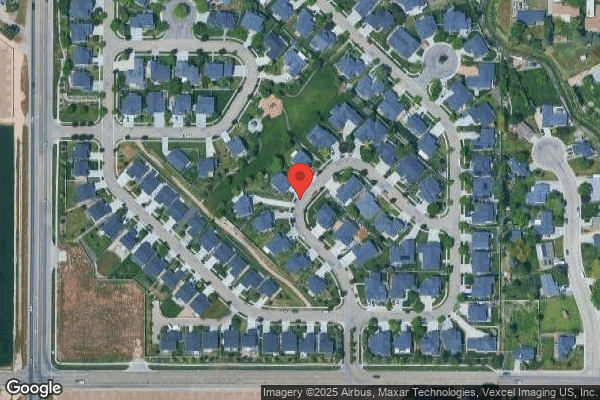
2105 12TH AVENUE ROAD, NAMPA, ID 83686 (208) 467-5721
For profit - Limited Liability company 120 Beds CASCADIA HEALTHCARE Data: November 2025 1 Immediate Jeopardy citation
Trust Grade
8/100
#68 of 79 in ID
Last Inspection: July 2024

Within standard 12-15 month inspection cycle. Federal law requires annual inspections.

Overview

Wellspring Health & Rehabilitation of Cascadia has received a Trust Grade of F, indicating significant concerns about the facility. Ranking #68 out of 79 in Idaho places it in the bottom half of nursing homes in the state, and it is #4 out of 7 in Canyon County, meaning only three local options are better. While the facility is trending toward improvement, reducing issues from 15 in 2019 to 11 in 2024, it still has 26 total deficiencies, including critical failures in infection control related to COVID-19 and ensuring proper care for residents with enteral feeding tubes. Staffing ratings are below average with a turnover rate of 52%, and the facility has accumulated $30,927 in fines, which is concerning and higher than 80% of Idaho facilities. Although the facility offers excellent quality measures, the serious and critical deficiencies highlight significant weaknesses that families should carefully consider.

Trust Score
F
8/100
In Idaho
#68/79
Bottom 14%
Safety Record
High Risk
Review needed
Inspections
Getting Better
15 → 11 violations
Staff Stability
⚠ Watch
52% turnover. Above average. Higher turnover means staff may not know residents' routines.
Penalties
○ Average
$30,927 in fines. Higher than 55% of Idaho facilities. Some compliance issues.
Skilled Nurses
○ Average
Each resident gets 38 minutes of Registered Nurse (RN) attention daily — about average for Idaho. RNs are the most trained staff who monitor for health changes.
Violations
⚠ Watch
26 deficiencies on record. Higher than average. Multiple issues found across inspections.
★★☆☆☆
2.0
Overall Rating
★★☆☆☆
2.0
Staff Levels
★★★★★
5.0
Care Quality
★☆☆☆☆
1.0
Inspection Score
Stable
2019: 15 issues
2024: 11 issues

The Good

  • 5-Star Quality Measures · Strong clinical quality outcomes
  • Full Sprinkler Coverage · Fire safety systems throughout facility
  • No fines on record

Facility shows strength in quality measures, fire safety.

The Bad

2-Star Overall Rating

Below Idaho average (3.3)

Below average - review inspection findings carefully

Staff Turnover: 52%

Near Idaho avg (46%)

Higher turnover may affect care consistency

Federal Fines: $30,927

Below median ($33,413)

Moderate penalties - review what triggered them

Chain: CASCADIA HEALTHCARE

Part of a multi-facility chain

Ask about local staffing decisions and management

The Ugly 26 deficiencies on record

1 life-threatening 1 actual harm
Jul 2024 11 deficiencies 1 IJ (1 facility-wide)
CRITICAL (L) 📢 Someone Reported This

A family member, employee, or ombudsman was alarmed enough to file a formal complaint

Immediate Jeopardy (IJ) - the most serious Medicare violation

Infection Control (Tag F0880)

Someone could have died · This affected most or all residents

⚠️ Facility-wide issue

**NOTE- TERMS IN BRACKETS HAVE BEEN EDITED TO PROTECT CONFIDENTIALITY** Based on observation, resident interview, staff interview, and record review, it was determined the facility failed to: 1. a. pr...

Read full inspector narrative →
**NOTE- TERMS IN BRACKETS HAVE BEEN EDITED TO PROTECT CONFIDENTIALITY** Based on observation, resident interview, staff interview, and record review, it was determined the facility failed to: 1. a. protect residents who had tested negative for COVID-19 and had a roommate who tested positive for COVID-19 from continuing to be exposed by their cohort and, b. ensure infection control measures were implemented and executed in accordance with professional standards of practice for hand hygiene and use of personal protective equipment (PPE) to prevent the spread of COVID-19. These failures placed the 84 residents currently residing in the facility in immediate jeopardy of serious illness, harm, impairment, or death due to the increased risk of contracting COVID-19. 2. provide COVID-19 vaccinations to every resident who requested vaccination. This was true for 1 of 5 residents whose vaccination records were reviewed. This failure placed Resident #73 at risk of serious illness when she contracted COVID-19 after her legal guardian consented for her to receive the COVID-19 vaccine. 3. complete hand hygiene after providing incontinence care. This failure placed Resident #53 at risk for illness when staff failed to complete hand hygiene when appropriate. Findings include: 1. On 7/22/24 at 8:15 AM, signs documenting the facility was experiencing an increased number of cases of COVID-19 and masks were encouraged. On 7/22/24 at 8:30 AM, some staff were observed wearing surgical masks and some staff were observed wearing N95 respirator masks. Overdoor hanging pocket organizers were observed on multiple doors in 200-hall. The overdoor hanging pocket organizers contained disposable gowns, N95 respirator masks, boxes of gloves, and disposable face shields. Some rooms had touchless alcohol-based hand rub (ABHR, commonly known as hand sanitizer) dispensers affixed to the wall next the doorway and sets of plastic drawer units containing the same PPE and garbage cans were sitting in the hallway. The doors with the overdoor hanging pocket organizers and plastic drawer units had red signs indicating the resident(s) in those rooms had tested positive for COVID-19 and staff were to follow the following directions before entering and exiting the room: - Use standard precautions and enhanced droplet precautions. - Wear a gown over clothing, N95 respirator mask, eye protection (such as a face shield or goggles), and gloves, before entering the room. - Remove gowns, remove gloves, and perform hand hygiene before exiting the room. On 7/22/24 at 8:38 AM, the CEO stated a resident tested positive for COVID-19 on 7/19/24. The CEO stated that resident lived in 500-hall and now residents who lived in 200-hall and 500-hall were testing positive for COVID-19. The CEO stated there were 22 residents who were positive for COVID-19 at that time. On 7/22/24 at 11:50 AM, the CEO stated on Friday 7/19/24 at 7:00 AM, they were made aware that a resident who had been transported to the emergency room the night of Thursday 7/18/24 had tested positive for COVID-19. The CEO added they were holding an all-staff meeting at that time and they took the opportunity to re-educate the staff in attendance of their hand hygiene and infection prevention policies and procedures. He stated himself, the IP, and the CNO had been present on-site on 7/20/24 providing 1 on 1 training for staff on the use of PPE. On 7/22/24 at 3:55 PM, the CEO and Clinical Resource Nurses (CRN) #1 & #2 presented a document delineating a timeline of events of the COVID-19 outbreak beginning Thursday 7/18/24 until the present time on 7/22/24 that documented the following: -On 7/19/24 at 7:30 AM, the CEO stated they tested all residents for COVID-19 who lived in the vent unit in the 500-hall as they were the most vulnerable and that is where the resident that was hospitalized lived. The CEO stated at that time, 5 residents tested positive for COVID-19, and management initiated the direction for all staff to wear source control (surgical) masks. -On 7/19/24 at 8:30 AM, the Infection Preventionist (IP) contacted the county health department and was given the direction to test the remaining residents living in the vent unit, the staff working in the vent unit, and any other staff showing symptoms. At that time 2 staff were identified to have tested positive for COVID-19. -The facility began contact tracing any symptomatic residents and staff. A resident that lived in the 200-hall presented with symptoms and tested negative. -After testing the remaining residents and staff living and working on the 200-hall and 500-hall, the total numbers of positive COVID-19 tests were 8 residents and 7 staff. -On 7/20/24 the IP sent out training messages to staff on their secure messenger system and provided 1 on 1 training with staff as the opportunity arose. - On 7/20/24, 3 additional residents and 4 additional staff tested positive for COVID-19. -On 7/21/24, 11 additional residents and 4 additional staff tested positive for COVID-19. Of the staff that tested positive on this date, included the IP and CNO. -On 7/22/24, the IP spoke with the county health department a second time and received guidance to begin testing all staff before they come in for their shift. -On 7/22/24 at 5:34 PM, 33 of 84 residents, and 16 staff had tested positive for COVID-19 a. The CDC web page titled, Interim Infection Prevention and Control Recommendations for Healthcare Personnel During the Coronavirus Disease 2019 (COVID-19) Pandemic, updated 3/18/24, accessed on 8/1/24, documents the following: - The recommendations in the guidance continue to apply after the expiration of the federal COVID-19 Public Health Emergency. - Place a patient (resident) with confirmed COVID-19 in a single-person room. The door should be kept closed if safe to do so. - Only residents with the same respiratory pathogen should cohort (share a room). The facility policy titled, Management of Coronavirus COVID-19, revised 7/3/24, documents residents who test positive for COVID-19 should be placed in a single-person room on transmission-based precautions. The policy documents if cohorting, only residents with the same respiratory pathogen should be housed in the same room. On 7/22/24 at 8:15 AM, the facility had a census of 84 residents. This facility was licensed to house a maximum of 120 residents in either private or double occupancy rooms. On 7/22/24 at 11:00 AM, Resident #34 stated she was concerned she would get COVID-19 because her roommate had it. On 7/22/24 at 3:55 PM, the CEO stated residents who had not tested positive but had a roommate test positive should be moved if there were available beds. He stated they did not want to expose anyone who had not been exposed, he added, moving [the residents] did not make sense at the time. On 7/22/24 at 5:07 PM, the facility provided a copy of their census sheet which showed which resident resided in which room and showed which rooms were empty. The facility indicated which residents had tested positive for COVID-19 by writing the date in which they tested positive next to their name. Based on the census sheet, 11 residents were identified to have a roommate who had tested positive for COVID-19 while they had not tested positive, 5 residents were identified to have tested positive for COVID-19 and resided as a singular resident in a double occupancy room. Also, based on the census sheet, the facility was noted to have 6 empty private rooms and 4 empty double occupancy rooms. b. The facility policy titled, Transmission-Based Precautions Conventional Plan, revised 4/2/24, standard precautions include the directions to complete hand hygiene using an ABHR or wash hands with soap and water before and after wearing PPE. The policy documented positive cases of COVID-19 will have droplet transmission-based precautions implemented and directed the use of a N95 mask when managing a COVID-19 outbreak. The facility policy titled, Management of Coronavirus COVID-19, revised 7/3/24, documented the facility would provide education to staff on what infection control practices should be used and would provide competency-based education to staff on the use of PPE. On 7/22/24 at 9:02 AM, two staff were observed entering a resident room with the red sign on the door stating the resident(s) in the room had tested positive for COVID-19, both staff were not wearing a face shield or goggles. On 7/22/24 at 12:11 PM, a staff was observed lifting the lid of a garbage can with her left hand then donning (putting on) gloves without completing hand hygiene. On 7/22/24 at 12:18 PM, ACNO #1 was observed donning PPE without completing hand hygiene. When ACNO #1 was observed doffing (taking off) her PPE, she removed her N95 mask and disposed of it inside the COVID-19 positive room. On 7/22/24 at 12:28 PM, CNA #5 was observed donning and doffing her PPE when she went into a COVID-19 positive room, during this observation she did not complete hand hygiene as required before donning and after doffing the PPE. CNA #5 stated she forgot to complete hand hygiene before and after entering the room. On 7/22/24 at 12:40 PM, a staff wearing PPE was observed doffing their PPE after leaving a COVID-19 positive room, the staff removed the soiled N95 mask, then put on a clean surgical mask without completing hand hygiene. On 7/22/24 at 12:45 PM, LPN #3 stated they did not know how to don and doff PPE, and it was over [their] head. On 7/22/24 at 3:56 PM, the CEO stated the facility could not provide documentation the staff providing hands-on care to people diagnosed with COVID-19 had been provided competency-based training and the staff were not evaluated to demonstrate the skills of appropriately completing hand hygiene and safely donning and doffing PPE. 2. The CDC web page titled, COVID-19 Vaccination for Long-Term Care Residents, updated 7/2/24, accessed on 8/1/24, documents the following: - The CDC recommends everyone aged 5 years or older, including people who live and work in long-term care settings get 1 updated COVID-19 vaccine. - COVID-19 vaccines can help keep you from getting seriously ill if you do get COVID-19. Resident #73 was admitted to the facility on [DATE], with multiple diagnoses including spastic diplegic cerebral palsy (a neurological condition that permanently affects muscle control and coordination), hemiplegia of her right/dominant side (paralysis that affects one side of the body), and fibromyalgia (a chronic disorder characterized by widespread pain and other symptoms such as fatigue, muscle stiffness, and insomnia). Resident #73 depended on a legal guardian to make her healthcare decisions. On 4/4/24, Resident #73's record documented her legal guardian consented for her to receive the COVID-19 vaccination. On 7/26/24 at 4:15 PM, the CNO stated Resident #73 should have received the vaccination if her legal guardian had requested the vaccine, unless it was later refused or documented as medically contraindicated by a physician. The CNO stated she was unable to provide documentation Resident #73 had received the vaccination as requested. On 7/24/24 at 10:00 AM, the immediacy was removed following the facility's implementation of the plan for removal of the immediate jeopardy. The deficient practice remained at a F scope and severity following the removal of the immediate jeopardy. 3. The facility's Hand Hygiene policy revised 2/11/22 documented hand hygiene is the single most important procedure for preventing the spread of infection . Under Opportunities for hand hygiene . item 4. Before moving to a clean body site after caring for a soiled body site. Resident #53 was admitted to the facility on [DATE], with multiple diagnosis including neuromuscular dysfunction of bladder. An annual MDS assessment, dated 11/7/24 documented Resident #53 was cognitively impaired. A care plan revised 10/22/23 documented Resident #53 was totally dependent on two staff for toileting. During observation on 7/22/24 at 3:11 PM, CNA #2 and CNA #4 were observed providing incontinence care to Resident #53. After providing incontinence care CNA #2 and CNA #4 did not remove or change their gloves and were observed to reposition Resident #53 to his left side and pulled the bedsheet up to his chest with the same soiled gloves they used during his incontinence care. CNA #4 was then observed to reached near Resident #53's tracheostomy site and adjusted the ventilator circuit tubing attached to the tracheostomy tube. During an interview with CNA #2 and CNA #4, they stated they should have washed their hands and changed their gloves after they provided the incontinence care to Resident #53. CNA #4 stated they should have washed her hands and put on a clean pair of gloves prior to pulling the sheet and adjusting Resident #53's ventilator circuit tubing.
SERIOUS (G) 📢 Someone Reported This

A family member, employee, or ombudsman was alarmed enough to file a formal complaint

Actual Harm - a resident was hurt due to facility failures

Tube Feeding (Tag F0693)

A resident was harmed · This affected 1 resident

**NOTE- TERMS IN BRACKETS HAVE BEEN EDITED TO PROTECT CONFIDENTIALITY** Based on record review and staff interview, it was determined the facility failed to ensure a person who received nutrition thro...

Read full inspector narrative →
**NOTE- TERMS IN BRACKETS HAVE BEEN EDITED TO PROTECT CONFIDENTIALITY** Based on record review and staff interview, it was determined the facility failed to ensure a person who received nutrition through an enteral tube received the appropriate treatment to prevent complications. This was true for 1 of 2 residents (Resident #85) whose records were reviewed for the use of enteral feeding tubes. This failure harmed Resident #85 and placed other residents who used enteral feeding tubes at risk for feeding tube complications. Findings include: Resident #85 was admitted to the facility on [DATE] with multiple diagnoses including acute respiratory failure with hypoxia (low blood oxygen levels), a tracheostomy (a surgically created opening through the neck into the windpipe to allow air to fill the lungs), she was dependent on the use of a ventilator to breathe (a ventilator is a machine that recreates the process of breathing by pumping air into the lungs), and was dependent on the use of a nasogastric tube (a NG tube is a thin tube inserted through a nostril, down the throat, and into the stomach) as the sole route for her to receive nutrition, hydration, and medications. The facility policy titled, Tube Placement Verification, dated 11/28/2017, included documentation the accurate placement of a nasogastric tube needed to be verified before administering any fluids though the tubing. The policy describes three methods of visually evaluating the position of the tubing: 1. Assess the distance of the mark on the tube in relation to the nostril, the mark is made by the clinician at the time of insertion. 2. Measure the length of the visible portion of the inserted tube and compare this measurement with the measurement taken immediately after insertion. 3. Verify the tube is anchored in place using tape or a tube fixation device. The policy directed staff to notify the physician of suspected misplaced tube and documented an x-ray is used to verify tube placement anytime placement is question. Resident #85's physician orders, dated 5/16/23, documented, Enteral Feed Order- every shift for enteral nutrition precautions check feeding tube placement by observing change in the external length marked at entry point before administering formula, medication administration, or flushing of tube. On 5/31/23 at 10:46 PM, in a nursing note, LPN #5 documented she noticed the tube seemed longer than previously observed and the marking on the tube was completely off and when she flushed the NG tube with water, the water came out of the residents' nostrils. LPN #5 documented the resident immediately began crying and was in a significant amount of pain and thought her tube had been dislodged. LPN #5 documented the physician on-call was contacted and they directed staff to send Resident #85 to the emergency department to verify placement of the NG tube and assess for aspiration pneumonia (a lung infection from inhaling food or liquid). Resident #85's hospital record from her emergency department encounter on 5/31/23 at 11:57 PM, documented she had been assessed and diagnosed with a right-sided pneumothorax (right lung collapse), aspiration pneumonia, and sepsis (a life-threatening condition in which the body takes an extreme immune response to an infection). On 7/25/24 at 3:00 PM, Clinical Resource Nurse #3 stated it appears LPN #5 recognized the NG tube was displaced and did not follow the standards of practice by continuing to attempt to flush the NG tube. On 7/26/24 at 4:24 PM, the CNO stated, when a nurse suspects a NG tube is displaced, they should stop any administration of fluids through the NG tube, call the physician for an order for an x-ray to verify placement, and ensure nothing is administered through the NG tube until placement is verified in an x-ray.
CONCERN (D) 📢 Someone Reported This

A family member, employee, or ombudsman was alarmed enough to file a formal complaint

Potential for Harm - no one hurt, but risky conditions existed

Deficiency F0565 (Tag F0565)

Could have caused harm · This affected 1 resident

Based on interview, record review, and policy review, the facility failed to ensure grievances were promptly resolved and ensure all written grievance decisions included the date of the grievance, a s...

Read full inspector narrative →
Based on interview, record review, and policy review, the facility failed to ensure grievances were promptly resolved and ensure all written grievance decisions included the date of the grievance, a summary of the resident's grievance, a summary of the findings, a statement as to whether the grievance was confirmed or not confirmed, corrective action taken as a result of the grievance, and the date the decision was issued. Specifically, the facility failed to ensure grievances about call lights, voiced by residents during resident council were documented, investigated, resolved, and followed up on by the facility. This failure had the potential to placed residents at risk of ongoing frustration and decreased self-worth, as well as, unmet care needs, when issues of concern to them were not promptly addressed by the facility. Finding include: The facility's Resident Council policy, dated 5/24/19, documented that actions need to be taken to address needs or concerns expressed by the Resident Council members with the minutes and/or grievance tool. The Resident Council minutes from January 2024 through June 2024 documented residents' concerns. Examples include: a. Resident Council Meeting minutes, dated 1/25/24, documented one staff attended and 29 residents attended. The Hot Topics section of the Resident Council Meeting Minutes documented residents still have the same concern as last month with the call lights not being answered to their liking. b. Resident Council Meeting minutes, dated 2/13/24, documented two staff and 15 residents attended. The Hot Topics section of the Resident Council Minutes documented residents still have the same concern as last month with the call lights not being answered to their liking. They have a concern about CNAs leaving dirty linen in their room when they leave. c. Resident Council Meeting minutes, dated 3/26/24, documented one staff and 15 residents attended. The Hot Topics section of the Resident Council Minutes documented residents mention that they would like more communication when receiving care and call lights are still not being answered to their liking, Director of Nursing (DON) notified. d. Resident Council Meeting minutes, dated 5/30/24, documented one staff and 18 residents attended. The Hot Topics section of the Resident Council Meeting Minutes documented The CNAs have gotten better with answer[sic] lights to their liking, still struggling on Hall 5 . The residents on Halls 1 and 2 would like the CNAs to pay more attention to the lights when sitting at the nursing station. e. Resident Council Meeting minutes, dated 6/25/24, documented one staff attended and 19 residents attended. The Hot Topics section of the Resident Council Meeting Minutes documented residents discussed call lights not being answered in a timely manner. Residents are concerned that the CNAs are turning lights off and not coming back in sufficient time. During an interview on 7/22/24 at 9:25 AM, Resident #74 stated there was often a delay with call lights being answered. She said sometimes she waited up to one hour. During an interview on 7/25/24 at 11:57 AM, the Licensed Master Social Worker (LMSW) said she was responsible for grievances. She said if the concern was related to resident care she would bring the grievance to the morning stand-up meeting. The concern would then go to the CNO for education. The LMSW said she had only been invited to Resident Council twice and was not involved in grievances brought up in Resident Council. During an interview on 7/25/24 at 4:06 PM, the Activities Director (AD) said she attends all Resident Council meetings to take notes and facilitate the meeting. She said everyone has trouble with call lights. She said she would talk to department managers and assume they would resolve it. She said if the residents brought it up again in Resident Council, she would speak to department managers again. The AD said there was not any kind of tracking system and said there was no way to see if the issue had been resolved. During an interview on 7/25/24 at 4:15 PM, the CNO stated she was unable to find any documented education or follow-up regarding Resident call lights. The CNO said a plan would be implemented to ensure concerns in Resident Council were followed up on and staff education would be documented.
CONCERN (D) 📢 Someone Reported This

A family member, employee, or ombudsman was alarmed enough to file a formal complaint

Potential for Harm - no one hurt, but risky conditions existed

Notification of Changes (Tag F0580)

Could have caused harm · This affected 1 resident

**NOTE- TERMS IN BRACKETS HAVE BEEN EDITED TO PROTECT CONFIDENTIALITY** Based on record review and staff interview, it was determined the facility failed to notify the physician of a significant chang...

Read full inspector narrative →
**NOTE- TERMS IN BRACKETS HAVE BEEN EDITED TO PROTECT CONFIDENTIALITY** Based on record review and staff interview, it was determined the facility failed to notify the physician of a significant change in weight loss. This deficiency had the potential to affect 1 of 1 resident (Resident #50) whose record was reviewed for timely physician notification. This placed the resident at risk of experiencing complications related to unexpected weight changes. Findings include: The Wellspring of Cascadia Resident Change of Condition policy states that, Upon recognition of a potentially life-threatening condition or significant change in status, the nurse should communicate with other health care providers to meet the needs of the resident. A change of condition may include . weight gain or loss no more than 5% body weight. Immediate notification to the physician should be [provided] at the time the event occurs, [or] as soon as possible. Resident #50 was admitted to the facility on [DATE], with multiple diagnoses including dementia and aphasia (an impairment of language due to brain injury, affecting the production or comprehension of speech and the ability to read or write). Resident #50's care plan documented that she was at risk for weight loss. On 7/1/24, Resident #50's weight was recorded at 126 pounds. This weight was documented as a 9.2% weight loss in one month. A review of records did not show any notification of the weight loss to Resident #50's doctor on 7/1/24. On 7/26/24 at 9:54 AM, the CNO reported she was unable to find a record of notification to the physician regarding Resident #50's weight loss on 7/1/24.
CONCERN (D) 📢 Someone Reported This

A family member, employee, or ombudsman was alarmed enough to file a formal complaint

Potential for Harm - no one hurt, but risky conditions existed

Investigate Abuse (Tag F0610)

Could have caused harm · This affected 1 resident

**NOTE- TERMS IN BRACKETS HAVE BEEN EDITED TO PROTECT CONFIDENTIALITY** 2. The facility's Complaints and Grievances policy, revised 10/15/22, documented complaints were acknowledged, investigated, and...

Read full inspector narrative →
**NOTE- TERMS IN BRACKETS HAVE BEEN EDITED TO PROTECT CONFIDENTIALITY** 2. The facility's Complaints and Grievances policy, revised 10/15/22, documented complaints were acknowledged, investigated, and the complainant apprised of progress toward a resolution and takes appropriate corrective action if the alleged violation is confirmed by the facility. Resident #44 was admitted to the facility on [DATE], with multiple diagnoses including osteomyelitis, paraplegia (paralysis of the lower body) and pressure ulcer of the sacral region (bottom of the spine). A Grievance report, dated 6/22/24, documented on 6/21/24 at approximately 11:00 PM, Resident #44 asked for pain medication. Resident #44 was told the nurse was on break and would come back in when he returned. The grievance report documented Resident #44 turned on his call light two more times and a CNA responded to him saying the nurse was helping others and would be in shortly. The report documented when the nurse did respond, the nurse yelled at him and stated don't disrespect me like that. Resident #44 stated the the nurse got in my face when he said it. He feels like the nurse hates him as this happens every time he has that nurse. The Grievance report documented the CNO spoke to LPN #2 the nurse identified on Resident #44's grievance. LPN #2 stated as soon as Resident #44 call light was on, staff were at his room and his medication was administered as ordered. LPN #2 stated Resident #44 became agitated and became aggressive, and was yelling out. LPN #2 stated he did not yell at Resident #44 but told him not to yell and disrespect him, the CNAs and his roommate with his yelling and curse words. There was no documentation other residents under the care of LPN #2 or other staff who worked on that day was interviewed. On 7/25/24 at 3:27 PM, the CNO stated she interviewed Resident #44's roommate and he stated it was Resident #44 who was yelling and cursing. The CNO stated Resident #44's roommate apologized to the nurse for Resident #44's behavior that night. The CNO stated she did not document the conversation It was all verbal. The CNO also stated she did not feel like the incident had to be investigated because when she asked Resident #44 if it was more a customer service issue, Resident #44 stated yes, and it was settled that night. Based on record review, policy review and staff interview, it was determined the facility failed to ensure investigation of allegation of verbal abuse and medication errors were thoroughly investigated. This was true for 2 of 2 residents (#44 and #81) reviewed for abuse and neglect. This failure created the potential for harm due to lack of an investigation. Findings include: The facility's Identification and Investigation of Abuse, Neglect and Misappropriation and Injuries or Unknown Origin policy, revised 8/1/23 documented the facility has processes in place to assist early detection and investigation for allegations of abuse, neglect, misappropriation, exploitation, and injuries of unknown origin. Evidence of investigation should be documented in accordance with Quality Assurance Performance Improvement protocols. Resident #81 was admitted to the facility on [DATE], with diagnosis of low back pain. A physician's order, documented Fentanyl (an opioid pain medication) patch 72-hour 25 mcg (micrograms)/hour apply one patch transdermal one time a day every three days for pain. Remove old patch before applying new every 72 hours with a start date of 6/14/21 and discontinue date of 1/15/23. A nurse's progress notes, dated 1/7/23, documented Resident #81 had been lethargic and confused during shift. Oxygen saturation was 80% with 2 liters of oxygen. Oxygen increased to 4 liters to maintain oxygen saturation at 94%. Resident #81 decreased in response to voice or pain. Checked resident for fentanyl patch, one was noted on the left shoulder dated 1/5/23 and a second patch was noted on his right mid back dated 1/2/23. The physician was notified after both patches were removed. At 1:51 PM an intramuscular Narcan (a drug to reverse opioid overdose) was given due to a drop in blood pressure at 57/38. The resident was noted to be diaphoretic and trying to move and open his eyes. Requested to send Resident #81 to the hospital. An attempt was made to interview the nurse who wrote the above note was unsuccessful. Review of the Narcotic Record Book provided by the facility documented that on 1/2/23 and on 1/5/23 a new Fentanyl patch was applied on each day and the old one was destroyed. The documentation on the Narcotic Book also documented that the old Fentanyl patches were destroyed and witnessed by to staff members. Review of the hospital Emergency Medicine provider addendum notes dated 1/7/23 revealed that that Resident #81 was found with decreased responsiveness hypoxia and severe hypotension.arrives profoundly hypotensive and altered presumed opiate overdose, . he did receive 0.4mg of IM Narcan and then 2mg of IV Narcan prehospital in addition to IV fluids with modest improvement in blood pressure and respiratory effort but patient remains unresponsive and not conversant .Narcan drip is ordered, 4 hours into the ED stay he still is nonverbal. Multiple metabolic abnormalities are found with acute renal failure, hypomagnesemia, these are corrected, he will require admission . During an interview with ACNO #2 on 7/25/24 at 2:40 PM, she stated that they were unable to find any documentation or incident report investigation regarding Resident #81 and the alleged fentanyl patch incident. During an interview with LPN #3 on 7/26/24 at 12:15 PM, who was the nurse providing care to Resident #81 on 1/7/23, he stated he always applies the transdermal patch in a different body area and ensures the old patch is removed. LPN #3 also stated that the previous administration had investigated the fentanyl incident and they had cleared him of any wrongdoing. He further stated that all the fentanyl patches were accounted for, and it was concluded that there was no wrong doing. He additionally stated that he was discarding the patches in the sharps' container (500 Hall Med Cart) and that the prior administrative staff opened the sharps container and fished out the used Fentanyl patches with long needle nose pliers and that all the used discarded Fentanyl patches were found in the container. During an interview with the CNO on 7/26/24 at 3:20 PM, she stated that the current administration was new, and the incident with Resident #81 and the alleged fentanyl error occurred during the previous administration. The CNO further stated that there was no investigation found regarding Resident #81 nor was there any documentation found regarding the alleged improperly administered opiate medication. During an interview with the facility Attending Physician #1 on 7/26/23 at 3:26 PM, he stated that he was aware of Resident #81 and the alleged fentanyl incident. He stated that Resident #81 did not sustain a fentanyl overdose but was diagnosed with a urinary tract infection (UTI), chronic kidney disease, dehydration, and other co-morbidities when admitted to the hospital.
CONCERN (D) 📢 Someone Reported This

A family member, employee, or ombudsman was alarmed enough to file a formal complaint

Potential for Harm - no one hurt, but risky conditions existed

Comprehensive Care Plan (Tag F0656)

Could have caused harm · This affected 1 resident

**NOTE- TERMS IN BRACKETS HAVE BEEN EDITED TO PROTECT CONFIDENTIALITY** Based on observation, record review, and staff interview, it was determined the facility failed to develop and implement compreh...

Read full inspector narrative →
**NOTE- TERMS IN BRACKETS HAVE BEEN EDITED TO PROTECT CONFIDENTIALITY** Based on observation, record review, and staff interview, it was determined the facility failed to develop and implement comprehensive resident-centered care plans. This was true for 2 of 22 residents (#26 and #74) whose care plans were reviewed. These failures placed residents at risk of negative outcomes if services were not provided, or provided incorrectly, due to a lack of information in their care plan. Findings include: The facility's Comprehensive Resident Centered Care Plans policy, revised 10/15/22 documented a comprehensive care plan is developed consistent with the resident's specific conditions, risks, needs, behaviors, cultural expectations, preferences and with standards of practice including measurable objectives, interventions/services, and timetables to meet the resident's needs as identified in the resident's comprehensive assessment or as identified in relation to the resident's response to the interventions or changes in the resident's condition. Resident #26 was admitted to the facility on [DATE], with multiple diagnoses including infection and inflammatory reaction due to indwelling urethral catheter, acute kidney failure, chronic kidney disease, neuromuscular dysfunction of bladder, and retention of urine. A physician order, dated 6/1/24, documented EBP (enhanced barrier precaution) was necessary to care for an indwelling urinary (Foley) catheter, and to measure and record output. The MAR, dated 6/20/24, included a physician's order to change bag on tubing on admission and every 30 days at every day shift for 30 days for urinary catheter maintenance, to provide EBP for catheter care every shift for infection prevention for high contact patient care, and to cleanse and monitor hydration at every shift for indwelling catheter and hydration management. A review of Resident #26's care plan did not include catheter care, maintenance, or monitoring. On 7/26/24 at 8:38 AM, after reviewing Resident #26's records, the CNO stated she could not explain why catheter care was not included on the care plan. The facility's Comprehensive Resident Centered Care Plans policy, revised 10/15/22 documented a comprehensive care plan is developed consistent with the resident's specific conditions, risks, needs, behaviors, cultural expectations, preferences and with standards of practice including measurable objectives, interventions/services, and timetables to meet the resident's needs as identified in the resident's comprehensive assessment or as identified in relation to the resident's response to the interventions or changes in the resident's condition. Resident #74 was admitted to the facility on [DATE], with multiple diagnosis including long-term (current) use of anticoagulants (blood thinner). A physician's order, documented Resident #74 was to receive Apixaban (anticoagulant) 5 mg via her G (gastric)-tube two times day as prophylaxis for DVT (deep vein thrombosis), ordered 6/24/24. Resident #74's care plan, did not document she was on anticoagulant. On 7/26/24 at 10:24 AM, the CNO stated Resident #74 was receiving Apixaban. The CNO stated Resident #74's should have a care plan for the anticoagulant and staff should look for bruising, bleeding, and any other adverse effects. The CNO stated the care plan was created and updated by all nursing staff and should be done timely.
CONCERN (D) 📢 Someone Reported This

A family member, employee, or ombudsman was alarmed enough to file a formal complaint

Potential for Harm - no one hurt, but risky conditions existed

Incontinence Care (Tag F0690)

Could have caused harm · This affected 1 resident

**NOTE- TERMS IN BRACKETS HAVE BEEN EDITED TO PROTECT CONFIDENTIALITY** Based on observation, record review, policy review and staff interviews, it was determined the facility failed to ensure residen...

Read full inspector narrative →
**NOTE- TERMS IN BRACKETS HAVE BEEN EDITED TO PROTECT CONFIDENTIALITY** Based on observation, record review, policy review and staff interviews, it was determined the facility failed to ensure residents' incontinence care were met. This was true for 1 of 2 residents (Resident #4) reviewed for incontinence care. This deficient practice placed Resident #4 at risk for experienced embarrassment, isolation, decreased sense of self-worth, skin impairment, and compromised physical and psychosocial well-being. Findings include: The facility's Quality of Life policy, revised 10/15/22, documented the facility provides the necessary services to maintain good nutrition, grooming, oral and personal hygiene for residents unable to carry out their activities of daily living. A request was made for a policy specific to providing incontinence care and none was provided by the time of the exit of the survey. 1. Resident #4 was admitted to the facility on [DATE], with a diagnosis of neuromuscular dysfunction of bladder. An annual MDS assessment, dated 5/11/24 documented Resident #4 was cognitively impaired. A care plan, revised 5/20/24, documented Resident #4 was totally dependent on two staff for toileting. During an observation on 7/25/24 at 12:15 PM, Resident #4 was nonverbal and unable to respond to question. LPN #1 and CNA #3 turned Resident #4 to his left side for incontinence check. Resident #4 was noted to be incontinent of bowel. Resident #4 was then repositioned on his back by CNA #3 and LPN #1. CNA #3 then turned towards the exit door when the surveyor asked CNA #3 if incontinence care was going to be provided to Resident #4. CNA #3 stated she was the shower aide. LPN #1 stated he was going to find a CNA assigned to provided incontinence care to Resident #4 During observation on 7/25/24 at 12:40 PM, CNA #1 and LPN #1 provided incontinence care to Resident #4. Resident #4 was observed to have a large amount of dark brown fecal material on his right and left buttock. The fecal material on the right buttock was dry indicating Resident #4 had been incontinent of bowel for some time. Resident #4 was noted to be incontinent of bowel at 12:15 PM and was not provided incontinence care until 12:40 PM (25 minutes later). During a interview on 7/25/24 at 12:40 PM, CNA #1 stated incontinent rounds were conducted at 6:00 AM, 11:30 AM and 1:30 PM.
CONCERN (D) 📢 Someone Reported This

A family member, employee, or ombudsman was alarmed enough to file a formal complaint

Potential for Harm - no one hurt, but risky conditions existed

Respiratory Care (Tag F0695)

Could have caused harm · This affected 1 resident

**NOTE- TERMS IN BRACKETS HAVE BEEN EDITED TO PROTECT CONFIDENTIALITY** Based on policy review, observation, record review, and staff interview, it was determined the facility failed to ensure physici...

Read full inspector narrative →
**NOTE- TERMS IN BRACKETS HAVE BEEN EDITED TO PROTECT CONFIDENTIALITY** Based on policy review, observation, record review, and staff interview, it was determined the facility failed to ensure physician orders for the maintenance of supplemental oxygen, ensuring respiratory equipment was changed, and documenting treatment outcomes were followed. This was true for 2 of 6 residents (#48 and #231) reviewed for supplemental oxygen use and respiratory care. This placed residents at risk for respiratory infections when the supplemental oxygen and nebulizer tubing and humidifier bottle were not dated when changed, and treatment outcomes were not documented. Findings include: The Wellspring of Cascadia Respiratory Care Policy states that based on the type of respiratory care and services provided, which may include oxygen services (to include the safe handling, humidification, cleaning, storage, and dispensing of oxygen), the resident's record should reflect ongoing assessment of respiratory status, the response to oxygen therapy, and for mechanical ventilation/tracheostomy care, to monitor the resident for specific risks of possible complications. Routine machine maintenance and care for ventilator equipment to include water/tubing changes, safety checks on alarms, machine function checks, and clean equipment per manufacturer's recommendations. 1. Resident #48 was admitted to the facility on [DATE], with multiple diagnoses including acute respiratory failure with hypoxia (a condition of low oxygen levels in body tissues), and chronic respiratory failure with hypercapnia (excessive carbon dioxide in the bloodstream, caused by inadequate respiration.) A physician's order, dated 11/30/2023, documented, oxygen RA - 3 LPM via trach mas/Airvo at NOC and PRN for R/T diagnosis of chronic respiratory failure/respiratory compromise should be monitored every shift. A Trach care plan, initiated on 3/18/22, directed staff to monitor and document respiratory rate, breath sounds, work of breathing, and to check and document every shift as ordered. The PAR (pulmonary administration) record for May 2024 through July 2024, documented that treatment had not been recorded on the following dates: 5/3/24 - 5/5/24, 5/13/24, 6/1/24, 6/10/24 - 6/11/24, 6/15/24-6/16/24, 6/20/24-6/23/24, 6/29/24, 7/2/24-7/4/24, 7/7/24, and 7/10/24. On 7/24/24 at 1:45 PM, after reviewing the PAR with the surveyor, RT 2 verified that on the dates listed above, there was no data on recorded on the PAR. She stated she did not know why the areas of care, treatment, and monitoring were not documented on the PAR as she had documented earlier in the day. 2. Resident #231 was admitted to the facility on [DATE] and readmitted on [DATE] with multiple diagnoses including acute respiratory failure with hypoxia (low levels of oxygen in the body tissues) and hypercapnia (buildup of carbon dioxide in the bloodstream), and diabetes. Resident #231's TAR, documented change his oxygen/nebulizer tubing, humidification bottle and clean filter every week . Date and provide bag as indicated. As needed and replace with soiling. started 6/14/24. On 7/23/24 at 10:00 AM, Resident #231 was observed in bed receiving oxygen via nasal cannula at 6 liters per minute. The humidifier (container of water attached to the oxygen concentrator) was empty. ON 7/23/24 at 10:05 AM, LPN #2 removed the humidifier from the oxygen concentrator. LPN #2 stated it was empty and there was crystallization on the bottom of the container. LPN #2 then filled the humidifier with distilled water. LPN #2 stated he believed the night shift staff should be the ones to be checking the humidifier, On 7/24/24 at 12:38 PM, ACNO #1 stated the humidifier should be filled with distilled water as needed and not be kept empty. ACNO #1 stated the CNAs should be checking it and inform the nurse when it is empty.
CONCERN (D) 📢 Someone Reported This

A family member, employee, or ombudsman was alarmed enough to file a formal complaint

Potential for Harm - no one hurt, but risky conditions existed

Deficiency F0883 (Tag F0883)

Could have caused harm · This affected 1 resident

**NOTE- TERMS IN BRACKETS HAVE BEEN EDITED TO PROTECT CONFIDENTIALITY** Based on record review, policy review, and staff interview, it was determined the facility failed to ensure residents who were o...

Read full inspector narrative →
**NOTE- TERMS IN BRACKETS HAVE BEEN EDITED TO PROTECT CONFIDENTIALITY** Based on record review, policy review, and staff interview, it was determined the facility failed to ensure residents who were offered and consented to the pneumococcal and influenza vaccine, received the vaccines. This was true for 3 of 5 residents (Resident's #52, #64, and #73) whose records were reviewed for pneumococcal and influenza vaccinations. This failure created the potential for residents to have an increased risk of contracting pneumococcal (bacterial) pneumonia and influenza. Findings include: The facility policy titled, Pneumococcal Program-Residents, revised 10/2022, documented each resident was offered the pneumococcal immunization based on current CDC guidelines, unless the immunization was medically contraindicated, or the resident had already been immunized. In the case the resident had already been immunized, the policy directed staff to offer the next vaccination in the series as indicated. The policy documented there were two types of pneumococcal vaccines available for adults: Pneumococcal Conjugate Vaccines (PCV15 and PCV20) and Pneumococcal Polysaccharide Vaccine (PPSV23). The use of PCV13 has been discontinued. The Centers for Disease Control and Prevention (CDC) website, dated 6/26/23, accessed on 7/29/24, included recommendations for administration of pneumococcal vaccinations for adults younger than [AGE] years of age with increased risk of illness, and adults 65 years or older as follows: - If a person has never received any pneumococcal vaccine, the CDC recommends receiving one dose of PCV20 or PCV15. -If a person has previously received PCV15, the CDC recommends receiving one dose of PPSV23 one year later. - If a person has previously received PPSV23, the CDC recommends receiving one dose of PCV20 or PCV15 at least one year after administration of PPSV23. - If a person has previously received PCV13 at any age, the CDC recommends receiving one dose of PCV20 or PPSV 23 at least one year after administration of PCV13. - If a person has previously received PCV13 at any age and PPSV23 while younger than [AGE] years of age, the CDC recommends receiving PCV20 at least five years after administration of PCV13 or PPSV23. The facility policy titled, Influenza Program-Residents, revised 3/2022, documented each new resident and upon request was offered the influenza immunization based on current CDC guidelines, unless the immunization was medically contraindicated, or the resident had already been immunized. The CDC website, dated 12/16/22, accessed on 7/29/24, included recommendations for annual influenza vaccinations for all people 6 months and older. 1. Resident #52 was admitted to the facility on [DATE], with multiple diagnoses including autism, epilepsy, and congenital malformation syndromes (conditions present at birth that cause physical and intellectual disabilities). Resident #52 relied on a legal guardian to make his healthcare decisions. Resident #52's record documented he received the pneumococcal vaccine PCV15 on 3/3/23. Based on CDC recommendations, Resident #52's immunization history indicated he was due to receive the PPSV23 booster on 3/3/24. On 7/26/24 at 4:15 PM, the CNO stated Resident #52 should have received the booster. She stated she was unable to provide documentation the PPSV23 booster was administered to Resident #52. 2. Resident #64 was admitted to the facility on [DATE], for care following an operation. Resident #64 also had multiple diagnoses including sepsis (a life-threatening condition in which the body takes an extreme immune response to an infection), chronic respiratory failure with hypoxia (low blood oxygen levels), quadriplegia (paralysis affecting the body and limbs from the neck down). Resident #64 had a tracheostomy (a surgically created opening through the neck into the windpipe to allow air to fill the lungs), and he was dependent on the use of a ventilator to breathe (a ventilator is a machine that recreates the process of breathing by pumping air into the lungs). Resident #64 was able to make his health care decisions independently. On 10/27/23, Resident #64's record documented he consented to receive pneumococcal vaccines as they became appropriate. Based on CDC recommendation, Resident #64's immunization history indicated he was due to receive PCV20 on 1/24/24. On 7/26/24 at 4:15 PM, the CNO stated Resident #64 should have received the immunization. She stated she was unable to provide documentation PCV20 was administered to Resident #64. 3. Resident #73 was admitted to the facility on [DATE], with multiple diagnoses including spastic diplegic cerebral palsy (a neurological condition that permanently affects muscle control and coordination), hemiplegia of her right/dominant side (paralysis that affects one side of the body), and fibromyalgia (a chronic disorder characterized by widespread pain and other symptoms such as fatigue, muscle stiffness, and insomnia). Resident #73 depended on a legal guardian to make her healthcare decisions. On 4/4/24, Resident #73's record documented her legal guardian consented for her to receive the pneumococcal vaccine and the influenza vaccine. Based on CDC recommendation, Resident #73's immunization history indicated she was due to receive PCV20 and the influenza vaccine. On 7/26/24 at 4:15 PM, the CNO stated Resident #73 should have received the immunizations. She stated she was unable to provide documentation PCV20 or the influenza vaccines were administered to Resident #73.
CONCERN (E) 📢 Someone Reported This

A family member, employee, or ombudsman was alarmed enough to file a formal complaint

Potential for Harm - no one hurt, but risky conditions existed

Food Safety (Tag F0812)

Could have caused harm · This affected multiple residents

Based on observation, record review, and staff interview, it was determined the facility failed to ensure the kitchen equipment and environment was maintained in a sanitary manner. These deficiencies ...

Read full inspector narrative →
Based on observation, record review, and staff interview, it was determined the facility failed to ensure the kitchen equipment and environment was maintained in a sanitary manner. These deficiencies had the potential to affect 69 of 80 residents residing in the facility who consumed food prepared by the facility. This placed residents at risk for potential contamination of food and adverse health outcomes, including food-borne illnesses. Findings include: The FDA Food Code Section 6-501.12 Cleaning, Frequency and Restrictions. Cleaning of the physical facilities is an important measure in ensuring the protection and sanitary preparation of food. A regular cleaning schedule should be established and followed to maintain the facility in a clean and sanitary manner. Primary cleaning should be done at times when foods are in protected storage and when food is not being served or prepared. On 7/25/24, during the follow-up kitchen inspection and tray line observation, the following was observed: - A build-up of dirt above the second fan in the walk-in refrigerator. - A white, powder residue on the shelf below the steam table where the steam table pans were stored. A review of Shift #1 AM [NAME] Weekly Cleaning List documented the steamtable and the stainless shelves were wiped down. On 7/25/24 at 10:57 AM, the CDM confirmed that the fan was cleaned by maintenance at the beginning of July 2024, and maintenance had removed the fans to clean the area. She could not explain why the dirt was on the fan. On 7/25/24 at 12:10 PM, the RD could not explain what the white substance was. She stated the CDM had cleaning schedules to ensure that all areas of the kitchen were cleaned. The RD reported the kitchen's cleaning schedule is completed daily, weekly, and recorded. She stated the CDM is very good about making sure the areas are cleaned and, I do sample audits to ensure they are on top of things.
CONCERN (E) 📢 Someone Reported This

A family member, employee, or ombudsman was alarmed enough to file a formal complaint

Potential for Harm - no one hurt, but risky conditions existed

Room Equipment (Tag F0908)

Could have caused harm · This affected multiple residents

Based on review of the glucometer calibration documentation, policy review and staff interview, it was determined facility failed to ensure glucometers were calibrated to maintain accuracy, ensure rel...

Read full inspector narrative →
Based on review of the glucometer calibration documentation, policy review and staff interview, it was determined facility failed to ensure glucometers were calibrated to maintain accuracy, ensure reliability, and ensure correct results for 2 of 4 halls (100 Hall and 200 Hall) whose glucometer were reviewed. This deficient practice had the potential for a higher risk for improper blood sugar monitoring of residents who required blood glucose monitoring. Findings include: The facility's Blood Glucose -EvenCare Glucose Monitoring, revised 3/4/24 documented directed staff to calibrate the glucometer nightly or per manufacturer's guidelines. Review of the facility's 100 Hall and 200 Hall's Blood Glucose Control Record logbook for glucometer calibration, revealed glucometer calibration were inconsistently performed for the months of January 2024 through April 2024. There were no glucometer calibrations conducted for the month of May, June, and July 2024. During an interview with RN #1 on 7/26/24 at 10:30 AM, he stated that the night shift nurses conducted the glucometer calibration checks. During an interview with LPN #4 on 7/26/24 at 10:45 AM, she stated that the night shift nurses did the glucometers calibration. During an interview with the CNO on 7/26/24 at 3:54 PM, the CNO stated the glucometer calibration should be done once a week every Tuesday. The CNO reviewed the calibration records of the 100 hall and 200 hall's Blood Glucose Control Record and stated they were not being calibrated as directed. She stated, yes it should be done weekly and documented. The CNO stated the night shift nurses should be the ones to calibrate the glucometer. The CNO further stated that the importance of doing the glucometer calibration is to make sure the reading is correct and accurate.
Nov 2019 7 deficiencies
CONCERN (D)

Potential for Harm - no one hurt, but risky conditions existed

Resident Rights (Tag F0550)

Could have caused harm · This affected 1 resident

**NOTE- TERMS IN BRACKETS HAVE BEEN EDITED TO PROTECT CONFIDENTIALITY** Based on observation, policy review, guardian and staff interview, it was determined the facility failed to respect a resident's...

Read full inspector narrative →
**NOTE- TERMS IN BRACKETS HAVE BEEN EDITED TO PROTECT CONFIDENTIALITY** Based on observation, policy review, guardian and staff interview, it was determined the facility failed to respect a resident's dignity and individuality when staff did not dress the resident in her personal clothing. This was true for 1 of 15 residents (Resident #39) who were reviewed for dignity. This created the potential for psychosocial harm if a resident experienced embarrassment or a lack of self-esteem due to being observed in a hospital gown. Findings include: The facilities Quality of Life policy, dated 11/28/17, documented the residents had the right, were encouraged, and assisted to dress in their own clothes appropriate to individual preferences rather than a hospital-type gown. This policy was not followed. Resident #39 was admitted to the facility on [DATE], with multiple diagnoses including cerebral palsy (a group of disorders that affect movement, muscle tone or posture due to immature brain development), chronic respiratory failure, and seizures. On 11/12/19 at 10:40 AM, 1:45 PM, and 2:44 PM, Resident #39 was observed to be awake in her room in bed in a hospital-type gown. On 11/13/19 at 9:30 AM, Resident #39's guardian stated she was frustrated because Resident #39 was not in her personal pajama's. On 11/13/19 at 9:42 PM, Resident #39's guardian stated Resident #39 had personal clothes to wear but she had never seen Resident #39 wear them. Resident #39's guardian stated she visited Resident #39 at the facility 1-2 times a week. Resident #39's guardian stated when she asked a staff member why Resident #39 was not wearing her personal clothes, the staff member replied by asking Resident #39's guardian if she knew how hard it was to get Resident #39 dressed. Resident #39's guardian stated she took Resident #39's clothes home and altered them to make them easier to put on. Resident #39's guardian stated she took the clothes back to the facility but had never seen Resident #39 wear her personal clothing. On 11/14/19 at 8:08 AM, 8:49 AM, 9:19 AM, and 10:45 AM, Resident #39 was observed to awake in her room in bed in a hospital-type gown. On 11/14/19 at 3:40 PM, CNA #9 stated Resident #39 had a closet full of clothes. CNA #9 stated they tried to dress Resident #39 in her own clothes and sometimes would use a hospital-type gown. On 11/14/19 at 3:57 PM, CNA #10 stated Resident #39 had a lot of clothes and nightgowns, but she sometimes would wear a hospital-type gown. On 11/15/19 at 11:59 AM, UM #2 stated he knew Resident #39 had a lot of clothes the CNAs could choose from when dressing her. He stated his expectation would be that Resident #39 would be dressed in her own clothes. UM #2 stated when CNAs lay Resident #39 down at night, they generally put her in a hospital-type gown.
CONCERN (D)

Potential for Harm - no one hurt, but risky conditions existed

Deficiency F0657 (Tag F0657)

Could have caused harm · This affected 1 resident

**NOTE- TERMS IN BRACKETS HAVE BEEN EDITED TO PROTECT CONFIDENTIALITY** Based on record review, policy review, and resident and staff interview, it was determined the facility failed to ensure residen...

Read full inspector narrative →
**NOTE- TERMS IN BRACKETS HAVE BEEN EDITED TO PROTECT CONFIDENTIALITY** Based on record review, policy review, and resident and staff interview, it was determined the facility failed to ensure residents' care plans were revised and updated. This was true for 2 of 15 residents (#18 and #44) whose care plans were reviewed. This created the potential for harm if cares and/or services were not provided appropriately due to inaccurate information on the care plans. Findings include: The facility's policy and procedure regarding person-centered care plans, dated 11/28/19, documented the care plan would be revised and updated by the interdisciplinary team as necessary to reflect the resident's current status. This policy was not followed: 1. Resident #18 was admitted to the facility on [DATE], with multiple diagnoses including anxiety disorder. Resident #18's care plan, initiated on 6/13/19, documented she used anti-anxiety medication related to her anxiety disorder, and to give her anti-anxiety medication as ordered by the physician. Resident #18's November 2019 MAR, documented Lorazepam (anti-anxiety medication) 0.5 mg one tablet by mouth every 24 hours as needed was ordered on 6/29/19 and was discontinued on 11/7/19. On 11/15/19 at 11:00 AM, UM #1 said Resident #18 used to take Lorazepam 0.5 mg as needed but it was discontinued by the physician. UM #1 said the care plan should have been updated when the Lorazepam was discontinued. 2. Resident #44 was admitted to the facility on [DATE], with multiple diagnoses including unspecified osteoarthritis. A physician's order, dated 7/3/19, documented encourage non-pharmacological interventions. A quarterly MDS assessment, dated 10/9/19, documented Resident #44 was cognitively intact. Resident #44's care plan, dated 7/4/19, directed staff to give her medications as necessary for breakthrough pain as per physician's orders, implement relaxation techniques to assist with pain control, and to listen to her concerns. On 11/12/19, at 1:41 PM, Resident #44 said she had right shoulder pain with movement since yesterday and the pain medication was not working. When Resident #44 was asked what her pain level was on the scale of 1 to 10. Resident #44 said her pain level was an 8. Resident #44 said she told the nurse an ice pack made her pain worse and a hot pack usually helped. Resident #44 said RN #2 told her she was only able to give her a warm towel. Resident #44 said the nurse gave her a hot towel for 20 minutes during the day shift and her pain decreased to a level of 5. Resident #44 said the nurses on the other shifts did not ask her if she wanted a warm towel to her right shoulder when she reported pain. A late entry Nurse's Note, dated 11/15/19 at 10:31 AM, documented Resident #44 had ineffective pain relief from Oxycodone and refused ice. The Nurse's Note documented Resident #44 requested a warm towel, which was applied for 20 minutes with pain relief. The Nurse's Note also documented Resident #44 received a second warm towel, which she stated was helpful. On 11/15/19, at 11:04 AM, RN #2 said Resident #44 told her heat helped with the pain. RN #2 said on 11/12/19 and 11/13/19, during the day shift, she placed warm water on a towel, placed the towel in a bag wrapped the bag in a pillow case and placed it on Resident #44's right shoulder for 20 minutes. RN #2 said Resident #44 told her the pain was better. RN #2 said she did not revise Resident #44's care plan with the new intervention but should have since it was effective. On 11/15/19 at 4:15 PM, the DON said RN #2 did not revise Resident #44's care plan to include the warm towel to her right shoulder for pain.
CONCERN (D)

Potential for Harm - no one hurt, but risky conditions existed

Deficiency F0679 (Tag F0679)

Could have caused harm · This affected 1 resident

**NOTE- TERMS IN BRACKETS HAVE BEEN EDITED TO PROTECT CONFIDENTIALITY** Based on observations, record review, policy review, activity calendar review, and resident representative and staff interview i...

Read full inspector narrative →
**NOTE- TERMS IN BRACKETS HAVE BEEN EDITED TO PROTECT CONFIDENTIALITY** Based on observations, record review, policy review, activity calendar review, and resident representative and staff interview it was determined the facility failed to ensure a resident was provided with activities that met the individual needs of 1 of 3 residents (Resident #39) reviewed for activities. This failure created the potential for residents to experience boredom and a lack of stimulation. Findings include: The facility's activity policy, dated 11/28/17, directed staff to: * Follow the comprehensive assessment, care plan and individual preferences of each resident regarding activities. * Assist residents to activities and assist in participating in desired activities. * Assist residents in activities that are emotionally soothing, such as listening to music. * Assist in transportation of residents to the activity location. This policy was not followed. Resident #39 was admitted to the facility on [DATE], with multiple diagnoses including chronic respiratory failure and cerebral palsy. Resident #39's admission MDS assessment, dated 4/12/19, documented music was important to the her. The MDS documented she was totally dependent on staff for all activities. Resident #39's activities admission assessment, dated 4/20/19, documented she preferred music and watching television (TV). The assessment documented she was unable to communicate, unable to make her needs known, and was dependent on staff for all activities of daily living. Resident #39's care plan directed staff to offer in room activities of television and music and to bring her to the activity office when there was a reading group. Facility Activity Calendar for October and November 2019 documented a reading group activity every Sunday at 2:00 PM. Resident #39's October and November 2019 activity record documented she did not participate in the reading group activity. There was no documentation in her record she was offered to attend the reading group activity. On 11/12/19 at 10:40 AM, 1:45 PM, and 2:44 PM, Resident #39 was observed to be awake in her bed in her room. The TV and radio/CD player were not on. On 11/13/19 at 8:15 AM, 10:50 AM, and 11:07 AM, Resident #39 was observed to be awake in her bed in her room. The TV and radio/CD player were not on. On 11/13/19 at 9:30 AM, Resident #39's guardian stated she was frustrated because whenever she visited Resident #39 she was usually in bed and there was no music or TV on in her room. On 11/13/19 at 9:42 AM Resident #39's conservator stated she had only seen Resident #39 up out of bed one time since April. On 11/13/19 at 1:30 PM, CNA #5 and CNA #6 transferred Resident #39 from her wheelchair to her bed with a mechanical lift. The TV and radio/CD player were not on. After the transfer CNA #5 and CNA #6 left the room and did not turn on the TV or the radio/CD player or offer to turn either one on. On 11/14/19 from 8:08 AM to 8:49 AM, Resident #39 was awake in her bed in her room. The TV and radio/CD player were not on. On 11/14/19 at 8:49 AM, Resident #39 was observed to be awake in her bed in her room. RT #1 performed tracheostomy care on Resident #39 and then left the room without offering to turn on the TV or radio/CD player. On 11/14/19 at 9:19 AM and 10:09 AM, Resident #39 was observed to be awake in her bed in her room. The TV and radio/CD player were not on. On 11/14/19 at 10:45 AM, CNA #7 and CNA #8 were in Resident #39's room assisting her roommate. Resident #39 was awake in her bed. The TV and radio/CD player were not on. After assisting Resident #39's roommate, CNA #7 and CNA #8 left the room without offering to turn on the TV or radio/CD player for Resident #39. On 11/14/19 at 3:40 PM, CNA #9 stated when Resident #39 was awake in her room, staff were to turn her TV or radio on. On 11/14/19 at 3:57 PM, CNA #10 stated when Resident #39 was awake in her room, staff were to turn on her TV. On 11/15/19 at 8:40 AM, Resident #39 was observed to be awake in her bed in her room. The TV and radio/CD player were not on. On 11/15/19 at 12:05 AM, UM #2 stated he was not sure if staff put music on while Resident #39 was in her room. He stated he expected staff to turn on Resident #39's TV or radio when she was awake in her room. On 11/15/19 at 2:52 PM and 4:27 PM, the Activities Director (AD) stated she expected staff to have music or TV on for Resident #39 while she was awake in her room. The AD stated Resident #39 enjoyed being read to and attended reading group activities. The AD did not know if Resident #39 attended the October and November Sunday reading group activity held in the activity room, since it was not documented.
CONCERN (D)

Potential for Harm - no one hurt, but risky conditions existed

Pressure Ulcer Prevention (Tag F0686)

Could have caused harm · This affected 1 resident

**NOTE- TERMS IN BRACKETS HAVE BEEN EDITED TO PROTECT CONFIDENTIALITY** 2. Resident #10 was admitted to the facility on [DATE] and was readmitted on [DATE] with multiple diagnoses, including aphasia (...

Read full inspector narrative →
**NOTE- TERMS IN BRACKETS HAVE BEEN EDITED TO PROTECT CONFIDENTIALITY** 2. Resident #10 was admitted to the facility on [DATE] and was readmitted on [DATE] with multiple diagnoses, including aphasia (a language disorder that affects a person's ability to communicate) following cerebral infarction (the lack of blood flow resulted in severe damage (to some of the brain tissue). Resident #10's annual MDS assessment, dated 7/15/19, documented she was at risk for developing pressure ulcer. A physician's order, dated 1/17/19, documented float heels while in bed every shift. Resident #10's skin care plan, revised on 10/10/19, directed staff to float her heels as she would allow. On 11/13/19 at 10:35 AM, Resident #10 was observed in bed. Resident #10's heels were not floated. On 11/14/19 at 2:26 PM, Resident #10 was observed in bed. Resident #10's heels were not floated. Resident #10 said she would have floated her heels if she was asked to. On 11/14/19 at 2:28 PM, LPN #3 asked Resident #10 if she could place a pillow under her heels. Resident #10 said Yes. LPN #3 said the CNA could have forgotten to put a pillow under Resident #10's heels when she was put to bed. Based on observation, record review, policy review, resident and staff interview, it was determined the facility failed to ensure residents received appropriate care to prevent skin breakdown. This was true for 2 of 4 residents (#10 and #39) reviewed for skin breakdown. This failure created the potential for harm if residents developed pressure ulcers and skin breakdown. Findings include: The facility's pressure ulcers prevention and skin alterations policy, dated 11/28/17, documented residents were to receive appropriate pressure redistribution and non-irritating support surfaces. The policy documented staff were to establish interventions to prevent skin breakdown. This policy was not followed. 1. Resident #39 was admitted to the facility on [DATE], with multiple diagnoses including chronic respiratory failure, cerebral palsy, and a history of pressure ulcers. Resident #39's Braden Risk Assessment Scale (a tool used to assess a resident's risk for developing pressure ulcers), dated 9/25/19, documented she was at moderate risk for developing a pressure ulcer. Resident #39's quarterly MDS assessment, dated 9/27/19, documented she did not have pressure ulcers, she was severely cognitively impaired and was totally dependent on two-person assistance for bed mobility and transfers. Resident #39's care plan, dated 6/25/19 and 7/11/19, directed staff to apply prevalon boots (heel protectors) to both feet for pressure ulcer prevention and to apply pillows on her wheelchair footrest for skin protection when in her wheelchair. On 11/13/19 at 10:34 AM, Resident #39 was observed on her airbed in her room. She had on pink knitted slippers on both feet and no prevalon boots. On 11/13/19 at 1:30 PM, CNA #5 and CNA #6 transferred Resident #39 from her wheelchair, which did not have pillows on the footrest, to her airbed. She had the pink knitted slippers on both feet and no prevalon boots. CNA #5 and CNA #6 did not apply or offer to apply prevalon boots to her feet before leaving the room. On 11/14/19 at 8:08 AM, 8:49 AM, and 9:19 AM, Resident #39 was in her airbed and had the pink knitted slippers on both feet and no prevalon boots. On 11/14/19 at 10:45 AM, Resident #39 was in her airbed and had the pink knitted slippers on both feet and no prevalon boots. CNA #7 and CNA #8 were in Resident #39's room and did not apply or offer to apply prevalon boots to her feet before leaving the room. On 11/14/19 from 11:47 AM to 12:20 PM and at 2:10 PM, Resident #39 was in her wheelchair watching a movie at the nurse's station. She had the pink knitted slippers on both feet and no prevalon boots. There was no pillow on the wheelchair's metal platform footrest. Throughout these times, Resident #39 rubbed both feet on the footrest, her right foot also rubbed against the side metal bar of the footrest. On 11/14/19 at 3:40 PM, Resident #39 was in her airbed with the pink knitted slippers on both feet and no prevalon boots. CNA #9 said Resident #39 sometimes wore small prevalon boots. CNA #9 said she did not have the boots on at that time. CNA #9 said the prevalon boots were kept in the resident's closet. CNA #9 then searched the closet and said she could not find the prevalon boots. CNA #9 said the boots might be in the laundry. CNA #9 said due to Resident #39's sensitive skin, staff applied pillows on her wheelchair footrest. On 11/14/19 at 3:57 PM, CNA #10 said Resident #39 wore prevalon boots when in her wheelchair. CNA #10 said staff were to apply a pillow behind her legs when she was in her wheelchair. On 11/15/19 at 8:40 AM, Resident #39 was in her airbed with her feet touching the mattress. She did not have prevalon boots or slippers on. On 11/15/19 at 9:03 AM, the Wound Nurse (WN) said Resident #39 was admitted to the facility with a wound to the outer side of her left foot that had healed in the facility. The WN said Resident #39's heels dug into her bed and she had preventative dressings on her heels and wore prevalon boots. The WN said sometimes the boots were in the laundry. The WN said Resident #39's pillows would fall off her wheelchair and had thought about placing lamb's wool to line the wheelchair footrest. On 11/15/19 at 11:32 AM, Laundry Aide #1 said after prevalon boots were laundered, they were placed in the 200-hallway clean linen room. On 11/15/19 at 11:35 AM, multiple pairs of prevalon boots were in the 200-hallway clean linen room. On 11/15/19 at 11:49 AM, Resident #39 was in her wheelchair watching a movie at the nurse's station. She had the pink knitted slippers on both feet and no prevalon boots. There was no pillow on the wheelchair's metal platform foot. On 11/15/19 at 12:10 PM, UM #2 said he expected staff to follow Resident #39's care plan and apply the prevalon boots to her feet and place a pillow to her wheelchair footrest. He viewed Resident #39's pink knitted slippers while she was in her wheelchair and without a pillow to the footrest. UM #2 said she did not have on prevalon boots. He said there should have also been a pillow on the footrest. On 11/15/19 at 3:35 PM, WN was observed to remove Resident #39's heel protective dressings. Both of her feet and heels were blanchable and did not show signs of skin breakdown.
CONCERN (D)

Potential for Harm - no one hurt, but risky conditions existed

Deficiency F0697 (Tag F0697)

Could have caused harm · This affected 1 resident

**NOTE- TERMS IN BRACKETS HAVE BEEN EDITED TO PROTECT CONFIDENTIALITY** Based on record review, policy review, and resident and staff interviews, it was determined the facility failed to ensure effect...

Read full inspector narrative →
**NOTE- TERMS IN BRACKETS HAVE BEEN EDITED TO PROTECT CONFIDENTIALITY** Based on record review, policy review, and resident and staff interviews, it was determined the facility failed to ensure effective pain management was provided for 1 of 4 residents (Resident #44), reviewed for pain. This failure created the potential for harm should residents not receive effective pain management. Findings include: The Facility's Pain Management policy, dated 11/28/17, directed staff to notify the physician if interventions were ineffective. Resident #44 was admitted to the facility on [DATE], with multiple diagnoses including unspecified osteoarthritis and muscle weakness. Resident #44's physician order, dated 7/3/19, directed staff to encourage non-pharmacological interventions and if in effective to use medication, if neither was effective to notify the physician. Resident #44's physician order, dated 9/19/19, directed staff to administer Oxycodone (narcotic pain medication) HCL (hydrochloride) 5 mg by mouth every 6 hours as needed for pain (PRN). Resident #44's November 2019 MAR documented she received Oxycodone 5 mg on 11/12/19 at 9:23 AM for a pain rating of 10 and it was not effective. There was no documentation in Resident #44's record that the physician was notified of the ineffective results. A Nurse's Note, dated 11/12/19 at 10:23 AM, documented Resident #44 used a non-pharmacological intervention and it was effective. On 11/12/19 at 1:41 PM, Resident #44 said she had right shoulder pain since 11/11/19 and her pain medication was not working. She said a hot pack usually helped. Resident #44 said she received a warm towel from RN #2 that morning for her shoulder and it helped decrease her pain to a 5. Resident #44's November 2019 MAR documented she received Oxycodone 5 mg on 11/13/19 at 6:38 AM for a pain rating of 8 and it was not effective. There was no documentation in Resident #44's record that the physician was notified of the ineffective results. On 11/13/19 at 10:03 AM, RN #1 entered Resident #44's room. Resident #44 told RN #1 she had bad right shoulder pain, had received her pain medication a while ago, and was not due for more pain medication yet. Resident #44 then asked for the warm pack. On 11/13/19 at 10:10 AM, RN #2 placed a warm towel on Resident #44's right shoulder and told her she would notify the physician of her pain. A Nurse's Note, dated 11/13/19 at 11:29 AM, documented the PRN Oxycodone was not effective. There was no documentation in Resident #44's record that the physician was notified of the ineffective results. On 11/15/19 at 2:42 PM, LPN #1 said that on 11/13/19, Resident #44 had pain that was not effectively treated with the PRN Oxycodone. LPN #1 said she left a message via text for Resident #44's physician regarding her ineffective pain relief and she asked for a stronger medication. LPN #1 said later in the shift, Resident #44 continued to have a pain rating of 8, without relief from the PRN Oxycodone. LPN #1 said she did not contact the physician via the telephone or send an additional text. On 11/14/19 at 4:30 PM, the DON said when Resident #44's pain was not effectively treated during the evening shift on 11/13/19, LPN #1 sent a text to the physician. The DON said she was not aware the physician had not responded to the text message until the following day. The DON said LPN #1 did not contact the physician by telephone to notify him that Resident #44 did not have effective pain relief. The DON said when a physician did not respond to a nurse's text/telephone call, the nurse was to contact the Medical Director. The facility failed to implement non-pharmacological interventions such as heat that were effective prior to using medication and twhen he medication was not affective to notify the physician.
CONCERN (D)

Potential for Harm - no one hurt, but risky conditions existed

Infection Control (Tag F0880)

Could have caused harm · This affected 1 resident

**NOTE- TERMS IN BRACKETS HAVE BEEN EDITED TO PROTECT CONFIDENTIALITY** 2. On 11/14/19 at 4:00 PM, LPN #3, CNA #2 and CNA #11 entered Resident #33's room to perform pericare. LPN #3 and CNA #11 perfor...

Read full inspector narrative →
**NOTE- TERMS IN BRACKETS HAVE BEEN EDITED TO PROTECT CONFIDENTIALITY** 2. On 11/14/19 at 4:00 PM, LPN #3, CNA #2 and CNA #11 entered Resident #33's room to perform pericare. LPN #3 and CNA #11 performed hand hygiene before donning gloves. CNA #2 was not observed to perform hand hygiene before donning gloves. LPN #3 and CNA #11 repositioned Resident #33 to her left side as CNA #2 removed her soiled incontinence brief. CNA #2 then cleaned Resident #33's genitalia, took another wipe and cleaned her buttocks. CNA #2 then applied a new incontinence brief to Resident #33. After the pericare LPN #3 and CNA #11 removed their gloves and performed hand hygiene. CNA #2 removed his gloves and threw them in the trash can. CNA #2 then removed the used trash bag from the trash can and placed a new trash bag into the trash can. CNA #2 exited the room carrying the used trash bag in his left hand without performing hand hygiene. On 11/15/19 at 2:27 PM, CNA #2 said hand hygiene was performed before and after resident contact. CNA #2 said he did not remember performing hand hygiene after he provided pericare to Resident #33. On 11/15/19 at 2:34 PM, the DON said hand hygiene should be performed before and after removing gloves, between gloves changes during cares, before and after resident contact, and when going in and coming out of a resident room. Based on observation, record review, policy review, and staff interview, it was determined the facility failed to ensure appropriate hand hygiene was performed. This was true for 2 of 15 residents (#33 and #39) reviewed for infection control practices. This deficient practice created the potential for harm if residents experienced infections from cross contamination. Findings include: The facility's policy for Hand Hygiene, dated 11/28/17, directed staff to wash hands with soap and water when visibly soiled and to use an alcohol-based hand rub for routine decontamination of hands in clinical situations, including: * After touching body fluids, whether, or not gloves were worn. * Between tasks and procedures on the same patient when contaminated with body fluids to prevent cross contamination of different body sites. * When moving from a contaminated body site to a clean-body site during patient care. * After removal of gloves. This policy was not followed. 1. Resident #39 was admitted to the facility on [DATE], with multiple diagnoses including chronic respiratory failure and cerebral palsy. On 11/14/19 at 12:20 PM, RT #1 was in Resident #39's room to suction secretions from her trachea (windpipe) through her tracheostomy (an opening in the neck with a tube to the windpipe which allows air to enter the lungs). RT #1 donned gloves, removed the used HME (Heat Moisture Exchanger), and suctioned Resident #39's trachea with a single use suctioning catheter. During the suctioning, secretions landed on his glove. RT #1 said a secretion landed on the glove. RT #1 then removed both gloves, and retrieved and donned a new pair without performing hand hygiene. RT #1 then inserted a new sterile HME into Resident #39's tracheostomy. RT #1 disposed of the gloves and did not perform hand hygiene. RT #1 then used the wheelchair handles to wheel her out into the hallway. Outside the room, RT #1 sanitized his hands with hand sanitizer and then wheeled Resident #39 to the nurse's station. On 11/14/19 at 3:03 PM, RT #1 said he should have performed hand hygiene after he changed his his gloves when the secretions landed on his gloves and when he finished his care with the resident. On 11/15/19 at 12:21 PM, UM #2 said he expected staff to perform hand hygiene after removing gloves. On 11/15/19 at 1:53 PM, the Infection Control Preventionist said RT #1 should have performed hand hygiene each time the gloves were removed.
MINOR (C)

Minor Issue - procedural, no safety impact

Staffing Information (Tag F0732)

Minor procedural issue · This affected most or all residents

Based on record review, policy review and staff interview, it was determined the facility failed to ensure the daily nurse staffing information was posted daily and per shift and only included the lic...

Read full inspector narrative →
Based on record review, policy review and staff interview, it was determined the facility failed to ensure the daily nurse staffing information was posted daily and per shift and only included the licensed and unlicensed nursing staff directly responsible for residents' care. Additionally, the facility failed to maintain the posted daily nurse staffing hours information for a minimum of 18 months. Findings include: The facility's Posting Licensed and Unlicensed Direct Care Staff policy, dated 11/28/17, documented the facility posted the following information daily: total number and actual hours worked by licensed and unlicensed nursing staff directly responsible for residents' care per shift. The policy also documented the facility retained the posted daily nurse staffing for a minimum of 18 months. On 11/12/19 at 12:17 PM and on 11/13/19 at 9:00 AM, the facility's daily nurse staffing hours information was observed posted on the bulletin board. The information was for 24 hours, not the current shift. The daily nurse staffing hours information, included evening and nights and was noted to have a section Other for each shift. The 11/13/19 daily nurse staffing information hours included N/A, Staffing, CS, VD under the Other section during the day shift and NA during the evening shift. On 11/14/19 at 8:29 AM, the Scheduler said NA on the 11/12/19 schedule was a nursing assistant and the NA on the 11/13/19 schedule was a hospitality aide. The Scheduler said CS meant Central Supply, VD meant Van Driver, and Staffing was her. The Scheduler said she would occasionally help the CNAs and nurses when she was not busy. The Scheduler said she included the Hospitality Aide in the daily staffing hours information to let the CNAs and Nurses know they had an additional person to help them but not to provide direct care to the residents. Records of daily staffing hours information for September 2019, October 2019 and November 2019 were then requested from the Scheduler. The Daily Staff Posting was for 24 hours, not per shift. Review of the facility's 9/1/19 through 11/13/19 daily nurse staffing hours information the following were found: *The Hospitality Aide was included in the daily nurse staffing hours information during the day shift on 9/2/19, 9/3/19, 9/5/19, 9/9/19, 9/10/19, 9/11/19, 9/13/19, 9/16/19, 9/18/19, 9/19/19, 9/20/19, 9/23/19, 9/24/19, 9/26/19, 10/1/19, 10/2/19, 10/7/19, 10/8/19, 10/10/19, 10/15/19, 10/16/19, 10/17/19, 10/21/19, 10/22/19, 10/23/19, 10/25/19, 10/28/19, 10/30/19, and 11/13/19. *The Hospitality Aide was included in the daily nurse staffing hours information during the evening shift on 9/3/19, 9/4/19, 9/5/19, 9/10/19, 9/11/19, 9/16/19, 9/20/19, 9/24/19, 10/7/19, 10/14/19, 10/16/19, 10/22/19, 10/28/19, 10/29/19 and 11/13/19. *There were no records of daily nurse staffing hours information for 9/1/19, 9/7/19, 9/8/19, 9/14/19, 9/15/19, 9/21/19, 9/22/19, 9/28/19, 9/29/19, 10/5/19, 10/6/19, 10/12/19, 10/13/19, 10/19/19, 10/20/19, 10/26/19, 10/27/19, 11/2/19, 11/3/19, 11/9/19 and 11/10/19. On 11/14/19 at 9:05 AM, the Administrator said the Hospitality Aides were included in the daily nurse staffing hours information to show there was an extra person to help in passing out water or making beds of the residents. The Administrator said the Hospitality Aides were not counted on their per patient day calculations. On 11/14/19 at 2:50 PM, the Scheduler said she included the Hospitality Aide in the daily nurse staffing hours information to let the CNAs and Nurses know they had an additional person to help. When asked about the missing sheets. The Scheduler said the missing sheets were for the weekends and she did not have them. The Scheduler said she did not work on the weekends and no daily nurse staffing hours information was posted on those days.
Mar 2019 8 deficiencies
CONCERN (D)

Potential for Harm - no one hurt, but risky conditions existed

Transfer Requirements (Tag F0622)

Could have caused harm · This affected 1 resident

**NOTE- TERMS IN BRACKETS HAVE BEEN EDITED TO PROTECT CONFIDENTIALITY** Based on staff interview and record review, it was determined the facility failed to ensure information was provided to the rece...

Read full inspector narrative →
**NOTE- TERMS IN BRACKETS HAVE BEEN EDITED TO PROTECT CONFIDENTIALITY** Based on staff interview and record review, it was determined the facility failed to ensure information was provided to the receiving hospital for emergent situations for 3 of 4 residents (#2, #39, and #52) reviewed for transfers. The deficient practice had the potential to cause harm if the residents did not receive the appropriate care and services in a timely manner due to the lack of information. Findings include: 1. Resident #2 was readmitted to the facility on [DATE], with multiple diagnoses including a heart attack. A discharge MDS assessment, dated [DATE], documented Resident #2 was discharged to an acute hospital. A Nursing Progress Note, dated [DATE] at 5:58 AM, documented Resident #2 was not breathing, no pulse was detected, CPR (cardiopulmonary resuscitation) was initiated, and 911 was called. Resident #2's record did not include documentation his physician was notified or information regarding his status was conveyed to the hospital. On [DATE] at 10:13 AM, UM #2 stated when a resident was transferred to an emergency room (ER) or hospital, the facility provided two copies of the resident's face sheet, medication list, H&P (History and Physical, contains medical history information and the physical assessment of the resident by a health care provider), change of condition, code status, and the order to transport to the ER/hospital. He said one copy went to the paramedics and the other copy was for the ER/hospital. The DNS and UM#2 stated Resident #2's record did not include documentation he was sent to the hospital via ambulance, clinical information/paperwork was provided to the paramedics or ER/hospital, or the reason for the transfer to the hospital. 2. Resident #39 was readmitted to the facility on [DATE], with multiple diagnoses including pneumonia. A discharge MDS assessment, dated [DATE], documented Resident #39 was discharged to an acute care hospital. A Nursing Progress Note, dated [DATE] at 4:34 PM, documented Resident #39 had a change of condition, the physician was notified and ordered to have Resident #39 transferred to the hospital for further evaluation. Resident #39's record did not include documentation the hospital was notified of the transfer or information/paperwork regarding Resident #39's status was sent to the hospital. On [DATE] at 1:59 PM, the DNS stated Resident #39's record did not include documentation the paperwork was provided to the paramedics, a verbal or written report was sent to the hospital staff, or the reason for admission to the hospital. 3. Resident #52 was admitted to the facility on [DATE], with multiple diagnoses including multiple sclerosis. She was readmitted on [DATE] and [DATE] following unplanned hospitalizations. On [DATE] at 9:42 AM, Resident #52 stated she was admitted to a hospital a couple of times in the recent past. Resident #52's MDS assessments, dated [DATE] and [DATE], documented she had unplanned discharges to a hospital both times. A progress note, dated [DATE] at 3:50 AM, documented Resident #52 had multiple episodes of dark brown emesis throughout the night and was unable to tolerate anything by mouth and had an elevated temperature and blood pressure. The on-call physician was notified and ordered for Resident #52 to go to the ER for evaluation. Resident #52's record stated the hospital was contacted and a report was given to an ER nurse. There was no documentation clinical records or information was provided to the non-emergent transport staff or the receiving ER/hospital staff for Resident #52. A progress note, dated [DATE] at 5:25 AM, documented Resident #52 had 2 episodes of dark brown emesis. The progress note documented the physician was notified. At 8:03 AM, the physician ordered Resident #52 be transported to an ER. There was no documentation in Resident #52's record verbal or written report was given or clinical records were provided to the ambulance crew or the receiving ER/hospital staff. On [DATE] at 10:34 AM, UM #1 said when a resident was sent to an ER or hospital, the staff sent the resident's face sheet, medication list, H&P, code status, and the order to transport, and a nurse called and gave report to the ER/hospital staff. UM #1 said Resident #52 was hospitalized on [DATE] and [DATE] for gastrointestinal bleeding. UM #1 said she did not find documentation a verbal or written report was given to the ambulance crew or the ER/hospital staff on [DATE] and she did not find documentation clinical information/records were provided to the ambulance crew or ER/hospital staff when Resident #52 went to an ER on [DATE] and [DATE].
CONCERN (D)

Potential for Harm - no one hurt, but risky conditions existed

Deficiency F0657 (Tag F0657)

Could have caused harm · This affected 1 resident

**NOTE- TERMS IN BRACKETS HAVE BEEN EDITED TO PROTECT CONFIDENTIALITY** Based on staff interview, record review, policy review, and review of facility/dialysis provider agreement, it was determined th...

Read full inspector narrative →
**NOTE- TERMS IN BRACKETS HAVE BEEN EDITED TO PROTECT CONFIDENTIALITY** Based on staff interview, record review, policy review, and review of facility/dialysis provider agreement, it was determined the facility failed to ensure care plans were reviewed and revised after each comprehensive assessment and as needed by an interdisciplinary team for 1 of 2 residents (Resident #38) reviewed for dialysis services. The failure created the potential for harm if care and services were not provided to a resident as needed. Findings include: The facility's care plan policy, dated 11/28/17, documented each resident's person-centered, comprehensive care plan would be reviewed and revised by an interdisciplinary team composed of individuals who have knowledge of the resident and their needs, including the resident, their representative, the physician or designee, facility staff, and Other appropriate staff as determined by the resident's needs . Further, it documented care plans are reviewed after each assessment except discharge assessments, and revised based on changing goals, preferences and needs of the resident and in response to current interventions. The facility's dialysis policy, dated 11/2017, documented there should be development of a coordinated plan for dialysis treatments with input from both the nursing facility and dialysis provider. The facility/dialysis provider agreement, effective 5/7/18, documented mutual obligations included documented evidence of the collaboration of care and communication between the facility and dialysis provider. The agreement also stated the documentation shall include participation by members of an interdisciplinary team, in care conferences, with signatures of team members from both parties on short and long-term care plans. Resident #38 was admitted to the facility on [DATE], with multiple diagnoses including ESRD requiring dialysis and CHF (heart failure). Resident #38's quarterly MDS assessment, dated 1/14/19, documented her cognition was intact and she was on dialysis. A nursing progress note, dated 1/21/19 at 4:10 PM, documented Resident #38 returned to the facility after placement of a hemodialysis access device to her right upper arm and the vascular catheter in her right chest was still present. Resident #38's care plan for dialysis included the right upper chest port for dialysis and to monitor her BP before and after dialysis. There was no documentation she had a device in her right arm. On 2/26/19 at 2:43 PM, LPN #1 said Resident #38 went to dialysis on Monday, Wednesday, and Friday. LPN #1 said Resident #38 had 3 dialysis access devices, one in her left upper arm that was not functional, a vascular catheter (a surgically inserted central venous catheter) in her right chest that was giving out, and the newest site was in her right upper arm. On 2/27/19 at 1:47 PM, RN #1 said the facility staff checked Resident #38's BP in her legs, not her arms, because she had a dialysis access device in each arm. RN #1 said Resident #38's care plan did not document the presence of the new access device in her right upper arm, the non- functioning access device in her left arm, or to check her BP in her legs, not her arms. On 2/28/19 at 2:04 PM, UM #1 said Resident #38's care plan should have been revised when the right upper arm dialysis access device was placed on 1/21/19. She said the care plan also should have been revised when it became necessary to check her BP in her lower extremities, not her arms.
CONCERN (D)

Potential for Harm - no one hurt, but risky conditions existed

Quality of Care (Tag F0684)

Could have caused harm · This affected 1 resident

**NOTE- TERMS IN BRACKETS HAVE BEEN EDITED TO PROTECT CONFIDENTIALITY** Based on staff interview, and record review, it was determined the facility failed to ensure professional standards of practice ...

Read full inspector narrative →
**NOTE- TERMS IN BRACKETS HAVE BEEN EDITED TO PROTECT CONFIDENTIALITY** Based on staff interview, and record review, it was determined the facility failed to ensure professional standards of practice were provided for 2 of 16 residents (#38 and #45) whose medications were reviewed. The failure created the potential for harm when medication was not administered as ordered and was not monitored for potential adverse side effects. Findings include: 1. Resident #38 was admitted to the facility on [DATE], with multiple diagnoses including ESRD and chronic CHF. Resident #38's care plan documented she had impaired cardiac function related to CHF and a history of high and low BP. Interventions included monitoring her BP twice daily, before and after dialysis sessions, and to administer medications as ordered, which were initiated 12/17/18. Resident #38's physician orders included Clonidine (high BP medication) 0.2 mg by mouth 2 times a day PRN if her systolic blood pressure (SBP, the top number on a BP reading) was greater than 160, ordered 11/21/18, and to check her BP 2 times per day and provide Clonidine as ordered PRN, ordered 11/29/18. Resident #38's record documented her SBP was greater than 160 on 13 occasions in February 2019. Clonidine was not administered as ordered 9 out of 13 times for an SBP greater than 160. The Clonidine was not administered when Resident #38's SBP was 179 on 2/6/19, 162 on 2/8/19, 173 on 2/10/19, 179 on 2/13/19, 183 on 2/15/19, 163 on 2/17/19, 166 on 2/18/19, 172 on 2/19/19, and 163 on 2/24/19. On 2/28/19 at 2:04 PM, UM #1 reviewed Resident #38's record and said the Clonidine was not administered as ordered when her SBP was greater than 160. 2. Resident #45 was admitted to the facility on [DATE], with multiple diagnoses including pleural effusion, dysphagia (difficulty swallowing), and a history of falling. A physician order for Resident #45, dated 1/24/19, included the anticoagulant medication Eliquis 2.5 mg by mouth 2 times a day to help prevent blood clots. There were no orders to monitor him for signs and symptoms of adverse reactions, such as easy or excessive bruising, bleeding from the gums or in the urine, or internal or uncontrolled bleeding. Resident #45's care plan did not include or address the use of the anticoagulant medication and there was no documentation in his record he was monitored for potential adverse reactions while he was taking the Eliquis. 02/28/19 03:20 PM, UM #1 said there was no order or care plan to monitor Resident #45 for signs and symptoms of potential adverse reactions related to the use of Eliquis.
CONCERN (D)

Potential for Harm - no one hurt, but risky conditions existed

Deficiency F0698 (Tag F0698)

Could have caused harm · This affected 1 resident

**NOTE- TERMS IN BRACKETS HAVE BEEN EDITED TO PROTECT CONFIDENTIALITY** Based on staff interview, record review, policy review, and review of the facility/dialysis provider agreement, it was determine...

Read full inspector narrative →
**NOTE- TERMS IN BRACKETS HAVE BEEN EDITED TO PROTECT CONFIDENTIALITY** Based on staff interview, record review, policy review, and review of the facility/dialysis provider agreement, it was determined the facility failed to ensure there was consistent collaboration and coordination of care and services between the facility and the dialysis provider. This was true for 1 of 2 residents (Resident #38) reviewed for dialysis services. The failure created the potential for harm if undetected complications went untreated or there was a delay in treatment because of lack of communication and coordination. Findings include: The facility's dialysis policy, dated 11/2017, documented there would be coordination and collaboration between the nursing facility and dialysis provider, including the development of a coordinated plan for dialysis treatments with input from both the nursing facility and dialysis provider. The facility/dialysis provider agreement, effective 5/7/18, documented mutual obligations included collaboration of care with both parties and documented evidence of the collaboration and communication between the facility and dialysis provider. The documentation included participation in care conferences with signatures of team members from both parties. Resident #38 was admitted to the facility on [DATE], with multiple diagnoses including ESRD requiring dialysis and CHF. Resident #38's quarterly MDS assessment, dated 1/14/19, documented her cognition was intact and she was on dialysis. Resident #38's care plan documented she was at risk for complications related to ESRD and hemodialysis. The care plan interventions included the following: * Communicate and send Dialysis Communication record to every dialysis appointment. * Coordinate medications and treatments with dialysis appointments. * Notify the dialysis provider (name/phone number given) of any complications. * Observe and record signs/symptoms of infection at site of dialysis port in her right upper chest. a. Care conferences were not coordinated or conducted with staff from the facility and the dialysis center on a regular basis. Resident #38's record documented a care plan conference was conducted on 6/19/18. There was no documentation the staff of the dialysis center were involved in the care plan conference. Additionally, there was no documentation that subsequent, or at least quarterly, care plan conferences occurred for 8 months. On 2/28/19 at 2:04 PM, UM #1 said care conferences were conducted in Resident #38's room to make it easier for her to participate. She said her daughter attended these conferences sometimes. UM #1 said the dialysis center staff did not attend or participate in care conferences. She said the Social Services Manager (SSM) scheduled and recorded all care conferences. On 3/1/19 at 8:30 AM, the SSM said Resident #38's last care conference was on 6/19/18. She said she did not realize it was that long since a care conference was conducted. The SSM said Resident #38's daughter participated when she was able but the dialysis staff did not participate in the care conferences. b. Resident #38's MARs did not include clear documentation of medications sent with her to dialysis. Resident #38's record included a physician order, dated 11/27/18, to send two Midodrine 2.5 mg tablets with her to dialysis every Monday, Wednesday, and Friday. Midodrine is a medication used to increase blood pressure. Resident #38's MARs for January and February 2019 included areas for documenting when the Midodrine was sent to the dialysis center with her and whether it was given by the dialysis center. The MARs documented Midodrine was sent to dialysis every M-W-F morning, except on Monday 1/21/19 and Monday 2/18/19. The MARs documented Midodrine was not given at dialysis on 1/2/19 or 1/4/19, with a No written under the date. The MAR documentation was unclear whether the Midodrine was given at dialysis for the other days in January 2019 and February 2019. The facility staff documented X, Y, No, RLE, and numbers in the area for documenting whether the Midodrine was given. The dialysis staff documented Midodrine was administered on 1/23/19, while the facility. The January 2019 MAR documented an x in the space for whether it was taken at dialysis. On 2/27/19 at 1:47 PM, RN #1 said Resident #38 had problems with her BP and sometimes it was low when she was at dialysis. He said the facility sent 2 Midodrine 2.5 mg tablets with her to dialysis. On 2/28/19 at 2:04 PM, UM #1 reviewed Resident #38's January and February 2019 MARS. She said when Resident #38 returned to the facility without the Midodrine, they assumed it was given at dialysis. She said the MAR documentation was not clear whether or not the Midodrine was given at dialysis. UM #1 said staff did not know if the Midodrine was lost or misplaced. UM #1 said it was the dialysis provider's responsibility to document when they gave the Midodrine. c. Resident #38's record included Hemodialysis Communication forms used by the facility staff and the dialysis staff for documentation pre and post dialysis. The forms included 2 sections for documenting Resident #38's status and condition by staff, and an area for staff to sign, date, and time. The top section, for the facility staff to complete, included areas to document Resident #38's vital signs (BP, pulse, respirations, temperature), weight pre and post dialysis, the vascular access device type, appearance, and whether the graft or fistula had bruit (a swishing sound, indicates patency) and thrill (a vibration, indicates arterial and venous blood flow and patency) were present or not. The section also included an area to document problems since the last treatment, order and/or medication changes, and questions/concerns. The bottom section, for the dialysis staff to complete, included areas to document Resident #38's weight, BP, and temperature pre and post treatment, vascular access device type, appearance, and post treatment bleeding time. The section also included an area for documenting the plan if a permanent access was not present, medications given during dialysis, any adverse events during treatment, physician order changes, and follow-up needed. Resident #38's Hemodialysis Communication forms were not completed by facility staff as follows: - Facility staff did not assess her access device dressing on 1/4/19, 1/9/19, and 2/19/19. - Facility staff did not weigh her after dialysis on 1/4/19, 2/8/19, 2/11/19, 2/13/19, 2/18/19, and 2/25/19. - Facility staff did not document the time on 1/4/19, 1/11/19, 1/25/19, 2/8/19, 2/15/19, and 2/22/19. Resident #38's Hemodialysis Communication forms were not completed by dialysis staff as follows: - Dialysis staff did not assess her access device dressing on 1/4/19, 1/28/19, and 2/22/19. - Dialysis staff did not check her post treatment weight/BP/temperature on 1/14/19. - Dialysis staff did not document the time on 1/2/19, 1/4/19, 1/7/19, 1/11/19, 1/14/19, 1/23/19, 1/25/19, 1/28/19, 2/6/19, 2/11/19, 2/15/19, and 2/22/19. - Dialysis staff did not assess her access device, dressing, or monitor her post treatment bleeding time on 2/15/19. There was no documentation the Hemodialysis Communication forms for Resident #38 were returned to the dialysis provider when they were incomplete. On 3/01/19 at 9:09 AM, UM #2 said other than Dialysis Communication sheets, there was no other documentation of coordination and communication between the facility and dialysis provider.
CONCERN (D)

Potential for Harm - no one hurt, but risky conditions existed

Deficiency F0700 (Tag F0700)

Could have caused harm · This affected 1 resident

**NOTE- TERMS IN BRACKETS HAVE BEEN EDITED TO PROTECT CONFIDENTIALITY** Based on observation, resident interview, staff interview, and record review, it was determined the facility failed to ensure al...

Read full inspector narrative →
**NOTE- TERMS IN BRACKETS HAVE BEEN EDITED TO PROTECT CONFIDENTIALITY** Based on observation, resident interview, staff interview, and record review, it was determined the facility failed to ensure alternatives were attempted and safety assessments were completed prior to the installation of side rails on residents' beds. This was true for 2 of 3 residents (#23 and #52) reviewed for the use of side rails. The failure created the potential for harm if residents were to become entrapped in the side rails or sustained injury related to the use of the side rails. Findings include: 1. Resident #23 was admitted to the facility on [DATE], with multiple diagnoses including muscular dystrophy (progressive weakening and wasting of muscle), lymphedema (swelling of subcutaneous tissues from excessive fluid), and anxiety. Resident #23's care plan documented he required staff assistance with ADLs (activities of daily living). Interventions included a personally owned hospital bed with air mattress, 4 side rails in the raised position per his preference, and the left side rails down as he requested to accommodate his use of personal items. Resident #23's orders included an order, dated 7/18/18, for a Hill Rom specialty bed with air mattress and 4 side rails for personal security and self-repositioning. A Bed Safety Evaluation for Resident #23, dated 12/16/18, documented two 1/4 side rails were used related to an air mattress on a specialty bed and his request. The evaluation documented Resident #23 knew the risks and benefits of using side rails. The evaluation did not document whether or not he was safe using the side rails or what other interventions were tried prior to the placement of the side rails. On 2/26/19 at 11:39 AM, Resident #23 was observed sitting up in bed with an air mattress with two 1/2 side rails in the raised position on his right side. On 2/26/19 at 12:02 PM, Resident #23 was observed sitting up in his bed with two 1/2 side rails on his right side in the raised position and the side rails were in the lowered position on his left side. Resident #23 said he requested the side rails because they made him feel safer and he used them to move his upper body in bed. He said he frequently kept the left side rails down. On 2/27/19 at 10:00 AM, UM #1 said Resident #23's specialty bed air mattress required side rails. She reviewed his record and stated it was not documented if he was assessed to determine safety with the use of the side rails. 2. Resident #52 was admitted to the facility on [DATE], with multiple diagnoses including multiple sclerosis. Resident #52's care plan documented she needed assistance with all ADLs. The interventions included bilateral bed mobility bars to assist with bed mobility, which was initiated on 6/27/18 and revised on 7/19/18. Resident #52's orders included a bed with an air overlay mattress and minimal mobility bars for increased bed mobility, dated 1/14/19. On 2/26/19 at 9:31 AM and 2/27/19 at 11:11 AM, Resident #52 was observed in bed with an air mattress in place and bilateral ½ side rails in the raised position. Both times she said she used the side rails to move herself and help when the staff repositioned her. Bed Safety Evaluations for Resident #52, dated 11/13/18 and 1/15/19, documented the side rails were in place. The evaluations did not include documentation Resident #52 was assessed to determine if she was safe with the use of the side rails or alternatives were attempted prior to the placement of the side rails. On 2/27/19 at 9:49 AM, UM #1 said when Resident #52 was readmitted on [DATE] and 1/15/19 the Bed Safety Evaluations were just continued from a previous Bed Safety Evaluation done on 6/27/18. UM #1 said none of the Bed Safety Evaluations specifically addressed or documented if she was assessed to determine her safety with the use of the side rails or alternative interventions were tried prior to the installation of the side rails. UM #1 said Resident #52's air mattress did not require side rails. The UM reviewed Resident #52's record and said she focused on the risks and benefits of the side rails but not on the safety assessment.
CONCERN (D)

Potential for Harm - no one hurt, but risky conditions existed

Infection Control (Tag F0880)

Could have caused harm · This affected 1 resident

Based on observation, staff interview, and policy review, it was determined the facility failed to ensure standard infection control measures were implemented for 2 of 8 residents (#22 and #24) during...

Read full inspector narrative →
Based on observation, staff interview, and policy review, it was determined the facility failed to ensure standard infection control measures were implemented for 2 of 8 residents (#22 and #24) during observations of blood glucose (BG) checks and medication passes. The failure created the potential for harm if residents developed infection from cross contamination when improper hand hygiene techniques were used, a barrier was not utilized under an eye drop container cap, and a contaminated eye drop medication was returned to a medication cart for future use. Findings include: The facility's Hand Hygiene/Handwashing policy, dated 10/1/17, documented handwashing was the single most important procedure for preventing the spread of infection. The policy documented alcohol-based hand rub (ABHR) may be used for routine decontamination in clinical settings. The policy documented the procedures for handwashing with soap and water, and the use of ABHR as follows: * Soap and water: wet, wash, and rinse, the hands, wrists and exposed portions of the arms, dry with paper towels, then turn off the faucets with a paper towel and discard the paper towel. * ABHR: apply the product to the palm of one hand and rub the hands together, covering all surfaces of hands and fingers, until the hands are dry. 1. On 2/27/19 beginning at 4:45 PM, RN #2 was observed as she prepared a glucometer, Novolog Flexpen (a pre-filled insulin injection pen), 6 oral medications, and a nasal spray for Resident #22. RN #2 took the glucometer and medications to Resident #22's room. She performed the BG check but the glucometer gave an error reading. RN #2 told Resident #22 she was not going to inject the insulin because she needed to get more supplies to re-check the BG. RN #2 administered the oral and nasal medications, then left the room with the Novolog Flexpen and nasal spray container in her bare left hand. In the hallway, near Resident #22's room, RN #2 dispensed hand sanitizer onto the palm of her right hand. She rubbed the sanitizer over the top of her left hand and fingers and the base of her left hand and used the base of her left hand to spread and rub the sanitizer over her right hand and fingers. She did not rub the hand sanitizer onto the palm of her left hand or in between the fingers of either hand. RN #2 returned to the medication cart, obtained more supplies, then returned to Resident #22's room with the Novolog Flexpen and supplies for the BG measurement. RN #2 rechecked Resident #22's BG and administered the scheduled dose of insulin. She left the room with the glucometer and Novolog Flexpen in her bare left hand. In the hallway, near Resident #22's room, RN #2 dispensed hand sanitizer onto the palm of her right hand and repeated the technique, noted above, to rub the sanitizer on her hands. On 2/27/19 at 4:53 PM, RN #2 said she did not rub hand sanitizer on the palm of her left hand or in between her fingers either time after the BG checks and medication administrations for Resident #22. 2. The eye drop administration policy, dated 10/07, documented the administration of eye drops included safe administration. The procedure for administration included removing the eye drop container cap, taking care to avoid touching the dropper tip, and place the cap on a clean, dry surface (such as a tissue or gauze), administer the medication, then replace the cap and return the medication to the medication cart for storage. On 2/28/19 at 11:25 AM, LPN #2 was observed as she prepared Pilocarpine eye drops for Resident #24. In Resident #24's room, LPN #2 removed the cap from the eye drops and placed it on the over bed table without utilizing a barrier under the cap. As LPN #2 administered the eye drops, the cap rolled off the over bed table and fell on the floor by the bed. LPN #2 picked up the cap and began putting it on the eye drop container. LPN #2 was stopped prior to replacing the contaminated cap and she was asked about the contaminated cap and eye drop container. LPN #2 said she was going to clean them. LPN #2 then went into Resident #24's restroom, washed her hands and the eye drop container cap with soap and water. She turned off the faucet with her bare hand, then dried her hands and the cap with paper towels. At that point, she was asked about the bare hand contact with the faucet and if soap and water was sufficient to sanitize the eye drop container cap. LPN #2 said she was going to rewash her hands, which she did, using proper technique. After that, LPN #2 took the eye drop container and cap to the medication cart, wiped both of them with alcohol wipes, put the cap back on Resident #24's eye drop container and put the container in the medication cart for future use. On 2/28/19 at 2:30 PM, the DNS said she expected nurses to discard contaminated eye drop containers/lids. She said washing potentially contaminated containers or caps with soap and water and/or wiping them with alcohol wipes was not sufficient. She said she was going to discard Resident #24's contaminated eye drops.
CONCERN (D)

Potential for Harm - no one hurt, but risky conditions existed

Deficiency F0883 (Tag F0883)

Could have caused harm · This affected 1 resident

**NOTE- TERMS IN BRACKETS HAVE BEEN EDITED TO PROTECT CONFIDENTIALITY** Based on policy review, record review, and staff interview, it was determined the facility failed to ensure immunizations were o...

Read full inspector narrative →
**NOTE- TERMS IN BRACKETS HAVE BEEN EDITED TO PROTECT CONFIDENTIALITY** Based on policy review, record review, and staff interview, it was determined the facility failed to ensure immunizations were offered to residents on admission. This was true of 1 of 5 residents (Resident #35) reviewed for immunizations. This failure created the potential for harm to residents should they acquire, transmit, or experience complications from influenza and pneumococcal disease. Findings include: The facility's Pneumococcal and Influenza vaccine policy and procedure, dated 10/31/17, directed staff to reduce the risk of infection and transmission of pneumococcal and influenza by offering the vaccines to the residents and education regarding the benefits of immunizations. Resident #35 was admitted to the facility on [DATE], with multiple diagnoses including dementia, transient cerebral ischemic attack (stroke), diabetes mellitus type 2, generalized muscle weakness and dysphagia (difficulty swallowing). Resident #35's admission MDS assessment, dated 1/10/19, documented he was cognitively intact, he did not receive the Influenza vaccine and he was not up-to-date for the Pneumococcal vaccine. Resident #35's record did not include a consents or education for the Influenza and Pneumococcal vaccines. On 2/27/19 at 1:30 PM, the Clinical Resource Nurse stated the facility did not have documentation related to Resident #35's immunization status. The Clinical Resource Nurse stated the immunization status should have been determined on admission. At 2/28/19 at 9:55 AM, UM #1 stated Resident #35's immunization status was missed and she did not know why his immunization status was not completed. On 3/1/19 at 8:30 AM, Resident #35 stated he did not remember the facility discussing his immunization status on admission.
CONCERN (E)

Potential for Harm - no one hurt, but risky conditions existed

Deficiency F0568 (Tag F0568)

Could have caused harm · This affected multiple residents

**NOTE- TERMS IN BRACKETS HAVE BEEN EDITED TO PROTECT CONFIDENTIALITY** Based on family and staff interview, and record review, it was determined the facility failed to provide a financial record, or ...

Read full inspector narrative →
**NOTE- TERMS IN BRACKETS HAVE BEEN EDITED TO PROTECT CONFIDENTIALITY** Based on family and staff interview, and record review, it was determined the facility failed to provide a financial record, or quarterly statement, to 5 of 6 residents (#5, #6, #11, #37, and #49) whose personal fund accounts were reviewed. The failure created the potential for harm if concerns, including inaccuracies, about the personal fund accounts were not addressed. Findings include: 1. Resident #6 was admitted to the facility on [DATE], with multiple diagnoses including dementia and adult failure to thrive. On 2/26/19 at 2:08 PM, Resident #6's representative said the facility held a personal fund account for her but she had not received a quarterly statement for the account for about a year. On 2/27/19 at 2:29 PM, the Business Office Manager (BOM) said the facility held a personal fund account for Resident #6. The BOM said she did not keep a copy of Resident #6's account statements or when she mailed them to Resident #6's representative. On 2/27/19 at 3:31 PM, the BOM said Resident #6's representative verified the facility had her correct mailing address and confirmed she had not received a fund account statement for about 1 year. 2. The facility did not have documentation personal fund account statements were provided to residents or their representatives for Resident #5, #11, #37, and #49. On 2/26/19 at 2:08 PM, the BOM said she did not keep copies of residents' personal fund account statements. She said the company that managed resident fund accounts sent quarterly statements to the facility for each resident who had an account. She said if the address on the statement was the same as the facility's address, the statement was hand delivered to the resident, if the address was different from the facility's address, the statement was mailed to the person addressed on the statement. On 2/27/19 at 2:45 PM, the Administrator provided a list of 25 residents for whom the facility held a personal fund account. At 3:31 PM, the BOM reviewed the list and said she mailed personal fund account statements to the representative for 6 of the 25 residents. The BOM said she did not keep a record of when she mailed the fund account statements. On 2/27/19 at 3:50 PM, the BOM provided a copy of Resident #49's personal fund account statement for 10/1/18 to 12/31/18 with the name and address of her representative. On 2/28/19 at 8:45 AM, the BOM said she did not have documentation she mailed quarterly personal fund account statements to the residents, or their representatives, who received the statements by mail.
Understanding Severity Codes (click to expand)
Life-Threatening (Immediate Jeopardy)
J - Isolated K - Pattern L - Widespread
Actual Harm
G - Isolated H - Pattern I - Widespread
Potential for Harm
D - Isolated E - Pattern F - Widespread
No Harm (Minor)
A - Isolated B - Pattern C - Widespread

Questions to Ask on Your Visit

  • "What changes have you made since the serious inspection findings?"
  • "Can I speak with families of current residents?"
  • "What's your RN coverage like on weekends and overnight?"

Our Honest Assessment

Strengths
  • • Licensed and certified facility. Meets minimum state requirements.
Concerns
  • • Multiple safety concerns identified: 1 life-threatening violation(s), Special Focus Facility, 1 harm violation(s), $30,927 in fines. Review inspection reports carefully.
  • • 26 deficiencies on record, including 1 critical (life-threatening) violation. These warrant careful review before choosing this facility.
  • • $30,927 in fines. Higher than 94% of Idaho facilities, suggesting repeated compliance issues.
  • • Grade F (8/100). Below average facility with significant concerns.
Bottom line: This facility is on CMS's Special Focus list for poor performance. Consider alternatives strongly.

About This Facility

What is Wellspring Health & Rehabilitation Of Cascadia's CMS Rating?

CMS assigns WELLSPRING HEALTH & REHABILITATION OF CASCADIA an overall rating of 2 out of 5 stars, which is considered below average nationally. Within Idaho, this rating places the facility higher than 0% of the state's 100 nursing homes. A rating at this level reflects concerns identified through health inspections, staffing assessments, or quality measures that families should carefully consider.

How is Wellspring Health & Rehabilitation Of Cascadia Staffed?

CMS rates WELLSPRING HEALTH & REHABILITATION OF CASCADIA's staffing level at 2 out of 5 stars, which is below average compared to other nursing homes. Staff turnover is 52%, compared to the Idaho average of 46%. RN turnover specifically is 65%, which is notably high. RNs provide skilled clinical oversight, so turnover in this role can affect medical care quality.

What Have Inspectors Found at Wellspring Health & Rehabilitation Of Cascadia?

State health inspectors documented 26 deficiencies at WELLSPRING HEALTH & REHABILITATION OF CASCADIA during 2019 to 2024. These included: 1 Immediate Jeopardy (the most serious level, indicating potential for serious harm or death), 1 that caused actual resident harm, 23 with potential for harm, and 1 minor or isolated issues. Immediate Jeopardy findings are rare and represent the most serious regulatory concerns. They require immediate corrective action.

Who Owns and Operates Wellspring Health & Rehabilitation Of Cascadia?

WELLSPRING HEALTH & REHABILITATION OF CASCADIA is owned by a for-profit company. For-profit facilities operate as businesses with obligations to shareholders or private owners. The facility is operated by CASCADIA HEALTHCARE, a chain that manages multiple nursing homes. With 120 certified beds and approximately 99 residents (about 82% occupancy), it is a mid-sized facility located in NAMPA, Idaho.

How Does Wellspring Health & Rehabilitation Of Cascadia Compare to Other Idaho Nursing Homes?

Compared to the 100 nursing homes in Idaho, WELLSPRING HEALTH & REHABILITATION OF CASCADIA's overall rating (2 stars) is below the state average of 3.3, staff turnover (52%) is near the state average of 46%, and health inspection rating (1 stars) is much below the national benchmark.

What Should Families Ask When Visiting Wellspring Health & Rehabilitation Of Cascadia?

Based on this facility's data, families visiting should ask: "What changes have been made since the serious inspection findings, and how are you preventing similar issues?" "Can you walk me through typical staffing levels on day, evening, and night shifts?" "Can I visit during a mealtime to observe dining assistance and food quality?" "How do you handle medical emergencies, and what is your hospital transfer rate?" These questions are particularly relevant given the facility's Immediate Jeopardy citations and the below-average staffing rating.

Is Wellspring Health & Rehabilitation Of Cascadia Safe?

Based on CMS inspection data, WELLSPRING HEALTH & REHABILITATION OF CASCADIA has documented safety concerns. Inspectors have issued 1 Immediate Jeopardy citation (the most serious violation level indicating risk of serious injury or death). The facility is currently on the Special Focus Facility watch list (a federal program monitoring the lowest-performing 1% of nursing homes nationwide). The facility has a 2-star overall rating and ranks #100 of 100 nursing homes in Idaho. Families considering this facility should ask detailed questions about what corrective actions have been taken since these incidents.

Do Nurses at Wellspring Health & Rehabilitation Of Cascadia Stick Around?

WELLSPRING HEALTH & REHABILITATION OF CASCADIA has a staff turnover rate of 52%, which is 6 percentage points above the Idaho average of 46%. Moderate turnover is common in nursing homes, but families should still ask about staff tenure and how the facility maintains care continuity when employees leave.

Was Wellspring Health & Rehabilitation Of Cascadia Ever Fined?

WELLSPRING HEALTH & REHABILITATION OF CASCADIA has been fined $30,927 across 1 penalty action. This is below the Idaho average of $33,388. While any fine indicates a compliance issue, fines under $50,000 are relatively common and typically reflect isolated problems that were subsequently corrected. Families should ask what specific issues led to these fines and confirm they've been resolved.

Is Wellspring Health & Rehabilitation Of Cascadia on Any Federal Watch List?

WELLSPRING HEALTH & REHABILITATION OF CASCADIA is currently an SFF Candidate, meaning CMS has identified it as potentially qualifying for the Special Focus Facility watch list. SFF Candidates have a history of serious deficiencies but haven't yet reached the threshold for full SFF designation. The facility is being monitored more closely — if problems continue, it may be added to the official watch list. Families should ask what the facility is doing to address the issues that led to this status.