IDAHO STATE VETERANS HOME - POCATELLO
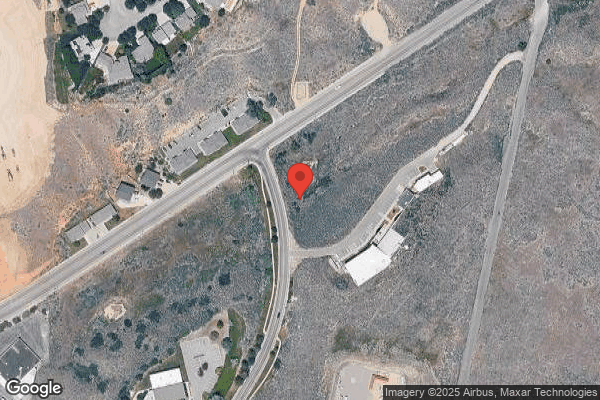

1957 ALVIN RICKEN DRIVE, POCATELLO, ID 83201 (208) 235-7800
Government - State 66 Beds Independent Data: November 2025
Trust Grade
70/100
#26 of 79 in ID
Last Inspection: August 2025

Inspected within the last 6 months. Data reflects current conditions.

Overview

The Idaho State Veterans Home in Pocatello has a Trust Grade of B, indicating it is a good facility, solid but not without its issues. It ranks #26 out of 79 nursing homes in Idaho, placing it in the top half, and is the best option among the four facilities in Bannock County. However, the trend is concerning as the number of issues reported has worsened from 3 in 2024 to 10 in 2025. Staffing is a strength with a perfect 5-star rating, meaning staff turnover is low and residents receive consistent care, plus there is more RN coverage than 100% of Idaho facilities, which helps catch potential problems. On the downside, there have been specific concerns, such as failing to assist 10 residents in formulating advance directives and not administering bowel care medications as prescribed for five residents, both of which could lead to discomfort or unmet care preferences. Overall, while the facility has strengths in staffing and ranking, the rising number of concerns should be carefully considered.

Trust Score
B
70/100
In Idaho
#26/79
Top 32%
Safety Record
Low Risk
No red flags
Inspections
Getting Worse
3 → 10 violations
Staff Stability
⚠ Watch
48% turnover. Above average. Higher turnover means staff may not know residents' routines.
Penalties
✓ Good
No fines on record. Clean compliance history, better than most Idaho facilities.
Skilled Nurses
✓ Good
Each resident gets 89 minutes of Registered Nurse (RN) attention daily — more than 97% of Idaho nursing homes. RNs are the most trained staff who catch health problems before they become serious.
Violations
⚠ Watch
23 deficiencies on record. Higher than average. Multiple issues found across inspections.
★★★★☆
4.0
Overall Rating
★★★★★
5.0
Staff Levels
★★★☆☆
3.0
Care Quality
★★★☆☆
3.0
Inspection Score
Stable
2024: 3 issues
2025: 10 issues

The Good

  • 5-Star Staffing Rating · Excellent nurse staffing levels
  • Full Sprinkler Coverage · Fire safety systems throughout facility
  • No fines on record

Facility shows strength in staffing levels, fire safety.

The Bad

Staff Turnover: 48%

Near Idaho avg (46%)

Higher turnover may affect care consistency

The Ugly 23 deficiencies on record

Aug 2025 10 deficiencies
CONCERN (D) 📢 Someone Reported This

A family member, employee, or ombudsman was alarmed enough to file a formal complaint

Potential for Harm - no one hurt, but risky conditions existed

Resident Rights (Tag F0550)

Could have caused harm · This affected 1 resident

**NOTE- TERMS IN BRACKETS HAVE BEEN EDITED TO PROTECT CONFIDENTIALITY** Based on observations and interviews, it was determined that the facility failed to treat each resident with respect and dignity...

Read full inspector narrative →
**NOTE- TERMS IN BRACKETS HAVE BEEN EDITED TO PROTECT CONFIDENTIALITY** Based on observations and interviews, it was determined that the facility failed to treat each resident with respect and dignity. This was true for 1 of 4 residents (Residents #19) observed for covered urinary drainage bag. This deficient practice had the potential for residents to experience embarrassment, and low feelings of self-worth. Findings include: Resident #19 was admitted on [DATE] with readmit on 6/17/24, with multiple diagnoses including heart failure, diabetes, and obstructive uropathy (condition when urine cannot drain through the urinary tract). On 8/4/25 at 2:31 PM, Resident #19's urinary drainage bag was uncovered and visible from the open doorway of his room. On 8/4/25 at 3:26 PM, the DON stated the urinary drainage bag should have been covered and was not.
CONCERN (D) 📢 Someone Reported This

A family member, employee, or ombudsman was alarmed enough to file a formal complaint

Potential for Harm - no one hurt, but risky conditions existed

Free from Abuse/Neglect (Tag F0600)

Could have caused harm · This affected 1 resident

**NOTE- TERMS IN BRACKETS HAVE BEEN EDITED TO PROTECT CONFIDENTIALITY** Based on policy review, record review, and staff interview, it was determined the facility failed to ensure resident's rights to...

Read full inspector narrative →
**NOTE- TERMS IN BRACKETS HAVE BEEN EDITED TO PROTECT CONFIDENTIALITY** Based on policy review, record review, and staff interview, it was determined the facility failed to ensure resident's rights to be free from abuse were protected. This was true for 1 of 1 resident (Resident #61) whose record was reviewed for resident-to-resident abuse. This failure placed residents at risk for potential abuse and potential physical and psychosocial harm. Findings include:The facility Freedom from Resident Abuse, Neglect, Mistreatment, and Exploitation policy dated 2024, documented each resident.has the right to be free from verbal, sexual, physical, and mental abuse.Resident #29 was admitted to the facility on [DATE], with multiple diagnoses including dementia and history of falling. Resident #29’s care plan dated 9/19/24, documented as a focus, I can be intrusive into others space while interventions are listed as intervene, redirect and remove environment as needed and observe and report signs and symptoms of me posing danger to self and others and intervene as needed. Resident #61 was initially admitted to the facility on [DATE], and readmitted on [DATE], with multiple diagnoses including diabetes and anxiety disorder. On 9/17/24 at 9:15 AM, Resident #29 approached and yelled to stop tapping on the fish tank, at Resident #61 who was cleaning the outside glass of the day room lounge fish tank. Both residents exchanged words loudly when Resident #29 struck Resident #61 across his face leaving 3 open scratches which drew blood. According to the facility investigation report of the incident 2 nurses and 2 CNAs were present when the incident began and observed Resident #29 hit Resident #61 leaving scratches on his face. Following the facility investigation of the 9/17/24 incident, the facility conducted additional education for all staff related to resident-to-resident abuse prevention. Resident #29 was reassigned to a different dining room table to allow for greater geographical separation between both residents. Staff were advised to continue to monitor both residents with no further issues occurring. Both residents continue to have positive interactions with each other, and both are comfortable with the plan to limit interactions with each other. Based on the corrective action taken by the facility and no other incidences of abuse, neglect, misappropriation of property, or exploitation to residents after 9/19/24, the facility was cited for past non-compliance.
CONCERN (D) 📢 Someone Reported This

A family member, employee, or ombudsman was alarmed enough to file a formal complaint

Potential for Harm - no one hurt, but risky conditions existed

Assessment Accuracy (Tag F0641)

Could have caused harm · This affected 1 resident

**NOTE- TERMS IN BRACKETS HAVE BEEN EDITED TO PROTECT CONFIDENTIALITY** Based on review of the Resident Assessment Instrument (RAI), record review, and staff interview, the facility failed to ensure r...

Read full inspector narrative →
**NOTE- TERMS IN BRACKETS HAVE BEEN EDITED TO PROTECT CONFIDENTIALITY** Based on review of the Resident Assessment Instrument (RAI), record review, and staff interview, the facility failed to ensure residents Minimum Data Set (MDS) had correct assessment information. This was true for 1 of 16 residents (Resident #46) reviewed for accuracy of MDS assessments. This deficient practice created the potential for residents to have their mental health needs not met due to inaccurate assessments. Findings include:Chapter 3 of The Resident Assessment Instrument (RAI), revised 10/1/2024, documented if a resident is currently considered by the state level II PASRR (Preadmission Screening and Resident Review) process to have a serious mental illness, then section A1500 of the MDS should be marked yes.Chapter 5 of the RAI documented if an MDS assessment is found to have errors that incorrectly reflect the resident's status, that assessment must be corrected.Resident #46 was admitted to the facility on [DATE], with multiple diagnoses including hypertension, diabetes, and PTSD (a serious mental illness).Resident #46's MDS assessment dated [DATE], documented in A1500, he did not have a serious mental illness.Residents #46's level II PASRR dated 2/19/25, documented he had a diagnosis of PTSD.Resident #46's medical record did not document a correction was completed for section A1500 to his MDS dated [DATE].On 8/6/25 at 11:30 AM, the DON stated section A1500 of Resident #46's MDS should have been corrected after receiving the level II PASRR on 2/19/25.
CONCERN (D) 📢 Someone Reported This

A family member, employee, or ombudsman was alarmed enough to file a formal complaint

Potential for Harm - no one hurt, but risky conditions existed

Deficiency F0645 (Tag F0645)

Could have caused harm · This affected 1 resident

**NOTE- TERMS IN BRACKETS HAVE BEEN EDITED TO PROTECT CONFIDENTIALITY** Based on record review and staff interview, it was determined the facility failed to refer residents for further evaluation when...

Read full inspector narrative →
**NOTE- TERMS IN BRACKETS HAVE BEEN EDITED TO PROTECT CONFIDENTIALITY** Based on record review and staff interview, it was determined the facility failed to refer residents for further evaluation when residents were diagnosed with a major mental illness. This was true for 1 of 16 residents (Resident #35) reviewed for Pre-admission Screening and Resident Review (PASARR) Level II evaluations. This deficient practice had the potential to cause harm if residents' specialized services for mental health needs were not evaluated by an appropriate state-designated authority. Findings include:Resident #35 was admitted to the facility on [DATE], with multiple diagnoses including dementia and PTSD.Resident #35 Level I PASRR dated 6/6/25, was generated in Arizona and had not documented PTSD, which was documented in his medical record diagnoses. A Level II PASRR for Resident #35 had not been requested or completed as required in Idaho. On 8/6/25 at 2:35 PM, the DON stated they should have created an updated Level I PASRR documenting PTSD and requested a Level II PASRR and did not.
CONCERN (D) 📢 Someone Reported This

A family member, employee, or ombudsman was alarmed enough to file a formal complaint

Potential for Harm - no one hurt, but risky conditions existed

Comprehensive Care Plan (Tag F0656)

Could have caused harm · This affected 1 resident

**NOTE- TERMS IN BRACKETS HAVE BEEN EDITED TO PROTECT CONFIDENTIALITY** Based on observation, interview, and record review, the facility failed to follow the resident's comprehensive person-centered c...

Read full inspector narrative →
**NOTE- TERMS IN BRACKETS HAVE BEEN EDITED TO PROTECT CONFIDENTIALITY** Based on observation, interview, and record review, the facility failed to follow the resident's comprehensive person-centered care plan. This was true for 2 of 16 residents (#9 and #35) whose care plans were reviewed. This deficient practice of not following care plans placed residents at risk to their health and wellbeing with negative outcomes if services were not provided or provided incorrectly. Findings include:a. Resident #9 was admitted to the facility on [DATE], with multiple diagnoses including diabetes and heart failure.On 8/4/25 at 8:30 AM, observed CNA #1 transfer Resident #9 from his wheelchair to his bed using a sit to stand device.Resident #9's physician orders related to assistive devices documented transfer stability for inability to bear weight related to CVA and left side hemiplegia and weakness.Resident #9's care plan documented that resident is a two person assist when transferred using a sit to stand device.b. Resident #35 was admitted to the facility on [DATE], with multiple diagnoses including dementia and PTSD.Resident #35's PTSD diagnosis had not been addressed with interventions in his care plan.On 8/6/25 at 2:37 PM, the DON stated Resident #9 should have been transferred with two persons per the care plan and had not been and Resident #35's PTSD diagnosis should have been care planned and was not.
CONCERN (D) 📢 Someone Reported This

A family member, employee, or ombudsman was alarmed enough to file a formal complaint

Potential for Harm - no one hurt, but risky conditions existed

Pharmacy Services (Tag F0755)

Could have caused harm · This affected 1 resident

**NOTE- TERMS IN BRACKETS HAVE BEEN EDITED TO PROTECT CONFIDENTIALITY** Based on record review and staff interview, it was determined the facility failed to ensure accurate use of over the counter (OT...

Read full inspector narrative →
**NOTE- TERMS IN BRACKETS HAVE BEEN EDITED TO PROTECT CONFIDENTIALITY** Based on record review and staff interview, it was determined the facility failed to ensure accurate use of over the counter (OTC) medication left at bedside, and controlled medications were tracked and kept secure from potential theft and/or diversion. This was true for 1 of 16 residents (Resident #55) and the facility. This failure created the potential for undetected misuse of medications and/or diversion of controlled medications and had the potential to affect all residents who received medication in the facility. Findings include: a. Resident #55 was admitted to the facility on [DATE], with multiple diagnoses including epilepsy and aphasia (a neurological condition that affects a person's ability to communicate). On 8/4/25 at 8:15 AM, observed in Resident #55’s room on the bedside table a bottle of Tylenol and Nyquil. There was a physician's order for the Tylenol but not the Nyquil. 8/6/25 at 2:41 PM, the DON stated residents often bring in OTC medicines and don’t tell nursing staff of the recent purchase. When nursing staff see the medicines at the bedside, they should get a physician’s order and had not. b. On 8/5/25 at 9:42 AM, during [NAME] Hall medication cart audit, observed the narcotic accountability record, dated 8/1/25 to 8/5/25, with 1 licensed nurse signature not documented. On 8/5/25 at 9:44 AM, LPN #7 stated two nurses should have signed the narcotic accountability record when they accepted the medication cart or released the medication cart. On 8/5/25 at 3:12 PM, the DON stated two nurses should have signed the narcotic accountability record when they accepted the medication cart or released the medication cart.
CONCERN (D) 📢 Someone Reported This

A family member, employee, or ombudsman was alarmed enough to file a formal complaint

Potential for Harm - no one hurt, but risky conditions existed

Deficiency F0761 (Tag F0761)

Could have caused harm · This affected 1 resident

**NOTE- TERMS IN BRACKETS HAVE BEEN EDITED TO PROTECT CONFIDENTIALITY** Based on observations, and staff interviews it was determined the facility failed to ensure medications were stored and kept sec...

Read full inspector narrative →
**NOTE- TERMS IN BRACKETS HAVE BEEN EDITED TO PROTECT CONFIDENTIALITY** Based on observations, and staff interviews it was determined the facility failed to ensure medications were stored and kept secure, and biologicals were labeled when opened. This was true for 1 of 16 Residents (Resident #46) and the facility. These deficient practices created the potential for theft or misuse of medication and the use of expired biologicals. Findings include: 1. The following was observed for biologicals. On [DATE] at 10:25 AM, one set of glucose test solutions were not dated with the open date or the expiration date. On [DATE] at 10:27 AM, LPN #2 stated the glucose test solutions were not dated and should have been. On [DATE] at 10:50 AM, RN #9 stated glucose test solution bottles should be dated when opened and were not. 2. Resident #46 was admitted to the facility on [DATE], with multiple diagnoses including hypertension, diabetes, and PTSD. On [DATE] at 9:40 AM, Resident #46’s morning medications was observed sitting in a medication cup on his bedside table in his room with no licensed nurse present. On [DATE] at 9:45 AM, RN #2, stated she had no idea if Resident #46 had a self-medication administration assessment because this was her first day working with him. On [DATE] at 3:19 PM, RN #9 stated RN #2 is an agency nurse, and this was her first day working with Resident #46. He stated RN #2 should not have left Resident #46’s medications at the bedside and left the room. On [DATE] at 11:33 AM, the DON stated Resident #46 was not approved to self-administer medications and RN #2 should not have left his medications at the bedside.
CONCERN (D) 📢 Someone Reported This

A family member, employee, or ombudsman was alarmed enough to file a formal complaint

Potential for Harm - no one hurt, but risky conditions existed

Infection Control (Tag F0880)

Could have caused harm · This affected 1 resident

**NOTE- TERMS IN BRACKETS HAVE BEEN EDITED TO PROTECT CONFIDENTIALITY** Based on observation, staff interview, and record review it was determined the facility failed to ensure infection control preve...

Read full inspector narrative →
**NOTE- TERMS IN BRACKETS HAVE BEEN EDITED TO PROTECT CONFIDENTIALITY** Based on observation, staff interview, and record review it was determined the facility failed to ensure infection control prevention practices were maintained to provide a safe and sanitary environment. This was true for 4 of 16 residents (#9, #21, #22, and #36) and the facility observed for infection control. These failures put residents at risk for cross contamination and infection. Findings include: 1.Resident #9 was initially admitted to the facility on [DATE], with readmission on [DATE], with multiple diagnoses including coronary artery disease and diabetes. Resident #9’s medication orders included administer Novolog 100u/ml per sliding scale and Glargine 19u every AM. On 8/6/25 at 8:35 AM, observed RN #2 place a syringe containing Novolog insulin and a syringe containing Glargine insulin on Resident #9’s bed next to him as she cleaned the injection site. RN #2 then picked up each syringe off the bed and administered the insulin to Resident #9. On 8/6/25 at 8:38 AM, RN #2 stated she should have placed the insulin syringes on a protective barrier on Resident # 9’s bedside table, not in his bed. On 8/7/25 at 9:38 AM, the IP stated RN #2 should have placed her resident medications on a protective cover on top of Resident #9’s bedside table, not in his bed. 2. The facility's Equipment/Supplies Cleaning/Disposal Schedule policy, revised 4/20, stated shared equipment such as but not limited to: vital carts…etc. will be disinfected between each use with disinfectant wipes. On 8/6/25 at 8:30 AM, observed Resident #36 in East hallway at RN #2’s medication cart when RN #2 removed the blood pressure cuff from the vital cart and placed the blood pressure cuff on him, then removed the cuff and placed the blood pressure cuff back into the vital cart basket. On 8/6/25 at 8:42 AM, observed Resident #21 in East hallway at RN 2’s medication cart. RN #2 removed the blood pressure cuff from the vital cart and placed on Resident # 21’s arm then removed the cuff and placed the blood pressure cuff back into the vital cart basket. On 8/6/25 at 9:07 AM, RN #2 stated she should had cleaned the blood pressure cuff between resident uses and had not. On 8/7/25 at 9:38 AM, the IP stated blood pressure cuffs should be cleaned between resident uses and RN #2 had not followed the policy. 3. On 8/4/25 at 8:30 AM, observed CNA #1 clean a sit to stand device after a resident transfer but she did not clean the strap used during the transfer. CNA #1 stated she was not sure when the straps get washed. After CNA #1 cleaned the sit to stand device she draped the dirty straps over the cleaned device. On 8/6/25 at 2:36 PM, the DON stated the lift straps should have been cleaned and not just draped over the cleaned lift.
CONCERN (E) 📢 Someone Reported This

A family member, employee, or ombudsman was alarmed enough to file a formal complaint

Potential for Harm - no one hurt, but risky conditions existed

Quality of Care (Tag F0684)

Could have caused harm · This affected multiple residents

**NOTE- TERMS IN BRACKETS HAVE BEEN EDITED TO PROTECT CONFIDENTIALITY** Based on the facility Bowel Management Protocol, record review and staff interview, it was determined the facility failed to fol...

Read full inspector narrative →
**NOTE- TERMS IN BRACKETS HAVE BEEN EDITED TO PROTECT CONFIDENTIALITY** Based on the facility Bowel Management Protocol, record review and staff interview, it was determined the facility failed to follow the facility bowel care standing order of delivering specific medications when residents do not have BM within 72 hours for 5 of 16 Residents (#5, #9, #11, #26, and #35) who records were reviewed for bowel and bladder care. This failed practice created the potential for residents to experience discomfort when medications were not administered according to the physician's order. Findings include:The facility Bowel Management Protocol dated 4/2018, documented a resident's bowel movement(s) will be documented in Point of Care every shift. The licensed nurse will write and implement standing orders for progressive bowel elimination intervention as follows:- Step 1 - Bisacodyl tab give 10 mg by mouth as needed for constipation if no BM X 48-72 hours.- Step 2 - Bisacodyl suppository, insert 1 suppository rectally as needed for constipation if no BM X 12-24 hours following Bisacodyl tabs administration.- Step 3 - Fleet Naturals cleansing enema, insert one dose rectally as needed for constipation if no BM X 12-24 hours after Bisacodyl suppository. May repeat X1 if no results in 12-24 hours. a. Resident #5 was initially admitted to the facility on [DATE], and readmitted on [DATE], with multiple diagnoses including fracture of left femur and depression. Resident #5’s medical record documented in the CNA Task Bowel Activity, he had a bowel movement on 7/17/25 documented at 20:09, and not again until 7/22/25 documented at 20:43, 120 hours later. Resident #5’s MAR for July 2025, documented bowel management protocol had not been initiated between 7/17/25 and 7/22/25. b. Resident #11 was admitted to the facility on [DATE], with multiple diagnoses including Huntington’s disease (inherited condition that affects brain cells) and anxiety. Resident #11’s medical record documented the following in the CNA Task Bowel Activity: - he had a bowel movement on 7/9/25 documented at 11:17, and not again until 7/23/25 documented at 21:29. Resident #11’s MAR for July 2025, documented the following bowel management protocol: - Step 1 had been initiated on 7/9/25 which did not result in documented BM. - Step 2 had been initiated on 7/14/25 which did not result in documented BM. - Step 3 had been initiated on 7/15/25, 7/16/25, 7/17/25, 7/18/25, 7/19/25, 7/20/25, 7/21/25, 7/22/25, which did not result in documented BM. c. Resident #26 was admitted to the facility on [DATE], with multiple diagnoses including chronic kidney disease and post-traumatic stress disorder. Resident #26’s medical record documented in the CNA Task Bowel Activity, he had a bowel movement on 7/23/25 documented at 13:59, and not again until 7/28/25 documented at 14:00, 120 hours later. Resident #26’s MAR for July 2025 documented the bowel management protocol was initiated for Resident #26 on 7/28/25. d. Resident #35 was admitted to the facility on [DATE], with multiple diagnoses including dementia and PTSD. Resident #35’s medical record documented the following in the CNA Task Bowel Activity: - he had a bowel movement on 7/6/25 documented at 21:47, and not again until 7/12/25 documented at 21:44, 144 hours later. - he had a bowel movement on 7/15/25 at 13:39 and not again until 7/20/25 at 15:41, 120 hours later. Resident #35’s MAR for July 2025 documented the following bowel management protocol: - Step 1 had been initiated on 7/10/25 which did not result in documented BM. On 8/6/25 at 2:38 PM, the DON stated the nursing staff should have documented they followed the bowel protocol step 1, 2, and 3 and had not.
CONCERN (F) 📢 Someone Reported This

A family member, employee, or ombudsman was alarmed enough to file a formal complaint

Potential for Harm - no one hurt, but risky conditions existed

Deficiency F0578 (Tag F0578)

Could have caused harm · This affected most or all residents

**NOTE- TERMS IN BRACKETS HAVE BEEN EDITED TO PROTECT CONFIDENTIALITY** Based on policy review, record review, and staff interview, it was determined the facility failed to ensure residents and their ...

Read full inspector narrative →
**NOTE- TERMS IN BRACKETS HAVE BEEN EDITED TO PROTECT CONFIDENTIALITY** Based on policy review, record review, and staff interview, it was determined the facility failed to ensure residents and their representative received assistance to exercise their right to formulate an Advance Directive. This was true for 10 of 54 residents (#1, #2, #4, #9, #19, #26, #27, #29, #46, and #55) whose records were reviewed for advance directives. This deficient practice created the potential for harm or adverse outcomes if the residents' wishes were not followed or documented regarding their advance care planning. Findings include:The facility’s Residents Rights Regarding Treatment and Advance Directives policy dated March 2025, documented It is the policy of this facility to support and facilitate a resident’s right to request, refuse, and/or discontinue medical or surgical treatment and to formulate advance directives. a. Resident #1 was admitted to the facility on [DATE], with multiple diagnoses including coronary artery disease, GERD (a chronic digestive disorder where stomach acid frequently flows back into the esophagus), and anemia (when the body doesn't have enough healthy red blood cells to carry oxygen to the body's tissues). Resident #1’s medical record contained a POST but did not document an advance directive and no documentation the facility informed or provided written information concerning the right to formulate an advance directive. b. Resident #4 was admitted to the facility on [DATE], with multiple diagnoses including Afib (irregular heartbeat), hypertension (high blood pressure), and malnutrition. Resident #4’s medical record contained a POST but did not document an advance directive and no documentation the facility informed or provided written information concerning the right to formulate an advance directive. c. Resident #27 was admitted to the facility on [DATE], with multiple diagnosis including non-traumatic brain dysfunction (brain damage not caused by external force), hyperlipidemia (elevated fats in the blood), and thyroid disorder (when the thyroid gland doesn't produce the right amount of hormones). Resident #27’s medical record contained a POST but did not document an advance directive and no documentation the facility informed or provided written information concerning the right to formulate an advance directive. d. Resident #46 was admitted to the facility on [DATE], with multiple diagnosis including hypertension, diabetes, and PTSD. Resident #46’s medical record contained a POST but did not document an advance directive and no documentation the facility informed or provided written information concerning the right to formulate an advance directive. On 8/5/25 at 12:41 PM, the Administrator stated he could not find advanced directives for residents #1, #2, #4, #9, #19, #26, #27, #29, #46, or #55 and no documentation the facility informed or provided written information concerning the right to formulate an advance directive. e. Resident #9 was admitted to the facility on [DATE], with multiple diagnoses including diabetes and heart failure. Resident #9's medical record contained a POST document but no advance directives document and no documentation the facility informed or provided written information concerning the right to formulate an advance directive. f. Resident #26 was admitted to the facility on [DATE], with multiple diagnoses including chronic kidney disease and post-traumatic stress disorder (PTSD). Resident #26's medical record contained a POST document but no advance directives document and no documentation the facility informed or provided written information concerning the right to formulate an advance directive. g. Resident #55 was admitted to the facility on [DATE], with multiple diagnoses including epilepsy (a chronic brain disorder characterized by recurrent, unprovoked seizures) and aphasia (a language disorder that affects a person's ability to communicate). Resident #55's medical record had a POA for healthcare dated 10/19/14, but she revoked the POA on 12/19/23. Resident #55's medical record contained a POST document but no advance directives document and no documentation the facility informed or provided written information concerning the right to formulate an advance directive. h. Resident #2 was initially admitted to the facility on [DATE] and readmitted on [DATE], with multiple diagnoses including coronary artery disease, hemiparesis (partial paralysis), and dementia. Resident #2’s medical record contained a POST but did not document an advance directive and no documentation the facility informed or provided written information concerning the right to formulate an advance directive. i. Resident #19 was initially admitted to the facility on [DATE] and readmitted on [DATE], with multiple diagnoses including heart failure and diabetes. Resident #19’s medical record contained a POST but did not document an advance directive and no documentation the facility informed or provided written information concerning the right to formulate an advance directive. j. Resident #29 was admitted to the facility on [DATE], with multiple diagnoses including dementia and muscle weakness. Resident #29’s medical record contained a POST but did not document an advance directive and no documentation the facility informed or provided written information concerning the right to formulate an advance directive.
Jul 2024 3 deficiencies
CONCERN (D) 📢 Someone Reported This

A family member, employee, or ombudsman was alarmed enough to file a formal complaint

Potential for Harm - no one hurt, but risky conditions existed

Report Alleged Abuse (Tag F0609)

Could have caused harm · This affected 1 resident

**NOTE- TERMS IN BRACKETS HAVE BEEN EDITED TO PROTECT CONFIDENTIALITY** Based on a facility reported investigation, policy review, and staff interview, the facility failed to ensure an allegation of s...

Read full inspector narrative →
**NOTE- TERMS IN BRACKETS HAVE BEEN EDITED TO PROTECT CONFIDENTIALITY** Based on a facility reported investigation, policy review, and staff interview, the facility failed to ensure an allegation of sexual abuse was reported to the State Agency within two hours. This was true for 1 of 18 residents (Resident #149) reviewed for abuse. This failure resulted in Resident #149's allegation of sexual abuse not being acted on in a timely manner, investigated, and measures implemented to protect residents during the investigation, which placed all residents in the facility at risk of abuse. Findings include: The facility's policy, Abuse Prevention Notification and Reporting Guidelines, states the facility does not condone resident abuse or neglect by anyone. All personnel will promptly report any incident or suspected incident of resident abuse. The first person to suspect abuse, is responsible for notifying the Home Administrator by telephone per the facility's Policy. - Resident #149 was admitted to the facility on [DATE], with multiple diagnoses including post hospitalization care for fracture of her right tibia and fibula (shin bones) Type 2 Diabetes, major depressive disorder, and anxiety disorder. -Resident #22 was admitted to the facility on [DATE], with multiple diagnoses including chronic kidney disease and dementia. A facility investigation report, signed by the facility Administrator on 1/22/24, documented Resident #149 was interviewed by the SW. The SW stated Resident #22 walked in on Resident #149 while she was bathing. The following day Resident #22 approached Resident #149 at the nurse's cart in the hallway, rubbed her shoulder, and said inappropriate things to her. When Resident #19 was asked if she felt threatened, Resident #149 stated she felt very threatened and unsafe in the facility. Review of the facility's investigative documents documented that the SA was notified of the allegation of sexual abuse on 1/16/24. During an interview on 7/15/24 at 5:02 PM with the Administrator and DON, the Administrator stated that he received a call on 1/15/24 from Resident#149 who reported an incident between her and Resident #22. The Administrator stated Resident#149 stated Resident #22 came into the shower room while she was in the shower. Resident #149 yelled at Resident #22 to get out and he looked around the curtain at her. The Administrator said this happened on 1/14/24 and then on 1/15/24, Resident #22 cornered Resident #149 at the nursing station and said that he liked what he saw, and if she needed help next time, he would help her. The Administrator stated he advised staff they had 24 hours to report the incident, and he would handle it upon coming to the facility on 1/16/24. The Administrator stated the allegation of sexual abuse was reported to the State Agency on 1/16/24. The Administrator stated he did not know about the two hour requirement for reporting abuse to the State Agency.
CONCERN (D) 📢 Someone Reported This

A family member, employee, or ombudsman was alarmed enough to file a formal complaint

Potential for Harm - no one hurt, but risky conditions existed

Quality of Care (Tag F0684)

Could have caused harm · This affected 1 resident

**NOTE- TERMS IN BRACKETS HAVE BEEN EDITED TO PROTECT CONFIDENTIALITY** Based on record review, facility investigation report, and resident and staff interview, it was determined the facility failed t...

Read full inspector narrative →
**NOTE- TERMS IN BRACKETS HAVE BEEN EDITED TO PROTECT CONFIDENTIALITY** Based on record review, facility investigation report, and resident and staff interview, it was determined the facility failed to ensure physician orders were followed for pain medication administration and a respiratory treatment. This was true for 1 of 18 residents (Resident #18) reviewed for quality of care. These failures created the potential to adversely affect Resident #18 whose care and services were not delivered according to physician orders. Finding include: Resident #18 was admitted to the facility on [DATE] with multiple diagnosis including Chronic Obstructive Sleep Apnea (when a blockage in the airway keeps air from moving through the windpipe while asleep). A quarterly MDS assessment, dated 5/31/24, documented Resident #18 received oxygen therapy. A physician order, dated 6/29/24 documented Resident #18 was to receive a Norco Oral tablet (narcotic pain medication) 5-325 milligrams (mg), 1 tablet as needed. The order also documented Resident #18 was to receive continuous positive airway pressure (CPAP - a machine that uses mild air pressure to keep breathing airways open while sleeping) with two liters oxygen via mask at bedtime for Obstructive Sleep Apnea. Resident #18's MAR, dated 5/11/24, did not include documentation Resident #18 received the prescribed Norco pain medication on the evening shift. Resident 18's TAR, dated 5/11/24, did not include documentation Resident #18 received the ordered CPAP with two liters oxygen via mask at bedtime. A facility investigation report, dated 5/16/24, included a statement from RN #2 who documented she did not administer Resident #18's pain medication nor his CPAP treatment. RN #2 documented that she assumed another staff member addressed Resident #18's needs/requests. During an interview on 7/17/24 at 9:30 AM, Resident #18 stated there was a problem with RN #2, who was the evening nurse on 5/11/24, not giving him the pain medication and CPAP treatment that the physician ordered for him. Resident #18 stated he had a nightly routine starting at 8:00 PM in which he received pain medication and his CPAP. Resident #18 stated he made several requests for RN #2 to start his treatment. Resident #18 stated he received messages RN #2 was busy with another resident. He stated RN #2 never came to address his needs. Resident #18 stated he felt this nurse intentionally did not respond to his requests. During an interview on 7/19/24 at 10:06 PM, the DON stated on the evening of 5/11/24, RN #2 sent word to Resident #18 that she would be with him as soon as possible. The DON further stated RN #2 assumed another staff member addressed Resident #18's needs so she did not enter his room. The DON stated RN #2 admitted she did not administer Resident #18's pain medication, nor his CPAP treatment. The DON also stated that RN #3, the night nurse, administered Resident #18's pain medication but did not administer his CPAP treatment.
CONCERN (D)

Potential for Harm - no one hurt, but risky conditions existed

Deficiency F0700 (Tag F0700)

Could have caused harm · This affected 1 resident

**NOTE- TERMS IN BRACKETS HAVE BEEN EDITED TO PROTECT CONFIDENTIALITY** Based on observation, policy review, record review, and resident and staff interview, it was determined the facility failed to e...

Read full inspector narrative →
**NOTE- TERMS IN BRACKETS HAVE BEEN EDITED TO PROTECT CONFIDENTIALITY** Based on observation, policy review, record review, and resident and staff interview, it was determined the facility failed to ensure alternatives to bed rails were attempted or were assessed for use of bed rails prior to placing bed rails on the residents' bed. This was true for 2 of 2 residents (#33 and #34) reviewed for bed rails. This failure created the potential for harm due to the risk of entrapment and injury. Findings include: The facility's policy titled, Proper Use of Bed Rails, dated 10/2023, stated it is the policy of this facility to utilize a person-centered approach when determining the use of bed rails. Appropriate alternative approaches are attempted prior to installing or using bed rails. The policy further stated the facility will attempt to use appropriate alternatives prior to installing or using bed rails. Alternatives that are attempted should be appropriate for the resident, safe and address the medical conditions, symptoms, or behavioral patterns for which a bed rail was considered. The following residents did not have complete assessments that included why alternatives to bed rails failed or why a resident had continued use of bed rails after an assessment documented the resident no longer needed bed rails. a. Resident #34's was admitted to the facility on [DATE], and readmitted on [DATE], with multiple diagnoses including cervical fractures, hypertension, insomnia, cardiac arrythmia, heart failure, and history of falling. Resident #34's care plan for assistive devices, initiated 2/11/22, documented the goal was to improve independence, promote comfort, assist with positioning, skin integrity, increase ADL [Activities of Daily Living] independence, improve mobility, safety decreased fall risk. Interventions included Resident #34 had transfer rails on both sides of the bed to help improve bed mobility and transfer stability. During an observation and interview on 7/16/24 at 2:49 PM, and on 7/18/24 at 3:48 PM, Resident #34 was observed in his room in bed with raised bilateral upper side rails and an air mattress. Resident #34 stated he used the side rails. A Side Rail assessment dated [DATE], documented alternative interventions attempted for Resident #34 included reminders to use the call light, regular toileting, and use of a urinal/bed pan. The summary of findings documented side rails were indicated for Resident #34 and served as an enabler to promote independence. The assessment documented based on the summary of findings ¼ bed rails were recommended for Resident #34 on the left and right side of the bed. The assessment did not include how the alternatives attempted failed to work for Resident #34. b. Resident #33 was admitted to the facility on [DATE] with multiple diagnoses including heart disease, hypertension, obstructive sleep apnea, and vertigo. Resident #33's care plan for assistive devices documented he used assistive devices and the goal was to improve independence, promote comfort, assist with positioning, skin integrity, to increase ADL independence, improve mobility, and for safety/decreased fall risk (initiated 5/11/22). The care plan also documented Resident #33 had ¼ rails bilaterally for bed mobility, ADL assistance, transfer stability, and had padded side rails for skin integrity and comfort (initiated 2/16/22). Side Rail Assessments, dated 2/1/22 through 4/27/23, stated Resident #33 should have bilateral upper quarter rails. Side Rail Assessments dated 7/27/23, 1/16/24, and 7/27/24 documented Resident #33 did not need bed rails. During an observation on 7/16/24 at 3:10 PM and on 7/19/24 at 12:17 PM, Resident #33 was in his room with raised bilateral upper side rails covered in a sheepskin-like material on his bed. During an interview on 7/19/24 at 4:58 PM, regarding attempted alternatives to side rails and how they failed, the Administrator stated an expectation was to try everything we can before placing side rails and if they are assessed to not need side rails that they do not have them.
Aug 2019 10 deficiencies
CONCERN (D)

Potential for Harm - no one hurt, but risky conditions existed

Notification of Changes (Tag F0580)

Could have caused harm · This affected 1 resident

**NOTE- TERMS IN BRACKETS HAVE BEEN EDITED TO PROTECT CONFIDENTIALITY** Based on observation, record review, policy review, and resident and staff interview, it was determined the facility failed to e...

Read full inspector narrative →
**NOTE- TERMS IN BRACKETS HAVE BEEN EDITED TO PROTECT CONFIDENTIALITY** Based on observation, record review, policy review, and resident and staff interview, it was determined the facility failed to ensure the physician was notified when a resident's oxygen saturation (percentage of oxygen in the blood) was below prescribed parameters. This was true for 1 of 5 residents (Resident #37) reviewed for oxygen therapy, and created the potential for harm should the resident experience adverse consequences from lack of physician notification and intervention. Findings include: The facility's policy for Notification of Changes, undated, documented the physician was notified immediately in the event a resident experienced changes, including but not limited to a significant change in the resident's physical, mental, or psychosocial status, or when there was a need to alter treatment. Resident #37 was readmitted to the facility on [DATE], with multiple diagnoses including COPD (a progressive lung disease that results in shortness of breath) and acute respiratory failure with hypoxia (low oxygen level). Resident #37's annual MDS assessment, dated 6/14/19, documented he had shortness of breath with exertion, when sitting at rest, and when lying flat. The MDS documented he received oxygen therapy. Resident #37's physician orders documented an order on 6/5/19 for Oxygen: titrate zero to four liters to maintain oxygen saturation level above 89% as needed. Use oximeter (a device to measure the percentage of oxygen in the blood) during oxygen administration to check oxygen saturation levels. Resident #37's care plan documented the following: * Oxygen at zero to four liters per minute to keep oxygen saturation level above 89%, initiated on 6/7/18 and revised on 1/2/19. * Monitor for any indication of decline in health status. Notify physician of any significant changes, initiated on 6/7/18. Resident #37's Treatment Administration Record (TAR) for August 2019 documented his oxygen saturation level was below 89% as follows: * On day shift 8/2/19 = 88%. * On evening shift 8/4/19 = 87%. * On day shift 8/5/19 = 88%. * On evening shift 8/6/19 = 83%. Resident #37's Weights and Vitals Summary documented his oxygen saturation level was below 89% as follows: * On 7/2/19 at 9:46 PM = 80%. * On 7/3/19 at 9:43 PM = 80%. * On 7/4/19 at 5:38 AM = 88%. * On 7/4/19 at 10:35 PM = 86%. * On 7/5/19 at 1:06 AM = 66% (on room air). * On 7/5/19 at 10:05 PM = 80%. * On 7/6/19 at 1:32 AM = 88%. * On 7/8/19 at 6:07 PM = 86%. * On 7/10/19 at 10:03 PM = 87%. * On 7/15/19 at 1:59 PM = 88%. * On 7/17/19 at 10:51 AM = 88%. * On 7/17/19 at 1:30 PM = 88%. * On 7/18/19 at 2:45 PM = 88%. * On 7/21/19 at 3:17 PM = 88%. * On 7/30/19 at 9:18 PM = 87%. * On 7/31/19 at 9:57 AM = 88%. There was no documentation in Resident #37's record prior to 8/7/19, the physician was notified when his oxygen saturation level was less than 89%. On 8/7/19 at 10:18 AM, Resident #37 was in his room with oxygen in place at 4 liters per minute by nasal cannula (tubing that administers oxygen through the nose). Resident #37 had an oximeter on his finger, and it read his oxygen saturation level as 84%. Resident #37 said his breathing was not feeling very good, and he said the hospital previously told him his oxygen saturation level should be 88% to 90%. On 8/7/19 at 10:23 AM, LPN #3 said Resident #37 had hard time maintaining his oxygen saturation level at greater than 89%, and she just administered an inhaler to him. LPN #3 said she did not know why Resident #37 had a hard time maintaining his oxygen saturation level, and it was 86% that morning. LPN #3 said the physician's order was to keep Resident #37's oxygen saturation level above 89%, and he was on four liters of oxygen. LPN #3 said if Resident #37's oxygen saturation level was less than 89%, the nurse should notify the physician and charge nurse, and she had not done that. A Nursing Note, dated 8/7/19 at 10:48 AM, documented there was difficulty keeping Resident #37's oxygen saturation above 86%, and his oxygen saturation dropped into the 70's. When the oxygen tubing was placed in Resident #37's mouth the oxygen saturation increased, but when the tubing was placed into his nose the oxygen saturation dropped back into the low 80's and high 70's. Resident #37 asked to be evaluated in the emergency room, and the charge nurse assessed him. A Nursing Note, dated 8/7/19 at 10:33 AM, documented a physician's order was received to send Resident #37 to the ER for evaluation. There was no documentation in Resident #37's record prior to 8/7/19, the physician was notified when his oxygen saturation level was less than 89%. On 8/7/19 at 11:28 AM, the RN Manager said he was not aware of Resident #37's decreased oxygen saturation levels until LPN #3 told him that morning. The RN Manager said when a resident had a decreased oxygen saturation level, he would expect the nurse to administer nebulizer treatments (medications in an inhaled mist form), and to notify the charge nurse, who would notify the physician. The RN Manager said Resident #37's physician order documented to keep his oxygen saturation level above 90%, and if he could not keep it above that he would notify the physician. On 8/7/19 at 3:52 PM, the DNS said Resident #37 had an oximeter to monitor his oxygen saturation, and he wore it all day. The DNS said if the oxygen saturation level was low, he expected the nurse to have Resident #37 take deep breaths, check the oxygen tank to make sure there was oxygen in the tank, and check the position of the oxygen tubing. The DNS said if Resident #37's oxygen saturation level did not come back up, he would expect the nurse to get in touch with the physician.
CONCERN (D)

Potential for Harm - no one hurt, but risky conditions existed

Report Alleged Abuse (Tag F0609)

Could have caused harm · This affected 1 resident

**NOTE- TERMS IN BRACKETS HAVE BEEN EDITED TO PROTECT CONFIDENTIALITY** Based on record review, policy review, and staff interview, it was determined the facility failed to ensure bruises of unknown o...

Read full inspector narrative →
**NOTE- TERMS IN BRACKETS HAVE BEEN EDITED TO PROTECT CONFIDENTIALITY** Based on record review, policy review, and staff interview, it was determined the facility failed to ensure bruises of unknown origin in suspicious areas of a resident's body were reported to the Administrator and State Survey Agency within 2 hours of when the bruises were identified by facility staff. This was true for 1 of 1 resident (Resident #31) reviewed for injuries of unknown origin. This failure created the potential harm if the injuries of unknown origin on Resident #31's thigh and breast were a result of abuse. Findings include: The facility's policy titled Freedom from Abuse, Neglect, and Exploitation, last revised 12/2017, documented all alleged violations involving abuse, neglect, exploitation or mistreatment, including injuries of unknown source and misappropriation of resident property, are reported immediately, but not later than 2 hours after the allegation is made, if the events that cause the allegation involve abuse or result in serious bodily injury, or not later than 24 hours if the events that cause the allegation do not involve abuse and do not result in serious bodily injury, to the administrator of the facility and to other officials (including to the State Survey Agency and adult protective services where state law provides for jurisdiction in long-term care facilities) in accordance with State law through established procedures. The policy also documented all violations involving injuries of unknown source were to be reported immediately and an Incident Report completed. Resident #31 was admitted to the facility on [DATE], with multiple diagnoses including Parkinson's disease (progressive nervous system disorder that affects movement), COPD (progressive lung diseases characterized by increasing breathlessness), and cancer. Resident #31's admission MDS assessment, dated 6/8/19, documented she was severely cognitively impaired, totally dependent on two staff members for transfers, and required extensive assistance of two persons for bed mobility. Resident #31's admission skin assessment, dated 5/31/19, documented there was scattered scabbing to the entire body and face with multicolor yellow bruising in various stages of healing. The skin assessment not include documentation of a bruise on Resident #31's left thigh or breast. Resident #31's Progress Note, dated 6/28/19 at 10:35 PM, documented a skin assessment was completed by Charge Nurse #1, and Resident #31 had various areas of bruising that included a bruise on the left thigh. Charge Nurse #1 documented there were no new concerns. On a skin assessment, dated 7/5/19 at 10:17 PM, LPN #5 documented Resident #31 had a bruise on her left breast. LPN #5 documented there were no new concerns. On 8/8/19 at 3:15 PM, Charge Nurse #1 stated he did not remember the skin assessment he completed for Resident #31 on 6/28/19. He stated he did not remember anything about the bruise on her left thigh, such as where the bruise was located on the thigh, the size, and the color. Charge Nurse #1 stated when a new bruise was noted, staff were to write up an Incident Report. Charge Nurse #1 stated he did not follow the procedure. On 8/9/19 at 10:14 AM, LSW #2 stated she did not recall anyone reporting the bruise on the thigh of Resident #31. LSW #2 stated she expected an Incident Report to be filled out, and it should contain a description of the bruise, its location and size, and staff monitoring of it. On 8/8/19 at 2:30 PM, the DNS confirmed there was no Incident Report completed for Resident #31 regarding the bruise of unknown origin on her thigh on 6/28/19 and for the bruise of unknown origin on her breast on 7/5/19. On 8/8/19 at 2:45 PM, the Administrator stated he was not aware of any bruises on Resident #31's thigh because an Incident Report was not completed. The Administrator stated the bruise of unknown origin would trigger more investigating because of its location. On 8/8/19 at 2:55 PM, the Administrator stated, depending on the initial investigation, he would have reported the incident to the State Survey Agency's reporting portal and then completed a five day follow up with the results of the investigation.
CONCERN (D)

Potential for Harm - no one hurt, but risky conditions existed

Investigate Abuse (Tag F0610)

Could have caused harm · This affected 1 resident

**NOTE- TERMS IN BRACKETS HAVE BEEN EDITED TO PROTECT CONFIDENTIALITY** Based on record review, policy review, and staff interview, it was determined the facility failed to ensure bruises of unknown o...

Read full inspector narrative →
**NOTE- TERMS IN BRACKETS HAVE BEEN EDITED TO PROTECT CONFIDENTIALITY** Based on record review, policy review, and staff interview, it was determined the facility failed to ensure bruises of unknown origin in suspicious areas of a resident's body were investigated. This was true for 1 of 1 resident (Resident #31) reviewed for injuries of unknown origin. This failure created the potential for Resident #31 to experience undetected abuse. Findings include: The facility's policy titled Freedom from Abuse, Neglect, and Exploitation, undated, documented injuries of unknown origin included injuries that were not observed by any person, or the source of the injury could not be explained. The injuries included severe bruising on the head, neck, or trunk, fingerprint bruises anywhere on the body, lacerations, sprains, or fractures, and were considered a crime. Minor bruising was not considered a crime and did not have to be reported. The policy documented all violations involving injuries of unknown source were reported immediately. The policy documented an incident was an unexpected, unintended event that could cause a resident injury, and an Incident/Accident report was initiated for skin tears and bruises. Any individual aware of an incident/accident that involved a resident should report the incident to the licensed nurse on that unit. The Incident Report was initiated and completed by the attending nurse by the end of the shift. The policy directed staff to initiate immediate interventions, and alert charting would be done, as needed. The DNS or designee reported the incident to the clinical team for multidisciplinary evaluation. Resident #31 was admitted to the facility on [DATE], with multiple diagnoses including Parkinson's disease (progressive nervous system disorder that affects movement), COPD (progressive lung diseases characterized by increasing breathlessness), and cancer. Resident #31's admission MDS assessment, dated 6/8/19, documented she was severely cognitively impaired, totally dependent on two staff members for transfers, and required extensive assistance of two persons for bed mobility. Resident #31's admission skin assessment, dated 5/31/19, documented there was scattered scabbing to the entire body and face with multicolor yellow bruising in various stages of healing. The skin assessment not include documentation of a bruise on Resident #31's left thigh or breast. Resident #31's skin assessment, dated 6/21/19, did not document any issues with her skin. Resident #31's Progress Note, dated 6/28/19 at 10:35 PM, documented a skin assessment was completed by Charge Nurse #1, and Resident #31 had various areas of bruising that included a bruise on the left thigh. Charge Nurse #1 documented there were no new concerns. On a skin assessment, dated 7/5/19 at 10:17 PM, LPN #5 documented Resident #31 had a bruise on her left breast, and there was no documentation of a bruise on her left thigh. LPN #5 documented there were no new concerns. On 8/8/19 at 2:20 PM, the Wound Nurse stated an investigation should have been initiated for the bruises that were found on Resident #31's thigh and breast, and it was unknown how the bruises occurred. The Wound Nurse said the bruises should have been documented in the Progress Notes, and an Incident Report should have been initiated. The Wound Nurse stated the charge nurse should have been informed and the facility should have called Resident #31's family. The Wound Nurse stated Resident #31 did not have any falls that could have caused the bruising since she was admitted to the facility. On 8/8/19 at 3:15 PM, Charge Nurse #1 stated he did not remember the skin assessment he completed for Resident #31 on 6/28/19. After reviewing the skin assessment, Charge Nurse #1 stated he did not remember anything about the bruise on Resident #31's left thigh, such as where the bruise was located on the thigh, the size, and the color. Charge Nurse #1 stated in hindsight he should have written up an Incident Report. Charge Nurse #1 stated he had been employed at the facility for less than six months and was still learning the policies and procedures. Charge Nurse #1 stated when a new bruise was noted, staff were to write up an Incident Report, obtain witness statements, measure the bruise and document the location, document any person who had contact with the resident, and notify the family, healthcare team, and the physician. Charge Nurse #1 stated he did not follow the procedure. On 8/9/19 at 10:14 AM, LSW #2 stated she did not recall anyone reporting the bruise on the thigh of Resident #31. LSW #2 stated she expected an Incident Report to be filled out, and it should contain a description of the bruise, its location and size, and staff monitoring of it. On 8/8/19 at 2:30 PM, the DNS confirmed there was no investigation or Incident Report completed for Resident #31 regarding the bruise of unknown origin on her thigh on 6/28/19 and for the bruise of unknown origin on her breast on 7/5/19. The DNS stated when the bruise was noted on Resident #31's thigh and breast, an Incident Report should have been initiated and an investigation should have followed. The DNS stated the Interdisciplinary Team reviewed the Incident Reports each day, and there was no evidence an Incident Report was completed for Resident #31. On 8/9/19 at 8:21 AM, the DNS stated an LPN discovered the bruise on Resident #31's breast during a skin assessment on 7/5/19. The DNS stated he talked to the LPN previously, and she thought documenting the bruise was all that was necessary. The DNS stated the LPN was a new nurse, and she was hired at the end of June 2019. On 8/8/19 at 2:45 PM, the Administrator stated he was not aware of any bruises on Resident #31's thigh because an Incident Report was not completed. The Administrator stated the bruise would trigger more investigating because of its location. The Administrator said an Incident Report should have been initiated, the DNS should have been notified, and an investigation should have been completed.
CONCERN (D)

Potential for Harm - no one hurt, but risky conditions existed

Deficiency F0657 (Tag F0657)

Could have caused harm · This affected 1 resident

**NOTE- TERMS IN BRACKETS HAVE BEEN EDITED TO PROTECT CONFIDENTIALITY** Based on record review, policy review, and staff interview, it was determined the facility failed to ensure residents' care plan...

Read full inspector narrative →
**NOTE- TERMS IN BRACKETS HAVE BEEN EDITED TO PROTECT CONFIDENTIALITY** Based on record review, policy review, and staff interview, it was determined the facility failed to ensure residents' care plans were updated to accurately reflect their code status. This was true for 1 of 15 residents (Resident #37) whose care plans were reviewed. This failure created the potential for life sustaining treatment to be administer or withheld, contrary to residents wishes should they become incapacitated. Findings include: The facility's policy for Resident Care Planning, undated, documented the folllowing: * Each resident had a care plan that was current, individualized, and consistent with the medical regimen. * The interdisciplinary team reviewed and updated the care plan as necessary. * The licensed nurse updated the care plan as new physician orders were received and when new problems were identified. Resident #37 was readmitted to the facility on [DATE], with multiple diagnoses including COPD (a progressive lung disease that results in shortness of breath), heart failure, dementia, and obstructive sleep apnea (intermittent cessation of breathing) Resident #37's annual MDS assessment, dated 6/14/19, documented he was moderately cognitively impaired. Resident #37's care plan documented Full Code (resuscitate), initiated on 6/11/18. Resident #37's Physician Orders For Scope of Treatment (POST) documented Do Not Resuscitate, and it was signed by him on 5/10/19. On 8/7/19 at 9:57 AM, LSW #2 said she was involved with advance directive planning. LSW #2 said Resident #37 had a care conference, and his guardian wanted to continue with his wishes regarding his code status. LSW #2 said there was a discrepancy on Resident #37's care plan regarding his code status. On 8/7/19 at 11:25 AM, the RN Manager said there was a discrepancy on Resident #37's care plan regarding his code status, and the MDS Nurse was the one who made sure the care plan matched. On 8/7/19 at 11:39 AM, the MDS Nurse said Social Services was involved with advance directive planning and followed the information on the care plan. The MDS Nurse said Resident #37 may have updated his POST information, and she was not involved with updating the POST information.
CONCERN (D)

Potential for Harm - no one hurt, but risky conditions existed

Deficiency F0661 (Tag F0661)

Could have caused harm · This affected 1 resident

**NOTE- TERMS IN BRACKETS HAVE BEEN EDITED TO PROTECT CONFIDENTIALITY** Based on record review and staff interview, it was determined the facility failed to ensure the discharge summary included a rec...

Read full inspector narrative →
**NOTE- TERMS IN BRACKETS HAVE BEEN EDITED TO PROTECT CONFIDENTIALITY** Based on record review and staff interview, it was determined the facility failed to ensure the discharge summary included a reconciliation of residents' medications. This was true for 1 of 1 resident (Resident #61) reviewed for discharge from the facility. This failure created the potential for harm and inappropriate care due to incomplete documentation. Findings include: Resident #61 was readmitted to the facility on [DATE] with multiple diagnoses, including syncope (lightheadedness) and collapse. Resident #61's physician orders documented may discharge to home today 5/9/19 with home health [and] PT (physical therapy), ordered on 5/9/19. Resident #61's Physician Discharge Summary note, dated 5/9/19 at 3:50 PM, did not document a reconciliation of his medications. A Recapitulation of Resident's Stay, dated 5/9/19 did not document a reconciliation of Resident #61's medications. Resident #61's Discharge Checklist, undated, documented has all meds needed. On 8/9/19 at 9:27 AM, the DNS said the facility obtained discharge orders from the resident's medical provider, including medications. The DNS said medications were sent home with the resident when the resident left the facility. On 8/9/19 at 9:29 AM, LSW #2 said when a resident was discharged from the facility, a discharge summary and list of medications were sent to the home health agency. On 8/9/19 at 10:10 AM, LSW #2 provided Resident #61's Recapitulation of Resident's Stay and Discharge Checklist. LSW #2 said there was no further documentation regarding Resident #61's discharge, and his discharge was abrupt and sudden. On 8/9/19 at 10:27 AM, LSW #2 said she did not see a medication reconciliation in Resident #61's record. LSW #2 said Resident #61 stated he had all of his medications at home.
CONCERN (D)

Potential for Harm - no one hurt, but risky conditions existed

Quality of Care (Tag F0684)

Could have caused harm · This affected 1 resident

**NOTE- TERMS IN BRACKETS HAVE BEEN EDITED TO PROTECT CONFIDENTIALITY** Based on policy review, record review, and staff interview, it was determined the facility failed to ensure professional standar...

Read full inspector narrative →
**NOTE- TERMS IN BRACKETS HAVE BEEN EDITED TO PROTECT CONFIDENTIALITY** Based on policy review, record review, and staff interview, it was determined the facility failed to ensure professional standards of practice were maintained related to neurological assessments being completed following unwitnessed falls. This was true for 1 of 15 residents (Resident #44) reviewed for falls. These failures created the potential for harm if changes in residents' neurological status went undetected and untreated after falls. Findings include. The facility's Neurological Assessments policy and procedure, revised 5/2018, documented: * Residents that have a fall with a suspected head injury such as: Bruise, scrape, lying in suspected position suggestive of hitting head, or any other condition which warrants neurological assessments will have neurological assessment completed. * Each resident that has a suspected head injury following a suspected fall or any condition that warrants neurological assessments will have a neurological assessment completed immediately following initial nursing assessment after the incident. * Assessment is to be completed on the Neurological Assessment Flow Sheet by a nurse. * Procedure is as follows: a neurological assessment is to be completed every 15 minutes for 2 hours (8 assessments), then every 30 minutes for 1 hour (2 assessments), then every hour for 4 hours (4 assessments), and then every shift of 8 hours (8 assessments), until approximately 72 hours have elapsed (for a total of 22 assessments) and resident is stable. The facility's Neurological Assessment Flow Sheet included date, time, level of consciousness, pupil response, motor functions, pain response, vital signs, observations of seizures, headaches and vomiting, and nurses' signatures/initials. Resident #44 was readmitted to the facility on [DATE], with multiple diagnoses including stroke affecting her right side and dementia. *An Incident Report, dated 6/24/19 at 2:00 AM, documented Resident #44 had an unwitnessed fall and was found in her room lying on her back at bedside, and her head was at the foot of the bed. Resident #44's Neurological Assessment Flow Sheet was started on 6/24/19 at 2:00 AM and was scheduled to end in 72 hours on 6/27/19 at 2:00 AM. Her vital signs and observation assessments were not documented on 6/24/19 from 3:45 AM to 6:45 AM, (missing 4 assessments); and vital signs and observation assessments were not documented during the 6/26/19 evening shift (2:00 to 10:00 PM, missing 1 assessment). The Neurological Assessment Flow Sheet documented 5 of 22 assessments within the 72-hour period were incomplete. On 8/7/19 at 2:19 PM, the DNS stated the neurological assessments had not been completed for Resident #44's 6/24/19 fall. b. An Incident Report, dated 7/3/19 at 6:02 PM, documented Resident #44 was taken to her room by another resident and appeared to have fallen. The nurse documented when he entered Resident #44's room he found her sitting on the floor in front of her wheelchair. Resident #44's Neurological Assessment Flow Sheet was started on 7/3/19 at 5:55 PM and was scheduled to end in 72 hours on 7/6/19 at 5:55 PM. Her vital signs and observation assessments were not documented on 7/3/19 from 6:10 PM to 6:55 PM (missing 3 assessments), from 7:10 PM to 8:10 PM (missing 3 assessments), and from 9:55 PM to 10:55 PM (missing 1 assessment) and stopped on 7/4/19 during the day shift (6 AM to 2 PM). Assessments were not resumed due to Resident #44 having a fall on 7/4/19 at 7:30 AM. The Neurological Assessment Flow Sheet documented 7 of 15 assessments were incomplete, prior to her next fall. c. An Incident Report, dated 7/4/19 at 7:30 AM, documented Resident #44 was observed on the floor next to her bed on her back with her head by the foot of the bed and her feet facing toward the head of the bed. Resident #44's Neurological Assessment Flow Sheet was started on 7/4/10 at 7:30 AM and scheduled to end in 72 hours on 7/7/19 at 7:30 AM. None of Resident #44's assessments were documented on 7/4/19 after 7:45 AM until 8:30 AM (missing 2 assessments). No level of consciousness, pupil response, and motor function assessments were not completed on 7/5/19 during the day shift (6 AM to 2 PM, missing 1 assessment). The last assessment was documented on 7/5/19 during the evening shift (2 PM to 10 PM) and not resumed due to Resident #44 having a fall on 7/5/19 at 9:45 PM. The Neurological Assessment Flow Sheet documented 3 of 19 assessments were not completed or were incomplete, prior to her next fall. d. An Incident Report, dated 7/5/19 at 9:45 PM, documented a radio report said Resident #44 was on the floor, the responding nurse observed resident leaning against the bed in a kneeling position. Resident #44's Neurological Assessment Flow Sheet was started on 7/5/19 at 9:40 PM and scheduled to end on 7/8/19 at 9:40 PM. Her pupil and pain response assessments were not documented on 7/5/19 from 10:25 PM to 7/6/19 during the day shift (6 AM to 2 PM, missing 6 assessments); motor function assessments were not completed from 7/5/19 at 10:40 PM to 7/6/19 during day shift (6 AM to 2 PM, missing 12 assessments); and vital signs and observations were not made from 7/5/19 at 1:55 AM to 7/6/19 during the day shift (6 AM to 2 PM, missing 3 assessments). No assessments were made on the 7/7/19 day shift (6 AM to 2 PM, missing 1 assessment). One or more of the assessment areas identified on the Neurological Assessment Flow Sheet had lapses in the documentation from 3 hours to 7 hours. Thirteen of the 22 Neurological Assessment Flow Sheets lacked documentation of 2 to 6 key resident assessment areas. e. An Incident Report, dated 7/9/19 at 8:05 PM, documented Resident #44 was found on the floor, with her legs facing the TV and her head under her bedside table. Resident #44 said her head was hurting and a hematoma (leakage from a larger blood vessel possibly leaving a dark blue or black mark) was found on the left side of her head. Resident #44's Neurological Assessment Flow Sheet was started on 7/9/19 at 8:00 PM and scheduled to end on 7/12/19 at 8:00 PM. One complete neurological assessment was documented on 7/9/19 at 8:15 PM, and at that time Resident #44's pulse was elevated. The vital sign assessments were not continued. All other assessments areas were documented through 8:45 PM on 7/9/19 (total of 4 incomplete assessments) after which Resident #44 had a second fall and was transported to the hospital. f. An Incident Report, dated 7/9/19 at 8:45 PM, documented Resident #44 was found sitting on the floor at bedside leaning against her bed with a full thickness skin tear on her left outer wrist and was sent to the hospital ER for evaluation and treatment. A progress note, dated 7/10/19 at 1:10 AM, documented Resident #44 returned to facility at 1:05 AM. Upon Resident #44's return from the hospital a new 72-hour Neurological Assessment Flow Sheet was not started. The documentation on the Neurological Assessment Flow Sheet for the prior fall on 7/9/19 at 8:00 PM was resumed. On 7/10/19 at 1:45 AM, it was completed on the 7/12/19 day shift (6 AM to 2 PM) and documented the required assessments for the 7/9/19 at 8:00 PM fall were interrupted; 8 of the 22 assessments were not completed. Neurological Assessments for Resident #44's fall on 7/9/19 at 8:45 PM were not documented for the required 72-hour period. On 8/7/19 at 4:50 PM, the DNS stated the CNAs completed the vital signs portion of the neurological assessments, the Neurological Assessment Flow Sheets were not completed, and a nurse should be completing the whole Neurological Assessment Flow Sheet per the facility's Neurological Assessment policy.
CONCERN (D)

Potential for Harm - no one hurt, but risky conditions existed

Accident Prevention (Tag F0689)

Could have caused harm · This affected 1 resident

**NOTE- TERMS IN BRACKETS HAVE BEEN EDITED TO PROTECT CONFIDENTIALITY** Based on record review, review of Incident Reports, and staff interviews, it was determined the facility failed to ensure interv...

Read full inspector narrative →
**NOTE- TERMS IN BRACKETS HAVE BEEN EDITED TO PROTECT CONFIDENTIALITY** Based on record review, review of Incident Reports, and staff interviews, it was determined the facility failed to ensure interventions were developed and implemented, and sufficient supervision was provided, to prevent resident falls. This was true for 1 of 2 residents (Resident #44) reviewed for falls. This failure placed Resident #44 at risk of bone fractures, brain damage, and other life changing injuries when she experienced a total of 7 unwitnessed falls in the facility in 42 days, 6 occurring within 15 days. Findings include: Resident #44 was readmitted to the facility on [DATE], with multiple diagnoses including a stroke affecting her right side and dementia. Resident #44's quarterly MDS assessment, dated 6/21/19, documented Resident #44 was severely cognitively impaired, required extensive assistance of two staff members for transfers due, and was always incontinent of bladder and bowel. Resident #44's care plan directed staff to implement the following interventions: * Initiated 6/22/17, the bed placed in a lower position when resting to promote safety, and for transfers the bed was placed at correct height to promote proper body ergonomics * Initiated 3/26/19, a resting hand splint for her right arm to be worn at night * Initiated 4/6/19, a self-release belt with alarm was installed on Resident #44's wheelchair to remind her to ask for assistance with transfers due to weakness on right side, impulsivity, and poor safety awareness secondary to dementia * Initiated 4/24/19, provide Resident #44 with extensive-total assistance of 1 staff for toileting * Initiated 7/2/19, blue leg strap to her right leg when in wheelchair for improved right leg positioning and placed above the knee for maximum external rotational support. Resident #44 had 6 unwitnessed falls within 15 days (6/24/19 to 7/9/19) and a subsequent fall on 8/4/19, 23 days later. The facility failed to provide supervision, and initiate interventions, consistent with Resident #44's physical and cognitive abilities, resulting in multiple falls and injuries. Examples include: * An Incident Report, dated 6/24/19 at 2:00 AM, documented Resident #44 was found in her room on the floor with a urine-soaked brief lying on the bed with urine-soaked linens, the alarm was sounding, and no injuries were observed at that time. New interventions included assessment of passive range of motion (ROM), change of linens, assisting Resident #44 back to bed, arming of alarms, and implementation of neurological checks. The Incident Report included notes from the Interdisciplinary Team (IDT). The IDT notes, dated 6/24/19, documented discussion of the type of Resident #44's incontinent brief and removal of the wheelchair seat belt alarm and replacing it with encouragement to use her call light. The IDT notes, dated 6/26/19, documented discussion with staff who said when Resident #44 was in her room she removed the seat belt alarm and attempted to self-transfer. It was determined the seat belt should be continued. The IDT notes, dated 6/27/19, three days after the 6/24/19 fall, documented a bowel and bladder monitoring log was to be completed to determine Resident #44's toileting habits and establish times when assistance was needed. Resident #44's Three Day Toileting Pattern Log, completed 6/28/19 thru 6/30/19, documented no pattern; it was inconclusive and no regularly scheduled times for assistance could be identified. A progress note, dated 6/25/19 at 3:00 PM, documented Resident #44 was observed with bruise to her right breast, said she did not know how it happened, and a CNA stated it was present when they dressed her in the morning. On 8/7/19 at 2:19 PM, the DNS said the following interventions were implemented after Resident #44's fall on 6/24/19: discussed and implemented a toileting trial, implemented neurological checks, provided a different more absorbent and comfortable brief, reviewed the use of the seat belt alarm and kept it as an alarm to alert staff when Resident #44 removed the seat belt alarm when in her room. * An Incident Report, dated 7/3/19 at 6:02 PM, documented Resident #44 was assisted to her room by another resident, was found on the floor in front of her wheelchair, and said she did not hit her head. Resident #44 was assisted to a day room area for closer supervision. Interventions included assessment of ROM and implementation of neurological checks per policy. The IDT notes, dated 7/8/19, documented education of the assisting resident that only staff should assist residents to their rooms and into bed. The IDT notes, dated 7/16/19, directed readers to a future fall Incident Report, dated 7/9/19, for information and interventions. Documented on this Incident Report, was RN #6's note that Resident #44 was unaware of her self-transferring deficits. Further interventions to protect Resident #44 from additional falls were not initiated directly following the 7/3/19 fall. On 8/8/19 at 8:50 AM, the DNS said when there was a fall, it was the expectation that the charge nurse put in place fall prevention interventions. * An Incident Report, dated 7/4/19 at 7:30 AM, documented Resident #44 was found in her room on the floor, was assisted into her bed by two persons with a gait belt, no injuries were observed, and neurological checks were implemented. New interventions documented were the education of Resident #44 on the importance of safety and to use her call light for assistance, arming of alarm and confirmation it was in working order. The IDT notes, dated 7/16/19, directed the reader to a future fall Incident Report, dated 7/9/19, for information and interventions. * An Incident Report, dated 7/5/19 at 9:45 PM, documented the staff was alerted by radio that Resident #44 was on the floor in her room. When found Resident #44 was kneeling at the side of her bed. She was then assisted to her wheelchair by two persons with a gait belt, no injuries were observed, and neurological checks were implemented. The intervention documented was the education of Resident #44 on the importance of safety and to use her call light for assistance. The IDT notes, dated 7/16/19, directed readers to a future fall Incident Report, dated 7/9/19, for information and interventions. No new interventions were implemented after the 7/5/19 fall. An Alert Charting Progress Note, dated 7/6/19 at 10:53 AM, documented Resident #44 fell three times, her vital signs and neurological checks were within normal limits, and no new injuries observed at that time. On 8/8/19 at 9:10 AM, the Nurse Manager, the acting DNS at the time of Resident #44's 7/3/19, 7/4/19, and 7/5/19 falls, said they lumped all three falls into one for interventions and referred to a future fall Incident Report, dated 7/9/19, for information and interventions. The facility failed to discuss and consider Resident #44's special needs due to dementia when considering resident education as an intervention, and to discuss and consider other potentially effective interventions, including increased supervision and evaluation for new medical conditions potentially contributing to her falls. * An Incident Report, dated 7/9/19 at 8:05 PM, documented Resident #44 was found in her room on the floor with her head under a bedside table and the alarm sounding. Resident #44 said her head was hurting and a hematoma (leakage from a larger blood vessel possibly leaving a dark blue or black mark) was found on the left side of her head. After Resident #44 was assessed to be moved safely, she was placed back into bed. Interventions included the monitoring of vital signs every 5-10 minutes and implementation of neurological checks. * An Incident Report, dated 7/9/19 at 8:45 PM, documented Resident #44 was found in her room sitting on the floor and the alarm was sounding. Resident #44 was assisted to her bed with a full thickness 9 cm x 0.6 cm (3.5 inches x .25 inches) skin tear injury to her left outer wrist, which was cleansed and dressed. Resident #44 was sent to the hospital ED for evaluation. LPN #1's documented witness statement said on 7/9/19 at 8:05 PM, she looked at Resident #44's head and she had a hematoma forming behind her right ear lobe, and roughly 30 minutes later LPN #1 was called back into Resident #44's room for another fall and skin tear to her left wrist. A progress note, dated 7/9/19 at 9:05 PM, documented direction from the physician to send Resident #44 to the hospital ER for evaluation and treatment of her left hand skin tear and multiple falls within last week. A progress note, dated 7/9/19 at 9:05, documented Resident #44 left the facility with a facility driver to go to the ER. A progress note, dated 7/10/19 at 1:10 AM, documented Resident #44 returned to the facility via family transport, four hours later. Resident #44's Medical Center discharge instructions, dated [DATE], documented Resident #44 was diagnosed at the hospital with a urinary tract infection (UTI) and was prescribed a 21-day course of antibiotics. On 8/7/19 at 2:19 PM, the DNS said the new intervention after the 7/9/19 fall was to replace the pressure-sensor alarm on Resident #44's bed with a motion-sensor alarm placed on the floor pointed towards the bed. The DNS said the protocol for falls was to check vital signs, implement neurological checks if an unwitnessed fall, place bed in lower position, and retrain the resident to push the call light. Resident #44 did not have another fall until 8/4/19. * An Incident Report, dated 8/4/19 at 9:55 PM, documented Resident #44 was observed at the nurses' station sitting on the floor in front of her wheelchair near a recliner. Her safety belt was not fastened and the alarm was turned off and a 2.2 cm x 1.7 cm (.8 inch x .6 inch) skin tear was observed on Resident #44's right shin. Resident #44 said she did not hit her head. Resident #44 was lifted into the recliner and vital signs and neurological checks were implemented. The IDT notes, dated 8/6/19, documented interventions included cleaning and dressing the wound and reminding nursing staff to assure all alarms were on and functional when transferring residents to beds and chairs. The facility failed to provide sufficient supervision to protect Resident #44 from repeated falls, when interventions failed to: * Direct staff what to do to keep her from falling * Take into consideration Resident #44's impulsivity and poor safety awareness secondary to dementia, as noted in her care plan * Ensure sufficient supervision while relying on a self-release belt with an alarm to provide that supervision * Implement new interventions when those previously in place were ineffective * Consider other treatable medical conditions that potentially contributed to Resident #44's falls * Ensure implementation of interventions in place
CONCERN (D)

Potential for Harm - no one hurt, but risky conditions existed

Respiratory Care (Tag F0695)

Could have caused harm · This affected 1 resident

**NOTE- TERMS IN BRACKETS HAVE BEEN EDITED TO PROTECT CONFIDENTIALITY** 3. Resident #37 was readmitted to the facility on [DATE], with multiple diagnoses including COPD and acute respiratory failure w...

Read full inspector narrative →
**NOTE- TERMS IN BRACKETS HAVE BEEN EDITED TO PROTECT CONFIDENTIALITY** 3. Resident #37 was readmitted to the facility on [DATE], with multiple diagnoses including COPD and acute respiratory failure with hypoxia (low oxygen level). Resident #37's annual MDS assessment, dated 6/14/19, documented he had shortness of breath with exertion, when sitting, at rest, and when lying flat. The MDS documented he received oxygen therapy. Resident #37's physician orders documented an order on 6/5/19, for his oxygen to be titrated zero to four liters per minute to maintain his oxygen saturation level above 89%. Resident #37's care plan documented his oxygen was to be titrated zero to four liters per minute to maintain his oxygen saturation level above 89%. On 8/6/19 at 9:50 AM, Resident #37 was lying in bed with oxygen flowing at five liters per minute by nasal cannula. There was no date on the oxygen tubing. A nebulizer machine (a device to administer medication via aerosolized inhalation), tubing, and mask were on the bedside table. There was no date on the nebulizer tubing. On 8/7/19 at 10:23 AM, LPN #3 said the physician's order was to keep Resident #37's oxygen saturation above 89%, and he was on four liters of oxygen. On 8/7/19 at 11:28 AM, the RN Manager said it was standard for staff to put a date on the oxygen and nebulizer tubing when it was changed, and maybe it was due to new staff undergoing orientation that it was not dated. The RN Manager said he did not know why the oxygen was set at five liters per minute for Resident #37, he was typically on 4 liters of oxygen, and maybe he manipulated the oxygen setting himself. On 8/7/19 at 3:52 PM, the DNS said oxygen tubing should be changed by the nurses and it was documented on the Treatment Administration Record (TAR). The DNS said Resident #37 had a history of wearing his oximeter all day, and if his oxygen saturation was not where he thought it should be he adjusted the oxygen flow rate. The DNS said it had been discussed with Resident #37 to leave his oxygen flow rate alone. Based on observation, record review, policy review, and staff interview, it was determined the facility failed to ensure the administration of oxygen consistent with the physician's order, and to ensure the tubing for respiratory equipment included the date it was last changed. This was true for 3 of 5 residents (Resident #24, #31, and #37) reviewed who received oxygen. This placed residents at risk of adverse effects from insufficient blood oxygen levels and respiratory infections due to the growth of pathogens (organisms that cause illness) in the tubing of respiratory equipment. Findings include: The facility's policy for Oxygen Therapy - Respiratory Care, revised January 2016, documented oxygen was administered to residents to improve oxygenation. The policy documented oxygen flow rates were set and administered by licensed staff only, and staff could be delegated to apply the cannula and turn on the concentrator. Oxygen administration required a physician's order and the bottle and tubing should be dated and timed. 1. Resident #24 was admitted to the facility on [DATE], with multiple diagnoses including COPD (a progressive lung disease that results in shortness of breath) and respiratory failure. Review of Resident #24's significant change MDS assessment, dated 5/24/19, documented Resident #24 was severely cognitively impaired and she received oxygen therapy. Resident #24's care plan, with a goal date of 8/28/19, directed staff to titrate her oxygen from zero to five liters per minute to keep her oxygen saturation level greater than 90%. The care plan directed staff to use a nasal cannula (tubing that delivers oxygen through the nose) to administer the oxygen. Resident #24's August 2019 Physician's Orders, documented to titrate her oxygen from zero to five liters per minute to maintain her oxygen saturation level at greater than 90%. On 8/6/19 at 9:38 AM and 10:52 AM, Resident #24 was lying in bed with a nasal cannula in place that was connected to an oxygen concentrator. The the oxygen concentrator was not turned on. On 8/6/19 at 11:08 AM, RN #4 stated Resident #24 used oxygen all the time, and the oxygen was titrated to maintain her oxygen saturation level at greater than 90%. RN #4 stated Resident #24's oxygen saturation level was 93% that morning on three liters of oxygen per minute. RN #4 placed the oximeter (a device that measures the percentage of oxygen saturation) on Resident #24's finger and it showed the oxygen saturation level was 80% with the oxygen concentrator turned off. RN #4 immediately turned the oxygen concentrator on and Resident #24's oxygen saturation level began to improve. RN #4 stated Resident #24 had been hospitalized a couple of times because of respiratory failure. RN #4 stated the CNAs could turn the concentrator on, but they were not allowed to adjust the oxygen flow meter. She stated only the nurses could adjust the oxygen flow meter. 2. Resident #31 was admitted to the facility on [DATE], with multiple diagnoses including COPD and cancer. Resident #31's admission MDS, dated [DATE], documented she was severely cognitively impaired, totally dependent on two staff members for transfers, required extensive assistance of two persons for bed mobility, and received oxygen therapy. Resident #31's care plan, with a goal date of 9/17/19, documented titrate oxygen zero to four liters to keep oxygen saturations greater than 89%, and she used a nasal cannula. Resident #31's August 2019 Physician Orders documented to titrate her oxygen zero to four liters per minute to maintain her oxygen saturation levels to greater than 89%. On 8/6/19 at 10:47 AM and 11:20 AM, Resident #31 had a nasal cannula in place. Her oxygen concentrator was not turned on. On 8/6/19 at 11:20 AM, RN #4 stated Resident #31's oxygen concentrator should have been on and it was not. RN #4 stated the CNA did not turn the oxygen concentrator on when Resident #31 was assisted back to bed. RN #4 checked Resident #31's oxygen saturation level and it was 84%. RN #4 immediately turned the oxygen concentrator on, and Resident #31's oxygen saturations began to improve. RN #4 stated Resident #31 was at risk for lethargy and increased confusion since the oxygen concentrator was turned off. On 8/6/19 at 11:23 AM, CNA #2 stated Resident #31 was assisted to bed around 9:30 AM. CNA #2 stated she thought Resident #31's oxygen was already on and she did not turn it on. CNA #2 said CNAs could place the nasal cannula on a resident and could turn the oxygen concentrator on, On 8/9/19 at 8:35 AM, the DNS stated it was not appropriate to leave a resident without oxygen. He stated a resident who did not have oxygen administered could risk increased anxiety, increased confusion, increased falls risk, and possibly respiratory distress.
CONCERN (D)

Potential for Harm - no one hurt, but risky conditions existed

Infection Control (Tag F0880)

Could have caused harm · This affected 1 resident

Based on observation, record review, policy review, and staff interview, it was determined the facility failed to ensure appropriate infection control measures were maintained. This was true for 2 of ...

Read full inspector narrative →
Based on observation, record review, policy review, and staff interview, it was determined the facility failed to ensure appropriate infection control measures were maintained. This was true for 2 of 15 residents (Resident #31 and #43) reviewed for infection control. This deficient practice placed residents at risk for infection due to cross contamination. Findings include: The facility's policy for Medication Administration and Medication Order, undated, directed staff to not touch any medications. The facility's policy for Hand Hygiene, revised February 2015, directed staff to perform hand hygiene prior to and following administering medication and other nursing interventions. On 8/7/19 at 9:00 AM, during observation of medication administration, LPN #1 popped a pill out of the medication card, put it into her bare hands, and then placed the medication into a medication cup for Resident #43. LPN #1 continued to pop out 13 medications from their medication cards, put them in her bare hands, and then placed them into the medication cup. LPN #1 went into Resident #43's room and administered the medications. LPN #1 touched the nebulizer mask (a device to administer medication via aerosolized inhalation) and put medication into it, placed the nebulizer mask on Resident #43's face, and removed Resident #43's glasses. LPN #1 left the room and went to the medication cart and pulled the keyboard out. LPN #1 did not wash or sanitize her hands when she left Resident #43's room. LPN #1 knocked on the door of another residents' room, entered the room, and walked right back out. On 8/7/19 at 9:15 AM, LPN #1 returned to the medication cart and set up medication for Resident #31 without sanitizing her hands. LPN #1 popped out 11 pills from their medication cards, put each medication into her bare hand and then into a medication cup. LPN #1 opened the narcotic drawer with her keys, got medication from it, and signed the narcotic book. LPN #1 took a straw and put it into a cup and proceeded to walk down the hall to the day area where Resident #31 was sitting. LPN #1 touched Resident #31's arm and handed her the cup with the straw in it. LPN #1 returned to the medication cart and started to set up another residents' medication. She stopped and went back into Resident #43's room, repositioned the residents' head and moved her headphones. LPN #1 then sanitized her hands when she came out of Resident #43's room. On 8/7/19 at 9:30 AM, LPN #1 stated she did not sanitize her hands between Resident #31 and Resident #43 because the residents were not in their usual location and it threw her routine off. She stated normally, staff should sanitize their hands between residents and if their hands were heavily soiled they would wash them. LPN #1 stated infection or disease could spread from one resident to another if staff did not sanitize their hands or wash them. On 8/7/19 at 3:06 PM, LPN #1, stated she placed the pills in her hands when she passed medication because the pills sometimes popped out and fell on the floor. She stated the medications were secured in her hands. On 8/7/19 at 10:37 AM, LPN #2 said staff were not to touch the pills with their bare hands because it would contaminate the medication, or it could absorb into your own skin. LPN #2 stated if staff touched the pills it was possible to pass pathogens from one resident to another. LPN #2 stated staff should sanitize their hands between residents. On 8/8/19 at 11:12 AM, RN #1 stated staff were not to touch medications and should do hand hygiene before and after each administration. RN #1 stated if medications needed to be touched the staff should wear gloves and perform hand hygiene after administration. On 8/7/19 at 12:05 PM, the DNS stated staff should sanitize their hands between residents to keep from cross contaminating from one resident to another. The DNS said staff should not touch the pills with their hands because whatever was on the staff's hands would contaminate the pills.
CONCERN (E)

Potential for Harm - no one hurt, but risky conditions existed

Transfer Requirements (Tag F0622)

Could have caused harm · This affected multiple residents

**NOTE- TERMS IN BRACKETS HAVE BEEN EDITED TO PROTECT CONFIDENTIALITY** 4. Resident #38 was readmitted to the facility on [DATE], with multiple diagnoses including heart disease and congestive heart f...

Read full inspector narrative →
**NOTE- TERMS IN BRACKETS HAVE BEEN EDITED TO PROTECT CONFIDENTIALITY** 4. Resident #38 was readmitted to the facility on [DATE], with multiple diagnoses including heart disease and congestive heart failure. A progress note, dated 8/6/19 at 12:30 PM, documented verbal communication from the physician to send Resident #38 to the hospital via emergent transport for evaluation and treatment. A progress note, dated 8/6/19 at 1:30 PM, documented Resident #38 was sent to the hospital ER for unresponsiveness, inability to follow commands, weakness, and bradypnea (abnormally slow breathing), after consulting with Resident #38's Durable Power of Attorney. Resident #38's record did not include documentation the required information was provided to the hospital to ensure a safe and effective transition of care. On 8/8/19 at 9:30 AM, the DNS stated Resident #38's record did not include documentation the facility conveyed the required information to the hospital ER on [DATE]. 5. Resident #61 was readmitted to the facility on [DATE], with multiple diagnoses including syncope (lightheadedness) and collapse. A Fax Transmittal Sheet, dated 5/8/19, documented information was faxed to a named home health agency. The faxed information included the face sheet, orders, physician note, and physical therapy note. The Fax Transmittal Sheet did not document advance directive information was sent. A physician's order, dated 5/9/19, documented Resident #61 may discharge to home today 5/9/19 with home health [and] PT (physical therapy). Resident #61's Physician Discharge Summary note, dated 5/9/19 at 3:50 PM, did not include his advance directive information. A Recapitulation of Resident's Stay, dated 5/9/19, did not document his advance directive information. On 8/9/19 at 10:10 AM, LSW #2 provided Resident #61's Recapitulation of Resident's Stay and Discharge Checklist. LSW #2 said there was no further documentation regarding Resident #61's discharge, and his discharge was abrupt and sudden. On 8/9/19 at 10:27 AM, LSW #2 said the documentation did not indicate his advance directive information was sent to the home health agency. Based on observation, record review, facility policy review, and resident and staff interview, it was determined the facility failed to ensure the required information was conveyed to the receiving facility or other health care provider when residents were transferred to the hospital and/or discharged home. This was true for 5 of 5 residents (Resident #37, #38, #44, #47, and #61) reviewed for transfer/discharge. This failure created the potential for harm if residents were not treated appropriately or in a timely manner due to a lack of information. Findings include: The facility's policy for Resident Transportation/Transfer, revised June 2006, was reviewed. The policy did not address the need to convey the required information to the receiving facility and document what information was sent. 1. Resident #44 was readmitted to the facility on [DATE], with multiple diagnoses including a stroke affecting her right side and dementia. A progress note, dated 7/9/19 at 8:43 PM, documented Resident #44's daughter was notified Resident #44 had a fall resulting in a bump to her left temporal lobe (left side of head). A progress note, dated 7/9/19 at 8:44 PM, documented the physician was notified of Resident #44's fall. A progress note, dated 7/9/19 at 8:55 PM, documented Resident #44's daughter was informed Resident #44 had a second fall of the evening which resulted in a deep skin tear to her left hand, and her daughter agreed to send Resident #44 to the ER for treatment. A progress note, dated 7/9/19 at 9:05 PM, documented direction from the physician to send Resident #44 to the ER for evaluation and treatment of a hand skin tear and multiple falls within the last week. Resident #44's record did not include documentation the required information was provided to the hospital ER to ensure a safe and effective transition of care. A progress note, dated 7/10/19 at 1:10 AM, documented Resident #44 returned to facility at 1:05 AM. There was no evidence the hospital was made aware of the bump to Resident #44's head which she sustained during her first fall the evening of 7/9/19 and whether it was assessed at the hospital. On 8/8/19 at 8:50 AM, the DNS said Resident #44's record did not include documentation the facility conveyed the required information to the hospital ER on [DATE]. 2. Resident #37 was readmitted to the facility on [DATE], with multiple diagnoses including COPD (a progressive lung disease that results in shortness of breath) and acute respiratory failure with hypoxia (low oxygen level). On 8/7/19 at 10:18 AM, Resident #37 was in his room with oxygen in place at 4 liters per minute by nasal cannula (tubing that administers oxygen through the nose). Resident #37 had an oximeter on his finger, and it read his oxygen saturation level was 84%. Resident #37 said his breathing was not feeling very good. A physician's order, dated 8/7/19, documented to send Resident #37 to a hospital emergency room (ER) for evaluation for shortness of breath with hypoxia. A Nursing Note, dated 8/7/19 at 10:33 AM, documented the RN Manager assessed Resident #37 for concerns that he was unable to catch his breath. Resident #37's oxygen saturation level was low, the physician was notified, and an order was received to have him evaluated in the ER. A Nursing Note, dated 8/7/19 at 4:30 PM, documented Resident #37 was admitted to the hospital with diagnoses of pneumonia and hypoxia. There was no documentation that the required information was provided to the receiving hospital when Resident #37 was transferred. On 8/8/19 at 10:05 AM, the RN Manager said when a resident was transferred to the hospital, the charge nurse documented the assessment and details of the transfer in the Progress Notes. On 8/8/19 at 2:00 PM, the DNS said when a resident was transferred to the hospital, facility staff contacted the family, obtained an order from the physician, copied the resident's face sheet, advanced directive, and Medication Administration Record (MAR), sent the copies with the resident, and completed the transfer form. The DNS said no other documentation was completed upon resident transfers, and he did not think documentation would be found in a Progress Note about what information was sent with Resident #37 to the hospital. 3. Resident #47 was readmitted to the facility on [DATE], with multiple diagnoses including dementia and iron deficiency anemia. A Nursing Note, dated 8/6/19 at 9:15 AM, documented Resident #47 had a nosebleed upon returning from breakfast and the bleeding continued. He verbalized feeling like he was going to pass out, and was subsequently sent to the ER for treatment. A Notice of Resident Transfer form, dated 8/6/19, documented Resident #47 was being transferred to a hospital ER. On 8/6/19 at 11:19 AM, Charge Nurse #1 stated Resident #47 went to the hospital that morning due to a nosebleed. There was no documentation in Resident #47's record the required information was provided to the receiving hospital when he was transferred to the hospital. On 8/8/19 at 10:05 AM, the RN Manager said when a resident was transferred to the hospital, the charge nurse documented the assessment and details of the transfer in the Progress Notes. There was no documentation in Resident #47's record the required information was provided to the receiving hospital when he was transferred to the hospital. On 8/8/19 at 2:00 PM, the DNS said he did not think documentation would be found in a Progress Note about what information was sent with Resident #47 to the hospital.
Understanding Severity Codes (click to expand)
Life-Threatening (Immediate Jeopardy)
J - Isolated K - Pattern L - Widespread
Actual Harm
G - Isolated H - Pattern I - Widespread
Potential for Harm
D - Isolated E - Pattern F - Widespread
No Harm (Minor)
A - Isolated B - Pattern C - Widespread

Questions to Ask on Your Visit

  • "Can I speak with families of current residents?"
  • "What's your RN coverage like on weekends and overnight?"

Our Honest Assessment

Strengths
  • • No major safety red flags. No abuse findings, life-threatening violations, or SFF status.
  • • No fines on record. Clean compliance history, better than most Idaho facilities.
Concerns
  • • 23 deficiencies on record. Higher than average. Multiple issues found across inspections.
Bottom line: Mixed indicators with Trust Score of 70/100. Visit in person and ask pointed questions.

About This Facility

What is Idaho State Veterans Home - Pocatello's CMS Rating?

CMS assigns IDAHO STATE VETERANS HOME - POCATELLO an overall rating of 4 out of 5 stars, which is considered above average nationally. Within Idaho, this rating places the facility higher than 99% of the state's 100 nursing homes. This rating reflects solid performance across the metrics CMS uses to evaluate nursing home quality.

How is Idaho State Veterans Home - Pocatello Staffed?

CMS rates IDAHO STATE VETERANS HOME - POCATELLO's staffing level at 5 out of 5 stars, which is much above average compared to other nursing homes. Staff turnover is 48%, compared to the Idaho average of 46%.

What Have Inspectors Found at Idaho State Veterans Home - Pocatello?

State health inspectors documented 23 deficiencies at IDAHO STATE VETERANS HOME - POCATELLO during 2019 to 2025. These included: 23 with potential for harm.

Who Owns and Operates Idaho State Veterans Home - Pocatello?

IDAHO STATE VETERANS HOME - POCATELLO is owned by a government entity. Government-operated facilities are typically run by state, county, or municipal agencies. The facility operates independently rather than as part of a larger chain. With 66 certified beds and approximately 54 residents (about 82% occupancy), it is a smaller facility located in POCATELLO, Idaho.

How Does Idaho State Veterans Home - Pocatello Compare to Other Idaho Nursing Homes?

Compared to the 100 nursing homes in Idaho, IDAHO STATE VETERANS HOME - POCATELLO's overall rating (4 stars) is above the state average of 3.3, staff turnover (48%) is near the state average of 46%, and health inspection rating (3 stars) is at the national benchmark.

What Should Families Ask When Visiting Idaho State Veterans Home - Pocatello?

Based on this facility's data, families visiting should ask: "Can I visit during a mealtime to observe dining assistance and food quality?" "How do you handle medical emergencies, and what is your hospital transfer rate?" "Can I speak with family members of current residents about their experience?"

Is Idaho State Veterans Home - Pocatello Safe?

Based on CMS inspection data, IDAHO STATE VETERANS HOME - POCATELLO has a clean safety record: no substantiated abuse findings (meaning no confirmed cases of resident harm), no Immediate Jeopardy citations (the most serious violation level indicating risk of serious injury or death), and is not on the Special Focus Facility watch list (a federal program monitoring the lowest-performing 1% of nursing homes). The facility has a 4-star overall rating and ranks #1 of 100 nursing homes in Idaho. While no facility is perfect, families should still ask about staff-to-resident ratios and recent inspection results during their visit.

Do Nurses at Idaho State Veterans Home - Pocatello Stick Around?

IDAHO STATE VETERANS HOME - POCATELLO has a staff turnover rate of 48%, which is about average for Idaho nursing homes (state average: 46%). Moderate turnover is common in nursing homes, but families should still ask about staff tenure and how the facility maintains care continuity when employees leave.

Was Idaho State Veterans Home - Pocatello Ever Fined?

IDAHO STATE VETERANS HOME - POCATELLO has no federal fines on record. CMS issues fines when nursing homes fail to meet care standards or don't correct problems found during inspections. The absence of fines suggests the facility has either maintained compliance or corrected any issues before penalties were assessed. This is a positive indicator, though families should still review recent inspection reports for the full picture.

Is Idaho State Veterans Home - Pocatello on Any Federal Watch List?

IDAHO STATE VETERANS HOME - POCATELLO is not on any federal watch list. The most significant is the Special Focus Facility (SFF) program, which identifies the bottom 1% of nursing homes nationally based on persistent, serious quality problems. Not being on this list means the facility has avoided the pattern of deficiencies that triggers enhanced federal oversight. This is a positive indicator, though families should still review the facility's inspection history directly.