QUINN MEADOWS REHABILITATION AND CARE CENTER
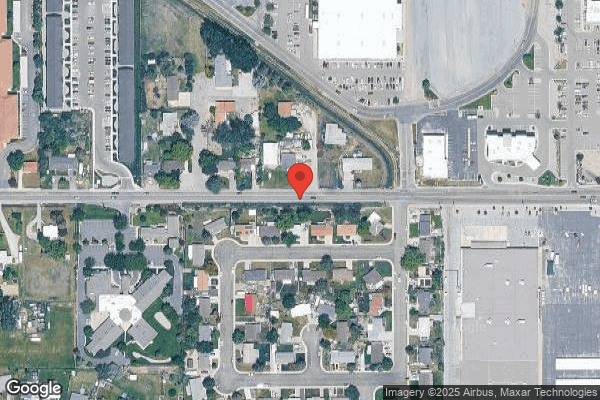
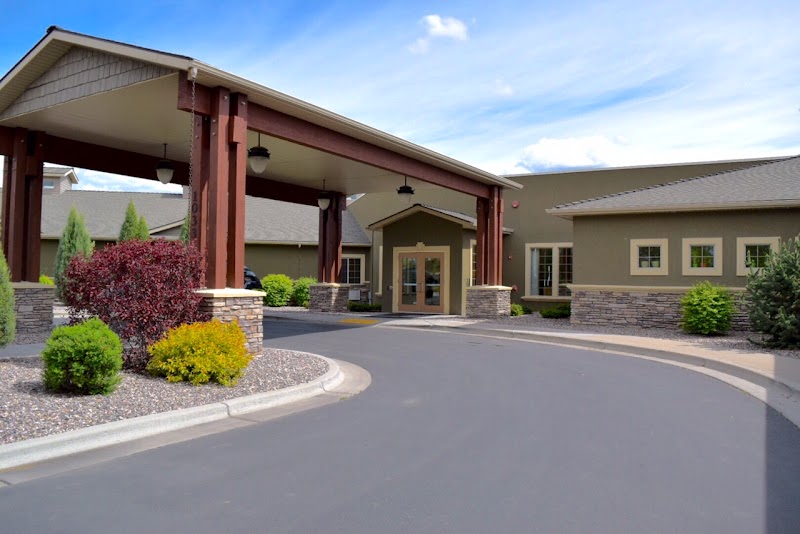
1033 W QUINN ROAD, POCATELLO, ID 83202 (208) 637-8888
For profit - Limited Liability company 41 Beds Independent Data: November 2025
Trust Grade
55/100
#50 of 79 in ID
Last Inspection: February 2025

Within standard 12-15 month inspection cycle. Federal law requires annual inspections.

Overview

Quinn Meadows Rehabilitation and Care Center has received a Trust Grade of C, indicating that it is average and falls in the middle of the pack for nursing homes. It ranks #50 out of 79 facilities in Idaho, placing it in the bottom half, and #3 out of 4 in Bannock County, meaning there is only one local option rated better. The facility's trend is stable, with 10 reported issues in both 2024 and 2025, suggesting no significant improvement or decline. Staffing is rated average with a turnover rate of 56%, which is close to the state average of 47%, indicating some consistency in staff but room for improvement. Notably, the facility has not incurred any fines, which is a positive sign. However, there are concerns about kitchen sanitation, as inspectors found outdated food items and cleanliness issues that could risk residents' health. Additionally, one resident's advance directive was not properly documented, which could lead to adverse outcomes if their wishes were not followed. While there are some strengths, such as no fines and average staffing, families should weigh these against the documented concerns.

Trust Score
C
55/100
In Idaho
#50/79
Bottom 37%
Safety Record
Low Risk
No red flags
Inspections
Holding Steady
10 → 10 violations
Staff Stability
⚠ Watch
56% turnover. Above average. Higher turnover means staff may not know residents' routines.
Penalties
✓ Good
No fines on record. Clean compliance history, better than most Idaho facilities.
Skilled Nurses
✓ Good
Each resident gets 61 minutes of Registered Nurse (RN) attention daily — more than 97% of Idaho nursing homes. RNs are the most trained staff who catch health problems before they become serious.
Violations
⚠ Watch
24 deficiencies on record. Higher than average. Multiple issues found across inspections.
★★★☆☆
3.0
Overall Rating
★★★☆☆
3.0
Staff Levels
★★★★☆
4.0
Care Quality
★★★☆☆
3.0
Inspection Score
Stable
2024: 10 issues
2025: 10 issues

The Good

  • 4-Star Quality Measures · Strong clinical quality outcomes
  • Full Sprinkler Coverage · Fire safety systems throughout facility
  • No fines on record

Facility shows strength in quality measures, fire safety.

The Bad

3-Star Overall Rating

Near Idaho average (3.3)

Meets federal standards, typical of most facilities

Staff Turnover: 56%

10pts above Idaho avg (46%)

Frequent staff changes - ask about care continuity

Staff turnover is elevated (56%)

8 points above Idaho average of 48%

The Ugly 24 deficiencies on record

Feb 2025 10 deficiencies
CONCERN (D)

Potential for Harm - no one hurt, but risky conditions existed

Deficiency F0578 (Tag F0578)

Could have caused harm · This affected 1 resident

**NOTE- TERMS IN BRACKETS HAVE BEEN EDITED TO PROTECT CONFIDENTIALITY** Based on policy review, record review, and staff interview, it was determined the facility failed to ensure residents resuscitat...

Read full inspector narrative →
**NOTE- TERMS IN BRACKETS HAVE BEEN EDITED TO PROTECT CONFIDENTIALITY** Based on policy review, record review, and staff interview, it was determined the facility failed to ensure residents resuscitation code status was up to date in their medical records and residents and their representatives received assistance to exercise their right to formulate an advanced directive. This was true for 1 of 12 residents (Resident #188) whose records were reviewed for advanced directives. This deficient practice created the potential for harm or adverse outcomes if residents' wishes were not followed or documented. Findings include: The facility's Residents' Rights Regarding Treatment and Advance Directives policy dated [DATE], documented under Policy Explanation and Compliance guidelines: On admission, the facility will determine if the resident has executed an advance directive, and if not, determine whether the resident would like to formulate an advance directive. Any decisions made regarding the resident's choices will be documented in the resident's medical record and communicated to the interdisciplinary team and staff responsible for the resident's care. Resident #188 was admitted to the facility on [DATE], with multiply diagnoses including chronic respiratory failure with hypoxia (a condition where the body is unable to effectively exchange oxygen and carbon dioxide in the lungs over a prolonged period, leading to persistently low levels of oxygen in the blood) and multiple fractures of bilateral ribs. Resident #188's medical record had conflicting documentation related to his resuscitation status as listed below. - Resident 188's face sheet documented DNR. - His POST (Physician Orders for Scope of Treatment) dated [DATE], documented YES to CPR, attempt resuscitation. - His care plan dated [DATE], documented DNR. Resident #188's medical record did not contain documentation of the following; - an advance directives. - of the facility offering to assist the resident to formulate an advance directive. - the resident declined to formulate an advanced directive. On [DATE] at 2:25 PM, the DON and Regional Support Nurse stated the POST was the most up to date document and it did conflict with the other documents in Resident #188's record and should not have. On [DATE] at 2:30 PM, the DON and Regional Support Nurse stated Resident #188 did not have an advance directive in the medical record and should have.
CONCERN (D)

Potential for Harm - no one hurt, but risky conditions existed

Safe Environment (Tag F0584)

Could have caused harm · This affected 1 resident

**NOTE- TERMS IN BRACKETS HAVE BEEN EDITED TO PROTECT CONFIDENTIALITY** Based on observation, policy review, and staff interview, it was determined the facility failed to ensure residents were provide...

Read full inspector narrative →
**NOTE- TERMS IN BRACKETS HAVE BEEN EDITED TO PROTECT CONFIDENTIALITY** Based on observation, policy review, and staff interview, it was determined the facility failed to ensure residents were provided with a clean, safe, homelike environment. This was true for all 37 residents who resided in the facility whose equipment and environment were observed for cleanliness and proper lighting in their rooms. This deficient practice created the potential for harm if residents were embarrassed by and/or felt the disrepair in the facility was unacceptable, disrespectful, or undignified or residents were injured due to inadequate lighting in resident rooms. Findings include: The facility's Cleaning and Disinfecting of Resident-Care Equipment policy dated 12/6/24, documented direct care staff are responsible for cleaning single-resident equipment when visibly soiled, and according to routine schedule. The following areas were observed: a) On 2/3/25 at 9:21 AM, in room [ROOM NUMBER]A, the right bed rail was observed with a dried brown substance in the curve of the railing and across the railing. The bedside table base was observed with a dry white substance. On 2/5/25 at 10:46 AM, the Director of Housekeeping/Laundry stated the bed rail, and the bedside table are to be cleaned daily and should have been cleaned. b) On 2/3/25 at 8:28 AM, observed a Hoyer lift stored in the hallway in front of room [ROOM NUMBER] with a dirty cushion on the cross bar. On 2/3/25 at 8:32 AM, the ADON stated the cushion was dirty and should have been getting changed or cleaned between resident transfers. On 2/3/25 at 10:04 AM, observed CNA #2 remove a Hoyer lift from room [ROOM NUMBER] and did not clean/disinfect the Hoyer lift. On 2/3/25 at 10:08 AM, CNA #2 stated there is no set time frame for cleaning the Hoyer lifts. On 2/3/25 at 10:13 AM, CNA #1 stated he didn't know who cleans the Hoyer lift or when it gets cleaned. c) Resident #32 was admitted to the facility on [DATE], with multiple diagnoses including heart failure and diabetes. On 2/3/25 at 1:41 PM, Resident #32 stated the lights were off in his room because he could not reach any of the light switches in the room when in bed. On 2/4/25 at 10:30 AM, the Administrator stated that residents might have problems with room light access due to the location of room light switches. On 2/4/25 at 11:45 AM, the Administrator provided the results of a Potential Building Wide Grievance survey he had just completed. This survey documented four residents stated access to the light switch from their bed was identified as a potential barrier at times. On 2/4/25 at 11:48 AM, the Administrator stated the light switches in resident rooms seemed to be an issue for some residents and needed to be addressed.
CONCERN (D)

Potential for Harm - no one hurt, but risky conditions existed

Deficiency F0637 (Tag F0637)

Could have caused harm · This affected 1 resident

**NOTE- TERMS IN BRACKETS HAVE BEEN EDITED TO PROTECT CONFIDENTIALITY** Based on review of the State Operations Manual, record review, and staff interviews, it was determined the facility failed to en...

Read full inspector narrative →
**NOTE- TERMS IN BRACKETS HAVE BEEN EDITED TO PROTECT CONFIDENTIALITY** Based on review of the State Operations Manual, record review, and staff interviews, it was determined the facility failed to ensure a Significant Change of Status Assessment (SCSA) MDS was completed when residents were newly diagnosed with a major mental disorder. This was true for 2 of 12 residents (#27 and #33), whose MDS records were reviewed for accuracy. This had the potential for harm if the facility staff did not recognize changes in the resident's health status and mental health needs. Findings include: Appendix PP of the State Operations Manual dated 8/8/24, documented a SCSA must be completed within 14 days after a determination has been made that a significant change in the resident's status from baseline occurred. 1. Resident #27 was initially admitted to the facility on [DATE], and readmitted on [DATE], with multiple diagnoses including primary adrenocortical insufficiency (a condition where the adrenal glands fail to produce sufficient amounts of the hormones cortisol and aldosterone) and Alzheimer's disease (a progressive neurodegenerative disorder that primarily affects memory, thinking, and behavior). Resident #27's Level 1 PASARR dated 8/21/24, documented he had schizophrenic disorder. The quarterly MDS dated [DATE], had not documented Resident #27 had a schizophrenic disorder. On 2/5/25 at 2:31 PM, the DON and the RSN stated Resident #27's MDS should have been updated within 14 days of the schizophrenic disorder diagnosis identified on 8/23/24 PASARR I but was not. 2. Resident #33 was admitted on [DATE], with multiple diagnoses including fractured pelvis, anxiety disorder, and depression. Resident #33's Level I PASRR screening dated 12/30/24, documented she was suspected to have a mental disorder of mild/situational depression. Resident #33's Level II PASRR evaluation dated 12/30/24, documented her depression and anxiety diagnosis was identified as mild or situational and does not meet the criteria for major mental illness. Resident #33's medication orders dated 1/2/25, documented the following. - Quetiapine Furnate (antipsychotic medication) 25 MG. Give 1 tablet by mouth at bedtime for depression. - Citalopram Hydrobromide Oral Tablet (antidepressant medication) 20 MG. Give 1 tablet by mouth one time a day for depression. Resident #33's admission MDS dated [DATE], documented in section A1500, Resident #33 was not considered to have a serious mental illness. Resident #33's physician documented on 1/11/25, Resident #33 had a diagnosis of major depressive disorder (a major mental illness) and she will continue to meet with Resident #33 on a regular basis to provide supportive counseling and monitor medication need. On 2/5/25 at 2:14 PM, the DON and RSN stated a SCSA MDS was not completed for Resident #33 after her newly identified diagnosis of major depressive disorder, and there should have been one completed.
CONCERN (D)

Potential for Harm - no one hurt, but risky conditions existed

Deficiency F0657 (Tag F0657)

Could have caused harm · This affected 1 resident

**NOTE- TERMS IN BRACKETS HAVE BEEN EDITED TO PROTECT CONFIDENTIALITY** Based on observation, record review, policy review, and staff interview, it was determined the facility failed to ensure residen...

Read full inspector narrative →
**NOTE- TERMS IN BRACKETS HAVE BEEN EDITED TO PROTECT CONFIDENTIALITY** Based on observation, record review, policy review, and staff interview, it was determined the facility failed to ensure resident's care plans were revised to reflect current needs and interventions. This was true for 1 of 12 residents (Resident #16) whose care plans were reviewed. This placed resident at risk of adverse outcomes if care and services were not provided due to care plans not being revised as residents' needs changed. Findings include: The facility's Comprehensive Care Plans policy, dated 12/13/24, documented the comprehensive care plan would be reviewed and revised by the interdisciplinary team after each comprehensive and quarterly MDS assessment. Resident #16 was initially admitted to the facility on the 11/23/22, and readmitted to the facility on [DATE], with multiple diagnoses including spinal stenosis (spinal narrowing) and heart failure. a) A Progress Note dated 1/23/25 at 1:27 PM, documented the staff were called outside to the front of facility. Resident #16 was observed laying on the driveway near the sidewalk, on his left side. Resident #16 stated his wheelchair tire went off the curb and he fell out of the wheelchair. Resident #16 received a bruise and a cut to his left elbow, a cut to the bridge of his nose and forehead. Resident #16's care plan was not updated with new fall interventions. On 2/5/25 at 11:11 AM, the DON stated there was no interventions for Resident #16's fall on 1/23/25, in his care plan. The care plan should have been updated. b) Resident #16's TAR documented he did not have skin breakdown/wounds. On 2/4/25 at 11:44 PM, Resident #16's care plan documented he recently had lumbar spinal fusion surgery. Resident #16's goal was for his surgical site to heal without signs and symptoms of complications by next review date. His care plan directed the facility staff to: - Allow me to rest when my pain is worse. - Assist me with turning and repositioning. - Encourage me to report pain. - Encourage me to turn, cough and breathe deeply to help prevent pneumonia. - Ensure I am eating to promote healing. - Diet per my physician order. - Encourage diet high in protein to promote healing. - Monitor my intake. - Offer snacks. - Have dietician assess my nutritional status. - Assess for my likes and dislikes. - Monitor and change my bandages per my physician orders. - Monitor my pain. Perform pain scale every shift. Administer pain medication as ordered. Assist me to comfortable positions. - Monitor my surgical site for s/s of infection: redness, increased temperature, Drainage, etc. On 2/5/25 at 11:11 AM, the DON stated Resident #16 does not have any wound issues, his lumbar surgery was a while ago, and his care plan should have been updated.
CONCERN (D)

Potential for Harm - no one hurt, but risky conditions existed

Respiratory Care (Tag F0695)

Could have caused harm · This affected 1 resident

**NOTE- TERMS IN BRACKETS HAVE BEEN EDITED TO PROTECT CONFIDENTIALITY** Based on policy review, Up-To-Date review, observation, record review, and interviews, it was determined the facility failed to ...

Read full inspector narrative →
**NOTE- TERMS IN BRACKETS HAVE BEEN EDITED TO PROTECT CONFIDENTIALITY** Based on policy review, Up-To-Date review, observation, record review, and interviews, it was determined the facility failed to provide respiratory services as ordered by the physician. This was true for 1 of 2 residents (Resident #189) whose records were reviewed for respiratory services. This failure created the potential for residents to experience increased fatigue, poor sleep quality, and low oxygen levels. Findings include: The facility's Noninvasive Ventilation (CPAP, BiPAP, AVAPS, Trilogy) policy dated 12/16/24, documented under Policy Explanation and Compliance Guidelines, document use of the machine, resident's tolerance, any skin, respiratory or other changes and response(s). Up-To-Date (Sleep-related breathing disorders in COPD - Up-To-Date), Sleep-related breathing disorders in COPD dated 12/8/23, documented heated humidification is generally recommended for patients receiving CPAP. Resident #189 was initially admitted to the facility on [DATE], and readmitted on [DATE], with multiple diagnoses including diabetes and obstructive sleep apnea (a sleep disorder characterized by repeated episodes of complete or partial blockage of the upper airway during sleep, leading to reduced or absent breathing). On 2/3/25 at 2:43 PM, Resident #189 stated she had not used the CPAP since the humidifier water ran dry 3 days ago. Additionally, Resident #189 stated no one had been back to help her with the CPAP. Resident #189's physician's orders documented CPAP with setting of 6 to 15 cmH20 at bedtime. Add distilled water every night and as needed every night shift. On 2/5/25 at 10:15 AM, with RN #2 present, Resident #189 stated she had not used her CPAP the last three nights because they had not filled the CPAP humidifier with distilled water. On 2/5/25 at 11:06 AM, the DON stated nursing staff should have been filling the humidifier each night and as needed but nursing staff had not.
CONCERN (D)

Potential for Harm - no one hurt, but risky conditions existed

Pharmacy Services (Tag F0755)

Could have caused harm · This affected 1 resident

Based on record review, policy review, and staff interview, it was determined the facility failed to ensure controlled medications were tracked and kept secure from potential theft and/or diversion. T...

Read full inspector narrative →
Based on record review, policy review, and staff interview, it was determined the facility failed to ensure controlled medications were tracked and kept secure from potential theft and/or diversion. This was true for 1 of 2 medication carts reviewed. This failure created the potential for undetected misuse and/or diversion of controlled medications and had the potential to affect all residents who received controlled medication in the facility. Findings include: The facility's Controlled Substance Administration & Accountability policy dated 12/16/24, documented it is the policy of the facility to promote safe, high quality patient care, compliant with state and federal regulations regarding monitoring the use of controlled substances. The facility will have safeguards in place to prevent loss, diversion, or accidental exposure. On 2/4/25 at 12:26 PM, during hall 100's medication cart audit, observed the narcotic accountability record, dated 1/1/25 to 2/4/25, did not document a licensed nurse signature on each shift for 11 out of 35 days. On 2/4/25 at 12:33 PM, RN #1 stated the nurses should have signed the sheet when they accepted or released the medication cart.
CONCERN (D)

Potential for Harm - no one hurt, but risky conditions existed

Medication Errors (Tag F0758)

Could have caused harm · This affected 1 resident

**NOTE- TERMS IN BRACKETS HAVE BEEN EDITED TO PROTECT CONFIDENTIALITY** Based on record review, policy and State Operations manual review, and staff interview, the facility failed to ensure physician ...

Read full inspector narrative →
**NOTE- TERMS IN BRACKETS HAVE BEEN EDITED TO PROTECT CONFIDENTIALITY** Based on record review, policy and State Operations manual review, and staff interview, the facility failed to ensure physician ordered psychotropic medications were necessary to treat a specific diagnosed condition documented in resident's medical records. This was true for 1 of 6 residents (Resident #27) reviewed for psychotropic medication administration. This failure created the potential for Resident #27 to experience negative side effects related to receiving psychotropic medication without a proper diagnosis. Findings include: The facility's Unnecessary Drugs-Without Adequate Indication for Use policy dated 12/16/24, documented under Policy Explanation and Compliance Guidelines, documentation will be provided in the resident's medical record to show adequate indications for the medication's use and the diagnosed condition for which it was prescribed. State Operations Manual Appendix PP §483.45(e)(1) documented residents who have not used psychotropic drugs are not given these drugs unless the medication is necessary to treat a specific condition as diagnosed and documented in the clinical record. Resident #27 was initially admitted to the facility on [DATE], and readmitted on [DATE], with multiple diagnoses including primary adrenocortical insufficiency (a condition where the adrenal glands fail to produce sufficient amounts of the hormones cortisol and aldosterone) and Alzheimer's disease (a progressive neurodegenerative disorder that primarily affects memory, thinking, and behavior). Resident #27's physician's order documented Risperdal (antipsychotic medication) oral tablet 1 mg at bedtime for schizophrenia. Resident #27's medical record had not documented schizophrenia as a medical diagnosis. Resident #27's MDS dated [DATE], under I6000 documented NO for schizophrenia. On 2/5/25 at 2:28 PM, the DON and the RSN stated the schizophrenic diagnosis should have been in the record before the Risperdal was ordered and administered but was not.
CONCERN (D)

Potential for Harm - no one hurt, but risky conditions existed

Garbage Disposal (Tag F0814)

Could have caused harm · This affected 1 resident

Based on observation, interview, Idaho Administrative rules, and U.S. Food and Drug Administration 2022 Food Code review, the facility failed to ensure garbage cans were properly closed with lids to m...

Read full inspector narrative →
Based on observation, interview, Idaho Administrative rules, and U.S. Food and Drug Administration 2022 Food Code review, the facility failed to ensure garbage cans were properly closed with lids to minimize attracting pests and rodents into the kitchen. This deficient practice had the potential to affect all residents and staff in the facility. Findings include: Idaho Administrative Rules 16.03.02. Environmental Sanitation 108. Garbage and Refuse 03a. All containers used for storage of garbage and refuse shall be constructed of durable, nonabsorbent material and shall not leak or absorb liquids. Containers shall be provided with tight-fitting lids unless stored in vermin-proof rooms or enclosures, or in a waste refrigerator. U.S. Food and Drug Administration 2022 Food Code, 5-501.113 Covering Receptacles. Receptacles and waste handling units for REFUSE, recyclables, and returnables shall be kept covered: (A) Inside the FOOD ESTABLISHMENT if the receptacles and units: (1) Contain FOOD residue and are not in continuous use; or (2) After they are filled. On 2/3/25 at 8:10 AM, observed in the kitchen, next to the clean dish rack, a large garbage can without a lid. On 2/5/25 at 1:13 PM, the cook stated they had never had a lid on their garbage can. He did not know they needed one. On 2/5/25 at 2:54 PM, the RSN stated the garbage can should have had a lid on it.
CONCERN (D)

Potential for Harm - no one hurt, but risky conditions existed

Infection Control (Tag F0880)

Could have caused harm · This affected 1 resident

Based on observation, policy review, and staff interview, it was determined the facility failed to ensure infection control and prevention practices were maintained to provide a safe and sanitary envi...

Read full inspector narrative →
Based on observation, policy review, and staff interview, it was determined the facility failed to ensure infection control and prevention practices were maintained to provide a safe and sanitary environment. This was true for 1 of 6 residents (Resident #28) reviewed for IV medication administration. This failure had the potential of placing residents at risk for cross-contamination and infection. Findings include: The facility's Intravenous Therapy policy dated 12/13/24, documented under IV push. - Disinfect needleless connector/IV port with appropriate antiseptic agent (e.g., chlorhexidine, povidone iodine, an iodophor, or 70 percent alcohol) as per facility protocol. - Attach 10mL syringe normal saline and confirm patency of vascular access device as per protocol. - Disinfect needleless connector again with appropriate antiseptic agent. - Attach medication/solution syringe and administer slowly as per medication guidelines. - Observe infusion site for any adverse reactions and stop infusion, if so noted, and notify practitioner. - Detach medication syringe and disinfect needleless connector with appropriate antiseptic agent again. - Flush vascular access device with normal saline at same rate drug was injected. - Disinfect the needleless connector again and attach locking solution and inject into device, if warranted. On 2/3/25 at 11:01 AM, observed RN #1 during IV push medication administration do the following. - use Resident #28's bedside table without cleaning or disinfecting it before putting the IV push antibiotics syringe and flush syringes on the bedside table without any protective barrier. - uncap and clean first IV port with an alcohol pad before connecting the flush syringe to the port and recap the port. - uncap and clean the second IV port with an alcohol pad before connecting the flush syringe to the port. - without wiping the second IV port with an alcohol pad, connected the antibiotic syringe and instill the antibiotic. - After the antibiotic syringe was empty, RN #1 again wiped the second port with an alcohol wipe and connected the flush syringe to the port. On 2/3/25 at 11:19 AM, RN #1 stated she should have disinfected the bedside table before using it and she should have cleaned the second IV port before connecting the antibiotic syringe to the port, but did not. On 2/5/25 at 3:08 PM, the RSN stated RN #1 should have cleaned Resident #27's bedside table and the IV port prior to connecting each syringe to the IV port.
CONCERN (E)

Potential for Harm - no one hurt, but risky conditions existed

Food Safety (Tag F0812)

Could have caused harm · This affected multiple residents

Based on observation, policy review, and staff interview, it was determined the facility failed to maintain the kitchen in a sanitary manner. This deficiency had the potential to affect the 37 residen...

Read full inspector narrative →
Based on observation, policy review, and staff interview, it was determined the facility failed to maintain the kitchen in a sanitary manner. This deficiency had the potential to affect the 37 residents residing in the facility who consumed food prepared by the facility. This placed residents at risk for potential contamination of food and adverse health outcomes, including food-borne illnesses. The facility's Sanitation Inspection policy revision date 12/3/24, documented it was the policy of the facility, as part of the department's sanitation program, to conduct inspections to ensure food service areas are clean, sanitary and in compliance with applicable state and federal regulations. All food service areas shall be kept clean, sanitary, free from litter, rubbish and protected from rodents, roaches, flies, and other insects. On 2/3/25 at 8:10 AM, during the initial kitchen tour, the following was observed in the kitchen: - dust between handles of the refrigerator and freezer. - the ice machine floor drain had a large hard water stain. The drain pipes for the ice machine had a thick, dark gray, dry, substance. - the right side of the ice machine had a build up of a white substance. - the inside lip of the ice machine had a red, dry substance. - under the handwashing sink observed a fuzzy, gray substance on the pipes/tubing and hard water stain on the floor. - the dish rack was observed with a thick, fuzzy, gray, and yellow substance around the base and wheels. Observed dried chunks of different colors one the poles of the rack. - the serving table was observed with a white substance on the lower edge. - the wheels and lower part of the poles of the dish racks had a thick, gray, fuzzy substance covering them. - the front of the stove, on the bottom, observed a brown/orange, thick substance. - the vents in dish room and above the serving table were observed with a black substance. - the inside of the refrigerator, the left corner was observed with a dry, yellow substance. The right side of refrigerator wall was observed to have a dry, white substance. On 2/5/25 at 8:29 AM, the DM stated the kitchen has a daily and weekly cleaning schedule and the kitchen equipment should have been cleaned. On 2/5/25 at 12:59 PM, the Administrator stated the kitchen equipment and floor should have been clean.
Apr 2024 10 deficiencies
CONCERN (D) 📢 Someone Reported This

A family member, employee, or ombudsman was alarmed enough to file a formal complaint

Potential for Harm - no one hurt, but risky conditions existed

Deficiency F0578 (Tag F0578)

Could have caused harm · This affected 1 resident

**NOTE- TERMS IN BRACKETS HAVE BEEN EDITED TO PROTECT CONFIDENTIALITY** Based on policy review, record review, and staff interview, it was determined the facility failed to ensure a resident and their...

Read full inspector narrative →
**NOTE- TERMS IN BRACKETS HAVE BEEN EDITED TO PROTECT CONFIDENTIALITY** Based on policy review, record review, and staff interview, it was determined the facility failed to ensure a resident and their representative received assistance to exercise their right to formulate an Advanced Directive. This was true for 6 of 12 residents (Resident # 13, 14, 18, 22, 27, and 141) whose records were reviewed for advanced directives. This deficient practice created the potential for harm or adverse outcomes if residents' wishes were not followed or documented regarding their advance care planning. Findings include: The facility's Residents' Rights Regarding Treatment and Advanced Directives policy, dated 2/3/23, documented on admission the facility will determine if the resident has executed an advanced directive, and if not, determine whether the resident would like to formulate an advanced directive. Should the resident have an advanced directive, copies will be made and placed on the chart as well as communicated to the staff. Any decision-making regarding resident's choices will be documented in the resident's medical record. 1. The following resident's records did not include an advanced directive or documentation information about an advanced directive was provided to the resident or the resident's representative. a. Resident #13 was admitted to the facility on [DATE], with multiple diagnoses including respiratory failure and hypertension. A Social Services assessment, dated 11/9/23, documented Resident #13 had an advanced directive and the facility had received a copy of her advanced directive. Resident #13's record did not include an advanced directive or documentation information about an advanced directive was provided and discussed with her or [NAME] representative. b. Resident #14 was admitted to the facility on [DATE], with multiple diagnoses including cerebral infarction (disrupted blood flow to the brain due to problems with the blood vessels that supply it) and Type 2 diabetes. A Social Services assessment, dated 9/13/23, documented Resident #14 had an advanced directive and the facility had received a copy of his advanced directive. Resident #14's record did not include an advanced directive or documentation information about an advanced directive was provided and discussed with him or his representative. c. Resident #22 was admitted to the facility on [DATE], with multiple diagnosis including cervical vertebra fracture and respiratory failure. A Social Services assessment, dated 3/11/24, documented Resident #14 had an advanced directive. Resident #22's record did not include an advanced directive or documentation information about an advanced directive was provided and discussed with her or her representative. d. Resident #27 was admitted to the facility on [DATE], and readmitted on [DATE], with multiple diagnosis including sepsis (a life-threatening complication of an infection) and respiratory failure. Resident #27's record did not include an advanced directive or documentation information about an advanced directive was provided and discussed with her or her representative. e. Resident #141 was admitted to the facility on [DATE], with multiple diagnosis including acute respiratory failure and urinary tract infection. Resident #141's record did not include an advanced directive or documentation information about an advanced directive was provided and discussed with her or her representative. On 4/16/24 at 2:16 PM, the SSD stated the residents' social services assessments documented a copy of their advanced directive was documented by mistake. She stated when she completed the assessment she was thinking of the POST (Physicians Orders for Scope of Treatment). The SSD also stated she did not document that she offered to assist residents or resident representatives with completing an advanced directive. 2. Resident #18 was admitted to the facility on [DATE], with multiple diagnoses including chronic obstructive pulmonary disease (progressive lung disease characterized by increasing breathlessness) and diabetes. A Social Services evaluation, dated 2/5/24, documented Resident #18 had an advanced directive. Resident #18's record did not include an advanced directive or documentation information about an advanced directive was provided and discussed with him or his representative. On 4/17/24 at 10:24 AM, the SSD stated she discussed the advanced directive with Resident #18 and his family, and remembered asking for a copy of it, but did not document the conversation. The SSD stated she was unable to find Resident #18's advanced directive.
CONCERN (D) 📢 Someone Reported This

A family member, employee, or ombudsman was alarmed enough to file a formal complaint

Potential for Harm - no one hurt, but risky conditions existed

Deficiency F0655 (Tag F0655)

Could have caused harm · This affected 1 resident

**NOTE- TERMS IN BRACKETS HAVE BEEN EDITED TO PROTECT CONFIDENTIALITY** Based on record review, policy review, and staff interview, it was determined the facility failed to provide a summary of reside...

Read full inspector narrative →
**NOTE- TERMS IN BRACKETS HAVE BEEN EDITED TO PROTECT CONFIDENTIALITY** Based on record review, policy review, and staff interview, it was determined the facility failed to provide a summary of residents' baseline care plans to residents or their representative. This was true for 5 of 12 residents (#13, #14, #22, #27, and #141) reviewed for baseline care plans. This failure placed residents and their representative at risk of not being informed and having input in their care plan. Findings include: The facility's Care Plan - Baseline Plan of Care policy, revised 12/22/23, documented the Baseline Care Plan was to be developed within 48 hours of admission. The person providing the written summary of the baseline care plan should have obtained a signature from the resident or representative to verify that the summary was provided and make a copy of the summary for the medical records. If the summary was provided verbally by telephone, the nurse would indicate the discussion, sign the summary document, and make a copy of the written summary before mailing the summary to the resident representative. The following resident records did not include documentation their baseline care plan was provided and discussed with the resident and/or their representative: a. Resident #13 was admitted to the facility on [DATE], with multiple diagnoses including respiratory failure and hypertension. A MDS assessment, dated 2/15/24, documented Resident #13 was cognitively intact. Resident #13's record did not include documentation a baseline care plan was provided and discussed with her or her representative. b. Resident #14 was admitted to the facility on [DATE], with multiple diagnoses including cerebral infarction (disrupted blood flow to the brain due to problems with the blood vessels that supply it) and Type 2 diabetes. A MDS assessment, dated 3/22/24, documented Resident #14 was cognitively intact. Resident #14's record did not include documentation a baseline care plan was provided and discussed with him or his representative. c. Resident #22 was admitted to the facility on [DATE], with multiple diagnosis including cervical vertebra (spinal) fracture and respiratory failure. A MDS assessment, dated 3/14/24, documented Resident #22 was cognitively intact. Resident #22's record did not include documentation a baseline care plan was provided and discussed with him or his representative. d. Resident #27 was admitted to the facility on [DATE] and readmitted on [DATE], with multiple diagnosis including sepsis (a life-threatening complication of an infection) and respiratory failure. A MDS assessment, dated 3/26/24, documented Resident #27 was cognitively intact. Resident #27's record did not include documentation a baseline care plan was provided and discussed with her or her representative. e. Resident #141 was admitted to the facility on [DATE], with multiple diagnosis including acute respiratory failure and urinary tract infection. Resident #141's record did not include documentation a baseline care plan was provided and discussed with him or his representative. On 4/16/24 at 4:31 PM, the SSD stated there was no documentation residents' baseline care plans were reviewed or signed by residents or their representative. On 4/16/24 at 4:50 PM, the CRN stated there was no documentation baseline care plans were reviewed or signed by residents or their representative.
CONCERN (D) 📢 Someone Reported This

A family member, employee, or ombudsman was alarmed enough to file a formal complaint

Potential for Harm - no one hurt, but risky conditions existed

Deficiency F0657 (Tag F0657)

Could have caused harm · This affected 1 resident

**NOTE- TERMS IN BRACKETS HAVE BEEN EDITED TO PROTECT CONFIDENTIALITY** Based on record review and staff interview, it was determined the facility failed to ensure residents' care plans were revised a...

Read full inspector narrative →
**NOTE- TERMS IN BRACKETS HAVE BEEN EDITED TO PROTECT CONFIDENTIALITY** Based on record review and staff interview, it was determined the facility failed to ensure residents' care plans were revised and updated. This was true for 1 of 6 residents (Resident #15) whose care plans were reviewed. This created the potential for harm if cares/or services were not provided appropriately due to inaccurate information in the care plans. Findings include: The facility's Care Plan Revisions Upon Status Change, revised 12/22/23, documented comprehensive care plans should be reviewed, and revised as necessary when a resident experiences a status change. Resident #15 was admitted to the facility on [DATE], with multiple diagnoses including bladder cancer and muscle weakness. A physician's order, dated 2/15/24, directed staff to irrigate Resident #15's neobladder (new bladder made from a piece of a person's own small intestine that is formed into a pouch and positioned inside the body in the same position as the original urinary bladder) two times a day with 500 - 1,000 cc of saline. The order documented to push 2-3 syringes full, then remove, and repeat. Resident #15's care plan did not include documention his neobladder was to be rrigated two times a day. On 4/17/24 at 3:46 PM, the Clinical Resource Nurse reviewed Resident #15's care plan and stated irrigation of his neobladder was not in the care plan. The Clinical Resource Nurse stated residents' care plans should be updated as needed and quarterly.
CONCERN (D) 📢 Someone Reported This

A family member, employee, or ombudsman was alarmed enough to file a formal complaint

Potential for Harm - no one hurt, but risky conditions existed

ADL Care (Tag F0677)

Could have caused harm · This affected 1 resident

**NOTE- TERMS IN BRACKETS HAVE BEEN EDITED TO PROTECT CONFIDENTIALITY** Based on policy review, observation, record review, and staff interview, it was determined the facility failed to ensure residen...

Read full inspector narrative →
**NOTE- TERMS IN BRACKETS HAVE BEEN EDITED TO PROTECT CONFIDENTIALITY** Based on policy review, observation, record review, and staff interview, it was determined the facility failed to ensure residents received bathing assistance consistent with their needs. This was true for 1 of 4 residents (Resident #28) reviewed for ADLs. This failure created the potential for residents to experience embarrassment, isolation, and decreased sense of self-worth, due to lack of personal hygiene. Findings include: The facility's Resident Showers policy, revised 1/2/24, directed staff to assist residents with their bathing to maintain proper hygiene, stimulate circulation and help prevent skin issues. Resident #28 was admitted to the facility on [DATE], with multiple diagnoses including dementia and depression. On 4/15/24 at 6:15 PM, Resident #28 was in the dining room wearing a gown with a blue shirt over it. Resident #28 was also observed with small white hairs on his chin. On 4/16/24 at 10:23 AM, Resident #28 was in his room wearing a gown with a blue shirt over it. When asked how he was doing, Resident #28 looked at the surveyor and closed his eyes. A Bath/Shower Flowsheet, dated 3/13/24 through 4/14/24, documented the following: - Resident #28 did not receive a shower/bath between 3/13/24 and 3/20/24, 7 days and NA (Not Applicable) was documented on his flowsheet. - Resident #28 refused a shower on 3/21/24 and NA was documented on 3/24/24 and 3/31/24. - Resident #28 refused a shower on 4/4/24 and NA was documented on 4/7/24. - Resident #28 refused a shower on 4/11/24 and NA was documented on 4/14/24. On 4/18/24 at 9:46 AM, the DON reviewed Resident #28's Bath/Shower Flowsheet and stated Resident #28 refused a lot of his cares. The DON stated Resident #28's refusals of his bath/showers should have been documented in his record.
CONCERN (D) 📢 Someone Reported This

A family member, employee, or ombudsman was alarmed enough to file a formal complaint

Potential for Harm - no one hurt, but risky conditions existed

Deficiency F0757 (Tag F0757)

Could have caused harm · This affected 1 resident

**NOTE- TERMS IN BRACKETS HAVE BEEN EDITED TO PROTECT CONFIDENTIALITY** Based on record review and staff interview, it was determined the facility failed to ensure residents receiving opioid pain medi...

Read full inspector narrative →
**NOTE- TERMS IN BRACKETS HAVE BEEN EDITED TO PROTECT CONFIDENTIALITY** Based on record review and staff interview, it was determined the facility failed to ensure residents receiving opioid pain medications were monitored appropriately and offered non-pharmacologic pain interventions. This was true for 1 of 5 residents (Resident #15) reviewed for unnecessary medications. This failure created the potential for residents to experience adverse reactions due to lack of appropriate monitoring or experienced increased pain due to not offering non-pharmacologic pain interventions. Findings include: The facility's PRN Medications policy, revised 12/27/23, directed staff to offer non-drug interventions prior to giving PRN medications. Resident #15 was admitted to the facility on [DATE], with multiple diagnoses including bladder cancer and muscle weakness. Resident #15's physician order, dated 6/24, included the following: - Monitor pain every shift using Pain Scale of 0-10 if non-verbal or unable to respond to pain scales rating, utilize [NAME] (combines pictures and numbers for pain ratings, with 0 [zero] being no pain and 10 being the highest pain level) face scale. - Non-medication interventions must be attempted before administration of pain medications as follows: 1. ROM 2. reposition 3. warm blanket 4. cold therapy 5. massage 6. music 7. decrease lightning/noise/stimuli 8. offer drink/snack 9. other. - Oxycodone (opioid medication) 10 mg, one tablet every 6 hours as needed for pain. Resident #15's MAR, dated 3/1/24 through 4/16/24, documented Resident #15's pain level ranged from 3 to 5 on the pain scale. Resident #15 was given oxycodone 10 mg one time a day for 27 days and two times a day for 9 days. Resident #15's MAR did not include documentation non-pharmacologic interventions were offered to him prior to administering his as needed pain medications. On 4/16/24 at 4:16 PM, the DON stated non-pharmacologic interventions should have been offered to Resident #15 prior to giving him his PRN pain medications. The DON stated there was no documentation in Resident #15's record non-pharmacologic interventions were offered to him.
CONCERN (D) 📢 Someone Reported This

A family member, employee, or ombudsman was alarmed enough to file a formal complaint

Potential for Harm - no one hurt, but risky conditions existed

Medication Errors (Tag F0758)

Could have caused harm · This affected 1 resident

**NOTE- TERMS IN BRACKETS HAVE BEEN EDITED TO PROTECT CONFIDENTIALITY** Based on record review and staff interview, it was determined the facility failed to ensure residents receiving psychoactive med...

Read full inspector narrative →
**NOTE- TERMS IN BRACKETS HAVE BEEN EDITED TO PROTECT CONFIDENTIALITY** Based on record review and staff interview, it was determined the facility failed to ensure residents receiving psychoactive medications had resident-specific target behaviors identified and monitored. This was true for 1 of 5 residents (Resident #28) reviewed for psychoactive medications. This deficient practice created the potential for harm if residents received medications that may result in negative outcomes without clear indication of need. Findings include: The facility's Unnecessary Drug-Without Adequate Indications for Use policy, revised 1/2/24, documented that each resident's drug regimen was managed and monitored to promote or maintain the resident's highest practicable mental, physical, and psychosocial well-being from unnecessary drugs. Resident #28 was admitted to the facility on [DATE], with multiple diagnoses including dementia and depression. A physician's order, dated 3/21/24, documented Resident #28 was to receive the following medications: - Trazodone (anti-depressant) 50 mg, one tablet by mouth at bedtime, for his depression - Aripiprazole (anti-psychotic), 15 mg, one tablet by mouth once a day for his depression Resident #28's care plan, did not document he was taking psychoactive medications and what specific target behavior he manifested for depression. On 4/16/24 at 5:02 PM, the SSD reviewed Resident #18's record, and stated she did not find Resident #28 had specific target behavior documented.
CONCERN (D) 📢 Someone Reported This

A family member, employee, or ombudsman was alarmed enough to file a formal complaint

Potential for Harm - no one hurt, but risky conditions existed

Unnecessary Medications (Tag F0759)

Could have caused harm · This affected 1 resident

**NOTE- TERMS IN BRACKETS HAVE BEEN EDITED TO PROTECT CONFIDENTIALITY** Based on observation, policy review, and staff interview, it was determined the facility failed to ensure the medication error r...

Read full inspector narrative →
**NOTE- TERMS IN BRACKETS HAVE BEEN EDITED TO PROTECT CONFIDENTIALITY** Based on observation, policy review, and staff interview, it was determined the facility failed to ensure the medication error rate was less than 5%. This was true for 2 of 33 medications (6.06%) which affected 1 of 4 residents (Resident #27) whose medication administration were observed. This failed practice placed residents at risk of not receiving their prescribed medication or dosage of their medication. Findings include: The facility's Medication Errors policy, revised 12/27/23, documented the facility must ensure that it is free of medication error rates of 5% or greater as well as significant medication error rates. Resident #27 was admitted to the facility on [DATE], and readmitted on [DATE], with multiple diagnosis including sepsis (a life-threatening complication of an infection) and respiratory failure. 1. A physician order, dated 4/15/24, documented to administer Amiodarone HCl 200mg tablet by mouth to Resident #27 in the morning for heart failure. On 4/16/24 at 7:41 AM, RN #1 placed a 200 mg tablet of Amiodarone HCl in a medication cup. She then placed Resident #27's other medication into medication cup including another 200mg Amiodarone HCl for a total of 400 mg of Amiodarone HCl. On 4/16/24 at 7:44 AM, RN #1 stated Resident #27 had an order for Amiodarone HCl 200mg and she had not realized she had already put the Amiodarone in the medication cup. She also stated Resident #27 should have only received 1 tablet of Amiodarone. 2. A physician order, dated 4/15/24, documented Resident #27 was to receive 17 grams of Polyethylene Glycol powder one time a day for bowel maintenance. On 4/16/24 at 7:51 AM, RN #1 documented in Resident #27's MAR that Resident #27 received her Polyethylene Glycol powder. On 4/16/24 at 7:53 AM, RN #1 stated she had not administered the Polyethylene Glycol powder to Resident #27 because she usually refuses the medication. RN #1 also stated she should have offered the Polyethylene Glycol powder to Resident #27.
CONCERN (D) 📢 Someone Reported This

A family member, employee, or ombudsman was alarmed enough to file a formal complaint

Potential for Harm - no one hurt, but risky conditions existed

Deficiency F0761 (Tag F0761)

Could have caused harm · This affected 1 resident

Based on observation, policy review, and staff interview, it was determined the facility failed to ensure medications available for residents were labeled and dated. This was true for 2 of 2 medicatio...

Read full inspector narrative →
Based on observation, policy review, and staff interview, it was determined the facility failed to ensure medications available for residents were labeled and dated. This was true for 2 of 2 medication carts inspected. This failure created the potential for residents to receive expired medications with decreased efficacy. Findings include: The facility's Labeling of Medication and Biologicals policy, revised 12/27/23, documented medication labels must be legible at all times. Labels for multi-use vials must include a) the date the vial was initially opened; and b) all opened vials should be discarded within 28 days unless the manufacturer specifies a different (shorter or longer) date for the opened vial. The facility's Insulin Pen policy, dated 12/27/23, documented insulin pens should be disposed of after 28 days or according to manufacturer's recommendations. The insulin pen expiration date is to be checked before use and discarded if expired. 1. On 4/16/24 at 8:44 AM, 2 insulin pens, not dated, 2 opened multiuse insulin vials, not dated, and a Lispro insulin vial that was dated 2/2/24, were found inside the top drawer of the 100-hall medication cart. On 4/16/24 at 8:49 AM, RN #1 stated she did not know how long the insulin pen or vial was good for. RN #1 also stated the insulin vial and insulin pen should have been dated when it was opened. 2. On 4/16/24 at 11:50 AM, 5 insulin pens and 1 opened vial of insulin were found inside the top drawer of the 300-hall medication cart. On 4/16/24 at 11:54 AM, LPN #1 stated the insulin pens and vials should have been dated when they were opened and are good for 28 days from opened date. LPN #1 stated the insulin pens and vials should have been discarded when they expired and new insulin pens and vials should have been used.
CONCERN (D) 📢 Someone Reported This

A family member, employee, or ombudsman was alarmed enough to file a formal complaint

Potential for Harm - no one hurt, but risky conditions existed

Infection Control (Tag F0880)

Could have caused harm · This affected 1 resident

**NOTE- TERMS IN BRACKETS HAVE BEEN EDITED TO PROTECT CONFIDENTIALITY** Based on record review, observation, policy review, and staff interview, it was determined the facility failed to ensure infecti...

Read full inspector narrative →
**NOTE- TERMS IN BRACKETS HAVE BEEN EDITED TO PROTECT CONFIDENTIALITY** Based on record review, observation, policy review, and staff interview, it was determined the facility failed to ensure infection control prevention practices were maintained to provide a safe and sanitary environment. This was true for 3 of 12 residents (#2, #19, and #27) observed for infection control. These failures had the potential to impact all residents in the facility by placing them at risk for cross contamination and infection. Findings include: The CDC Website for Healthcare-Associated Infections, last reviewed 7/27/22, accessed on 4/23/24, states: - Enhanced Barrier Precautions are an infection control intervention designed to reduce transmission of multidrug-resistant organisms (MDROs) in nursing homes. Enhanced Barrier Precautions involve gown and glove use during high-contact resident care activities for residents known to be colonized or infected with a MDRO as well as those at increased risk of MDRO acquisition (e.g., residents with wounds or indwelling medical devices). - Enhanced Barrier Precautions expand the use of gown and gloves beyond anticipated blood and body fluid exposures. They focus on use of gown and gloves during high-contact resident care activities that have been demonstrated to result in transfer of MDROs to hands and clothing of healthcare personnel, even if blood and body fluid exposure is not anticipated. Enhanced Barrier Precautions are recommended for residents known to be colonized or infected with a MDRO as well as those at increased risk of MDRO acquisition (e.g., residents with wounds or indwelling medical devices). Standard Precautions still apply while using Enhanced Barrier Precautions. For example, if splashes and sprays are anticipated during the high-contact care activity, face protection should be used in addition to the gown and gloves. 1. Resident # 19 was admitted to the facility on [DATE], with multiple diagnosis including Cerebral Palsy (congenital disorder of movement, muscle tone, or posture) and septicemia (serious bloodstream infection). A physician's order documented Resident #19 was to be placed on Enhanced Barrier Precautions due to his Foley catheter (a semi-flexible plastic tube where one end is inserted into the bladder and the other end is attached to a bag that collects urine, which is used when a person cannot urinate normally) and gastric tube (a medical device used to provide nutrition to people who cannot obtain nutrition by mouth). Staff were required to wear a gown and gloves for high-contact care (catheter care and gastric tube care). Staff were not required to wear a gown and gloves when not performing high-contact care. a. On 4/15/24 at 6:26 PM, a 2-drawer, plastic container containing gowns and gloves was observed outside Resident #19's room. There was no isolation signage outside Resident #19's door identifying what type of precautions were to be taken. When asked, the IP stated Resident #19 had a tube so that was why he had PPE outside his door. b. The facility's [urinary] Catheter Irrigation policy, revised 12/22/23, directed the nurse to disinfect the aspiration port with an antiseptic pad and allow to dry before attaching the syringe to the aspiration port. A physician order, dated 6/20/23, directed staff to irrigate Resident #19's Foley catheter with 1 tablespoon of vinegar and 250 milliliters of water. On 4/17/24 at 10:35 AM, RN #1 was observed irrigating Resident #19's Foley catheter. RN #1 inserted the syringe into the Foley catheter port and inserted the vinegar/water solution into the Foley catheter tubing. RN #1 did not clean the Foley catheter port before inserting the syringe. RN #1 did not wear a gown during the flushing of the Foley catheter. After the procedure RN #1 stated she was not aware that she needed to clean the Foley catheter port before using the port. RN #1 also stated she was not aware that Resident #19 was on Enhanced Barrier Precautions. 2. The Facility's Peripherally Inserted Central Catheter [PICC] Flushing, Locking, Removal policy, revised 12/26/23, directed the nurse to disinfect the needleless connector on the PICC line [a thin, flexible tube that is inserted into a vein in the upper arm and threaded into a large vein above the right side of the heart which is used to give fluids and medications] with an antiseptic solution using a vigorous mechanical scrub for 5 seconds and allow to dry completely before attaching 0.9% sodium chloride syringe to flush. Resident #27 was admitted on [DATE], and readmitted on [DATE], with multiple diagnosis including sepsis (a life-threatening complication of an infection) and respiratory failure. A physician's order, dated 4/15/24, directed staff to administer Ceftriaxone Sodium (antibiotic) 2 grams intravenously to Resident #27 one time a day. A physician's order, dated 4/16/24, documented Resident #27 was to be placed on Enhanced Barrier Precautions due to her PICC line with IV antibiotics. Staff were required to wear a gown and gloves for high-contact care (IV antibiotic administration or IV flushing). Staff were not required to wear a gown and gloves when not performing high-contact care. On 4/16/24 at 8:44 AM, RN #1 was observed administering an IV antibiotic. RN #1 removed the cap from Resident #27's PICC IV tubing port and inserted the syringe of normal saline. RN #1 did not wear a gown during the flushing of the PICC IV line. RN #1 did not clean the PICC IV tubing port before inserting the syringe. After the procedure RN #1 stated she was not aware that she needed to clean the PICC IV port before using the port because the cap that was placed on the IV port had saline in it so she figured the PICC IV port was clean. RN #1 also stated she was not aware that Resident #19 was on Enhanced Barrier Precautions. 3. Resident #2 was admitted to the facility on [DATE], with multiple diagnoses including right knee repair with reattachment of patellar (knee cap) tendon and right knee infection. On 4/15/24 at 2:25 PM, a sign was posted outside Resident #2's room which stated Enhanced Barrier Precautions. The sign stated staff were to don (put on) gloves and a gown for the following high contact resident activities: dressing, bathing/showering, transferring, changing linens, providing hygiene, changing briefs, or assisting with toileting, device care or use: central line, urinary catheter, feeding tube, tracheostomy, wound care: any skin opening requiring dressing. On 4/17/24 at 1:42 PM, during wound dressing observation, the Wound Nurse performed hand hygiene, donned gloves, and cut the Kerlix (a bandage roll) covering Resident #2's right foot. The Wound Nurse then showed the surveyor Resident #2's wound on her right heel and explained how it happened. The Wound Nurse was stroking the top and bottom of Resident #2's right foot with her gloved hand as she was explaining to the surveyor. The Wound Nurse then took a gauze moistened with normal saline and wiped Resident #2's wound on her heel, without changing her gloves. After wiping the wound, the Wound Nurse removed her gloves, put on gloves without performing hand hygiene and wiped Resident #2's wound with a wet gauze for the second time. The Wound Nurse then removed her gloves, put on gloves, and wrapped Resident #2's right foot with Kerlix and dated it. The Wound Nurse did not wear a gown during Resident #2's wound dressing change. On 4/17/24 at 1:52 PM, the Wound Nurse stated she should have changed her gloves and performed hand hygiene before cleaning Resident #2's wound. The Wound Nurse stated Resident #2 was on Enhanced Barrier Precautions and she should have worn a gown before performing Resident #2's wound dressing change and she did not.
CONCERN (E) 📢 Someone Reported This

A family member, employee, or ombudsman was alarmed enough to file a formal complaint

Potential for Harm - no one hurt, but risky conditions existed

Food Safety (Tag F0812)

Could have caused harm · This affected multiple residents

**NOTE- TERMS IN BRACKETS HAVE BEEN EDITED TO PROTECT CONFIDENTIALITY** Based on observation and staff interview, it was determined the facility failed to monitor, discard outdated food items, and mai...

Read full inspector narrative →
**NOTE- TERMS IN BRACKETS HAVE BEEN EDITED TO PROTECT CONFIDENTIALITY** Based on observation and staff interview, it was determined the facility failed to monitor, discard outdated food items, and maintain the kitchen in a sanitary manner. These deficiencies had the potential to affect the 36 residents residing in the facility who consumed food prepared by the facility. This placed residents at risk for potential contamination of food and adverse health outcomes, including food-borne illnesses. The facility's Date Marking for Food Safety policy, revised 12/18/23, stated the facility adhered to a date marking system to ensure safety of food. The policy also stated the food should be clearly marked to indicate the date by which the food shall be consumed or discarded. 1. a. On 4/15/24 at 1:20 PM, the following seasoning containers had a sticker with the following dates on it: - All Spice - 9/4/18 - Cream of Tartar: 1/31/20 - Whole Fennel seeds: 7/4/22 - Cayenne Pepper: 10/24/22 - Curry Powder: 10/24/22 - Ground Ginger: 3/9/23 - Dill Weed, 6/22/23 - Chives: 7/10/23 - Hungarian Paprika: 7/10/23 - Ground Nutmeg: 10/19/23 - Ground Mustard: 10/19/23 The above seasonings had a handwritten use by date which was one or two years from the date on the sticker except for the All Spice. Some of the seasonings had two different use by dates written on it. b. The following seasonings had no date on the sticker but had use by dates as follows: - Poppy Seed: use by 1/5/25 - Whole Oregano: use by 2/22/25 c. The following food items had an expiration date as follows: - Maple Flavor: 10/12/17 - Red Food Color: 5/10/18 - [NAME] Imitation Maple Flavor: use by 10/12/19 - [NAME] Red Food Color: 5/10/20 - Yellow Food Color (Egg Shade): 2/28/20 - Red Food Color: 2/28/22 - 2 bags of Couscous with best by 11/6/23 On 4/18/23 at 2:00 PM, the Chef stated the date on the sticker was the date it was received in their warehouse, and they would add one or two years from it for the use by date. The Chef also stated the expired food items should not be in the kitchen. On 4/16/24 at 1:59 PM, the DM stated the facility added one or two years from the date on the sticker as the use by date. When asked why some of the containers had two different use by dates written on them, the DM stated, I don't know why, unless we did a refill and mistakenly wrote two dates on it. The DM stated some of the spices are in their original container and some might have been refilled. When asked if the original container of the spices should be kept or thrown away when they have been consumed, the DM stated some of the containers were thrown away and some were refilled. The DM also stated some of the spices were hard to get so she would get them from the store and refill the container. 2. On 4/16/24 at 2:20 PM, during the kitchen tour with the DM, the following was observed in the kitchen: - The metal shelf where the oven was had a collection of dark debris along the sides of the oven and rusted areas were observed on the corners of the shelf. Food droppings were also observed on the shelf. - The oven door from the outside had whitish dried splatters. Both sides of the oven looked dirty. Also, a whitish splatter was observed on top of the oven. The inside of the oven was observed to be heavily soiled with grease. - The can opener was observed to have white splatter on its side. On 4/16/24 at 1:59 PM, the DM stated the shelves were being cleaned every three months and the oven was being cleaned every week. The DM was unable to provide documentation the oven and shelves were being cleaned as scheduled.
Nov 2022 4 deficiencies
CONCERN (D) 📢 Someone Reported This

A family member, employee, or ombudsman was alarmed enough to file a formal complaint

Potential for Harm - no one hurt, but risky conditions existed

Deficiency F0554 (Tag F0554)

Could have caused harm · This affected 1 resident

**NOTE- TERMS IN BRACKETS HAVE BEEN EDITED TO PROTECT CONFIDENTIALITY** Based on observation, record review, policy review, and resident and staff interview, it was determined the facility failed to e...

Read full inspector narrative →
**NOTE- TERMS IN BRACKETS HAVE BEEN EDITED TO PROTECT CONFIDENTIALITY** Based on observation, record review, policy review, and resident and staff interview, it was determined the facility failed to ensure residents were assessed for safety to self-administer medication. This was true for 1 of 1 resident (Resident #3) reviewed for self-administration of medication. This failure created the potential for adverse outcomes if Resident #3 self-administered inhaler medication and received too much or too little of the medication. Findings include: The facility's Self-Administration of Medication policy, implemented 12/27/21, stated the facility's Interdisciplinary Team offered each resident the opportunity to self-administer medications during the resident's routine assessment if it was determined the self-administration was safe and appropriate, based on the resident's cognitive status including their ability to correctly name their medications and know what conditions they were for. This policy was not followed. Resident #3 was admitted to the facility on [DATE], with multiple diagnoses including asthma (a condition in which your airways narrow and swell and may produce extra mucus). A quarterly MDS assessment, dated 6/22/22, documented Resident #3 was moderately cognitively intact. A physician's order, dated 7/24/22, documented Resident #3 was to inhale 2 puffs of Albuterol Sulfate HFA (hydrofluoroalkane) Aerosol solution (an inhaler used to treat wheezing and shortness of breath) orally every four hours, as needed for asthma. On 11/14/22 at 3:36 PM, the Albuterol Sulfate HFA inhaler was observed on top of Resident #3's overbed table. Resident #3 stated she used the inhaler when she coughed. When asked how often she used the inhaler, Resident #3 stated sometimes she used it one time a day and sometimes not at all. Resident #3's record did not include an assessment for self-administration of medications. On 11/15/22 at 12:03 PM, LPN #1 reviewed Resident #3's record and stated she did not have an assessment to self-administer her inhaler and she should have one. The facility failed to ensure safe self-medicaton administration.
CONCERN (D) 📢 Someone Reported This

A family member, employee, or ombudsman was alarmed enough to file a formal complaint

Potential for Harm - no one hurt, but risky conditions existed

Quality of Care (Tag F0684)

Could have caused harm · This affected 1 resident

**NOTE- TERMS IN BRACKETS HAVE BEEN EDITED TO PROTECT CONFIDENTIALITY** Based on policy observation, record review, policy review, and resident and staff interview, it was determined the facility fail...

Read full inspector narrative →
**NOTE- TERMS IN BRACKETS HAVE BEEN EDITED TO PROTECT CONFIDENTIALITY** Based on policy observation, record review, policy review, and resident and staff interview, it was determined the facility failed to ensure physician orders were followed. This was true for 1 of 2 residents (Resident #85) reviewed for quality of care. This deficient practice had the potential for harm if residents experienced discomfort from non-humidified oxygen. Findings include: The facility's Oxygen Administration policy, revised 3/24/21, directed staff to change the humidifier bottle when empty, or as recommended by the manufacturer. This policy was not followed. Resident #85 was admitted to the facility on [DATE], with multiple diagnoses including chronic respiratory failure with hypoxia (a condition in which the tissues of the body do not have a sufficient amount of oxygen). A physician order, dated 11/8/22, documented Resident #85 was to receive oxygen at 0 - 3 liters/minute via nasal cannula continuously to keep his oxygen saturation equal or greater than 90%, and to change his oxygen tubing and humidifier bottle (container of water attached to the oxygen concentrator) if the water level was low. On 11/16/22 at 10:07 AM, Resident #85 was sitting on his chair inside his room and receiving two liters of oxygen via nasal cannula. The humidifier was almost empty, and it was not connected to the oxygen concentrator. On 11/16/22 at 10:14 AM, LPN #2 was asked to check on Resident #85's oxygen concentrator. LPN #2 stated the humidifier should be connected to the oxygen concentrator and it was not. LPN #2 stated the water in the humidifier bottle should be bubbling (an indication the oxygen flowing through the water is picking up humidification to the oxygen delivered to the individual) and it was almost empty. The facility failed to follow respiratory care as ordered by the physician.
CONCERN (D) 📢 Someone Reported This

A family member, employee, or ombudsman was alarmed enough to file a formal complaint

Potential for Harm - no one hurt, but risky conditions existed

Infection Control (Tag F0880)

Could have caused harm · This affected 1 resident

Based on observation, policy review, and staff interview, it was determined the facility failed to ensure appropriate infection prevention practices were consistently implemented and maintained to pro...

Read full inspector narrative →
Based on observation, policy review, and staff interview, it was determined the facility failed to ensure appropriate infection prevention practices were consistently implemented and maintained to provide a safe and sanitary environment to prevent the transmission of communicable diseases. This was true for 1 of 1 LPN (LPN #2) observed after measuring a blood glucose level. This deficient practice placed residents at increased risk of cross contamination, including infection from a blood-borne illness. Findings include: The facility's Glucometer Disinfection policy and procedure, implemented 8/29/22, directed staff to clean and disinfect the glucometer after each use and according to manufacturer's instructions regardless of whether they were intended for single resident or multiple resident use. This policy was not followed. On 11/17/22 at 8:35 AM, LPN #2 exited Resident #135's room holding a glucometer (a device used to measure blood glucose levels). LPN #2 walked toward the medication cart and placed the glucometer on top of the medication cart. LPN #2 then took a Ziploc bag from inside the medication cart, placed the glucometer inside the Ziploc bag, and put the Ziploc bag back inside the medication cart. LPN #2 did not clean or sanitize the glucometer before putting it inside the Ziploc bag. On 11/17/22 at 9:55 AM, LPN #2 was asked if she cleaned the glucometer before placing it inside the Ziploc bag, LPN #2 stated she did not. When asked if the glucometer needed to be cleaned after being used, LPN #2 stated she was not sure. On 11/17/22 at 2:00 PM, LPN #2 stated the glucometer should be cleaned and disinfected after each use. The facility failed to ensure staff followed the policy for cleaning and disinfection of glucometers.
MINOR (C) 📢 Someone Reported This

A family member, employee, or ombudsman was alarmed enough to file a formal complaint

Minor Issue - procedural, no safety impact

Staffing Information (Tag F0732)

Minor procedural issue · This affected most or all residents

Based on observation, policy review, and staff interview, it was determined the facility failed to ensure nurse staffing information was accurate, posted daily for each shift, and kept for review for ...

Read full inspector narrative →
Based on observation, policy review, and staff interview, it was determined the facility failed to ensure nurse staffing information was accurate, posted daily for each shift, and kept for review for 18 months. This failed practice had the potential to affect the 38 residents residing in the facility and their representatives, visitors, and others who wanted to review the facility's staffing levels. Findings include: The facility's Nurse Staffing Posting Information policy, dated 1/1/22, documented, The facility will post the nurse staffing data at the beginning of each shift . Nursing schedules and posting information will be maintained in the Human Resources Department for review for at least 18 months or according to state law, whichever is greater. This policy was not followed. On 11/17/20 at 5:35 PM, the daily nurse staffing information form was observed posted in the central hallway across from the nurses' station. The information documented the resident census was 38 for that day. Listed were day, evening, and night shift staffing information. The area for the day shift listed 5 RNs and 4 CNAs. Two LPNs were observed working during the day shift. On 11/17/20 at 5:35 PM, the DON was asked if the staffing numbers were correct for the day shift. She stated the 5 RNs on the daily posting indicated 3 RNs and 2 LPNs instead of 5 RNs. Additionally, she stated the night shift updated the posting for the 6 AM shift the following day and day shift updated the posting for the 6 PM shift. On 11/17/22 at 6:03 PM, the Administrator, Regional Nurse, and DON were interviewed together. When asked if the facility retained copies of the daily staffing information, they stated the facility did not. They stated the reports were printed, posted, and placed in a shredder bin each day, and they were not aware of the requirement to save them. The facility did not post accurate staffing to reflect the correct number of RNs and LPNs and did not retain the schedules and posting information for 18 months.
Understanding Severity Codes (click to expand)
Life-Threatening (Immediate Jeopardy)
J - Isolated K - Pattern L - Widespread
Actual Harm
G - Isolated H - Pattern I - Widespread
Potential for Harm
D - Isolated E - Pattern F - Widespread
No Harm (Minor)
A - Isolated B - Pattern C - Widespread

Questions to Ask on Your Visit

  • "Why is there high staff turnover? How do you retain staff?"
  • "Can I speak with families of current residents?"
  • "What's your RN coverage like on weekends and overnight?"

Our Honest Assessment

Strengths
  • • No major safety red flags. No abuse findings, life-threatening violations, or SFF status.
  • • No fines on record. Clean compliance history, better than most Idaho facilities.
Concerns
  • • 24 deficiencies on record. Higher than average. Multiple issues found across inspections.
  • • Grade C (55/100). Below average facility with significant concerns.
  • • 56% turnover. Above average. Higher turnover means staff may not know residents' routines.
Bottom line: Mixed indicators with Trust Score of 55/100. Visit in person and ask pointed questions.

About This Facility

What is Quinn Meadows Rehabilitation And's CMS Rating?

CMS assigns QUINN MEADOWS REHABILITATION AND CARE CENTER an overall rating of 3 out of 5 stars, which is considered average nationally. Within Idaho, this rating places the facility higher than 0% of the state's 100 nursing homes. This mid-range rating indicates the facility meets federal standards but may have areas for improvement.
How is Quinn Meadows Rehabilitation And Staffed?

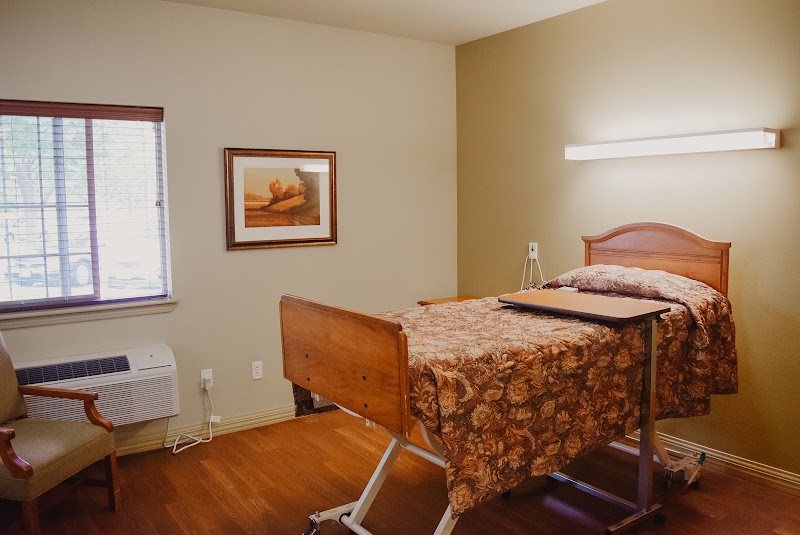
CMS rates QUINN MEADOWS REHABILITATION AND CARE CENTER's staffing level at 3 out of 5 stars, which is average compared to other nursing homes. Staff turnover is 56%, which is 10 percentage points above the Idaho average of 46%. High turnover can affect care consistency as new staff learn residents' individual needs. RN turnover specifically is 56%, which is notably high. RNs provide skilled clinical oversight, so turnover in this role can affect medical care quality.

What Have Inspectors Found at Quinn Meadows Rehabilitation And?

State health inspectors documented 24 deficiencies at QUINN MEADOWS REHABILITATION AND CARE CENTER during 2022 to 2025. These included: 23 with potential for harm and 1 minor or isolated issues.

Who Owns and Operates Quinn Meadows Rehabilitation And?

QUINN MEADOWS REHABILITATION AND CARE CENTER is owned by a for-profit company. For-profit facilities operate as businesses with obligations to shareholders or private owners. The facility operates independently rather than as part of a larger chain. With 41 certified beds and approximately 34 residents (about 83% occupancy), it is a smaller facility located in POCATELLO, Idaho.
How Does Quinn Meadows Rehabilitation And Compare to Other Idaho Nursing Homes?

Compared to the 100 nursing homes in Idaho, QUINN MEADOWS REHABILITATION AND CARE CENTER's overall rating (3 stars) is below the state average of 3.3, staff turnover (56%) is significantly higher than the state average of 46%, and health inspection rating (3 stars) is at the national benchmark.

What Should Families Ask When Visiting Quinn Meadows Rehabilitation And?

Based on this facility's data, families visiting should ask: "How do you ensure continuity of care given staff turnover, and what is your staff retention strategy?" "Can I visit during a mealtime to observe dining assistance and food quality?" "How do you handle medical emergencies, and what is your hospital transfer rate?" "Can I speak with family members of current residents about their experience?" These questions are particularly relevant given the facility's high staff turnover rate.

Is Quinn Meadows Rehabilitation And Safe?

Based on CMS inspection data, QUINN MEADOWS REHABILITATION AND CARE CENTER has a clean safety record: no substantiated abuse findings (meaning no confirmed cases of resident harm), no Immediate Jeopardy citations (the most serious violation level indicating risk of serious injury or death), and is not on the Special Focus Facility watch list (a federal program monitoring the lowest-performing 1% of nursing homes). The facility has a 3-star overall rating and ranks #100 of 100 nursing homes in Idaho. While no facility is perfect, families should still ask about staff-to-resident ratios and recent inspection results during their visit.

Do Nurses at Quinn Meadows Rehabilitation And Stick Around?

Staff turnover at QUINN MEADOWS REHABILITATION AND CARE CENTER is high. At 56%, the facility is 10 percentage points above the Idaho average of 46%. Registered Nurse turnover is particularly concerning at 56%. RNs handle complex medical decisions and coordinate care — frequent RN changes can directly impact care quality. High turnover means new staff may not know residents' individual needs, medications, or preferences. It can also be disorienting for residents, especially those with dementia who rely on familiar faces. Families should ask: What is causing the turnover? What retention programs are in place? How do you ensure care continuity during staff transitions?

Was Quinn Meadows Rehabilitation And Ever Fined?

QUINN MEADOWS REHABILITATION AND CARE CENTER has no federal fines on record. CMS issues fines when nursing homes fail to meet care standards or don't correct problems found during inspections. The absence of fines suggests the facility has either maintained compliance or corrected any issues before penalties were assessed. This is a positive indicator, though families should still review recent inspection reports for the full picture.

Is Quinn Meadows Rehabilitation And on Any Federal Watch List?

QUINN MEADOWS REHABILITATION AND CARE CENTER is not on any federal watch list. The most significant is the Special Focus Facility (SFF) program, which identifies the bottom 1% of nursing homes nationally based on persistent, serious quality problems. Not being on this list means the facility has avoided the pattern of deficiencies that triggers enhanced federal oversight. This is a positive indicator, though families should still review the facility's inspection history directly.